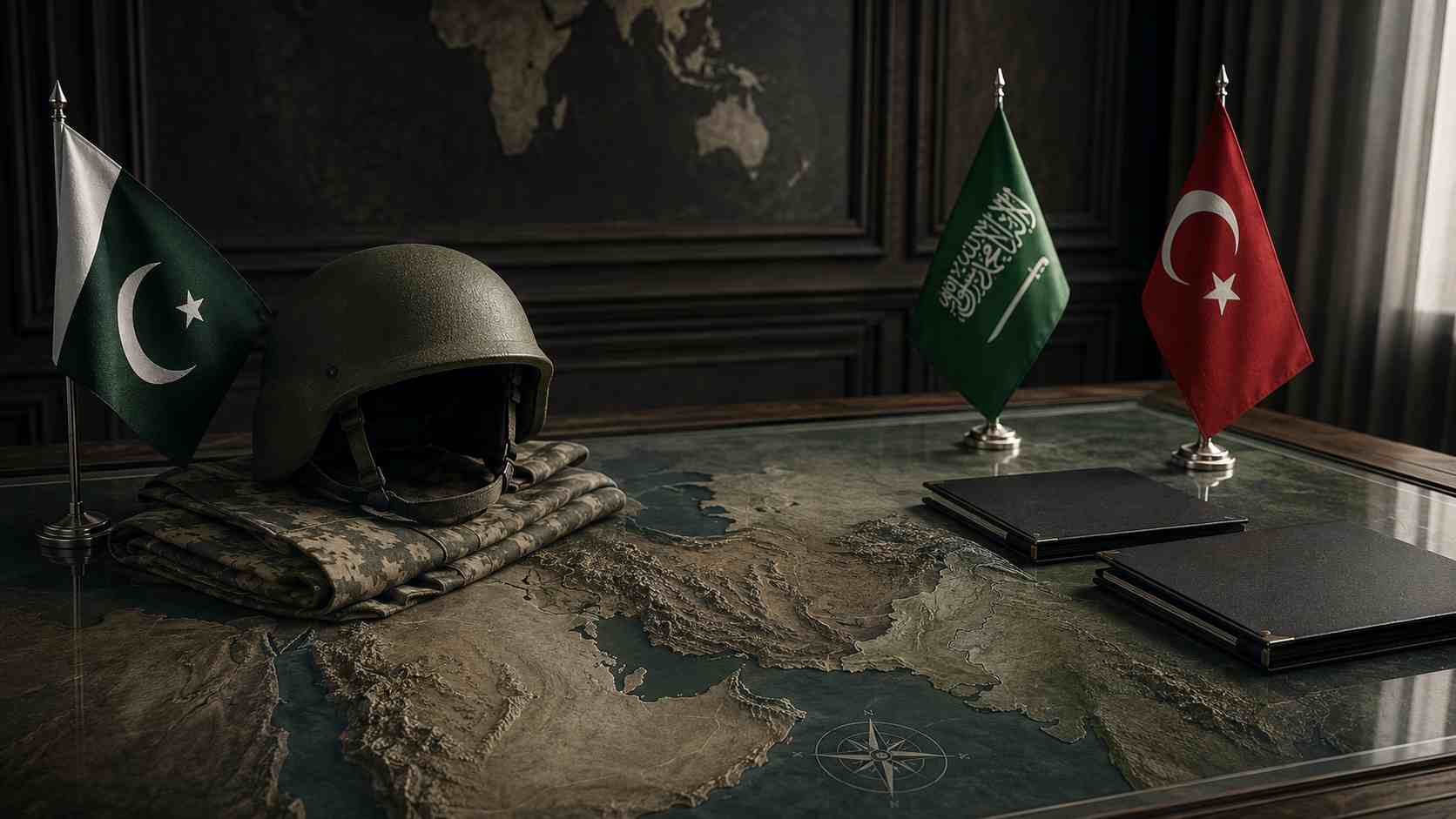
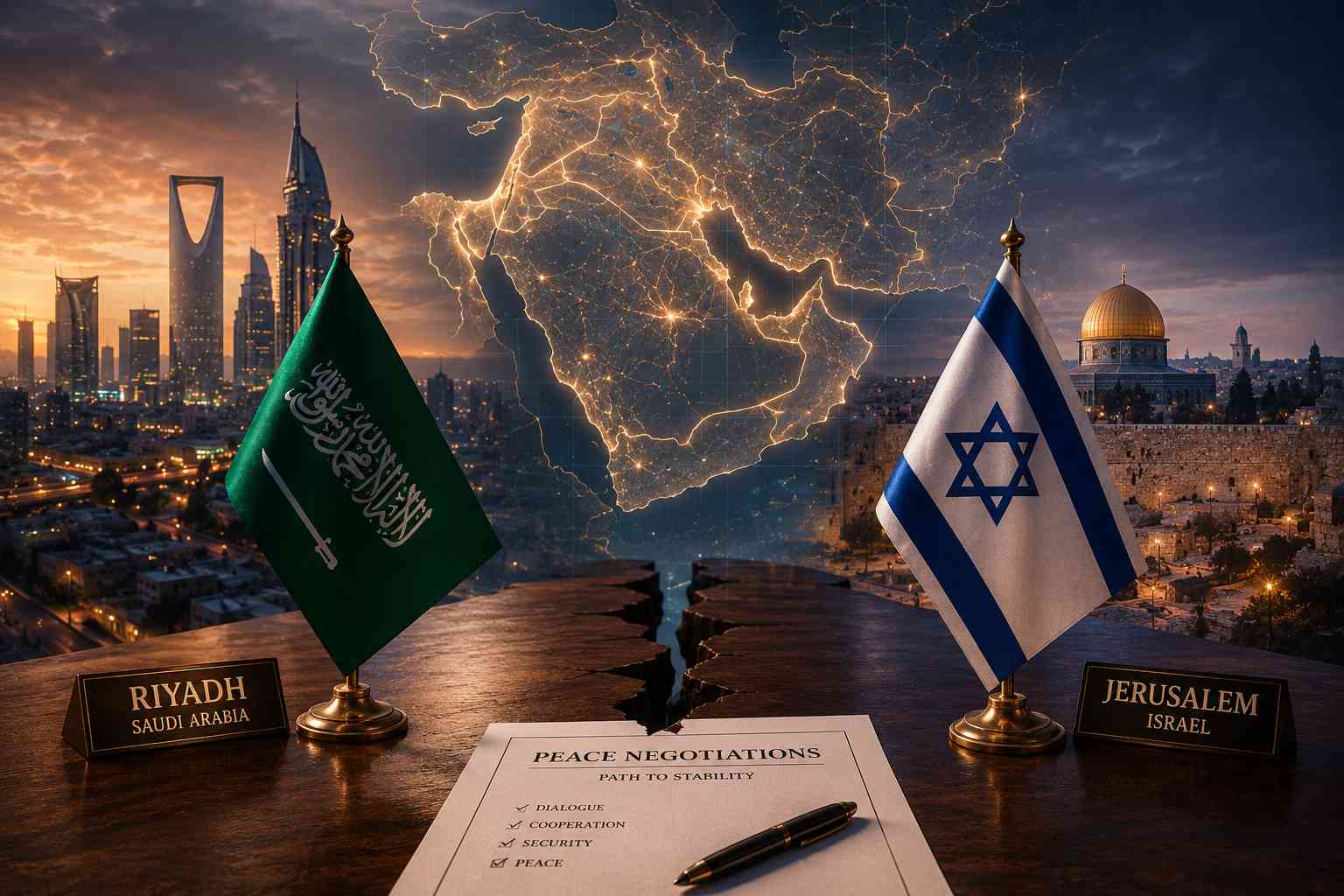
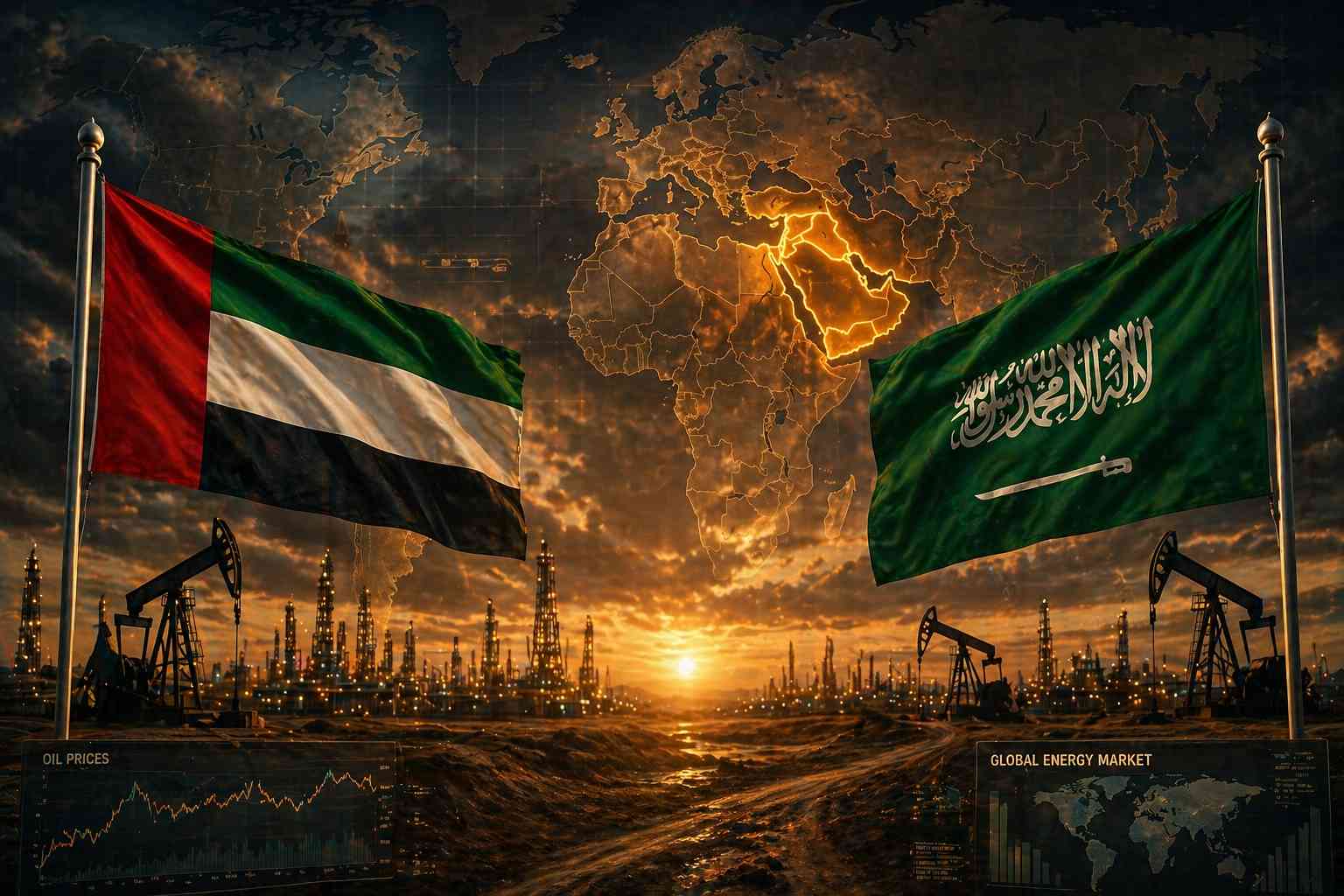
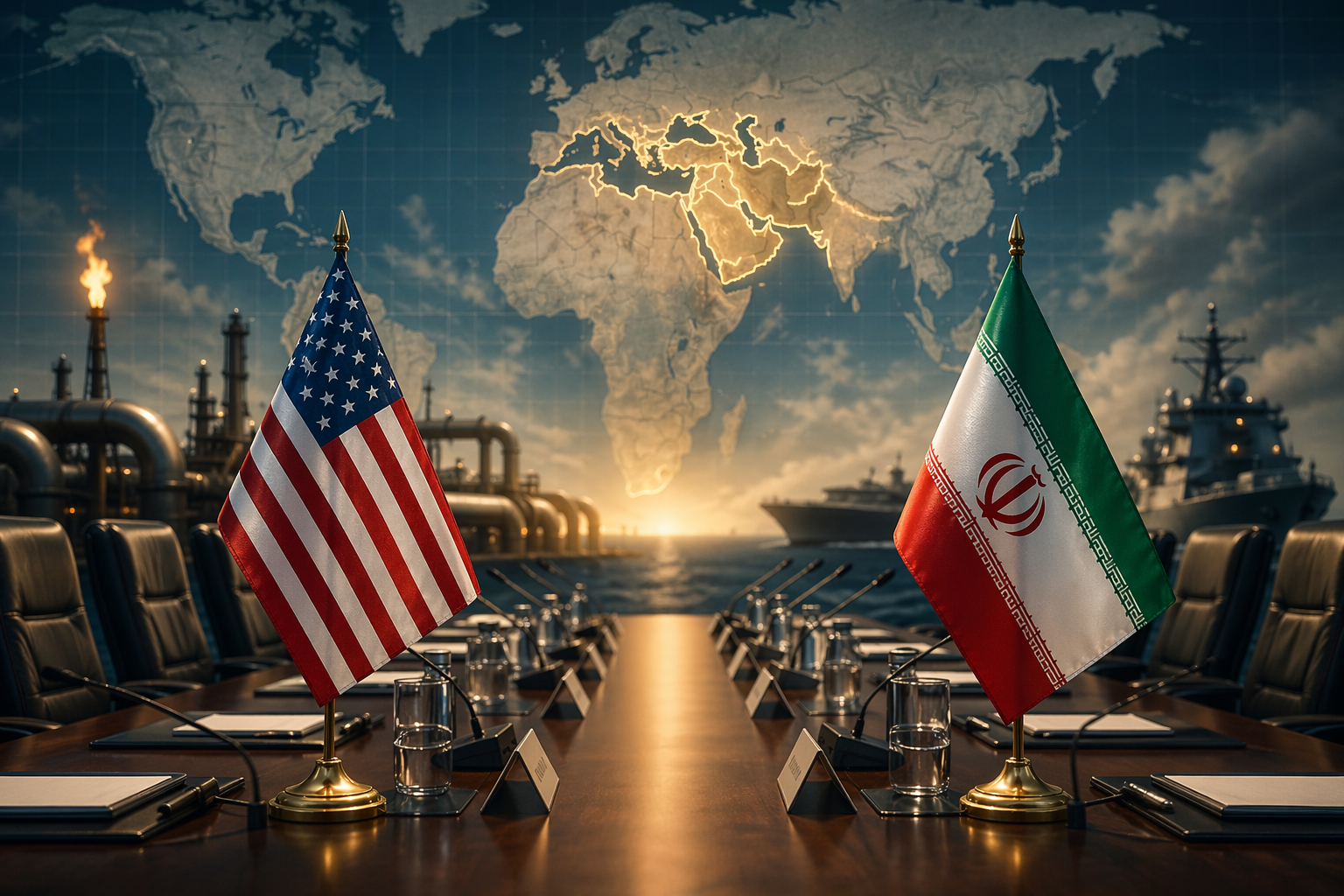
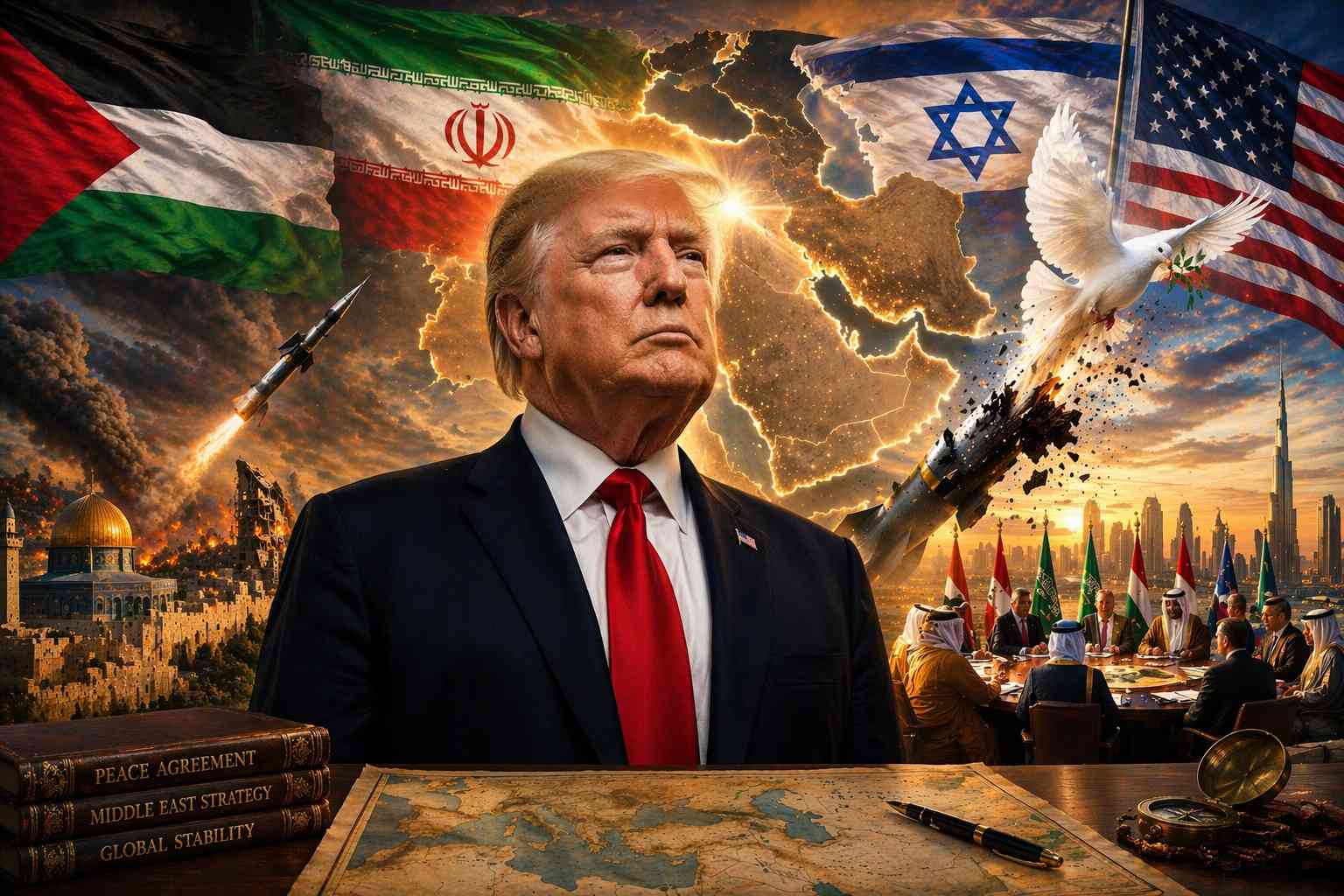
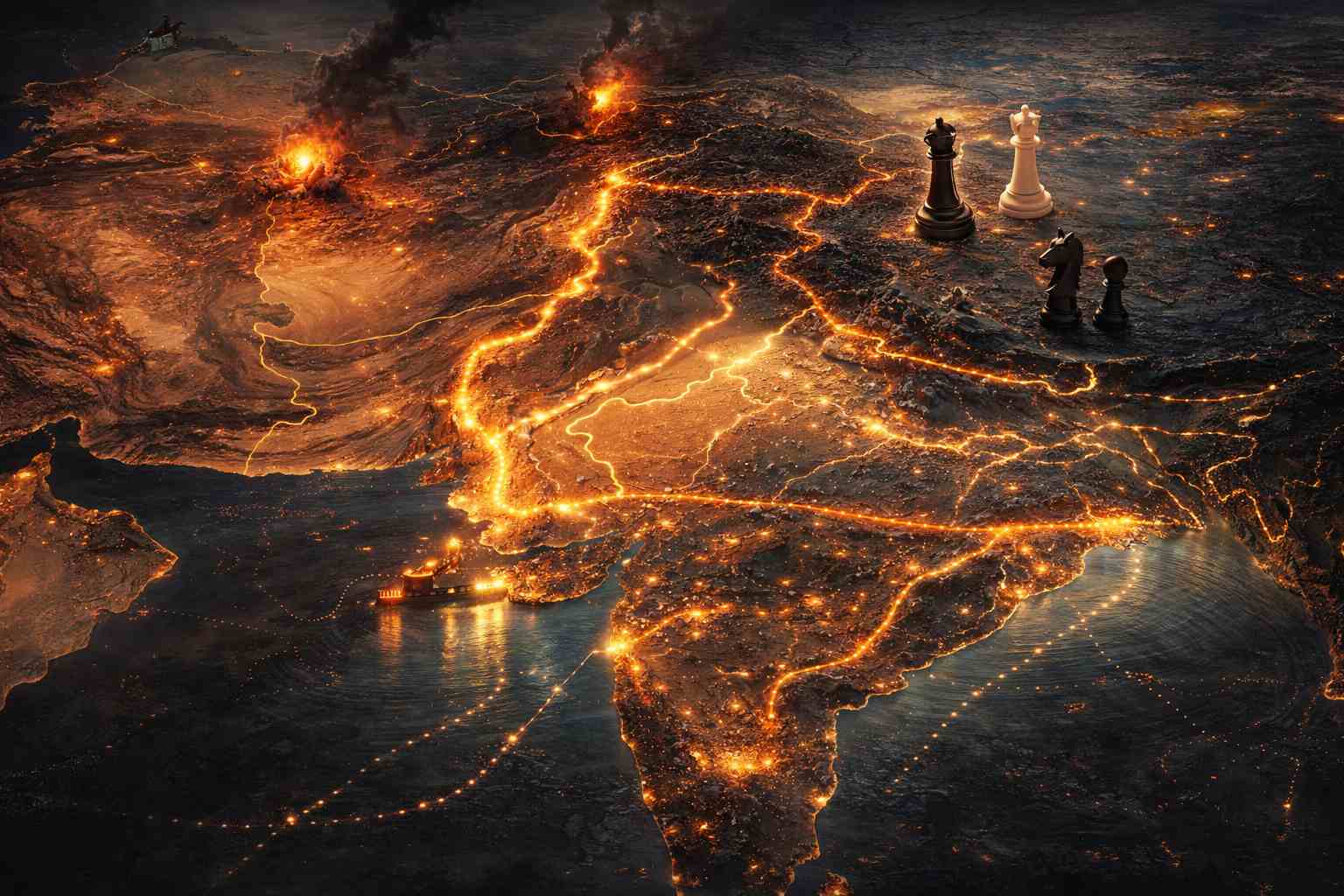
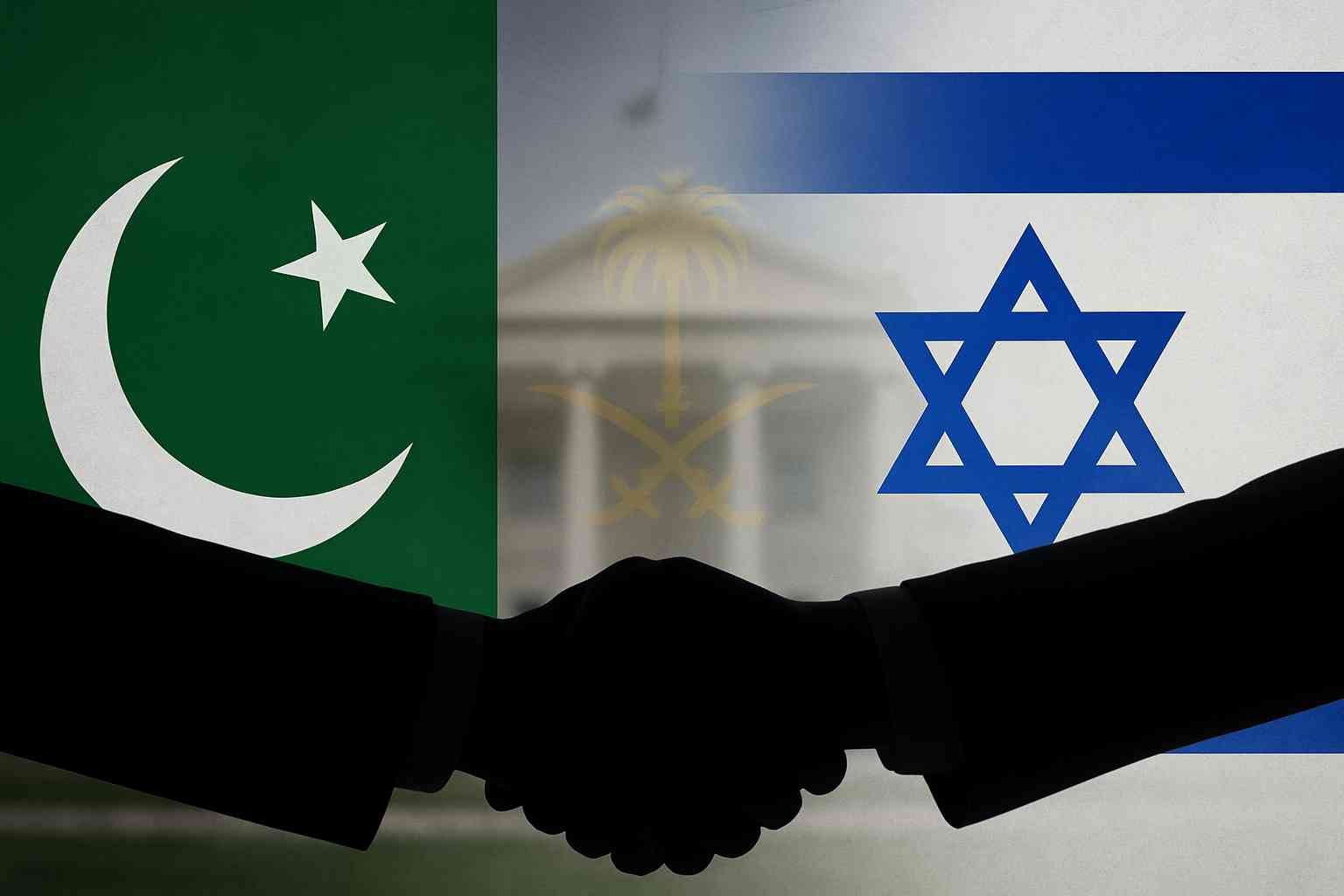
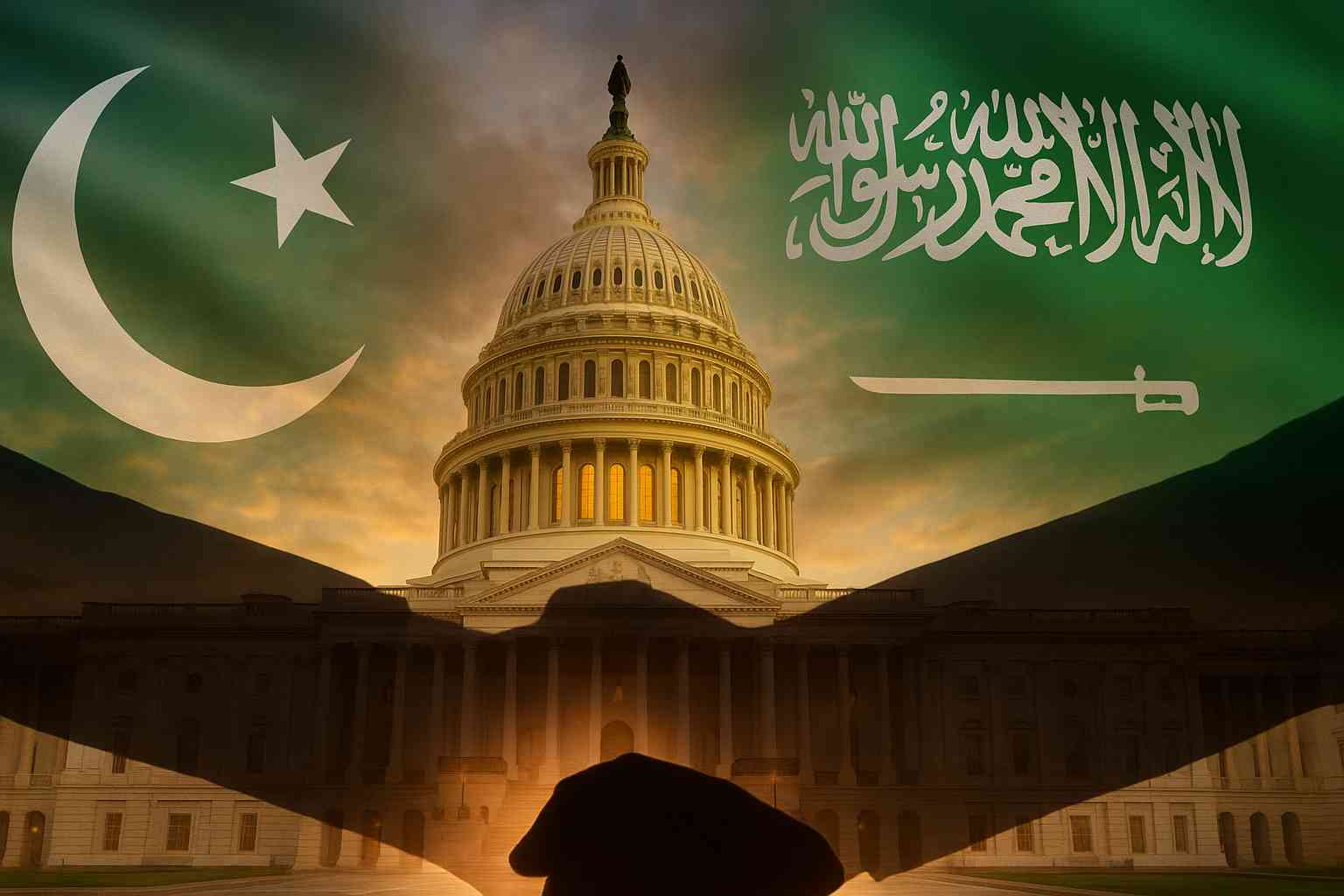
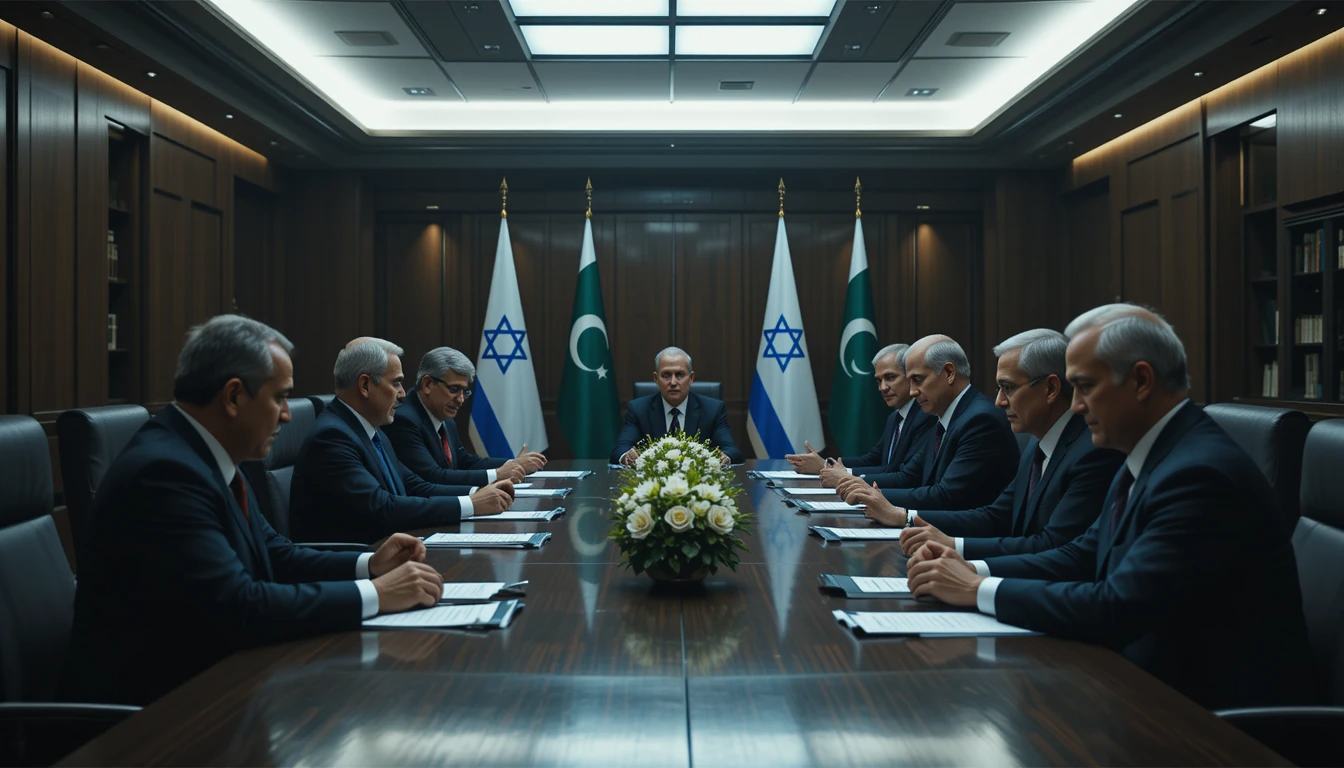
Saudi Arabia rejects Israel recognition, creating fresh complications for diplomatic efforts surrounding ongoing US-Iran negotiations. The development comes as reports indicate that the Trump administration has linked broader regional normalization efforts to the evolving peace process with Iran.
The issue has rapidly emerged as one of the most significant geopolitical developments in the Middle East, raising questions about the future of the Abraham Accords, Palestinian statehood, and Washington’s broader regional strategy.
Trump’s Proposal Sparks Regional Debate
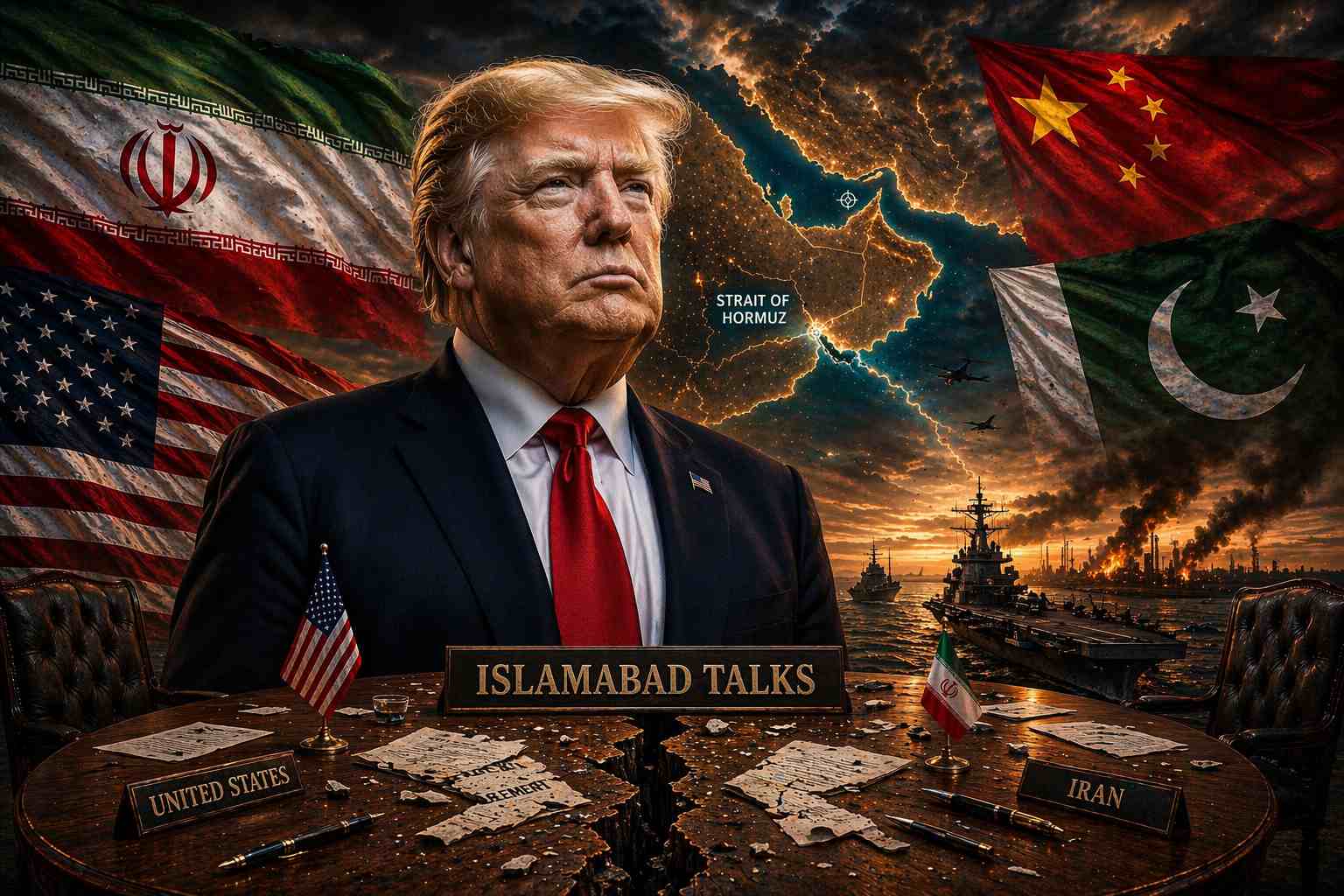
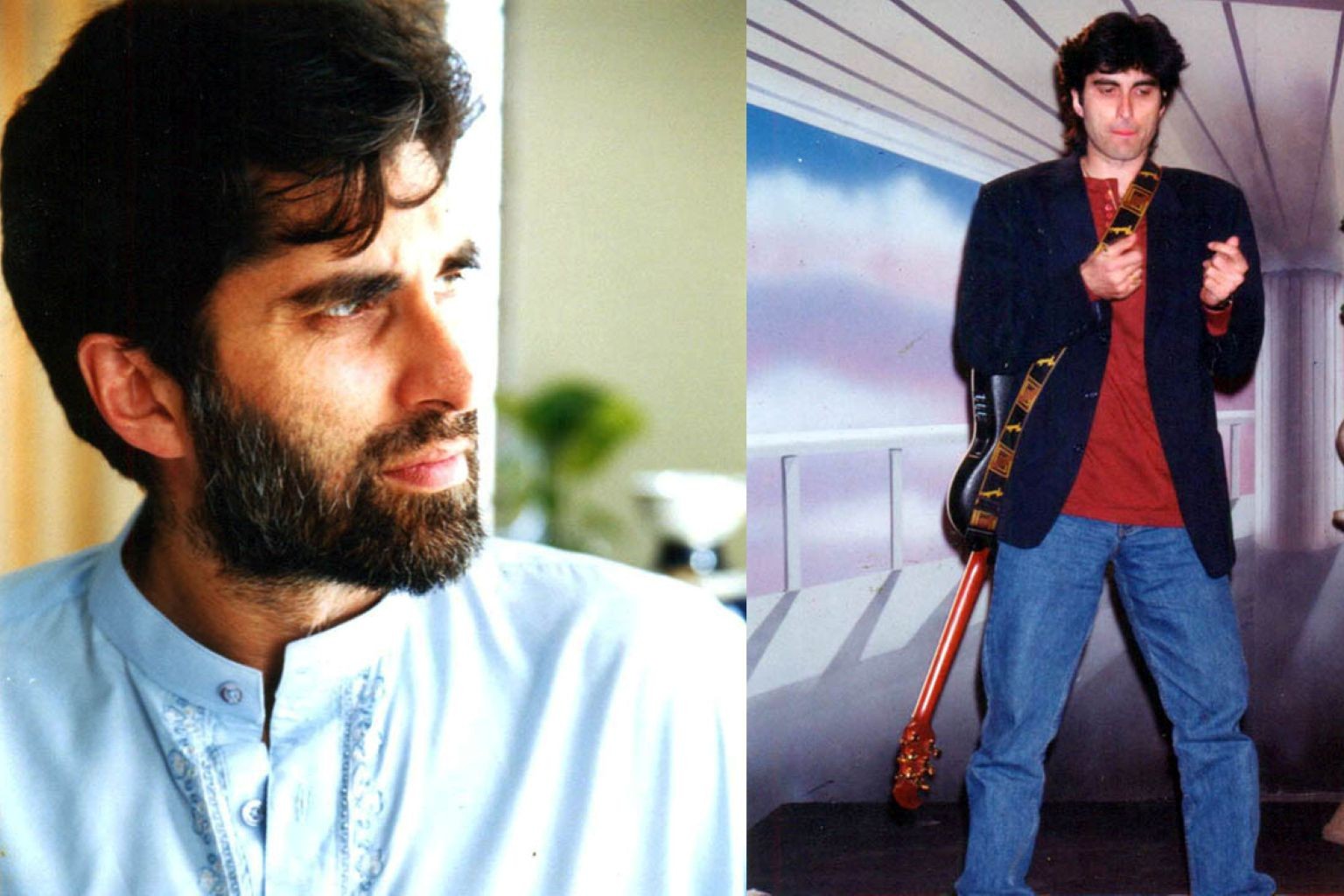
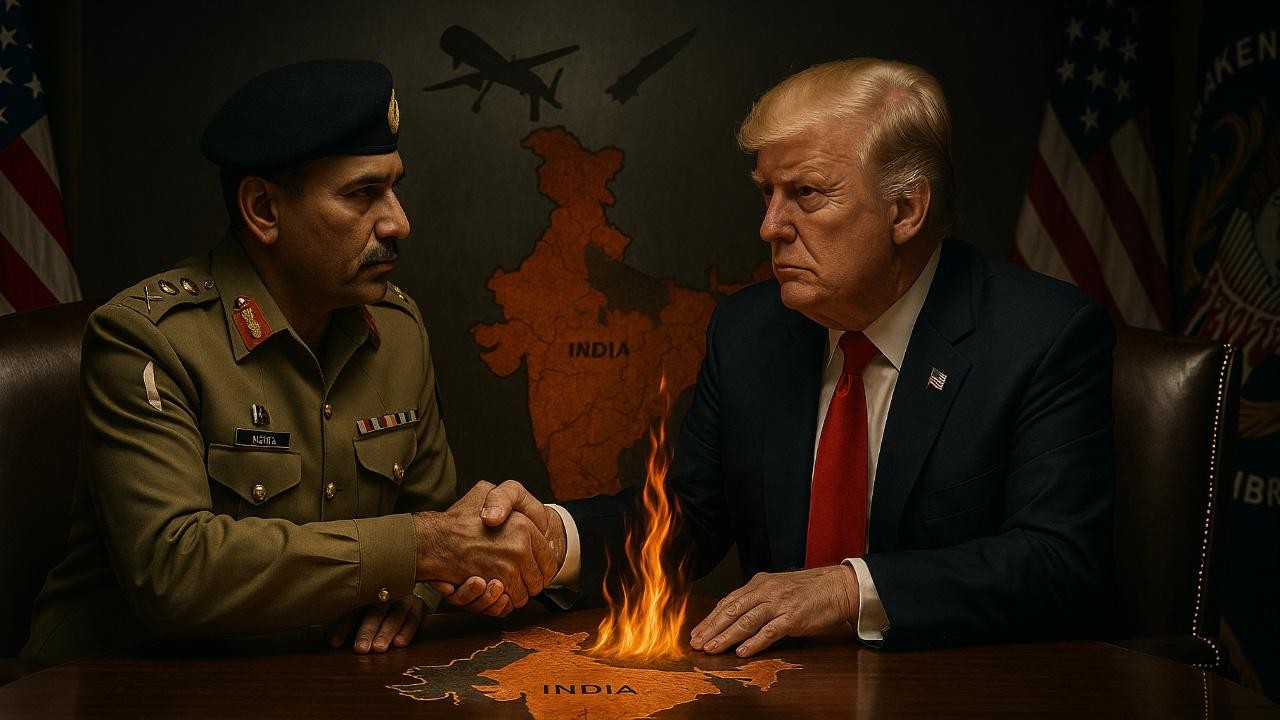
According to reports discussed in Dr. Moeed Pirzada’s analysis, President Donald Trump initially presented encouraging signals regarding a possible breakthrough in US-Iran negotiations. However, controversy emerged after suggestions that Saudi Arabia and Qatar could be expected to join a wider normalization framework involving Israel as part of a broader diplomatic package.
What initially appeared to be a straightforward diplomatic initiative quickly became more complicated.
Critics argued that linking Iran negotiations to Israeli recognition risked introducing new divisions among countries that had previously supported de-escalation efforts.
Saudi Arabia Draws a Clear Red Line
The strongest response came from Riyadh.
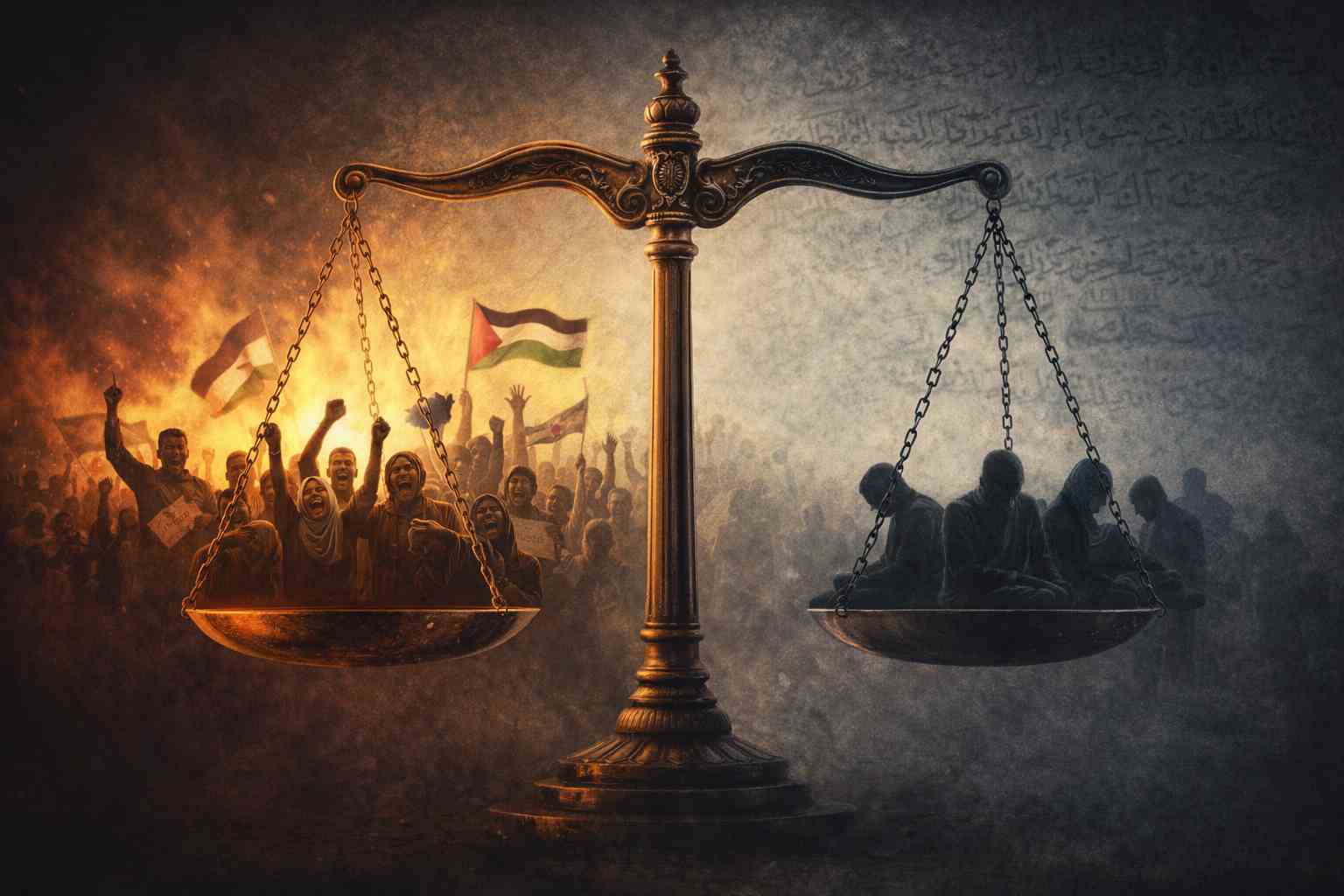
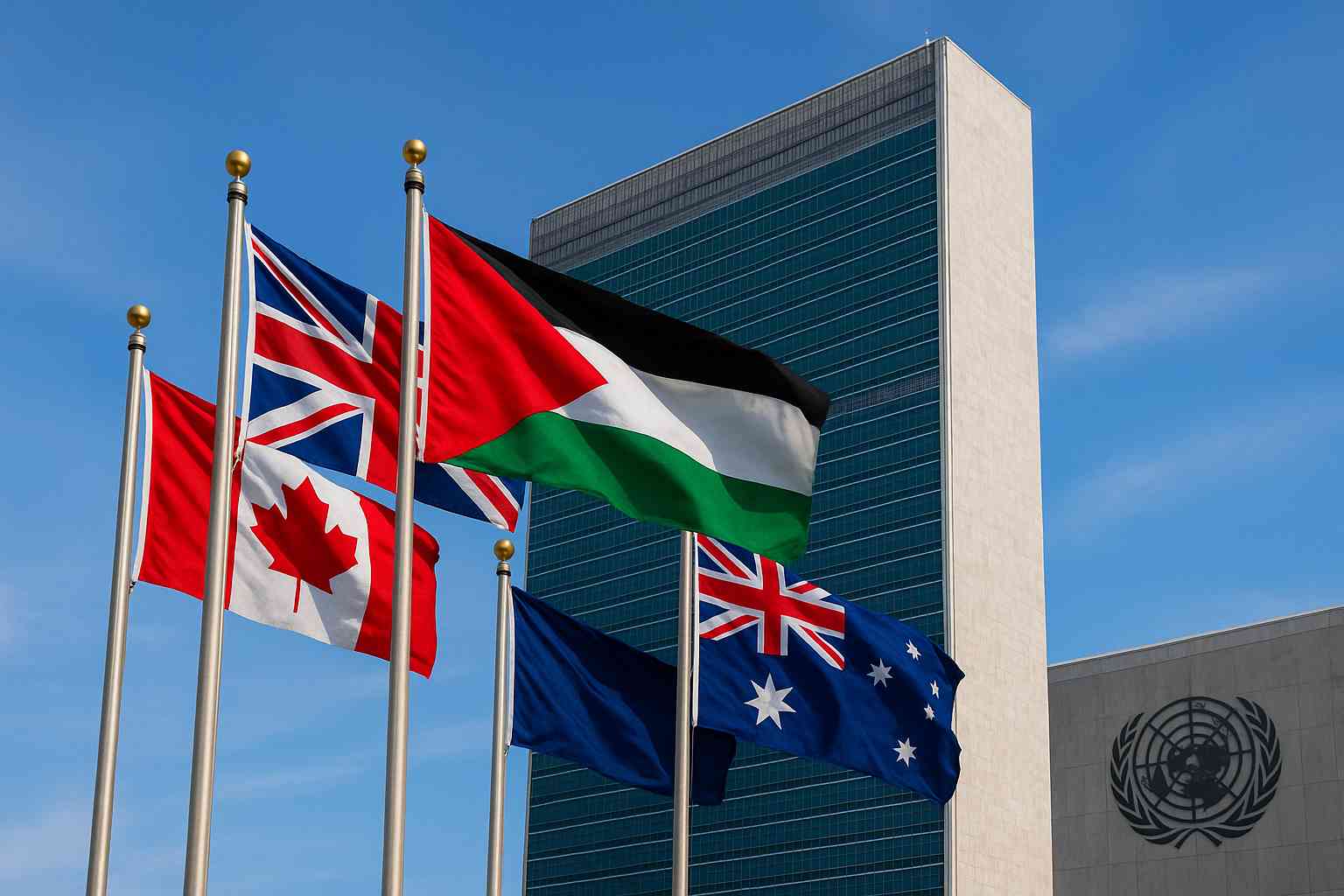
According to information cited from international reporting, Saudi officials reaffirmed that their position remains unchanged: normalization with Israel cannot proceed without a credible and irreversible pathway toward an independent Palestinian state.
This position reflects a long-standing Saudi policy rather than a new development.
For Saudi Arabia, recognition of Israel remains directly connected to Palestinian statehood, making it difficult for Riyadh to support broader normalization efforts without substantial progress on that front.
The Legacy of the Arab Peace Initiative
The current debate cannot be understood without recalling Saudi Arabia’s historic diplomatic proposal from 2002.
At the Arab League Summit that year, then-Crown Prince Abdullah proposed what became known as the Arab Peace Initiative. Under that framework, Arab states would recognize Israel in exchange for a viable Palestinian state based on internationally recognized parameters.
The proposal was widely regarded as one of the most significant diplomatic openings in the history of the Arab-Israeli conflict.
More than two decades later, Saudi Arabia continues to frame its position around the same principle.
The Two-State Debate Returns
The discussion has also revived broader questions about the future of the Israeli-Palestinian conflict.
Supporters of a two-state solution argue that it remains the most practical path toward long-term stability. Others increasingly question whether such a solution remains achievable given developments on the ground over recent decades.
This debate has gained renewed attention as policymakers struggle to identify realistic frameworks capable of ending one of the world’s longest-running conflicts.
For Saudi Arabia, however, the core position remains clear: recognition must be linked to meaningful progress toward Palestinian self-determination.
New US Strikes Add Pressure
At the same time, military developments have further complicated the situation.
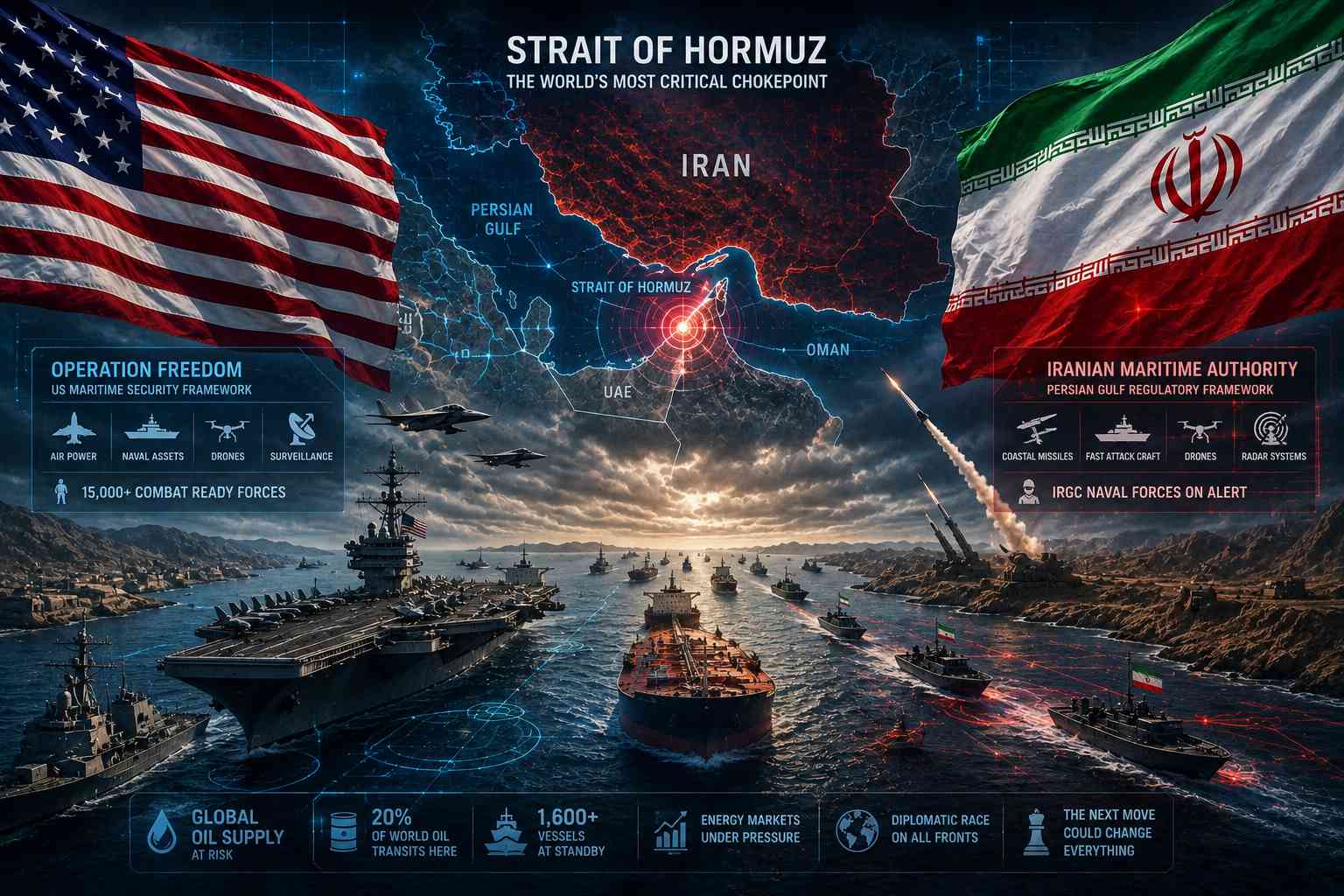
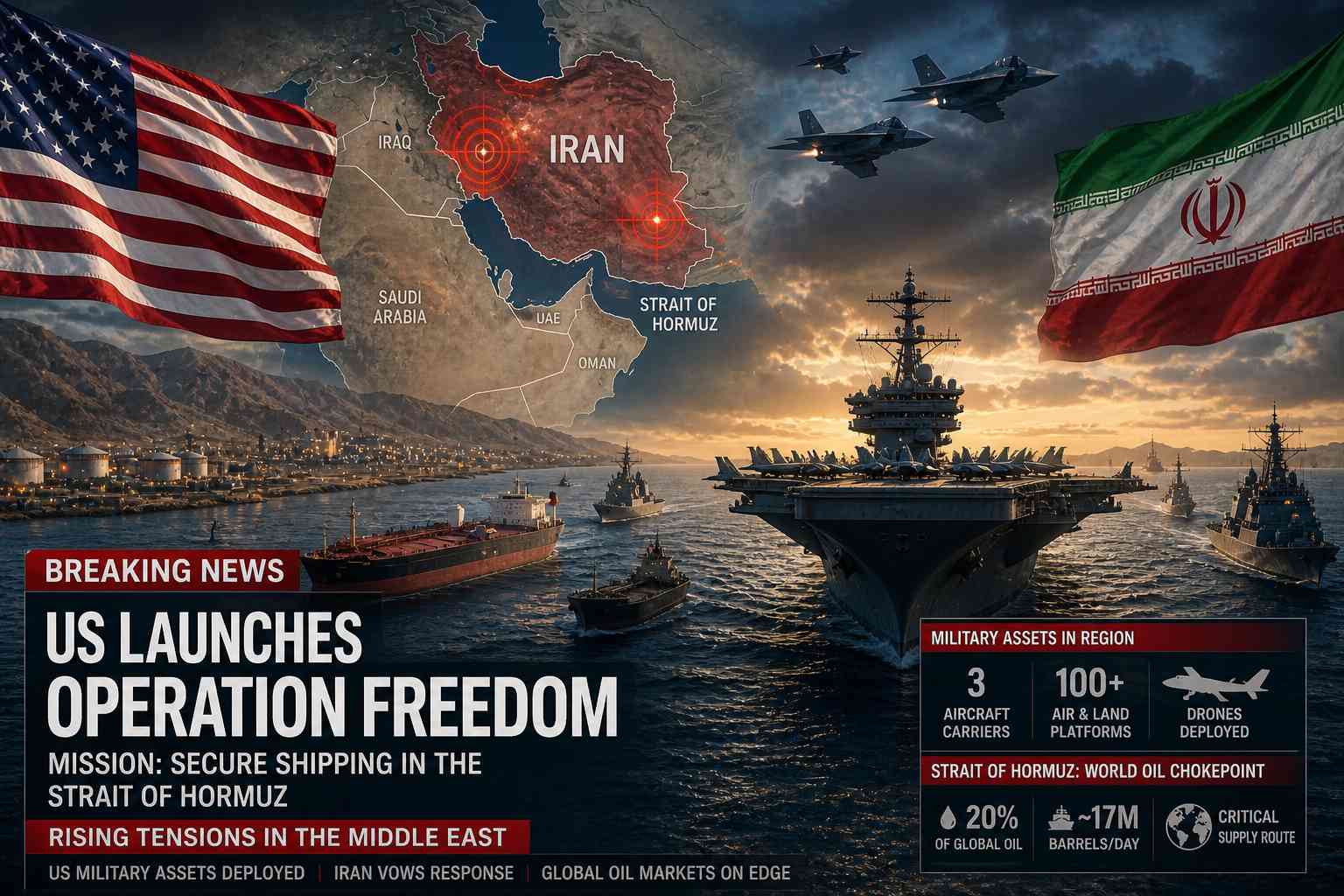
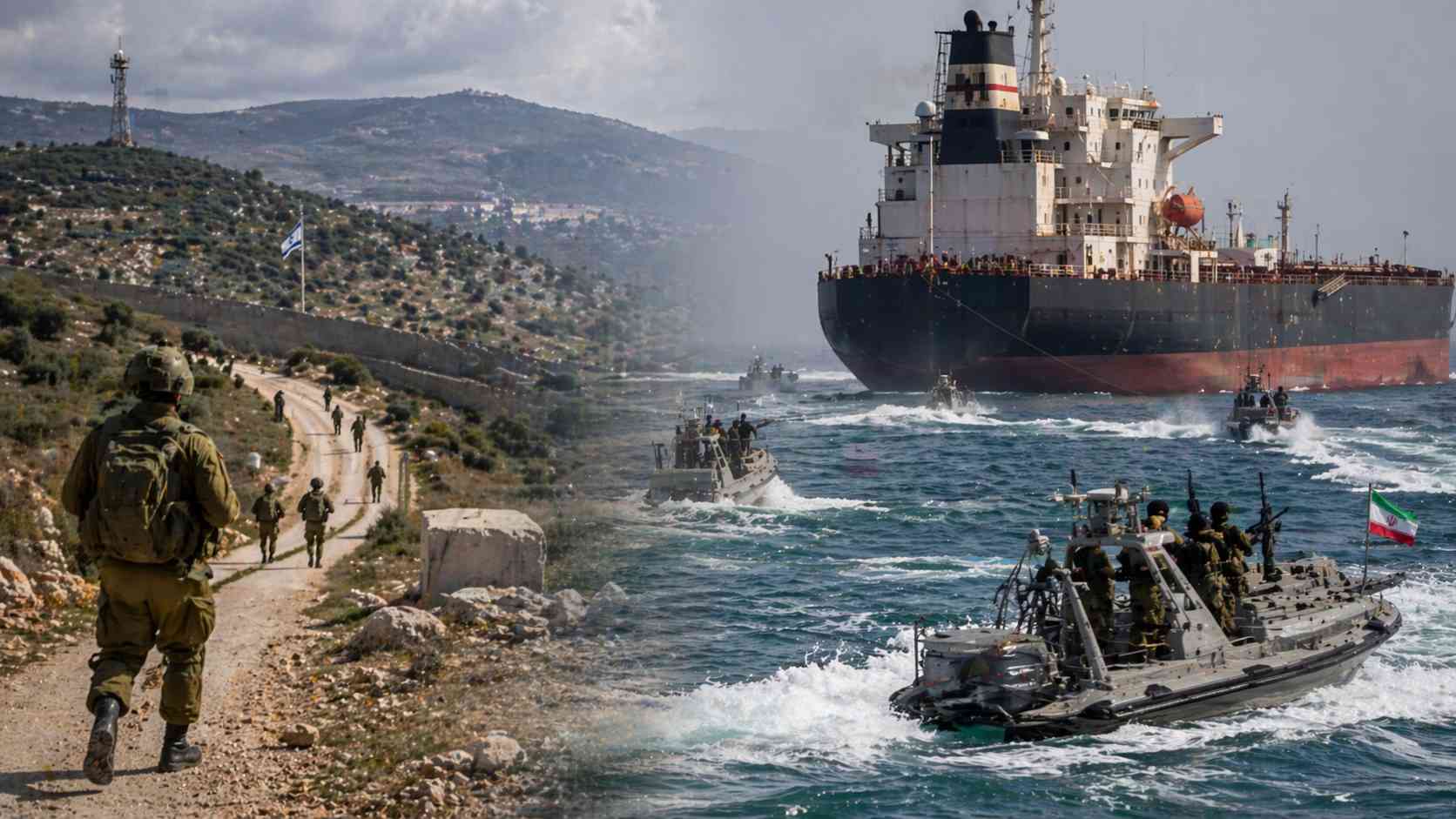
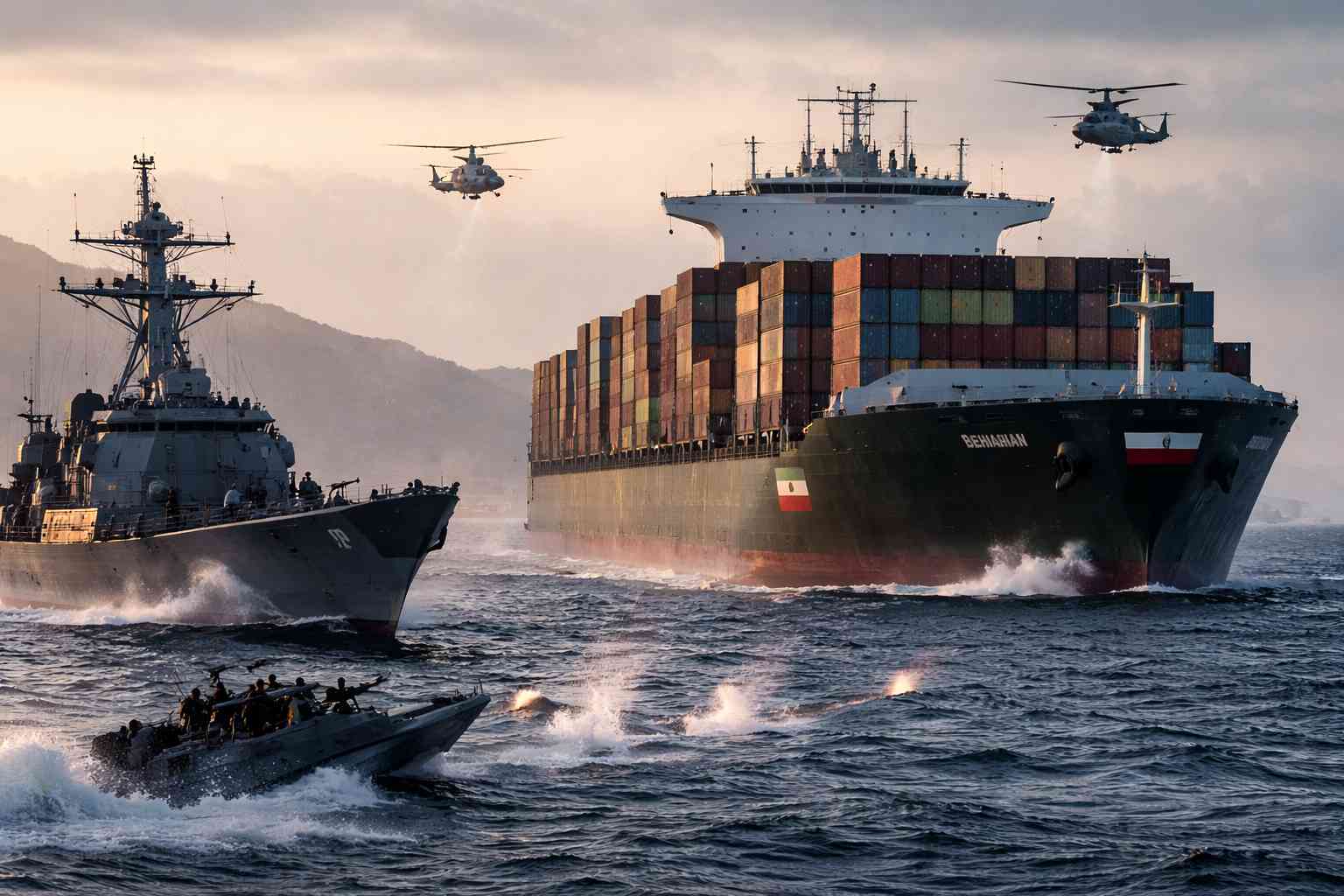
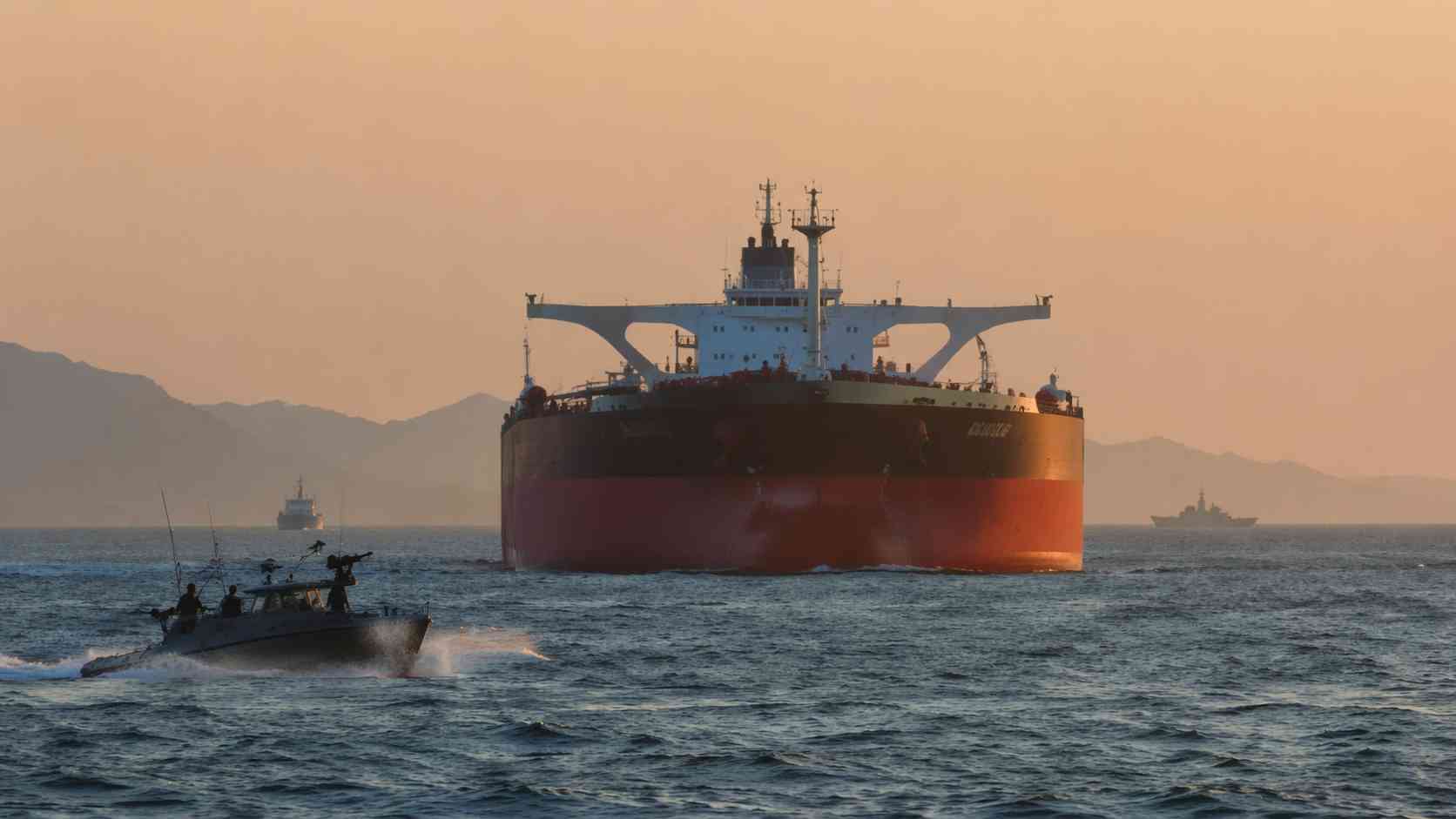
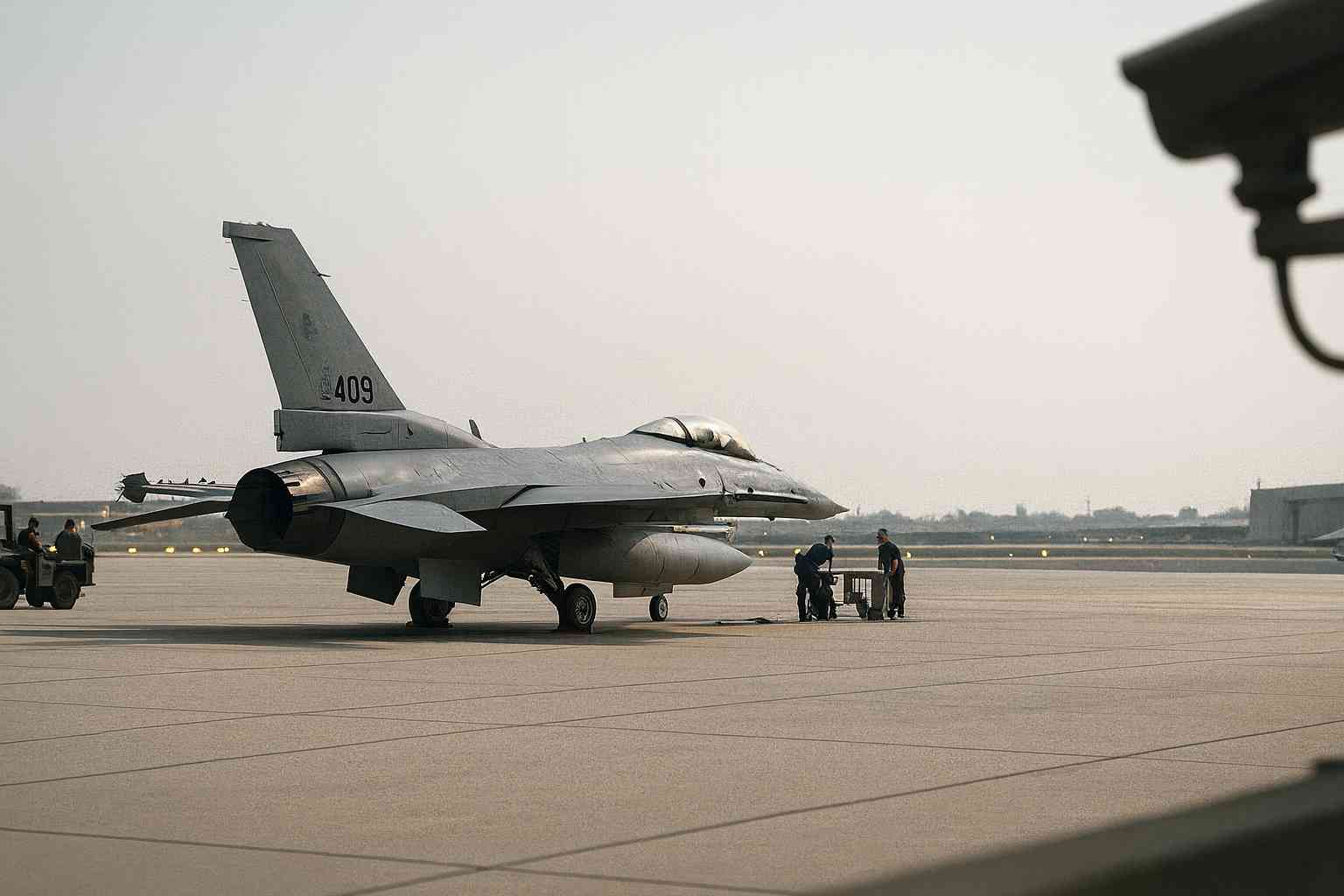
Reports indicate that US Central Command (CENTCOM) conducted strikes against Iranian coastal military assets, including positions linked to missile systems and naval capabilities. American officials described the actions as defensive measures intended to protect maritime security and regional stability.
However, critics argue that such actions risk undermining diplomatic momentum at a sensitive stage in negotiations.
The timing of the strikes has fueled concerns that military escalation could weaken prospects for a sustainable agreement between Washington and Tehran.
Lebanon Becomes Another Flashpoint
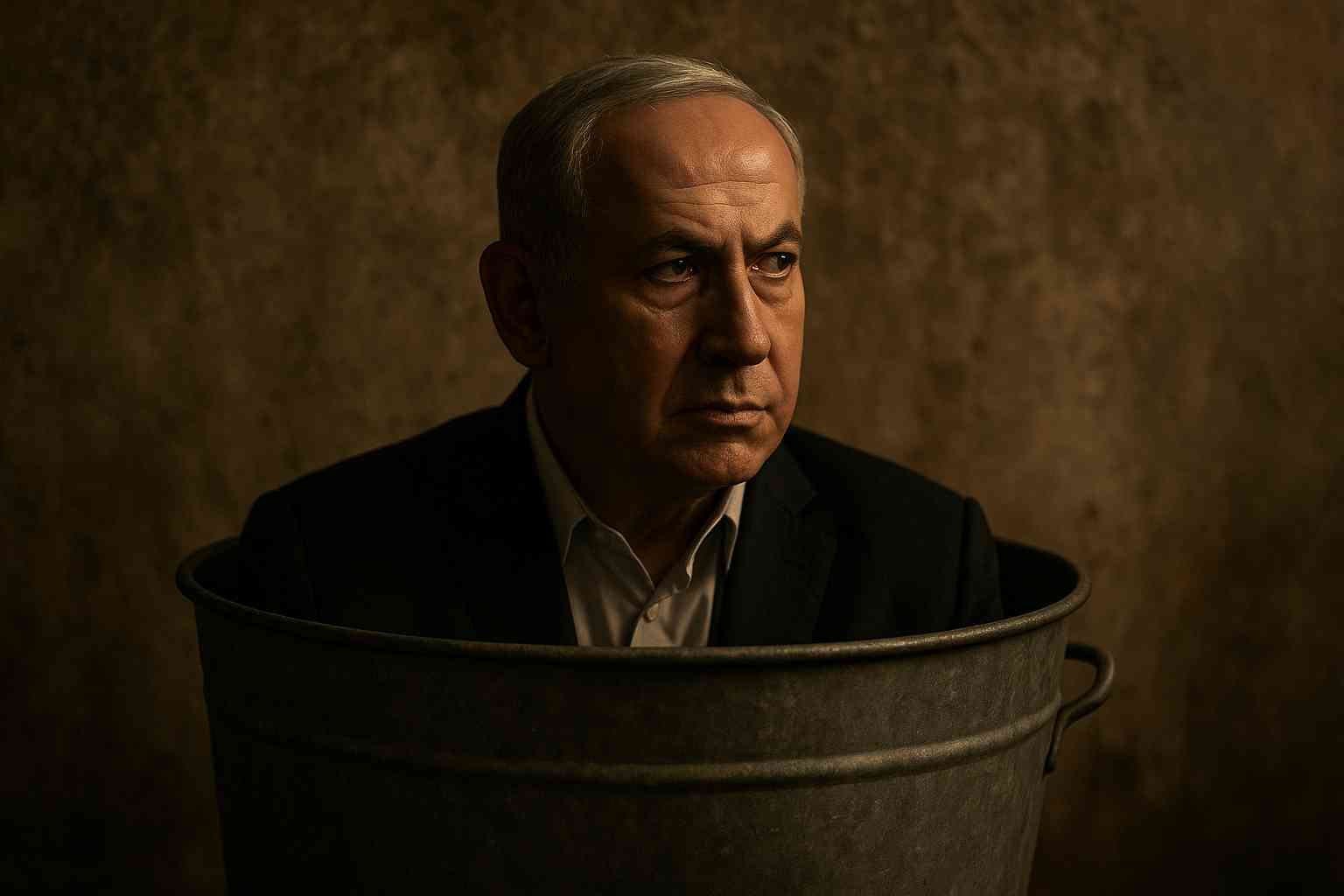
Adding to regional tensions, Israeli Prime Minister Benjamin Netanyahu reportedly authorized an expansion of military operations connected to Lebanon.
The move has heightened fears that multiple crises could merge into a broader regional confrontation.
Analysts warn that simultaneous escalation involving Iran, Lebanon, and unresolved Palestinian issues would significantly complicate any diplomatic breakthrough.
China Backs De-escalation
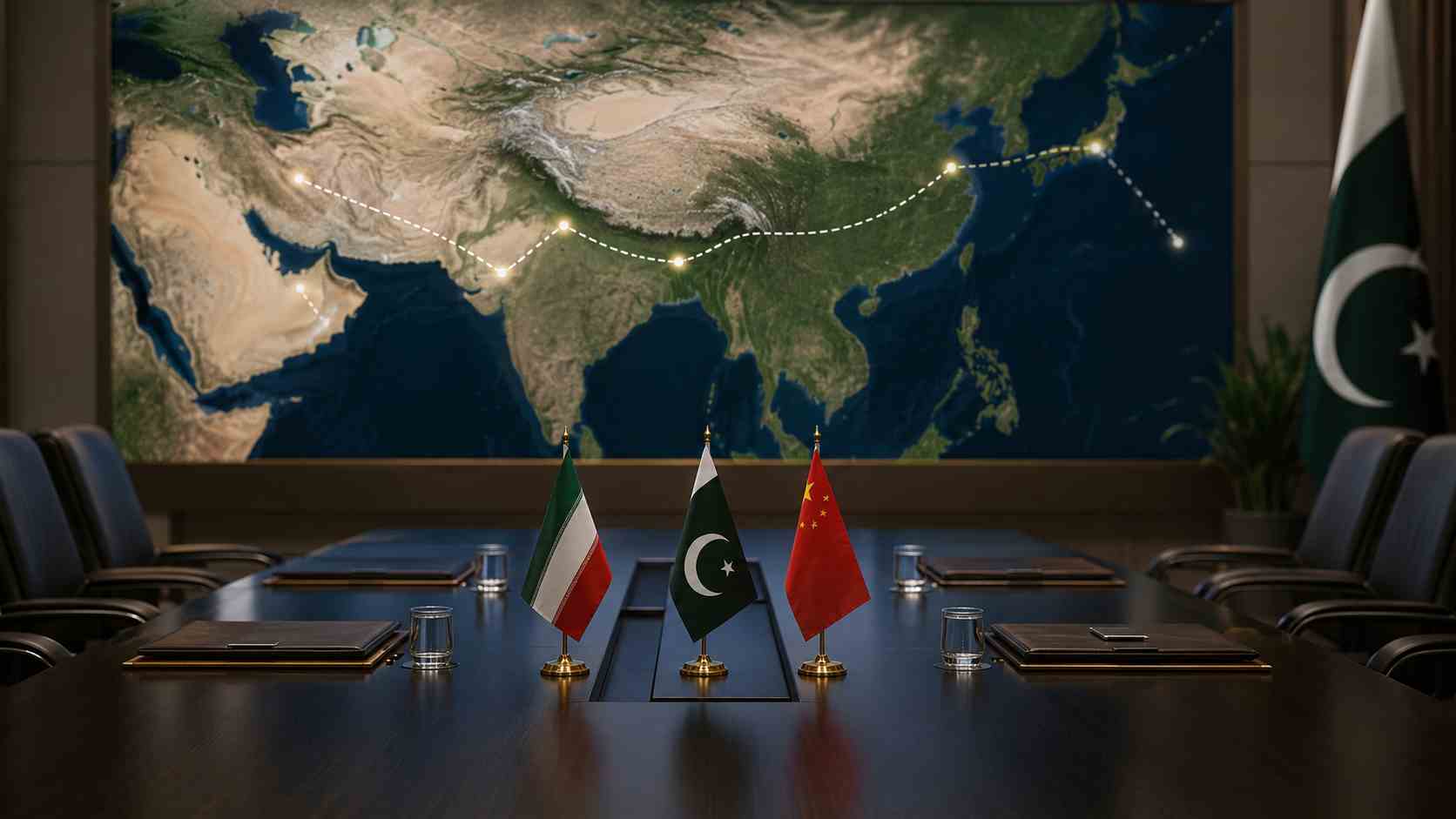
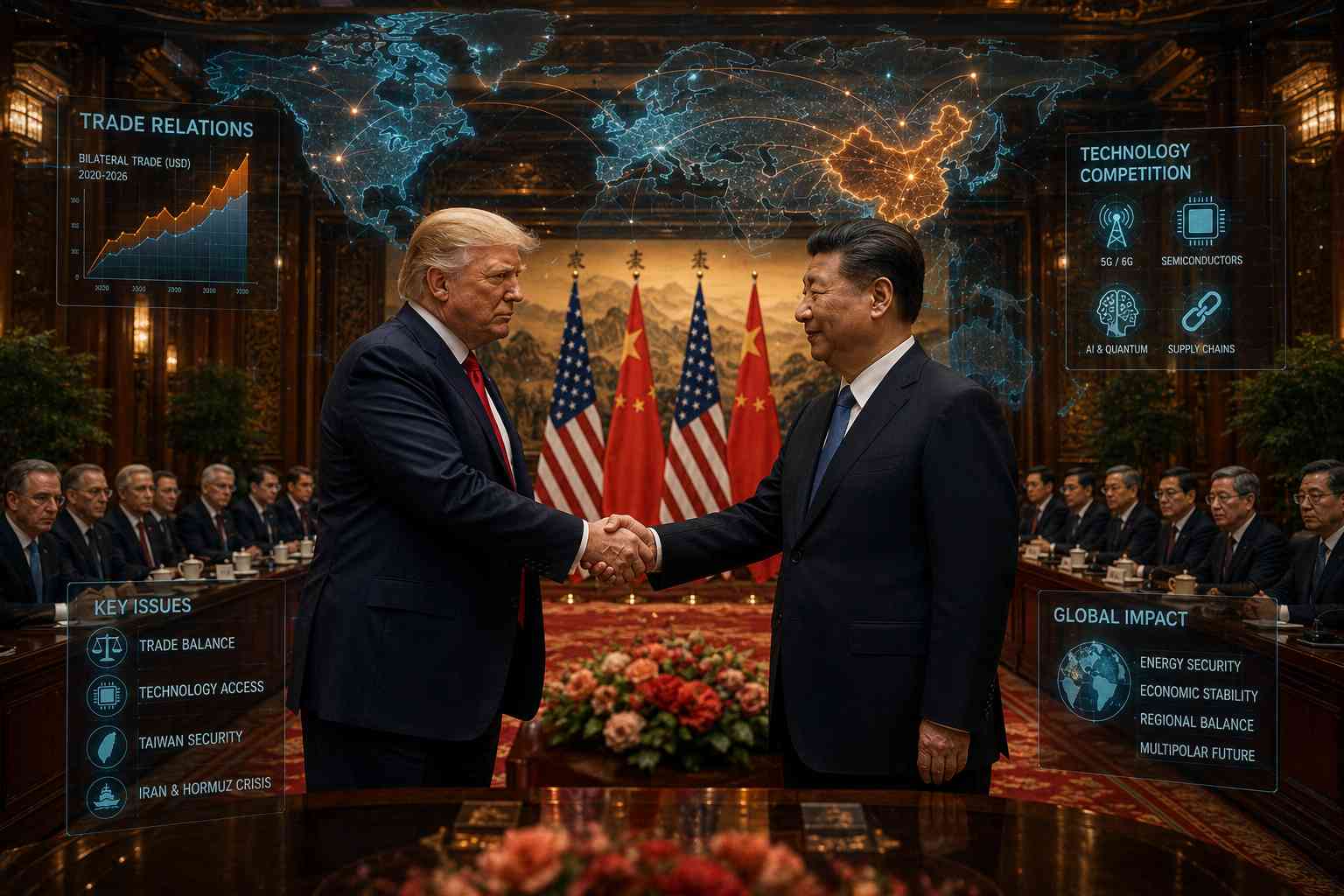
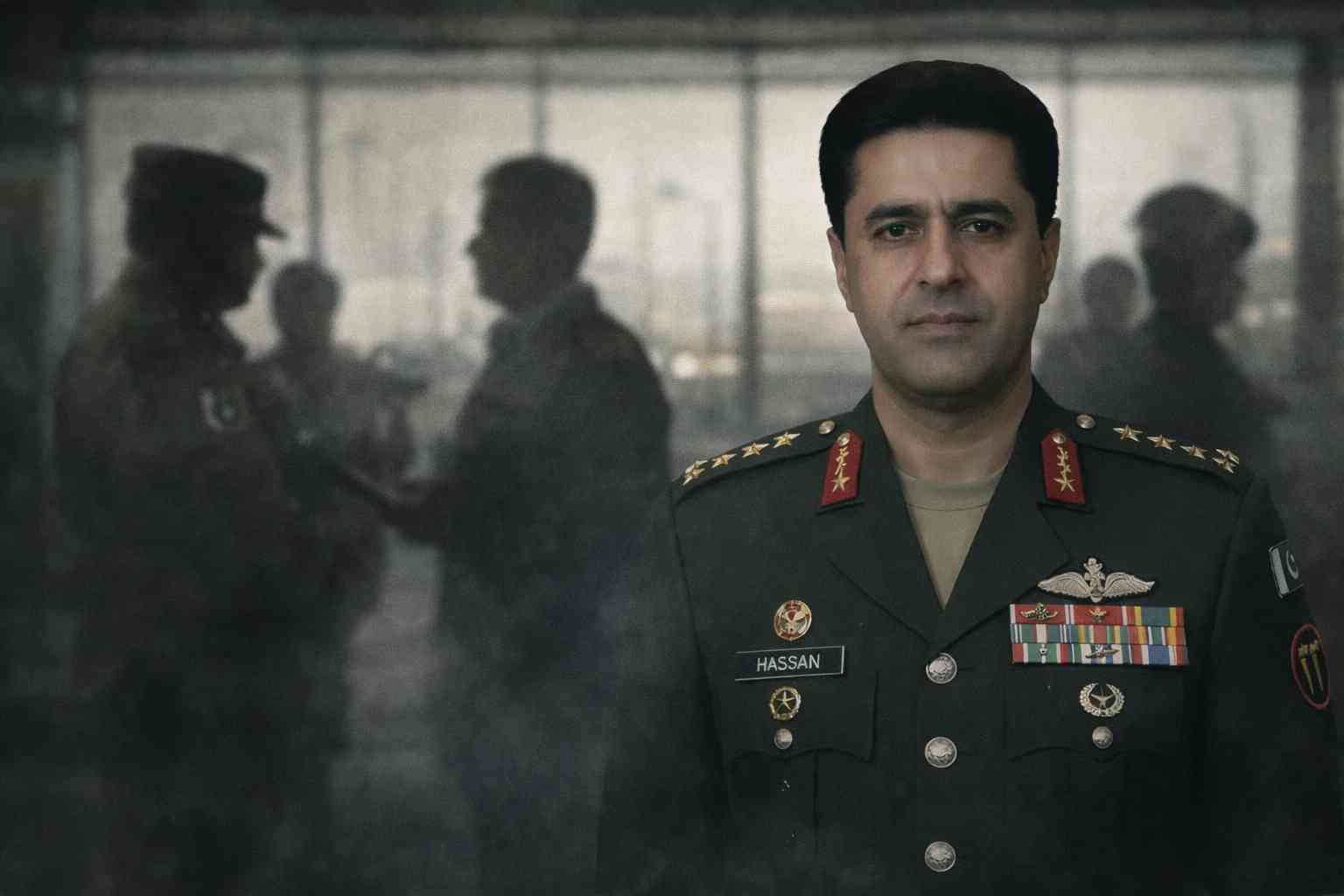
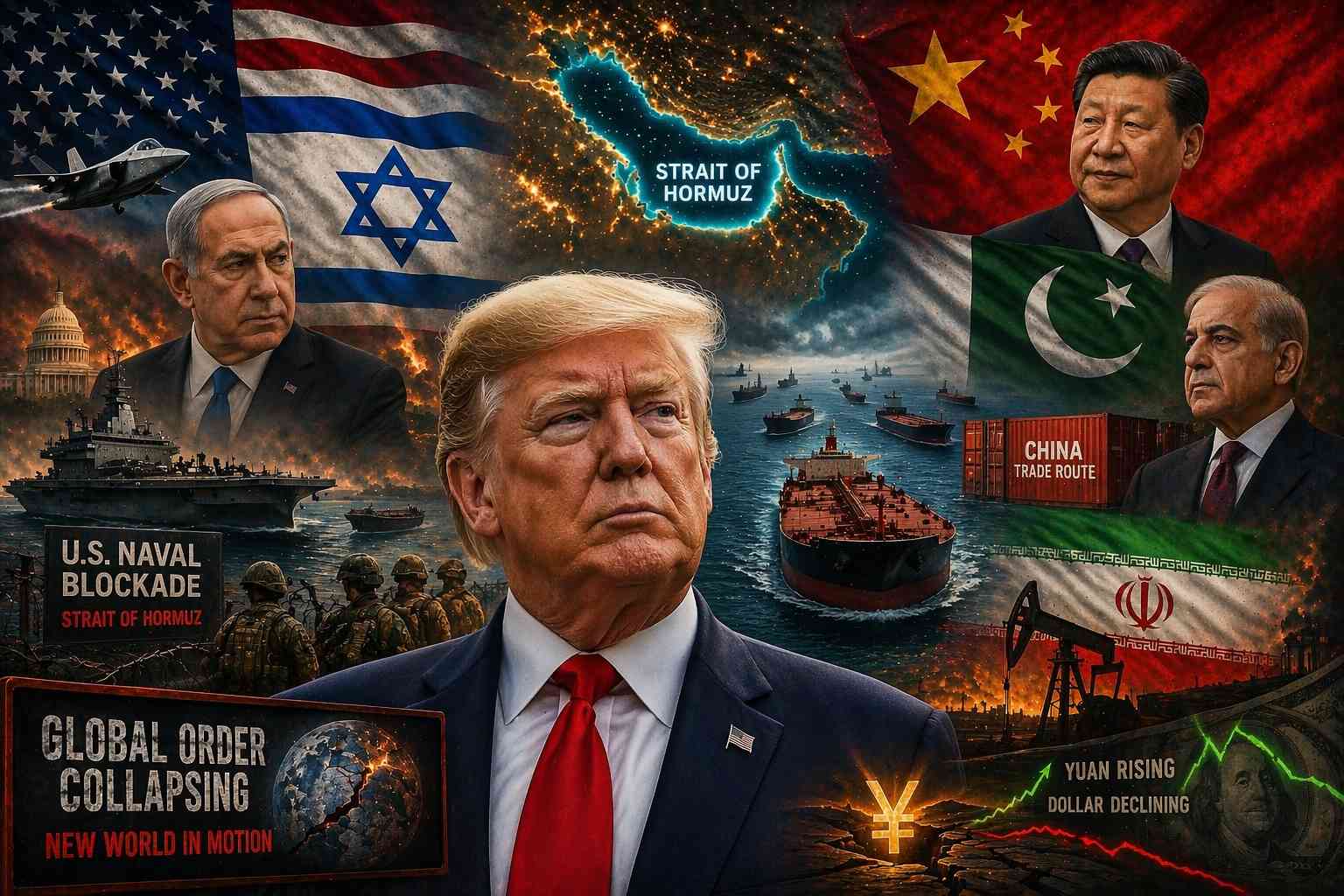
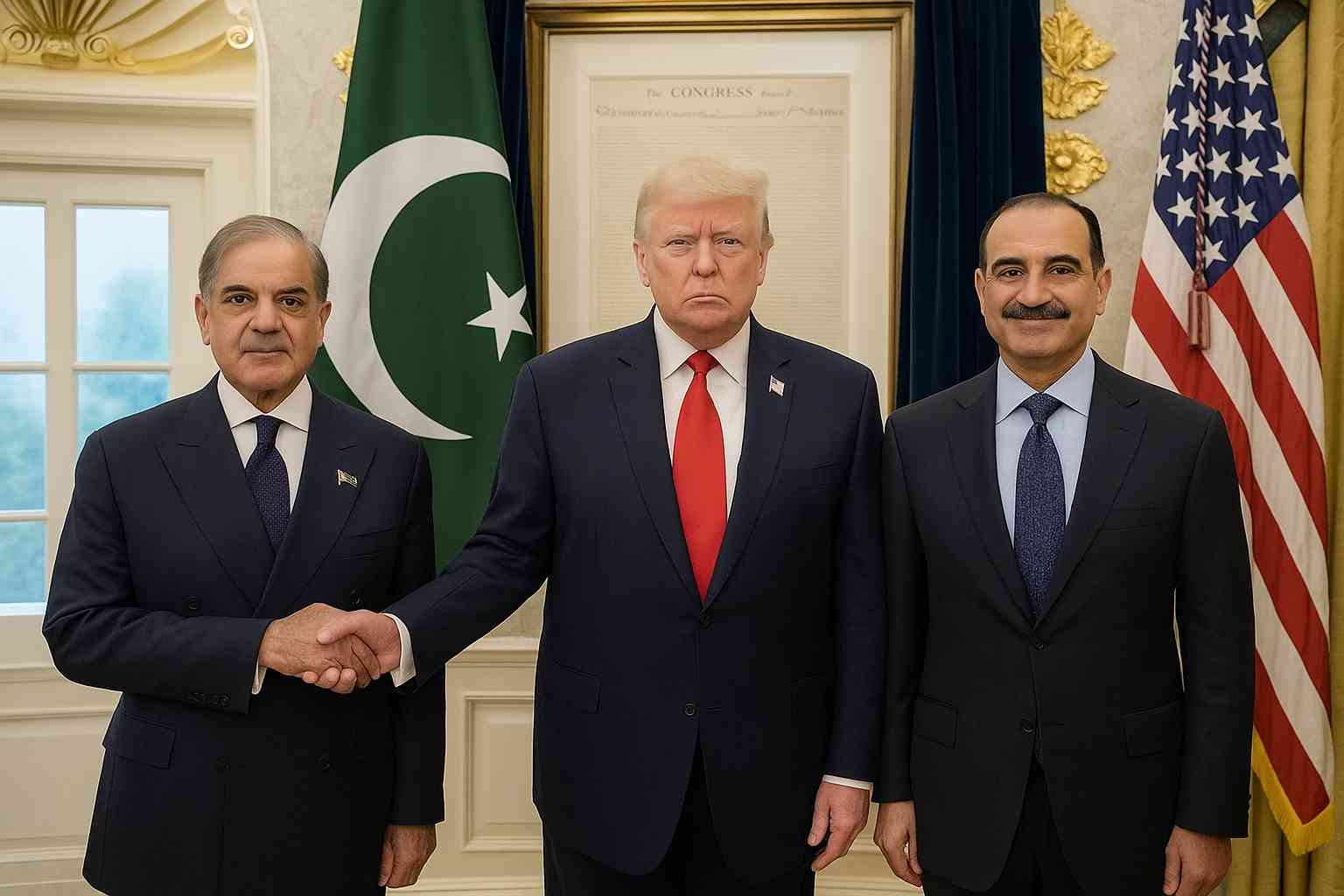
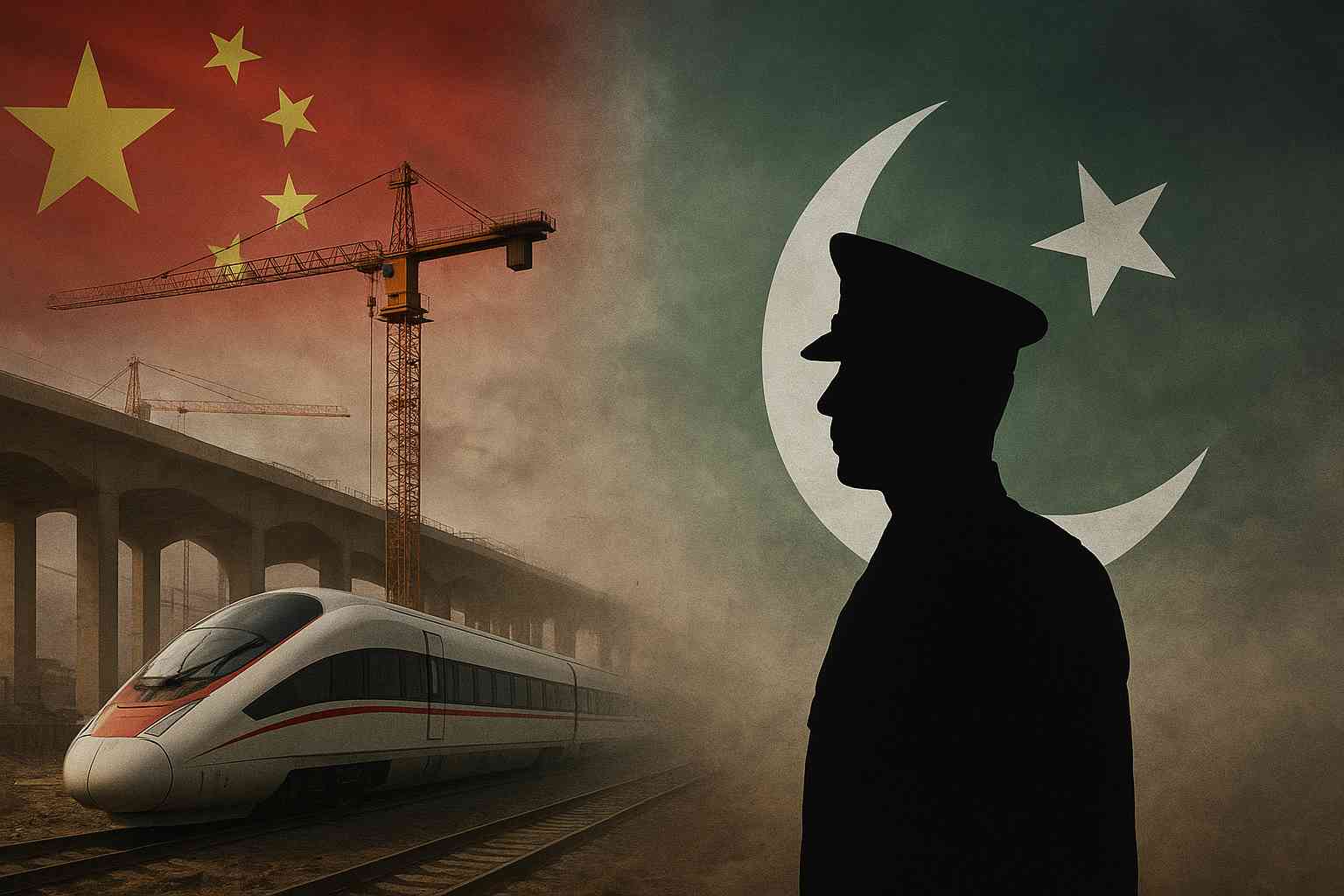
Another important development emerged during Pakistani Prime Minister Shehbaz Sharif’s visit to China.
According to statements discussed in the vlog, Chinese President Xi Jinping reportedly praised Pakistan’s role in encouraging dialogue and reducing tensions between Iran and the United States.
Beijing has consistently advocated de-escalation throughout the crisis and continues to support negotiated solutions rather than military confrontation.
China’s involvement highlights the increasingly multipolar nature of Middle Eastern diplomacy.
Pakistan’s Role in Regional Mediation
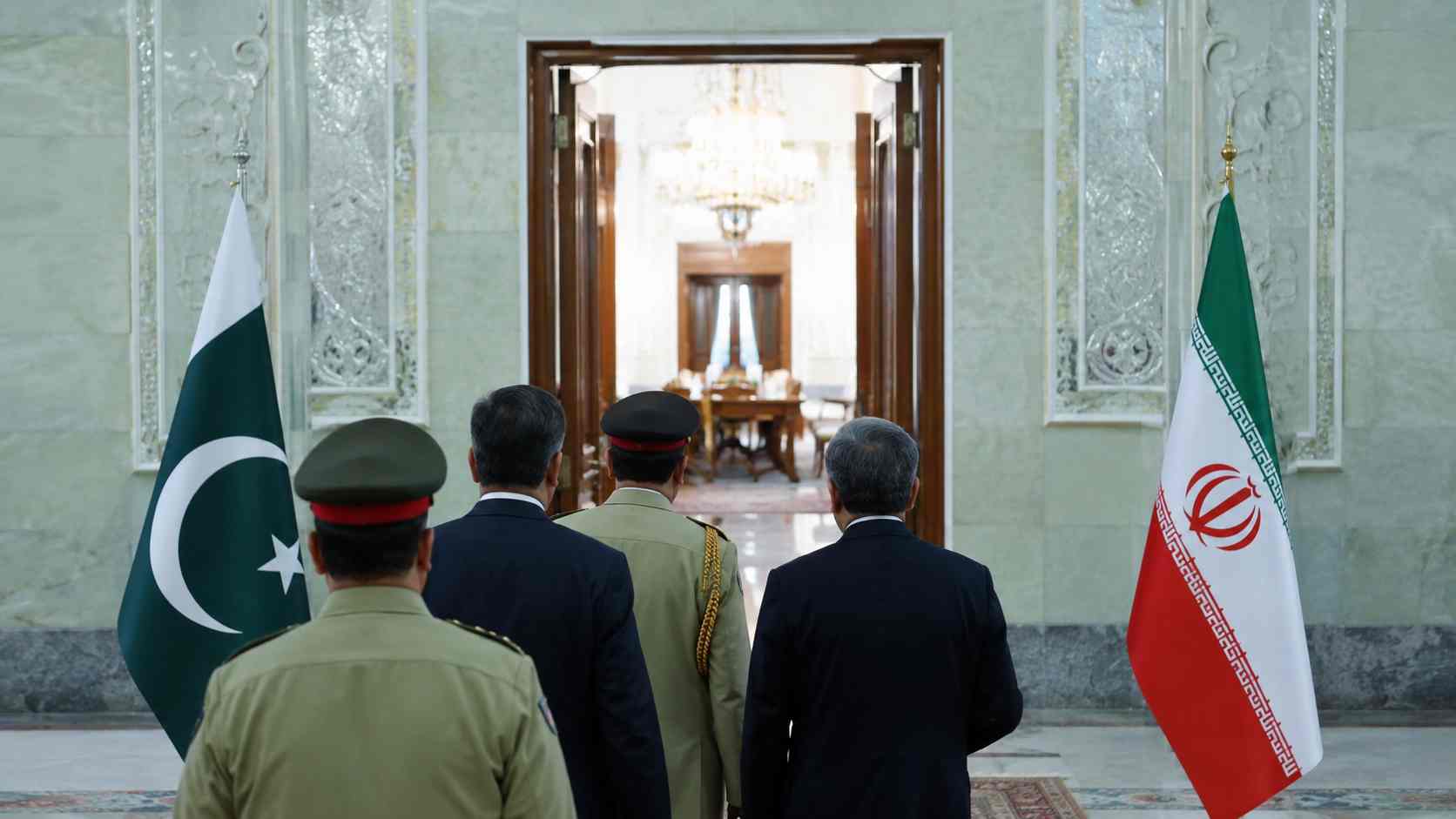
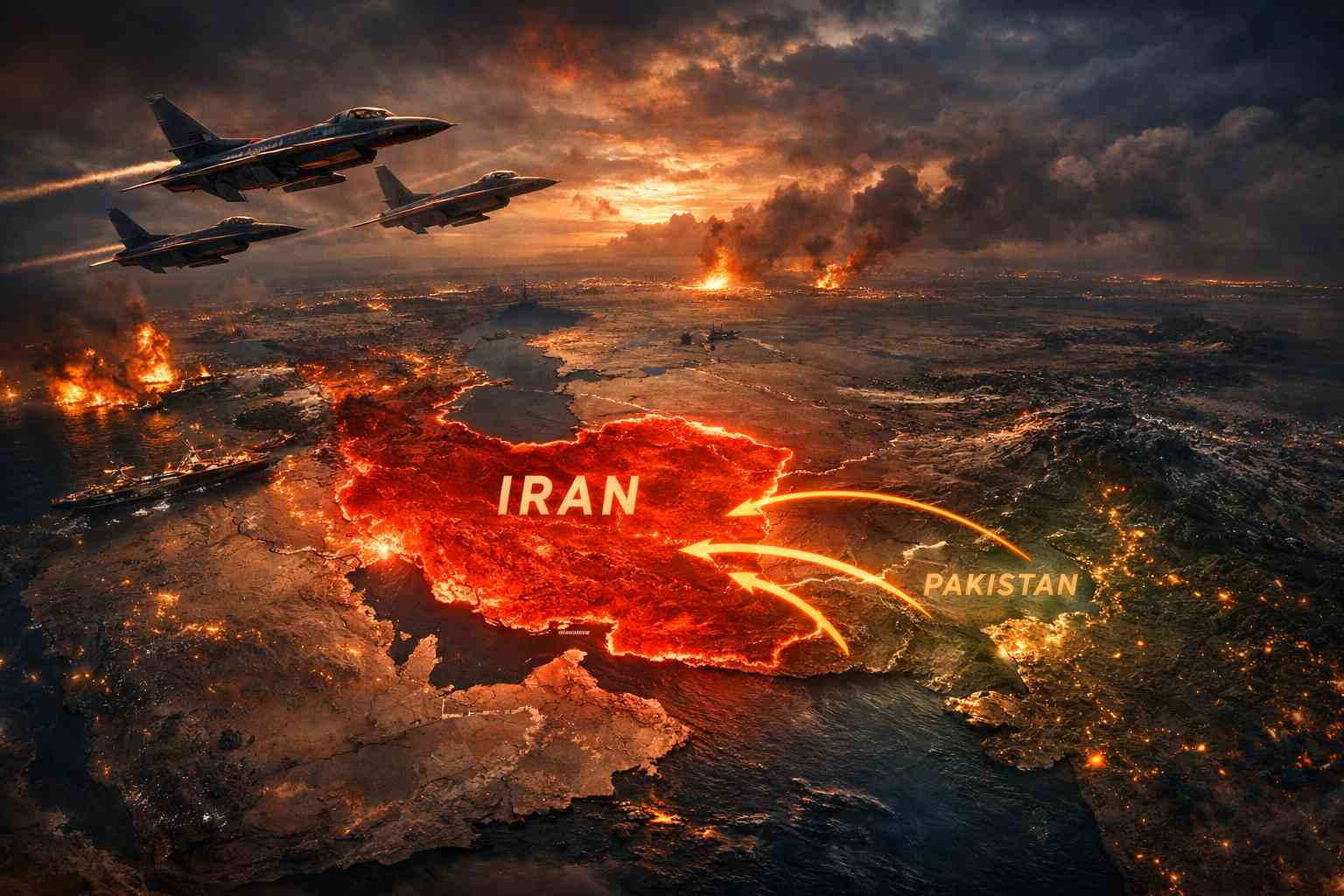
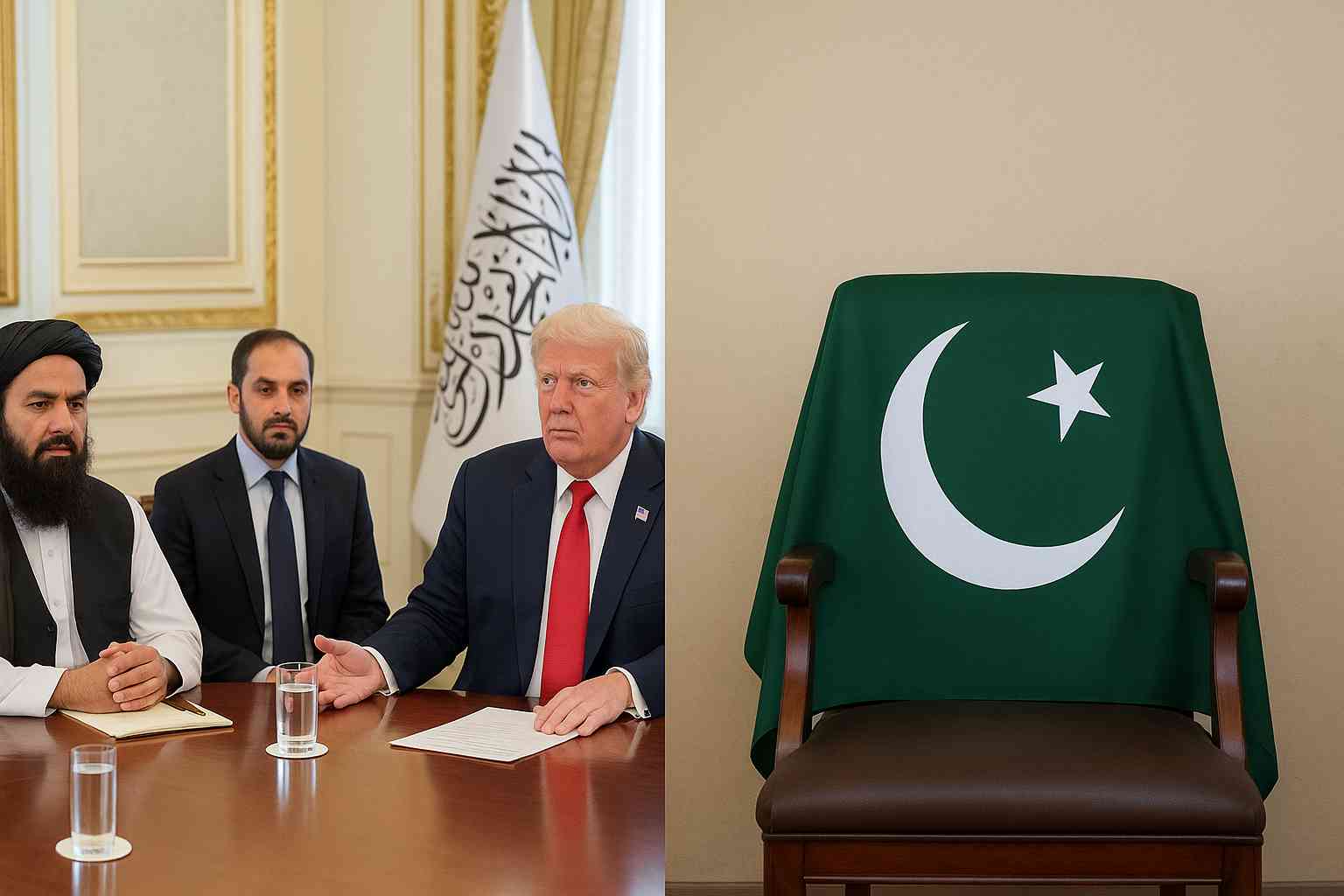
Pakistan has attempted to position itself as a facilitator of dialogue during the crisis.
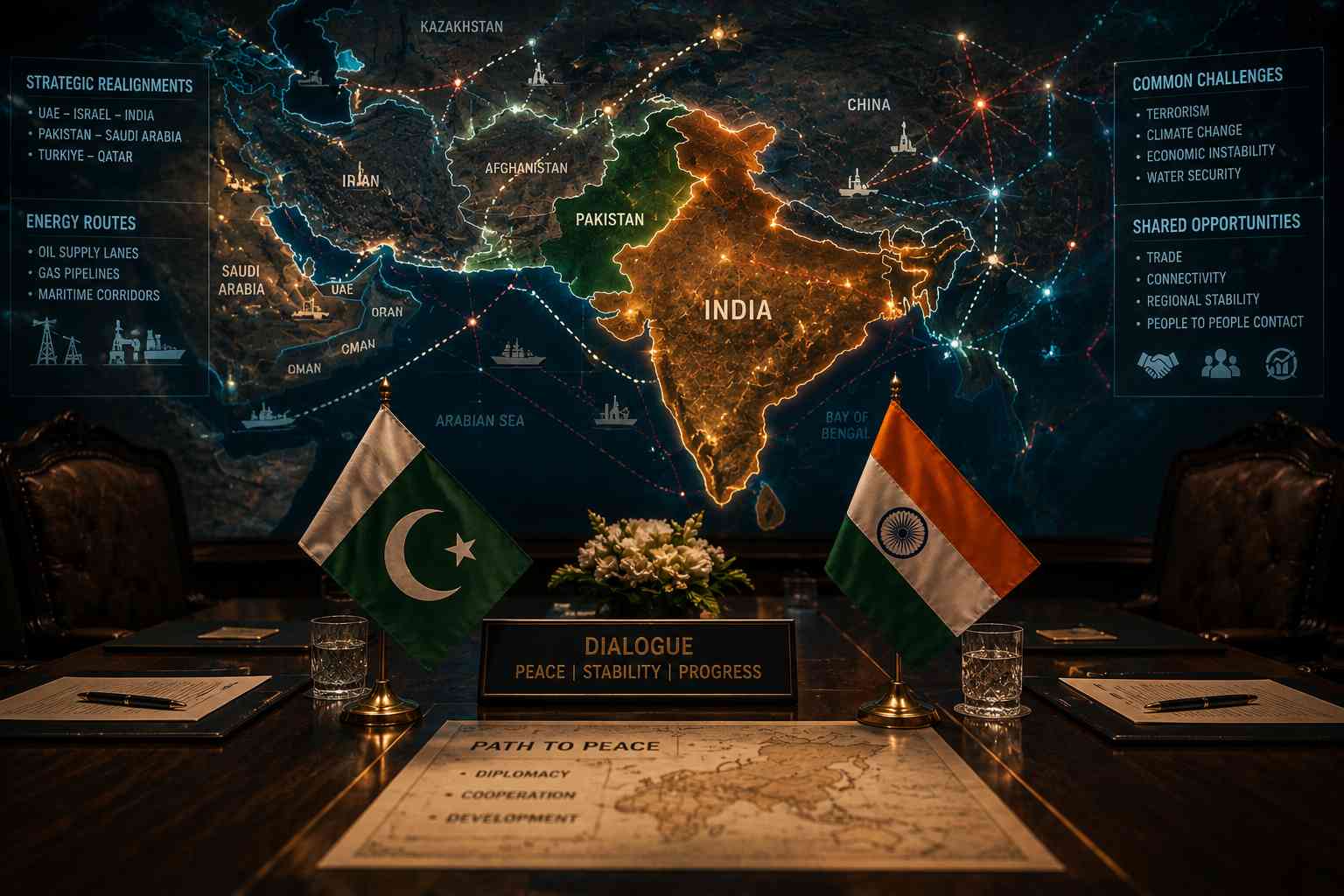
Islamabad maintains working relationships with Saudi Arabia, Iran, Qatar, China, and the United States, providing it with unique diplomatic access across multiple camps.
While Pakistan’s direct influence remains limited compared to major powers, its diplomatic engagement demonstrates the growing importance of middle powers in managing regional tensions.
Conclusion
The fact that Saudi Arabia rejects Israel recognition under current conditions represents a major obstacle for any diplomatic framework that seeks to combine Iran negotiations with broader regional normalization.
For Riyadh, Palestinian statehood remains a prerequisite rather than a secondary issue.
Meanwhile, new US military strikes, Israeli actions in Lebanon, and continuing uncertainty surrounding Iran have made the diplomatic landscape even more fragile.
The coming weeks will reveal whether negotiations can survive these pressures or whether competing regional agendas will push the Middle East toward another period of instability.
By SoldierSpeaks News Desk
Analysis based on commentary by Dr. Moeed Pirzada and current geopolitical developments.