<p><strong>Pakistan’s latest response after the Karachi Rangers attack shows how quickly Pakistan Afghanistan border strikes can turn a domestic security incident into a regional crisis.</strong> The key question is no longer only who attacked Karachi. It is whether Pakistan is entering a new cycle where every major militant strike produces cross-border escalation.</p>
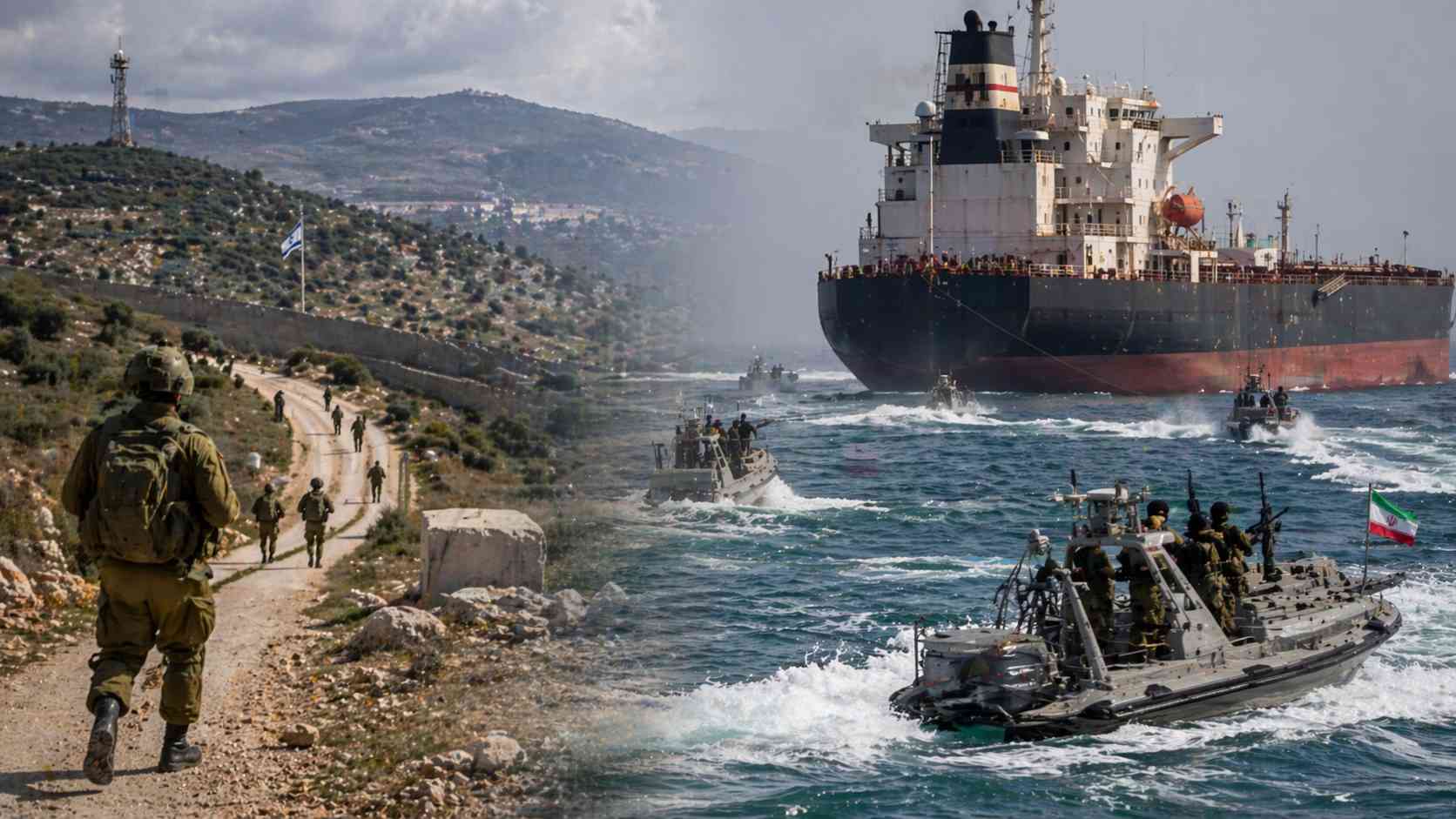
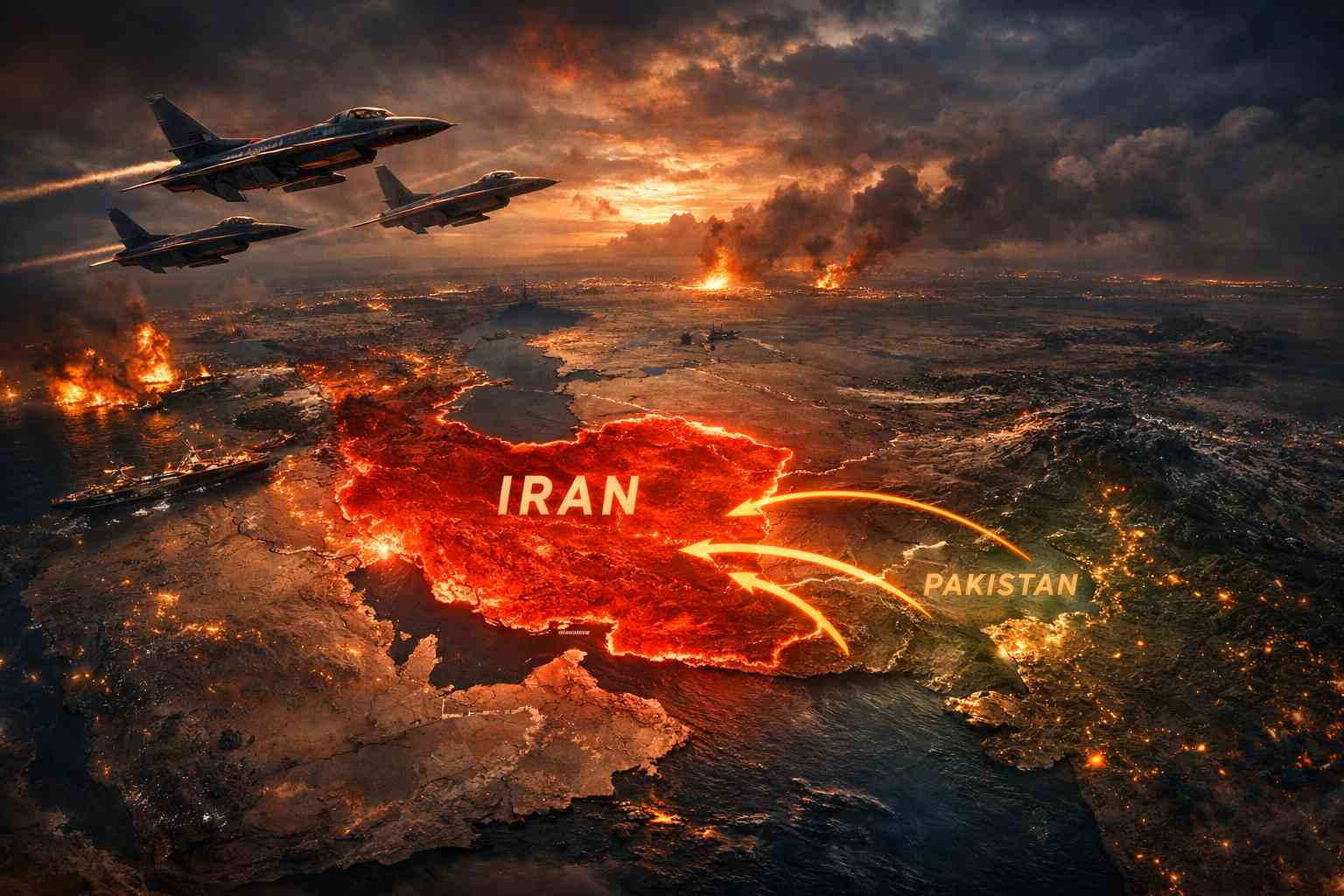
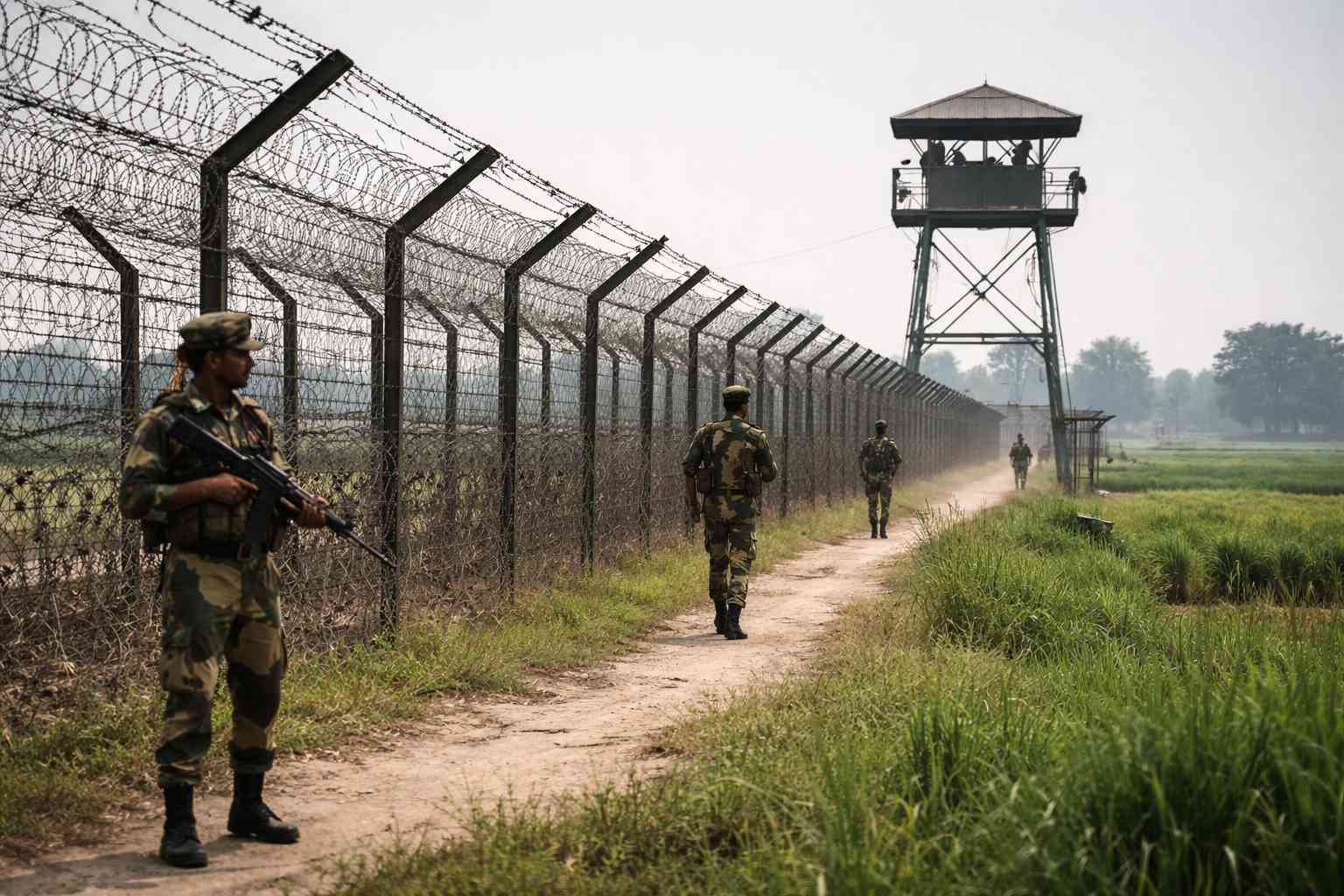
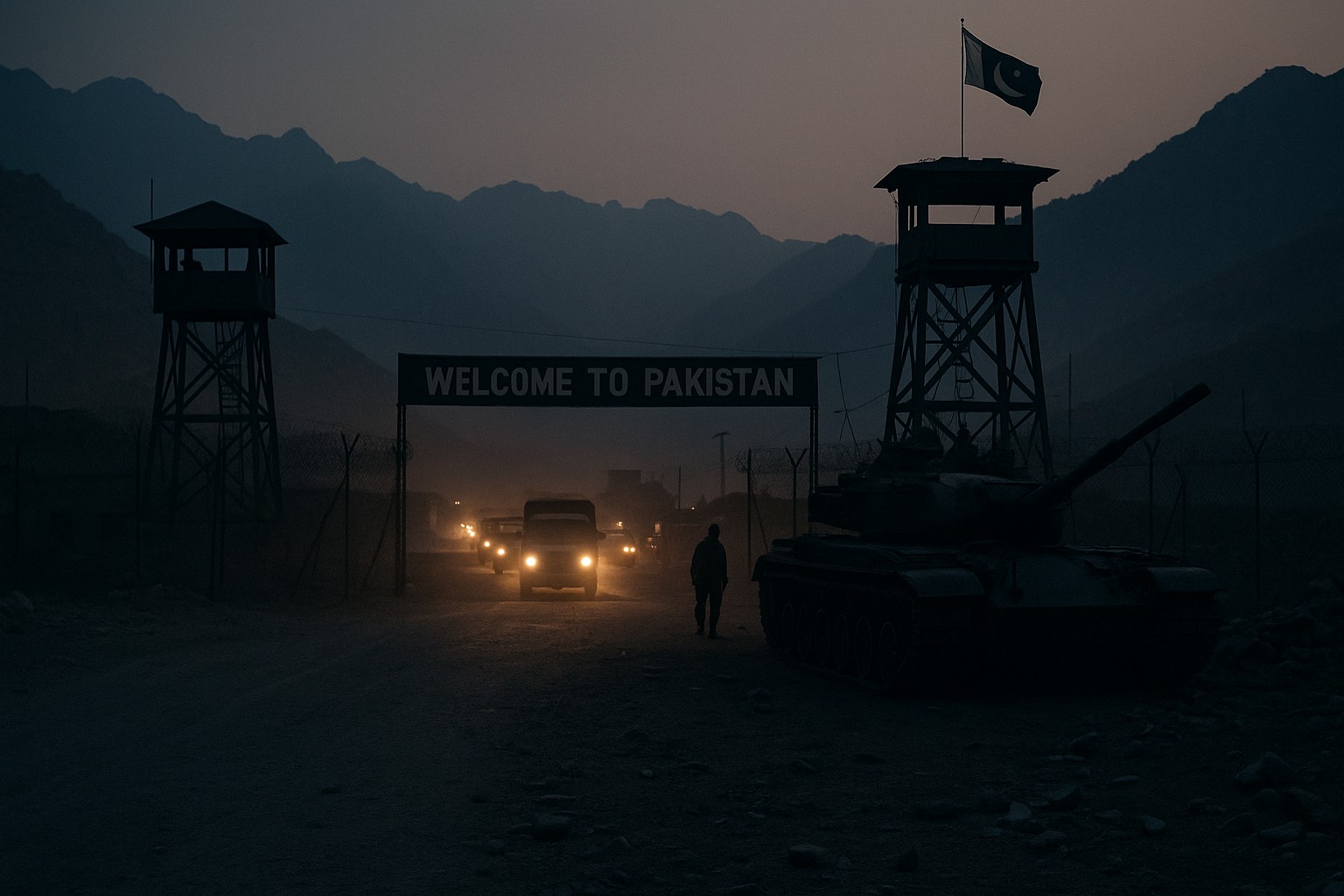
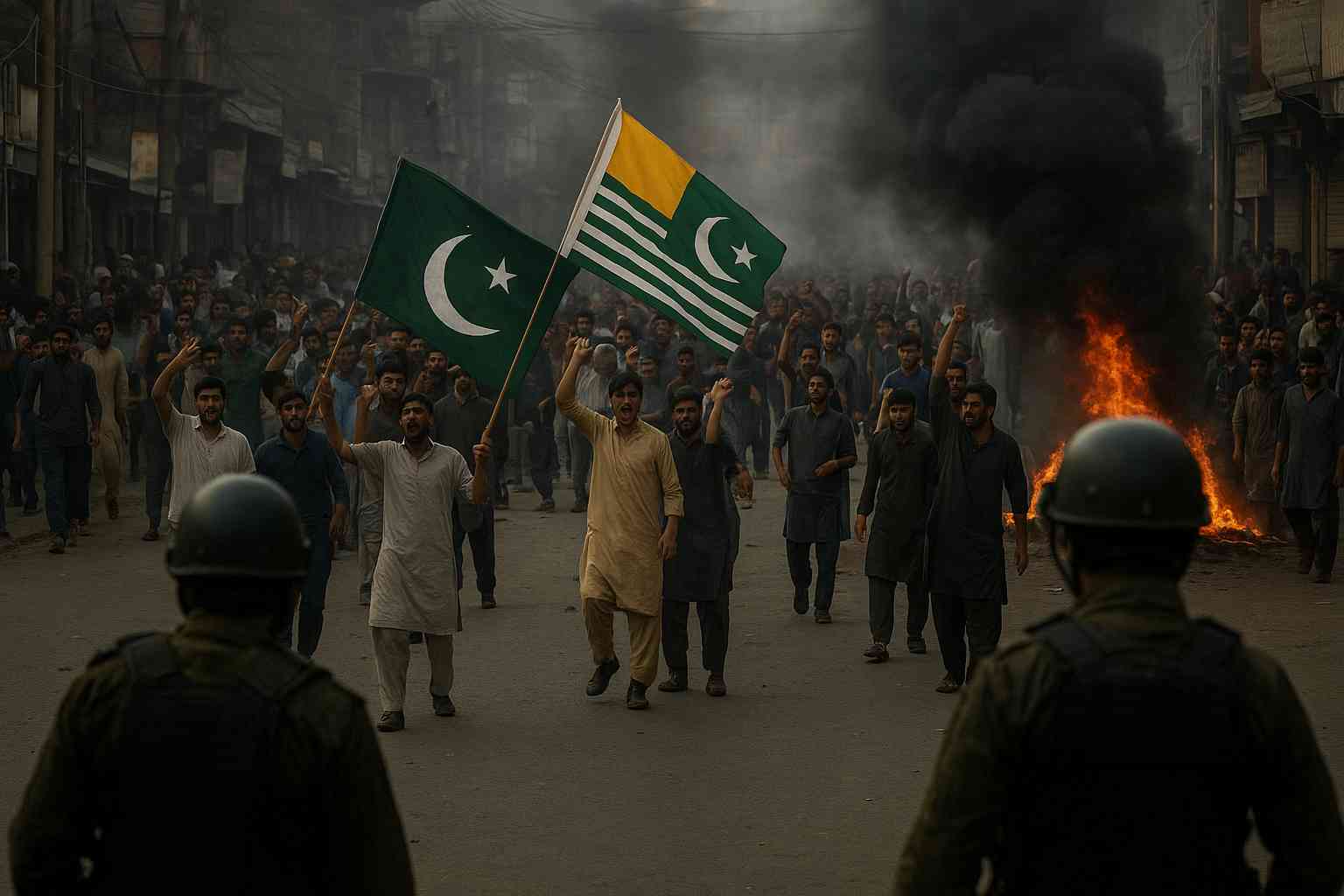
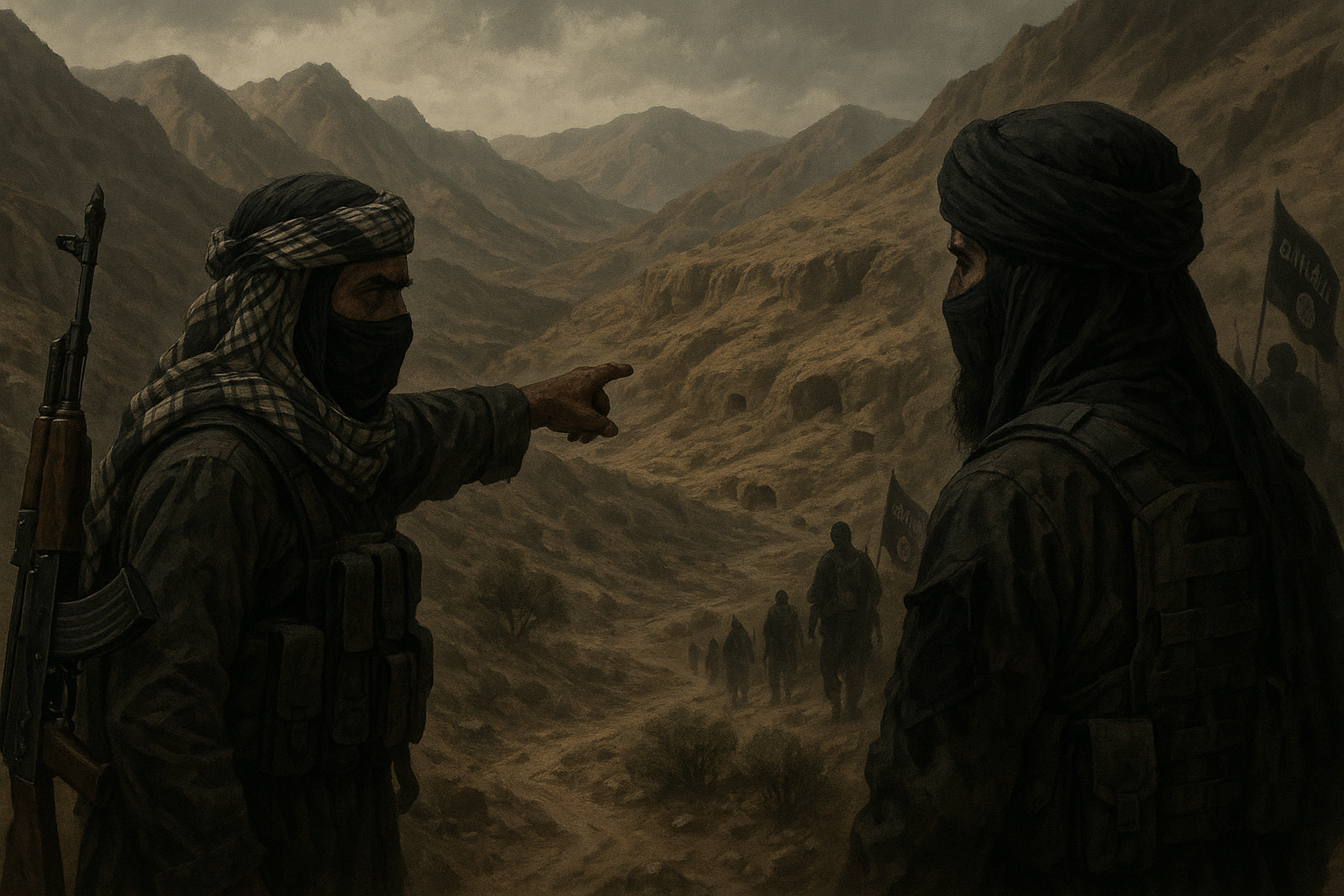
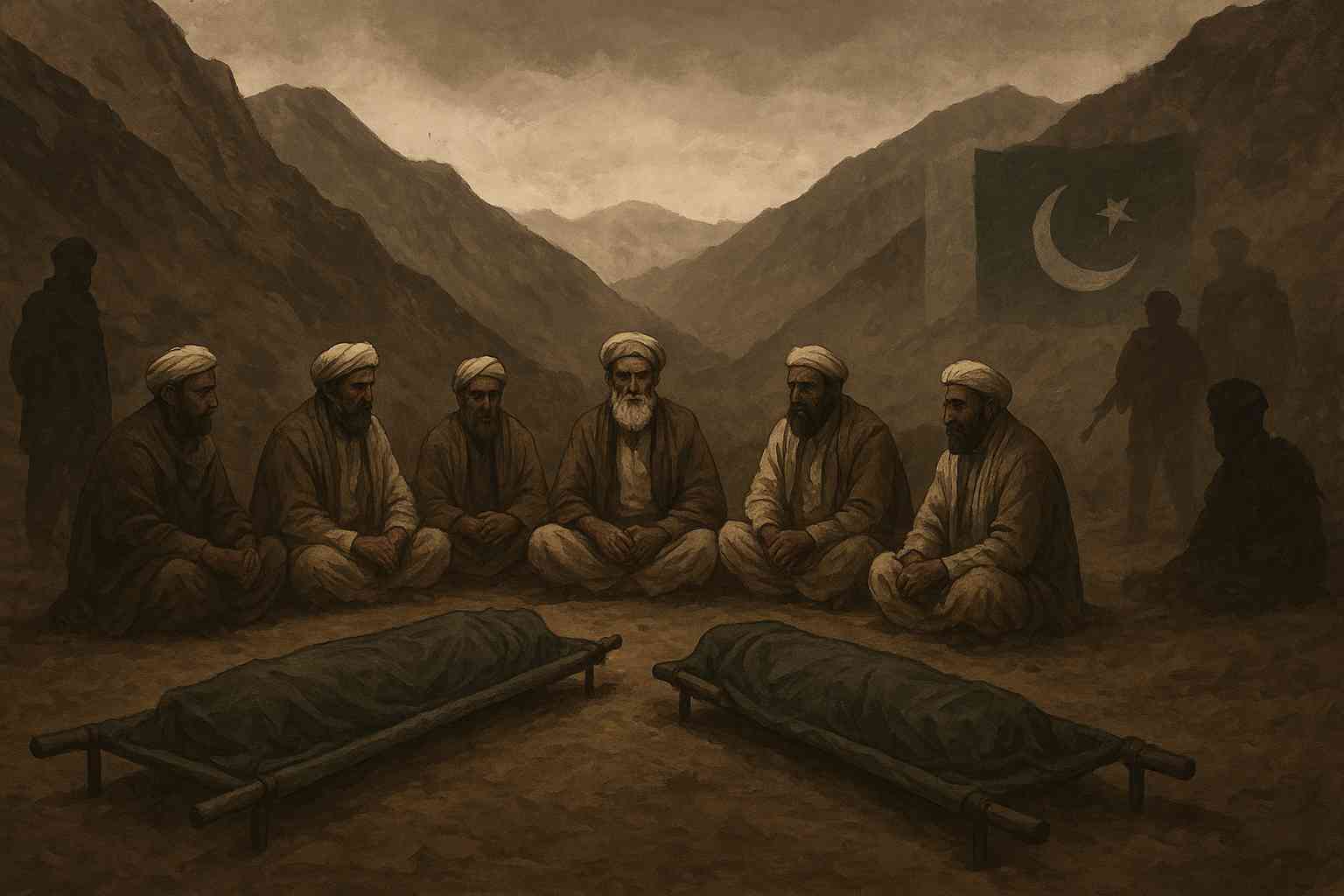
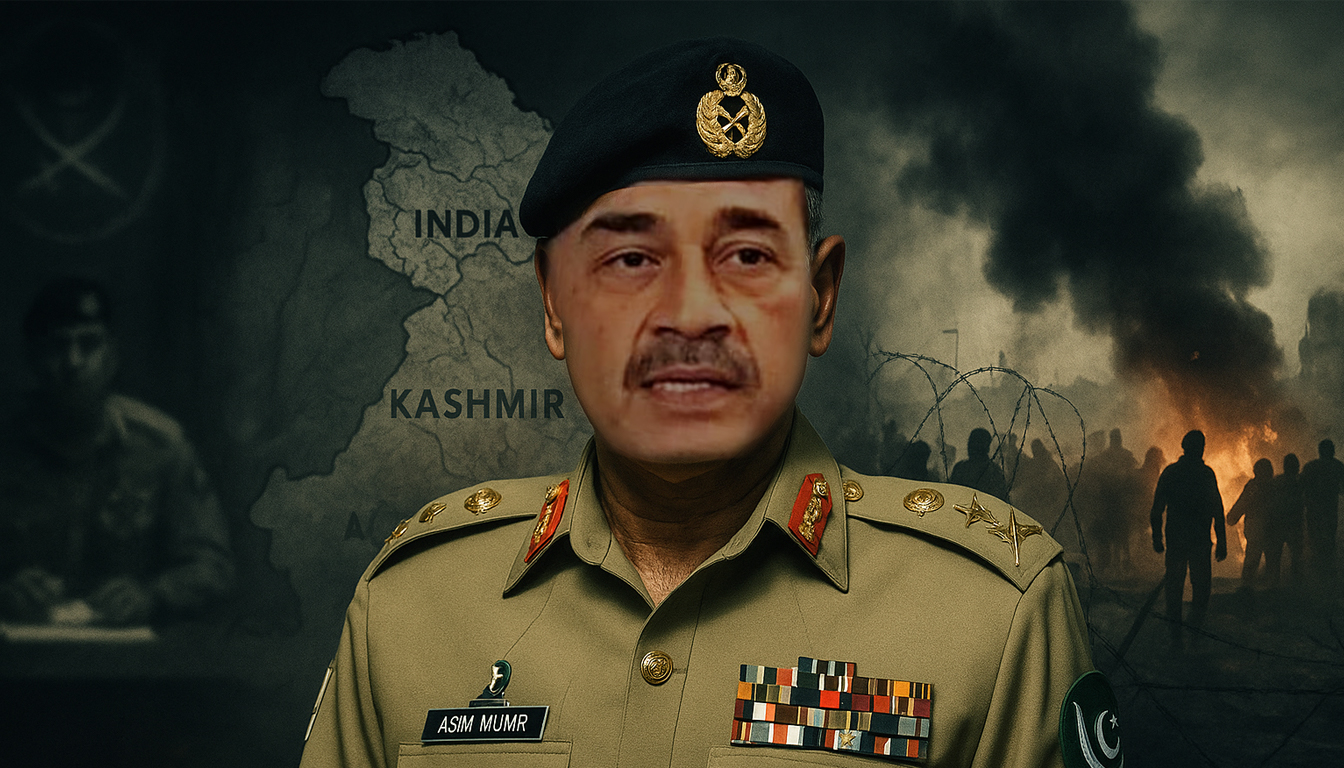
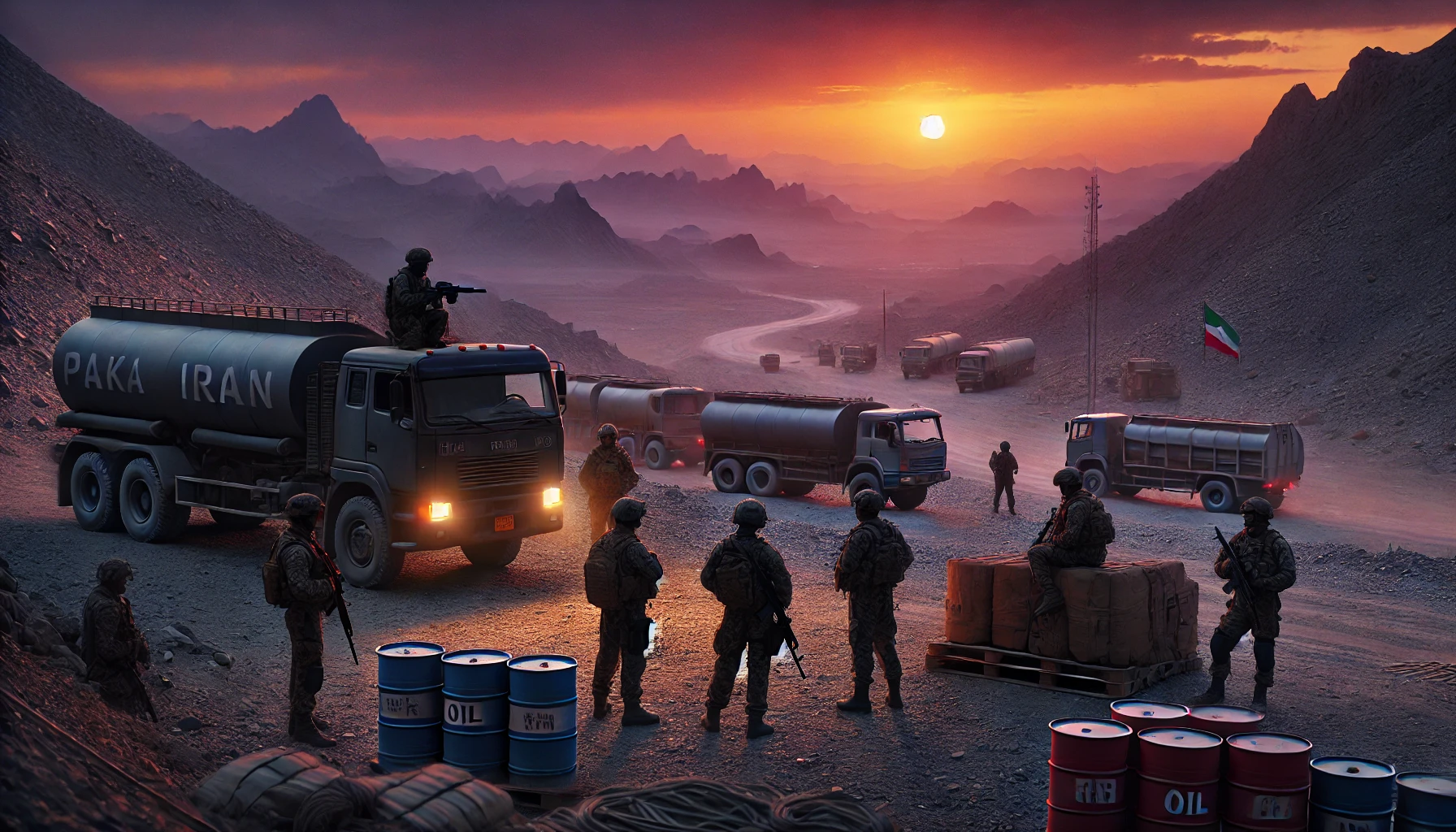
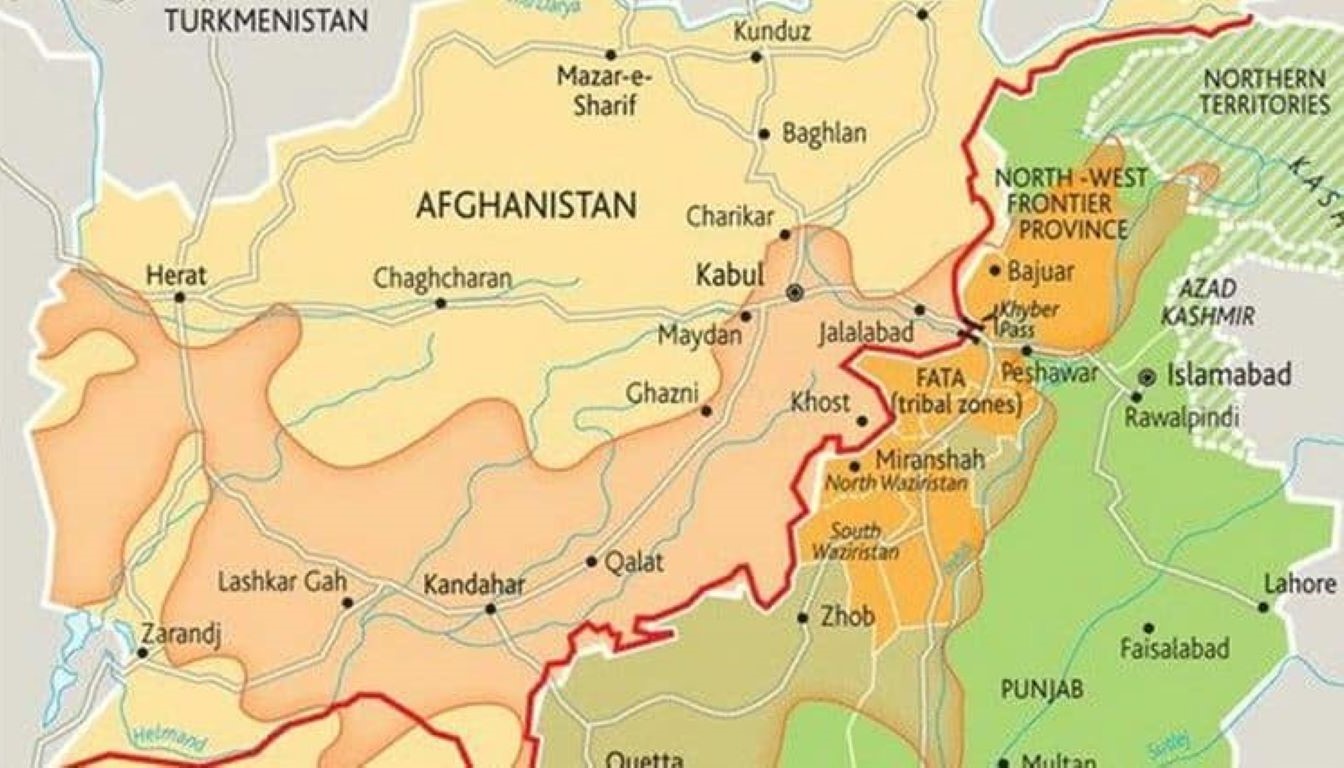
<p>The Associated Press reported that Pakistani security forces carried out a ground operation near the Afghanistan border, followed by what officials called “calibrated strikes” against militant hideouts, killing 29 fighters. Information Minister Attaullah Tarar said the action followed multiple militant attacks inside Pakistan. AP also reported no immediate Afghan response to the latest operation.</p>
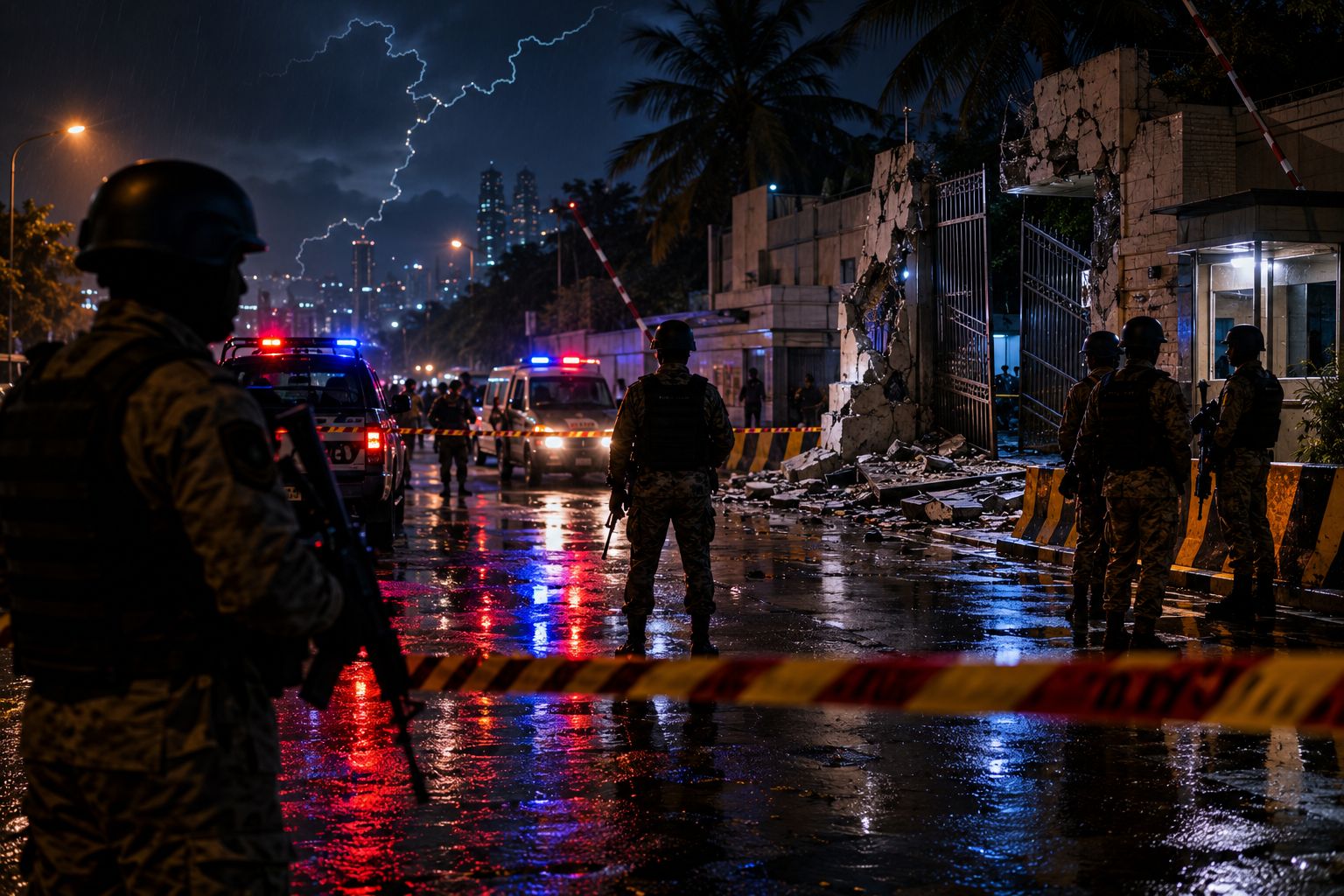
<p>The trigger was the attack on the Pakistan Rangers’ regional headquarters in Karachi. AP reported that militants used an explosives-laden vehicle, killing three Rangers personnel before security forces killed three attackers and captured another. Jamaat-ul-Ahrar, a breakaway faction of the Pakistani Taliban, claimed responsibility.</p>
<p>Dawn, citing security sources, reported that the captured attacker allegedly said he came from Jalalabad and received training in Afghanistan. Those claims remain official-source claims unless independently verified. That distinction matters. Pakistan has real security grounds for alarm, but responsible reporting must separate evidence from state assertion.</p>
<h2>Pakistan Afghanistan Border Strikes And The New Escalation Logic</h2>
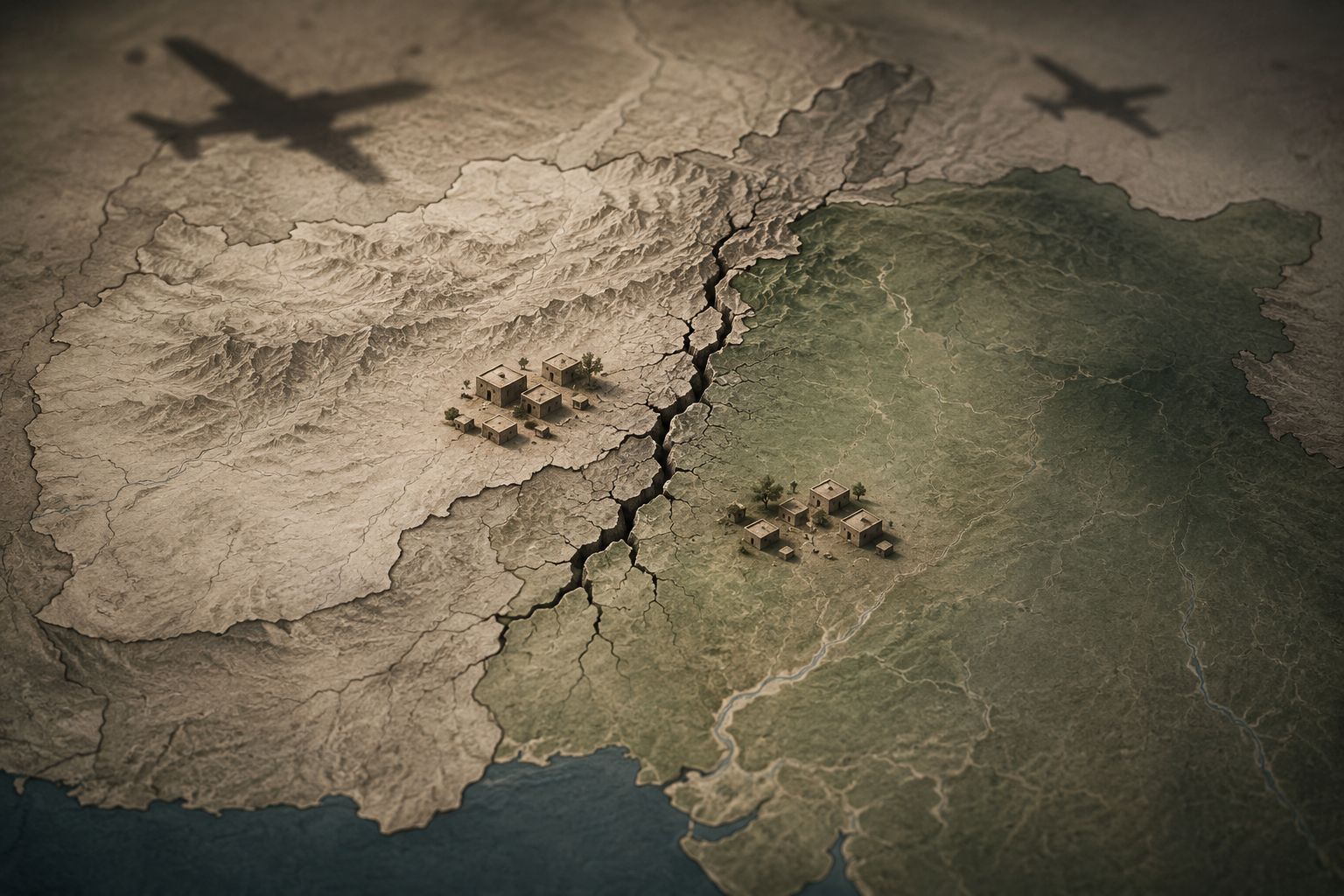
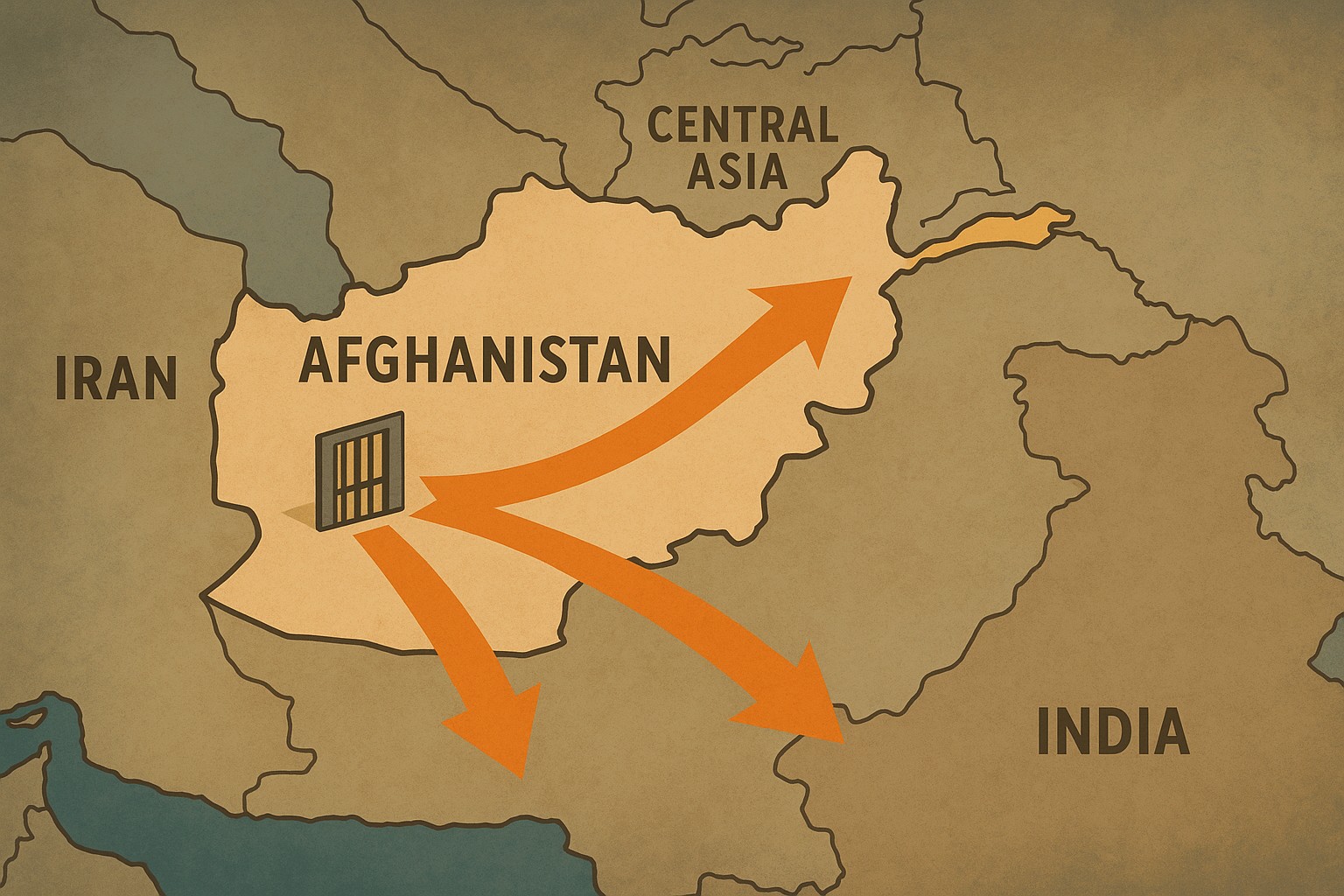
<p>The Pakistan Afghanistan border strikes fit a pattern that has hardened since the Afghan Taliban returned to power in 2021. Islamabad says anti-Pakistan militants use Afghan soil. Kabul denies allowing such sanctuaries. Between those two positions sits Pakistan’s worsening internal security crisis.</p>
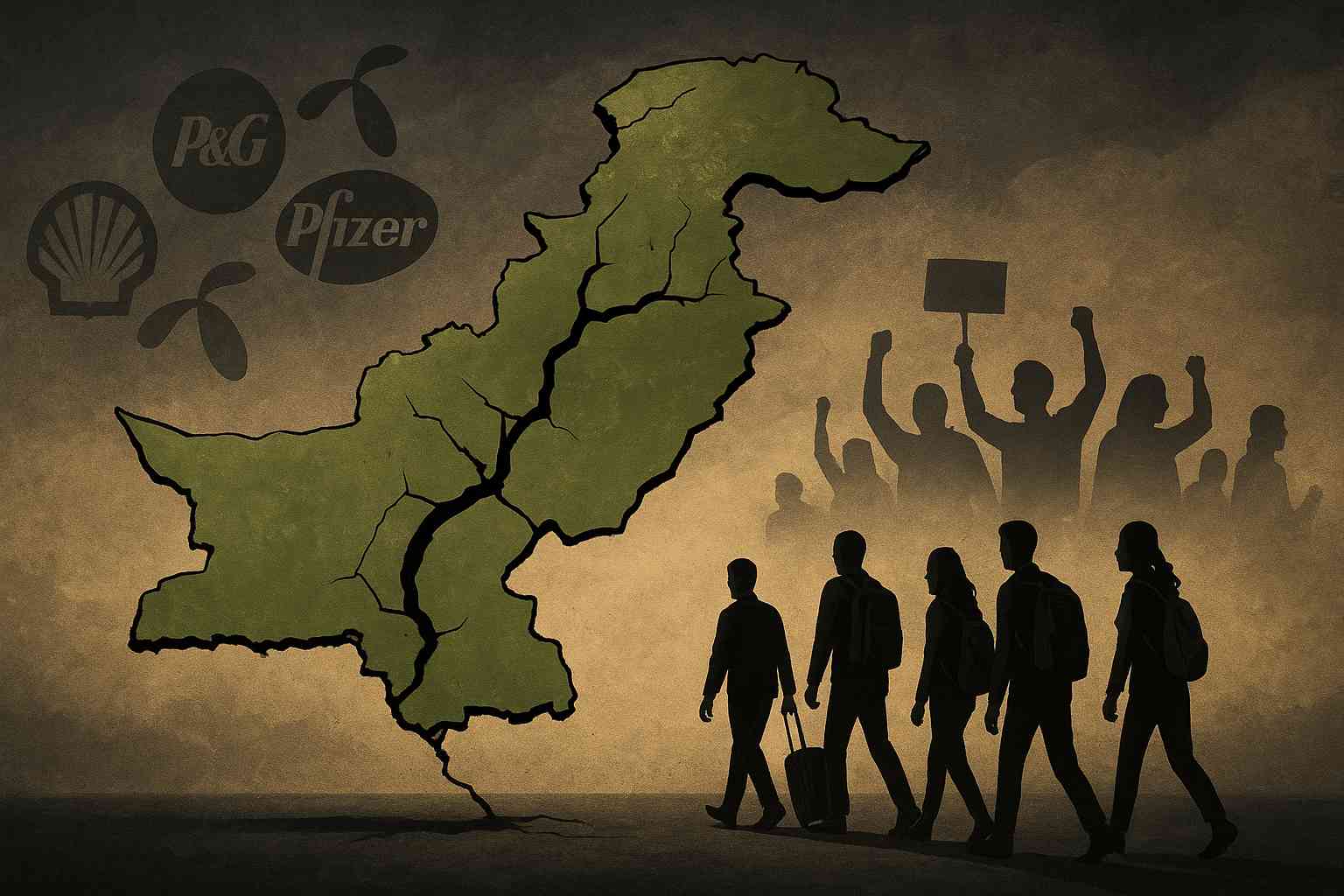
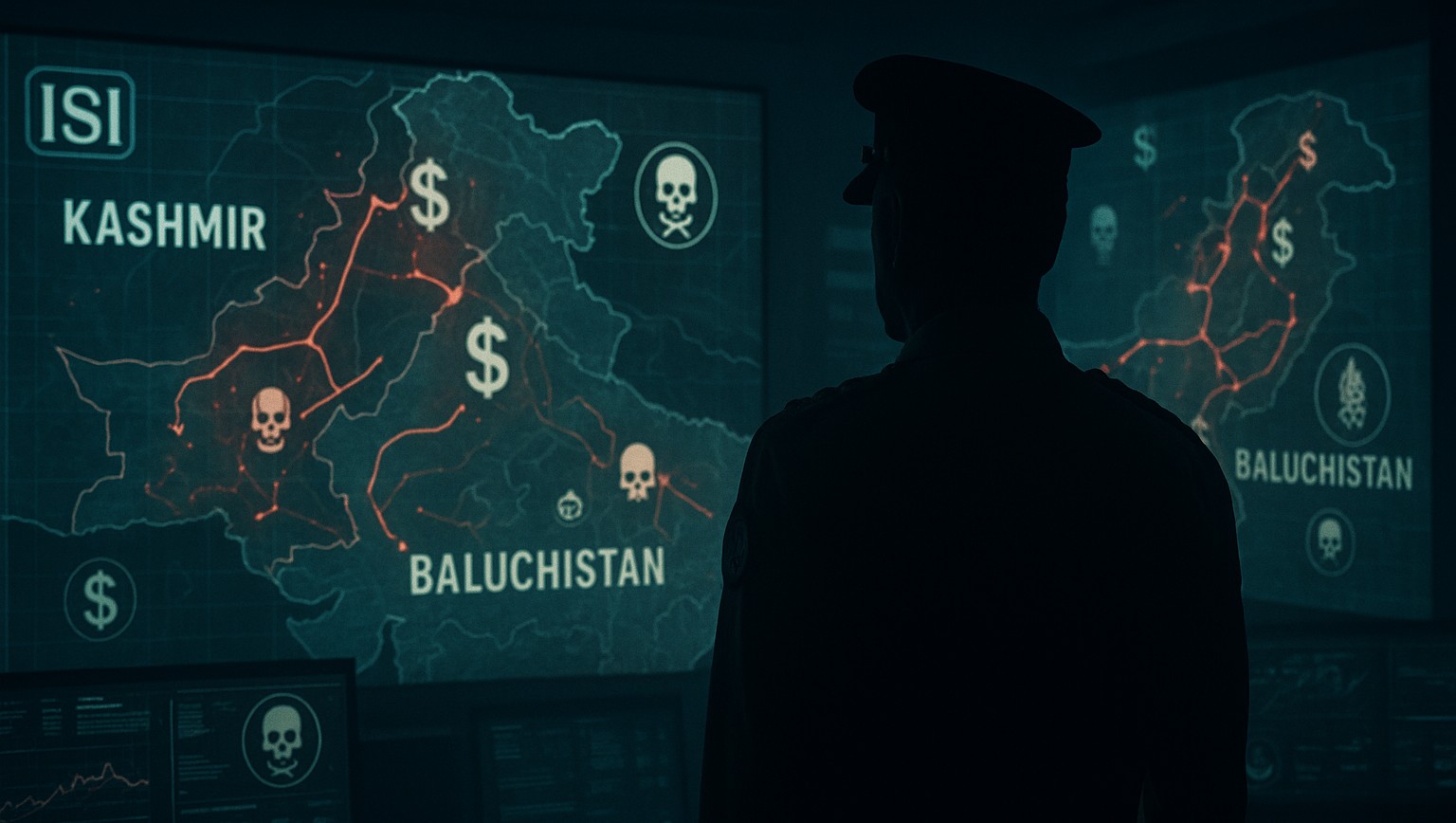
<p>The problem for Pakistan is not only the TTP network. It is the geography of fear. Karachi, Khyber Pakhtunkhwa, Balochistan, and the frontier belt now appear connected in the state’s security narrative. When an attack in Karachi leads to action near Afghanistan, the battlefield expands politically even before it expands militarily.</p>
<p>That expansion carries risks. Pakistan’s military can hit targets across difficult terrain. Yet force alone cannot settle the political question. If Kabul refuses verifiable action against militant networks, Pakistan faces pressure to escalate. If Pakistan escalates too often, Kabul gains its own grievance narrative.</p>
<h2>Karachi Changes The Political Weight</h2>
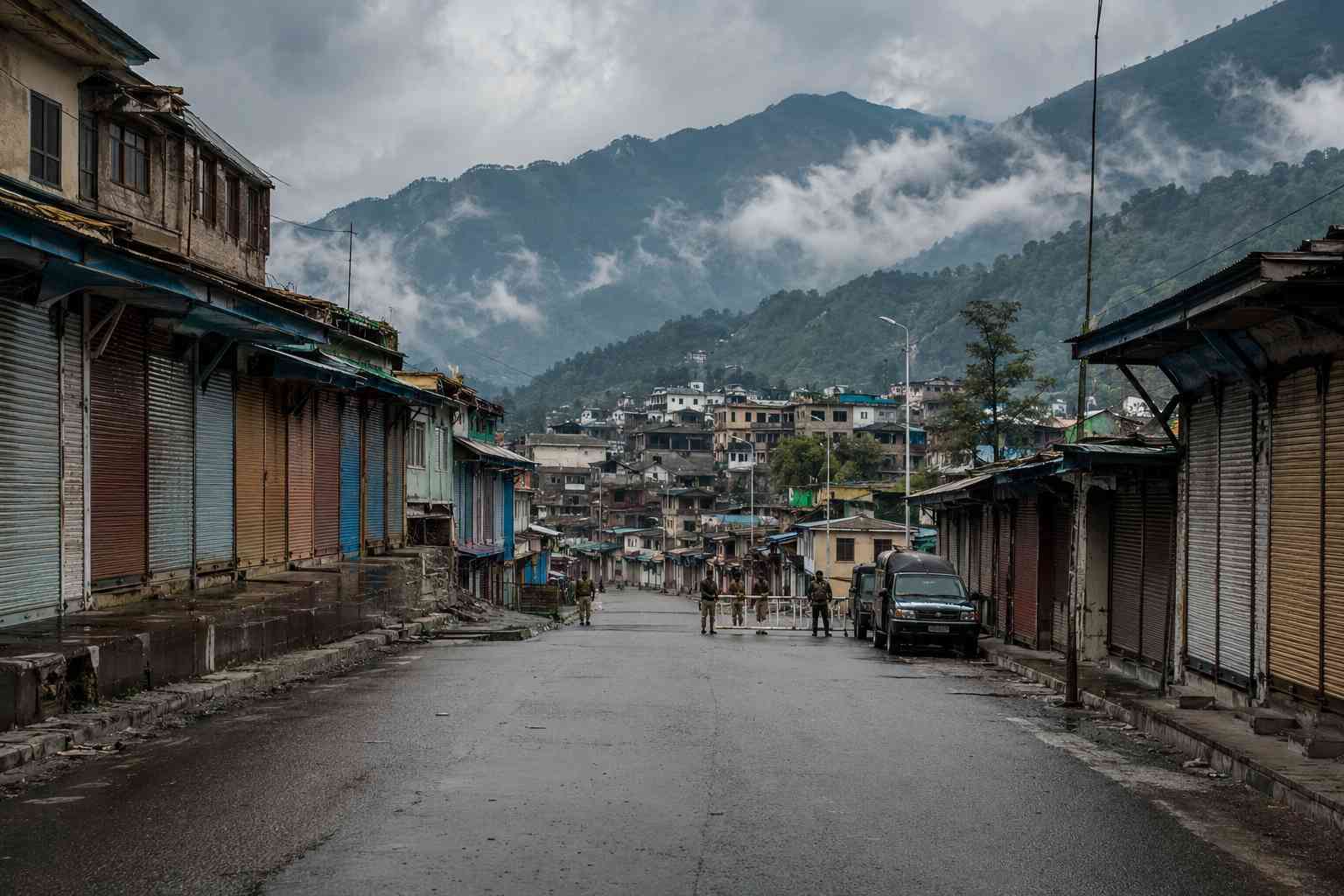
<p>Karachi gives this crisis a different weight. Attacks in frontier districts already strain the state. An assault on a Rangers facility in Pakistan’s largest city sends a broader message. It challenges the state’s claim that militancy remains geographically contained.</p>
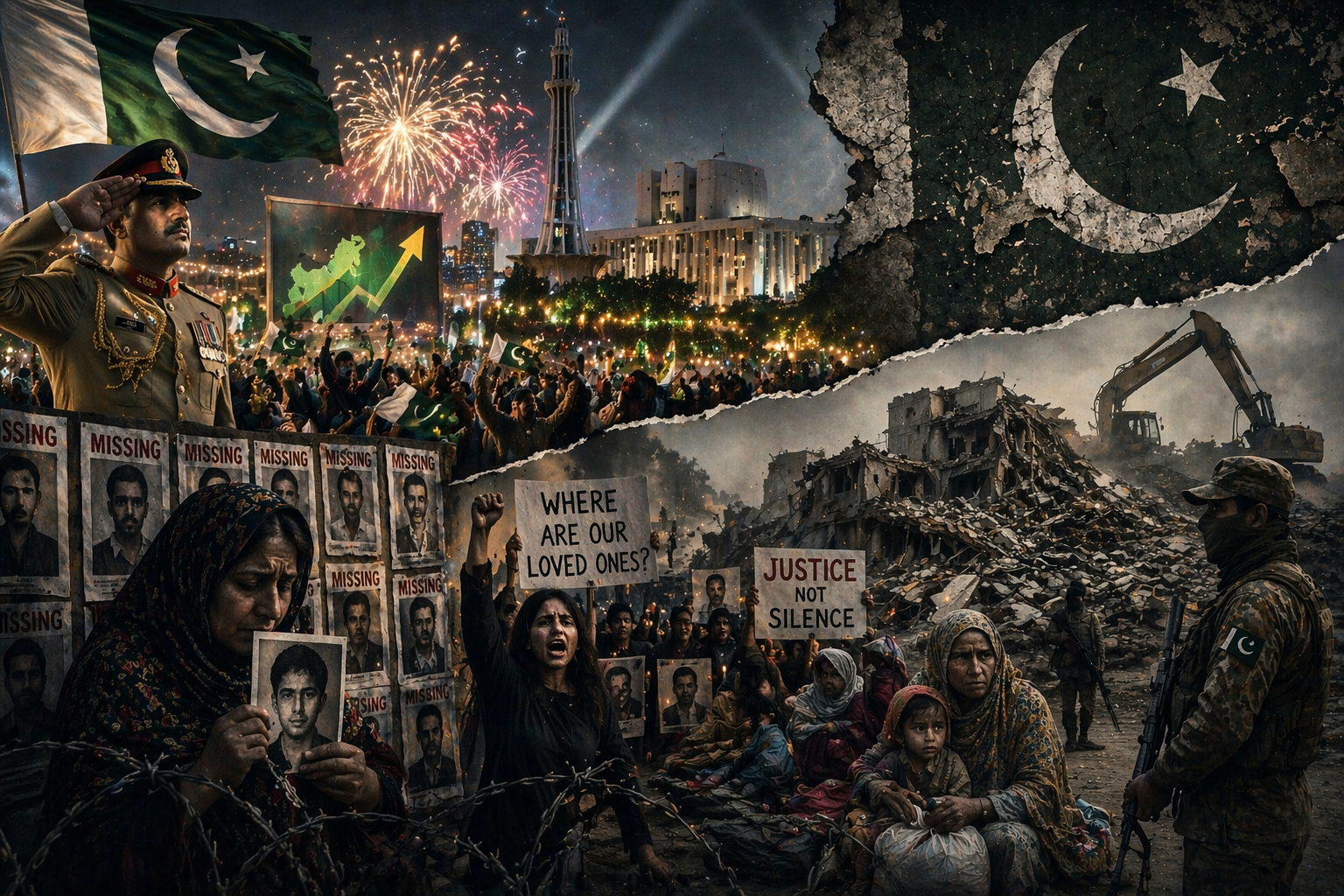
<p>For Soldier Speaks readers, the deeper issue is institutional accountability. Pakistan’s citizens deserve protection from terrorism. They also deserve clarity about policy failures, border management, intelligence gaps, and the repeated return of militant networks once declared defeated.</p>
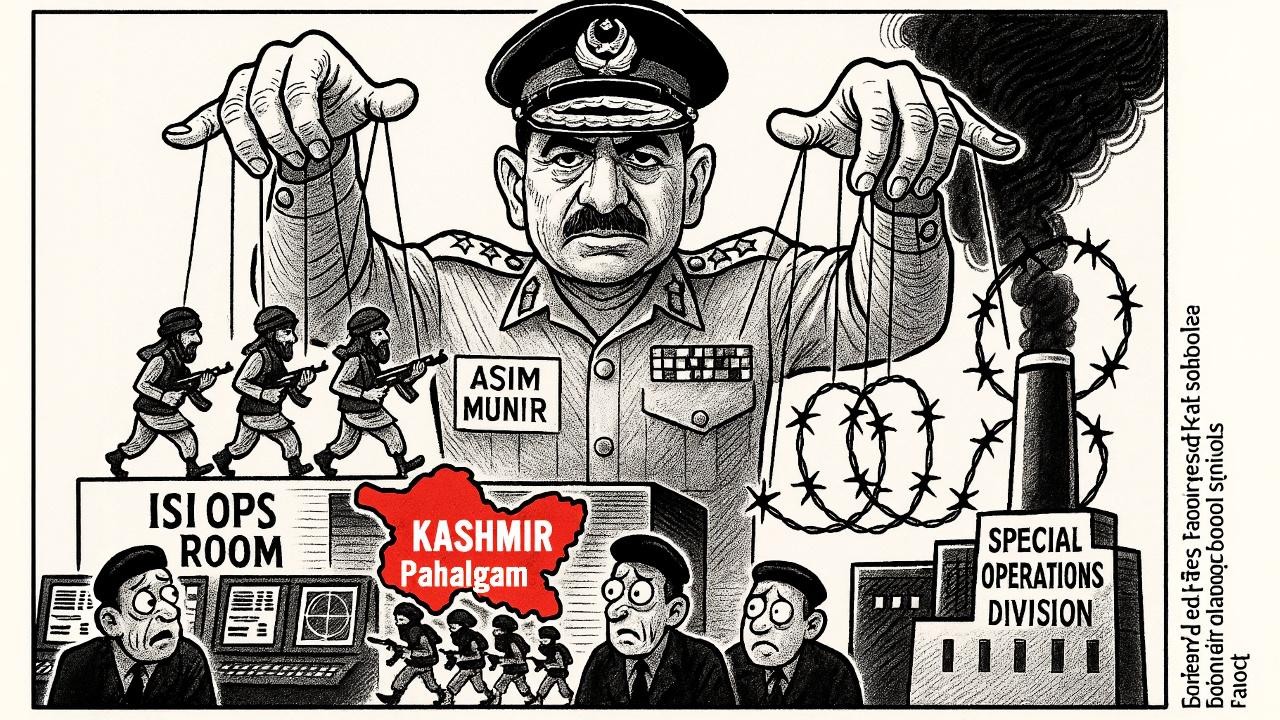
<p>The military described Jamaat-ul-Ahrar as an Indian proxy, but AP noted that no evidence was provided for that allegation. New Delhi has denied similar claims in the past. This is exactly where discipline matters. Allegations may form part of the state’s strategic argument, but they should not replace proof.</p>
<p>Pakistan Afghanistan border strikes may satisfy an immediate demand for retaliation. They may also disrupt militant planning. But they do not answer the harder question: why can armed networks still move, recruit, train, and strike across Pakistan’s urban and frontier spaces?</p>
<h2>The State Needs More Than Retaliation</h2>
<p>Pakistan needs a security policy that does not live from attack to retaliation. It needs transparent threat assessment, credible parliamentary scrutiny, stronger civilian policing, and a foreign policy that forces Kabul to face consequences without dragging both countries into open-ended confrontation.</p>
<p>The Afghan Taliban also cannot escape responsibility. If militants use Afghan territory, Kabul must act. Denial is not a counterterrorism policy. Still, Islamabad must show evidence where possible, build international pressure, and avoid steps that create more instability than deterrence.</p>
<p>The latest Pakistan Afghanistan border strikes should therefore be read as a warning. They show a state under pressure, a border policy under strain, and a militant threat that has not been contained. Pakistan can defend itself. But it must also explain how this cycle will end.</p>