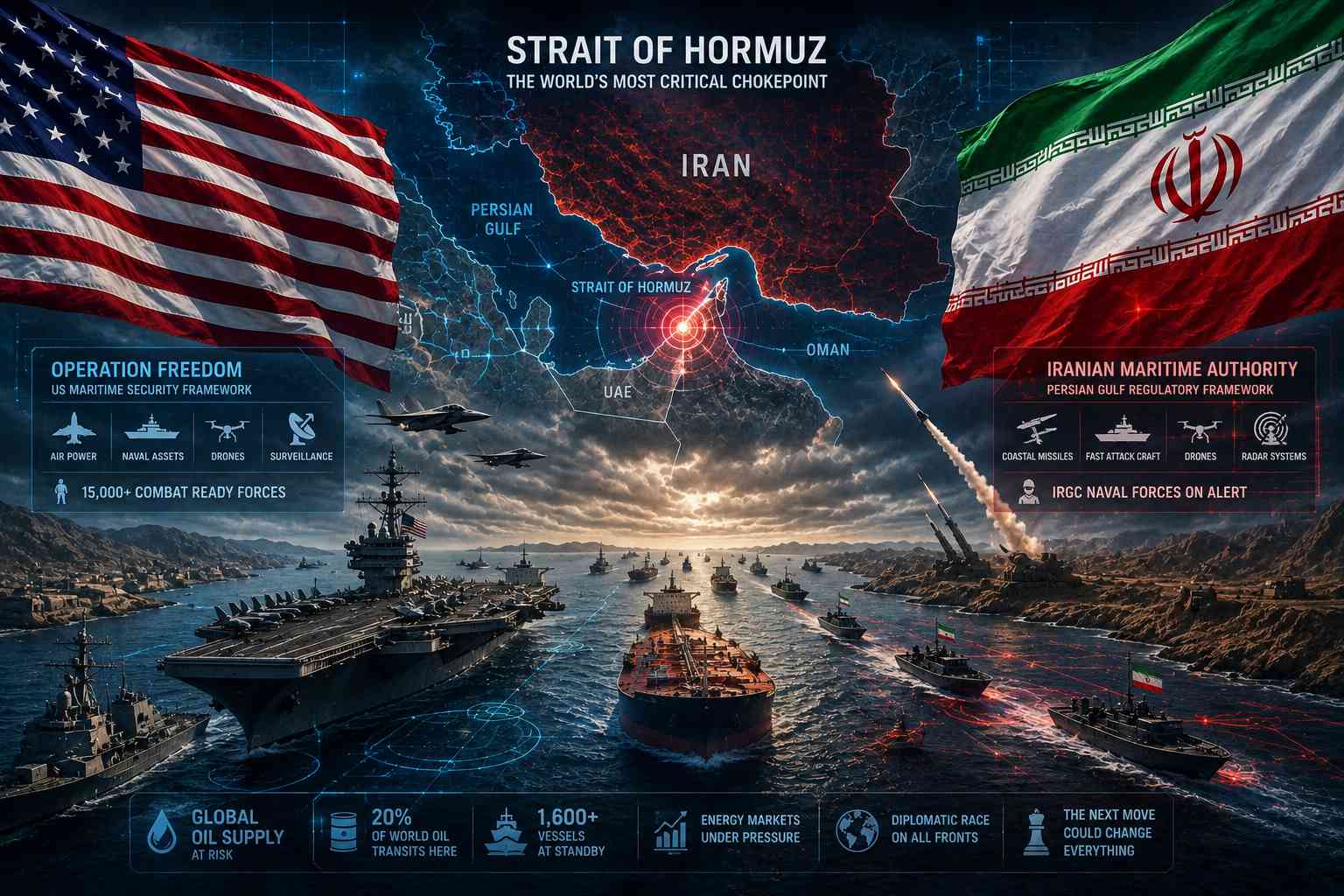
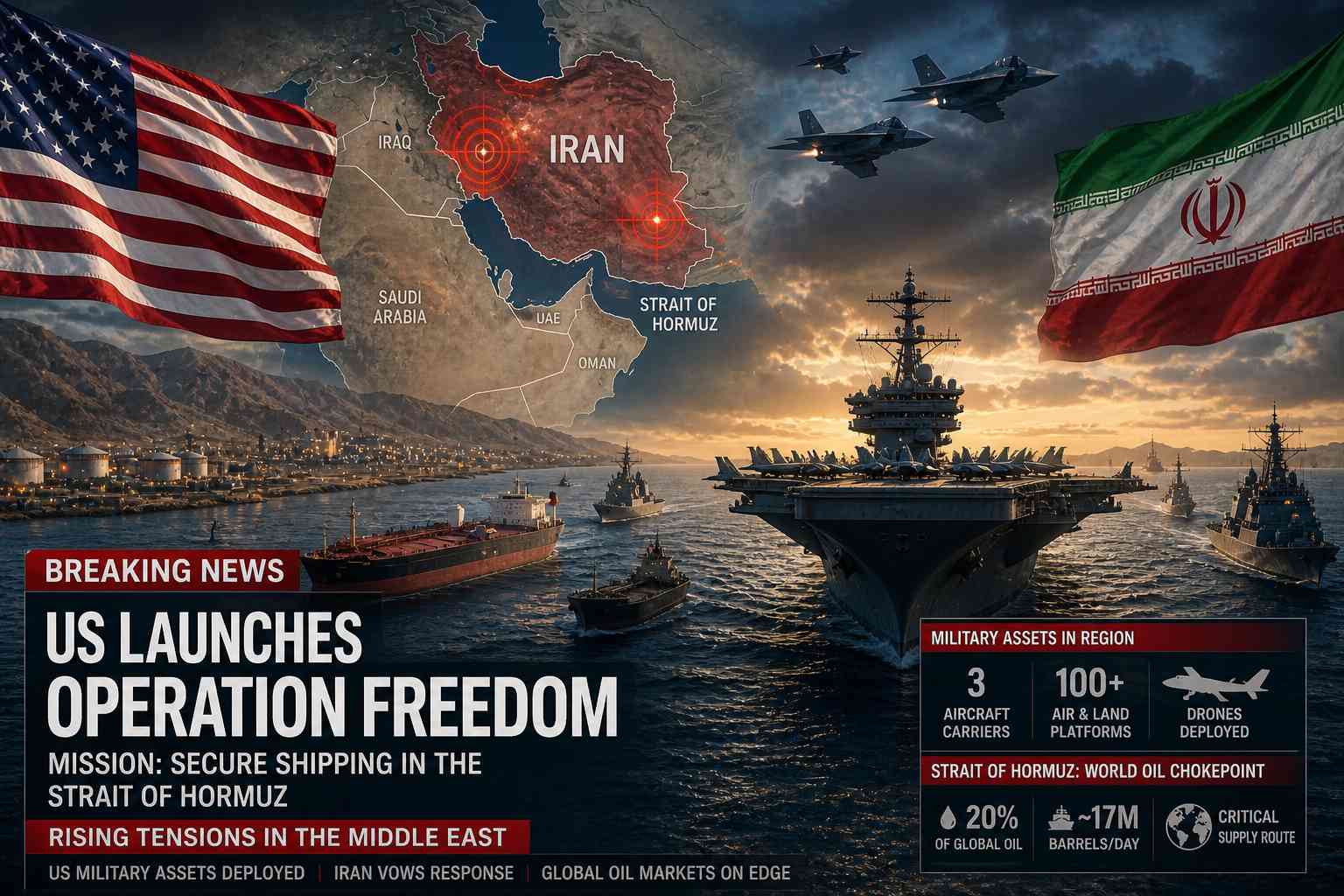
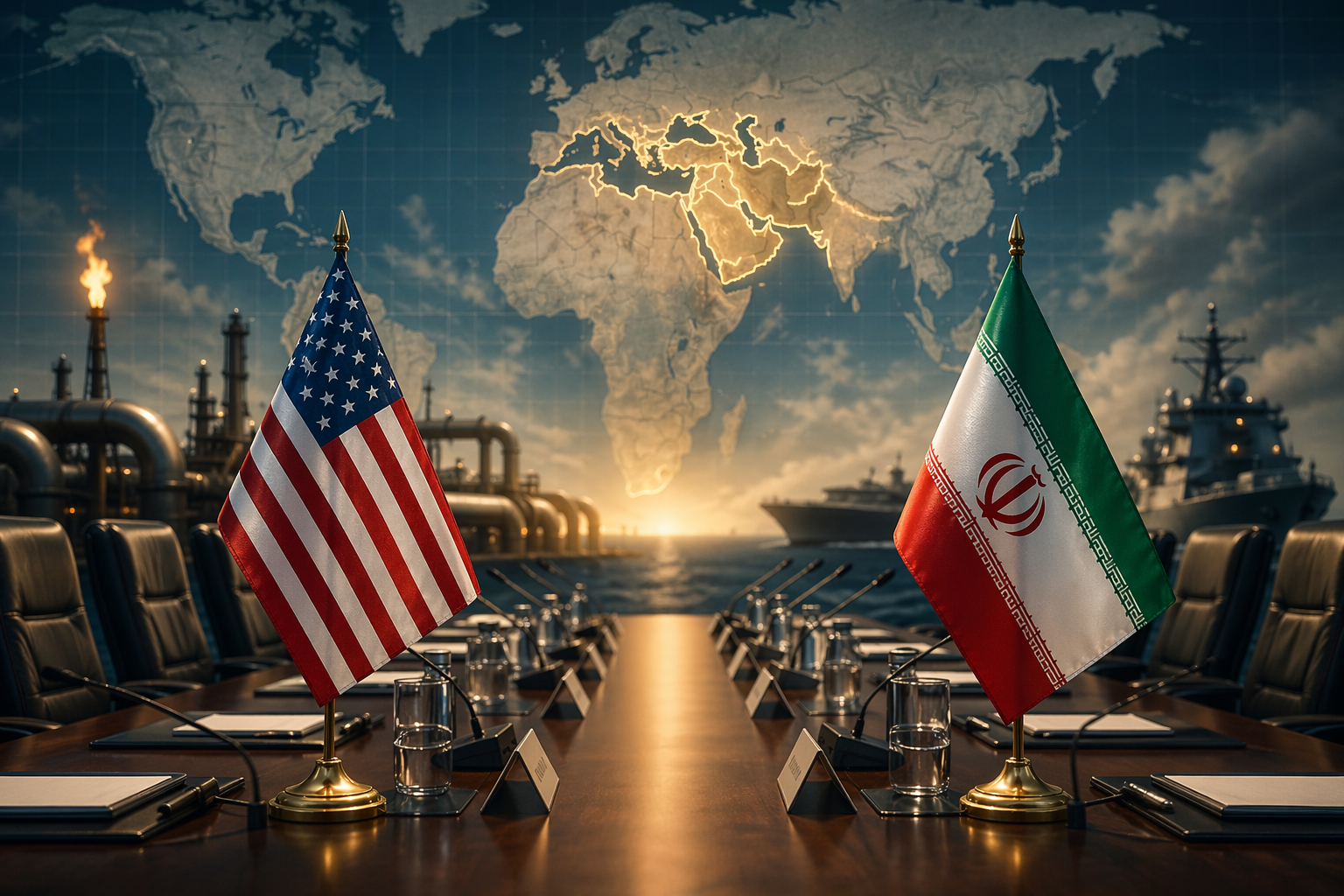
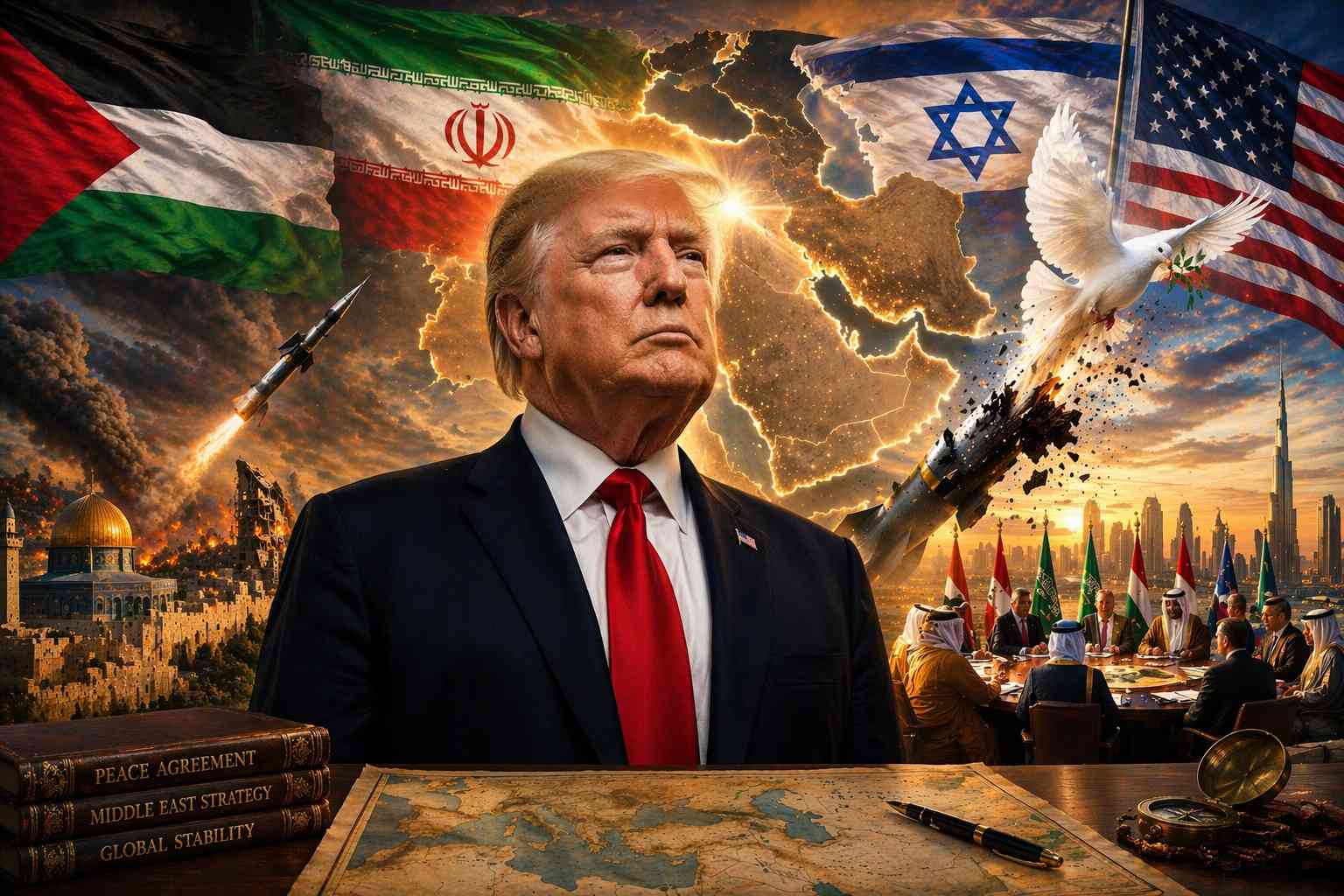
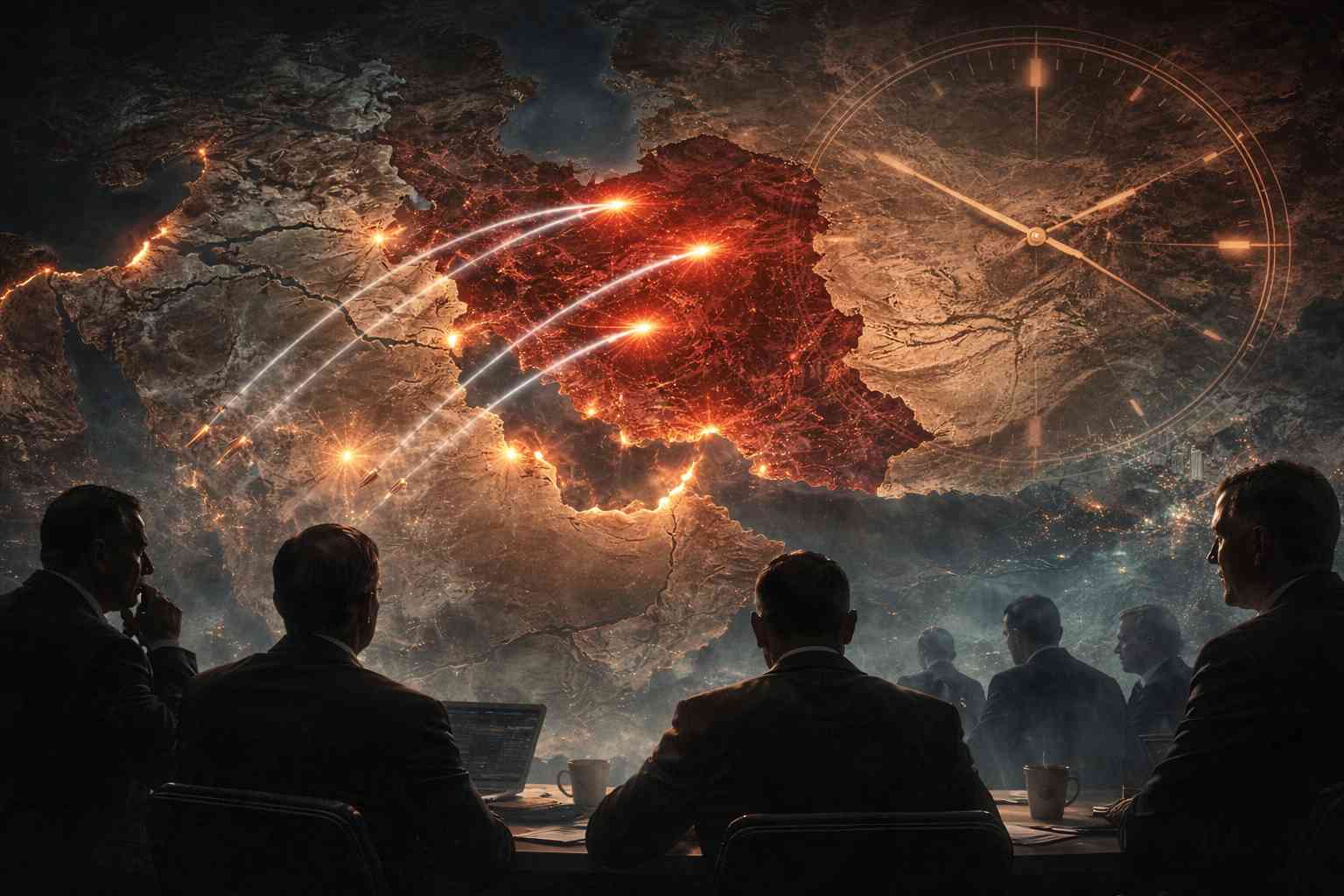
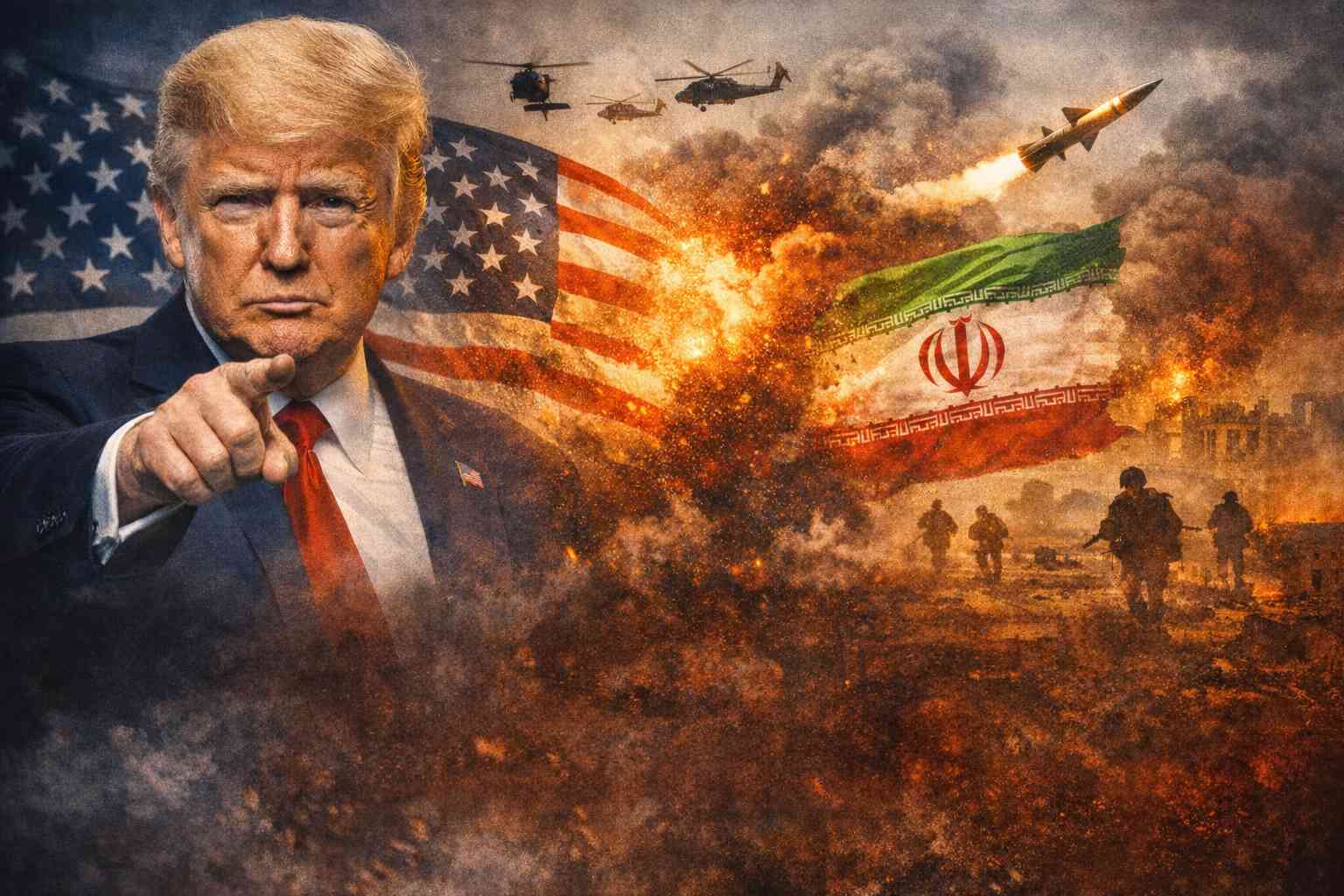
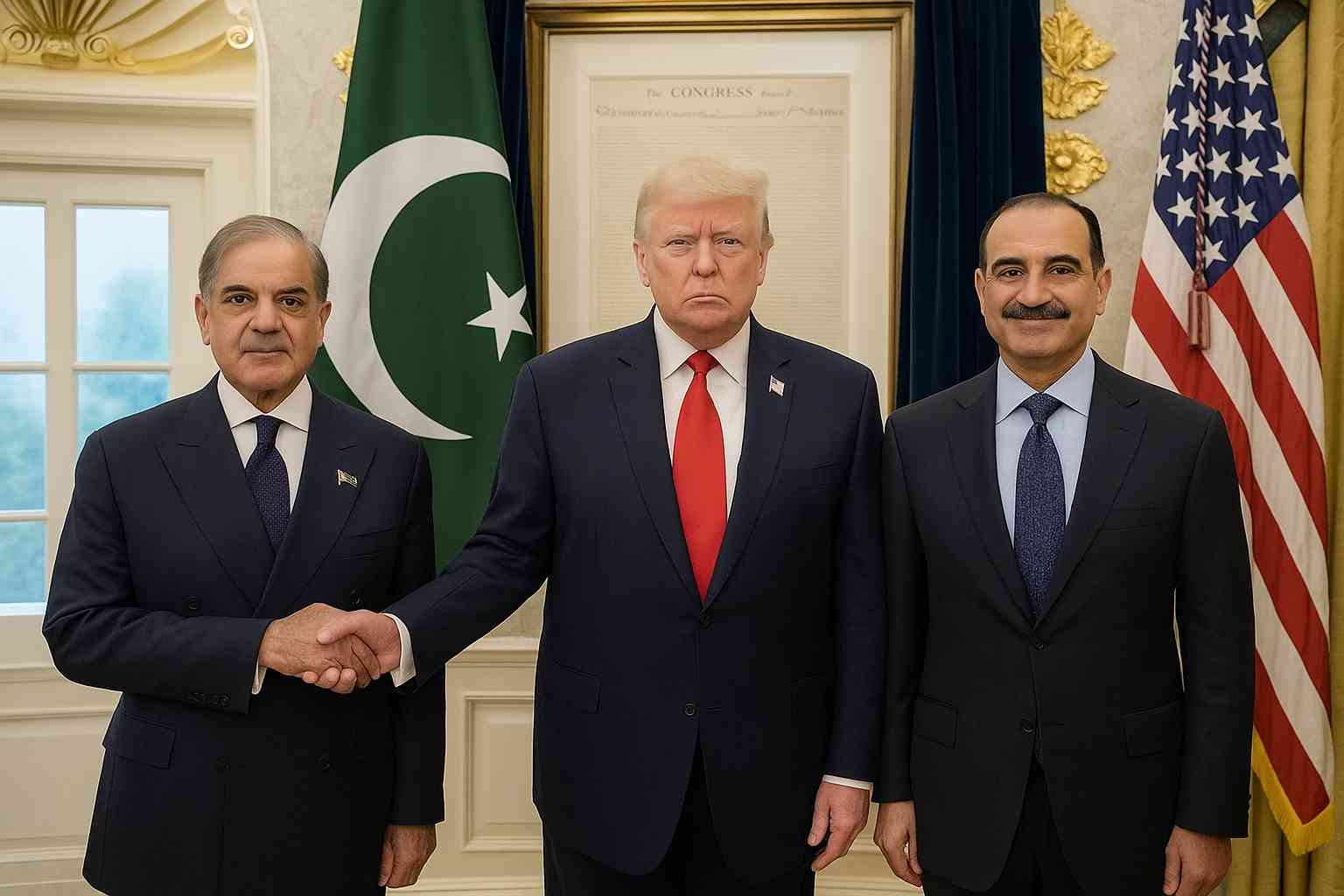
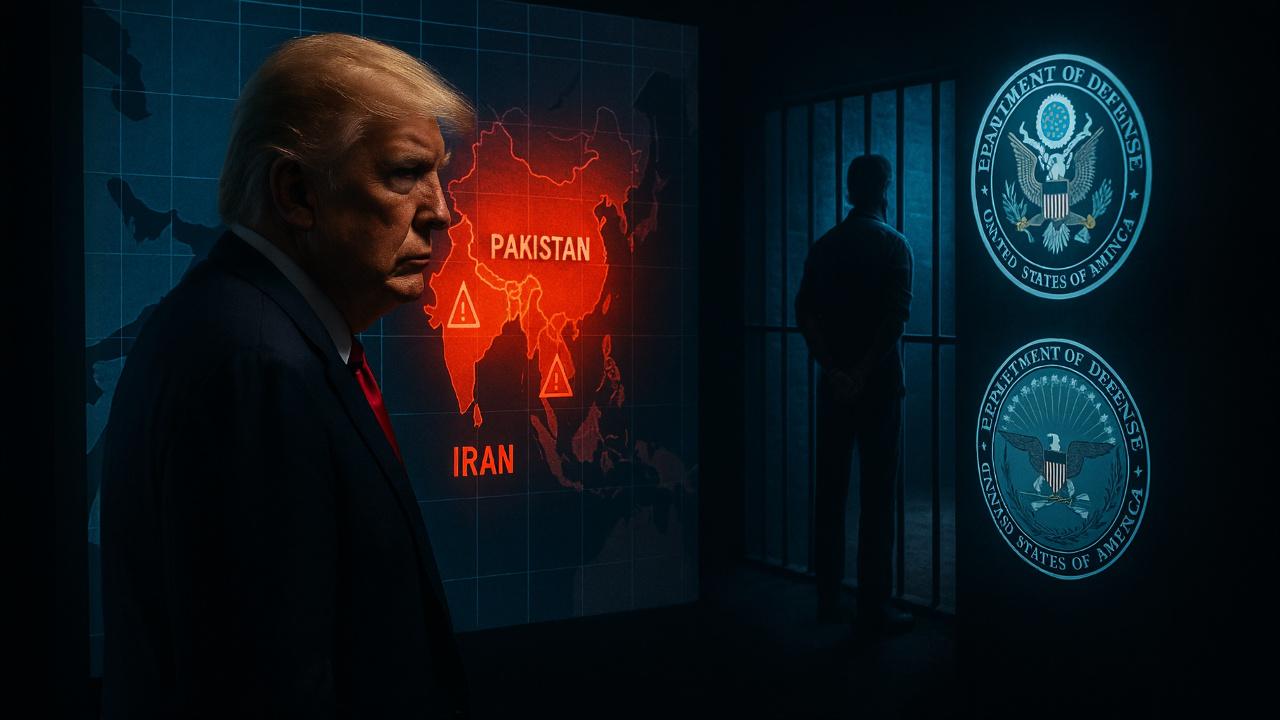
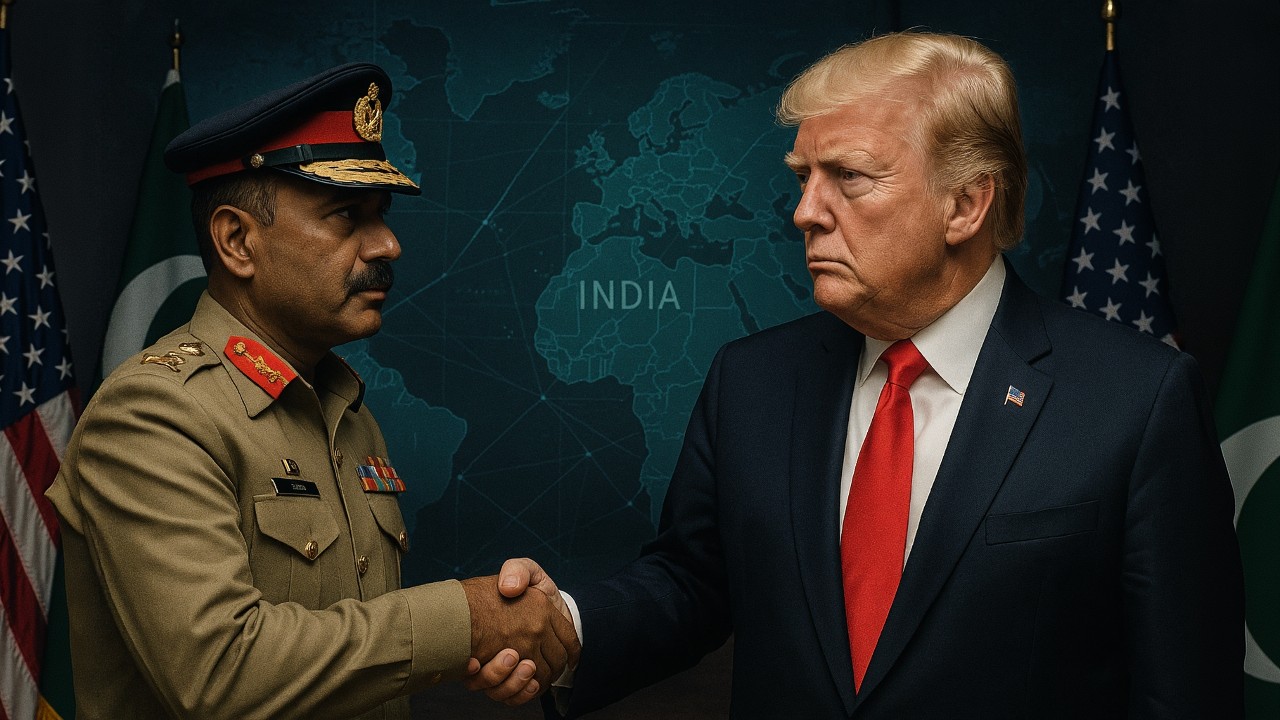
The evolving situation around US Iran negotiations 2026 reflects a moment of strategic ambiguity rather than clear diplomatic progress. Over the past 48 hours, conflicting signals from Washington and Tehran have created uncertainty about whether meaningful engagement will take place. At the center of this moment is a proposed high-level diplomatic interaction, potentially involving US Vice President JD Vance, with Pakistan positioned as a key intermediary.
This uncertainty is not procedural. It highlights deeper structural tensions that continue to shape US–Iran relations.
Delayed Diplomacy and Conditional Engagement
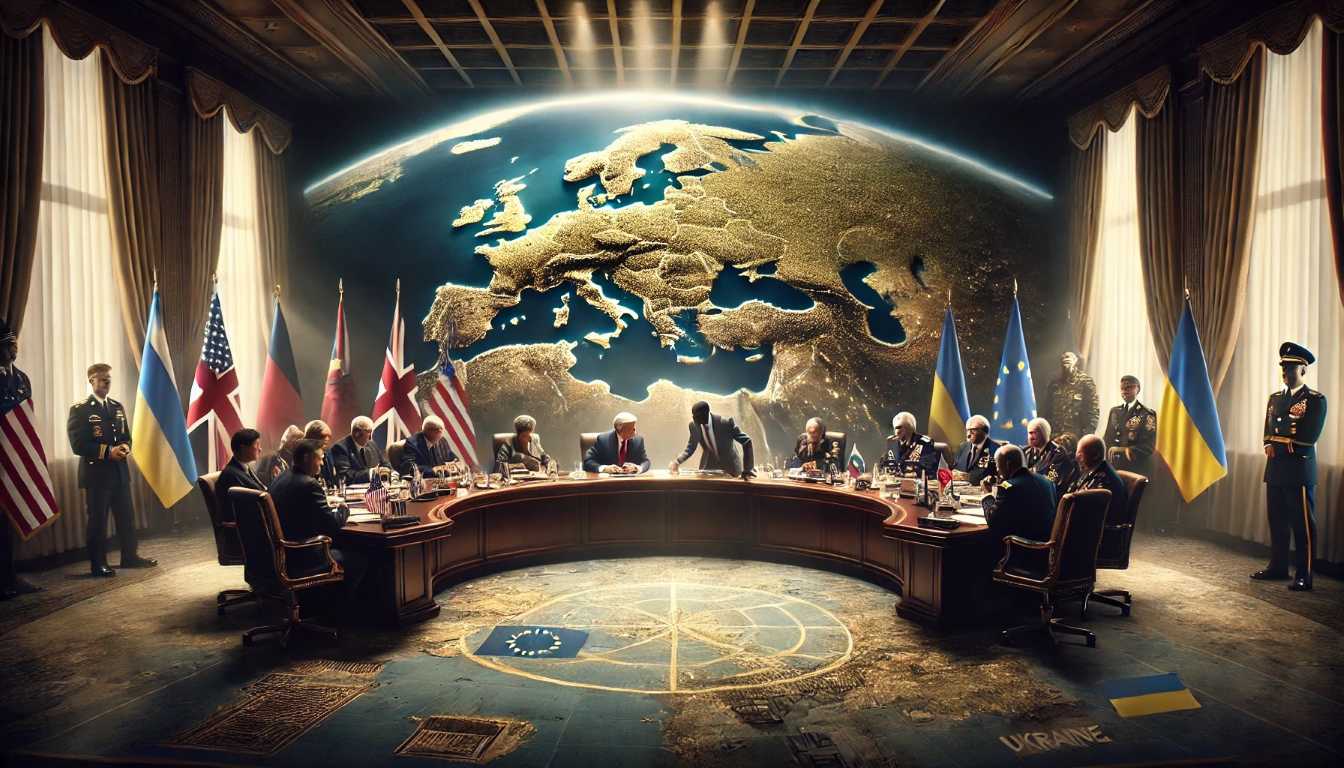
Recent developments suggest that the expected US delegation has not followed the anticipated timeline. This delay has raised questions about both intent and coordination. Iran, on its part, has maintained a publicly cautious stance. Officials have indicated that participation in any second round of talks remains unlikely unless specific conditions are met.
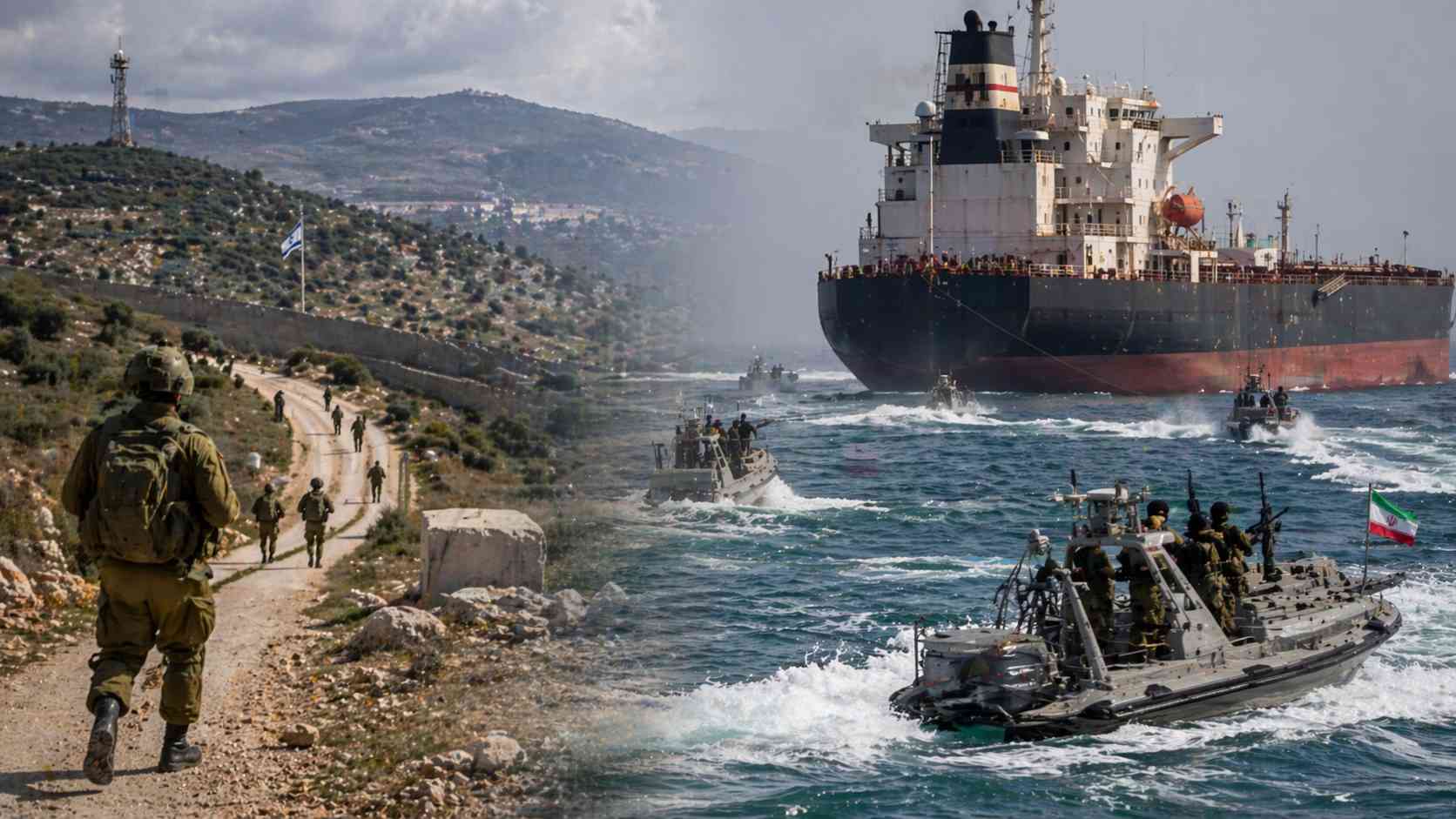
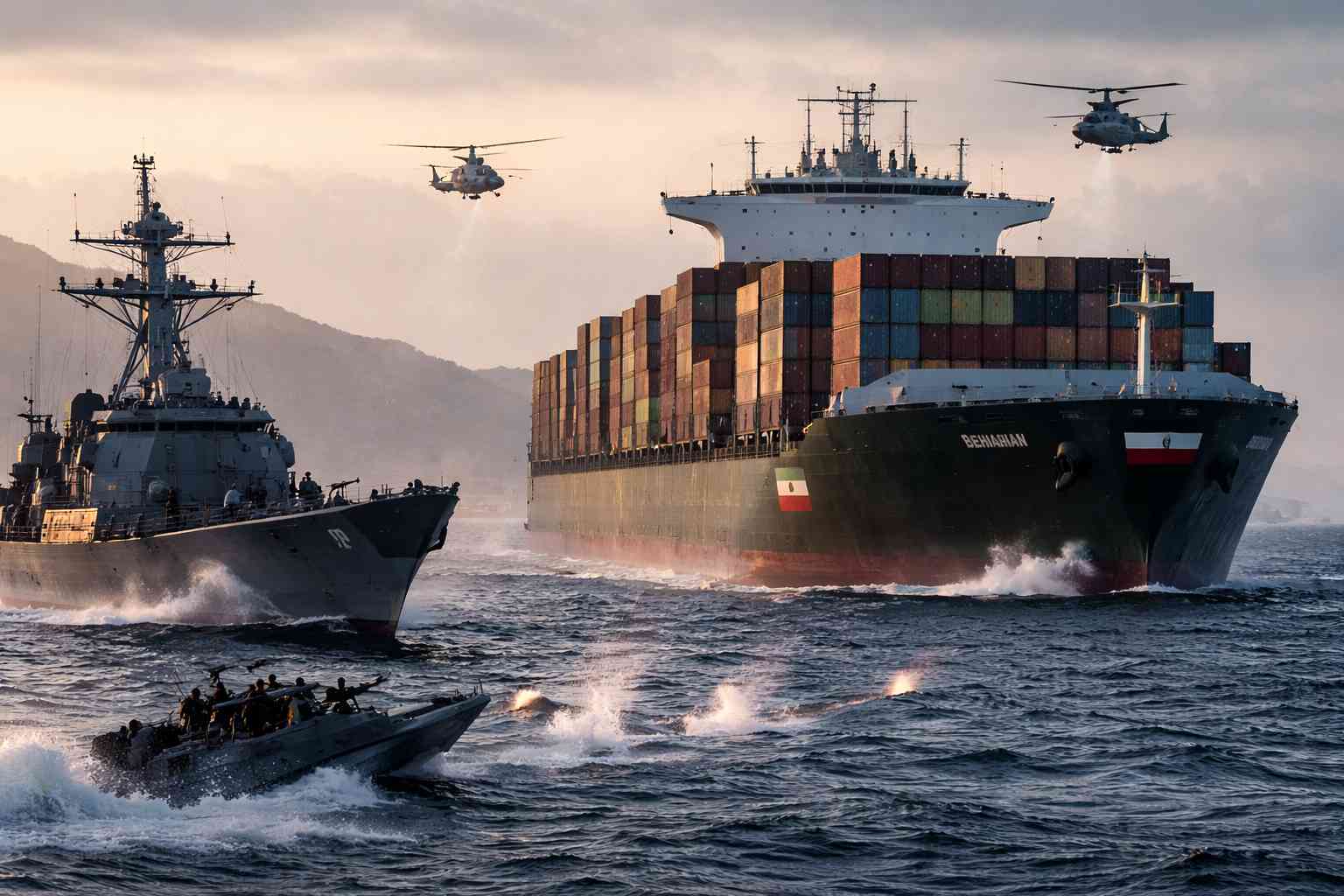
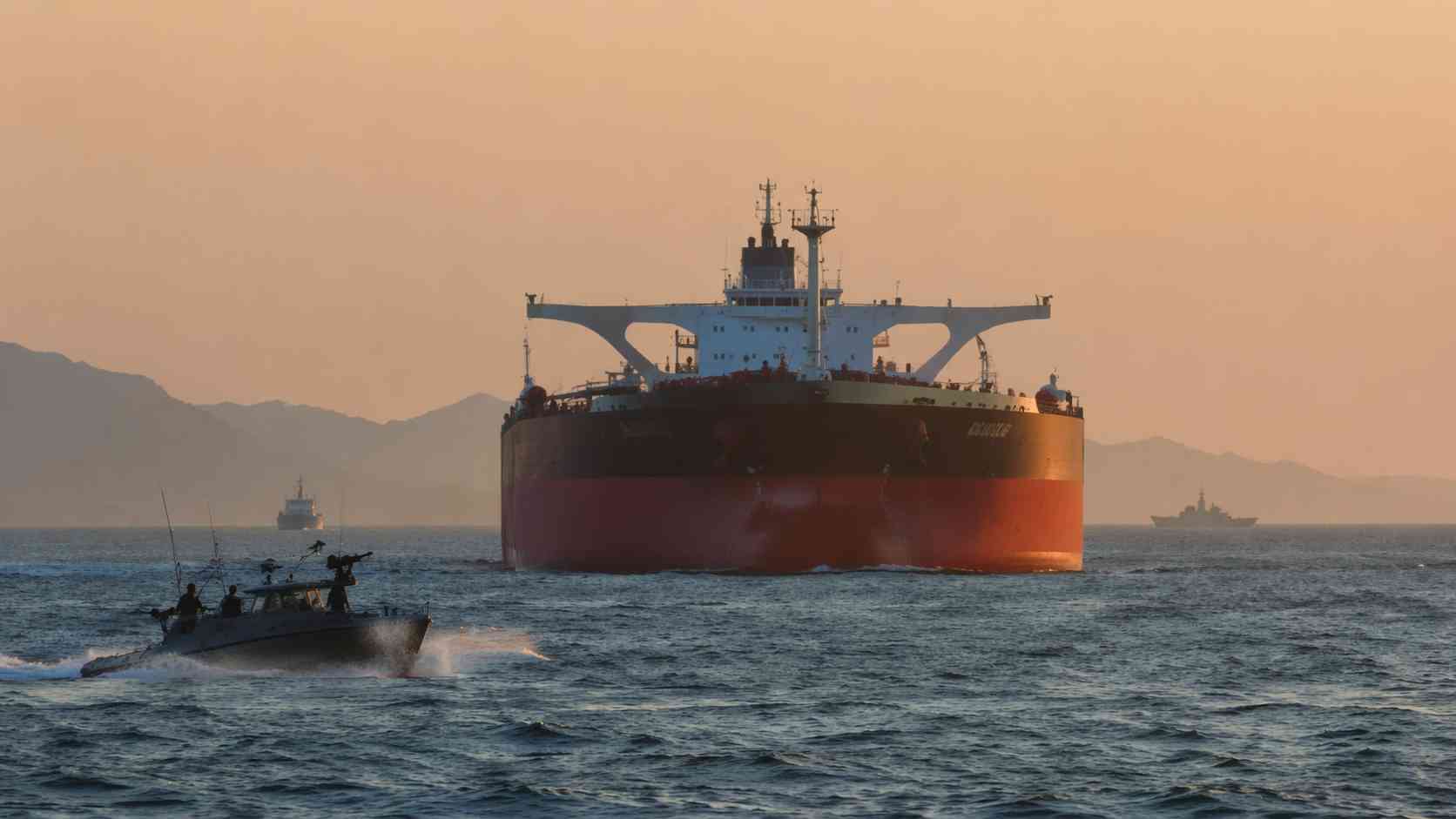
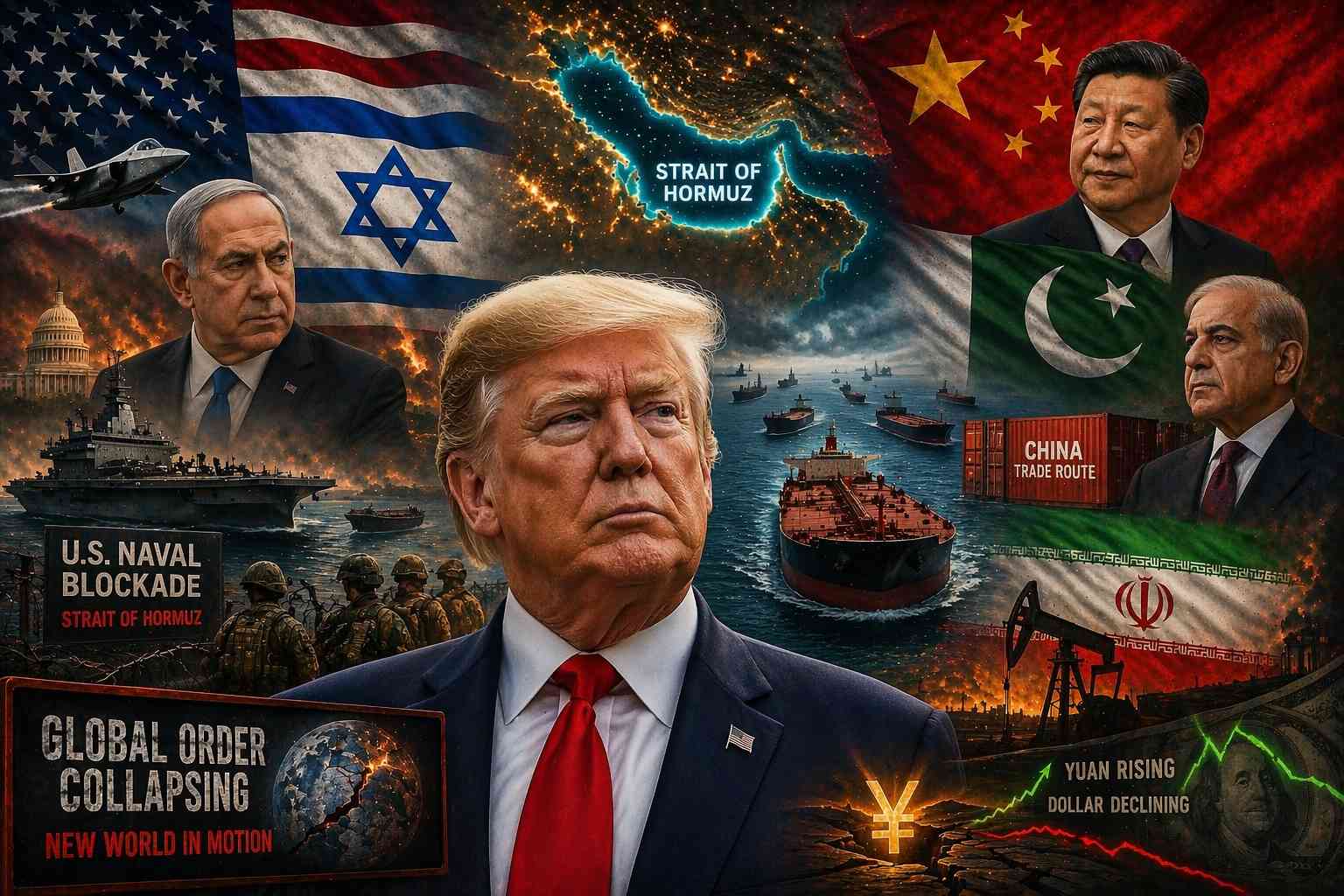
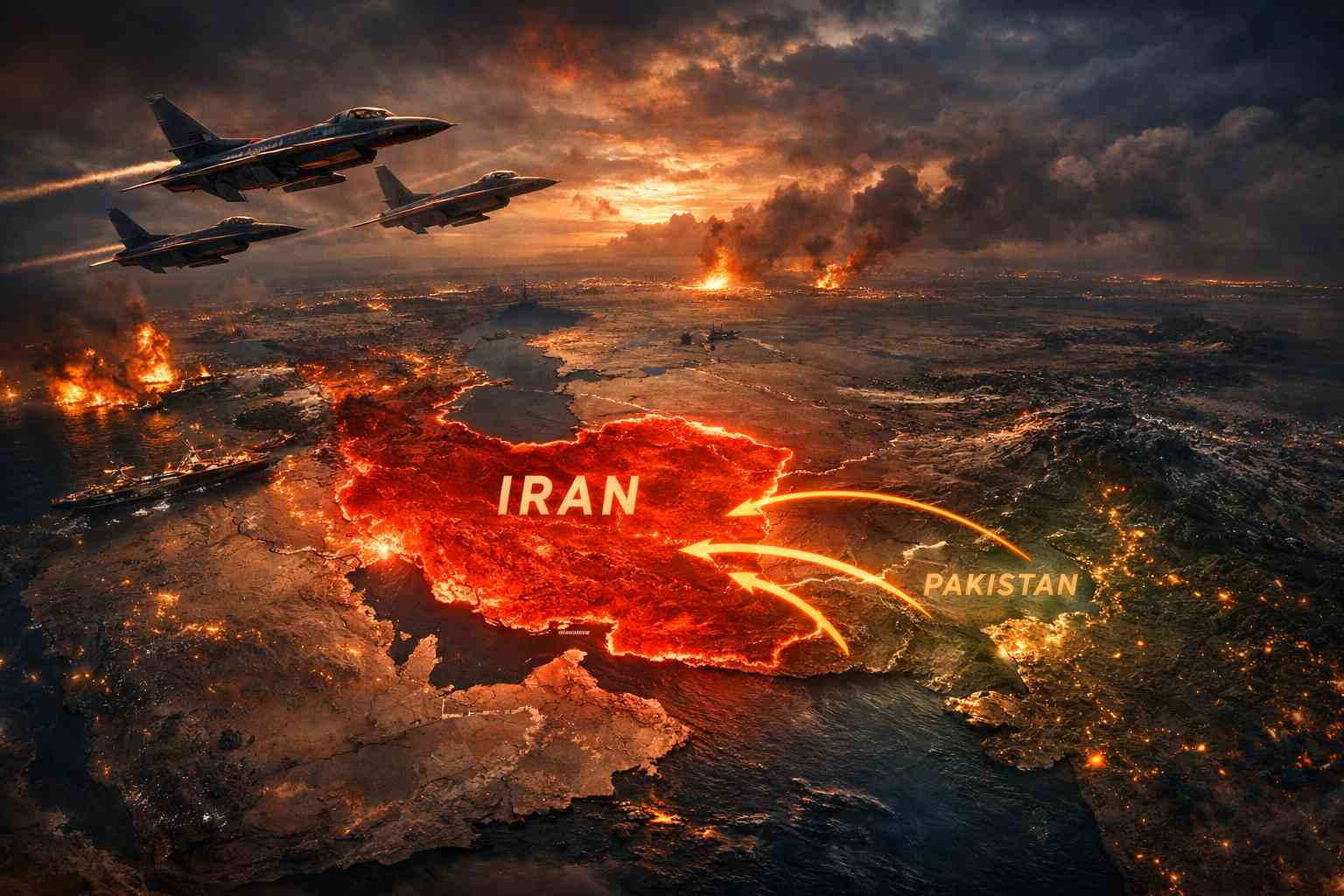
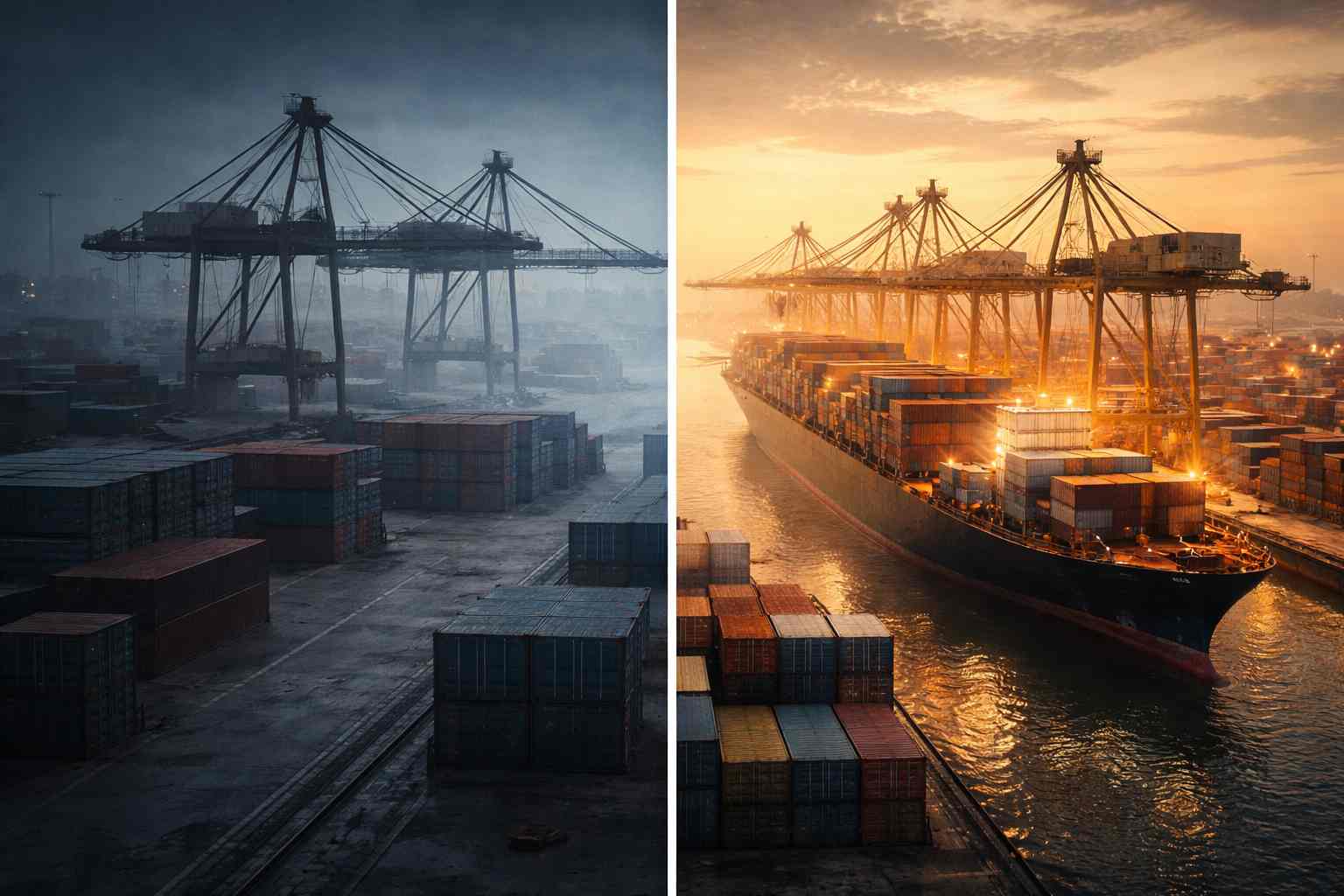
The most critical of these conditions is the removal or easing of the US naval blockade. From Tehran’s perspective, engagement without tangible relief would signal weakness rather than negotiation. This position reinforces a long-standing pattern in US Iran negotiations 2026, where symbolic gestures are often insufficient without concrete policy shifts.
At the same time, private signals reported in international media suggest that Iran may still be open to engagement if high-level US representation materializes. This creates a dual-track dynamic: public resistance combined with conditional openness.
Pakistan’s Emerging Role in Regional Mediation
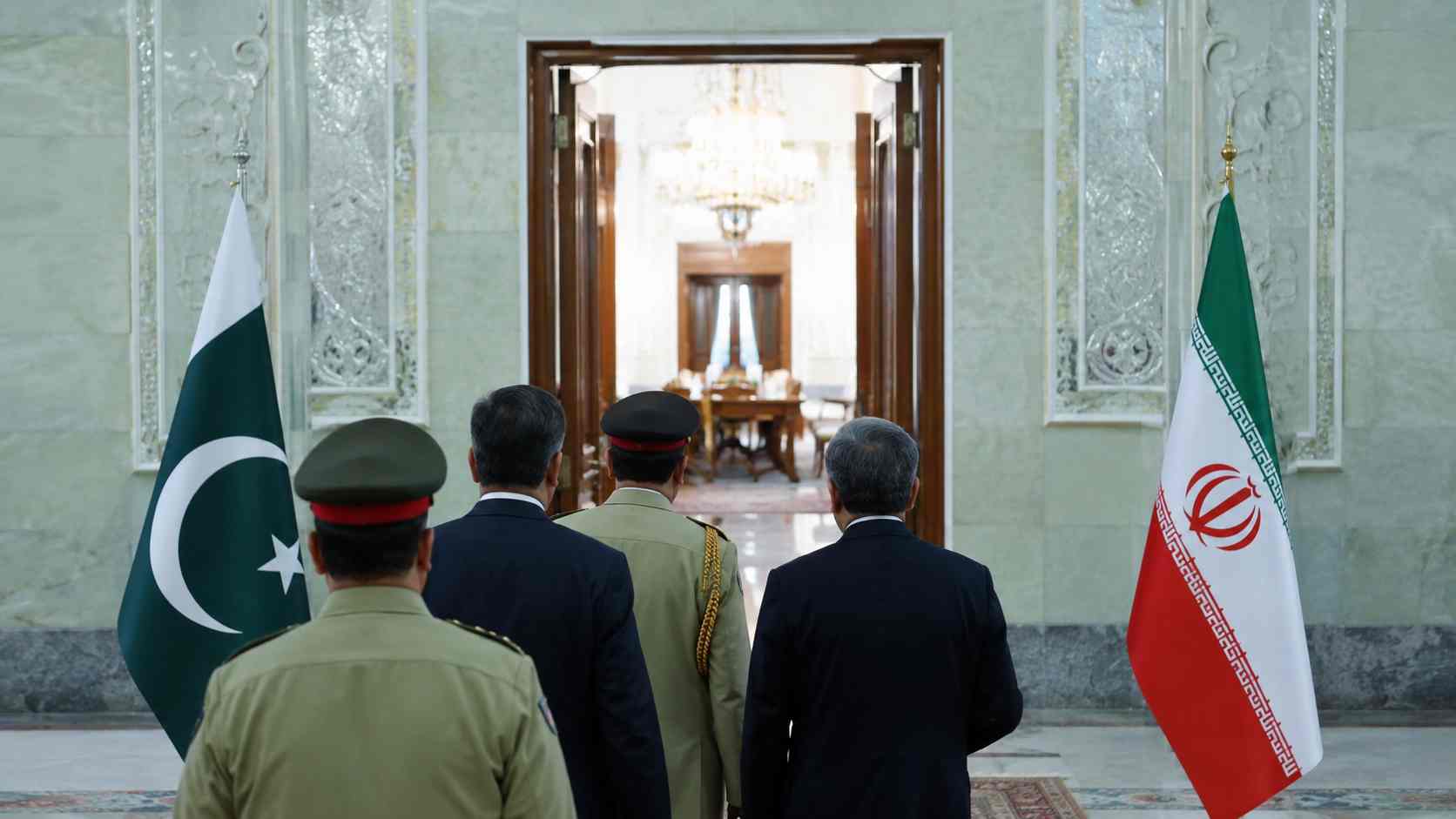
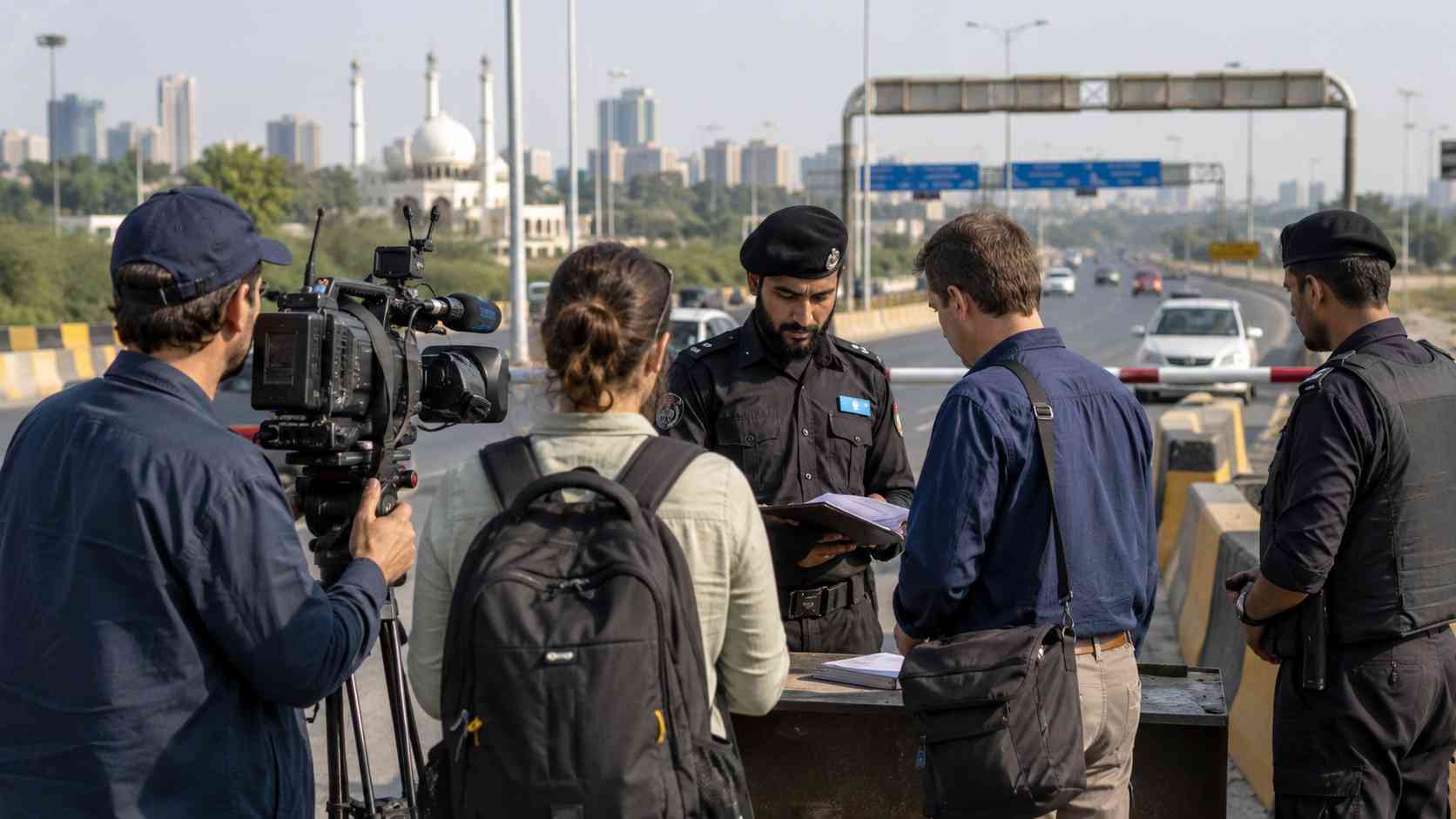
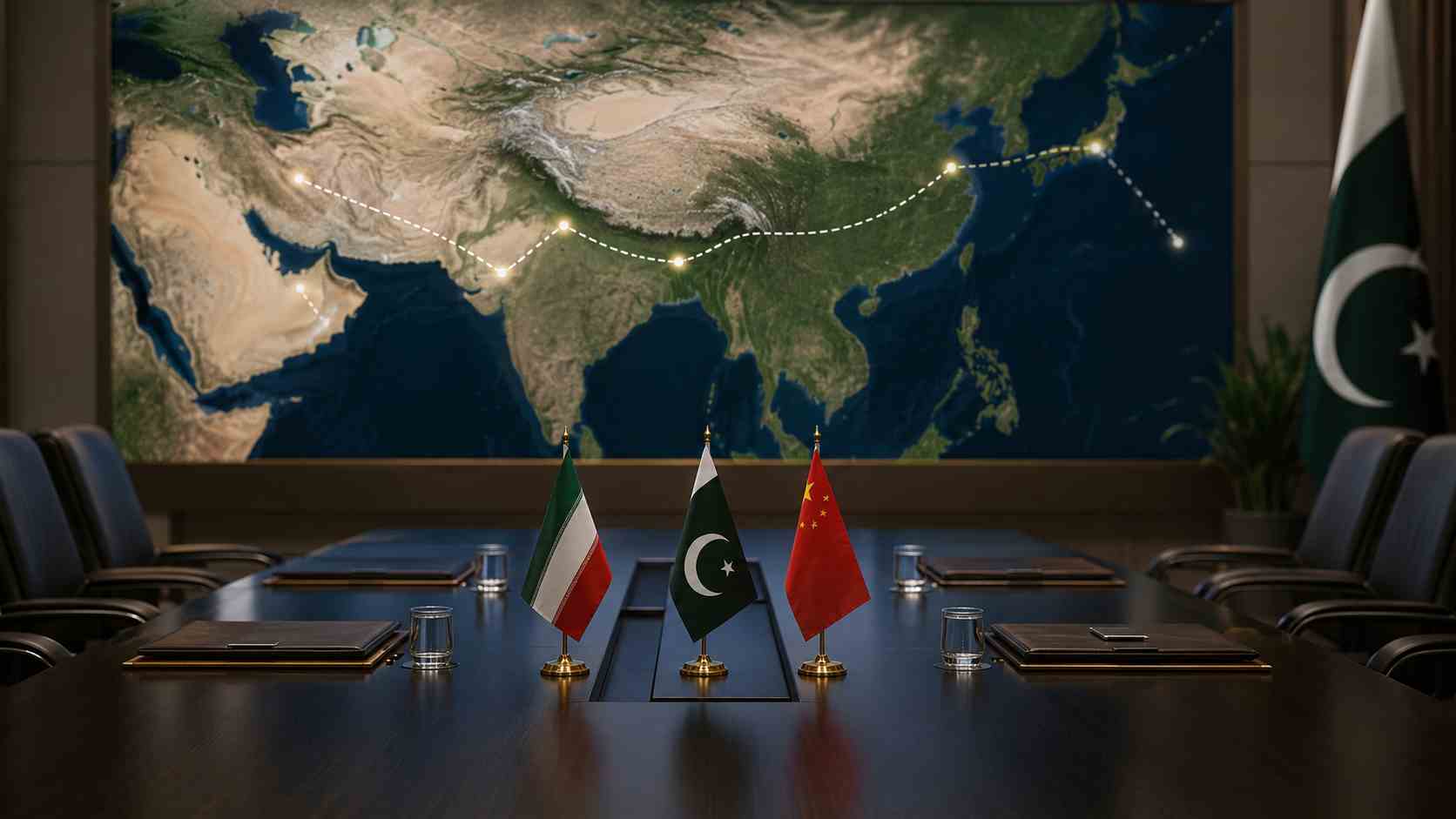
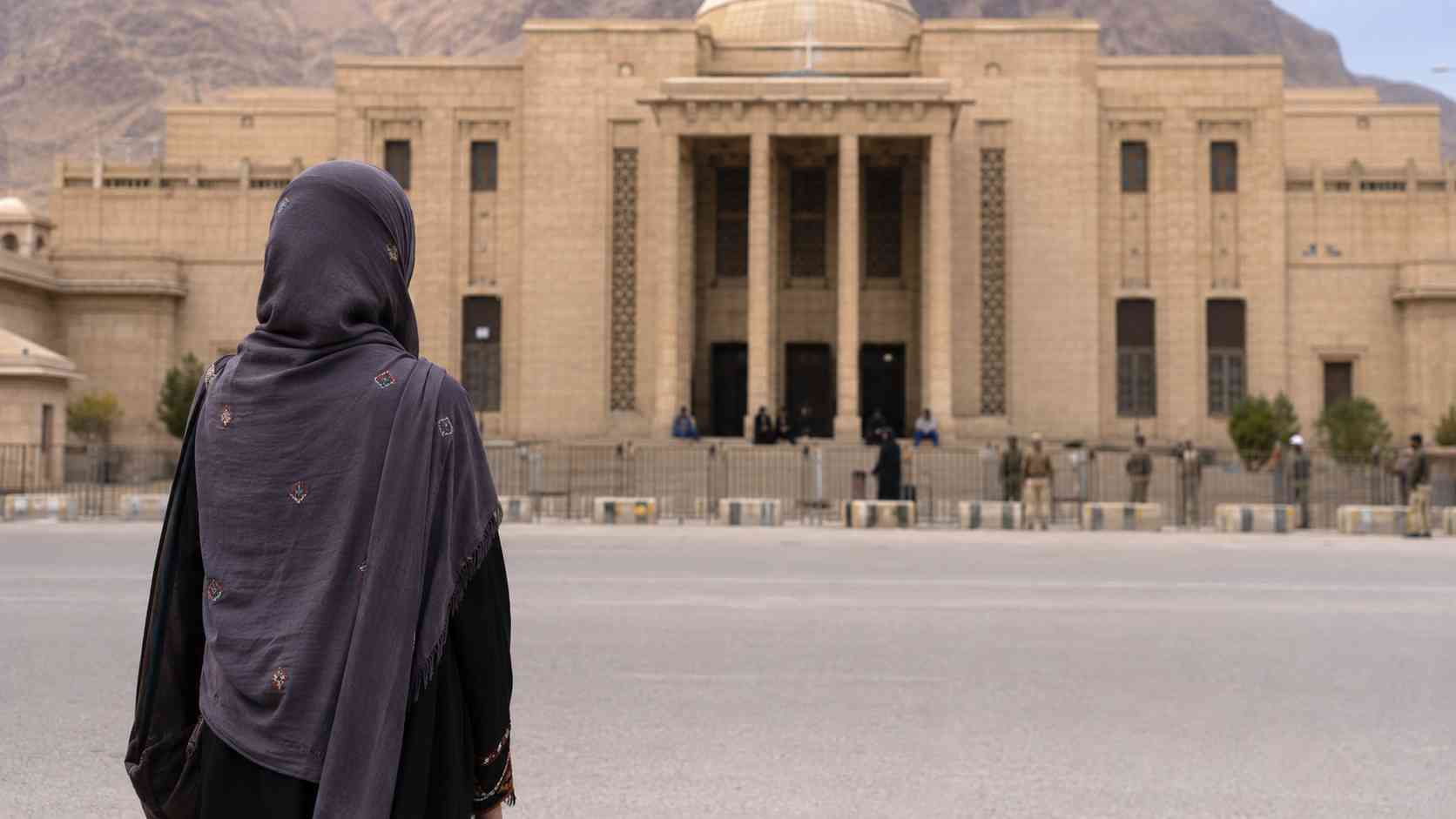
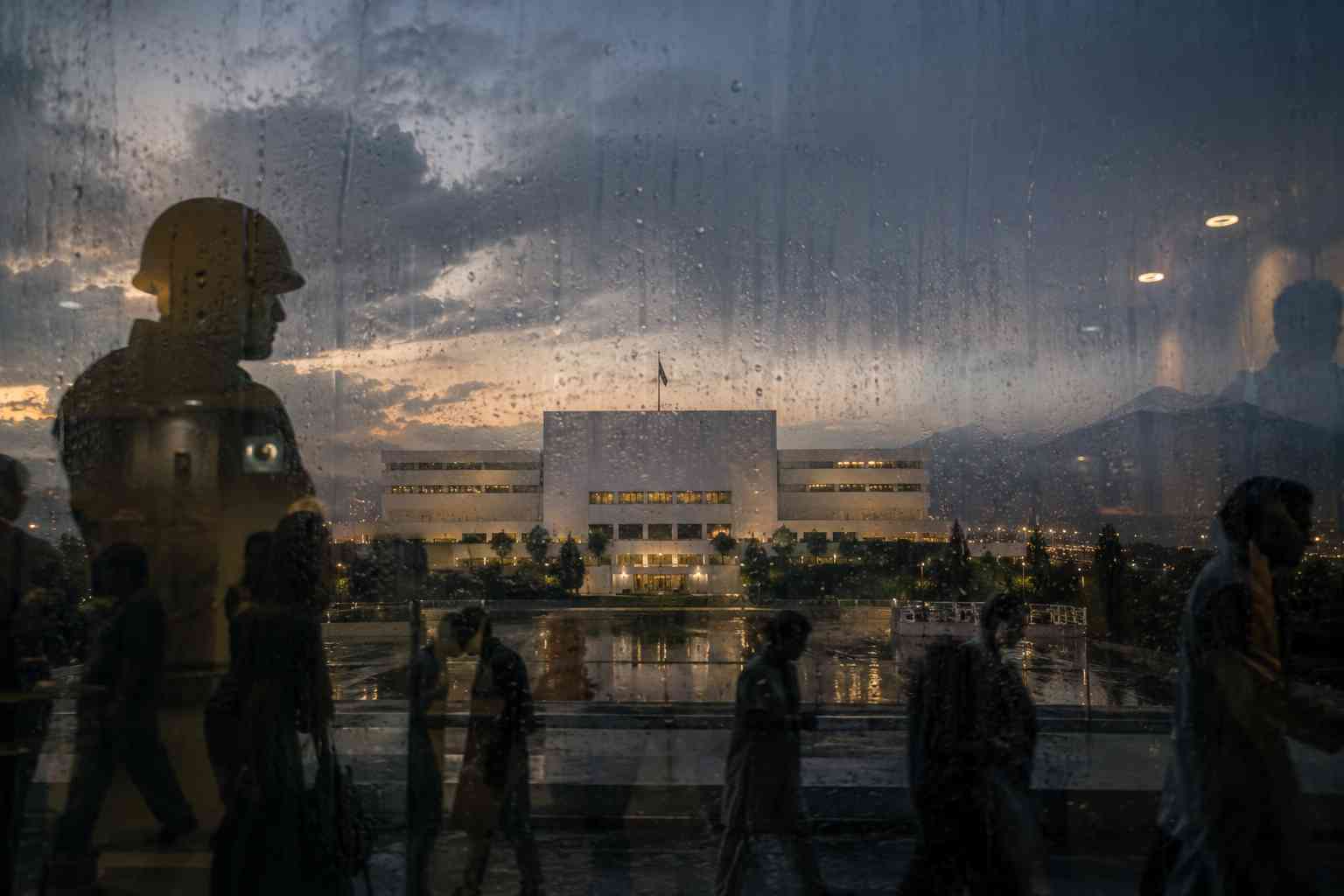
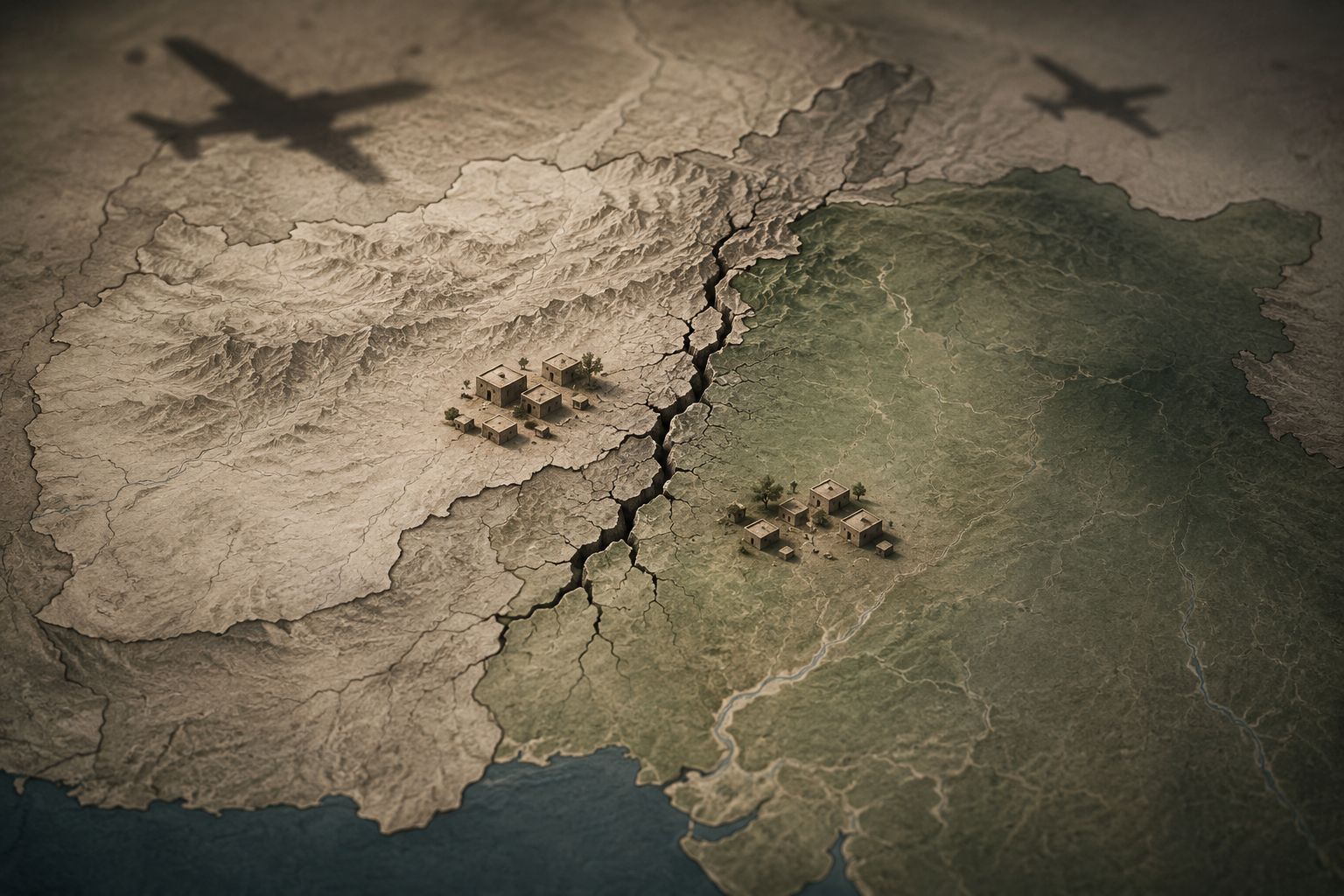
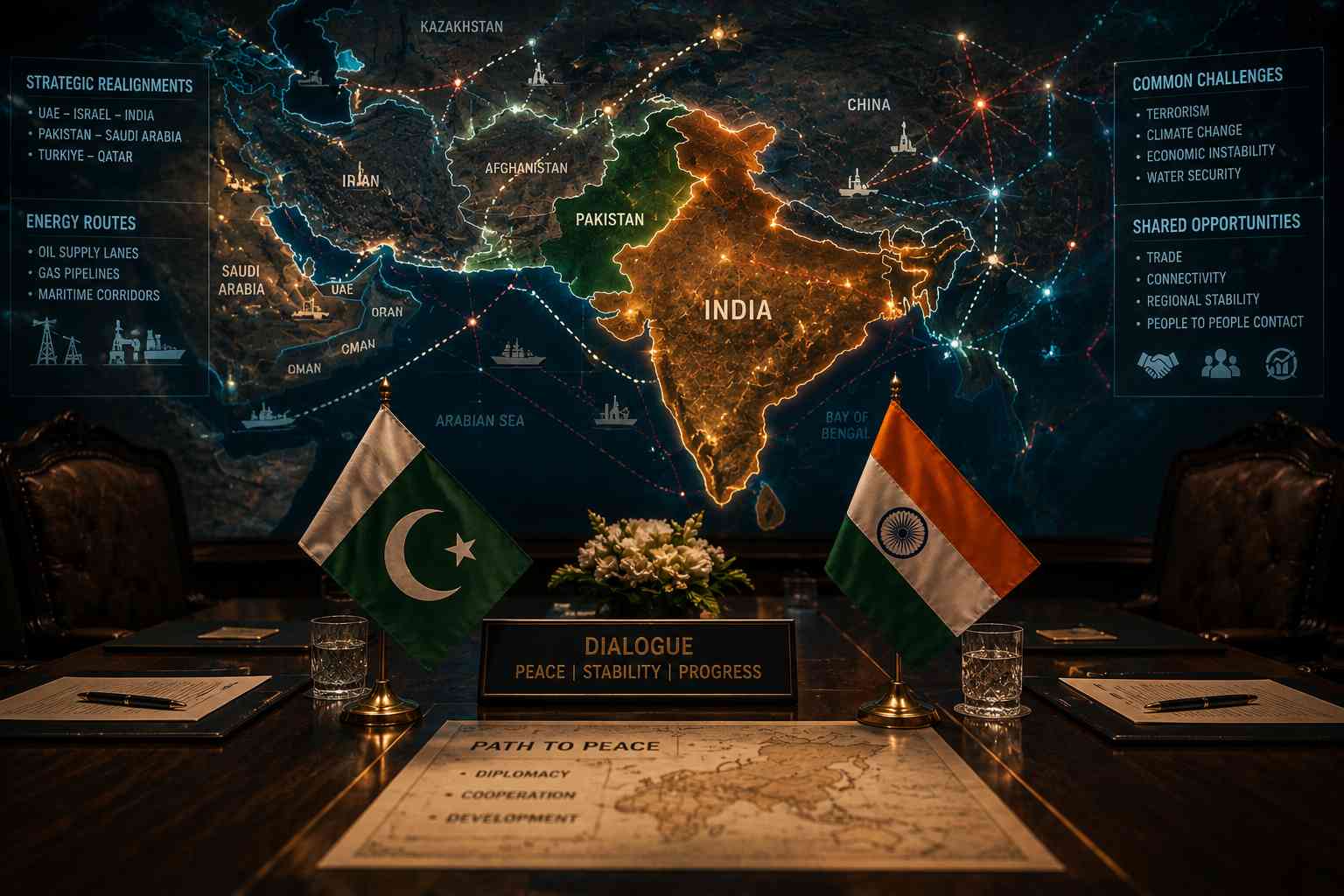
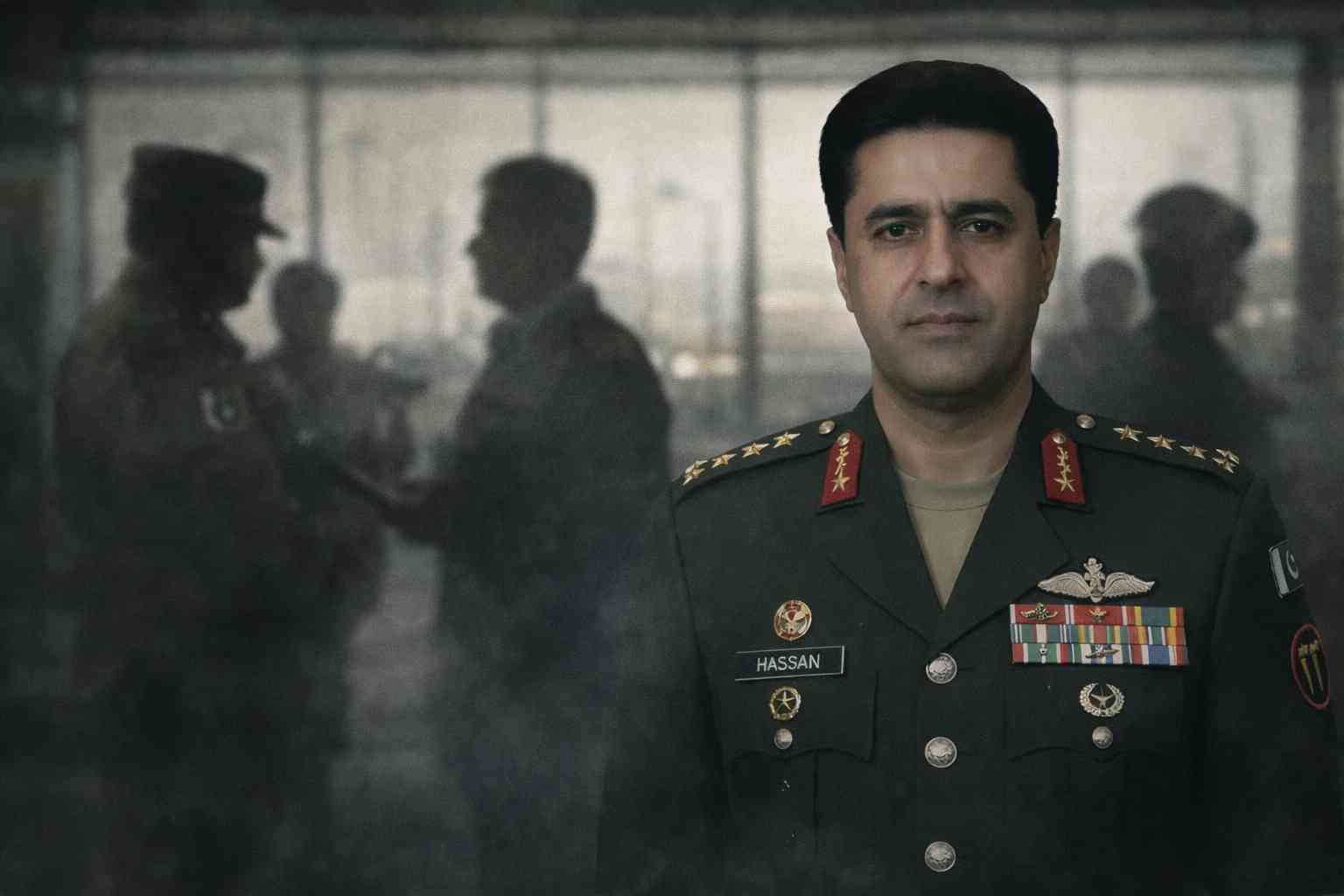
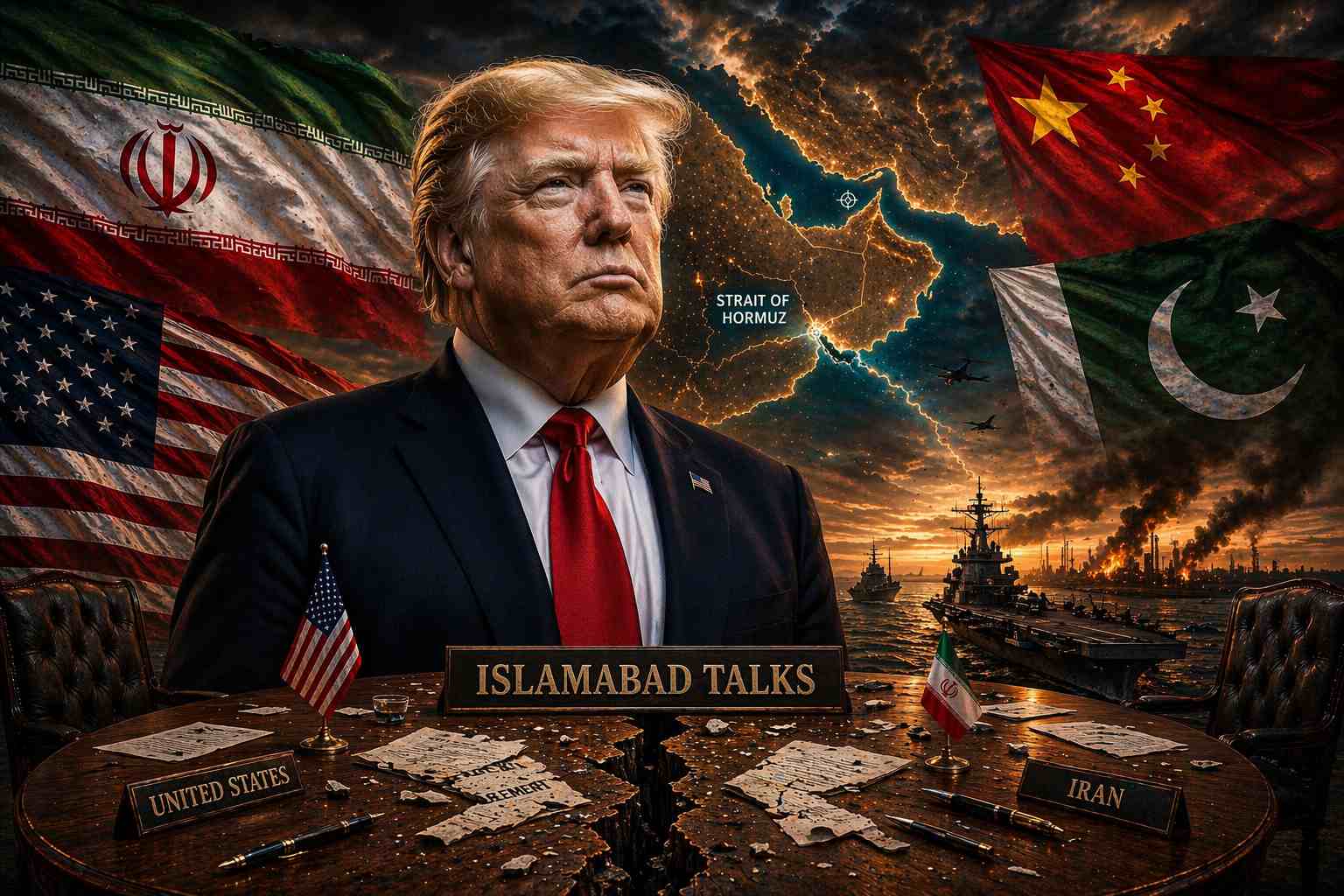
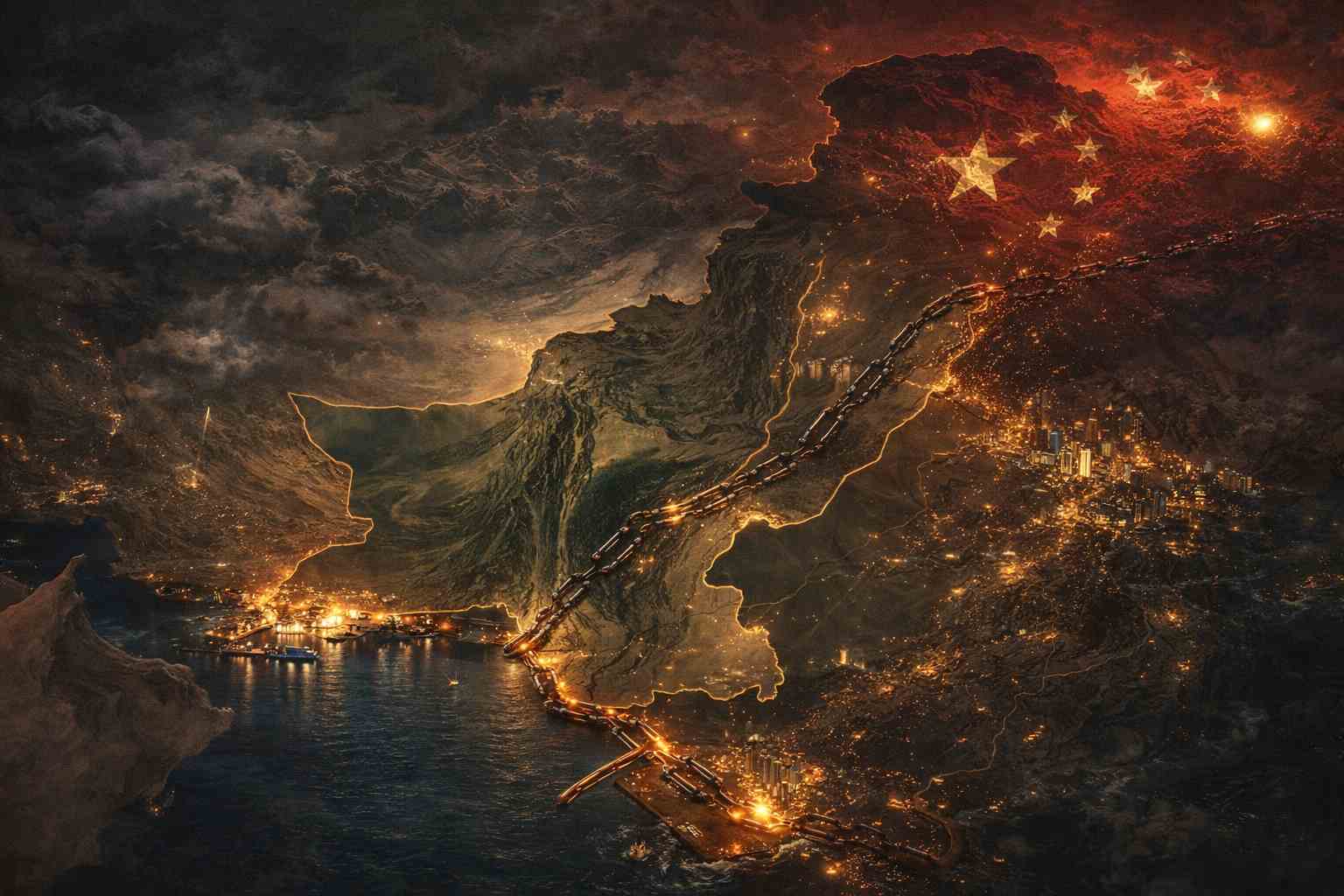
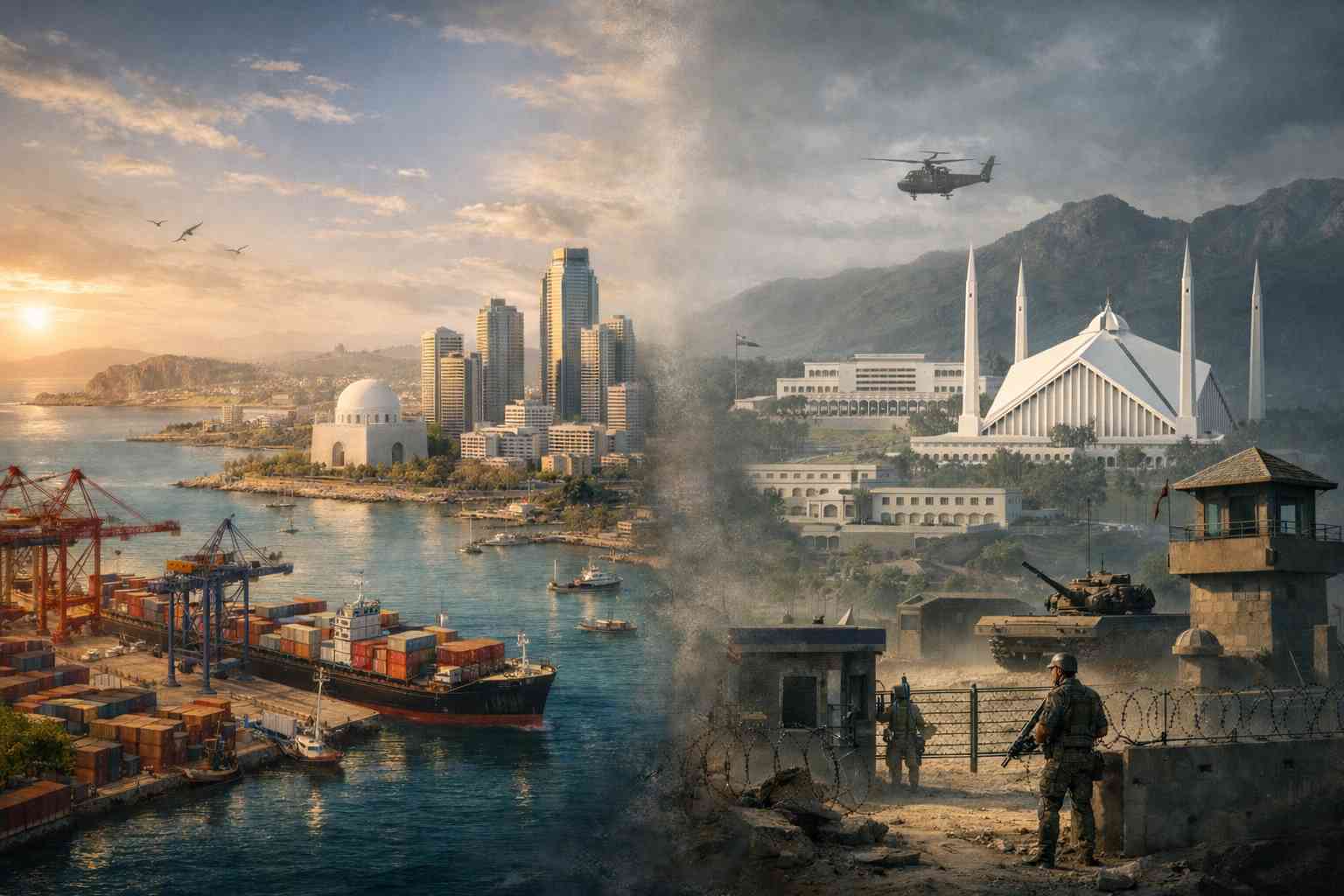
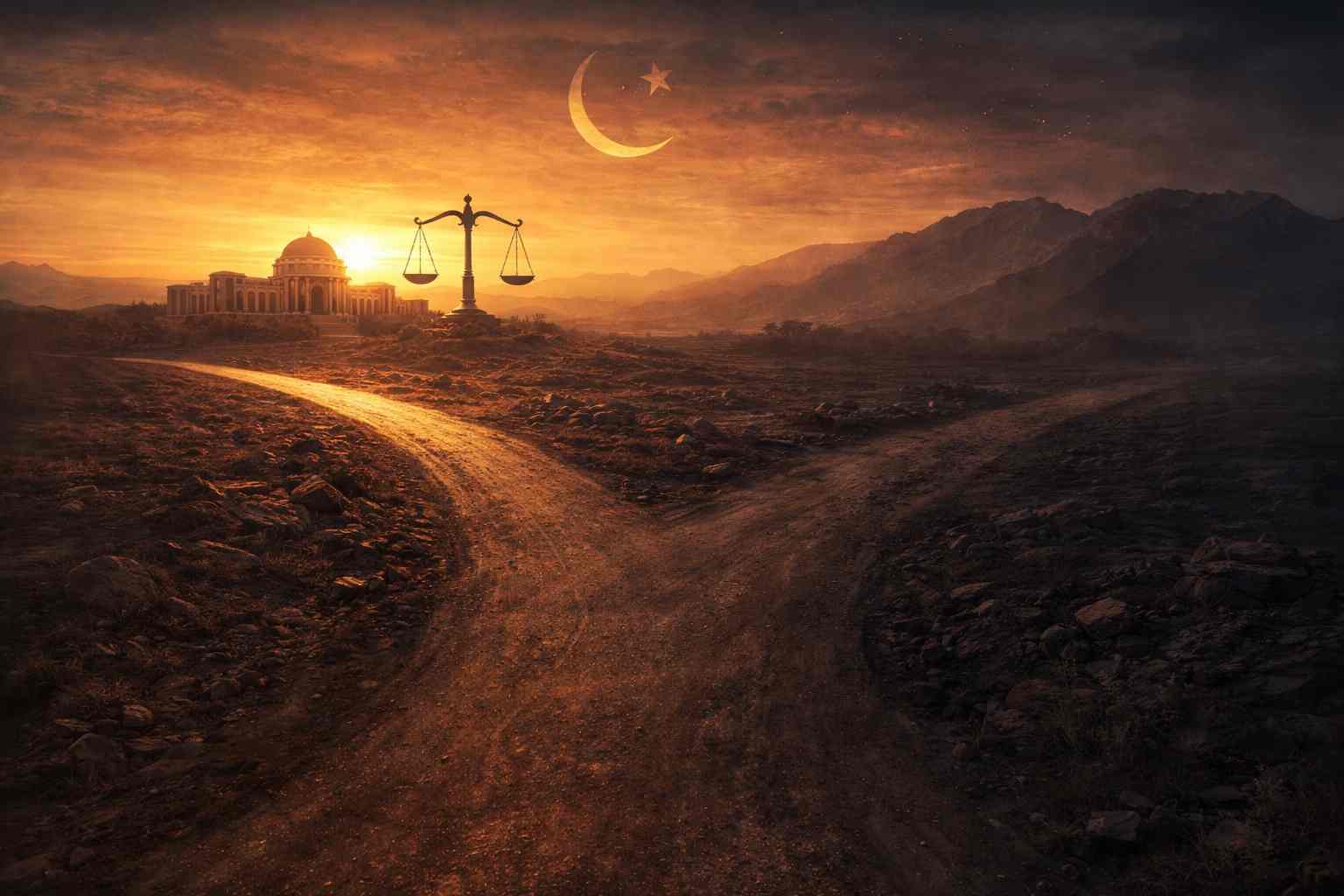
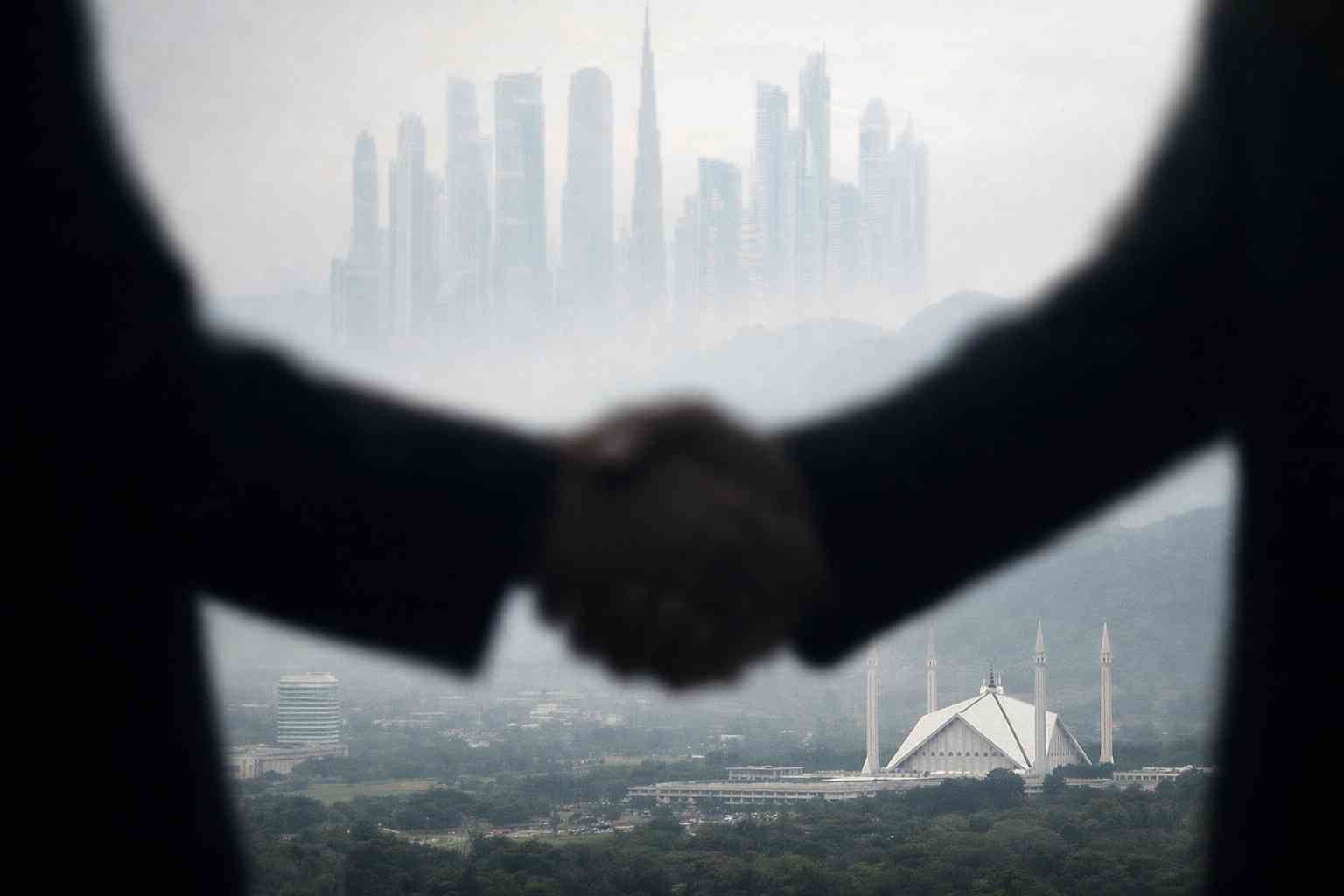
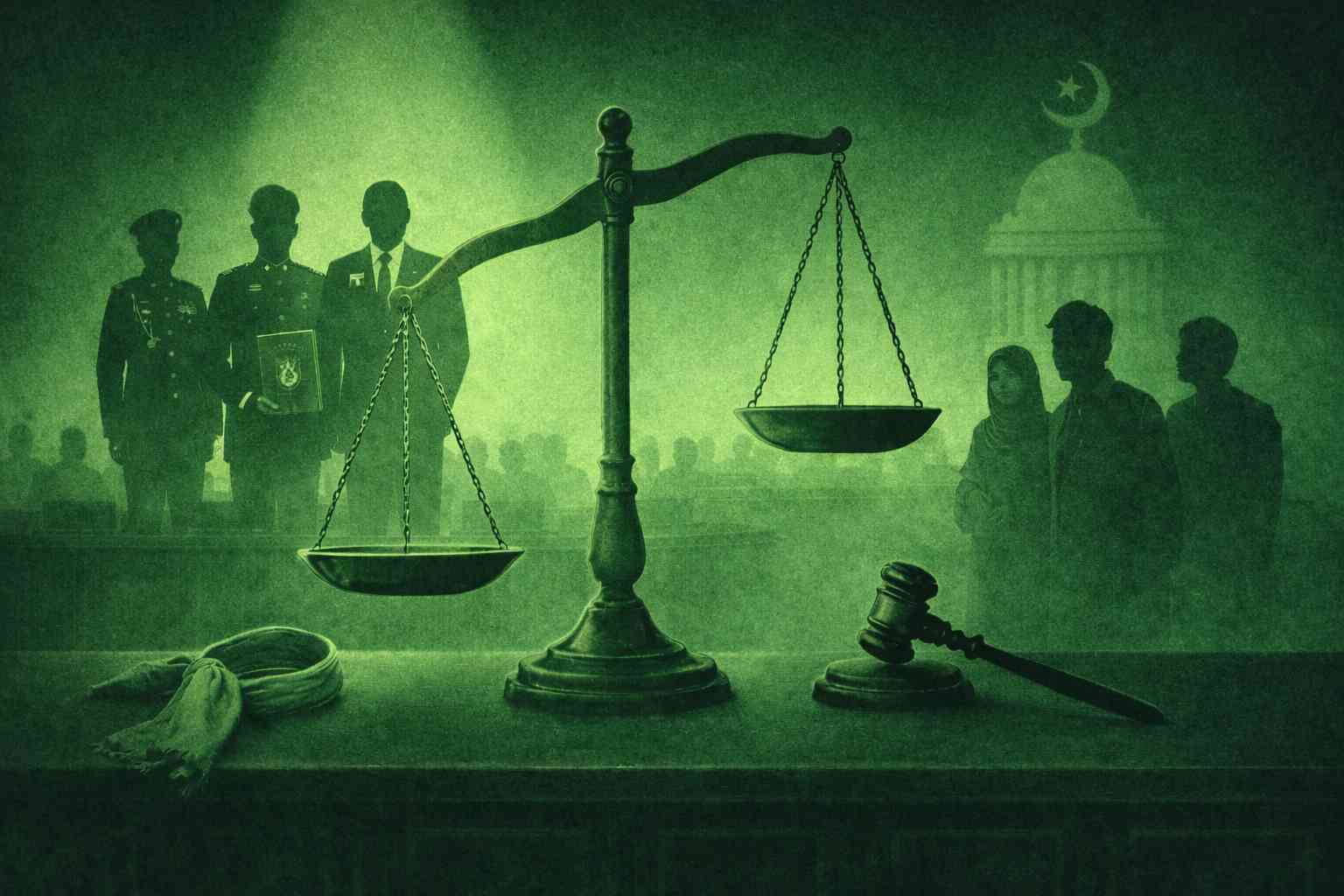
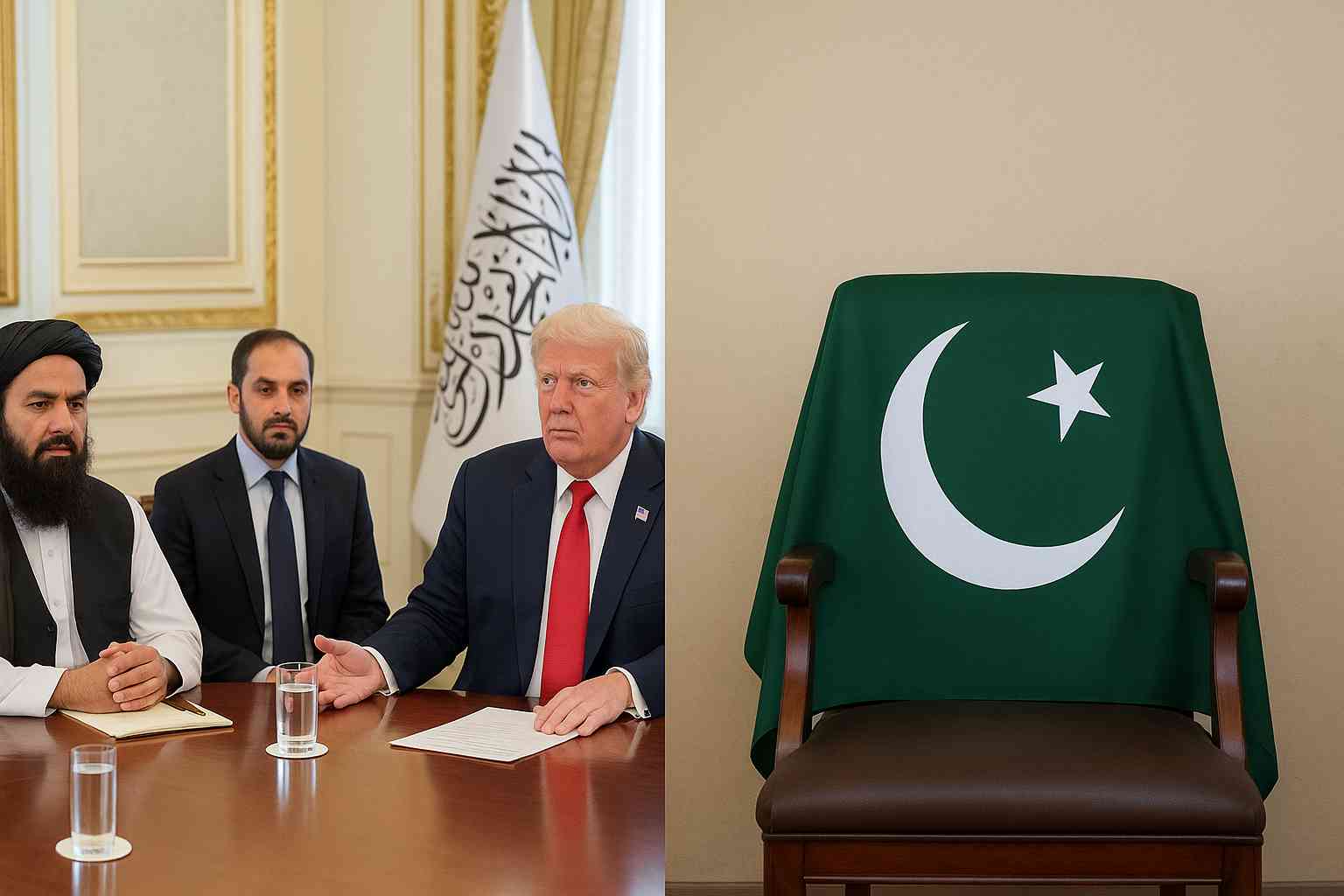
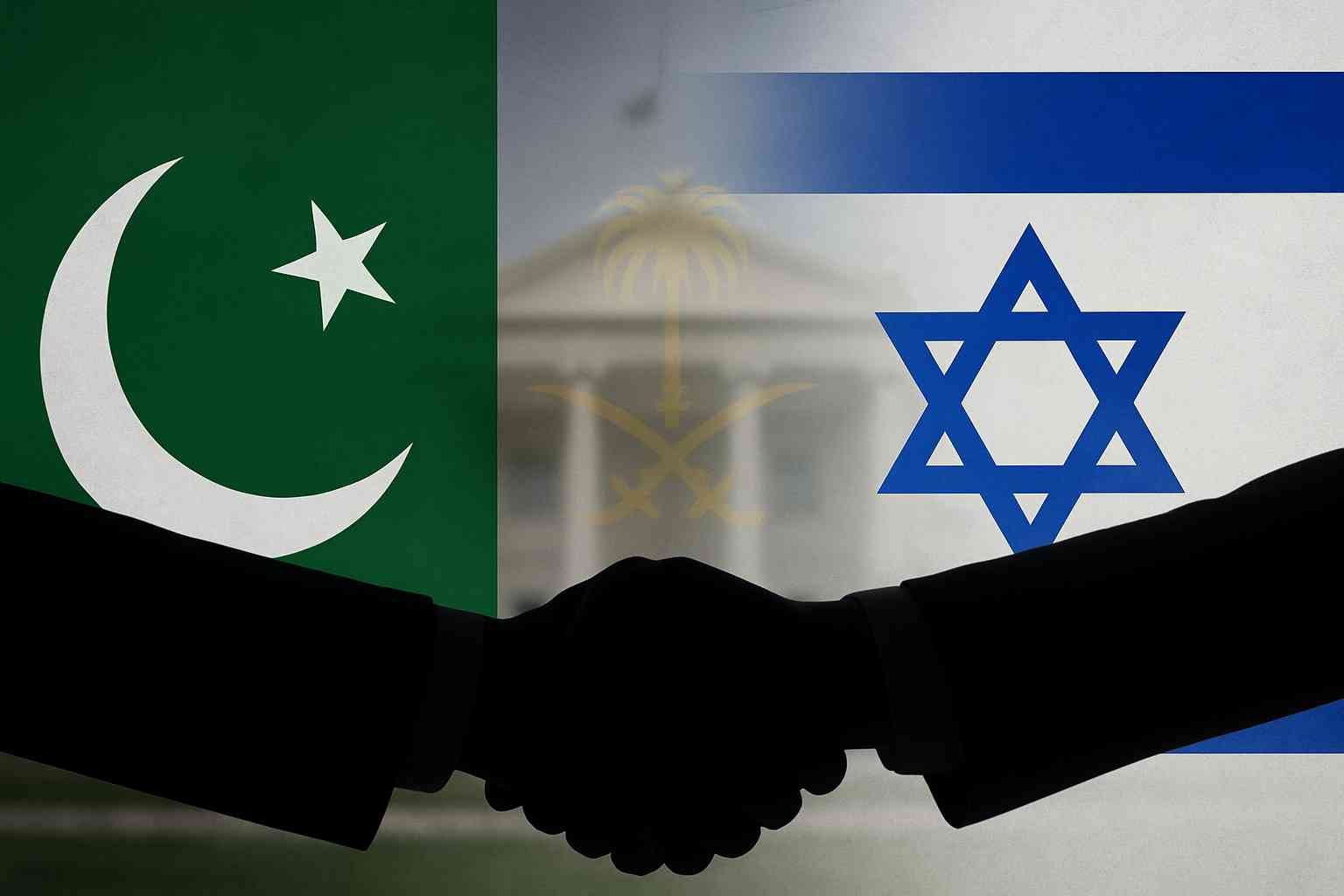
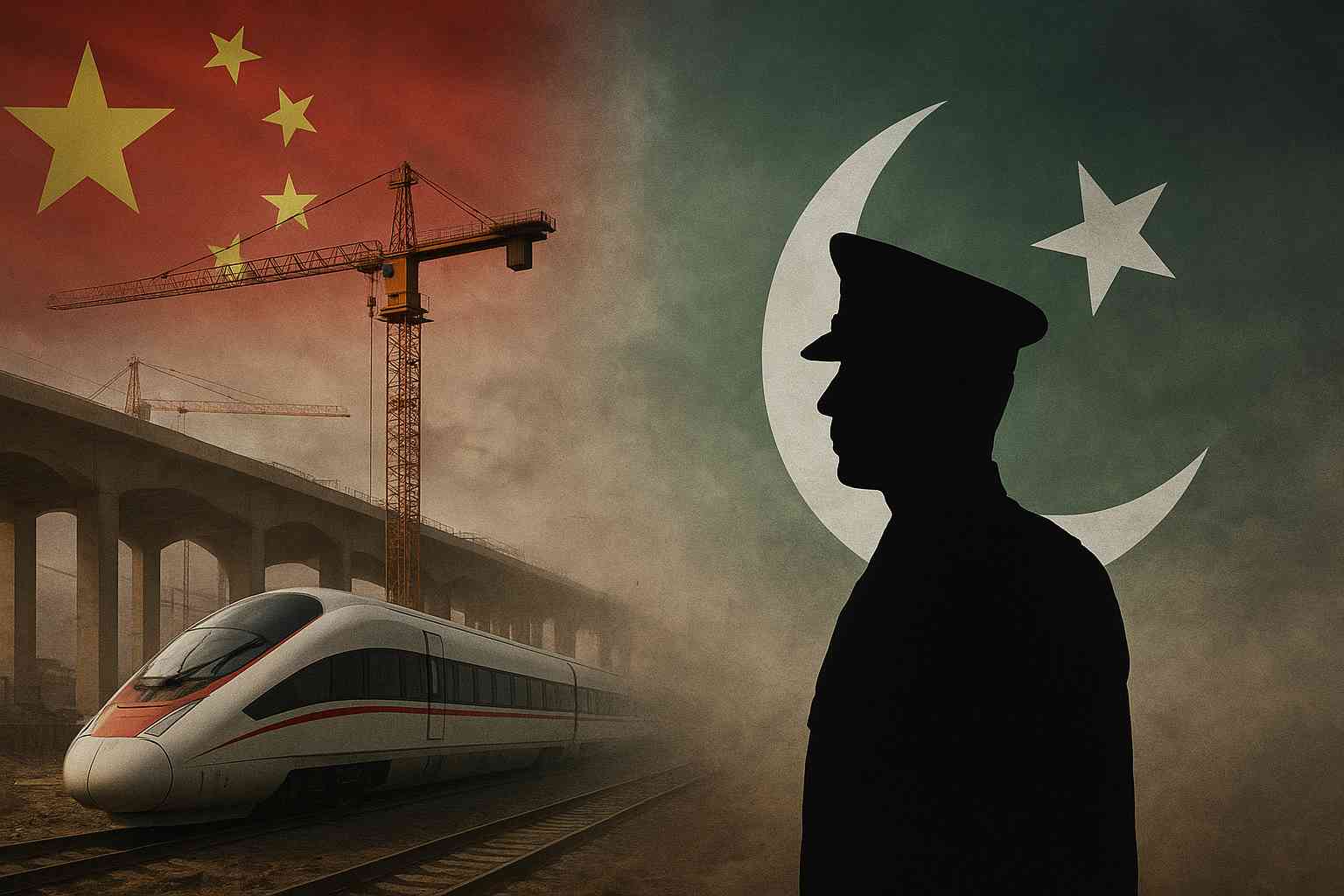
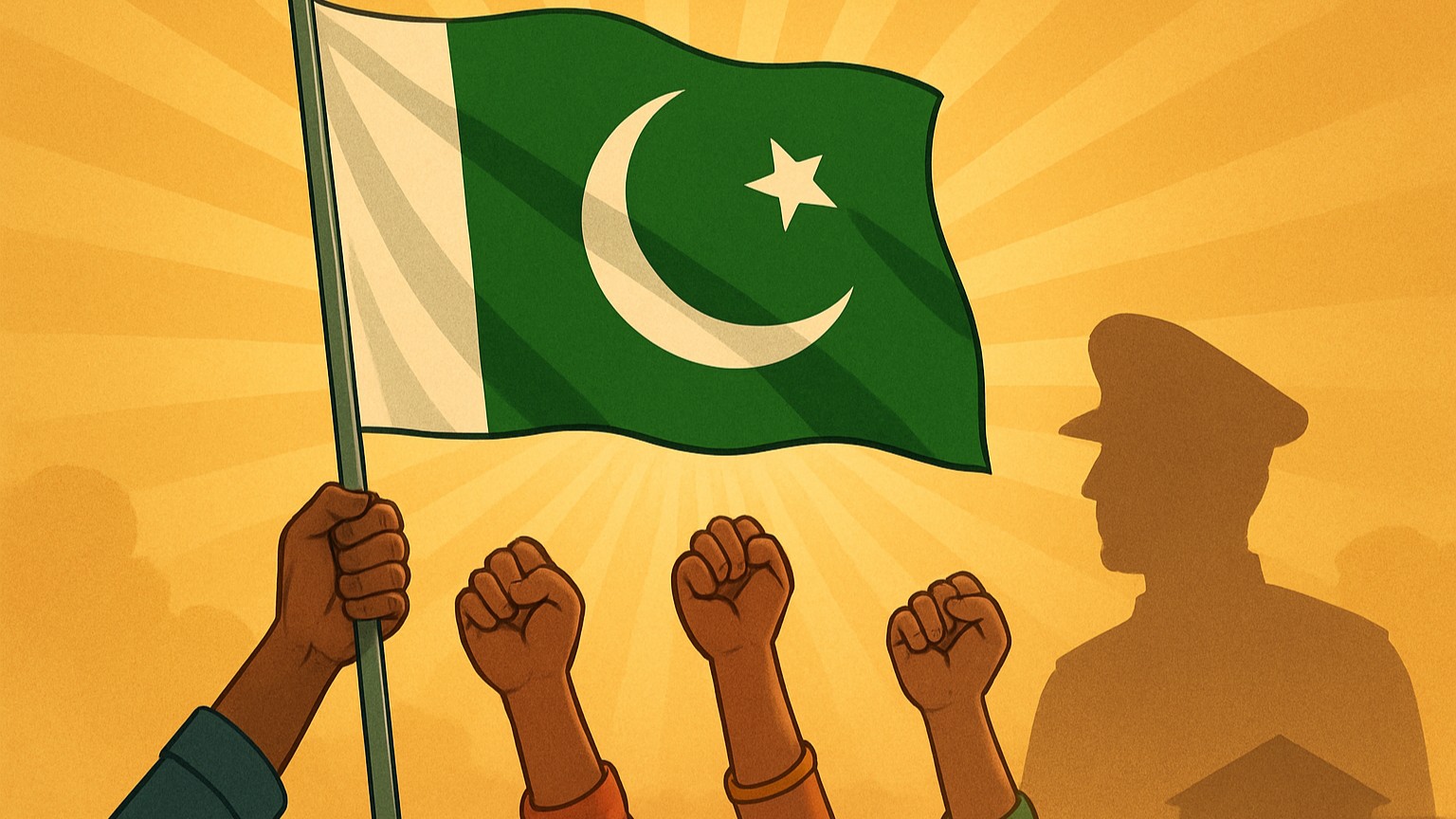
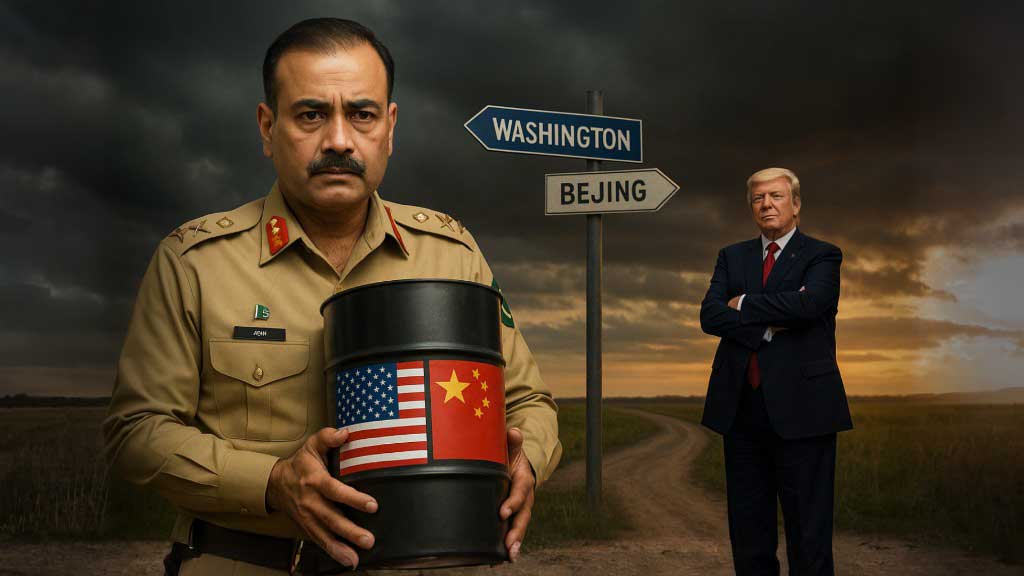
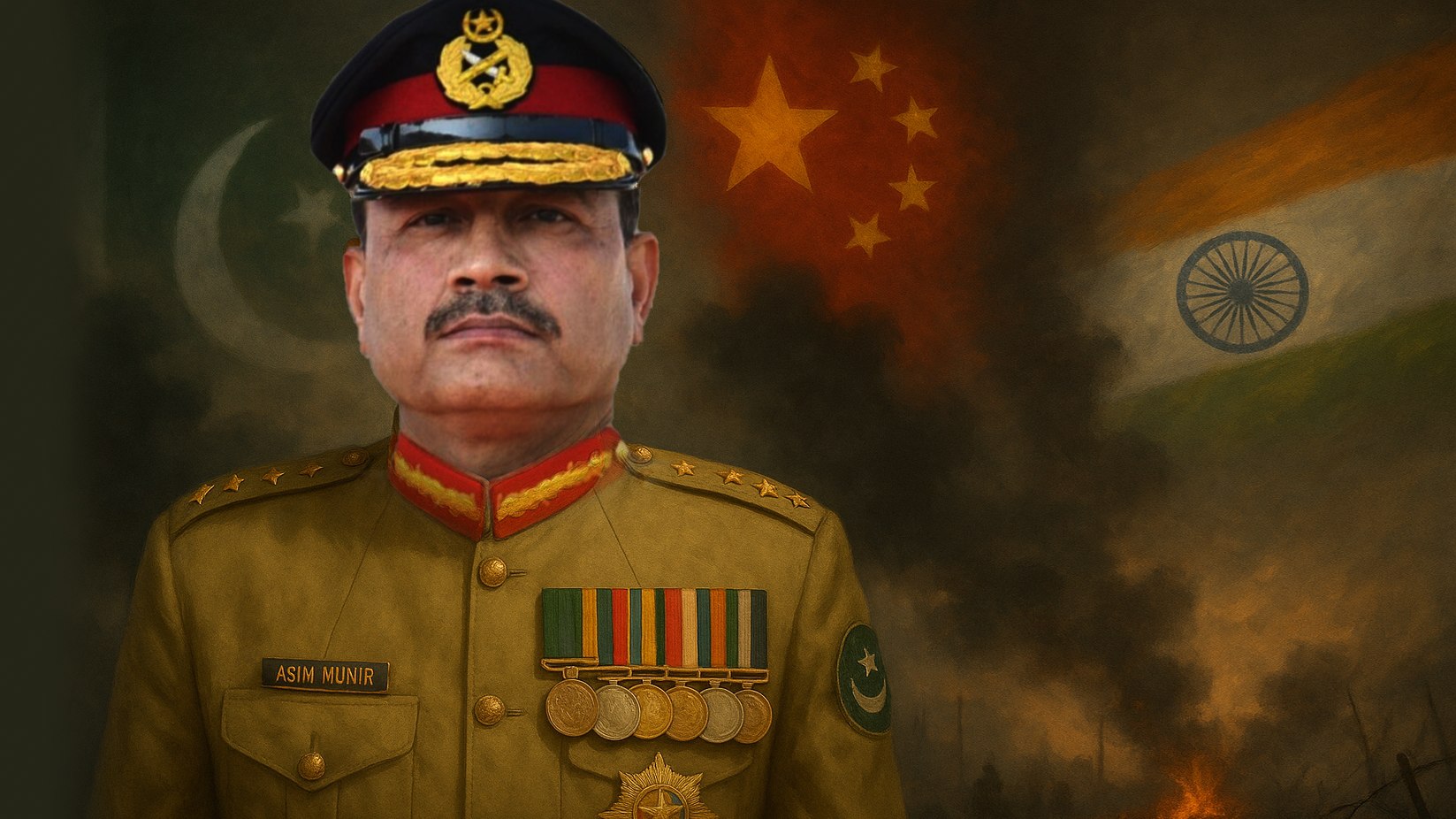
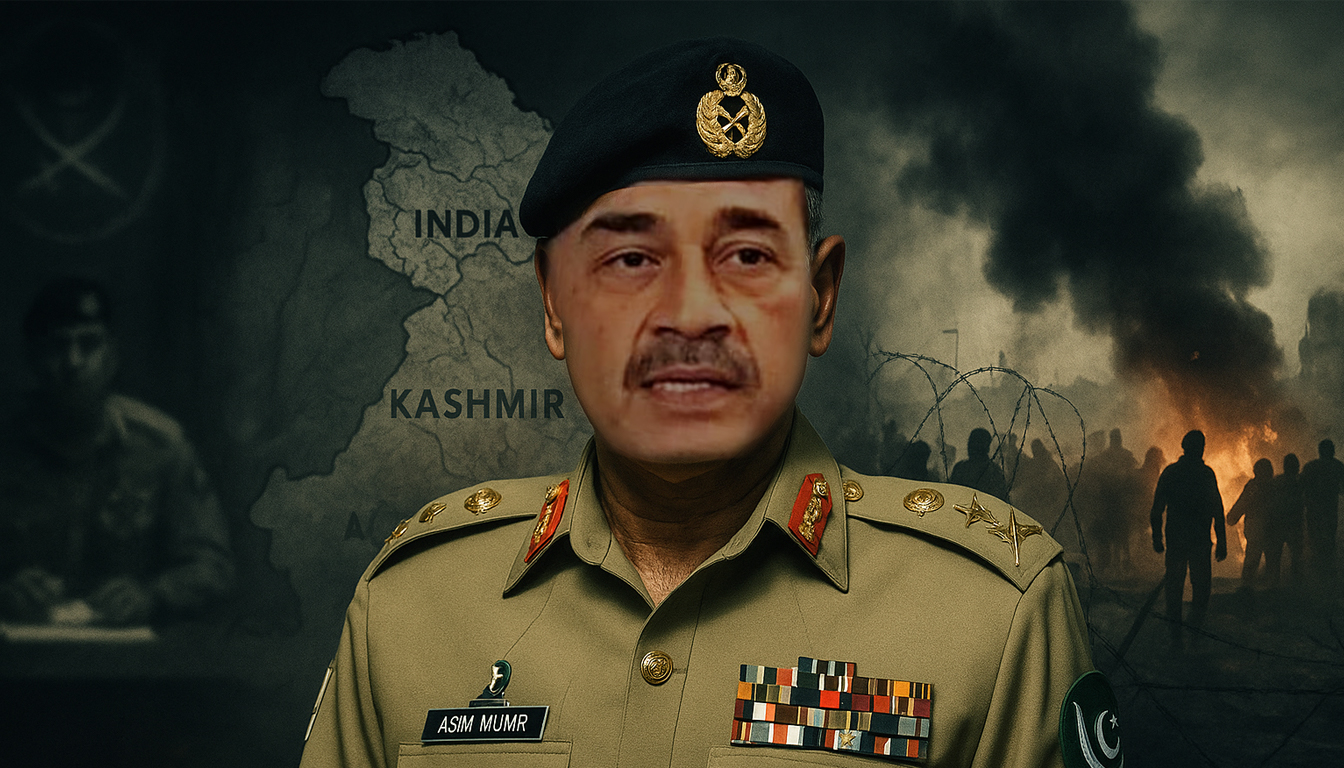
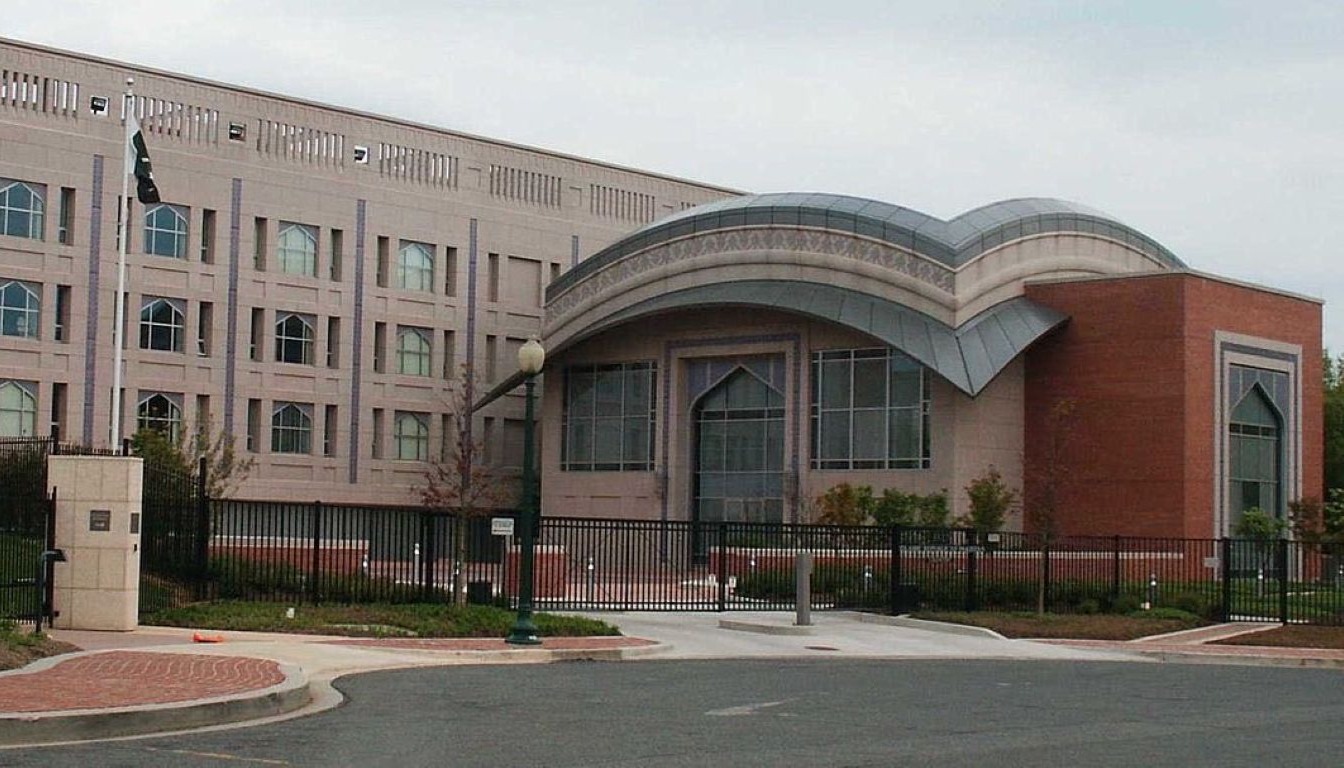
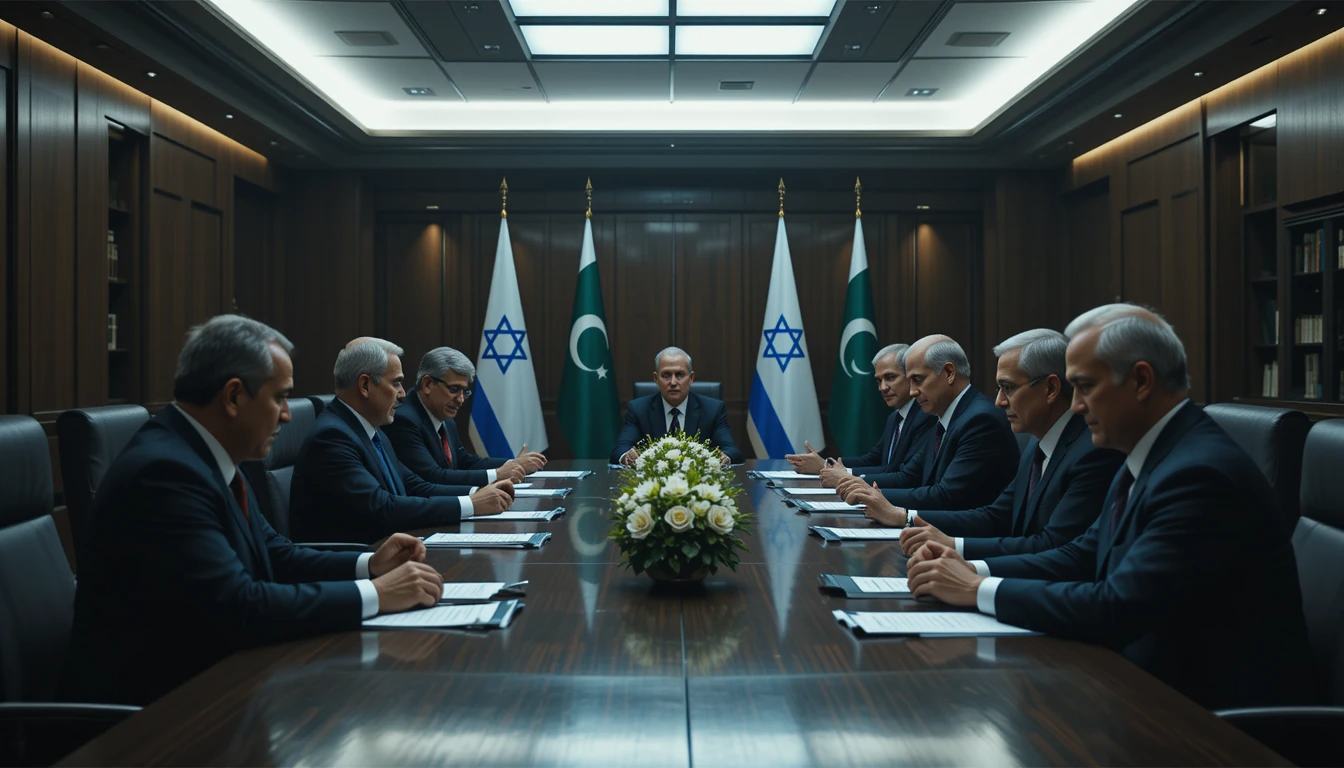
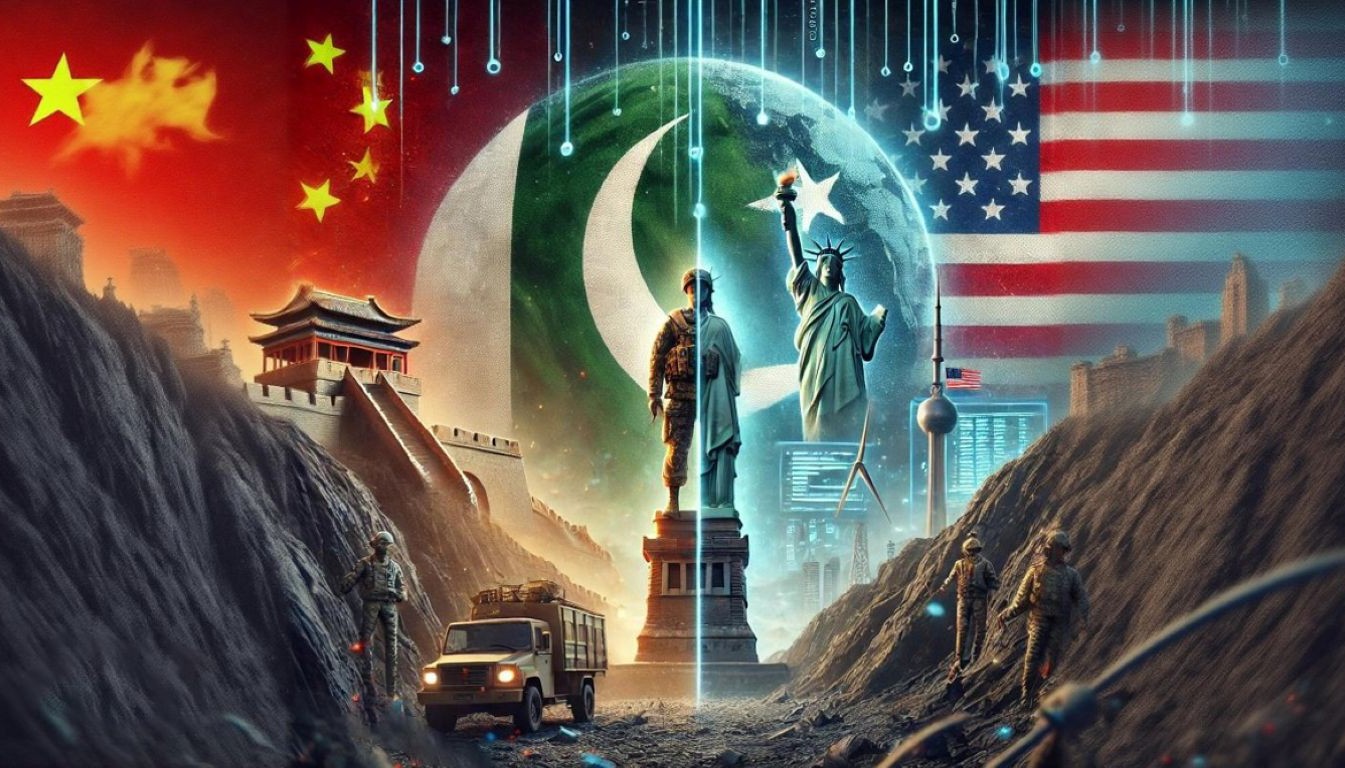
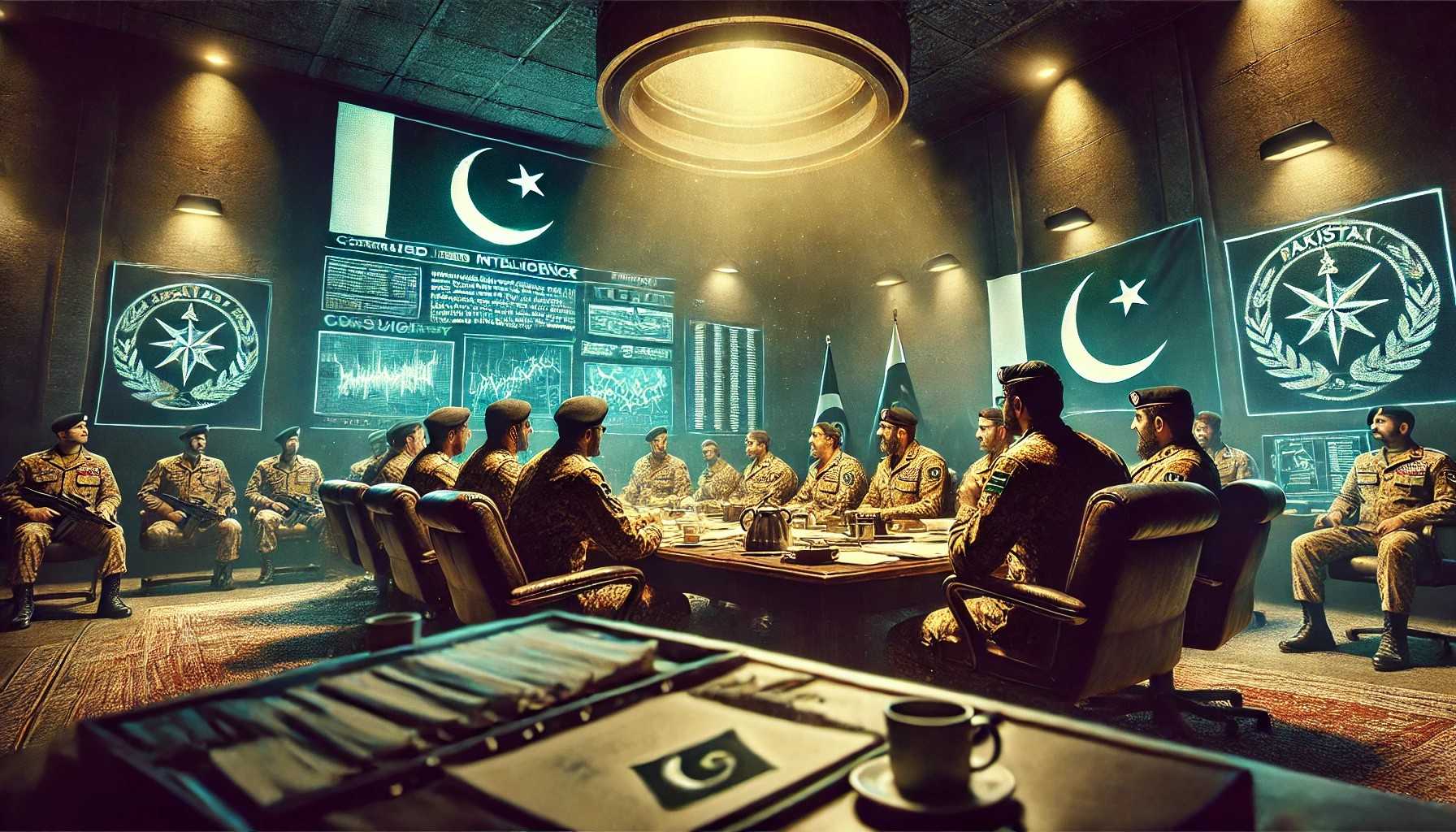
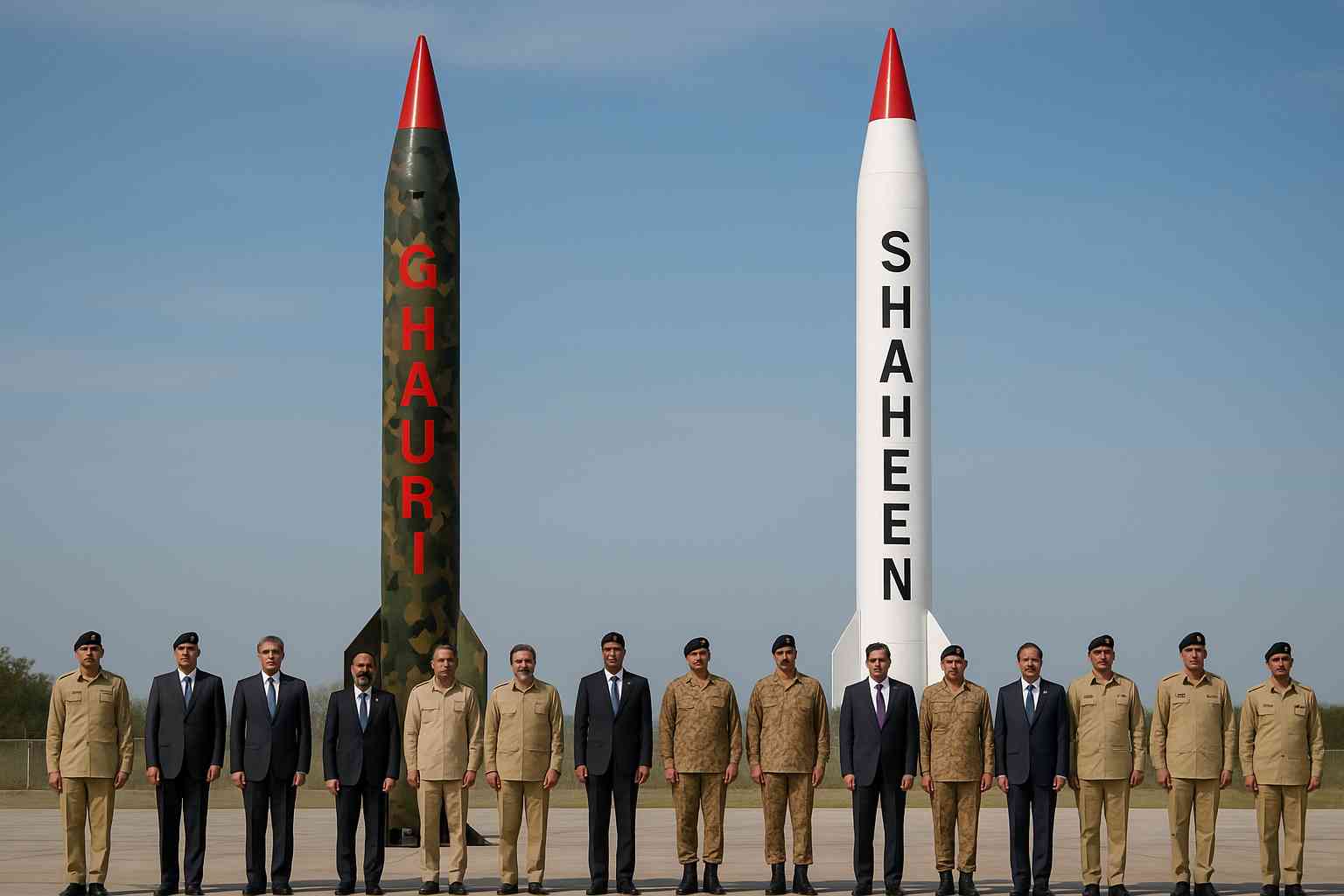
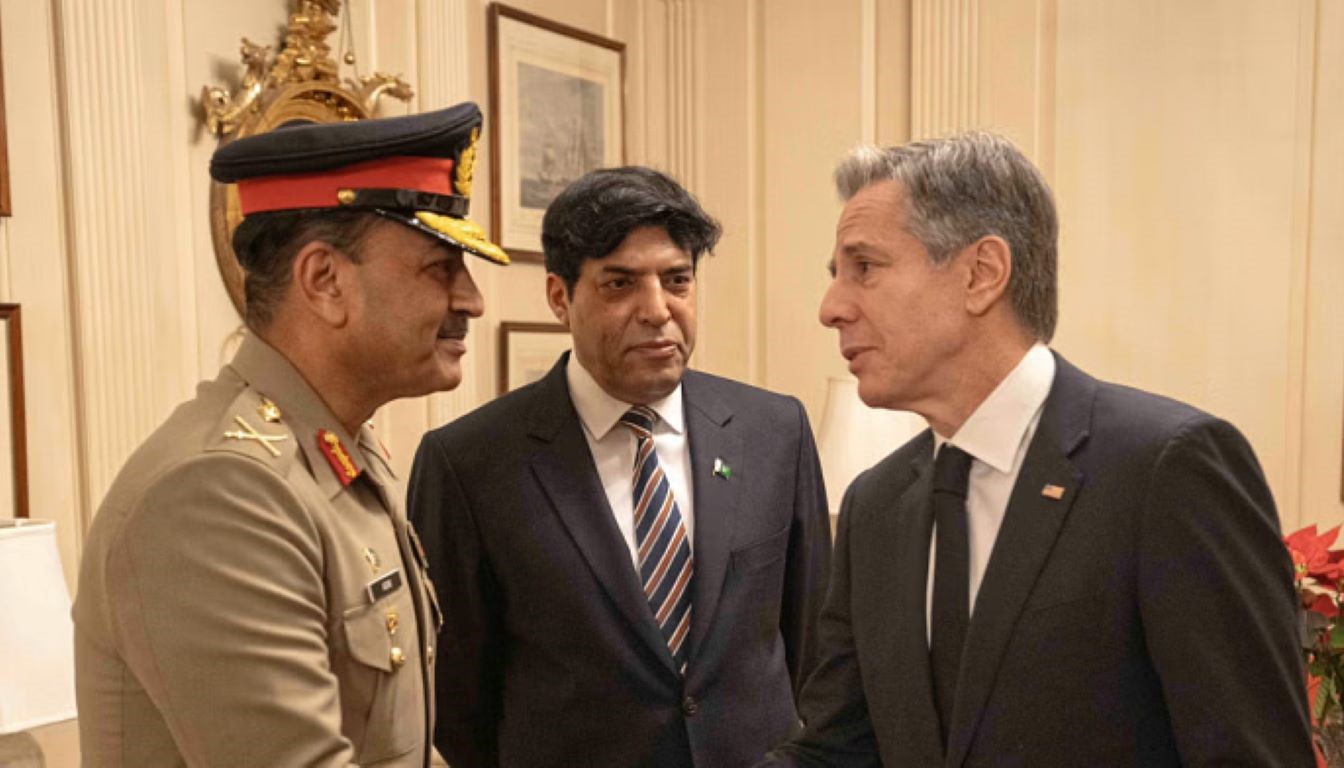
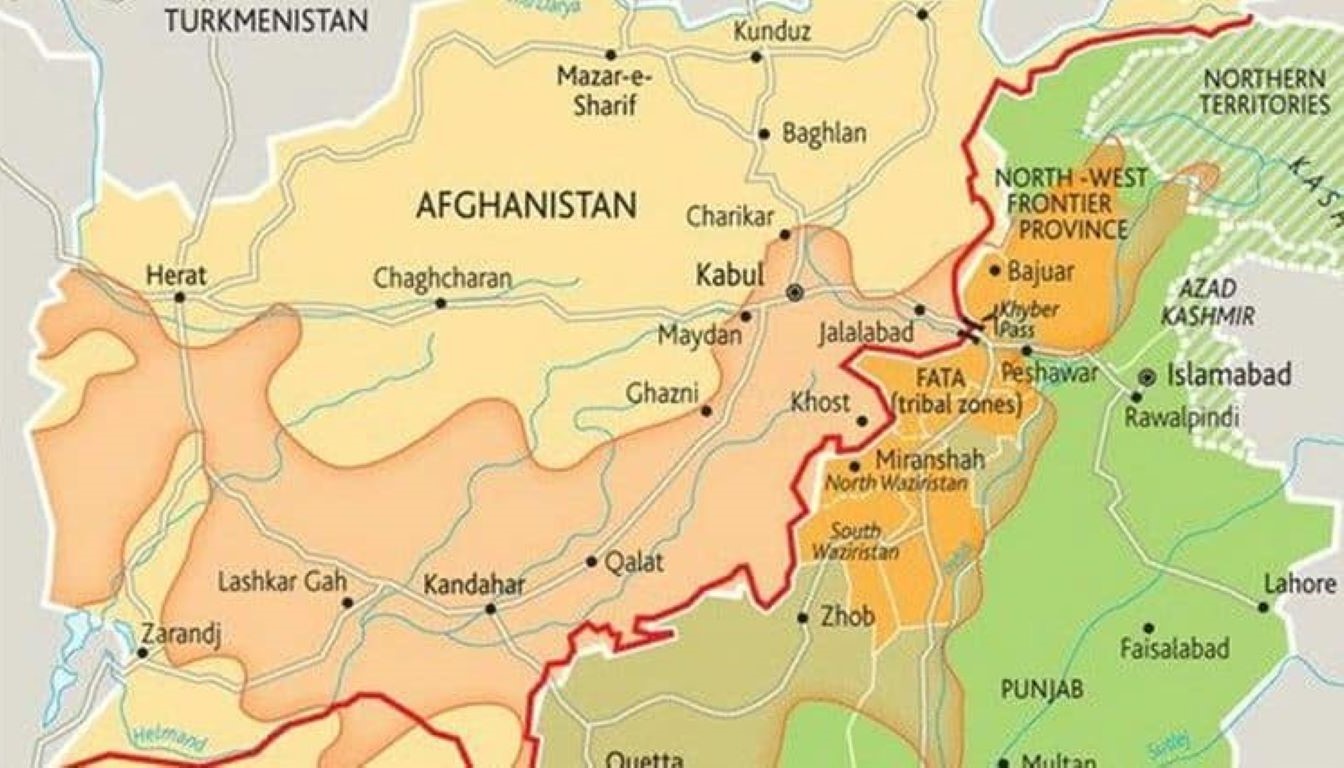
Pakistan’s role in this process appears increasingly significant. Islamabad is not merely a host but an active facilitator attempting to bridge the gap between Washington and Tehran. This reflects Pakistan’s broader strategic objective of positioning itself as a regional diplomatic hub.
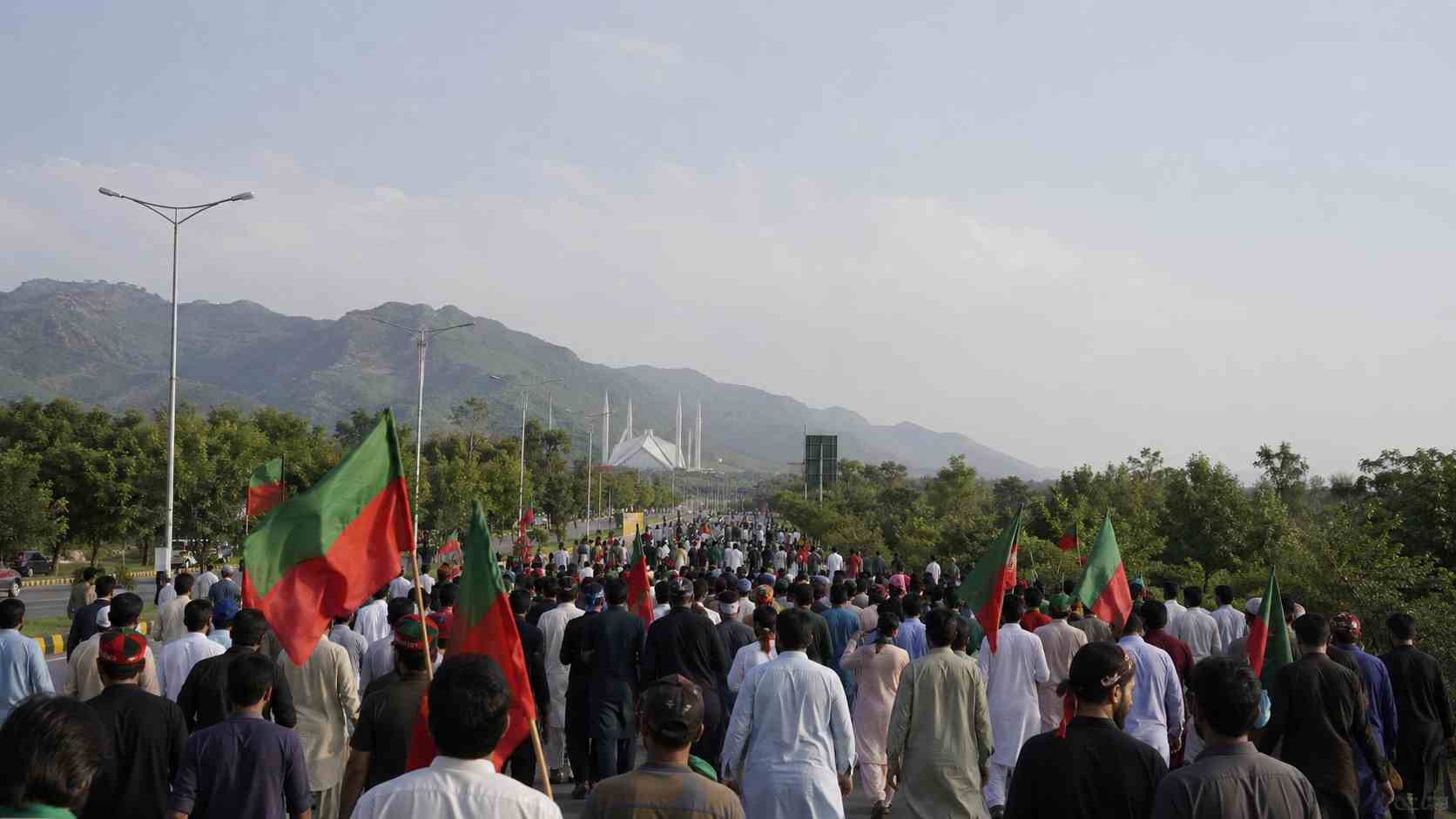
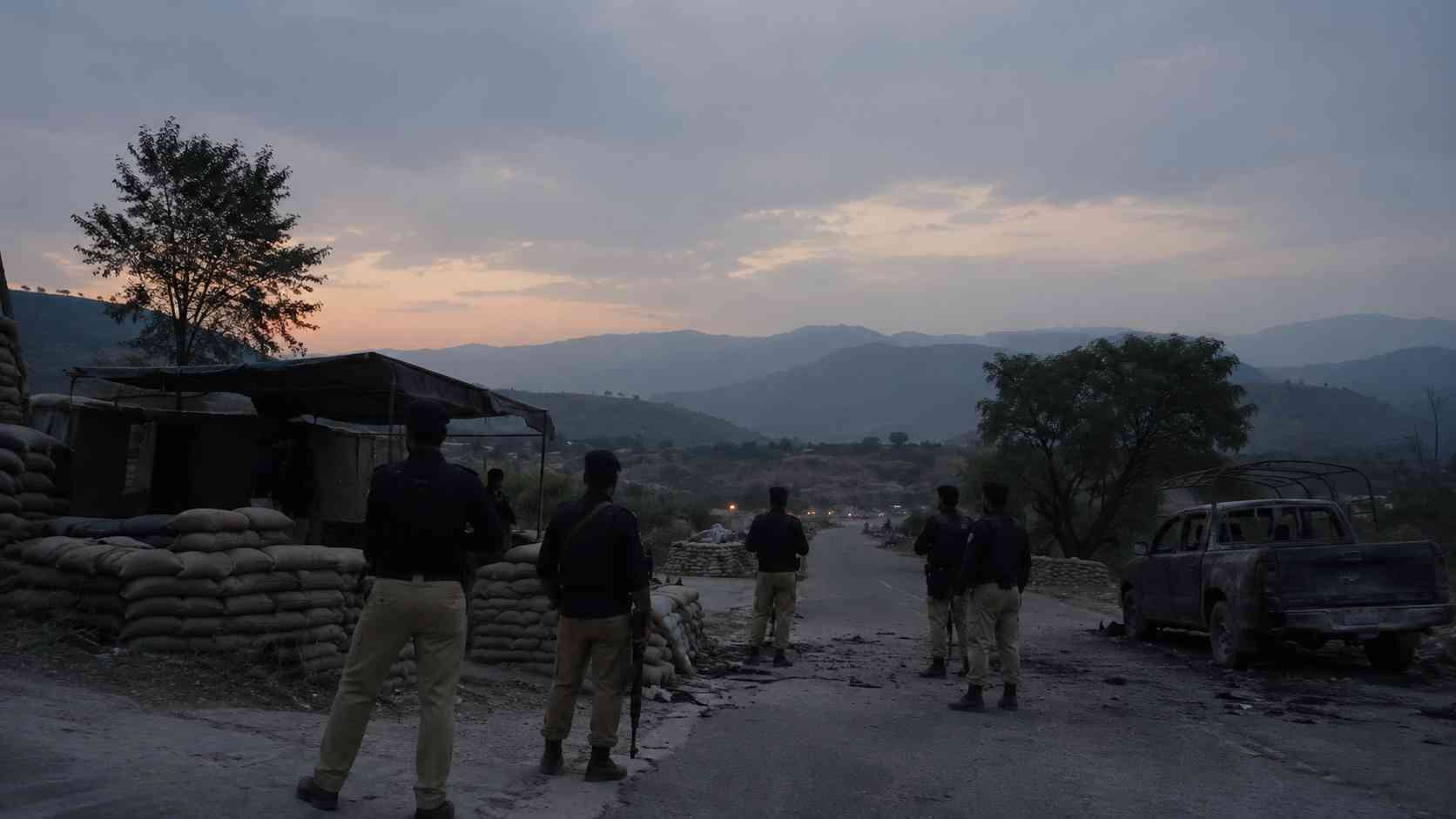
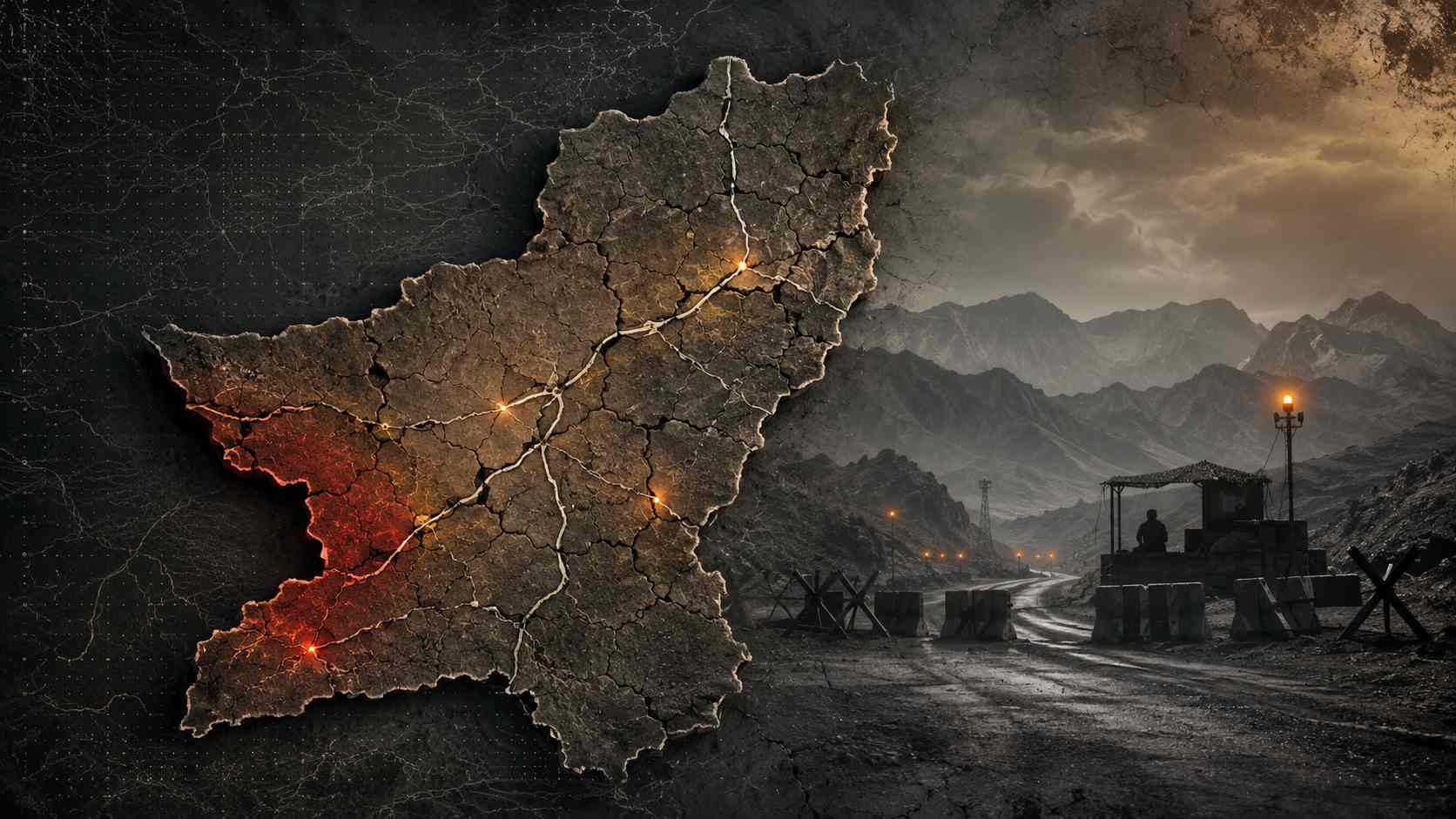
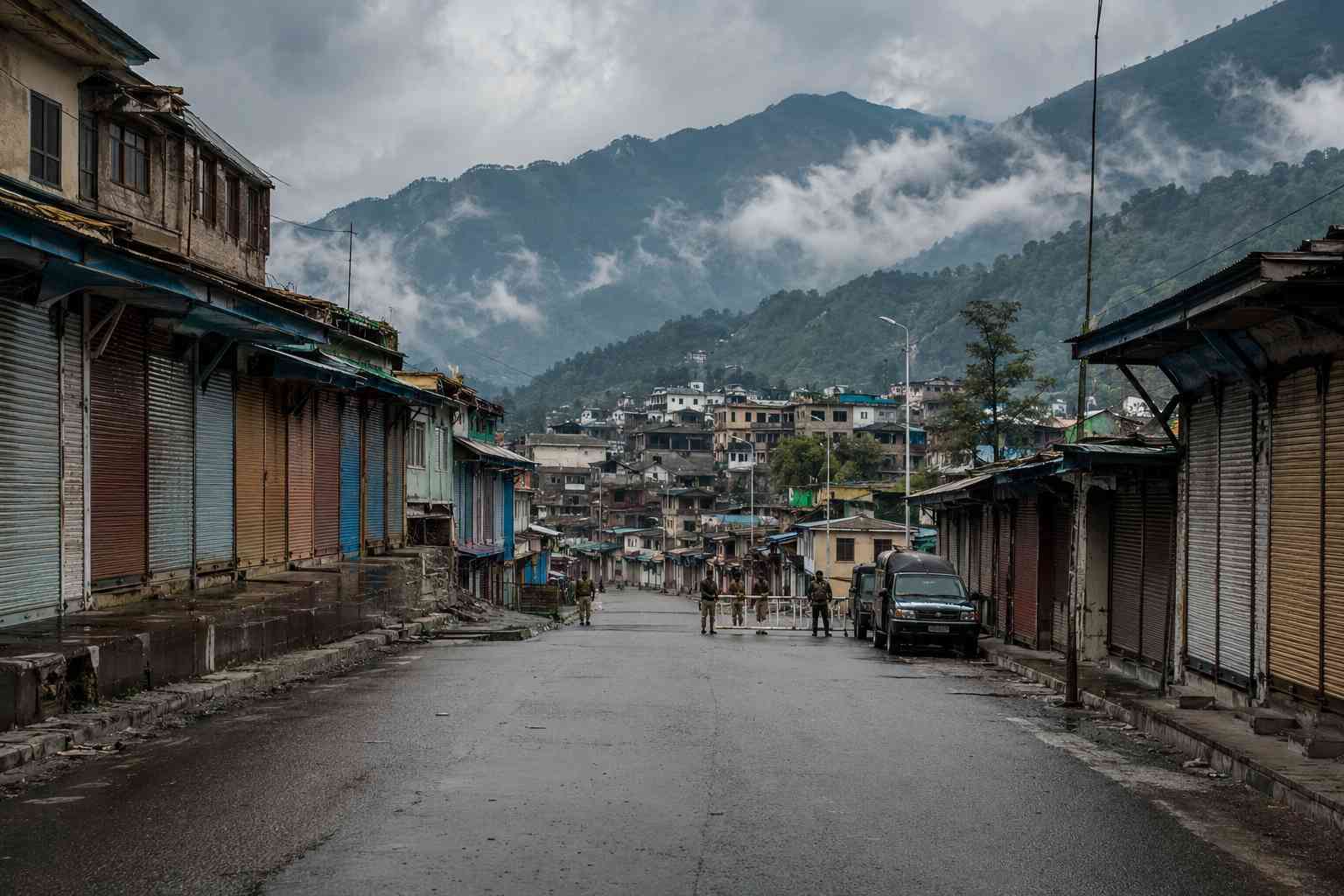
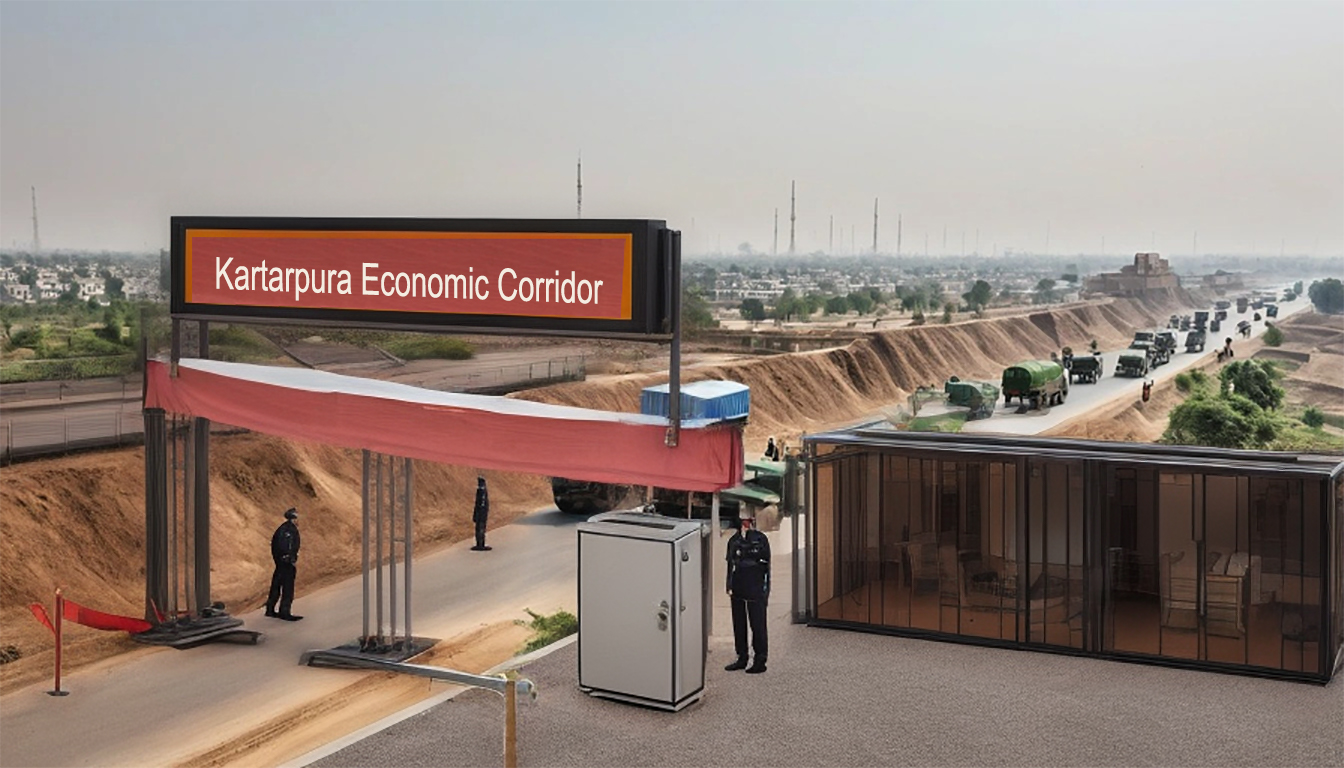
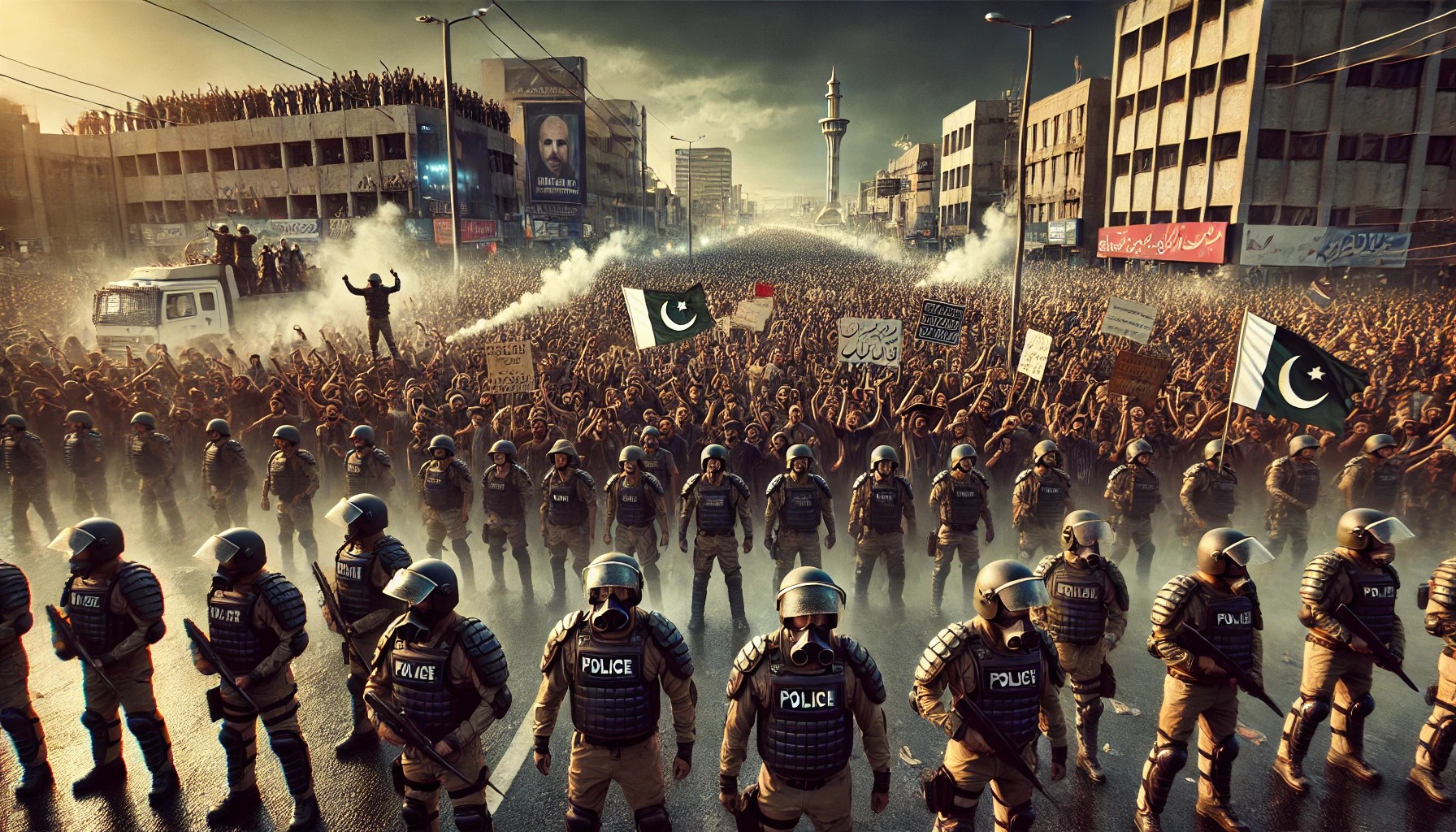
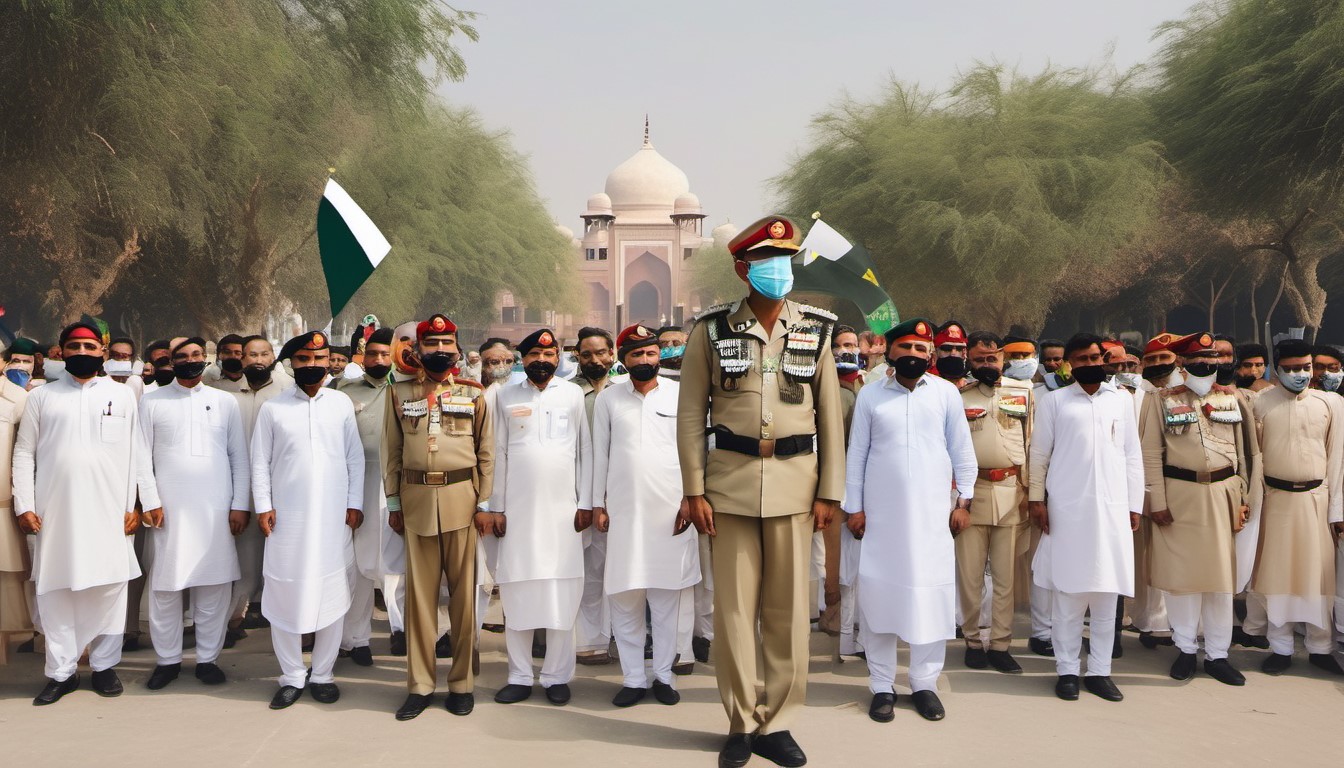
However, this role also carries domestic and political implications. Heightened security measures and logistical preparations indicate the importance attached to the potential visit. More importantly, it underscores how middle powers attempt to leverage geopolitical crises to enhance their strategic relevance.
In the context of US Iran negotiations 2026, Pakistan’s involvement illustrates how regional actors can shape the environment of great power diplomacy, even if they do not control its outcomes.
Mixed Signals from Washington
A defining feature of the current phase is the inconsistency in US messaging. While official statements emphasize pressure and strategic leverage, there are parallel indications that the United States may be considering limited relief measures.
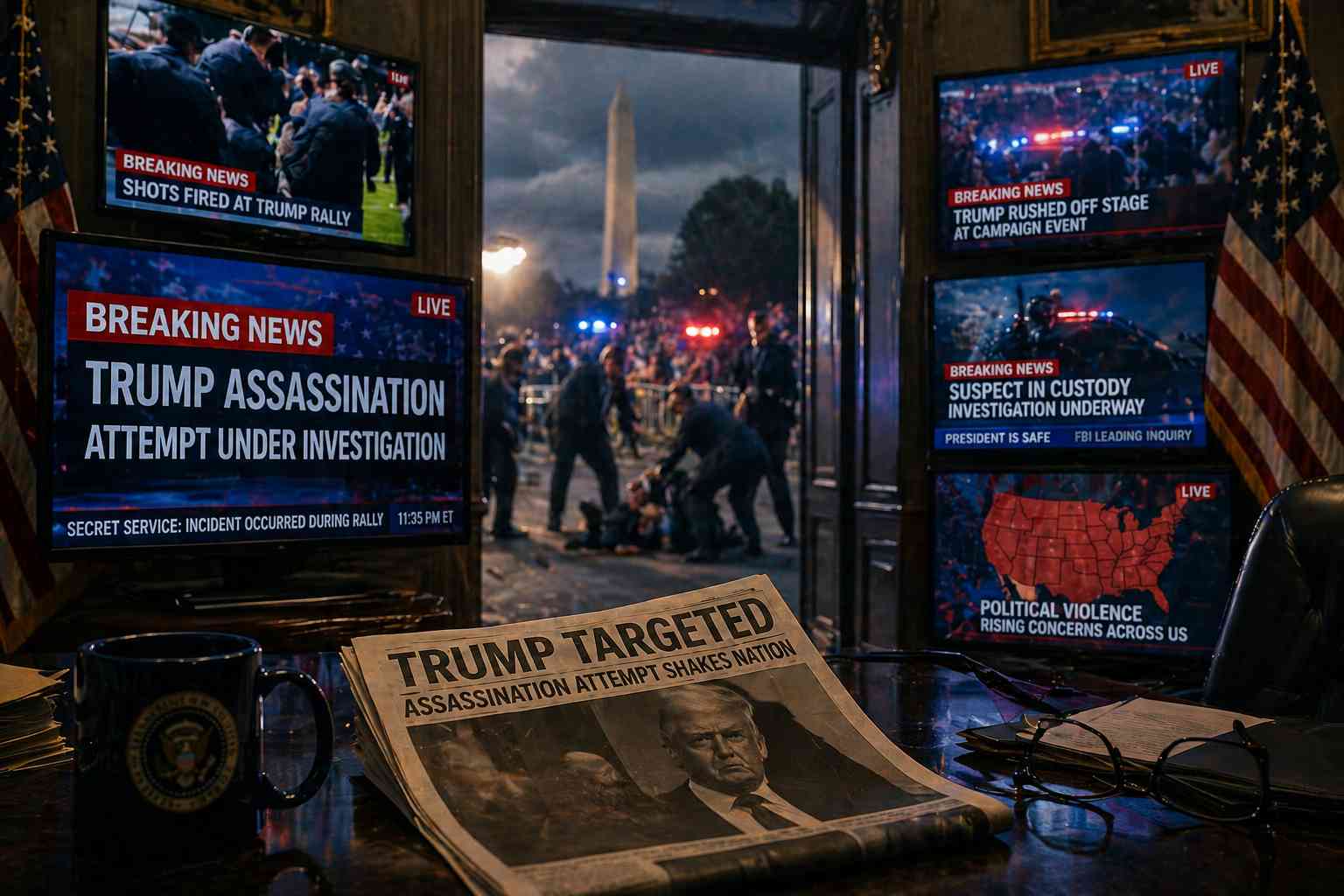
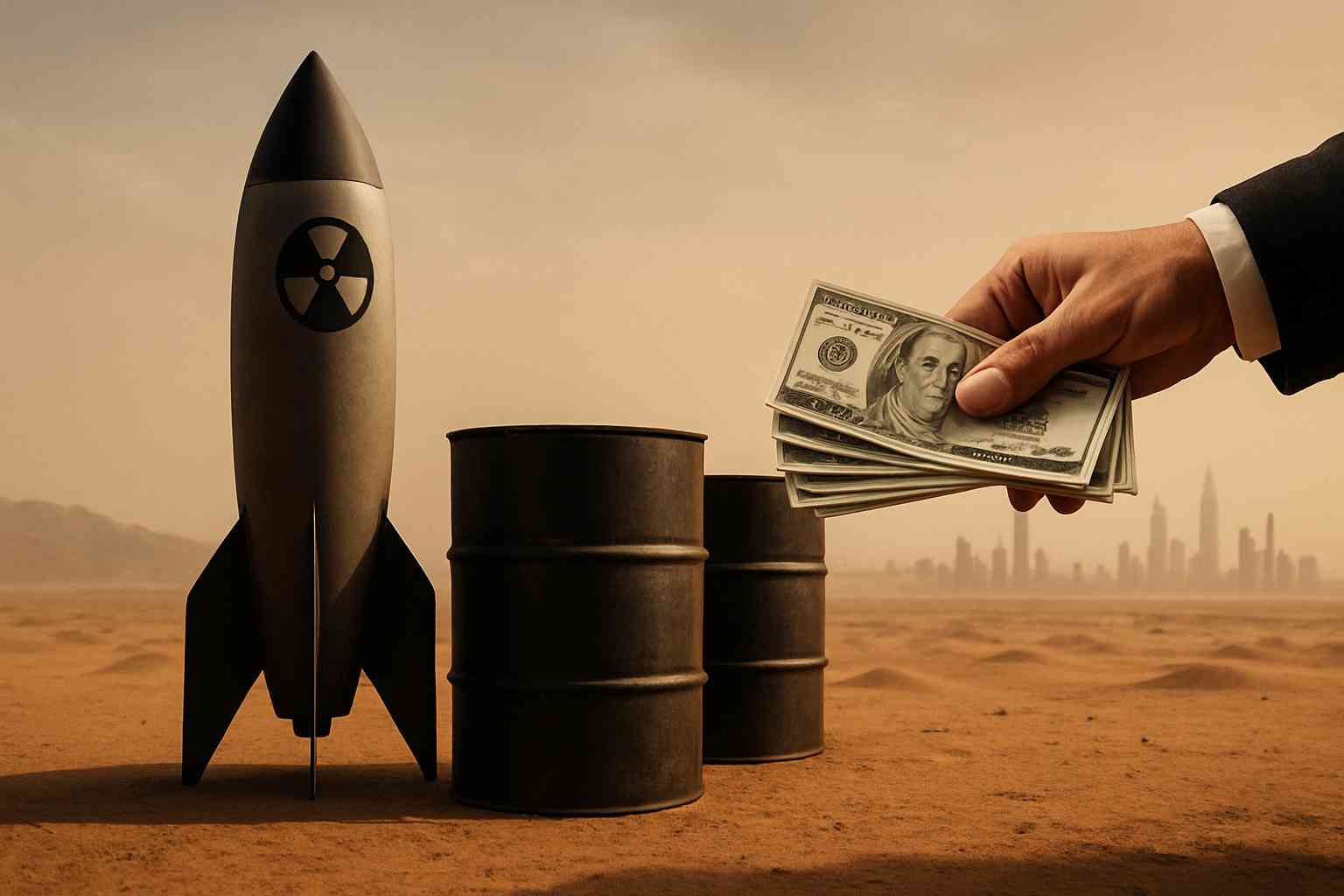
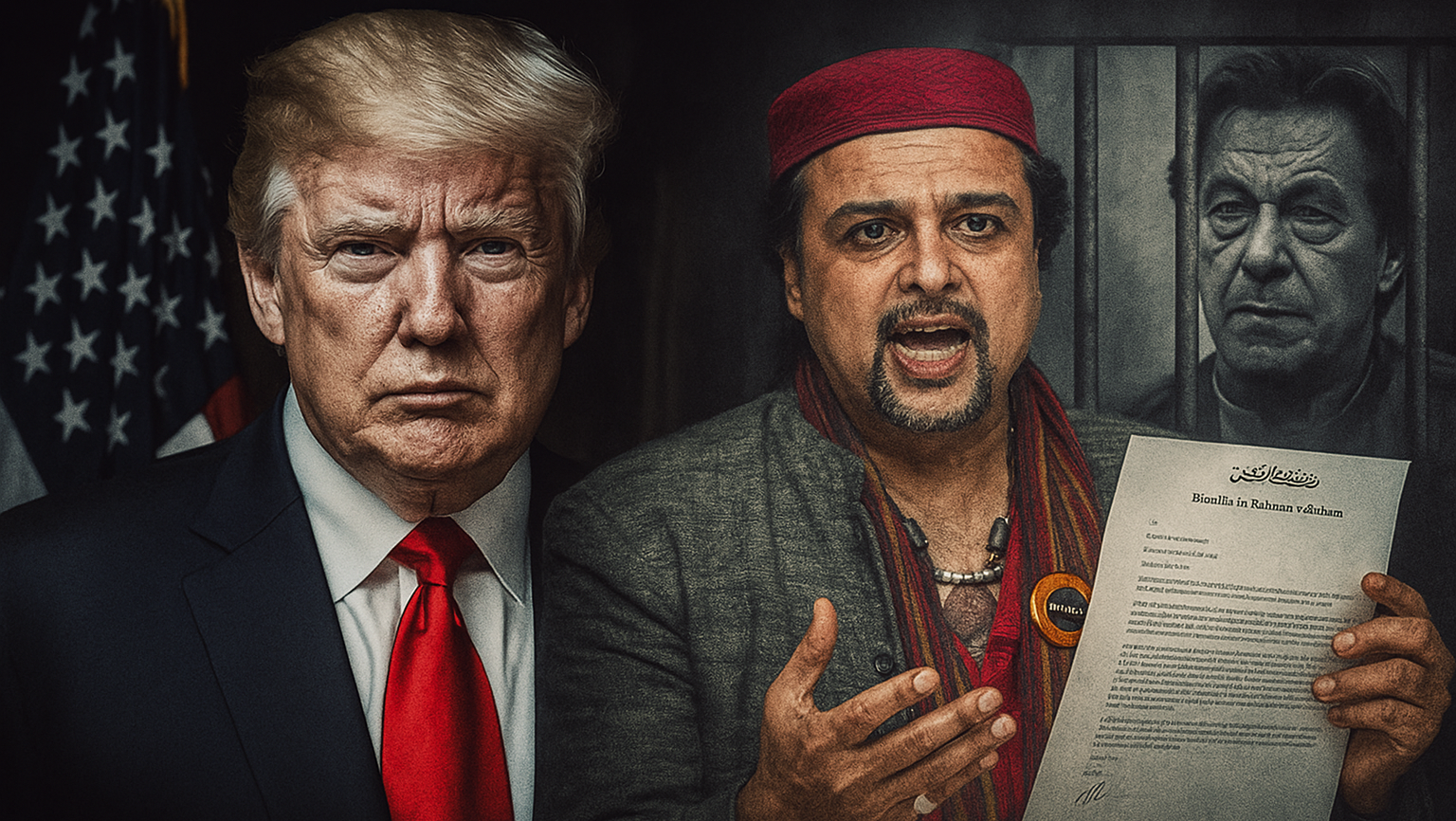
Statements attributed to former President Donald Trump suggest a possible willingness to offer economic incentives. These may include easing secondary sanctions or unlocking frozen Iranian assets held in foreign accounts. Such measures, if implemented, would represent a significant shift in approach.
This dual messaging creates strategic ambiguity. On one hand, it preserves negotiating leverage. On the other, it complicates trust-building, which remains a central obstacle in US Iran negotiations 2026.
Strategic Narratives and the “Control Paradigm”
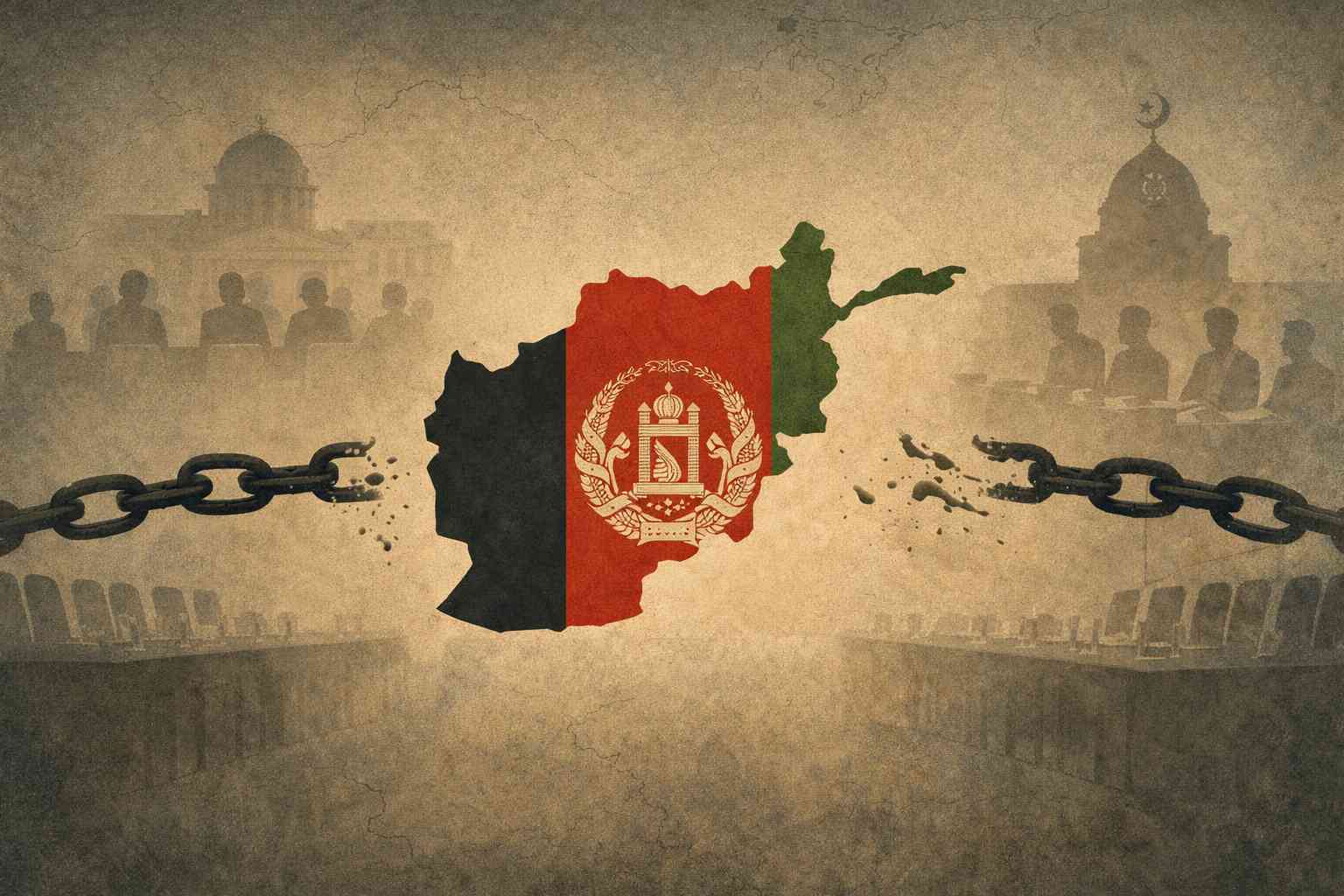
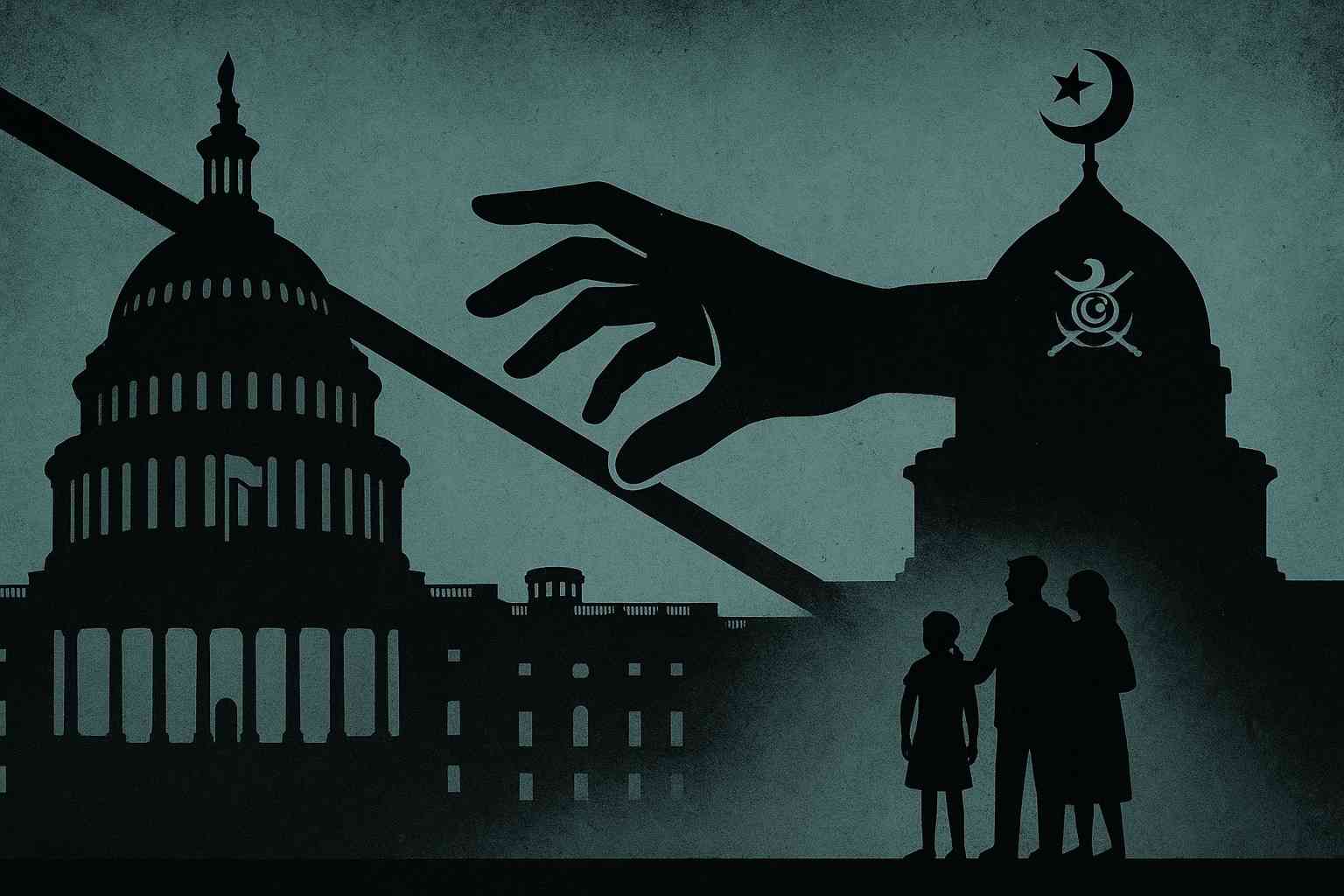
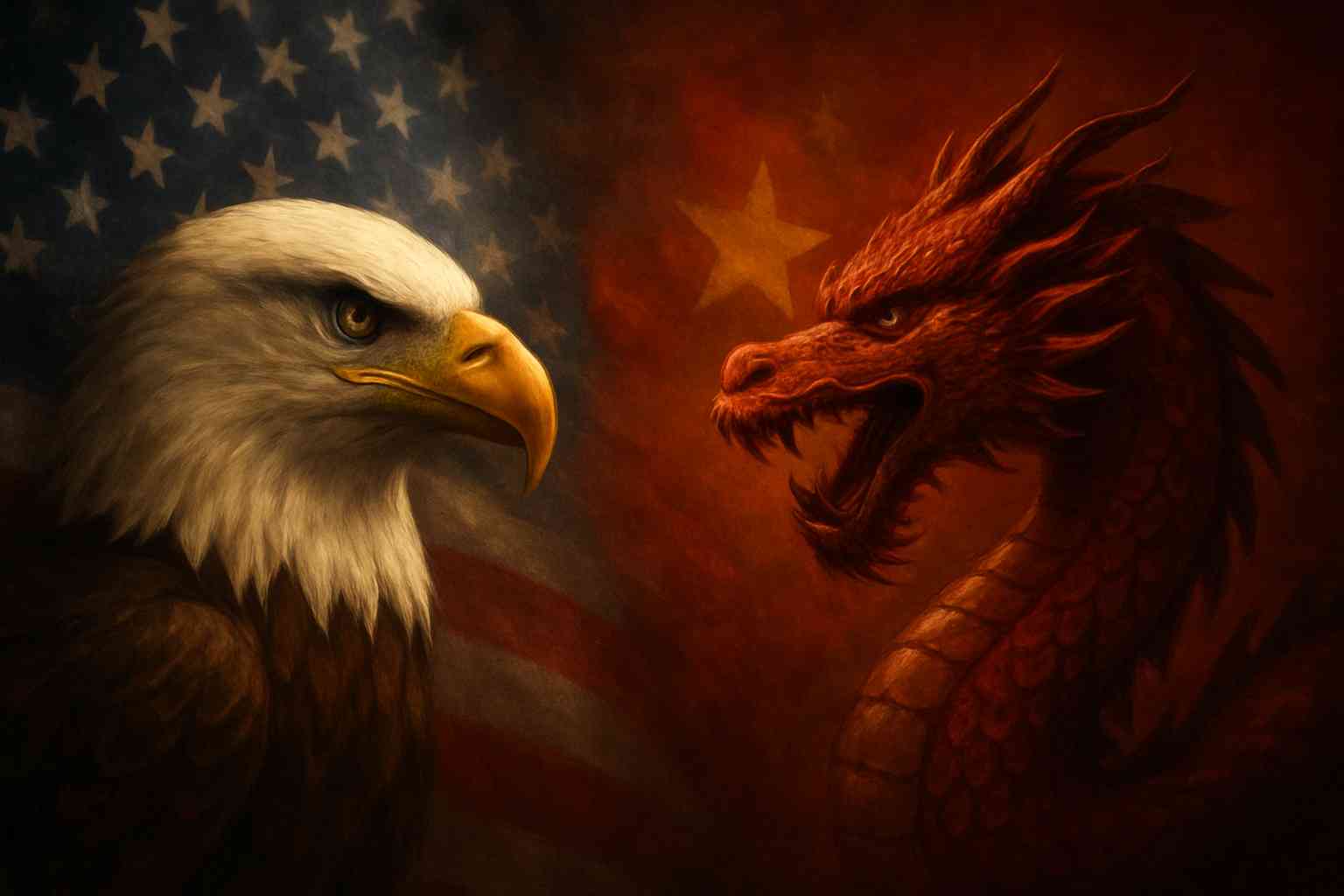
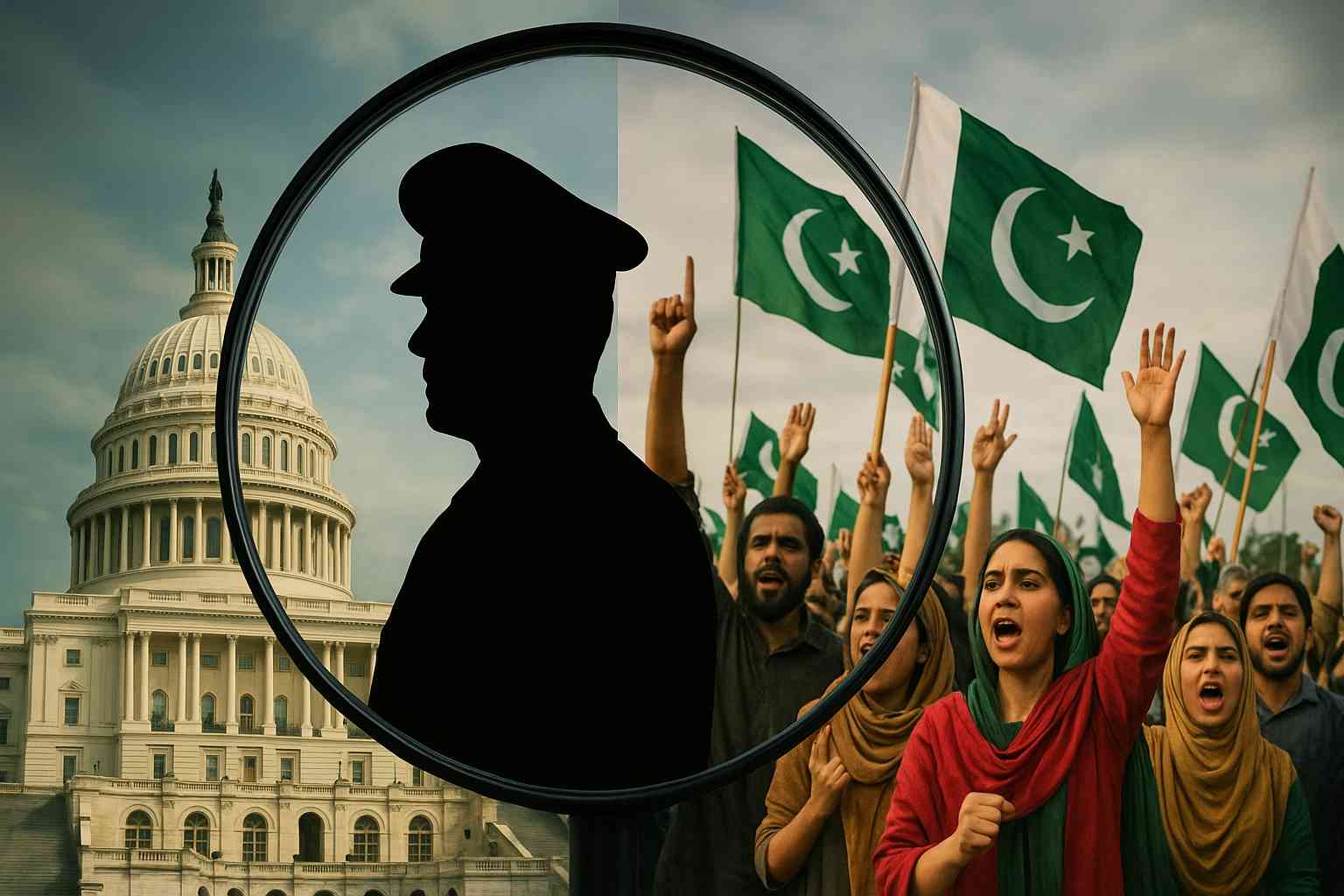
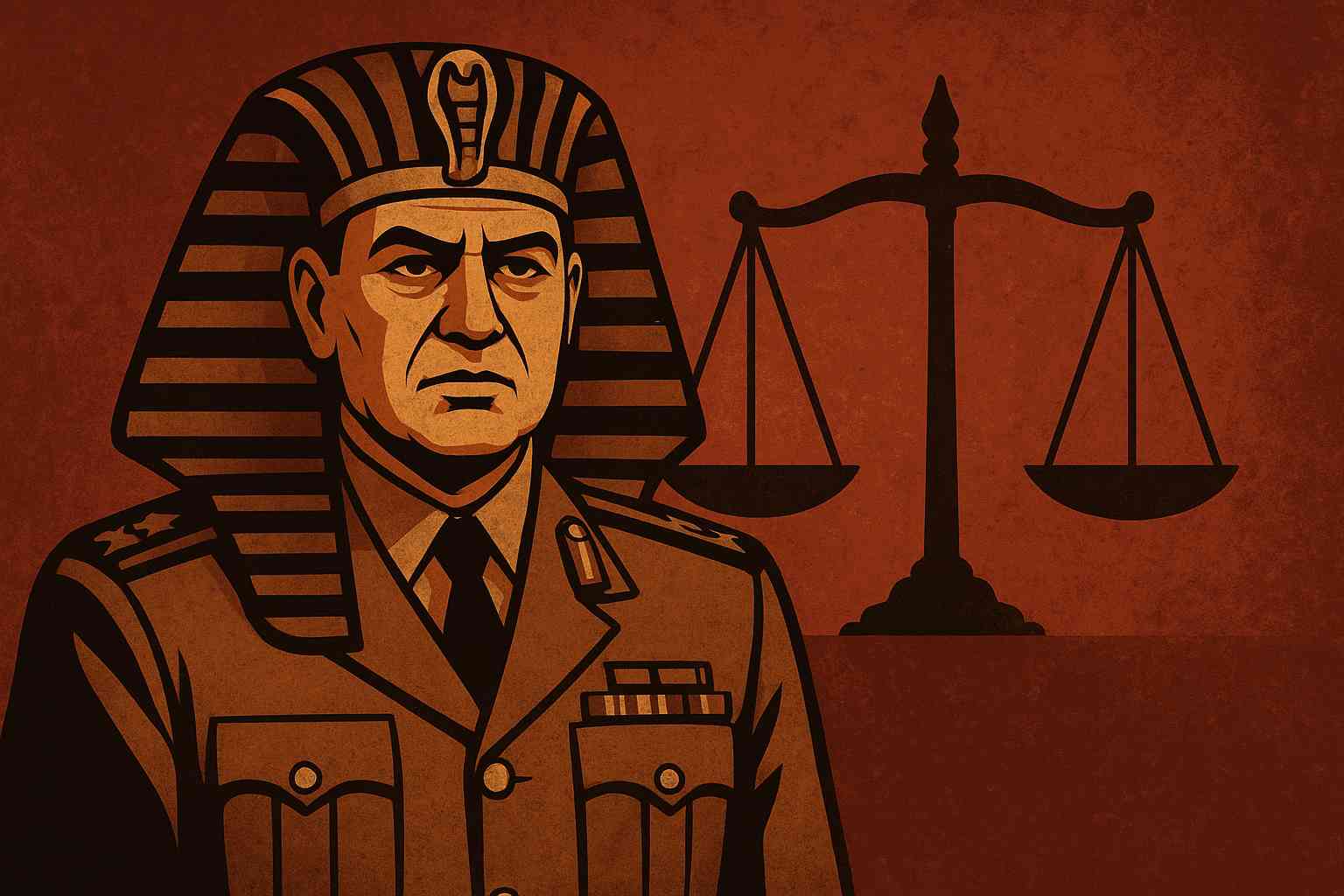
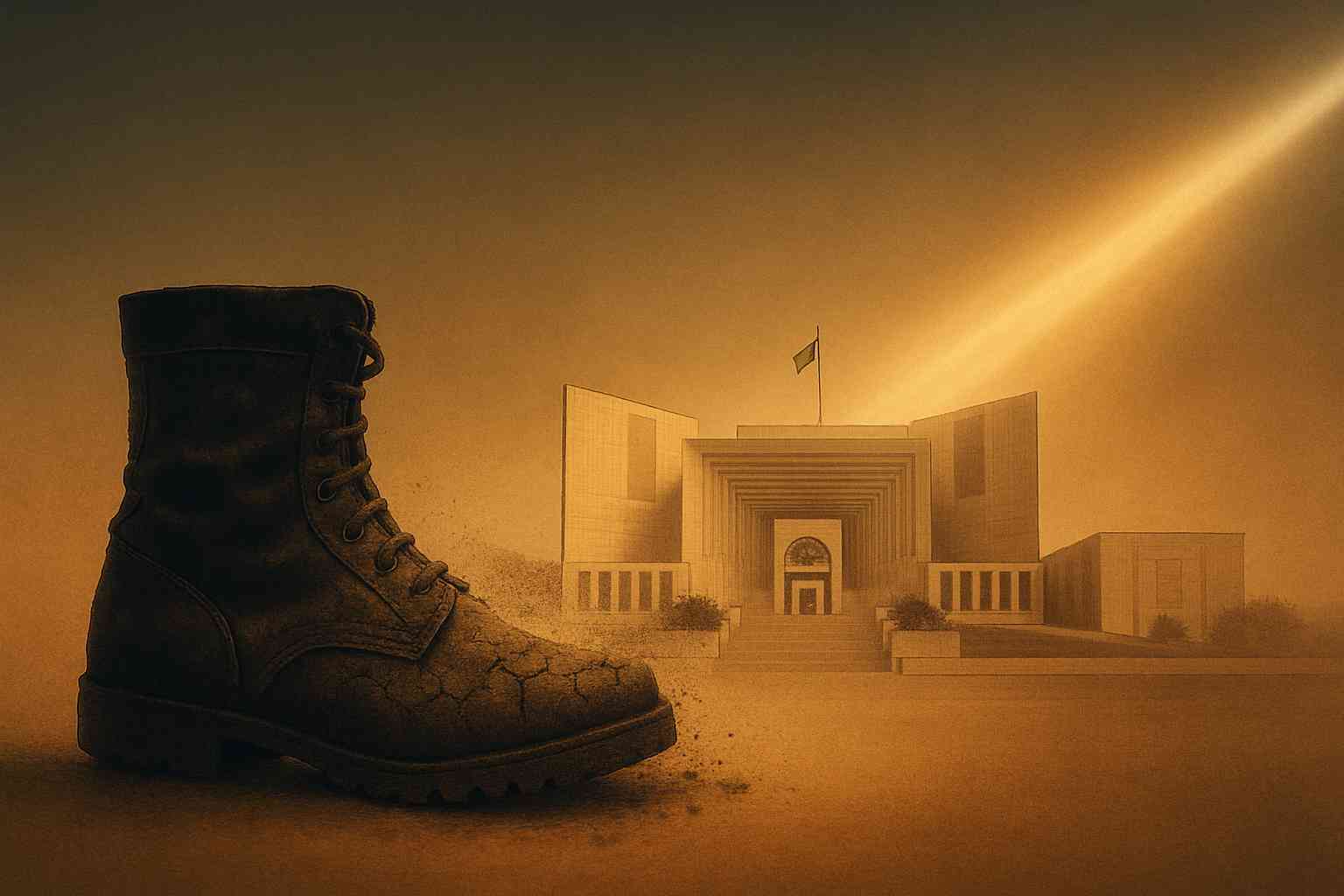
Beyond immediate diplomacy, the situation reflects a broader geopolitical framework. Western policy discourse has often framed the Middle East as a region requiring external stabilization. This narrative has historically justified support for authoritarian allies and skepticism toward independent political movements.
Within this framework, Iran is viewed not only as a state actor but as a systemic challenge. The same logic has been applied to other regions, where governance models are judged based on their alignment with Western strategic interests rather than internal legitimacy.
This perspective continues to influence the structure of US Iran negotiations 2026, where security considerations often outweigh political reconciliation.
Global Economic and Political Spillover
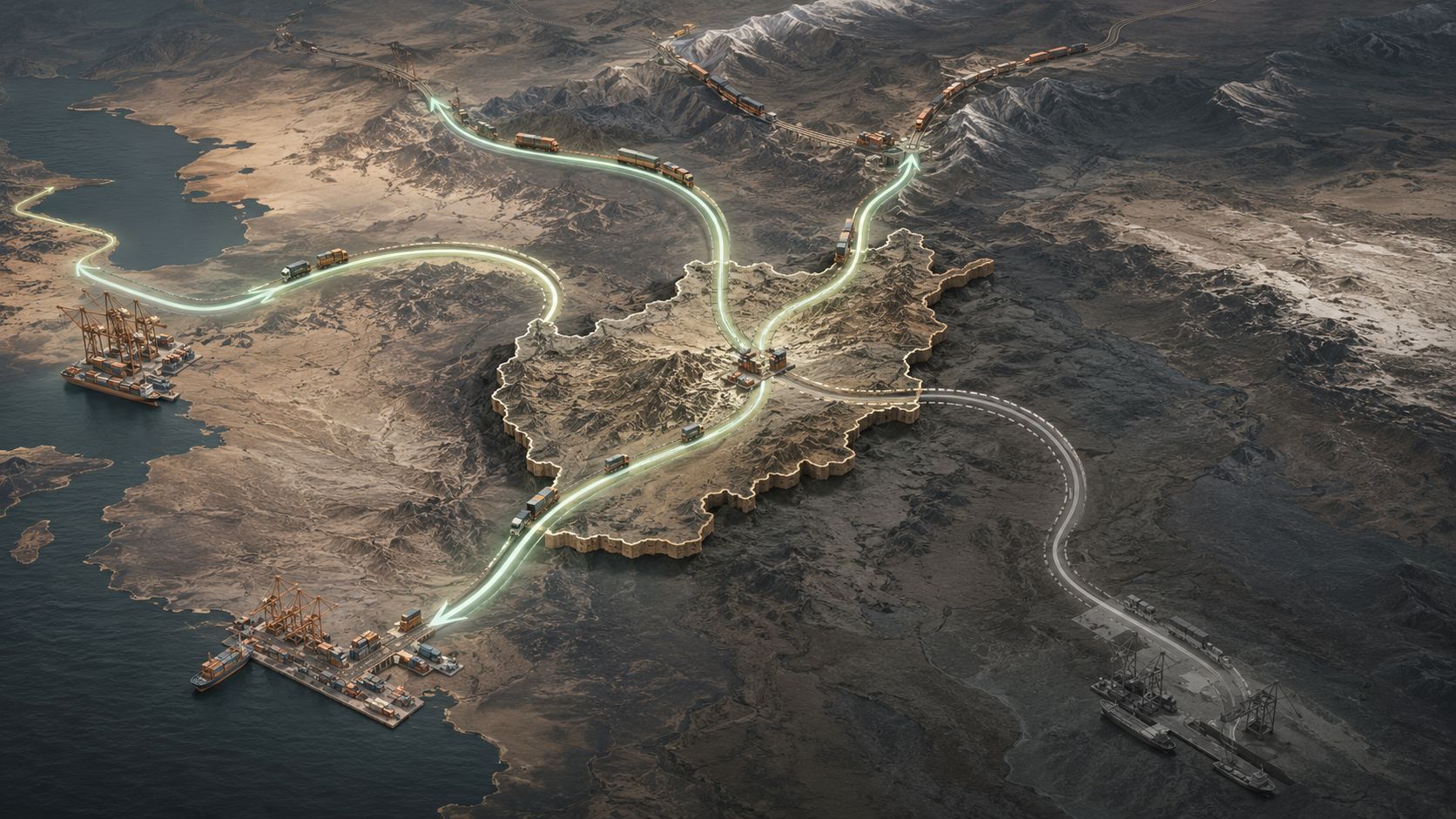
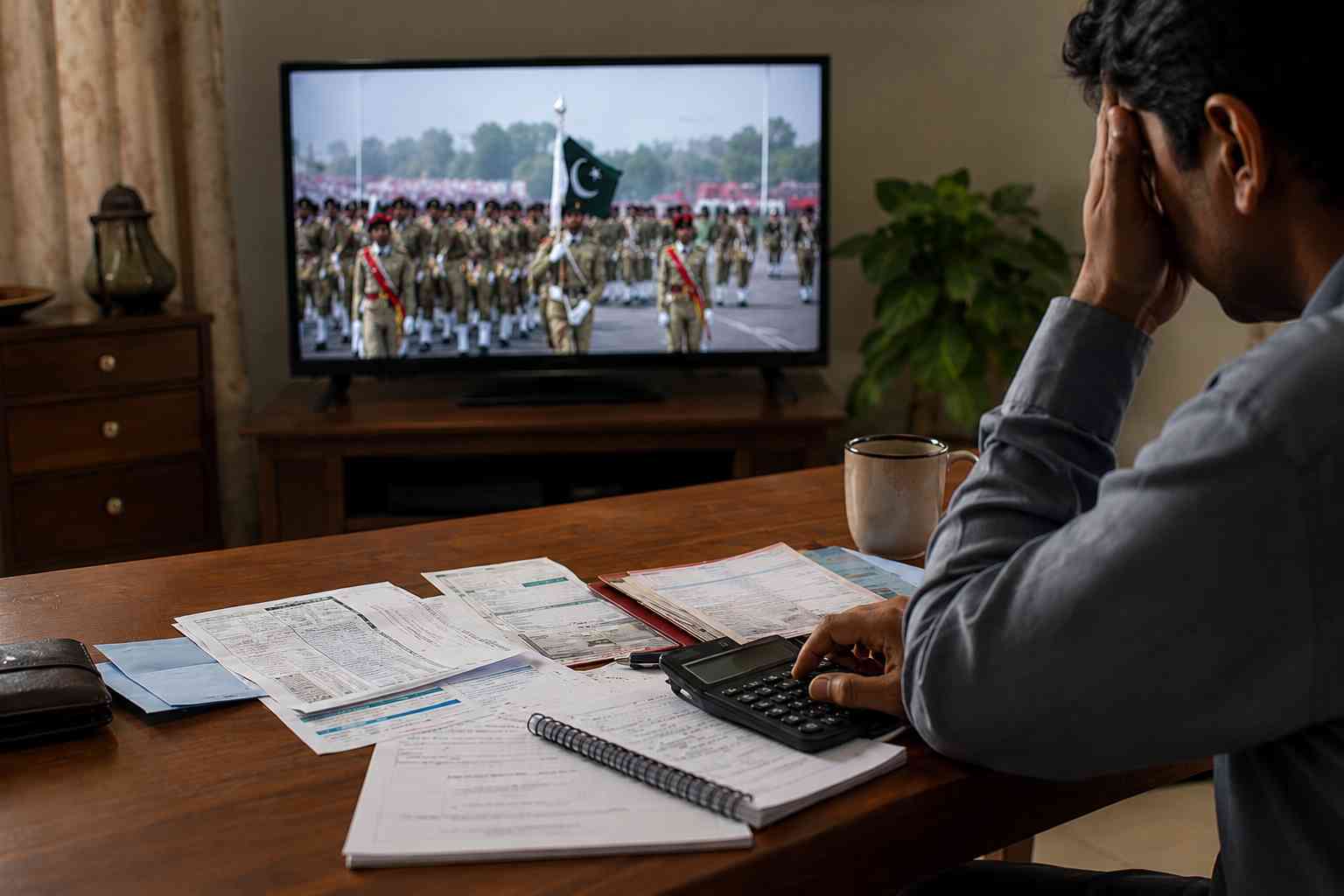
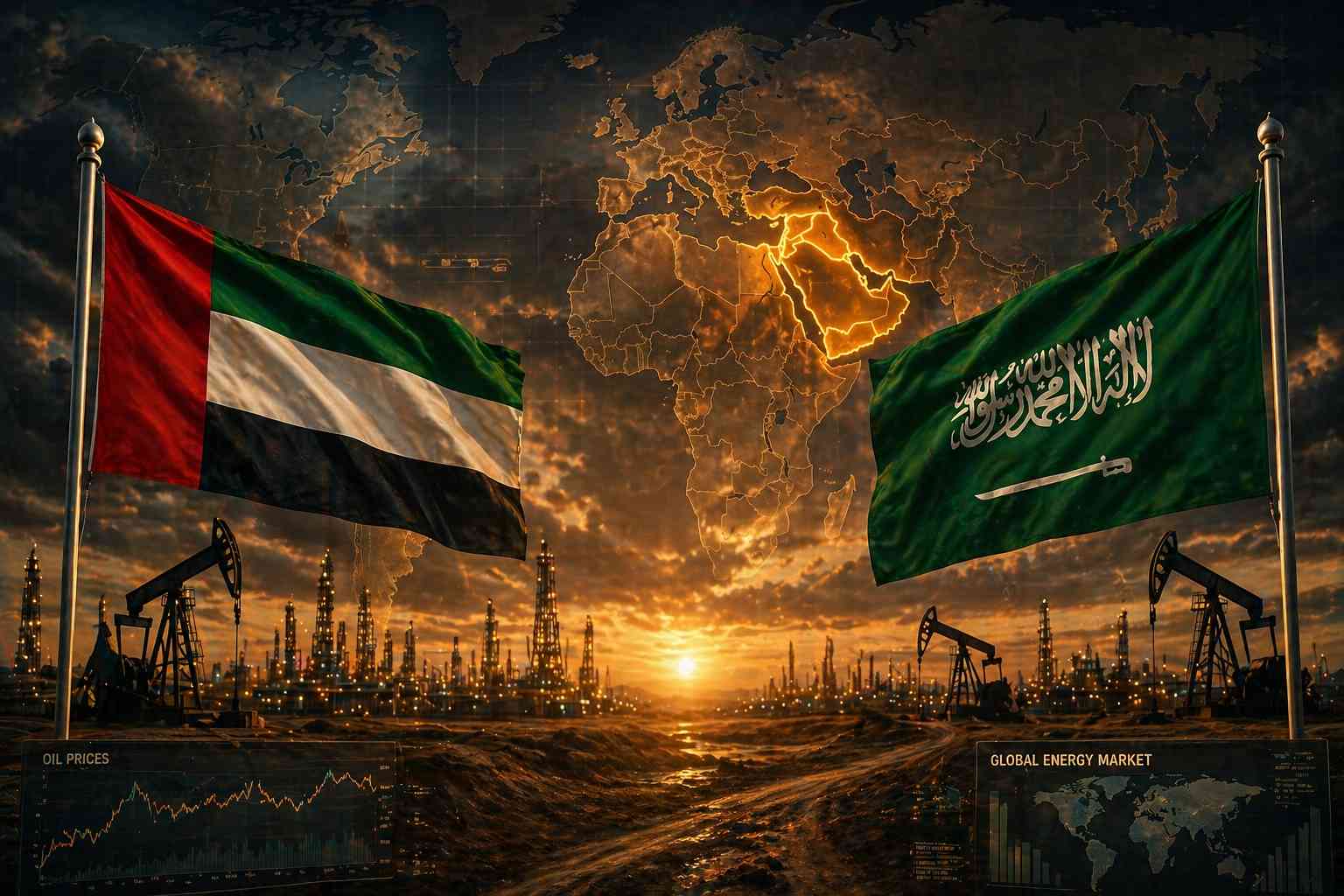
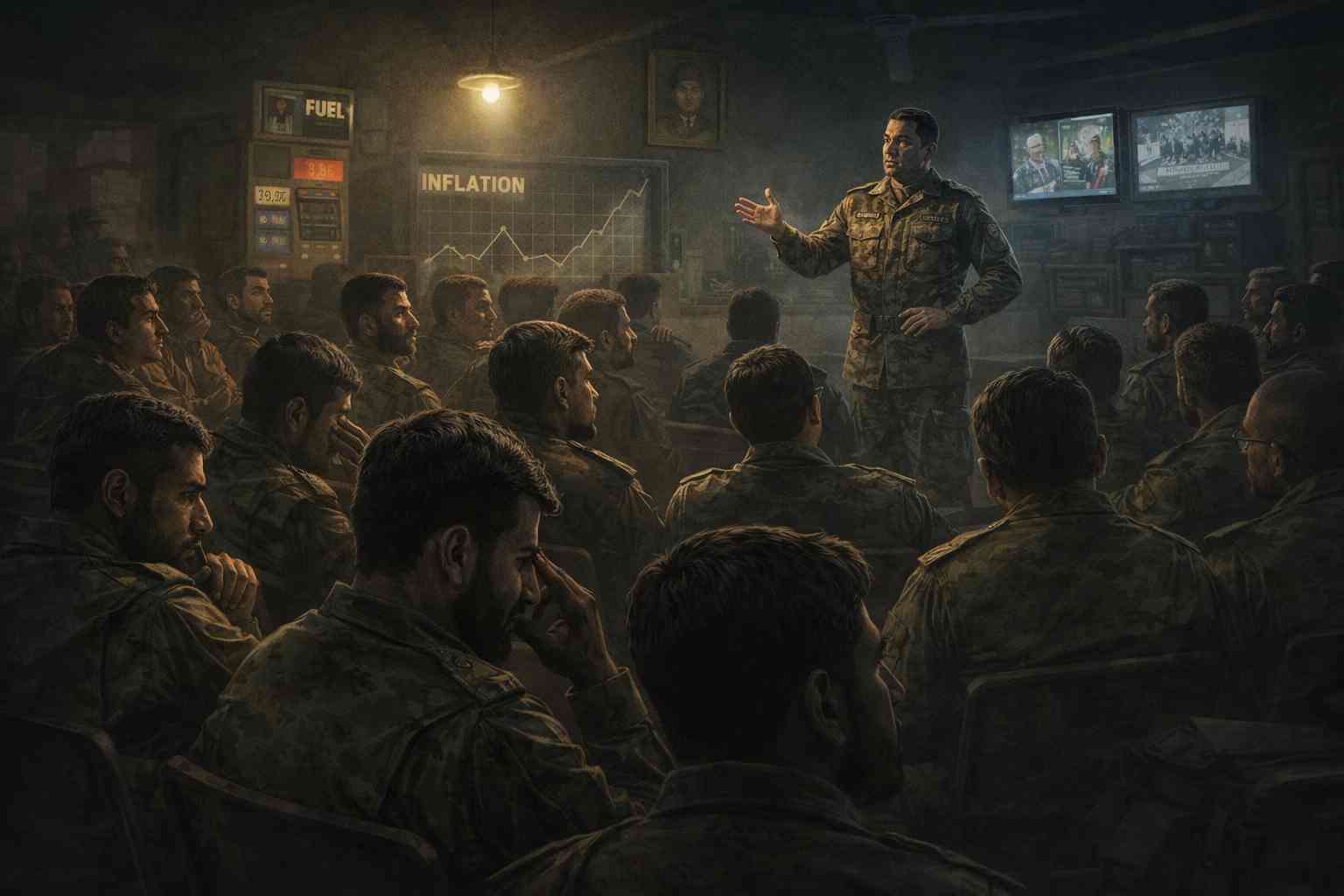
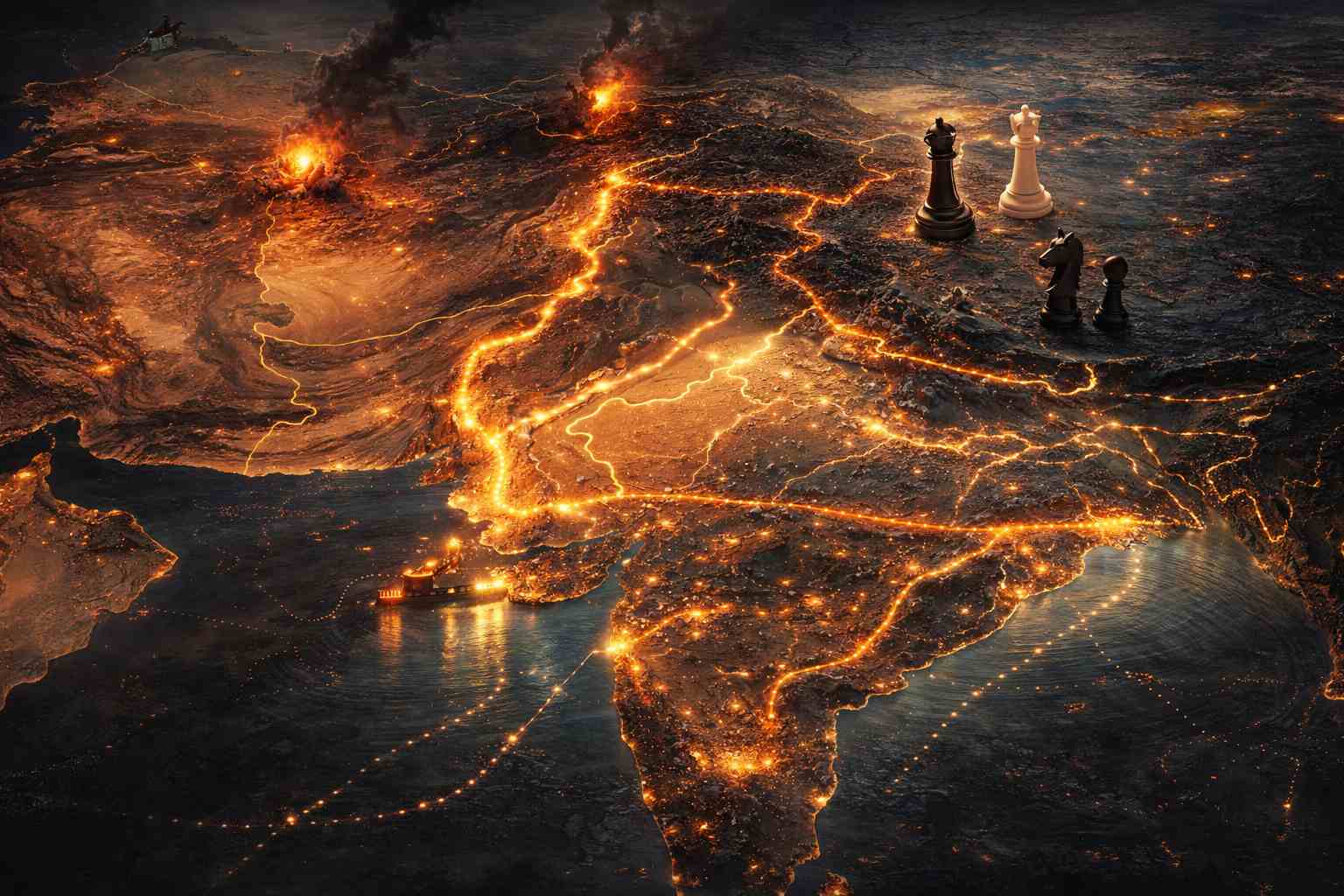
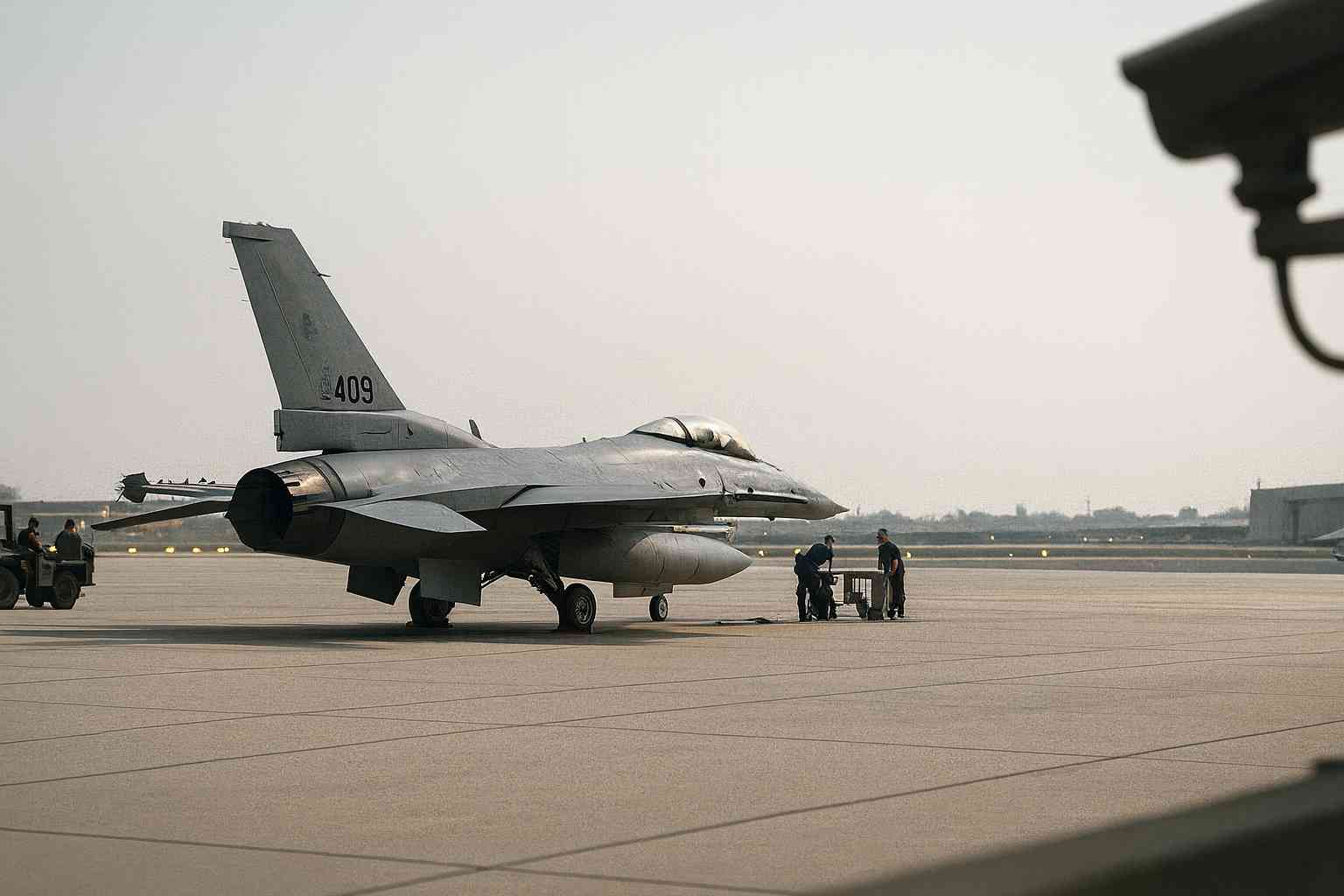
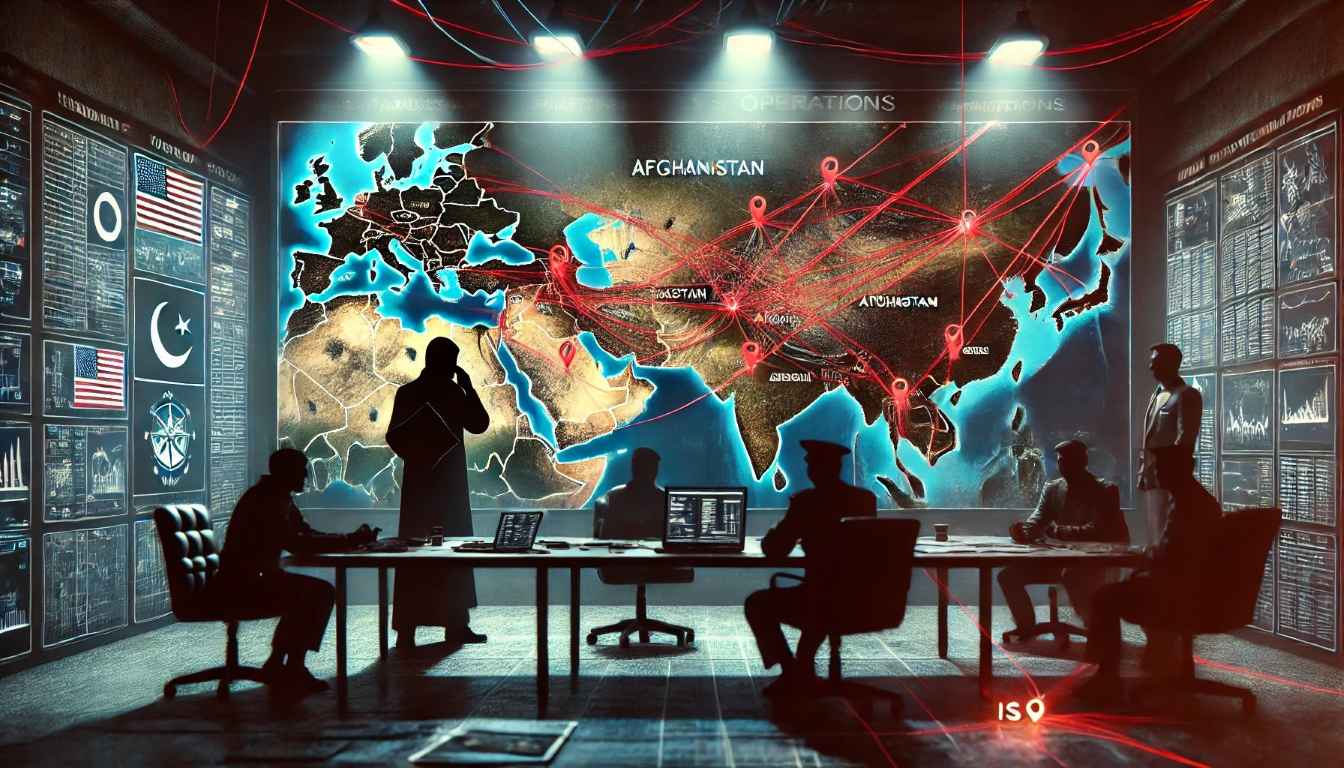
The ongoing tensions are not confined to bilateral relations. The broader economic impact is already visible. Energy markets have experienced volatility, affecting prices across Asia, Europe, and North America. Countries dependent on imported energy are facing increased pressure on their economies.
At the same time, political responses vary. Some states seek to capitalize on shifting alliances, while others attempt to maintain neutrality. This fragmentation highlights how regional conflicts can rapidly evolve into global challenges.
Symbolism, Perception, and Moral Contradictions
A recent incident involving an Israeli soldier damaging a religious statue in Lebanon has drawn international attention. While officially treated as an isolated act under investigation, such events carry symbolic weight. They shape perceptions, particularly in regions already sensitive to religious and cultural issues.
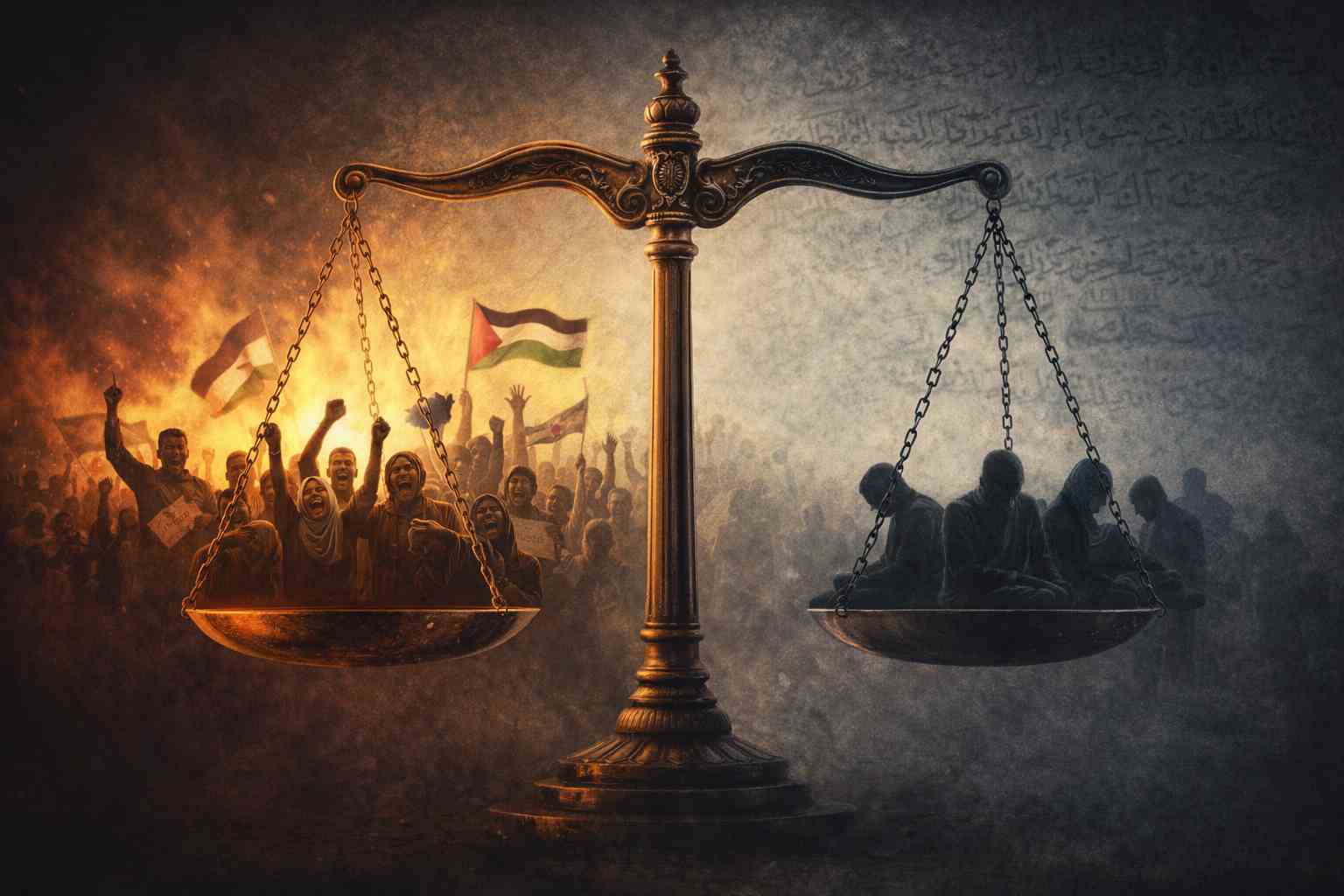
This raises a broader question about consistency in global responses. Individual actions are often condemned as aberrations, yet systemic decisions that contribute to prolonged conflict receive more complex justifications.
In this sense, the discourse surrounding US Iran negotiations 2026 is not only about diplomacy. It also reflects deeper contradictions in how power, morality, and legitimacy are interpreted in international politics.
Conclusion: Between Opportunity and Uncertainty
The current phase of US Iran negotiations 2026 represents a fragile intersection of opportunity and uncertainty. There are indications that both sides recognize the cost of continued escalation. However, structural mistrust and competing strategic narratives continue to limit progress.
Any breakthrough will likely depend on tangible policy adjustments rather than rhetorical commitments. Whether this moment leads to de-escalation or further tension will depend on how both sides interpret the signals currently being exchanged.
For now, the situation remains fluid, with outcomes still open to multiple possibilities.
By SoldierSpeaks News Desk
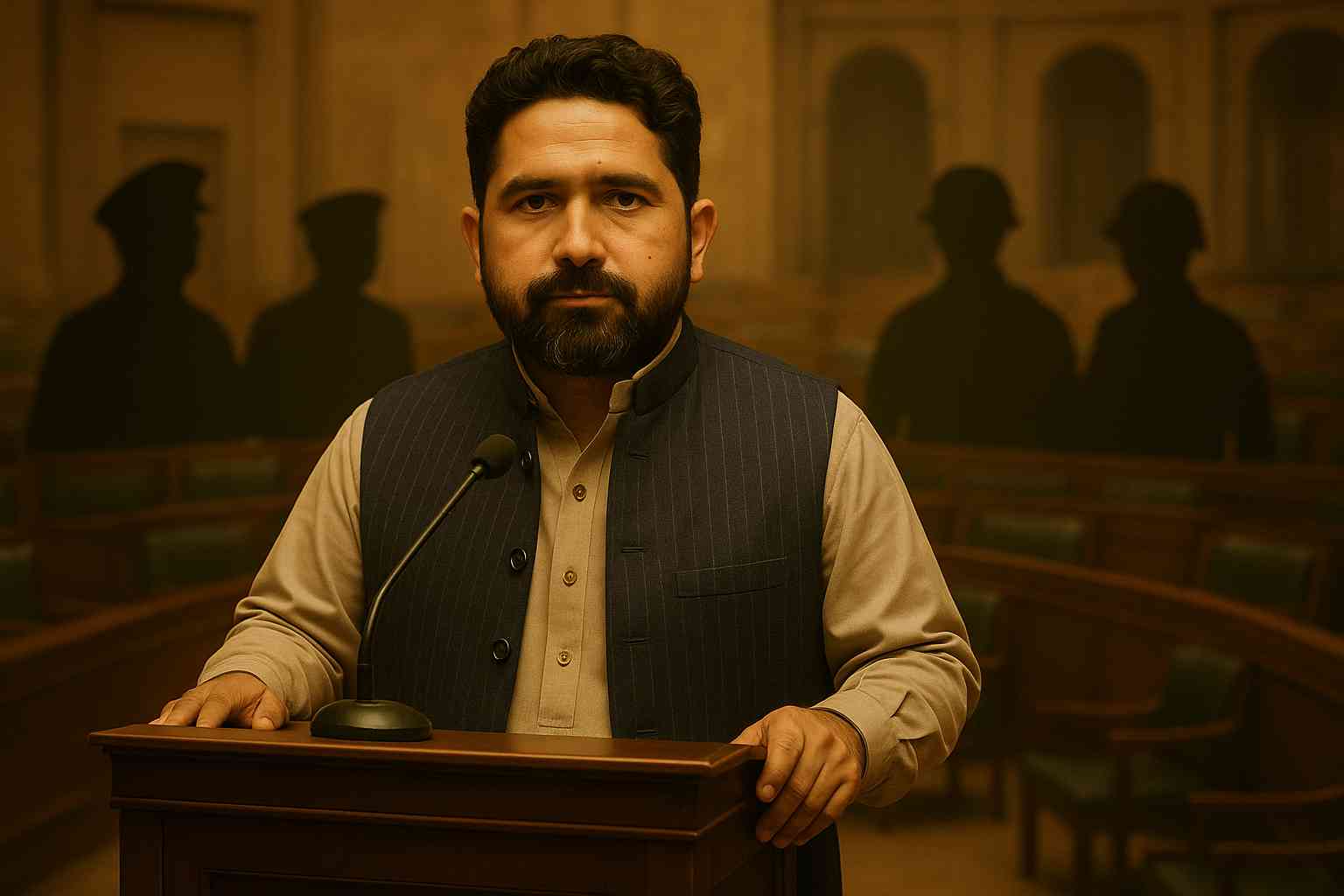
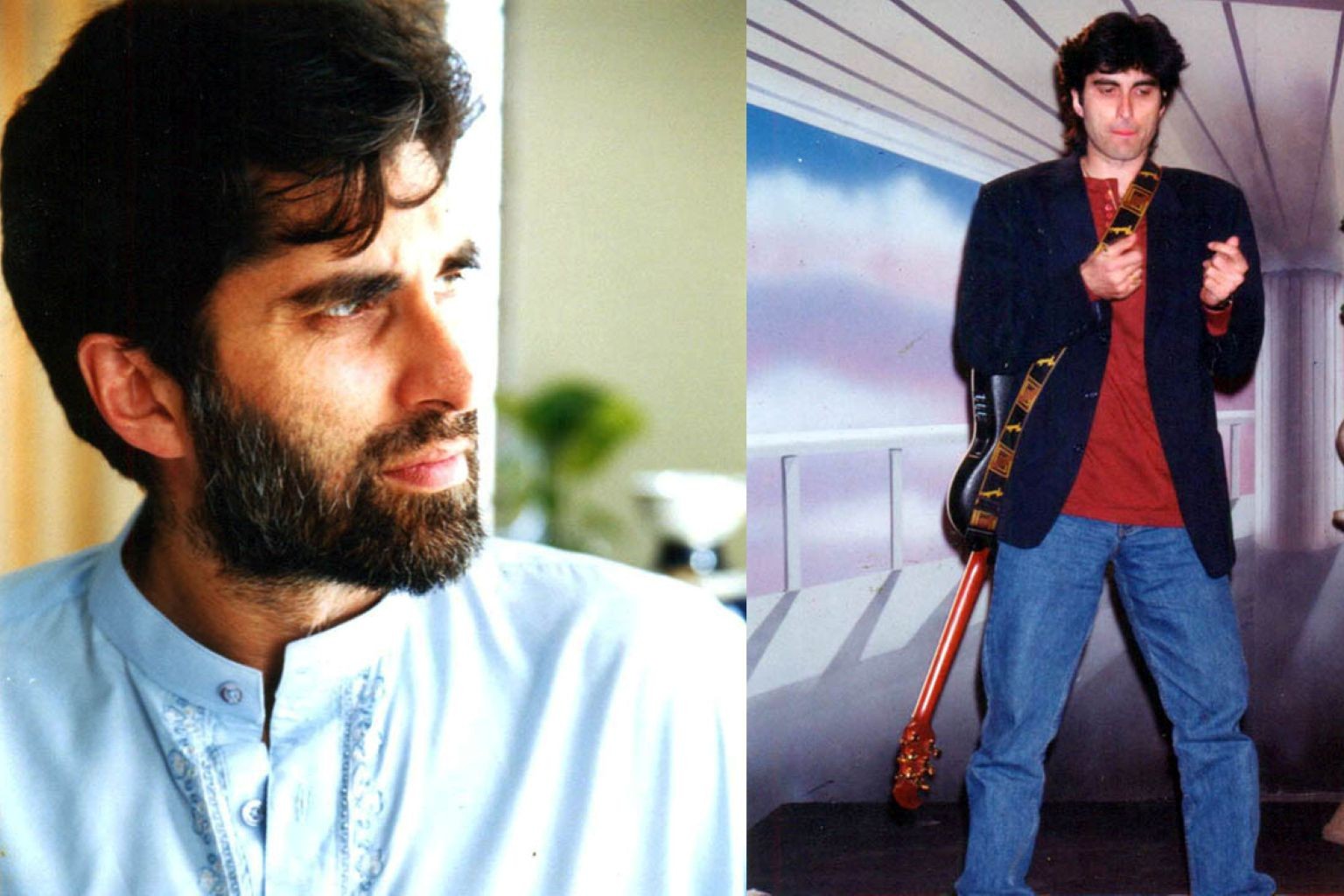
Analysis based on commentary by Dr. Moeed Pirzada and current geopolitical developments.