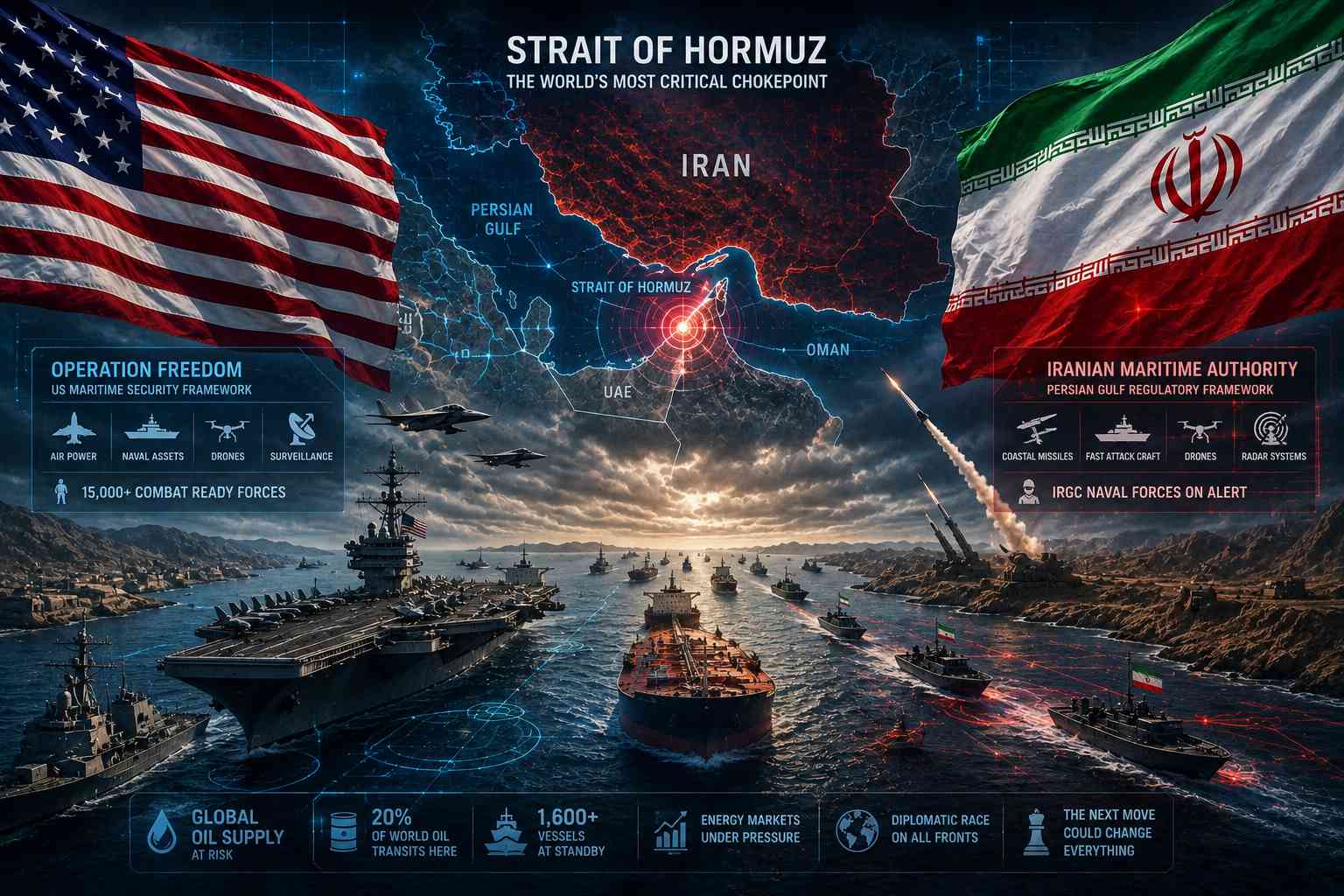
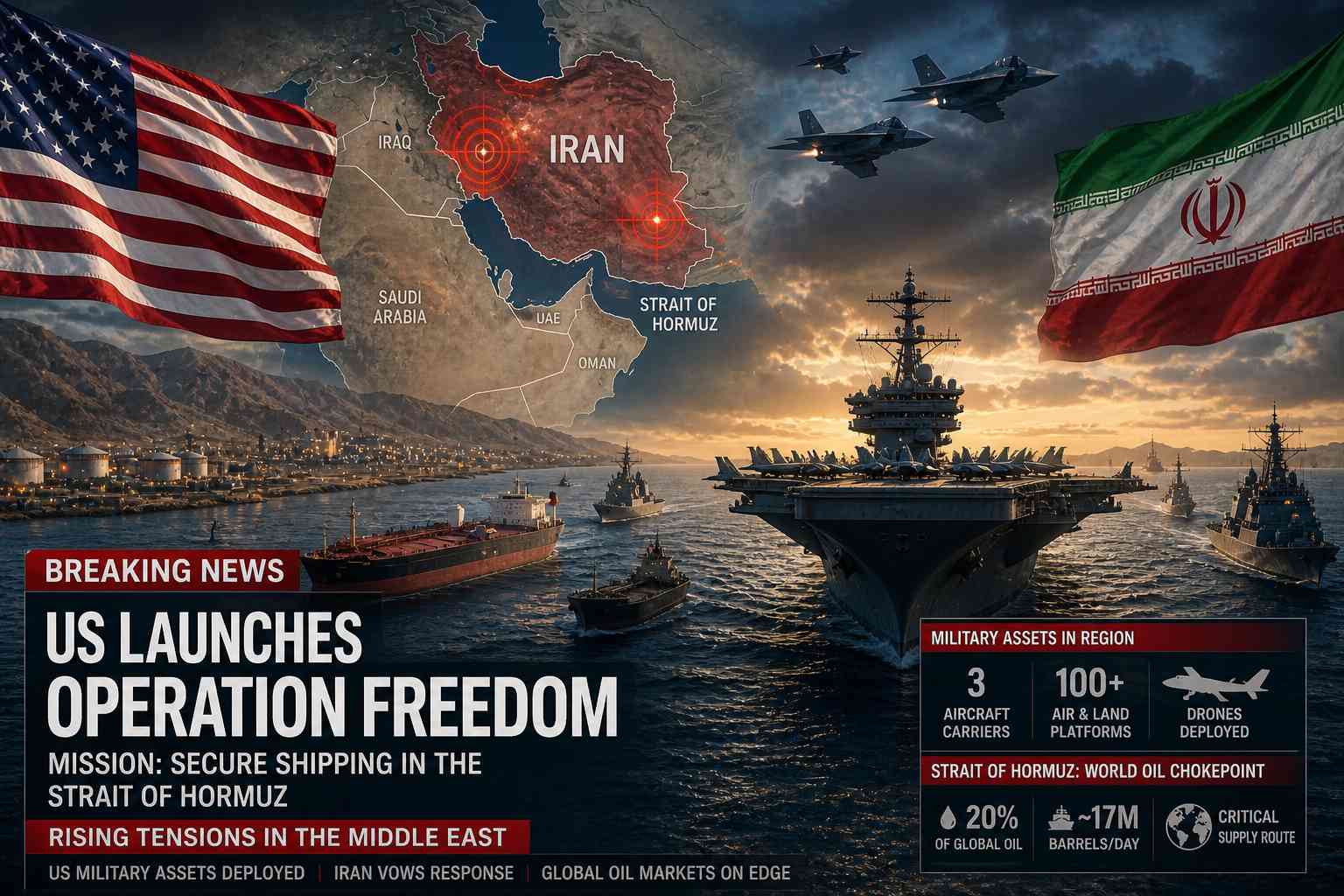
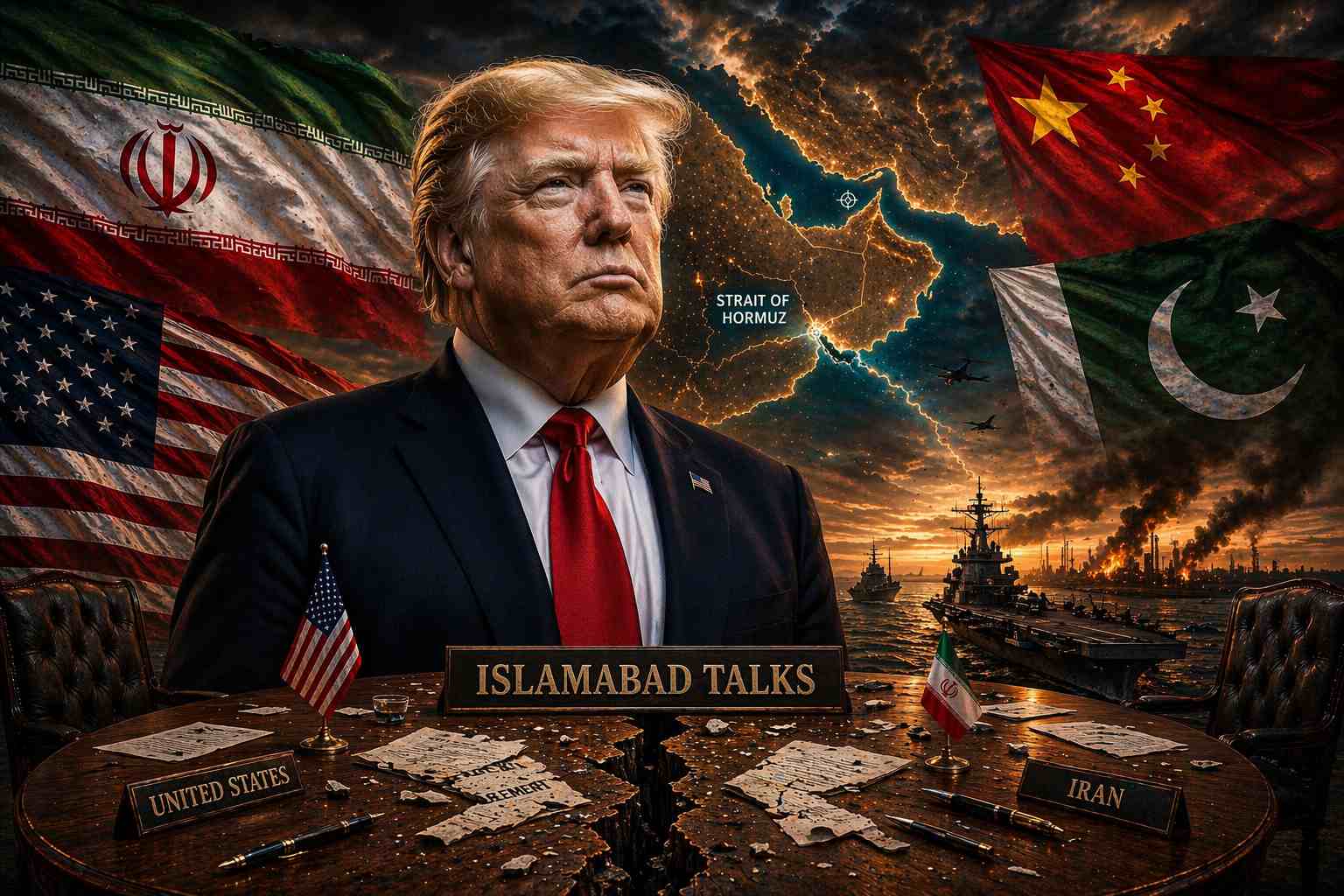
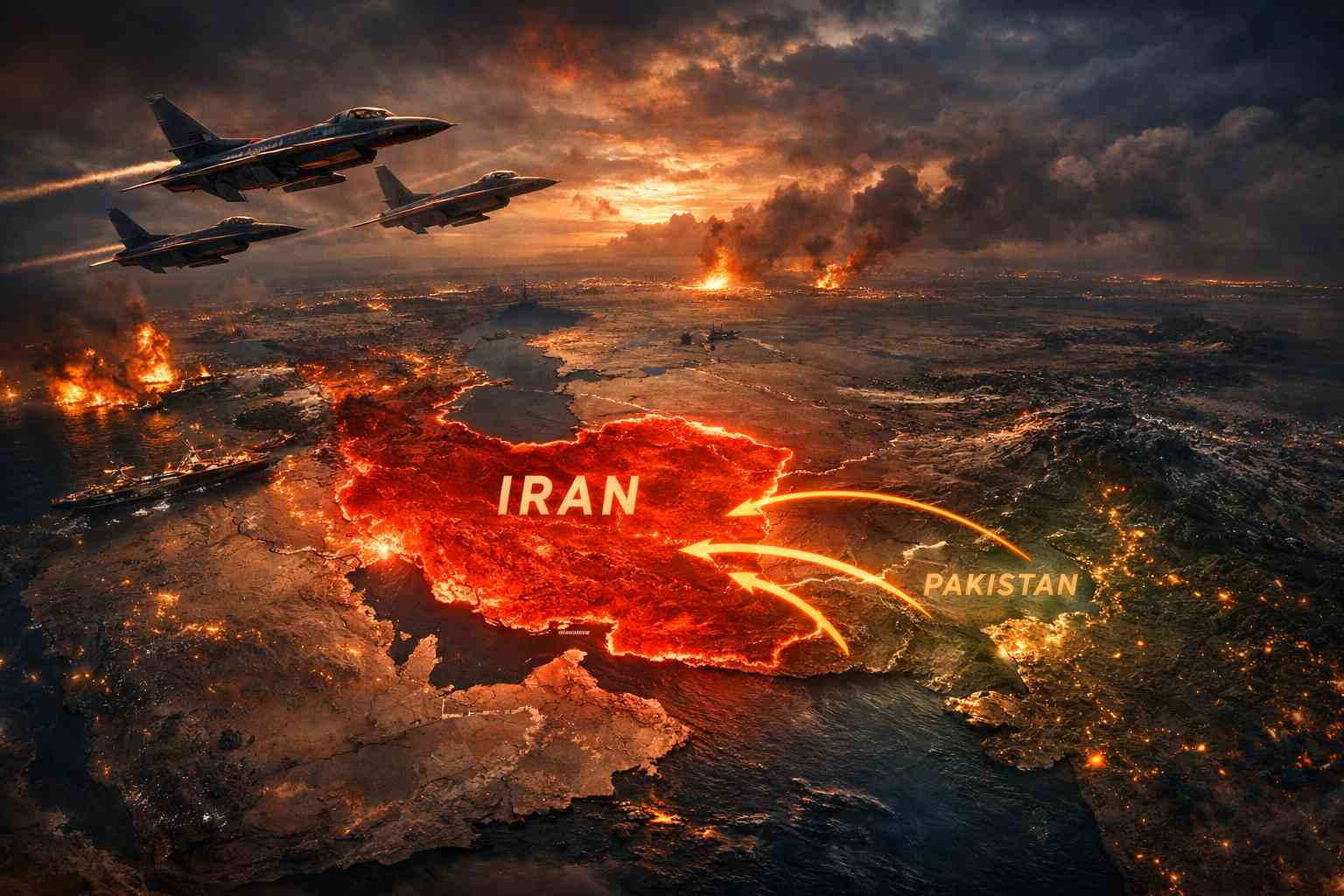
Iran has reimposed restrictions on the Strait of Hormuz, sharply escalating an already volatile regional crisis and raising fresh fears for global energy supplies. The clearest confirmed reporting says Iranian forces reversed an earlier reopening of the waterway and fired on ships attempting to pass after the United States maintained its blockade of Iranian ports.
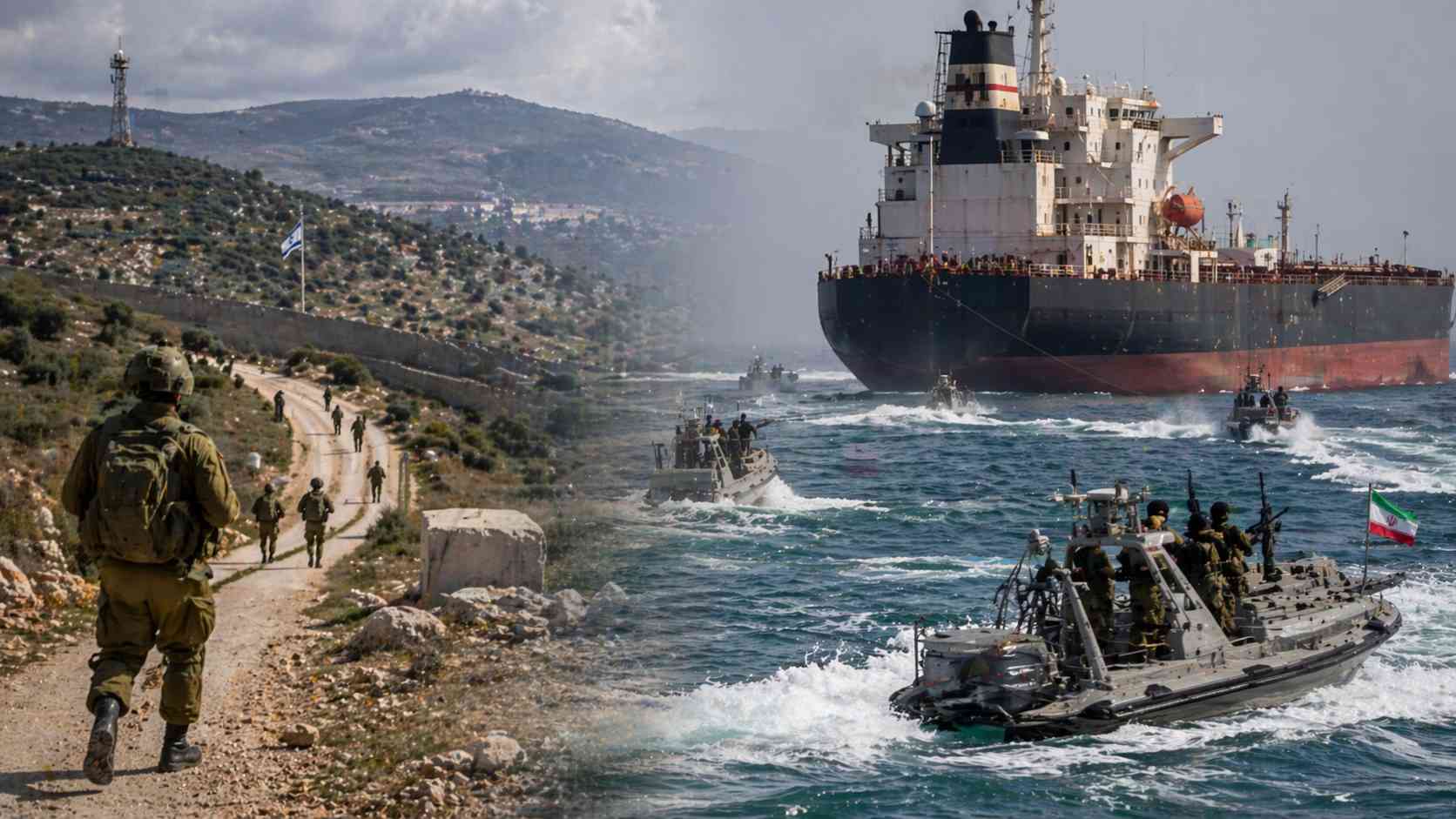
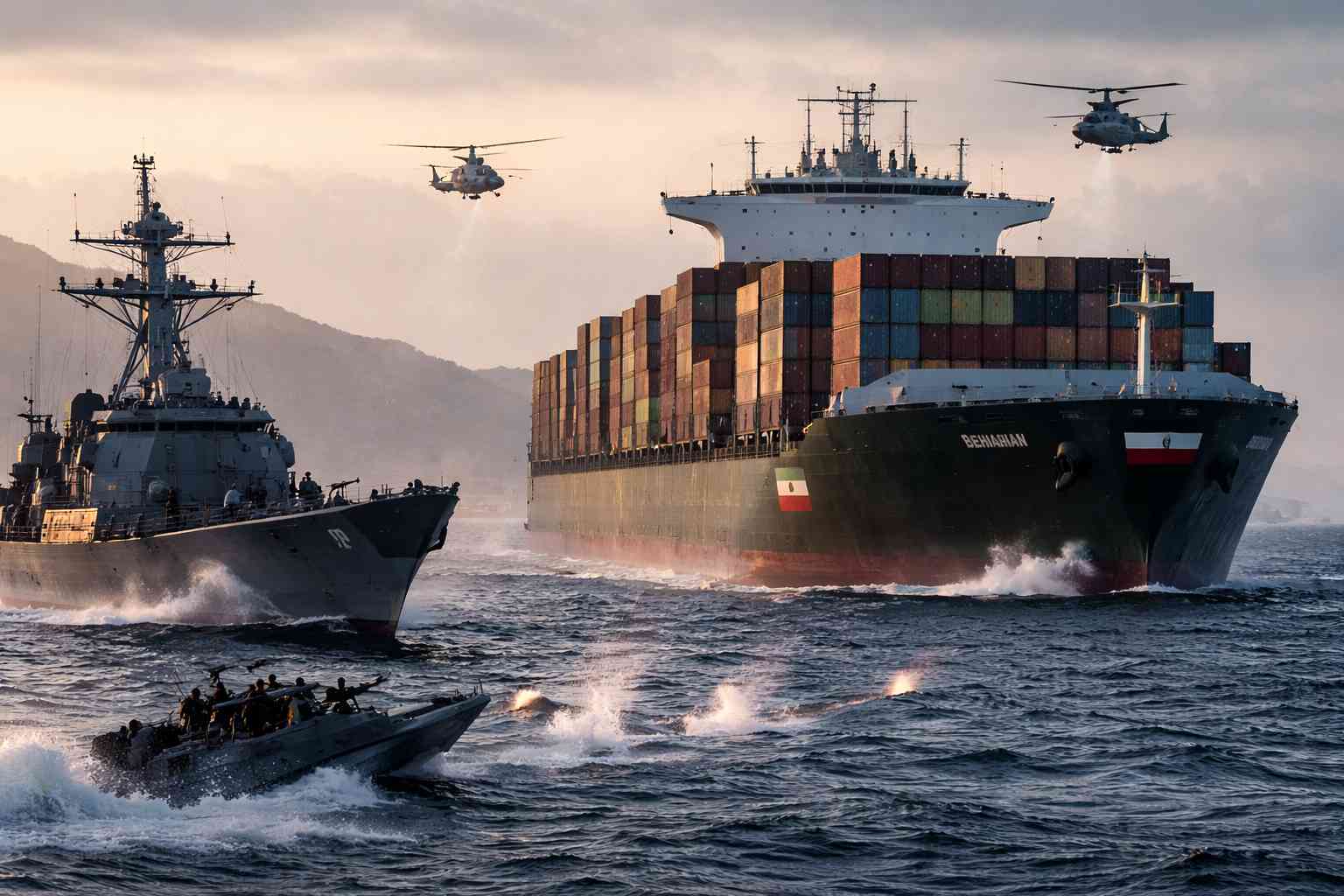
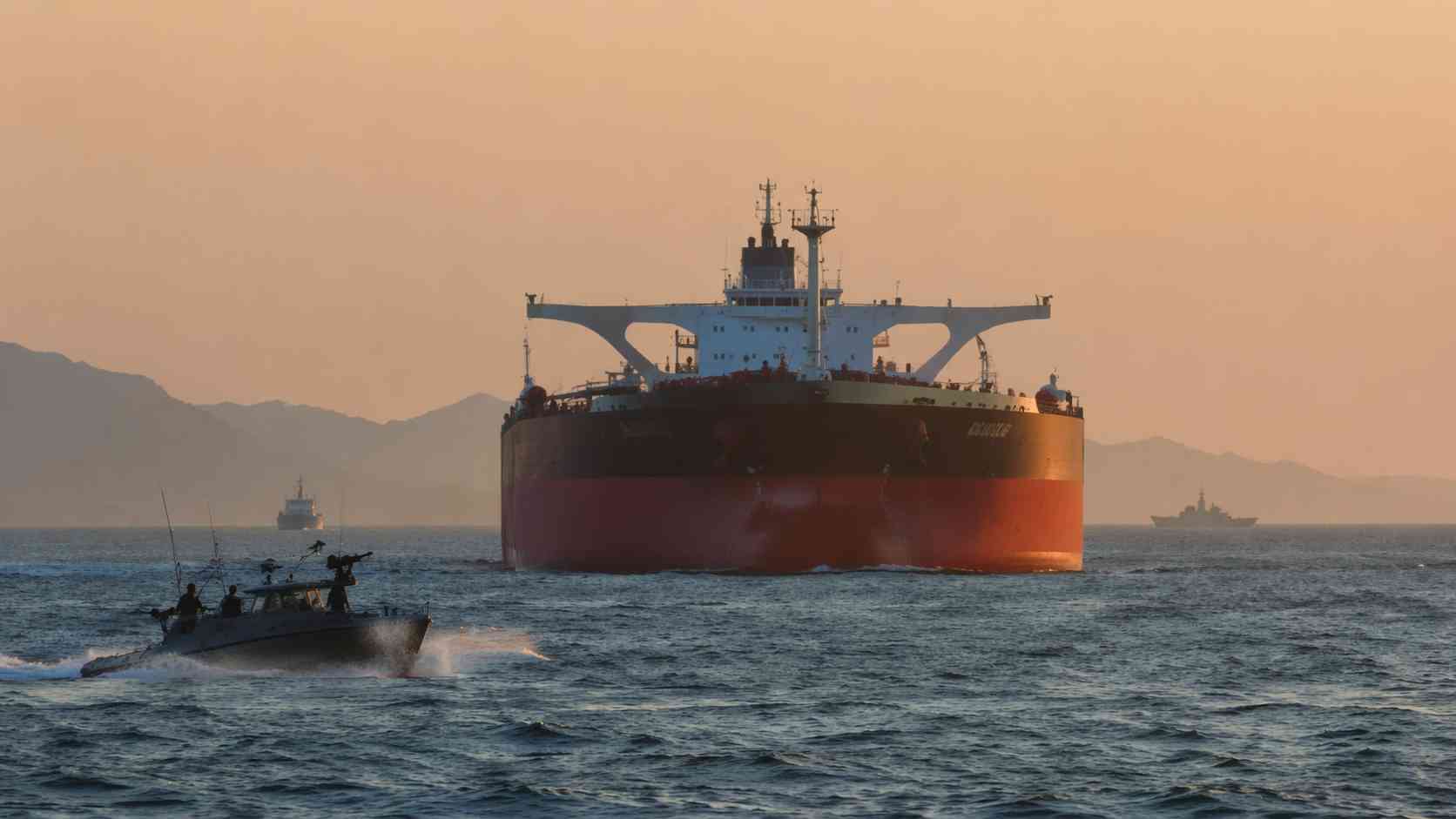
According to AP’s latest reporting, Iran’s Revolutionary Guard navy said the strait would remain closed until the U.S. blockade is lifted, and warned that vessels approaching the area could be treated as cooperating with the enemy. AP also cited the British military’s United Kingdom Maritime Trade Operations center as saying gunboats opened fire on a tanker and that an unknown projectile struck a container ship, damaging some containers.
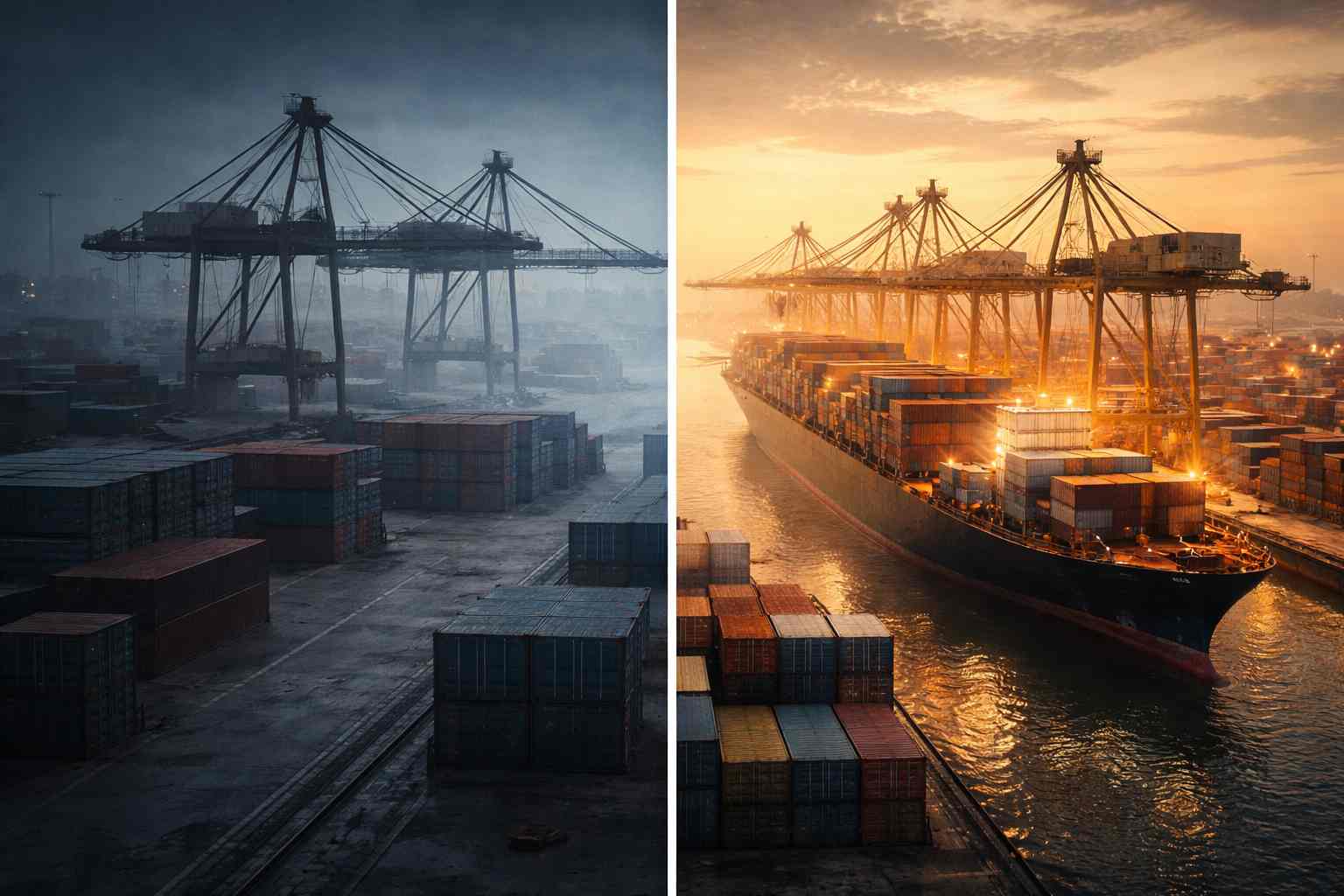
The latest turn follows a confusing 24-hour stretch in which Tehran had signaled the strait was open again, only for traffic to be restricted once more. Lloyd’s List said traffic halted again after shots were fired, describing a rapid reversal only hours after the brief reopening. That whiplash has amplified market anxiety because shipping companies, insurers, and governments are now trying to judge whether the corridor can remain usable even for limited commercial traffic.
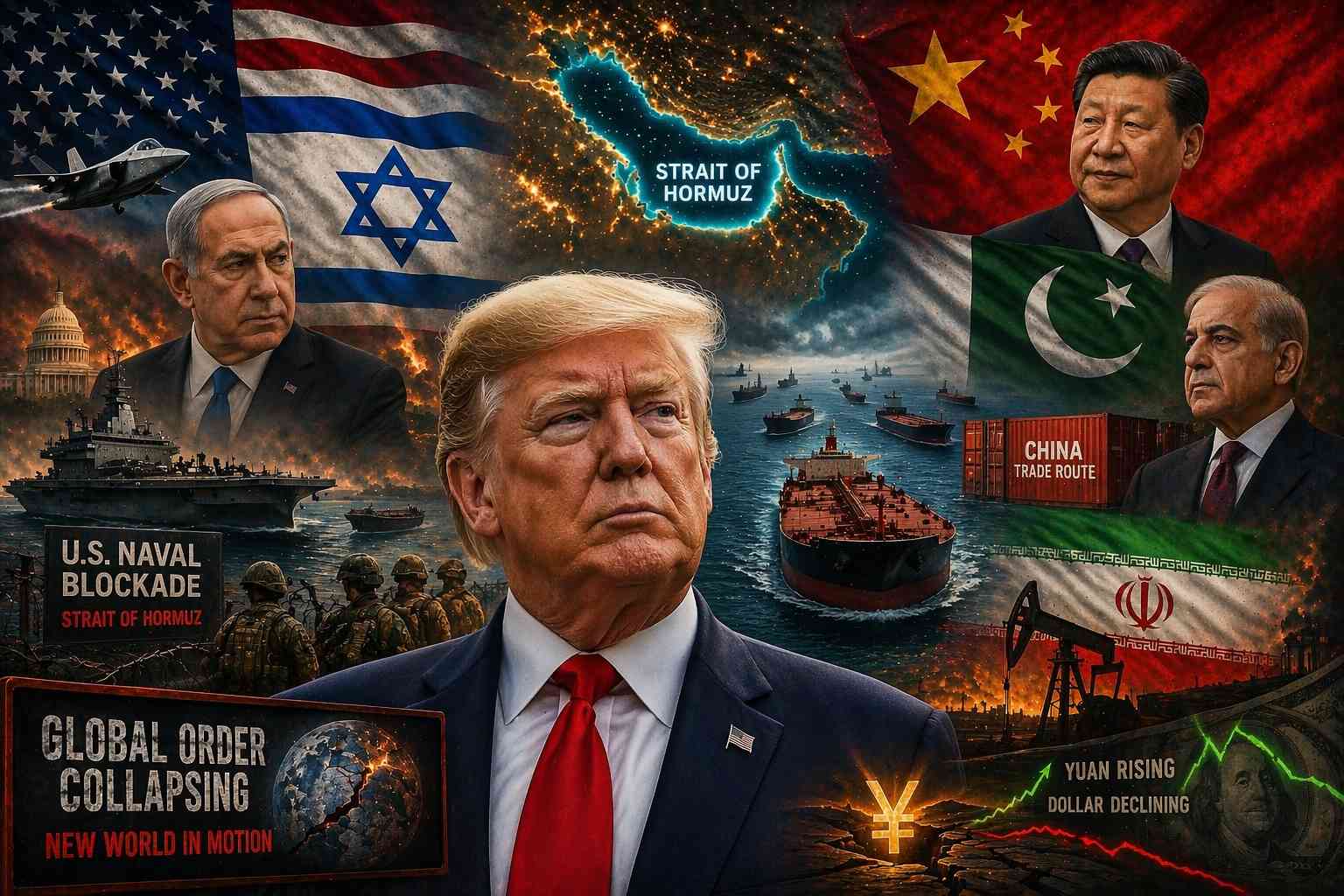
The immediate trigger appears tied to the widening U.S.-Iran confrontation. CBS reported earlier this week that a U.S. blockade of Iranian ports and a partial blockade connected to the Strait of Hormuz had begun, while Iranian officials warned they would retaliate if maritime traffic to and from Iranian ports was impeded. CBS also reported that oil prices had surged after the blockade announcement, with Brent crude rising back above $100 a barrel at one point.
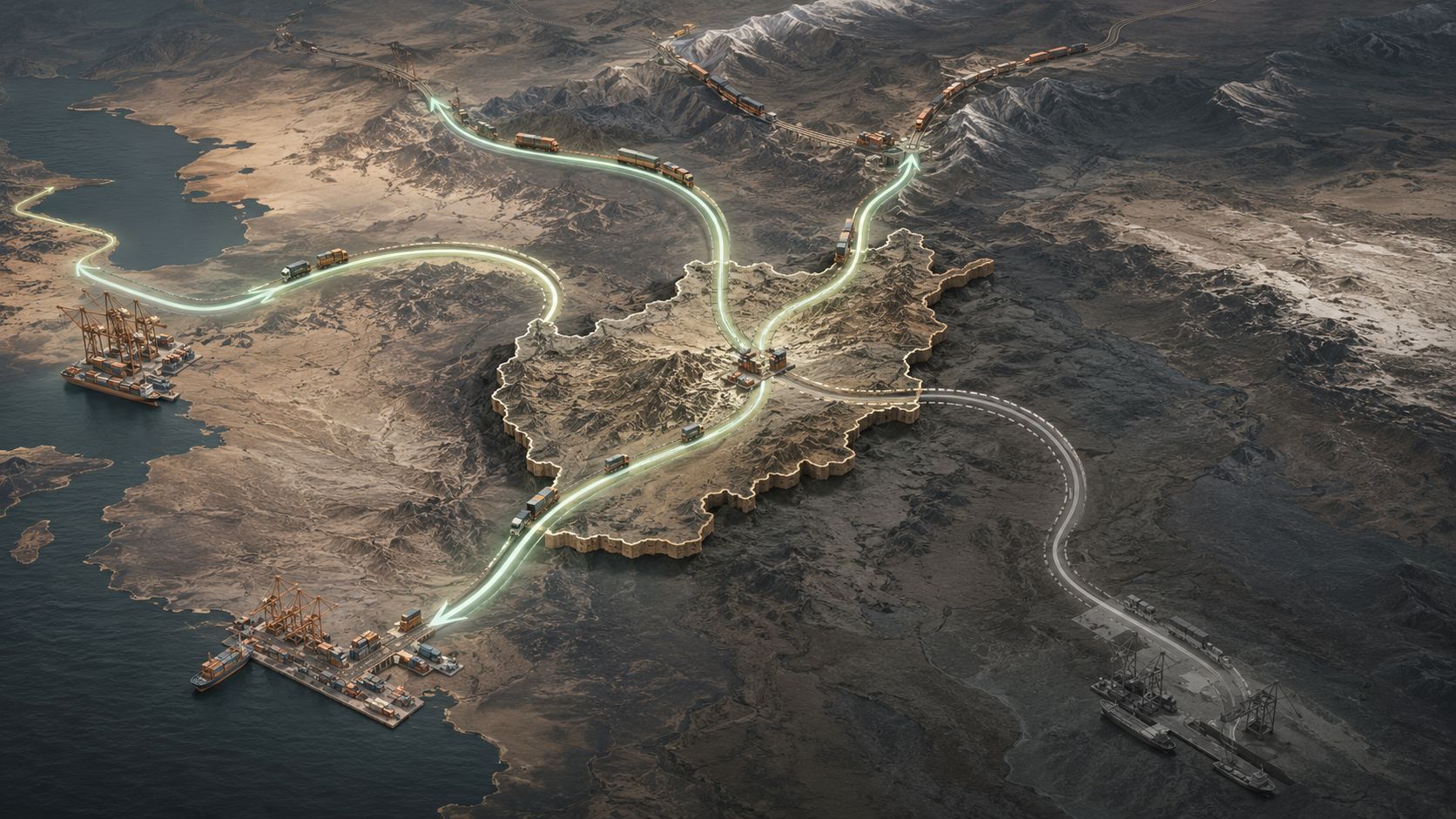
Why this matters goes far beyond the Gulf. The U.S. Energy Information Administration says roughly one-fifth of global petroleum liquids consumption moves through the Strait of Hormuz, and about one-quarter of global maritime traded oil passes through it. EIA also says large volumes of LNG move through the same corridor, making any prolonged disruption a major threat to energy markets and global shipping chains.
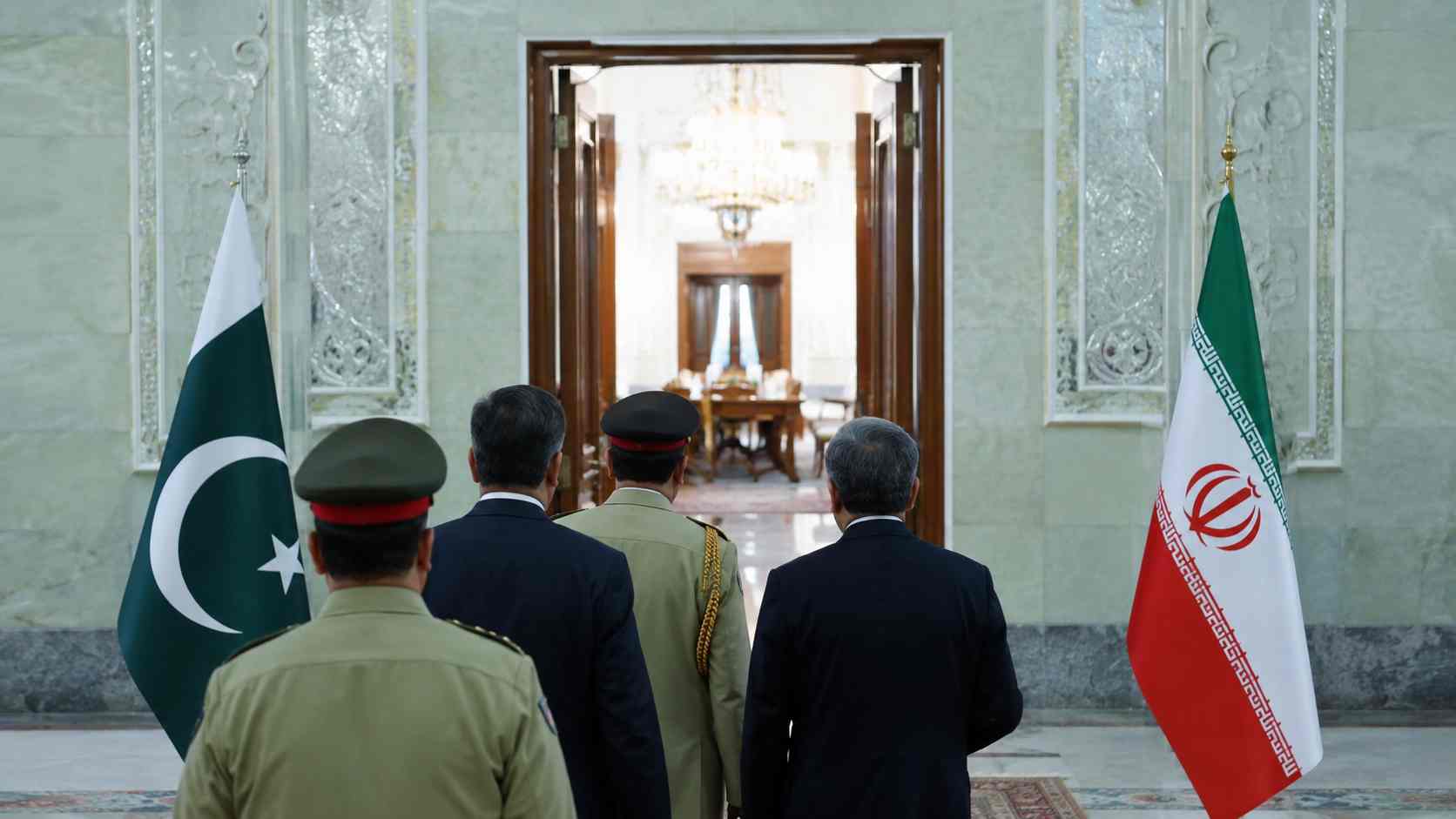
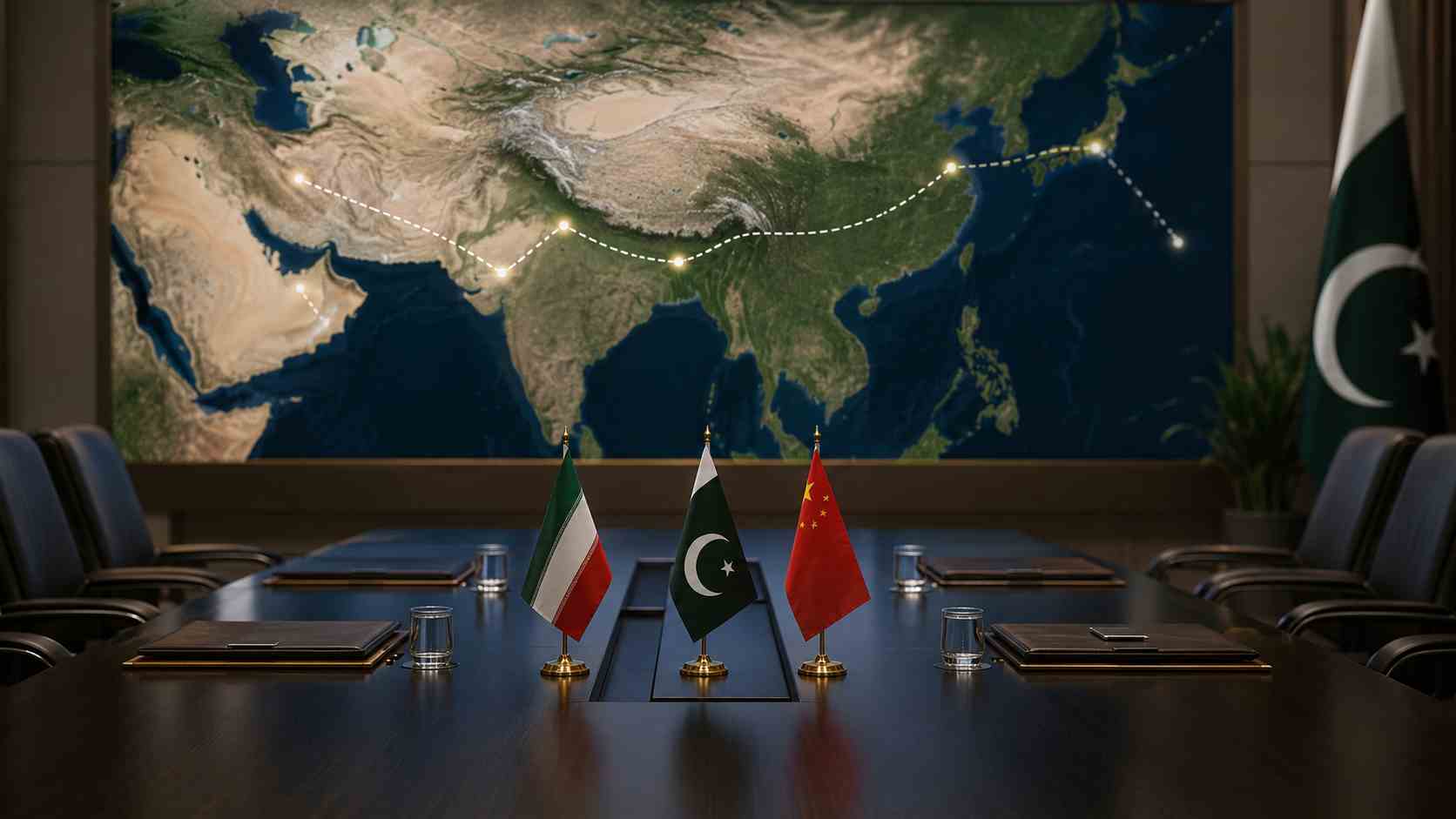
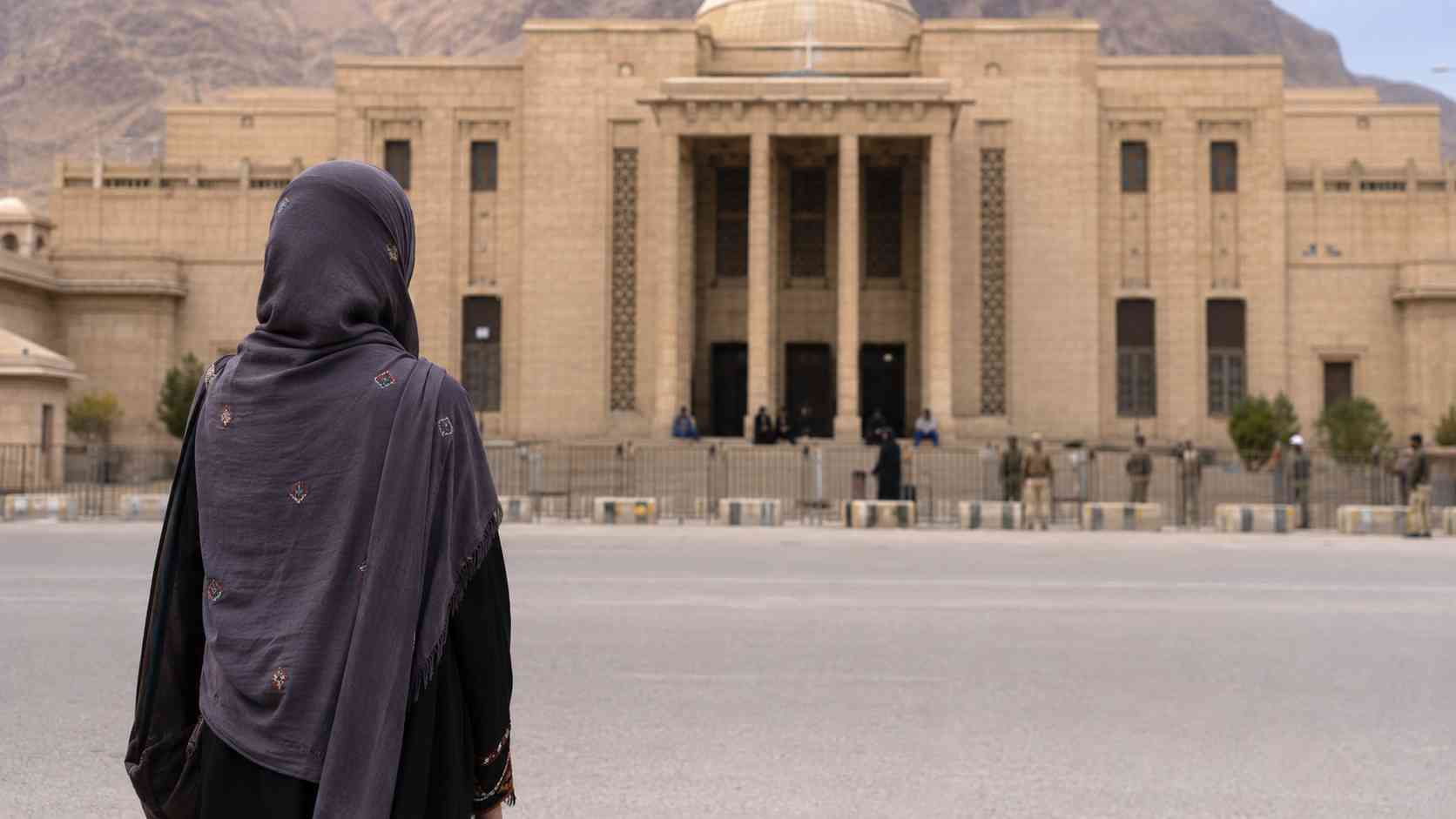
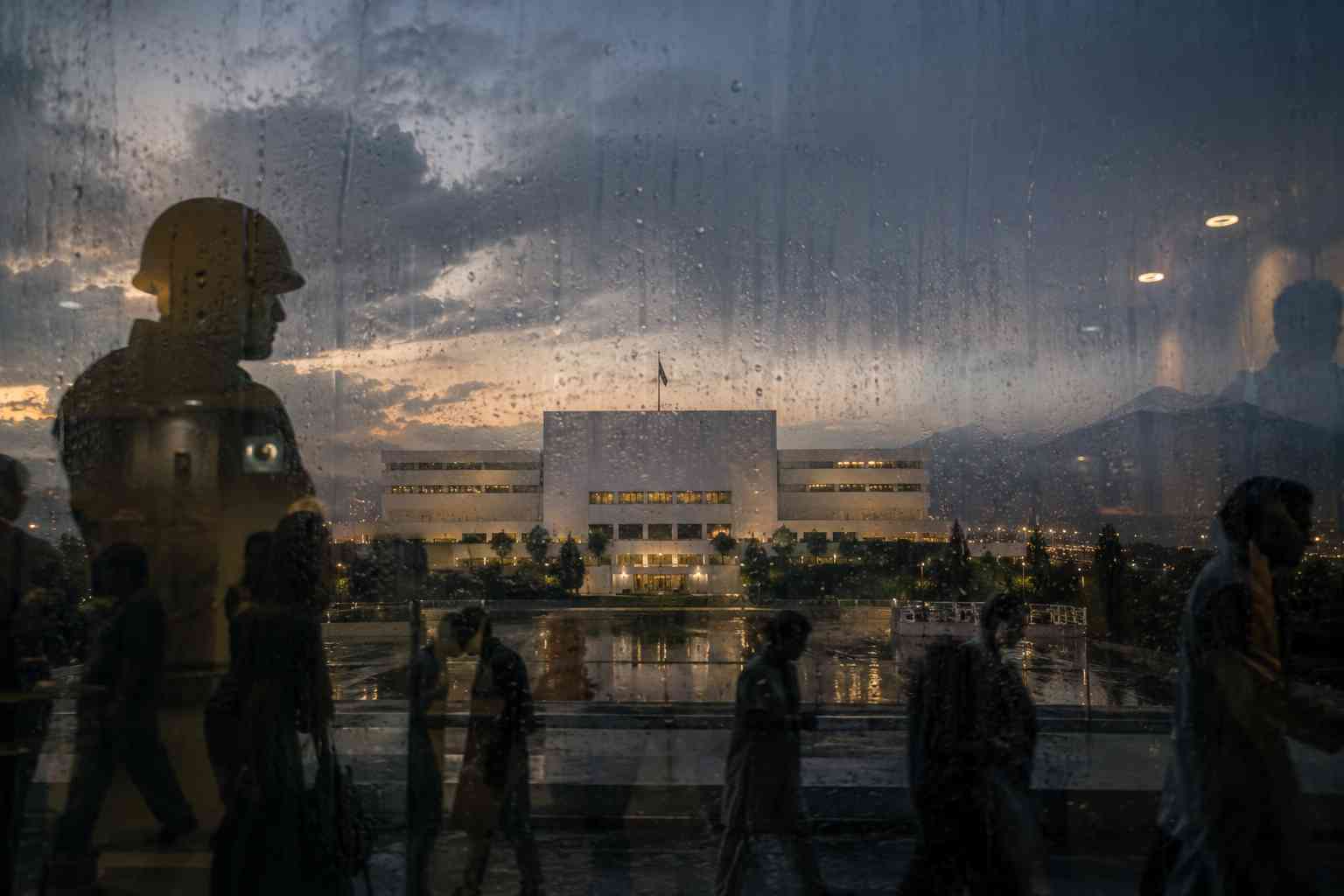
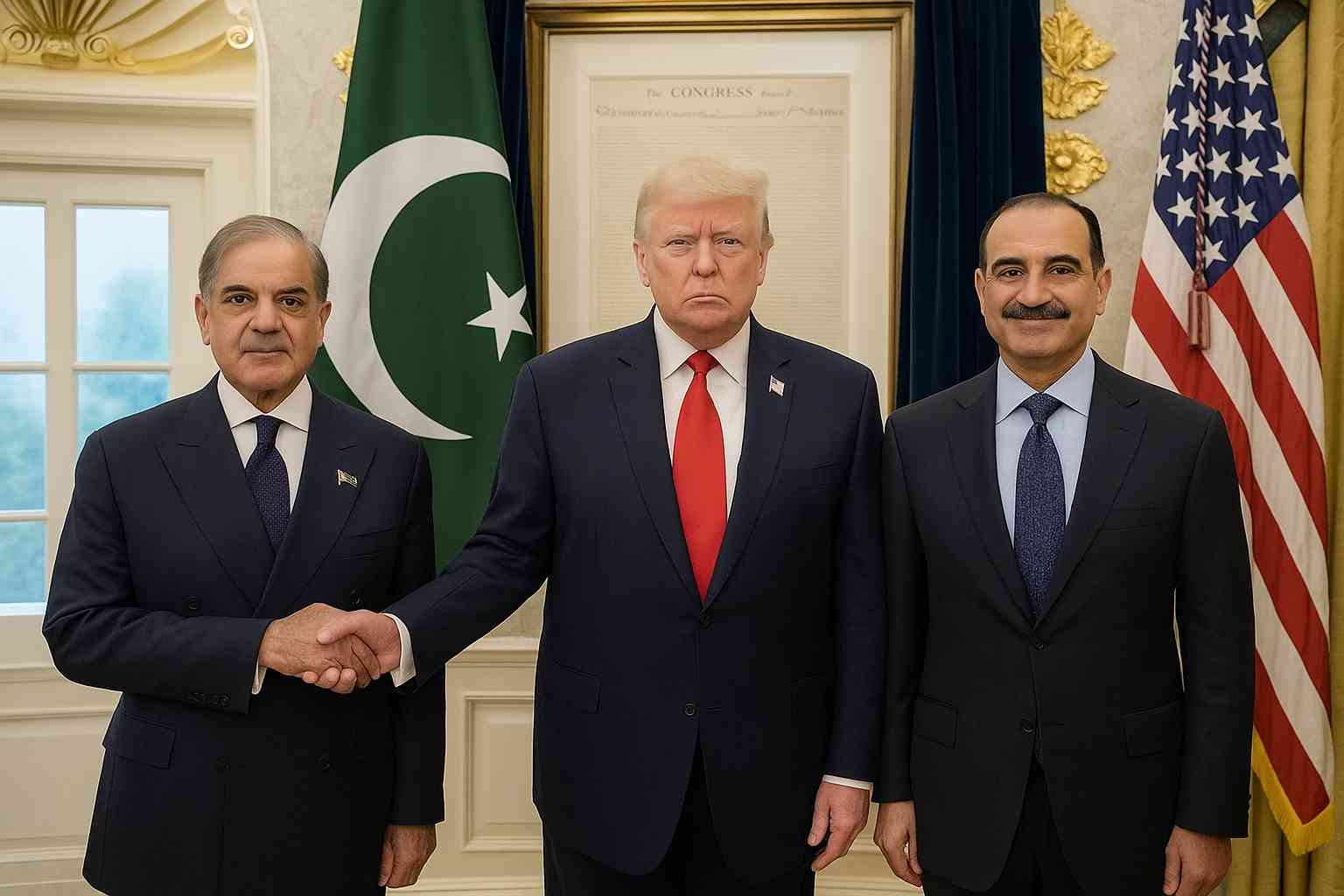
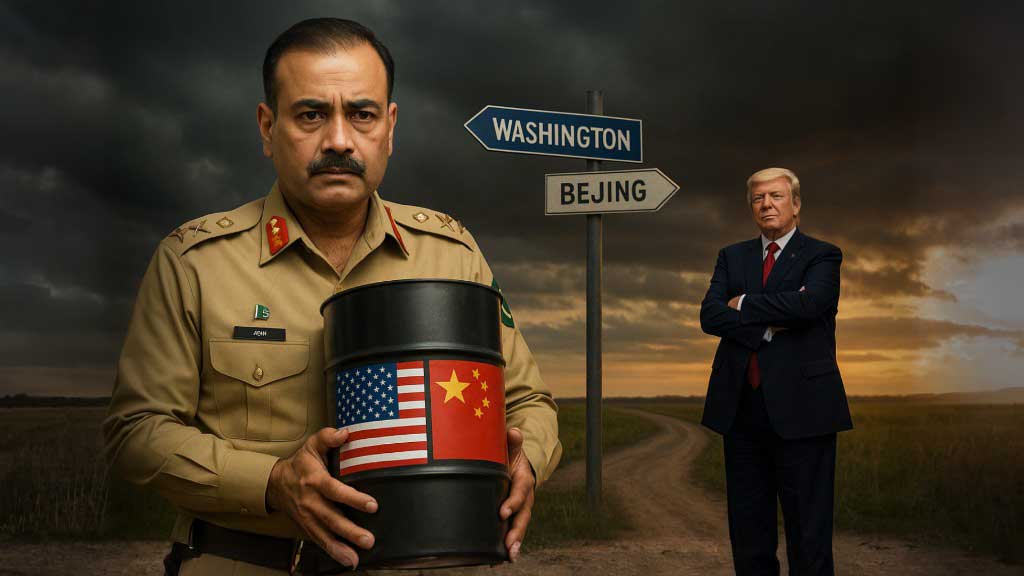
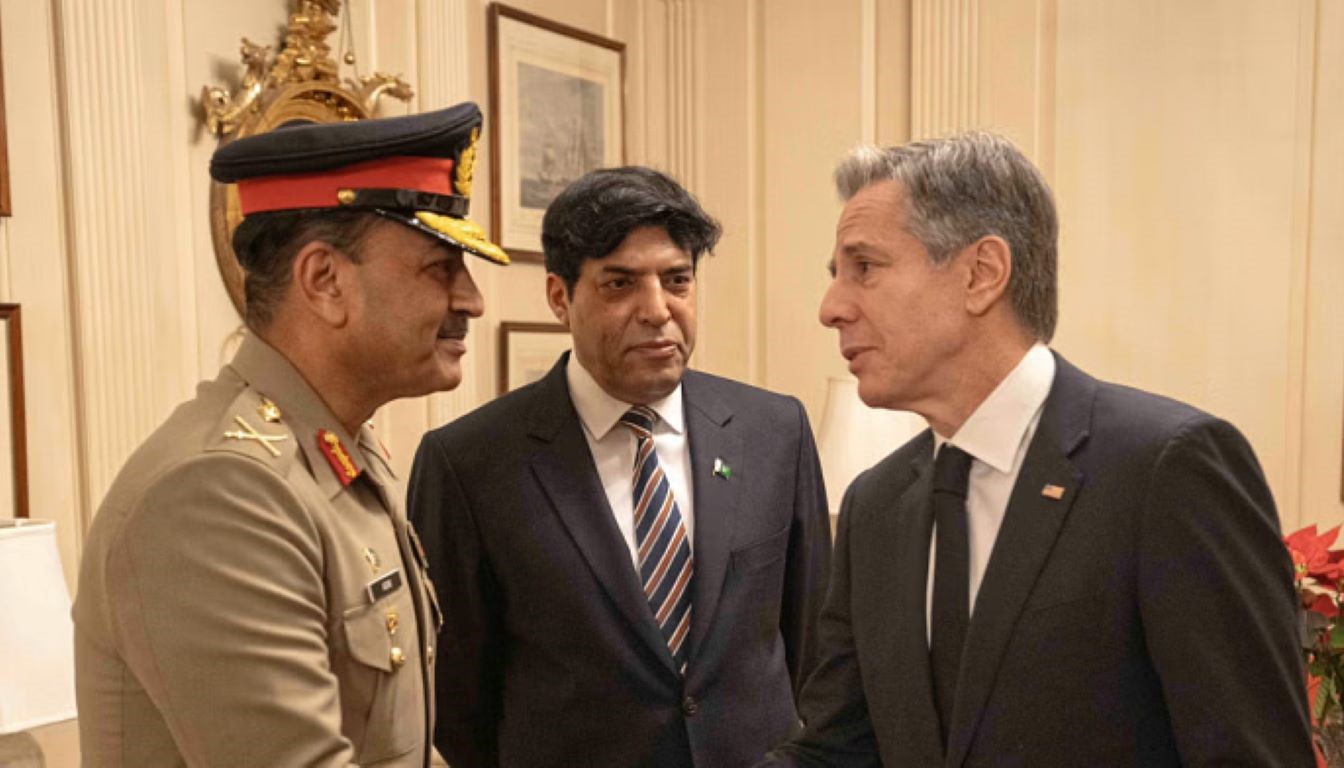
At the same time, the diplomatic picture remains unstable rather than settled. AP reported that a fragile ceasefire is due to expire by midweek and that Pakistani mediators are working to arrange another round of direct negotiations. Separate AFP reporting said Iranian officials insist the strait will not reopen unless the U.S. lifts its naval blockade, even as both sides continue to hint that talks are still possible.
For now, the most responsible way to frame this story is that the Strait of Hormuz closure has been reimposed, commercial shipping has again come under direct threat, and the risk to oil flows and maritime trade is real and immediate. What remains less certain is how long the closure will last, whether naval escorts or international pressure will reopen the route, and whether diplomacy can move faster than the military escalation now unfolding across the region.