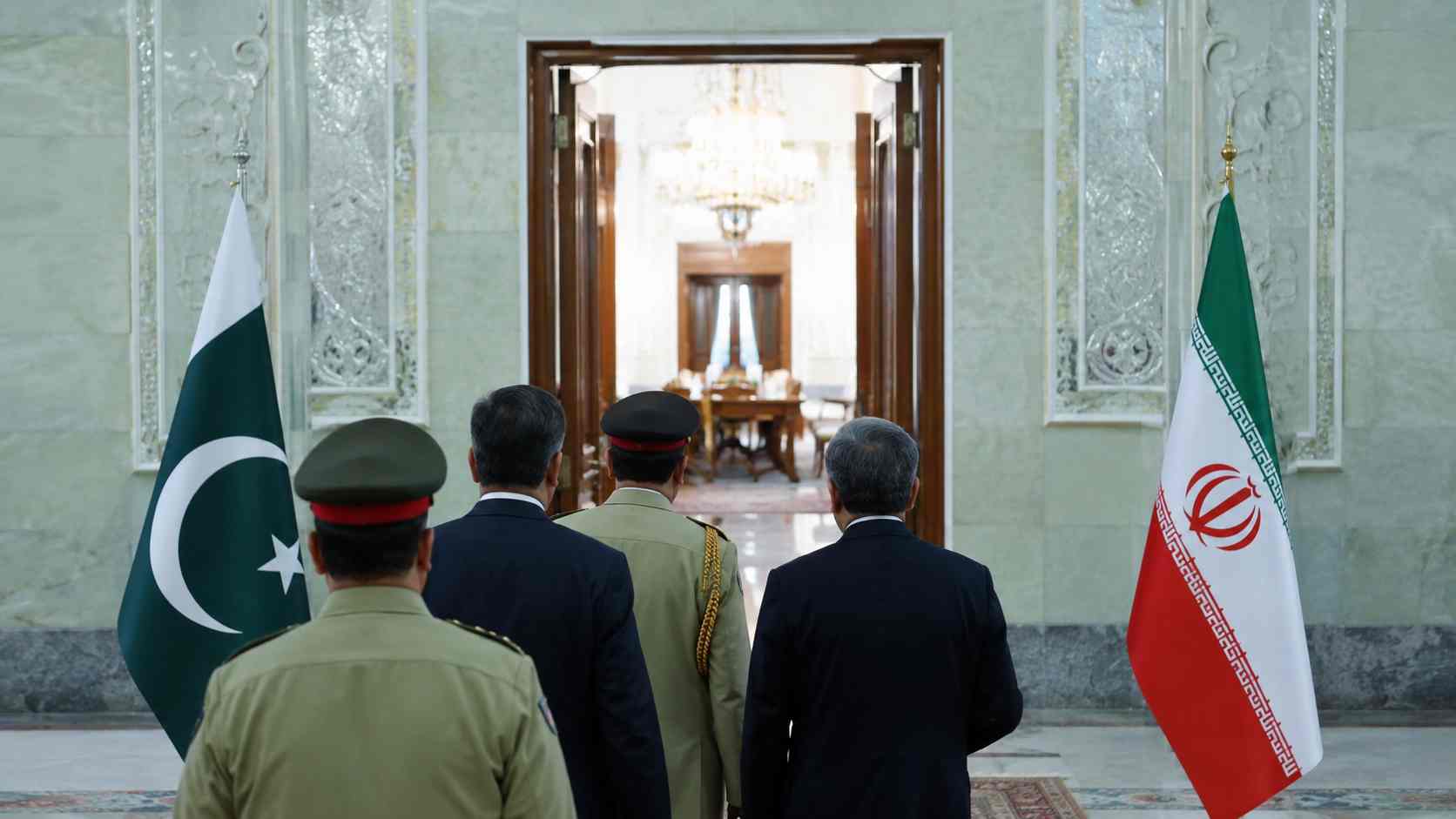
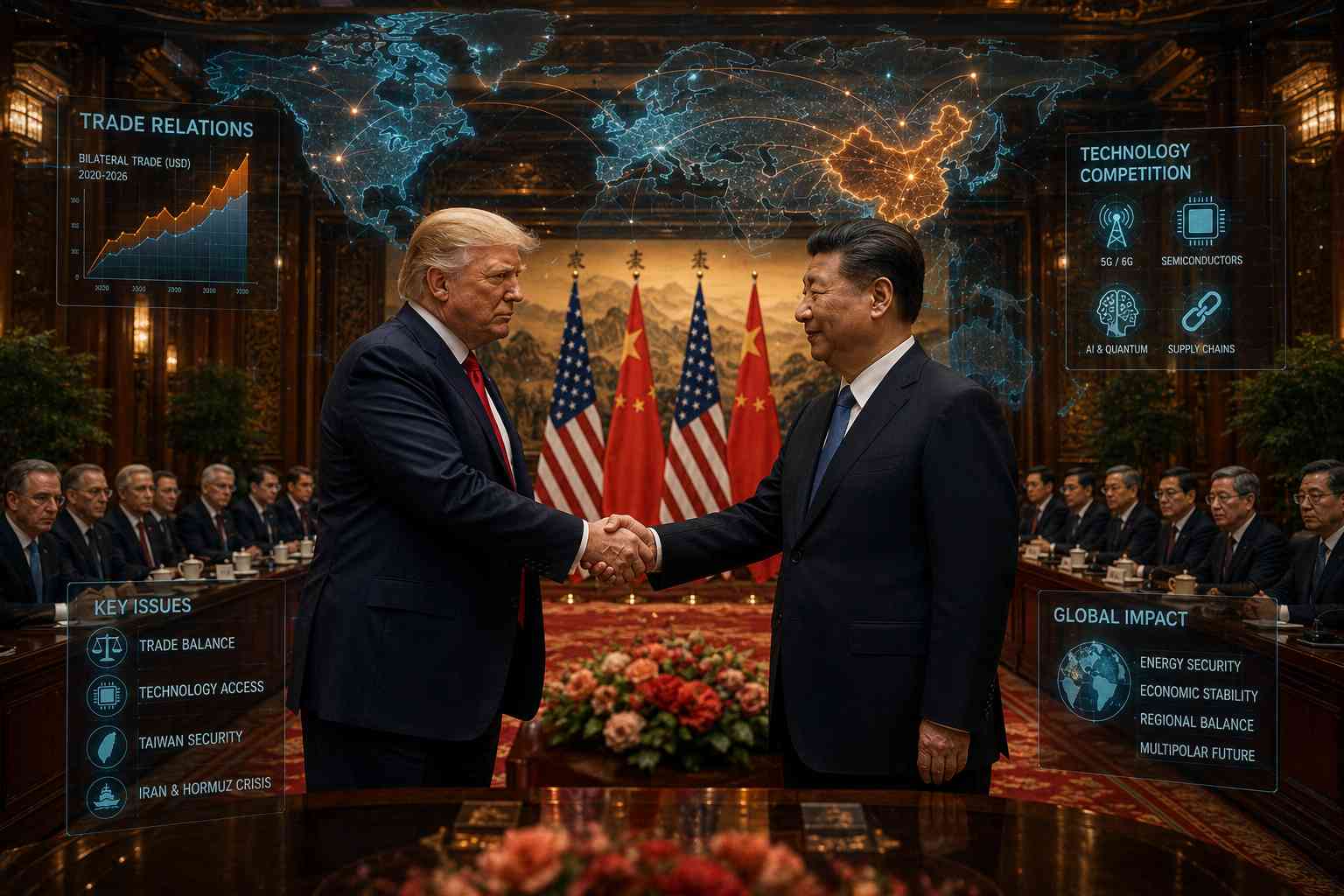
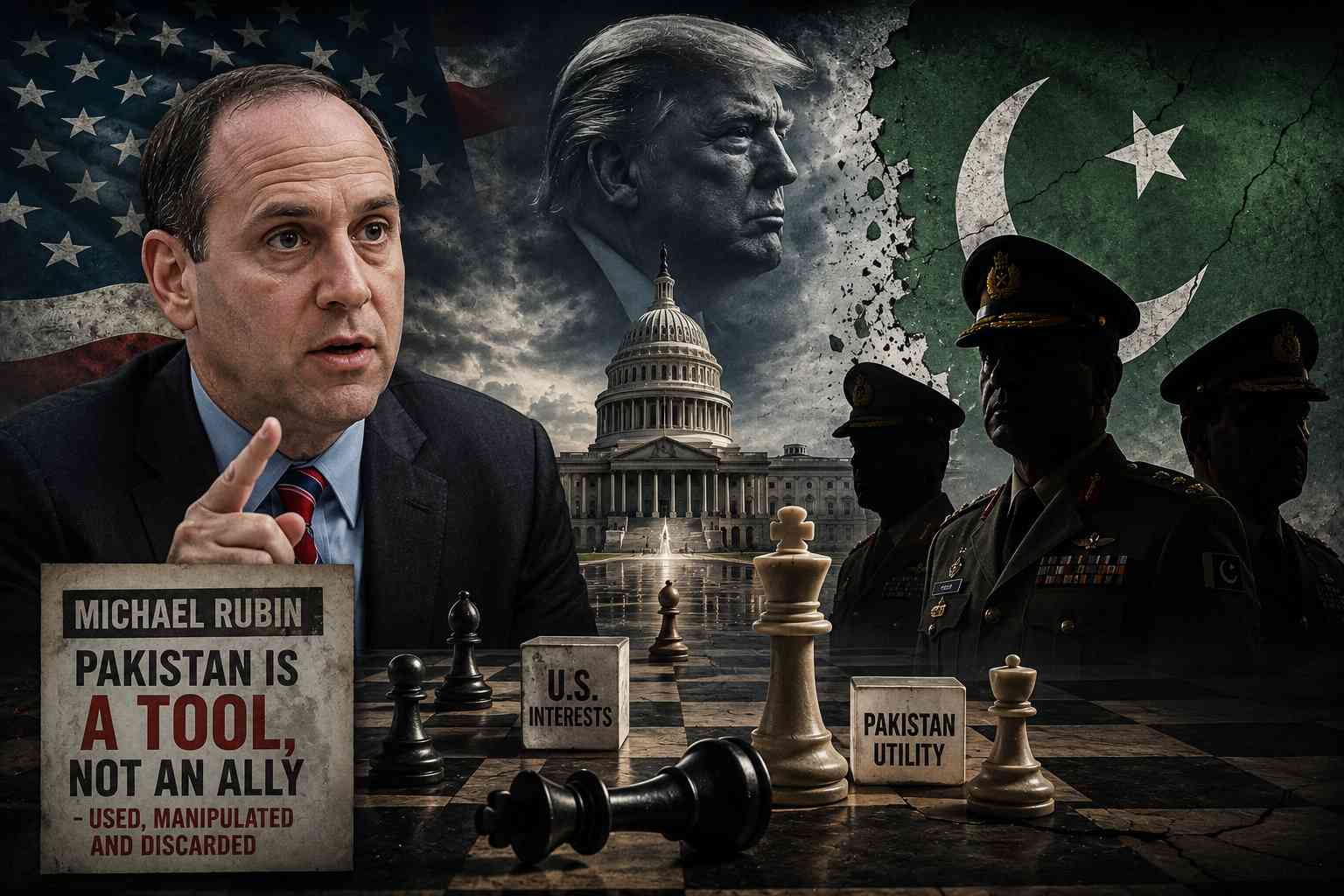
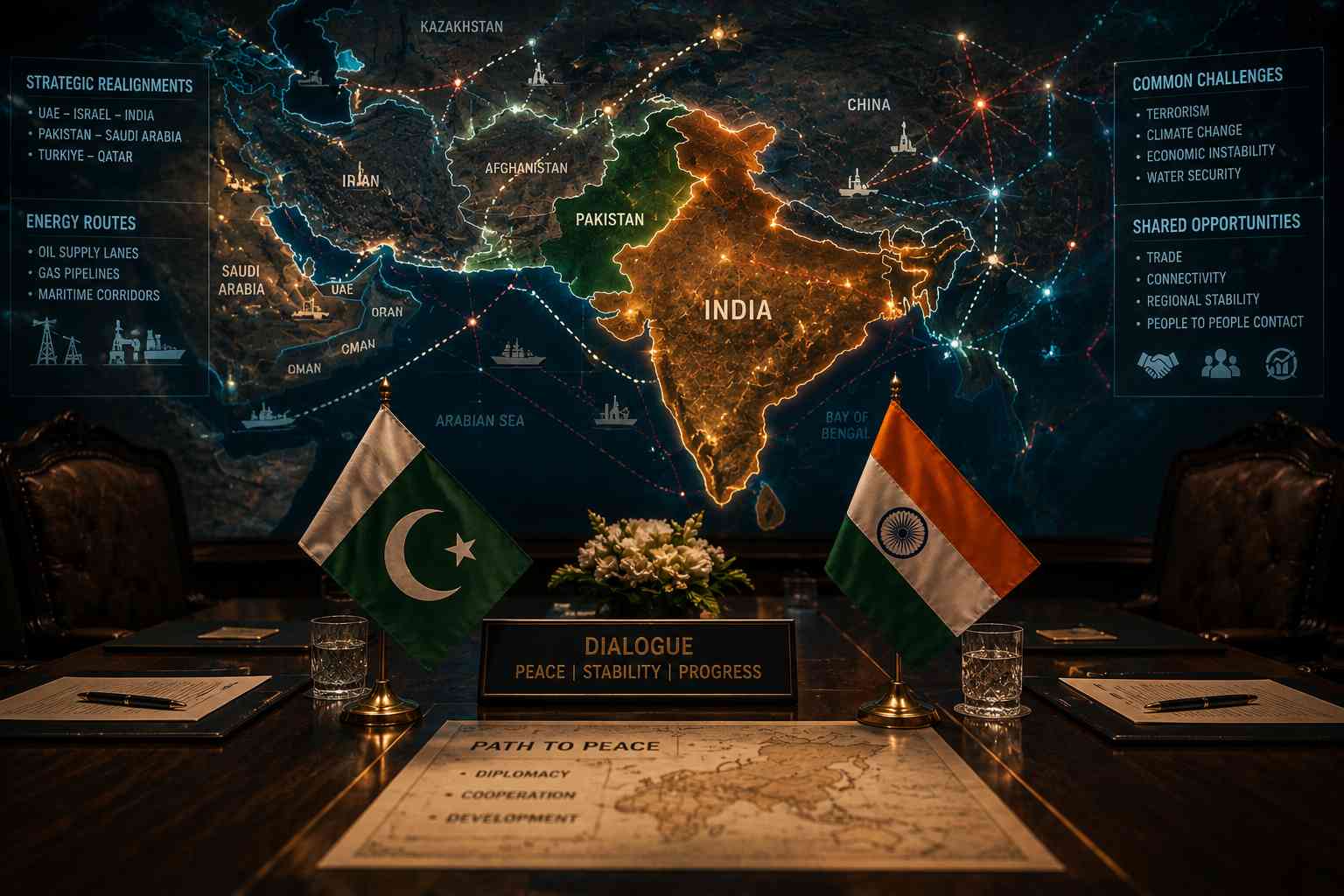
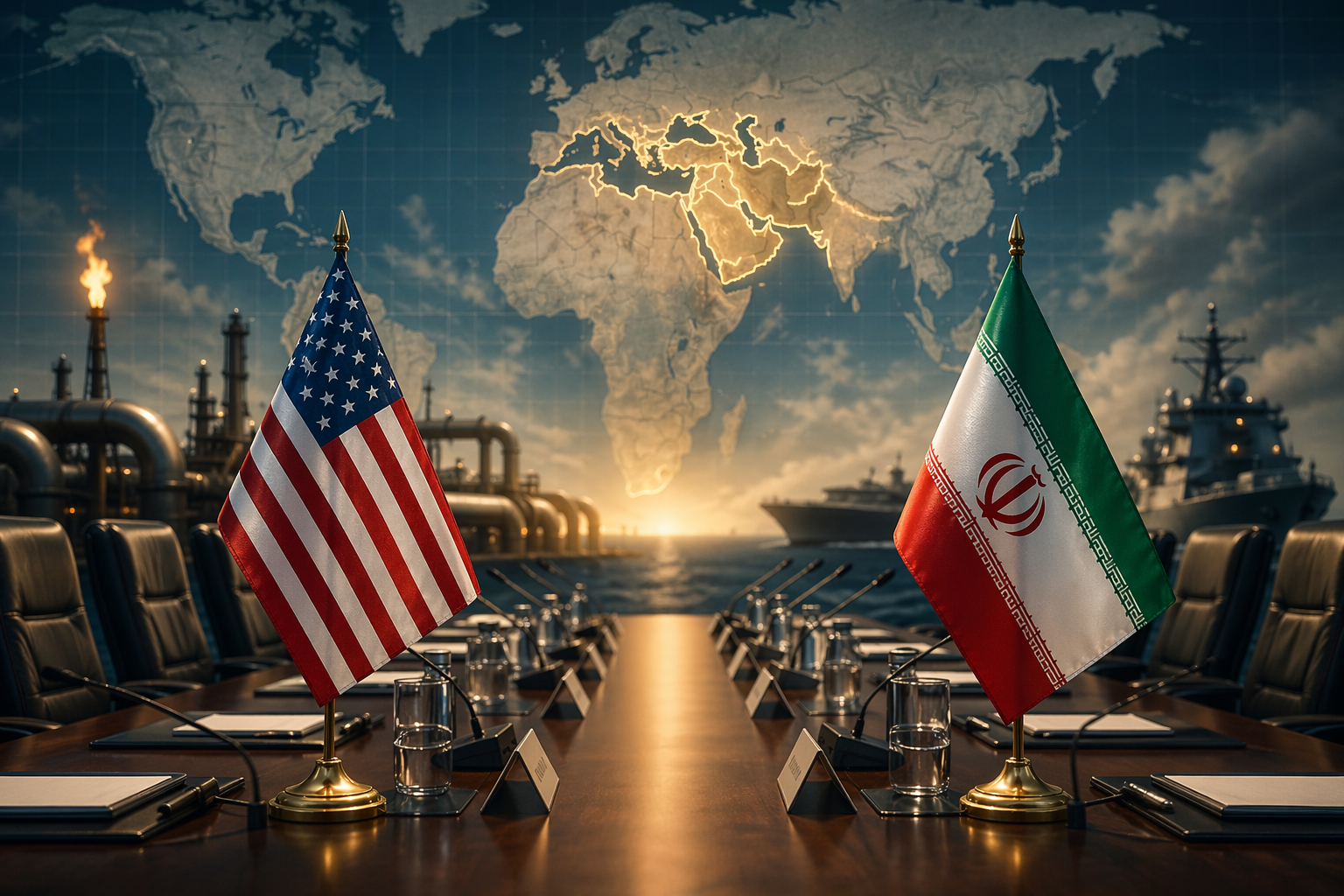
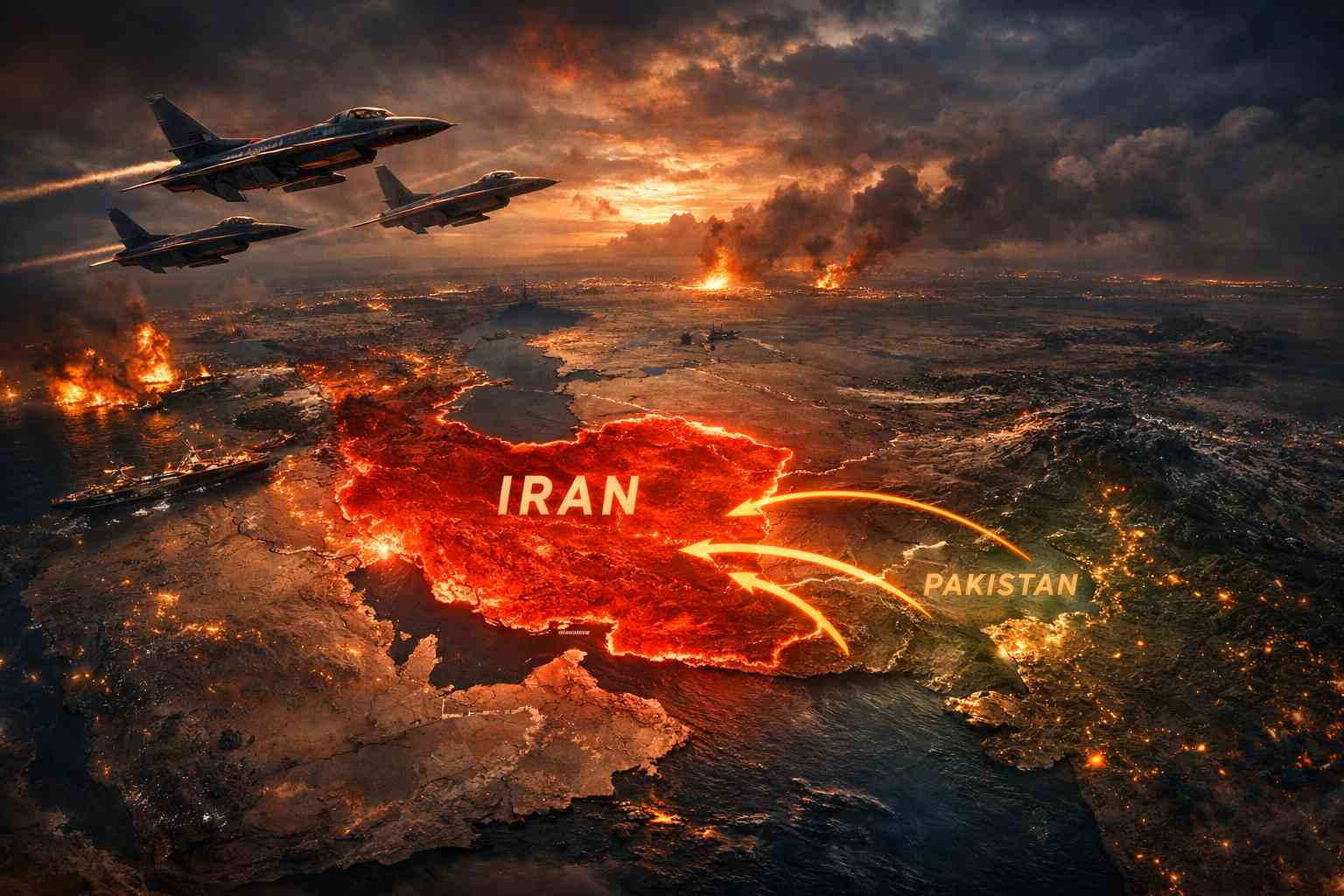
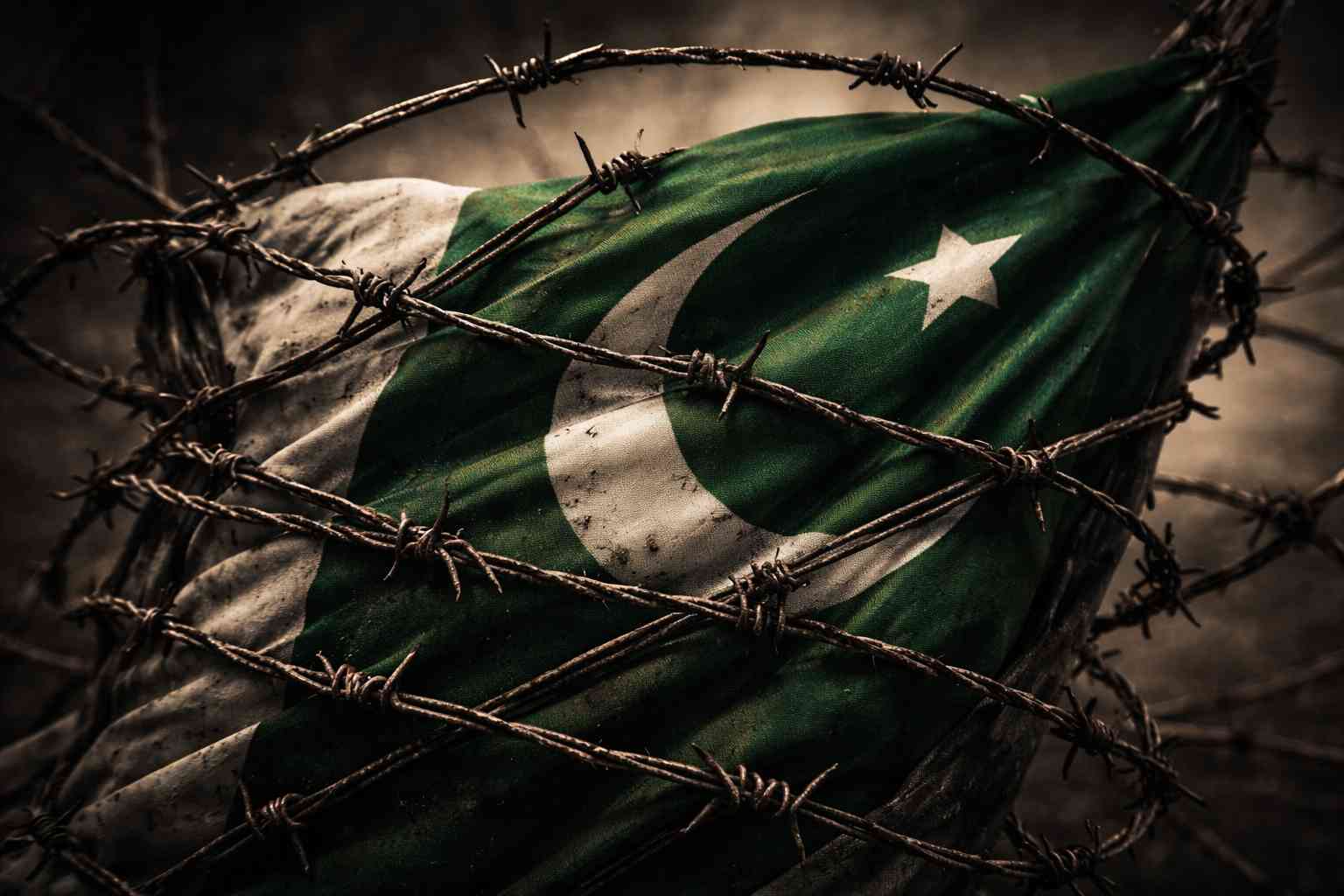
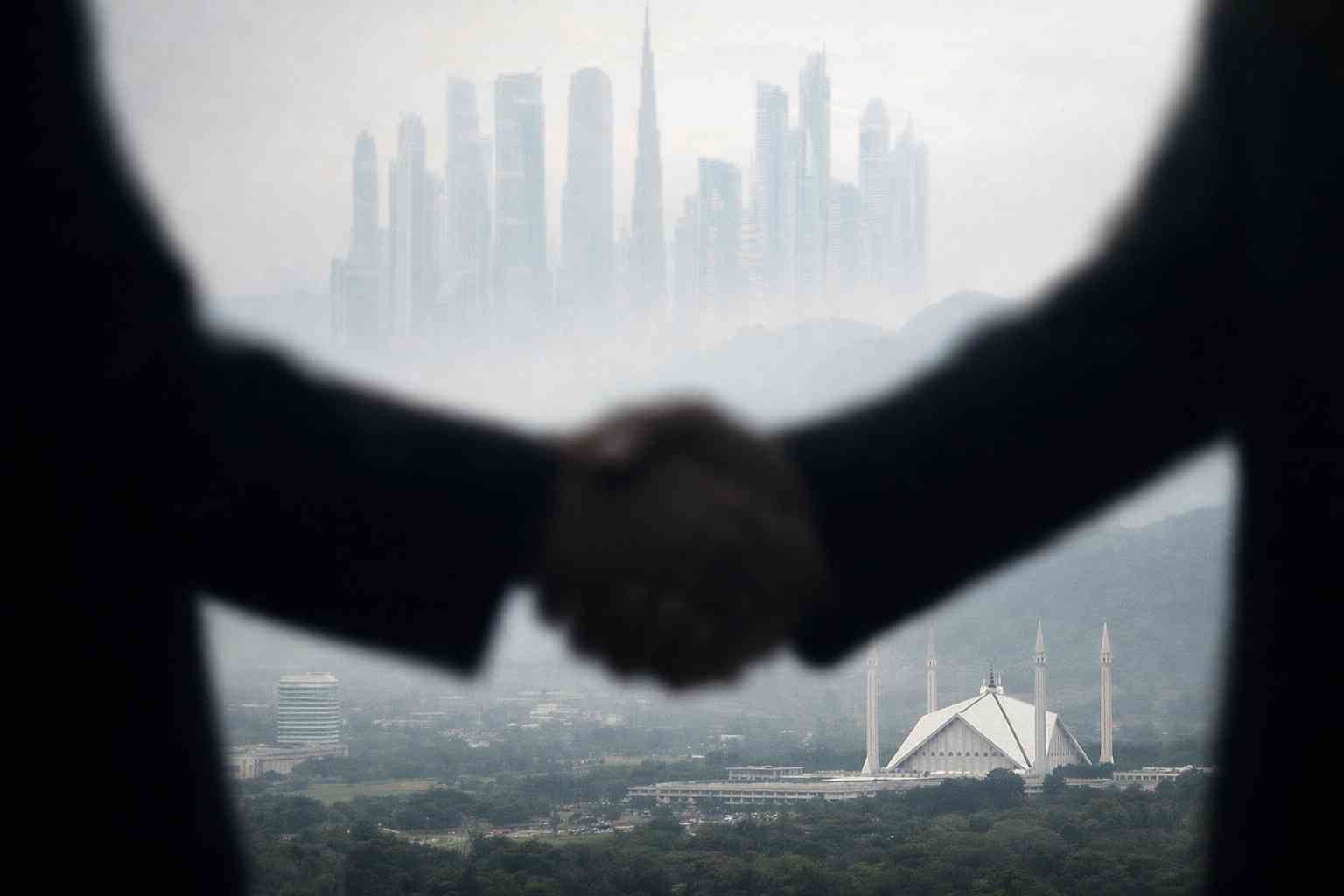
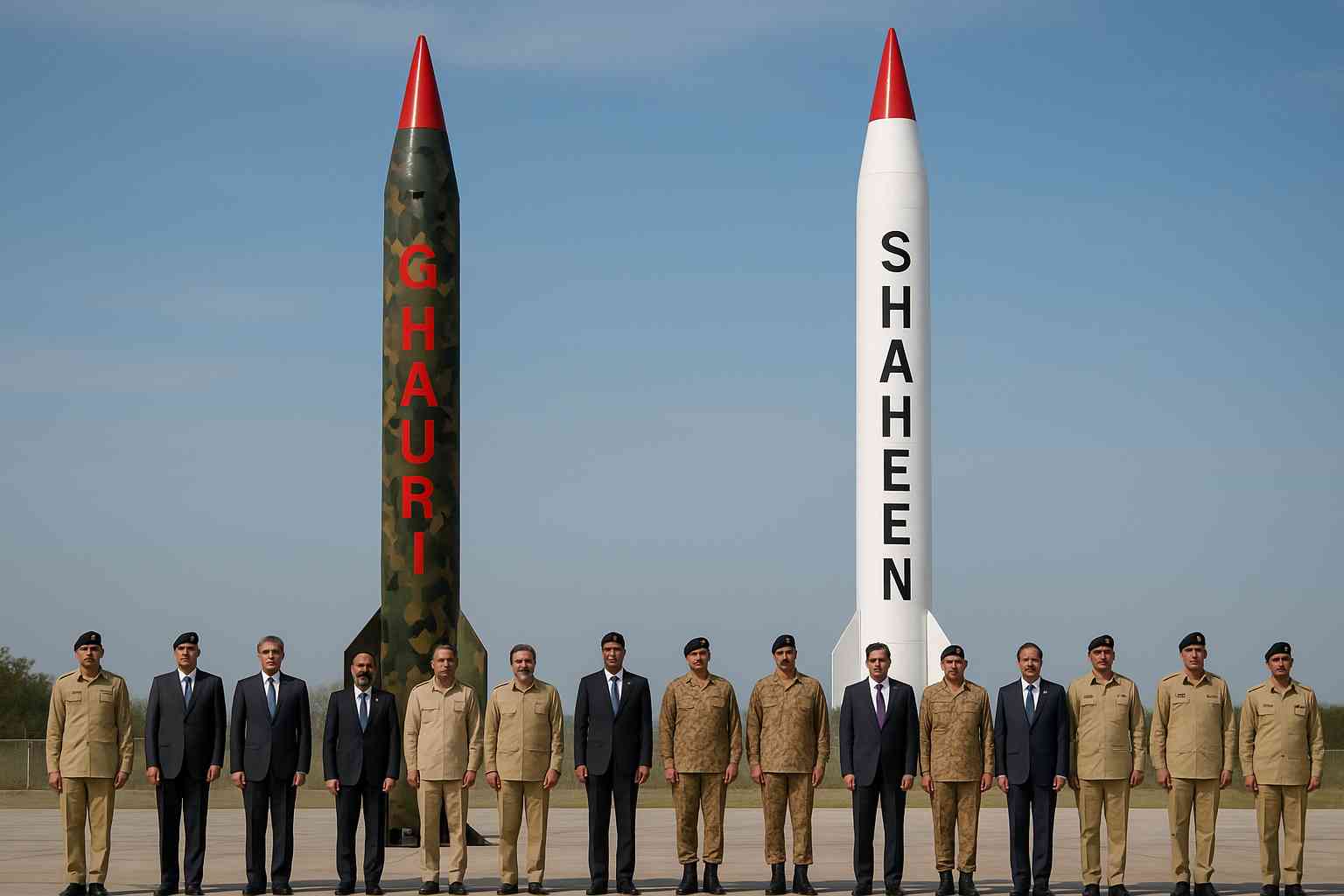
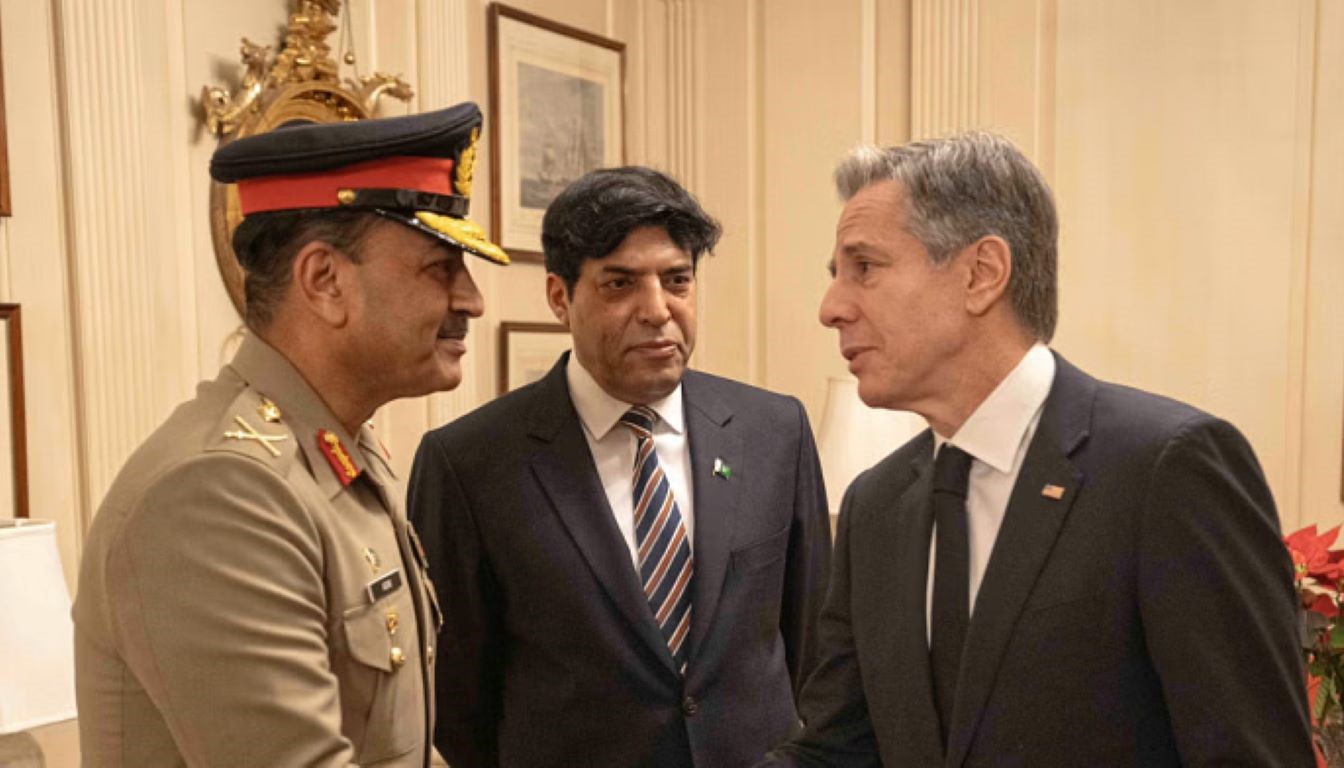
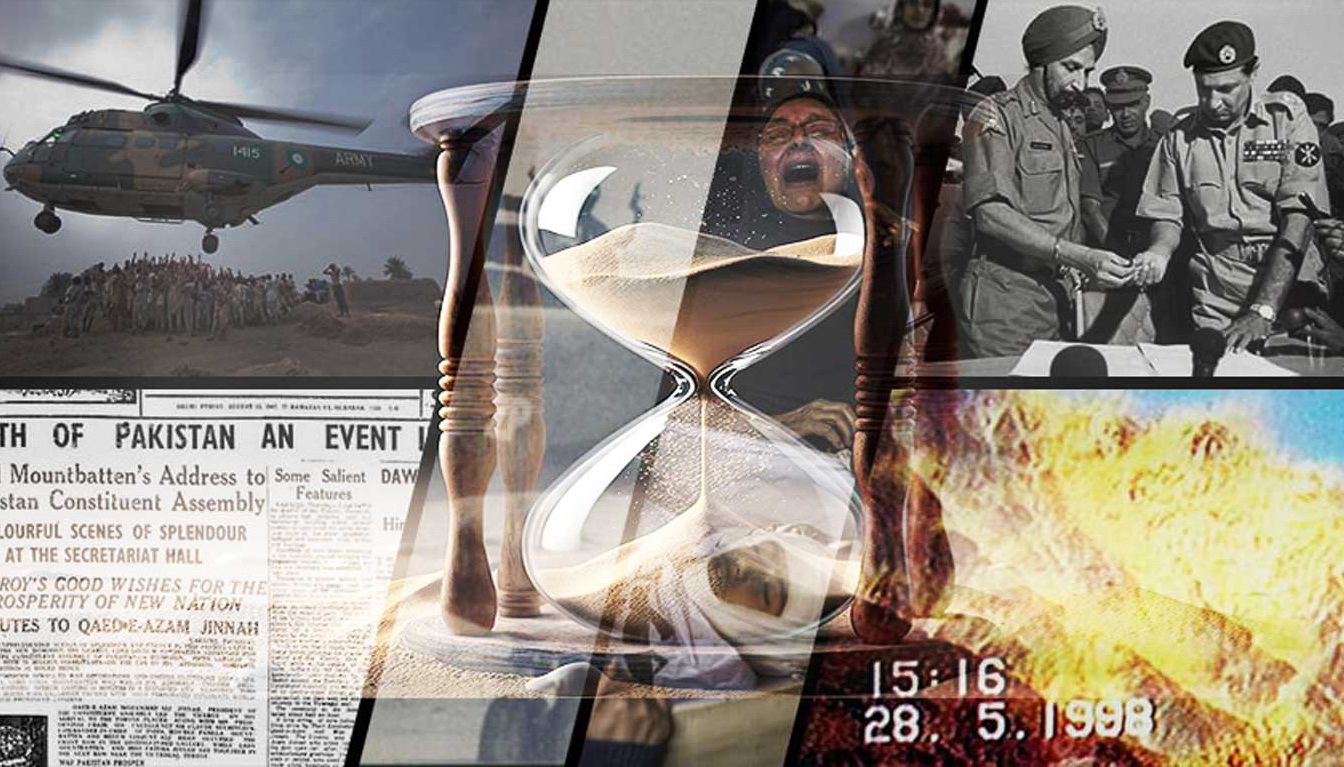
Selective patriotism in Pakistan is becoming almost impossible to ignore. Admittedly, Pakistan played a meaningful diplomatic role in facilitating talks between Iran and the United States. Yet it grows exhausting & infuriating, to watch “askarandu” voices and beneficiaries of the corrupt system, seize every “state” success as a golden opportunity for aggressive image-laundering.
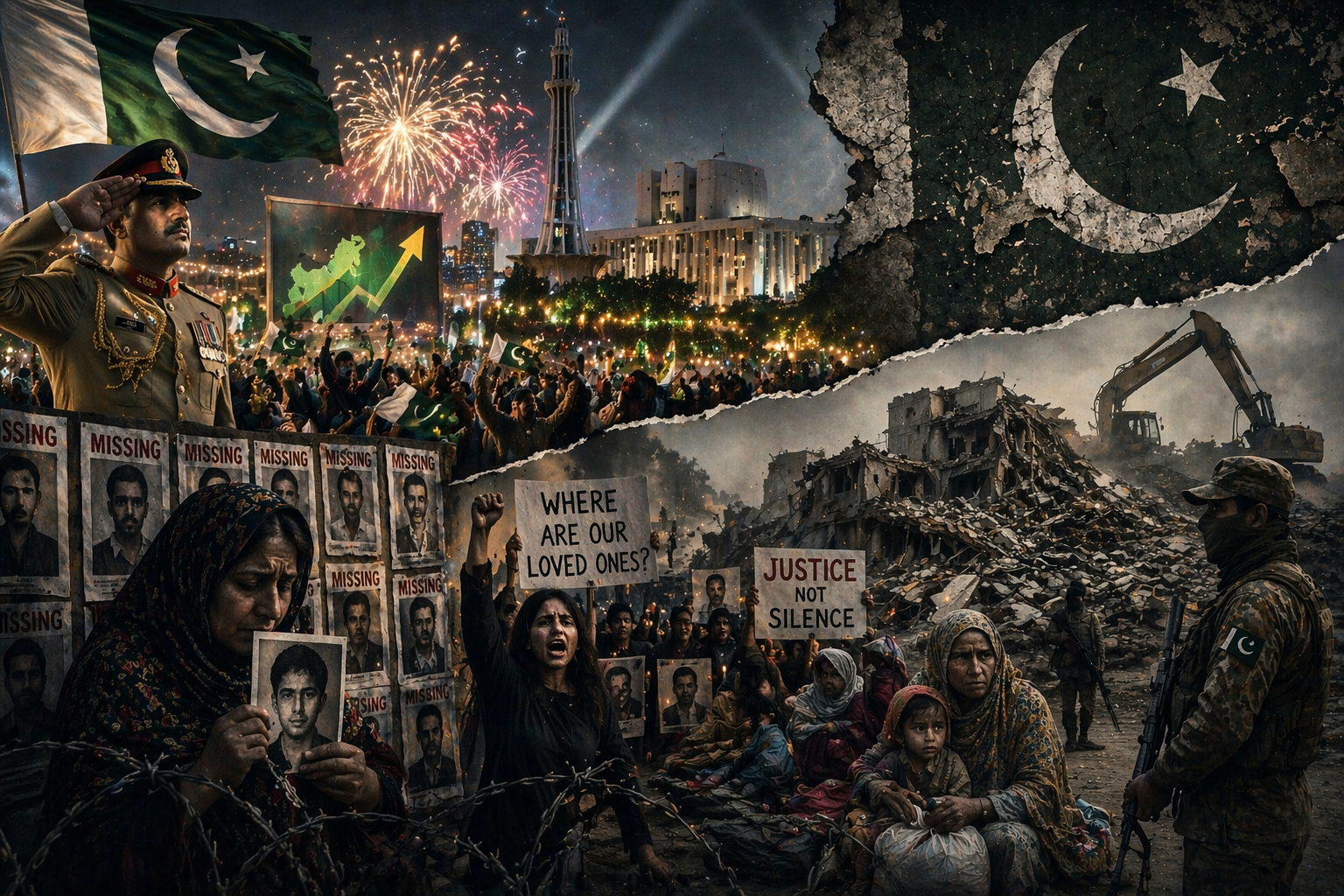
They push a glossy “rising power” narrative as if blind celebration were a sacred patriotic duty, rather than a distraction from the bleeding wounds at home. This performative patriotism rings bitterly hollow while ordinary Pakistanis endure relentless suffering.
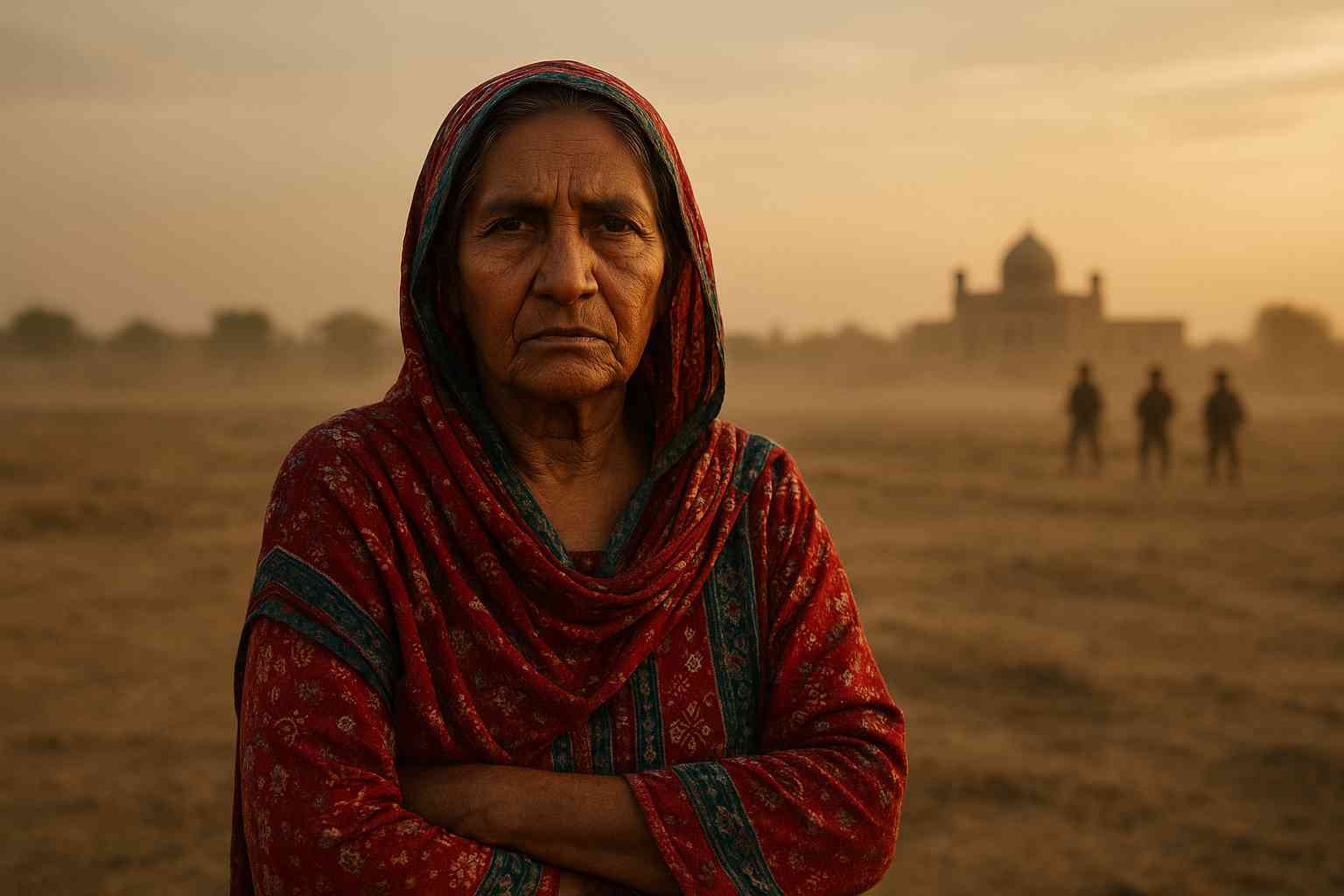
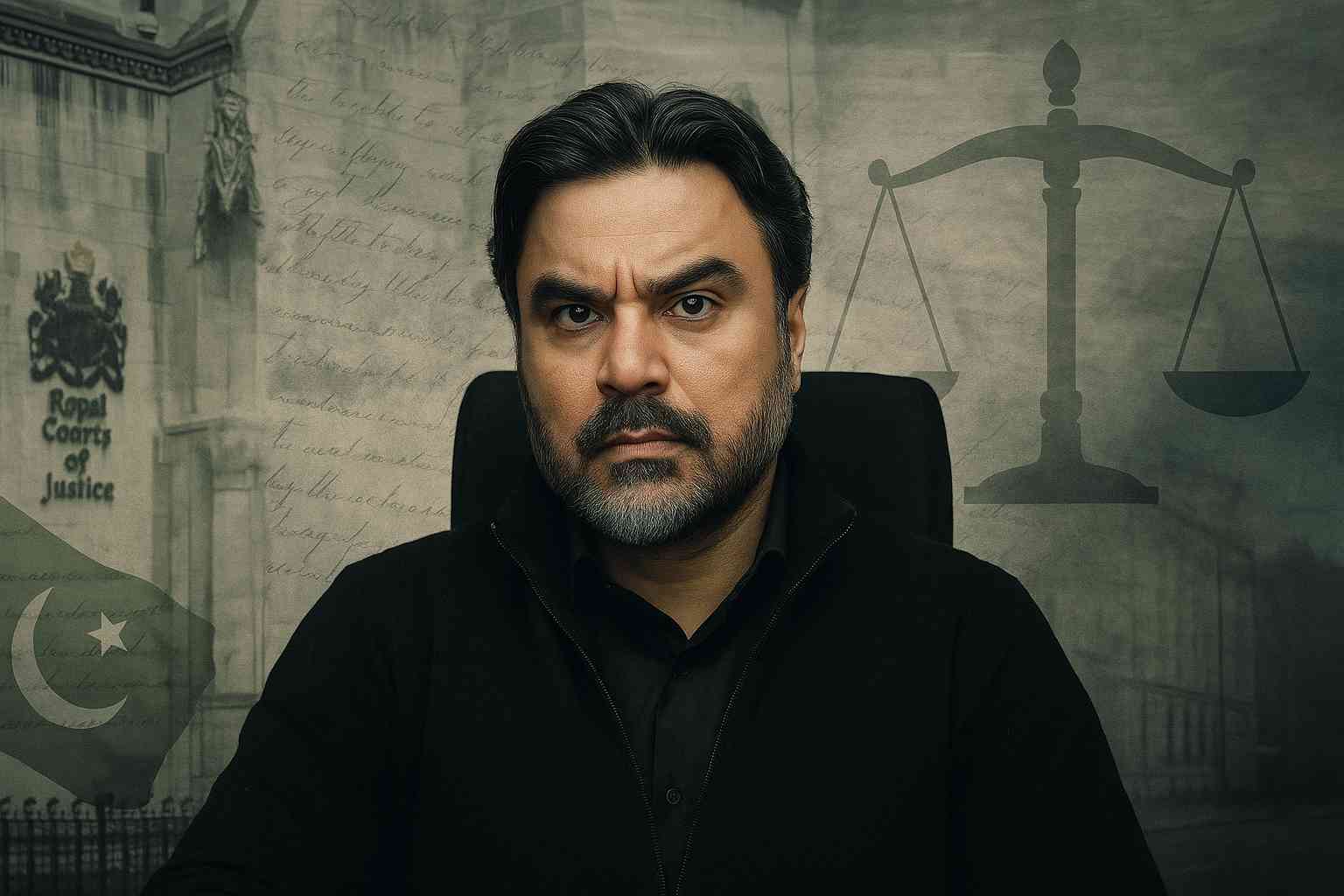
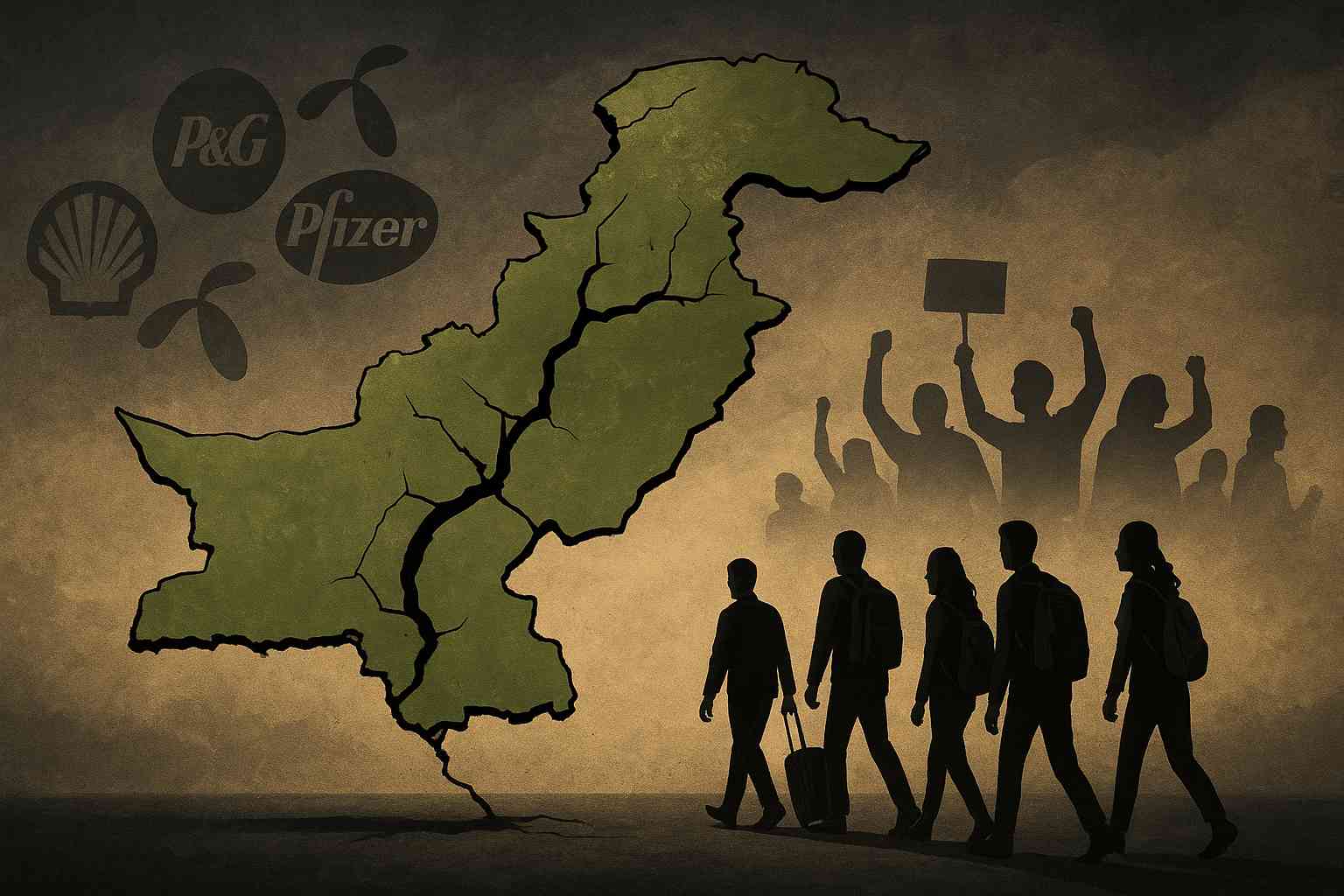
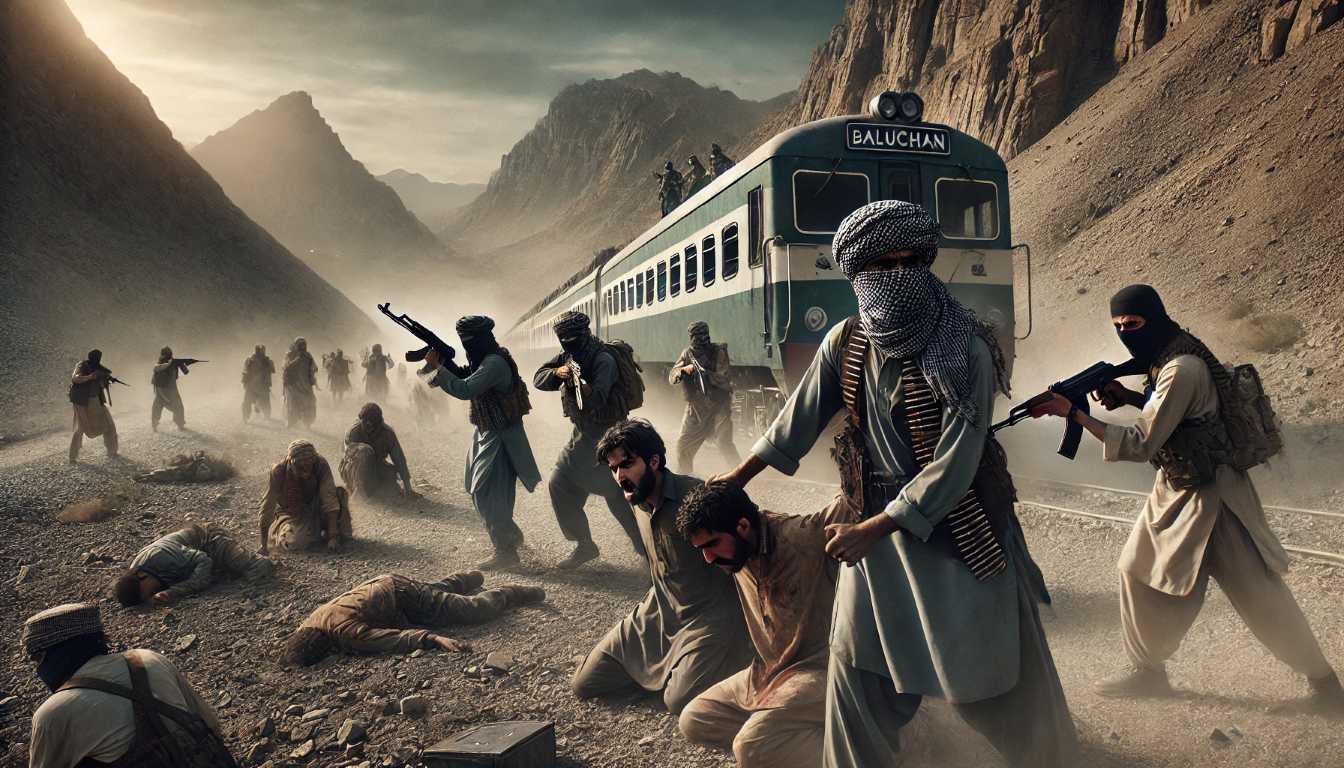
Baloch, Pashtun, Sindhi, families still search desperately for loved ones forcibly disappeared years ago. Activists like Dr Mahrang Baloch face severe reprisals for demanding justice. Human rights lawyers Imaan Mazari & Hadi Chattha were sentenced to 17 years in prison in January 2026 for critical social media posts.
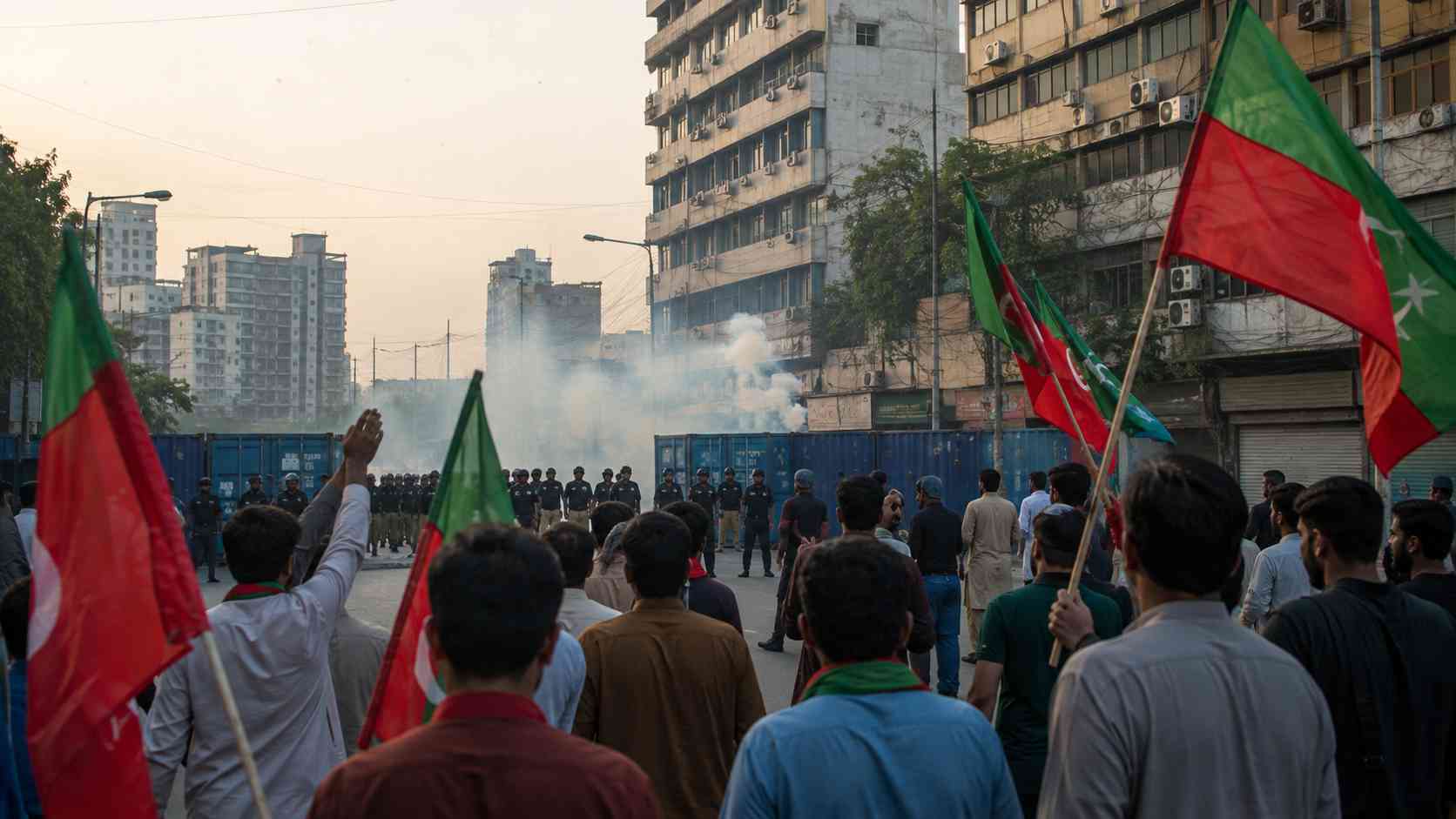
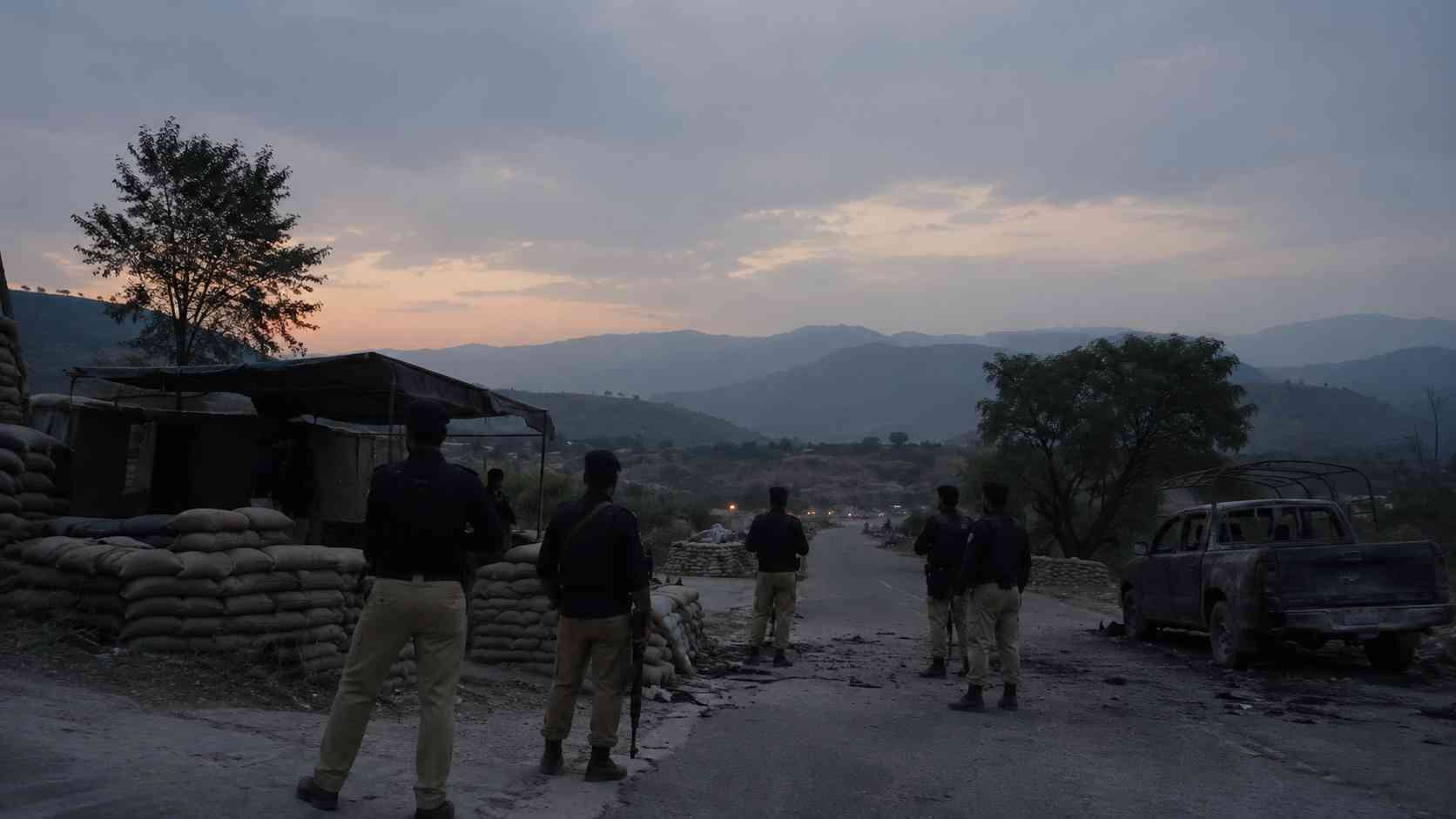
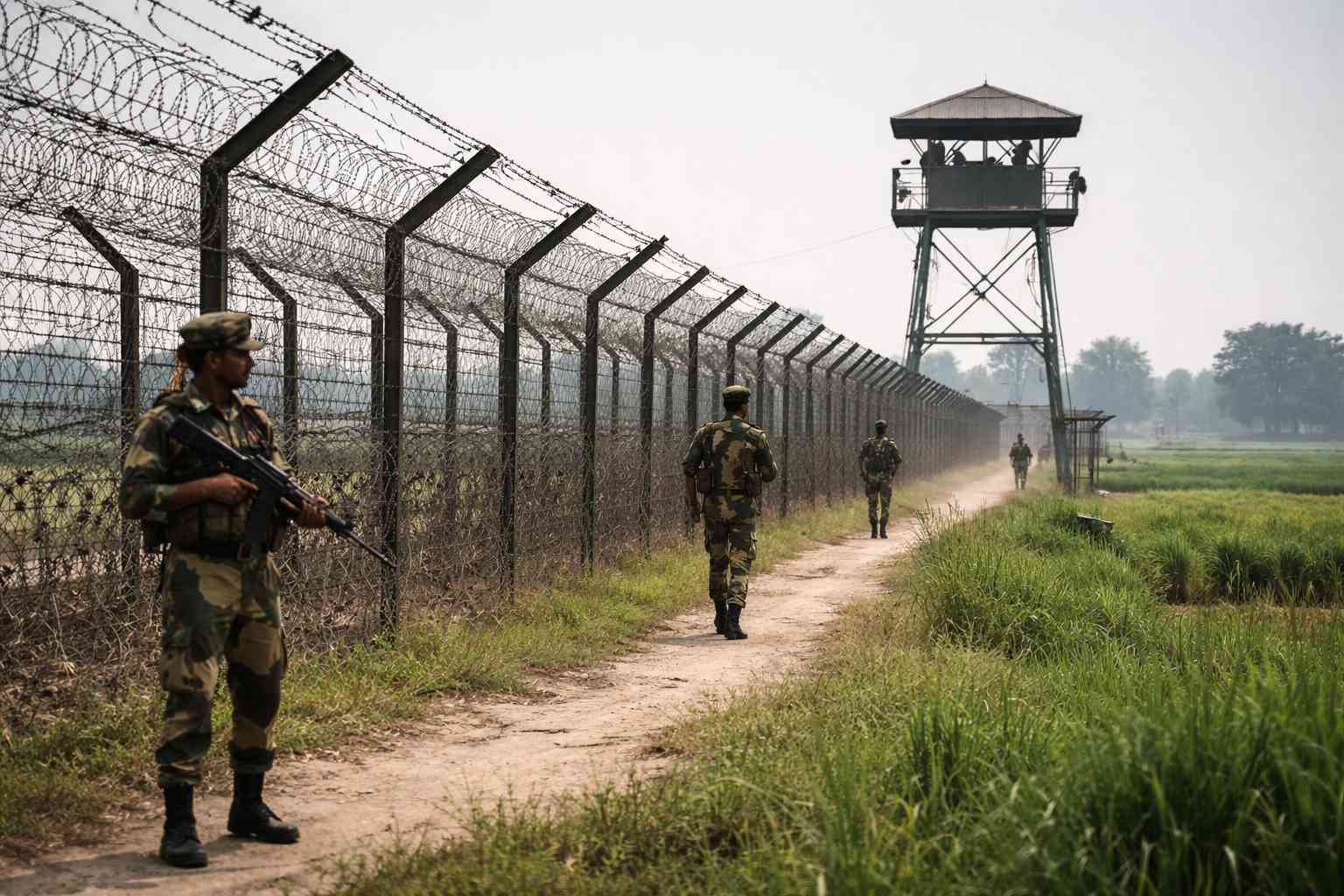
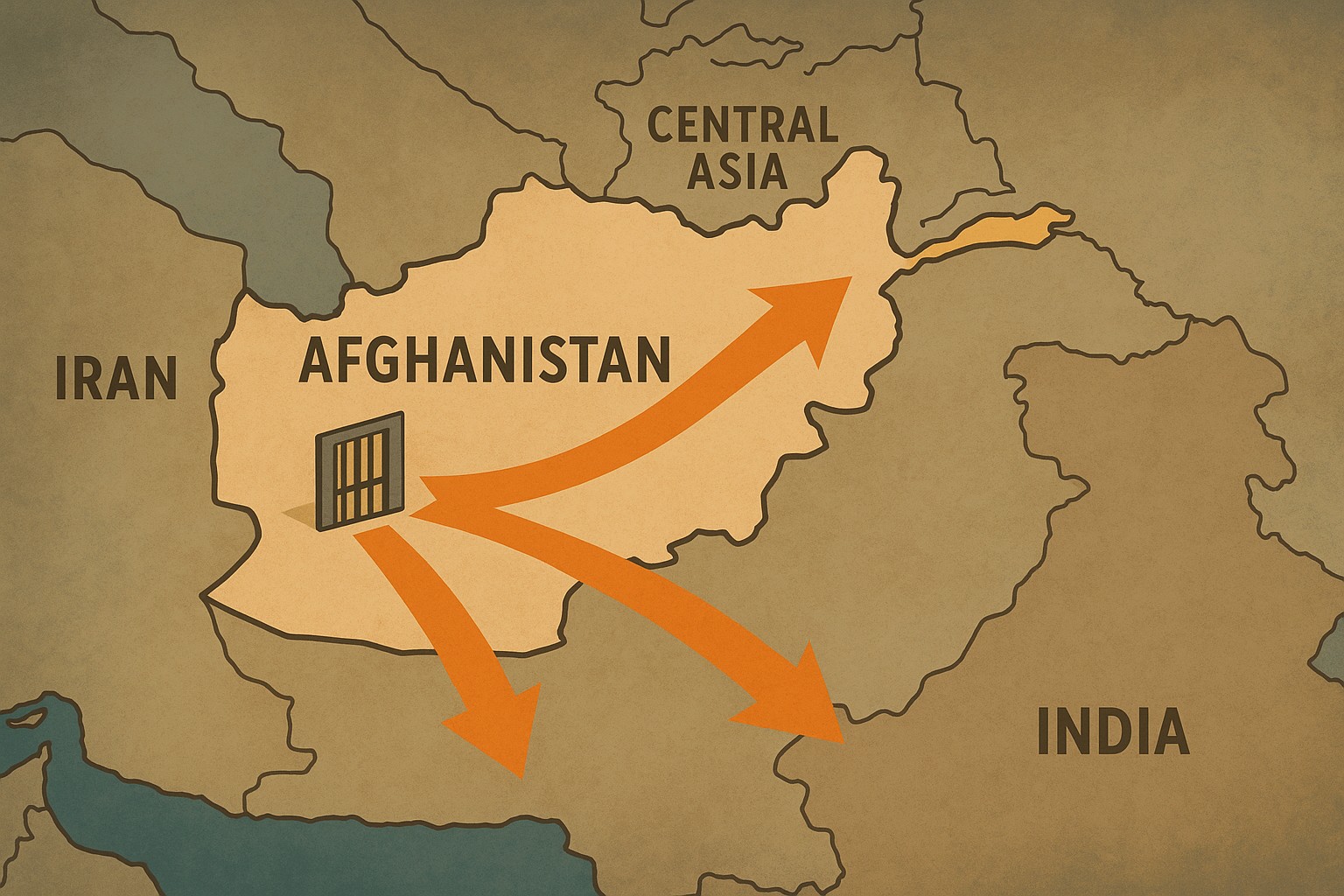
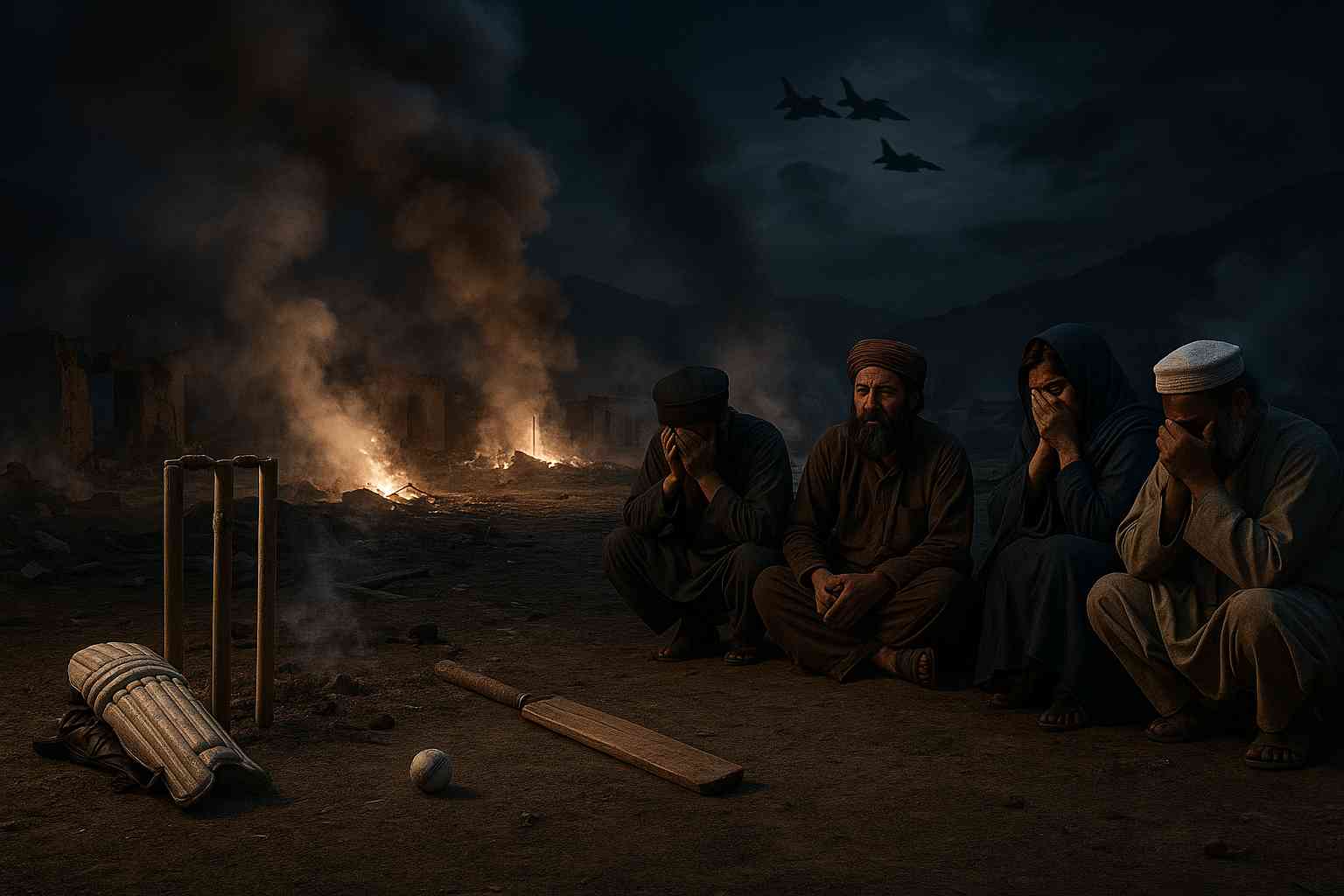
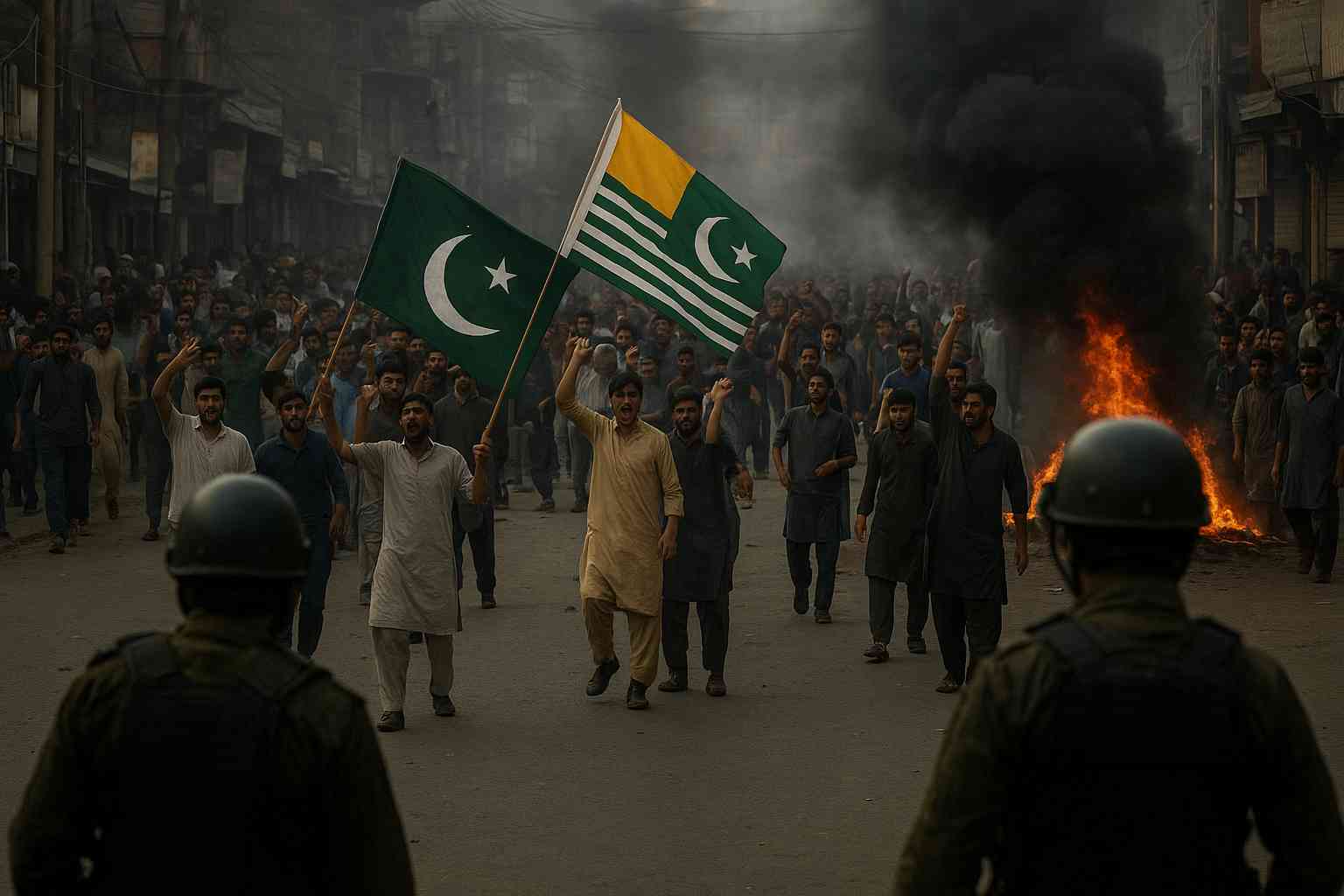
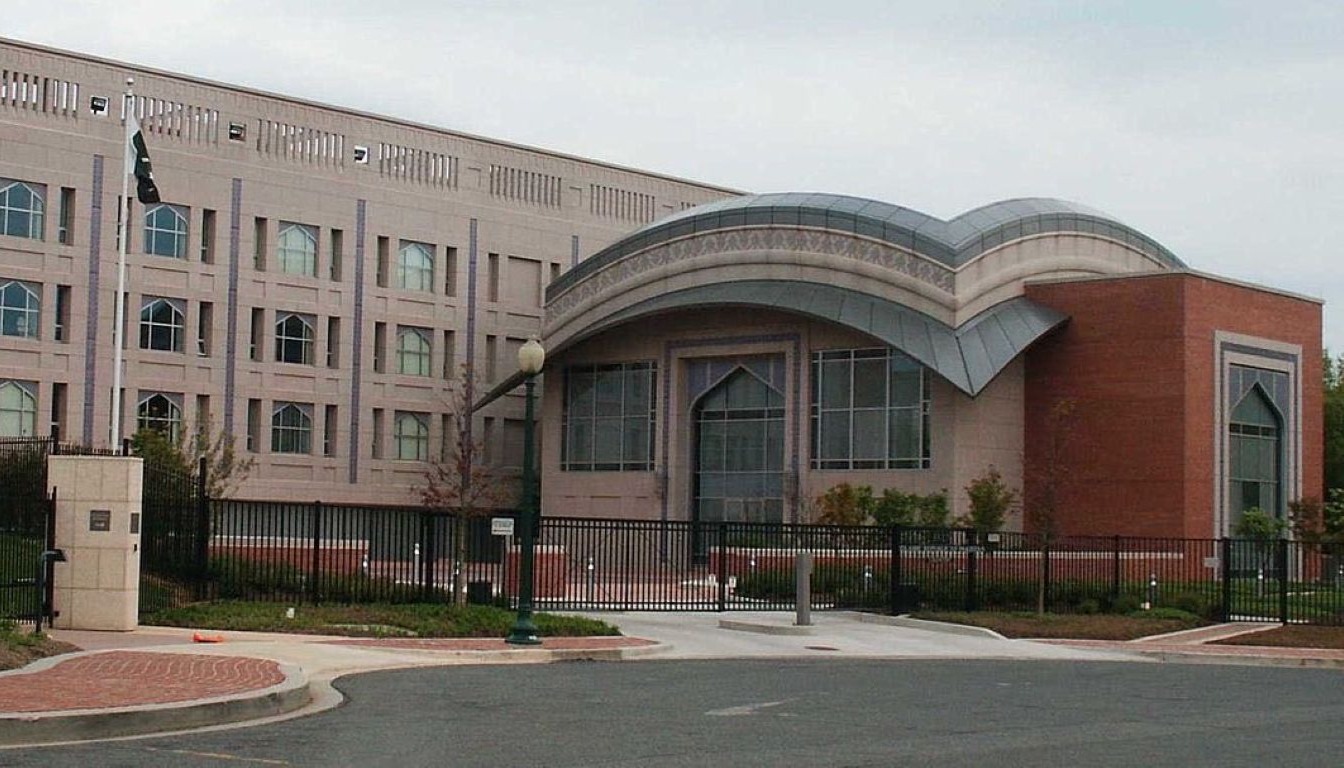
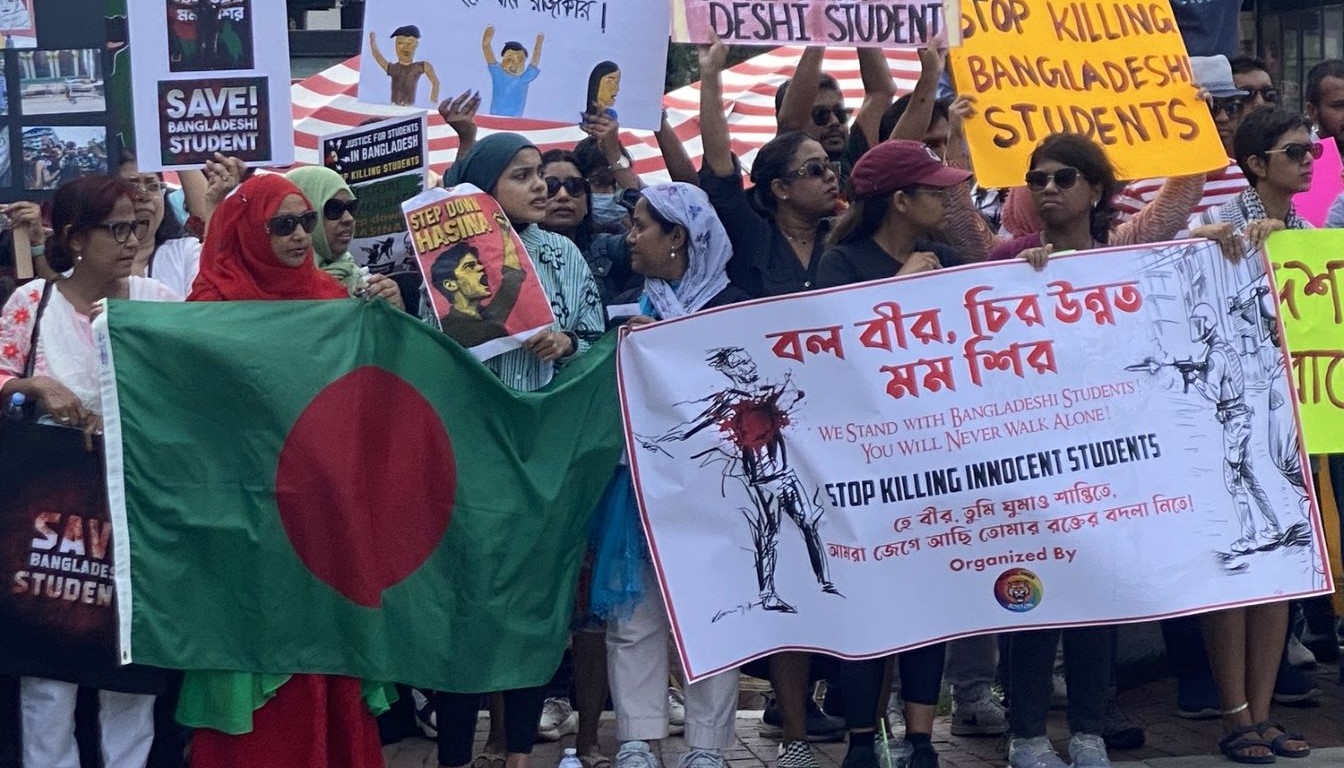
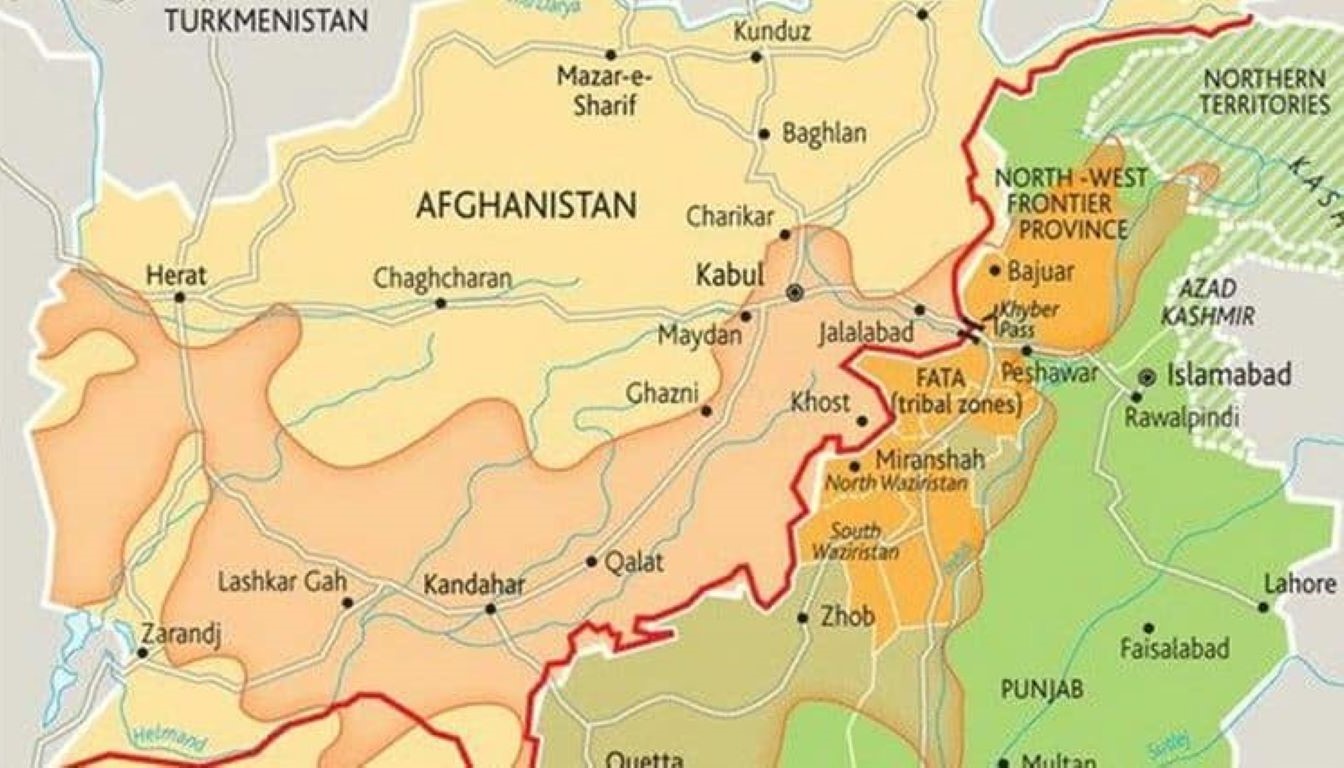
On the Afghan border, 100’s of civilian casualties from Pakistani airstrikes in early 2026 occurred. In March 2026, around 22 Pakistanis lost their lives during protests outside the US consulate in Karachi, yet this tragedy drew only muted outrage from the usual culprits.
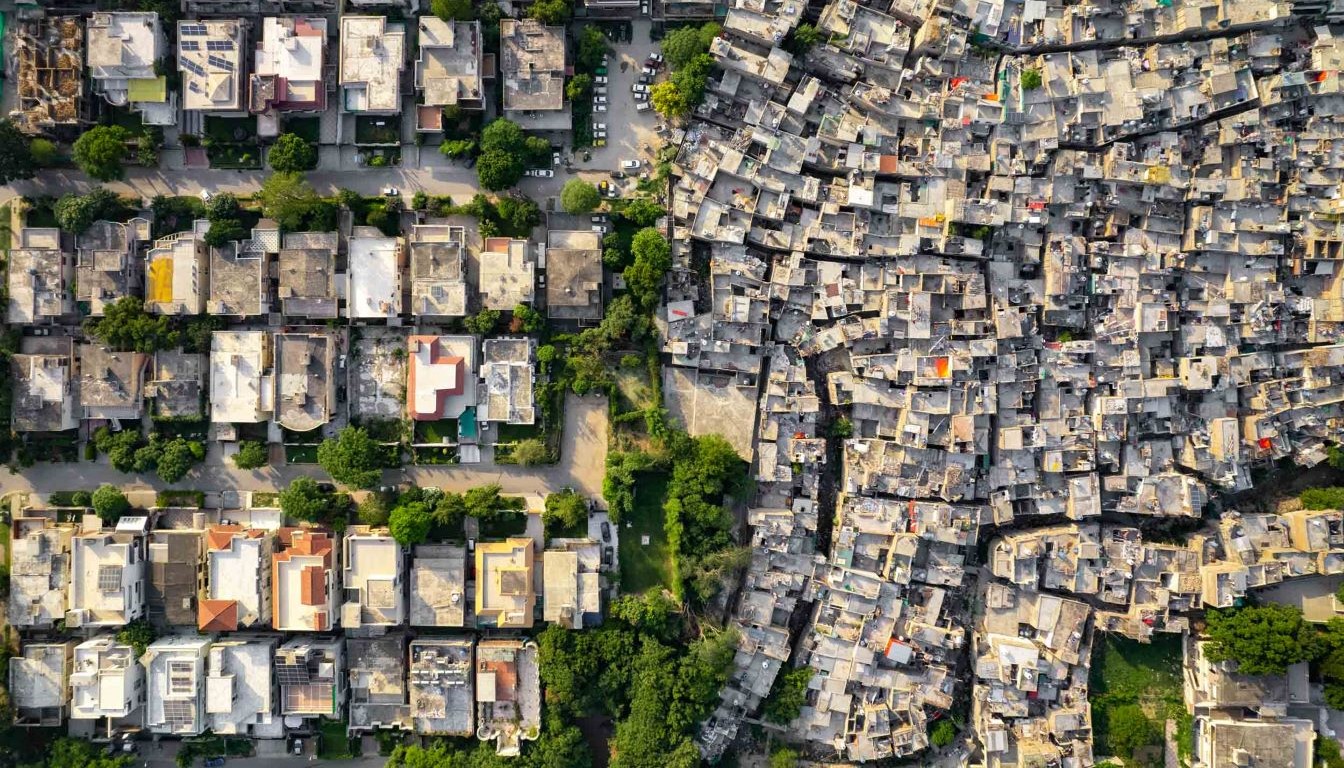
Even in the shadow of Islamabad, historic communities in Nurpur Shahan near Bari Imam and the ancient Saidpur Village are being crushed by aggressive CDA anti-encroachment drives, with hundreds of homes demolished and thousands displaced.
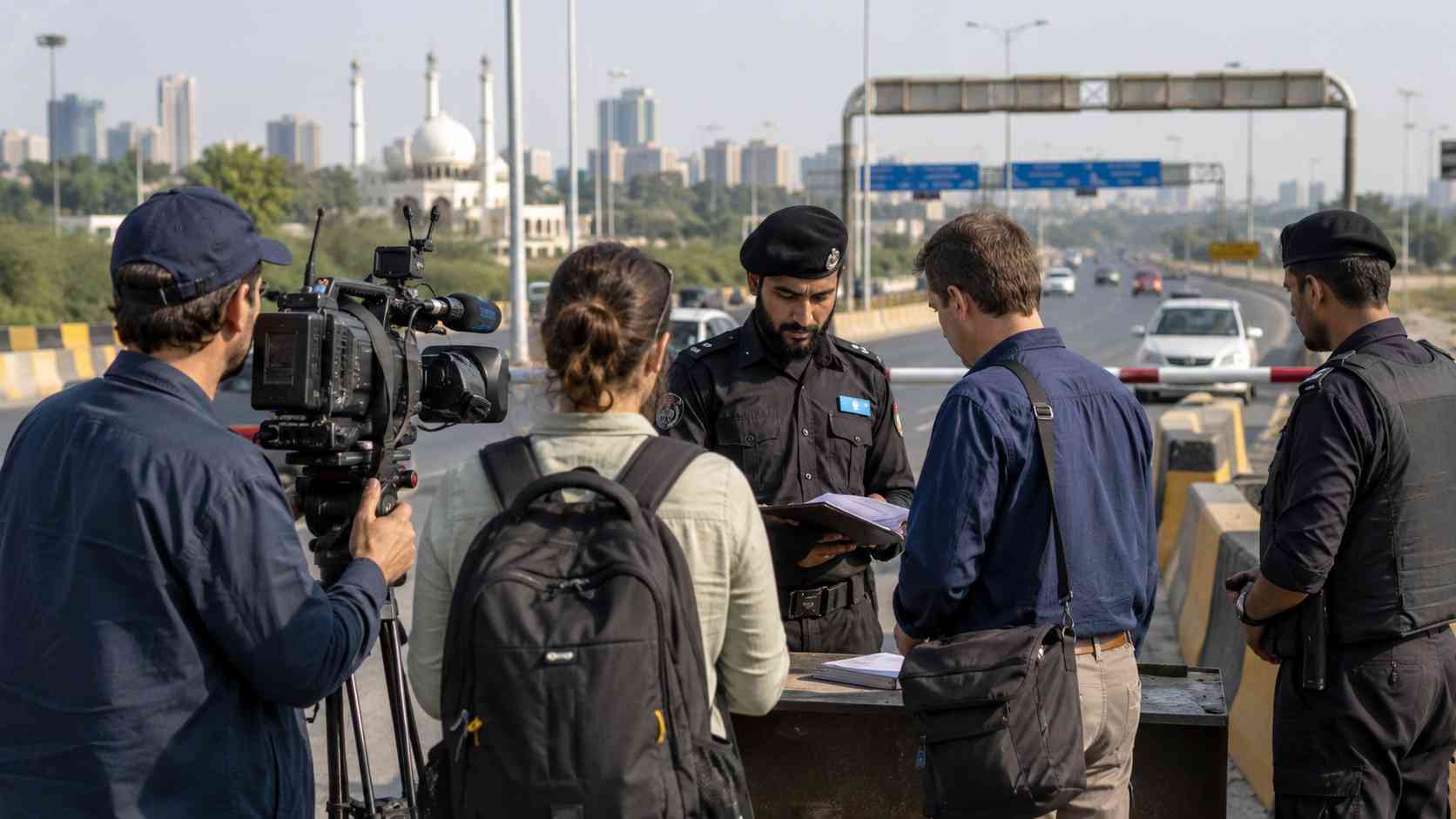
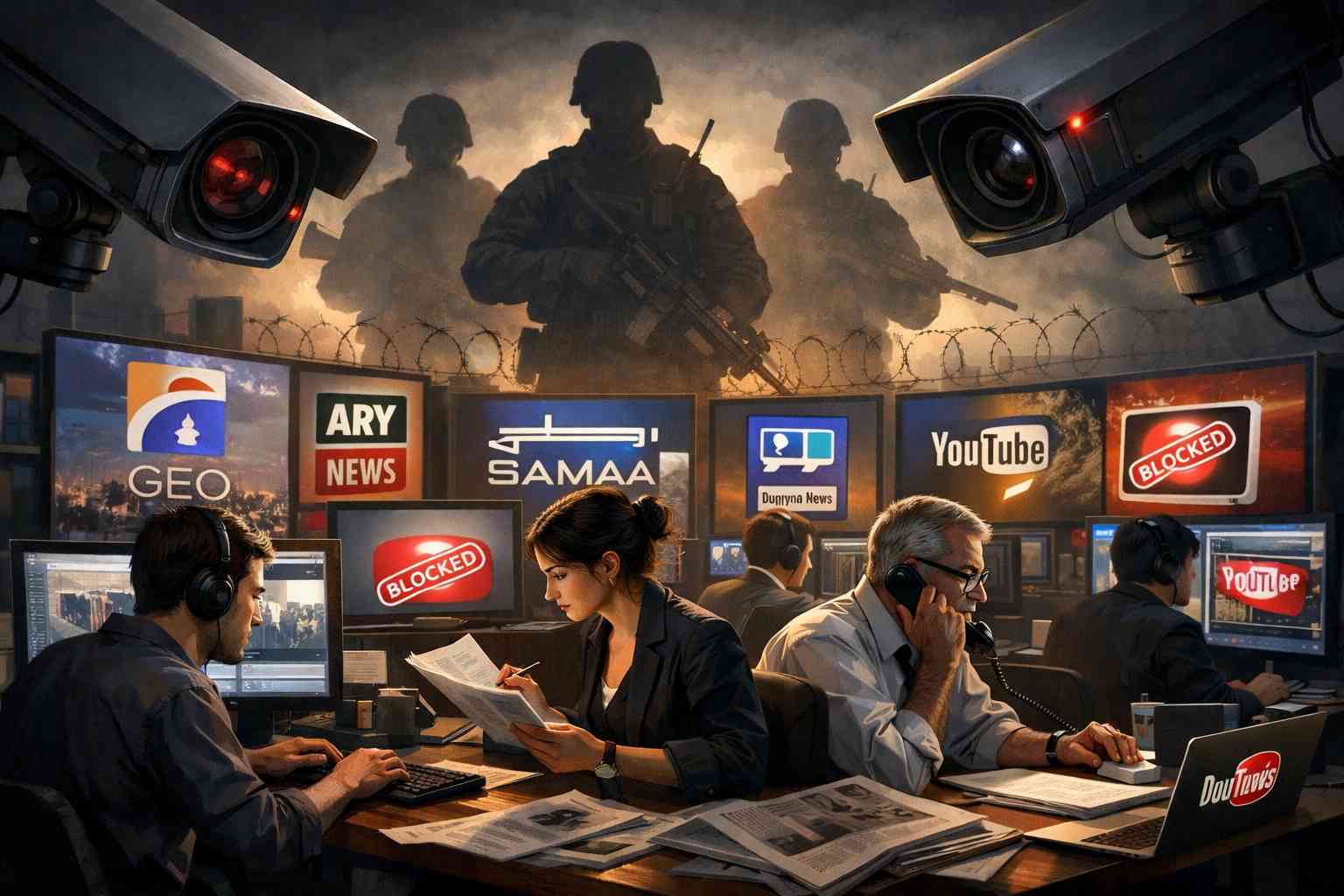
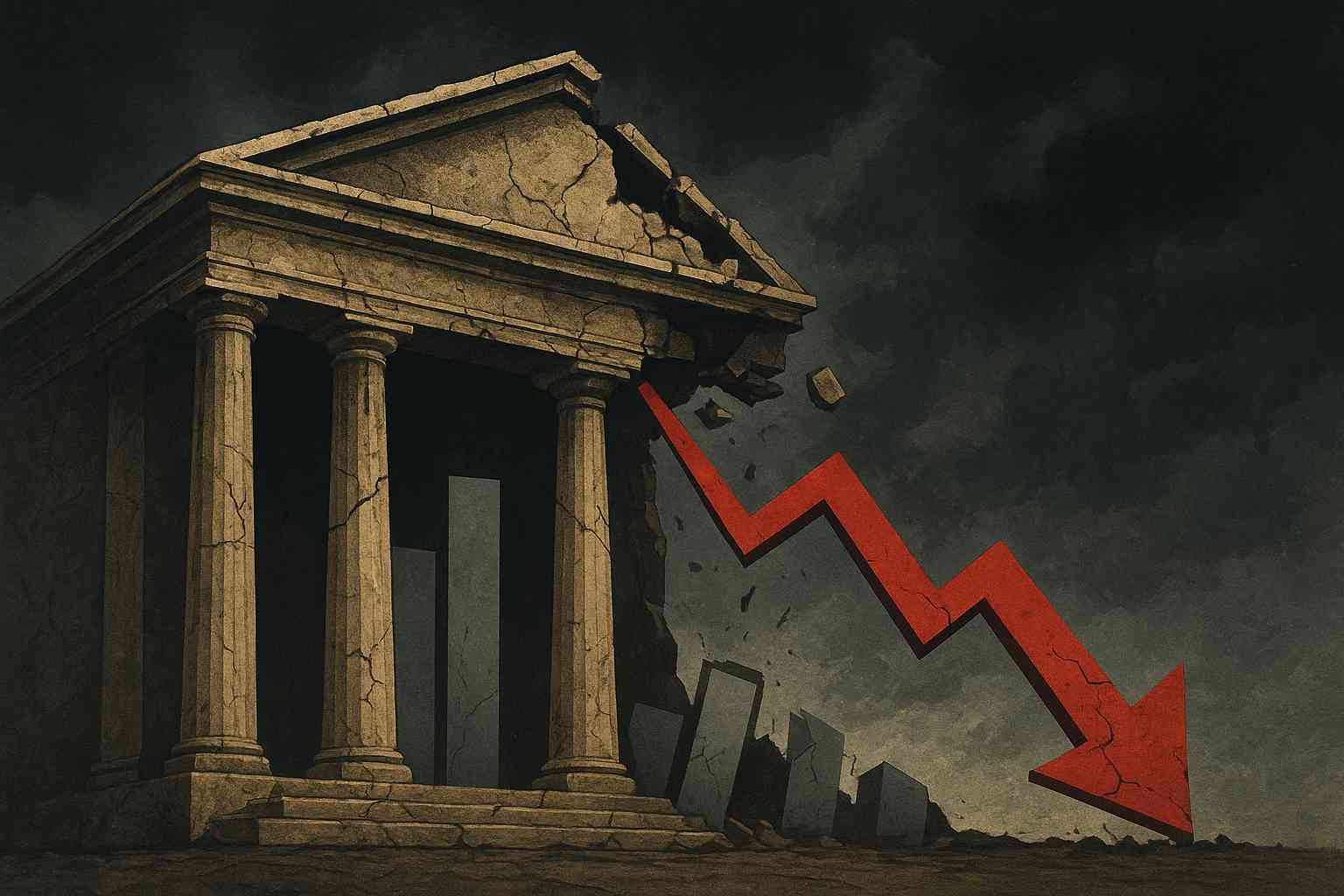
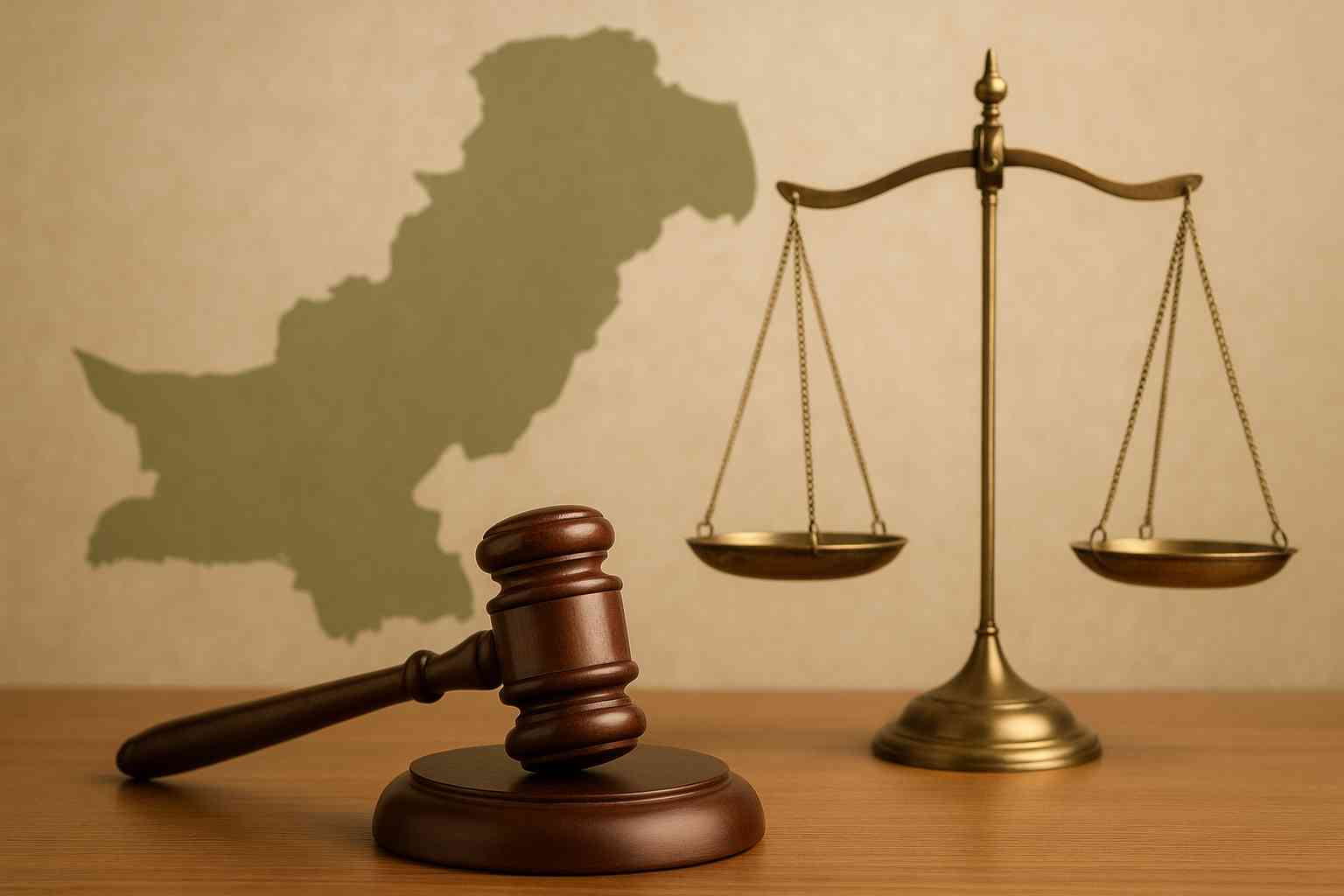
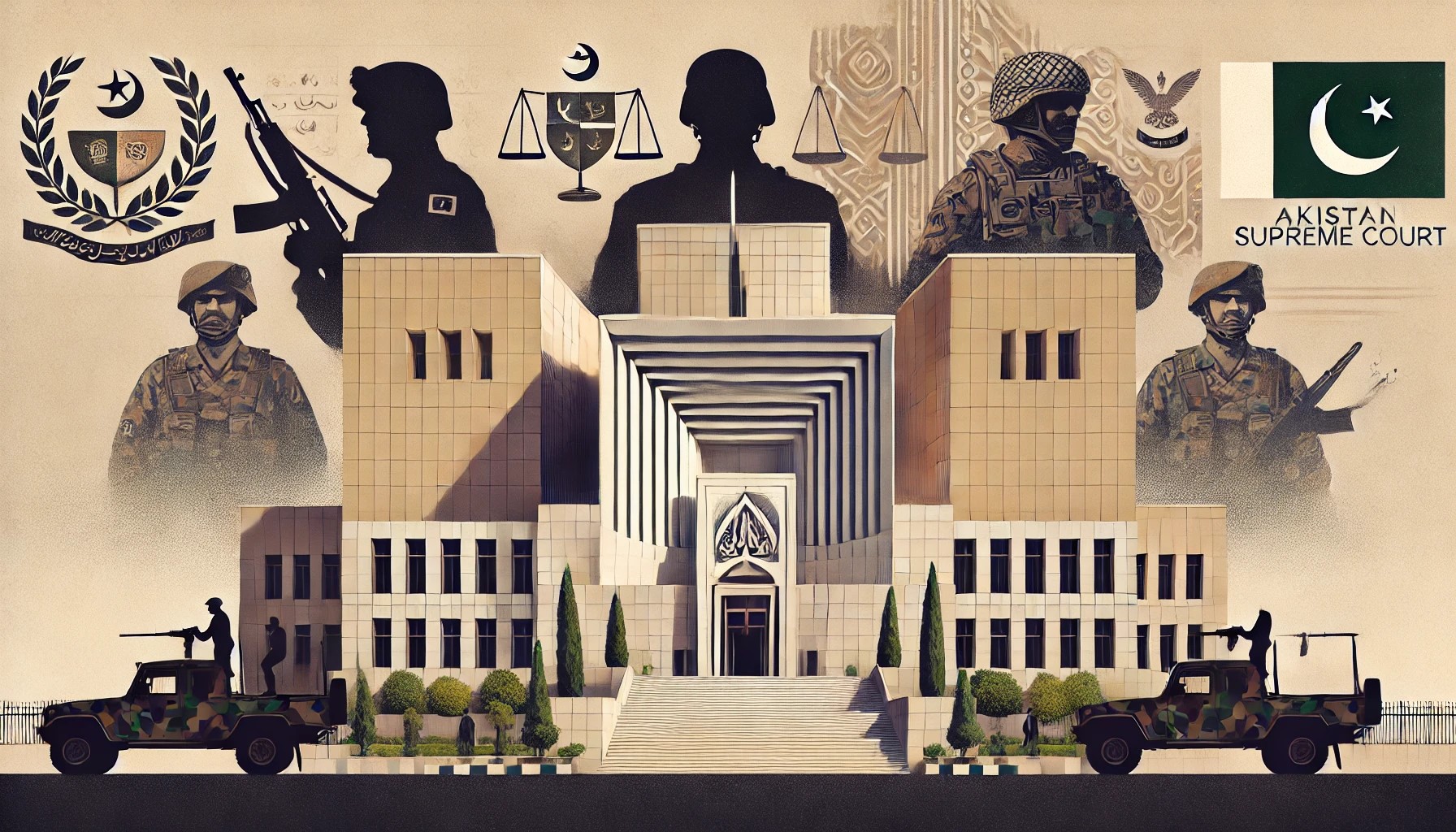
The deeper rot festers in the very foundations of the state. Rampant corruption continues to devour institutions. Nepotism mocks merit. A compromised justice system shields the powerful while crushing the weak. International reports document unlawful killings, enforced disappearances, torture, harassment of journalists and critics, and widespread impunity against minorities and dissenters.
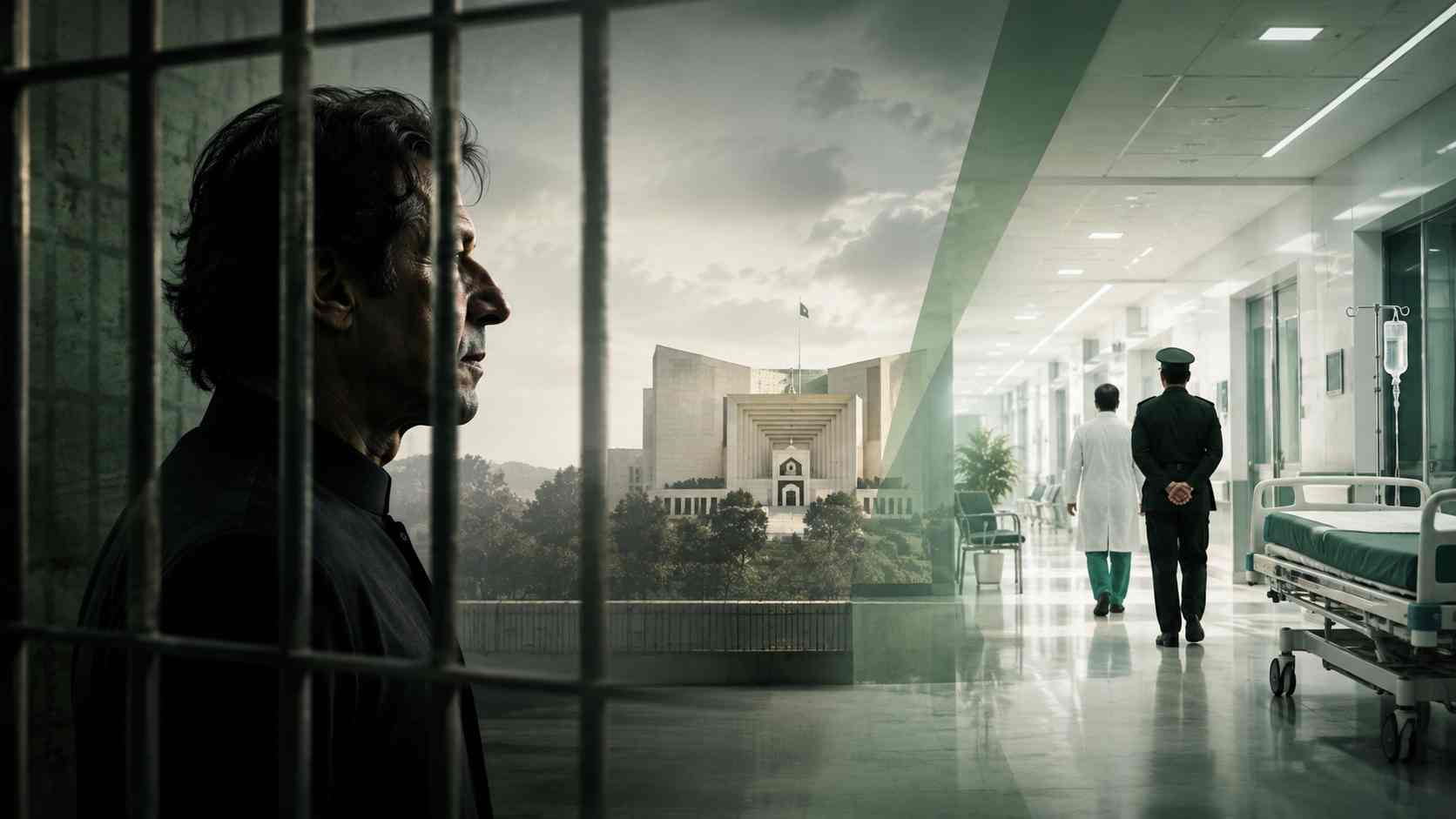
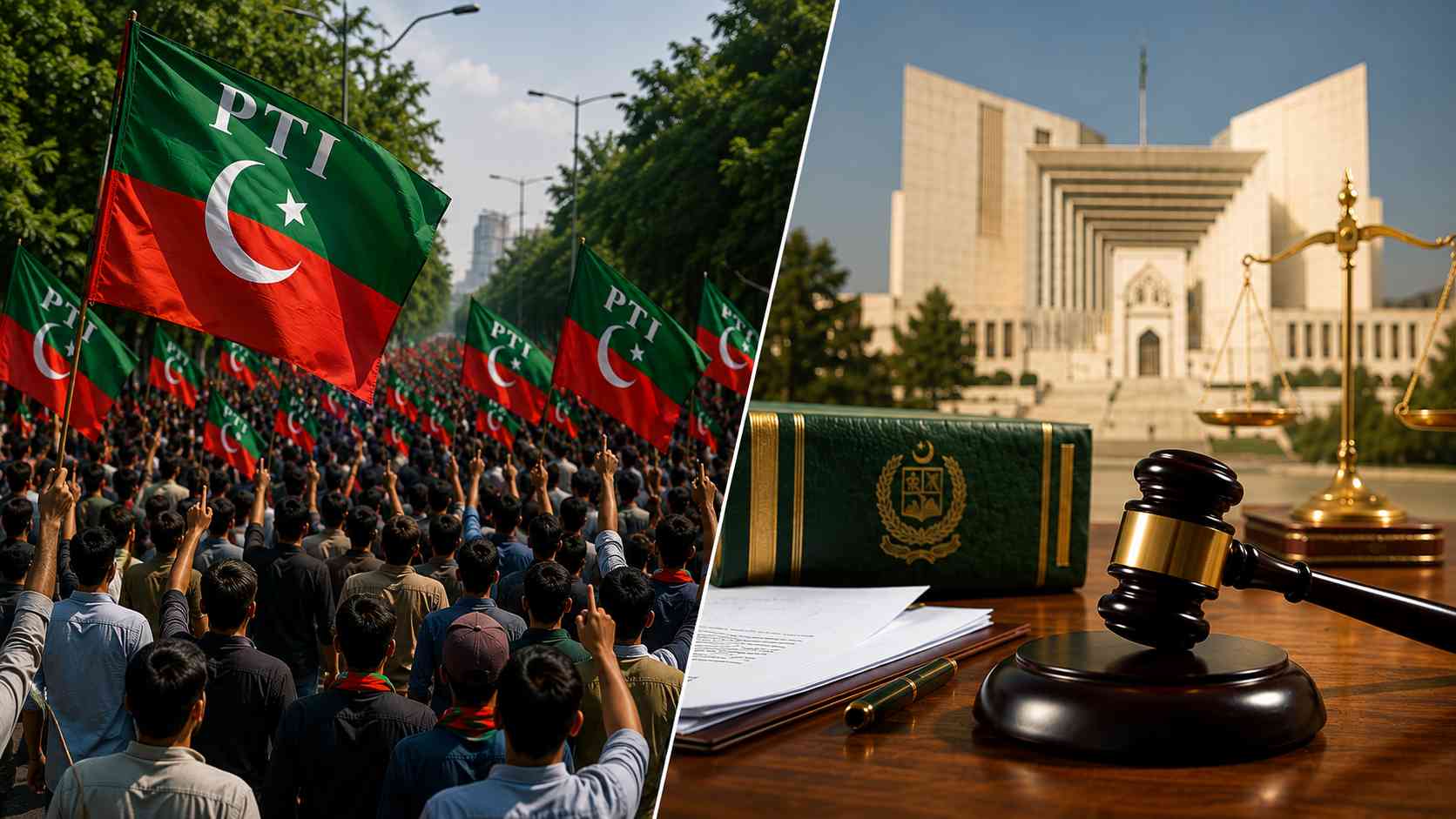
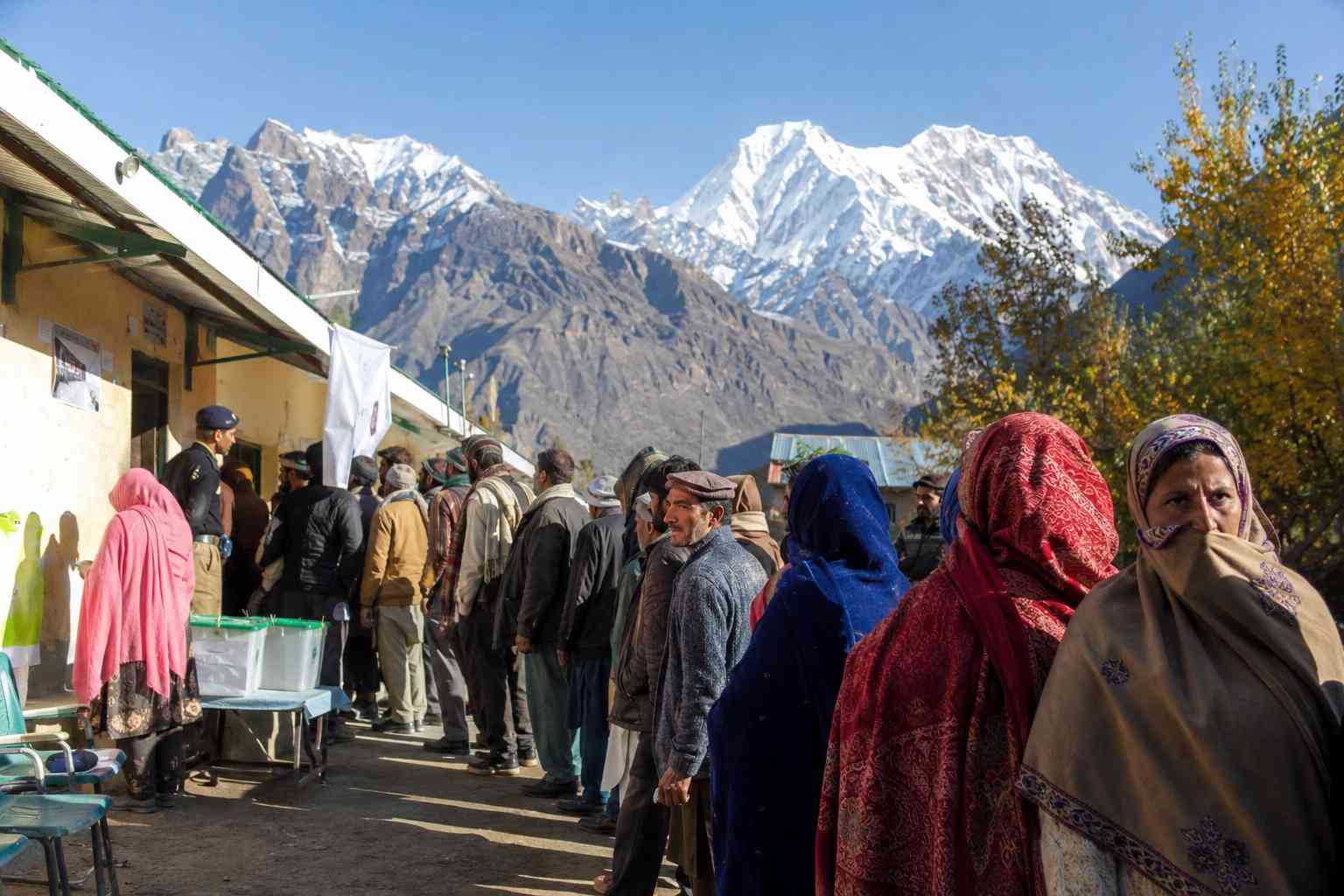
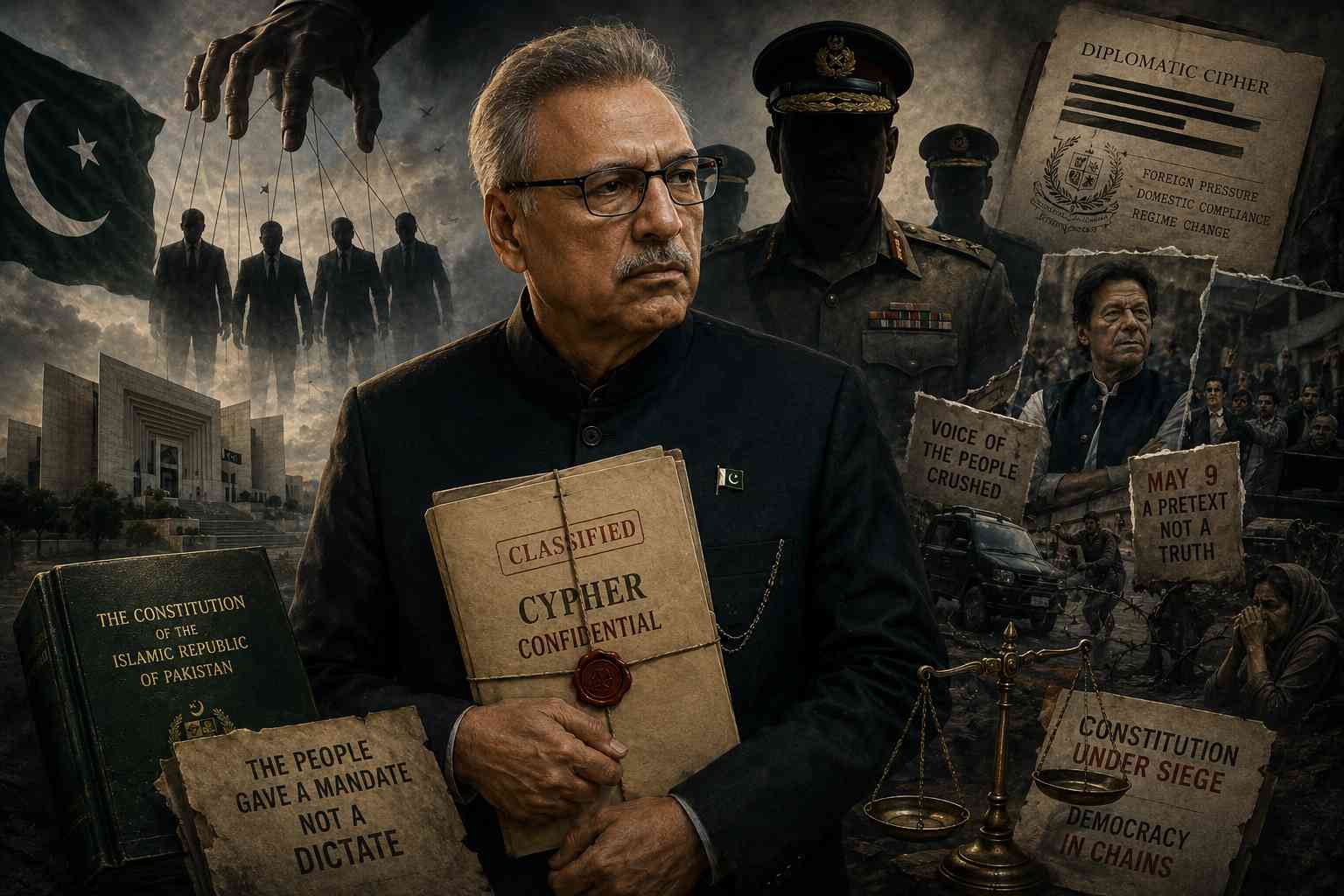
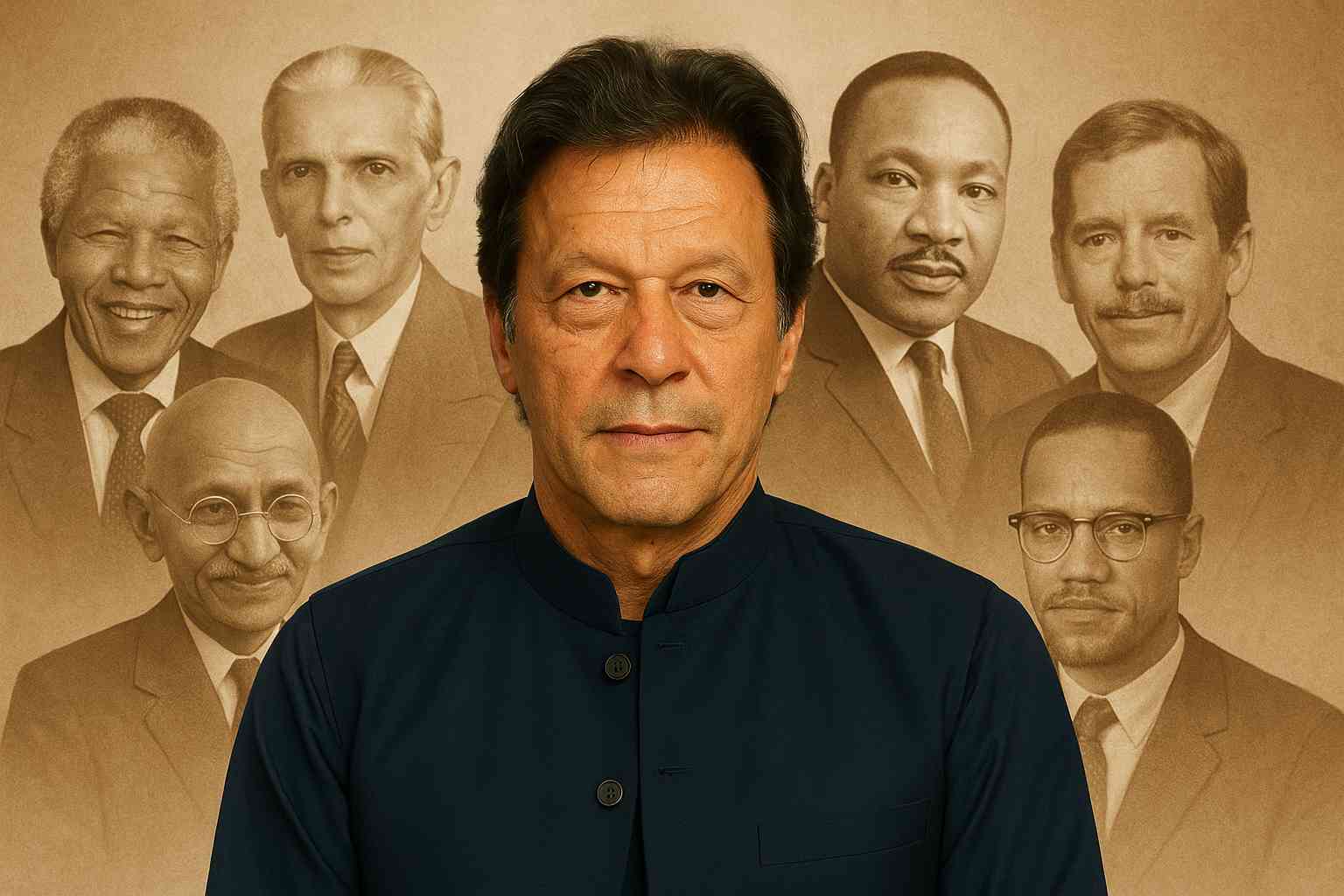
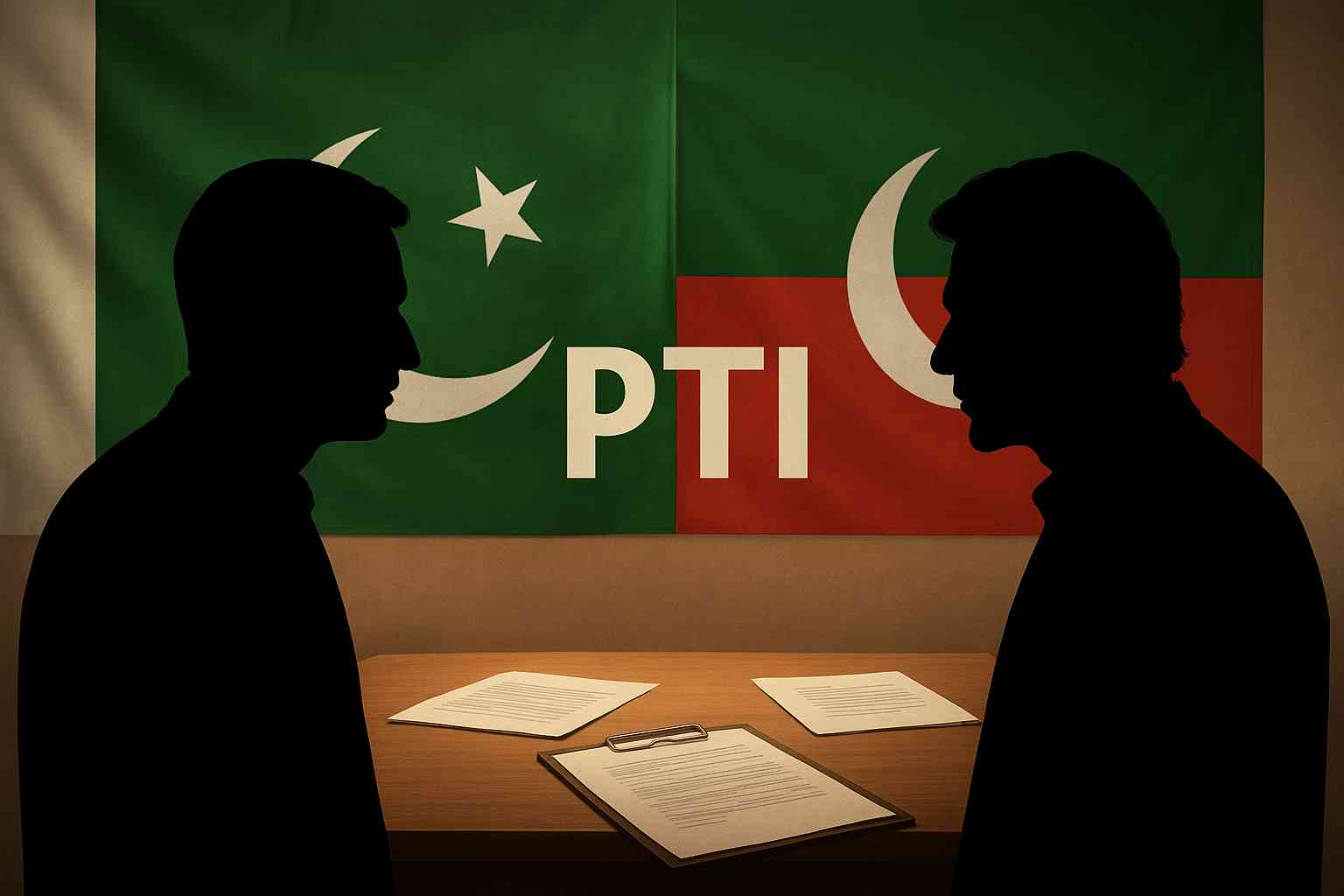
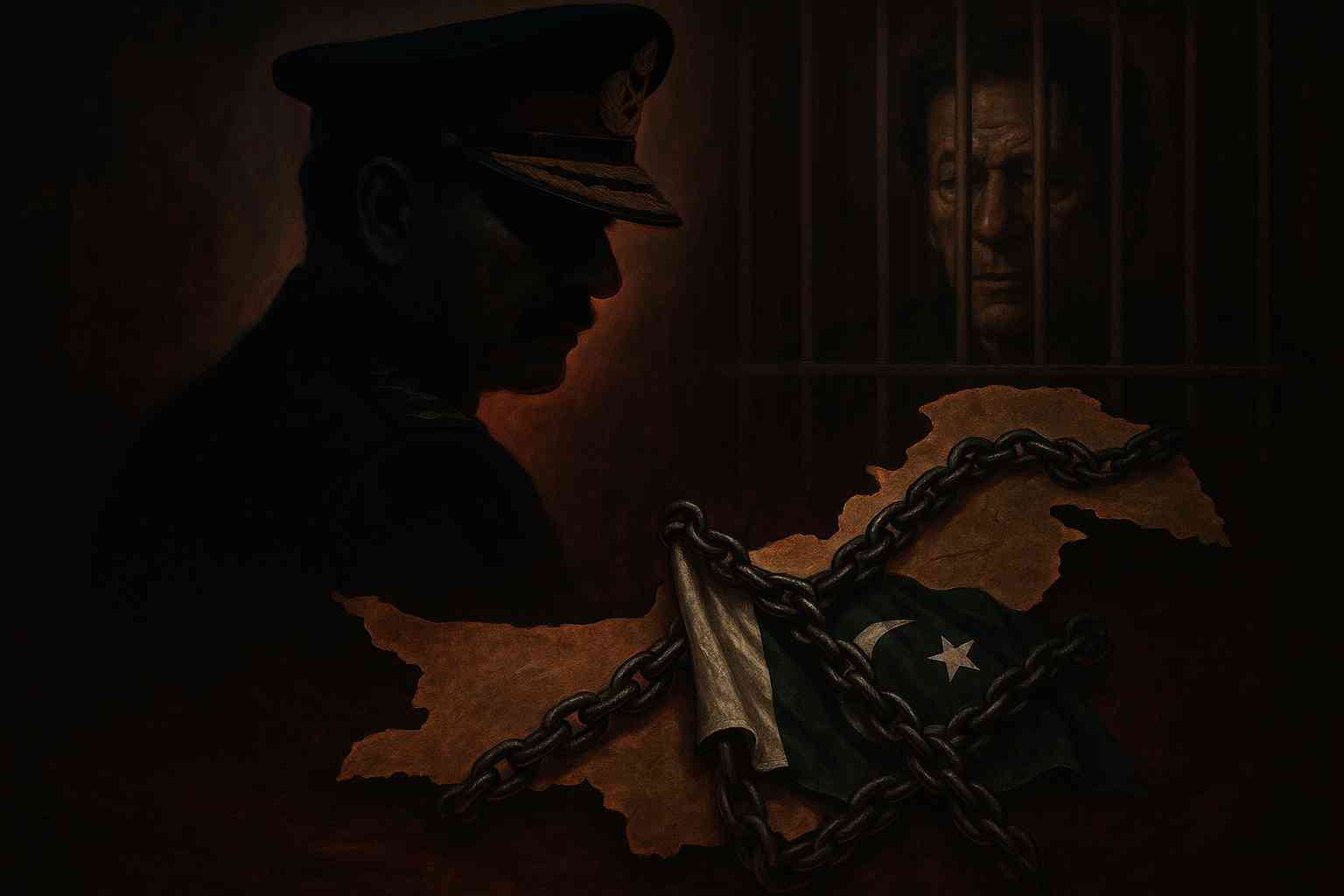
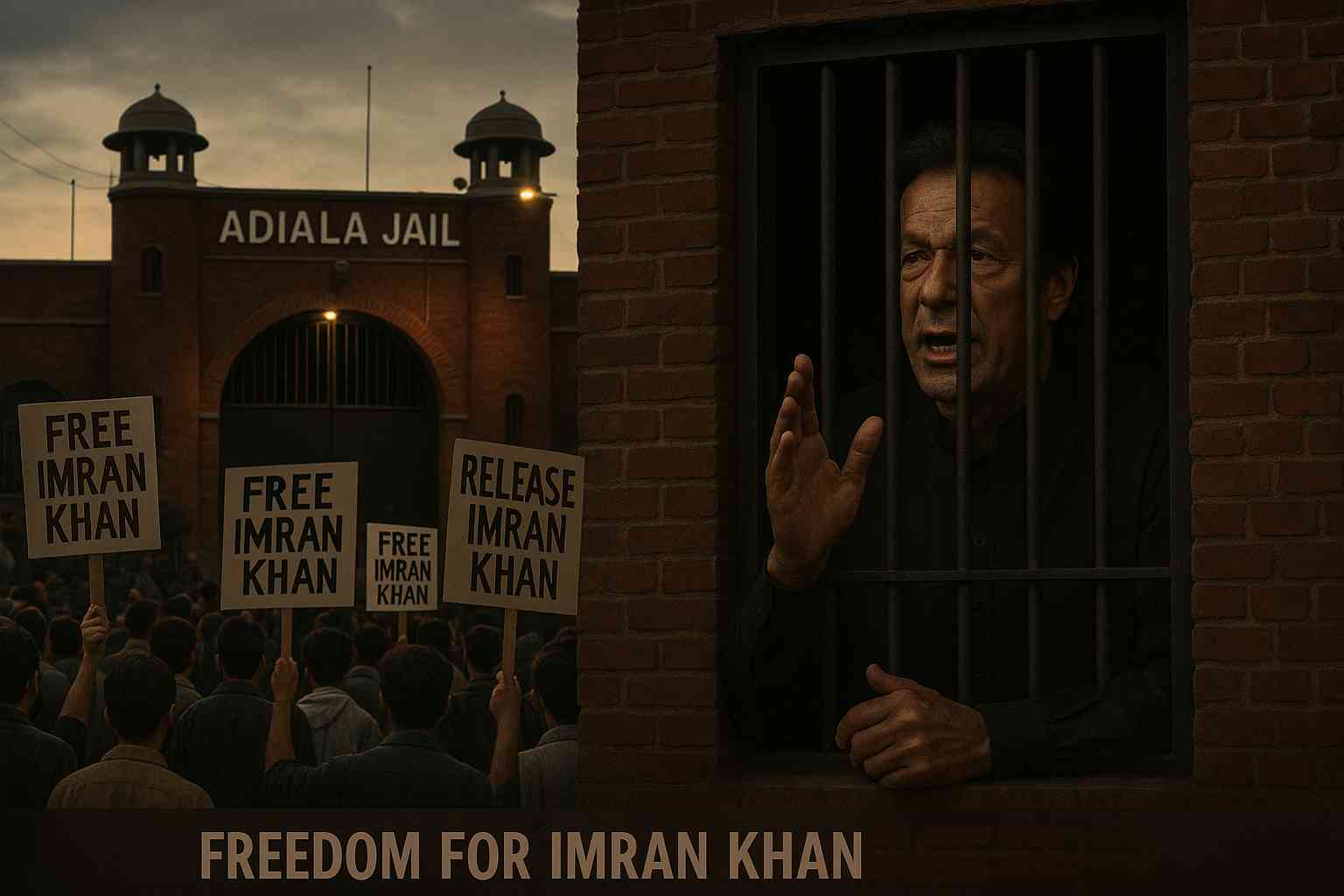
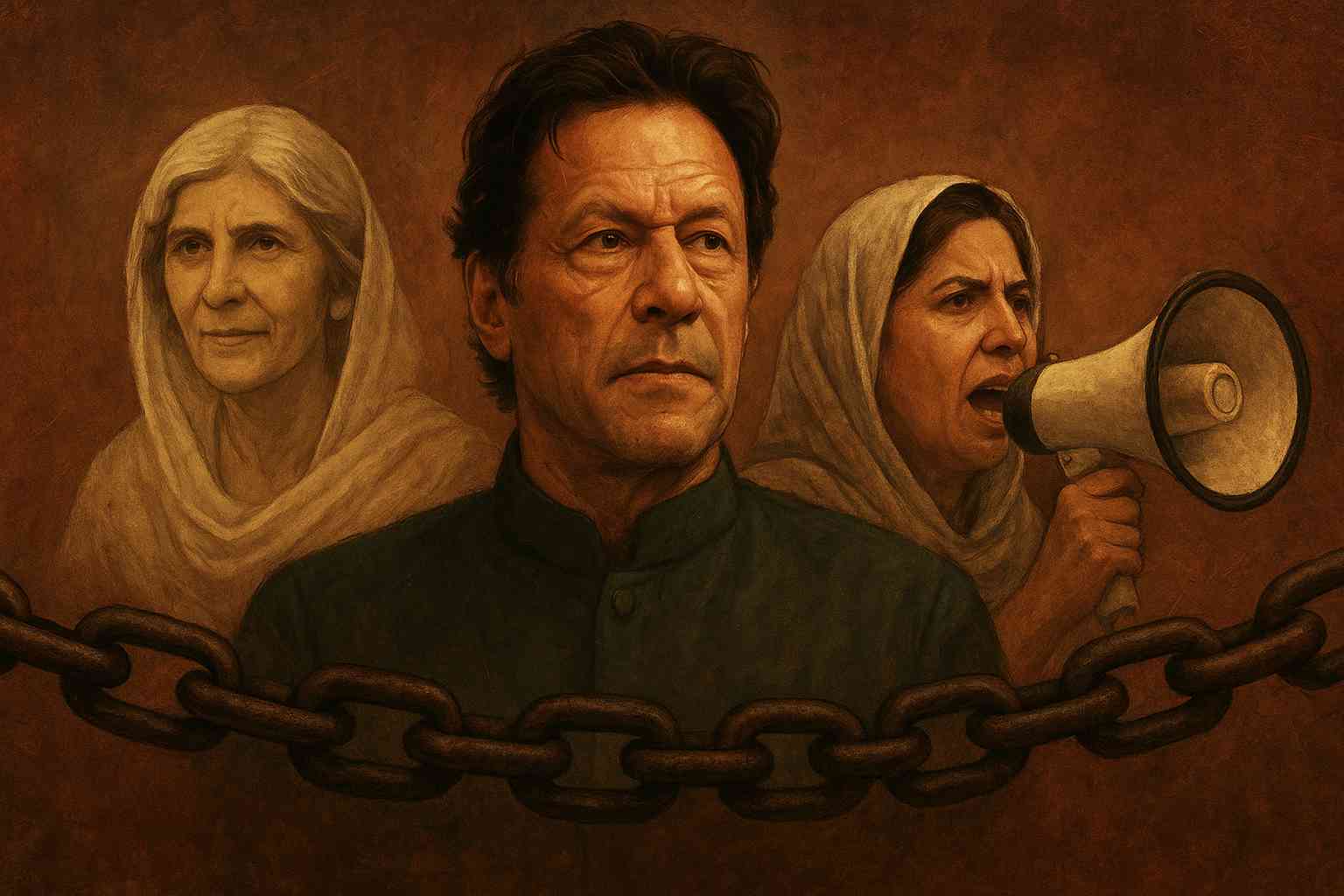
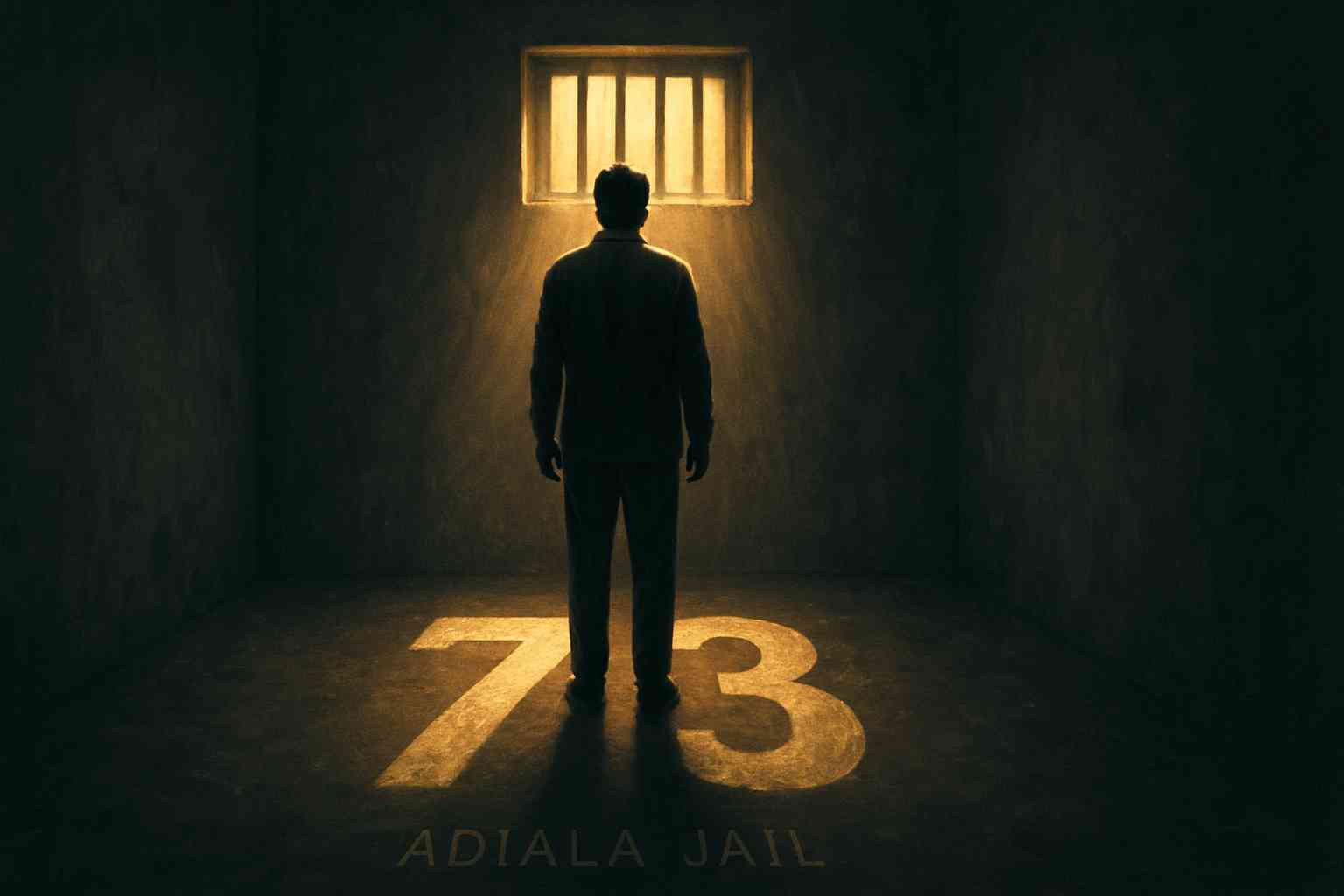
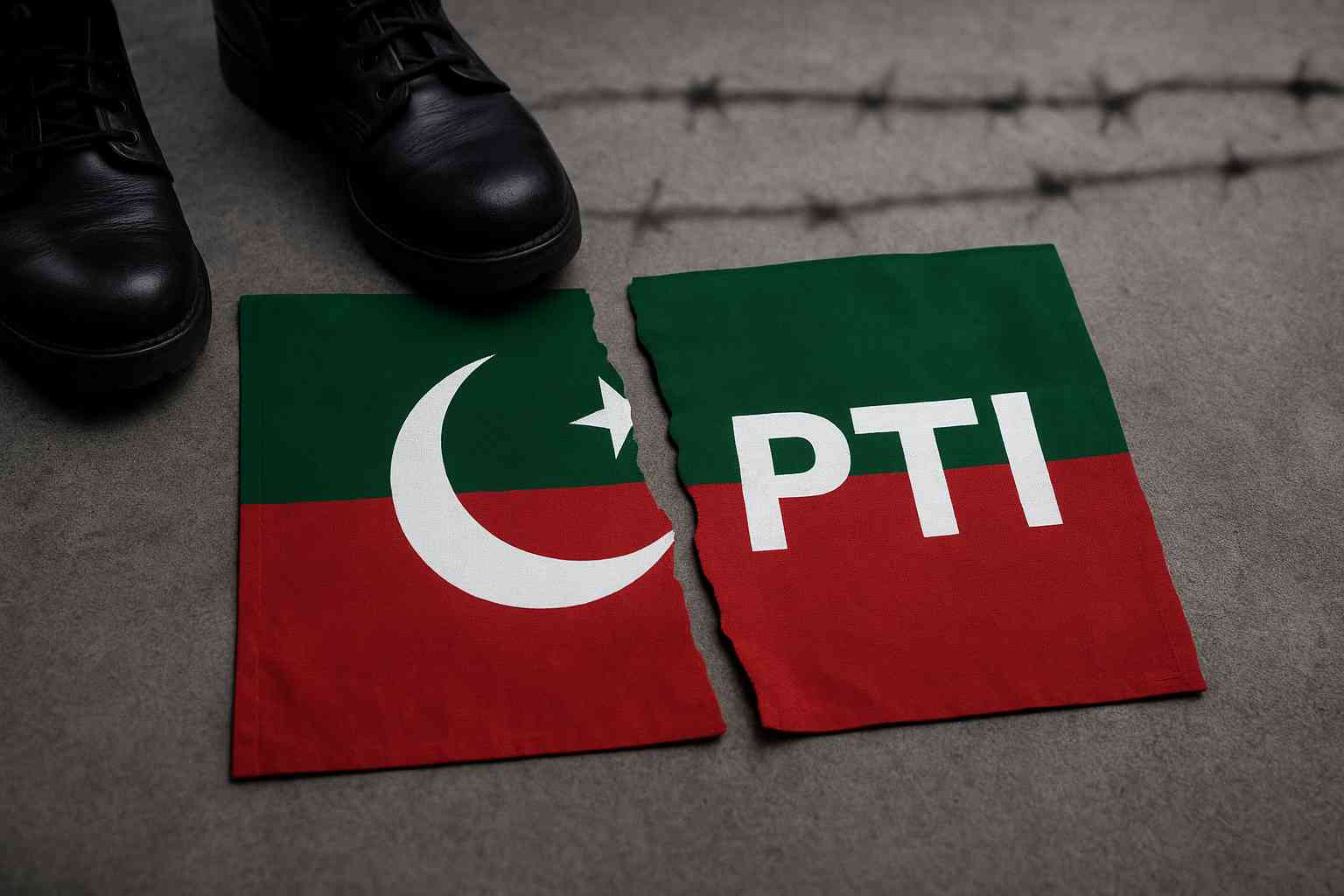
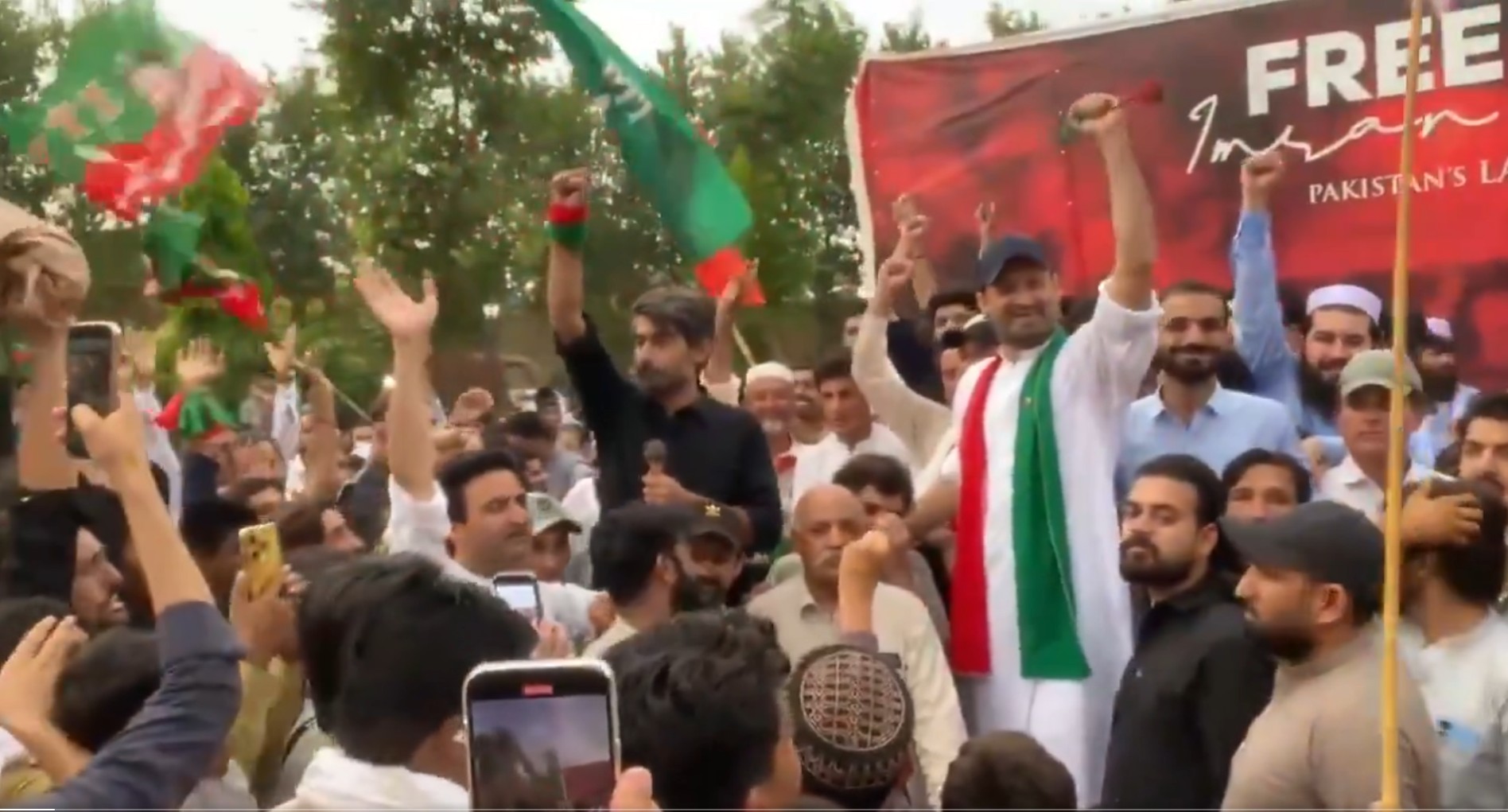
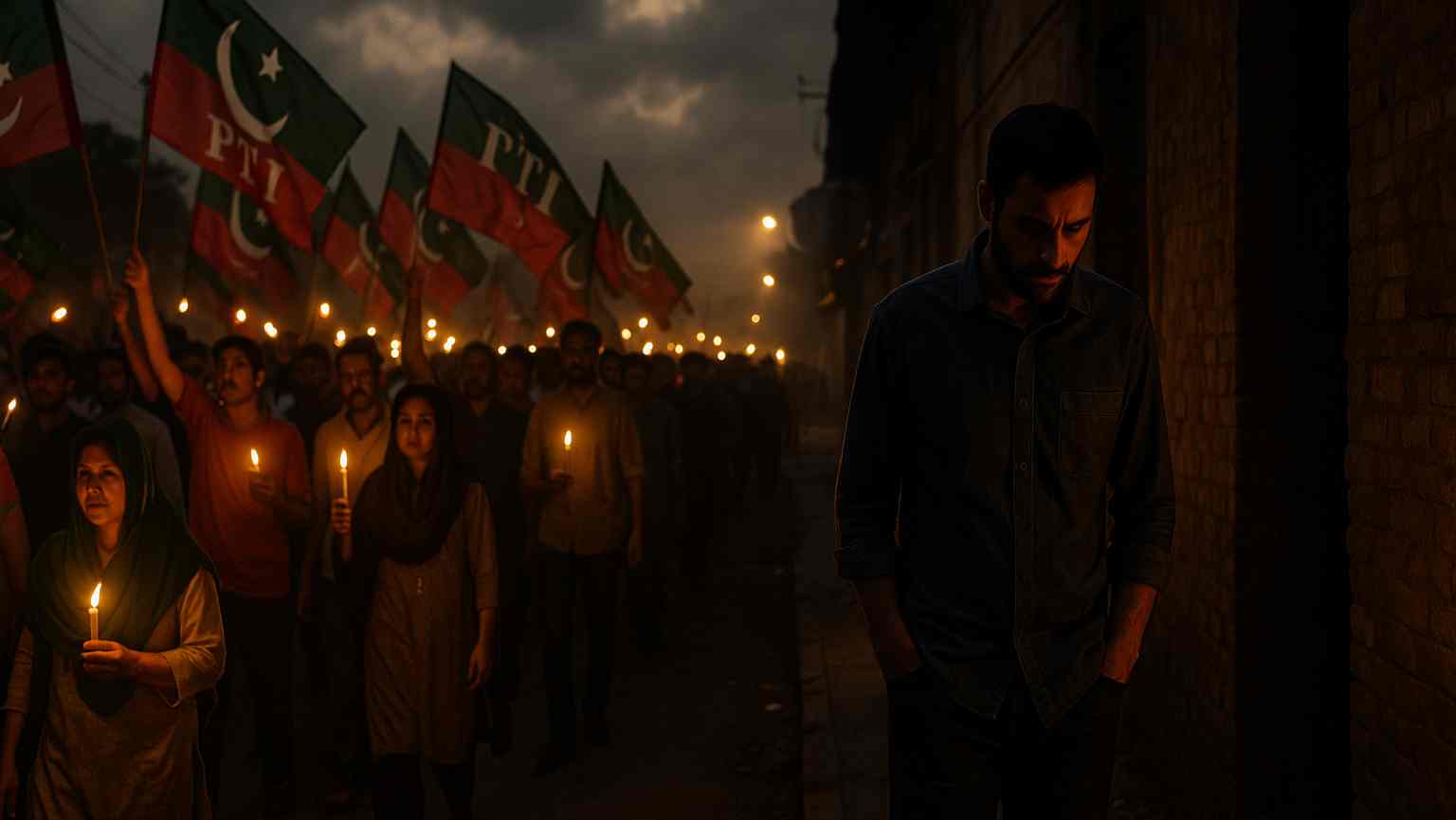
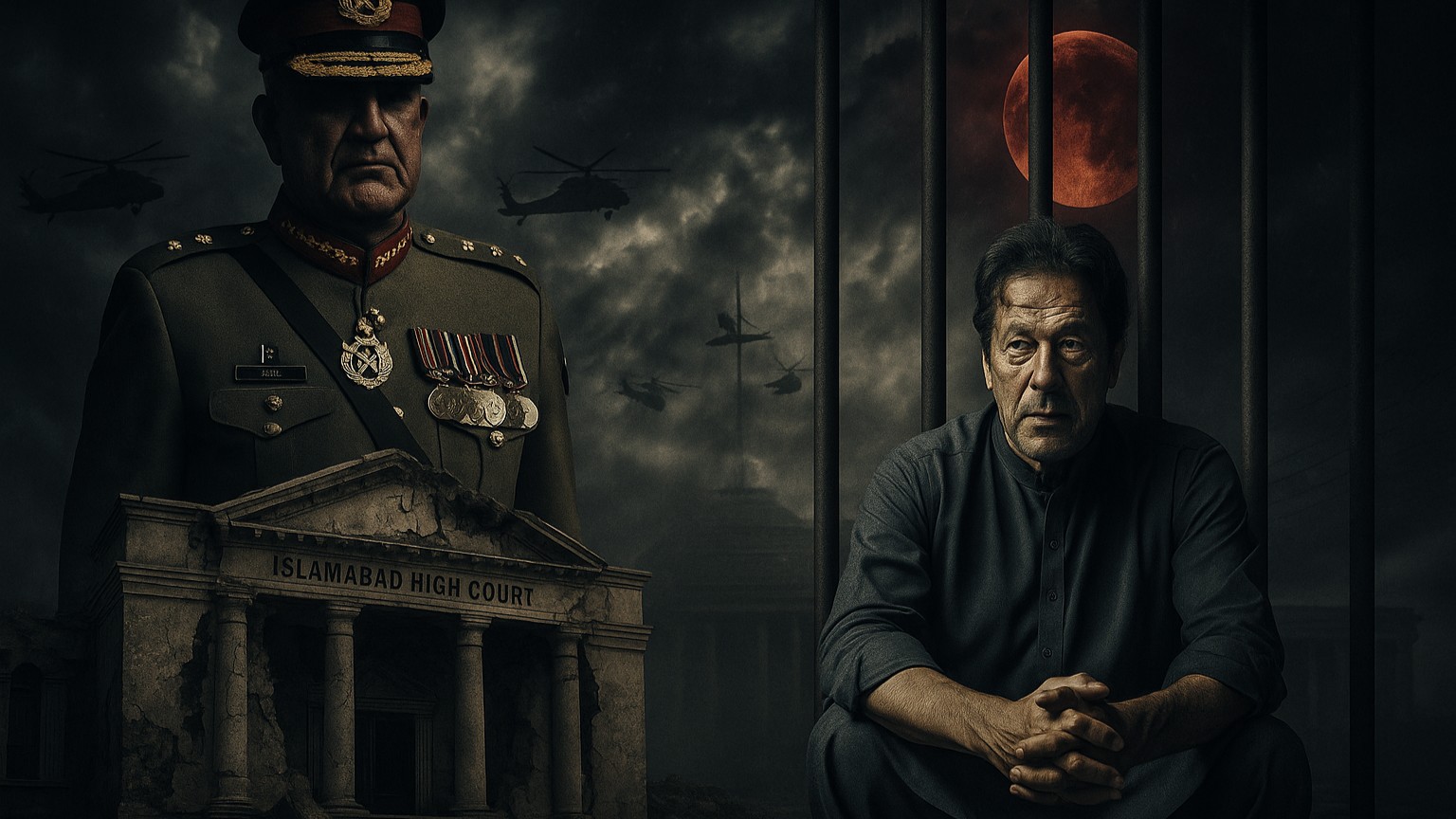
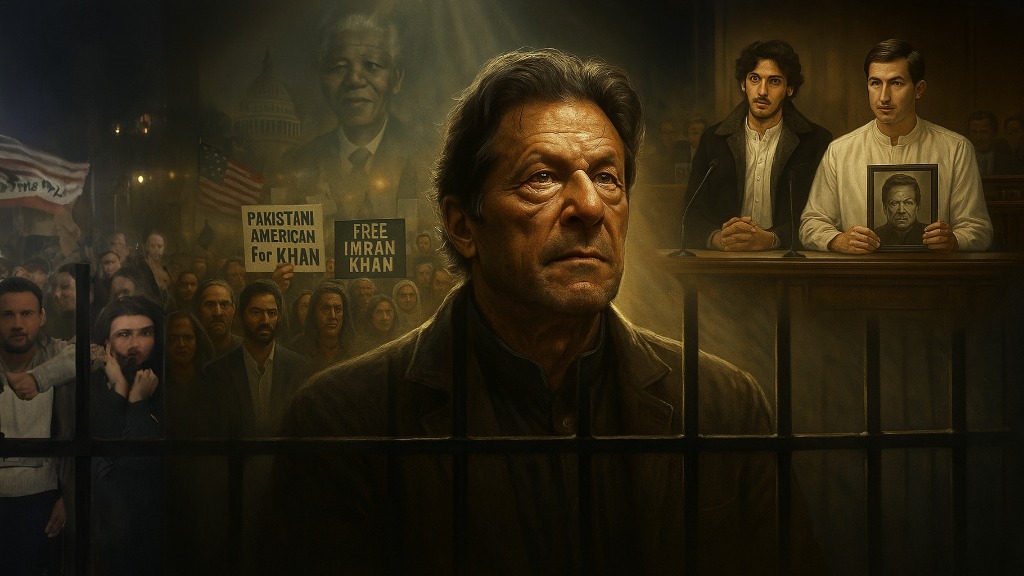
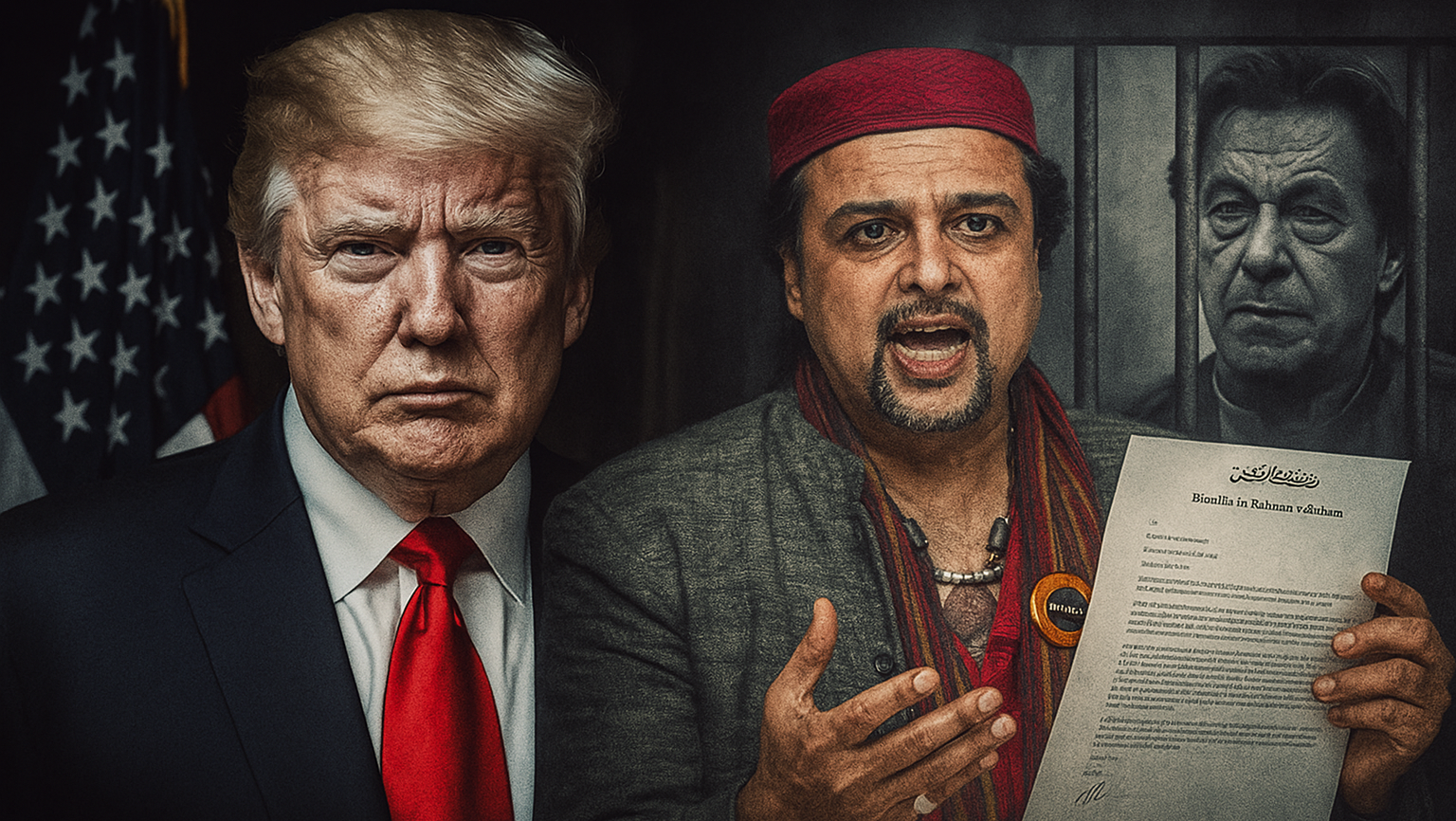
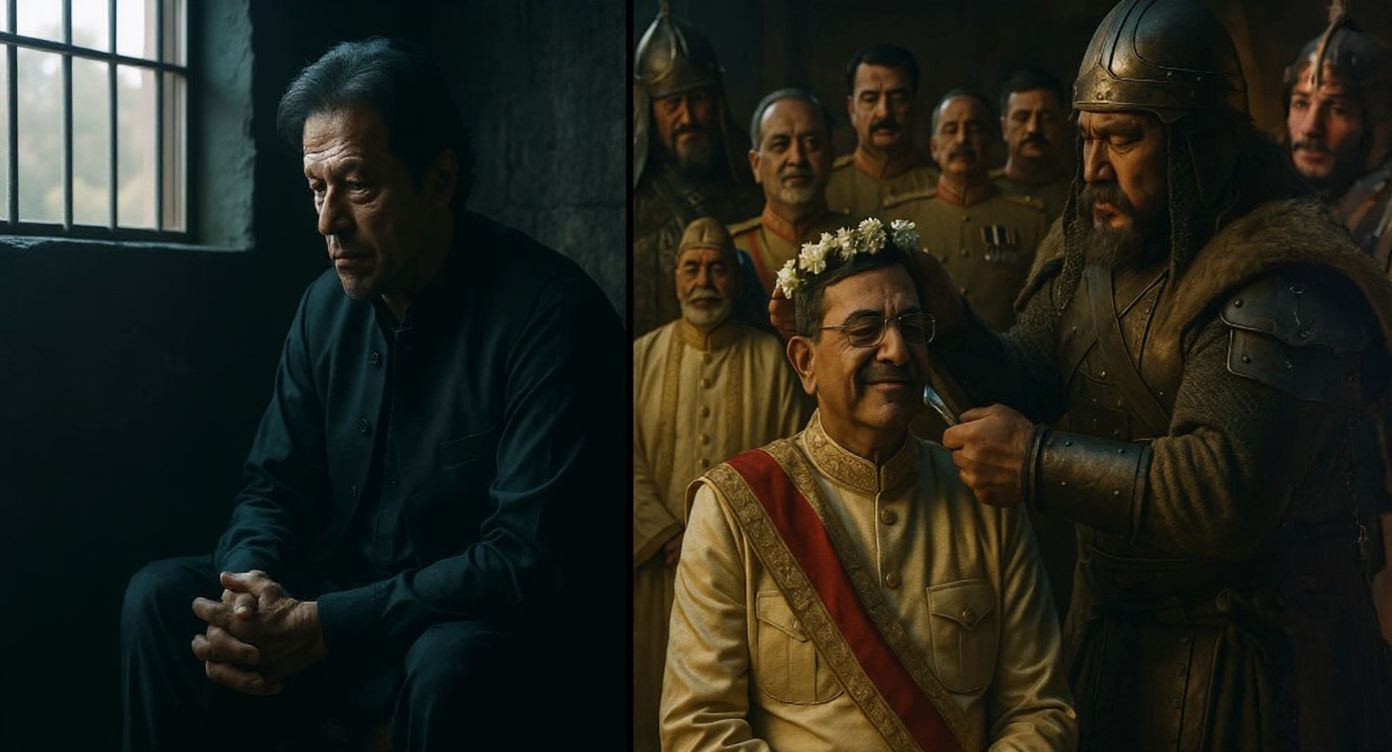
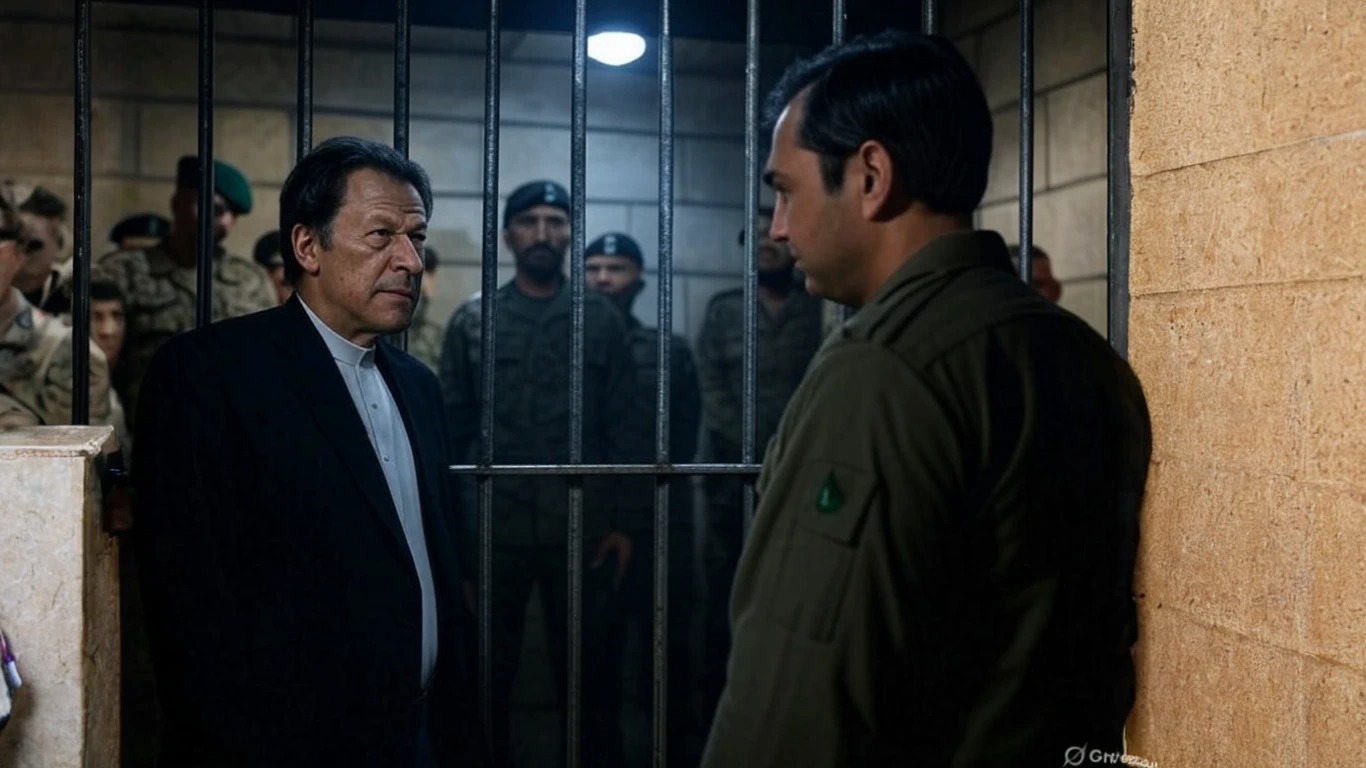
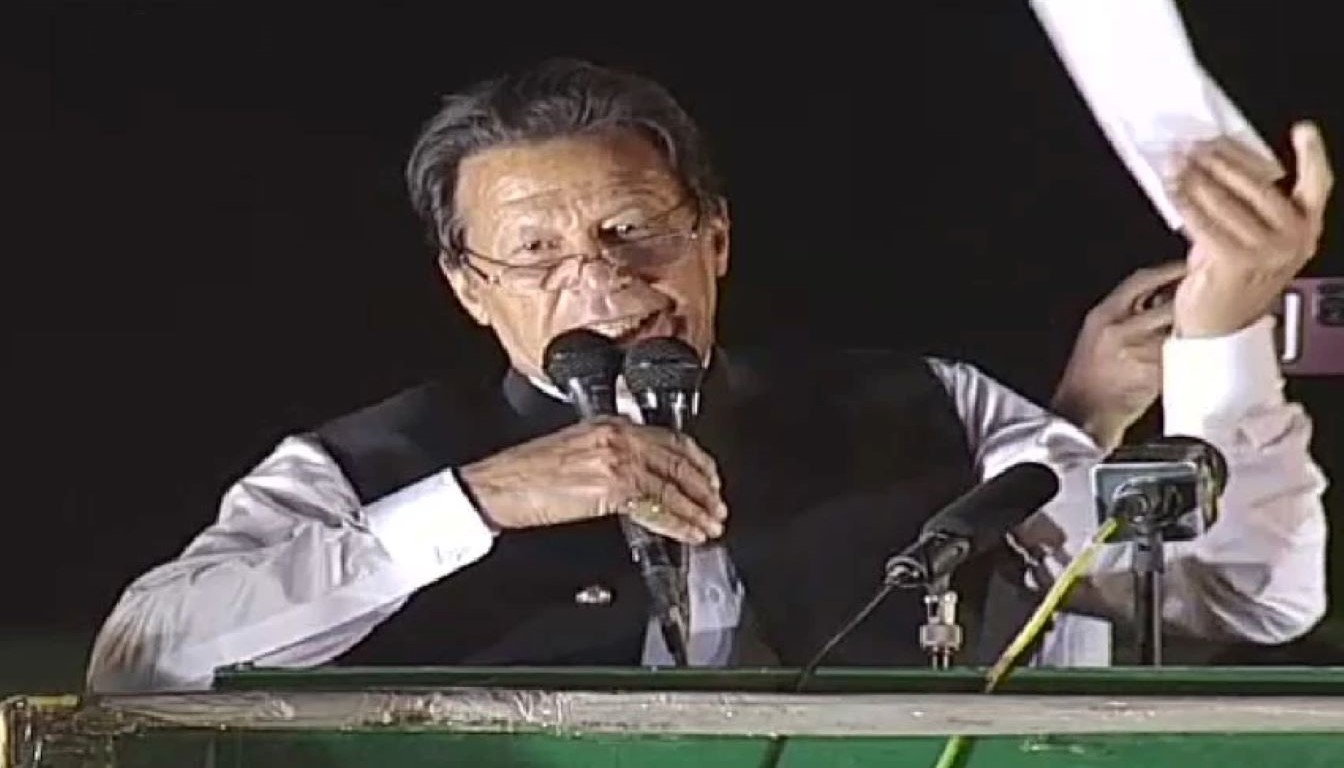
The 2024 elections stand hijacked; the public mandate manipulated. Imran Khan remains imprisoned on politically motivated charges, alongside thousands of his supporters. The askarandus and other beneficiaries either amplified the official narrative or stayed silent.
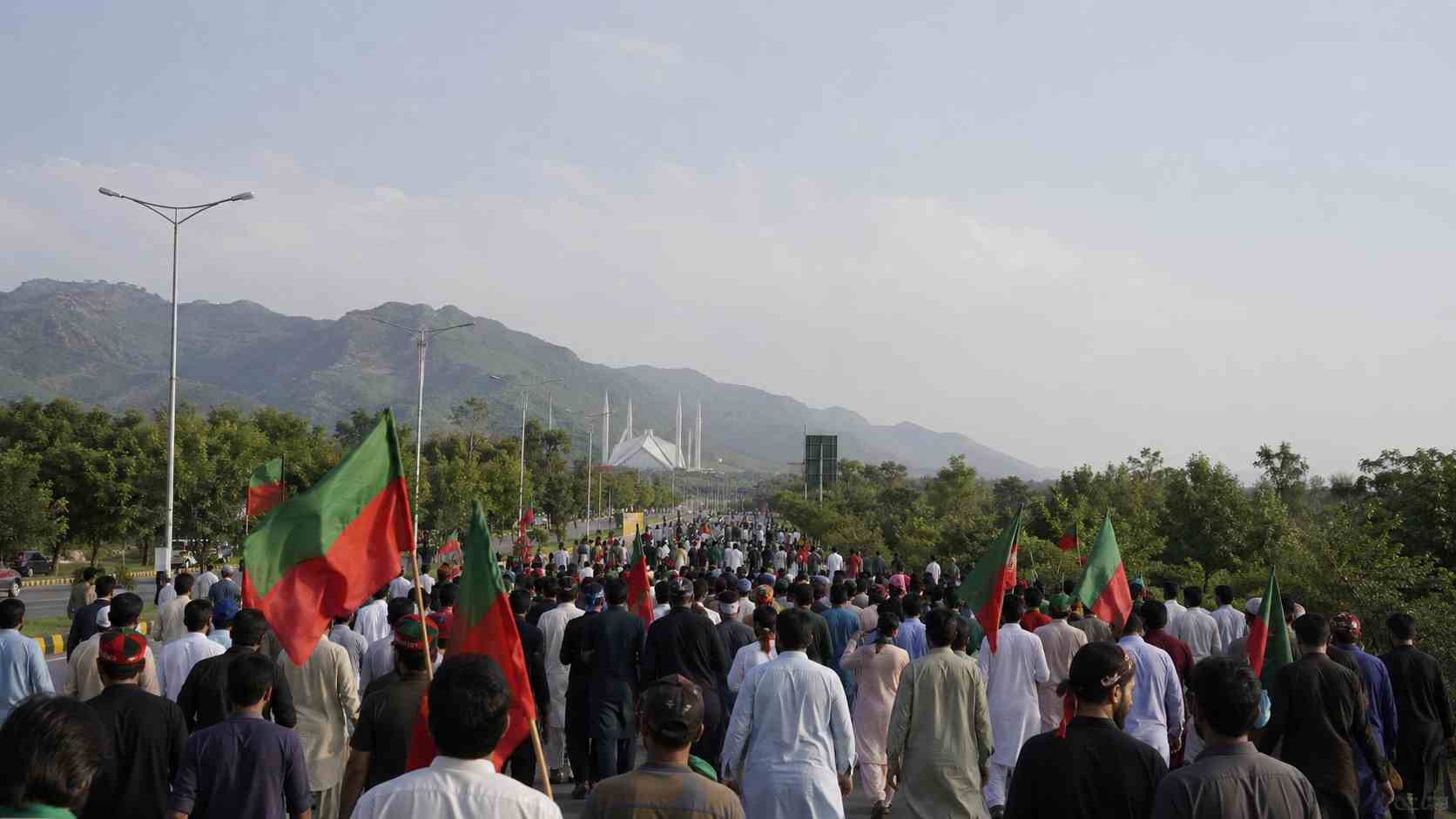
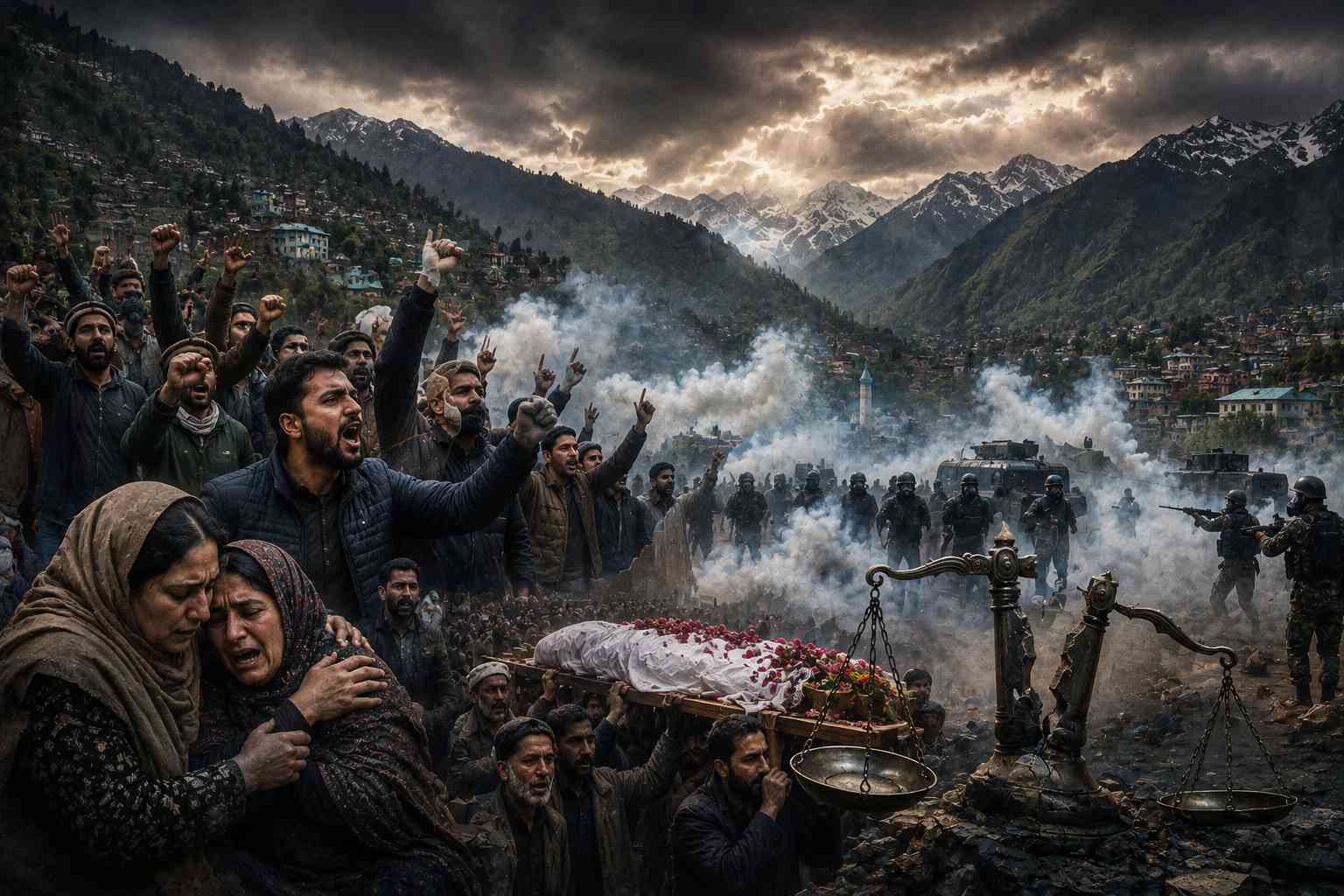
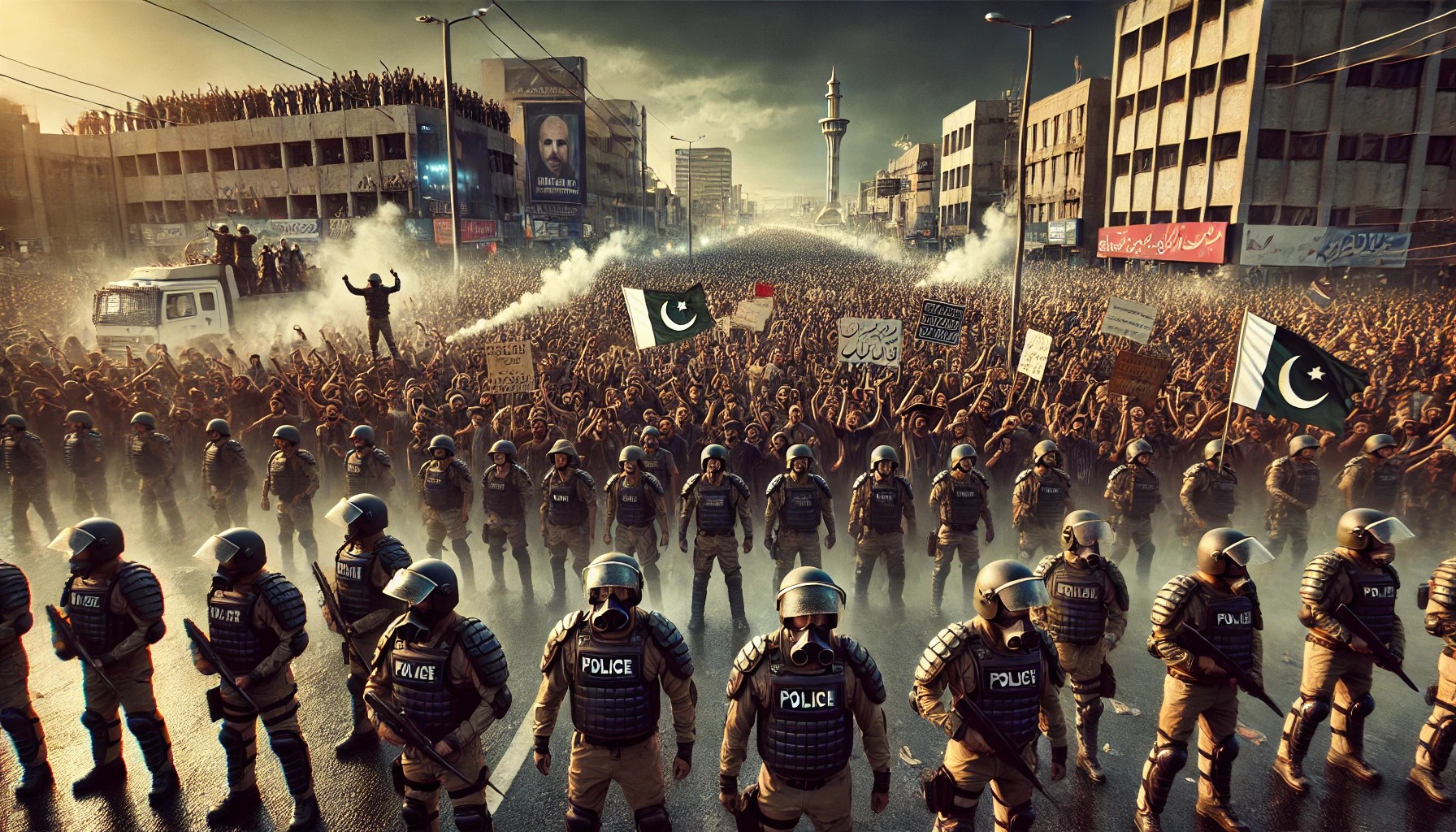
The May 9, 2023 protests were met with lethal force, deaths, and mass arrests. Similar violence erupted during November 2024 protests in Islamabad, with security forces opening fire killing hundreds if not thousands.
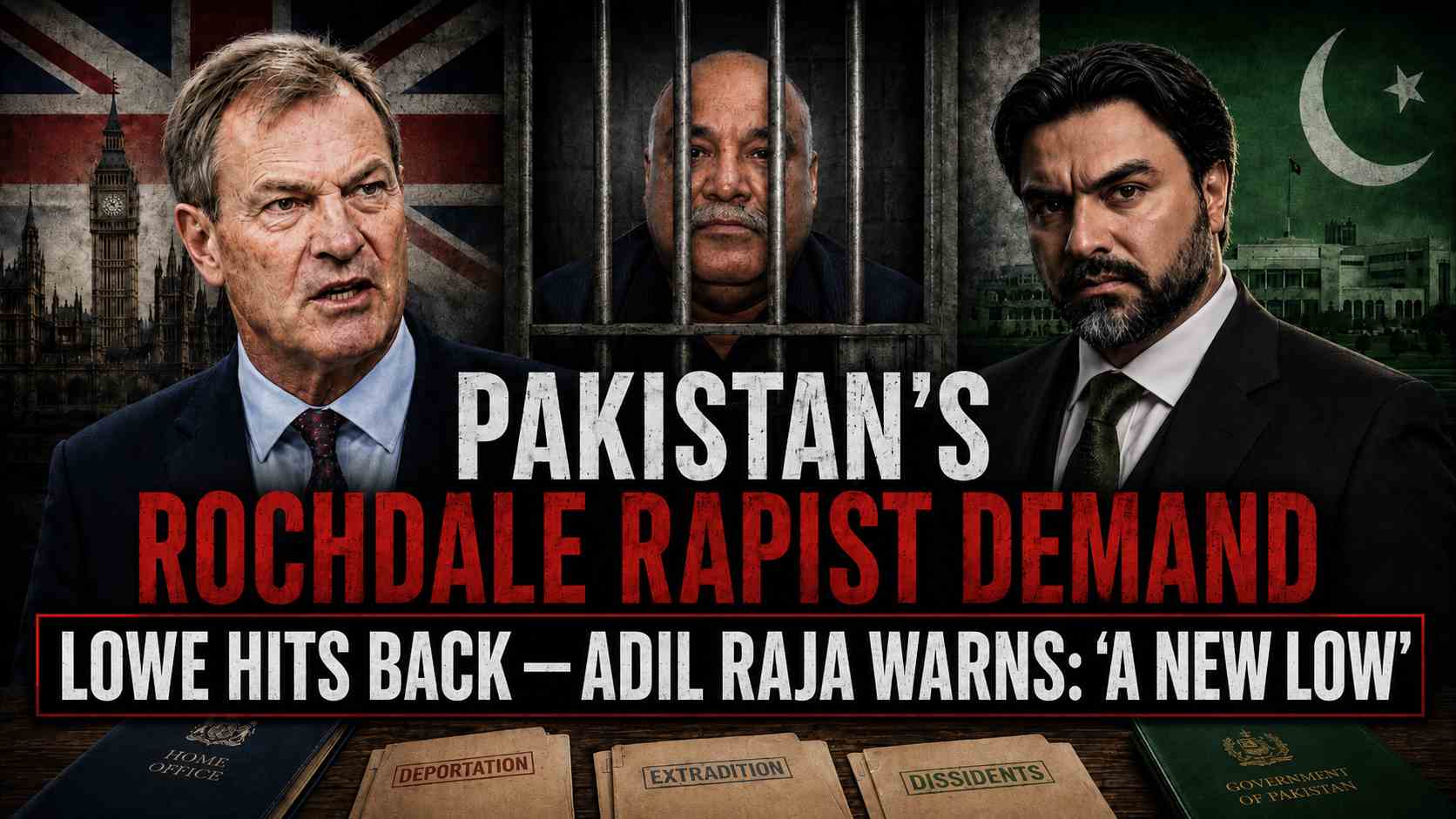
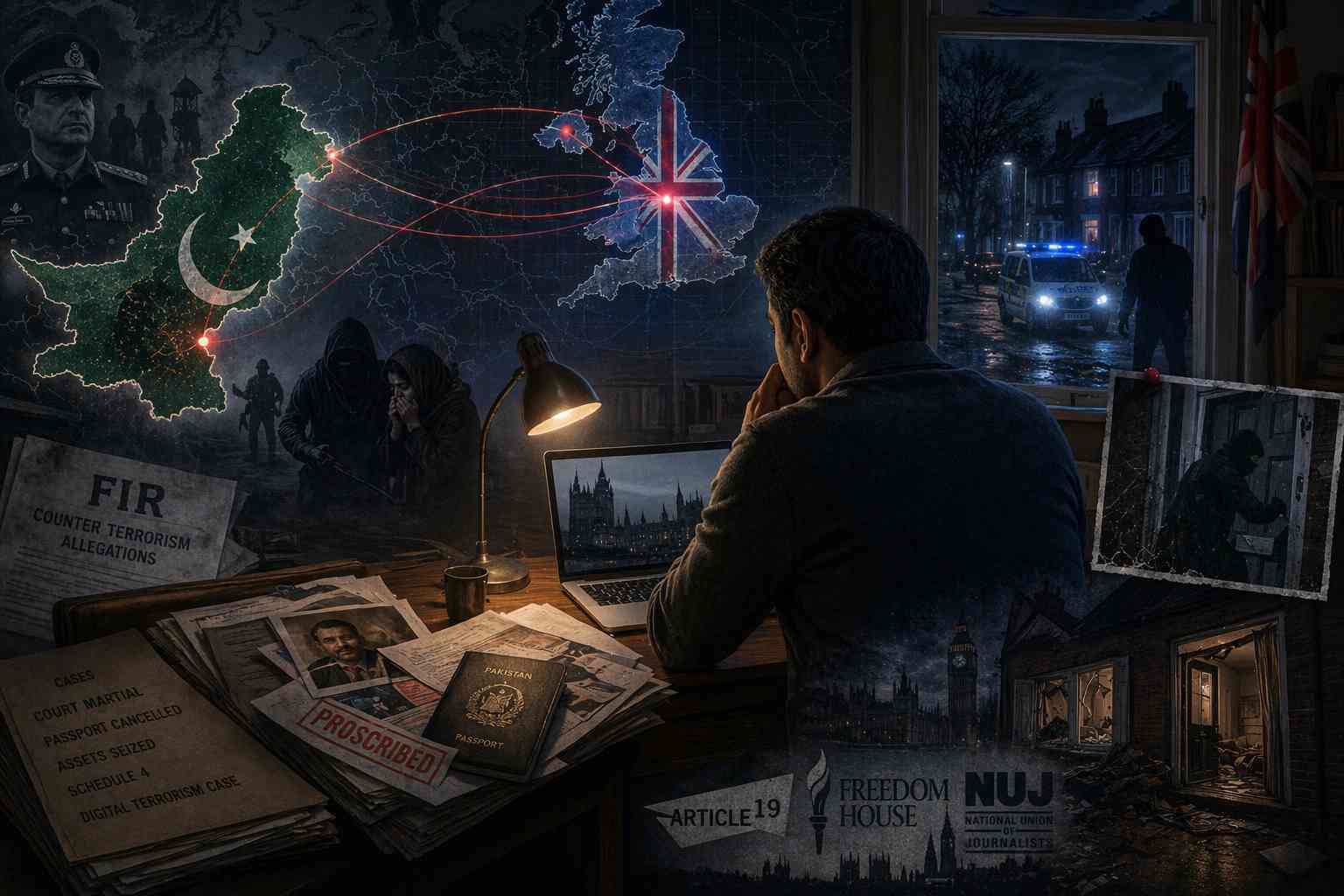
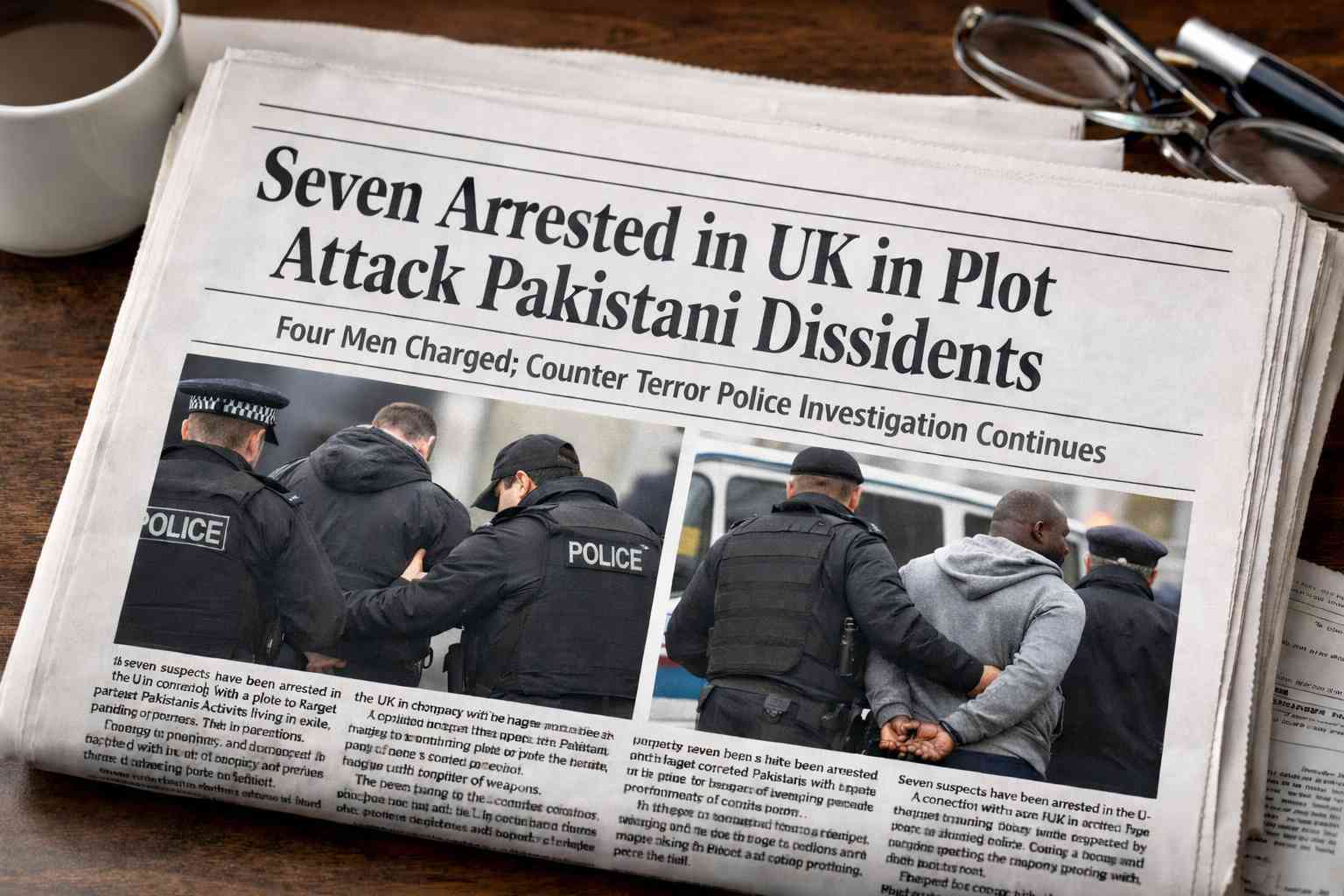
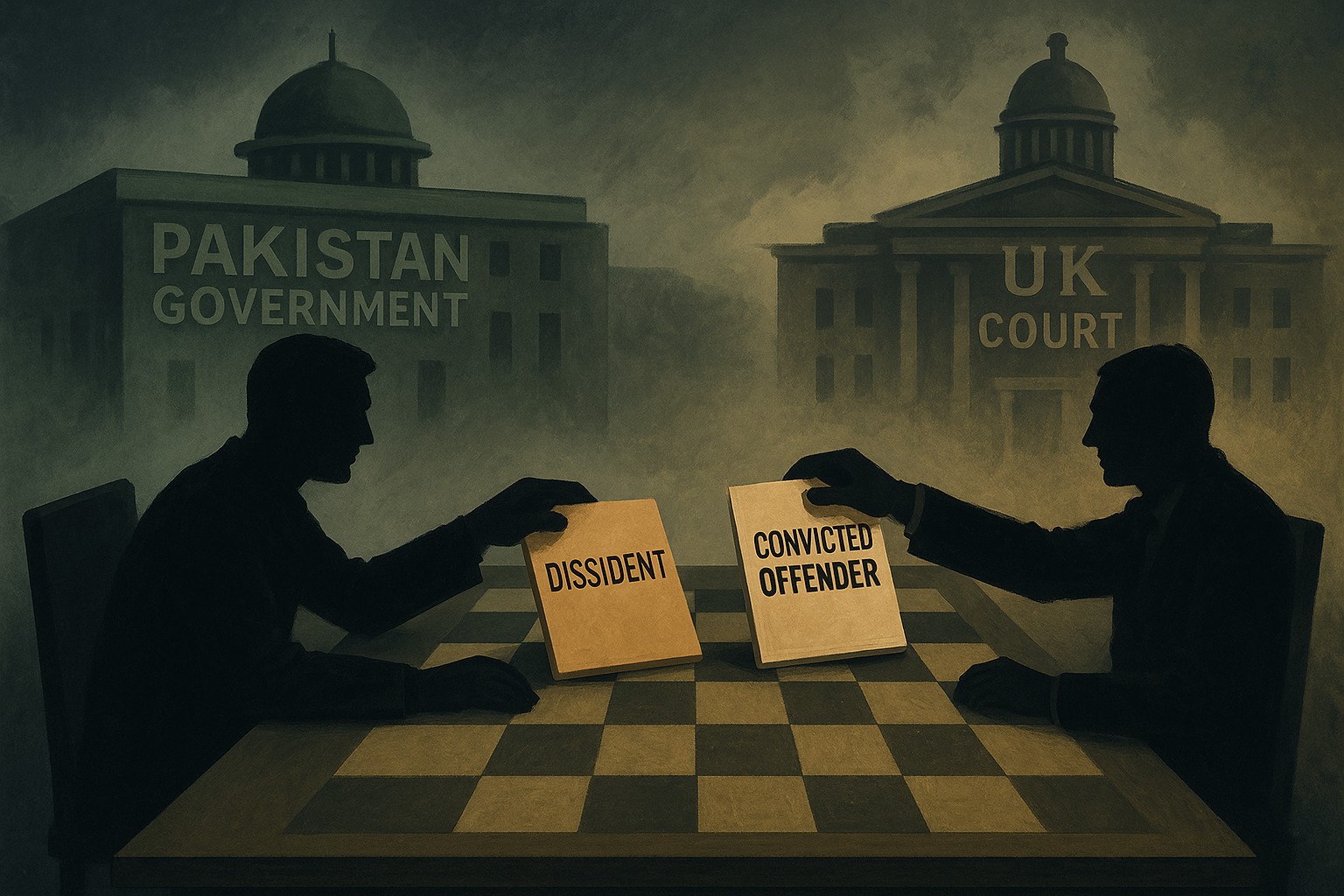
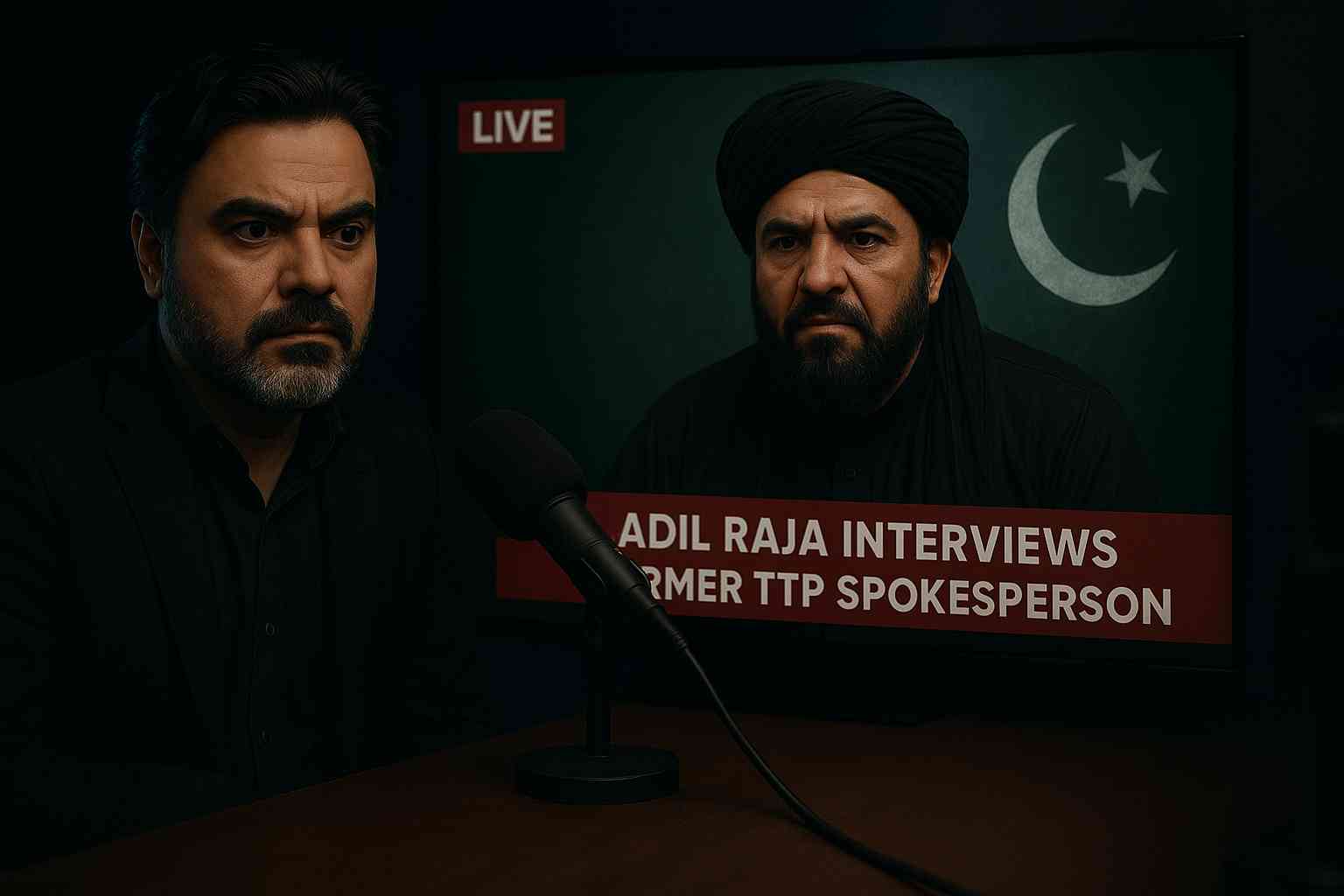
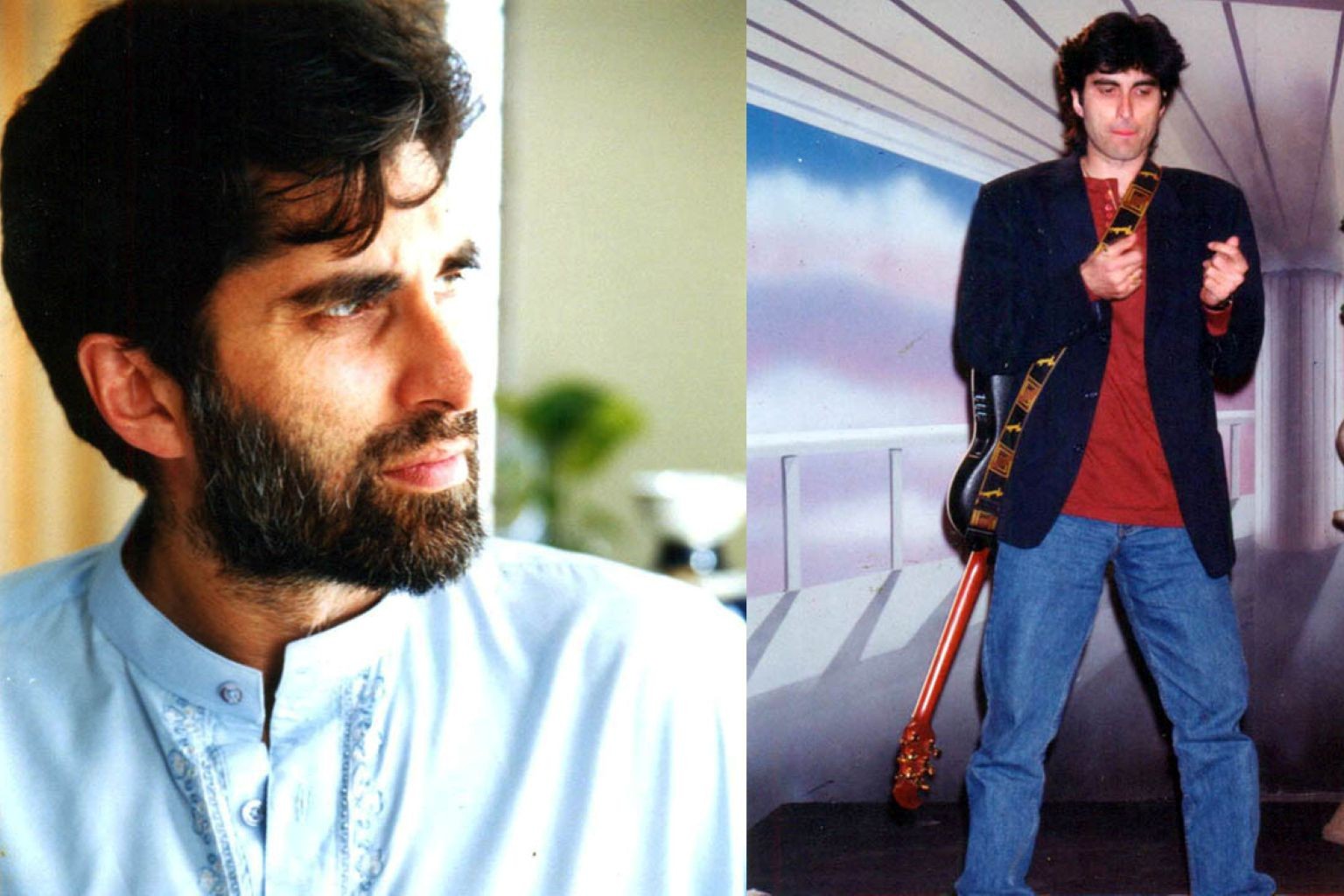
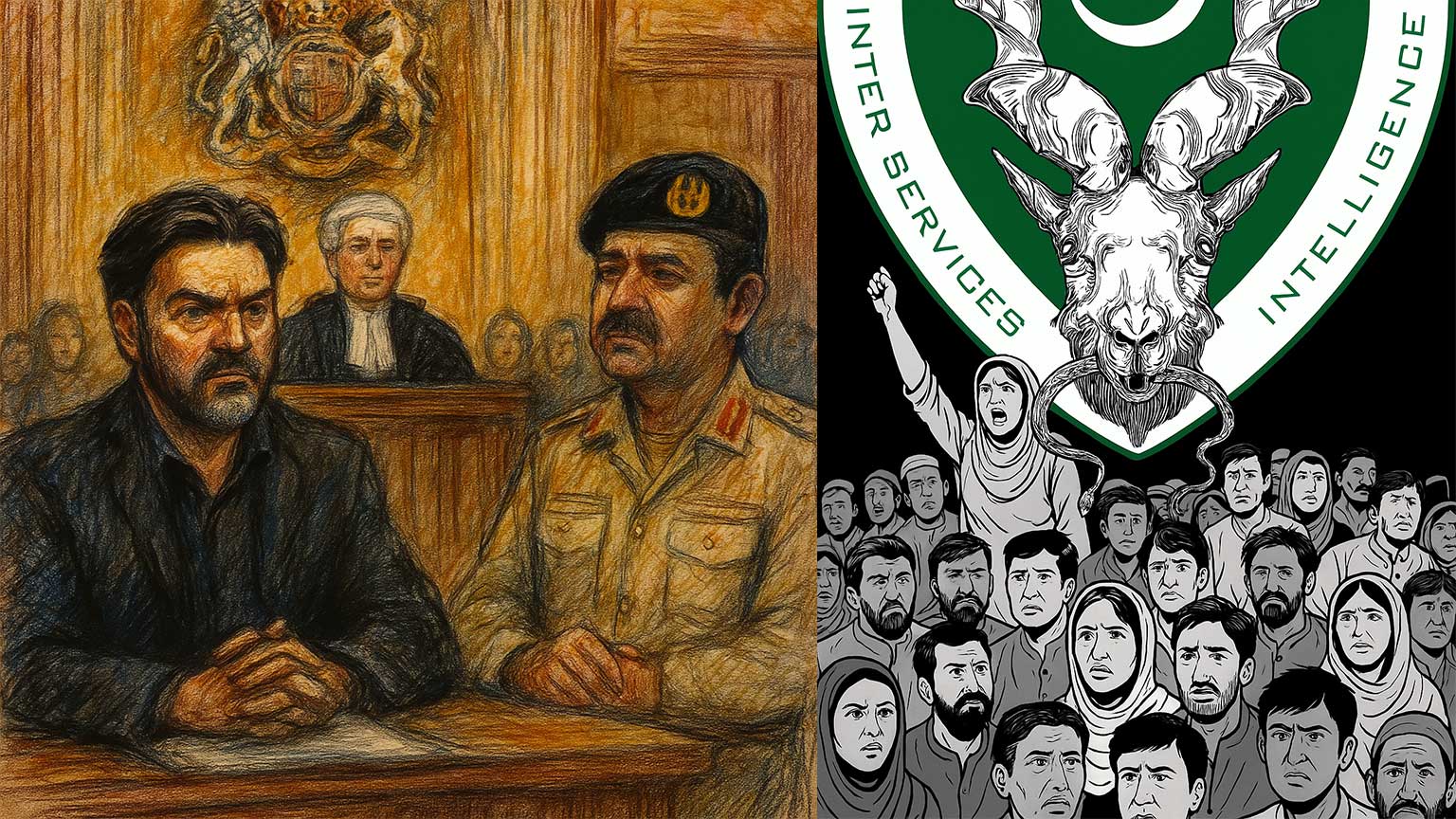
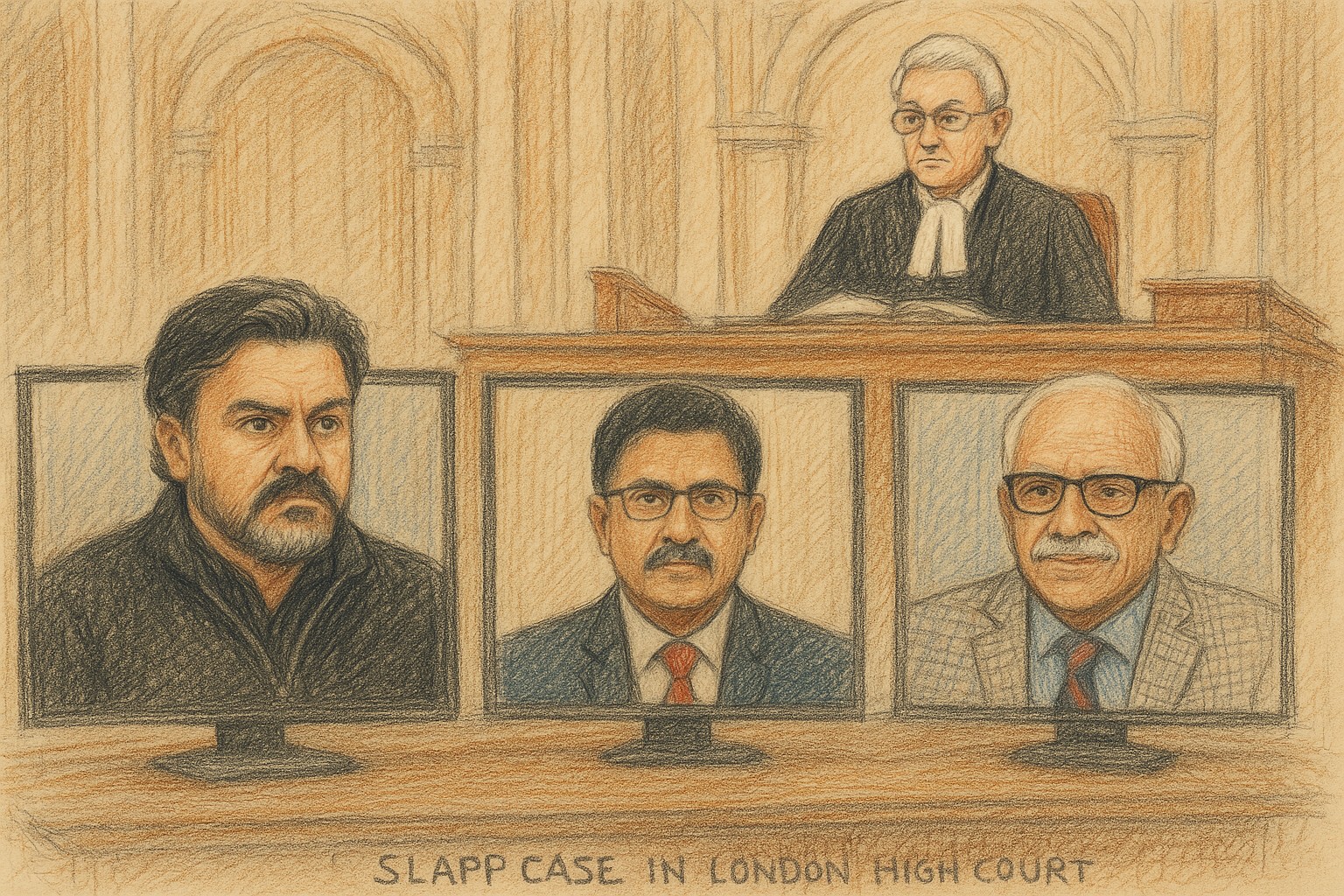
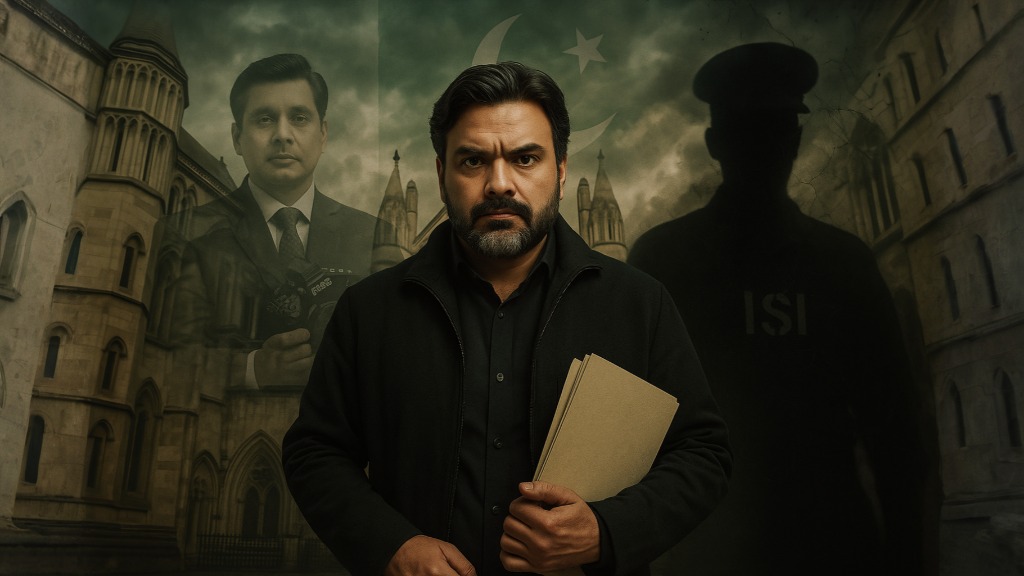
Self exiled critics face transnational repression: revoked passports, threats to families, and targeted operations abroad, including against my own husband, former Pakistan Army officer turned journalist, Major Adil Raja.
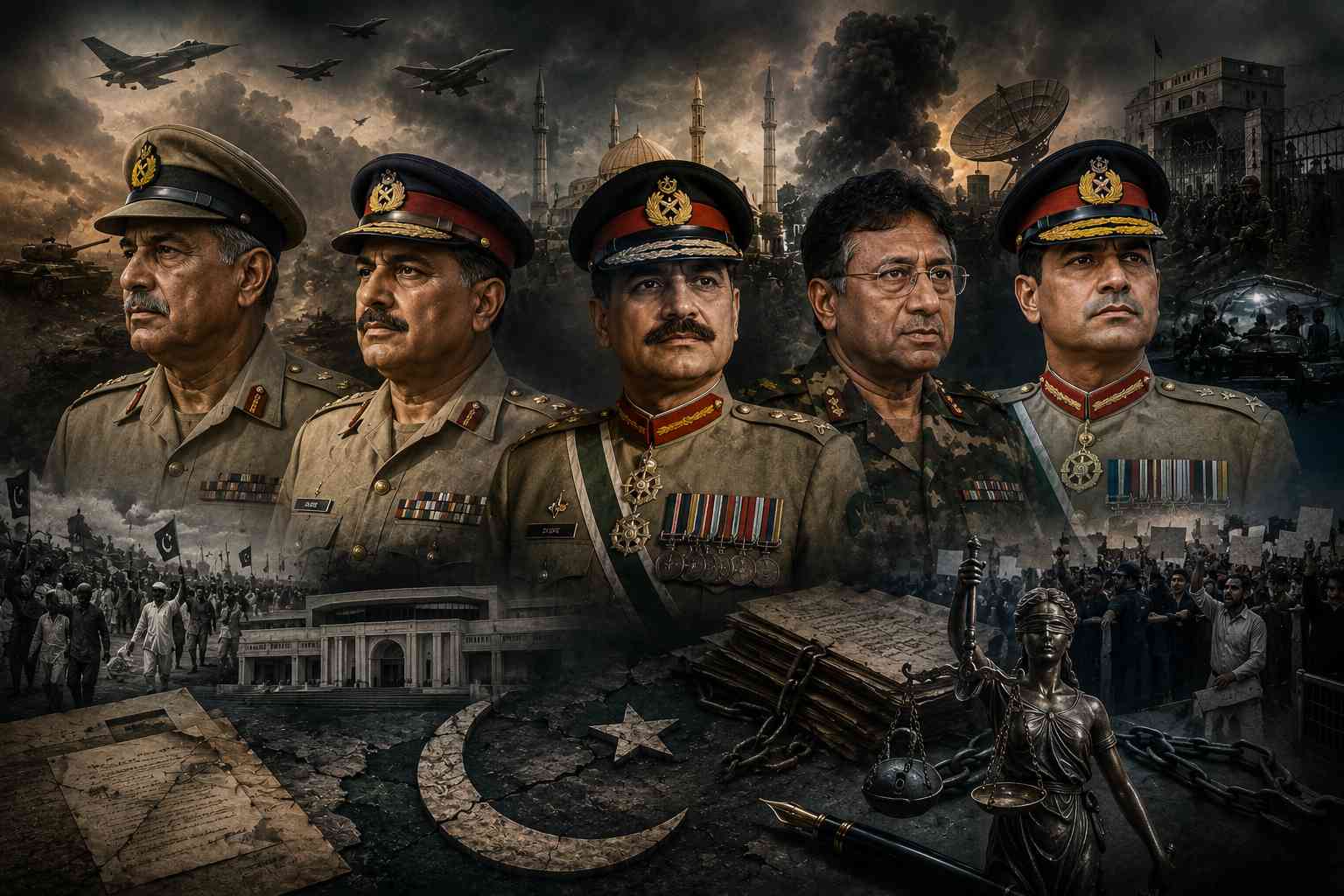
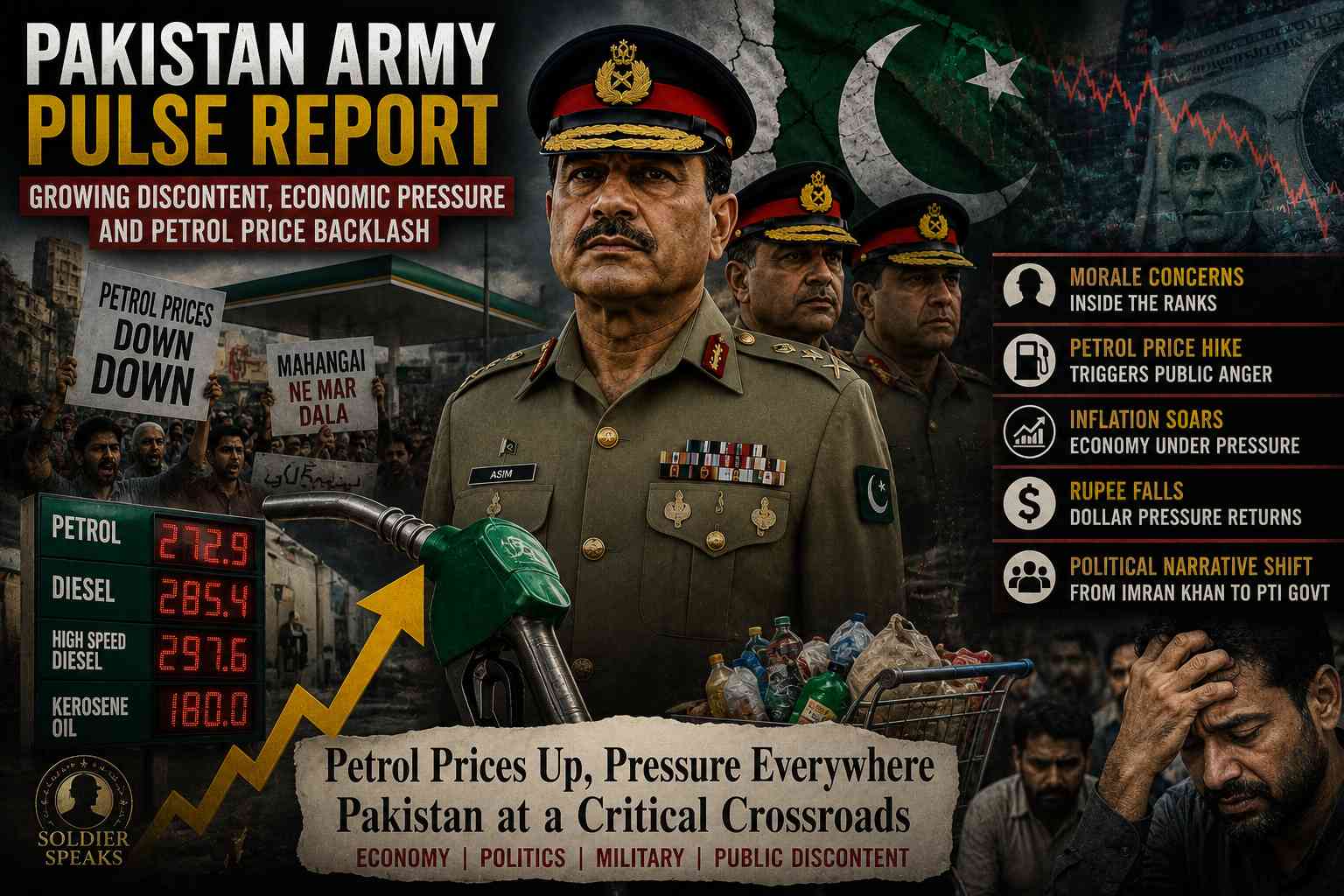
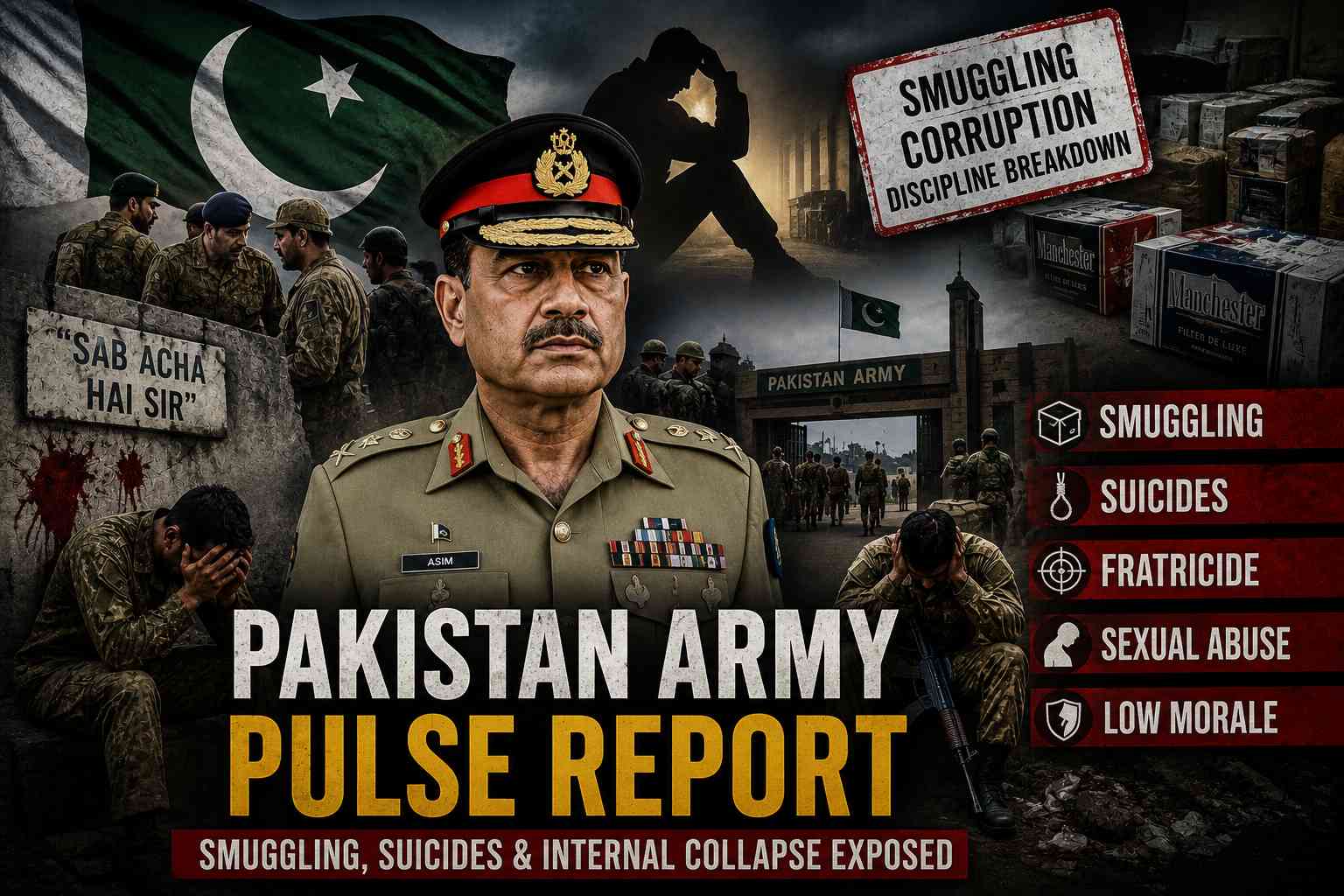
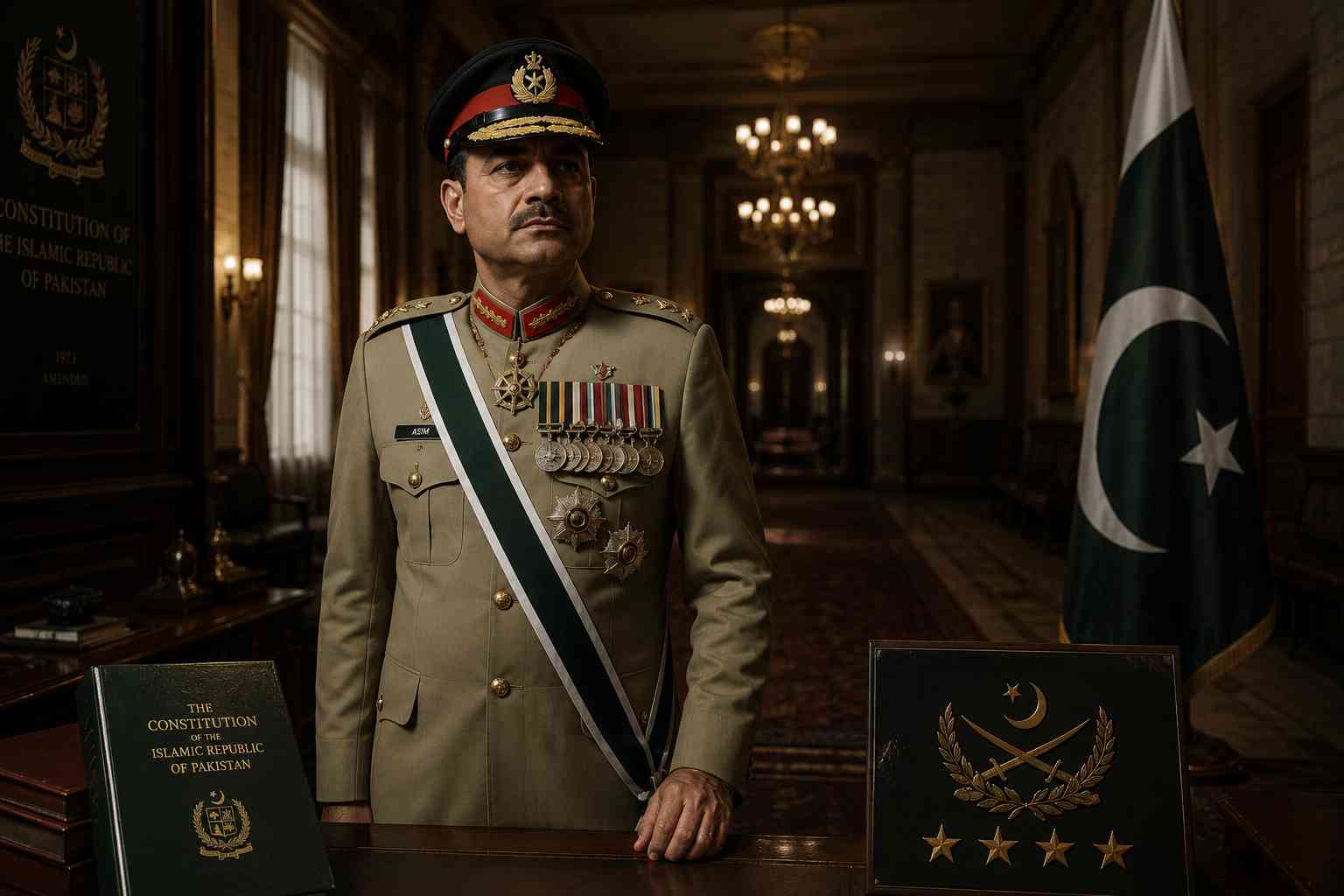
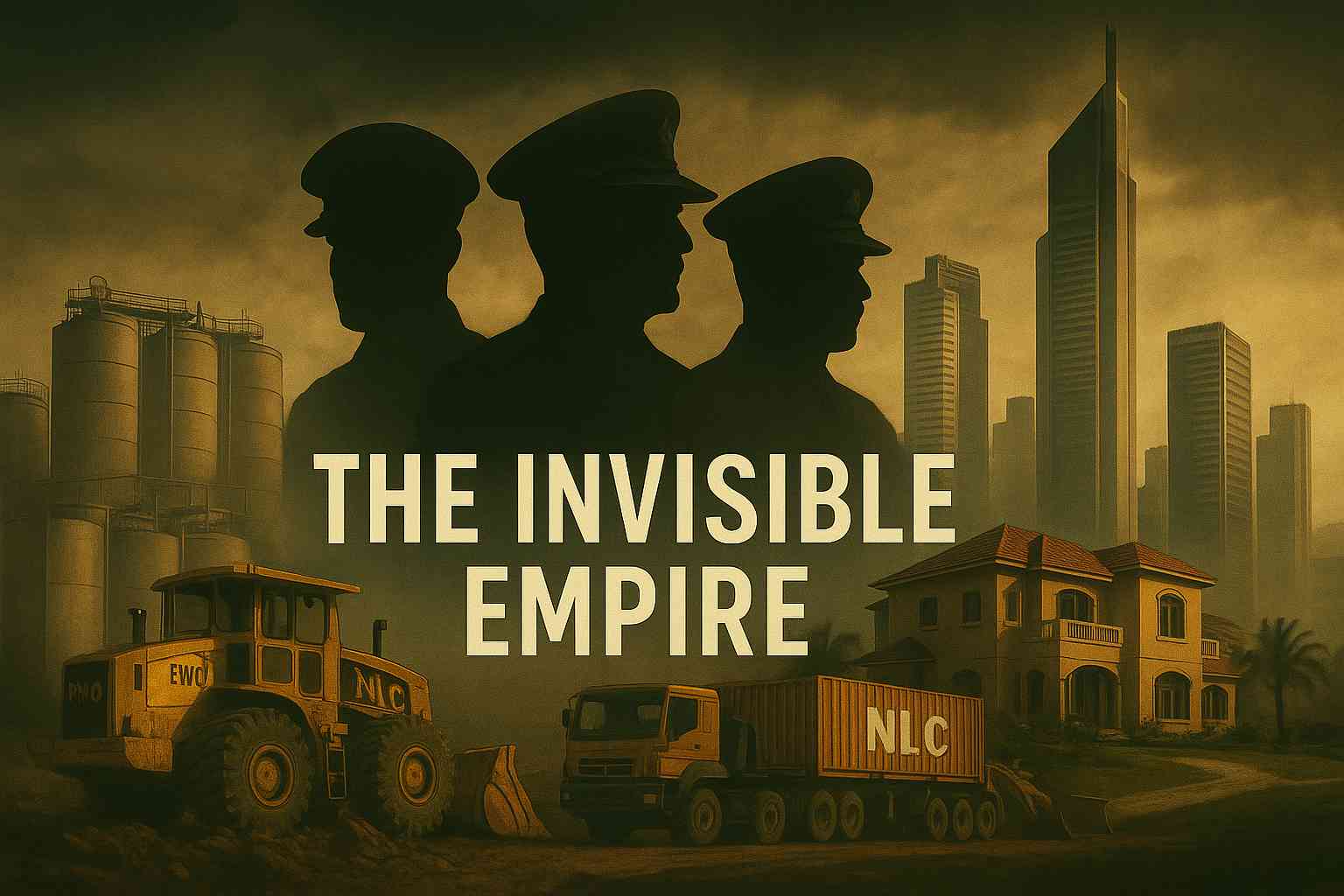
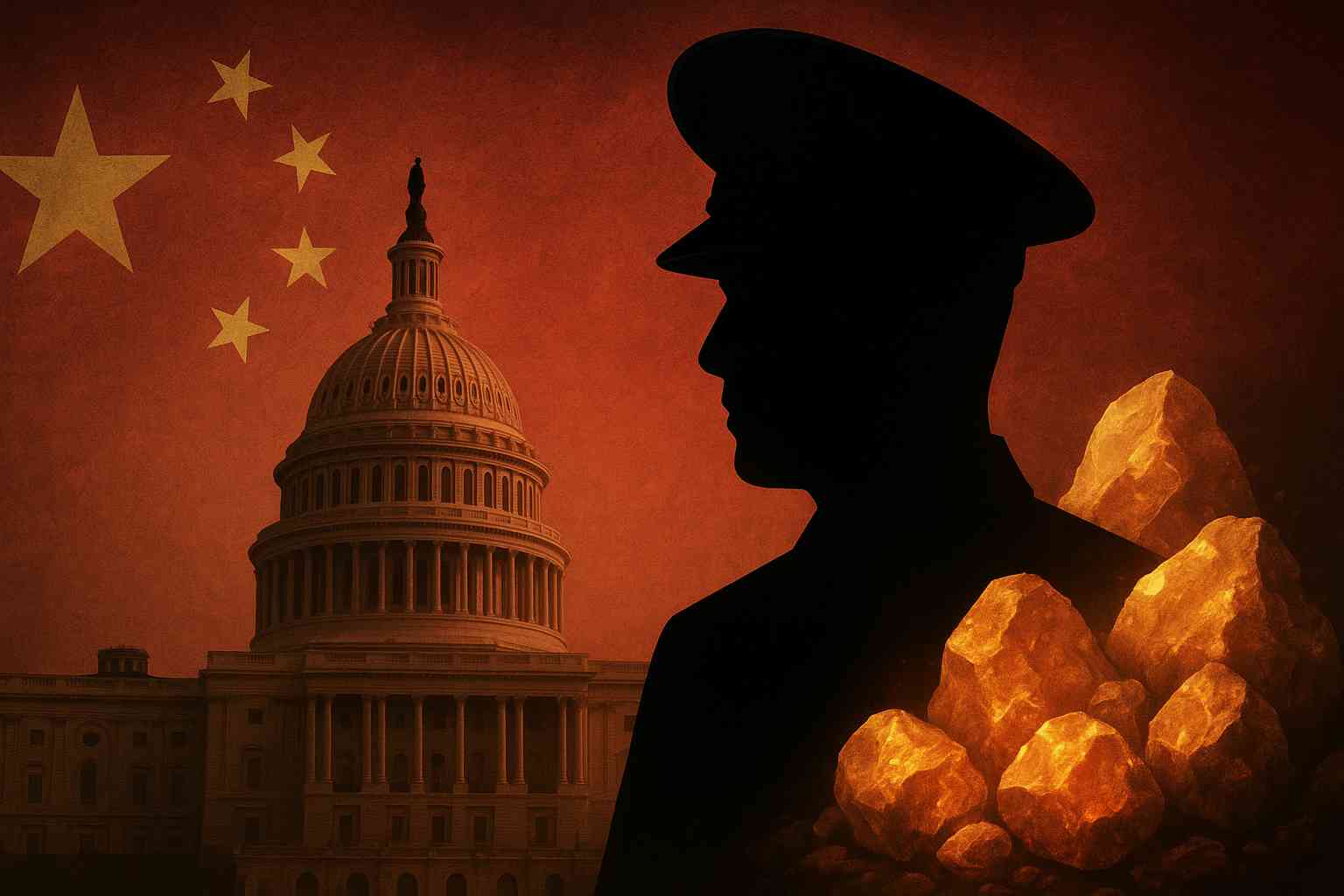
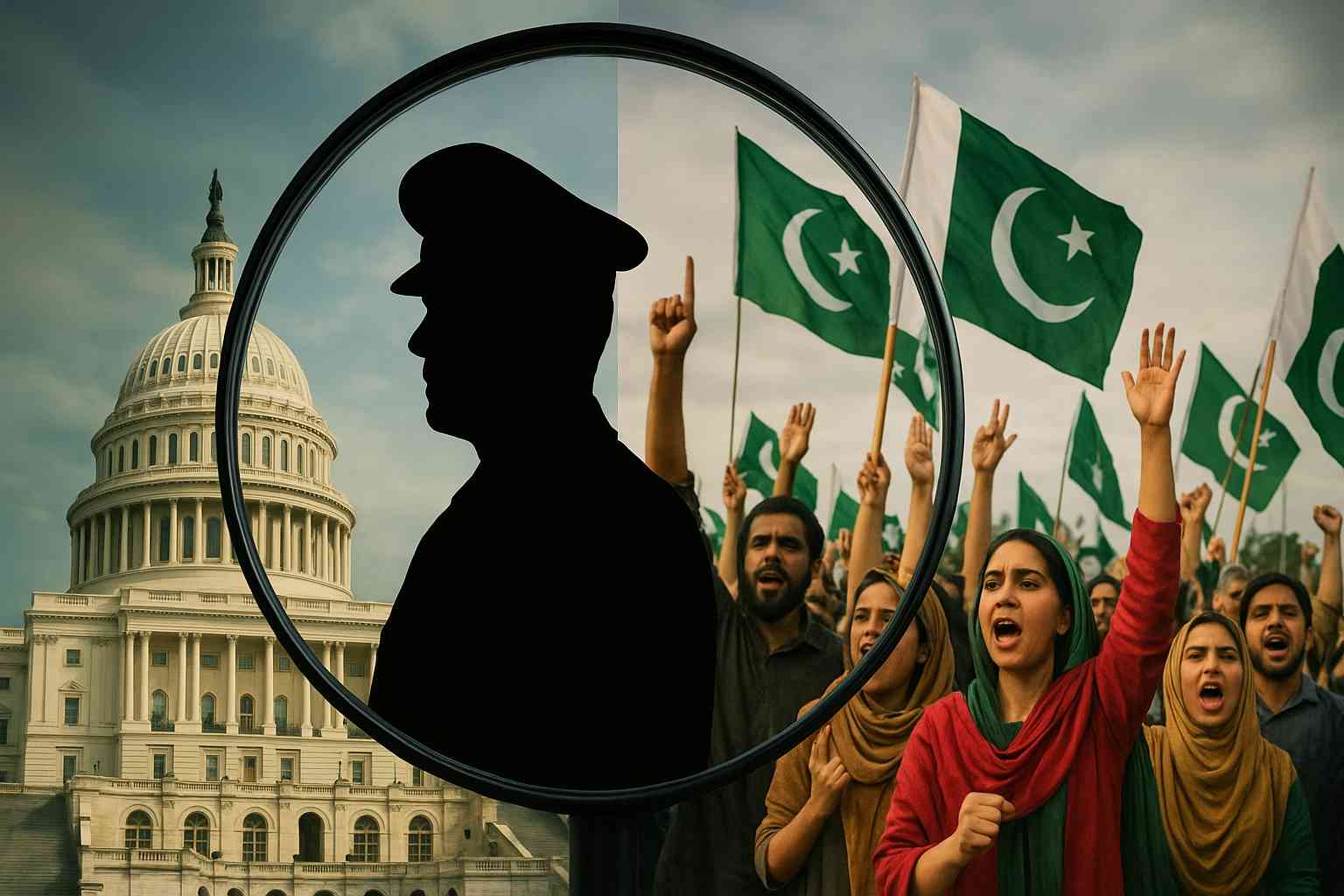
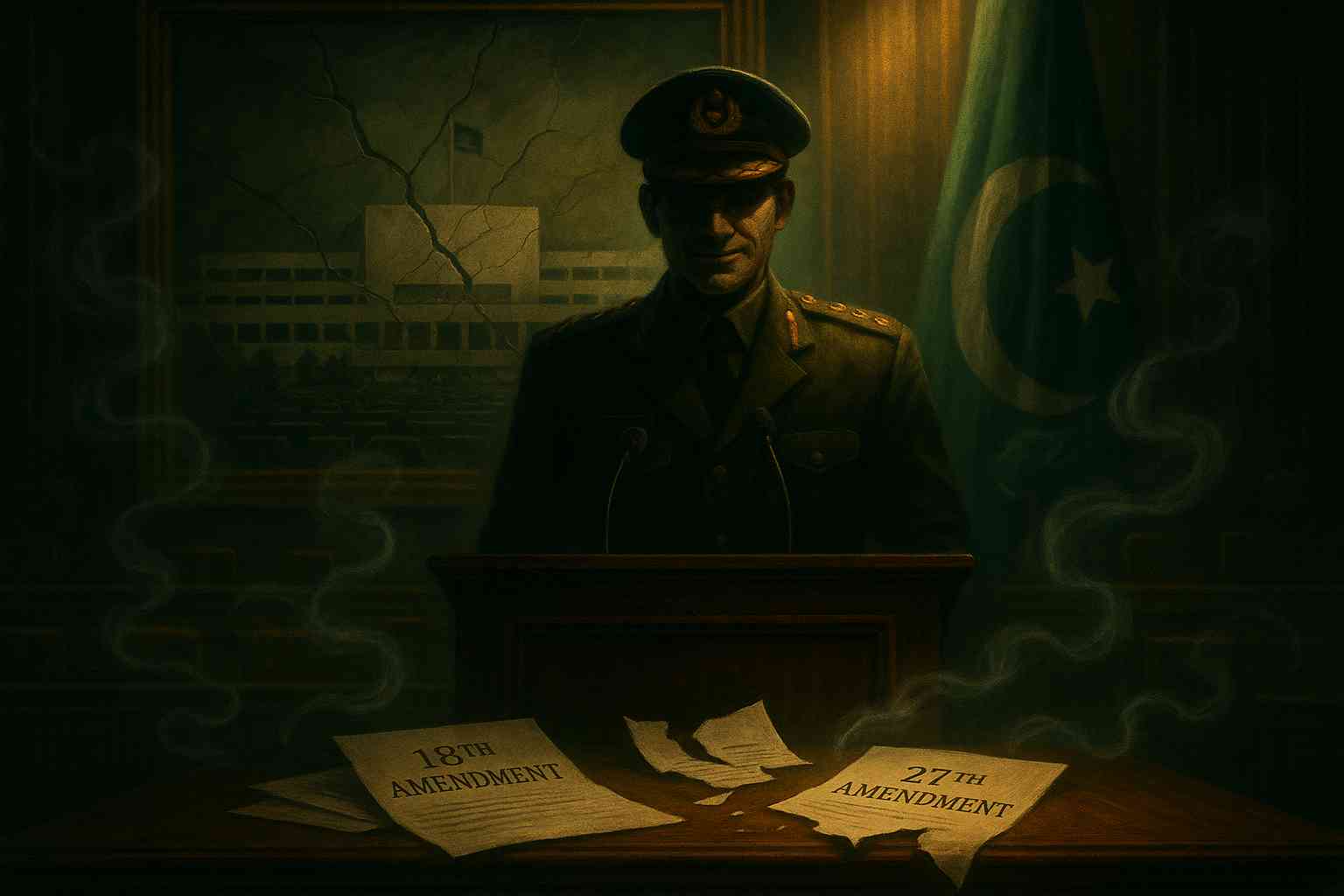
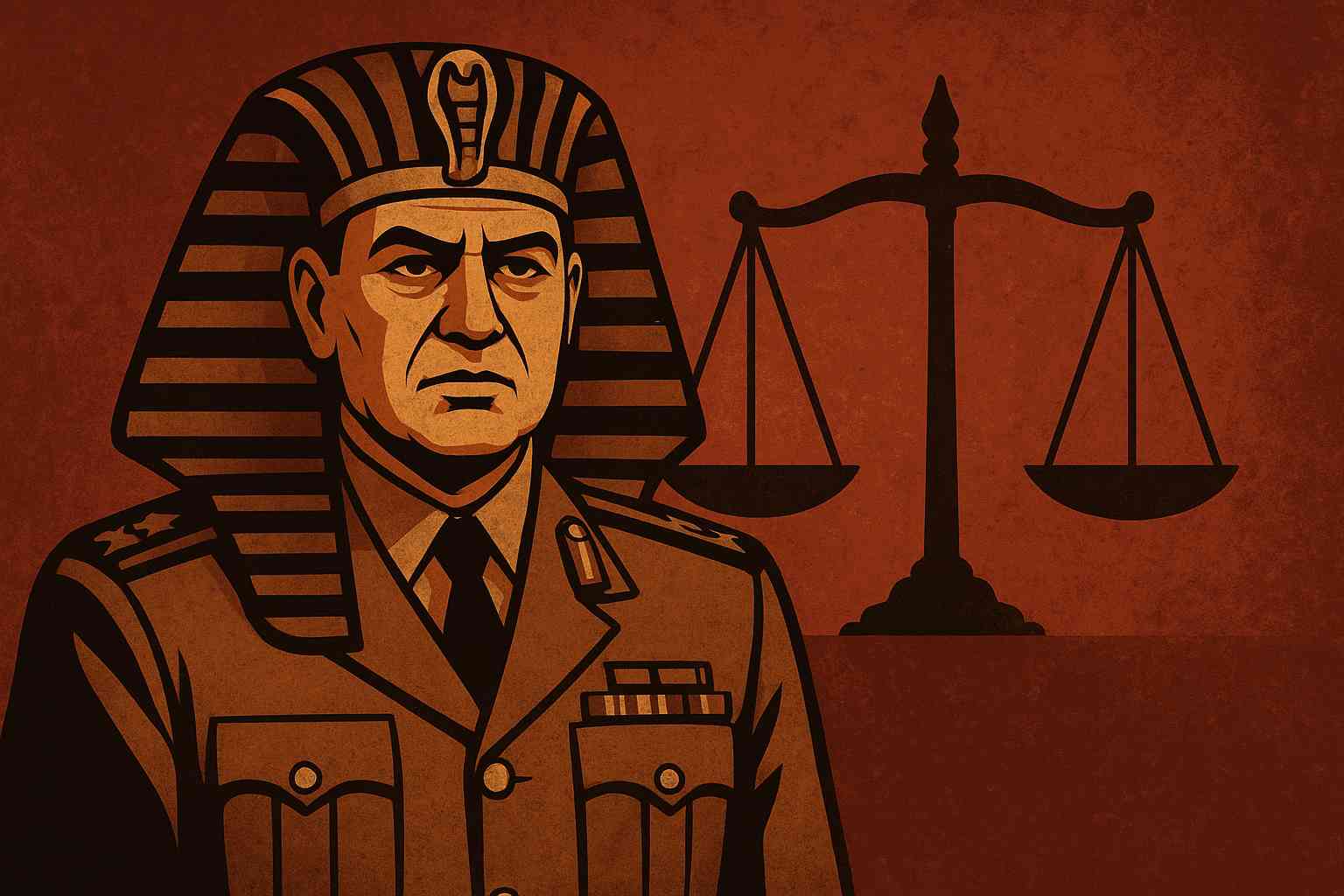
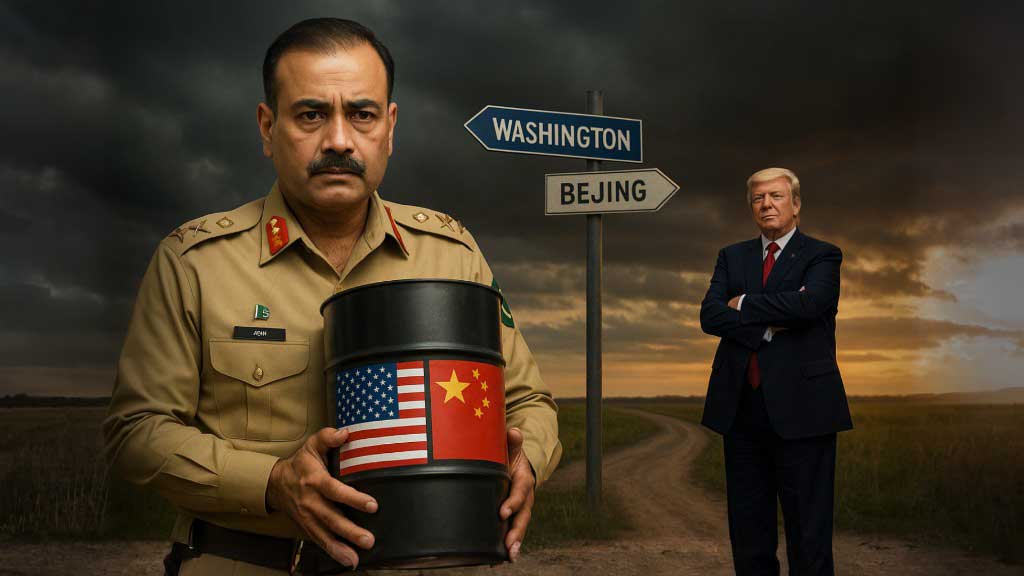
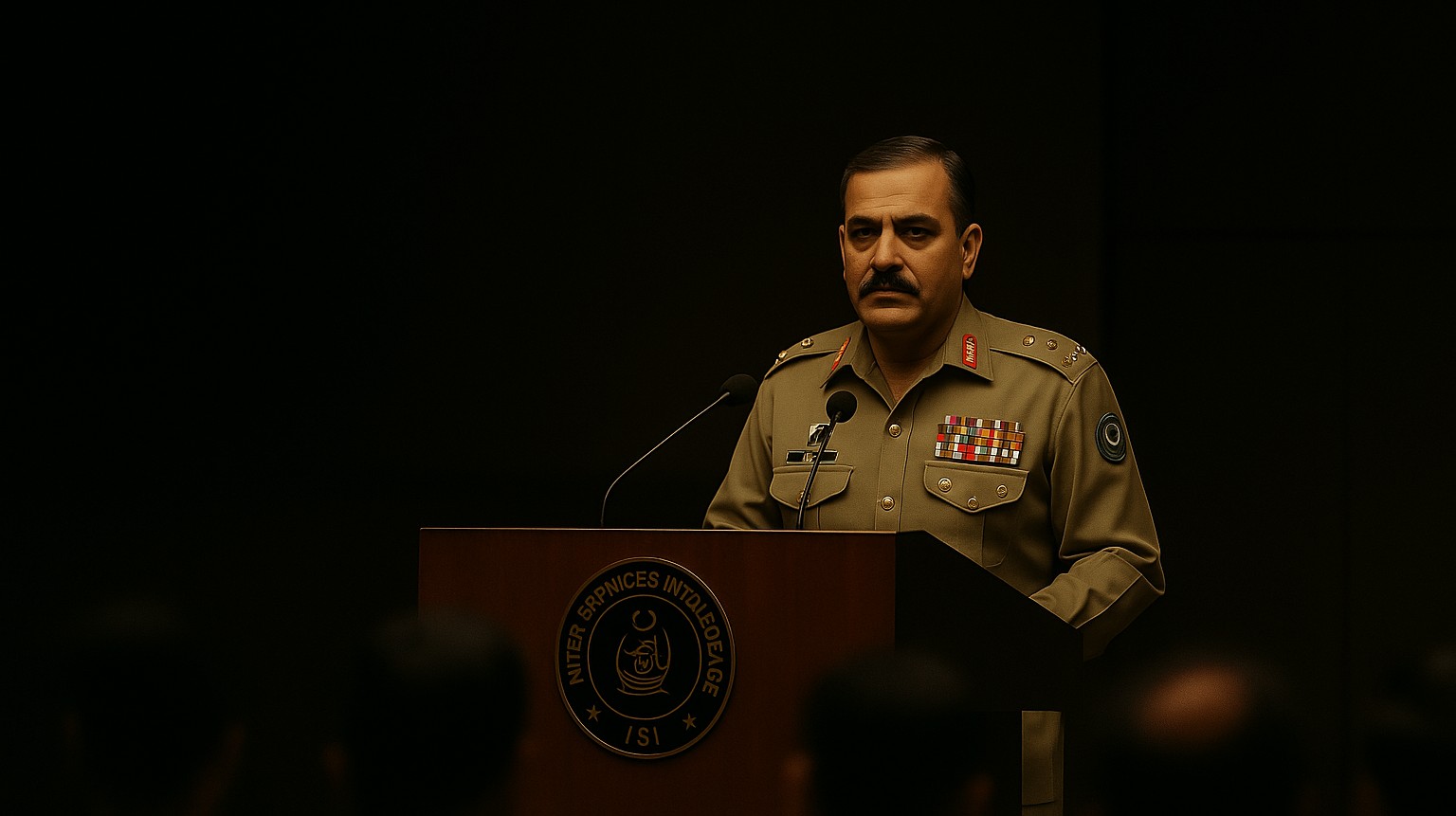
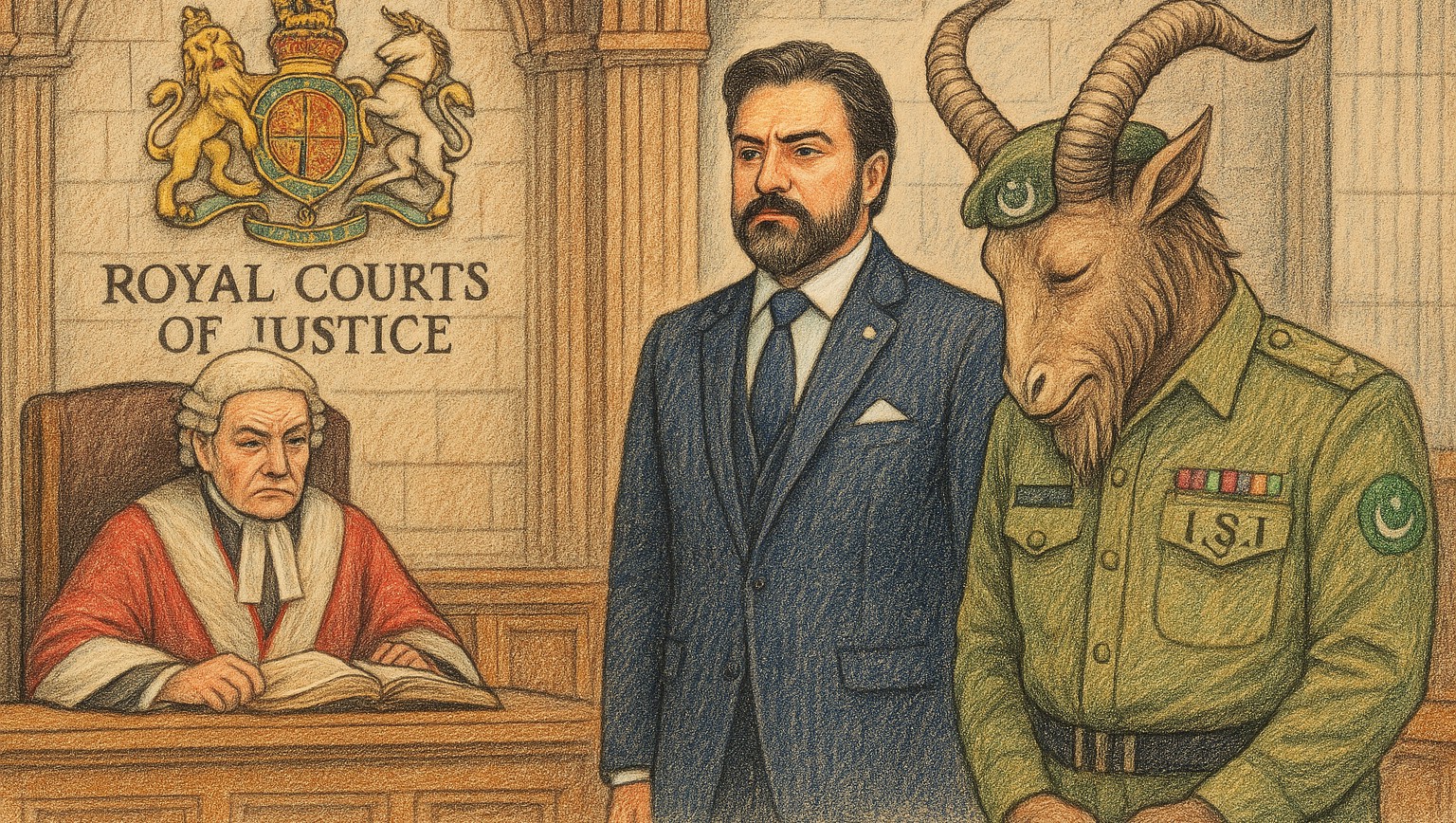
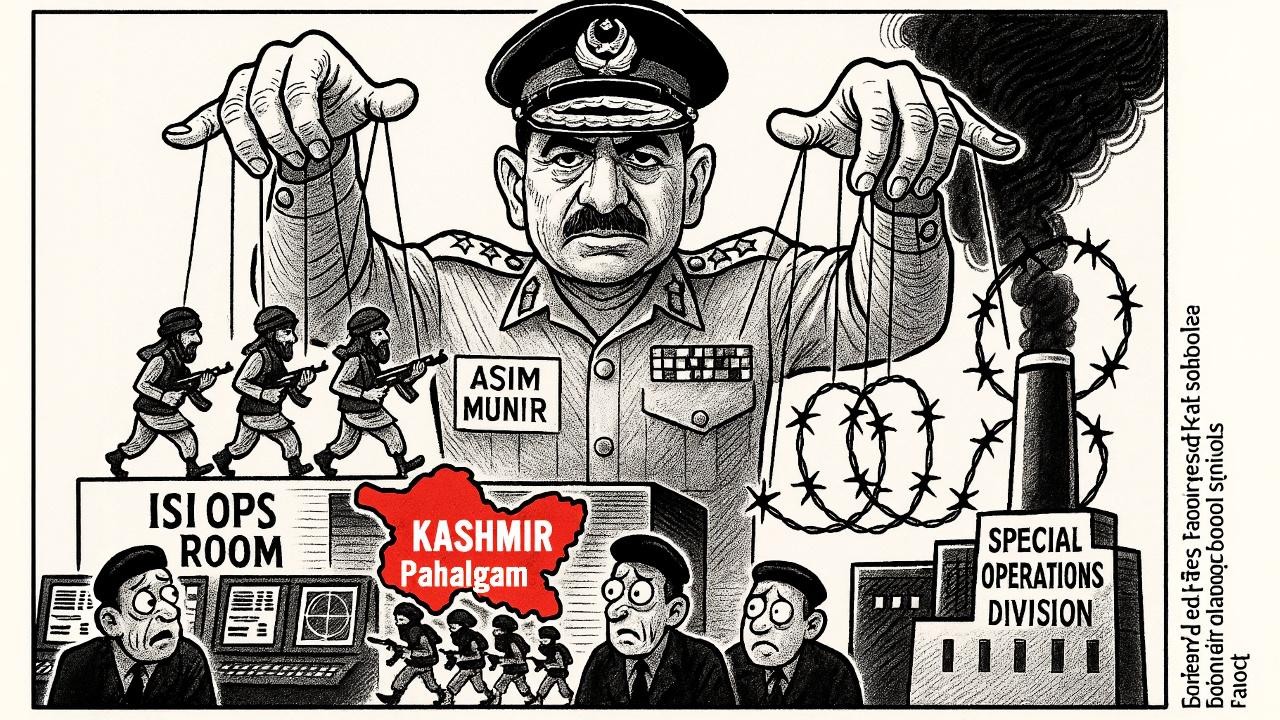
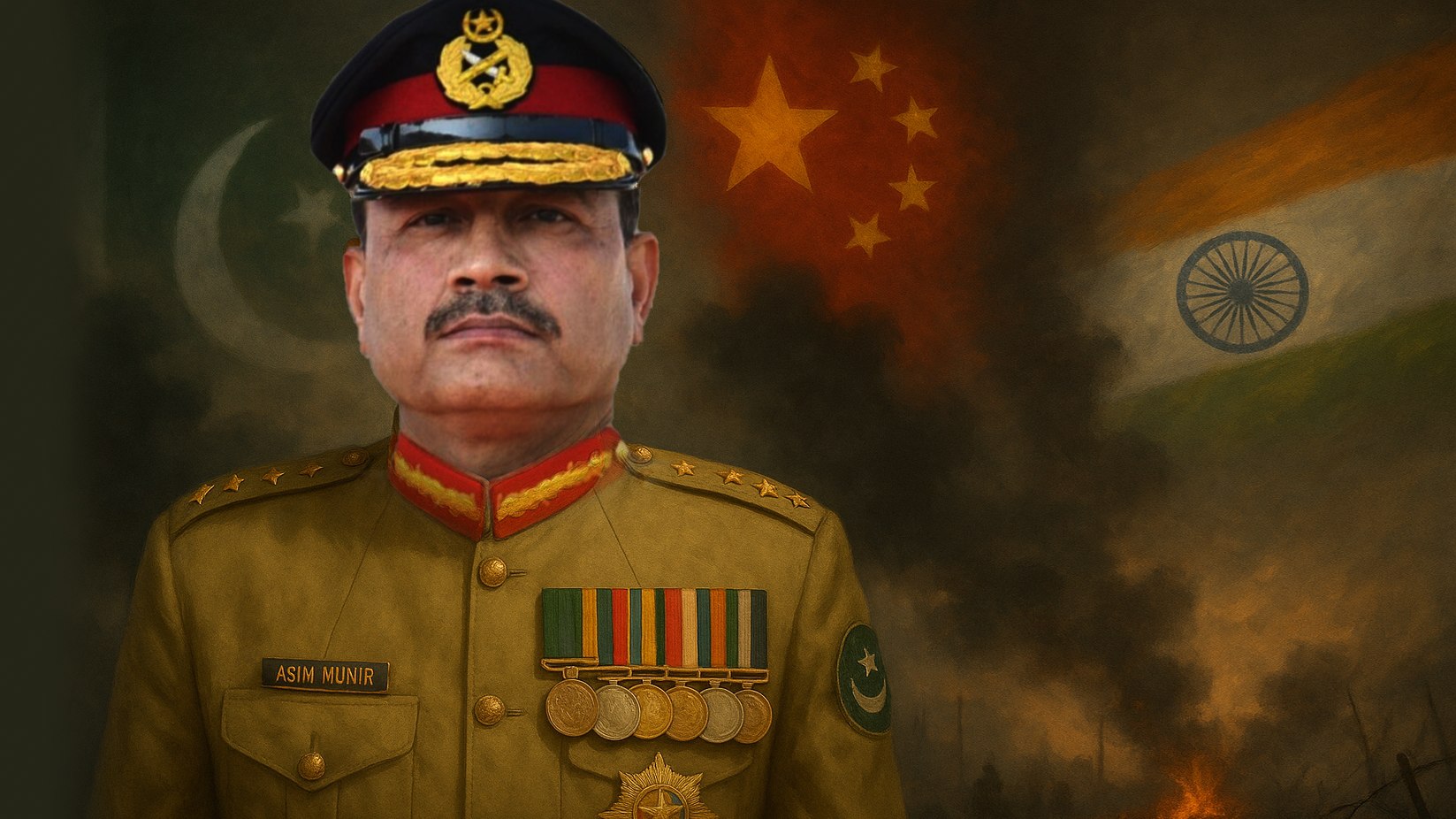
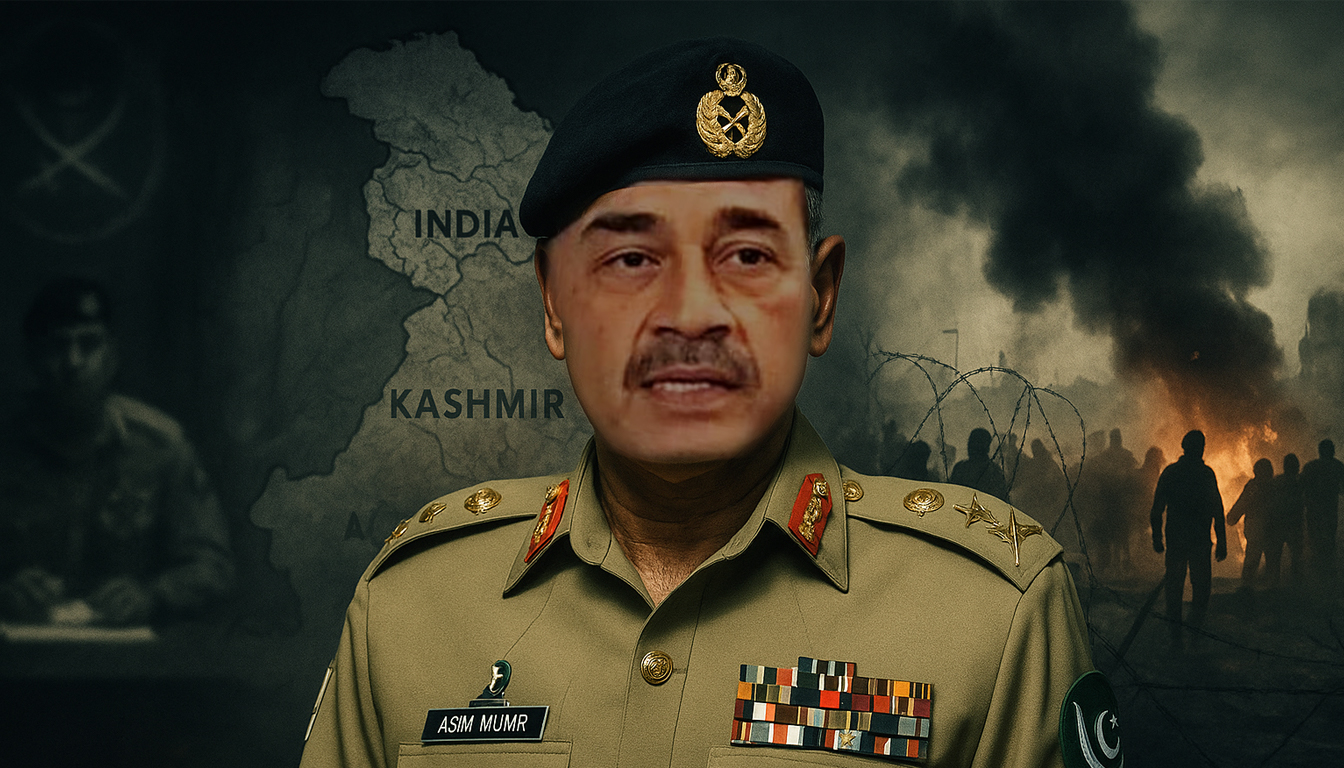
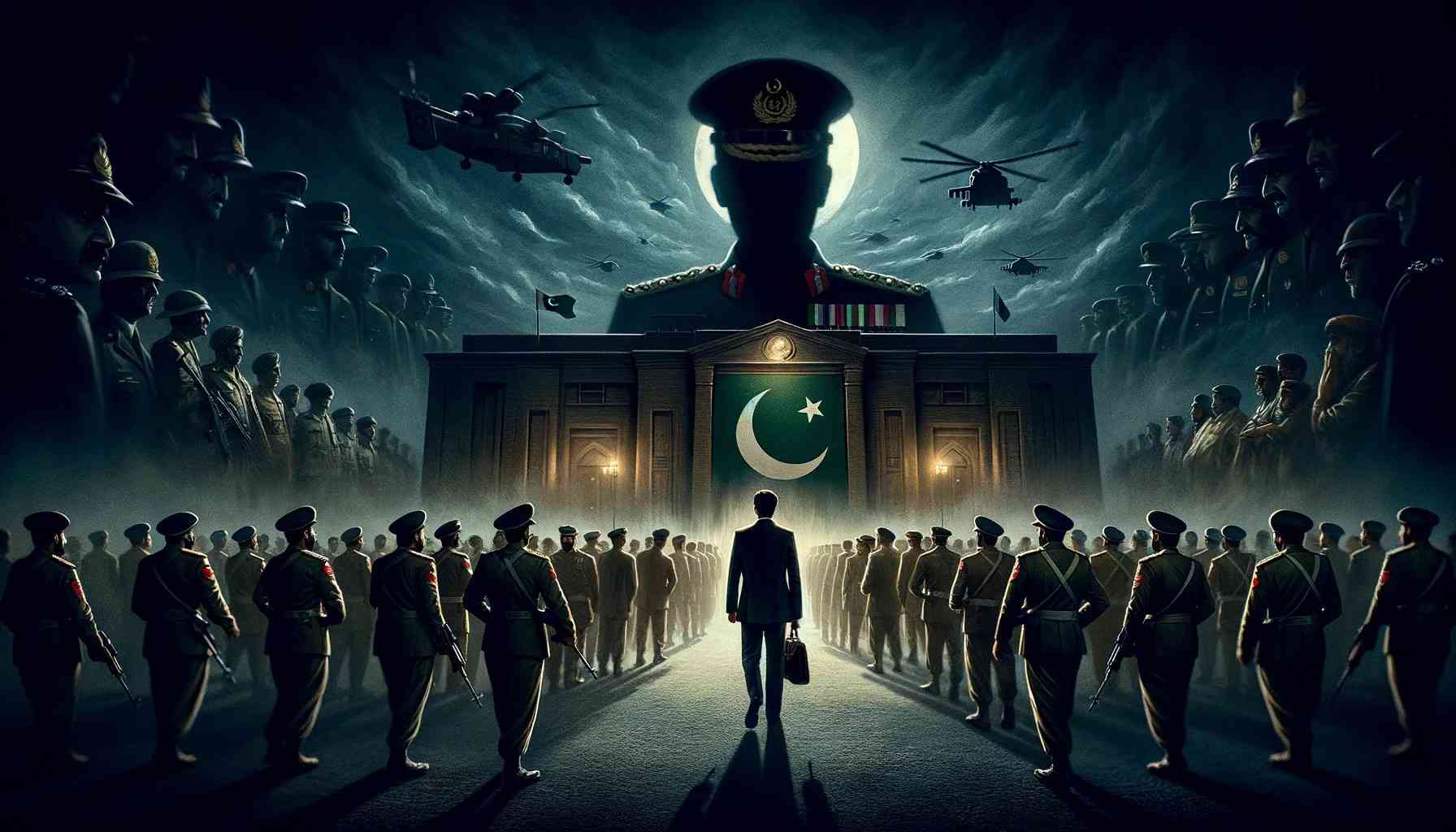
The culprits behind so much of this pain are the Army elite itself, particularly Asim Munir (the retired General on his post illegally) and those who sustain him. They have turned dissent into a crime and accountability into a threat.
No one is forced to speak out; silence is their deliberate choice; yet those who do speak; voice injustice rooted in decades of broken trust are met with ferocious attacks. Many critical voices emerge not from Lahore’s elite drawing rooms, Islamabad’s suburbs or army cantts, but from the raw pain of lived reality.
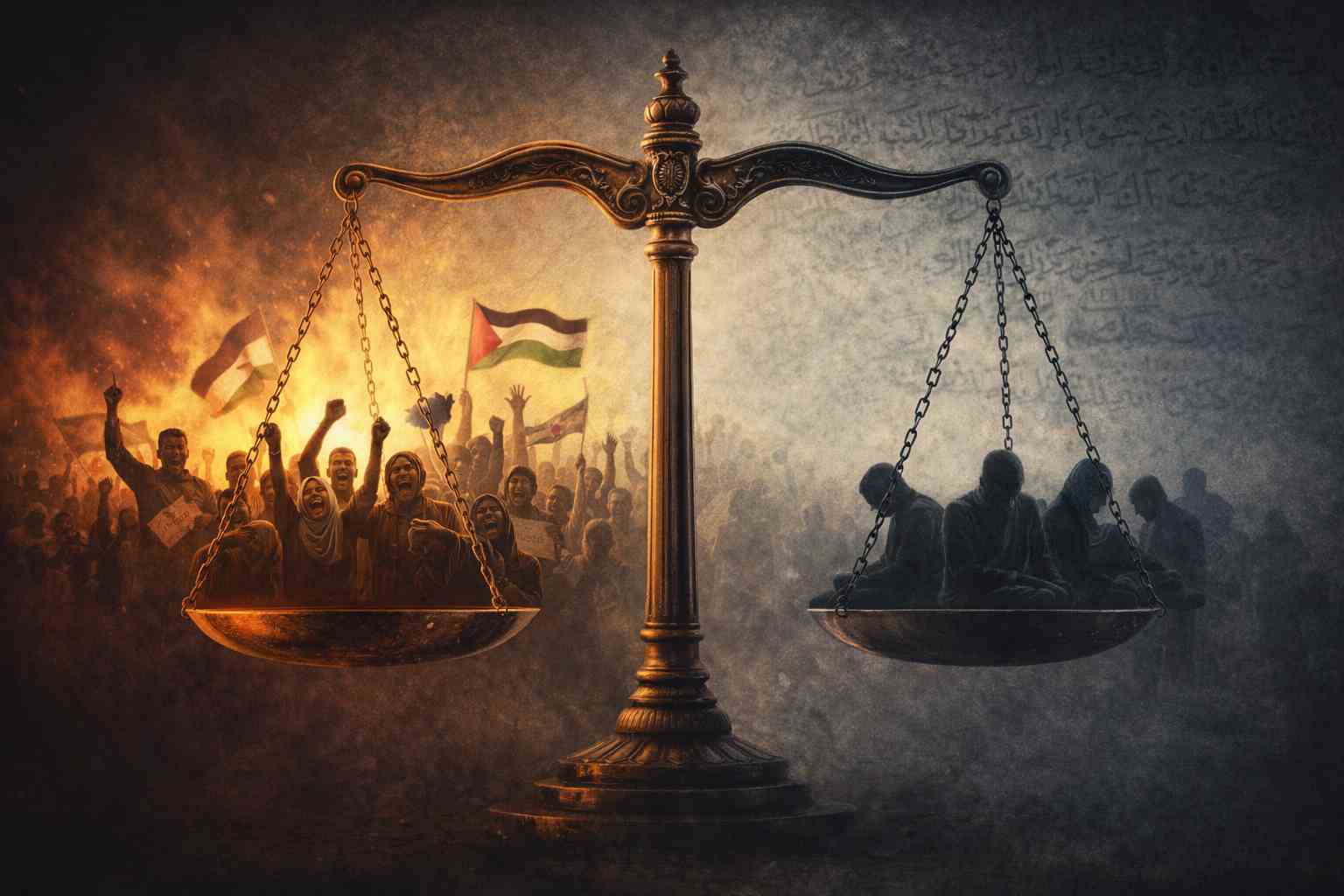
It is possible and morally necessary; to condemn aggression against Iran, attacks in Lebanon and suffering in Gaza without ignoring domestic oppression. True solidarity cannot thrive on selective blindness.
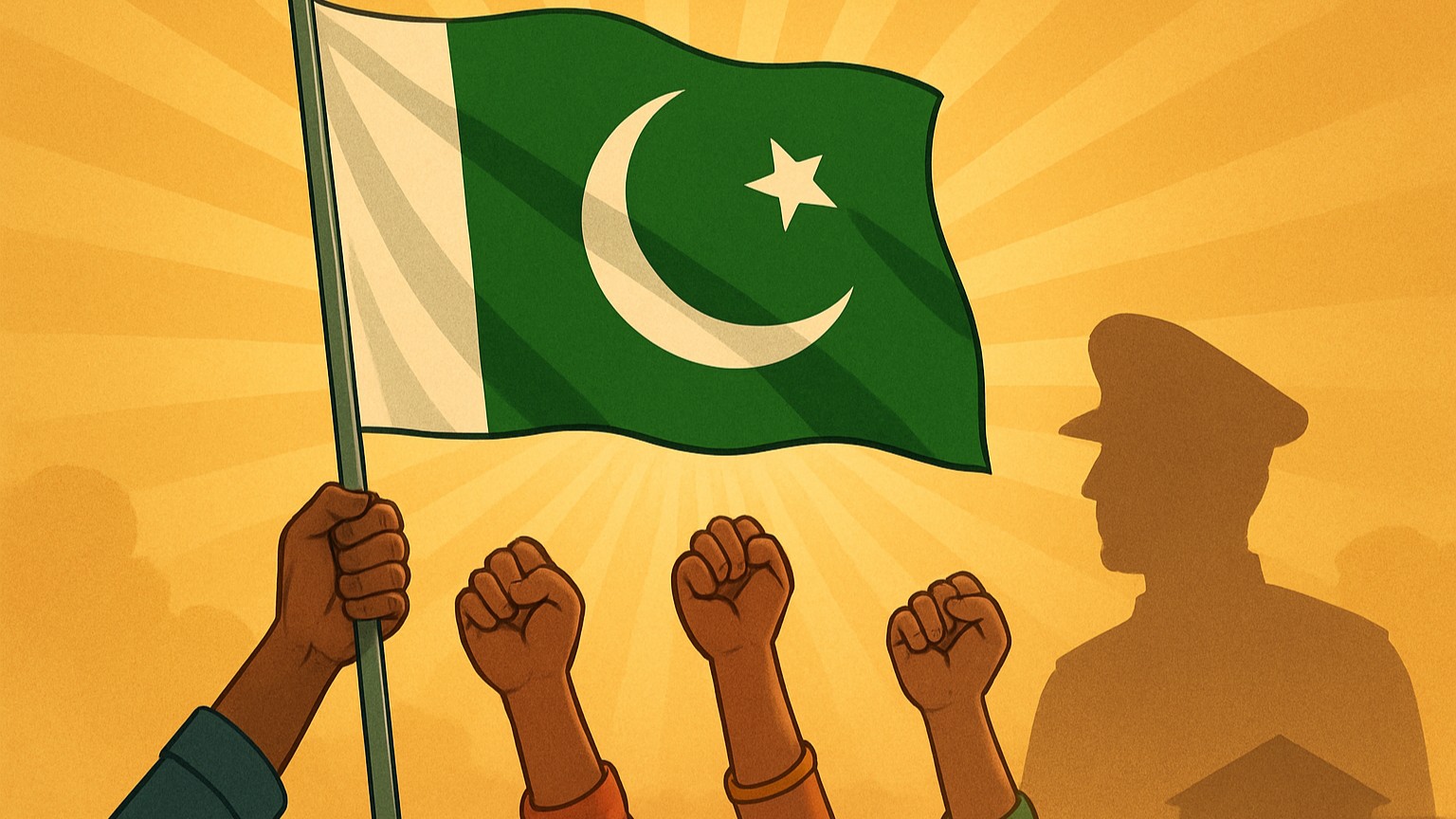
Celebrate genuine diplomatic gains, but do not demand universal applause. Do not vilify those of us who refuse to look away from Pakistan’s own wounds while the “celebrations” rage. Refusing selective cheerleading does not make us any less patriotic or traitors, It means we love Pakistan enough to demand it live up to its ideals for all its people, not just the powerful few.
The pain of the disappeared, the displaced, the imprisoned, and the silenced is real. Their voices deserve to be heard, not drowned by orchestrated cheers. True patriotism demands honesty, accountability, and courage; not curated narratives that protect the Army elite while the rest bleed.
Enough with the selective blindness!
Pakistan deserves better; Pakistan’s people deserve better
Sabine Kayani is LLM in Human Rights from the London School of Economics – LSE, and is a London based democracy activist. She has written for the Independent in the past and tweets @sabine_kayani