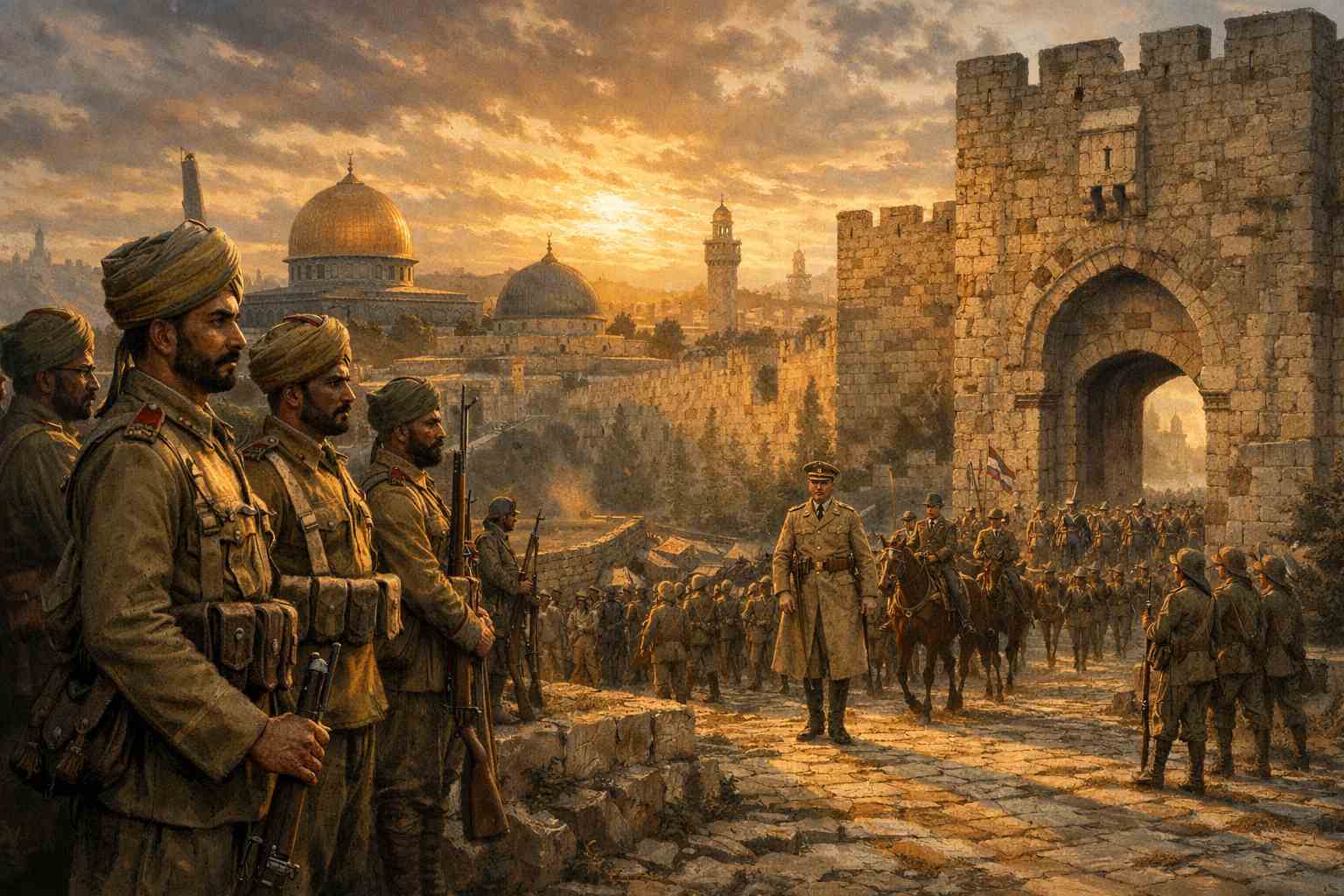
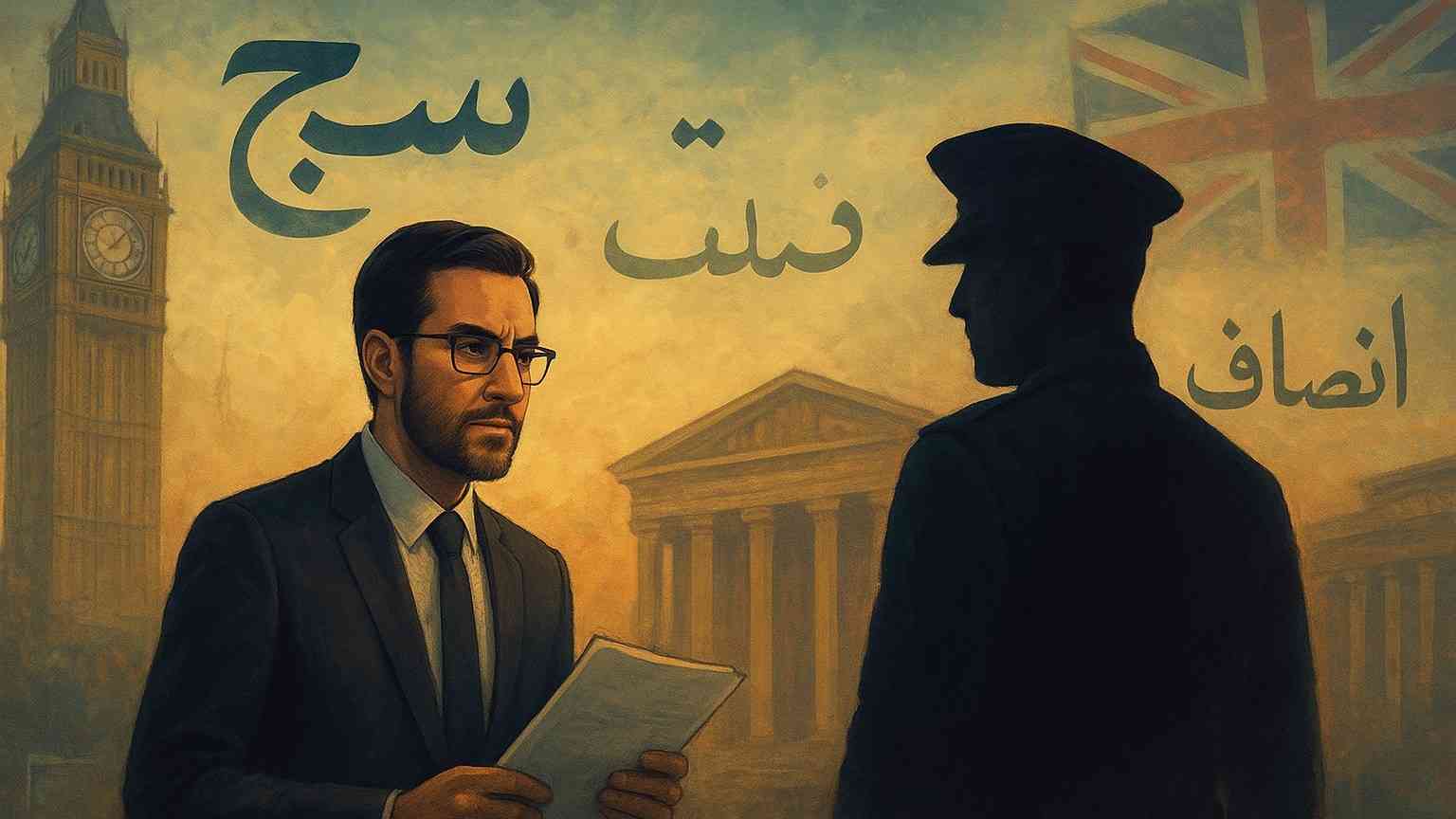
Famous words uttered by General Sir Edmund Allenby in December 1917 still echo through history:
“The Crusades have ended now! Awake Saladin, we have returned! My presence here consecrates the victory of the Cross over the Crescent.”
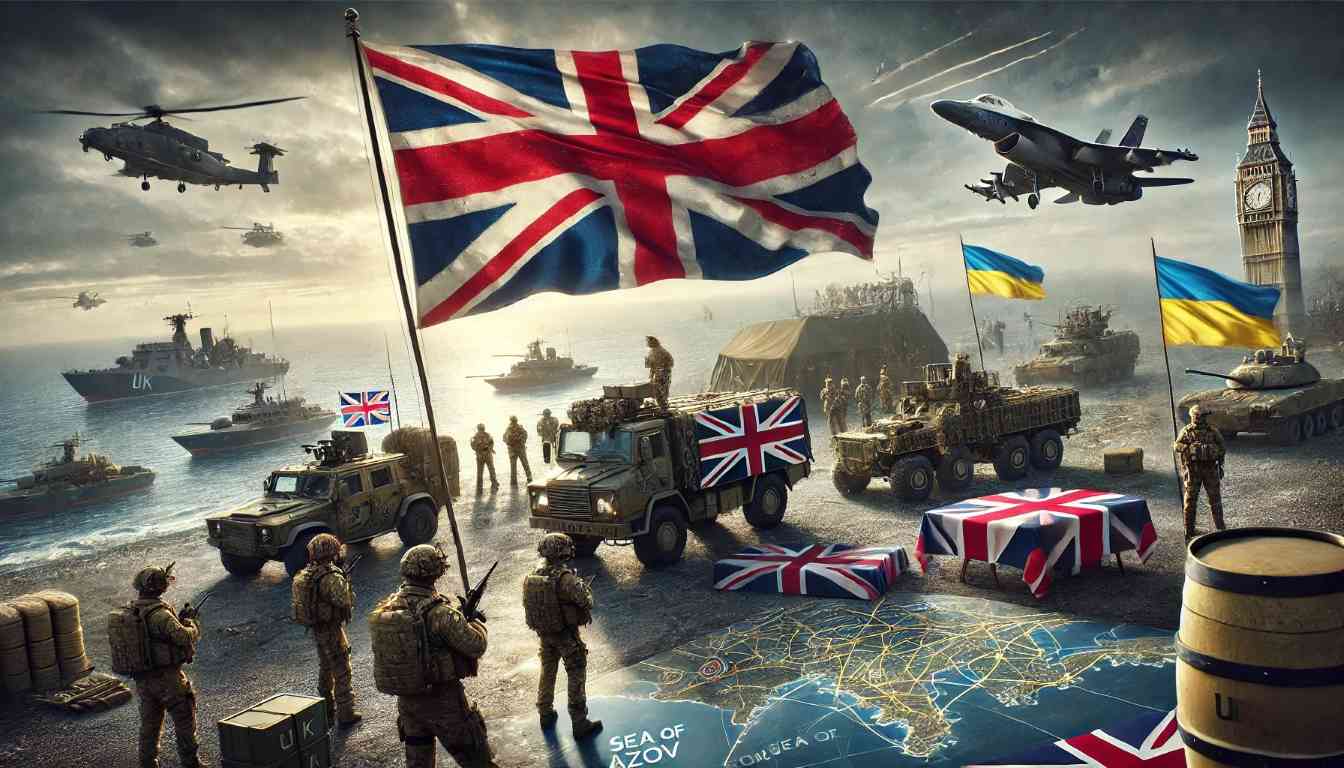
Today, many historians cite these words when reflecting on the fall of Jerusalem and the wider collapse of the Ottoman Empire (سلطنت عثمانیہ). However, one uncomfortable reality often receives far less attention. The road to that moment was paved not only by imperial strategy but also by Muslim Guns for Hire who fought under foreign command.
This perspective does not focus on imperial planners or diplomatic architects. The world already knows their names. Instead, it examines the raw military force that helped turn imperial ambition into historical reality.
Muslim Guns for Hire in the British War Machine
During the First World War, the British Indian Army numbered roughly 1.3 million soldiers. Out of that force, approximately 400,000 were Muslims.
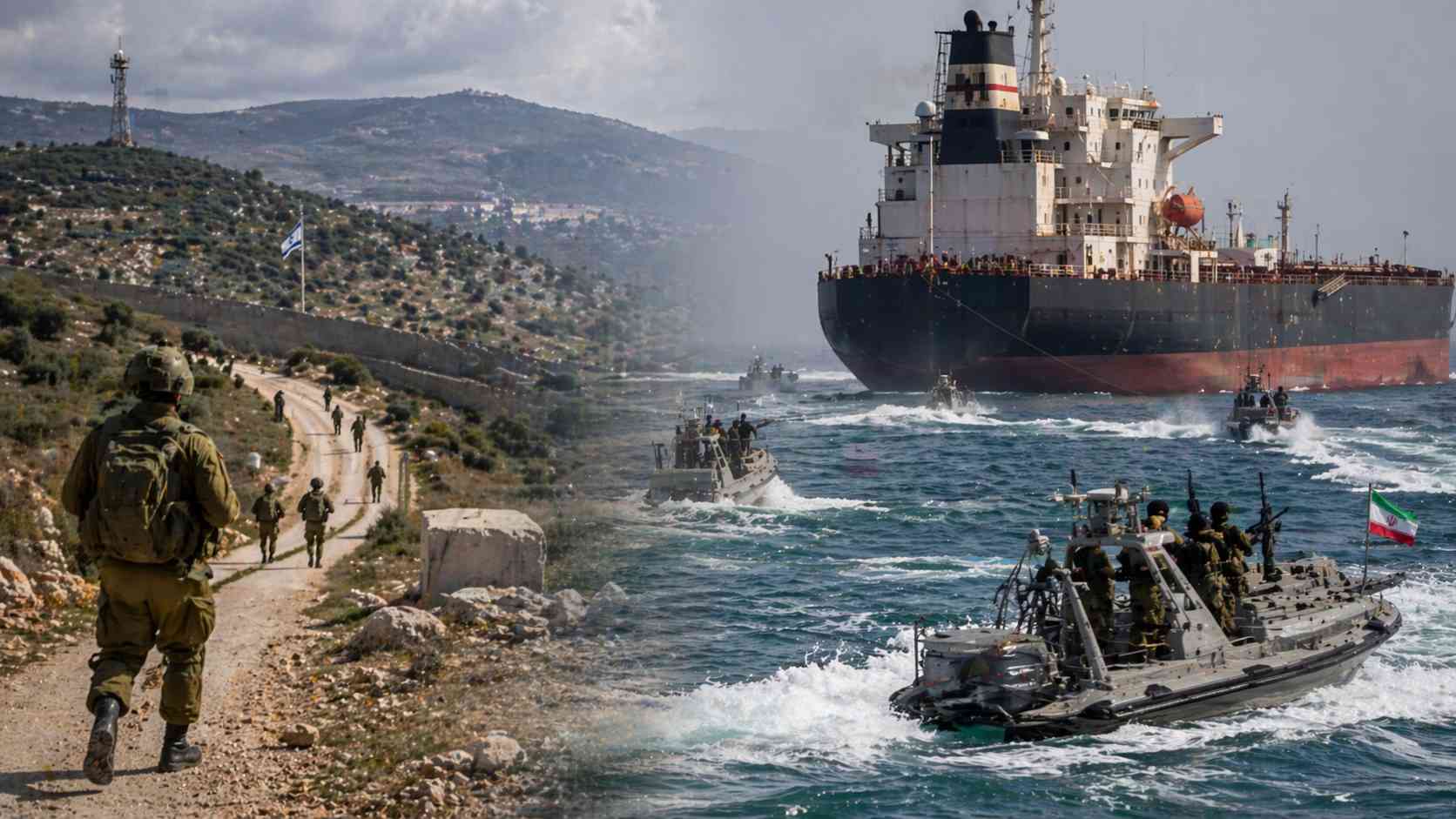
General Edmund Allenby, known among his soldiers as “The Bull,” commanded British operations in the Sinai and Palestine campaign. His strategic goal was clear. He needed to break the Ottoman defensive line stretching from Gaza on the Mediterranean coast to Beersheba in the Negev desert.
Two earlier attempts by his predecessor, General Archibald Murray, had already failed.
However, once Allenby broke the Gaza–Beersheba line, the road to Jerusalem opened quickly. British forces advanced north and captured the city on 9 December 1917. In a final and deeply symbolic act, Muslim soldiers serving under British command were stationed to guard Masjid al-Aqsa.
Thus, Muslim Guns for Hire stood watch over a conquest that represented their own civilizational loss.
Decorations and Imperial Loyalty
Across the broader battlefields of World War I, Muslim soldiers earned recognition within the British military hierarchy. Some even received the empire’s highest military decoration, the Victoria Cross.
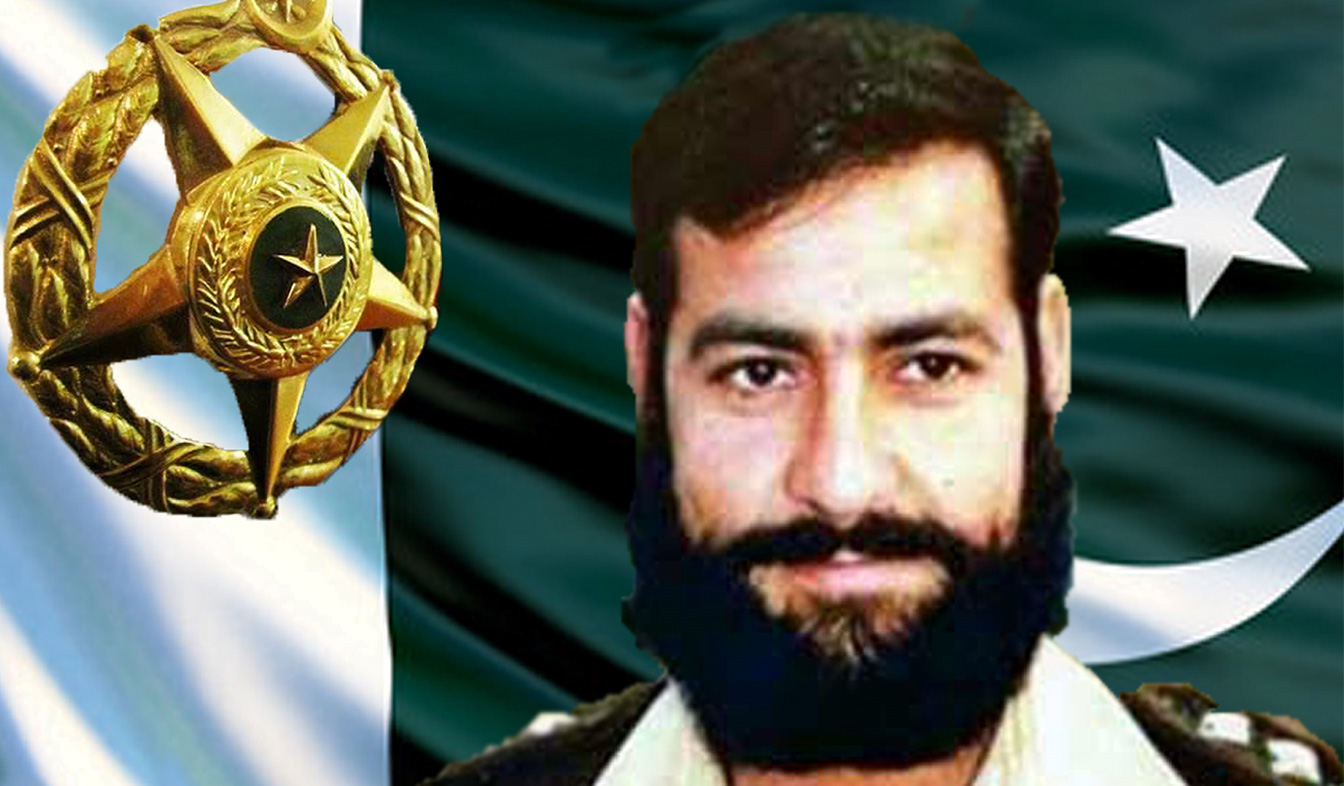
Sepoy Khudadad Khan received the award in 1914. Jamadar Mir Dast followed in 1916. Many others would earn similar recognition.
Today, the statue of Sepoy Khudadad Khan still stands inside the Pakistan Army Museum. It serves as a powerful symbol of courage and sacrifice. Yet it also reflects the complicated legacy of Muslim Guns for Hire who fought for imperial causes far from their own sovereignty.
The Soul Switch After Independence
Some may argue that colonial rule left people with limited choices. As someone from the subcontinent, I can accept that argument to some extent. After all, Pakistan itself emerged through enormous sacrifice and suffering.
However, independence replaced rulers but not the system.
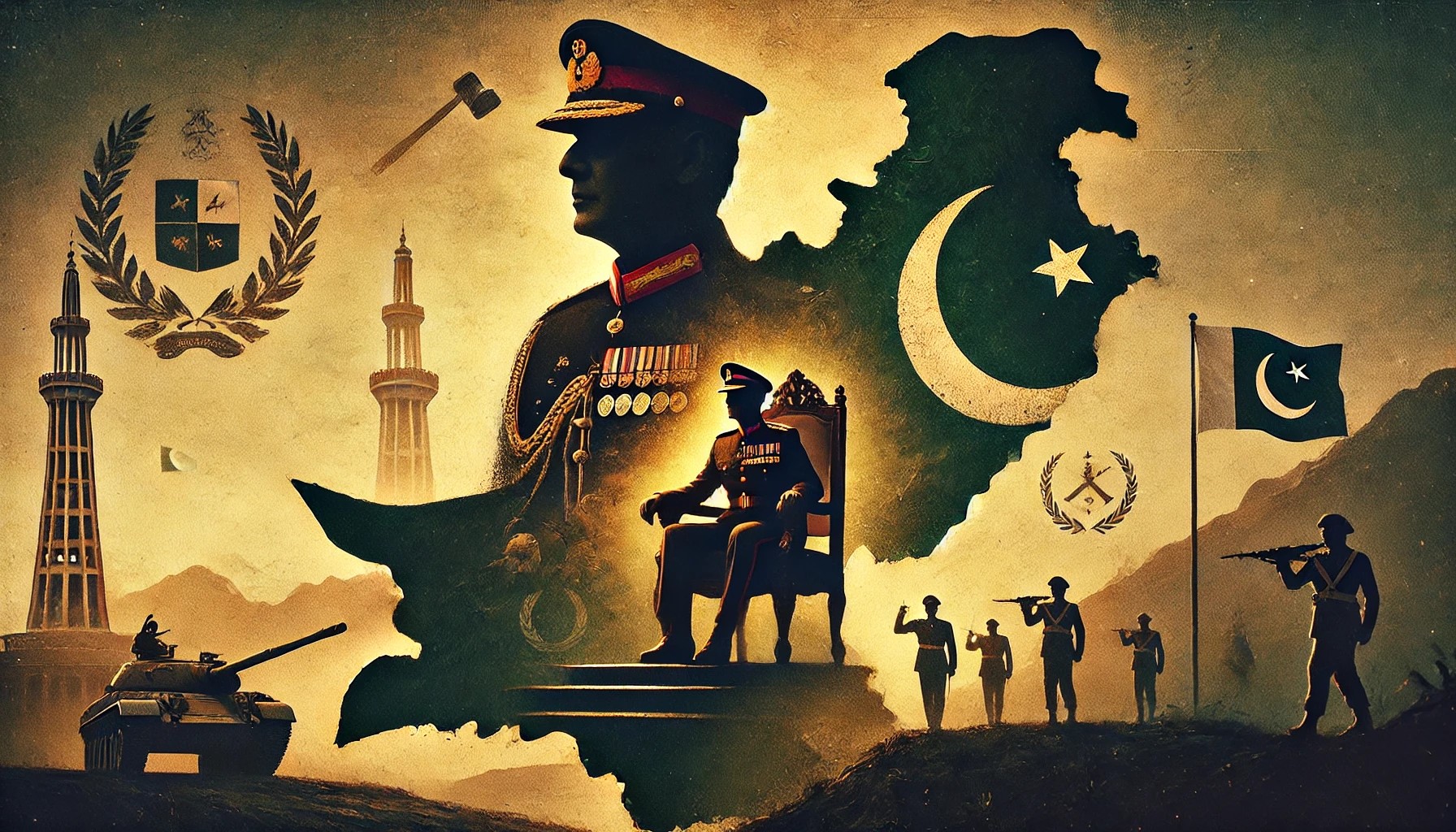
Pakistan inherited the administrative machinery of its former colonial masters. At the same time, new elites stepped into the same structure. The uniforms changed color, yet the institutional mindset remained intact. This structure became even stronger after the country adopted its first full constitution in 1973.
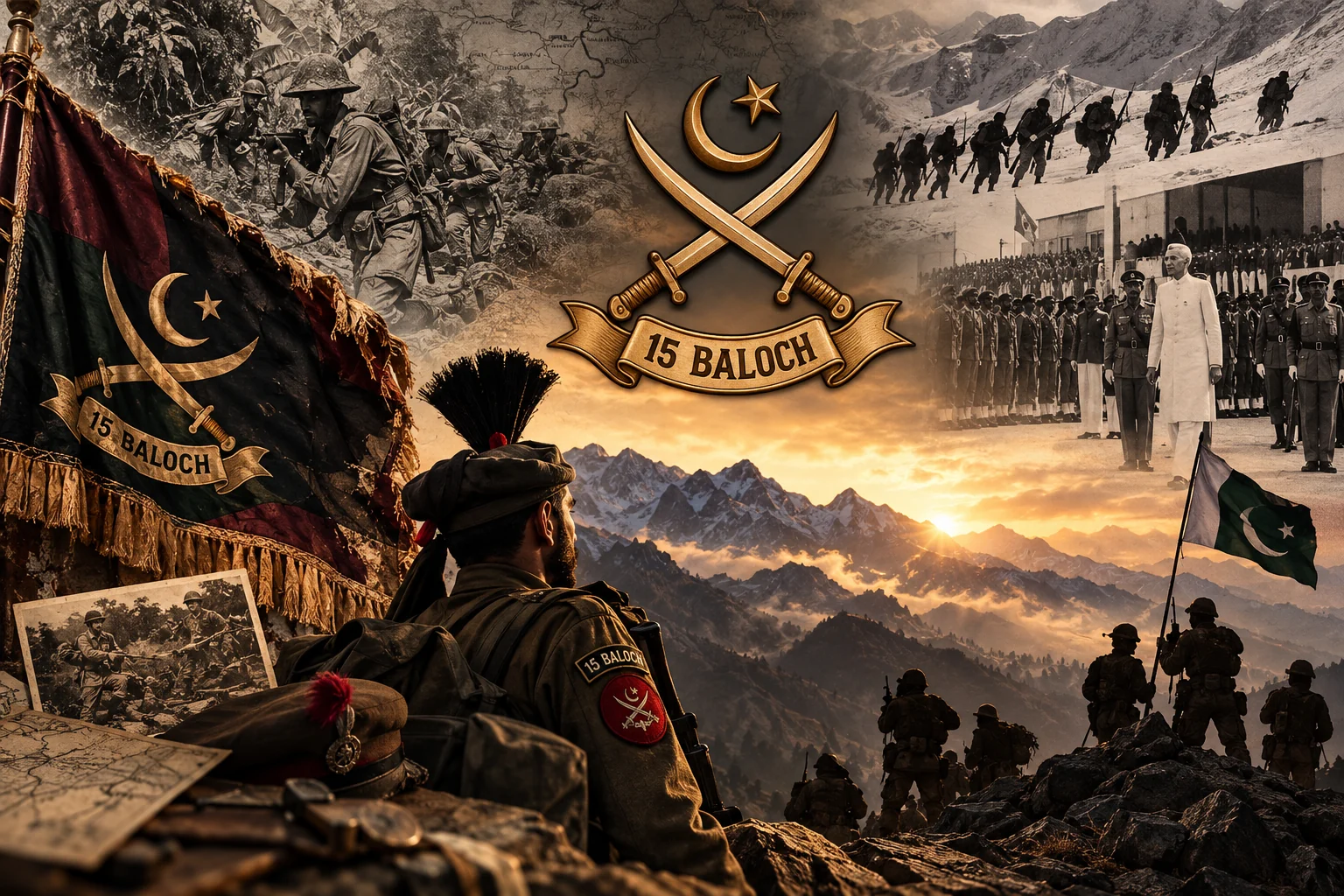
Many regiments with colonial roots continued to exist with pride. Units such as 5 Probyn’s Horse, the 13th and 19th Lancers, and the 10th Baluch Regiment remained part of the new military tradition.
Once again, the legacy of Muslim Guns for Hire survived inside the structures of a newly independent state.
The Betrayal Within
Time passed. New generations pursued education and trusted their leaders to fulfill the promise of an Islamic republic. Kashmir and Palestine remained powerful symbols within this vision.
Then came 1967.
The Six-Day Arab–Israeli War ended quickly and displaced Palestinians in large numbers, especially into Jordan. Soon after, Palestinian groups began organizing resistance movements.
Yasser Arafat’s Fatah and the Palestine Liberation Organization gained influence among refugees. Their growing power placed them in direct confrontation with the Jordanian state.
In September 1970, King Hussein asked Brigadier Zia-ul-Haq to travel to Irbid and assess the crisis. What followed became known as Black September.
Israeli Defense Minister Moshe Dayan later described the events starkly:
“King Hussein killed more Palestinians in 11 days than Israel could kill in 20 years.”
The Jordanian army carried out the crackdown under the supervision of Zia-ul-Haq, who later became Pakistan’s ruler and was celebrated as Mard-e-Momin, Mard-e-Haq.
Again, the pattern resembled the earlier role of Muslim Guns for Hire serving political agendas beyond their own people’s struggles.
The Master’s Anthem
Today, history appears to repeat itself.
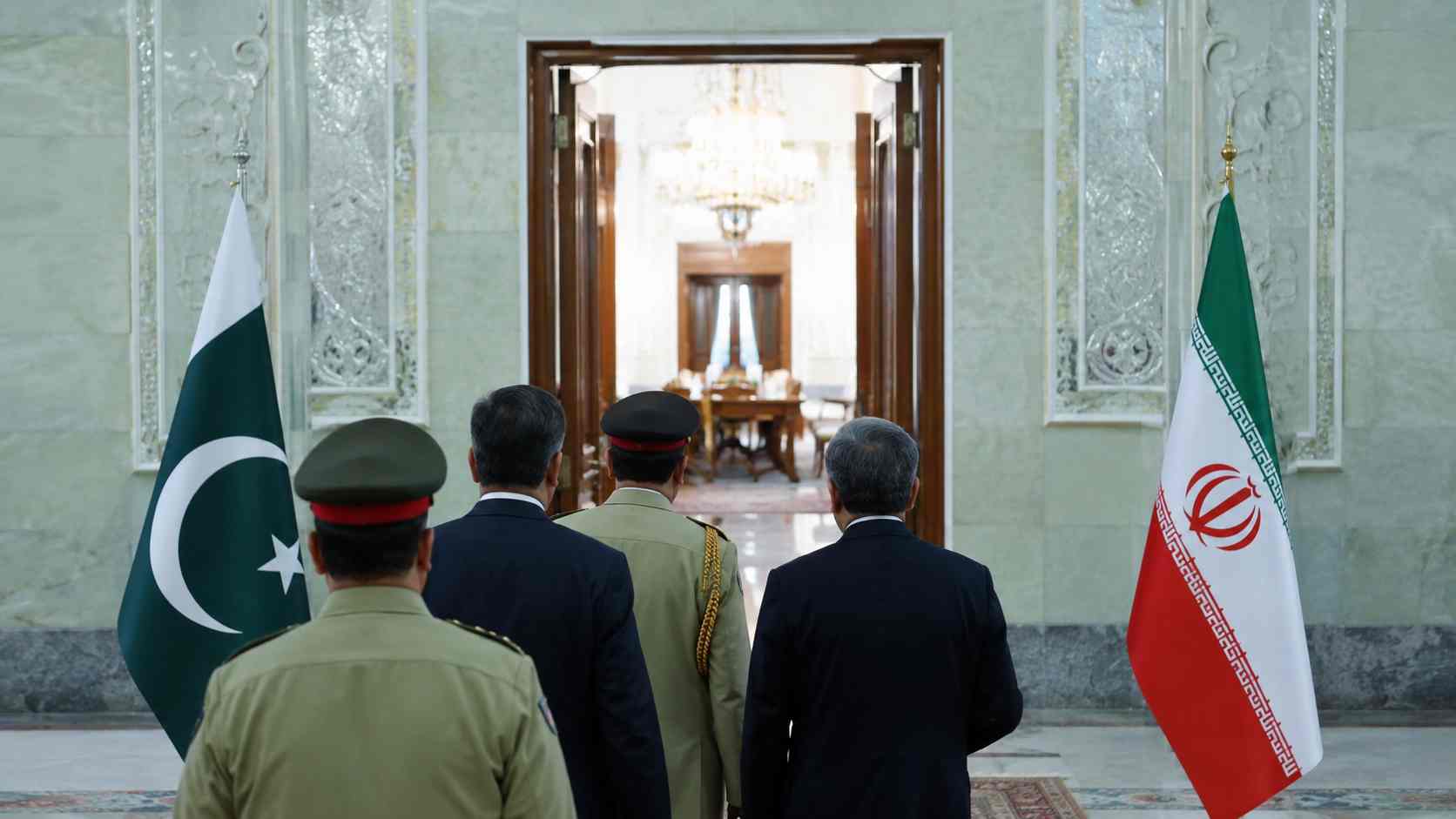
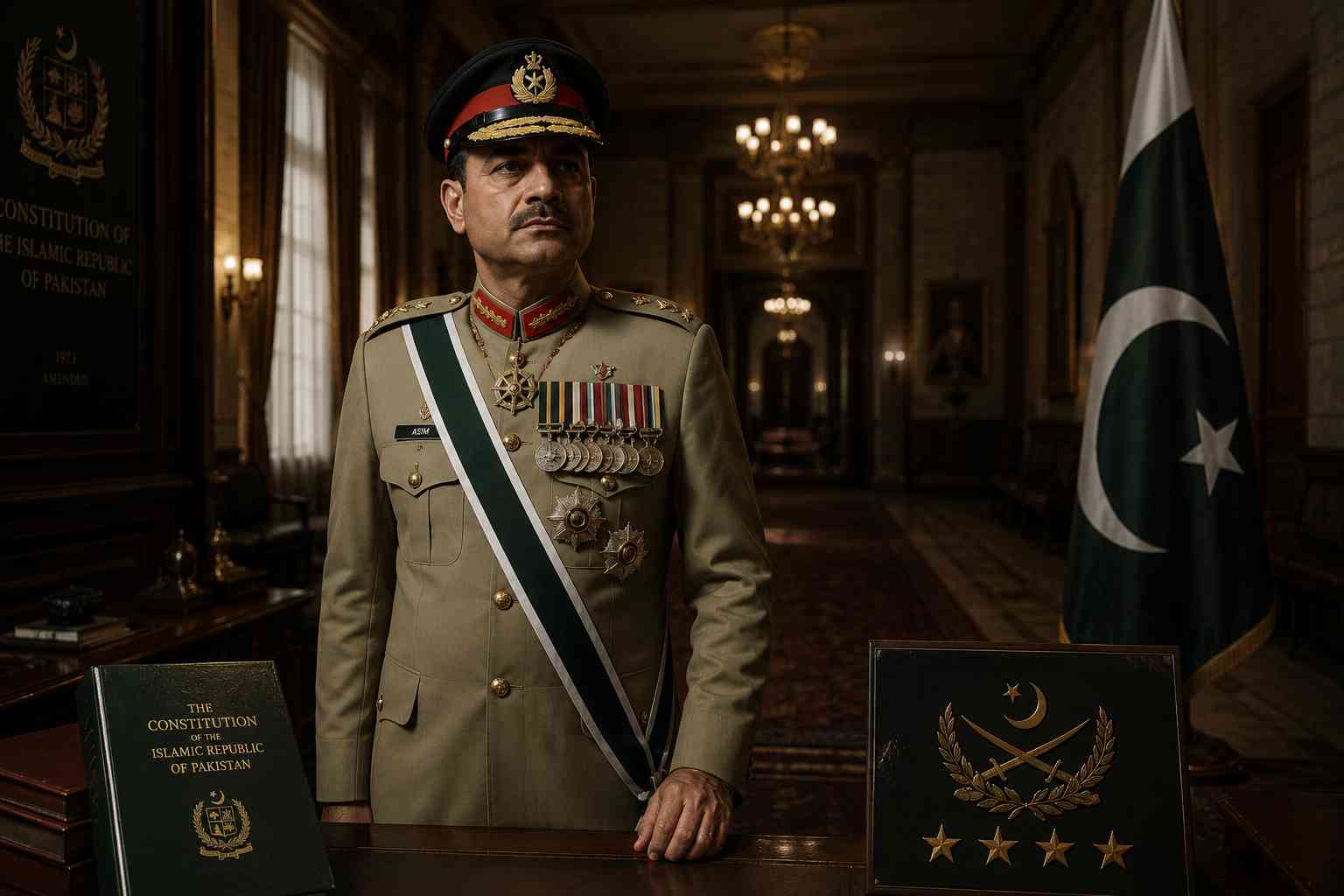
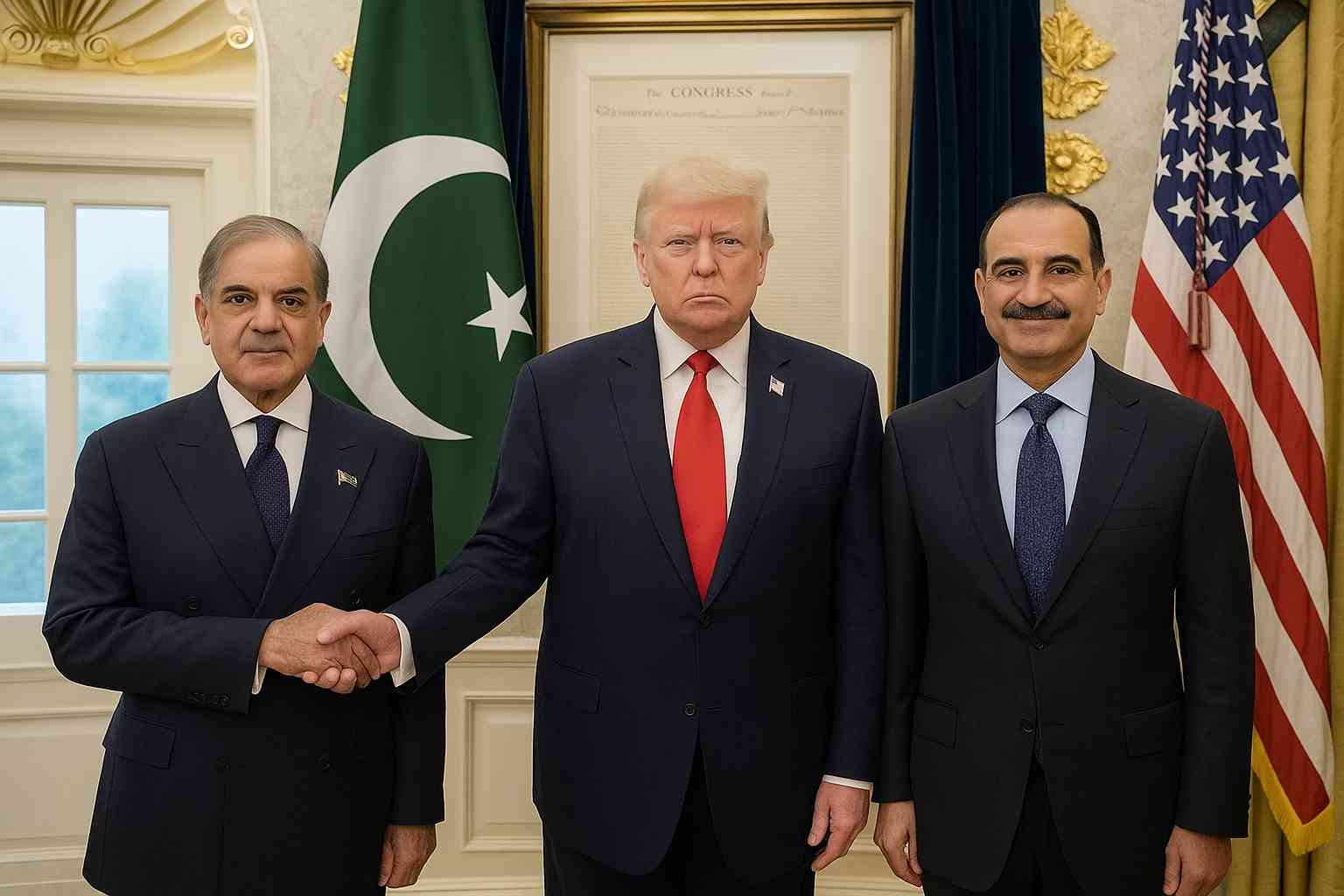
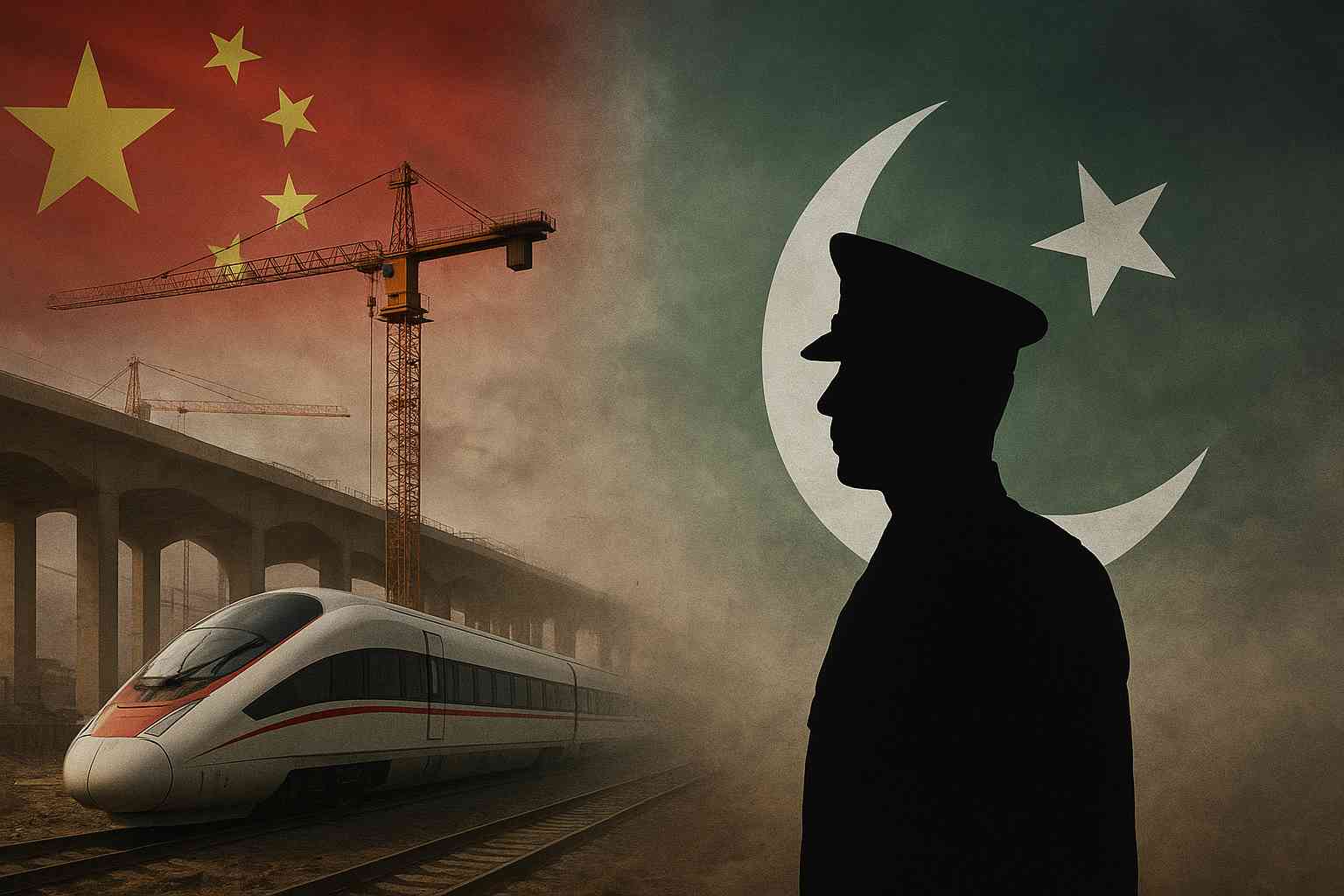
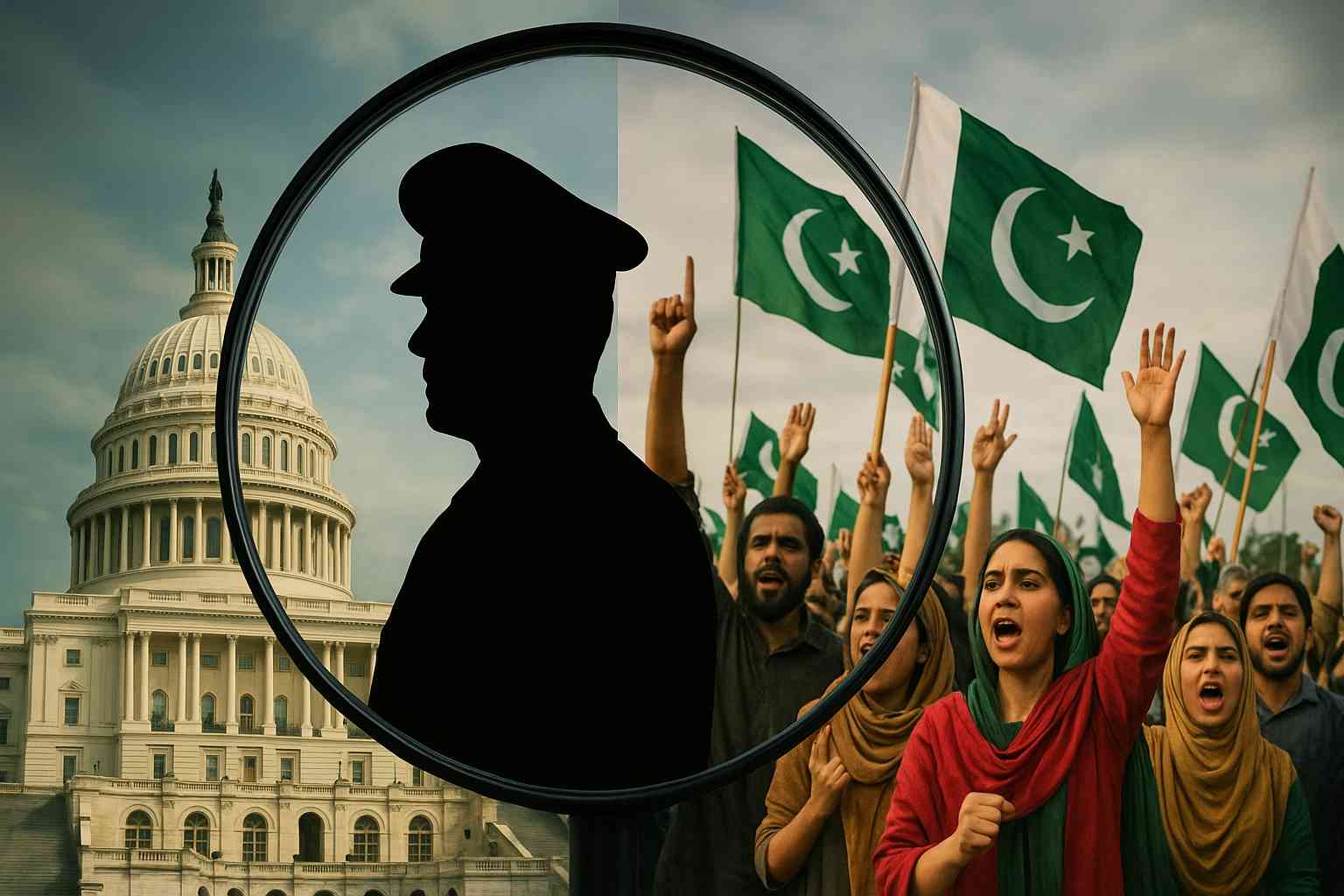
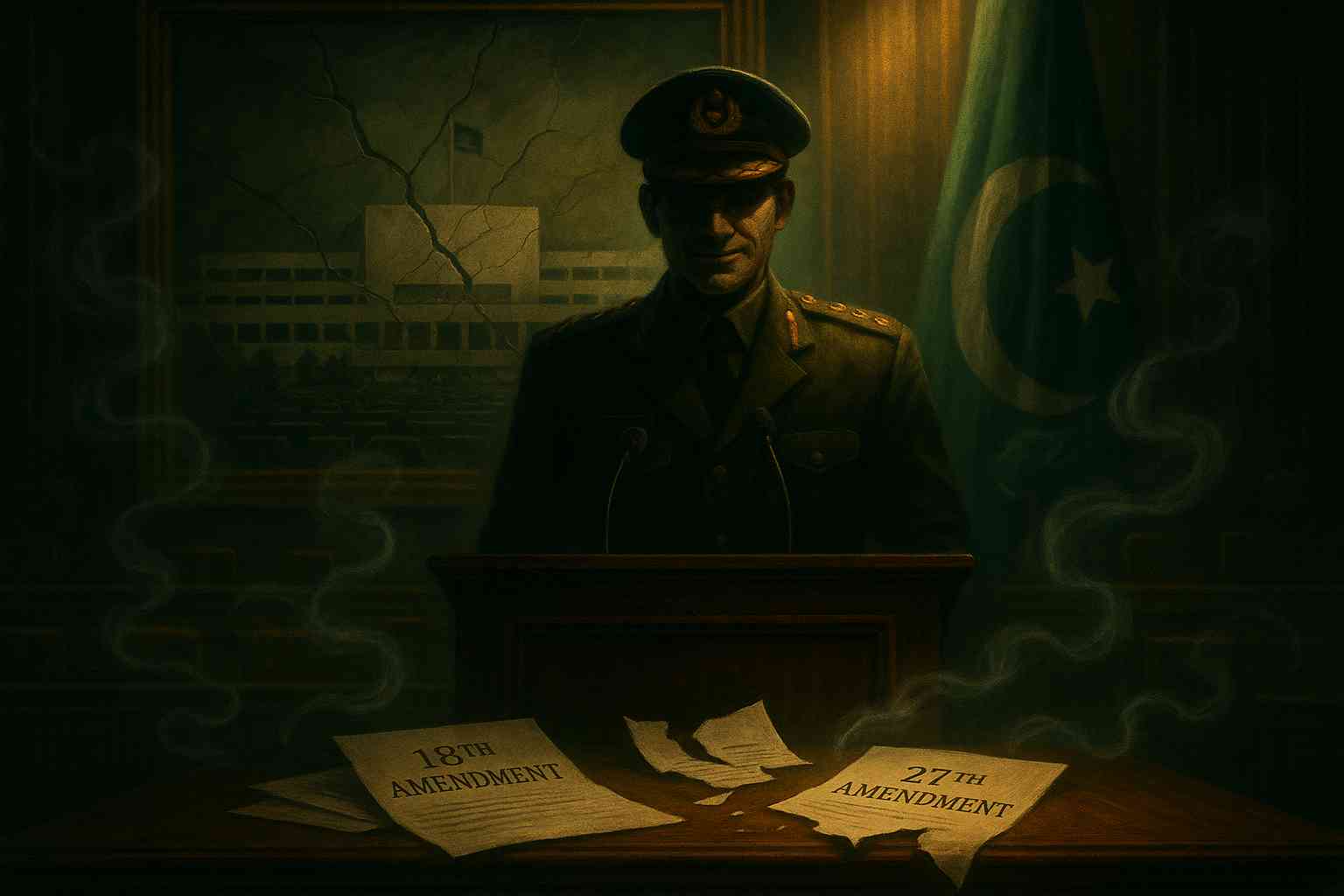
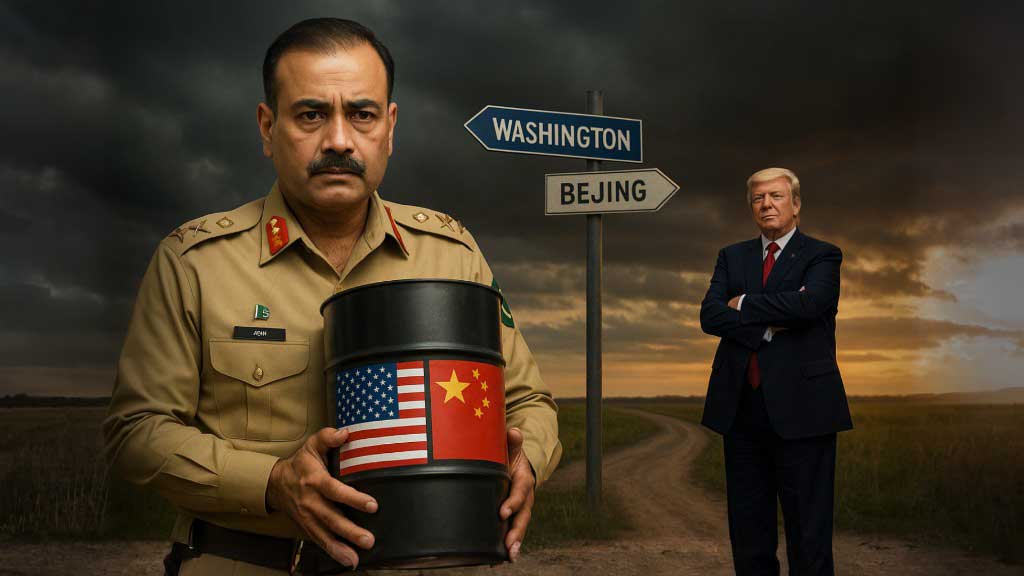
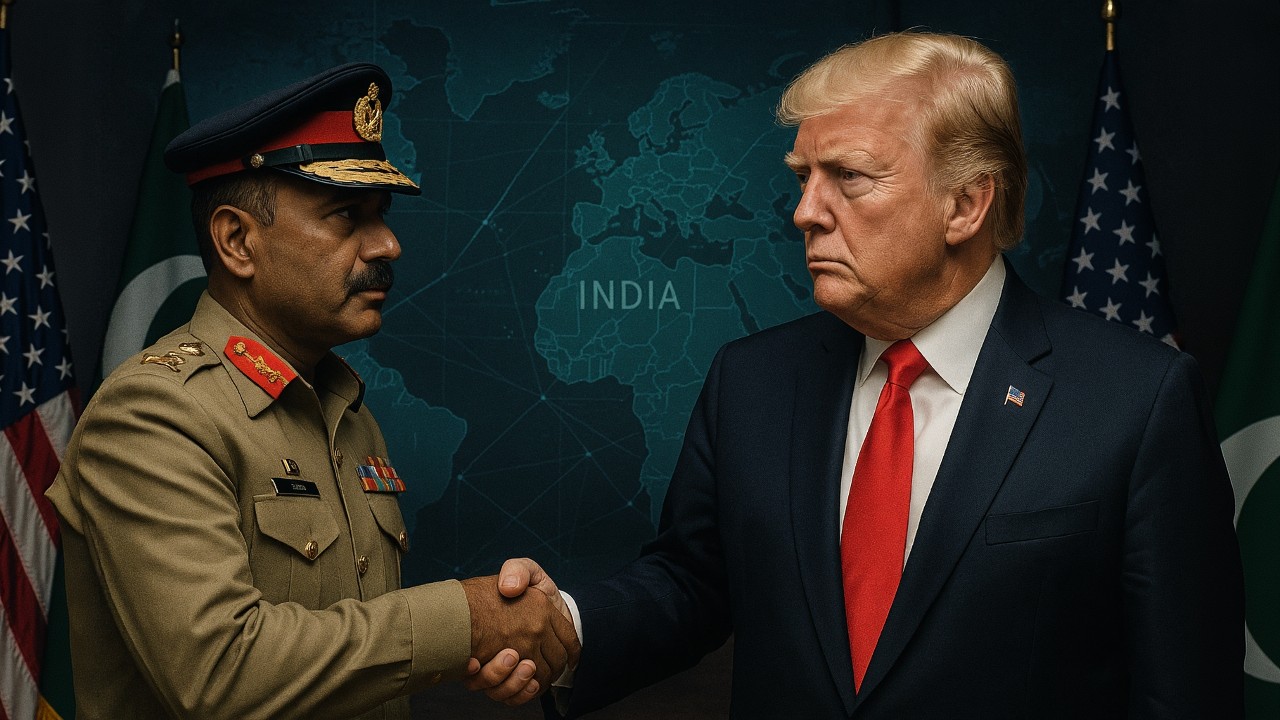
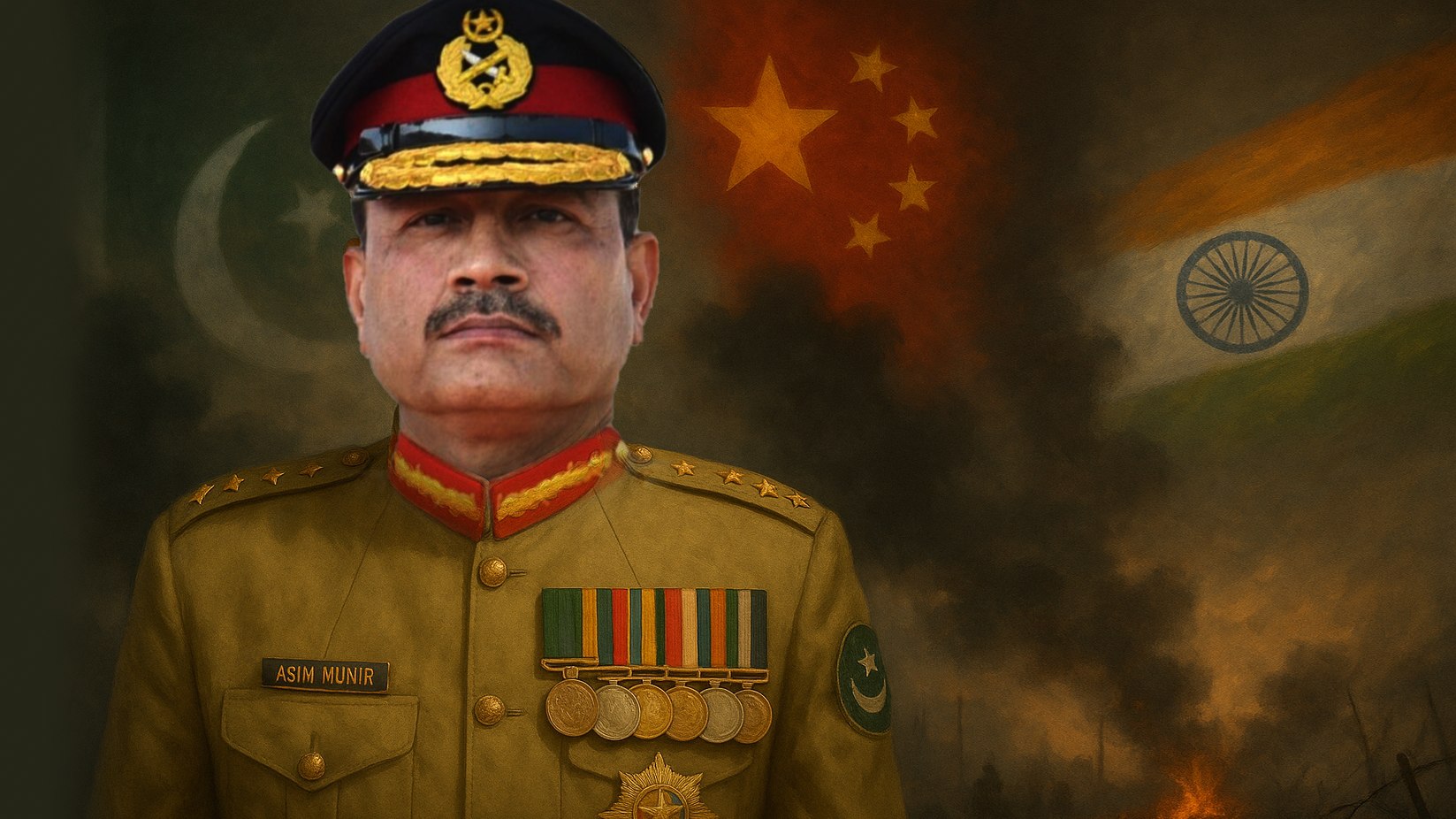
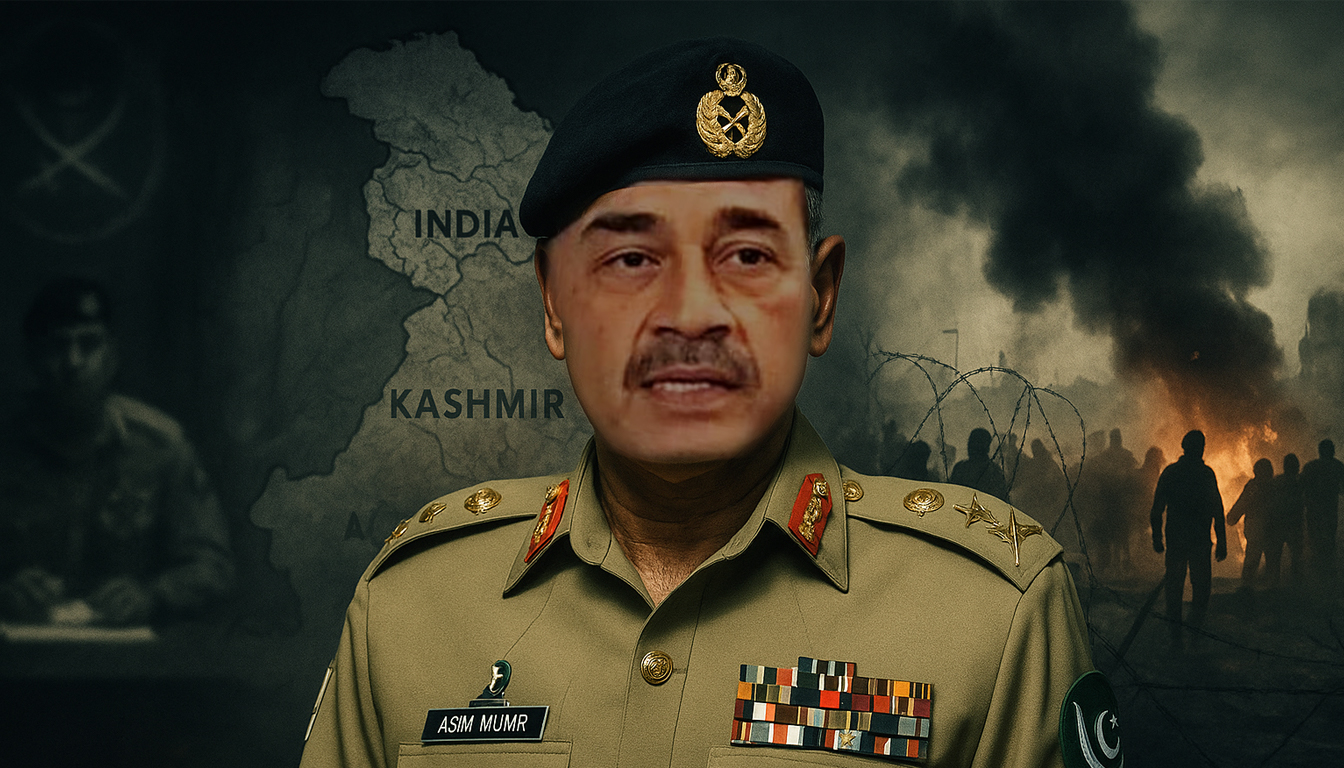
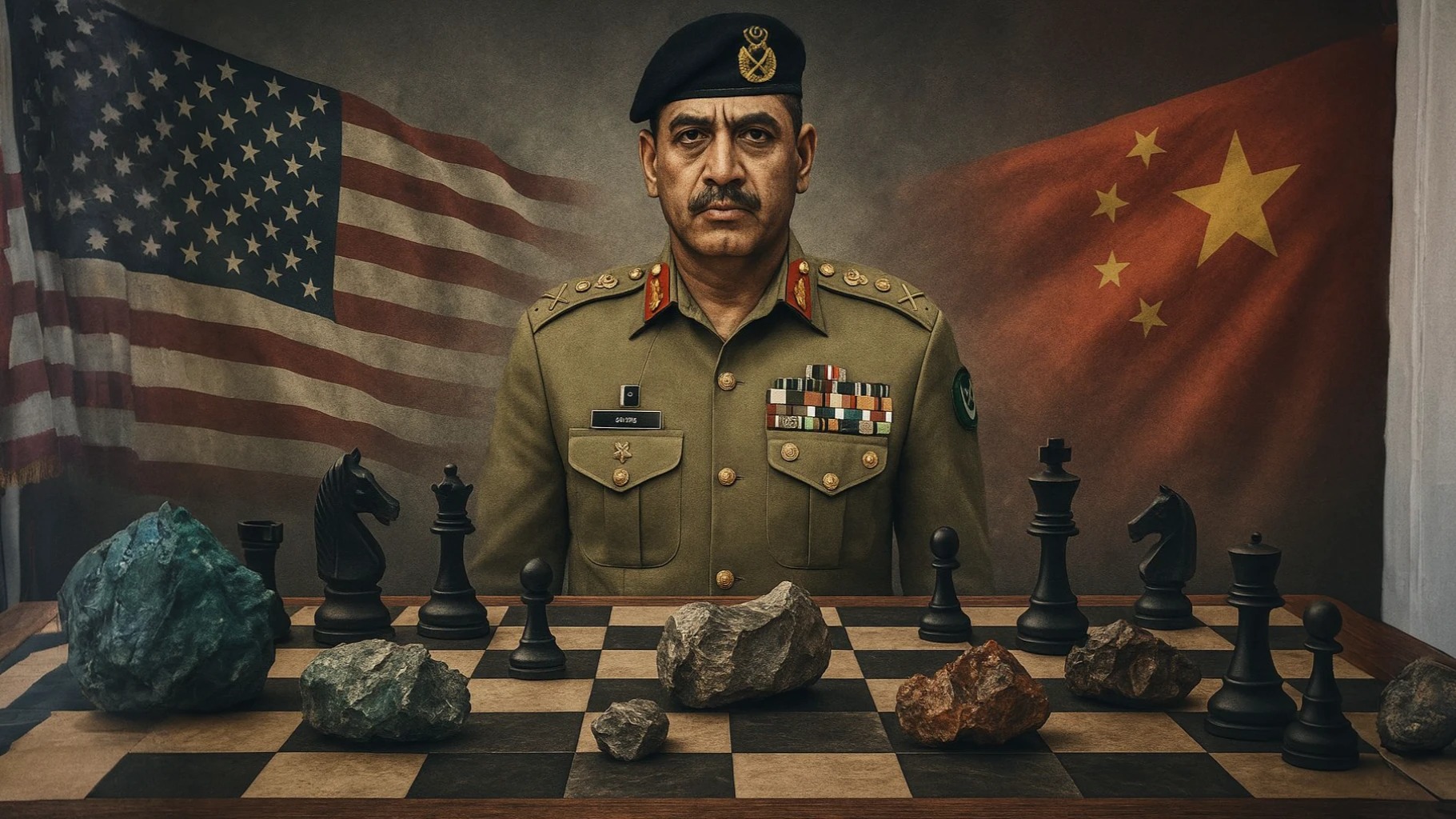
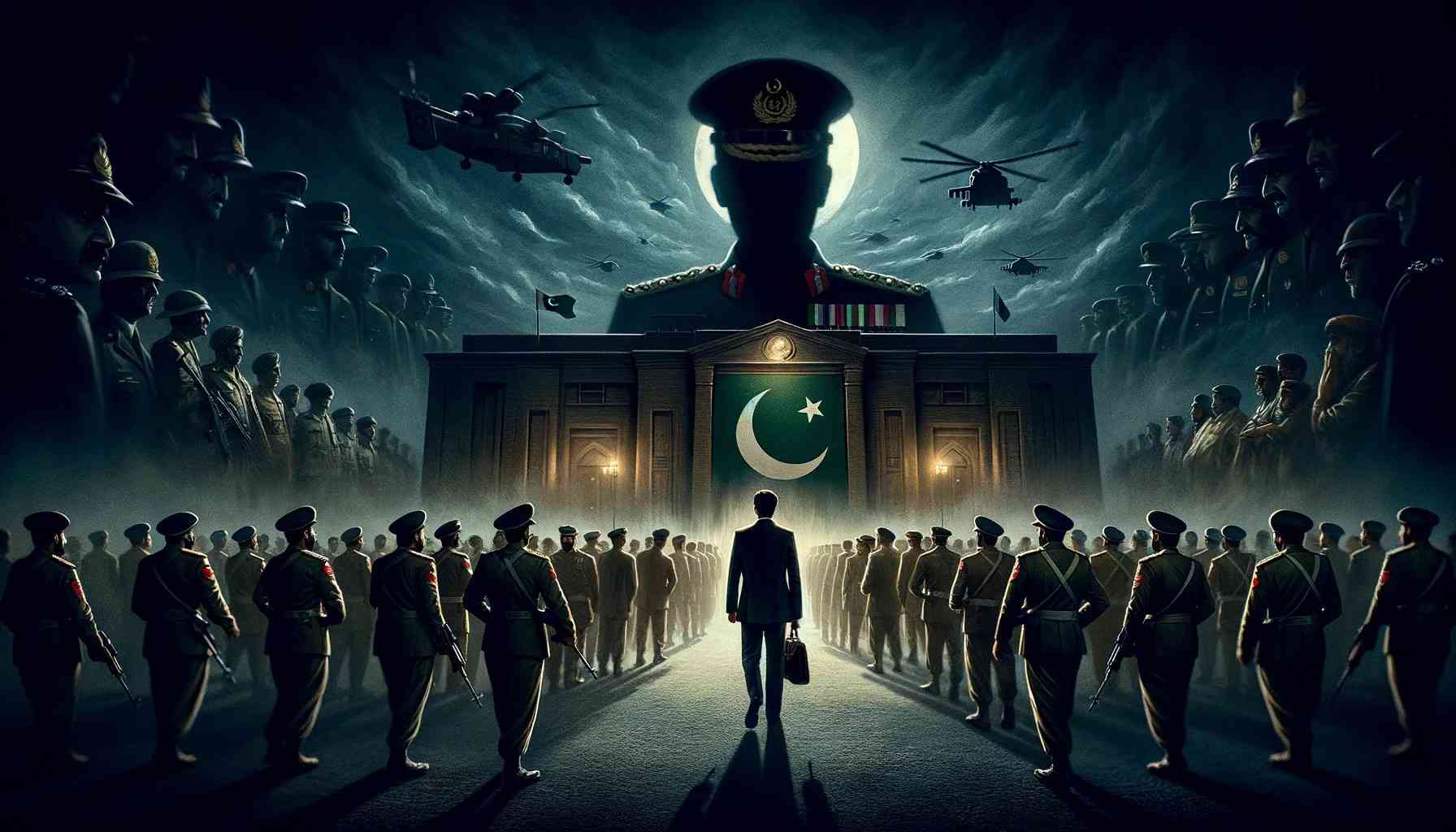
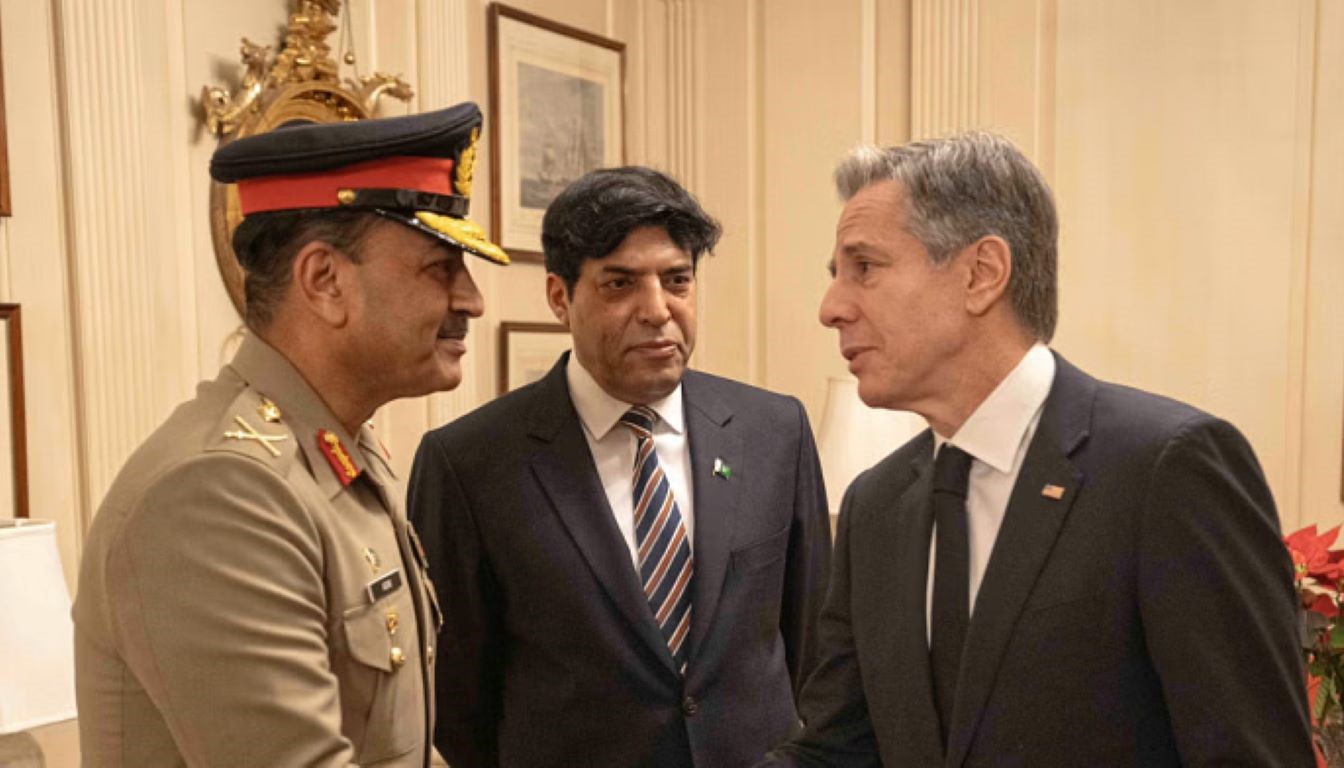
Pakistan, now under the leadership of Field Marshal Asim Munir, stands at another critical crossroads. Once again, the country finds itself responding to geopolitical pressures from powerful global actors.
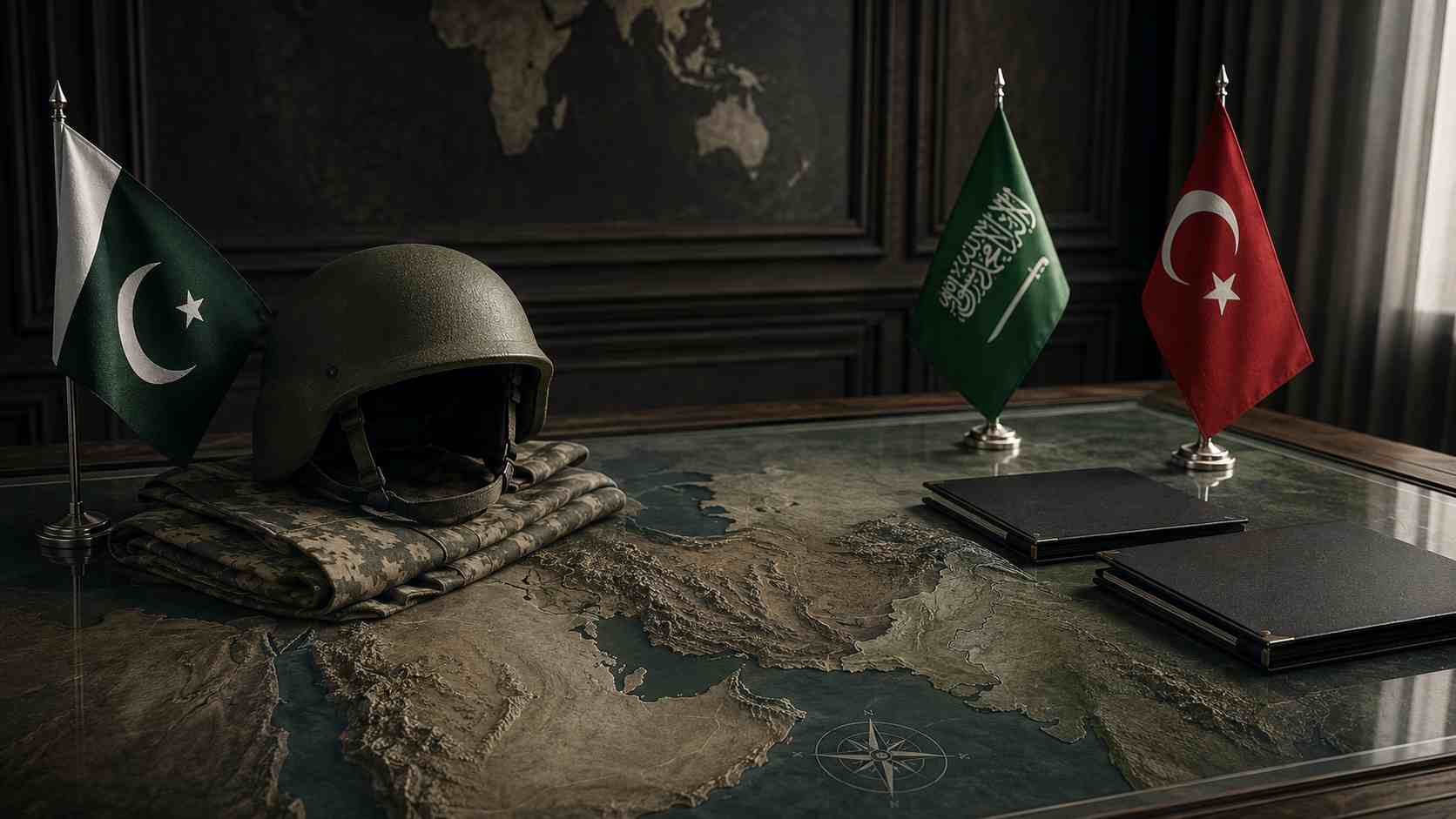
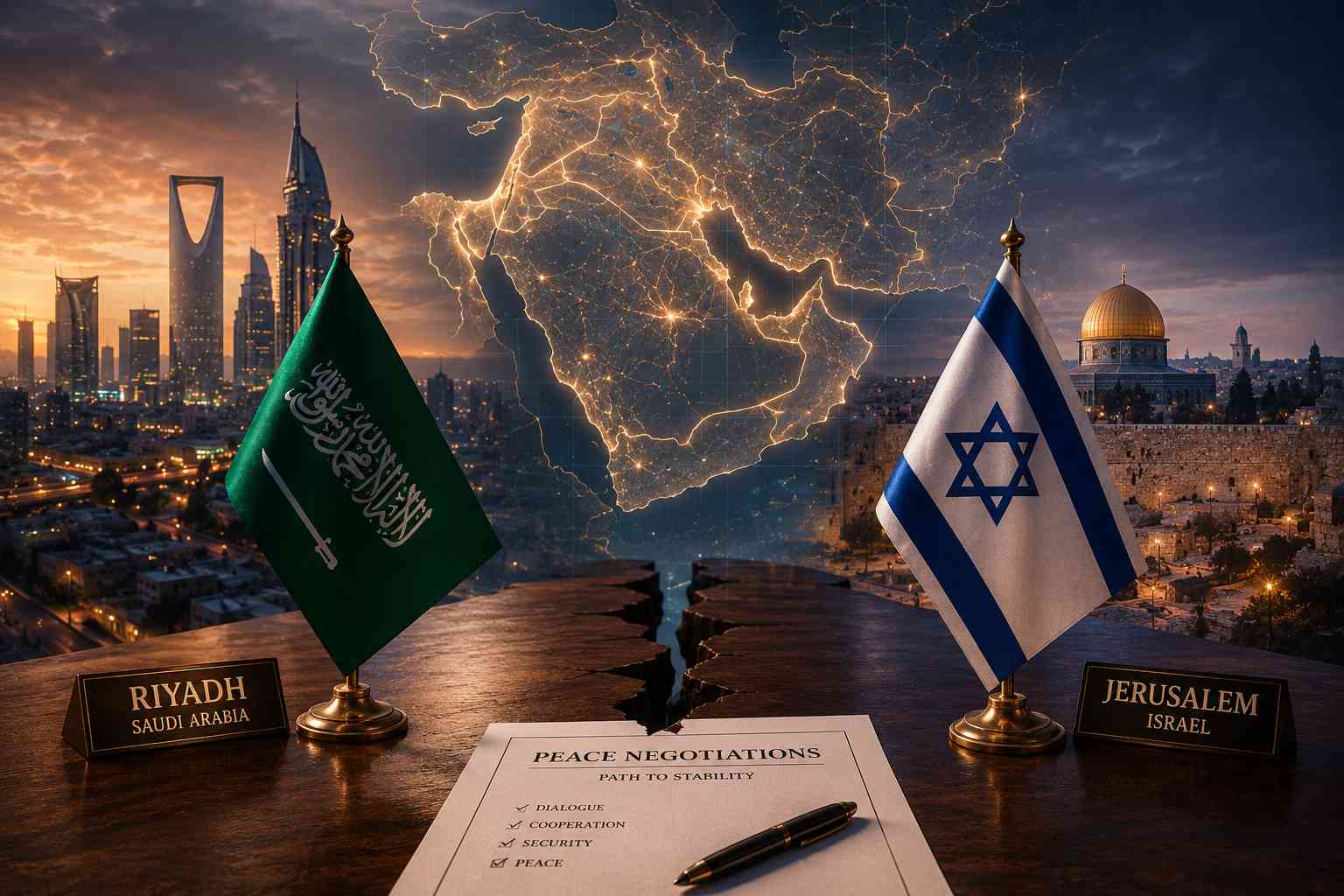
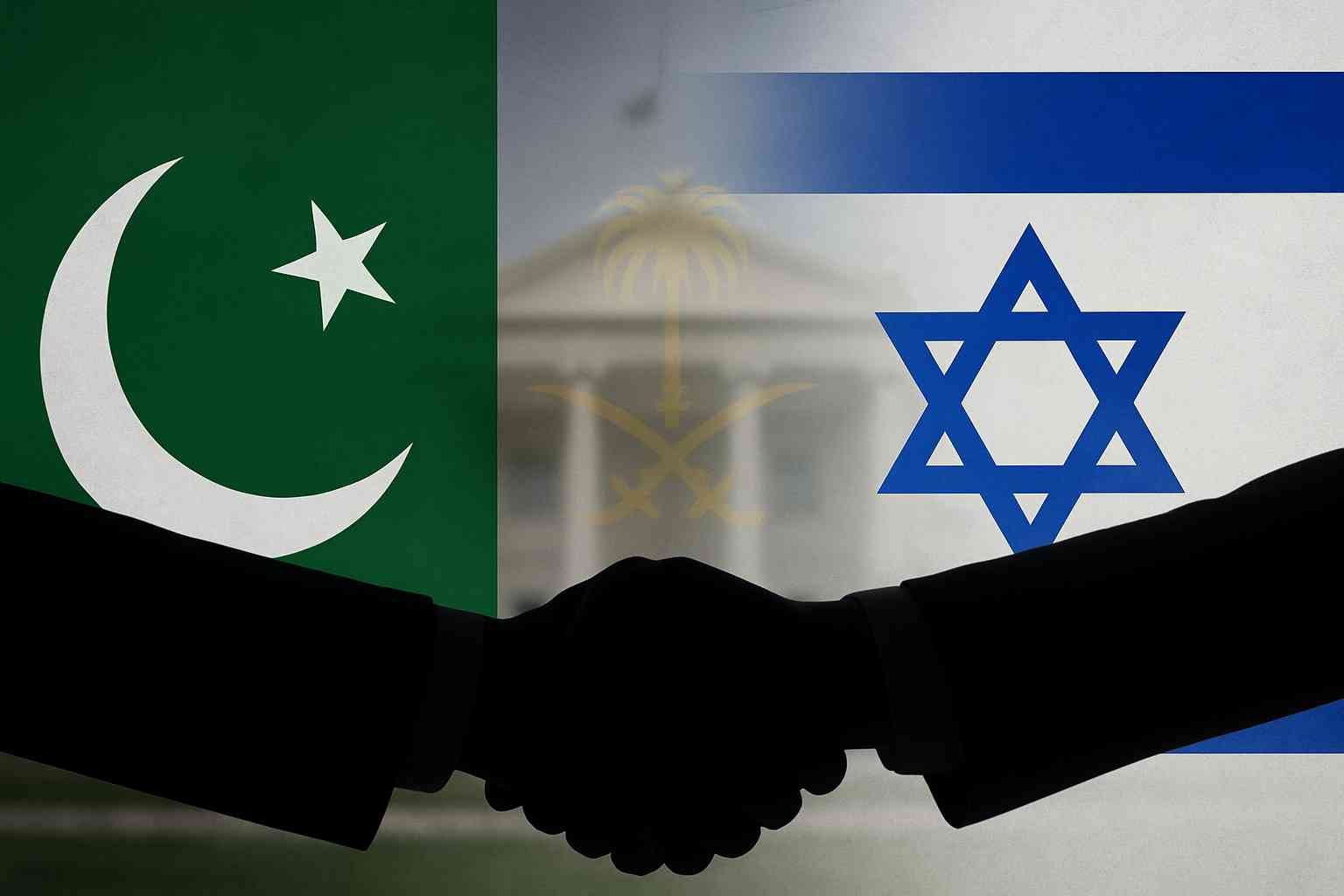
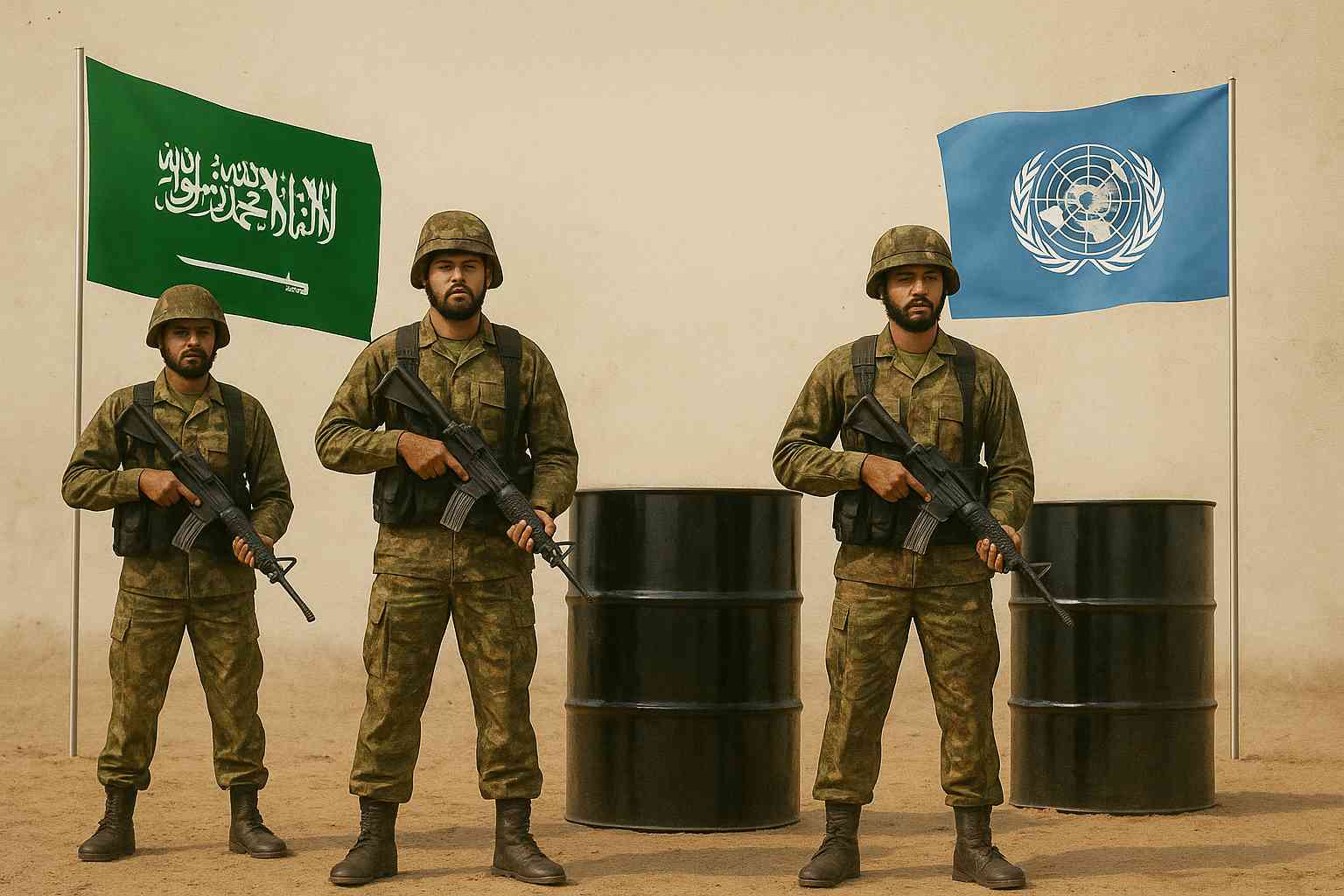
Several Muslim states—including Saudi Arabia, the UAE, Turkey, Egypt, Qatar, and Morocco—are being drawn into plans concerning the reconstruction and management of Palestine.
In this unfolding geopolitical theater, Arab wealth may rebuild what war destroyed. Meanwhile, non-Arab military power may enforce order.
The situation resembles a familiar anthem, captured long ago by Alfred Lord Tennyson in The Charge of the Light Brigade:
Theirs not to make reply,
Theirs not to reason why,
Theirs but to do and die.
And once again, history raises the same unsettling question: will the Muslim world continue to play the role of Muslim Guns for Hire, marching to the rhythm set by others?
Ali Khan is an independent contractor in the trucking industry with a background in Electrical Engineering. Passionate about politics and current affairs, he closely follows global and regional developments to offer grounded, people-centric perspectives on contemporary issues.