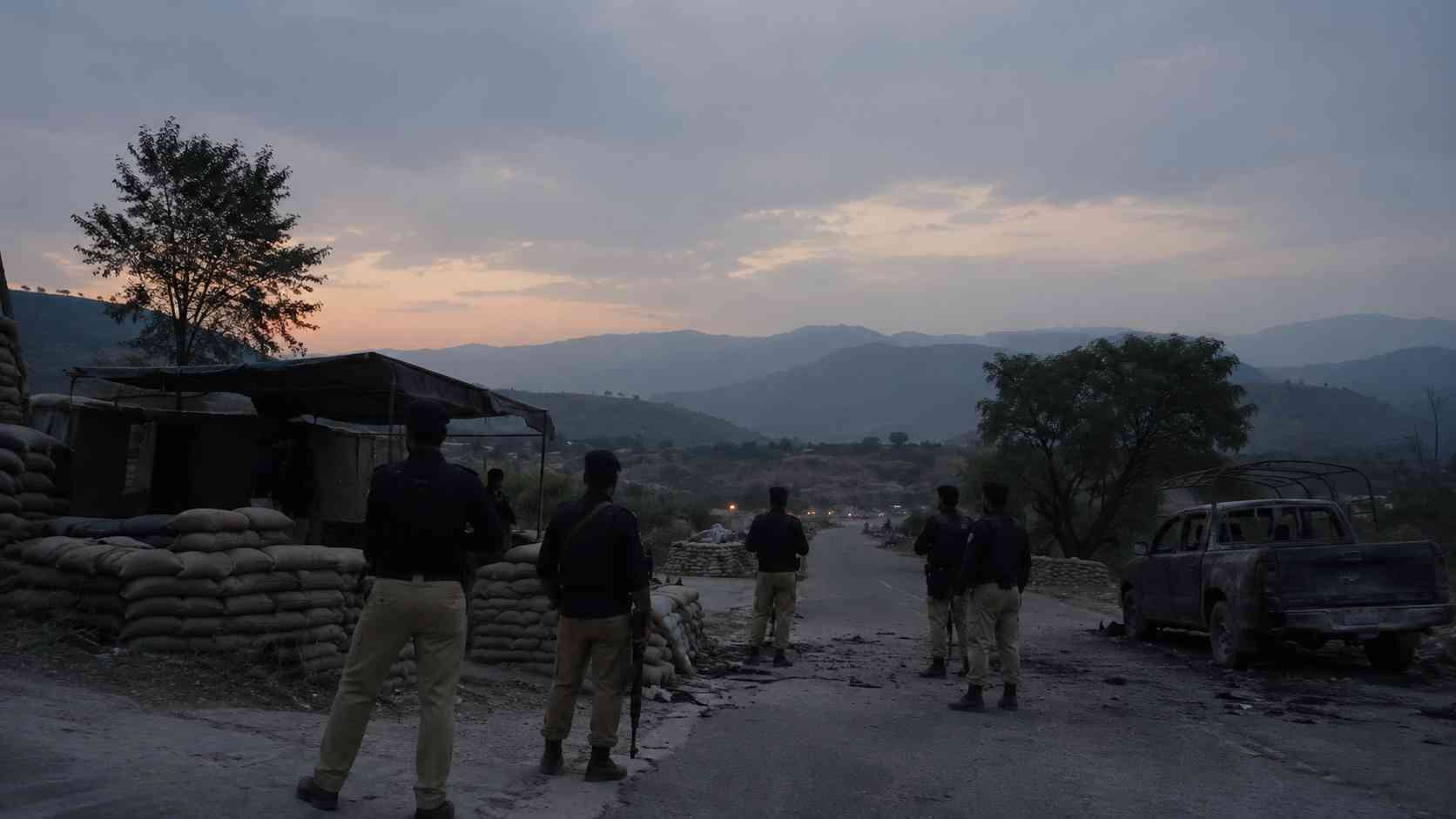
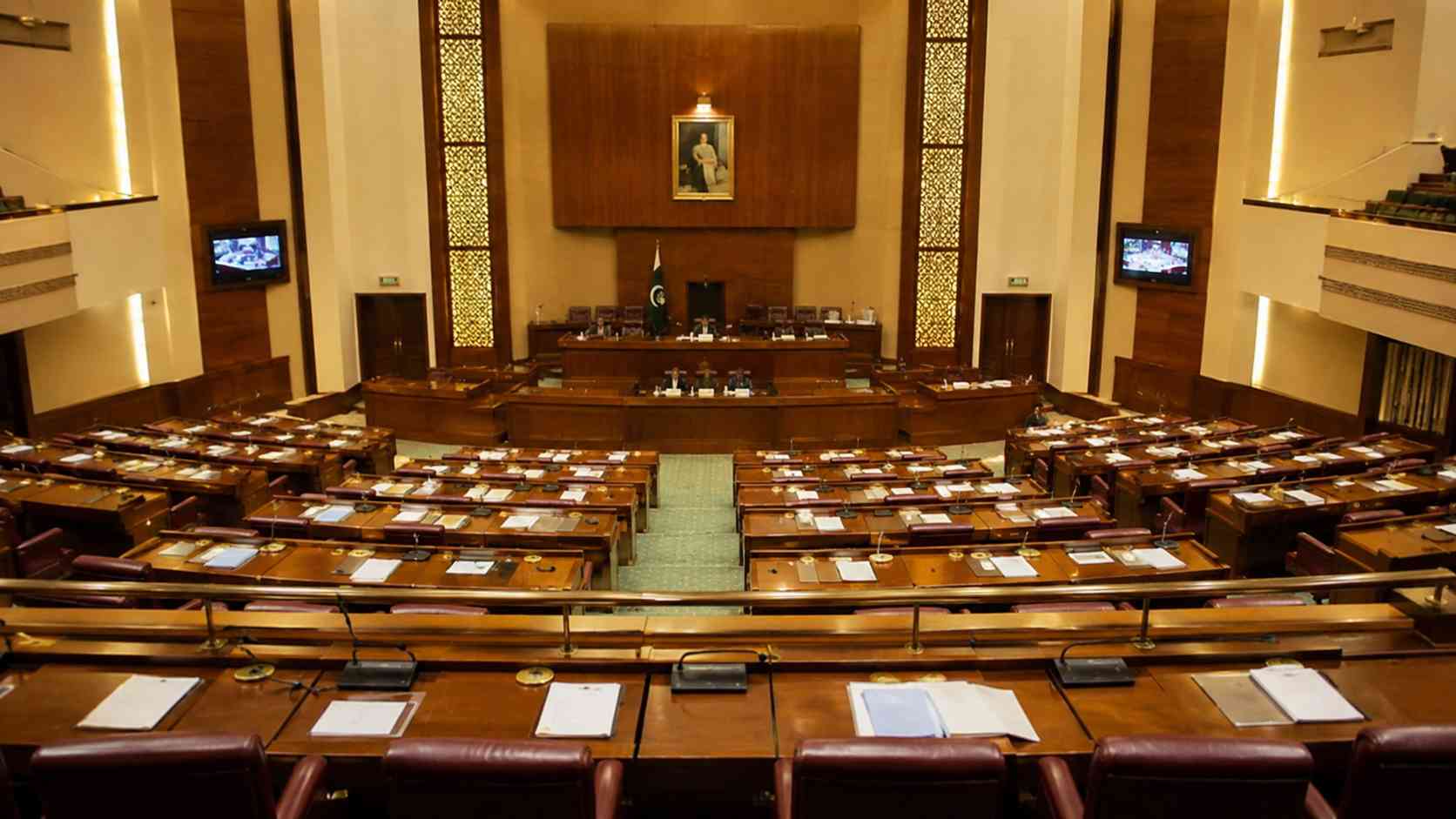
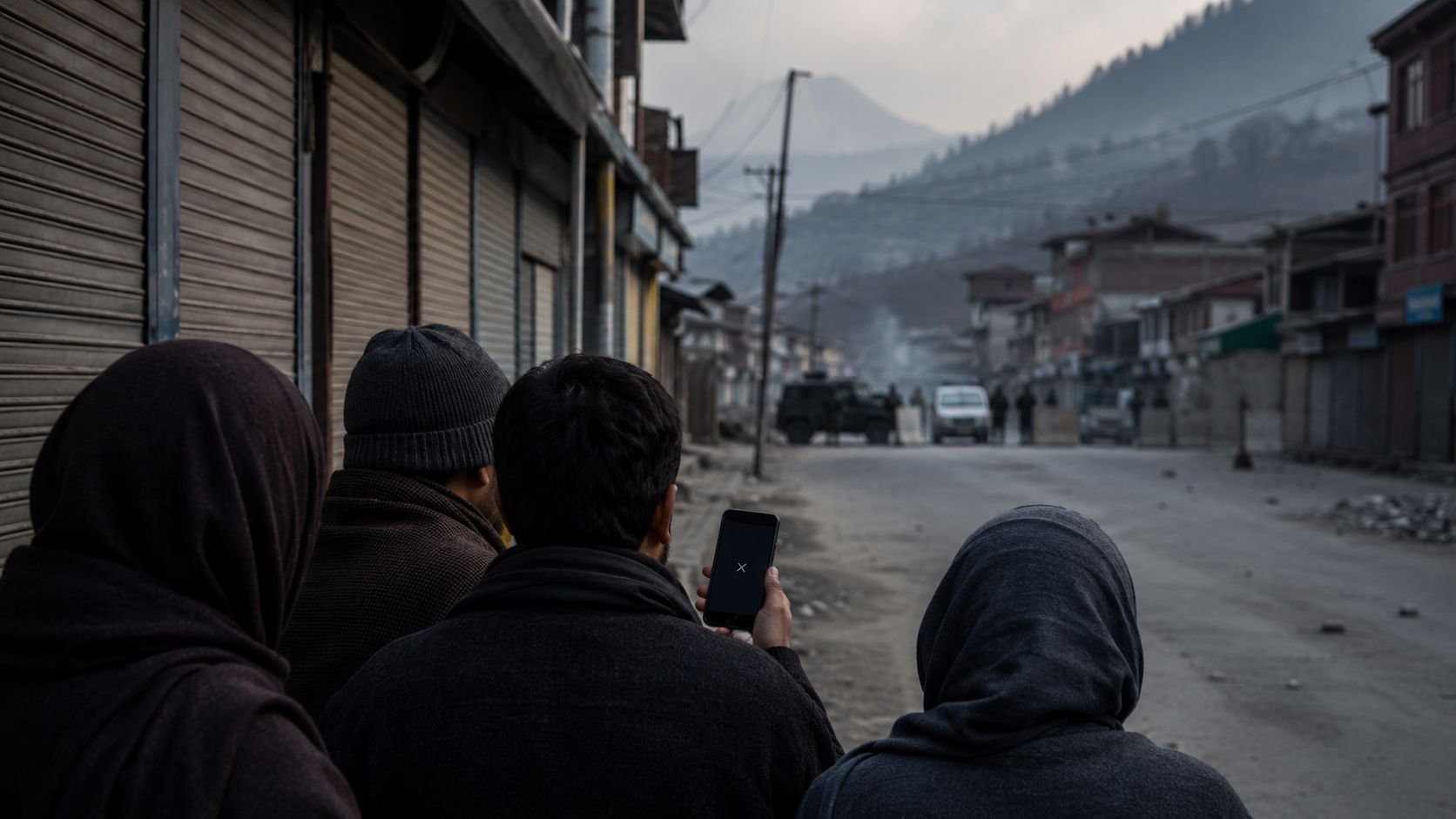
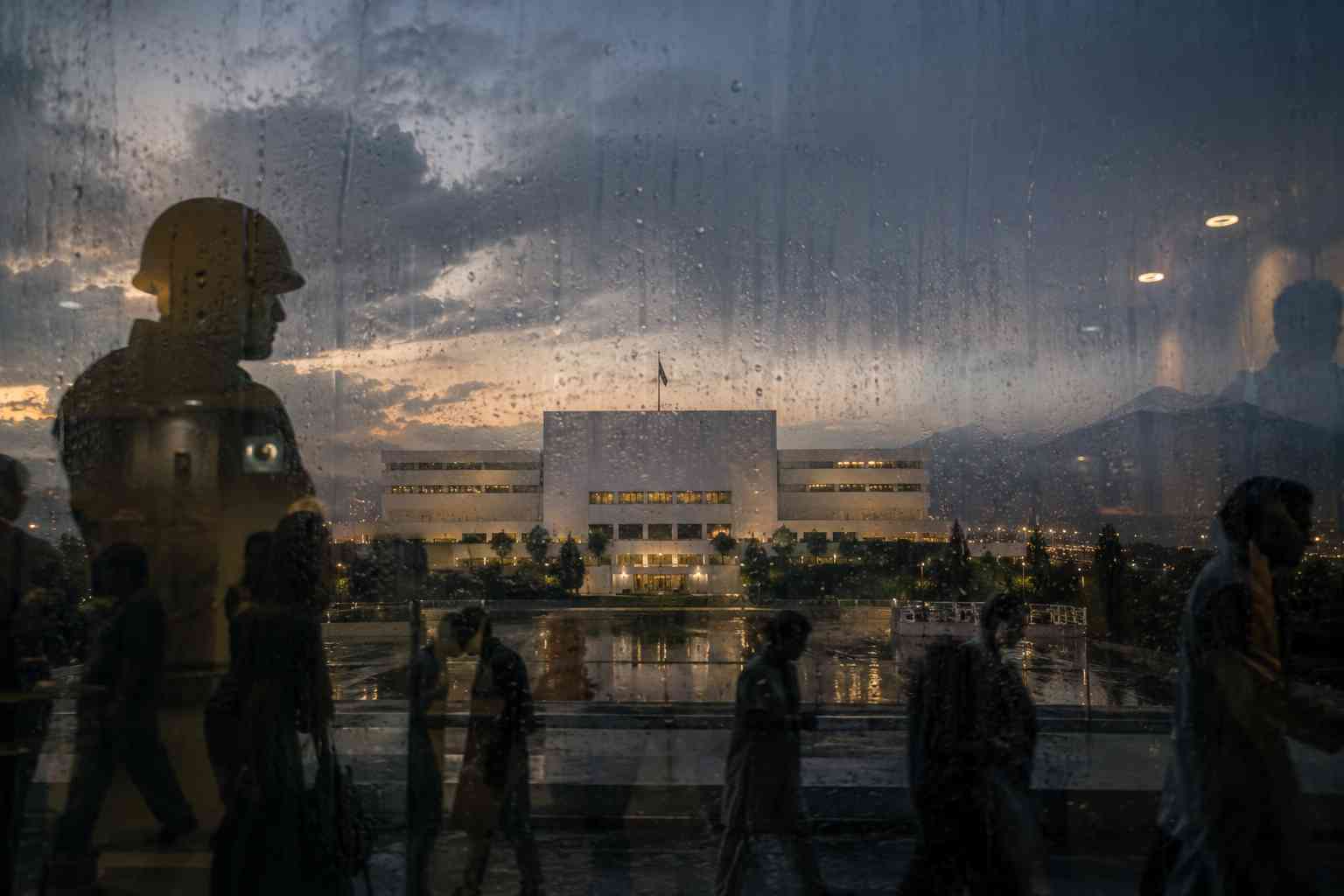
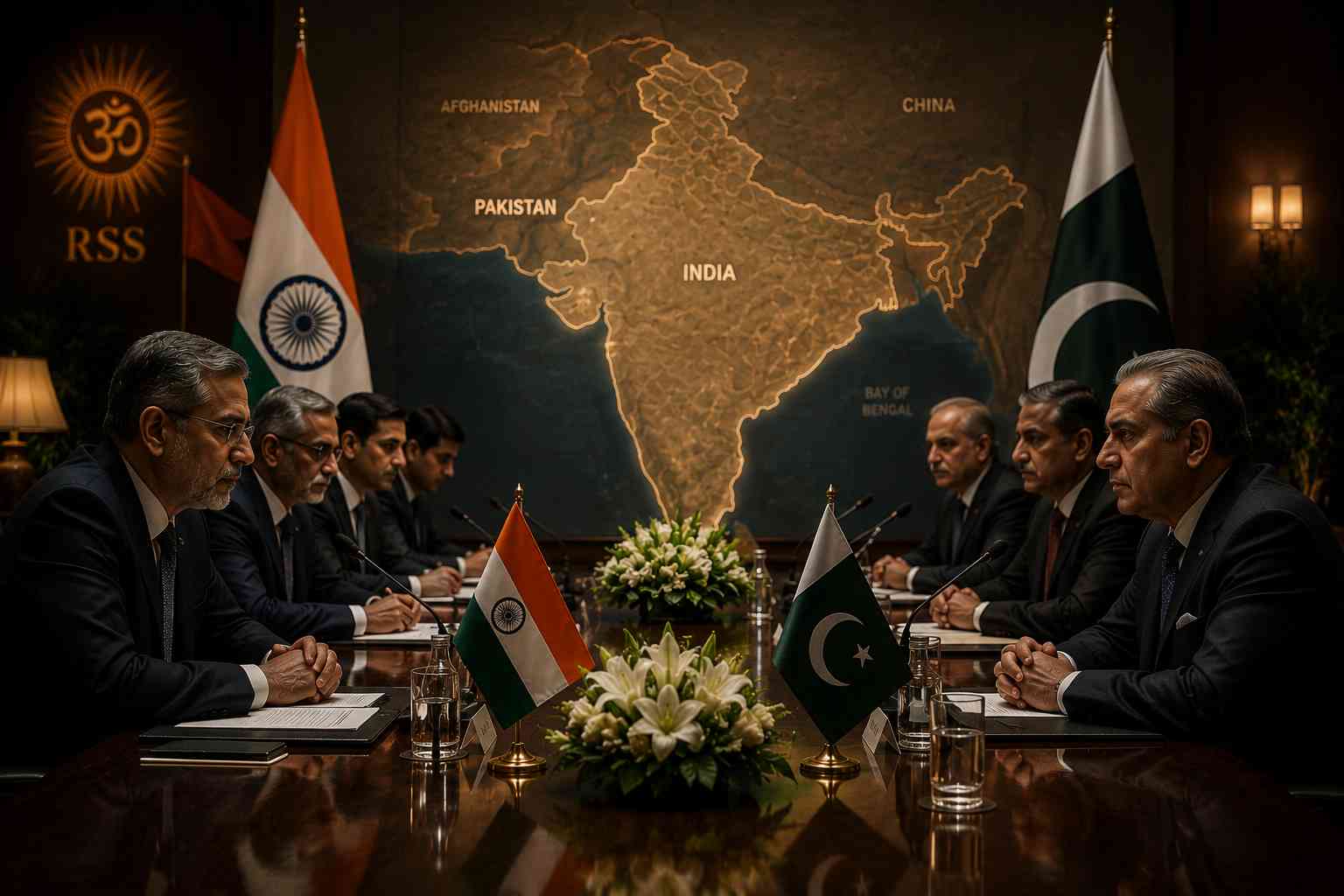
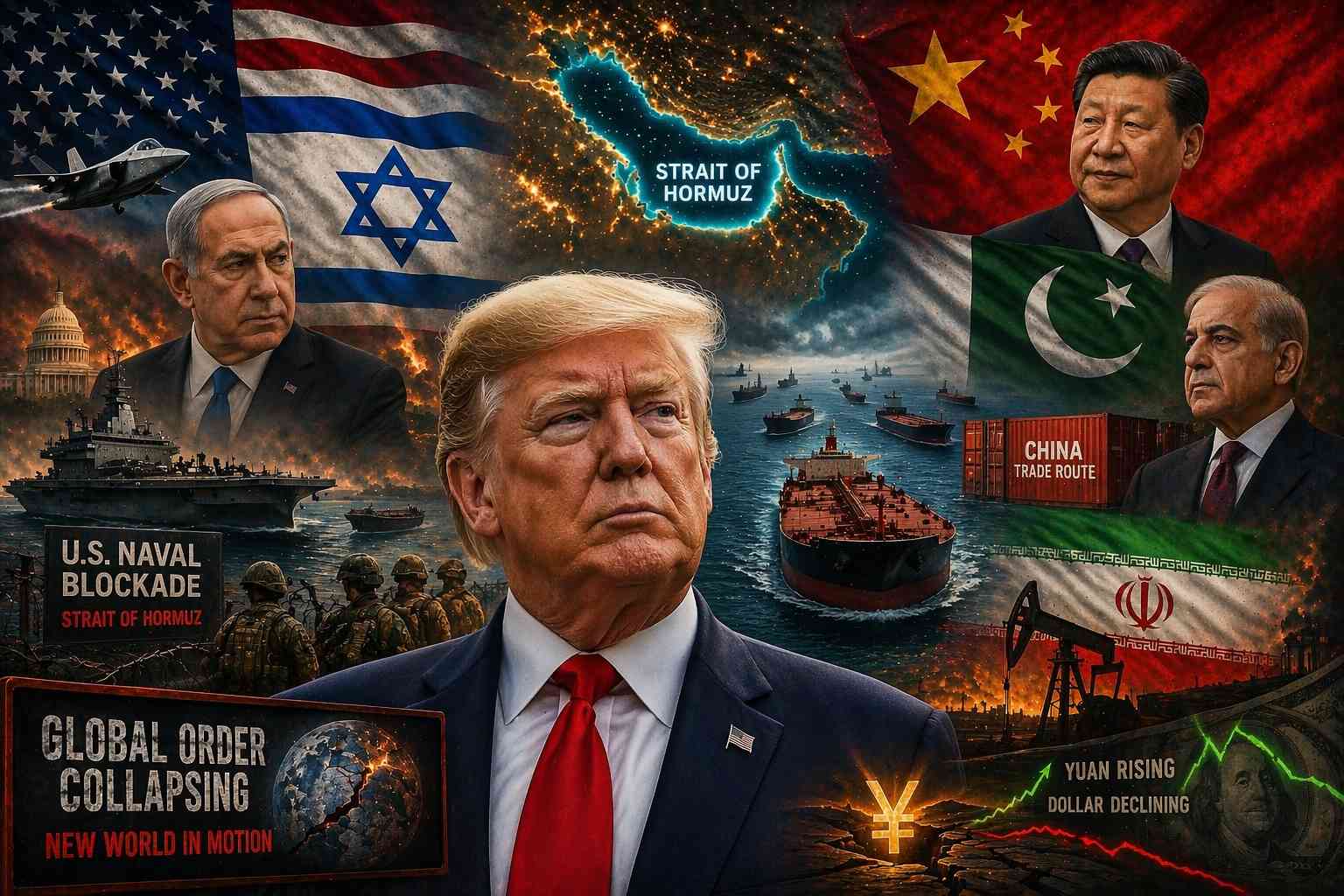
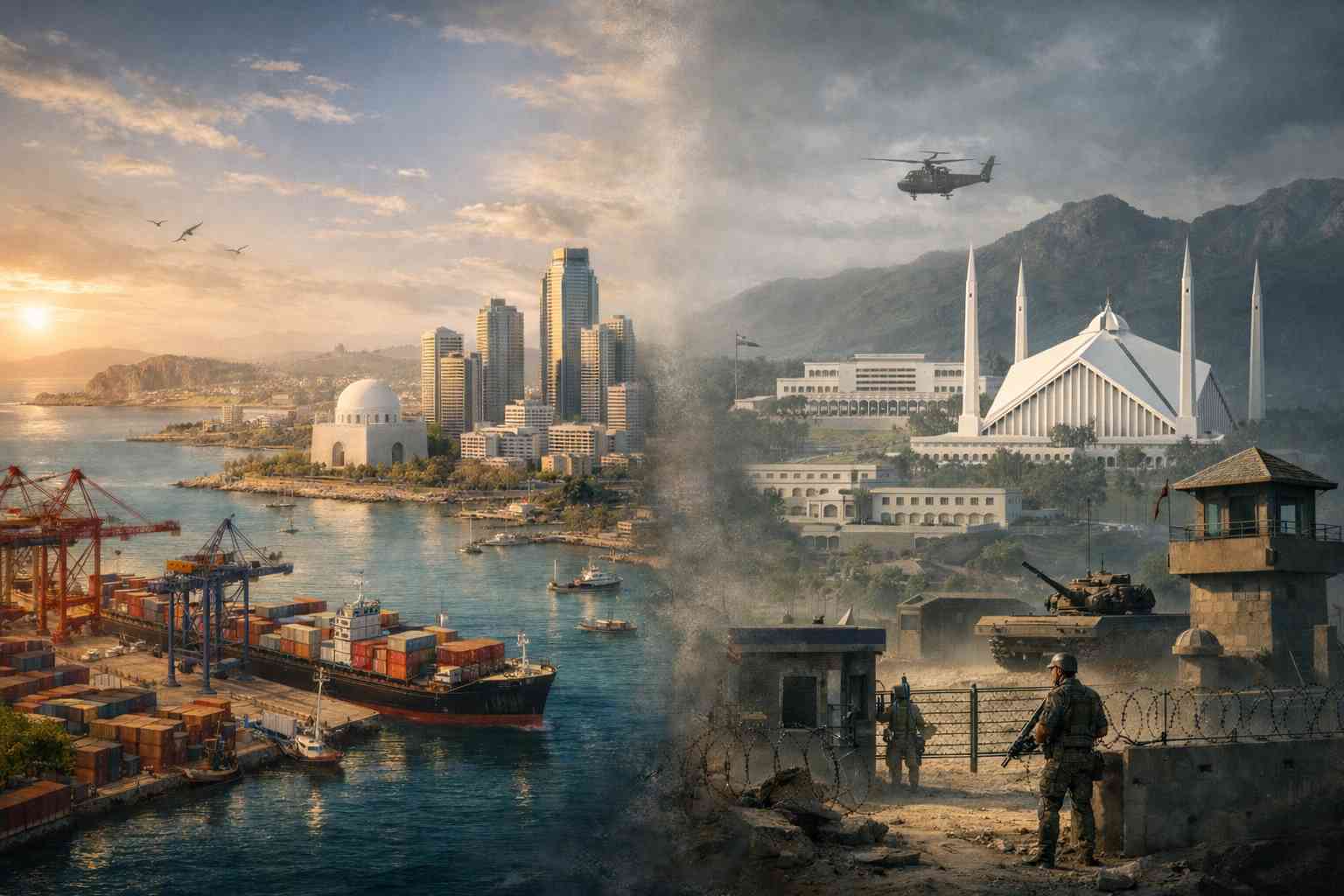
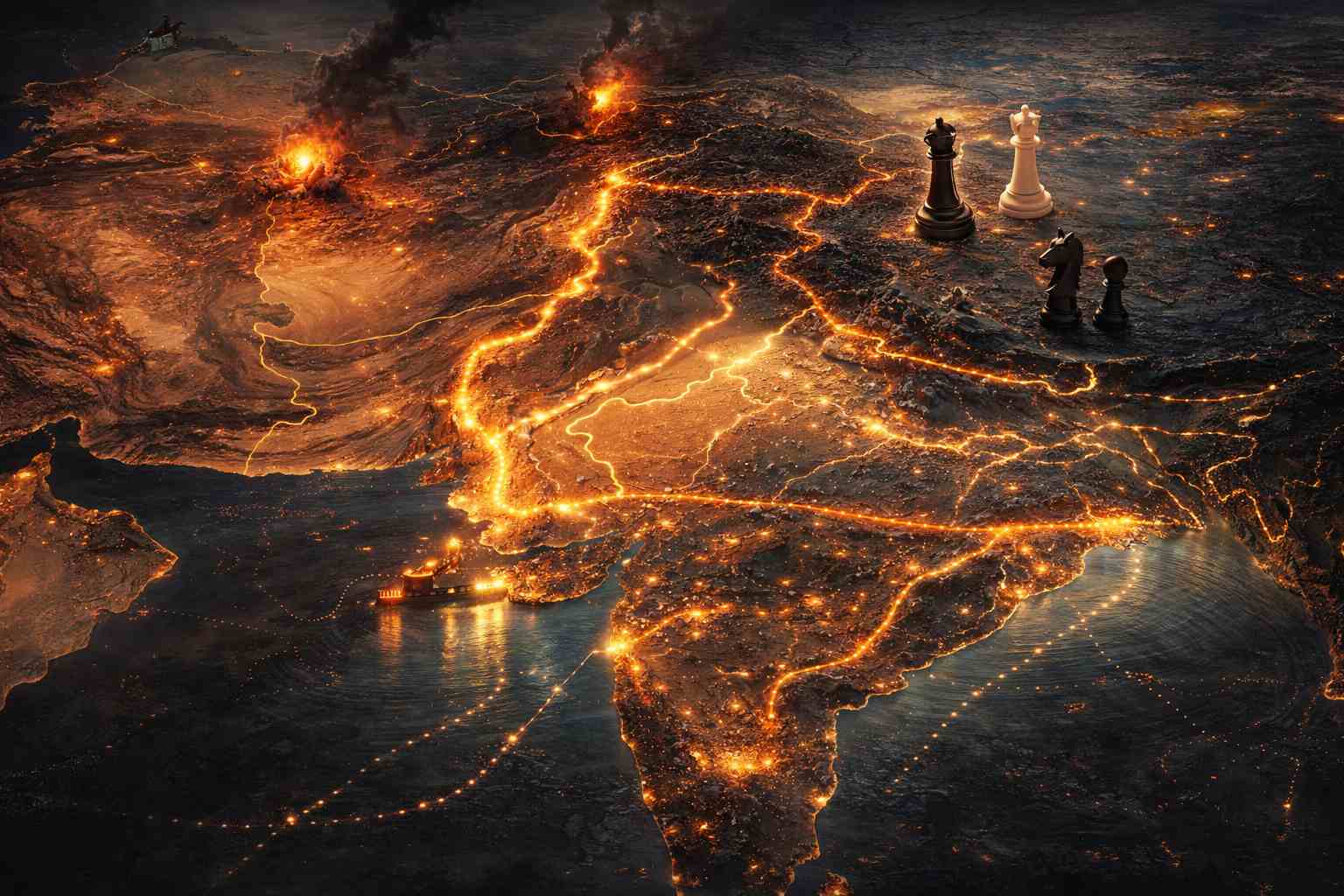
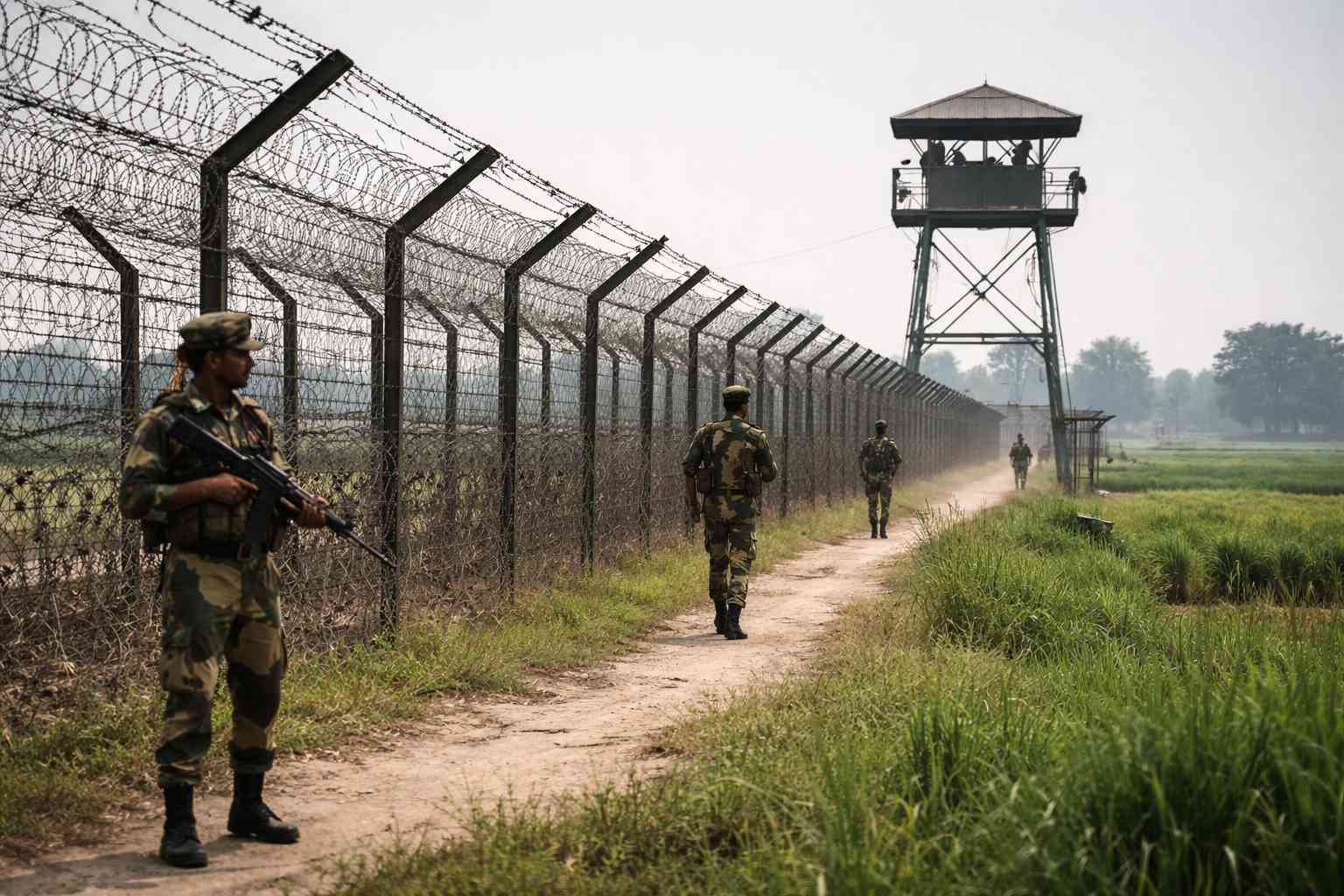
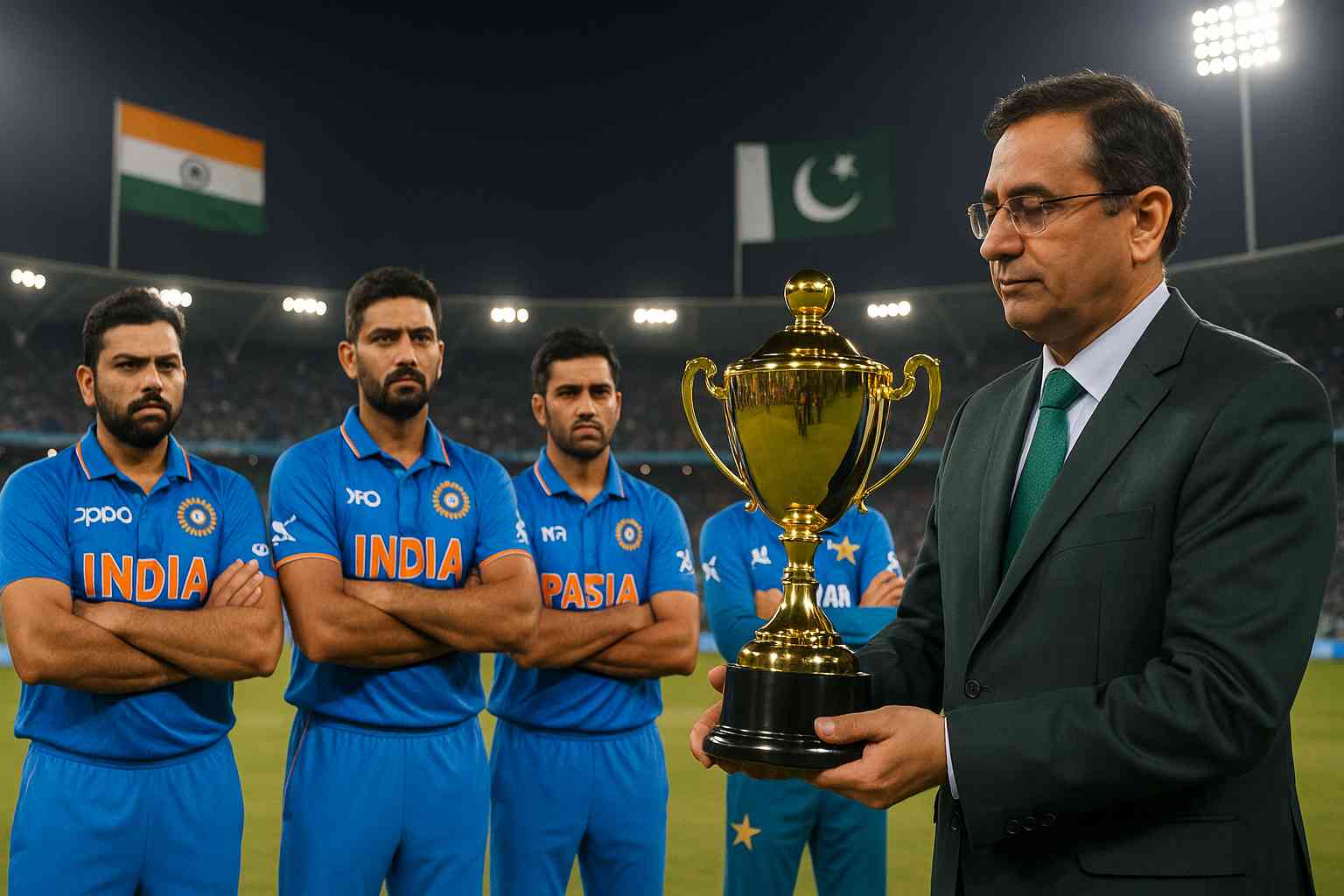
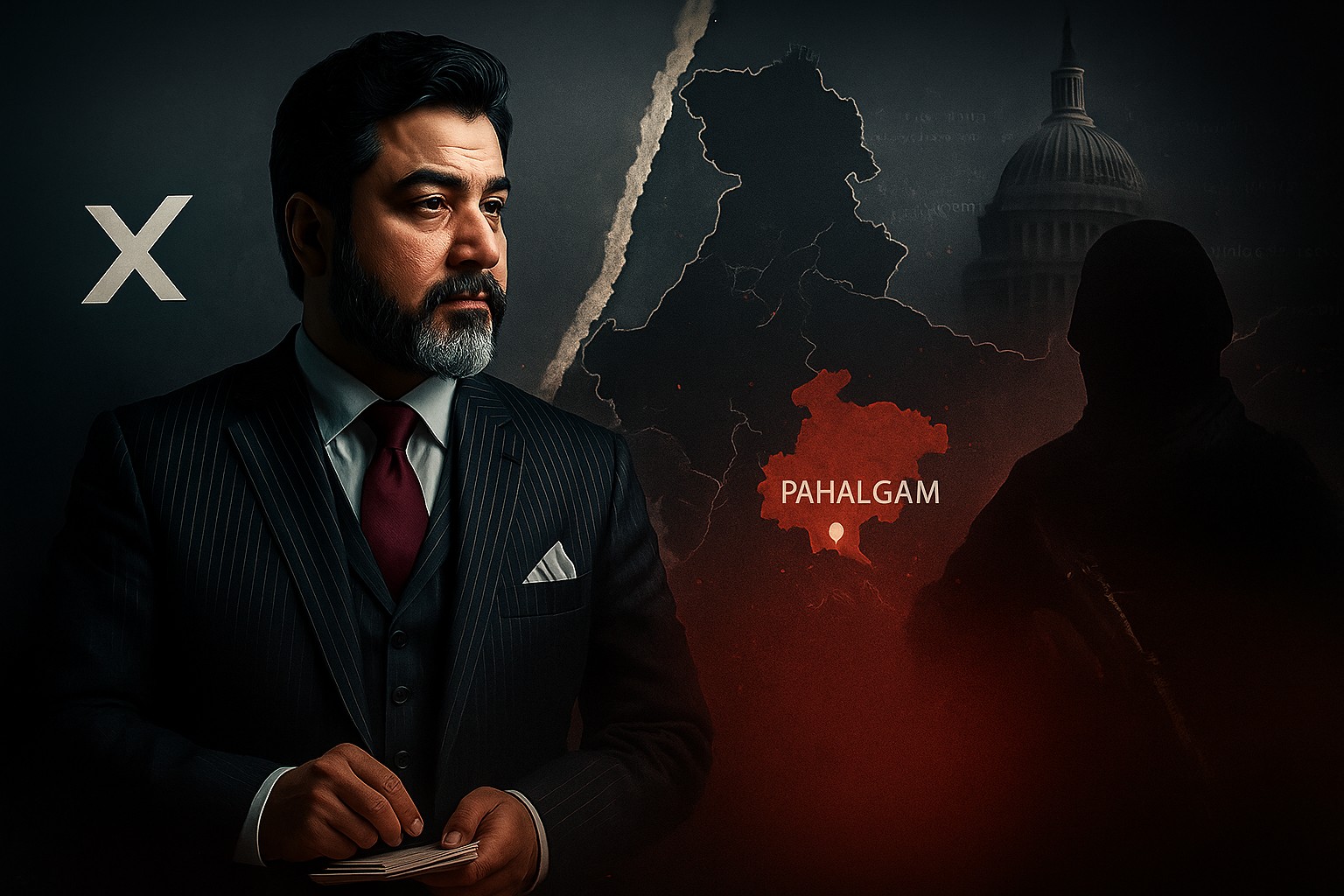
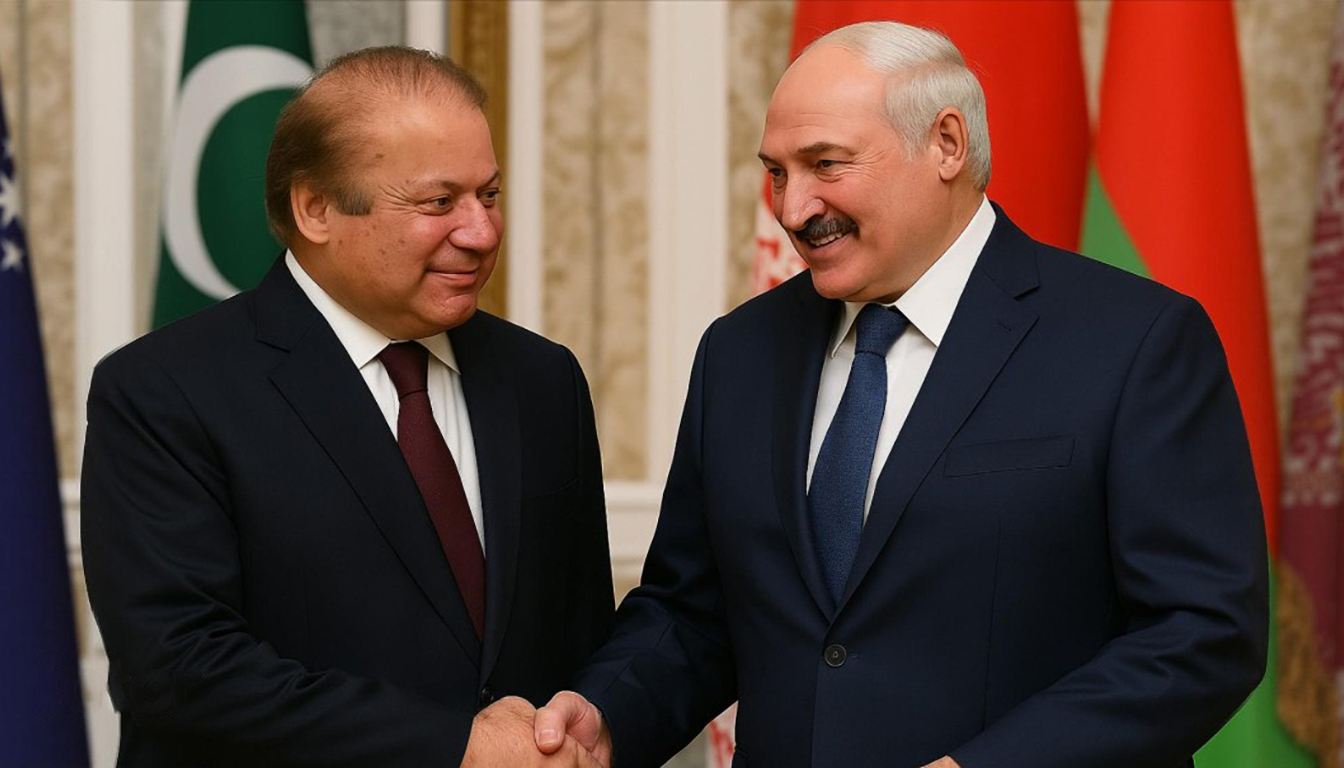
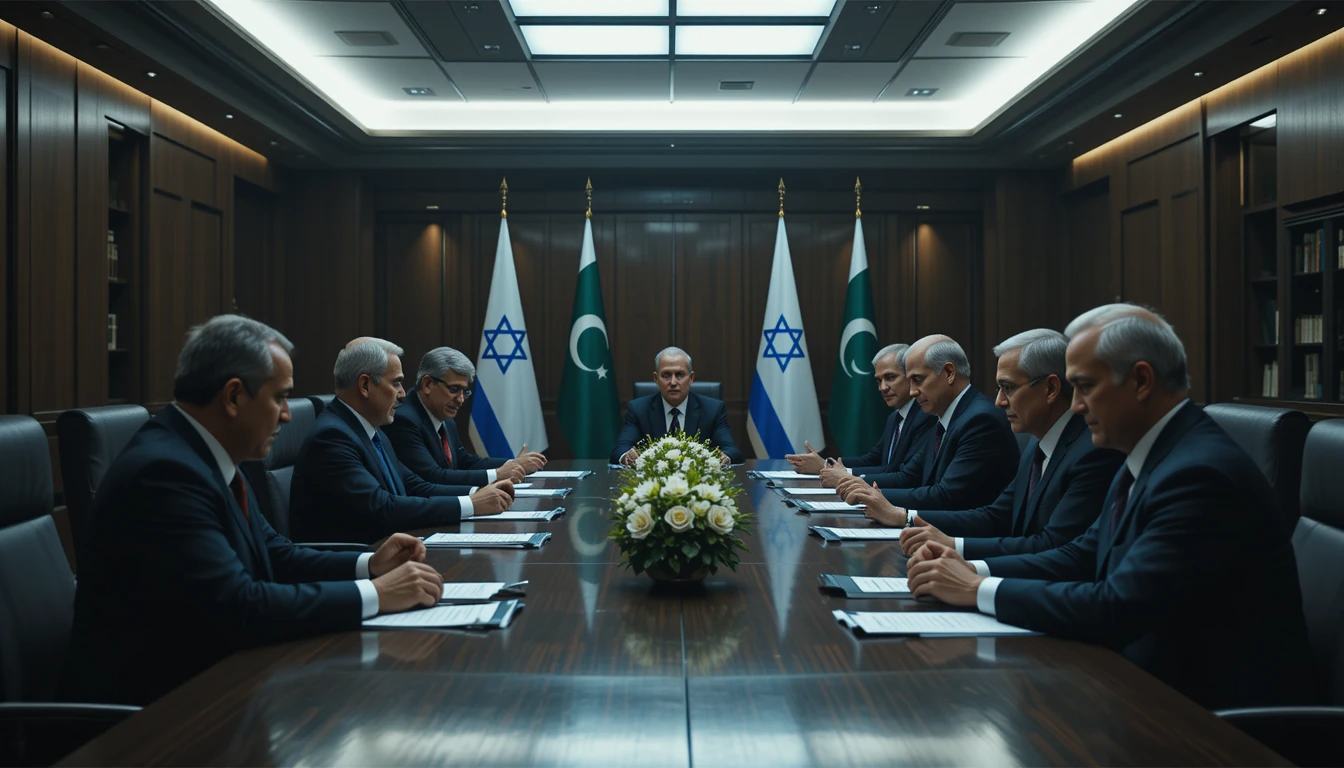
The possibility of an India Pakistan dialogue breakthrough has returned to regional debate after a series of unusually coordinated political signals emerged from India, Pakistan, and Kashmir within days of each other.
What makes the moment significant is not a formal announcement by New Delhi or Islamabad. Instead, the attention is focused on comments made by the RSS leadership in India — statements that many analysts believe may reflect deeper thinking inside the Indian establishment itself.
At a time of continued hostility, suspended diplomatic trust, and strong nationalist narratives on both sides, even limited support for dialogue represents a meaningful shift.
Why the RSS Statement Matters
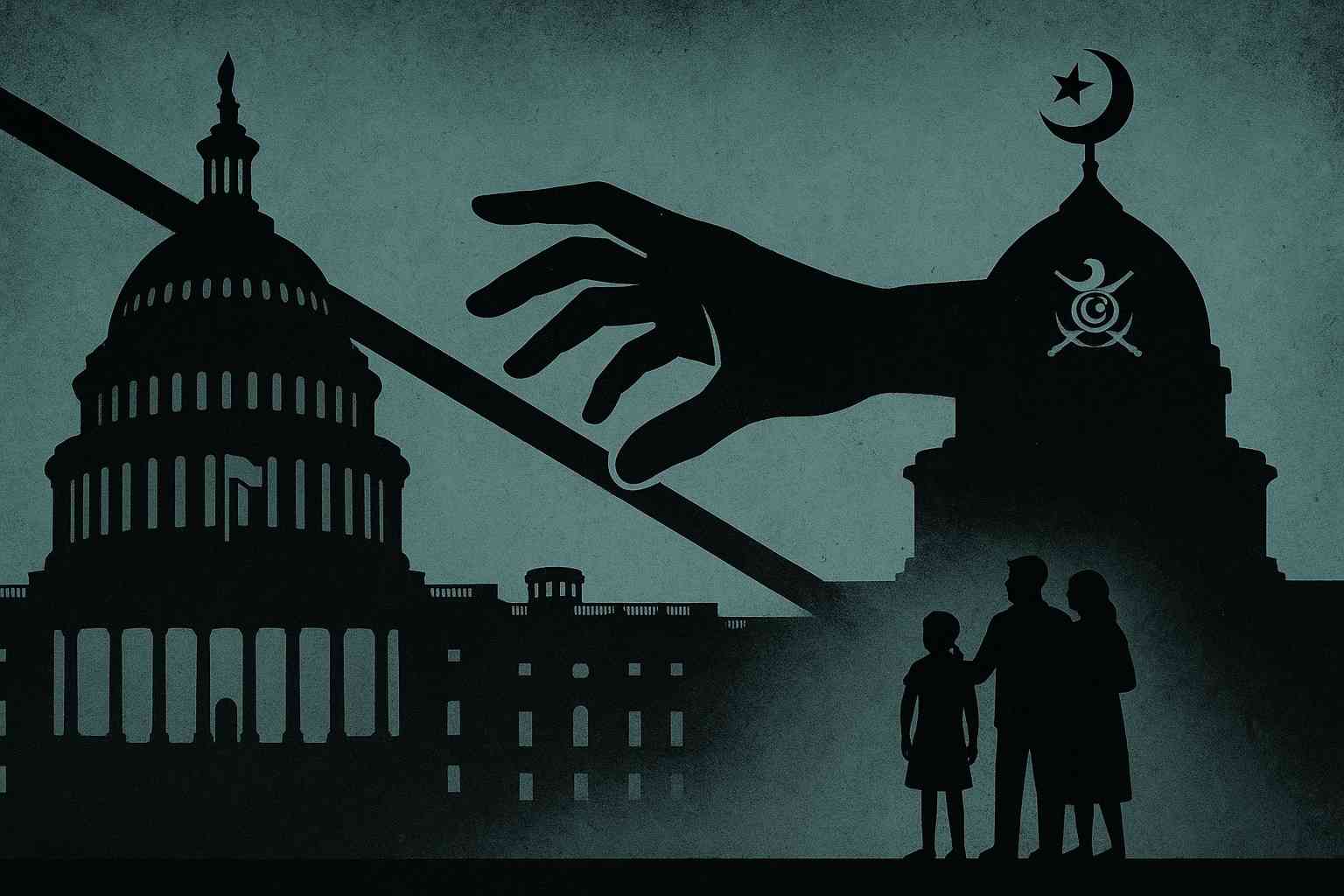
The Rashtriya Swayamsevak Sangh (RSS), regarded as the ideological parent organization of India’s ruling Bharatiya Janata Party (BJP), rarely advocates engagement with Pakistan publicly.
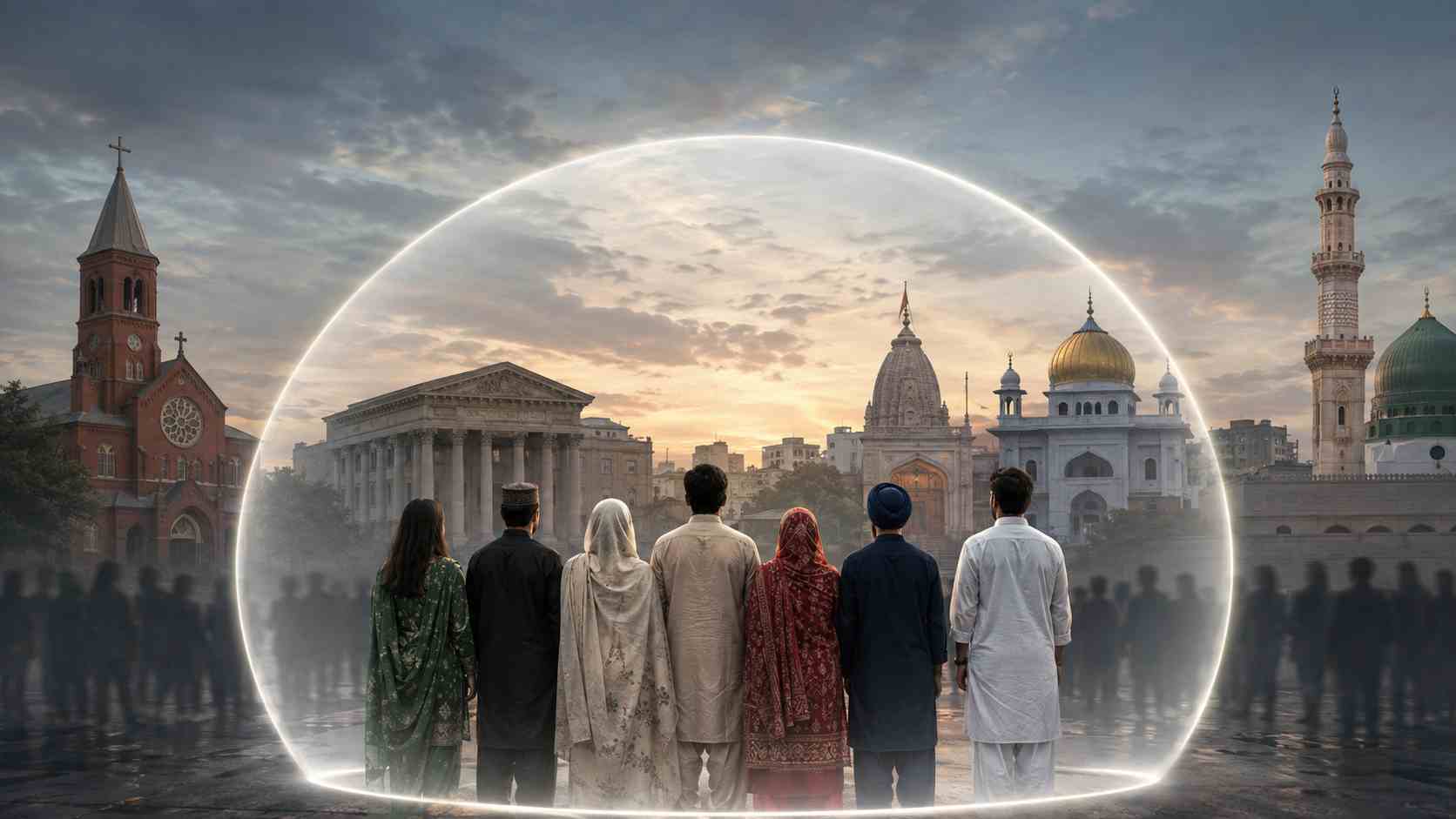
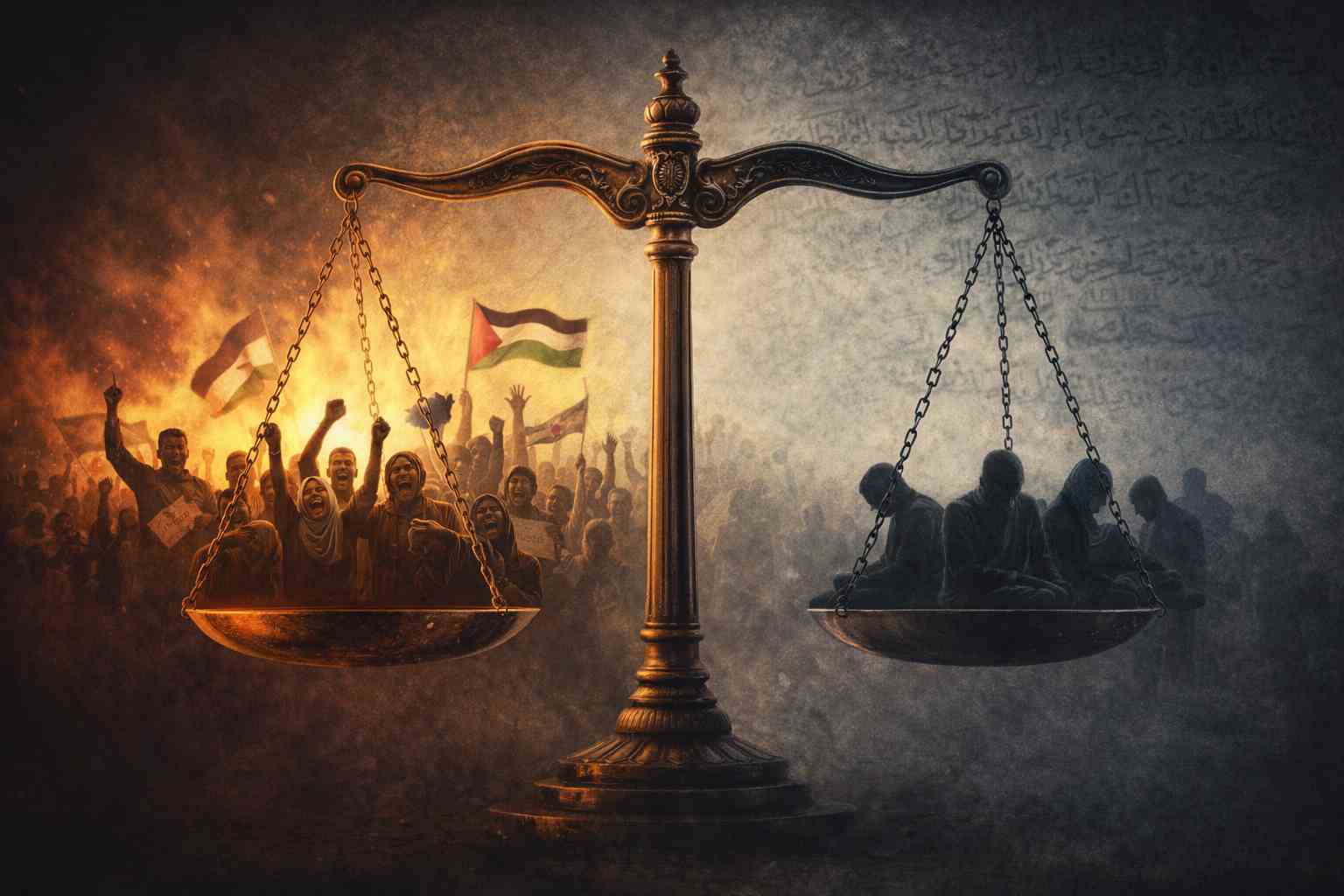
That is why comments by RSS General Secretary Dattatreya Hosabale attracted such attention. According to the discussion referenced in the vlog, Hosabale argued that while India should continue responding firmly to cross-border terrorism, the “window for dialogue” with Pakistan should remain open. He also emphasized the importance of people-to-people engagement.
This was not treated as an isolated remark.
Former Indian Army Chief General Manoj Naravane later welcomed the idea, while political leaders in Jammu and Kashmir — including Farooq Abdullah and Mehbooba Mufti — also endorsed the possibility of renewed engagement.
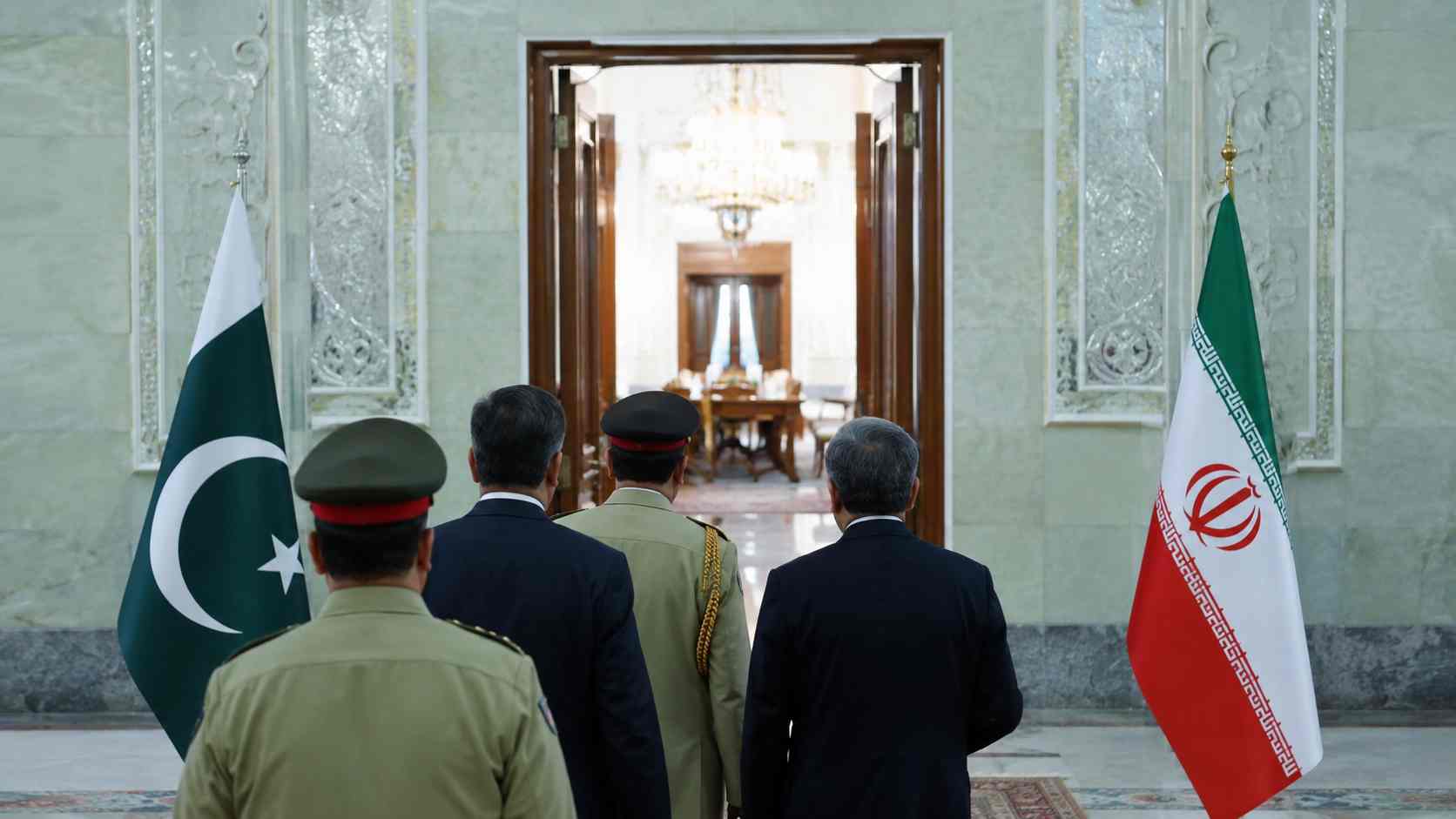
Pakistan’s Foreign Office responded positively as well, calling for “sanity” and dialogue to prevail.
Taken together, these reactions suggest the discussion may have broader institutional significance.
Is Modi Preparing Political Space for Talks?
One of the most important questions raised in Indian media analysis is whether the RSS comments provide political cover for Narendra Modi’s government to eventually reopen communication channels with Pakistan.
Indian newspaper The Hindu explored this possibility directly, asking whether the RSS intervention reflected a gradual shift in government thinking.
This matters because BJP politics traditionally relies on a strong national security posture toward Pakistan. Any direct move toward talks could trigger criticism from hardline supporters unless the ideological leadership itself signals approval.
The RSS position therefore creates strategic flexibility for the Indian government.
Why Timing Is Important
The timing of these developments is particularly sensitive.
Official Indian policy after recent tensions has remained publicly rigid:
- No dialogue without action against terrorism
- Suspension of the Indus Waters Treaty framework
- Minimal diplomatic engagement
- Public political hostility toward Pakistan
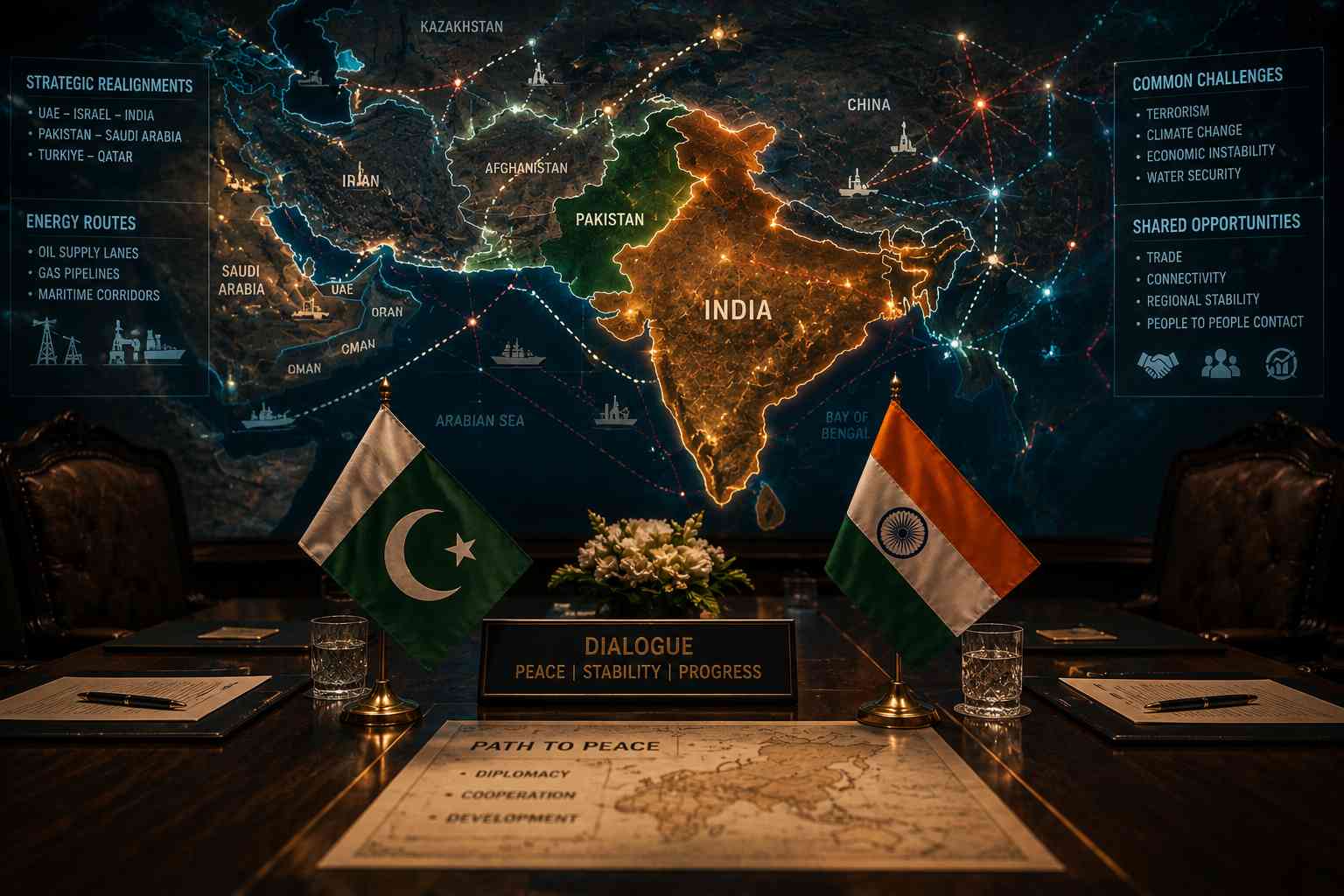
Yet behind this public posture, several strategic realities may be pushing both countries toward quieter communication.
These include:
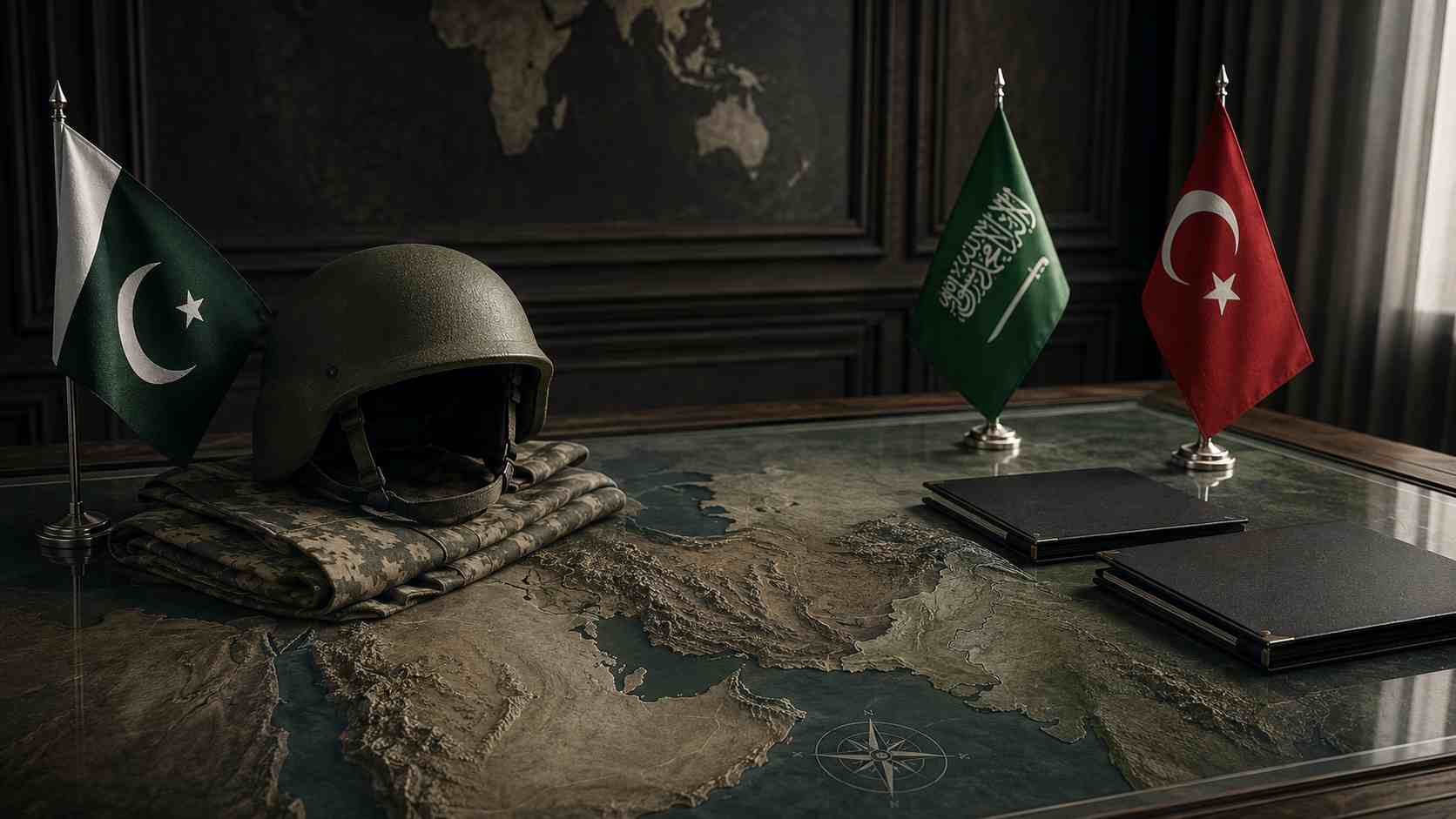
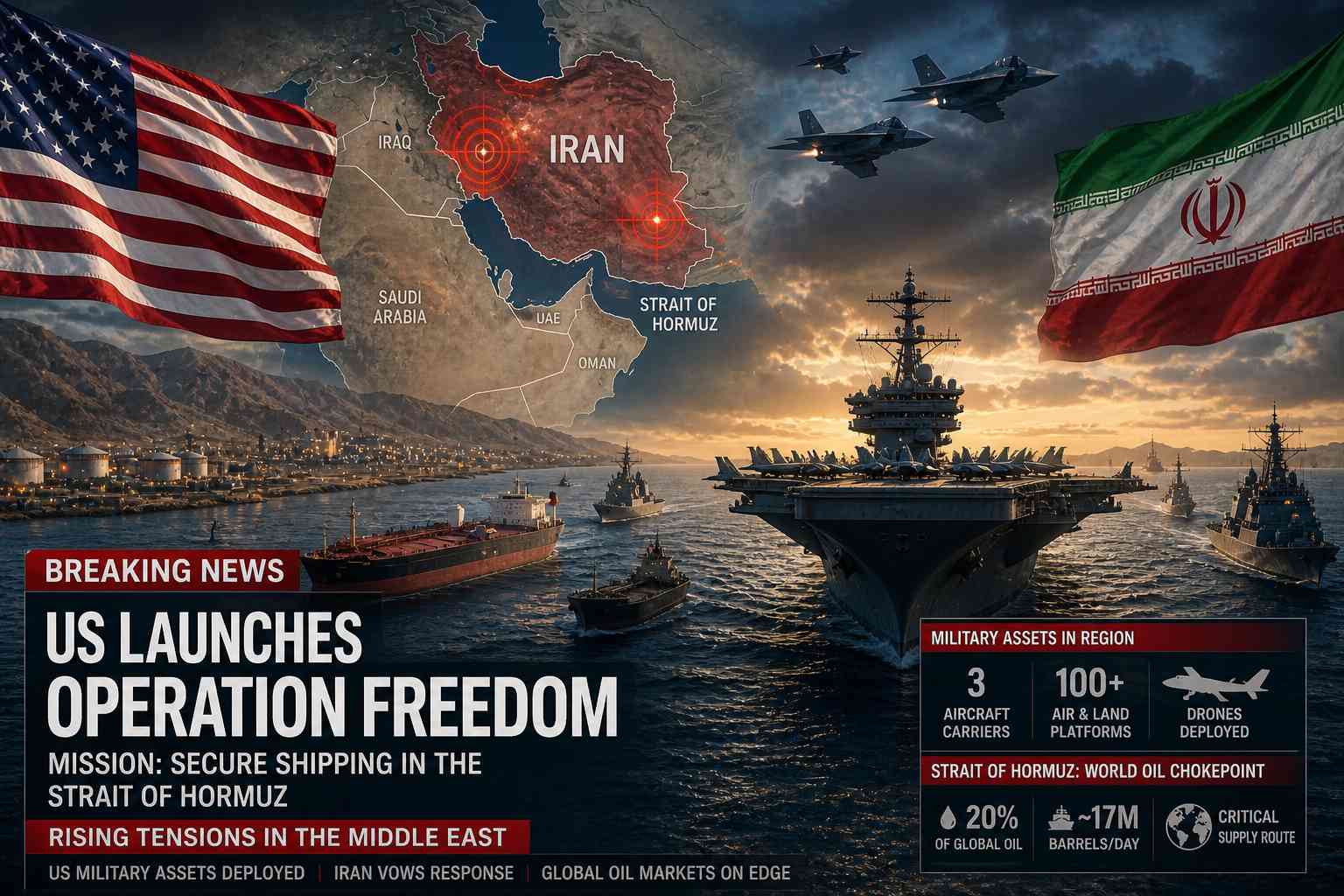
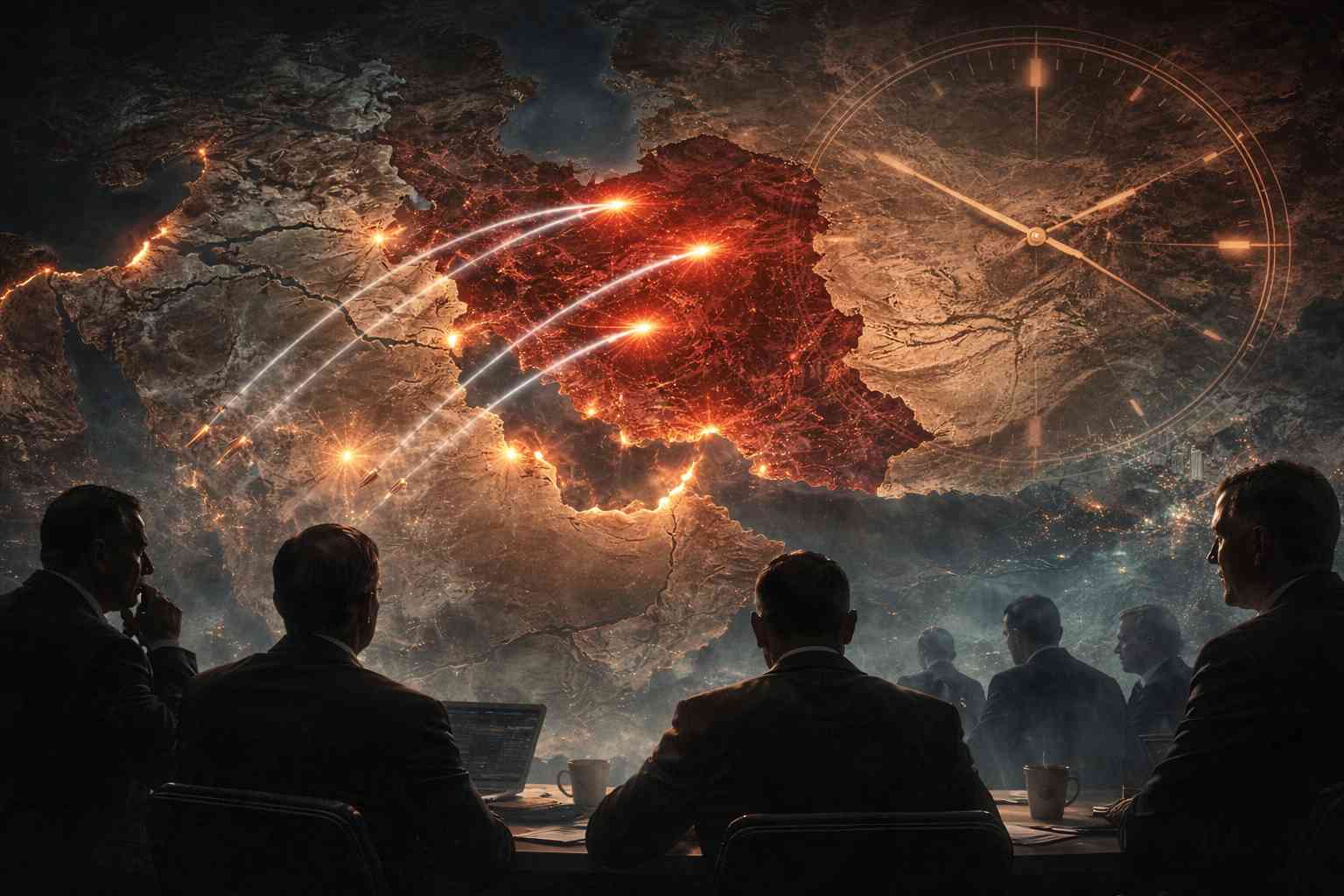
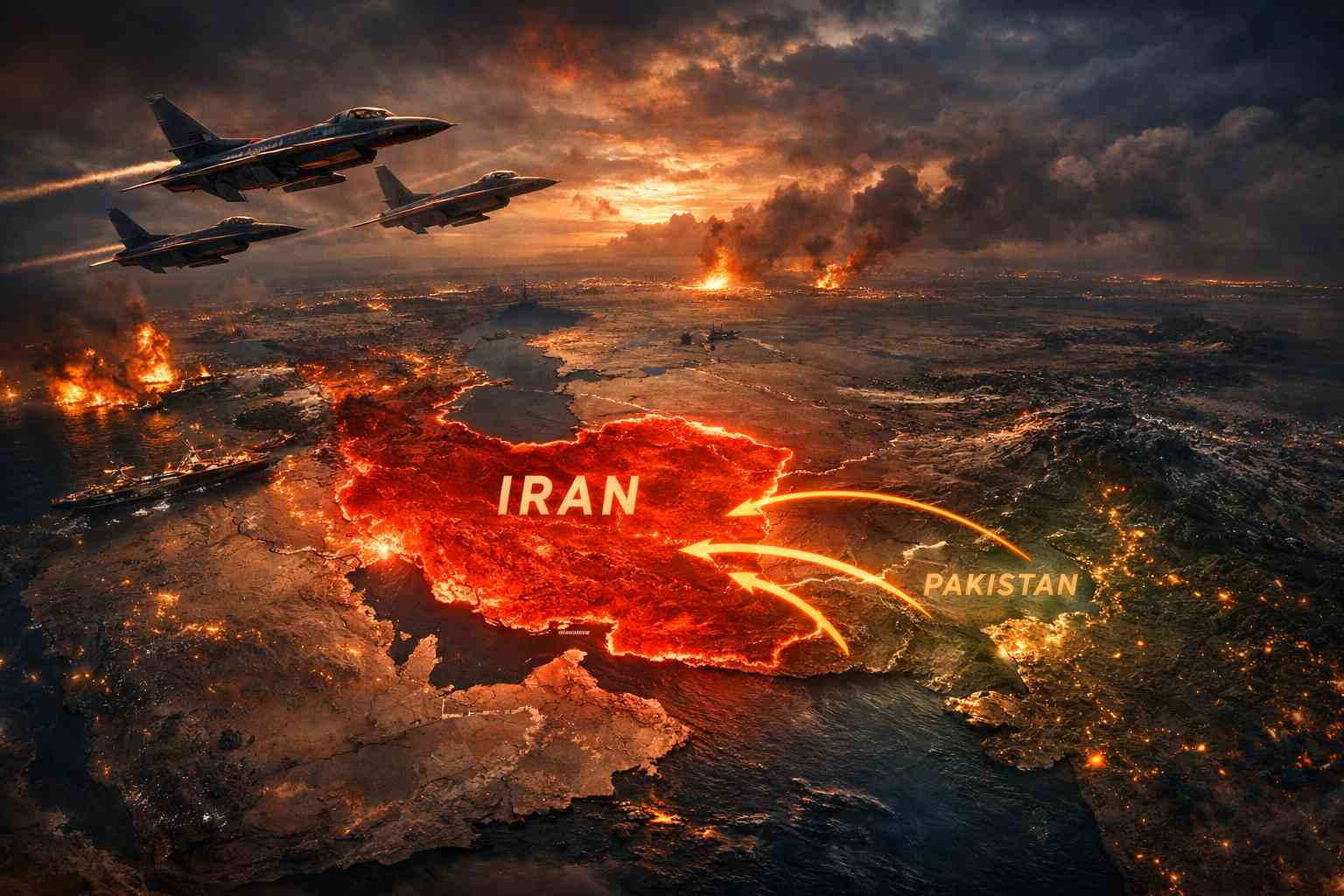
- Regional instability linked to Iran
- US pressure for de-escalation
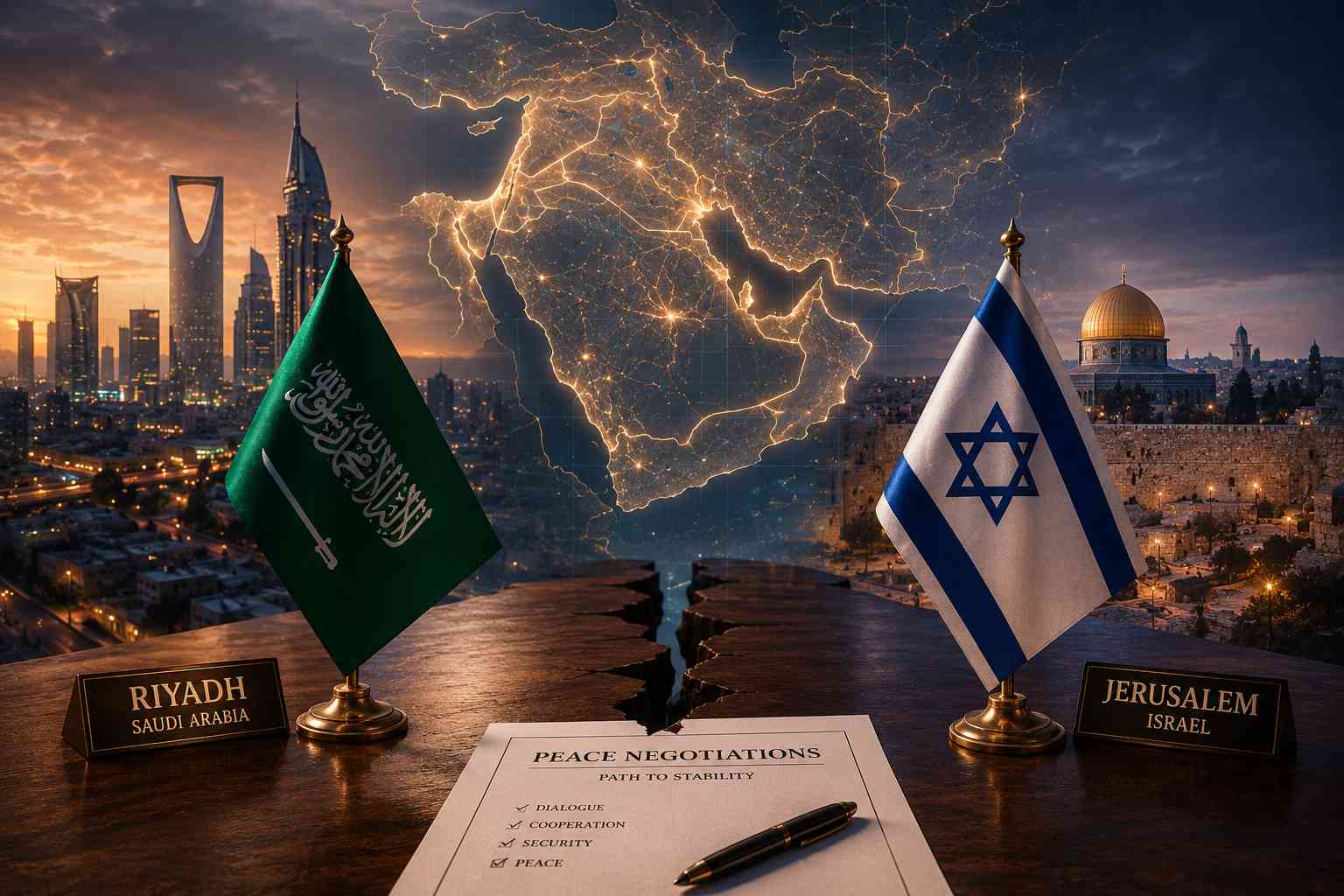
- Gulf realignments
- Economic uncertainty across South Asia
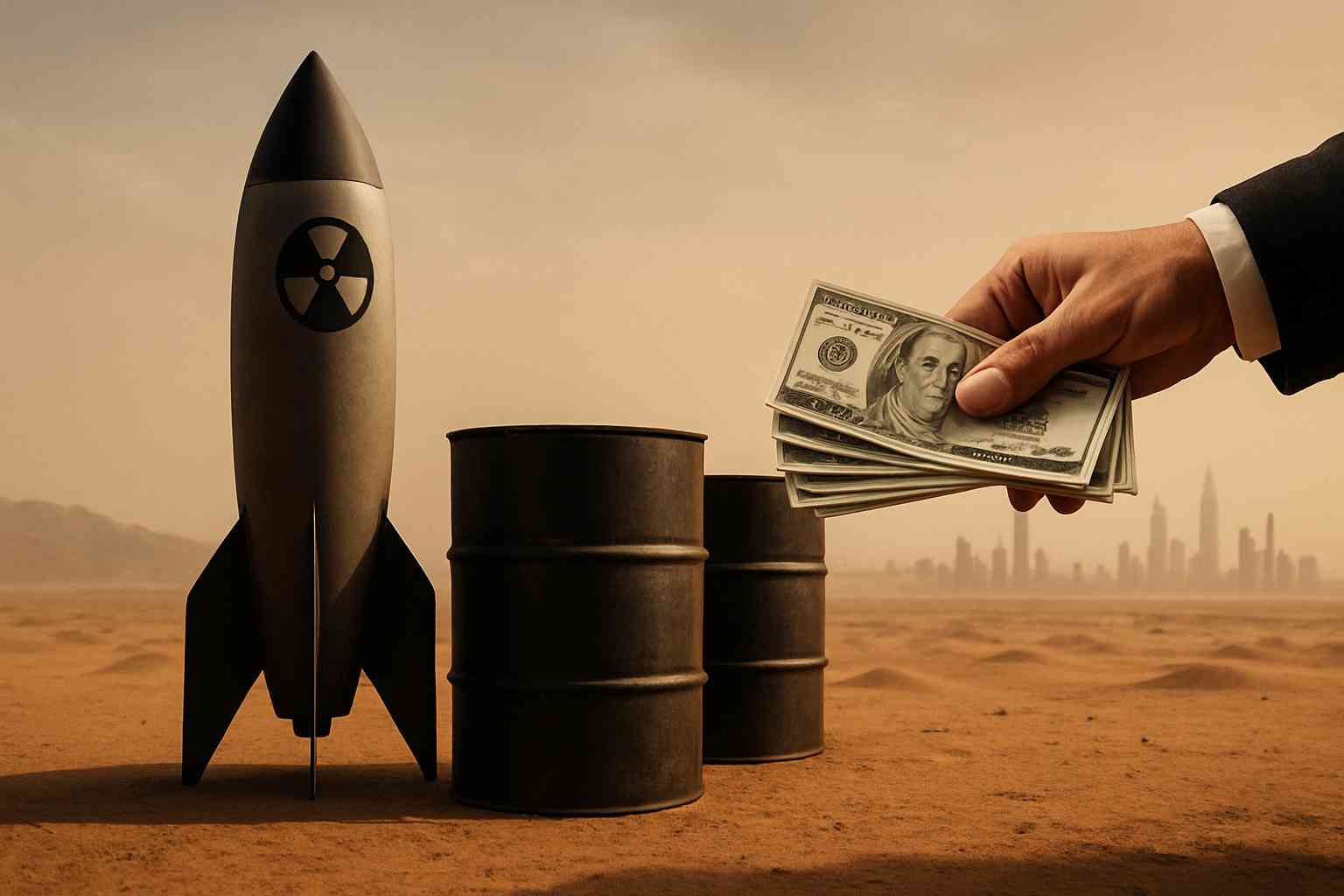
- Concerns over prolonged military tension between two nuclear states
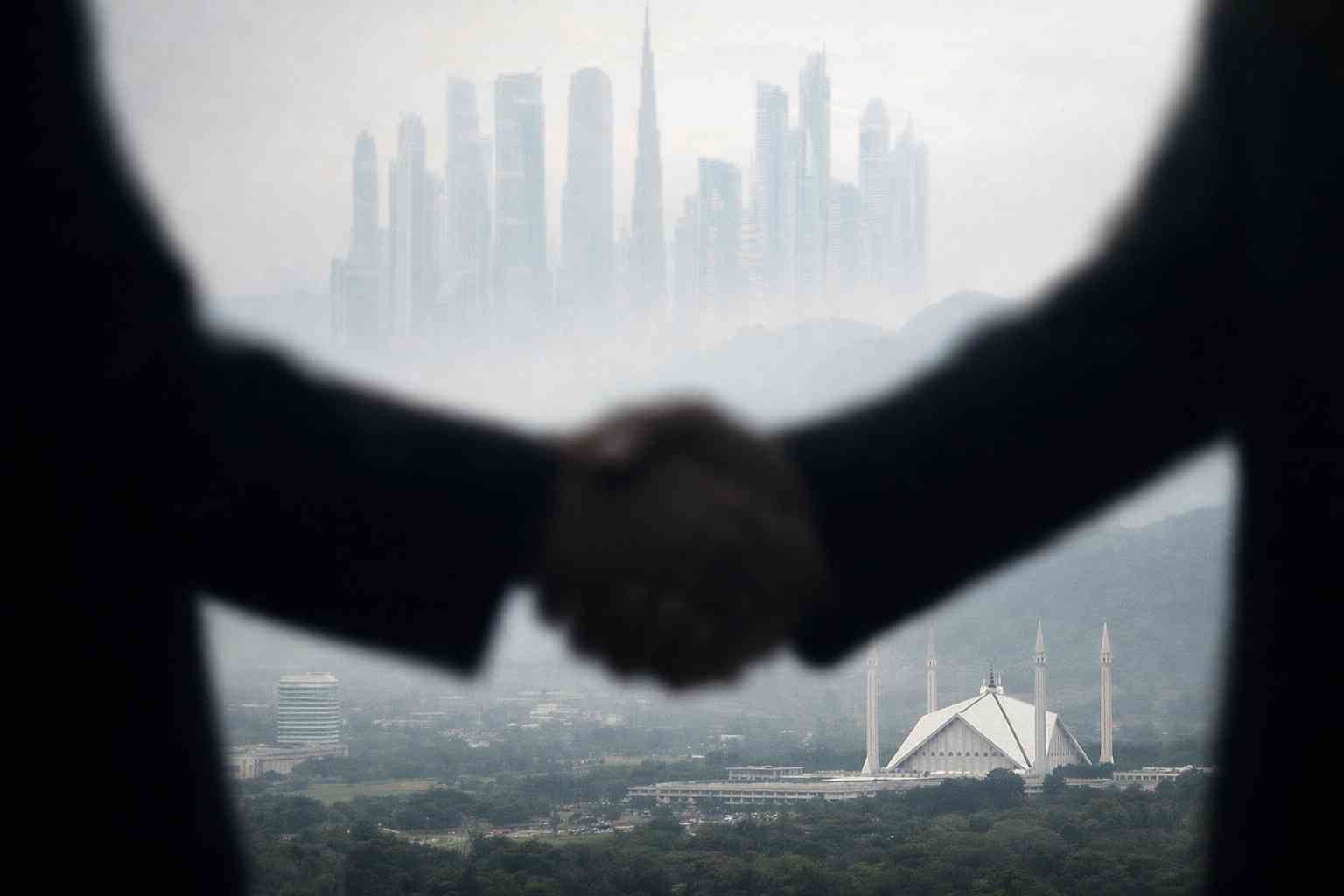
In this context, an India Pakistan dialogue breakthrough may begin informally before any public diplomatic process emerges.
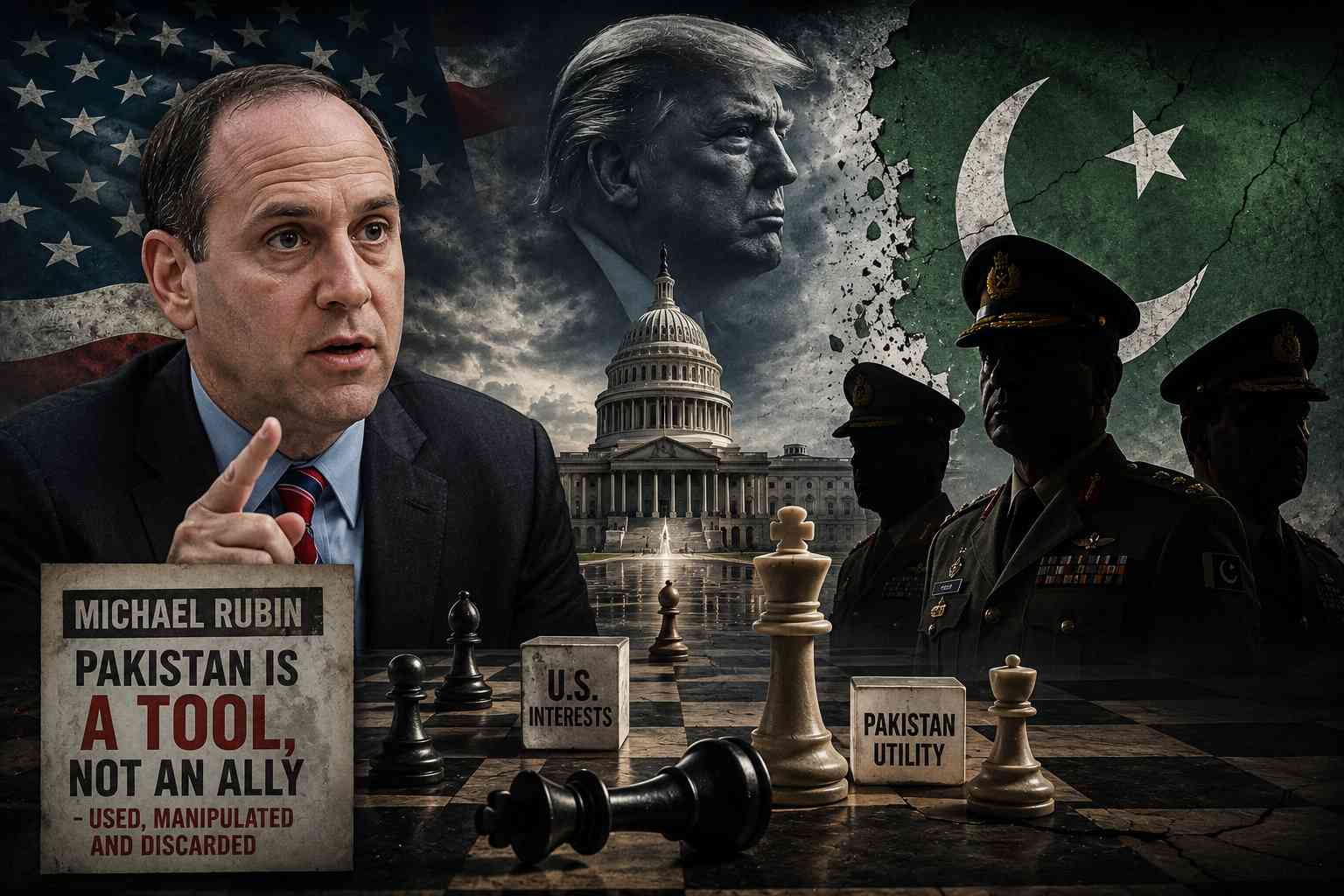
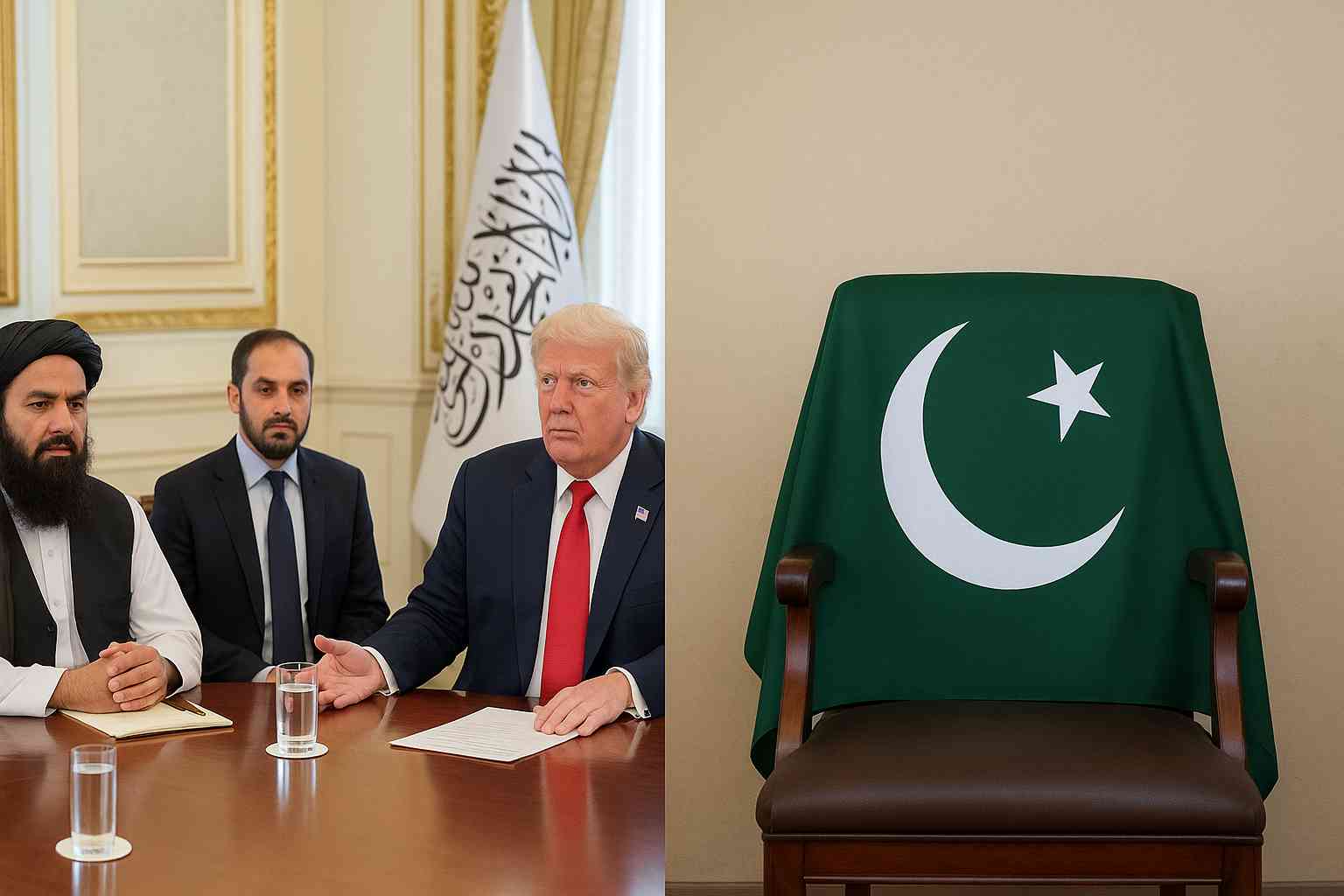
Trump’s Role and Pakistan’s Calculations
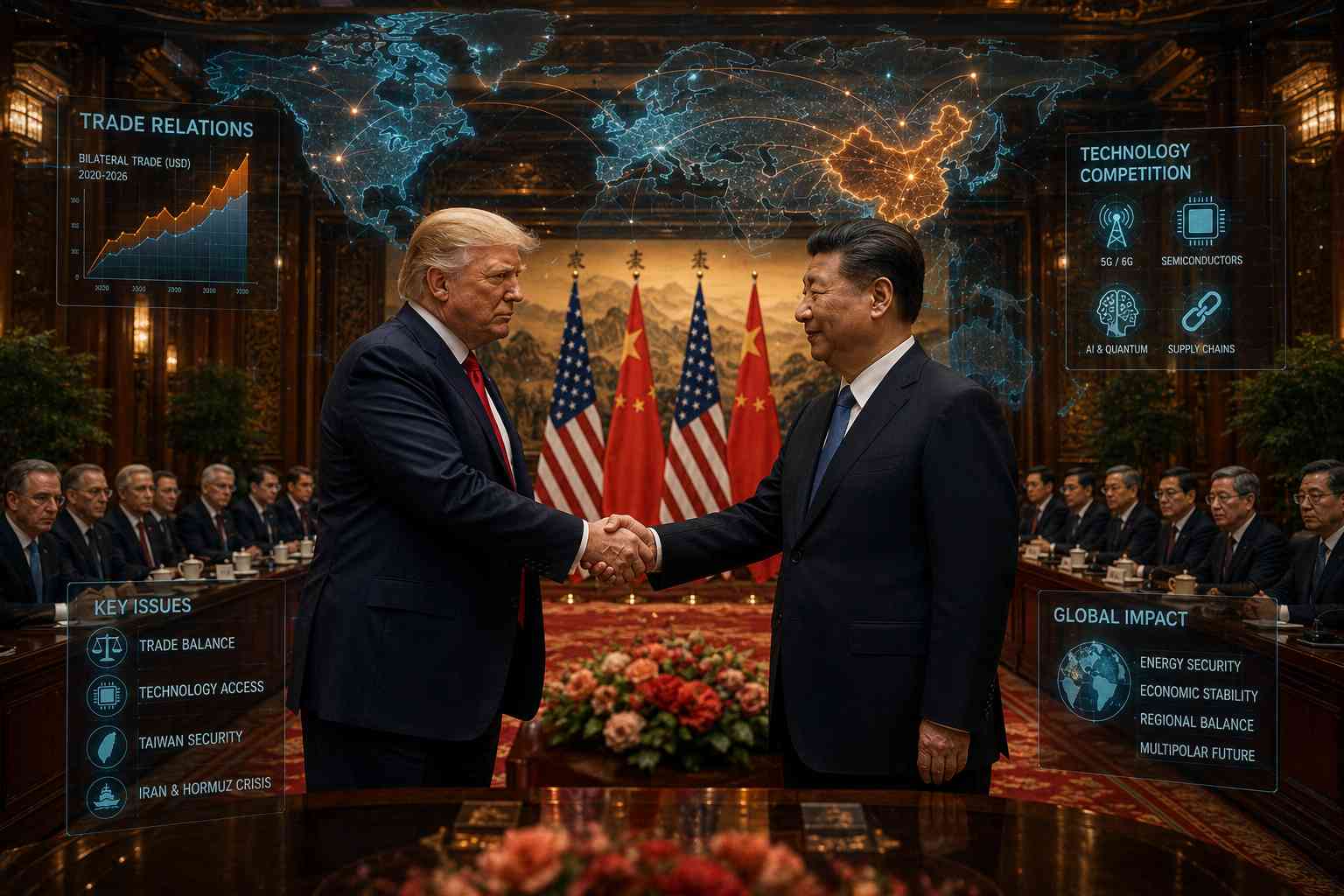
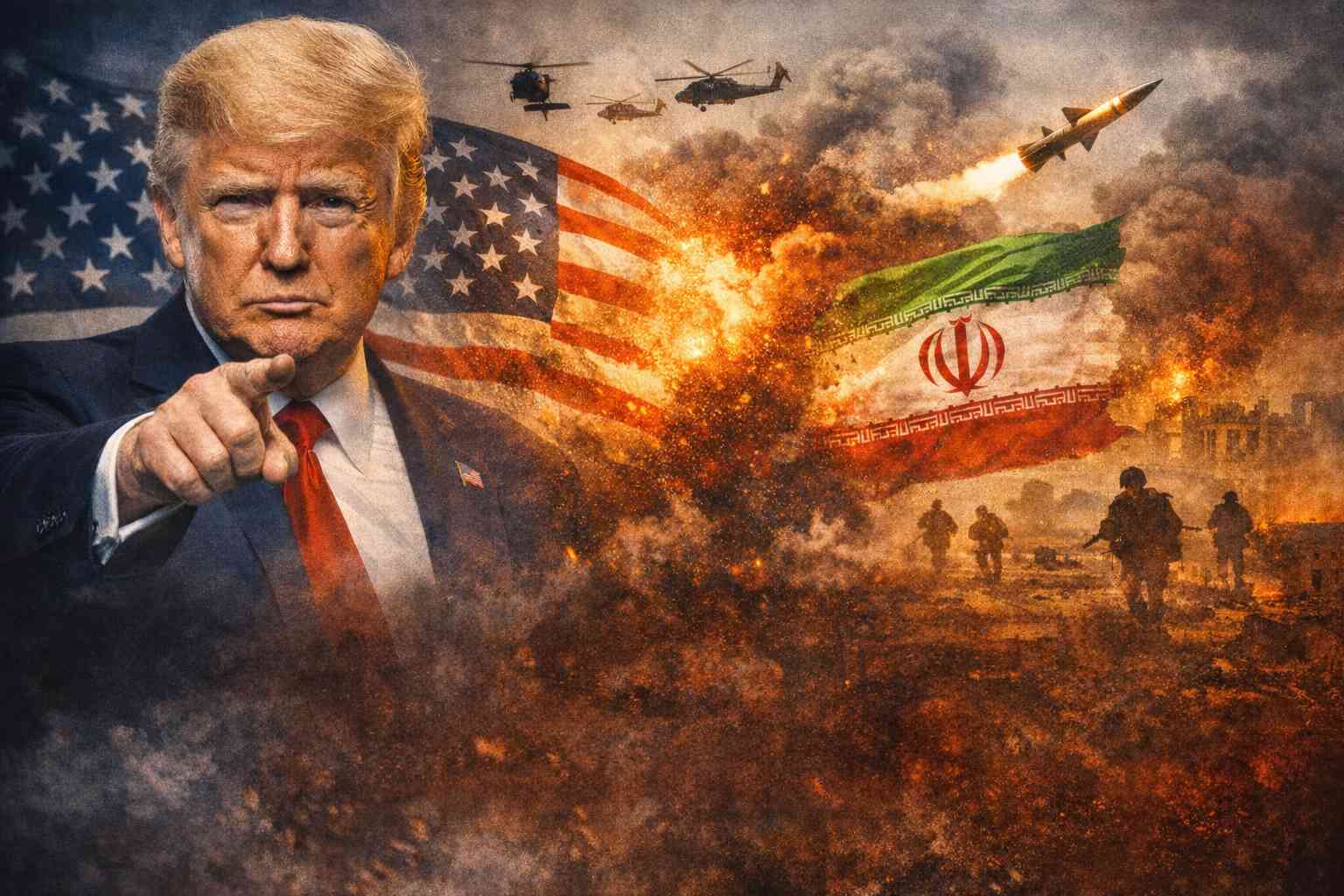
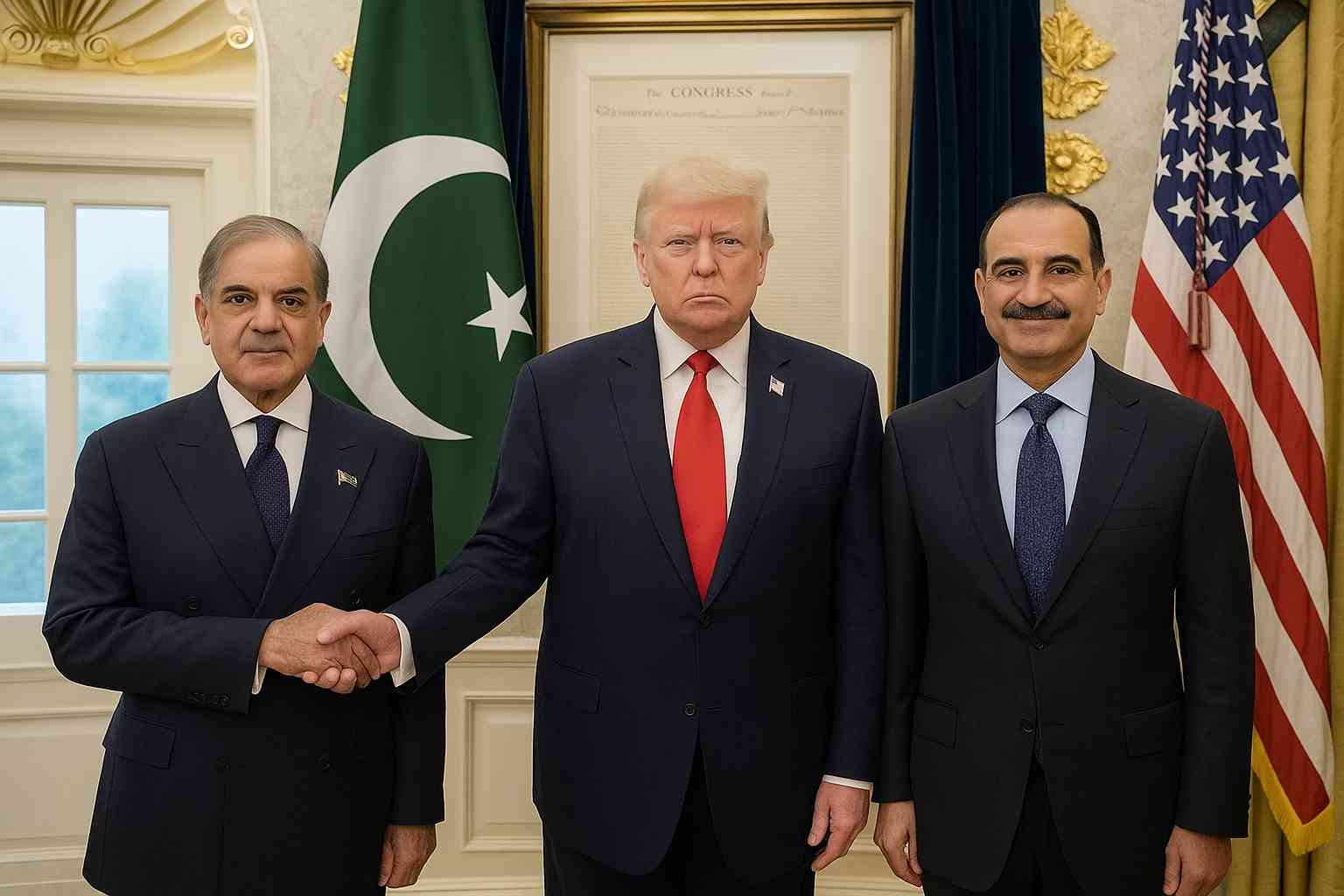
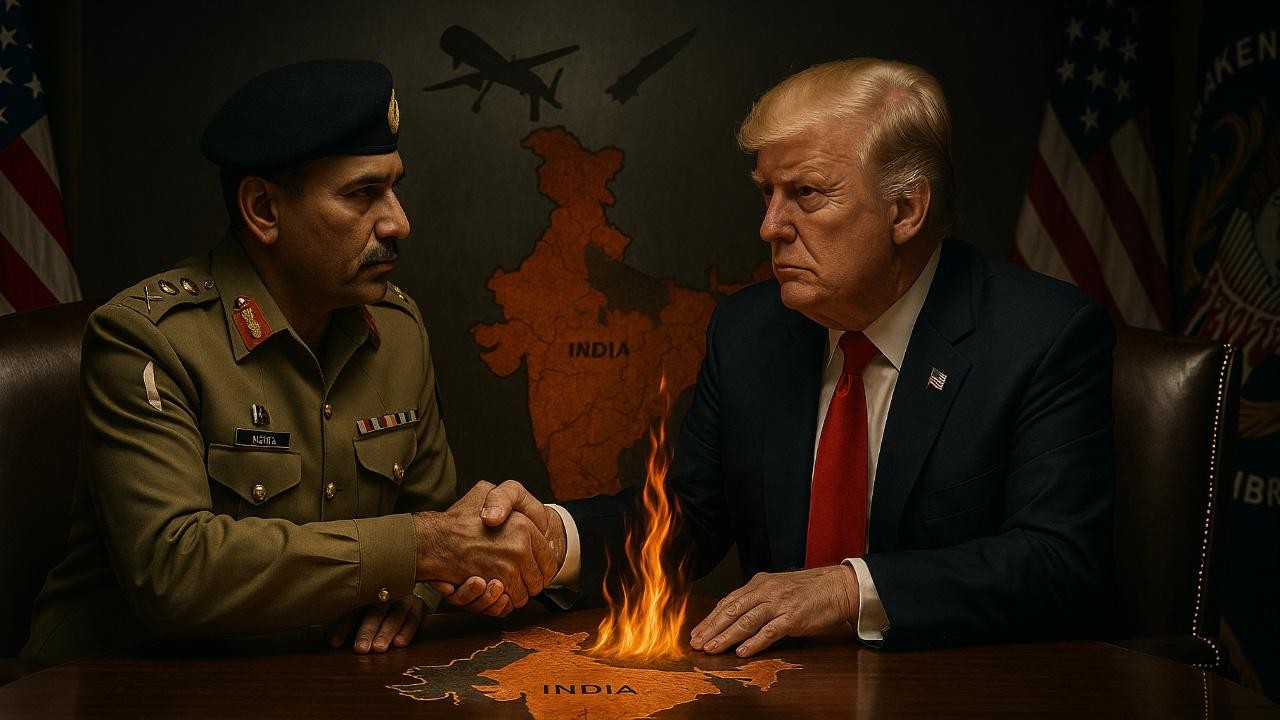
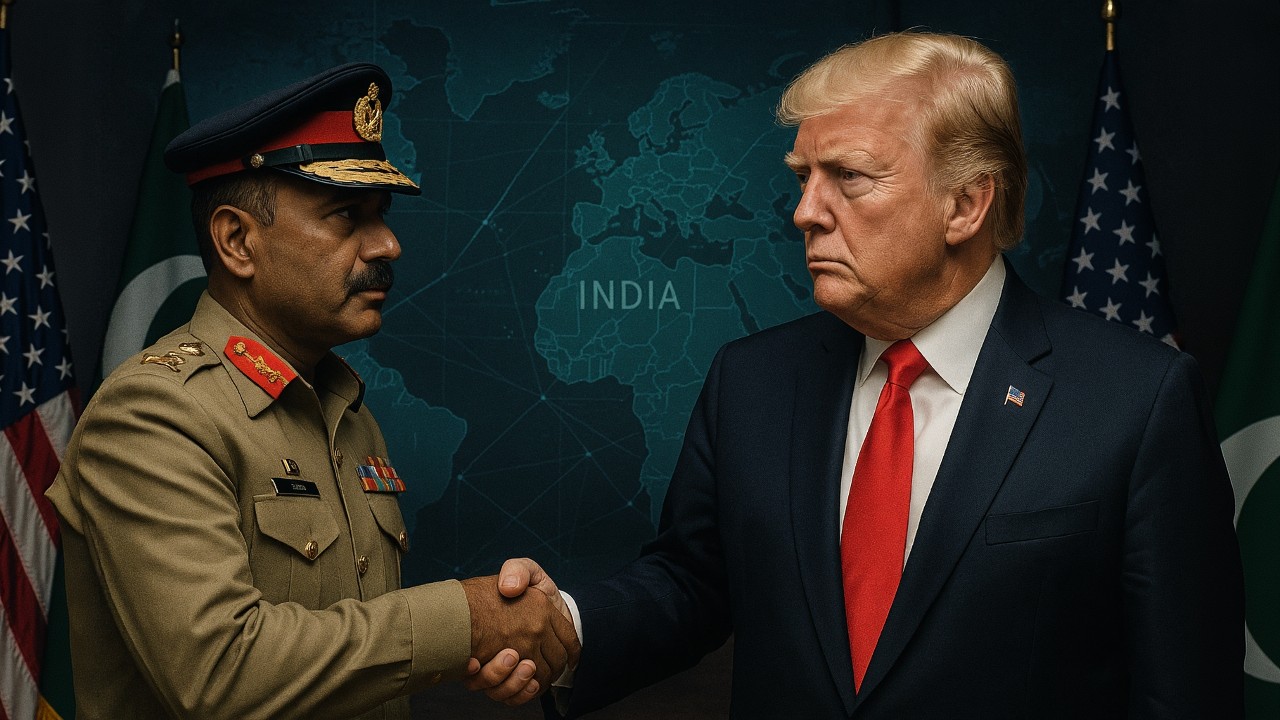
Another major factor is Donald Trump’s growing involvement in regional diplomacy.
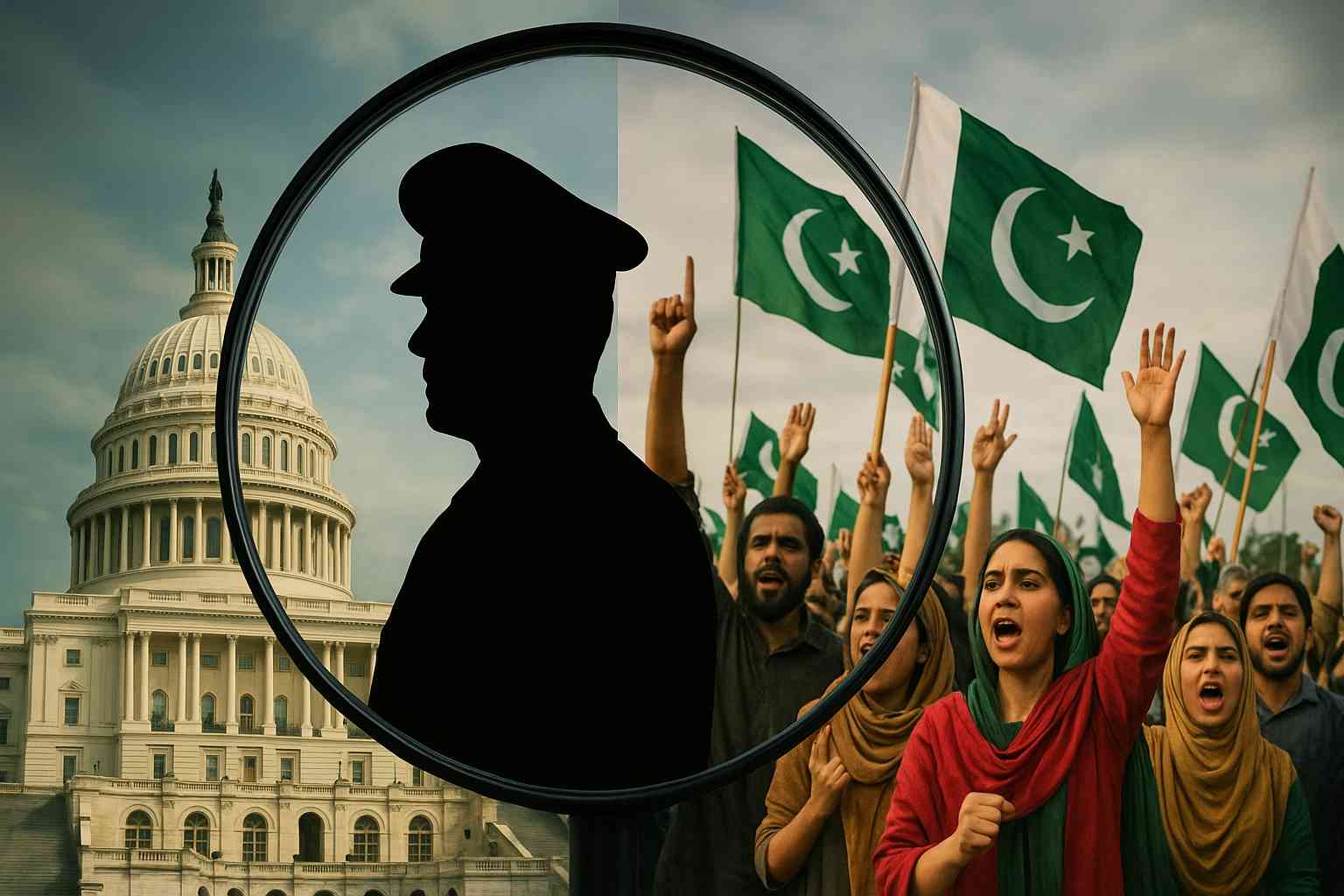
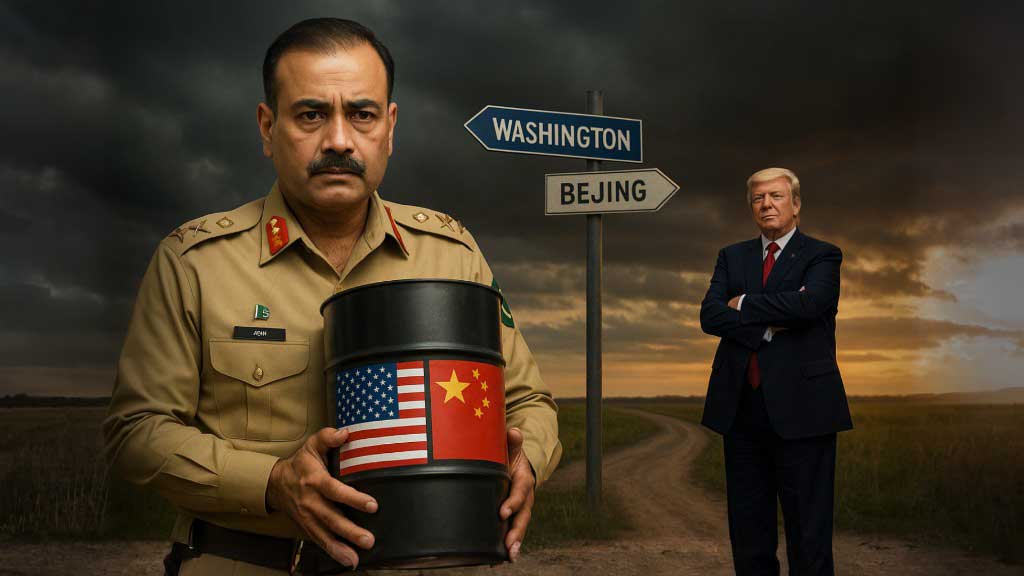
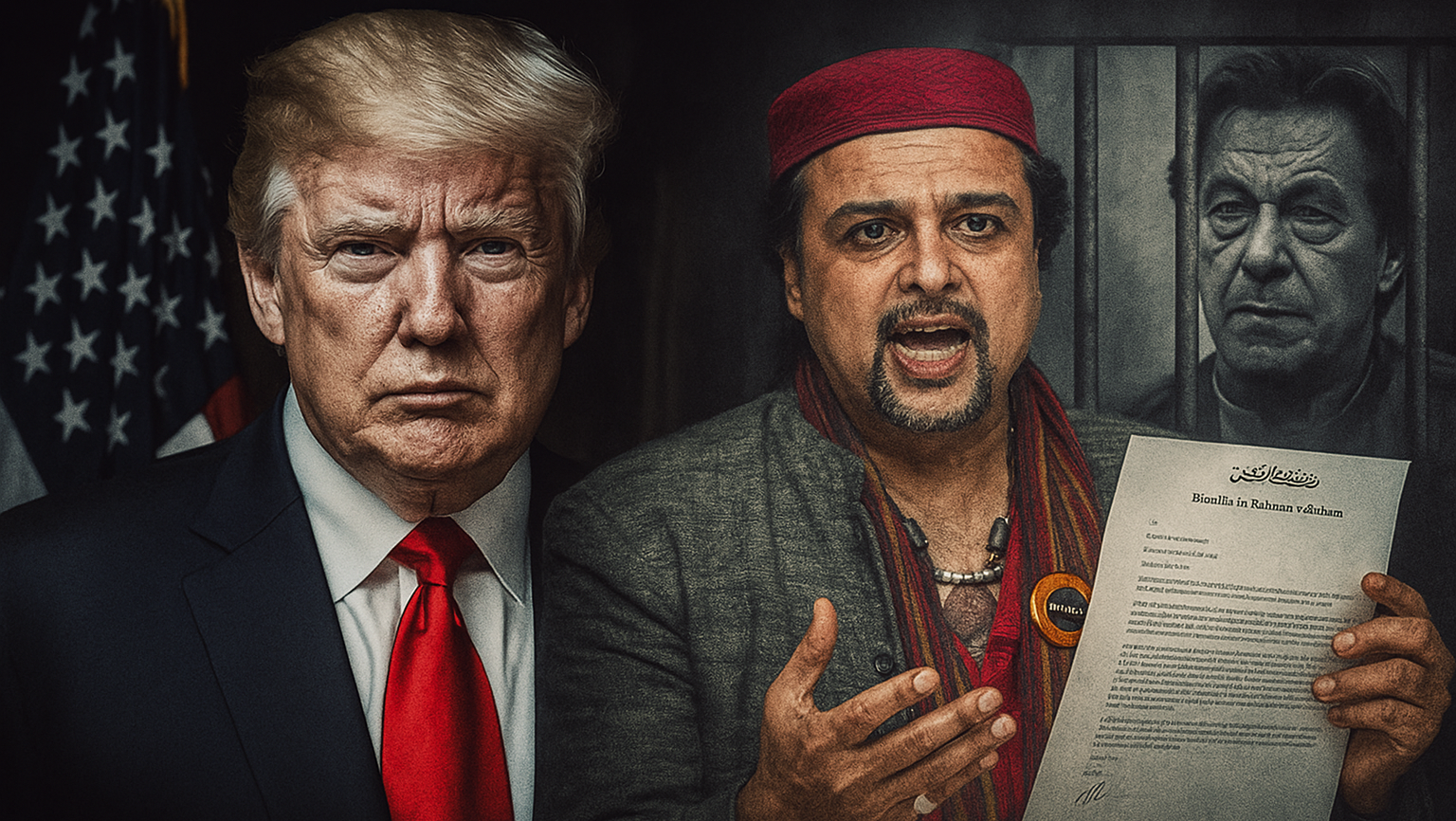
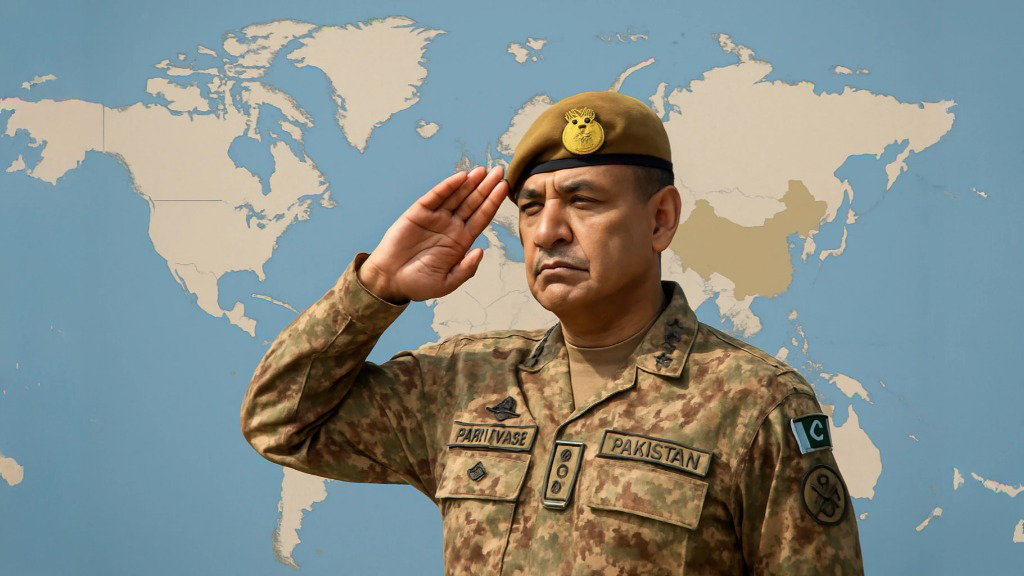
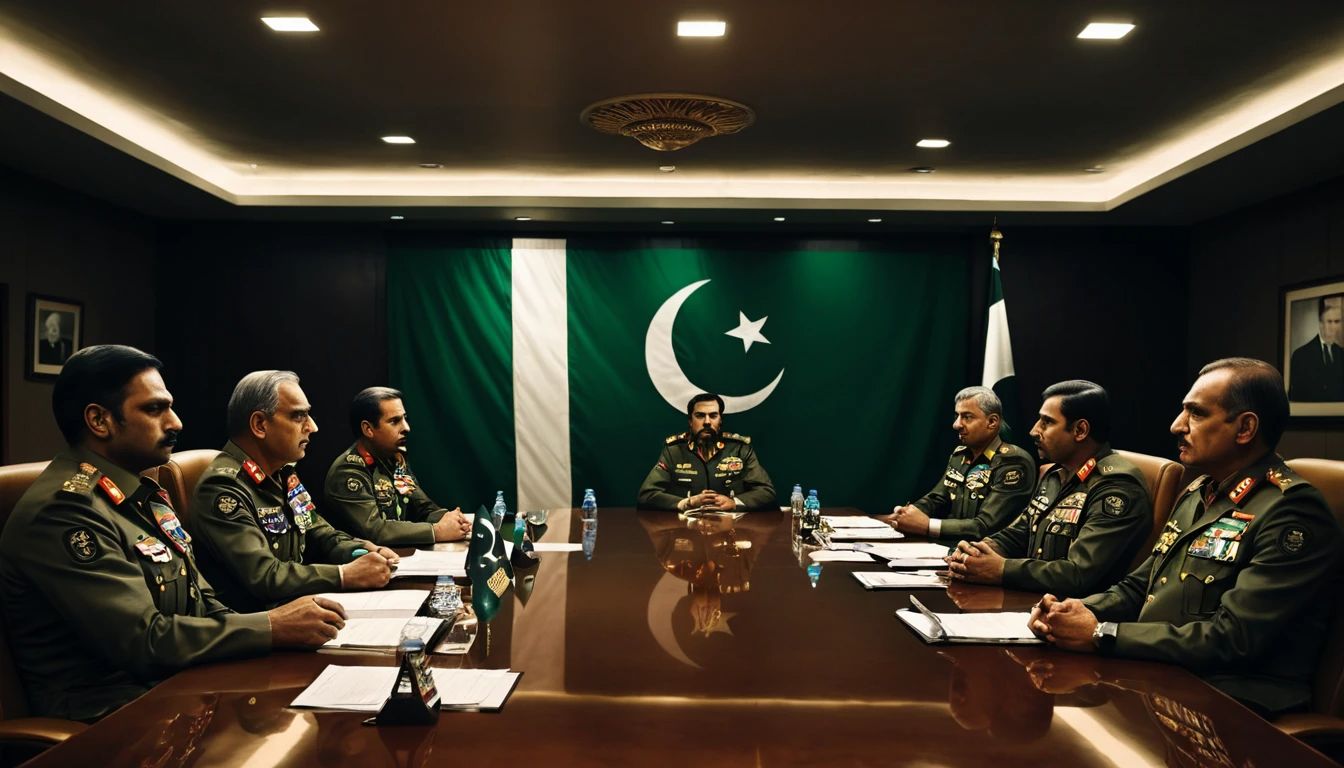
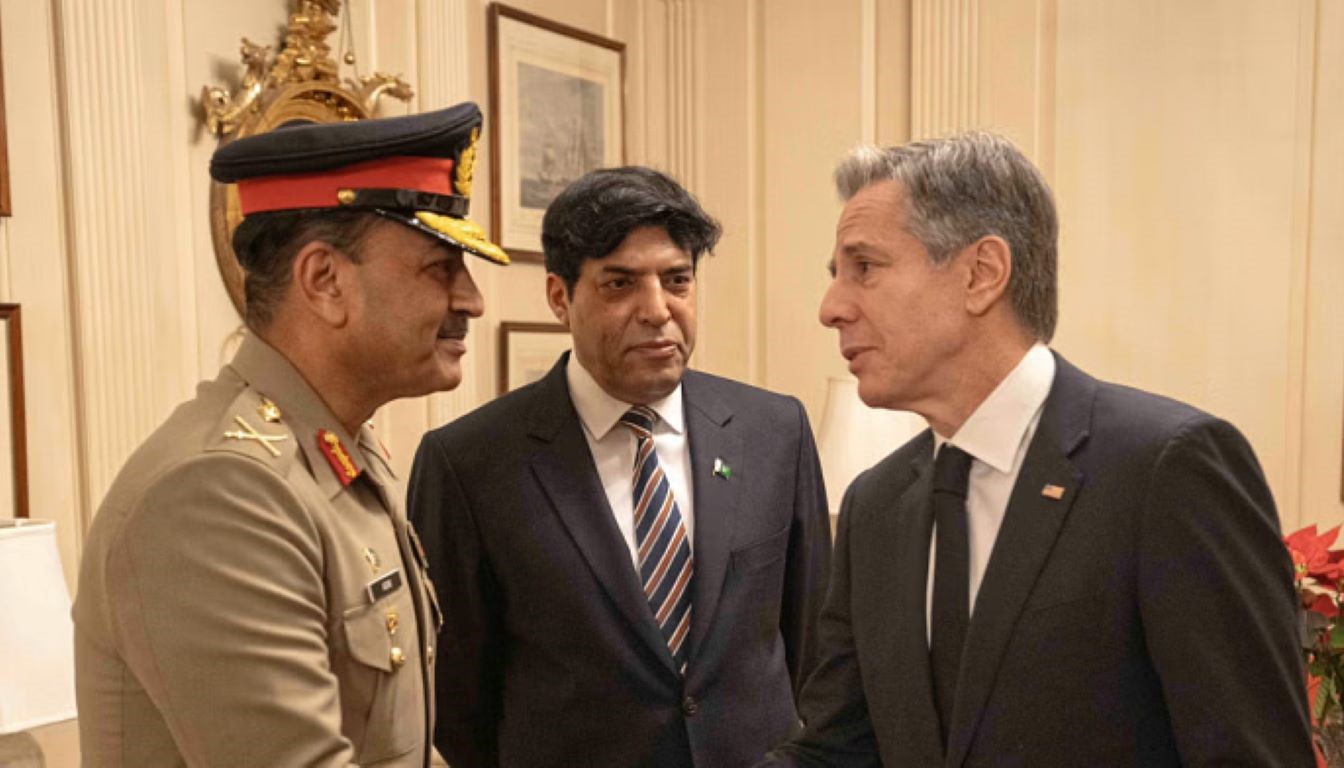
According to the analysis, Pakistan’s military leadership currently enjoys unusually positive engagement with sections of the Trump administration.
This creates a possible opening for behind-the-scenes diplomacy.
The argument presented in the vlog is that Pakistan could potentially use this relationship to encourage indirect dialogue with India through American mediation channels or quiet diplomatic facilitation.
While no public framework exists yet, geopolitical pressure often creates unexpected diplomatic opportunities.
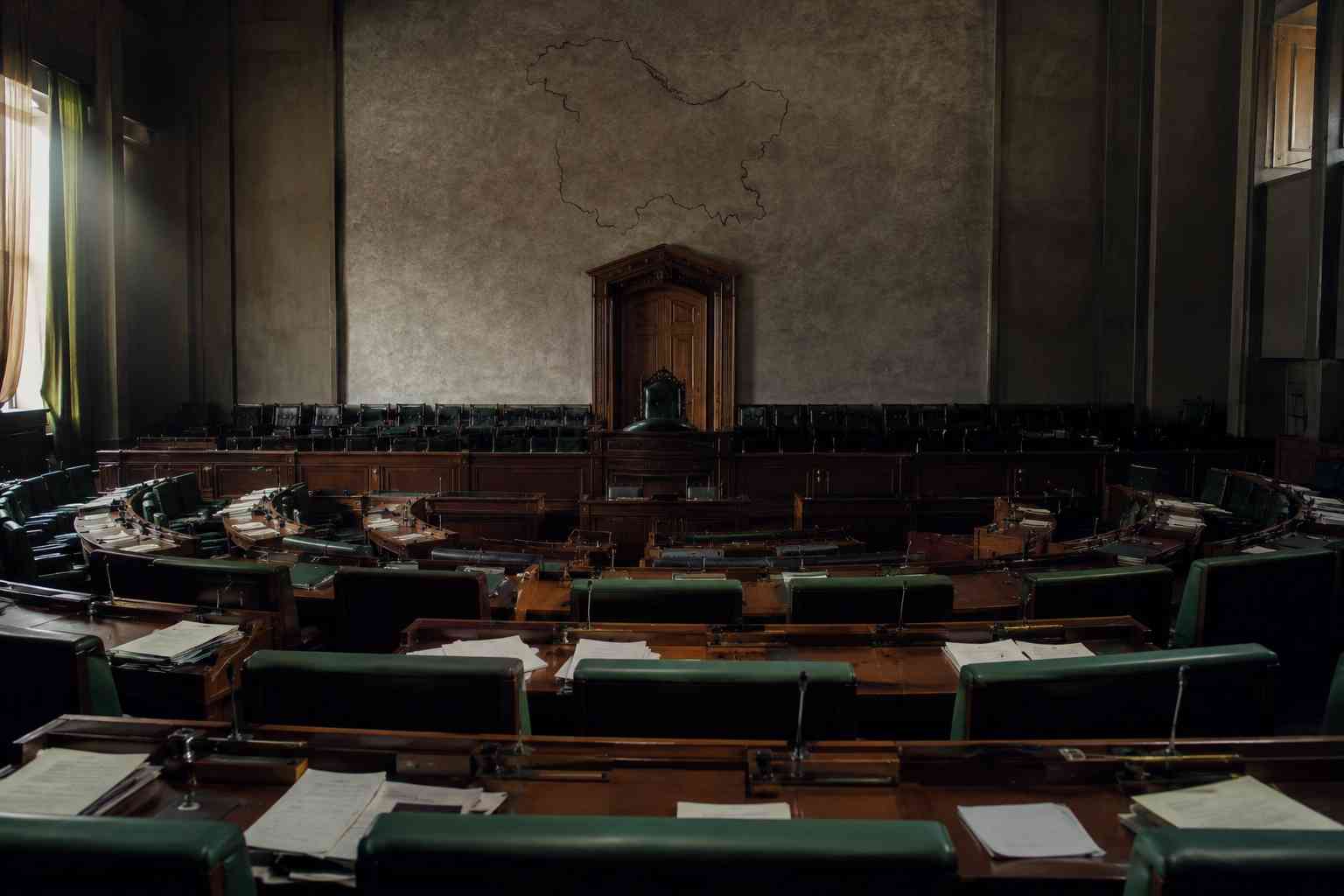
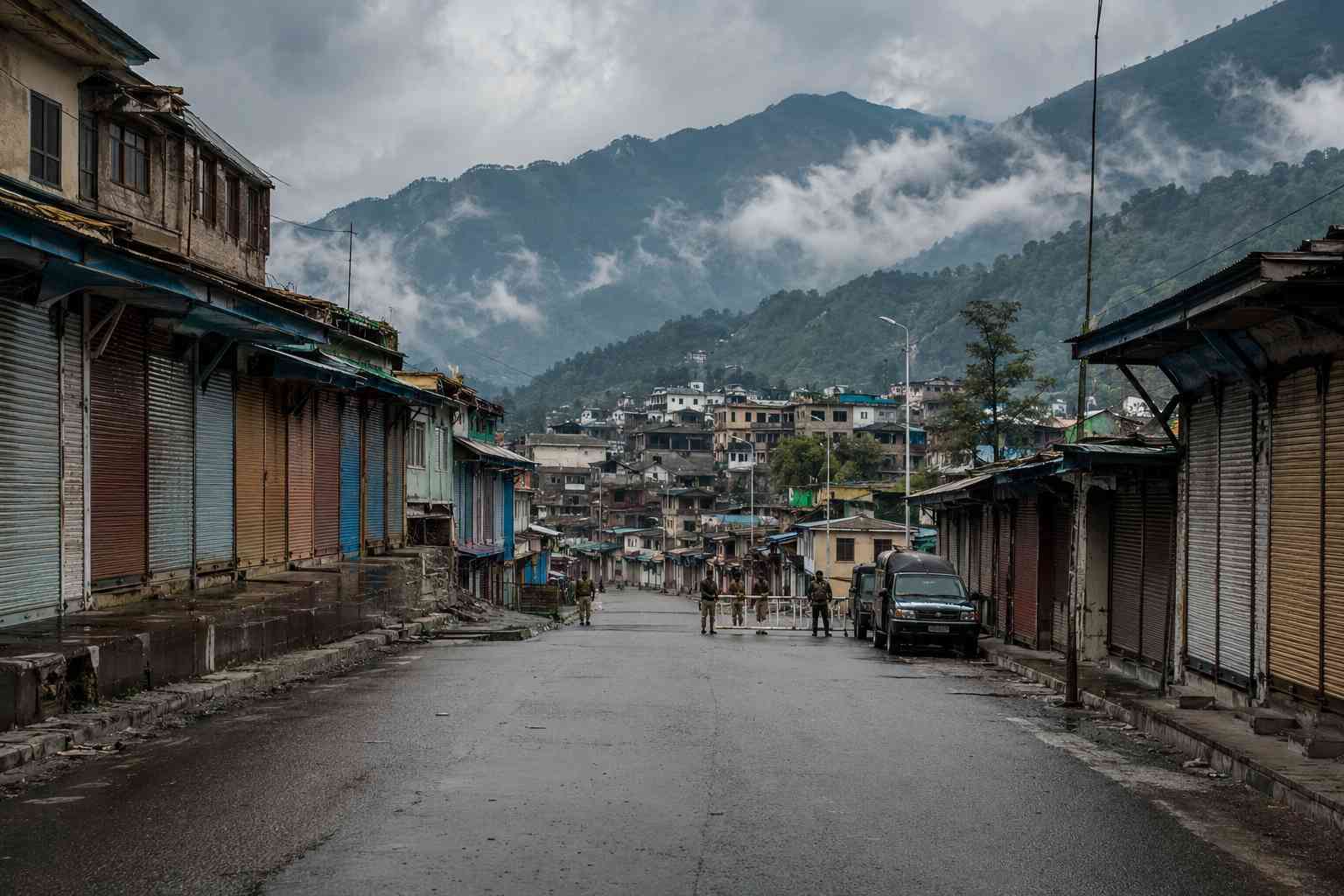
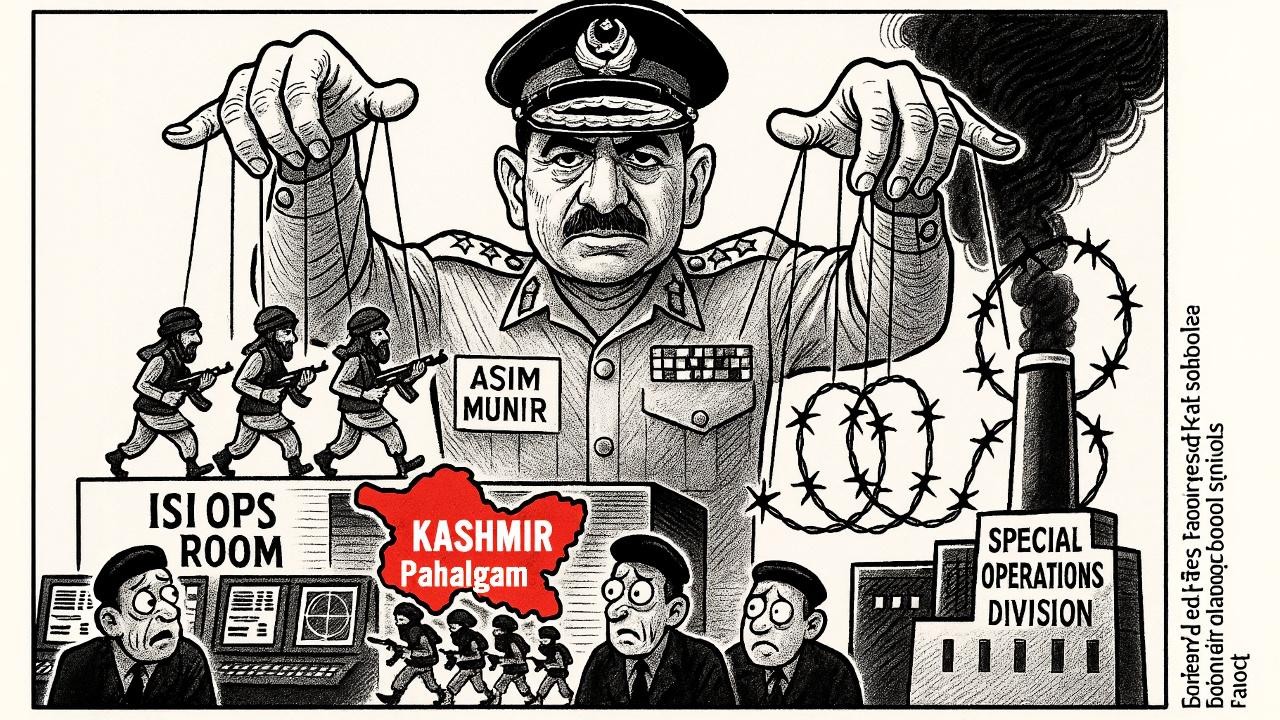
The Kashmir Dimension
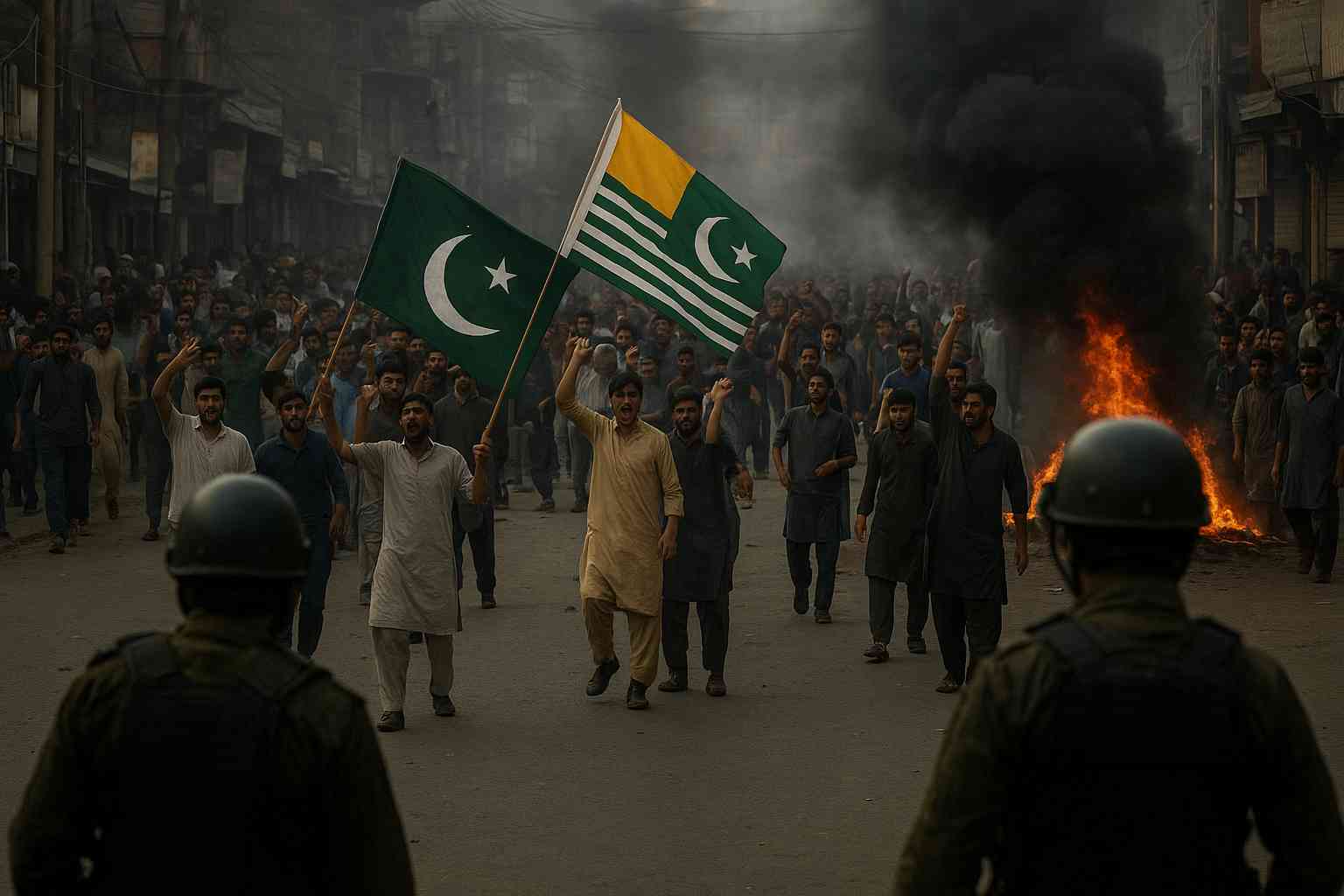
Reactions from Kashmiri political leaders also deserve close attention.
Farooq Abdullah reportedly welcomed the discussion by saying that war is not a realistic solution. Mehbooba Mufti similarly argued that dialogue remains the only sustainable path between the two countries.
These statements matter because mainstream Kashmiri political actors usually maintain close awareness of broader institutional thinking inside India.
Their quick support for renewed engagement suggests they may believe some level of policy reconsideration is already underway.
Historical Context: RSS and Dialogue
One of the most surprising details highlighted in the discussion was historical.
According to referenced analysis, the RSS has publicly supported dialogue with Pakistan only a handful of times over several decades.
More importantly, some earlier RSS thinkers reportedly viewed long-term India-Pakistan normalization not as military reunification, but as a gradual political and civilizational framework built through sustained dialogue and cooperation.
This interpretation differs sharply from popular assumptions that all RSS strategic thinking revolves exclusively around confrontation.
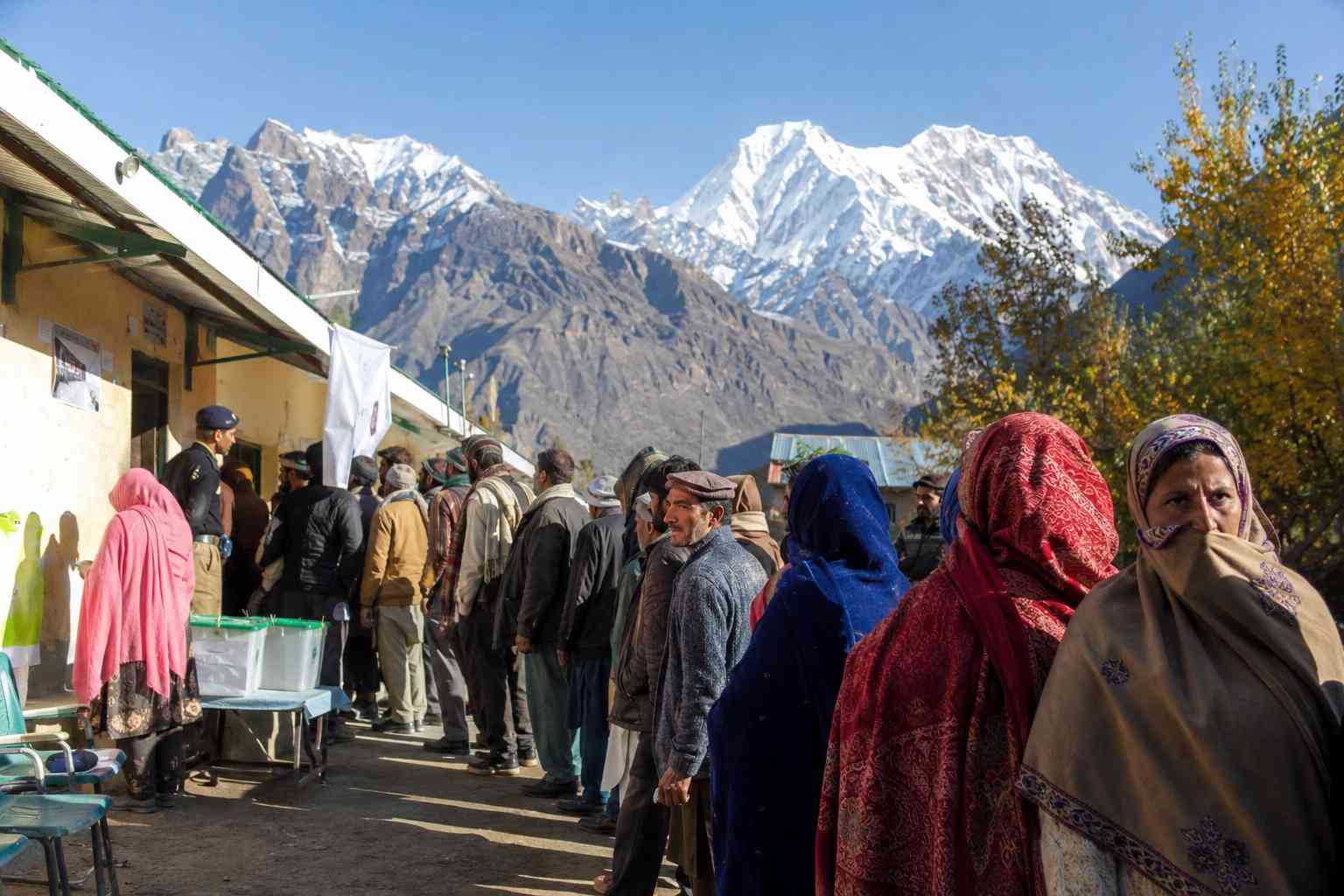
Pakistan’s Internal Politics Still Complicate Diplomacy
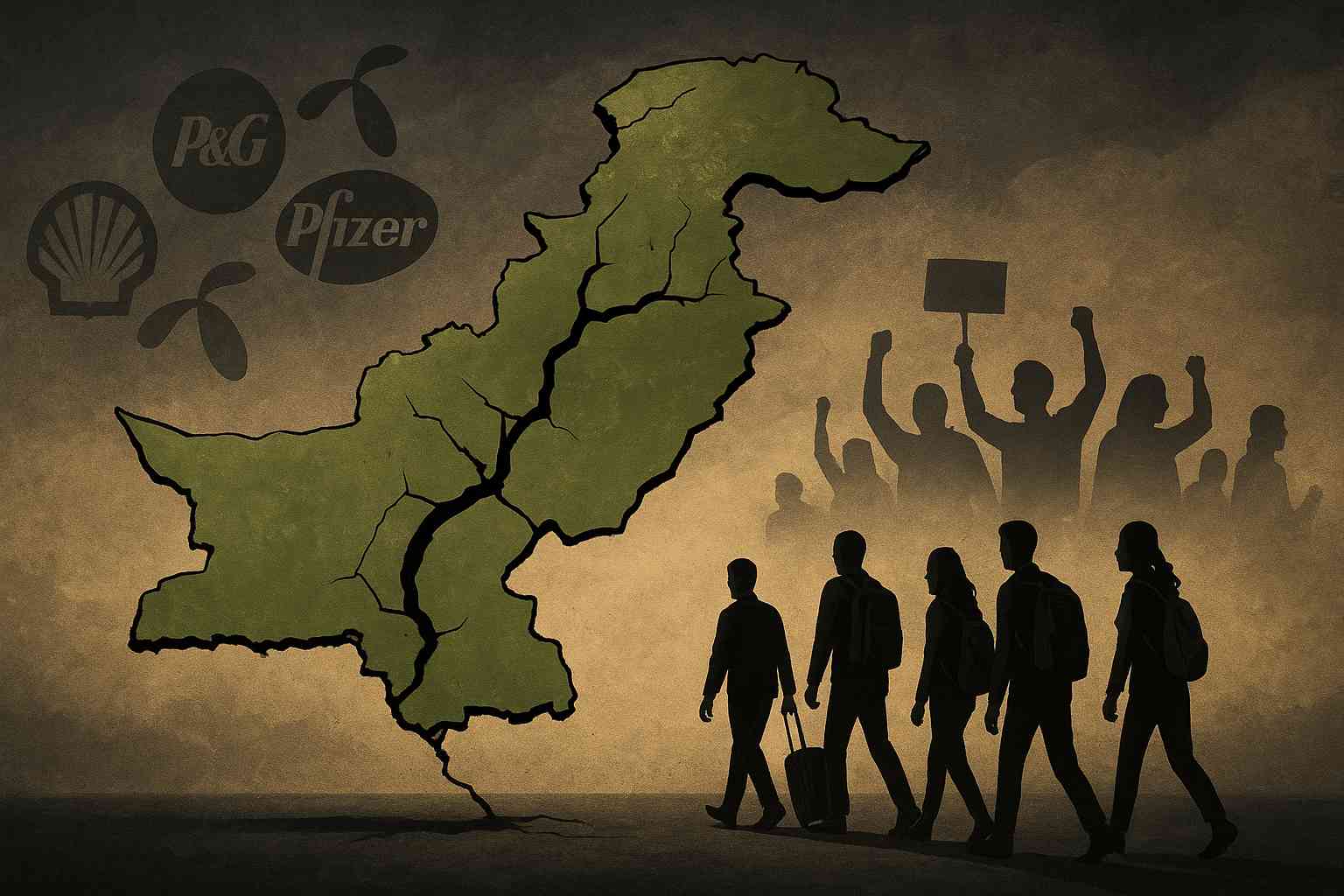
Despite these developments, Pakistan’s internal instability remains a major obstacle.
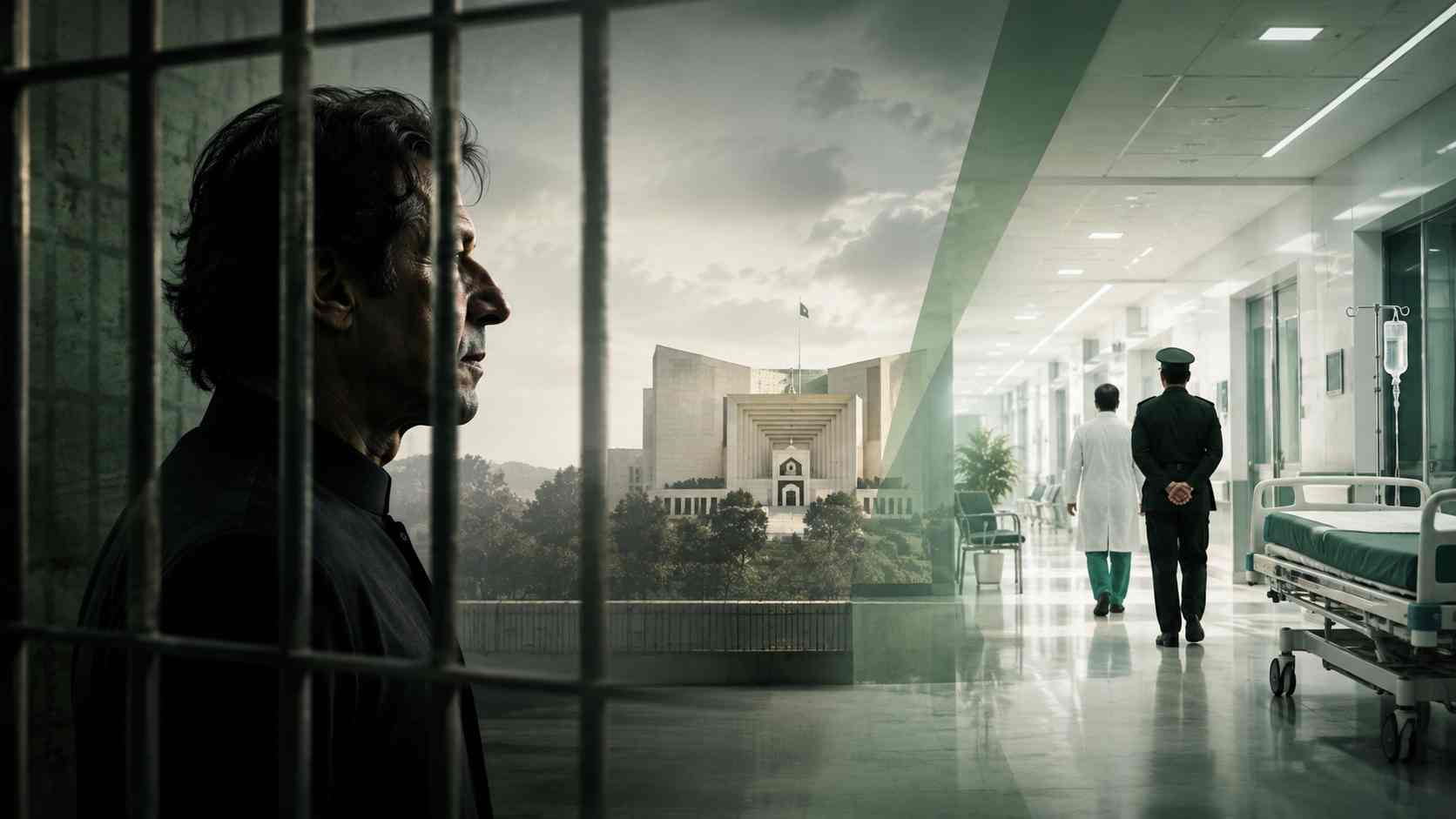
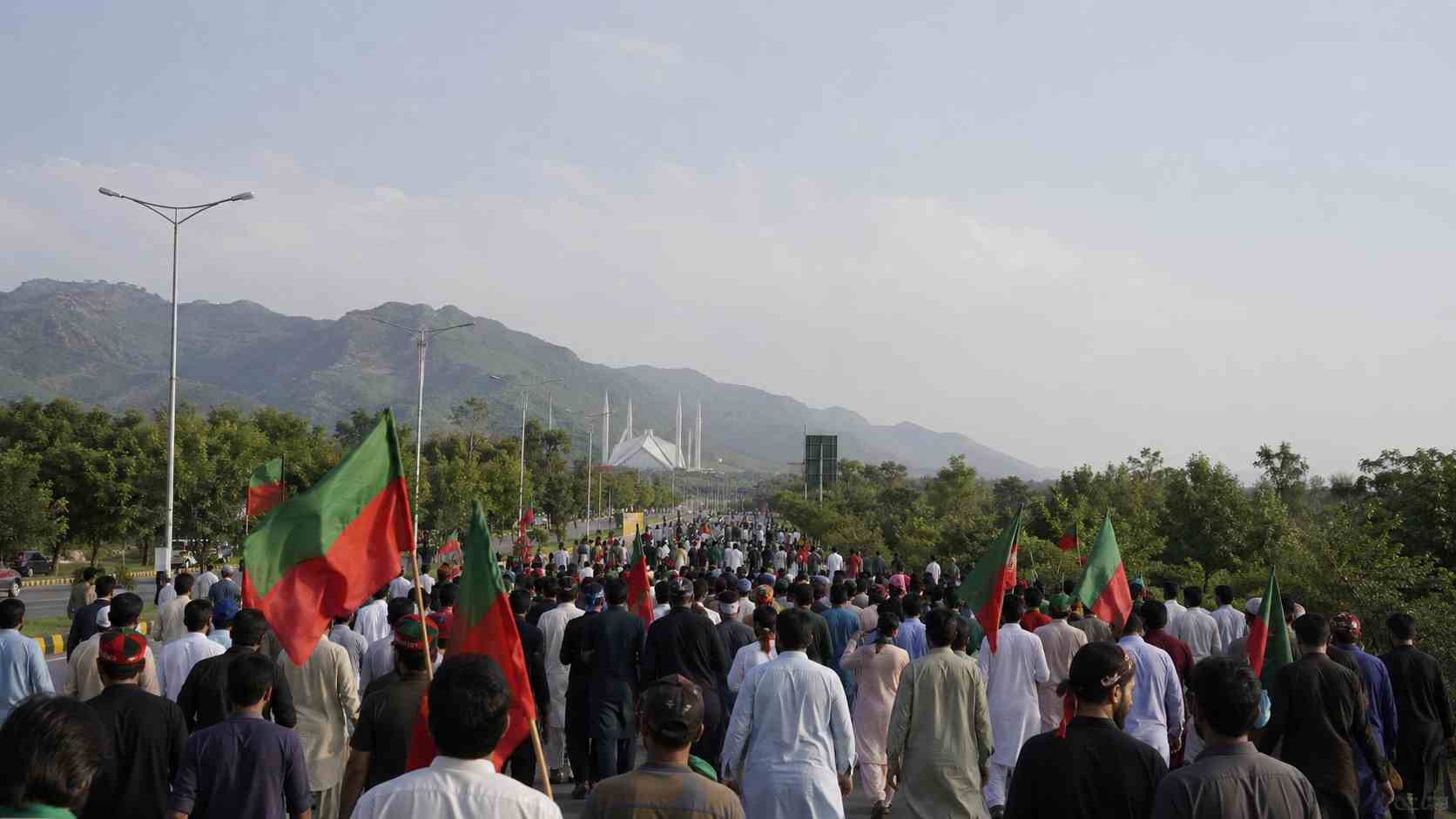
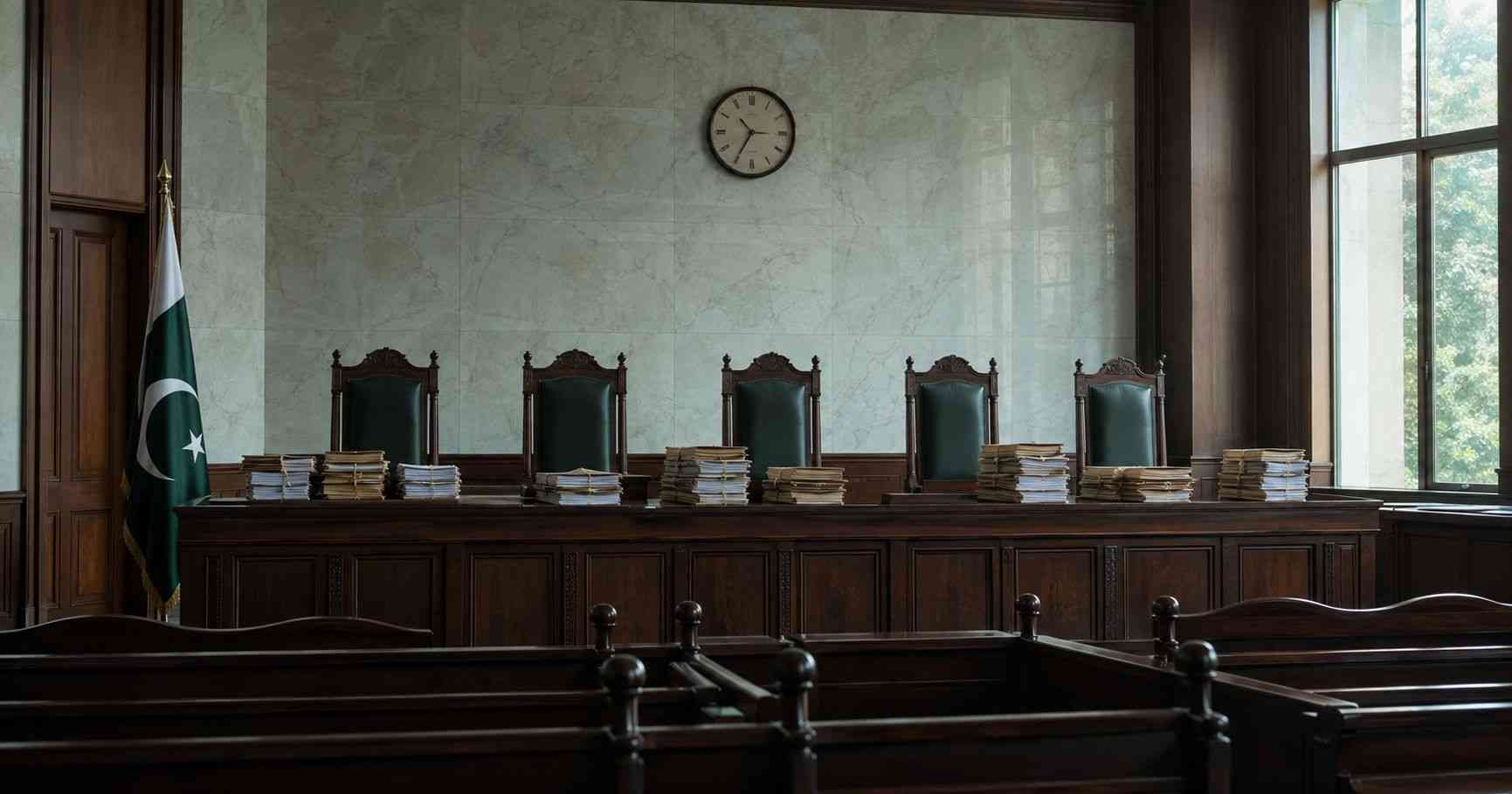
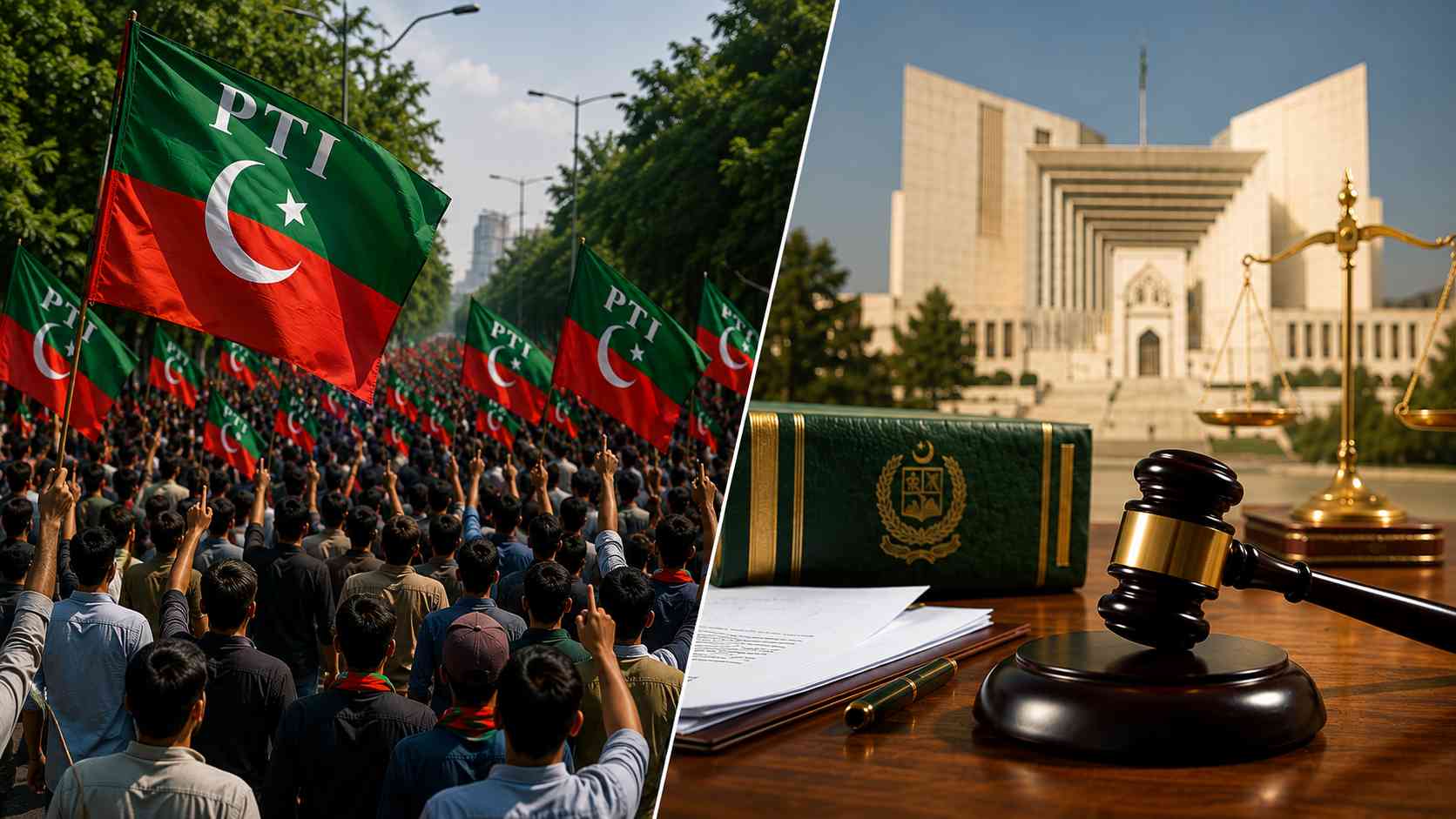
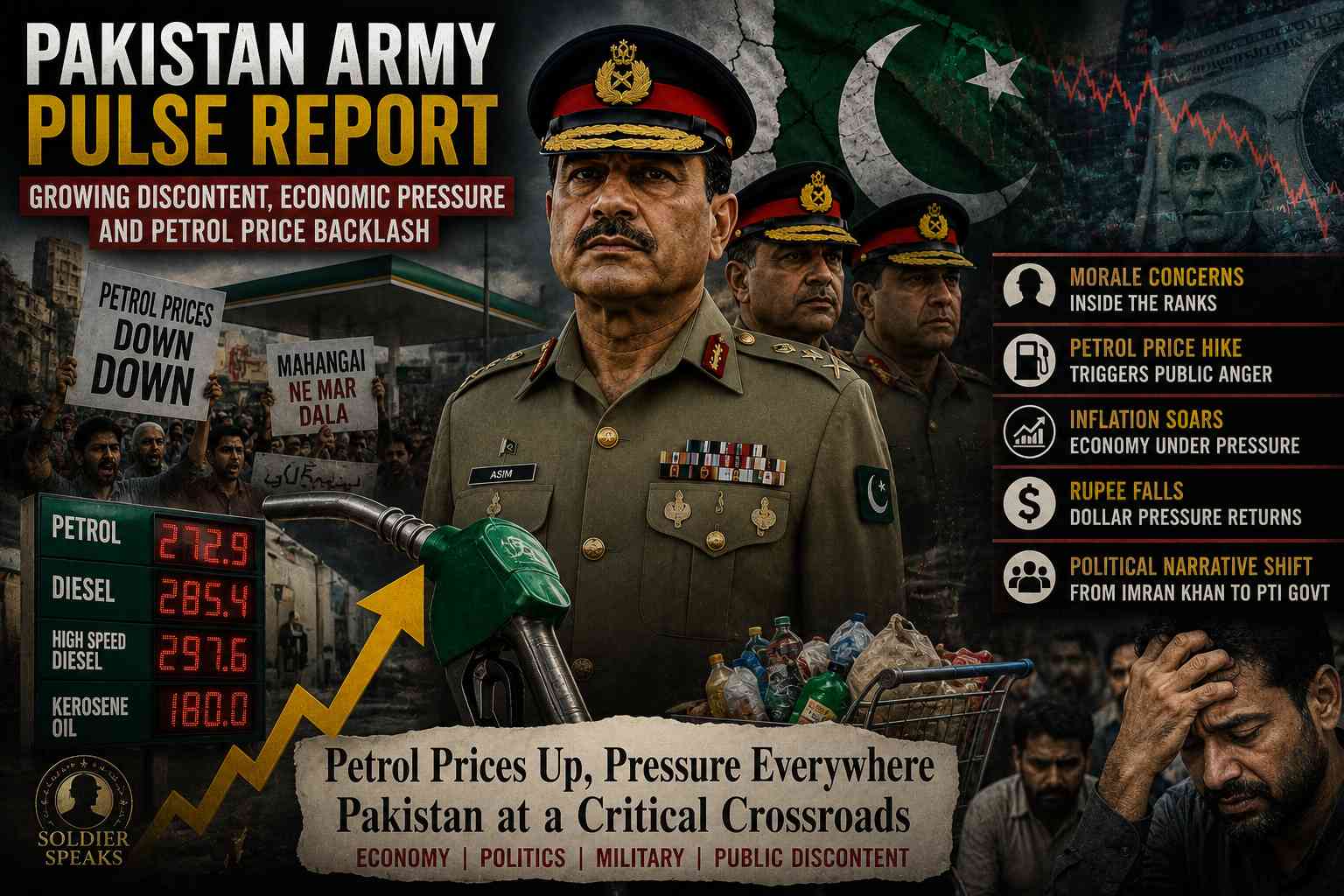
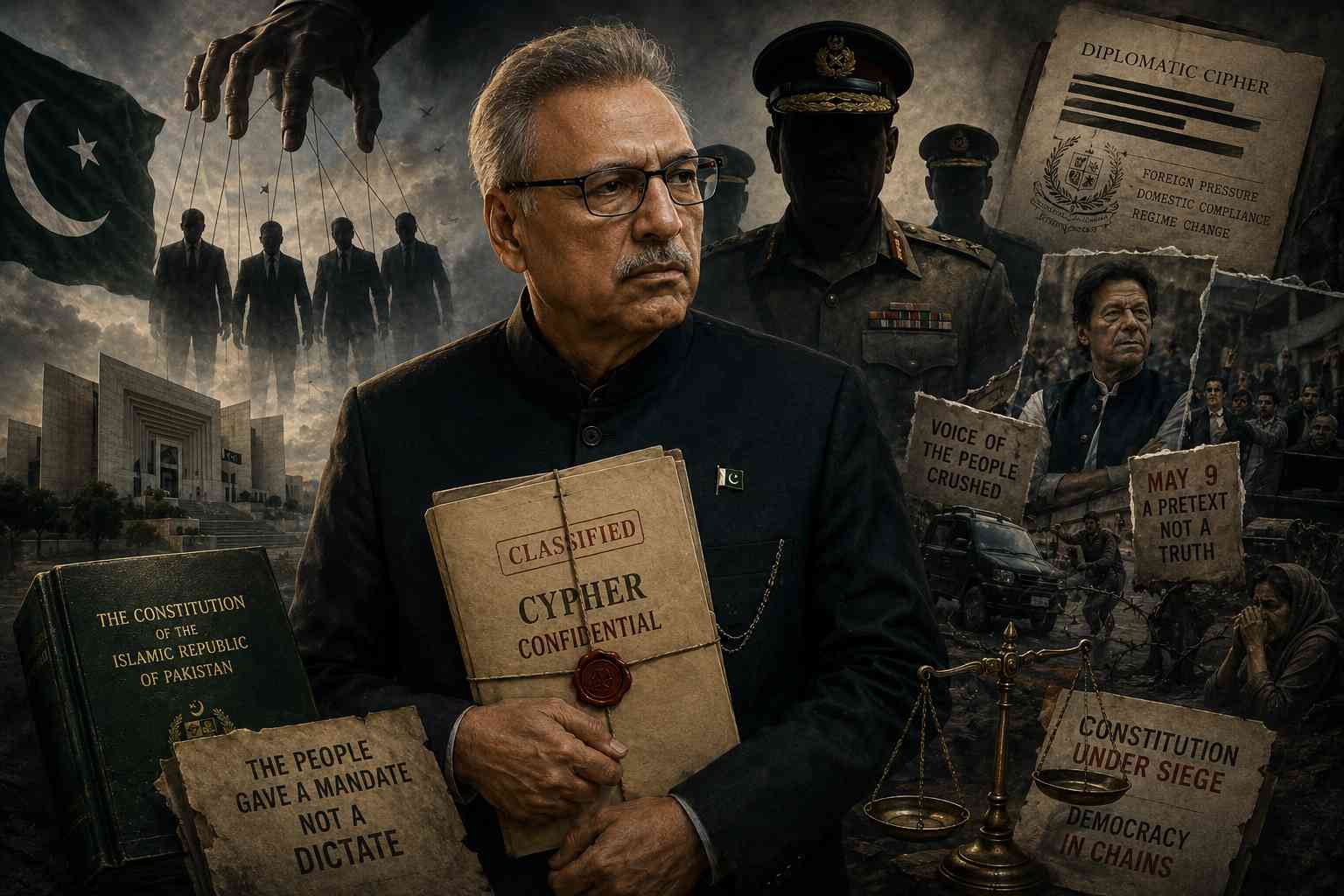
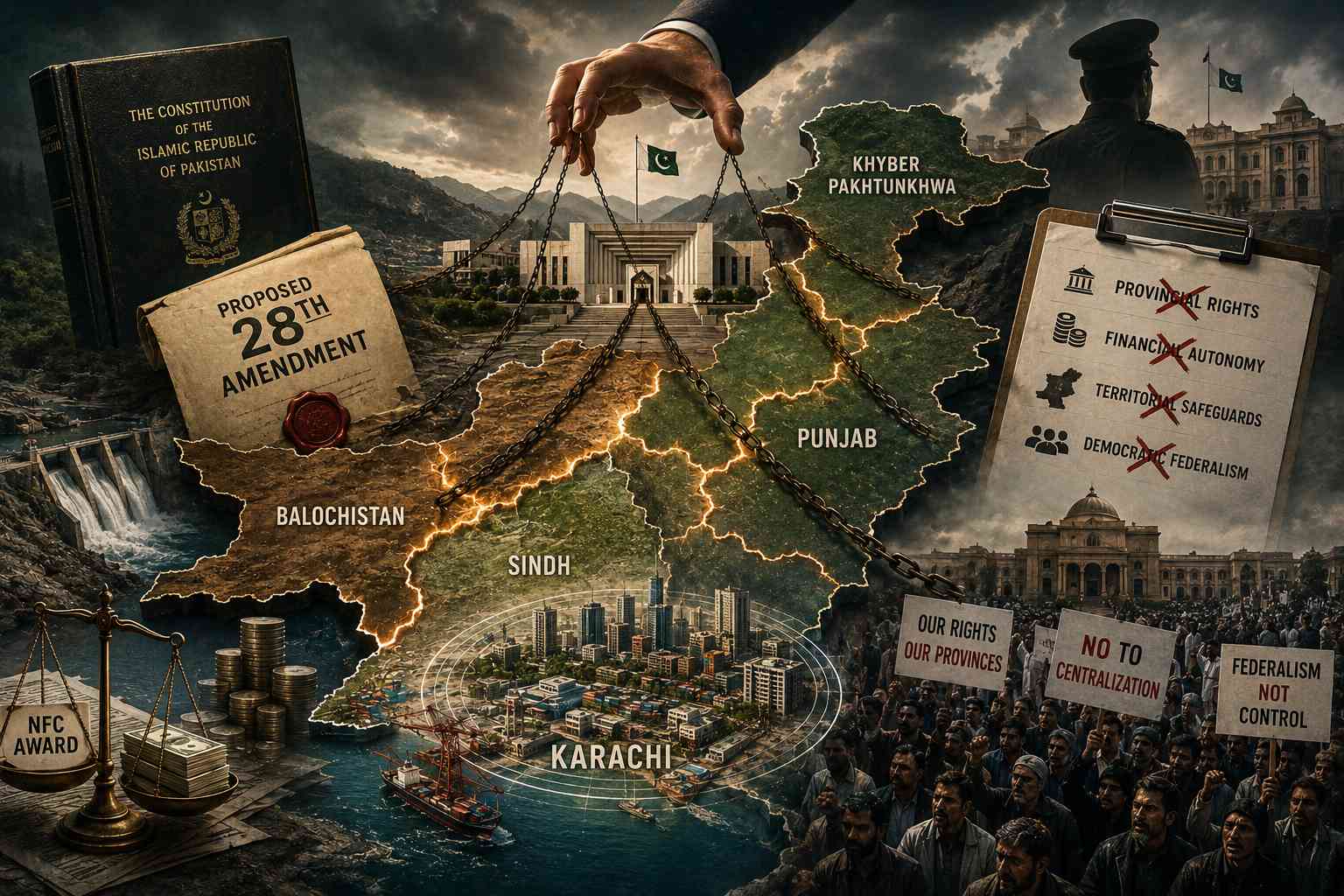
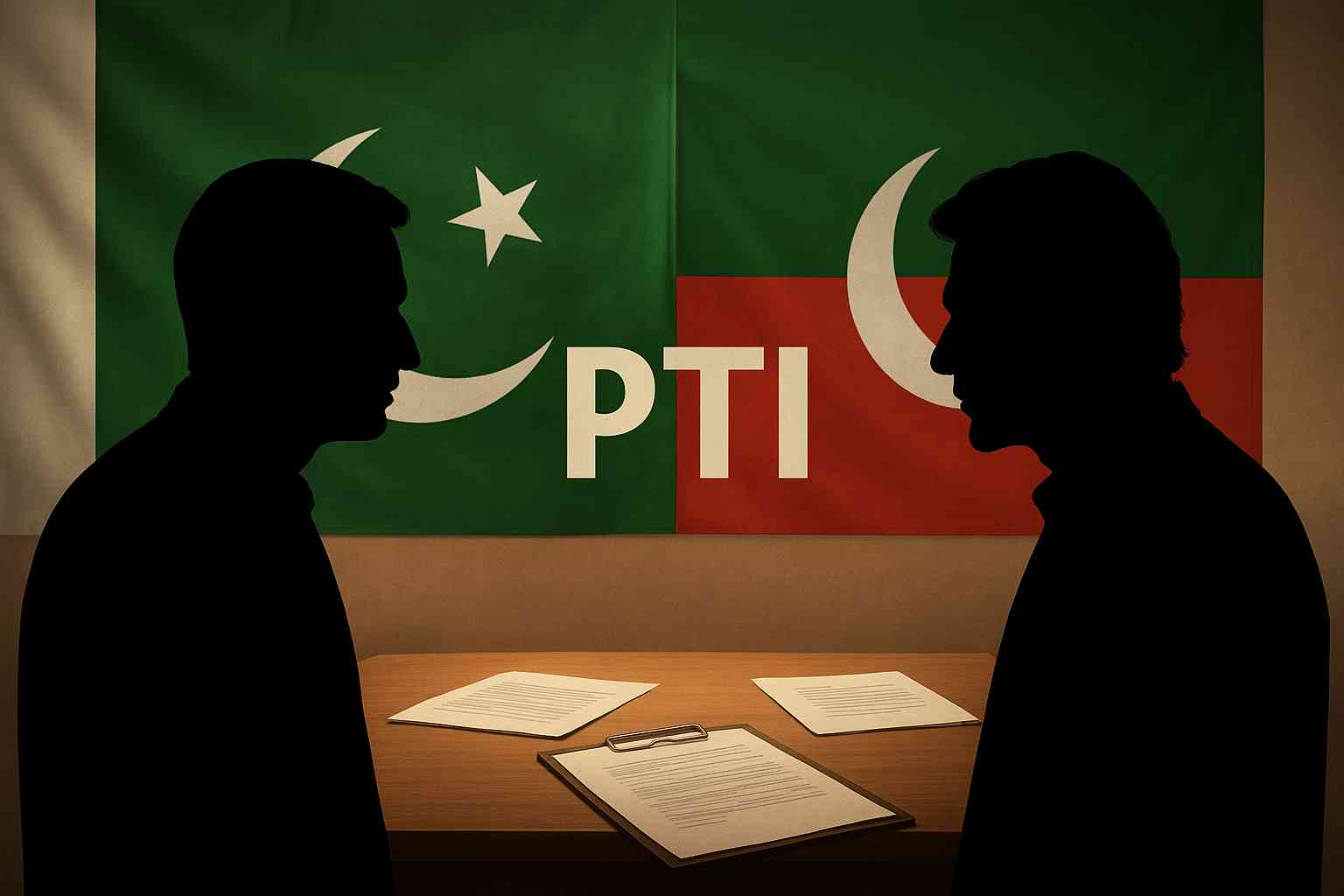
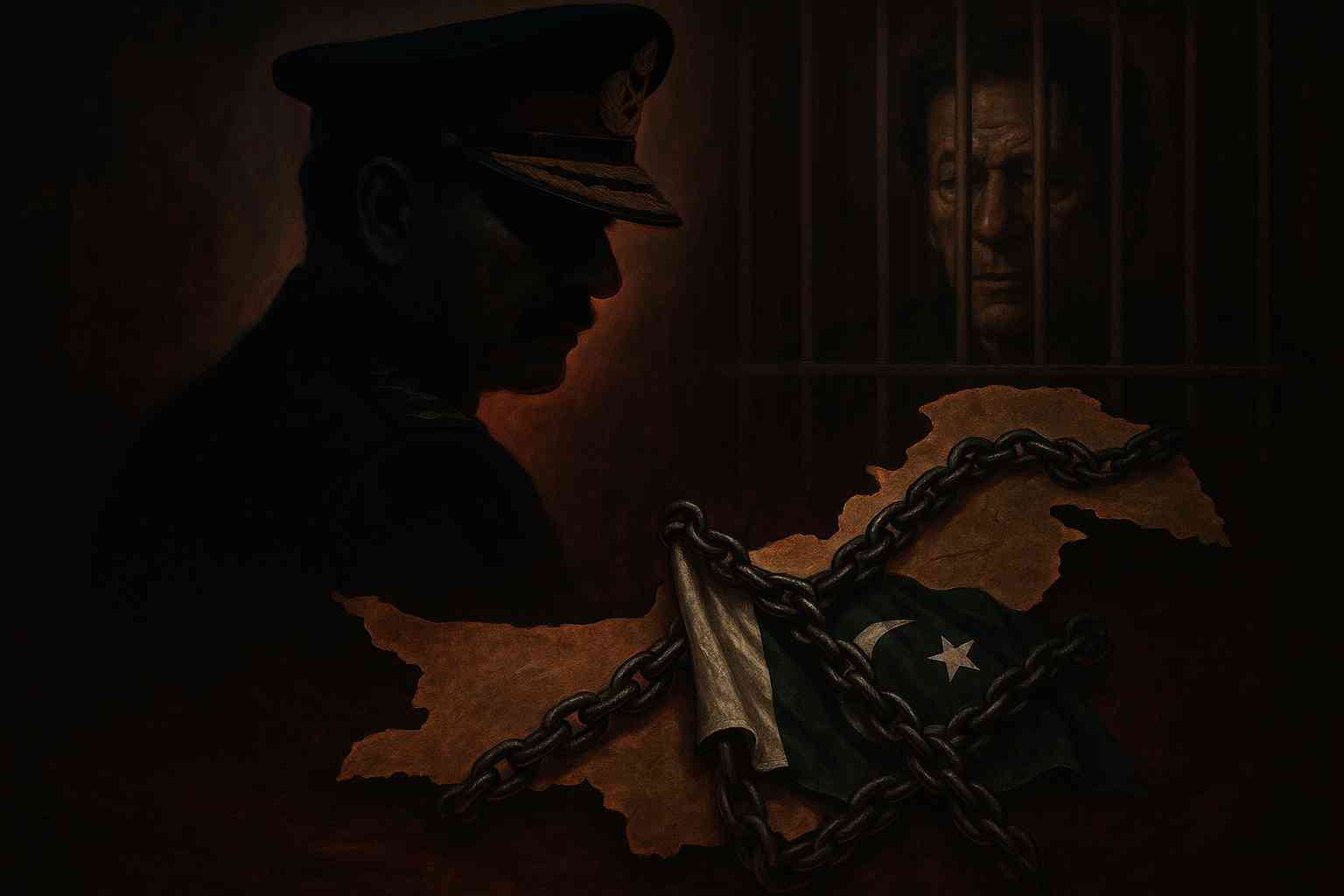
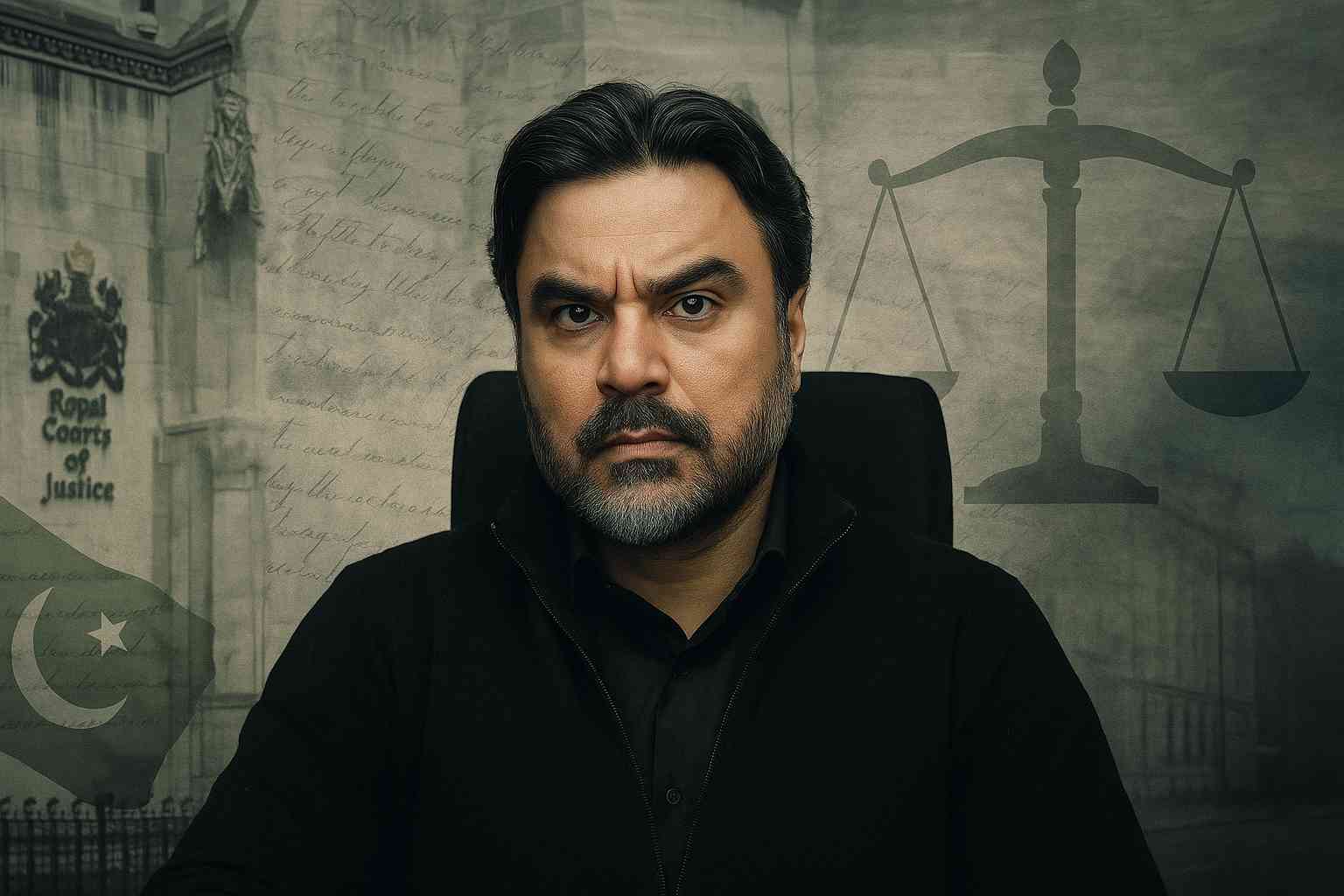
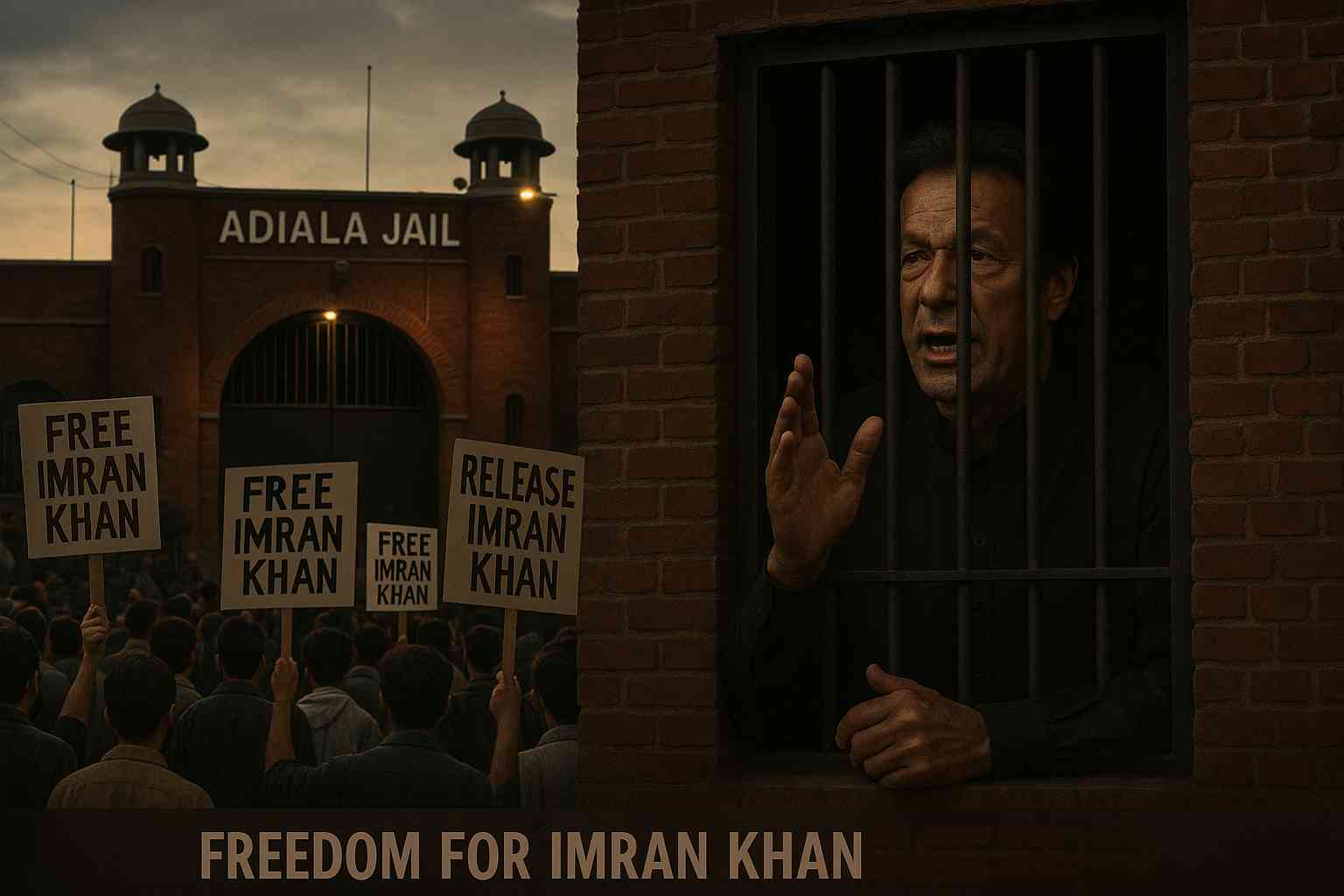
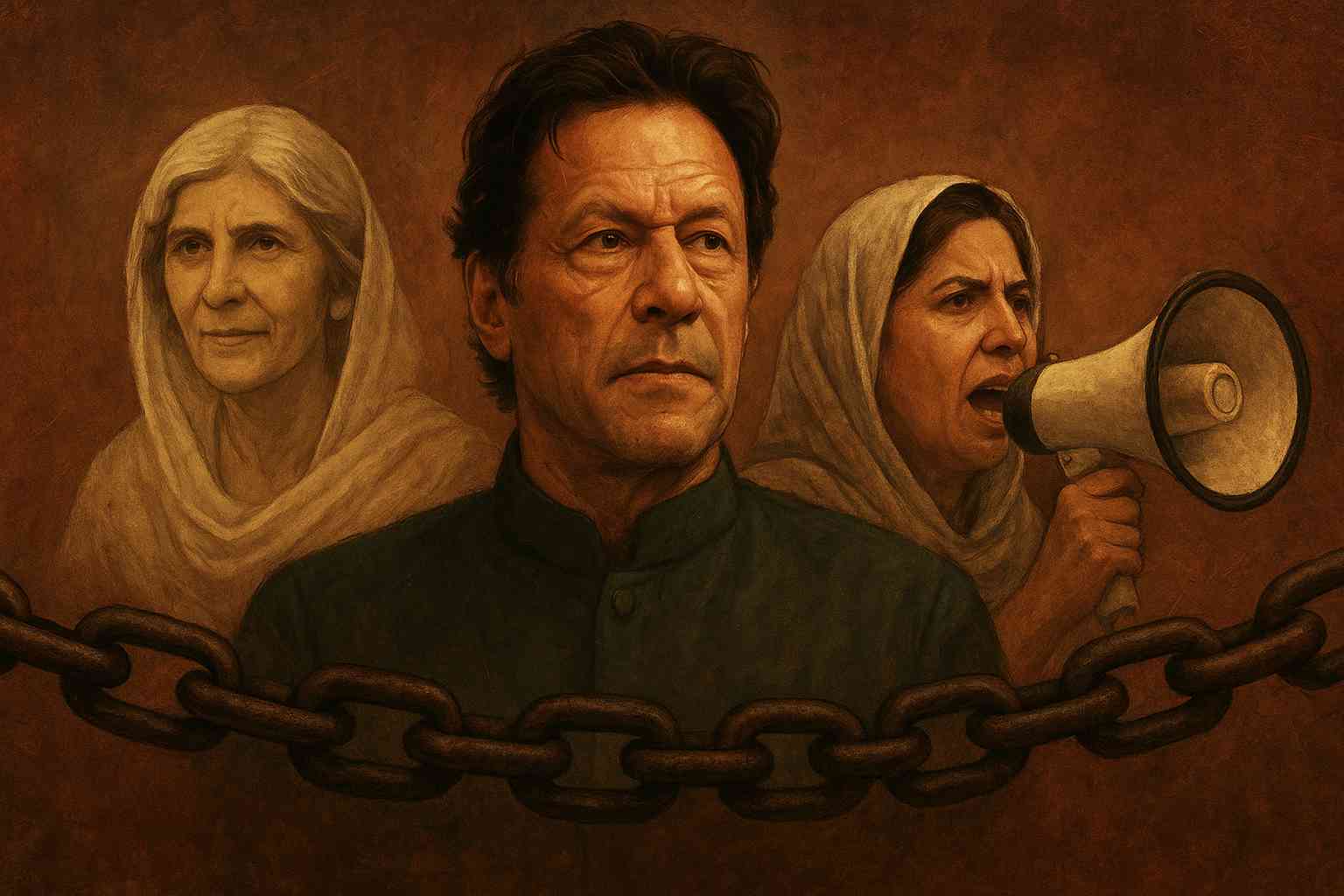
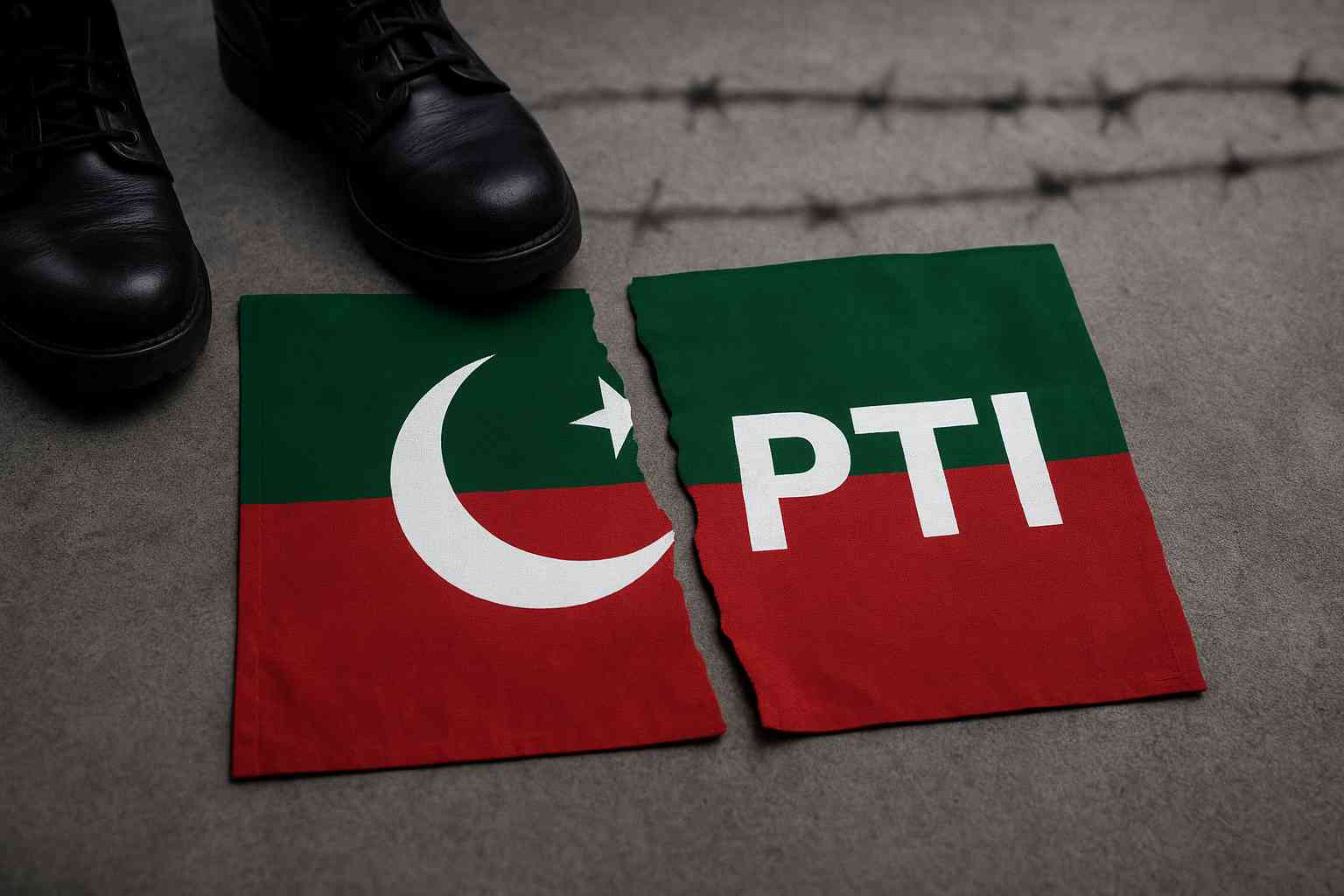
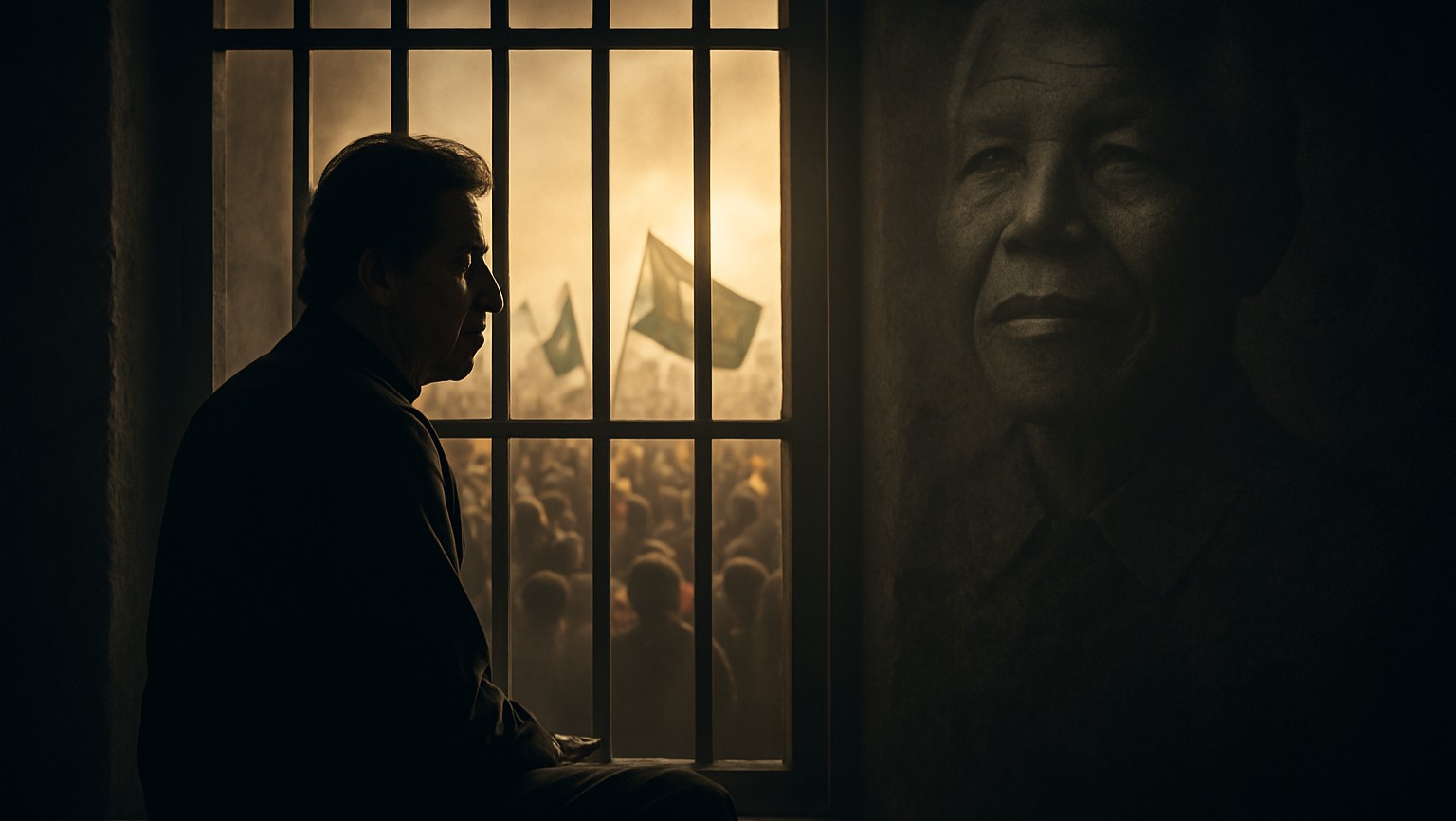
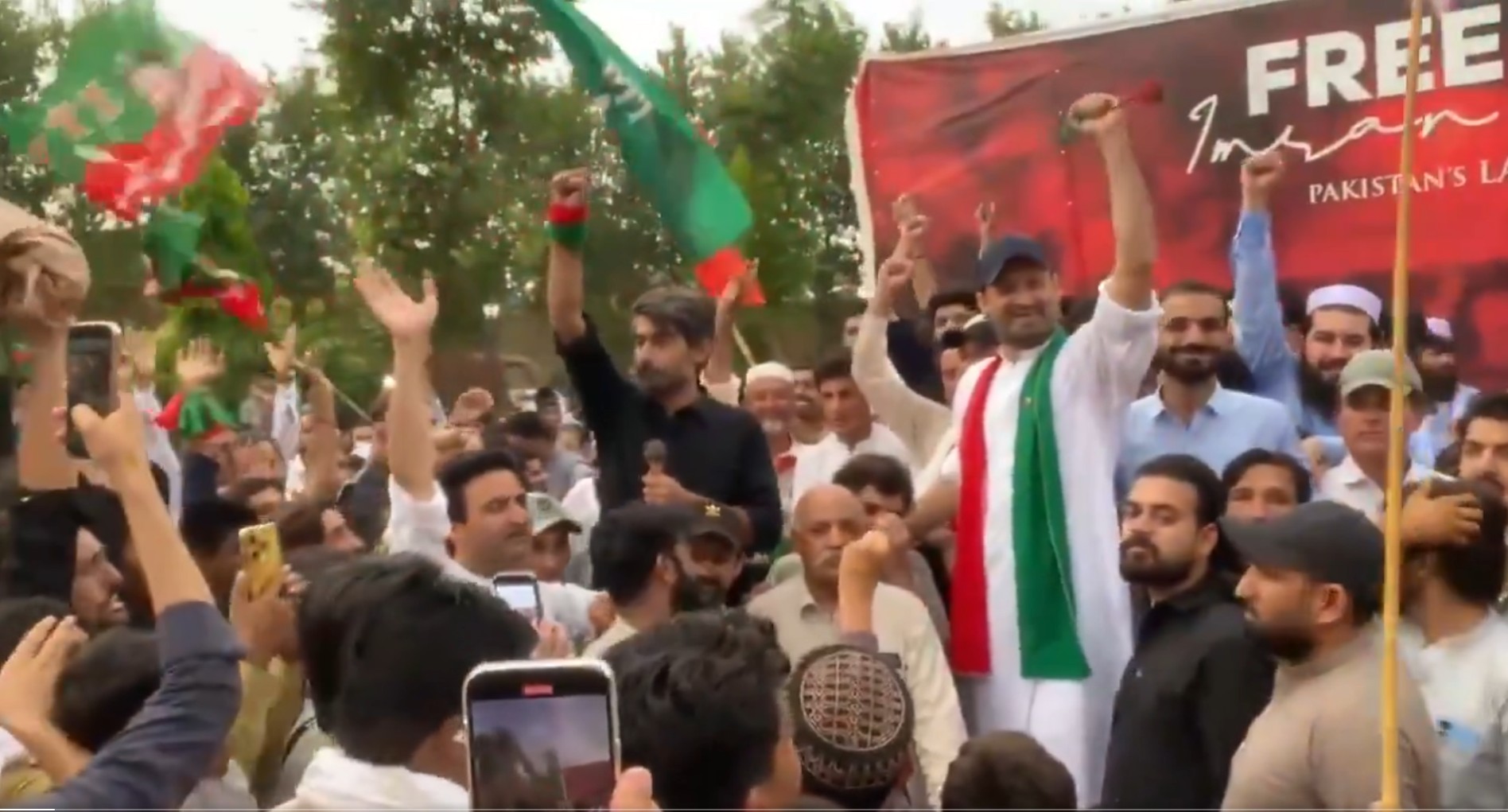
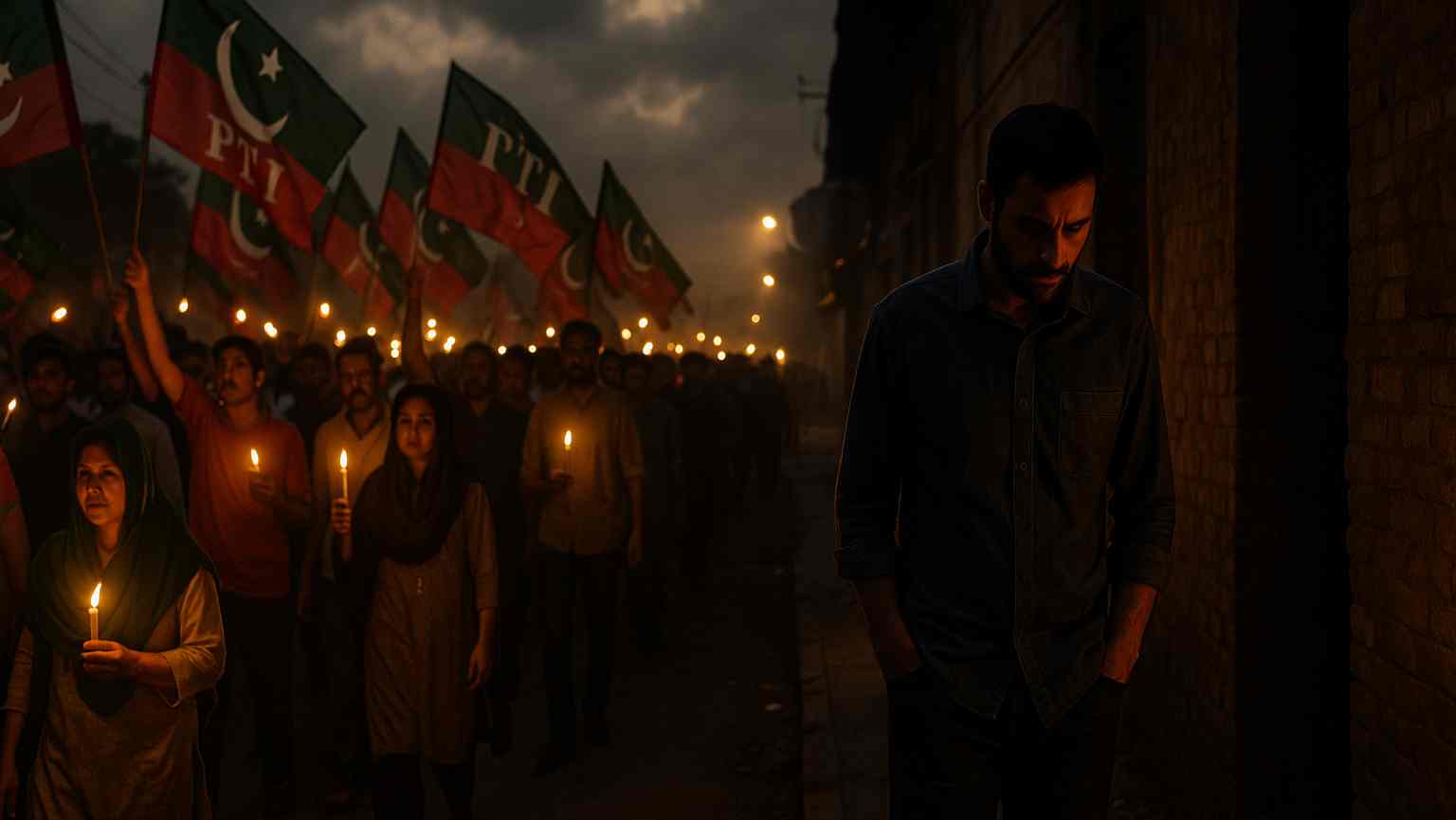
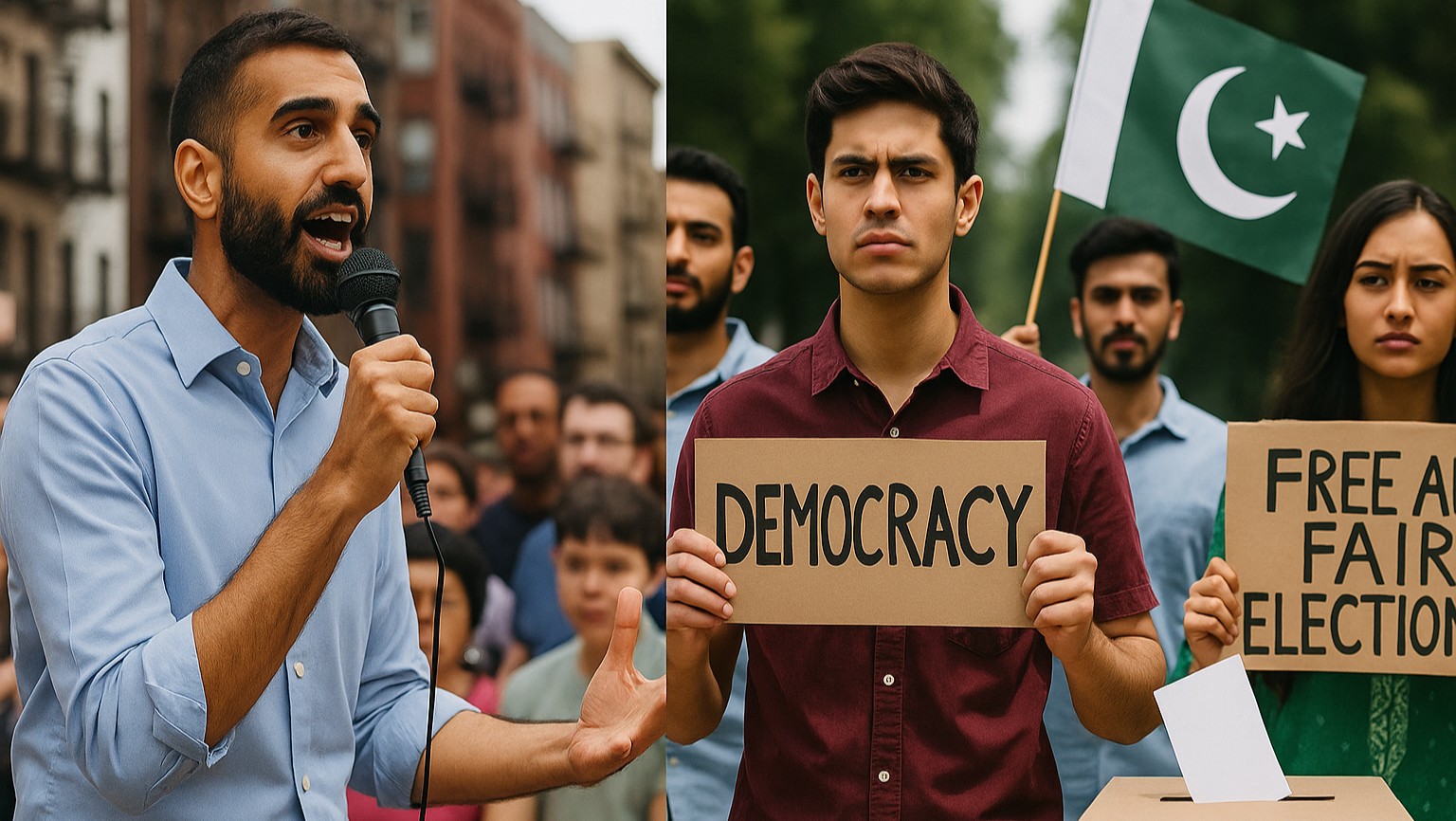
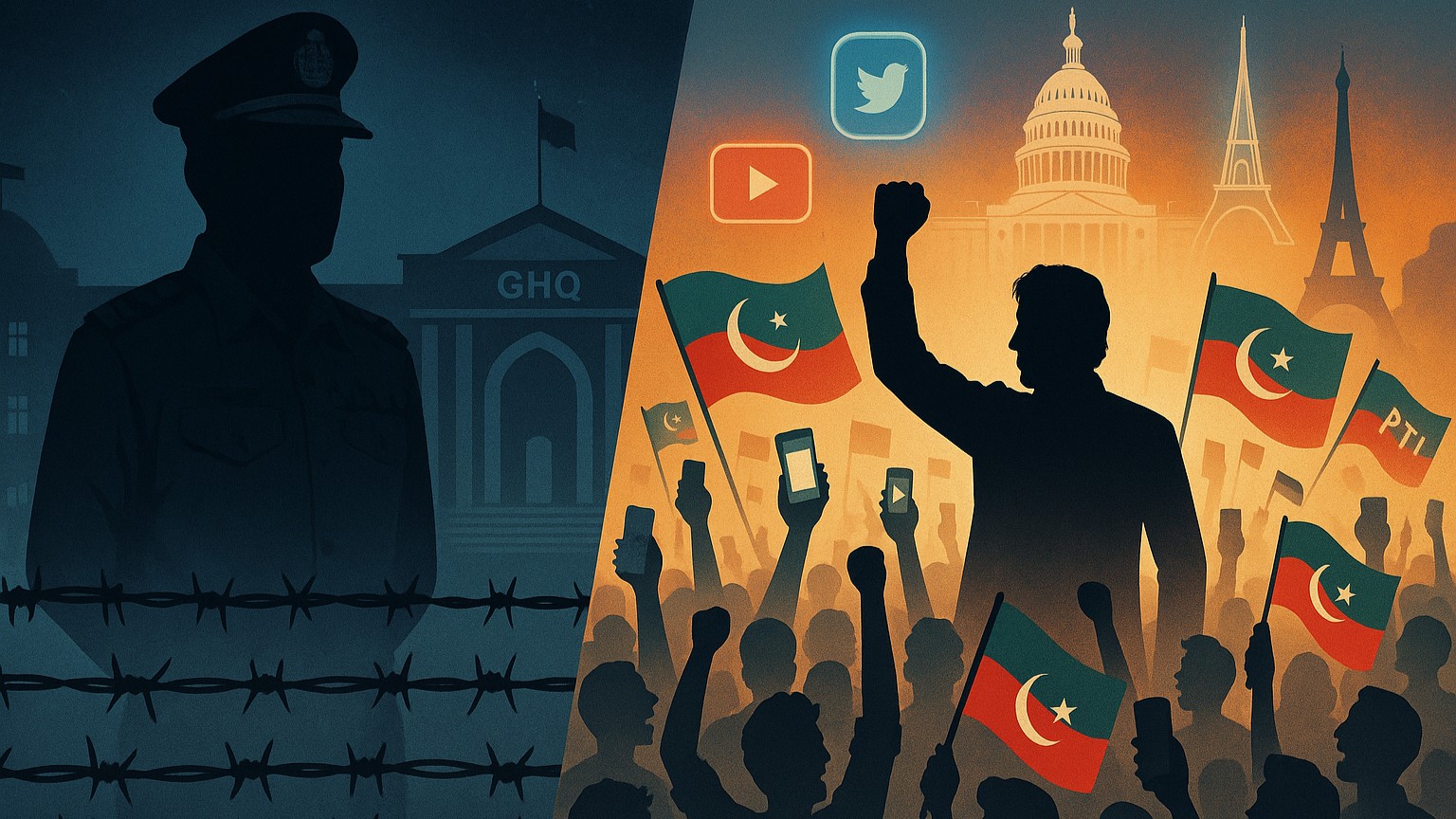
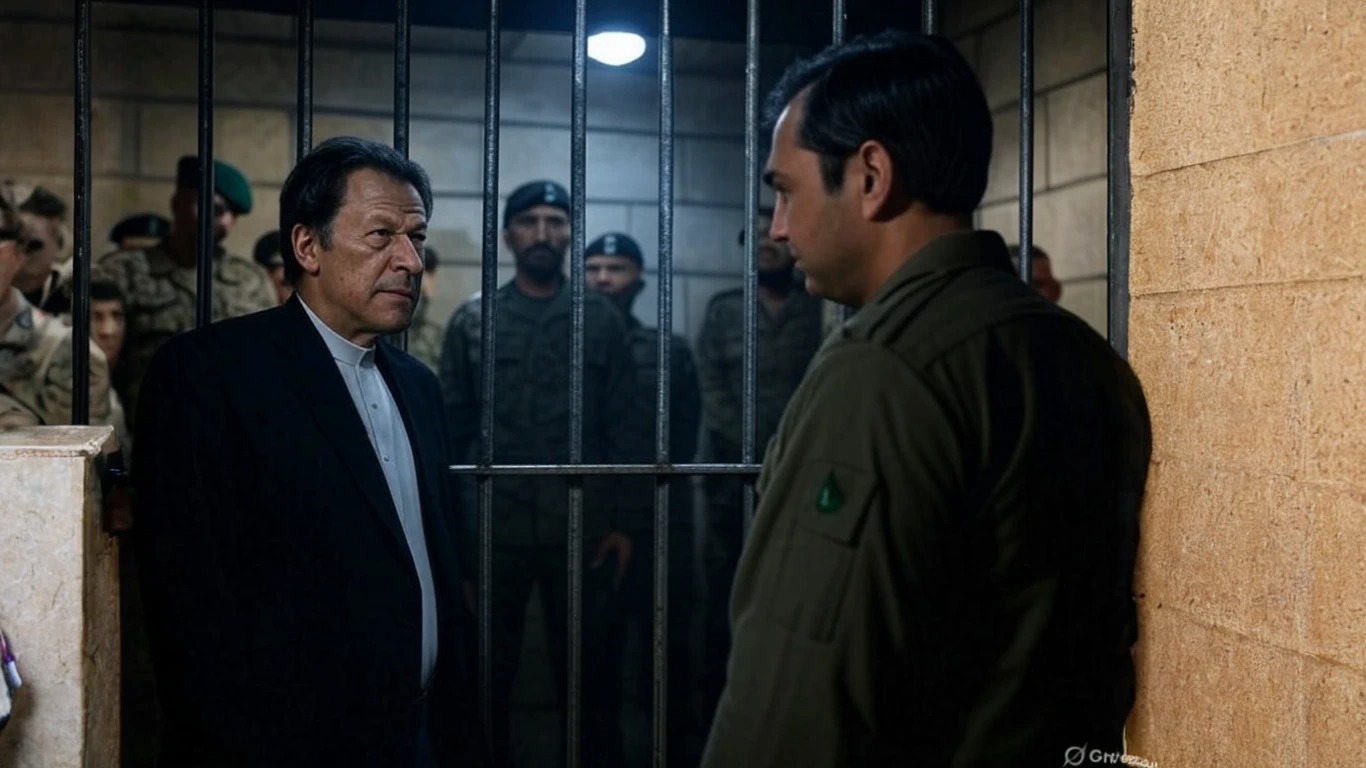
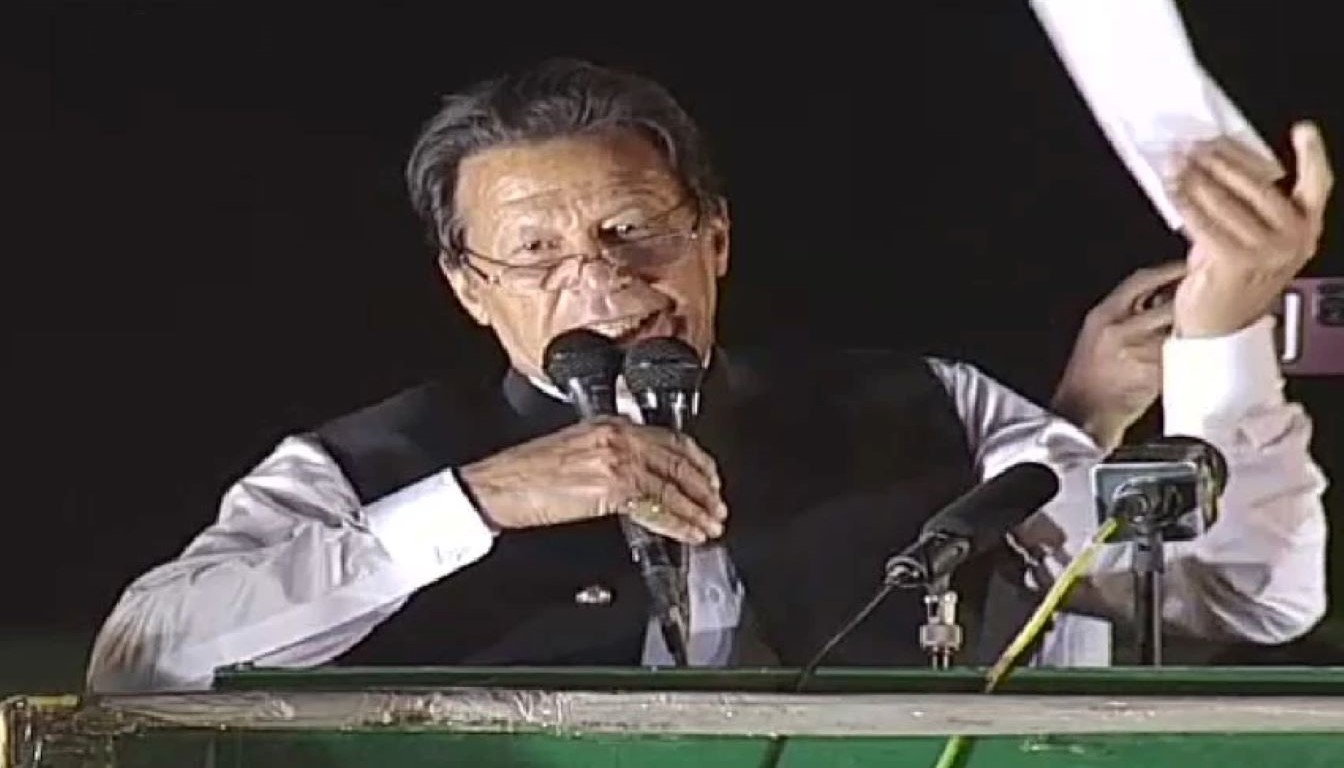
The vlog spent significant time discussing domestic political tensions involving PTI, Imran Khan, state institutions, and ongoing legal controversies.
Political fragmentation inside Pakistan limits the country’s diplomatic flexibility. Governments facing legitimacy questions often struggle to pursue difficult foreign policy compromises.
At the same time, India’s own domestic political environment remains heavily polarized.
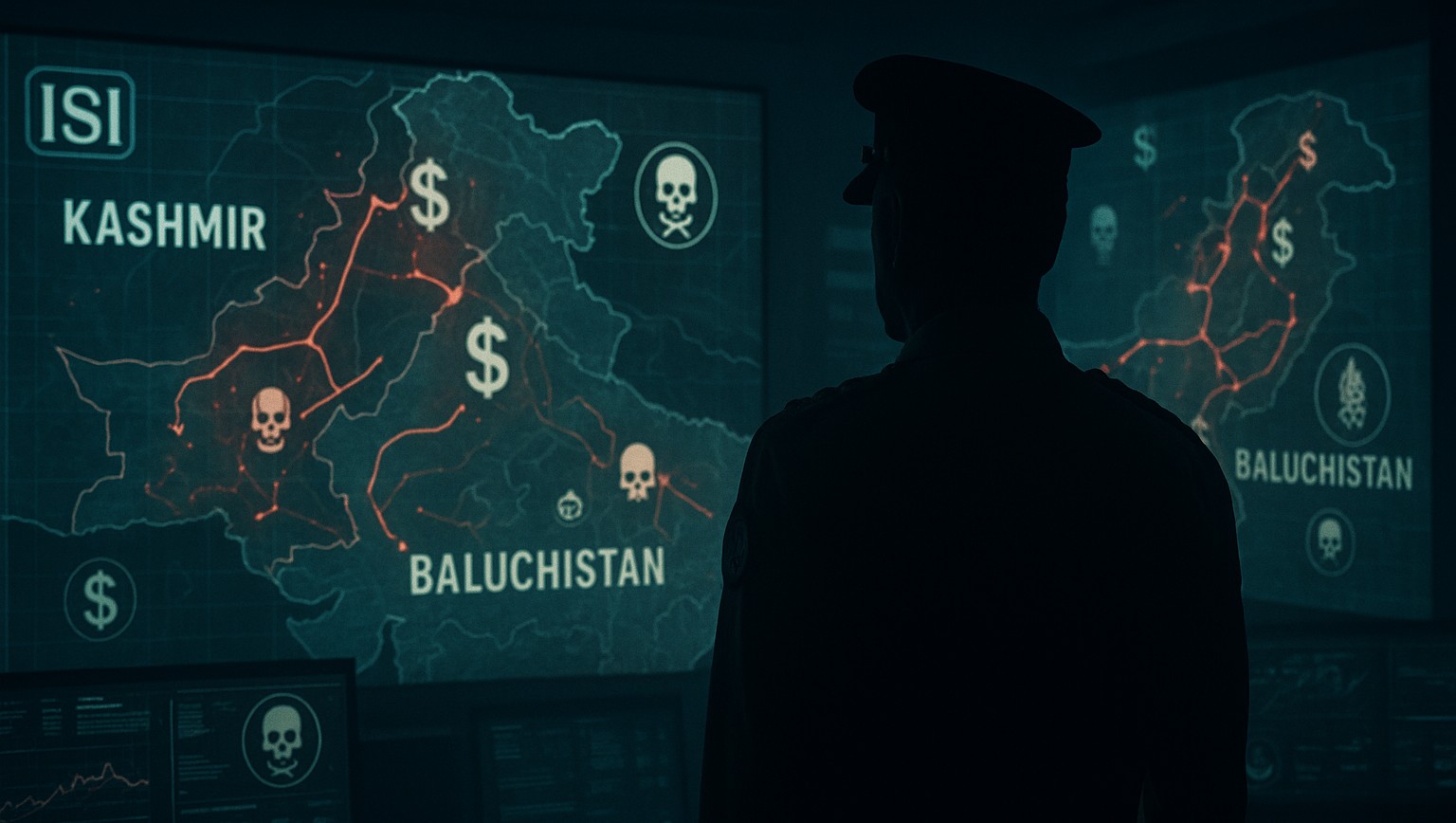
This means any future engagement process would likely begin quietly through intelligence, military, or third-party channels before moving into formal diplomacy.
Russia, China and the Larger Strategic Environment
The changing international environment is also shaping regional calculations.
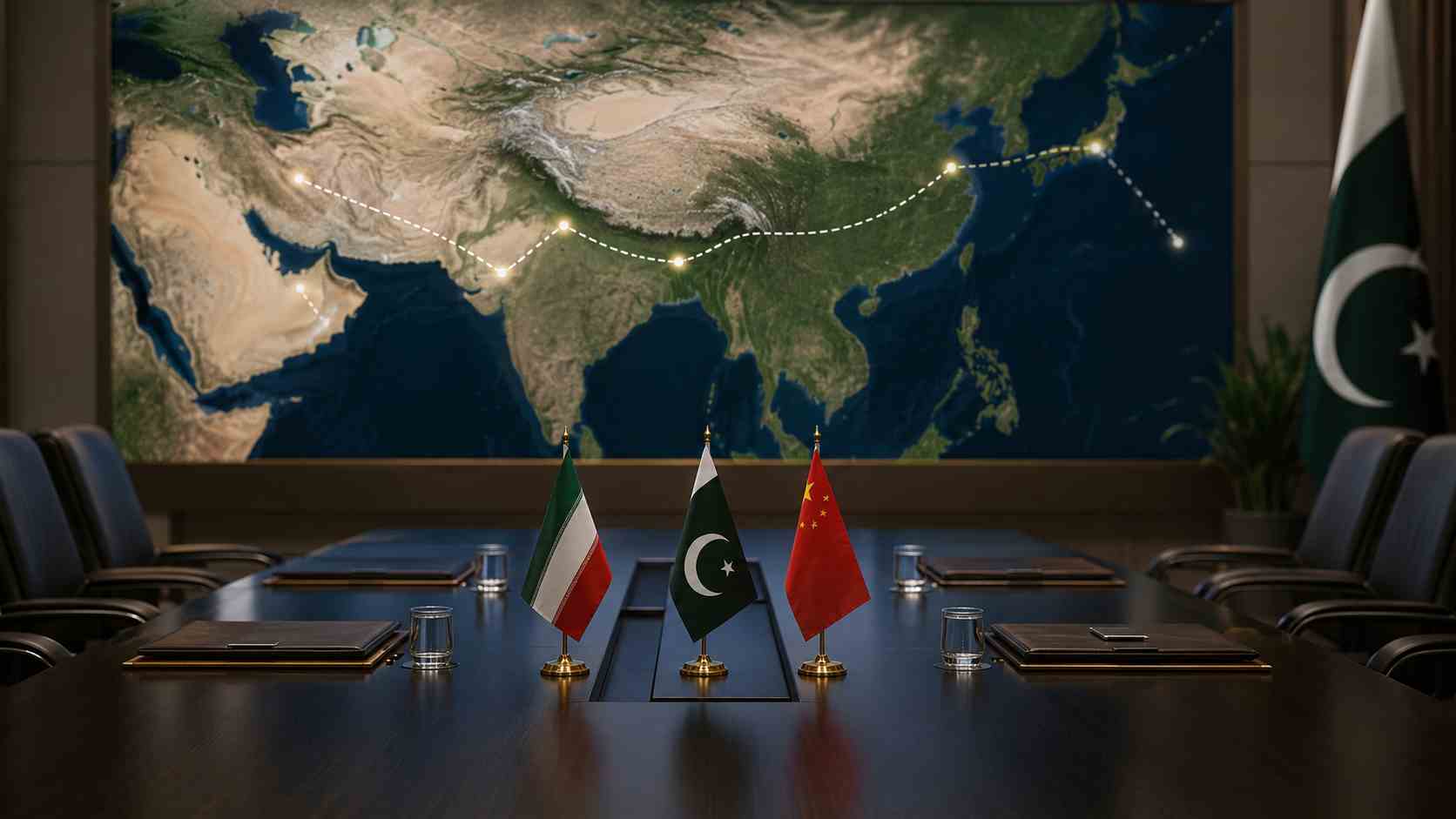
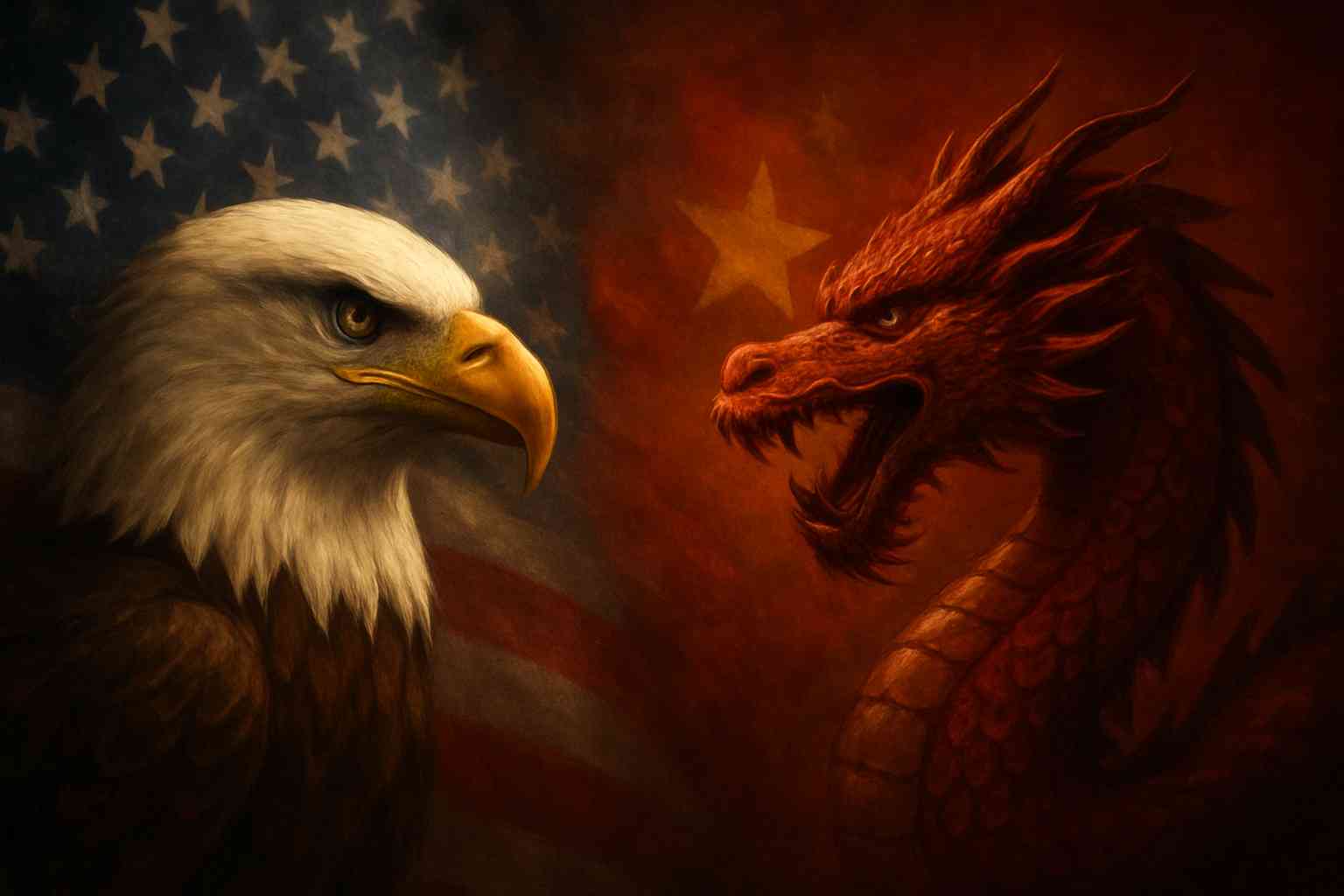
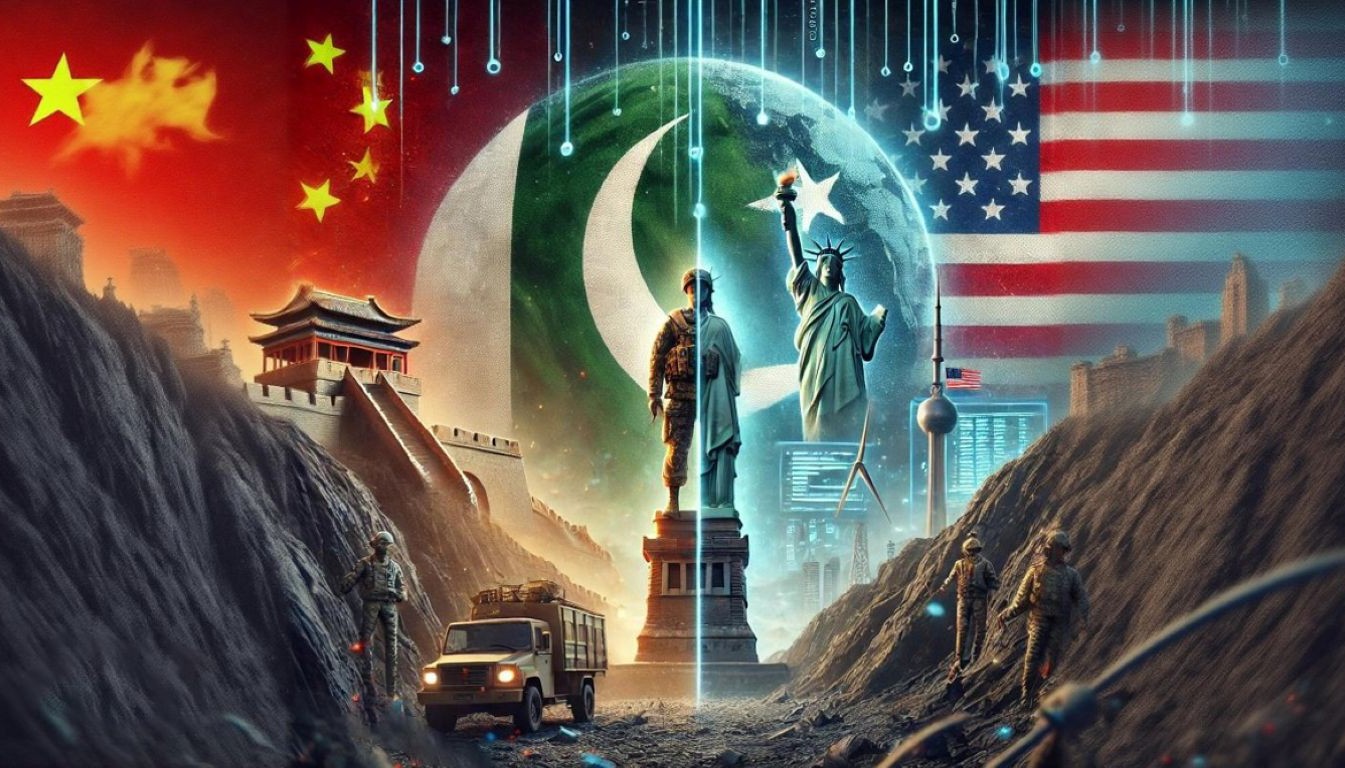
Russian President Vladimir Putin’s upcoming visit to China, discussions over Iran, and expanding Russia-China coordination reflect a broader shift toward multipolar geopolitics.
Meanwhile:
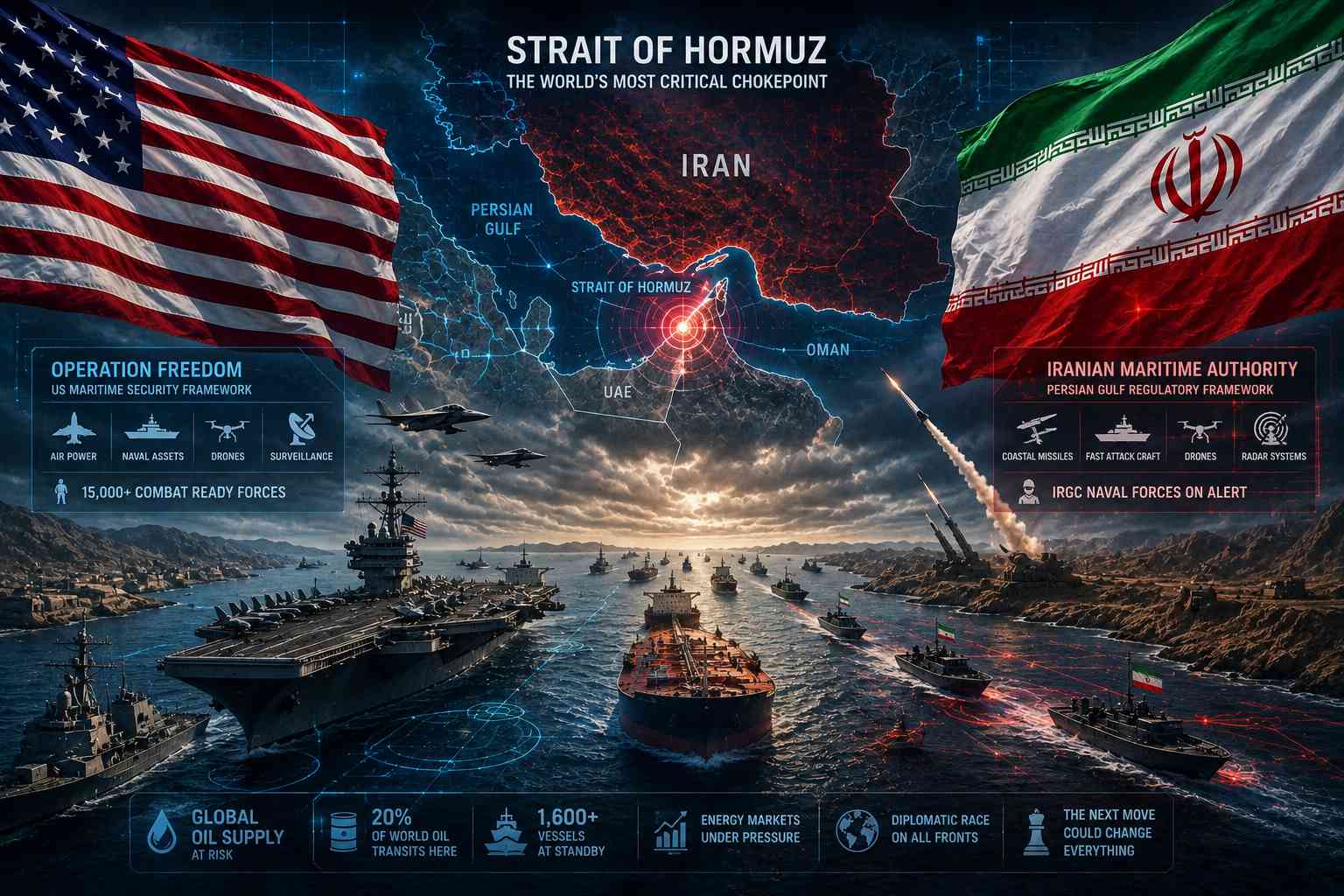
- Iran remains under economic and military pressure
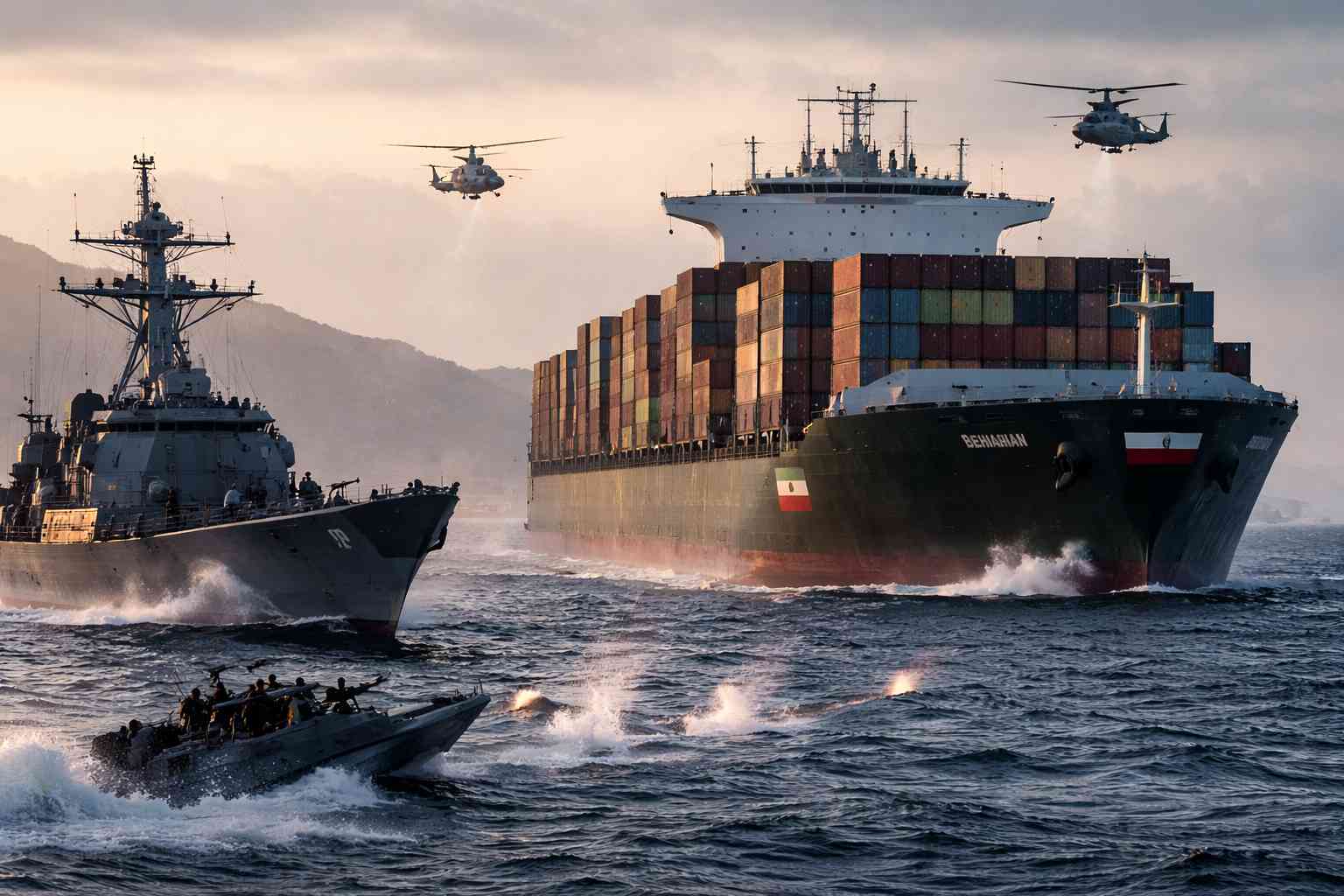
- Energy routes through Hormuz remain unstable
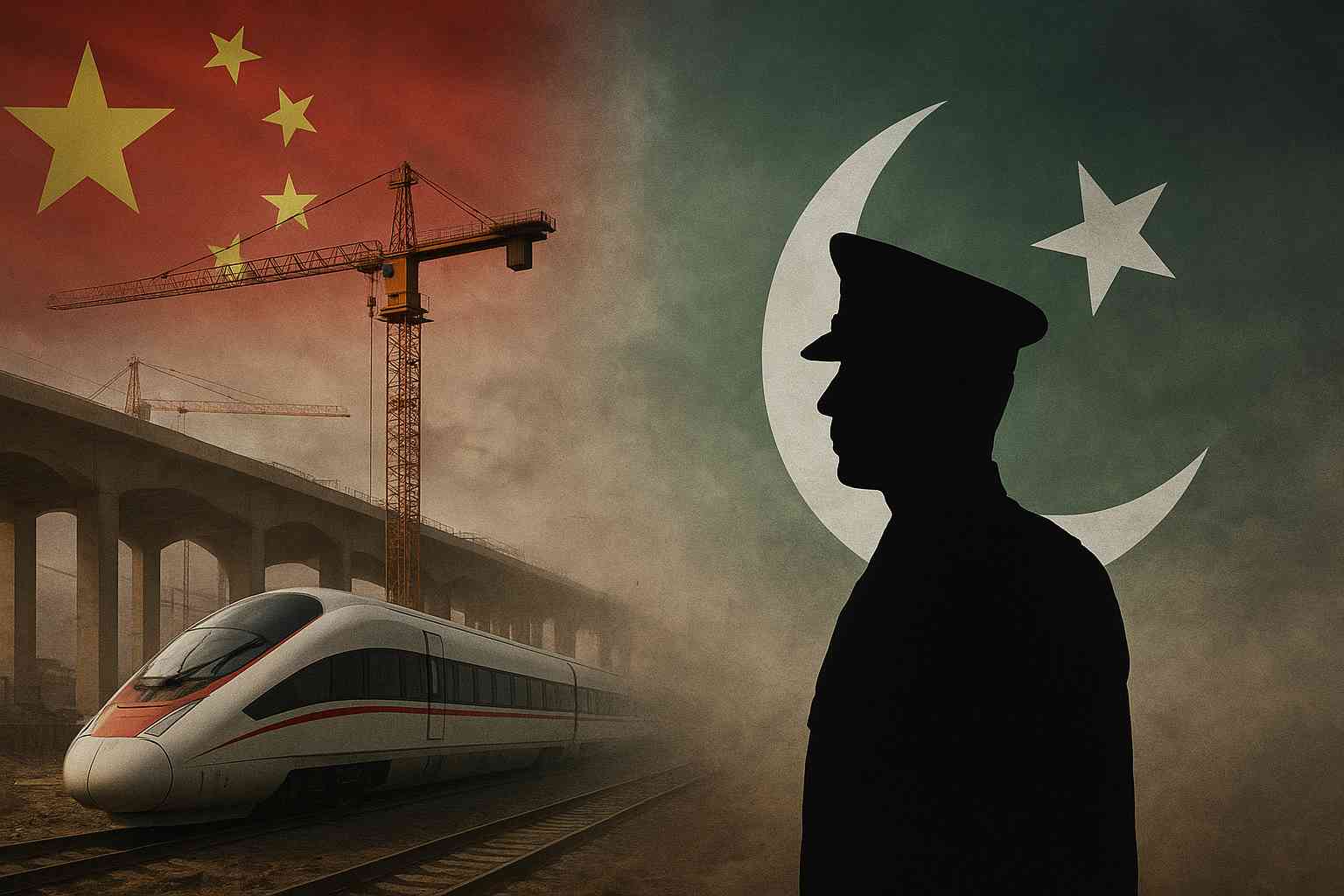
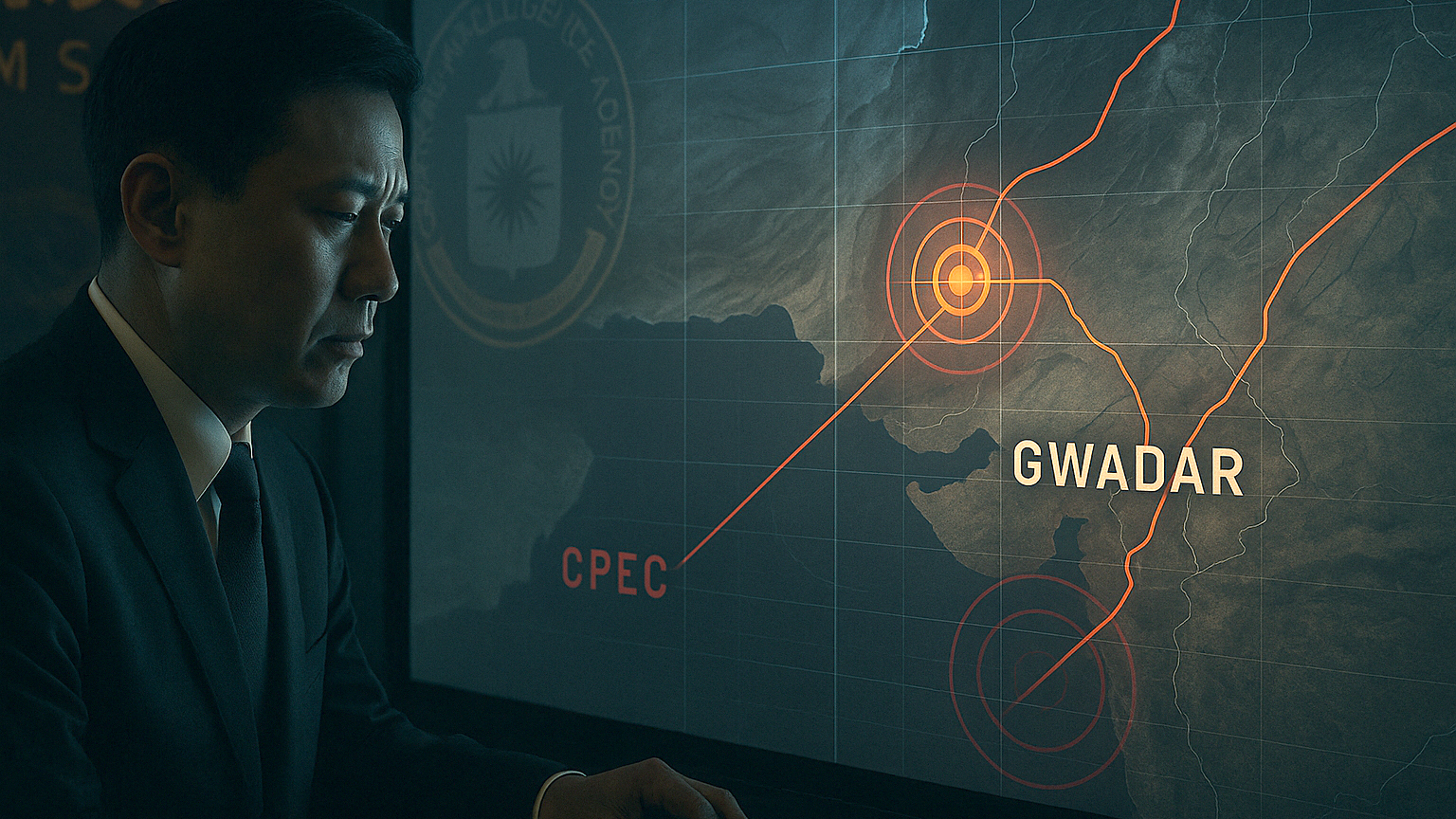
- China continues balancing regional relationships carefully
- Gulf states are recalibrating their strategic priorities
These larger global shifts increase pressure on South Asian states to avoid prolonged bilateral confrontation.
Conclusion
The emerging conversation around an India Pakistan dialogue breakthrough remains fragile and uncertain.
There is no formal peace process. There are no announced negotiations. Public hostility between both governments still dominates official rhetoric.
But diplomacy often begins through signals before formal meetings.
The significance of recent developments lies precisely there:
- RSS support for dialogue
- Positive responses from Kashmiri leaders
- Pakistani diplomatic openness
- Strategic pressure from changing global realities
Whether these signals evolve into genuine engagement remains unclear.
However, for the first time in months, the political environment appears slightly more open to the possibility that quiet diplomacy may eventually return to the region.
By SoldierSpeaks News Desk
Analysis based on commentary by Dr. Moeed Pirzada and current geopolitical developments.