
Pakistan once again appears to be standing at a constitutional crossroads.
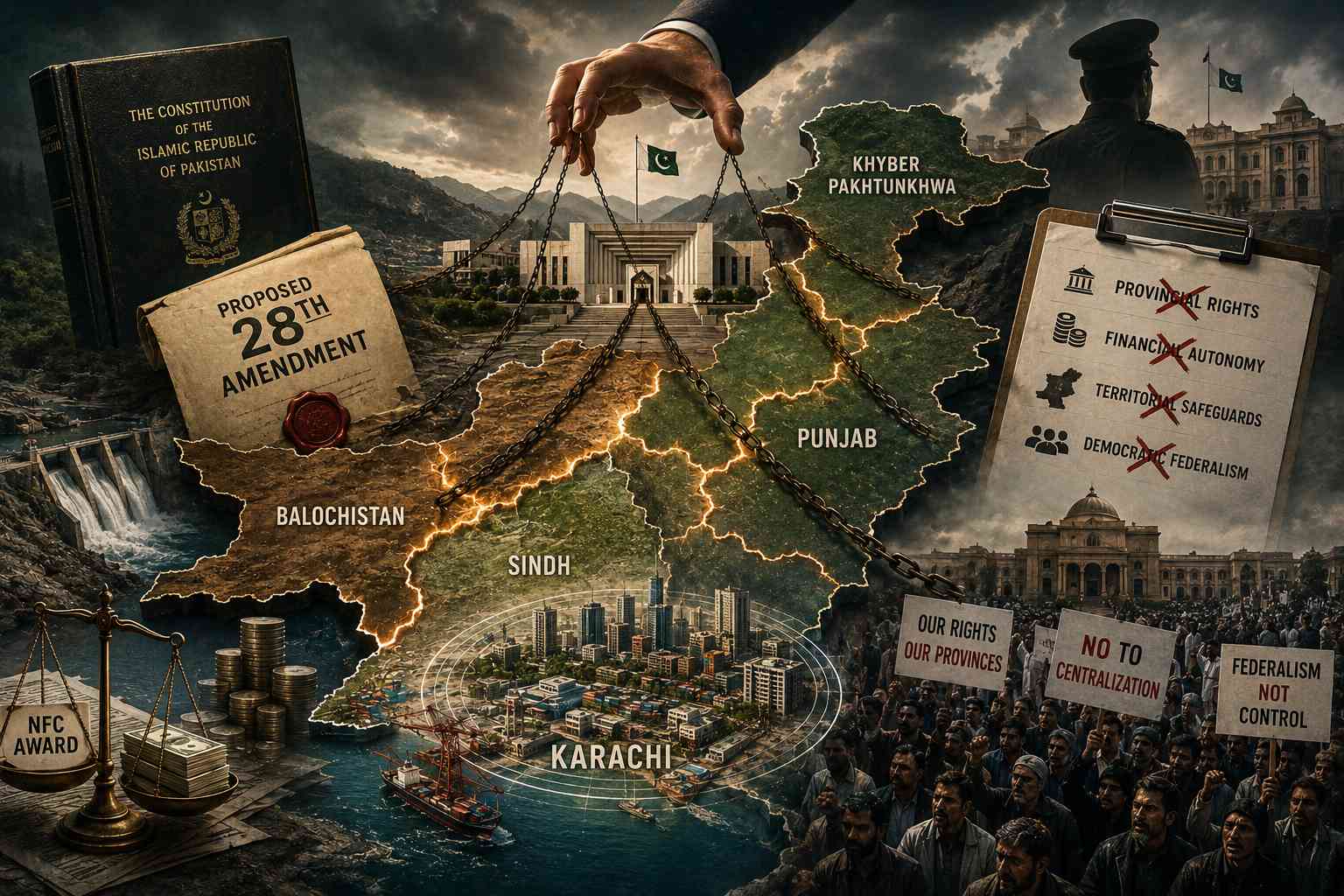
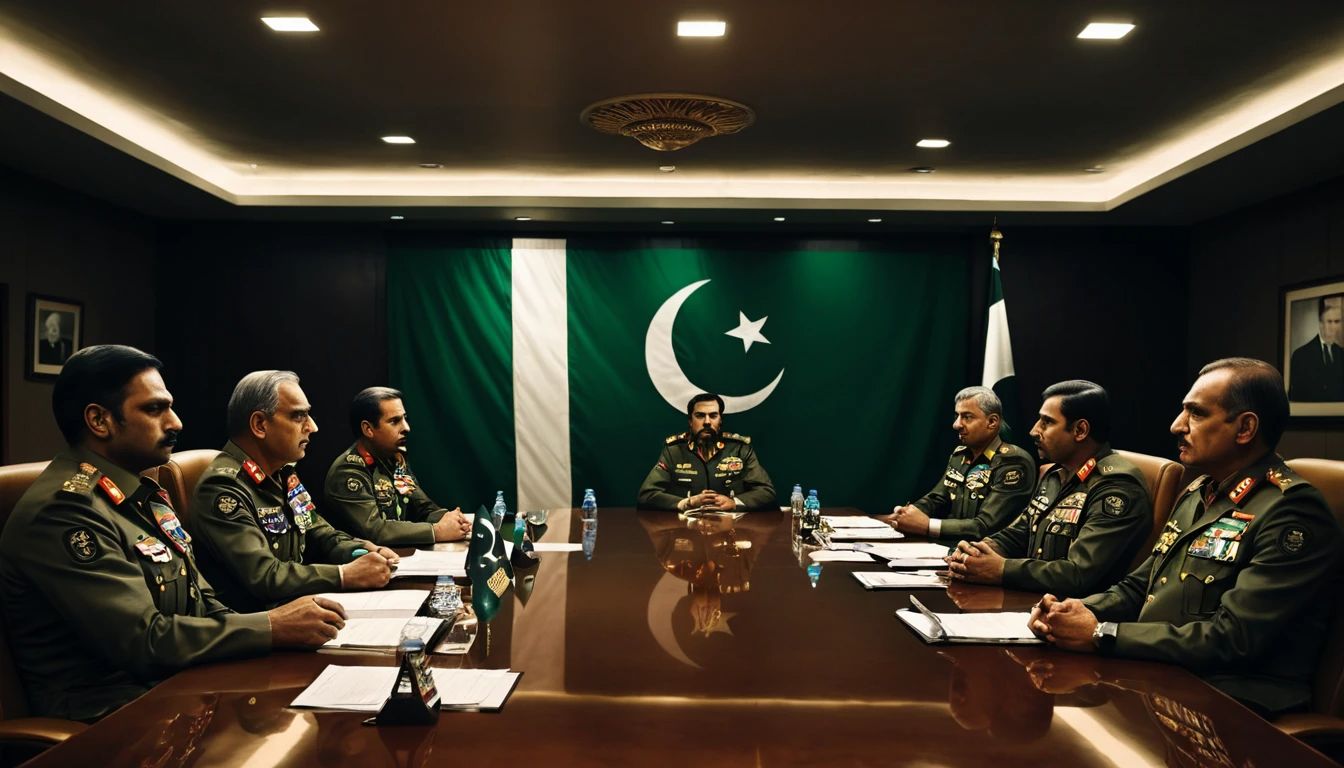
According to reports emerging from policy and establishment circles, discussions are underway regarding a proposed “28th Constitutional Amendment” that could fundamentally reshape the country’s federal structure. The proposed package allegedly seeks to reverse key features of the post-18th Amendment order by increasing federal authority, reducing provincial autonomy, restructuring fiscal arrangements, and centralizing governance mechanisms.
Supporters may present these measures as necessary for national cohesion, economic stabilization, security modernization, and administrative efficiency. Critics, however, view the proposed changes as potentially the most significant attempt to recentralize Pakistan since the democratic transition following General Musharraf’s era.
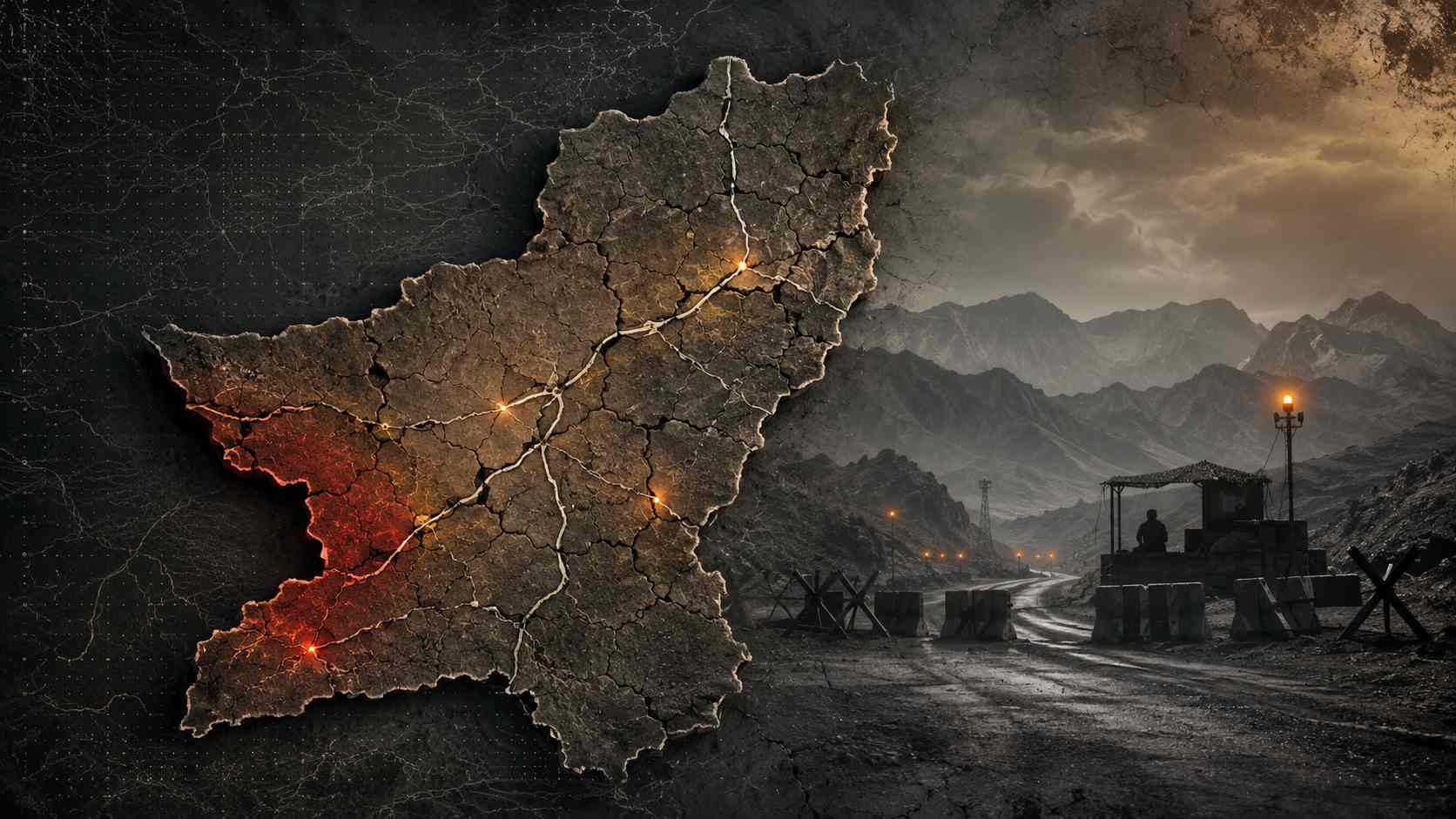
More importantly, many analysts fear that such a move could dangerously reopen historical fault lines that Pakistan has struggled with since its inception.
This debate is not merely constitutional.
It is existential.
The Historical Context: Why the 18th Amendment Mattered
To understand why the proposed 28th Amendment has generated such anxiety, one must first understand why the 18th Amendment was introduced in 2010.
Pakistan’s political history has long been shaped by tensions between the federation and the provinces. Centralized governance structures, combined with military dominance and bureaucratic control from Islamabad, repeatedly generated resentment among smaller provinces — particularly East Pakistan before 1971, and later Sindh, Balochistan, and Khyber Pakhtunkhwa.
The breakup of Pakistan in 1971 remains one of the clearest historical warnings regarding the consequences of political centralization and denial of provincial rights. While external factors played a role, internal distrust between the center and the provinces was central to the crisis.
The 18th Amendment was therefore designed as a corrective mechanism. It transferred significant powers from the federation to the provinces, strengthened parliamentary democracy, increased provincial financial autonomy, and attempted to create a more balanced federal structure.
For many, it represented a constitutional compromise aimed at holding Pakistan together.
The proposed 28th Amendment, however, appears to move in the opposite direction.
NFC Award Restructuring: The Politics of Money and Power
Perhaps the most consequential aspect of the proposed amendment package is the reported effort to reduce the provincial share under the National Finance Commission (NFC) Award.
At its core, this proposal is about power — because in federal systems, financial control ultimately determines political control.
After the 7th NFC Award and the 18th Amendment, provinces received significantly larger shares from the divisible revenue pool. This increased their autonomy and reduced the federation’s financial leverage over provincial governments.
Now, however, establishment and technocratic circles reportedly argue that the federal government carries the overwhelming burden of:
- Defense expenditure
- Debt servicing
- National infrastructure
- Internal security operations
while lacking sufficient fiscal space to sustain these responsibilities.
The likely narrative behind this restructuring will emphasize:
- “National security”
- “Economic discipline”
- “Macroeconomic stabilization”
- “Efficient governance”
Yet critics argue that Pakistan’s core governance failures did not emerge because provinces received more resources. They point out that decades of highly centralized governance under military-led systems produced repeated economic crises, institutional fragility, debt dependency, and political instability.
More importantly, reducing provincial shares carries enormous political risks.
In Sindh and Balochistan especially, such a move would almost certainly be interpreted not merely as a fiscal adjustment, but as a direct assault on provincial rights and federalism itself.
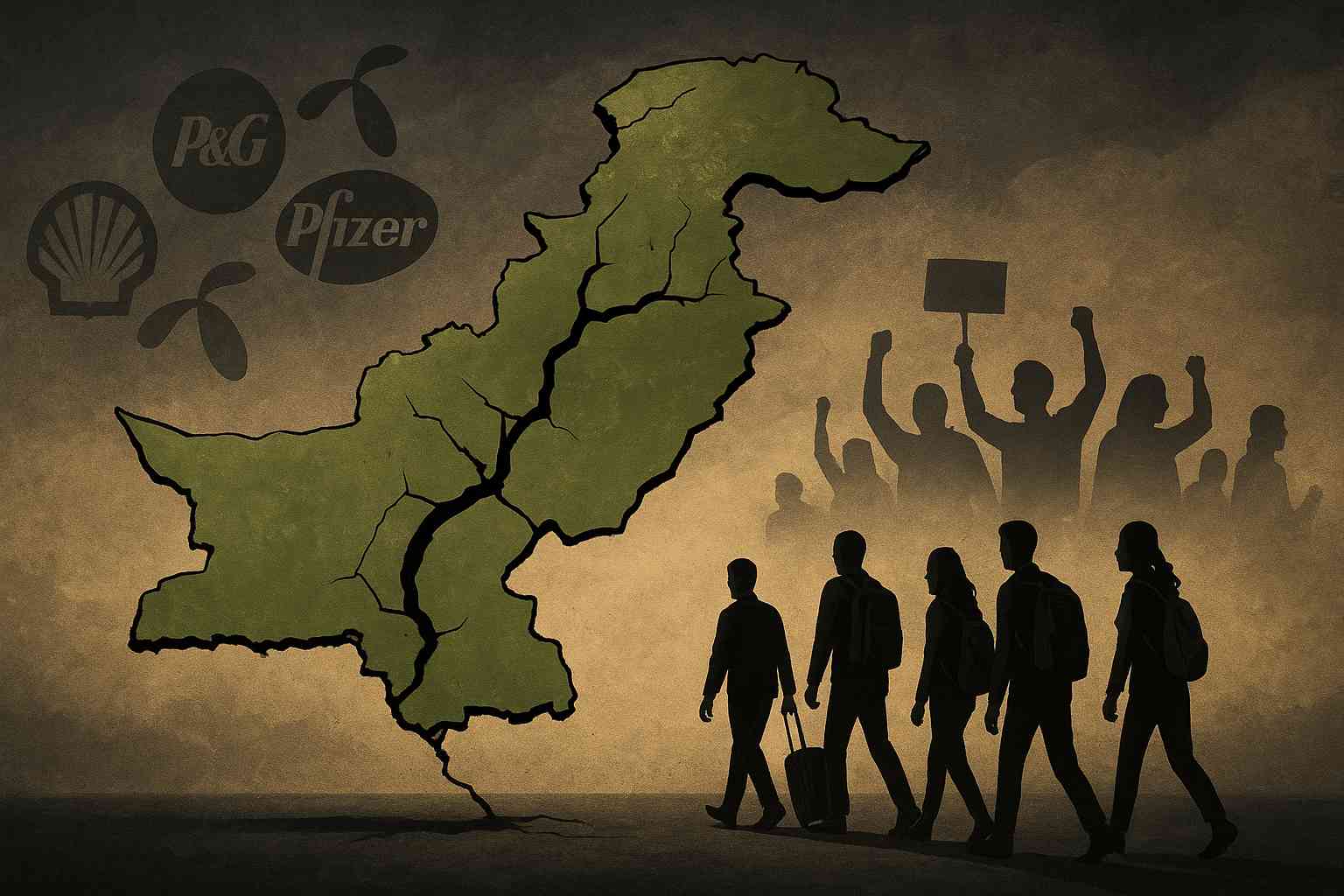
The perception of “Punjab-centric centralization” has historically fueled nationalist narratives. Any attempt to weaken provincial financial autonomy could therefore deepen anti-federation sentiment and revive center-versus-province tensions on a dangerous scale.
Article 239(4): Territorial Anxiety and the Karachi Question
Another deeply controversial proposal reportedly involves weakening Article 239(4) of the Constitution.
Currently, this constitutional provision prevents the federation from altering provincial boundaries or rights without the consent of the relevant provincial assembly. It acts as one of the federation’s most important safeguards against unilateral territorial restructuring.
The proposed amendment seeks to dilute or remove this requirement.
This has triggered immediate concerns regarding:
- The creation of new provinces
- Federally administered strategic zones
- And most controversially, the future status of Karachi
Karachi has historically occupied a unique place in Pakistan’s political-security imagination. As the country’s financial hub, major port city, and ethnically sensitive urban center, it has repeatedly witnessed federal interventions and security operations.
Within Sindh, there has long been anxiety that certain power centers favor greater federal control over Karachi. Even if no explicit plan exists, the mere perception that constitutional protections are being weakened is enough to generate political alarm.
For many Sindhis, any mechanism that allows territorial restructuring without provincial consent is viewed as a potential threat to Sindh’s territorial integrity.
Such fears are not simply administrative.
They are emotional, historical, and identity-driven.
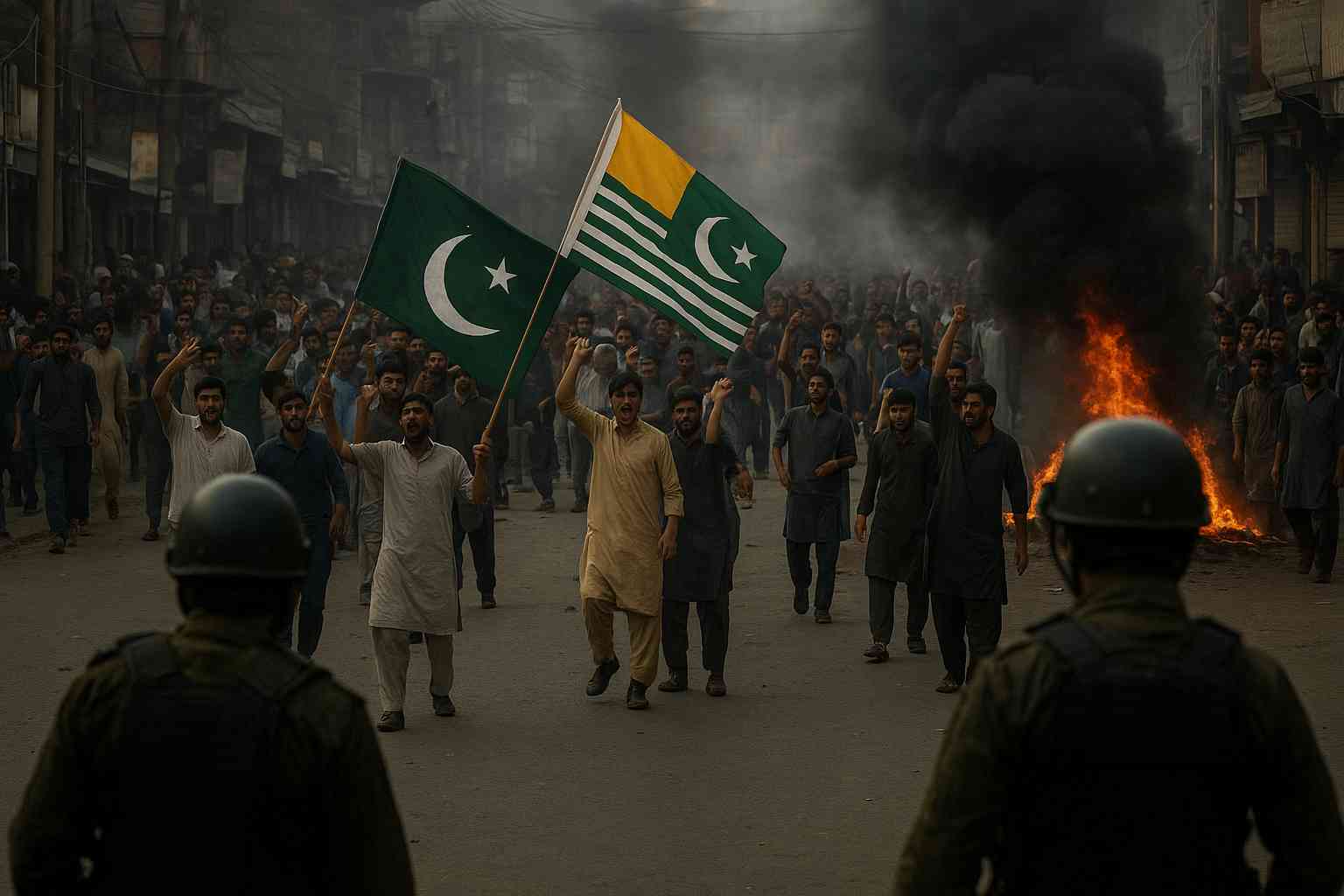
And once constitutional politics transforms into identity politics, the consequences become far more unpredictable and dangerous.
Judicialization of Power and Governor’s Rule
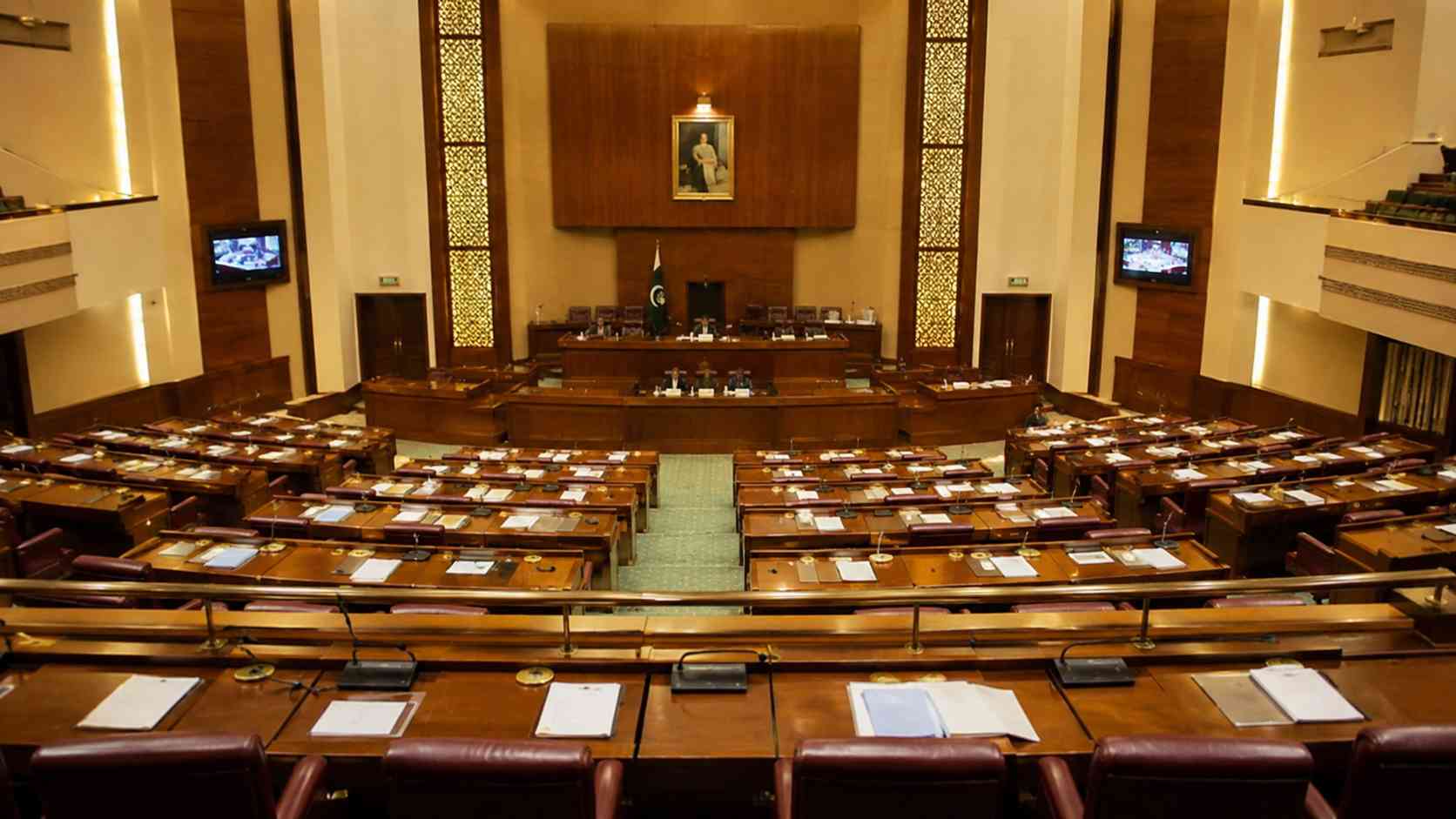
The proposed amendment package also reportedly seeks to transfer approval authority for Governor’s Rule from Parliament to a Federal Constitutional Court.
On paper, proponents may argue this is an attempt to depoliticize emergency interventions and create a more legally grounded constitutional mechanism.
In practice, however, critics see this as part of Pakistan’s growing “judicialization” of politics — a process in which unelected institutions increasingly arbitrate political disputes.
Over the last decade, courts in Pakistan have repeatedly become central players in:
- Electoral controversies
- Accountability cases
- Constitutional crises
- Executive-legislative confrontations
This proposal would deepen that trajectory by allowing emergency federal interventions to receive judicial rather than parliamentary validation.
The implications for Khyber Pakhtunkhwa are especially significant.
KPK has become one of Pakistan’s most politically volatile provinces due to:
- Rising anti-establishment sentiment
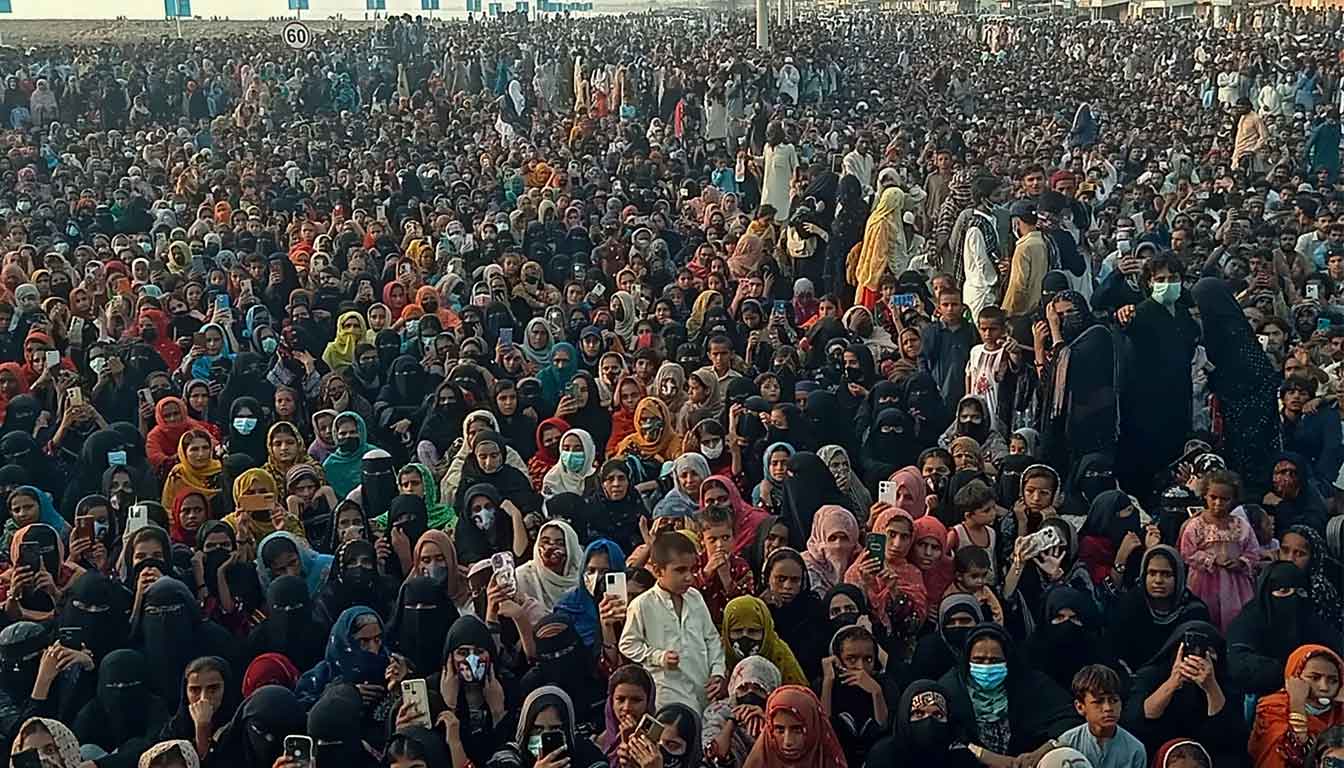
- Youth-driven mobilization
- Militant resurgence
- Tensions surrounding hybrid governance
In such an environment, critics fear that constitutional courts could become institutional tools for legitimizing federal intervention in politically hostile provinces.
Whether or not such fears are justified, the perception alone could intensify distrust toward the federation.
The Most Controversial Proposal: Raising the Voting Age
Perhaps no proposal has generated more outrage than the reported plan to increase the voting age from 18 to either 22 or 25.
Officially, supporters may justify the move by citing:
- Political maturity
- Digital misinformation
- Youth susceptibility to online radicalization
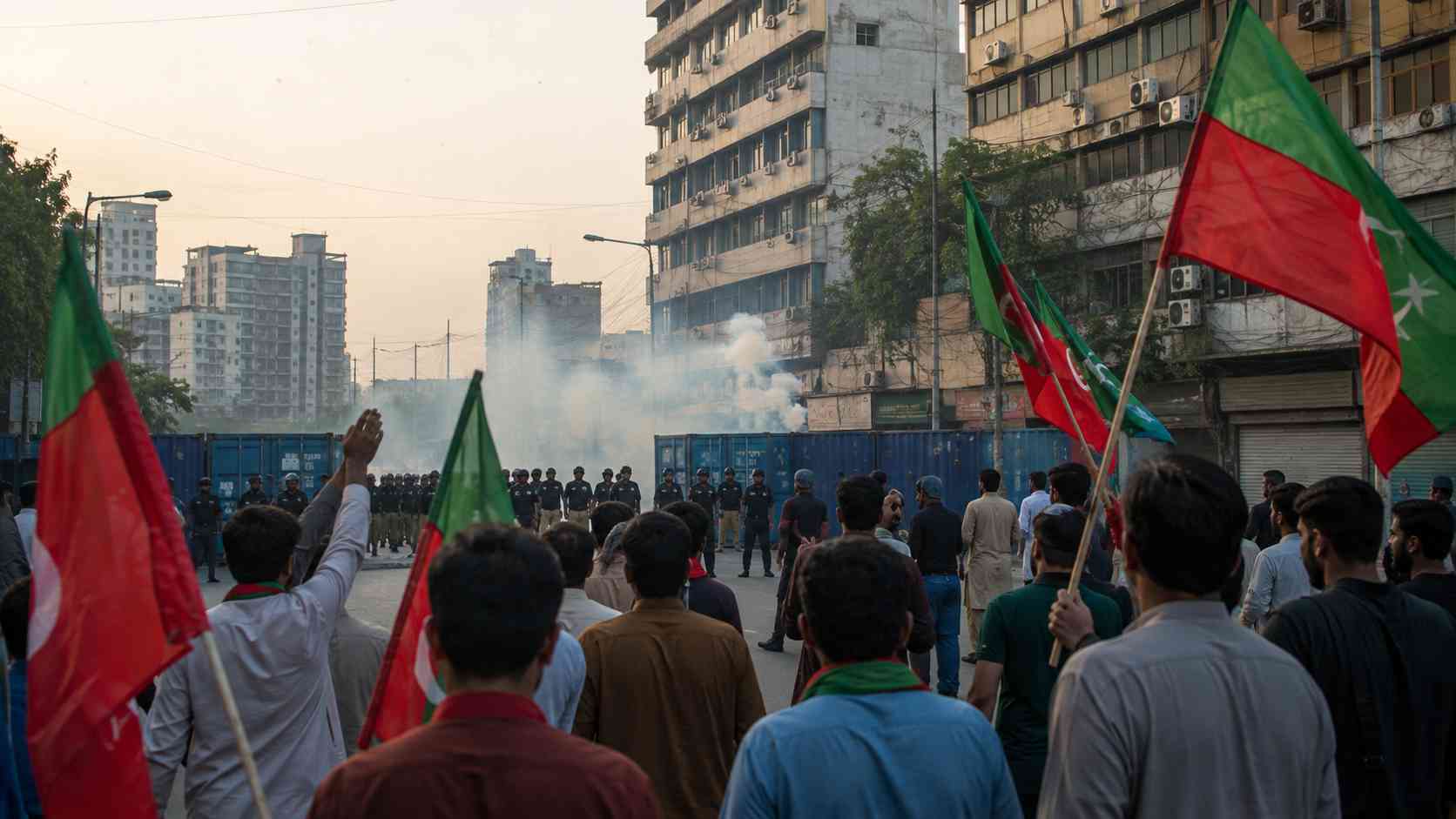
But politically, the proposal is widely likely to be viewed as an attempt to reduce the influence of Pakistan’s increasingly anti-establishment youth population.
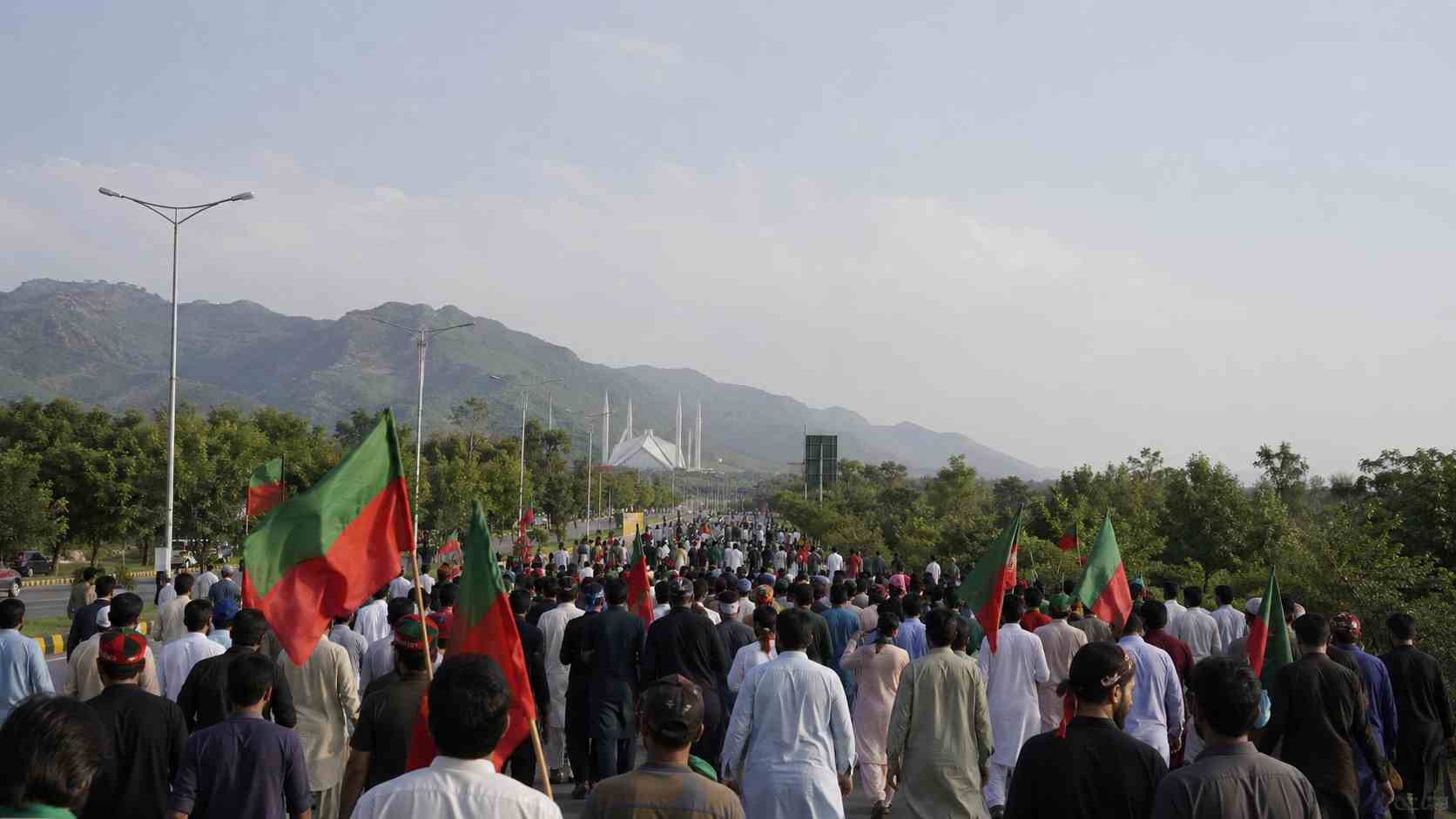
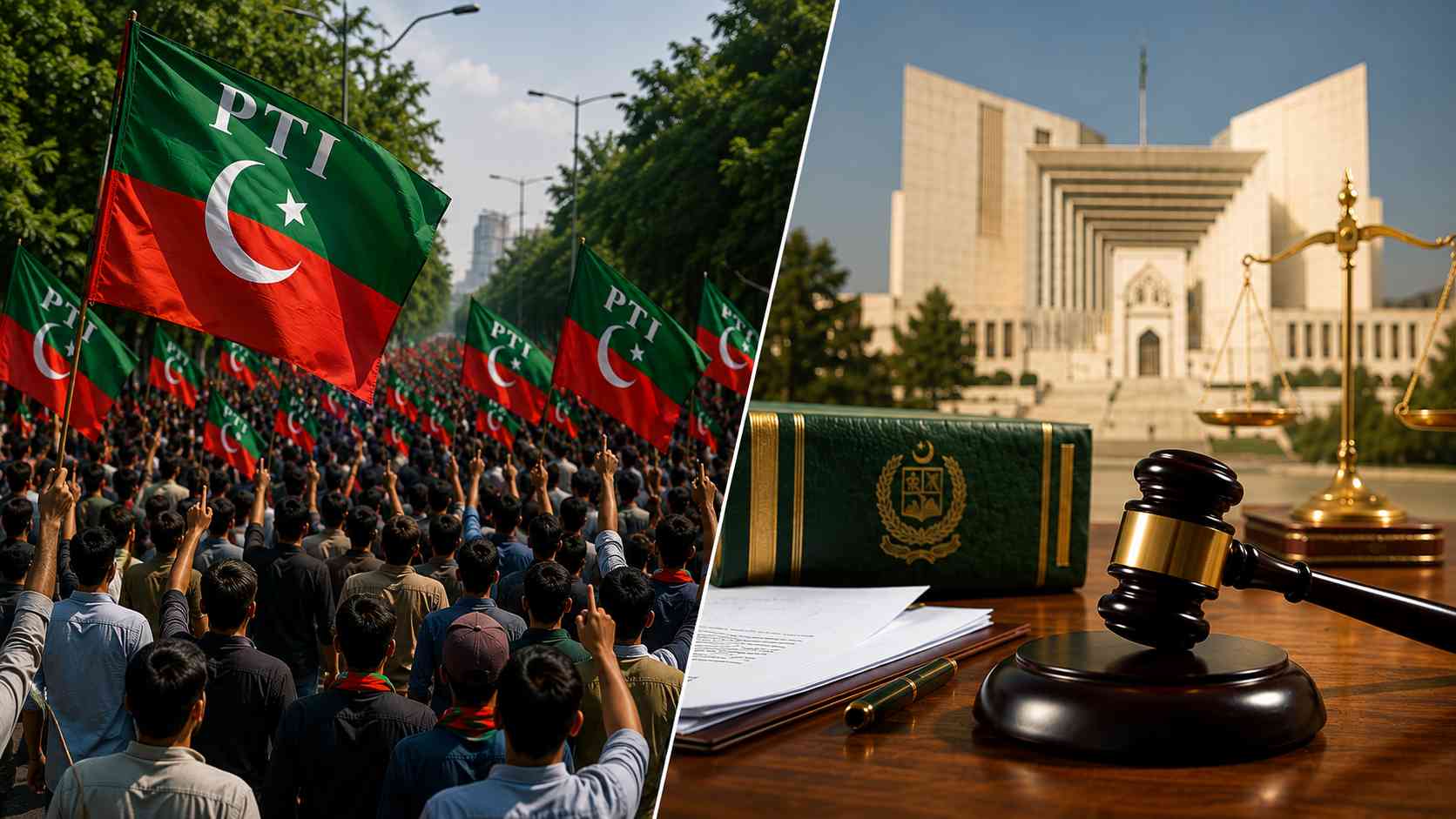
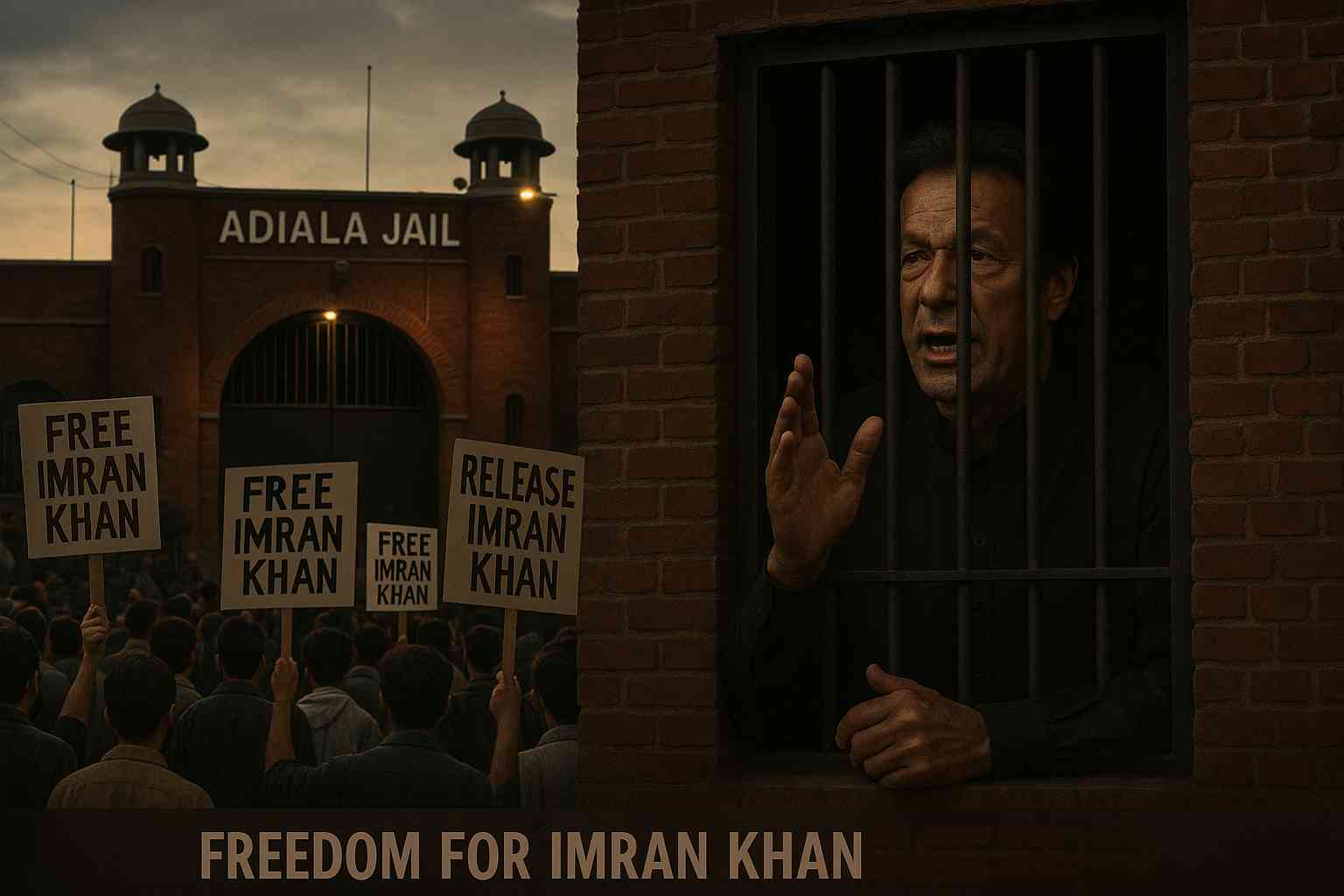
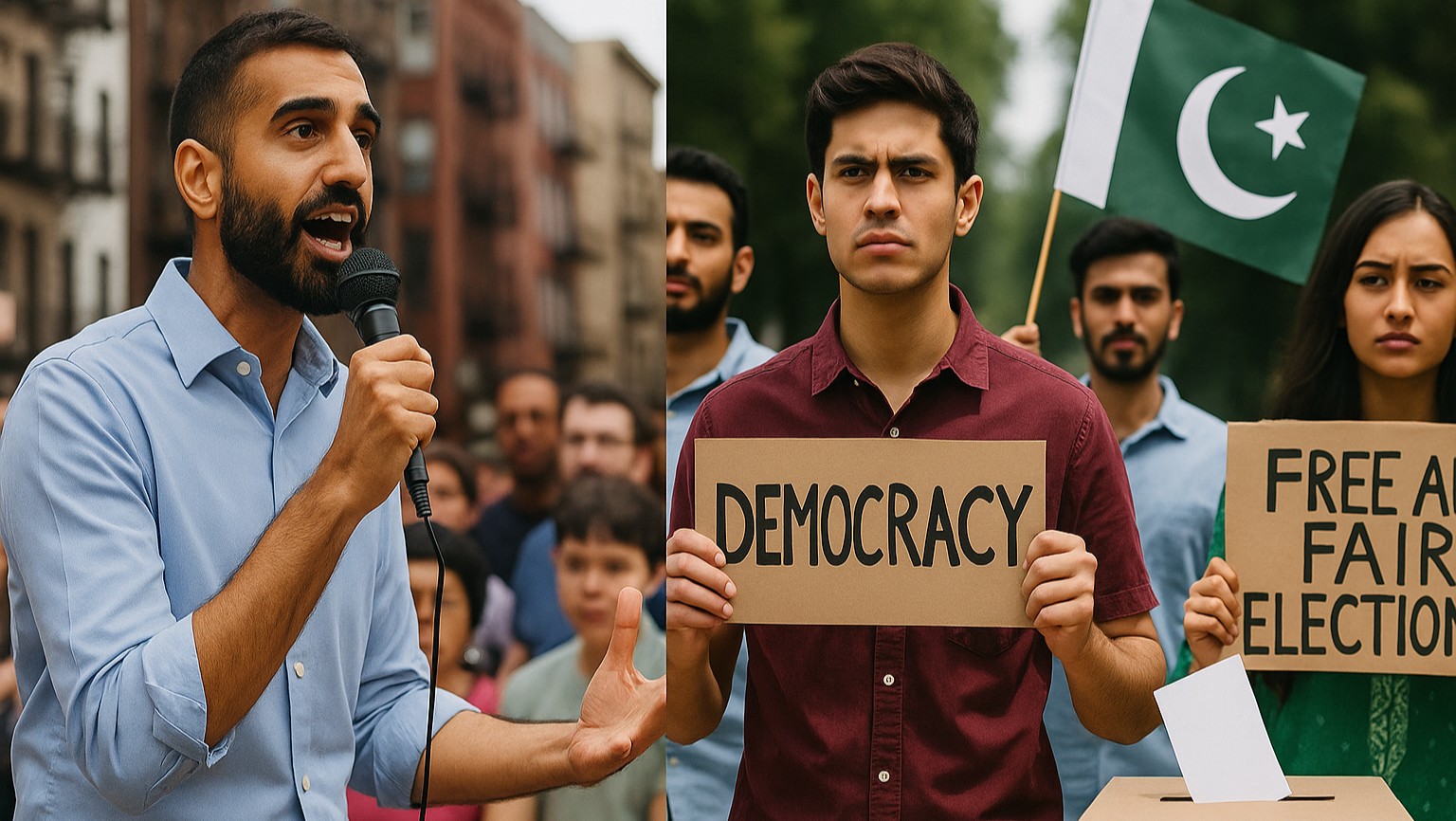
Over the past decade, young Pakistanis have transformed the country’s political landscape through digital mobilization, social media activism, and populist political engagement. This trend accelerated dramatically during and after the rise of Imran Khan and the expansion of PTI’s online ecosystem.
For the first time in Pakistan’s history, state narratives faced large-scale challenges from decentralized digital activism.
Raising the voting age in such an environment inevitably creates the impression of demographic engineering.
And because Pakistan is an overwhelmingly young country, the political costs of such a move could be enormous.
Disenfranchising millions of young voters would almost certainly trigger backlash from:
- Students
- Civil society
- Digital communities
- Opposition movements
Internationally, it could also damage Pakistan’s democratic image and invite criticism regarding political exclusion and authoritarian drift.
Federalism or Controlled Stability?
The central question raised by the proposed 28th Amendment is simple:
Can Pakistan achieve stability through greater centralization?
History offers a sobering answer.
Pakistan’s repeated cycles of constitutional instability have often emerged from attempts to impose centralized control over an ethnically, linguistically, and politically diverse federation.
While governance reform, economic discipline, and institutional efficiency are legitimate concerns, centralization alone has rarely solved Pakistan’s structural problems.
In fact, it has often intensified them.
A federation survives not through coercion, but through consent.
The more provinces feel respected, represented, and economically empowered, the stronger the federation becomes. Conversely, when political engineering, administrative control, and constitutional restructuring are perceived as tools of domination, trust erodes.
And once trust erodes, constitutional crises become national crises.
Conclusion
The proposed 28th Constitutional Amendment may ultimately be modified, diluted, or never formally introduced. Yet the debate surrounding it reveals a deeper reality about Pakistan’s current political trajectory.
The country is increasingly caught between two competing visions:
- One based on centralized control, security-led governance, and institutional management
- And another based on democratic federalism, provincial autonomy, and political inclusion
How Pakistan navigates this tension will shape not only its constitutional future, but its national cohesion.
Because history has already shown that when federations stop listening to their peripheries, they eventually begin to fracture.
And in today’s hyper-connected, economically fragile, politically polarized Pakistan, the consequences of constitutional overreach may be far more dangerous than many realize.
Adil Raja is a retired major of the Pakistan Army, freelance investigative journalist, and dissident based in London, United Kingdom. He is the host of “Soldier Speaks Reloaded,” an independent commentary platform focused on South Asian politics and security affairs. Adil is also a member of the National Union of Journalists (UK) and the International Human Rights Foundation. Read more about Adil Raja.. Read more about Adil Raja.





































































































































































1 Comment