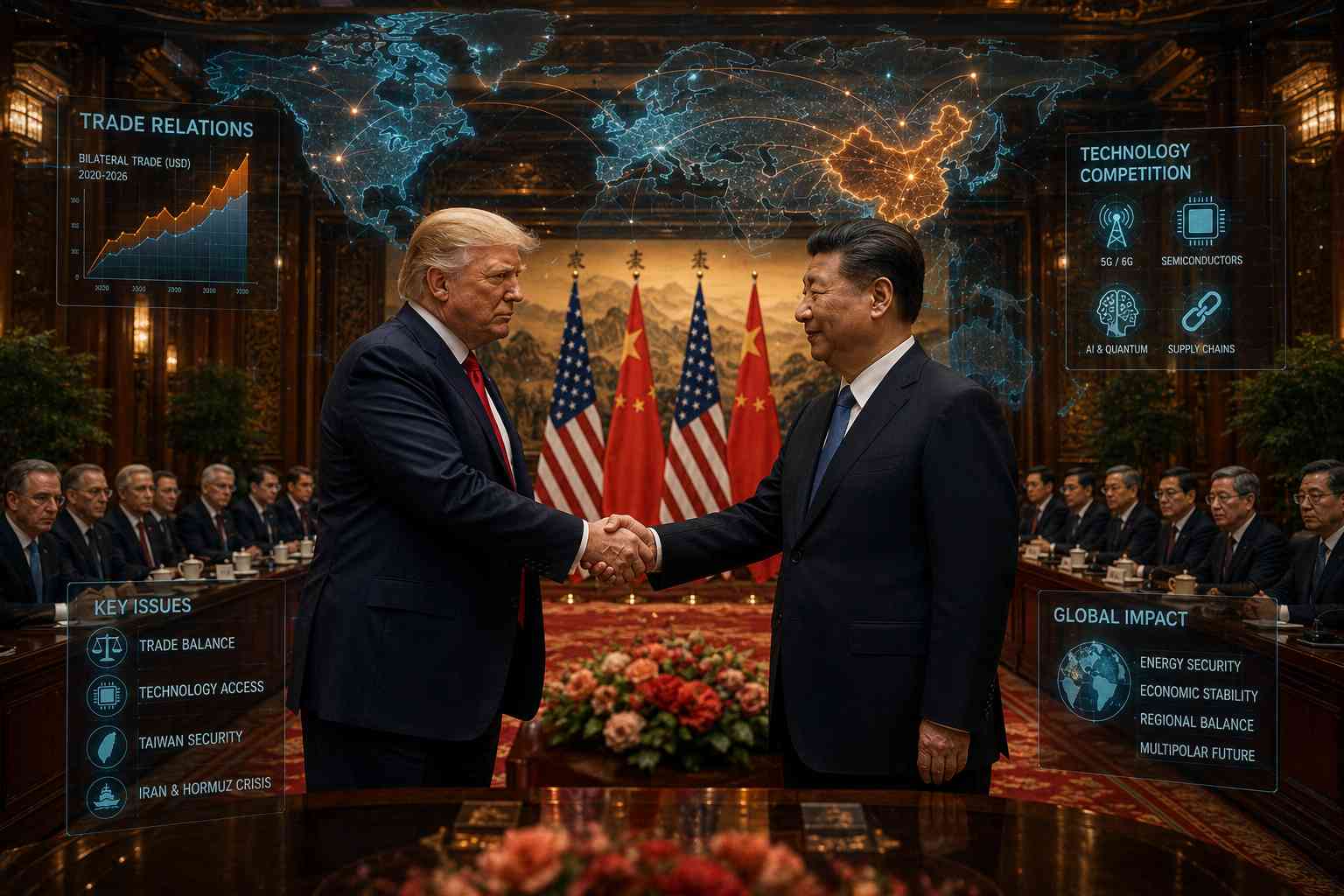
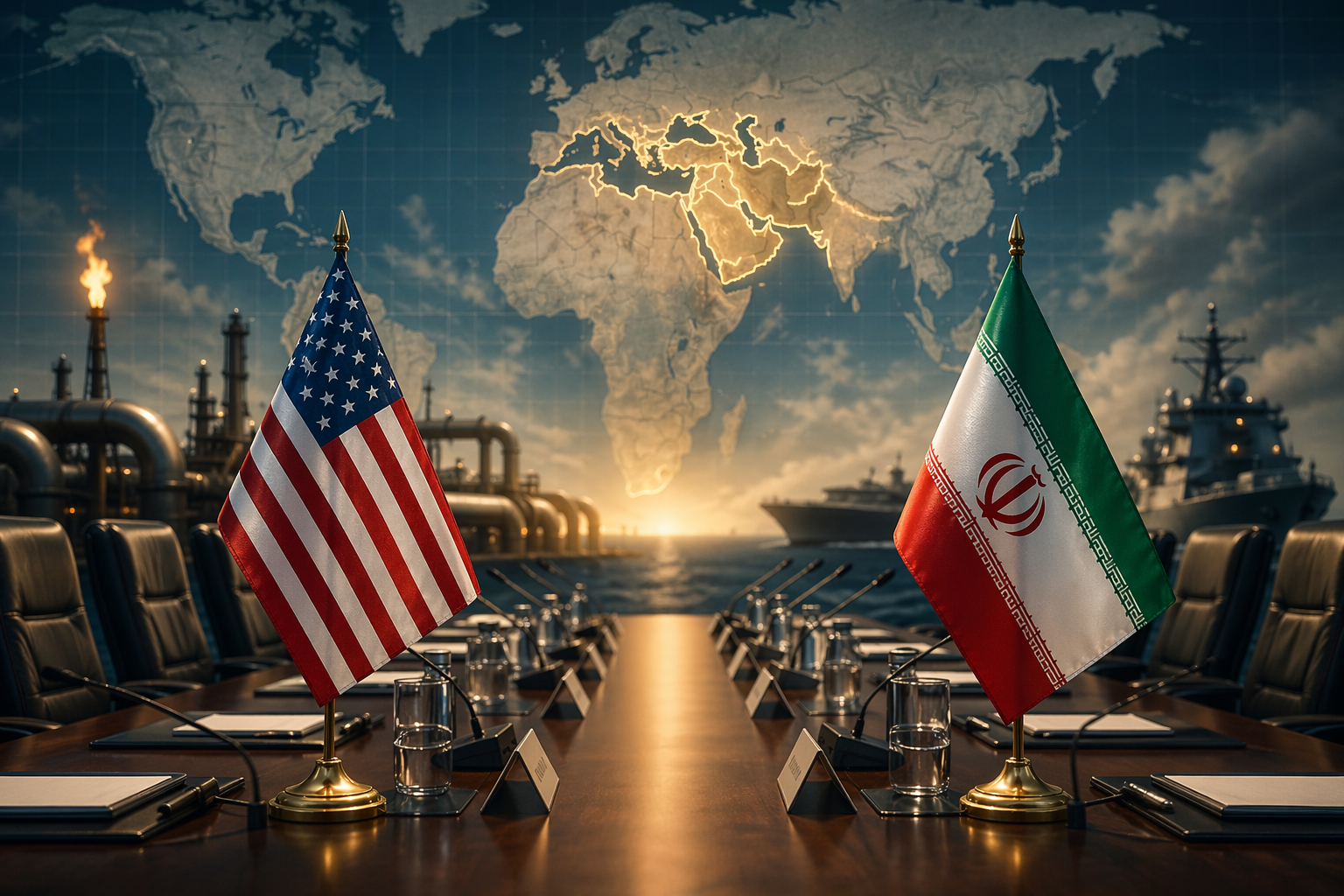
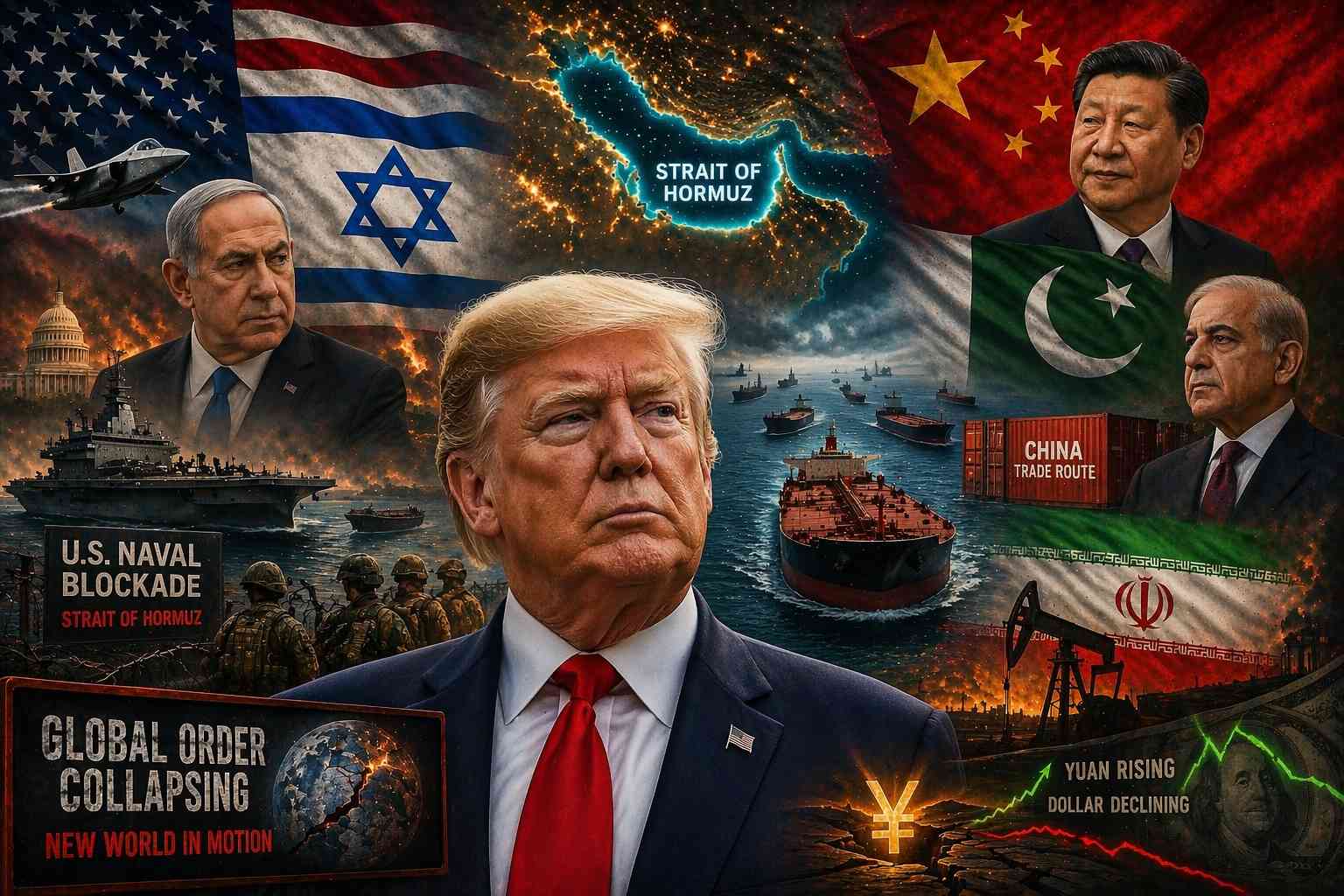
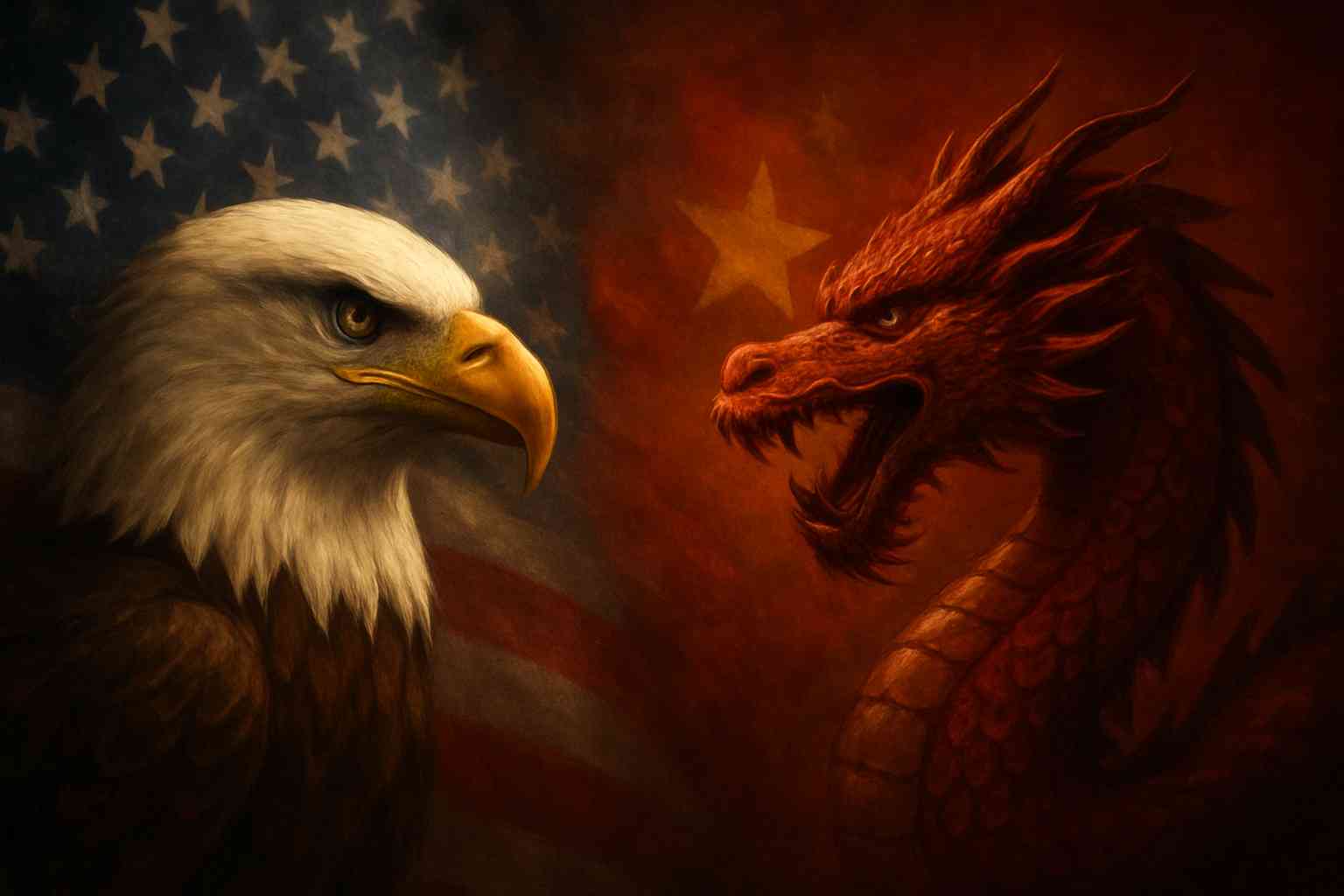
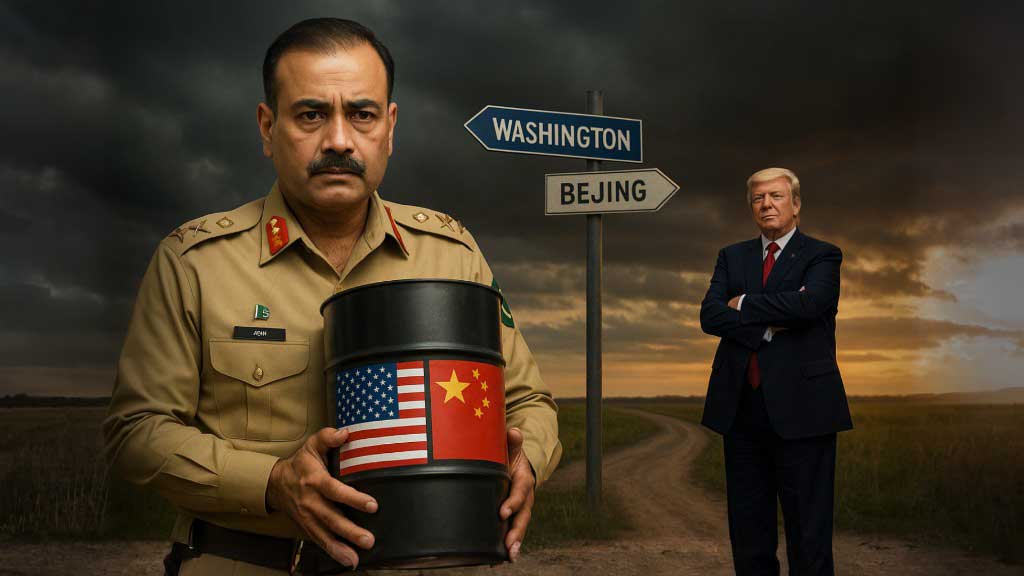
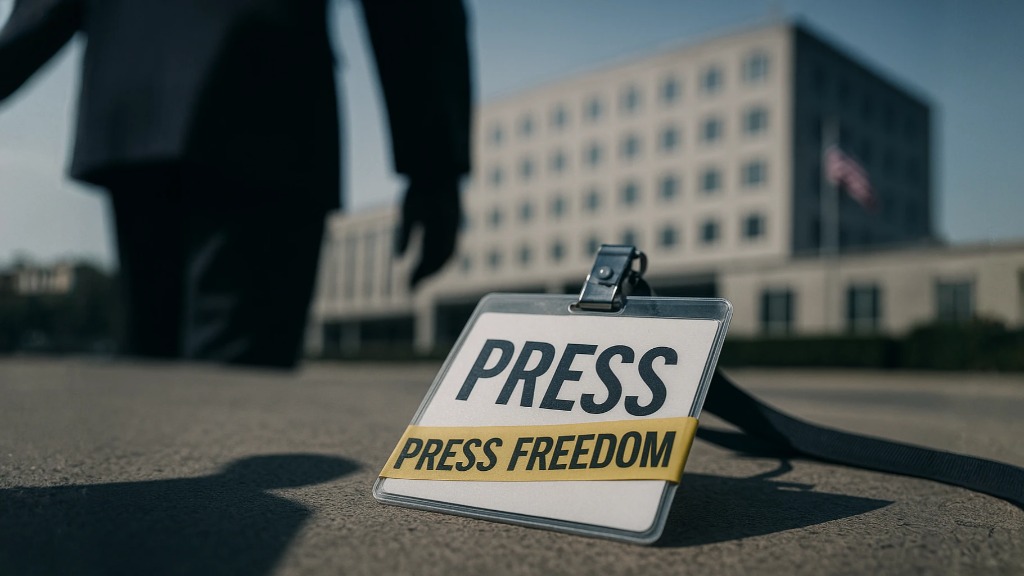
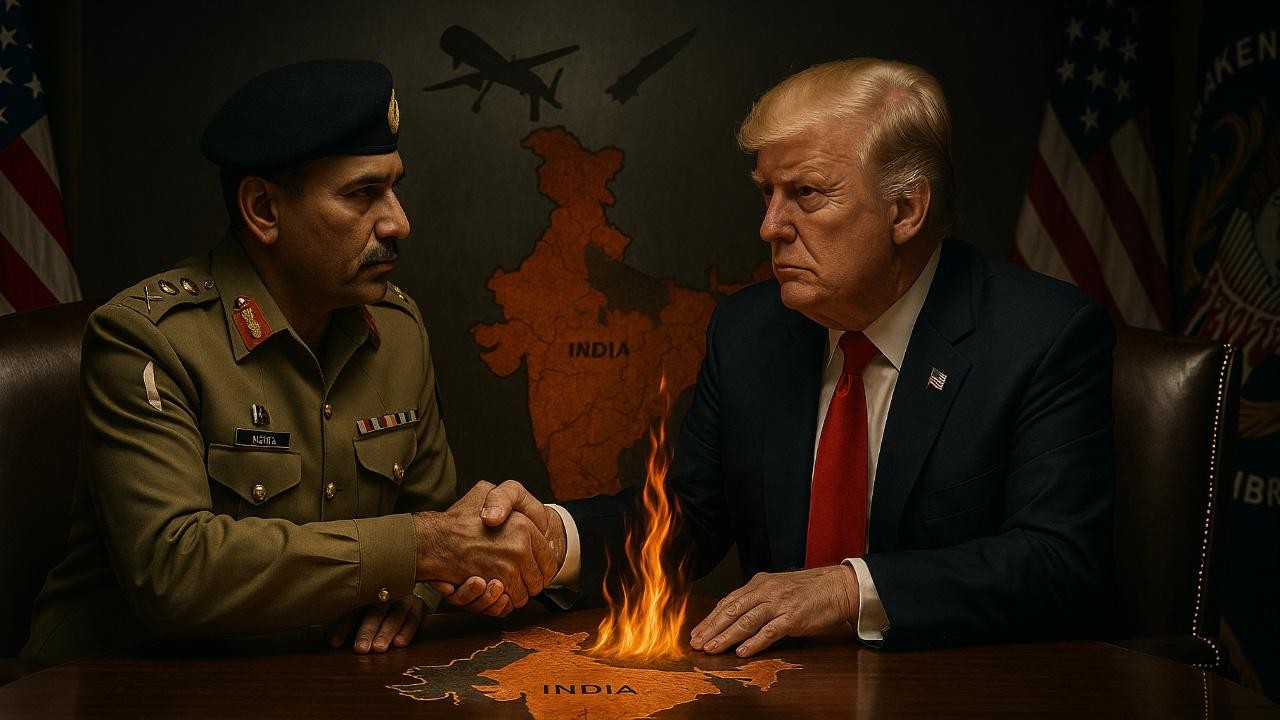
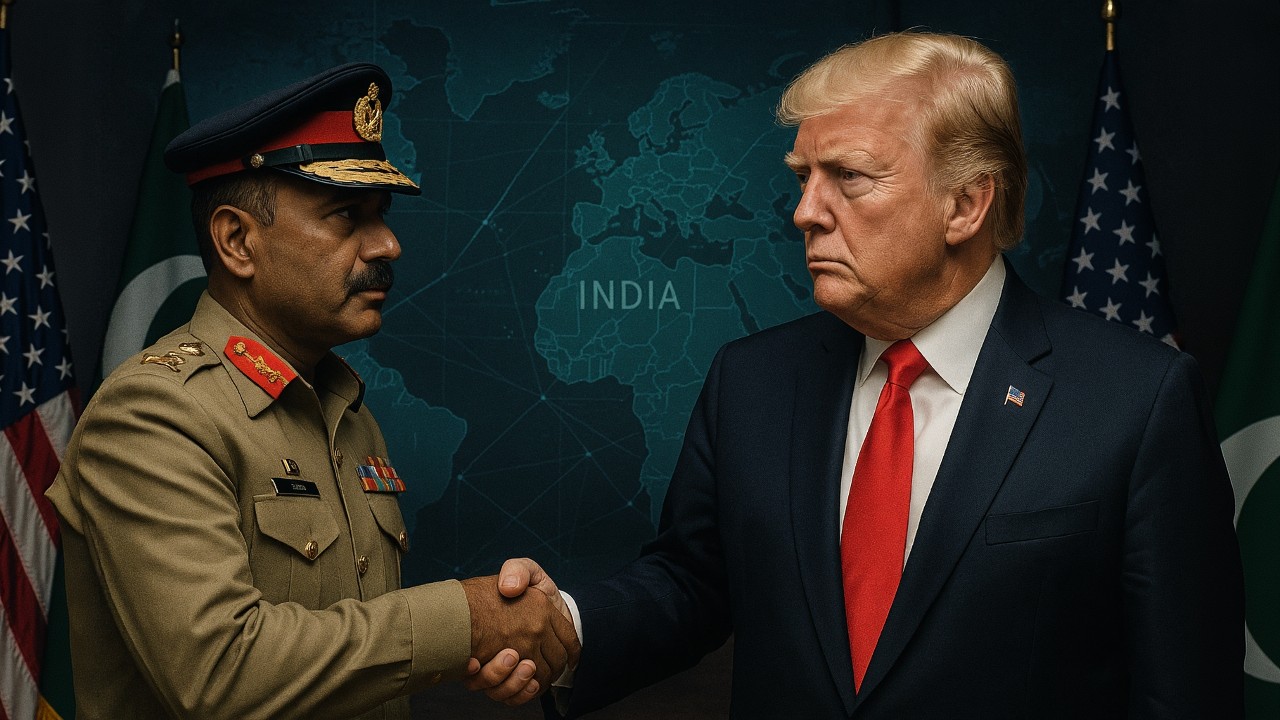
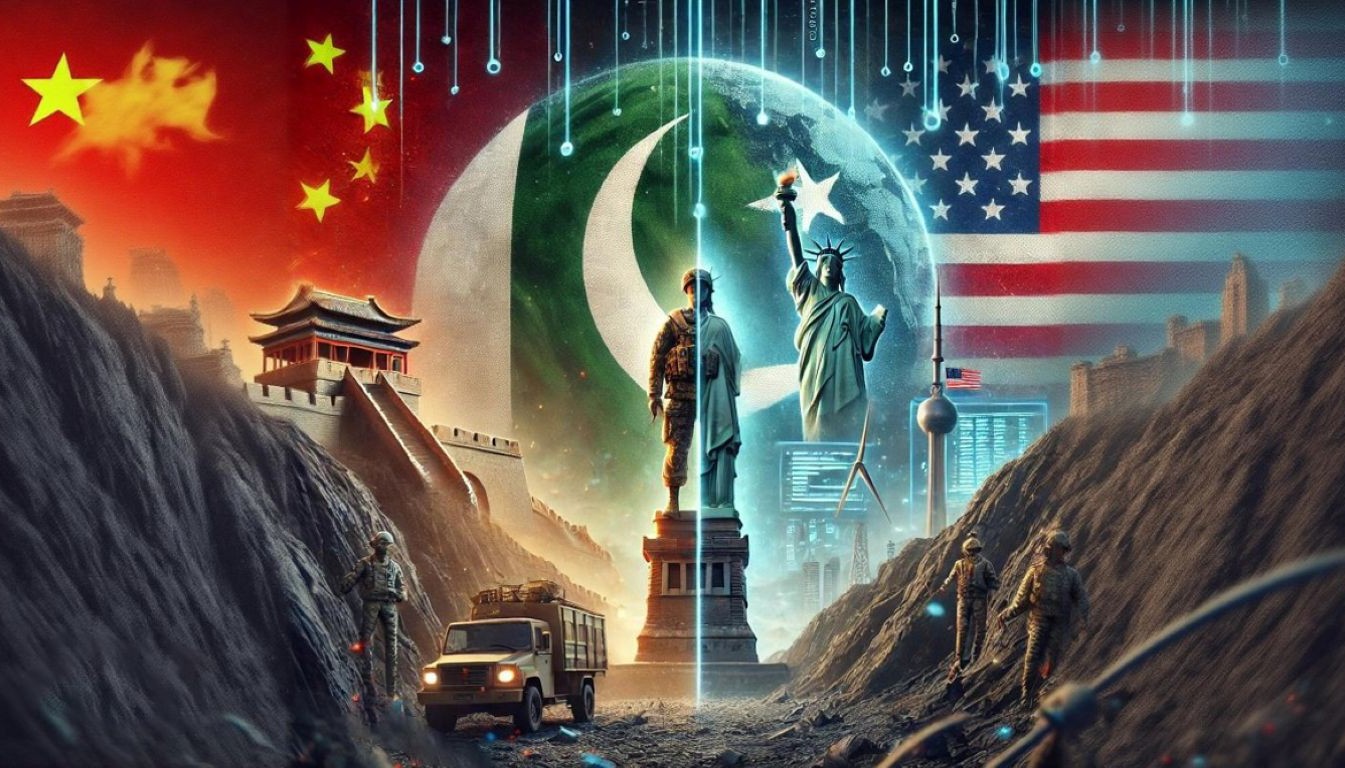
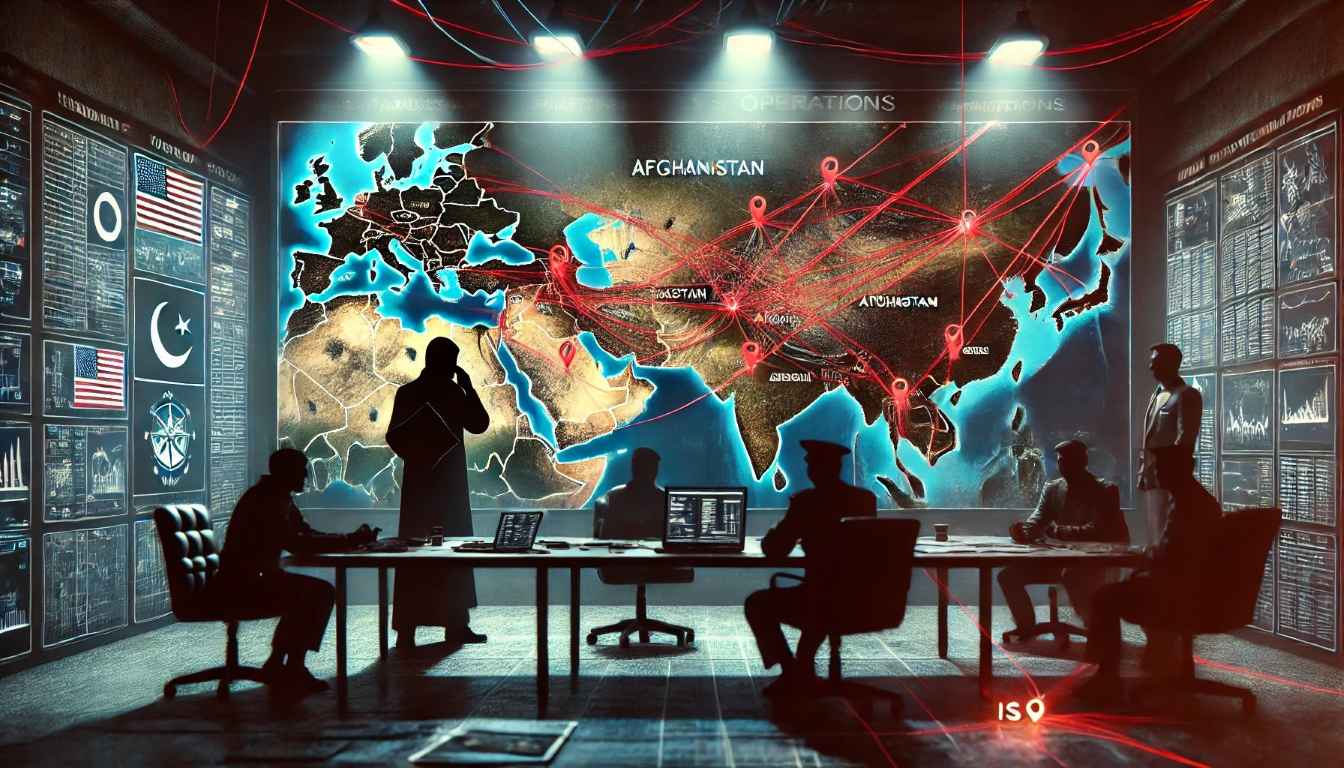
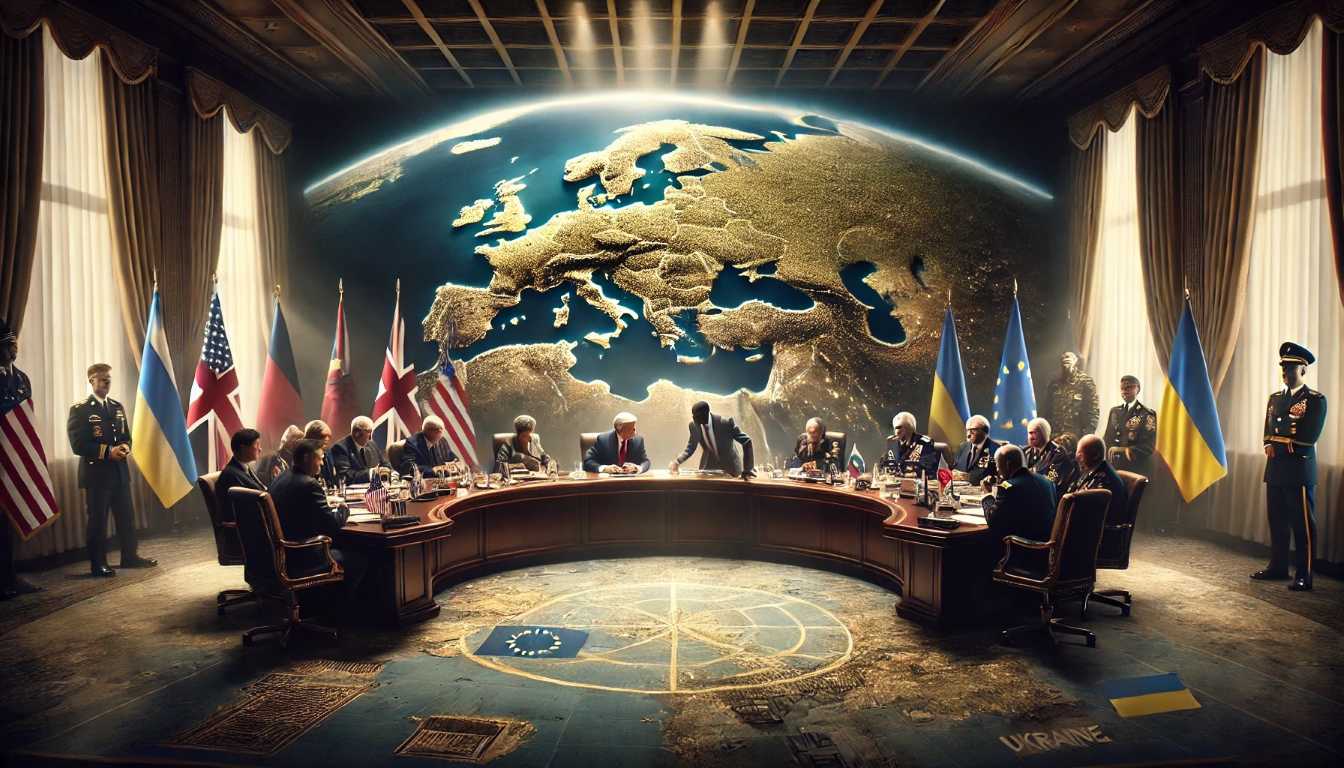
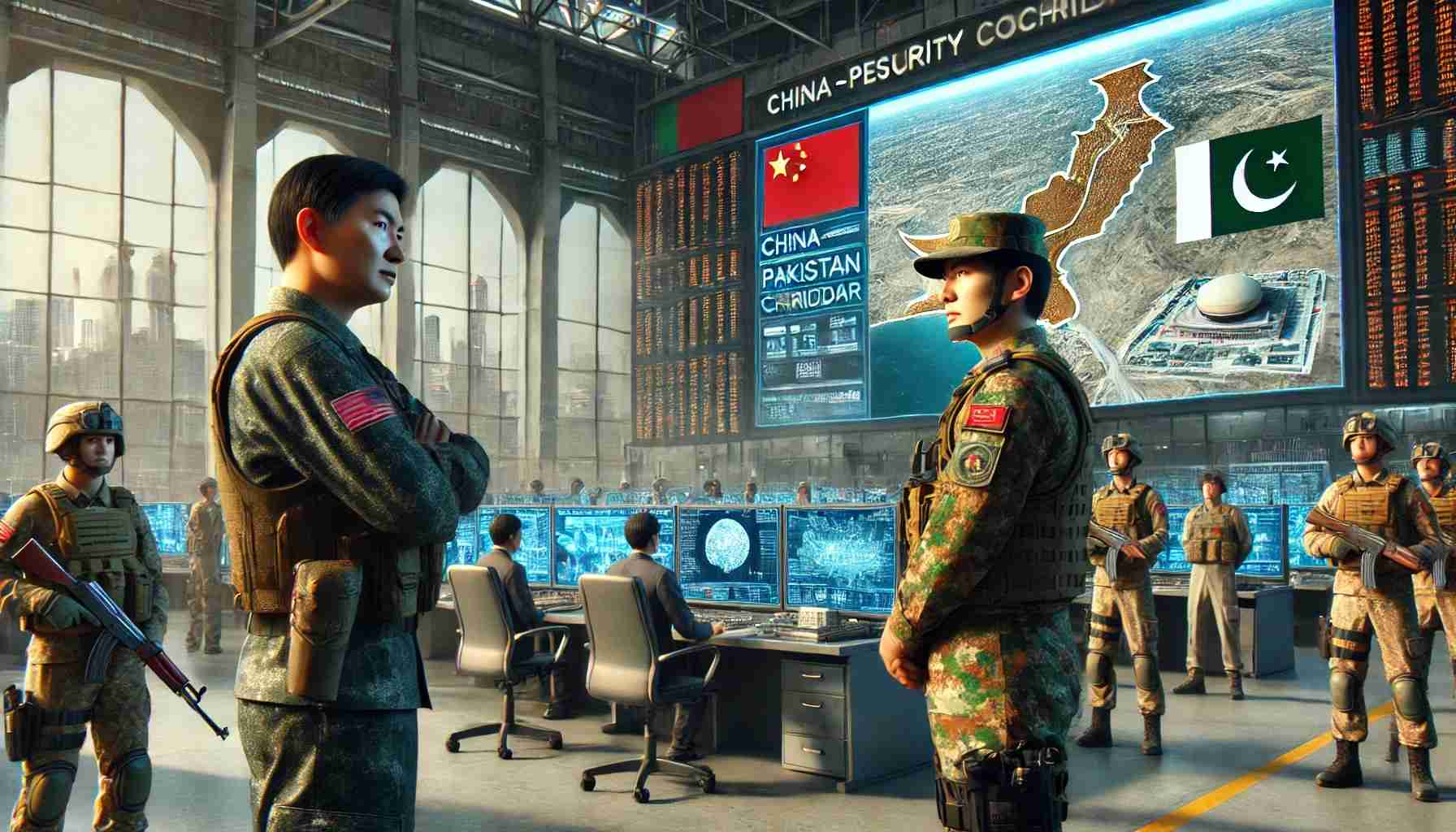
The emerging debate around Trump China surrender analysis reflects a larger shift in global power dynamics. Donald Trump’s recent visit to Beijing was initially presented as a high-stakes diplomatic mission focused on trade, technology, Taiwan, and the Iran crisis. However, the political and media reaction in the United States increasingly suggests that China may have gained the strategic upper hand.
More importantly, the visit appears to have exposed the limits of Washington’s confrontational approach toward Beijing.
A Visit With Unclear Results
Despite extensive preparation and political anticipation, the outcome of Trump’s China visit remains difficult to define.
According to multiple American analyses referenced during the discussion, there is still no clear understanding of what concrete concessions the United States actually secured from Beijing.
The trip focused on four major issues:
- Trade relations
- Technology competition
- Taiwan and regional security
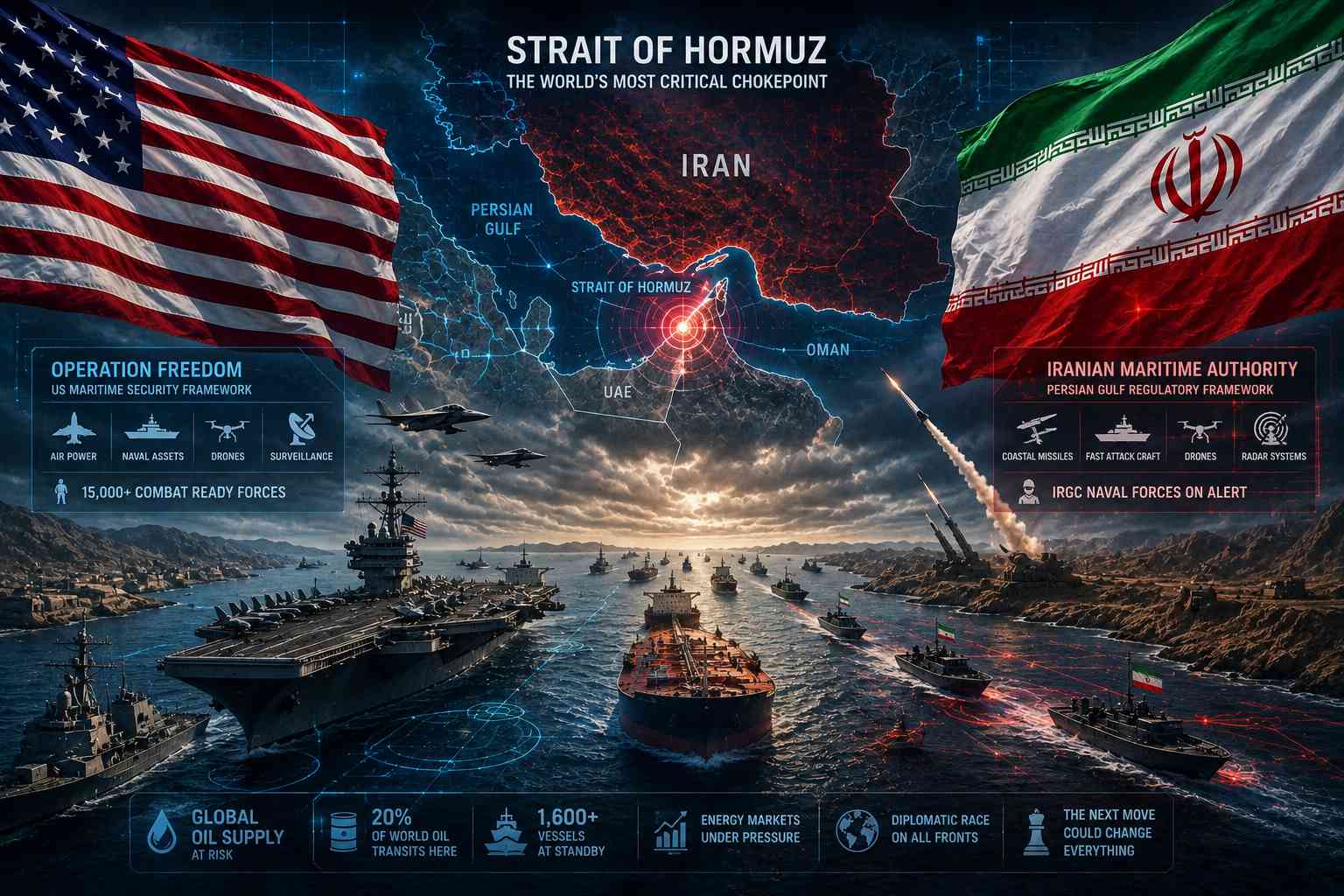
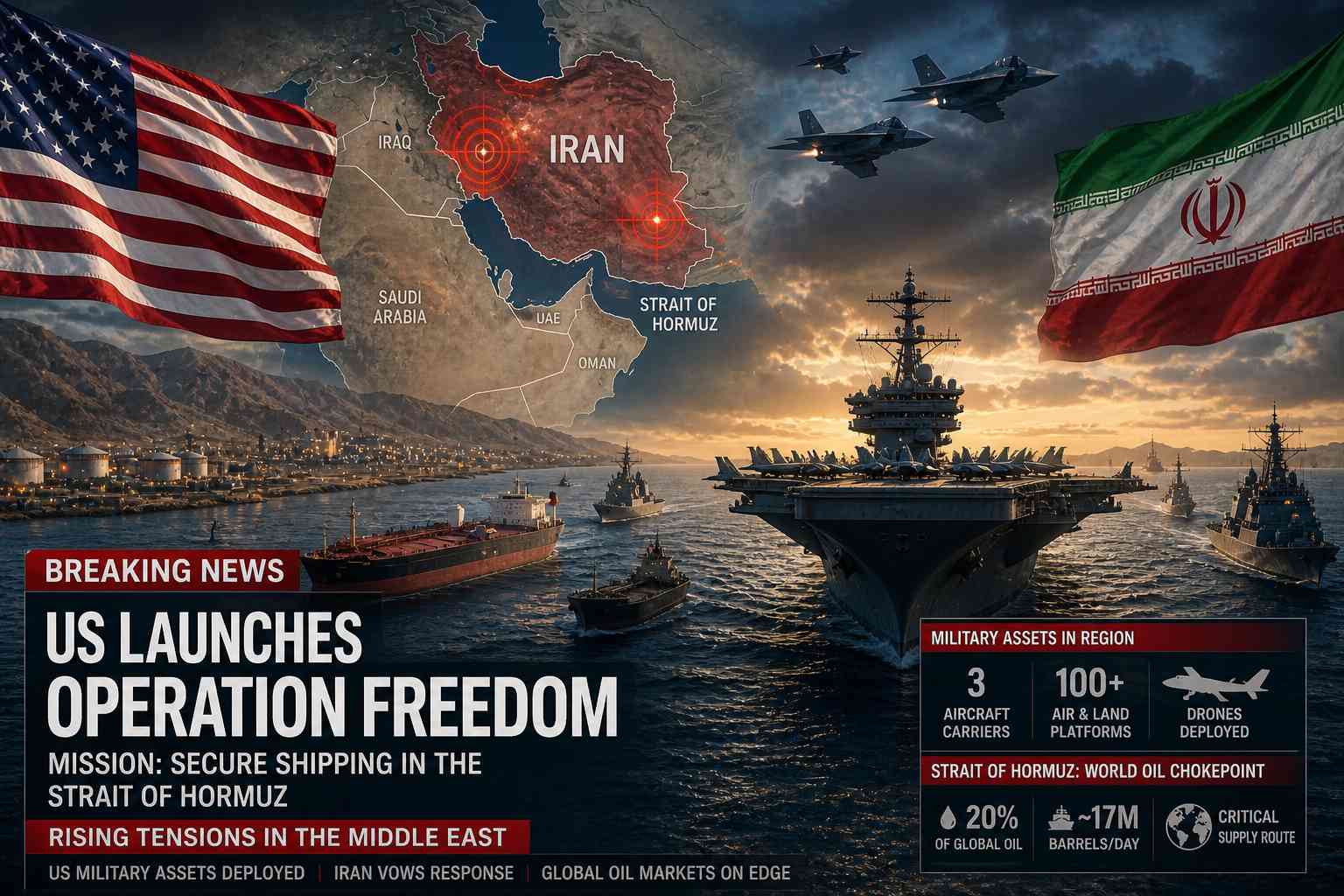
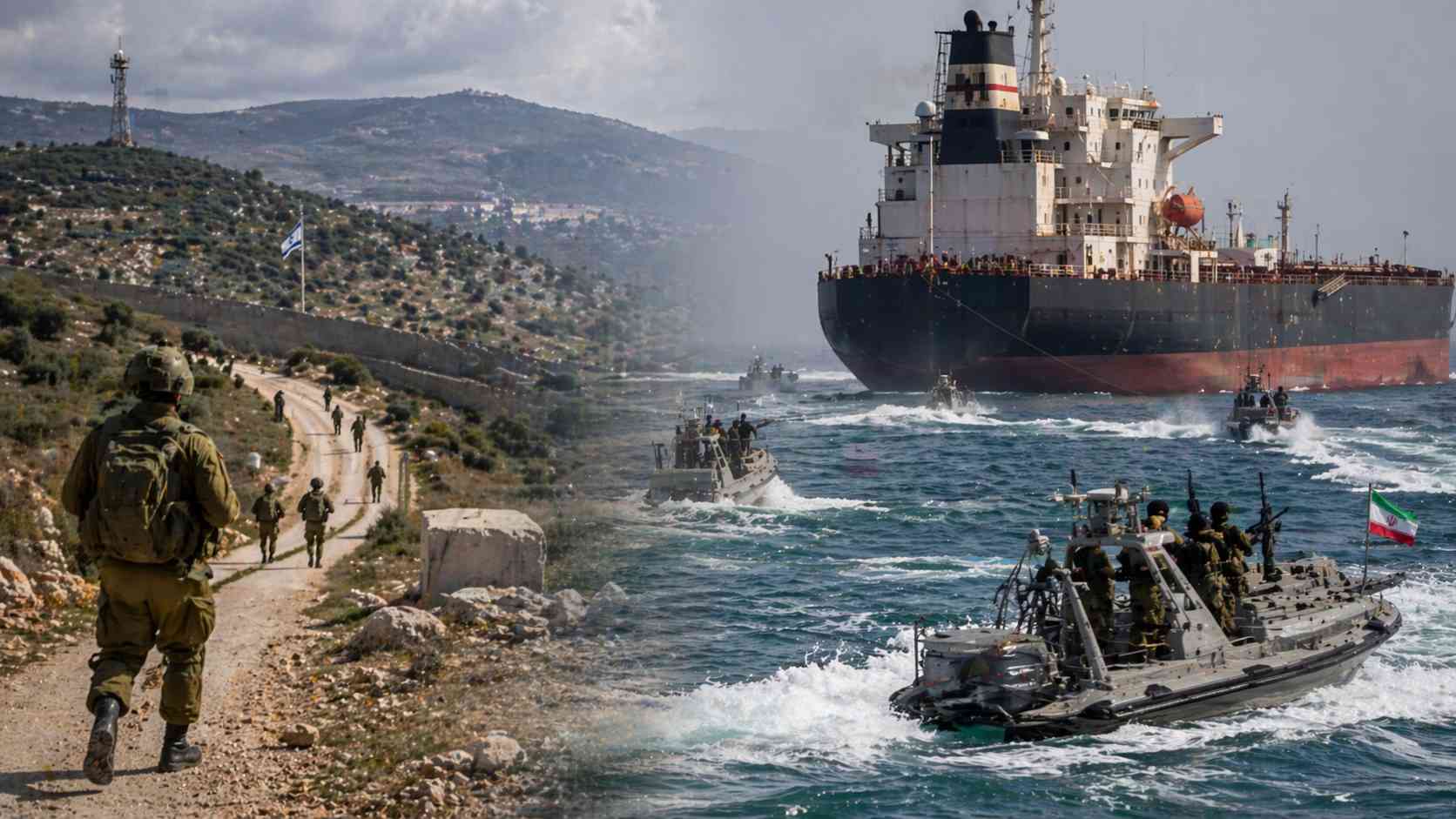
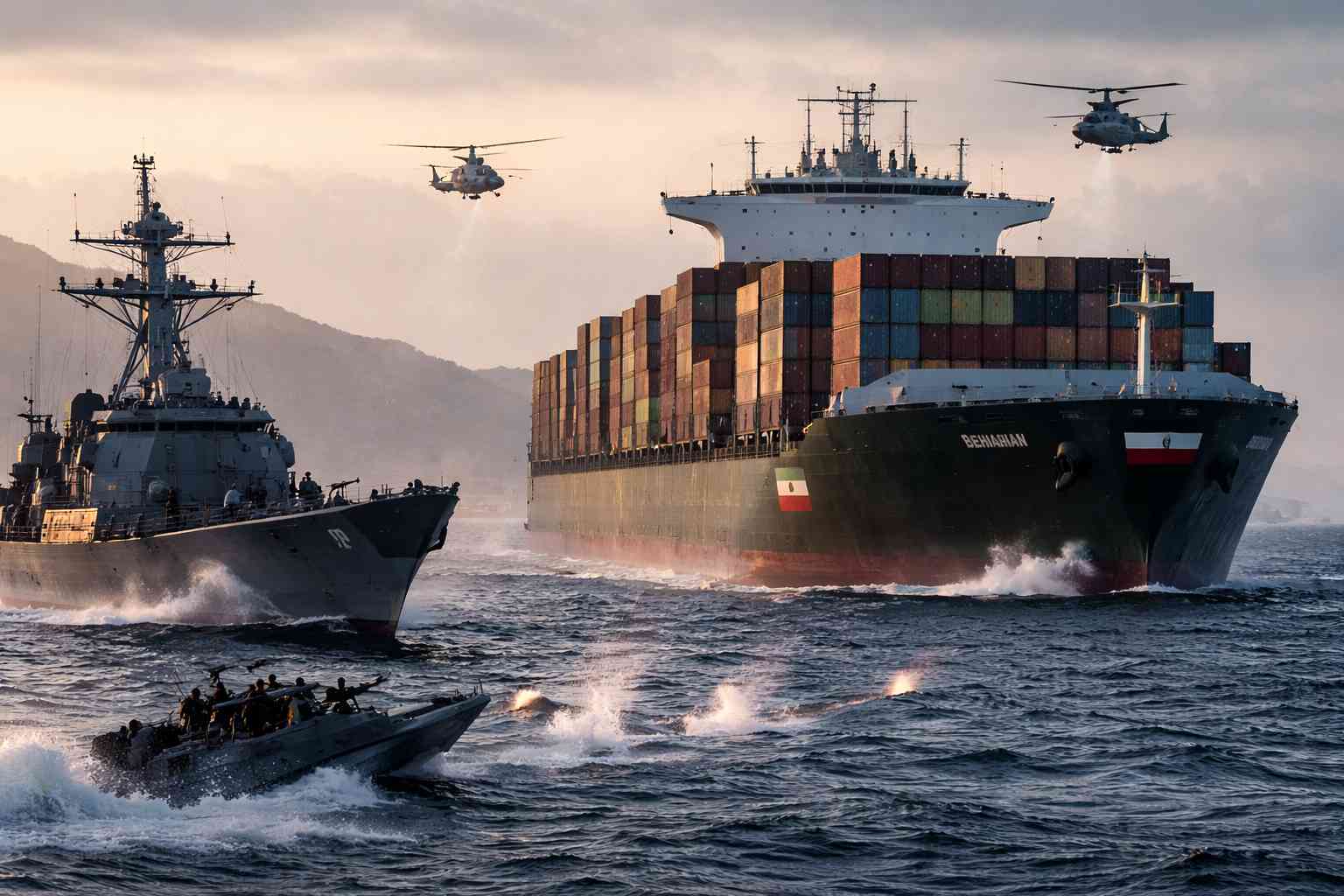
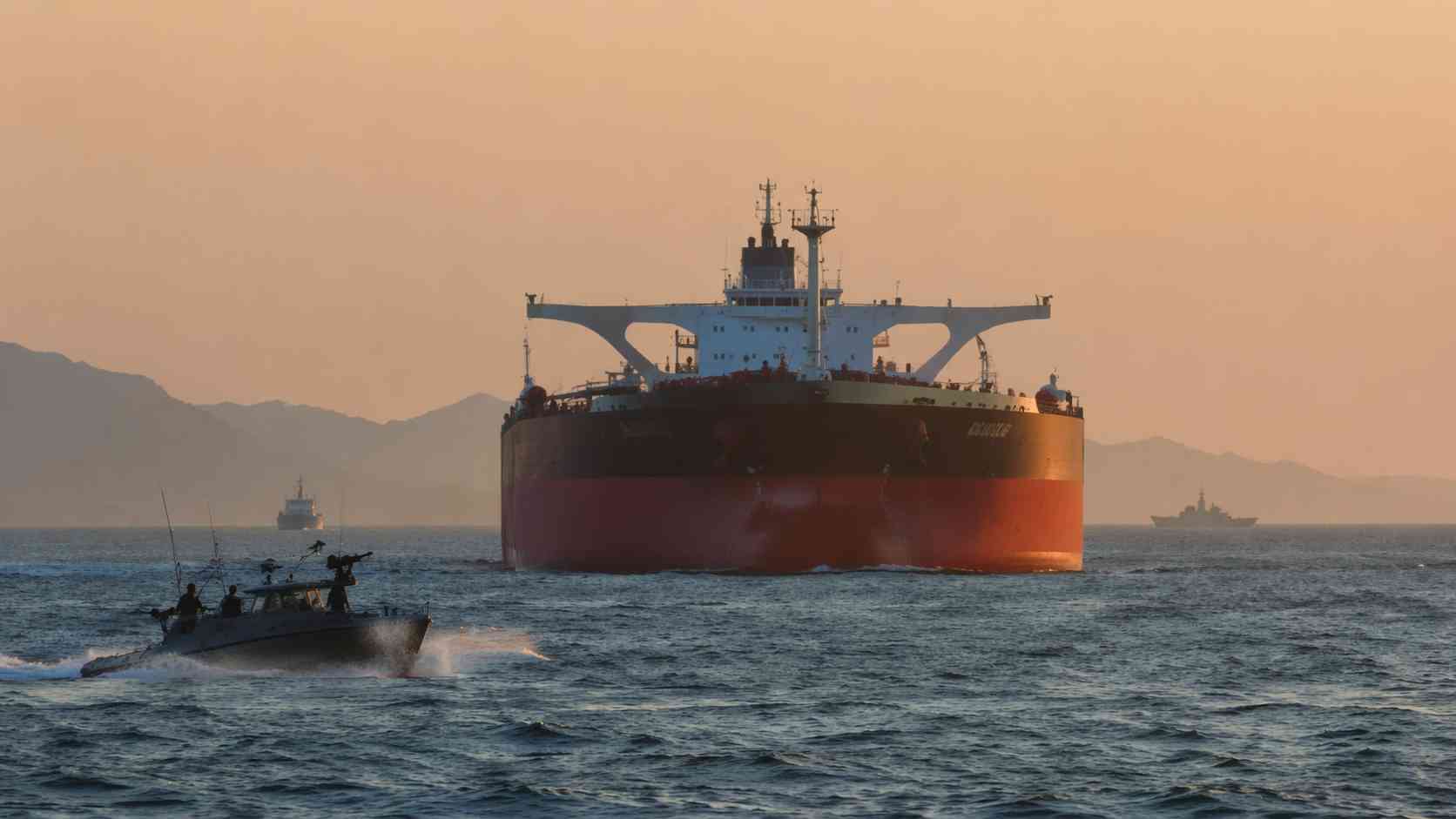
- The Iran crisis and Strait of Hormuz tensions
Yet no major breakthrough was publicly announced on any of these fronts.
This ambiguity has become central to the broader Trump China surrender analysis now emerging in American media discourse.
China Refused to Yield During the Trade War
A major theme in the analysis is that China was the only major power that openly resisted Trump’s trade pressure strategy.
While several US allies eventually adjusted their positions under economic pressure, Beijing responded with countermeasures, restrictions, and strategic leverage of its own.
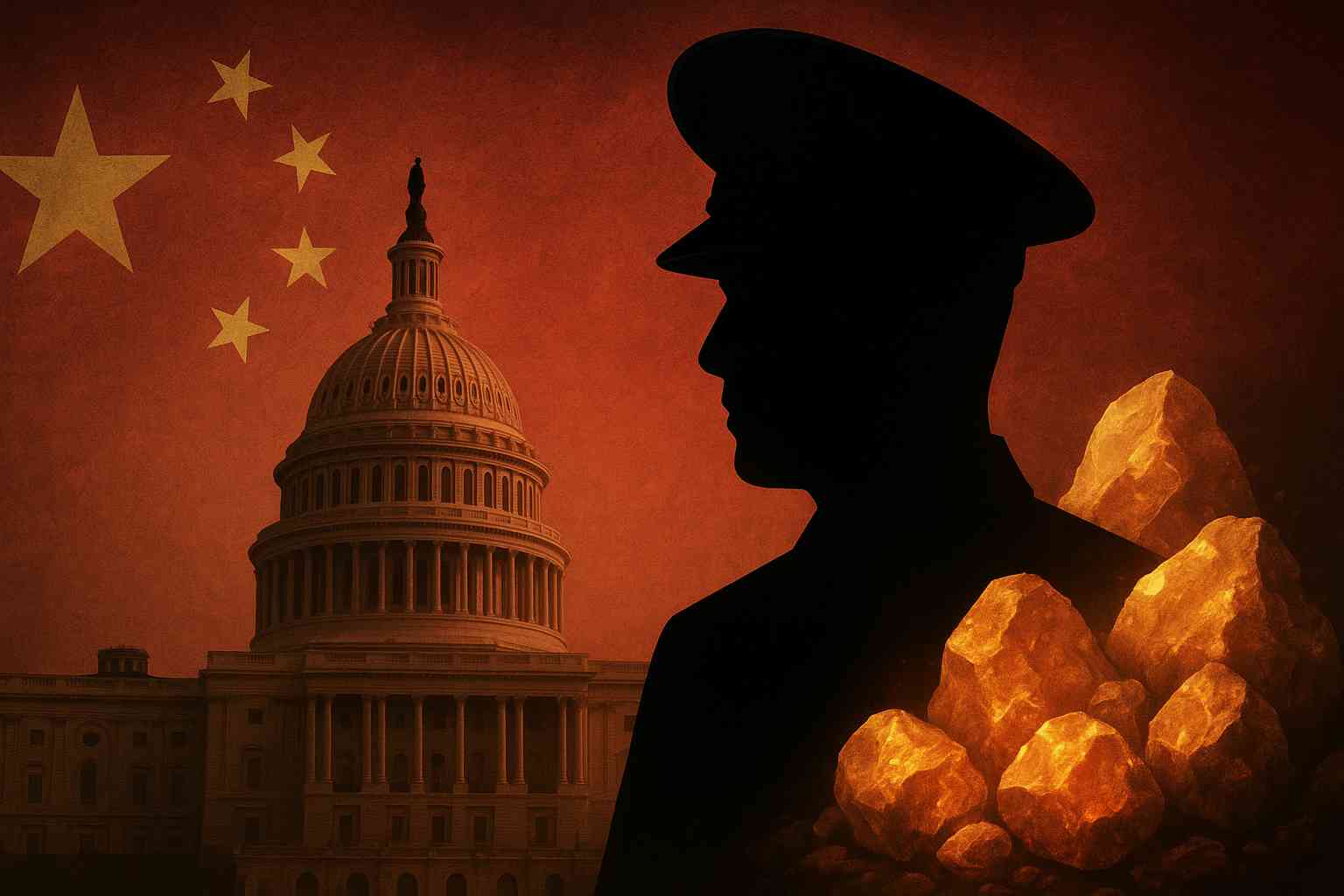
One of the most significant factors was China’s control over rare earth supply chains, which remain critical for advanced manufacturing and military technology.
According to the interpretation presented in the vlog, this confrontation forced Washington to recognize the limits of economic coercion against a structurally powerful rival.
A Change in Trump’s Tone
Perhaps the clearest sign of this shift was Trump’s own rhetoric during and after the visit.
For years, Trump framed China as:
- America’s primary economic threat
- A strategic adversary
- A state responsible for weakening US industry
But recent statements suggest a noticeably softer approach. Instead of confrontation, Trump increasingly emphasized business cooperation and economic partnership.
This change is why many commentators now frame the situation as a Trump China surrender analysis, arguing that Washington moved from aggressive containment toward pragmatic accommodation.
Xi Jinping’s Diplomatic Strategy
Chinese President Xi Jinping’s personal handling of the visit also attracted attention.
Unlike previous diplomatic formats, Xi reportedly remained alongside Trump throughout much of the visit, including tours of symbolic historical and political sites.
This was interpreted by analysts as a carefully designed diplomatic performance:
- Projecting Chinese confidence
- Demonstrating respect without submission
- Managing Trump’s preference for personal political engagement
The symbolism mattered because diplomacy between great powers increasingly involves image management alongside policy negotiation.
Taiwan Was Largely Avoided
Another striking detail was the apparent absence of strong public discussion regarding Taiwan.
According to referenced reporting, Trump did not aggressively raise Taiwan-related concerns during the summit despite previous American warnings about China’s military posture in the Pacific.
This matters because Taiwan remains one of the central flashpoints in US-China relations.
American strategic documents continue to describe China as seeking:
- Greater control over the Western Pacific
- Expanded influence in the South China Sea
- Increased cyber capabilities against US systems
Yet the summit appeared to prioritize stabilization over confrontation.
Iran and the Limits of American Leverage
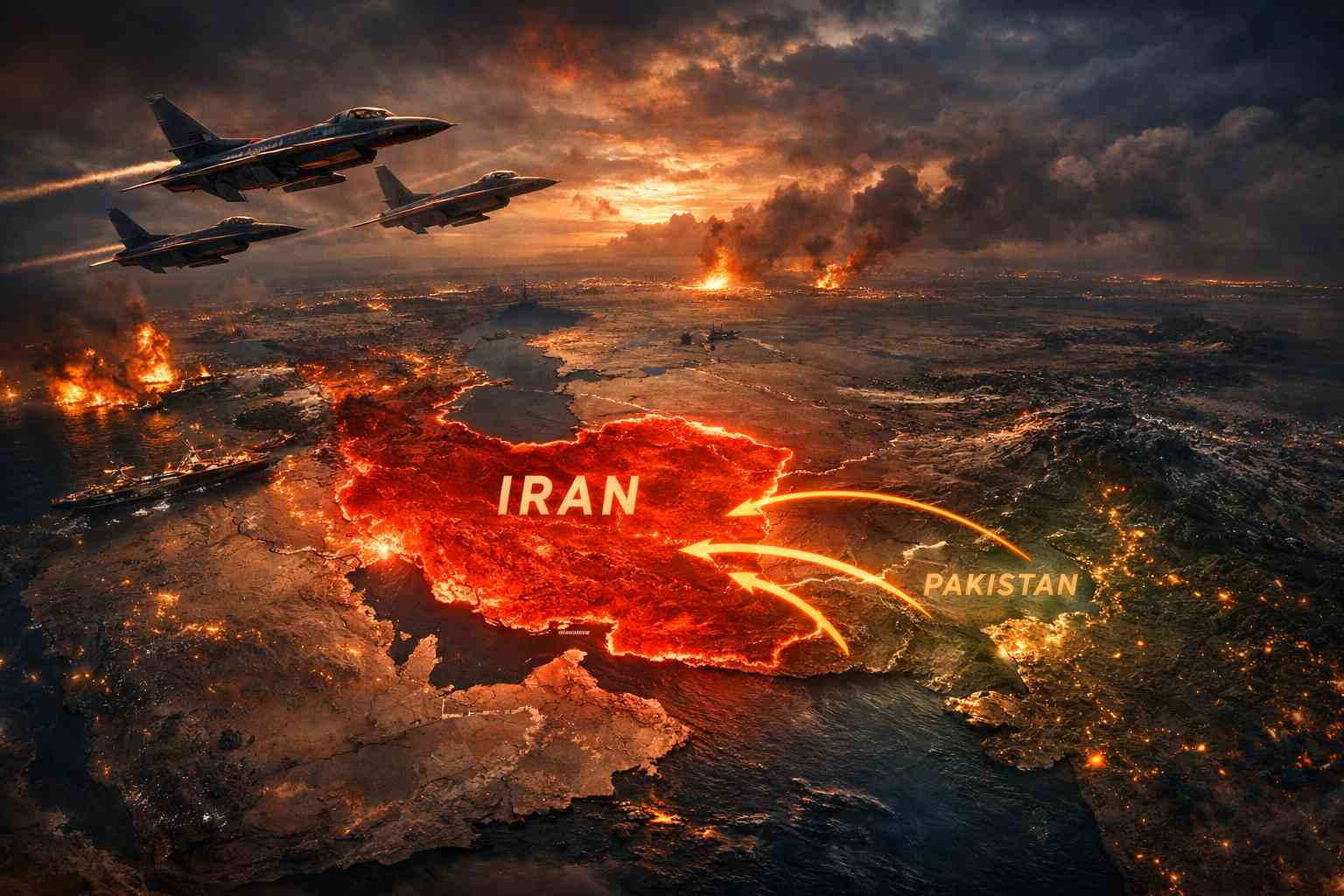
The Iran issue also highlighted China’s growing influence.
Washington reportedly hoped Beijing would pressure Tehran regarding the Strait of Hormuz and regional shipping tensions. However, China avoided direct alignment with the American position.
Instead, Chinese officials described the war itself as unnecessary and destabilizing.
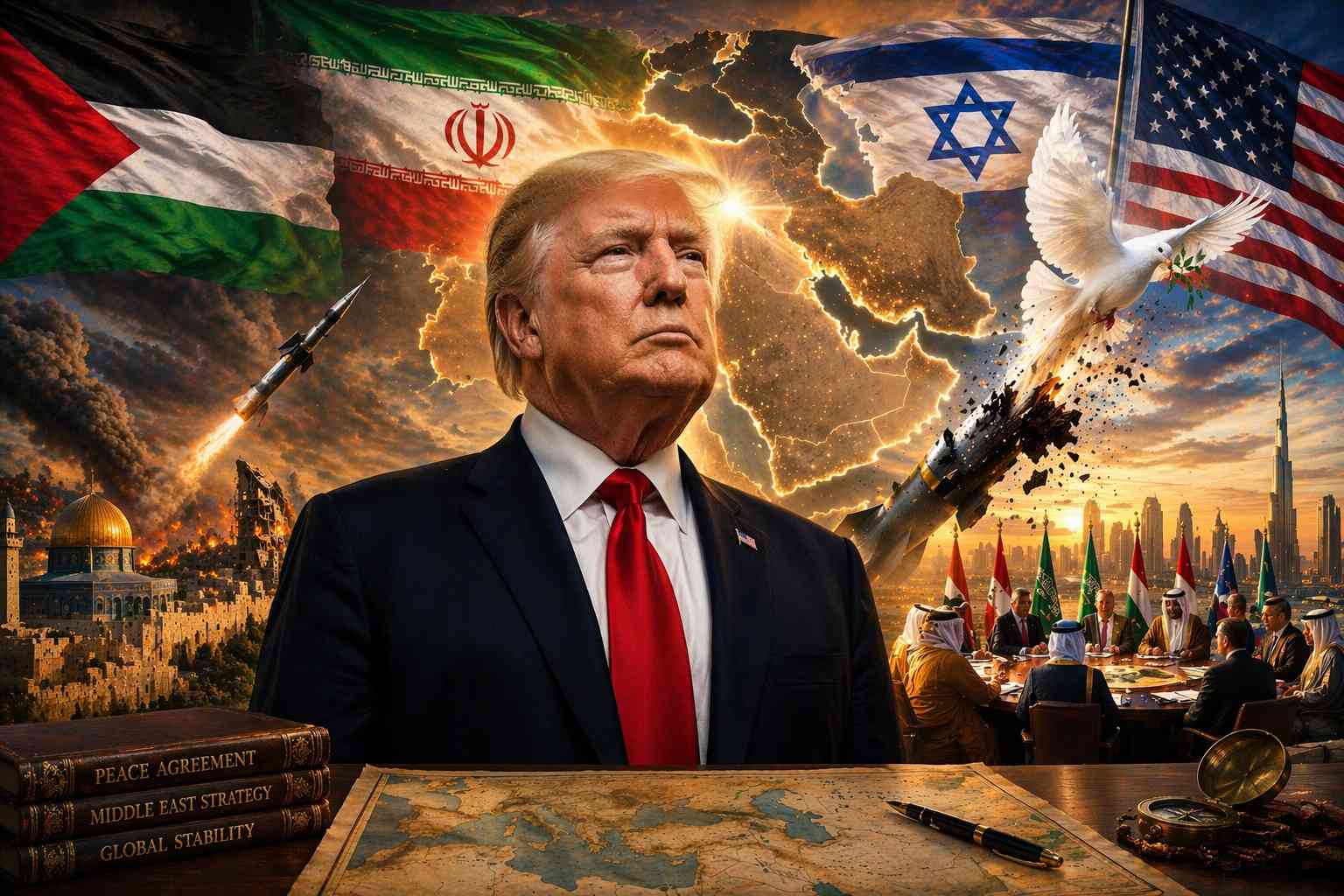
At the same time, Iran’s foreign minister Abbas Araghchi publicly questioned America’s reliability, arguing that Trump’s constantly changing positions made long-term trust difficult.
This reinforced a broader geopolitical reality: China is increasingly positioned as a balancing power rather than a subordinate actor in American strategy.
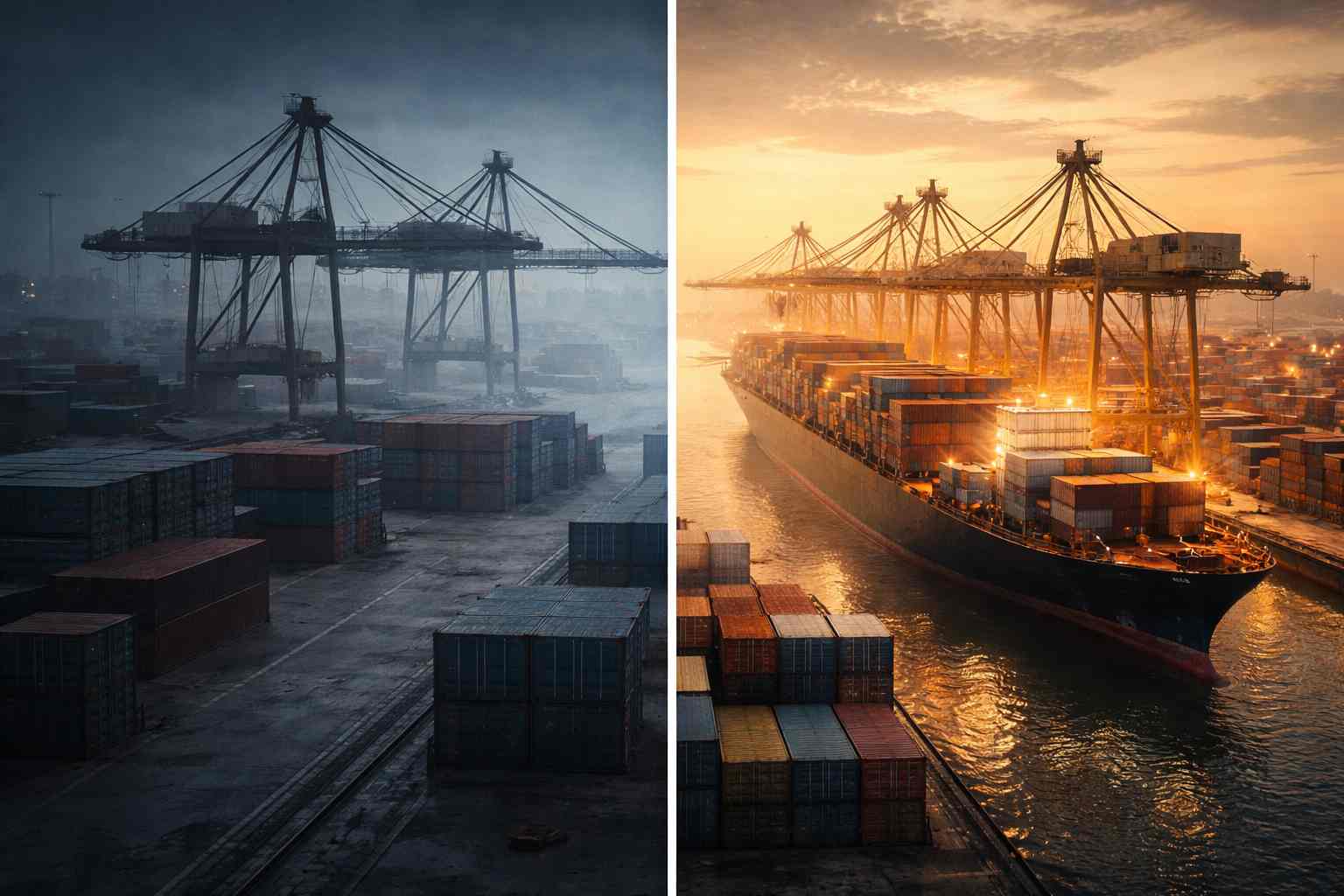
Economic Pressure and Global Realignment
The wider economic consequences of these tensions are already becoming visible.
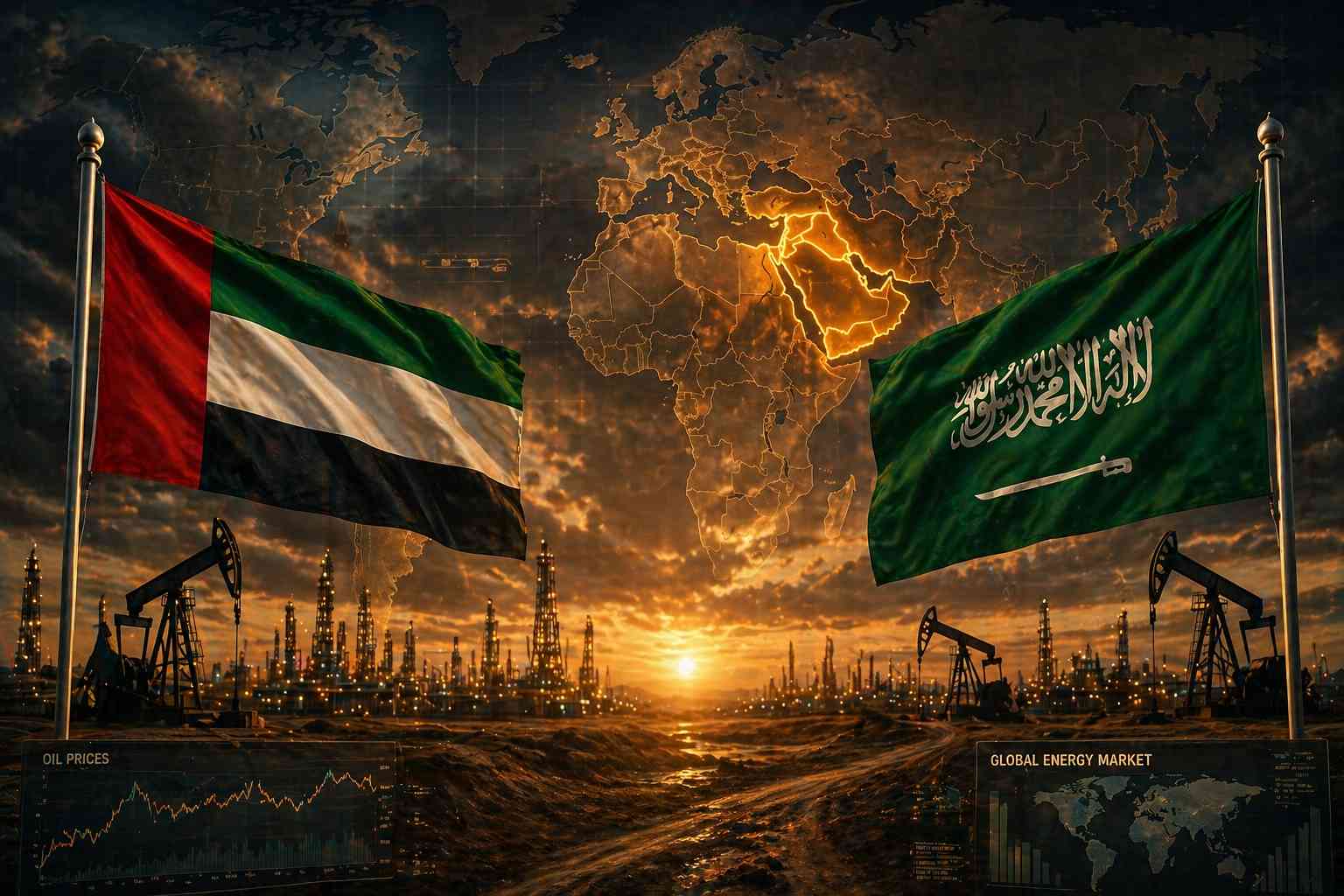
Energy instability linked to the Strait of Hormuz is affecting Asian economies, including Bangladesh, which remains heavily dependent on imported fuel supplies.
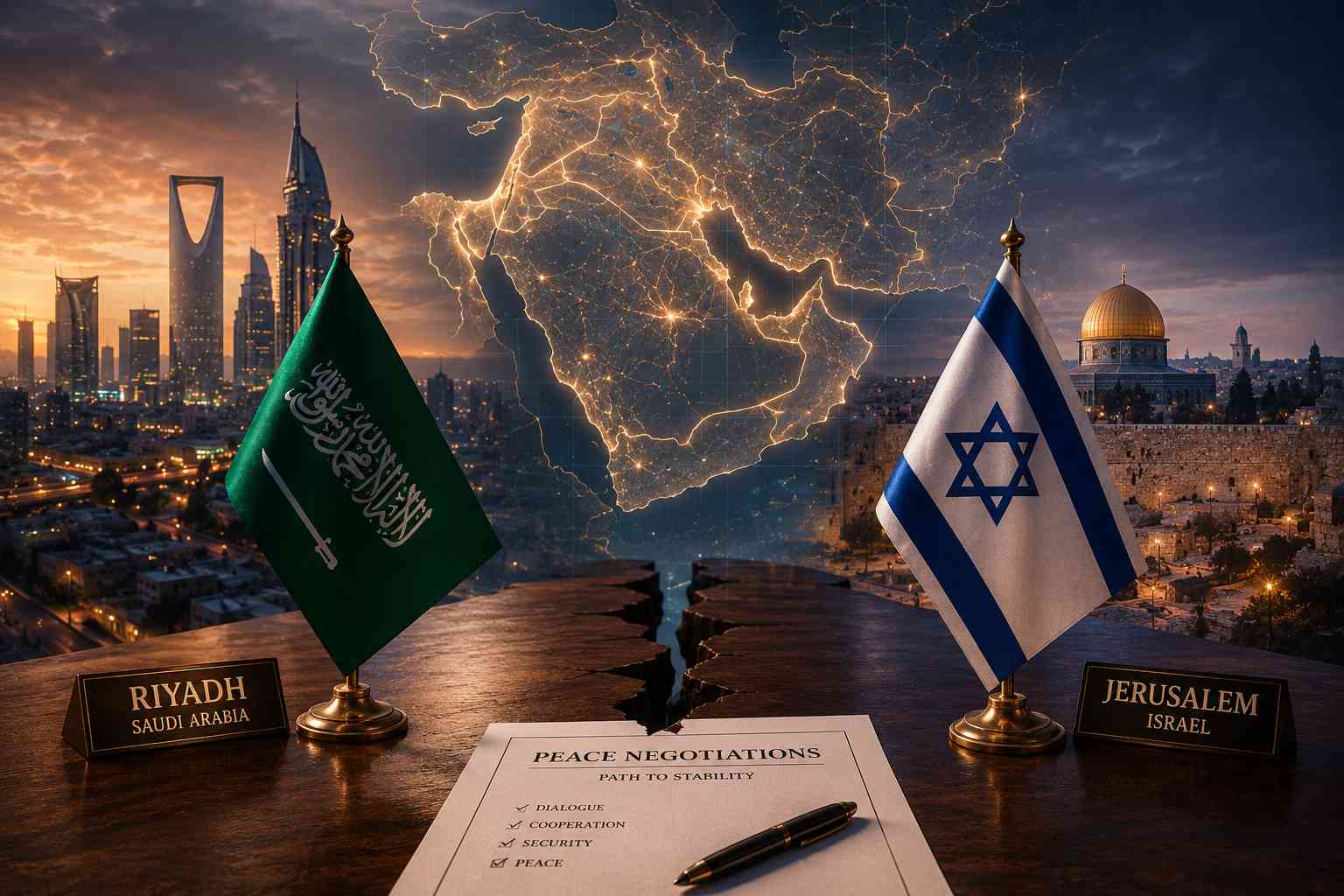
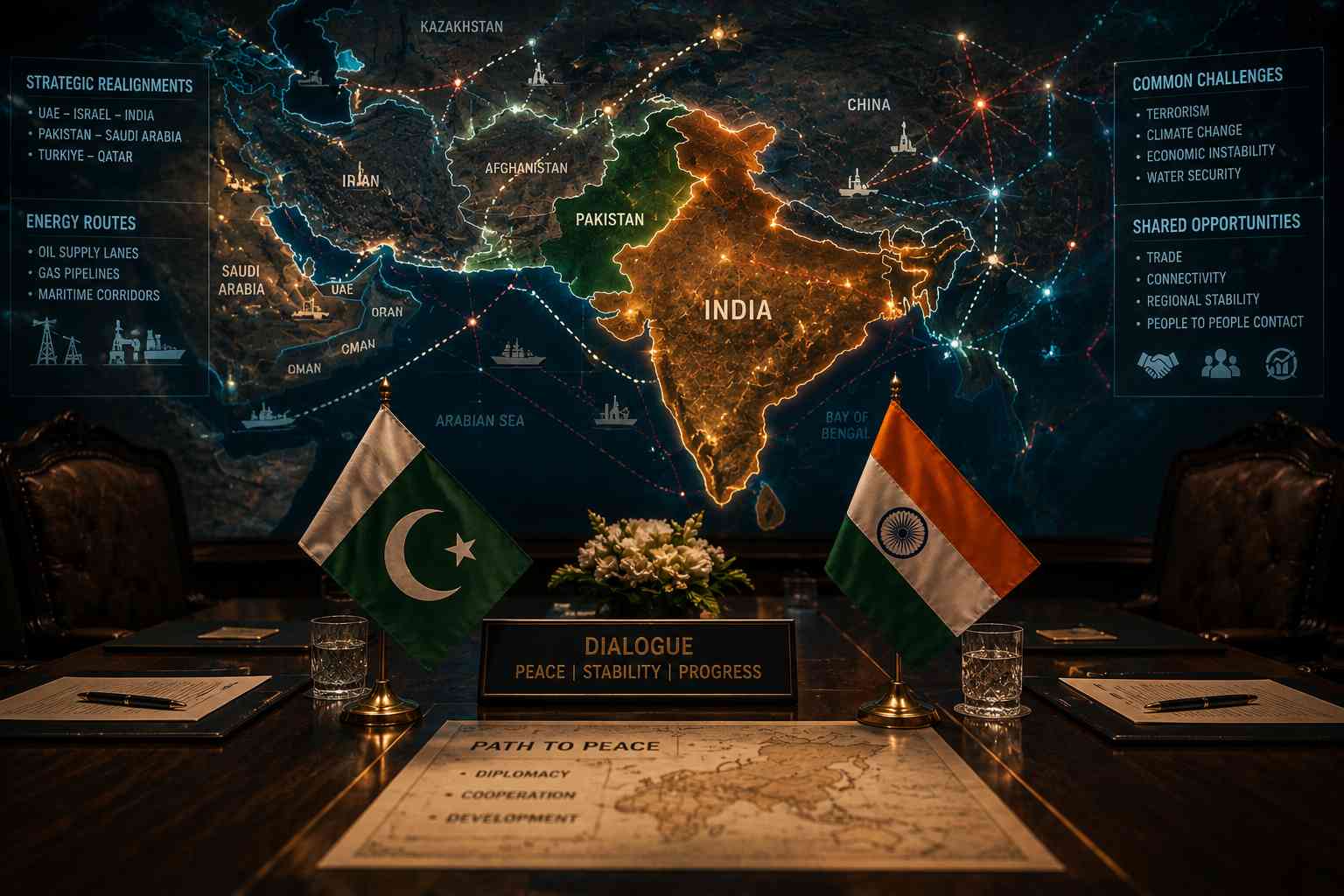
At the same time, Gulf diplomacy continues to evolve:
- India and the UAE are strengthening economic coordination
- Pakistan remains closely tied to Gulf remittances and energy flows
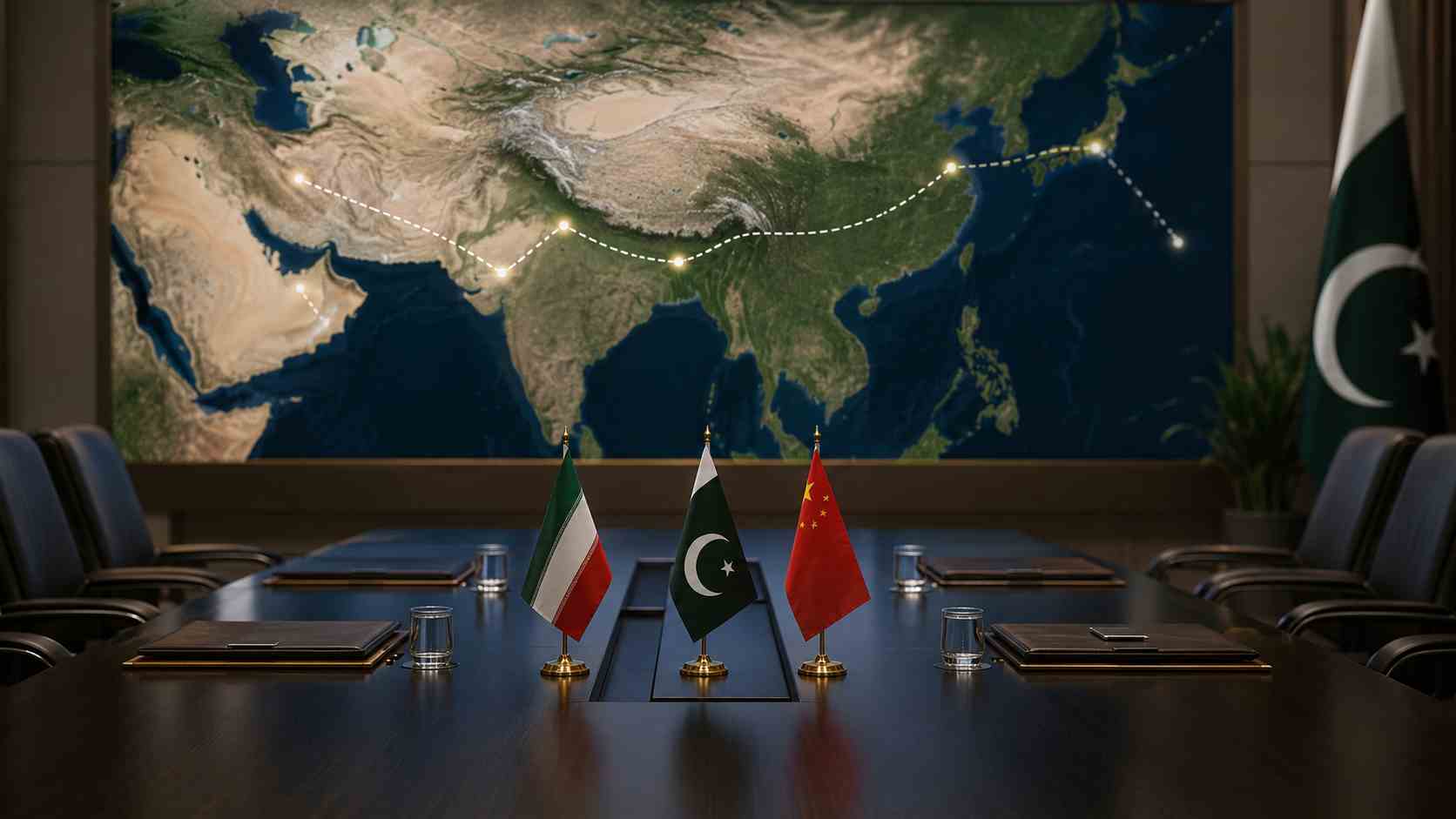
- China and Russia continue expanding trade mechanisms through alternative routes such as the Caspian region
These developments suggest a more fragmented and multipolar global order.
Diaspora Anxiety and Immigration Politics
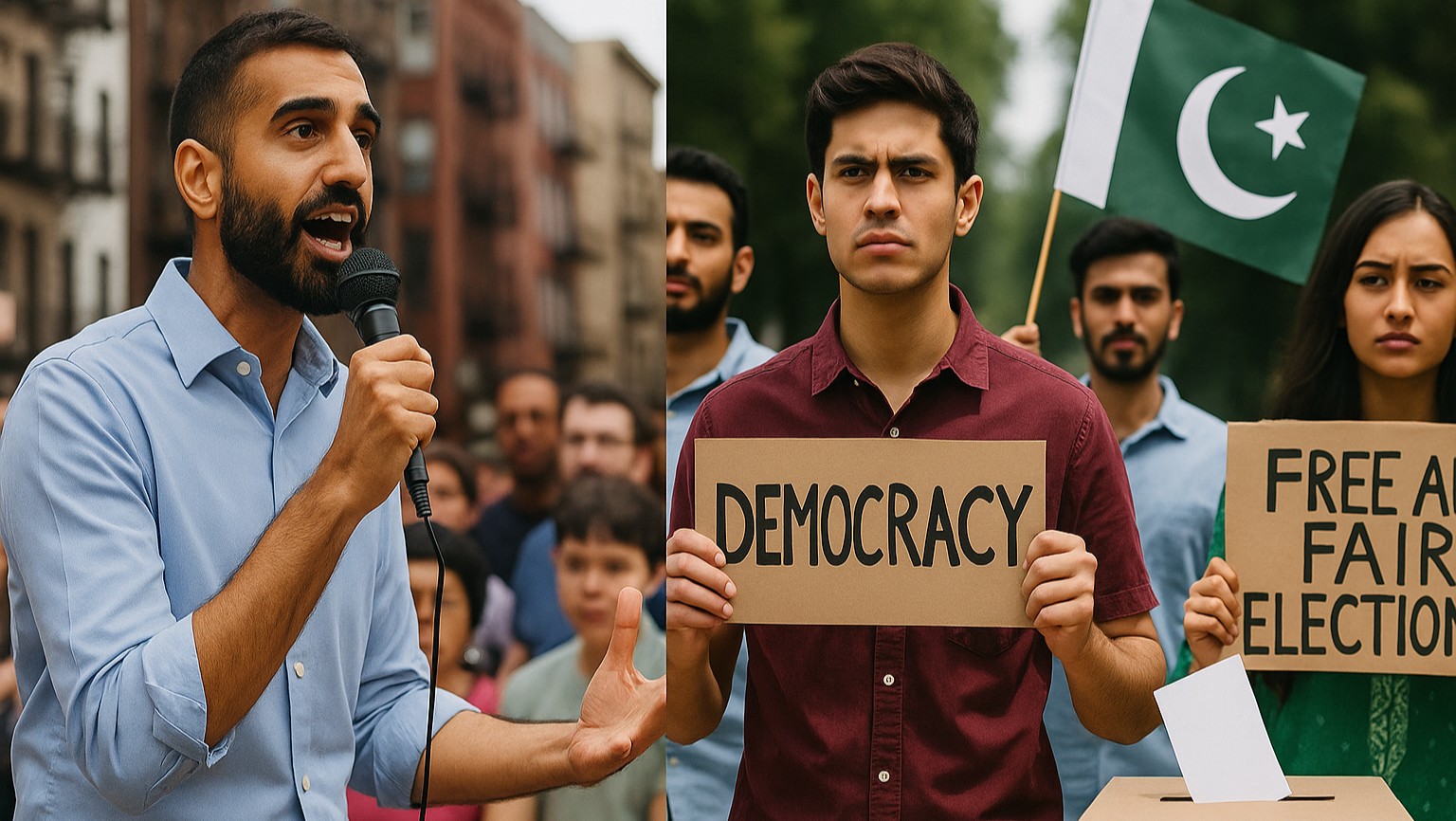
The vlog also highlighted concerns facing Pakistani and Muslim diaspora communities in the West.
Rising anti-immigration politics across Europe and North America are creating growing uncertainty for immigrant populations. According to the analysis, this trend is no longer temporary or election-driven. It is becoming structural.
This environment affects not only Pakistanis but broader South Asian and Muslim communities, particularly as economic pressures increase across Western societies.
Conclusion
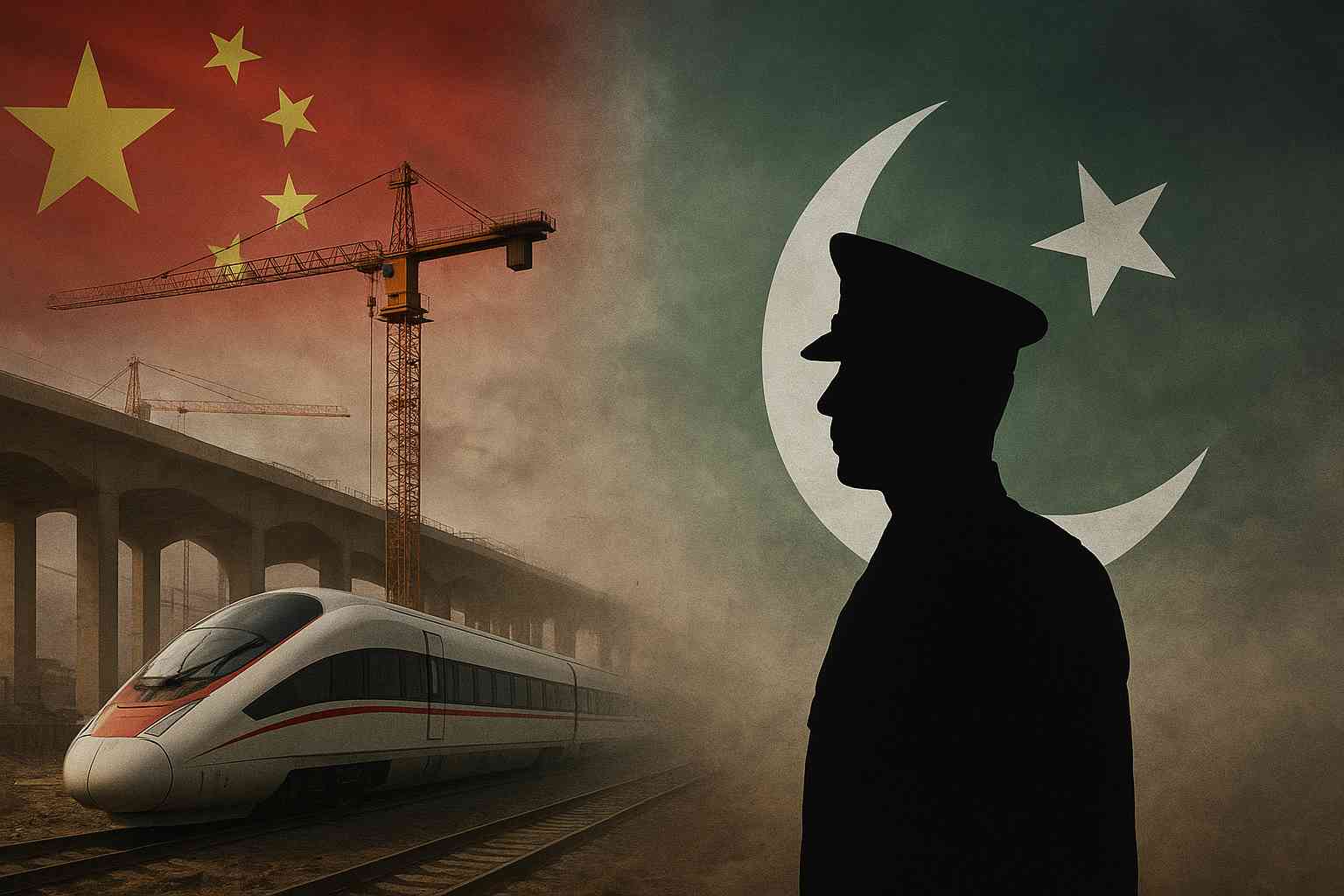
The current Trump China surrender analysis reflects more than one diplomatic trip. It represents a broader recognition that the global balance of power is changing.
China no longer appears willing to accept unilateral American pressure. At the same time, Washington increasingly faces limits in its ability to shape global outcomes through confrontation alone.
Whether this moment becomes a lasting strategic shift or only a temporary tactical adjustment remains uncertain. But the symbolism of the Beijing summit has already reshaped perceptions.
For many observers, the central question is no longer whether China is rising. The question is how the United States intends to adapt to that reality.
By SoldierSpeaks News Desk
Analysis based on commentary by Dr. Moeed Pirzada and current geopolitical developments.