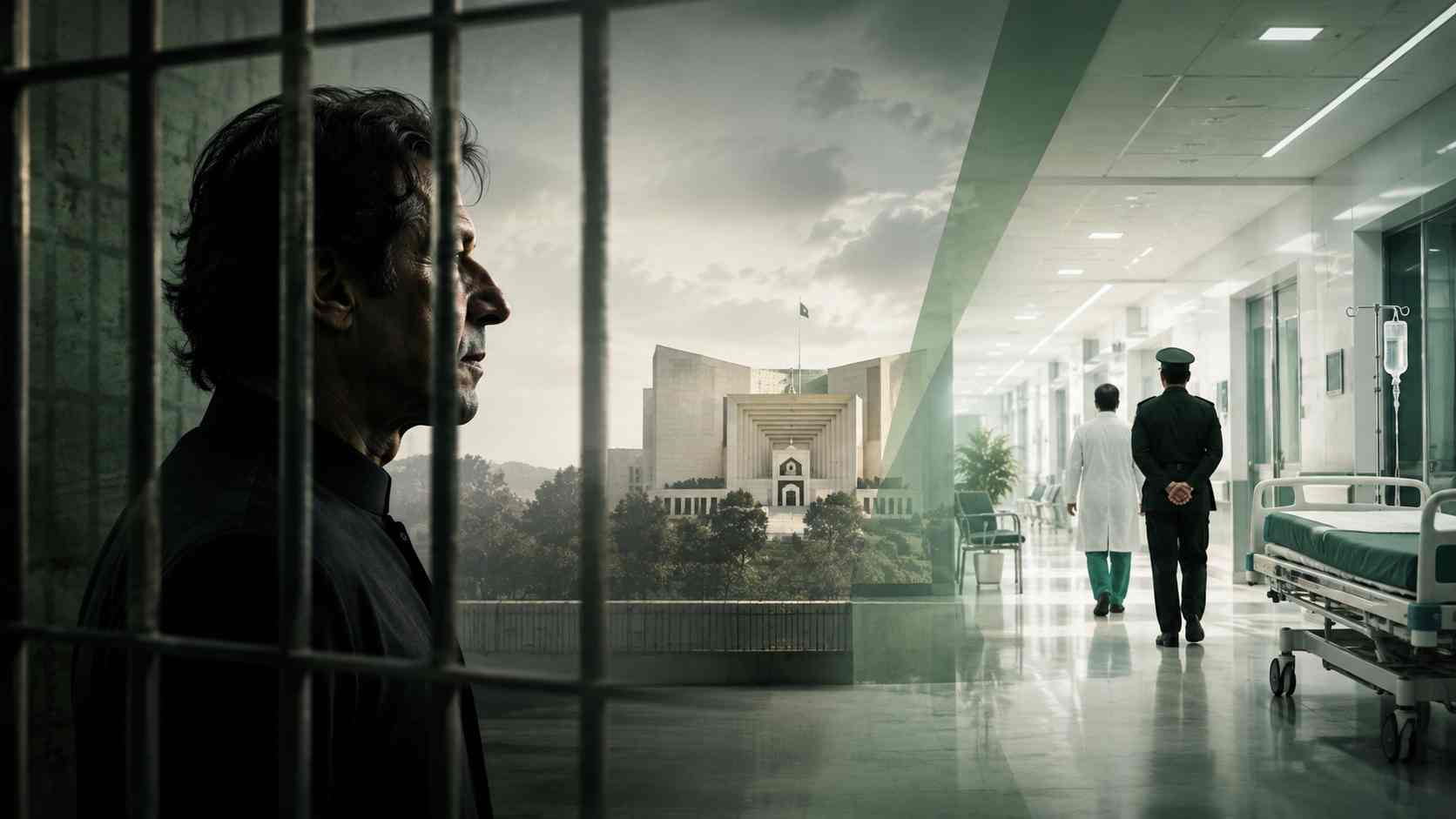
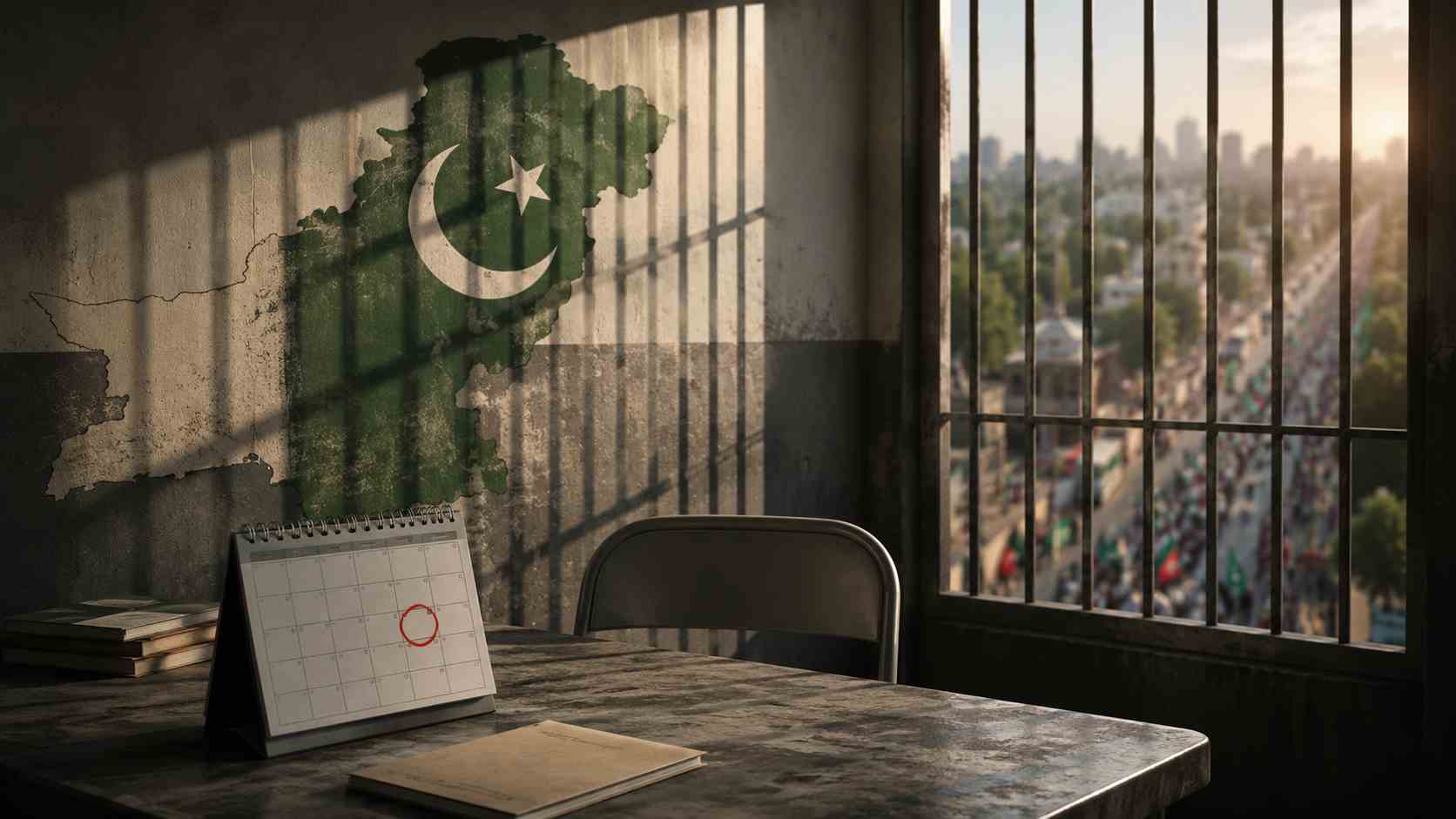
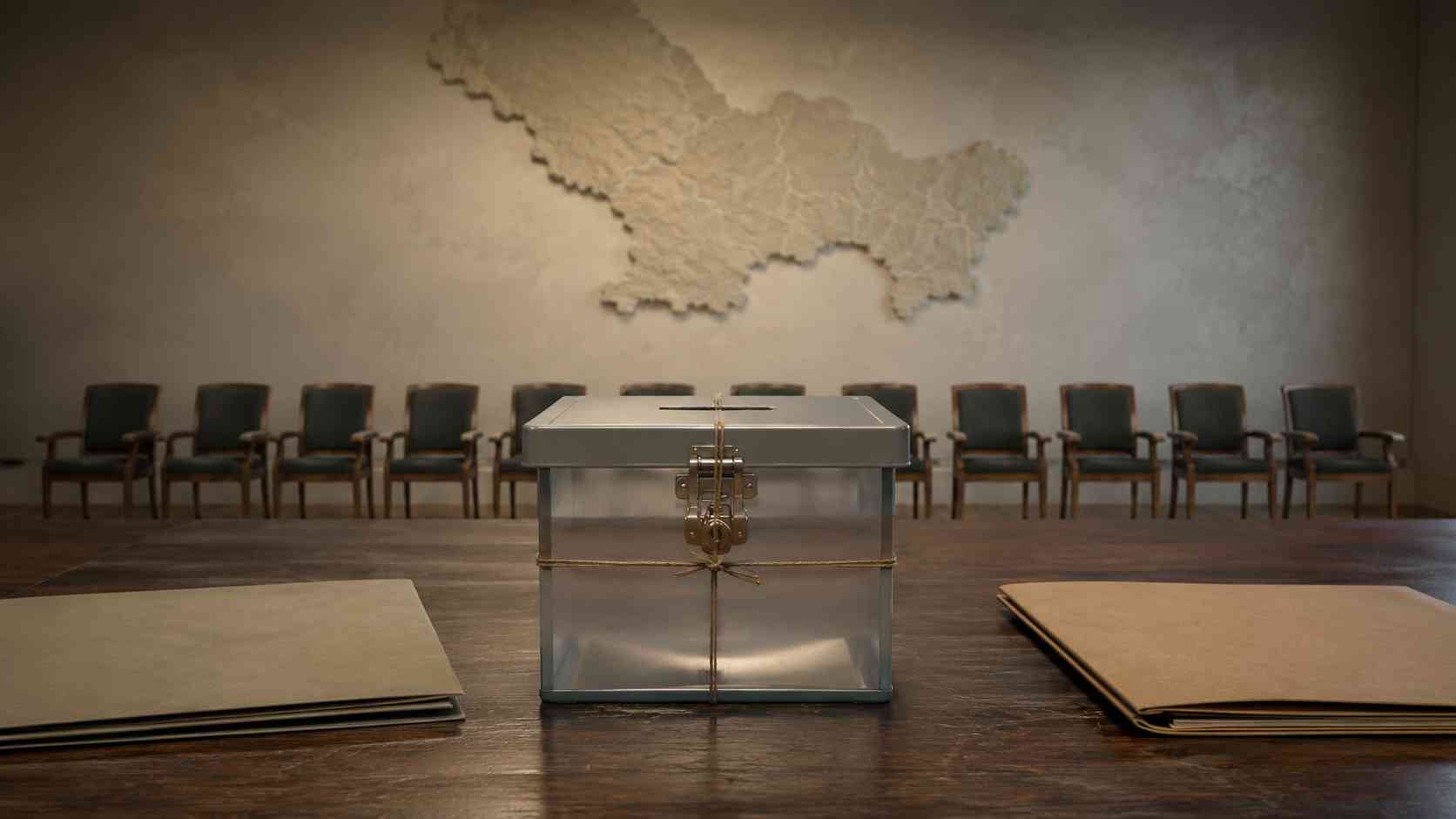
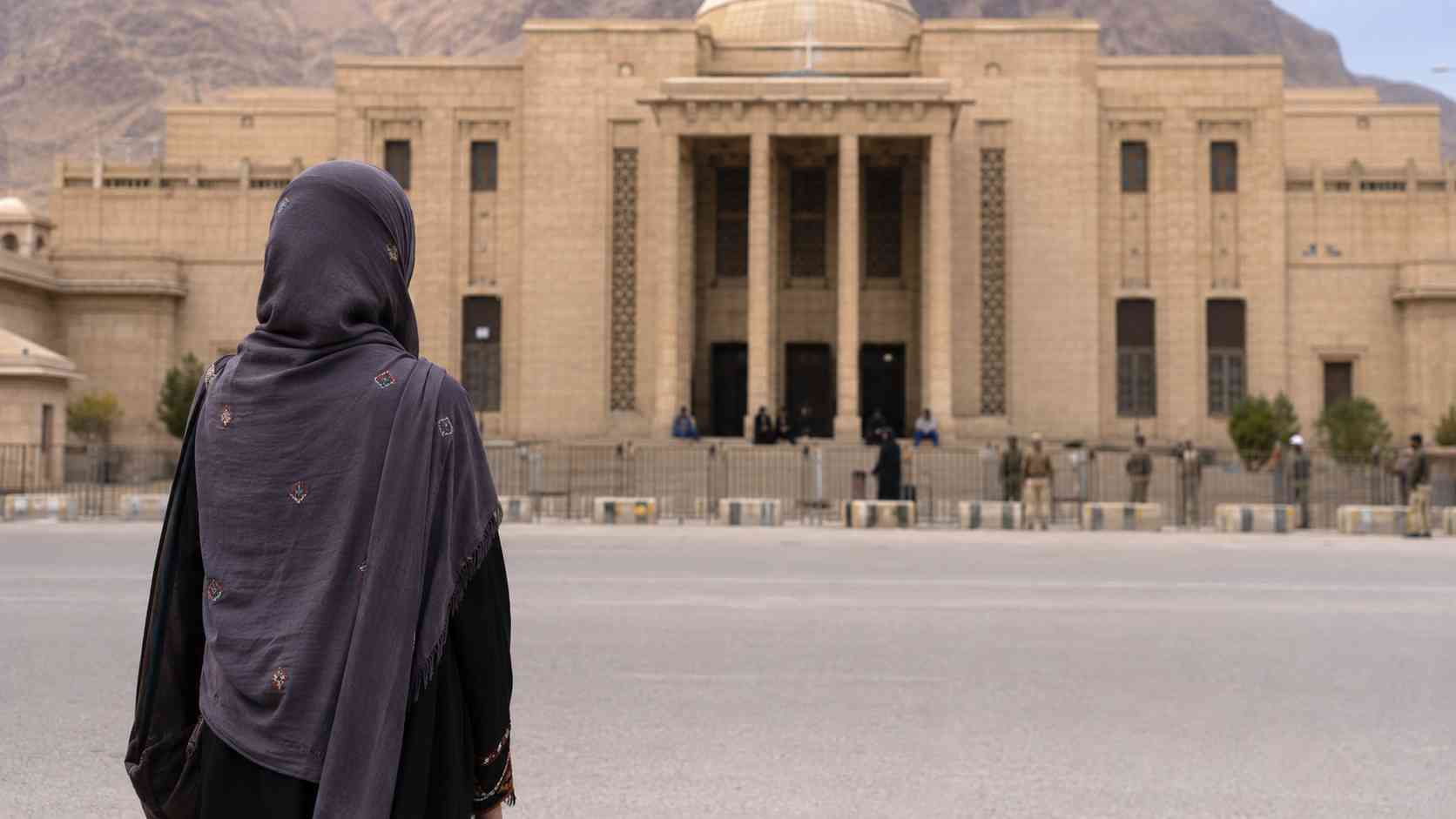
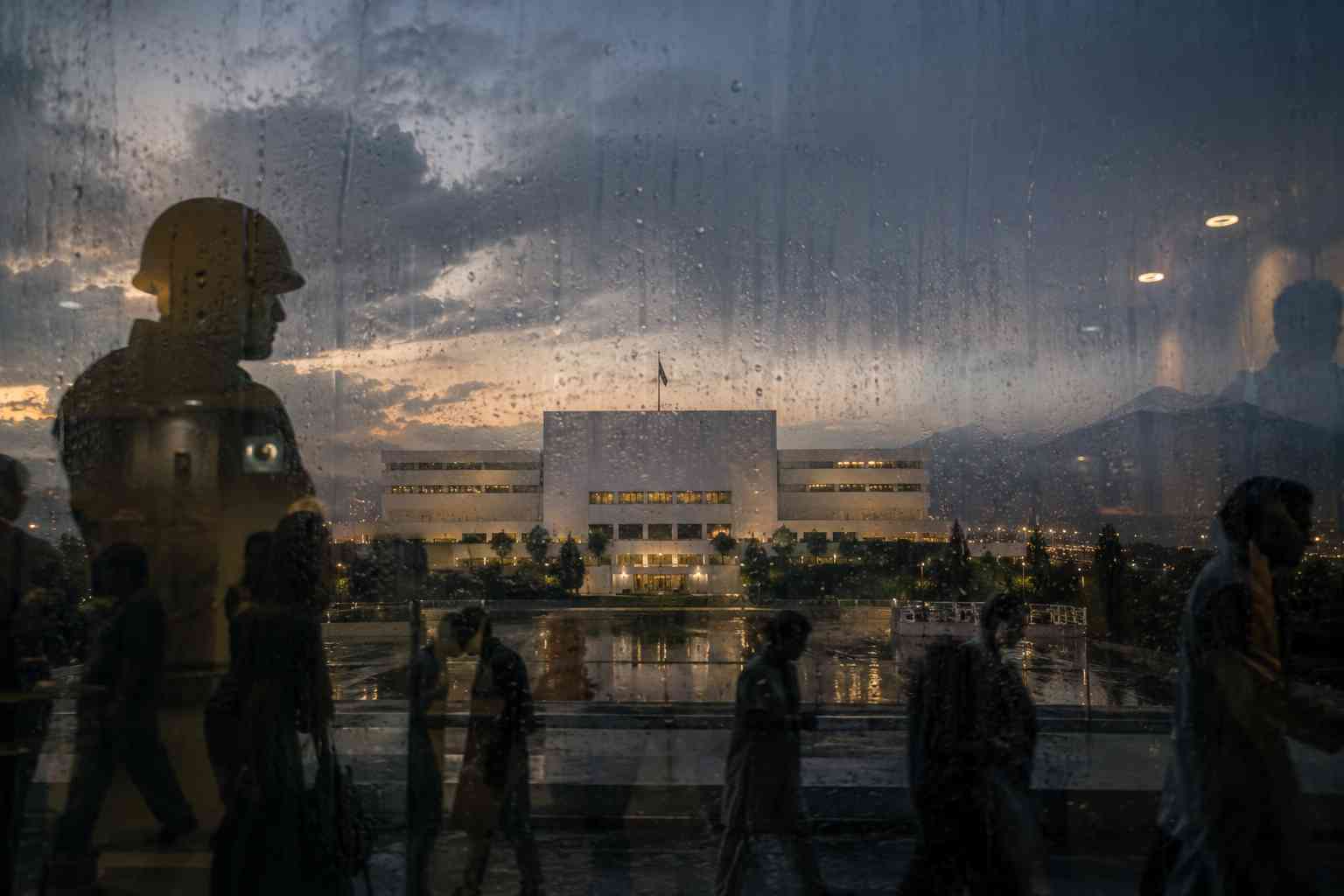
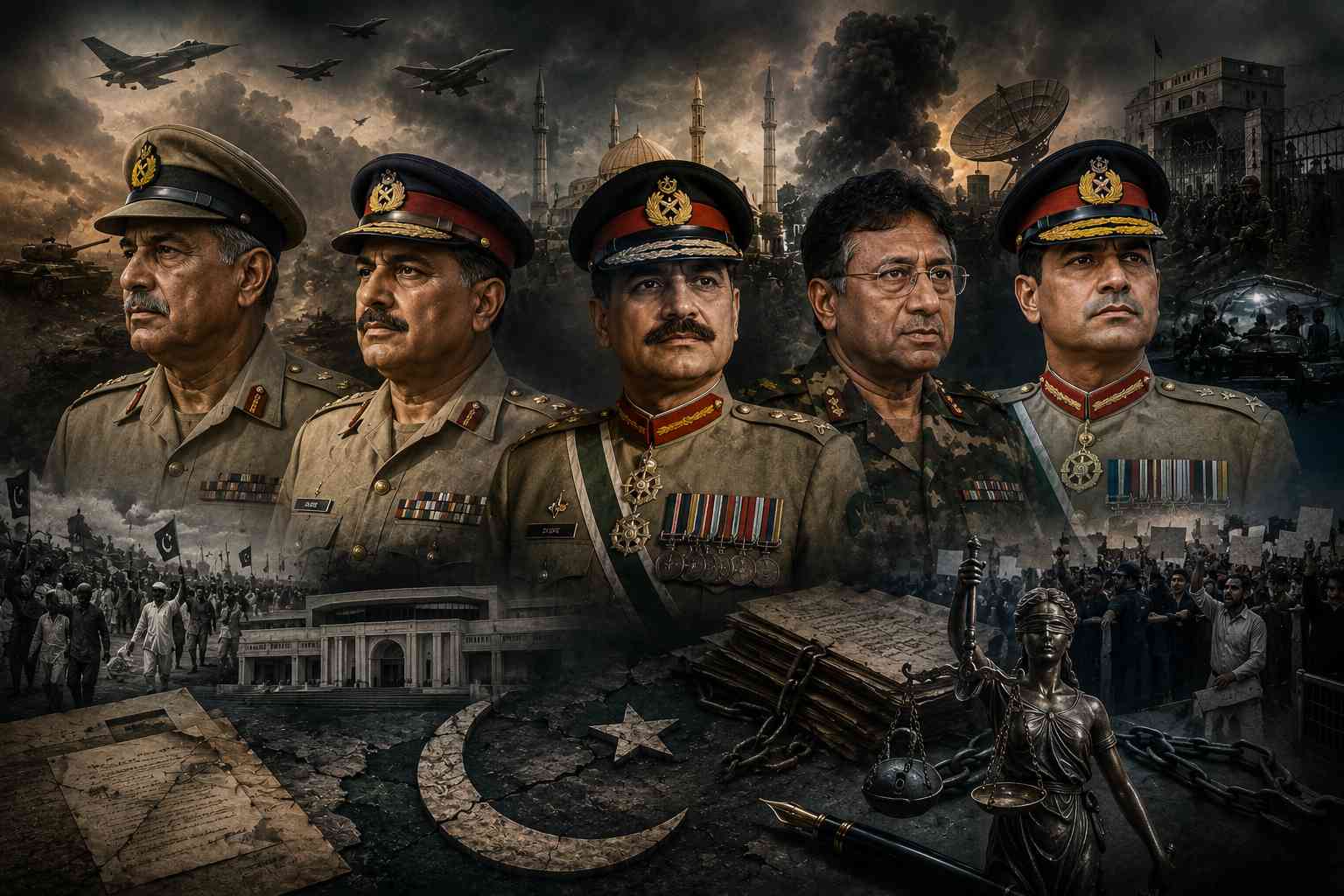
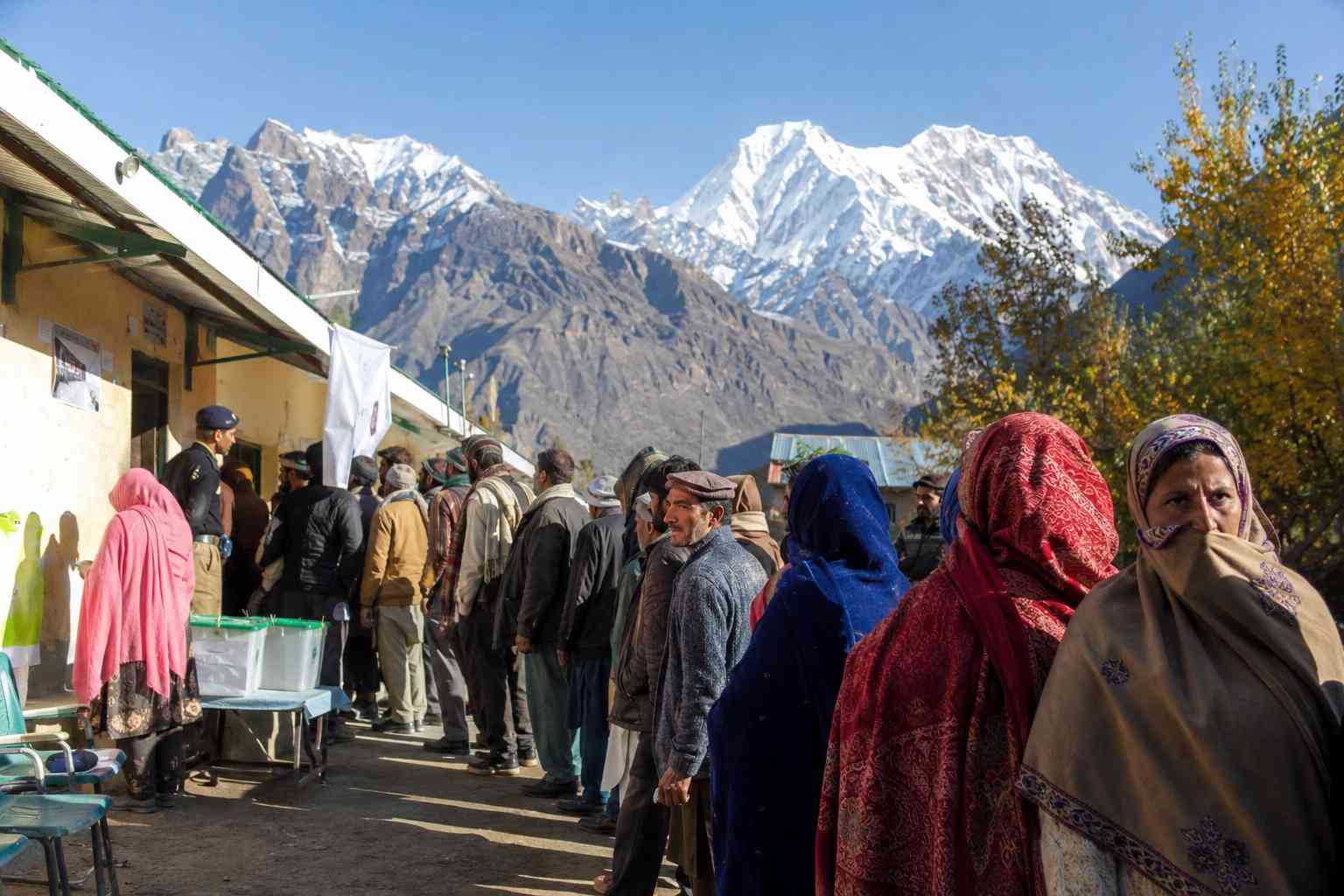
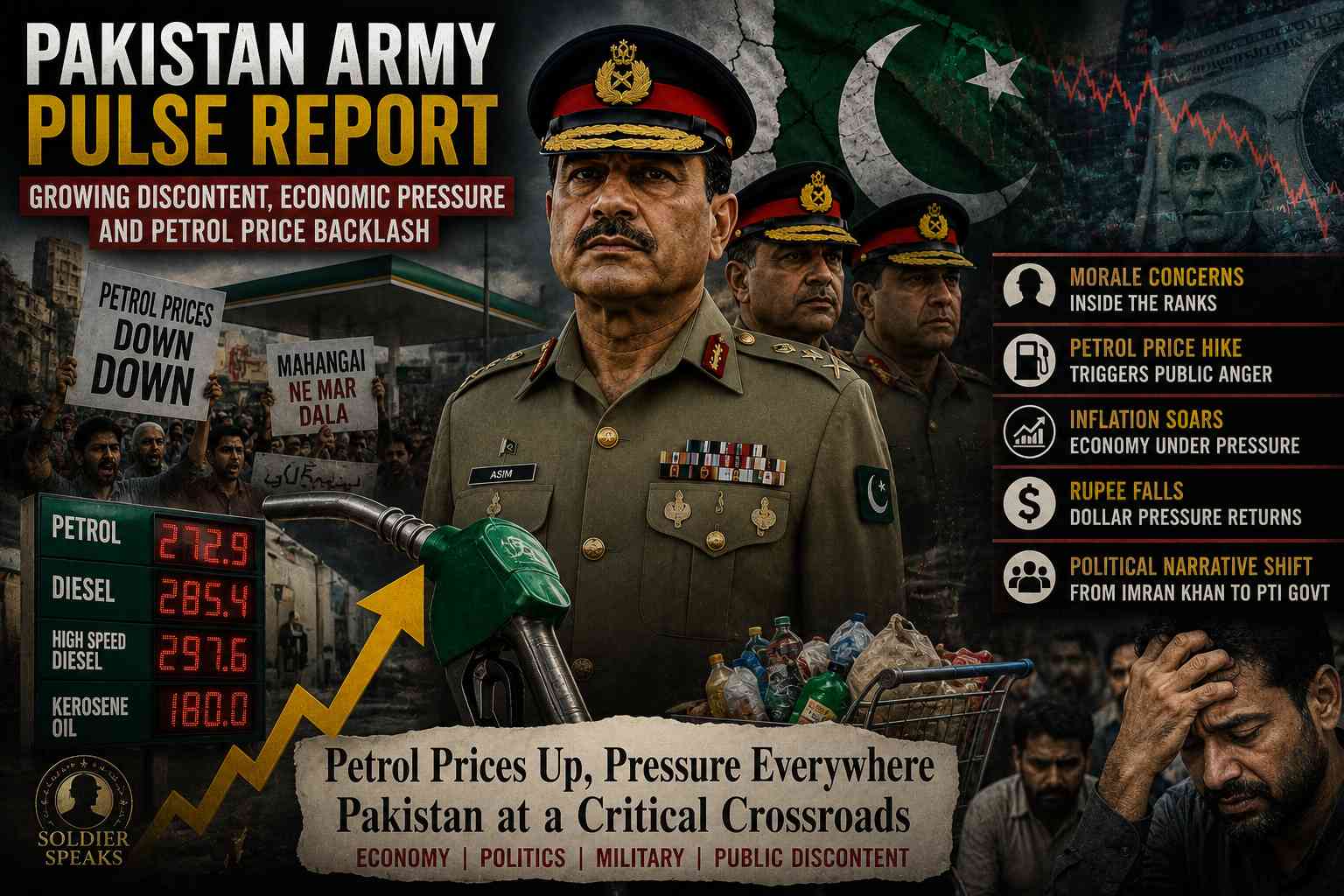
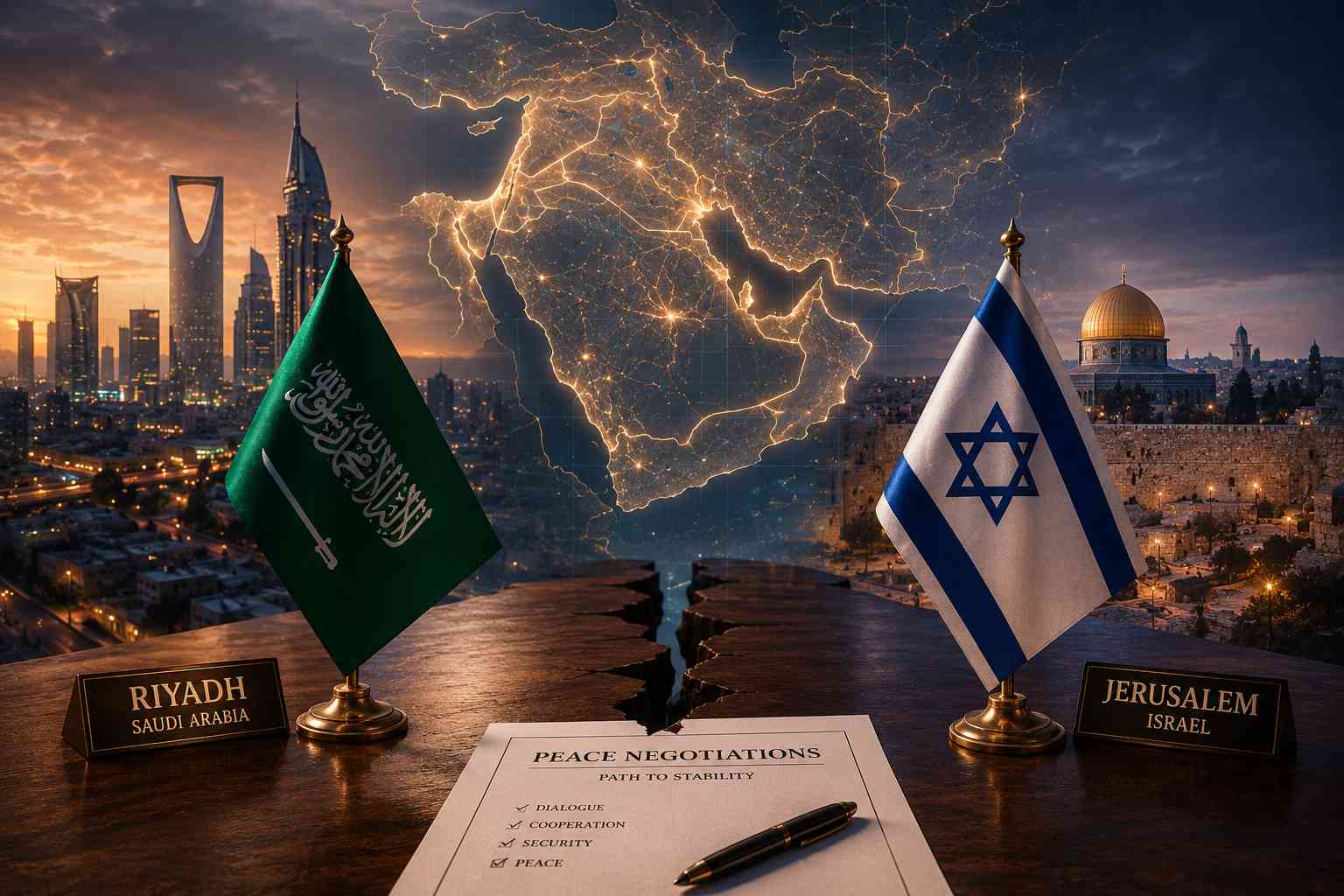
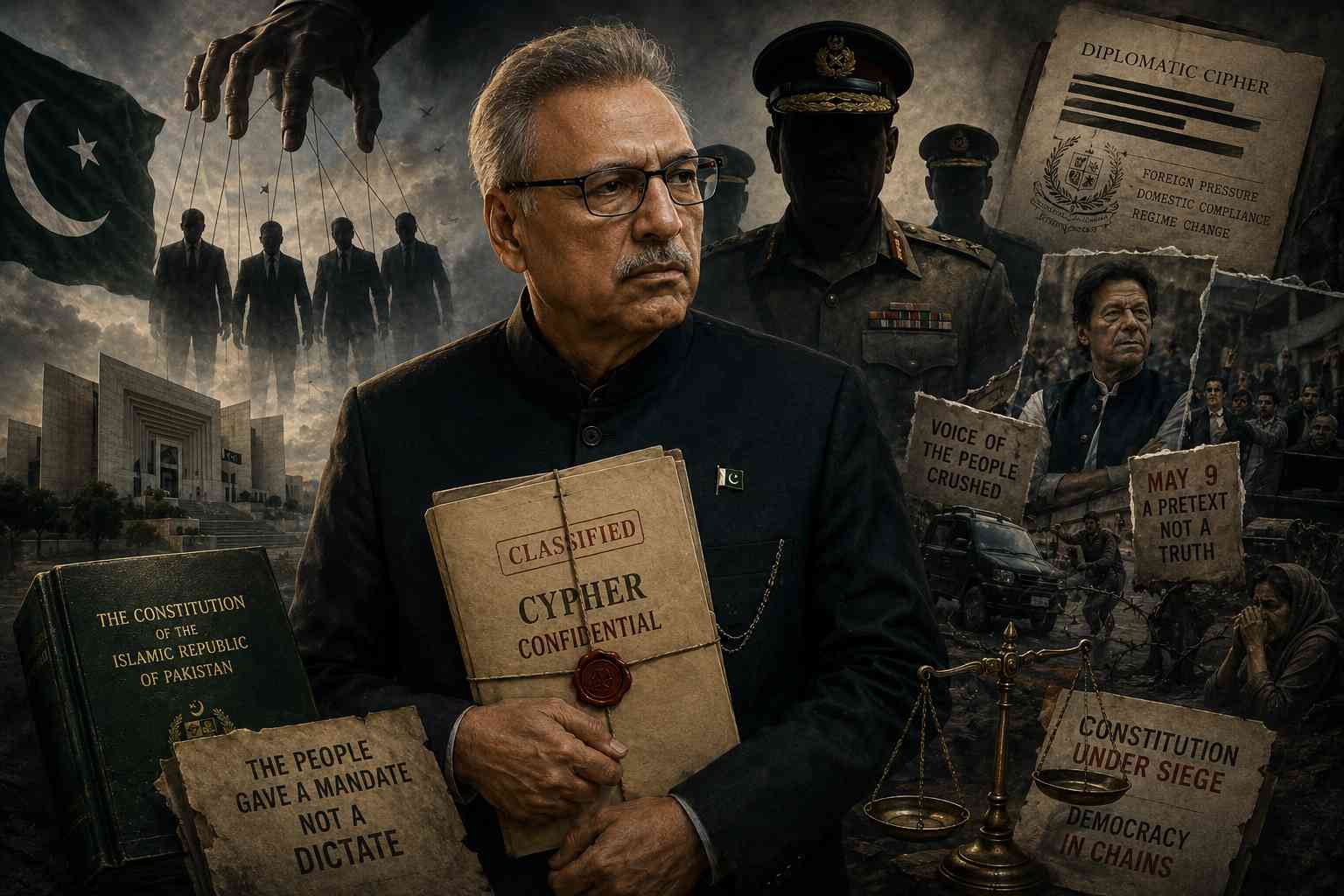
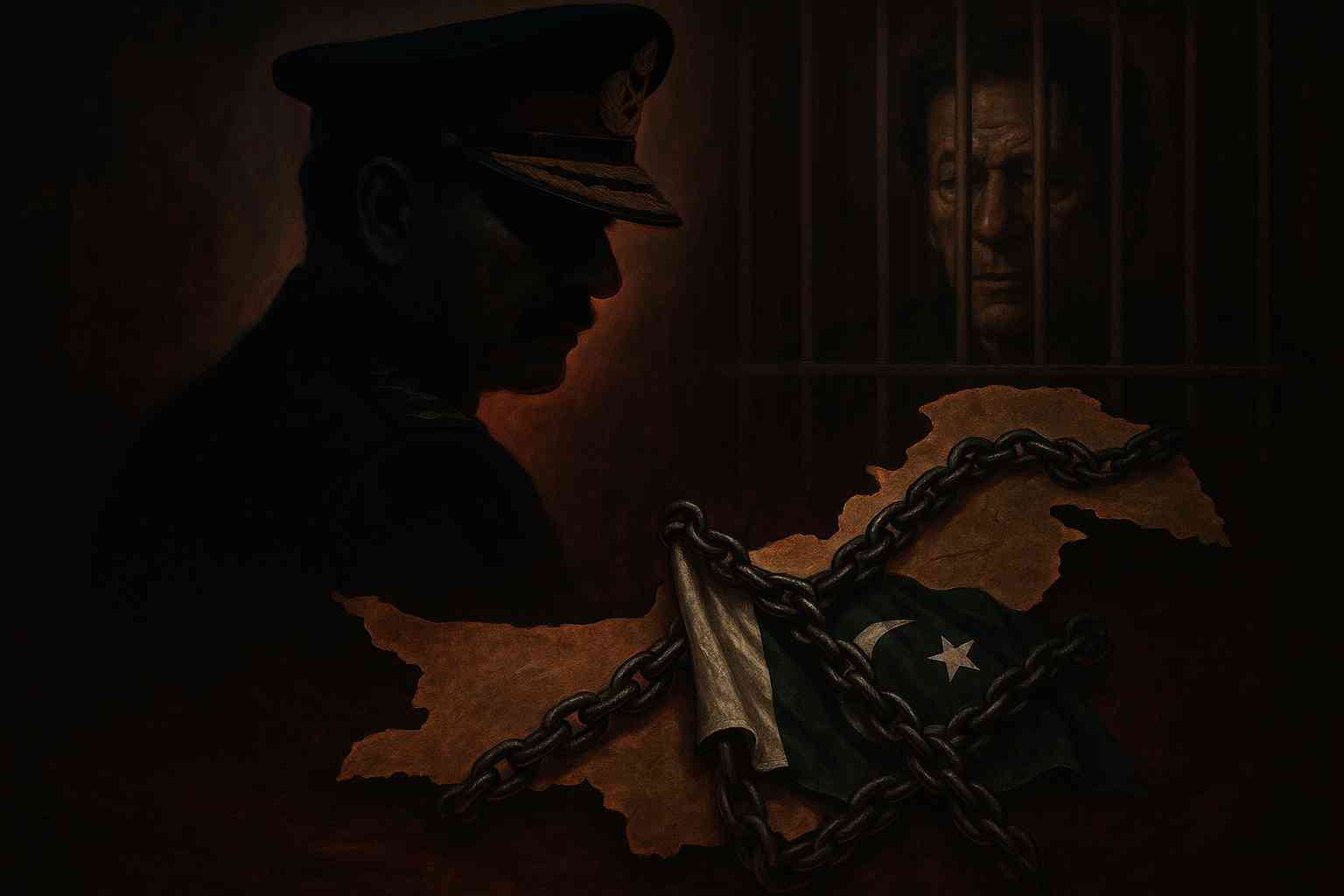
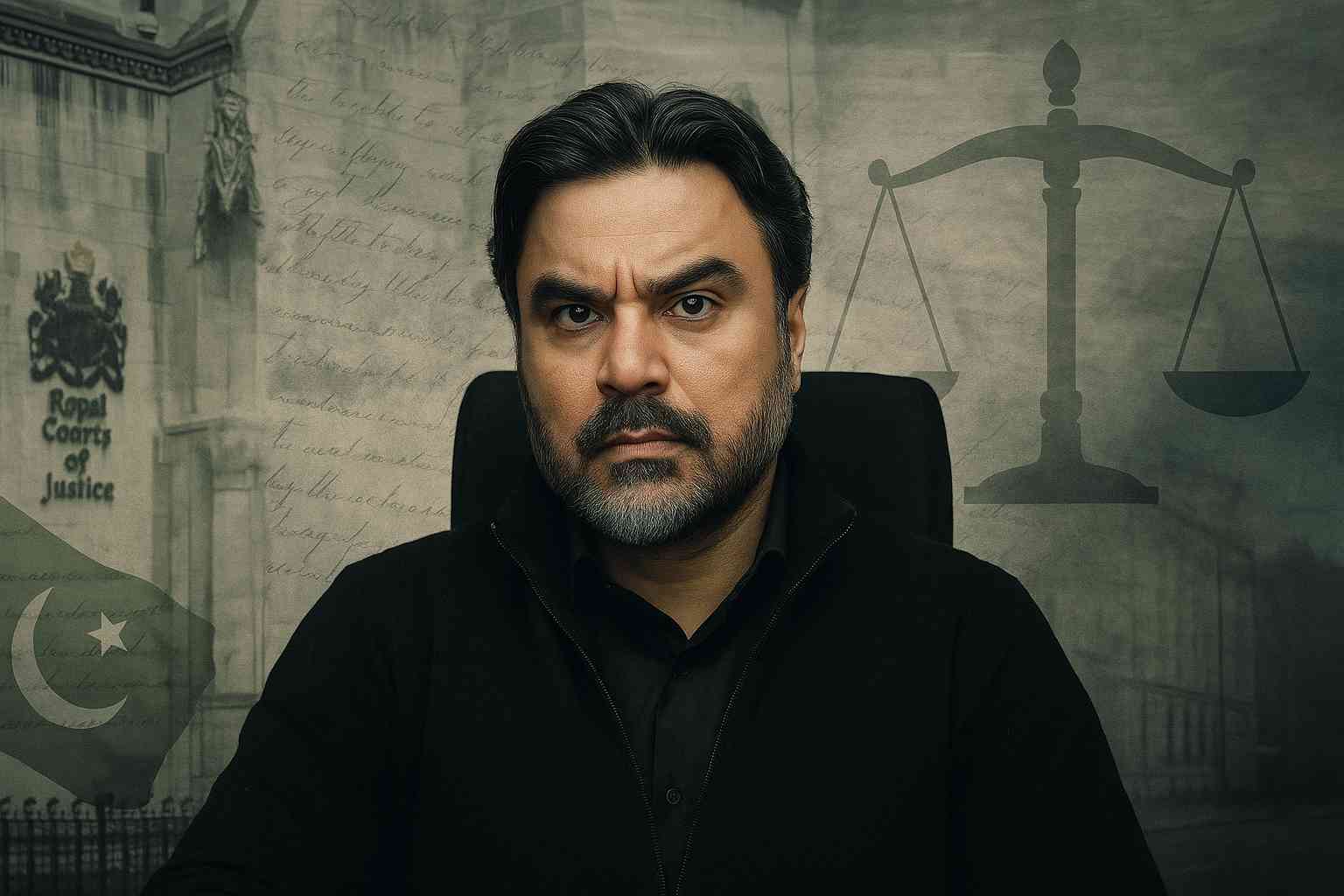
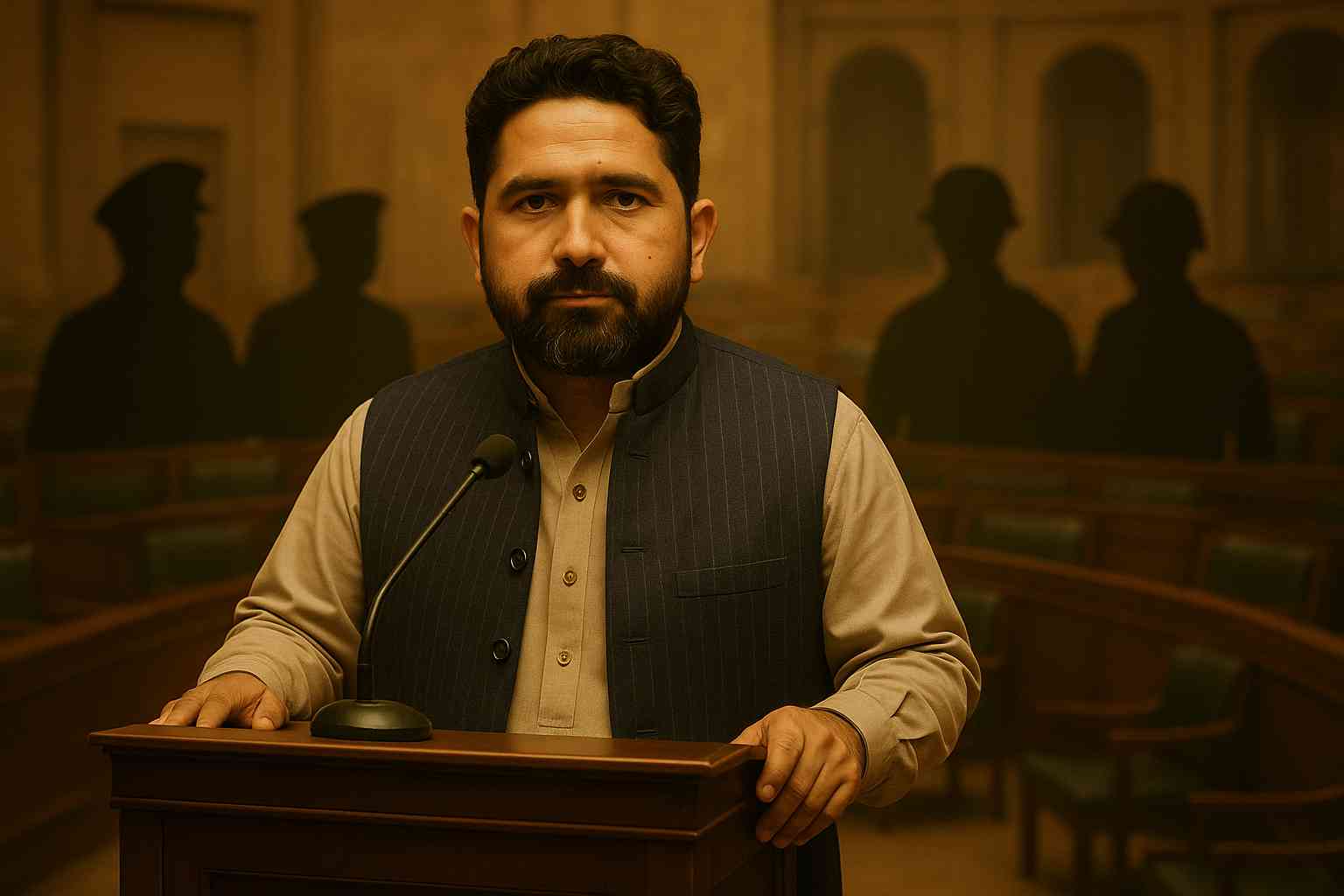
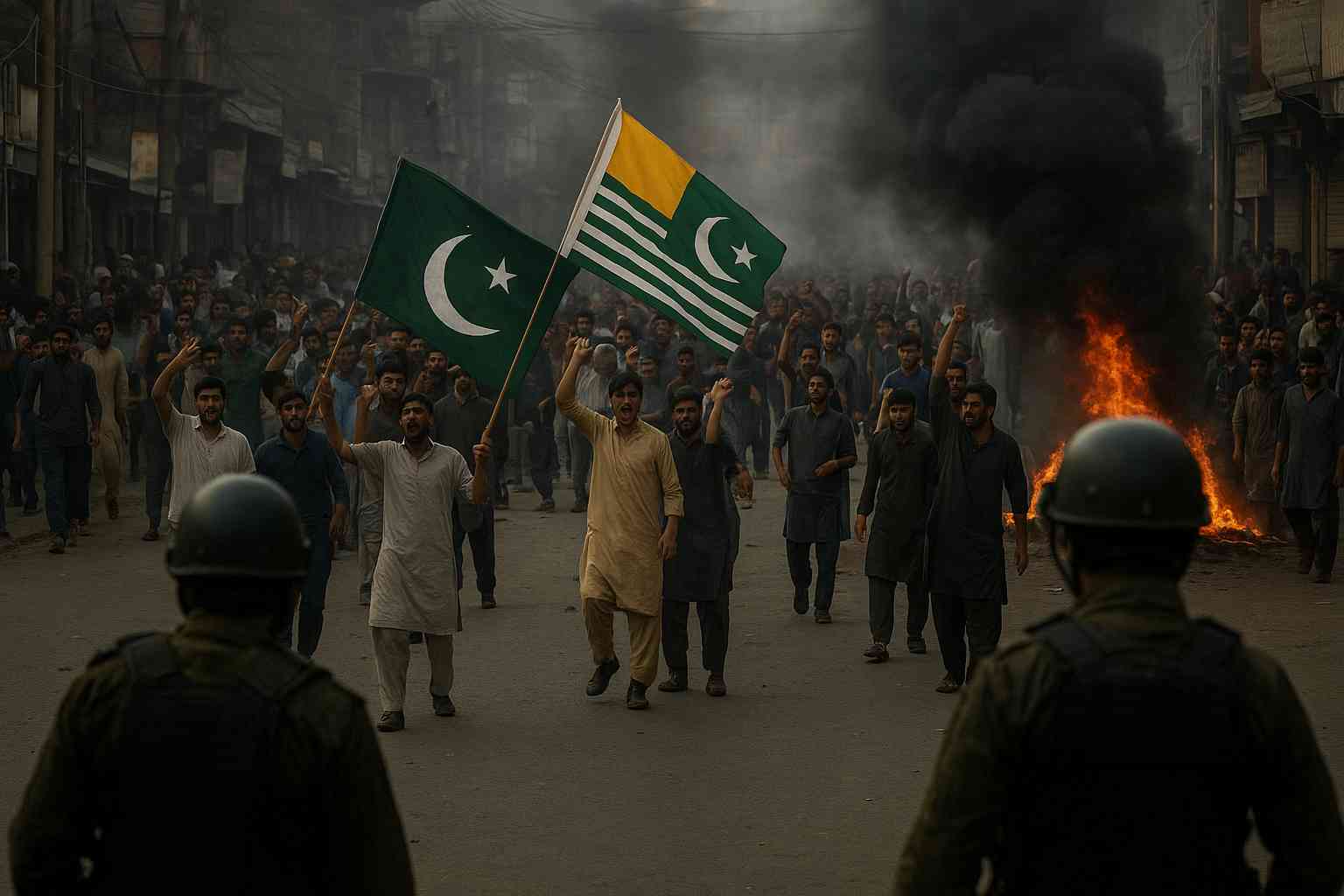
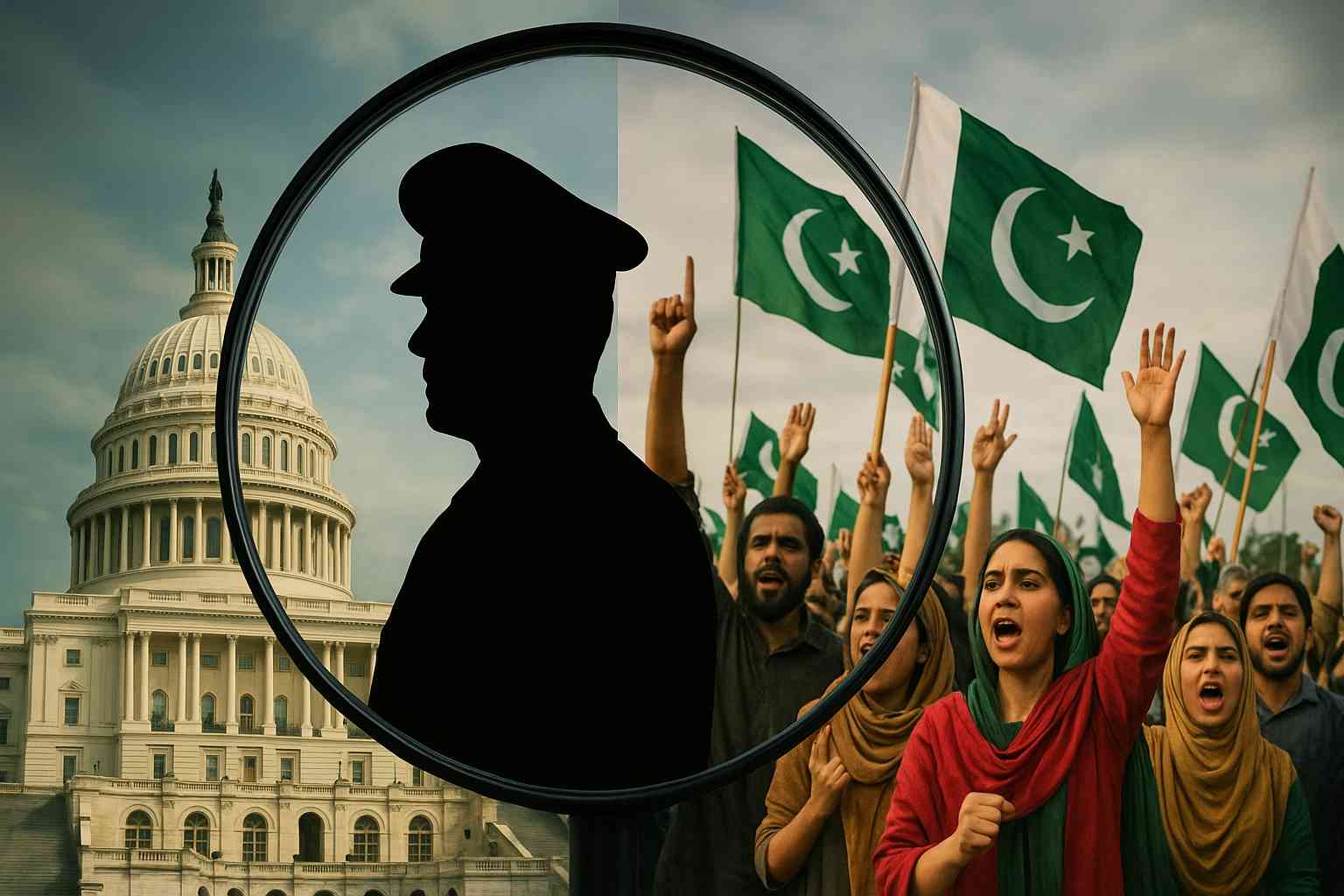
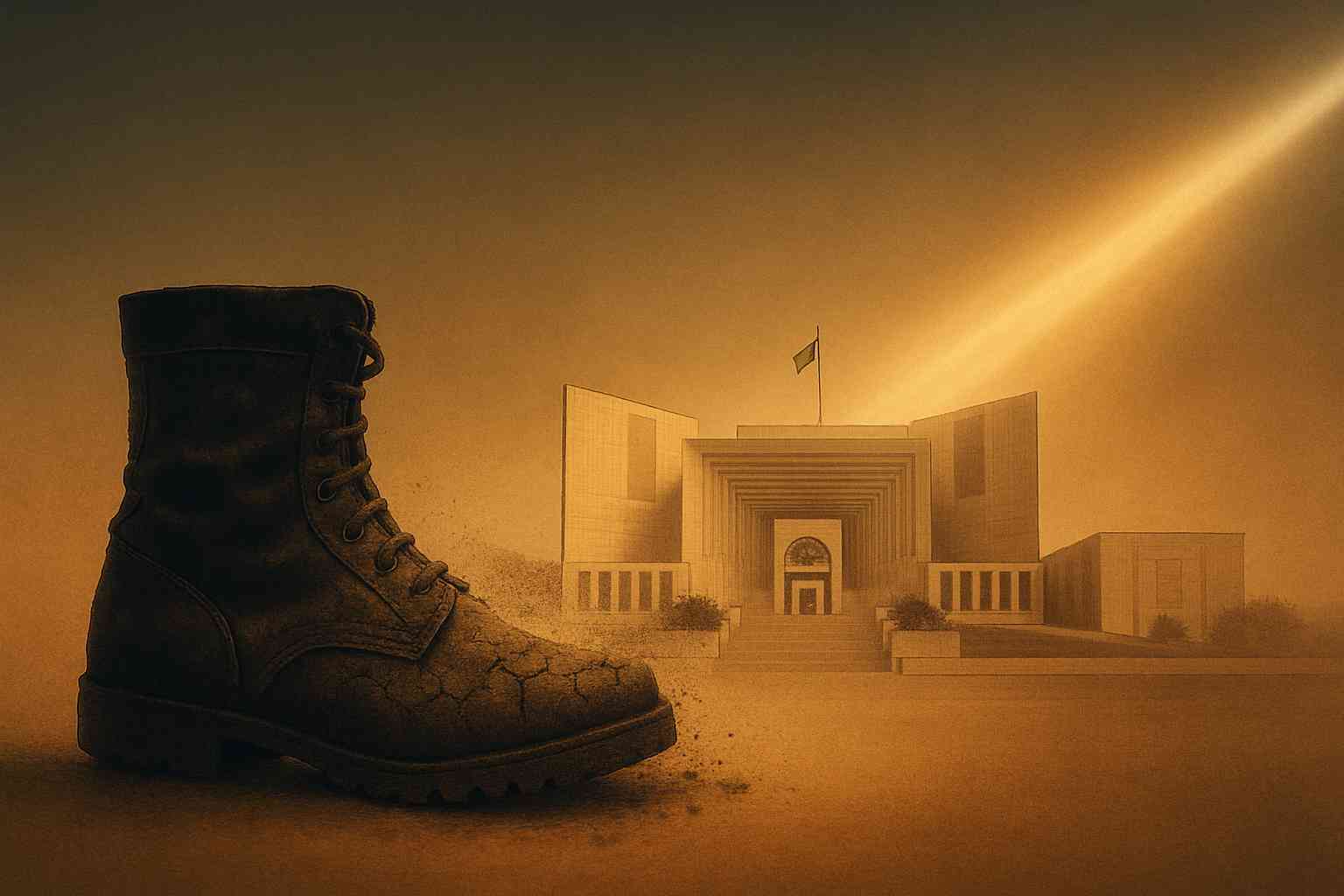
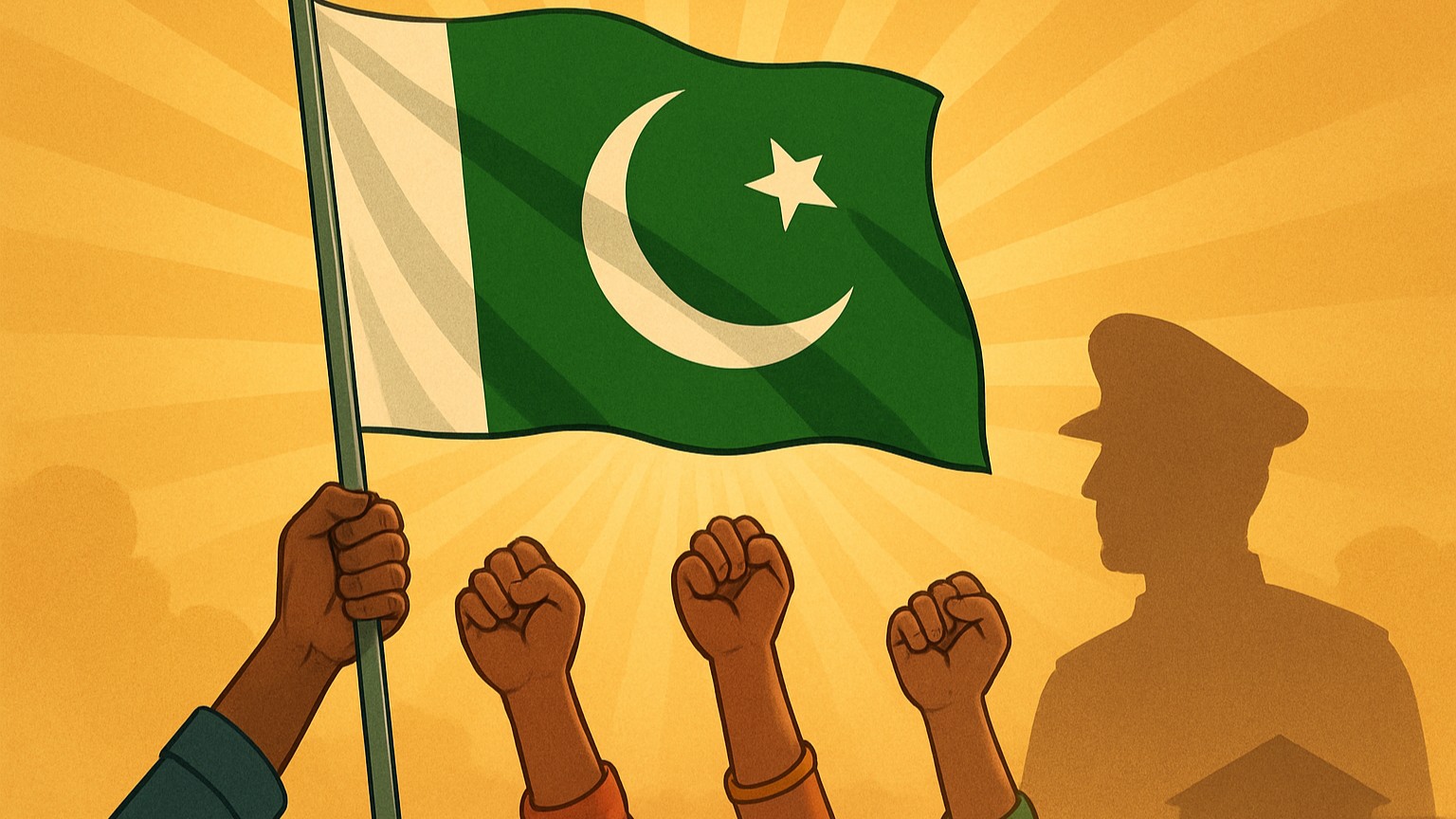
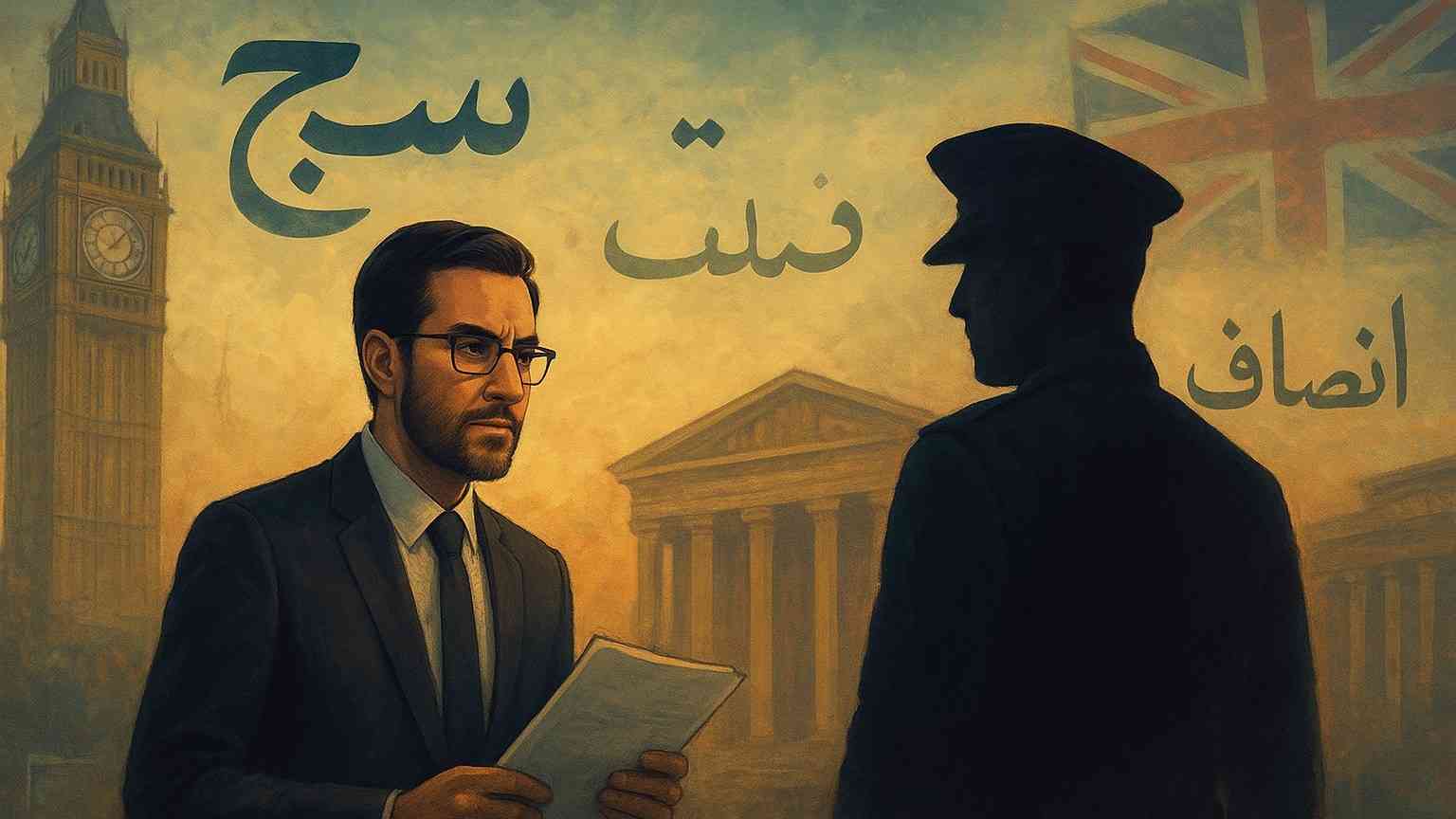
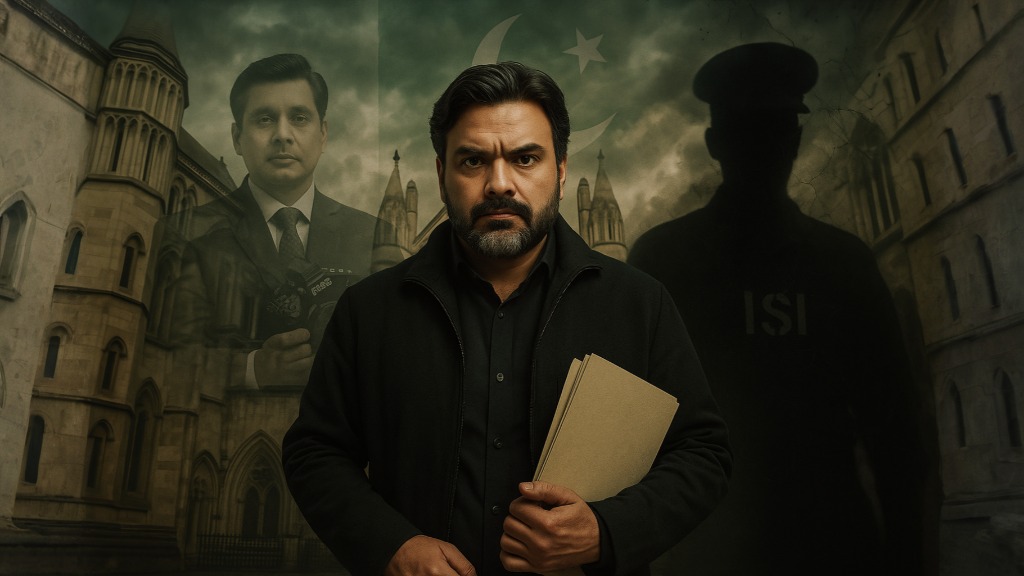
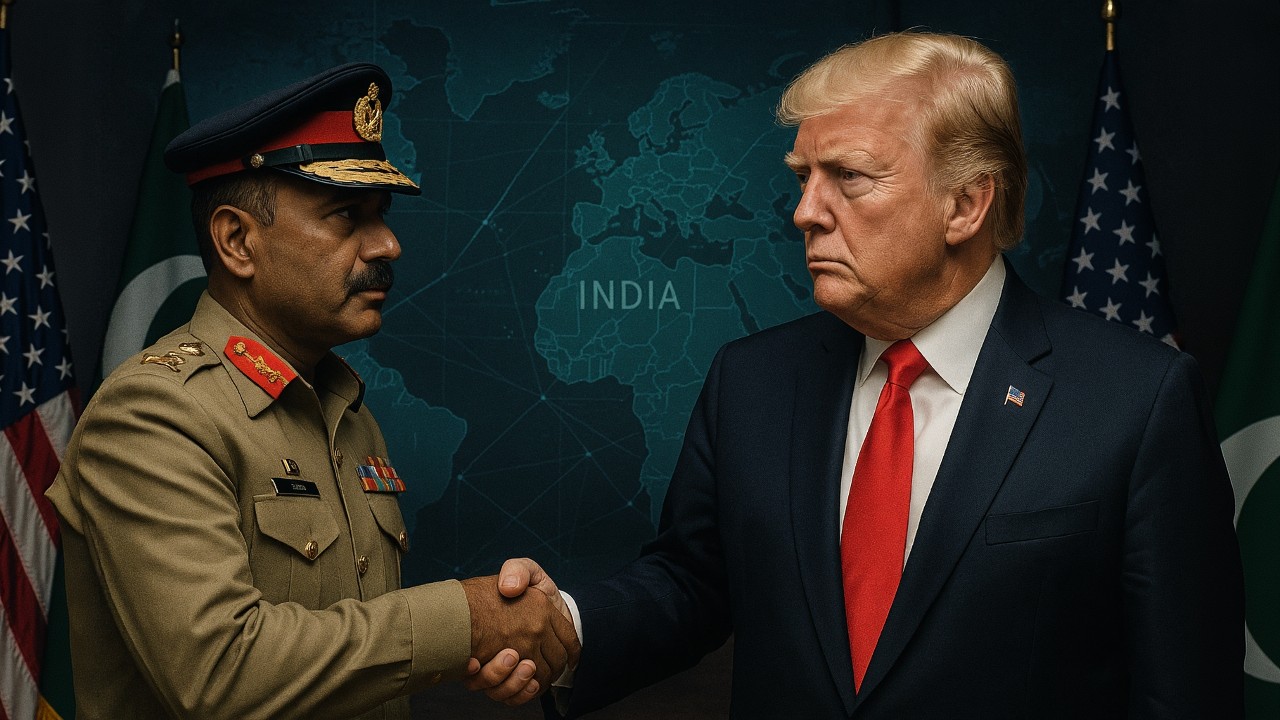
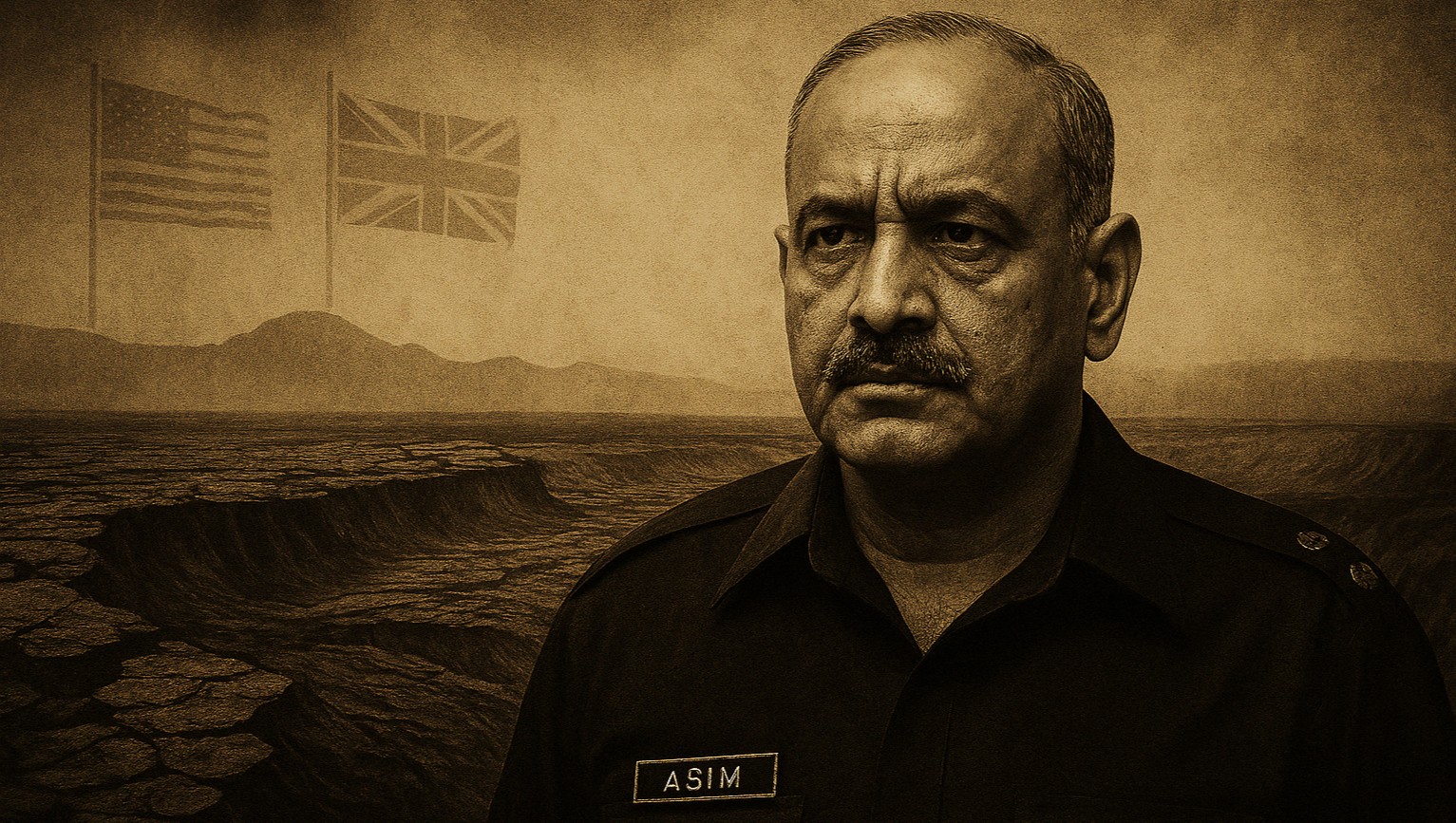
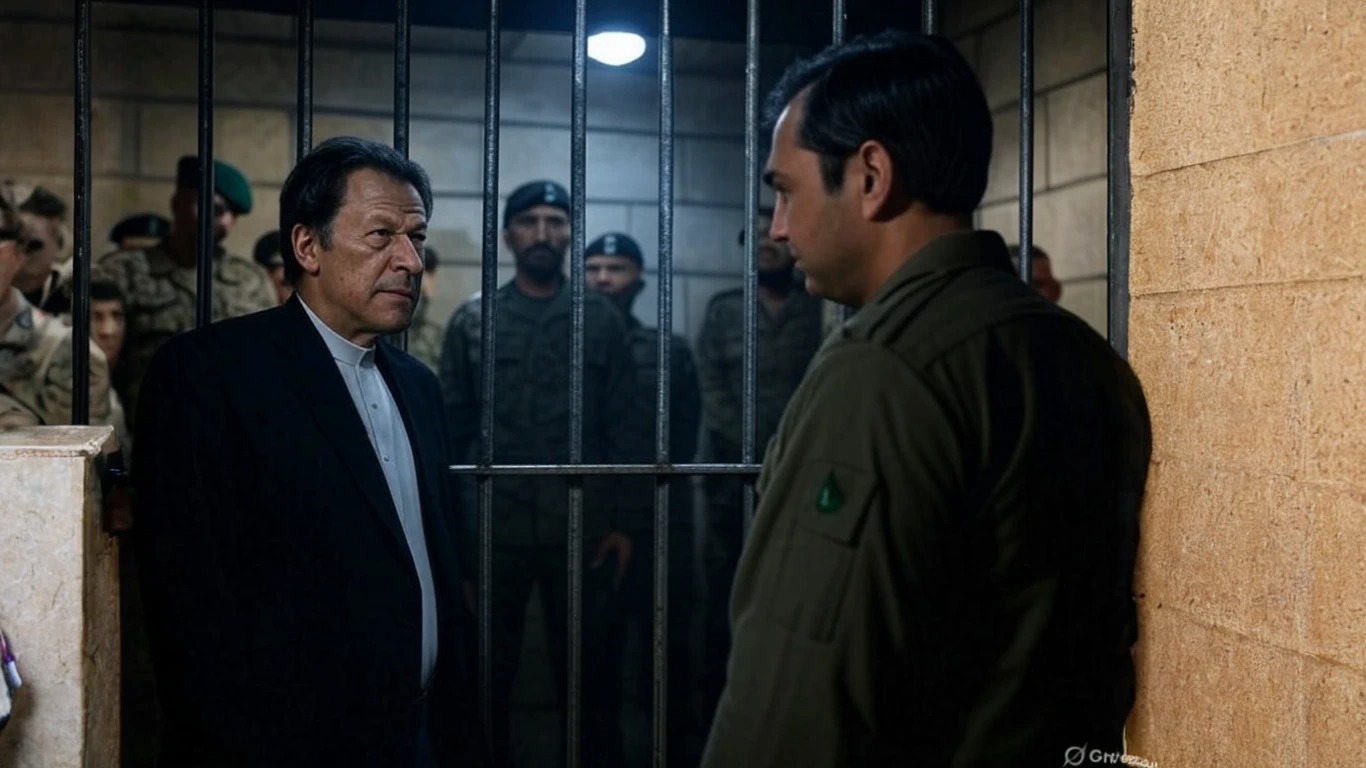
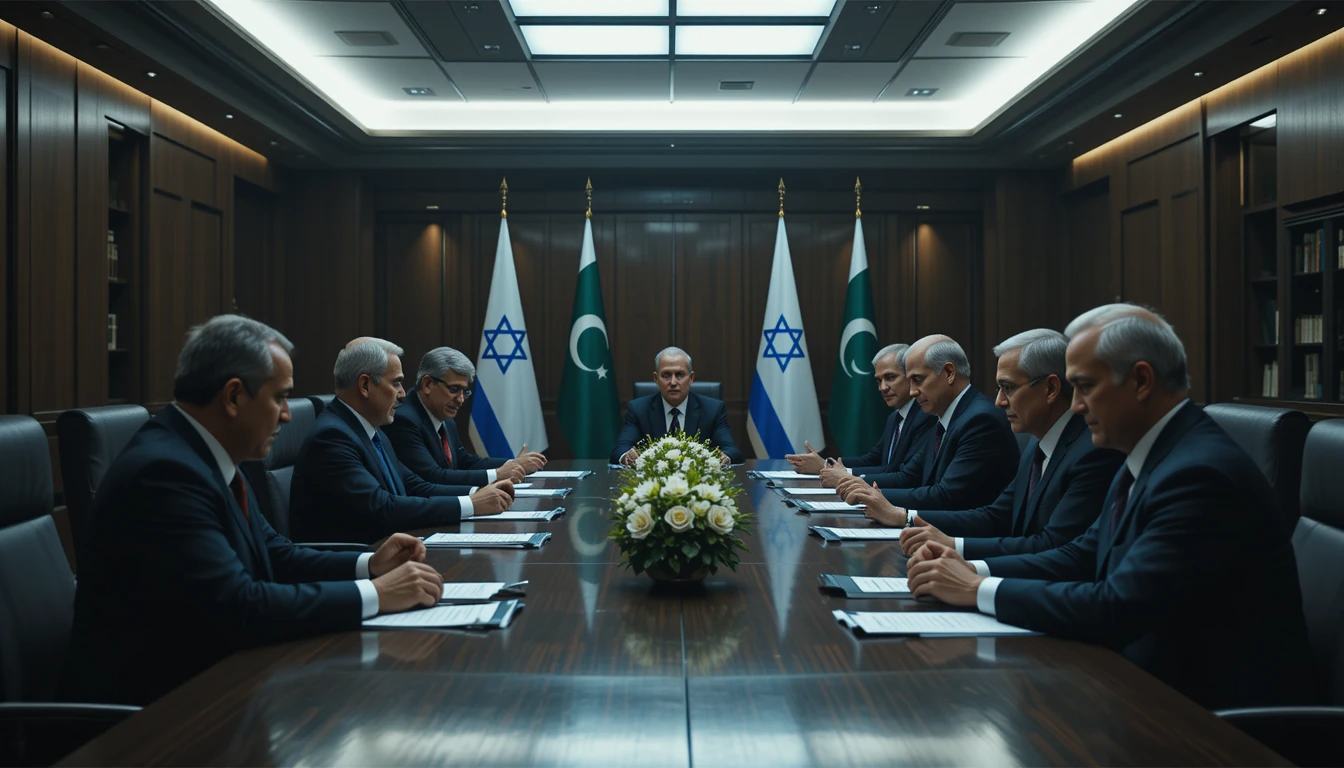
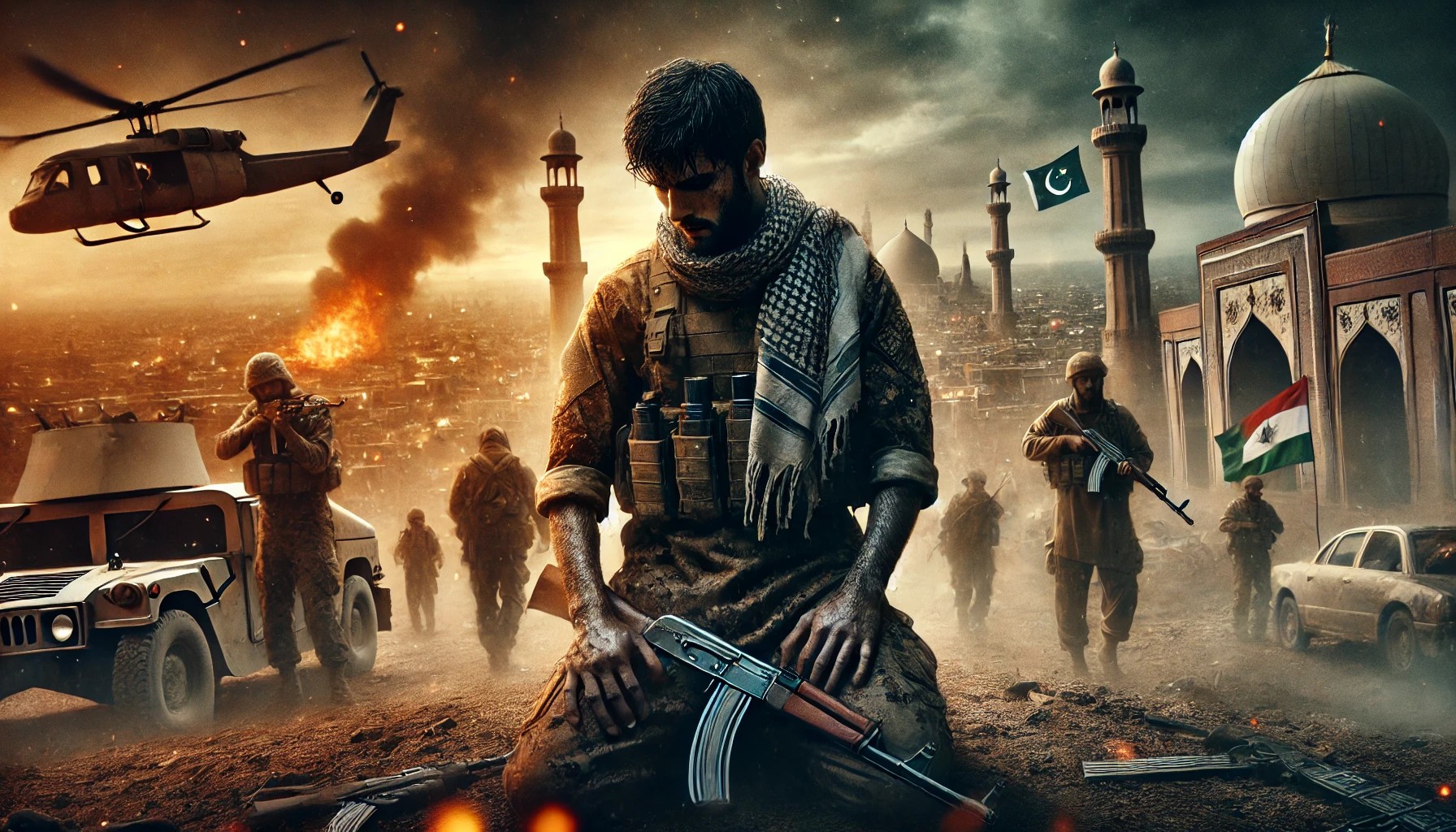
The growing discussion around Asim Munir next president is no longer limited to political speculation. Increasingly, it reflects a broader debate about the direction of Pakistan’s state structure, civil-military balance, and the future of governance itself.
Over recent weeks, several political signals, institutional developments, and regional pressures have intensified conversations about whether Pakistan may formally move toward a more openly military-centered political order.
From De Facto Power to Formal Authority
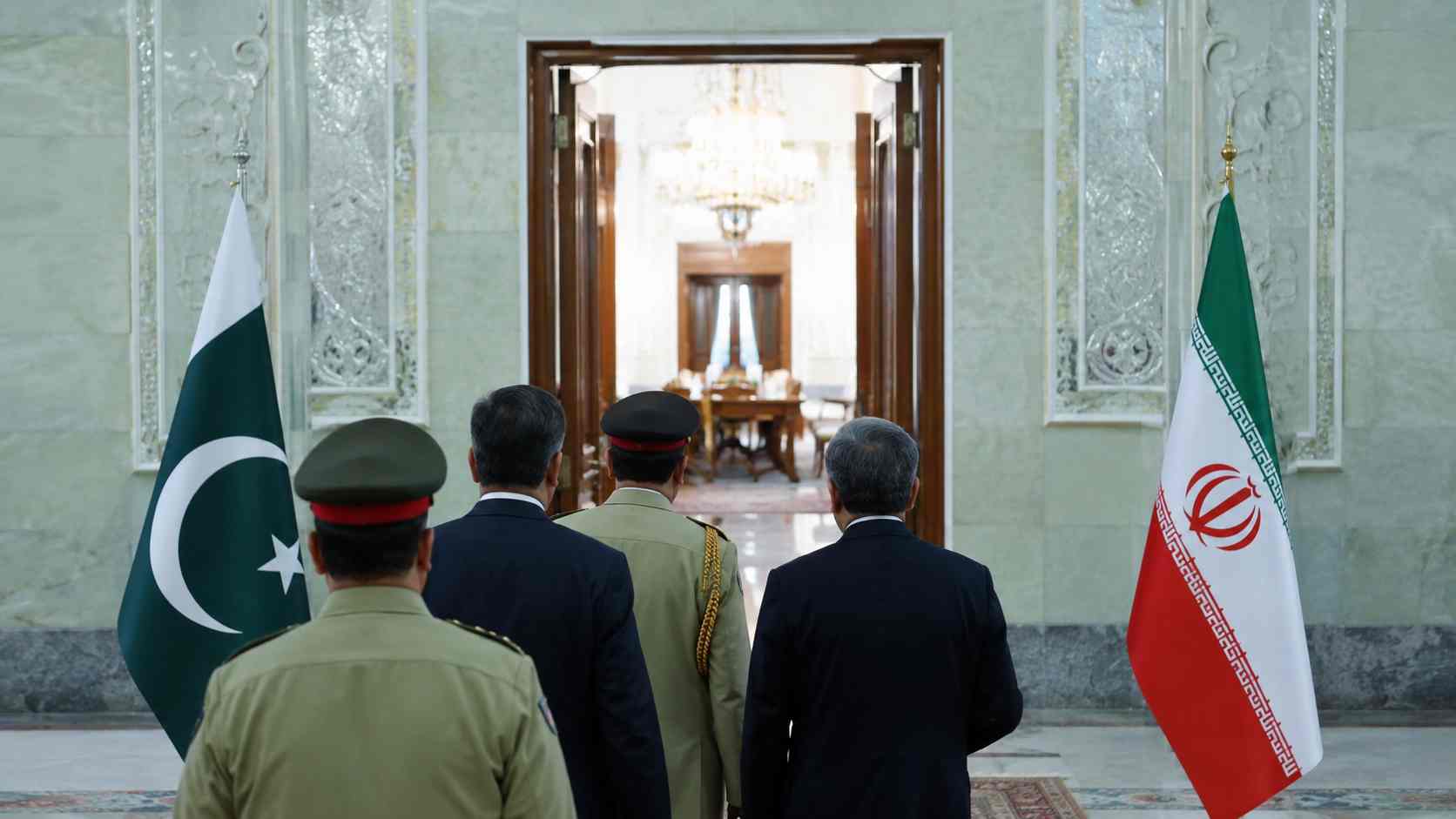
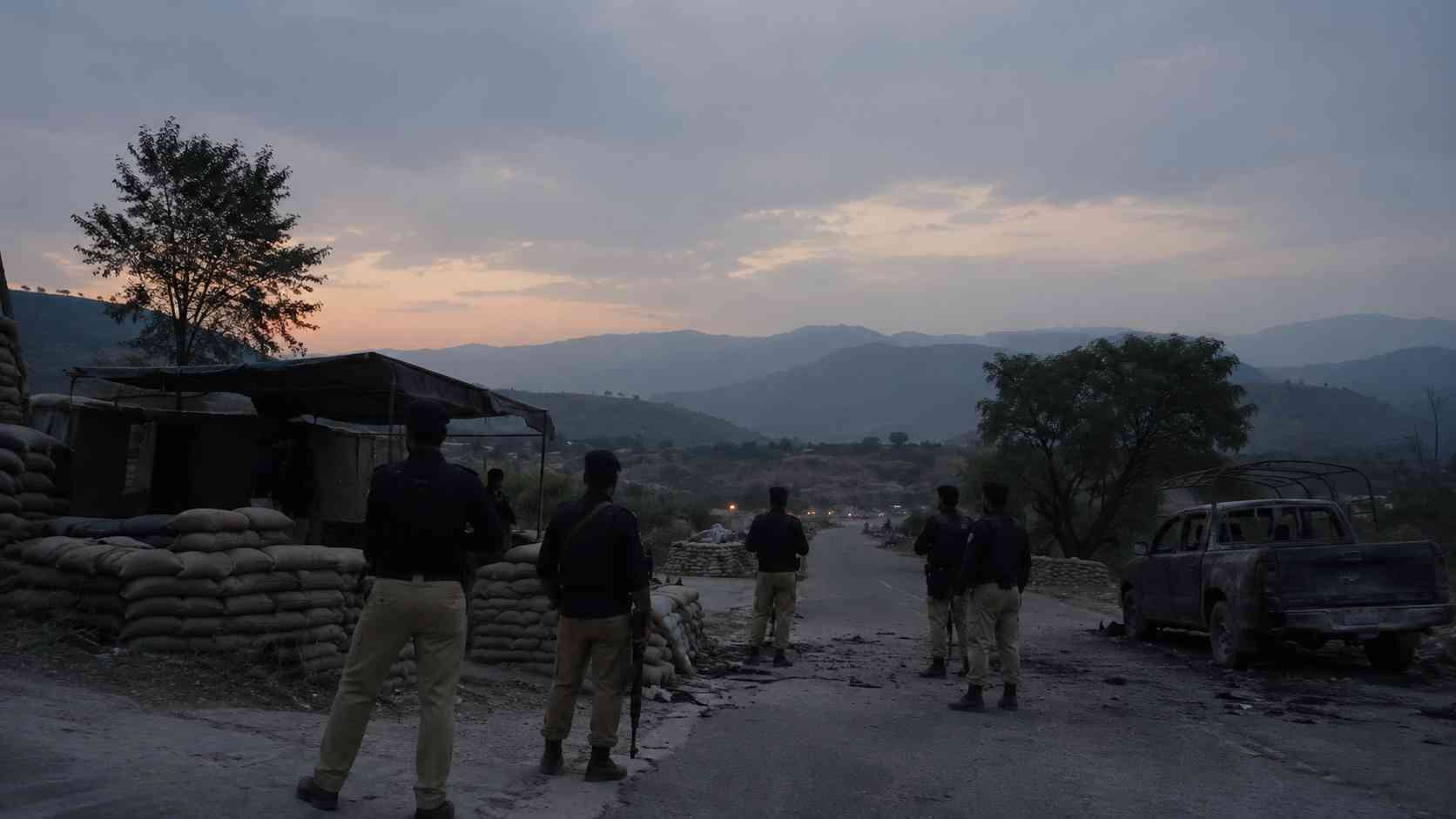
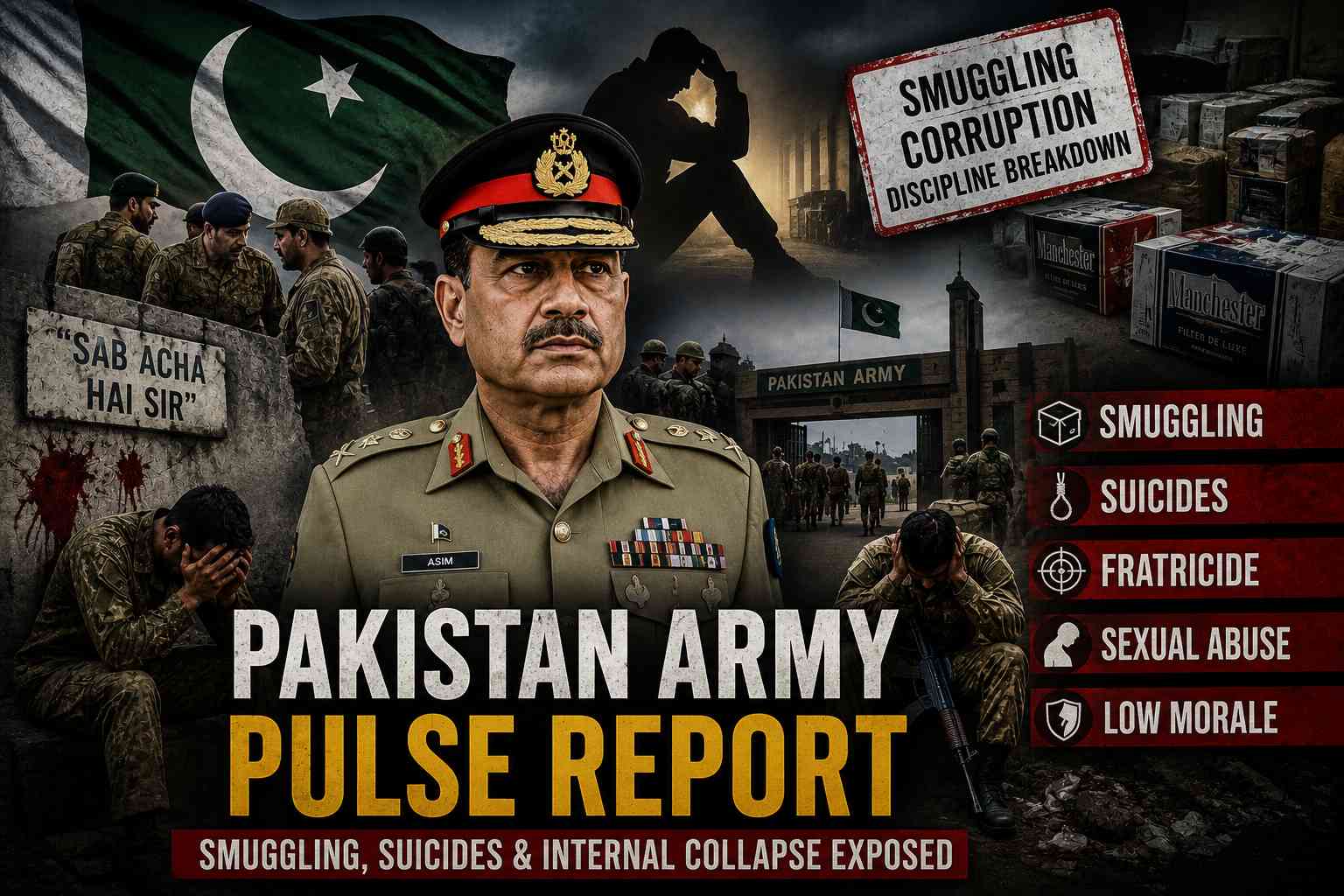
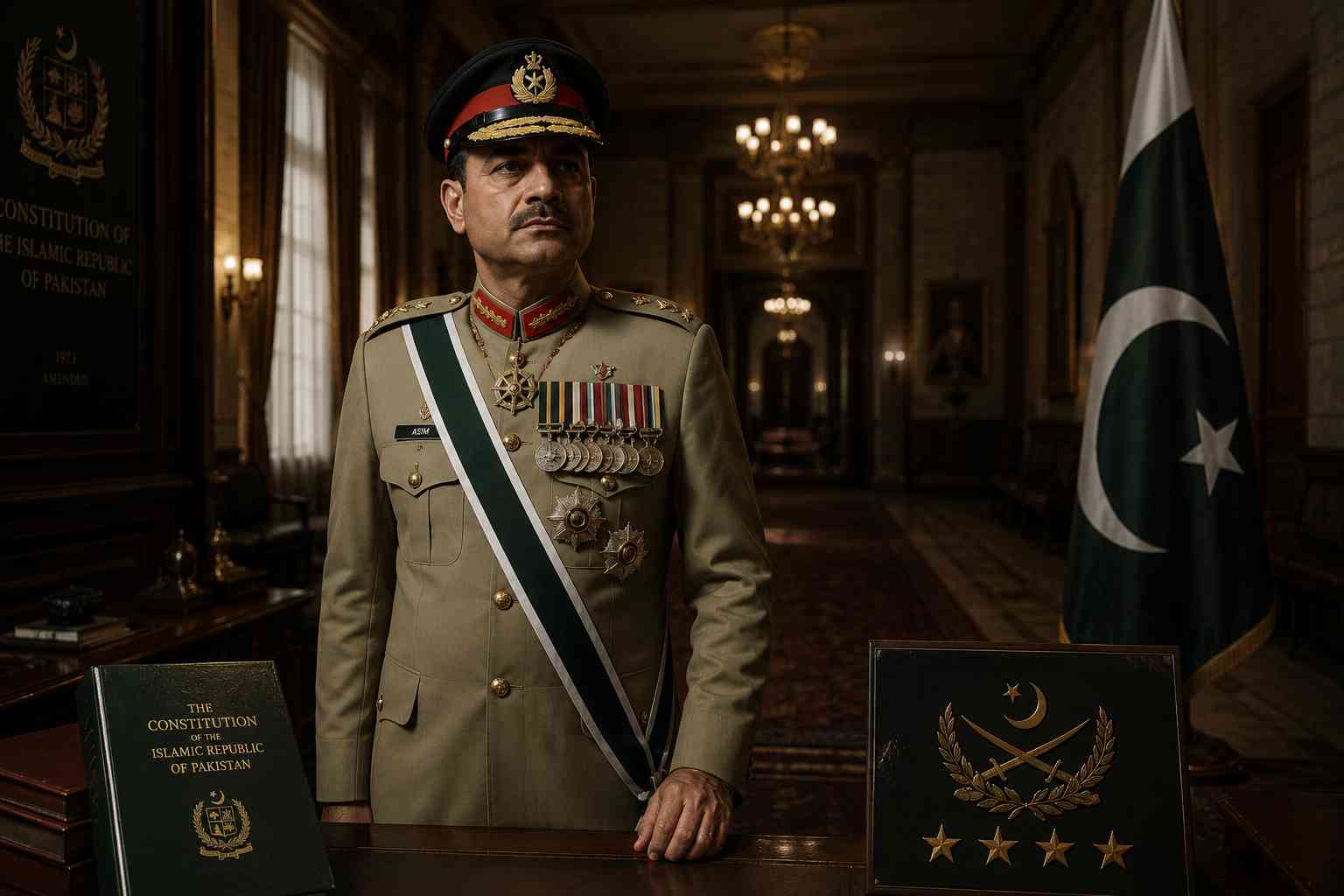
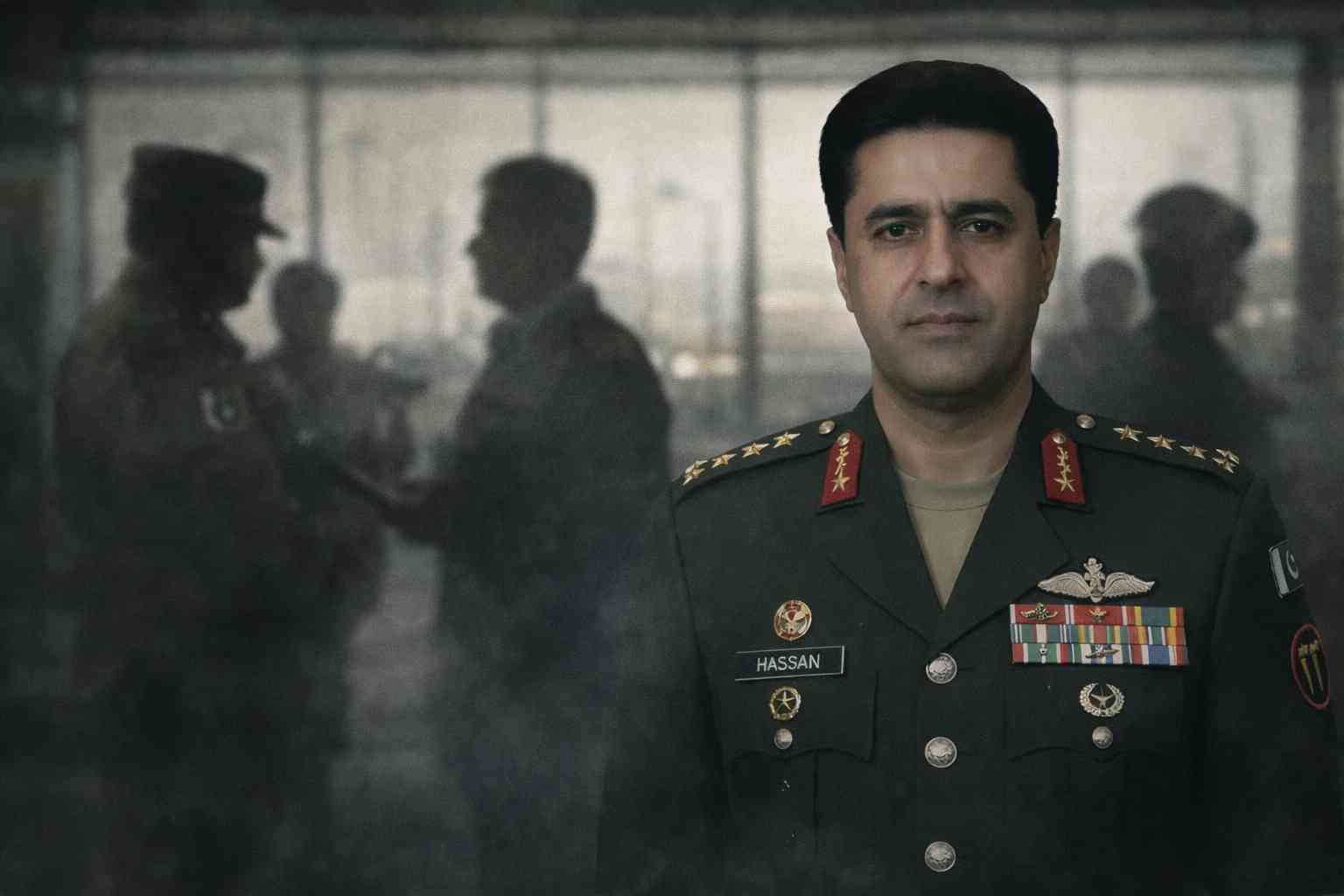
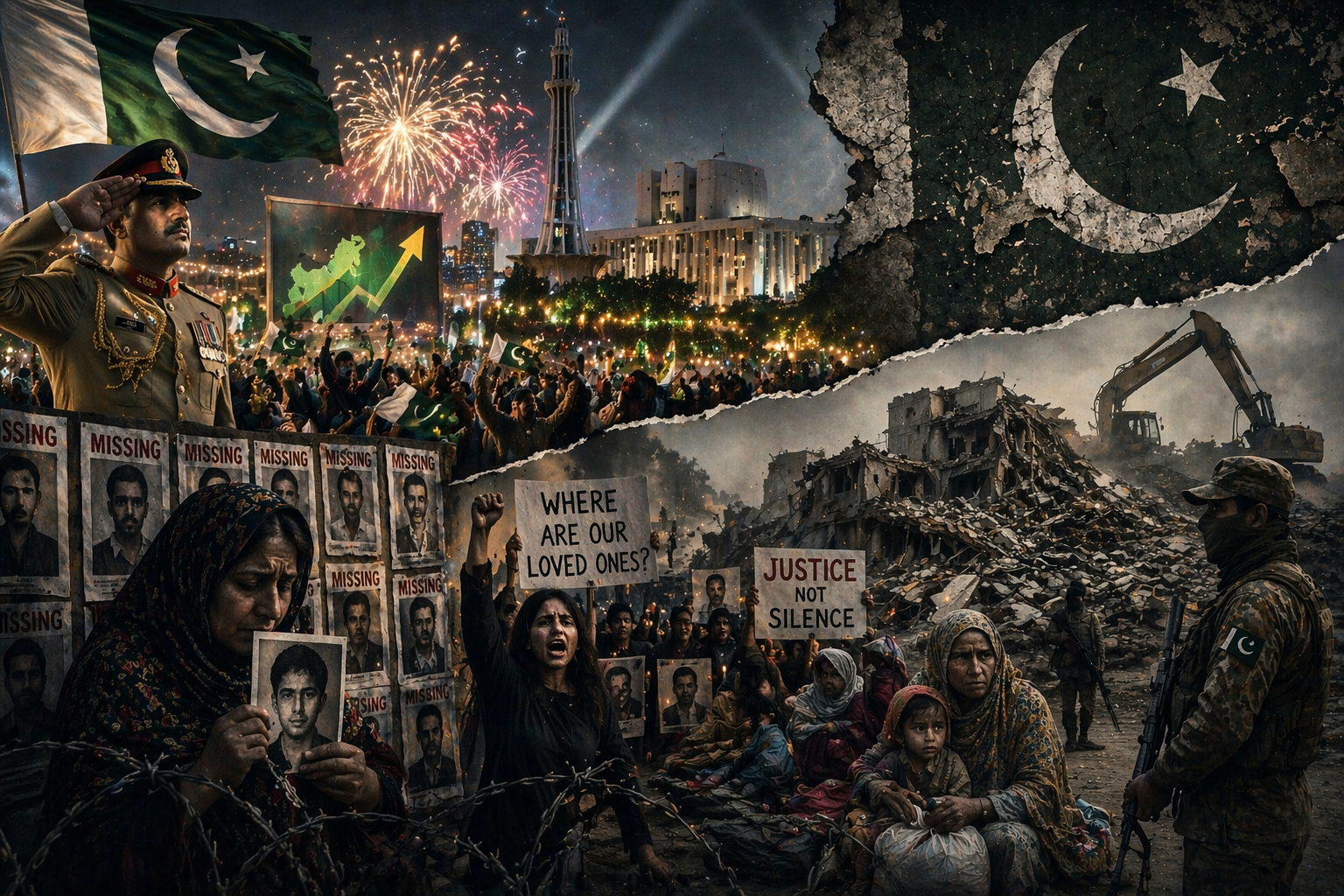
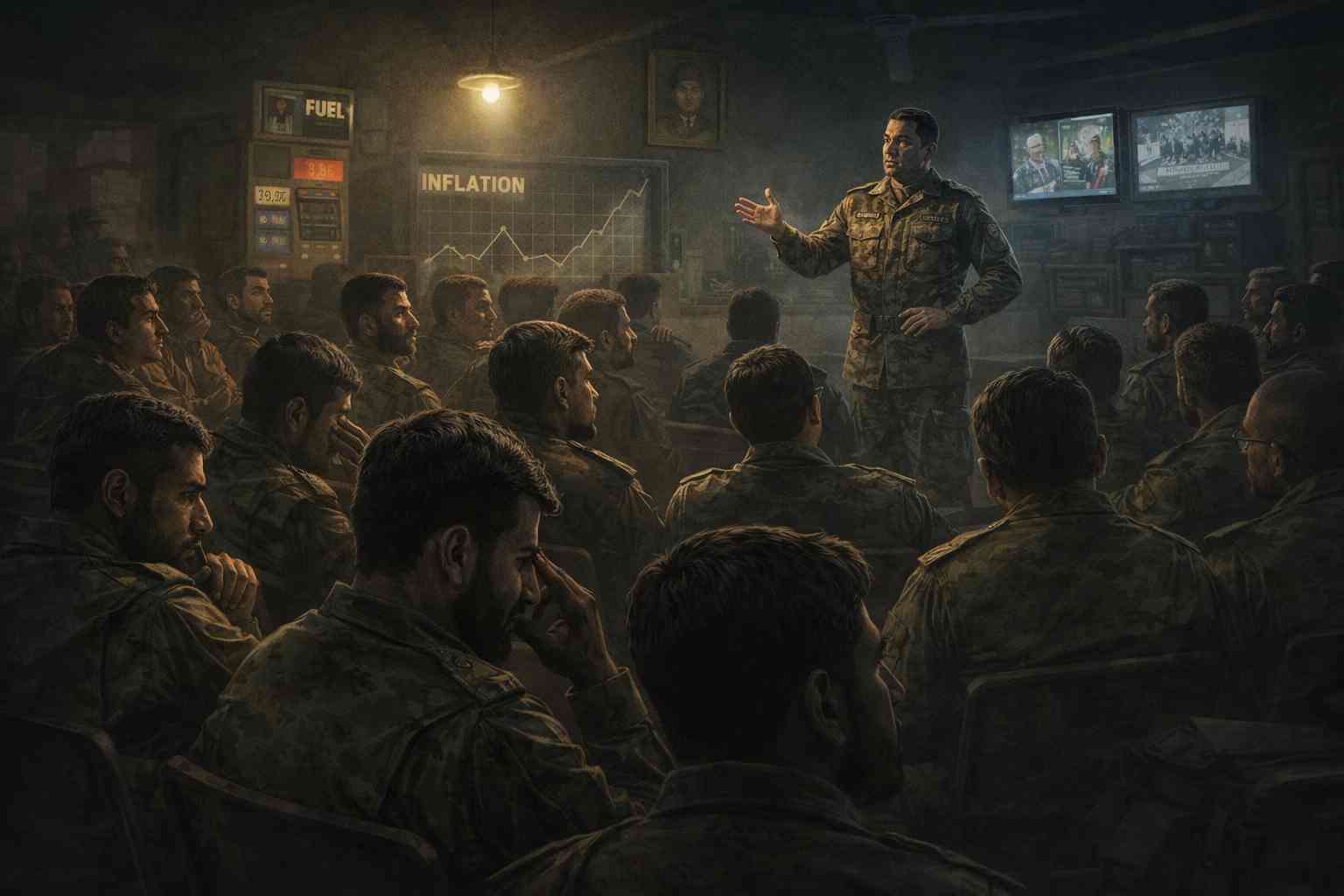
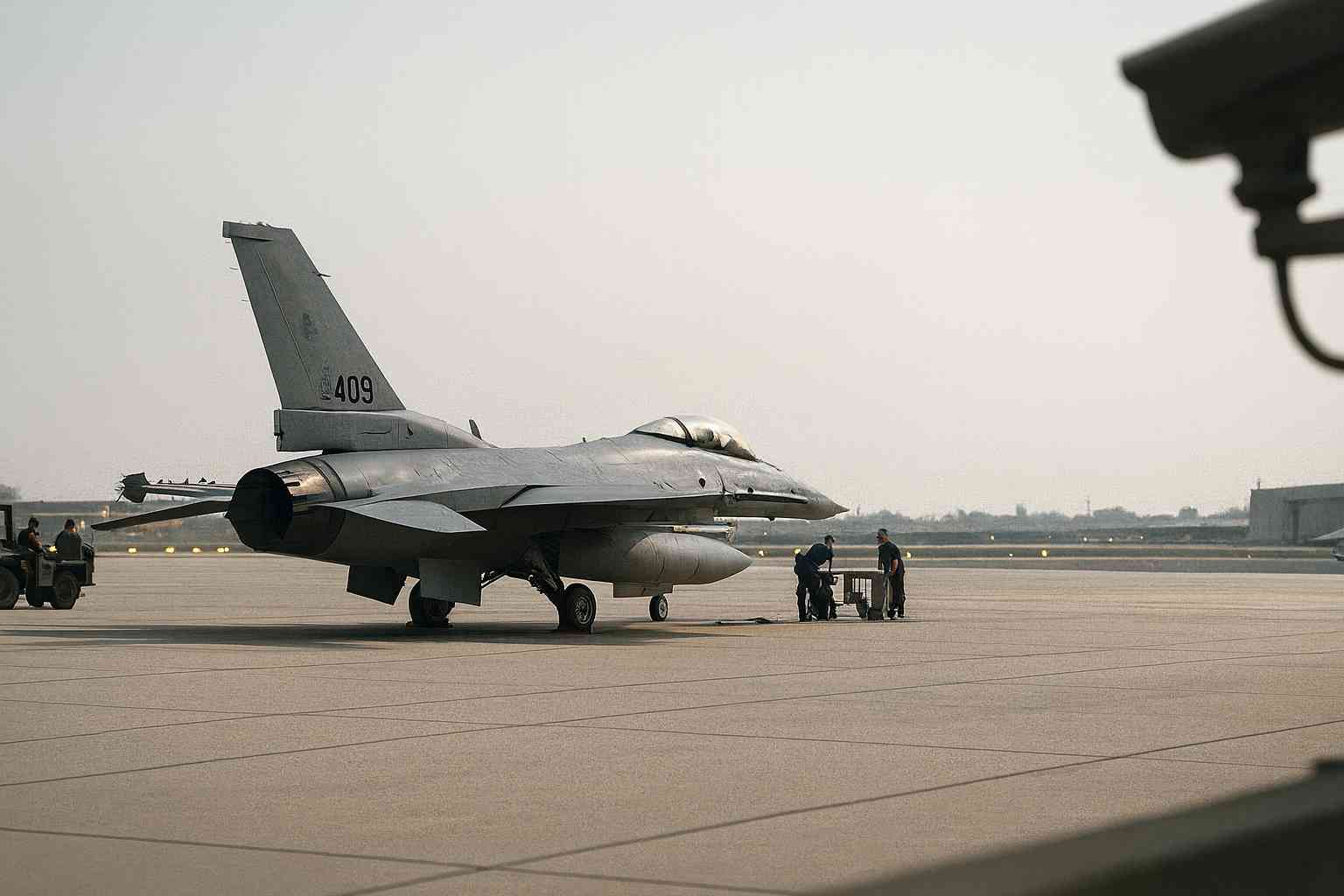
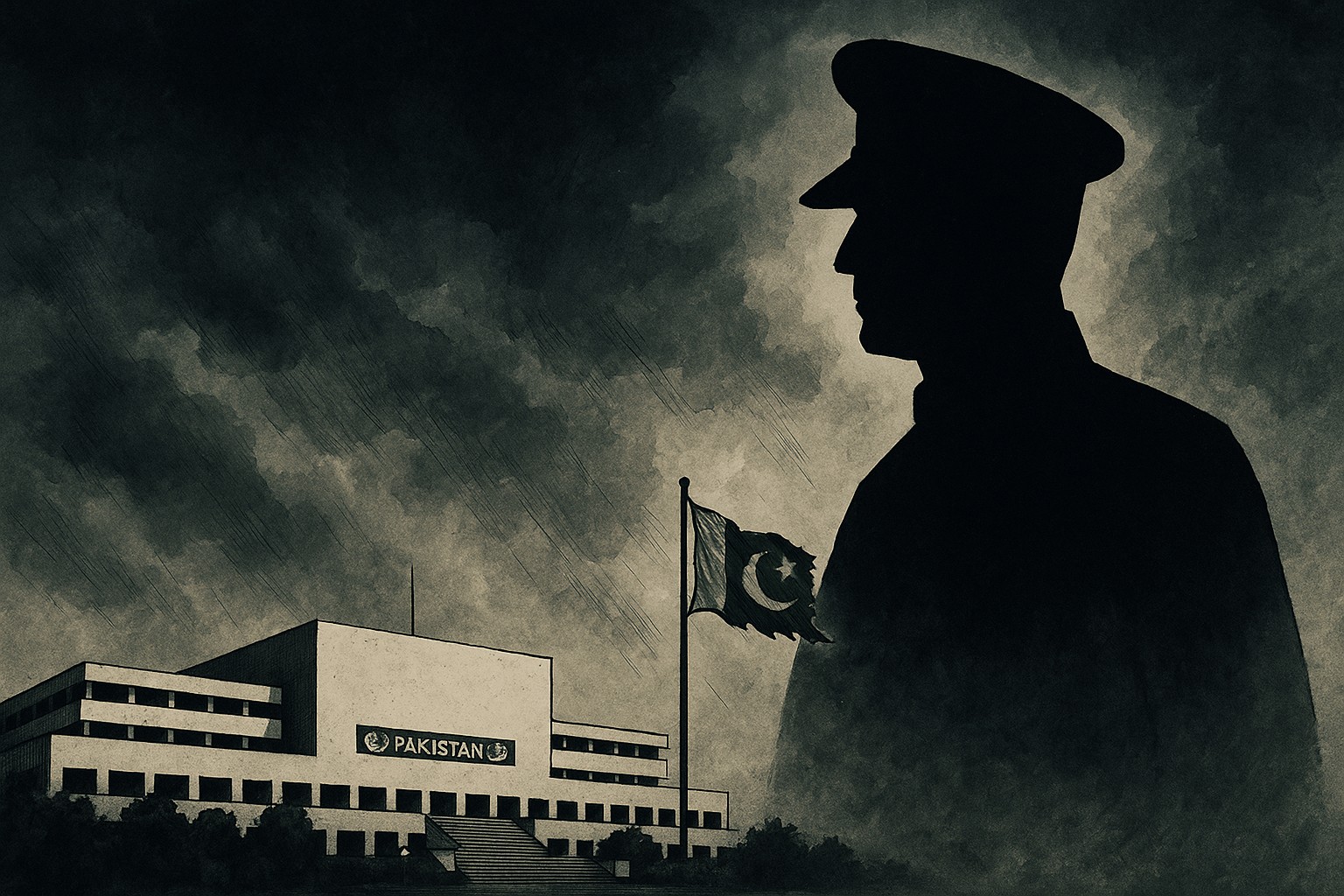
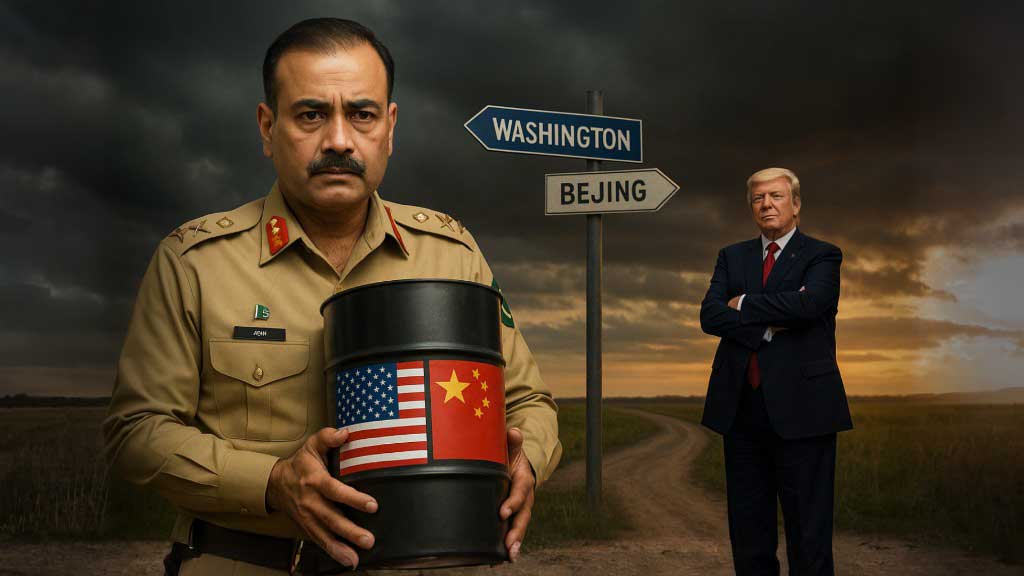
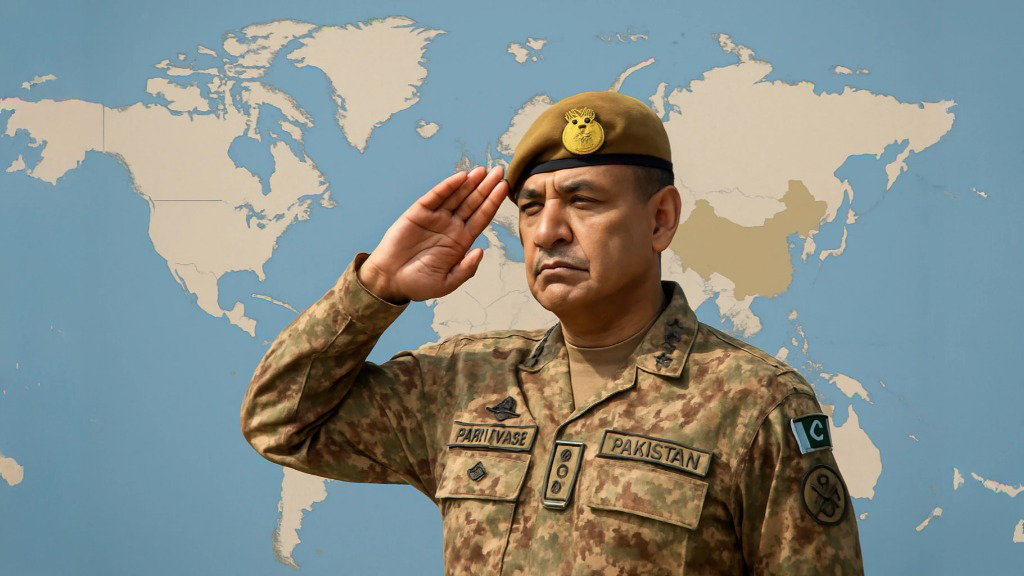
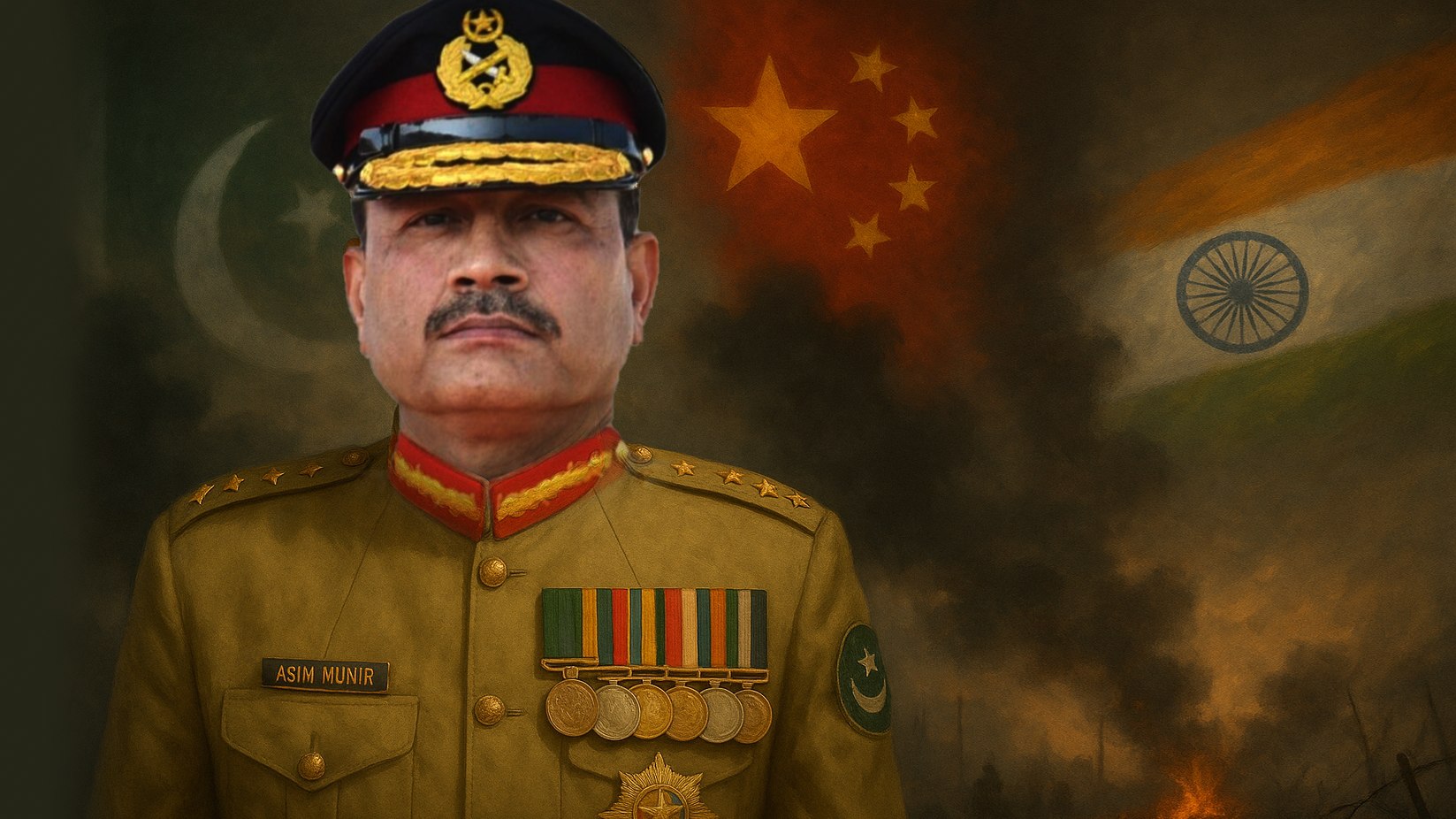
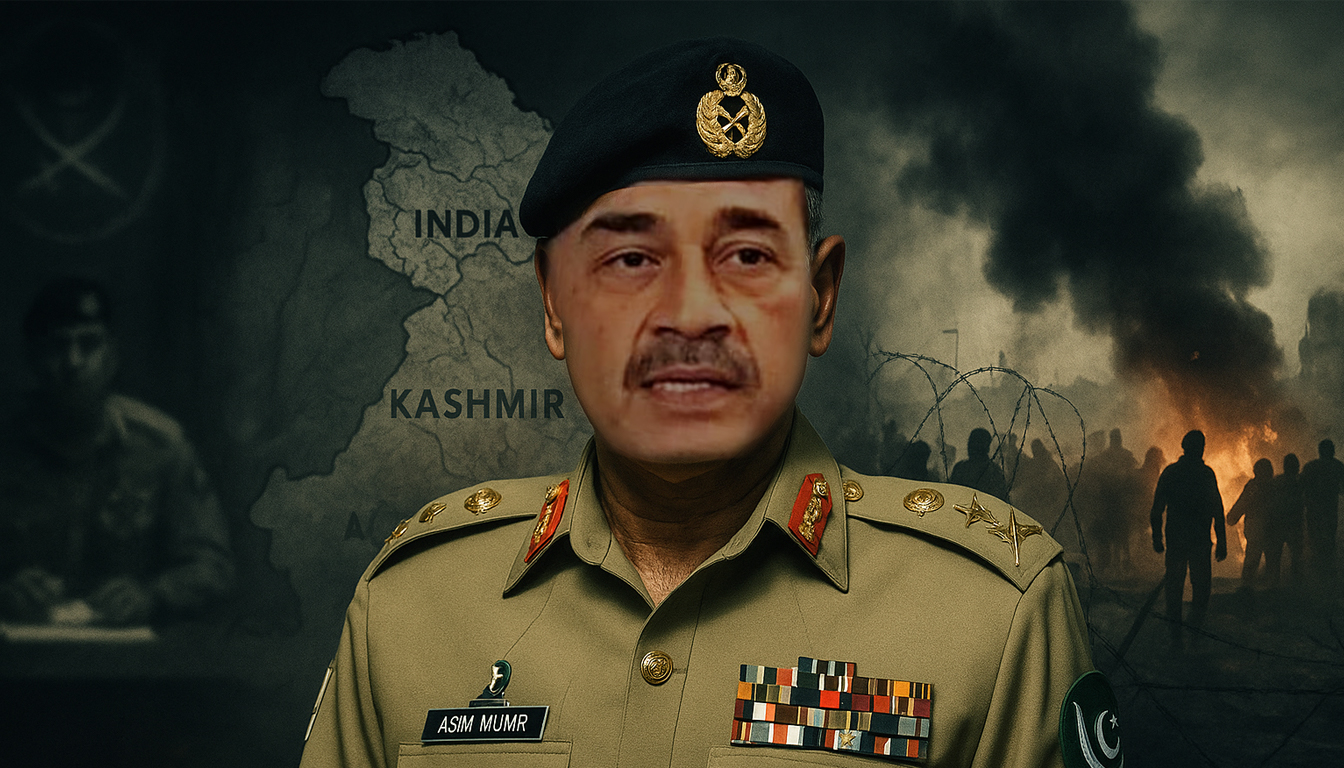
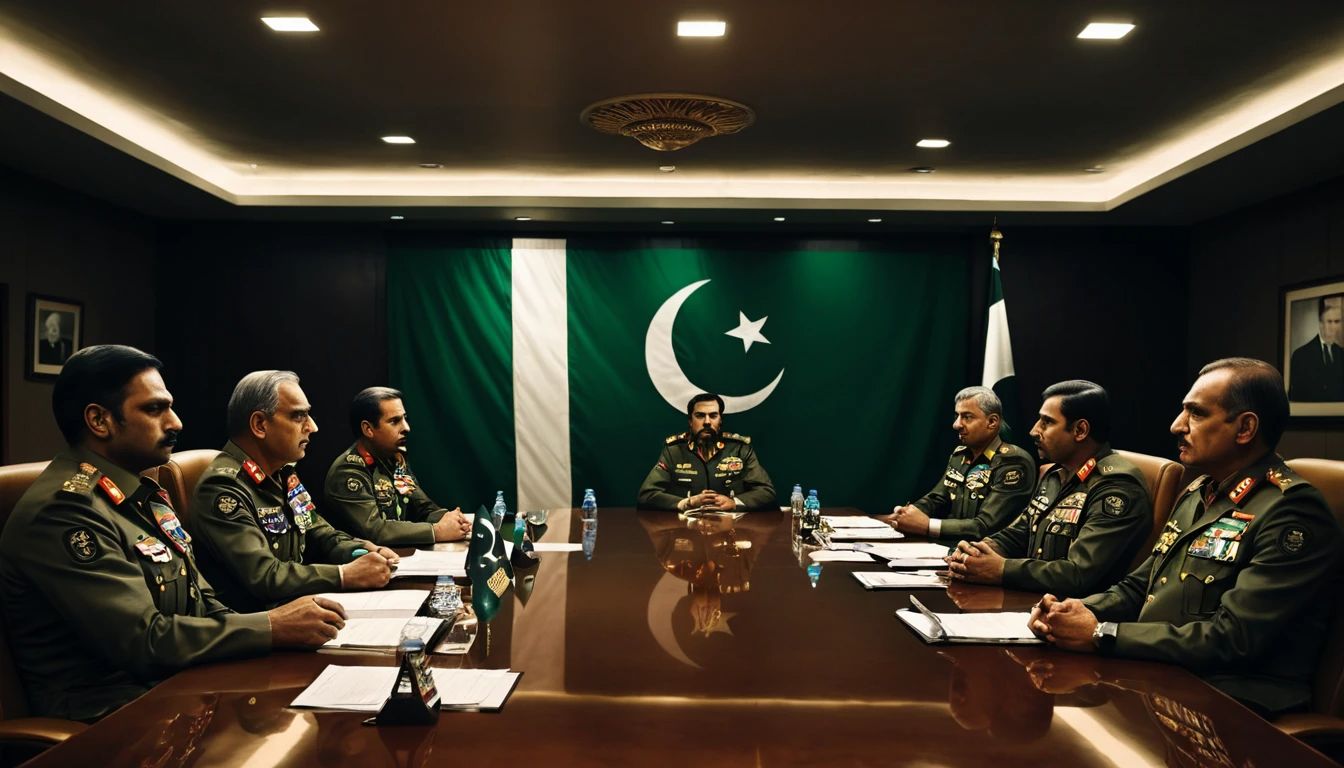
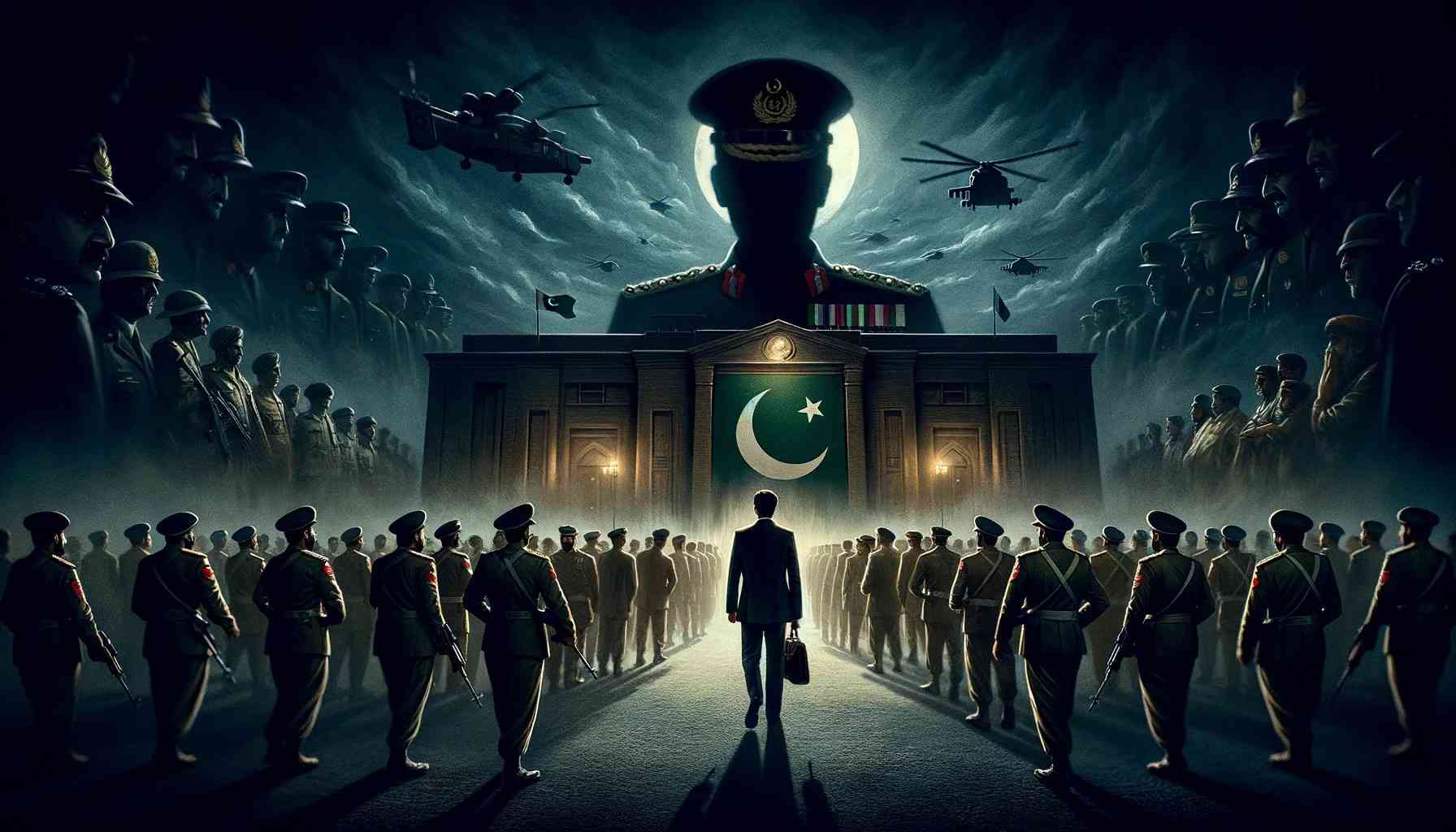
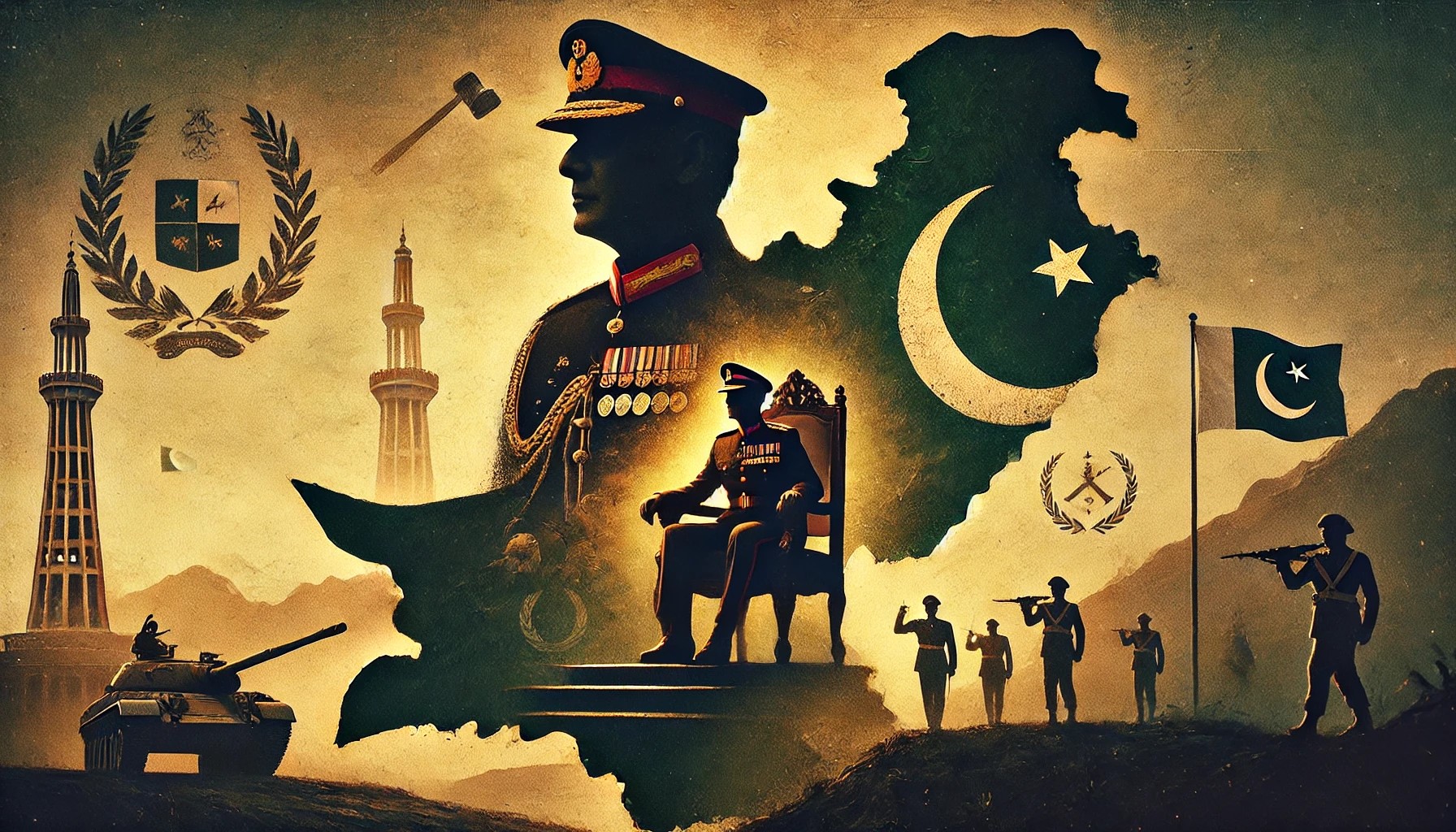
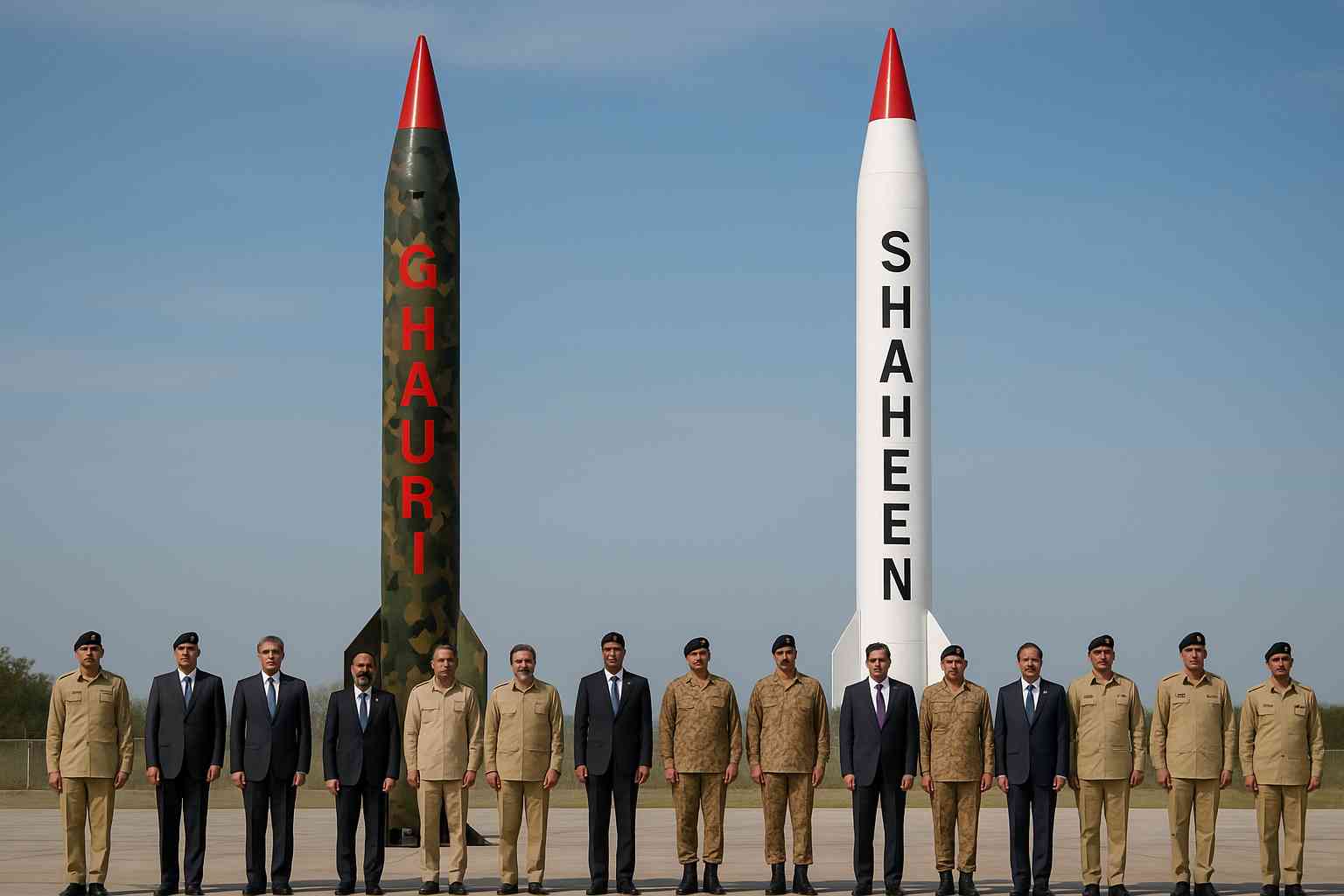
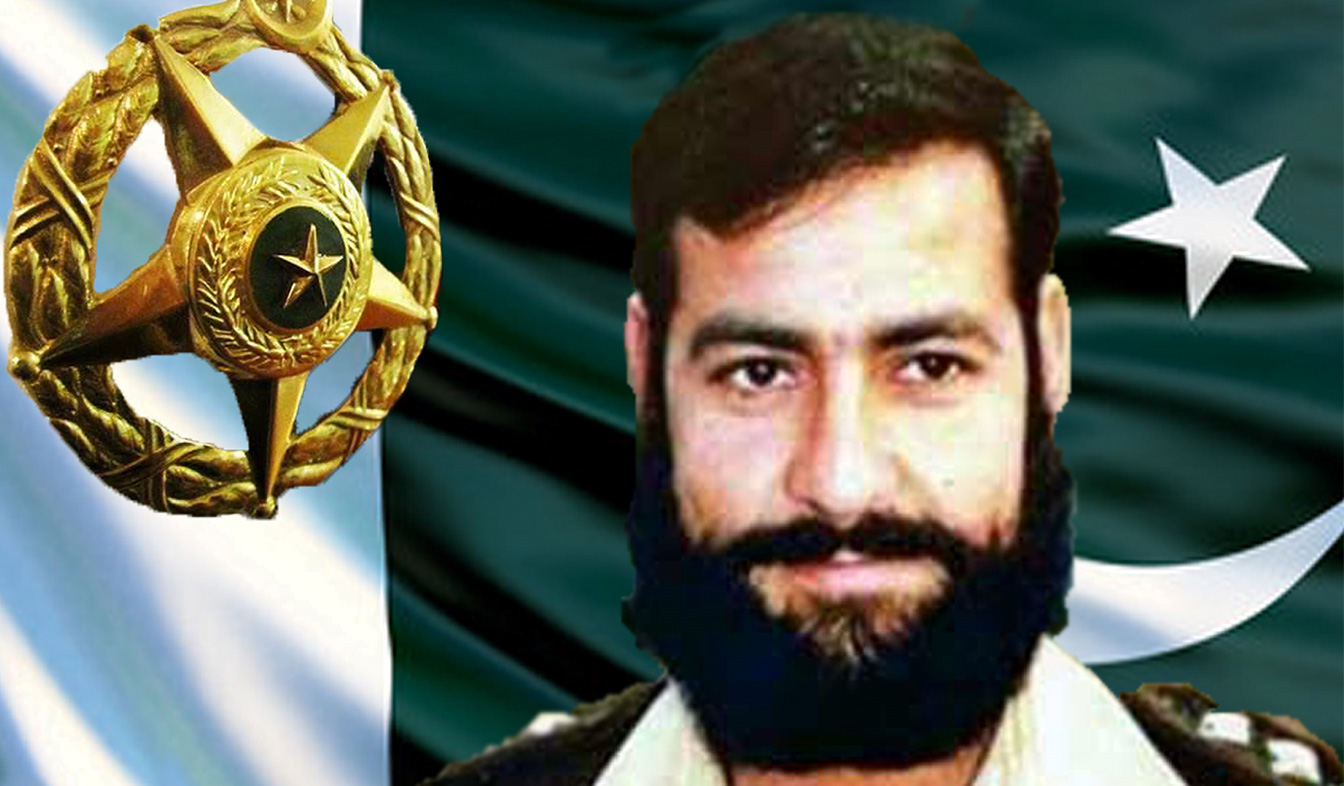
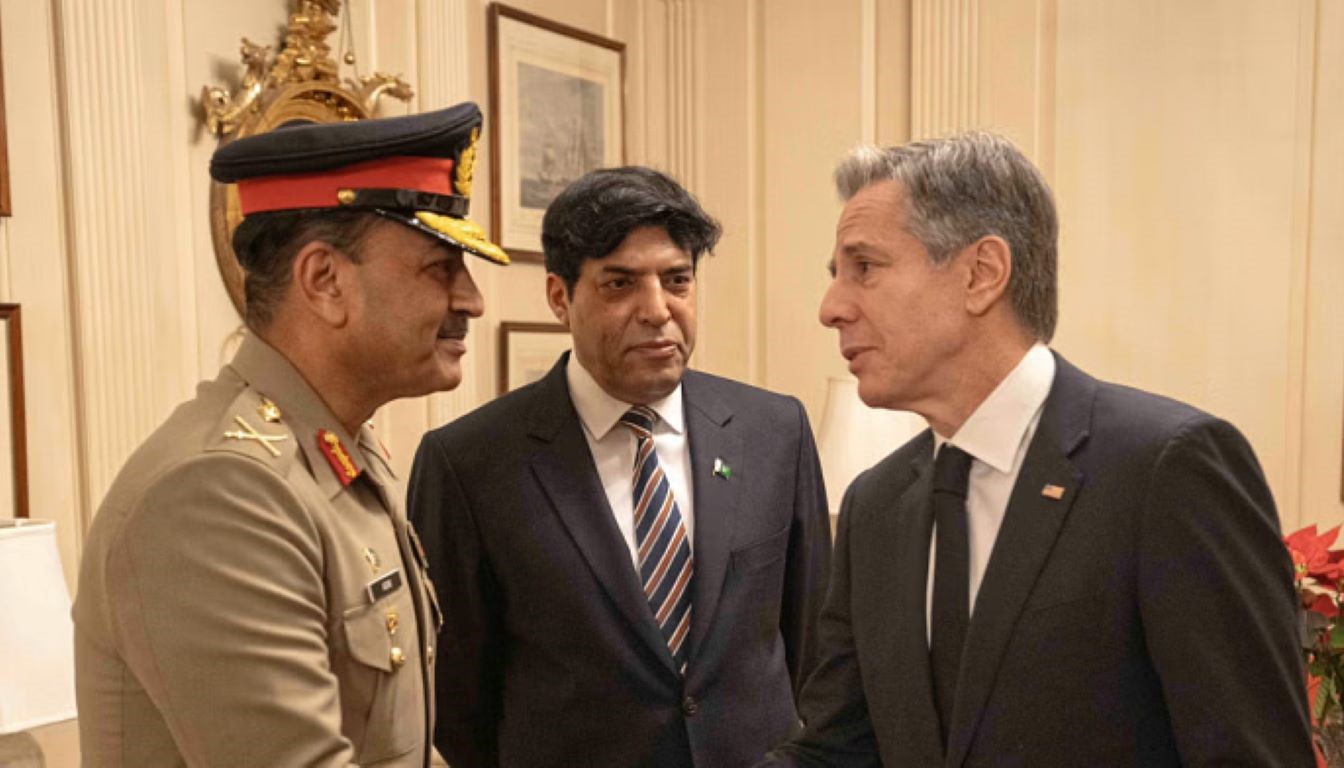
Pakistan’s Army Chief, Field Marshal General Asim Munir, already occupies a dominant position within the country’s political system. Public statements on regional security, India, strategic order, and foreign policy increasingly resemble those of a head of state rather than a conventional military commander.
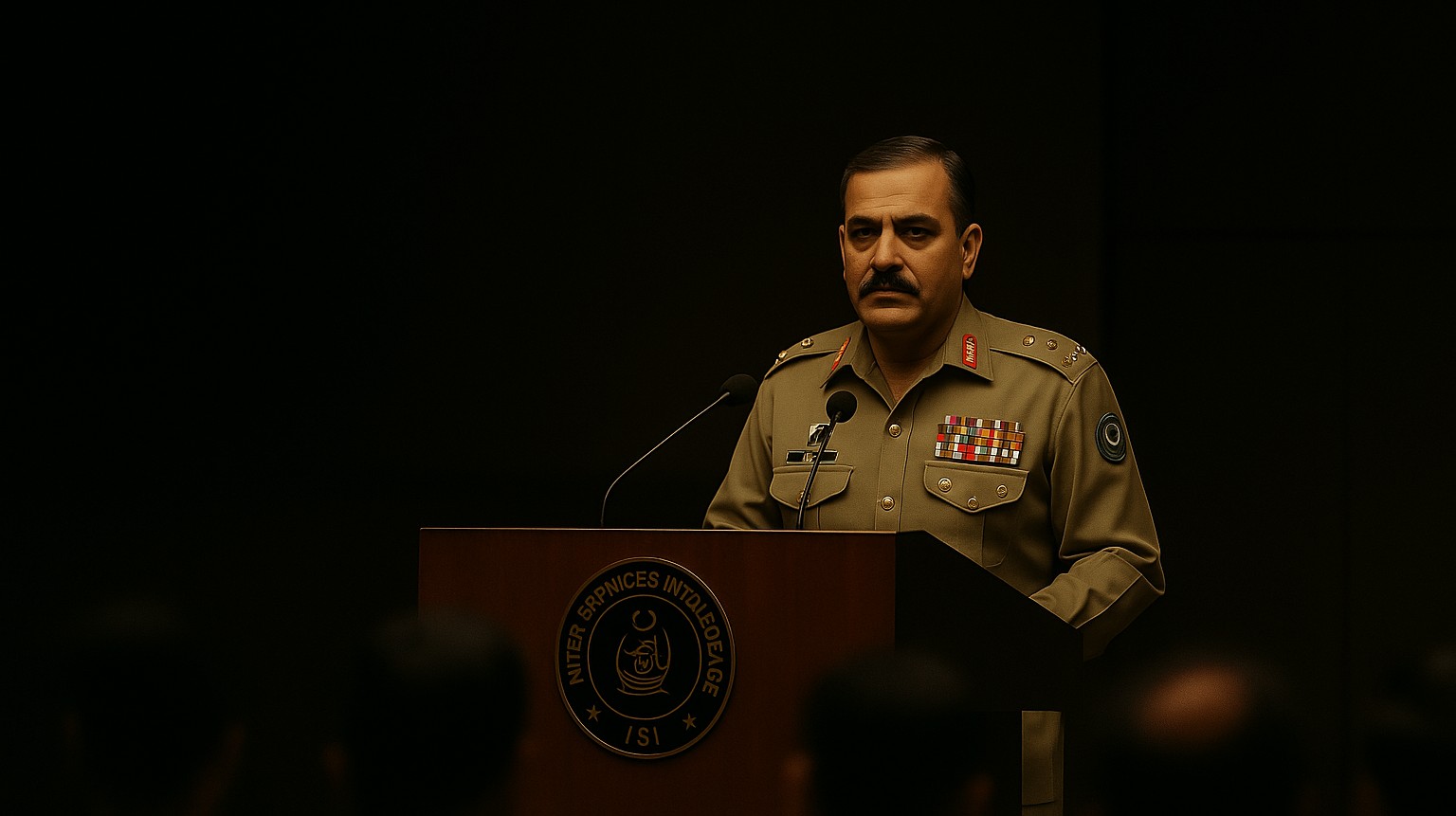
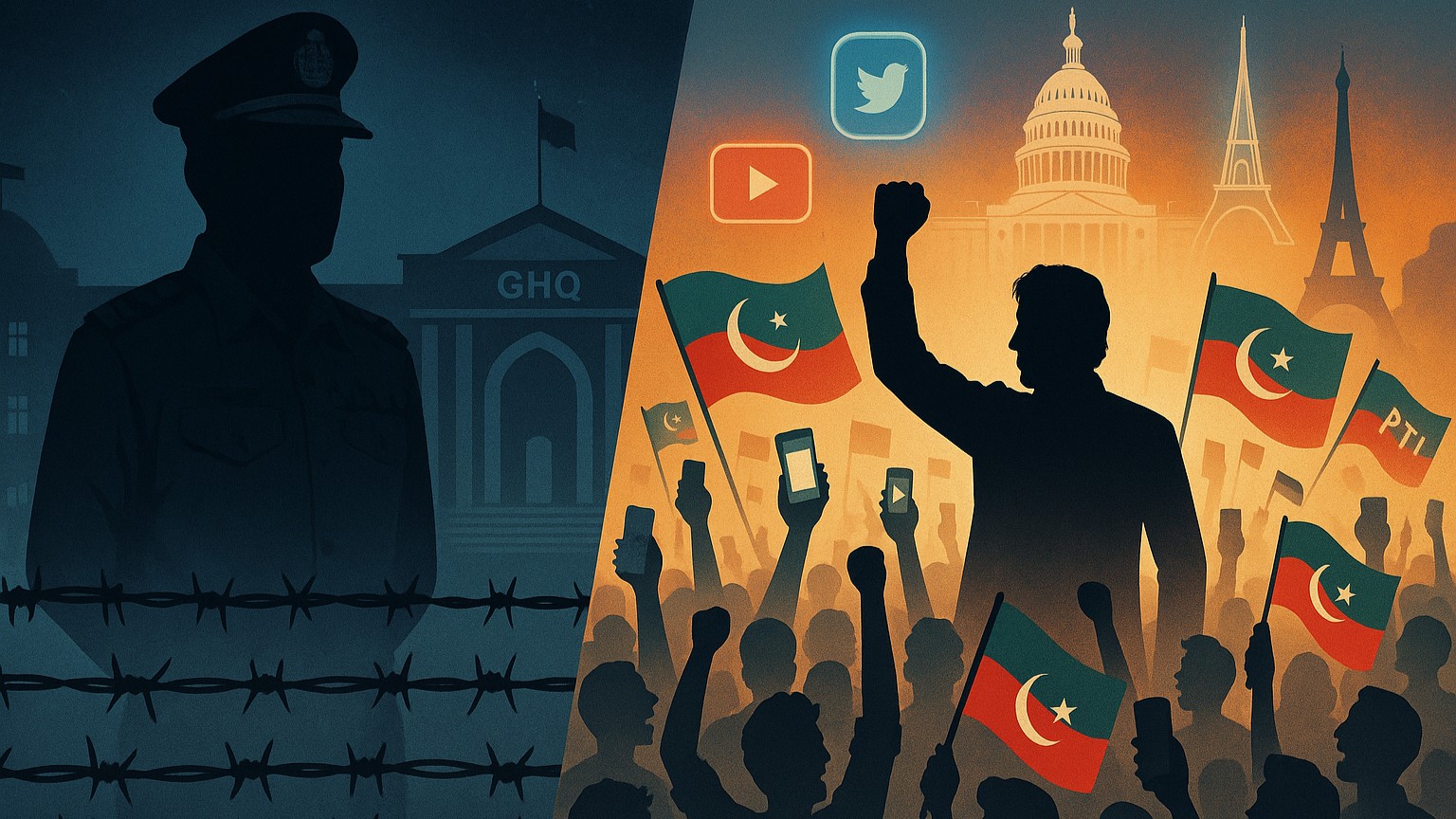
This perception has strengthened after recent GHQ speeches where the military leadership framed itself as the guardian of Pakistan’s regional role and national direction.
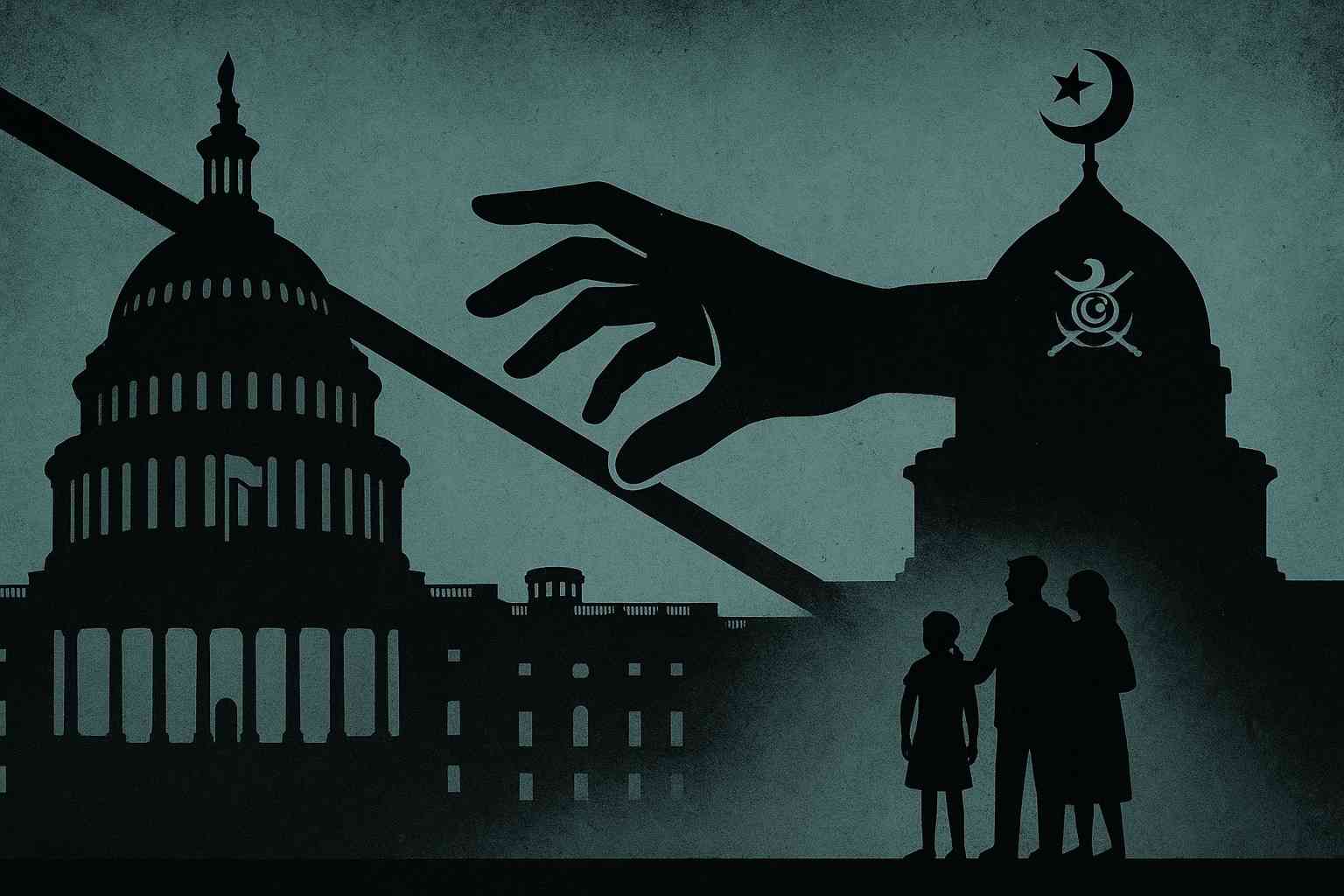
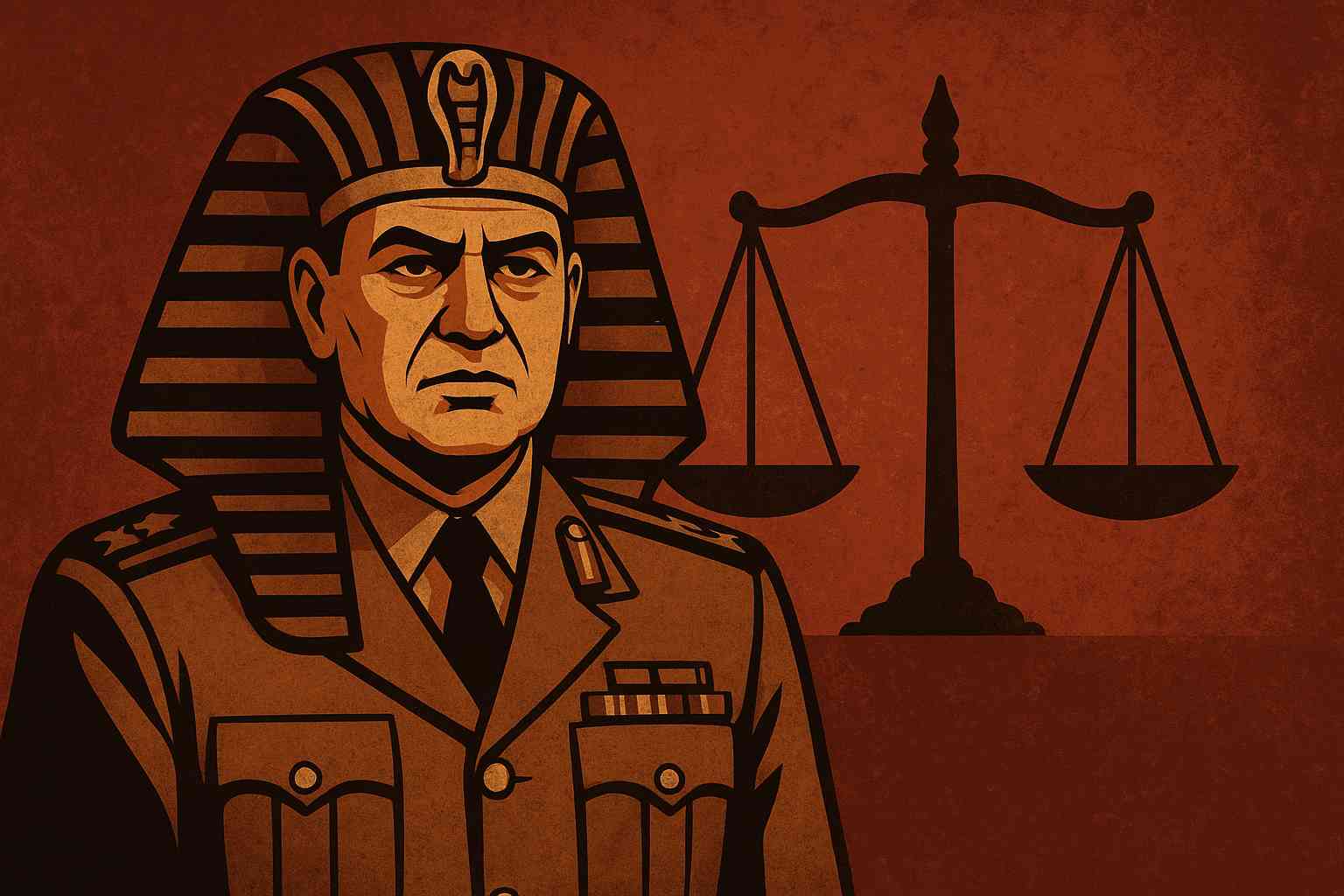
The question now being raised in political circles is whether this de facto authority could eventually evolve into formal constitutional power.
The 28th Amendment Debate
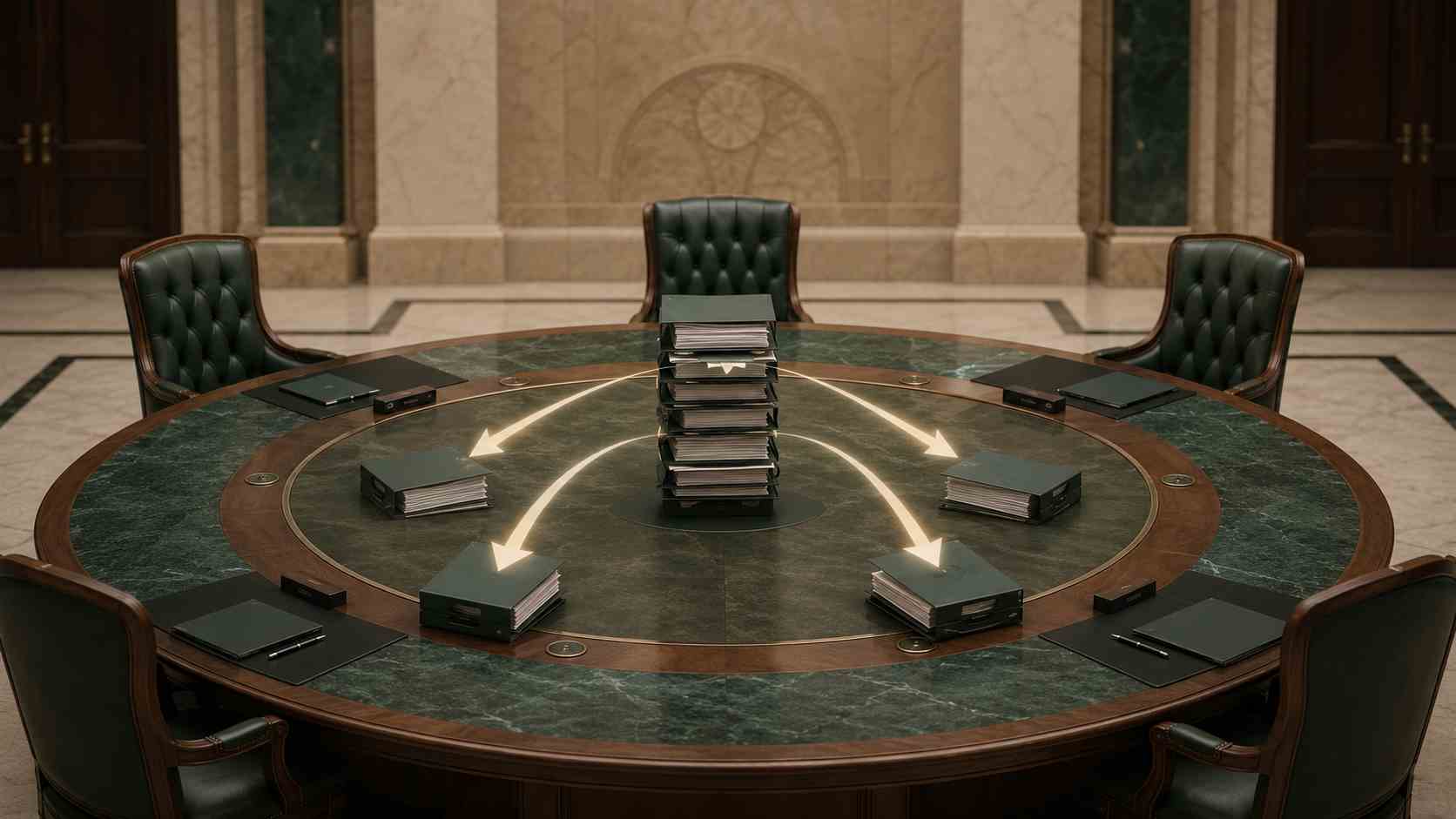
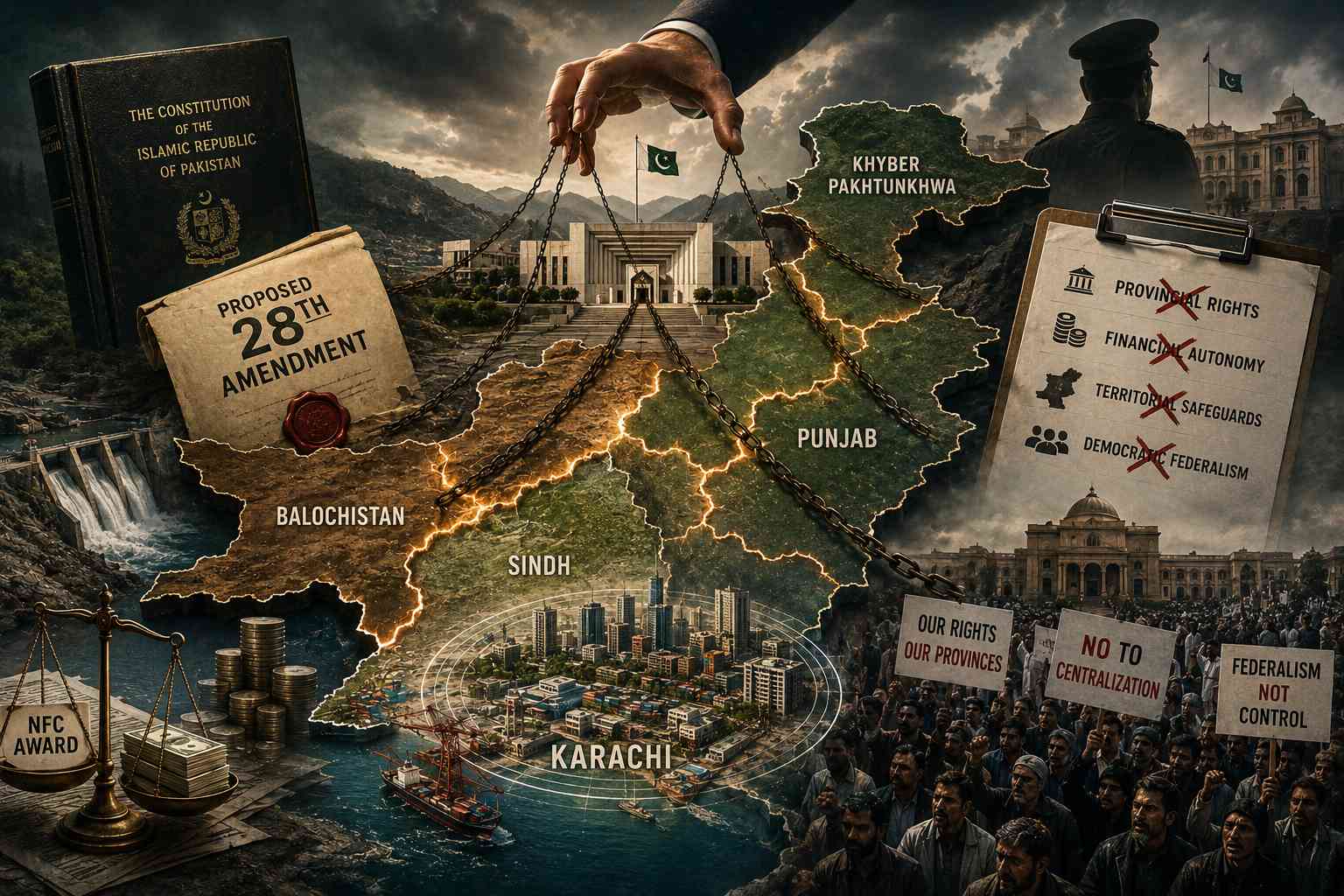
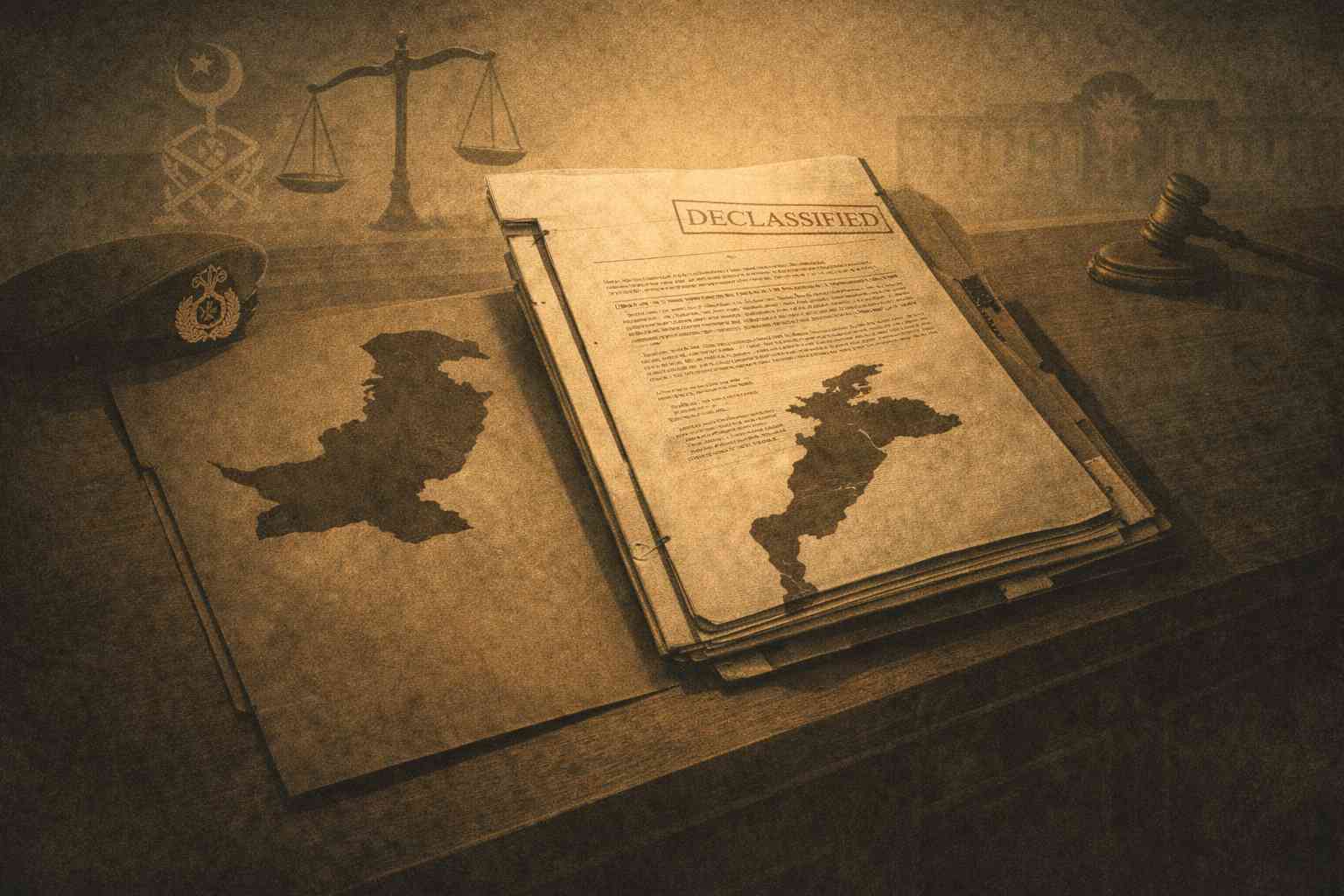
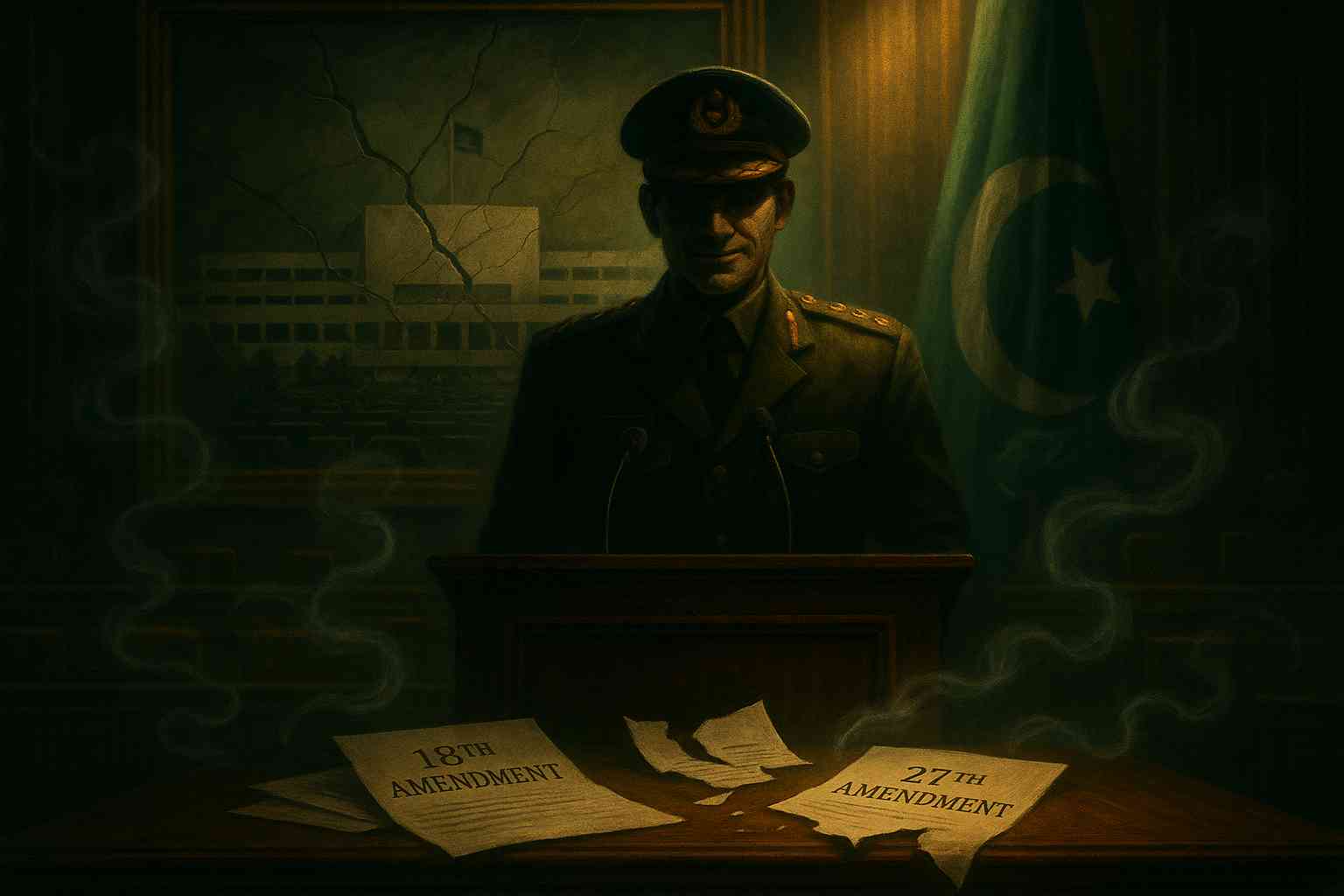
Much of the speculation surrounding Asim Munir next president is linked to reports about a possible 28th Constitutional Amendment. According to political discussions referenced in the vlog, sections within the establishment are believed to be considering major structural changes to Pakistan’s federal framework.
The debate reportedly includes:
- Reversing parts of the 18th Amendment
- Returning greater authority to the federal government
- Expanding central control over education and health
- Reconsidering fiscal distribution mechanisms under the NFC Award
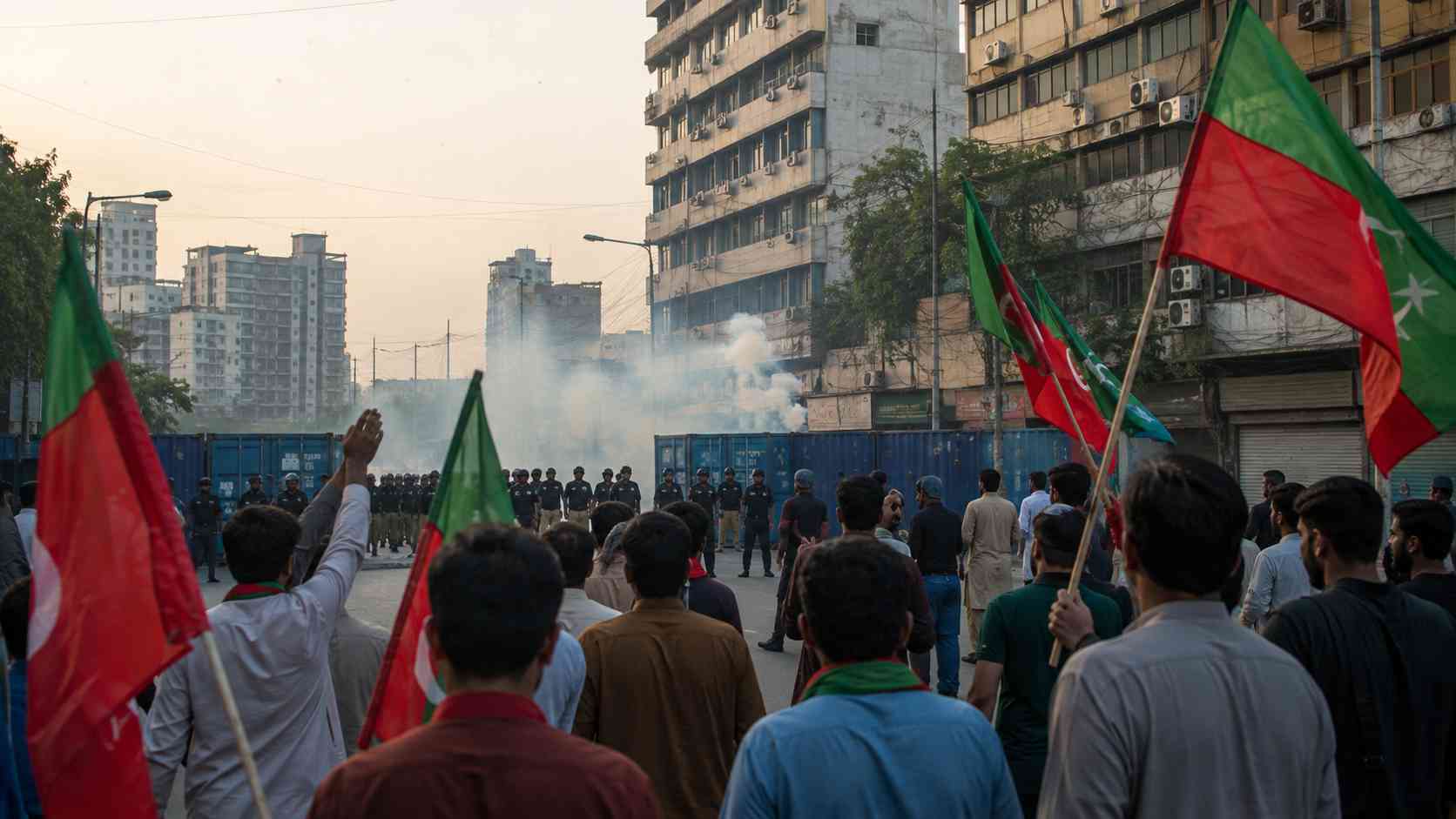
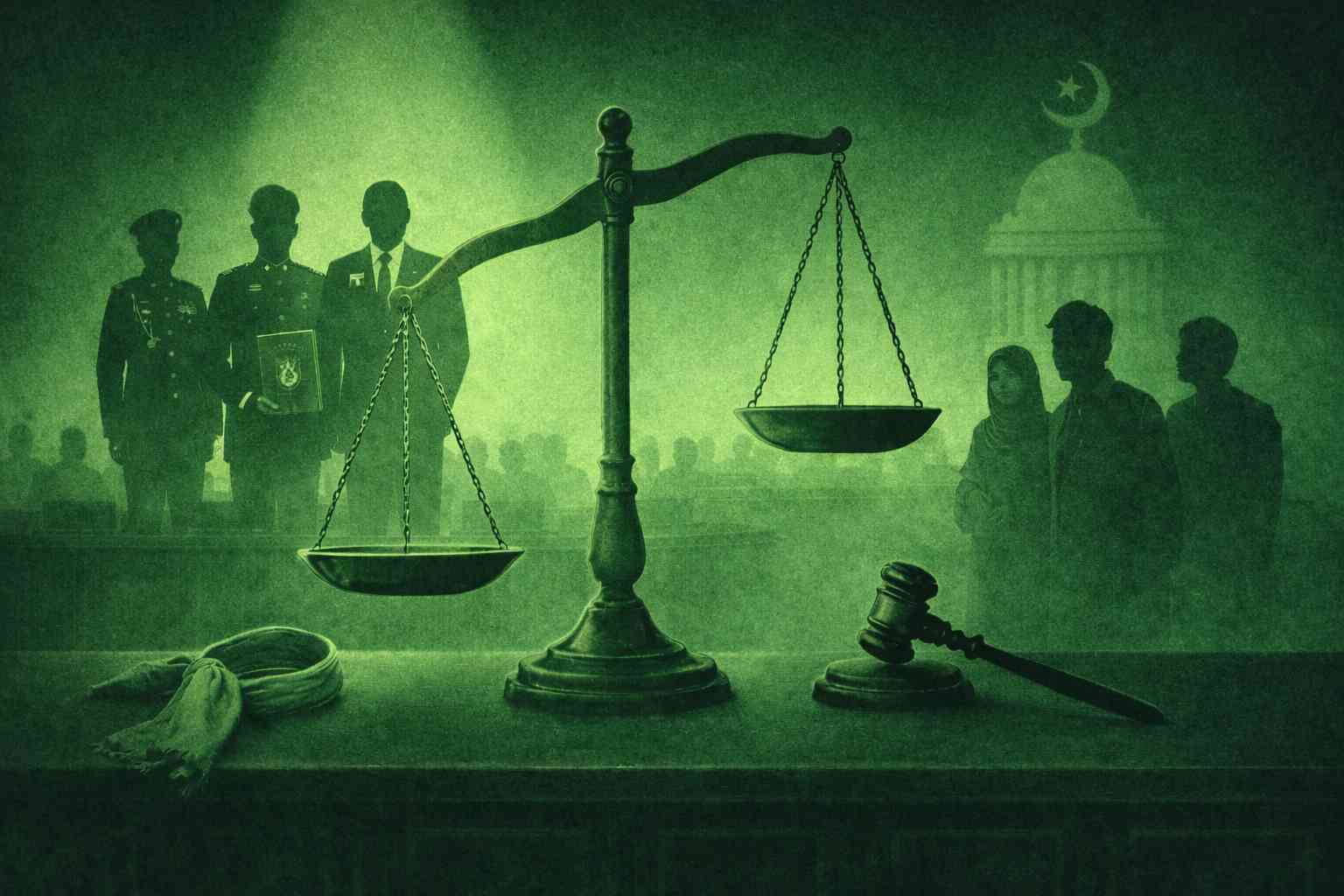
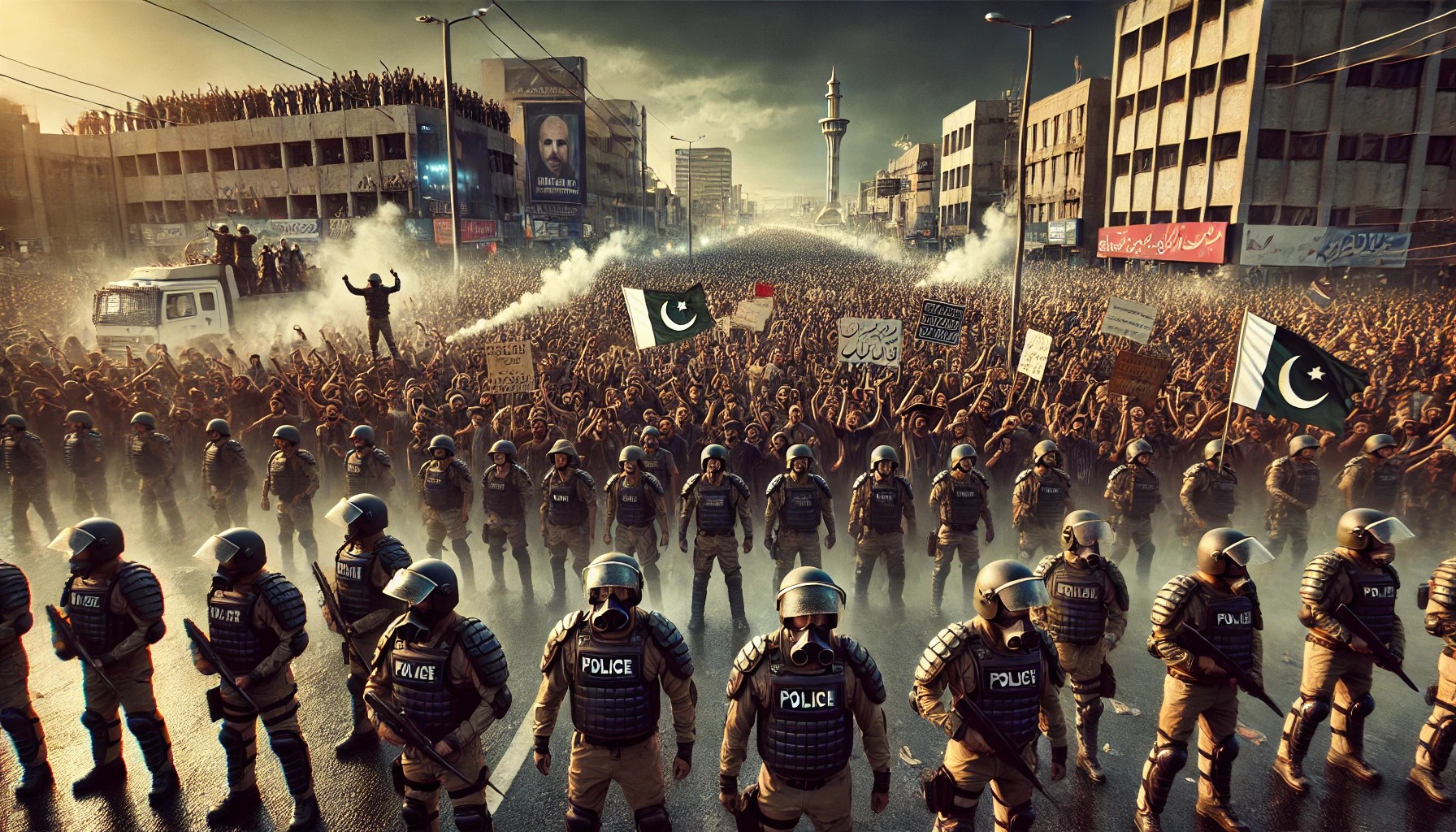
Critics argue these proposals would deepen centralization and strengthen the role of unelected institutions in governance.
Supporters, however, claim the federal government lacks sufficient financial and administrative capacity under the current arrangement.
Why the 18th Amendment Matters
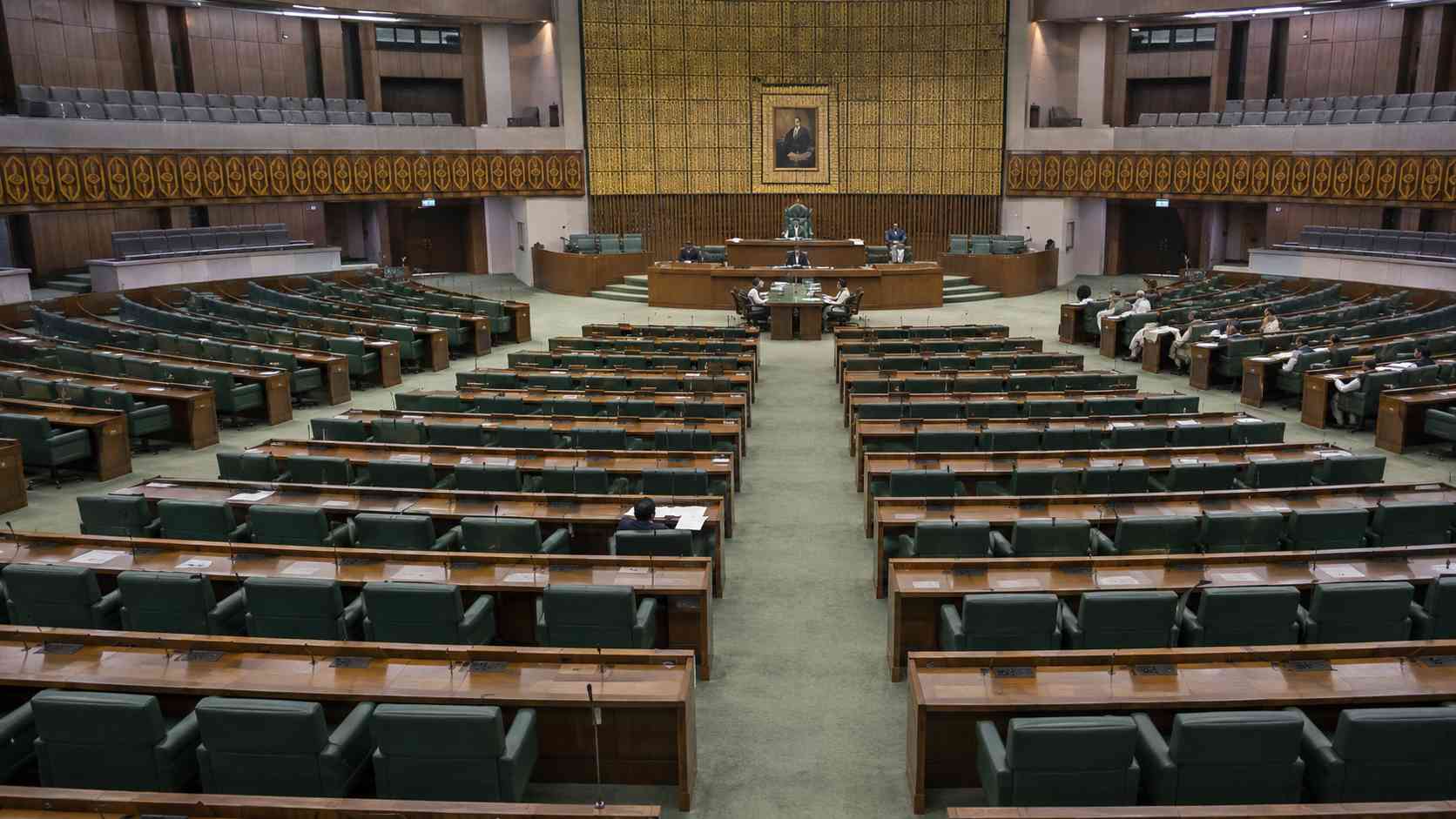
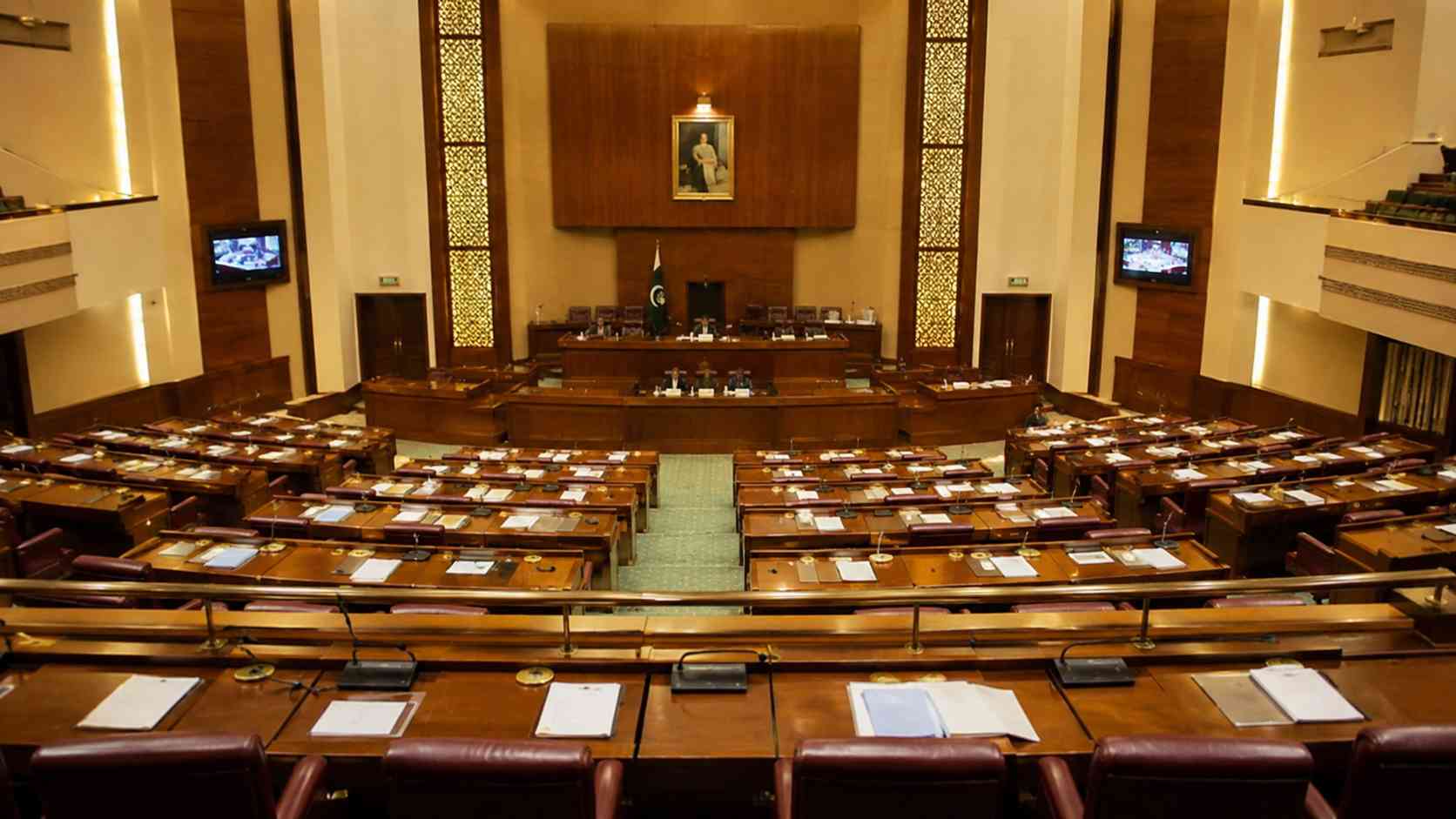
The 18th Amendment fundamentally altered Pakistan’s constitutional structure in 2010 by devolving powers to the provinces.
For many observers, it represented one of the few attempts to reduce over-centralization within the Pakistani state. But critics inside the security establishment have long viewed it as financially restrictive for the federal government and national security apparatus.
This is why current discussions are politically significant. Reopening the constitutional framework could reshape the balance between civilian institutions, provinces, and military influence.
Regional Disorder and Strategic Anxiety
The broader geopolitical environment is also influencing Pakistan’s internal politics.
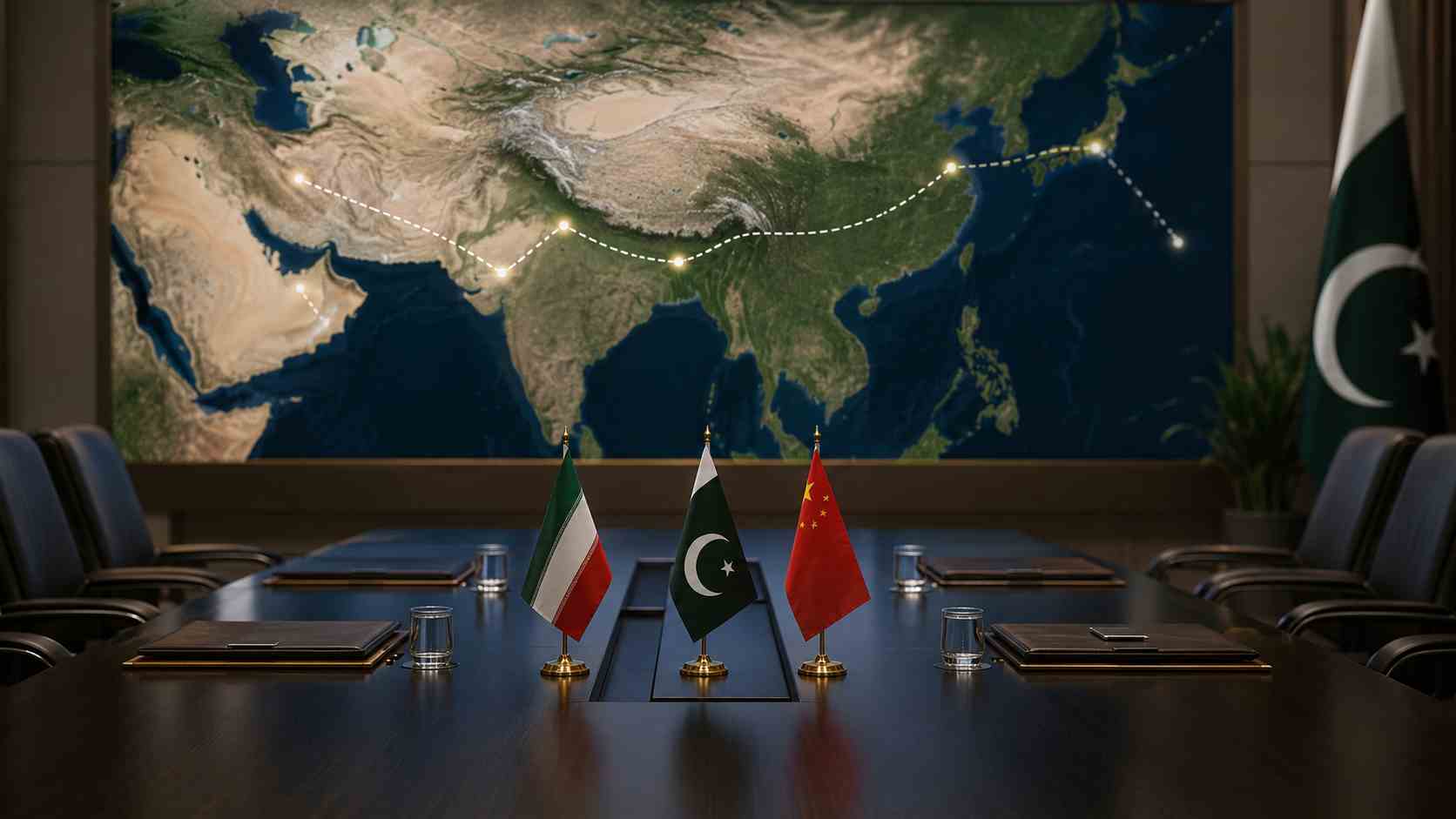
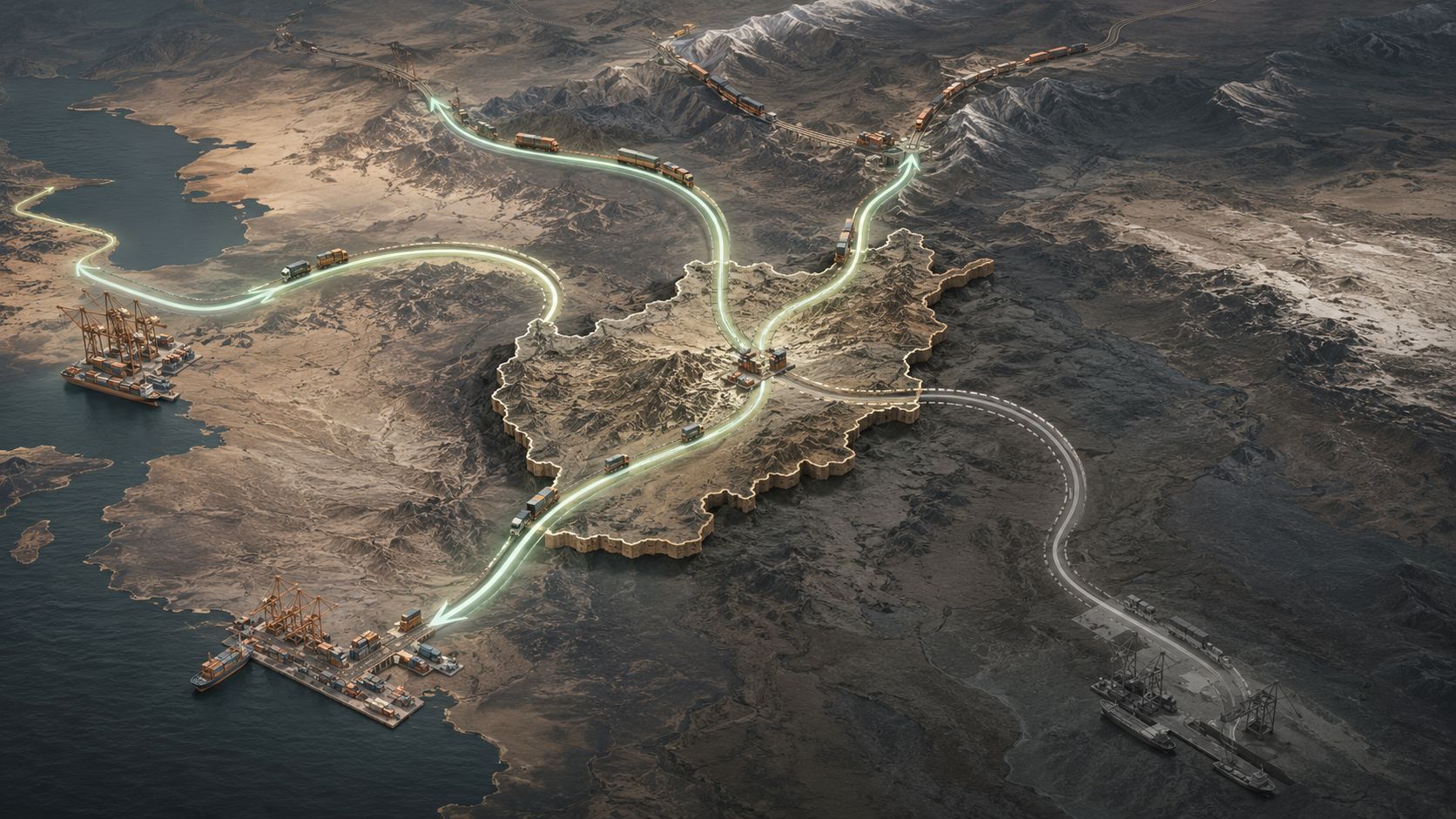
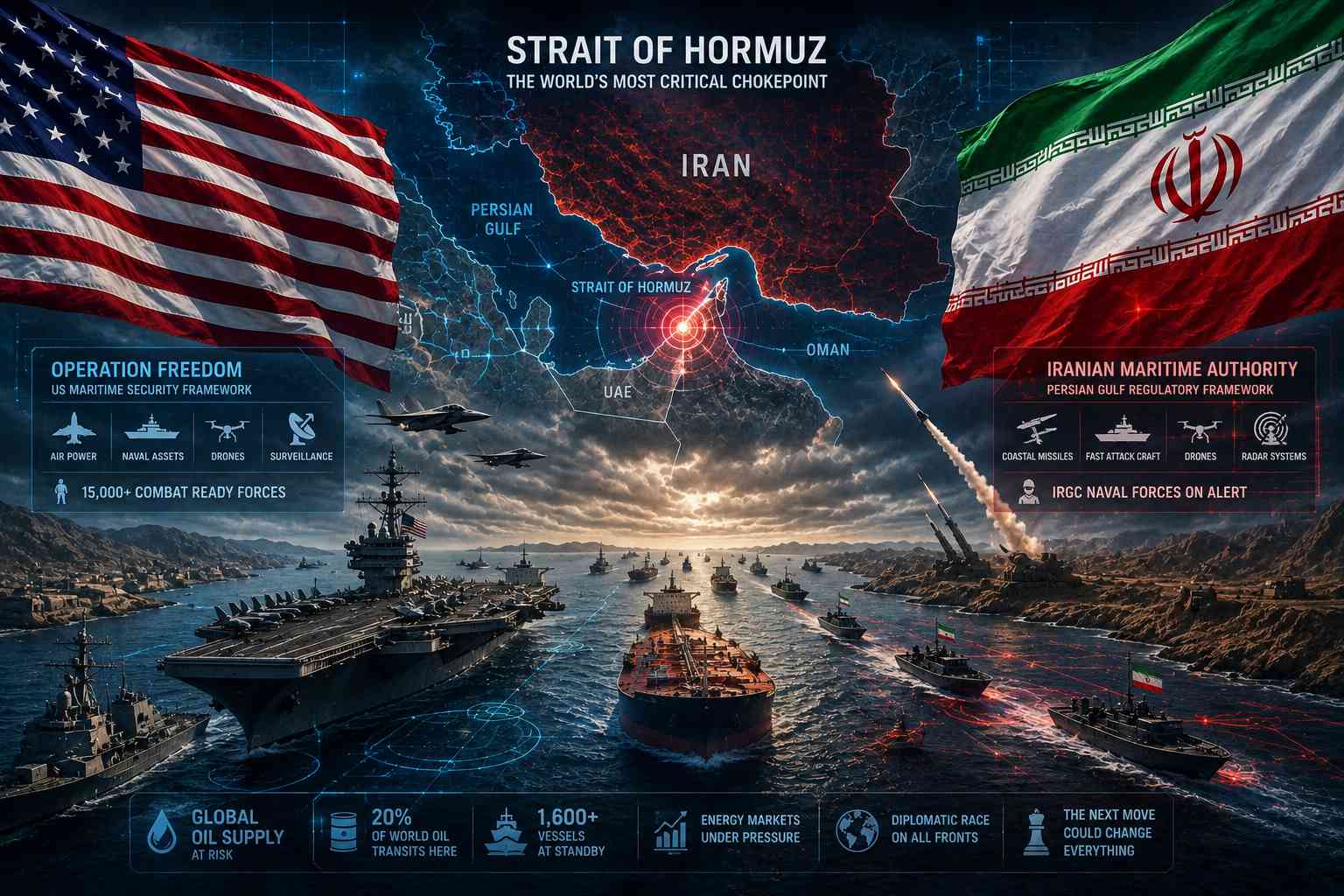
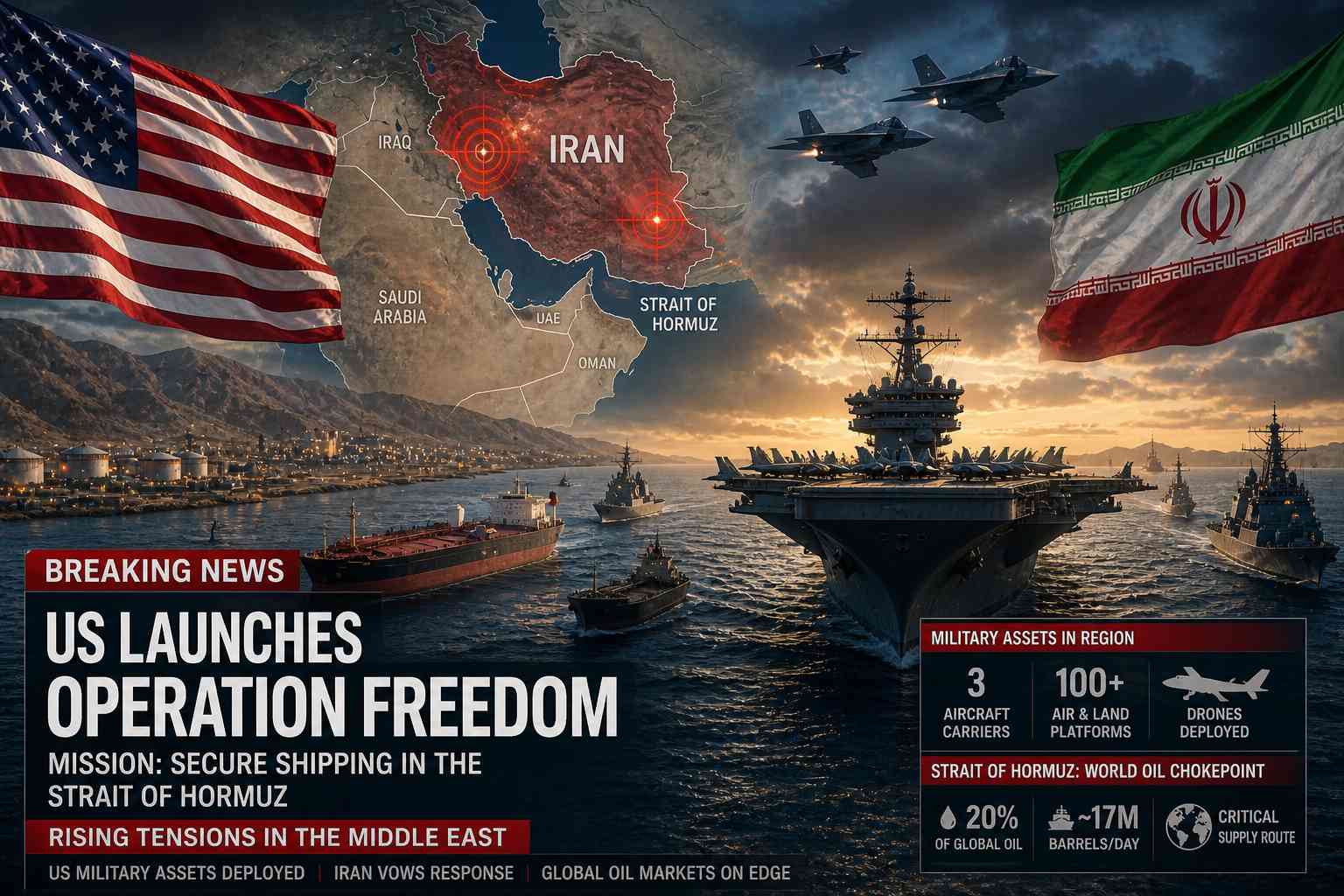
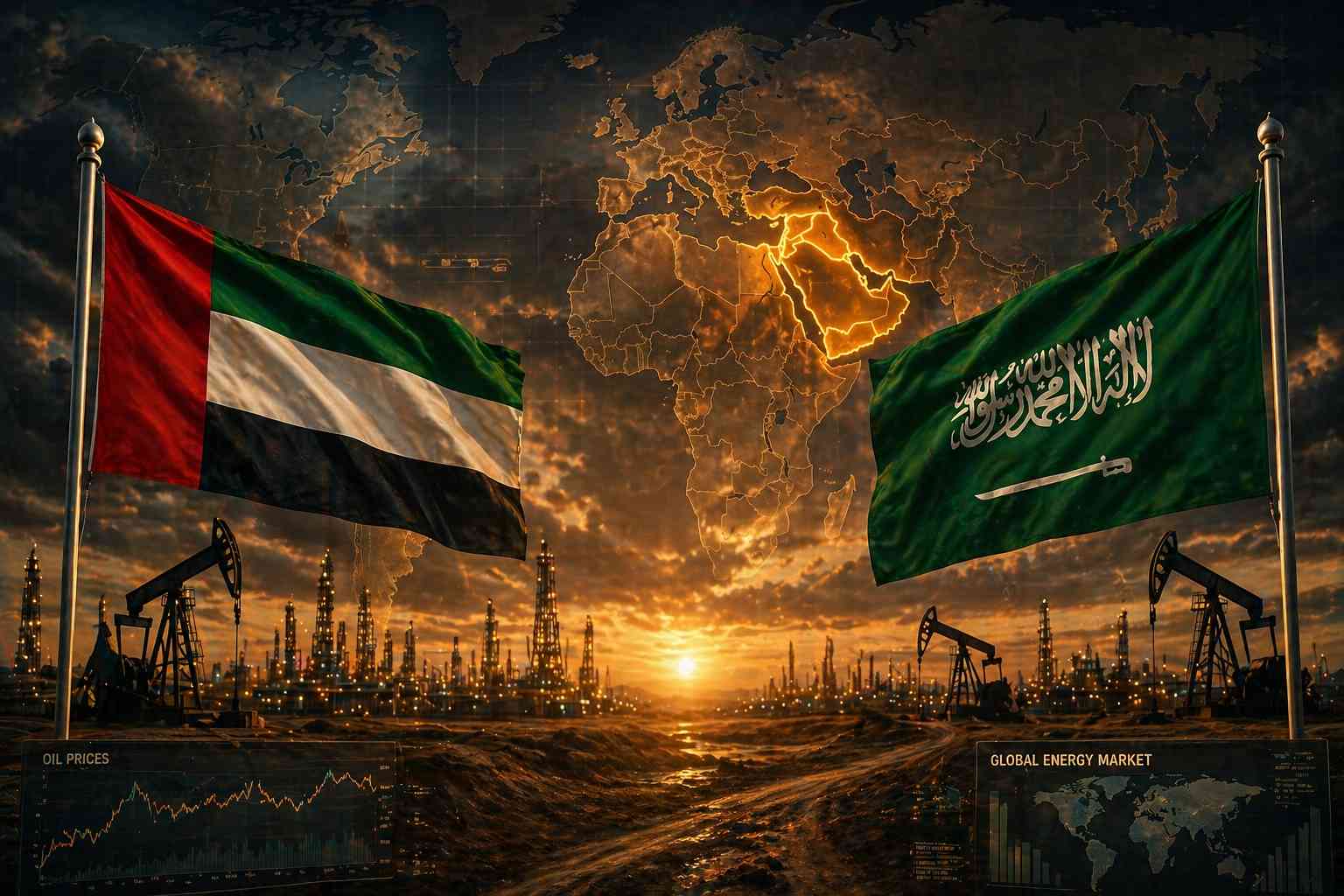
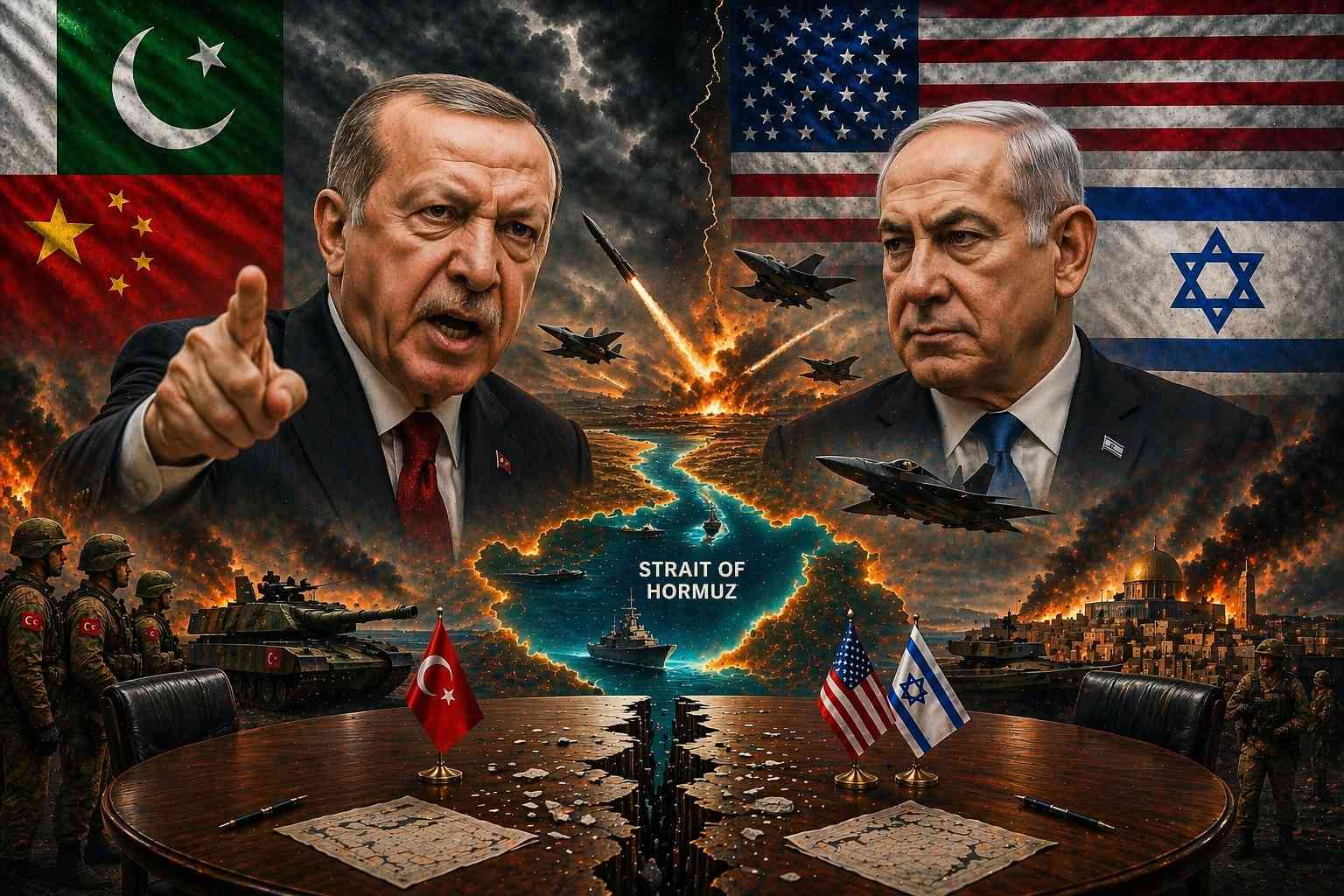
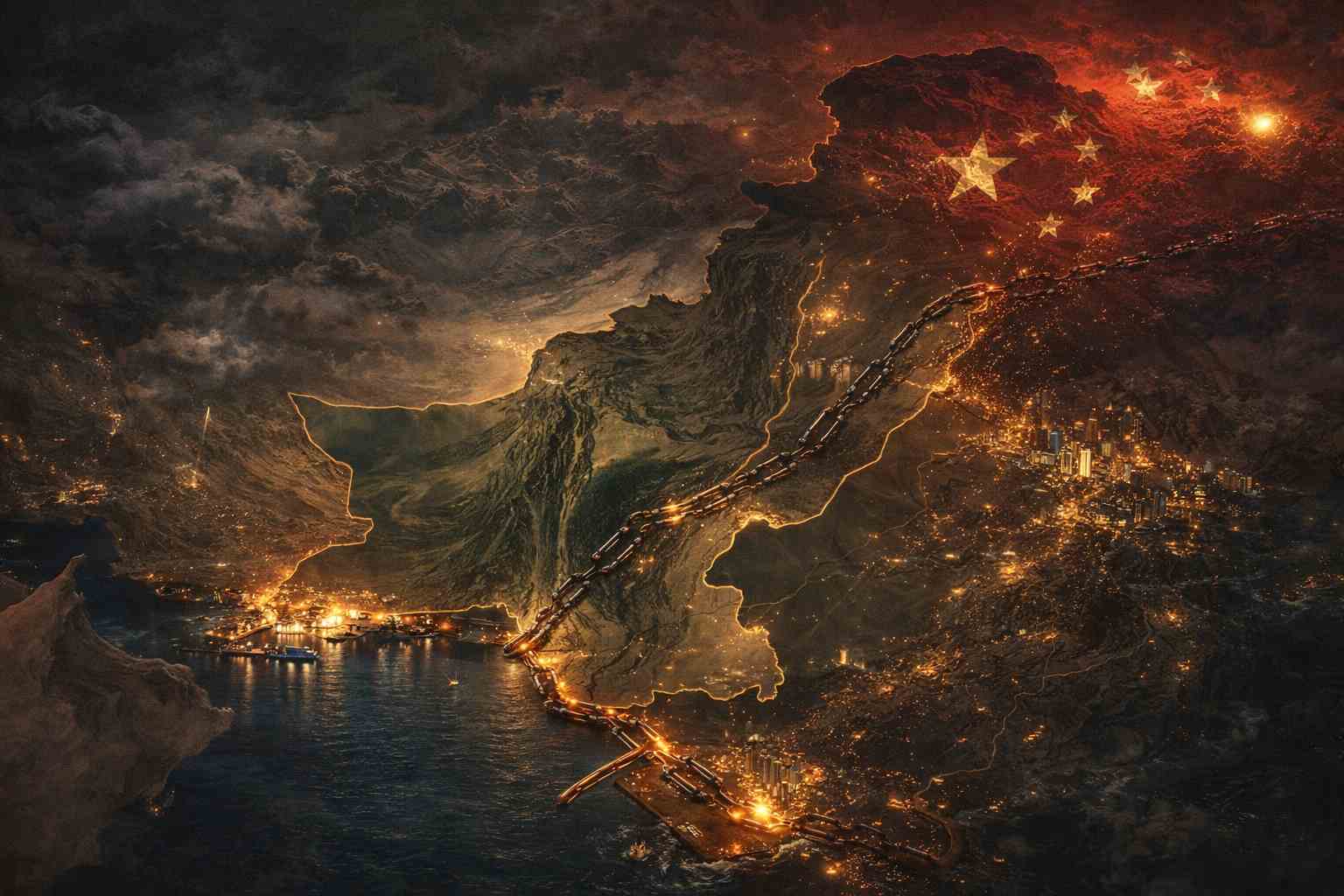
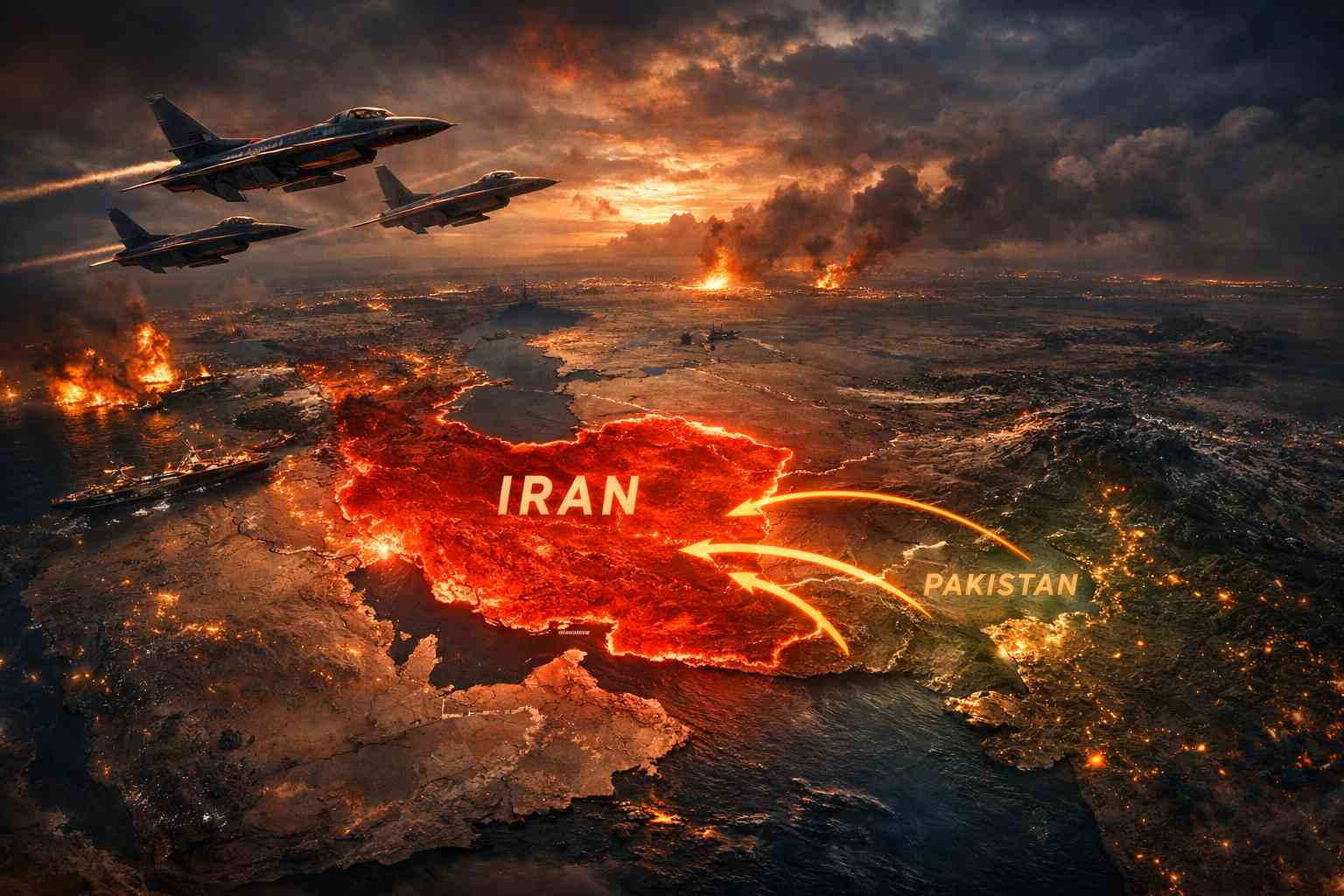
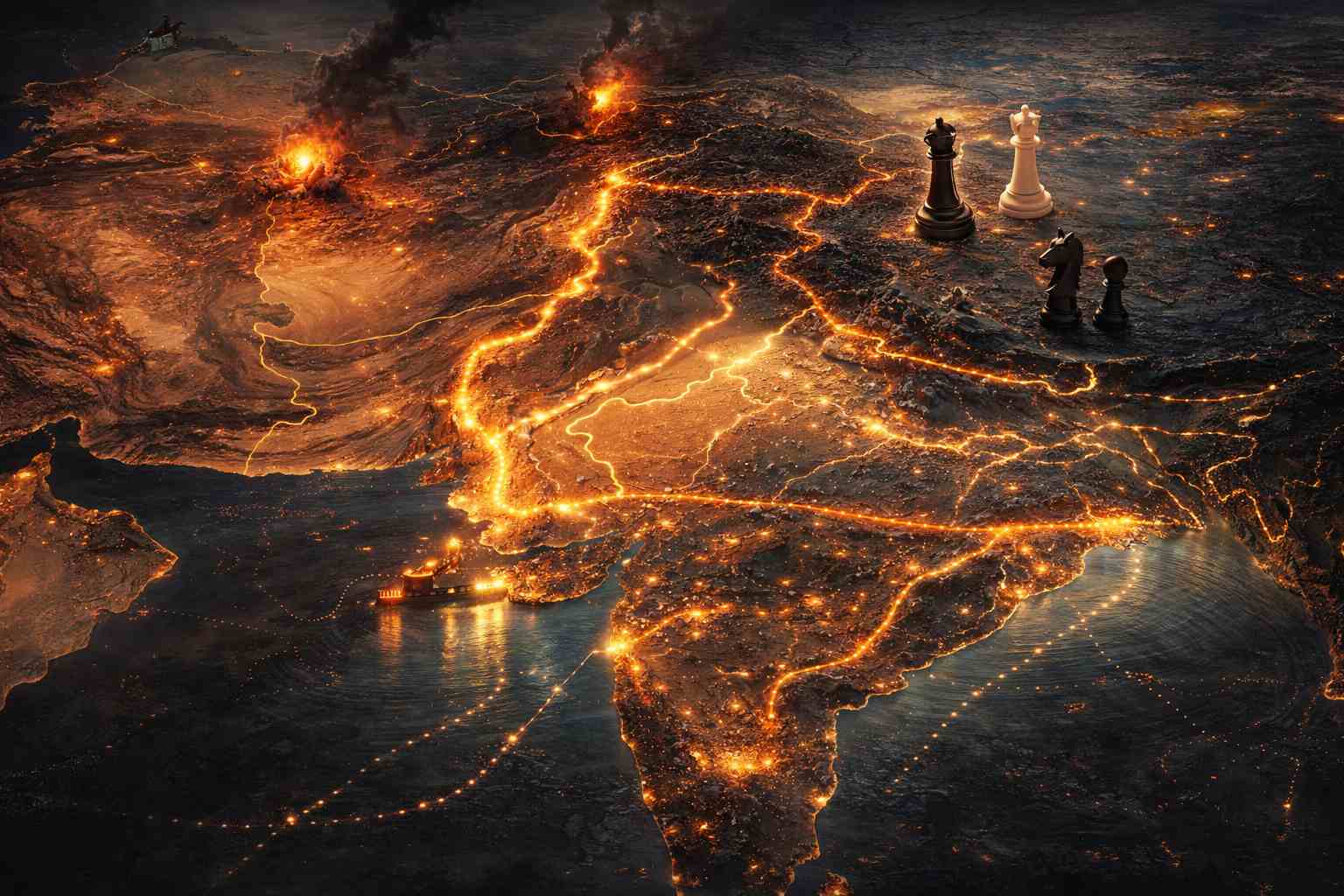
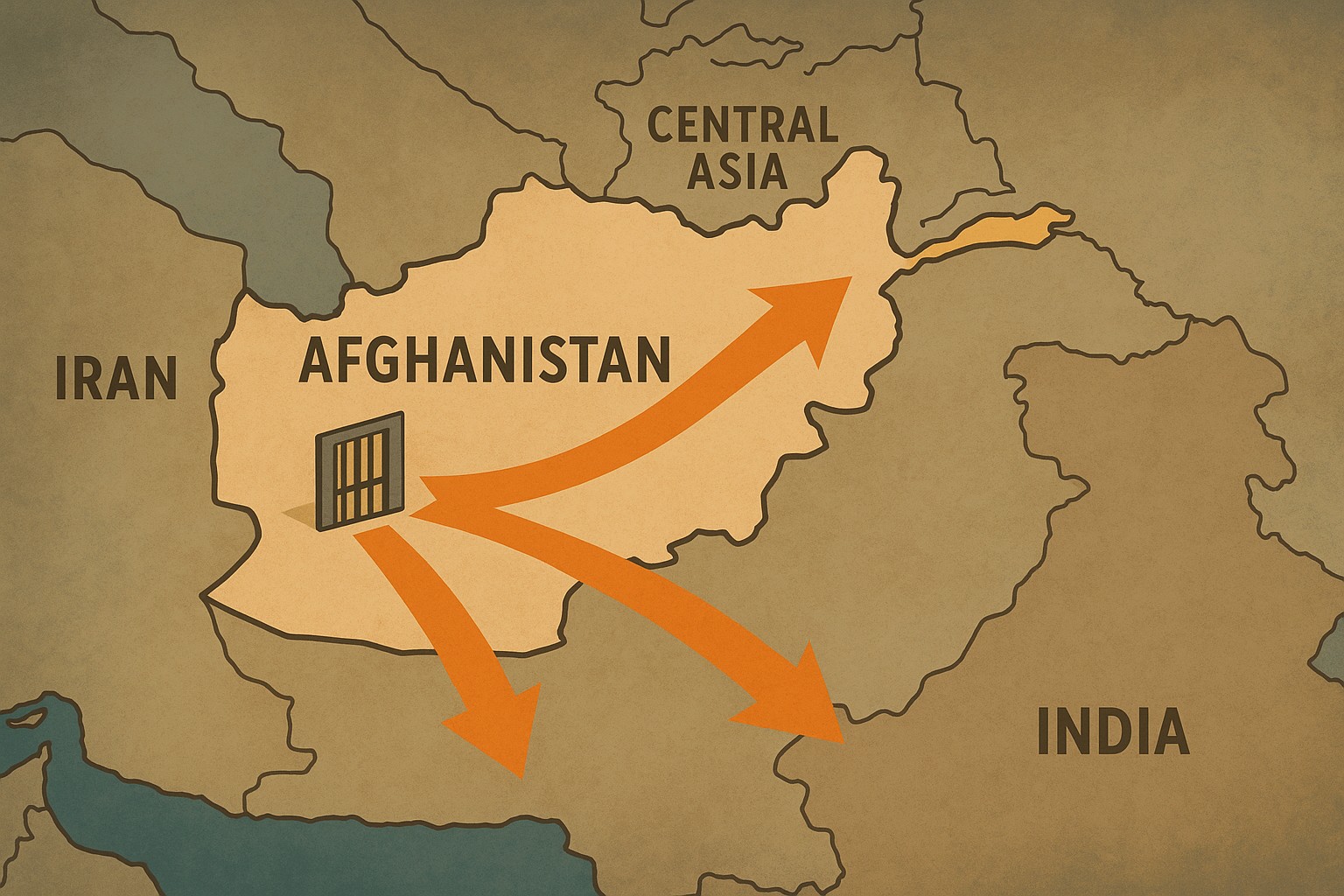
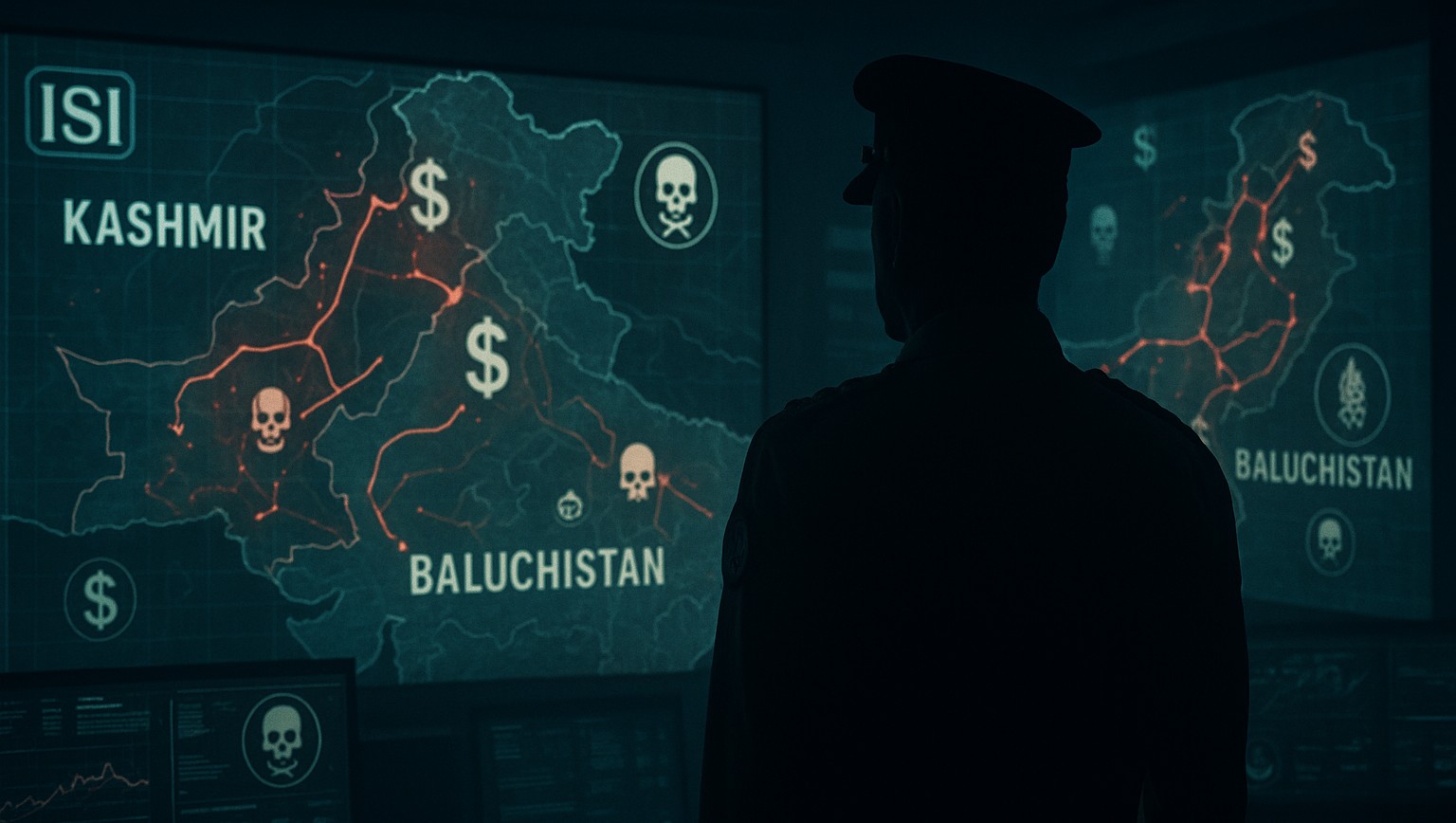
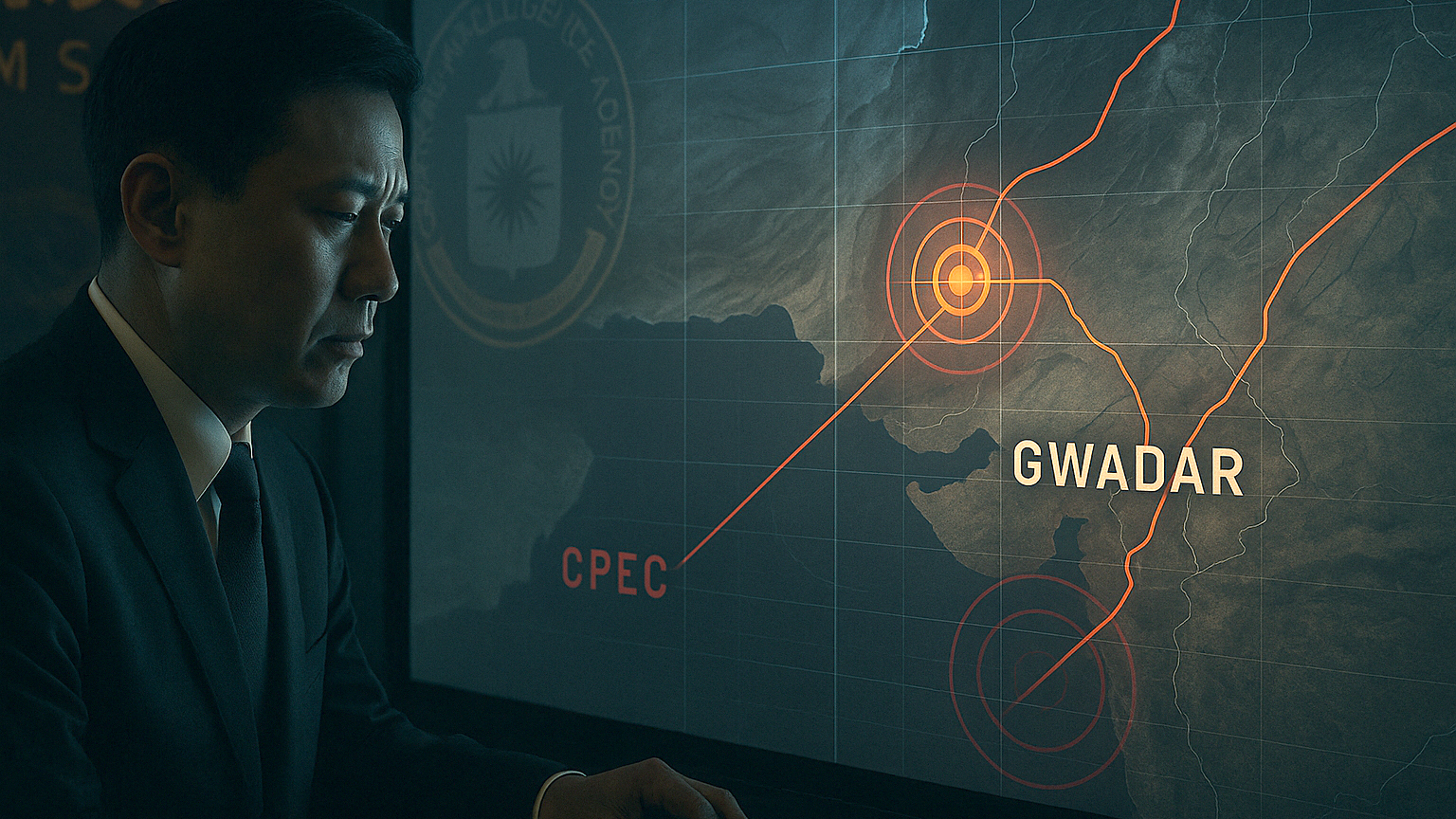
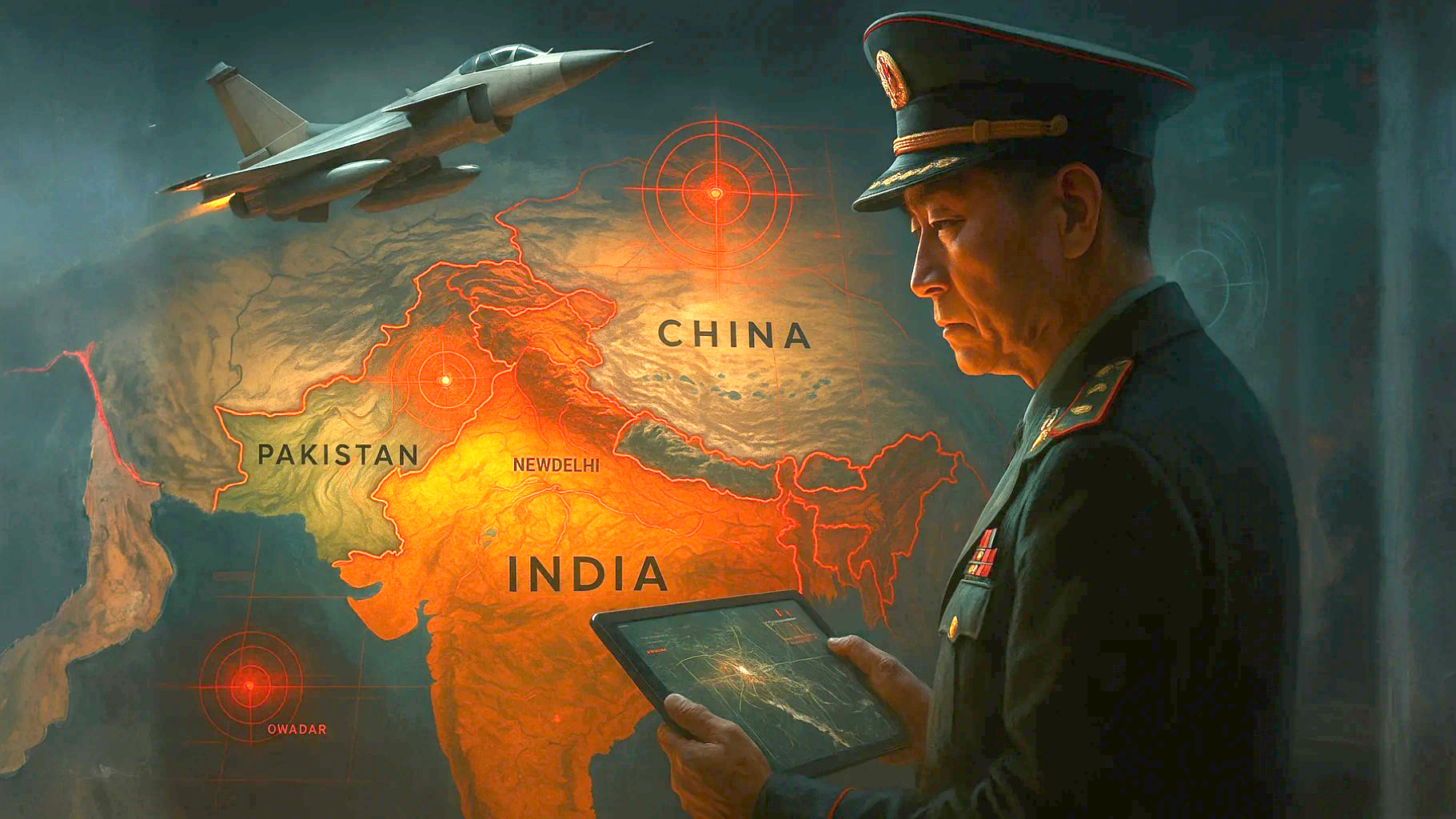
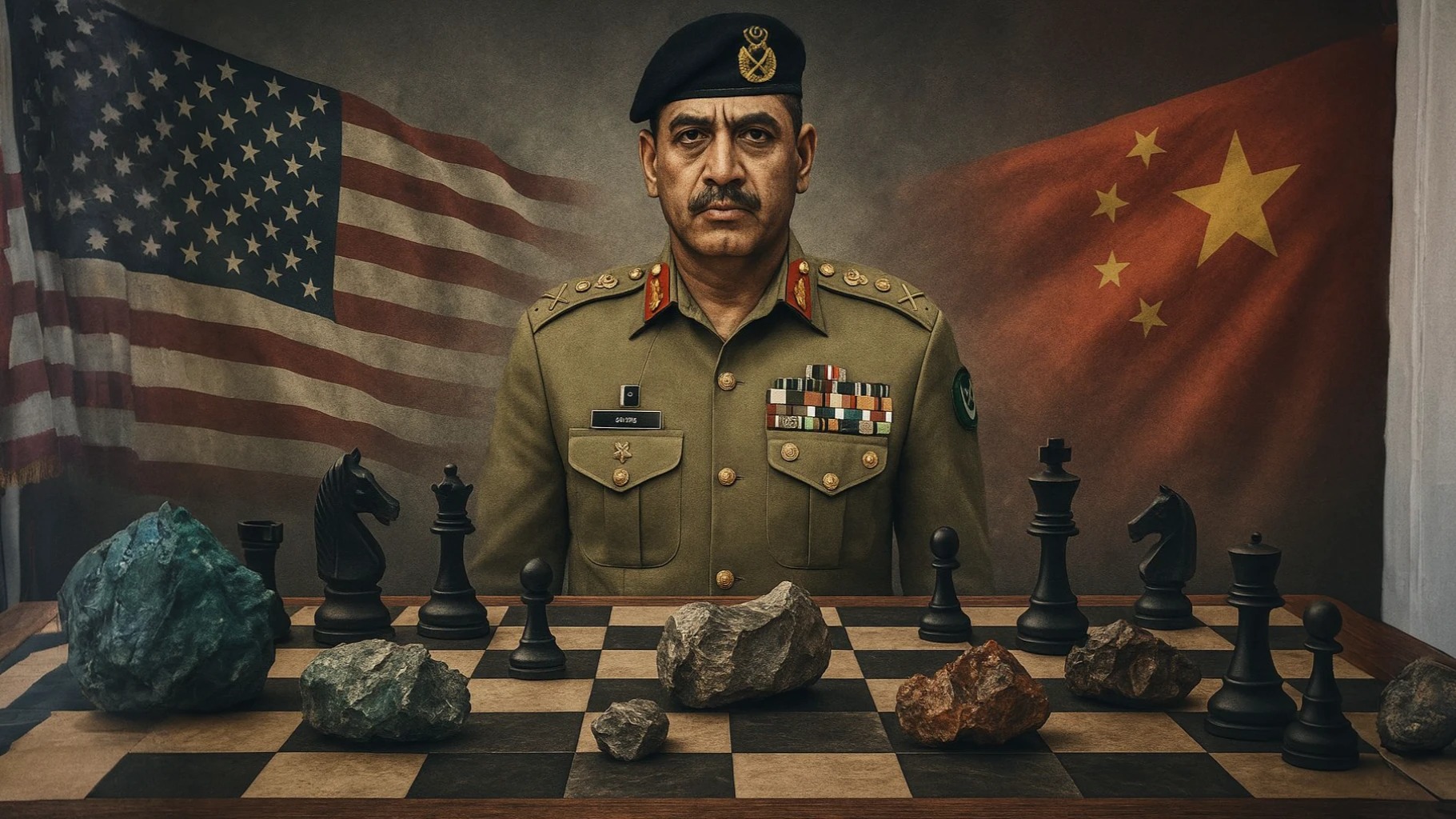
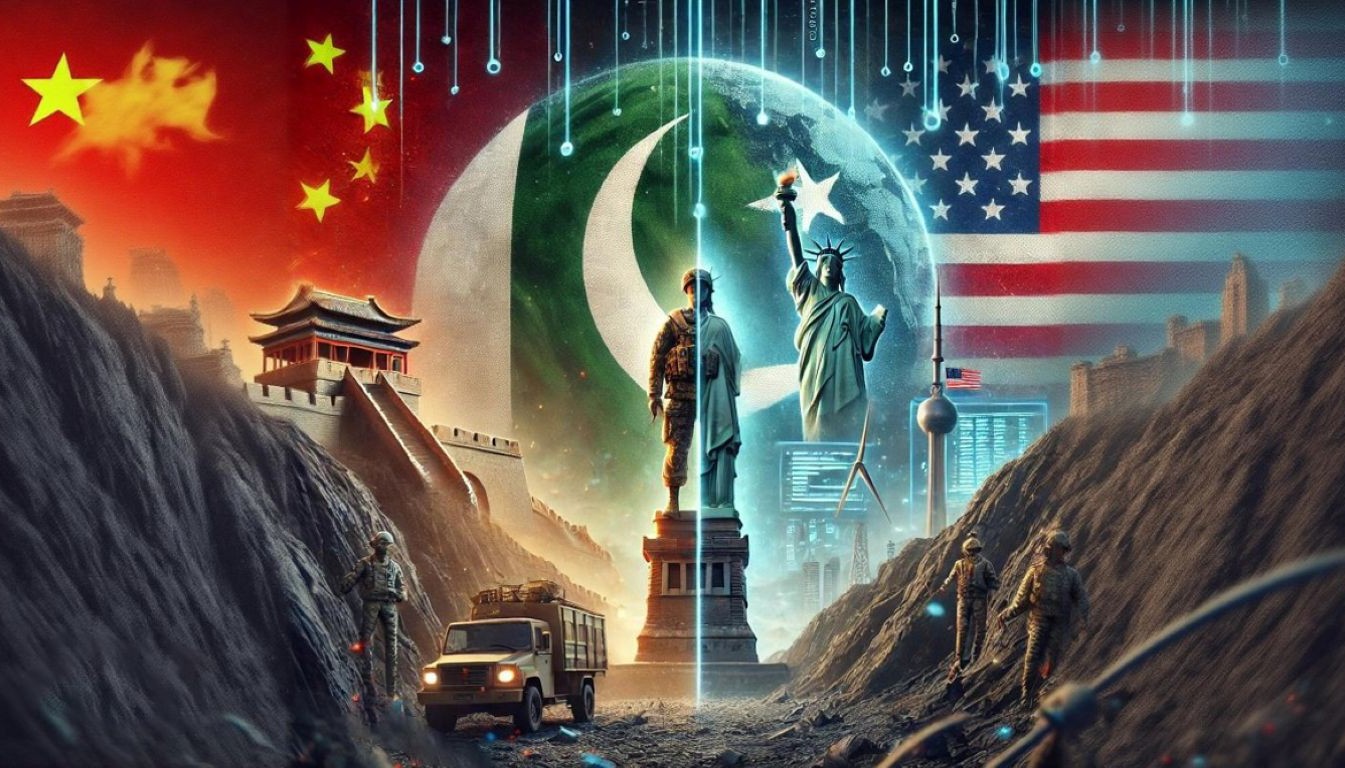
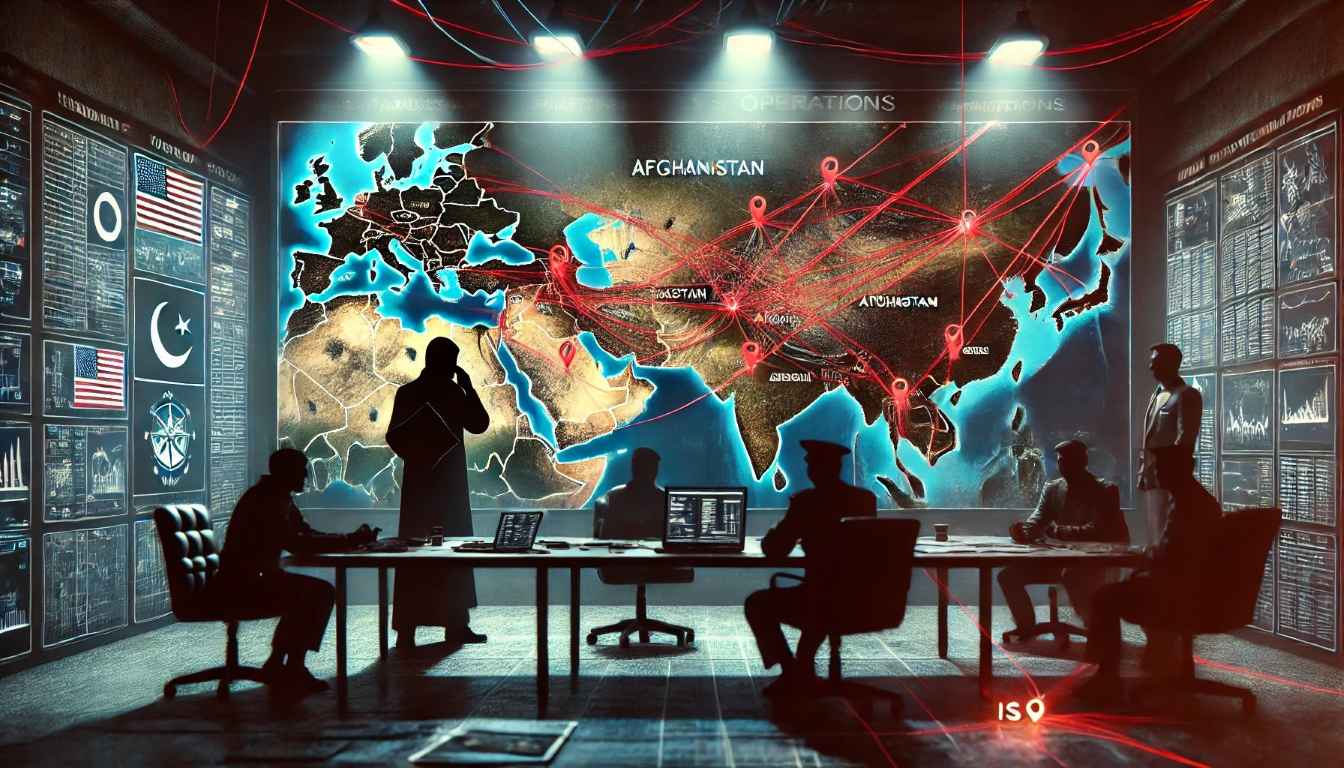
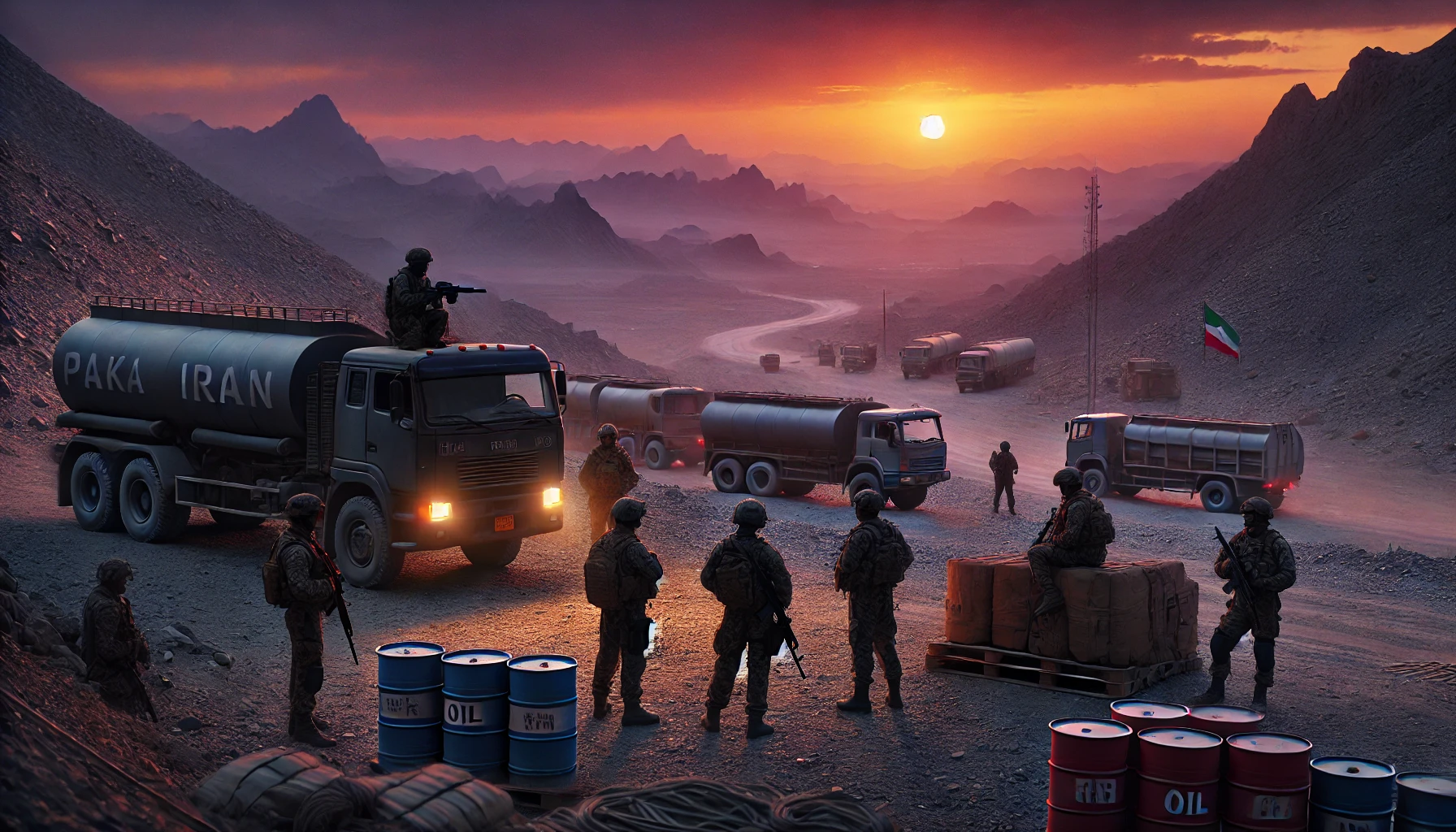
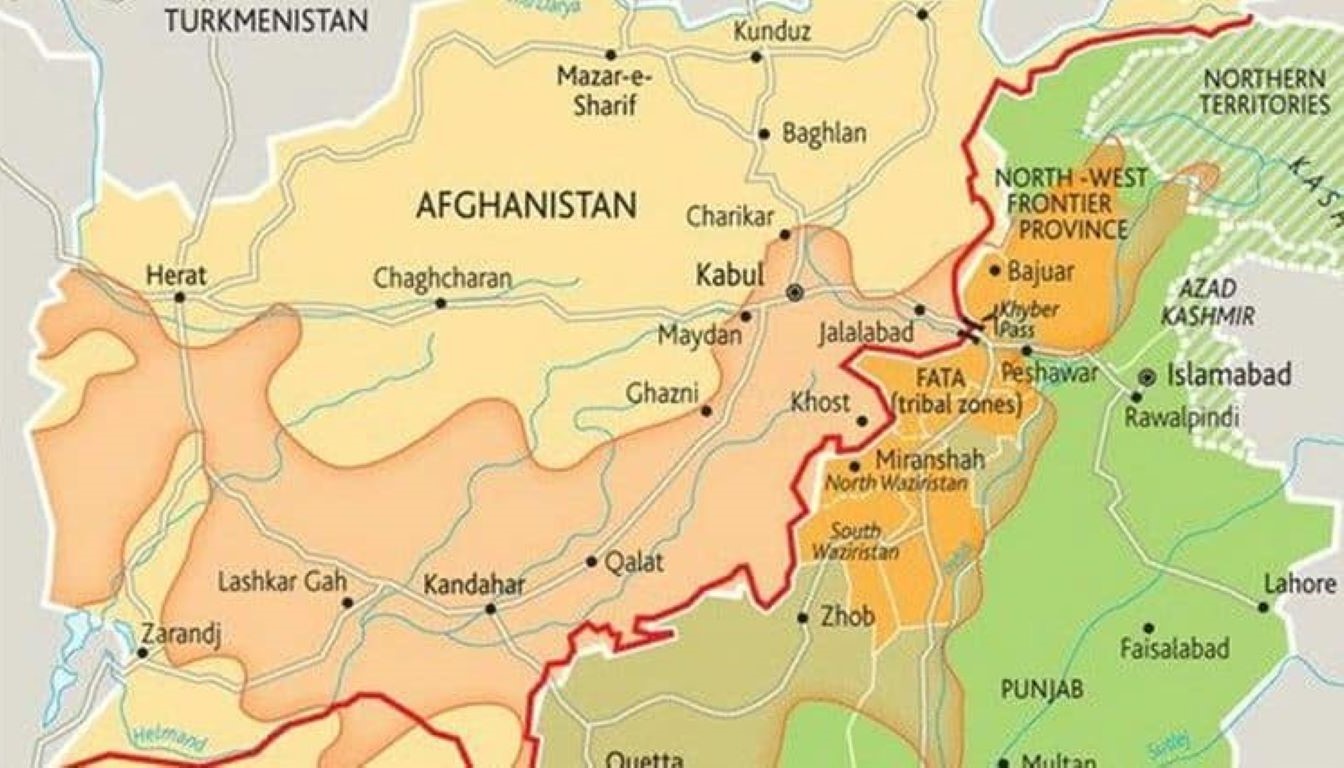
The Iran conflict, instability in the Gulf, shifting India-UAE relations, and changing global alignments are creating pressure across South Asia and the Middle East. Pakistan’s leadership increasingly sees itself operating in a volatile regional environment requiring centralized strategic control.
Within this context, the narrative around Asim Munir next president is tied not only to domestic politics but also to regional security calculations.
India, UAE and the Emerging Strategic Map
Another important dimension is the rapid transformation of regional partnerships.
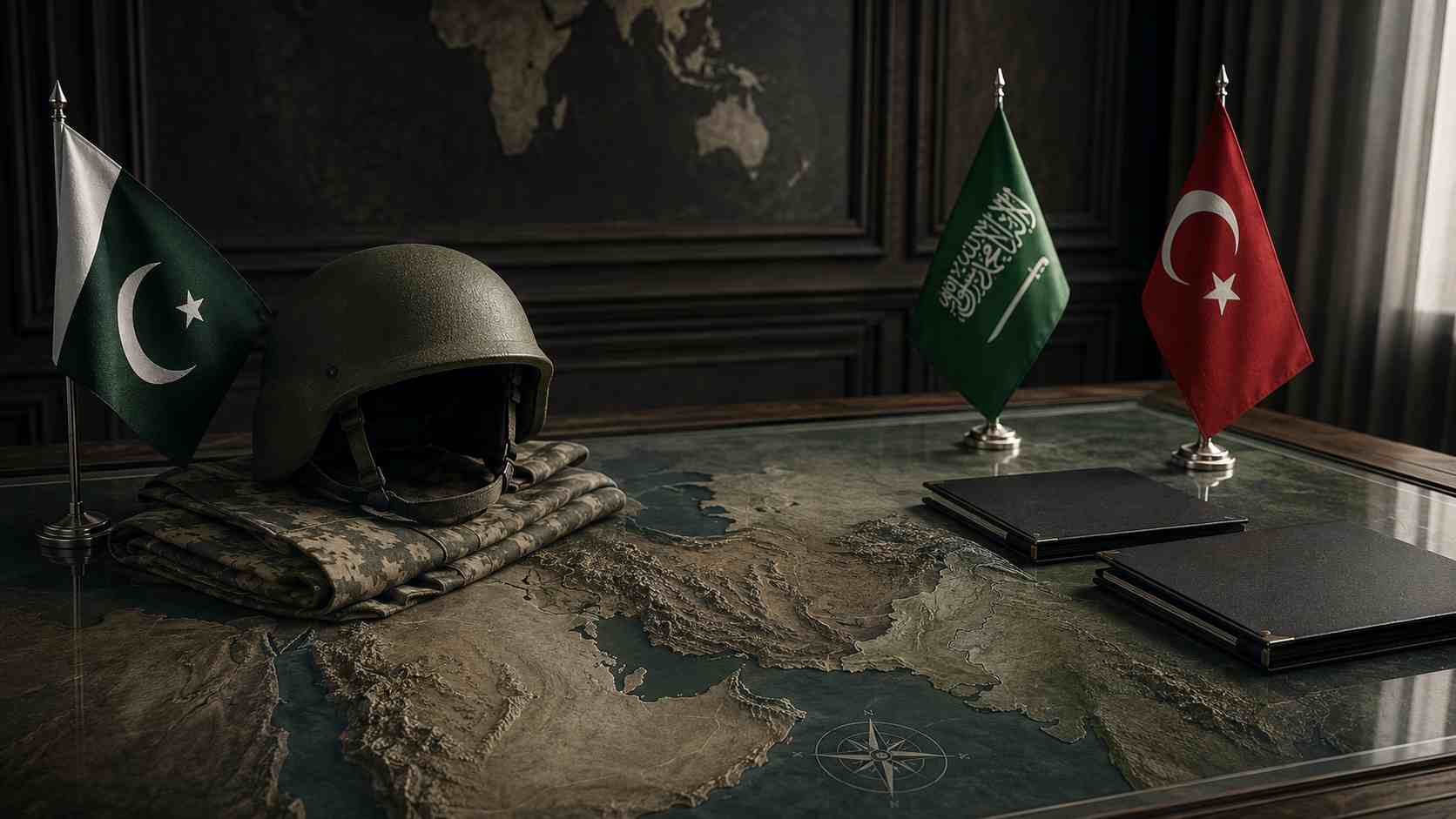
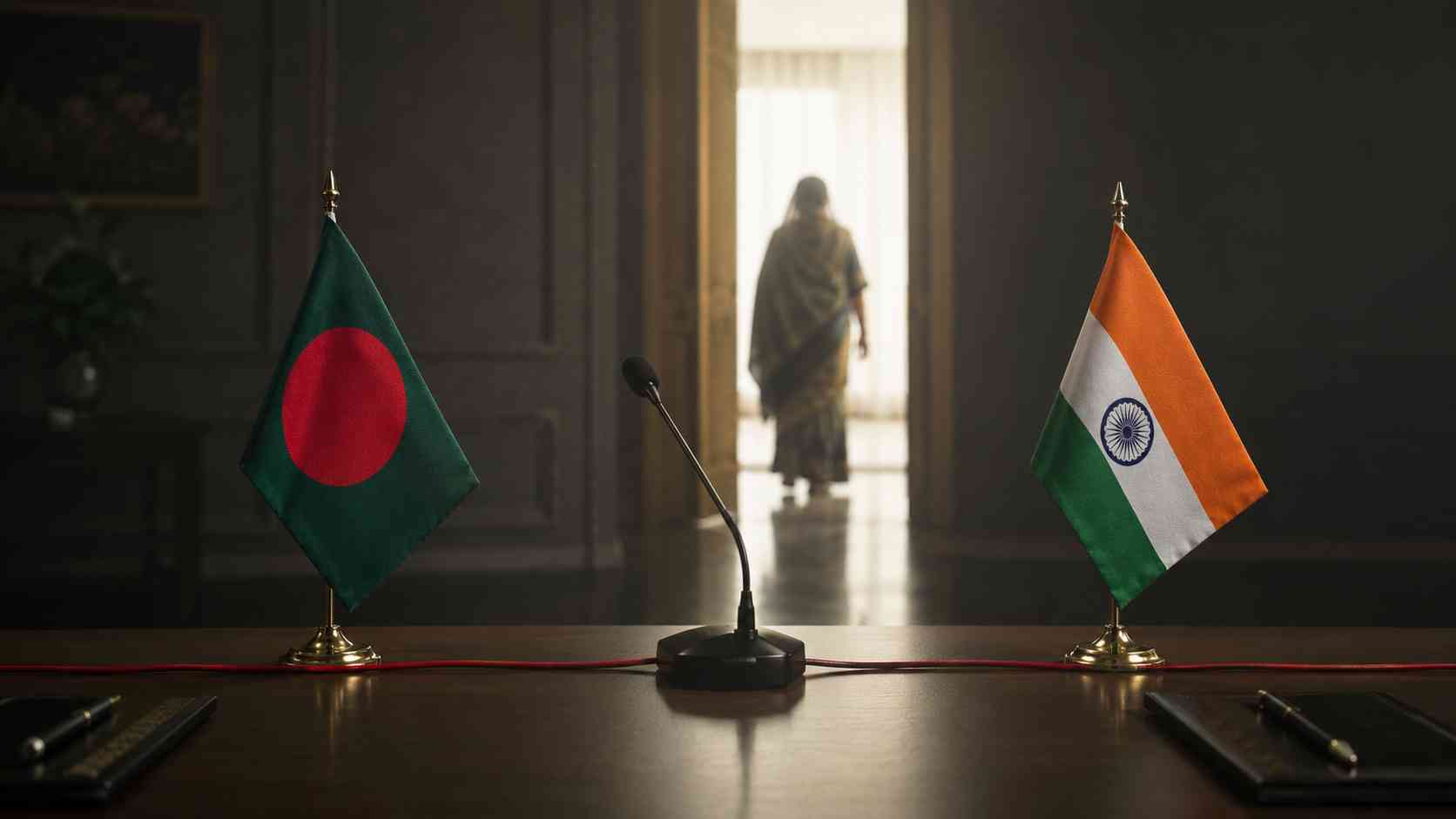
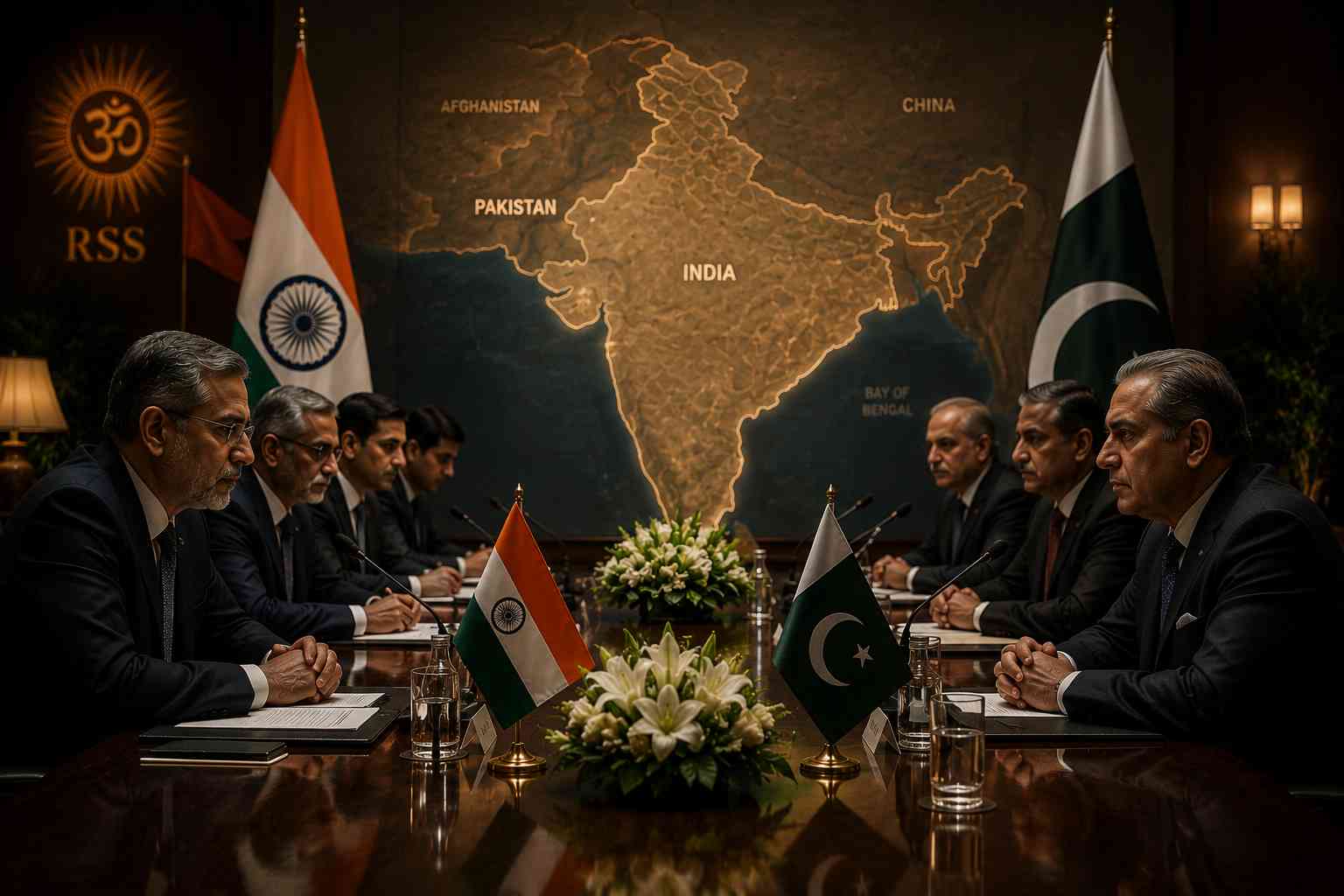
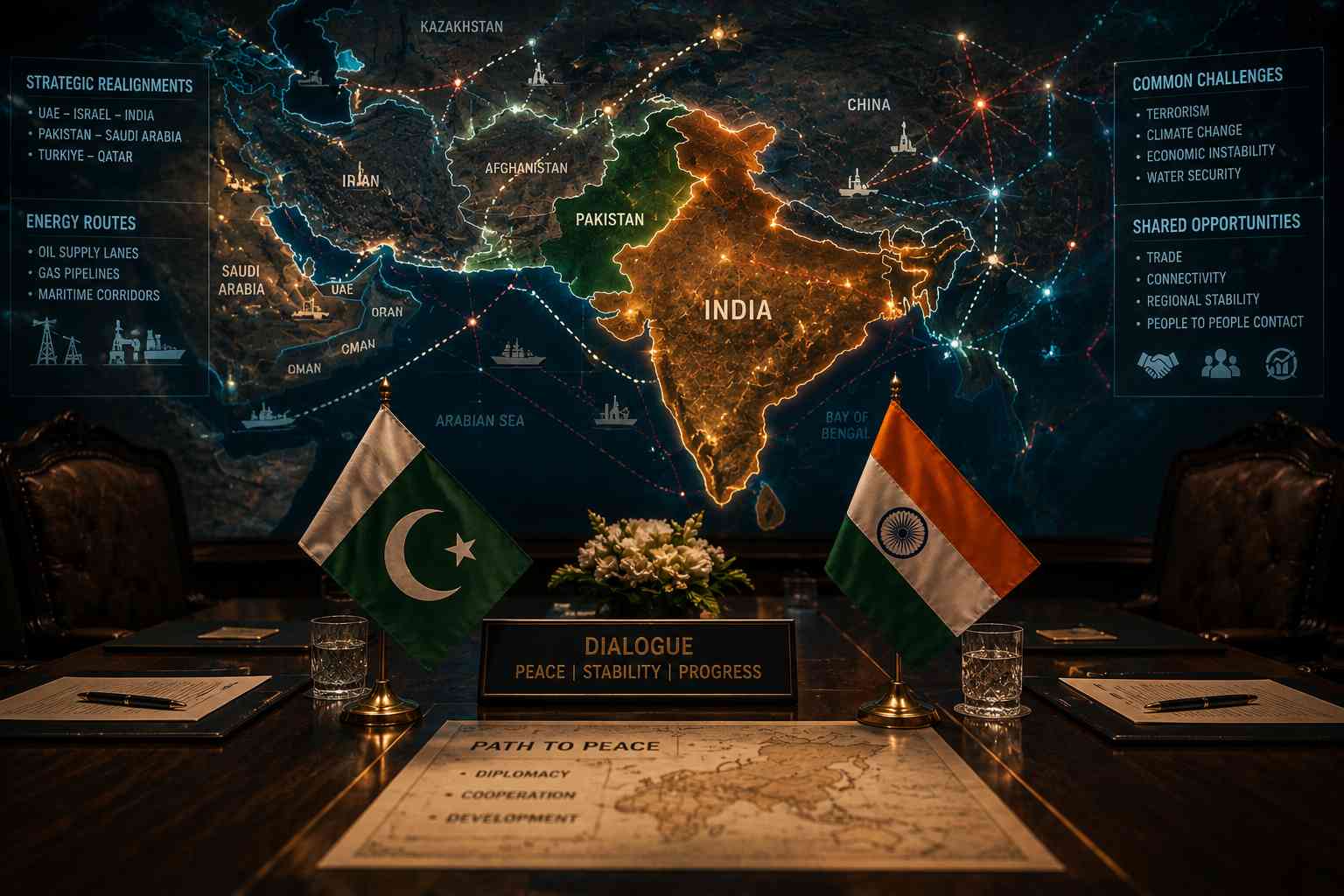
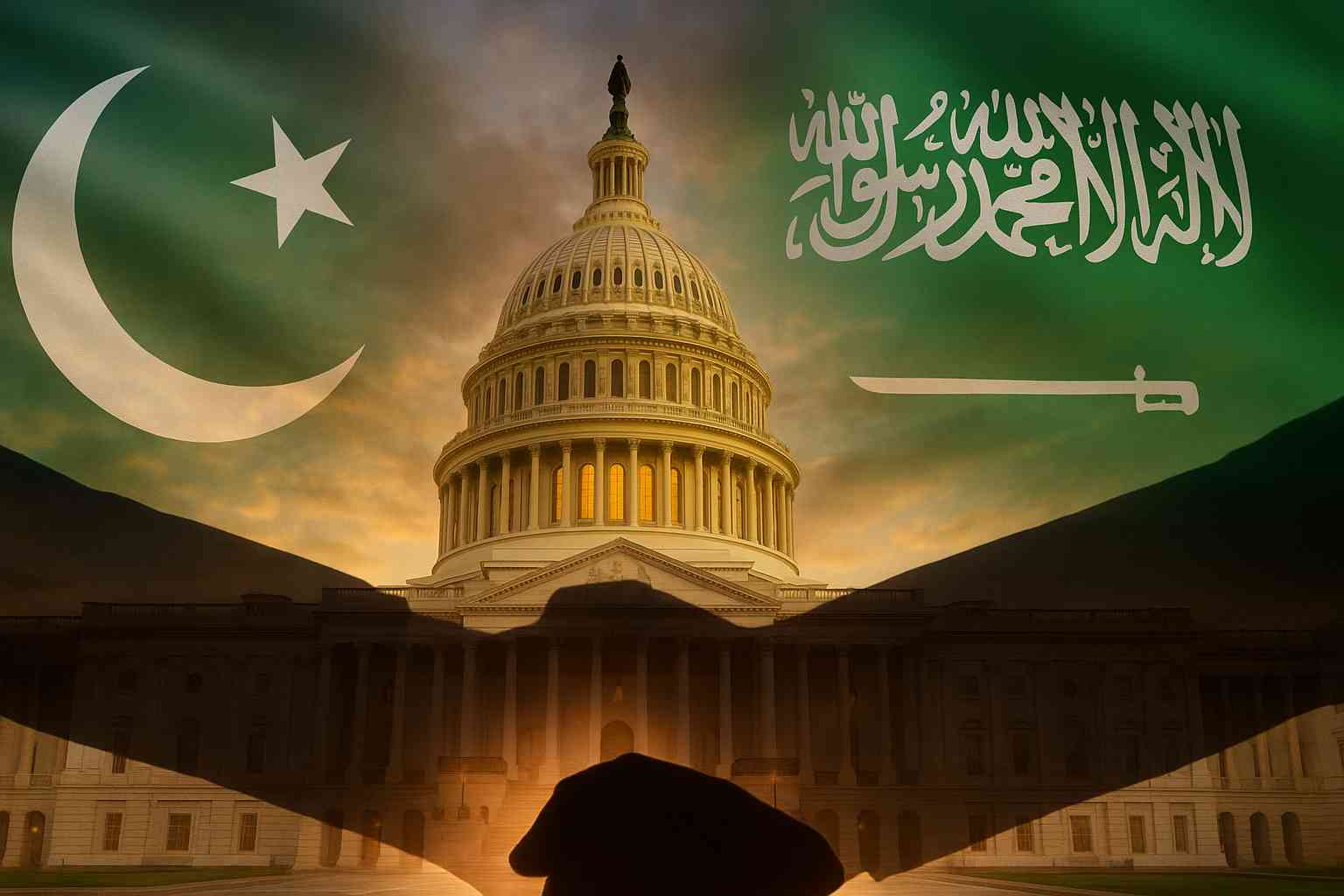
The vlog points to growing strategic engagement between India and the UAE, particularly in economic and diplomatic coordination. At the same time, Pakistan appears to be moving closer toward Saudi Arabia, Turkey, and Qatar.
These evolving blocs suggest that Pakistan’s establishment may believe stronger centralized authority is necessary to navigate a changing geopolitical landscape.
Indian Prime Minister Narendra Modi’s upcoming diplomatic visits to the UAE and Europe are also viewed through this strategic lens. According to the discussion, India’s foreign engagements increasingly revolve around economic diplomacy, technology cooperation, and long-term strategic positioning.
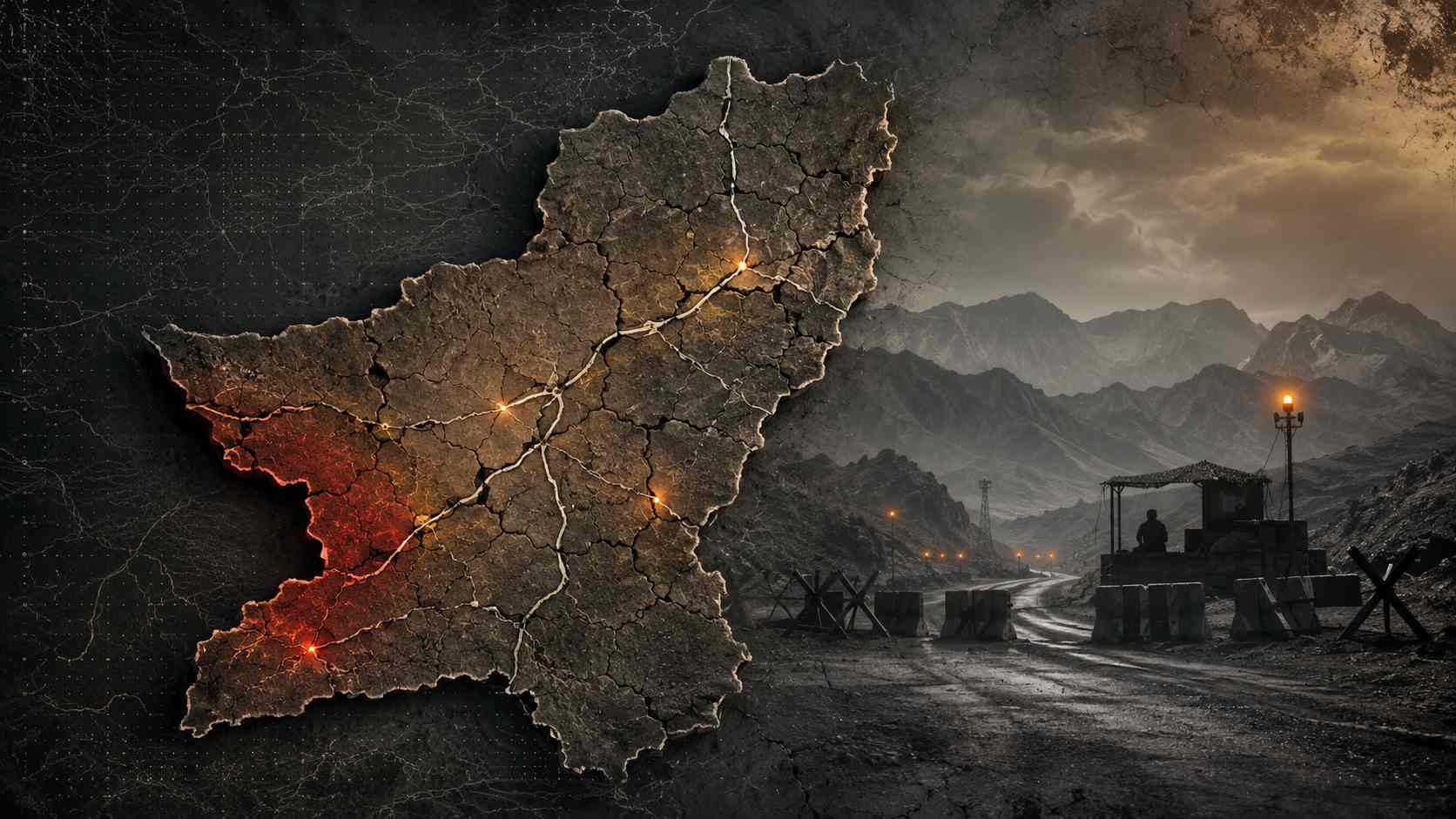
Pakistan’s Structural Crisis
Beyond personalities, the larger issue raised in the analysis concerns Pakistan’s state model itself.
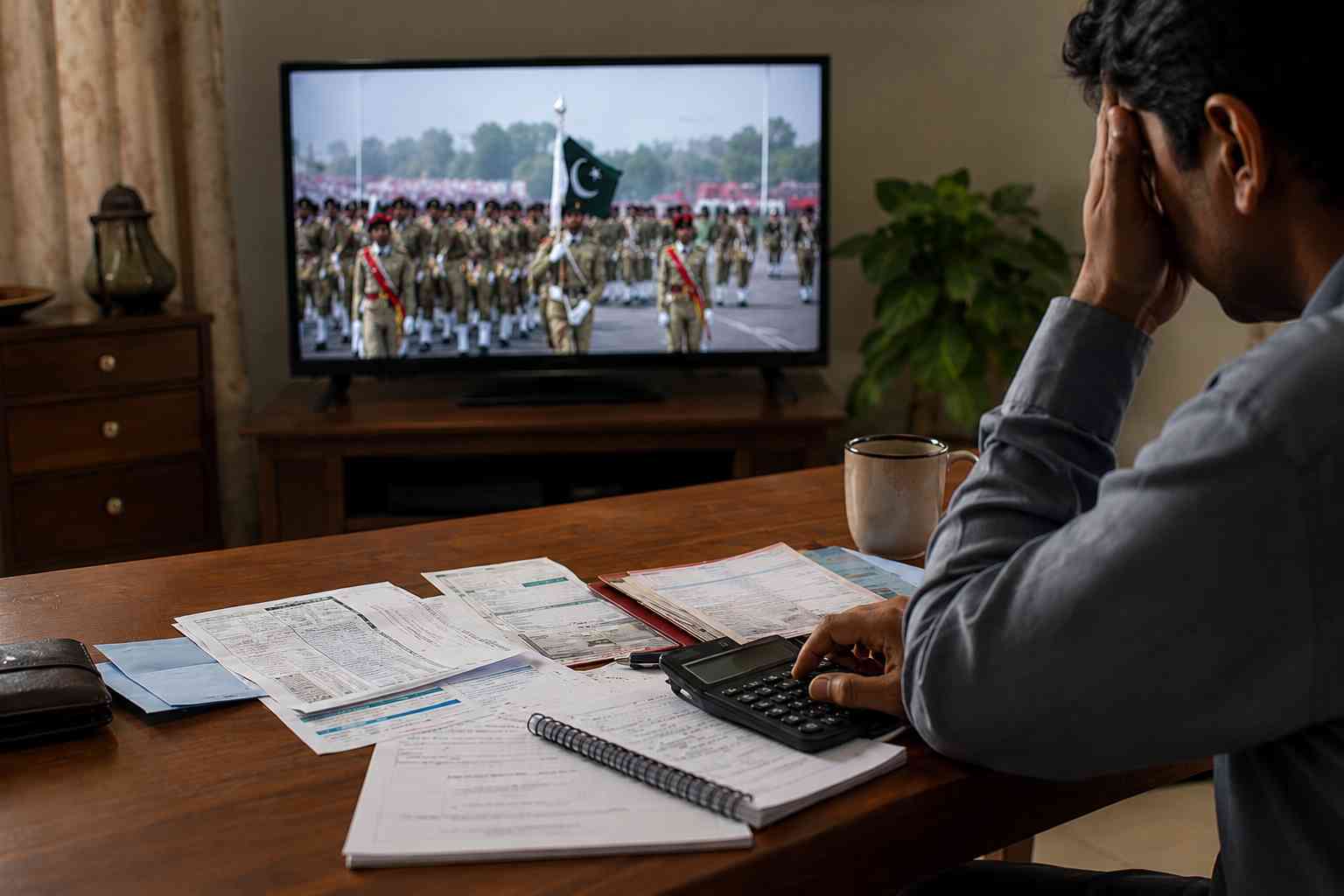
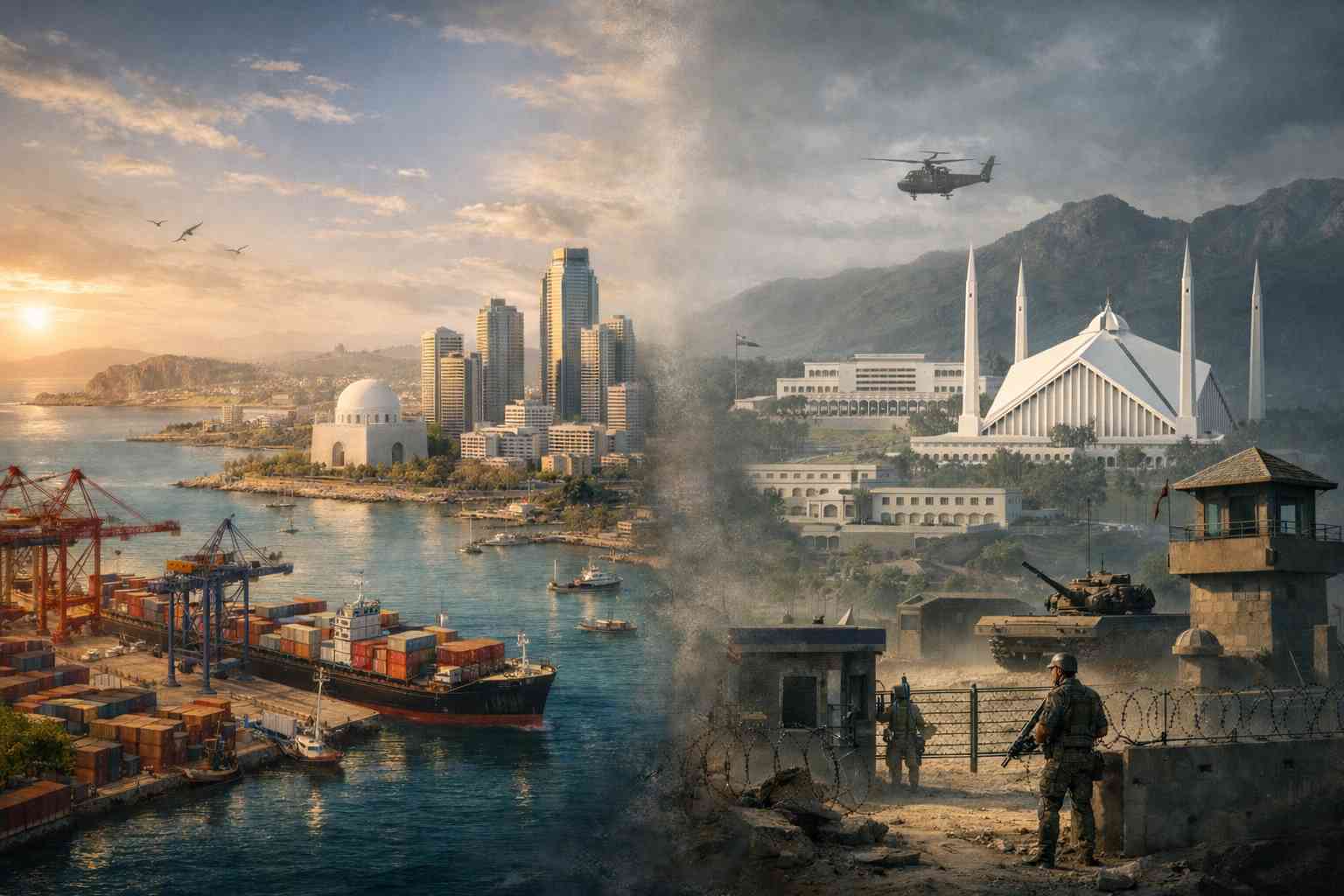
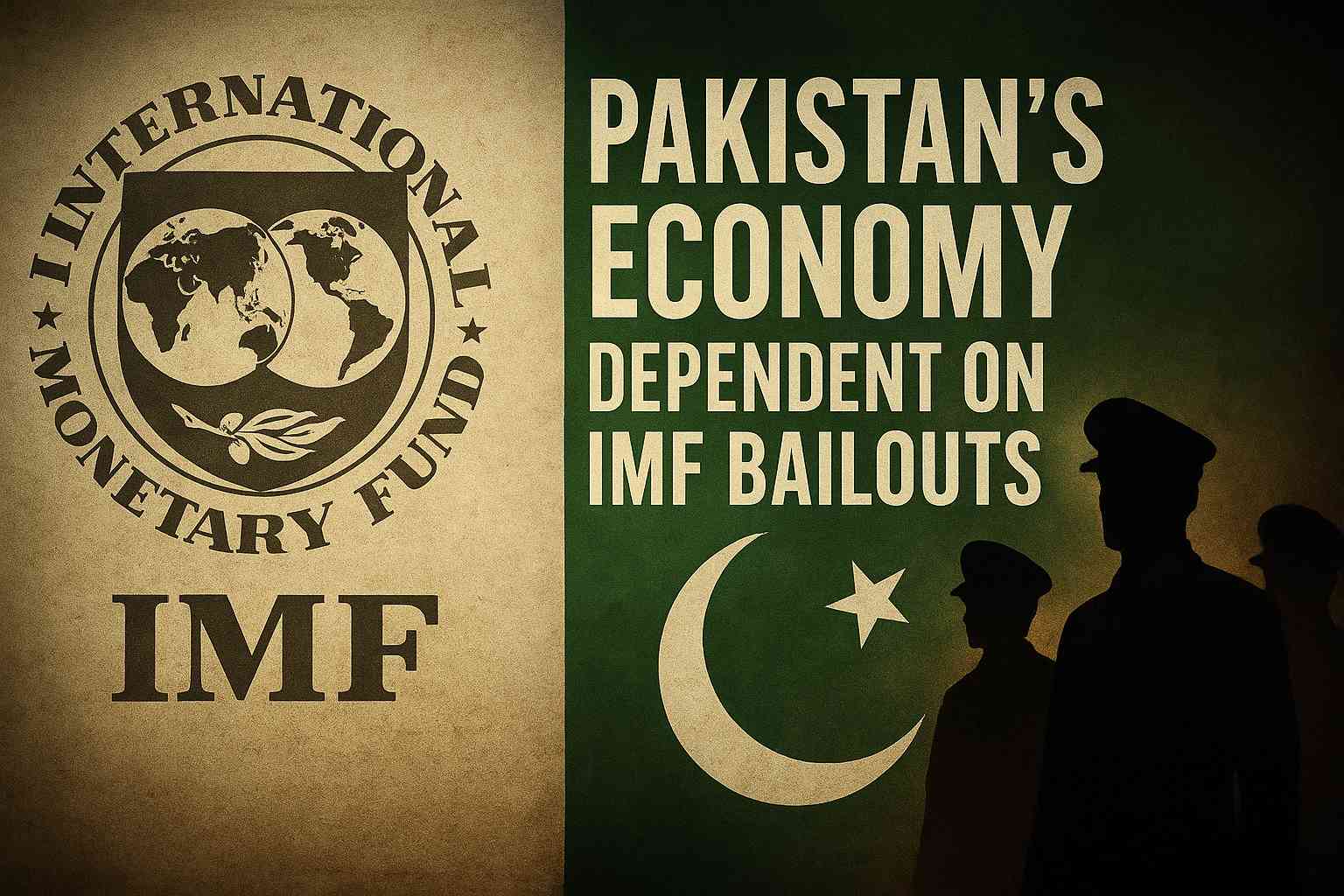
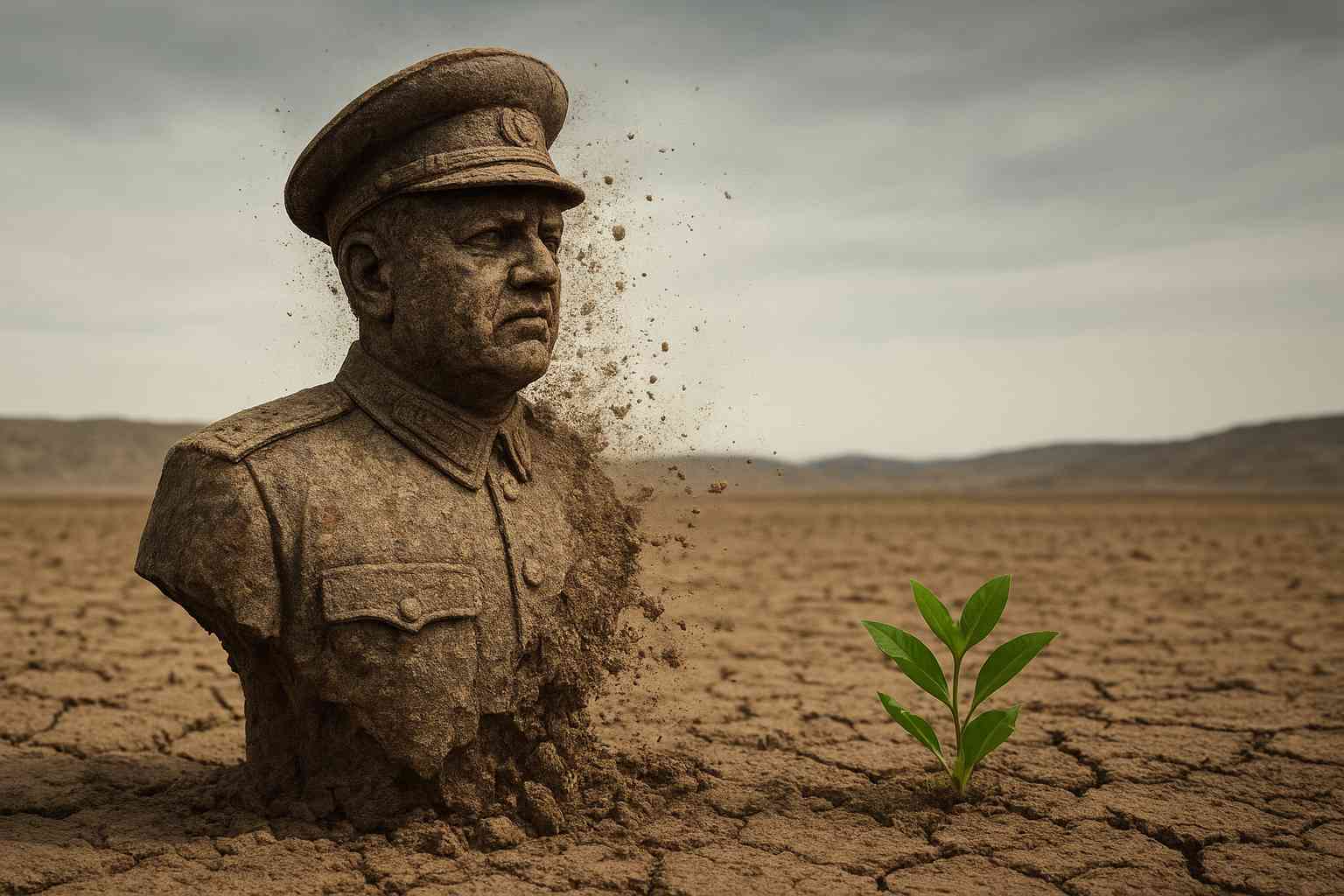
The argument presented is that Pakistan’s core challenge is not simply corruption or electoral instability. Instead, it is the long-term dominance of an overextended security-centered governance structure that consumes disproportionate national resources while limiting institutional and economic development.
Comparisons were drawn with countries such as Thailand and Myanmar, where military influence deeply shaped political evolution and slowed democratic consolidation.
Whether one agrees with this comparison or not, the argument reflects a growing debate inside Pakistan regarding:
- Civilian authority
- Economic priorities
- Federalism
- Democratic institutional growth
- National security doctrine
Diaspora Politics and Global Shifts
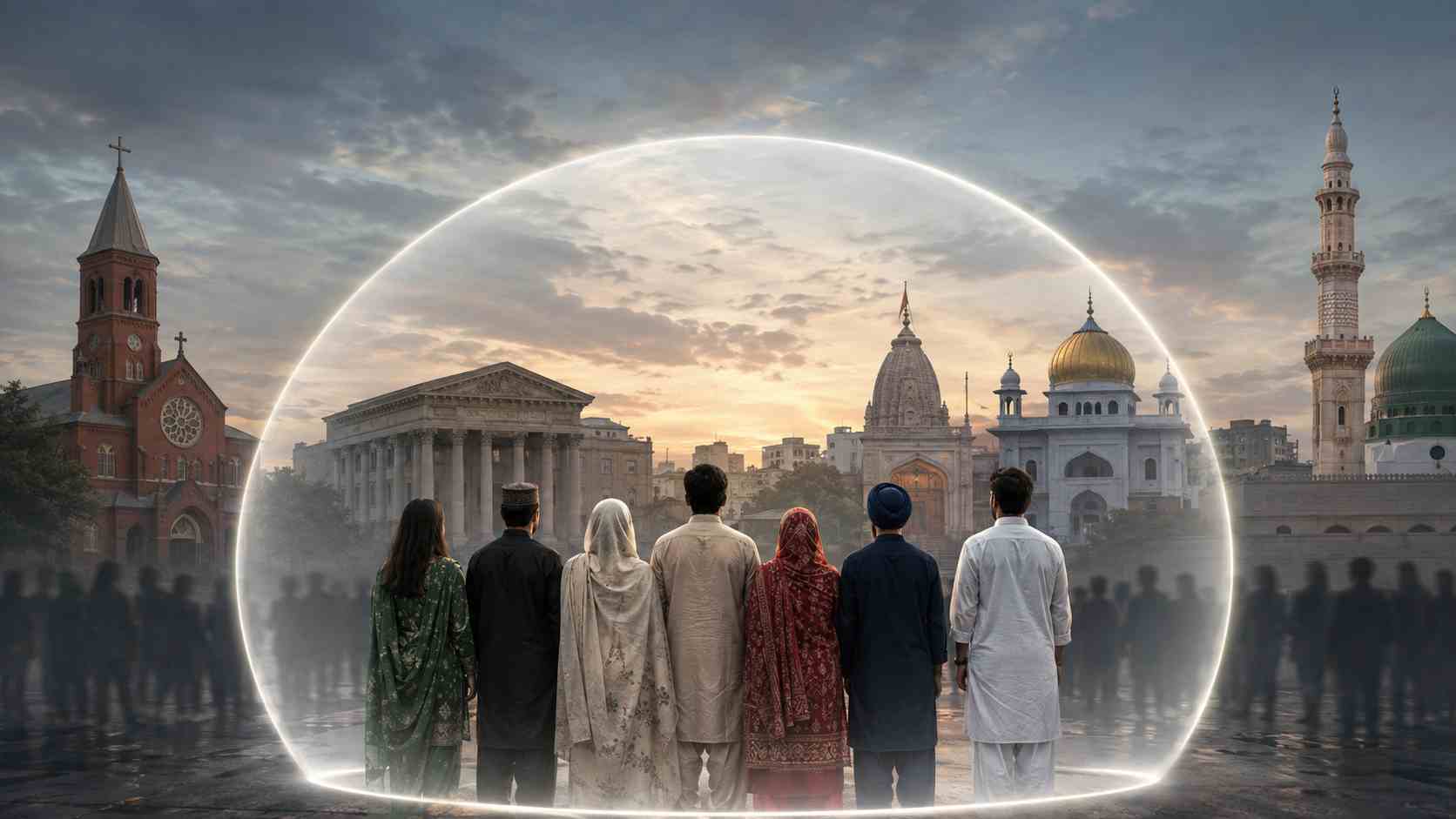
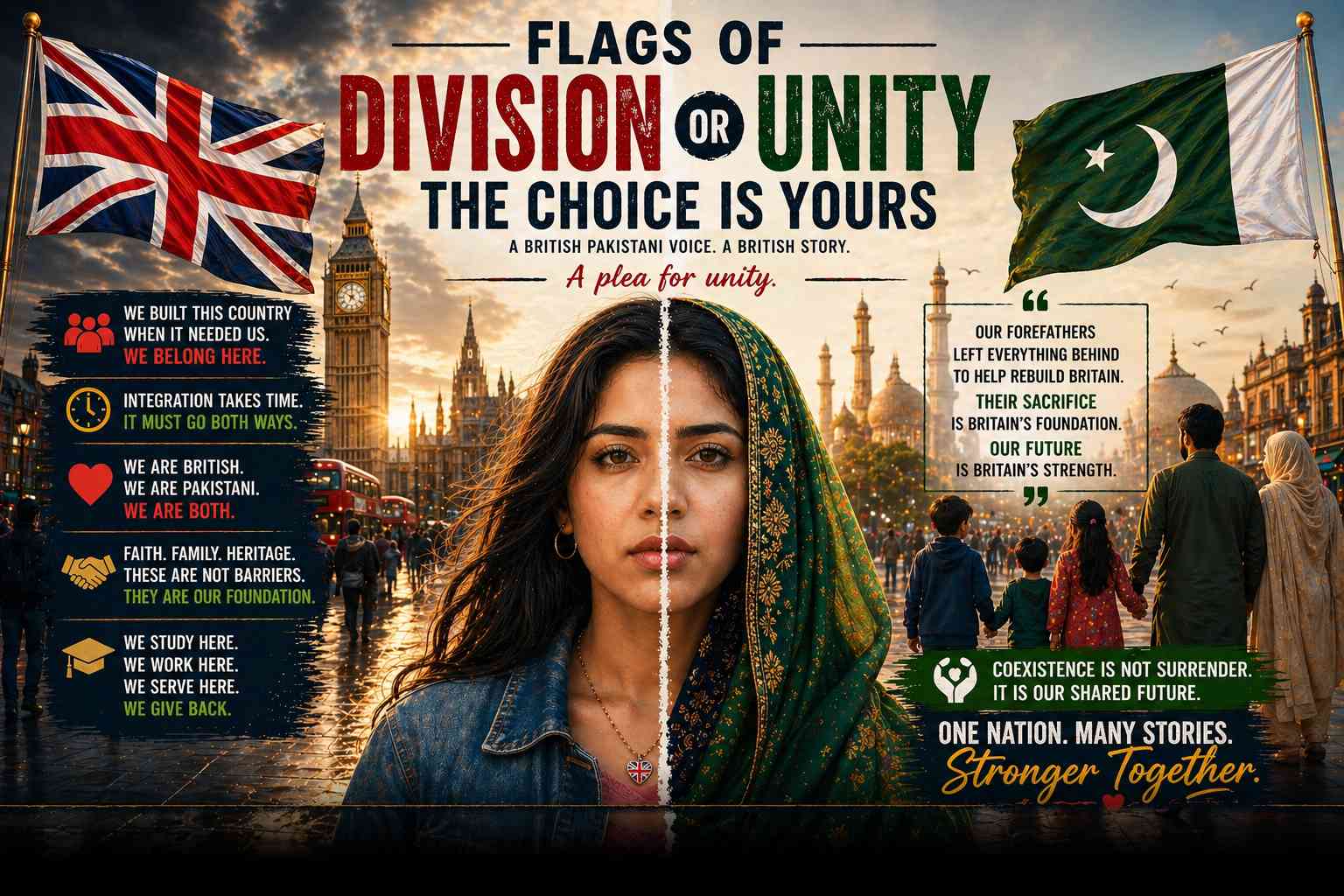
The discussion also expanded into the future of South Asian diaspora communities in the West.
According to the analysis, anti-immigration politics in the United States and Europe are no longer temporary electoral trends. Instead, they represent deeper structural political changes driven by economic anxiety and identity politics.
For Pakistani, Indian, and Bangladeshi communities abroad, the recommendation was clear:
- Integrate more deeply into local political systems
- Build stronger social relationships beyond ethnic circles
- Participate actively in mainstream democratic institutions
This warning reflects a broader concern that immigrant communities may face increasing political pressure in coming years.
Iran, Trump and the Limits of Ceasefire Politics
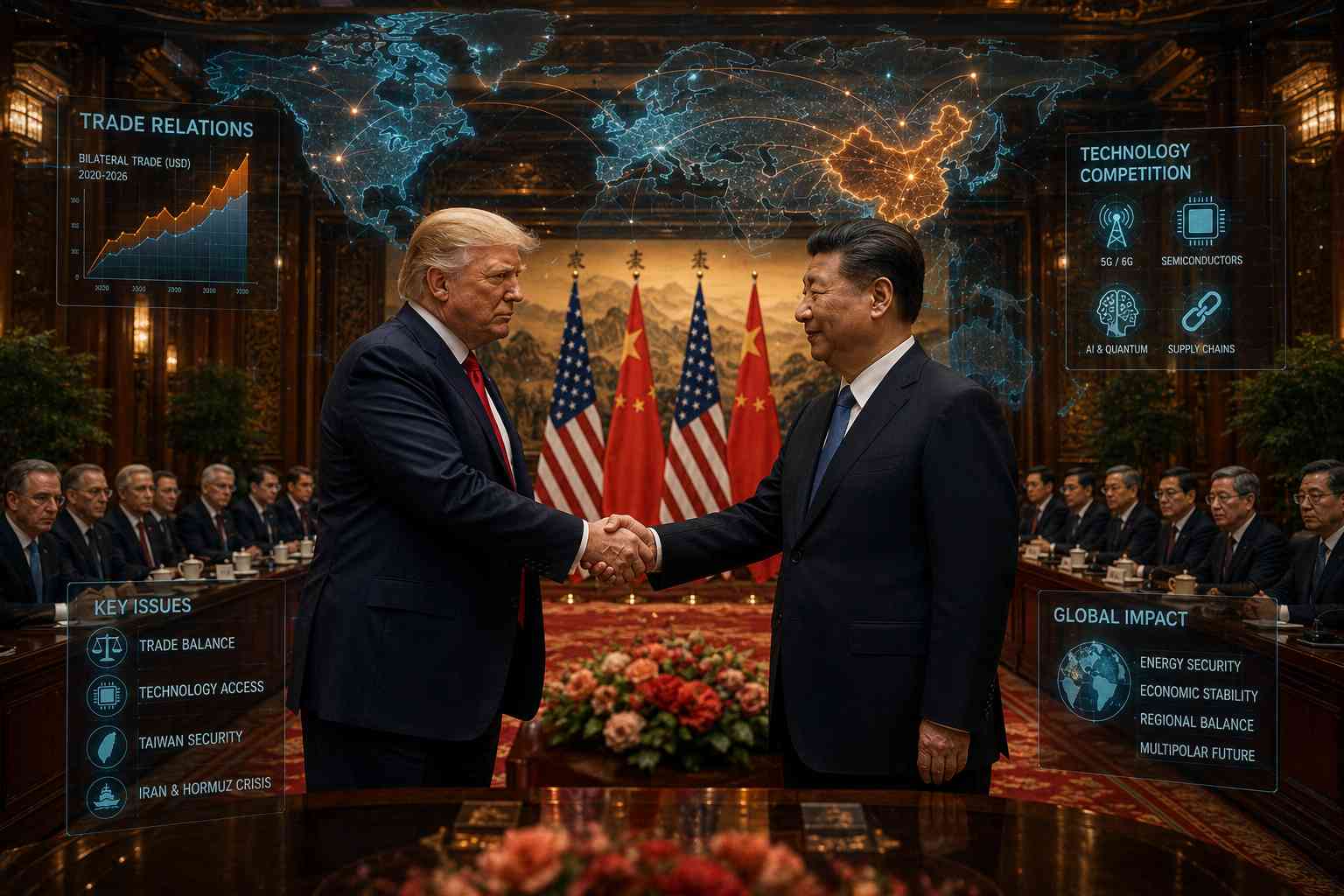
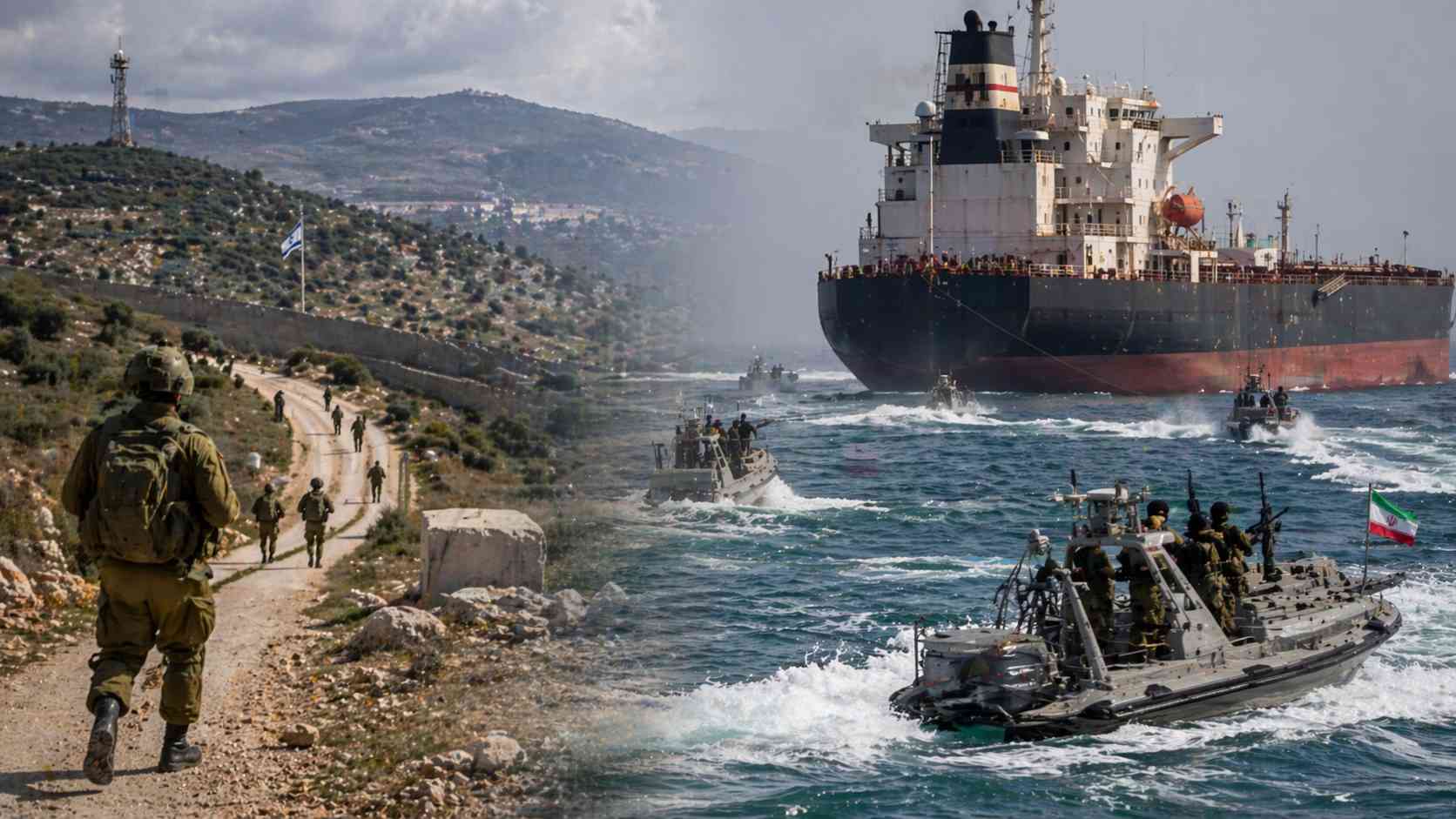
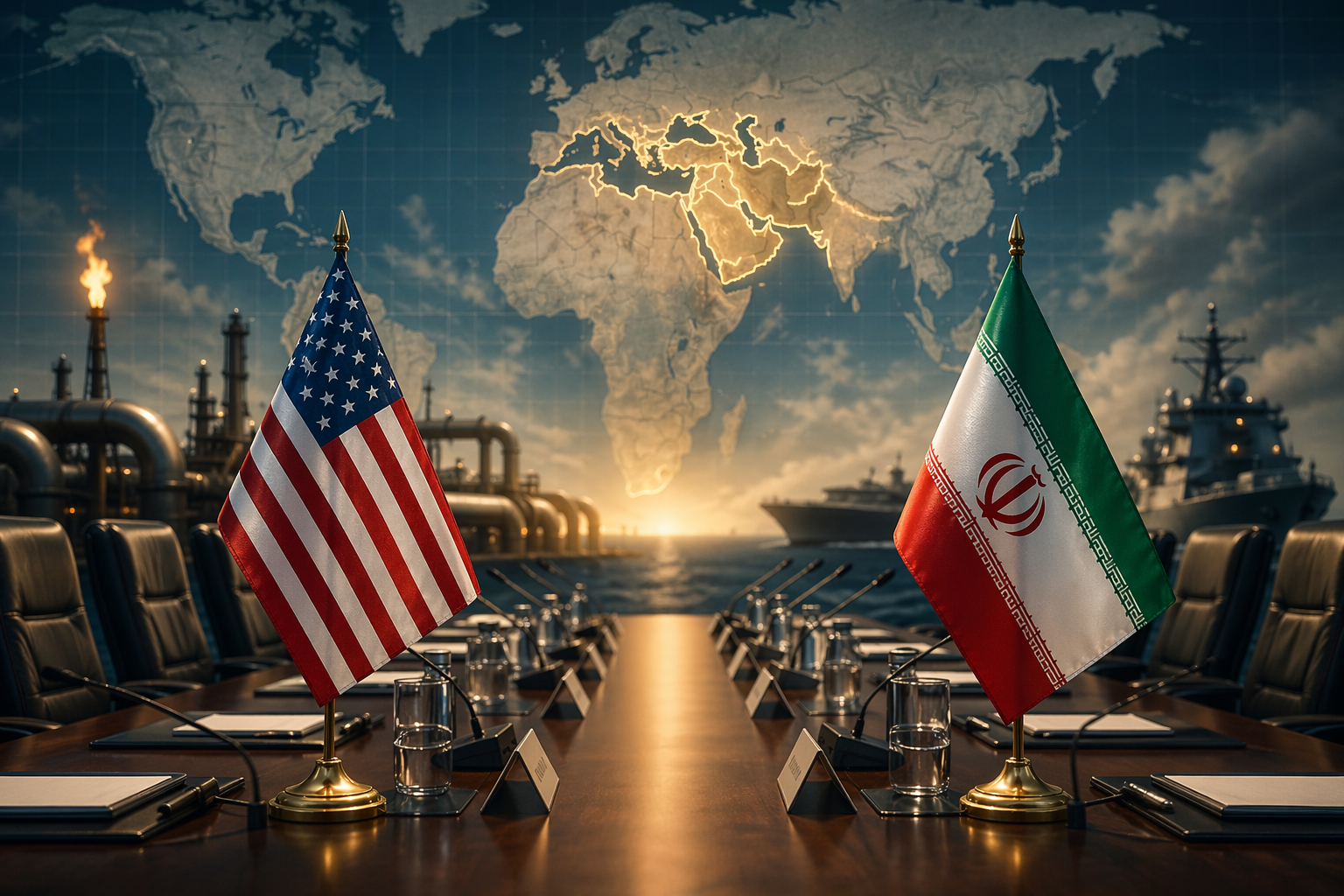
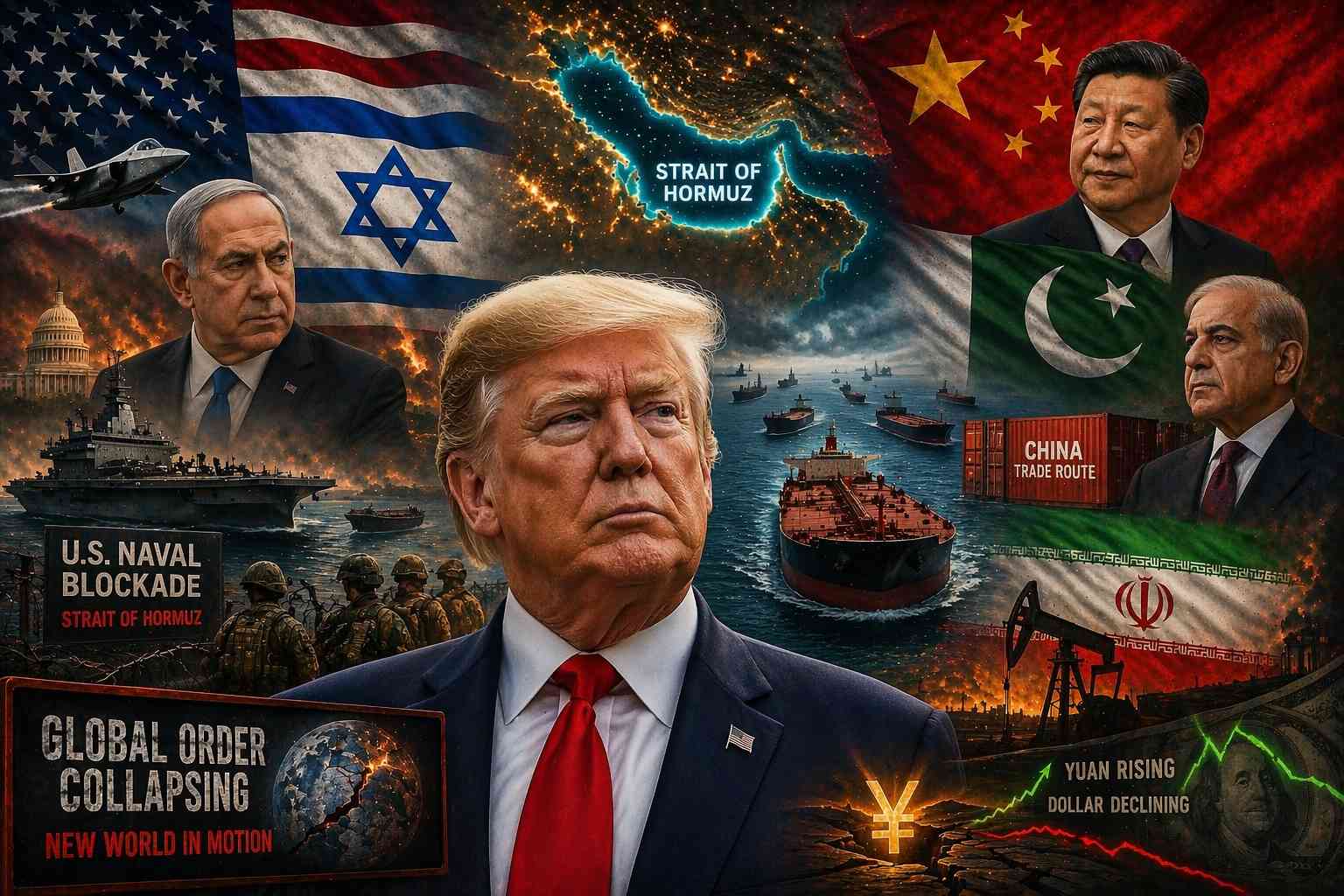
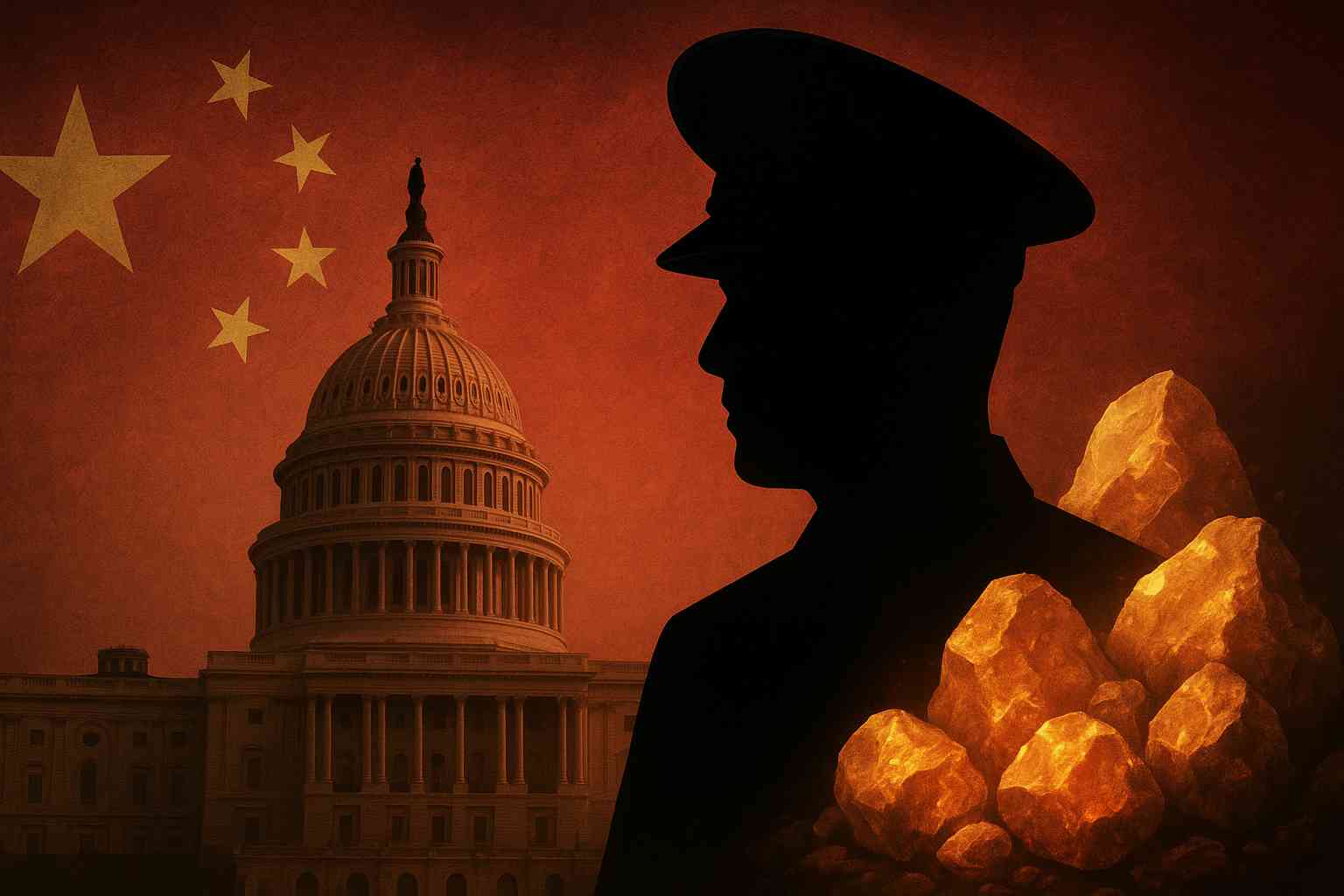
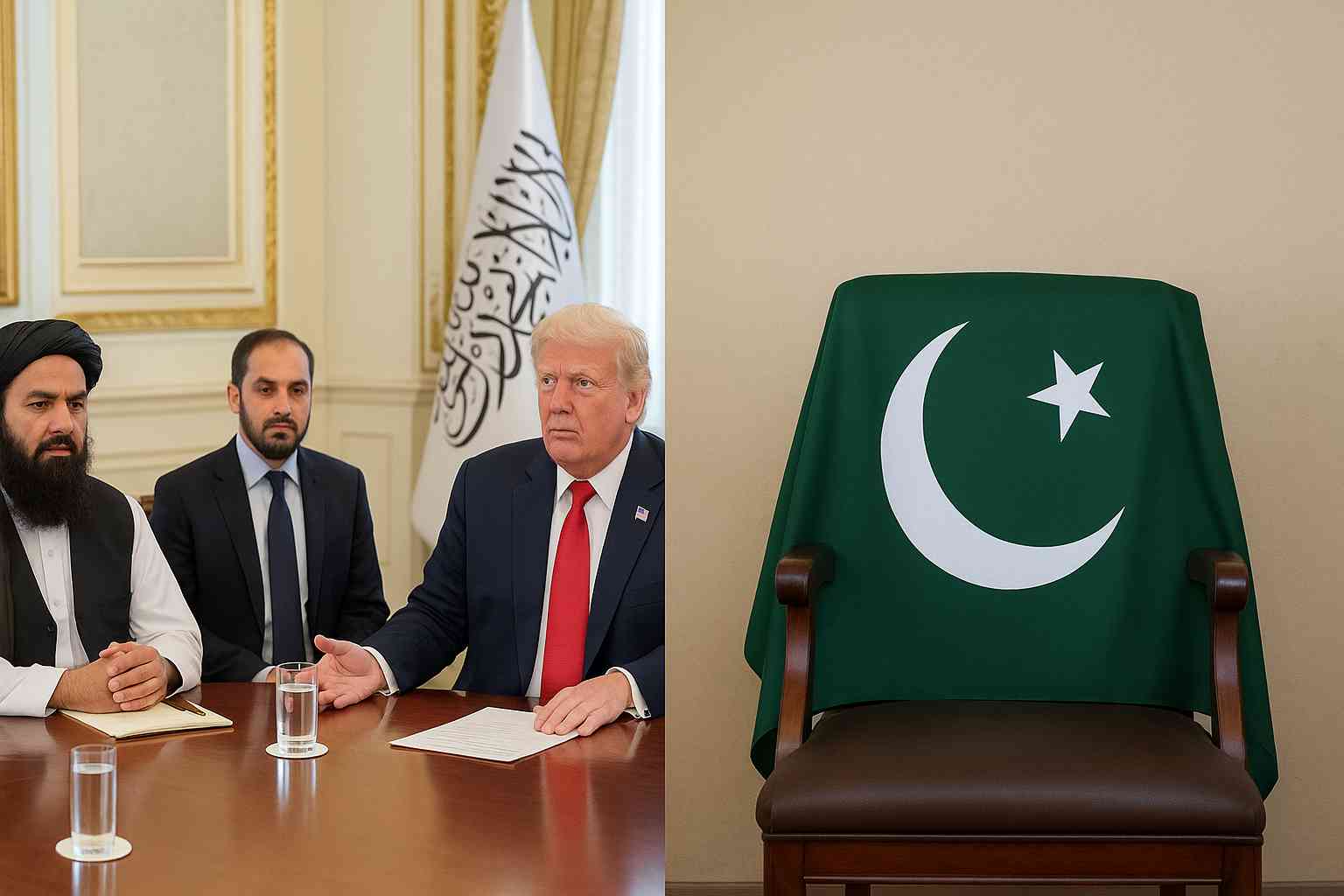
The vlog also examined the fragile US-Iran ceasefire environment ahead of Donald Trump’s meeting with Chinese President Xi Jinping.
Trump’s description of the ceasefire as being “on life support” signals growing uncertainty regarding future escalation. Meanwhile, Iran continues to seek relief from sanctions, maritime restrictions, and frozen assets.
Despite temporary de-escalation, the analysis suggests the conflict may drift toward a prolonged strategic stalemate rather than a stable settlement.
Conclusion
The discussion surrounding Asim Munir next president ultimately reflects something larger than an individual political transition.
It reflects uncertainty about Pakistan’s constitutional future, its institutional balance, and its ability to adapt to a rapidly changing regional order.
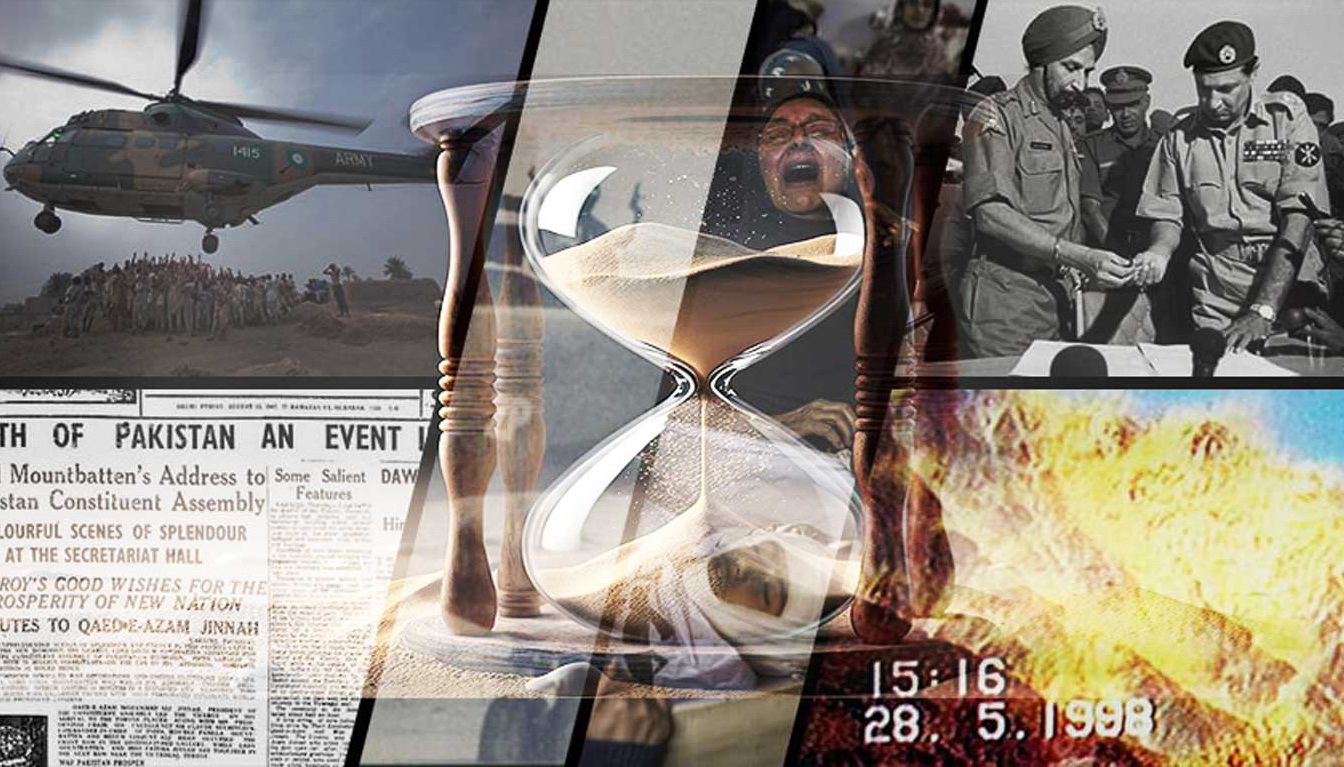
Whether formal changes occur or not, the central reality remains: Pakistan’s political system is entering another period of structural transformation.
How that transformation unfolds may shape not only Pakistan’s democracy, but also its regional role for years to come.
By SoldierSpeaks News Desk
Analysis based on commentary by Dr. Moeed Pirzada and current geopolitical developments.