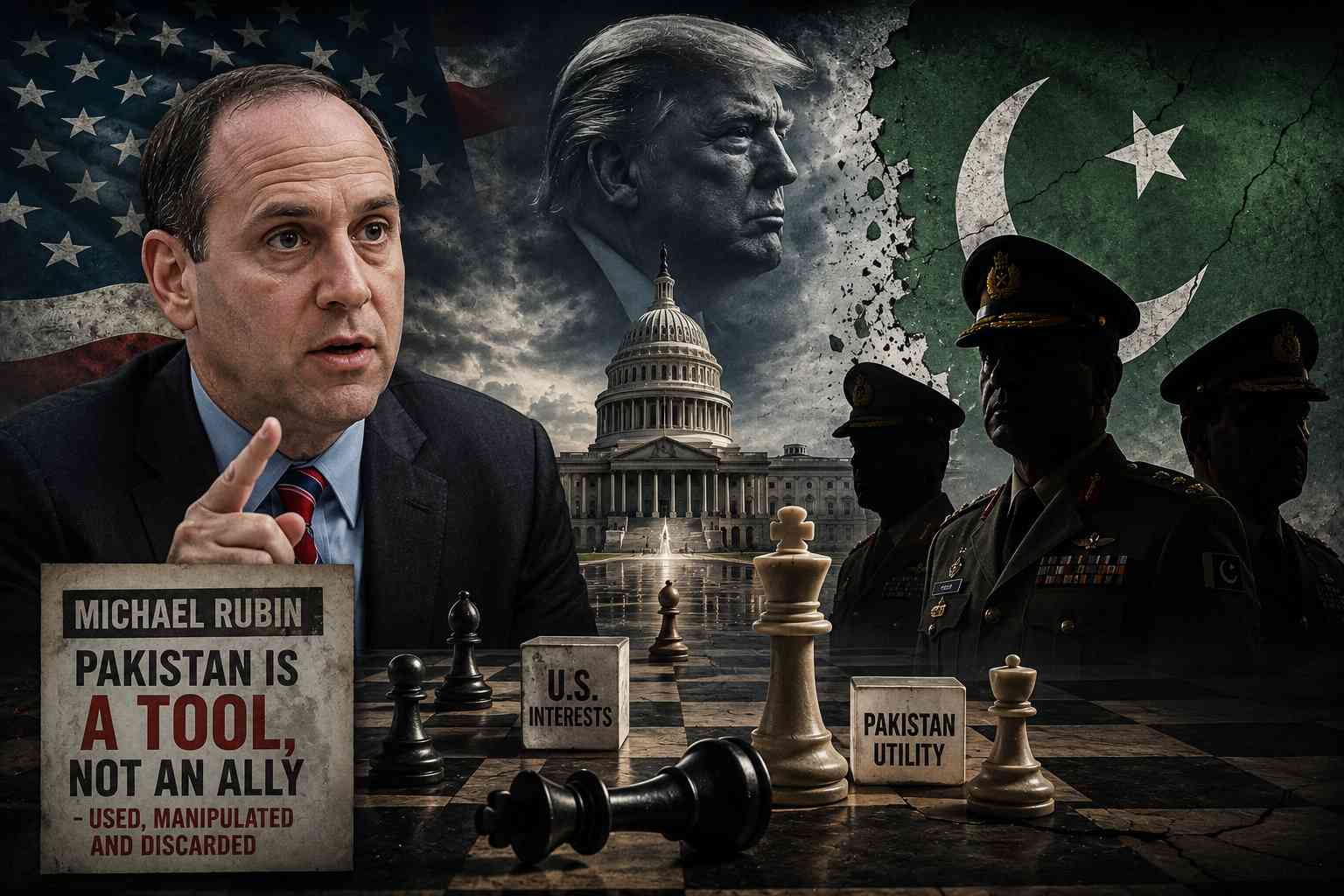
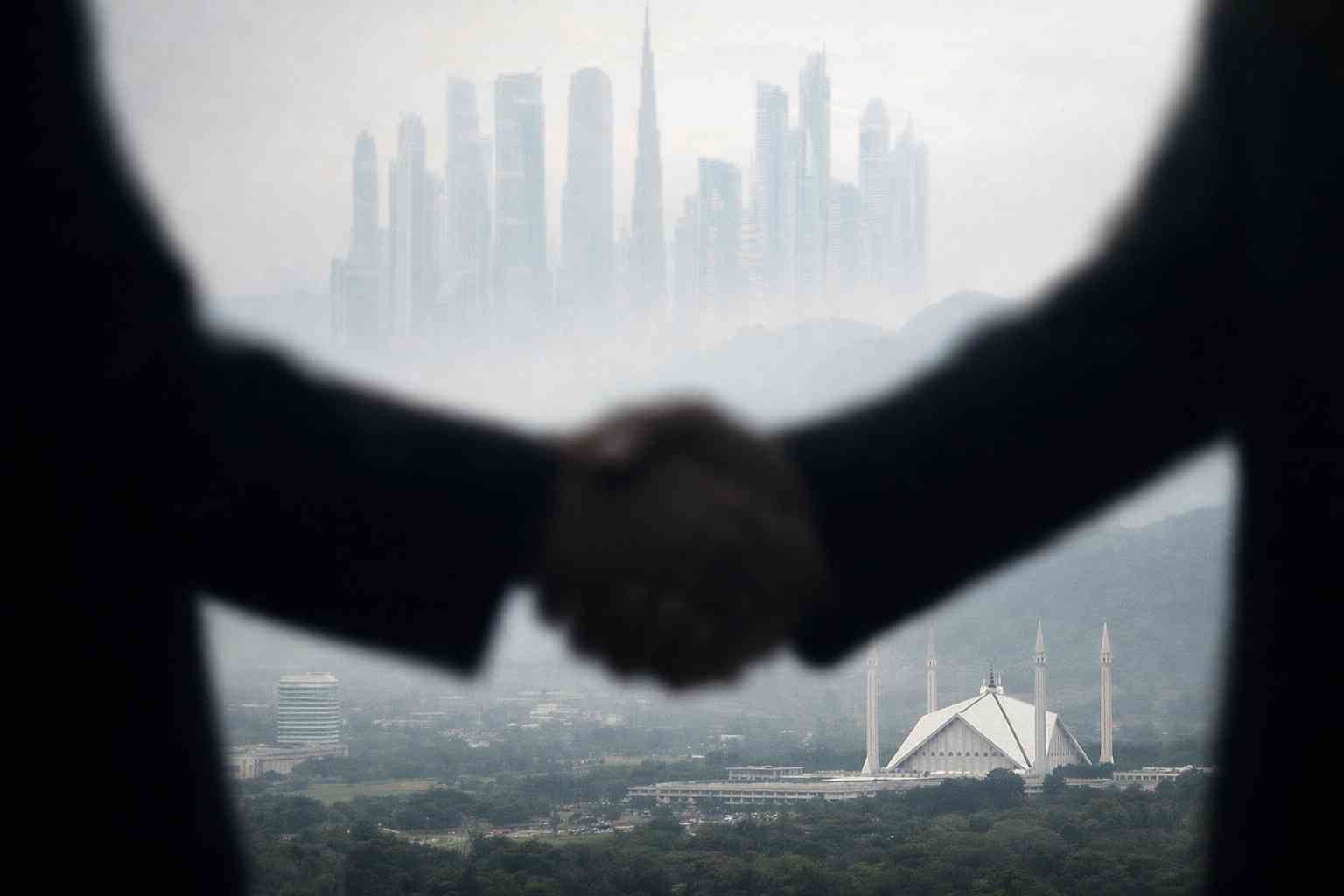
The debate over Pakistan’s relationship with the United States has once again erupted after explosive remarks by American analyst Michael Rubin triggered outrage across Pakistani political circles.
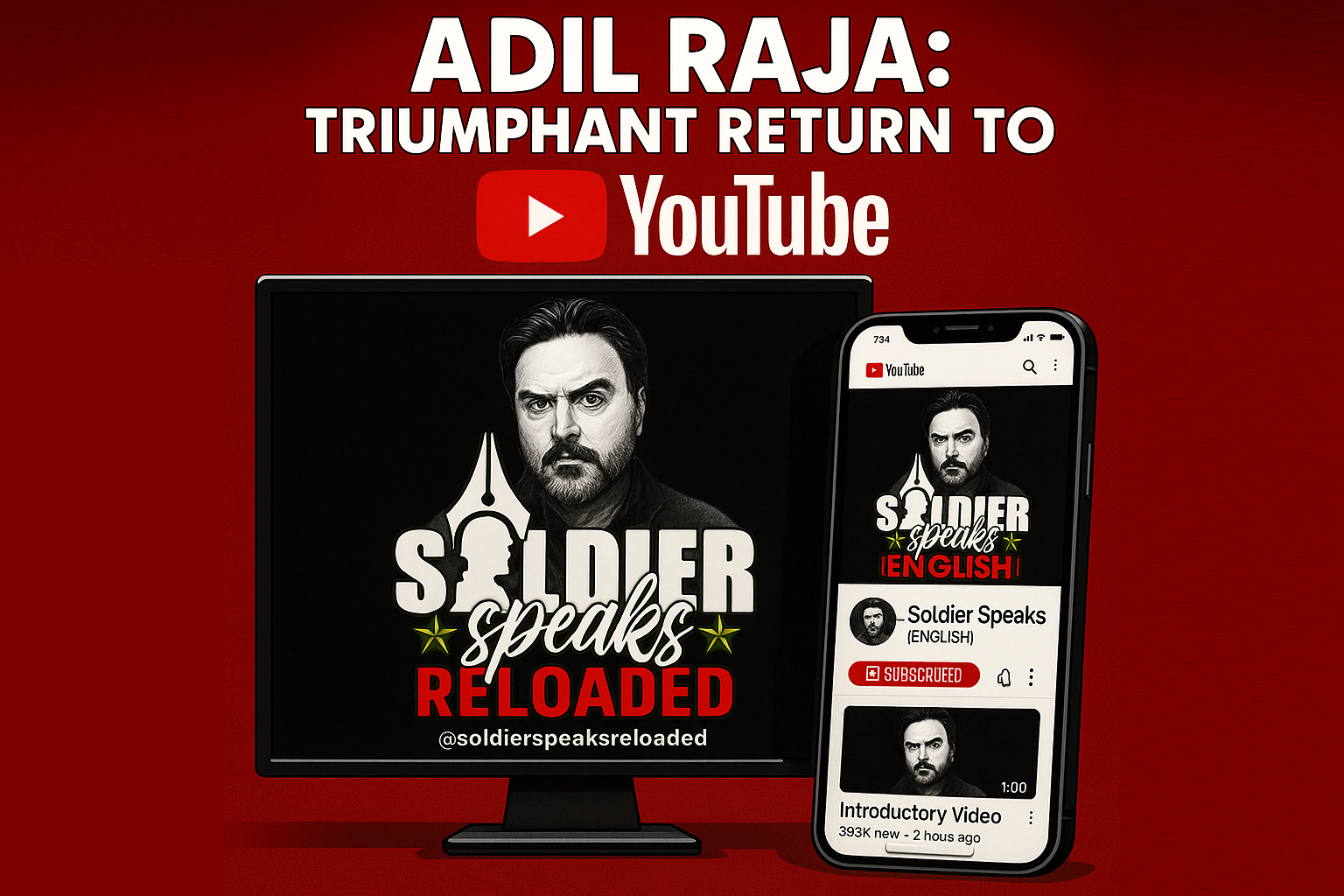
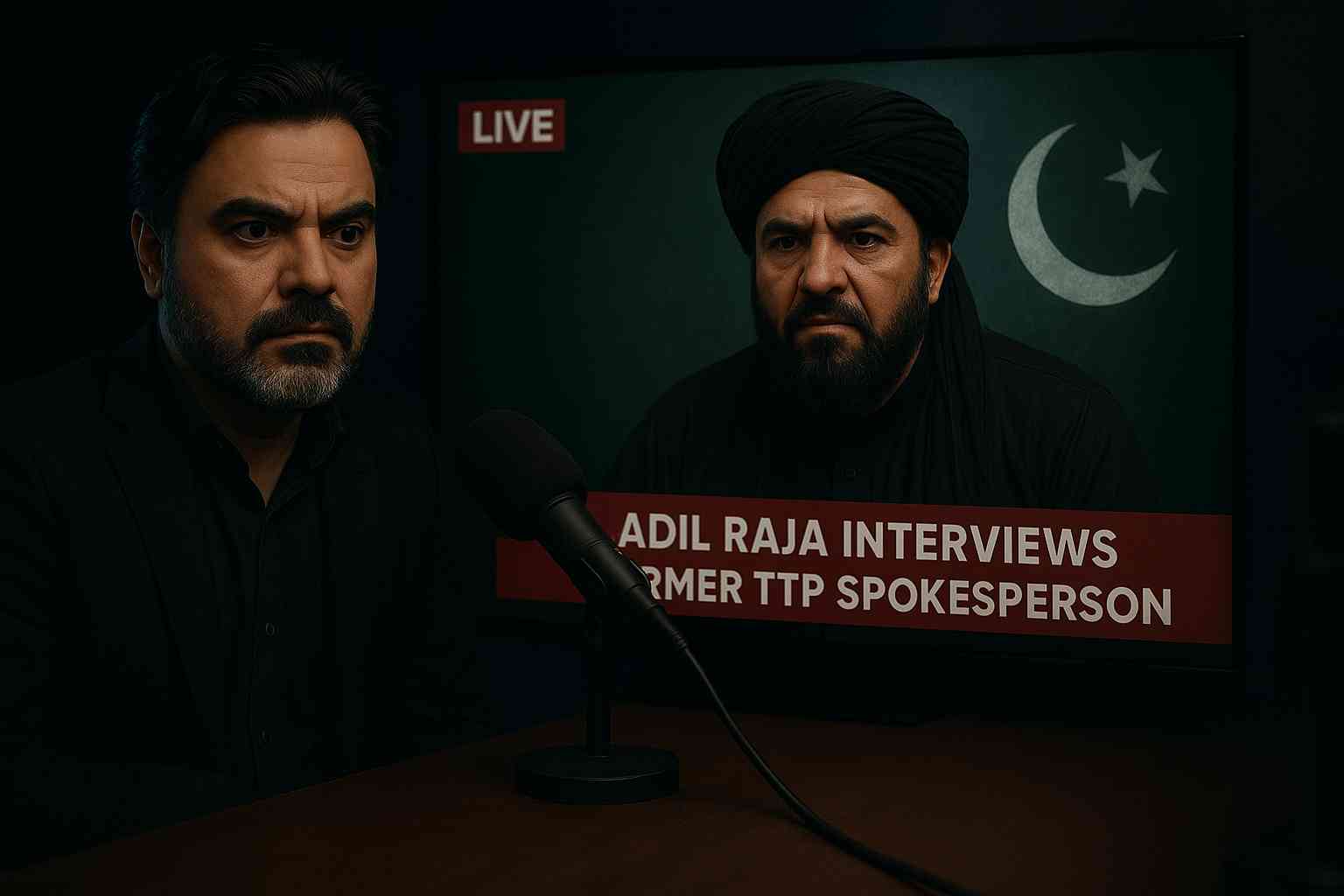
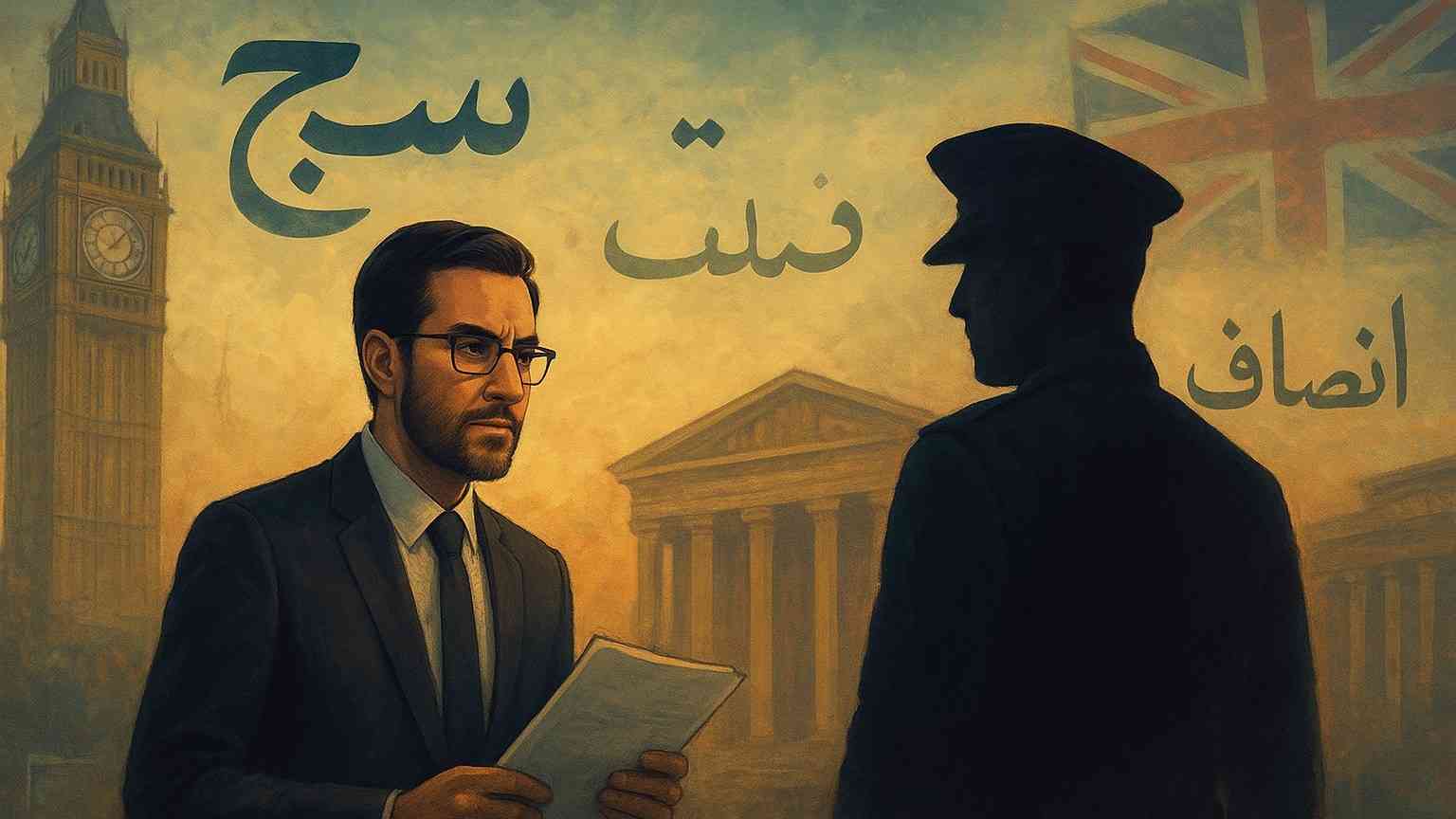
In a sharply worded article discussed in Adil Raja’s latest vlog, Rubin questioned the nature of Washington’s ties with Islamabad and argued that Pakistan’s military establishment still misunderstands how America views the relationship.
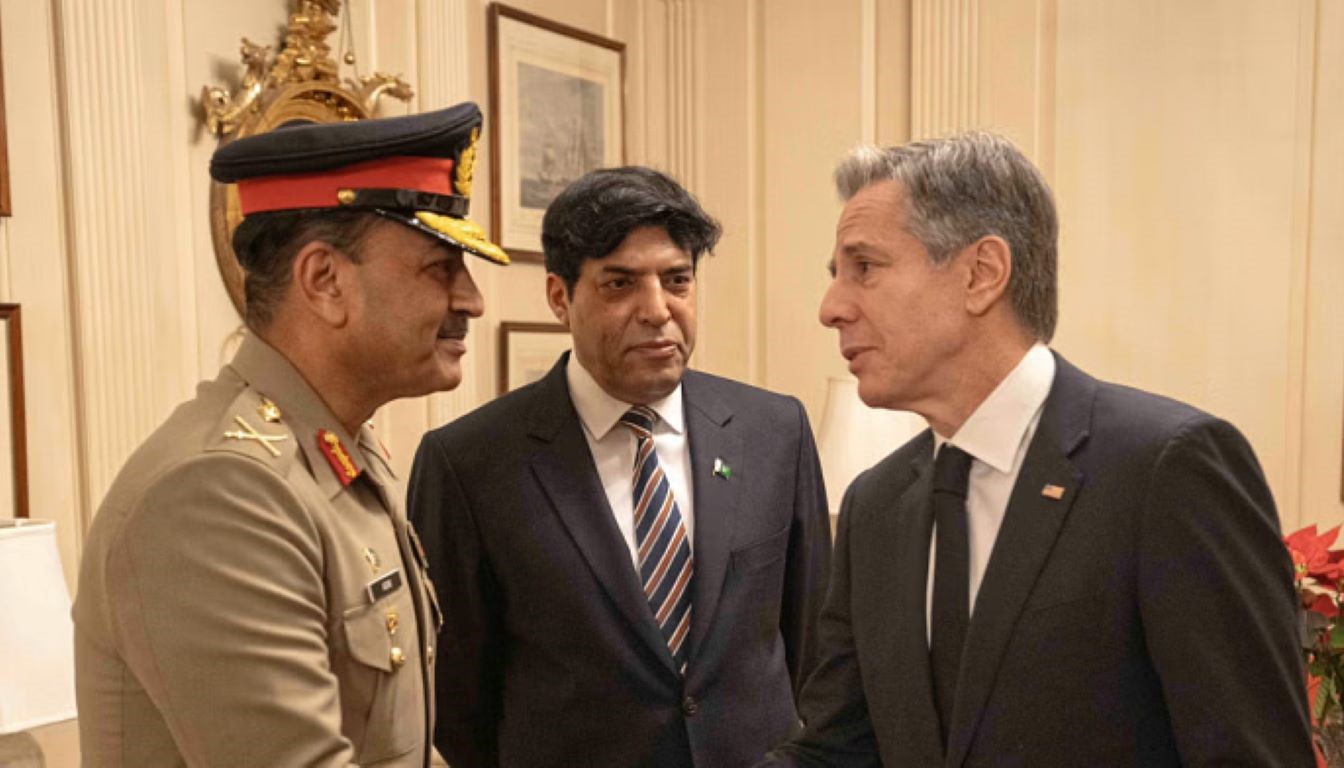
The comments have ignited controversy because they were not made by an Indian commentator or a Pakistani opposition figure. They came from a Washington-based American policy analyst closely associated with US strategic circles.
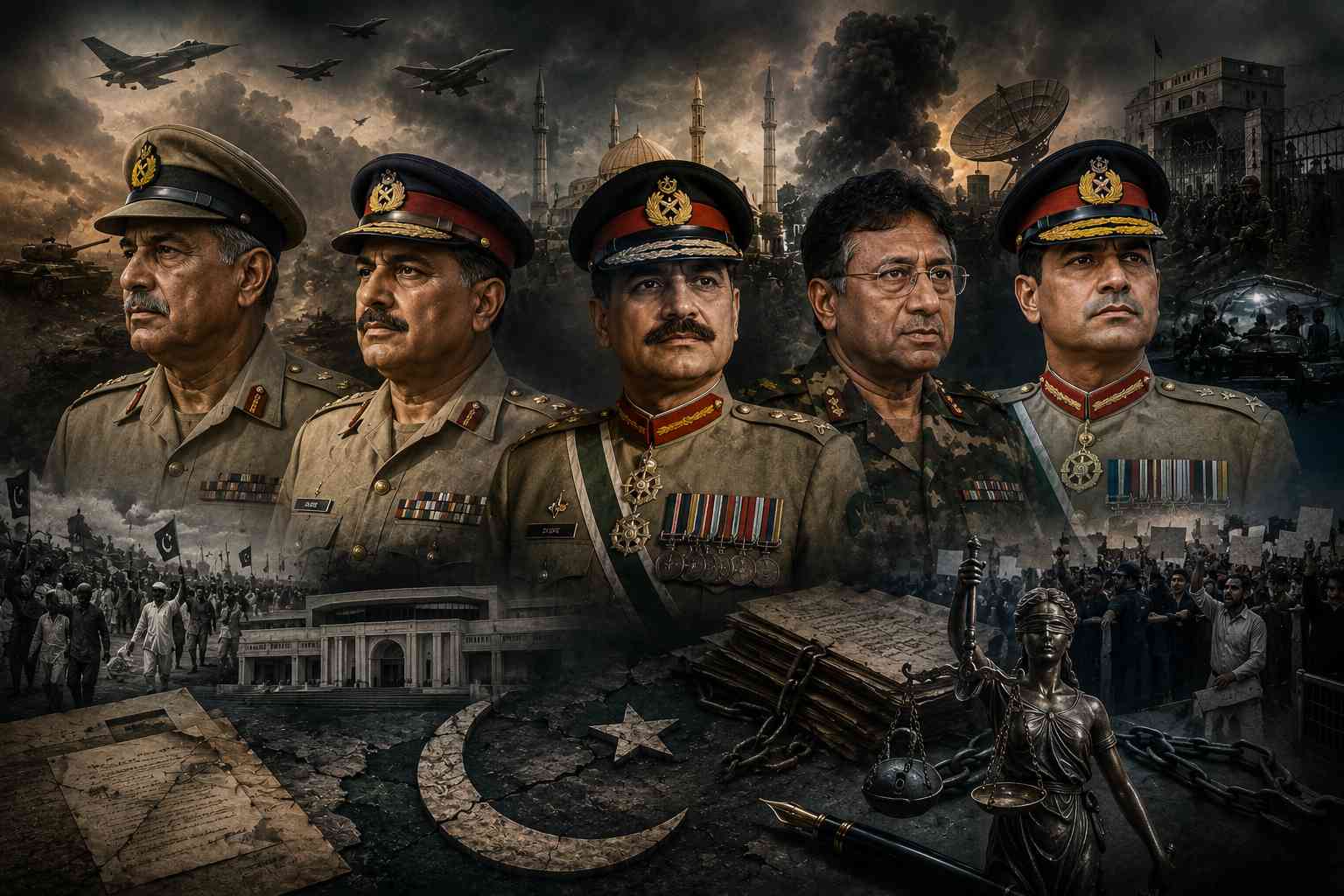
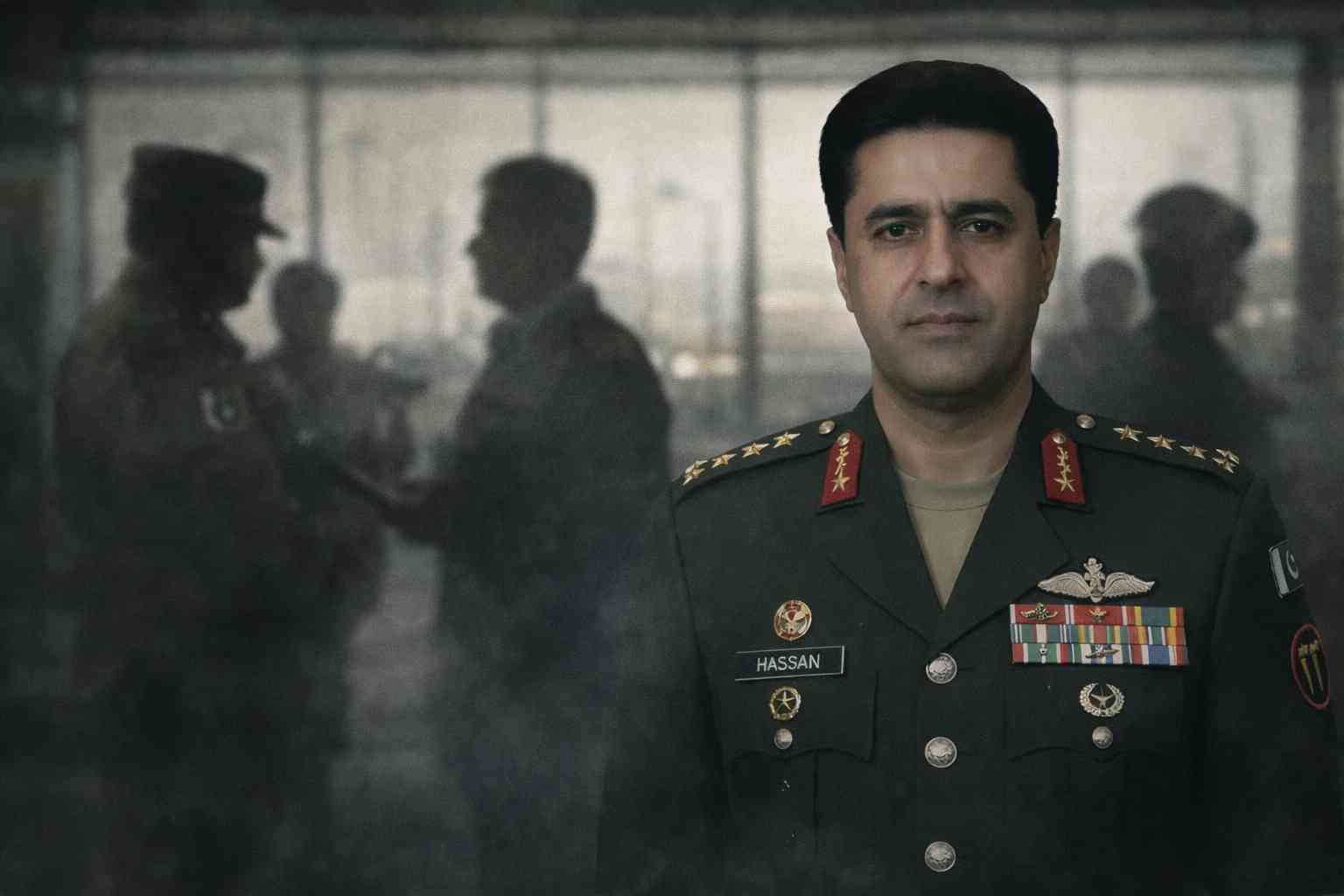
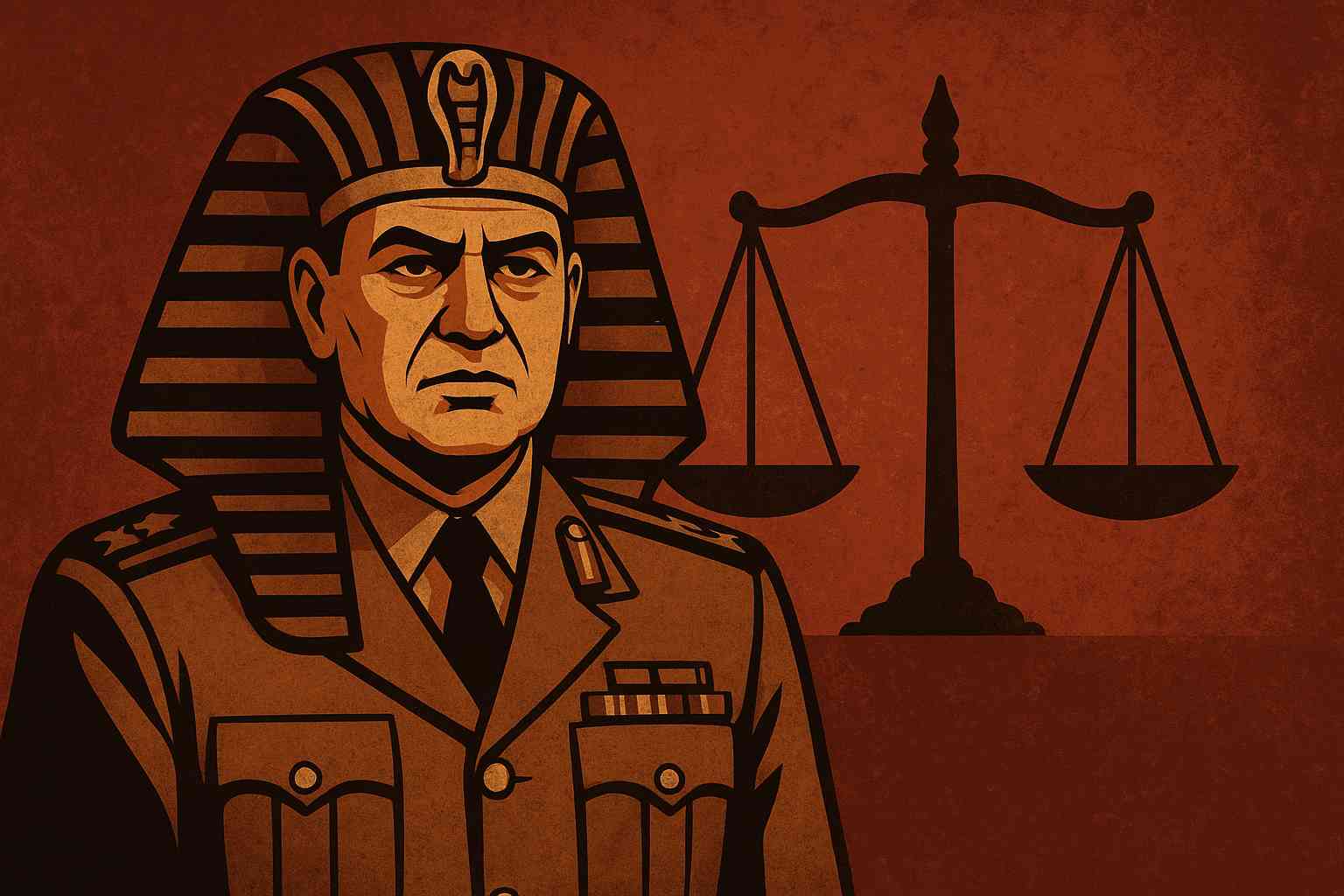
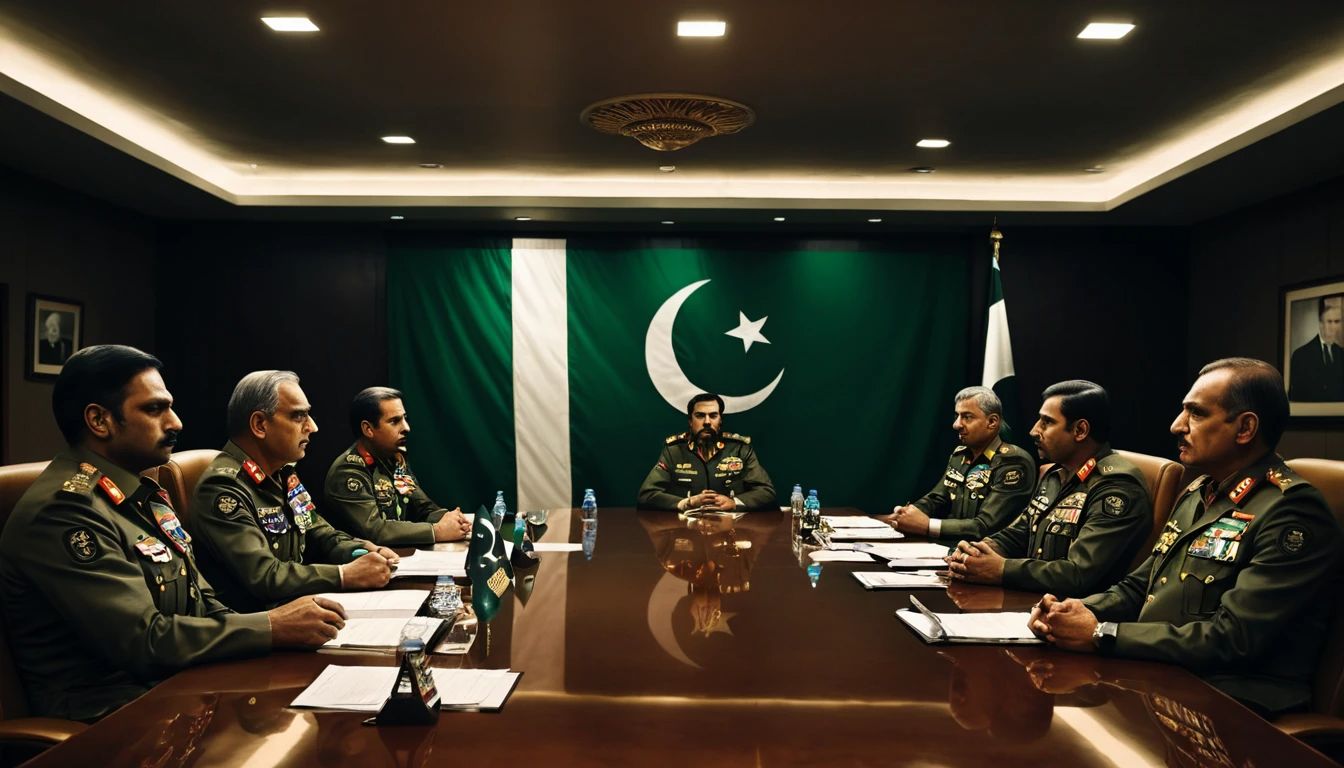
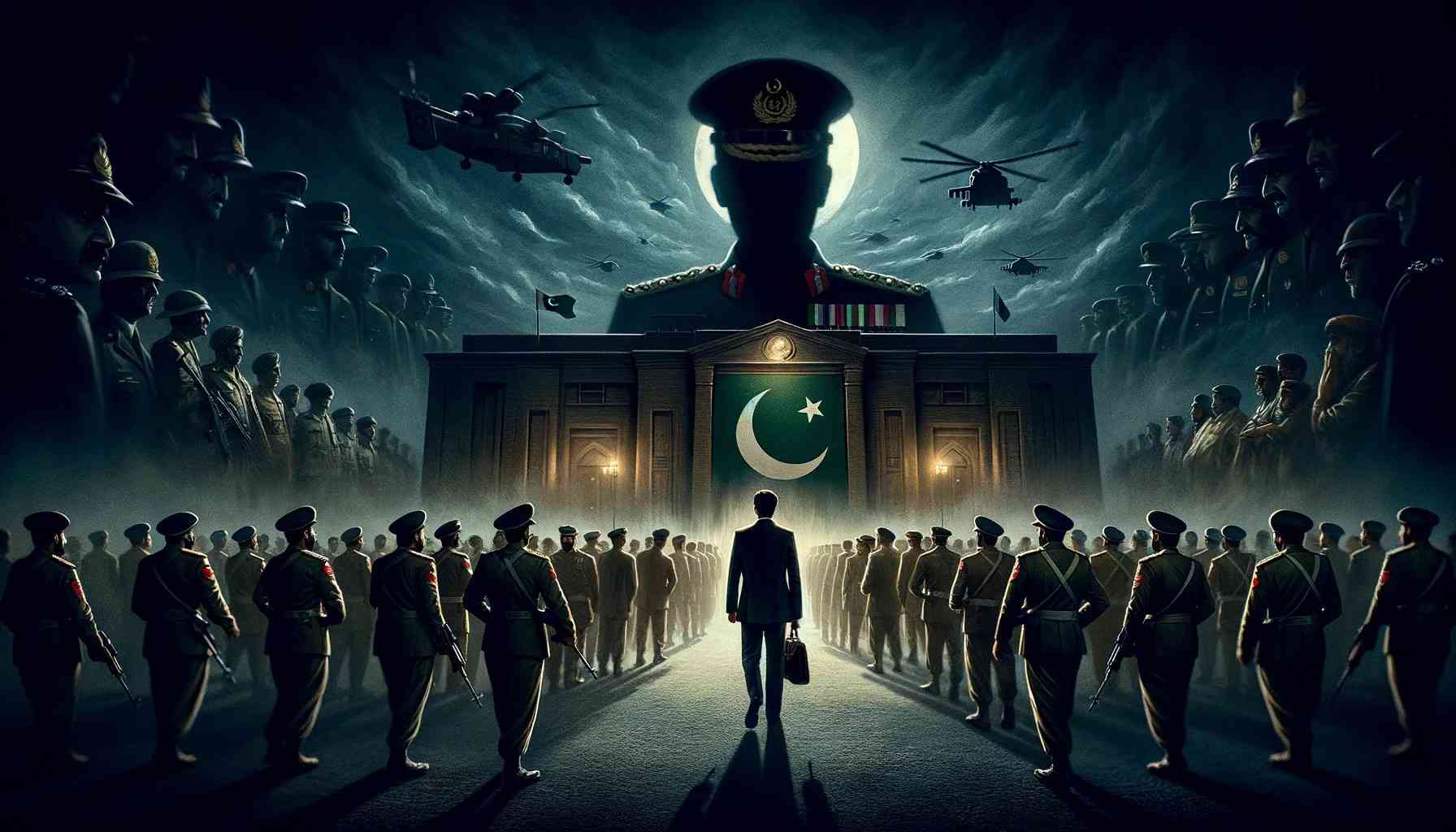
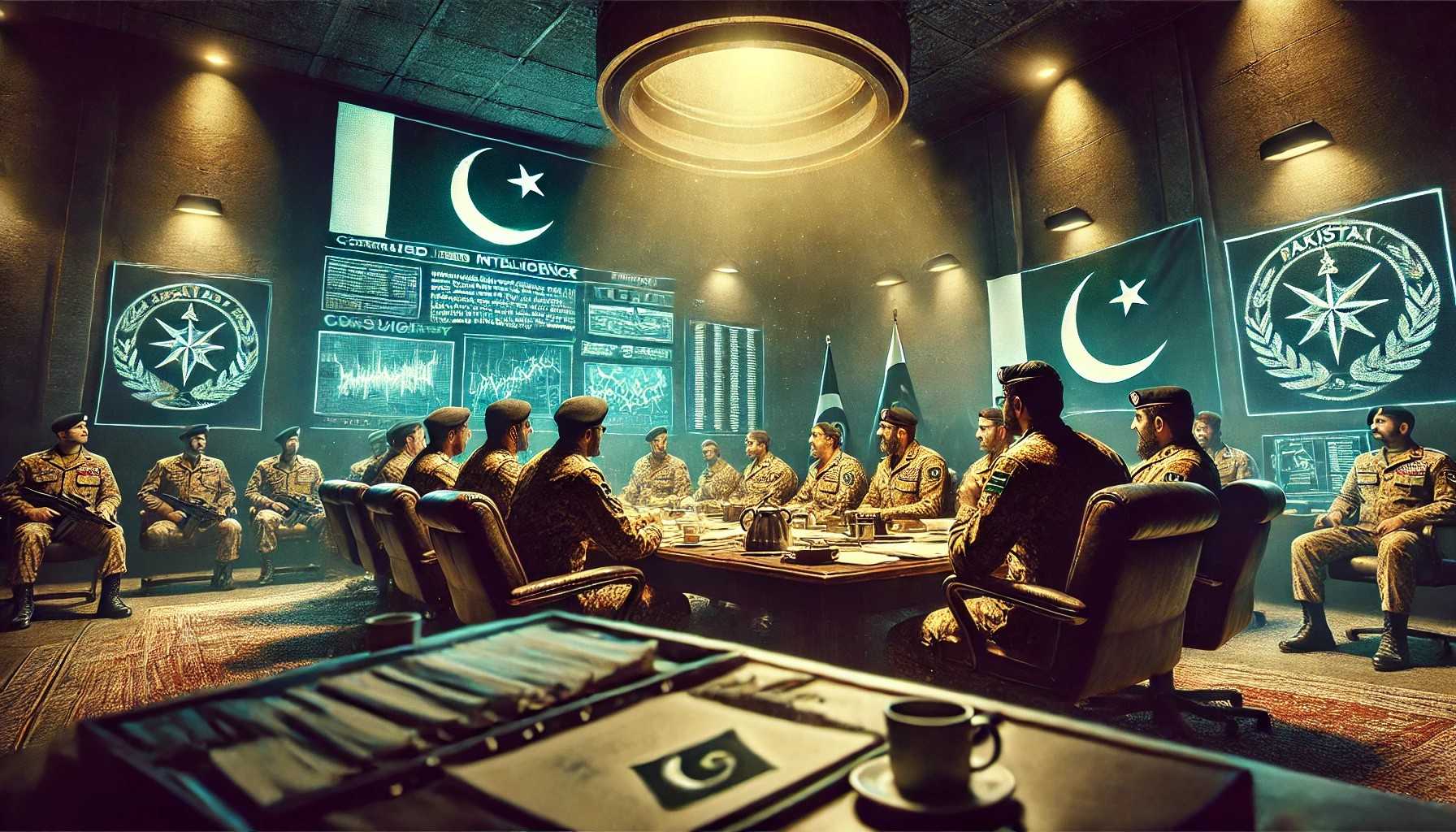
More importantly, the criticism directly targeted Pakistan’s military leadership and its long-standing foreign policy approach.
A Harsh American Assessment of Pakistan
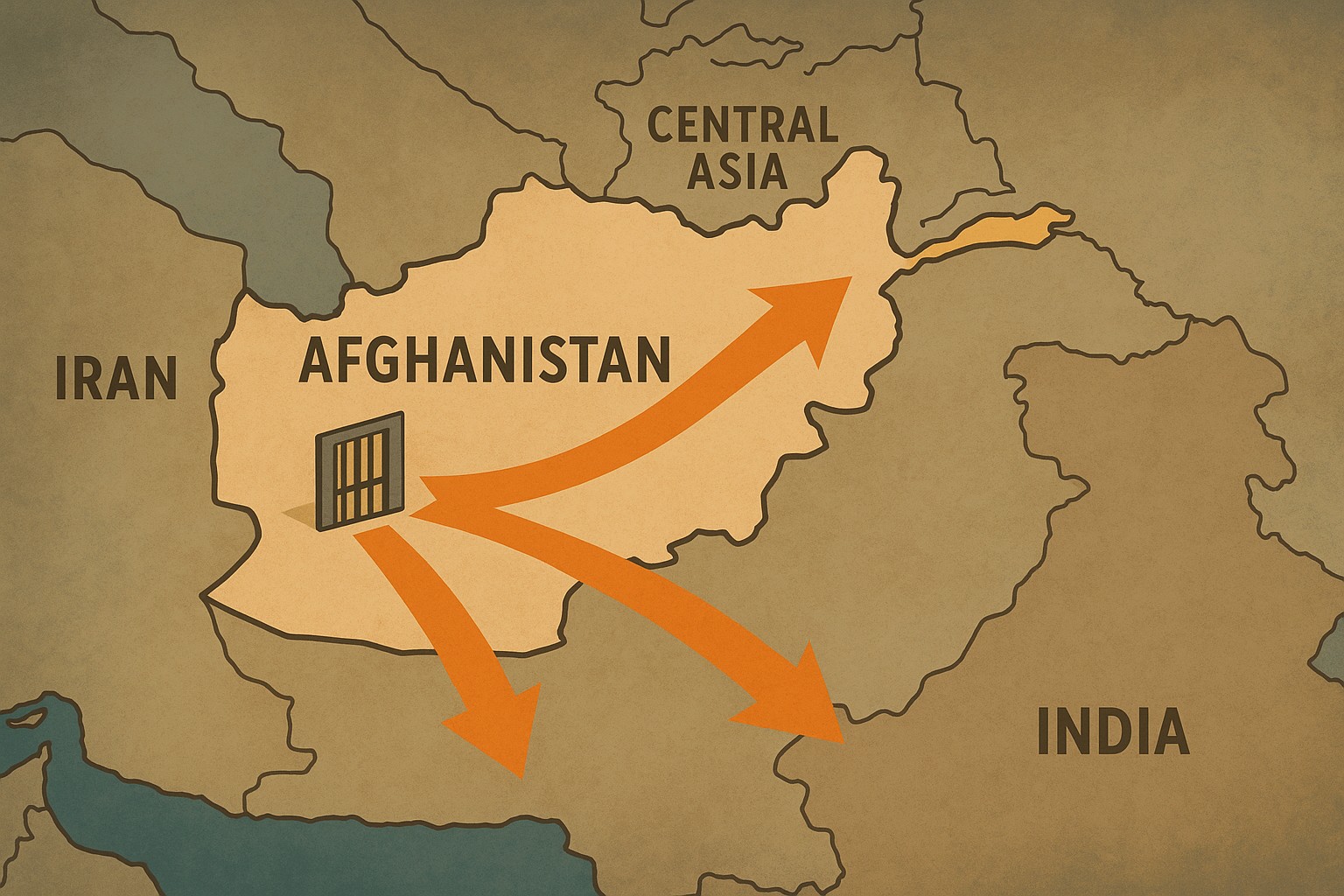
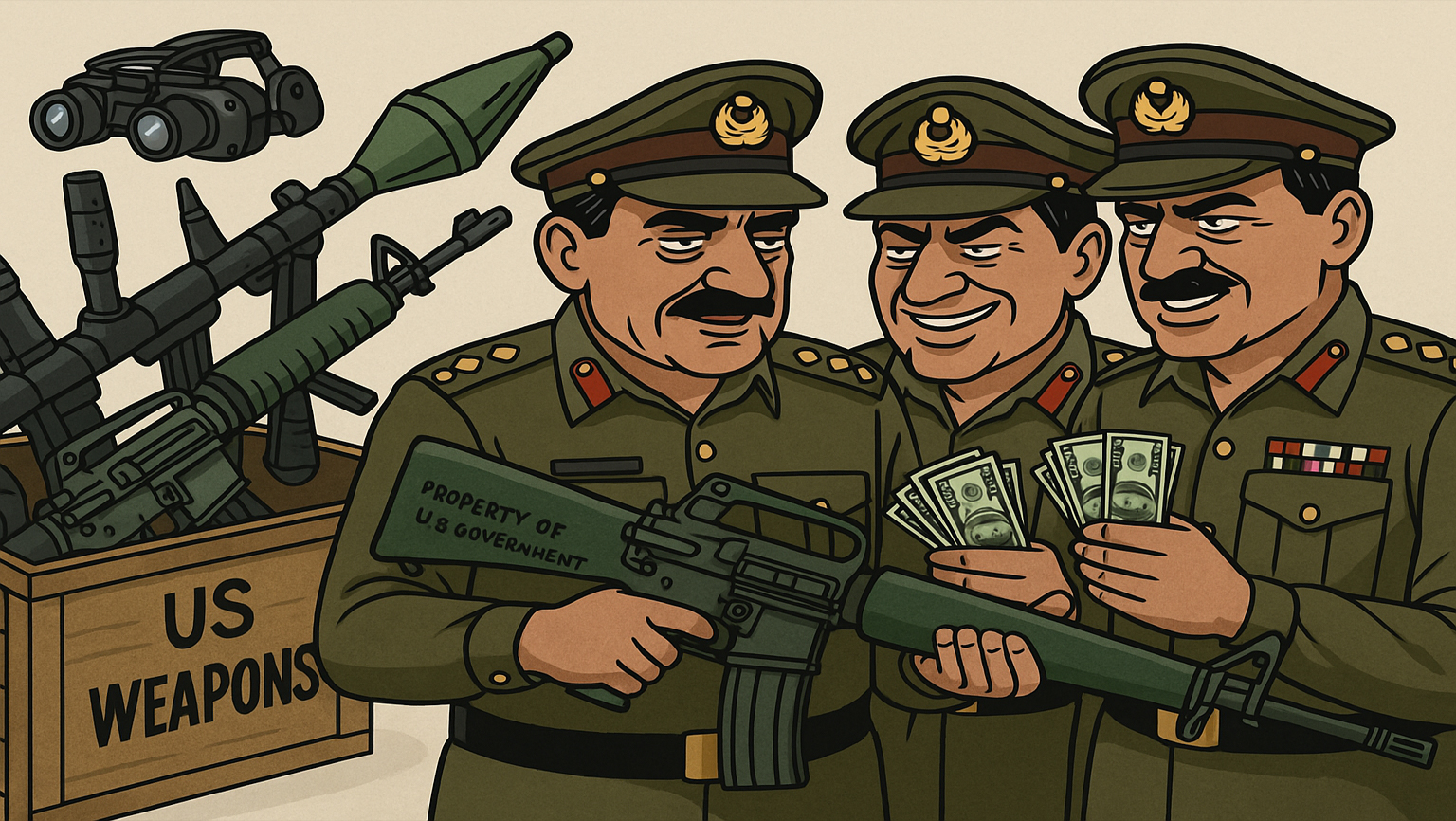
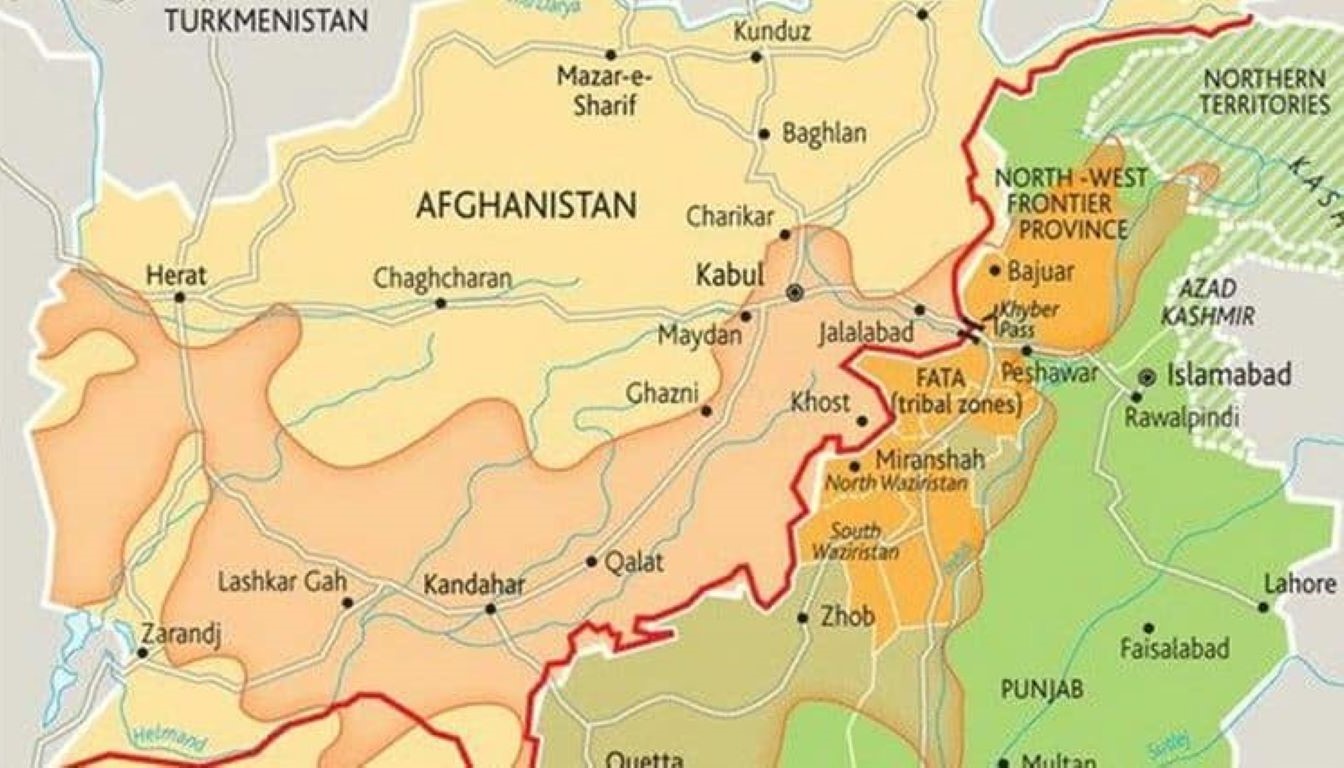
According to the vlog transcript, Michael Rubin claimed that Pakistan is repeatedly used by Washington whenever America requires regional leverage, mediation channels, or pressure mechanisms in South Asia and Afghanistan.
Once those objectives are achieved, Pakistan is allegedly pushed aside.
The comments became even more controversial because Rubin reportedly used deeply insulting language while describing how US policymakers view Islamabad’s strategic value.
For many Pakistanis, the issue is not simply criticism. The larger concern is how Pakistan’s global image has deteriorated to the point where such language can publicly circulate in influential Western policy discussions.
Why the Michael Rubin Warning Matters
The significance of the Michael Rubin warning lies in timing.
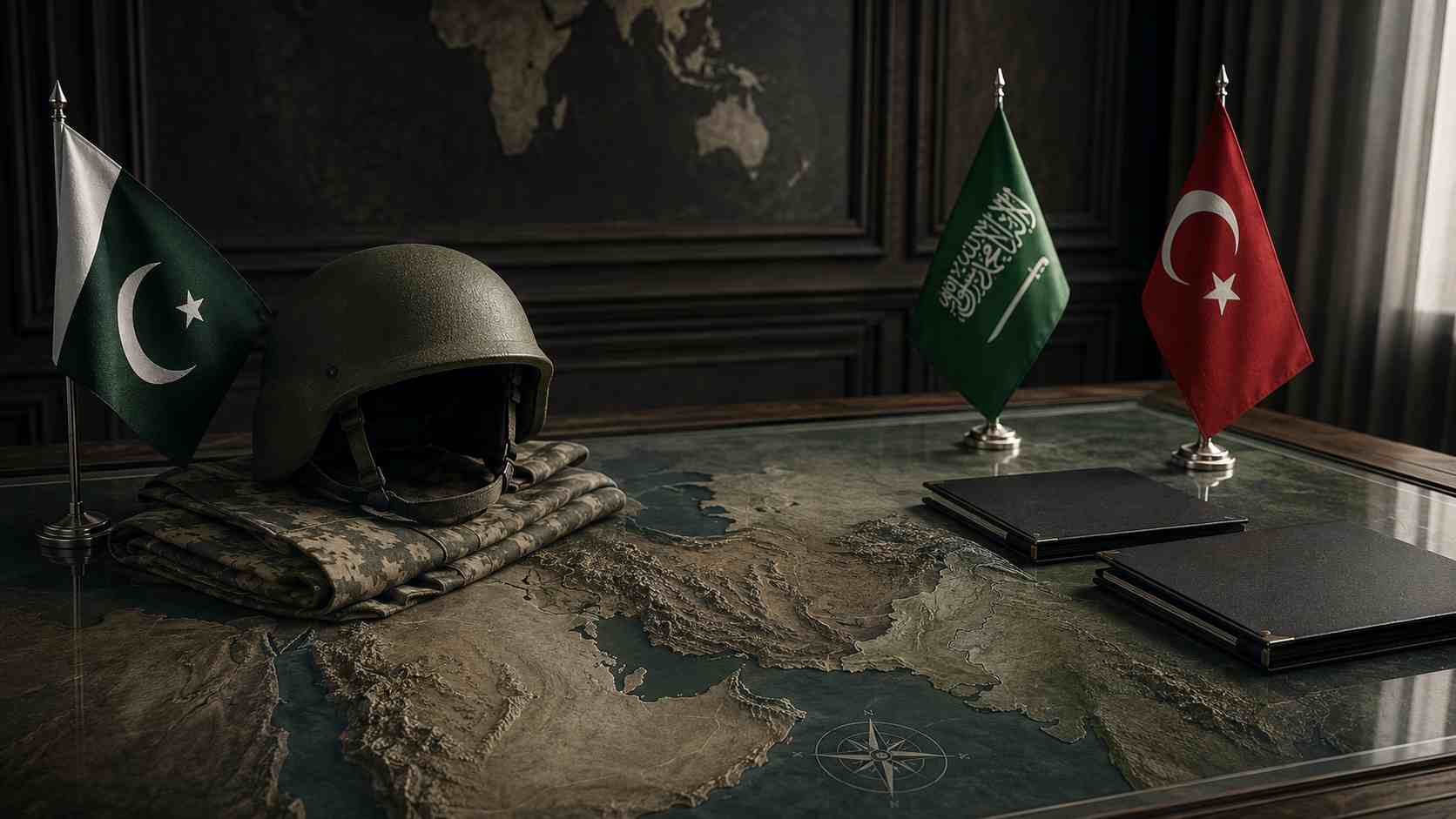
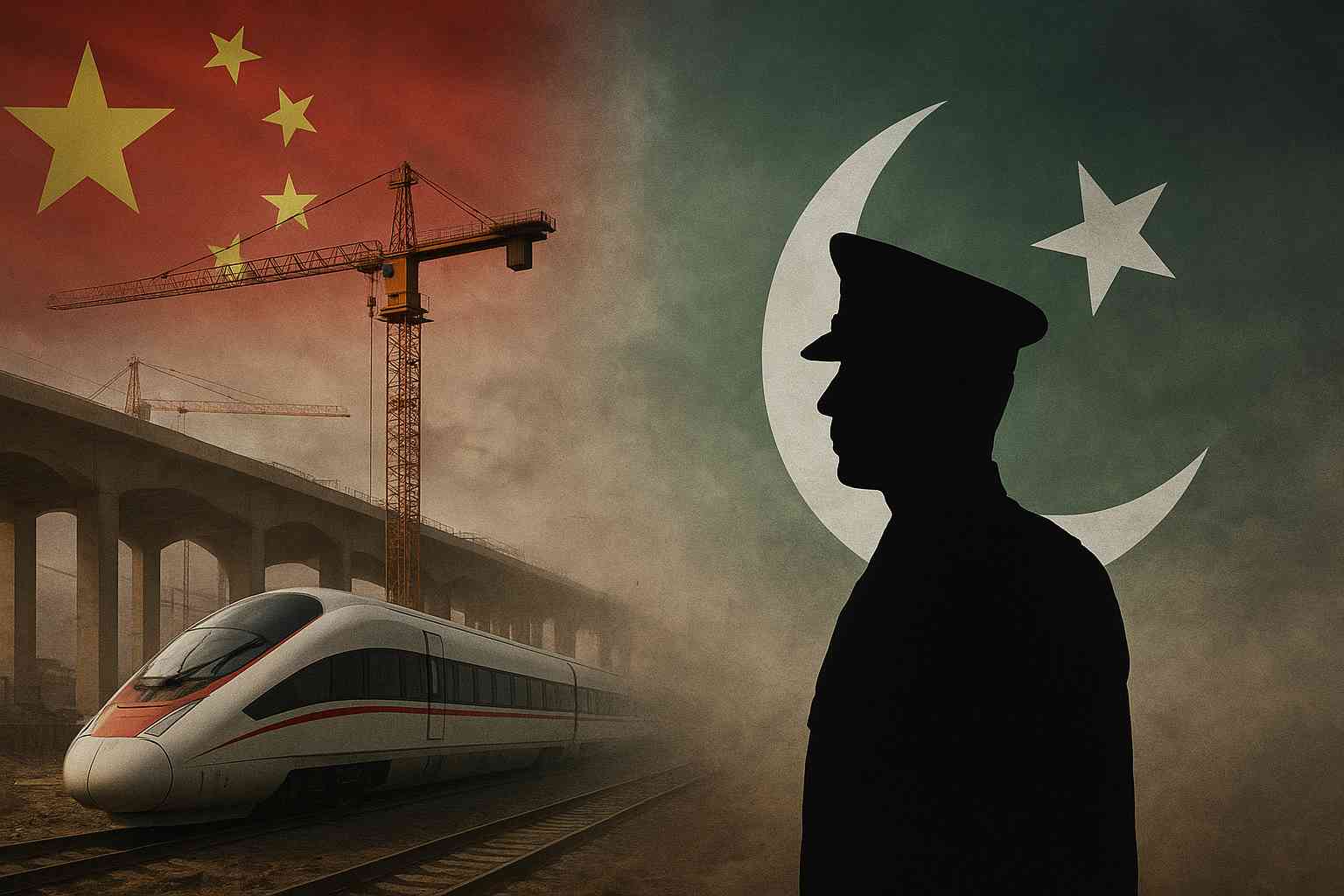
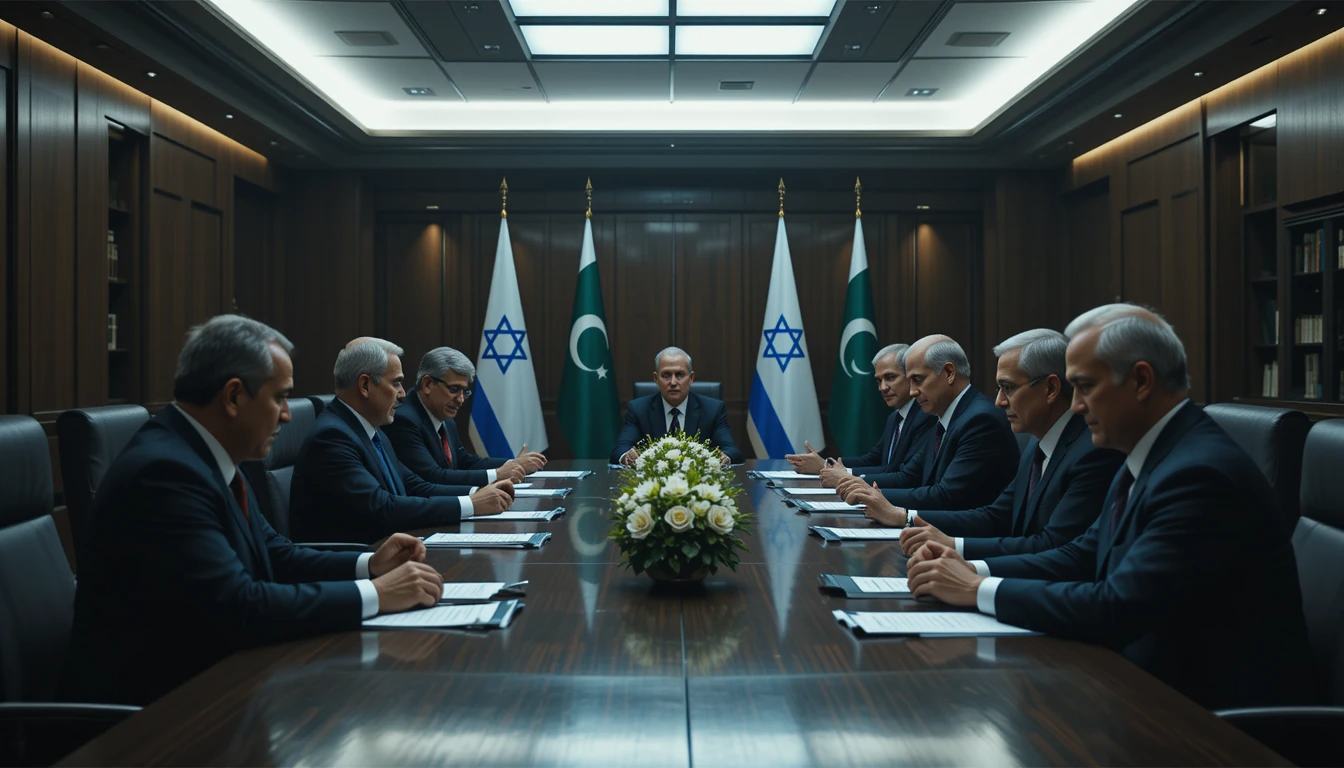
The remarks surfaced during a period when Pakistan’s military establishment is attempting to project itself internationally as:
- A regional stabilizer
- A strategic mediator
- A diplomatic bridge in global conflicts
However, Rubin’s assessment challenges that narrative entirely.
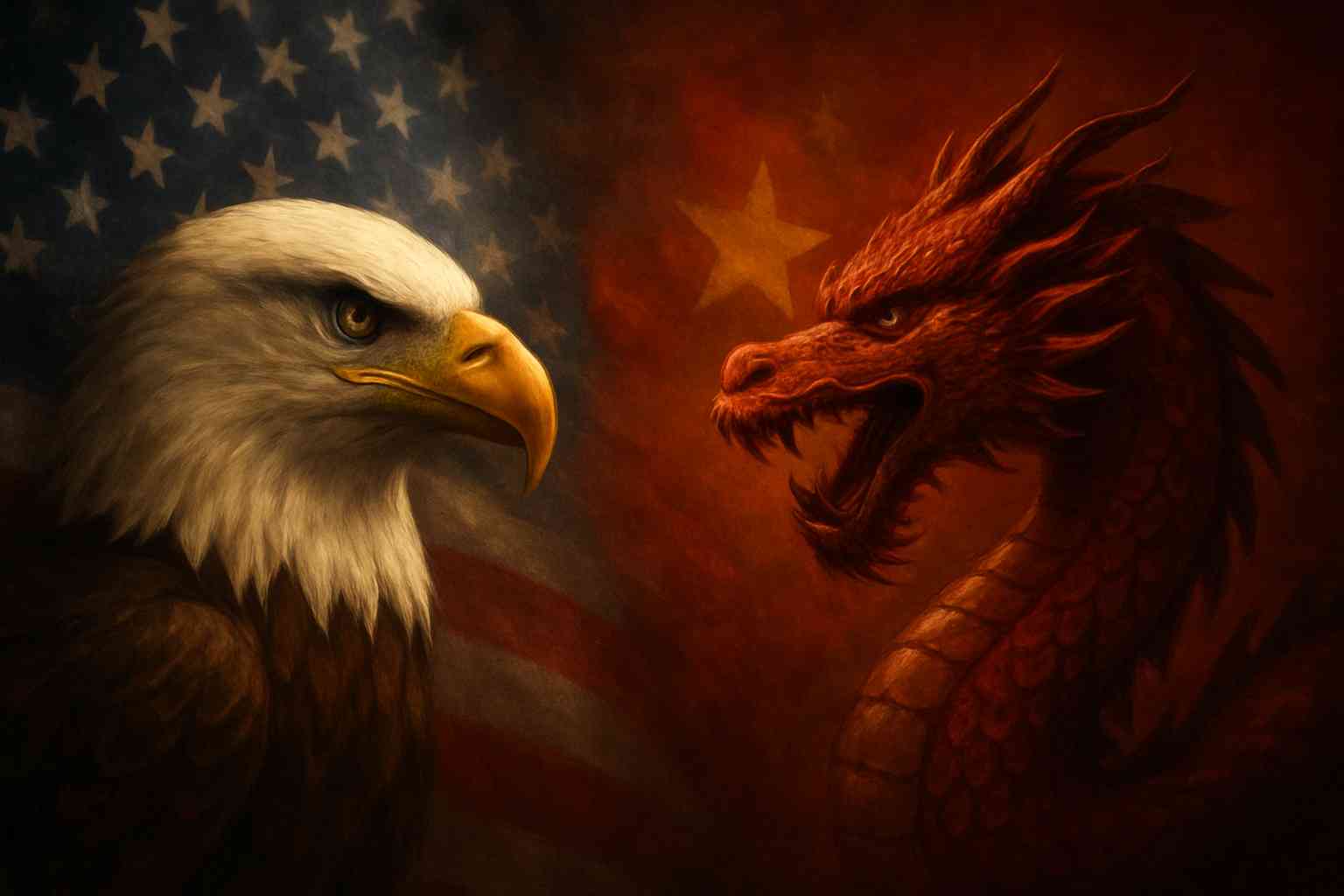
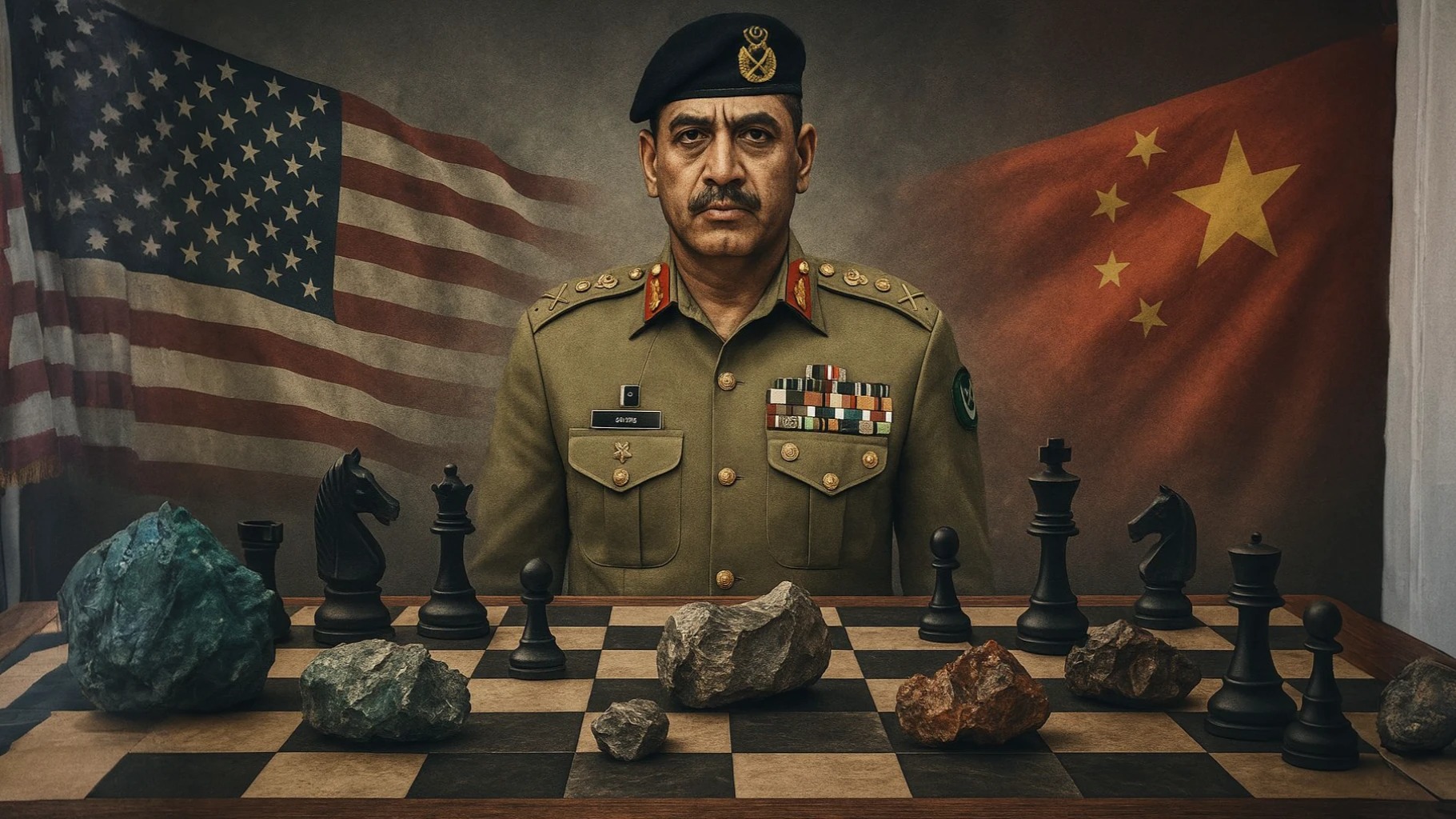
Instead of portraying Pakistan as a trusted ally, the argument suggests Washington still sees Islamabad through a transactional lens.
This directly undermines the image being promoted by Pakistan’s ruling establishment.
Historical Context Behind the Criticism
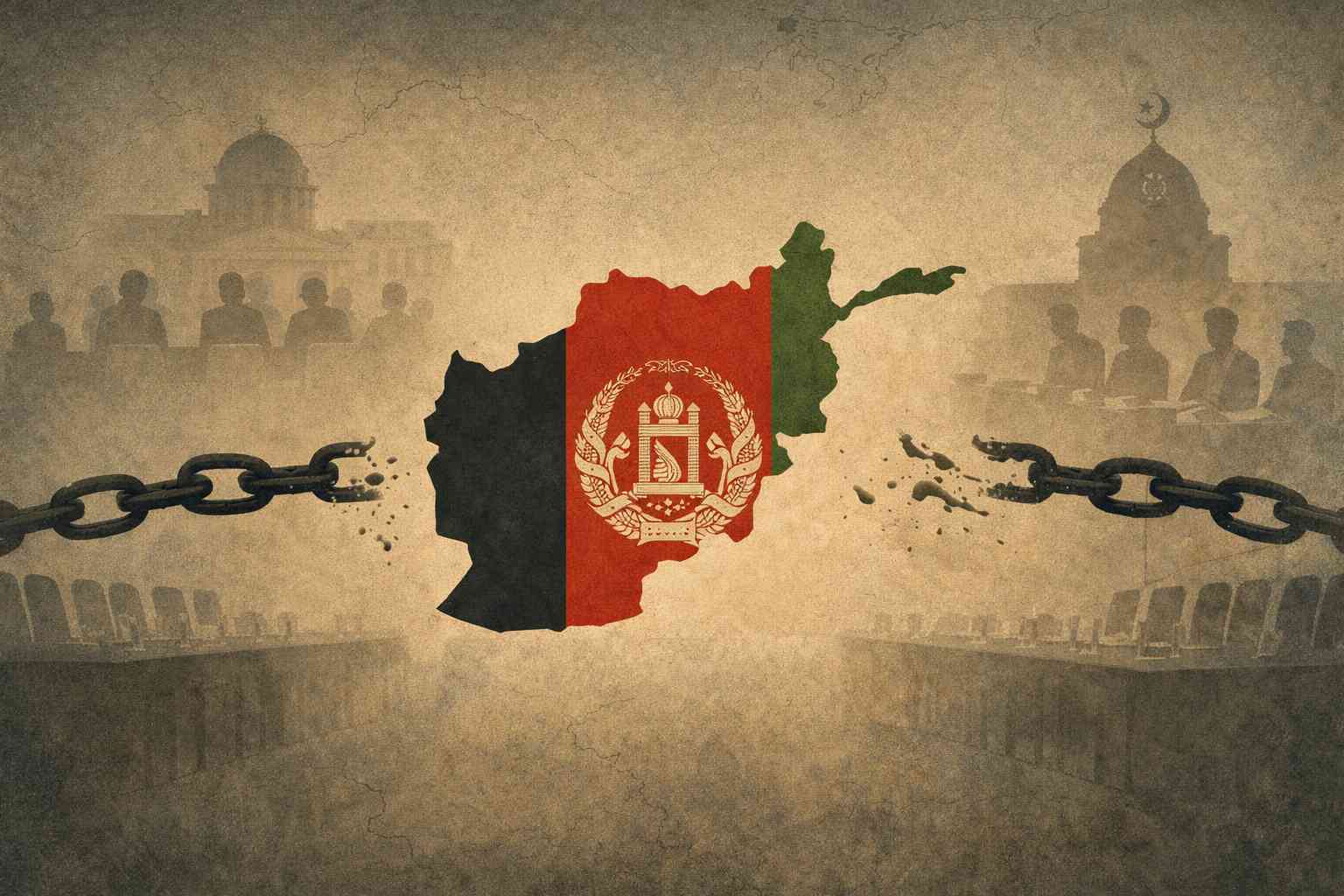
The controversy also reopened old debates about Pakistan’s role in American geopolitical campaigns.
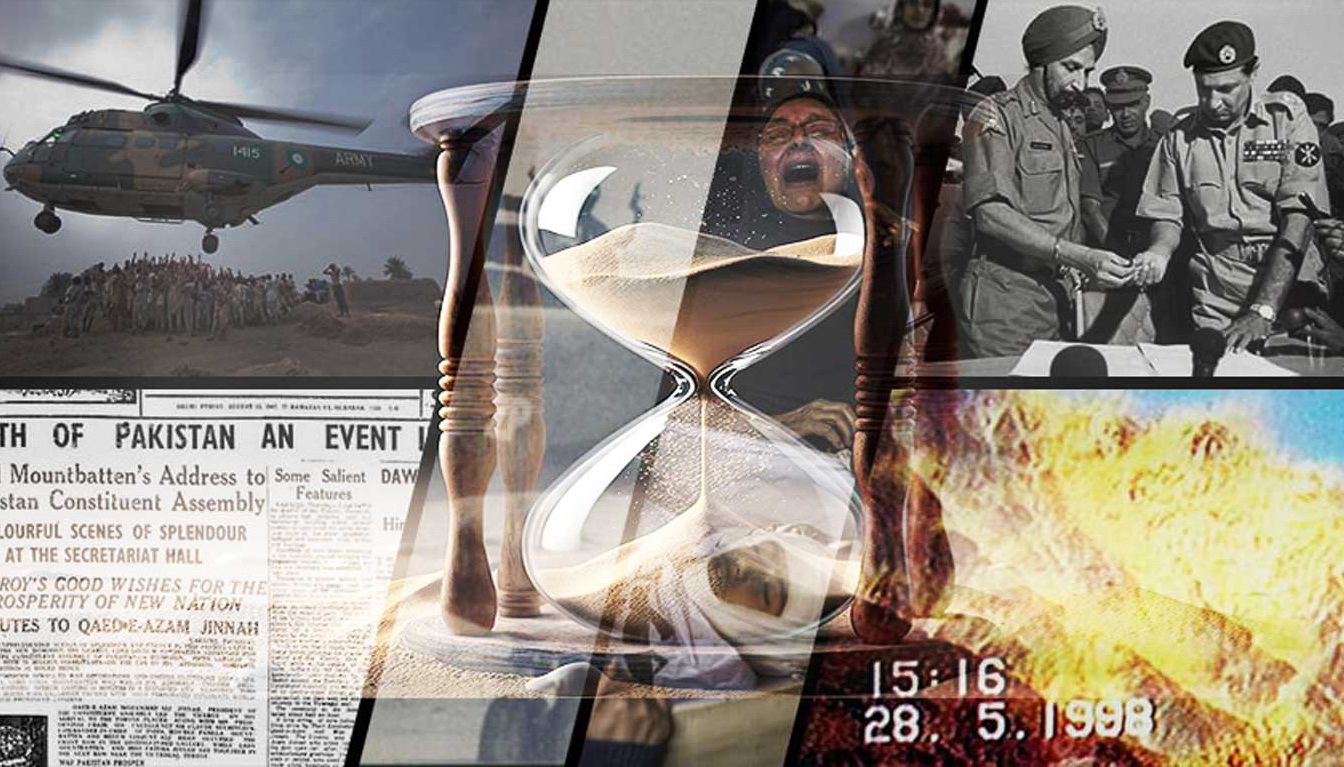
The vlog references several major historical phases:
- The Cold War
- The anti-Soviet Afghan jihad
- The post-9/11 War on Terror
Each period brought temporary strategic importance for Pakistan. Yet each phase also ended with sanctions, diplomatic pressure, or isolation.
This historical pattern forms the core argument behind the Michael Rubin warning.
Critics argue that Pakistan repeatedly becomes strategically useful but rarely receives long-term political or economic stability in return.
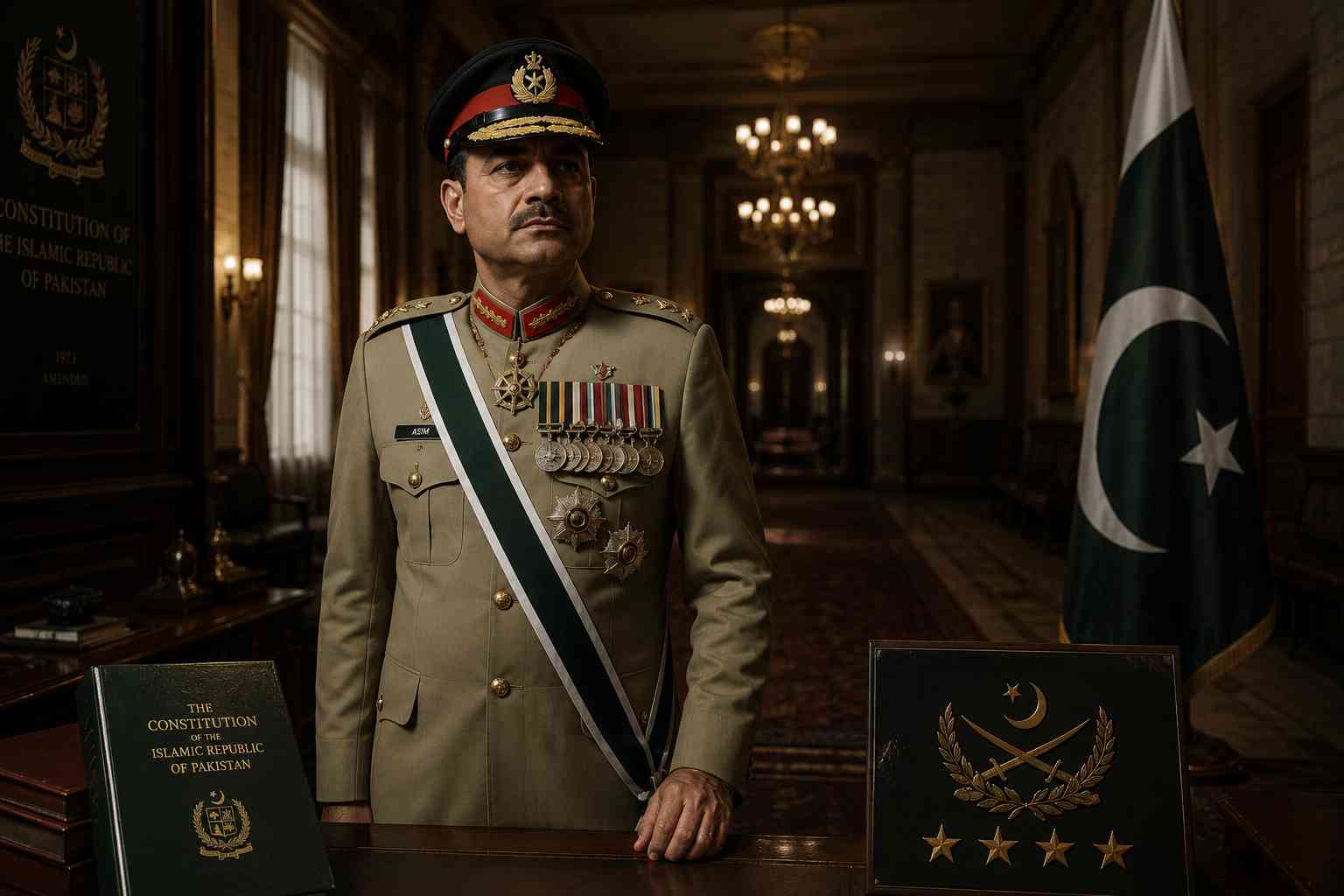
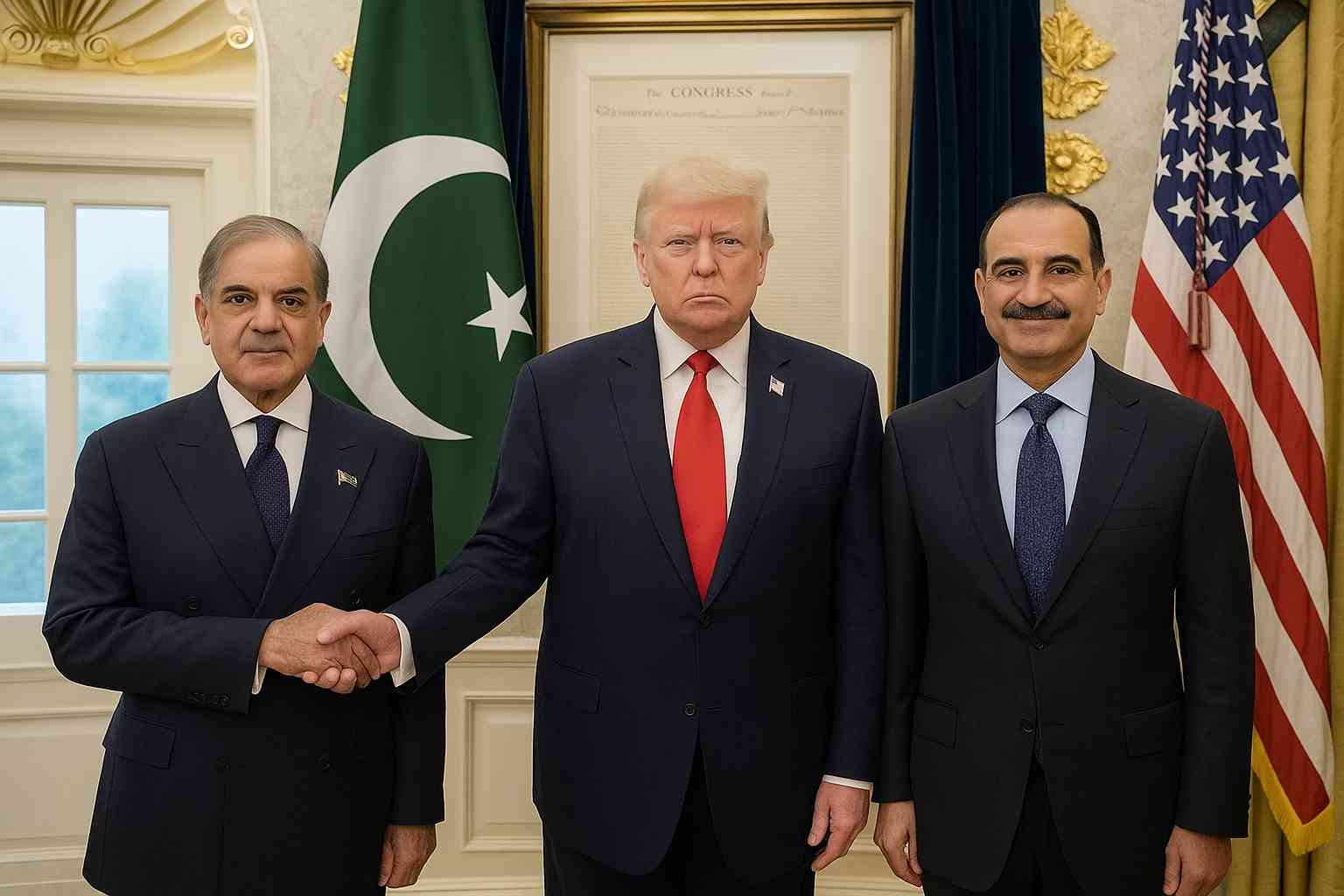
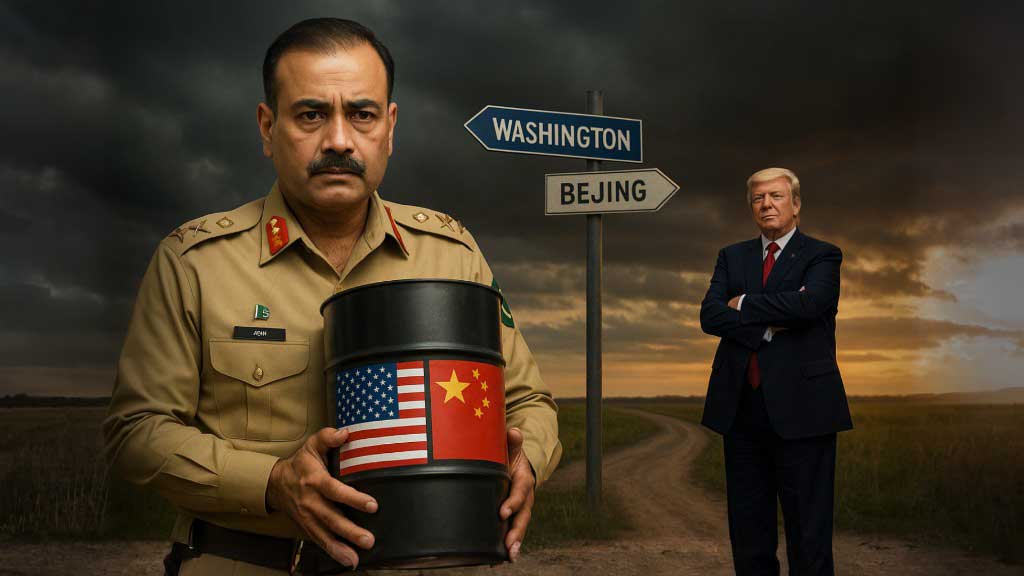
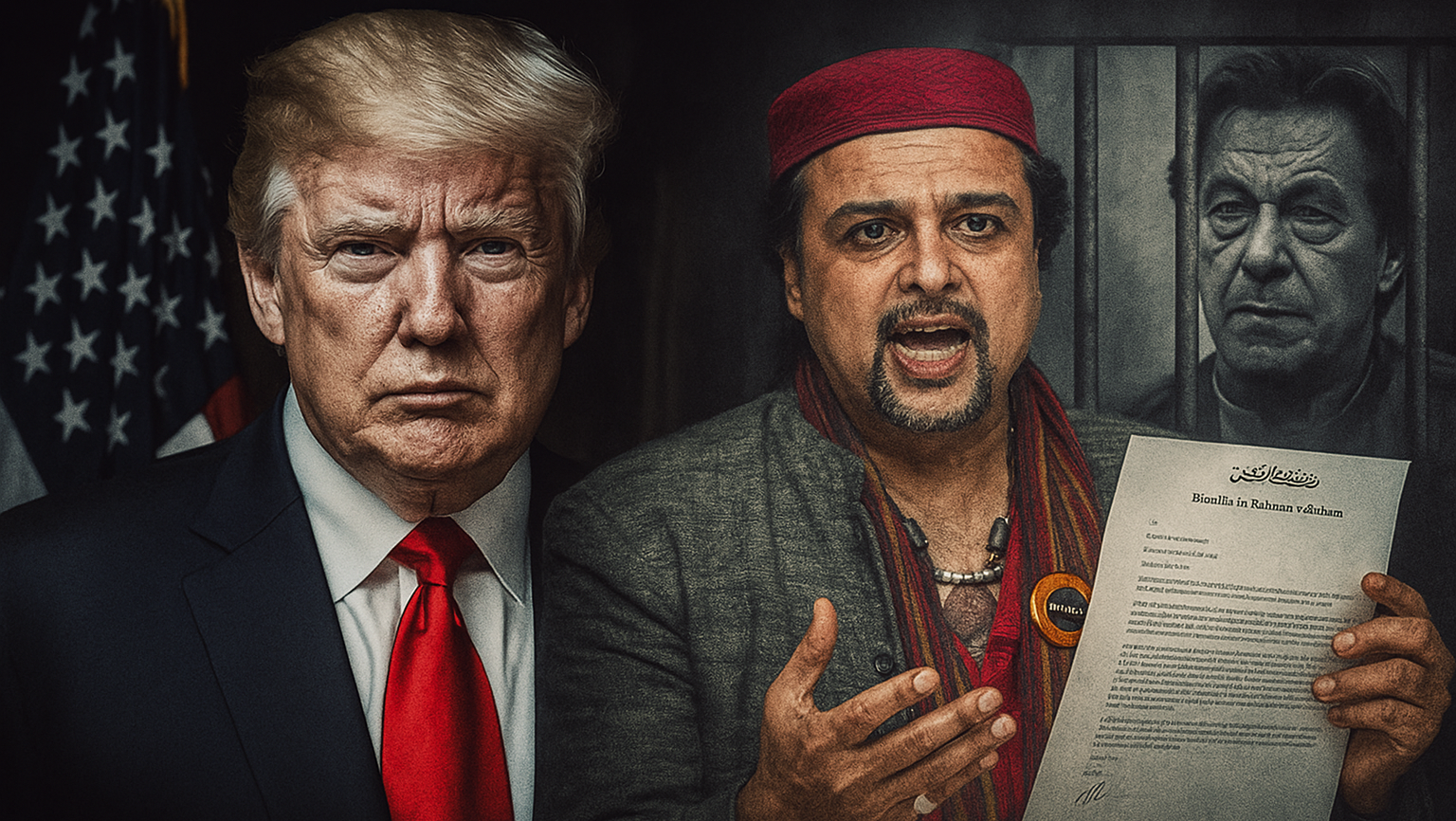
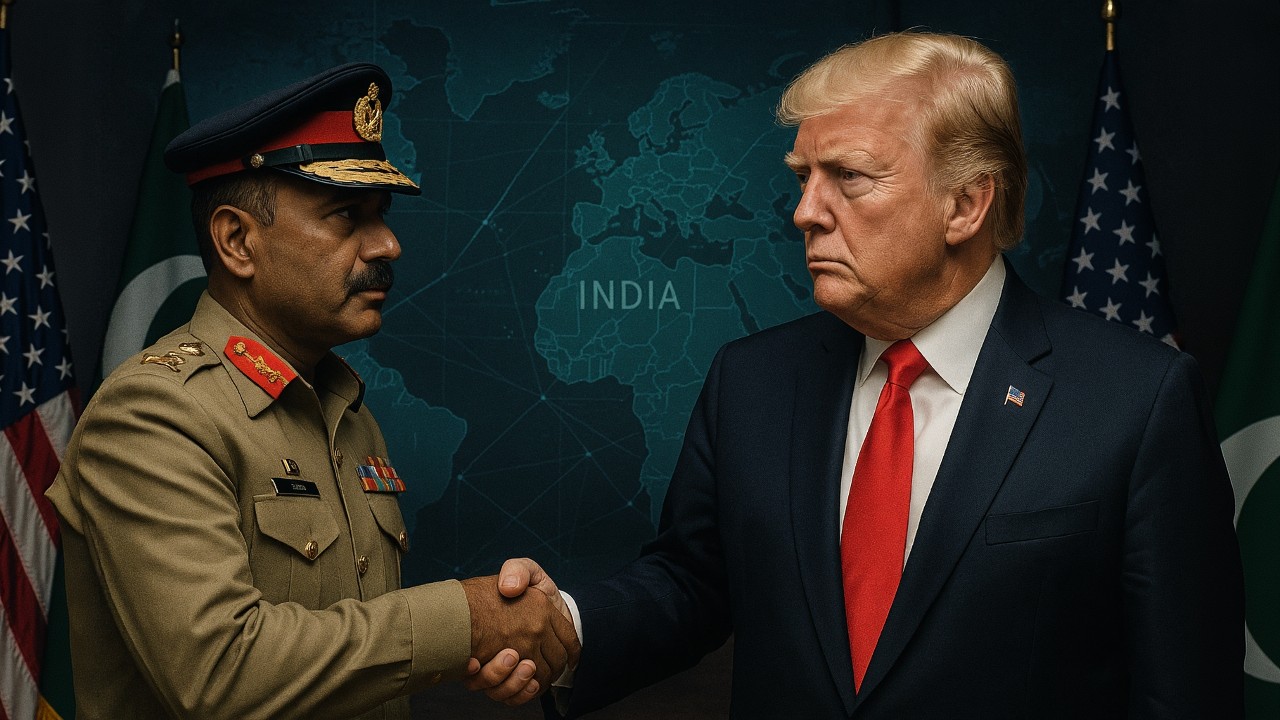
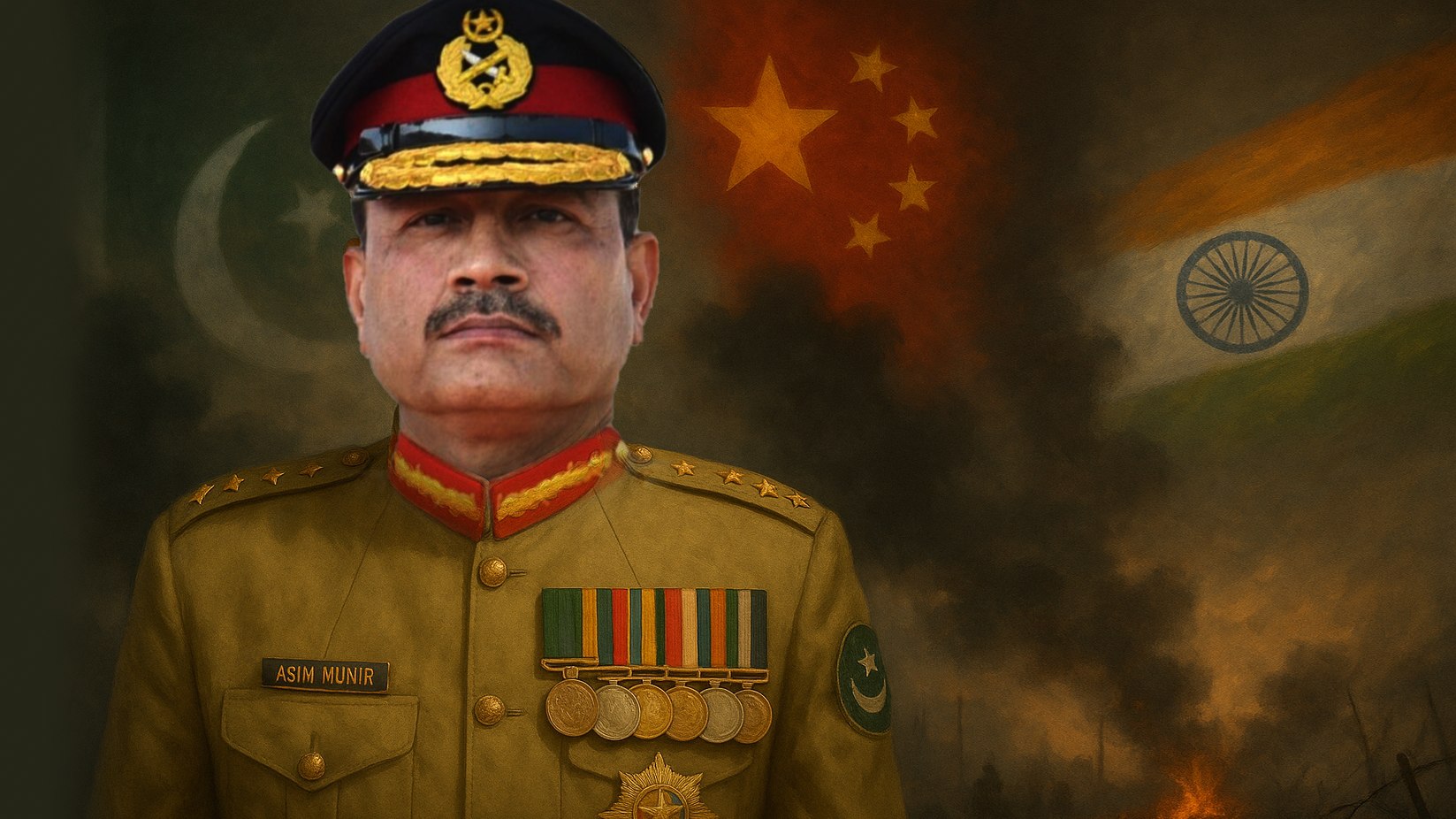
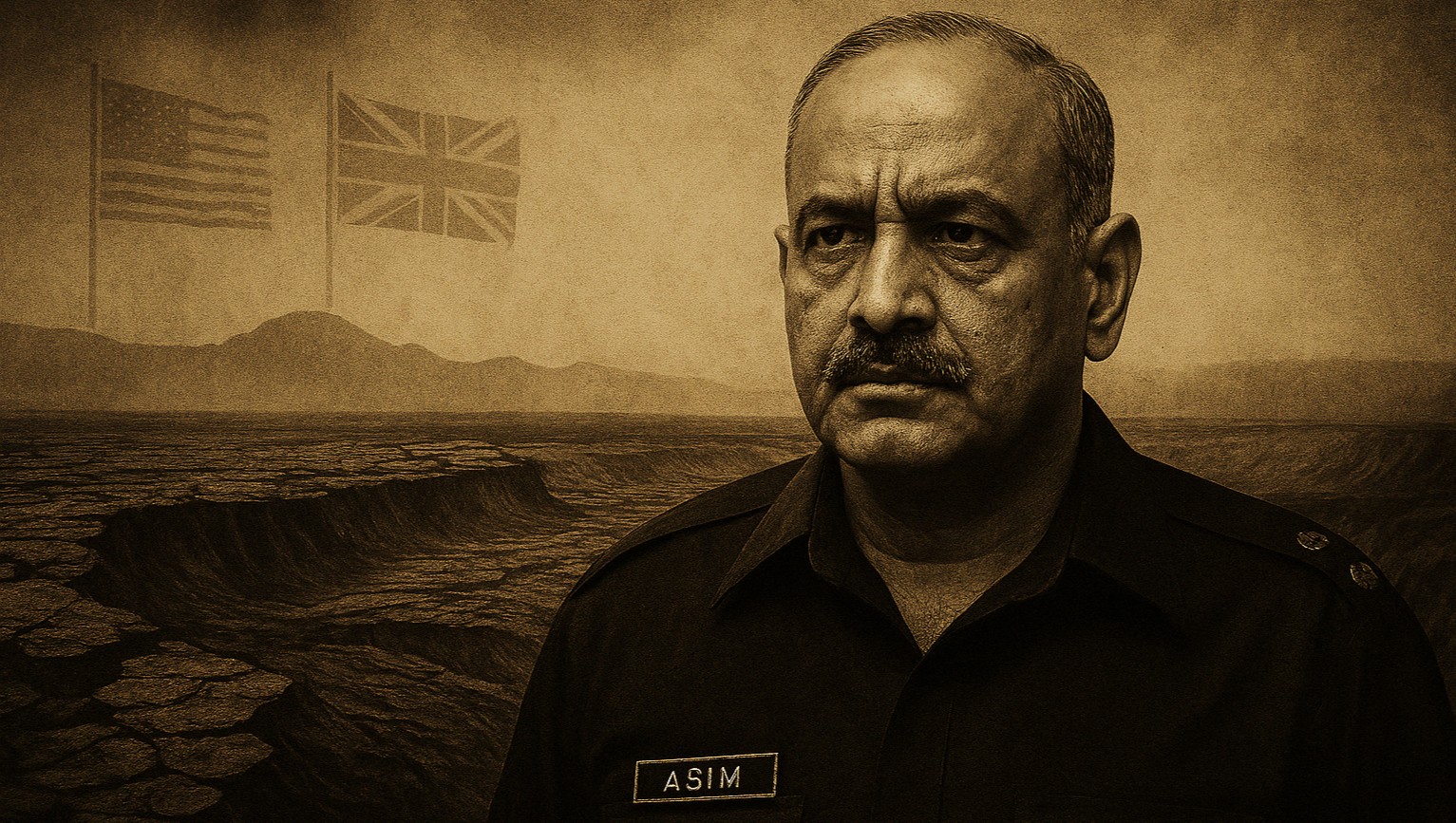
Trump, Asim Munir and the New Power Equation
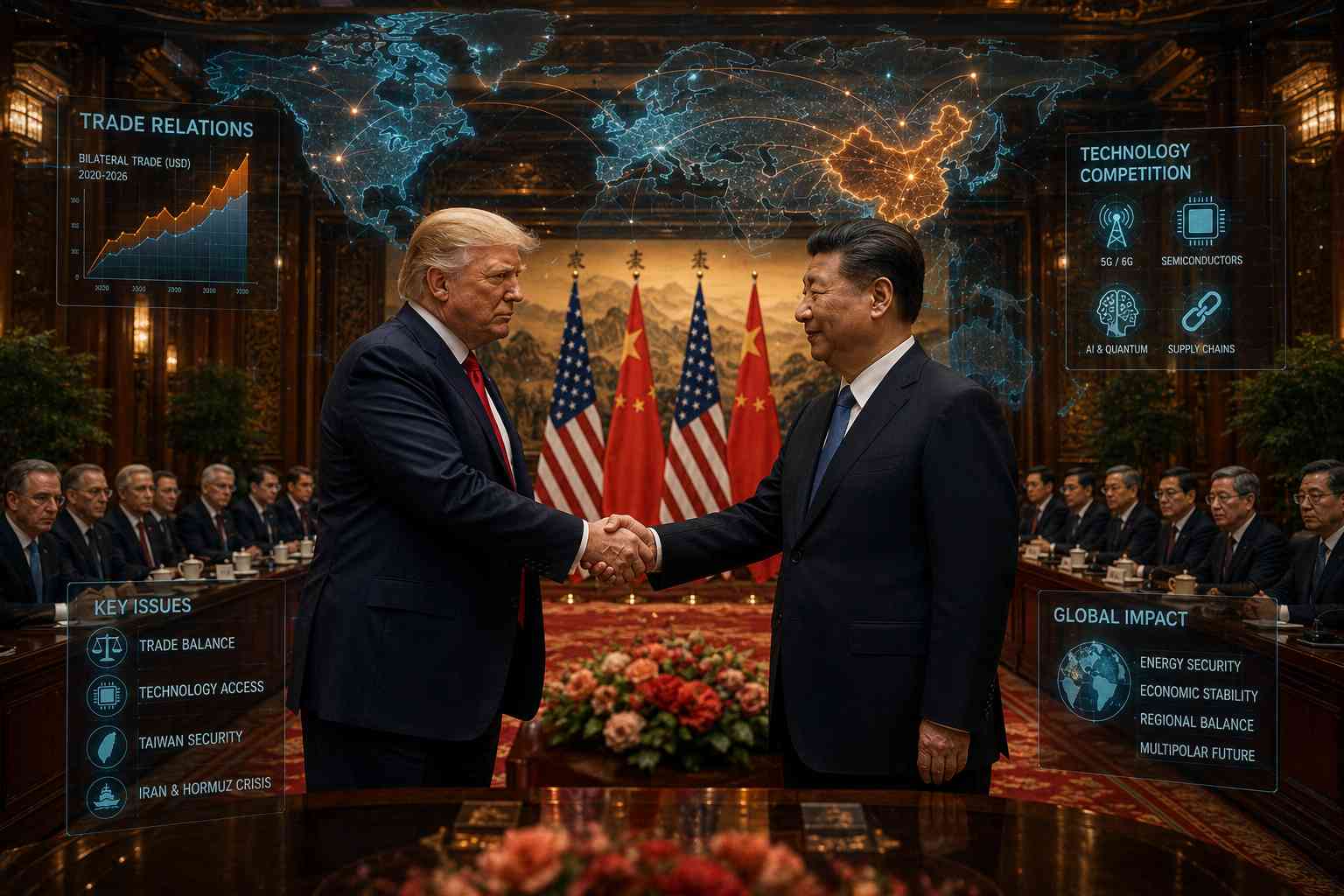
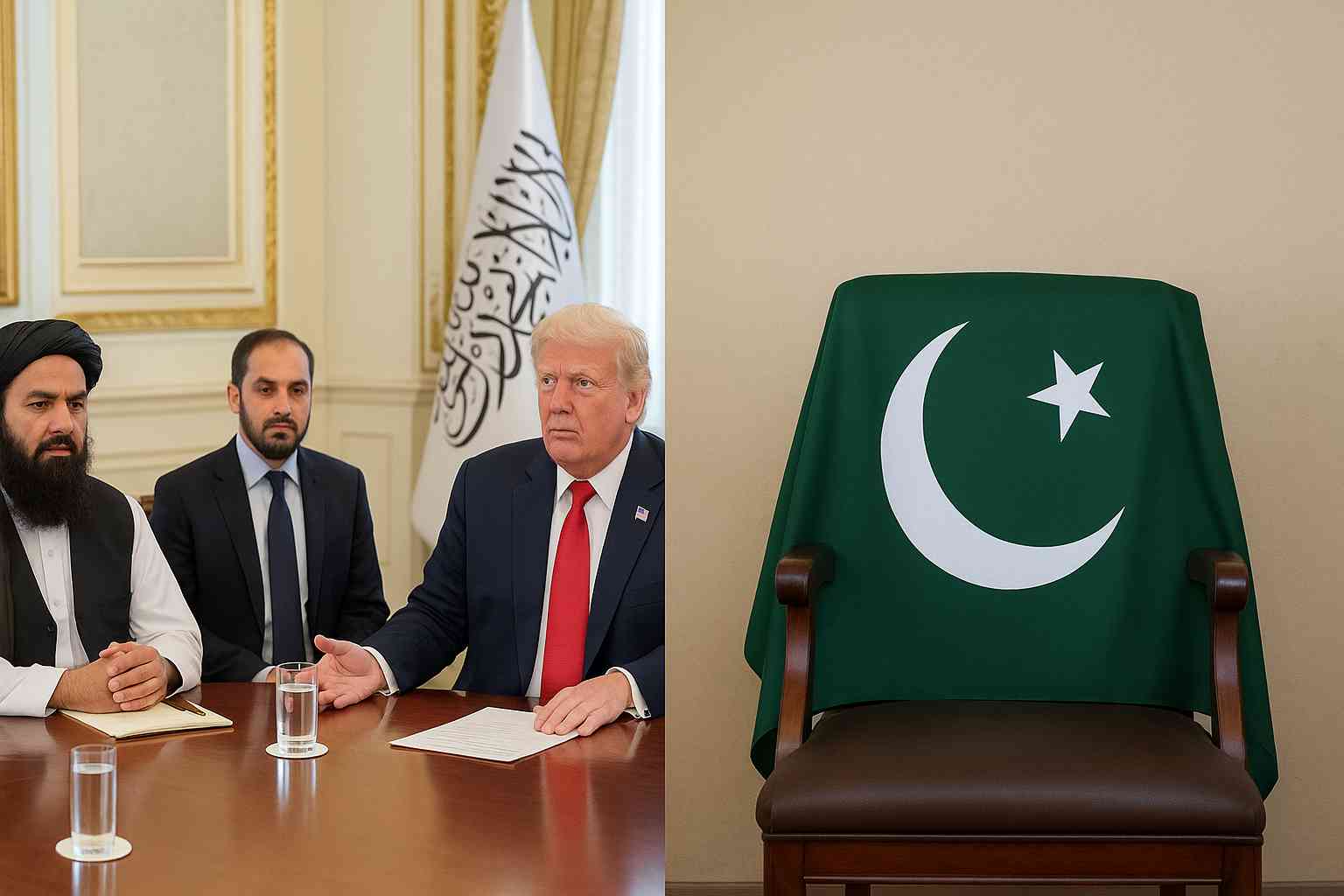
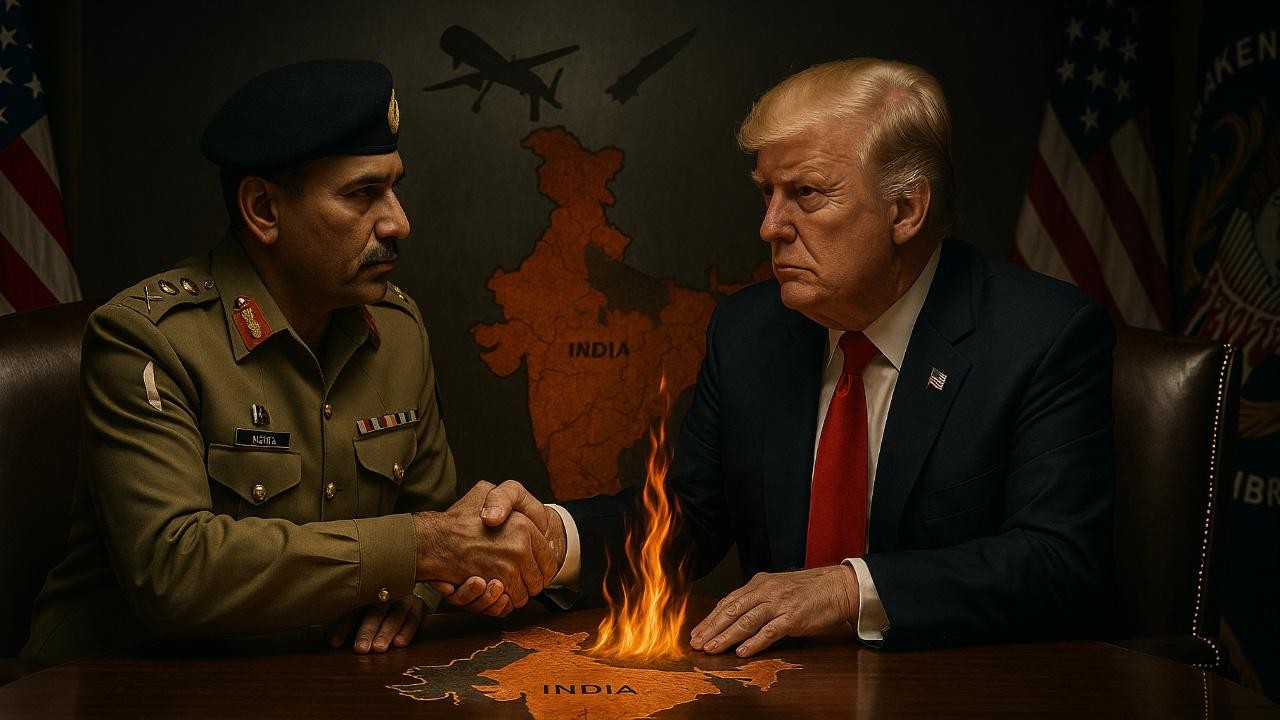
Another major theme in the vlog involves current speculation surrounding Donald Trump’s foreign policy positioning and Pakistan’s military leadership.
According to the discussion, parts of Pakistan’s establishment believe future engagement with Trump-era political networks could deliver:
- Military technology access
- Diplomatic leverage
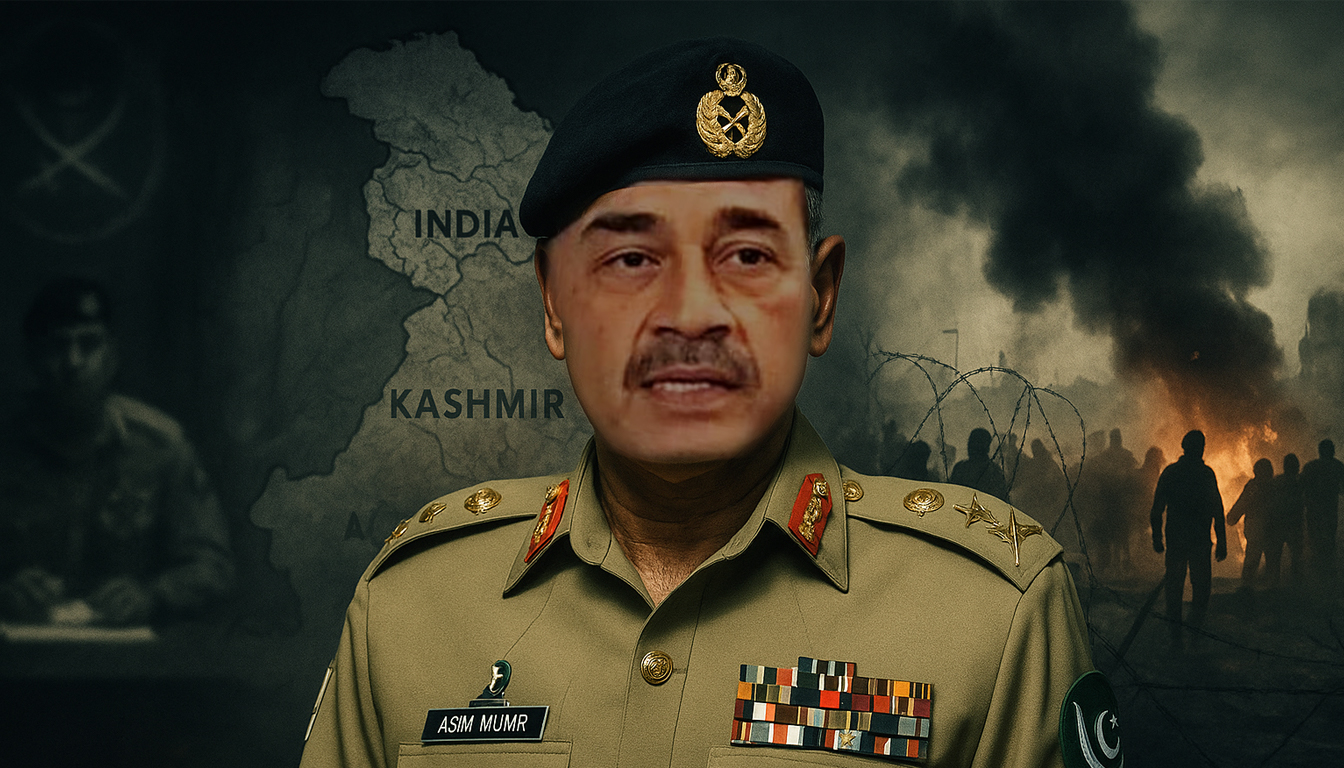
- Support on Kashmir-related issues
However, Rubin reportedly argues that Washington’s internal strategic system operates very differently from how Pakistani policymakers imagine it.
The Michael Rubin warning therefore becomes a broader critique of unrealistic expectations inside Islamabad.
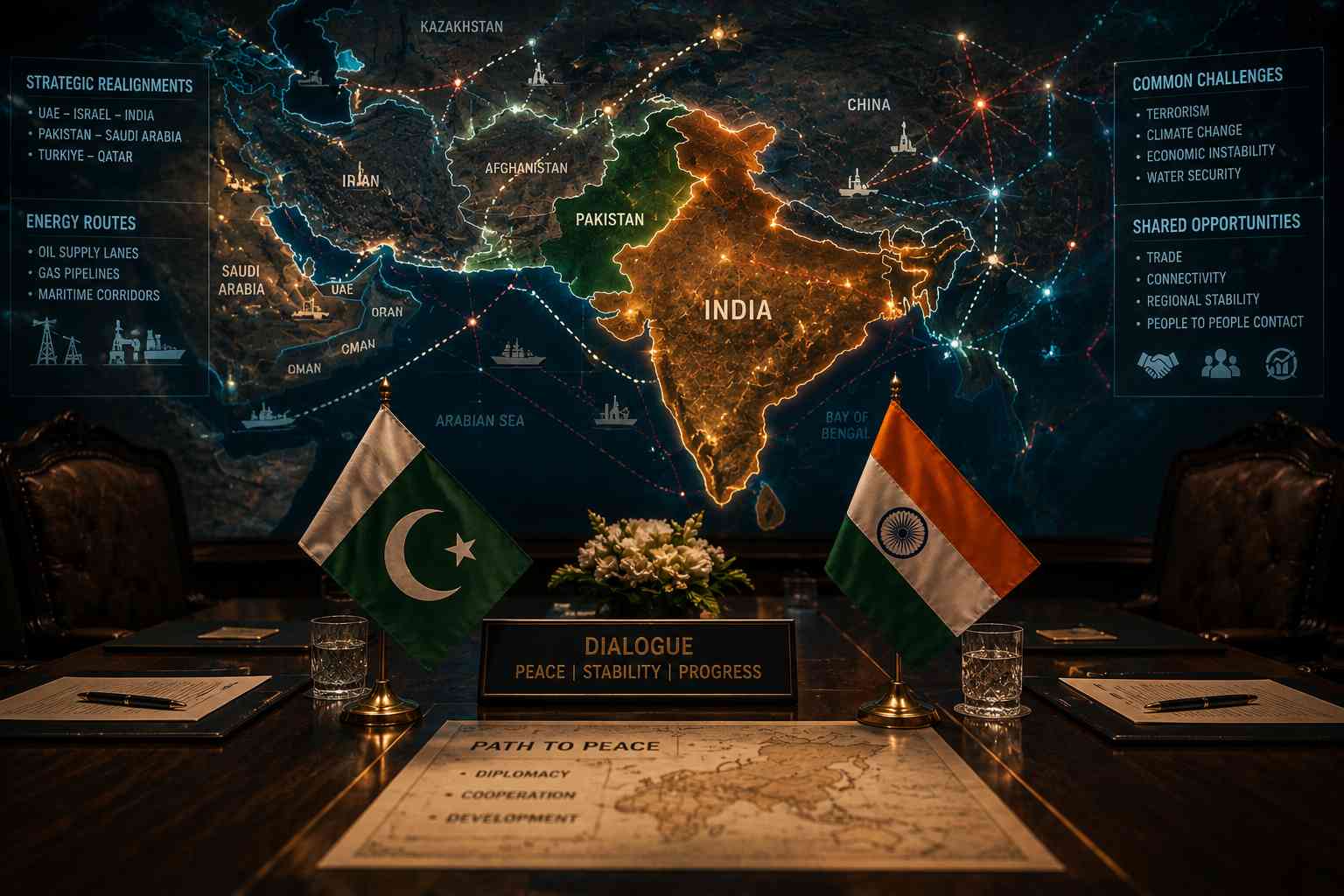
America, India and Regional Priorities
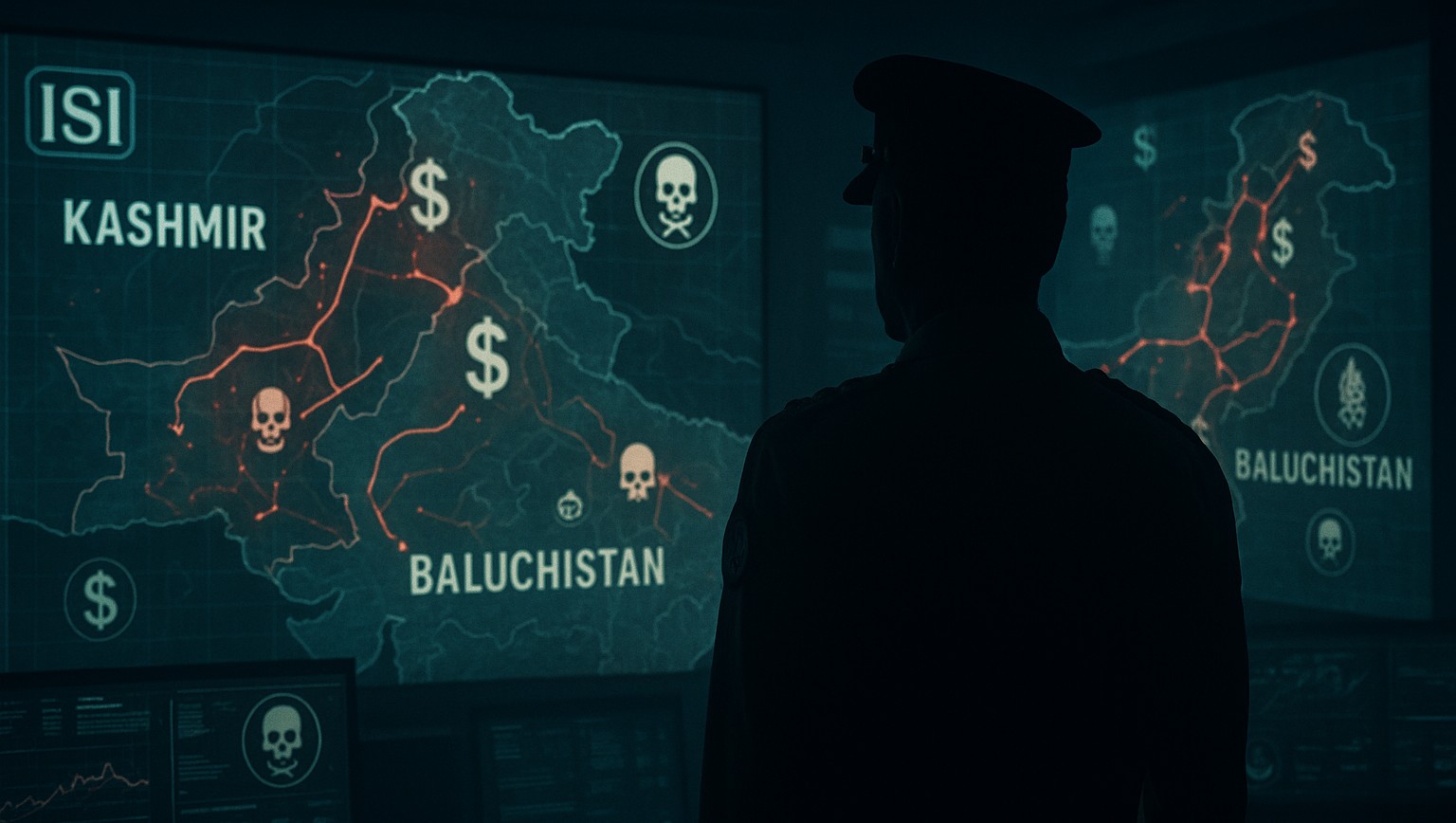
One of the most sensitive parts of the discussion revolves around US strategic priorities in South Asia.
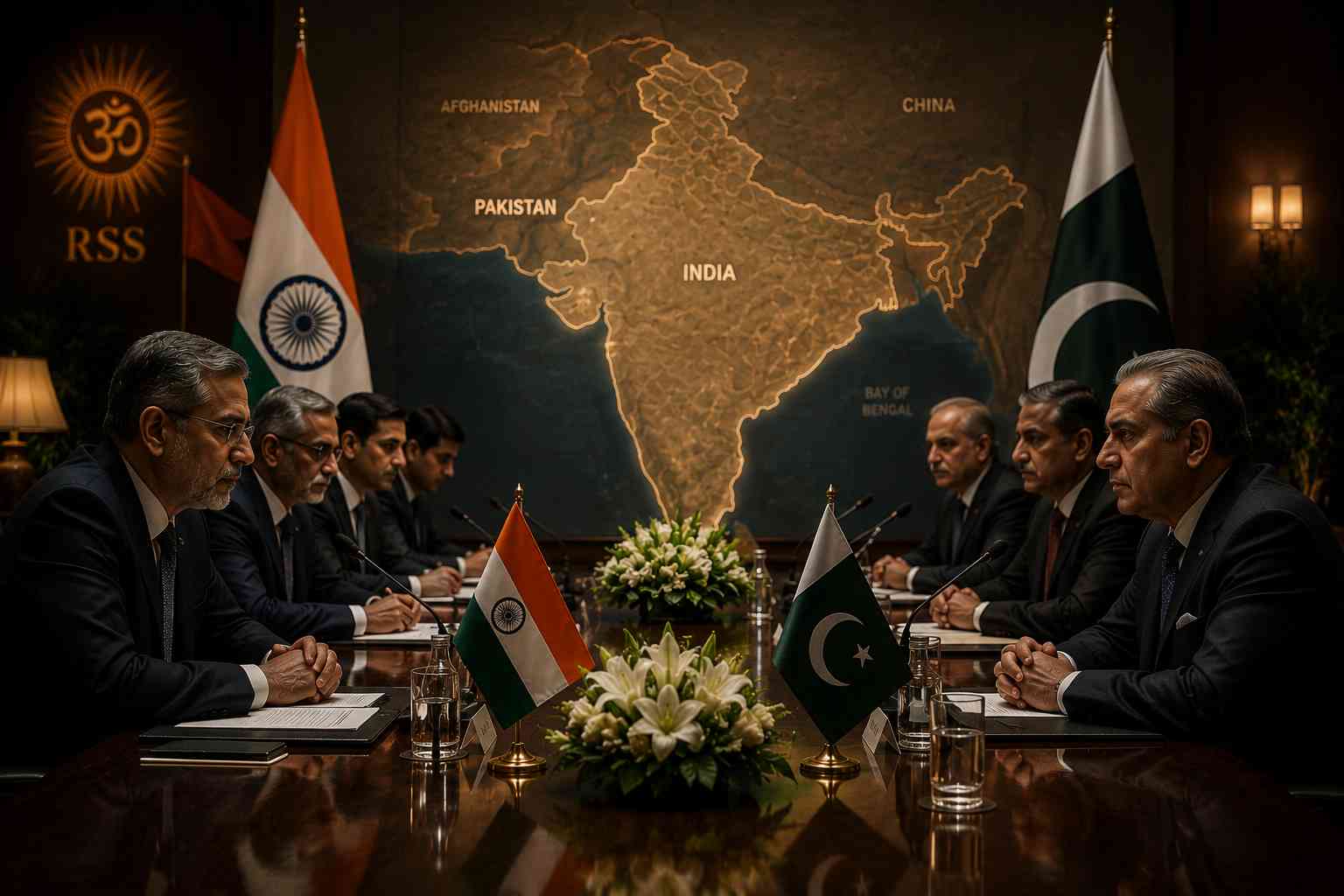
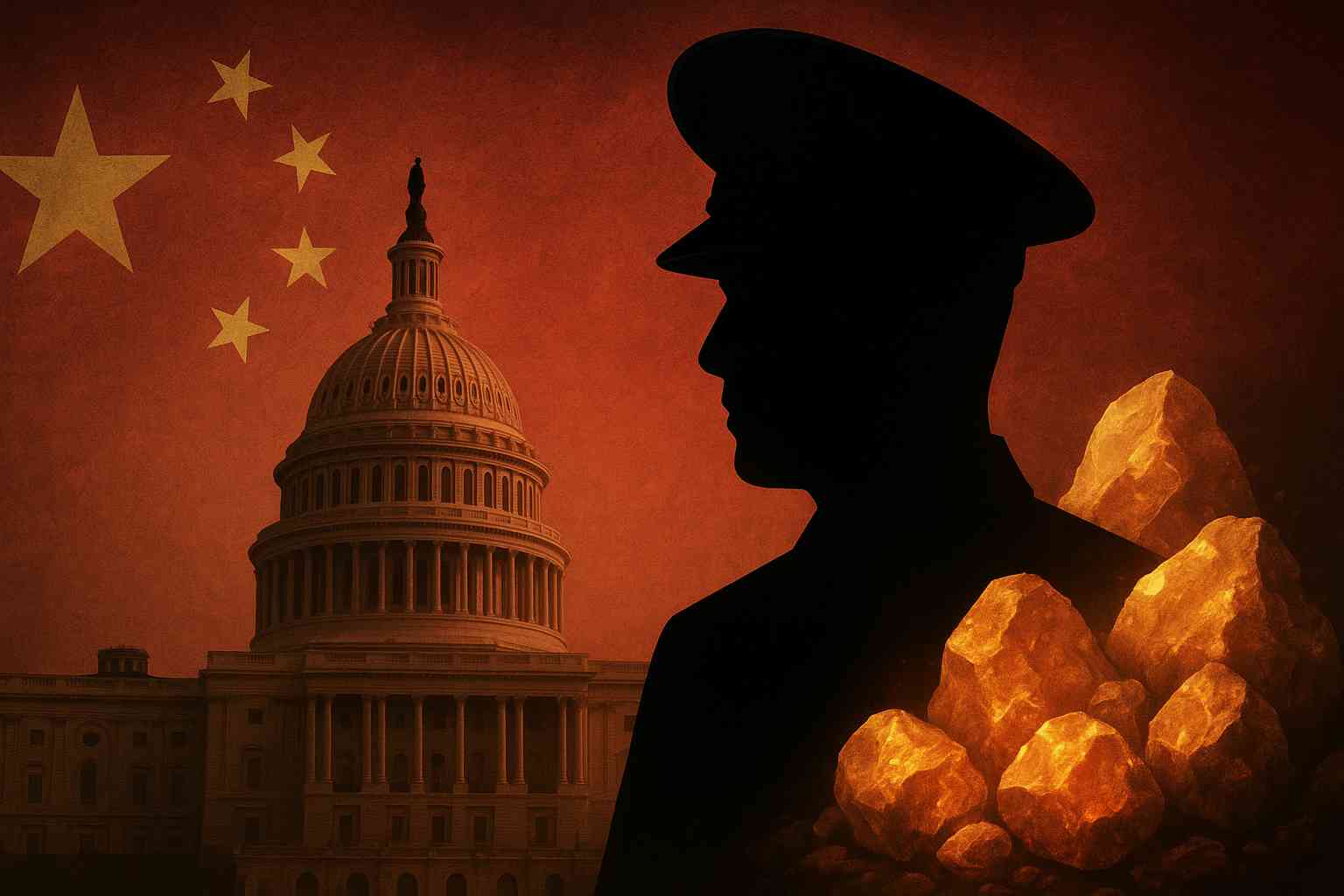
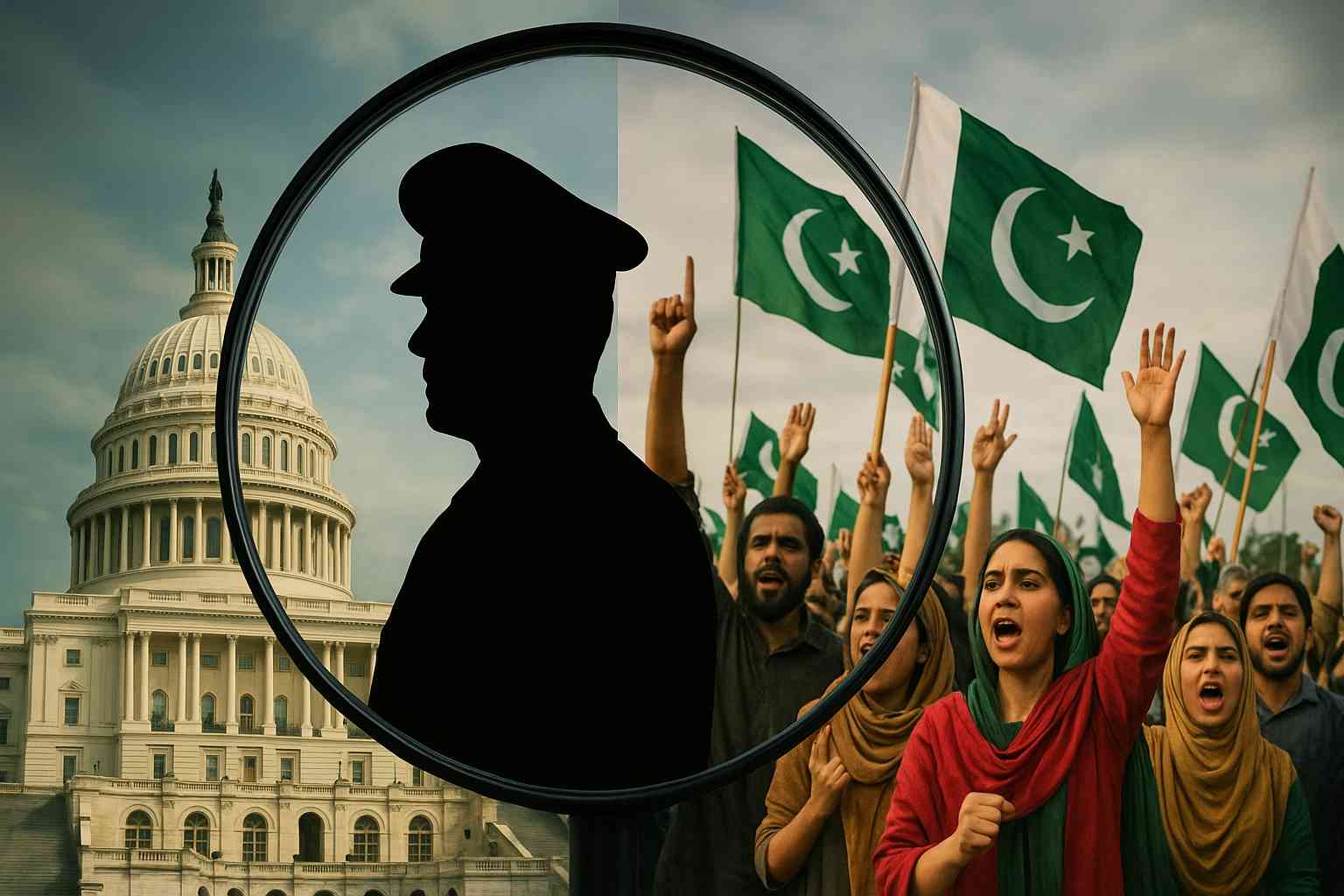
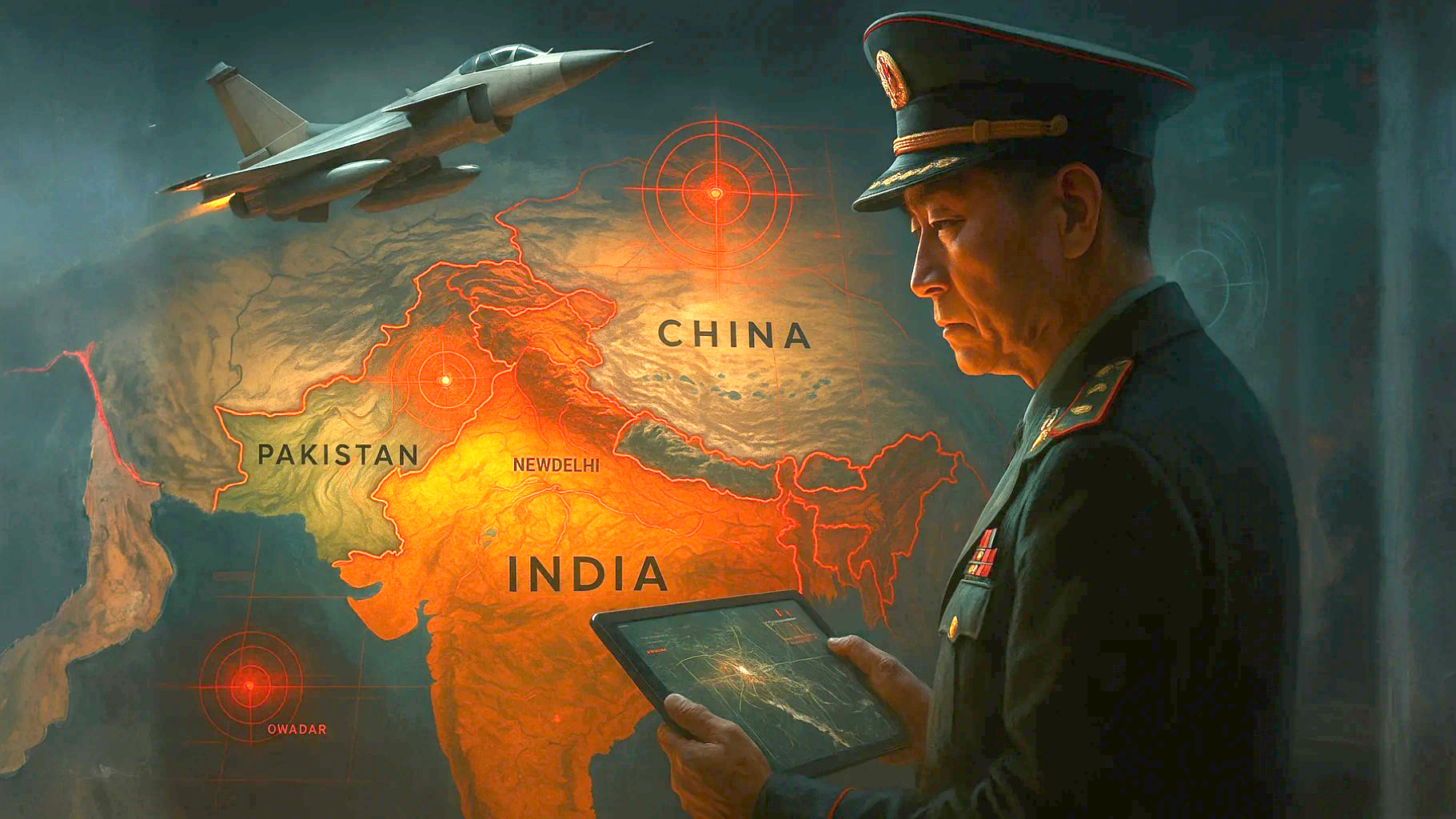
The video of Adil Raja highlights Rubin’s claim that America increasingly views India as a long-term strategic pillar while Pakistan remains a temporary operational asset.
This reflects a wider geopolitical reality:
- India’s economic scale is growing rapidly
- US-India defense cooperation is expanding
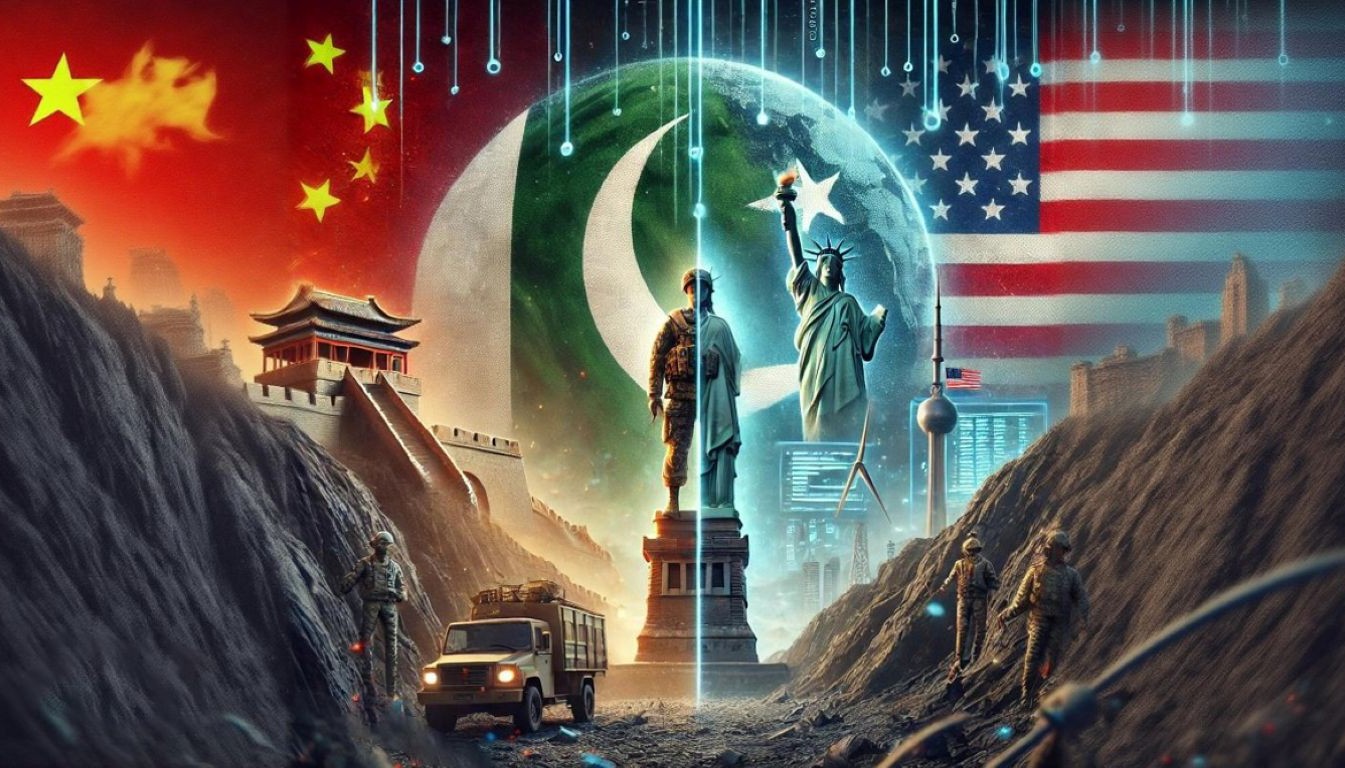
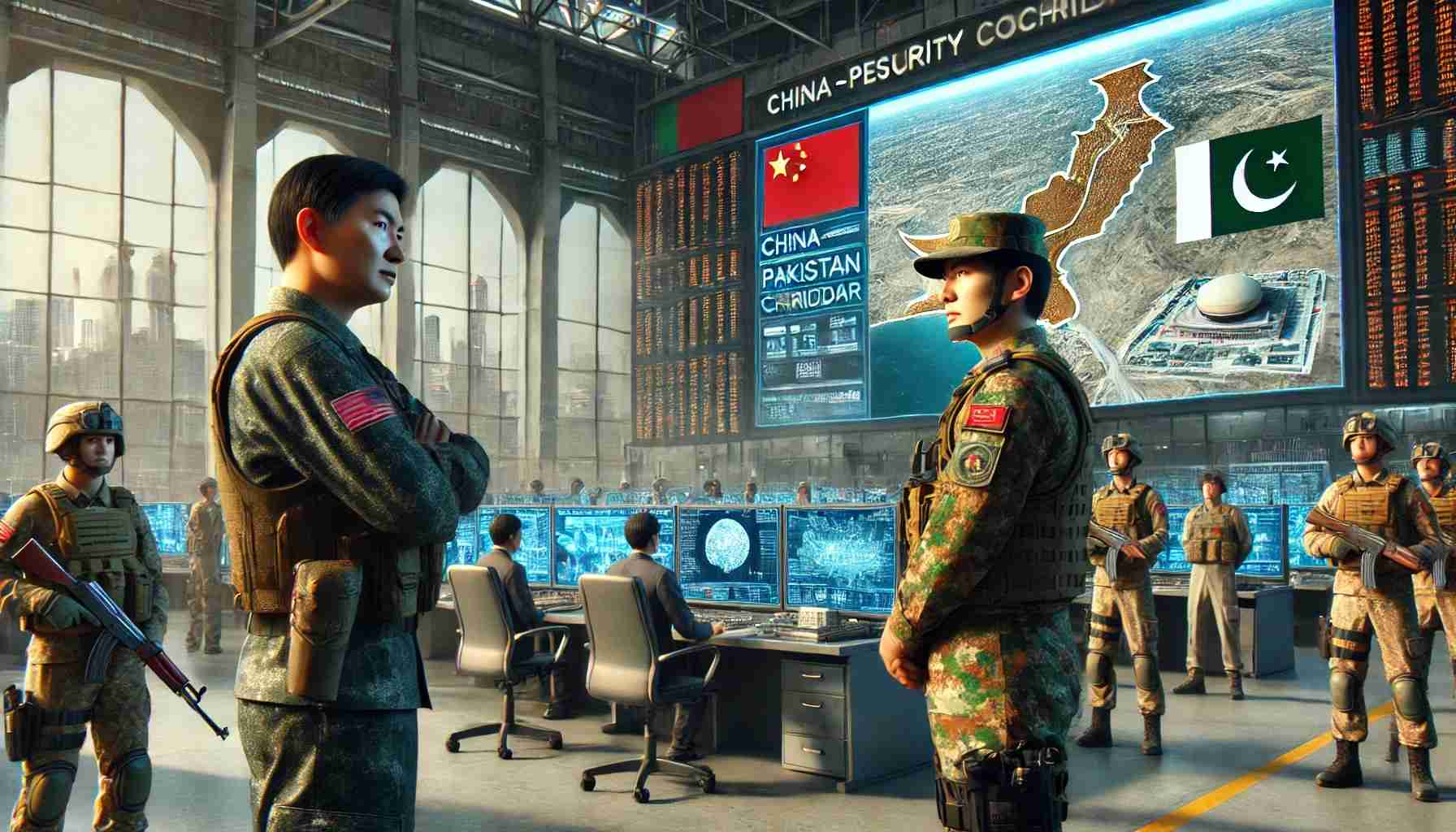
- China’s rise has pushed Washington closer to New Delhi
As a result, Pakistan’s traditional security-based leverage appears weaker than before.
The Michael Rubin warning essentially argues that Islamabad has failed to adapt to this shifting balance.
Domestic Fallout Inside Pakistan
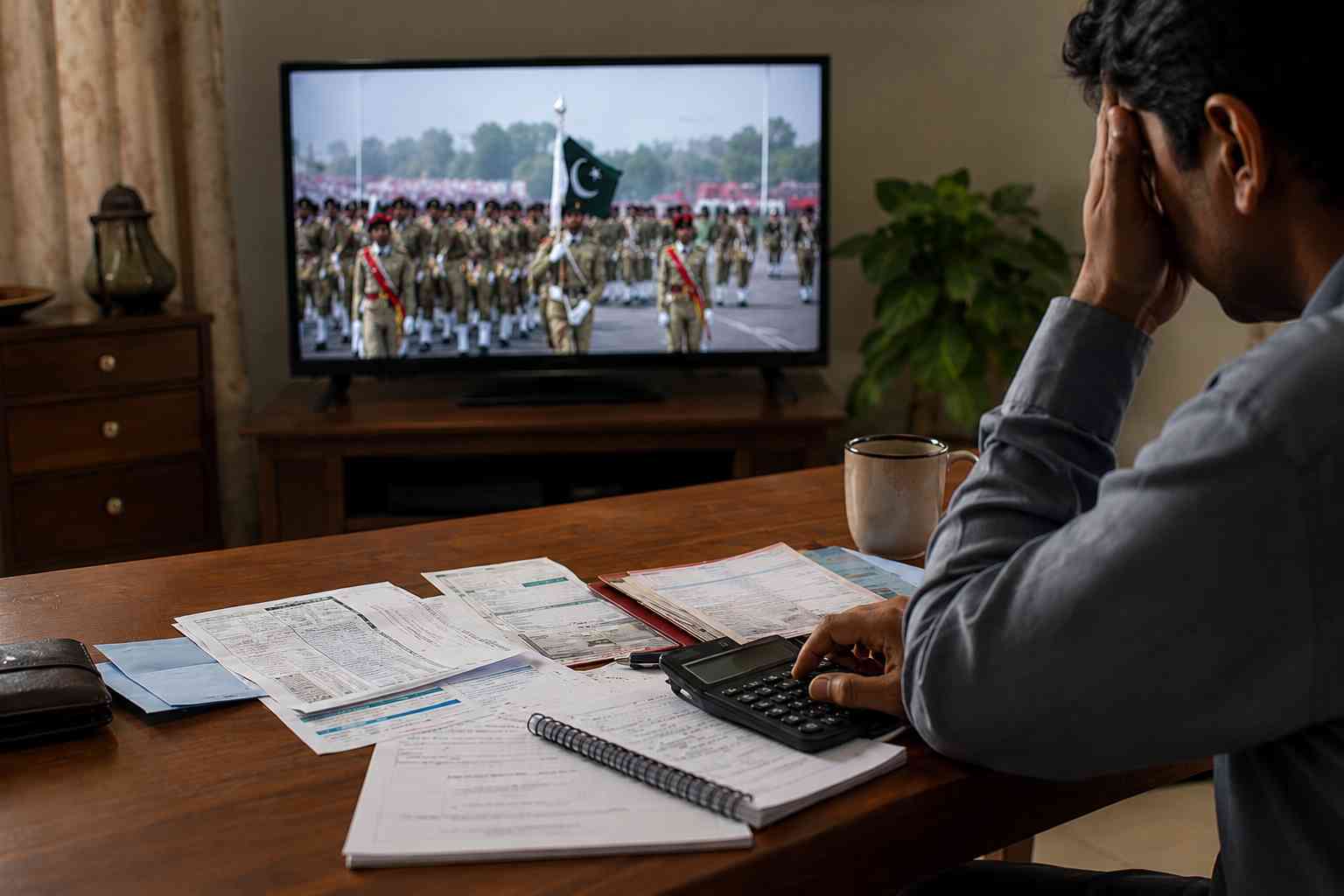
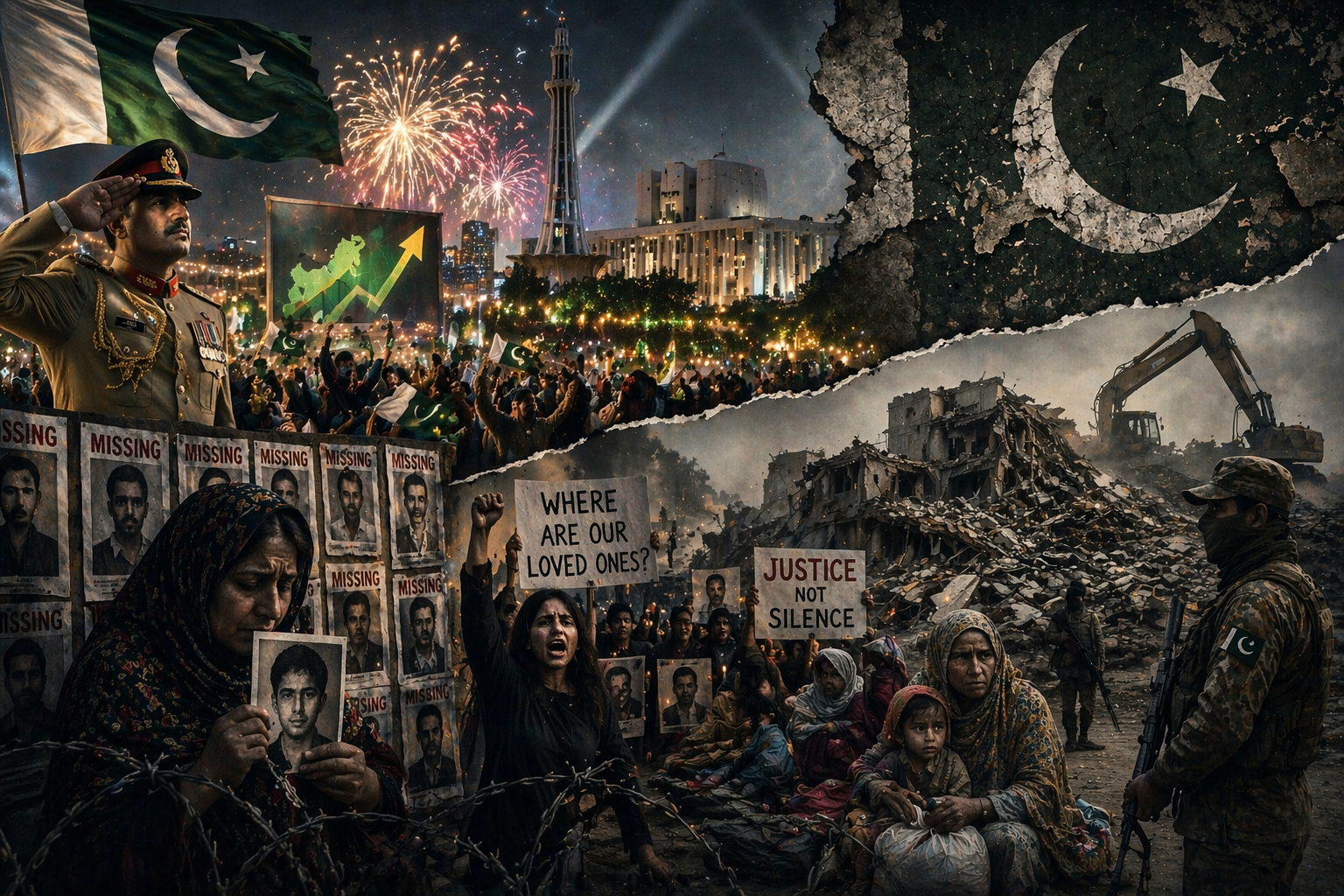
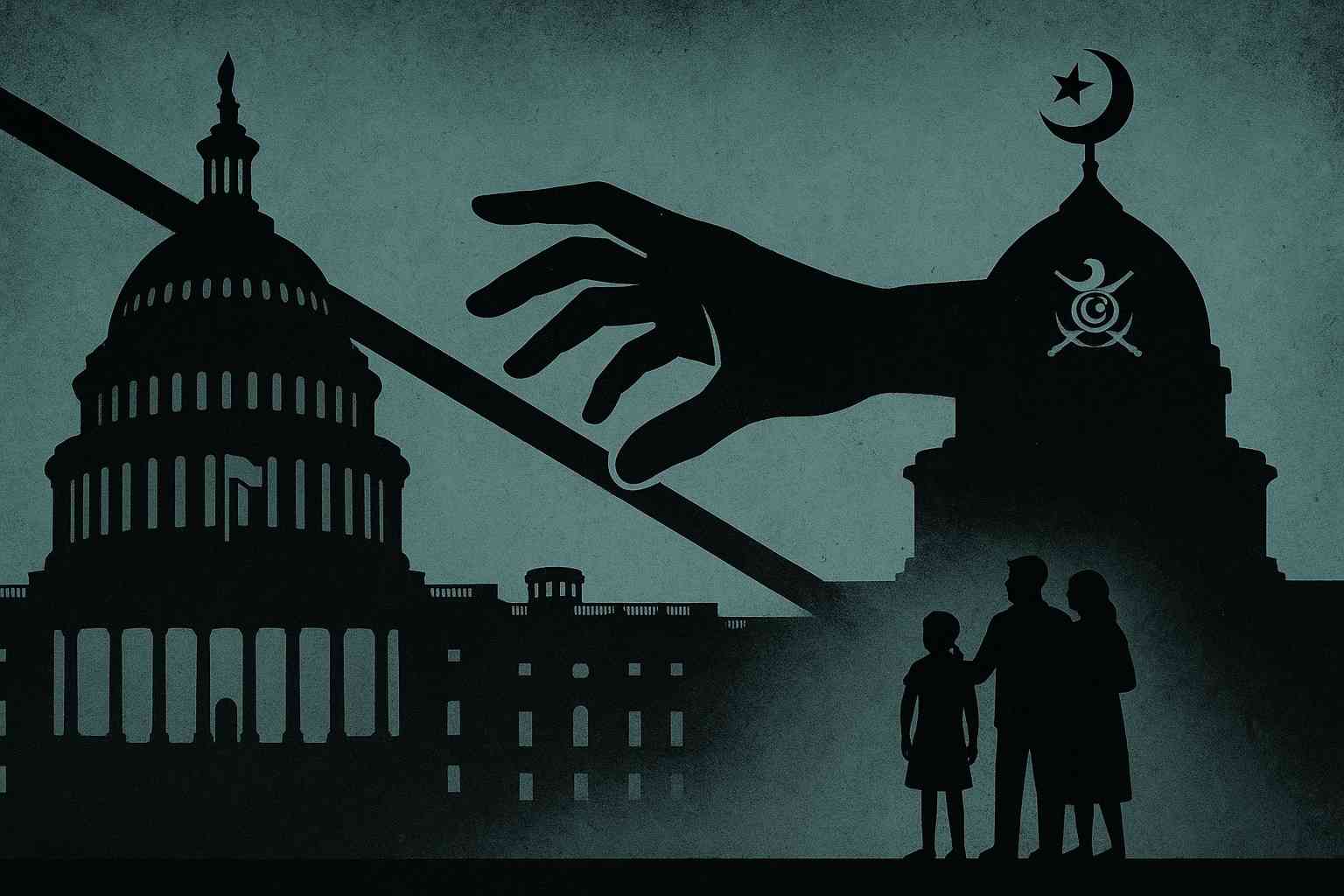
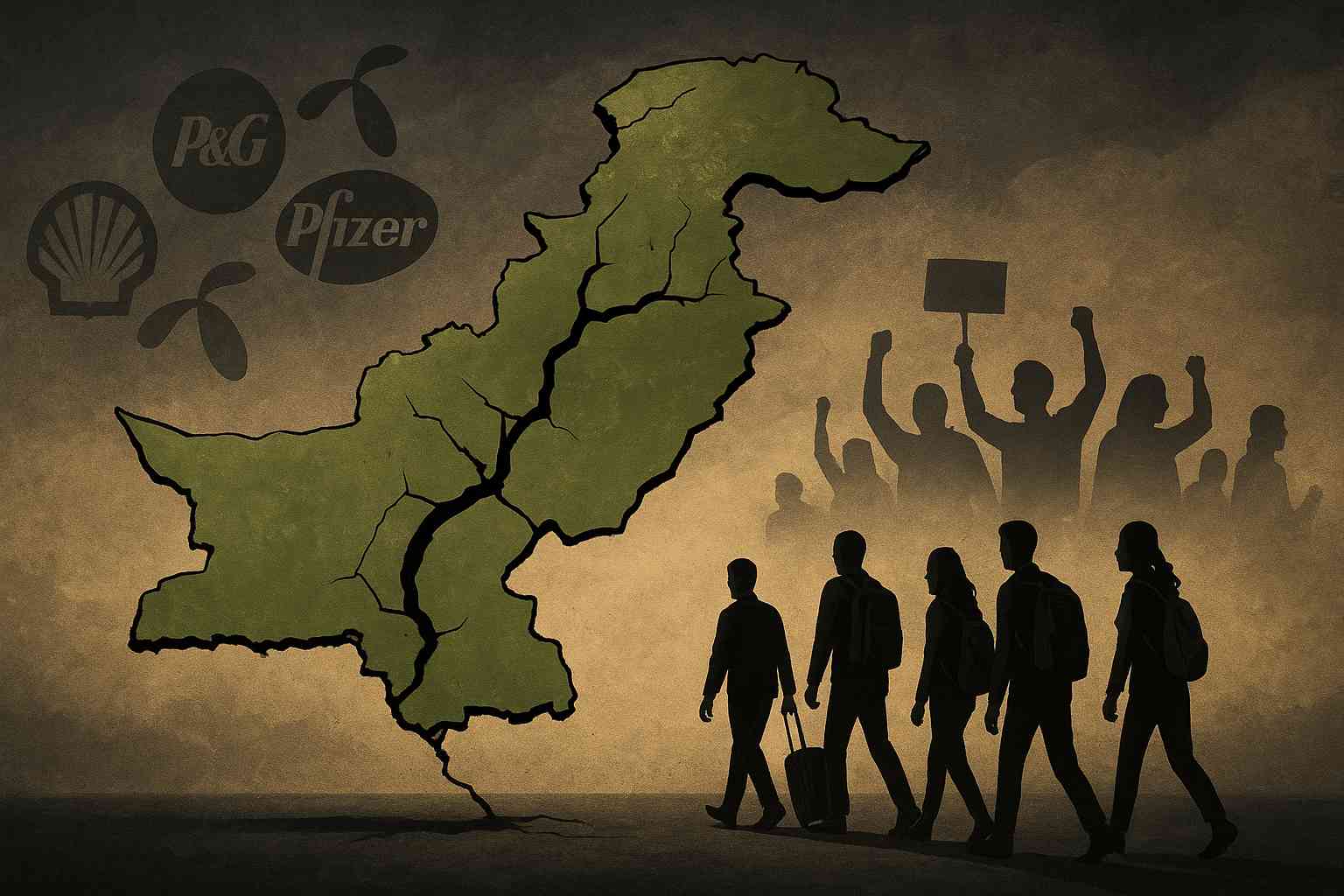
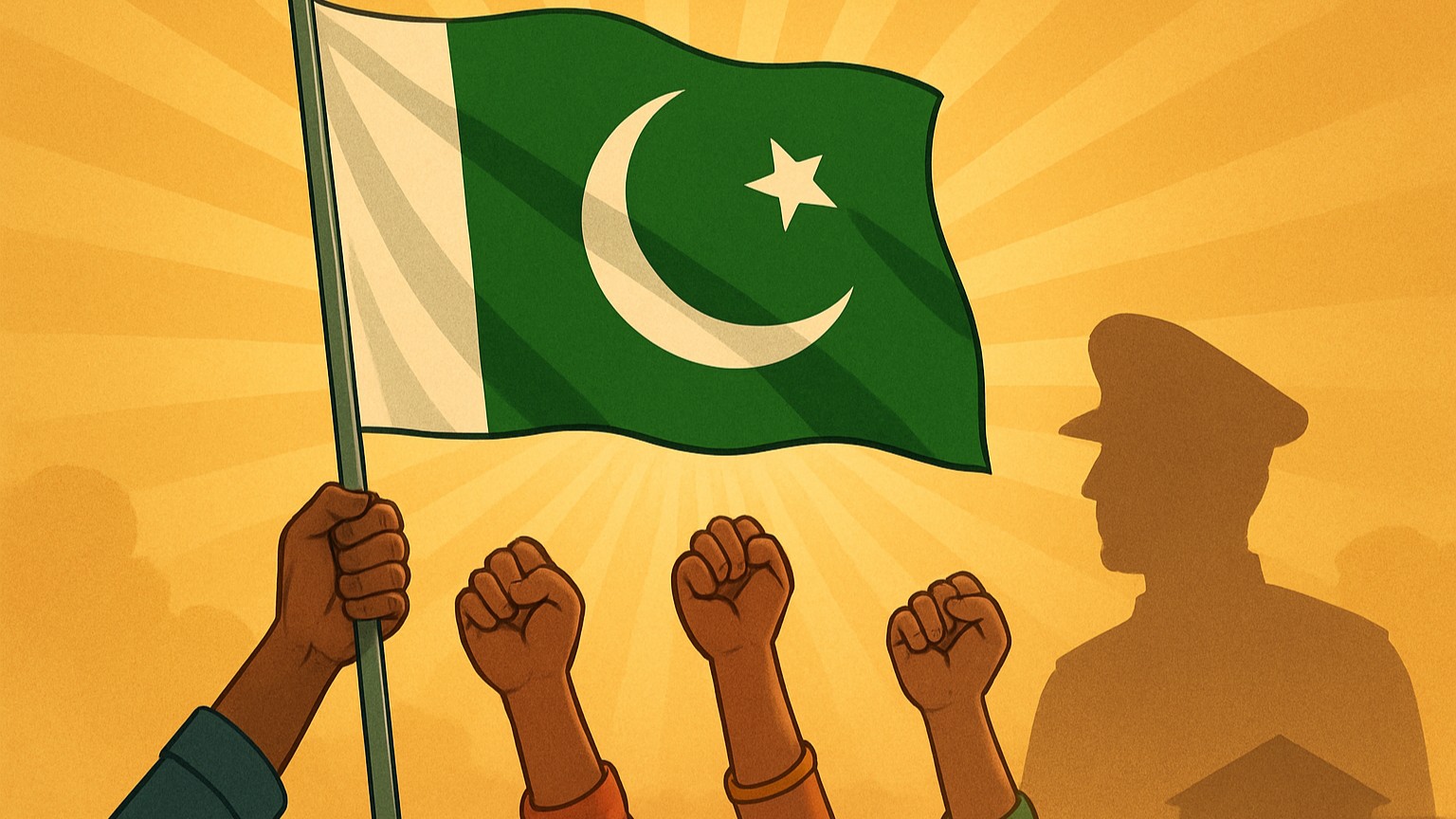
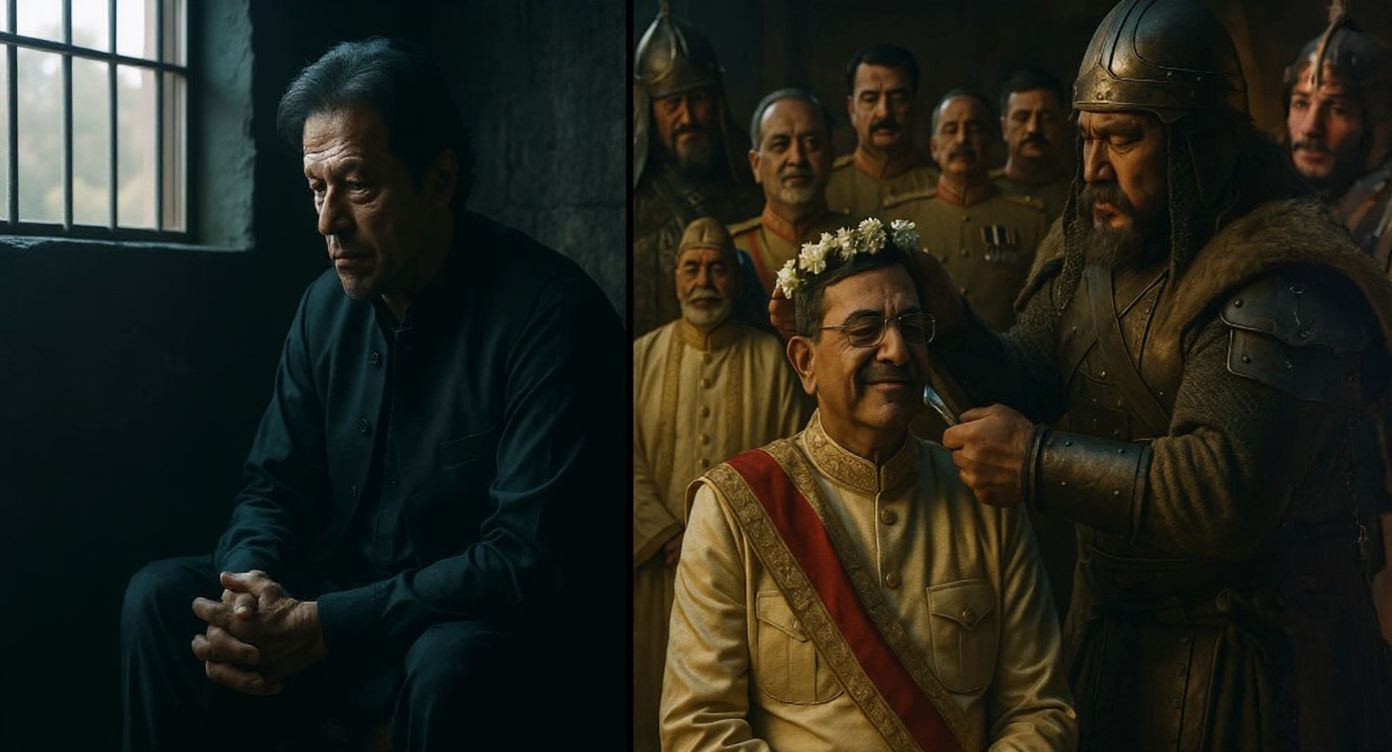
The vlog strongly argues that ordinary Pakistanis ultimately pay the price for these geopolitical arrangements.
According to the video:
- Passport restrictions increase
- Visa scrutiny intensifies
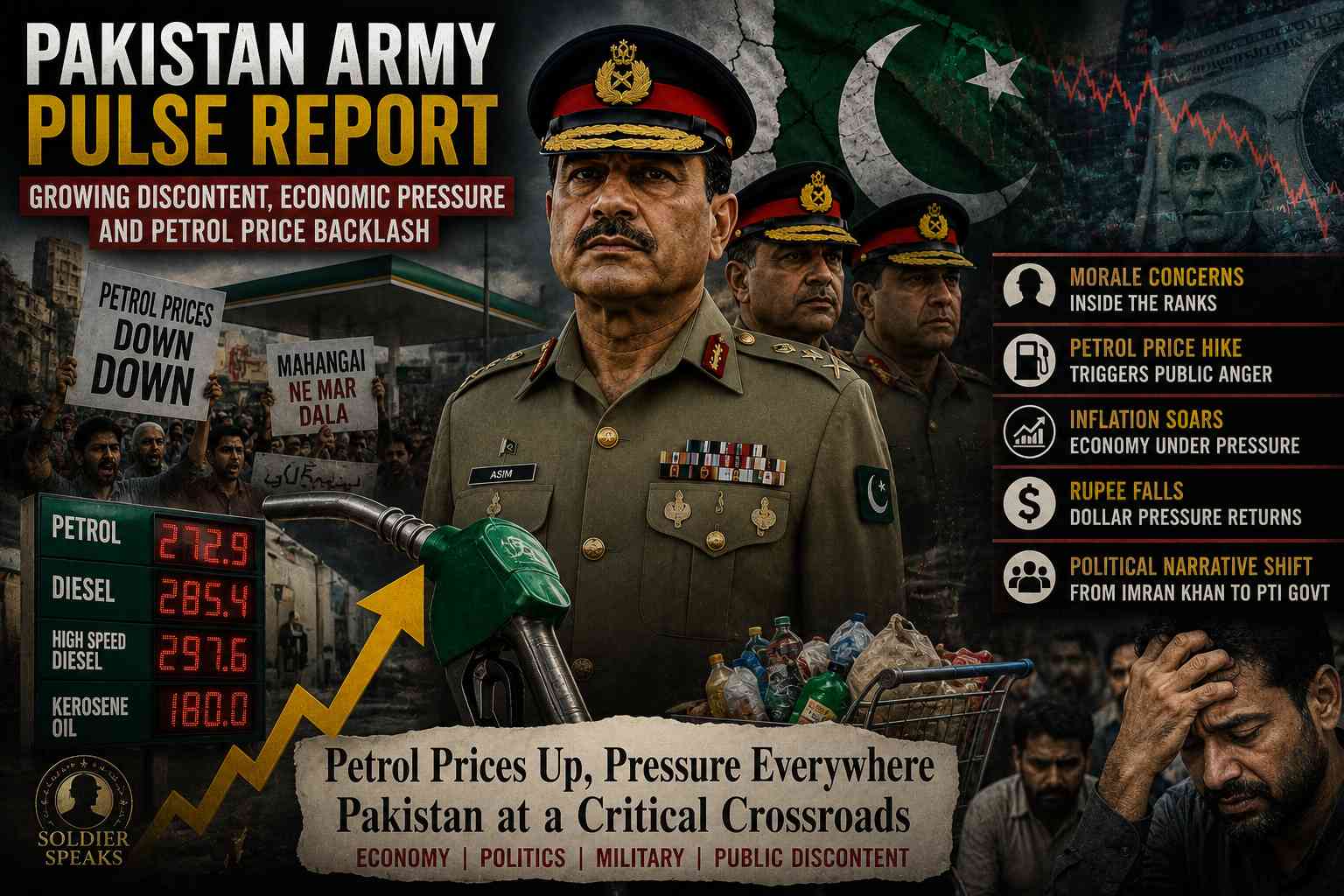
- Economic instability worsens
- International perception declines
Meanwhile, elites and power centers remain insulated from the consequences.
This frustration forms a major emotional and political layer within the broader narrative.
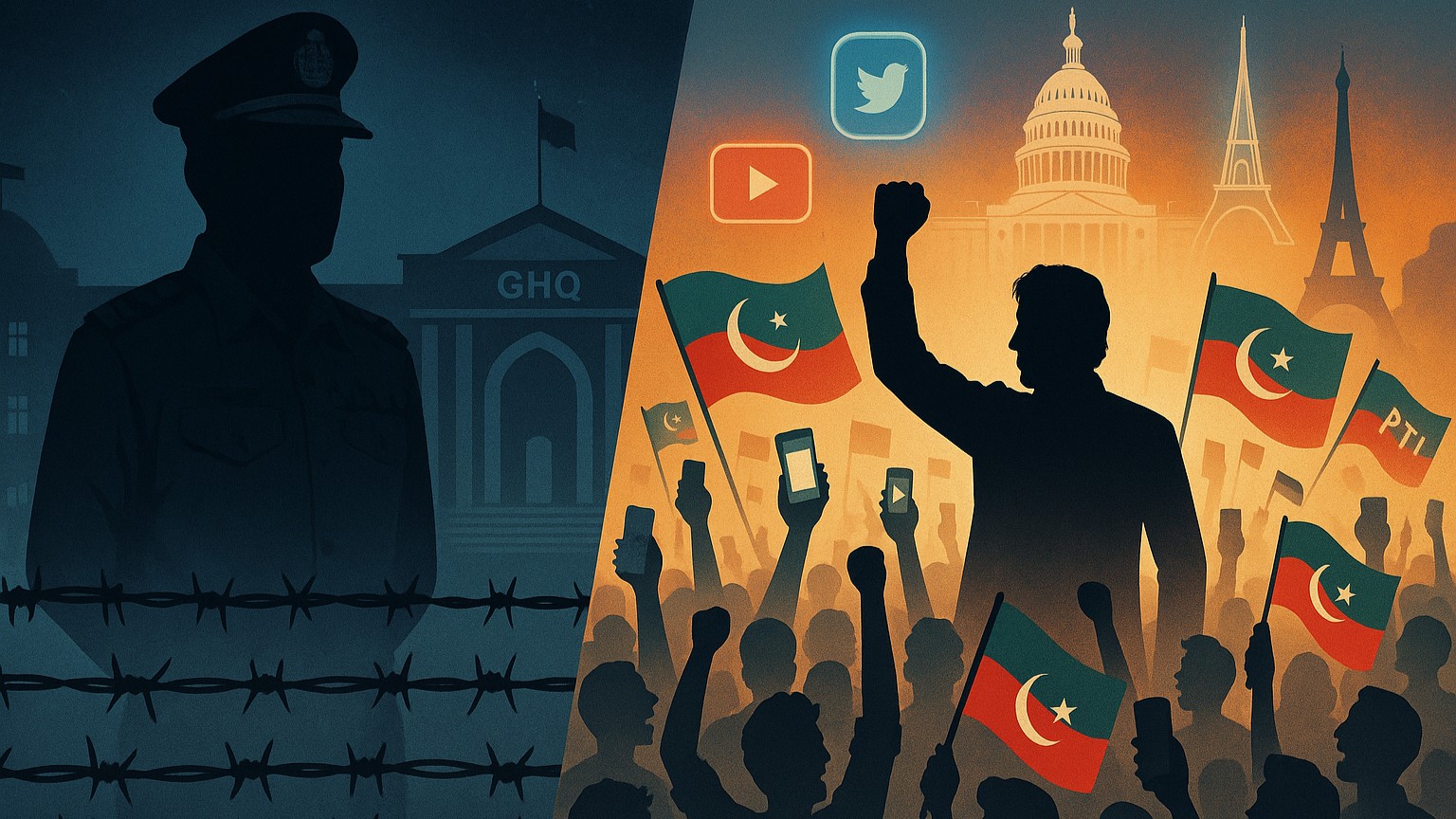
Democracy vs Security State Debate
The controversy has also revived debate about Pakistan’s political structure itself.
The vlog repeatedly contrasts:
- Parliamentary democracy
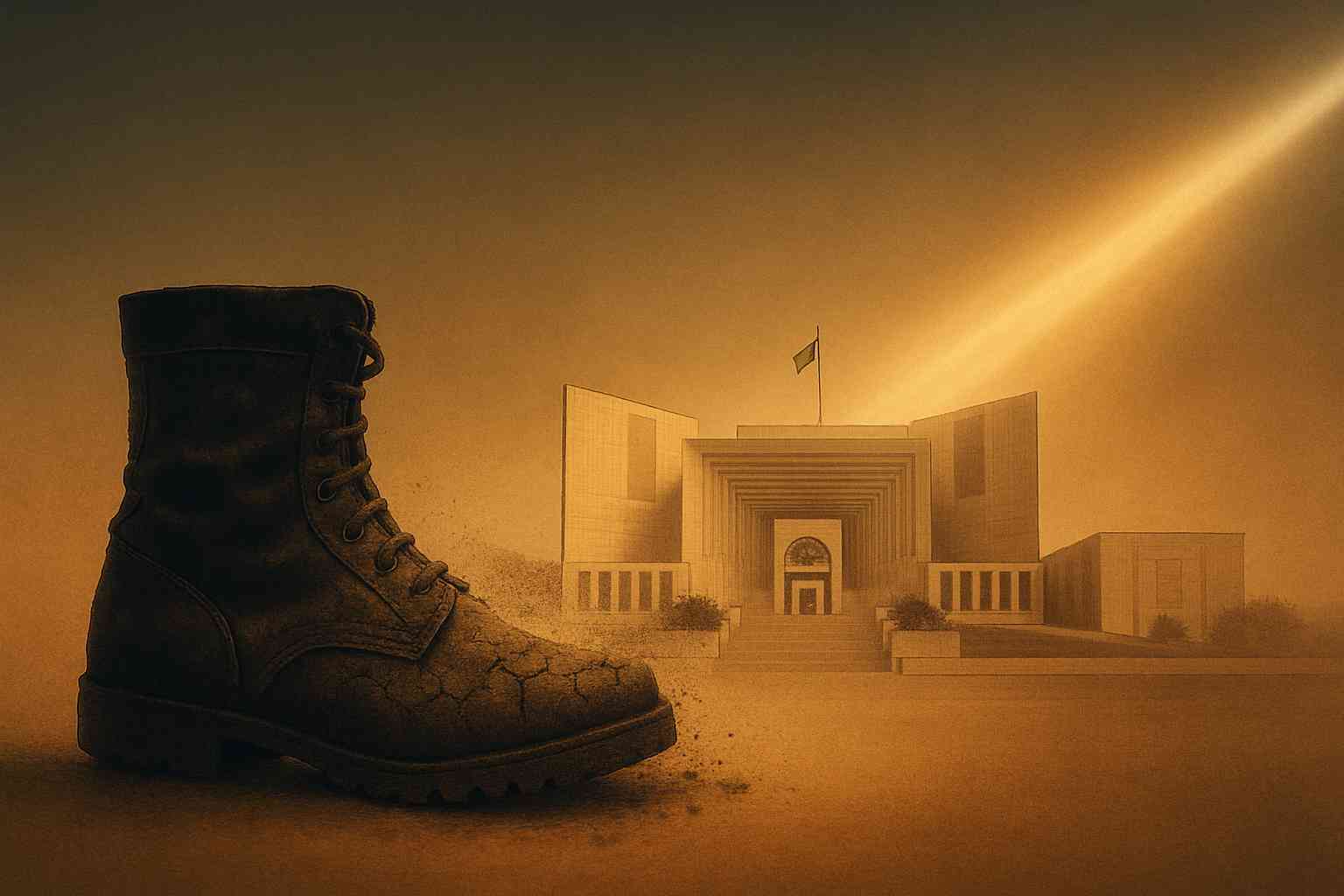
- Military-dominated decision making
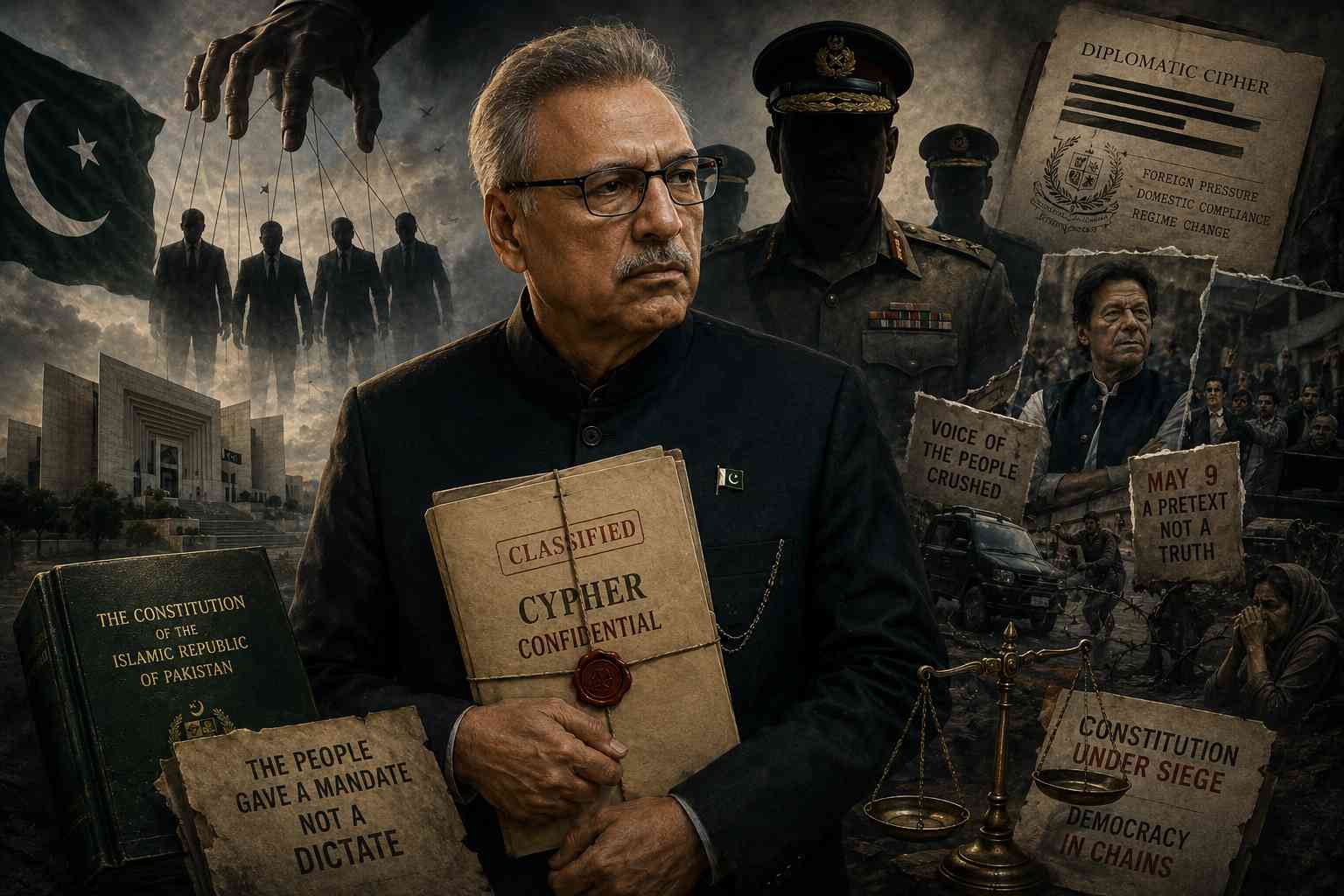
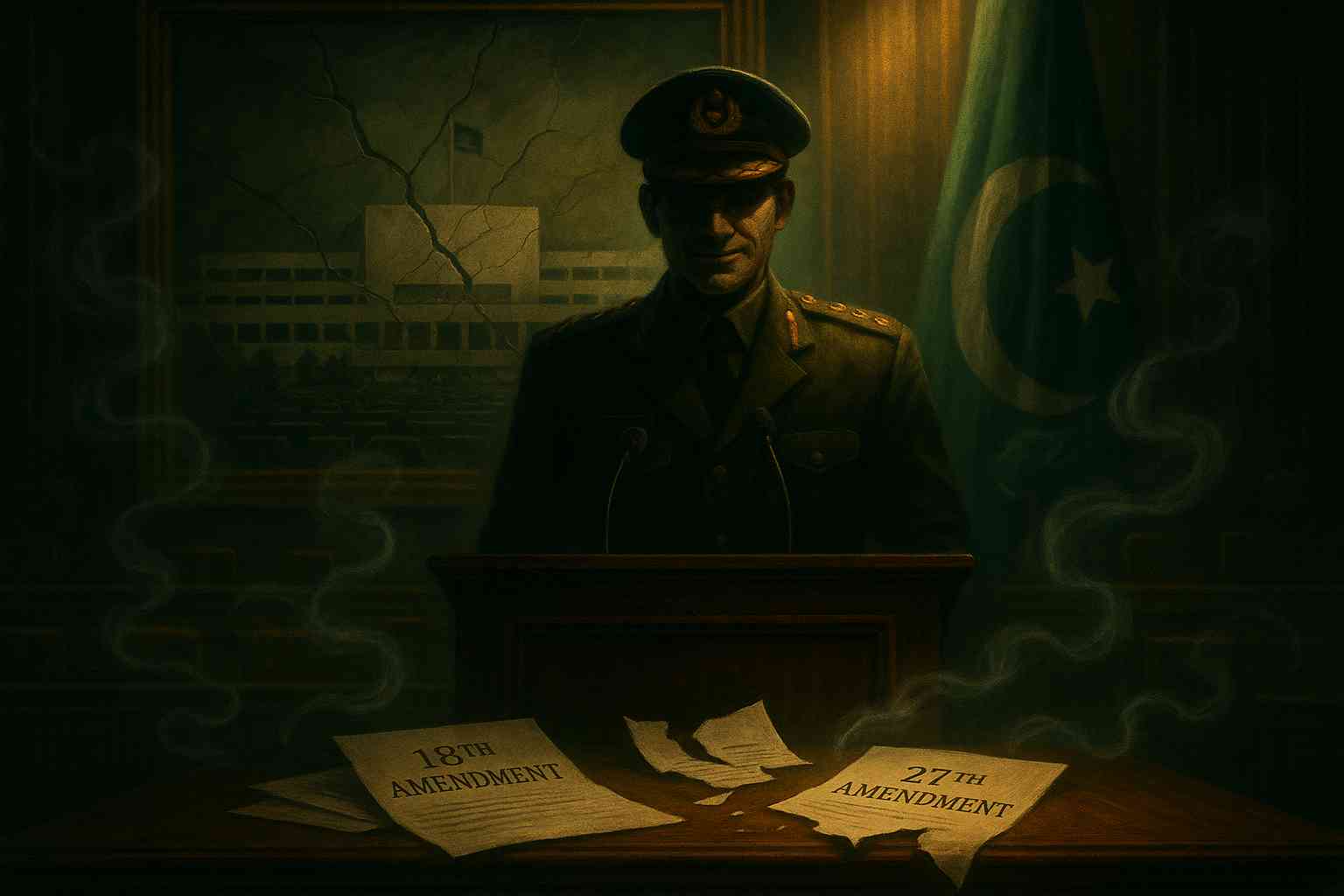
The argument presented is that strategic decisions made without public accountability eventually damage both national credibility and economic stability.
Whether one agrees or disagrees with that view, the political debate surrounding the Michael Rubin warning is now expanding far beyond foreign policy.
Final Analysis
At its core, this controversy is not just about one American analyst or one provocative article.
It is about a larger question:
Has Pakistan built an independent long-term strategic identity, or does it still remain trapped in short-term geopolitical utility?
The answer to that question will shape Pakistan’s future positioning in:
- Washington
- Beijing
- The Gulf
- South Asia
For now, the Michael Rubin warning has triggered a national conversation that goes far beyond diplomacy.
And judging by the reaction across political and media circles, that conversation is only beginning.