
Karachi Capital Shift: Why Pakistan Must Return Its Capital to Karachi
Karachi Capital Shift is no longer just a political idea. It is a strategic necessity. Pakistan’s future economic strength, democratic balance, and regional influence depend on revisiting one critical decision: moving the capital back to Karachi.
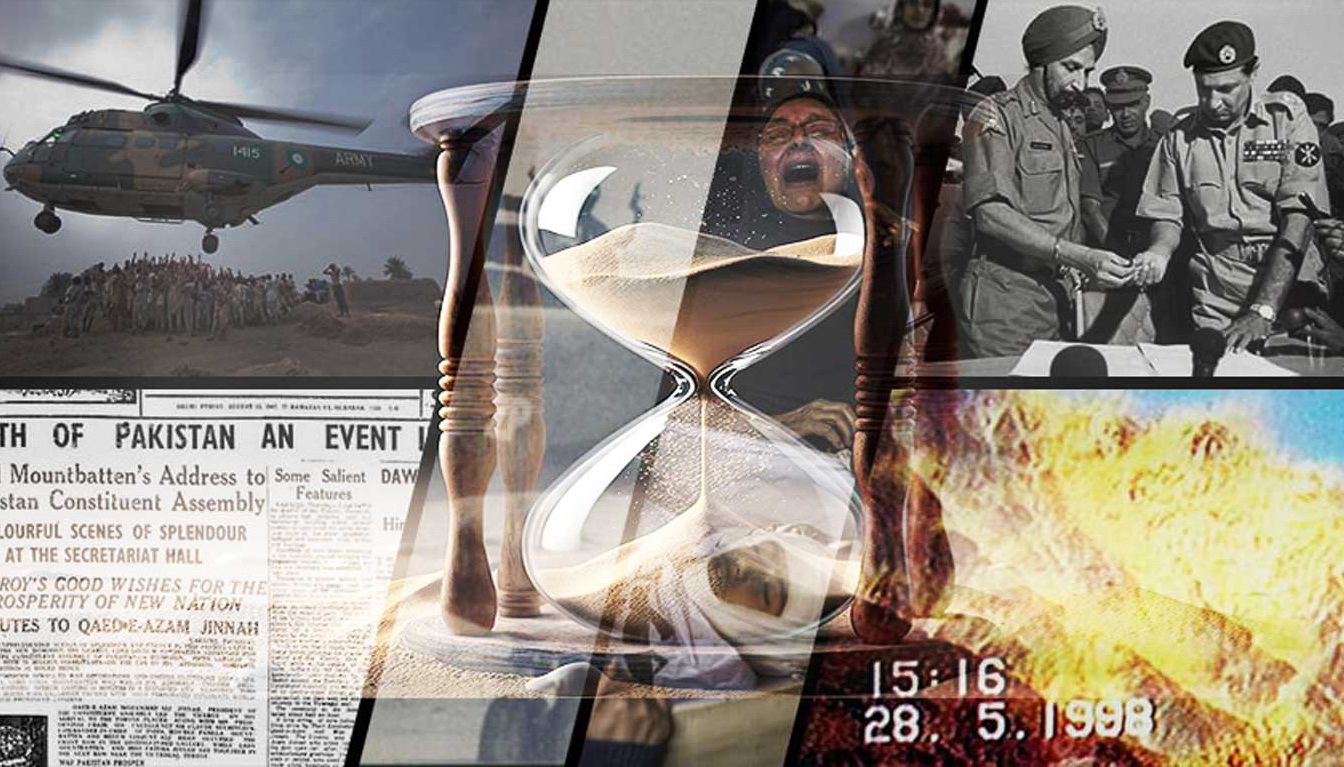
Pakistan was born on 14 August 1947, and Karachi was declared its first capital by Muhammad Ali Jinnah. The city represented unity, diversity, and economic potential. However, that vision was later reversed.
The decision to move the capital away from Karachi reshaped Pakistan’s political and economic trajectory. Today, many analysts argue that reversing this move through a Karachi Capital Shift could restore balance and unlock national growth.
Historical Background of the Karachi Capital Shift
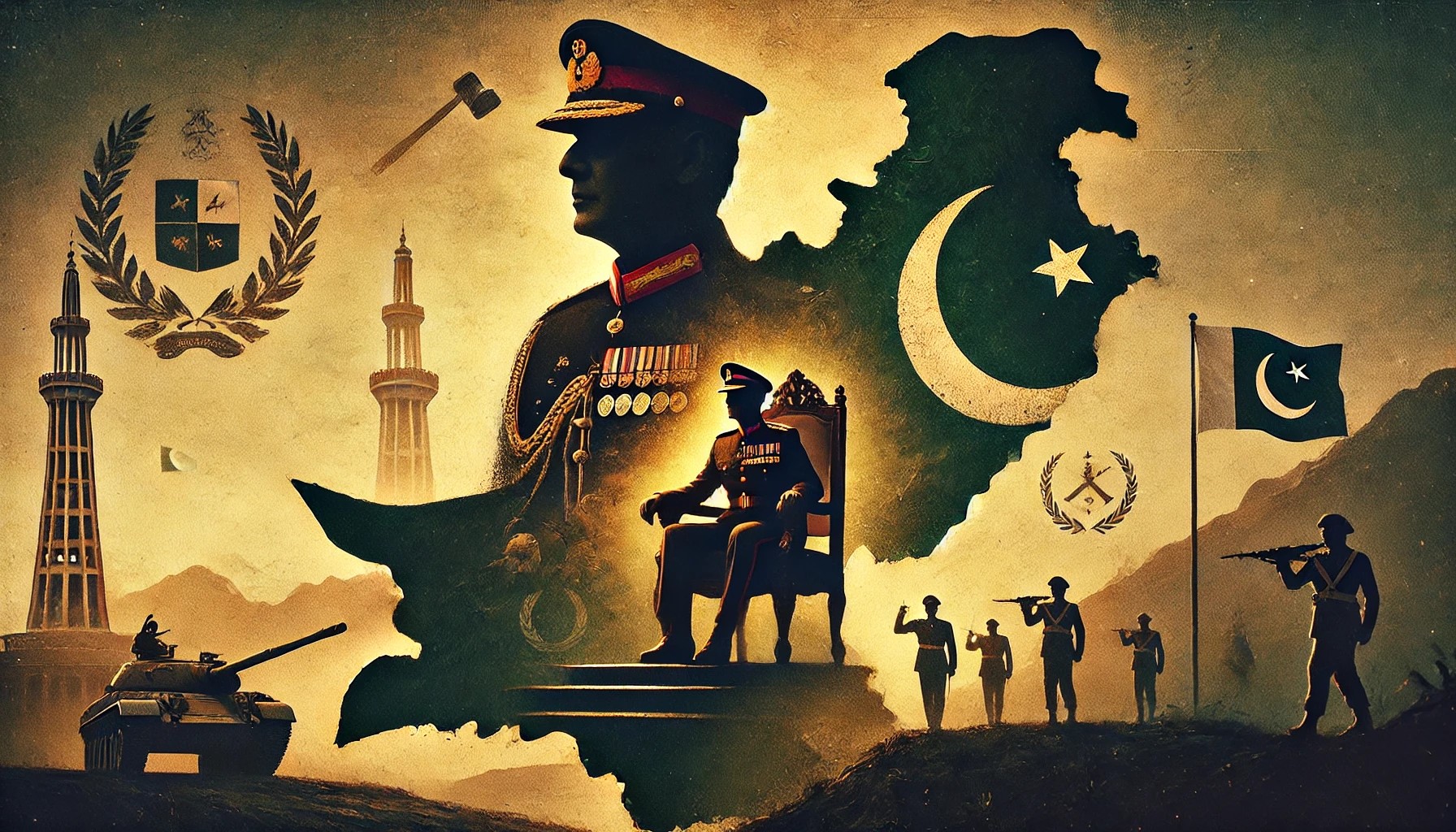
In 1958, Field Marshal Ayub Khan took control of Pakistan and initiated plans to shift the capital. By the 1960s, the process had begun, with Rawalpindi serving as an interim capital.
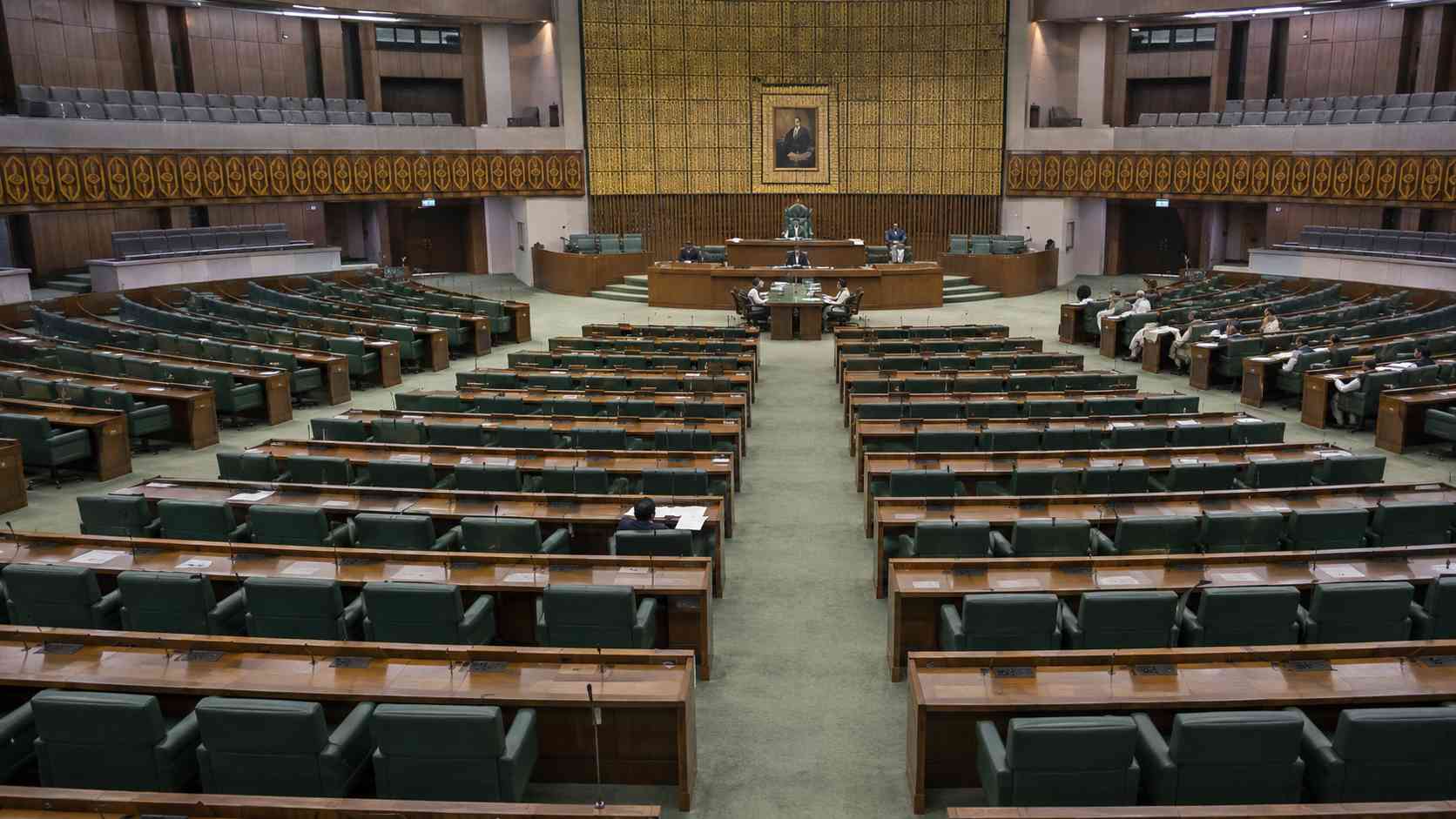
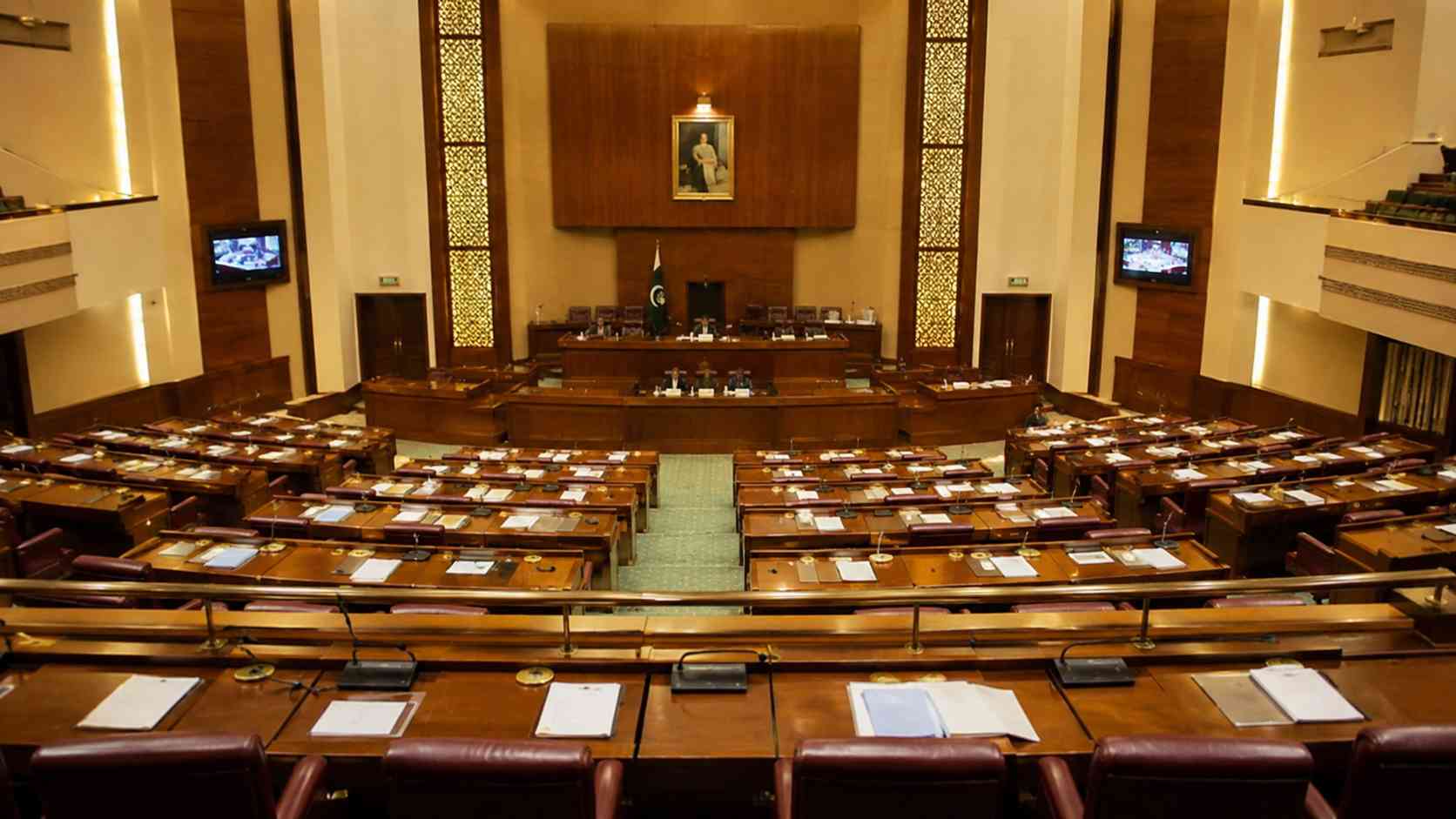
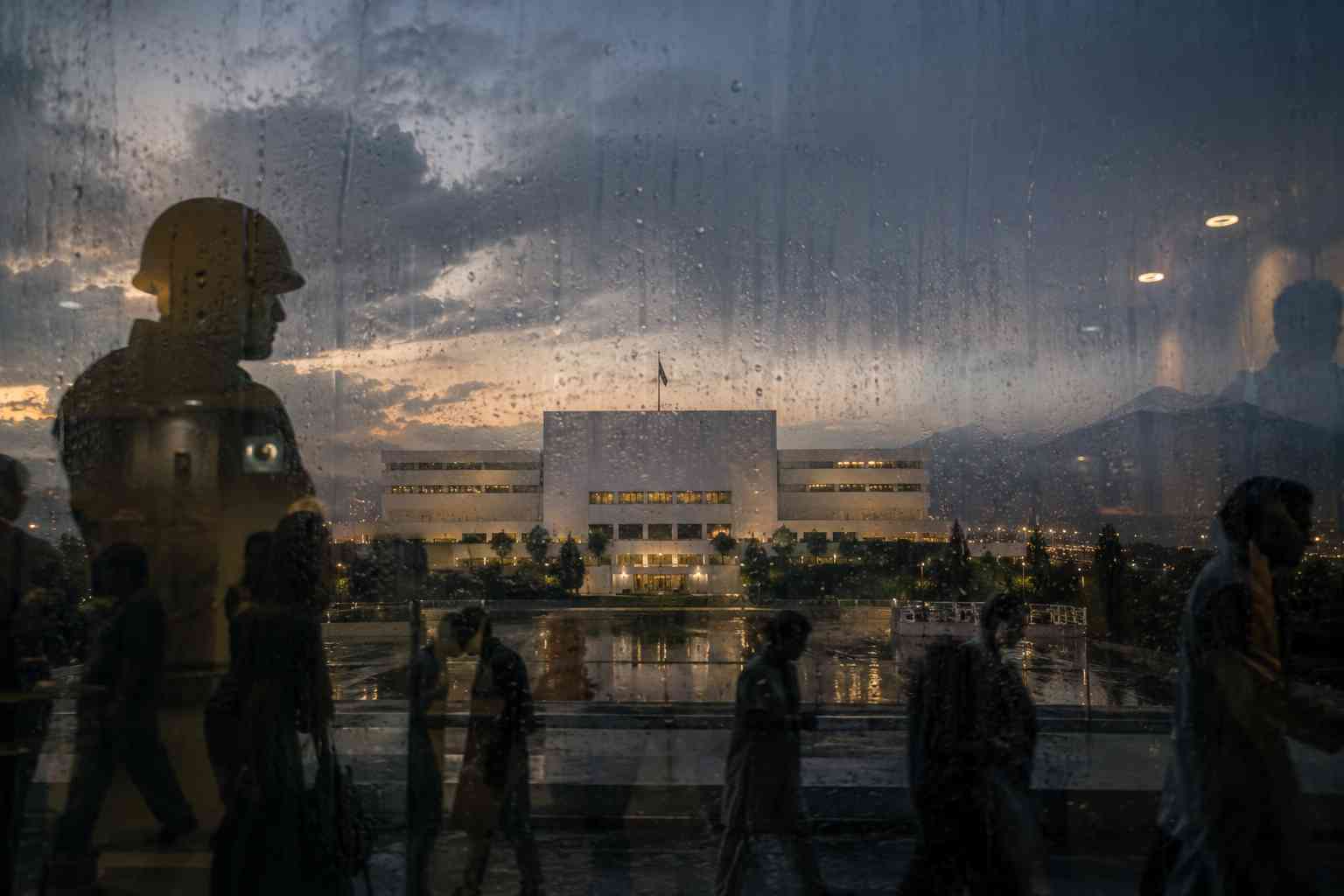
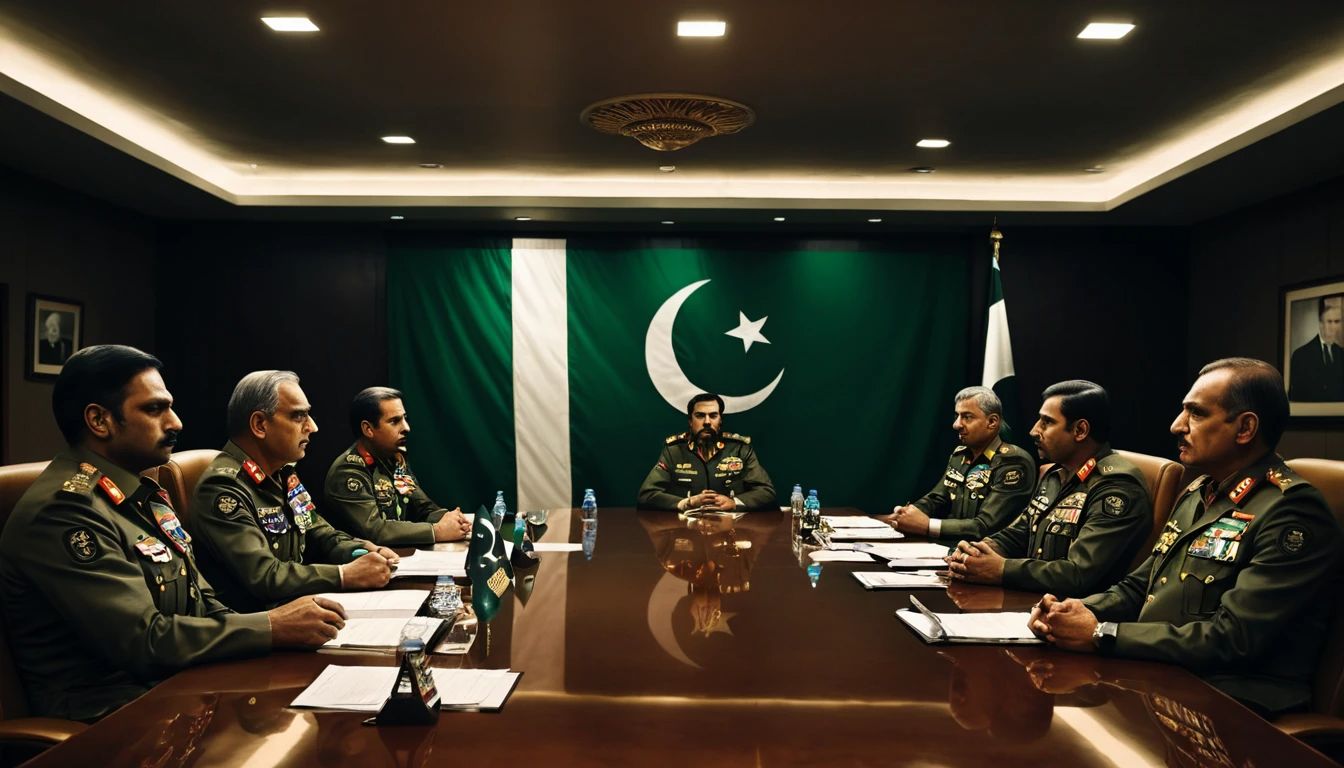
Finally, on 14 August 1967, Islamabad officially became Pakistan’s capital. The move placed the seat of government near the GHQ (General Headquarters), increasing the influence of military institutions over political structures.
This transition marked a turning point. Critics argue that the decision weakened democratic institutions and reduced civilian oversight.
Why Karachi Was the Ideal Capital
Karachi is Pakistan’s largest city and economic engine. It contributes nearly 20–25% of national GDP and around 35% of tax revenue. No other city comes close.
As a coastal city on the Arabian Sea, Karachi offers unmatched strategic advantages. Many global capitals—such as London, Tokyo, and Abu Dhabi—are also port cities. Instead of being a weakness, this positioning strengthens trade and connectivity.
Karachi also has a highly diverse population. According to recent data, its ethnic composition includes Urdu-speaking, Pashto, Sindhi, Punjabi, and many other communities. This diversity makes it a natural democratic capital.
A Karachi Capital Shift would reconnect governance with the people and restore the original vision of Pakistan.
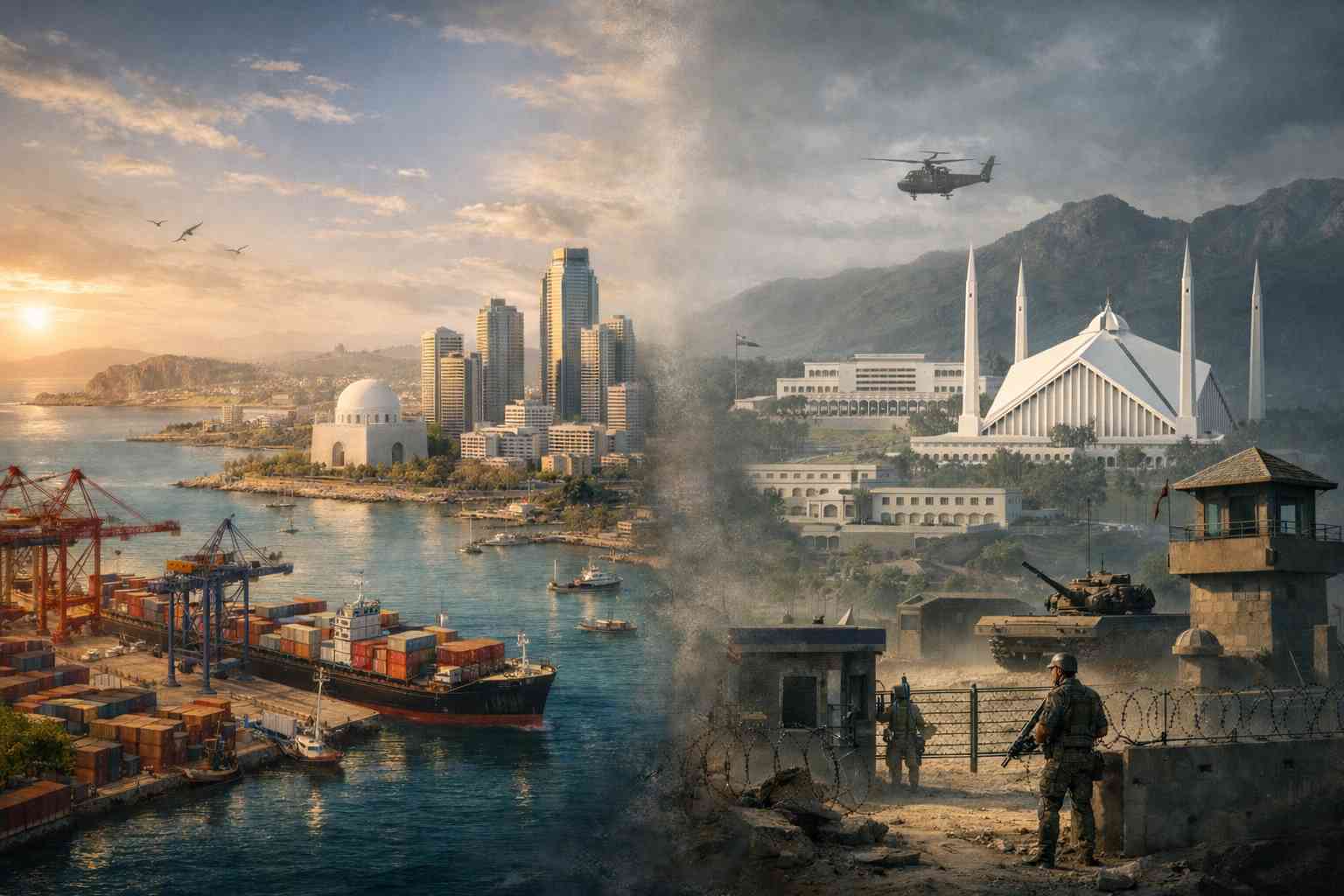
Impact of Moving the Capital to Islamabad
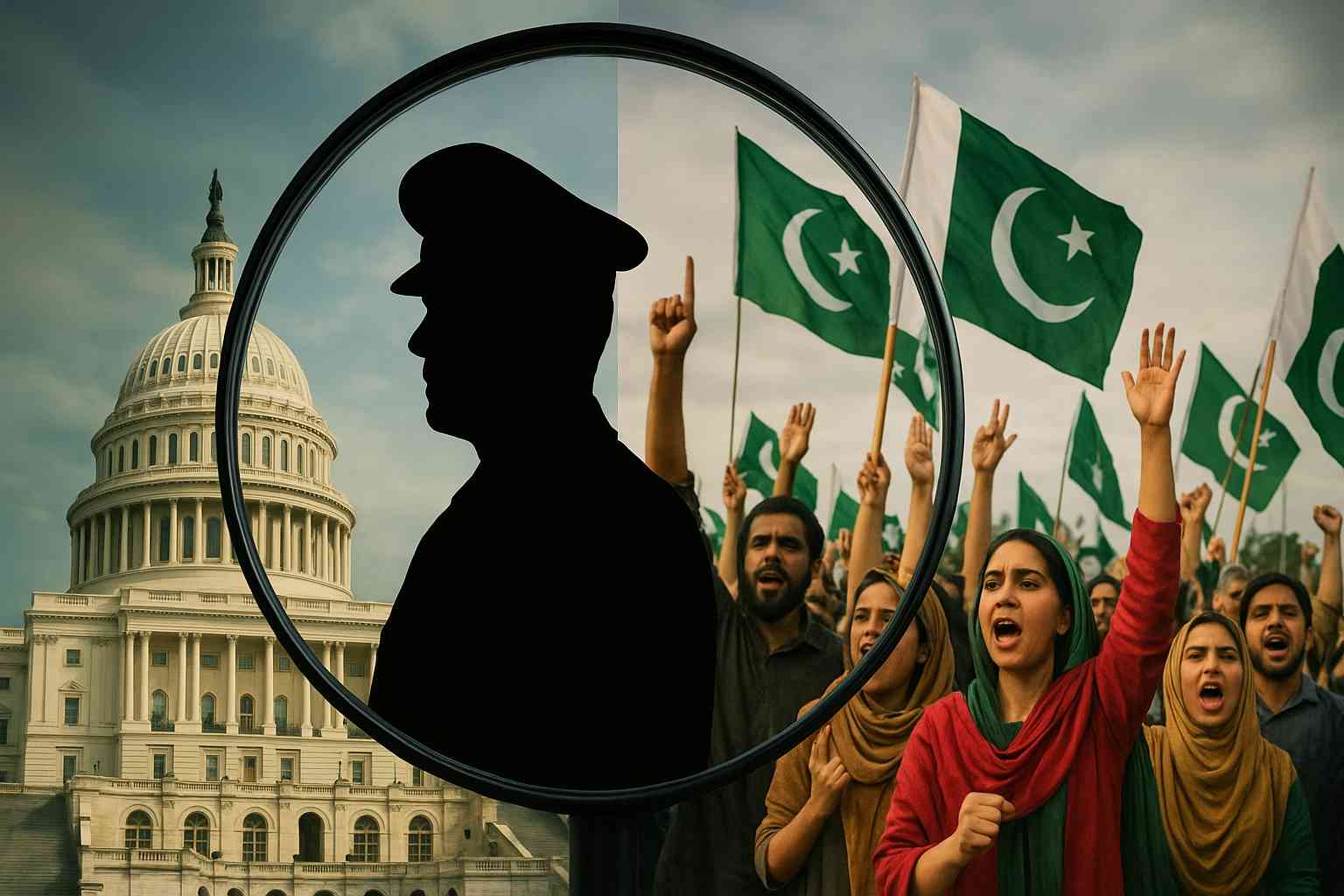
The shift to Islamabad separated political power from economic activity. It also concentrated authority near military institutions.
Islamabad, with only about 0.8% of Pakistan’s population, contributes roughly 1% of GDP. In contrast, Karachi remains the financial backbone of the country.
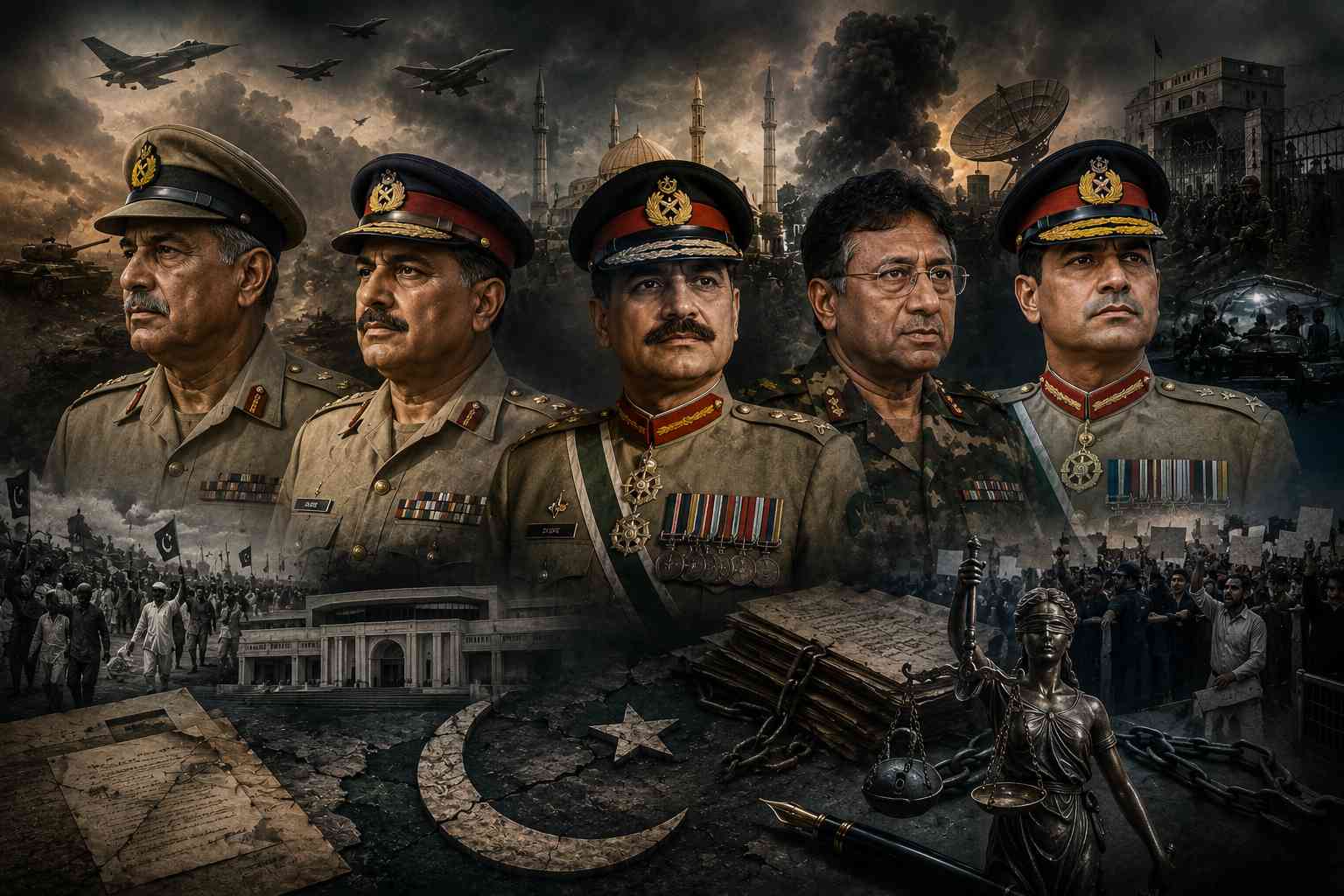
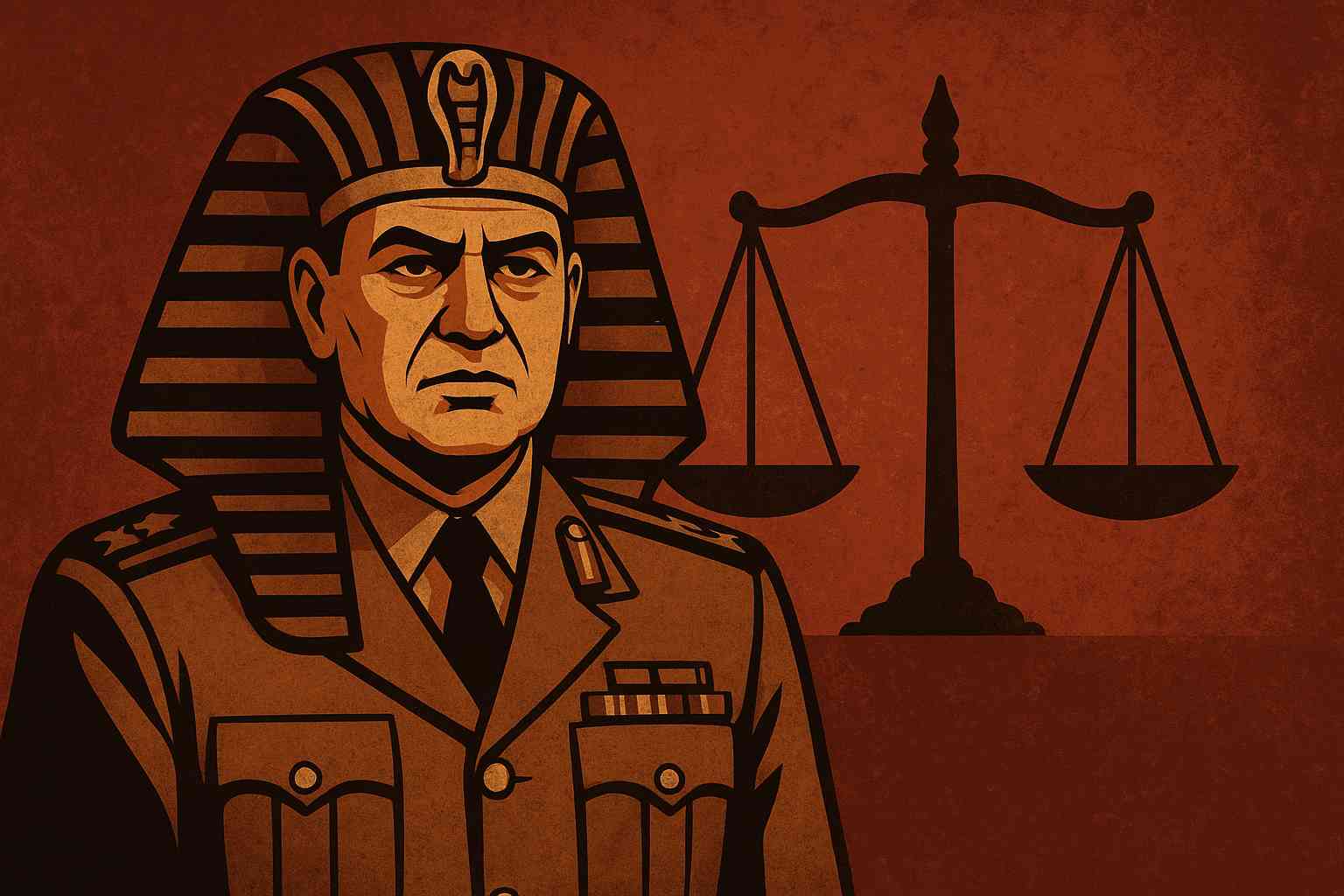
Over time, Islamabad has been described by critics as a “graveyard of democracy”. Events such as:
- Fall of Dhaka (1971)
- Zia-ul-Haq Martial Law (1977)
- Musharraf takeover (1999)
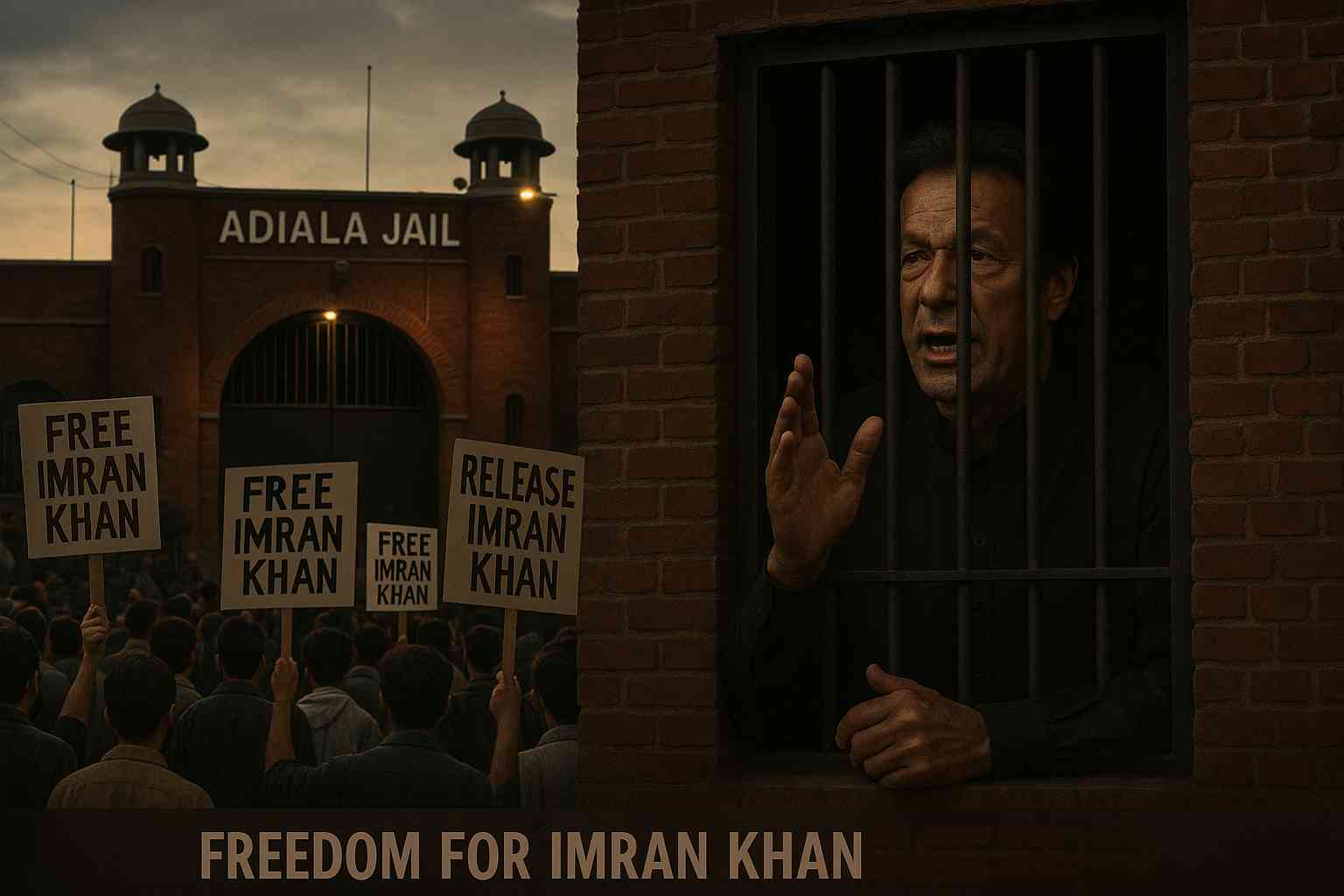
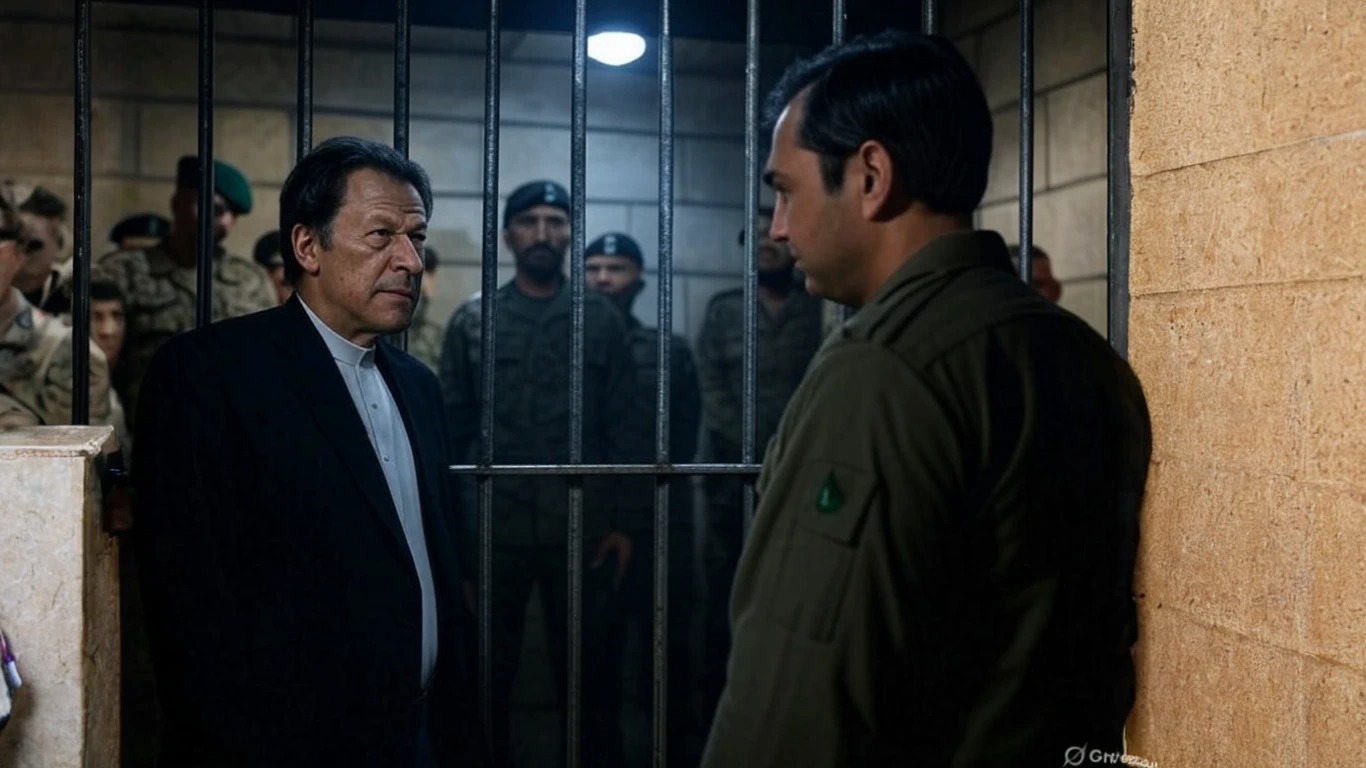
- Removal of Imran Khan (2022)
highlight the political instability linked to centralized power.
Economic Power of Karachi and the Case for Karachi Capital Shift
Karachi generates nearly 95% of Sindh’s GDP and remains Pakistan’s primary hub for:
- Manufacturing (textiles, steel, chemicals)
- Finance (banking and insurance)
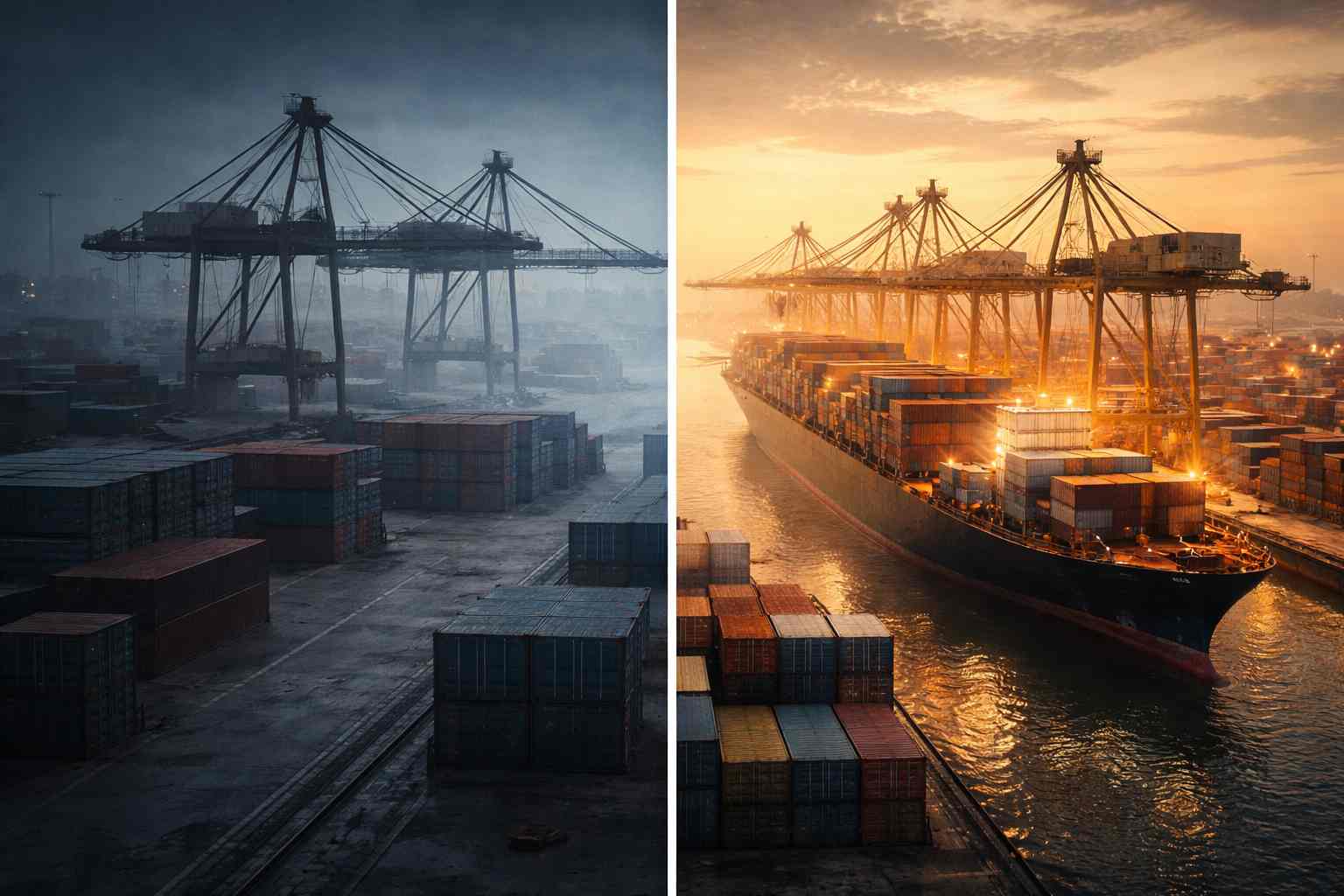
- Trade and shipping
Its estimated economic size exceeds $200 billion (PPP). A Karachi Capital Shift would align political power with economic strength, creating efficiency and growth.
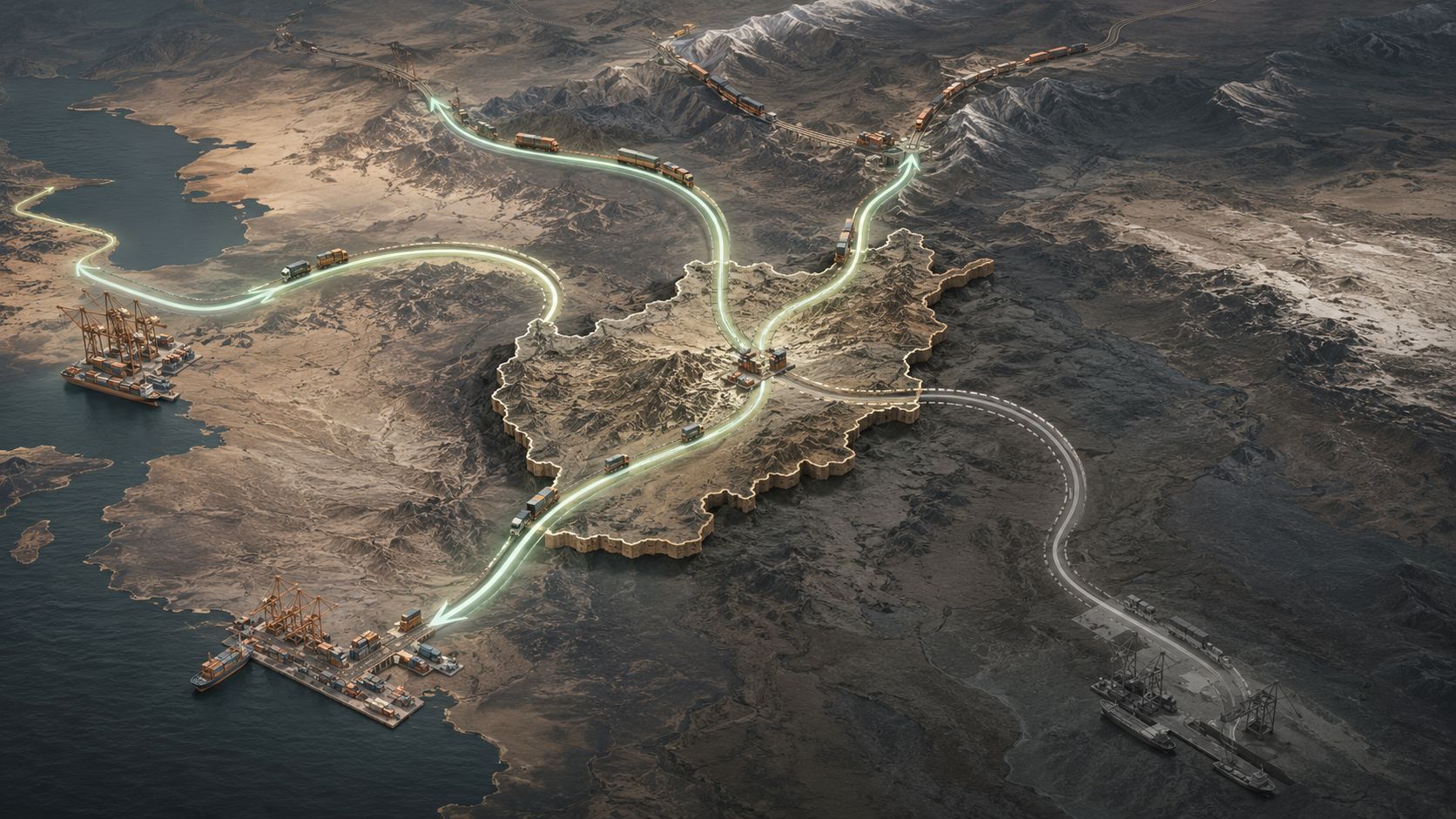
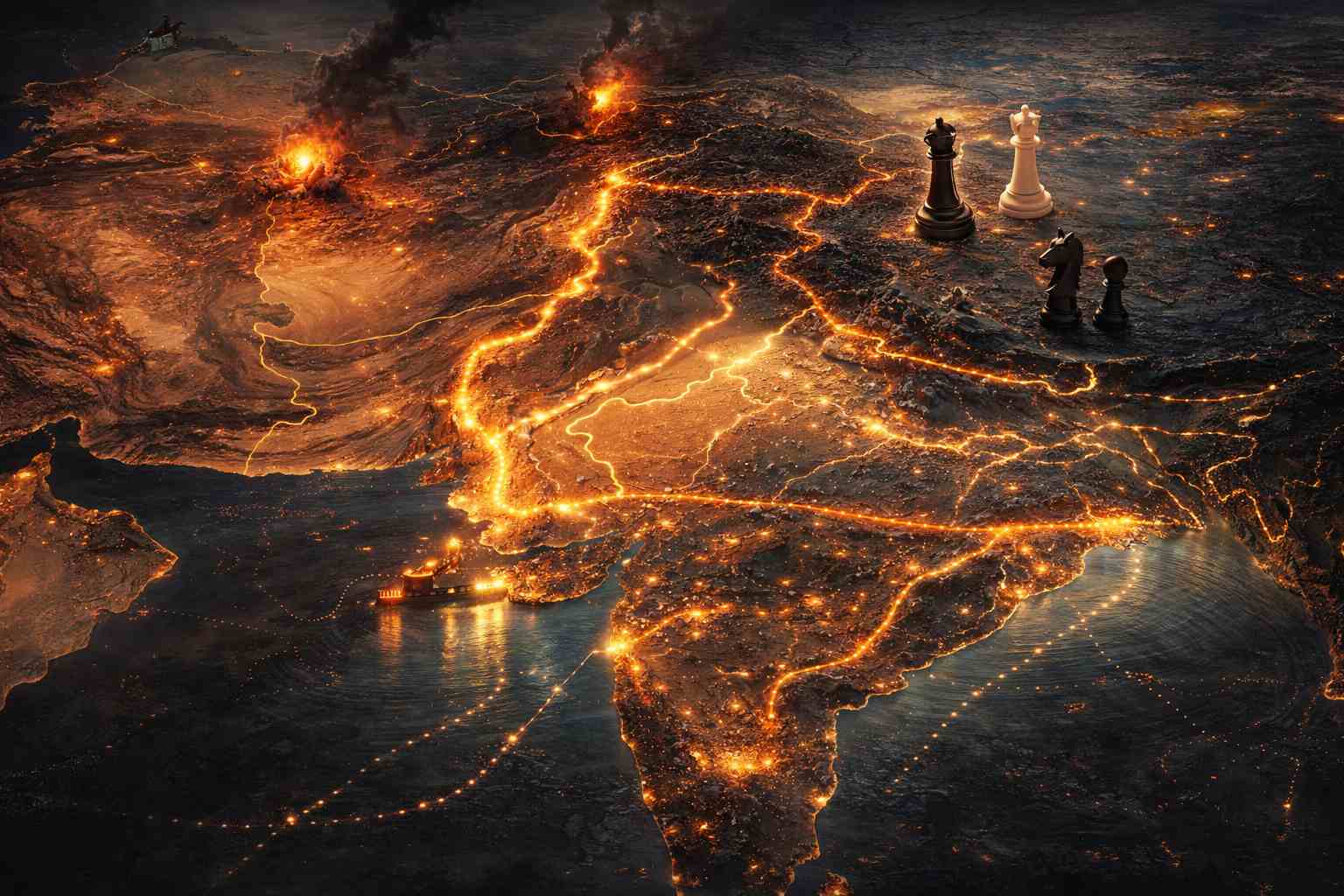
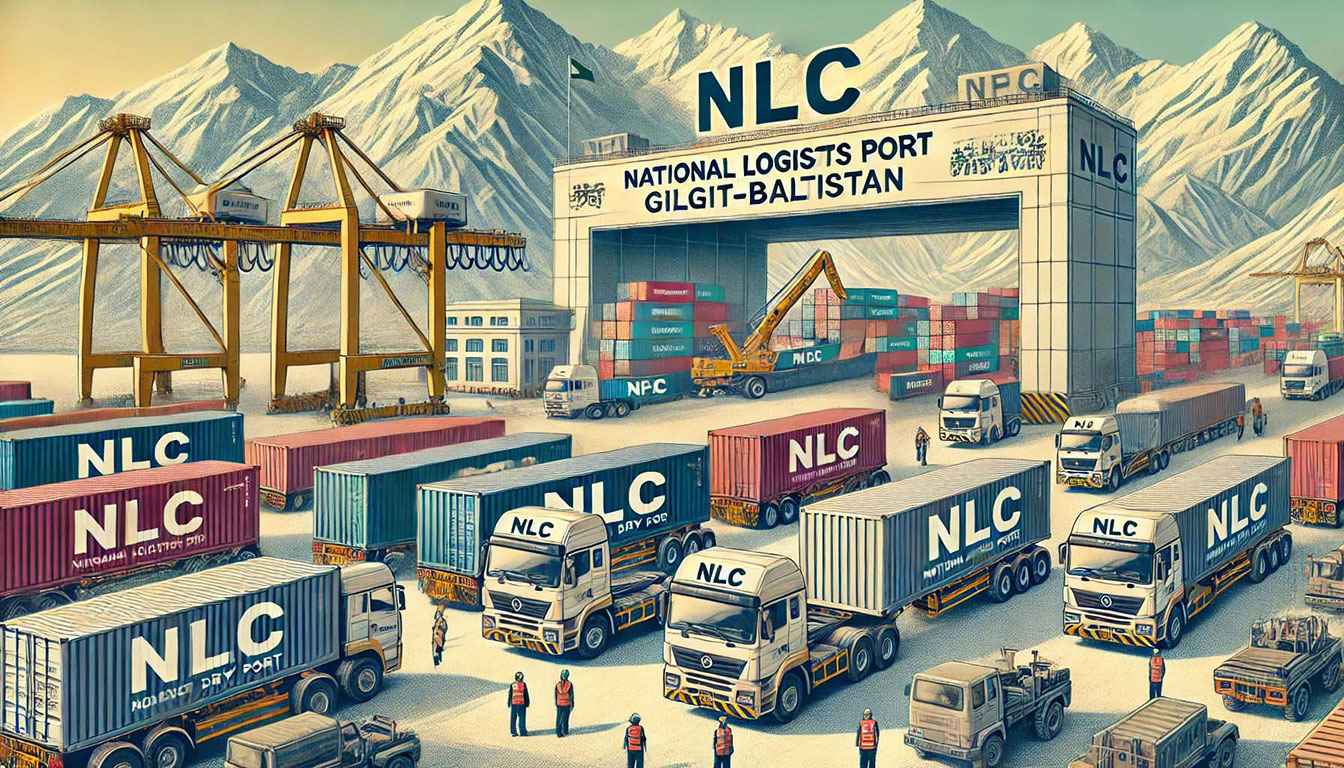
Additionally, integrating Gwadar with Karachi as a federal territory could transform Pakistan into a major regional trade hub.
Democratic Benefits of Karachi Capital Shift
Karachi’s population is politically active, educated, and diverse. Unlike Islamabad, it represents all segments of society.
Relocating the capital would:
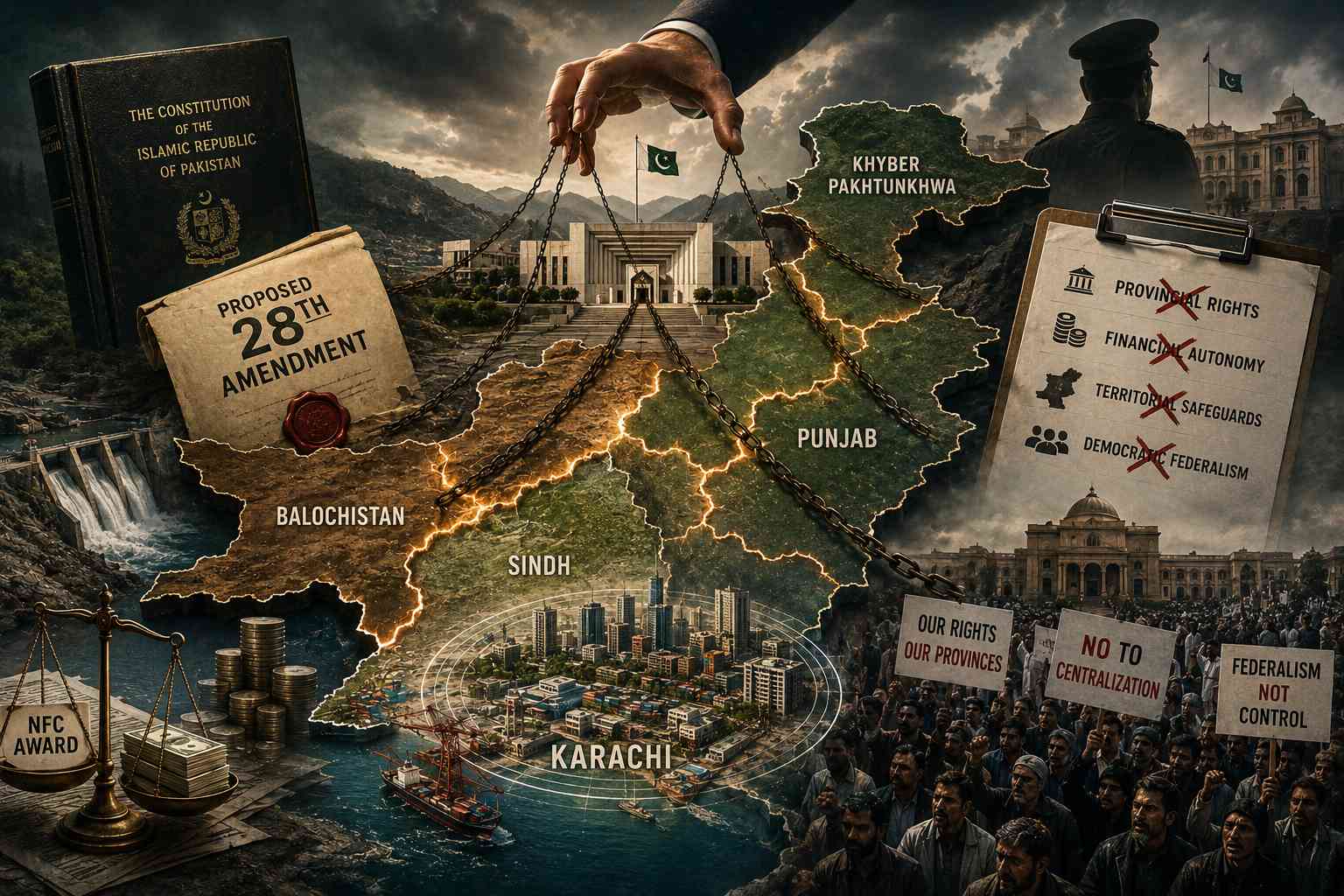
- Reduce centralized control
- Strengthen democratic institutions
- Reconnect governance with citizens
Historically, democratic capitals thrive in populous cities. Karachi fits this model perfectly.
Strategic and Global Advantages
A Karachi Capital Shift would position Pakistan competitively against regional economies like UAE, Saudi Arabia, and Qatar.
Karachi’s coastal access allows:
- Expansion of maritime trade
- Development of energy corridors
- Stronger naval defense through Pakistan Navy
With Gwadar integrated, Pakistan could emerge as a major gateway connecting China, Central Asia, and global markets.
Conclusion: Karachi Capital Shift as a National Reset
The idea of a Karachi Capital Shift is not just symbolic. It is a structural reform that could redefine Pakistan’s future.
Returning the capital to Karachi would restore democratic balance, strengthen the economy, and reconnect leadership with the people.
Karachi is not just a city. It is the engine of Pakistan. Reviving its status as the capital could bring back the country’s lost momentum and set it on a path toward stability and growth.

































































































1 Comment
It’s done and invested to much now in this capital
So leave it
Go and check yungoon and Indonesia. 🇮🇩 relocations a disaster now
Don’t compare London
London is another city lived in ransom of poor countries
Discounted oil ) gold
Tokyo are Japanese and you don’t have guys to work that hard . Like your bobos in offices
So ( diversify your GHQ AS 18 cors belong to gujar khan and pindi )
Abu dabi is reckless city standing on corrupt money launders
Give Karachi and gawadar and autonomous economic status ( no federal hold ) as GHQ will have direct control on it )
Shift GHQ to quata Baluchistan simple ,