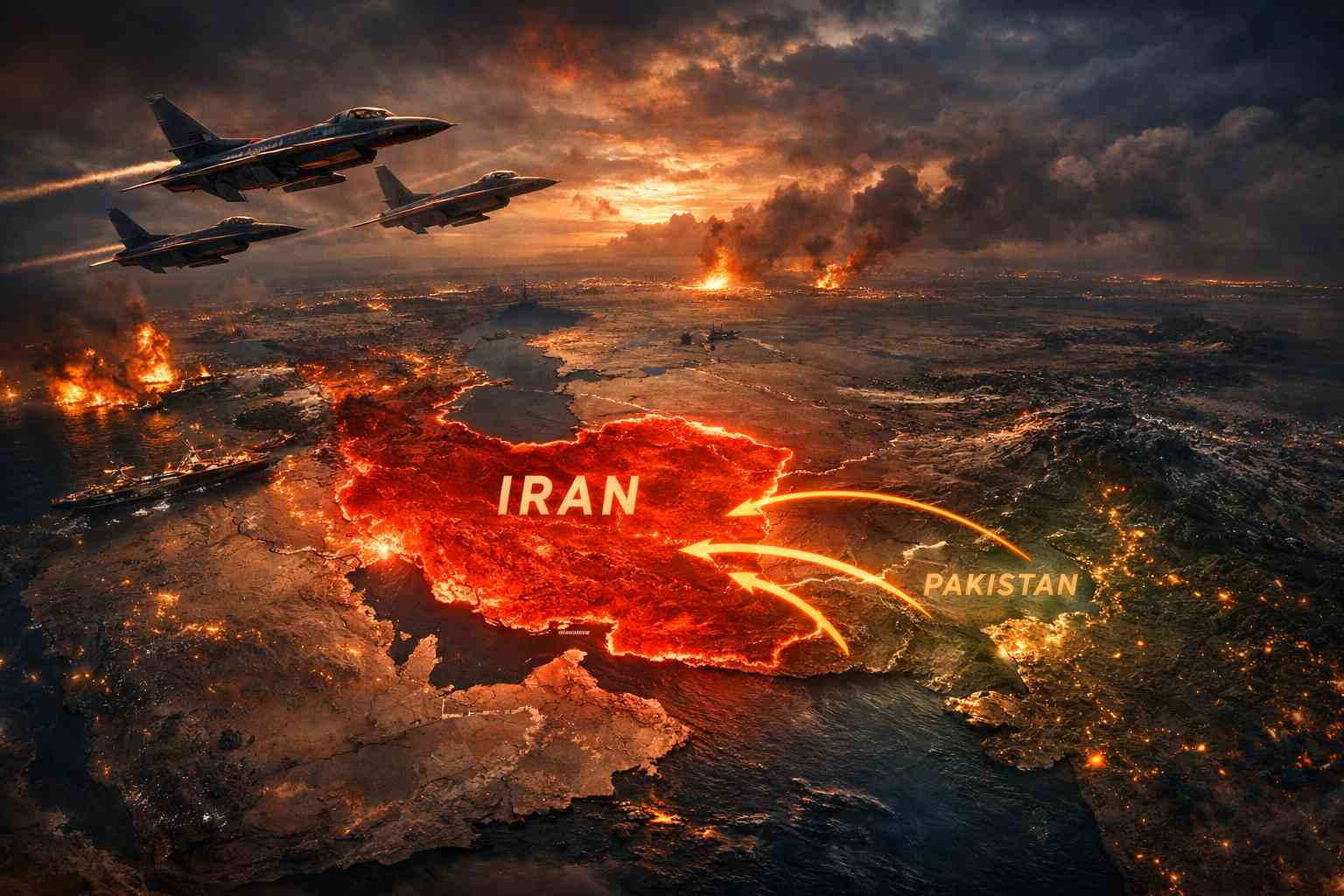
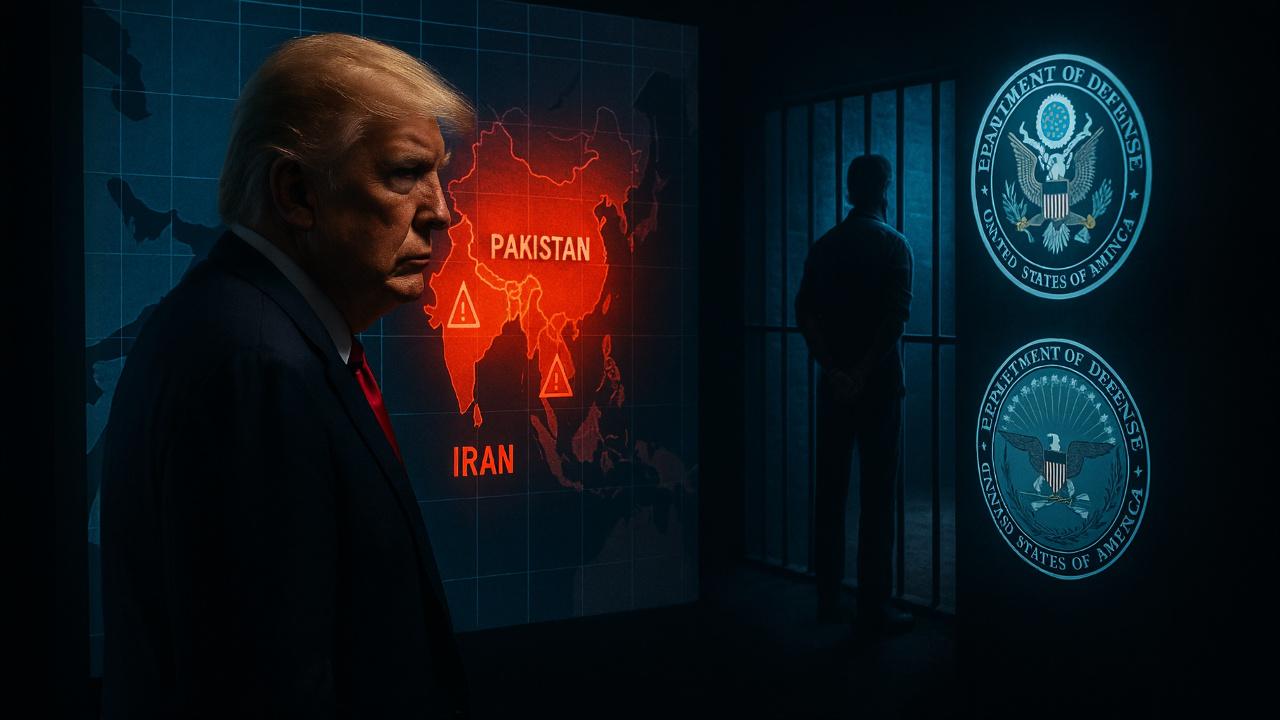
The current trajectory of US Iran attack escalation 2026 suggests that the situation in the Middle East may be approaching a critical turning point. Recent developments indicate that what appeared to be diplomatic engagement may, in fact, have served as a preparatory phase for a broader military strategy.
Observers within US foreign policy circles increasingly believe that a significant escalation could occur within hours, with military positioning and operational readiness already in place.
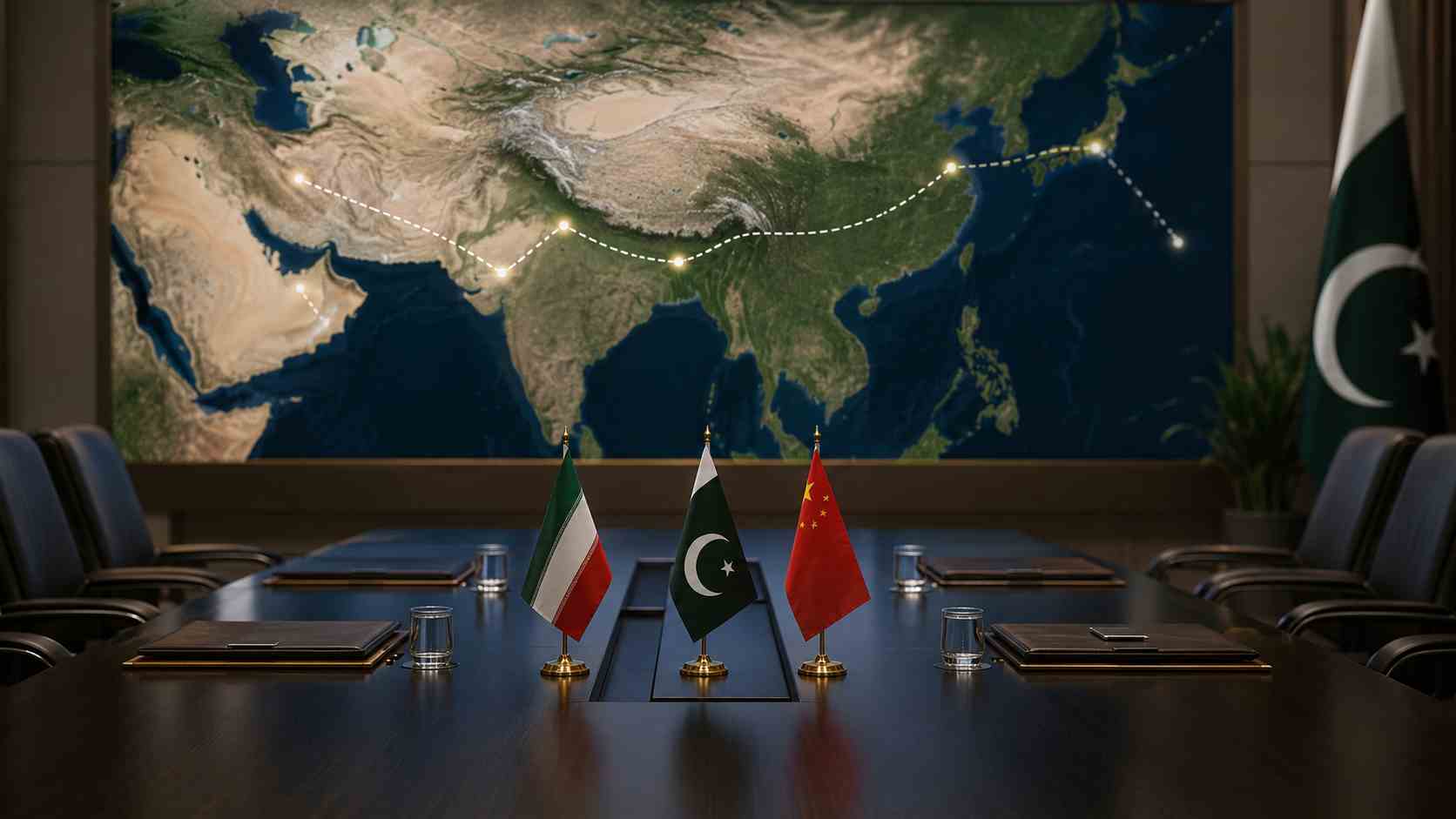
Diplomatic Signals or Strategic Cover?
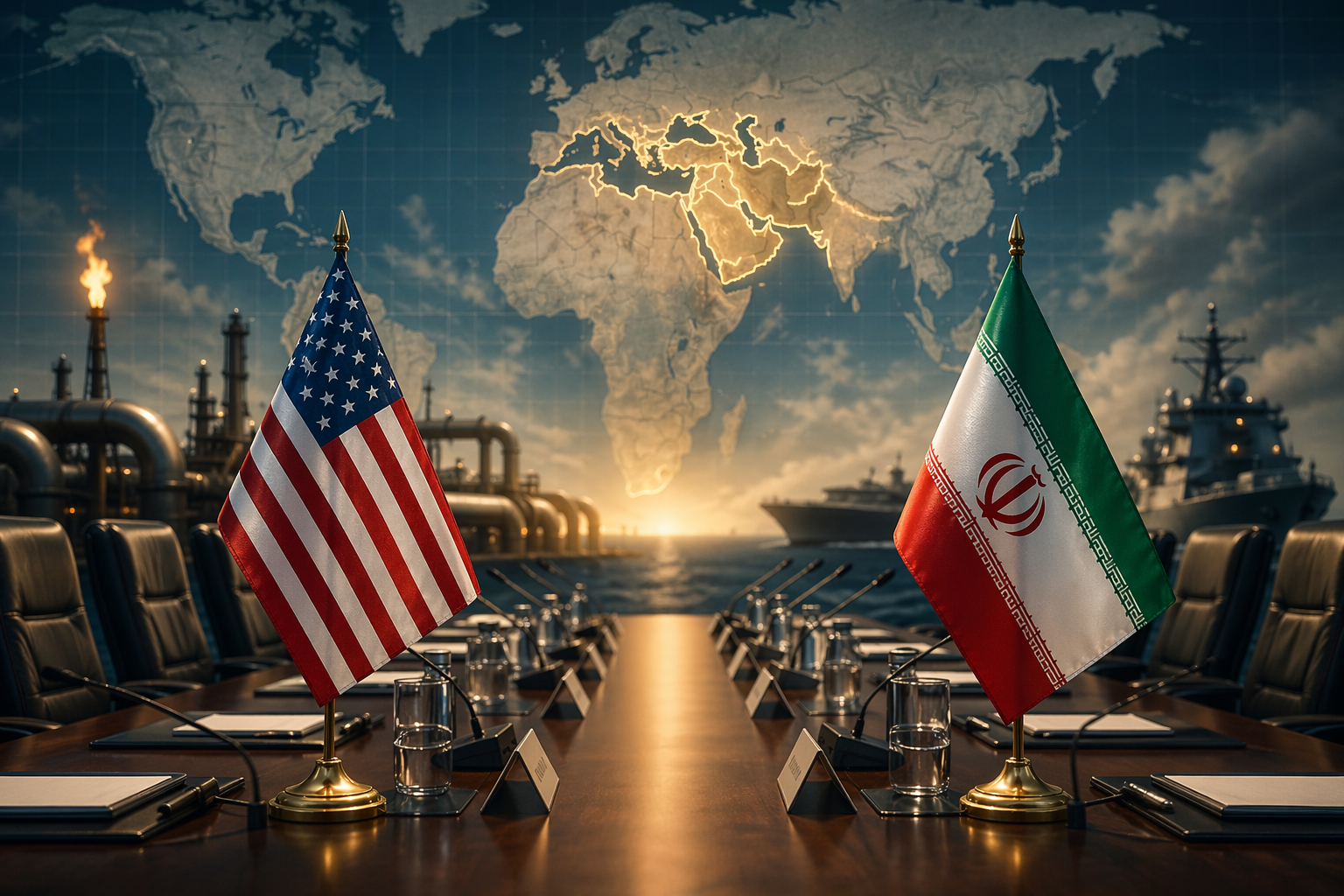
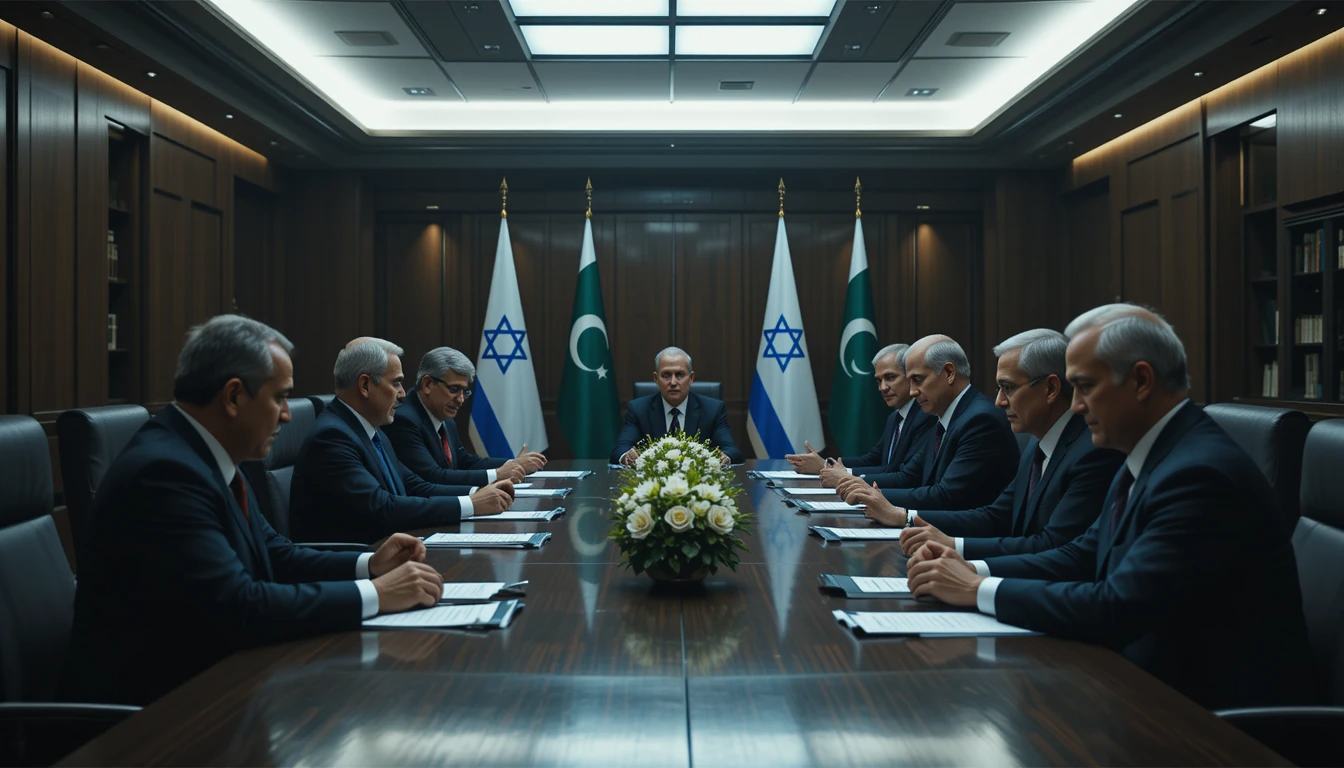
Over recent weeks, multiple rounds of ceasefire discussions and indirect negotiations have taken place. However, these efforts have produced no tangible agreement.
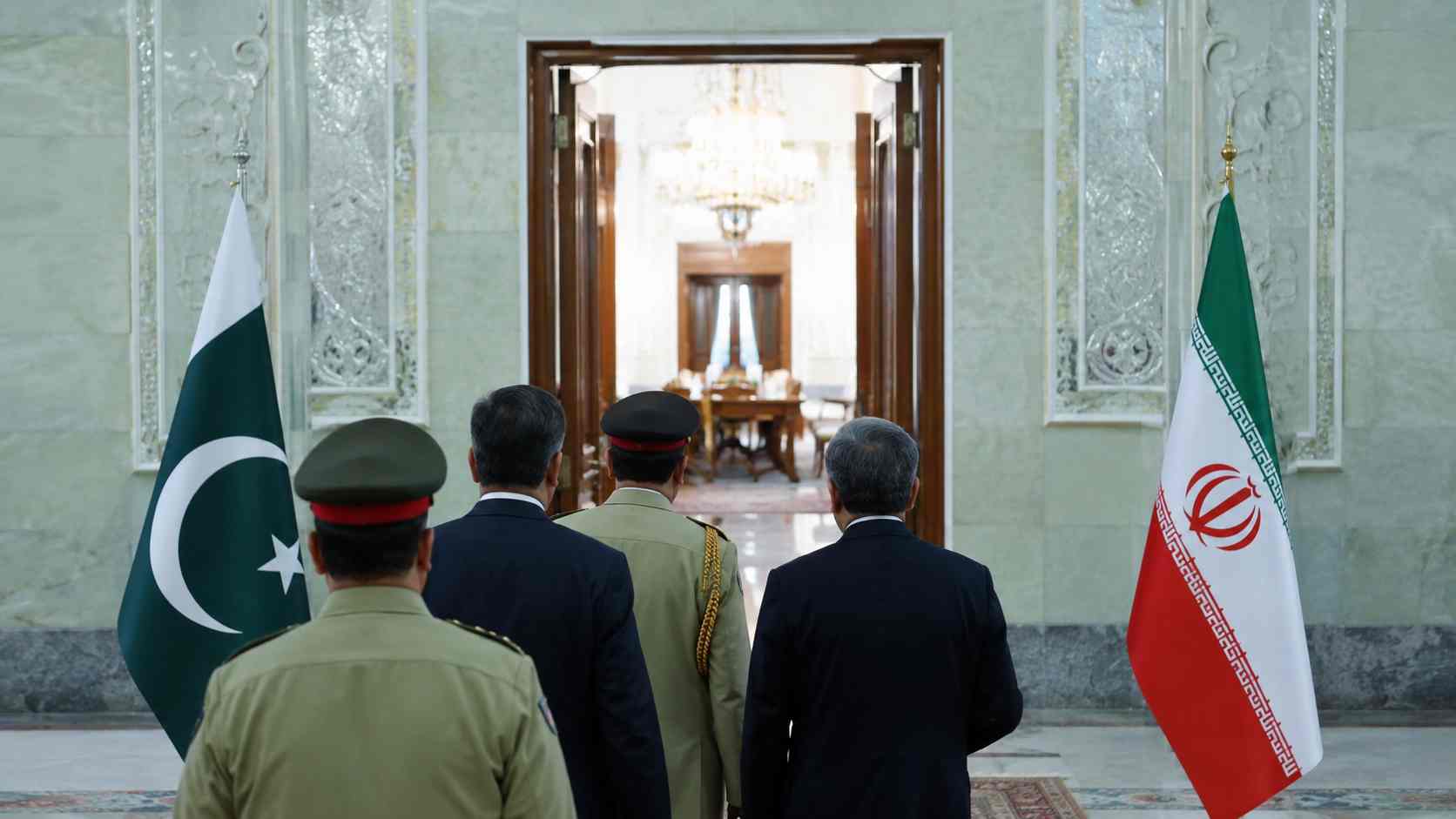
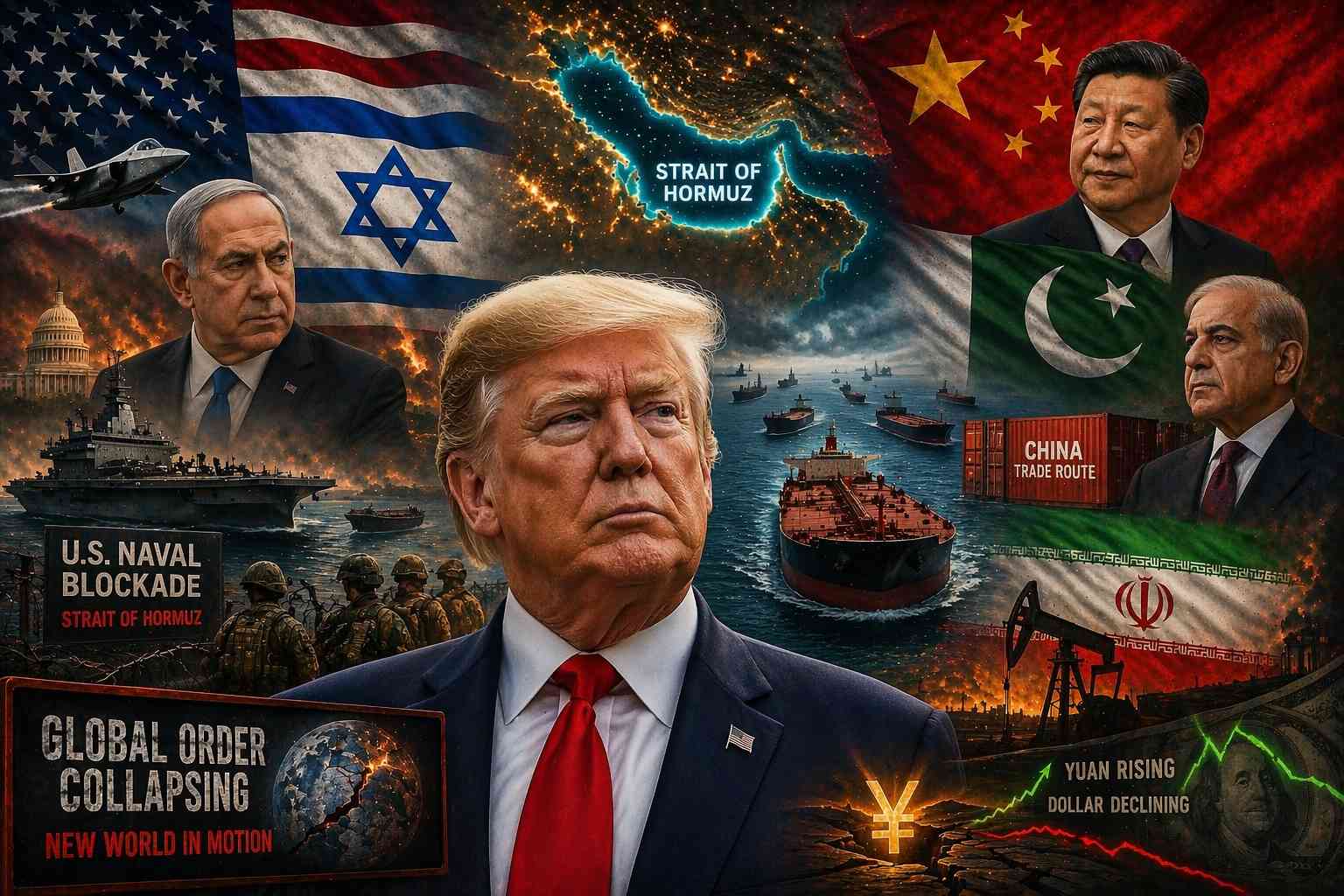
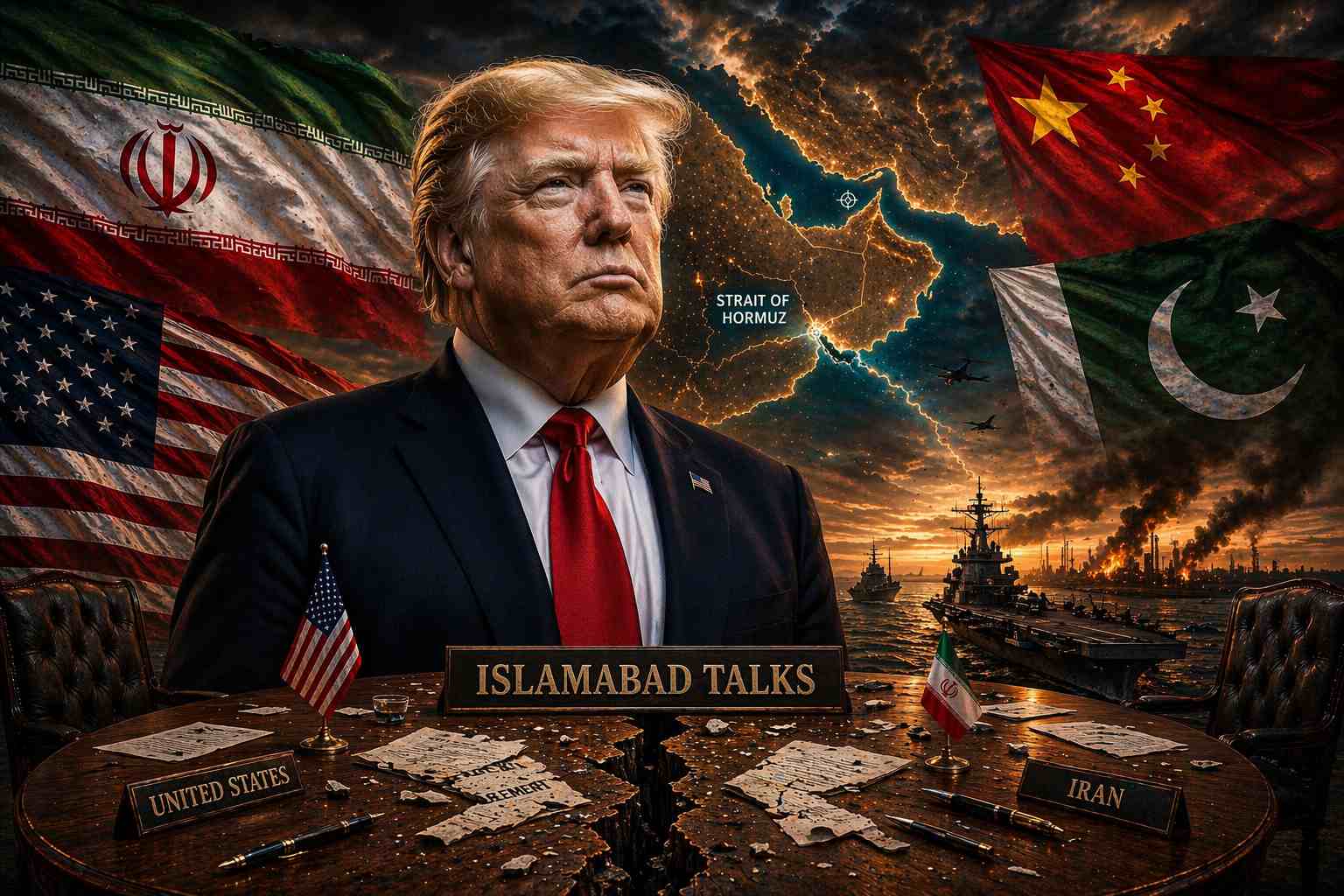
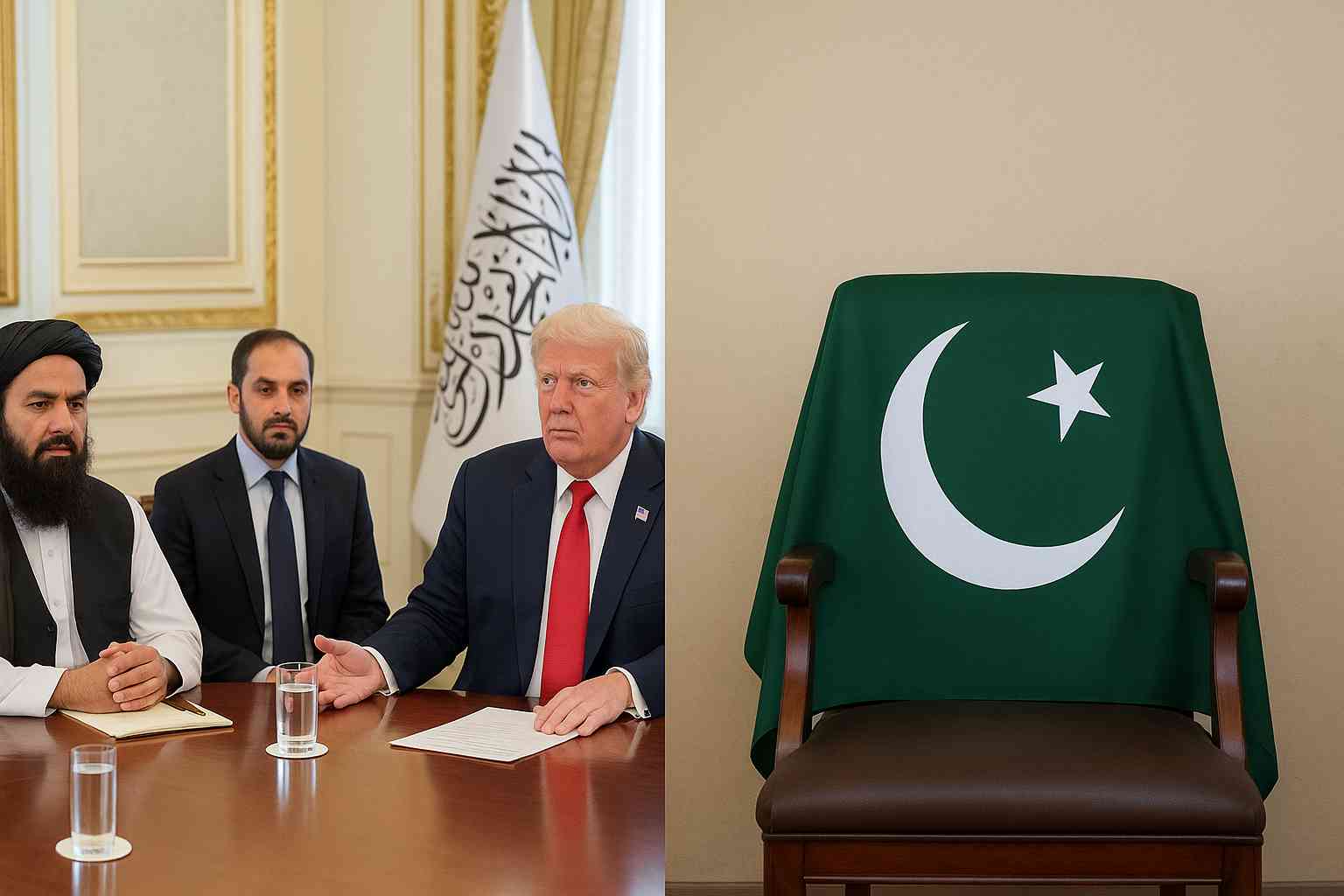
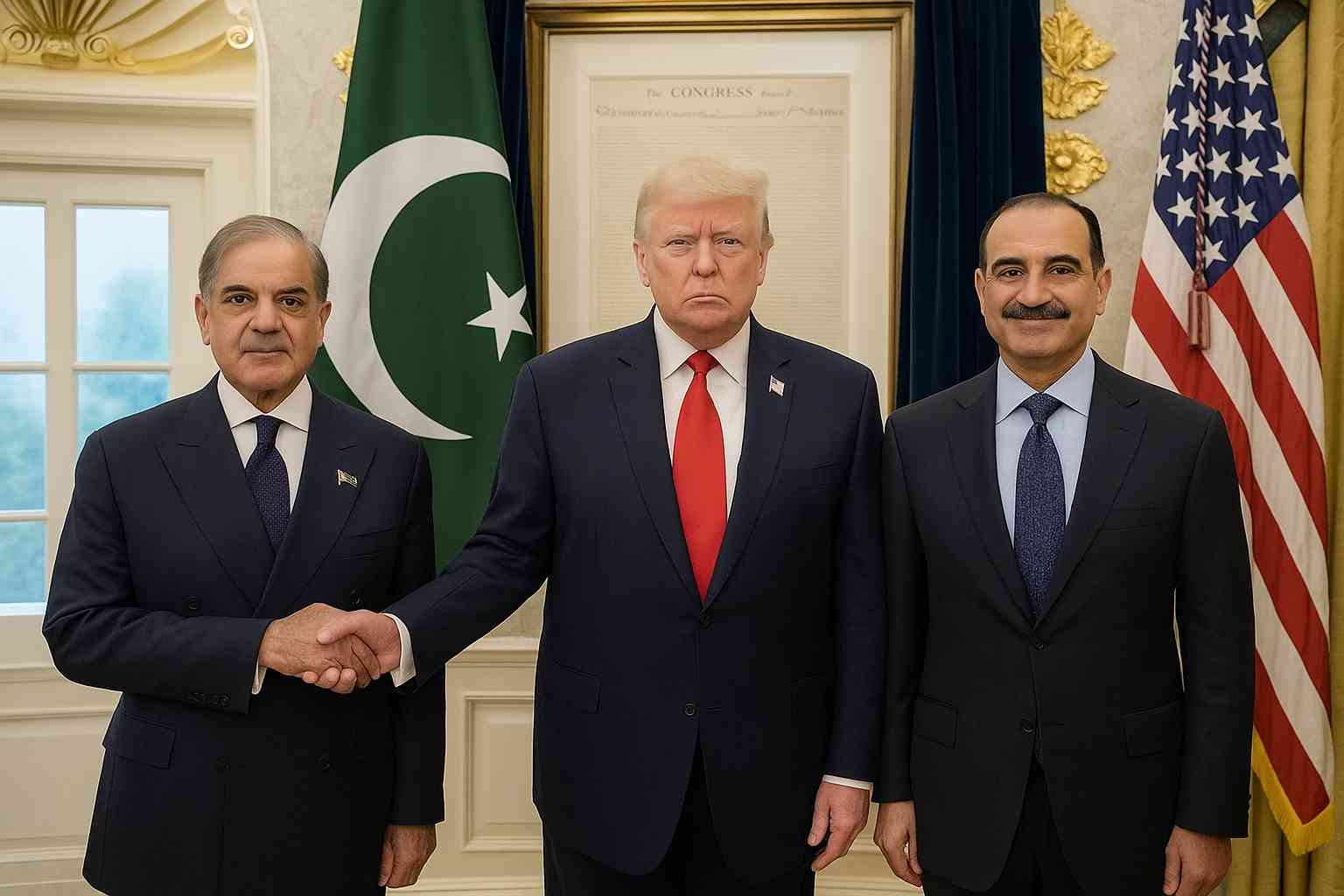
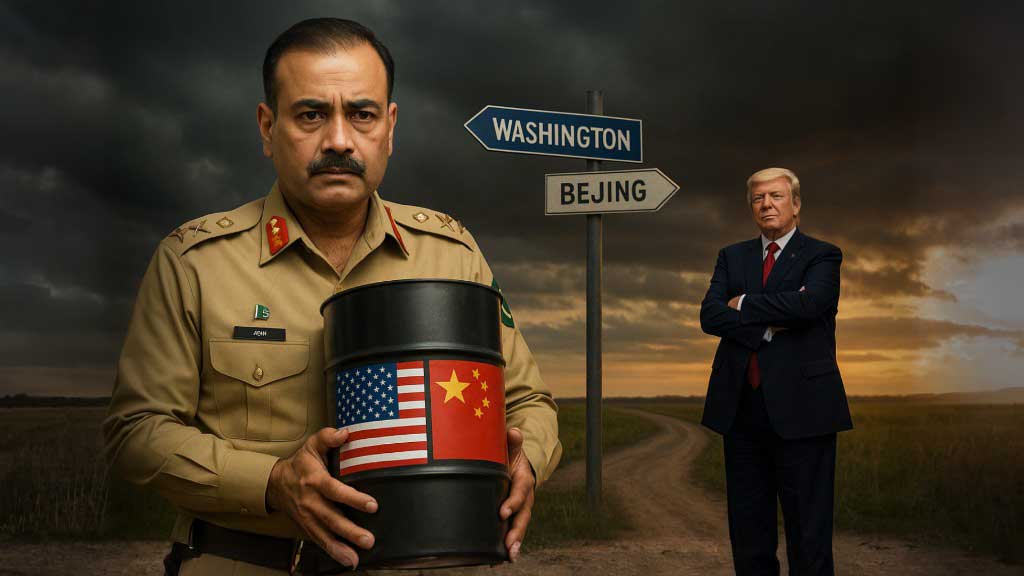
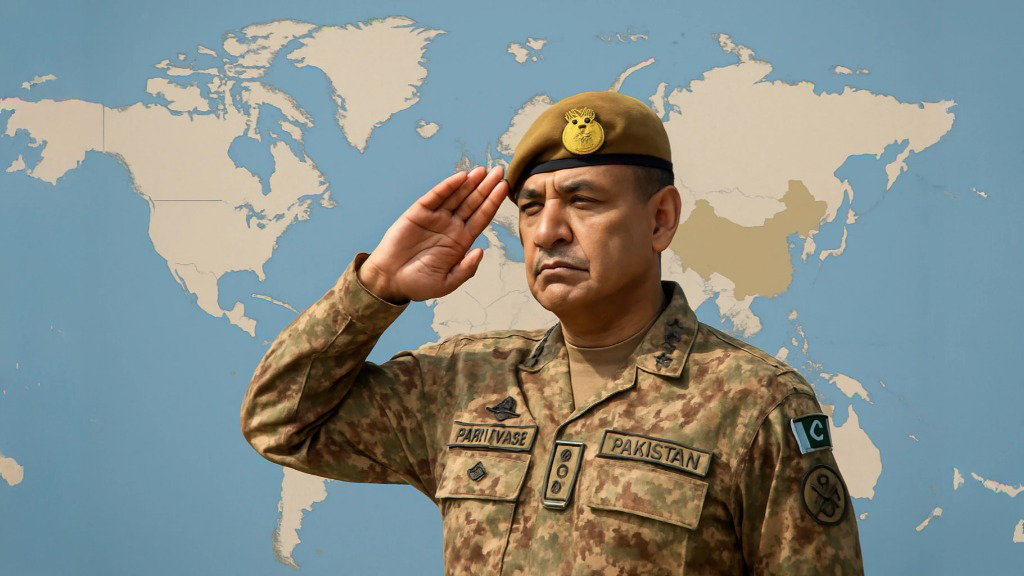
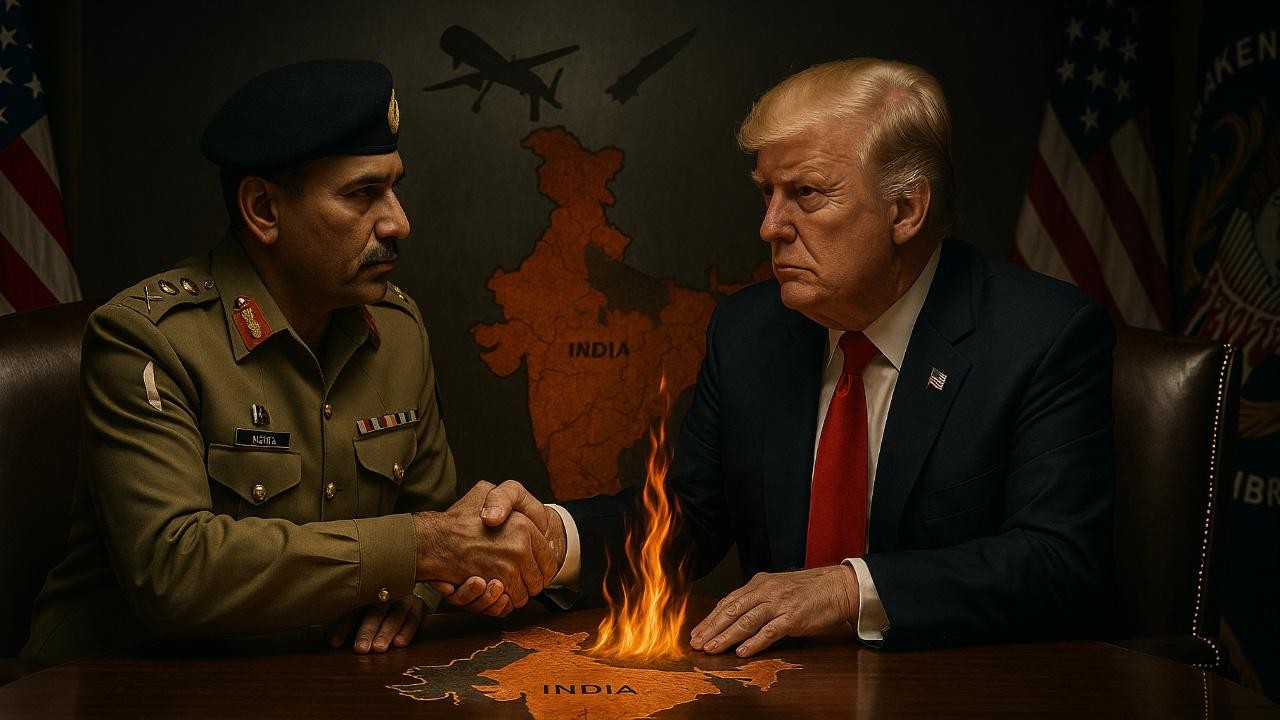
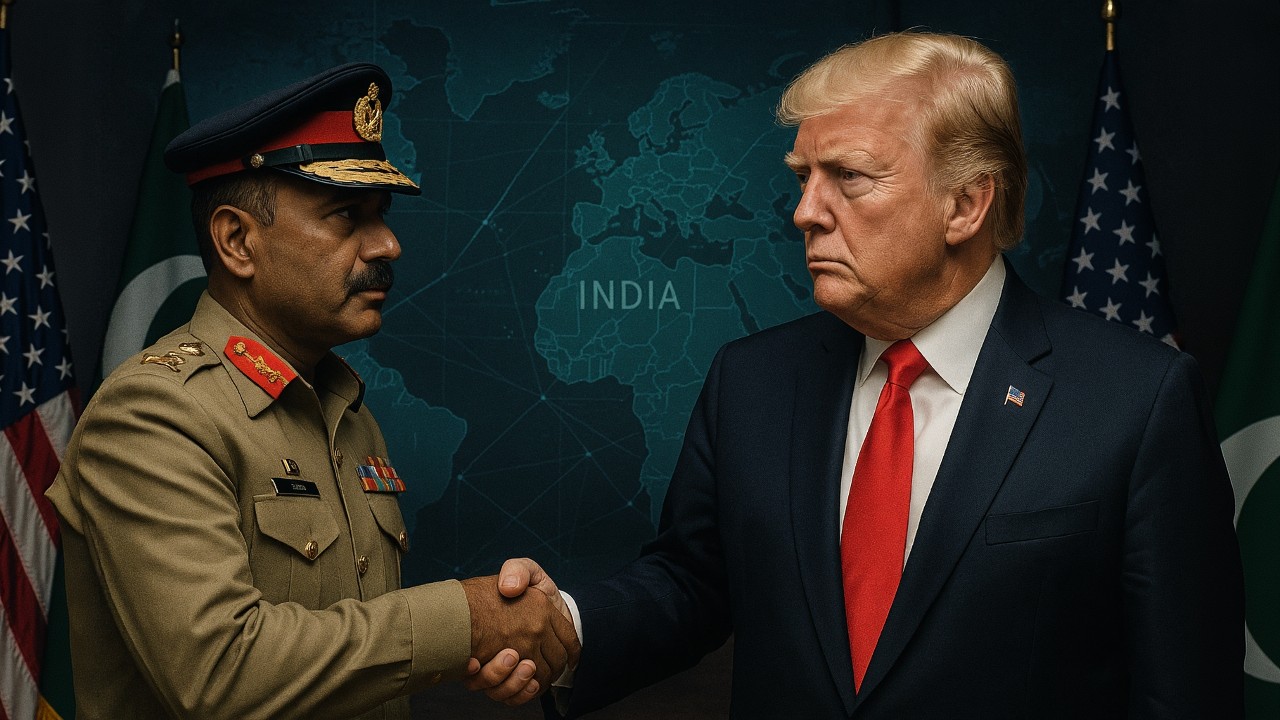
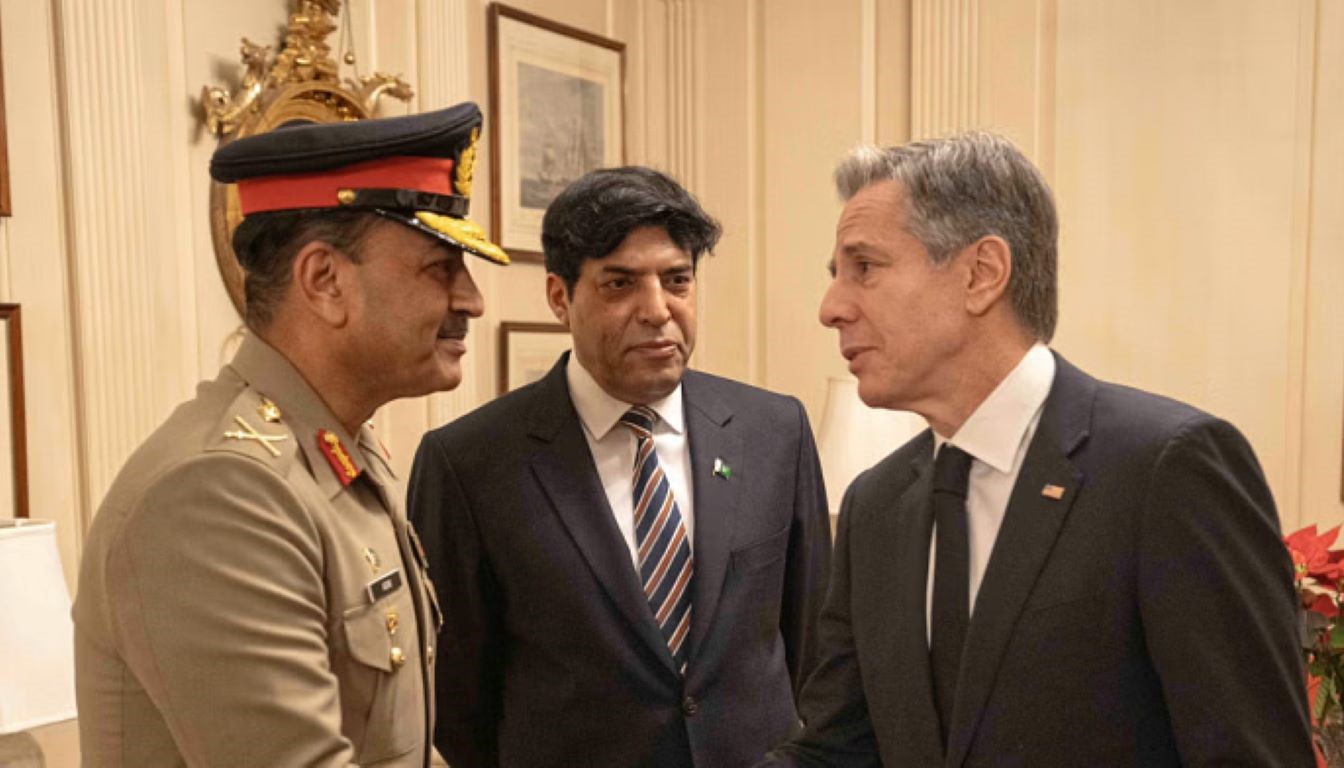
Instead, several proposals reportedly conveyed through intermediaries—including Pakistan—were rejected by Washington without detailed explanation.
This pattern has led analysts to question whether diplomacy was ever the primary objective. A growing view suggests that negotiations may have functioned as strategic cover, allowing time to reposition assets and finalize operational planning.
Within the framework of US Iran attack escalation 2026, this interpretation highlights the dual-track nature of modern conflict—where diplomacy and military preparation often proceed simultaneously.
Operation Framing and Maritime Justification
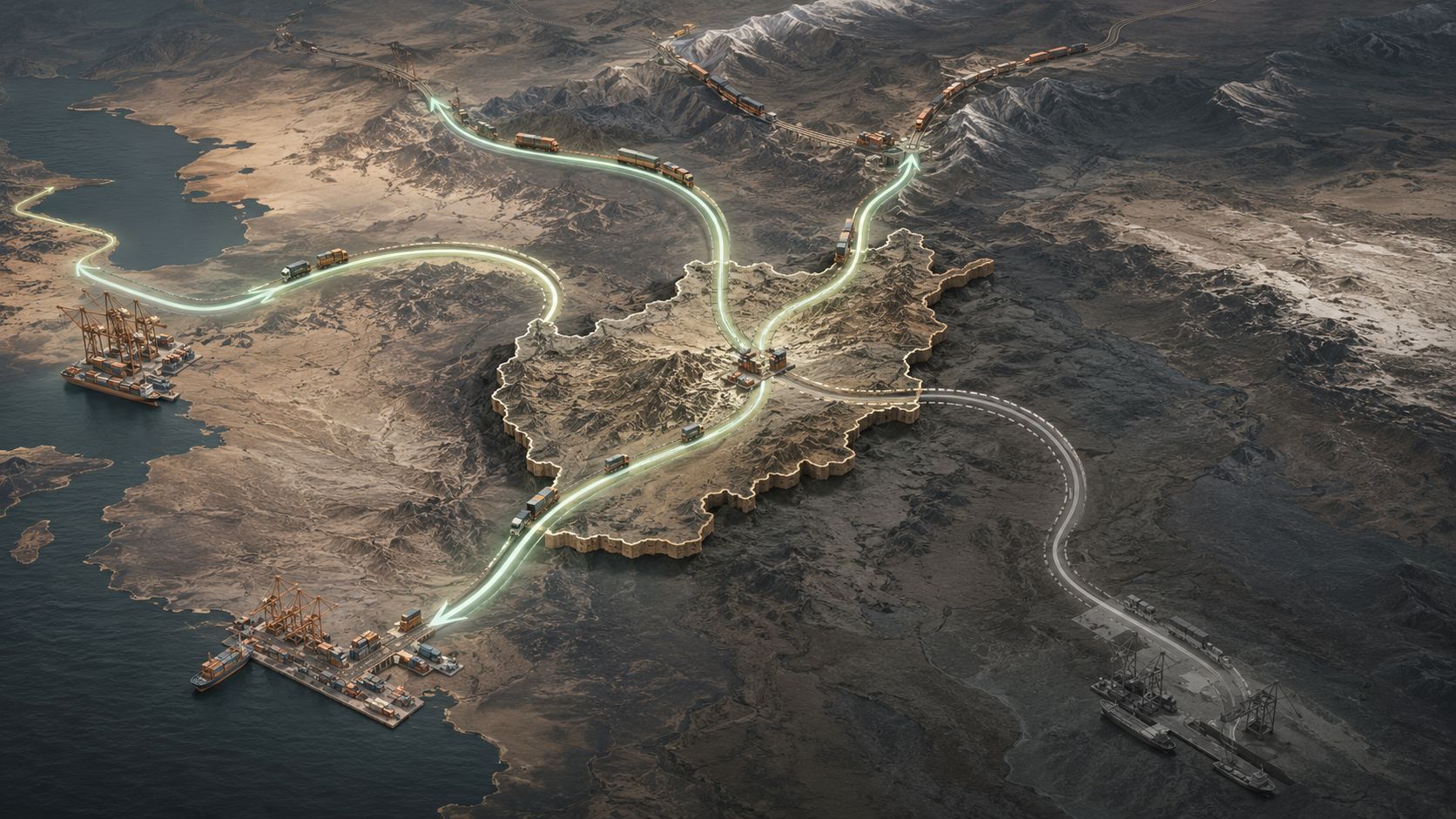
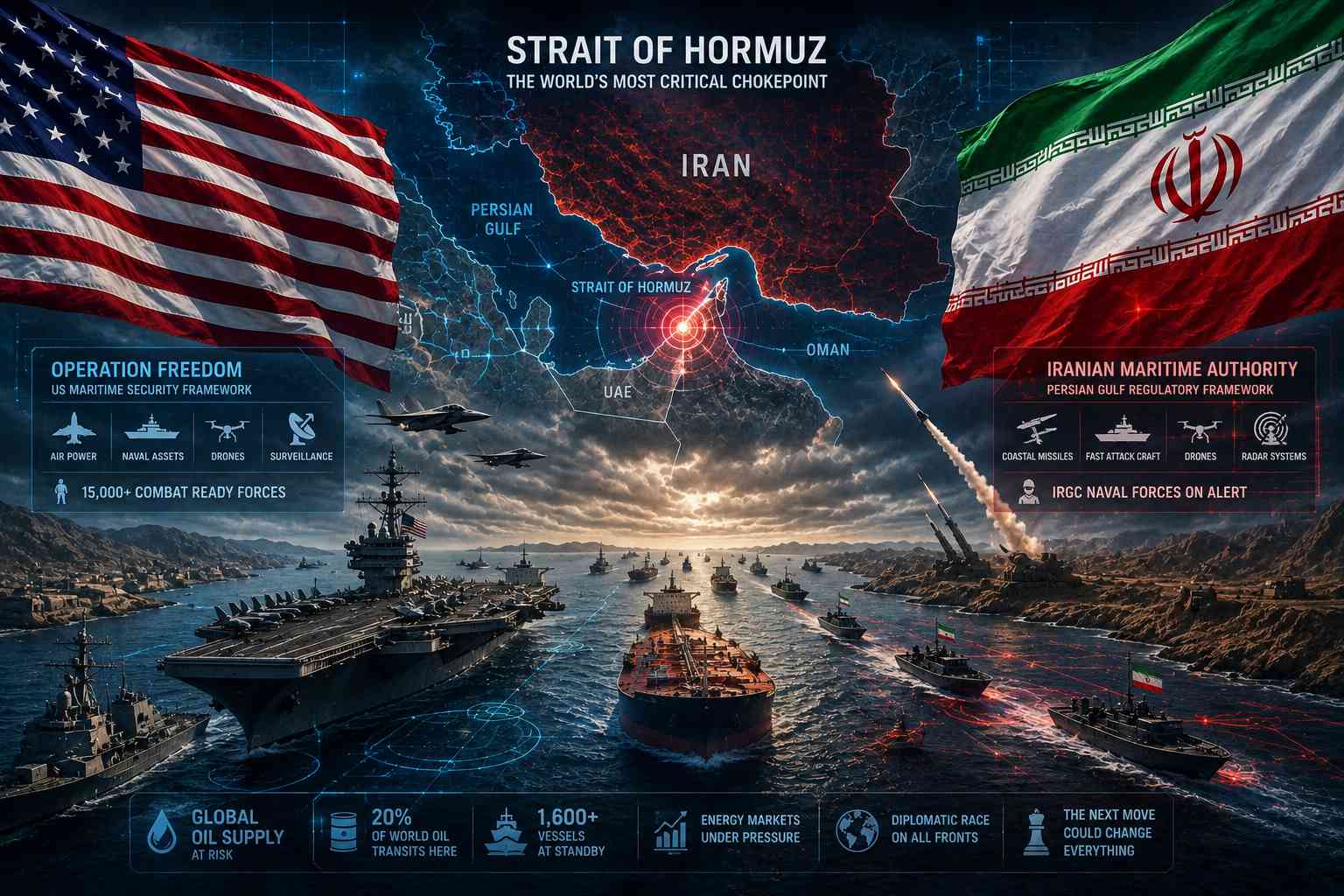
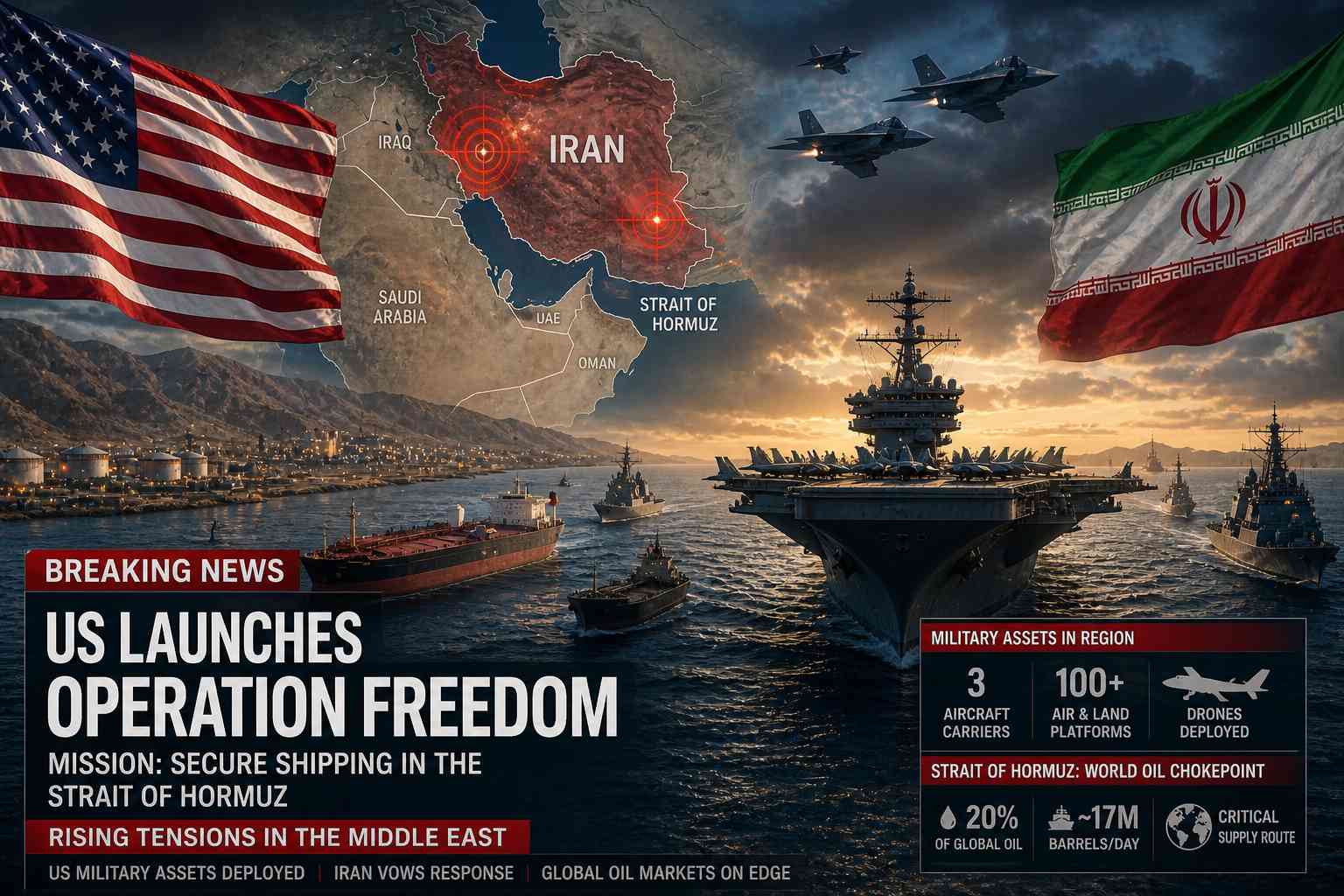
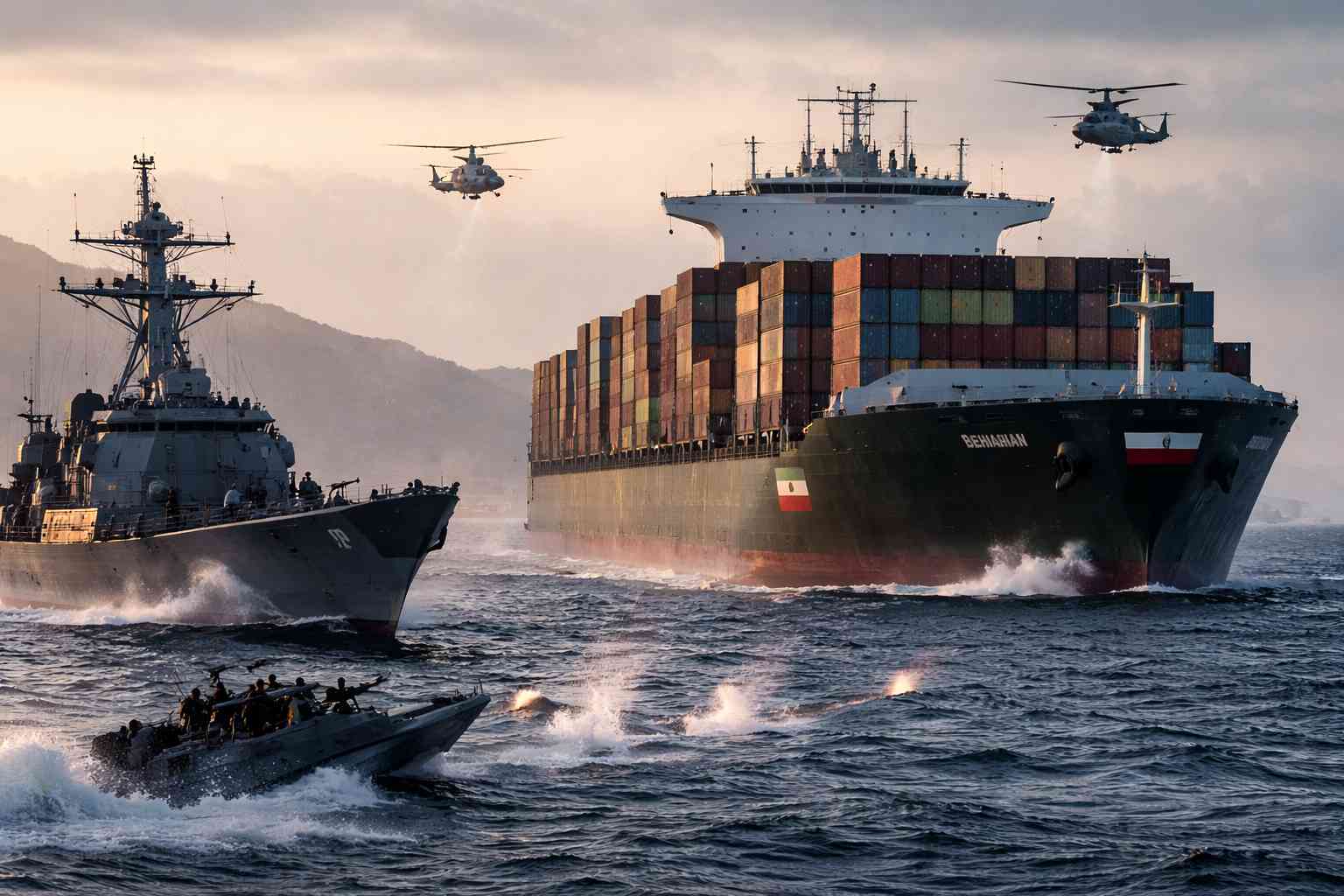
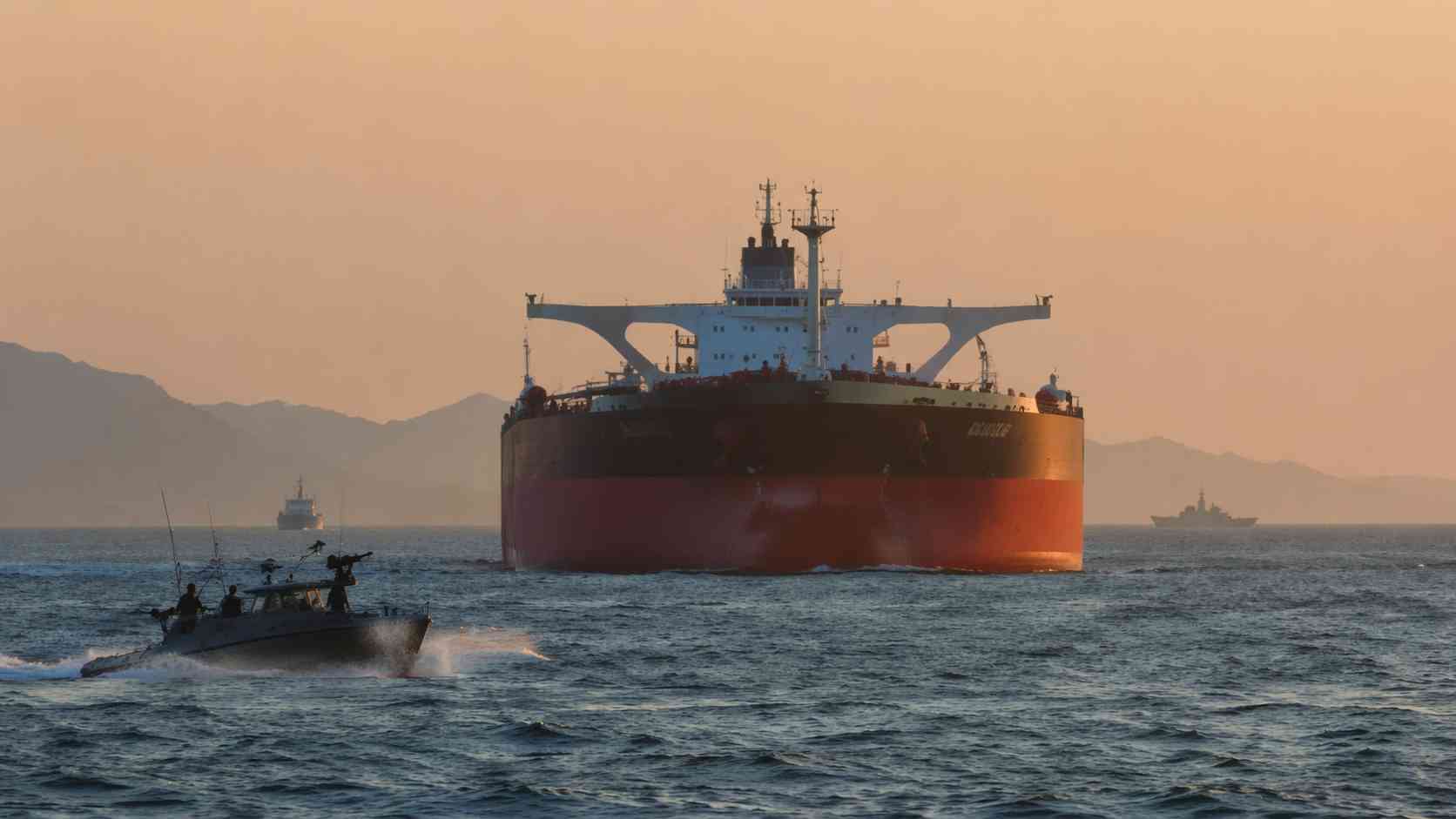
A key development came with the announcement of a proposed operation framed around humanitarian and logistical concerns. US leadership highlighted the plight of stranded vessels in the Strait of Hormuz, citing shortages of essential supplies as justification for intervention.
While the stated objective is to secure maritime routes, several critical questions remain unanswered:
- How would such an operation proceed without Iranian coordination?
- What rules of engagement would apply in contested waters?
- How would escalation be contained if Iran responds?
These uncertainties reinforce concerns that the operation could act as a trigger rather than a stabilizing measure.
Military Positioning and Escalation Risks
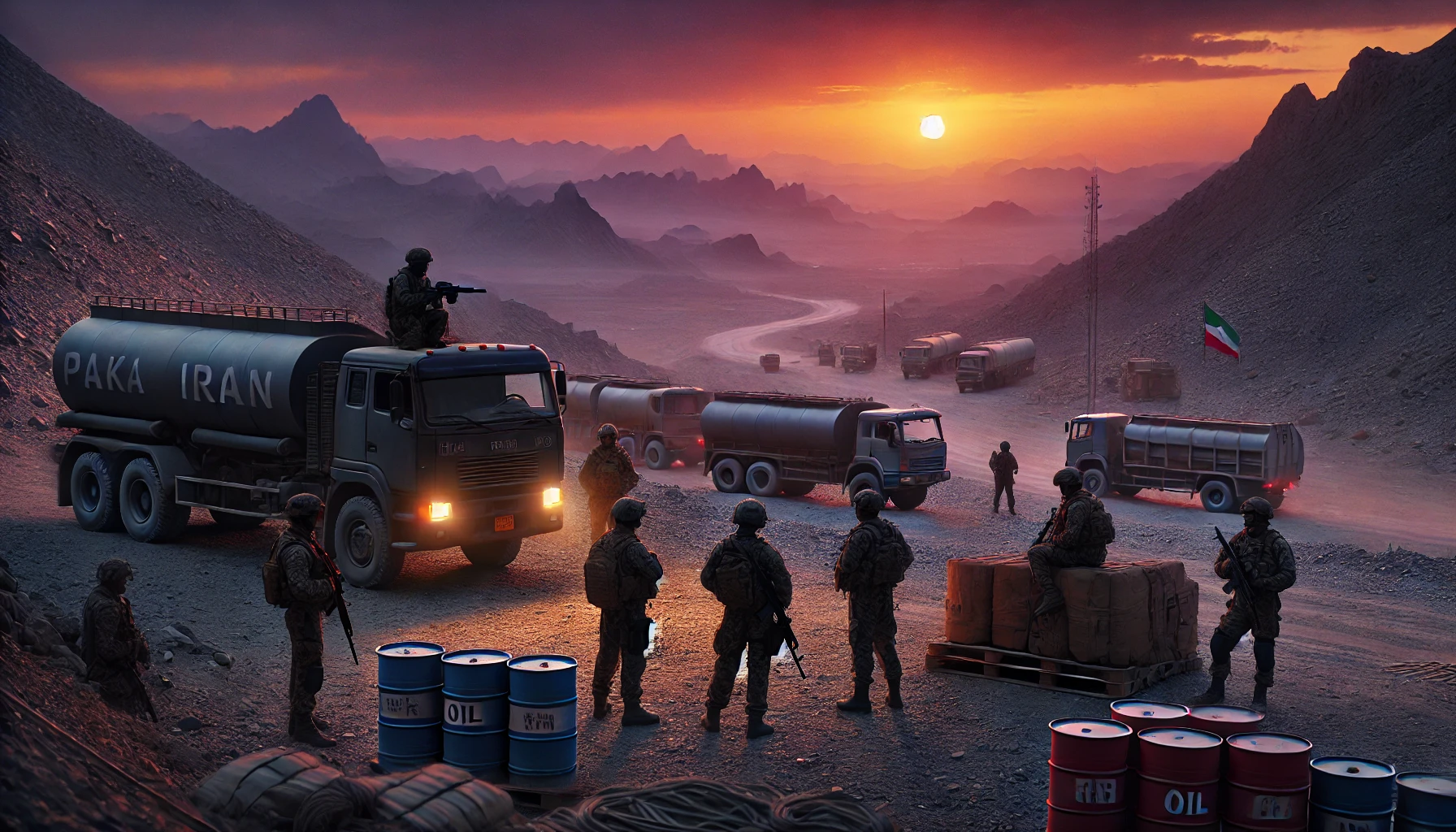
Available information suggests that a wide range of military platforms may be involved, including land-based systems, aerial assets, and naval components.
Reports also indicate the presence of multiple US aircraft carriers in the region, capable of launching coordinated strikes against Iranian coastal and military infrastructure.
The structure of this deployment suggests a phased approach:
- Initial operational maneuver in contested waters
- Anticipated Iranian response
- Expanded military engagement under pre-established conditions
This sequence aligns with historical patterns of escalation, where limited actions create conditions for broader intervention.
Strait of Hormuz as a Strategic Flashpoint
The Strait of Hormuz remains central to the unfolding situation. As a critical chokepoint for global energy flows, any disruption carries immediate economic consequences.
There are indications that attempts may be made to provoke a reaction that could justify expanded operations.
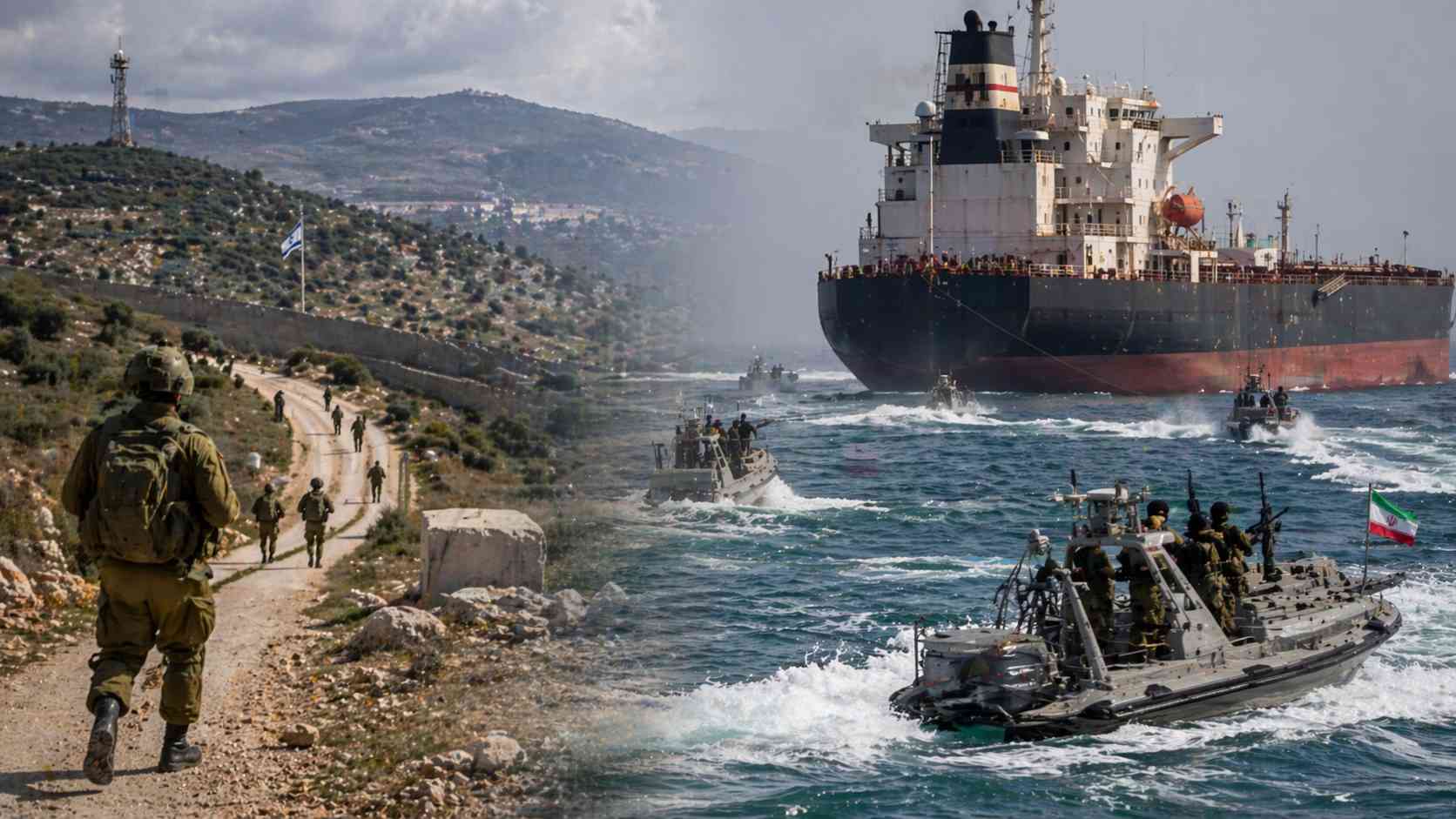
At the same time, Iranian responses could range from targeted disruption of shipping routes to broader defensive measures. Even limited interference has the potential to escalate rapidly, given the concentration of military assets in the area.
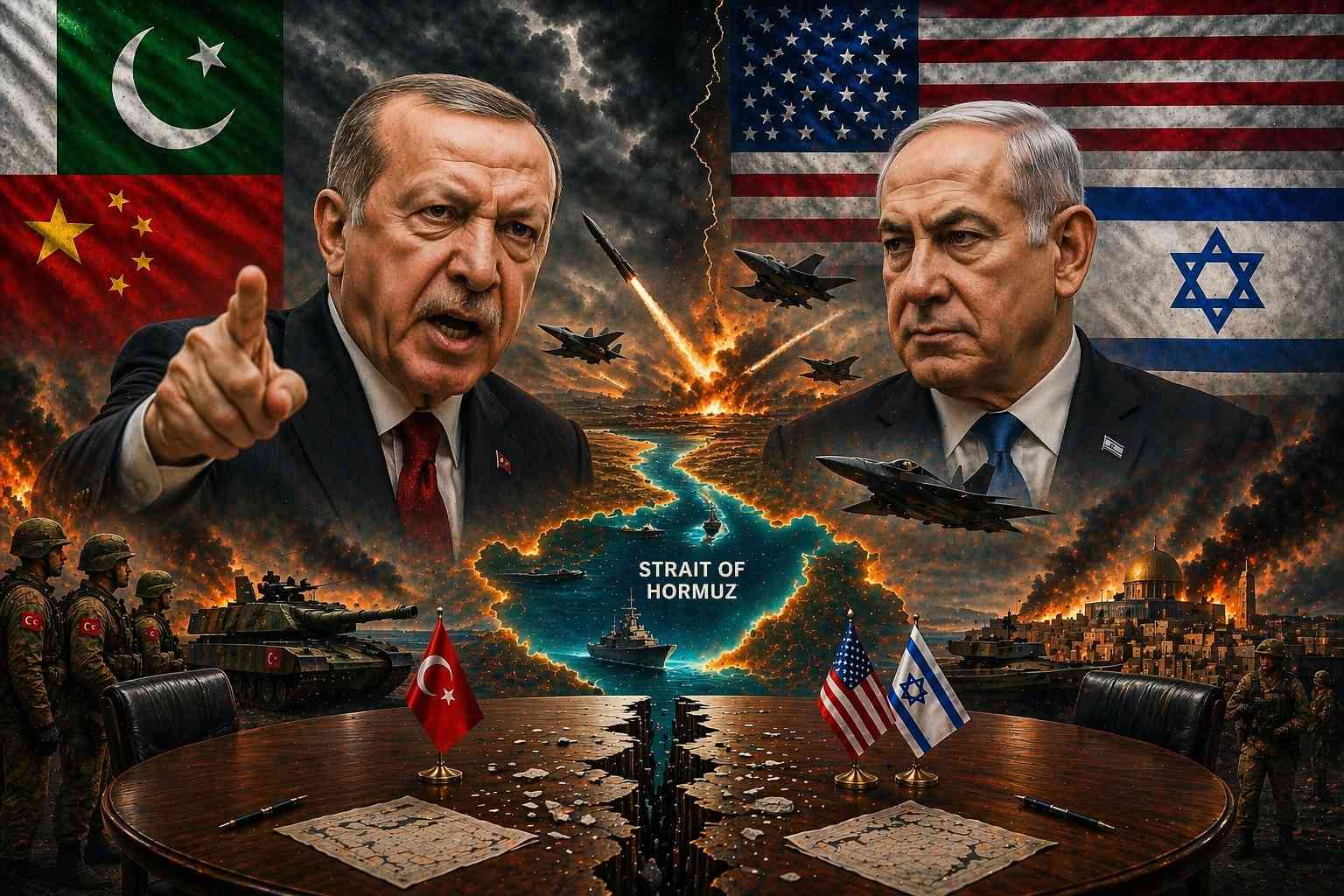
Within the context of US Iran attack escalation 2026, the Strait functions as both a strategic objective and a potential trigger point.
Timing and Strategic Objectives
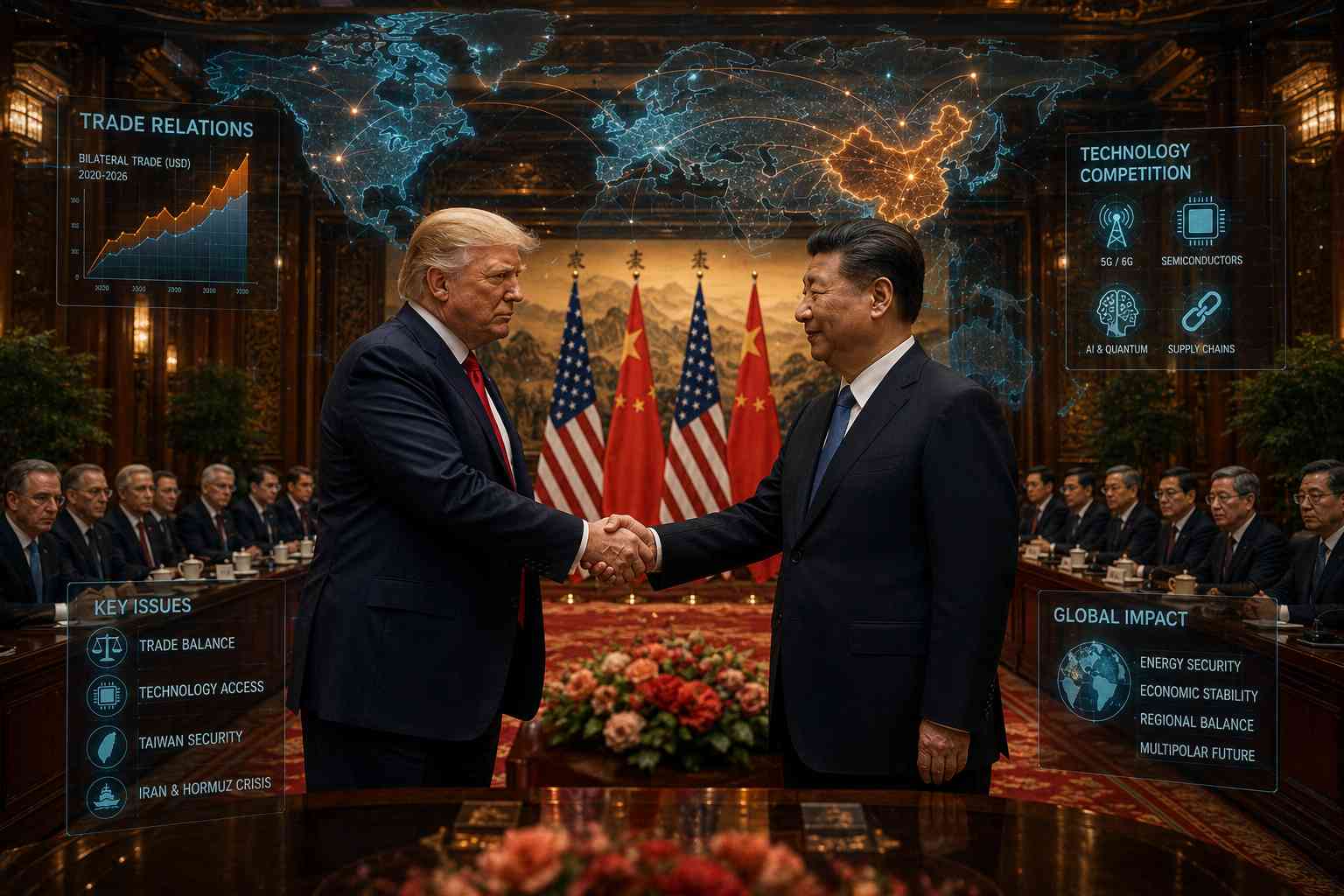
The timing of these developments is not incidental. Upcoming high-level diplomatic engagements, including a planned meeting between US and Chinese leadership, may be influencing decision-making.
There is a perception that resolving—or at least reshaping—the Iran issue before such engagements could strengthen the US negotiating position on the global stage.
This introduces an additional layer of strategic calculation, where regional conflict intersects with broader great-power competition.
Information Gaps and Narrative Control
Despite the scale of potential operations, official details remain limited. This lack of transparency creates space for competing interpretations.
On one side, the narrative emphasizes humanitarian intervention and maritime security. On the other, analysts point to patterns consistent with pre-planned escalation.
This gap between official framing and analytical interpretation is a defining feature of the US Iran attack escalation 2026 narrative.
Conclusion: A Controlled Trigger or Uncontrolled Conflict?
The unfolding situation suggests that the region may be entering a phase where controlled actions carry the risk of uncontrolled consequences.
If current assessments are accurate, the next stage of US Iran attack escalation 2026 could be shaped less by initial intent and more by subsequent reactions. Once engagement begins, the ability to manage escalation may diminish rapidly.
For now, the situation remains fluid. However, the alignment of military readiness, strategic timing, and ambiguous diplomatic signals indicates that the coming hours could prove decisive.