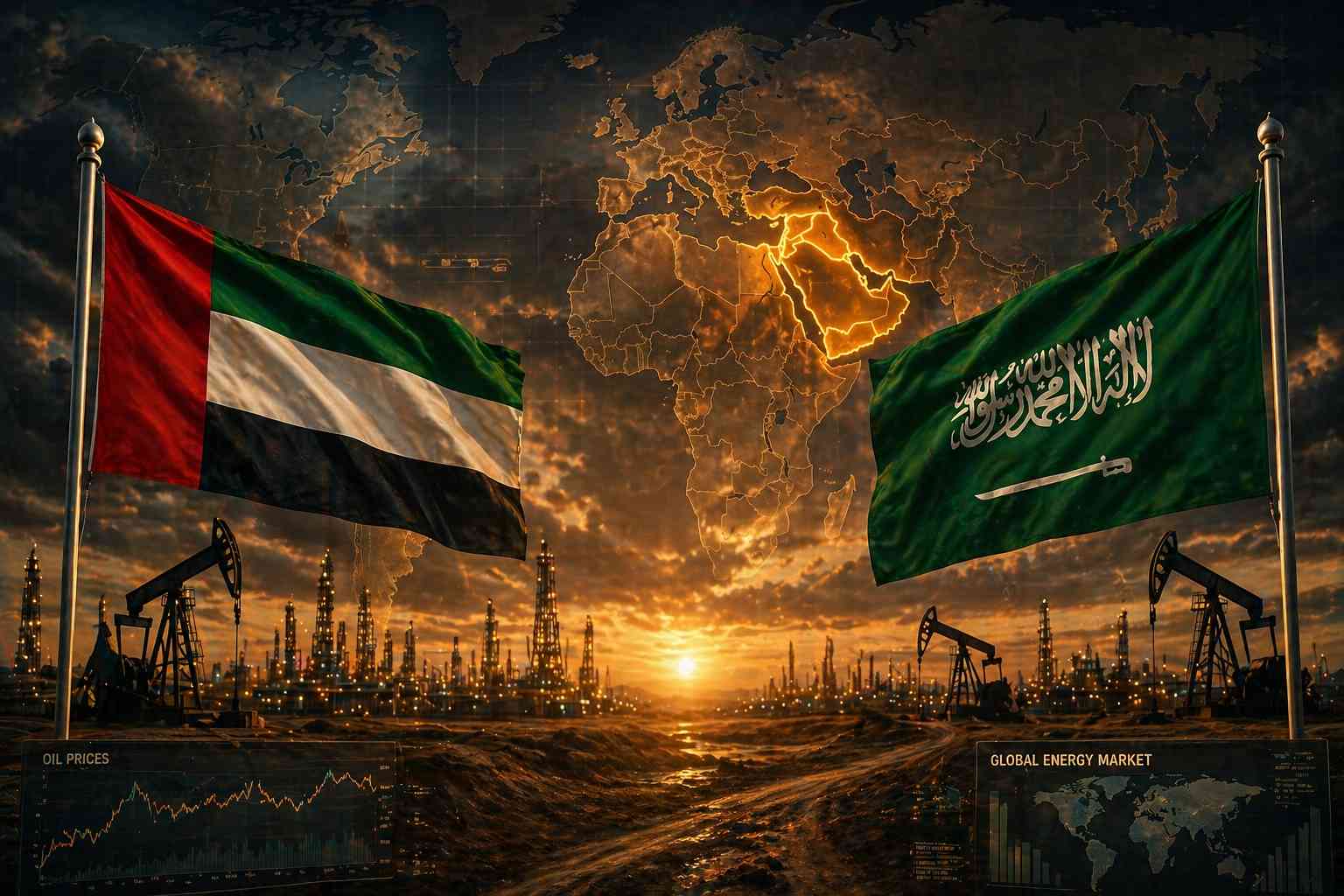
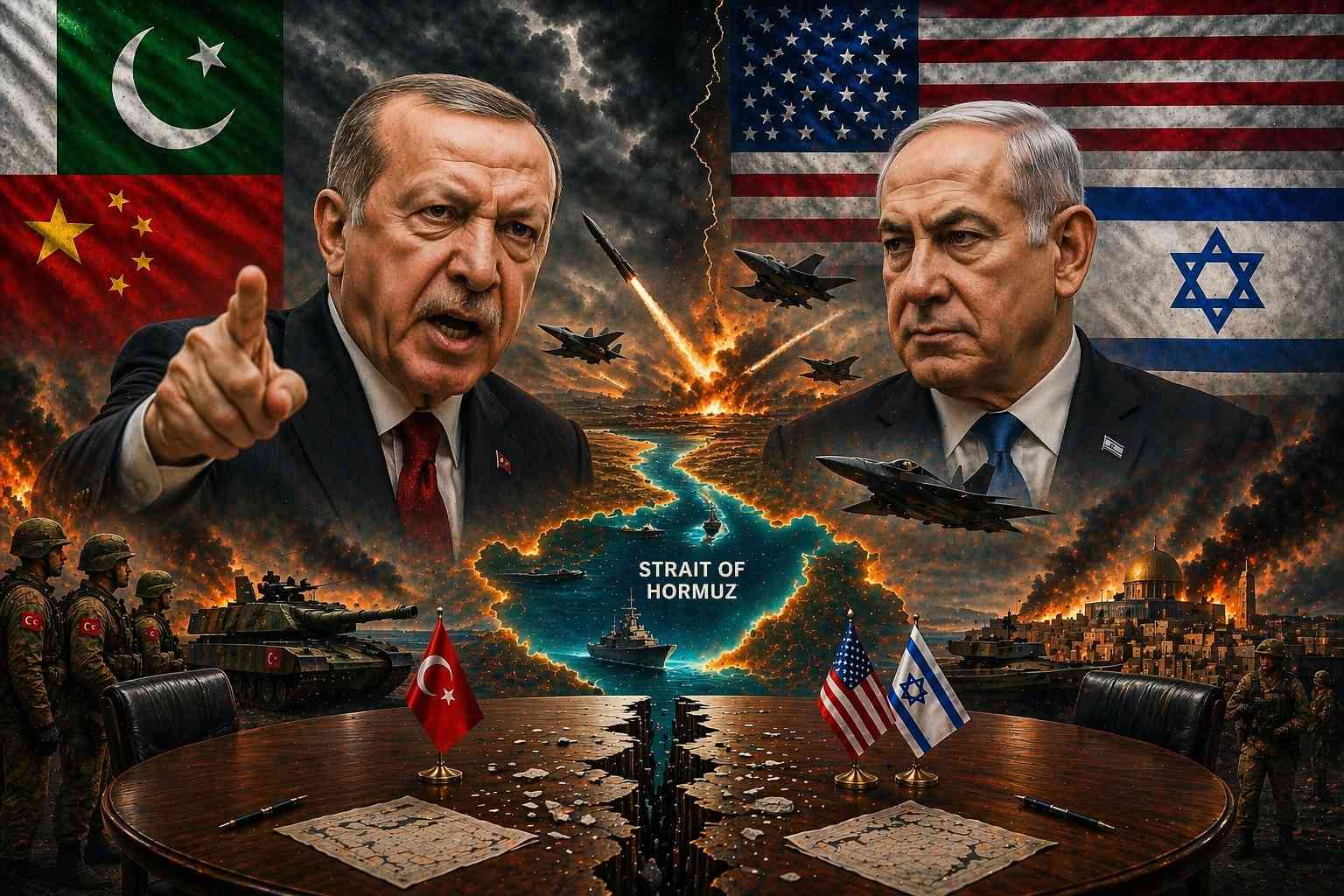
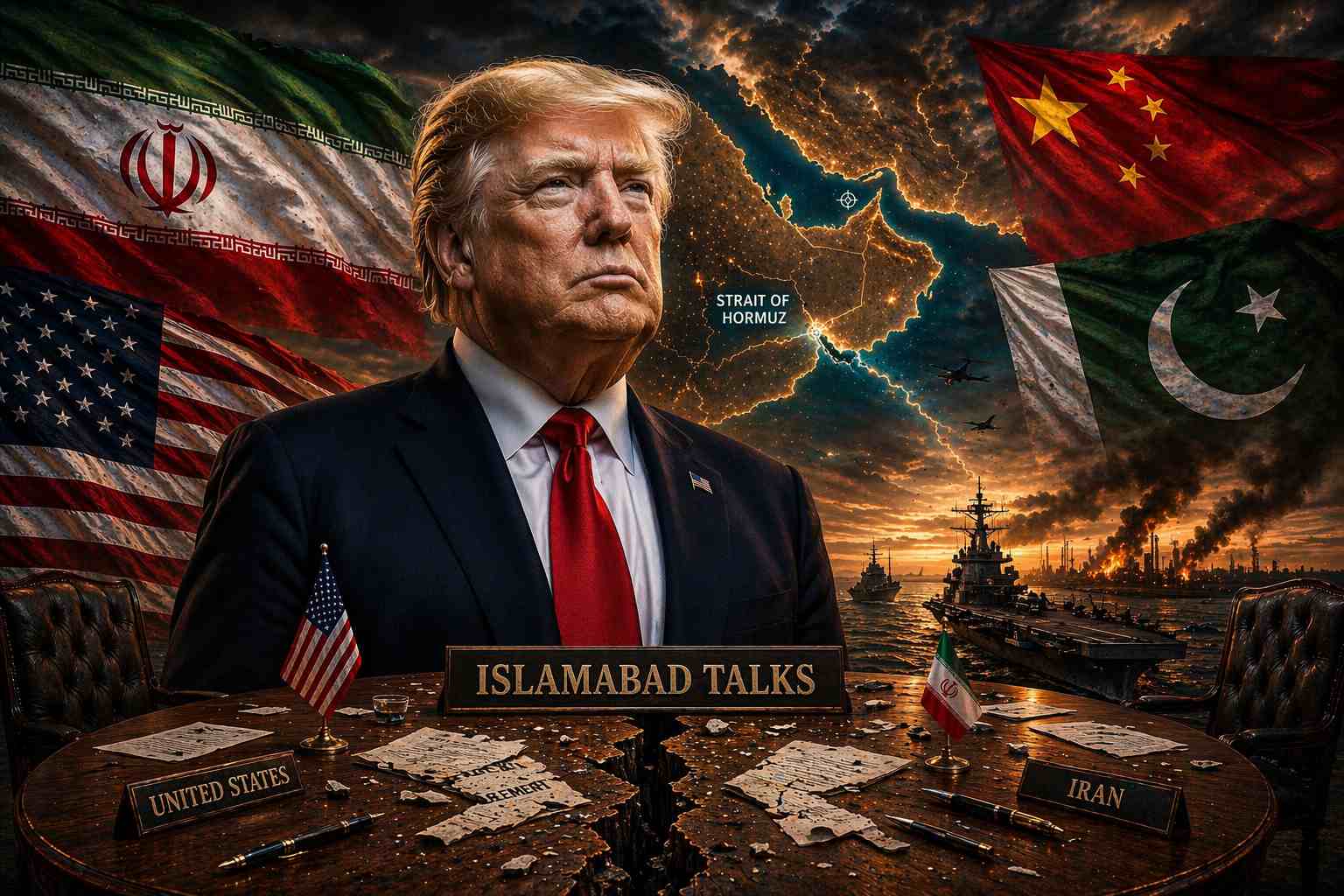
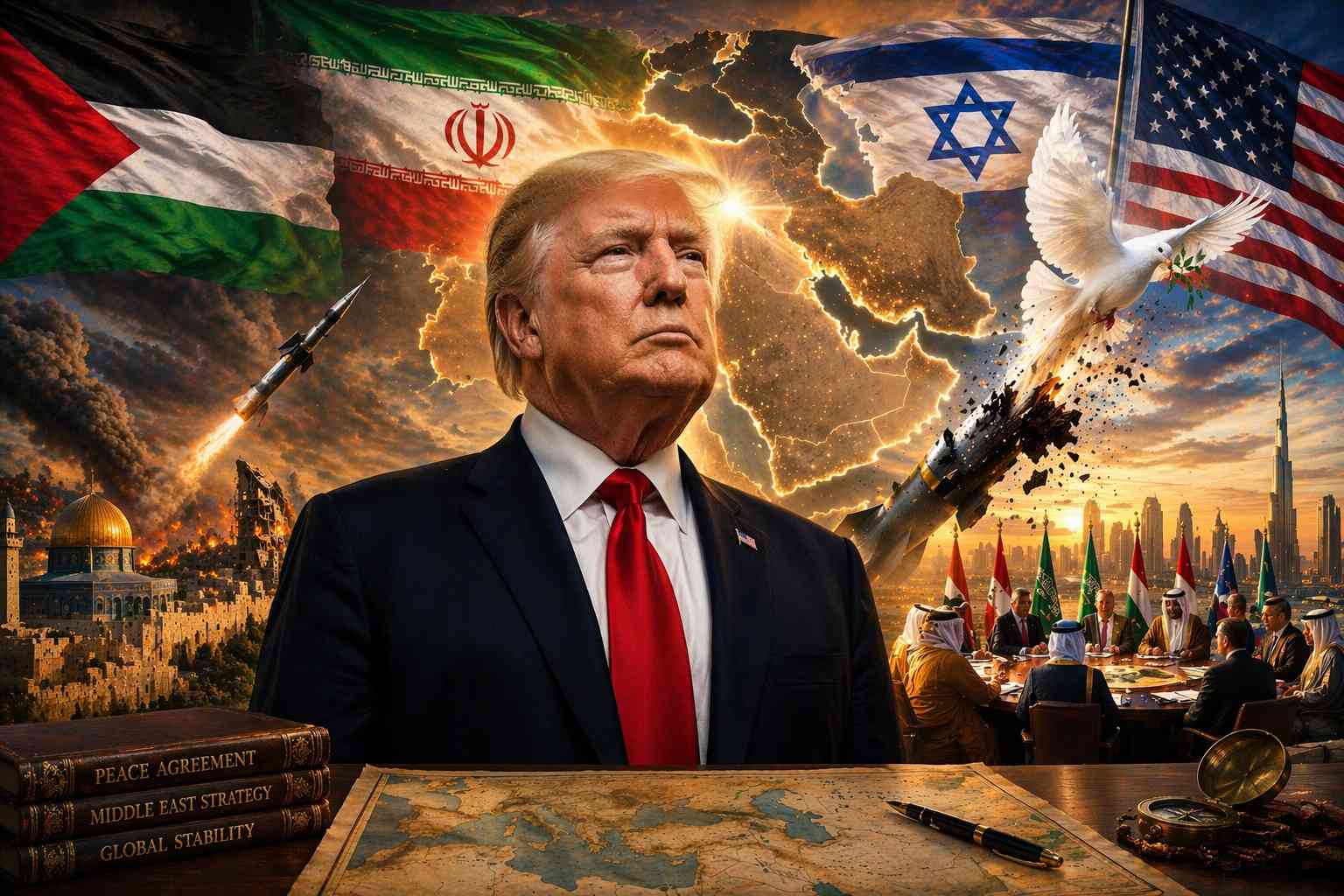
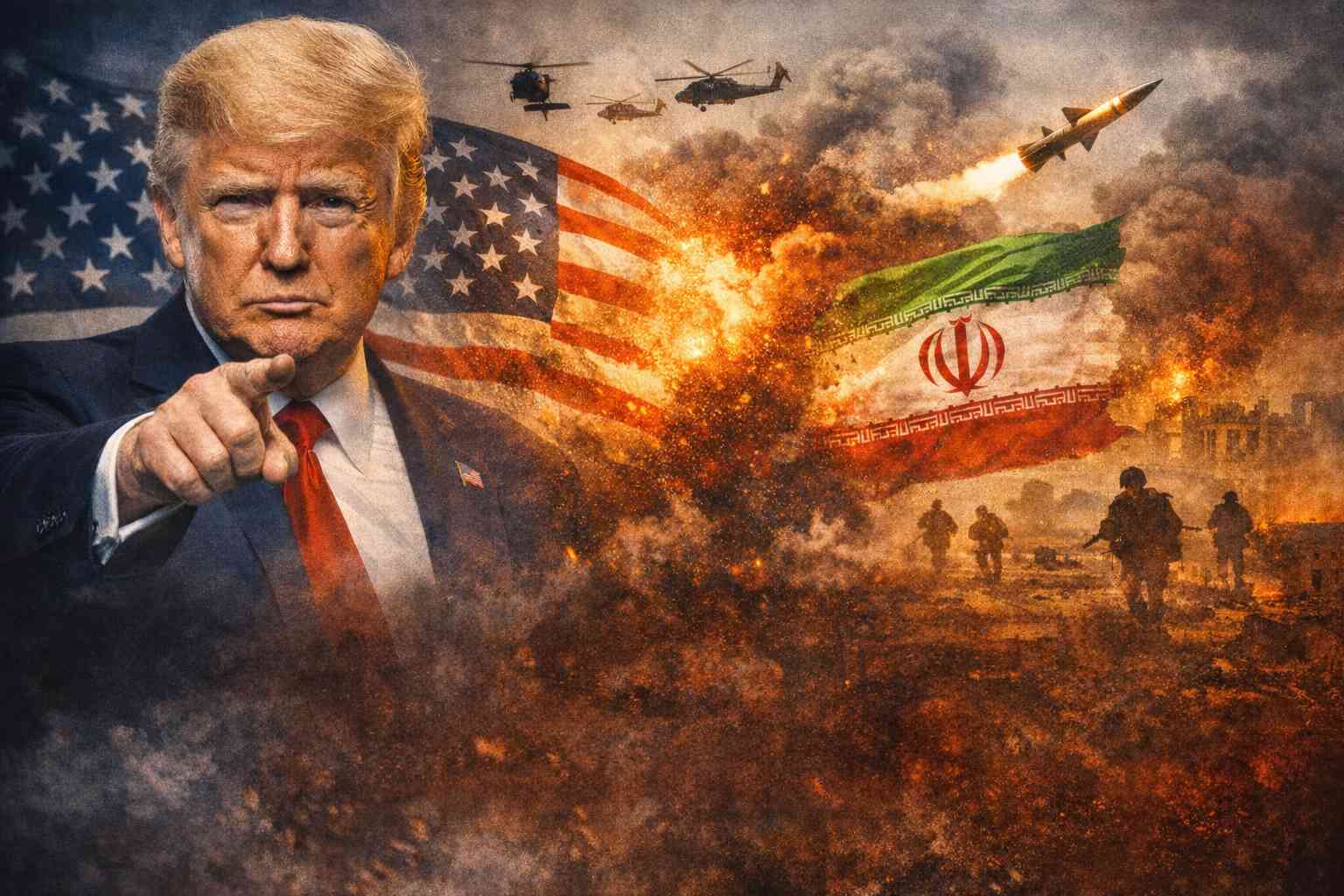
The decision that UAE leaves OPEC 2026 marks one of the most significant shifts in global energy politics in recent years. Announced at a moment of heightened regional tension, the move signals more than a disagreement over oil quotas. It reflects a deeper strategic divergence within the Gulf and a recalibration of long-standing alliances.
This development arrives at a time when the Middle East is already under pressure from geopolitical conflict, making its implications both immediate and far-reaching.
A Sudden Break with Global Consequences
The United Arab Emirates’ decision to exit OPEC and OPEC+ came abruptly, coinciding with a high-level Gulf Cooperation Council (GCC) meeting led by Saudi Crown Prince Mohammed bin Salman.
The timing was notable. While regional leaders gathered to project unity, Abu Dhabi chose to signal independence. For global markets, this was not a routine policy shift. It was interpreted as a structural break in one of the world’s most influential oil alliances.
Energy markets reacted quickly, recognizing that OPEC’s internal cohesion had been weakened further.
Economic Motives Behind the Decision
From the UAE’s perspective, the move is rooted in economic strategy. Officials argue that OPEC production quotas have constrained the country’s ability to maximize its output potential.
Before the current conflict, the UAE was among the top oil exporters within OPEC, producing around 3.6 million barrels per day and aiming to expand capacity to 5 million barrels per day by 2027.
This ambition clashes with Saudi Arabia’s long-term approach, which prioritizes controlled production to stabilize global oil prices over decades. The UAE, by contrast, appears to favor higher output and immediate revenue generation.
This divergence highlights a fundamental policy difference:
- Saudi Arabia: price stability and long-term market control
- UAE: volume expansion and economic diversification
Strategic Independence and Policy Shift
Beyond economics, the decision that UAE leaves OPEC 2026 reflects a broader shift in geopolitical strategy.
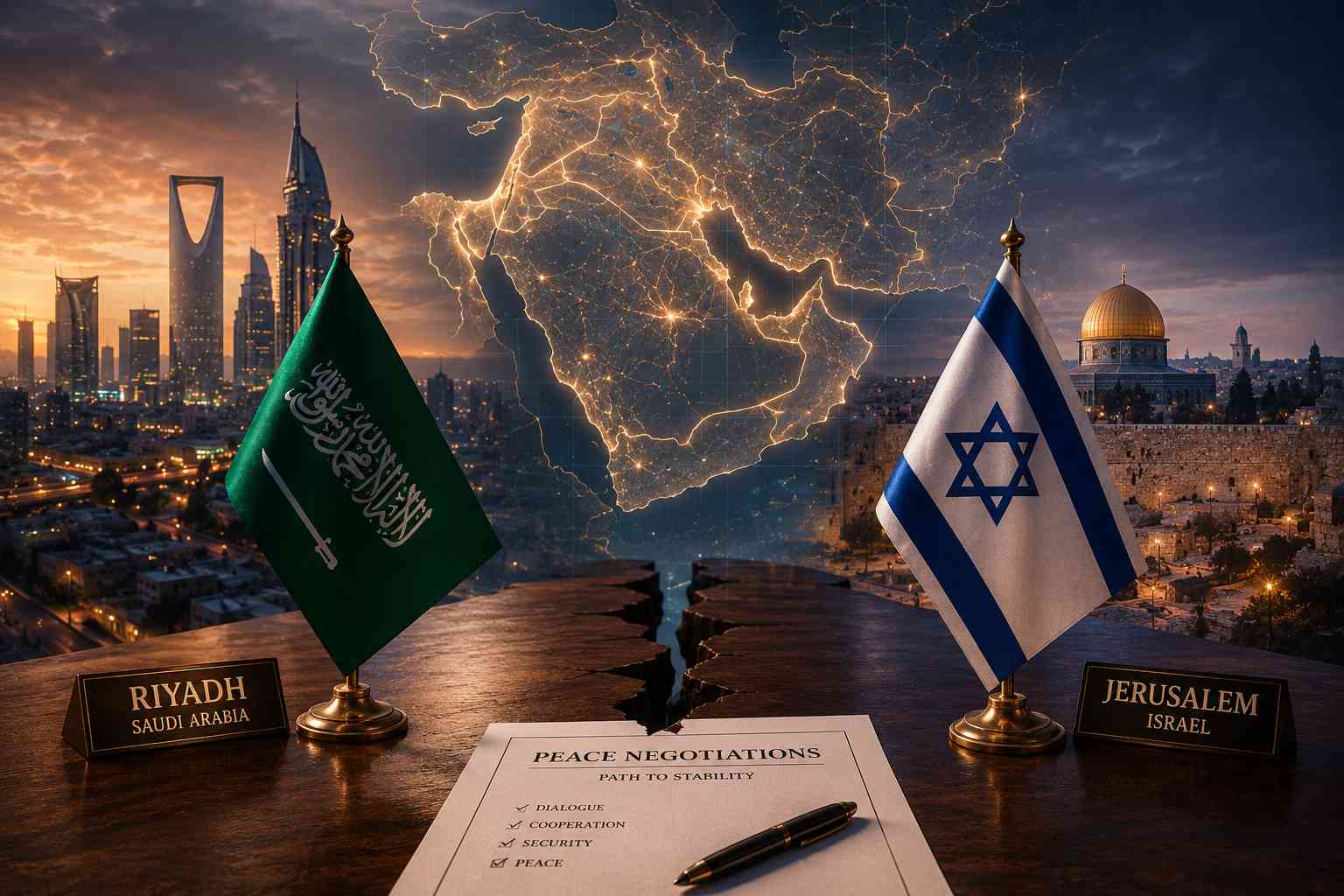
Analysts increasingly describe this move as a “declaration of independence” from Saudi-led regional coordination.
Over the past decade, the UAE has gradually repositioned itself:
- Strengthening ties with Israel
- Pursuing independent policies in Yemen and Africa
- Expanding global investment through sovereign wealth funds
With assets exceeding $2 trillion, the UAE has the financial capacity to pursue a more autonomous path. This reduces its reliance on collective frameworks like OPEC.
The Impact of the Iran Conflict
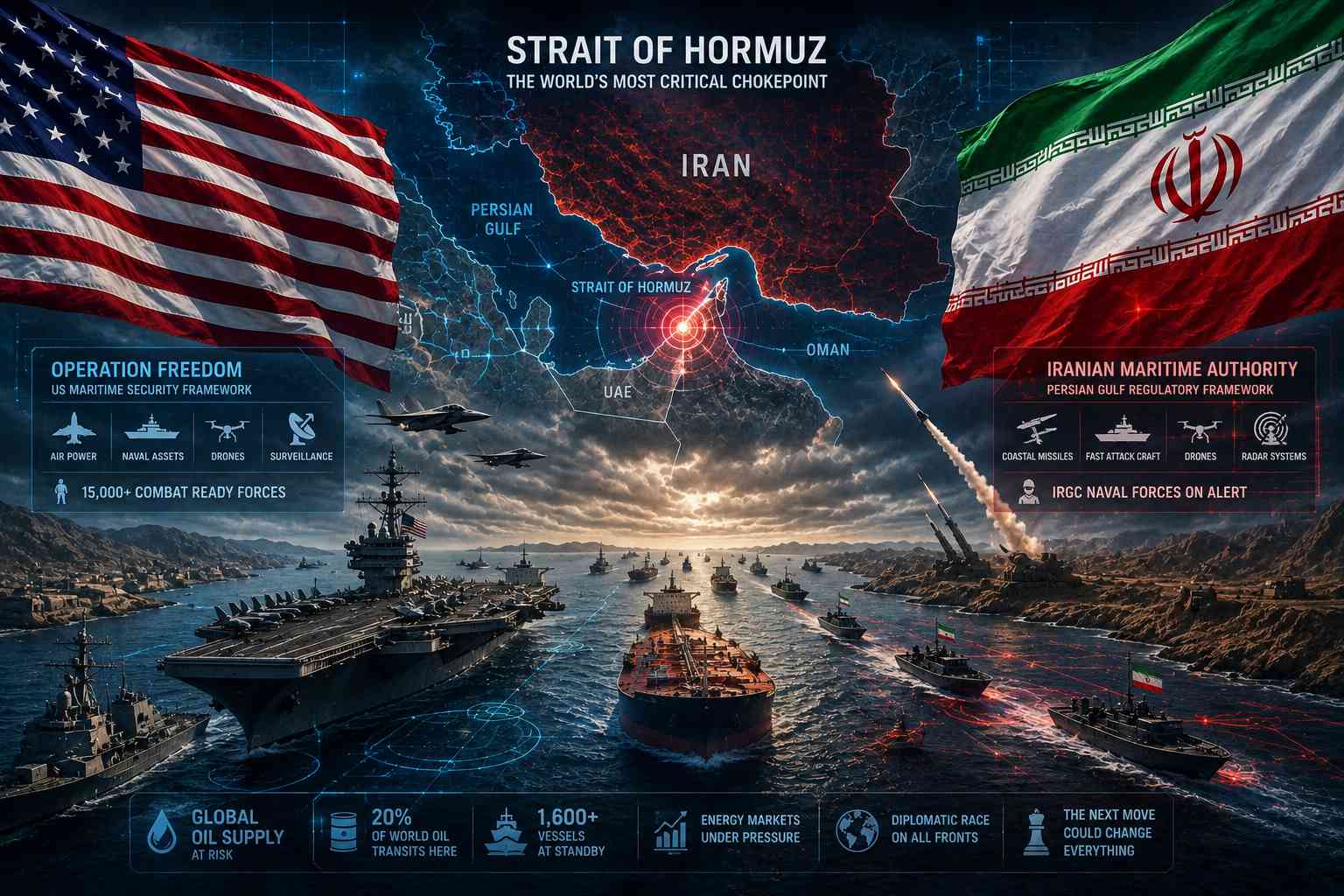
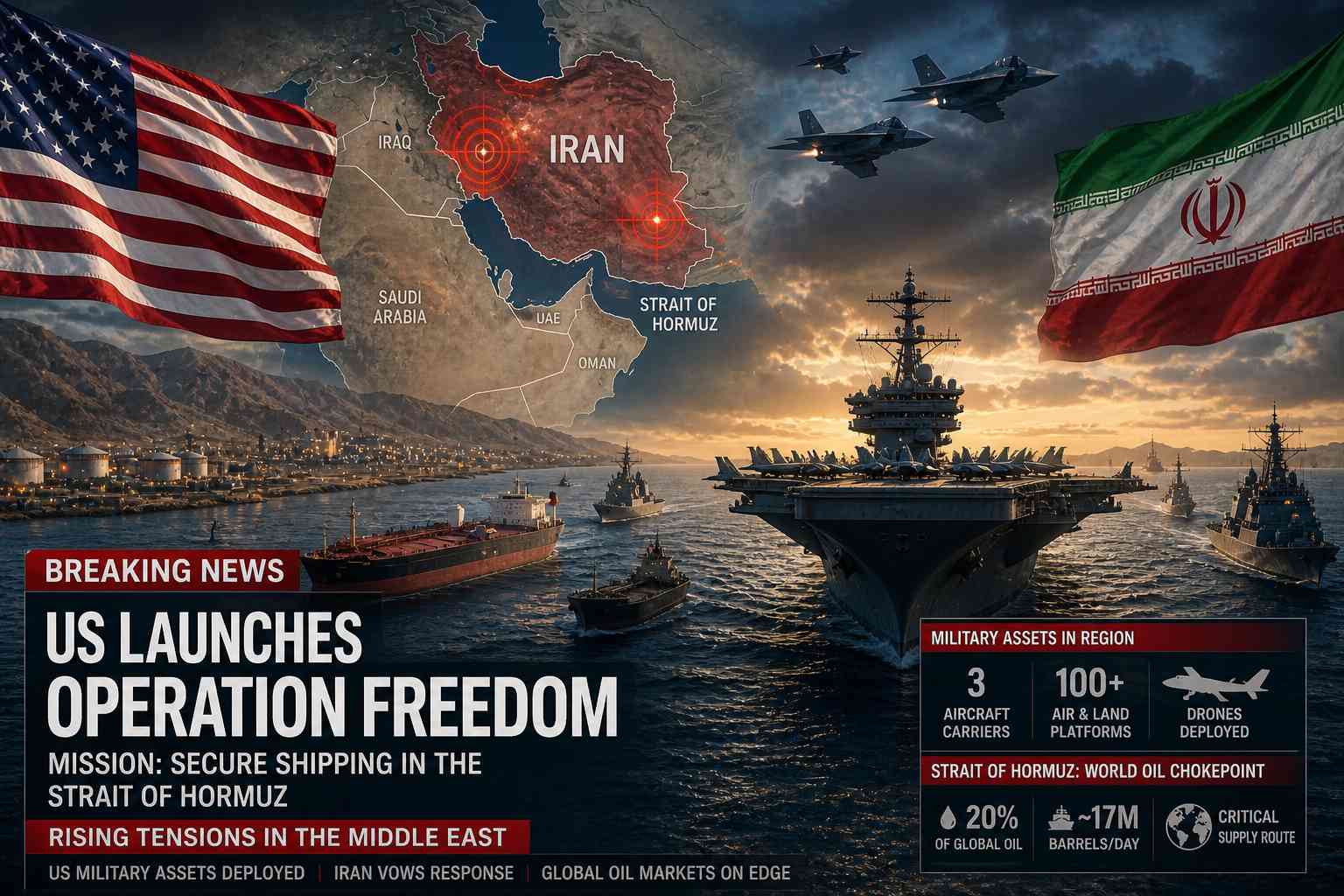
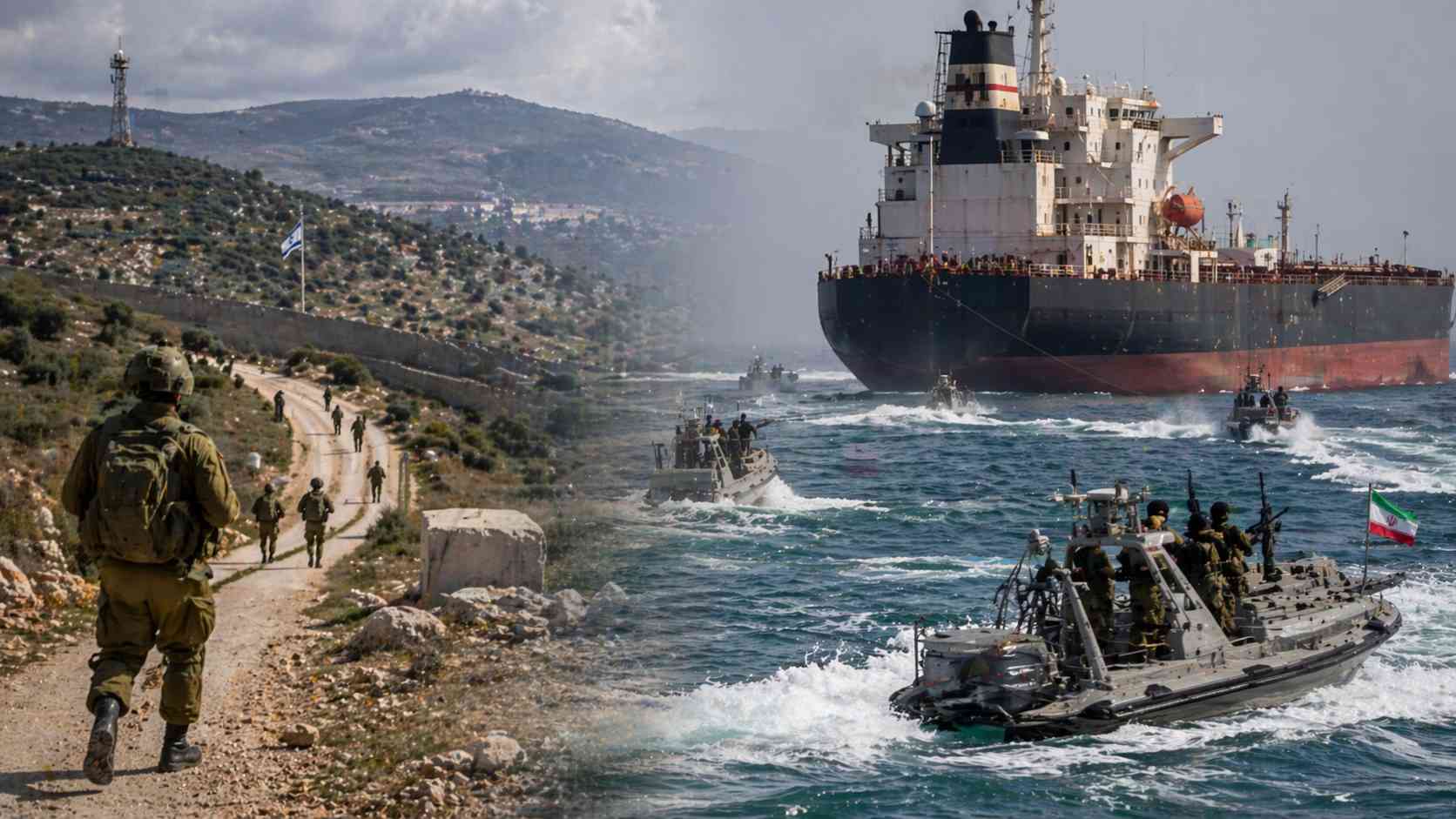
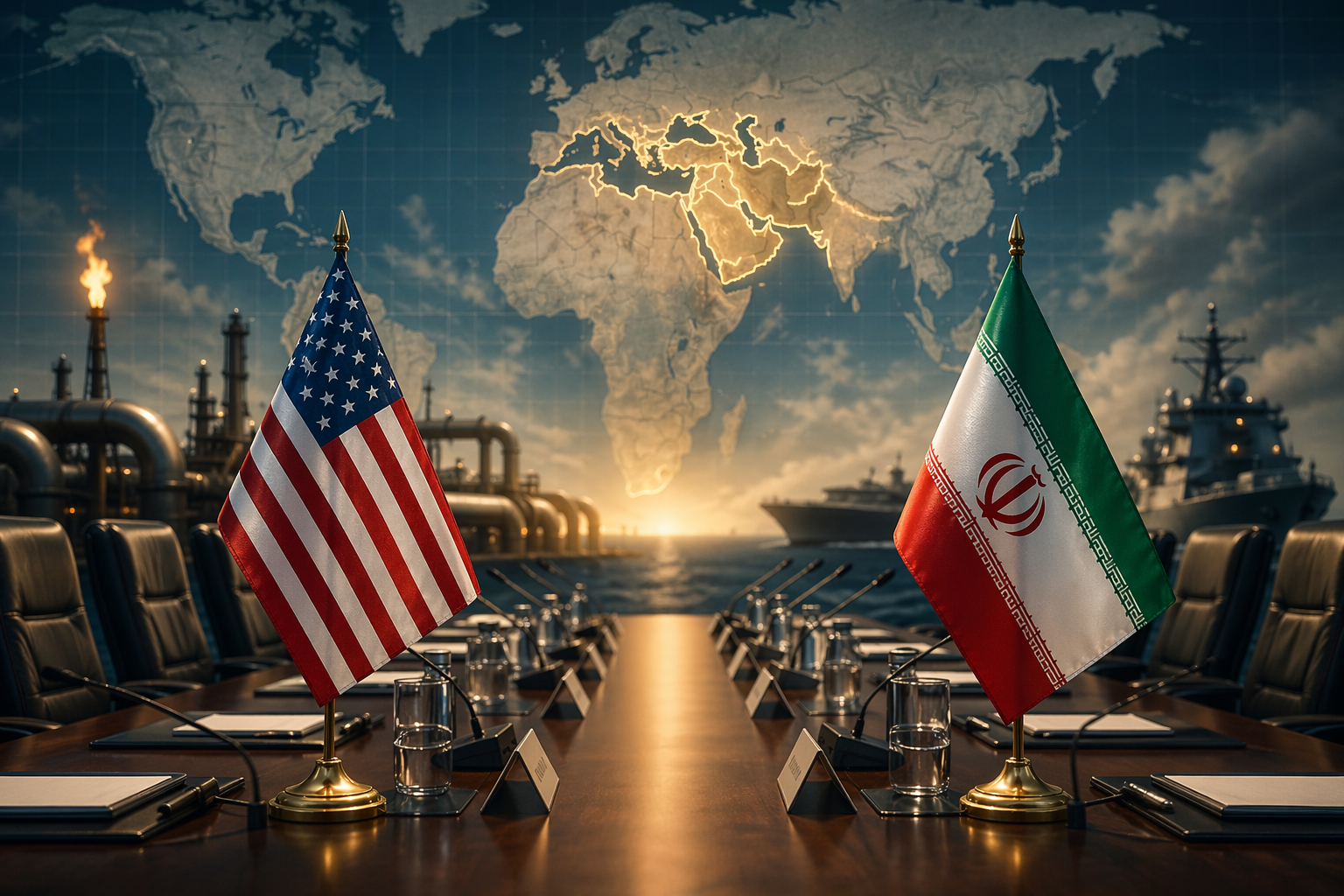
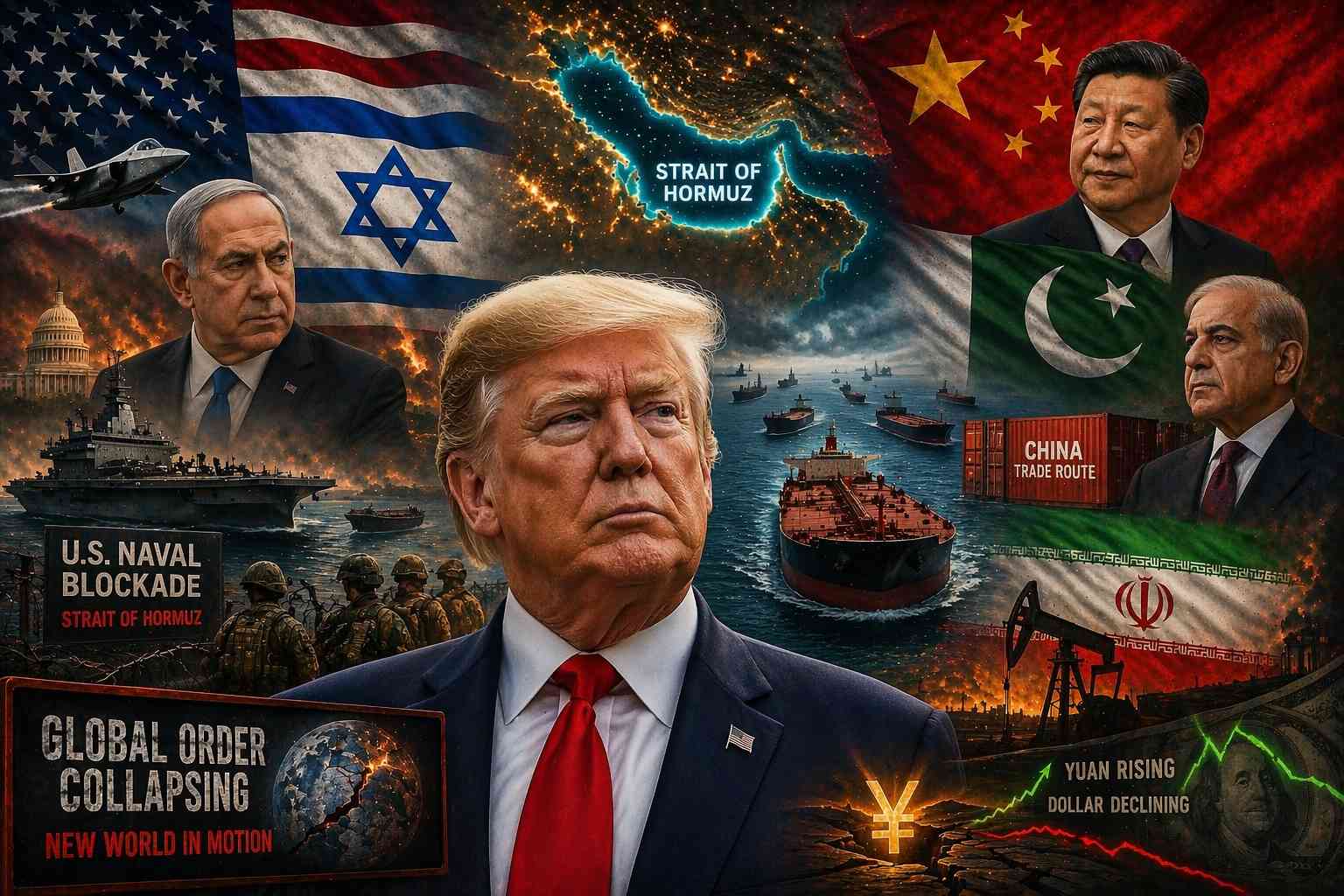
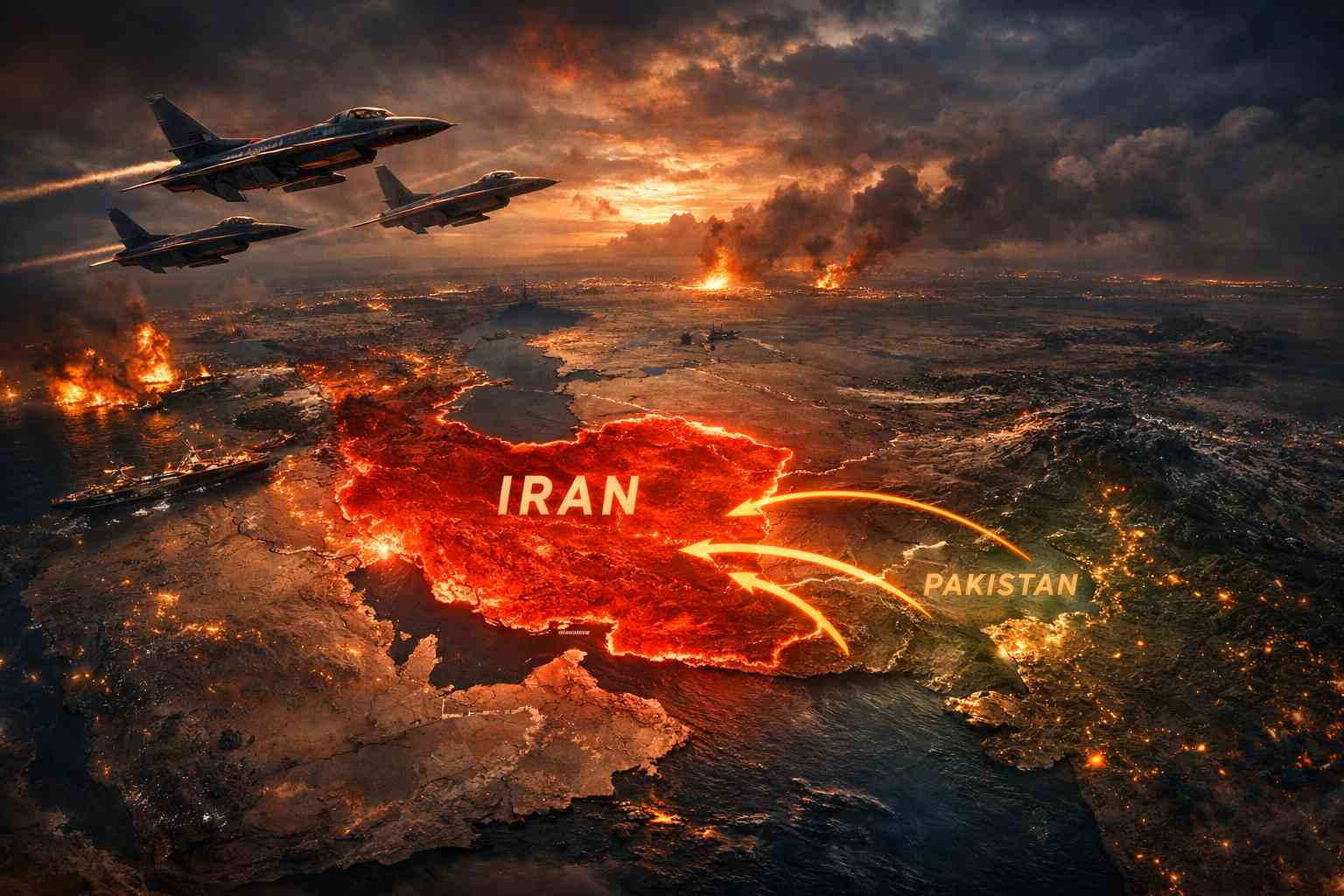
The ongoing conflict involving Iran has accelerated these shifts, reflecting a broader US-Iran war escalation across the region. Regional responses to Iran have exposed divisions within the Gulf bloc.
While Saudi Arabia has adopted a relatively cautious approach, the UAE appears to favor a more assertive stance. This difference has contributed to growing frustration within Emirati policy circles.
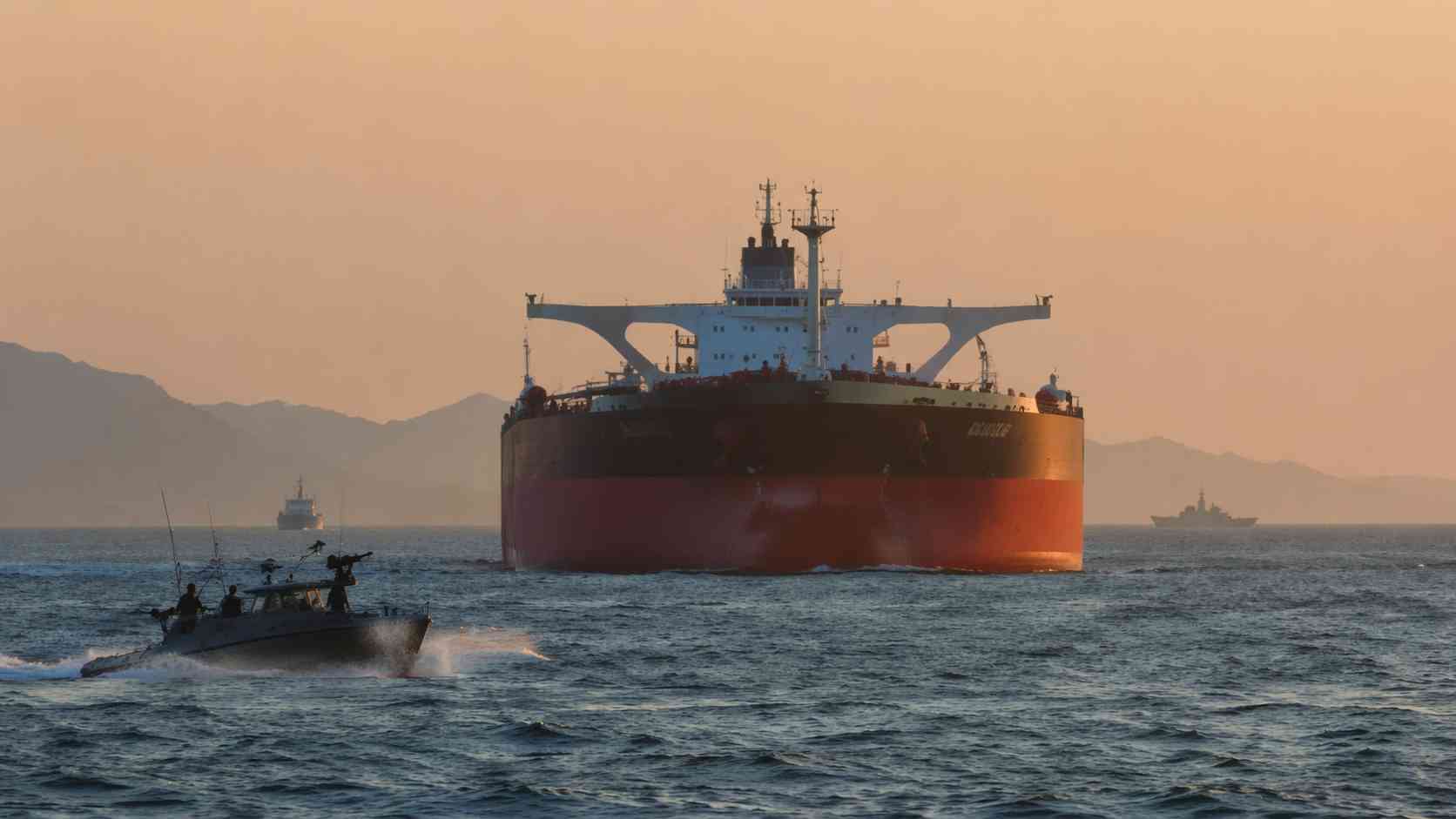
At the same time, structural risks—such as the vulnerability of oil shipments through the Strait of Hormuz—have pushed the UAE to invest in alternative export routes. Pipeline expansion and diversified logistics are now central to its strategy.
These considerations make continued adherence to OPEC constraints less attractive.
A Weakened OPEC and Shifting Energy Order
The exit of the UAE adds to a pattern of fragmentation within OPEC. Several members have already reduced their participation or influence in recent years.
At the same time, external pressures have grown:
- Increased US oil production through shale
- Changing global energy demand
- Competition from non-OPEC producers
As a result, the organization’s ability to control global oil markets has been declining. The decision that UAE leaves OPEC 2026 reinforces this trend and raises questions about the cartel’s future relevance.
Broader Geopolitical Implications
The implications extend beyond energy markets. The move signals a shift in how regional powers perceive alliances.
For decades, Gulf states operated within a relatively unified framework, often led by Saudi Arabia. That framework is now evolving into a more fragmented landscape, where states pursue distinct national strategies.
This has consequences for:
- Regional diplomacy
- Security coordination
- Economic partnerships
The UAE’s decision may encourage other states to adopt more independent positions, further reshaping the geopolitical balance.
Conclusion: A Turning Point in Gulf Politics
The moment UAE leaves OPEC 2026 represents more than an energy policy adjustment. It marks a turning point in Gulf geopolitics and the global oil system.
By prioritizing economic flexibility and strategic autonomy, the UAE has signaled that traditional alliances are no longer sufficient to meet its objectives. At the same time, the decision exposes underlying tensions within the region that are likely to persist.
As global markets and regional actors respond, the long-term impact of this shift will depend on how other major players—particularly Saudi Arabia—adapt to this new reality.
By SoldierSpeaks News Desk
Analysis based on commentary by Dr. Moeed Pirzada and current geopolitical developments.