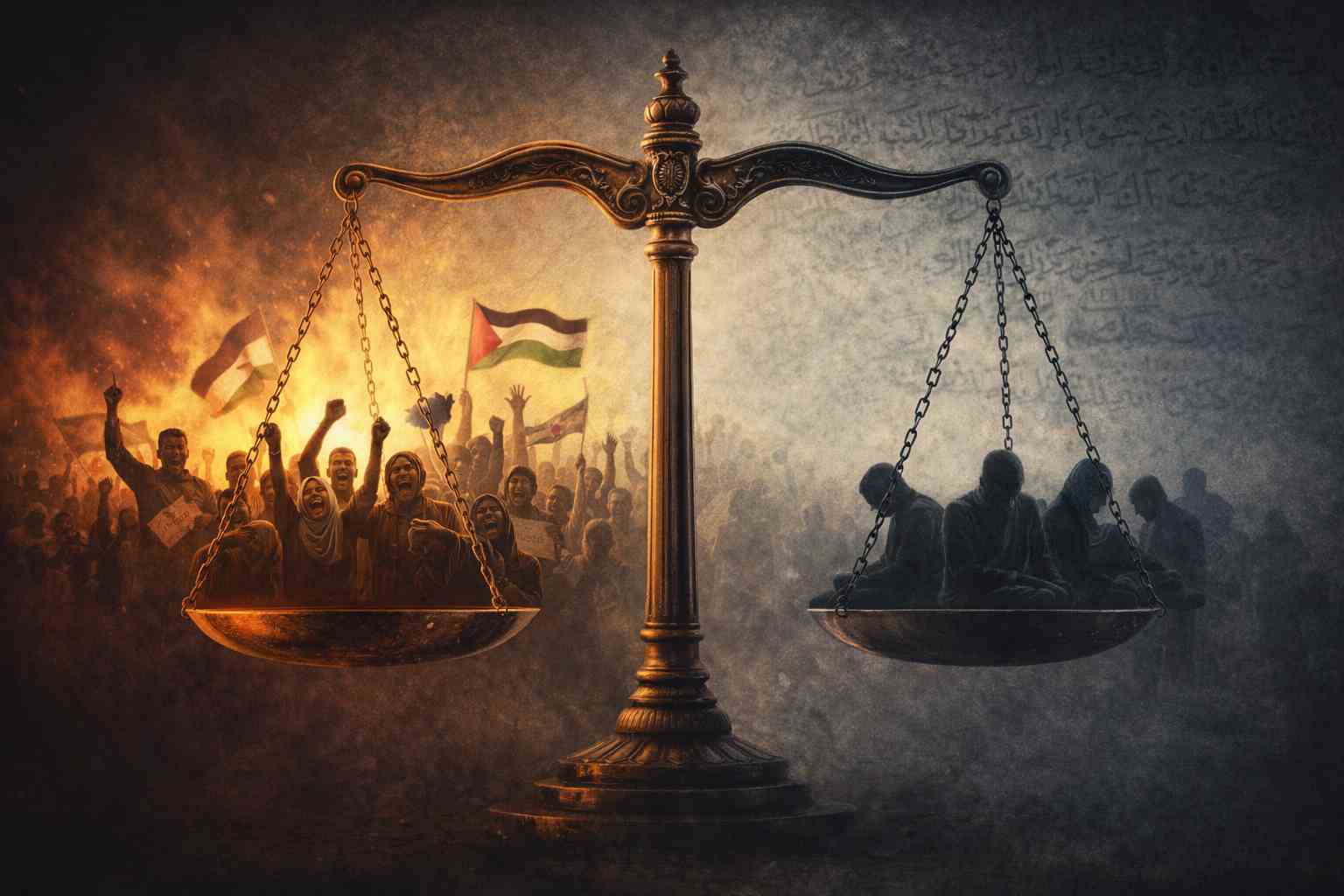
Muslims across the world have long raised their voices against massacres inflicted on innocent people in Palestine, Kashmir, Iraq, Afghanistan, and elsewhere. However, the atrocities unleashed by the IDF after October 7 produced an unprecedented global reaction. This moment laid bare a deeper crisis: selective-moral-outrage-muslim-conscience.
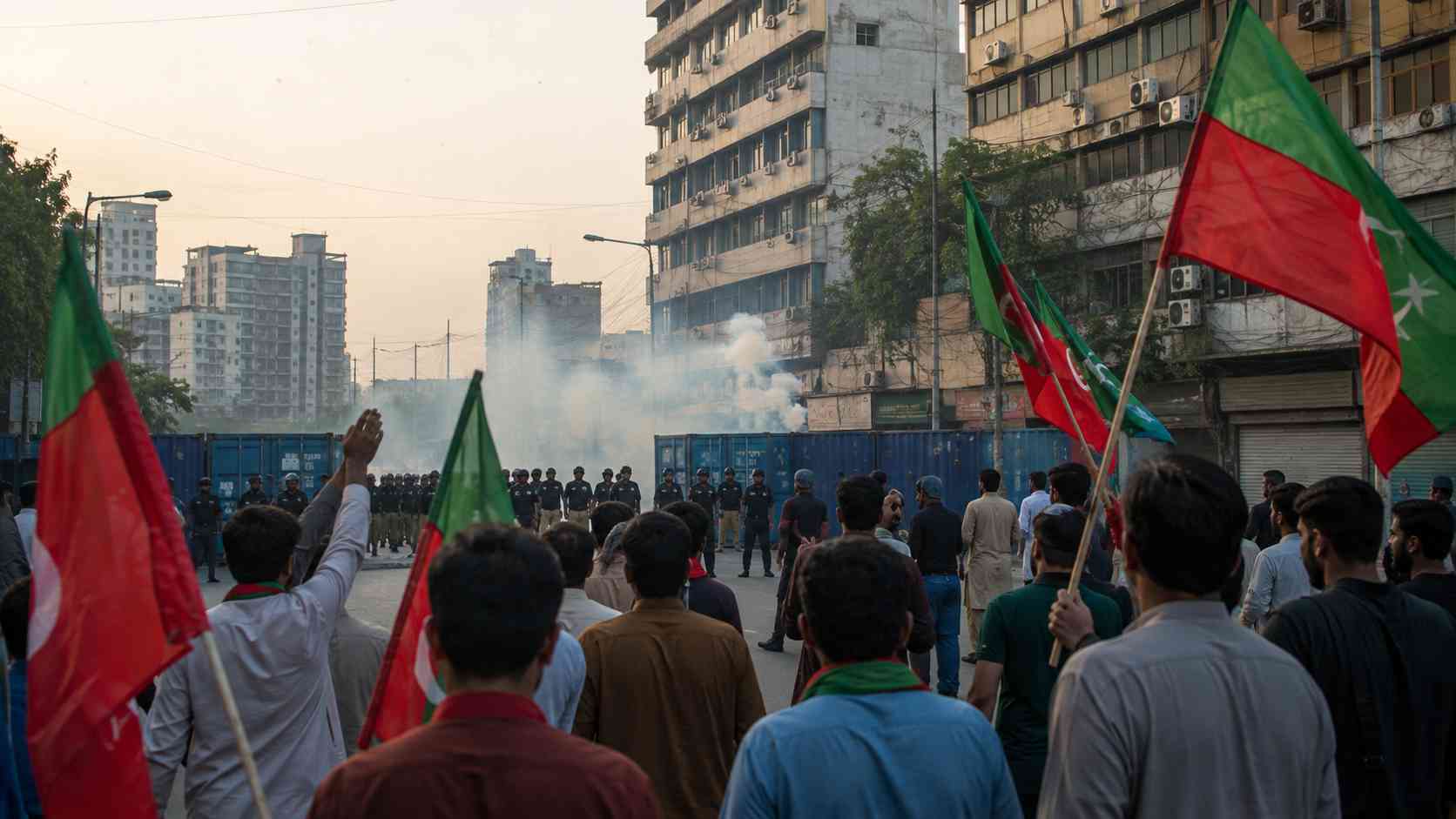
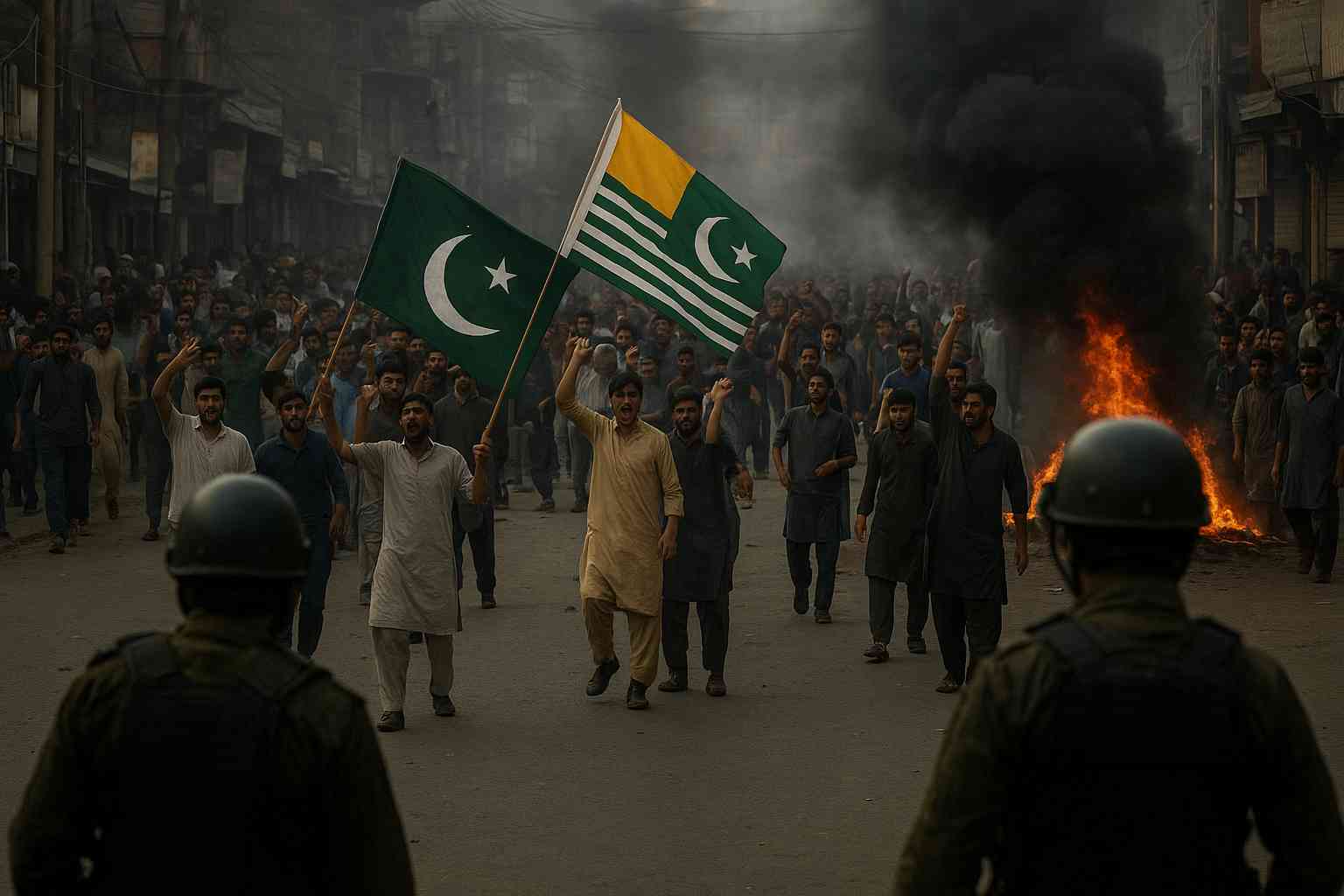
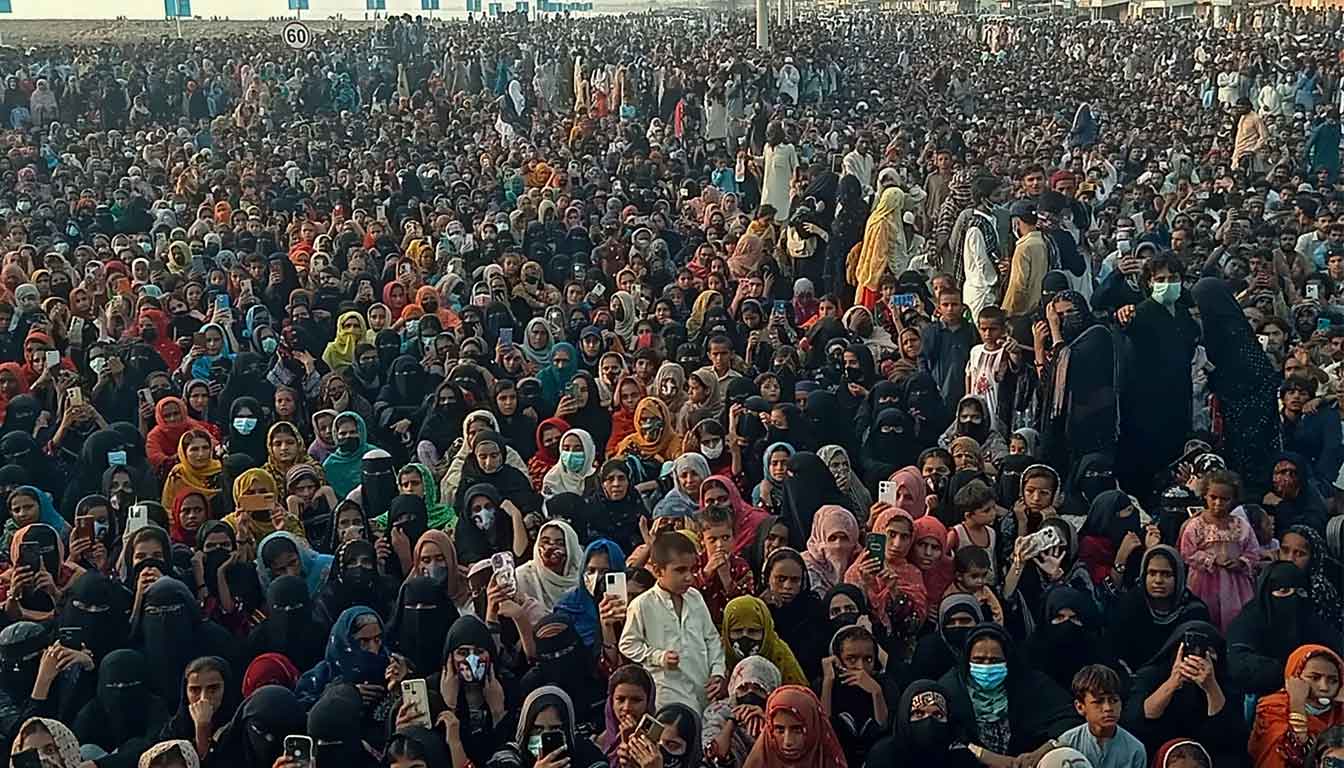
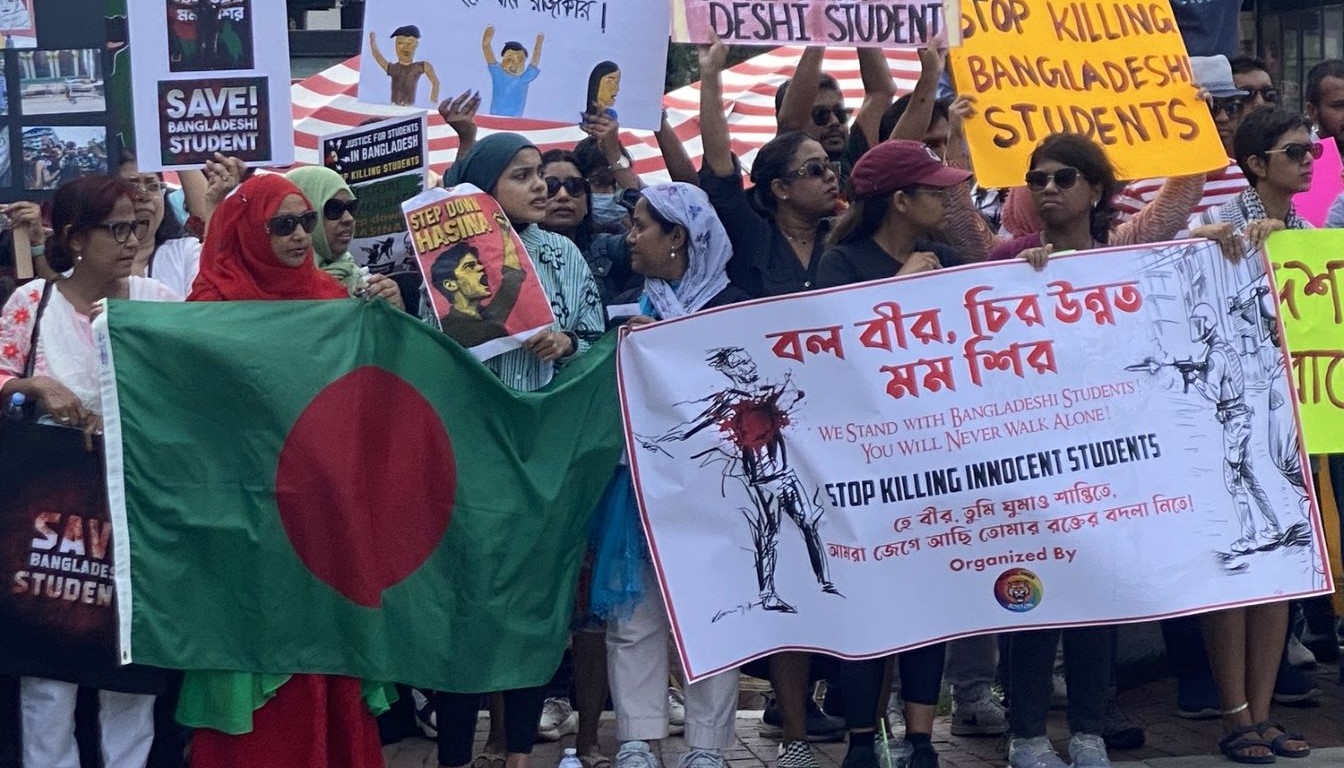
Protests erupted across the Muslim world in every imaginable form. Moreover, Muslim communities in Western and European societies generated an extraordinary wave of resistance and awareness. Students, professionals, and homemakers mobilized together, often at great personal cost.
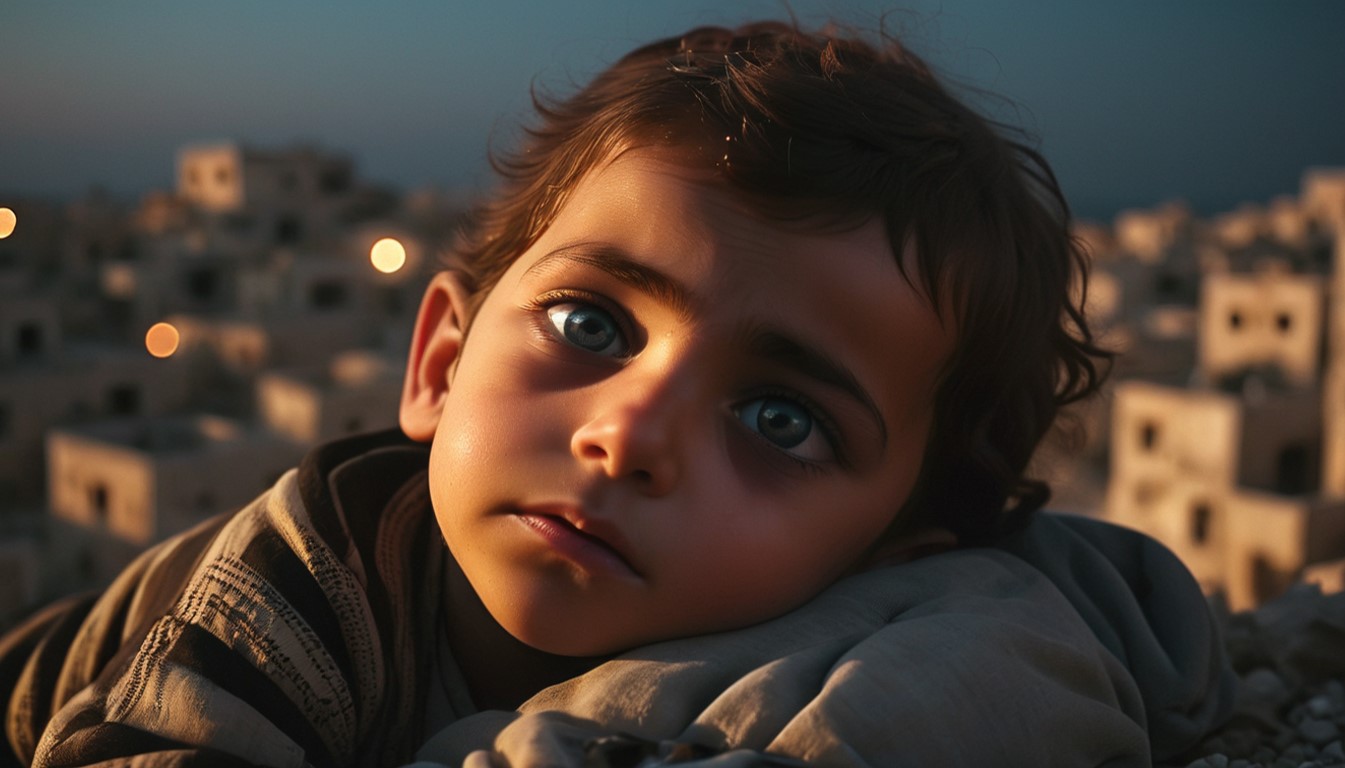
Beyond Muslims, humanity itself presented a rare and unified front. Stories like that of Hind, pierced by hundreds of bullets, and children shot moments after receiving food, forced anyone with a functioning conscience to recoil in horror. That response mattered. Yet what followed matters even more.
A Moral Awakening — With Limits
There is often a blessing hidden within calamity. In this moment, many Muslims, especially the youth, returned to the Qur’an and the Seerah with renewed urgency. It was as though this moral collapse forced questions that scholars had failed to convey with sufficient clarity or courage.
We were shaken when confronted with Allah’s words:
“And what is the matter with you that you do not fight in the cause of Allah and for the oppressed men, women, and children who cry out, ‘Our Lord! take us out of this land of oppressors and appoint for us a helper, by Your grace.’”
(An-Nisa: 75)
This verse compelled uncomfortable self-examination. It forced us to confront the roots of our weakness and our inability to respond meaningfully to the cries of the oppressed. Importantly, it made one thing clear: passivity is not neutrality. It is failure.
The Prophet ﷺ reinforced this obligation unmistakably:
“Whoever among you sees an evil, let him change it with his hand. If he cannot, then with his tongue. If he cannot, then with his heart — and that is the weakest of faith.”
(Sahih Muslim 49)
Although scholars may debate the use of physical force in modern contexts, no one can dispute the obligation of speech. With digital platforms amplifying voices, Muslims — especially the youth — used their tongues forcefully against injustice.
At first, this seemed inspiring. However, it quickly revealed its limits.
Selective Moral Outrage and the Muslim Conscience
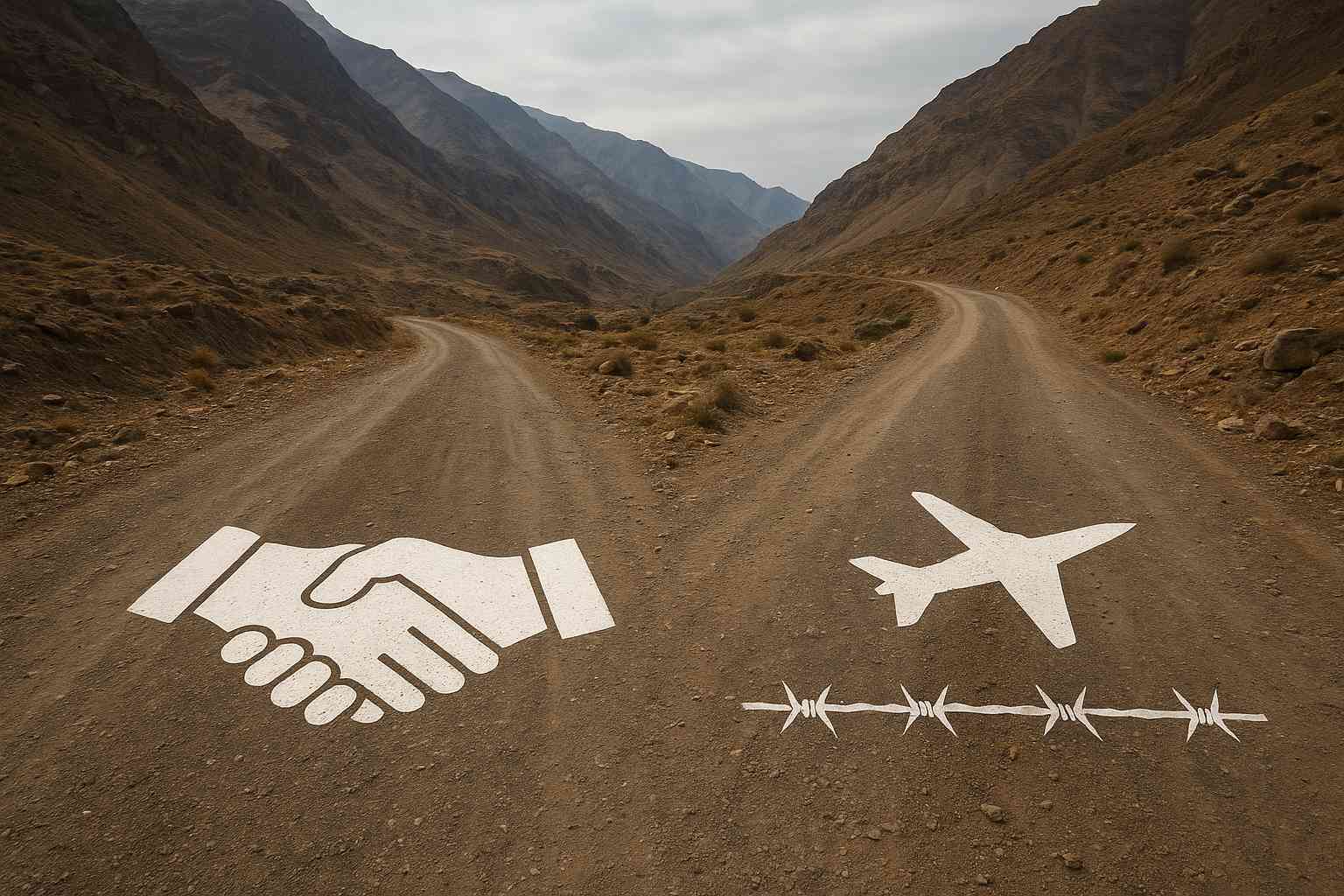
A critical dimension of An-Nisa:75 was quietly ignored. When Allah speaks of the oppressed, He does not restrict them by faith. The verse is universal. It speaks of all oppressed people.
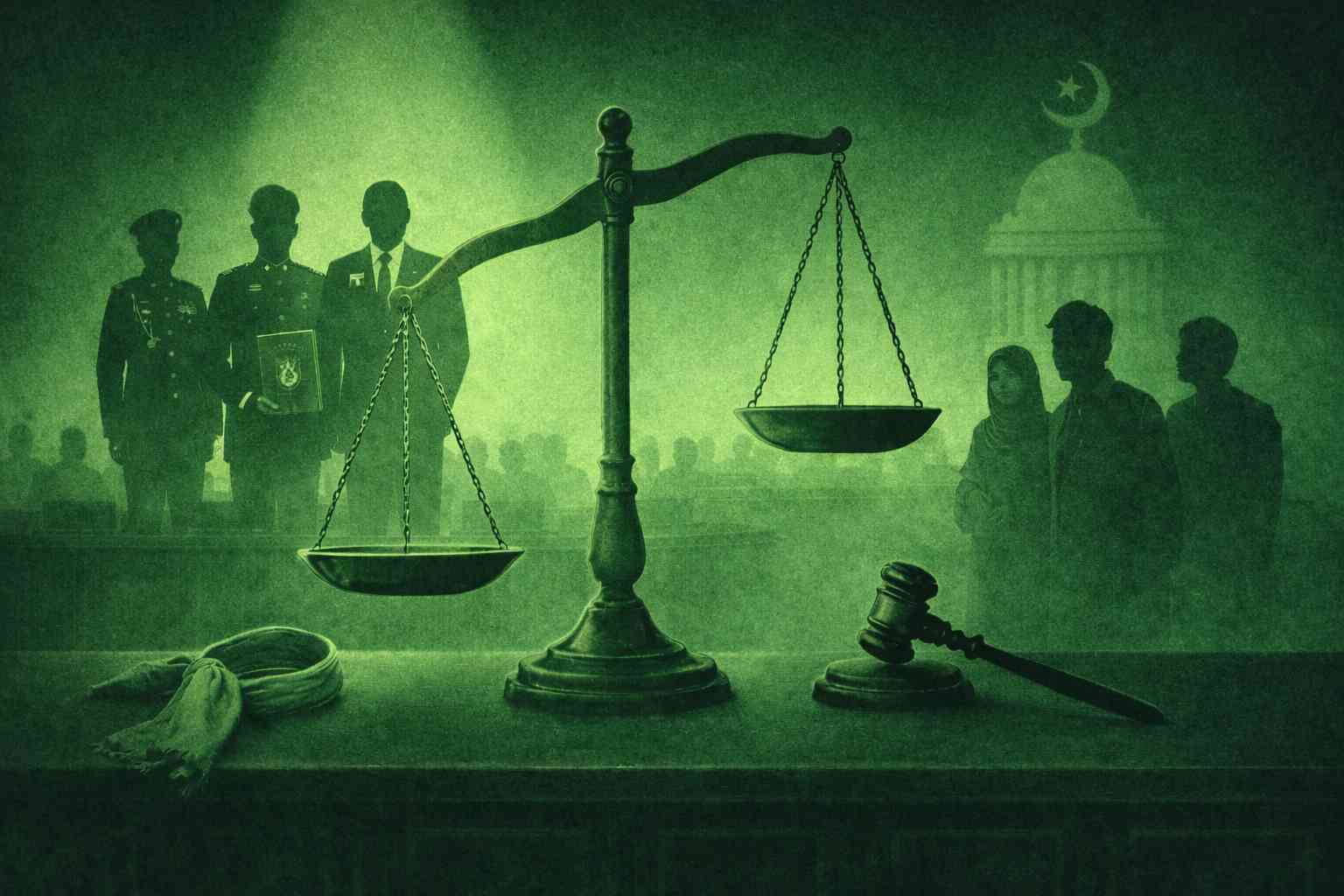
This omission exposes the core failure of our moment: selective-moral-outrage-muslim-conscience.
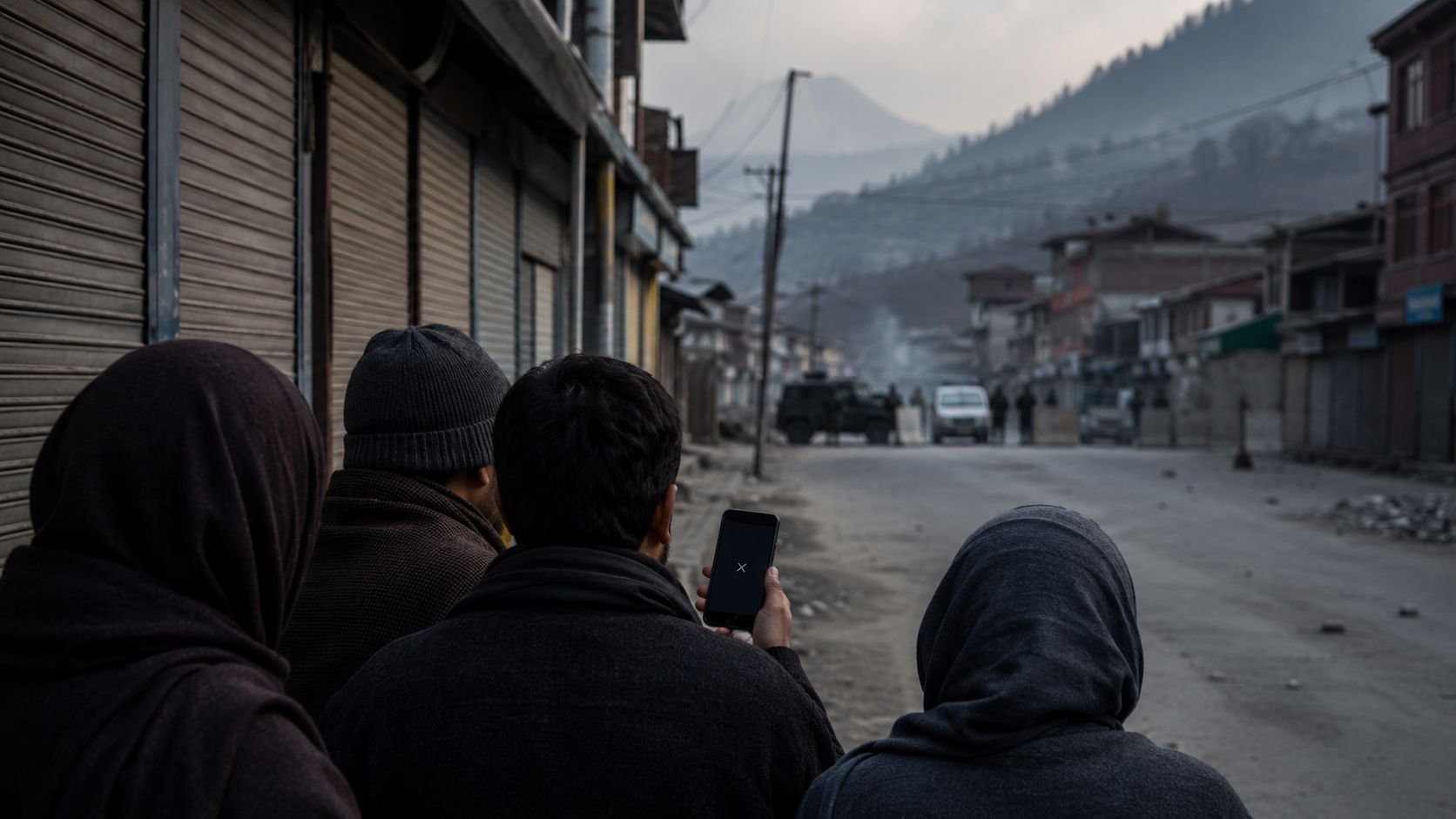
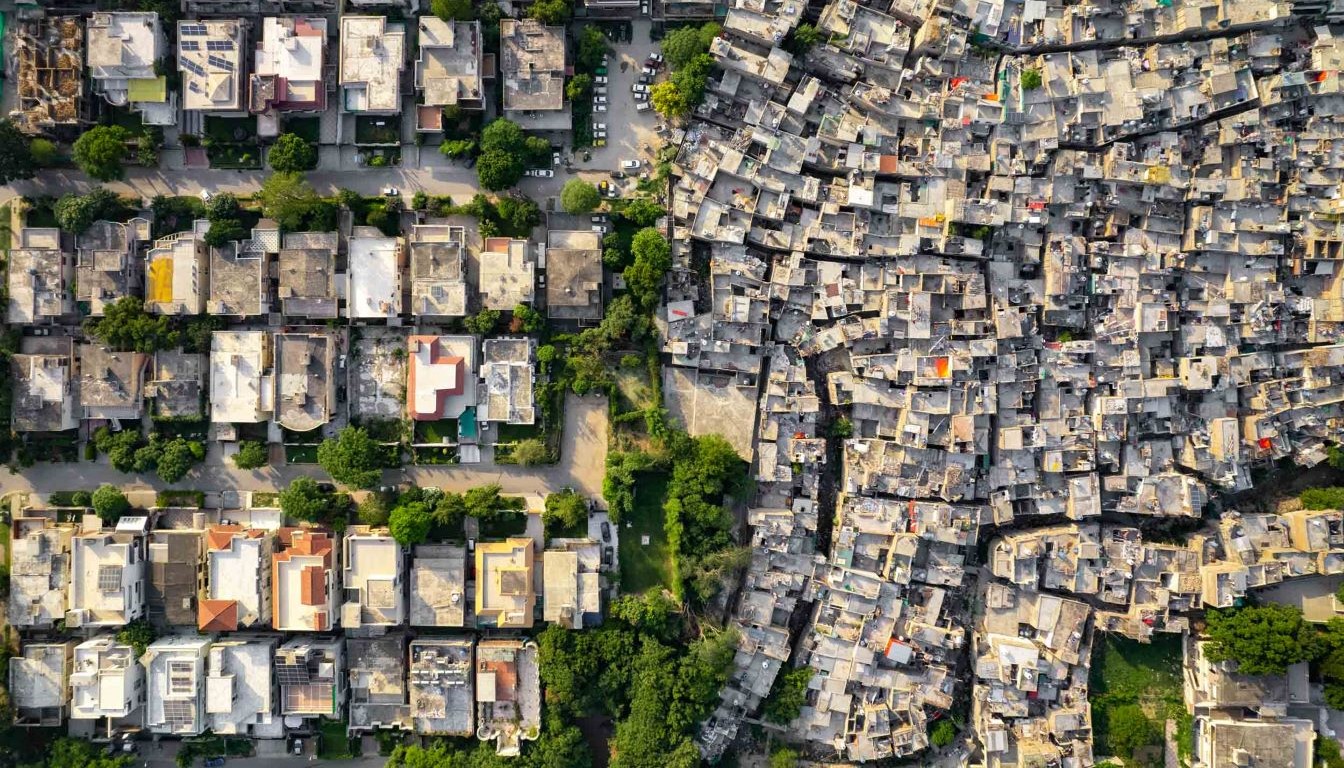
Granting the benefit of doubt, this may not yet amount to outright hypocrisy. Still, it undeniably reflects moral shallowness as humans and spiritual weakness as Muslims. How did we ignore the suffering of non-Muslim populations in India, China, and Myanmar? Why did we rationalize silence when oppression came from Muslims themselves, as in South Sudan?
What happened to the conscience that flared so fiercely elsewhere? Where did our moral obligation disappear when identity no longer aligned with justice?
More disturbingly, are we not approaching the very hypocrisy we condemn? When compassion follows identity instead of principle, does it not betray the Qur’anic standard? Worse still, does it not signal to non-Muslims who stood with Palestinians that we welcome solidarity but refuse to extend it?
If so, then Islam itself suffers misrepresentation. It becomes a vehicle for anger rather than a framework for moral responsibility.
Venezuela: A Test We Failed
If this critique feels abstract, Venezuela offers a concrete test.
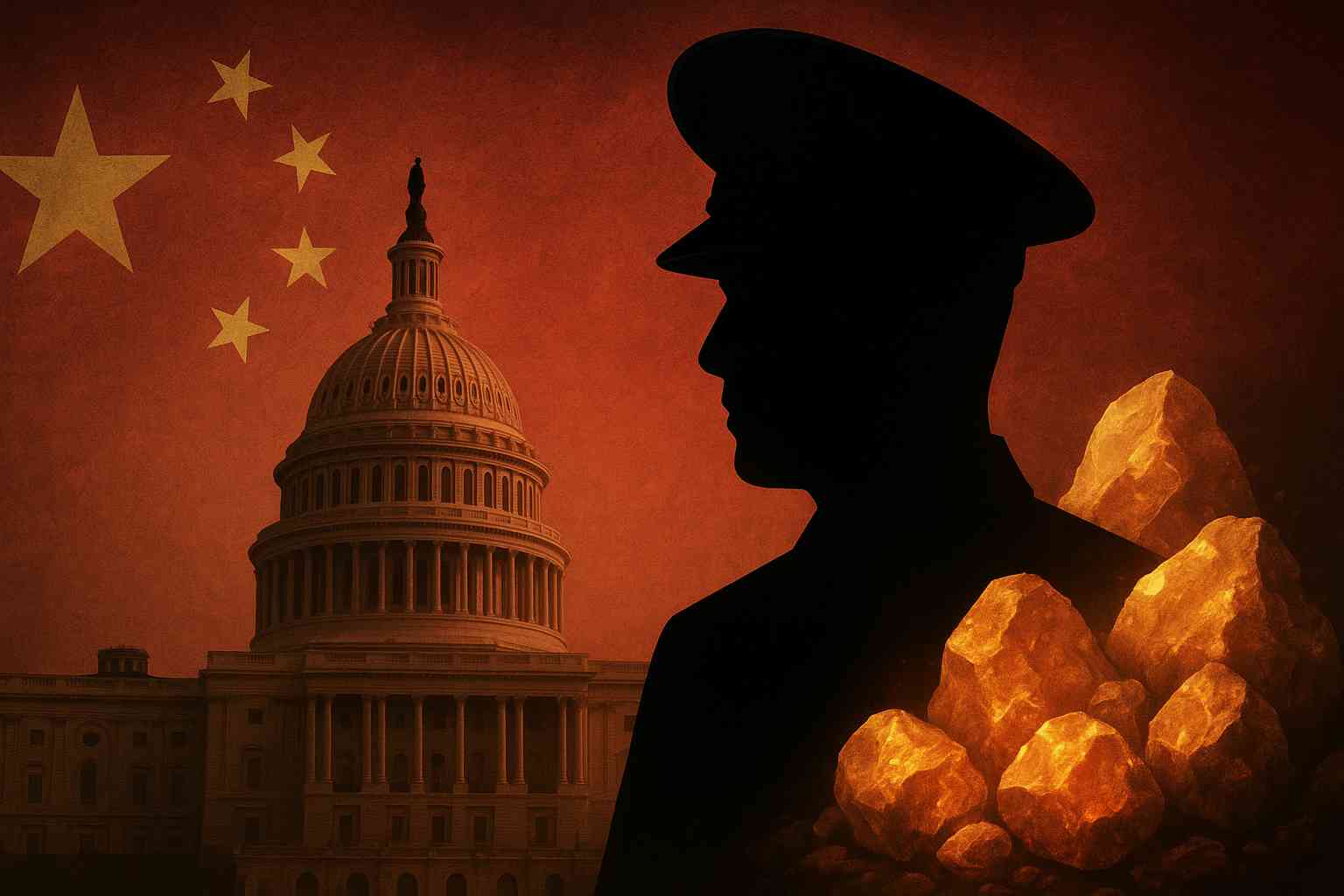
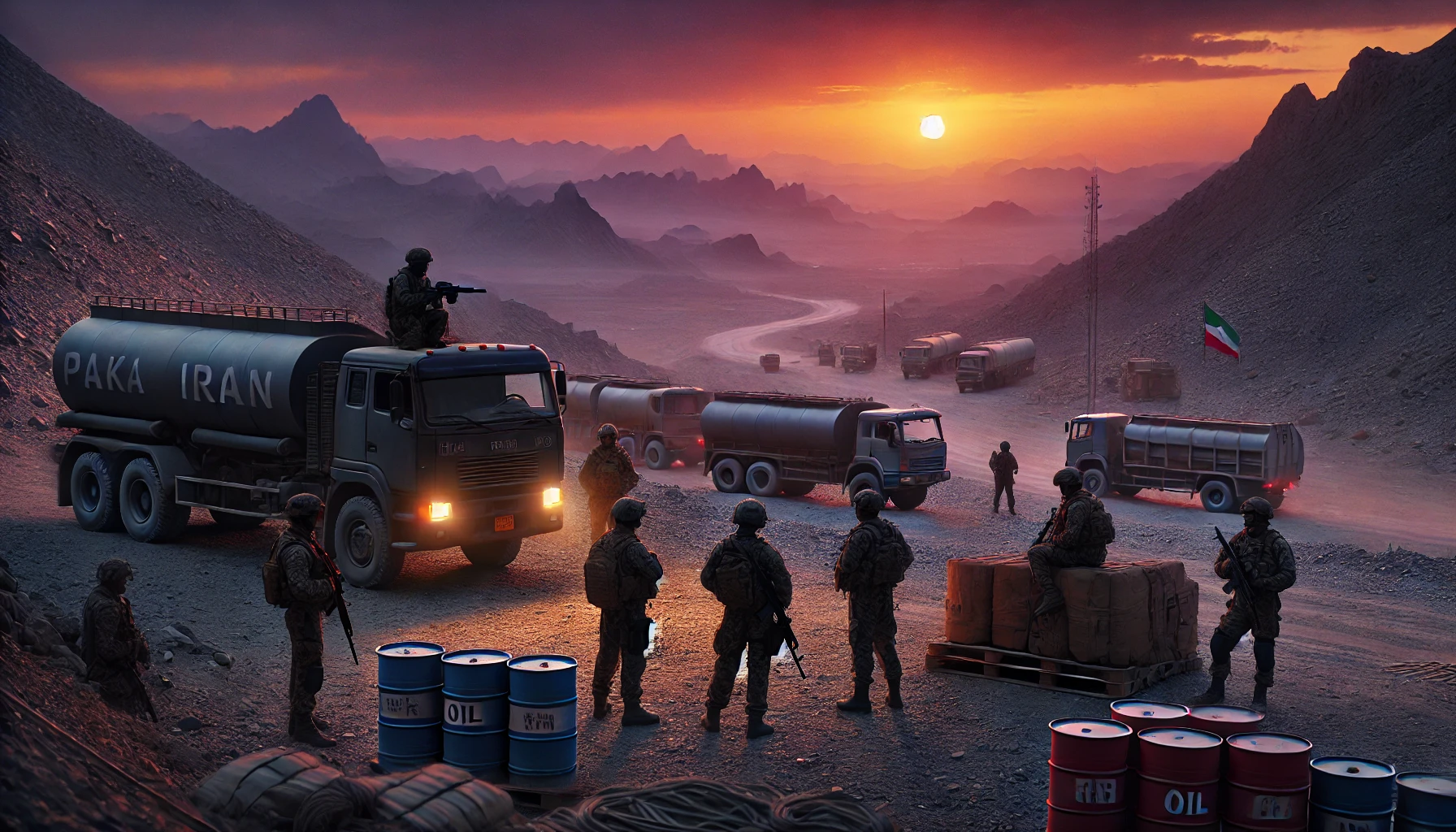
The pattern should feel disturbingly familiar. A country rich in oil, with reserves exceeding even Saudi Arabia’s, was stripped of its sovereignty. A Delta Force operation attempted to capture its president, paving the way for destabilization and resource extraction.
Have we forgotten Iraq so quickly? Are we unable to recognize the resemblance?
Details may invite debate. However, the core reality remains unchanged. A sovereign nation faced unilateral invasion driven by hunger for control. Muslims, of all people, should have raised the loudest objections.
Instead, silence prevailed.
That silence is as revealing as it is revolting. It exposes inconsistency and a shallow internalization of Qur’anic demands. Our activism appears reactive, not principled. Our moral framework collapses the moment the oppressed no longer resemble us.
This is selective-moral-outrage-muslim-conscience in practice.
Justice Without Identity
A Muslim does not see color, religion, or ethnicity when confronting oppression. He distinguishes only between oppressor and oppressed. His obligation remains singular: stand with the latter against the former.
That duty may even require opposing a fellow Muslim if he ascends the cursed throne of oppression.
Anything less is not wisdom. It is selective morality disguised as faith. When measured against the Qur’an, such selectivity becomes a betrayal.
Until the Muslim conscience rejects selective outrage and embraces universal justice, our protests will remain loud but hollow — and our faith, dangerously misrepresented.
Ali Khan is an independent contractor in the trucking industry with a background in Electrical Engineering. Passionate about politics and current affairs, he closely follows global and regional developments to offer grounded, people-centric perspectives on contemporary issues.