Let’s be absolutely clear from the start.
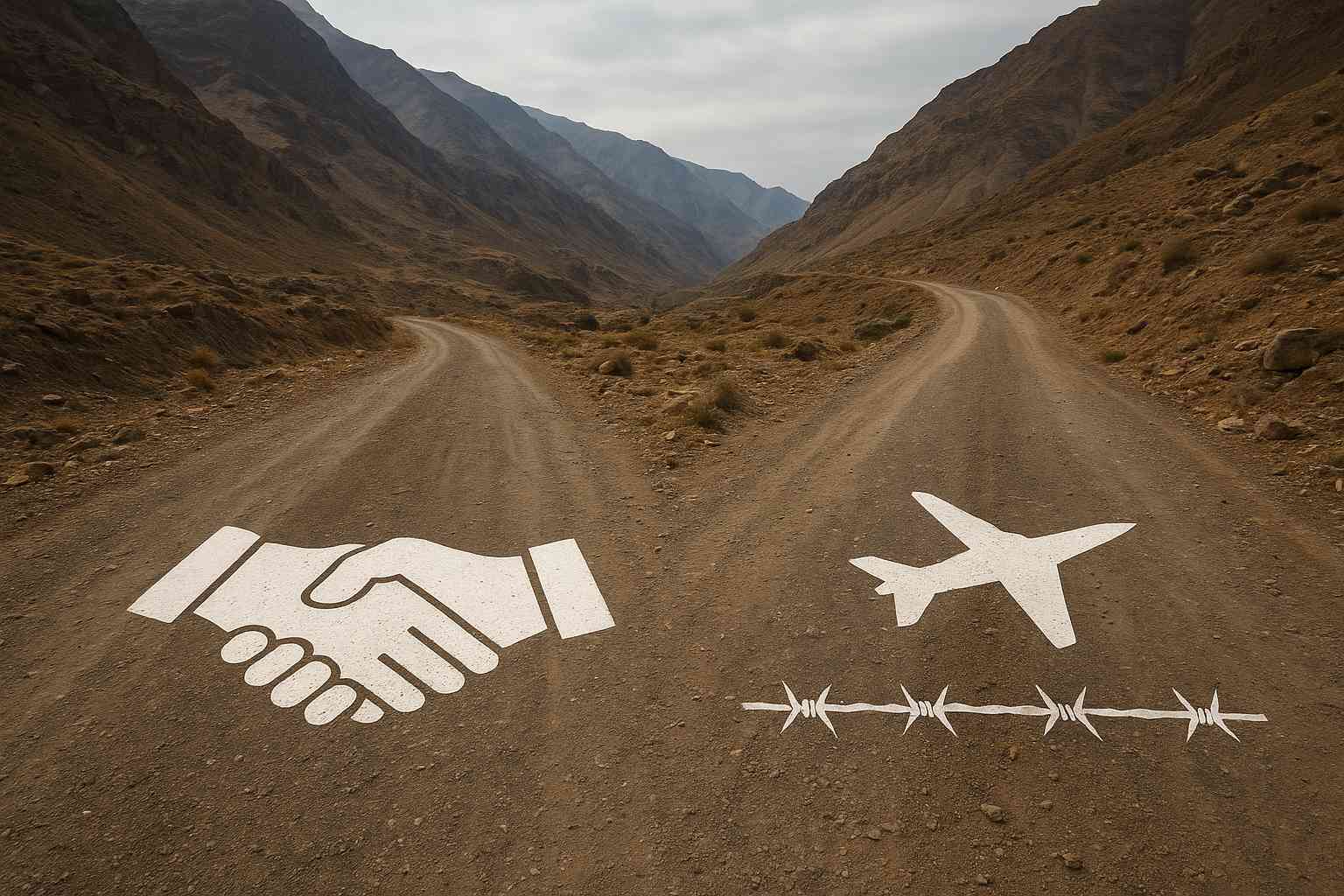
What happened in Islamabad was not a diplomatic failure. It was not a miscommunication. Nor were these simply “talks that didn’t work out.”
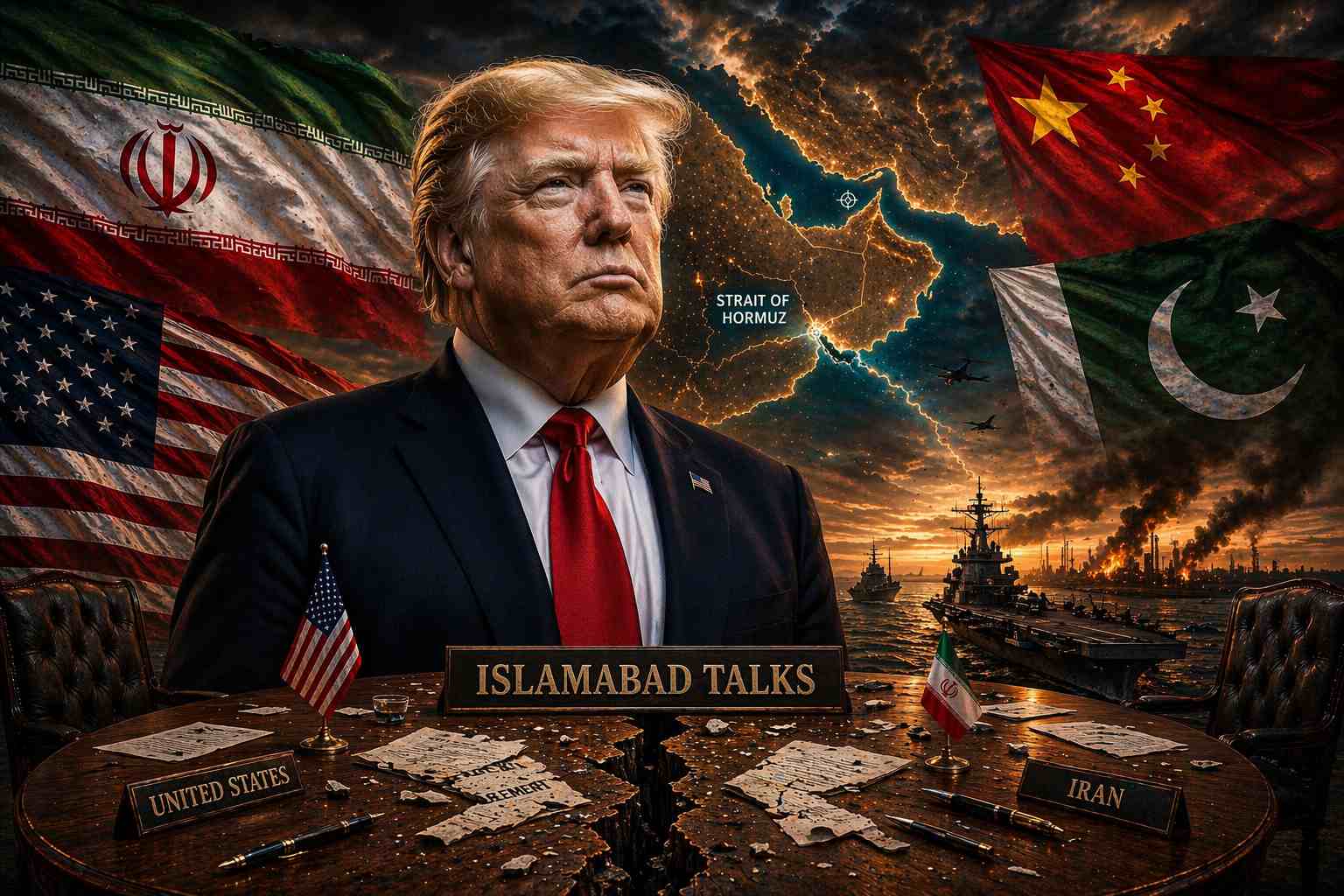
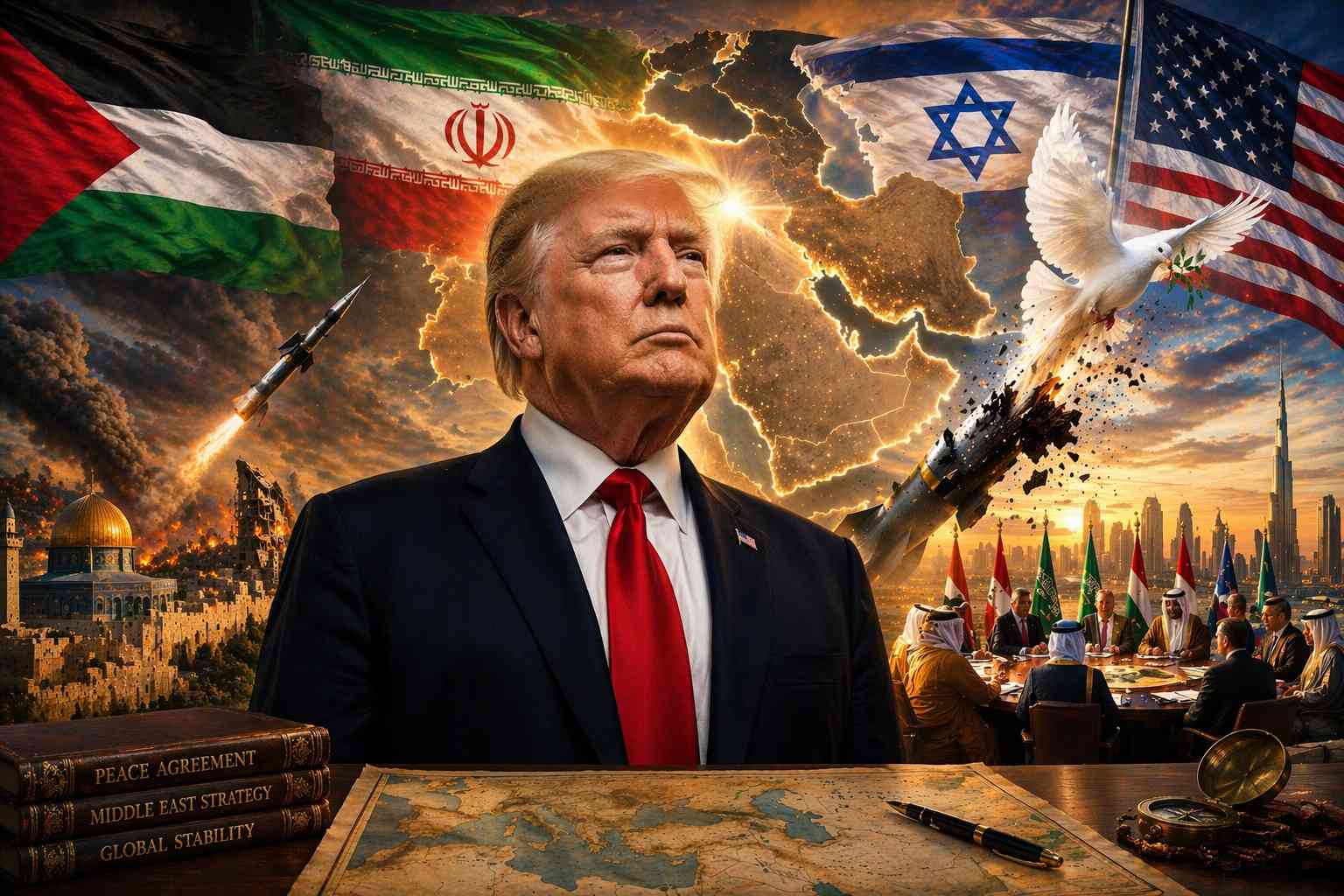
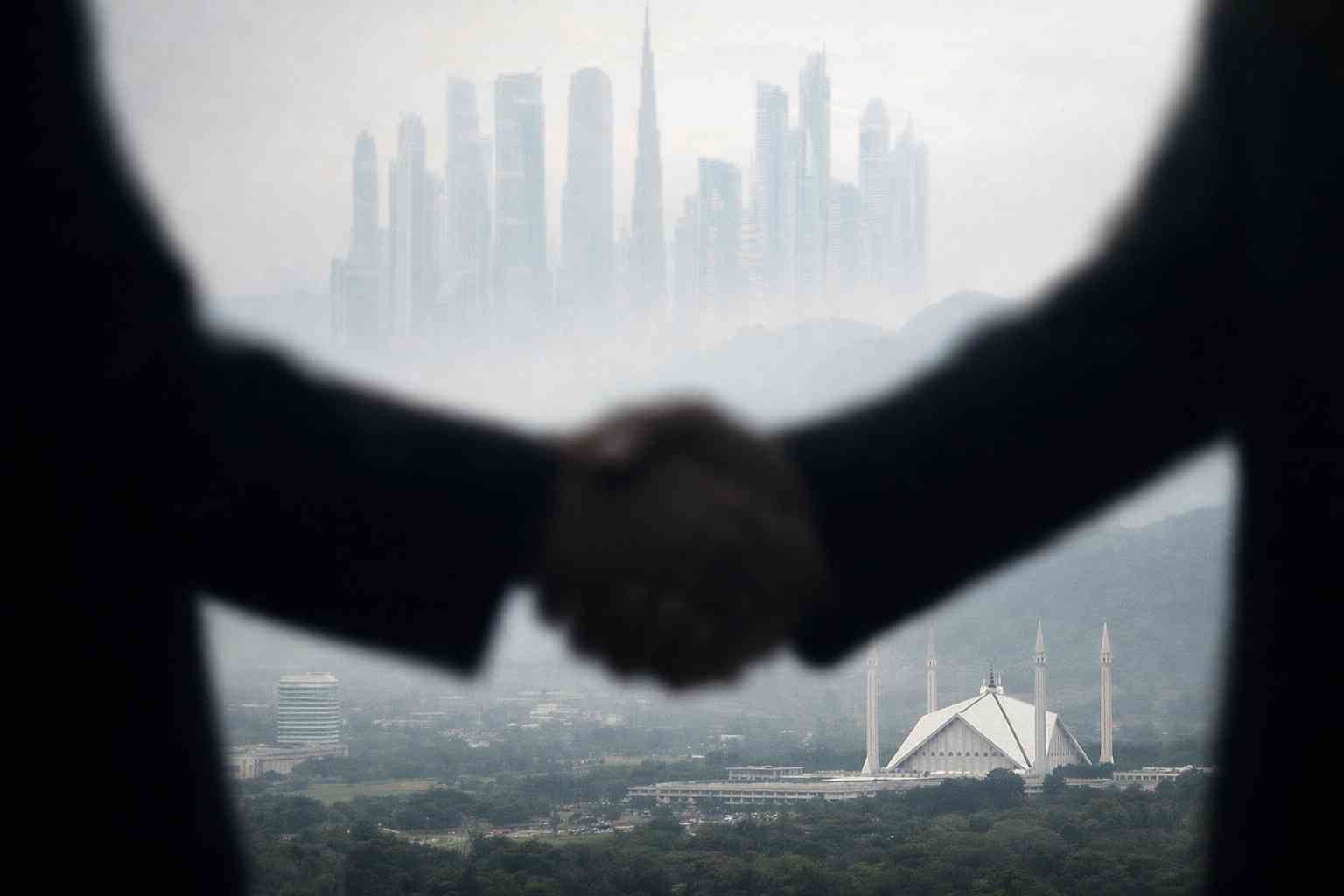
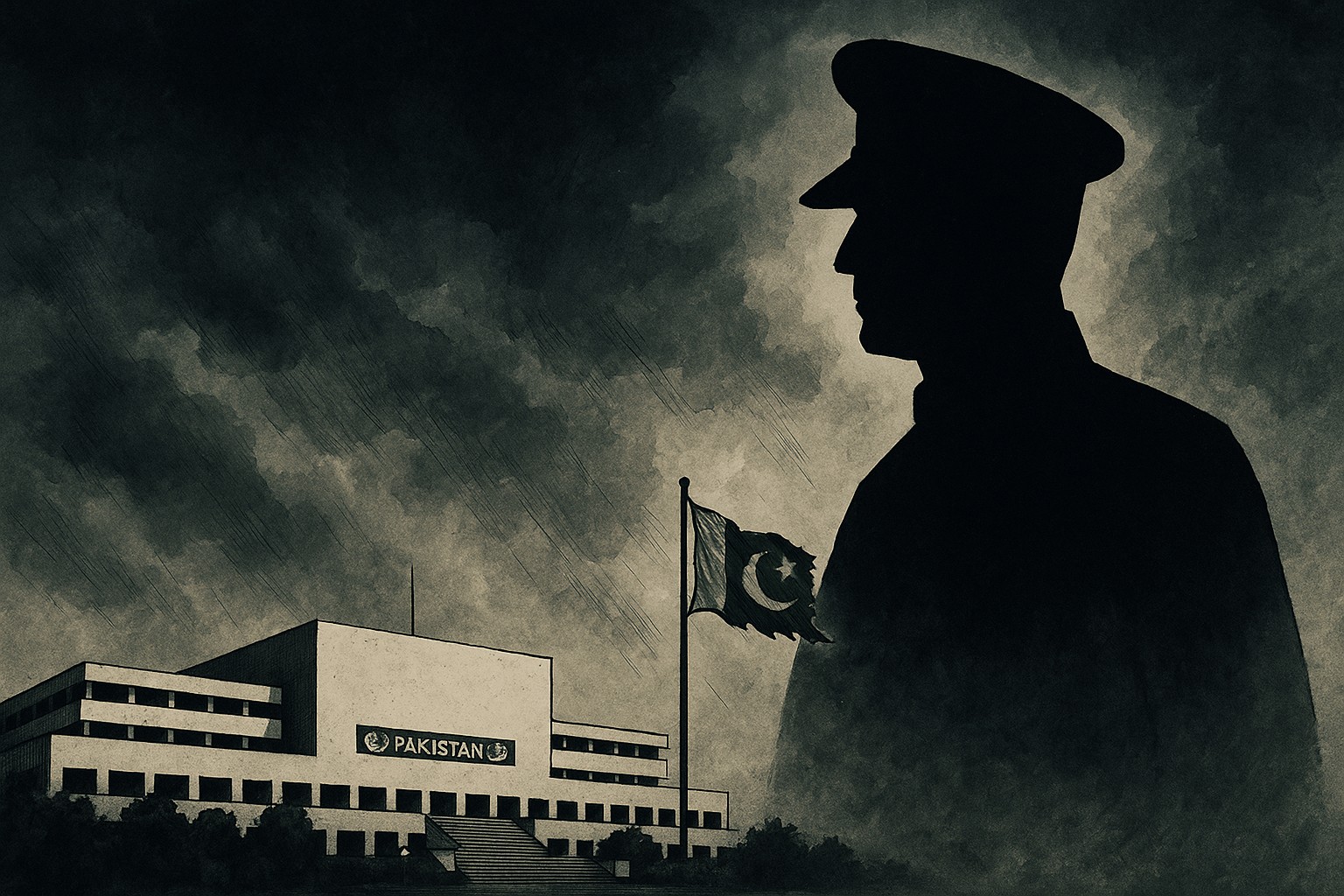
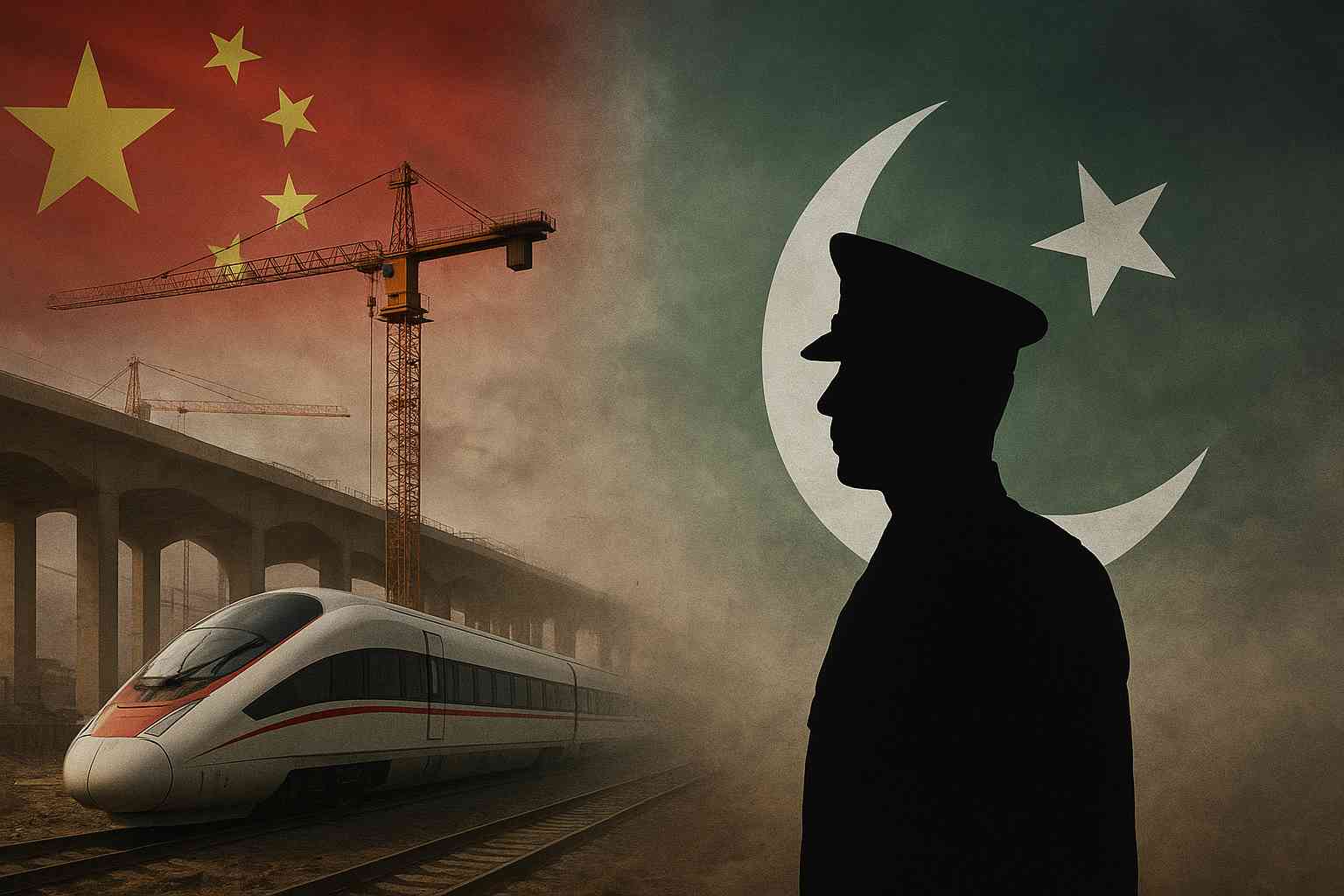
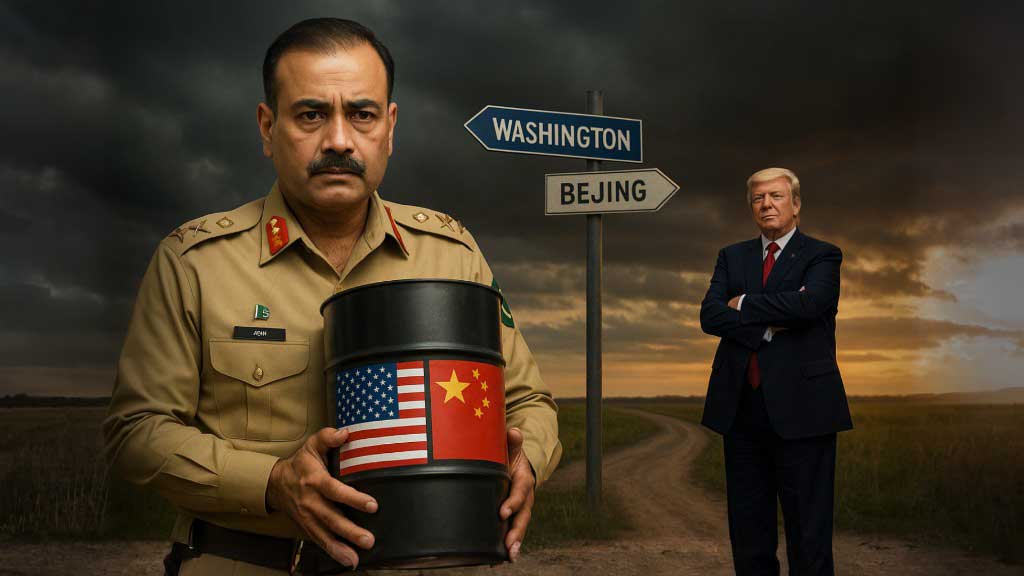
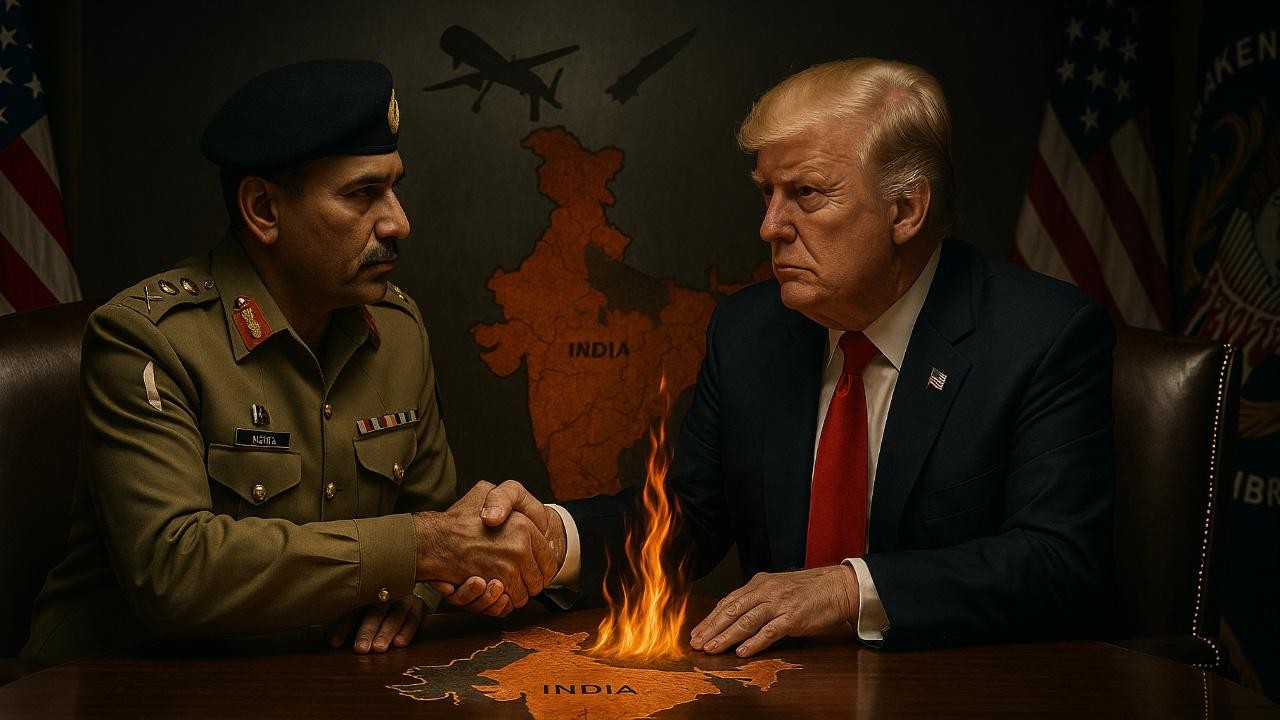
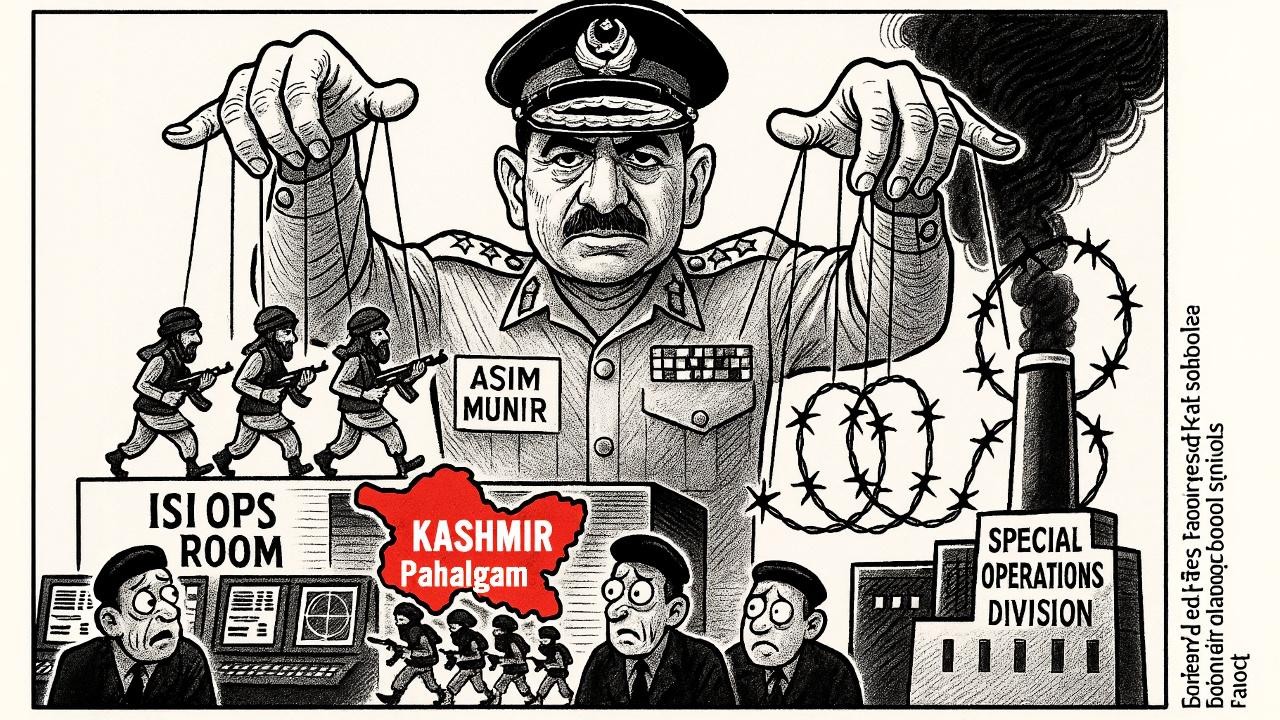
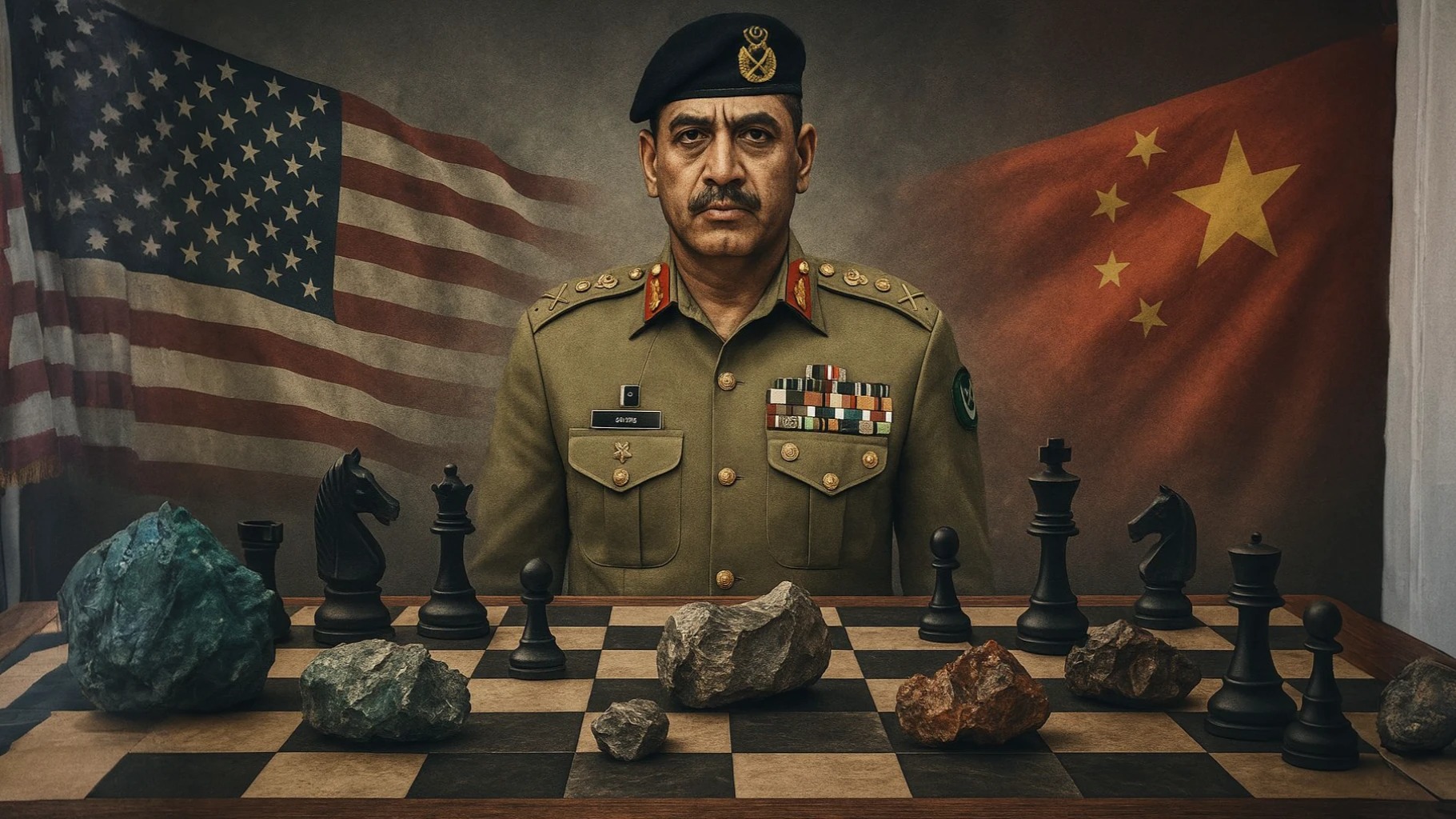
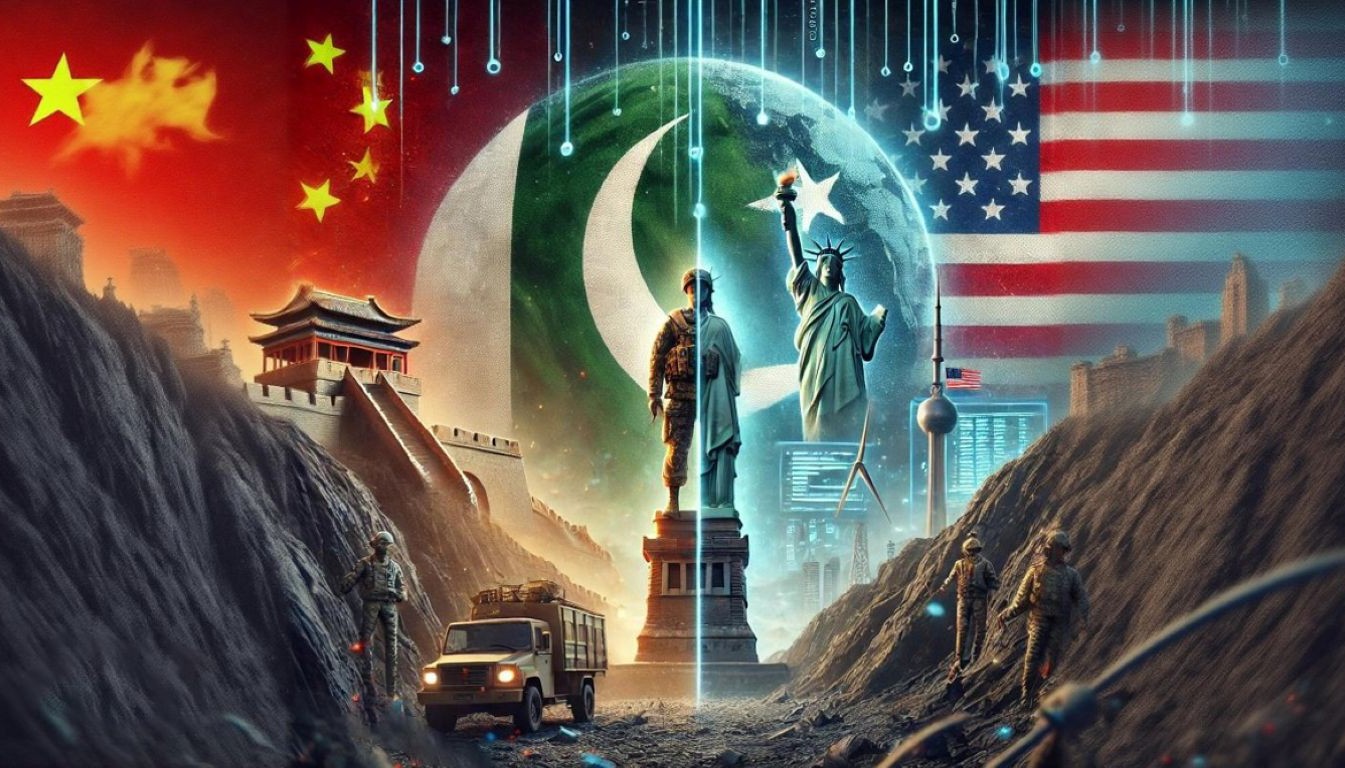
This was the Islamabad Talks Trap.
So the real question becomes:
Did Washington even realize it was walking into it?
The Illusion Sold to the Americans
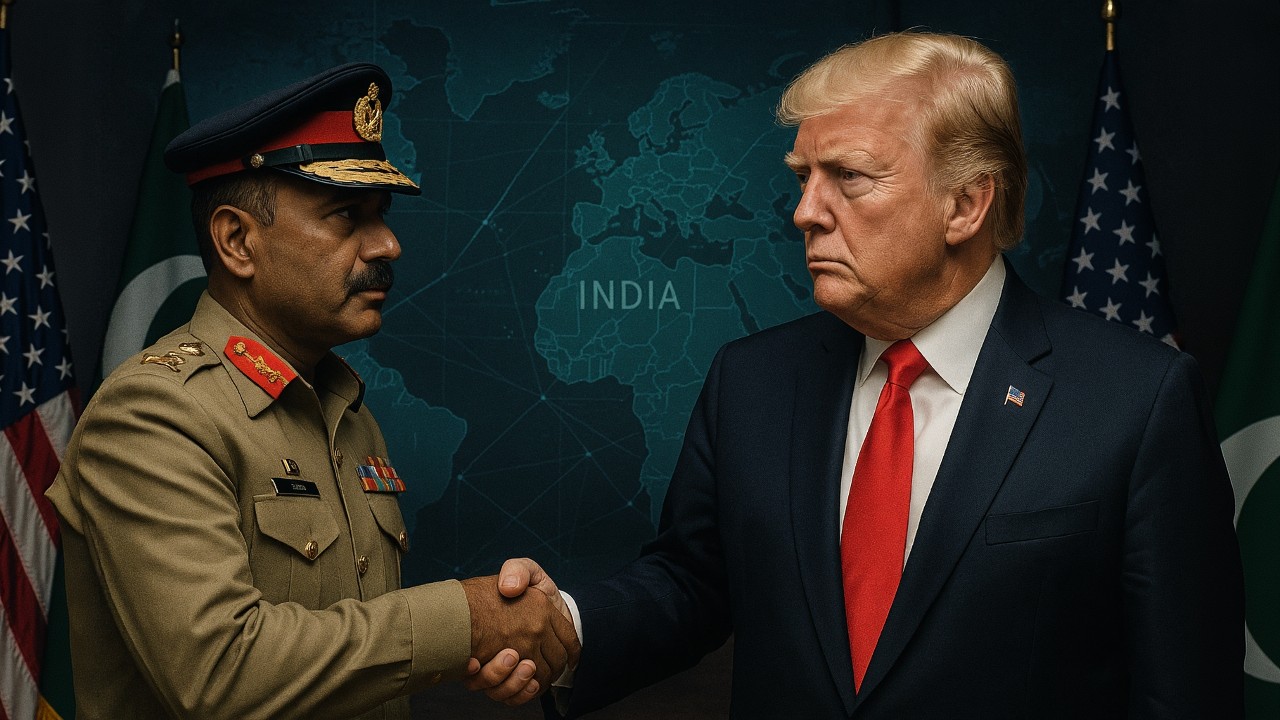
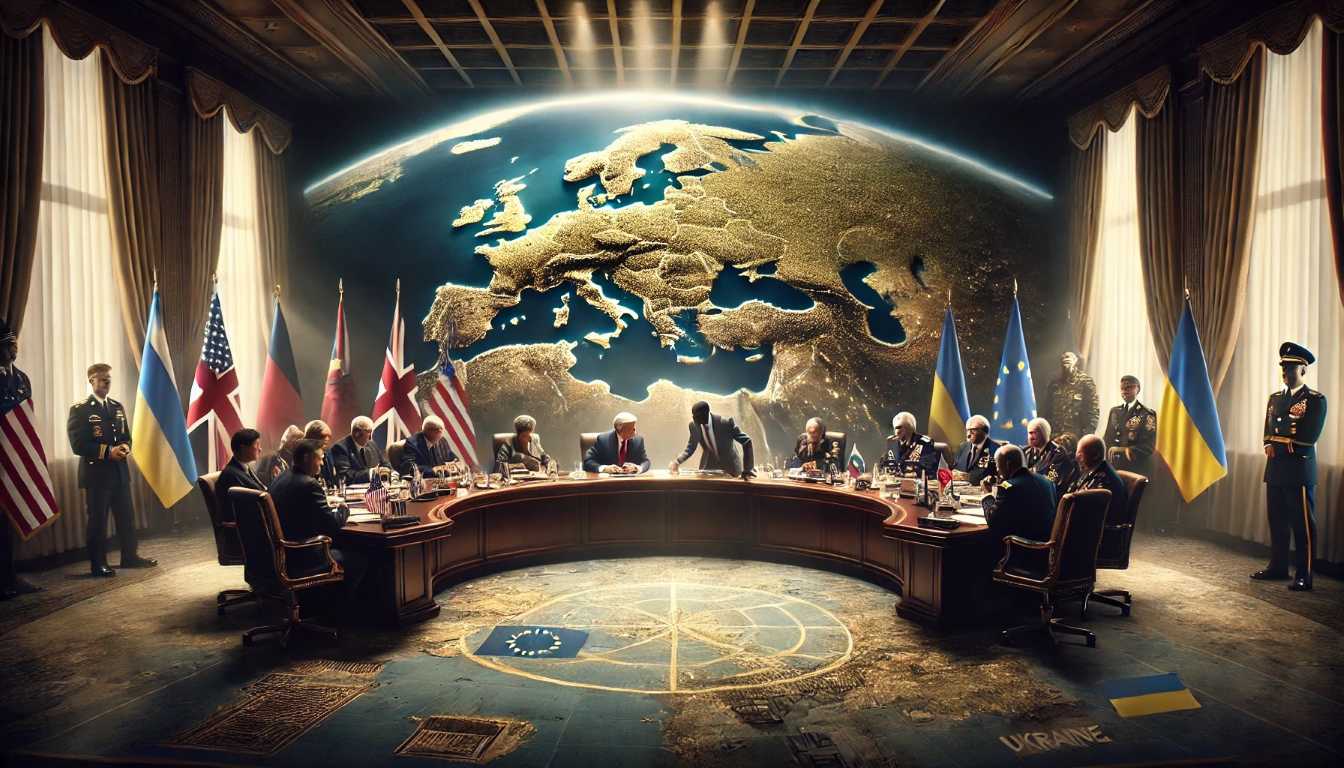
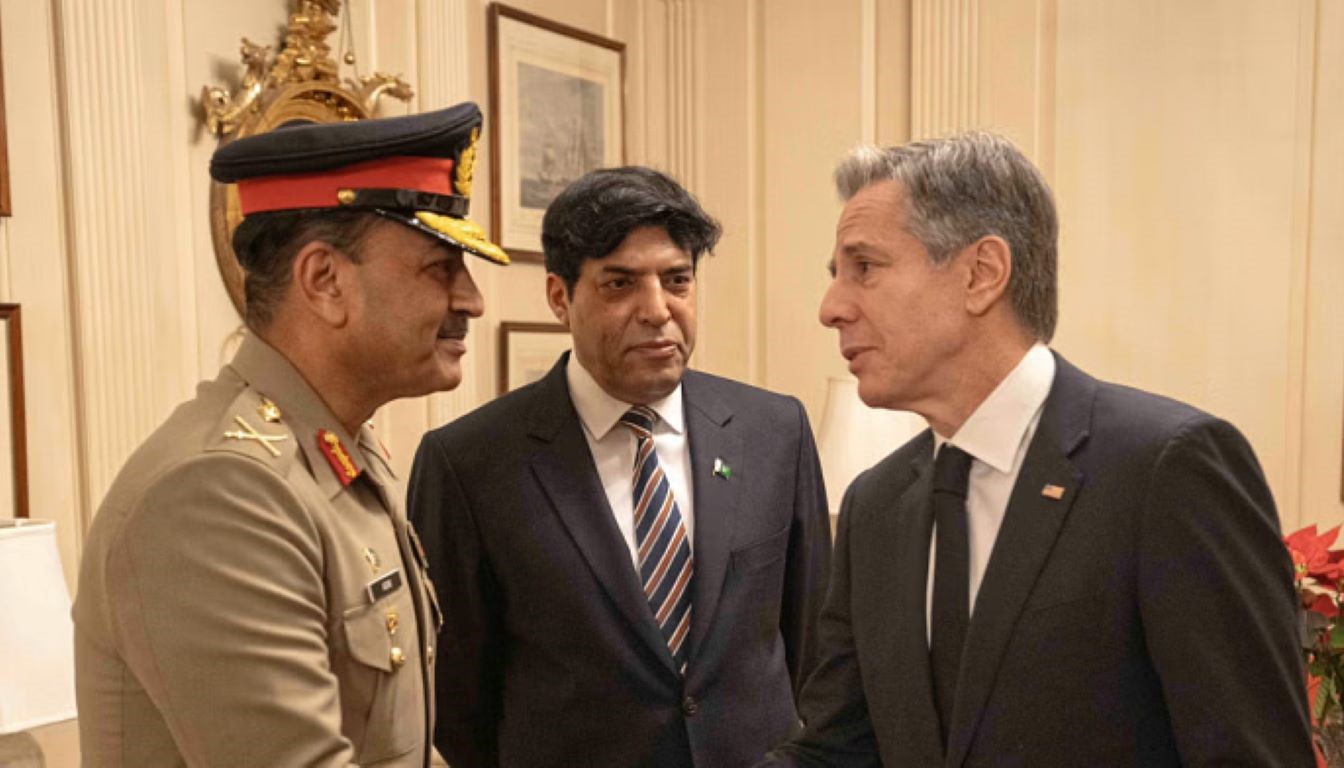
The United States did not come to Islamabad to negotiate from scratch.
Instead, it arrived believing the groundwork was already complete. Officials assumed a deal with Iran was within reach, and consequently, they expected a controlled diplomatic win.
This perception did not emerge by chance.
Carefully arranged high-level engagements reinforced it. Moreover, meetings were staged with precision, and signals suggested everything was “on track.”
However, the moment talks began, that illusion collapsed.
Iran showed no signs of bending. It offered no compromise, and importantly, it did not behave like a side under pressure.
Instead, it held the line firmly.
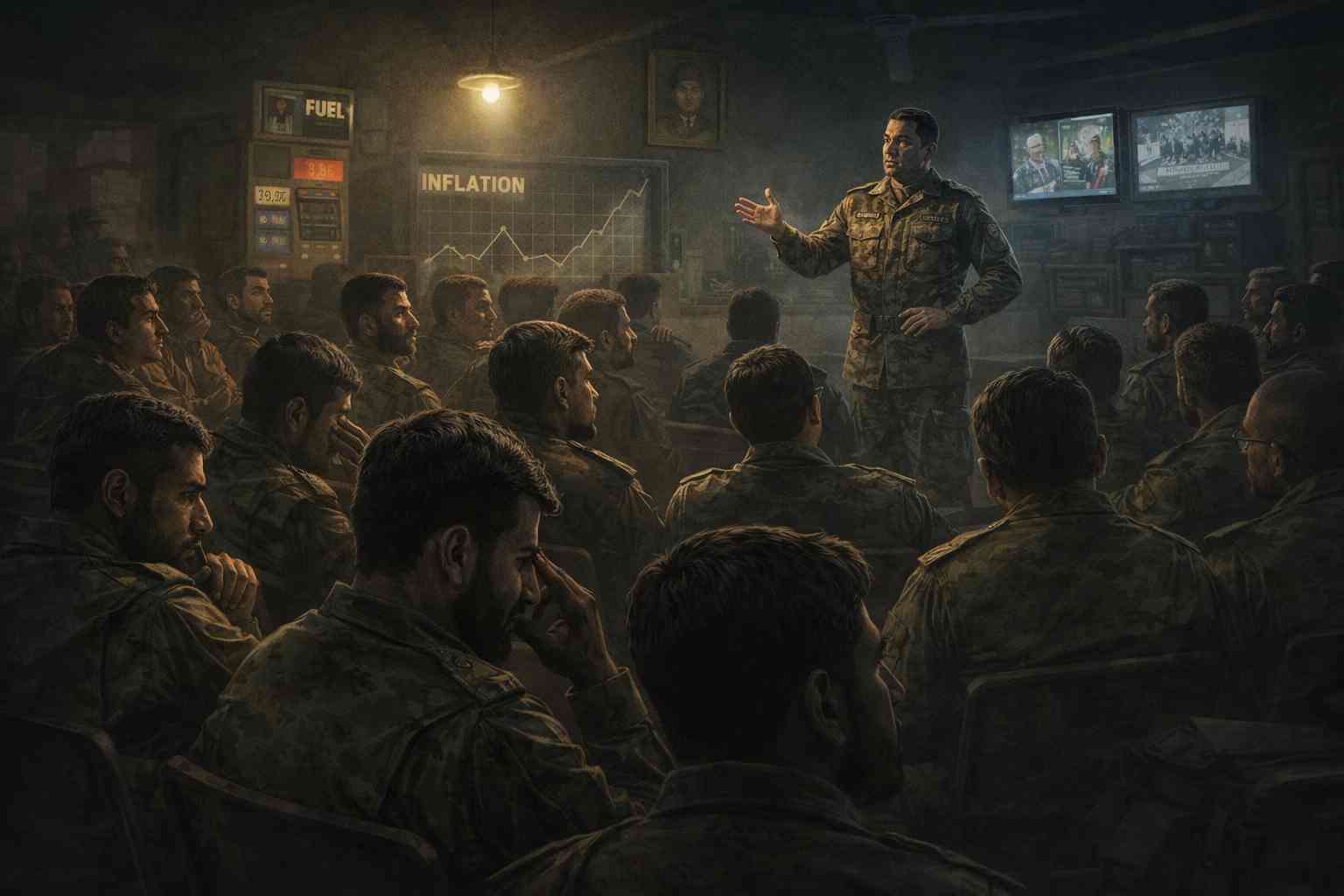
As a result, the United States found itself reacting in real time rather than negotiating from strength.
Typically, superpowers do not operate this way—unless someone has already shaped the ground beneath them.
Why Islamabad Was the Perfect Stage
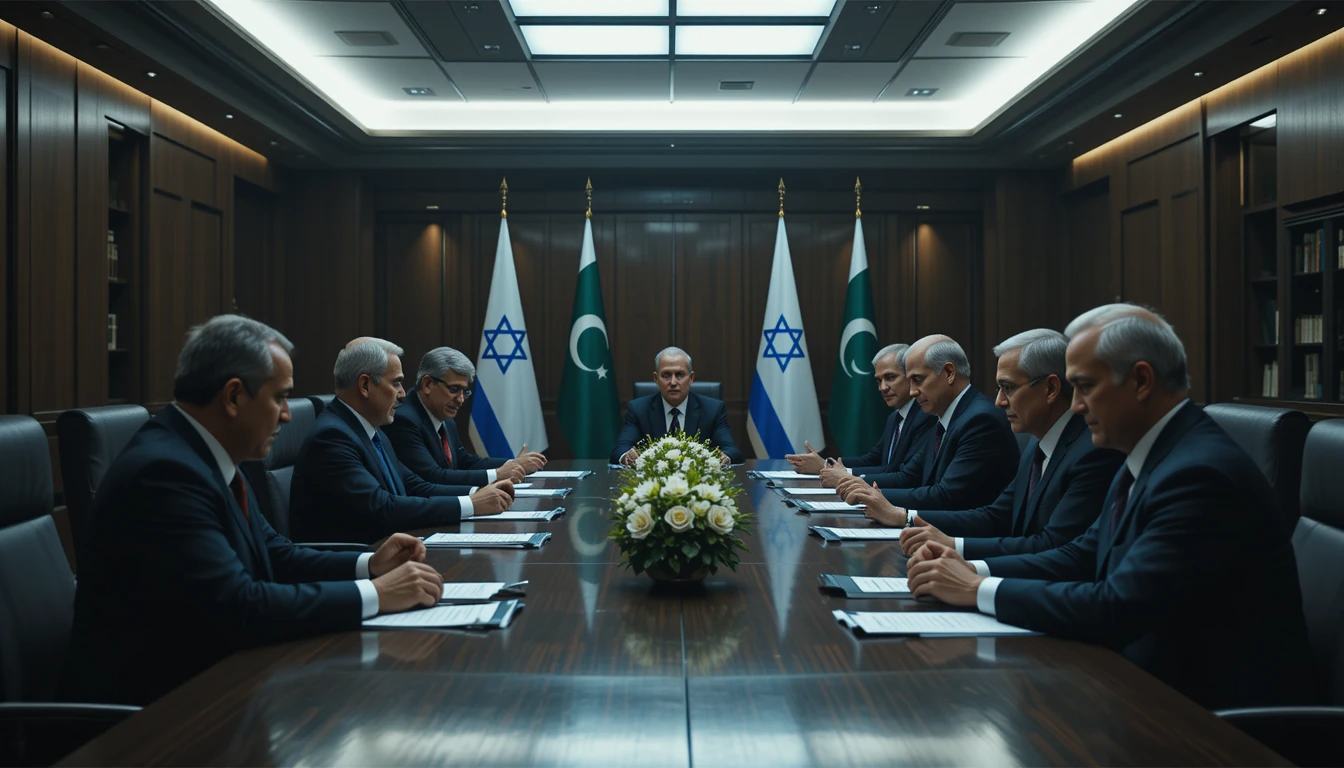
A location like Islamabad is never chosen by accident.
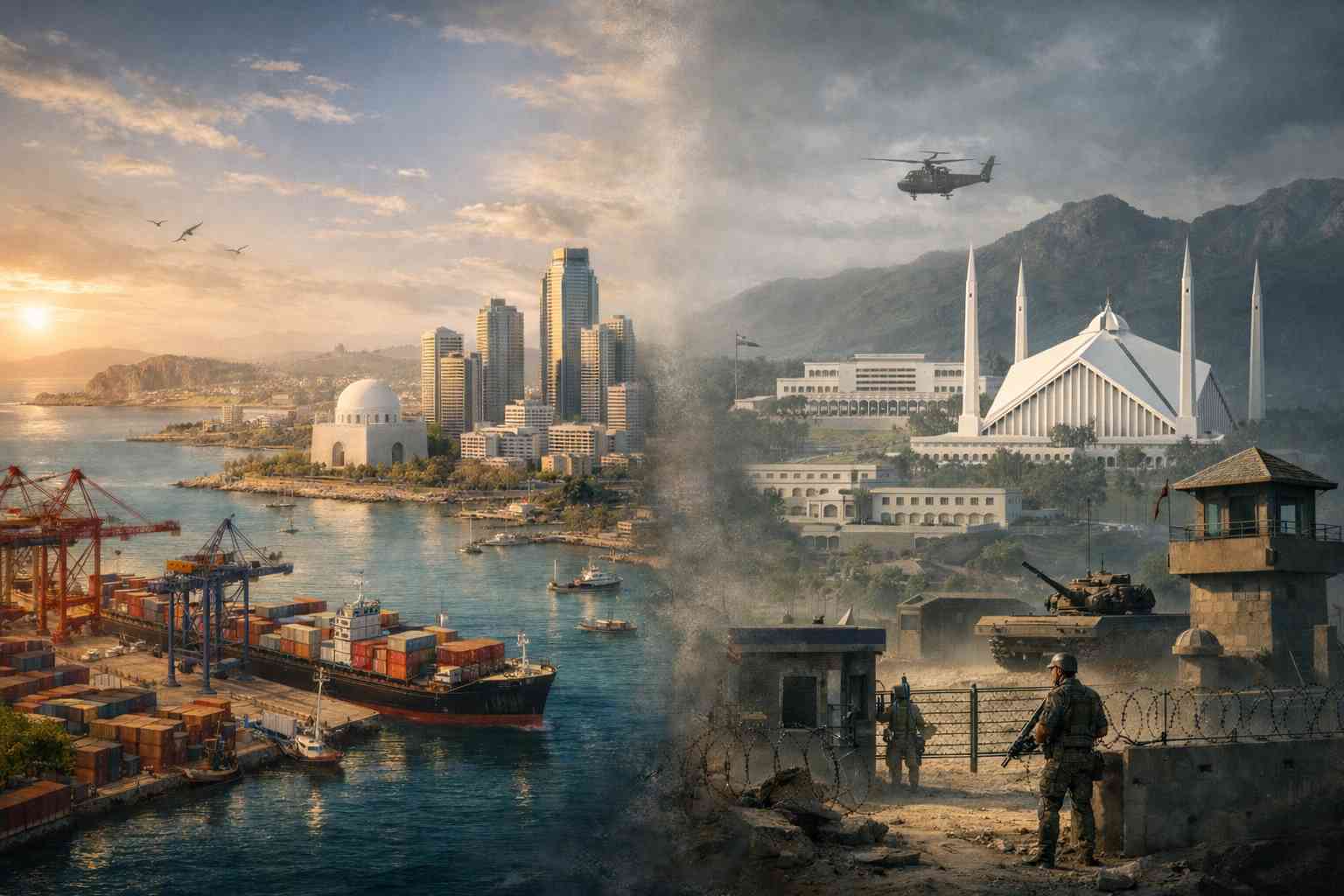
Historically, Pakistan has not been neutral ground. In fact, it has consistently demonstrated a unique strategic approach.
Over decades, it has mastered one art: playing multiple sides while aligning with the eventual winner.
In this case, the environment was tightly controlled from the outset:
- They managed access
- They filtered narratives
- They shaped the diplomatic setting before talks even began
Therefore, this was far more than just a meeting venue.
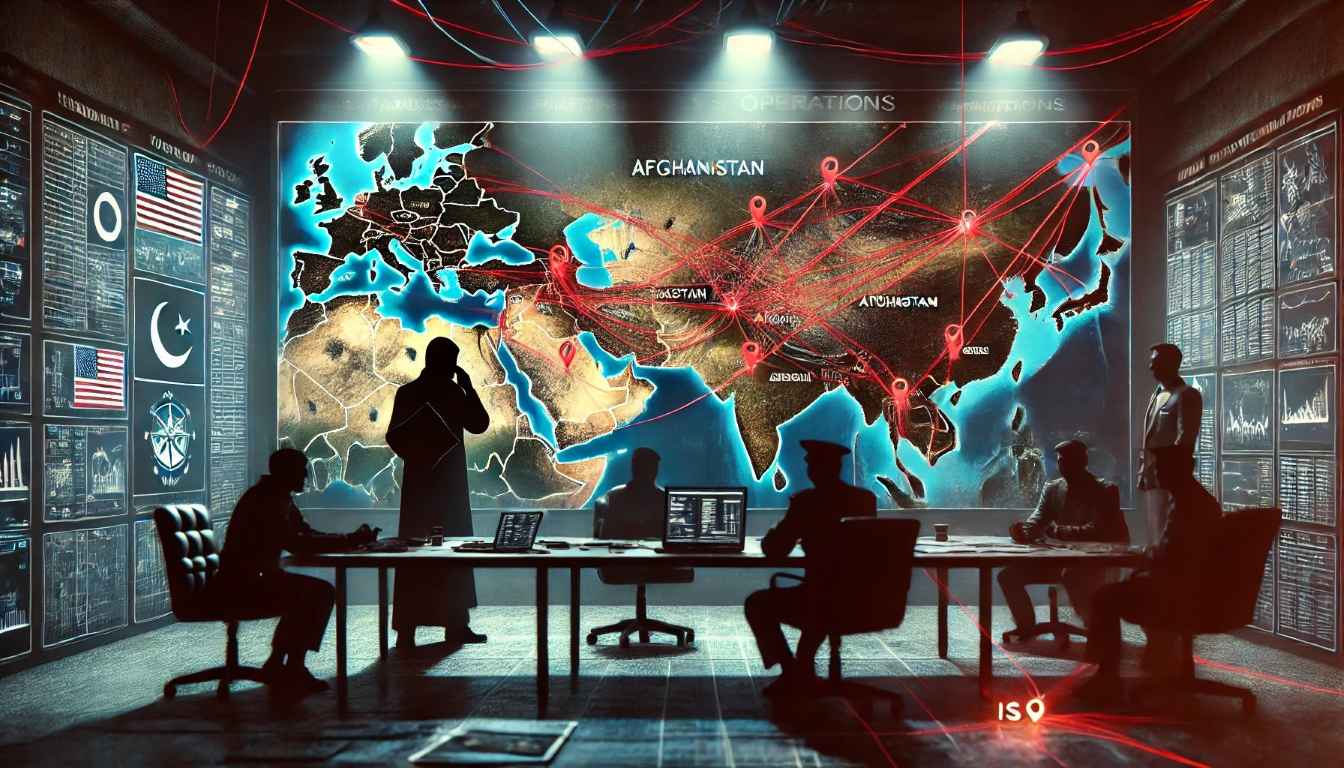
It functioned as a controlled theatre.
Once that perspective becomes clear, everything else begins to make sense.
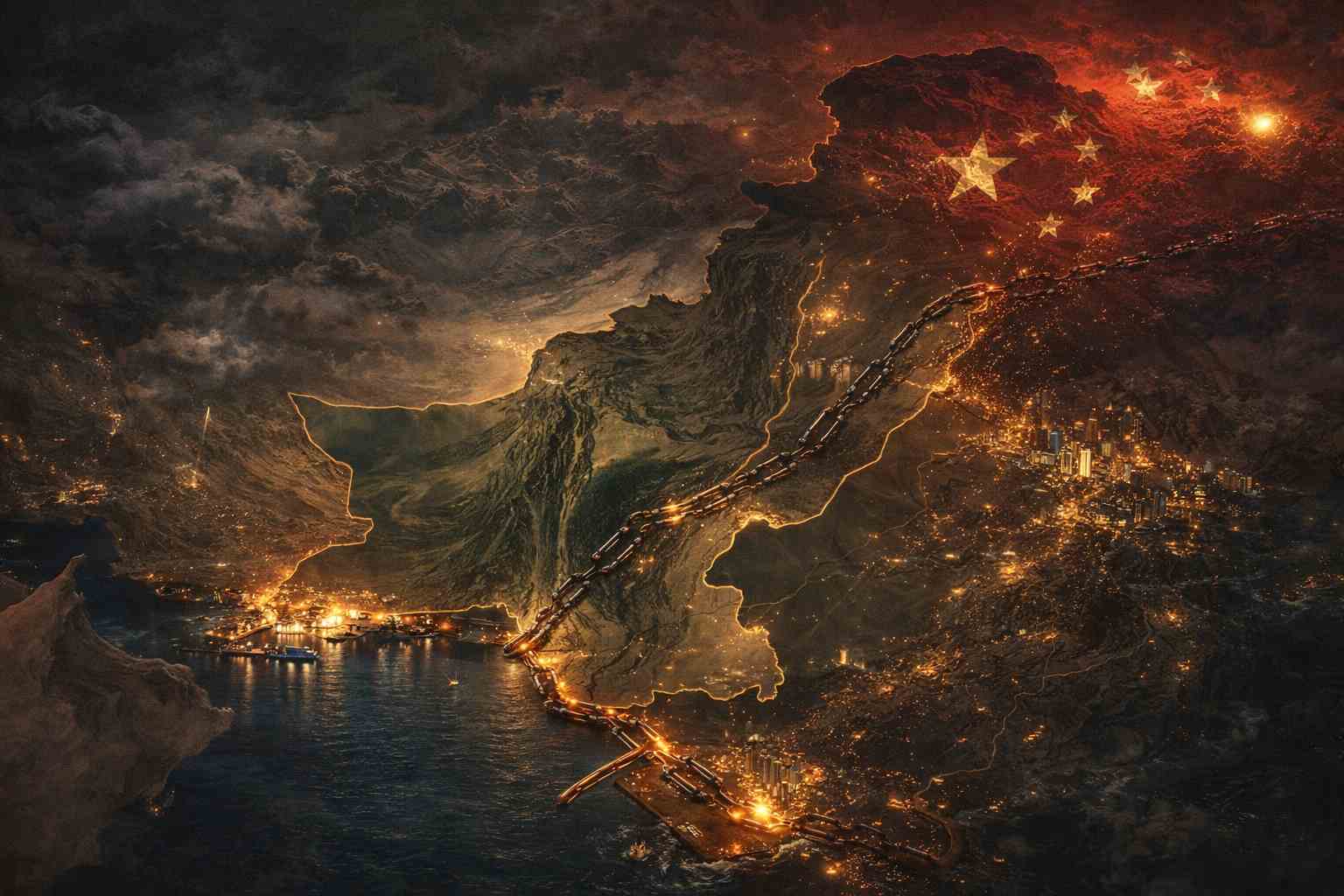
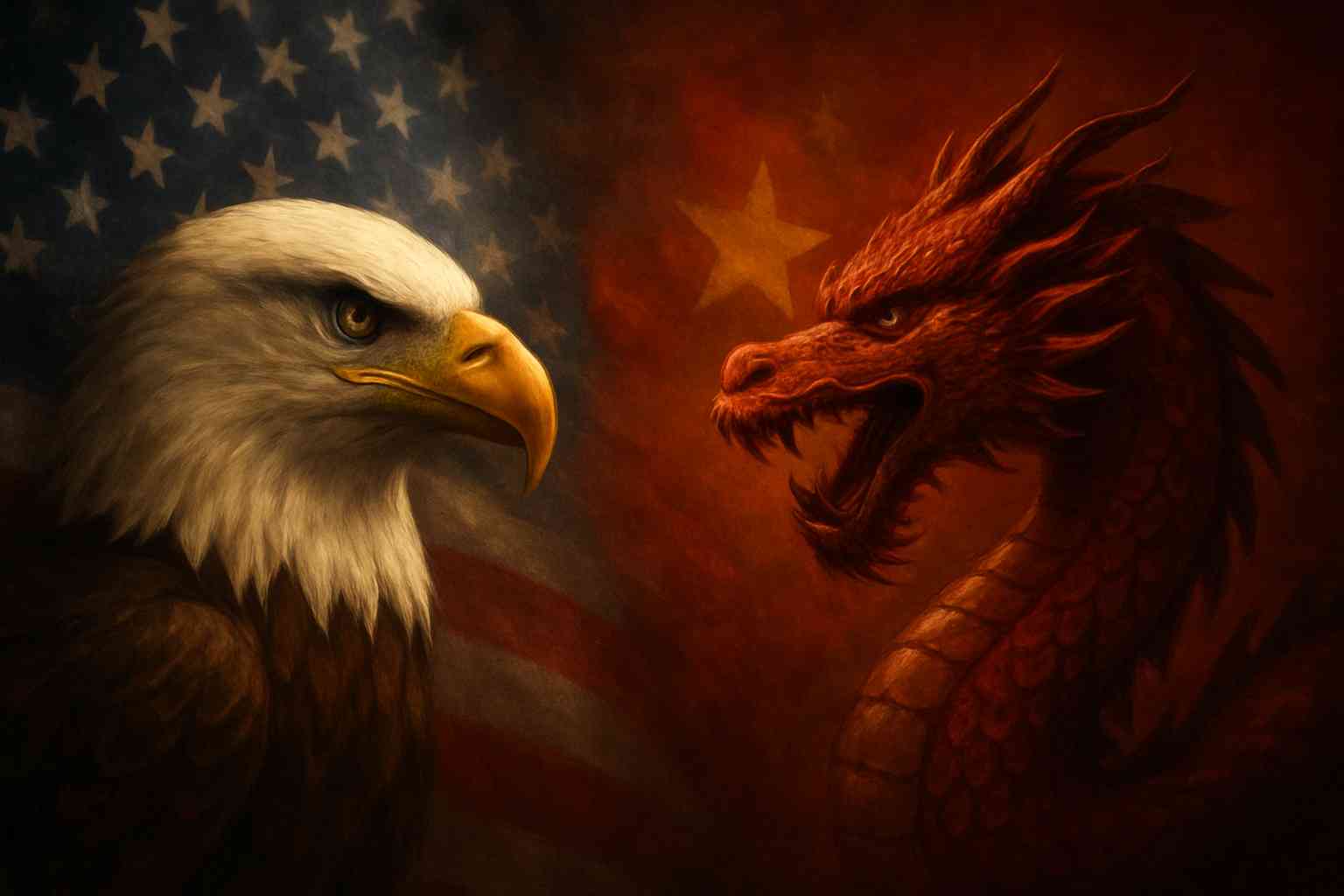
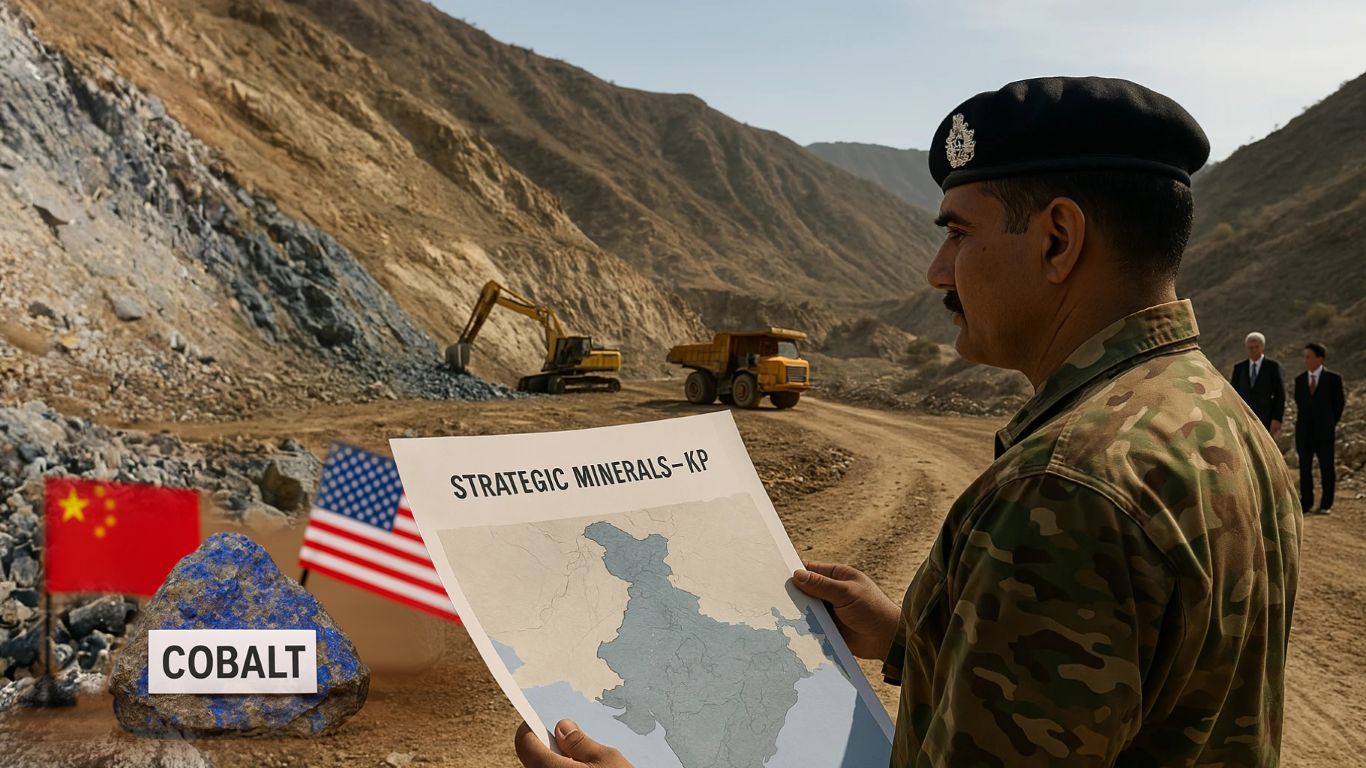
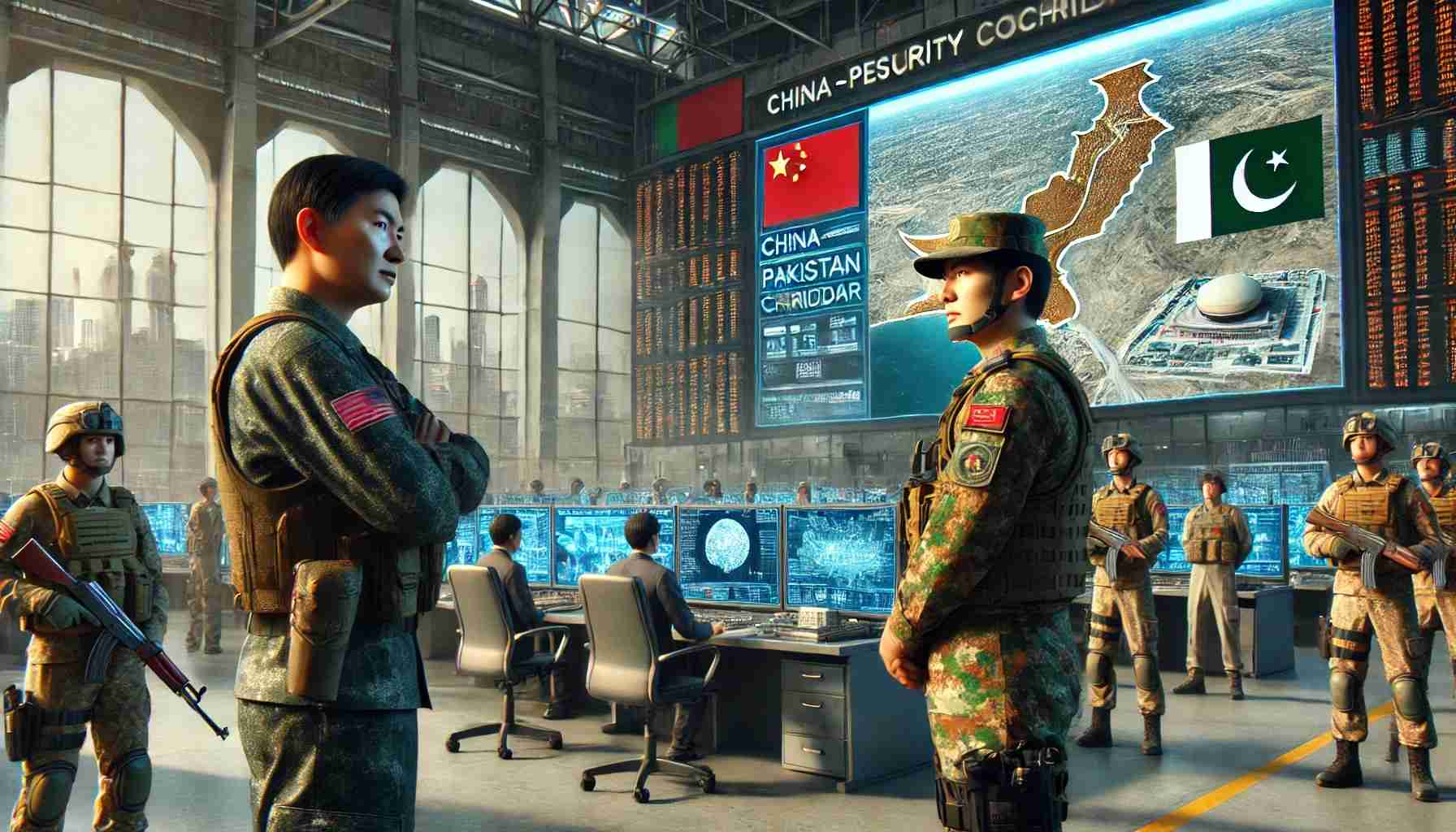
China Didn’t Speak — But It Didn’t Need To
At this point, the most critical piece comes into focus.
China.
On the surface, it made no loud statements. It avoided public confrontation and showed no dramatic positioning.
Yet despite that silence, its influence is evident throughout.
Iran entered those talks with confidence—confidence not typical of a sanctioned state, but rather of a country backed by a broader strategic umbrella.
Such positioning does not happen in isolation.
Instead, it reflects a familiar Chinese playbook:
- Let others engage
- Let others exhaust themselves
- Then step in when the ground shifts
In Islamabad, China did not need to dominate the room.
It only needed to shape the outcome.
From Talks to Tension — Too Fast to Be Coincidence
At this stage, developments become even more revealing.
First, the talks collapsed.
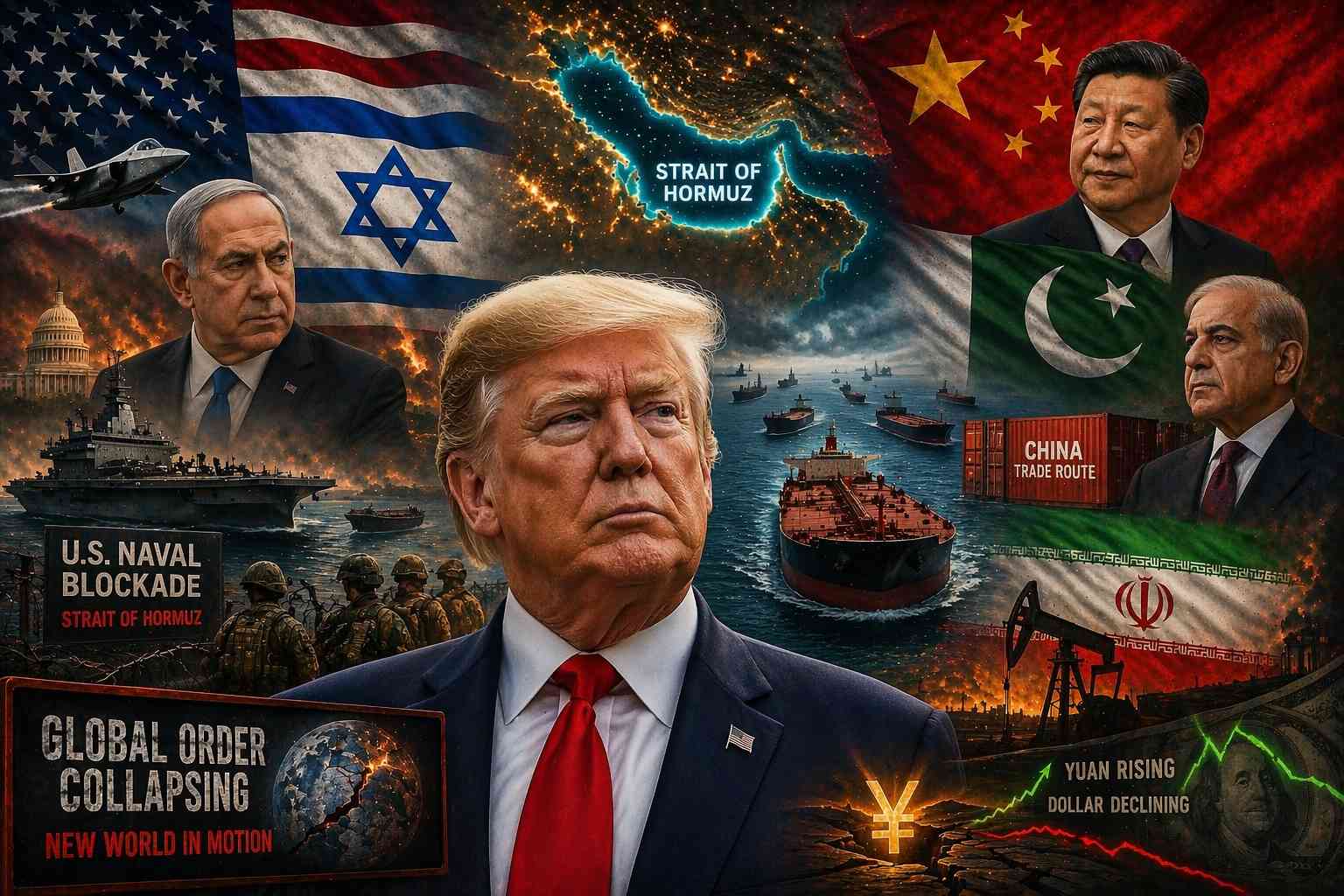
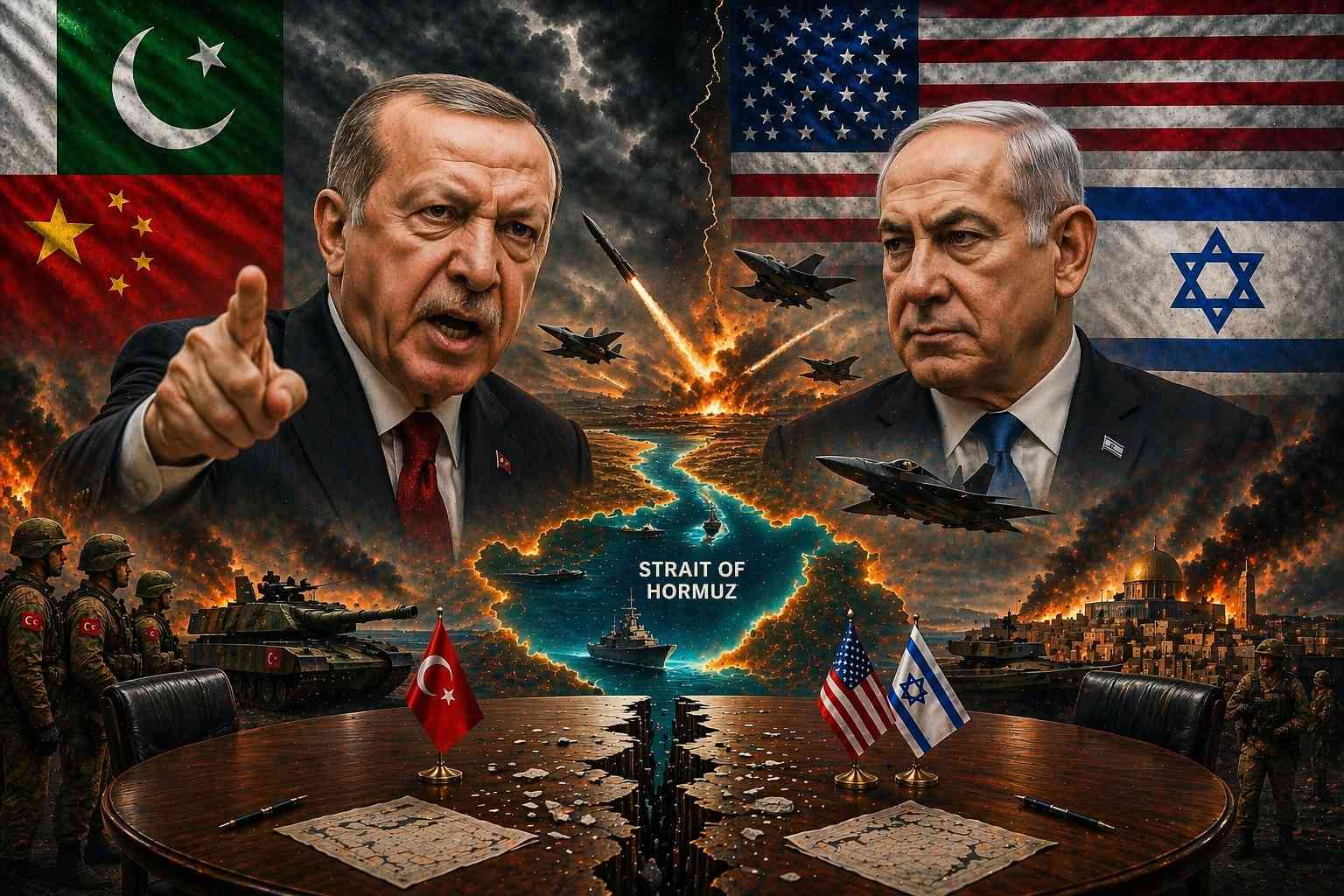
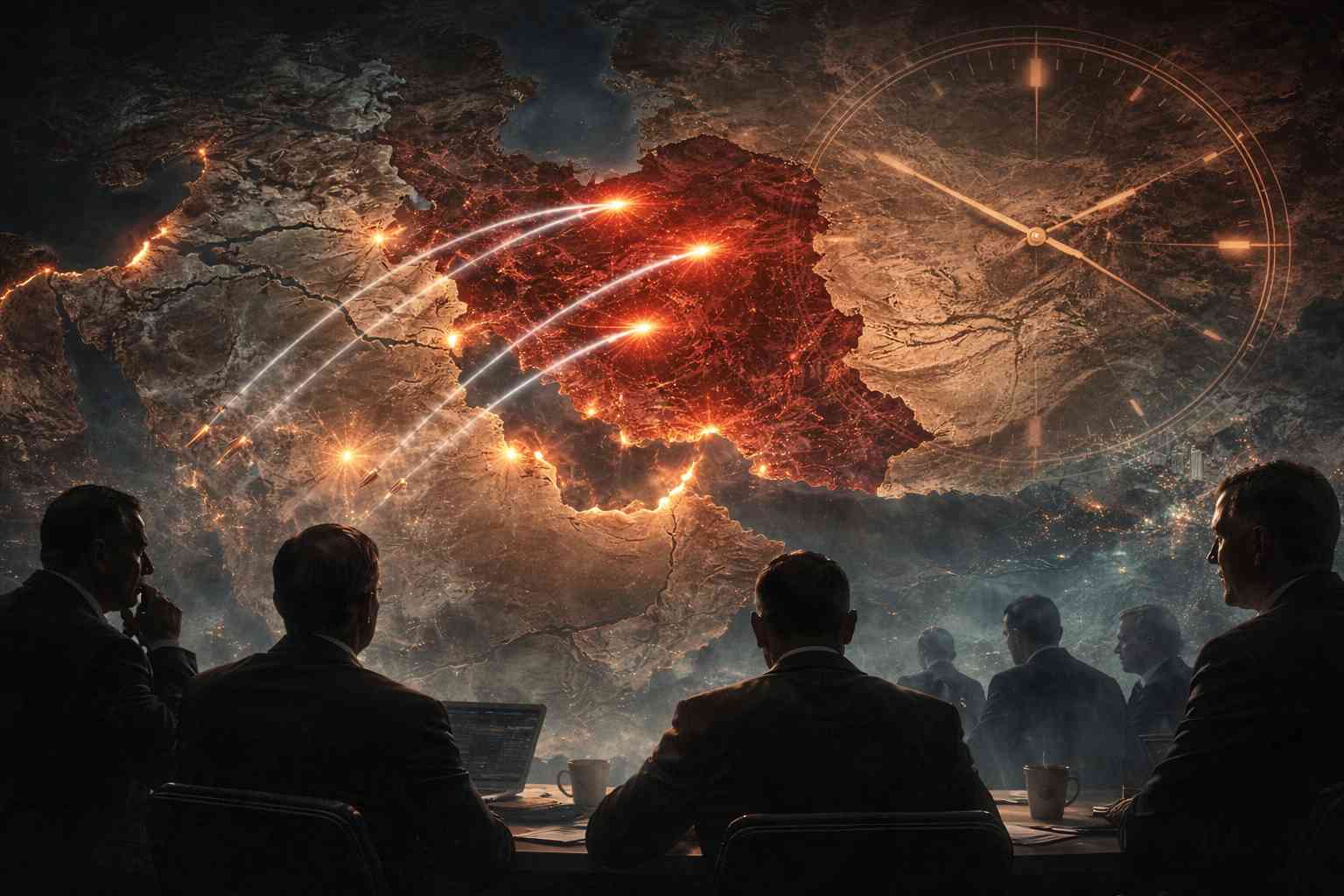
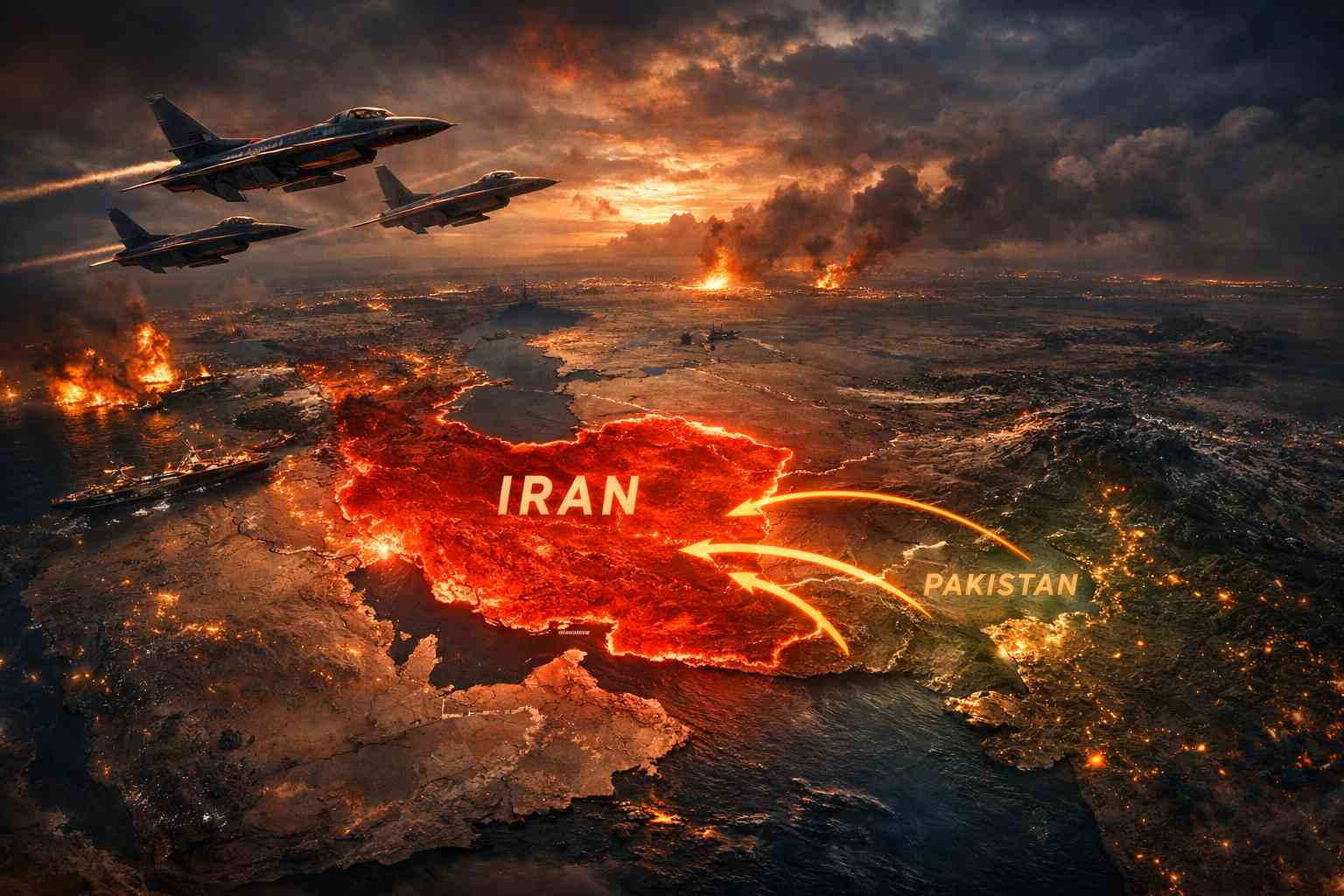
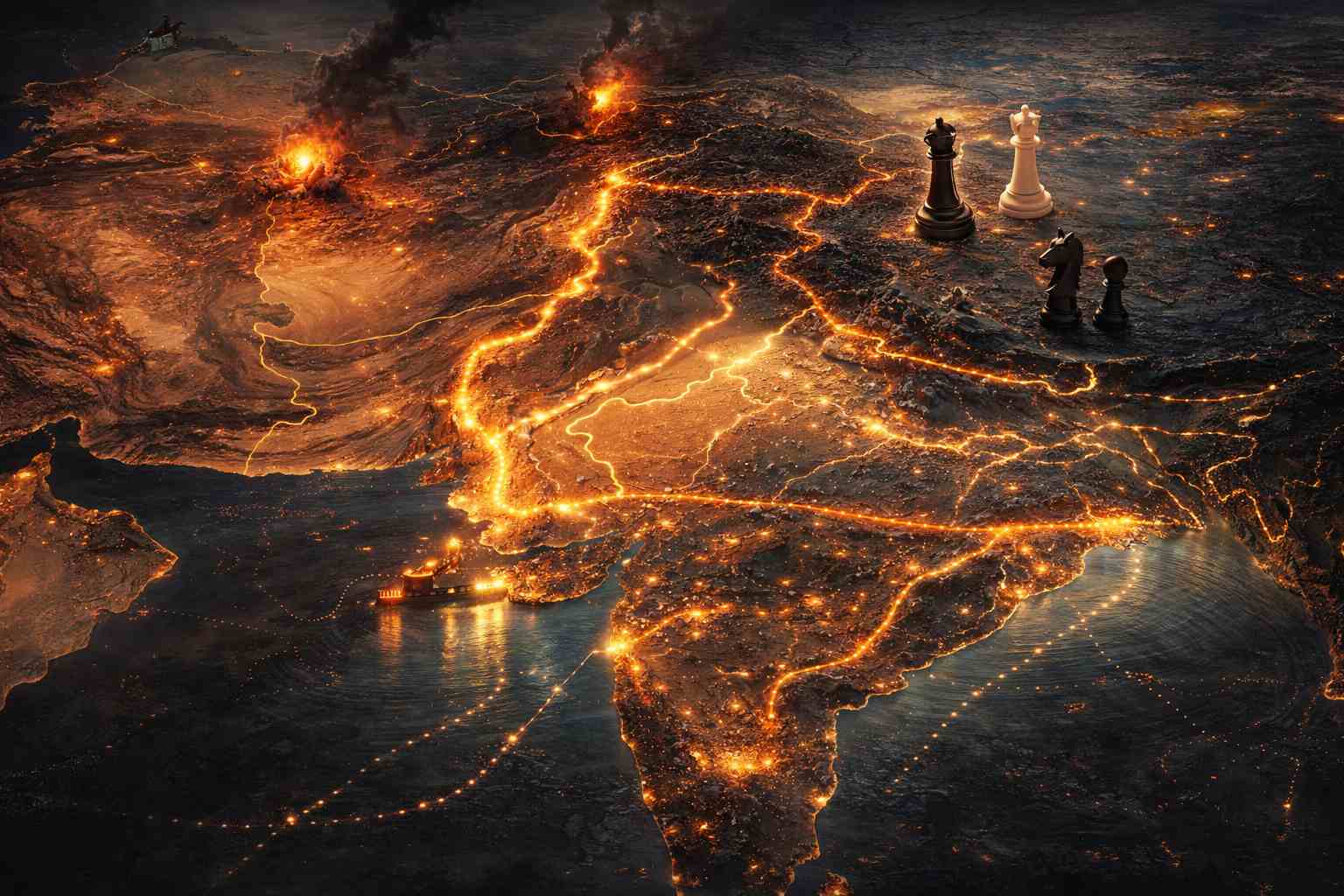
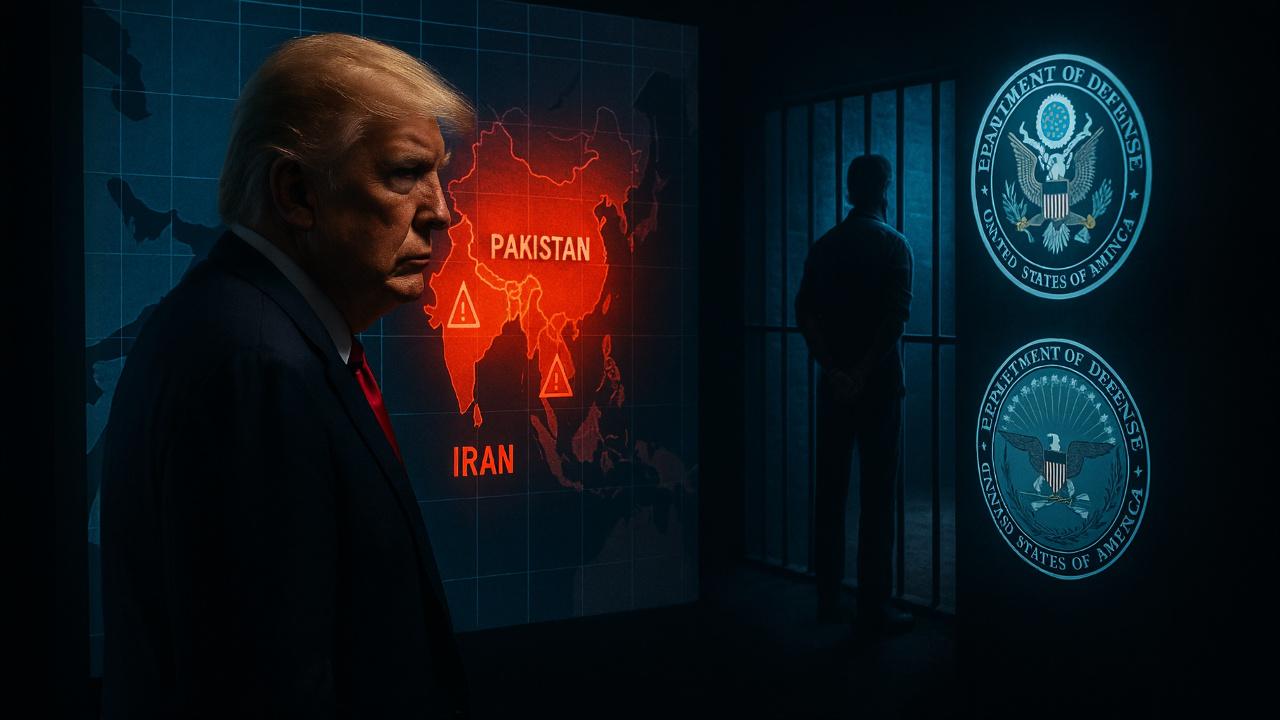
Then, almost immediately, the situation escalated toward the Strait of Hormuz.
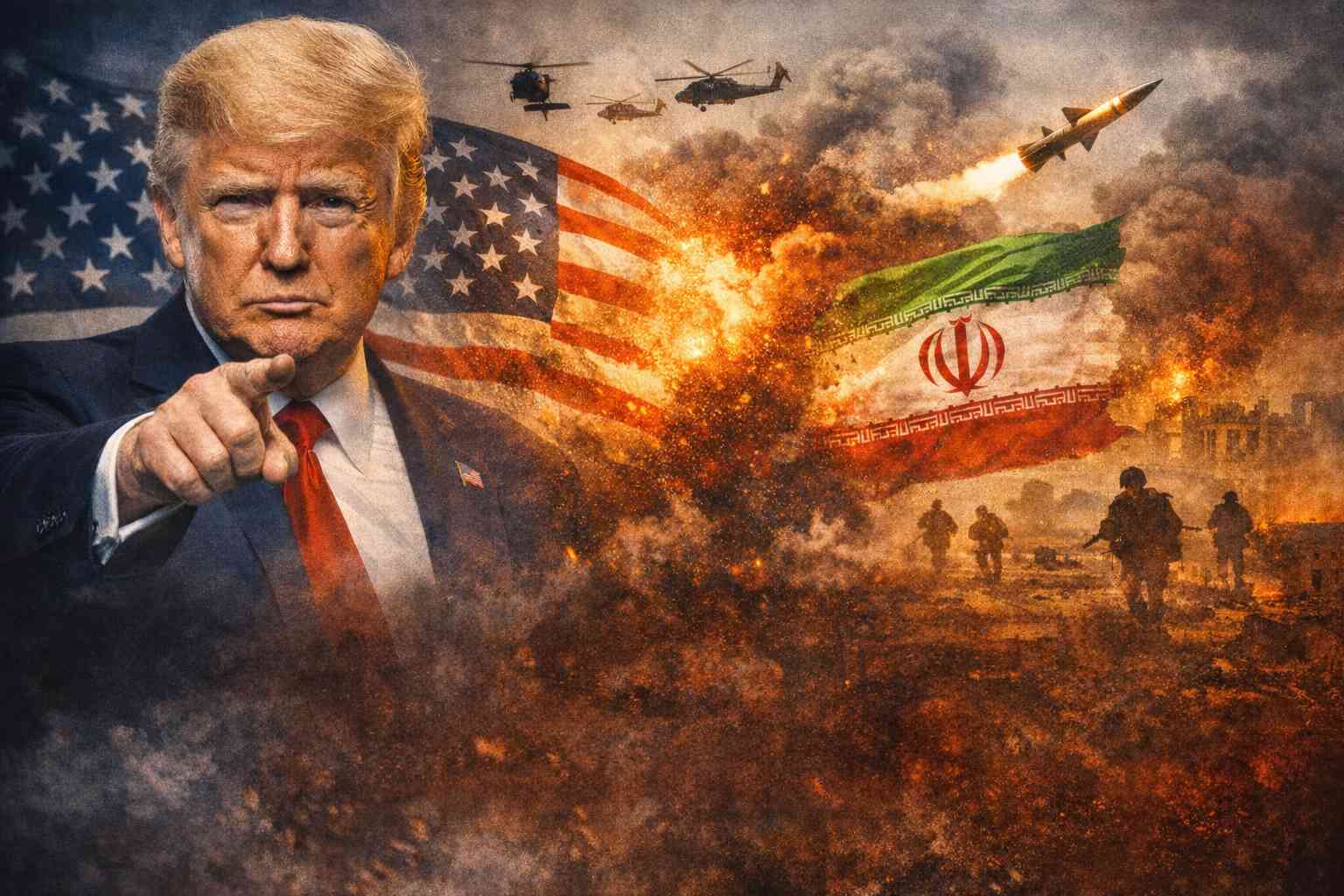
Soon after, military movement followed. At the same time, strategic pressure increased, and global attention shifted.
This transition was not organic.
Rather, it unfolded too quickly. It aligned too precisely and, notably, benefited multiple actors simultaneously.
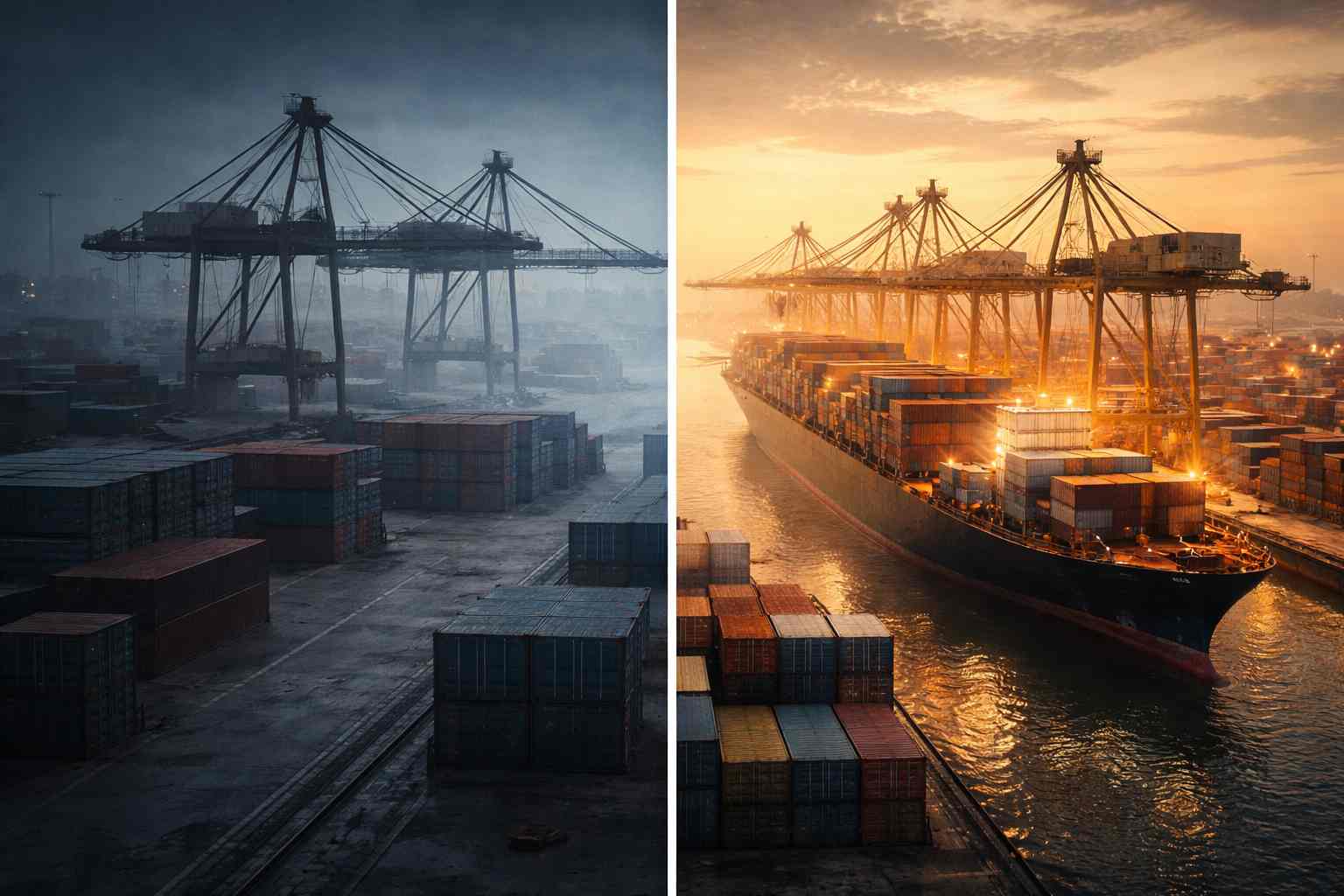
Because the Strait of Hormuz is not just a location.
Instead, it represents leverage.
Control that choke point, and you influence not only the Middle East—but also the global economy.
Therefore, what appeared to be a diplomatic breakdown quickly evolved into something far more significant:
A repositioning of power.
Washington’s Problem: Control vs Reality
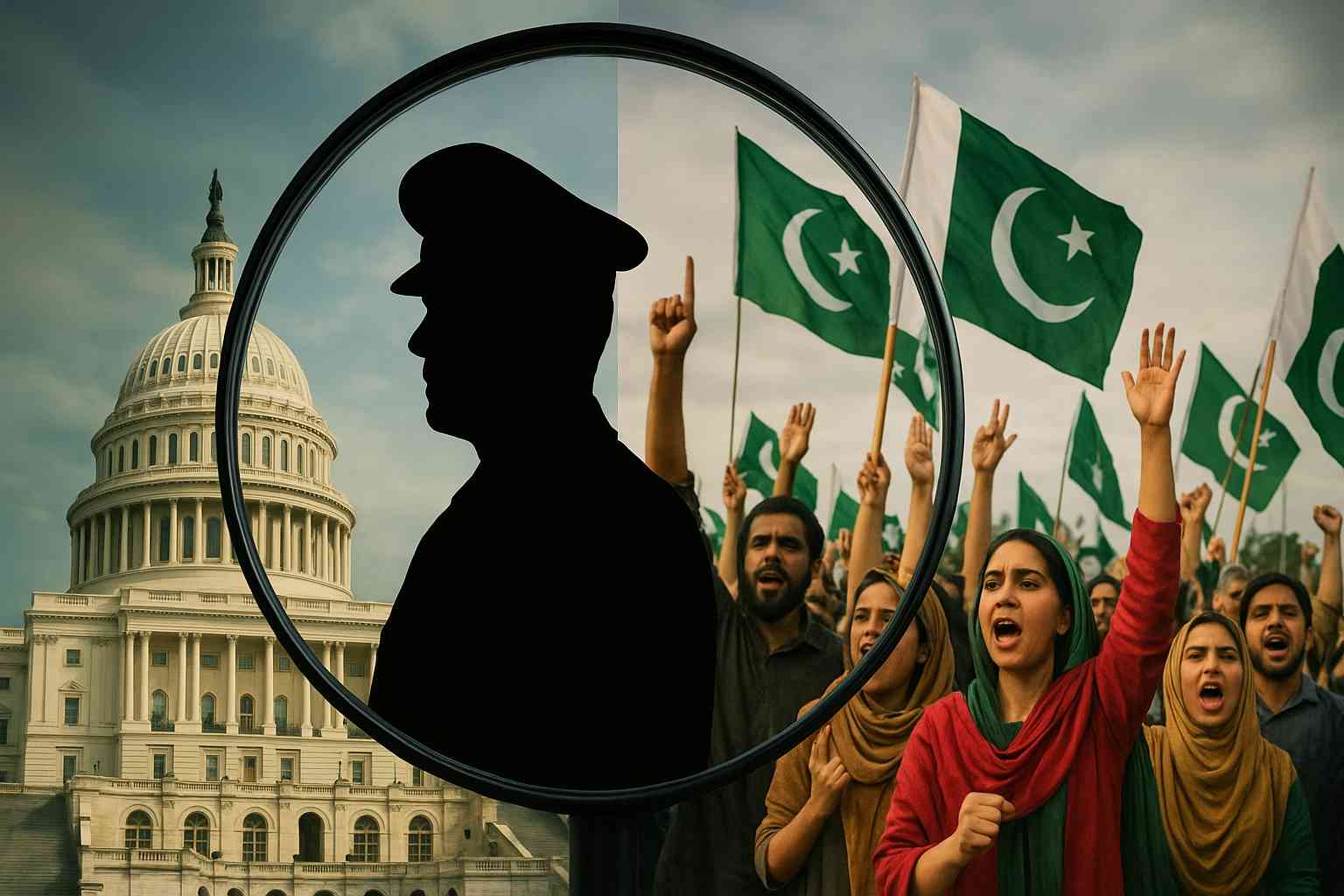
The United States entered Islamabad with the belief that it controlled the situation.
However, that assumption became its core mistake.
In geopolitics, power is not declared—it is tested.
In this instance, the test failed.
- The deal never materialized
- The narrative slipped
- Escalation followed
Consequently, Washington now manages consequences instead of shaping outcomes.
Once a superpower shifts into reaction mode, the balance inevitably begins to change.
A New Axis Is Quietly Taking Shape
Meanwhile, while attention remained fixed on the US and Iran, another shift unfolded in the background.
Gradually, a new alignment began to form—informal, yet undeniably real.
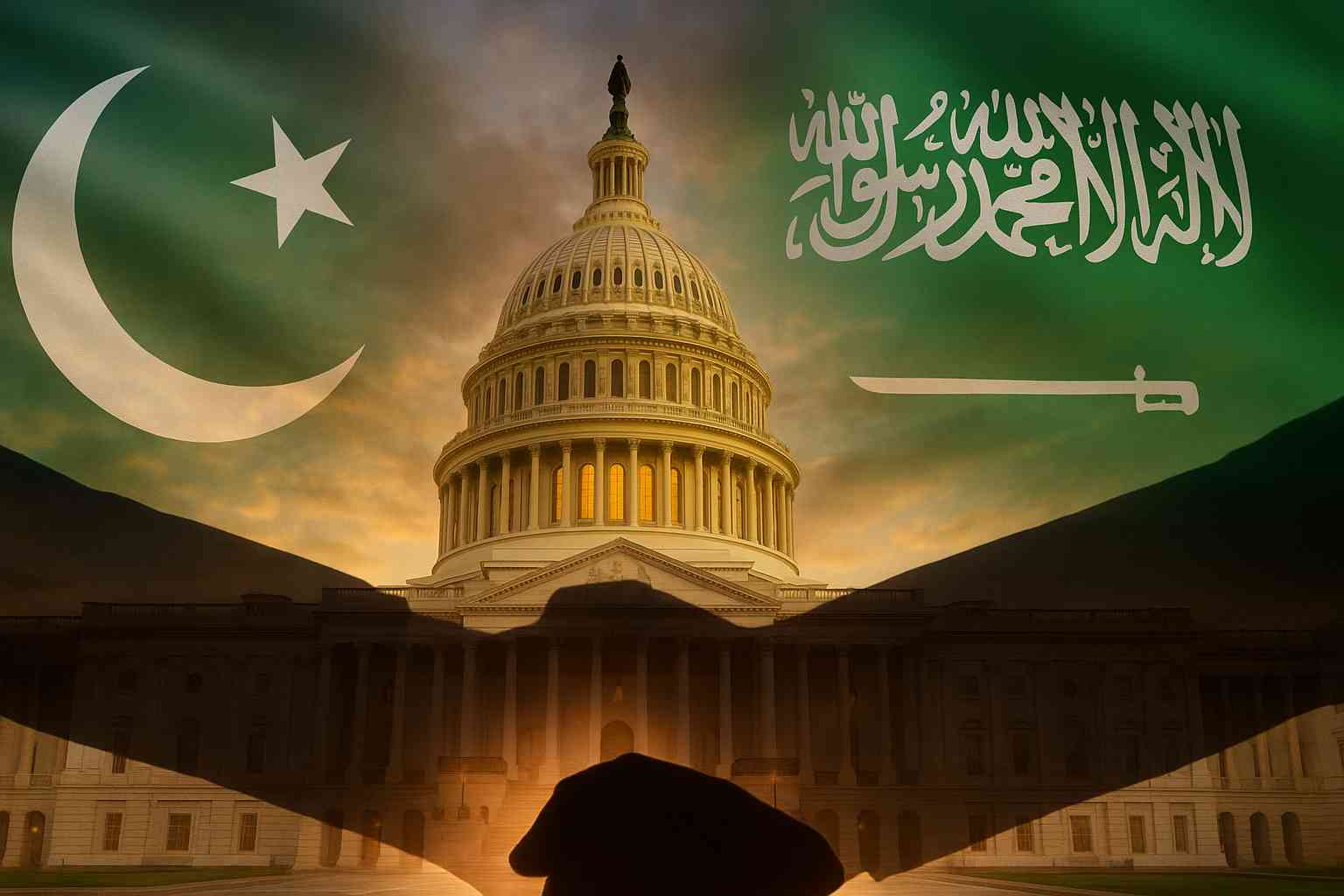
- China
- Iran
- Saudi Arabia
- Pakistan
This is not a formal alliance, nor is it a signed agreement.
Instead, it reflects a shared direction.
As a result, energy routes, strategic depth, and regional influence are now aligning more closely.
That is how modern power shifts occur—not through declarations, but through quiet convergence.
Why This Crisis Is Bigger Than It Looks
At first glance, this may appear to be about diplomacy alone.
However, that assumption does not hold.
If it were only about diplomacy, it would have ended in Islamabad—but it did not.
The real impact, instead, is economic.
The moment instability touches the Strait of Hormuz, the ripple effect begins:
- Oil prices react
- Markets tighten
- Supply chains come under pressure
Consequently, a regional issue rapidly becomes a global problem.
This is not theoretical.
In fact, it is already unfolding.
Final Word: This Was Not a Mistake
Let’s not sugarcoat it.
The Islamabad Talks Trap was executed with precision.
- They drew the US into a controlled environment
- They shaped expectations in advance
- They allowed the outcome to collapse
Moreover, the aftermath proves even more revealing than the talks themselves.
Because the real victory was never about signing a deal.
It was about shifting the board.
The United States came looking for closure.
Instead, it received a reminder:
In today’s world, power does not always belong to the loudest voice.
Sometimes, it belongs to those who never need to speak at all.
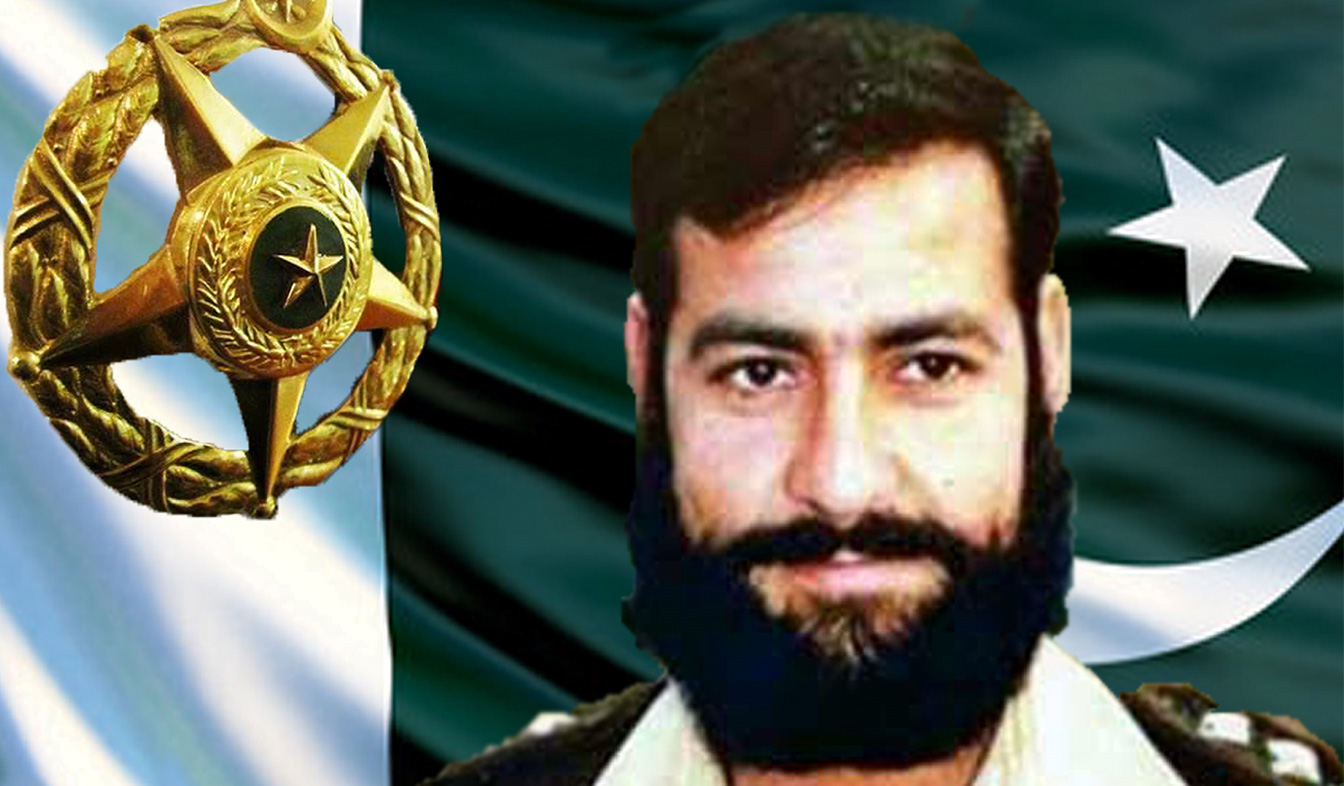
Adil Raja is a retired major of the Pakistan Army, freelance investigative journalist, and dissident based in London, United Kingdom. He is the host of “Soldier Speaks Reloaded,” an independent commentary platform focused on South Asian politics and security affairs. Adil is also a member of the National Union of Journalists (UK) and the International Human Rights Foundation. Read more about Adil Raja.. Read more about Adil Raja.