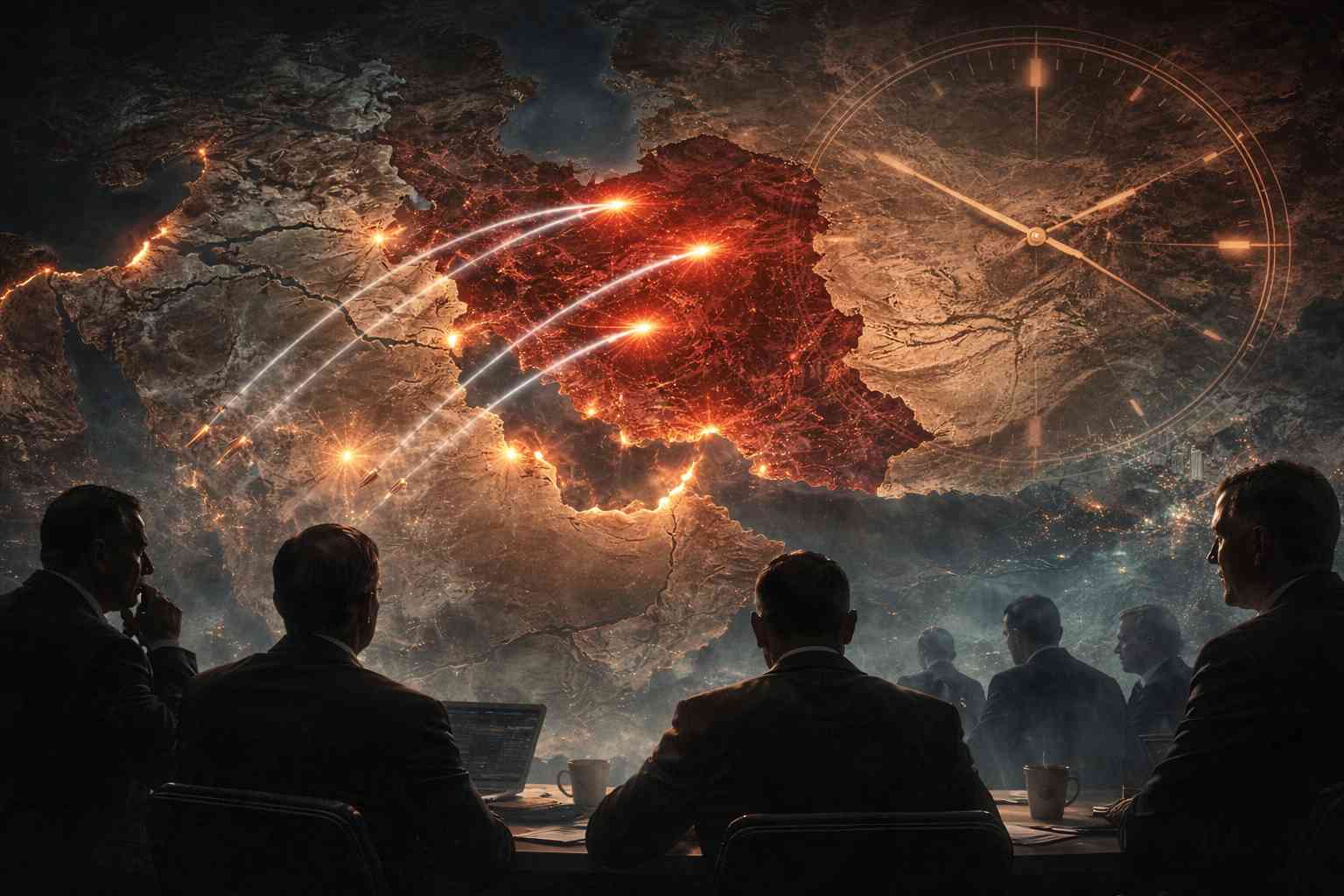
The world was on edge.
From Washington to Tehran, from London to Islamabad, all eyes were fixed on one question:
Will this escalate into something irreversible?
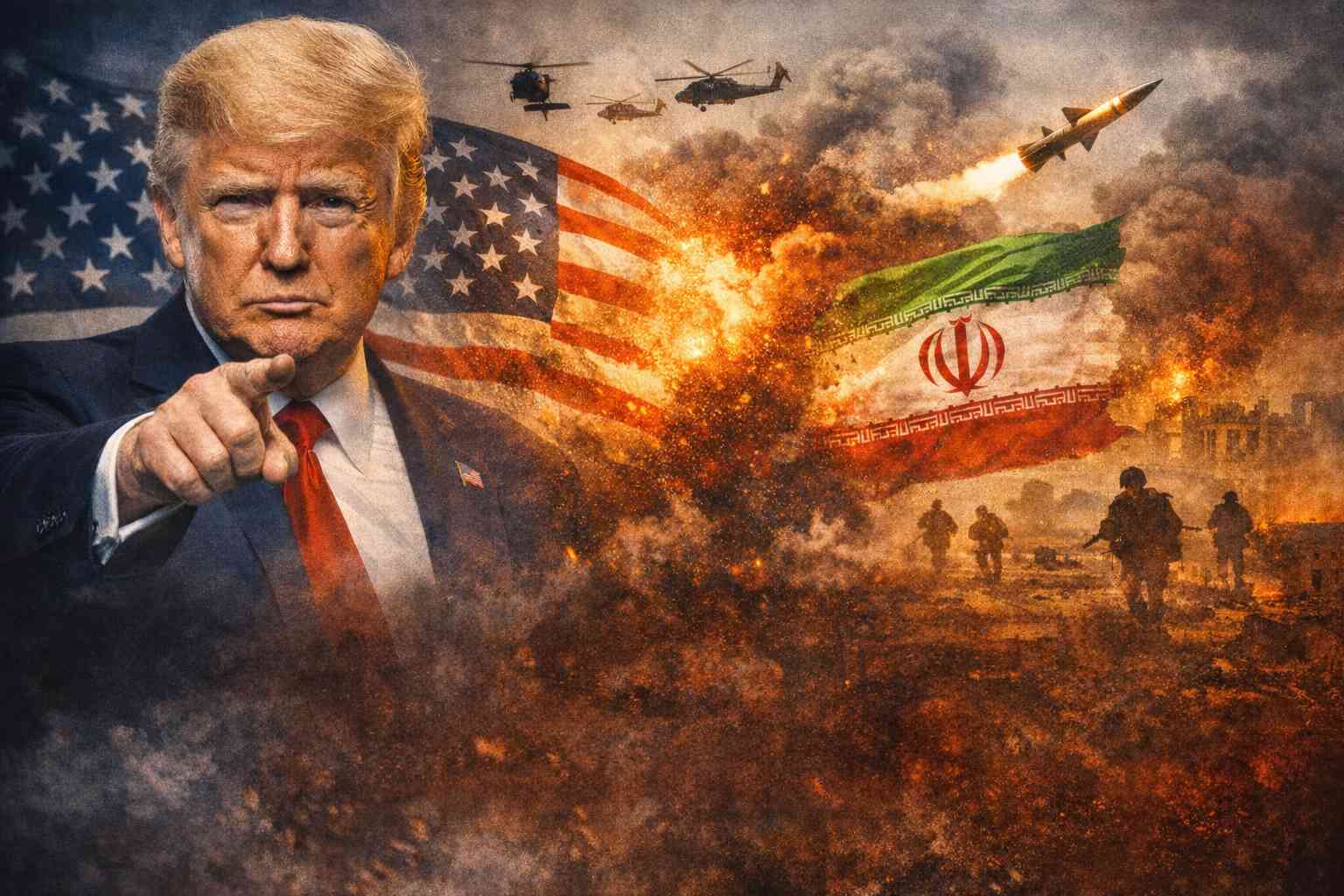
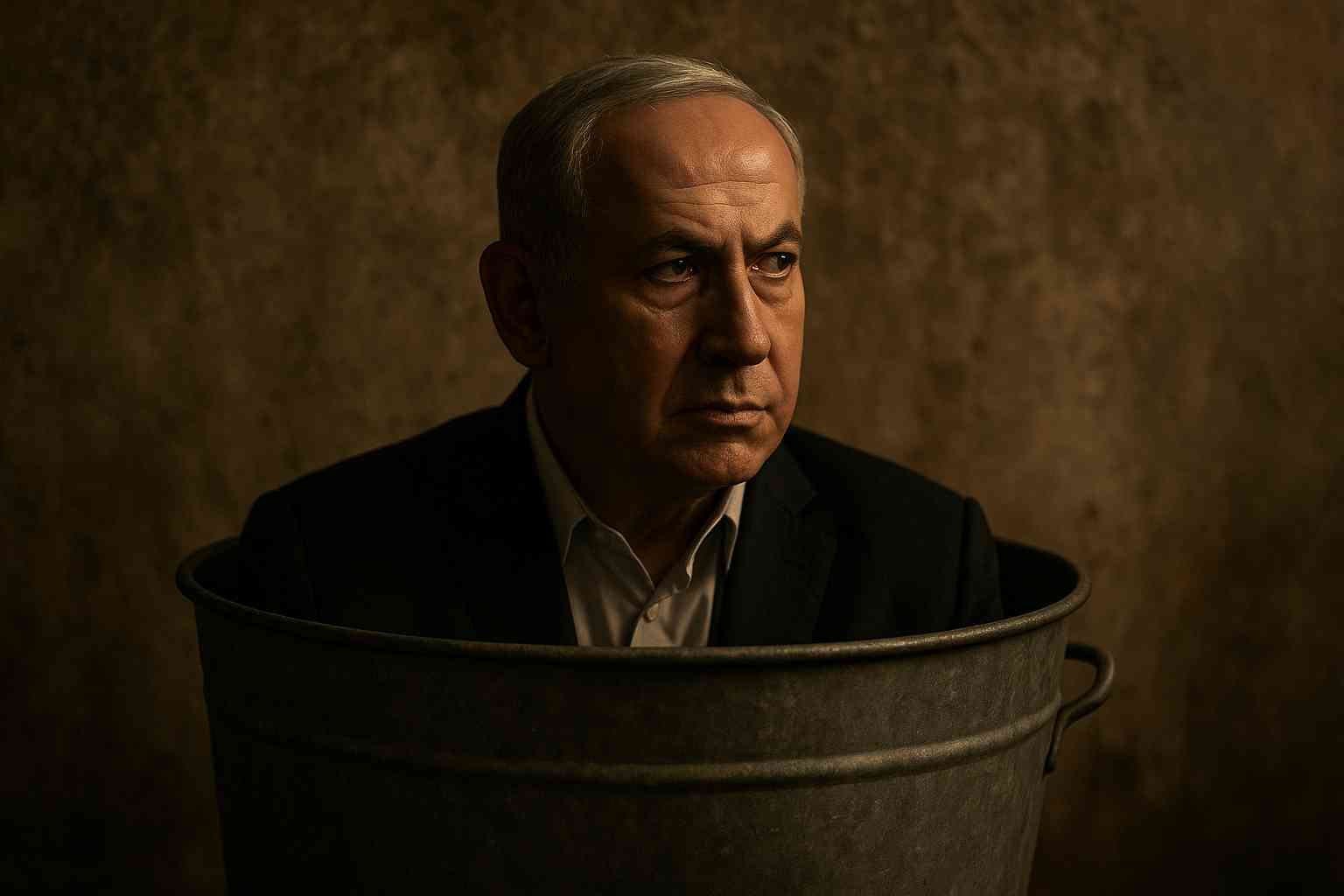
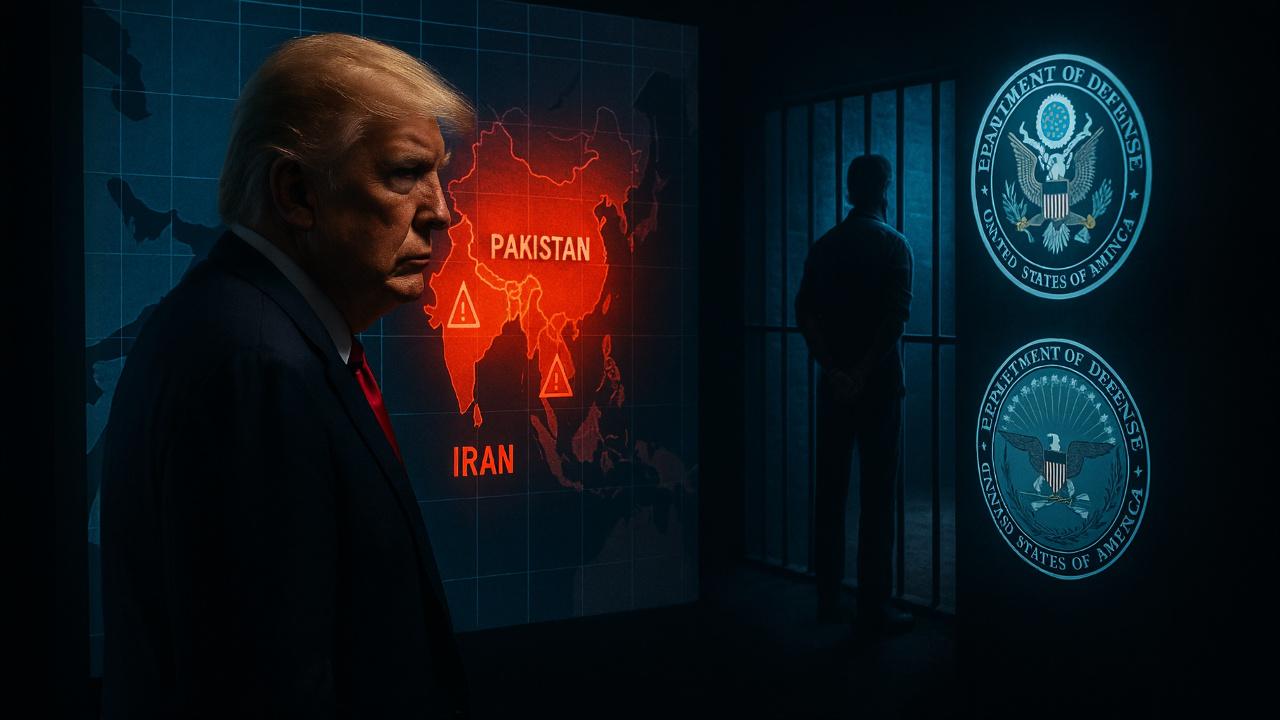
Because when a sitting US President talks about wiping out a civilization, that is no longer routine rhetoric. That is a signal the entire world is forced to take seriously.
And for a brief moment, it felt like we were standing on the edge of something far bigger than a regional conflict.
The Nuclear Threat That Changed the Global Mood
Donald Trump’s statement was not ordinary.
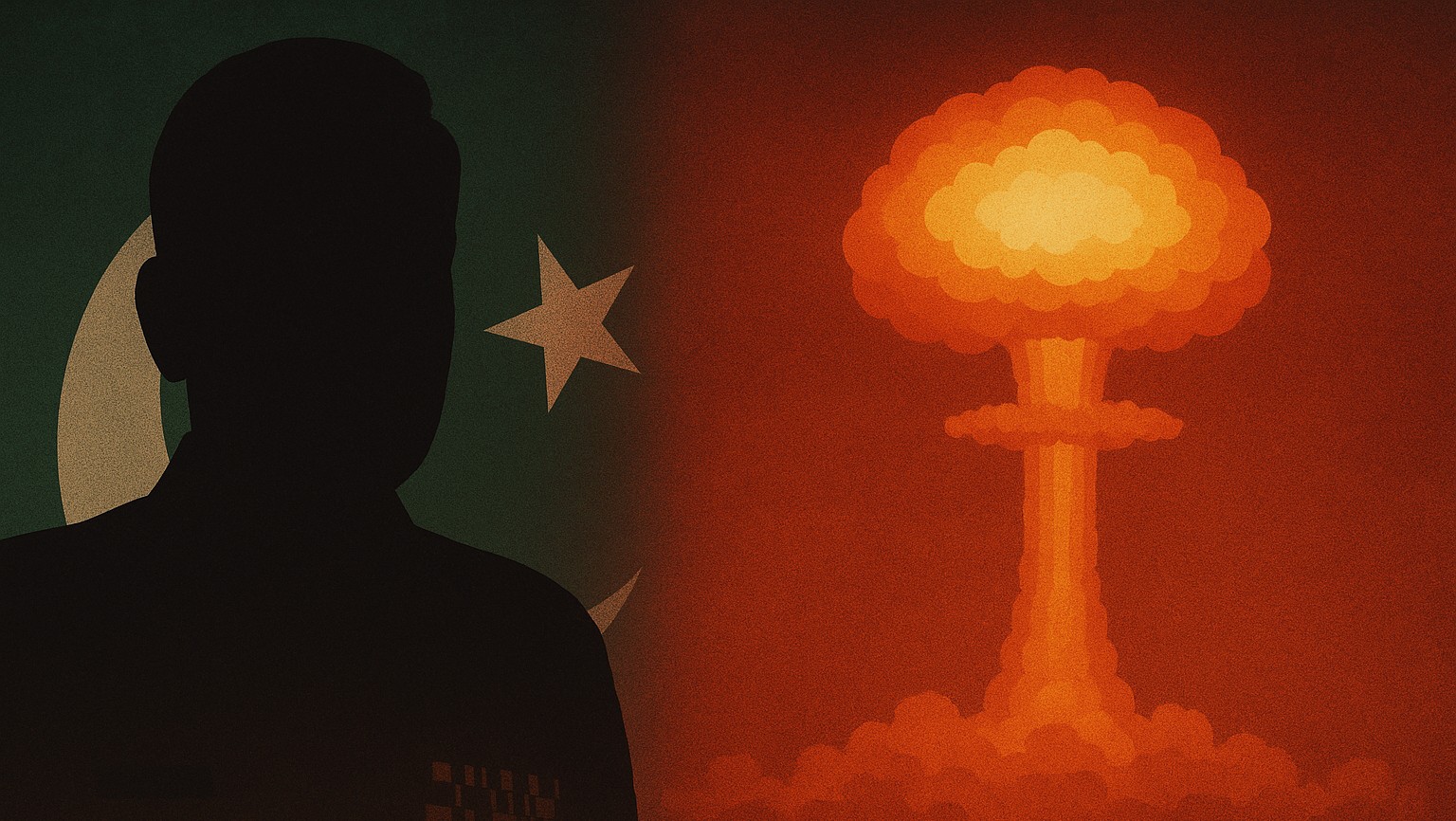
It was interpreted globally as a nuclear-level threat. The language used was severe enough to trigger alarm across diplomatic, military, and media circles.
There is a clear distinction between issuing threats and executing them. However, once nuclear language enters the discourse, the consequences extend far beyond one region.
The concern was simple.
If such a step was taken, it would not remain contained.
A domino effect could follow.
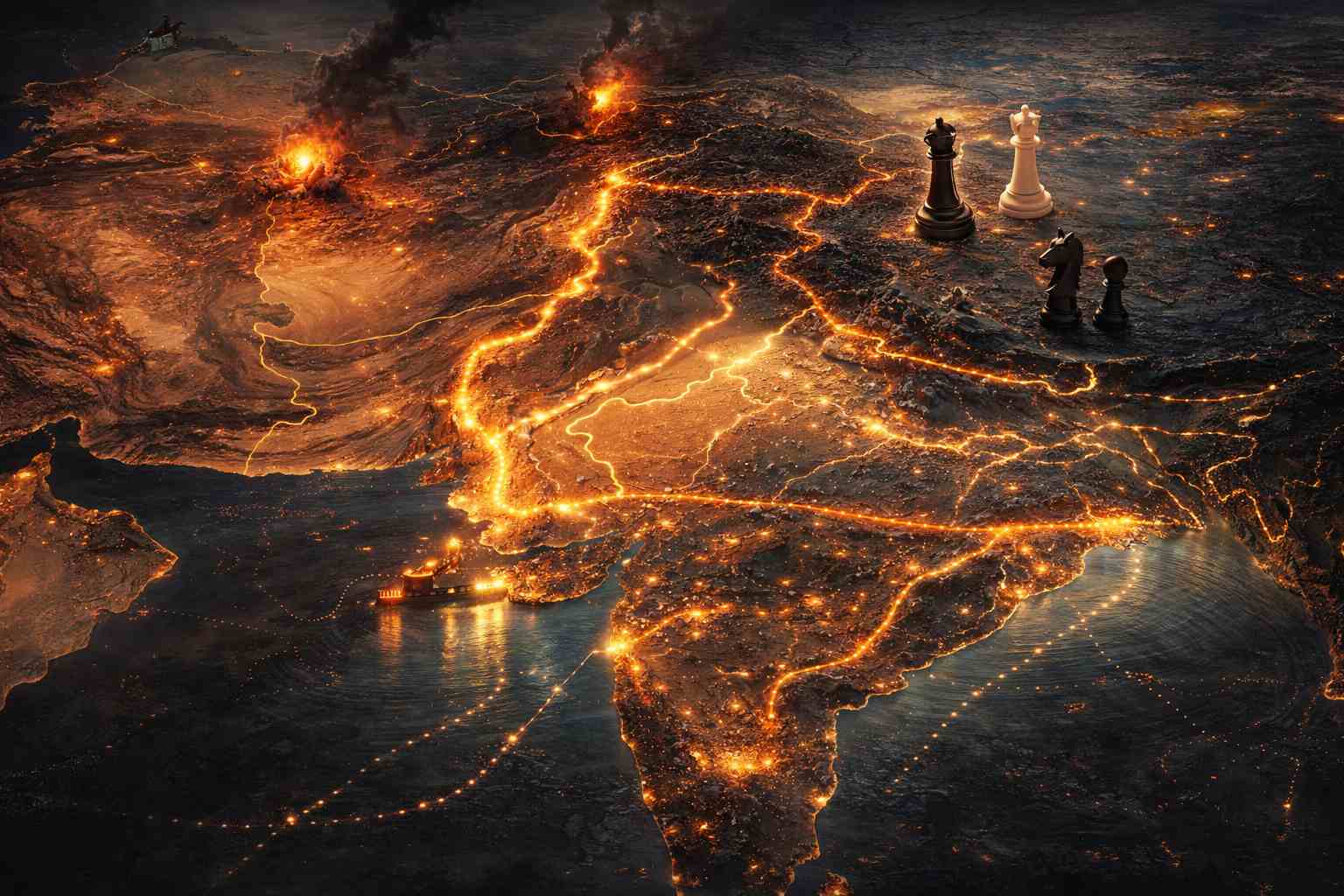
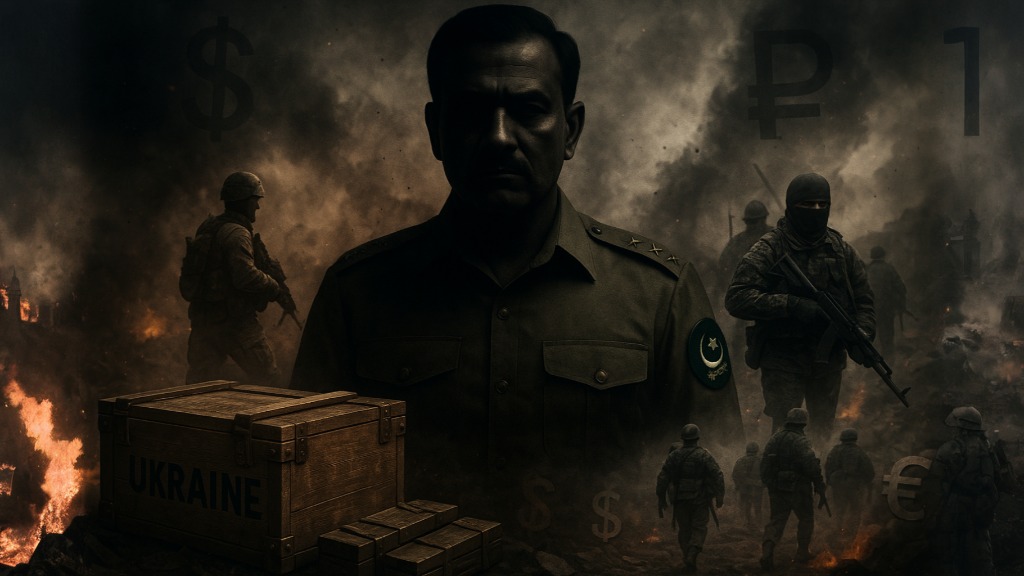
Russia could escalate in Ukraine. China could move on Taiwan. The Korean peninsula could destabilize. What begins as one strike could quickly spiral into a global chain reaction.
That is why the pressure built so rapidly.
The Legal Constraint Behind the War
One critical factor often ignored in public discussions is legality.
At the time, Trump did not have congressional approval. Without that, any escalation—especially at the level being hinted—would carry serious constitutional implications.
There was also a narrowing timeline.
Only a limited number of days remained to secure approval. Without it, the political cost could be severe, not just for the war effort but for the presidency itself.
This is where strategy becomes constrained by law.
And when that happens, decisions are no longer purely military.
The Turning Point: From Escalation to Pause
Then came the shift.
Instead of escalation, an unexpected announcement followed.
A pause.
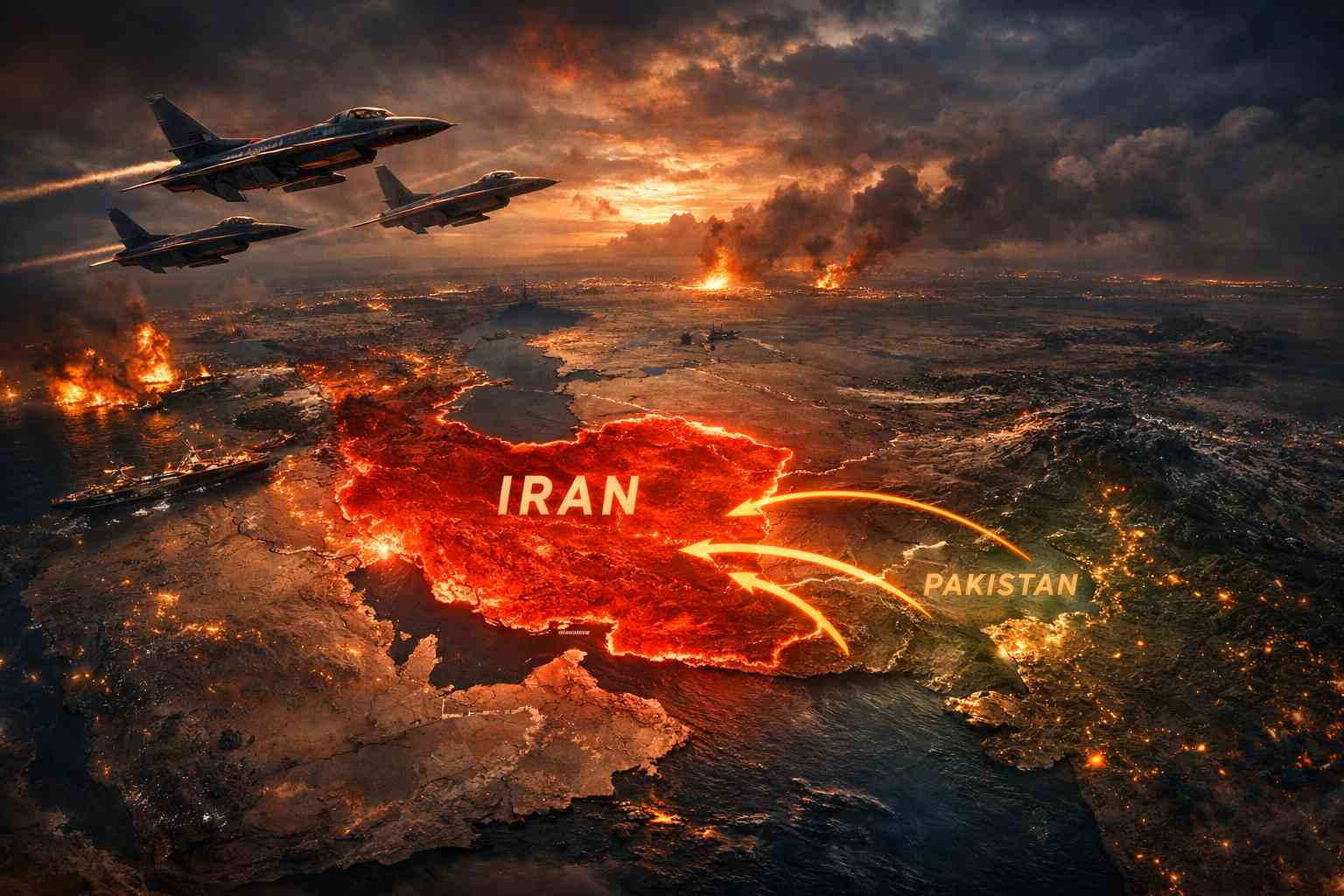
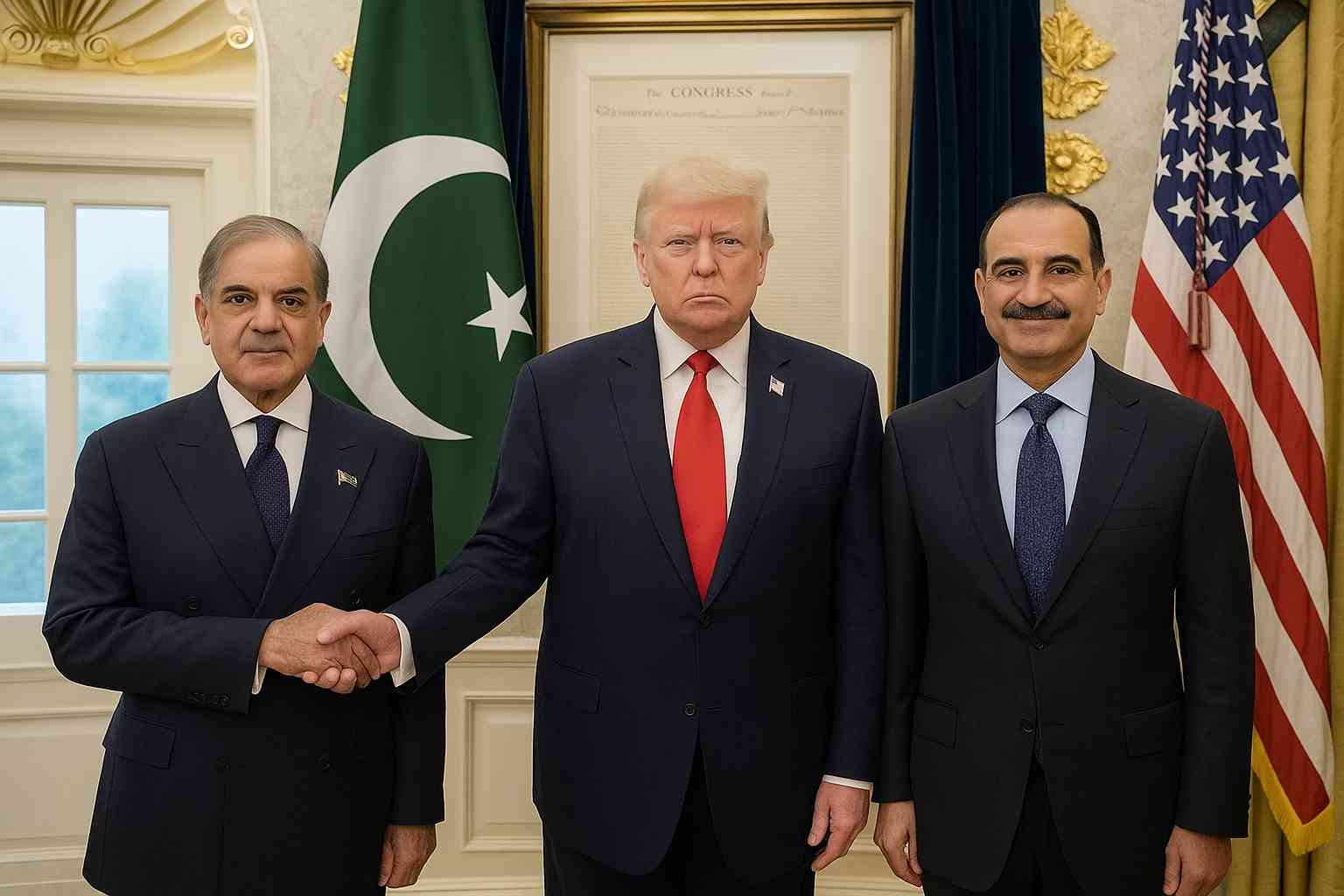
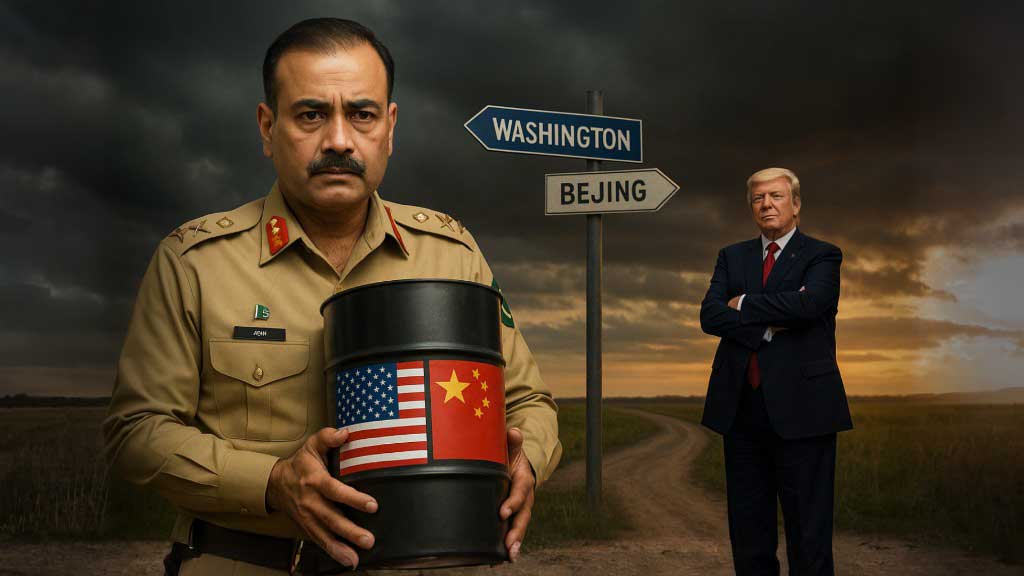
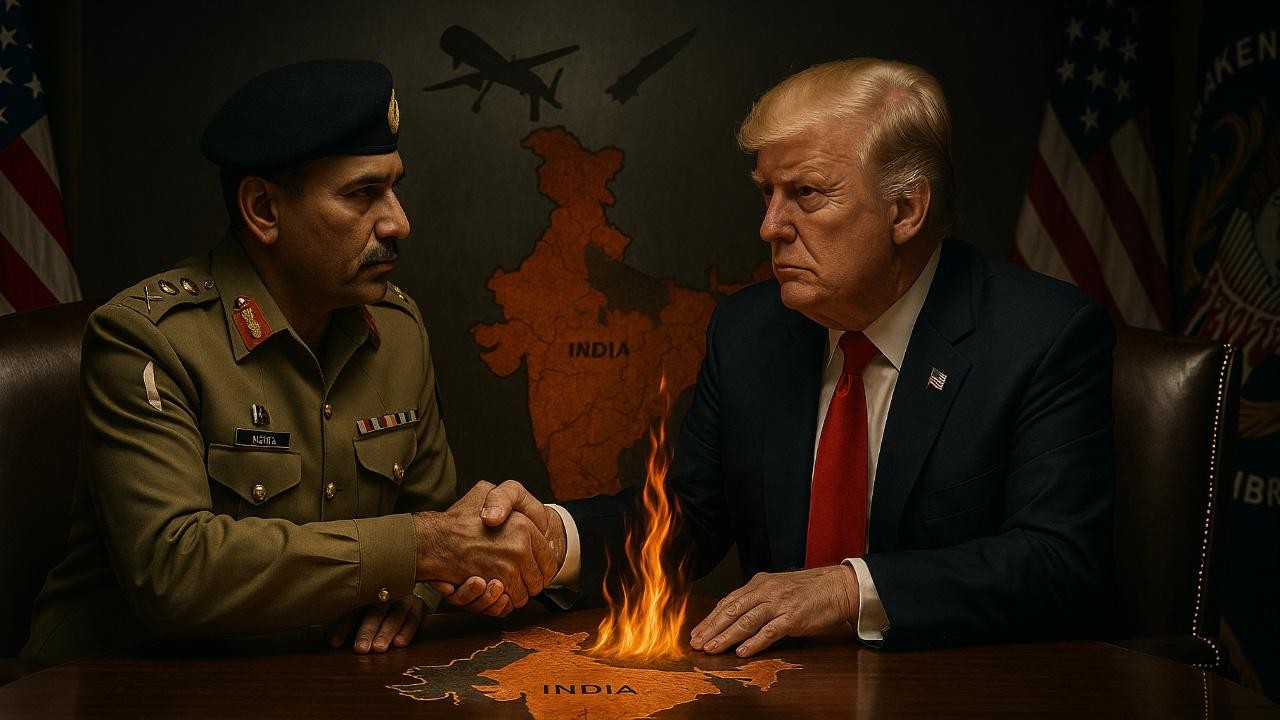
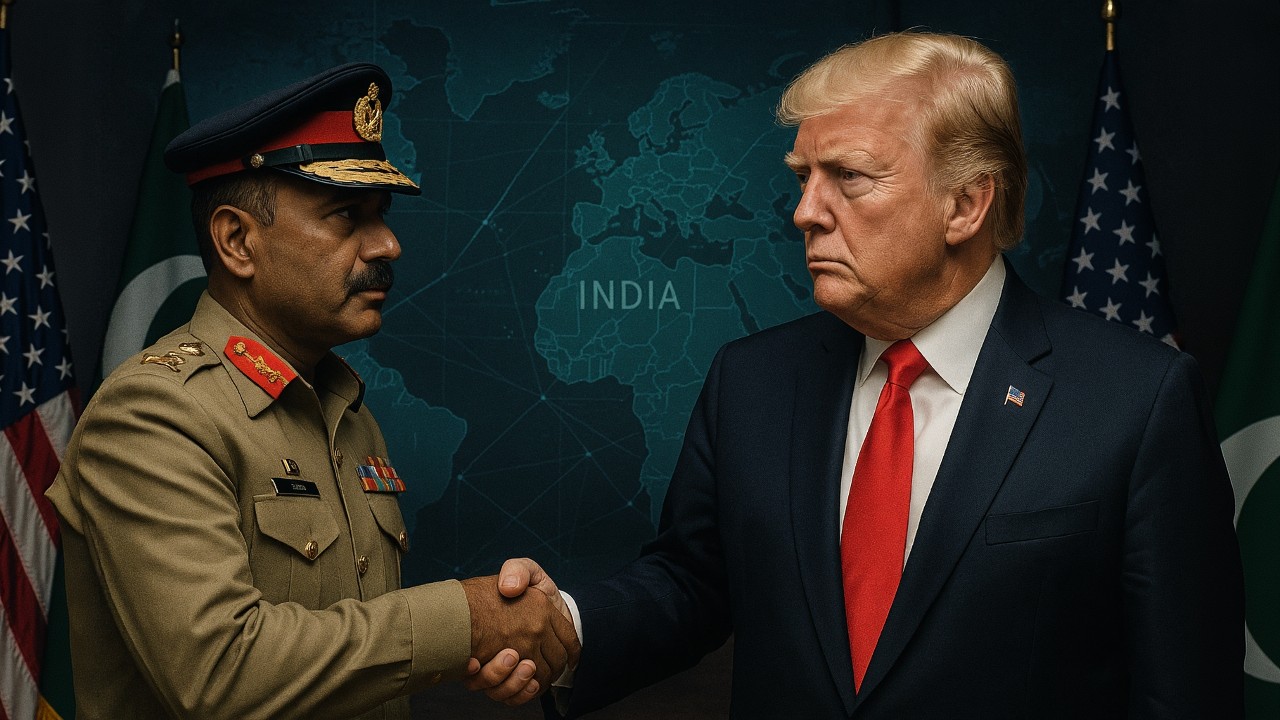
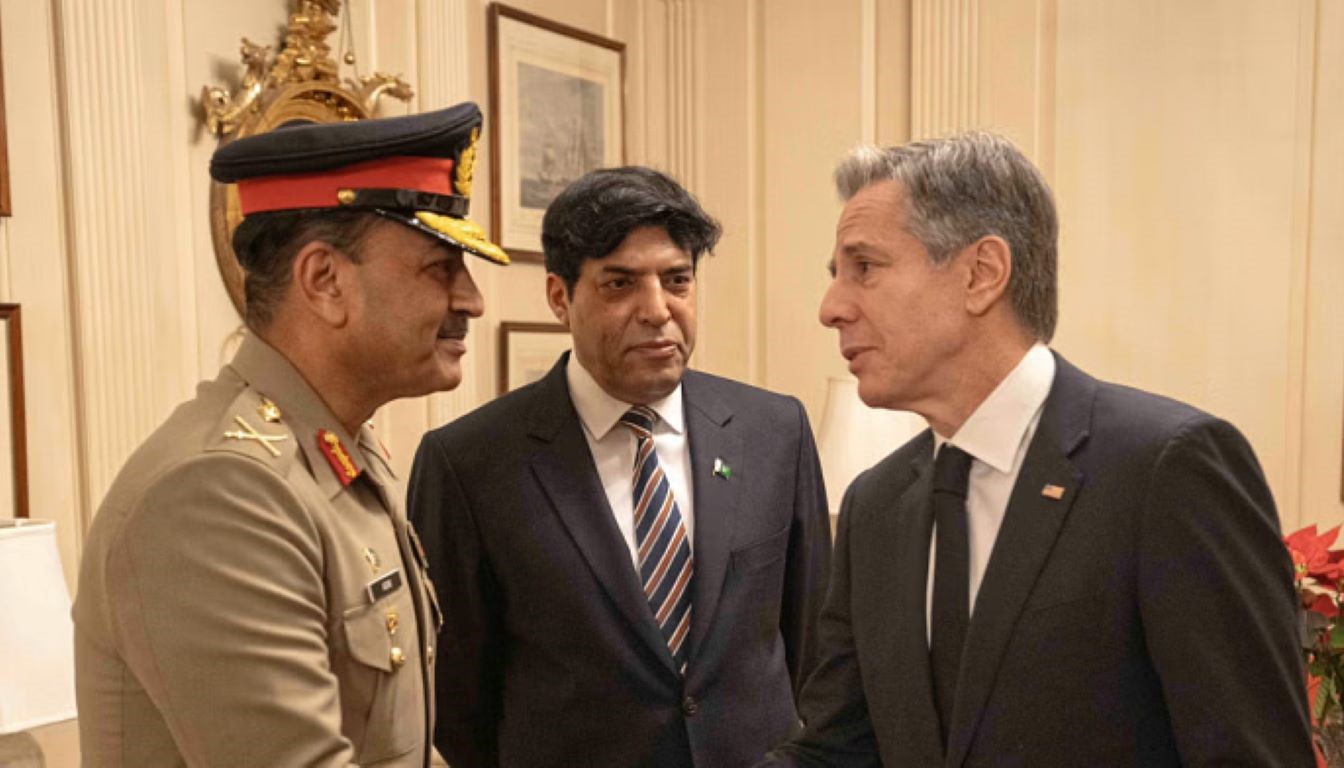
According to the statement, communication took place involving Pakistan’s leadership. A request was made to delay what was described as a highly destructive action against Iran.
At the same time, Iran reportedly gave assurances regarding the Strait of Hormuz.
The result?
A two-week suspension of military action.
This was not a peace agreement. It was a temporary halt. But even that was enough to change the trajectory of the situation.
The Backchannel Dynamics
What makes this development more significant is not just the pause itself, but how it came about.
Backchannel diplomacy appears to have played a central role.
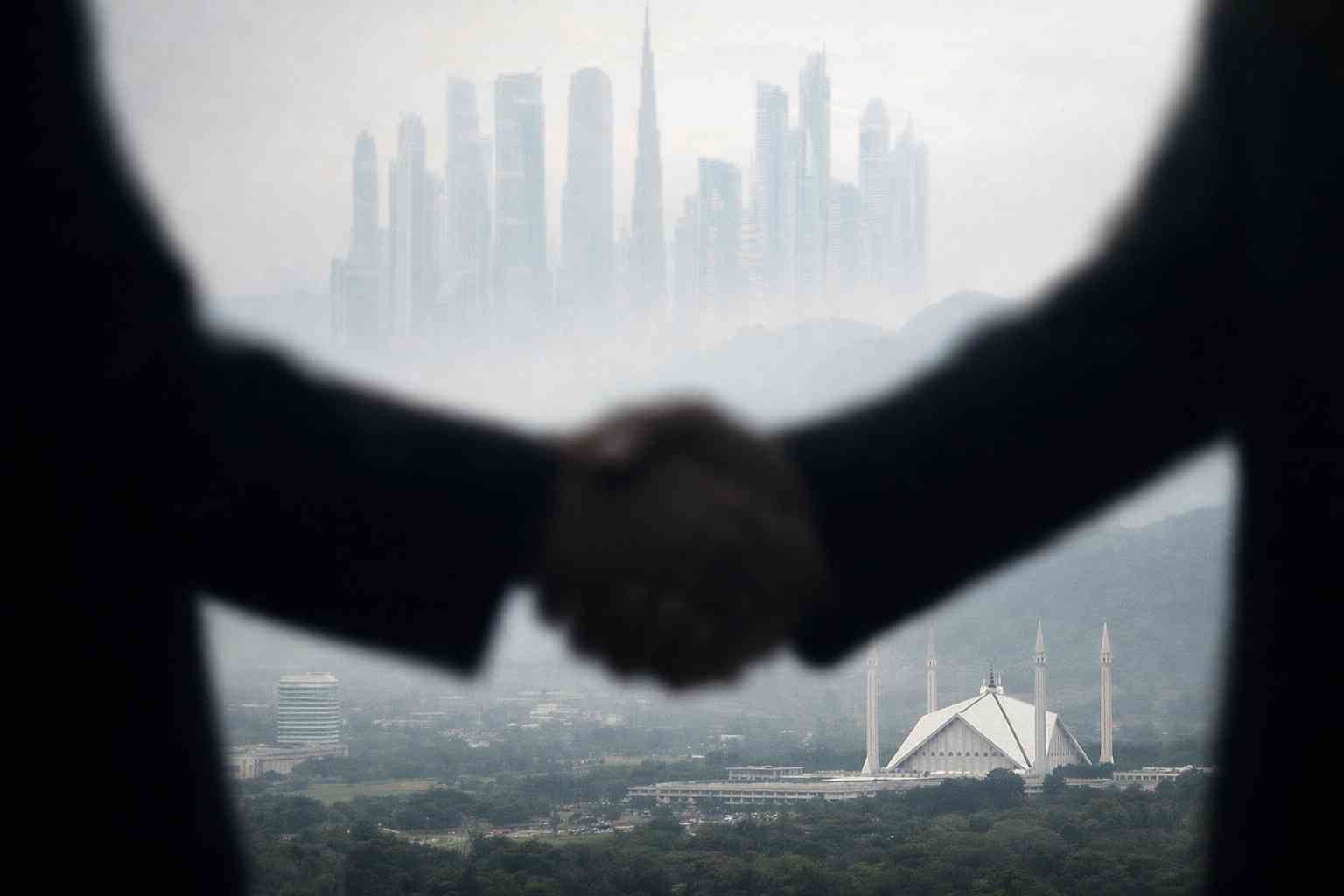
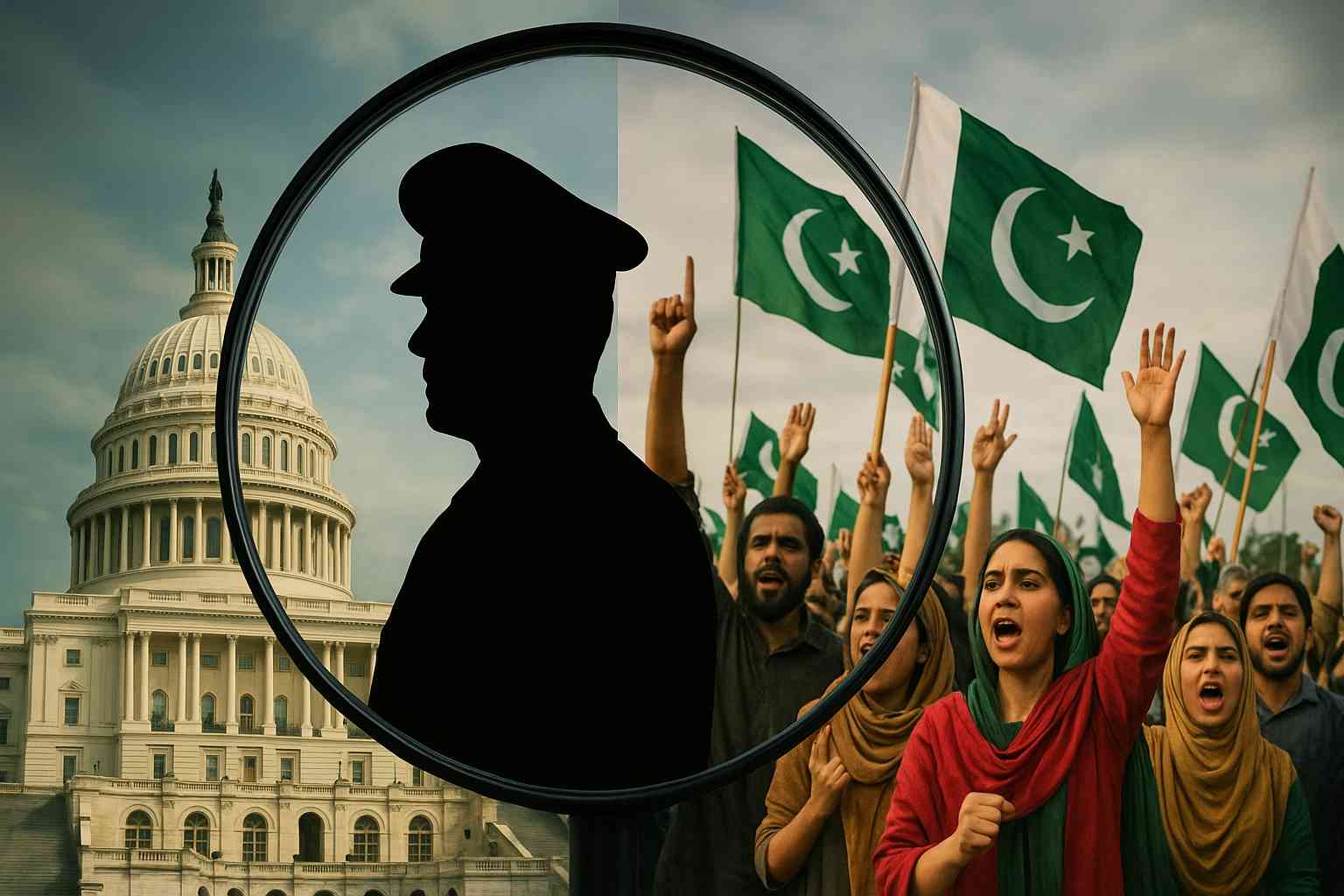
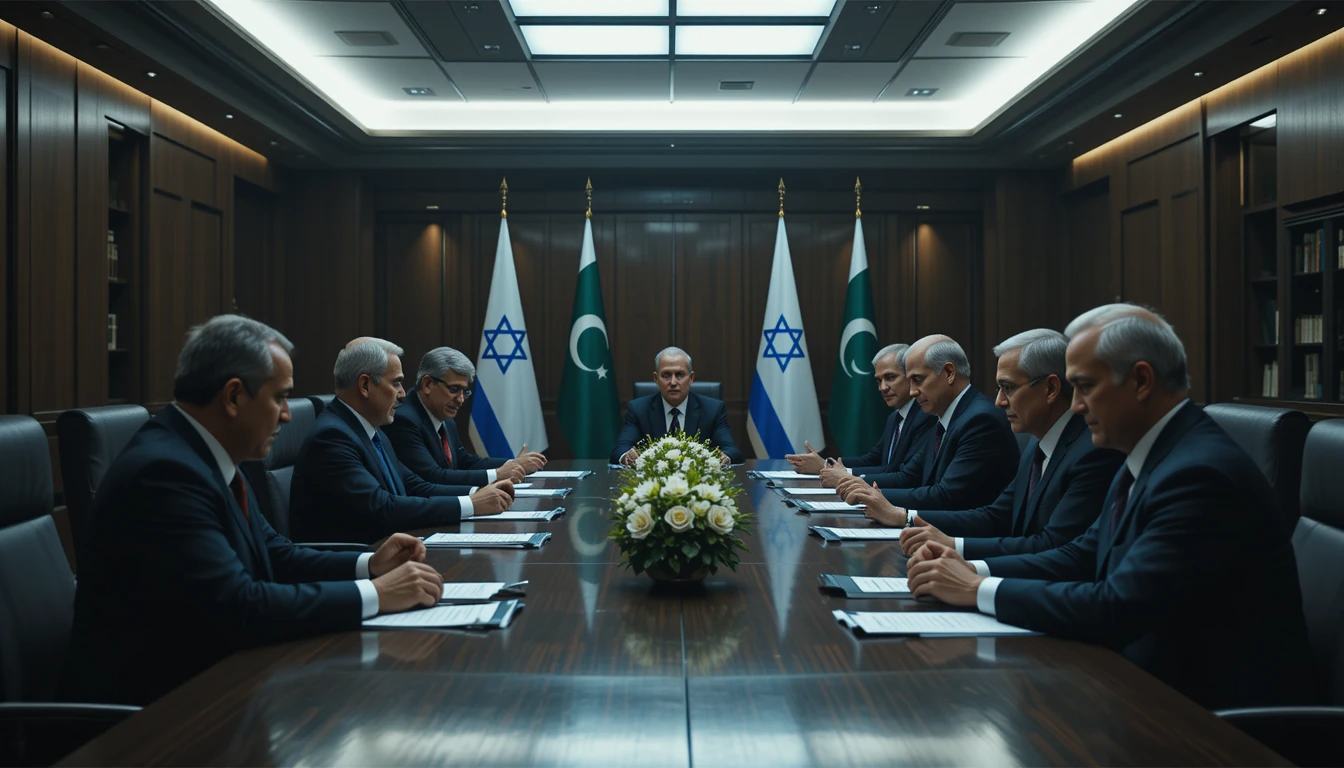
Pakistan was positioned as an intermediary. Messages were exchanged. Assurances were given. And a window for negotiation was created.
This suggests that despite the public rhetoric, communication channels remained open behind the scenes.
And in geopolitics, those hidden channels often matter more than public statements.
The Proposed Framework: What Could Be on the Table
Emerging details indicate that a broader framework may already be under discussion.
This includes:
- Suspension of military strikes
- Possible sanctions relief
- Security guarantees for shipping routes
- Reconstruction support
- Assurances against future attacks
In return, Iran is expected to ensure the safe functioning of the Strait of Hormuz, a critical global energy route.
If this framework holds, it could reshape not just the conflict, but regional stability as a whole.
The Economic Angle: Why This Matters Globally
This is not just a military story.
It is an economic one.
The Strait of Hormuz plays a central role in global oil supply. Any disruption immediately impacts energy prices, inflation, and food security worldwide.
That is why even a temporary pause carries weight.
If stability holds, prices may begin to ease. Supply chains could stabilize. Pressure on global markets may reduce.
But this depends entirely on what happens next.
The Uncertainty Factor: One Variable Remains
Despite the optimism, one major uncertainty remains.
Israel.
Whether this pause holds or collapses may depend on how Israel responds in the coming days. That is the variable that could either sustain de-escalation or trigger a new cycle of escalation.
This is why the situation cannot yet be called resolved.
It is paused.
A Strategic Pause or a Negotiation Window?
This leads to the central question.
Is this a genuine step toward peace?
Or is it simply a tactical pause in a larger confrontation?
At this stage, both possibilities remain open.
The coming weeks will determine whether this becomes a long-term settlement or just a temporary delay before the next phase.
Final Thought: A Crisis Delayed, Not Resolved
For now, there is relief.
The immediate threat has been pushed back. The worst-case scenario has been avoided—at least temporarily.
But the underlying tensions remain.
This is not the end of the story.
It is a pause in a much larger game.
And as history has shown, such pauses can either lead to resolution—or prepare the ground for something far more serious.
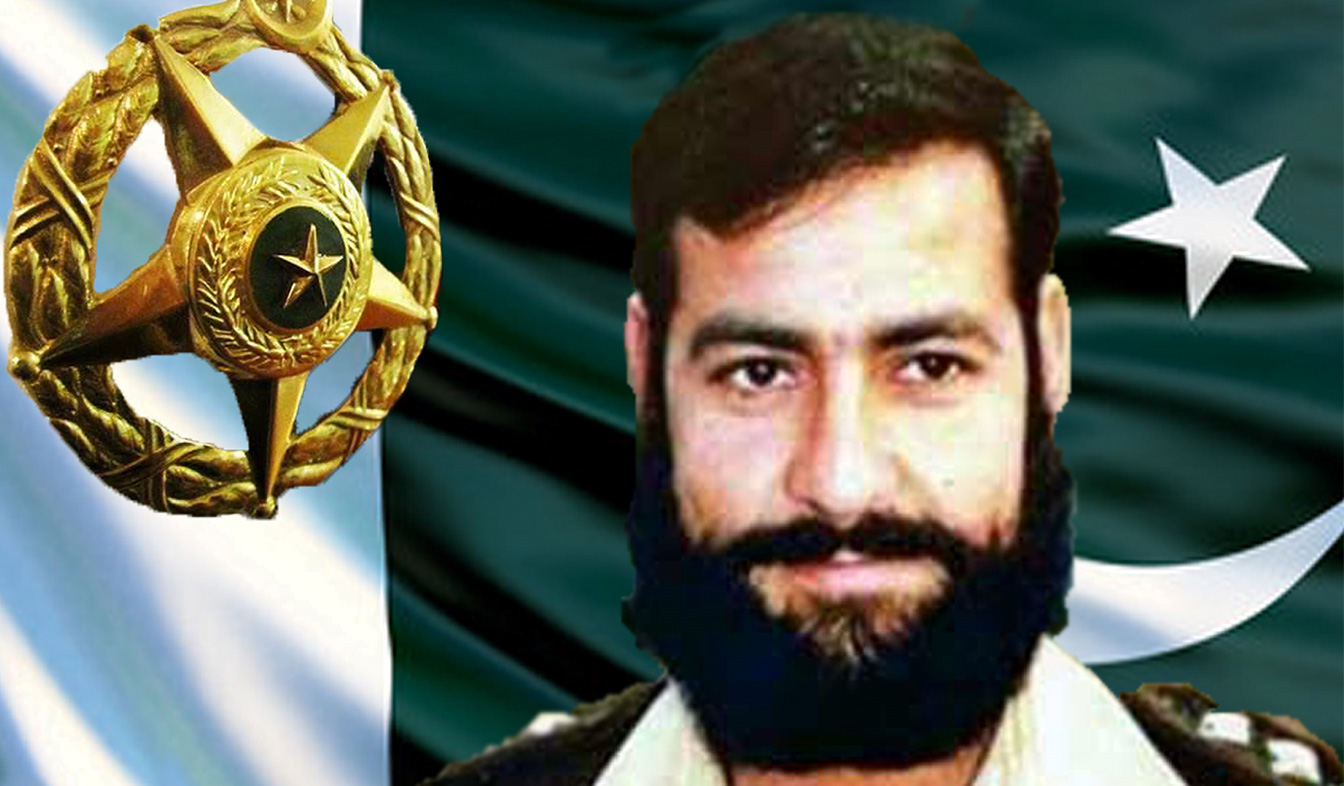
Adil Raja is a retired major of the Pakistan Army, freelance investigative journalist, and dissident based in London, United Kingdom. He is the host of “Soldier Speaks Reloaded,” an independent commentary platform focused on South Asian politics and security affairs. Adil is also a member of the National Union of Journalists (UK) and the International Human Rights Foundation. Read more about Adil Raja.. Read more about Adil Raja.