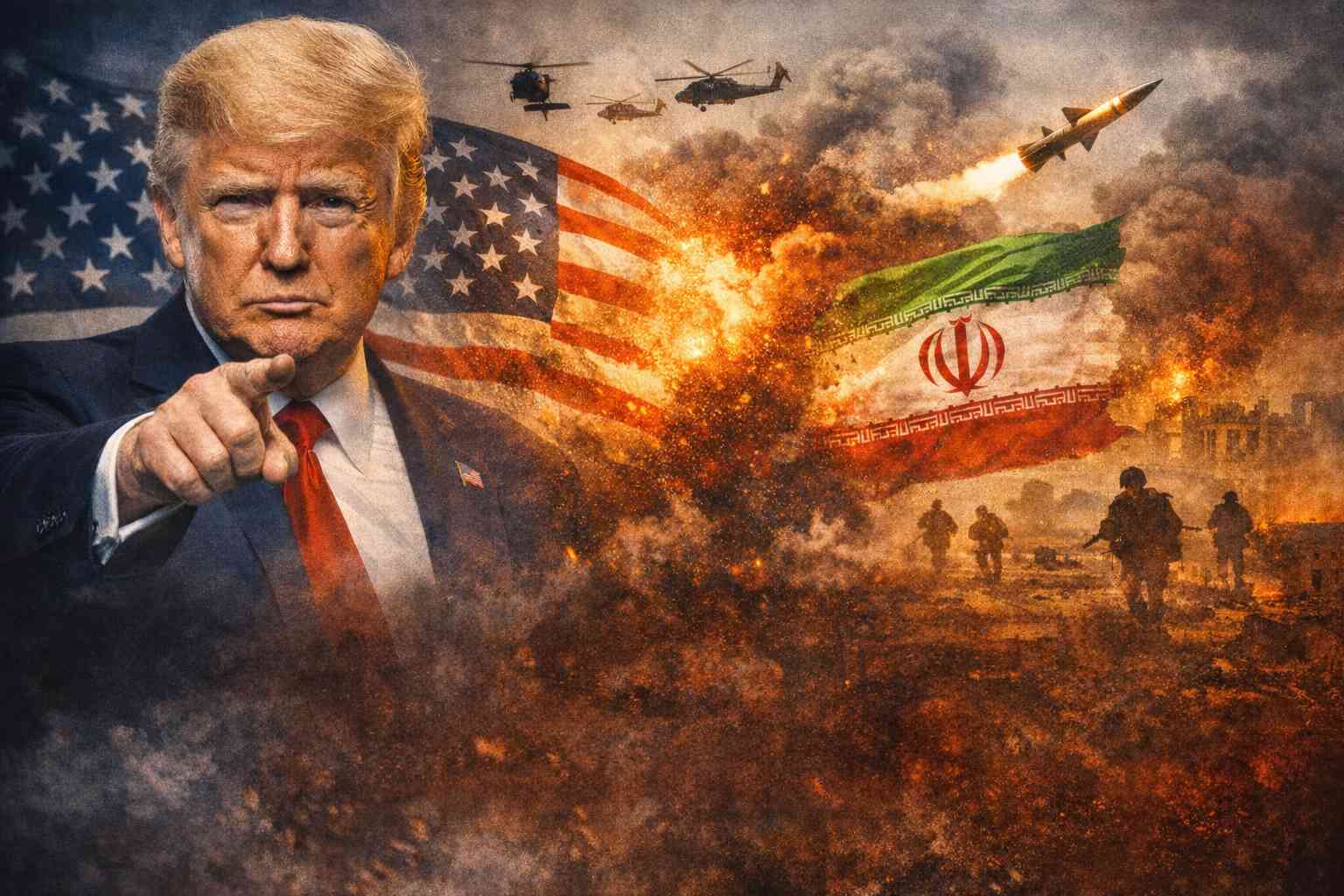
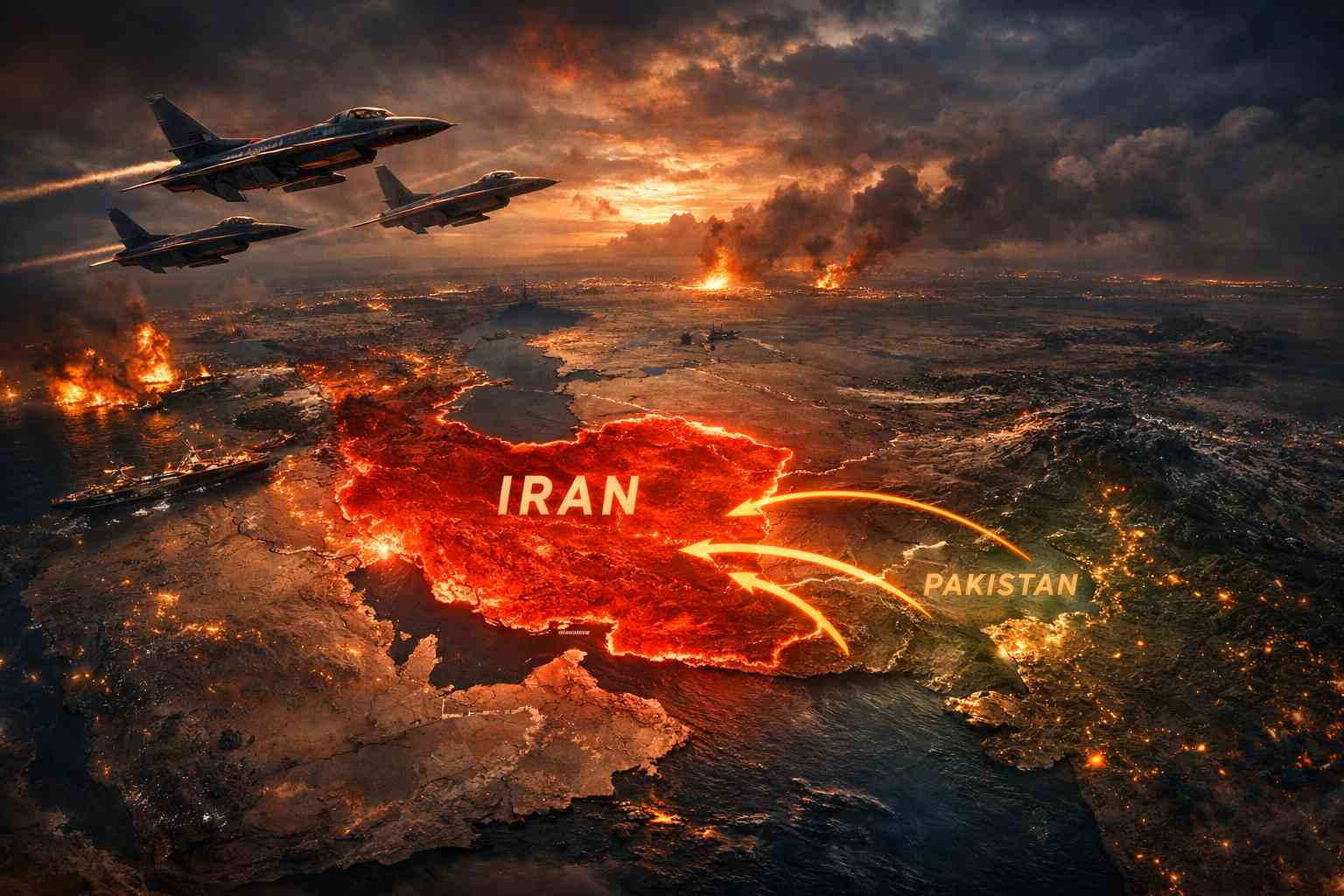
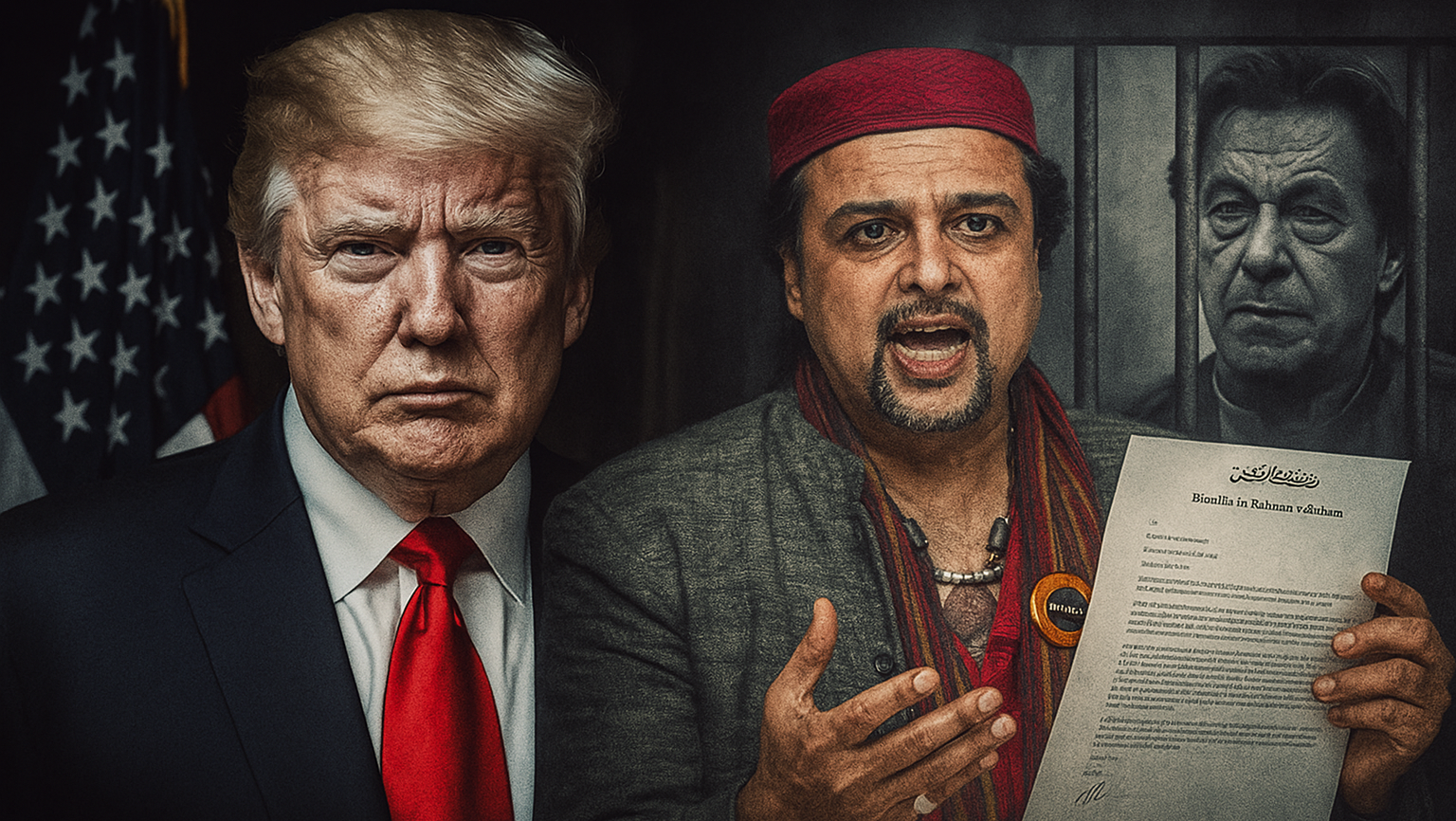
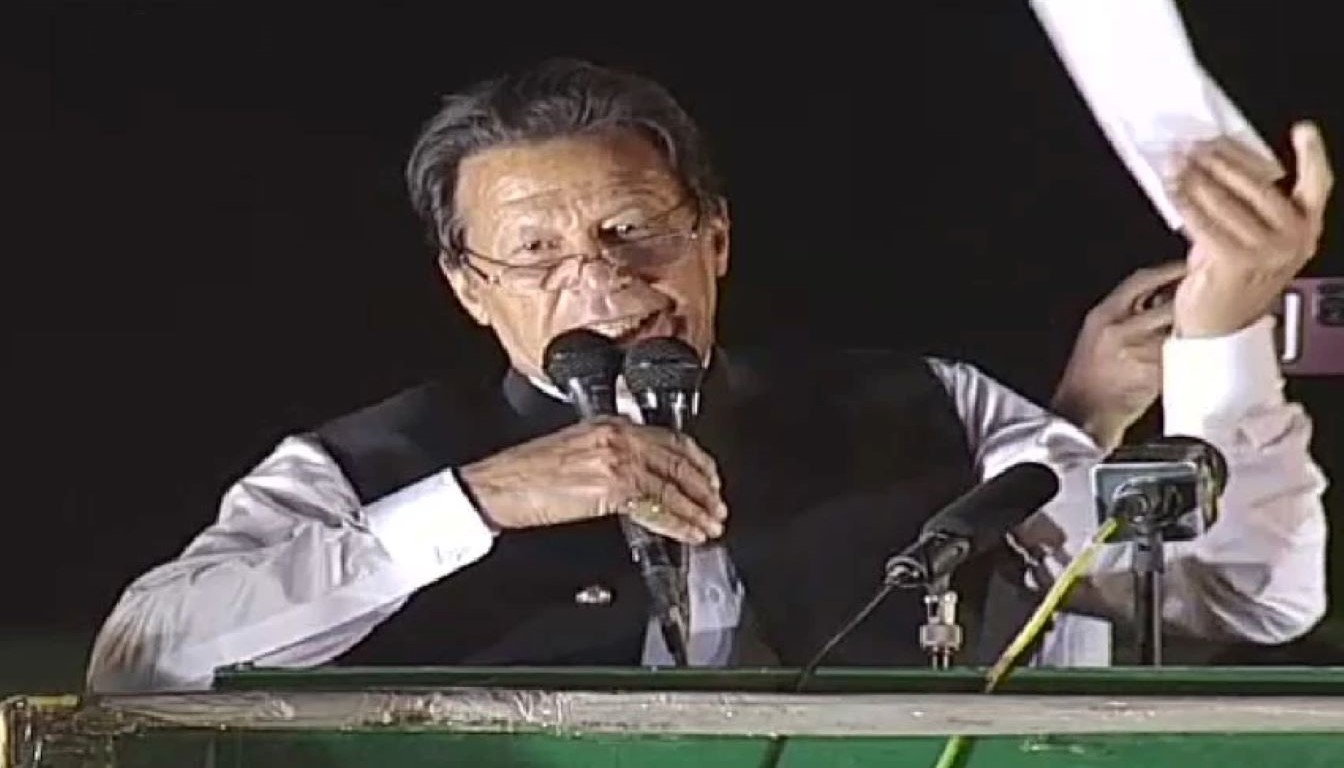
US President Donald Trump’s latest press conference on the Iran conflict was not just another media appearance. Instead, it reflected the evolving Trump Iran war strategy in real time. It was a carefully calibrated political performance—one that revealed more through what was not said than what was openly declared.
The headlines have already circulated, and the statements have been replayed. However, the real question is not what Trump said.
Instead, the real question is: what did he deliberately avoid saying?
This was not merely a briefing. Rather, it became a narrative battle crafted for a specific audience, shaped under pressure, and designed to project strength while concealing uncertainty.
A Defensive Yet Calculated Tone
Trump’s tone stood out immediately.
It appeared both defensive and highly calculated.
Every word seemed measured. He projected confidence, yet avoided clarity. This pattern signals leadership under pressure. It shows an attempt to control perception while managing unresolved realities.
He tried to project authority. However, he did not offer transparency.
When clarity is missing, the situation itself often remains unstable.
Trump Iran War Strategy: Victory Without Definition
On Iran, Trump pushed a strong victory narrative.
He emphasized strength. He signaled control. He reinforced the idea that the United States dominates the situation.
However, one major gap stood out: no clear endgame.
The war continues. Yet he revealed no defined strategy. He offered no timeline and discussed no exit plan.
This gap matters.
A war without an endpoint is not a strategy. Instead, it creates risk.
Moreover, that risk increases when political timelines collide with military realities.
The Hidden Clock: Time Pressure and Constitutional Risk
Another key signal emerged indirectly: time pressure.
Over time, every war becomes political. In this case, pressure links directly to Congressional approval.
Trump avoids calling this a formal war. Instead, he frames it as an “operation.” This choice is strategic. A formal war declaration would trigger legal complications.
However, time continues to pass.
Within weeks, the administration could face a constitutional crisis without Congressional authorization.
As a result, the gap between political messaging and ground reality becomes clearer.
Contradictions That Expose the Reality
The most revealing element was contradiction.
On one side, Trump claimed control.
On the other side, he hinted at escalation risks.
These positions conflict.
You cannot claim control while signaling instability. Therefore, this mismatch exposes a deeper truth.
The situation remains less stable than official messaging suggests.
This gap highlights the difference between optics and reality.
Allies Missing in Action
Another important signal involved allies.
Trump’s tone reflected frustration. Europe did not show full public support. Even though allied infrastructure remains in use, the perception suggests American isolation.
Operationally, the US may not stand alone. However, it increasingly feels strategically isolated.
In global conflicts, perception matters as much as reality.
Who Was This Press Conference Really For?
This press conference did not target global audiences. It did not primarily serve the media.
Instead, it targeted:
- The American domestic audience
- The US Congress
- Political opponents within the United States
- Strategic adversaries
Each line carried layered messaging.
- “We are strong” → message to adversaries
- “Everything is under control” → message to markets
- “We are acting responsibly” → message to the public
This was not simple communication. Instead, it was controlled signaling.
The Most Important Thing Missing: Strategy
A complete briefing should include three elements:
- A clear strategy
- An exit plan
- A timeline
None of these appeared.
When these elements are missing, the situation remains open.
The game is still unfolding.
It can shift in any direction.
The Bigger Geopolitical Picture: A War of Uncertainty
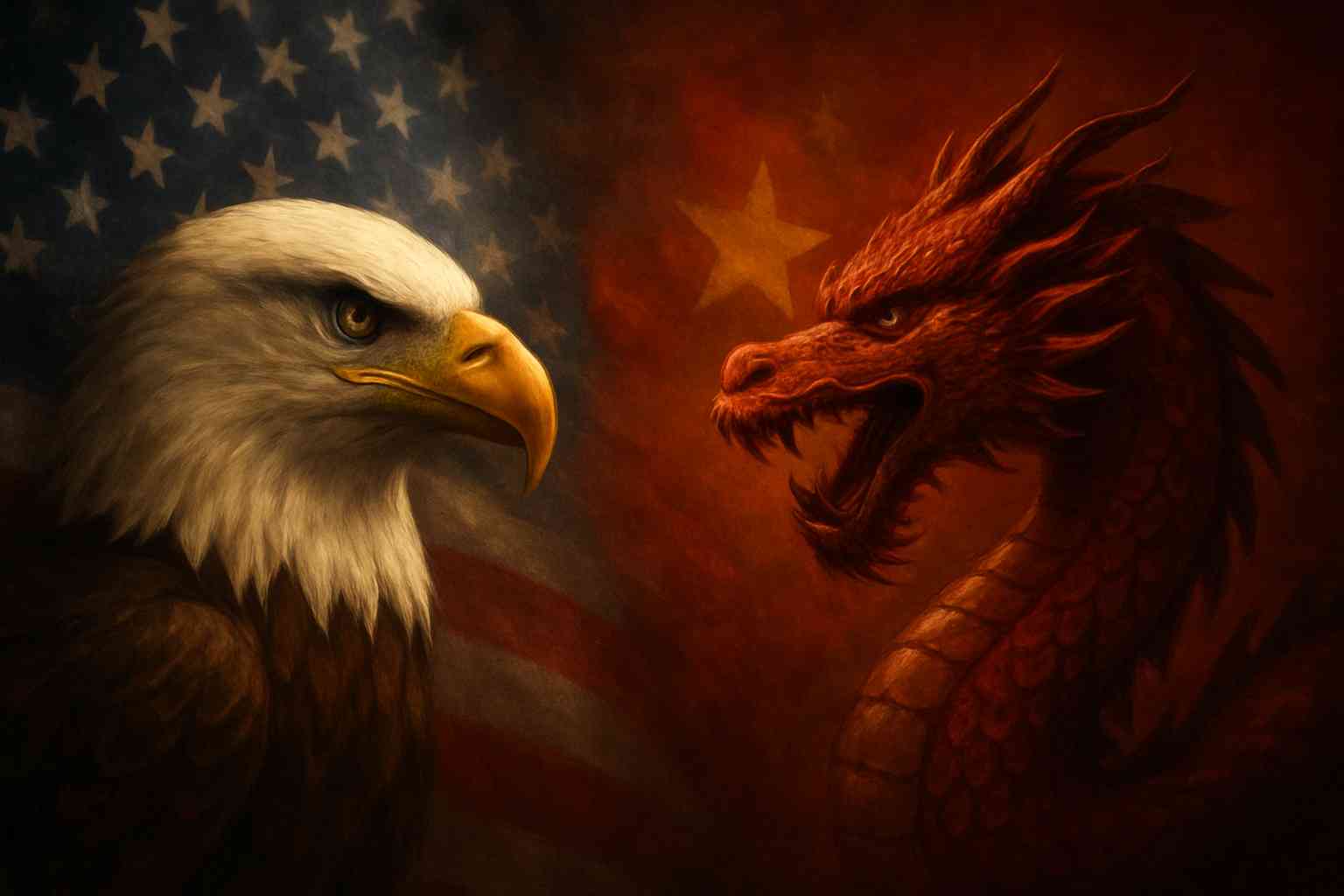
This press conference reflects more than Trump alone. It mirrors a broader global situation.
The United States faces pressure. The war remains uncertain. Meanwhile, global powers continue positioning themselves.
- China has not fully committed
- Russia remains strategically ambiguous
- Middle Eastern actors continue calculating
- No clear global alignment has formed
This is not a controlled conflict. Instead, it is a fluid geopolitical contest.
Each player continues to assess the situation.
Strong Words, Weak Clarity
The press conference reduces to a simple conclusion:
- The words sounded strong
- The answers remained incomplete
- Confidence was projected
- Clarity remained absent
When clarity disappears, uncertainty grows.
The Real Conclusion
This was not a declaration of victory.
Instead, it was an attempt to manage perception during uncertainty.
The war continues. Pressure builds. The political clock advances. Yet the Trump Iran war strategy remains undefined.
The narrative suggests control.
However, reality points elsewhere.
When narrative and reality diverge, the real story begins.
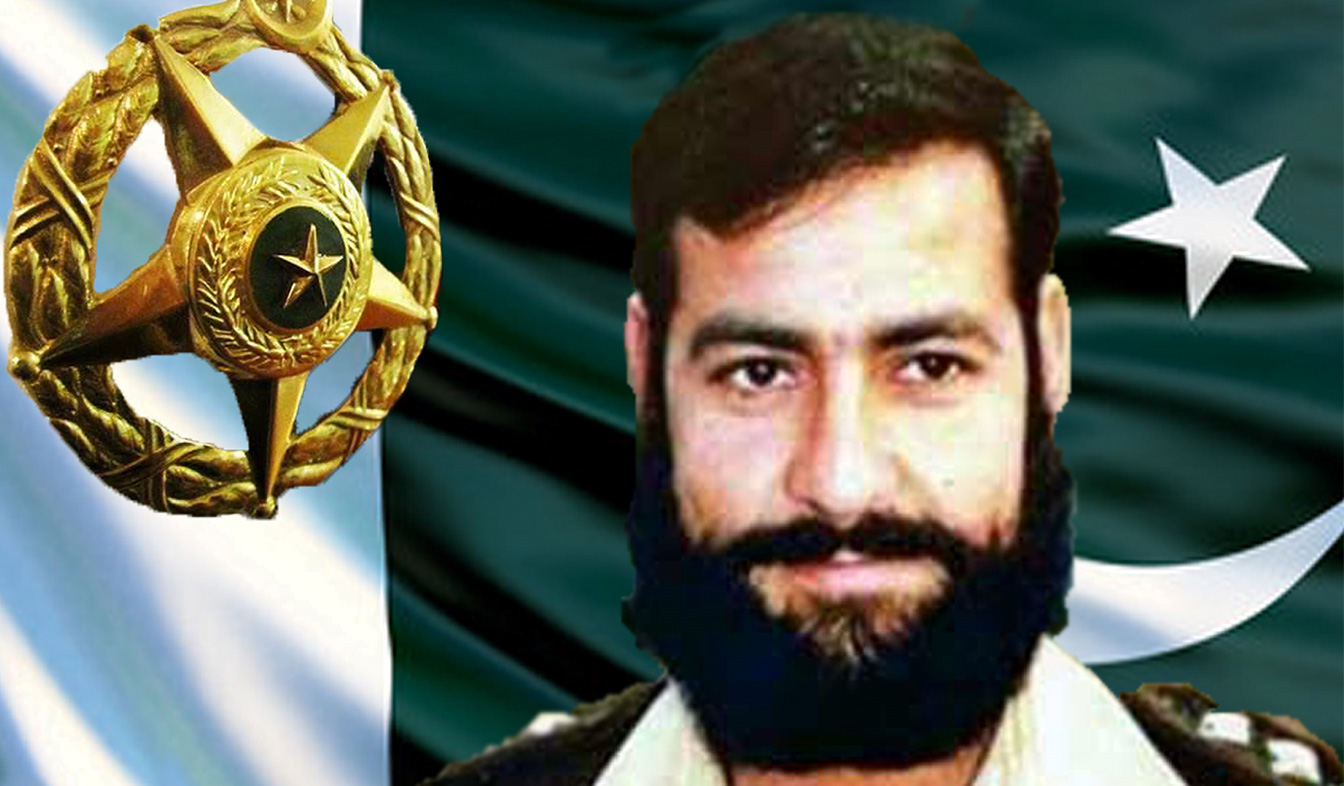
Adil Raja is a retired major of the Pakistan Army, freelance investigative journalist, and dissident based in London, United Kingdom. He is the host of “Soldier Speaks Reloaded,” an independent commentary platform focused on South Asian politics and security affairs. Adil is also a member of the National Union of Journalists (UK) and the International Human Rights Foundation. Read more about Adil Raja.. Read more about Adil Raja.