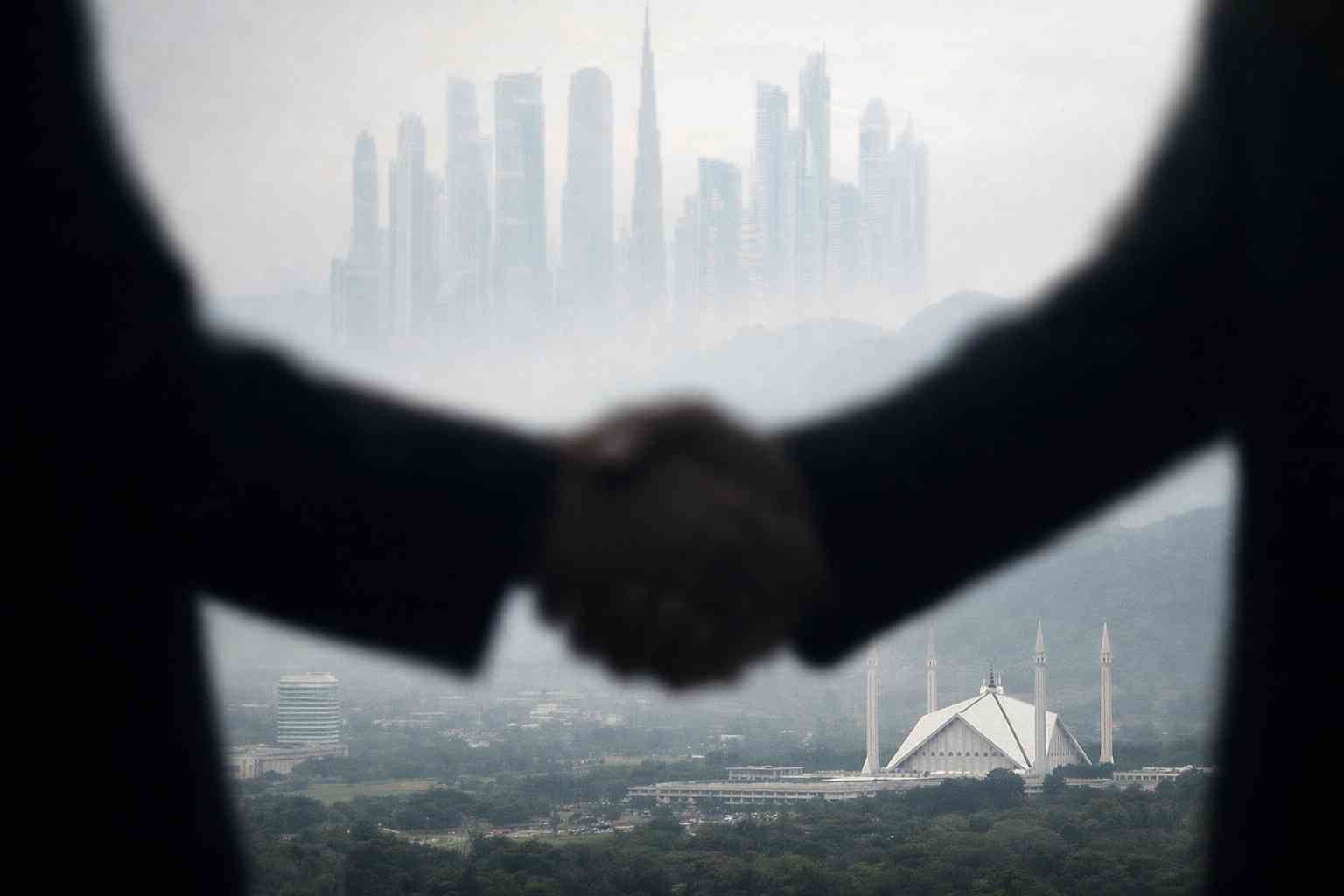
The Dystopia Is Already Here: How Pakistan Is Slipping Into a Real-Life Hunger Games
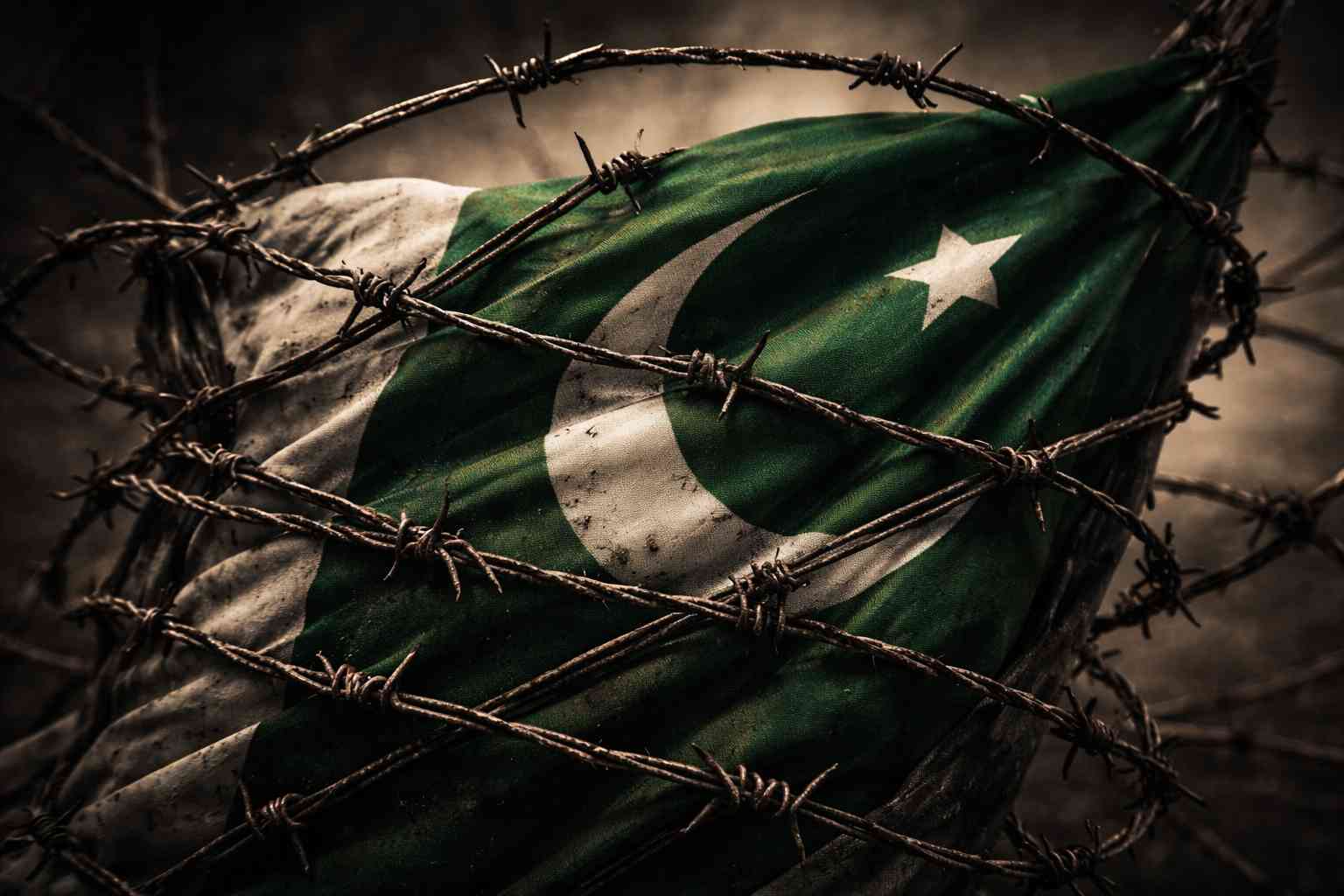
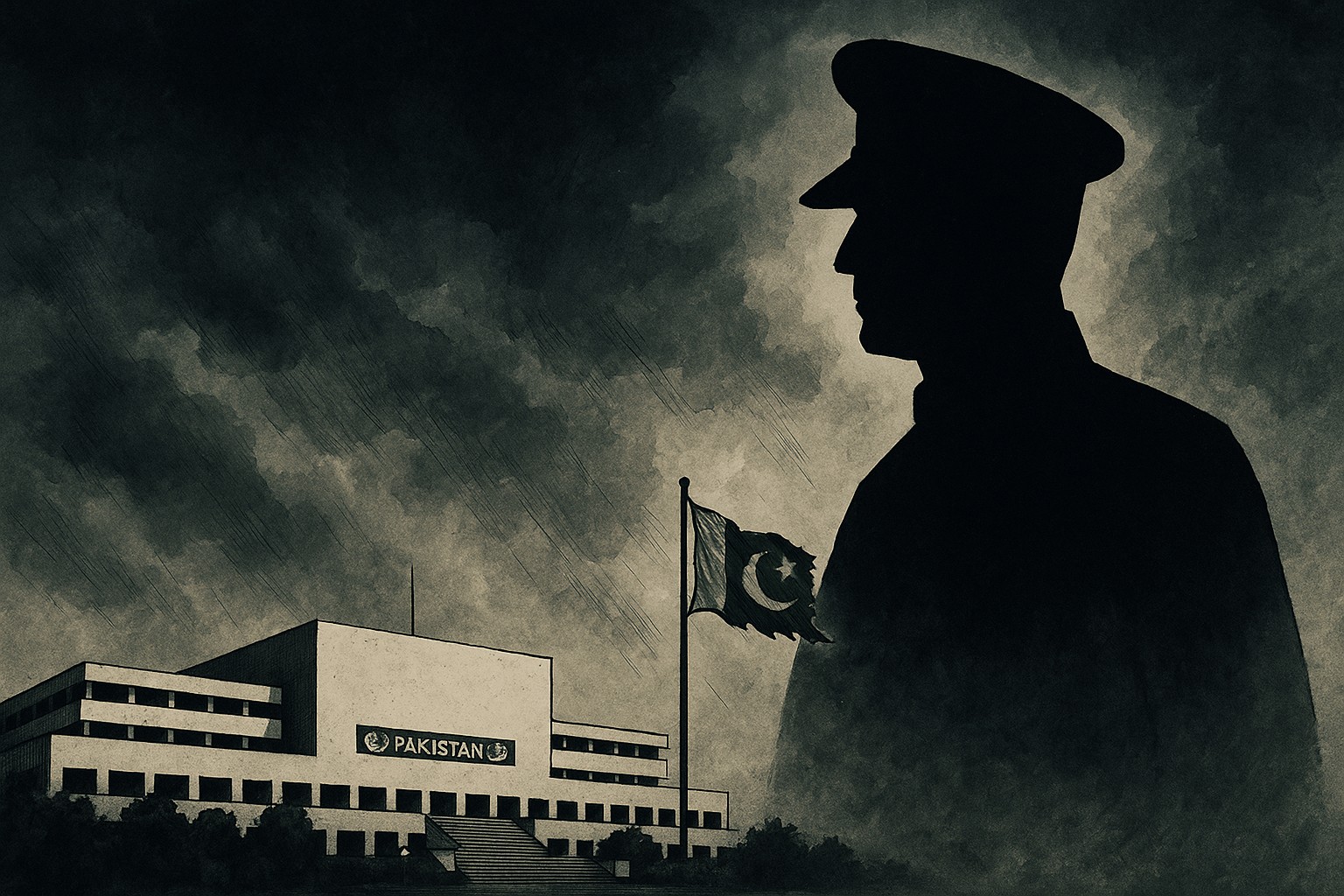
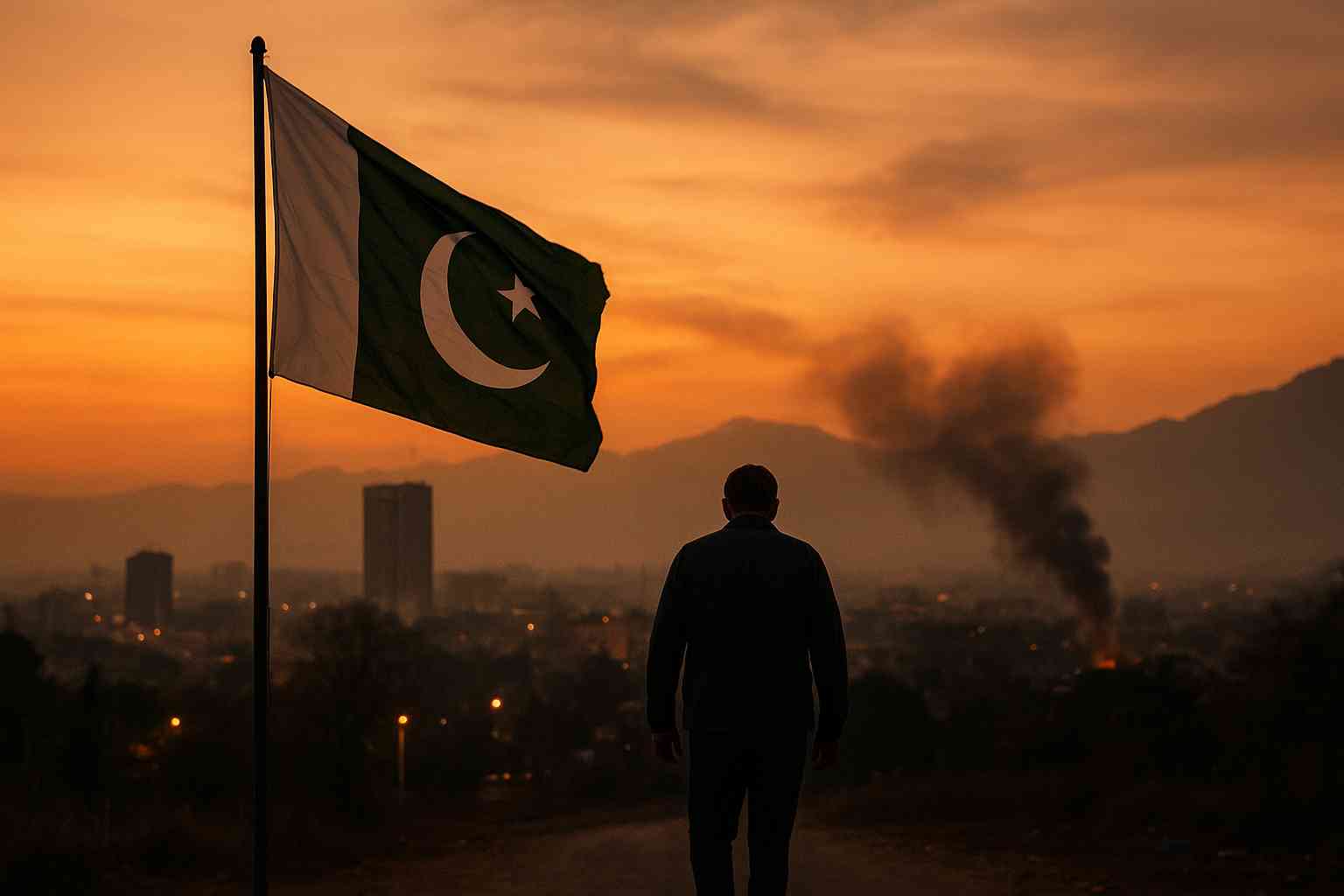
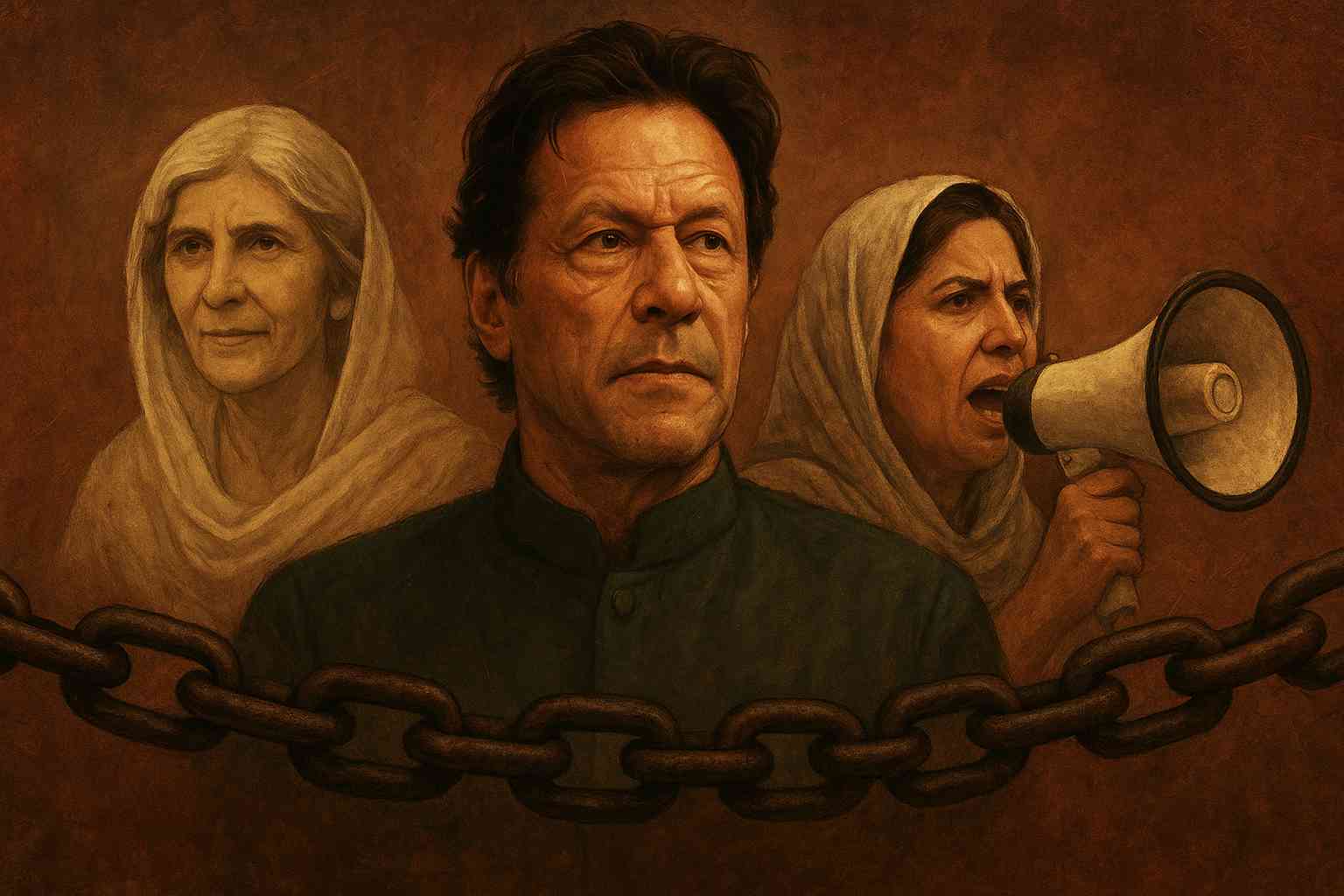
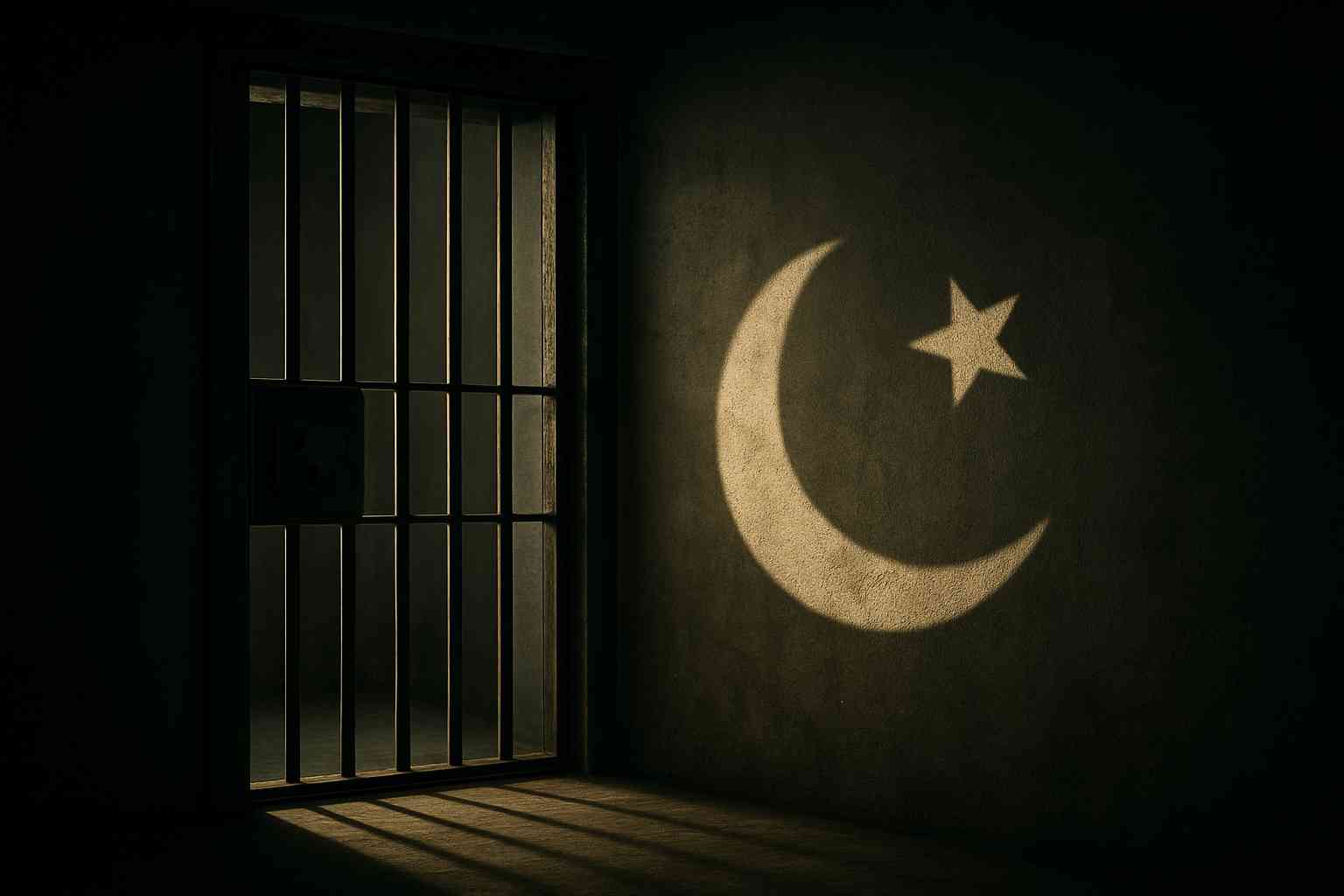
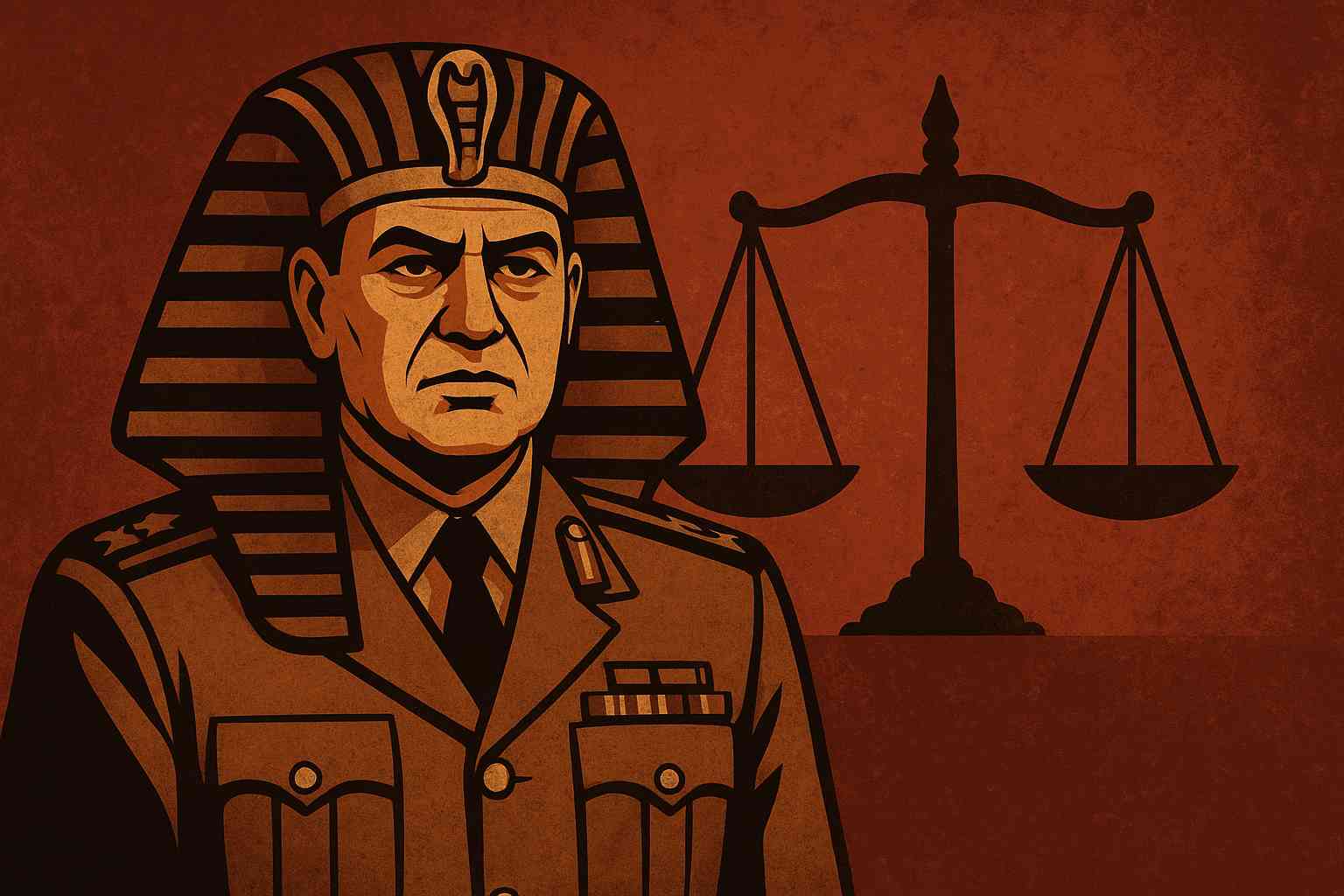
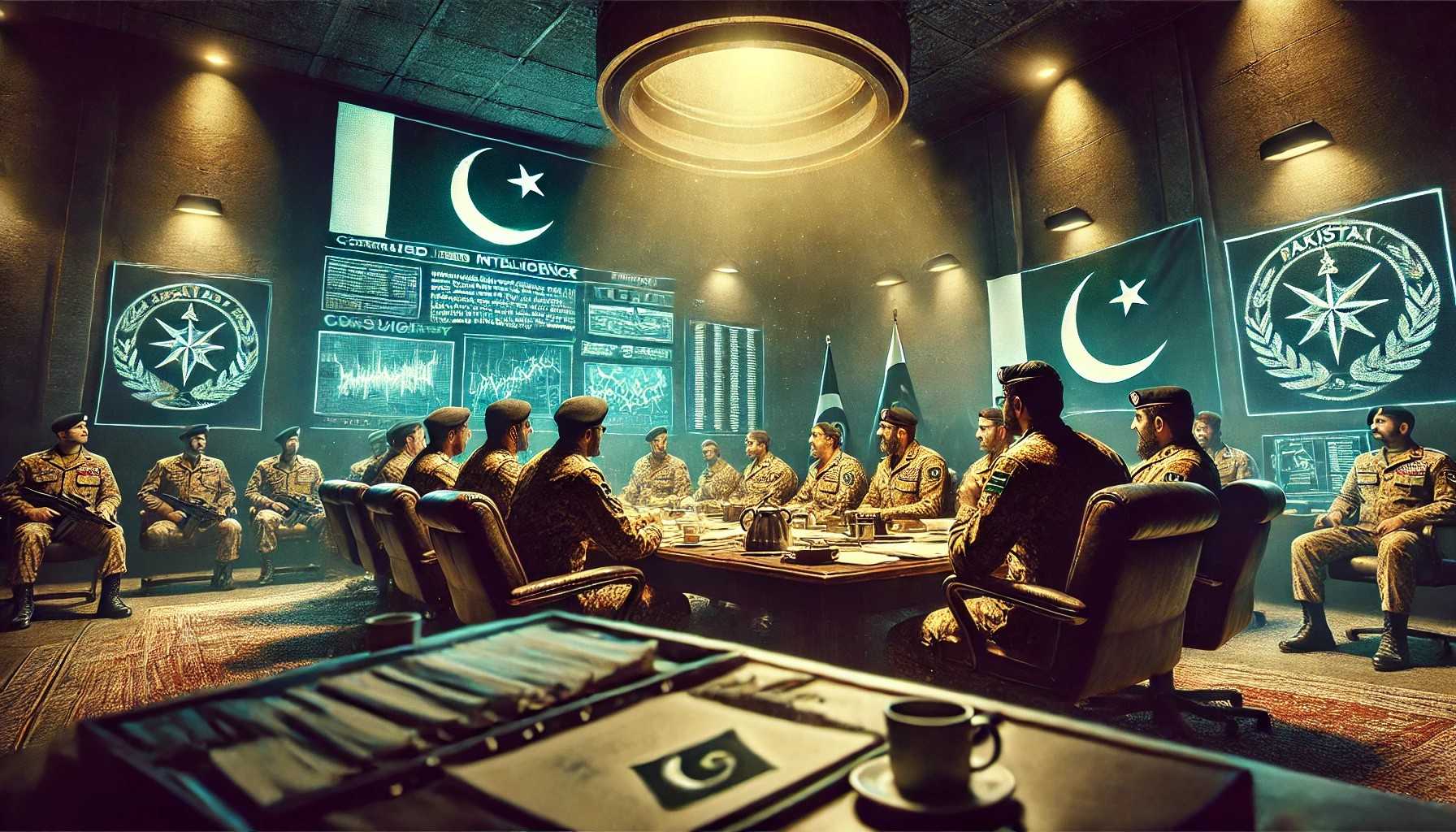
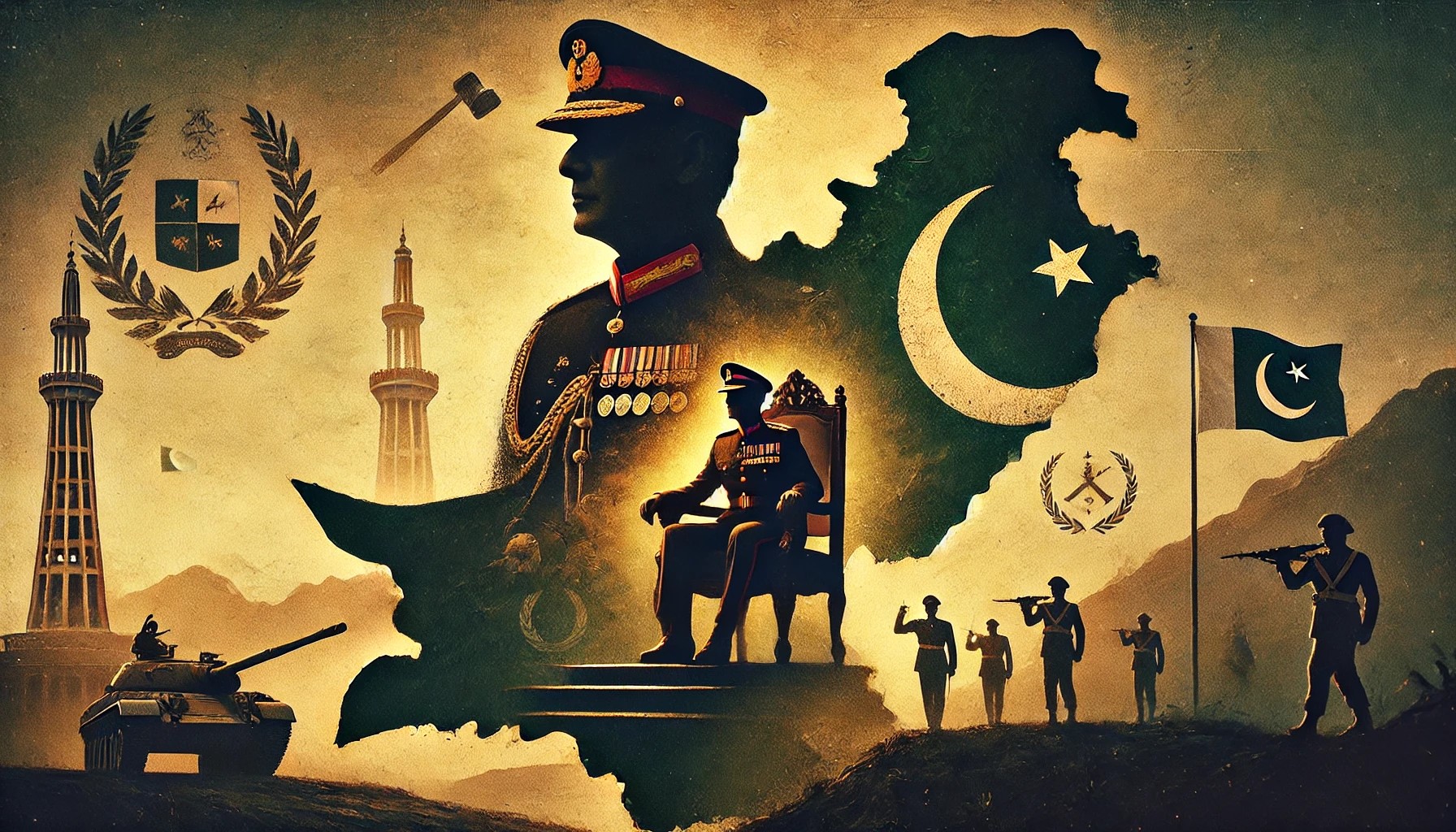
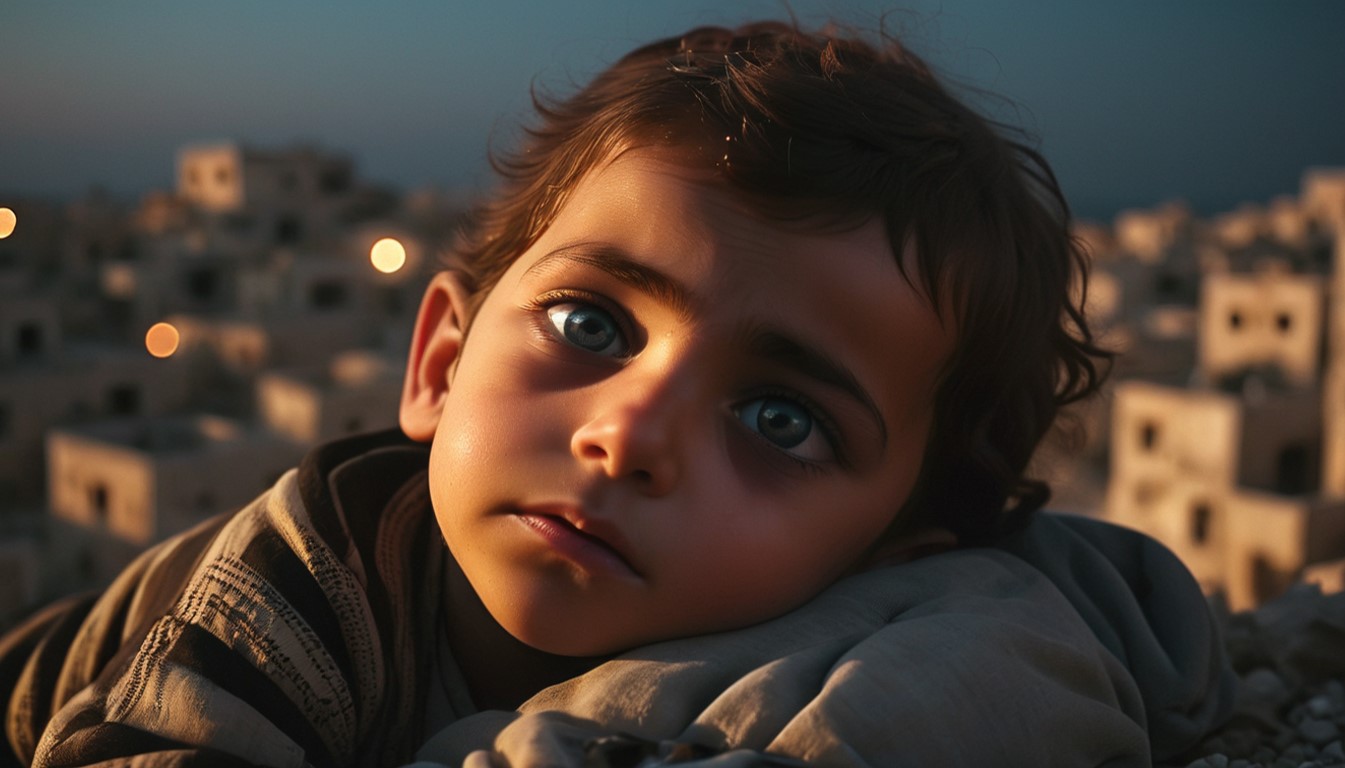
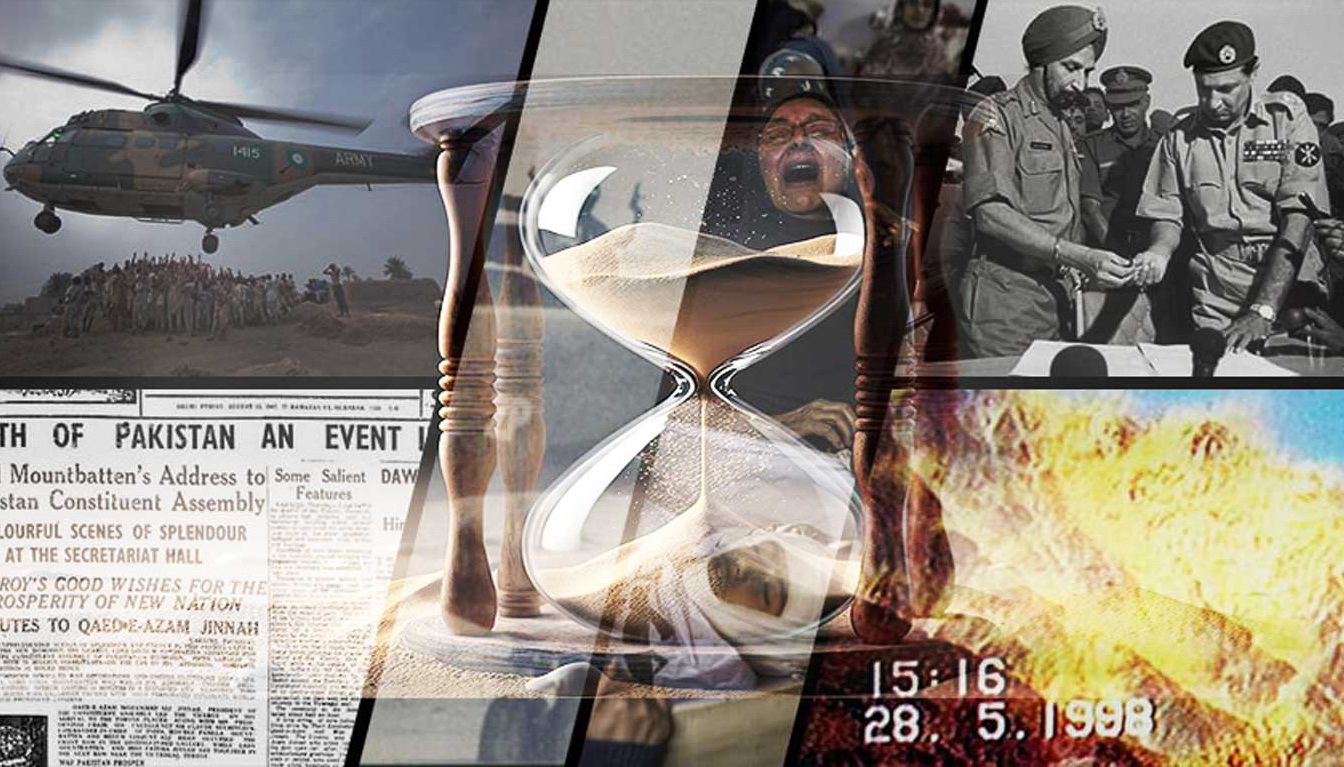
What if the stories we once treated as entertainment were never fantasy at all? What if The Hunger Games, Elysium, Snowpiercer, and 1984 were not futuristic warnings, but early maps of our present? In Pakistan, especially since the fall of Imran Khan’s government in 2022, the signs of Pakistan Dystopia have become impossible to ignore. From silenced voices to state surveillance, from enforced digital systems to the normalization of fear, the country now feels like the opening act of a dystopian saga already in motion.
Pakistan Dystopia and the Rise of a Two-Tier Society
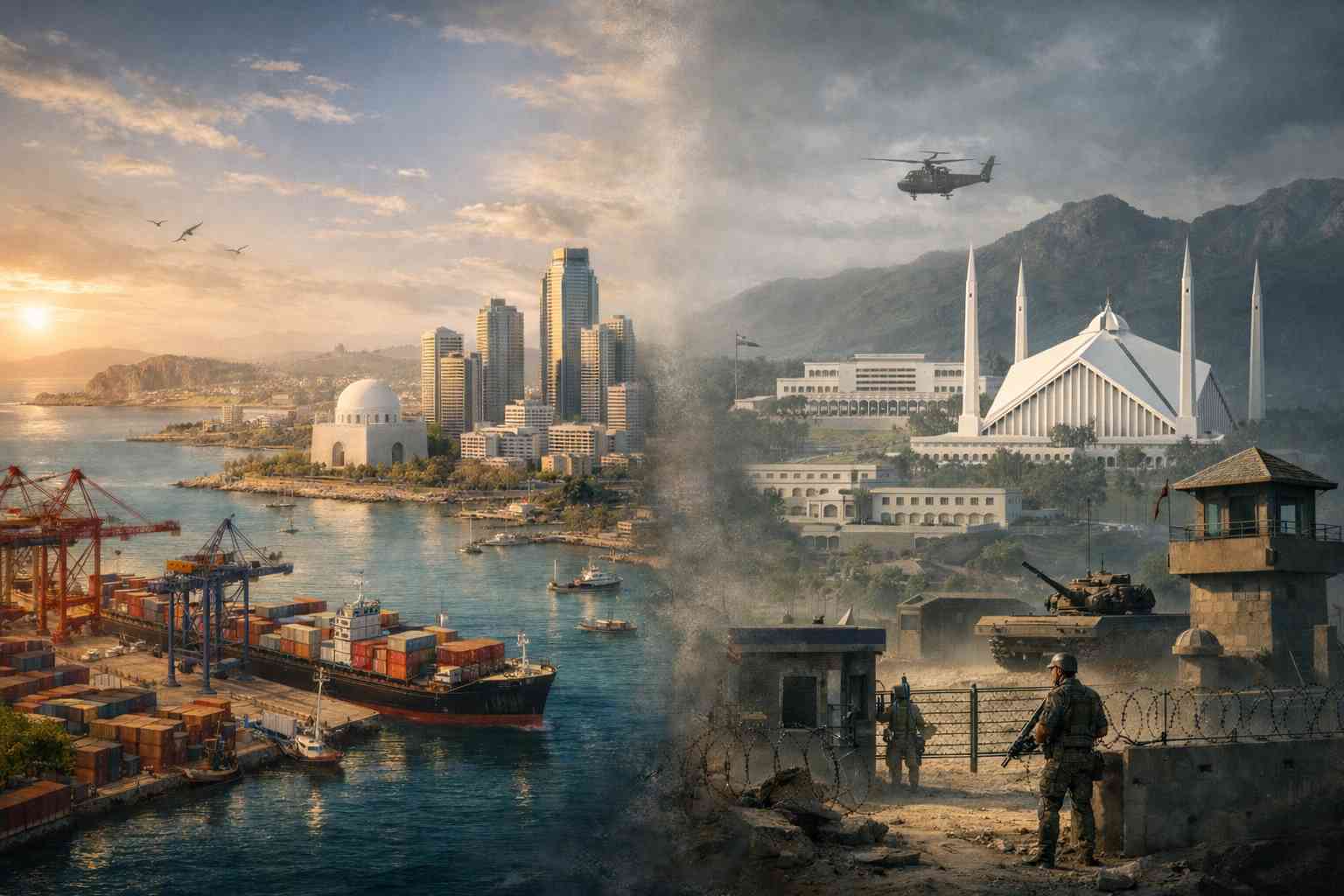
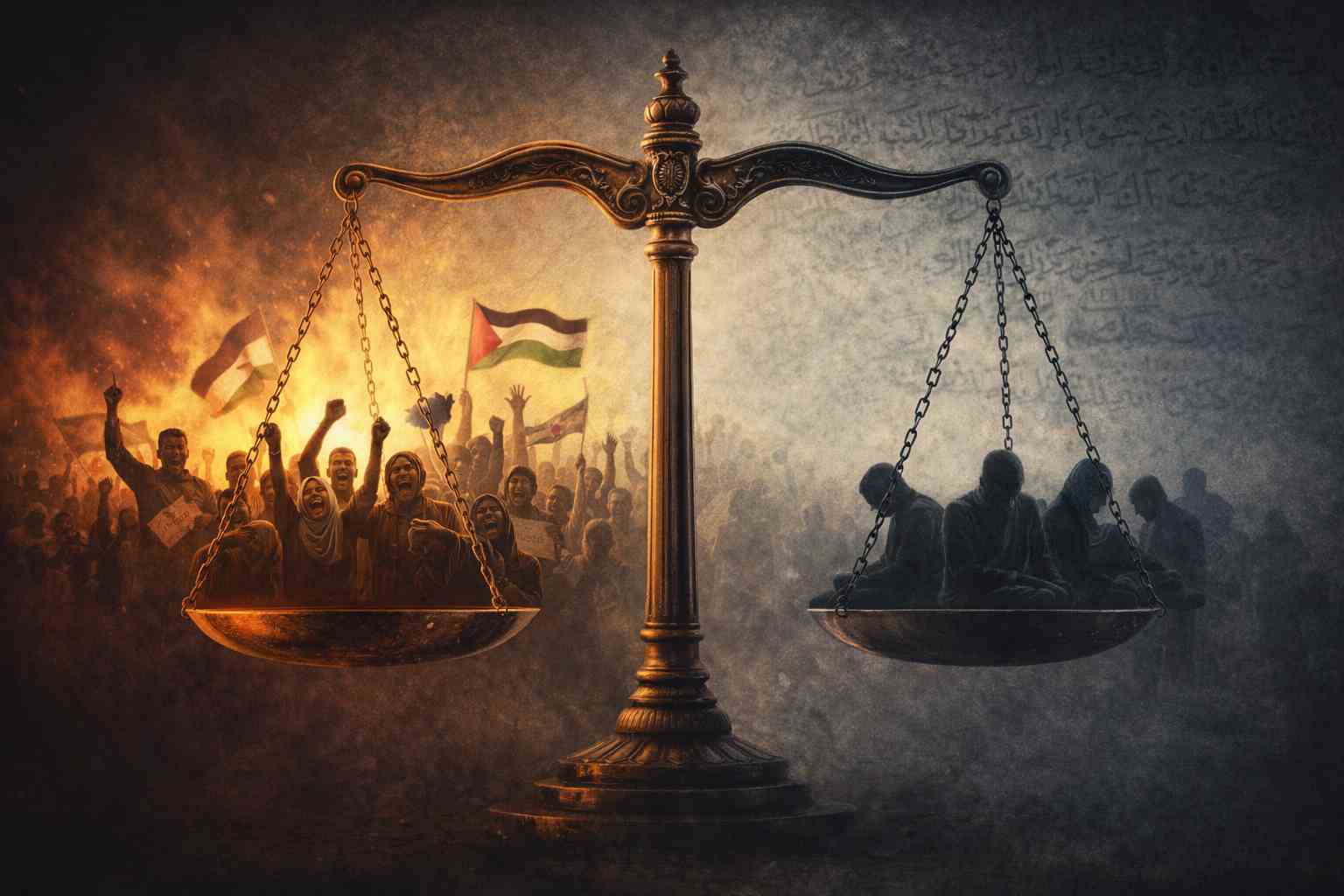
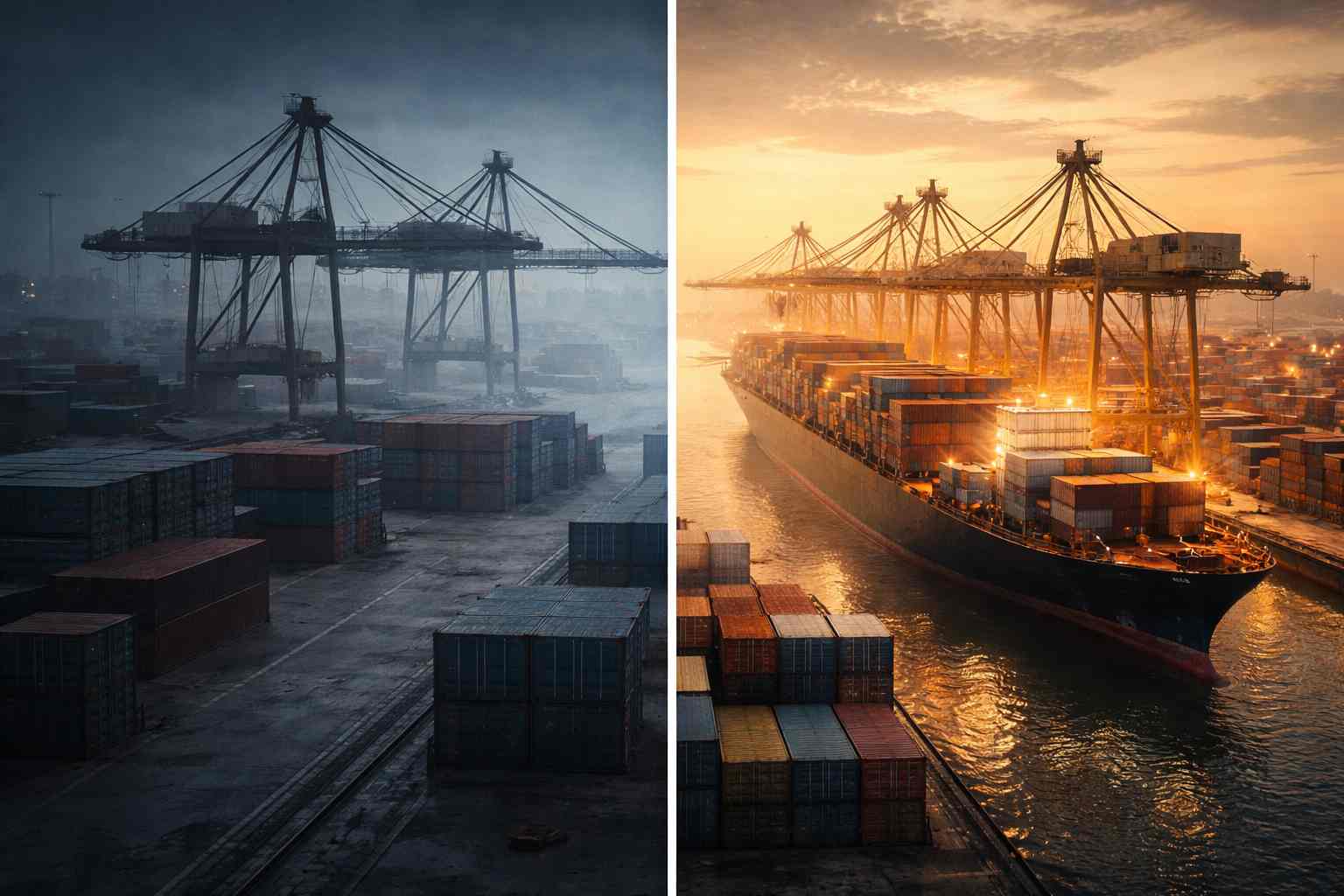
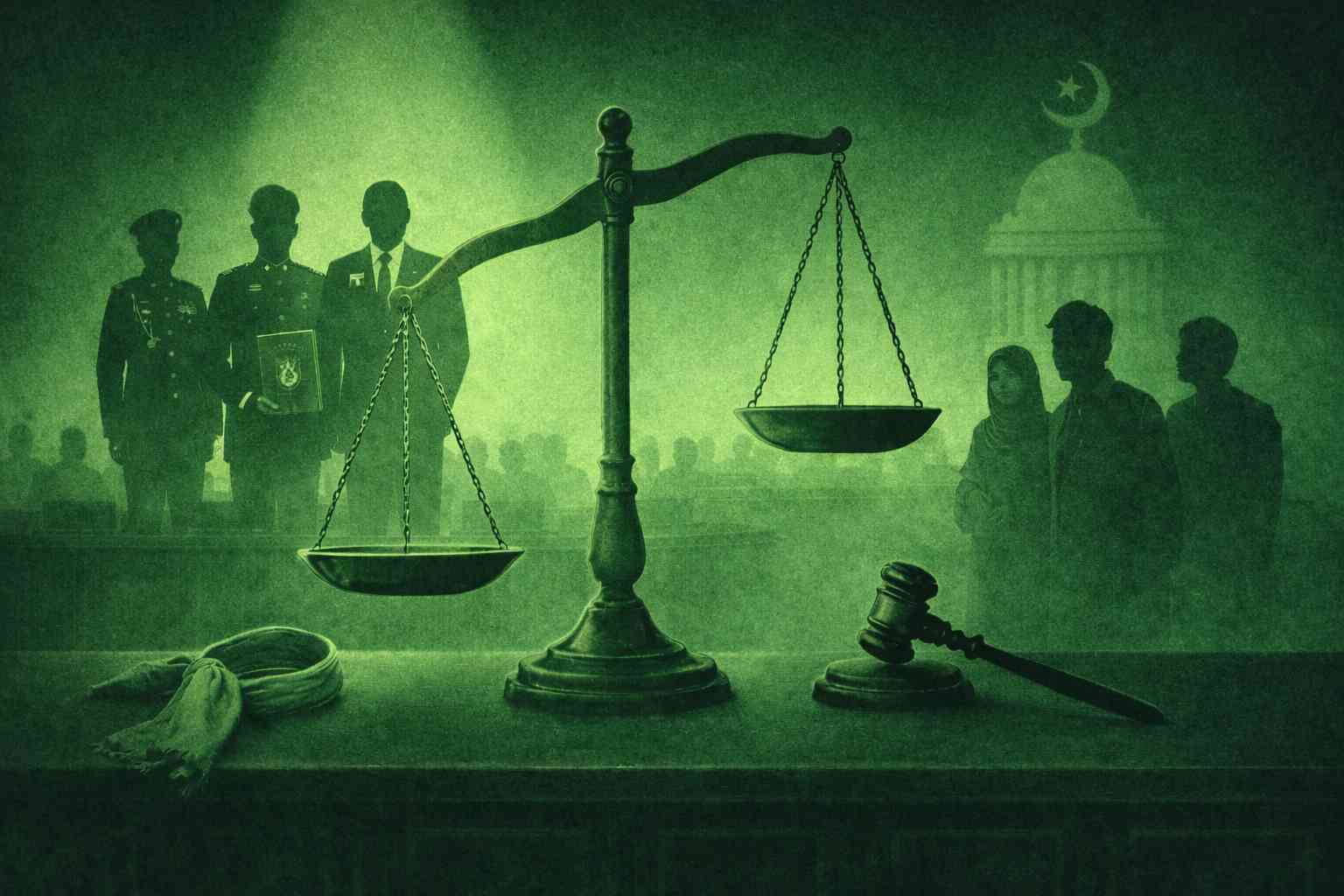
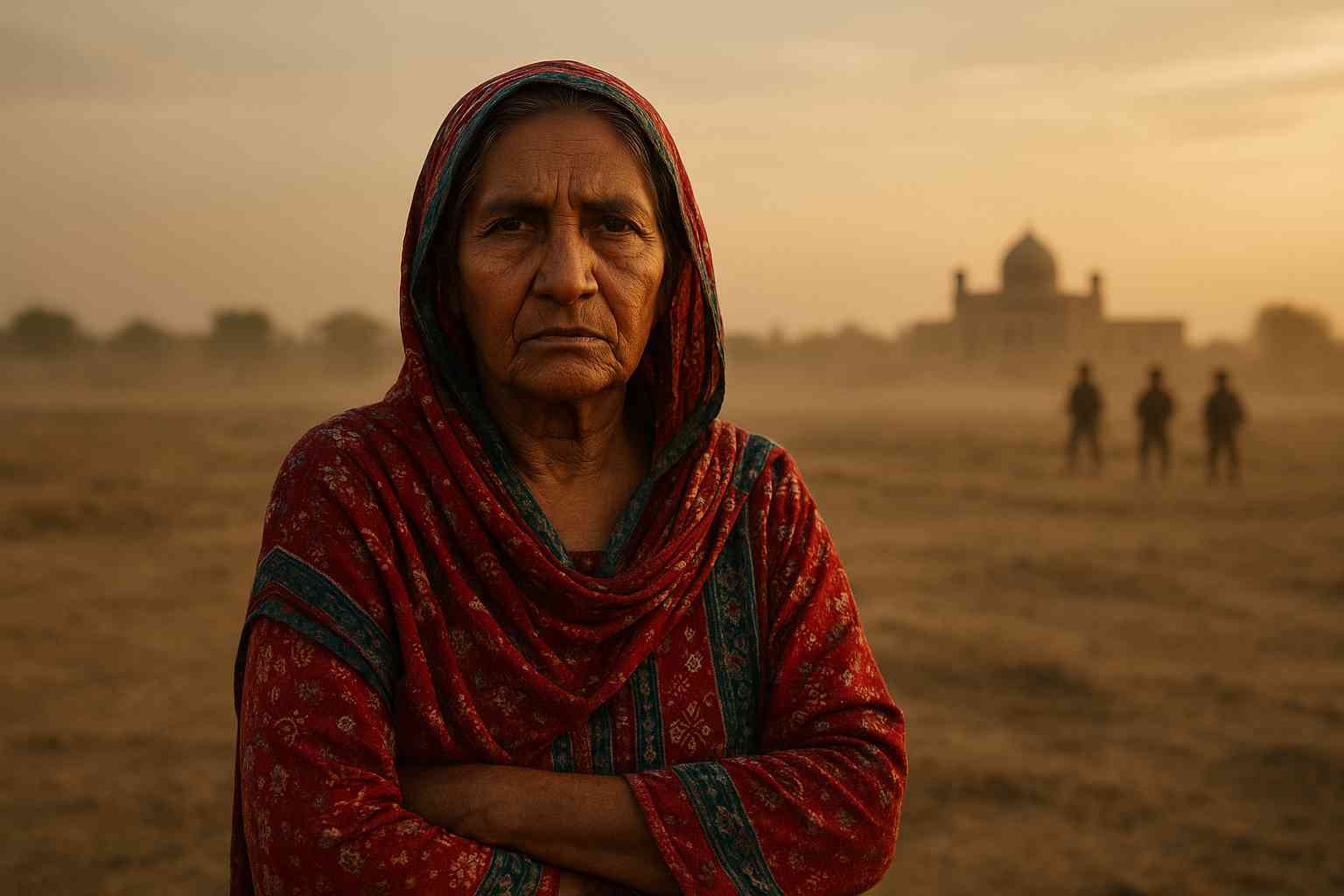
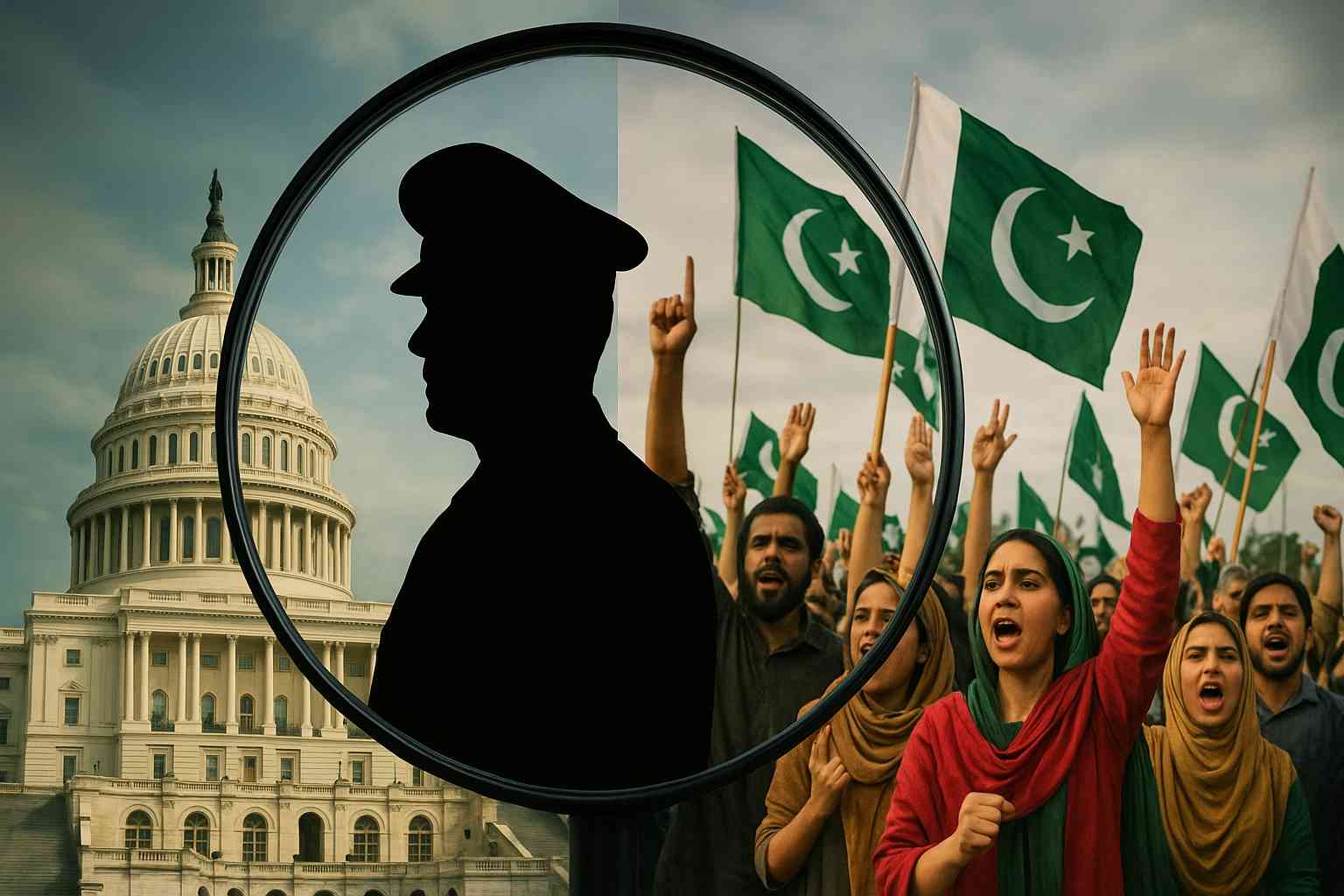
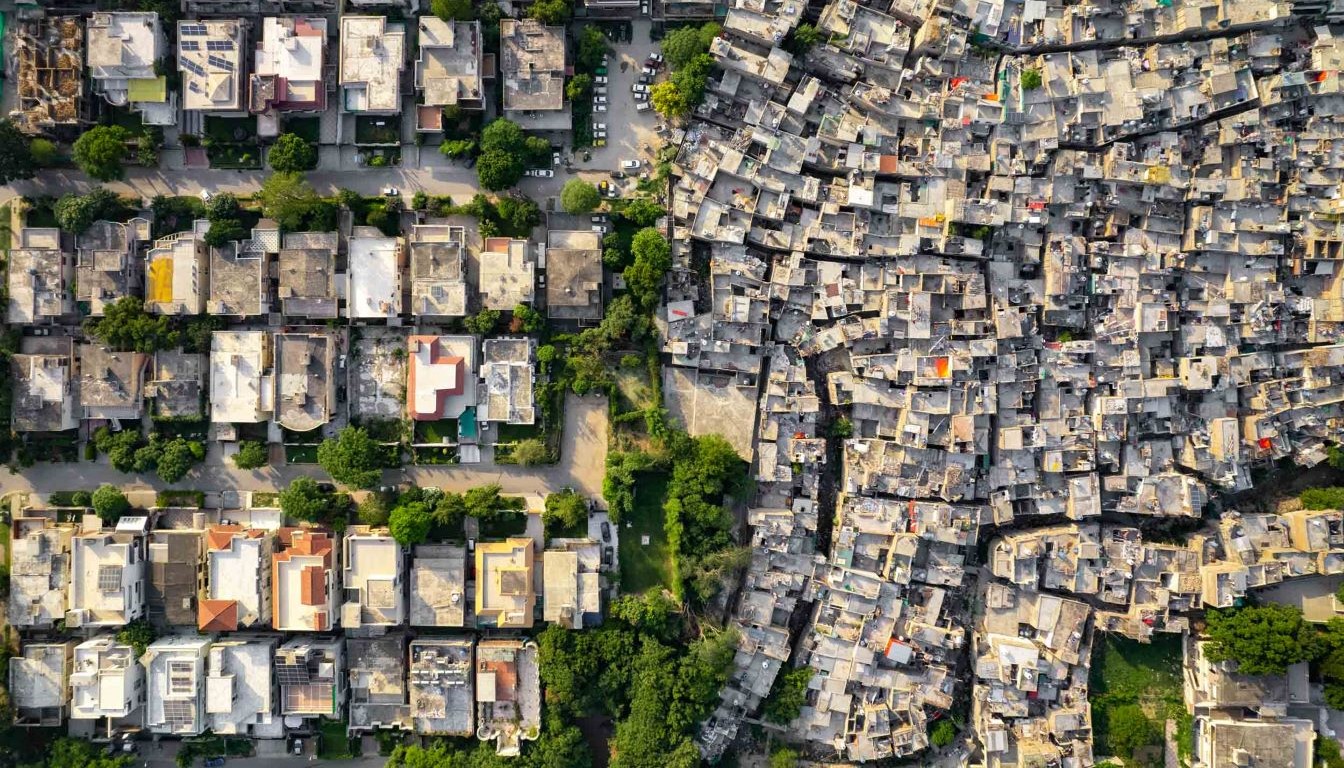
In The Hunger Games, Panem’s elite Capitol thrives while the districts struggle to survive. Pakistan mirrors that divide. The ruling elite glide through cities in air-conditioned convoys, untouched by traffic laws or accountability. Meanwhile, ordinary citizens drown in inflation, joblessness, and endless queues for basic necessities.
The poor and middle class now live in constant survival mode. As a result, resistance fades. Distraction replaces dissent. Much like Panem’s engineered inequality, Pakistan’s economic and social conditions increasingly serve a powerful minority at the expense of the majority. This widening gap is not accidental. It is structural, sustained, and deliberate.
A Political Rupture That Changed Everything
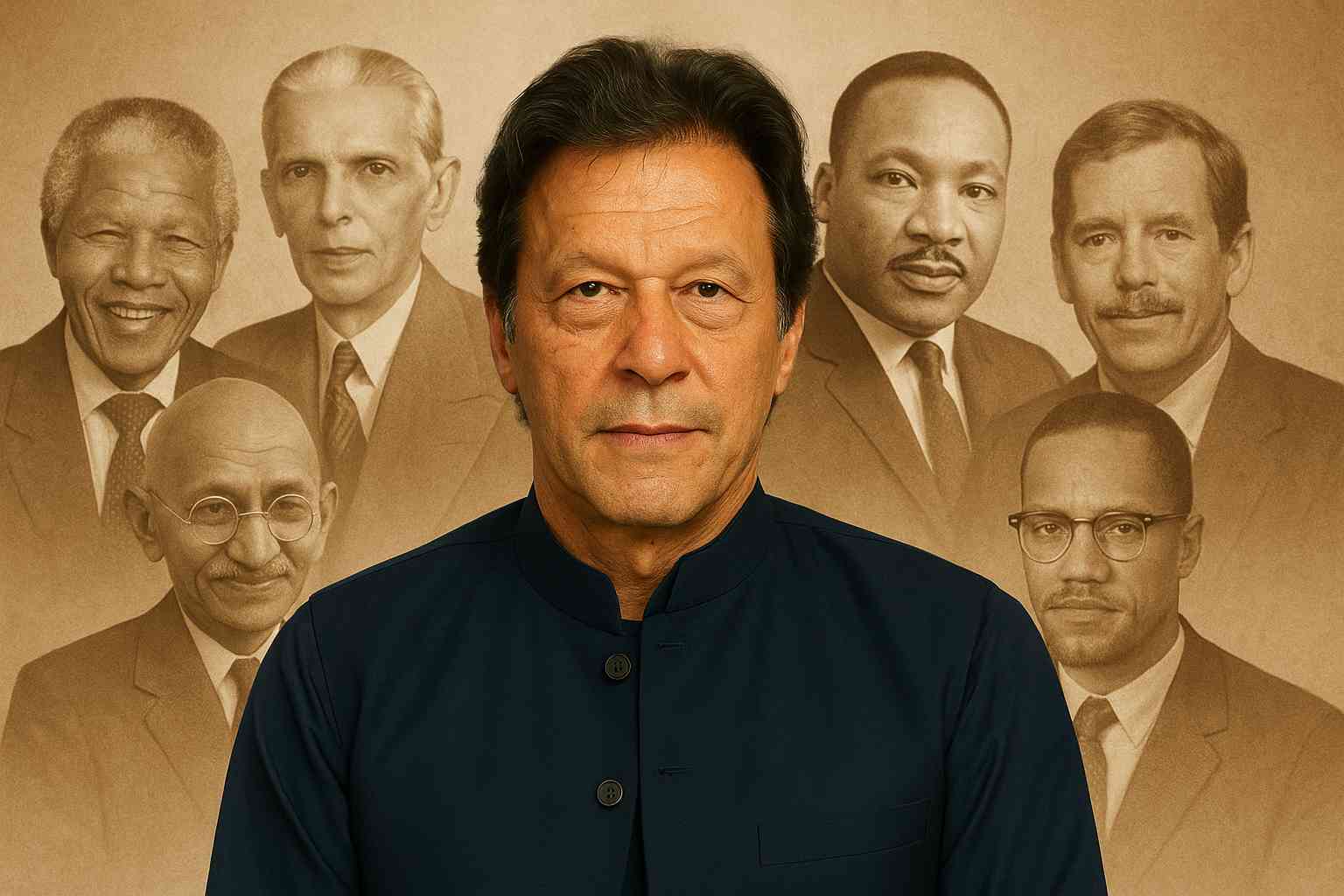
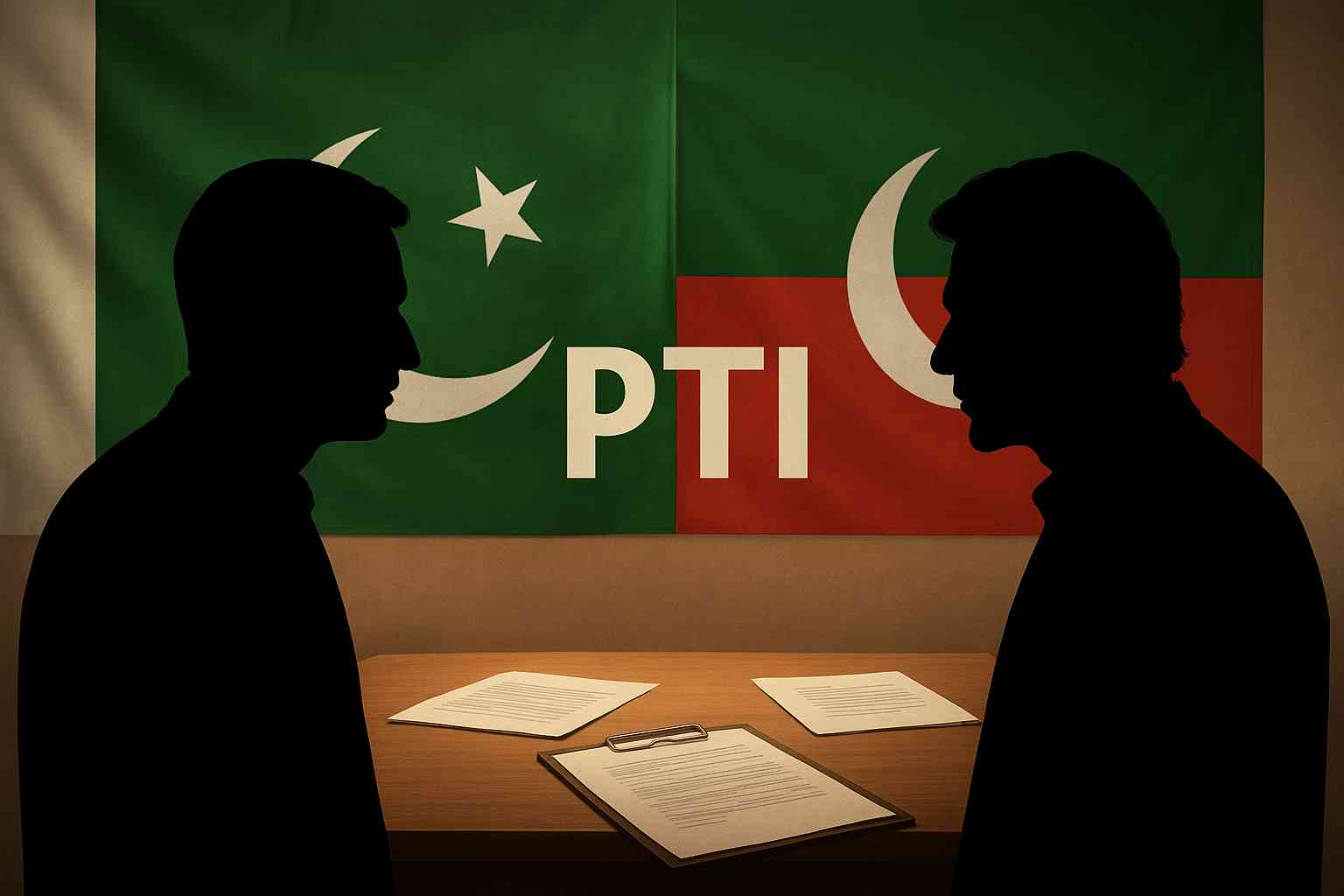
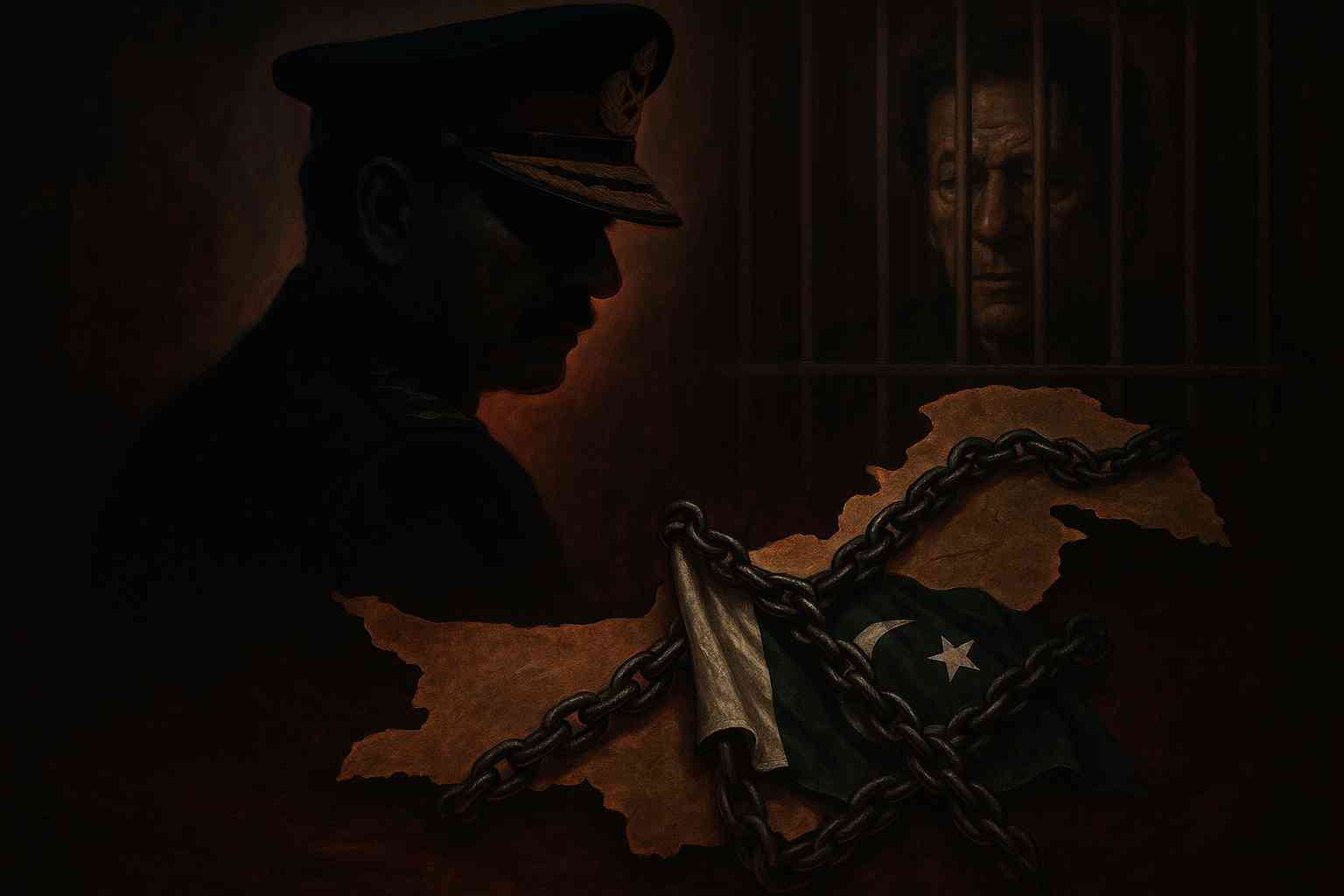
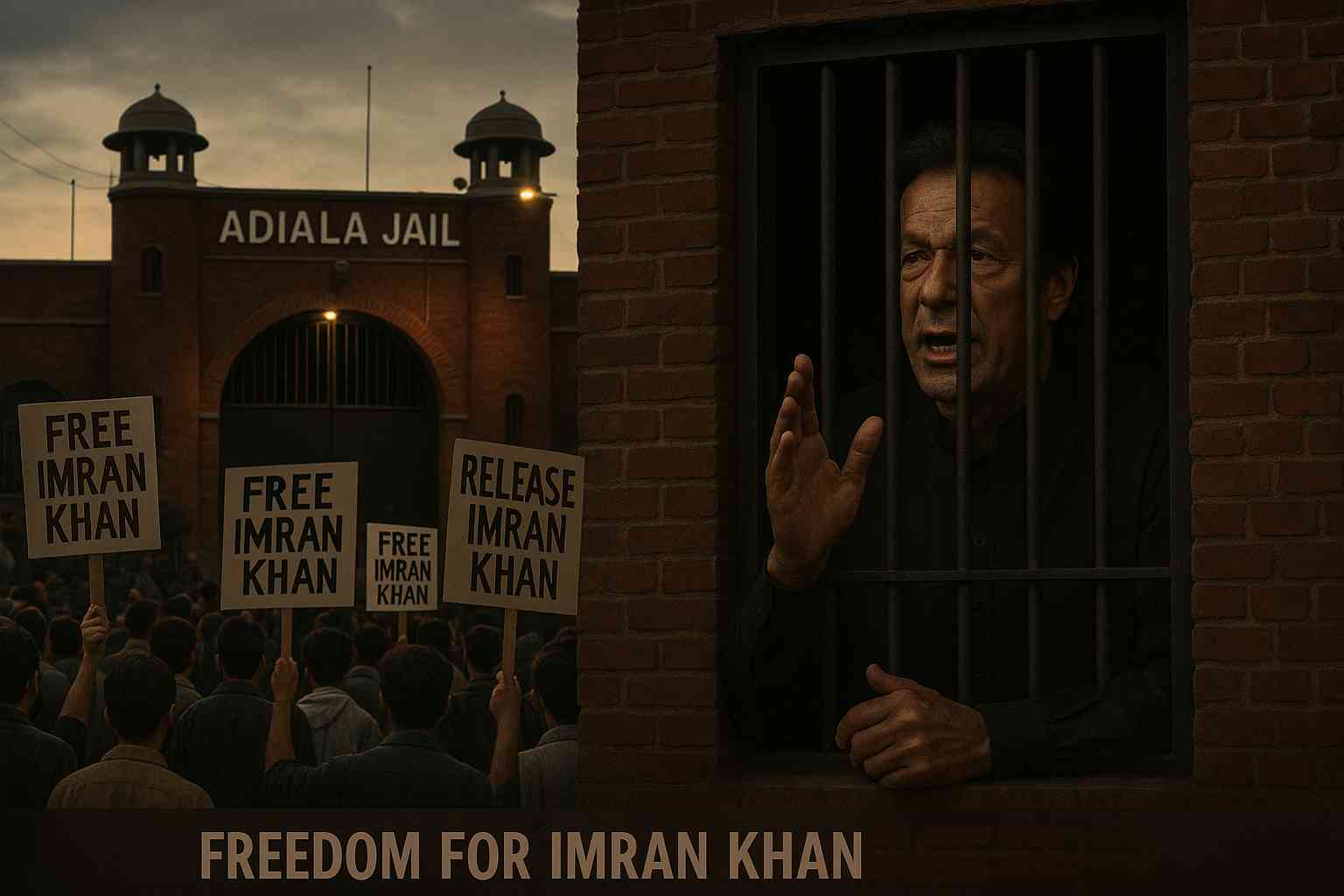
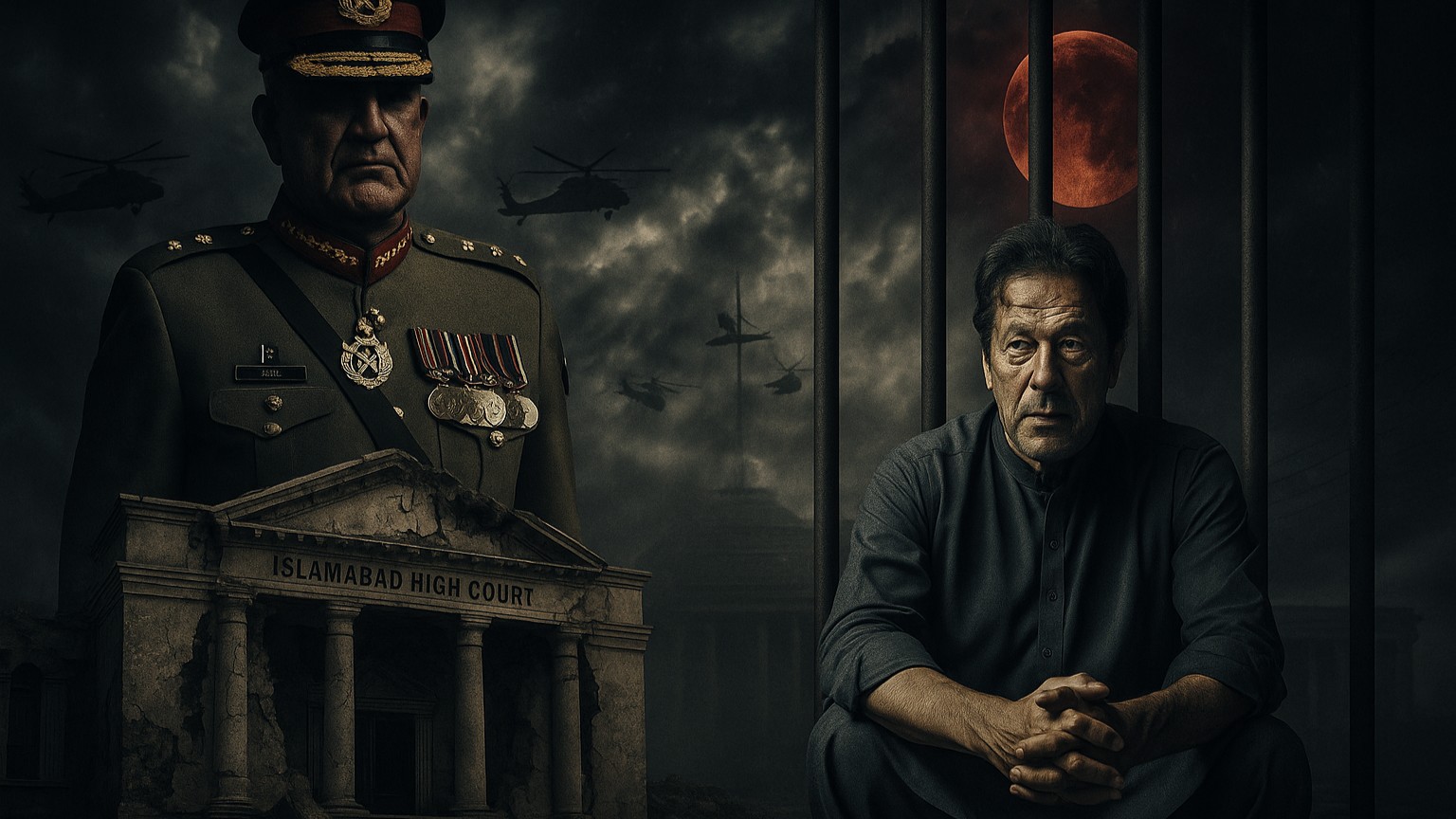
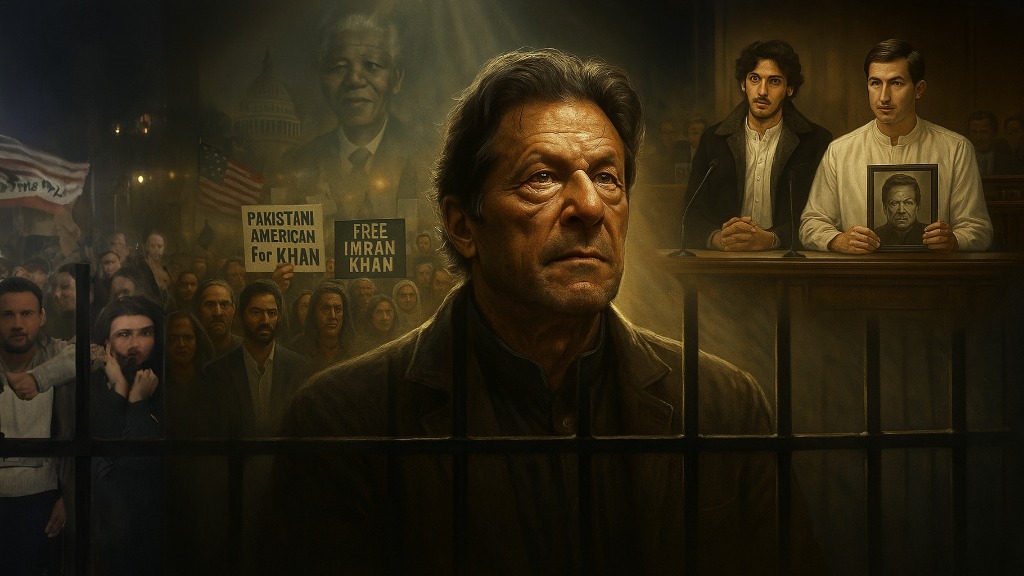
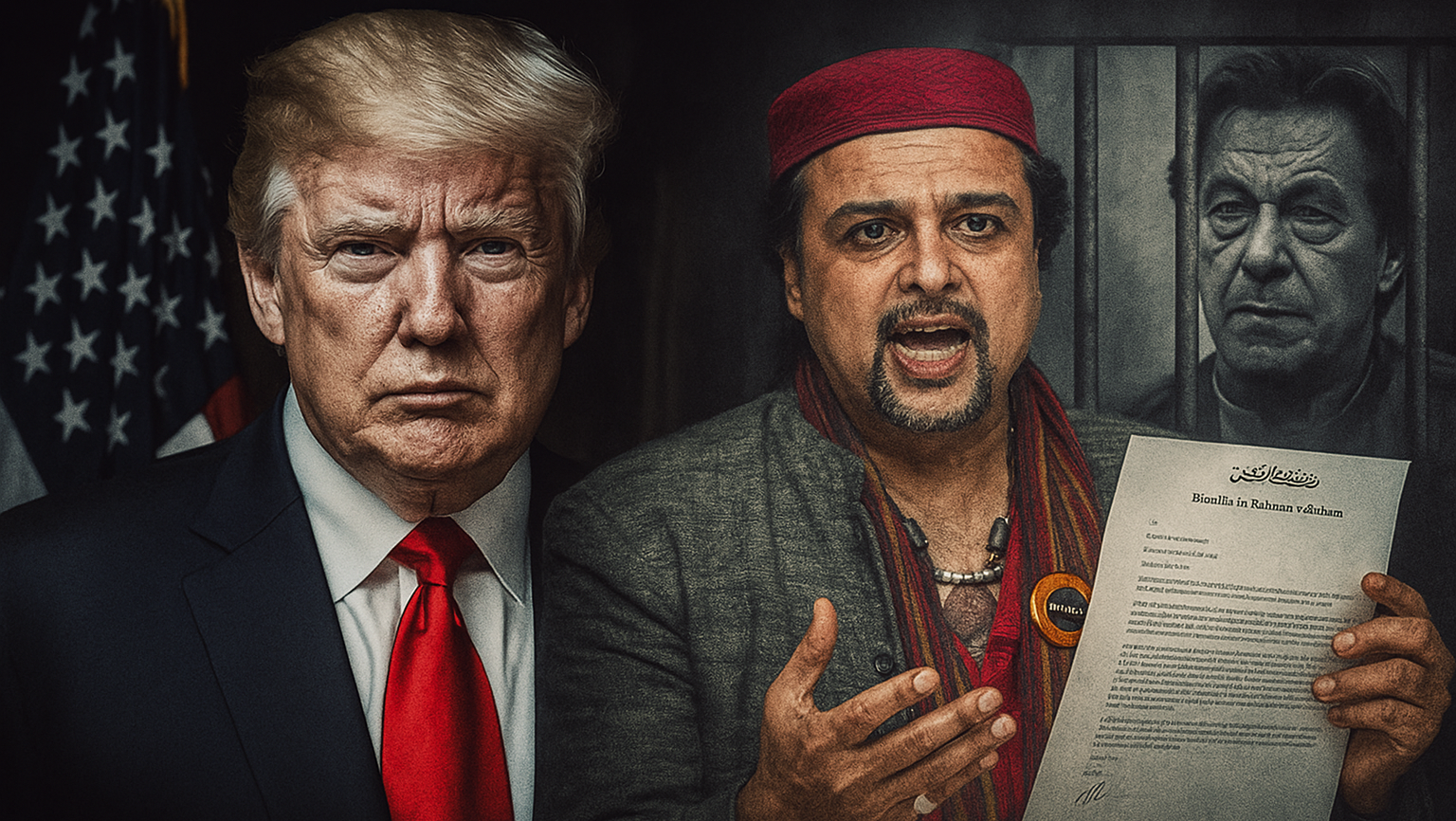
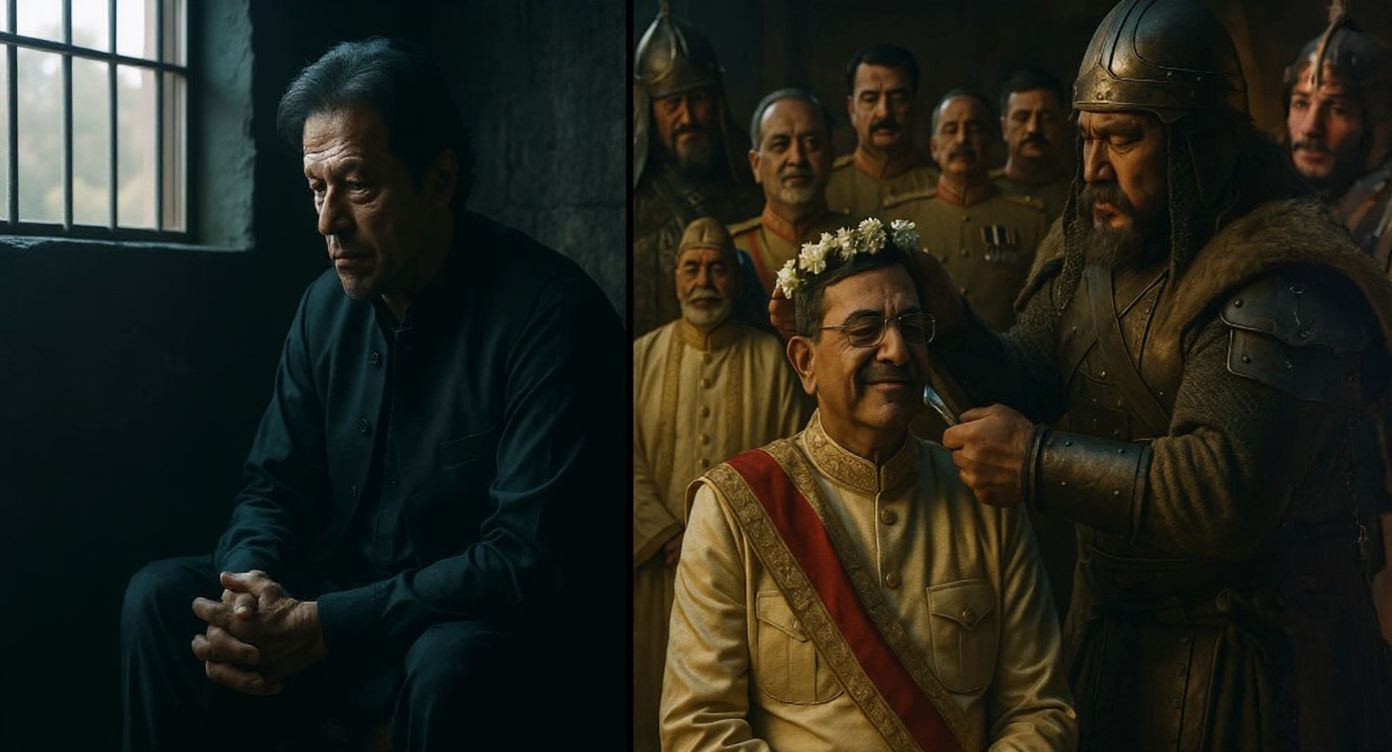
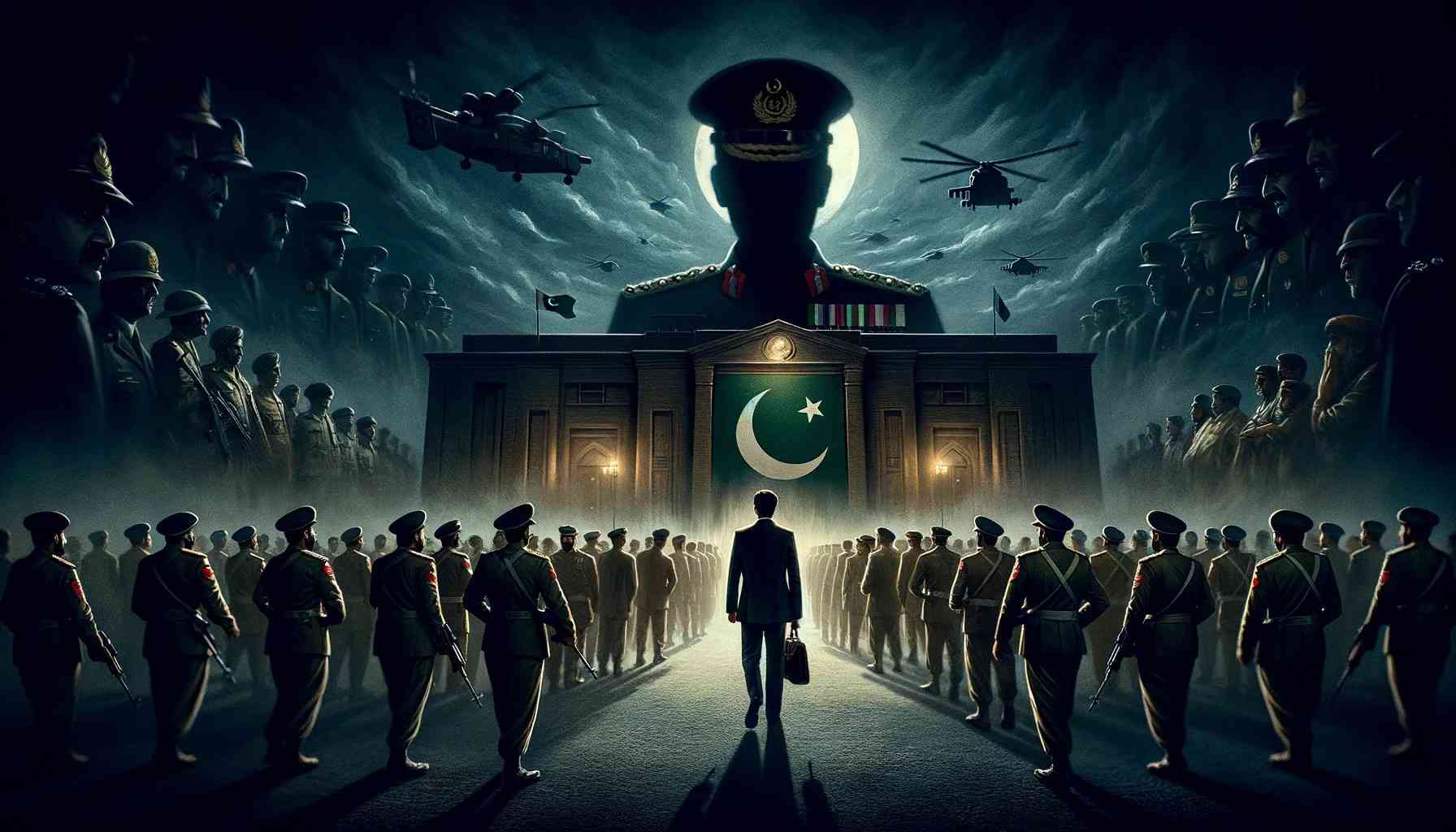
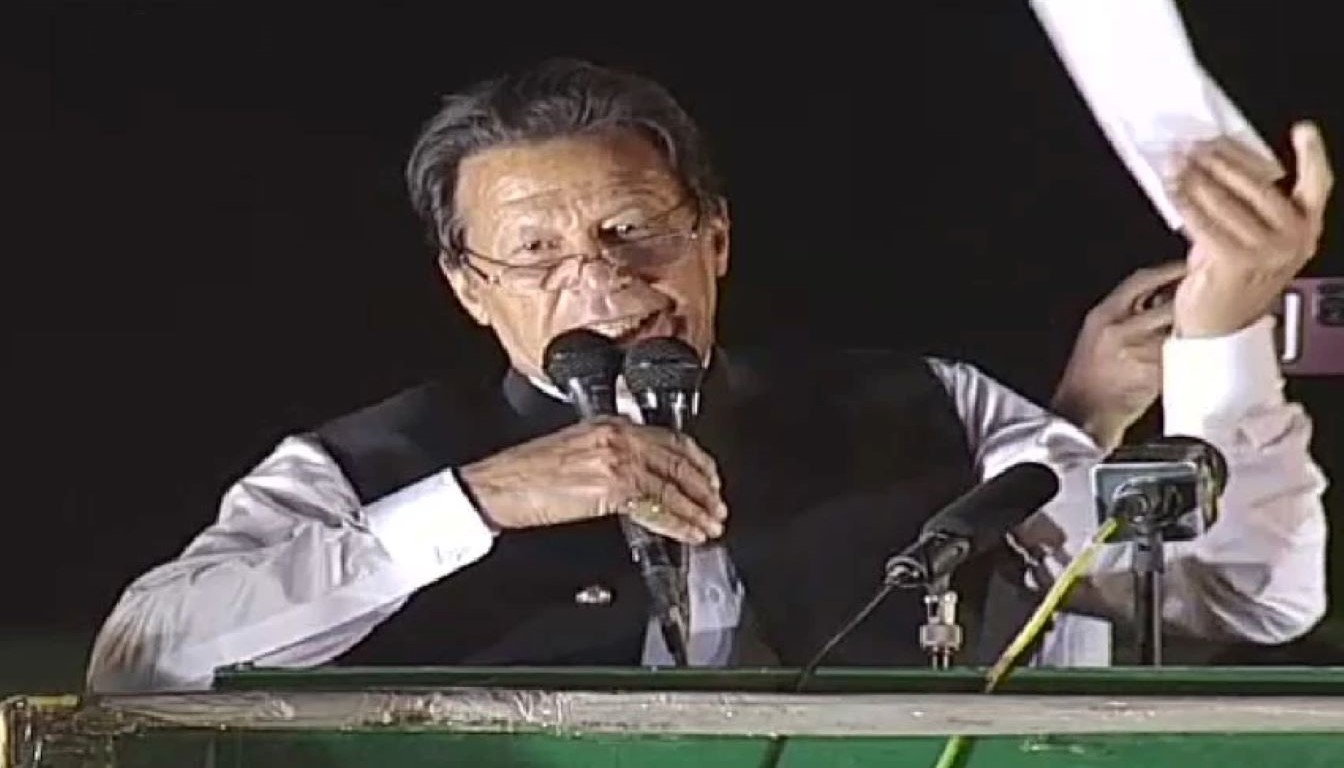
The fall of Imran Khan’s government marked more than a routine transfer of power. It created a psychological rupture. His ouster in April 2022 felt, to many supporters, like a regime change driven by elite interests and possibly foreign encouragement. Whether one accepts that interpretation or not, the impact was undeniable.
Hope gave way to cynicism. The illusion of a people-powered democracy began to dissolve. The leader many saw as an alternative to dynastic rule was removed, and with him went faith in electoral consequence. That moment accelerated Pakistan’s slide toward Pakistan Dystopia.
May 9 and the Institutionalization of Fear
Then came May 9, 2023. That day marked a decisive turning point.
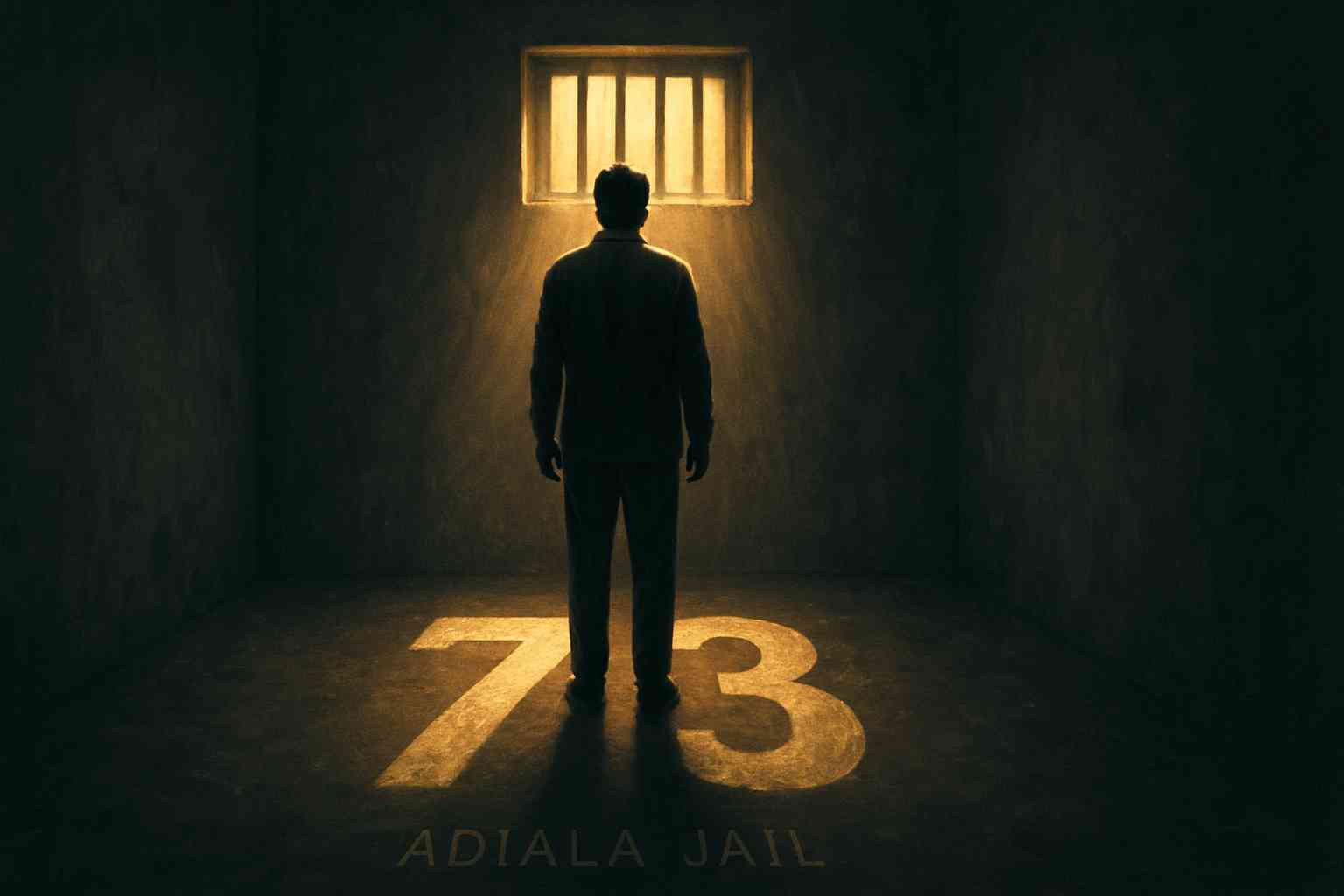
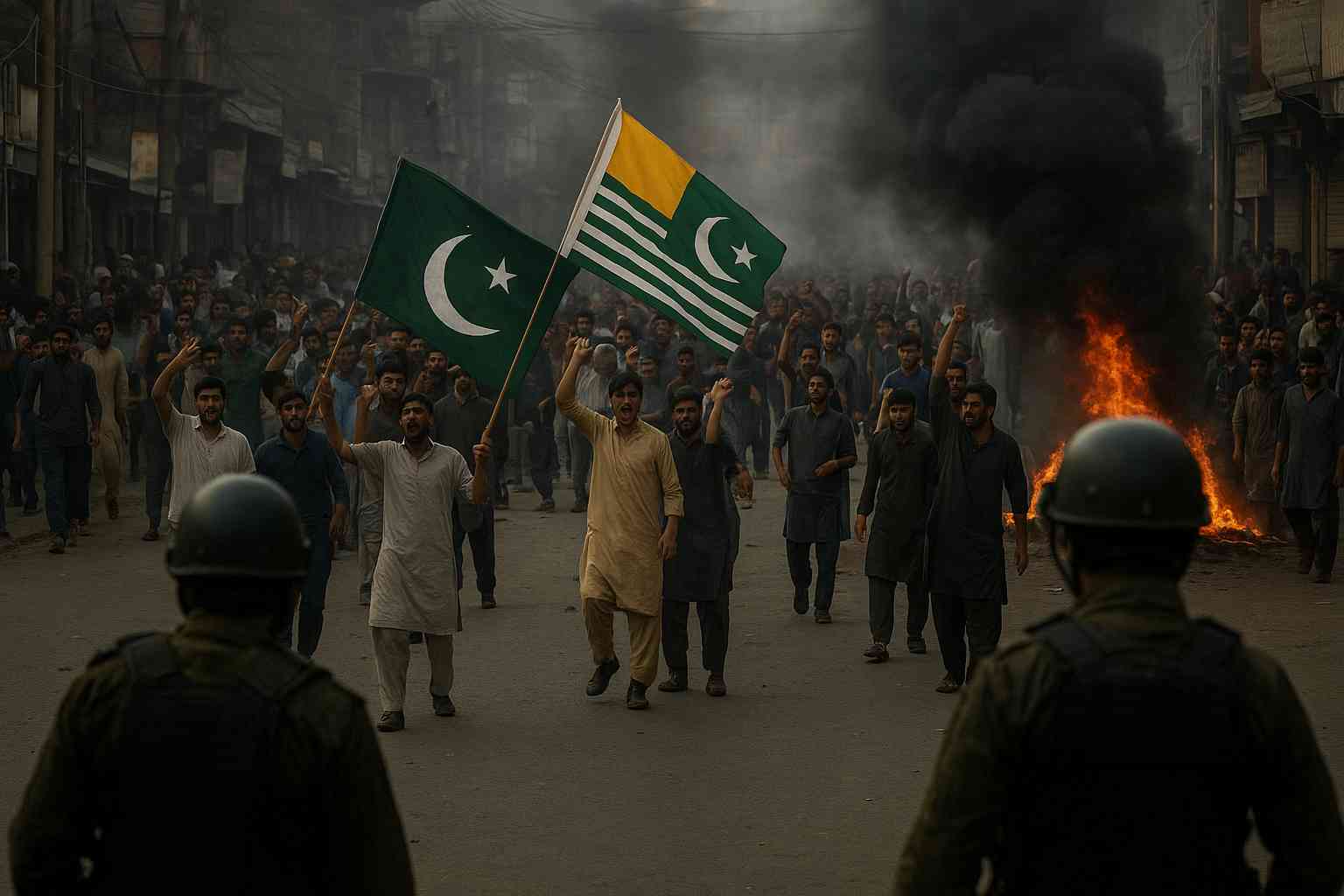
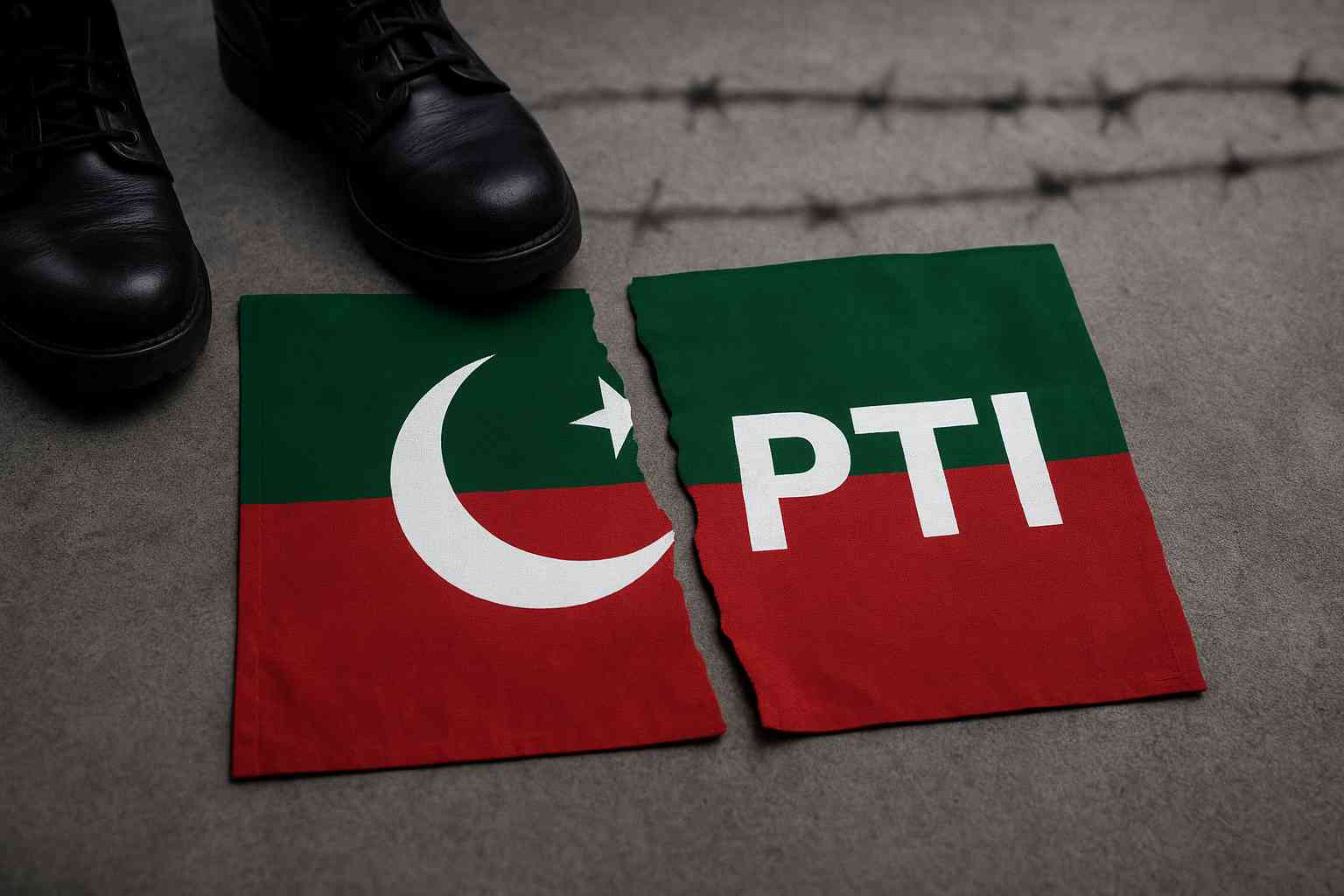
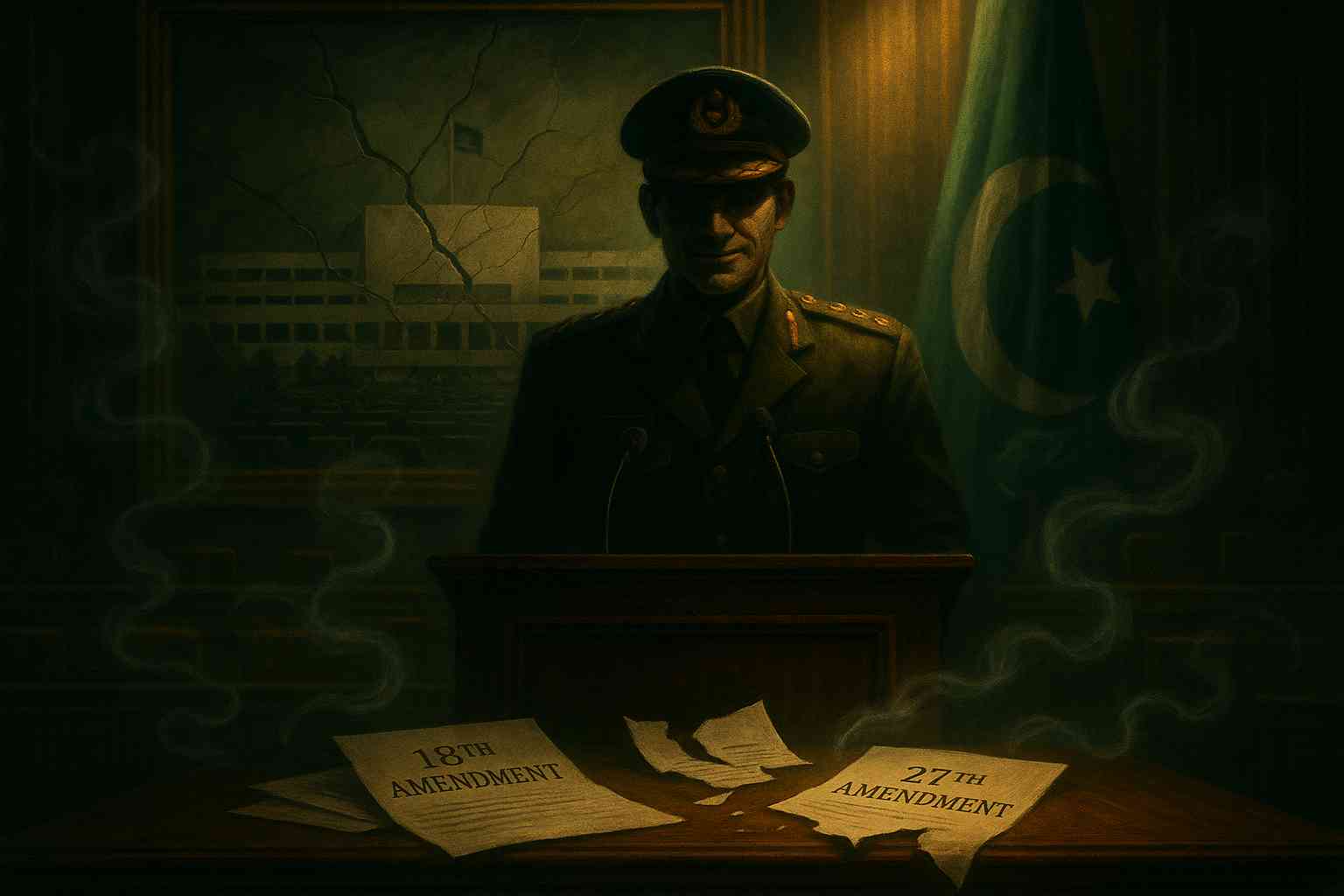
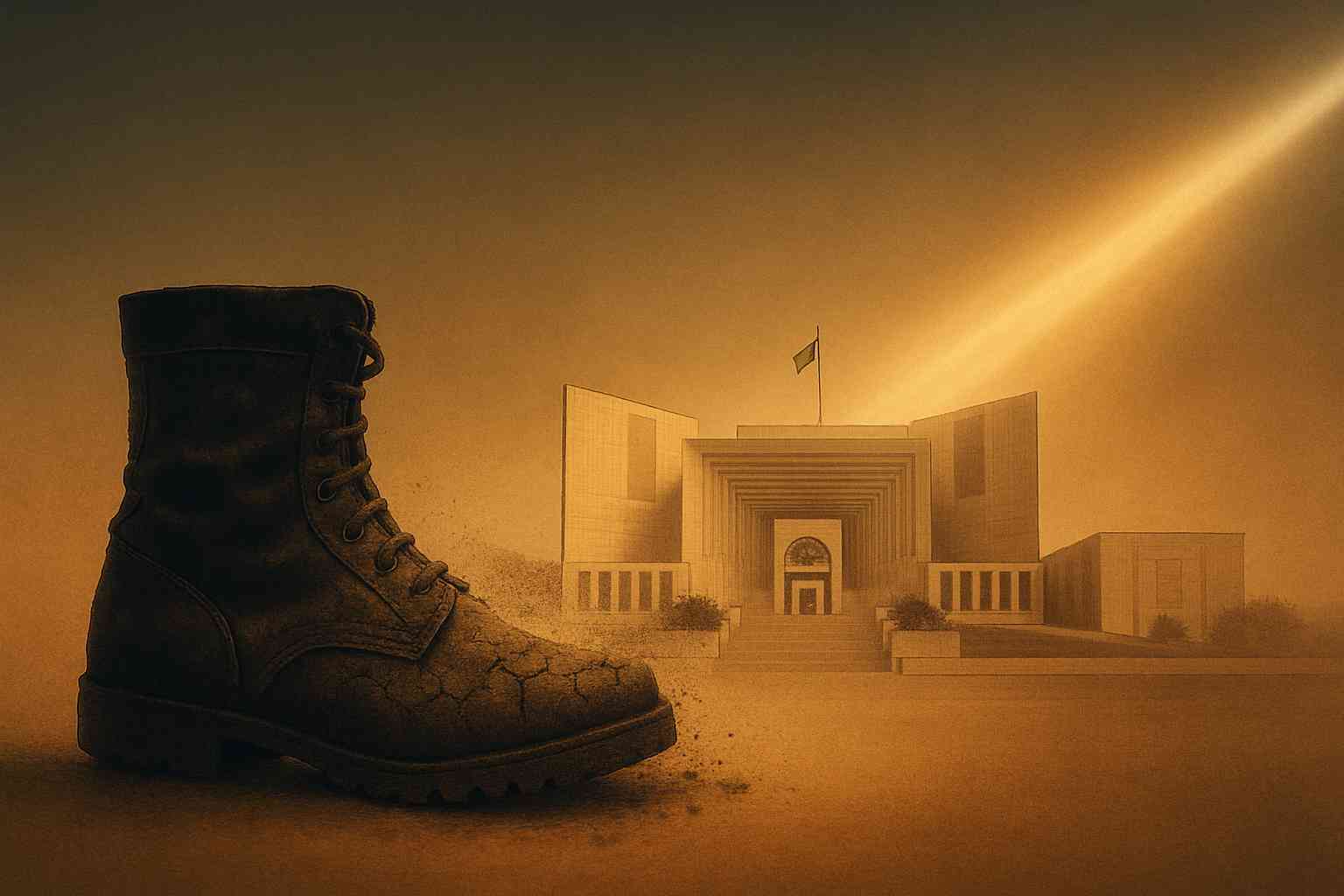
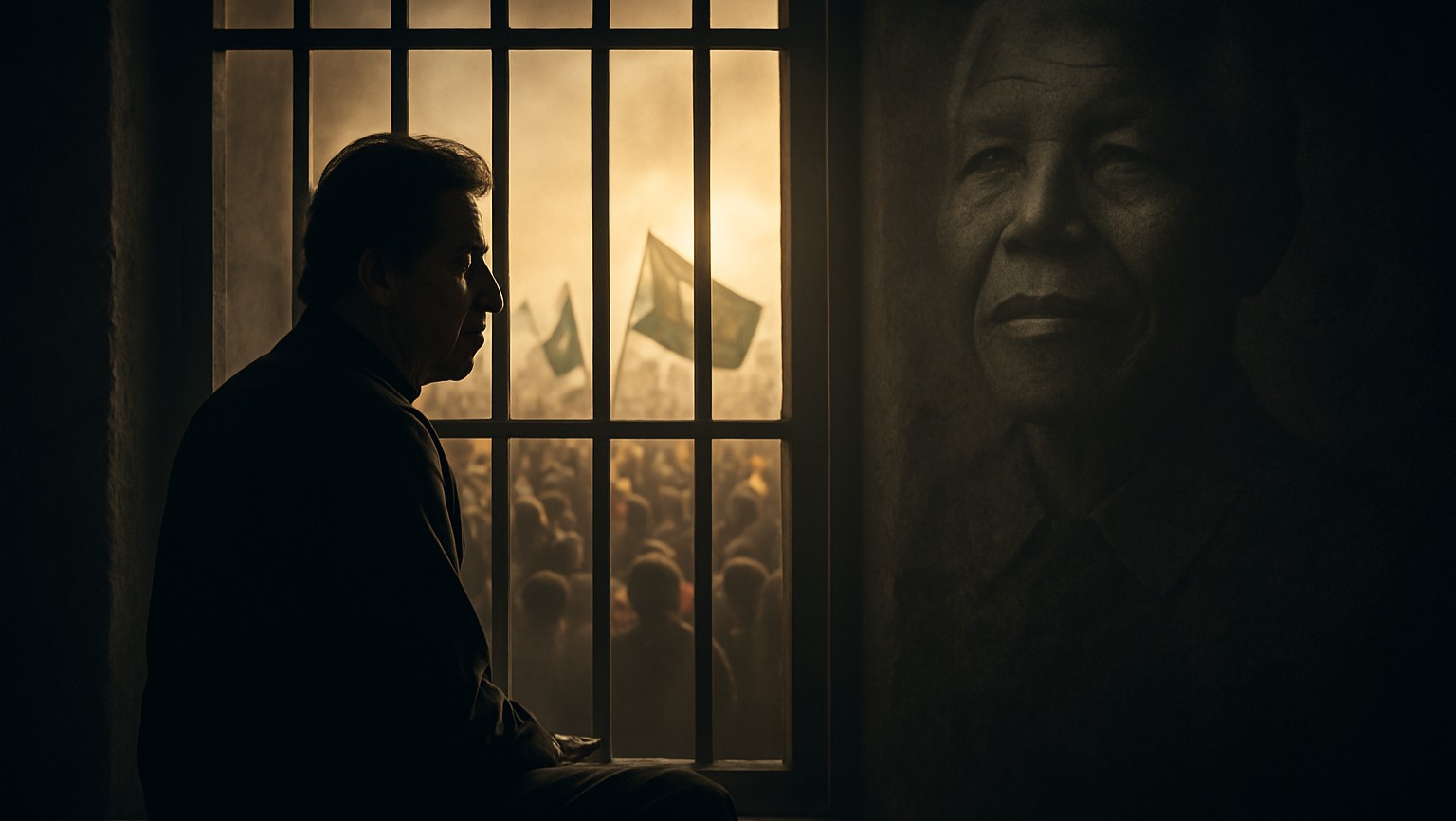
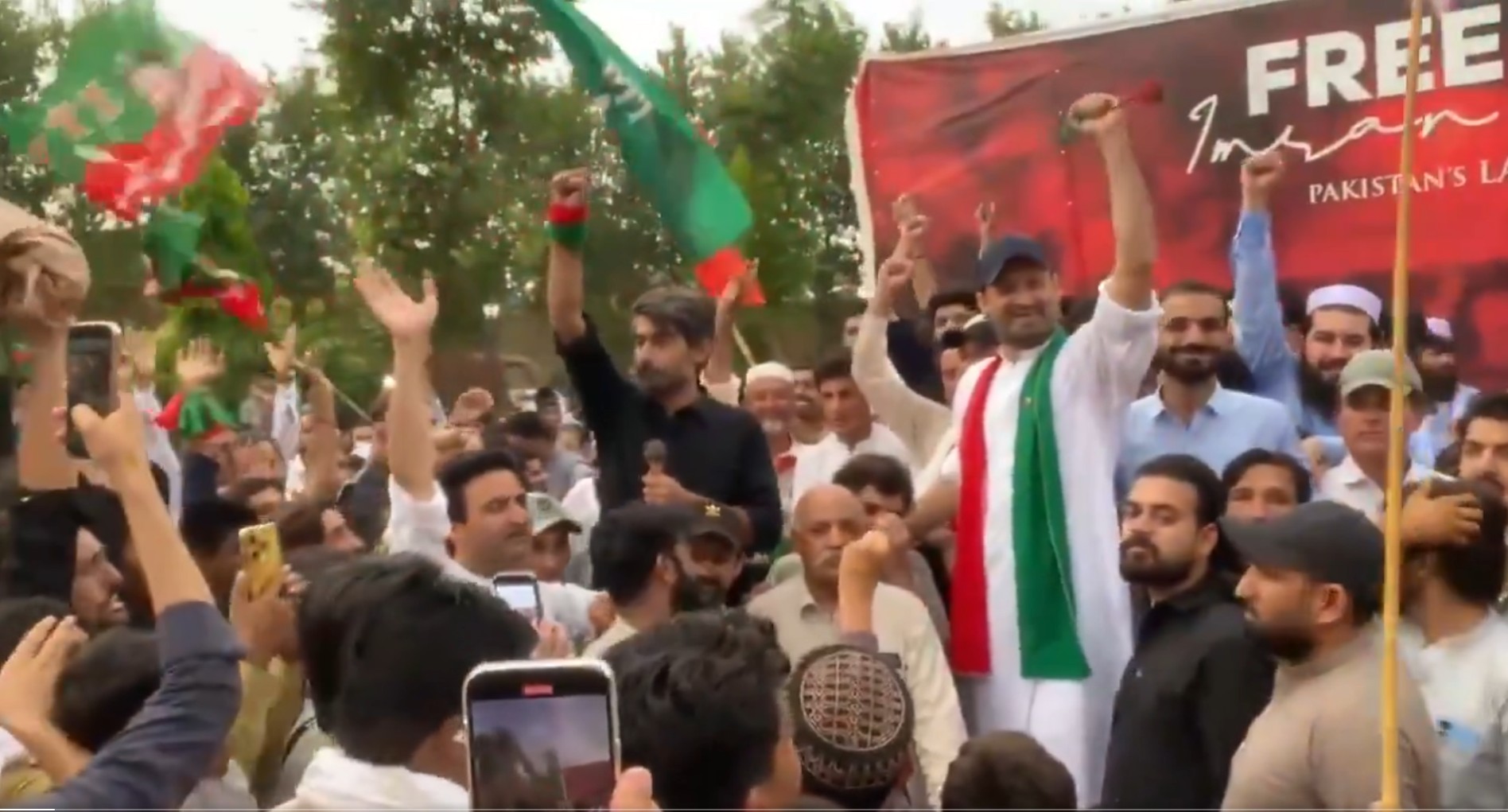
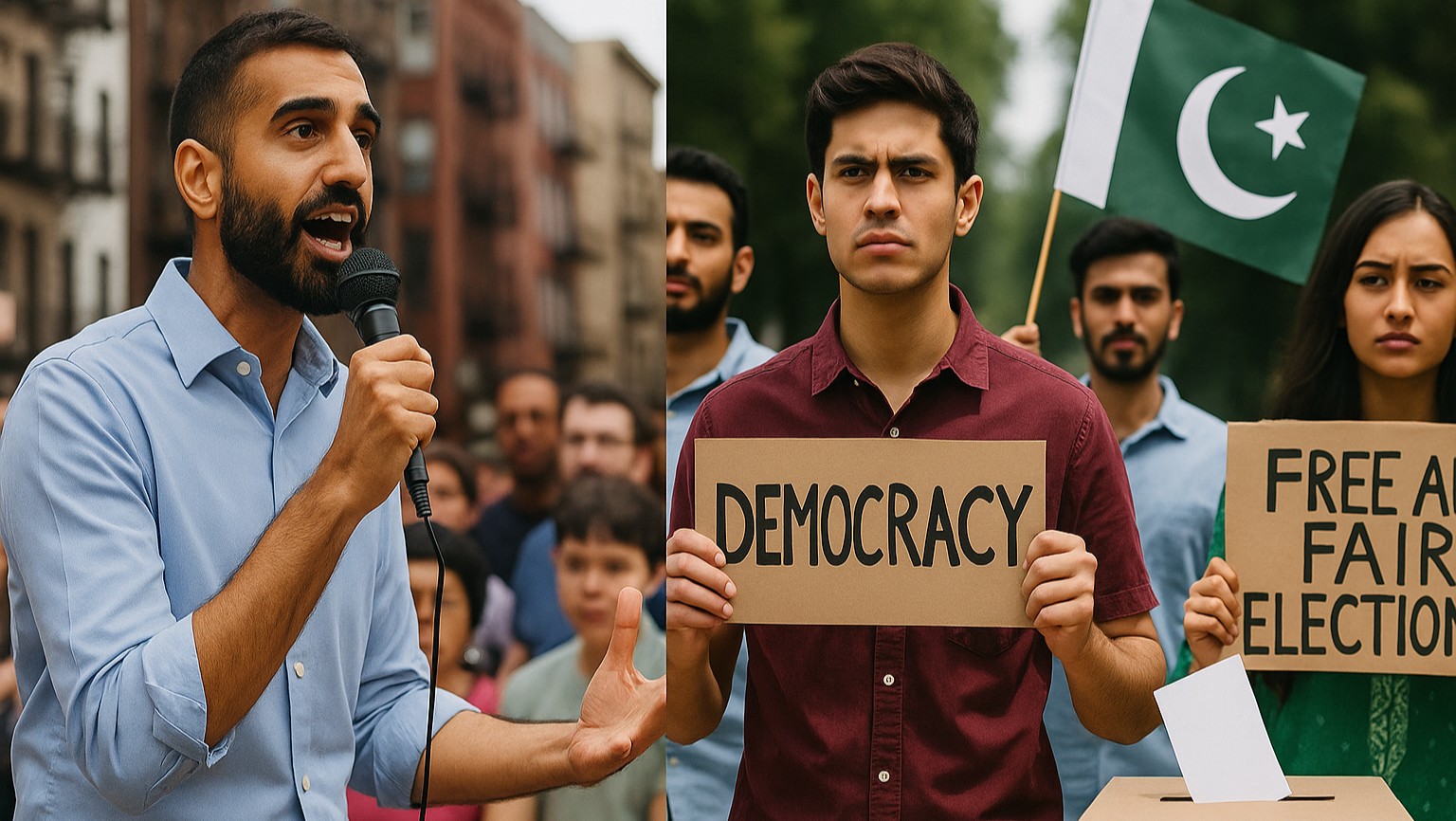
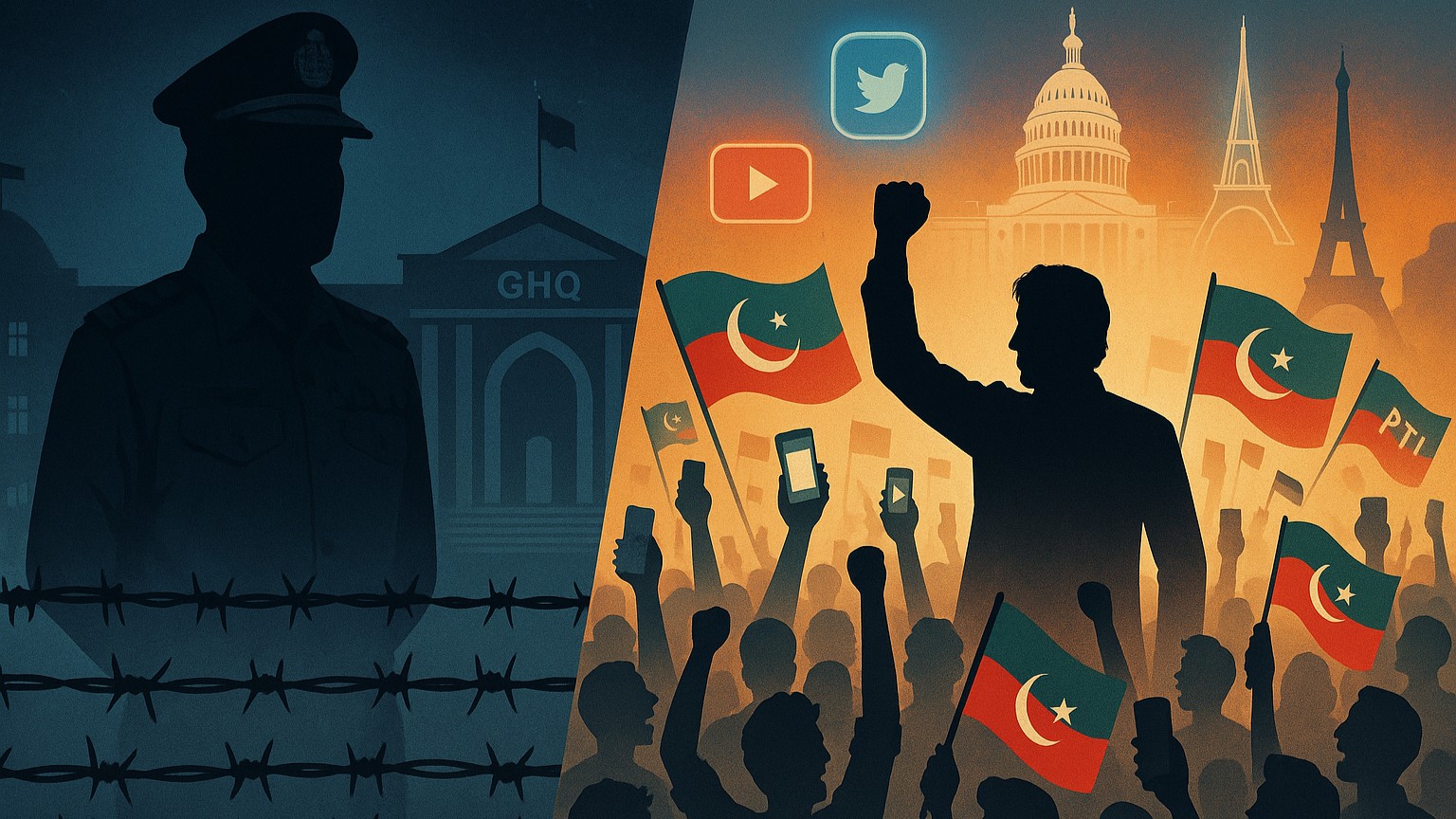
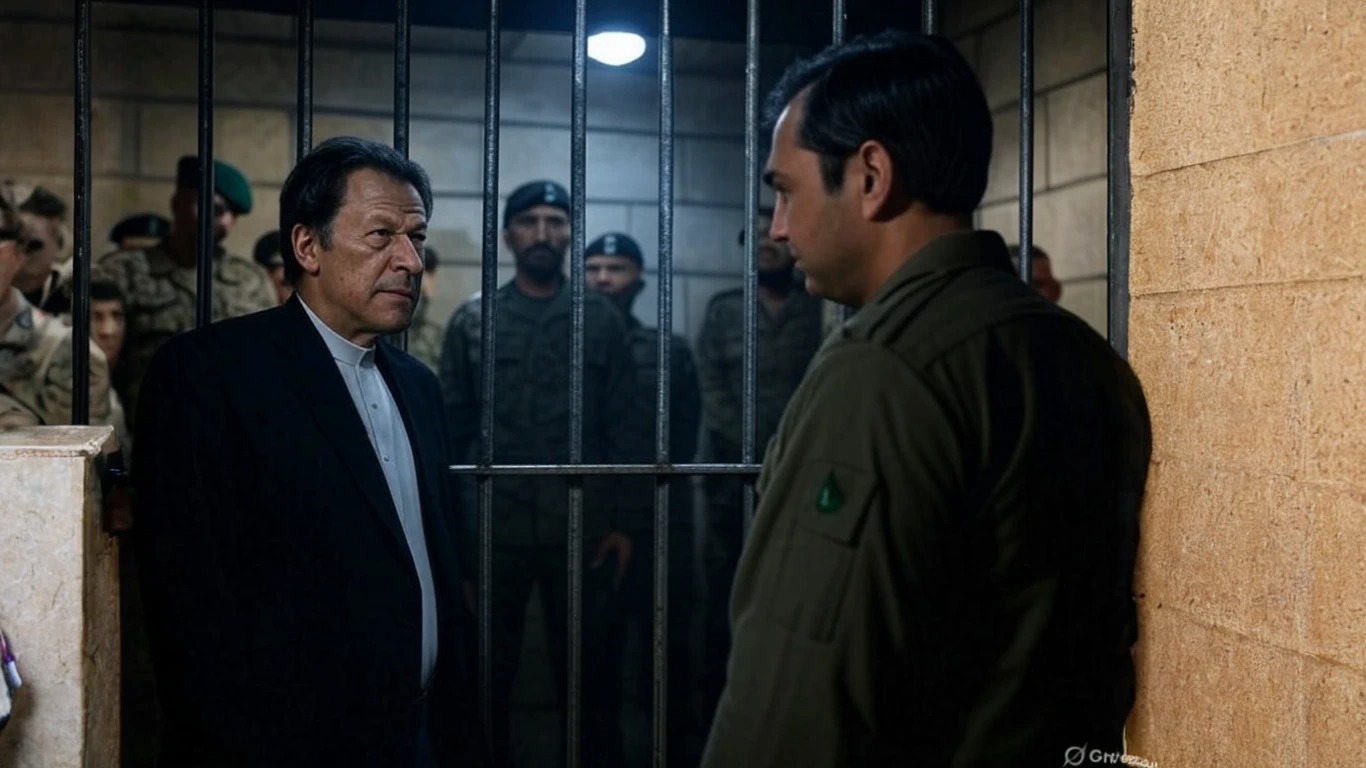
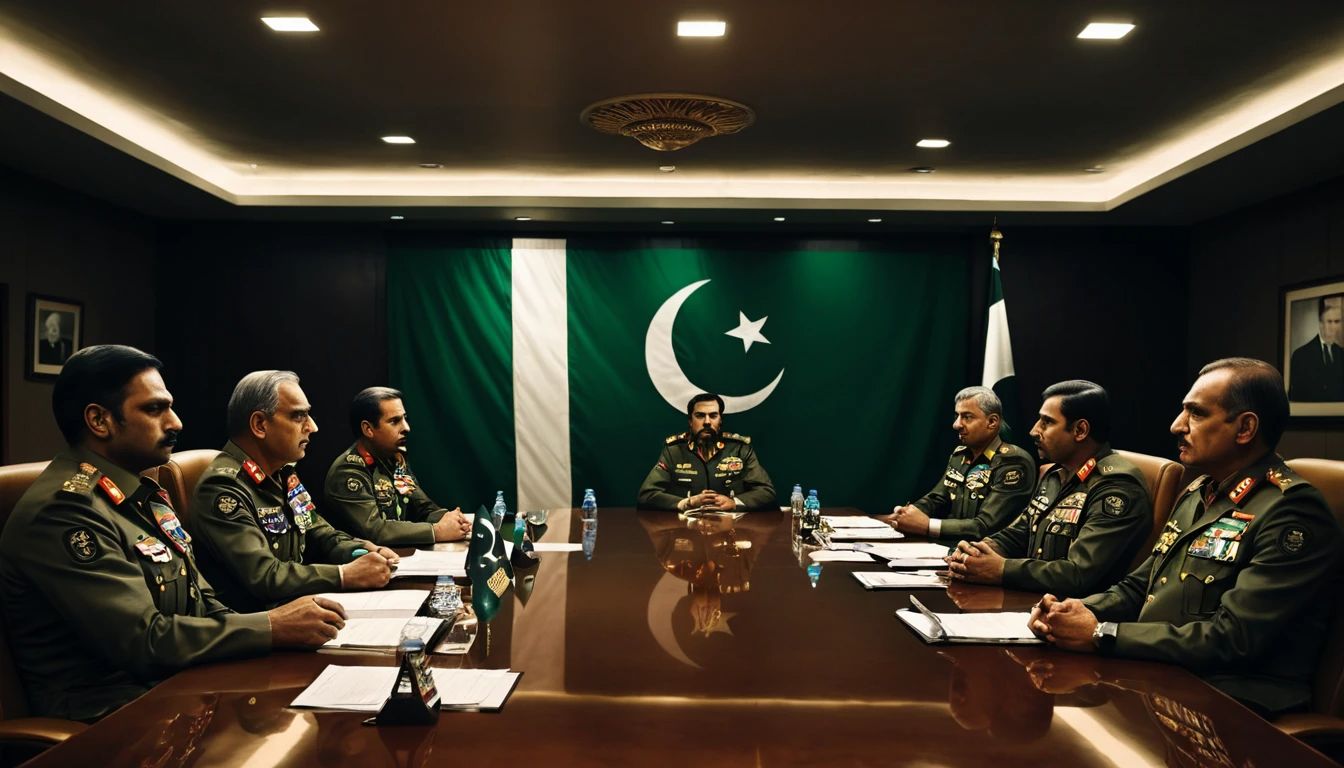
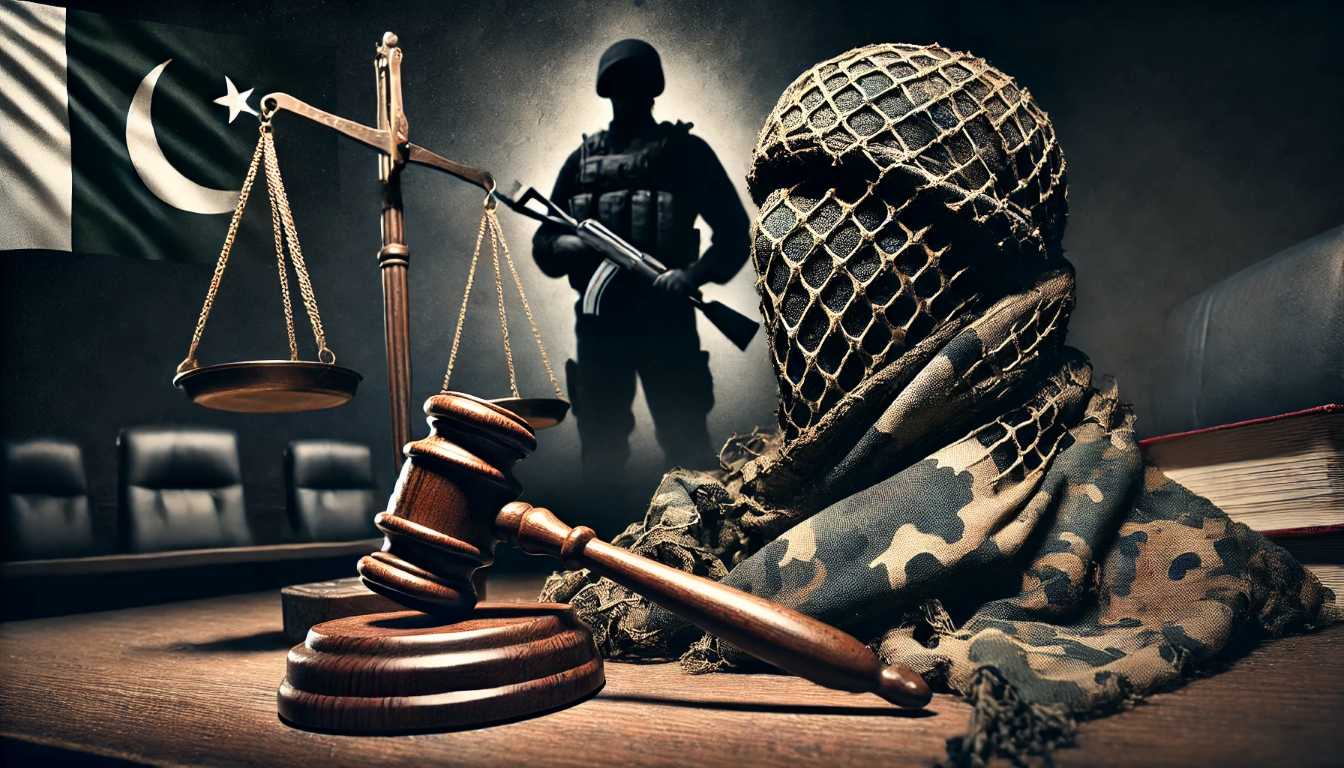
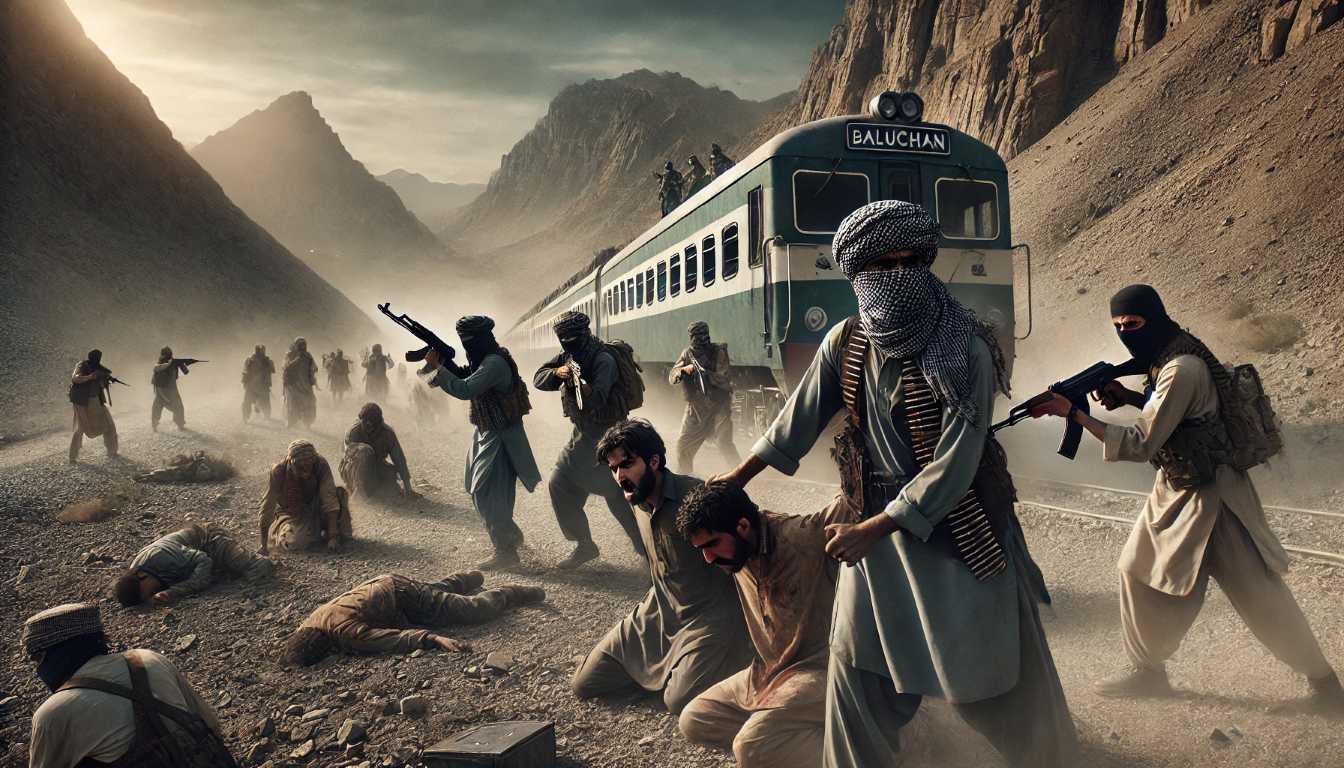
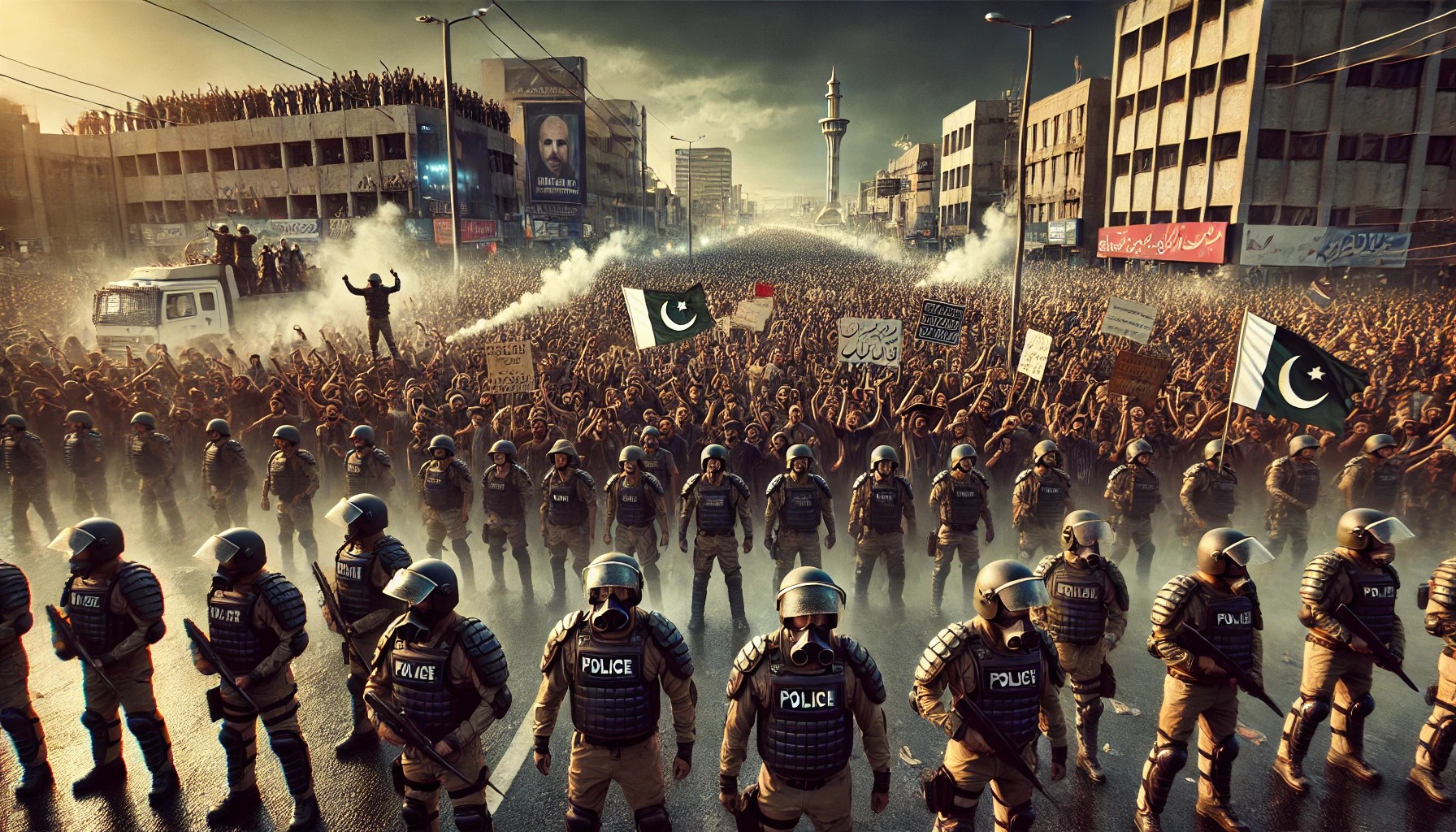
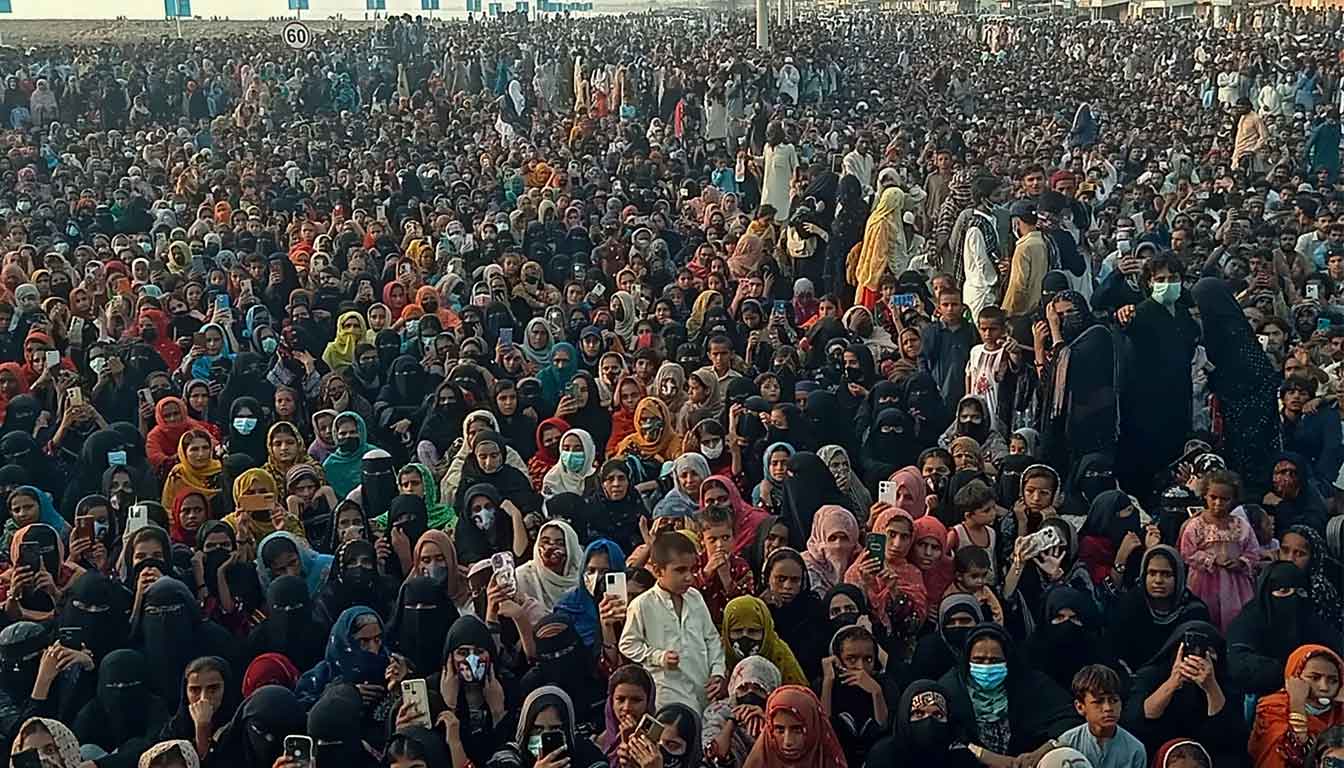
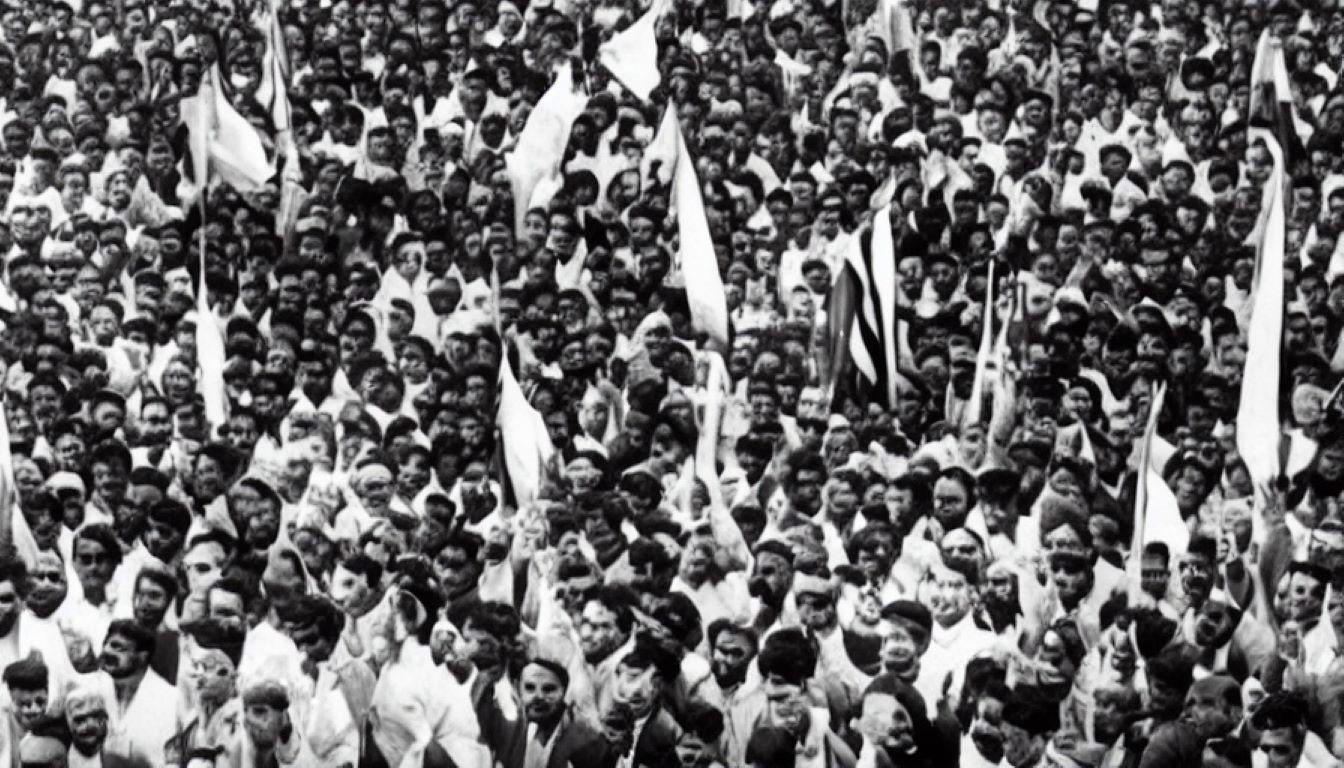
After Khan’s arrest, mass protests erupted nationwide. For the first time in decades, public anger spilled over even into military installations. The state responded swiftly and without restraint. Authorities arrested more than 4,000 citizens. They charged many under anti-terror laws. They even announced plans to try civilians in military courts.
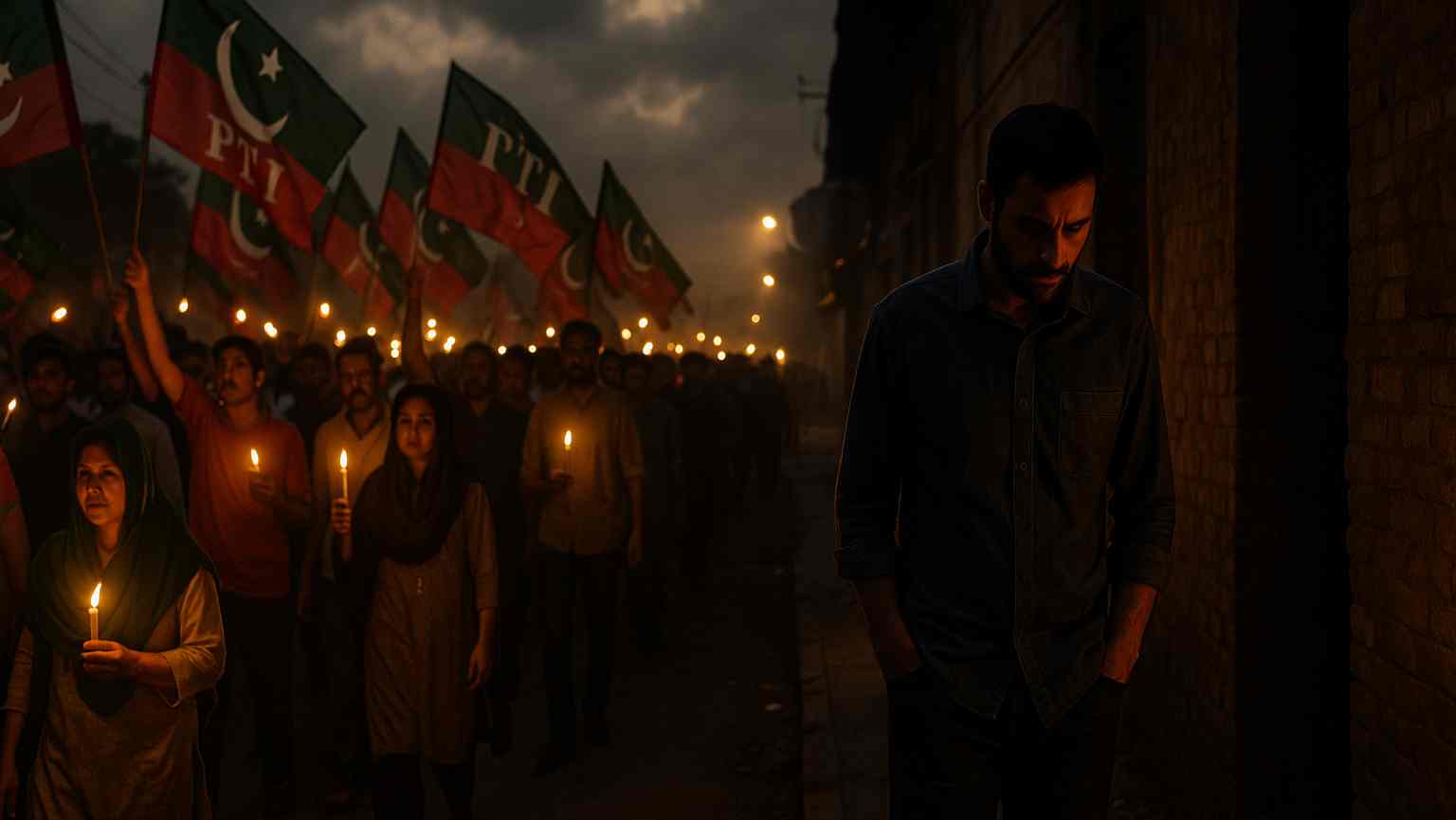
From that moment onward, fear stopped being episodic. It became institutionalized. Like the Capitol crushing a district rebellion, the state sent a message that dissent would carry unbearable cost.
Silencing the Voices That Refused to Bow
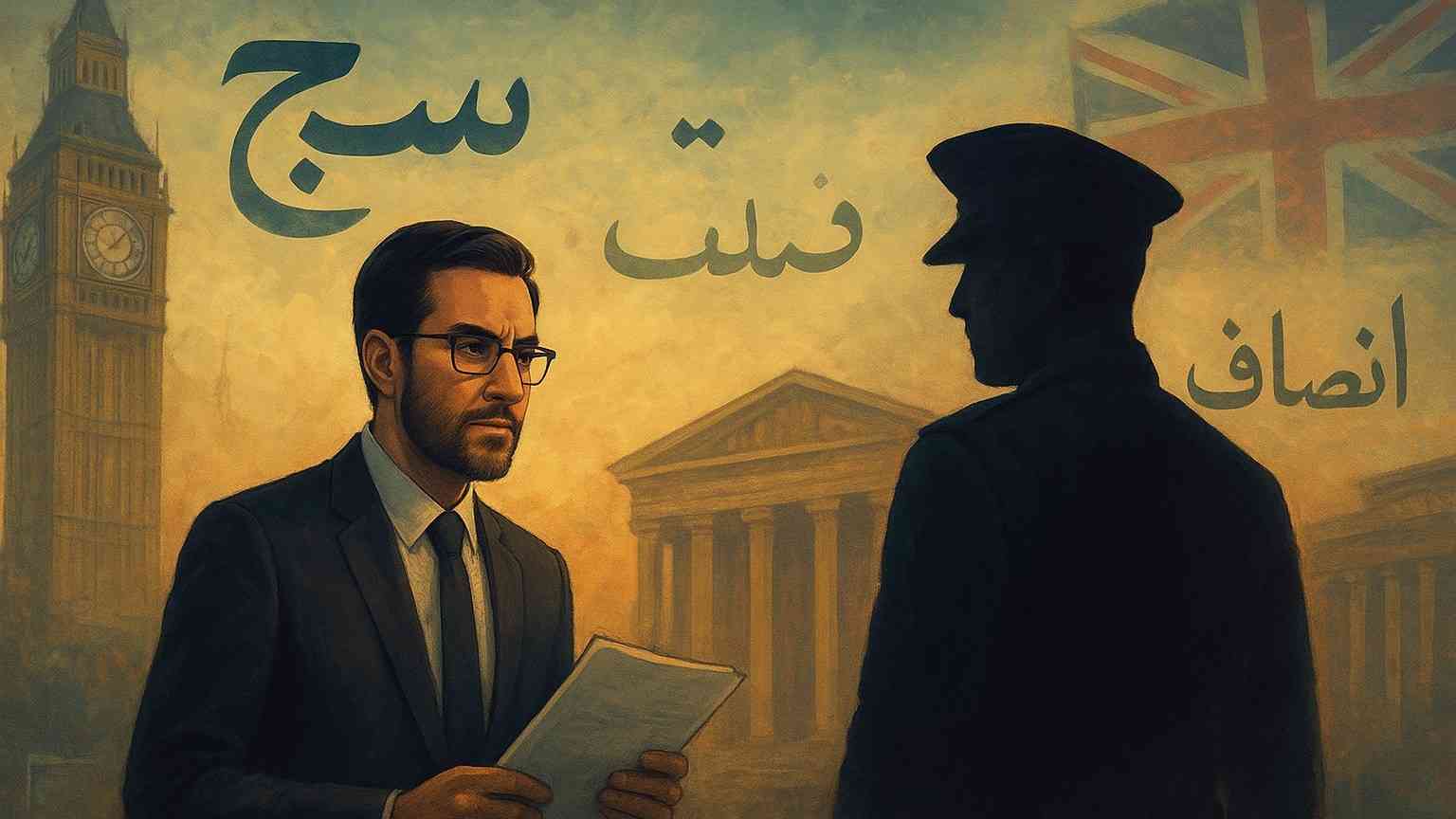
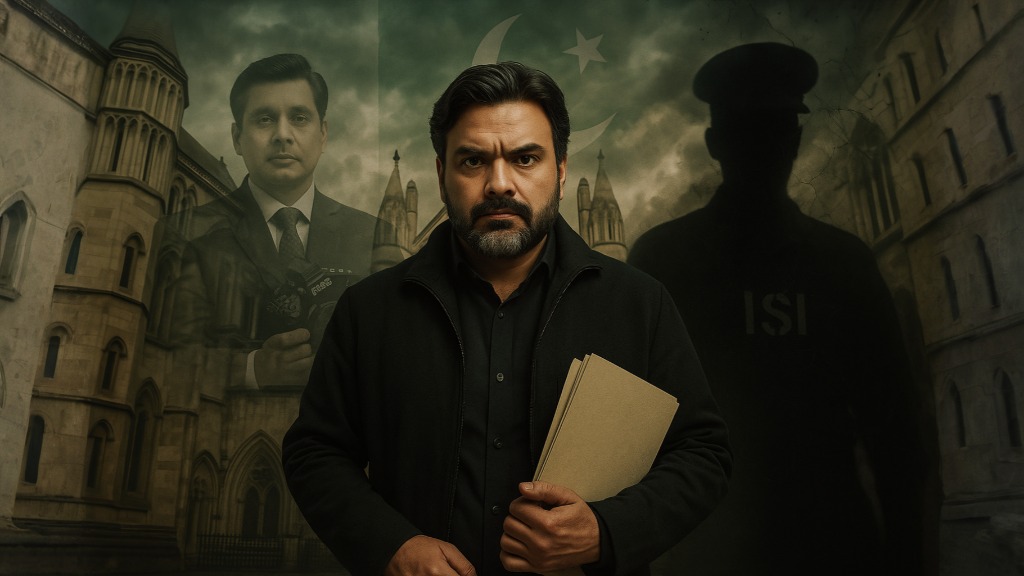
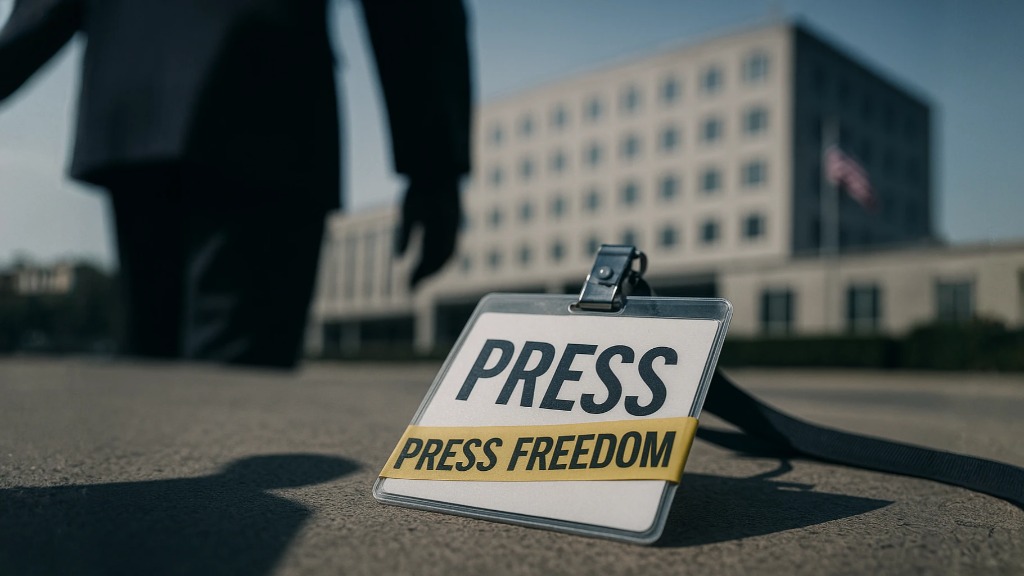
Fear silences, and few voices were silenced more brutally than that of journalist Arshad Sharif. Known for investigating military overreach and corruption, Sharif fled Pakistan after repeated threats. He sought refuge in Kenya. There, police shot him dead in what officials called “mistaken identity.”
Many believe otherwise.
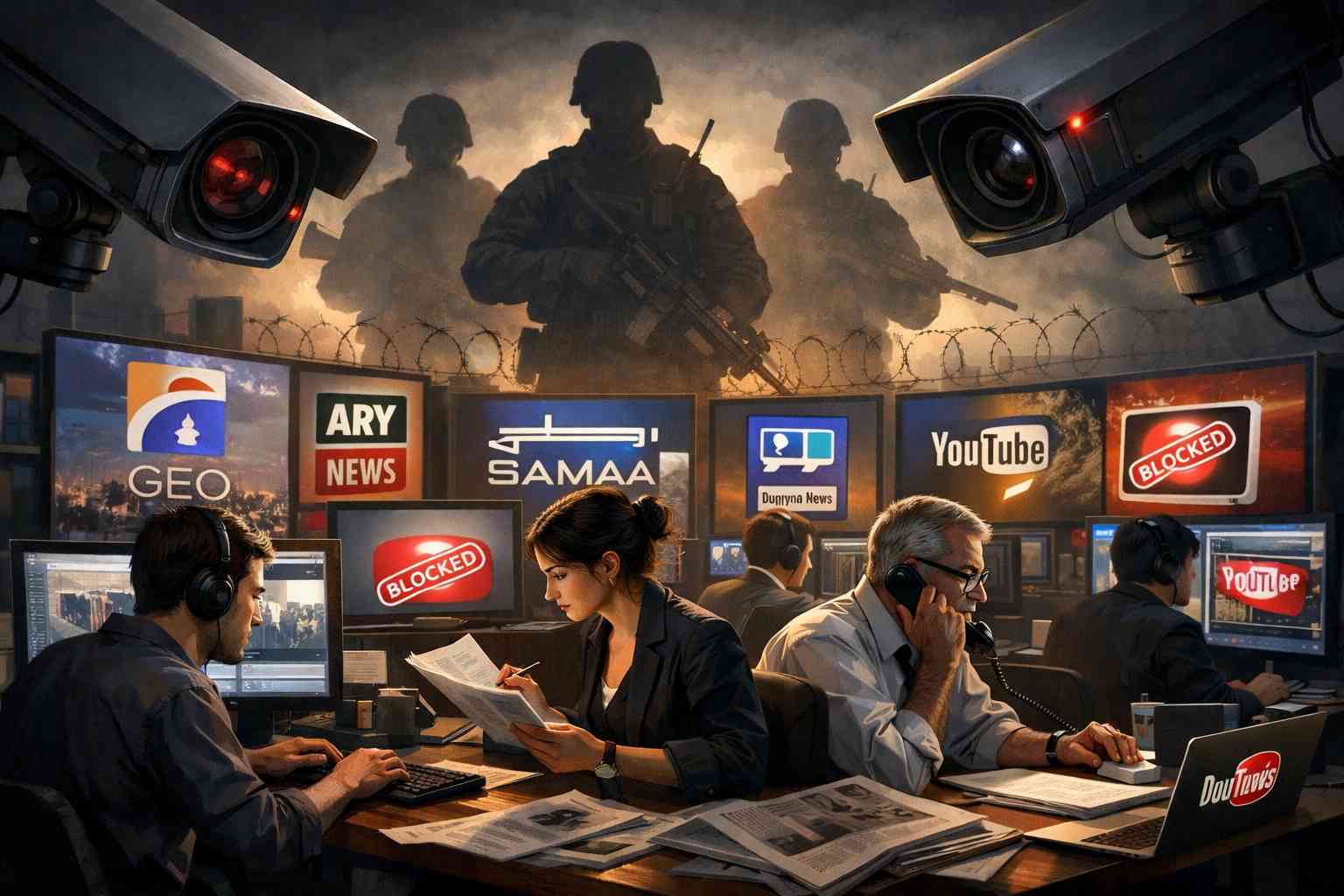
His killing sent a chilling signal. Exile no longer guaranteed safety. Sharif was not alone. Journalists like Imran Riaz Khan and many lesser-known reporters faced abductions, threats, and enforced silence. What once sounded exaggerated now feels routine. The worlds of 1984 and V for Vendetta no longer feel fictional. They feel uncomfortably familiar in Pakistan Dystopia.
Control Through Bureaucracy, Not Just Violence
Yet repression does not always arrive with guns. Often, it comes wrapped in paperwork.
In Punjab and Islamabad, citizens now endure endless queues to obtain Green Emission Stickers. Without them, drivers risk heavy fines or vehicle seizure. At the same time, traffic penalties have multiplied several times over. Enforcement has become relentless.
The effect is psychological. People no longer feel relief from political pressure. Instead, they feel relief from avoiding a challan. Compliance replaces resistance. Exhaustion replaces solidarity. This is how dystopias persist—not only through force, but through fatigue.
When Movement Becomes a Privilege
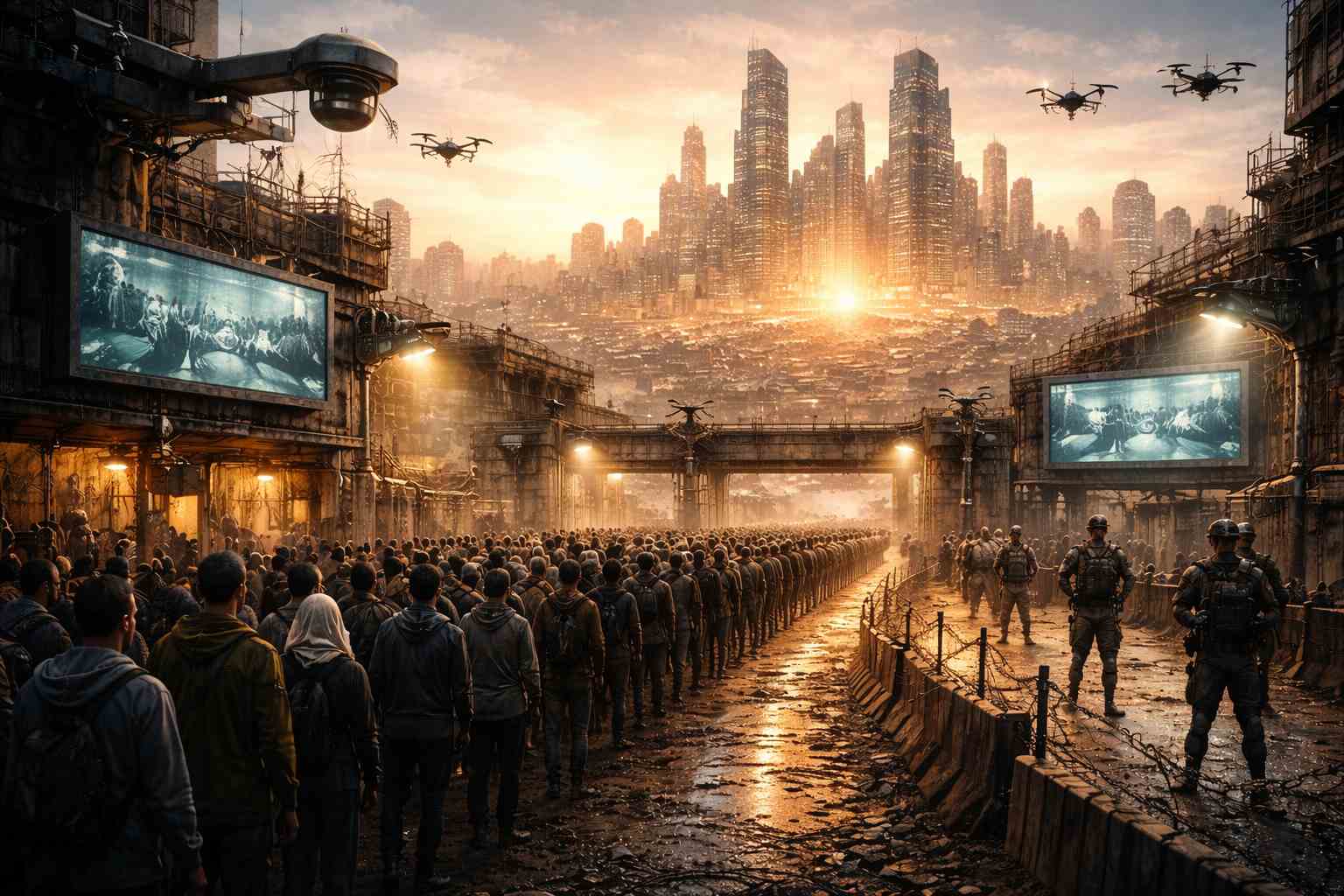
Layer by layer, movement itself is becoming conditional. Vehicles entering Islamabad now require M-Tags. Without these RFID stickers, checkpoints turn drivers away. Authorities justify the system in the name of efficiency and security. However, the result is a growing database that records who enters, when, and how often.
Today it tracks your car. Tomorrow it may track your body.
In Elysium, the poor remain confined to Earth while the elite orbit above. In Pakistan, citizens increasingly learn that movement is not a right. It is a monitored transaction. This normalization marks another milestone in Pakistan Dystopia.
Surveillance Begins at Birth
Perhaps most alarming is the state’s expanding interest in children. NADRA now requires photographs of children as young as three. By age ten, fingerprints become mandatory. The B-Form has transformed from a basic document into a biometric record of childhood.
Officials cite protection and data integrity. Critics see something else: the normalization of lifelong surveillance. When toddlers already carry national biometric files, the idea of embedded digital identities no longer feels extreme. In Black Mirror, such systems serve as warnings. In Pakistan, they now function as policy.
A Global Pattern With Local Consequences
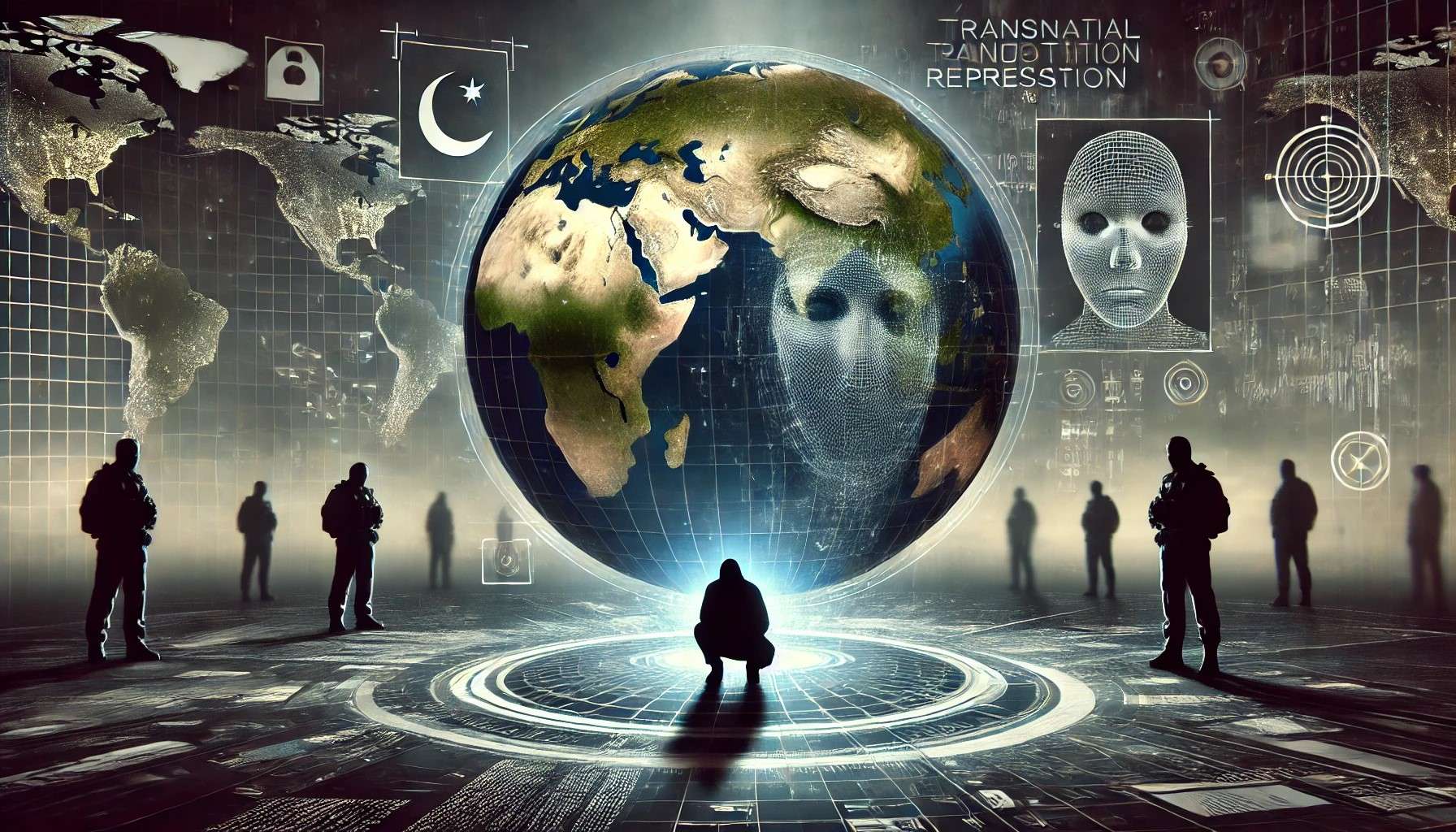
None of this unfolds in isolation. Around the world, states introduce digital currencies, facial recognition, centralized health databases, and citizen scoring systems. What once sounded conspiratorial now arrives through legislation and technology.
In Pakistan, this global trend manifests as layered restrictions, digitized movement, and economic pressure. The goal remains the same: keep citizens reactive, not proactive. Keep them compliant, not collective. This is the architecture of Pakistan Dystopia.
The Final Act Has Not Been Written
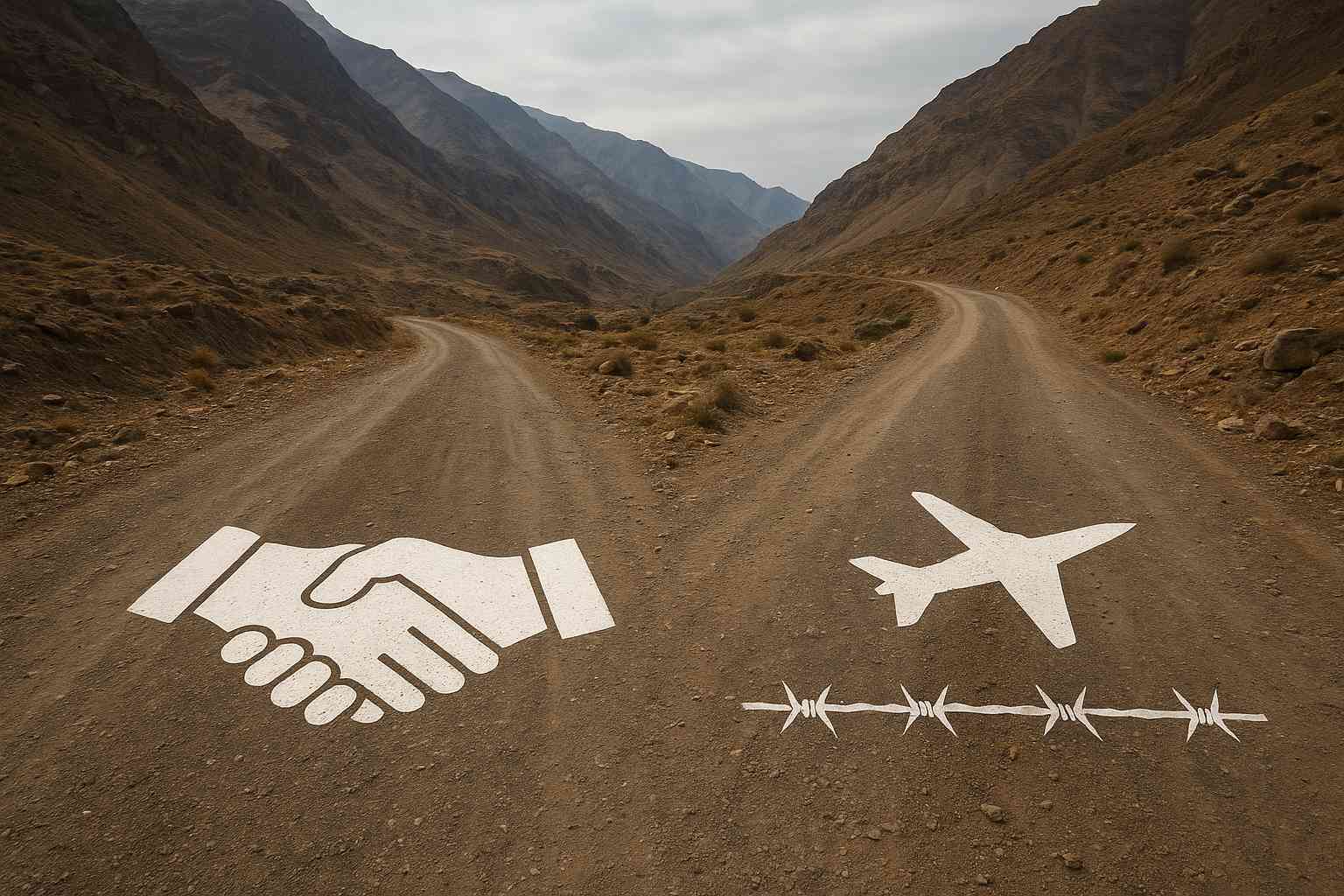
Every dystopian story reaches a moment of choice. In The Hunger Games, rebellion finally erupts. In Snowpiercer, the forgotten tail section pushes forward. Even Winston, broken by Big Brother, leaves behind a trace of resistance.
Pakistan now faces that same question.
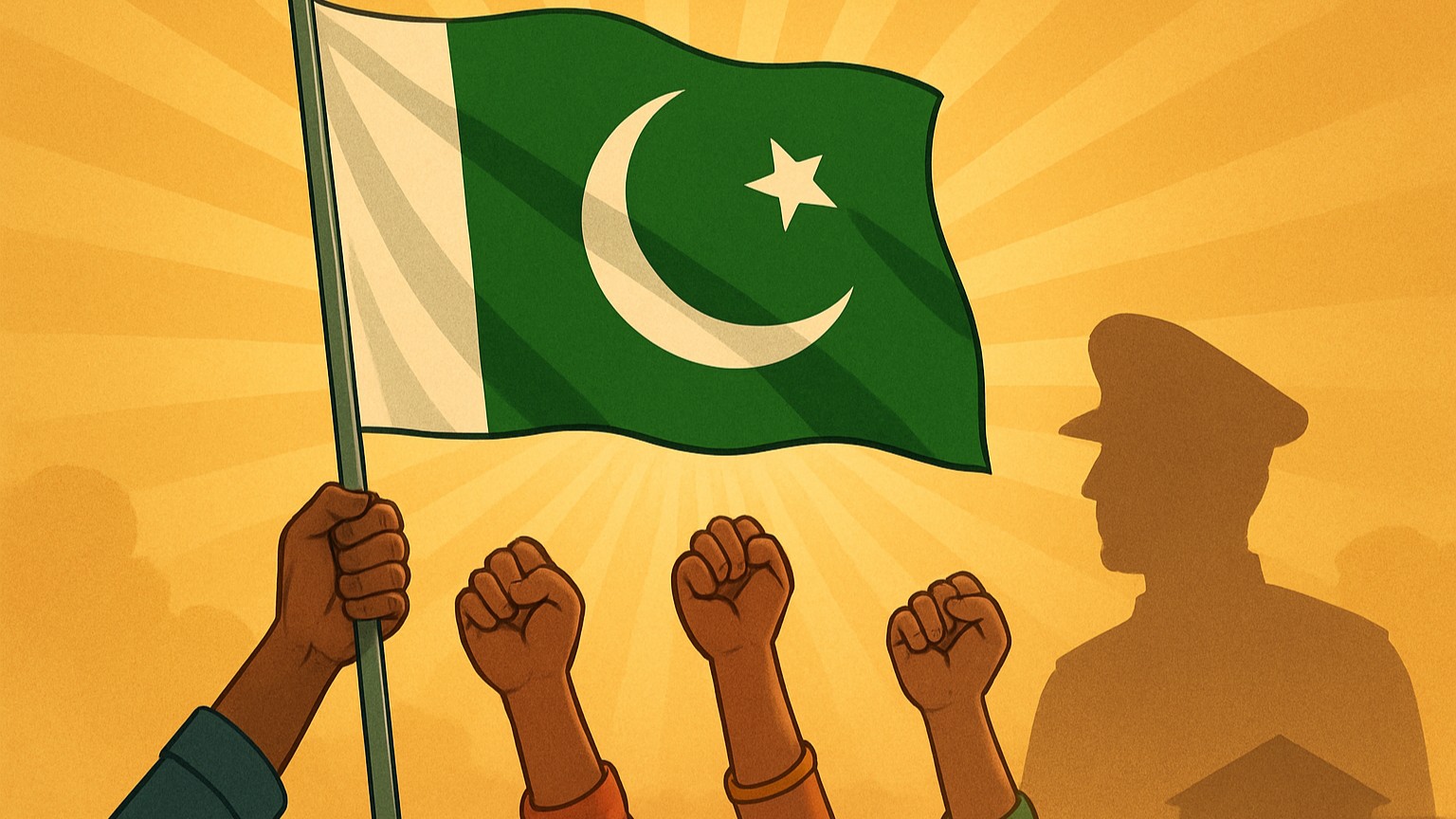
Will citizens accept a future of digitally administered obedience? Or will they recognize the warning signs before the system fully closes?
The dystopia is not approaching. Pakistan Dystopia is already here.
The only question left is whether we will endure it quietly—or rise before the credits roll.