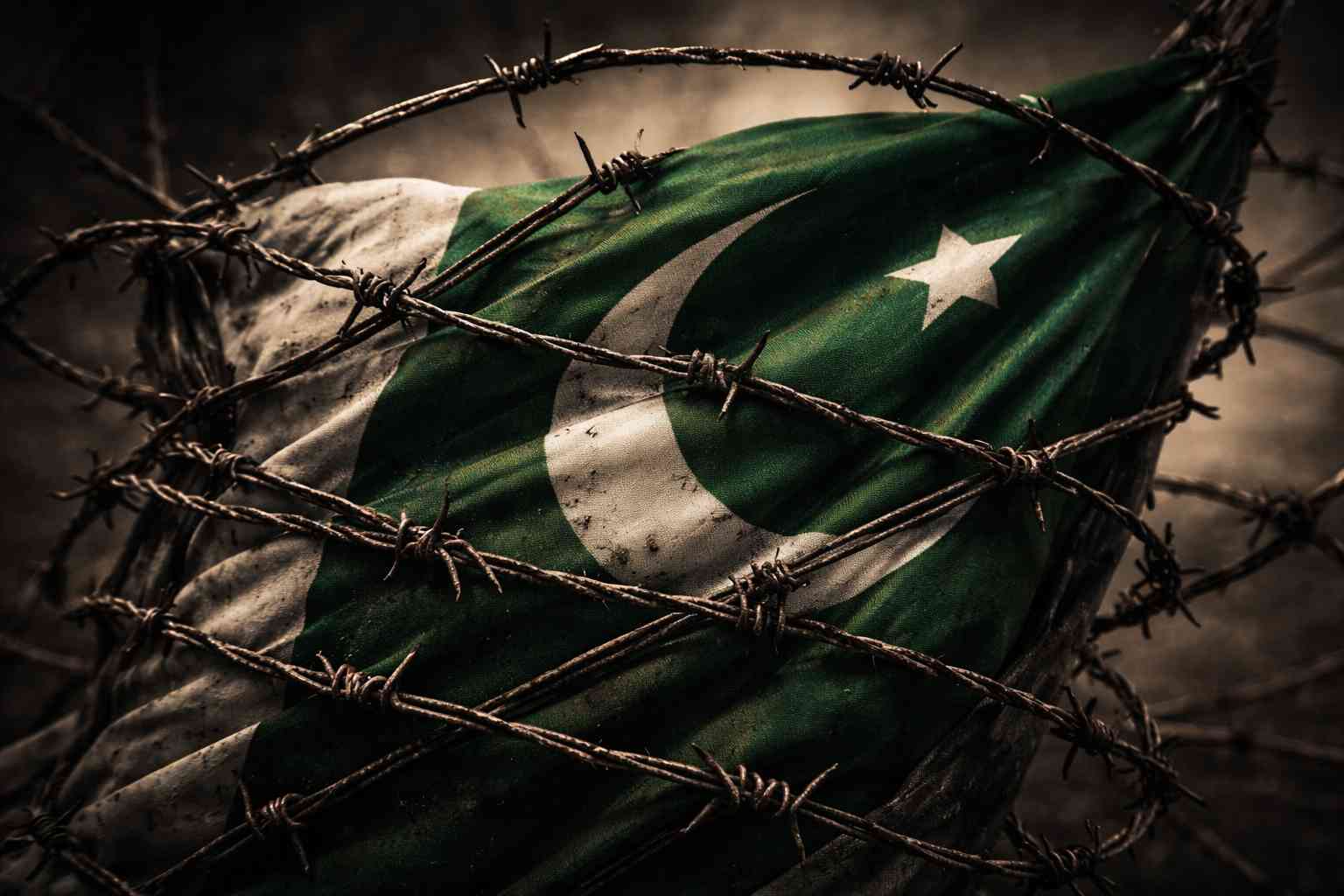
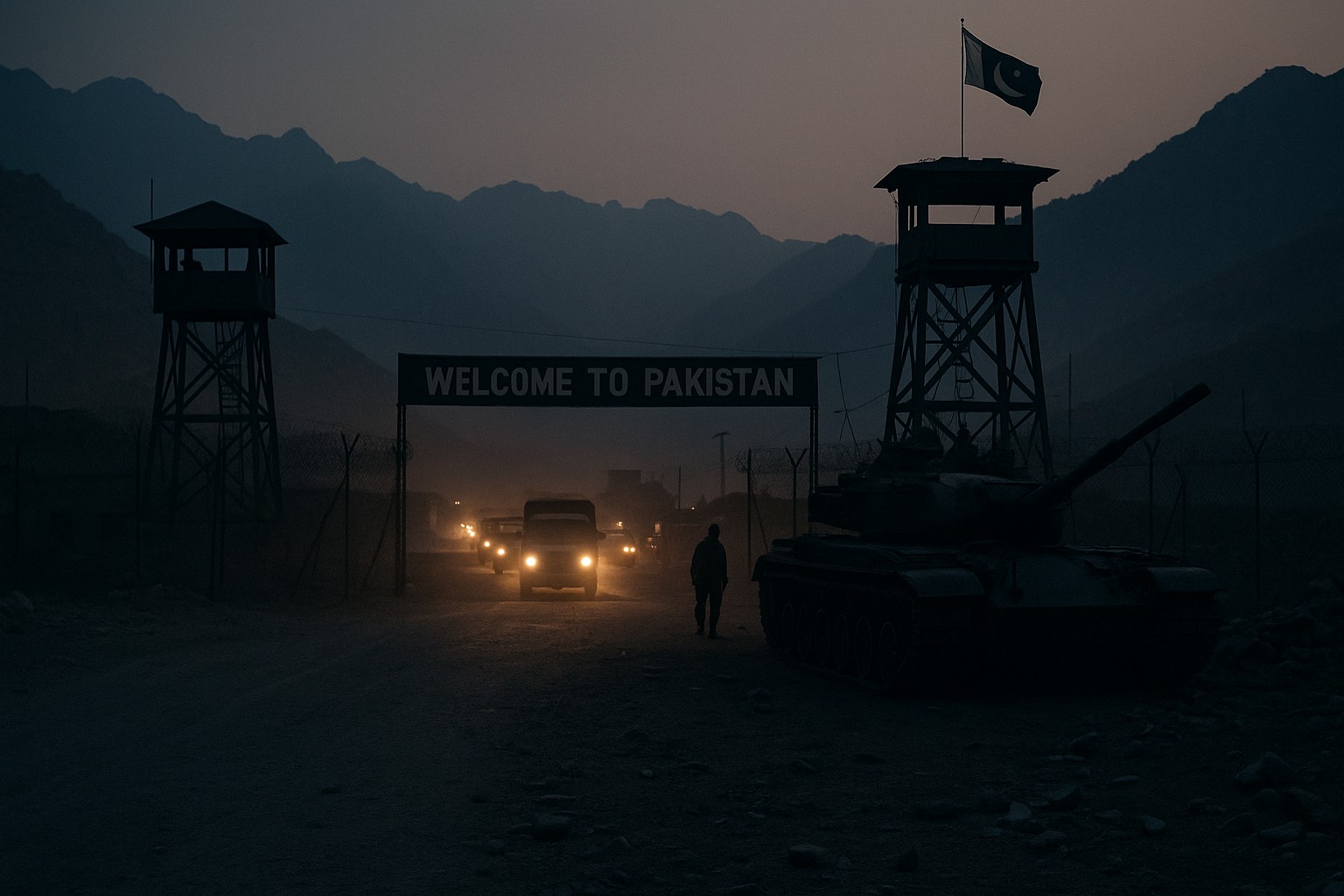
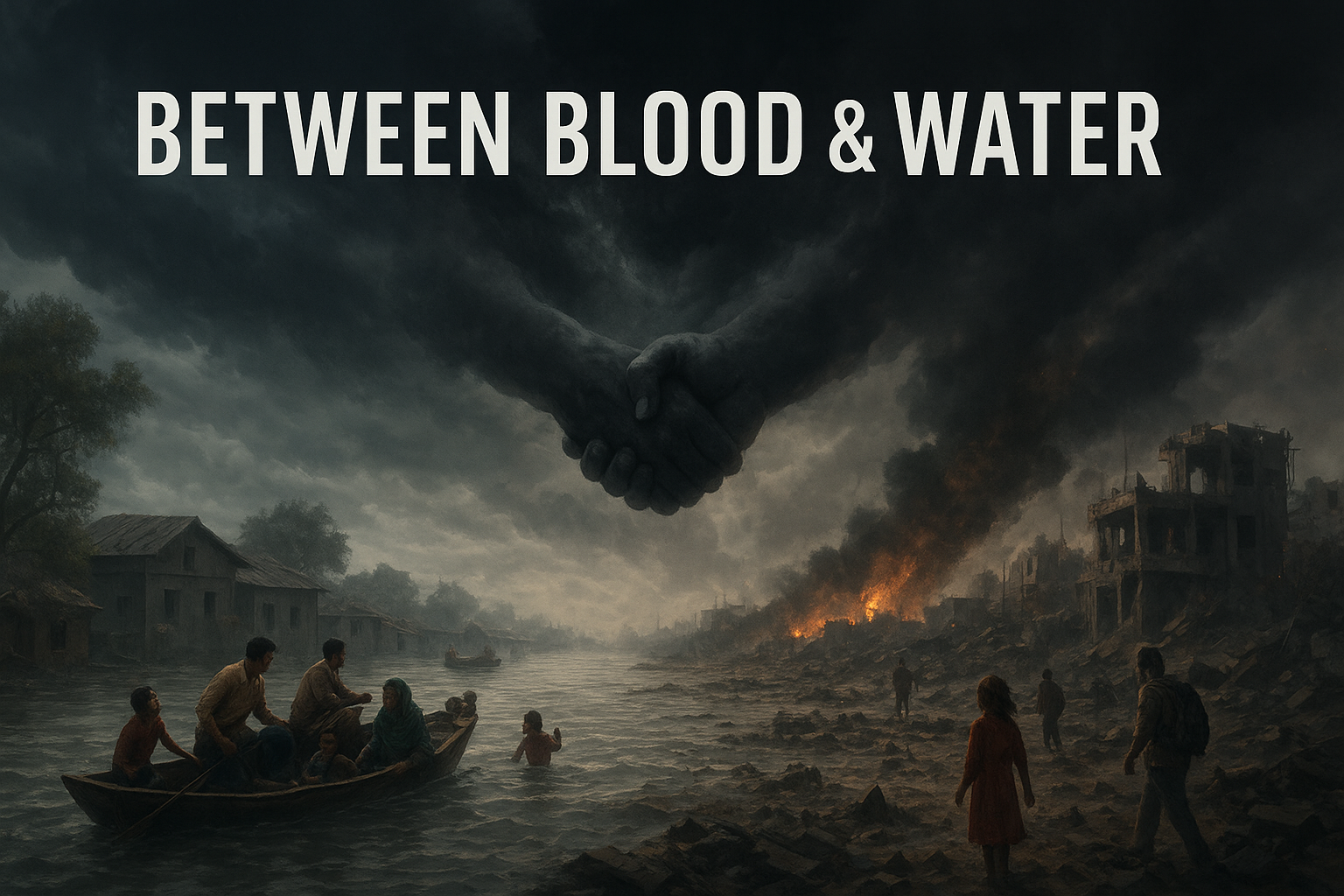
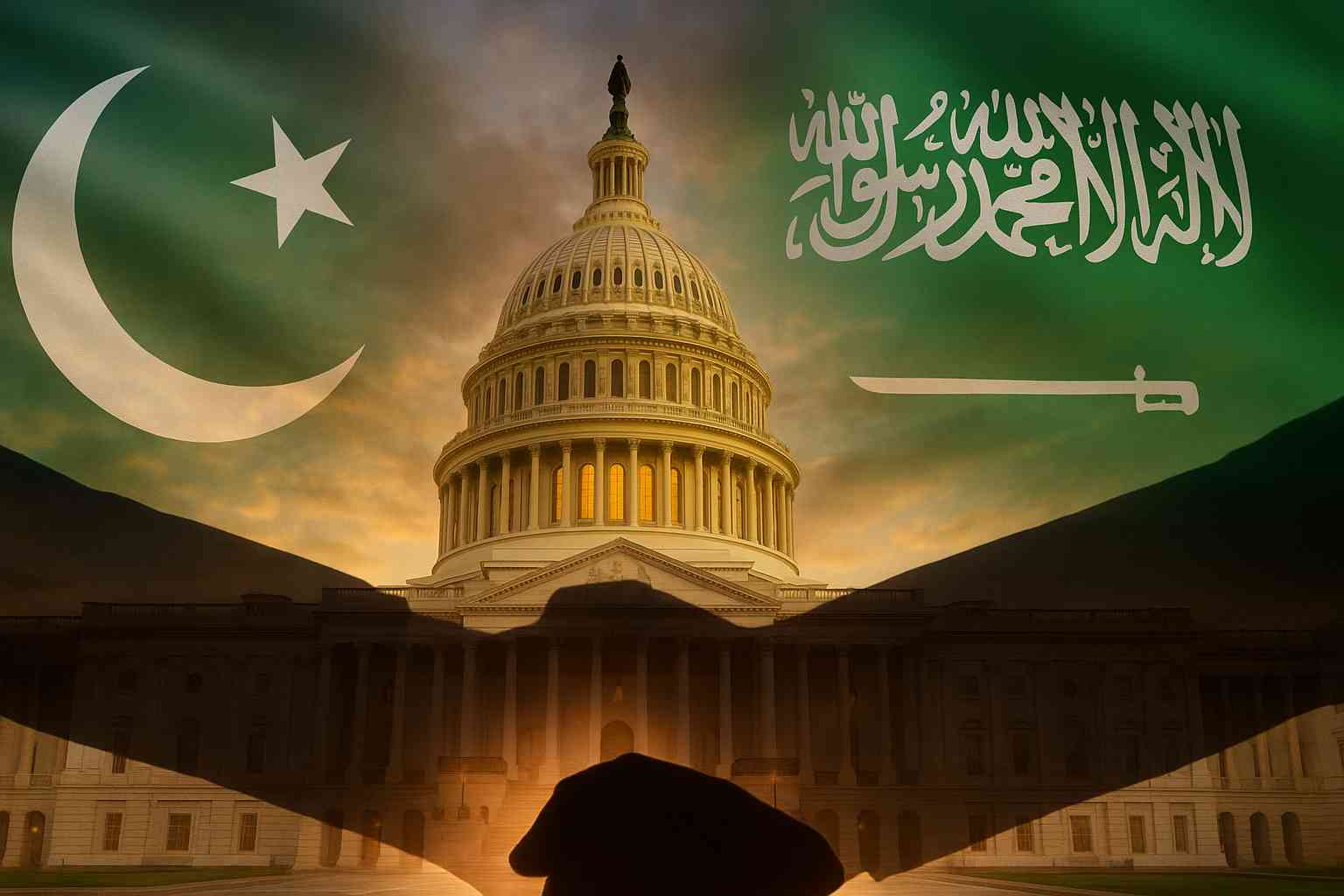
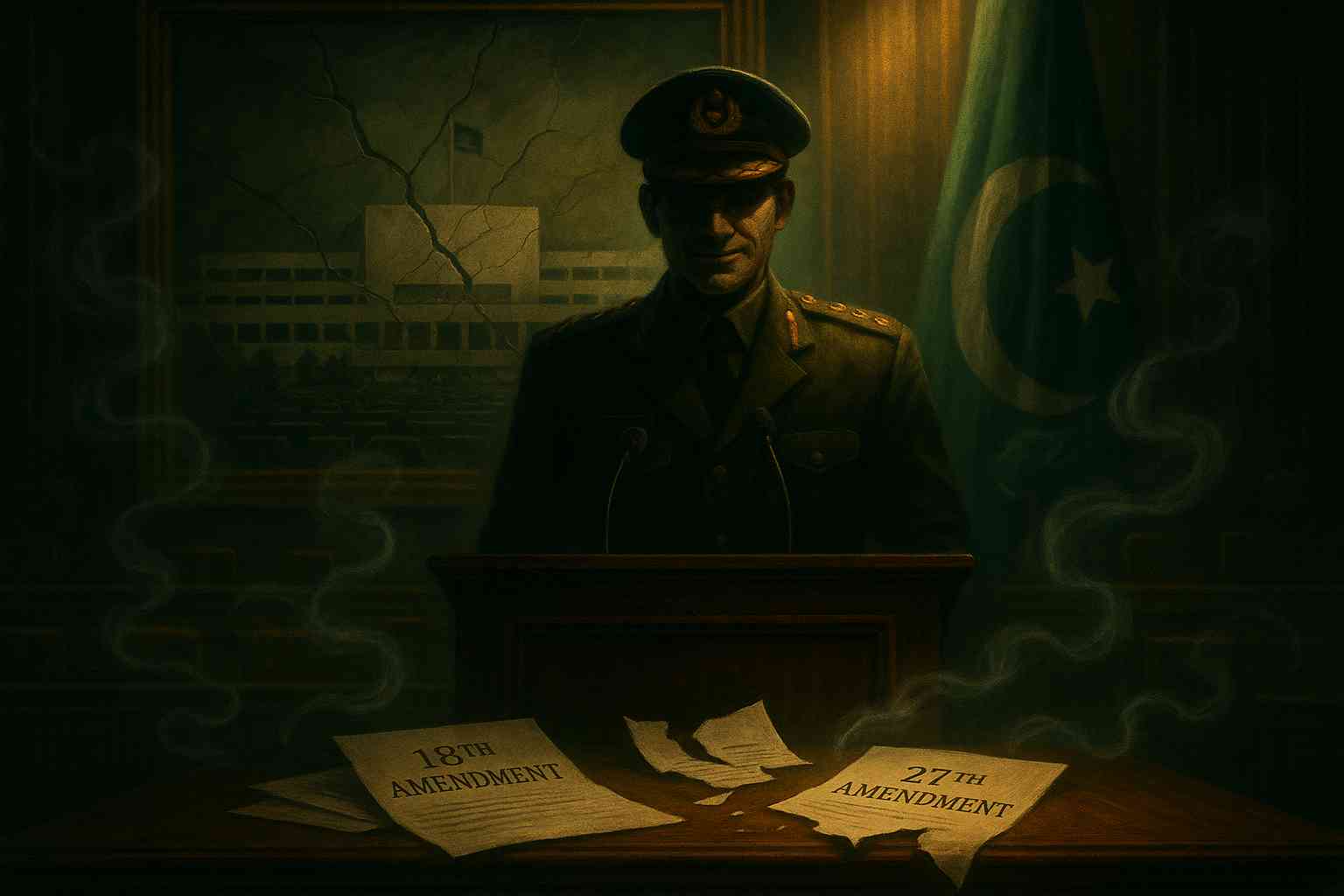
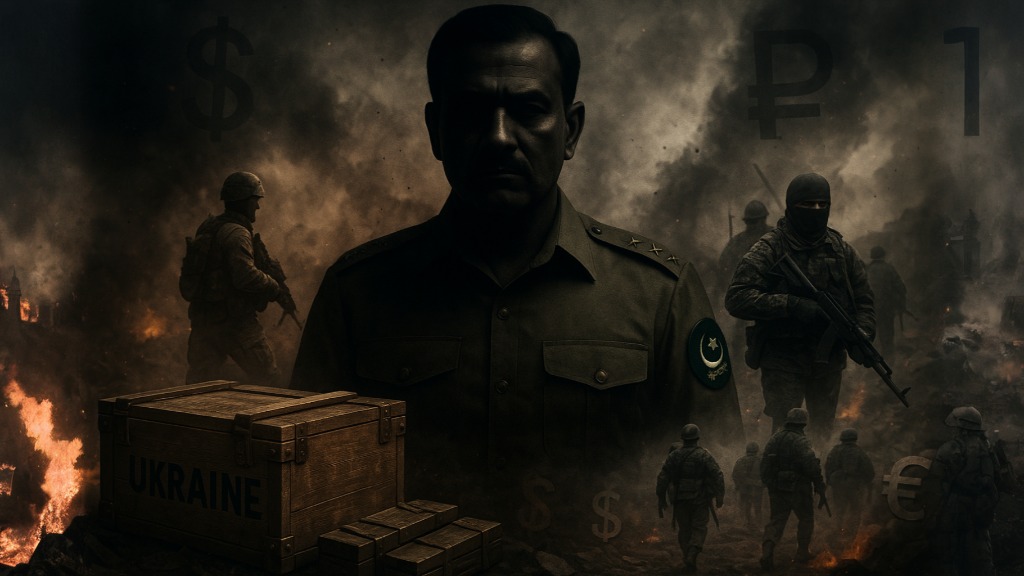
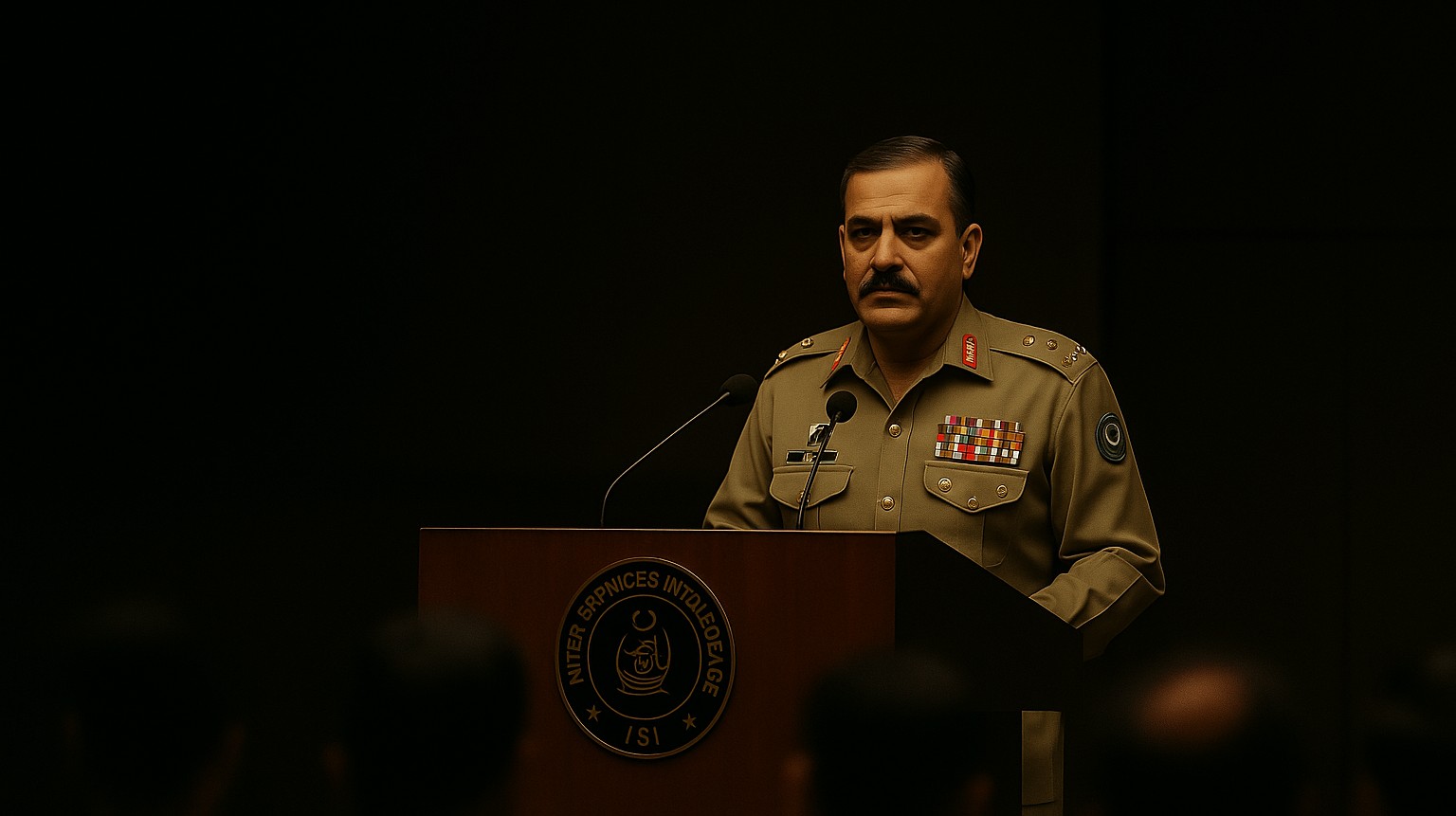
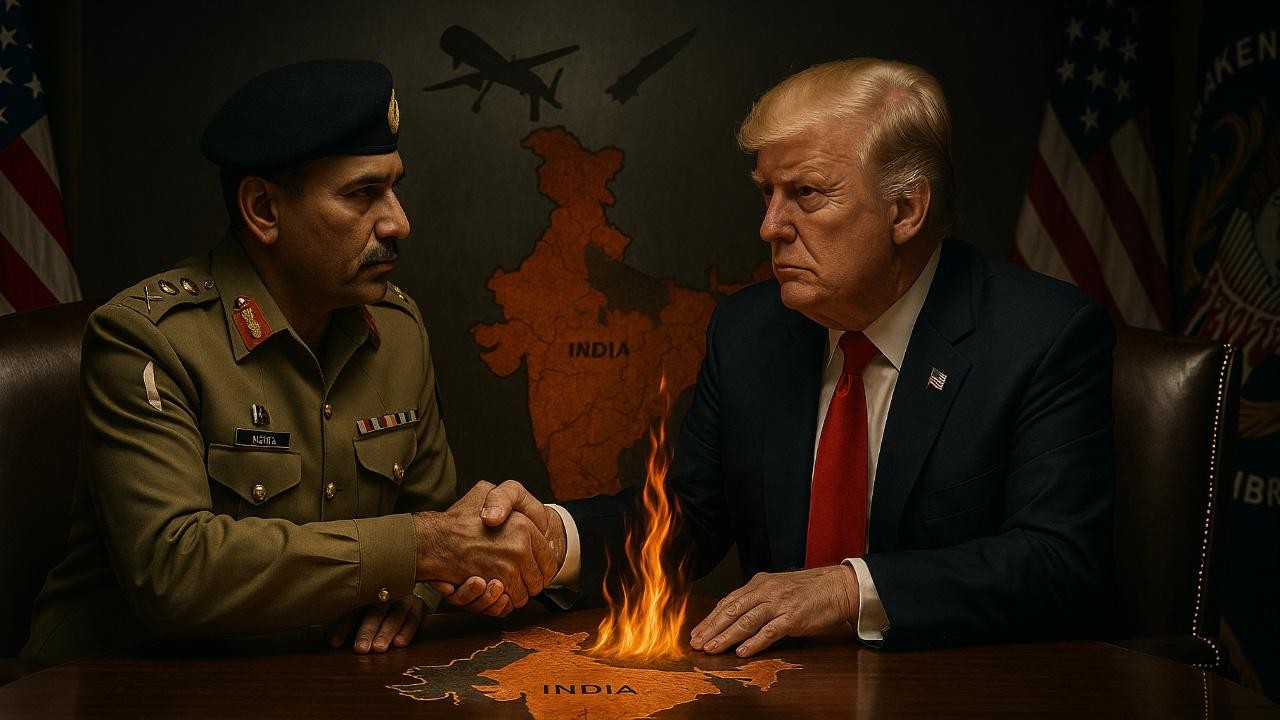
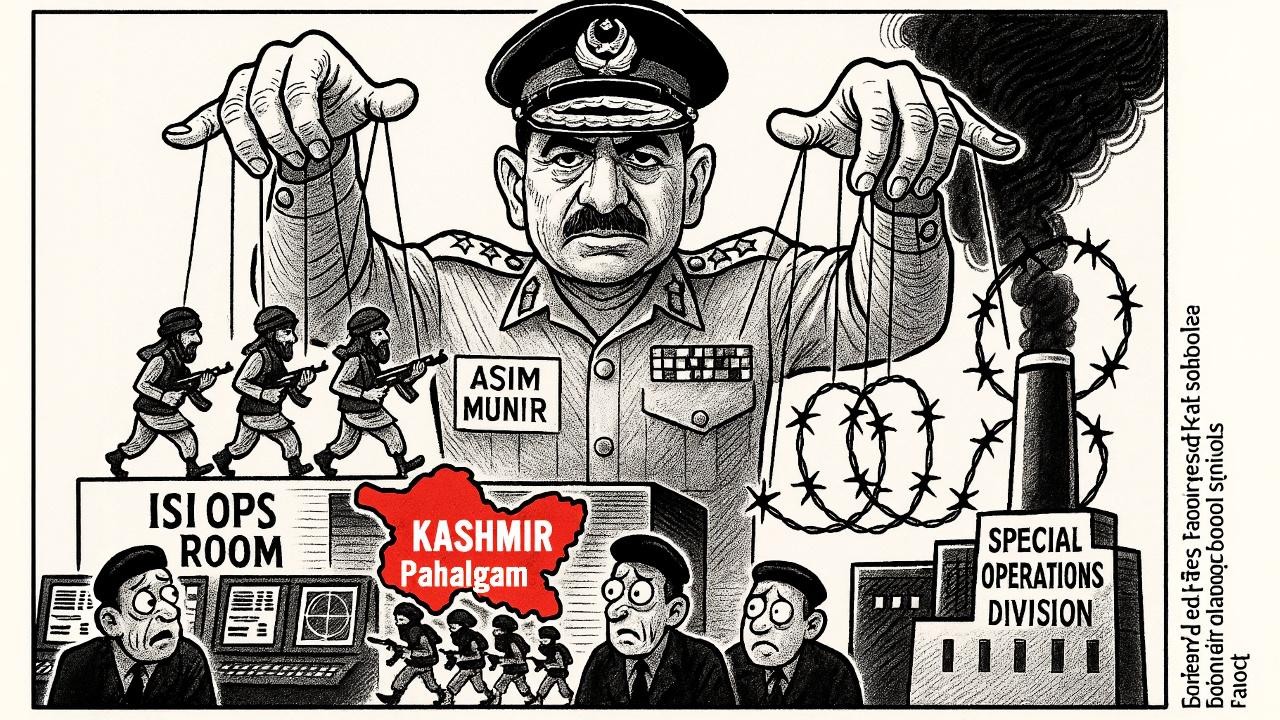
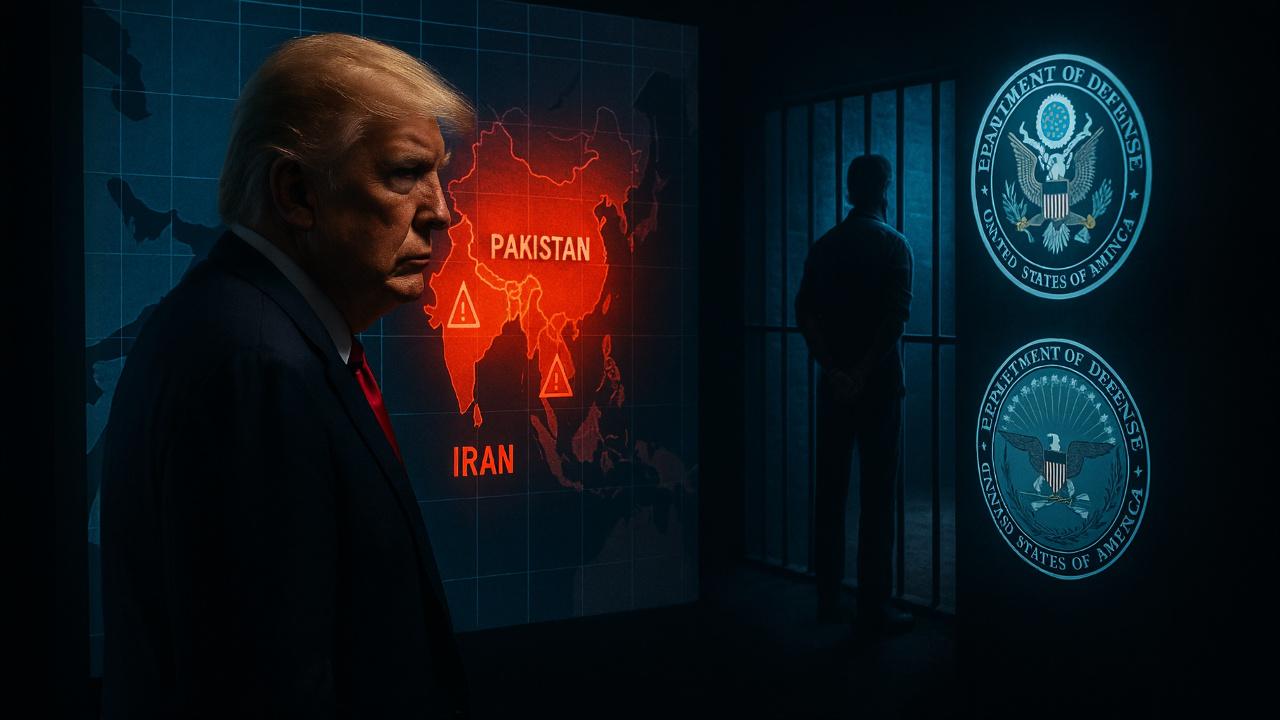
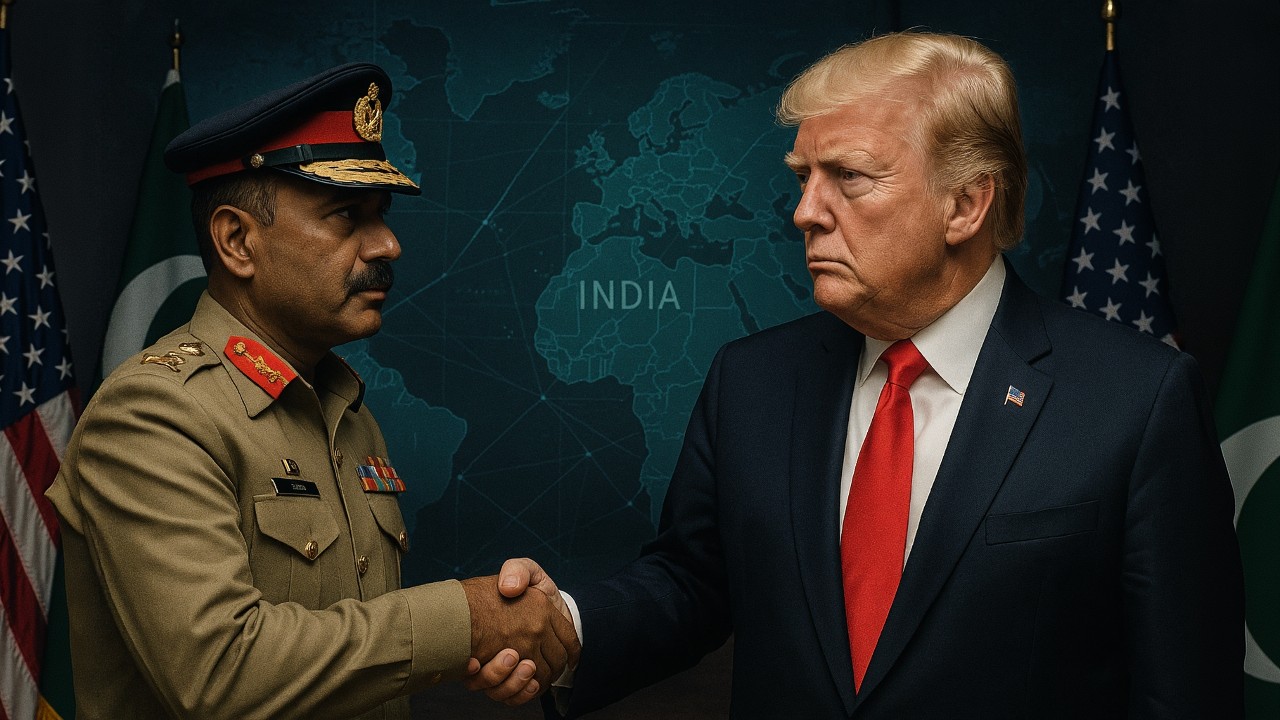
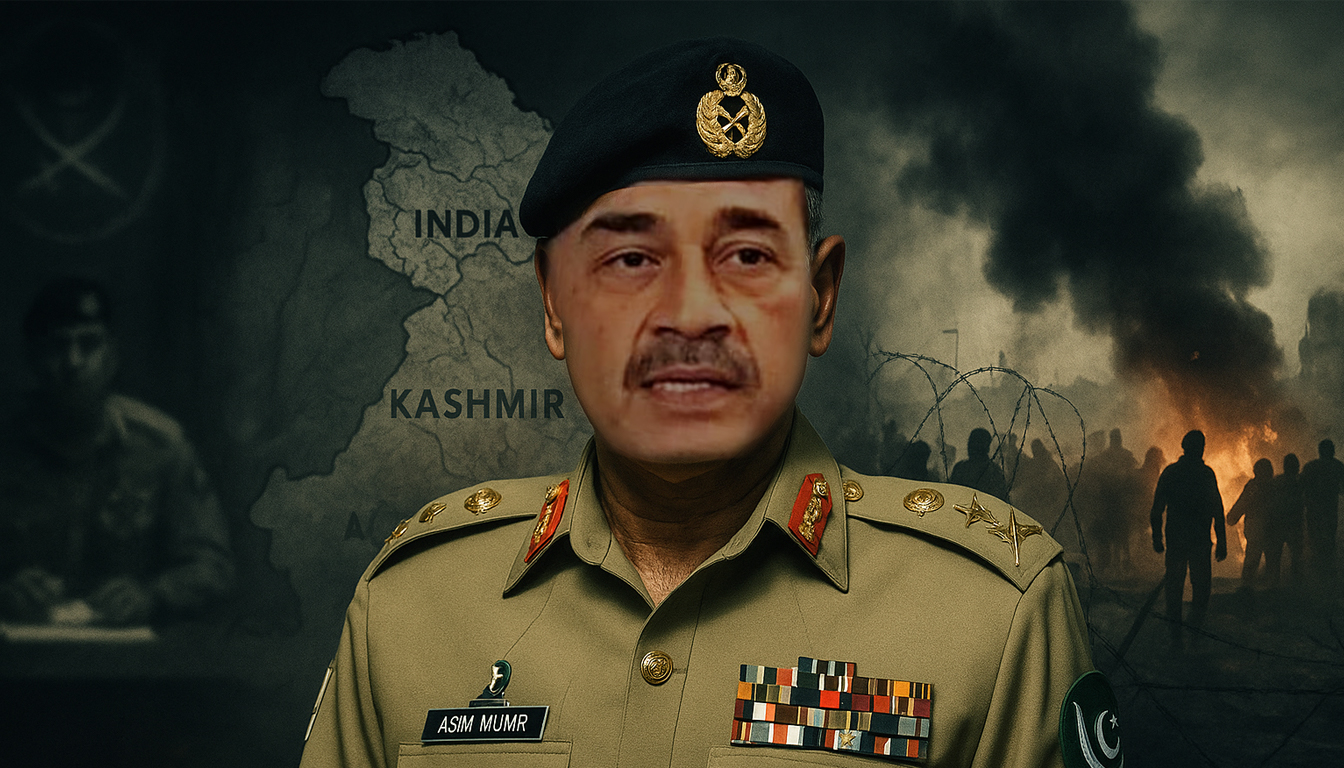
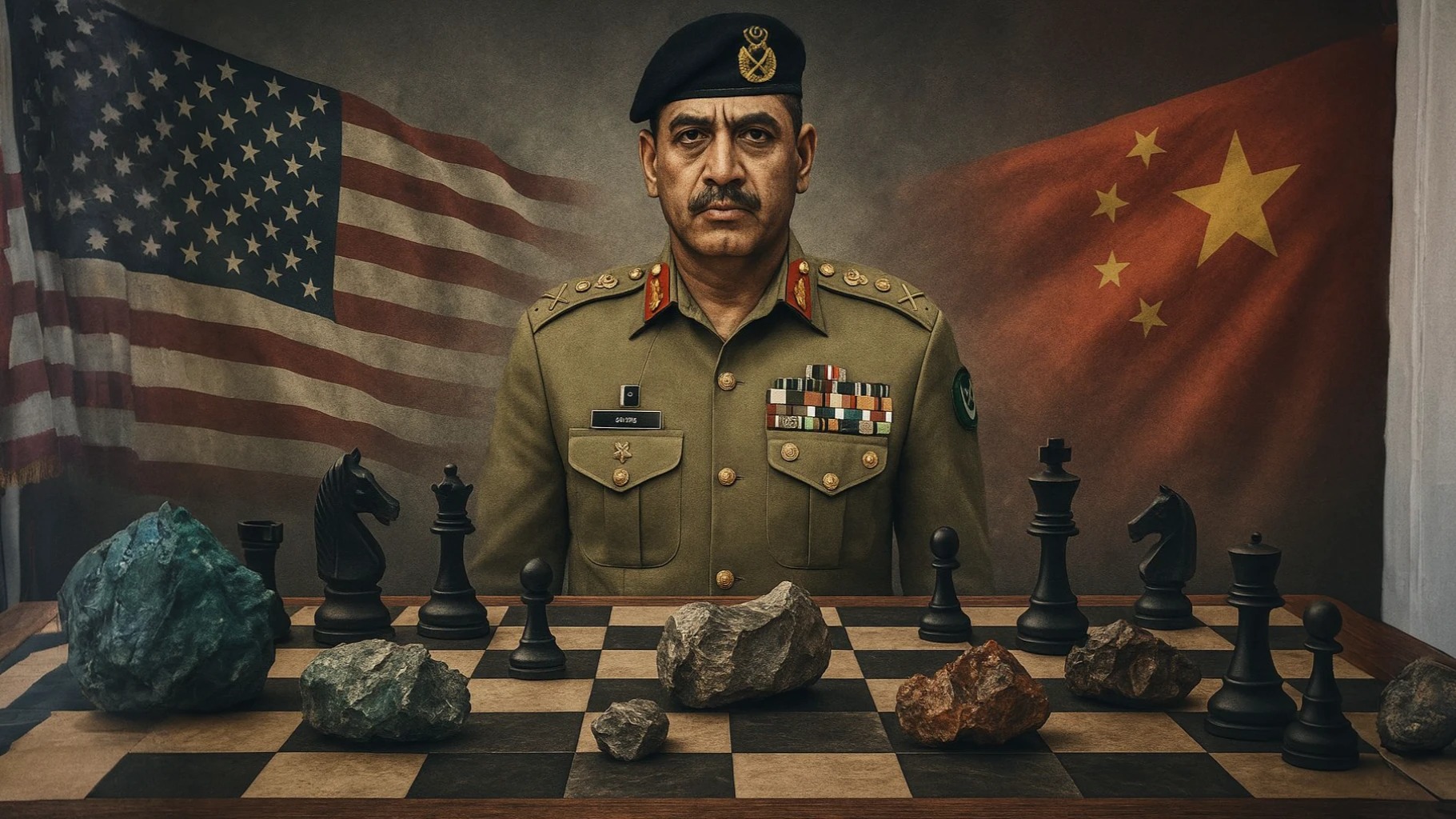
Islamabad / Global Desk: The ongoing US–Iran war escalation is no longer confined to direct military exchanges. As the conflict intensifies across the Middle East, a deeper and more troubling question is emerging—whether Pakistan is quietly being drawn into a dangerous Pakistan proxy war scenario.
From Regional Conflict to Global Flashpoint
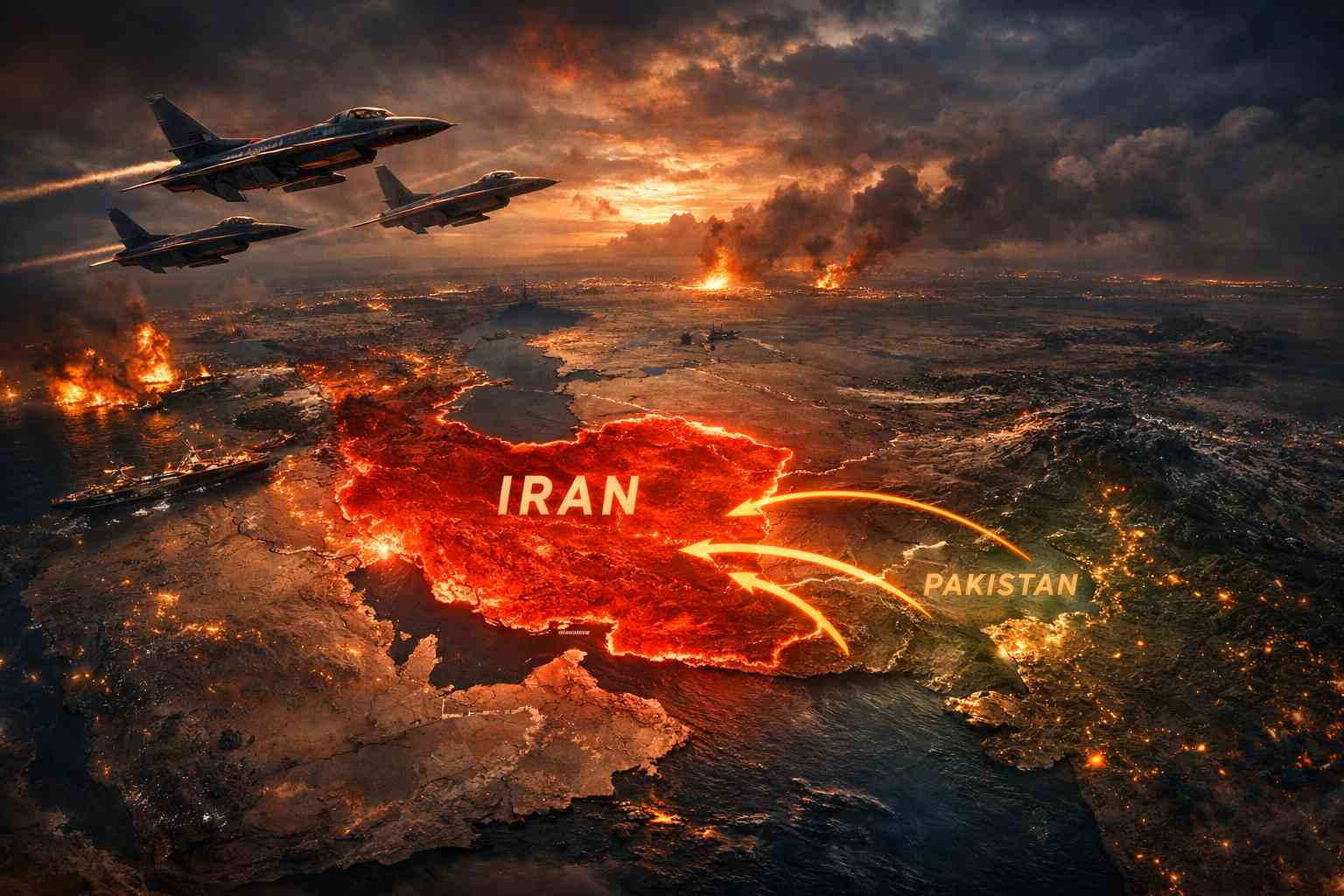
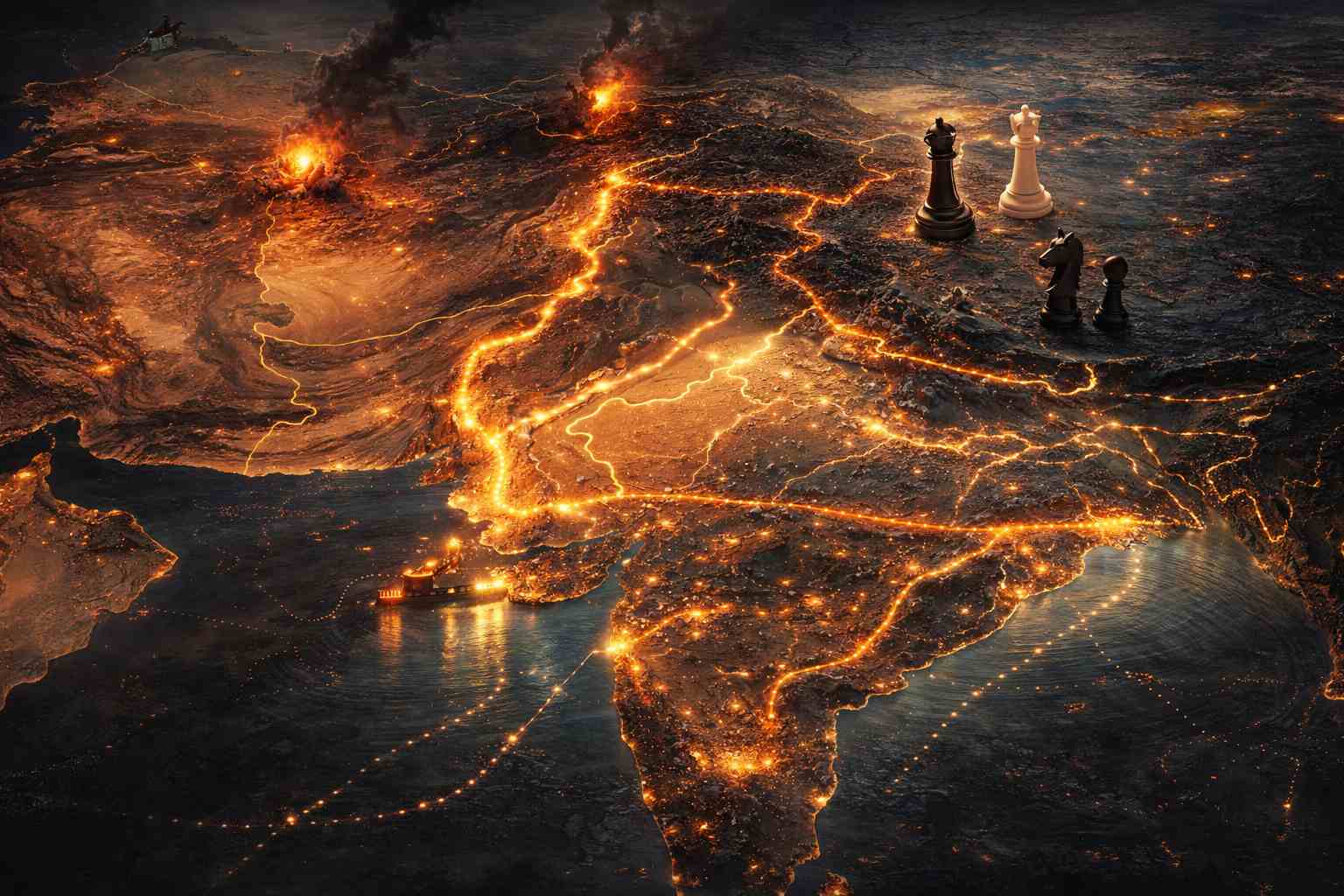
The scale of the war has expanded dramatically in recent weeks. Thousands of airstrikes, naval deployments, and growing tensions in the Strait of Hormuz indicate that this is no longer a contained confrontation.
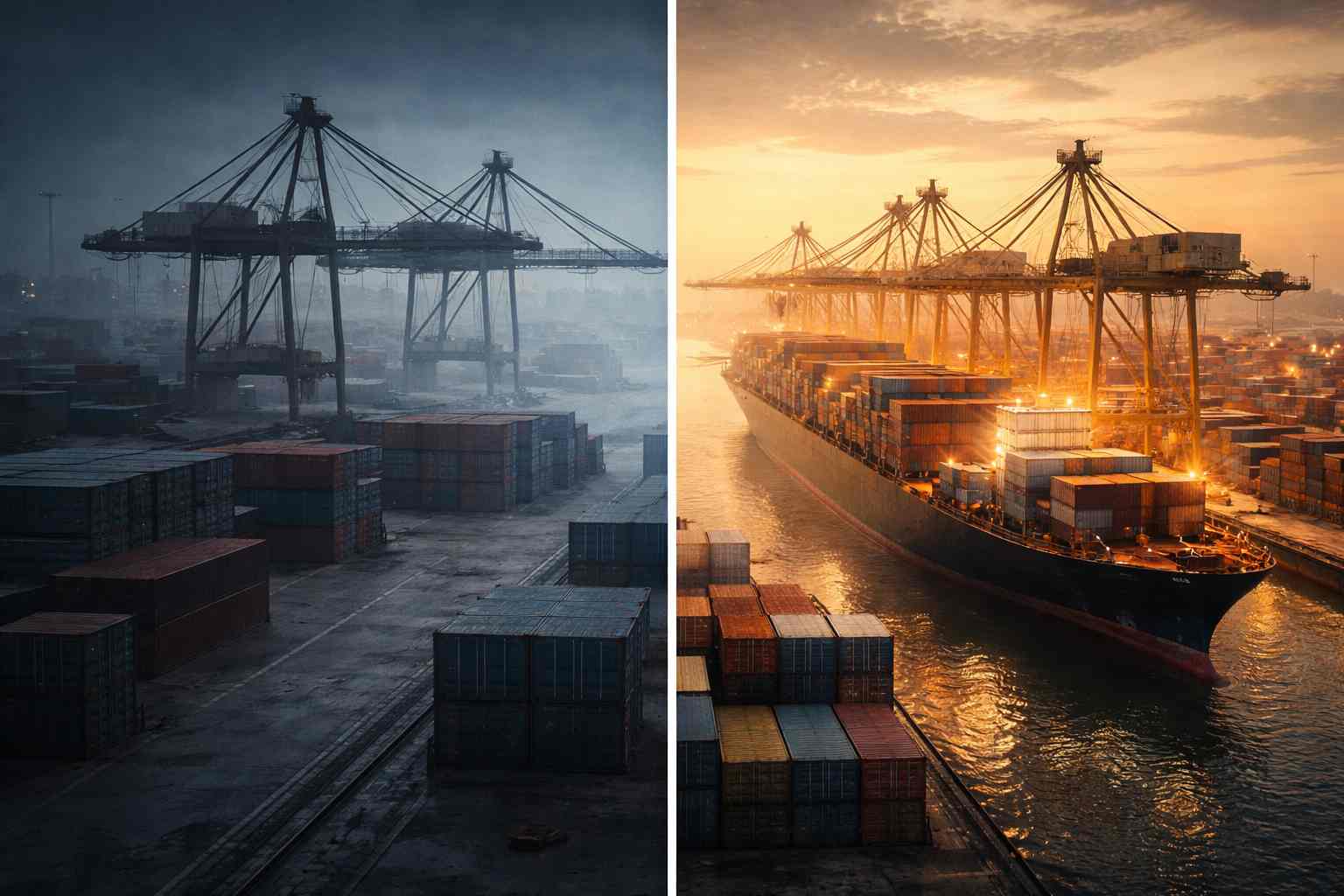
Global energy markets are reacting, shipping routes are under threat, and the possibility of a wider regional war is now being openly discussed in diplomatic circles.
This is no longer just a US–Iran standoff—it is a conflict with global implications.
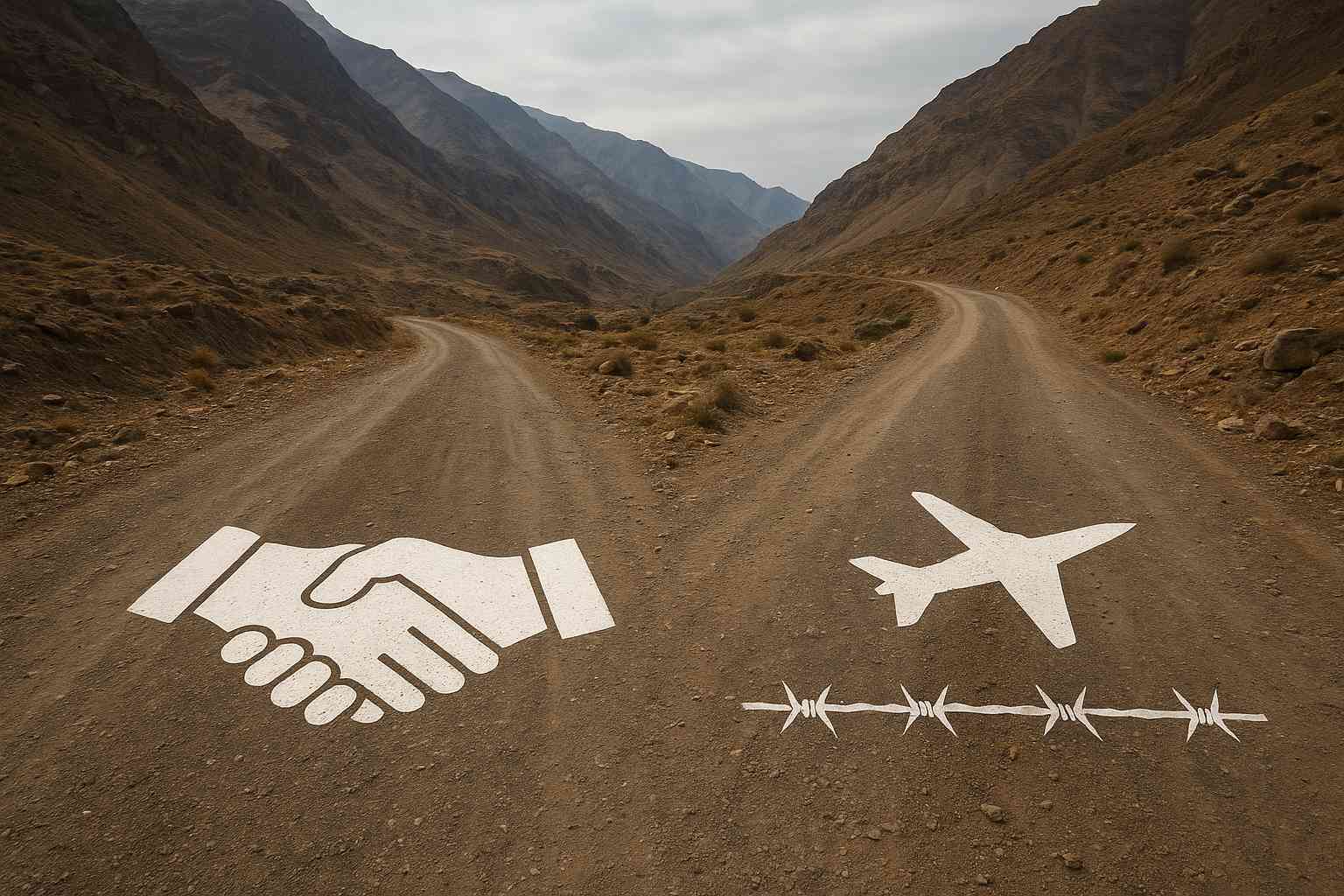
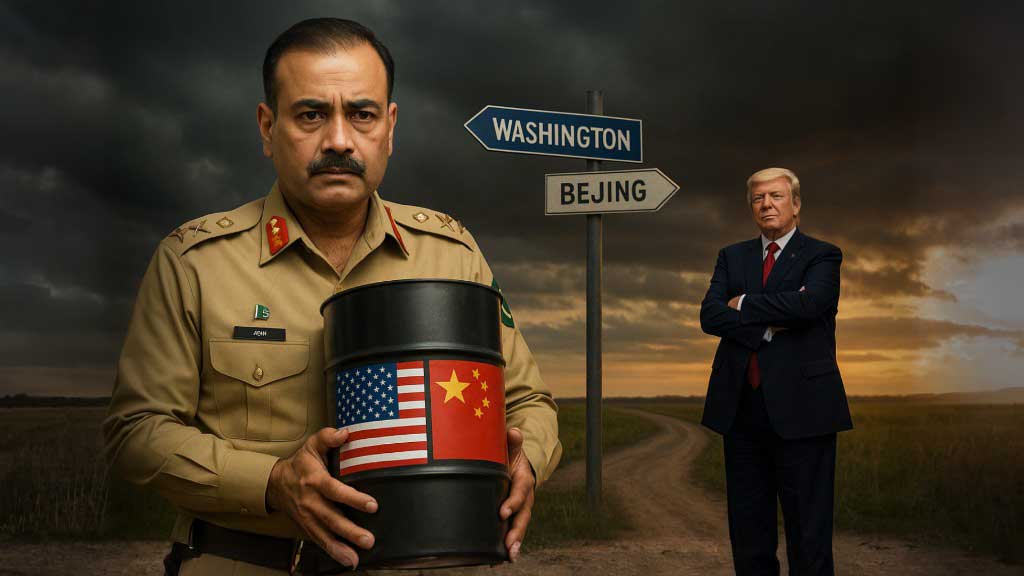
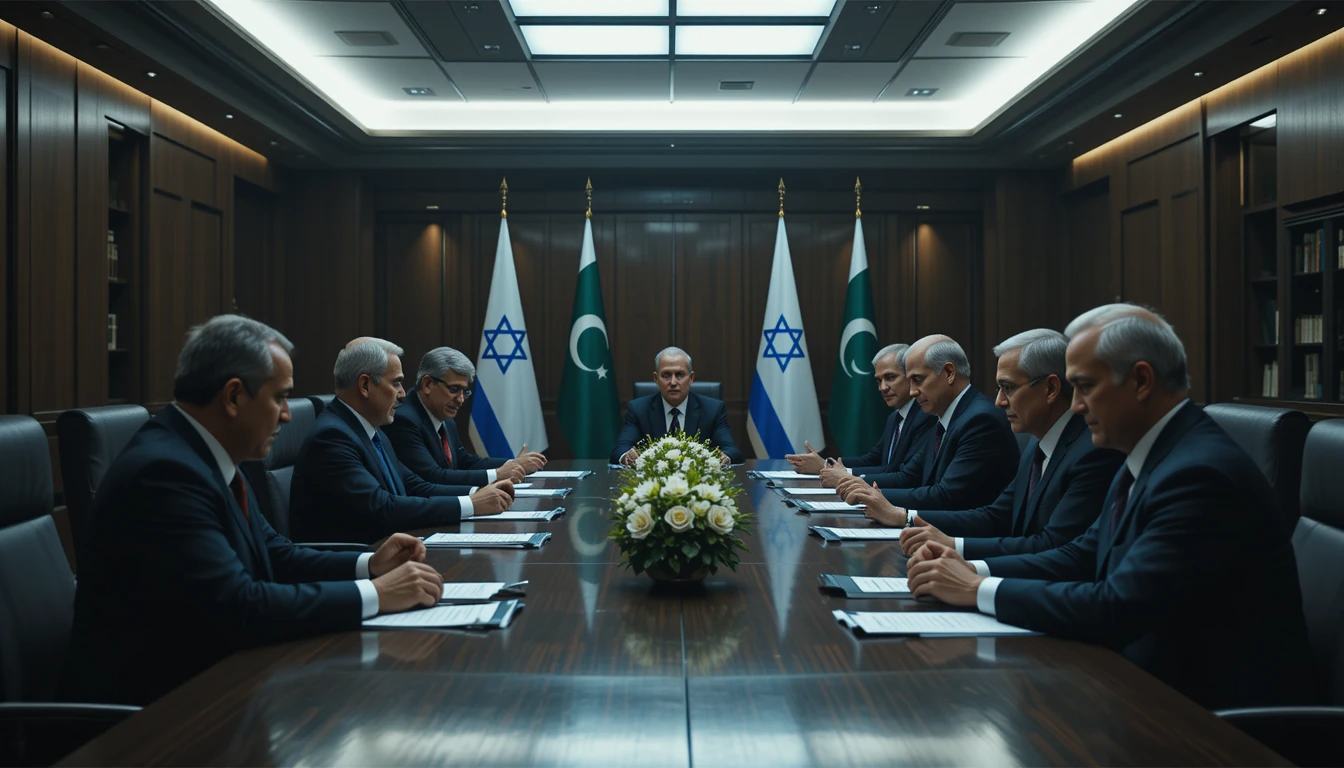
Pakistan’s Role: Mediator or Strategic Player?
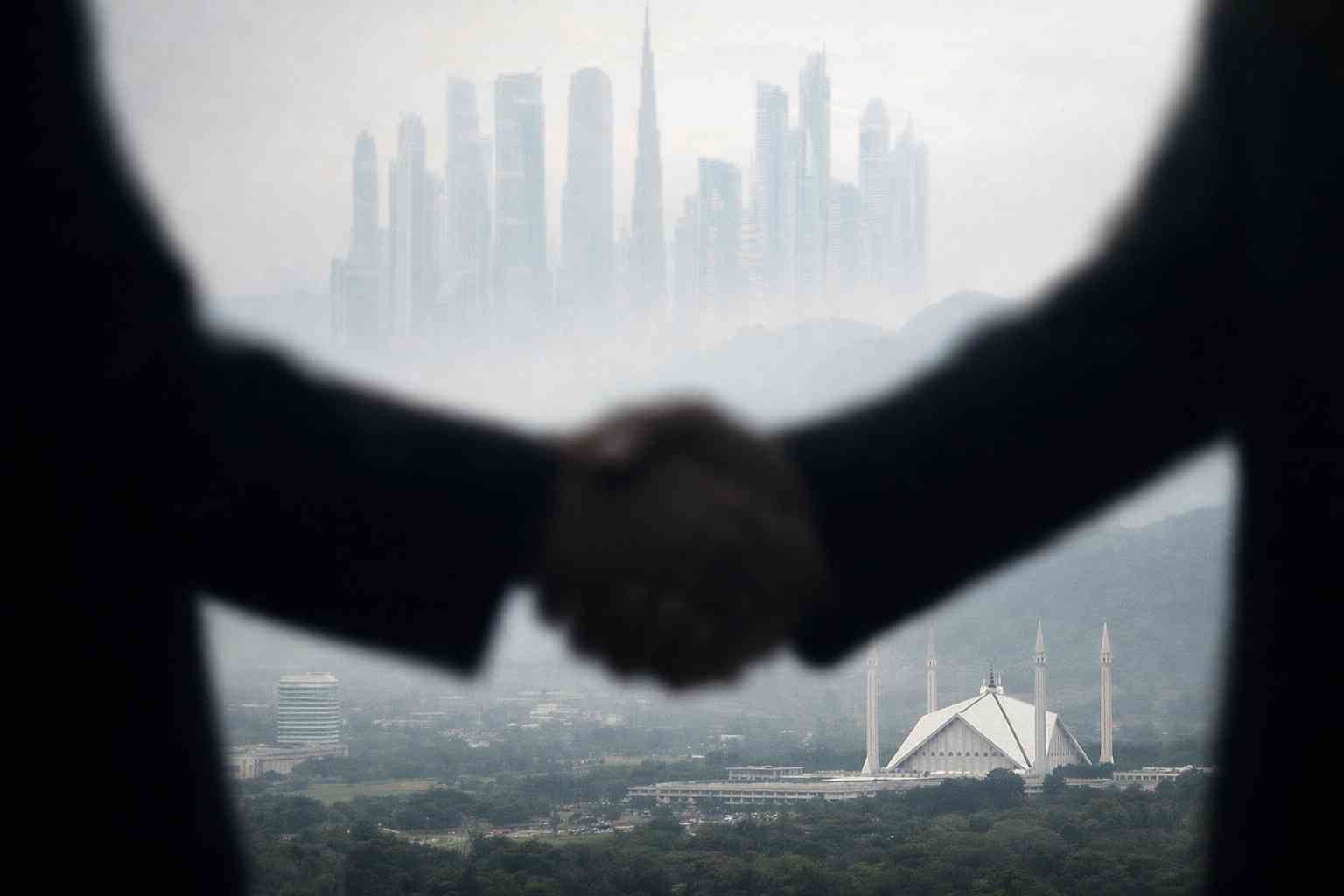
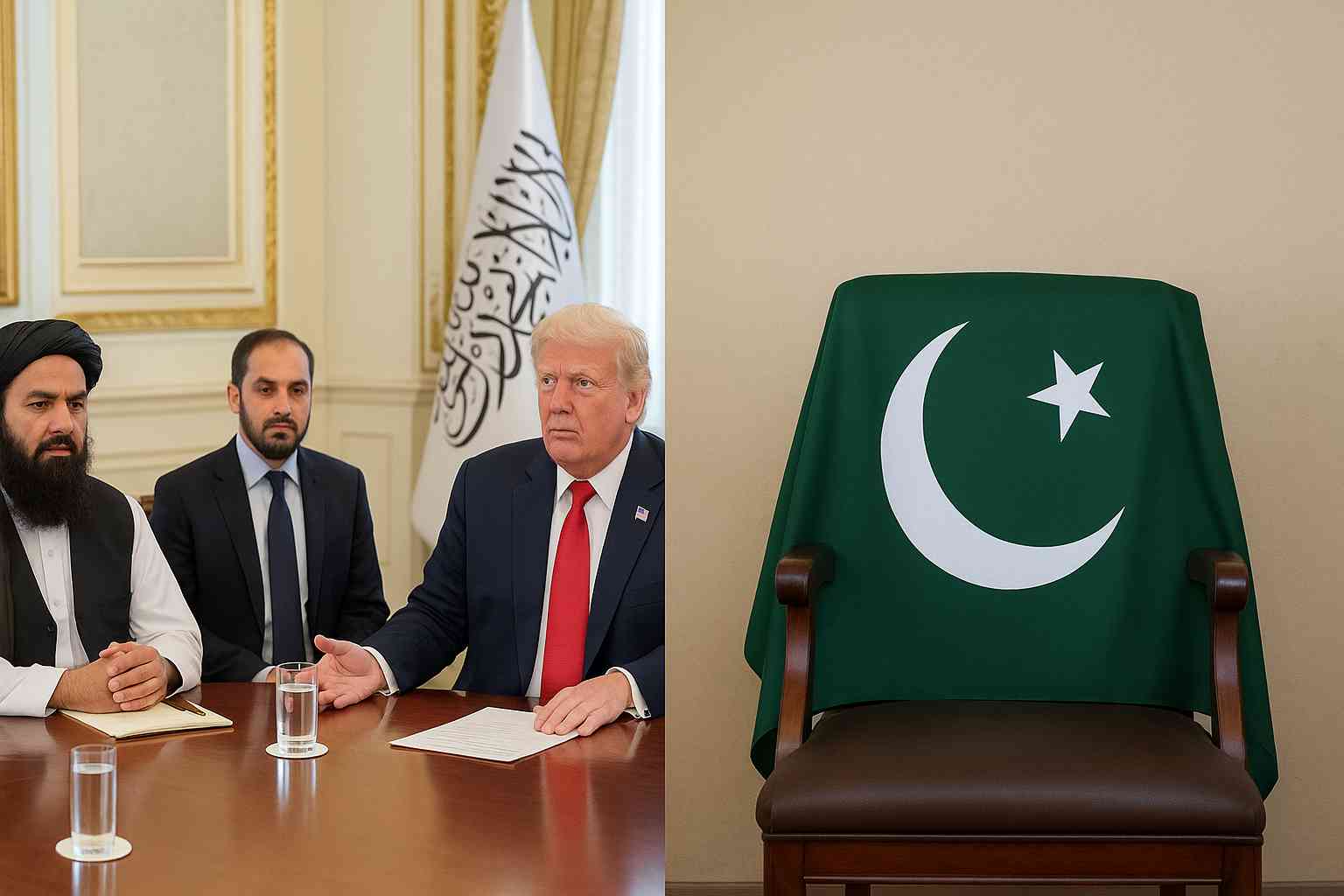
Pakistan has publicly positioned itself as a mediator, offering diplomatic channels and coordinating with international partners. However, the situation may be more complex than it appears.
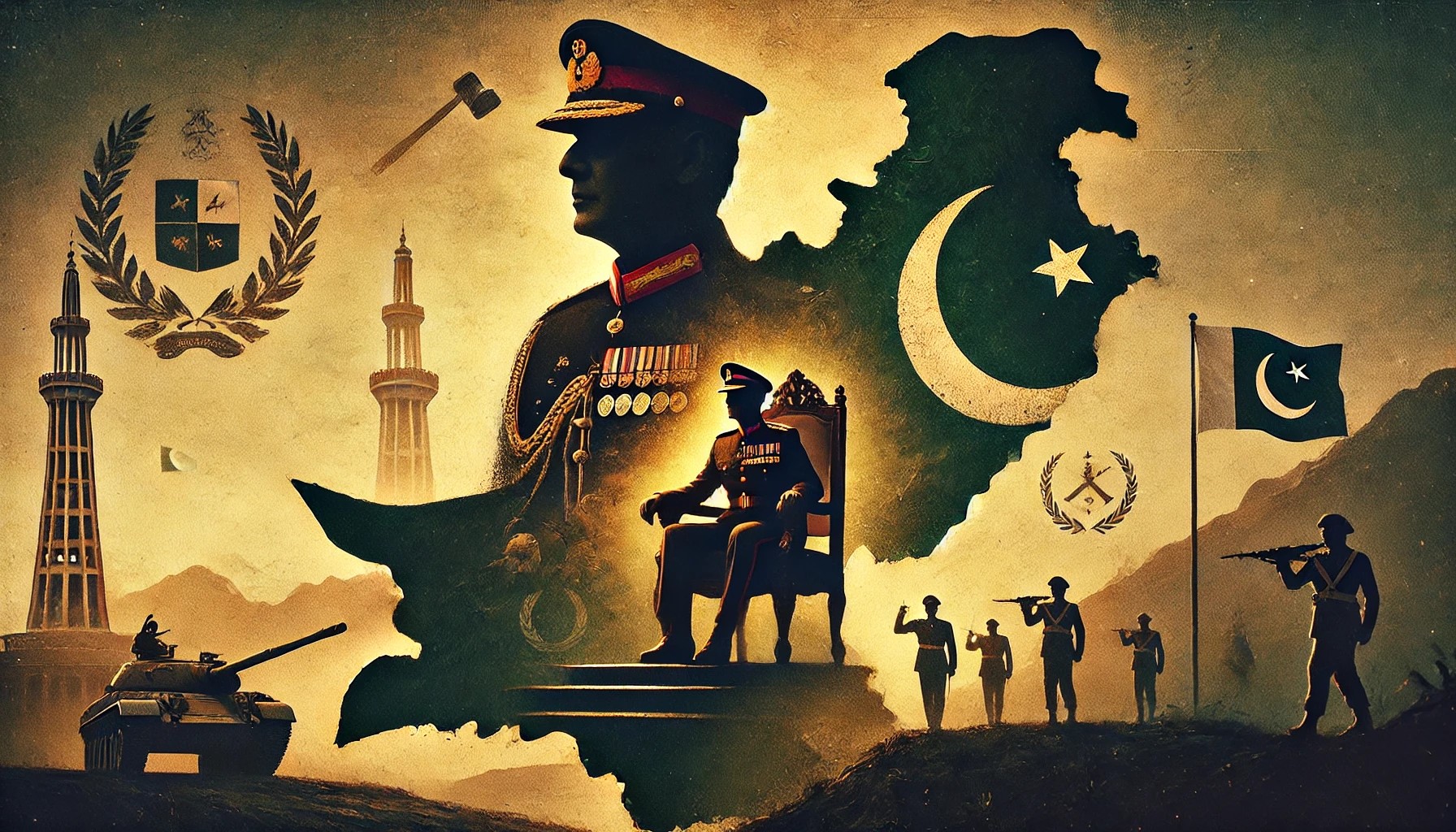
Historically, Pakistan has played dual roles in major conflicts—publicly advocating neutrality while quietly aligning with strategic interests.
This raises a critical concern: is Pakistan truly neutral, or is it being positioned as part of a broader Pakistan proxy war framework?
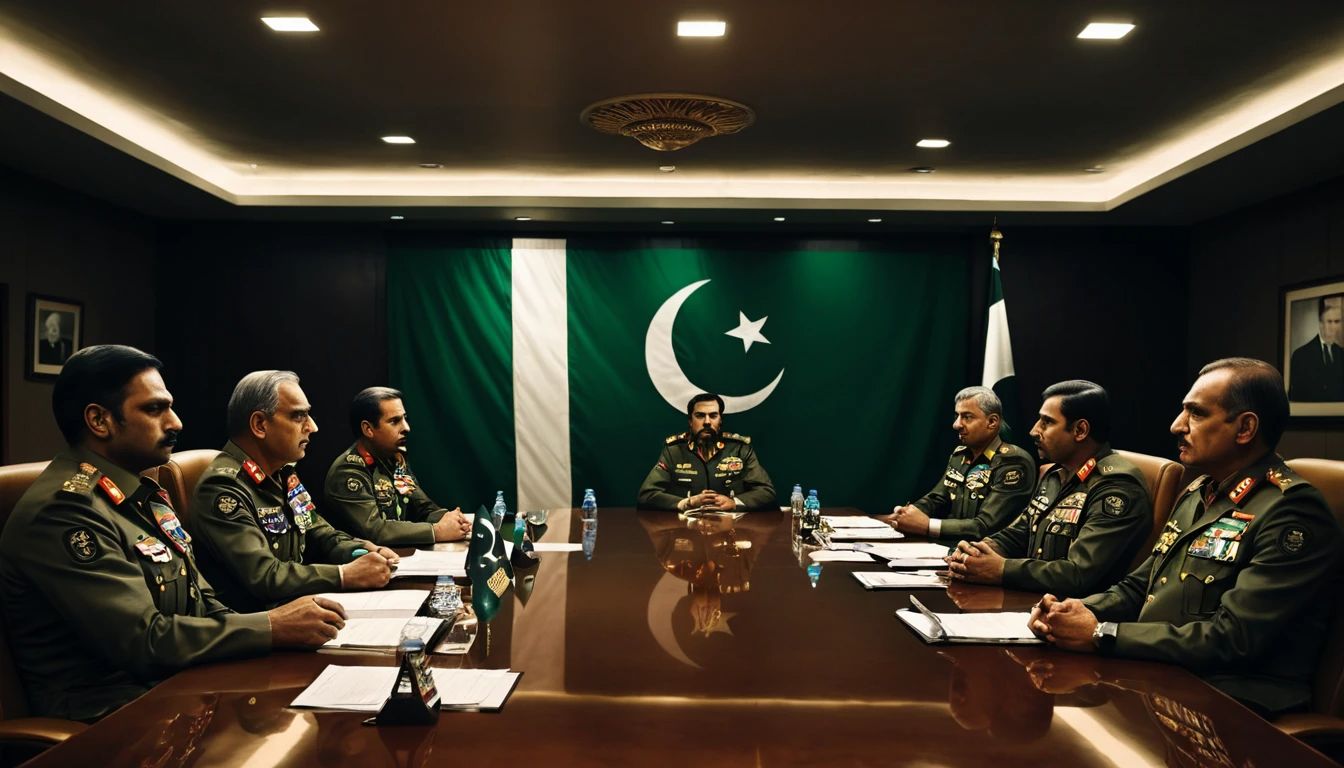
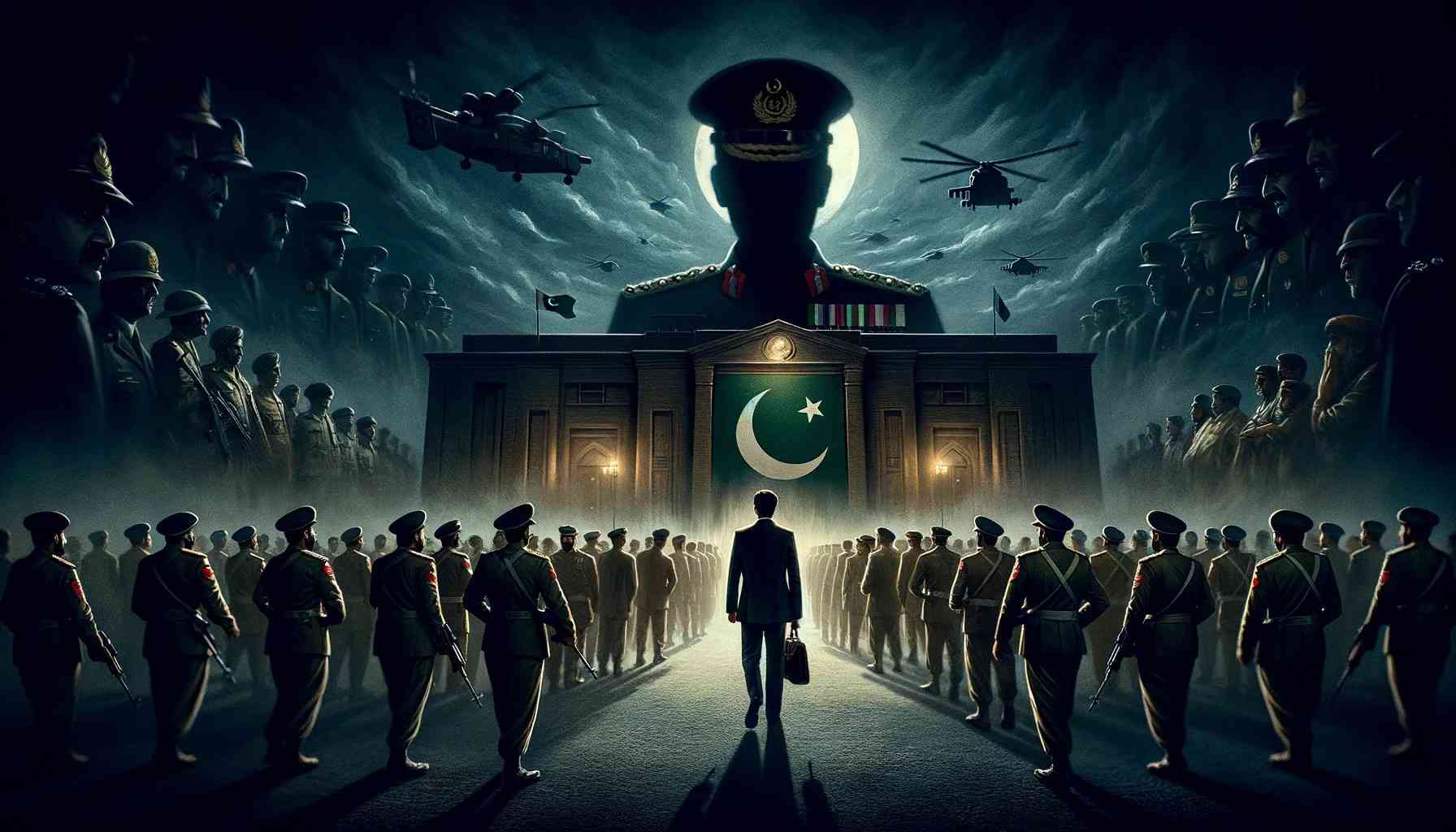
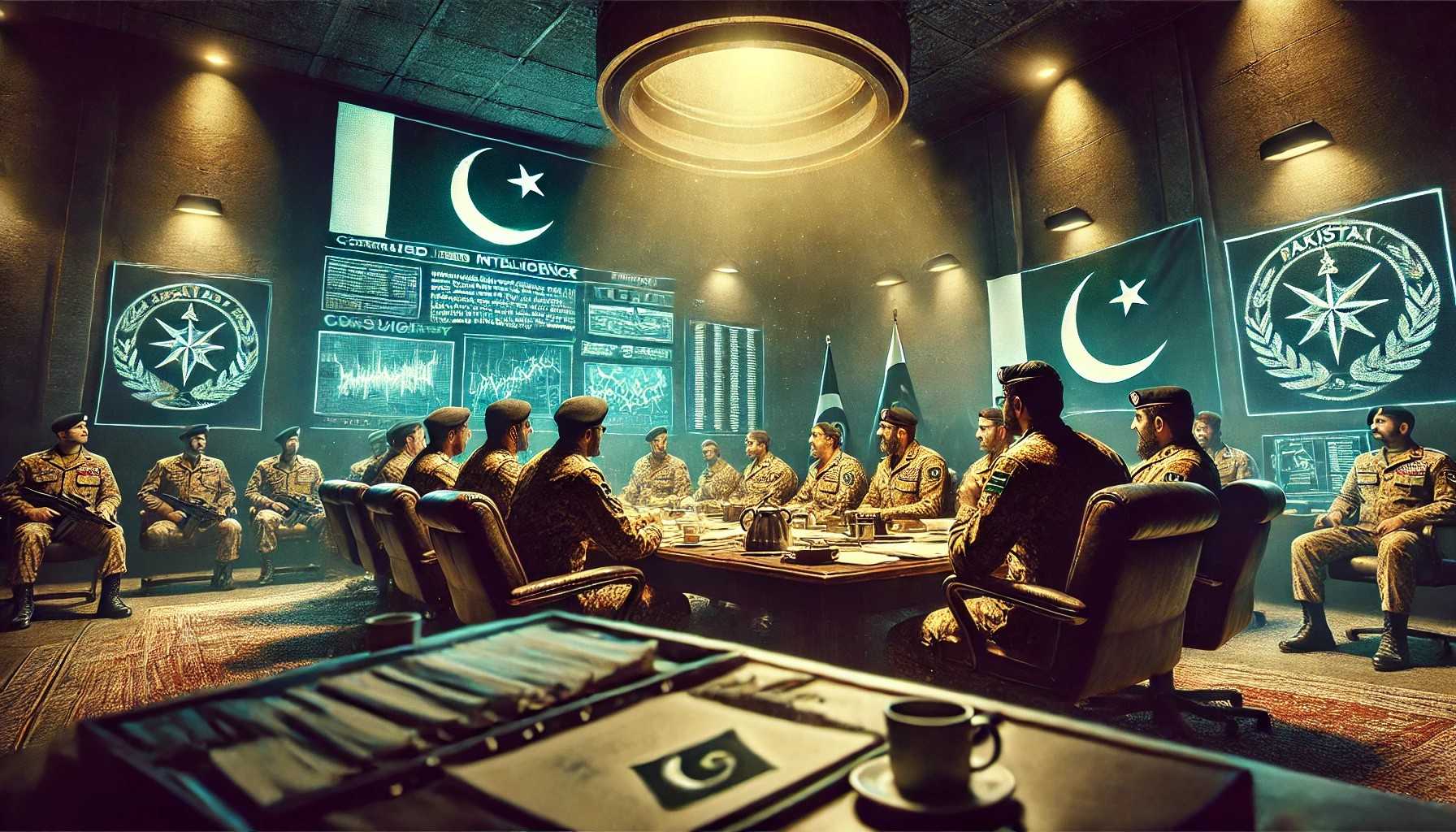
Military Calculations Behind Closed Doors
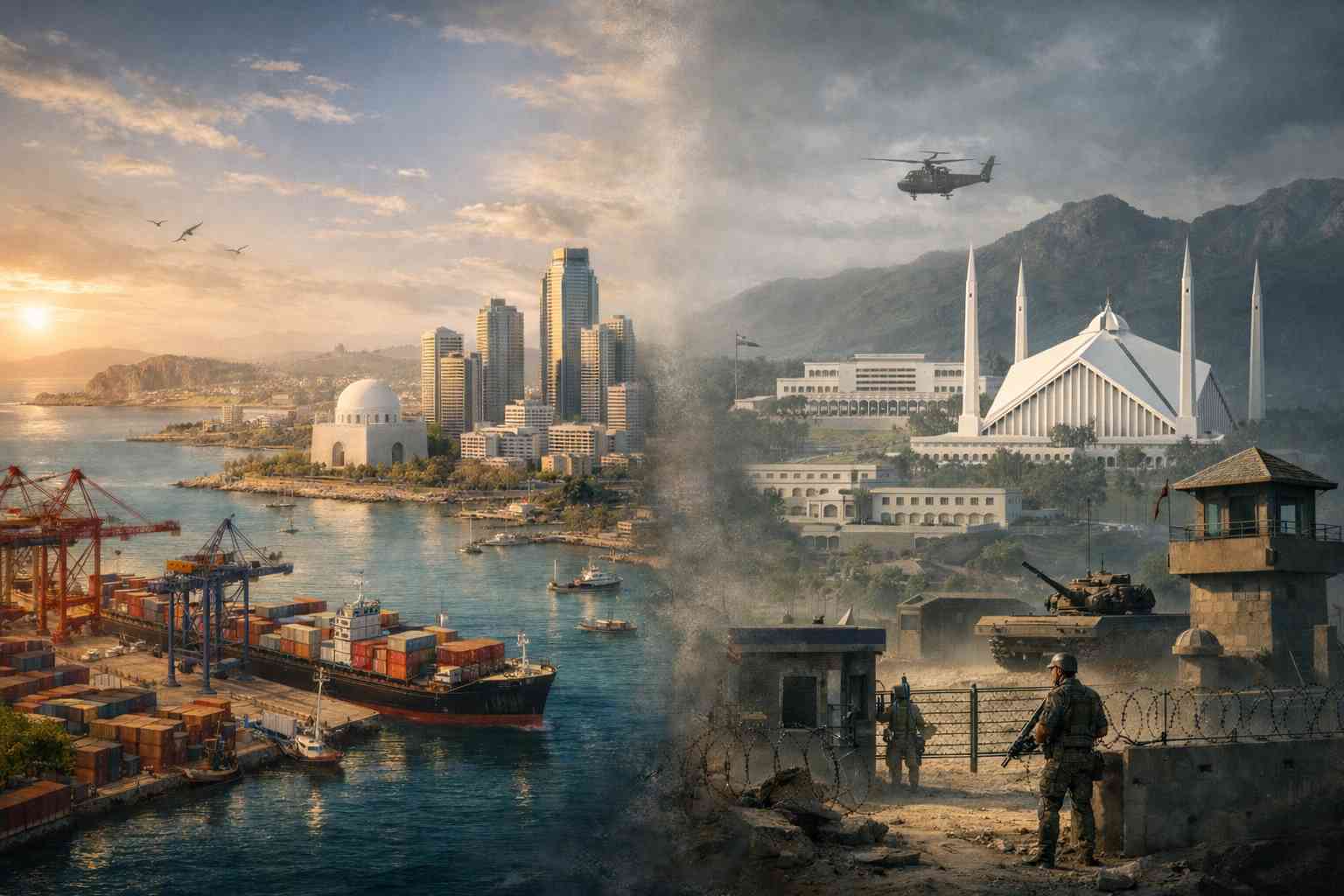
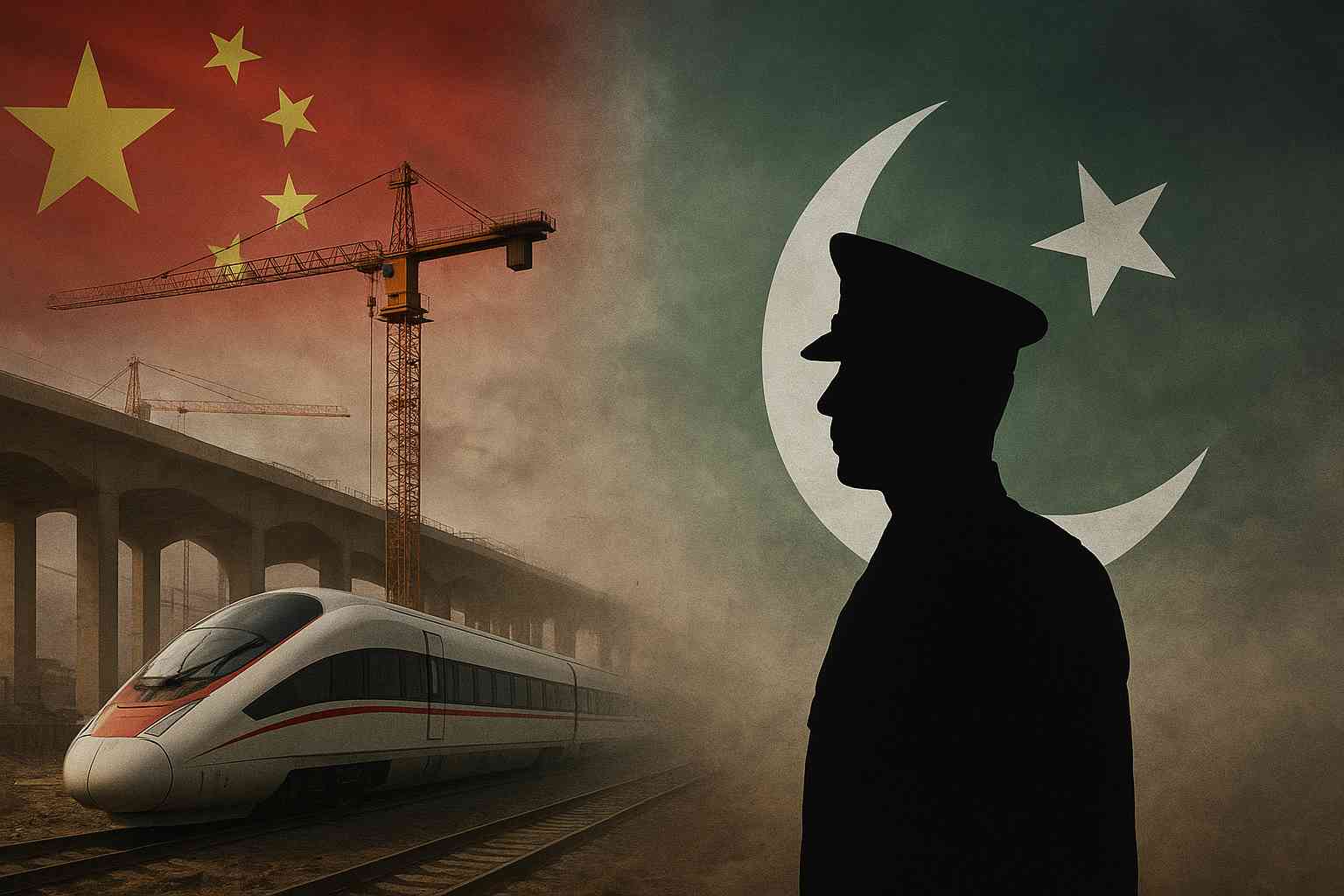
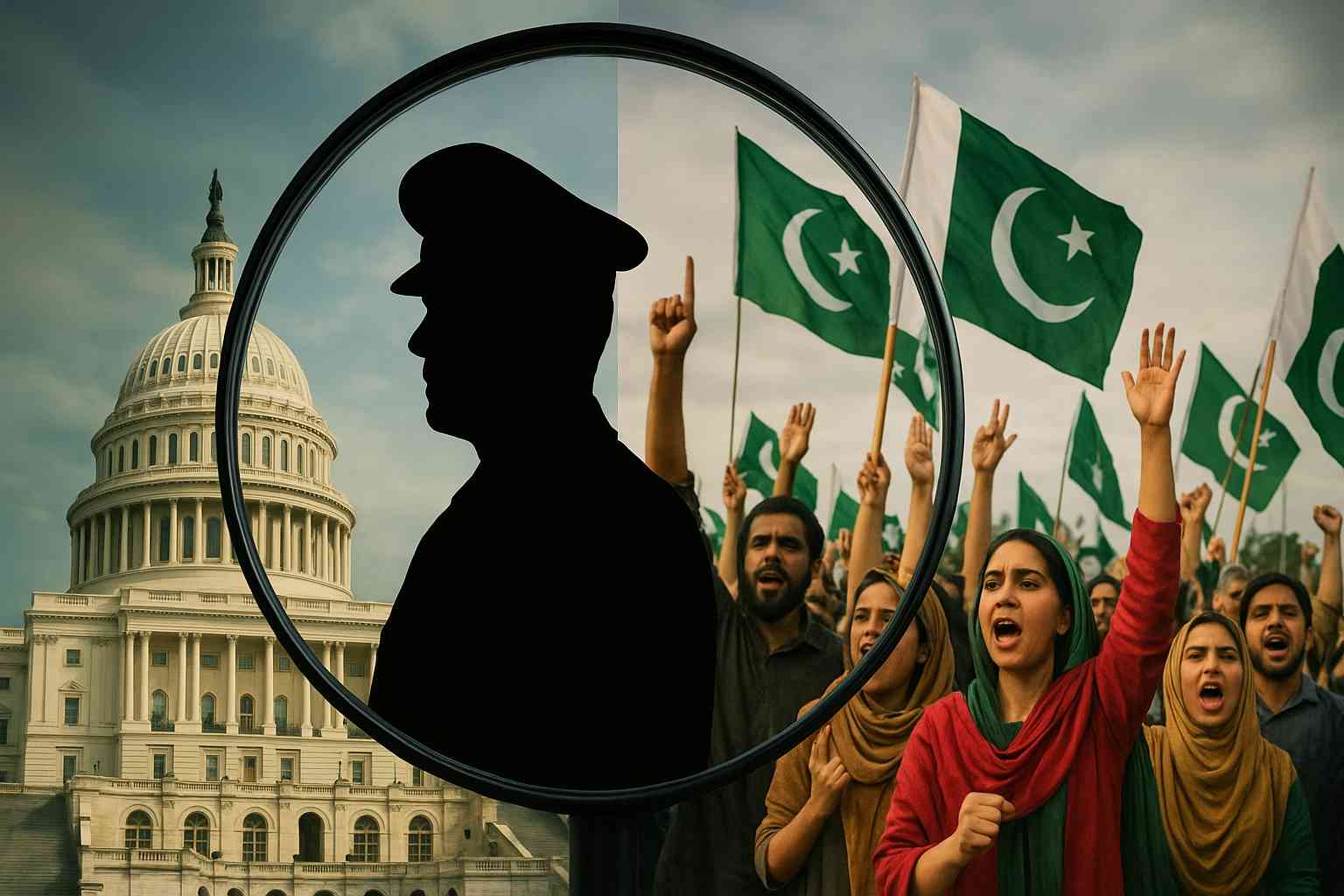
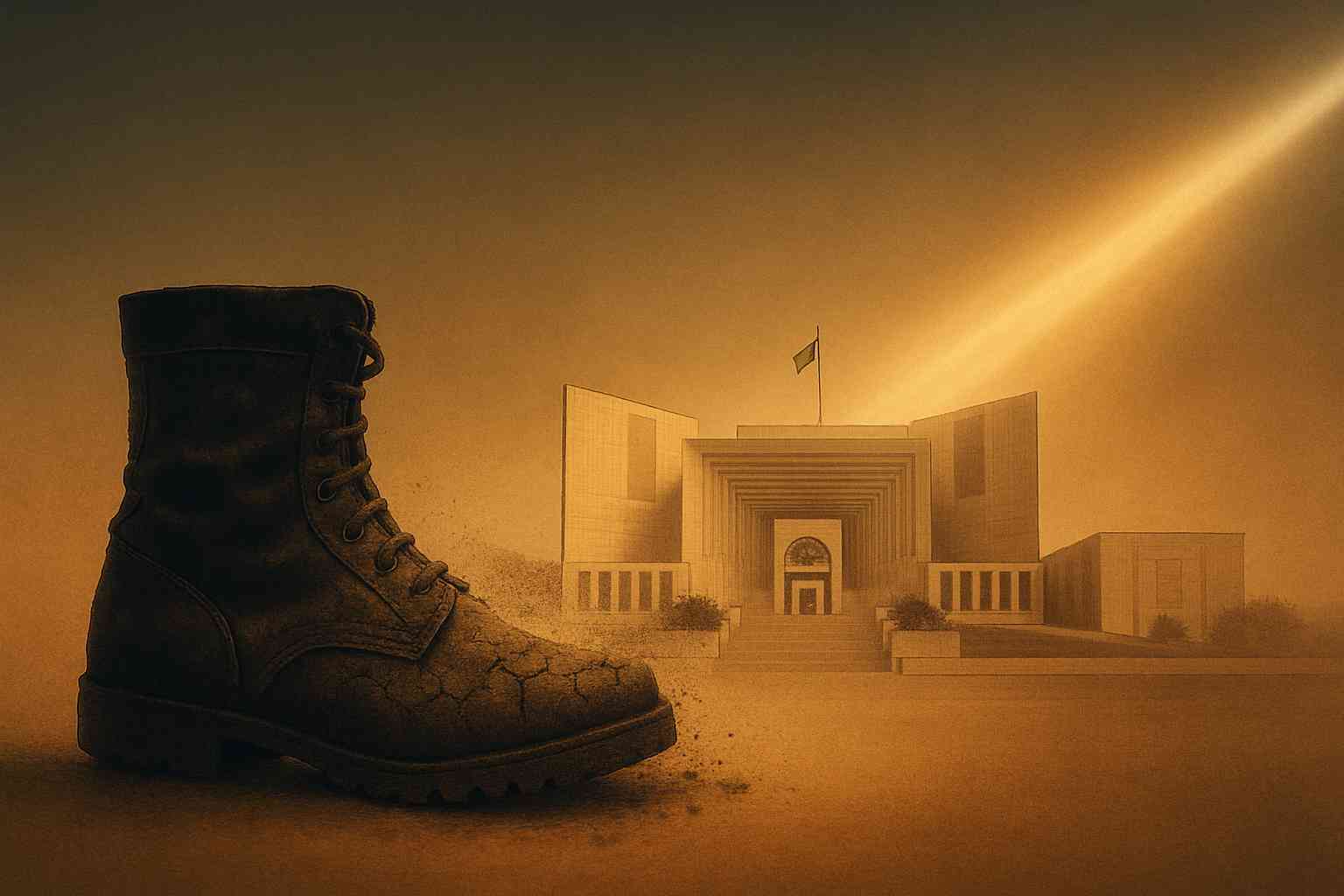
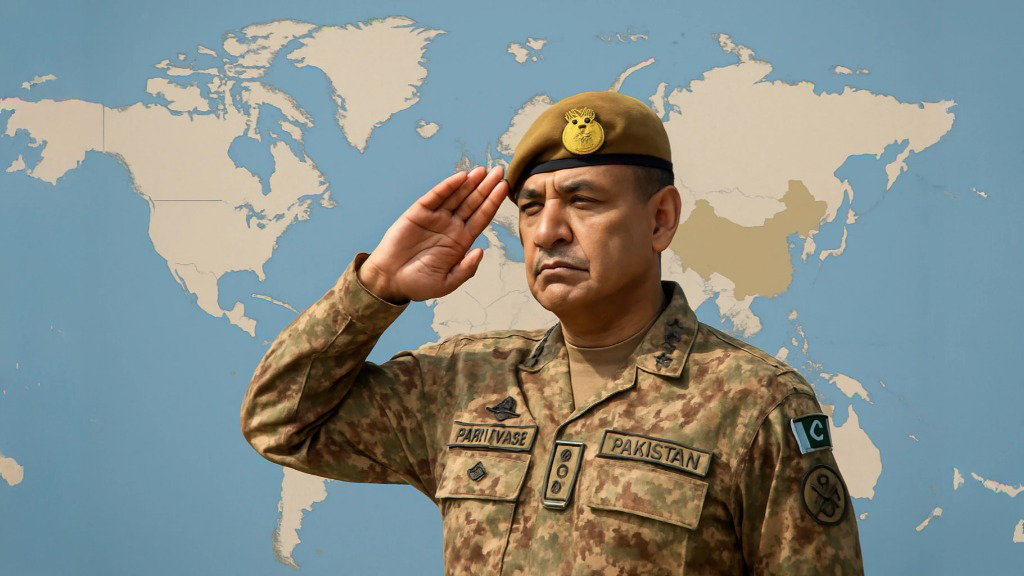
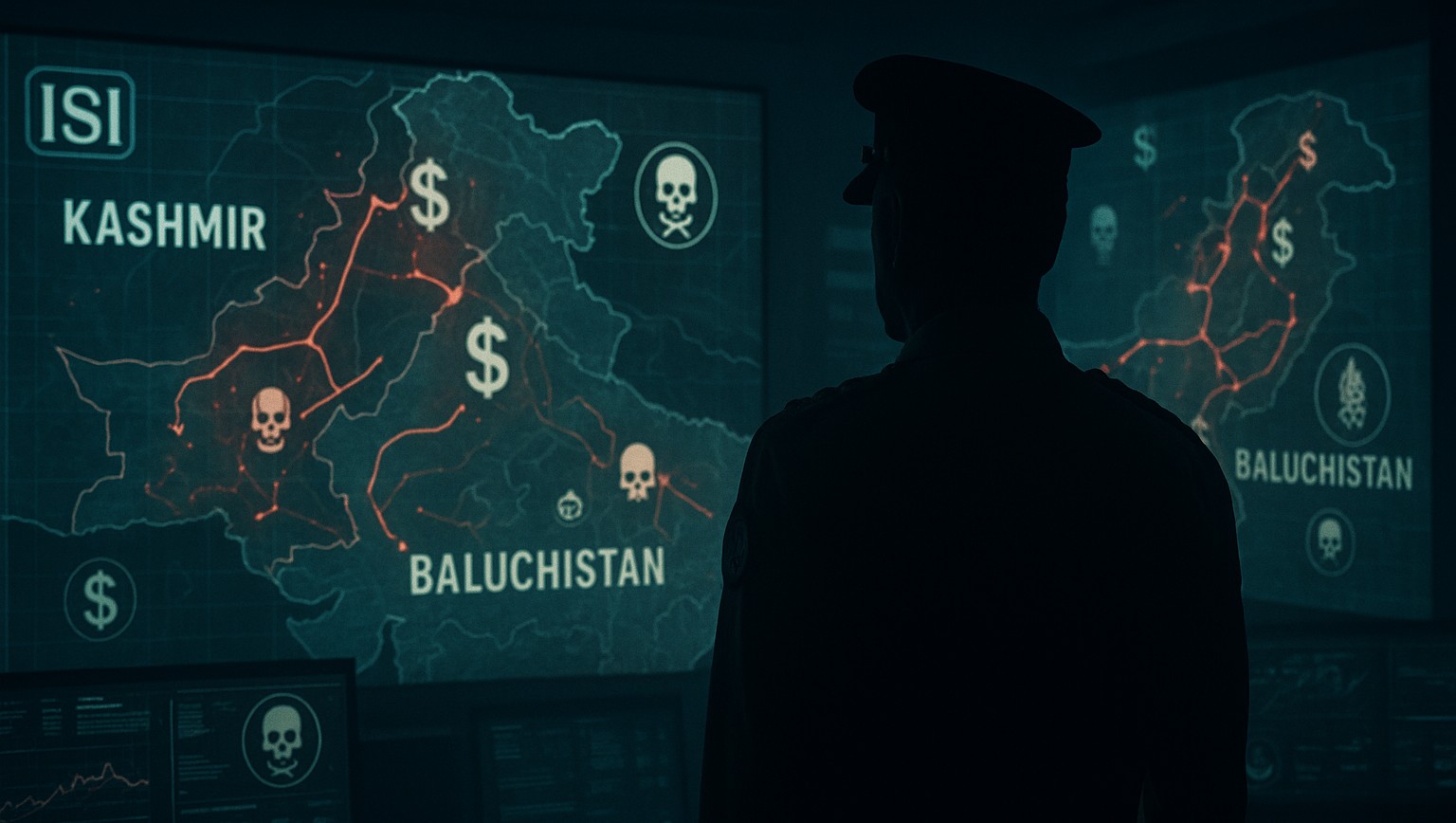
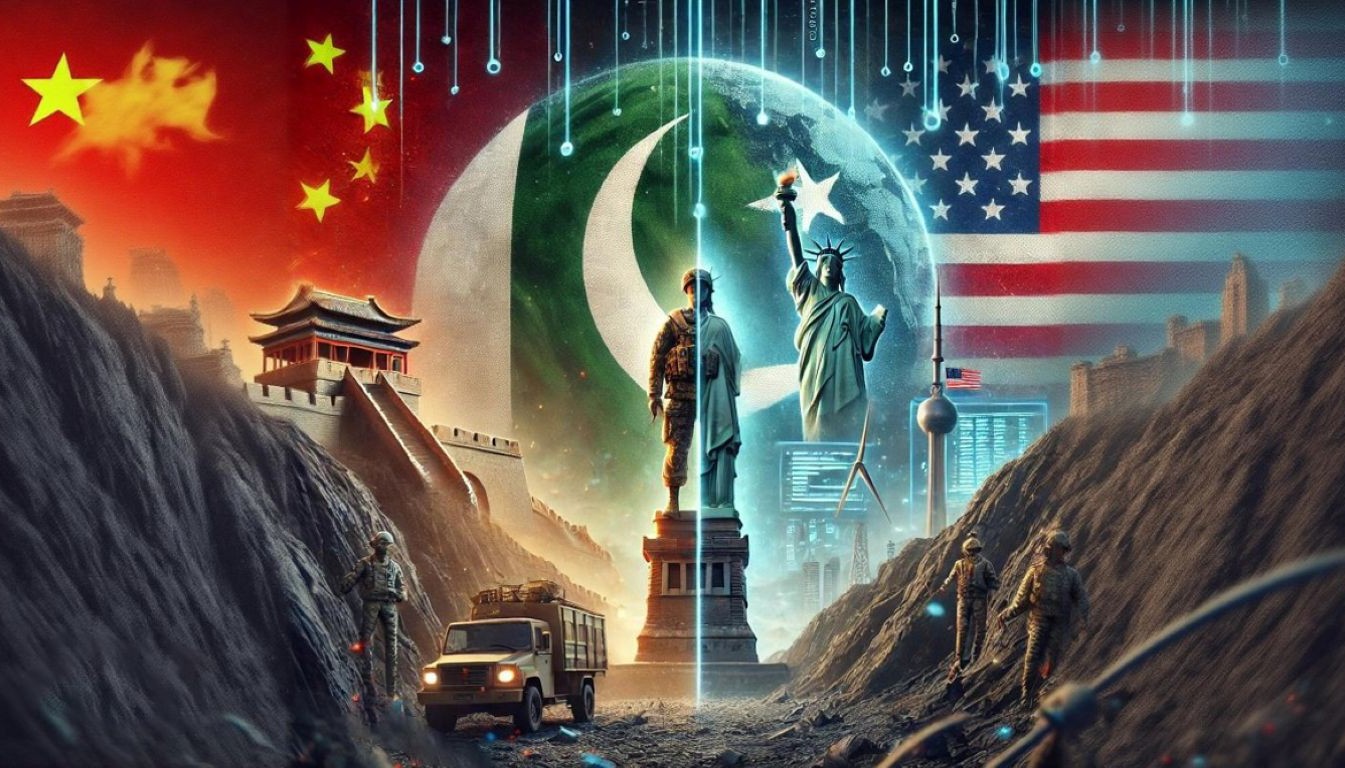
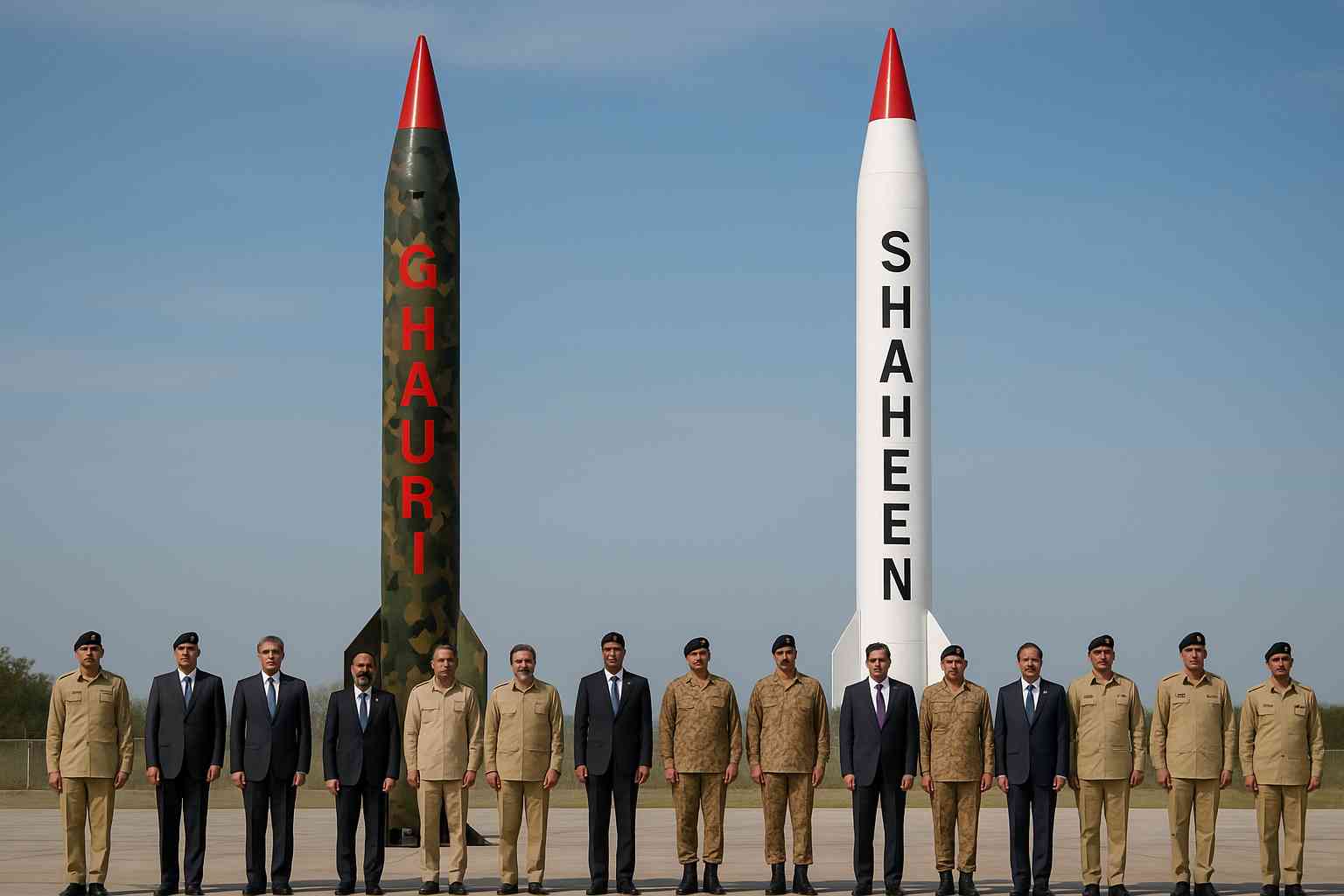
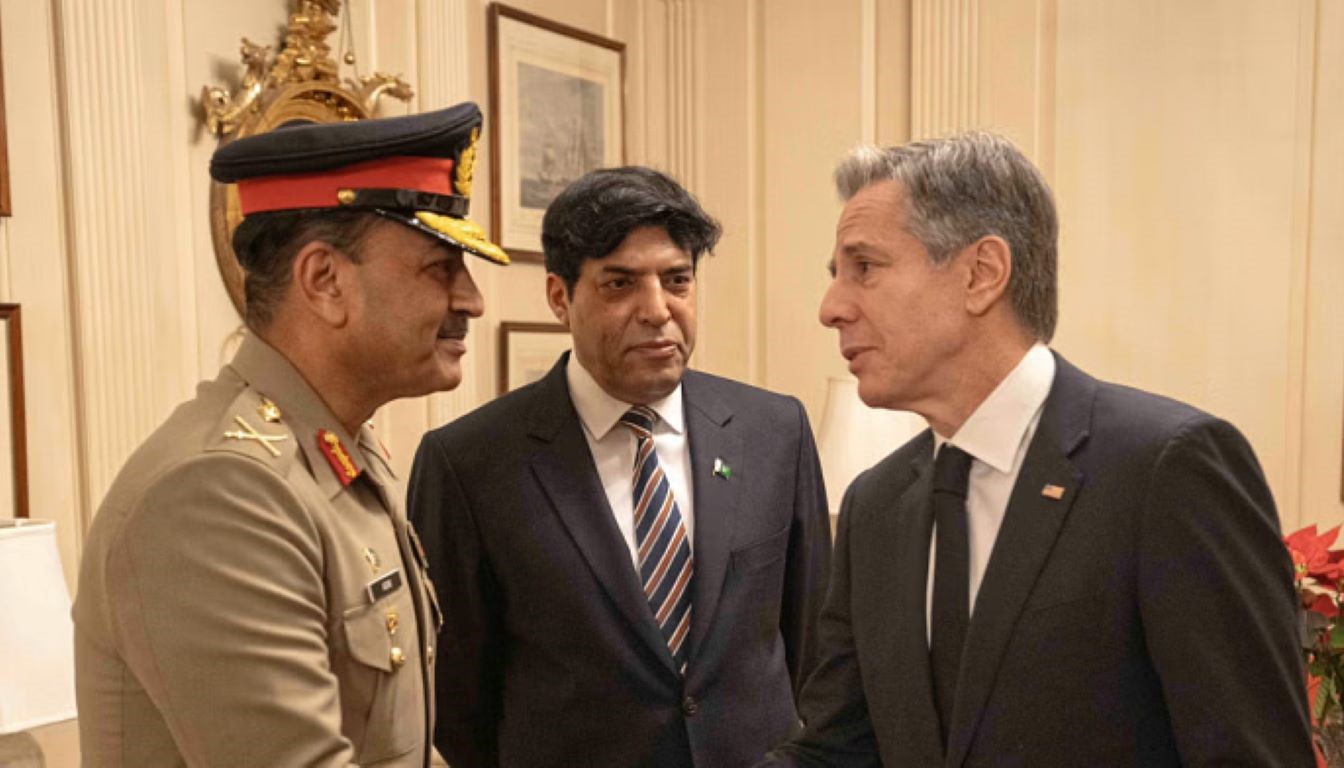
Pakistan’s military establishment has long-standing ties with Gulf states and maintains strategic relations with global powers. In a scenario where the conflict spreads, these ties could place Pakistan in a difficult position.
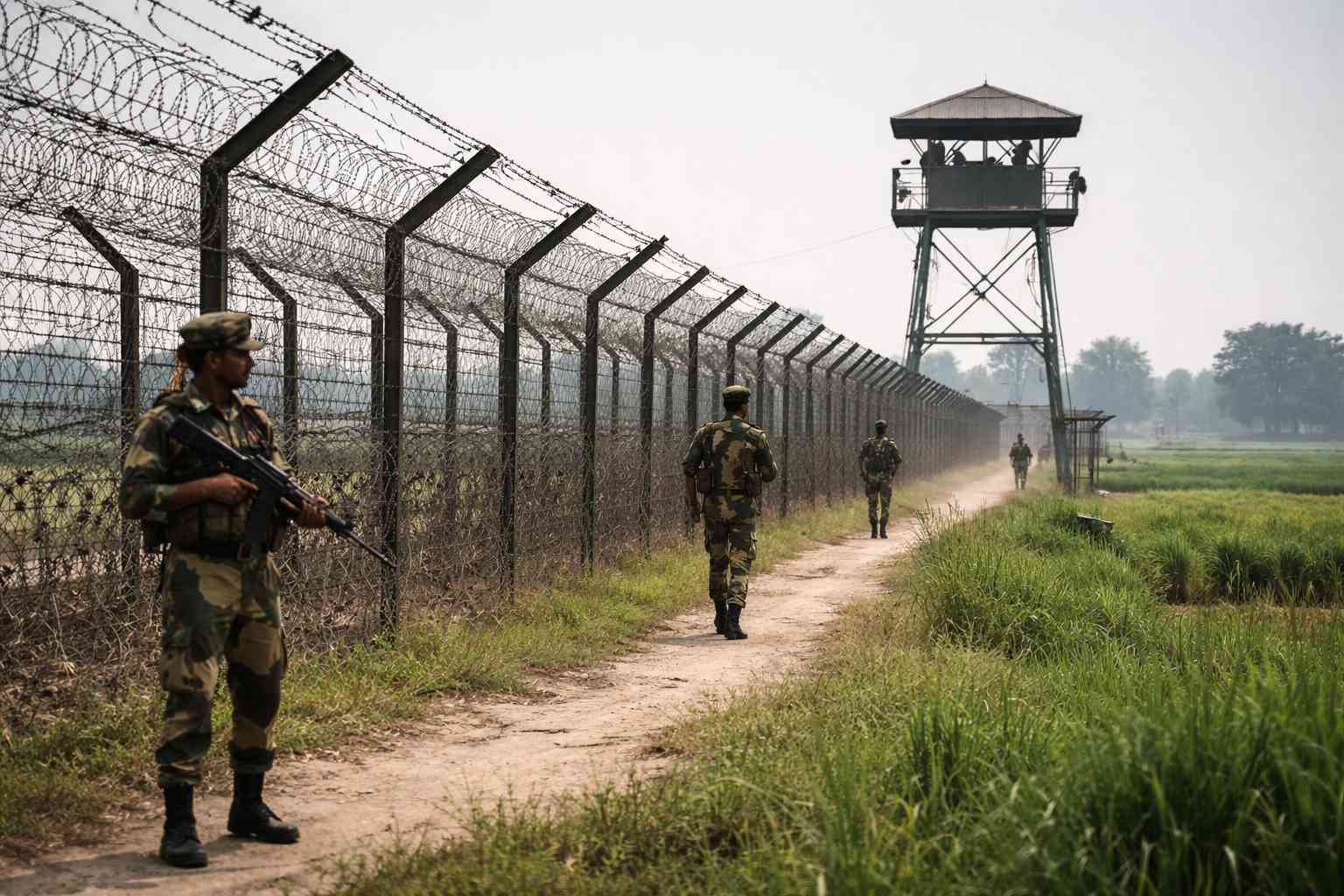
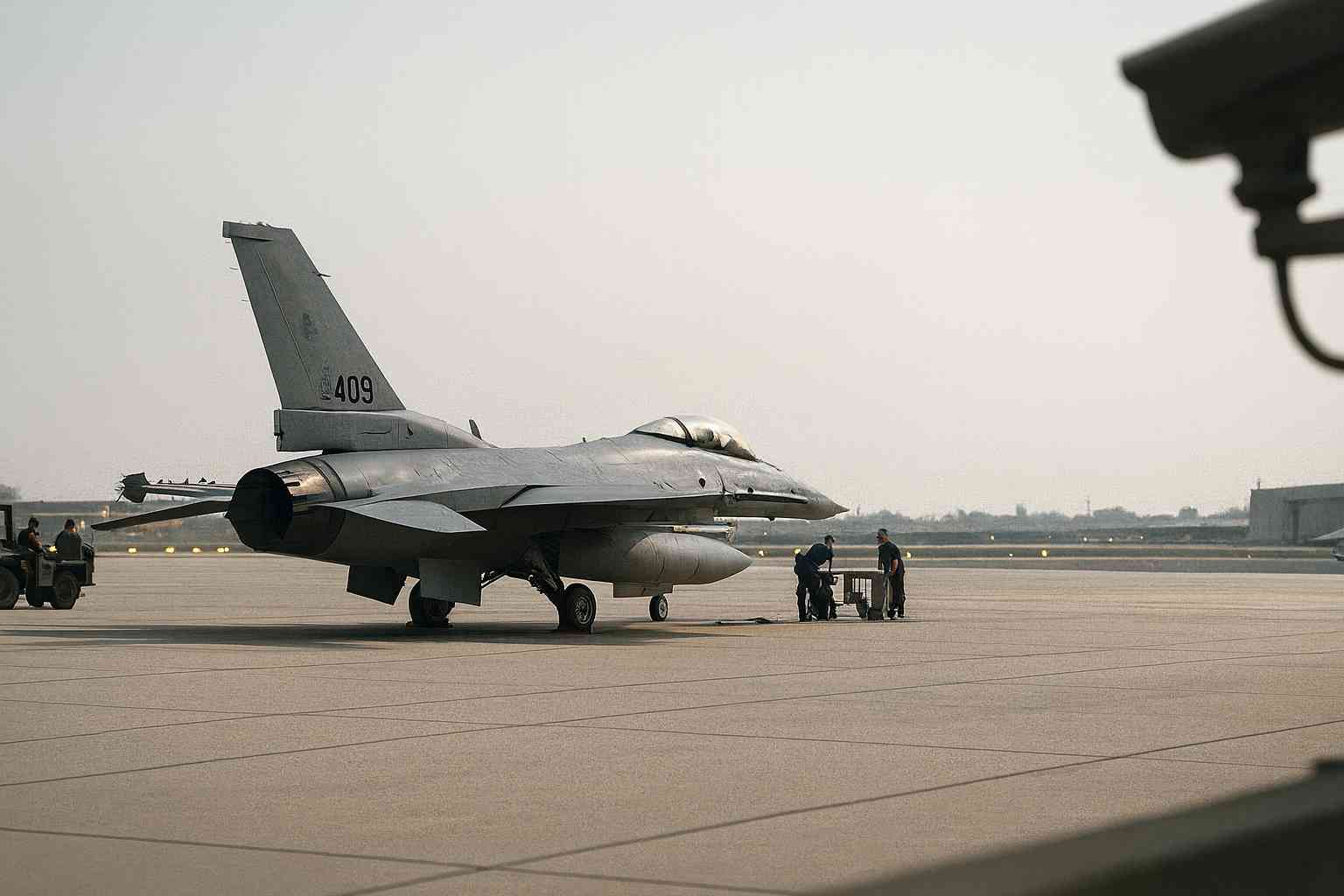
Naval deployments in the Arabian Sea, increased security measures, and contingency planning suggest that Islamabad is preparing for potential spillover effects.
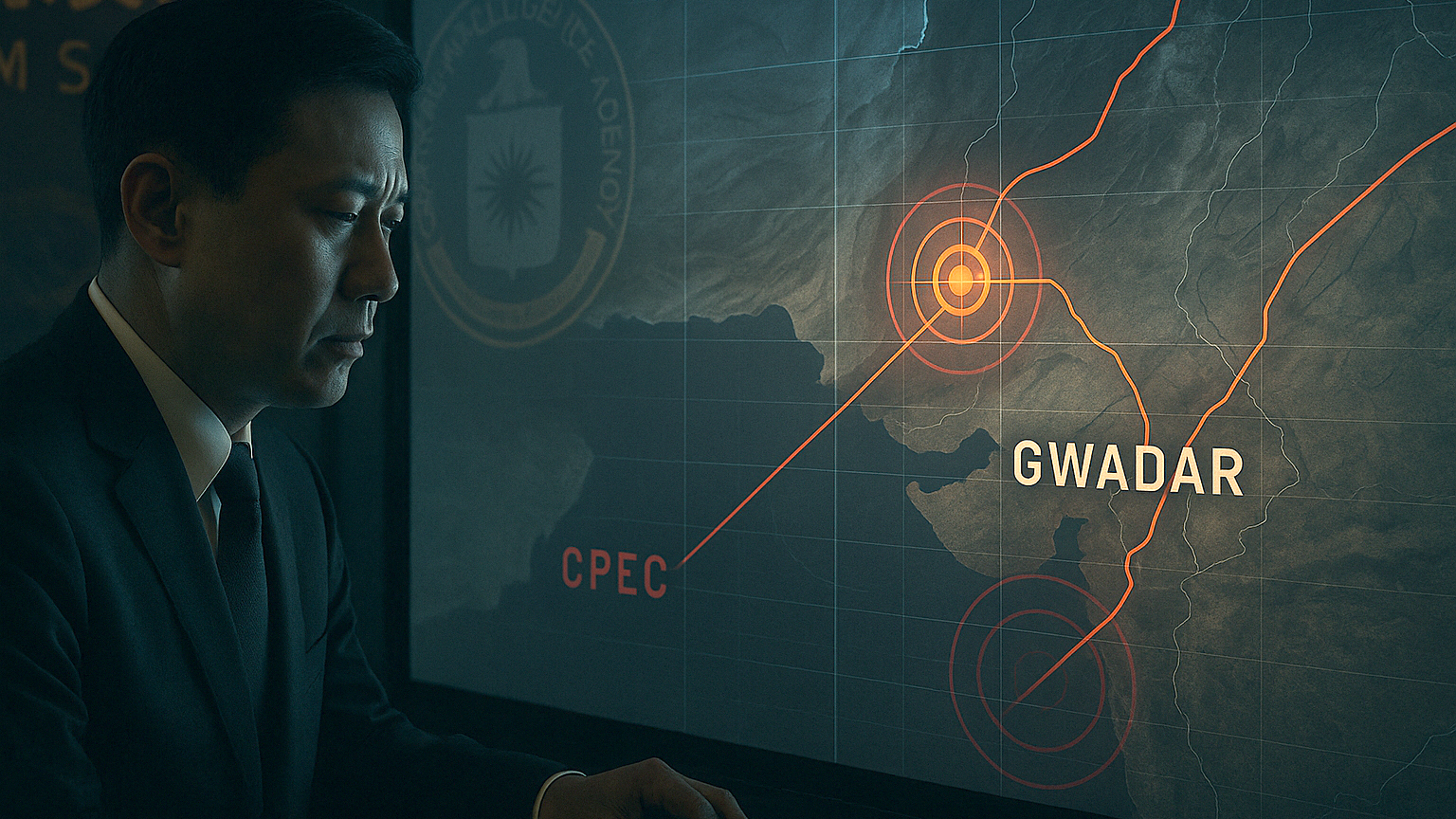
The battlefield may be centered around Iran, but the logistical and strategic footprint of the conflict is expanding beyond its borders.
Internal Fallout Already Emerging
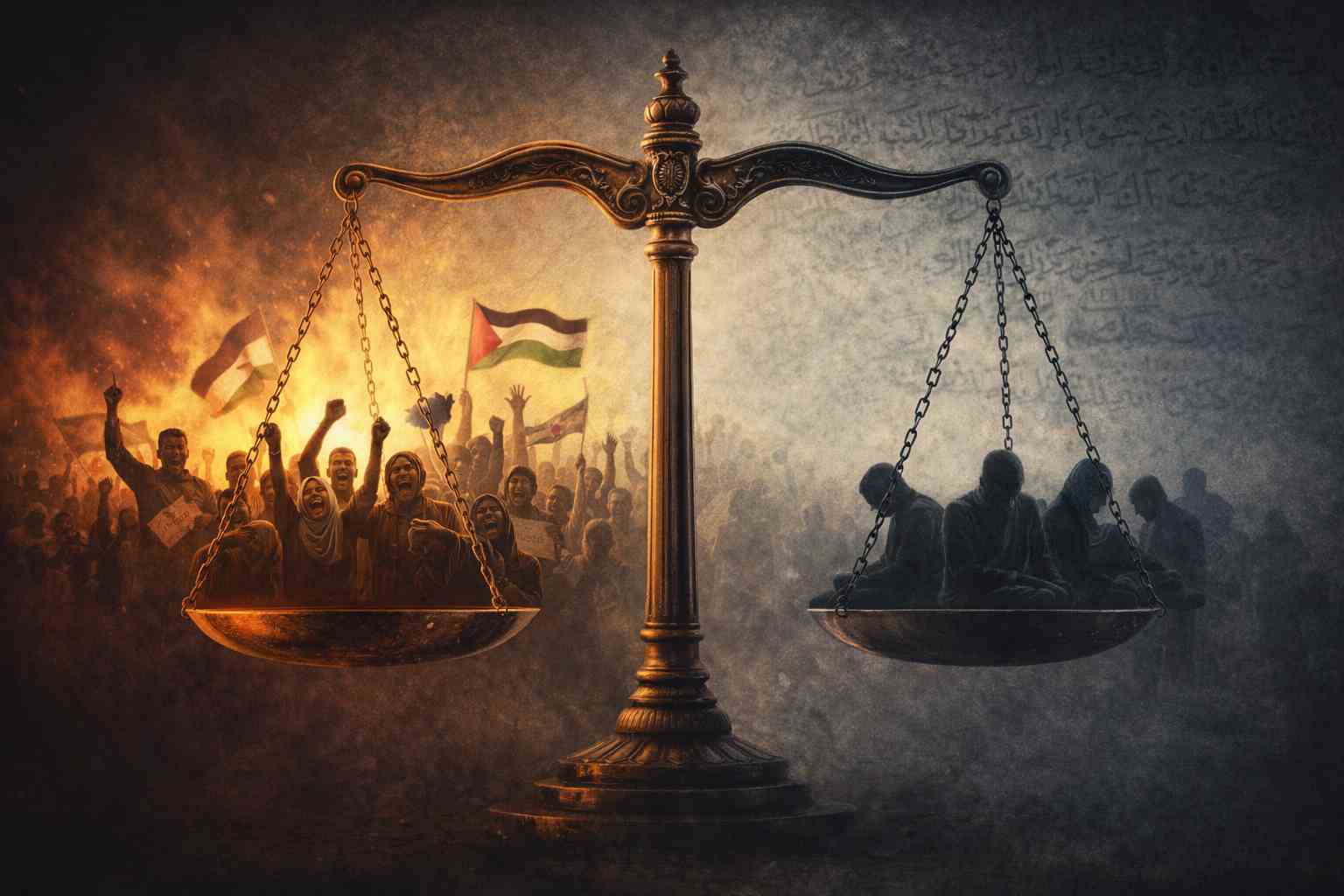
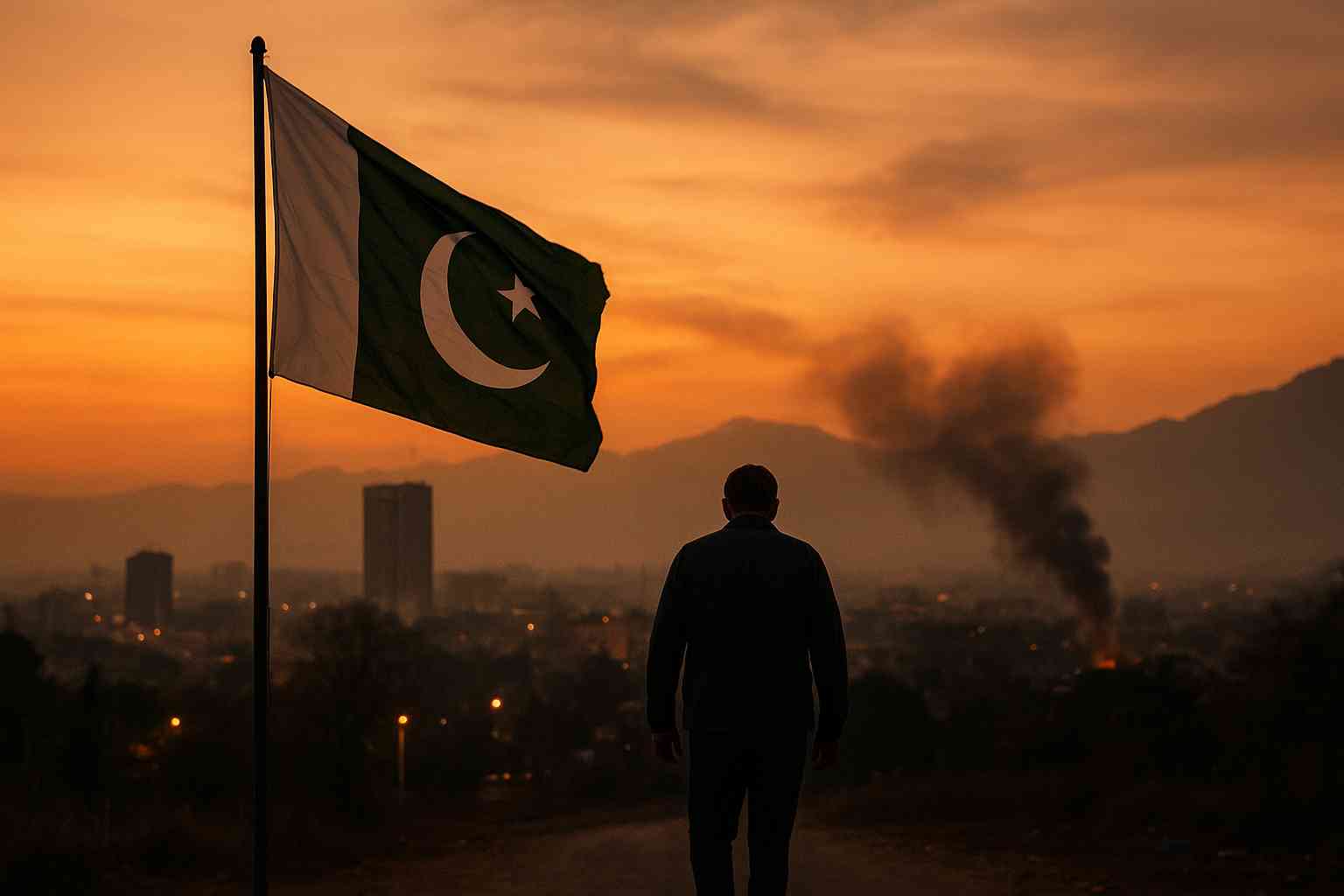
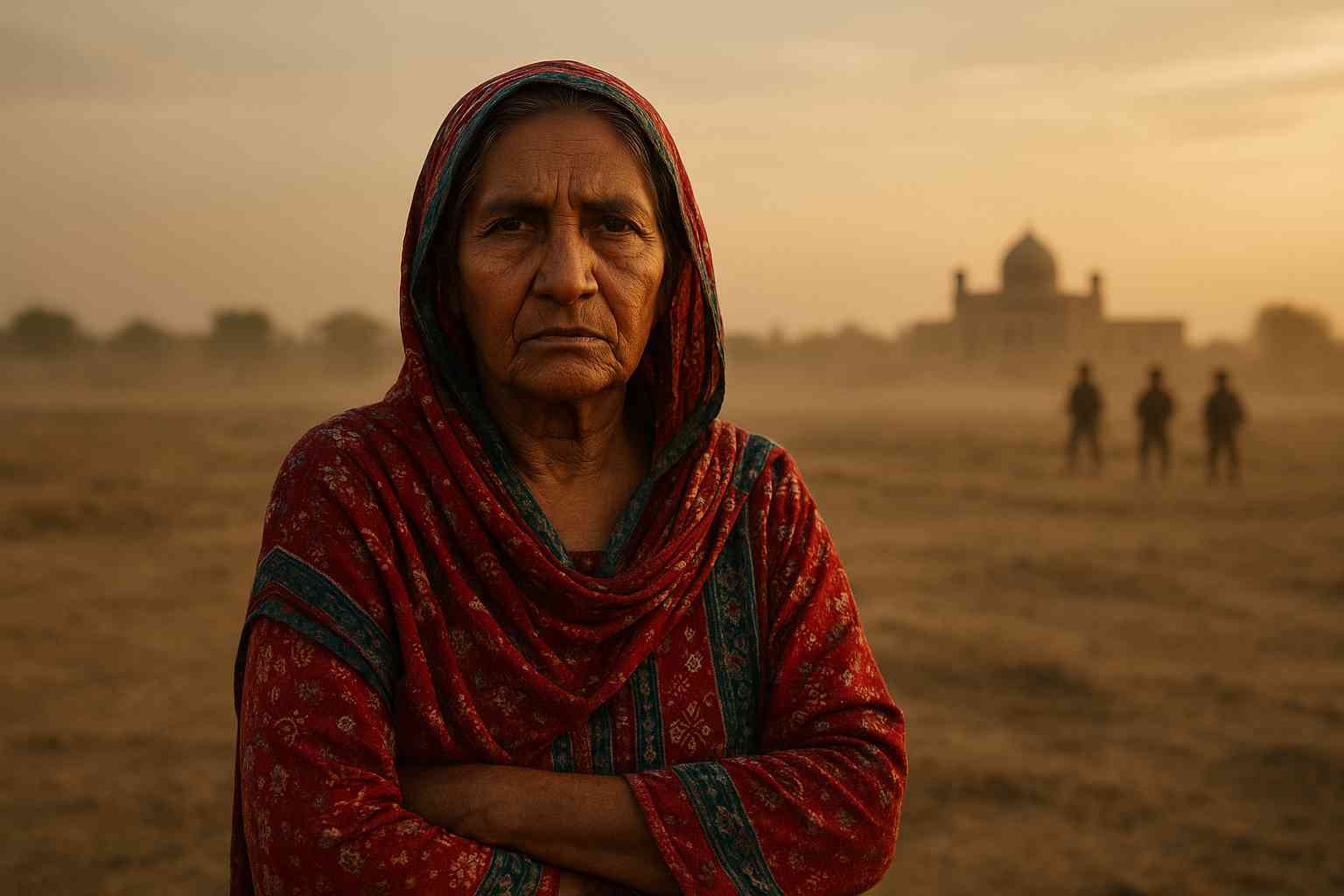
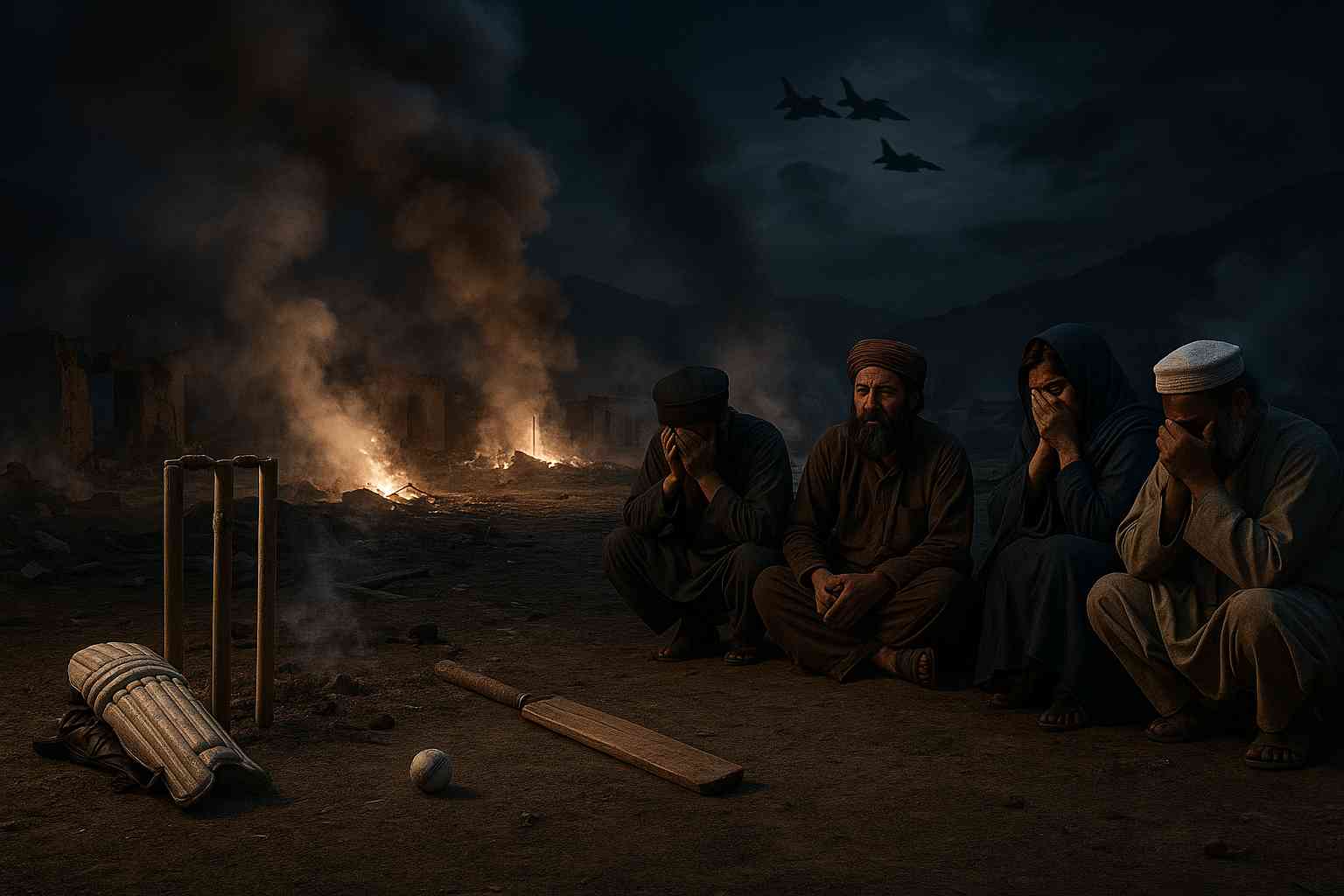
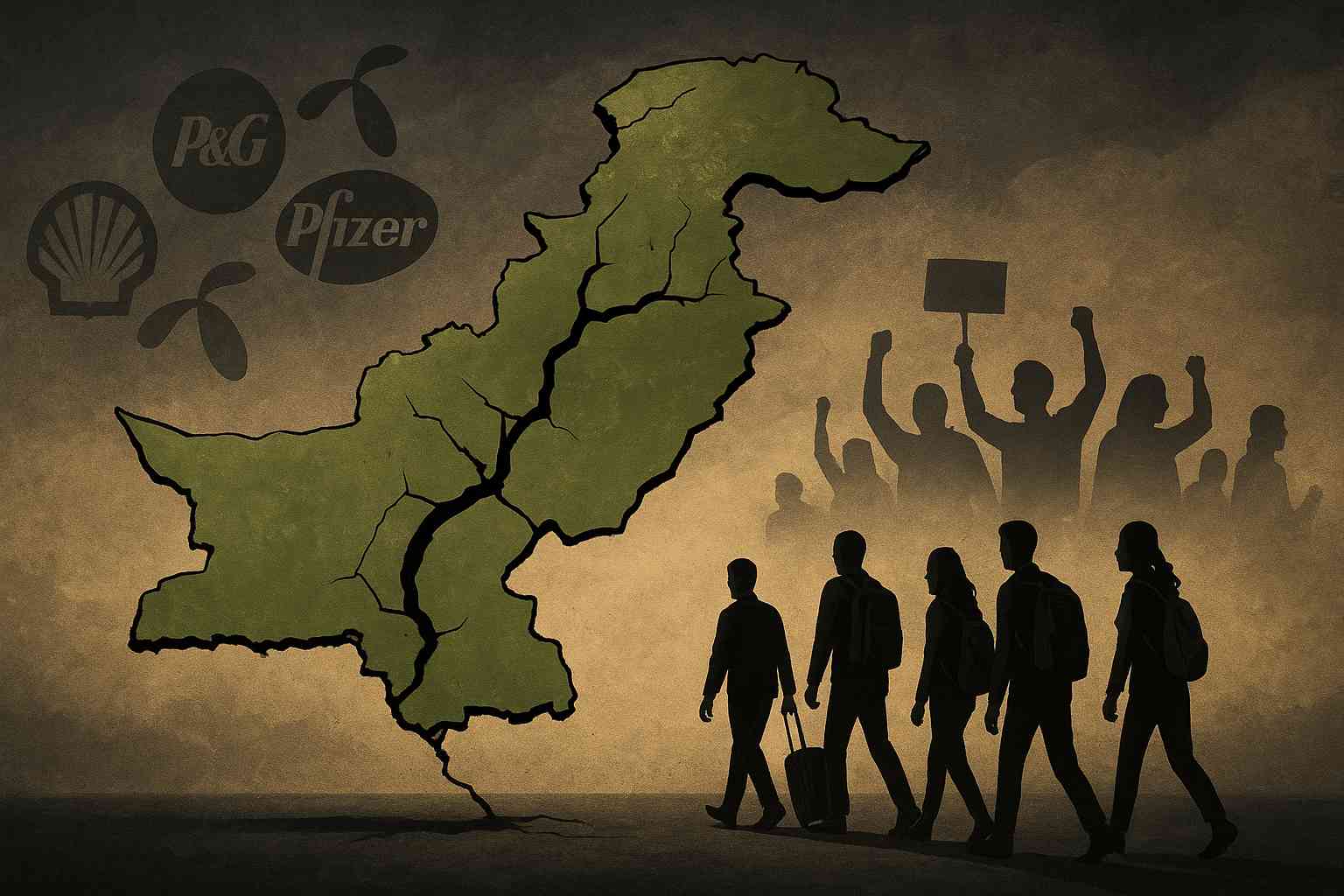
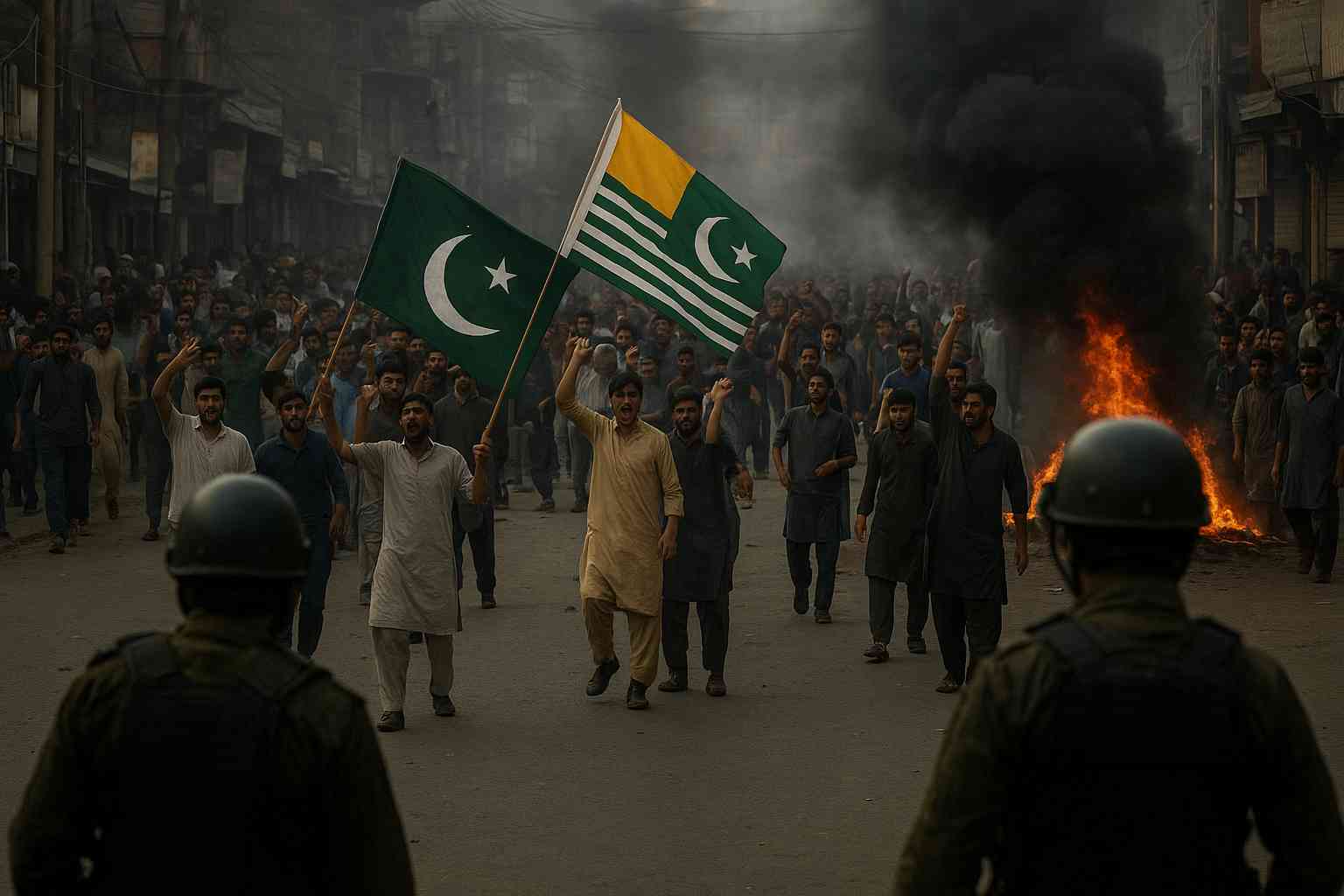
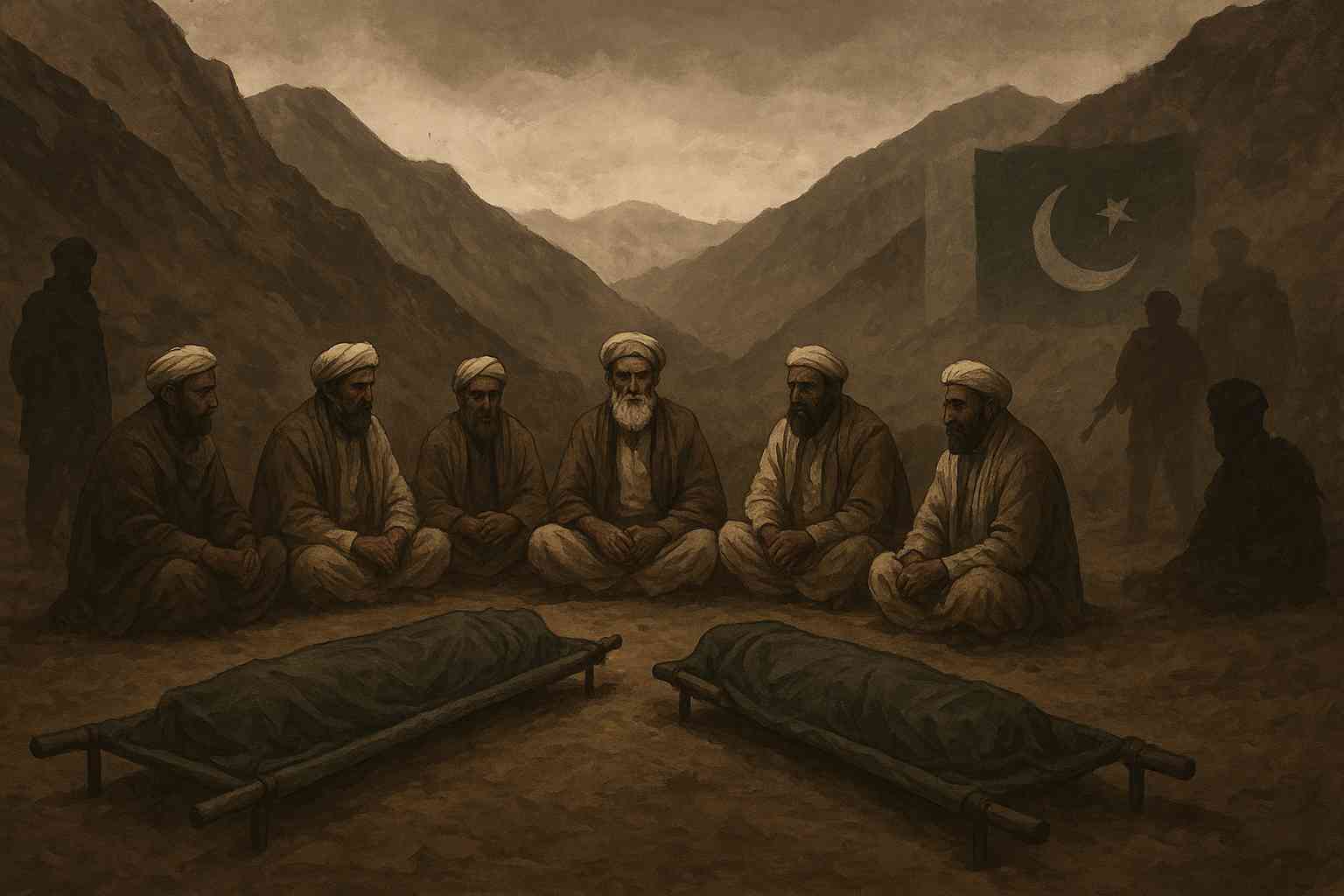
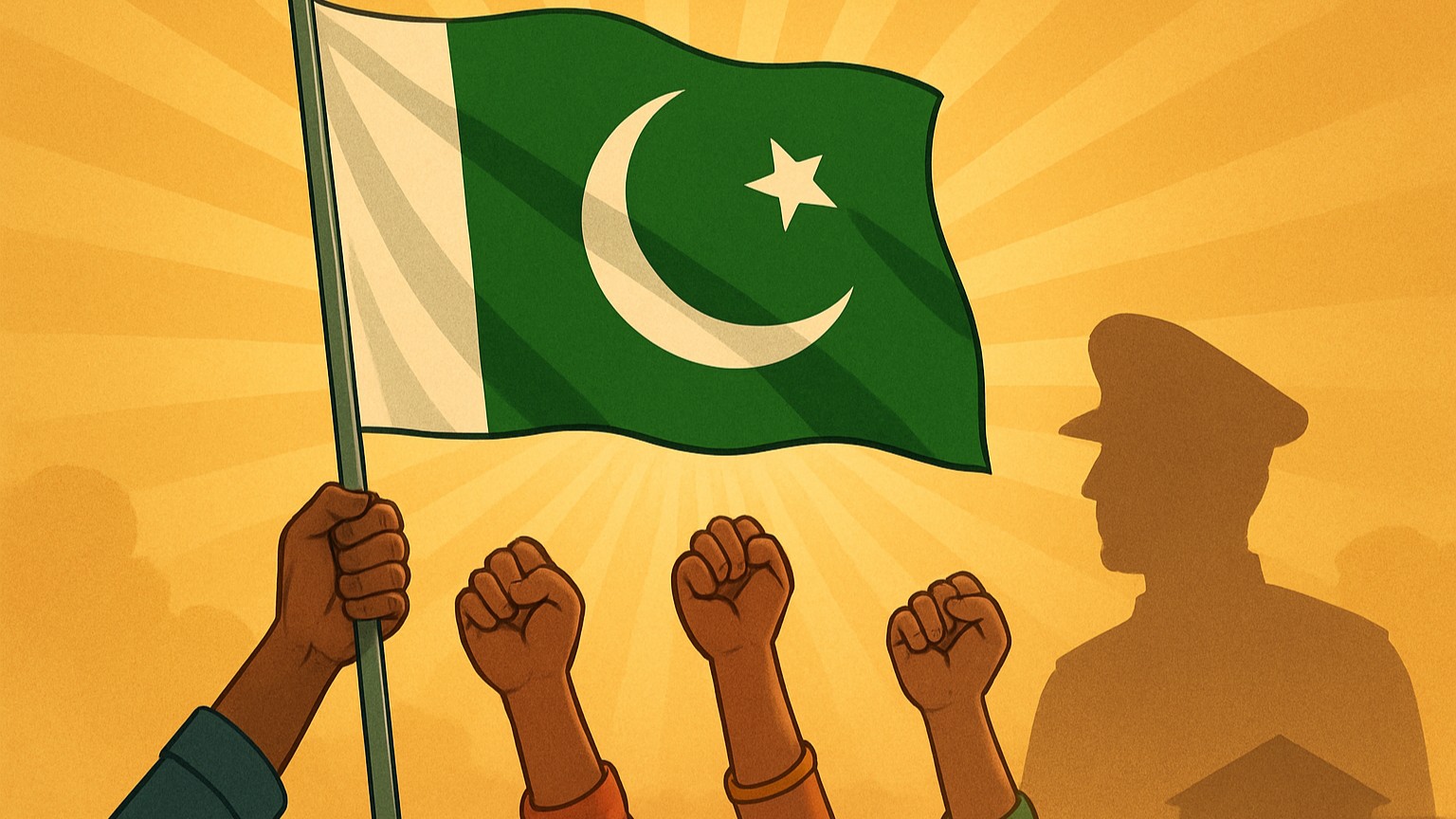
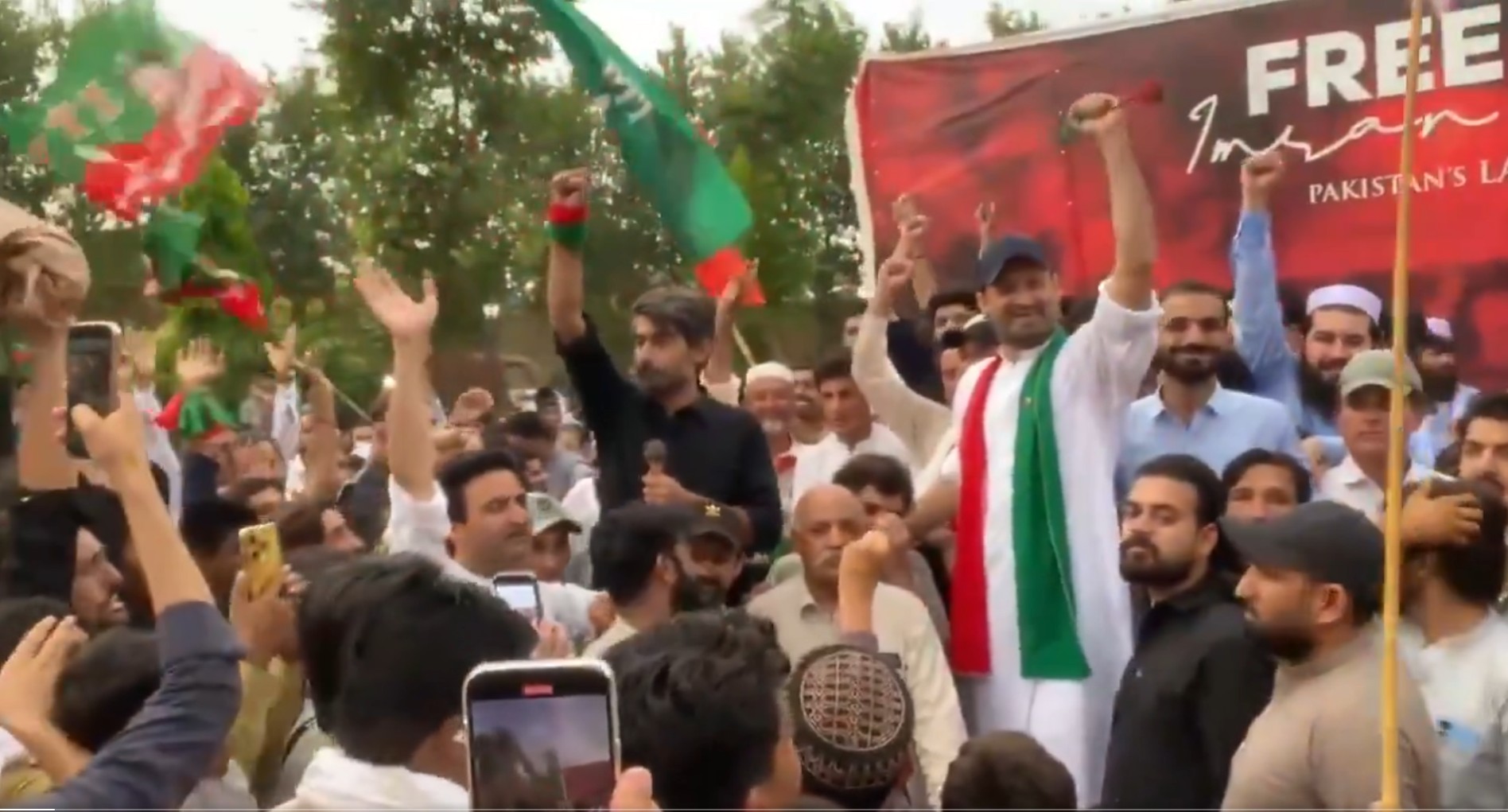
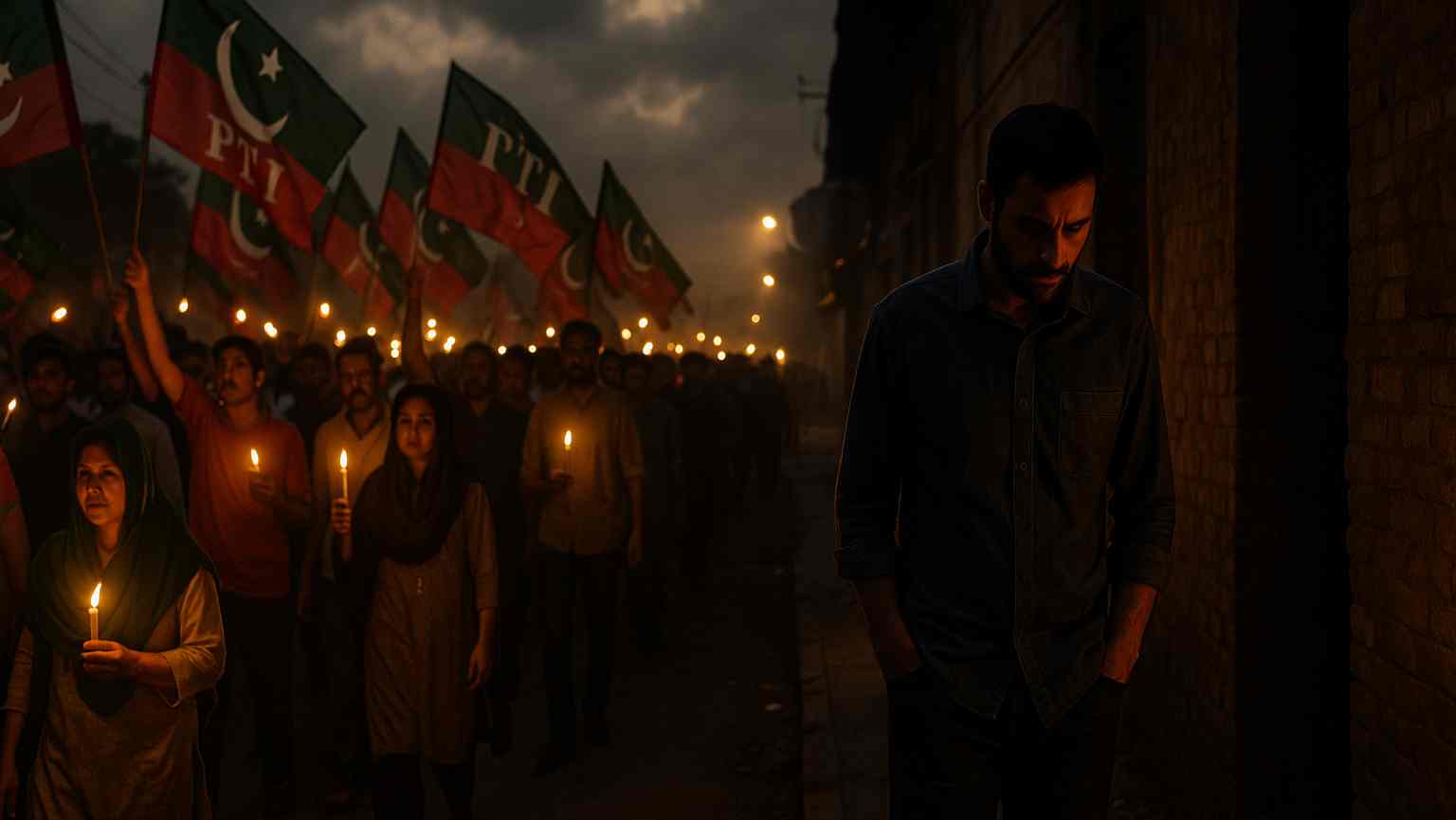
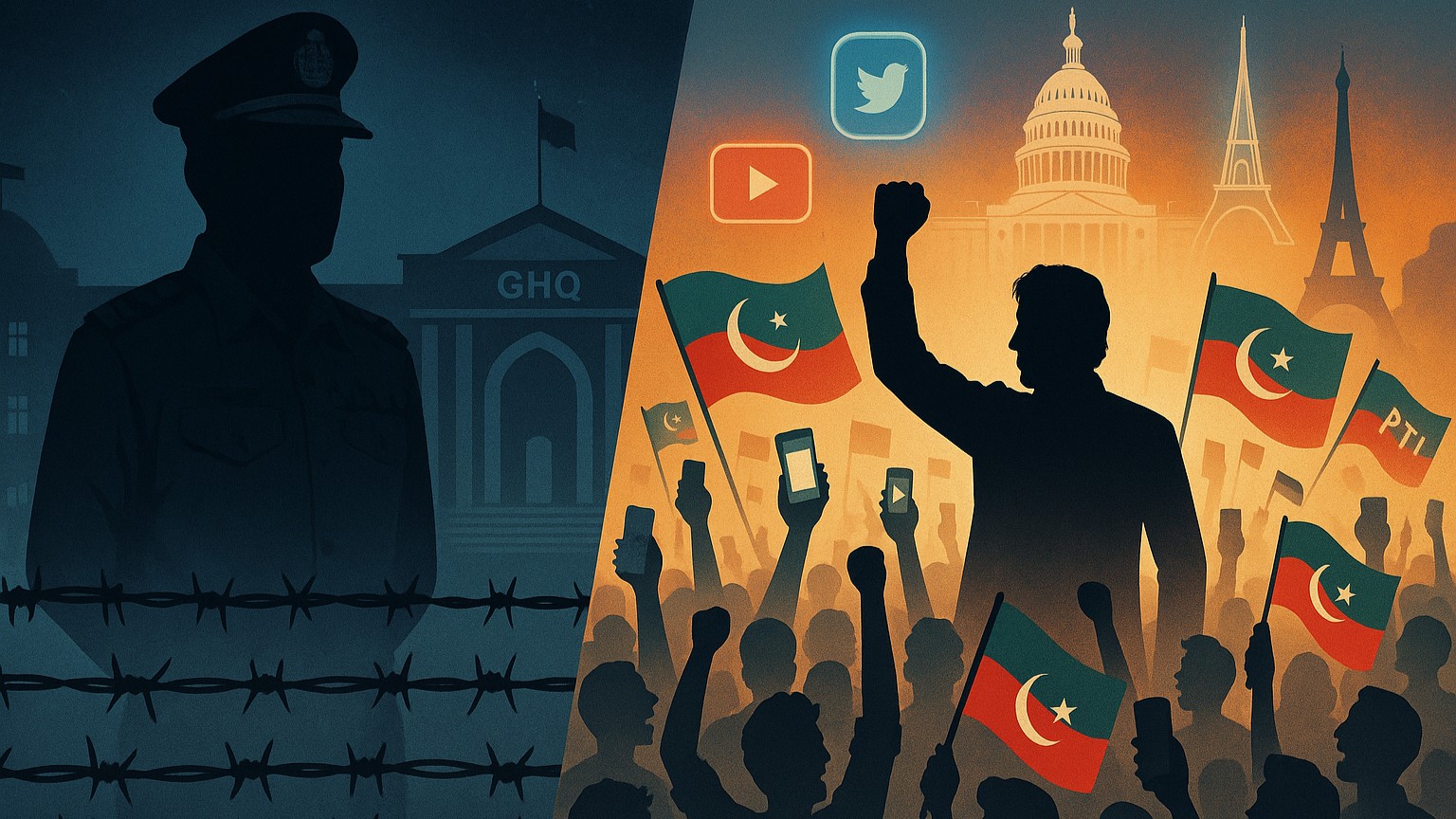
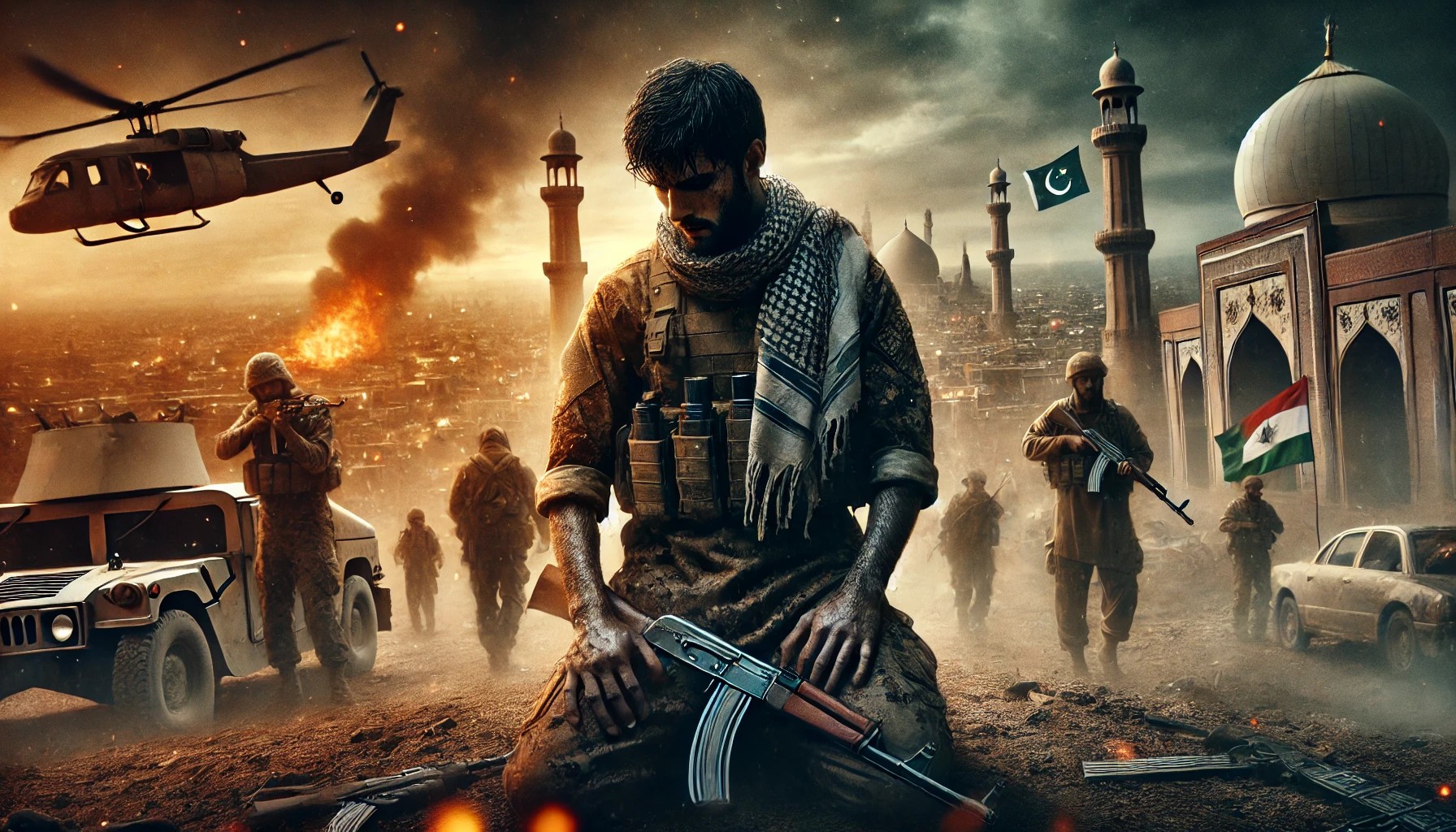
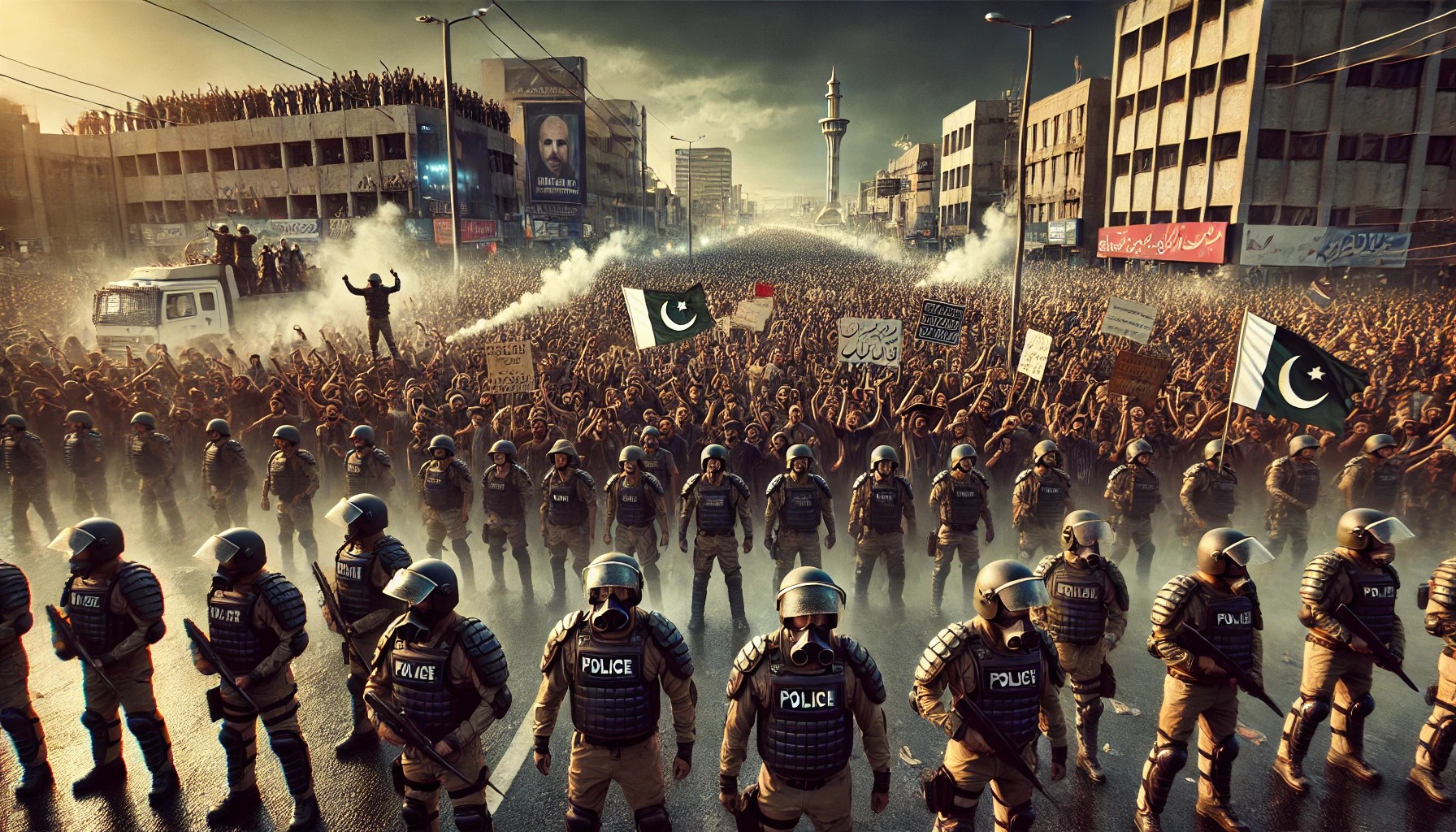
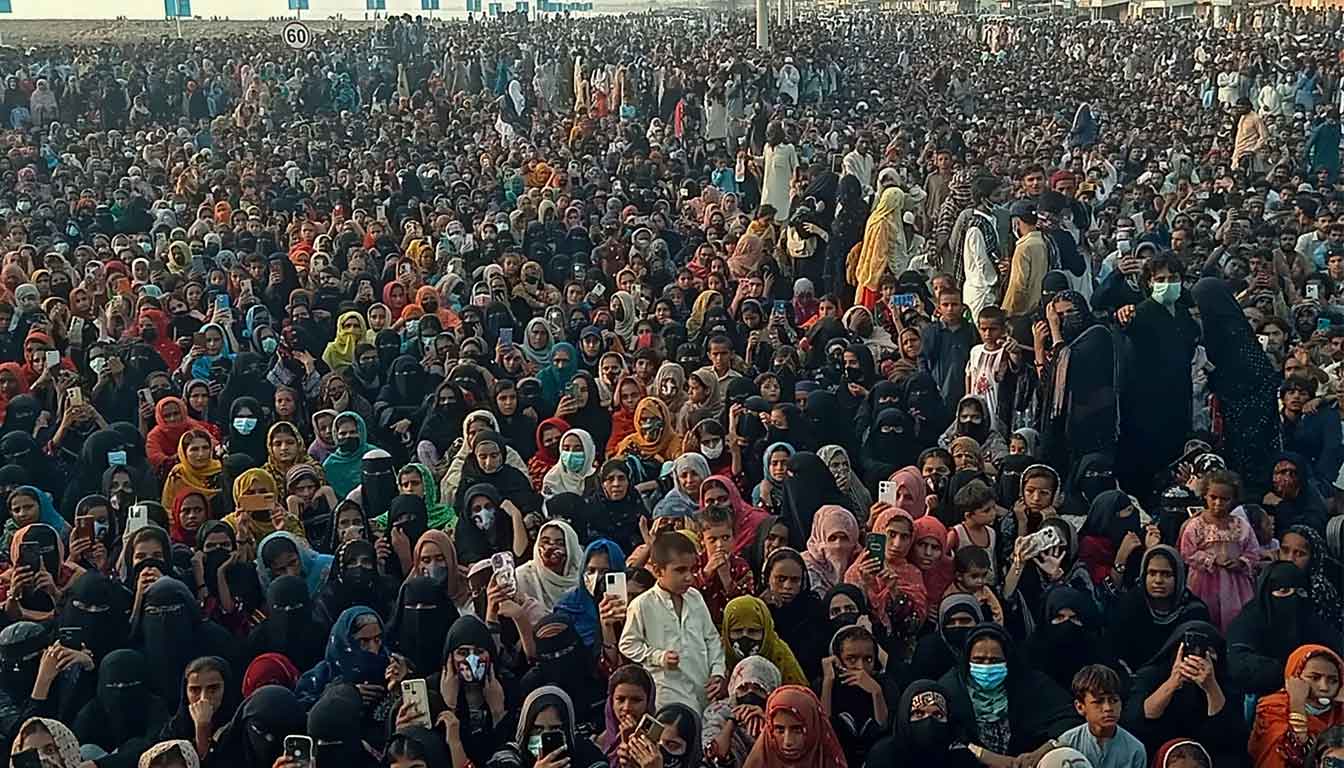
Signs of domestic instability are already visible. Protests linked to the conflict have surfaced, and sectarian tensions are beginning to rise.
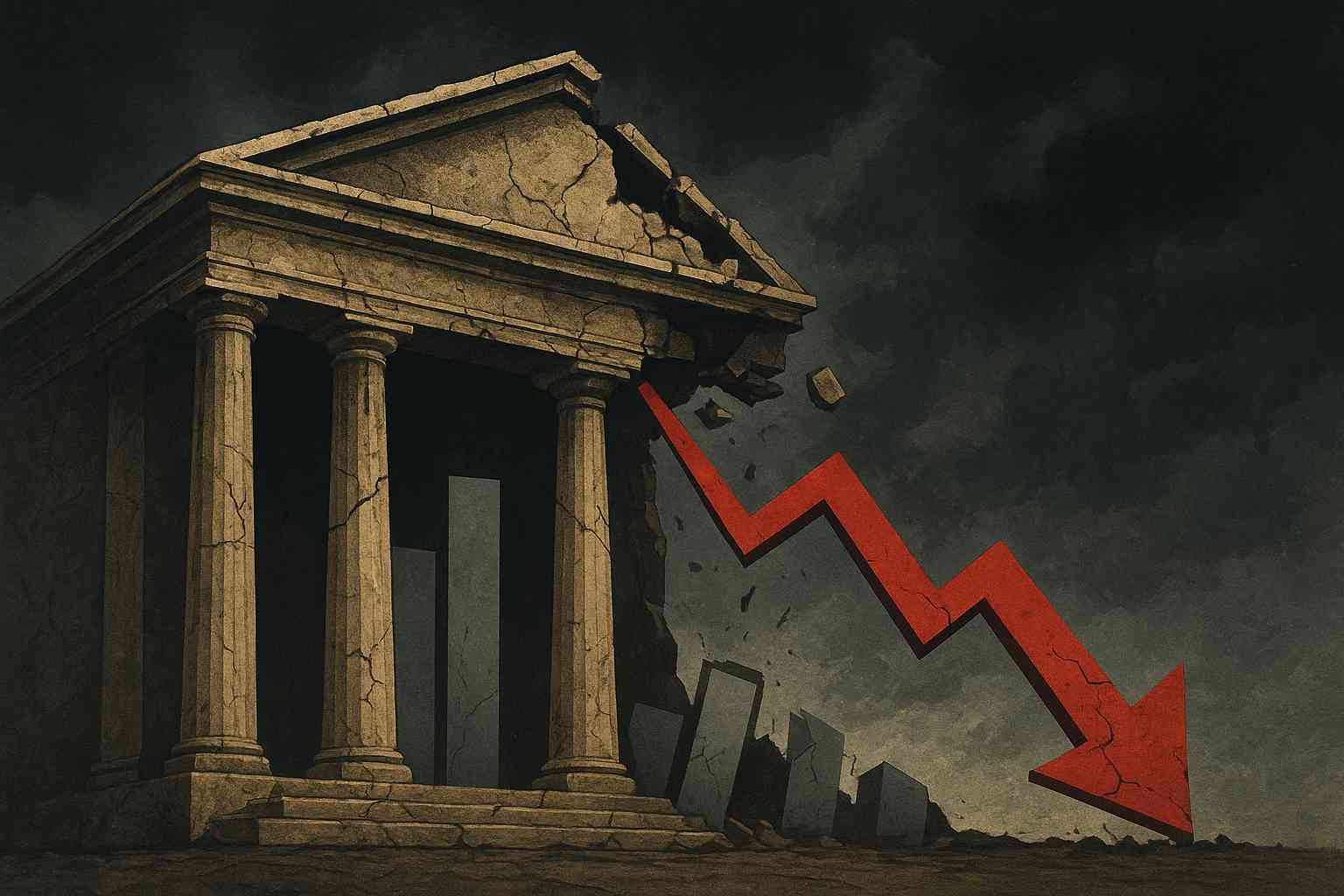
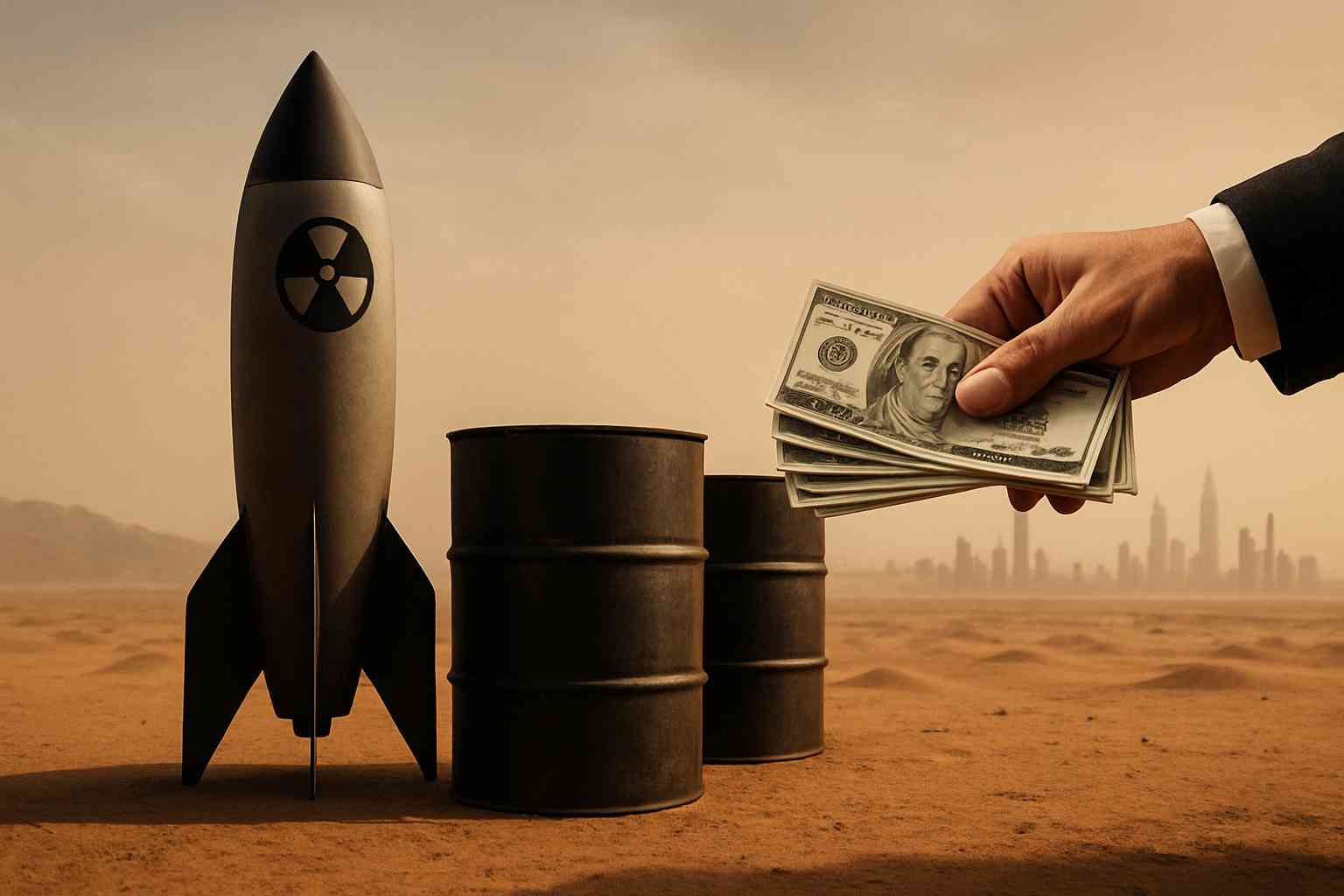
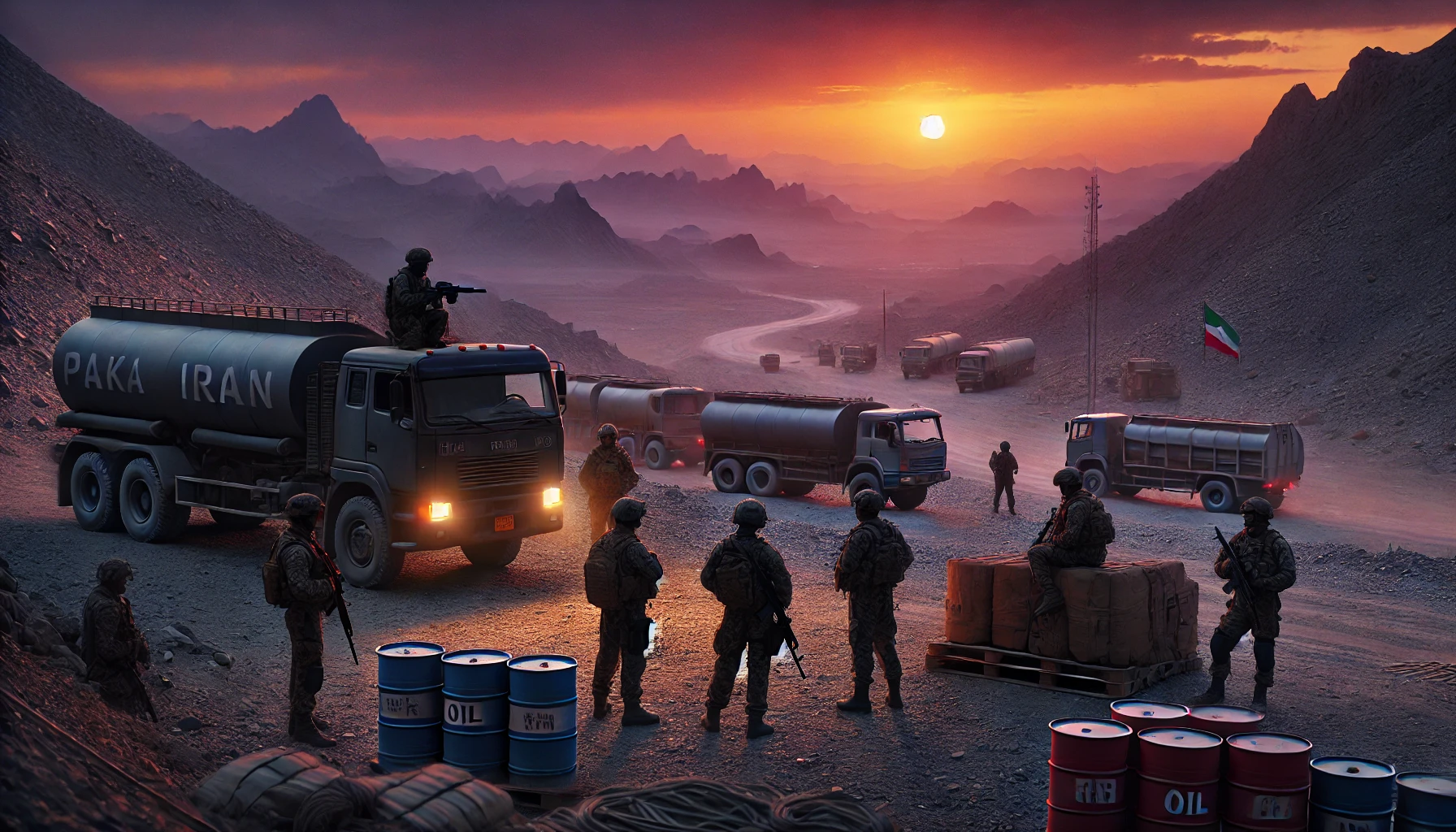
Pakistan’s fragile economic situation further complicates the picture. Any disruption in oil supply routes could have severe consequences for an already struggling economy.
This combination of external pressure and internal vulnerability makes the Pakistan proxy war risk even more dangerous.
A Familiar Pattern?
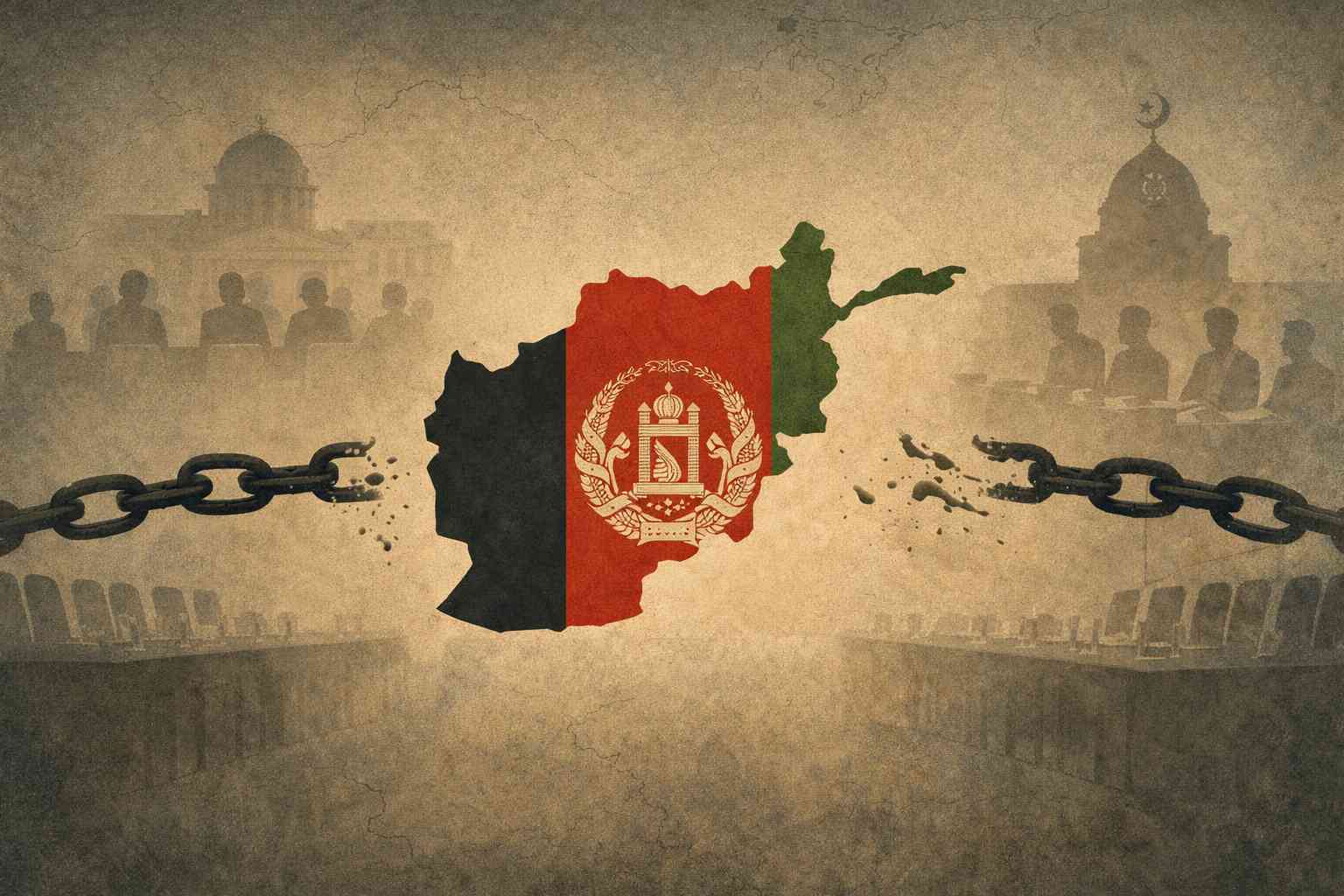
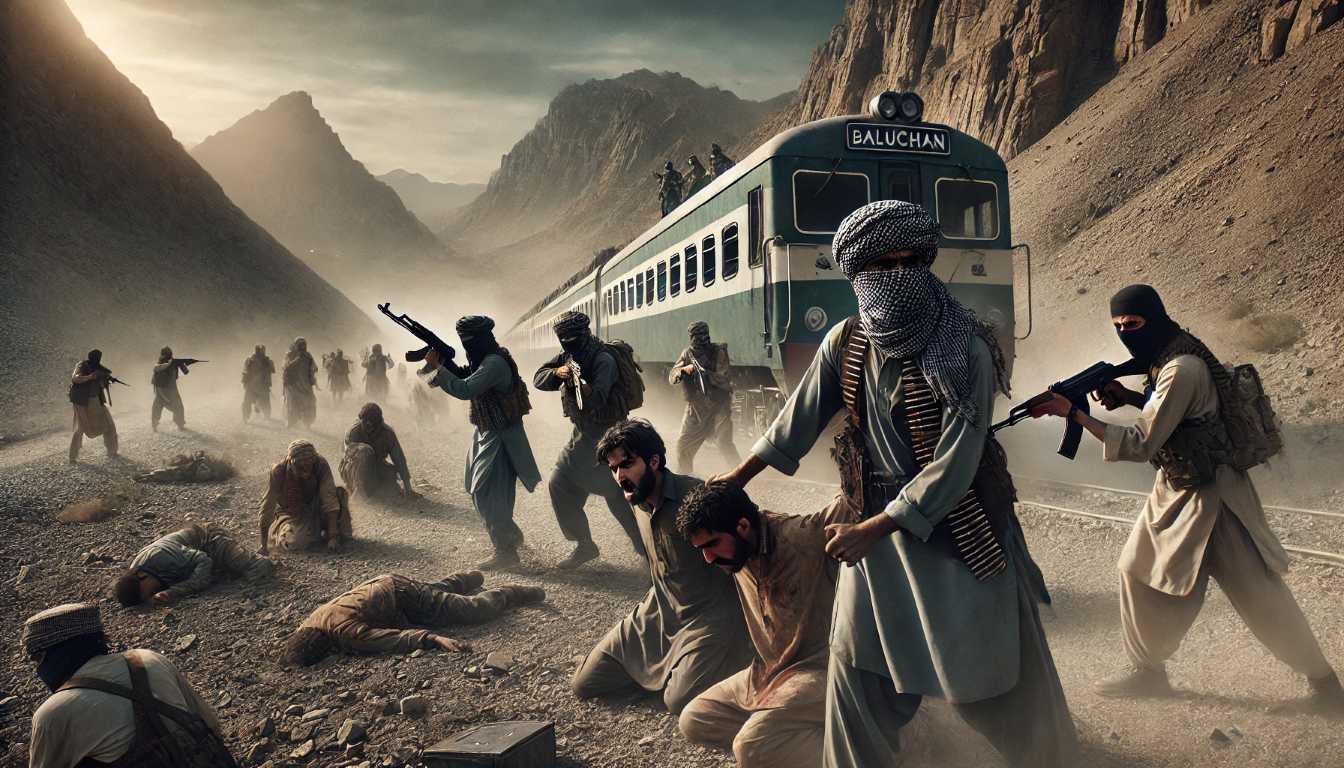
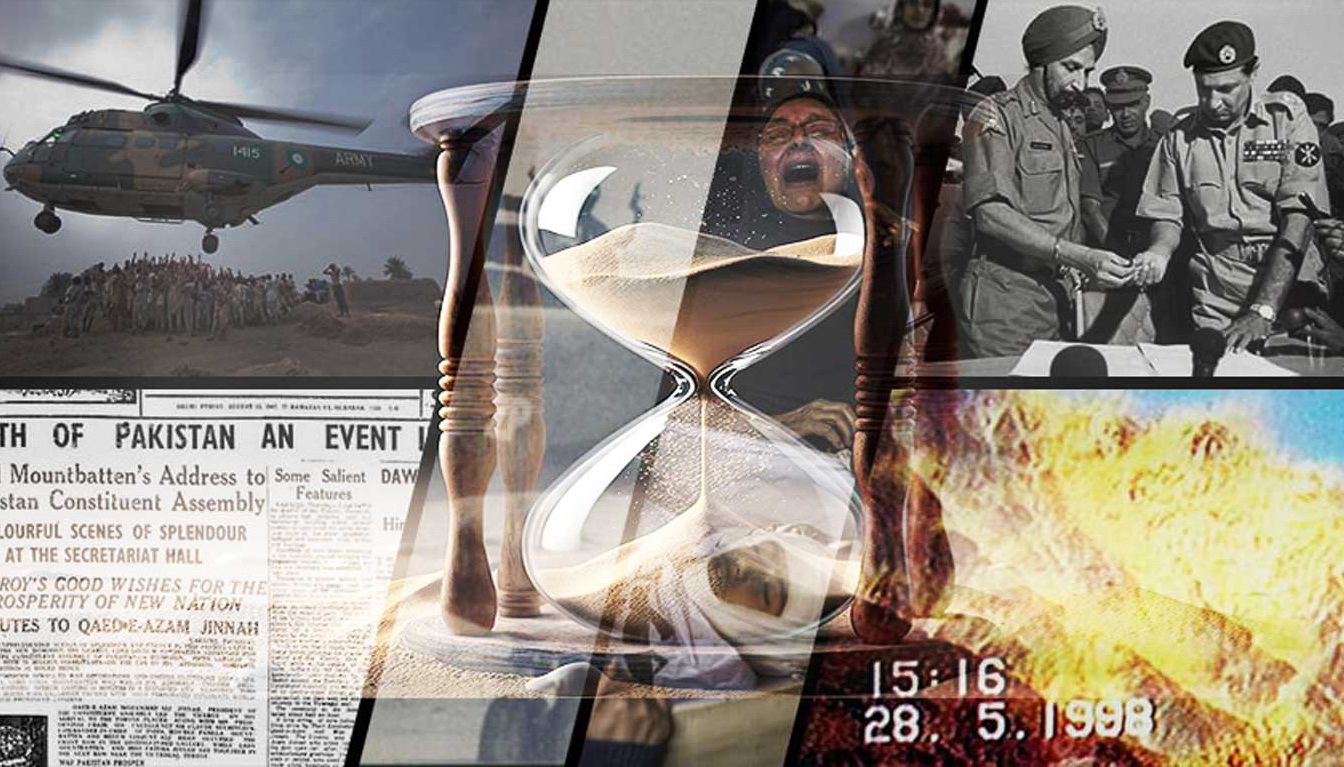
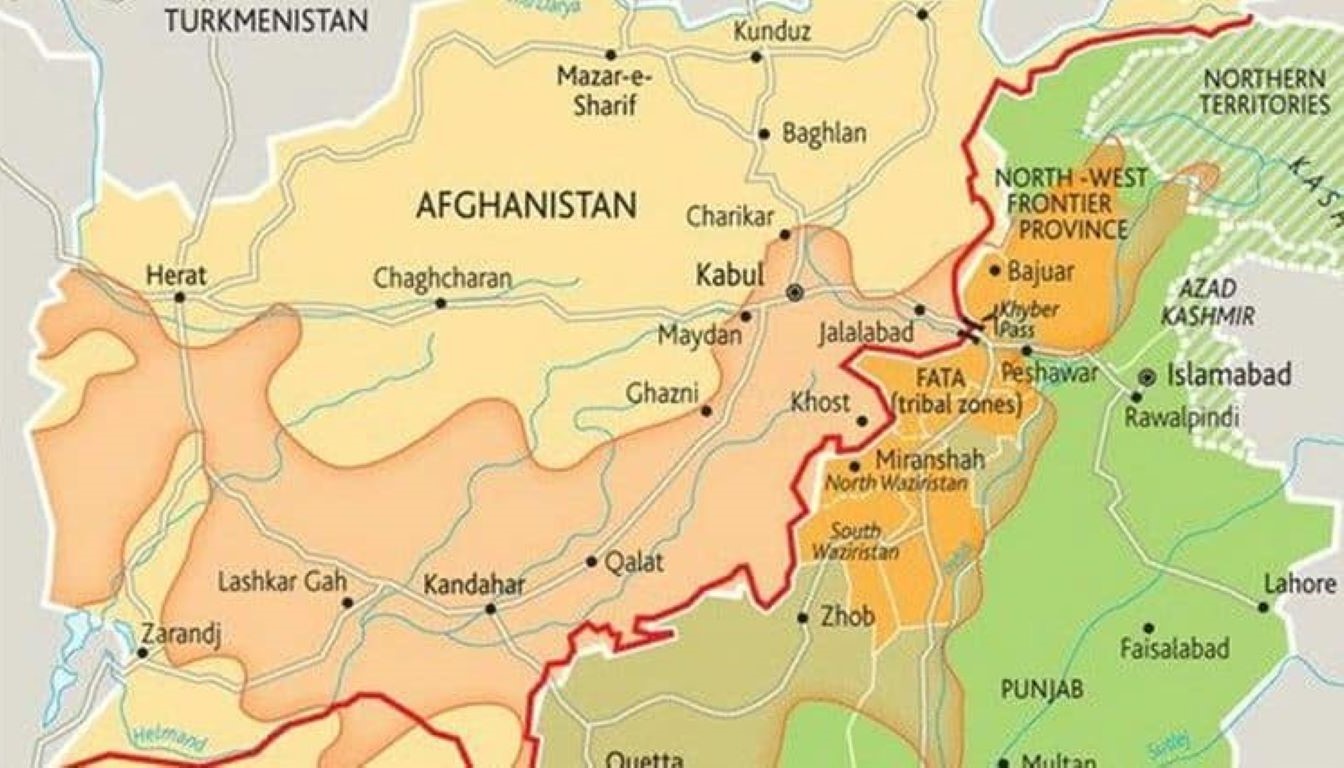
Pakistan’s history offers a cautionary tale. From the Afghan war to the global war on terror, the country has often found itself deeply entangled in conflicts that began beyond its borders.
Each time, the consequences were long-lasting—ranging from economic strain to internal instability.
The current situation raises fears that history may be repeating itself.
The Bigger Question
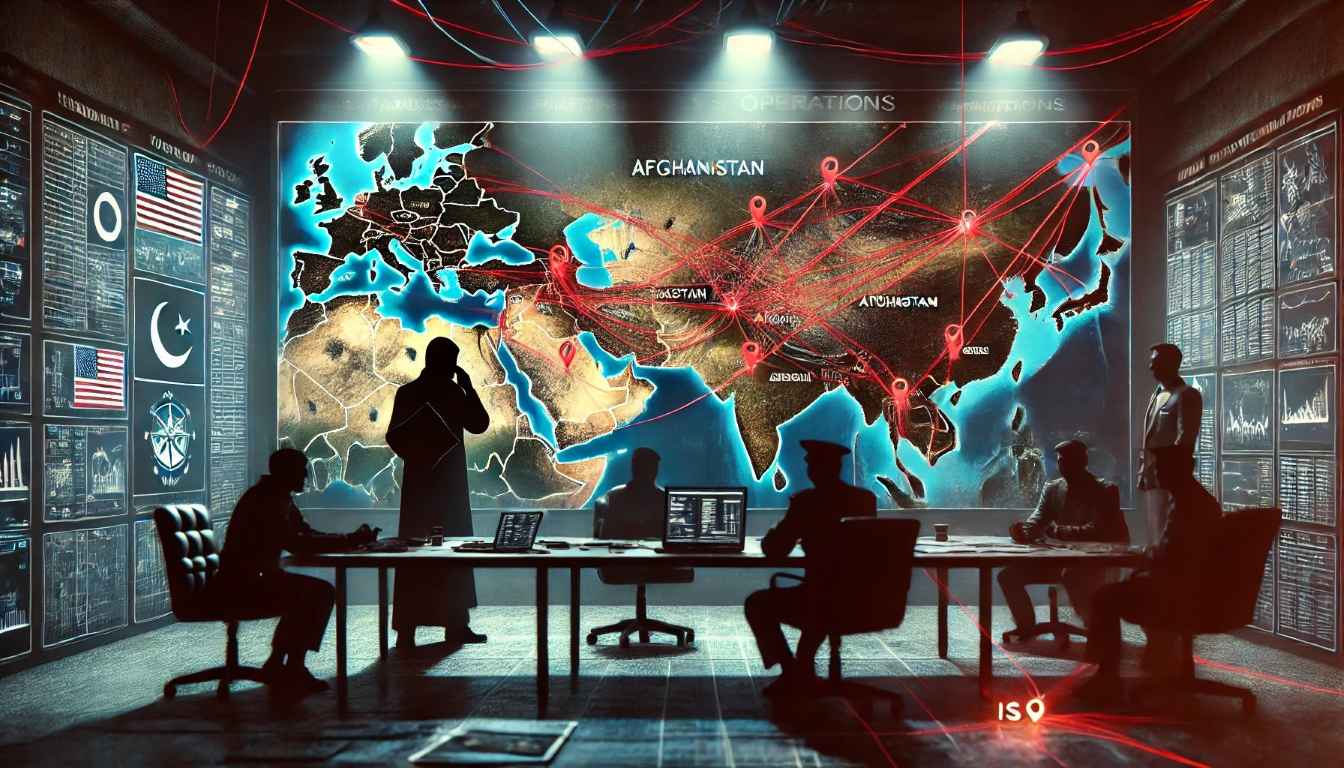
Is Pakistan simply trying to prevent escalation, or is it being drawn into a larger geopolitical game?
As the US–Iran war continues to unfold, one thing is becoming increasingly clear: the risk of a Pakistan proxy war is no longer theoretical—it is a possibility that policymakers can no longer ignore.
The coming weeks will determine whether Pakistan remains on the sidelines—or becomes part of a conflict that could reshape the region.