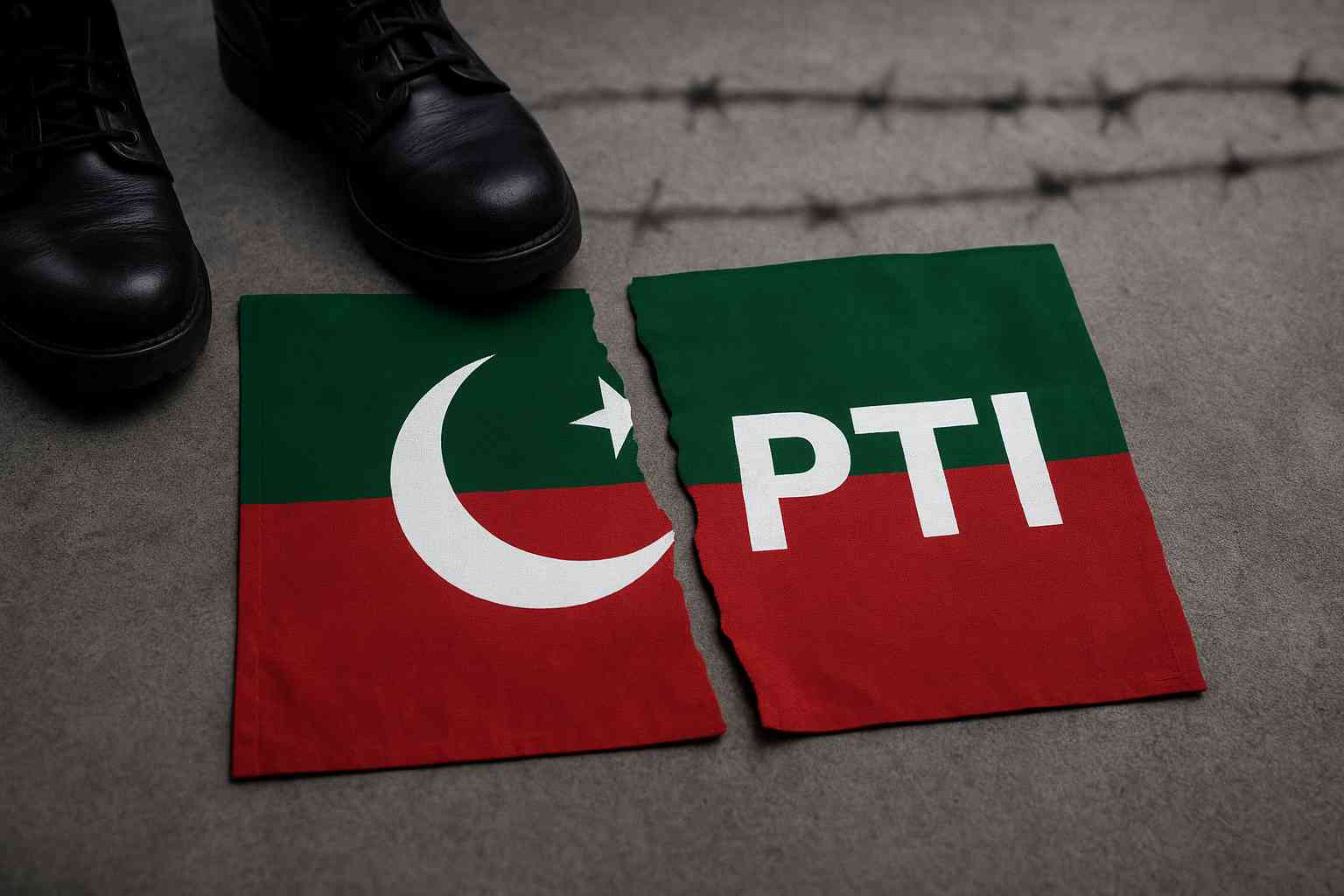
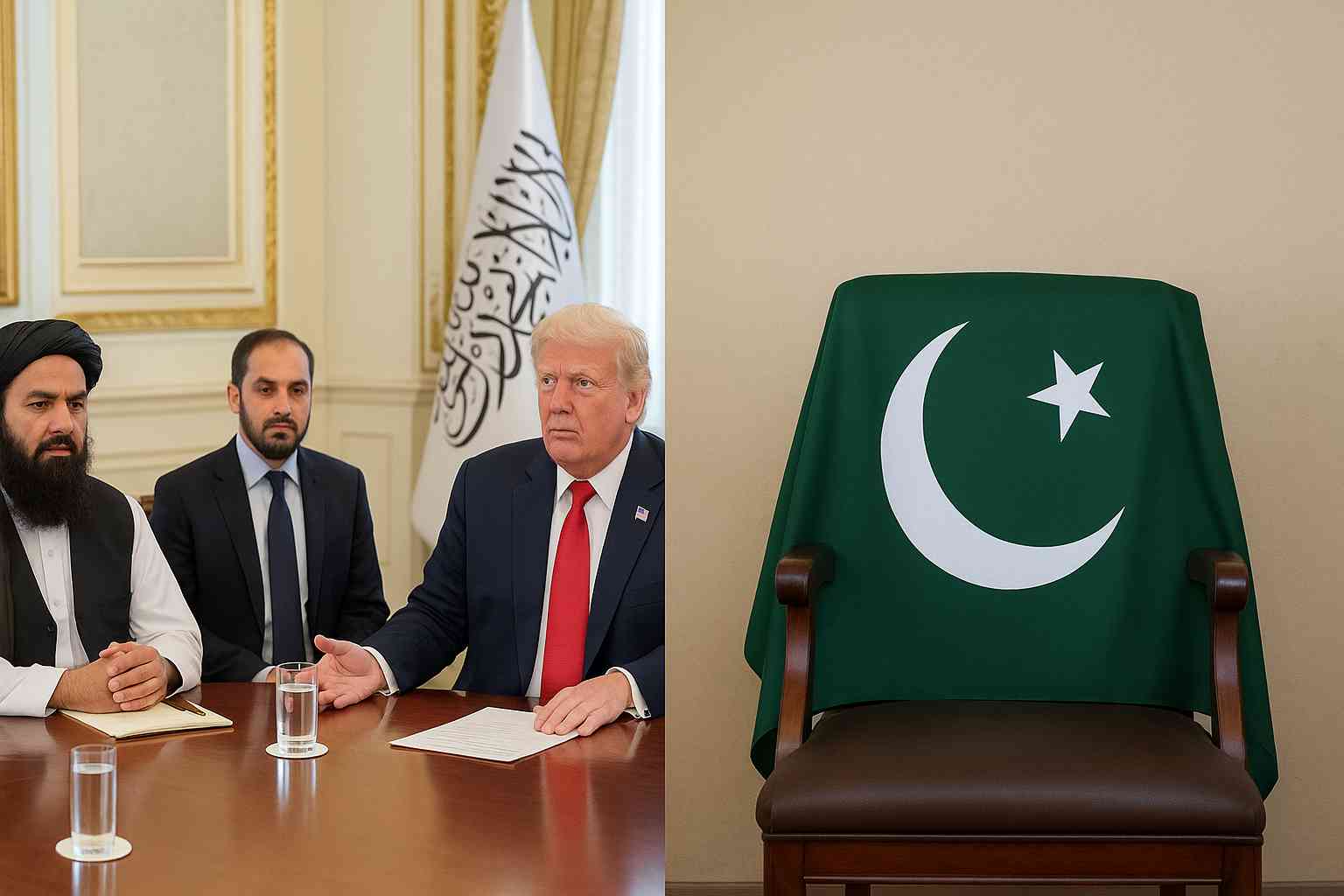
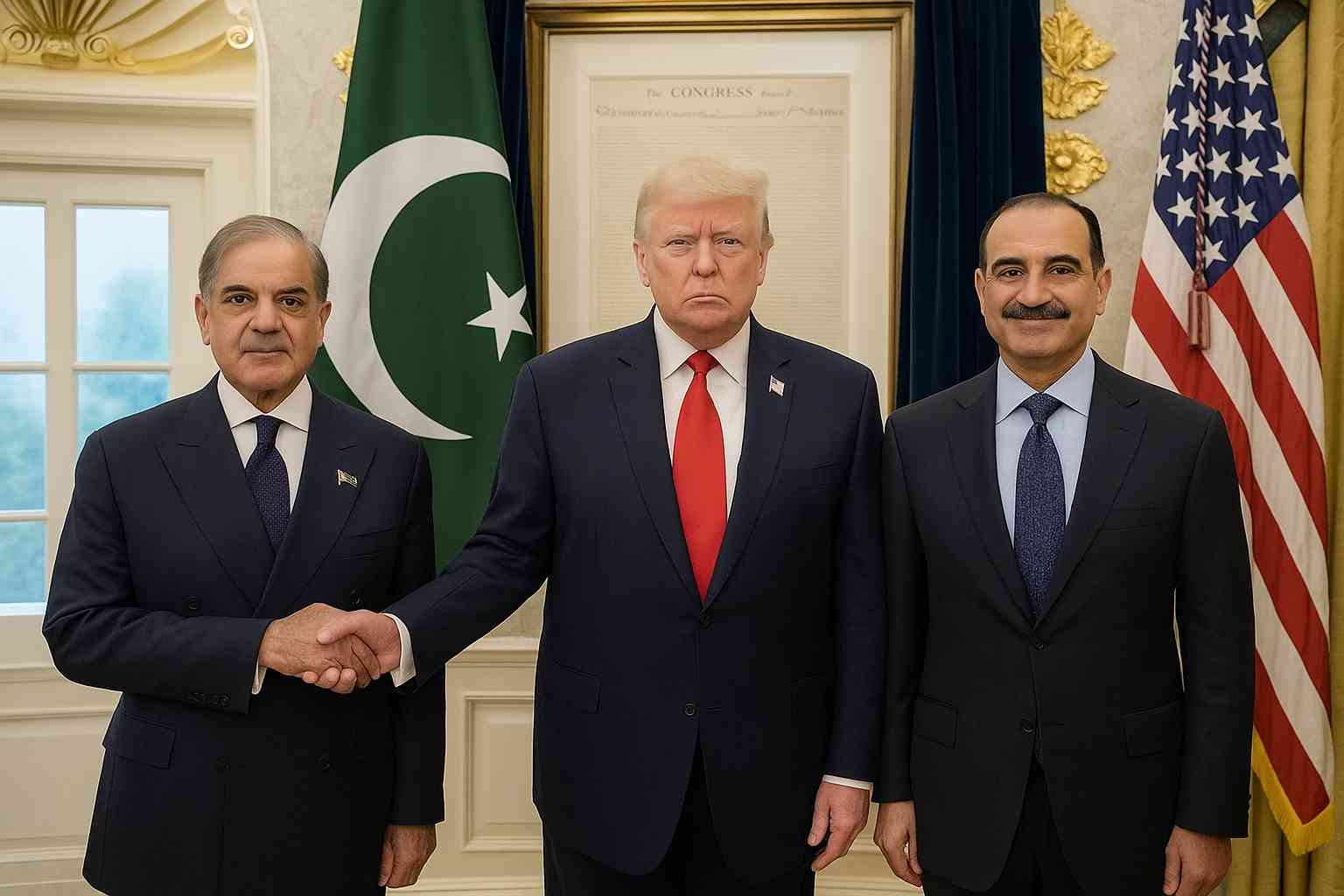
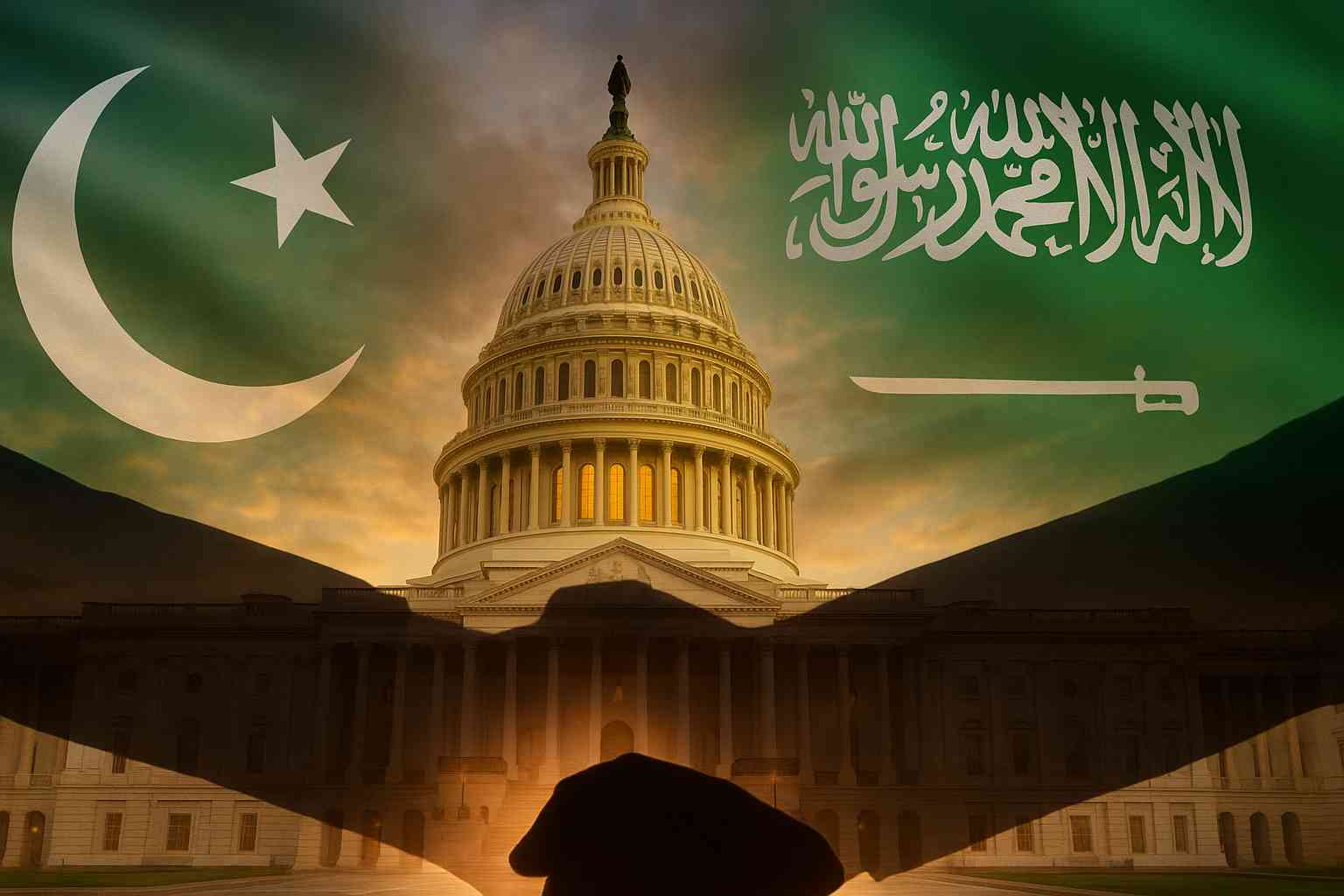
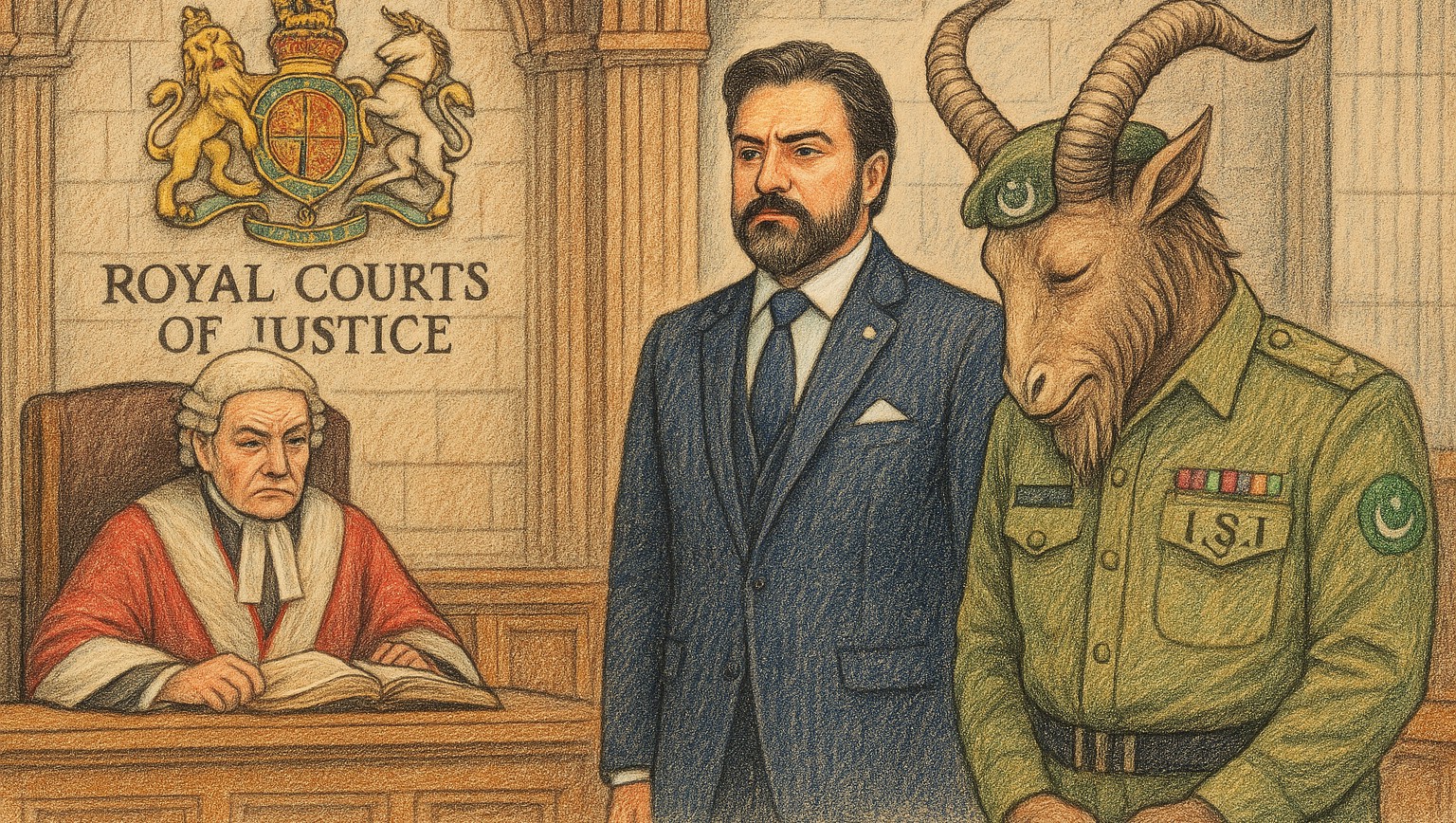
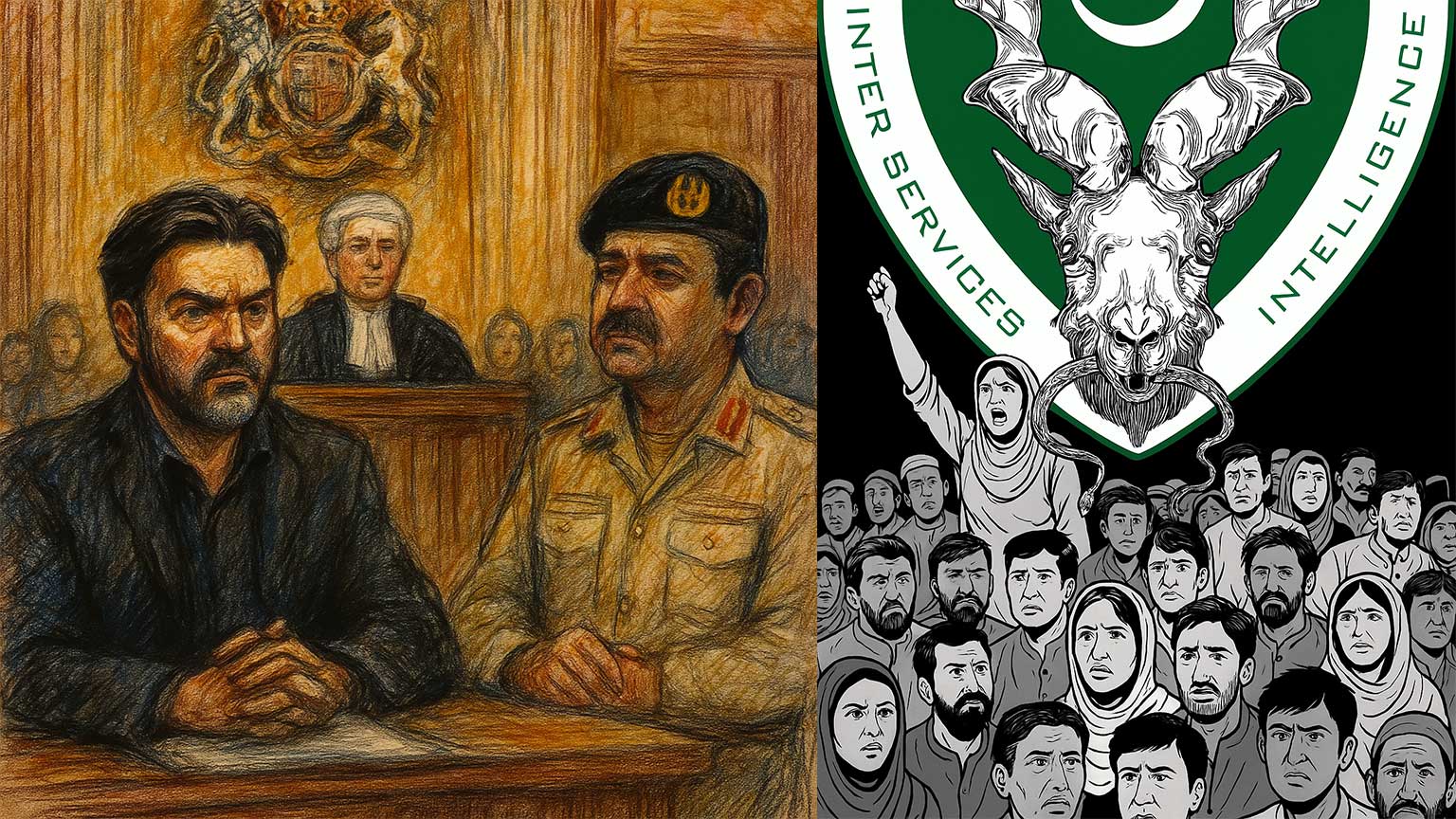
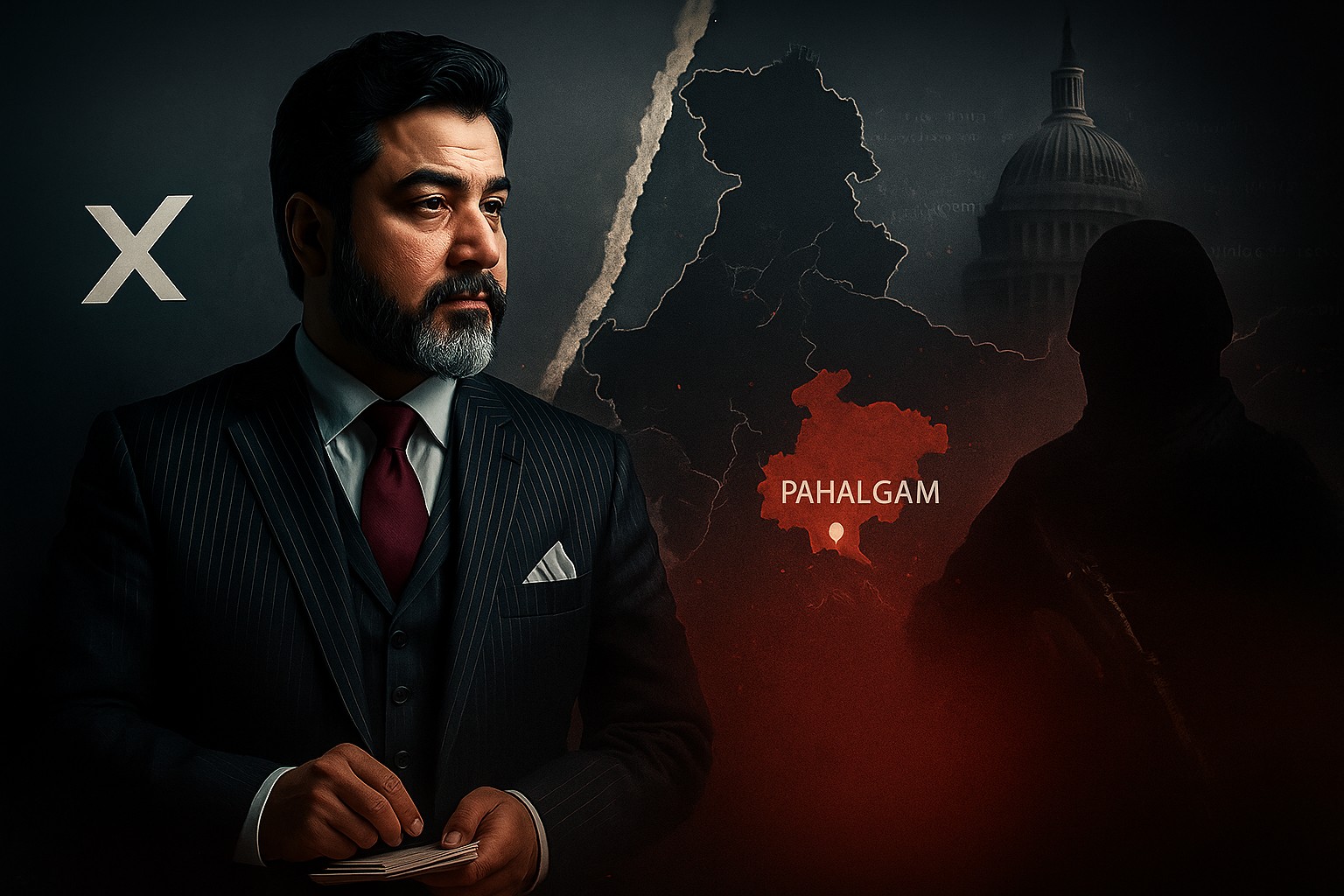
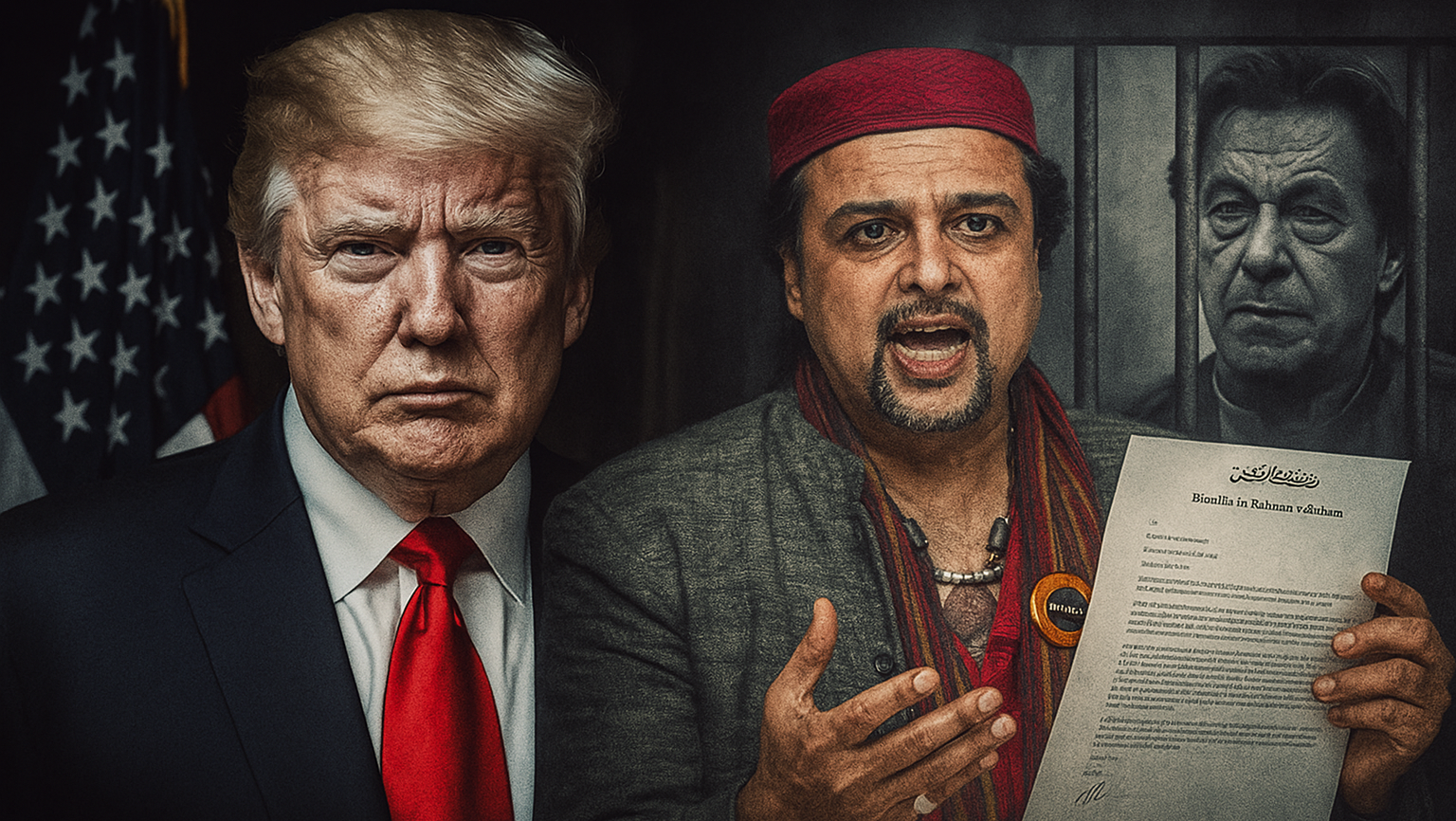
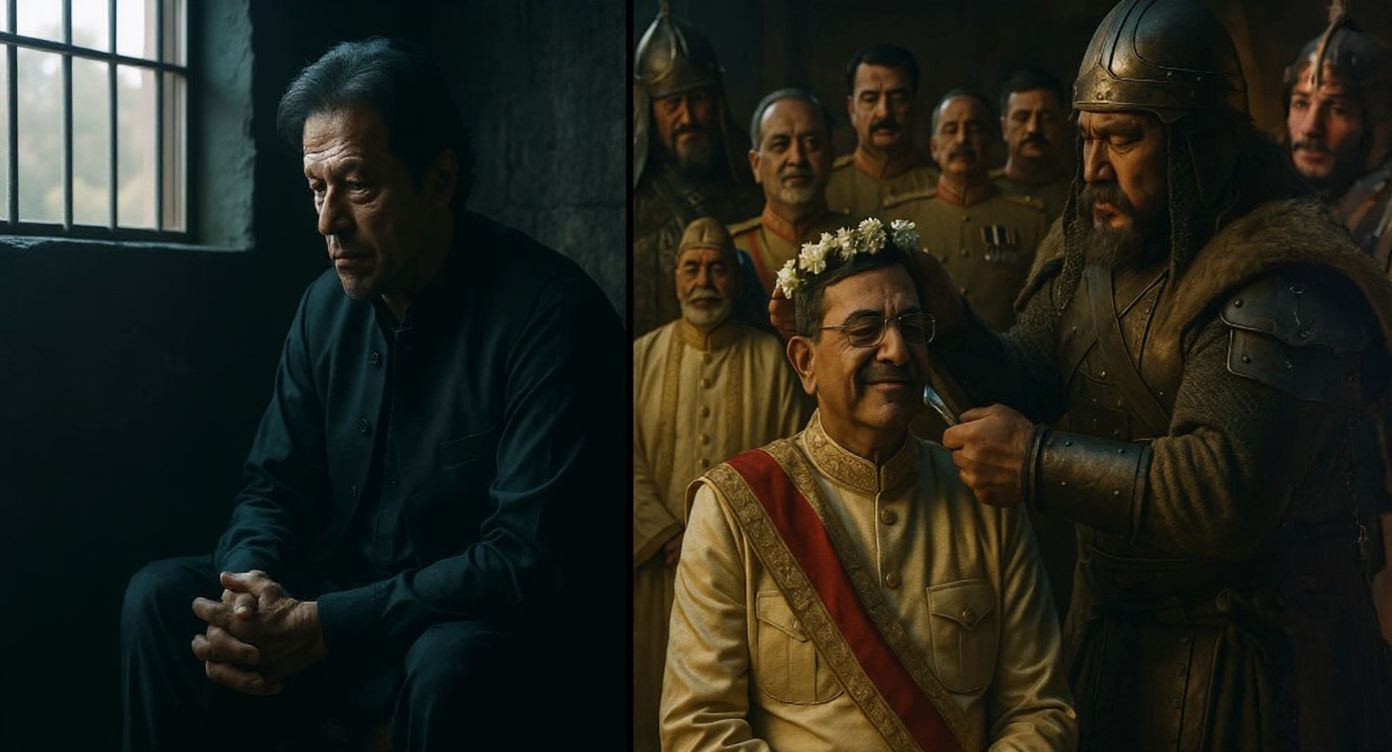
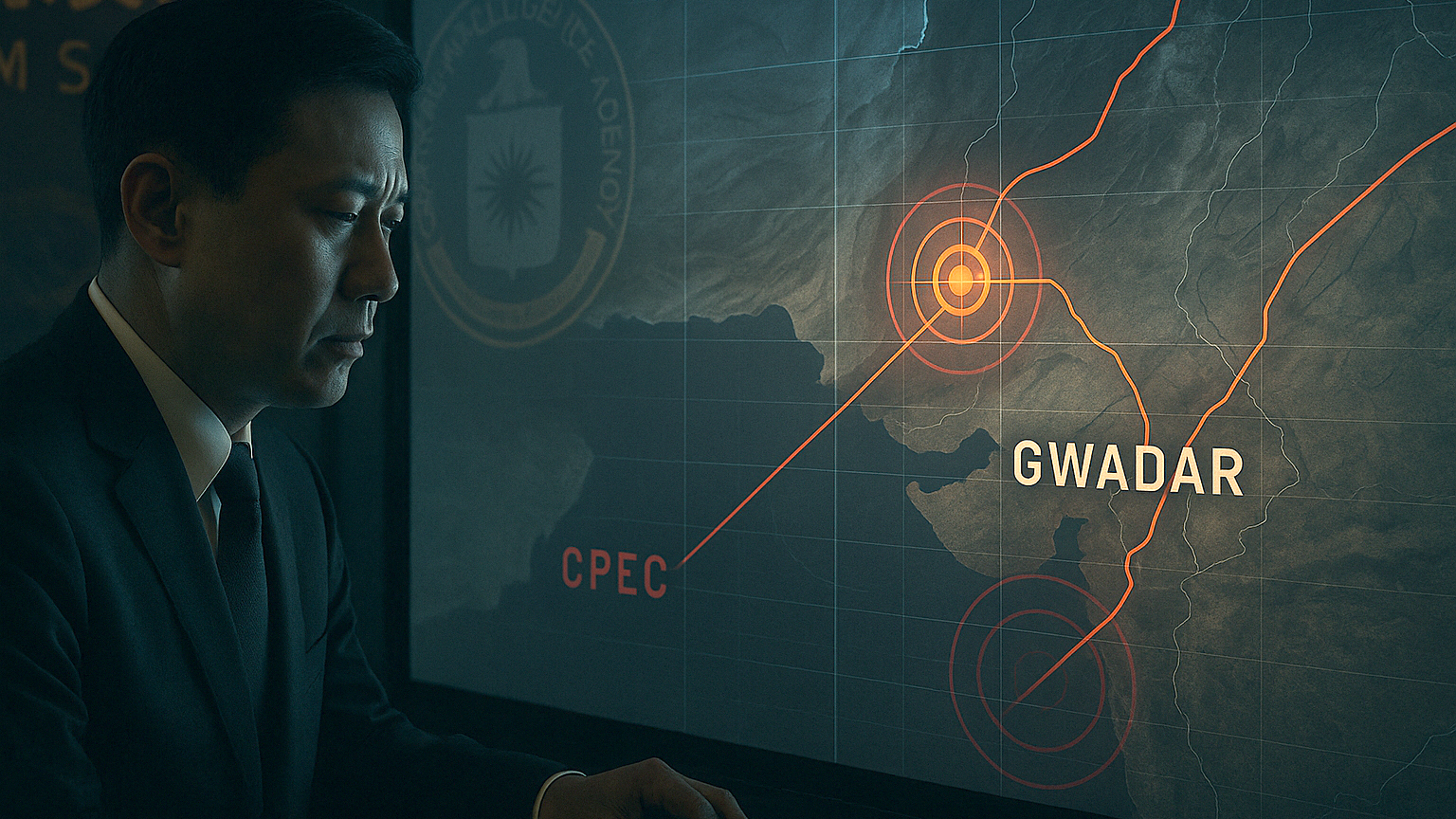
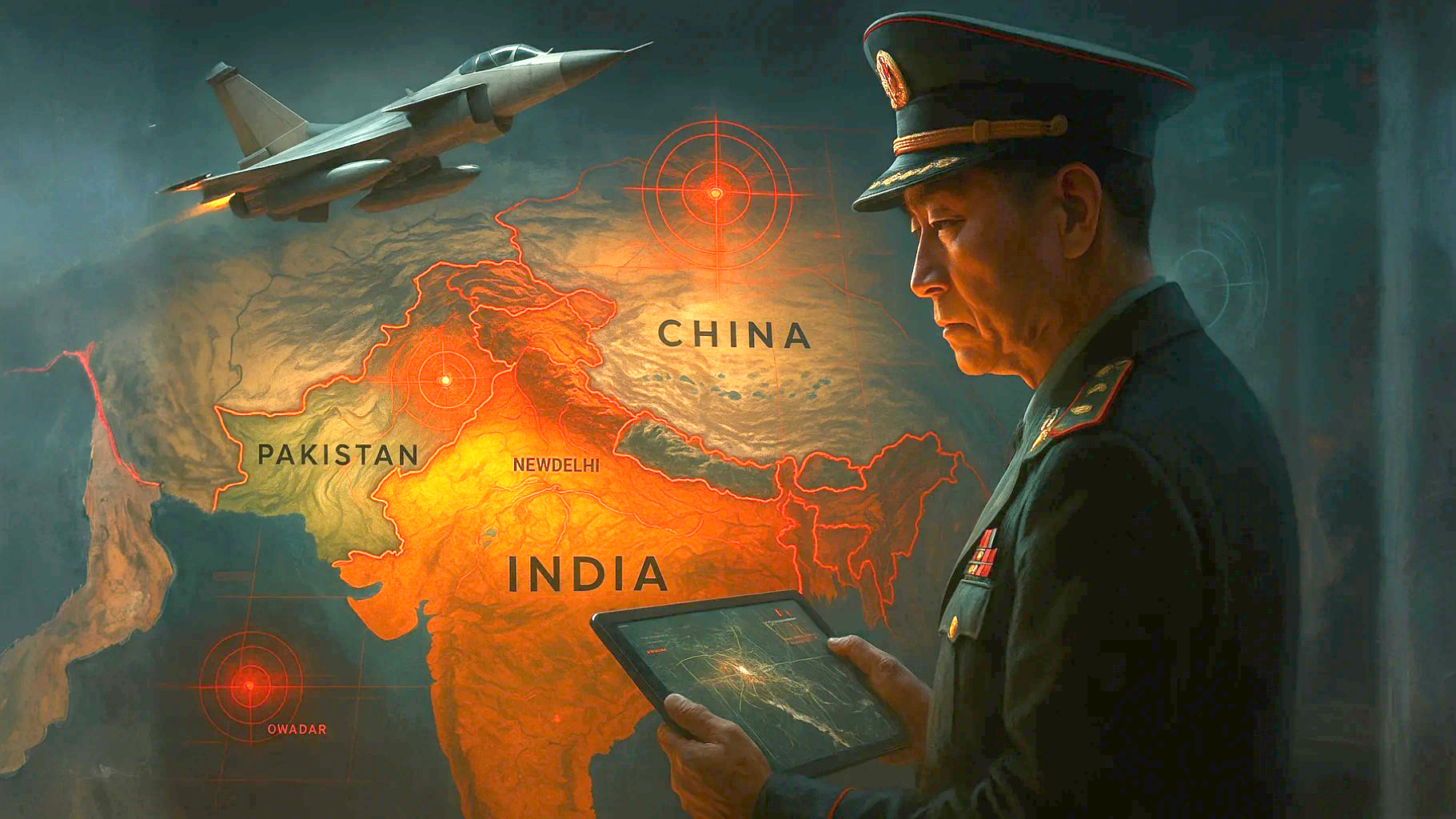
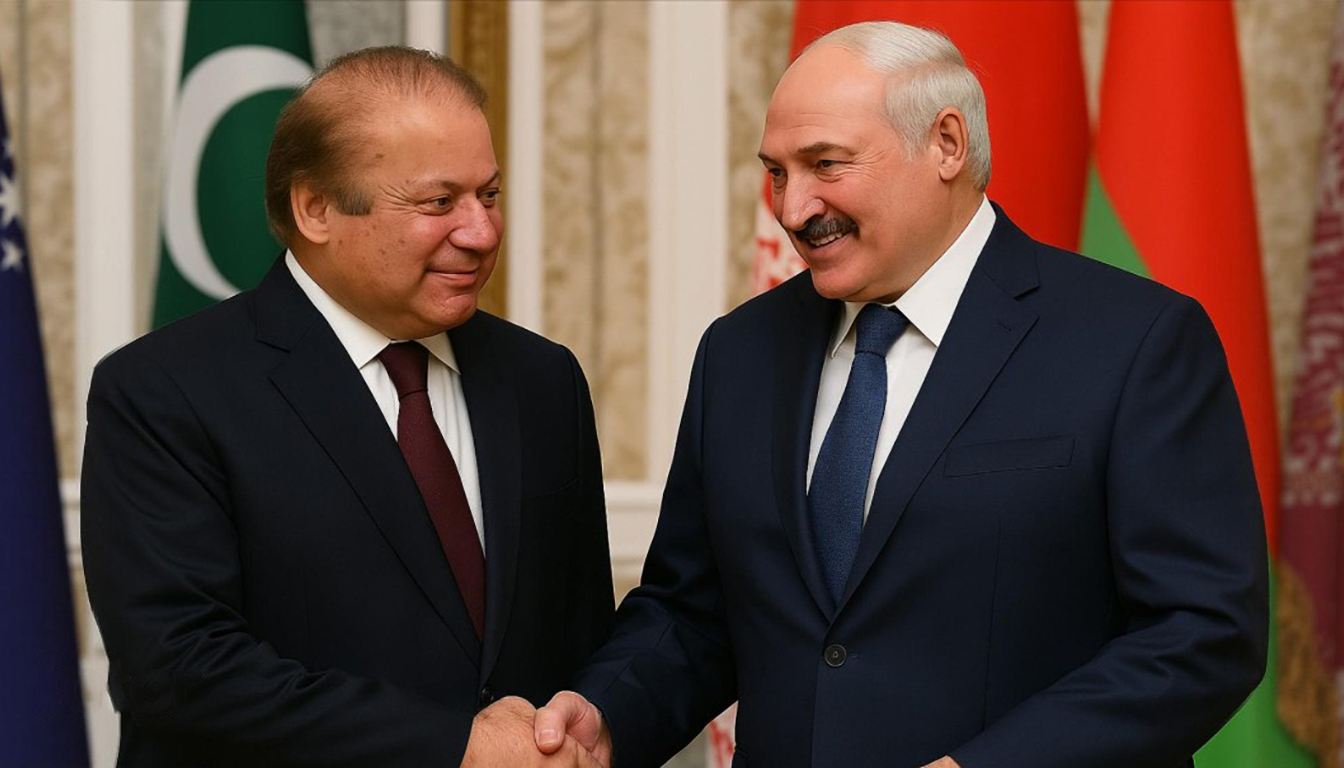
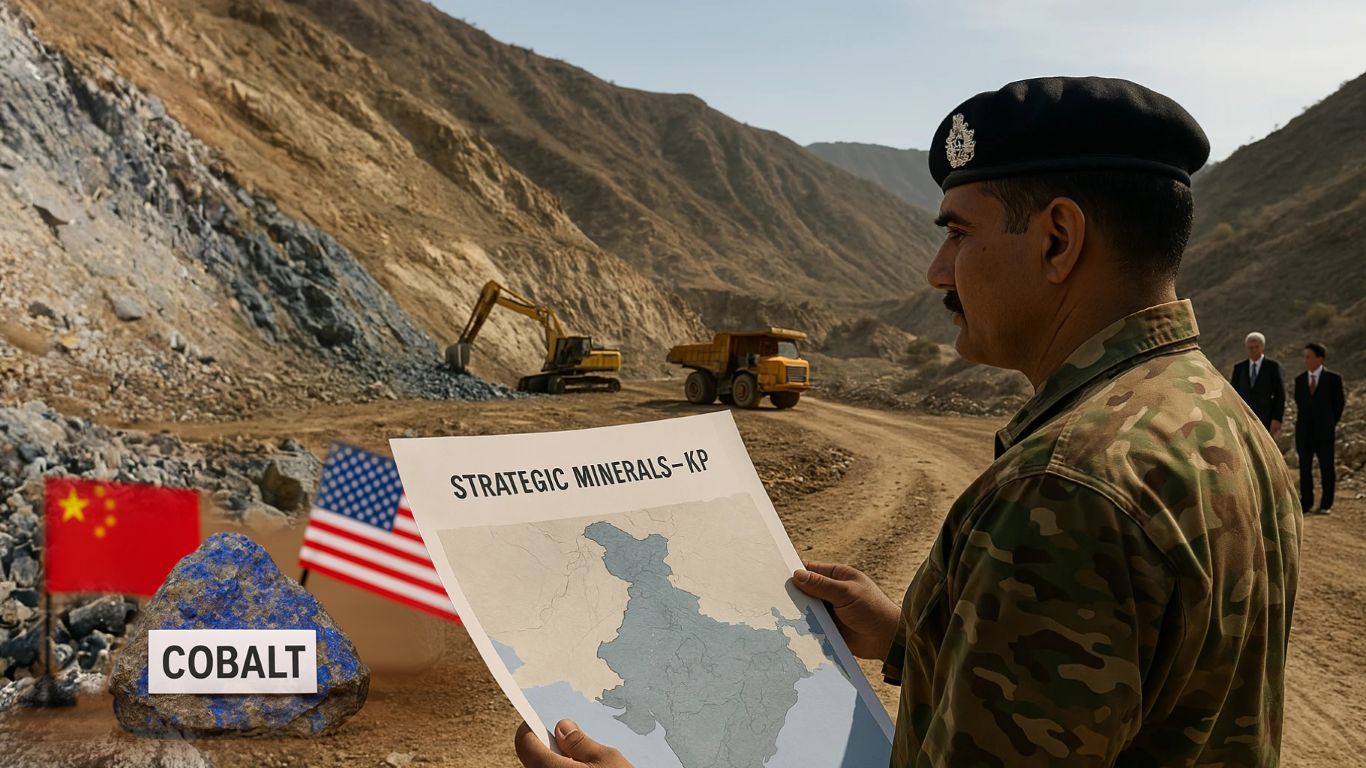
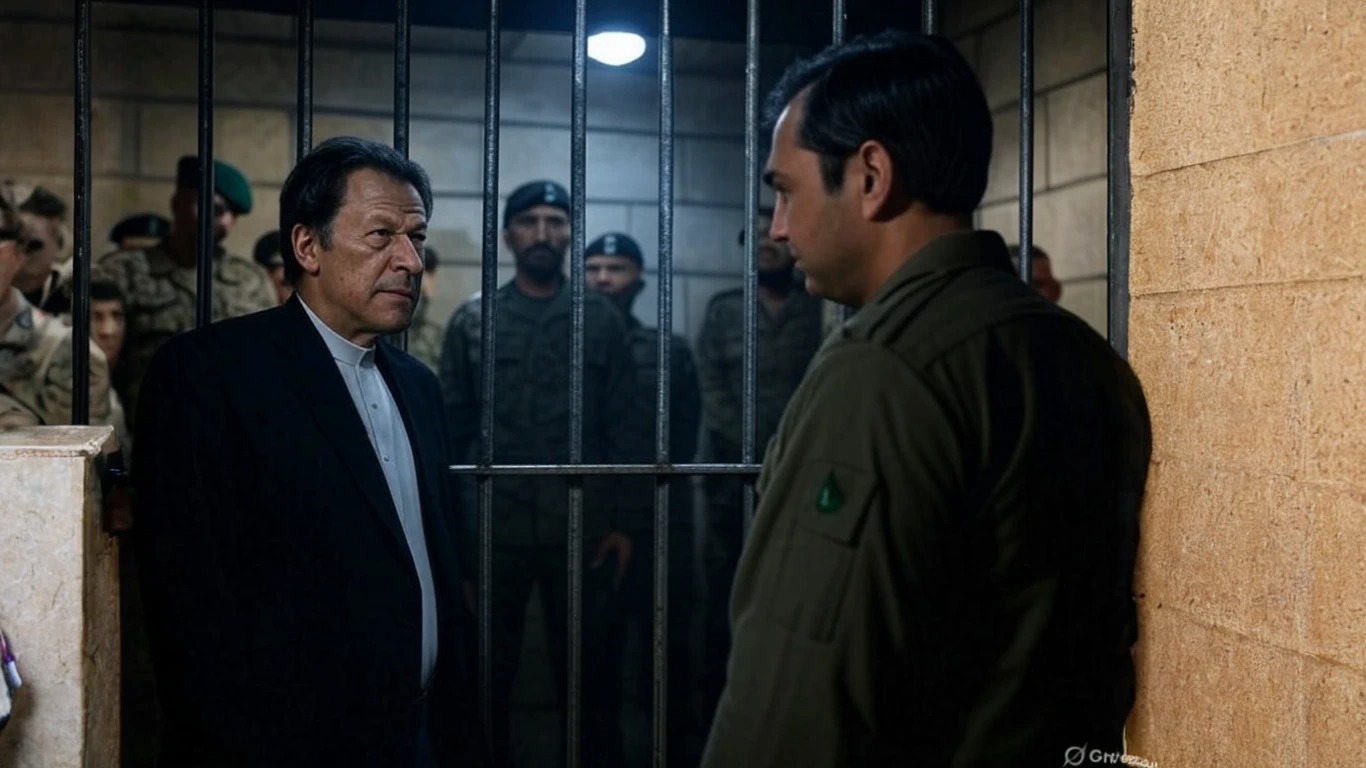
UAE meddling in Pakistan is back in the spotlight after fresh claims amplified by SoldierSpeaks-linked commentary alleged that Abu Dhabi quietly enabled moves that weakened Imran Khan and strengthened Pakistan’s military-led order. However, no independent public evidence has yet verified the most explosive parts of the allegation, including “honey trap” operations.
Still, the wider context matters. Pakistan’s economic dependence on Gulf money, the role of Dubai as an elite safe-haven, and repeated political engineering at home create a system where foreign leverage can bite fast.
UAE meddling in Pakistan and the “honey trap” allegation
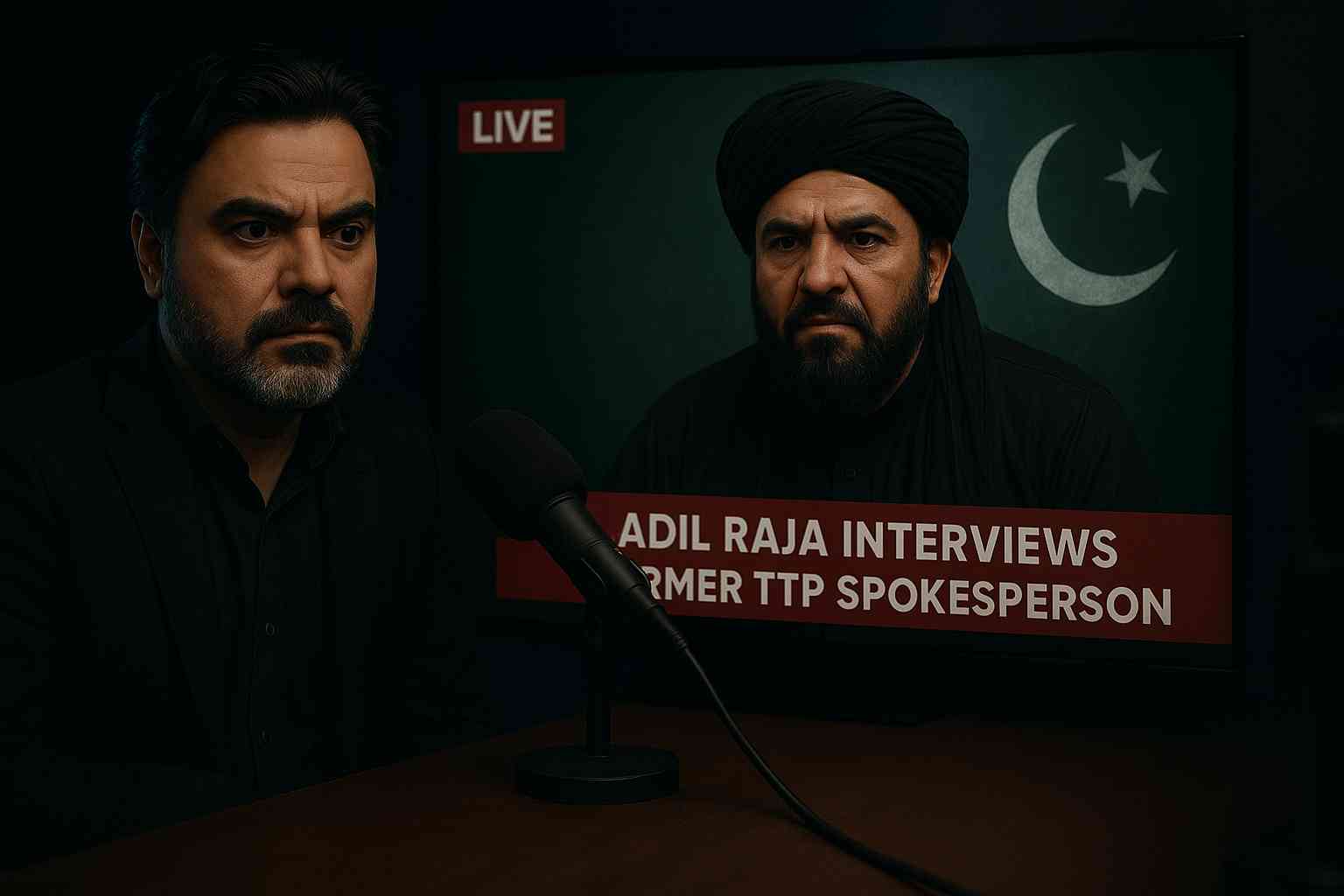
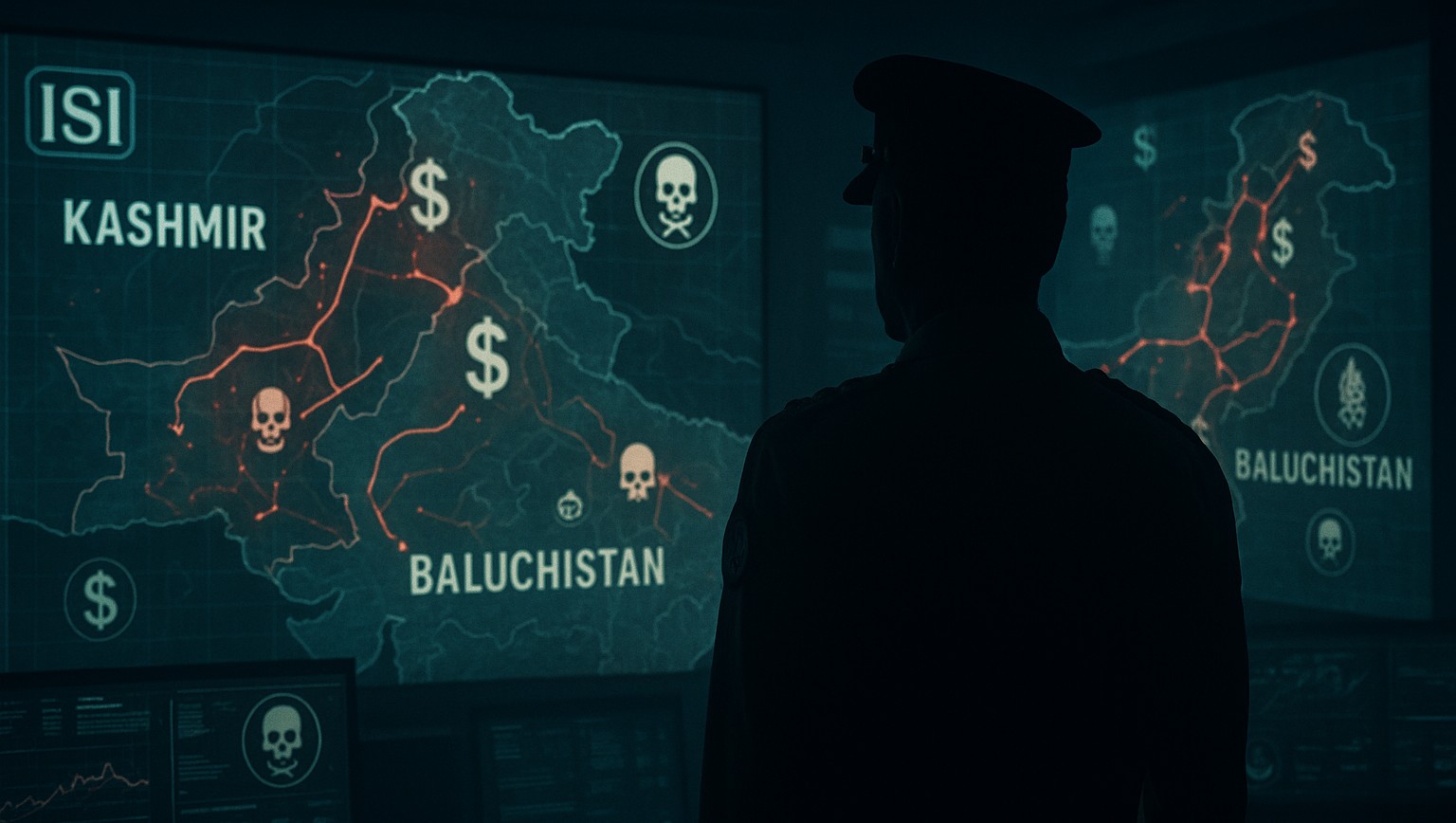
In recent SoldierSpeaks commentary, Adil Raja alleged that the UAE used “honey trap” tactics as part of a pressure campaign that helped remove Imran Khan and protect military rule. The claim has circulated online and has drawn strong reactions, including past public pushback against similar “honey trap” allegations made by Raja in other contexts.
Because these claims involve covert operations, they are difficult to independently confirm. Therefore, the verified story is not the “method.” The verifiable story is the leverage environment that makes such claims believable to many Pakistanis.
Why UAE leverage over Pakistan is real
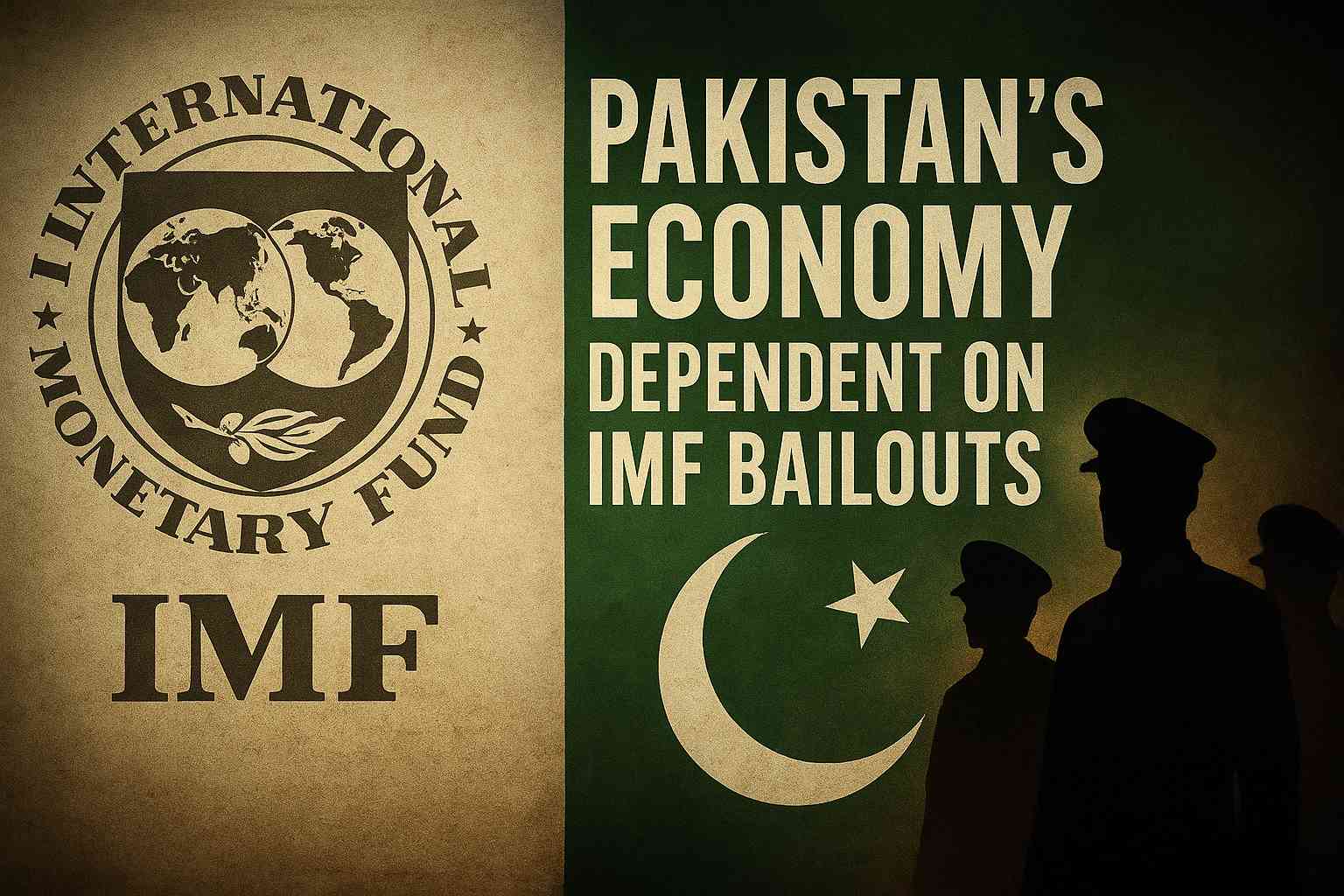
Pakistan relies heavily on Gulf financial support during crises. For example, reporting shows the UAE has rolled over multi-billion-dollar deposits that help Pakistan shore up reserves and meet IMF-linked financing needs.
Moreover, remittances from the UAE represent a major lifeline. State Bank-linked reporting and Gulf business coverage have repeatedly described remittance surges driven by inflows from the UAE.
That reality creates leverage. When a state can stabilize your reserves and your politics depends on economic calm, influence becomes structural.
Dubai as a vault: assets, protection, and political pressure
A second pillar is Dubai’s role as a destination for wealth and property tied to South Asian elites. Investigations and reporting on Dubai property ownership have highlighted how difficult it can be for Pakistani authorities to obtain transparency on offshore holdings.
Separately, the Financial Times reported on Pakistan seeking extradition of a prominent tycoon from the UAE while warning investors around Dubai-linked projects, adding to public perceptions that the UAE can become a pressure point in elite disputes.
In this environment, UAE “support” can look like a shield. Conversely, UAE disfavor can look like exposure.
Where Asim Munir fits in the UAE meddling in Pakistan narrative
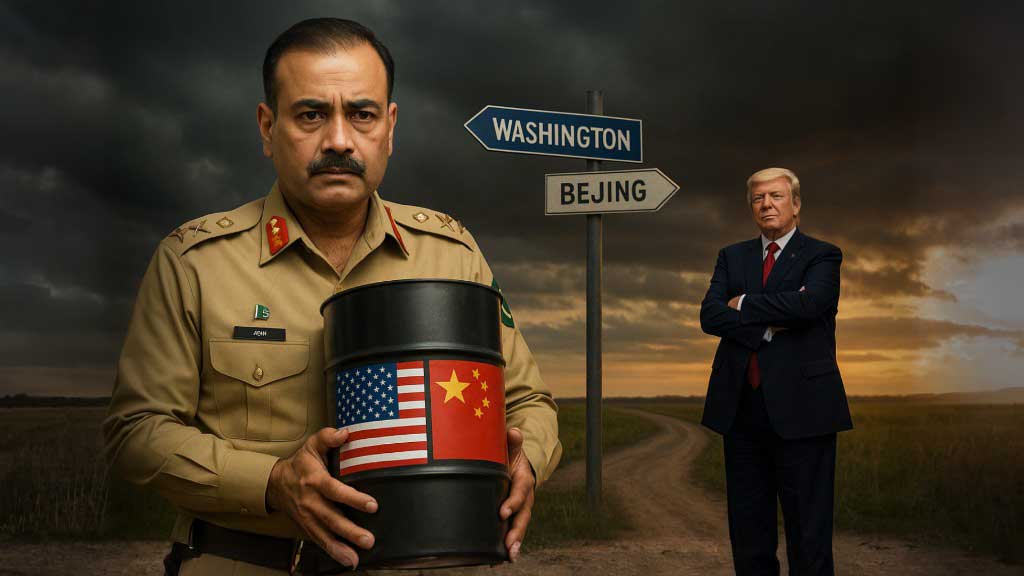
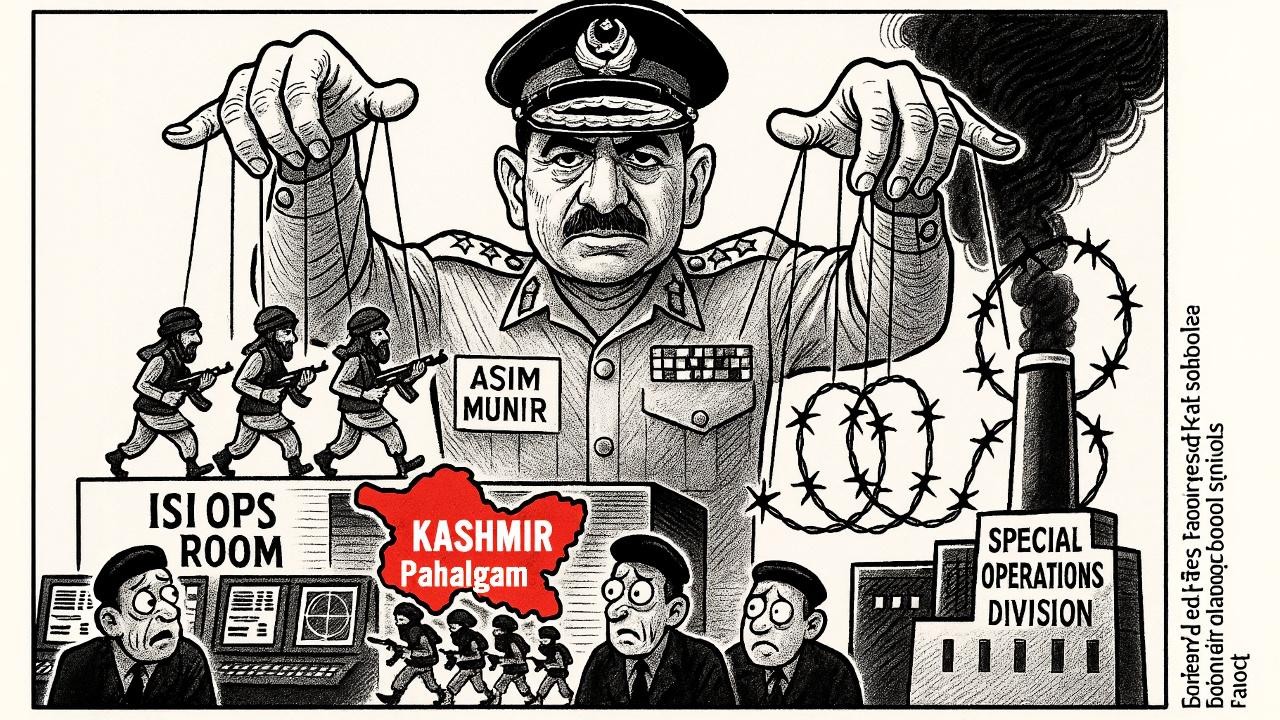
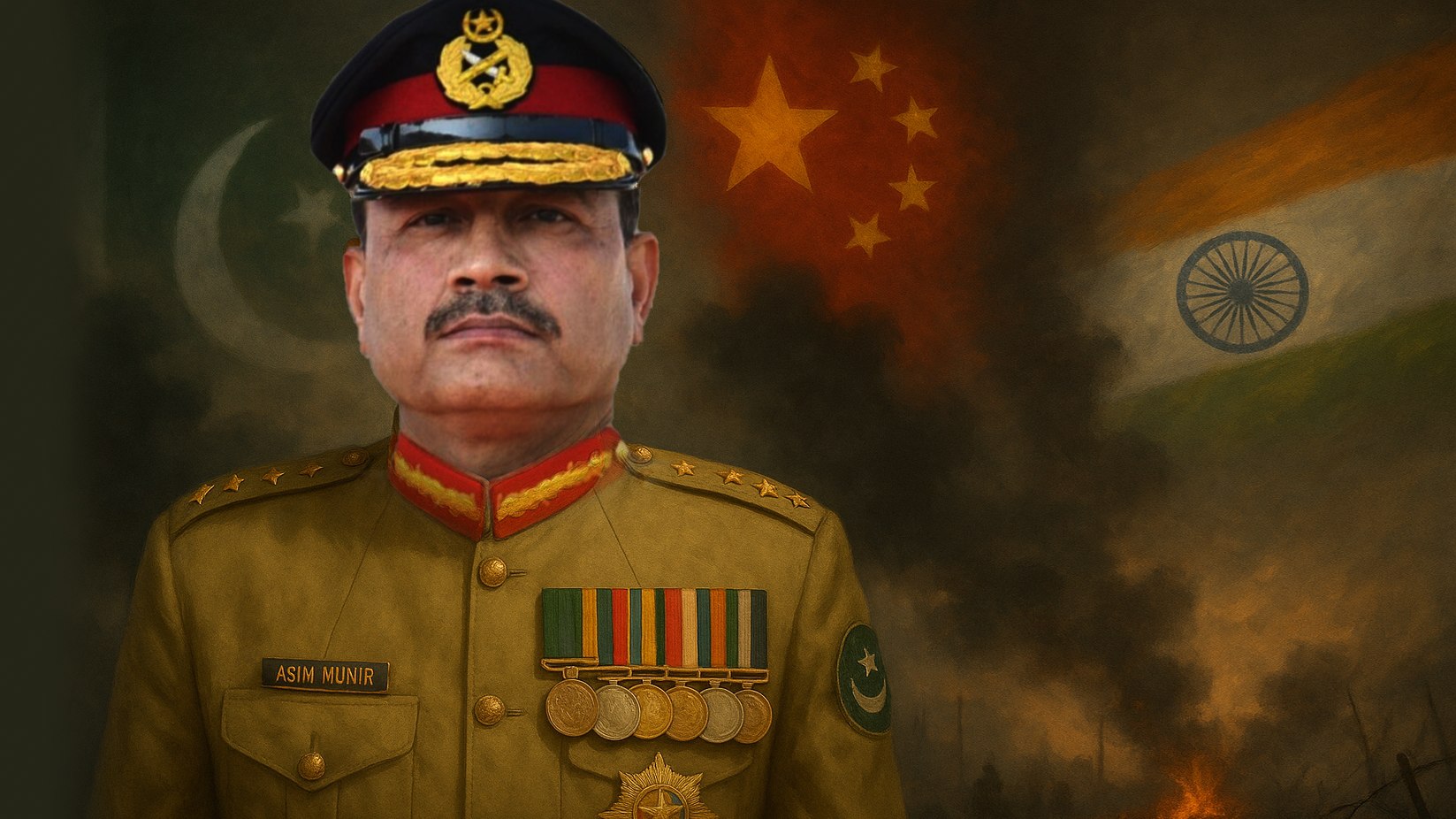
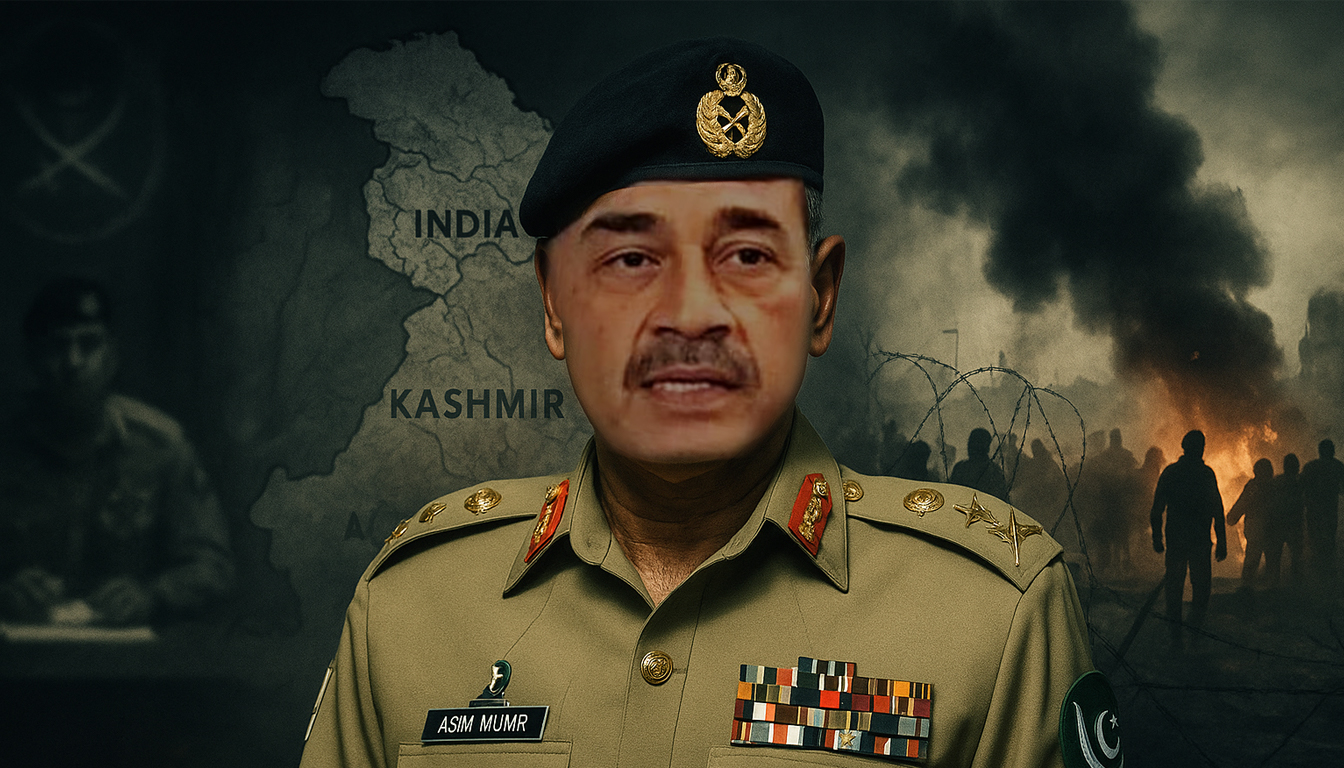
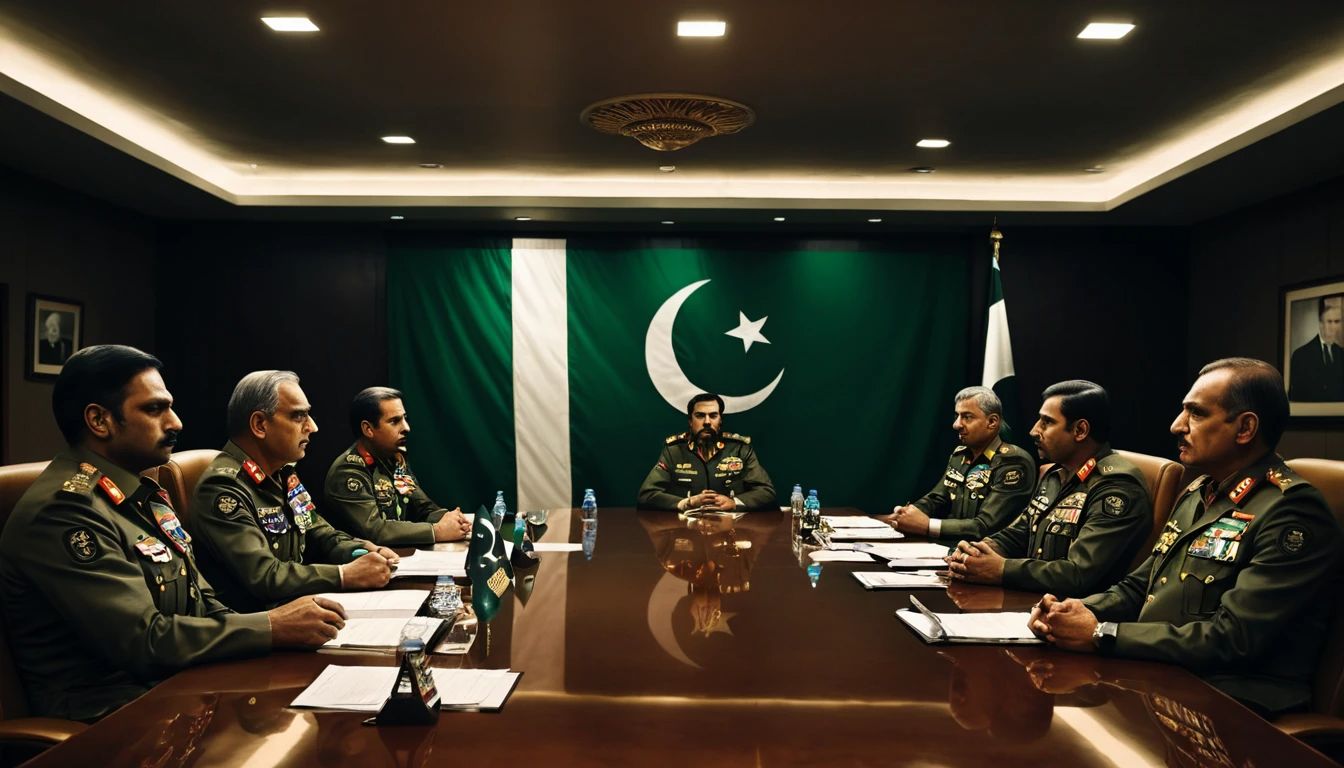
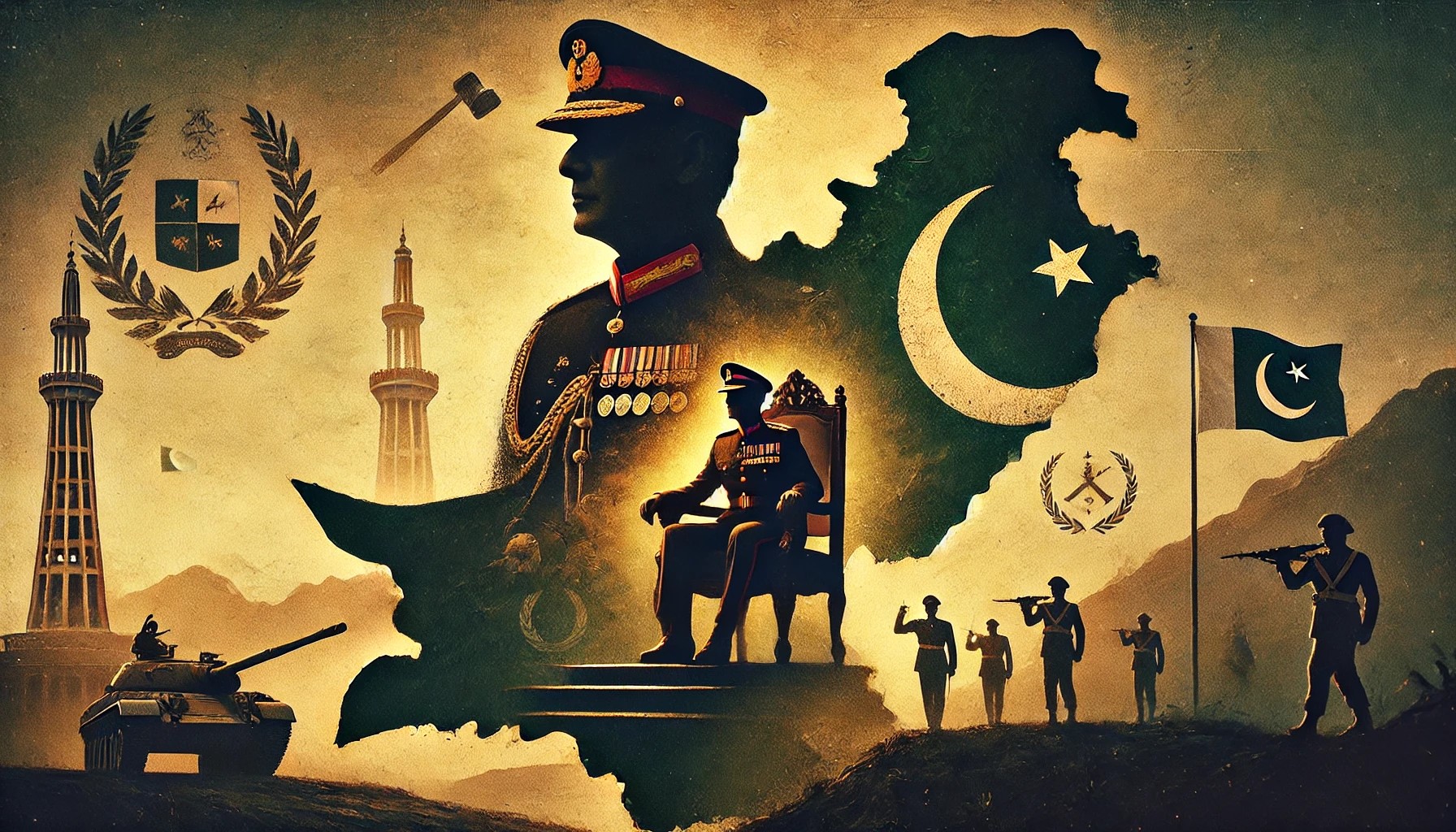
SoldierSpeaks reporting repeatedly frames Pakistan’s current crisis as military consolidation under Gen. Asim Munir, with diplomacy and economics increasingly tied to regime survival.
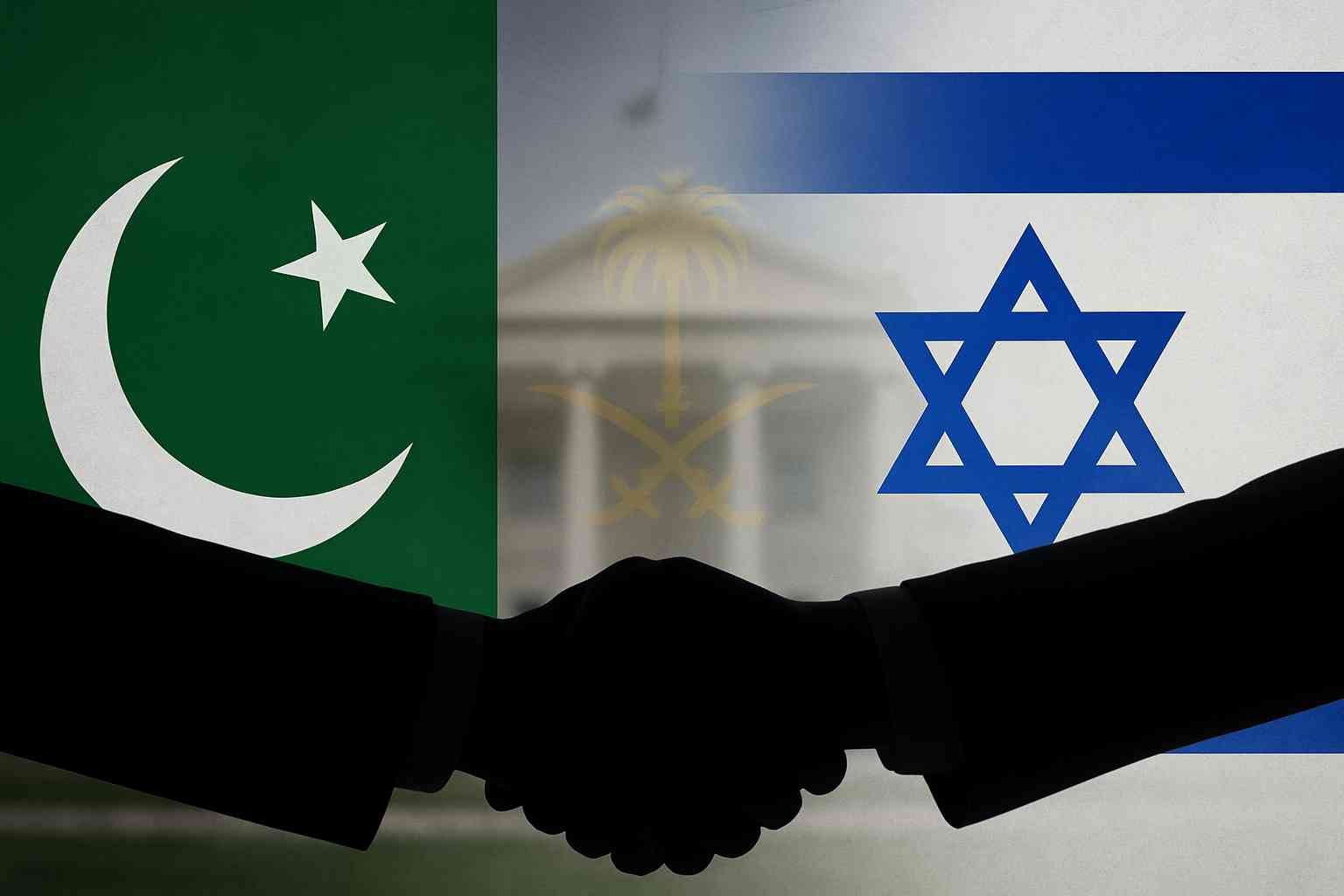
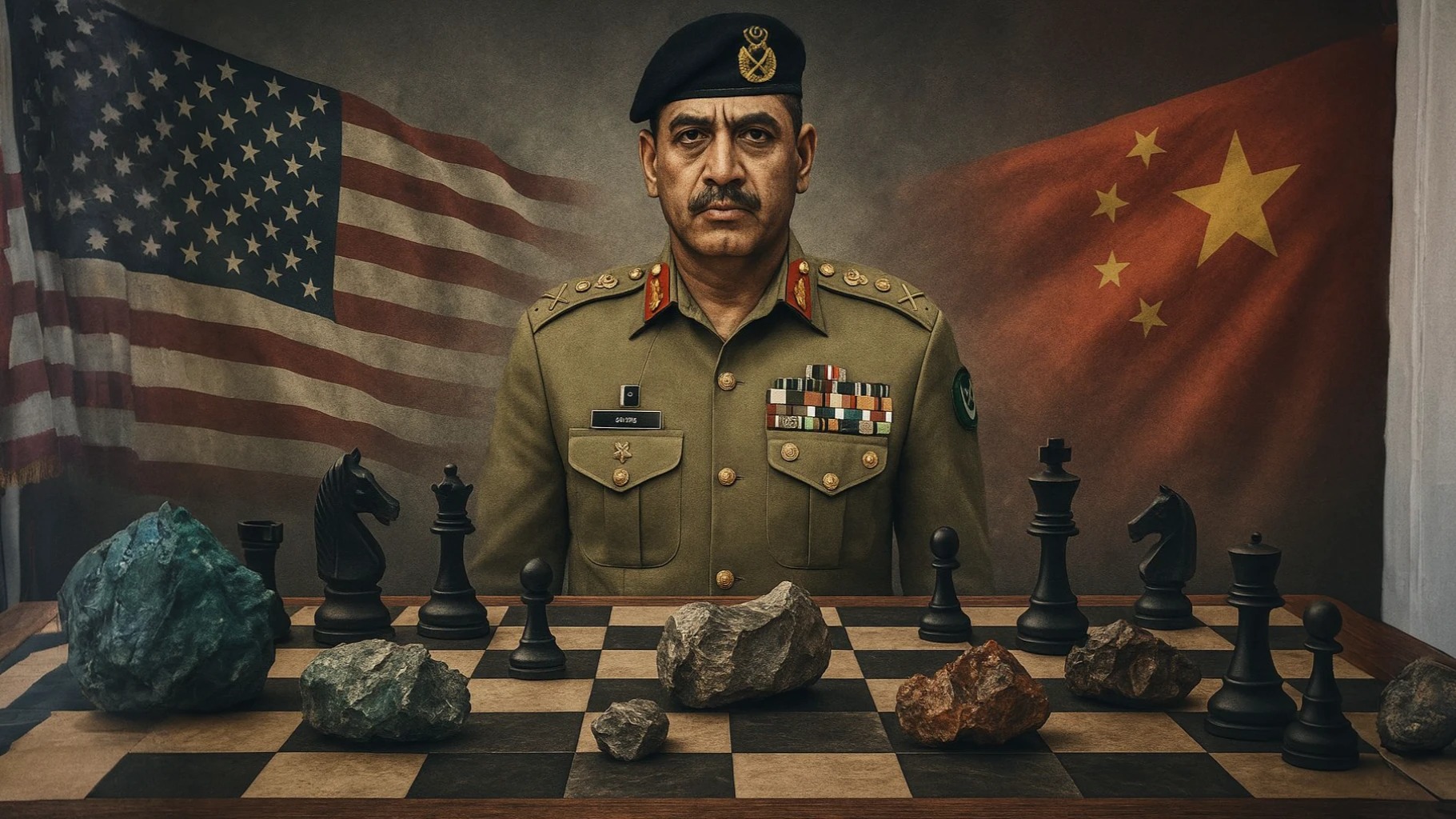
At the same time, recent Indian media stories—citing Adil Raja’s claims—have pushed a parallel narrative: that Gulf rivalries (Saudi vs UAE) now intersect with Munir’s position and Pakistan’s dependency.
These outlets are not definitive proof. However, they show the storyline has crossed borders and entered regional information warfare.
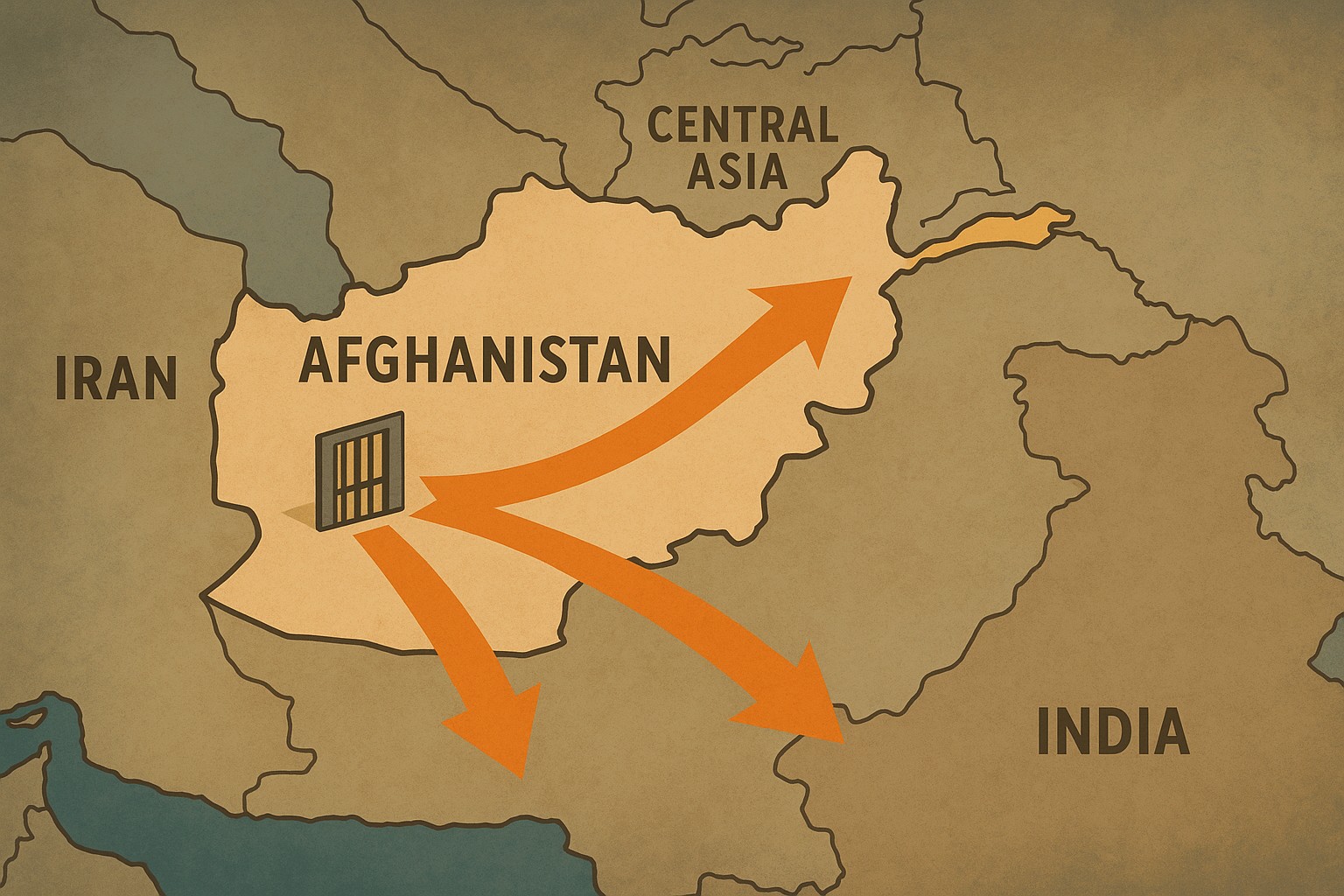
South Asia lens: why this worries India, Bangladesh, Sri Lanka, and Afghanistan
UAE meddling in Pakistan matters beyond Islamabad for three reasons.
First, it normalizes foreign leverage over democratic mandates. That precedent can echo across South Asia, especially where institutions already face stress.
Second, it amplifies debt and dependency dynamics. Pakistan’s repeated reliance on external deposits and rollovers mirrors the broader regional pattern of “financing politics,” not just financing budgets.
Third, it can trigger security spillover. When Pakistan’s internal legitimacy collapses, regional tensions often rise with it.
What’s actually new in the last 48 hours
In the past two days, the “UAE angle” has resurfaced through SoldierSpeaks-aligned claims and amplified regional coverage focused on Gulf rivalry and Munir’s external backing.
Meanwhile, the underlying fundamentals remain unchanged: Pakistan still depends on Gulf rollovers and remittances, and Dubai still functions as a strategic financial corridor for elites.
That combination keeps the allegation ecosystem alive.
What to watch next
1) Financial signals from Abu Dhabi
Watch deposit rollovers, banking facilitation, and visa policy shifts. These often signal policy mood before diplomacy does.
2) Elite asset and extradition battles
Dubai-linked cases can quickly become political weapons inside Pakistan.
3) Narrative war escalation
Expect more “leaks,” deepfakes, and character operations as factions compete. That playbook already dominates Pakistan’s crisis cycle.