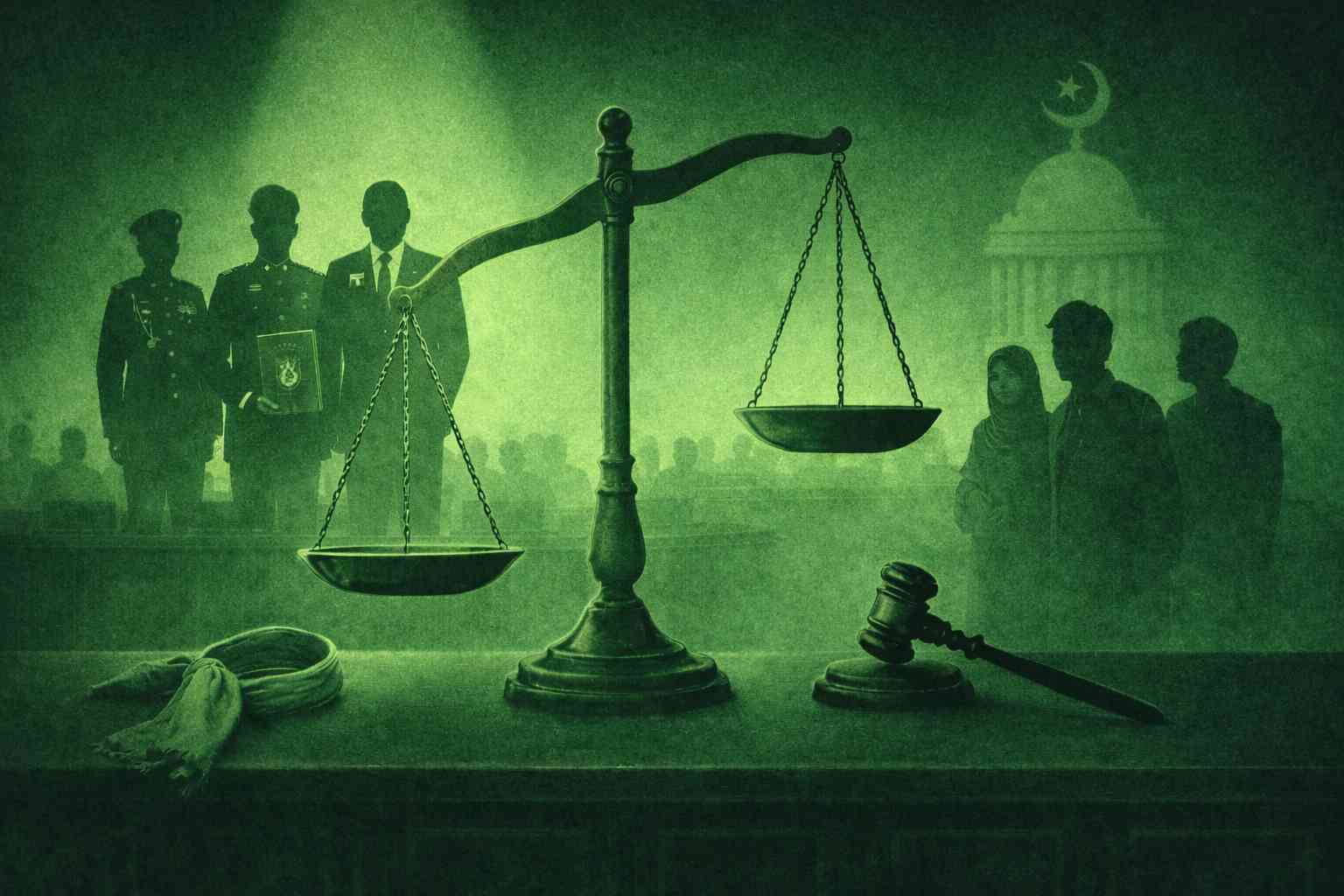
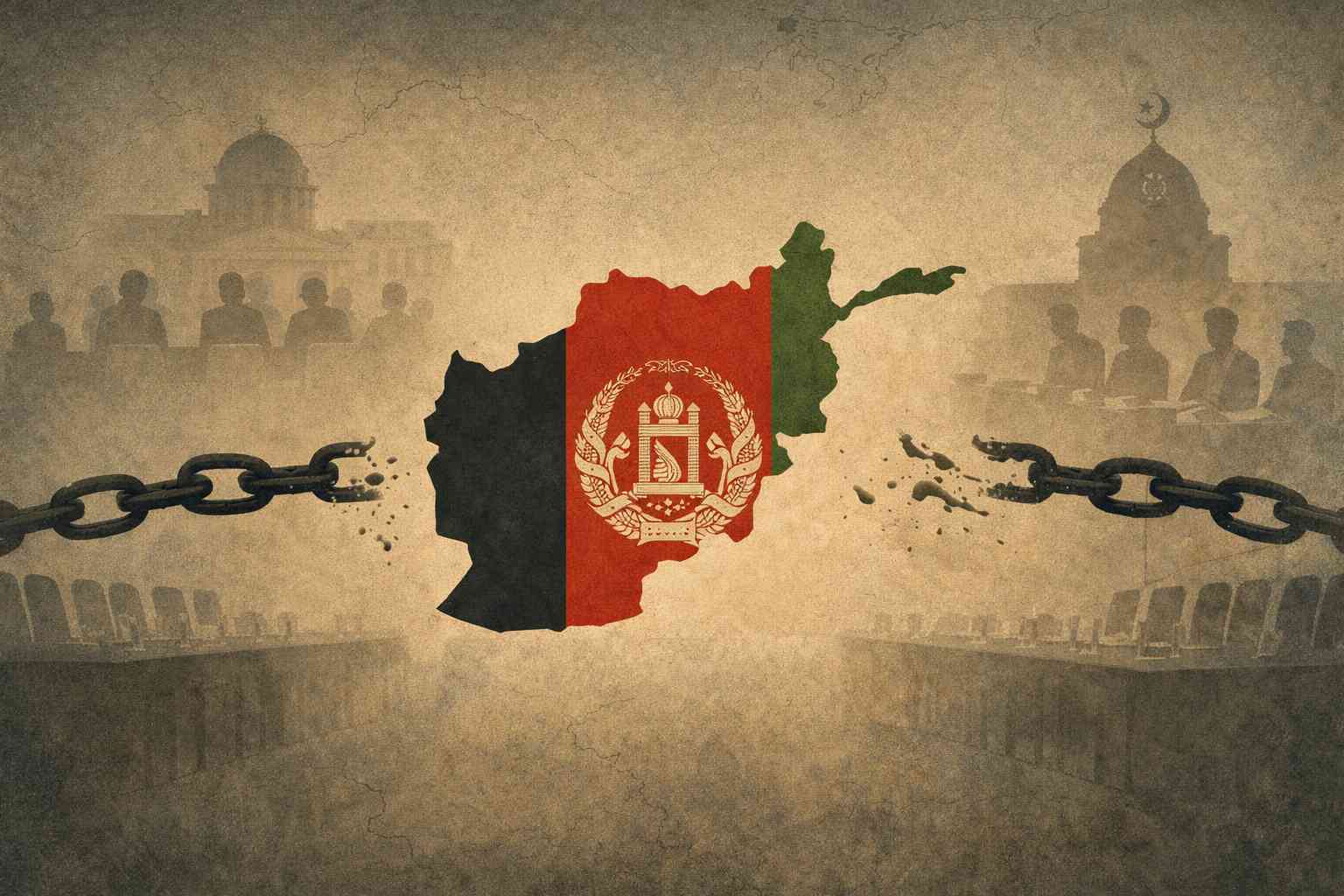
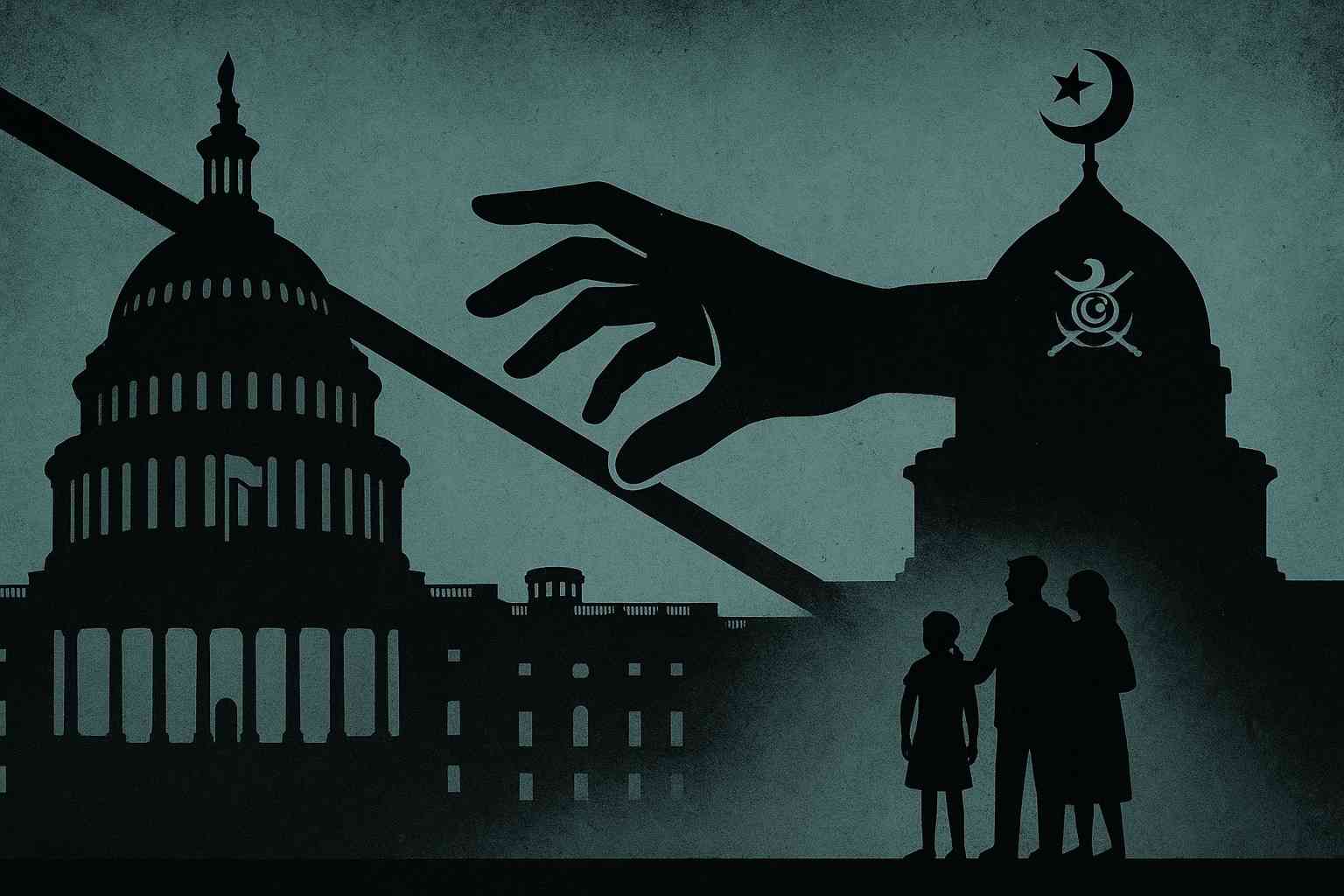
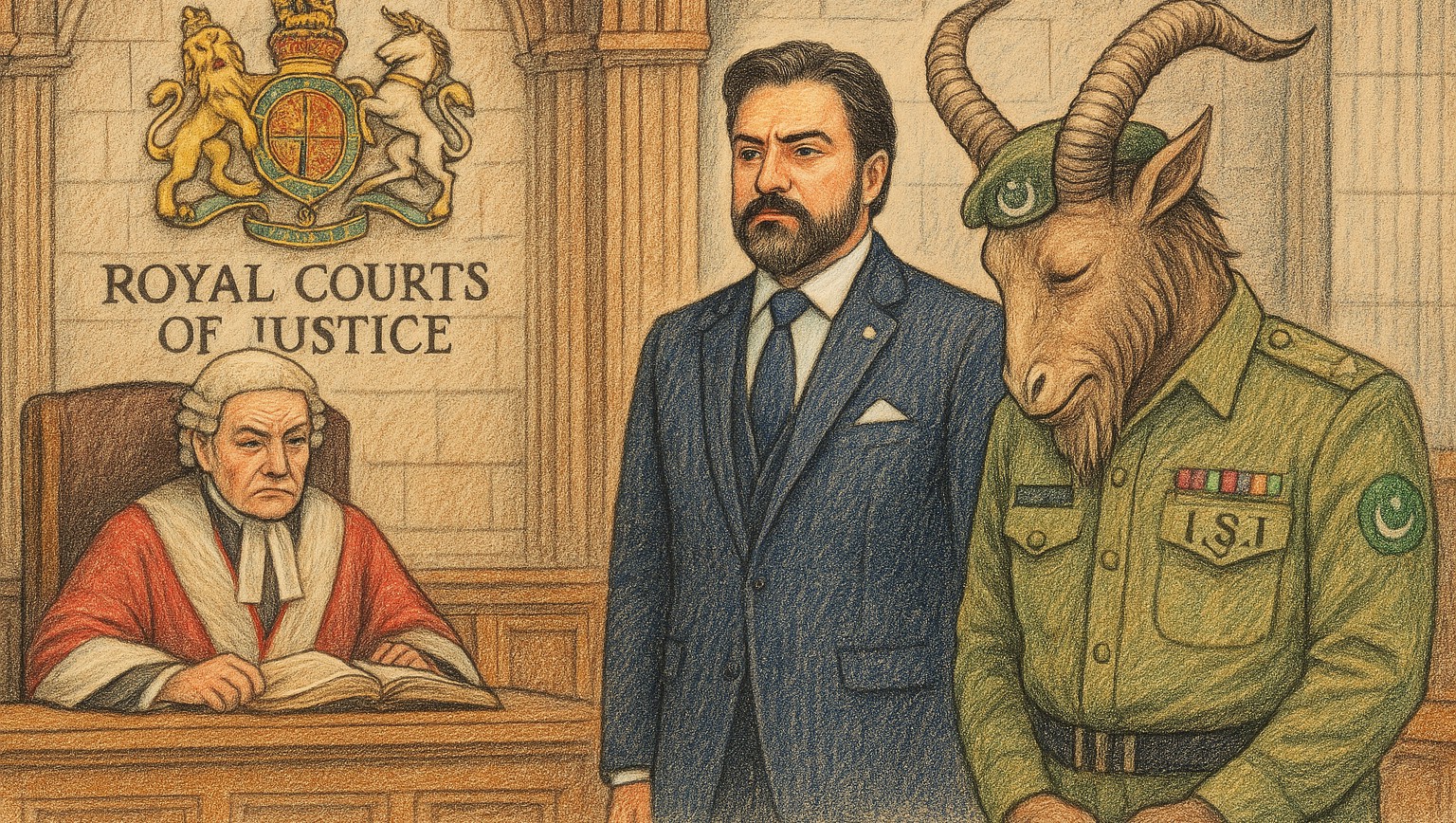
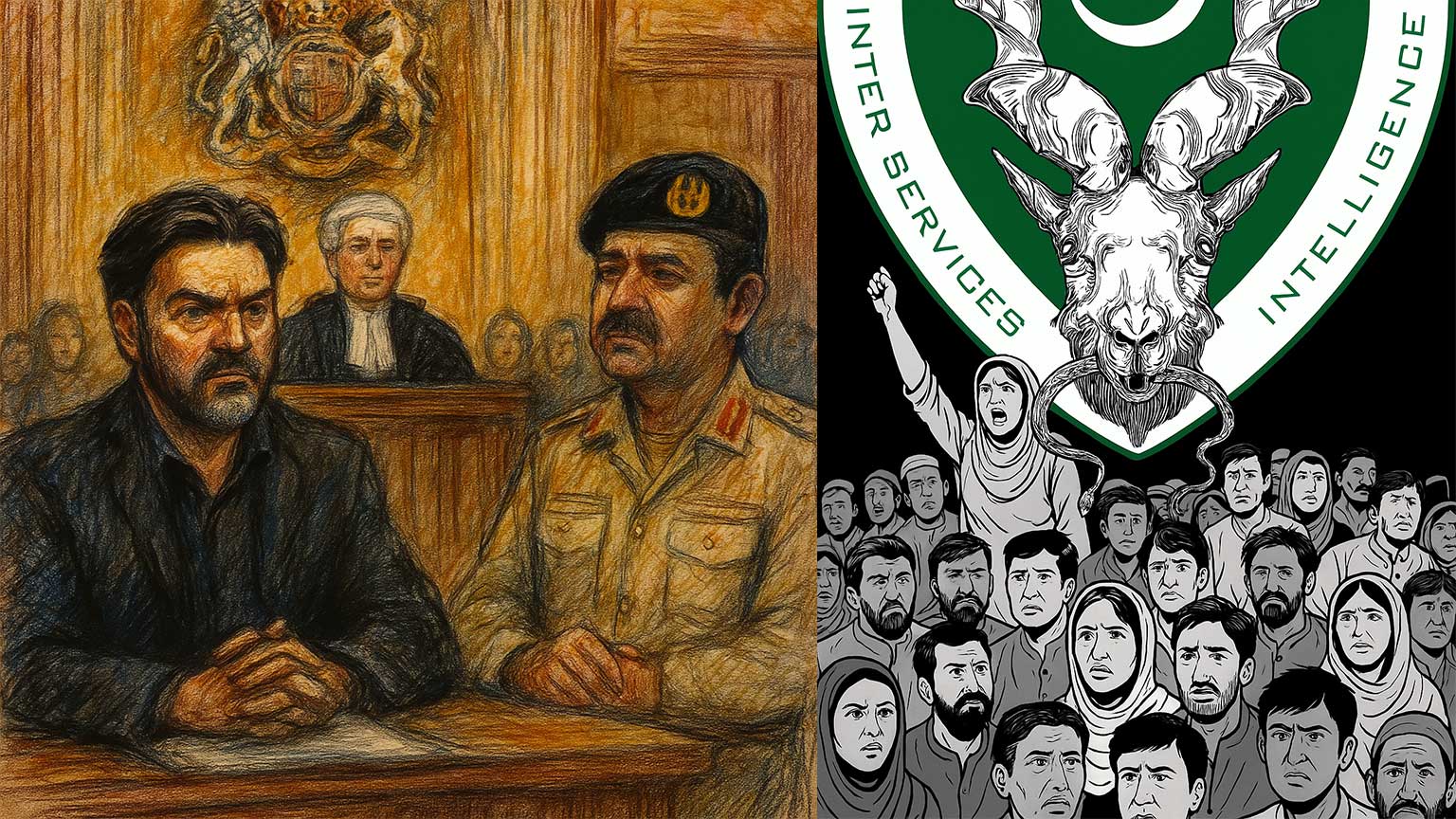
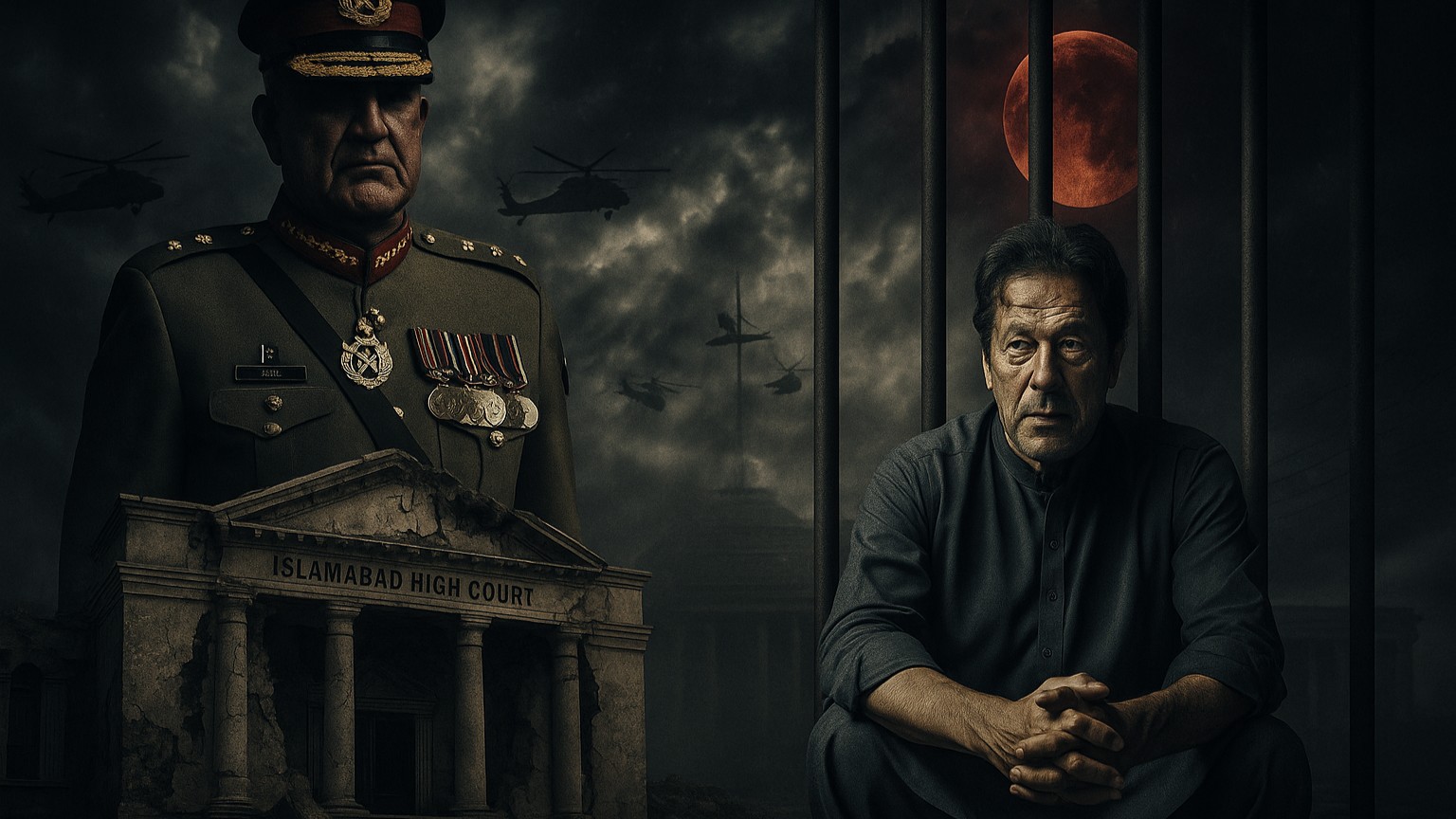
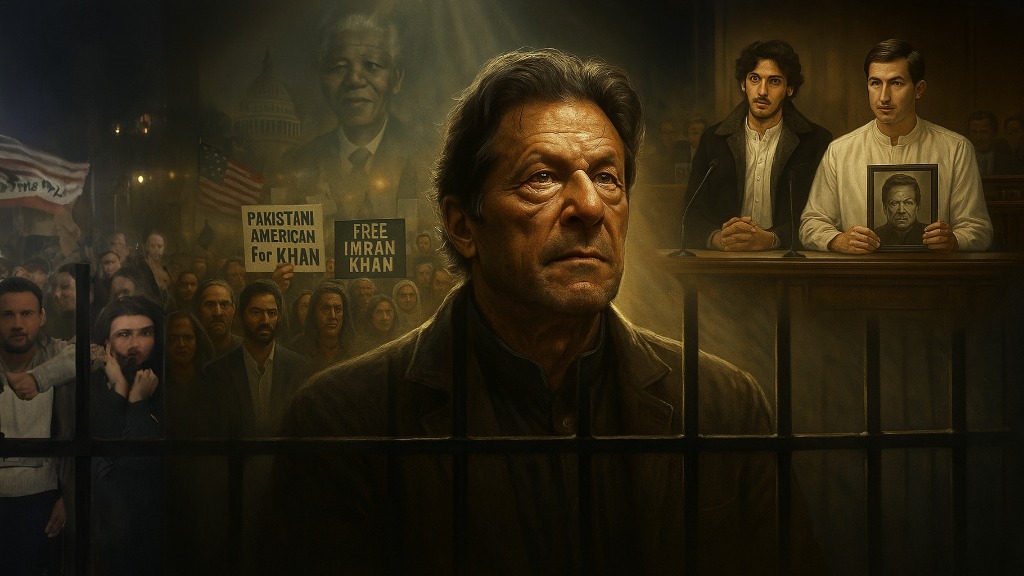
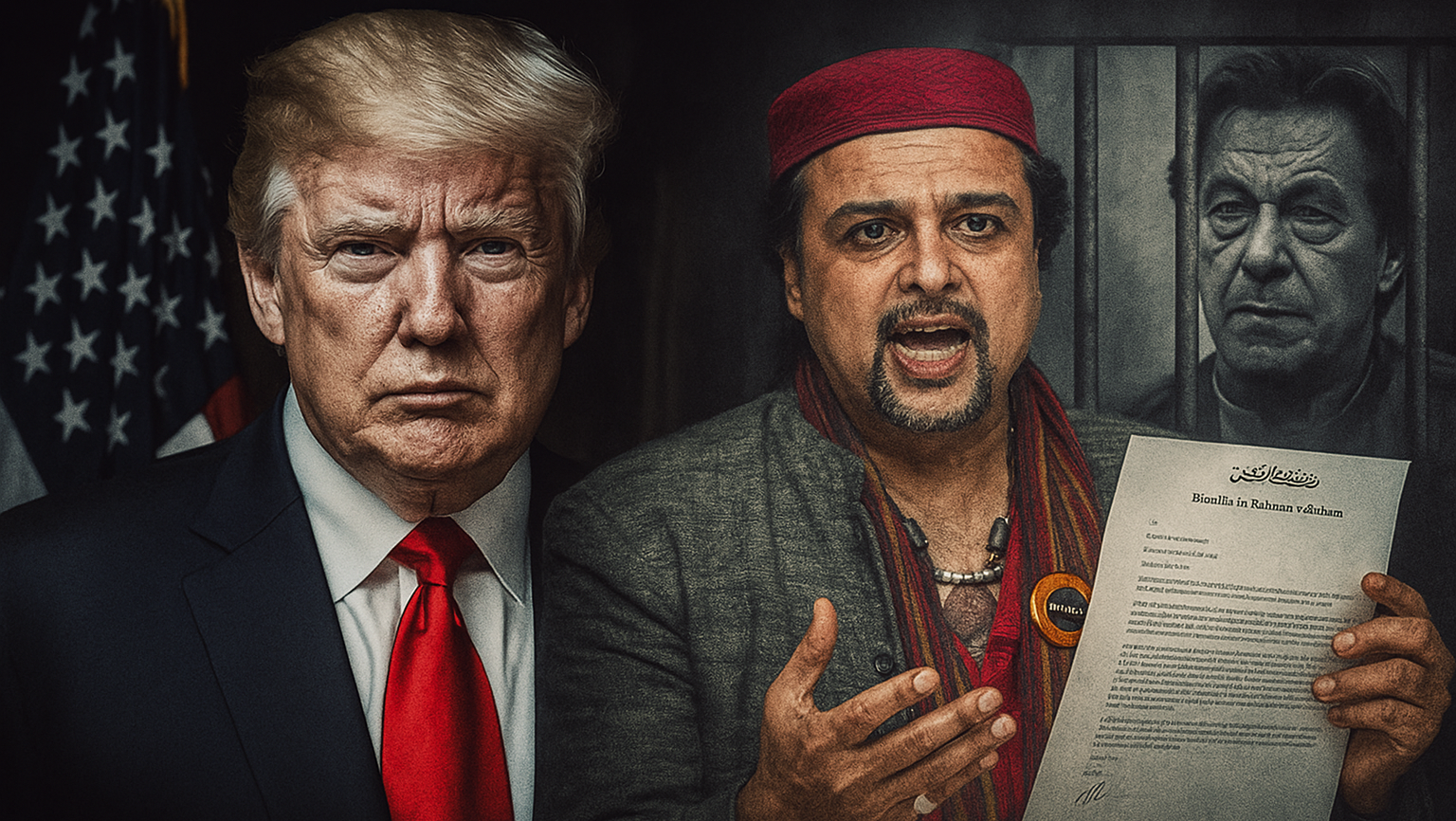
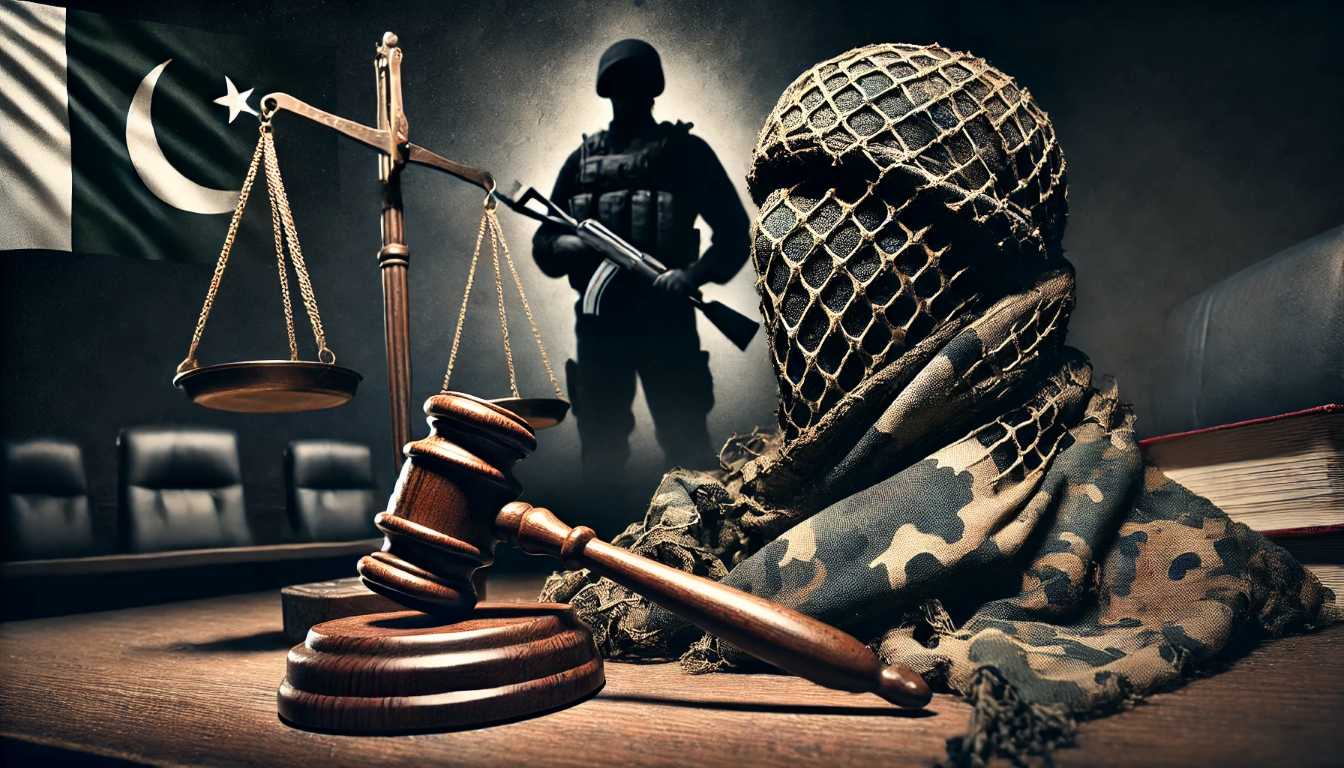
The recent convictions issued by an Anti-Terrorism Court judge against journalists in absentia mark a dangerous turning point. These rulings do not merely reflect judicial error. Instead, they signal a systemic assault on constitutional governance. Consequently, the expansion of trials in absentia Pakistan now threatens the foundations of the legal order.
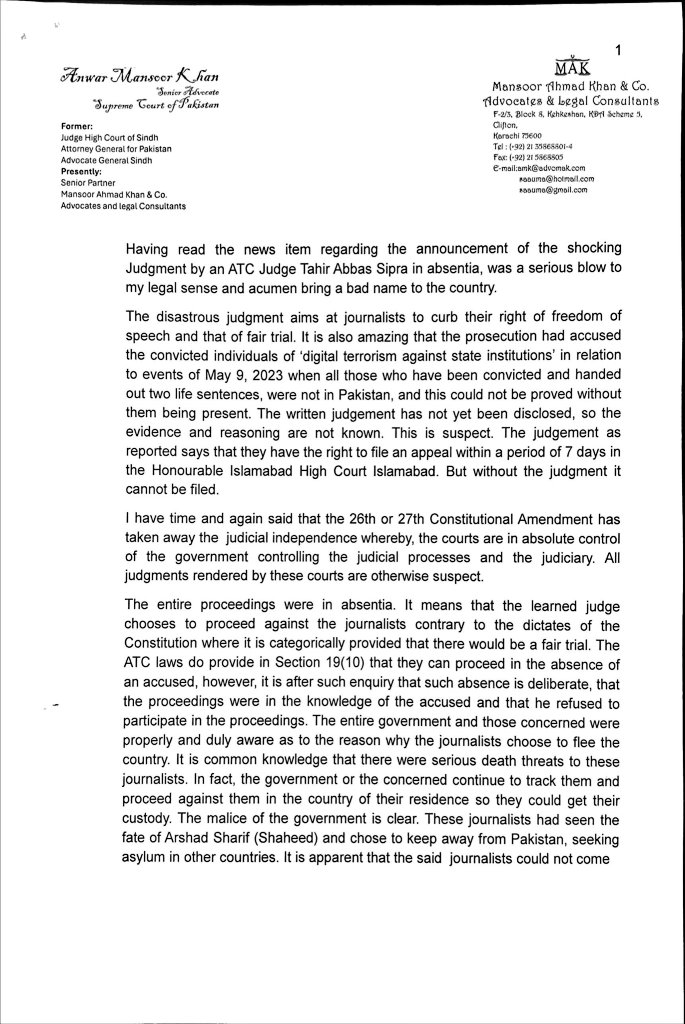
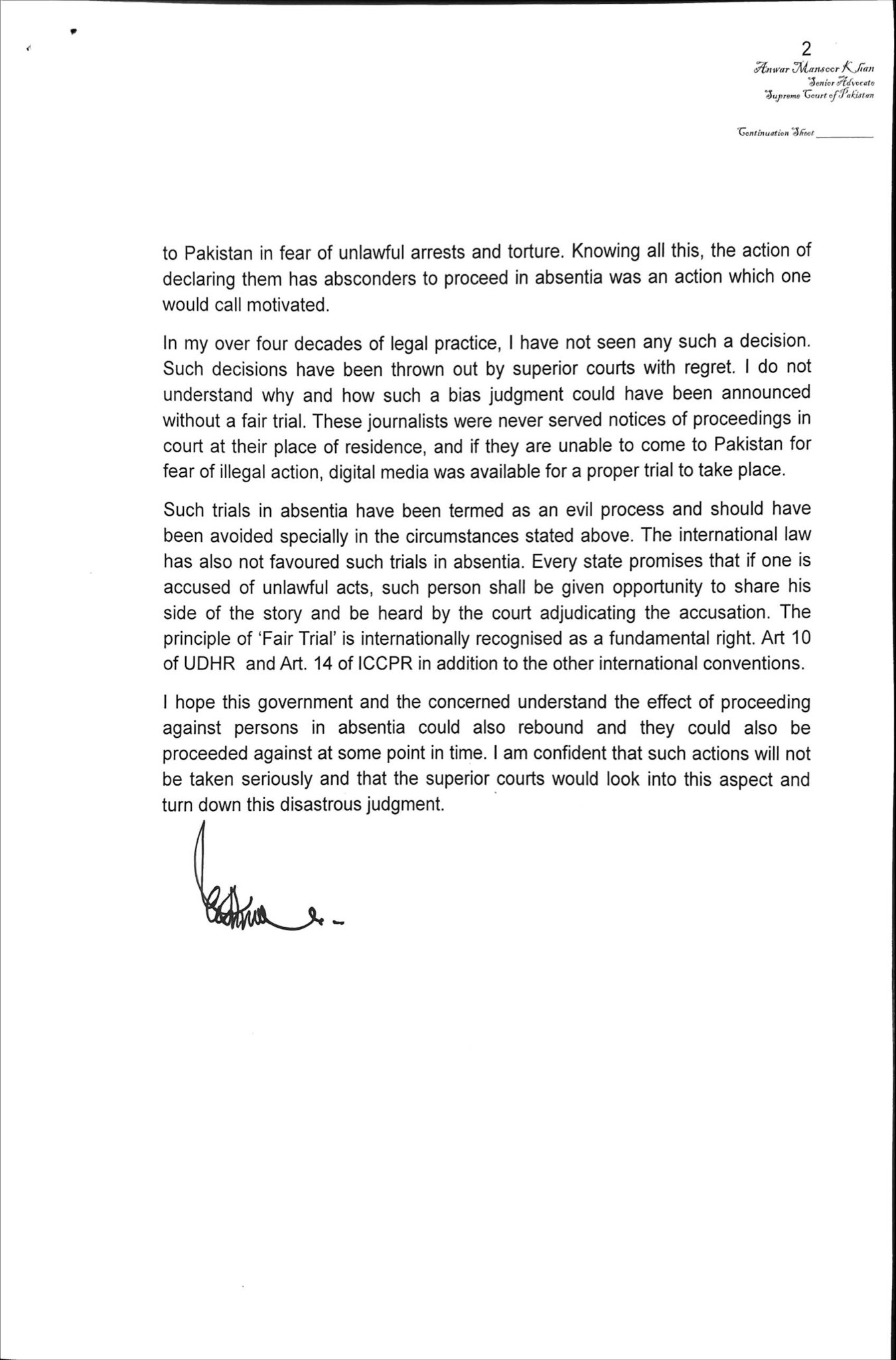
This conclusion does not come only from political activists or exiled dissidents. Rather, it comes from Anwar Mansoor Khan, a former Attorney General of Pakistan and a former judge of the Sindh High Court.
His written intervention does not rely on outrage. Instead, it presents a legal indictment grounded in doctrine and precedent.
Trials in Absentia Pakistan: A Dangerous Precedent
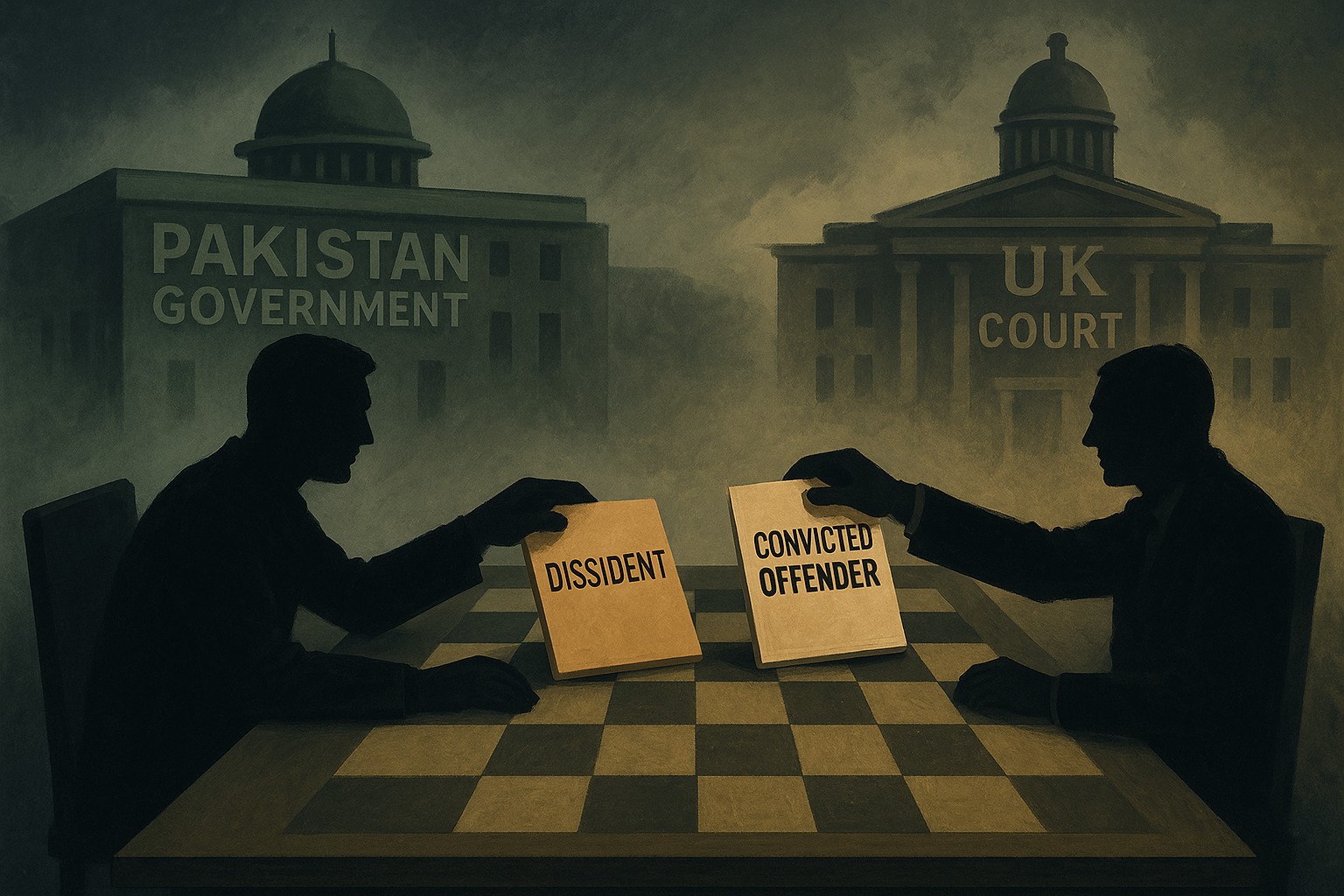
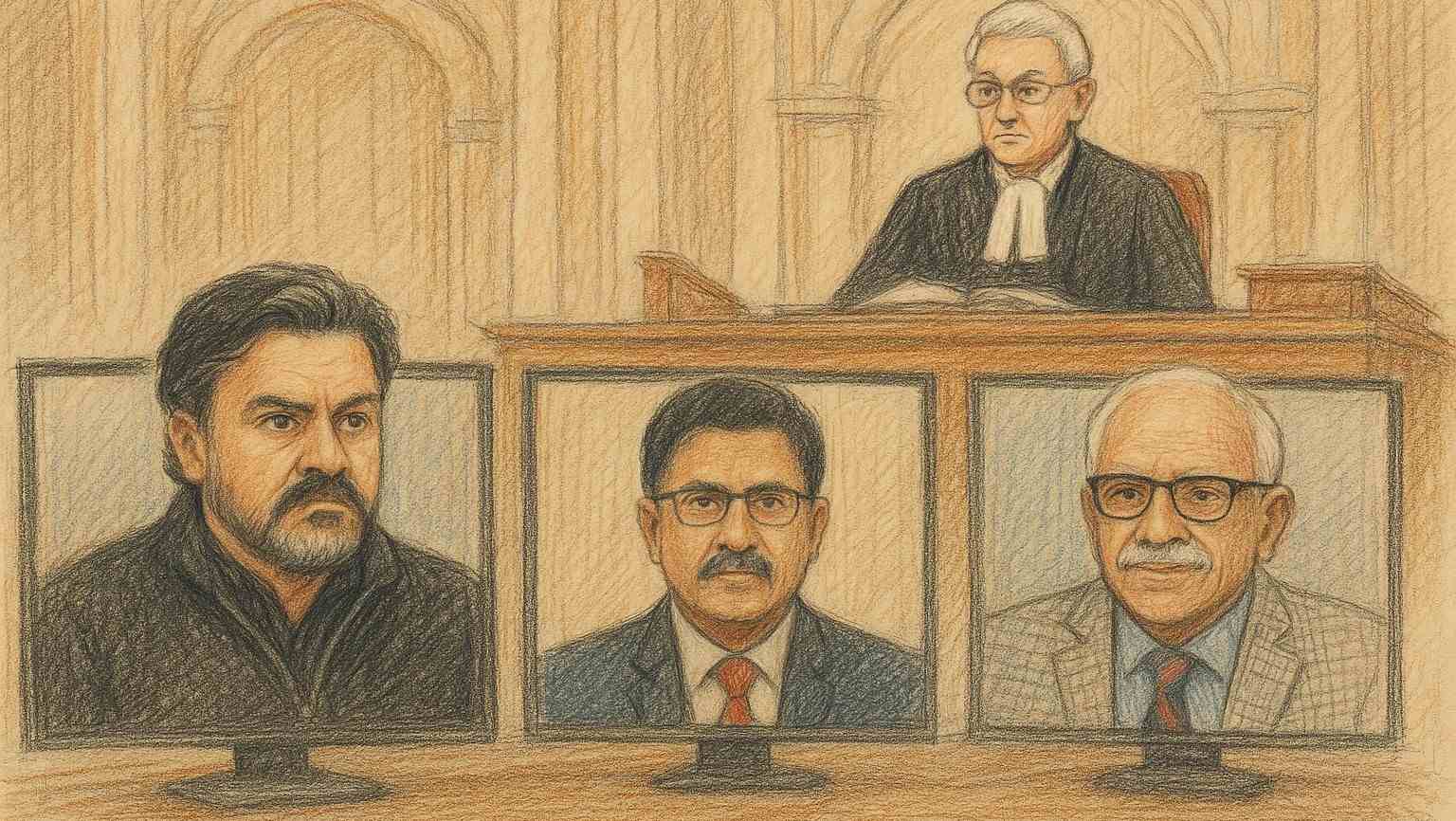
Authorities have now weaponised trials in absentia Pakistan against journalists accused of so-called “digital terrorism.” According to the letter, courts convicted the accused without their presence, denied them access to evidence, and failed to issue written judgments.
This approach violates the most basic premise of justice. A person cannot meaningfully appeal a verdict when authorities conceal it. Therefore, when courts withhold written judgments, they also conceal evidence, reasoning, and legal basis.
As a result, secrecy alone renders the process fundamentally illegitimate.
Constitutional Guarantees Have Been Ignored
Pakistan’s Constitution guarantees the right to a fair trial. This guarantee is neither optional nor conditional. Instead, it is categorical.
The letter explains that even under the Anti-Terrorism Act, proceedings in absentia require strict safeguards. Courts must first establish deliberate absence and refusal to participate despite genuine opportunity.
In this case, the court never met that threshold.
The journalists remained outside Pakistan because they faced credible risks of unlawful arrest, torture, and extrajudicial harm. These fears are not speculative. On the contrary, they reflect Pakistan’s recent history.
Fear Is Not Abscondence
Labeling exiled journalists as “absconders” ignores reality. The state knew exactly why they could not return.
According to the letter, authorities continued to track and threaten these individuals even abroad. This conduct therefore establishes coercion, not evasion.
When fear for life prevents appearance, absence cannot qualify as voluntary. Proceeding regardless transforms a court into an instrument of punishment rather than adjudication.
International Law Is Explicit
The former Attorney General also invokes binding international obligations. For example, Article 10 of the Universal Declaration of Human Rights and Article 14 of the International Covenant on Civil and Political Rights leave no ambiguity.
Every accused person has the right to be heard. Moreover, every accused person must have a real opportunity to present a defence.
Trials in absentia Pakistan violate these principles directly. Consequently, international law treats such proceedings as inherently abusive, except in the narrowest circumstances.
Judicial Independence Under Siege
The letter raises an even more disturbing concern. Judicial independence itself has eroded.
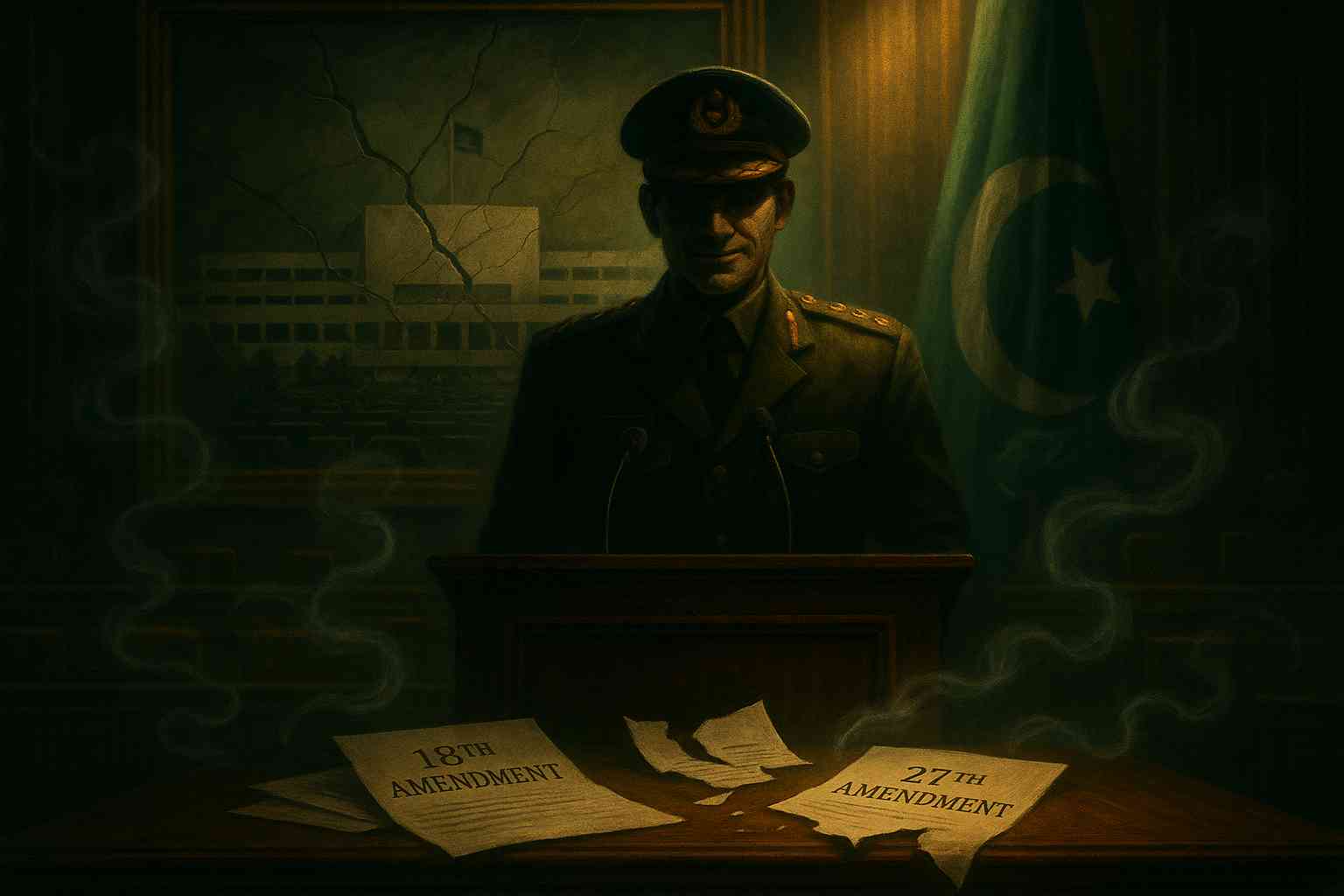
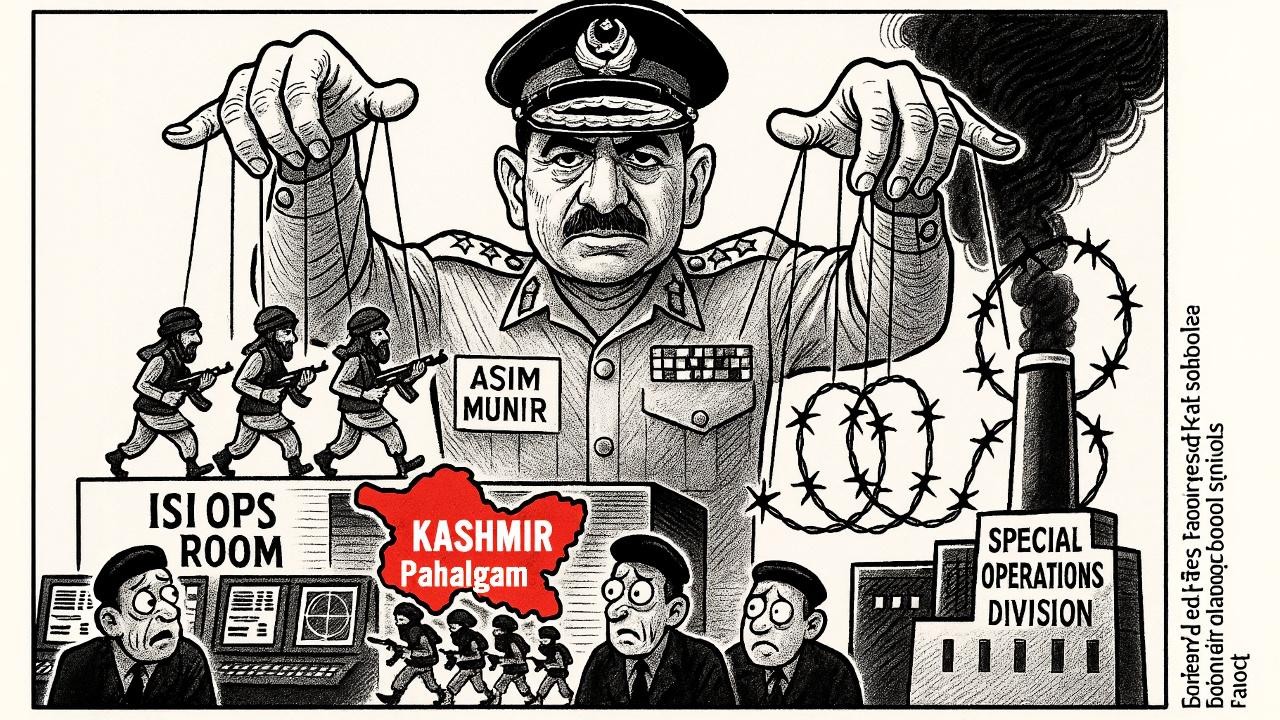
According to the author, recent constitutional amendments have subordinated courts to executive authority. When the state directs judicial processes, outcomes become predetermined.
Under these conditions, verdicts lose legitimacy. Instead, they function as tools of control rather than instruments of justice.
When Courts Become Theatre
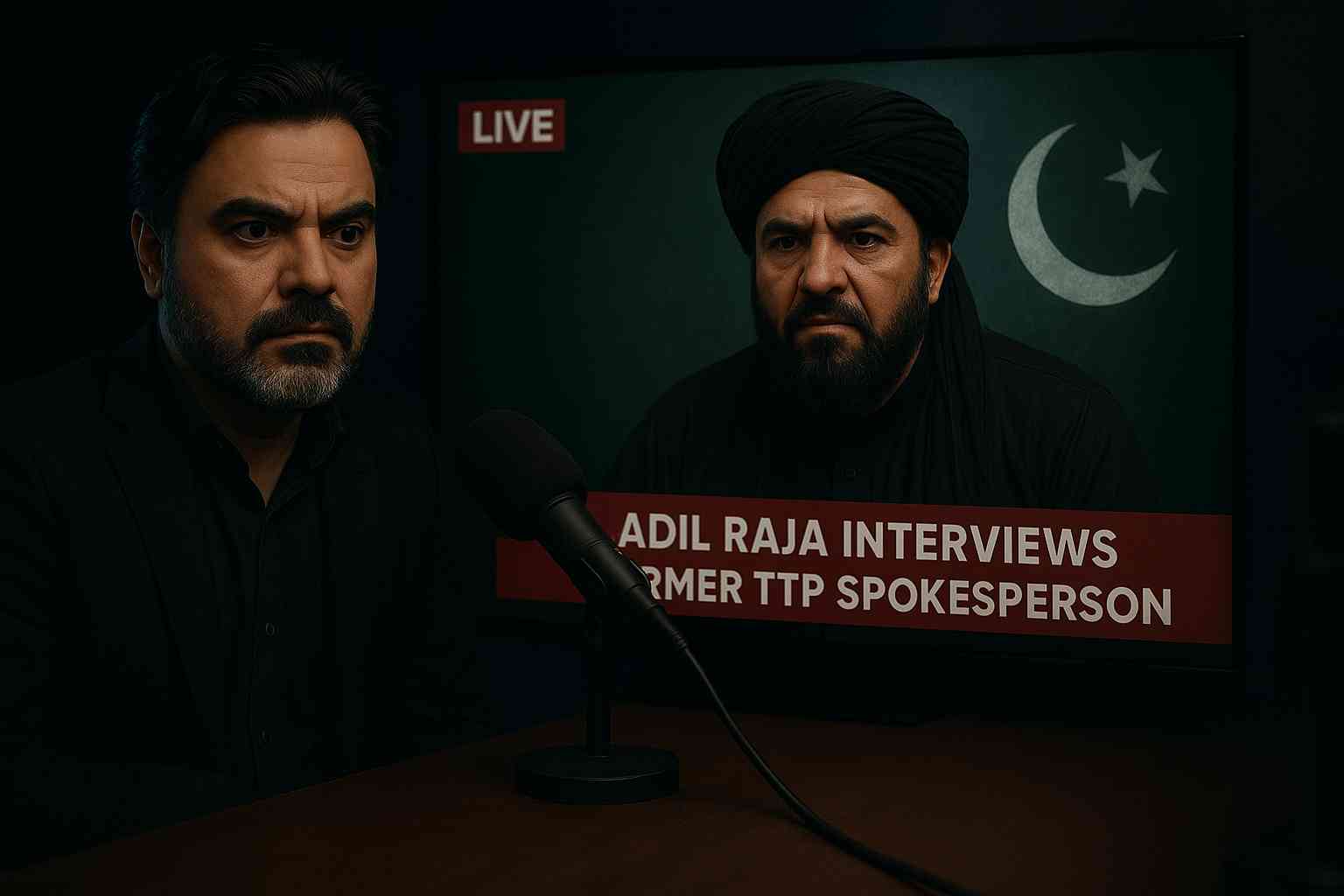
Adil Raja has described these proceedings as “the pathetic theater of a usurping authority.” The legal letter supports this view with precision rather than rhetoric.
- A trial without defendants.
- A conviction without disclosure.
- An appeal window without a judgment.
This is not due process. Instead, it is performance.
This is not a “statement”—it’s a damning indictment. @KhanSaauma , a former Attorney General and Judge of the Sindh High Court, has exposed the blatant constitutional desecration being carried out by Pakistan’s military junta. Under the command of Asim Munir and his cronies, the… pic.twitter.com/Zg9QGAWxxb
— Adil Raja (@soldierspeaks) January 8, 2026
A Warning, Not Just a Critique
The letter concludes with a warning to those enabling this system. Legal precedents do not remain confined to their original targets.
Today’s tools of repression therefore become tomorrow’s instruments of accountability. History shows that regimes relying on coerced justice eventually face consequences.
If independent, superior courts will overturn such verdicts. However, if they fail to act, the damage will extend far beyond journalism.
Conclusion: Law or Power
The issue no longer concerns individual journalists alone. Instead, it concerns whether Pakistan remains a constitutional state.
When trials in absentia Pakistan replace fair hearings, law yields to force. And when force governs, the result is not a republic.
It is merely a gang in power.