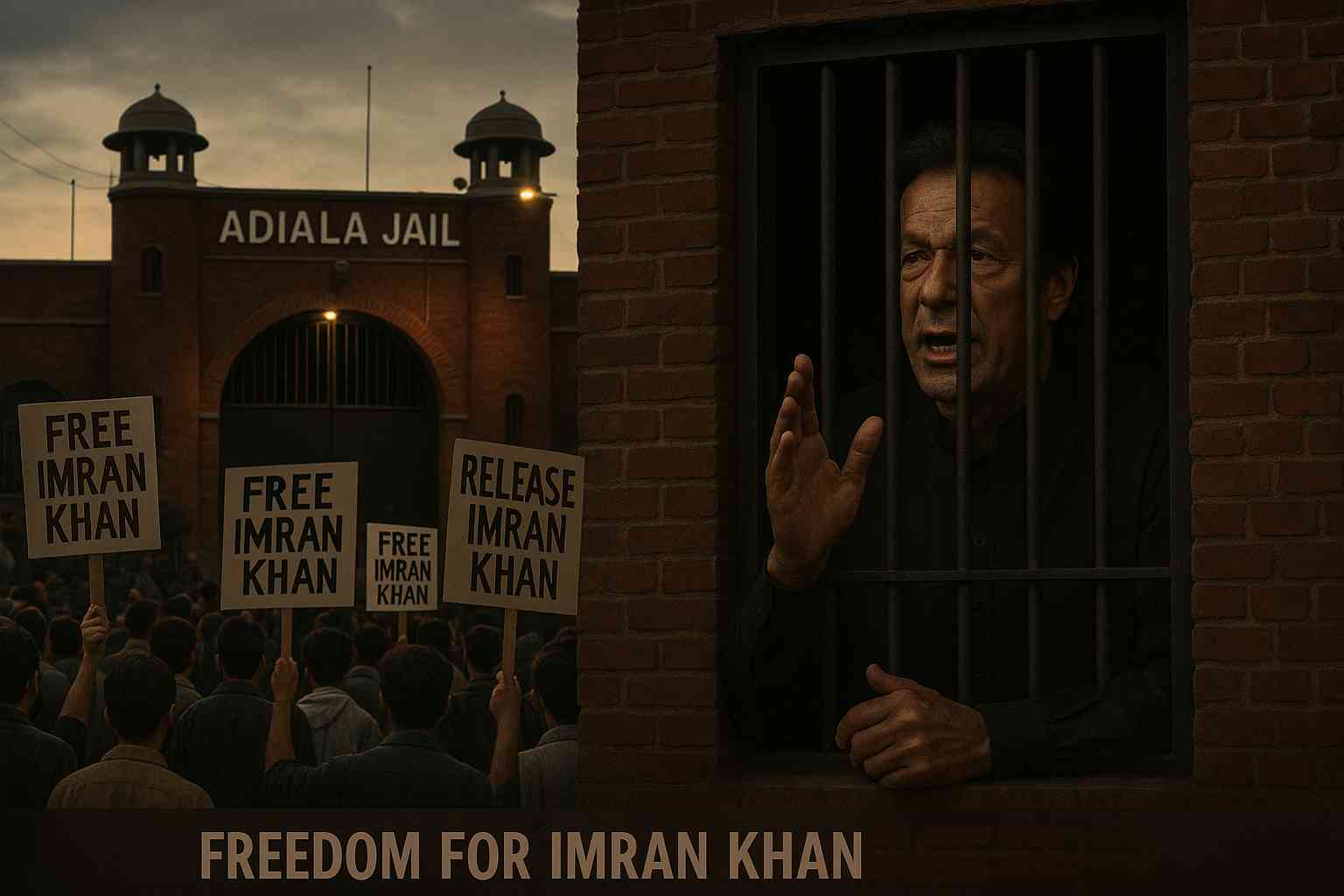
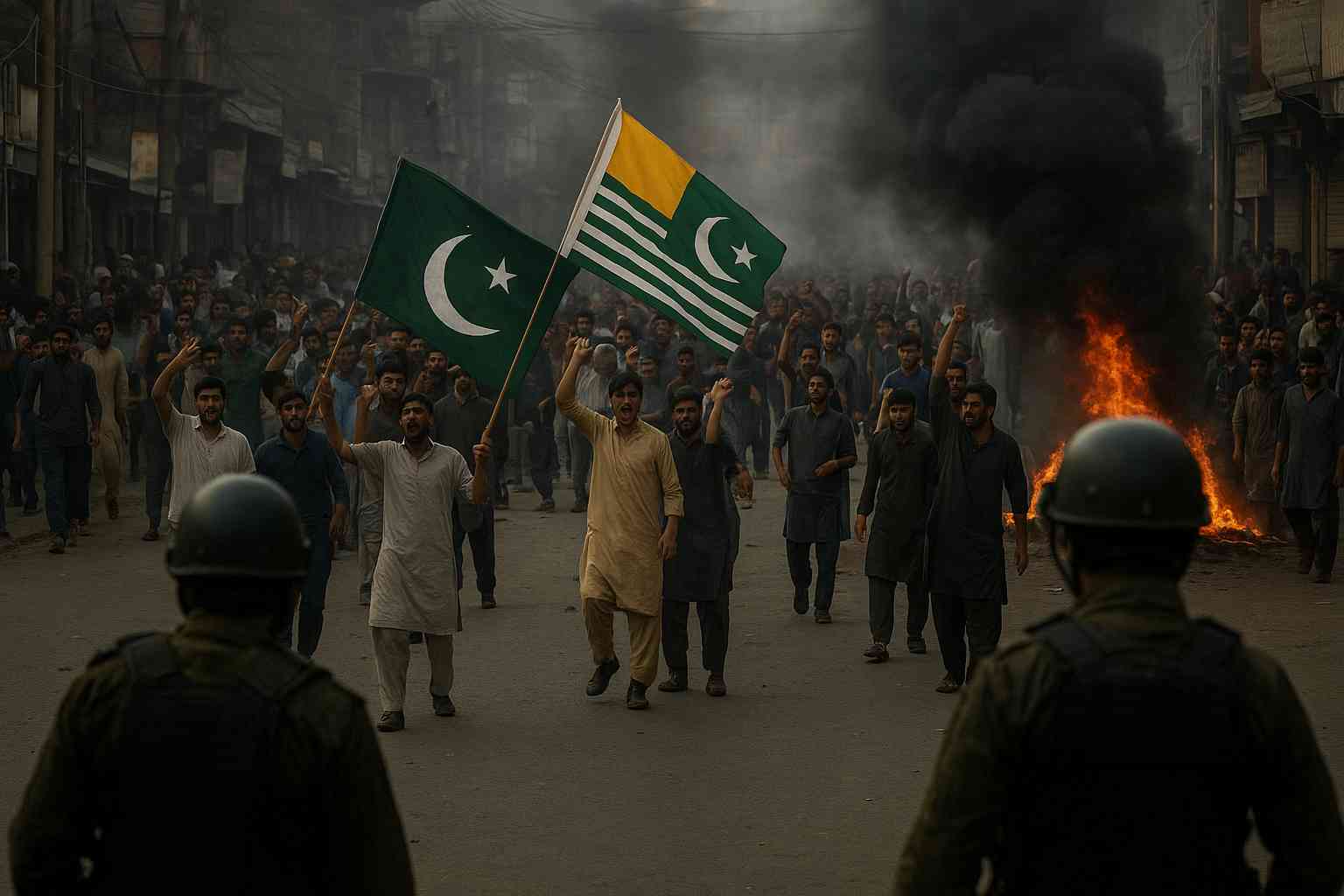
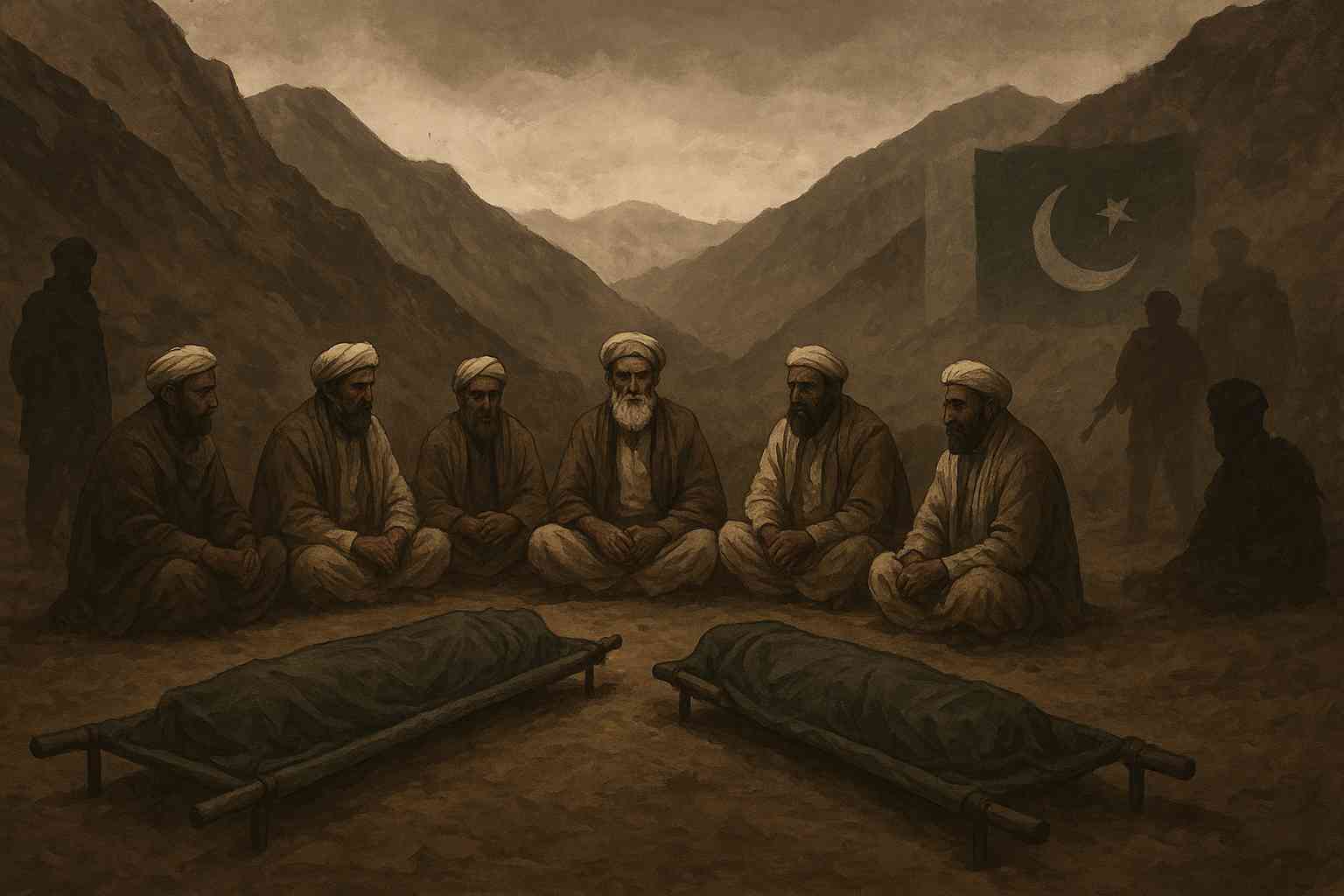
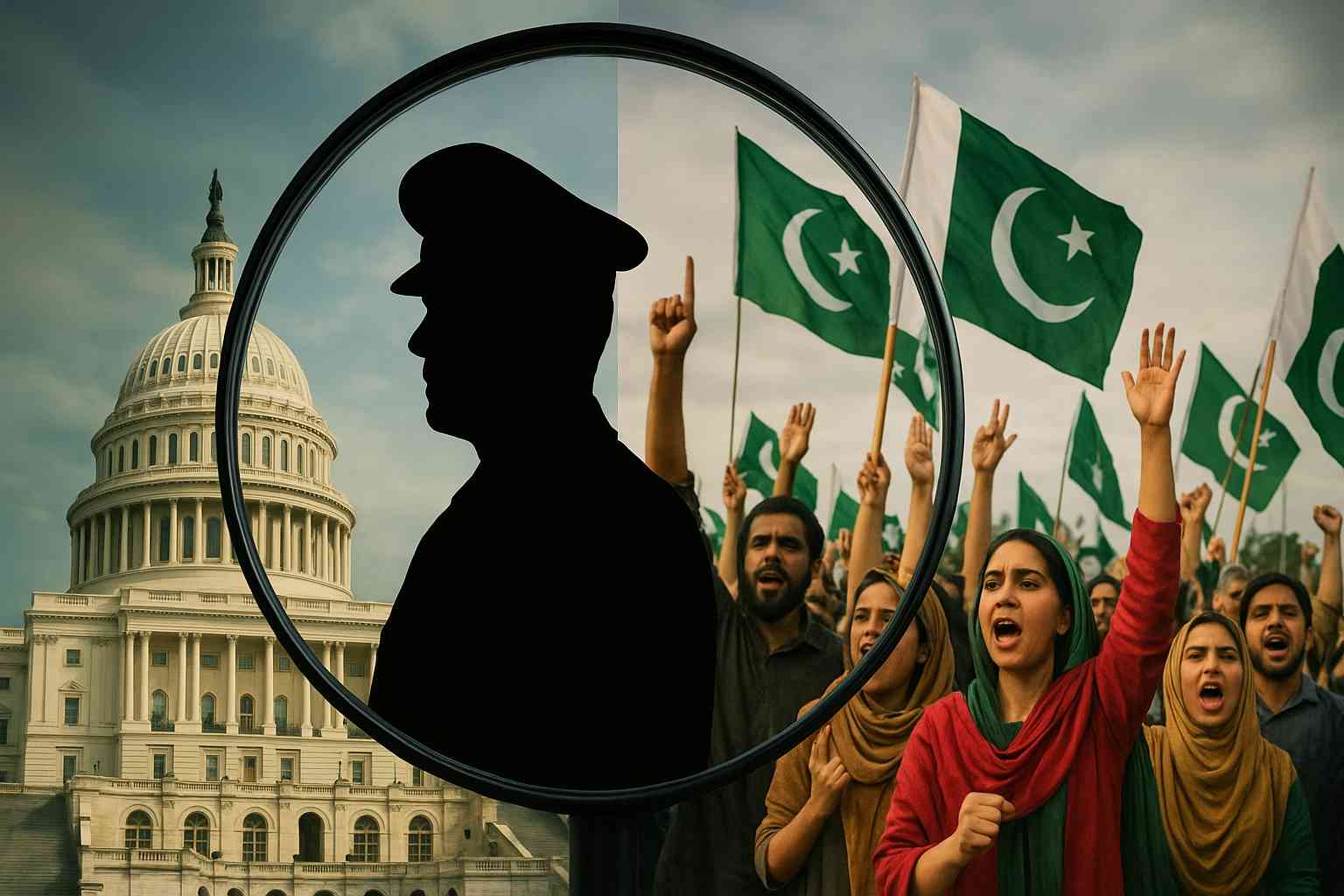
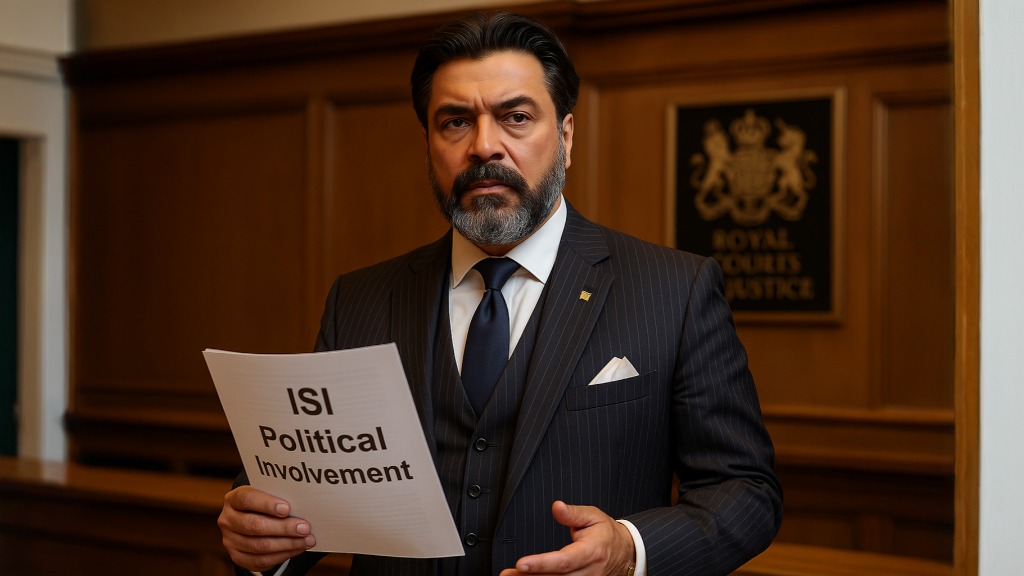
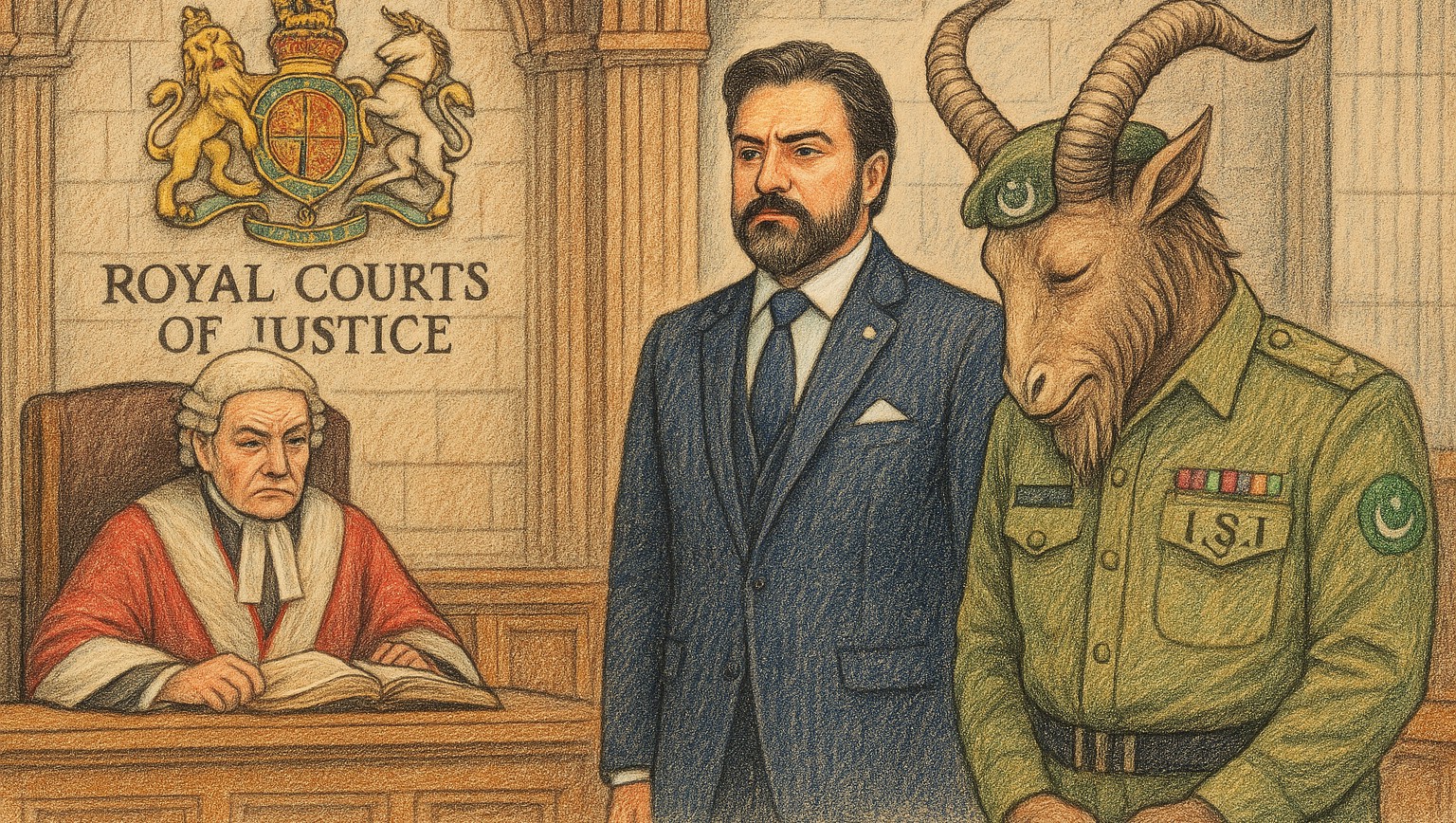
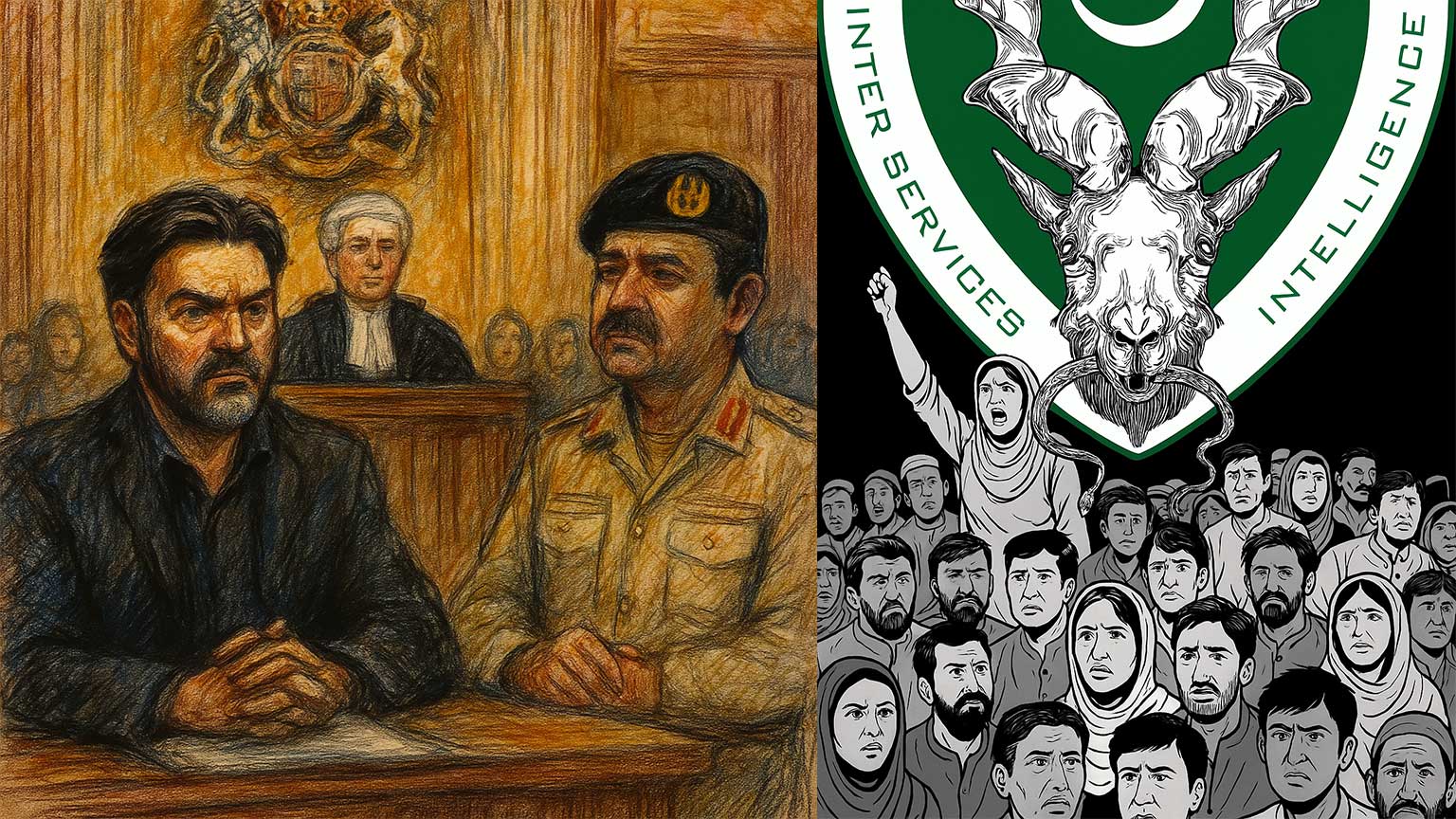
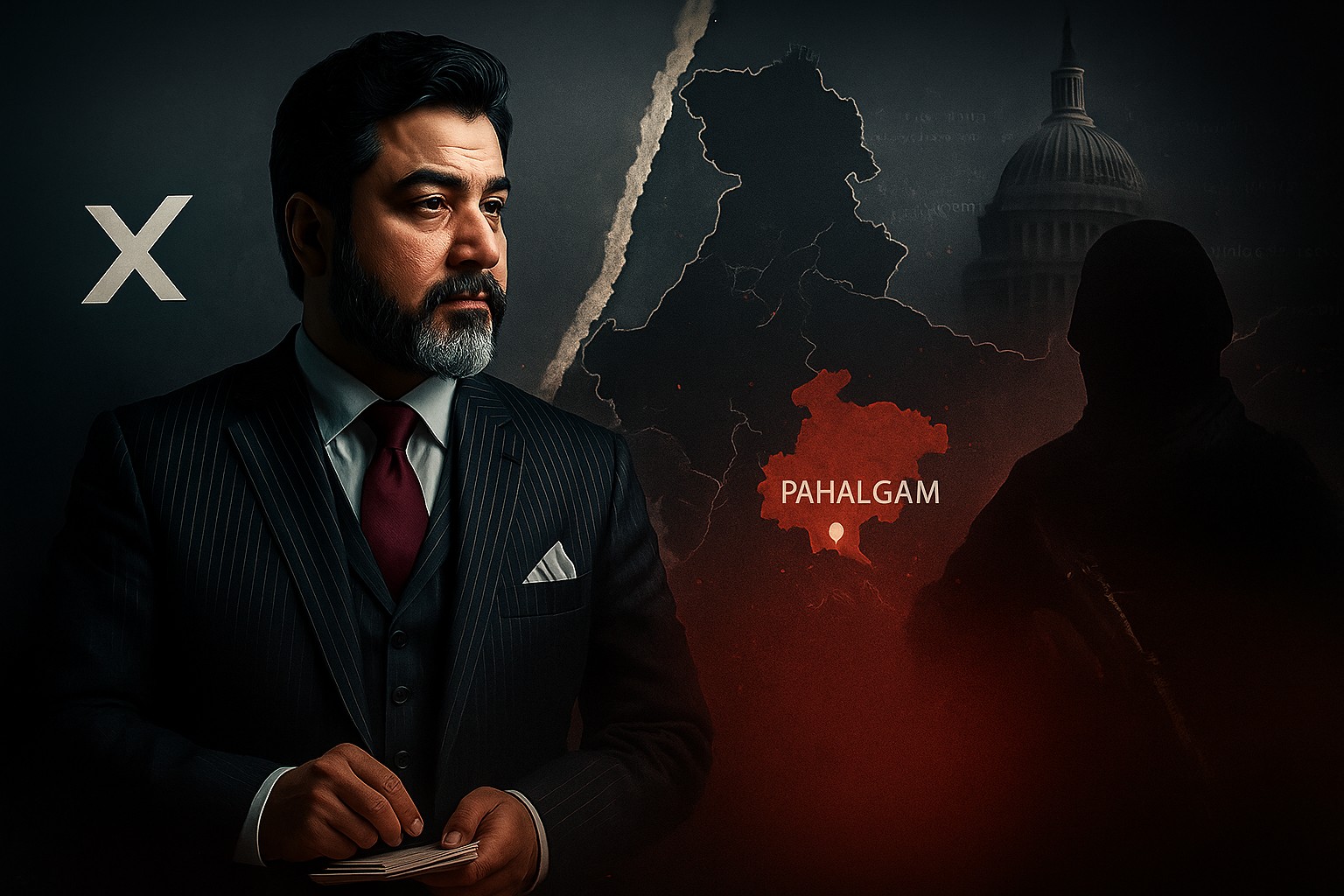
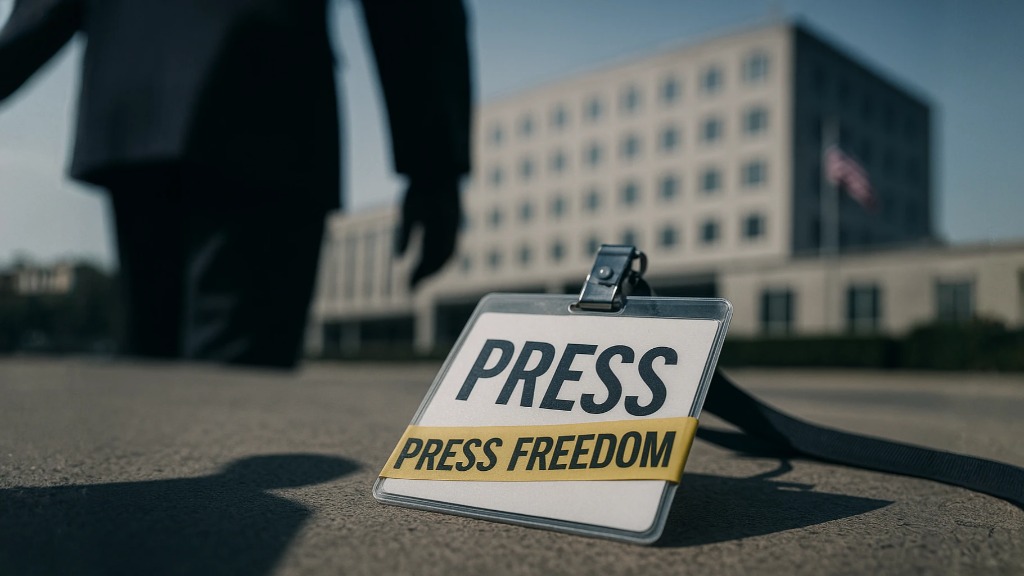
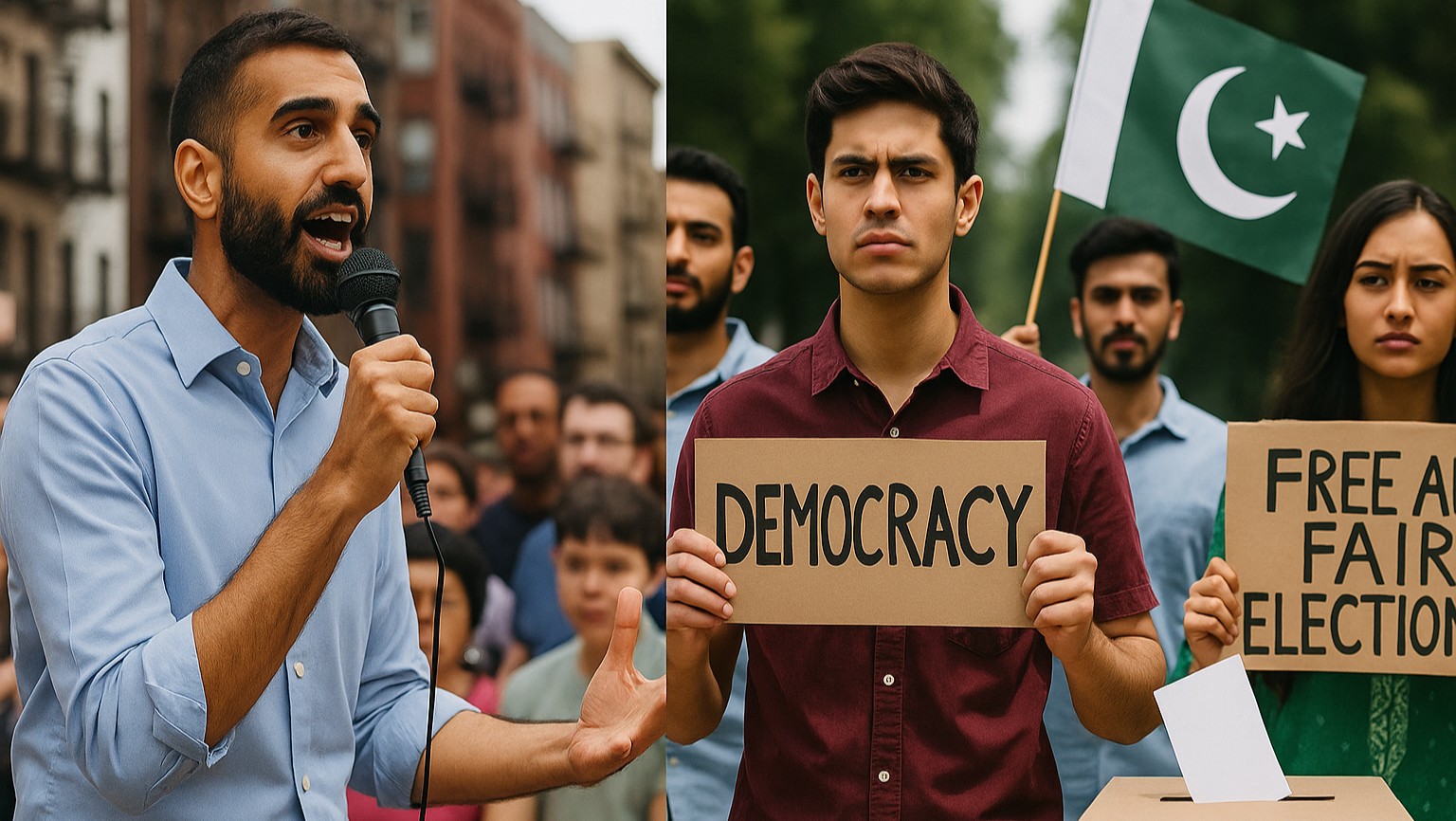
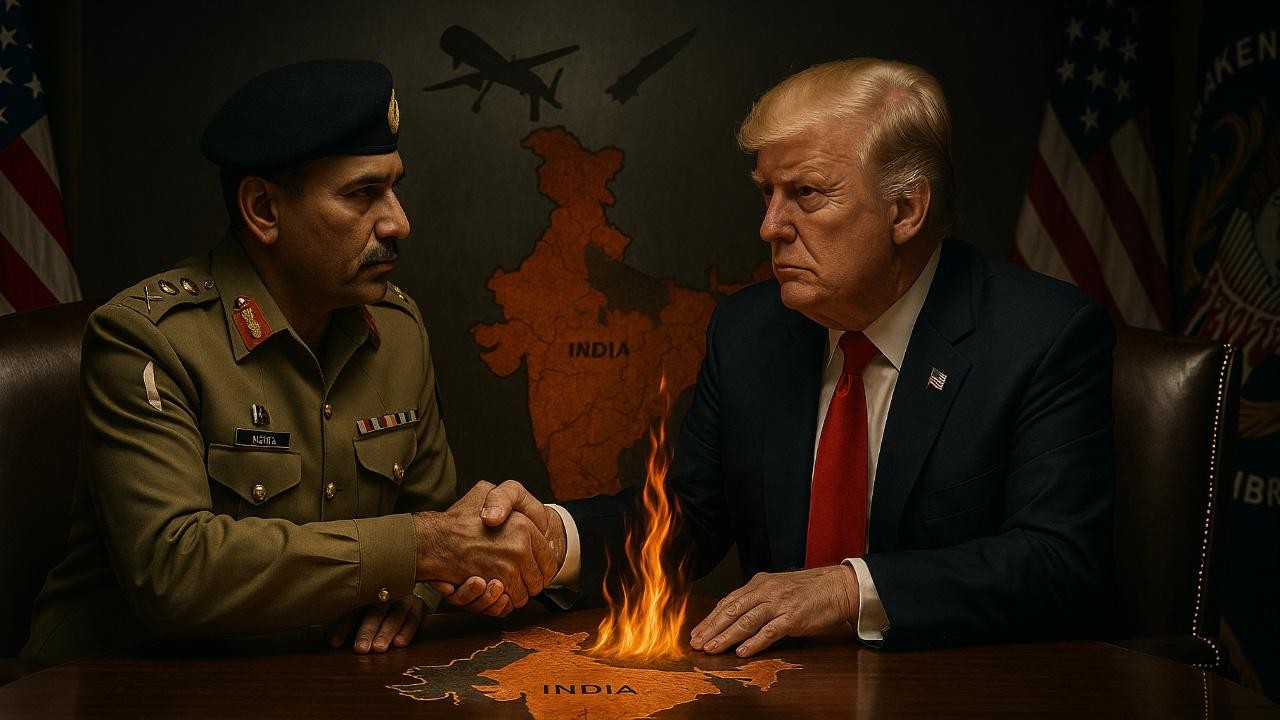
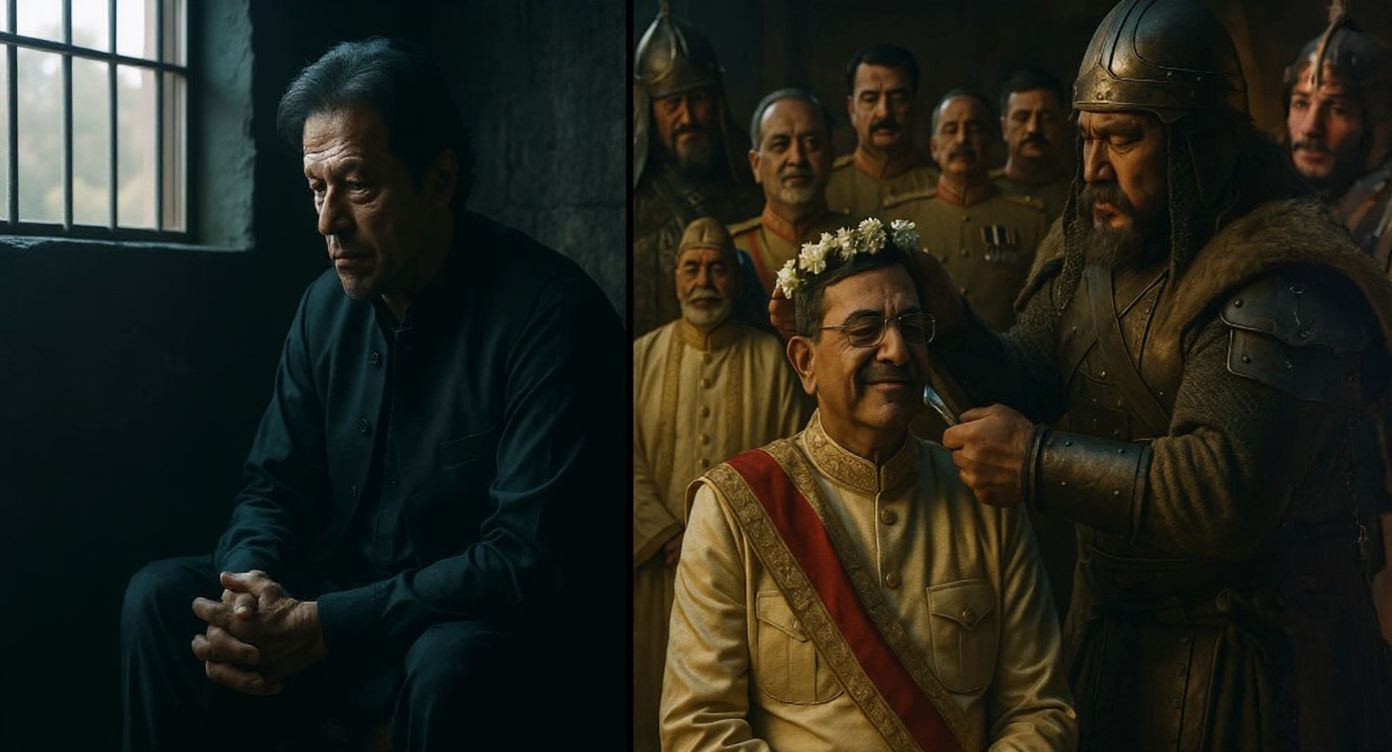
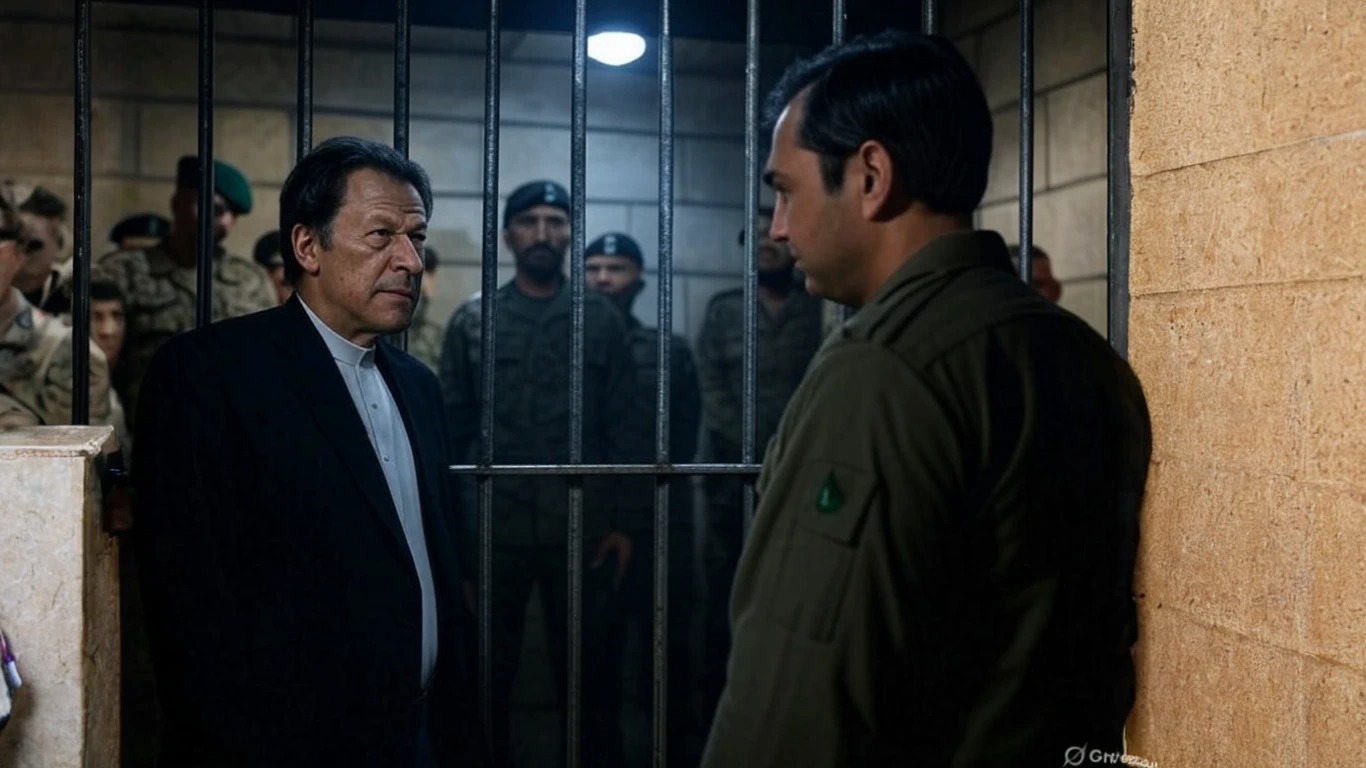
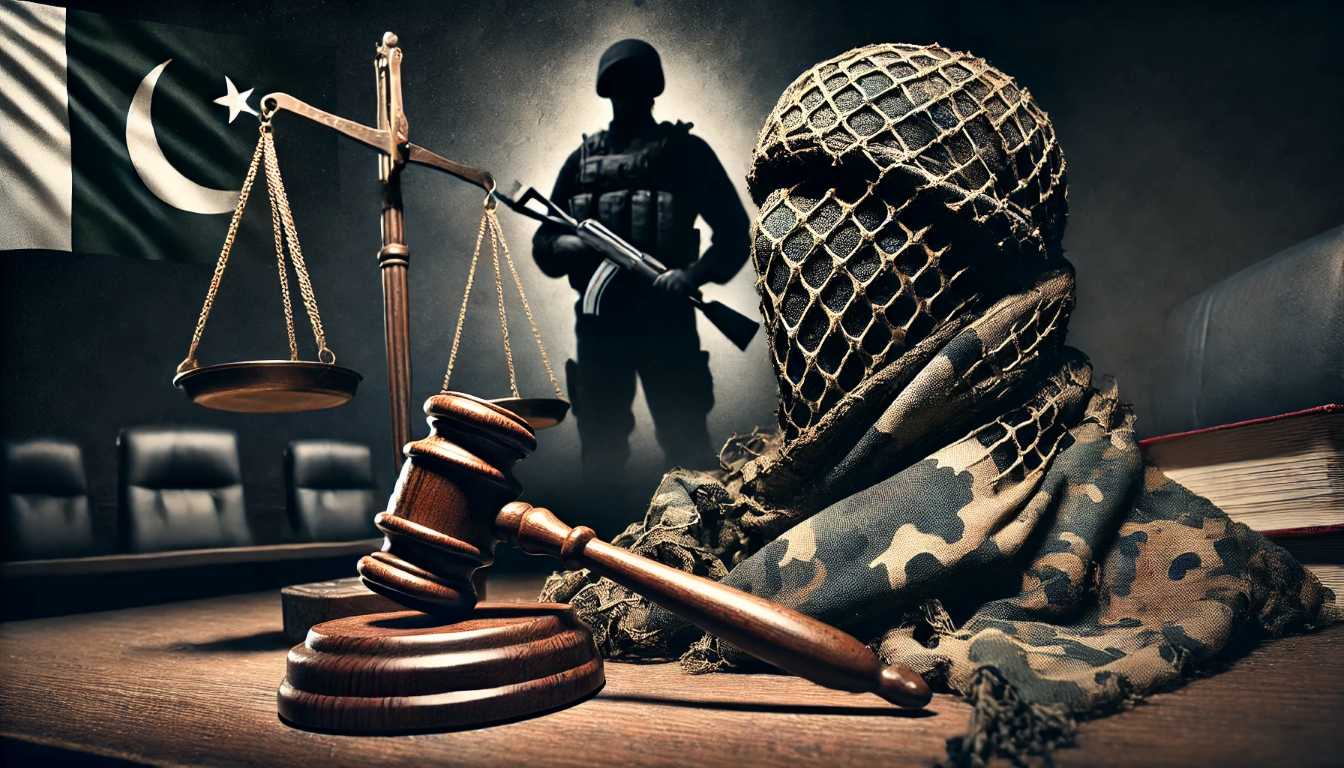
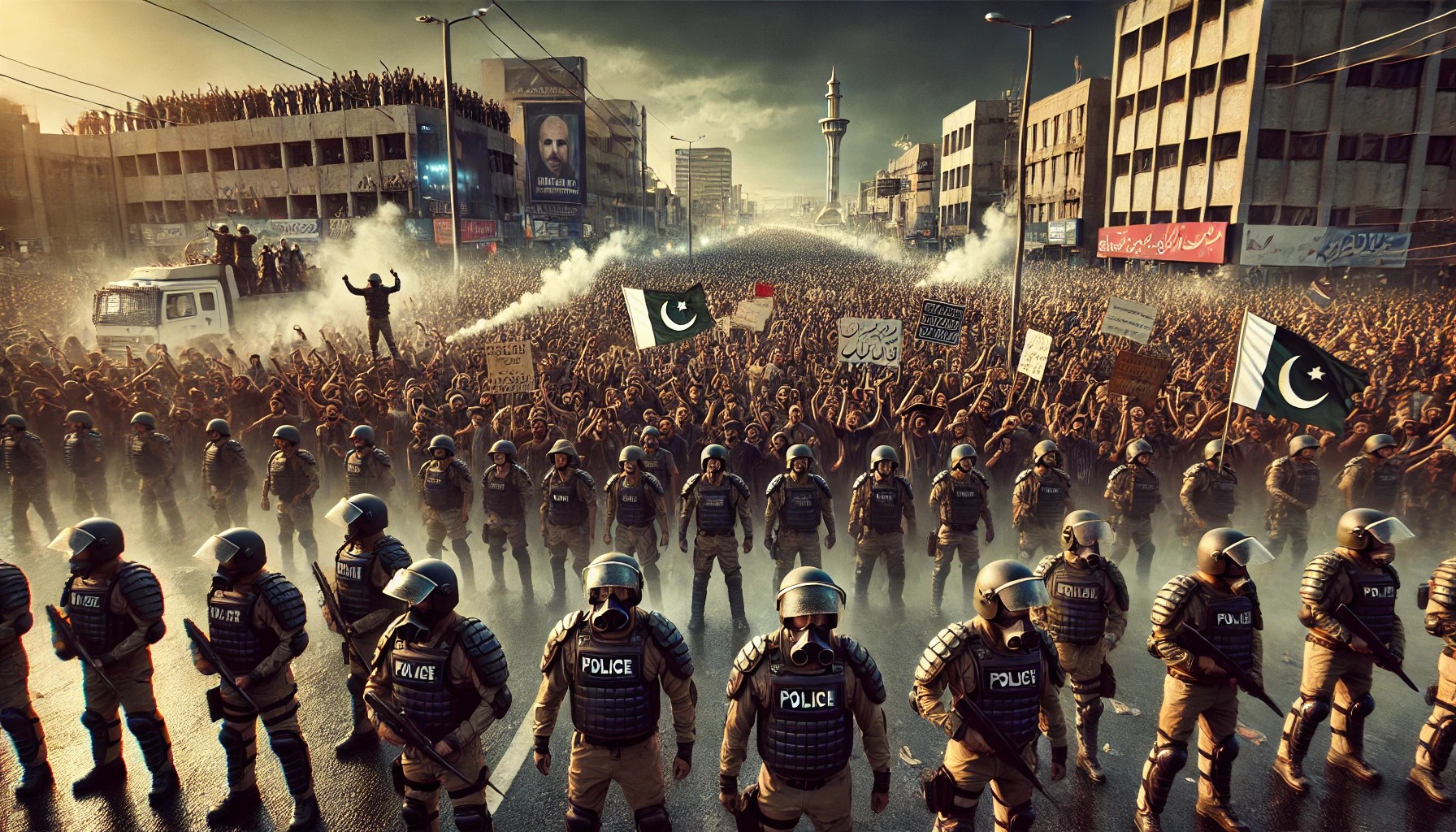
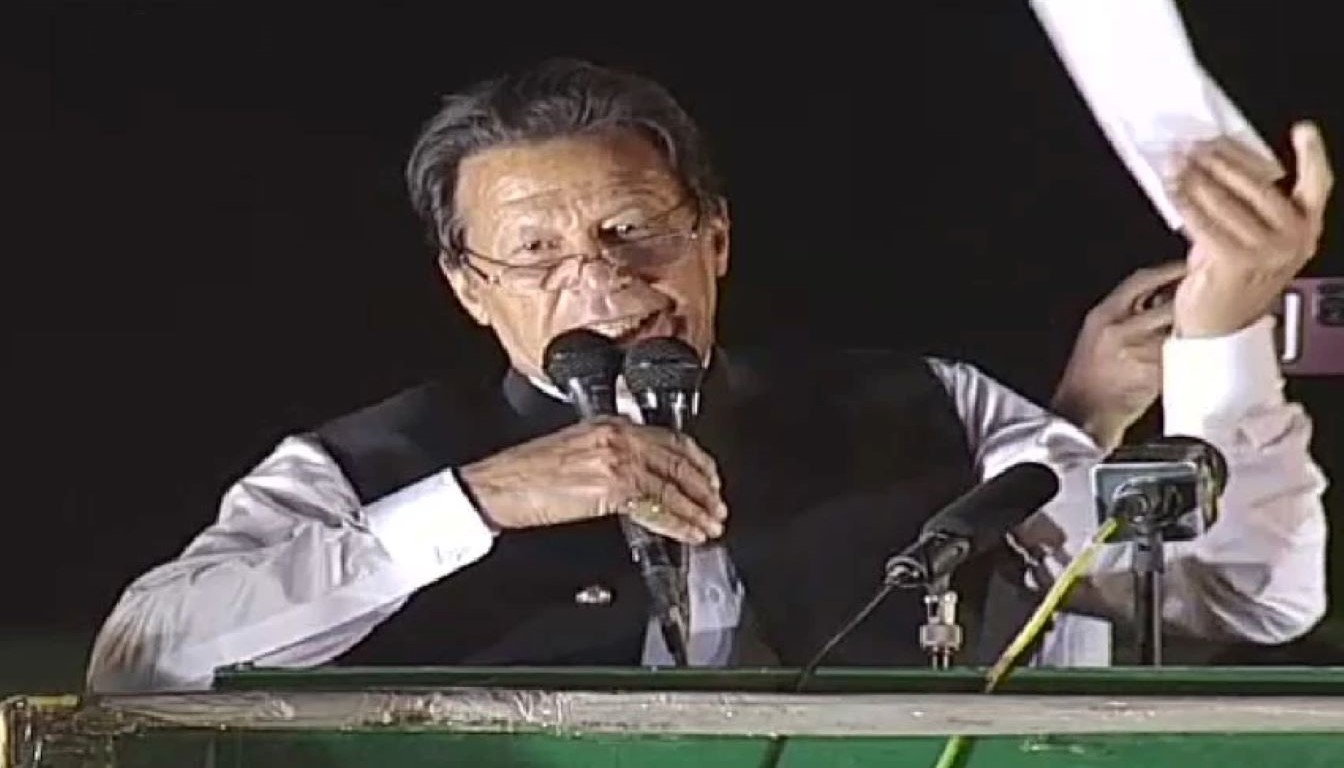
In a bid to cling to power, Pakistan’s government has increasingly weaponized the judiciary to silence critics at home and intimidate Pakistani dissidents abroad. The new year opened with an anti-terrorism court convicting several journalists and political commentators in absentia and sentencing them to life imprisonment. Some of those targeted were former army officers. Authorities linked the charges to the 2023 riots that followed the arrest of former Prime Minister Imran Khan.
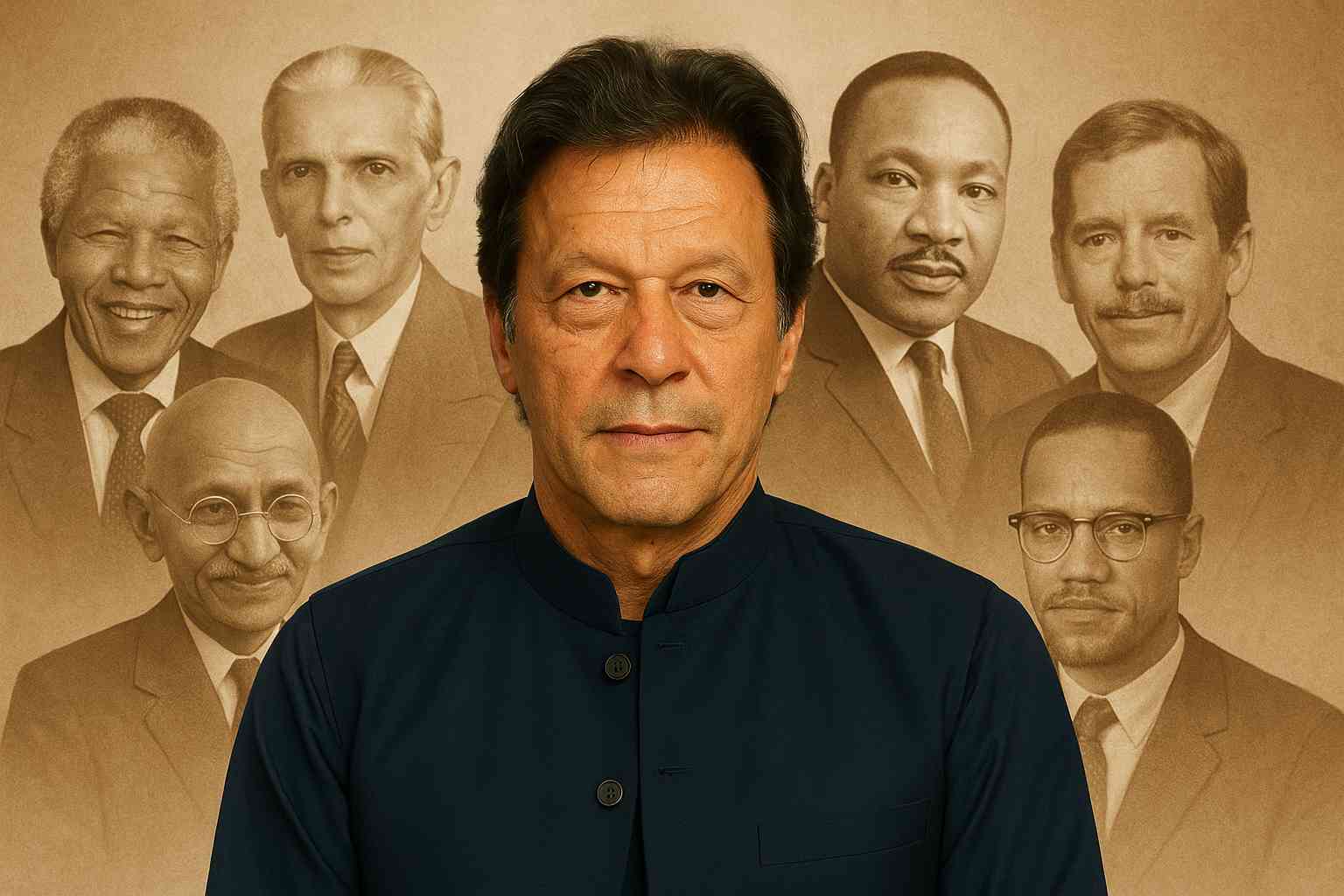
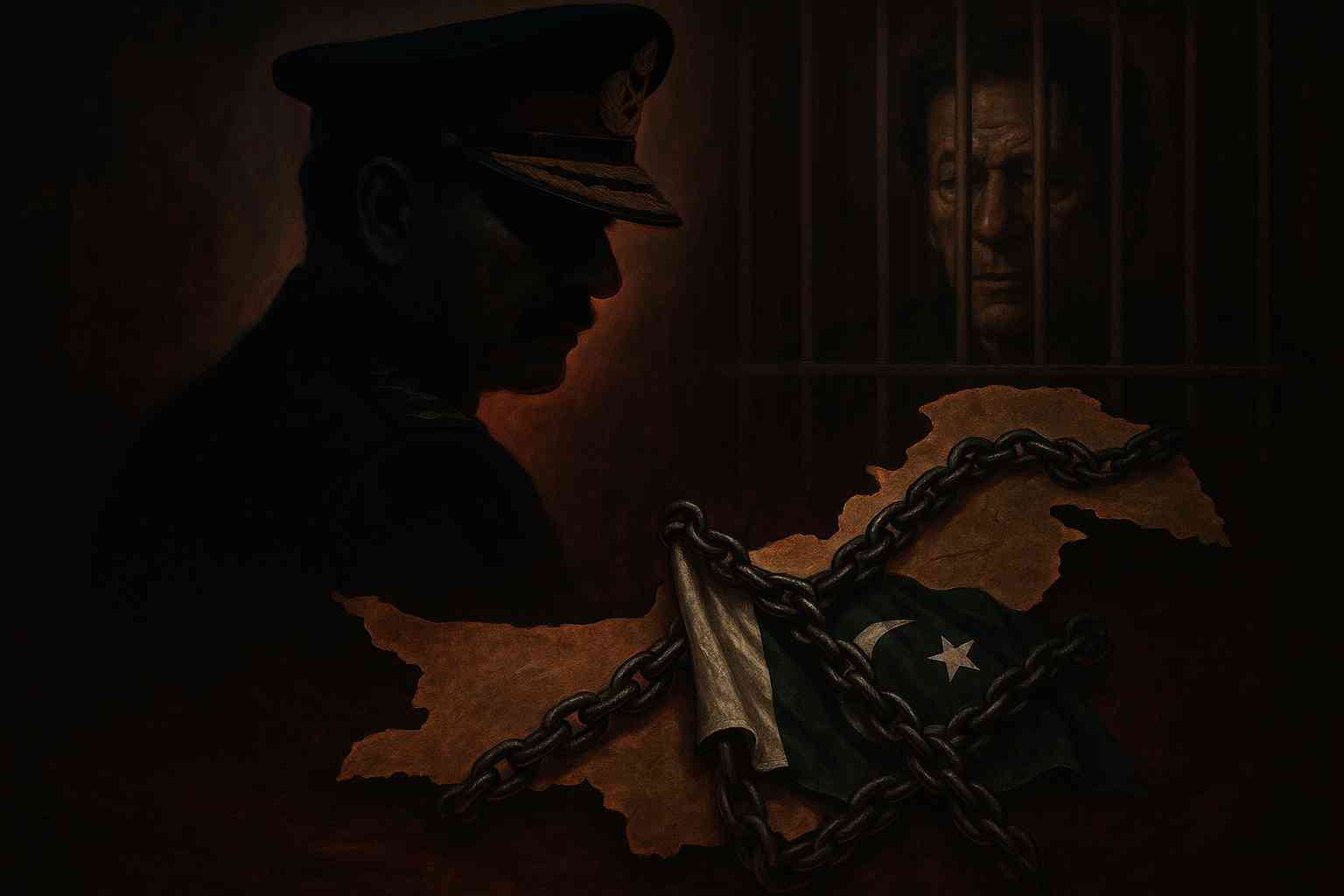
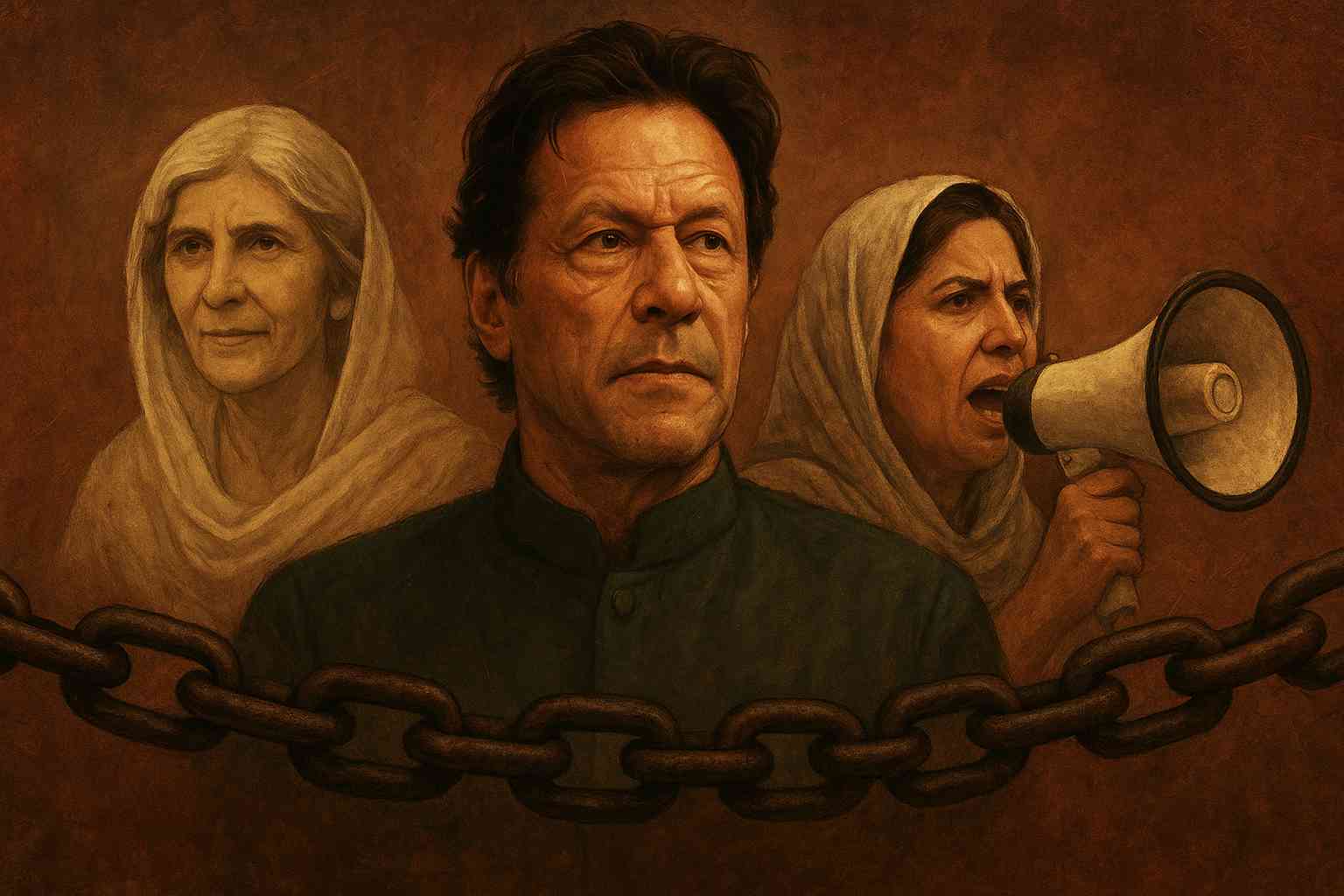
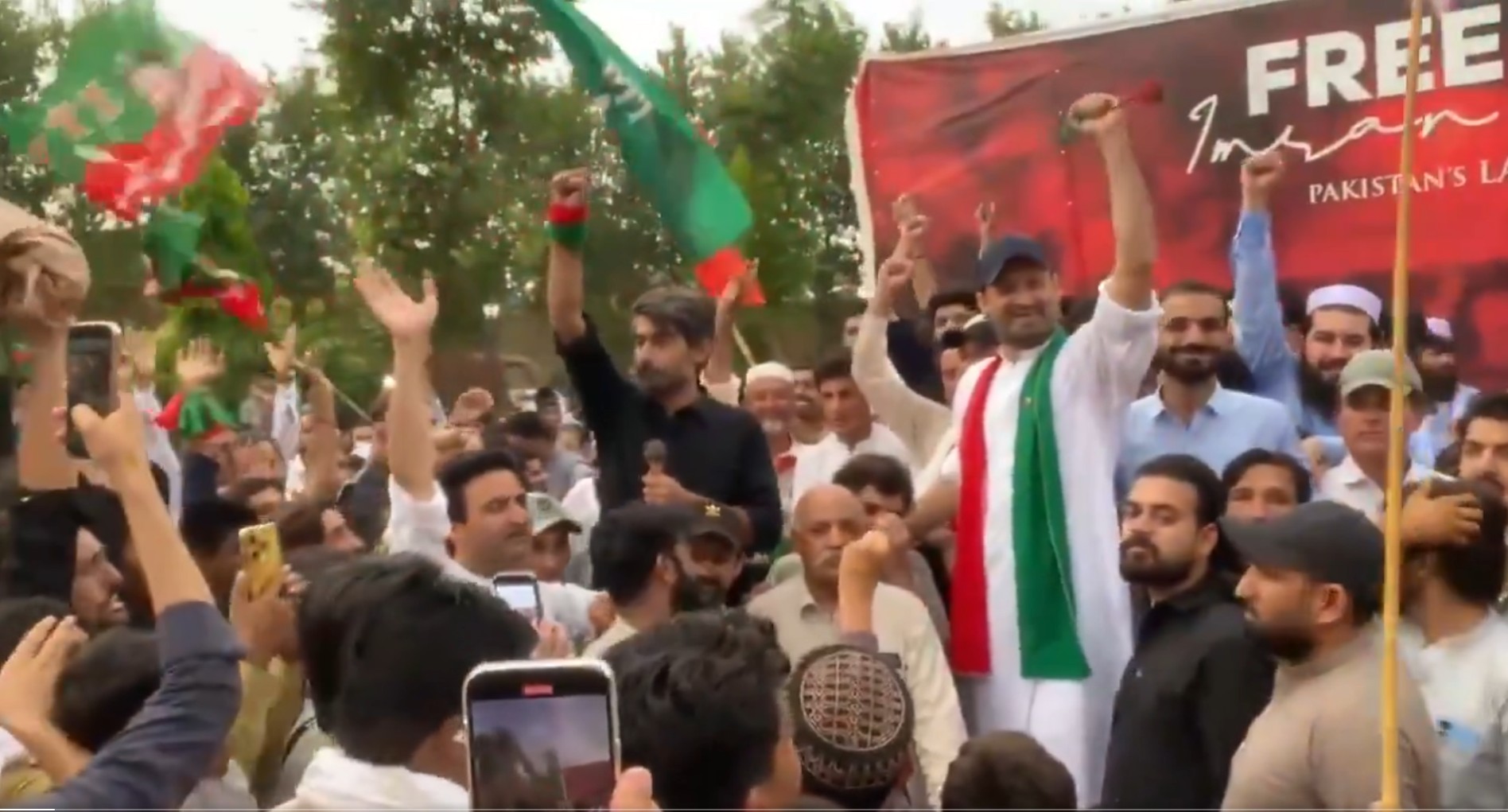
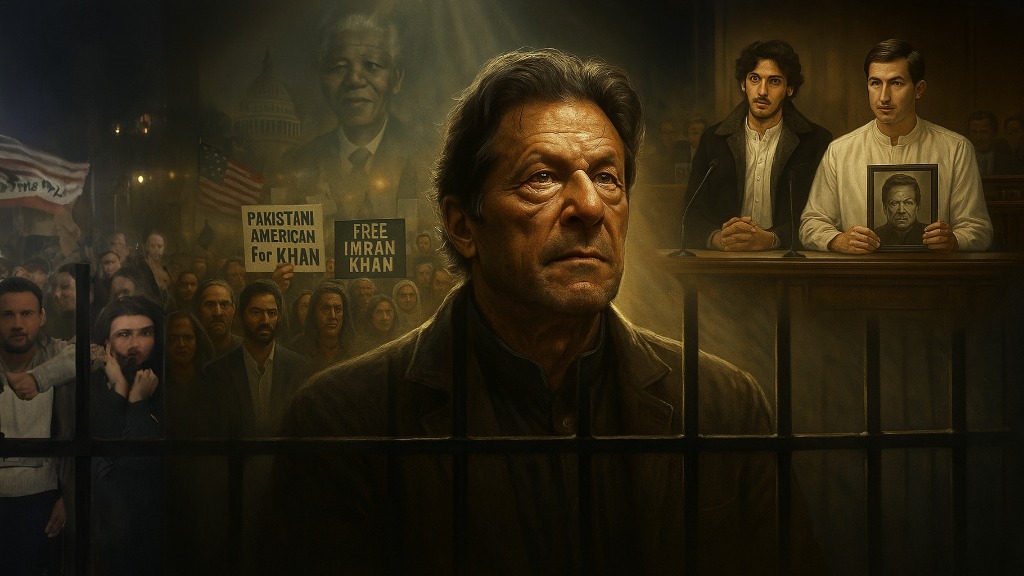
Khan’s enduring popularity has posed a persistent threat to Pakistan’s military-backed leadership since his ouster in 2022. Consequently, the crackdown on Khan and his supporters has expanded beyond Pakistan’s borders. This escalation reveals how far the state and its military establishment will go to retain control.
From Domestic Crackdown to Transnational Repression
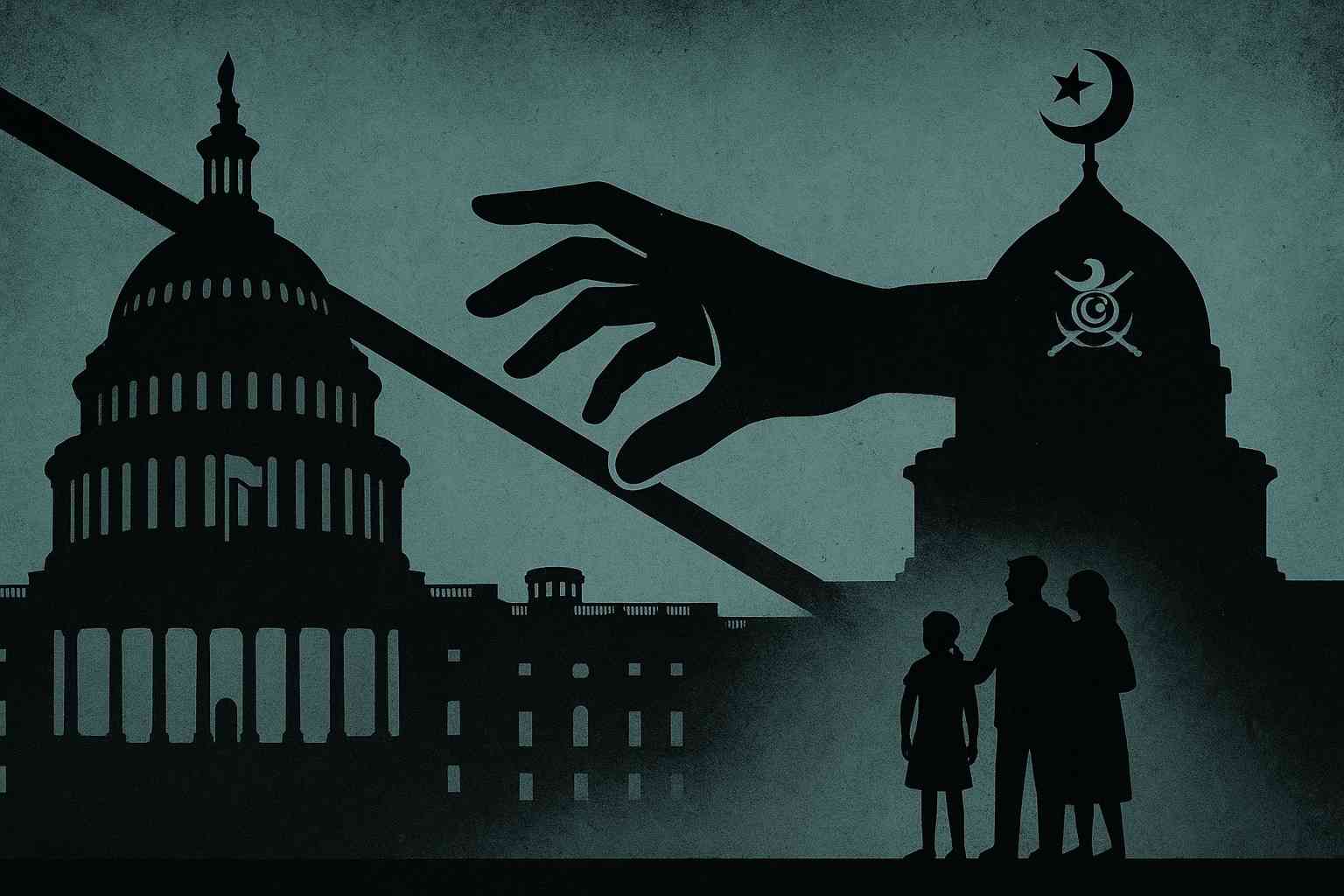
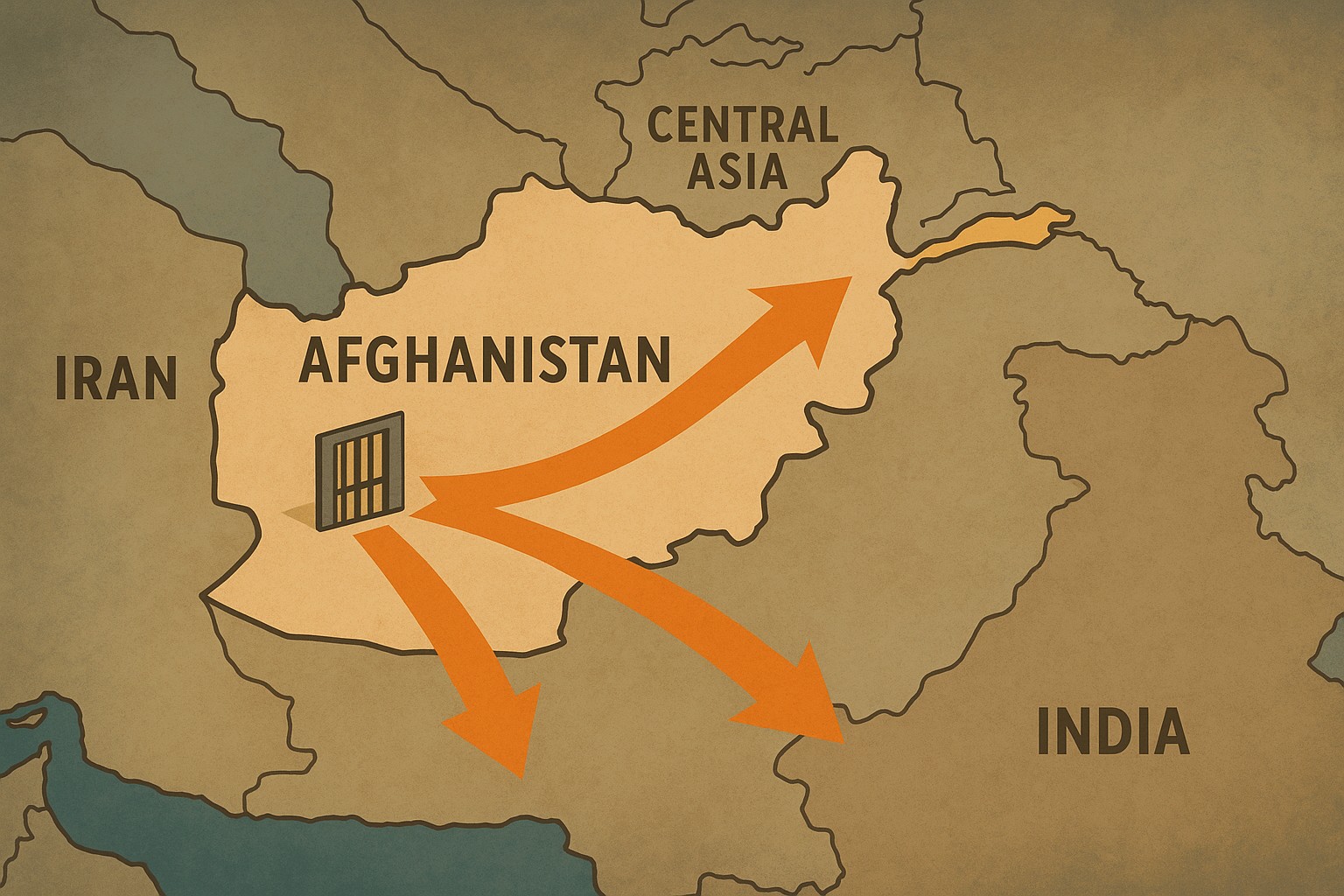
Pakistan’s campaign against dissent now extends well beyond its territory. The state has pursued Pakistani dissidents abroad through intimidation, coercion, and legal pressure. In some cases, these efforts have escalated into allegations of extrajudicial violence.
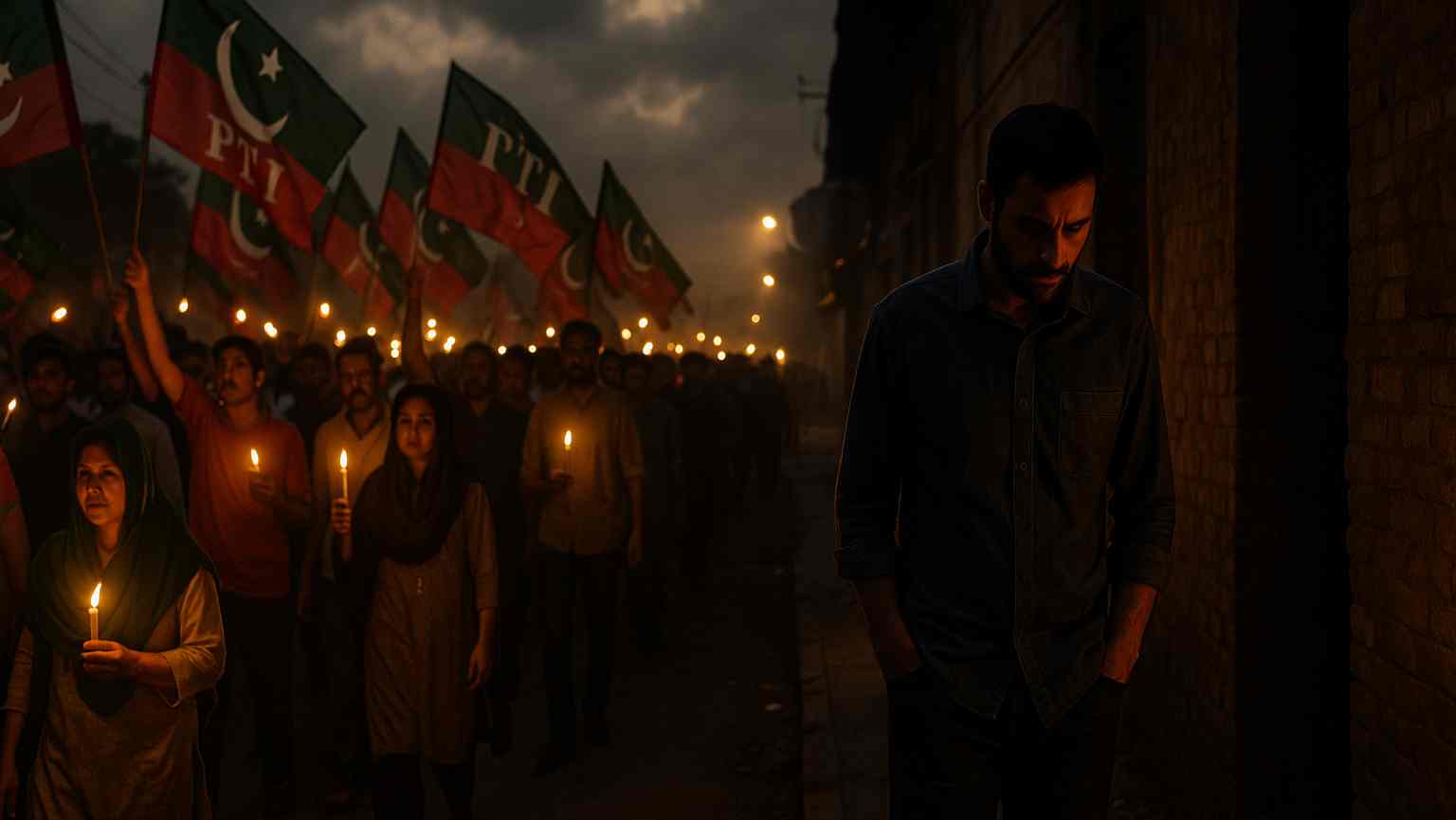
Domestically, authorities have deployed anti-terror legislation and military trials to suppress opposition voices. These measures target journalists, activists, and supporters of Khan’s Pakistan Tehreek-e-Insaf party. Meanwhile, Islamabad has tightened digital censorship through online firewalls in an effort to dominate the information space.
Although these tactics may consolidate power at home, they prove less effective overseas. Pakistan’s large diaspora community in Western countries complicates attempts at control. As a result, the state has resorted to increasingly aggressive measures to deter critics wherever they live.
Pakistani Dissidents Abroad Face Intimidation
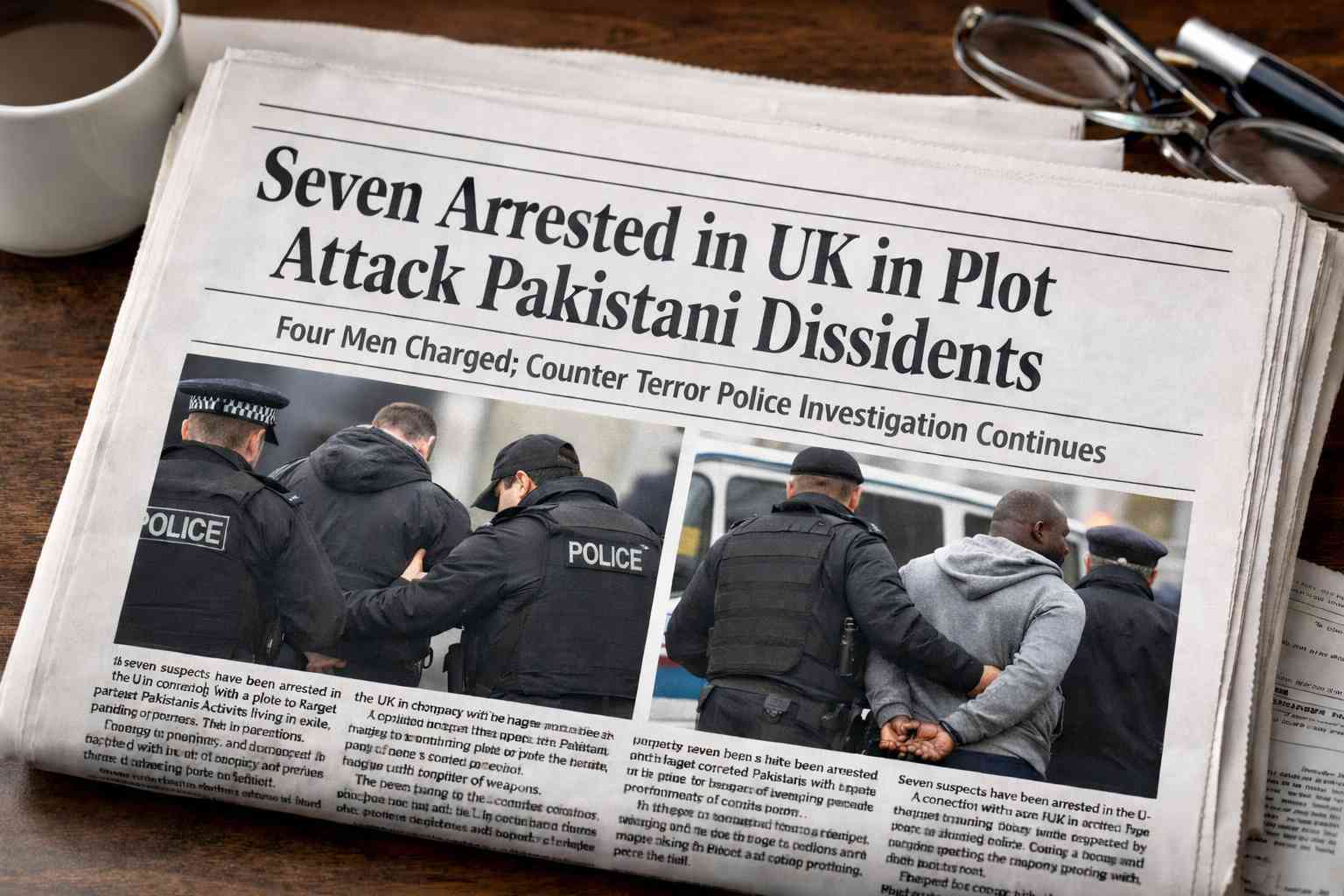
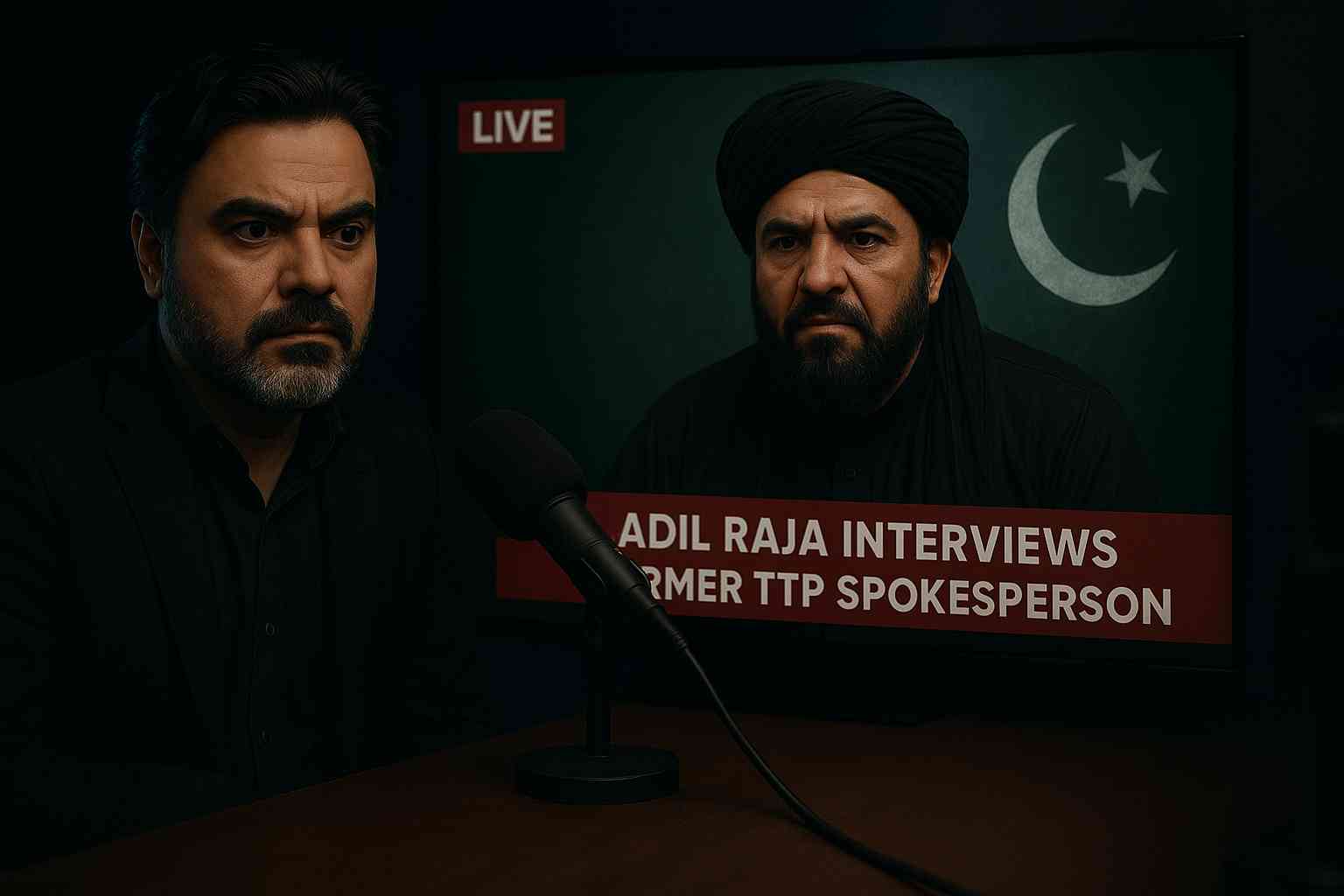
In late December 2025, journalist Adil Raja reported on X that unknown assailants had broken into and ransacked his London home while he was abroad. As a former major in the Pakistan Army, Raja’s commentary carries particular sensitivity for the military establishment.
Days later, another journalist convicted in absentia, Moeed Pirzada, warned his 3.2 million followers about a possible arson attempt at his home in the United States. While Pirzada expressed caution about assigning blame, the timing raised concerns.
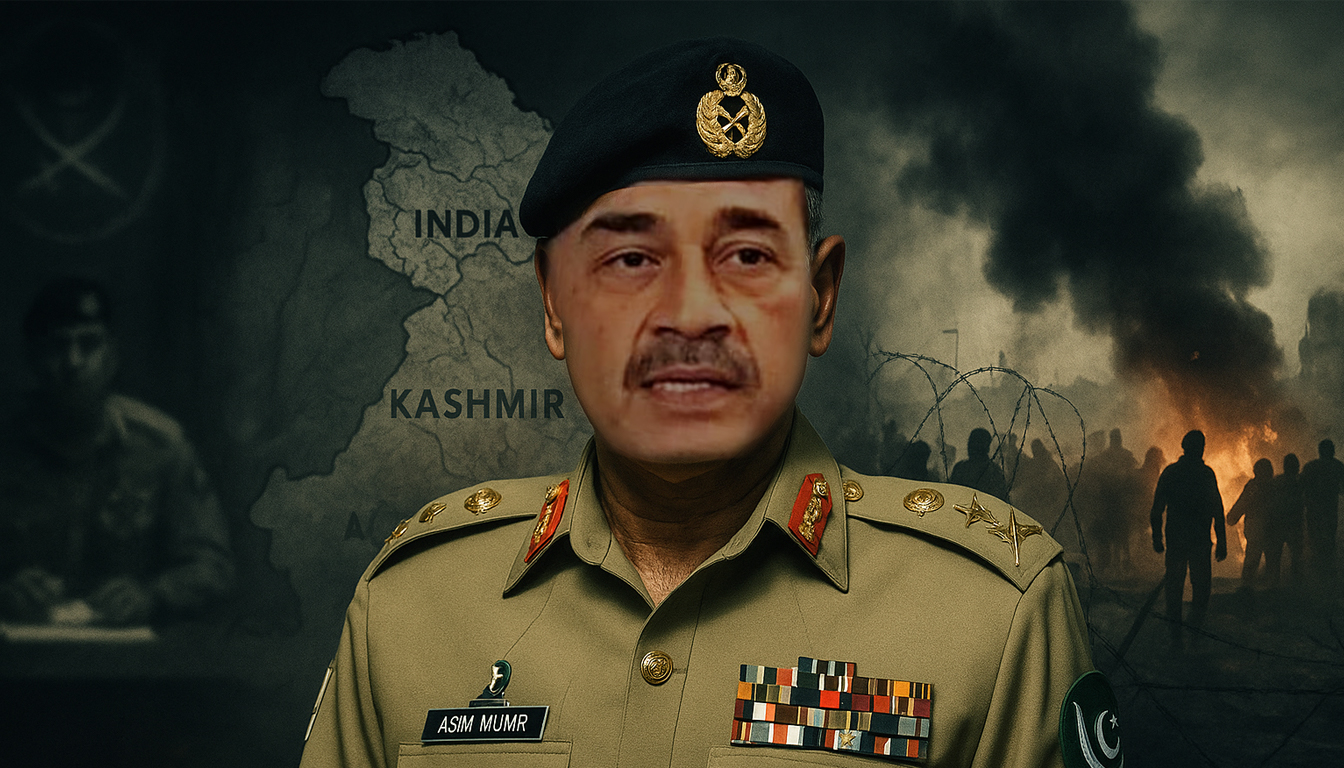
Around the same period, reports emerged of a raid on the London residence of Mirza Shahzad Akbar, Imran Khan’s former adviser and a vocal critic of Army Chief Asim Munir.
Whether the Pakistani state directly orchestrated these incidents remains unconfirmed. However, the timing is striking. Each attack followed closely after convictions in absentia. Collectively, these men present a significant public-relations challenge to the military. Together, they shape narratives about corruption, repression, and human-rights abuses in Pakistan.
A Pattern with Precedent
Overseas intimidation would not mark a departure from past practice. Pakistan’s state apparatus has previously engaged in coercive operations beyond its borders. In some instances, it has even demonstrated a willingness to tolerate political assassination.
Notably, such actions did not begin after Khan’s removal from office. In 2022, investigators uncovered a plot offering a British hitman £100,000 to assassinate Waqass Goraya, a vocal critic based in Rotterdam. Dutch intelligence deemed the threat serious enough to relocate Goraya to a secure location.
That same year, British Counter Terrorism Policing warned academic Ayesha Siddiqa and other commentators of credible threats to their lives.
Months later, Pakistani journalist Arshad Sharif was killed in Kenya, where he had sought refuge to avoid arrest for criticizing the military. Kenyan police initially claimed Sharif failed to stop at a roadblock. However, contradictions soon emerged. Pakistani investigators later concluded that a targeted killing offered the most credible explanation.
Who Drives Transnational Repression
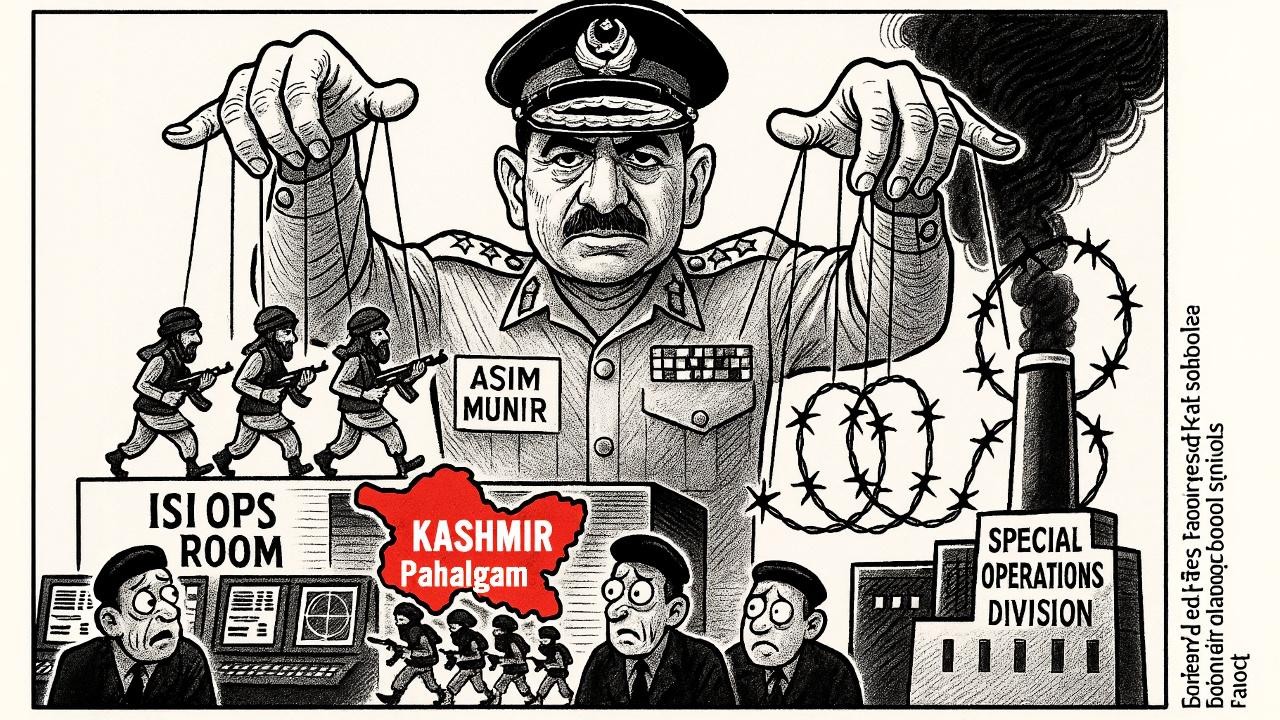
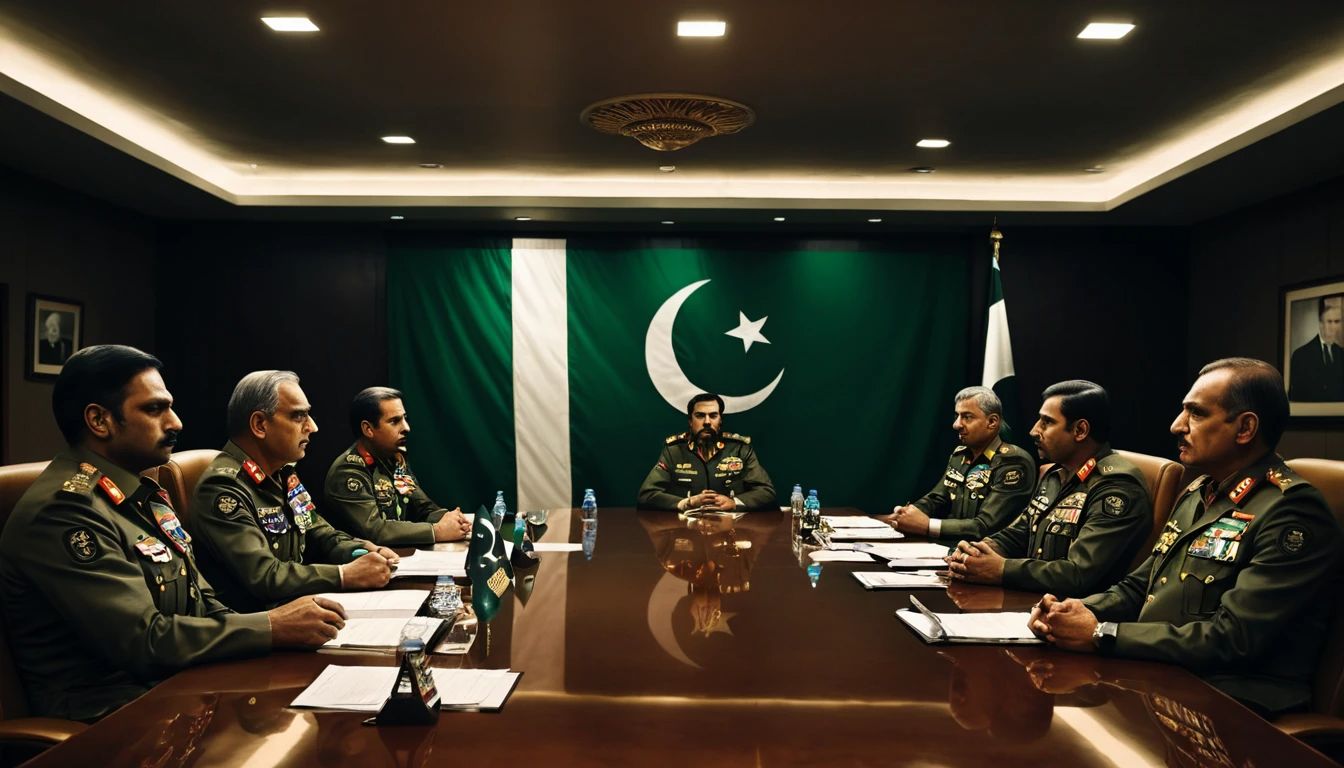
The persistence of transnational repression across political transitions points to a consistent driver. Pakistan’s military establishment, rather than civilian governments, appears to shape this strategy.
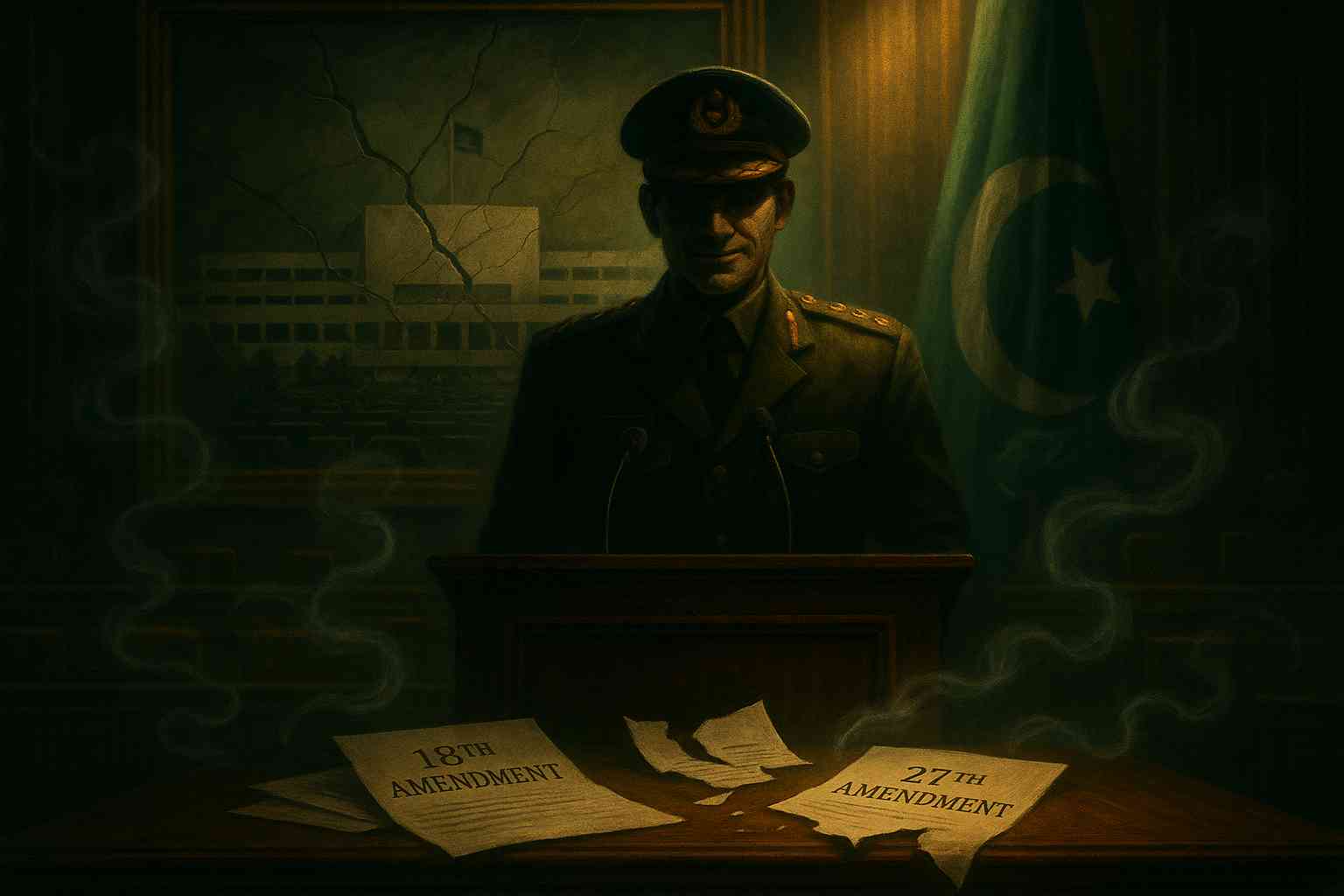
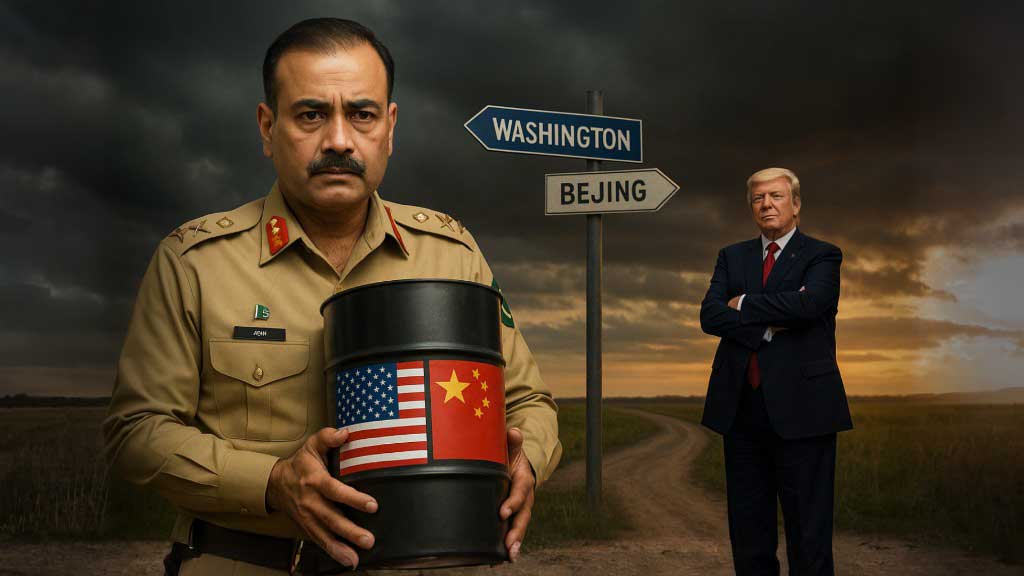
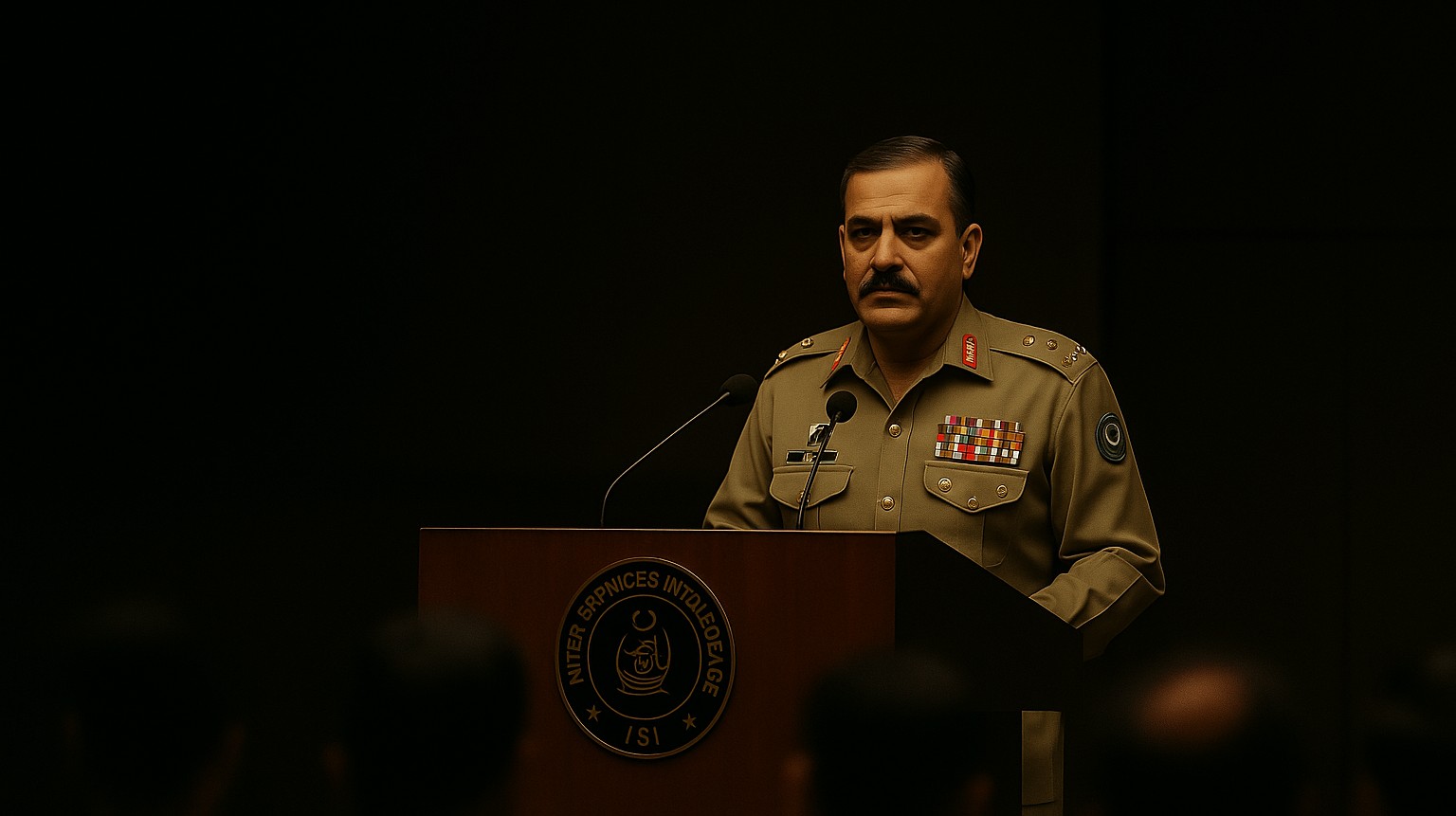
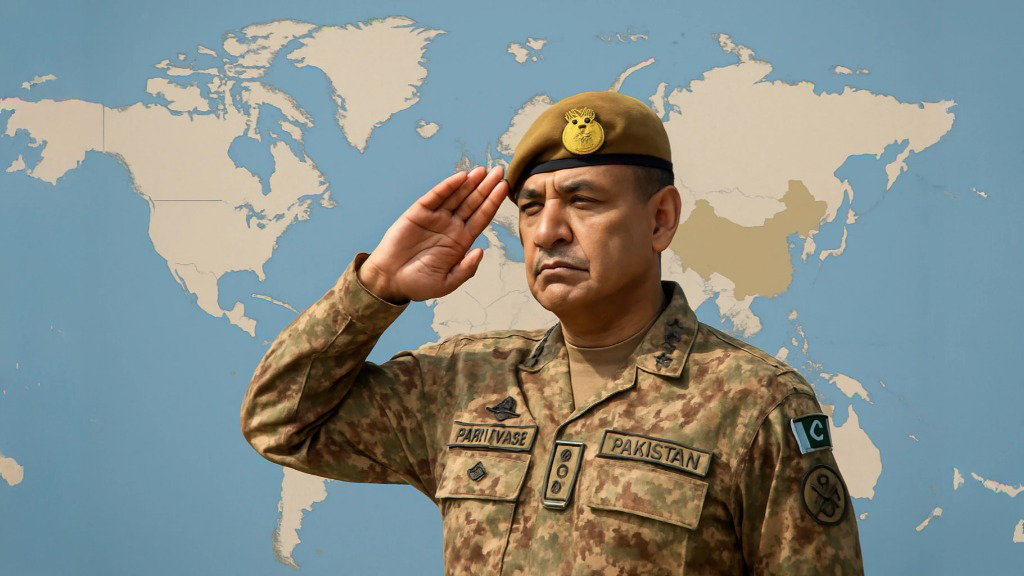
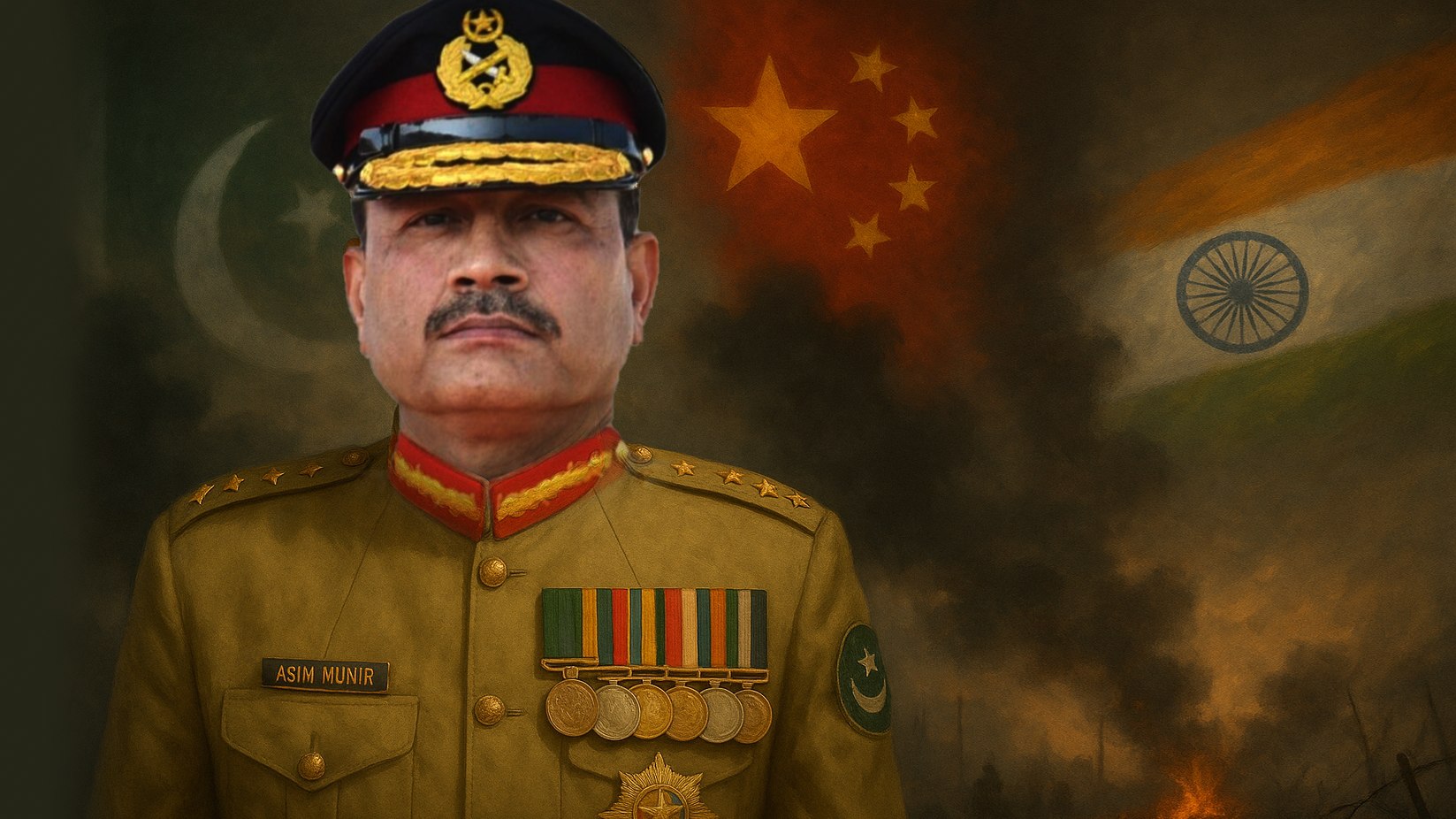
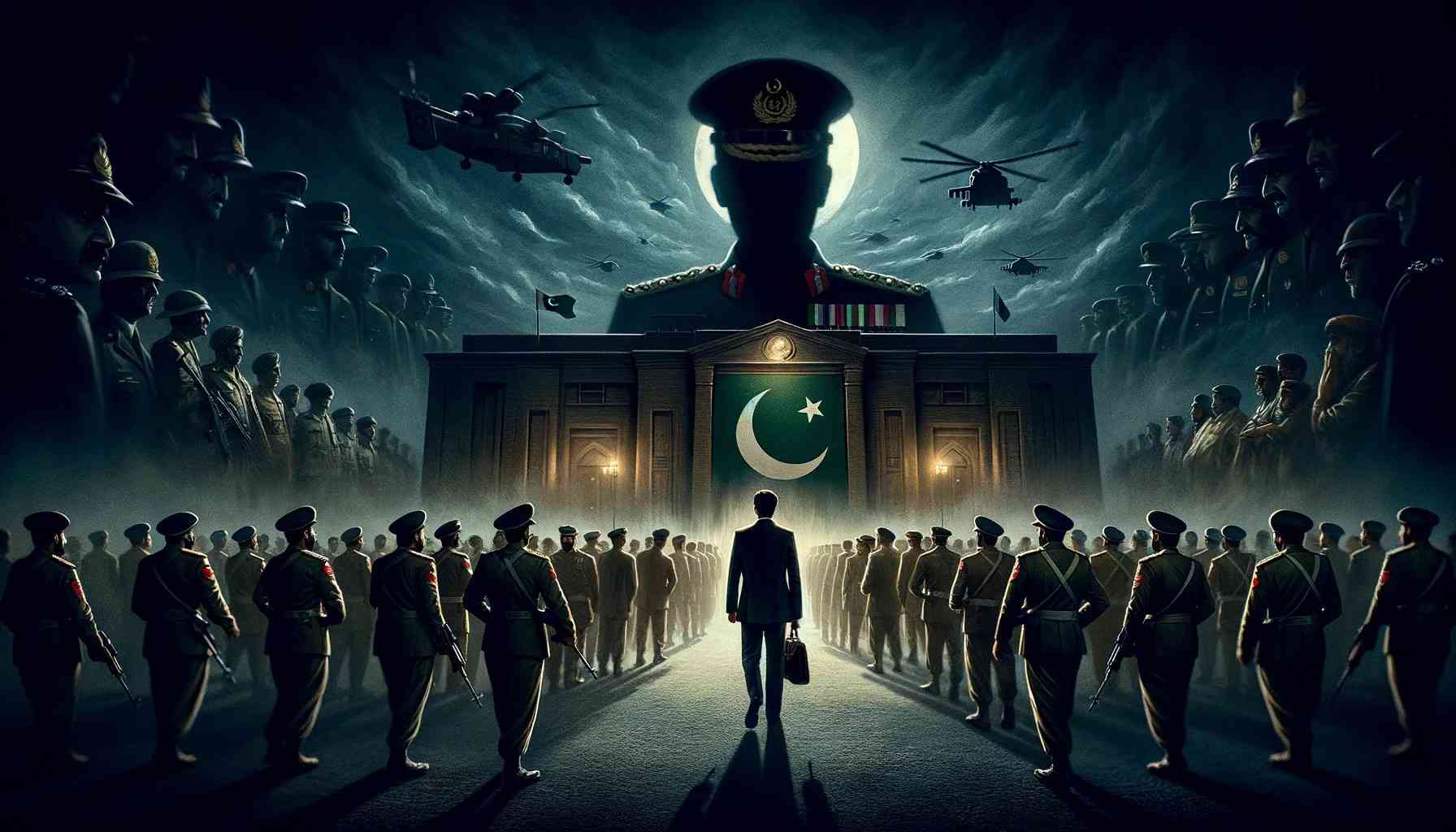
The army’s primary objective remains institutional dominance. Recently, this ambition culminated in constitutional amendments that expanded the powers of the military and its chief, Field Marshal Asim Munir. To preserve this dominance, the military must suppress criticism. That imperative explains why pressure on Pakistani dissidents abroad continues regardless of which civilian administration occupies Islamabad.
Diplomatic Fallout with the United Kingdom
In its most recent actions, Pakistan may have overreached. Weeks before the reported attacks on dissidents’ homes, Islamabad sought British cooperation on extraditions.
In early December, Interior Minister Mohsin Naqvi raised the names of Adil Raja and Shahzad Akbar in discussions with British High Commissioner Jane Marriott. Acting under military direction, Naqvi requested their return to face charges related to “spreading propaganda.”
If Pakistan then attempted to intimidate—or worse—the same individuals on British soil, the move would prove dangerously reckless. Such actions risk serious damage to bilateral relations. No formal extradition treaty exists between the UK and Pakistan. Moreover, conducting hostile acts against residents in Britain undermines any case for cooperation.
Why Pakistan Is Taking the Risk
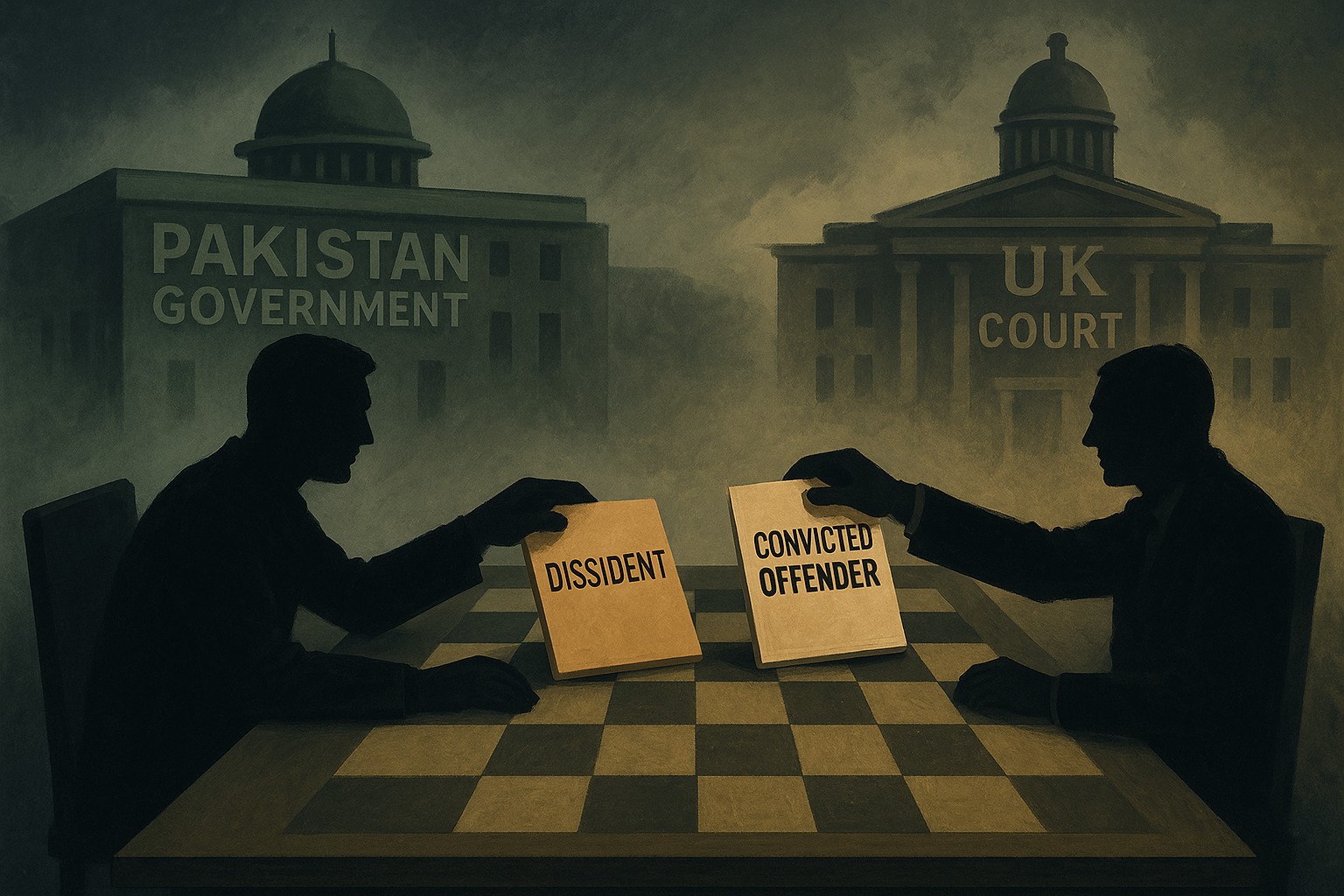
Pakistan’s leadership may also underestimate growing skepticism within the UK. Throughout 2025, British authorities scrutinized organized grooming gangs whose members were predominantly of Pakistani heritage. This scrutiny prompted renewed discussions about deportations.
Pakistan reportedly signaled willingness to accept convicted offenders. However, it conditioned cooperation on Britain deporting Akbar and Raja. This linkage reveals the depth of the military’s anxiety over a small number of critics.
Ironically, targeting Pakistani dissidents abroad risks magnifying global attention on Pakistan’s accelerating authoritarianism. These trends have long been evident domestically. By extending repression into Western democracies, Islamabad invites diplomatic consequences that far exceed the threat posed by exiled critics.
Conclusion: A Dangerous Path
Pakistan already stands on fragile ground internationally. By pursuing Pakistani dissidents abroad, it risks pushing itself closer to pariah status.
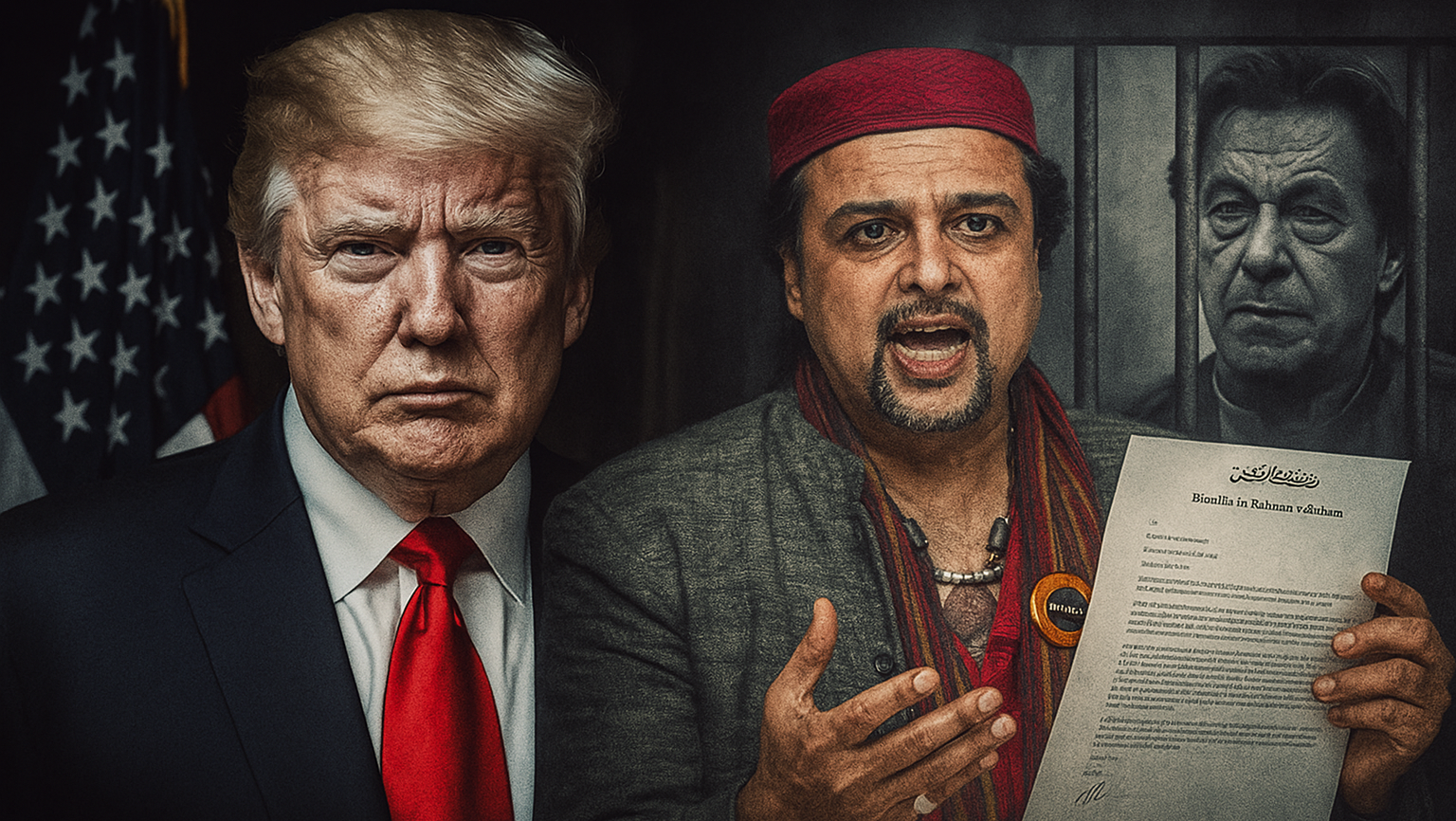
The plight of Imran Khan has gained traction among Western lawmakers. These latest actions will likely amplify scrutiny rather than silence it. For a country perpetually navigating crisis, the strategy of intimidation abroad may prove not only immoral, but self-defeating.
Please note: Original article was posted at: https://thediplomat.com/2026/01/pakistans-use-of-transnational-repression-to-crush-dissent/