The Iron Grip: How Pakistan Media Control Shapes Journalism
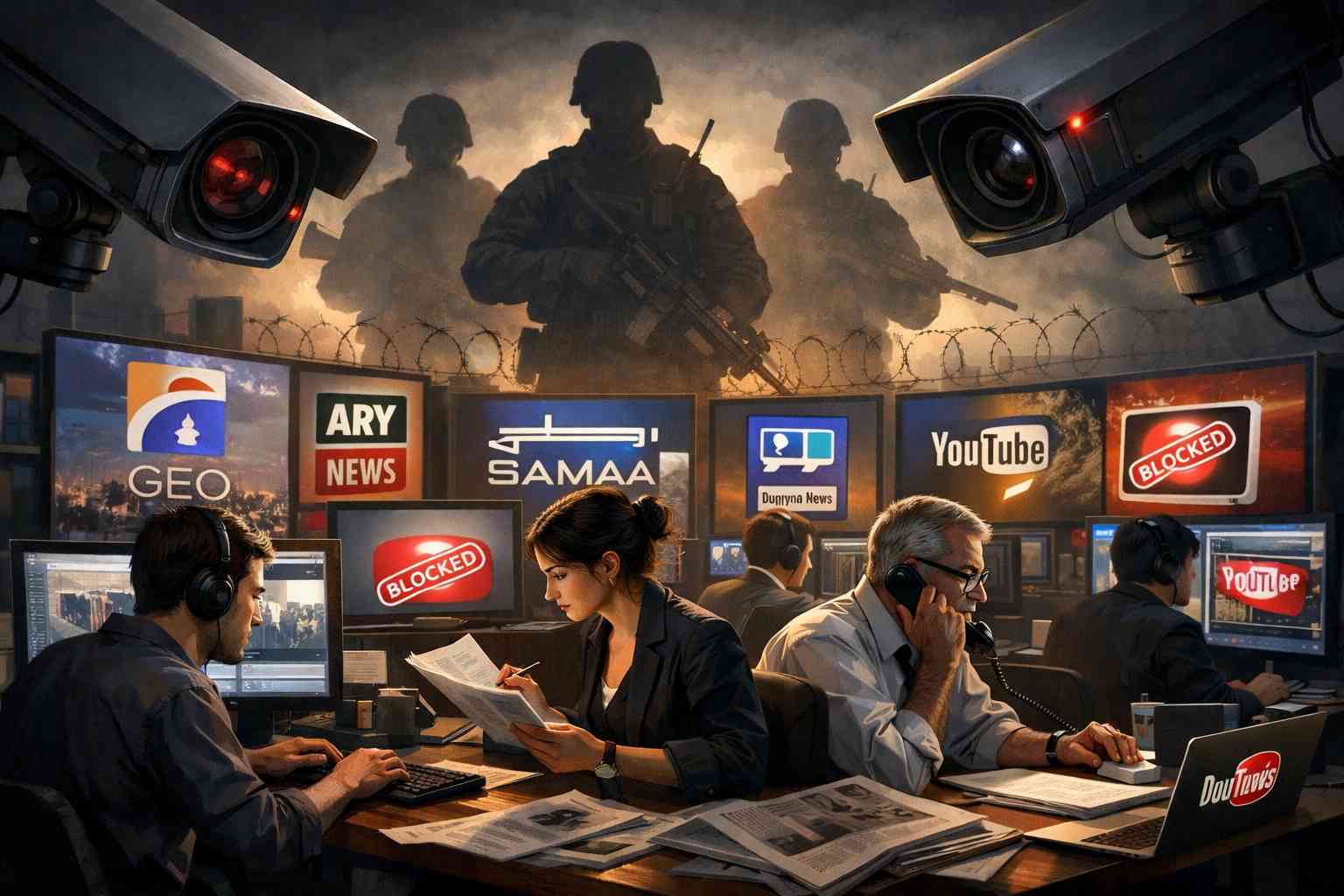
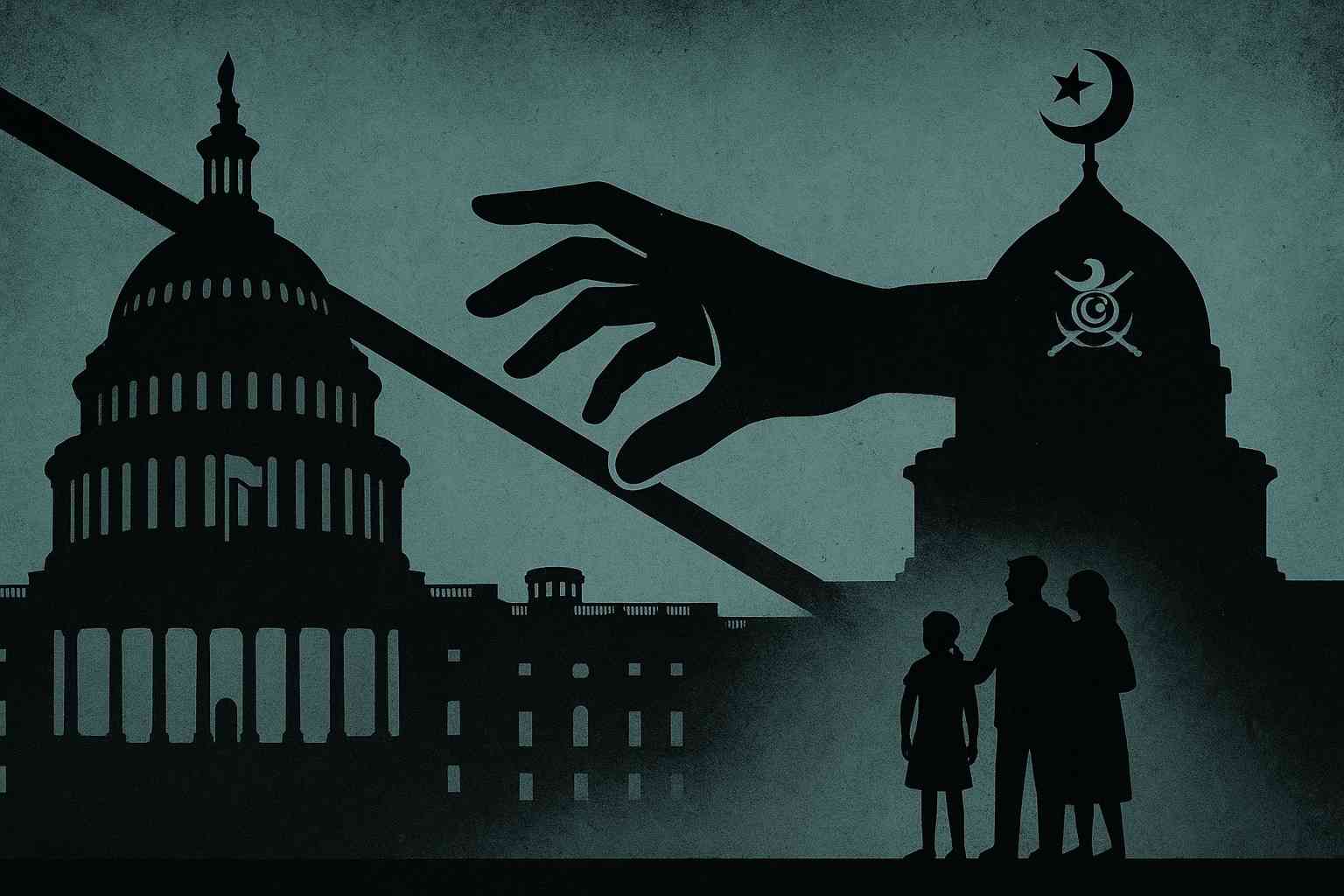
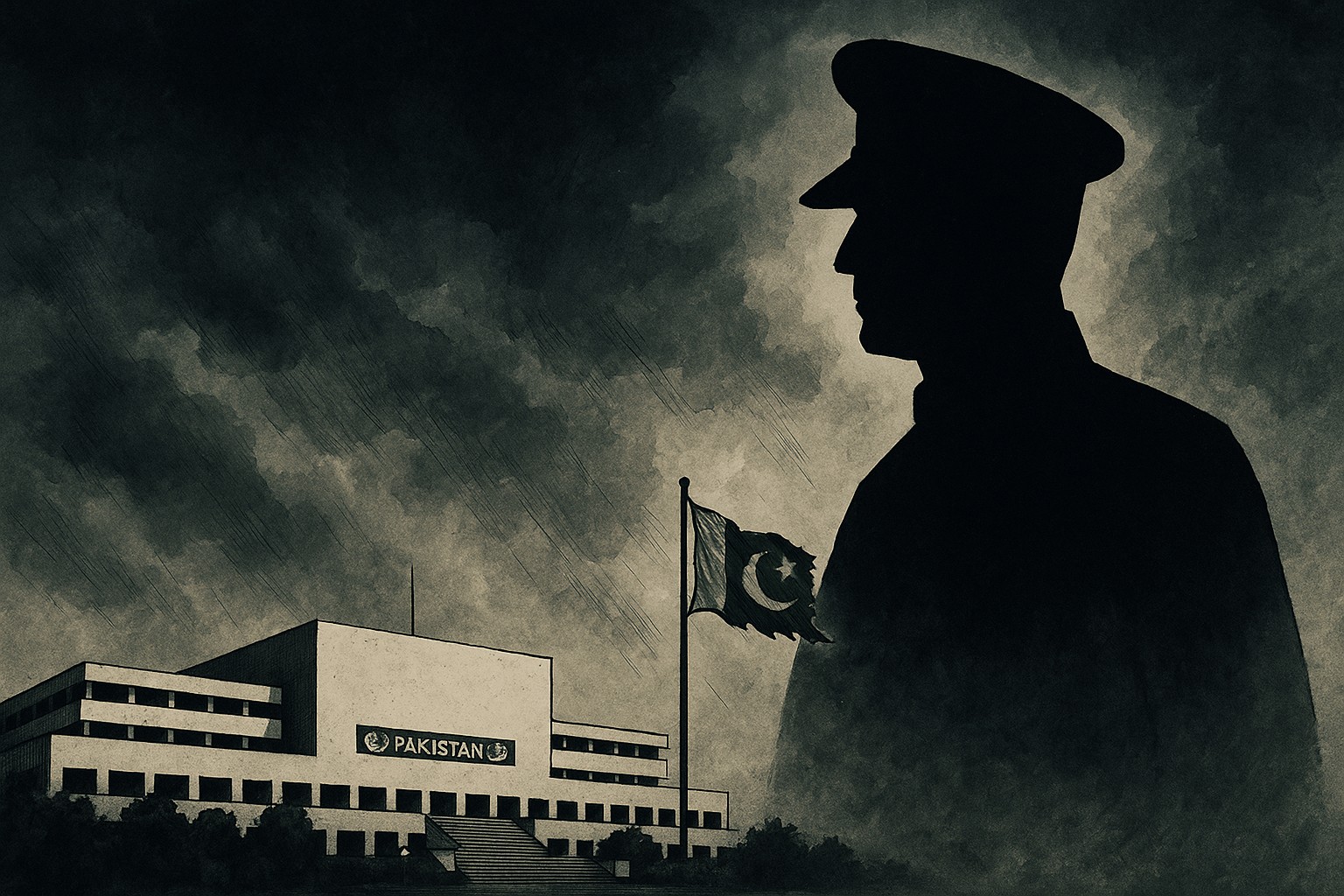
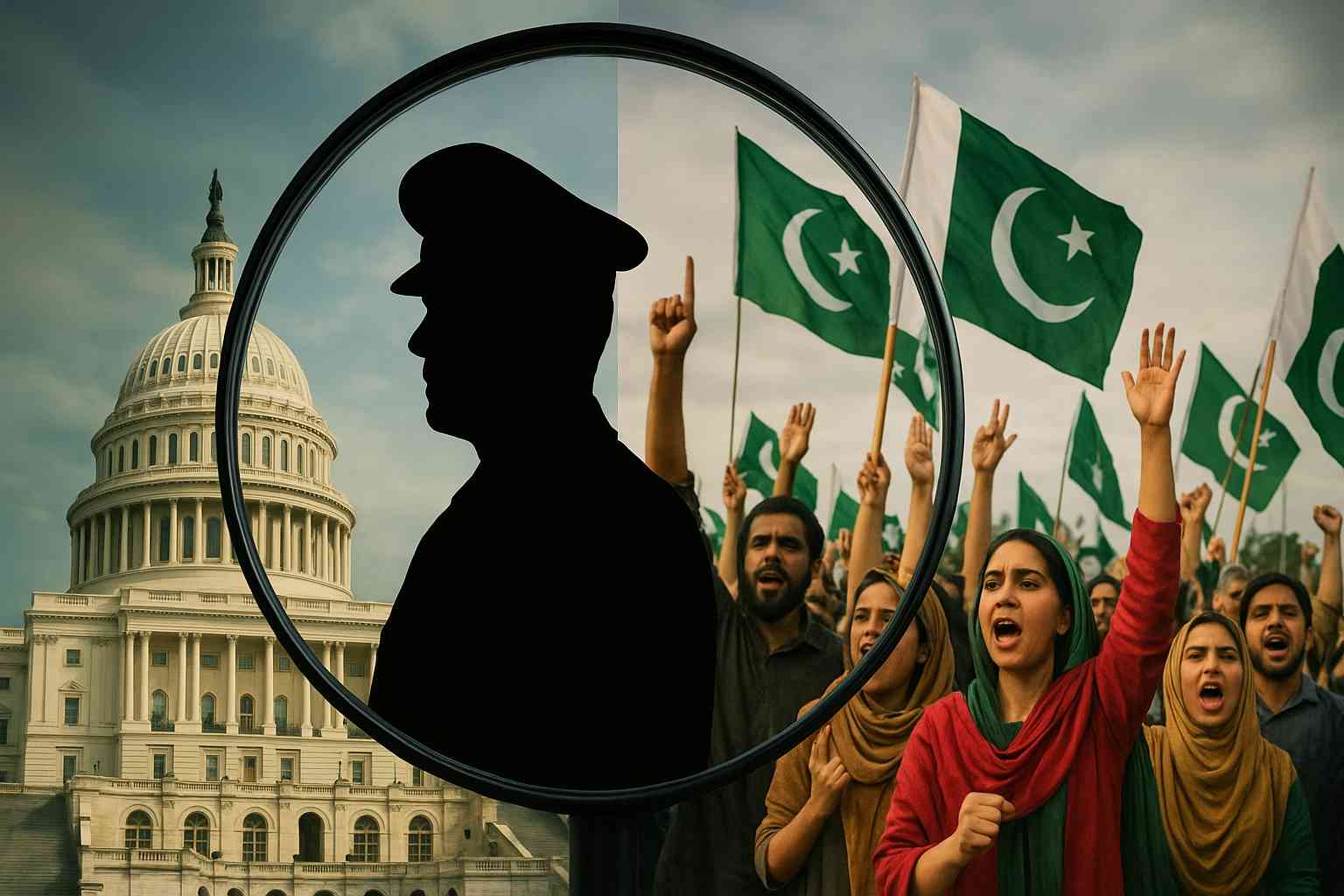
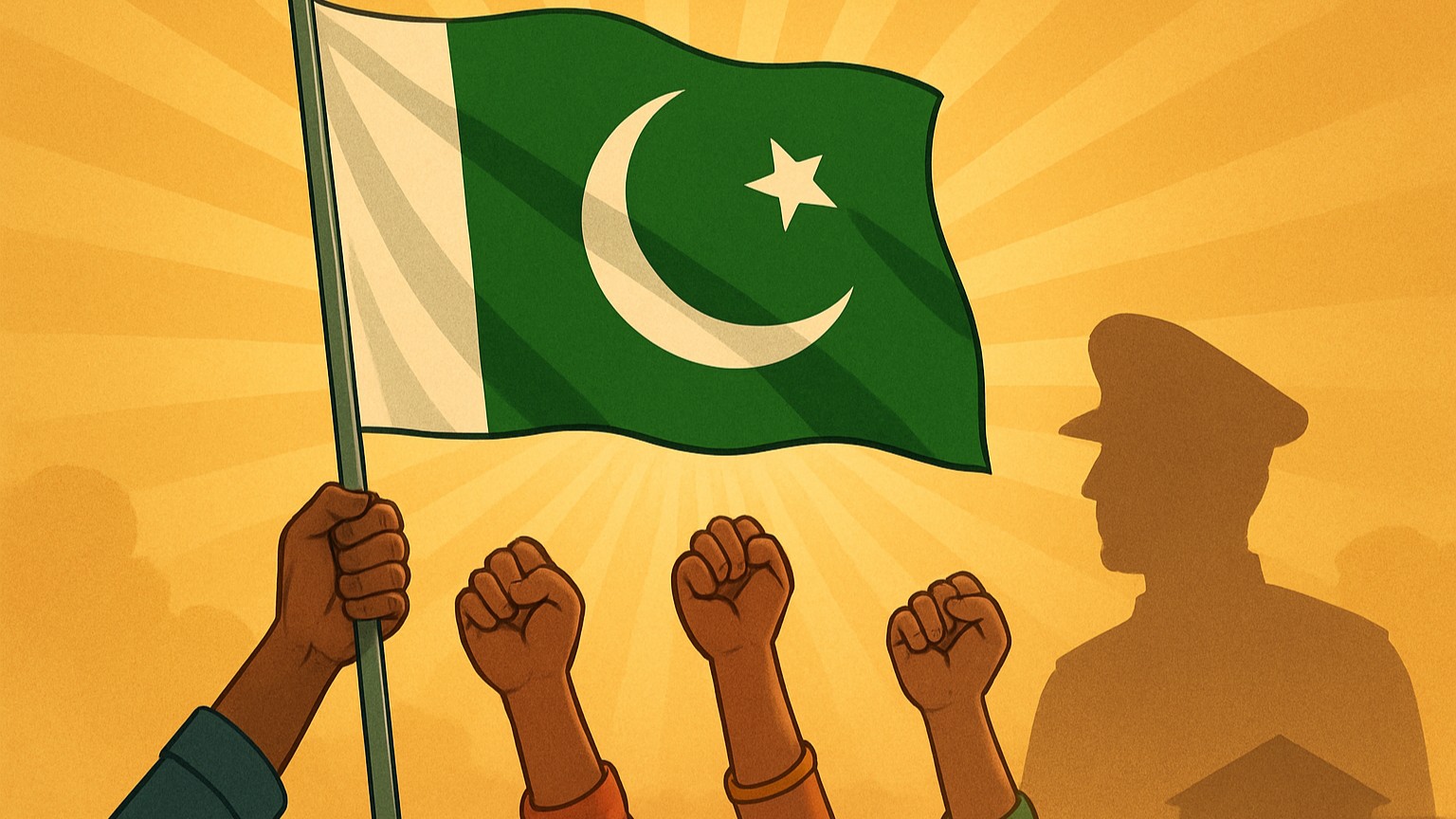
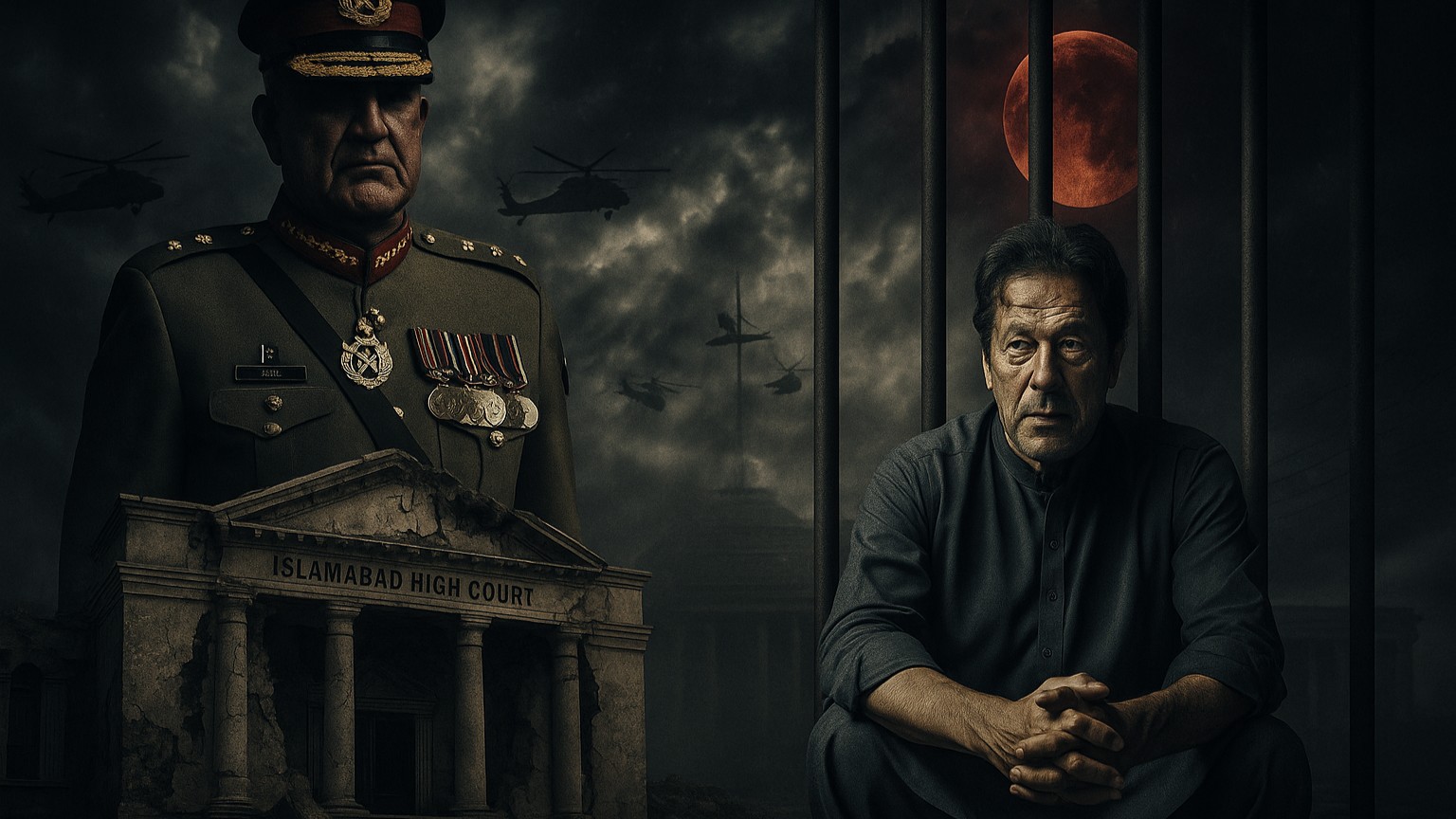
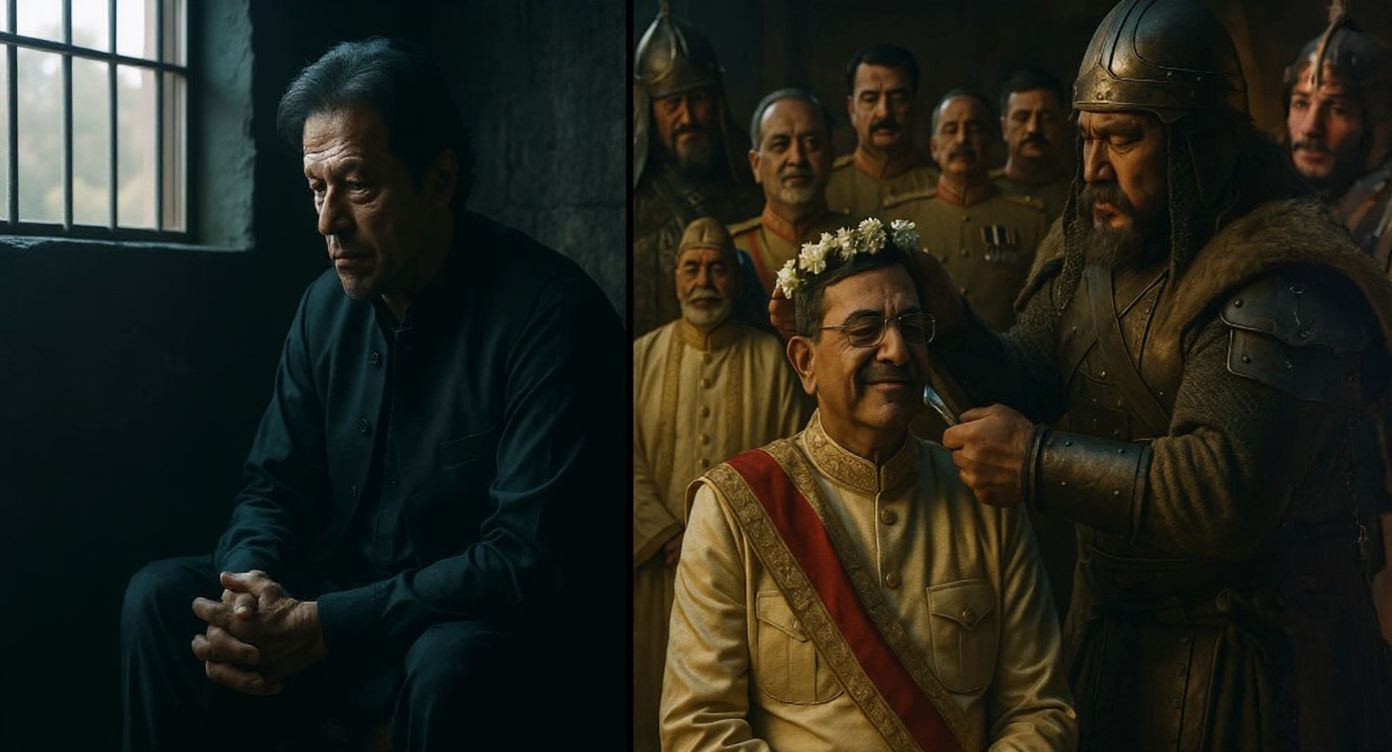
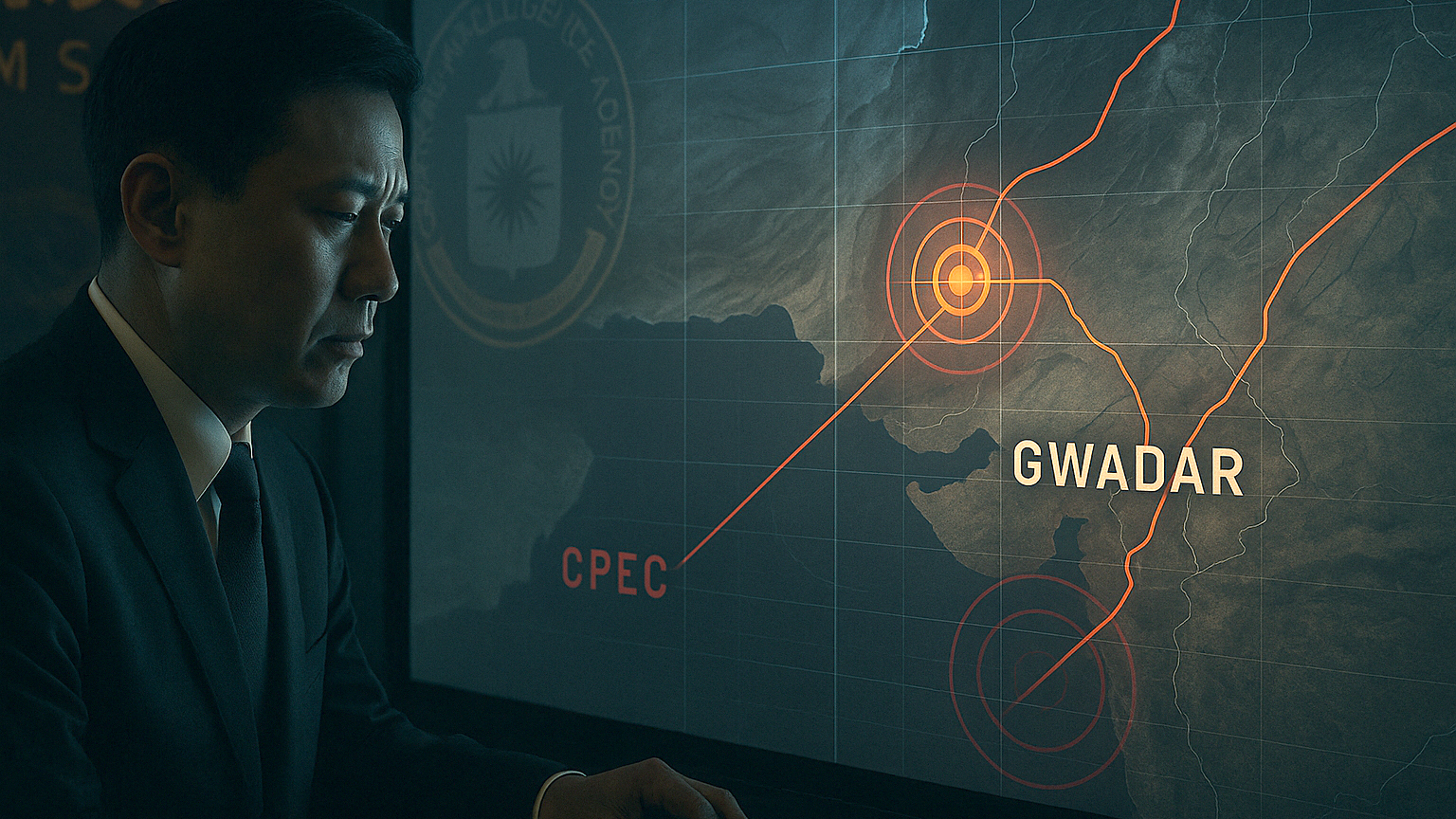
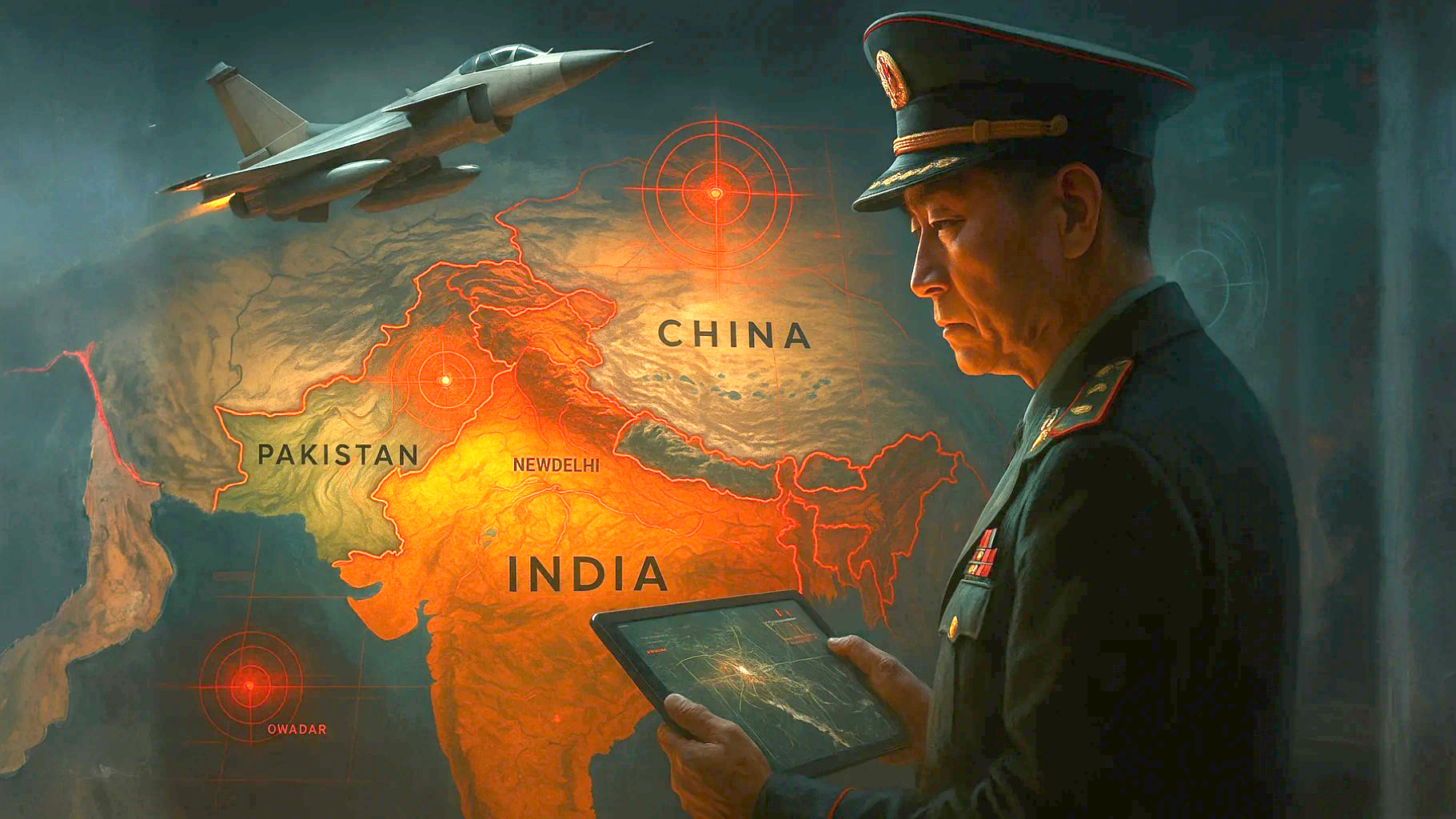
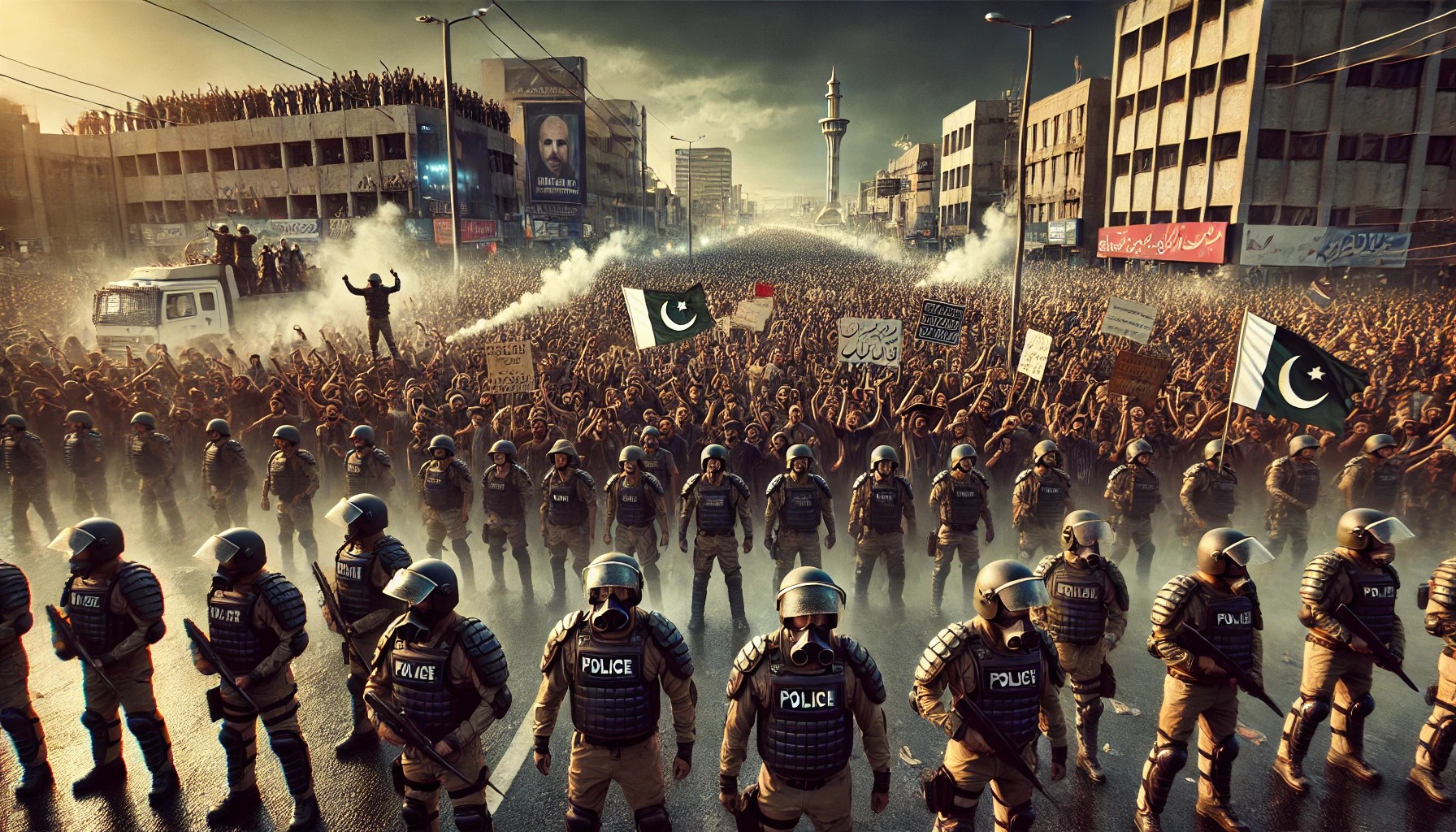
Pakistan Media Control has become a defining feature of the country’s information landscape. The issue is not limited to censorship laws or regulatory bodies. Instead, it reflects a deeper system of influence that shapes what journalists can report and how stories reach the public.
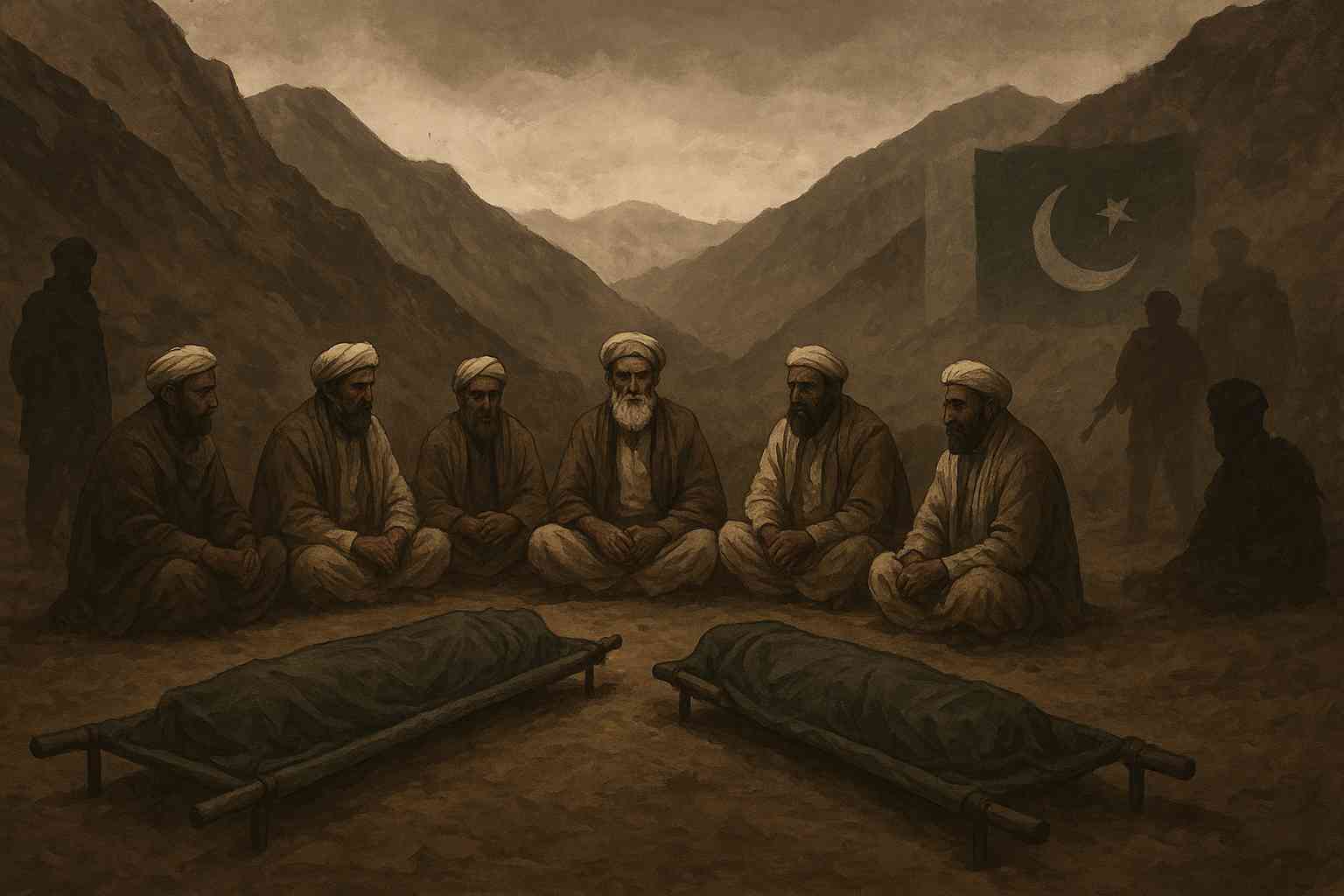
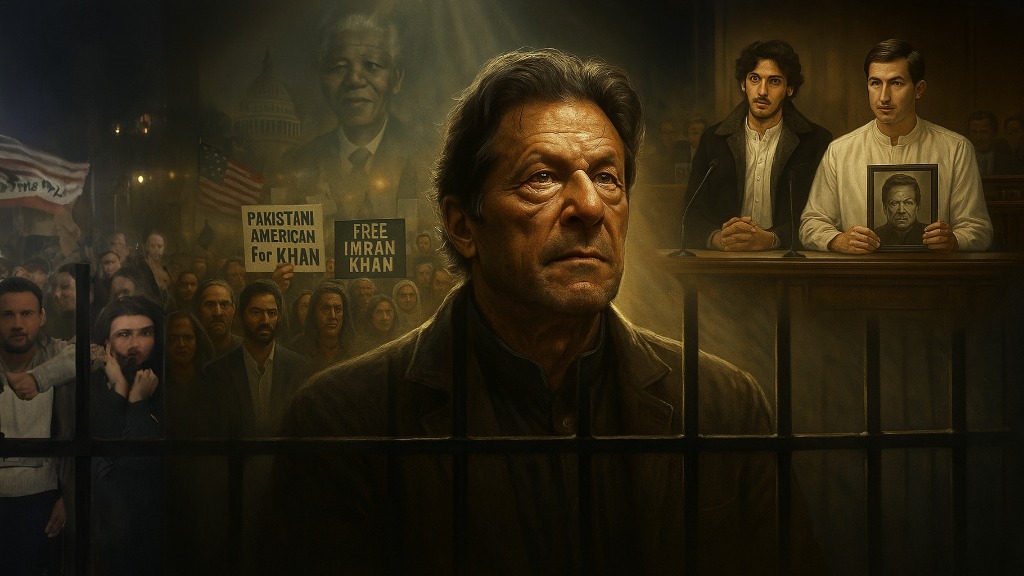
On a quiet night in October 2022, Pakistani journalist Arshad Sharif was shot dead in Kenya under circumstances that remain controversial and unresolved. Sharif had fled Pakistan weeks earlier after facing sedition charges and increasing pressure related to his reporting. His death shocked many observers. However, for journalists inside Pakistan, it reinforced a grim reality: reporting on powerful institutions can carry serious consequences.
For decades, Pakistani reporters have worked in an environment where editorial judgment does not always determine the boundaries of journalism. Instead, invisible lines of power often shape those limits.
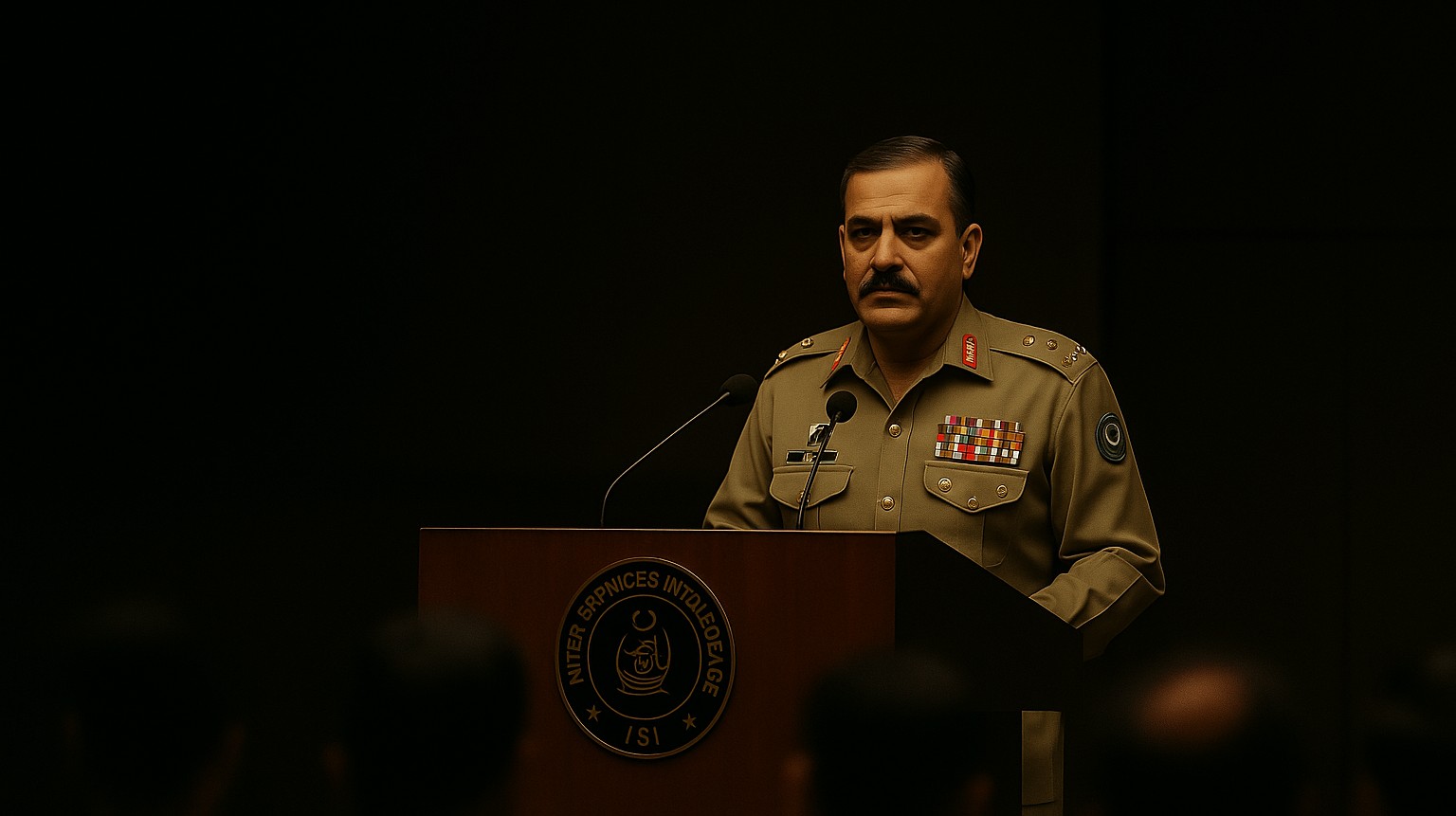
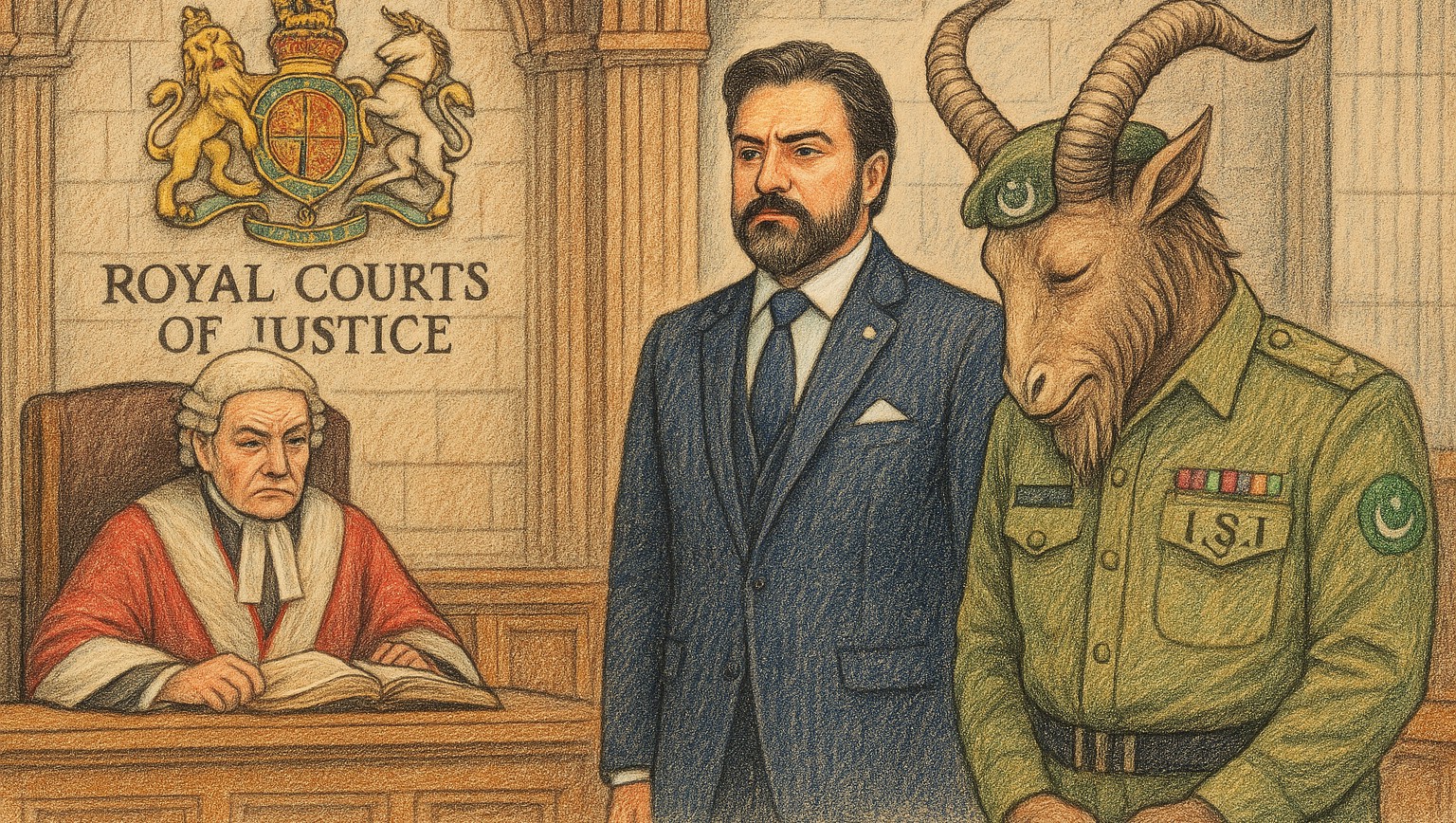
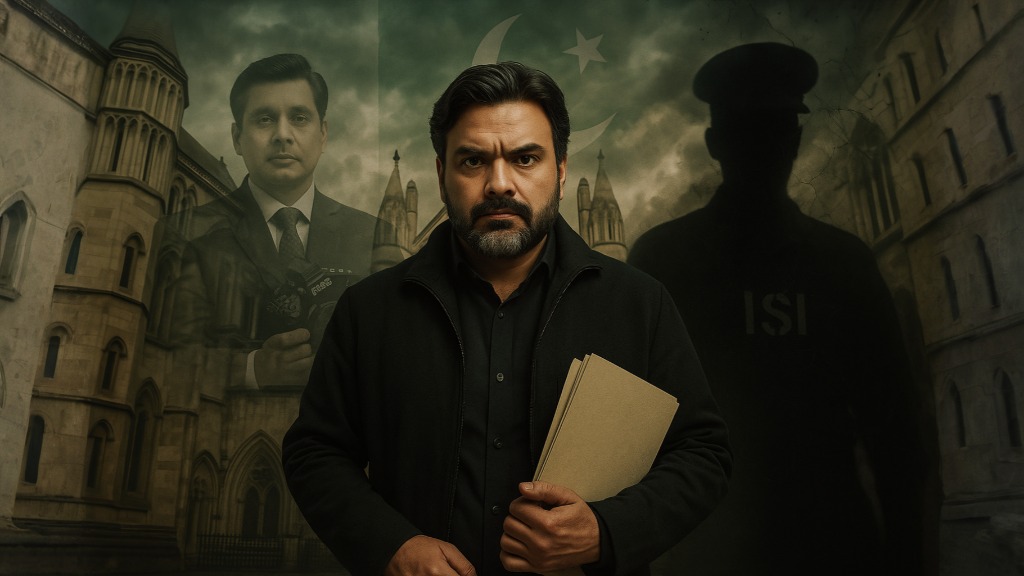
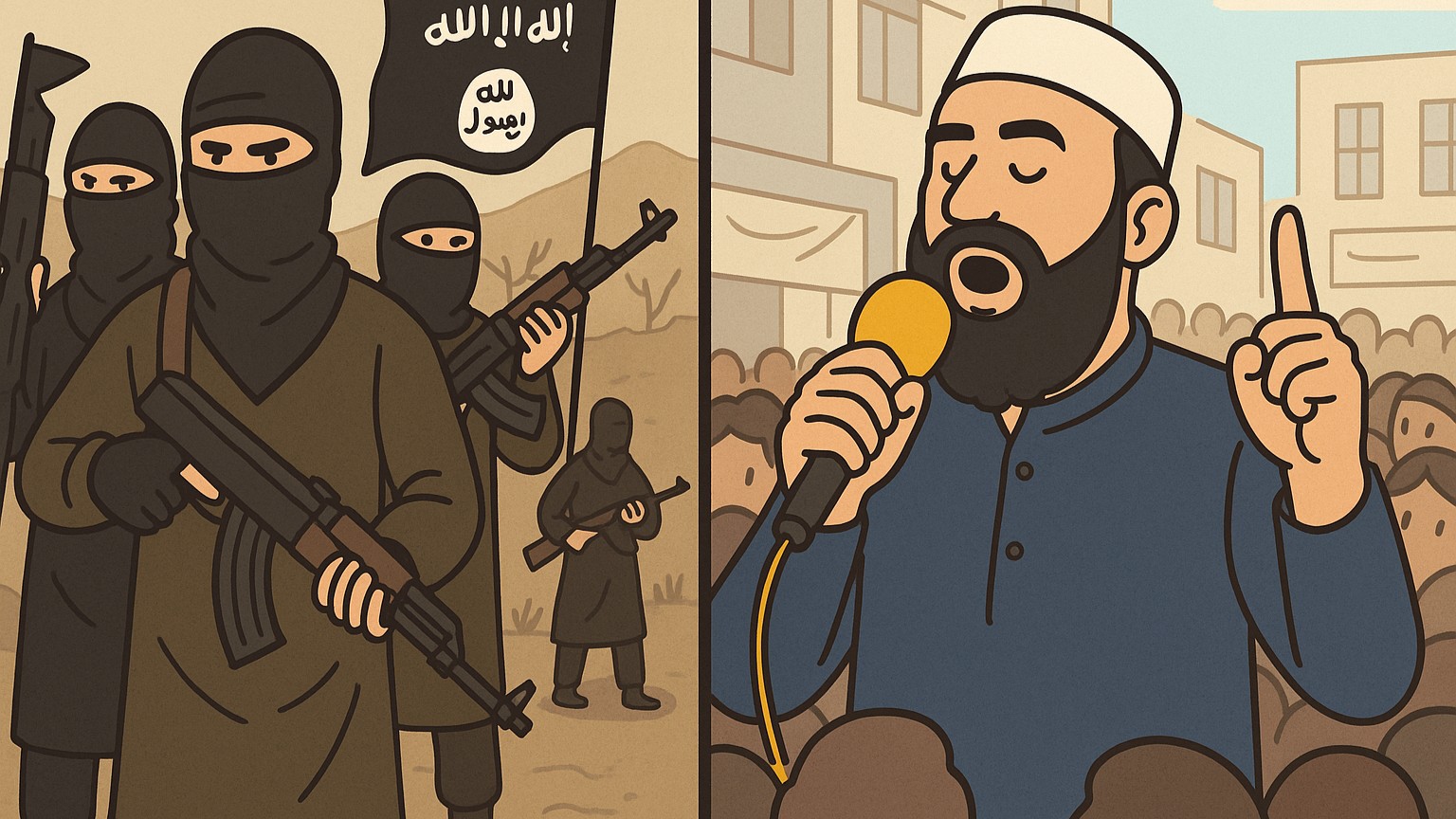
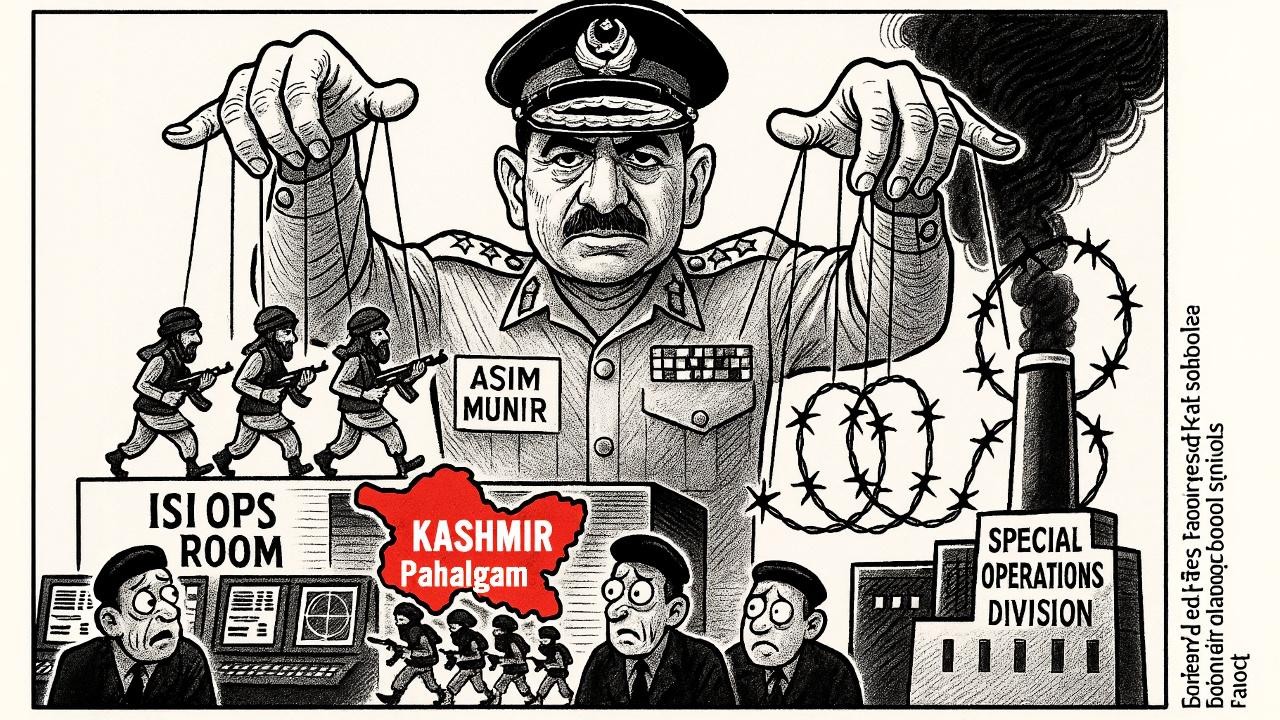
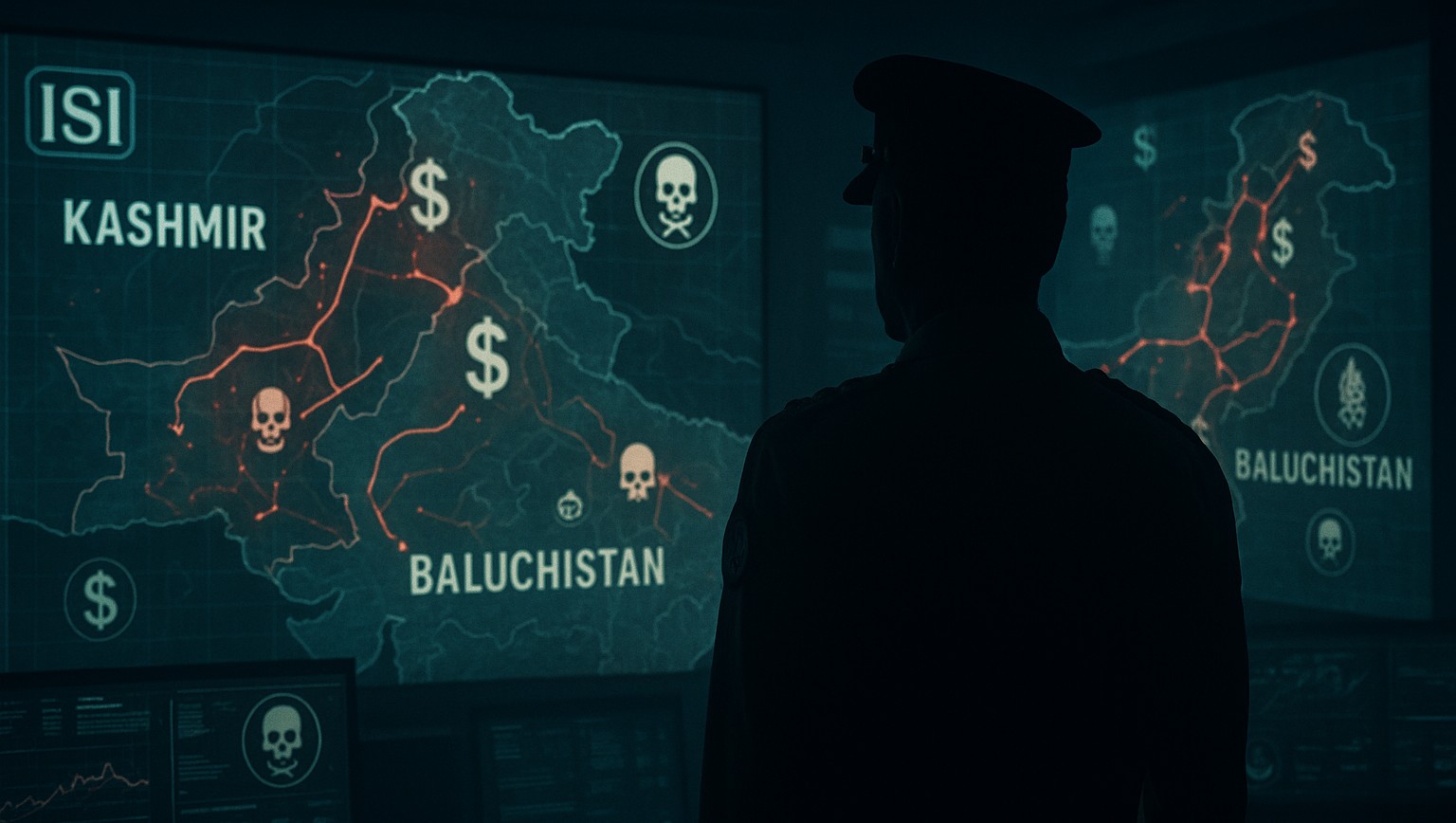
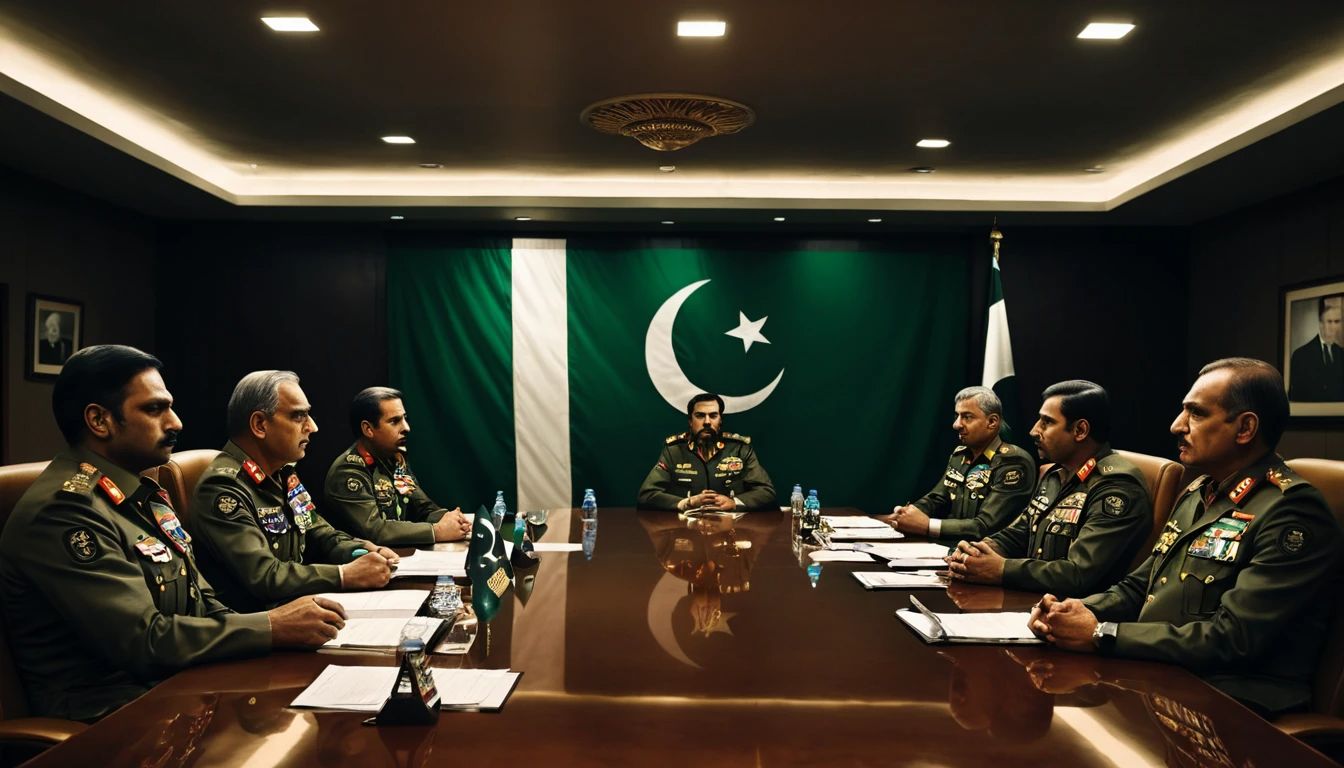
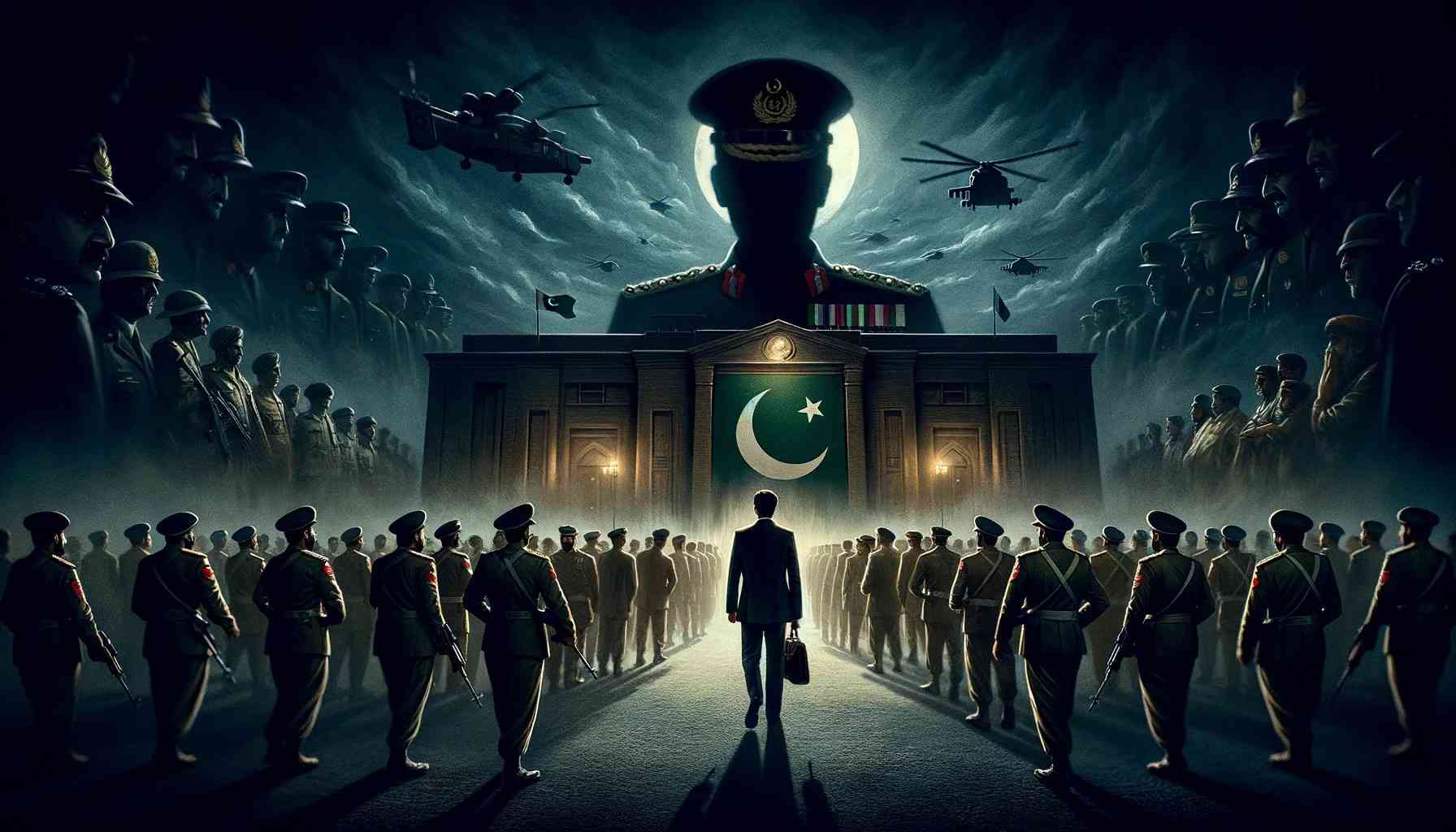
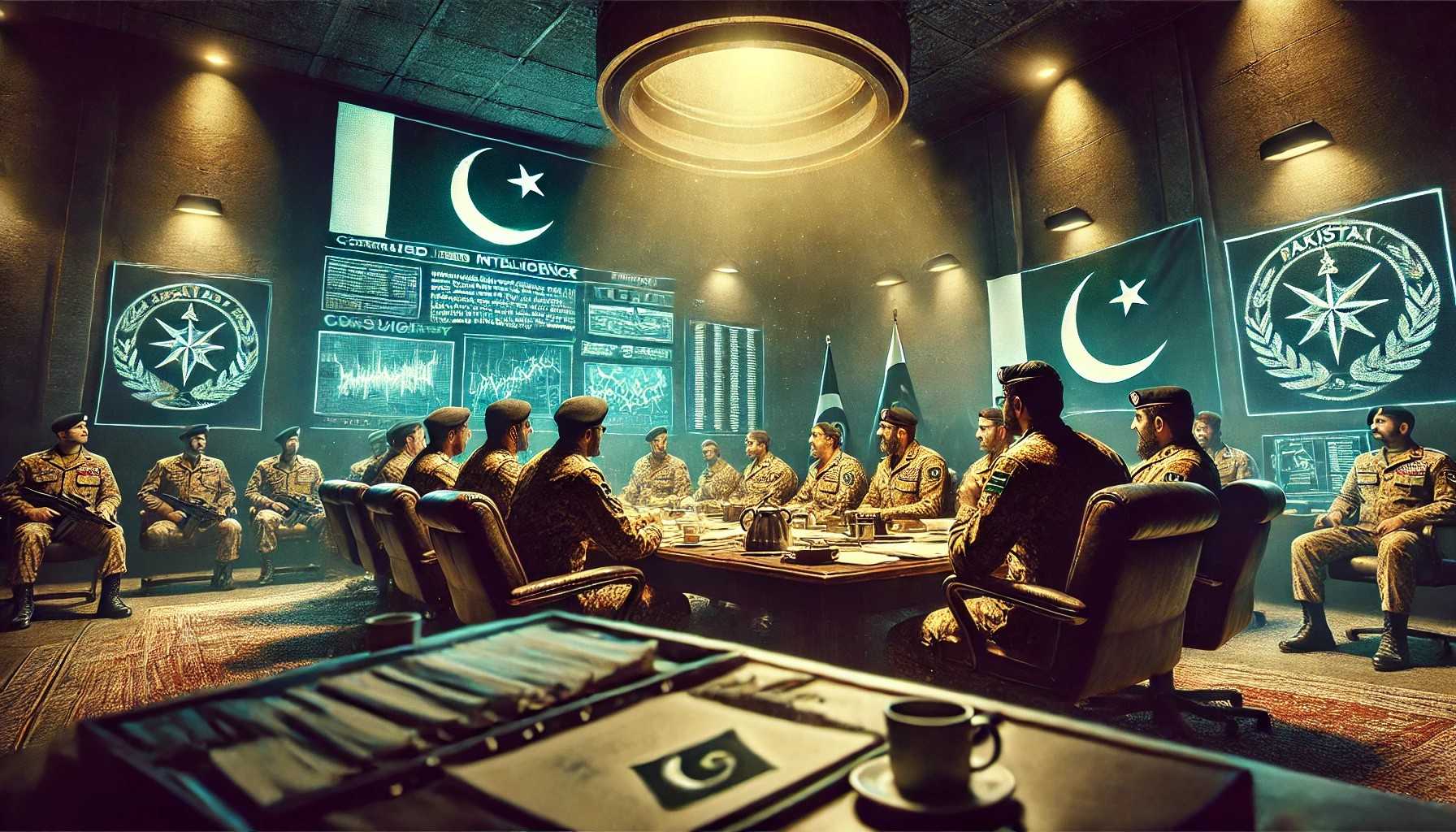
Those lines frequently converge around the country’s military establishment. This network includes the armed forces, intelligence services, and a sophisticated communications apparatus led by the Inter-Services Public Relations (ISPR).
Critics argue that through pressure, incentives, and narrative management, the military establishment has developed the ability to influence how political events, national security issues, and even economic debates appear in public discourse.
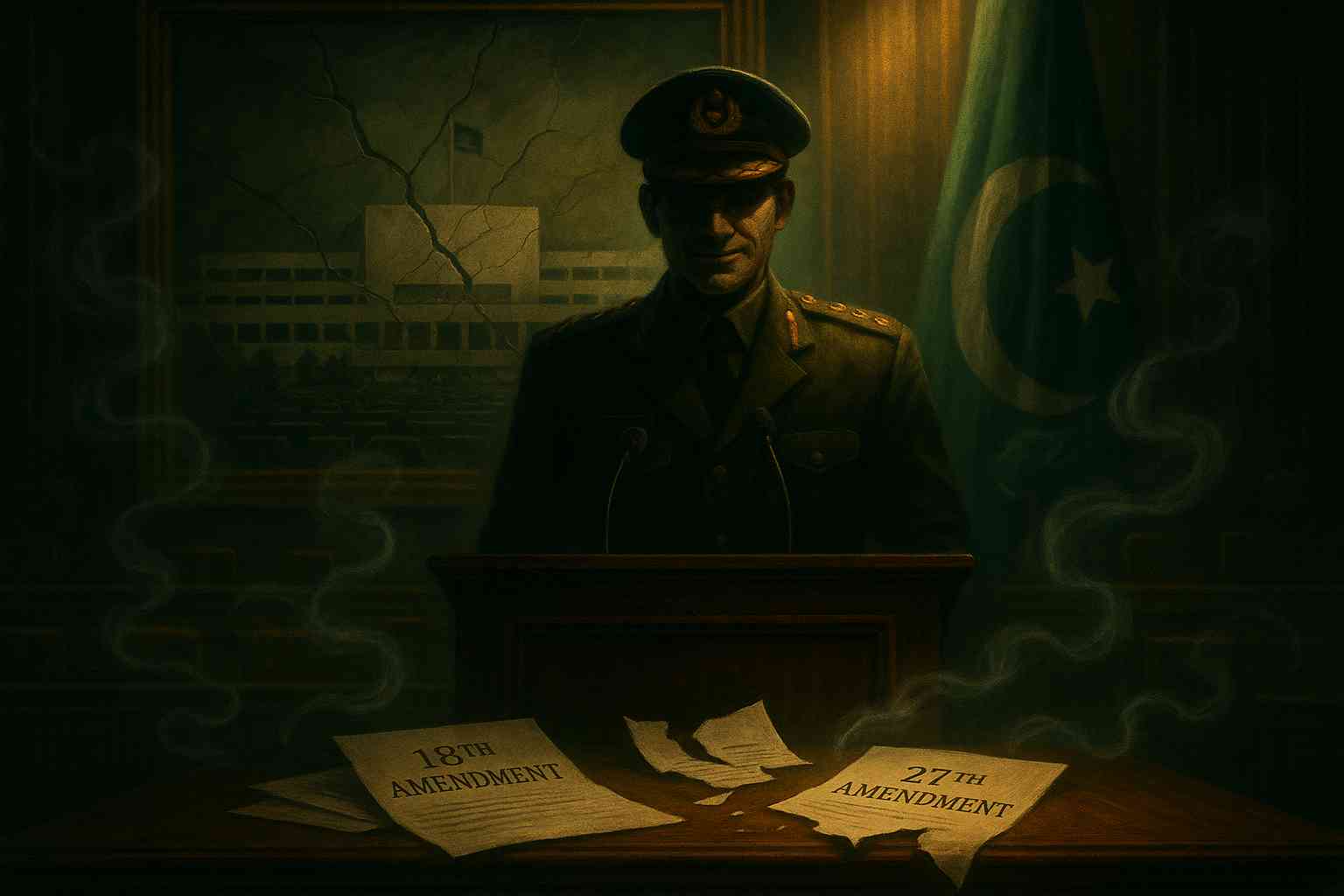
Unlike the blunt censorship of earlier military regimes, modern Pakistan Media Control operates through layered mechanisms. These include intimidation of critical journalists, economic pressure on media organizations, influence over television narratives, and increasing oversight of digital information flows.
The result is a complex media environment. Pakistan’s lively television studios and busy newsrooms operate alongside a culture of caution. Journalists and editors understand that certain topics—particularly those involving the military or intelligence agencies—require careful handling.
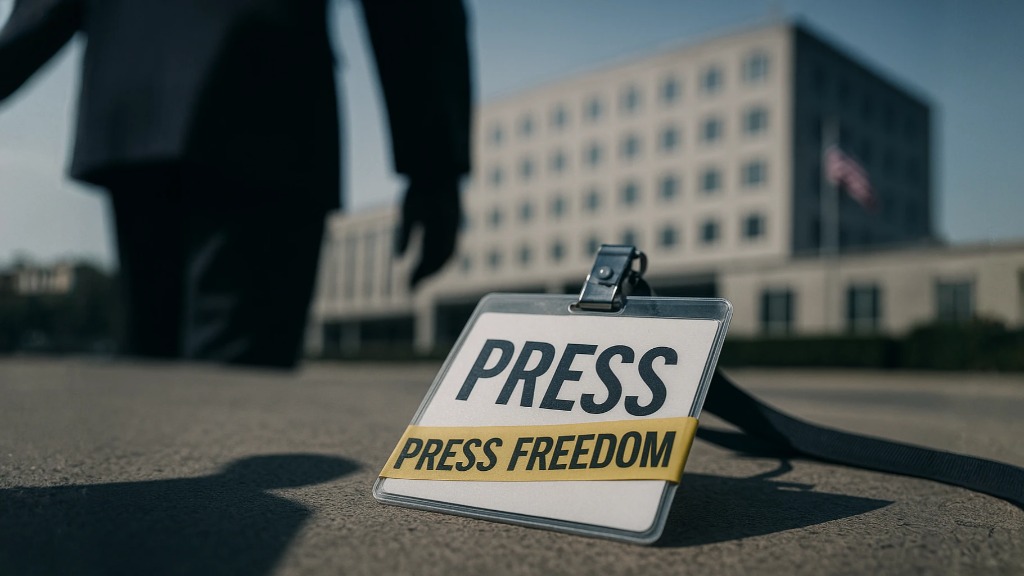
International press-freedom organizations repeatedly warn that these dynamics weaken media independence. Pakistan continues to rank in the lower tiers of the World Press Freedom Index, reflecting concerns about journalist safety and freedom of expression.
Understanding Pakistan Media Control requires examining both its historical roots and its modern evolution.
Historical Roots of Pakistan Media Control
The relationship between Pakistan’s military establishment and the media dates back to the country’s early decades.
When General Ayub Khan seized power in 1958, his government quickly tightened control over the press. Authorities placed independent newspapers under stricter regulation and created the National Press Trust to manage major publications.
Several influential newspapers moved under state influence. As a result, editorial policies began aligning closely with official narratives.
These actions established a lasting precedent: controlling information helped maintain political authority.
Press freedom faced even harsher restrictions during General Zia-ul-Haq’s rule in the 1980s. Authorities censored newspapers before publication, arrested journalists, and publicly punished reporters who defied government directives.
At the same time, the state used the media to promote ideological narratives linked to Zia’s political and religious agenda.
By the late 1990s and early 2000s, however, Pakistan’s media landscape began to change. Under General Pervez Musharraf, private television channels expanded rapidly.
Networks such as Geo TV, ARY, and Dunya News introduced competitive talk shows and round-the-clock news coverage. Many observers initially viewed this expansion as a step toward media liberalization.
However, analysts later argued that the openness masked a more sophisticated form of Pakistan Media Control. Private channels could debate many political issues freely, yet discussions involving the military establishment remained sensitive.
During this period, ISPR expanded its role significantly. The military’s media wing began shaping narratives not only in news coverage but also in films, television dramas, and public campaigns.
Rather than relying solely on direct censorship, the system increasingly used persuasion, influence, and partnership.
Intimidation and Violence in Pakistan Media Control
Despite the appearance of a lively media sector, many journalists say clear consequences exist for crossing certain lines.
Over the past two decades, numerous reporters have faced threats, assaults, or killings under troubling circumstances.
One of the most widely cited cases is that of investigative journalist Saleem Shahzad. He reported on militant infiltration within Pakistan’s military.
In 2011, Shahzad disappeared shortly after publishing a sensitive report. Authorities later found his body near Islamabad.
Although investigators launched a judicial inquiry, the case remains unresolved.
Another high-profile incident occurred in 2014 when gunmen shot prominent television anchor Hamid Mir in Karachi. The attack triggered a confrontation between the Geo television network and the military establishment.
Members of Mir’s family publicly suggested possible involvement by intelligence officials. The dispute deepened tensions within Pakistan’s media industry and highlighted the risks of reporting on security institutions.
Journalists also describe temporary abductions designed to intimidate without leaving clear evidence.
In 2020, unidentified individuals abducted reporter Matiullah Jan in Islamabad before releasing him hours later. Security cameras captured the incident, which sparked widespread debate about press freedom.
These episodes create what journalists often call a “chilling effect.”
In such an environment, self-censorship becomes the most powerful tool of Pakistan Media Control.
Economic Pressure and Media Influence
Control over Pakistan’s media does not rely only on intimidation. Economic leverage also plays a powerful role.
Media organizations depend heavily on advertising revenue. Government institutions and state-owned companies provide a large share of that funding.
The distribution of advertising can therefore determine whether a media outlet remains financially stable.
Organizations that publish stories viewed as unfavorable sometimes experience sudden drops in advertising support. In an already fragile industry, such losses can threaten survival.
At the same time, journalists who maintain strong relationships with influential institutions may receive privileged access to interviews, information, and professional opportunities.
Analysts describe this arrangement as a system of incentives and penalties. Cooperation can bring access and stability, while criticism may lead to economic or professional setbacks.
Narrative Management and the Role of ISPR
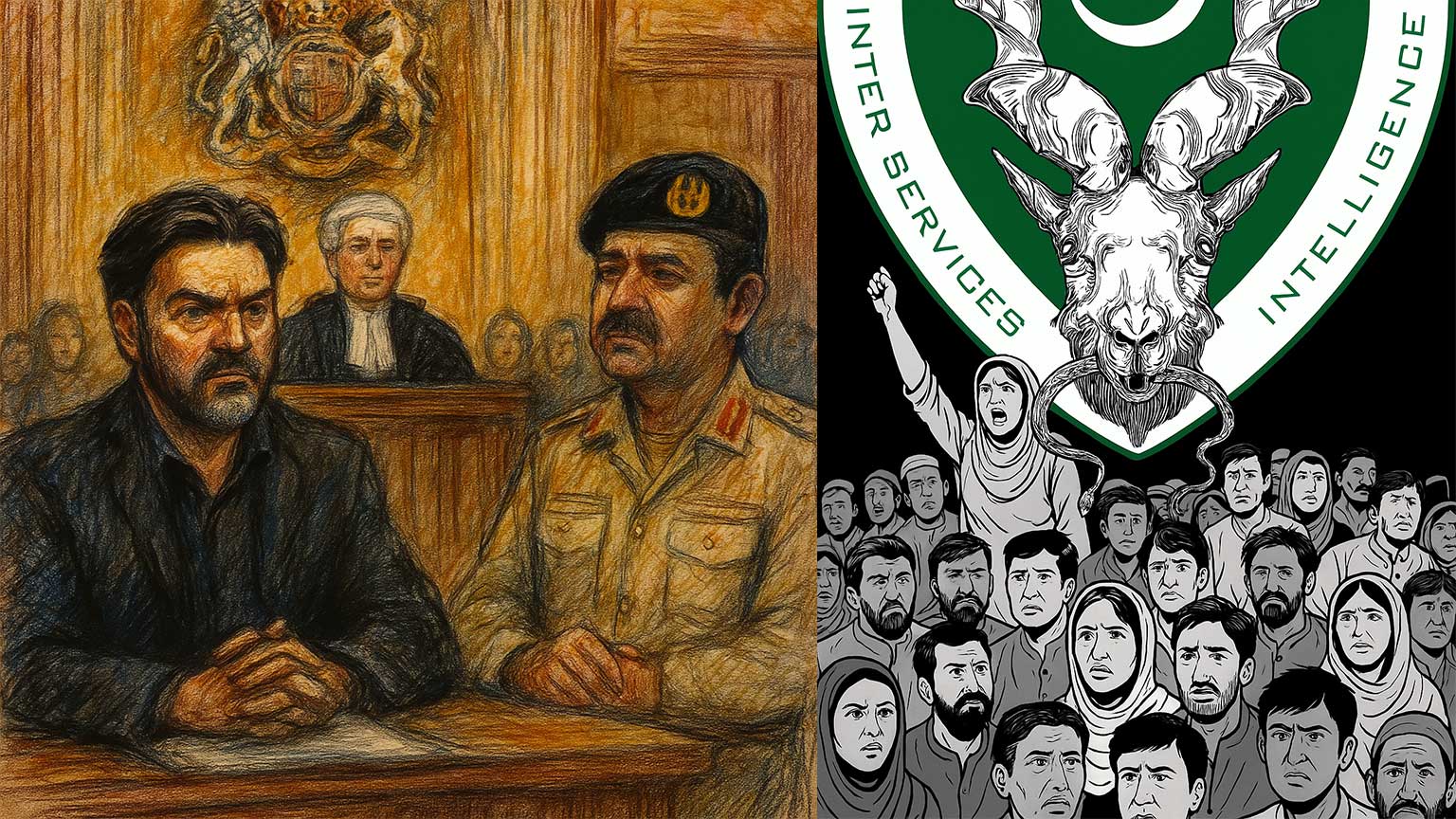
At the center of Pakistan Media Control stands the Inter-Services Public Relations (ISPR).
Originally created to provide information about military activities, ISPR has evolved into a powerful narrative-shaping institution.
The organization produces documentaries, television dramas, patriotic films, and large-scale social media campaigns.
These productions highlight the sacrifices and achievements of the armed forces while reinforcing themes of national unity and security.
Supporters argue that such messaging strengthens morale and honors military service.
Critics, however, say it also creates an information environment where the military’s perspective dominates discussions about security and foreign policy.
ISPR’s influence extends beyond entertainment. Journalists frequently attend military briefings and background sessions that provide official interpretations of events.
Those briefings often shape how stories appear in television broadcasts and news reports.
Television and the Culture of Access
Television remains Pakistan’s most influential medium for political discussion.
Prime-time talk shows attract millions of viewers and often shape national debates.
Within this environment, relationships between media figures and powerful institutions can influence coverage.
Anchors who maintain access to senior officials often secure exclusive interviews and privileged information. That access strengthens their credibility with audiences.
However, critics argue that it also creates incentives to avoid direct confrontation with powerful institutions.
Consequently, debates on television may appear lively and confrontational on many topics, while discussions involving the military establishment remain noticeably cautious.
Digital Media and New Frontiers of Pakistan Media Control
As traditional media evolves, much of Pakistan’s political conversation now unfolds online.
YouTube channels, independent websites, and social media platforms allow journalists to reach audiences without relying on conventional broadcasters.
However, authorities have also expanded regulatory tools to oversee digital spaces.
The Prevention of Electronic Crimes Act (PECA) provides legal authority to investigate and prosecute online speech considered harmful to national security or public order.
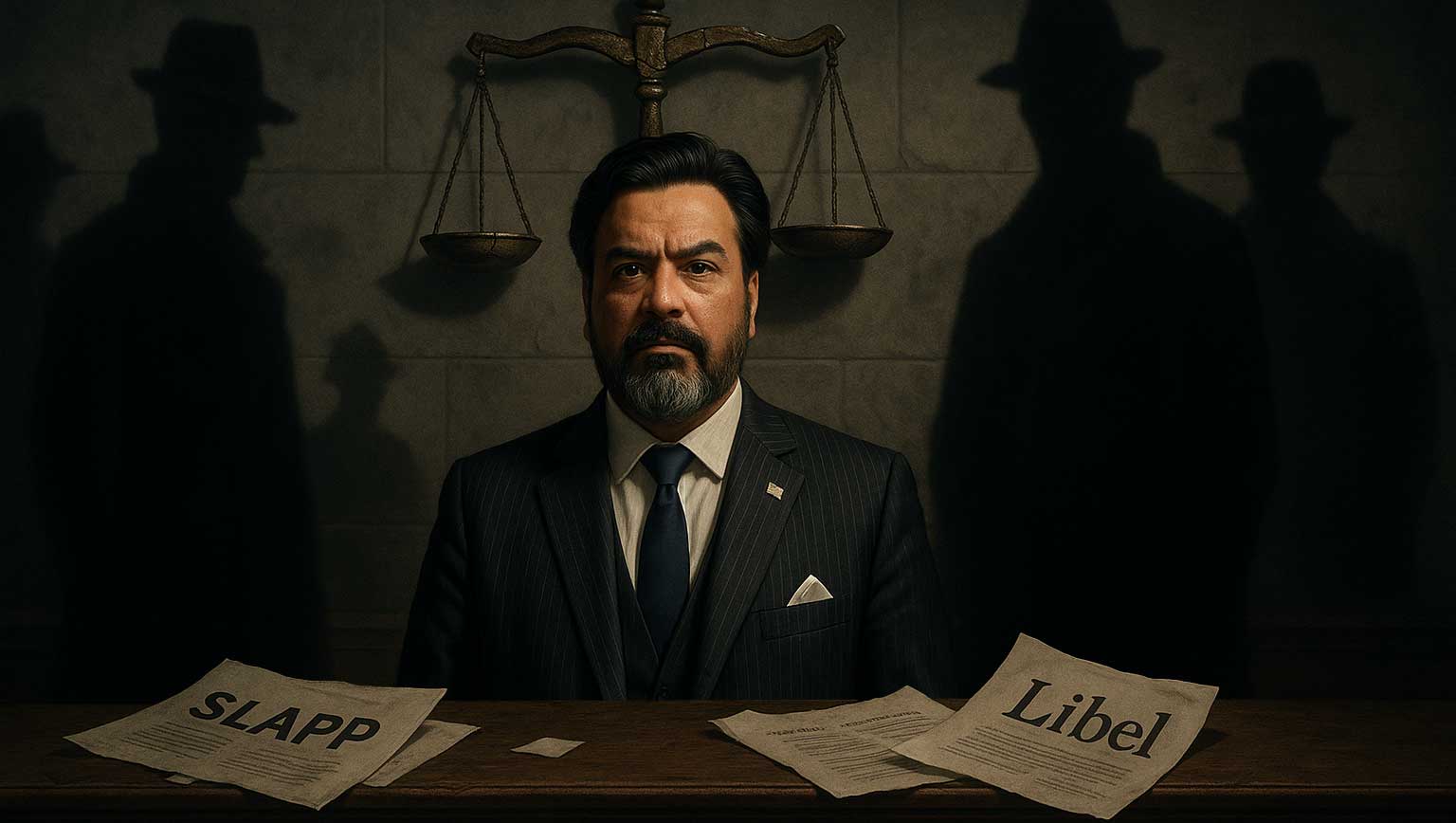
Authorities have used this law to pursue cases against journalists and social media commentators accused of spreading misinformation or defaming institutions.
Regulators have also blocked websites or restricted online content during periods of political tension.
Supporters argue that such measures combat disinformation. Critics say they reinforce Pakistan Media Control in the digital era.
The Military–Business–Media Nexus
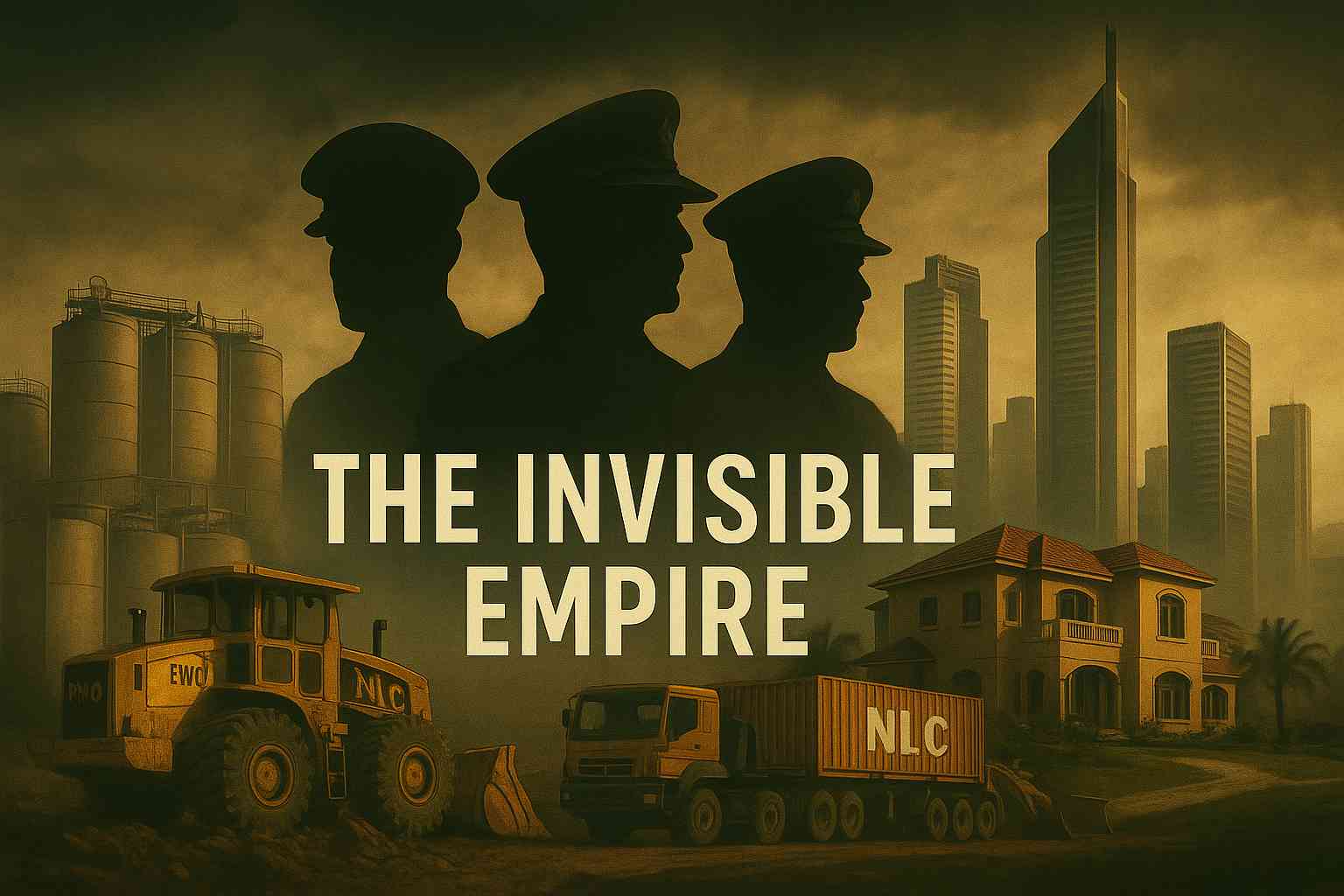
Another dimension of Pakistan Media Control involves the intersection of military institutions, business interests, and media ownership.
Pakistan’s military oversees a vast network of economic ventures, including foundations and corporate enterprises involved in real estate, manufacturing, and banking.
While these ventures support military welfare programs, analysts debate their broader economic influence.
Media organizations themselves often belong to powerful business groups with their own political interests.
These overlapping relationships can shape editorial decisions, especially when coverage touches sensitive economic or political issues.
Independent and Exiled Journalism
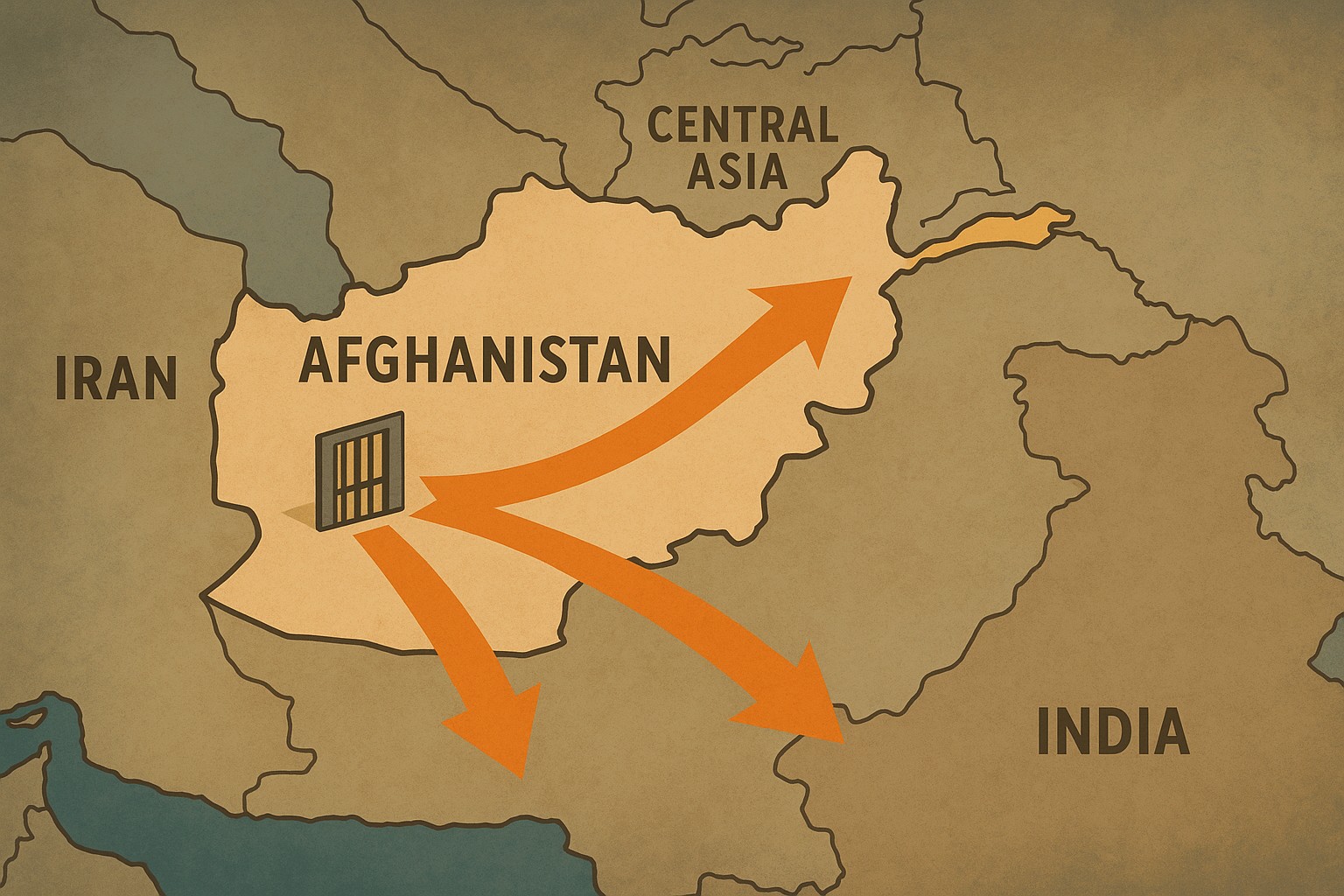
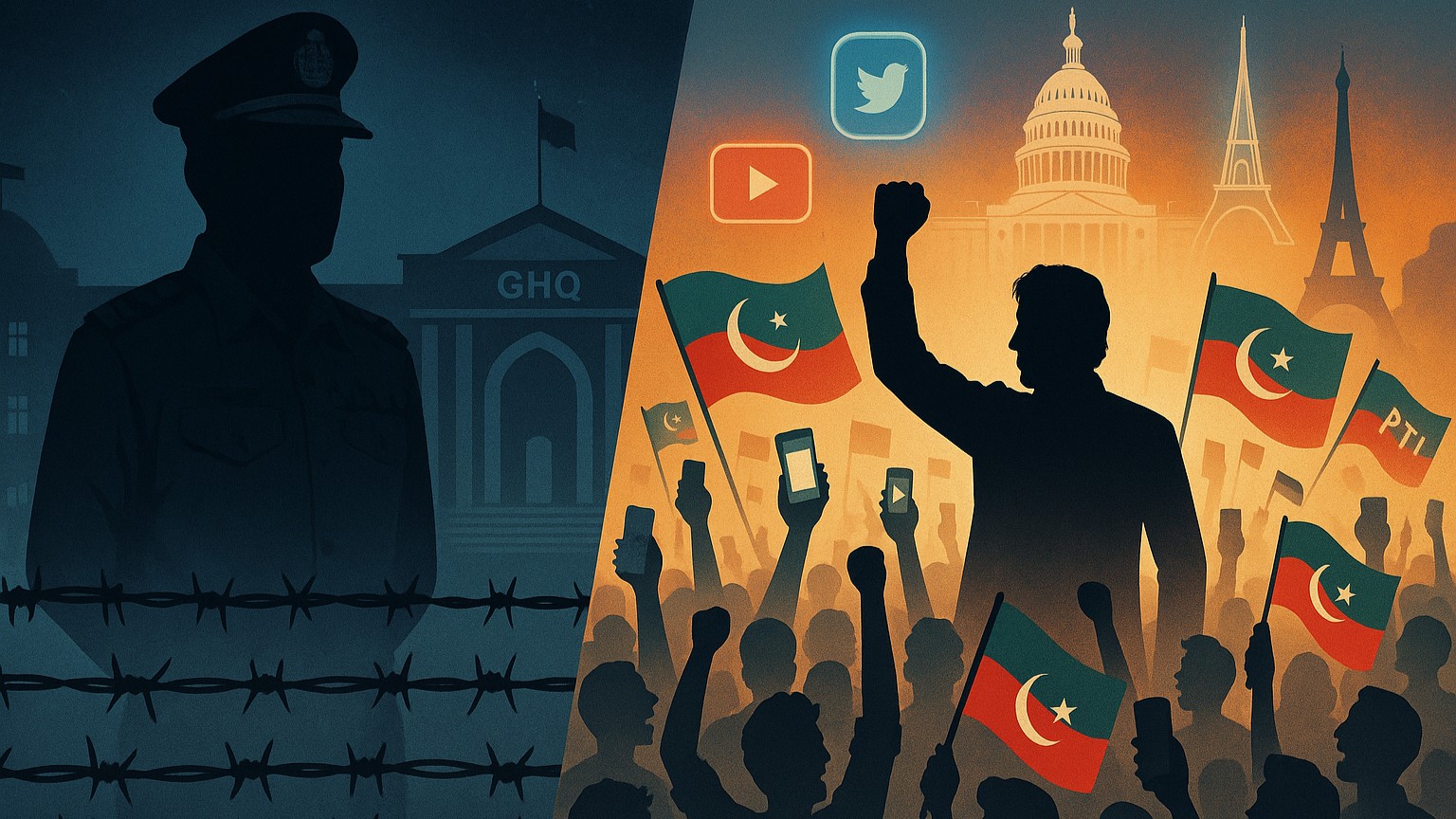
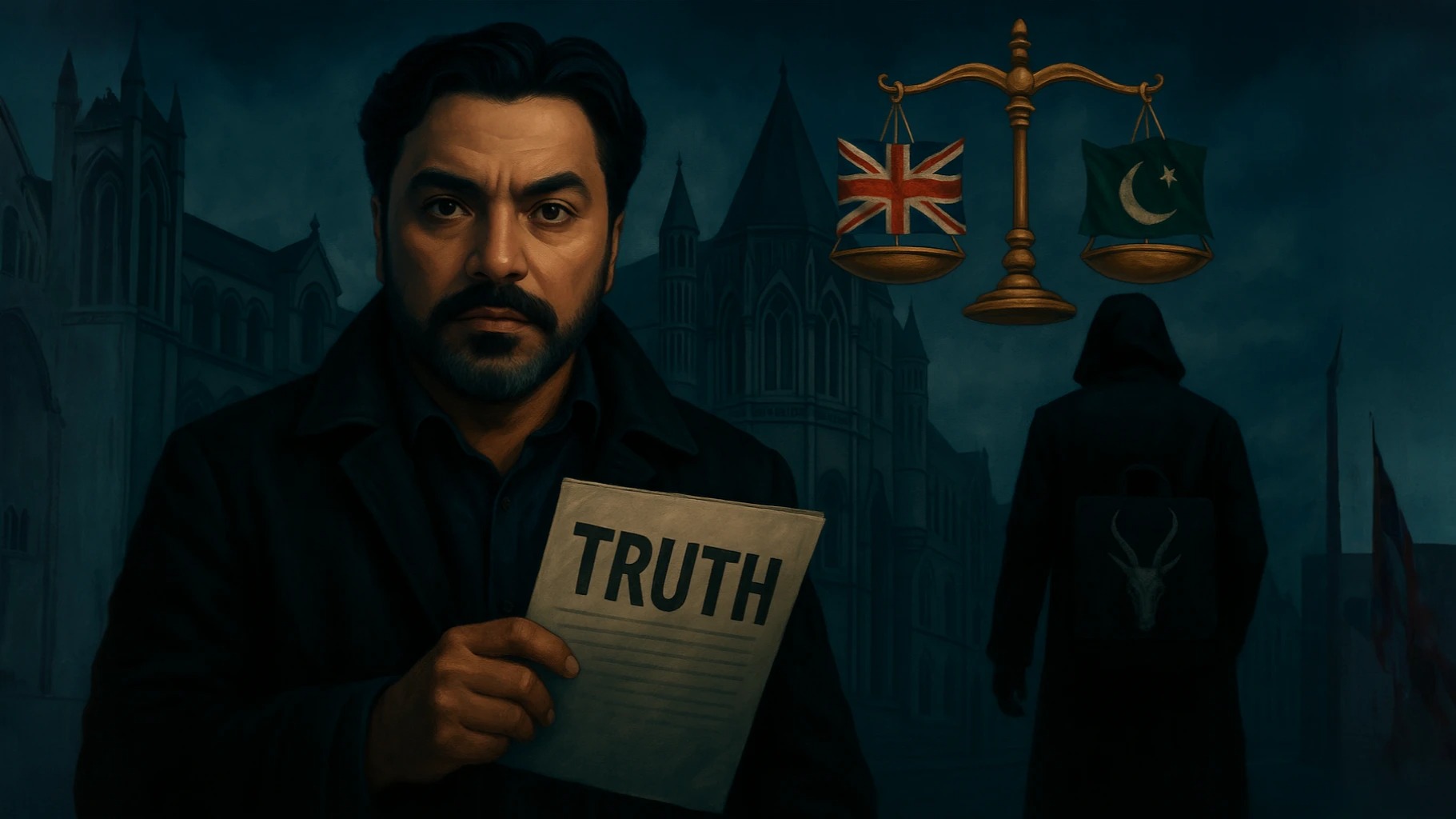
As pressure on traditional television networks and newspapers has intensified, a growing number of Pakistani journalists have turned to YouTube, independent websites, and overseas broadcasting to continue their work.
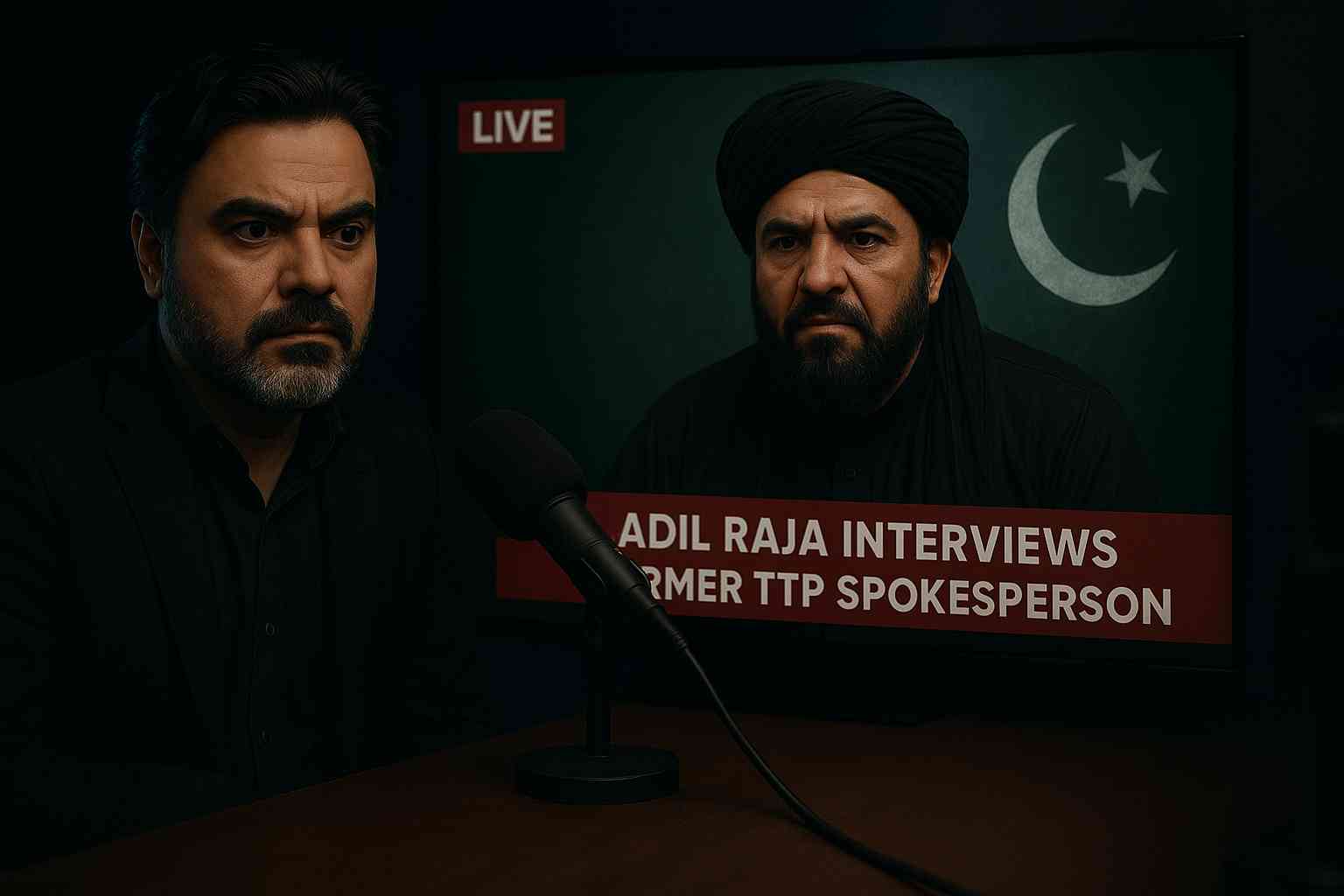
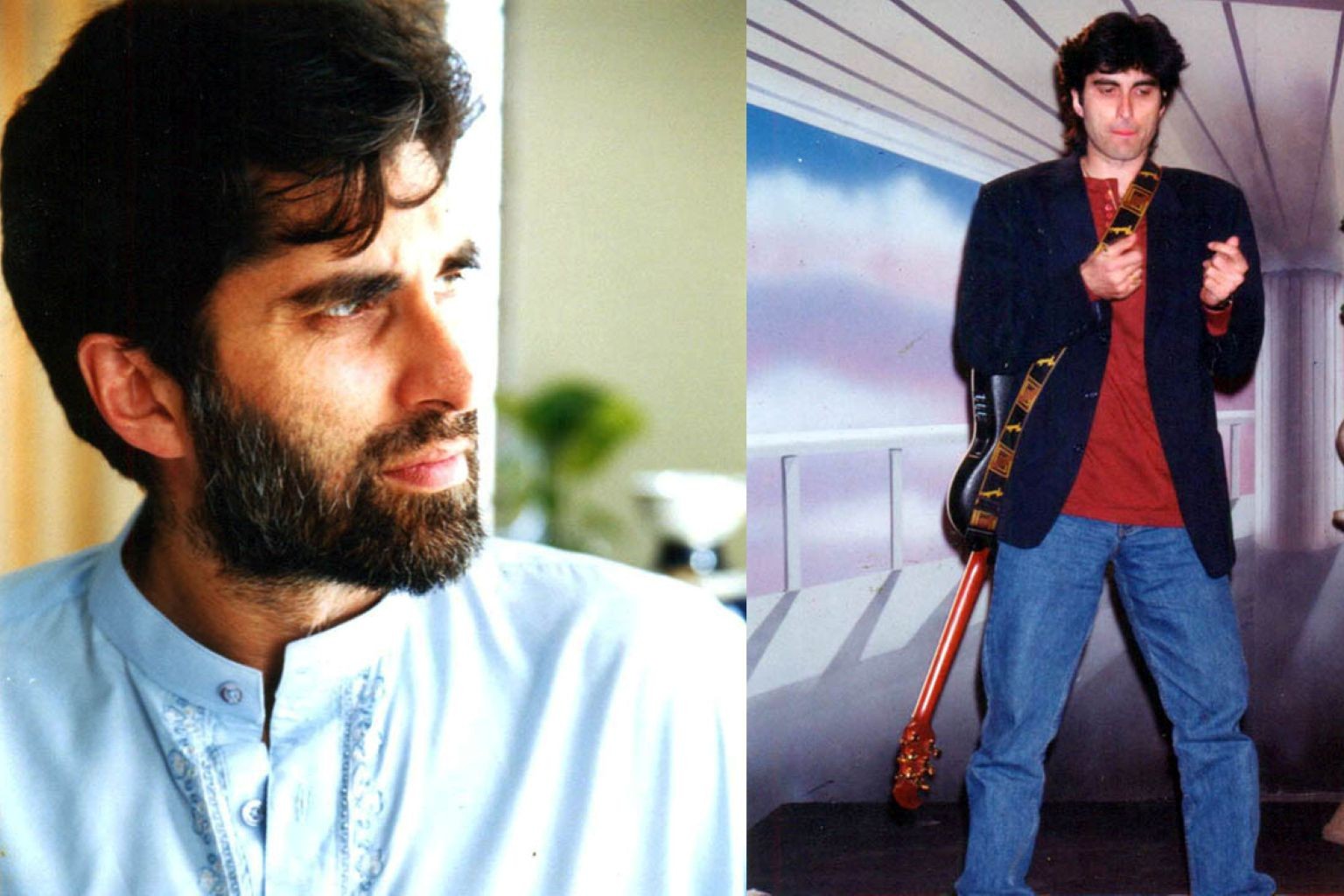
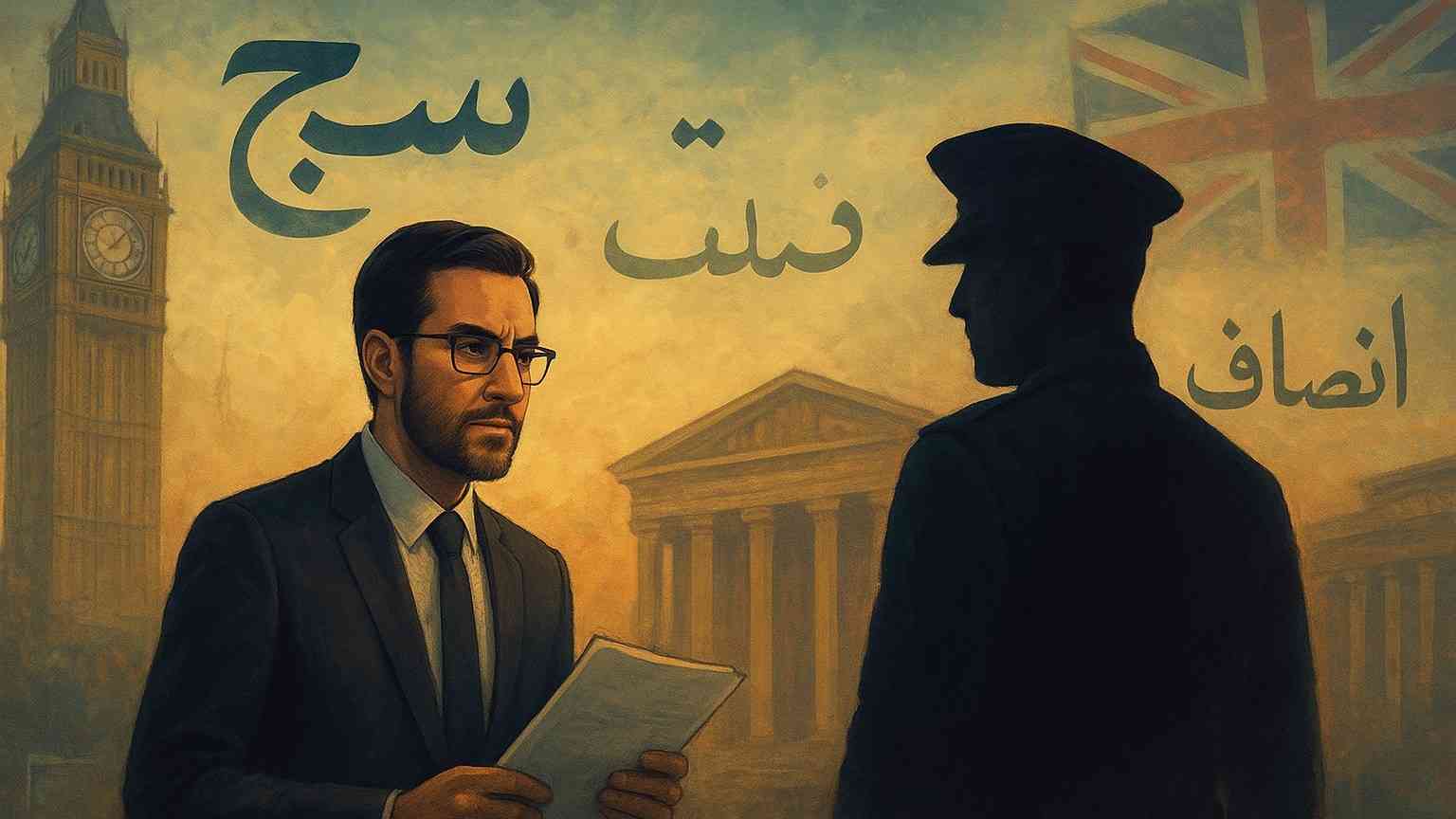
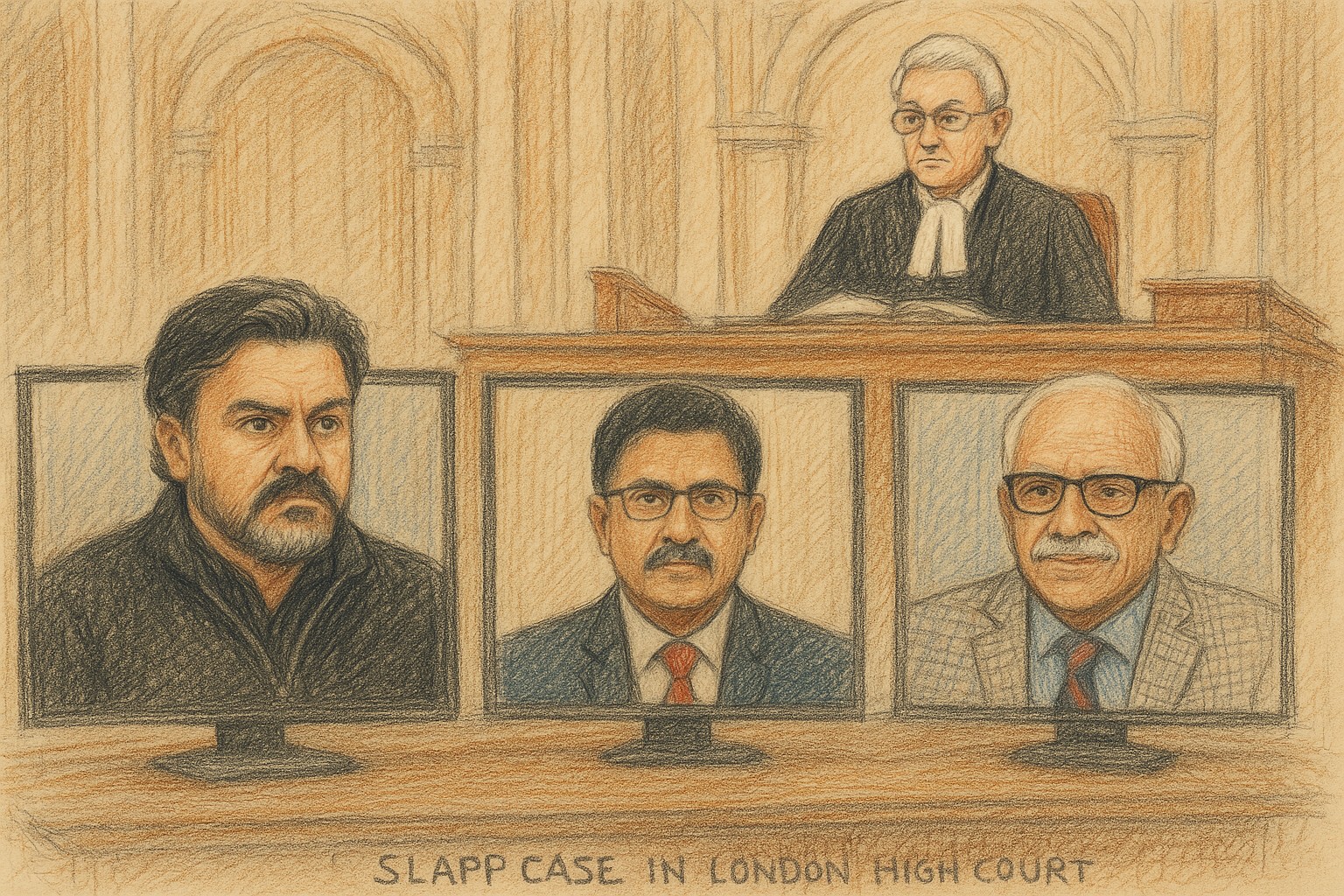
Prominent voices in this diaspora media space include Dr. Moeed Pirzada, Adil Raja, Shaheen Sehbai, Sabir Shakir, Wajahat Saeed Khan, Ahmad Noorani, and Imran Riaz Khan. Operating from cities such as London, Washington, and Toronto, these journalists have built an alternative digital media ecosystem that reaches millions of viewers inside Pakistan without relying on traditional broadcasters.
However, this new space for independent journalism has also faced growing pressure.
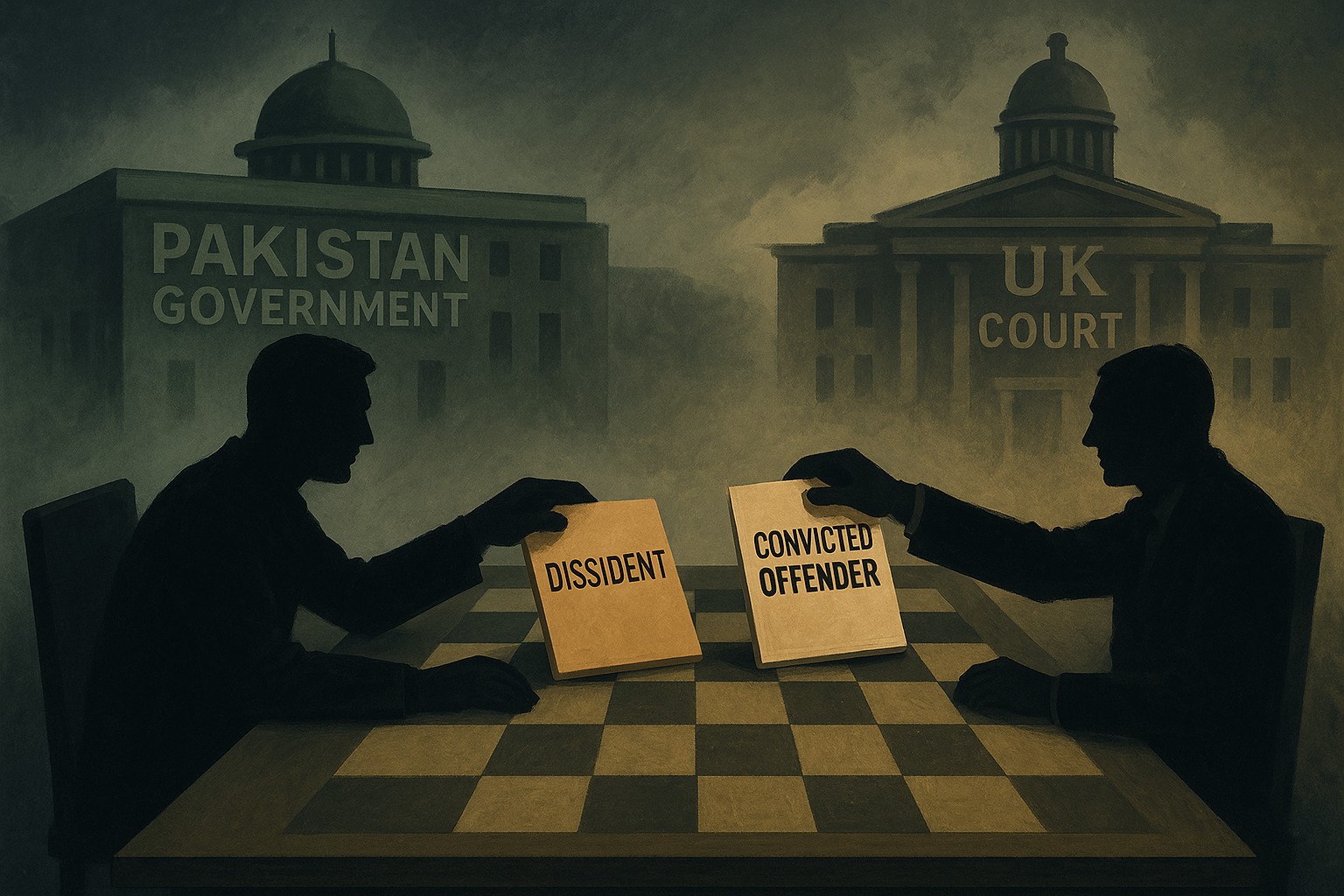
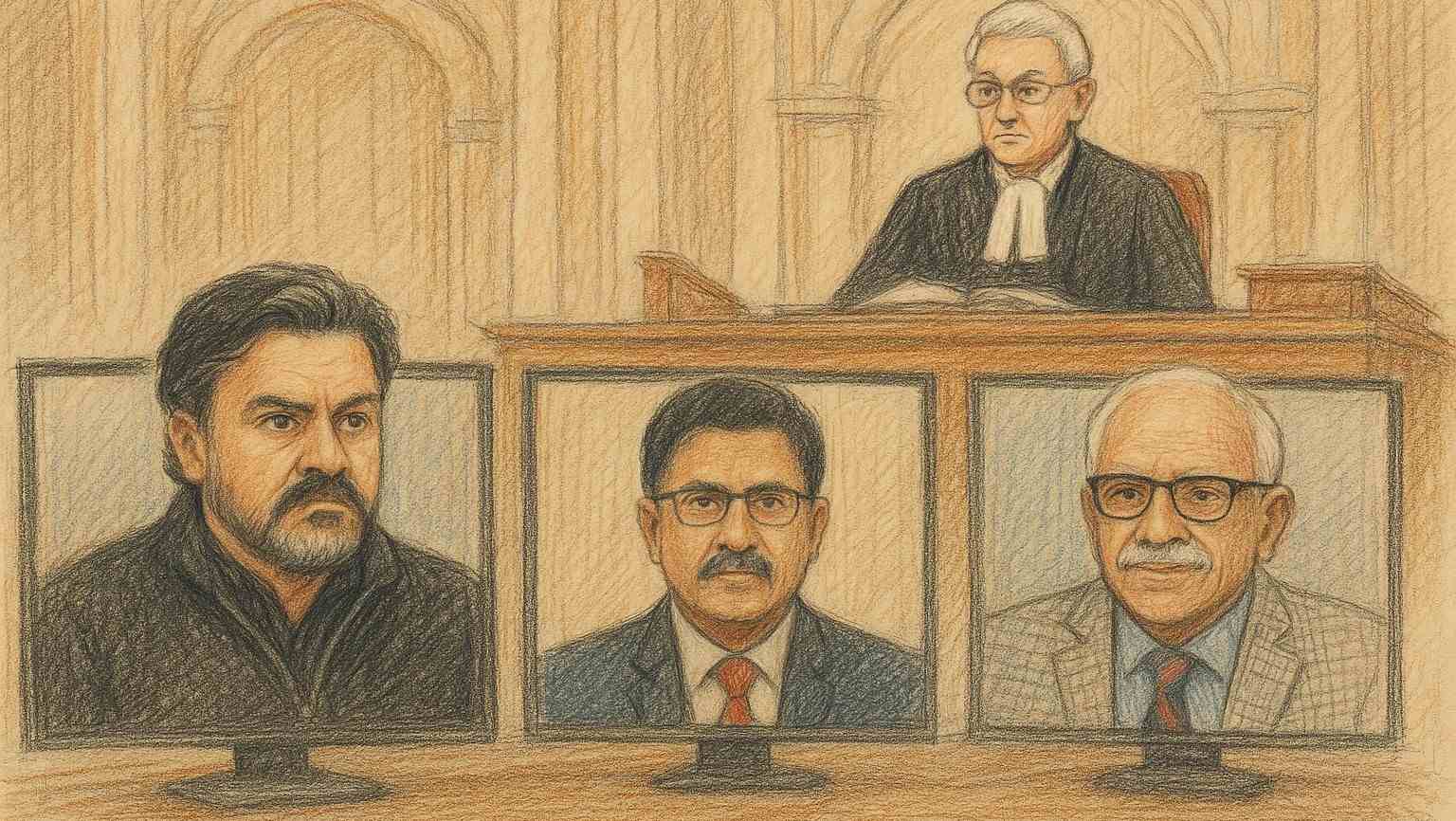
In July 2025, an Islamabad court ordered the blocking of 27 YouTube channels accused of spreading “anti-state” content. The list included channels linked to Moeed Pirzada, Ahmad Noorani, Wajahat Saeed Khan, Sabir Shakir, Matiullah Jan, Asad Toor, and Imran Riaz Khan, among them few doing programs on YouTube from withing Pakistan, demonstrating how digital journalism can be targeted through legal and regulatory mechanisms.
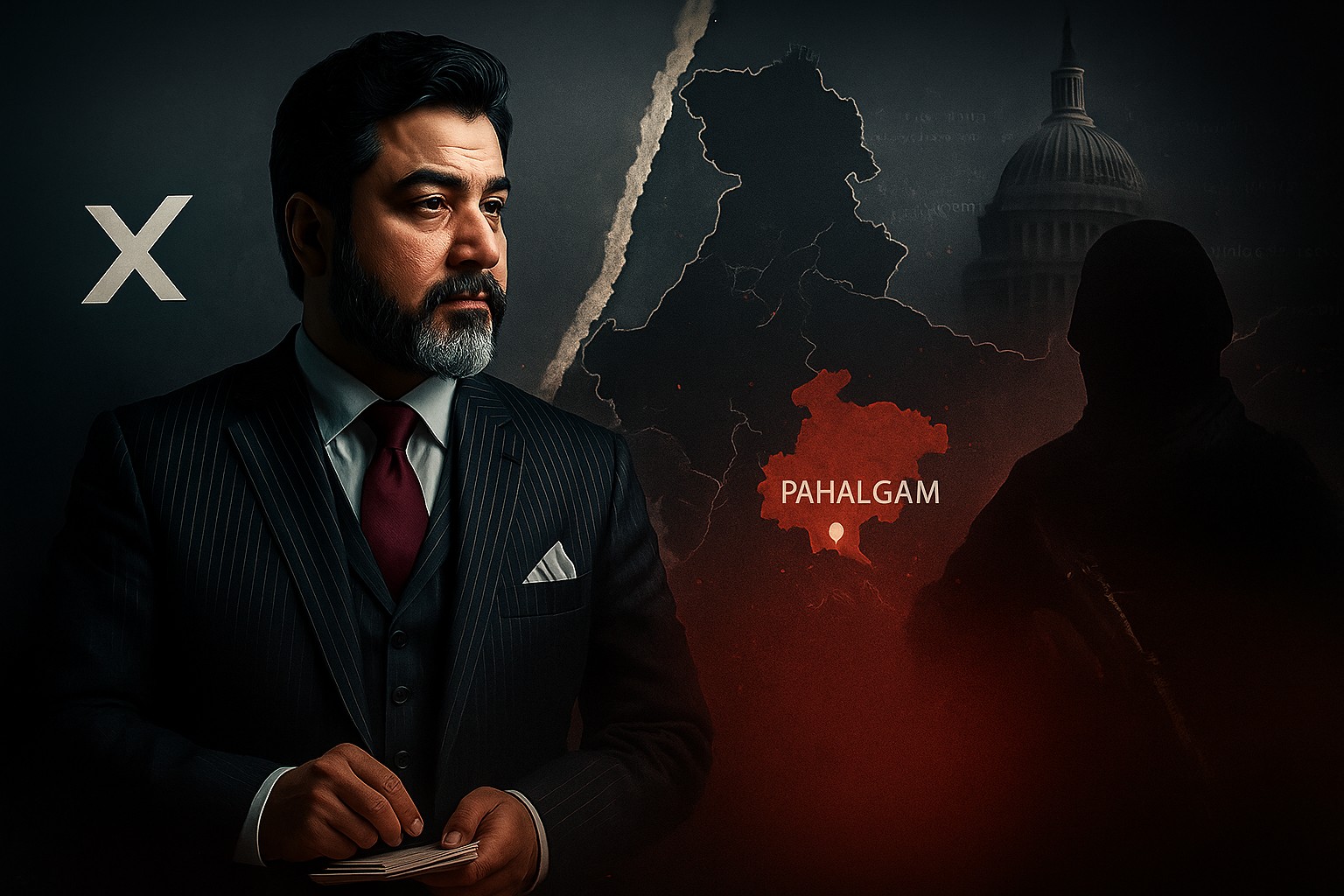
Alongside channel bans, Pakistan’s broader digital controls have created additional barriers. Authorities have imposed sweeping internet restrictions, including the blocking of X (formerly Twitter) since February 2024, tighter VPN regulations, and the expansion of cybercrime laws under PECA, measures critics describe as forming a growing digital firewall around online speech.
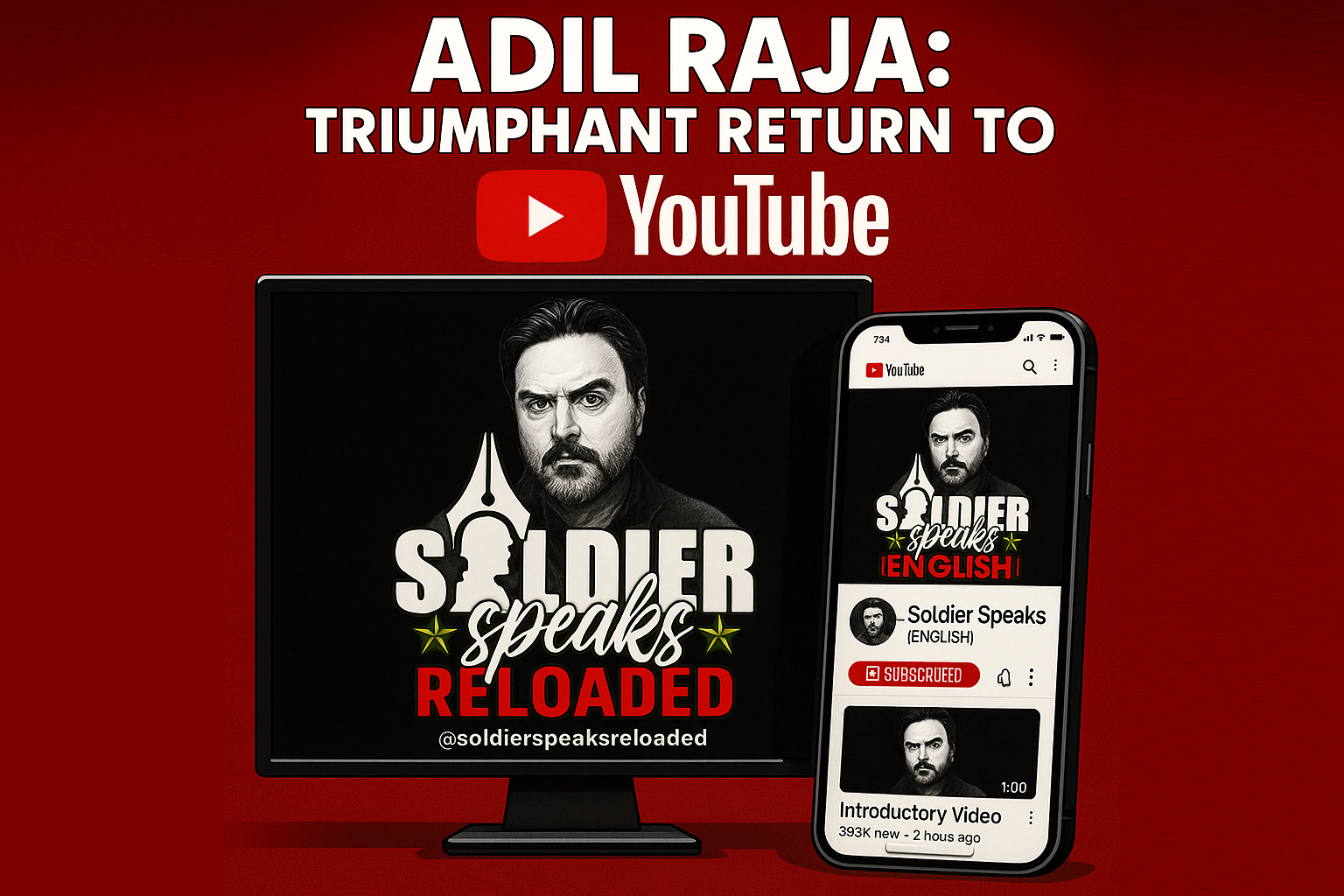
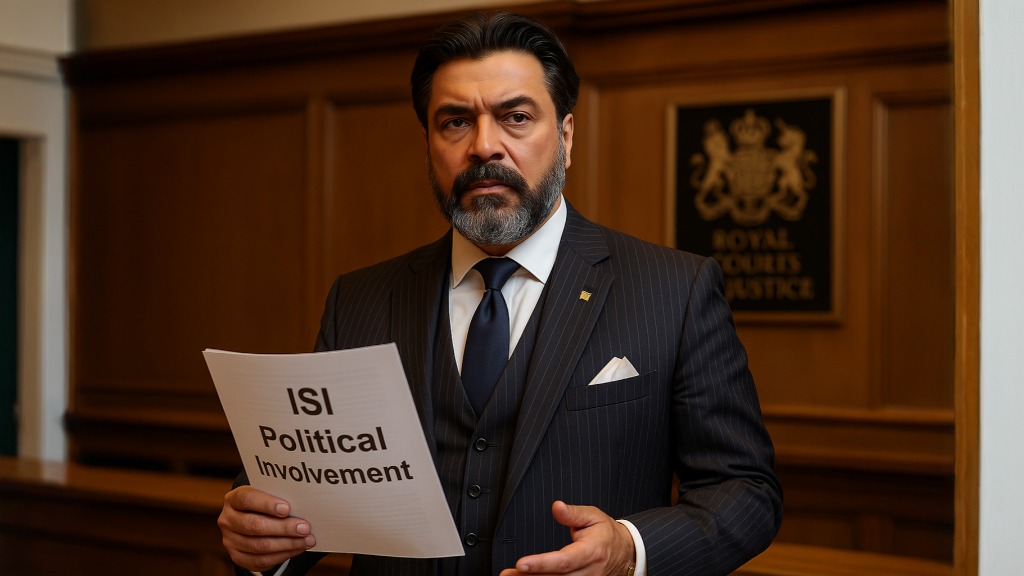
Some exiled journalists have also reported direct pressure on their platforms. Adil Raja, a former military officer turned political commentator, has publicly stated that his YouTube channels and Facebook pages were repeatedly targeted through coordinated mass-reporting campaigns and legal complaints, leading to terminations and repeated disruptions of his online presence.
Despite these pressures, diaspora journalism has become an increasingly influential part of Pakistan’s information landscape. For many journalists working outside the country, exile provides the freedom to report and analyze issues that are difficult to discuss within Pakistan’s mainstream media environment.
At the same time, exile comes with costs. Journalists remain physically distant from the society they report on, while their colleagues and families inside Pakistan may still face pressure.
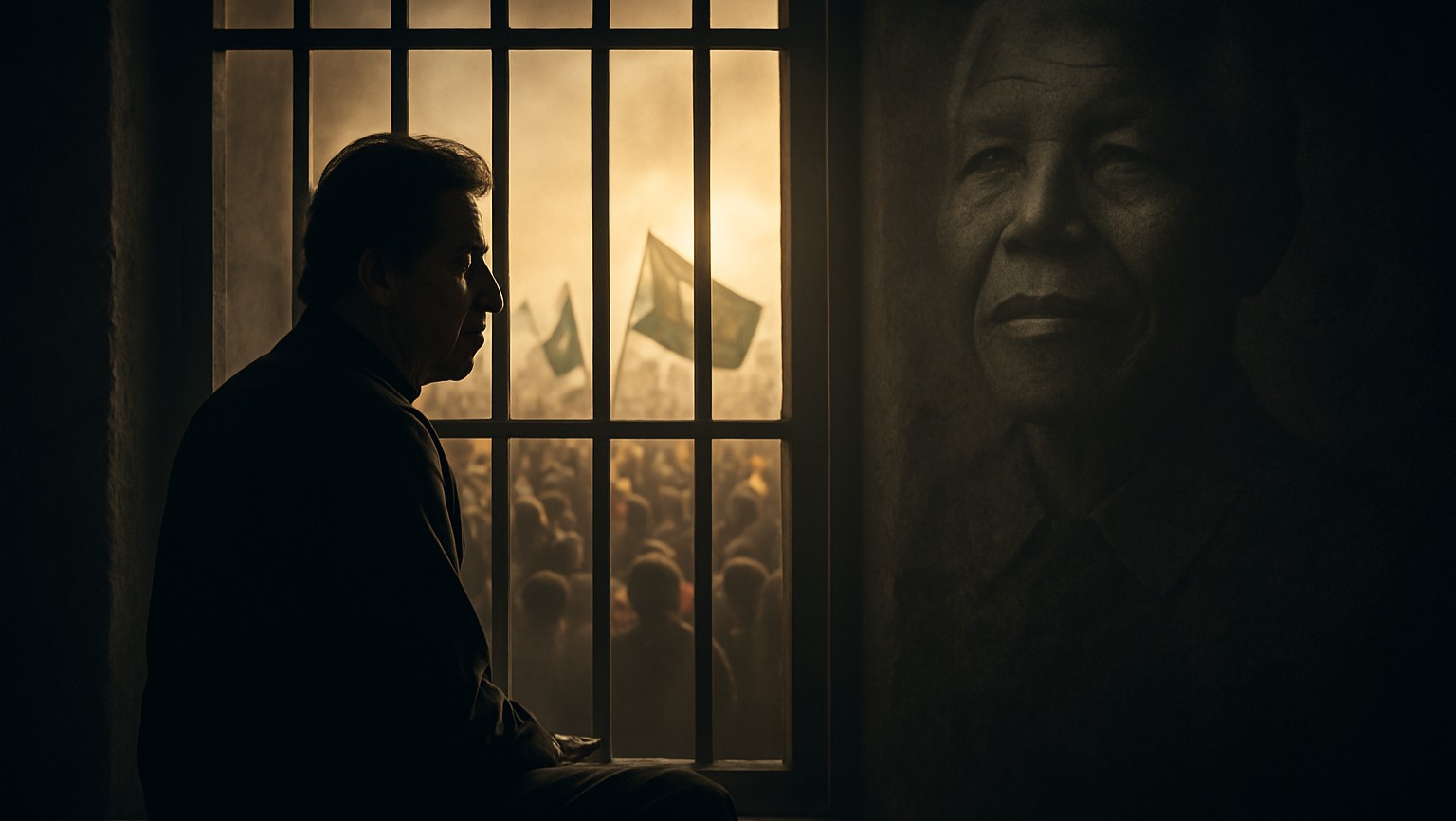
Yet the rise of independent digital journalism shows that the struggle for press freedom in Pakistan has not disappeared. It has simply moved to new platforms—and beyond the country’s borders.
The Democratic Cost of Pakistan Media Control
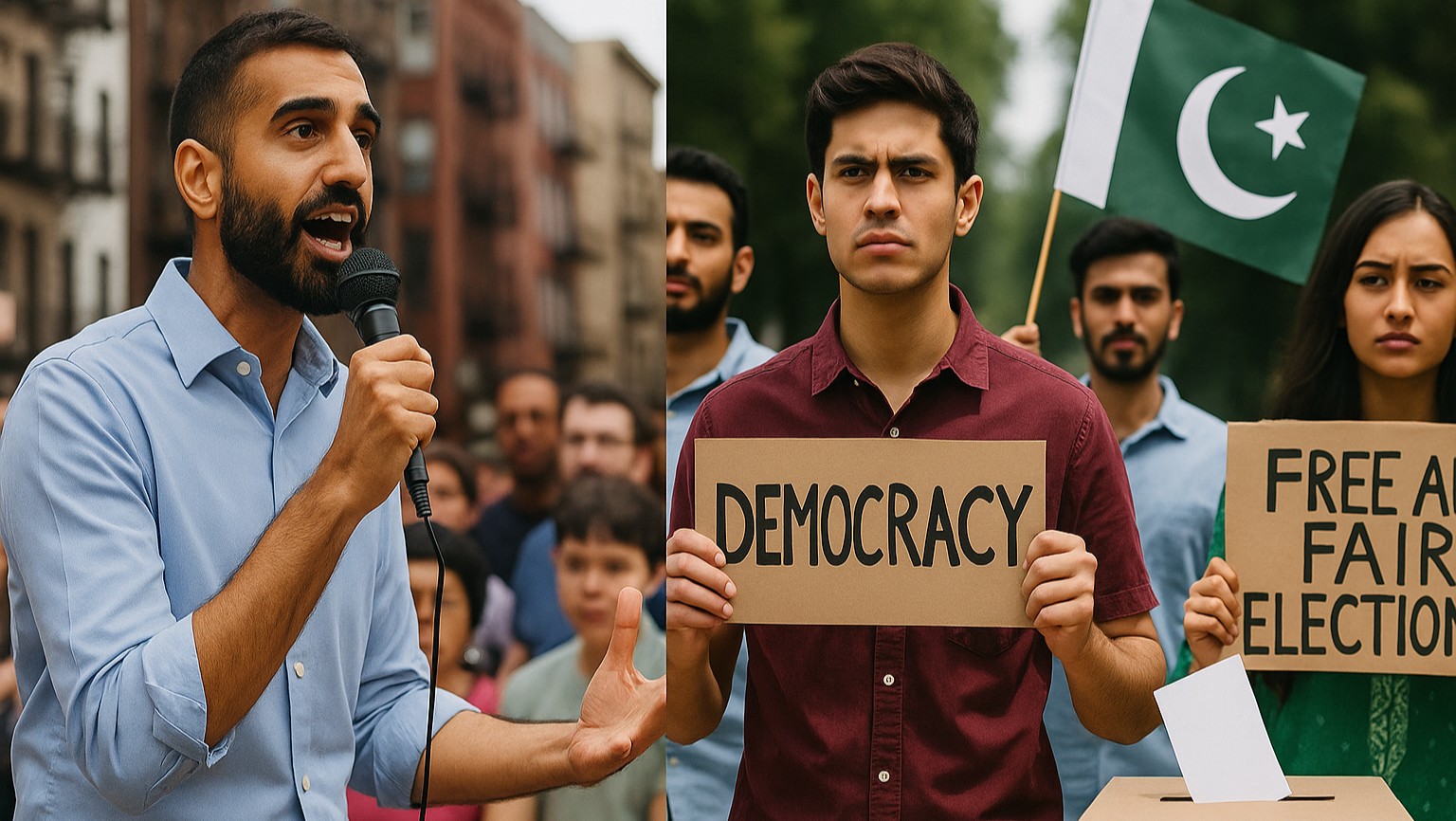
The relationship between Pakistan’s military establishment and the media has deep implications for democracy.
A free press plays a crucial role in holding institutions accountable and informing public debate.
When journalists face intimidation, financial pressure, or legal threats, the range of topics that can be openly discussed narrows.
Public understanding of key issues—such as civil-military relations, economic policy, and national security—may therefore become limited.
At the same time, the rise of social media creates a fragmented information landscape where unverified information spreads quickly.
This dynamic can further complicate public discourse.
Conclusion: The Future of Media Freedom
Pakistan’s media environment remains vibrant yet contested.
Television networks host heated debates. Newspapers continue investigative reporting. Online platforms provide new spaces for commentary and analysis.
However, beneath this activity lies a complex web of influence shaped by politics, economics, and national security concerns.
The role of the military establishment within this system remains one of the most sensitive issues in Pakistan’s public life.
For journalists, navigating this environment requires balancing professional duty with personal safety.
For Pakistan’s democracy, the challenge lies in ensuring that media institutions operate freely enough to inform the public while maintaining national stability.
The future of media freedom may depend on whether reforms, technology, and public demand can gradually loosen the structures of Pakistan Media Control.
Only then can journalism fulfill its essential role: speaking truth to power.