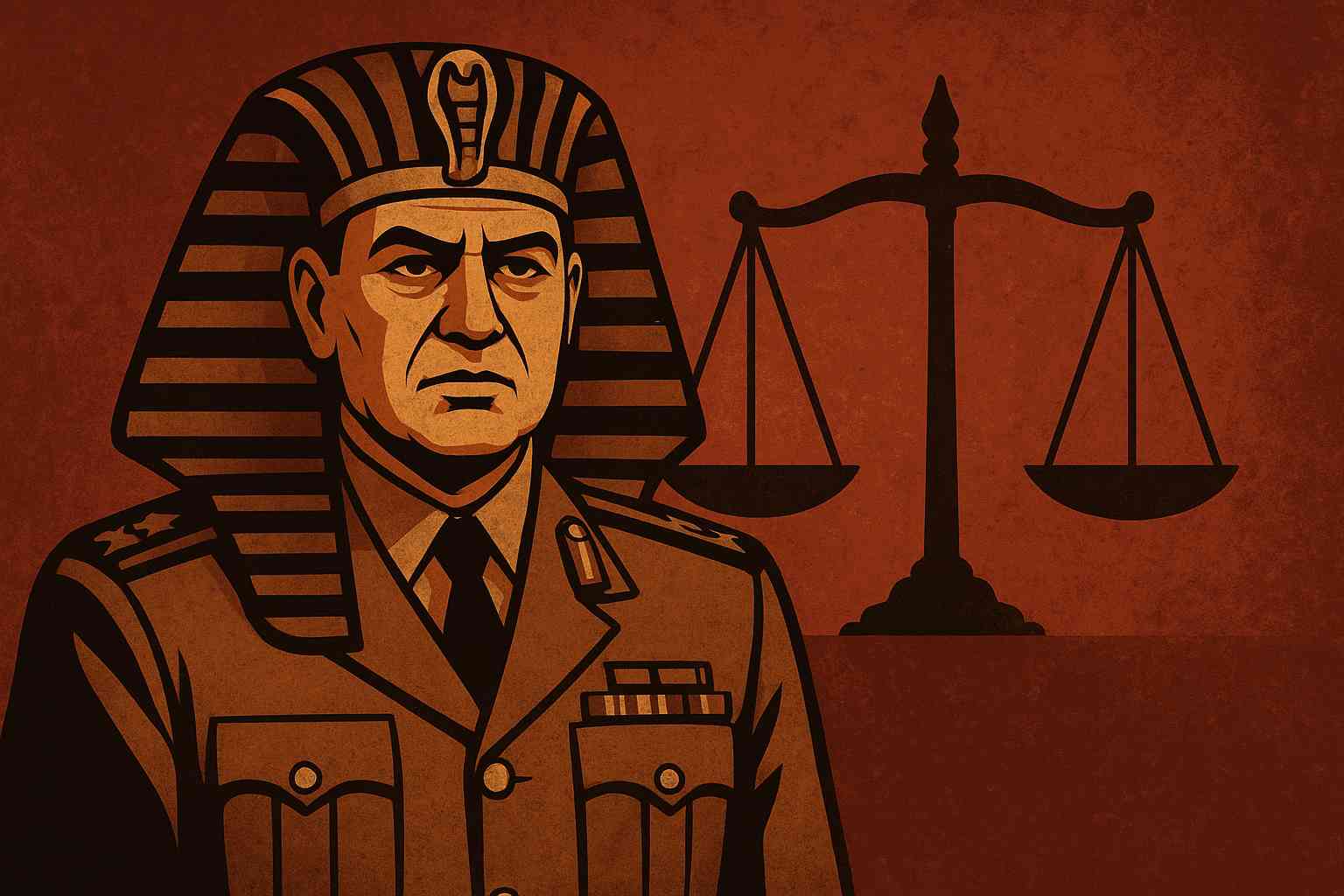
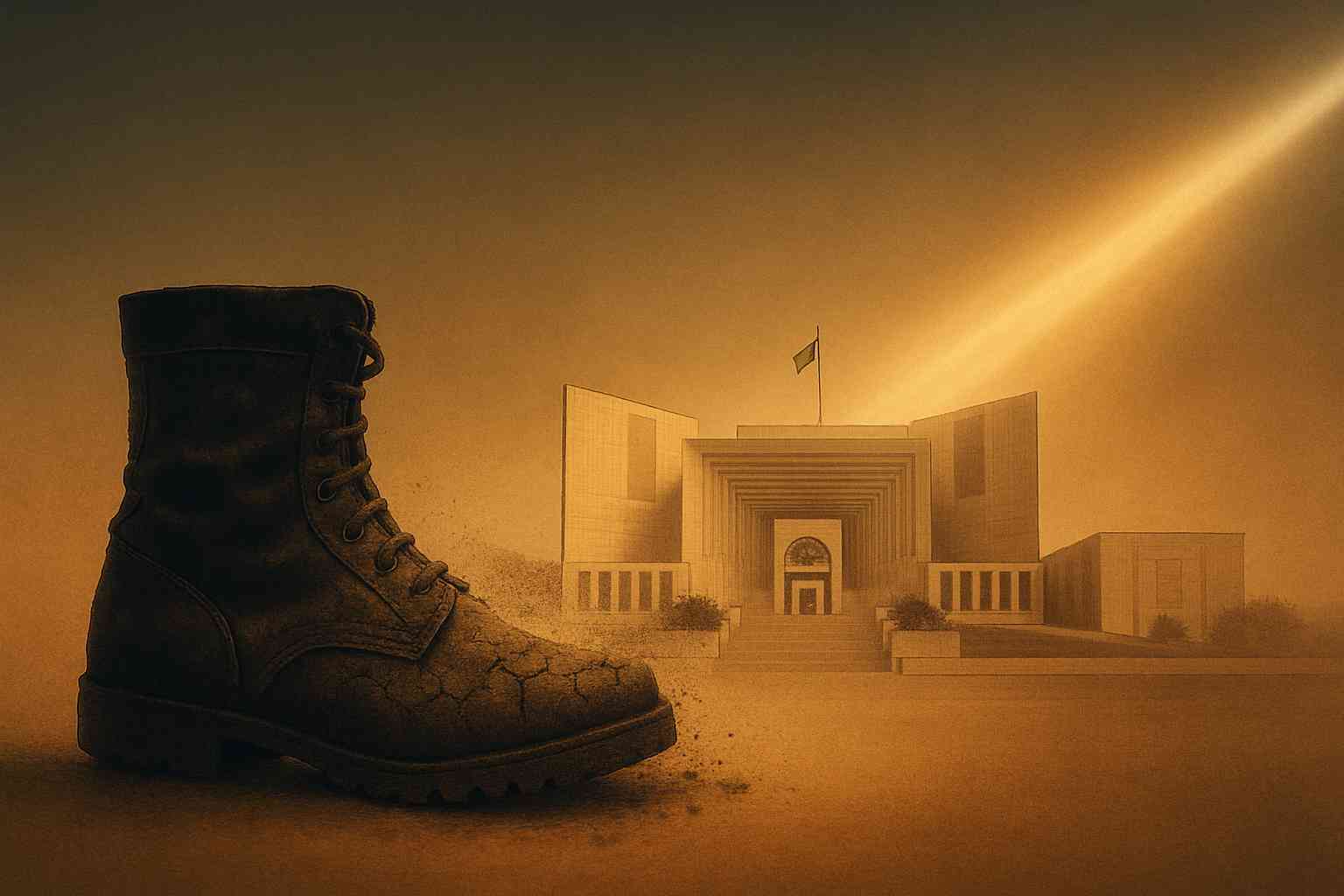
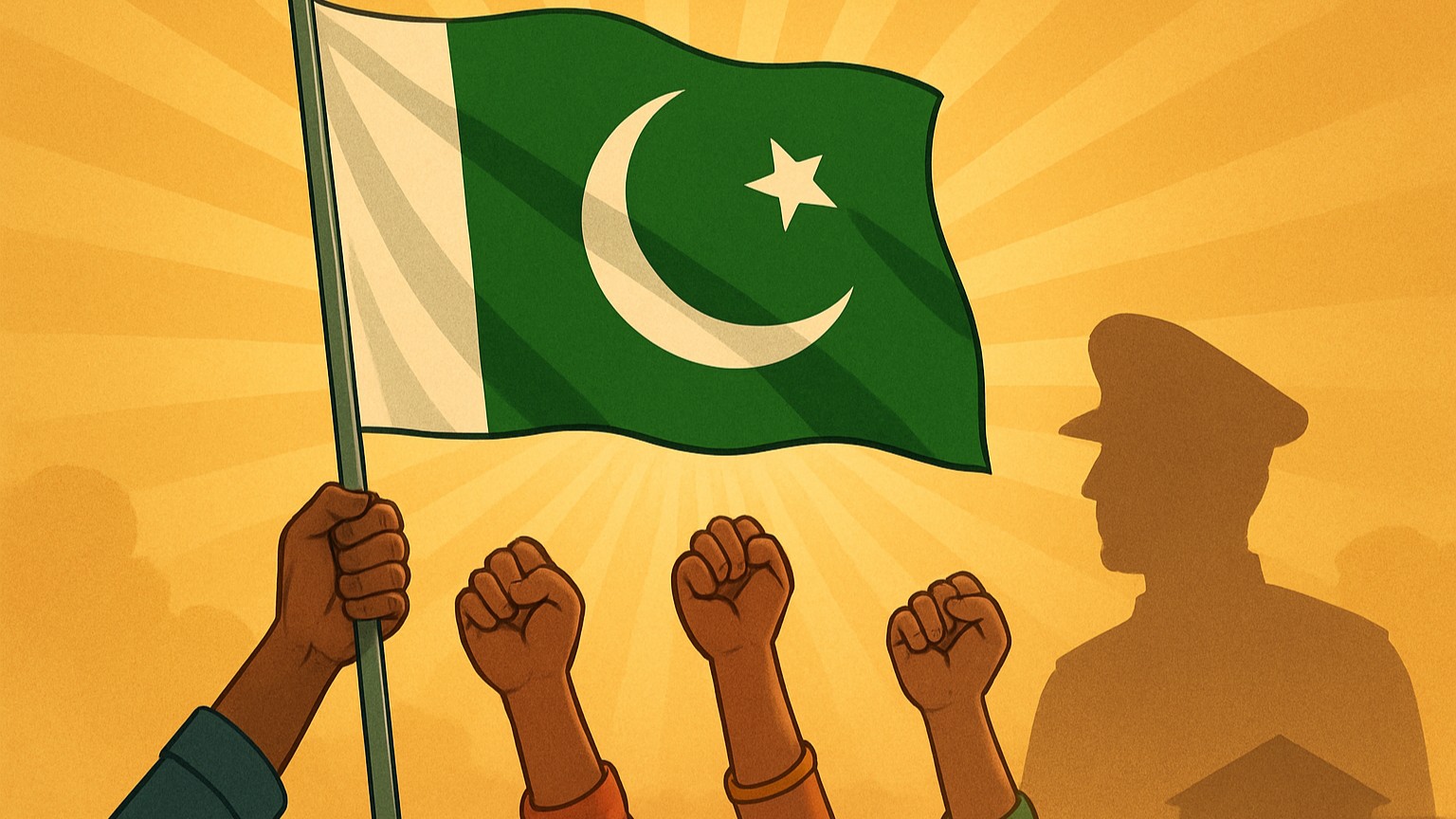
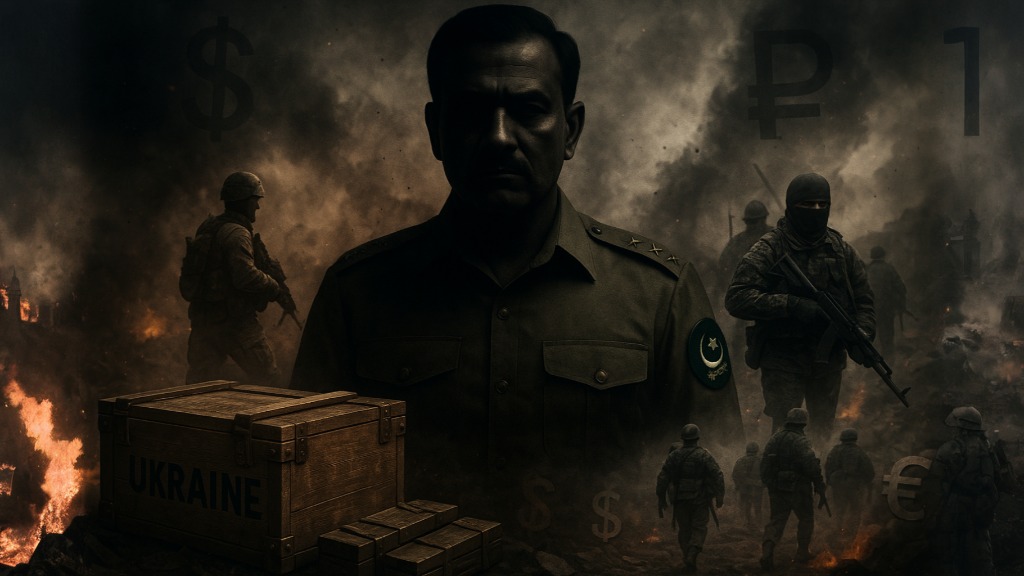
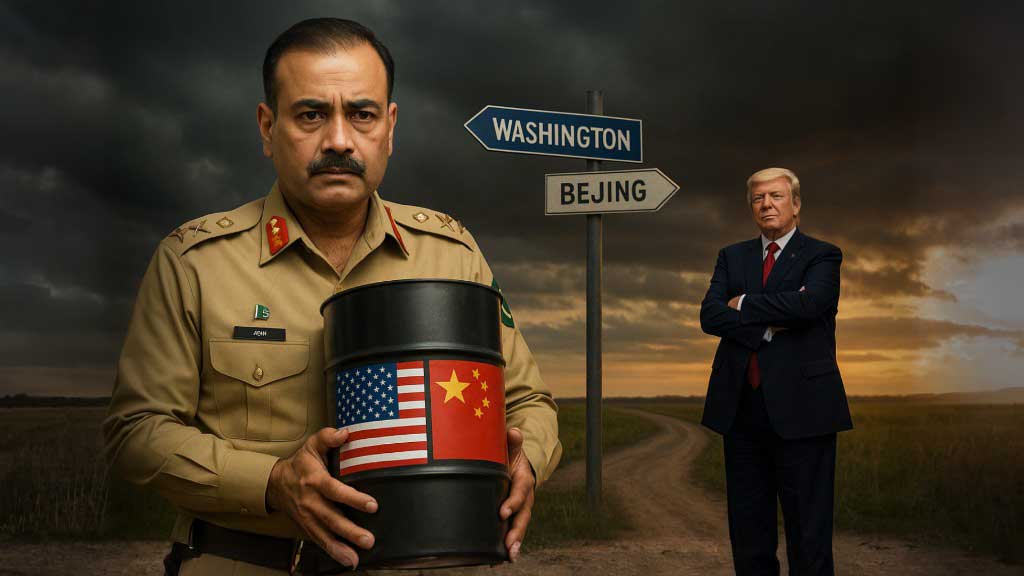
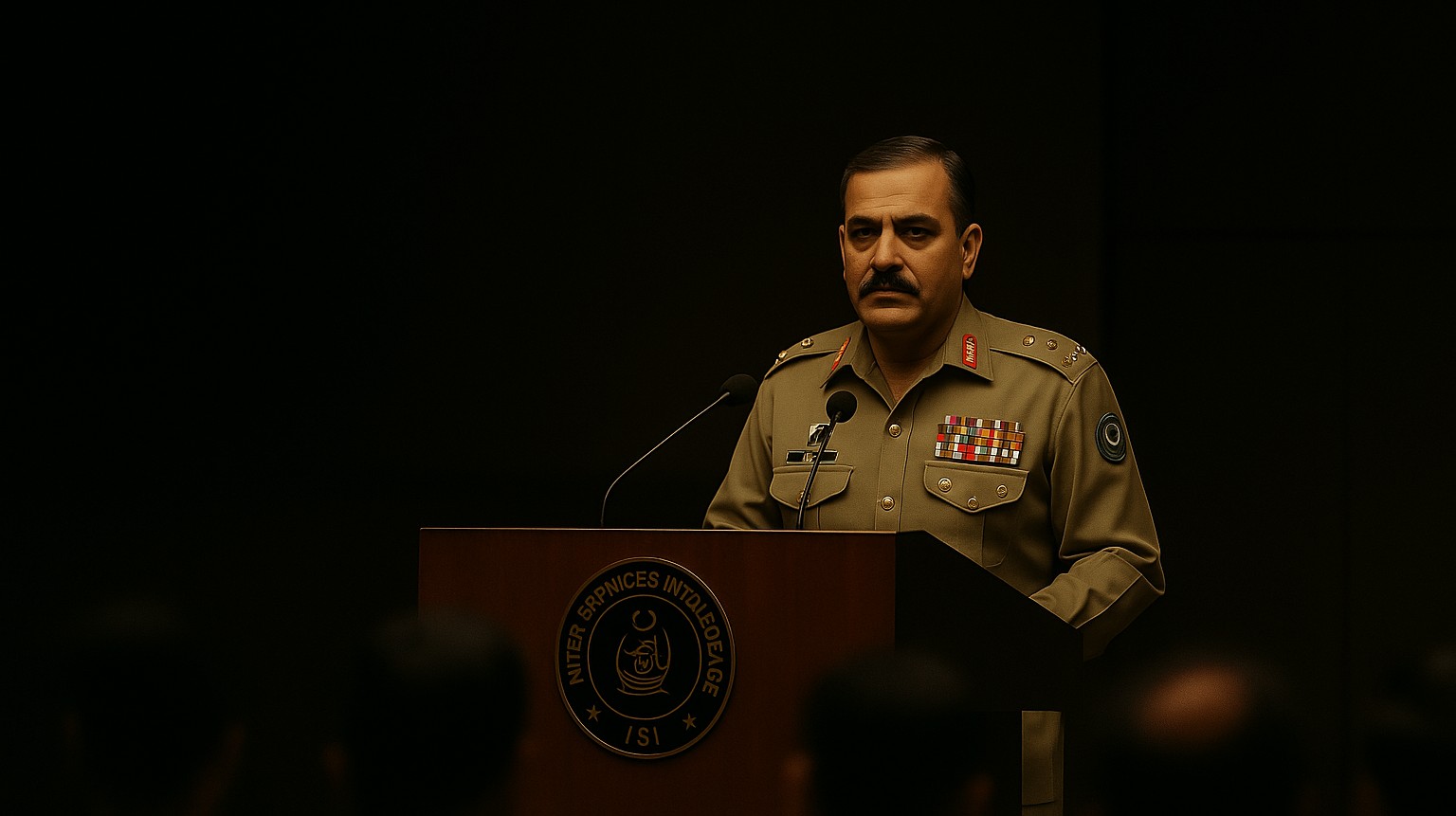
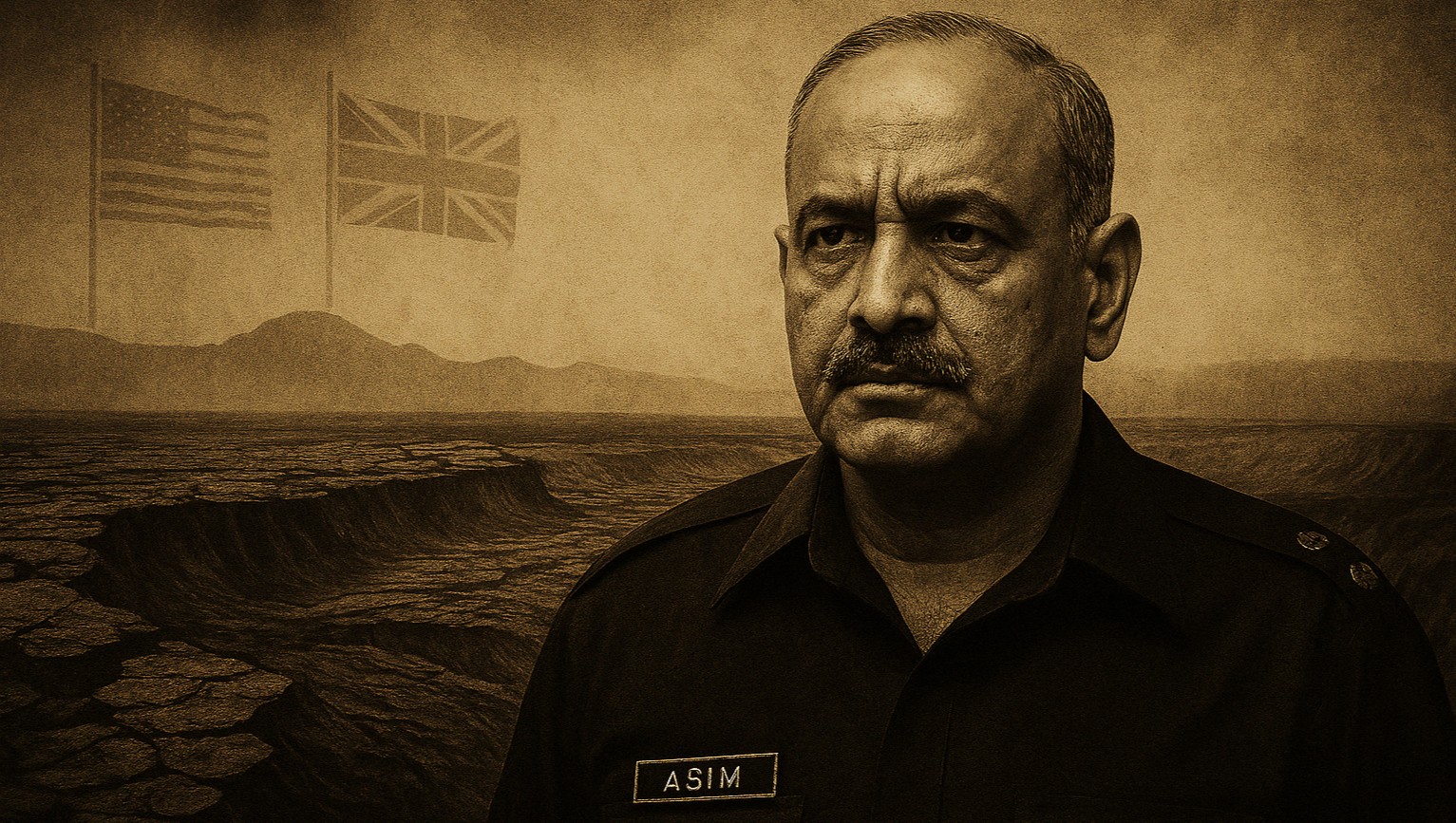
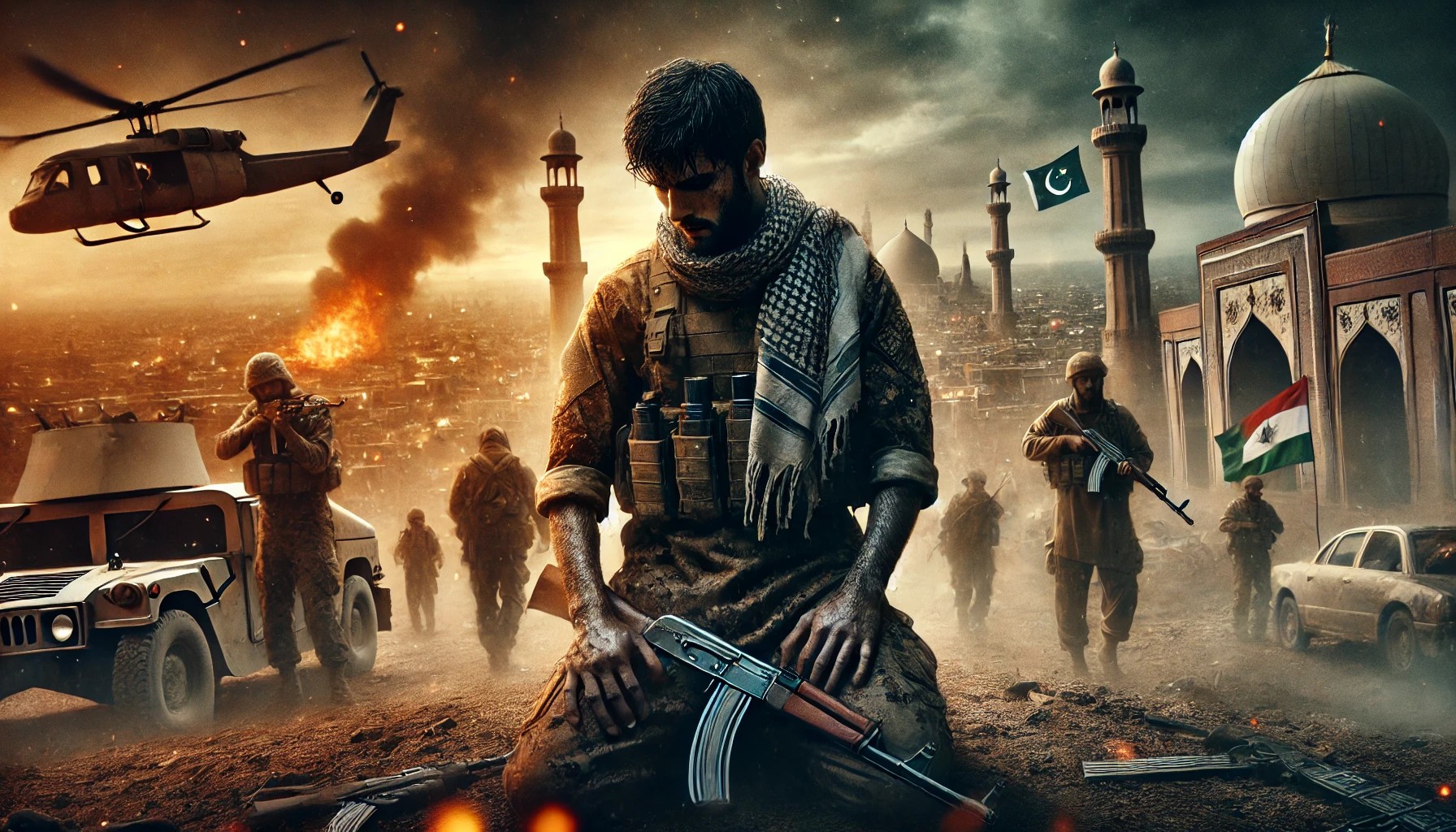
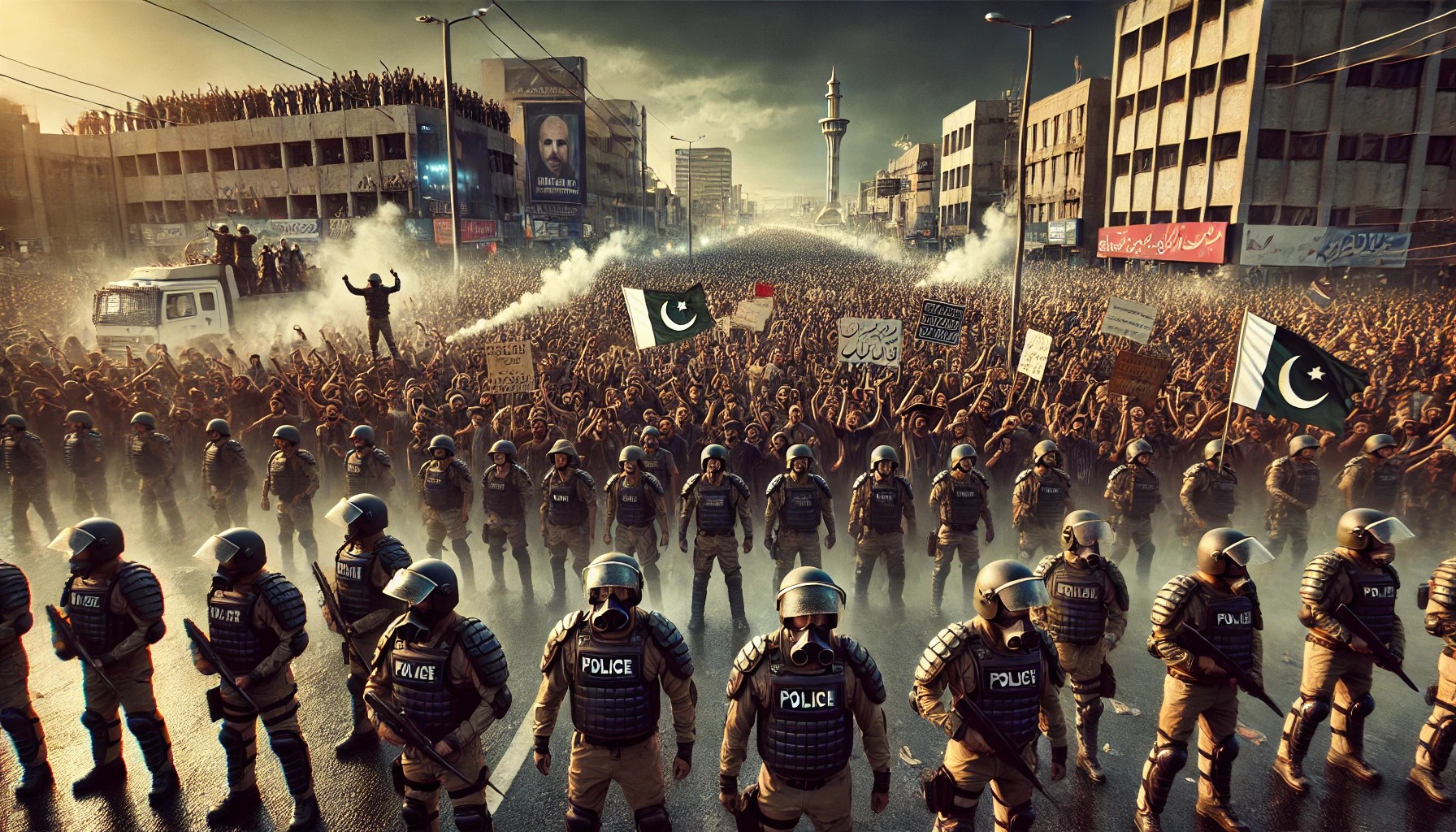
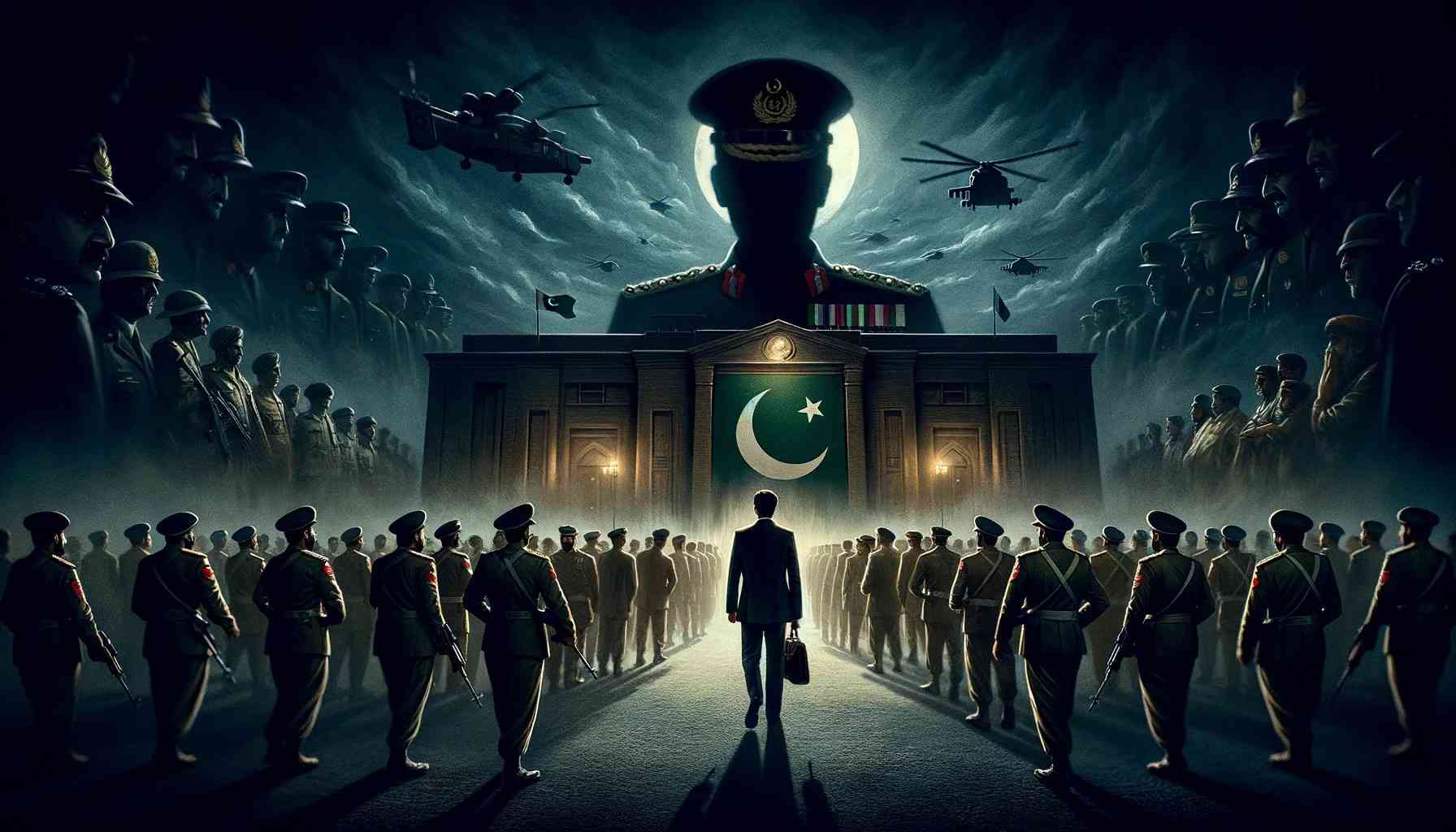
The Pakistan Army Pulse Report reveals a familiar pattern. The military establishment is once again trying to manage a crisis of its own making through propaganda, selective relief, and controlled messaging inside the ranks. However, the latest internal mood shows that anger within the Army has not disappeared. Instead, it has changed shape.
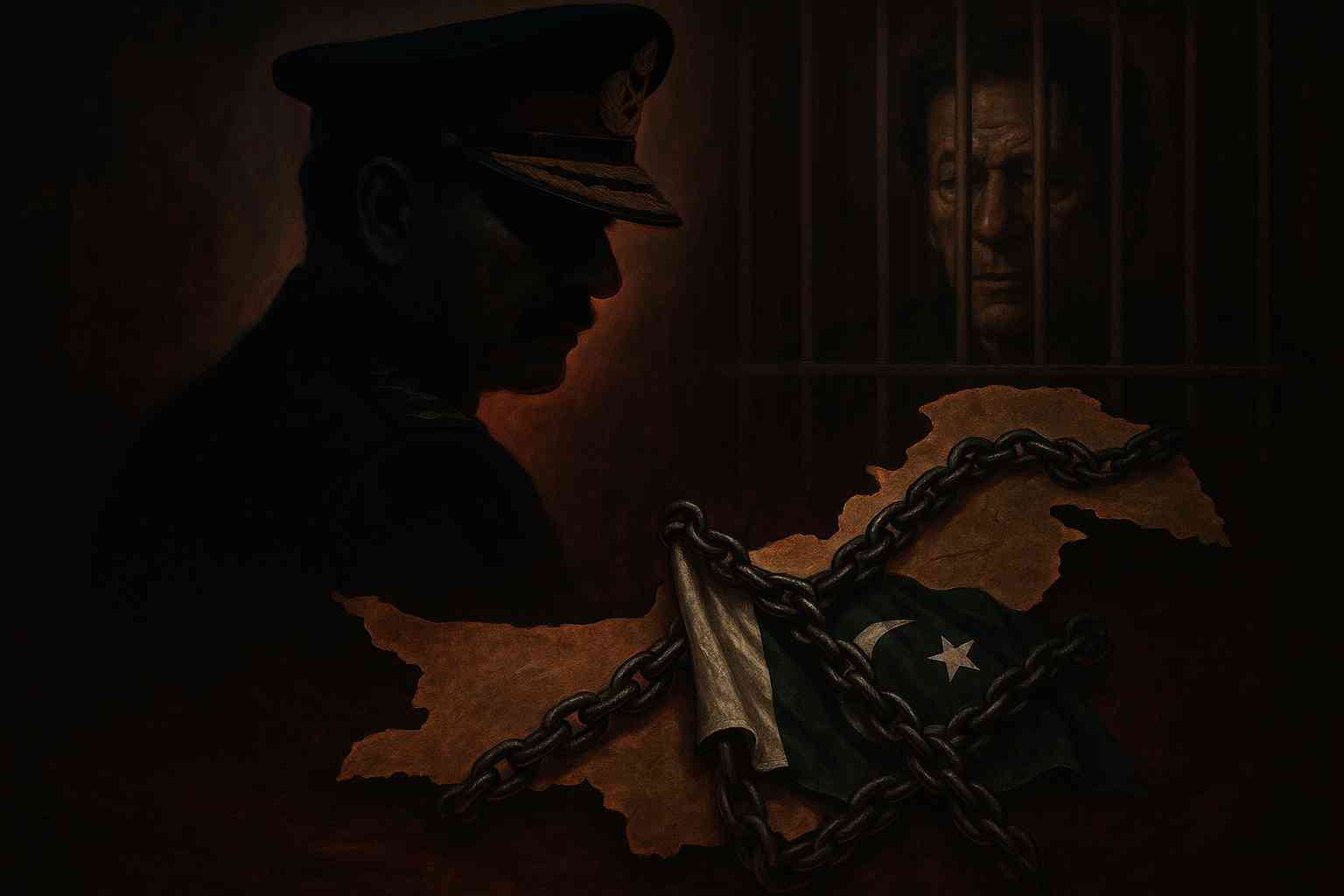
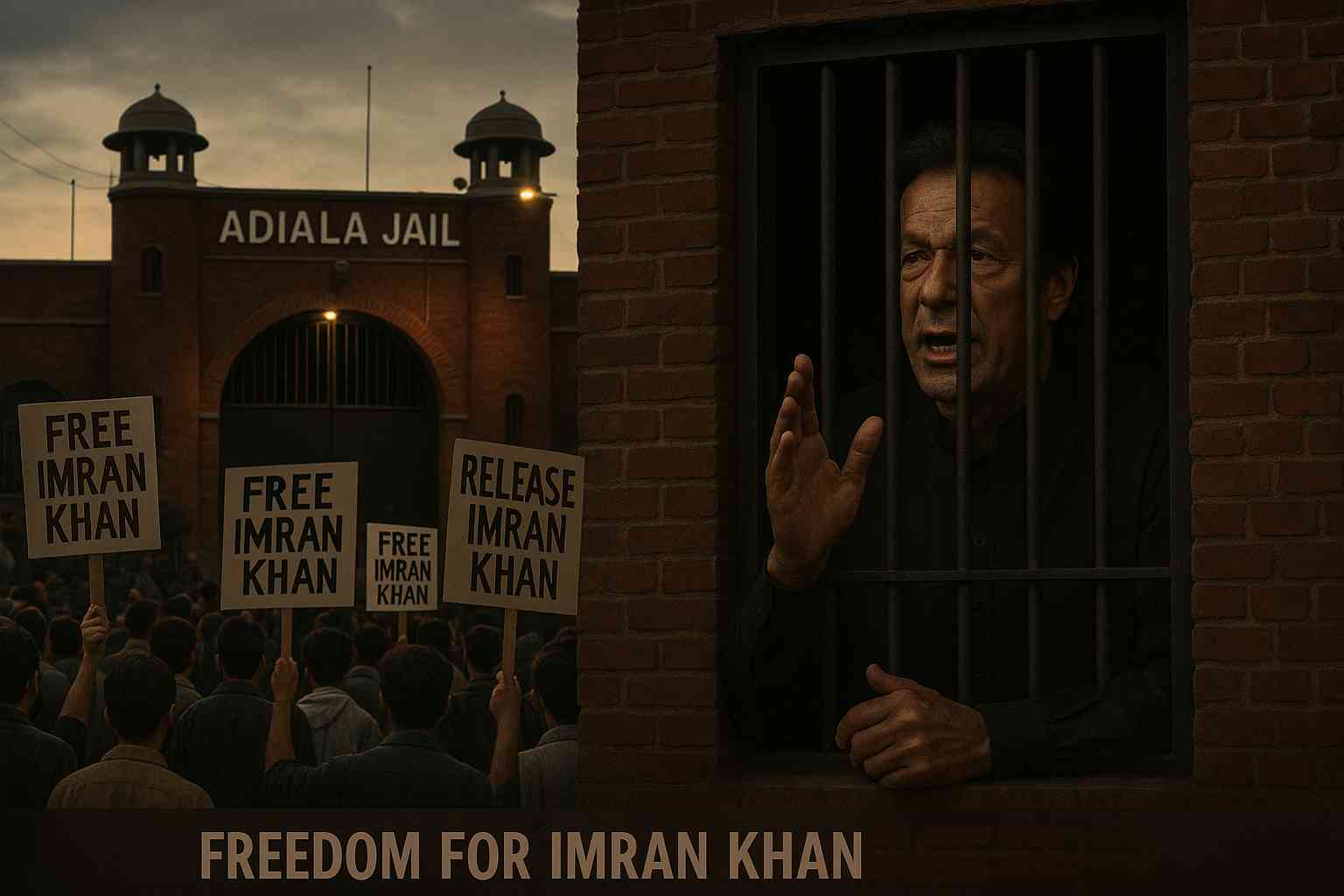
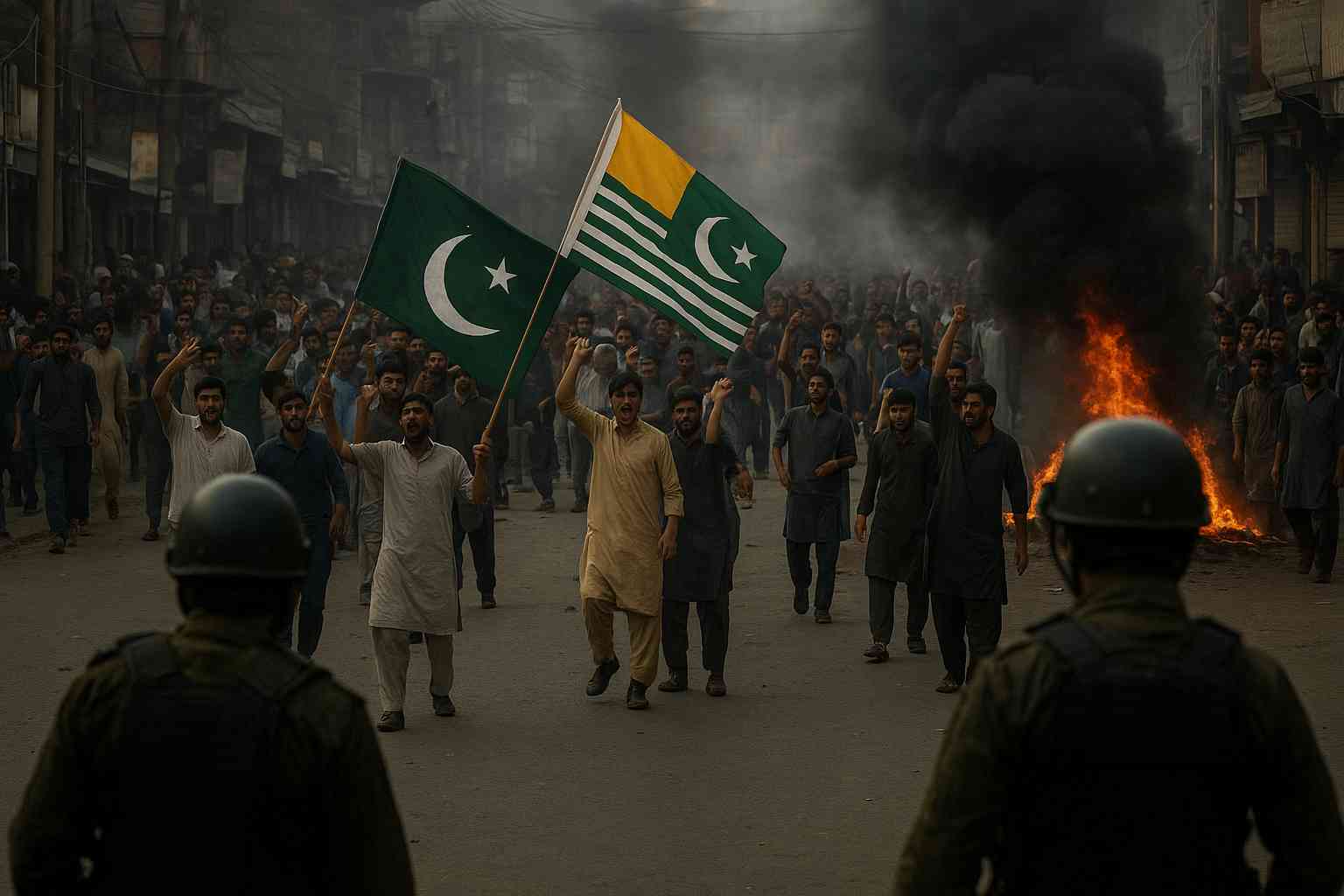
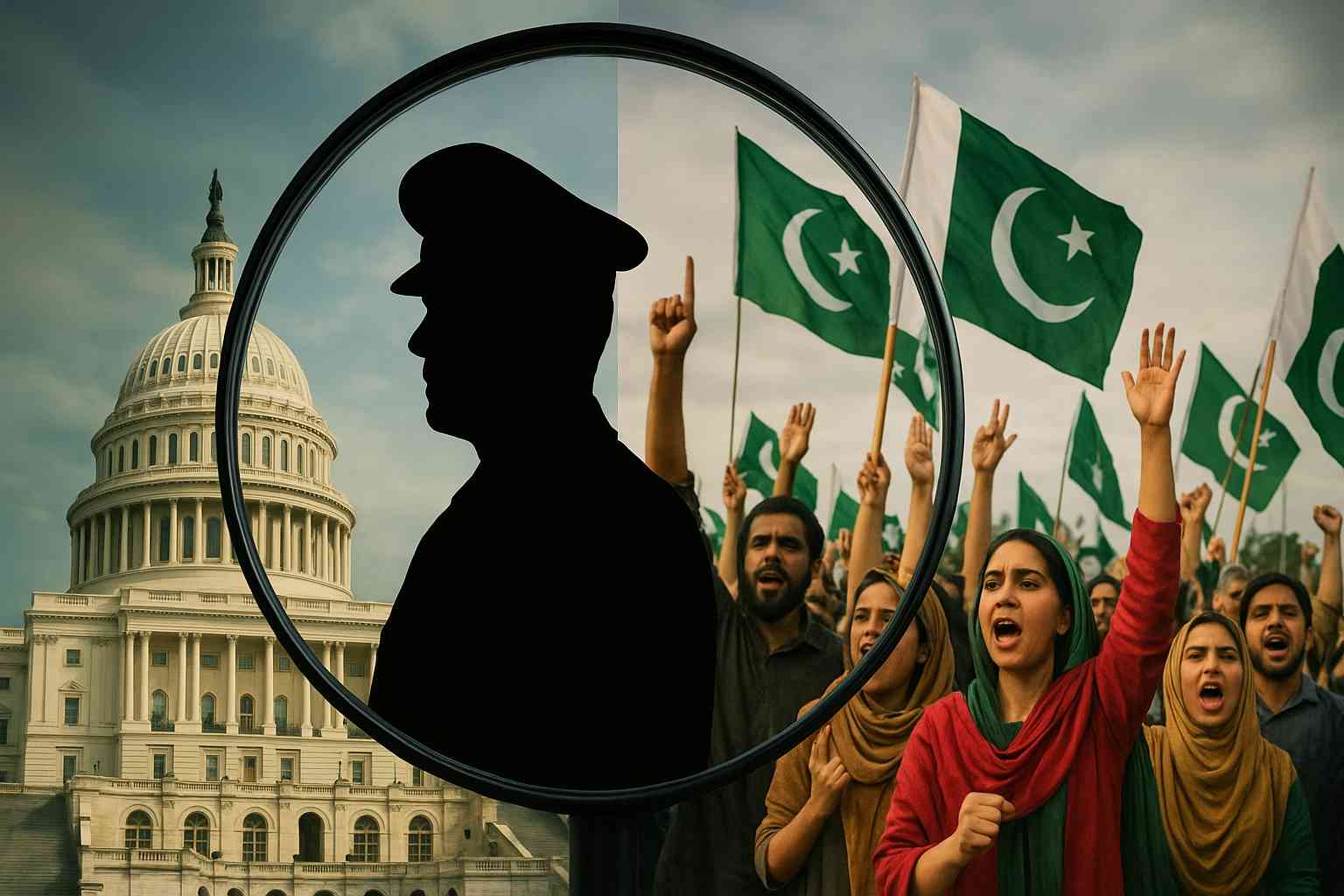
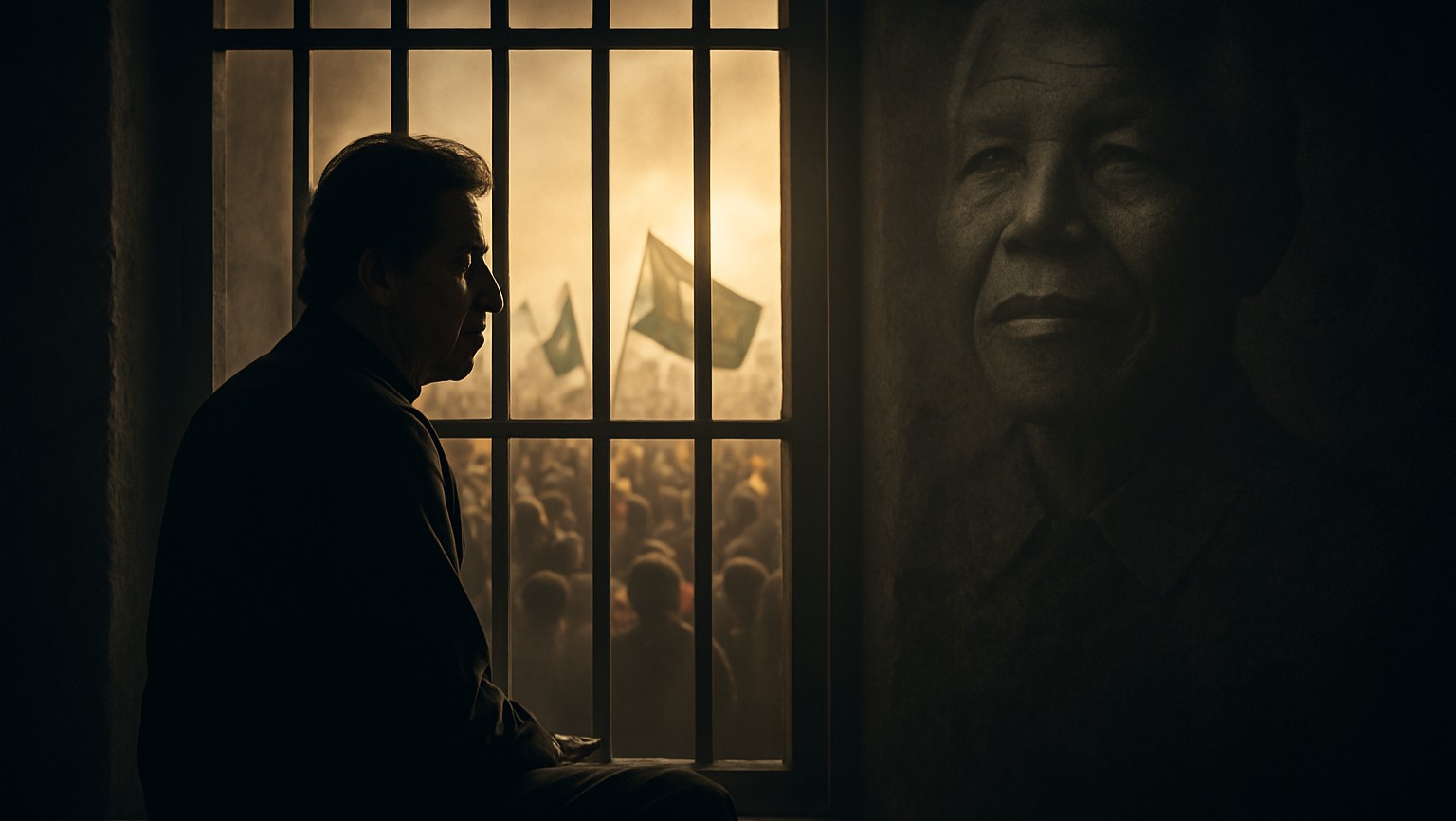
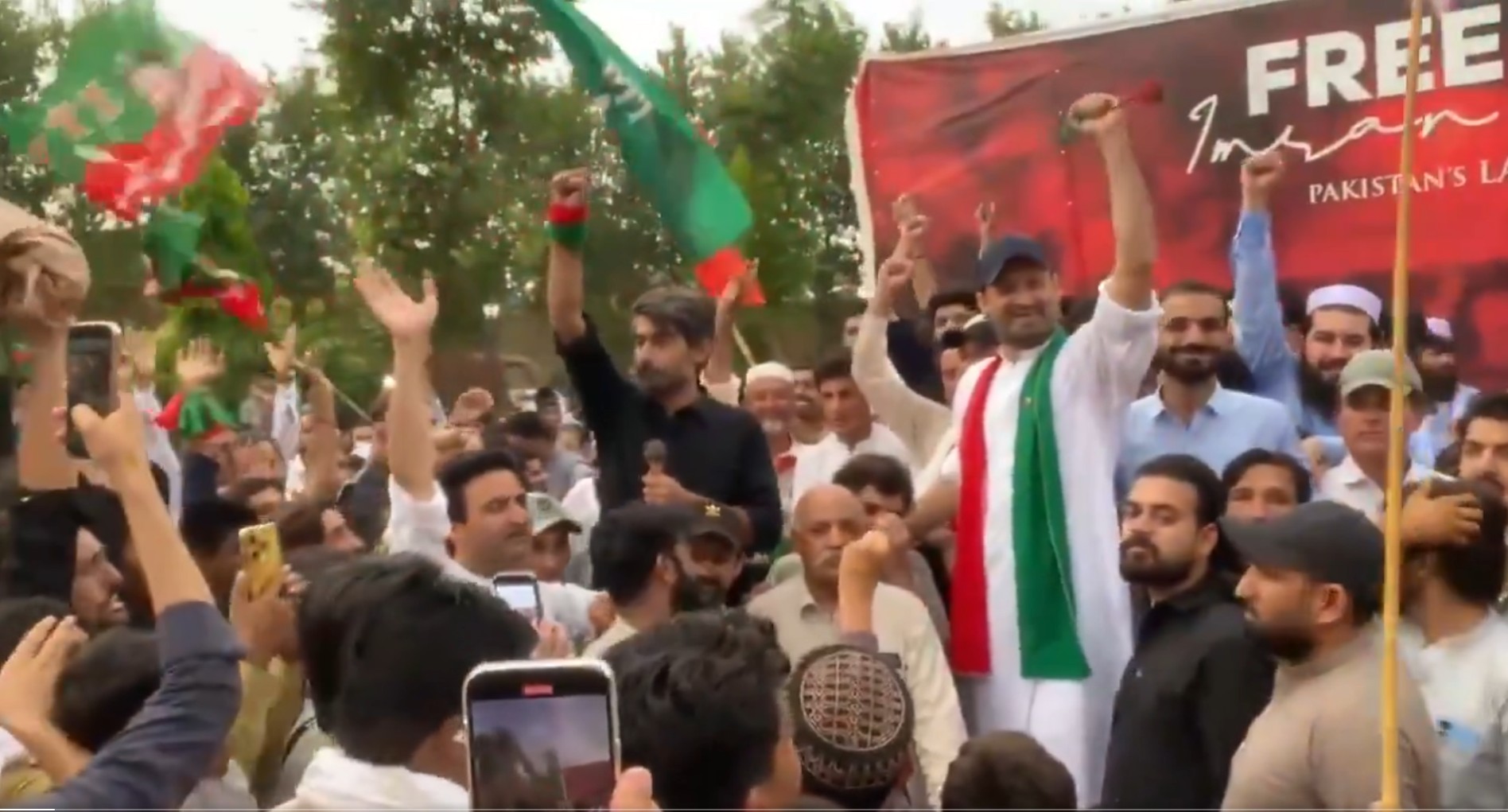
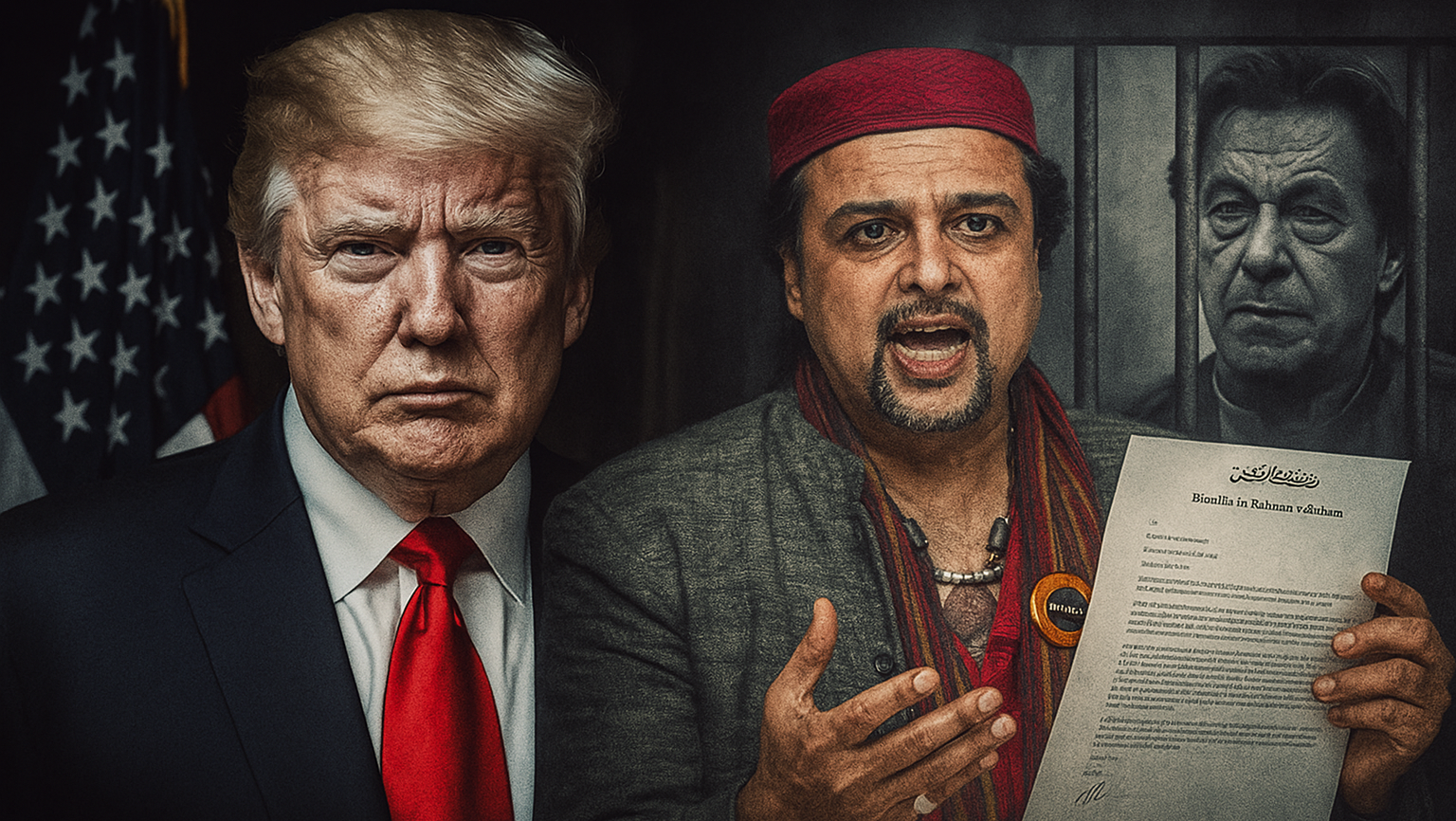
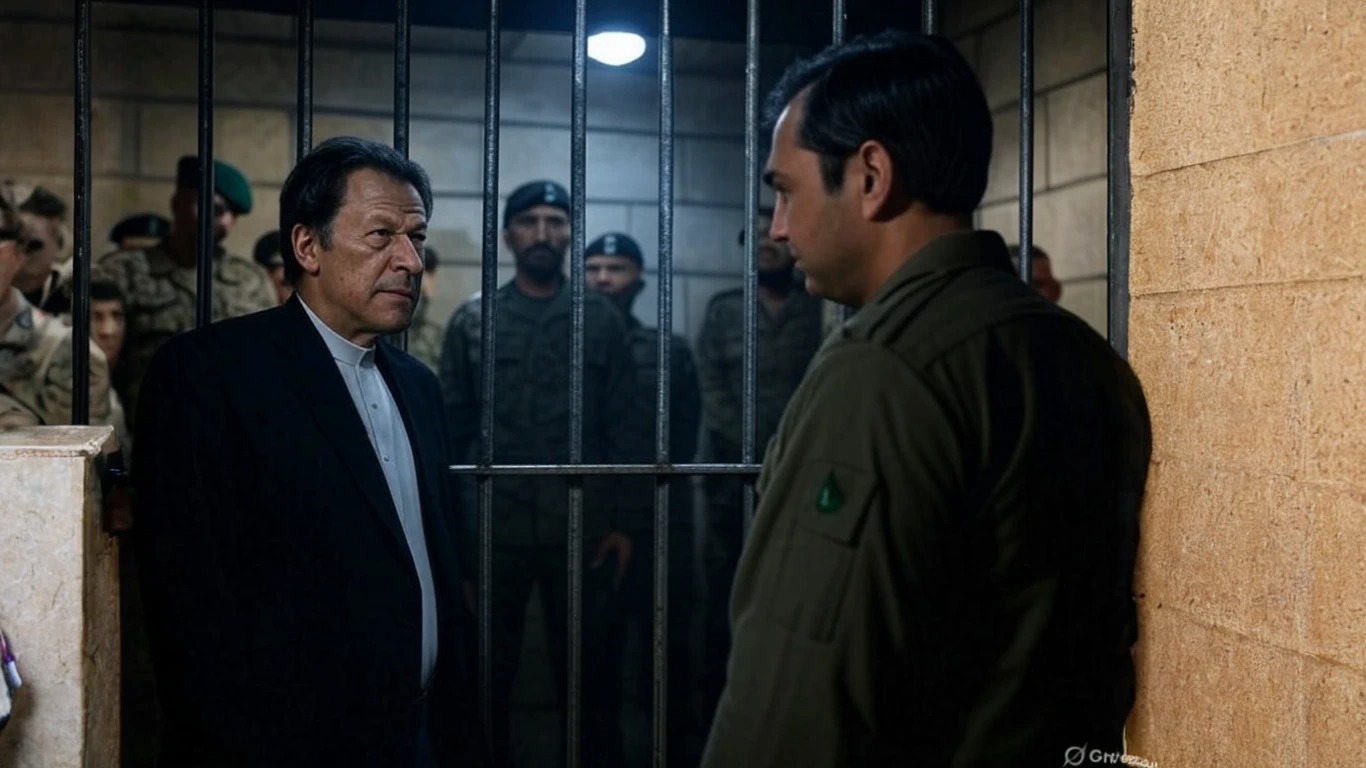
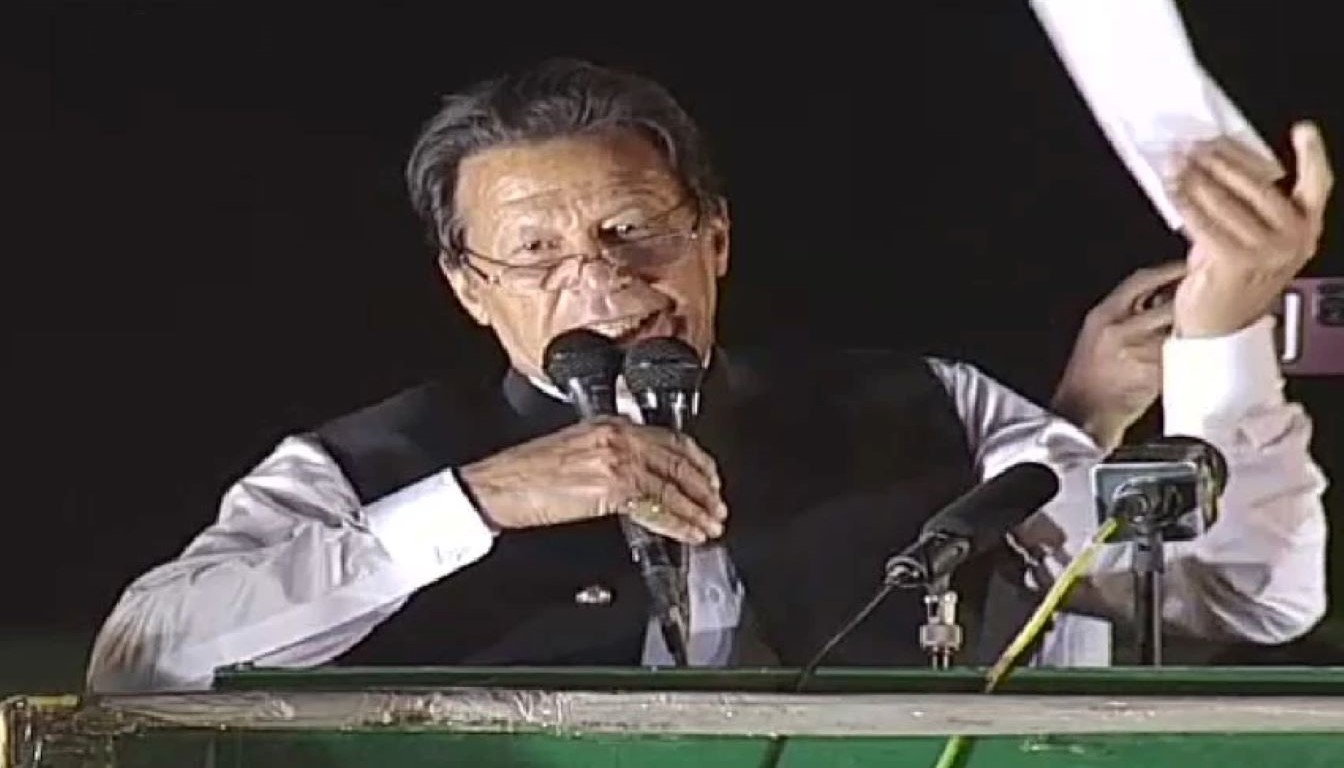
For months, a central fault line inside the military remained clear. Soldiers and junior officers kept asking difficult questions. Why did authorities remove, humiliate, and jail Imran Khan? Why did public hostility toward the uniform grow so openly? Why did soldiers returning home feel shame instead of respect?
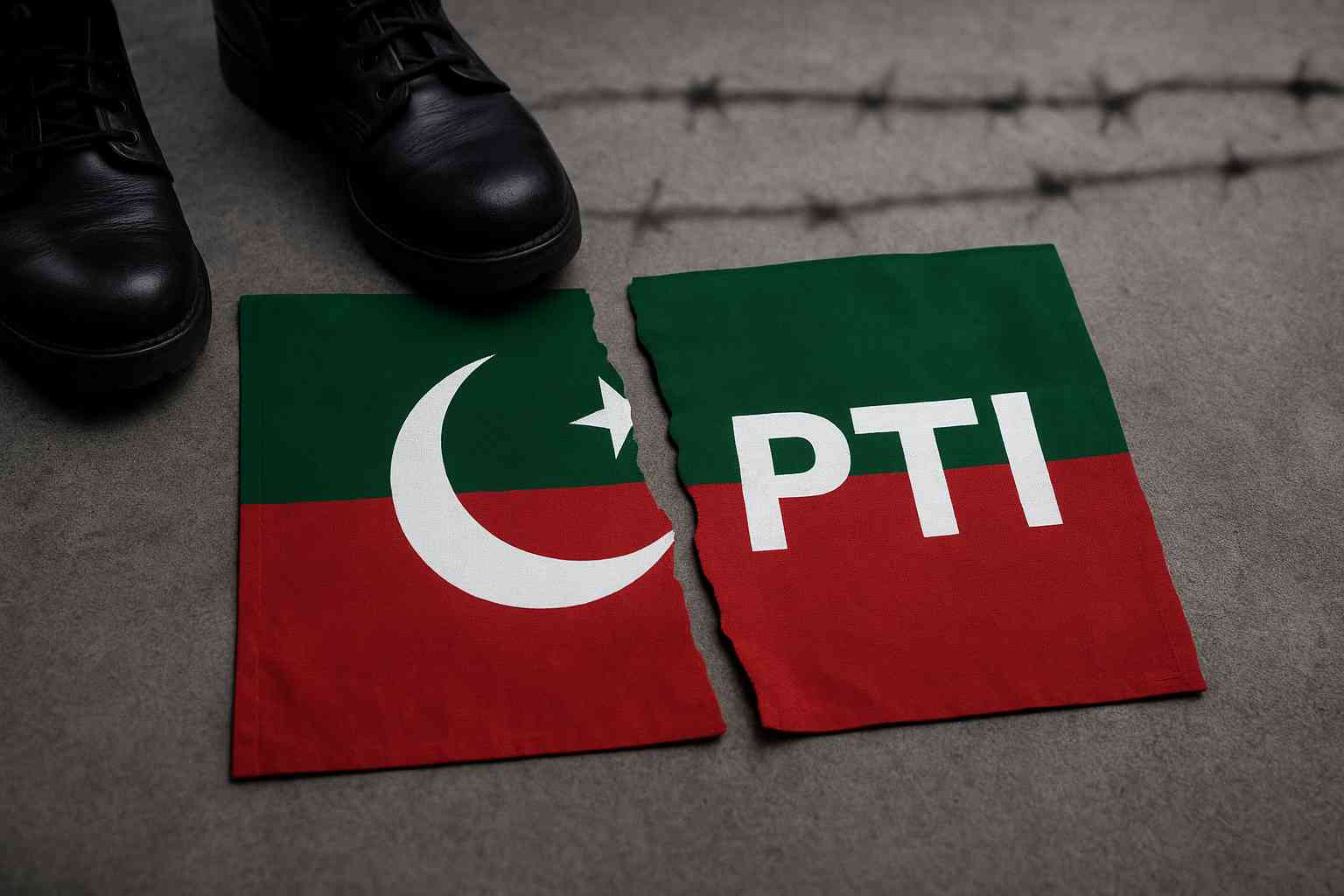
Now, according to the latest Pakistan Army Pulse Report, that frustration is shifting direction. The establishment is moving attention away from Imran Khan toward inflation and fuel prices. At the same time, it promotes a familiar narrative: all politicians are the same, PTI offers no alternative, and only the current setup protects military interests.
This is not reform. Instead, it reflects narrative management under pressure.
Pakistan Army Pulse Report and the Return of the Darbar System
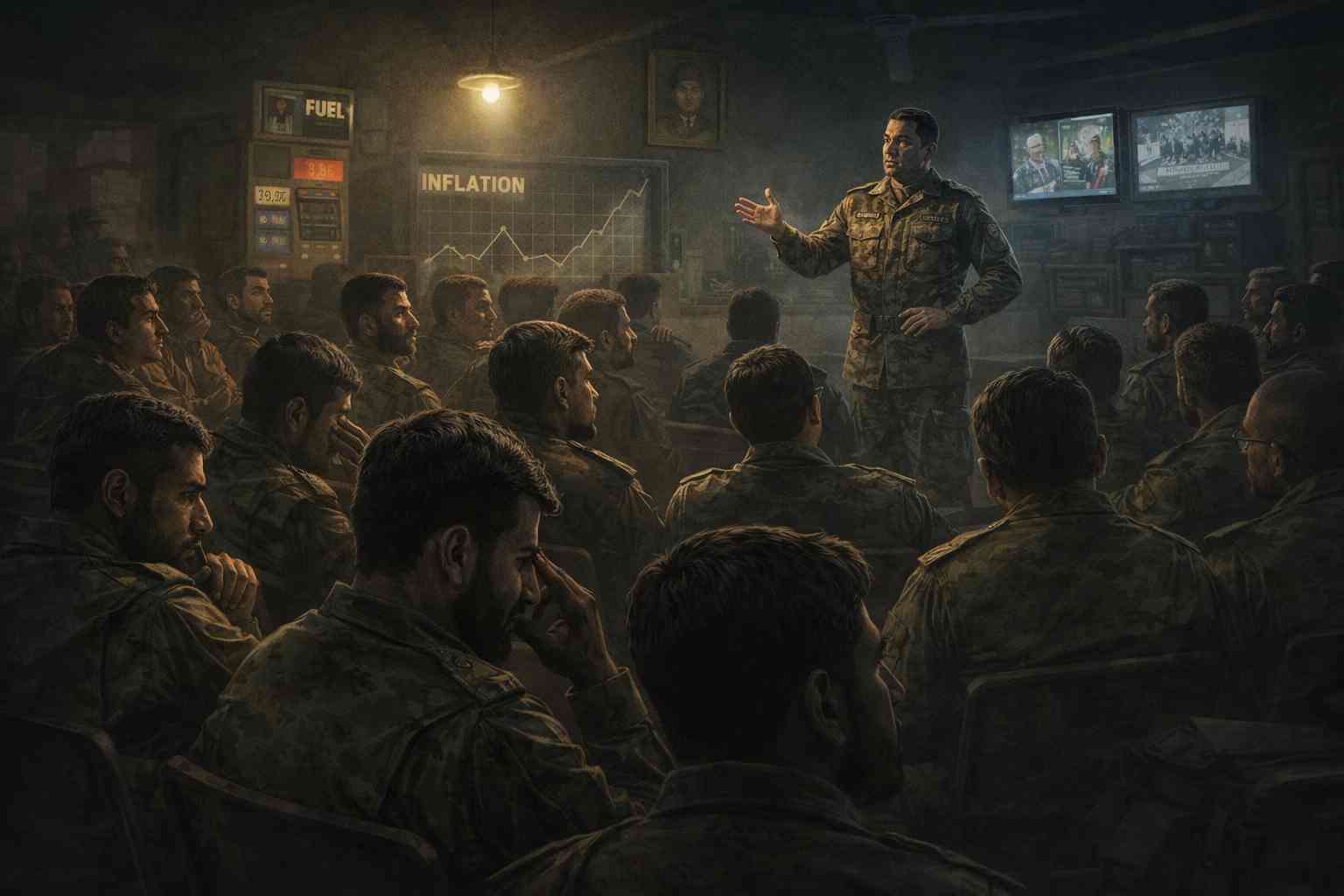
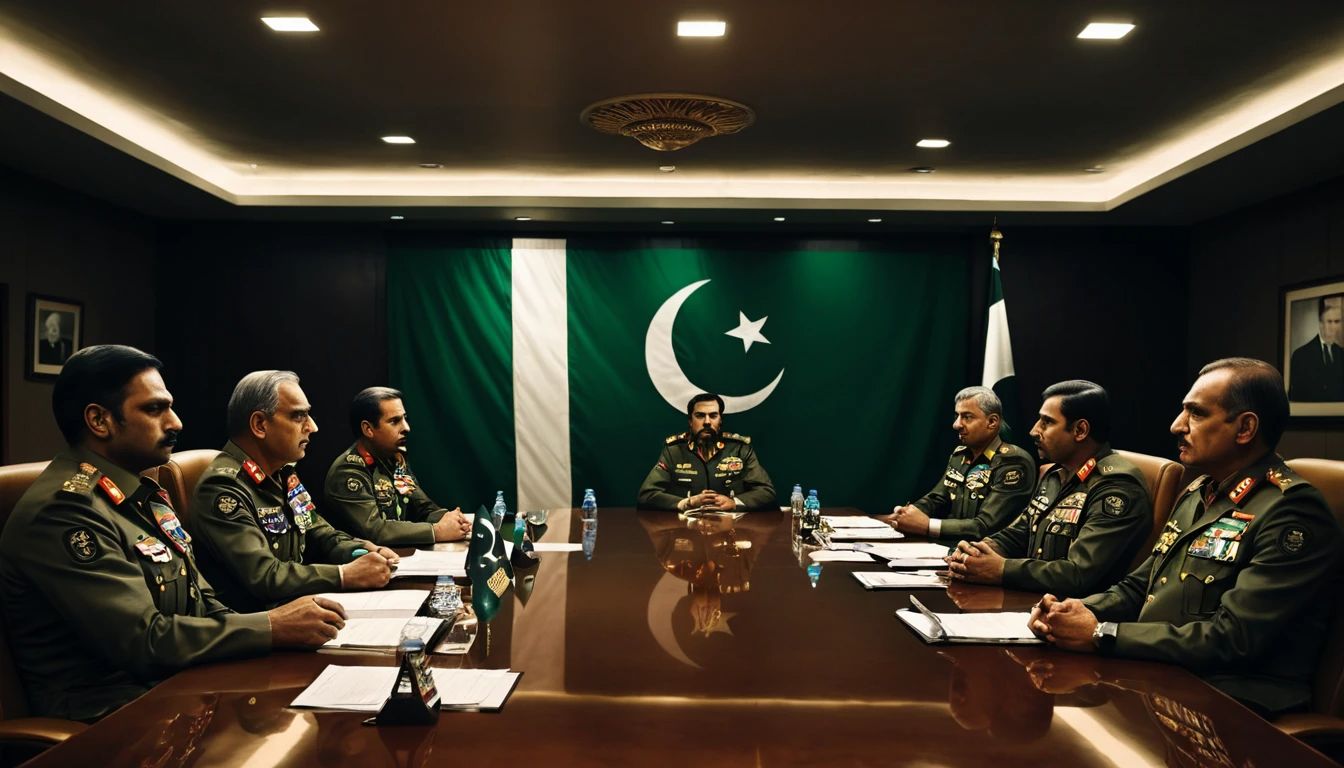
One of the clearest signs of internal stress appears in the handling of military “darbars.” These formal gatherings once allowed troops to raise concerns directly with commanding officers.
Over the past two to three years, however, authorities quietly restricted many of these sessions. Commanders struggled to answer growing anger from within the ranks. Soldiers raised concerns about public hostility, family humiliation, and declining institutional respect.
This development is extraordinary.
A confident army does not fear internal dialogue. Likewise, secure leadership does not shut down feedback channels. When such forums disappear, it often means the questions have become more dangerous than the answers.
Now, darbars are returning at battalion and regiment levels. Yet they are not coming back as open forums. Instead, they appear designed as tools of controlled persuasion.
A New Narrative: “PTI Is No Different”
According to the Pakistan Army Pulse Report, the establishment now promotes a new internal line. Soldiers are told to ignore Imran Khan and focus on PTI’s governance failures. They are asked to examine provincial performance, alleged corruption, and political compromises.
The objective remains clear.
If soldiers no longer accept that one leader is the problem, they must believe that no alternative exists. When outrage cannot be erased, it gets diluted. If anger cannot be defeated, it transforms into cynicism.
This strategy is not new. The establishment often flattens political differences, discredits civilian leadership, and presents itself as the only stable force.
However, this time, the rank and file already know too much. They understand who shaped the current order. They know who enforces it. They also recognize who decides which civilian survives and which one becomes expendable.
Fuel Prices and Internal Pressure
The Pakistan Army Pulse Report also highlights the impact of rising fuel prices. Familiar voices quickly offered public justification. Yet the more meaningful reaction emerged from inside the military.
Senior leadership remains insulated through perks and privileges. In contrast, ordinary soldiers and many officers face the same economic pressures as the public. They buy fuel, support families, and navigate inflation daily.
As a result, the price increase triggered genuine resentment.
According to the report, internal pressure forced the establishment to partially reverse course. This detail matters. It shows that the system responds when pressure builds inside the institution, not necessarily when the public suffers.
This reality reveals a deeper hierarchy of concern.
Authorities may ignore the public. However, when discontent reaches the barracks, the system reacts.
Buy Loyalty, Delay Revolt
The most troubling aspect of the Pakistan Army Pulse Report lies in the response strategy.
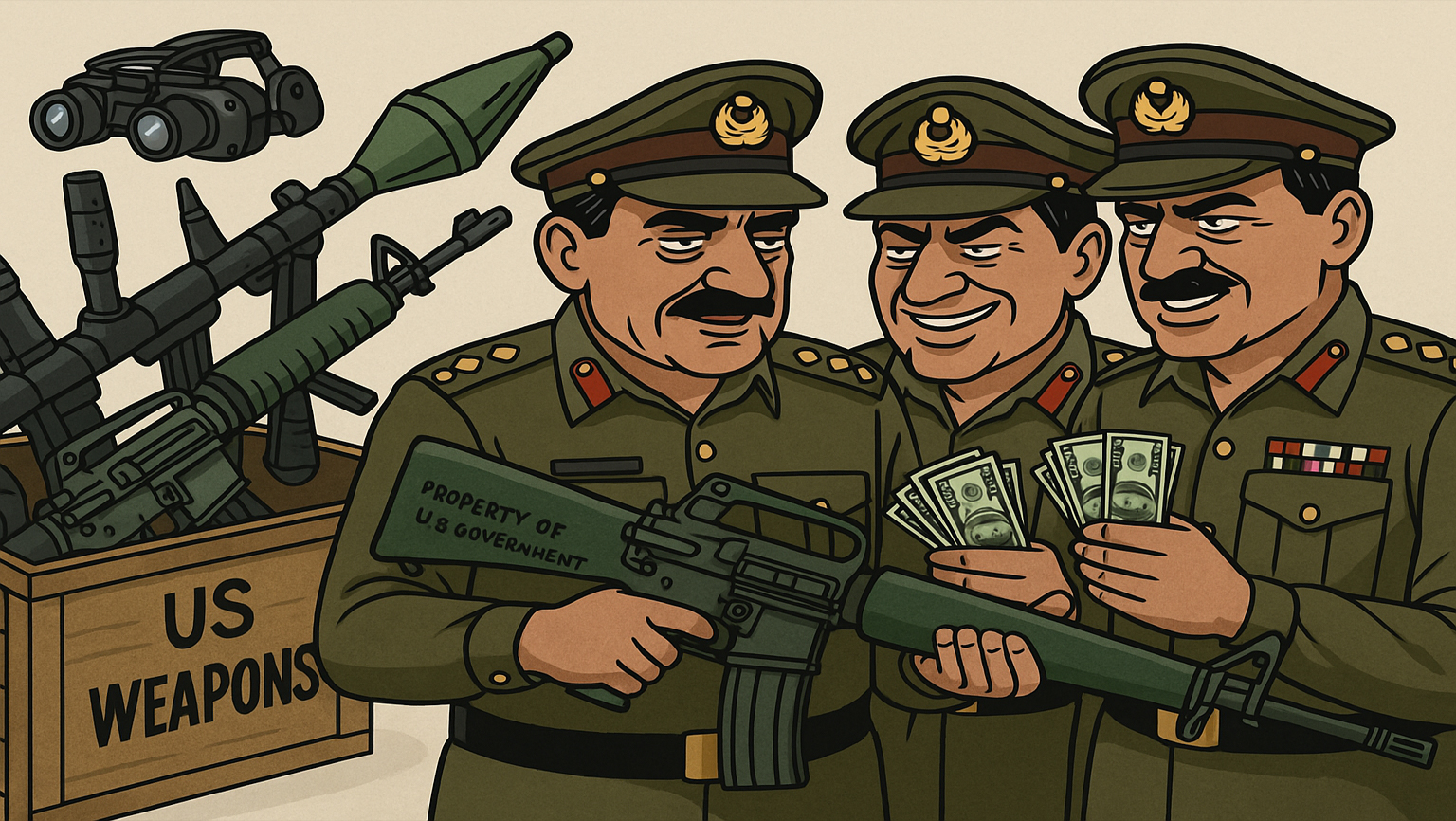
Leadership is reportedly using targeted economic incentives to calm unrest. These include salary increases, subsidized rations, CSD benefits, food support, post-retirement opportunities, and assurances about future privileges.
This approach is not reform. It reflects transactional control.
The message is simple: support the current system and retain your benefits. If the political order changes, those privileges may disappear.
Over time, this approach reshapes institutional thinking. It shifts focus from duty and legality toward material dependence. Gradually, the army risks evolving into a force that values benefits over principles.
Feed the body, and the conscience weakens.
Inflation Outside, Subsidy Inside
Pakistan continues to struggle with debt, currency instability, and rising costs. Meanwhile, the Pakistan Army Pulse Report indicates that leadership is shielding internal ranks through selective subsidies.
In effect, the wider population absorbs economic pain, while the institution protects its own.
This model is unsustainable.
Soldiers remain part of society. Their families face the same hardships. They hear the same frustrations. They understand the difference between respect and fear.
Subsidies may delay unrest. However, they cannot restore lost legitimacy.
The Civilian Front Under Pressure
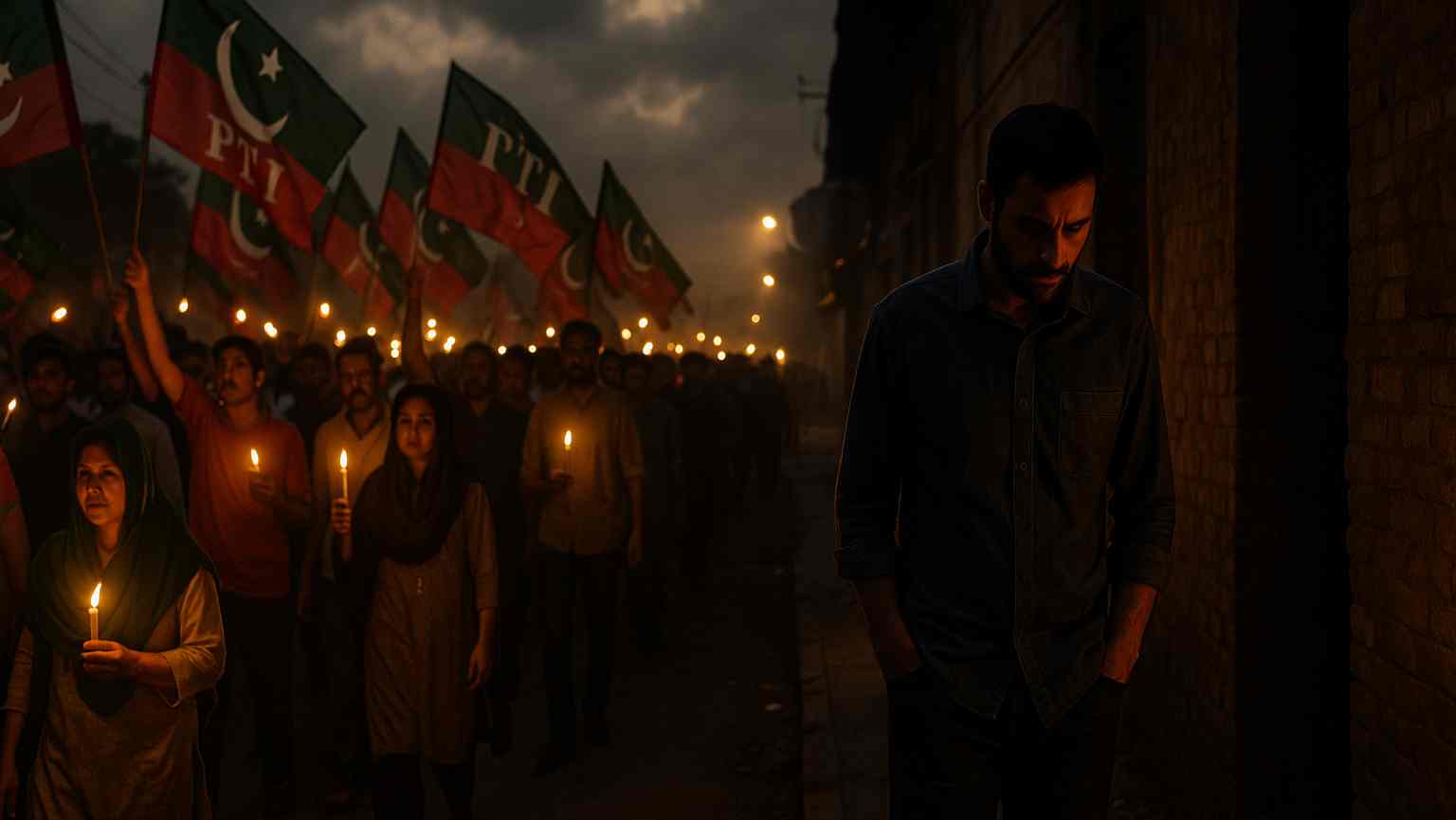
The report also criticizes PTI’s internal weaknesses. According to the narrative, the establishment uses those flaws to influence soldiers. It highlights perceived compromises, divisions, and governance failures.
This situation creates a strategic problem.
A movement built on public support cannot afford internal confusion. If leadership appears inconsistent, the military will exploit that gap. It will use those weaknesses not only against civilians but also within the armed forces.
That is why clarity matters.
Half-measures and silence often strengthen the very system they attempt to navigate.
Scapegoats Instead of Accountability
The Pakistan Army Pulse Report reinforces a familiar pattern. The establishment avoids accountability and instead searches for scapegoats.
- When policies fail, politicians take the blame.
- When anger rises, dissenters become targets.
- When credibility collapses, journalists and whistleblowers face accusations.
This pattern is not new. It is deeply embedded.
History shows that institutions refusing accountability eventually face structural collapse. Denial may delay consequences, but it cannot prevent them.
The Real Pulse
The real message of the Pakistan Army Pulse Report is not stability.
It reflects fear.
The establishment has resumed controlled engagement. It adjusts policies when internal pressure rises. It feeds new narratives to the ranks. It distributes benefits to secure loyalty.
These actions do not signal strength. Instead, they reveal managed insecurity.
Pakistan’s crisis has moved beyond politics and economics. It is now institutional and moral.
An army that fears questions from its own soldiers cannot claim confidence. A system that relies on incentives instead of legitimacy cannot sustain authority.
Pakistan will not recover through propaganda or selective relief. It will recover only when constitutional rule replaces manipulation, when truth replaces controlled narratives, and when authority returns to the people.
Until then, the pulse may remain controlled—but it will not disappear.
Adil Raja is a retired major of the Pakistan Army, freelance investigative journalist, and dissident based in London, United Kingdom. He is the host of “Soldier Speaks Reloaded,” an independent commentary platform focused on South Asian politics and security affairs. Adil is also a member of the National Union of Journalists (UK) and the International Human Rights Foundation. Read more about Adil Raja.. Read more about Adil Raja.