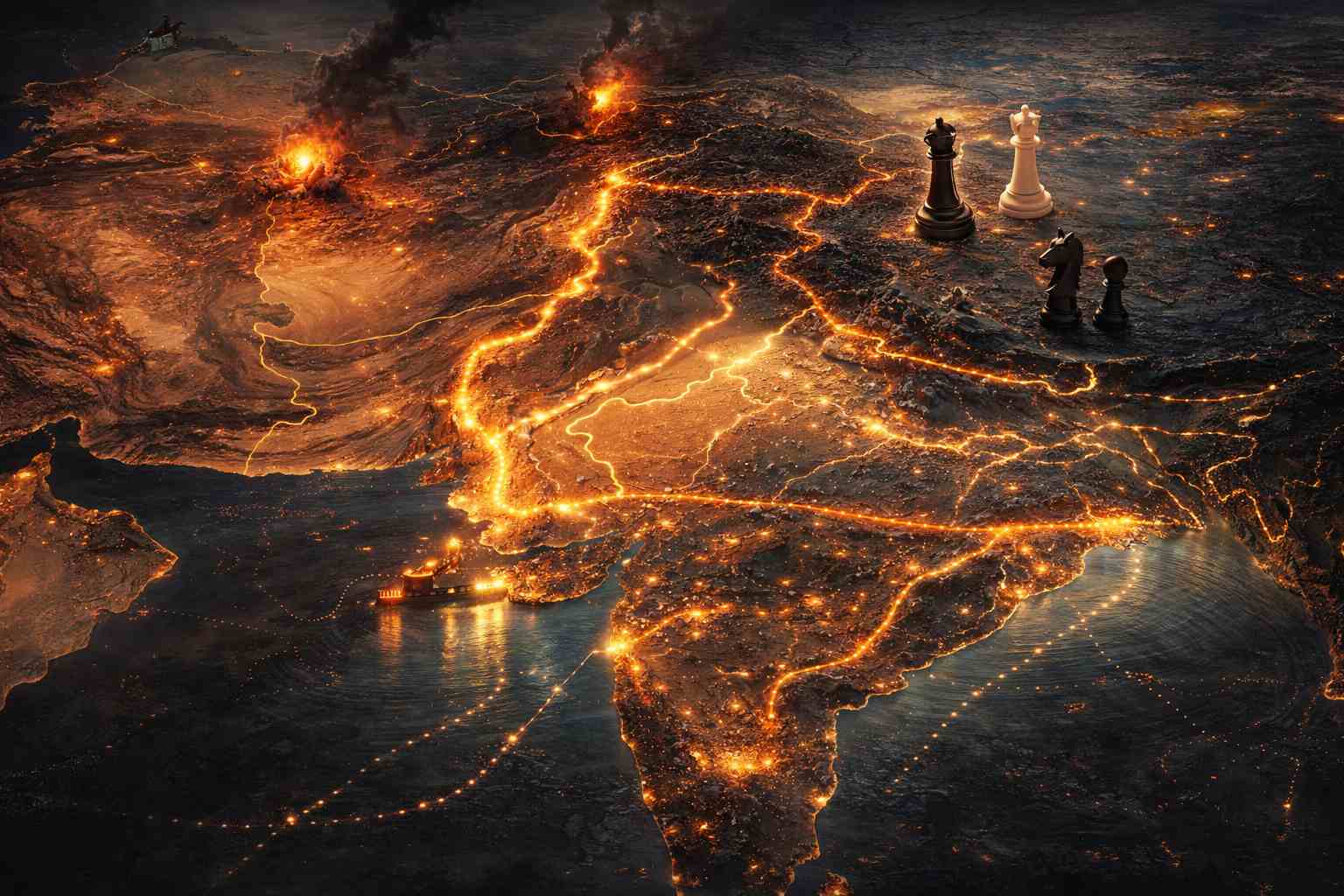
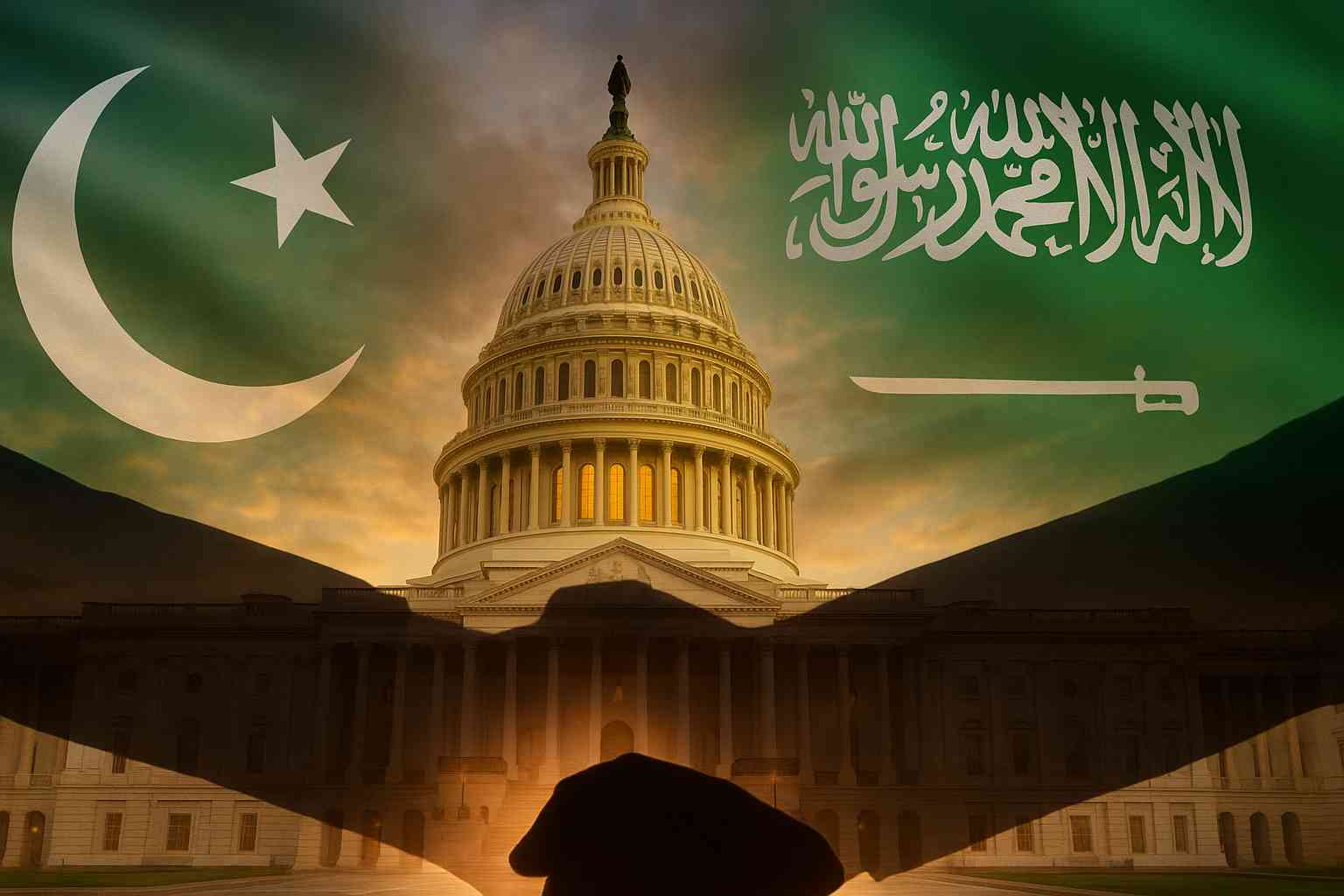
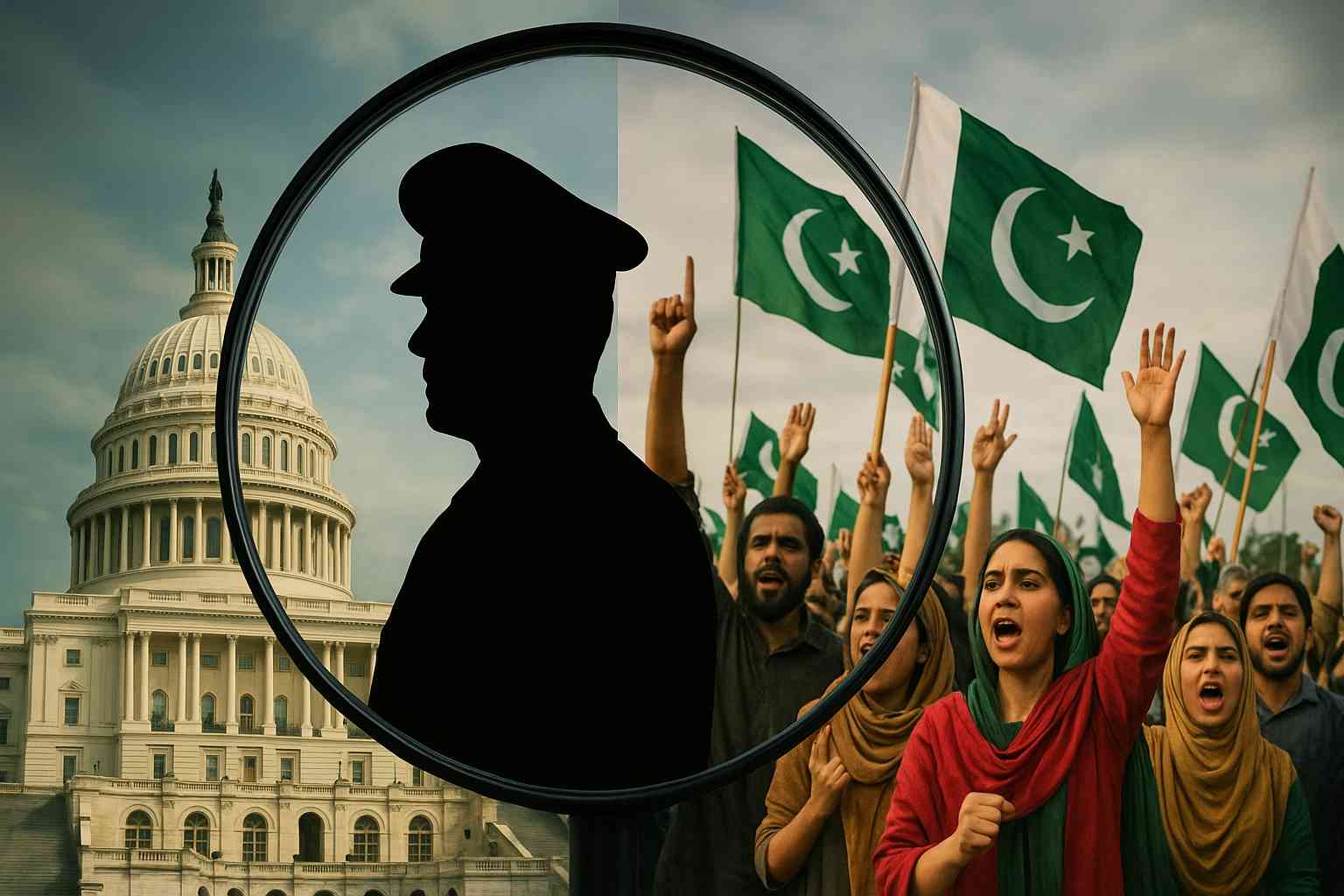
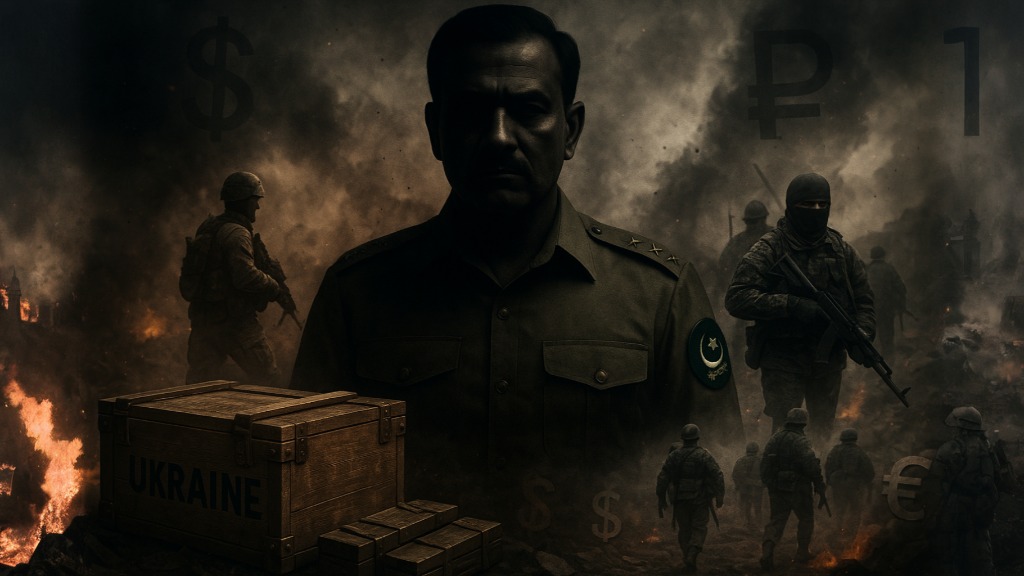
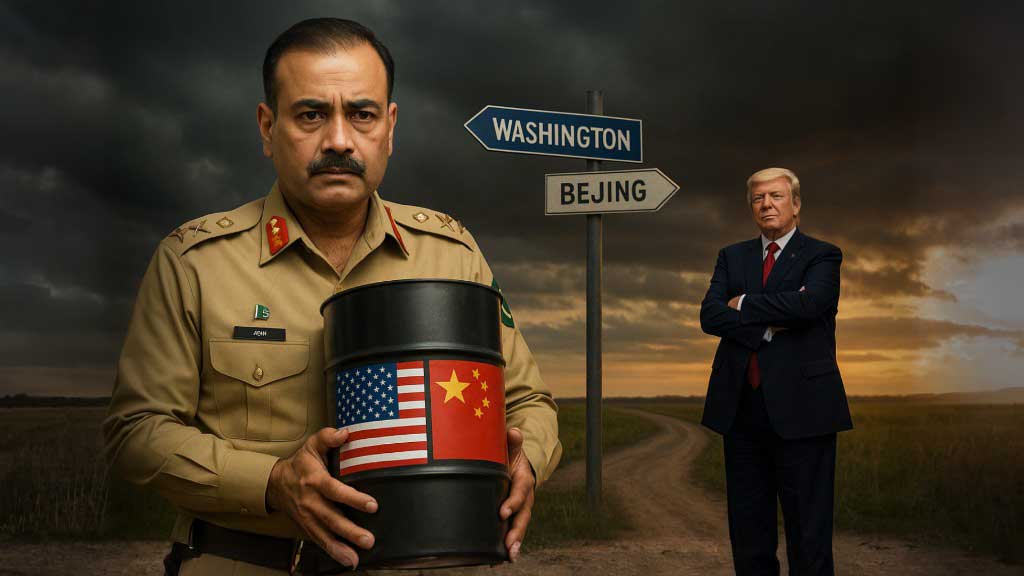
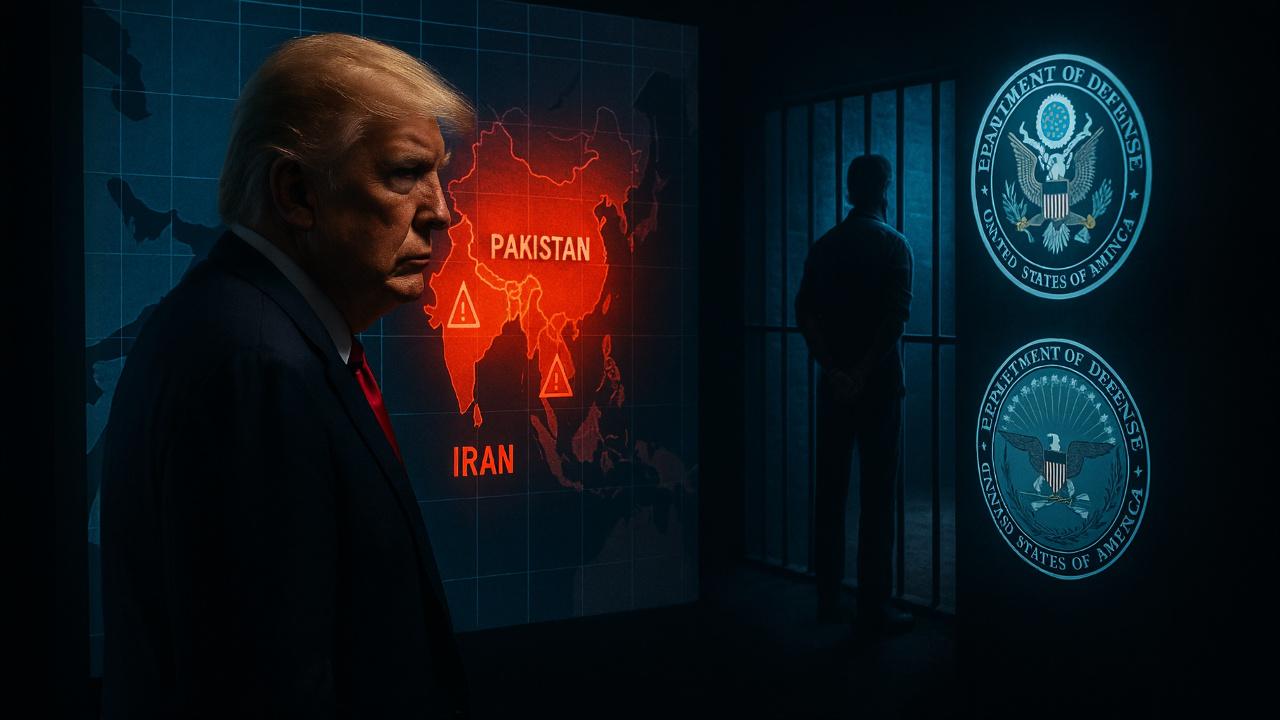
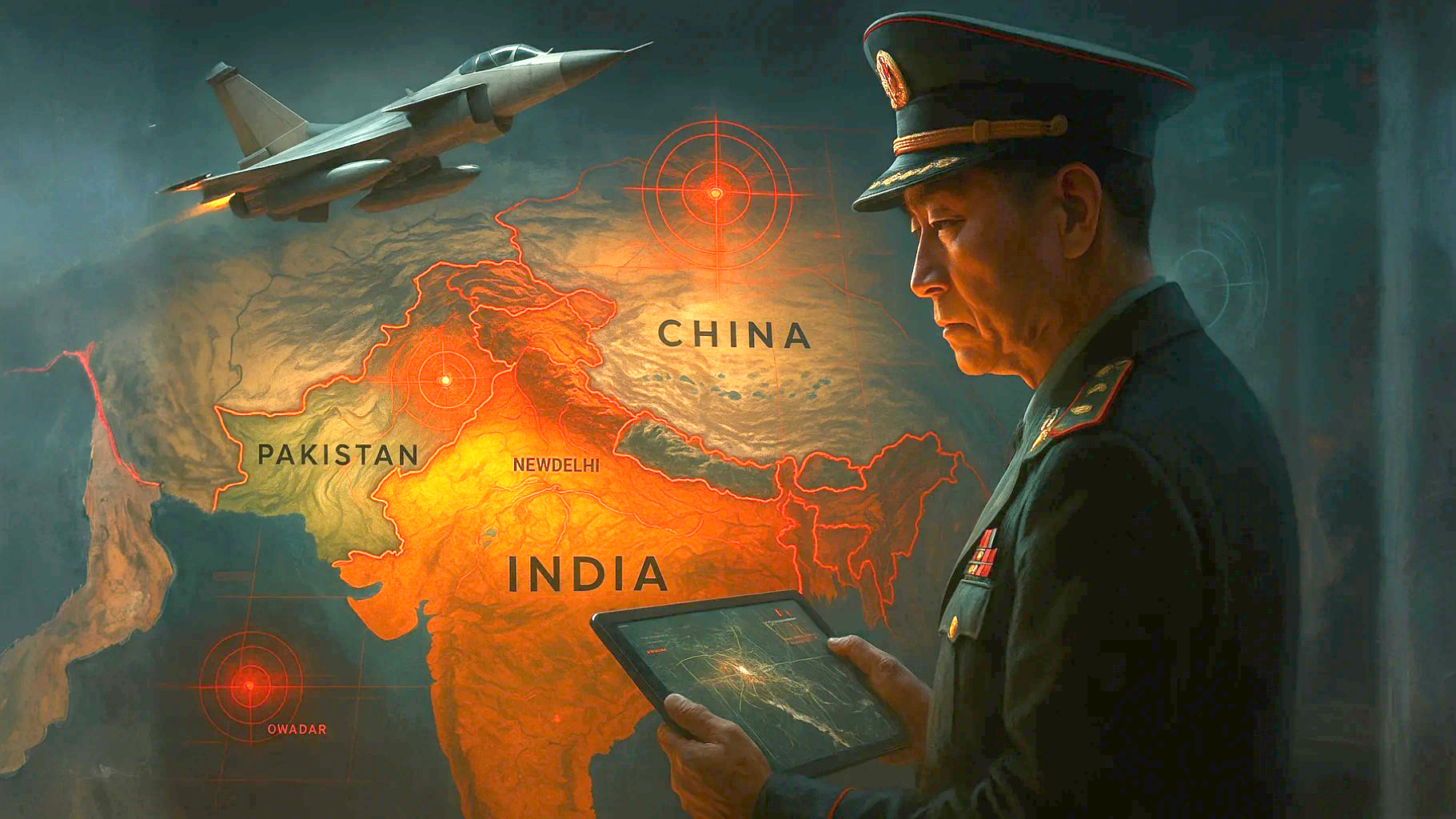
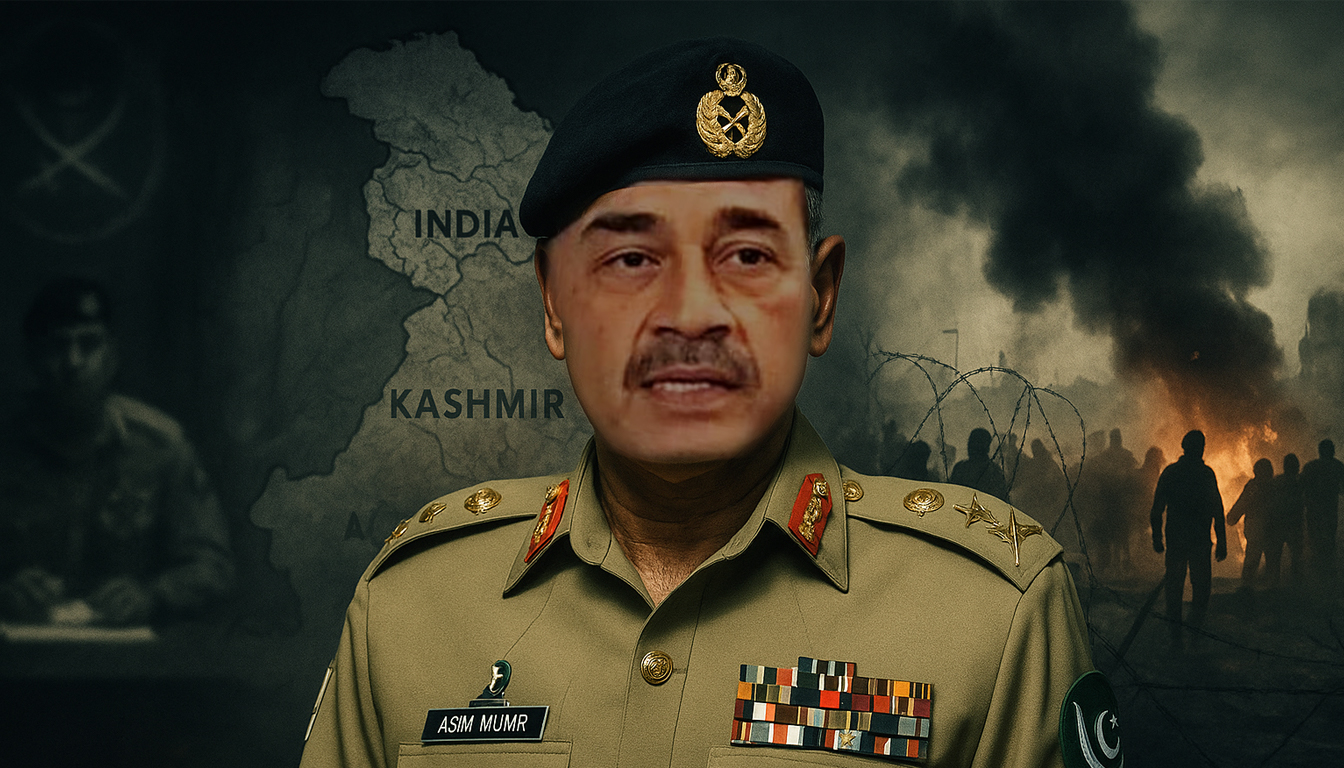
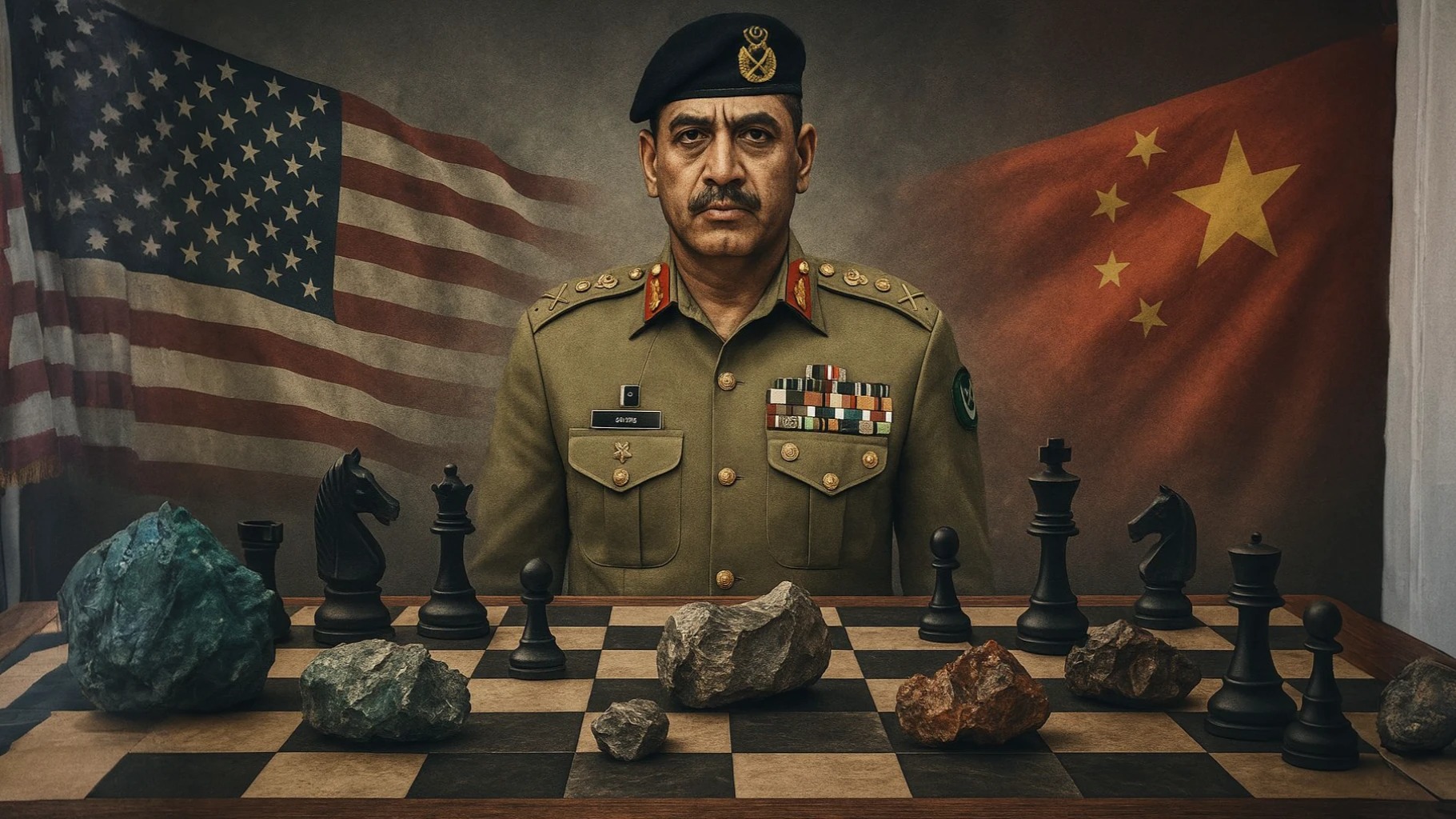
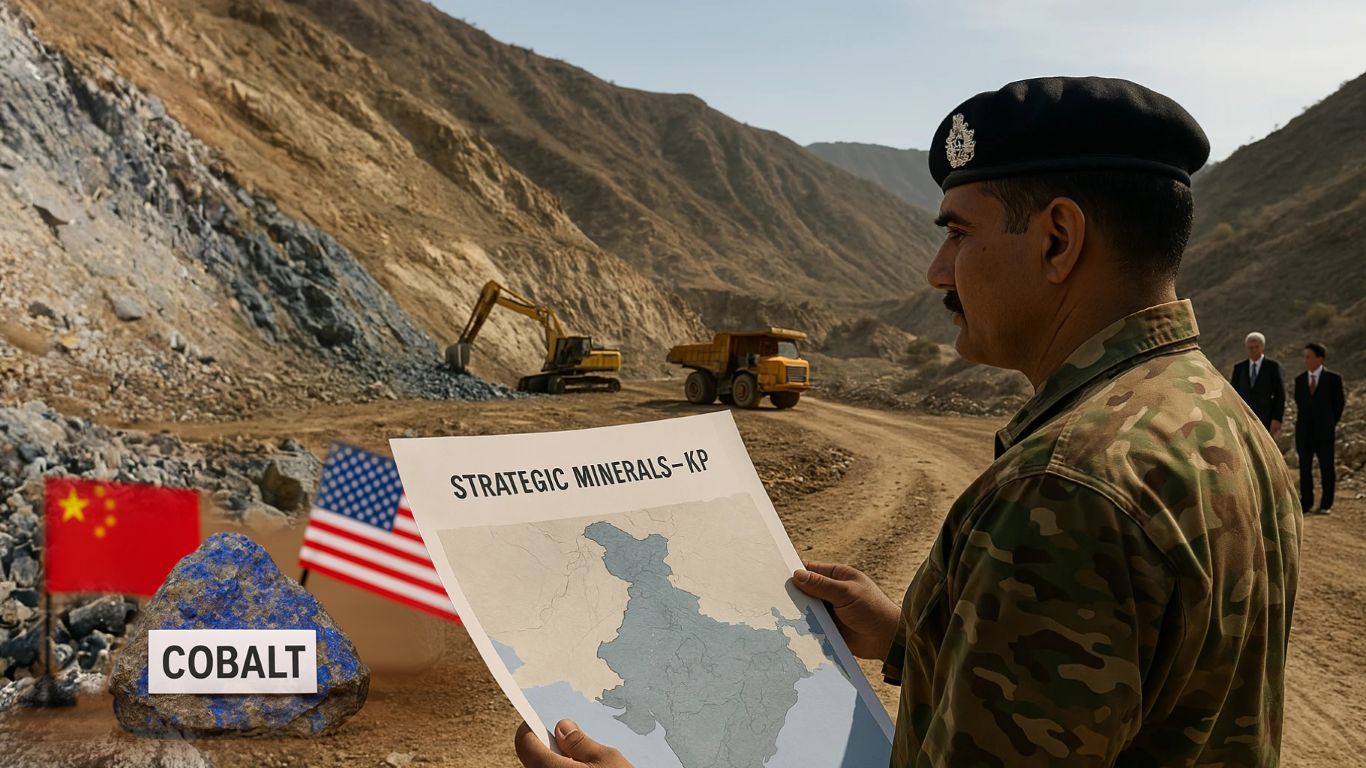
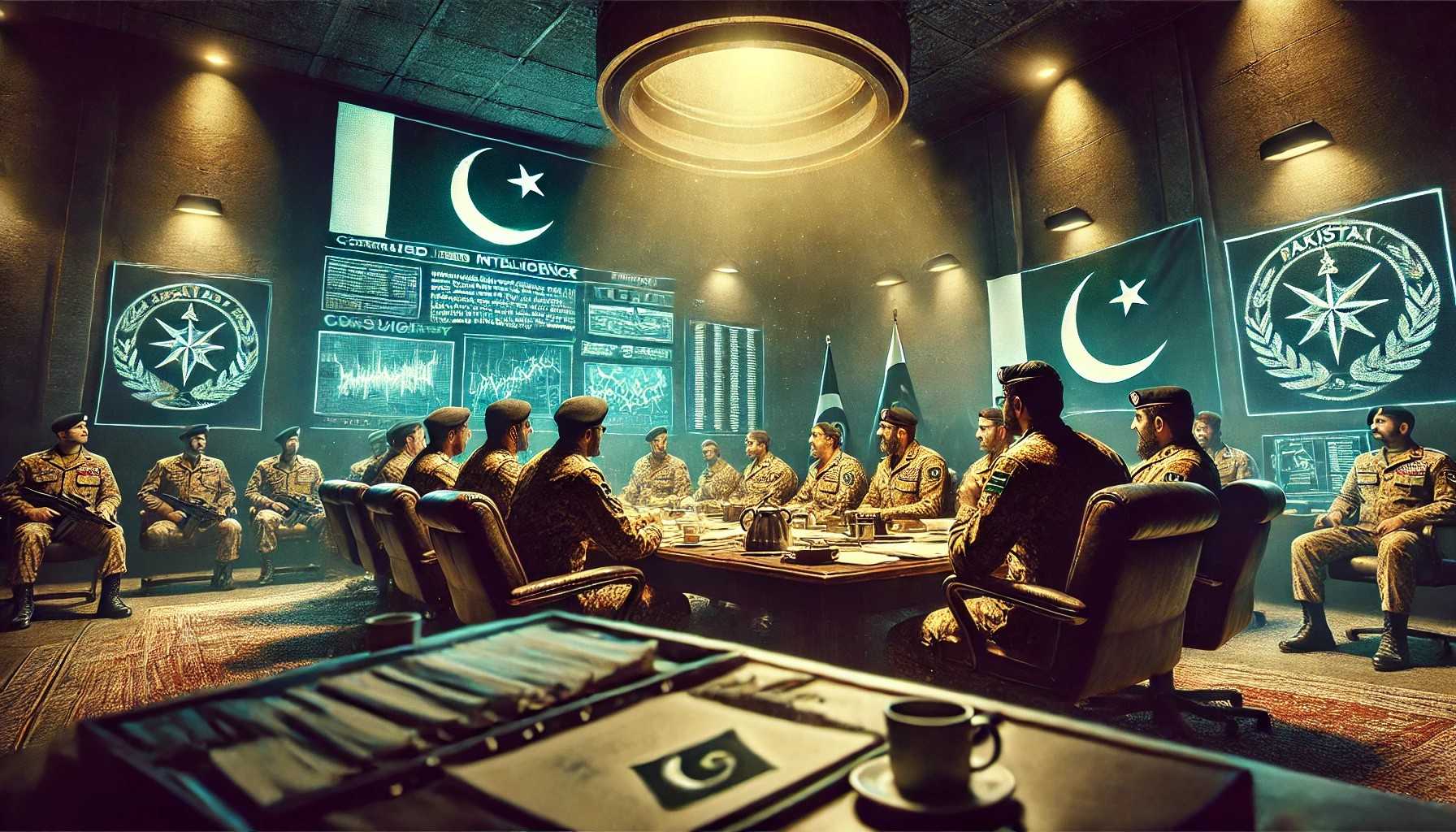
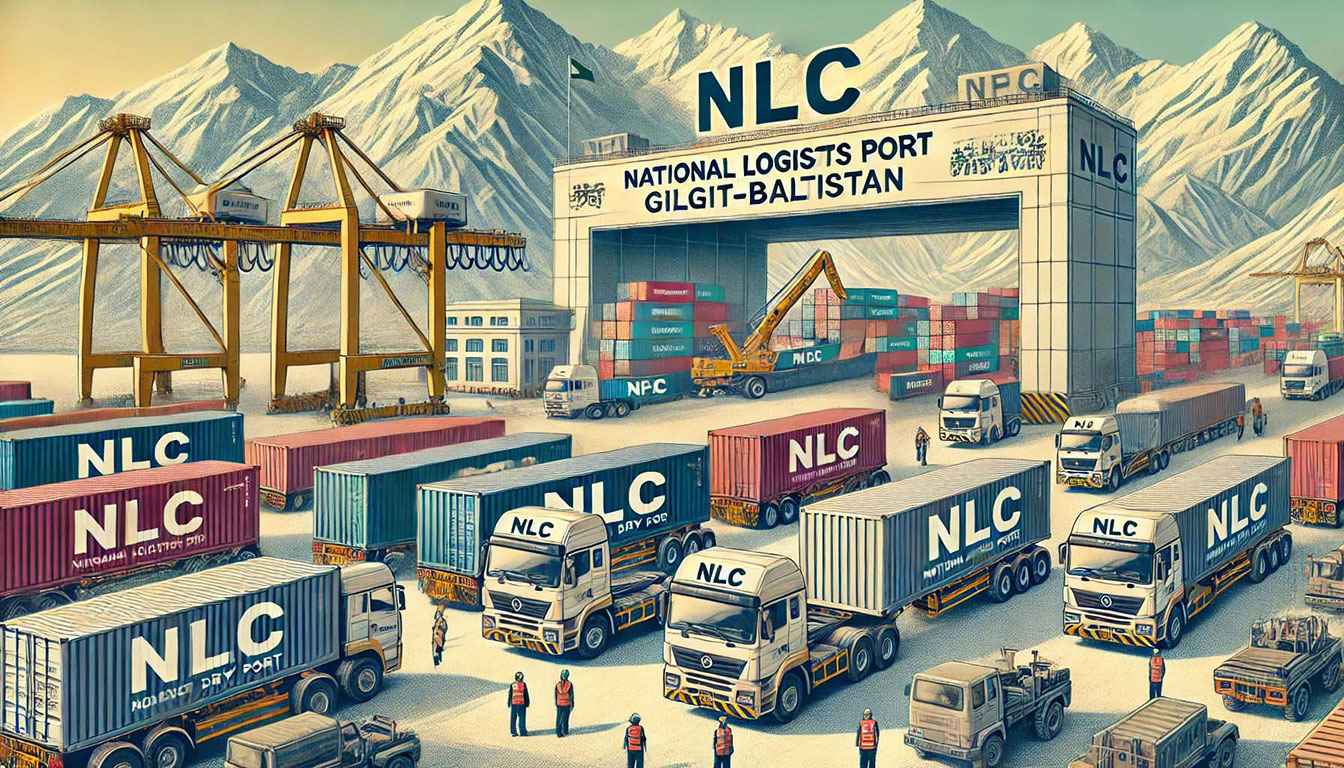
India loses Chabahar port access after New Delhi confirmed a full withdrawal from operations at Iran’s strategic gateway. Officials cited mounting US tariff pressure linked to India’s continued purchases of Russian oil. As a result, the move marks a major setback for India’s regional connectivity strategy and reshapes trade and security dynamics across South Asia.
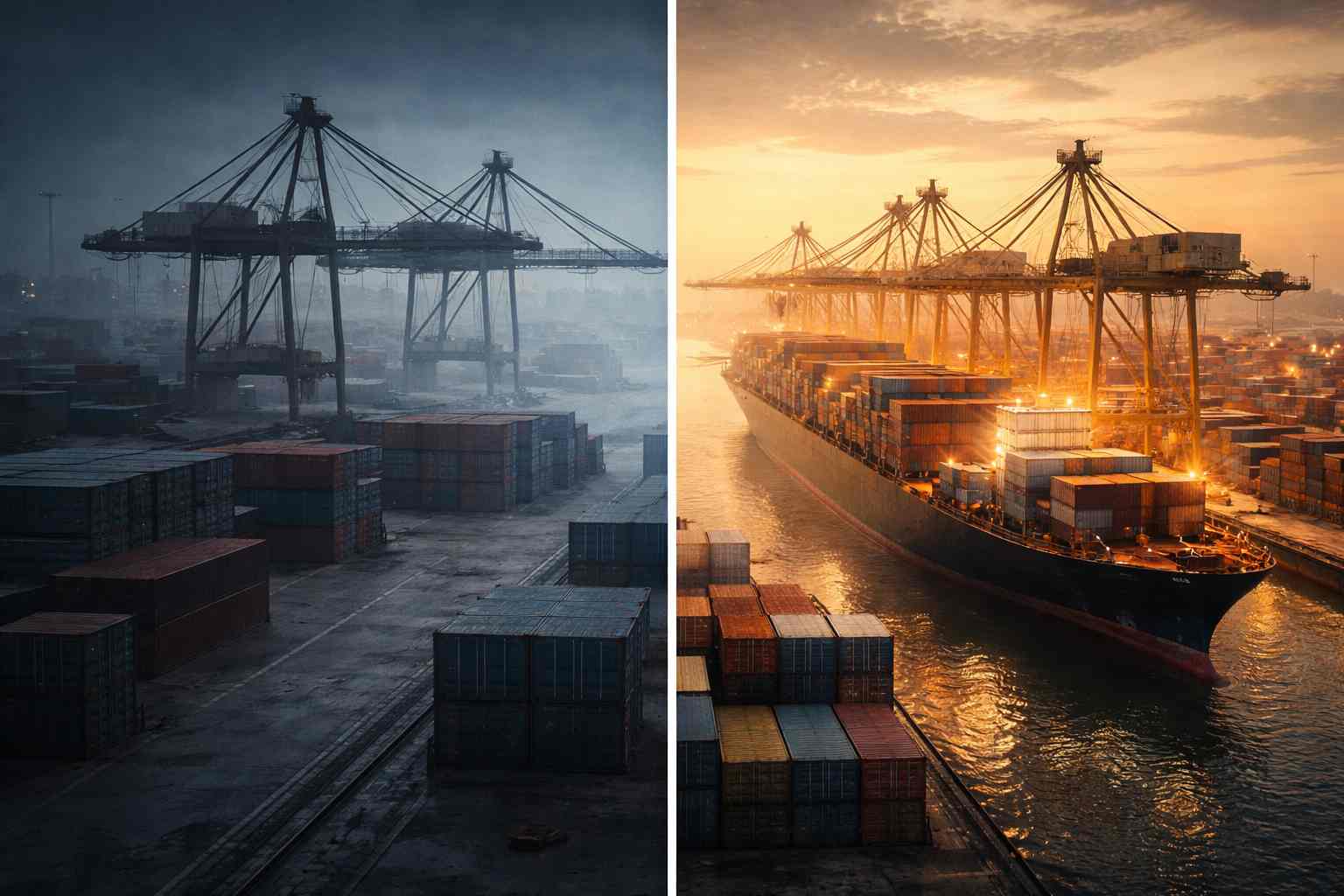
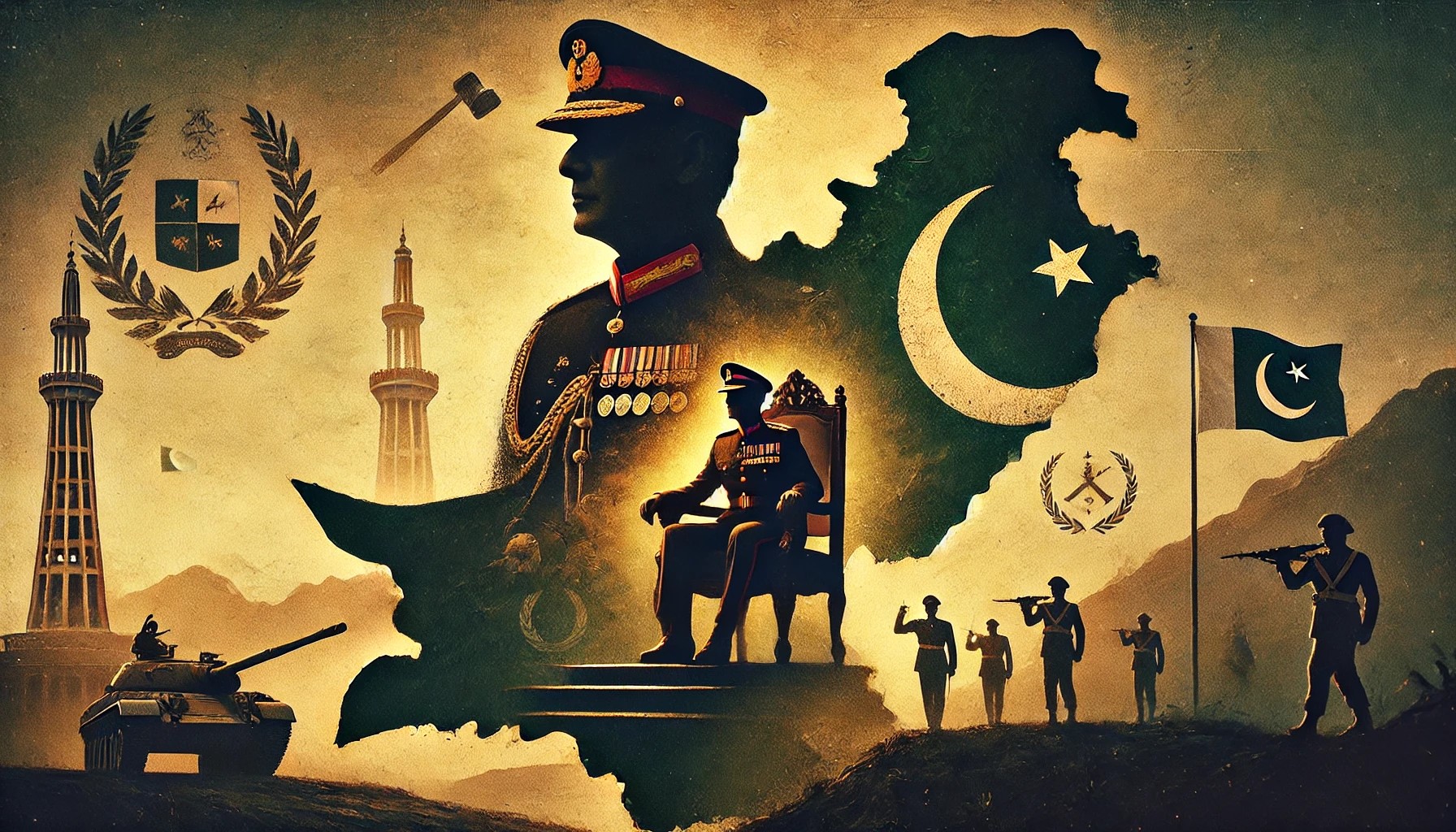
At the same time, the withdrawal creates a strategic opening for China and Pakistan. Consequently, Gwadar port now stands as the dominant alternative route into Afghanistan and Central Asia.
India Loses Chabahar Port Access: What Changed in the Last 48 Hours
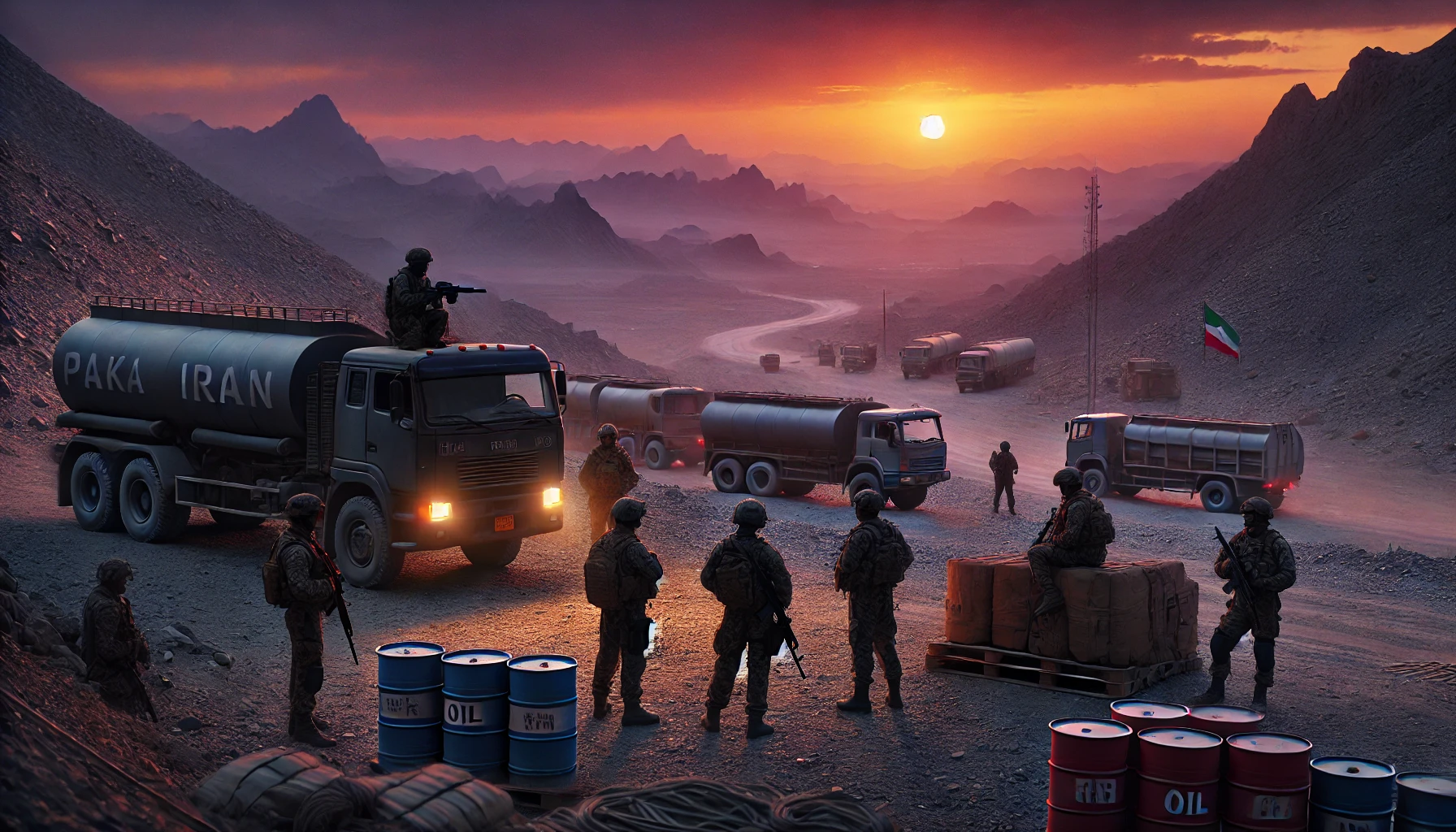
Over the past two days, Indian officials confirmed that New Delhi exited all operational roles at Chabahar. This decision followed escalating US pressure over discounted Russian oil imports.
Rather than risk secondary sanctions and tariff escalation, India chose withdrawal. As a result, the move ends years of investment aimed at bypassing Pakistan and accessing landlocked Central Asian markets.
In short, India loses Chabahar port access at a moment of heightened geopolitical stress.
Why Chabahar Mattered to India’s Regional Strategy
Chabahar gave India a rare strategic advantage. It enabled direct trade with Afghanistan while avoiding Pakistani territory. Moreover, it offered New Delhi a counterweight to China’s expanding Belt and Road footprint.
Now, however, that advantage has evaporated.
Without Chabahar, India’s overland ambitions stall. Trade routes narrow. Influence declines. Meanwhile, China-Pakistan connectivity advances with fewer obstacles.
Pakistan and Gwadar Gain Strategic Ground
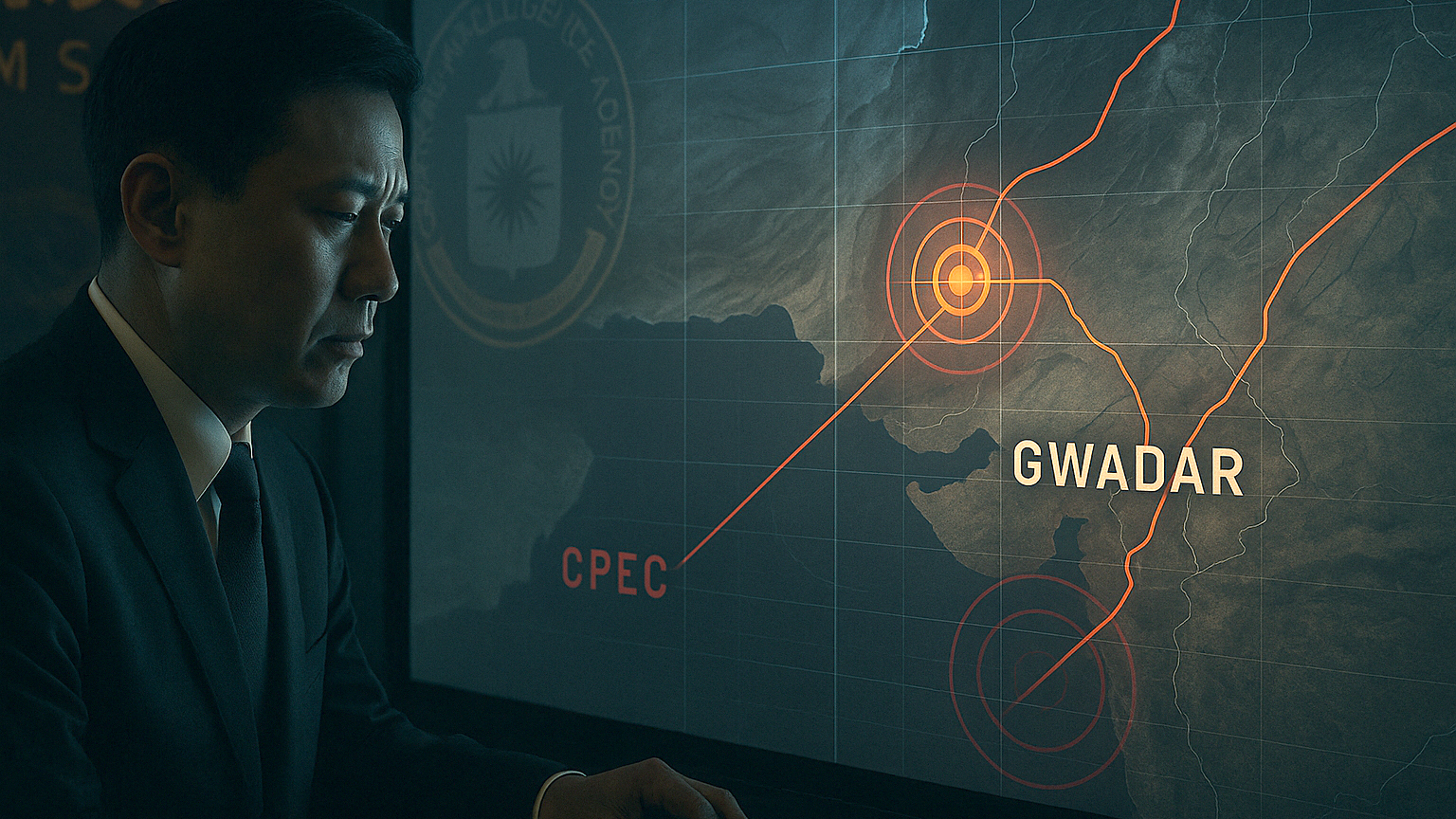
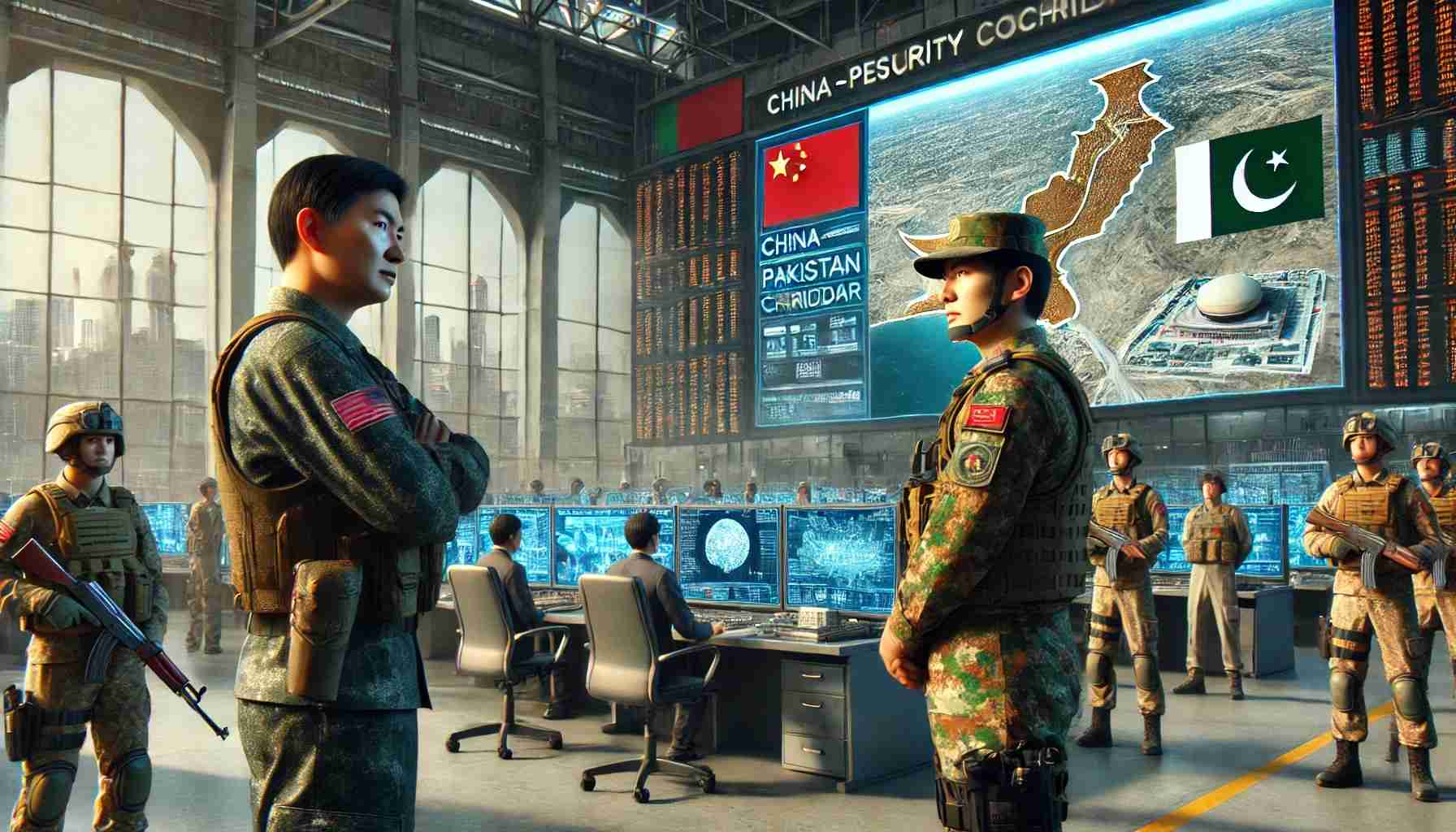
Pakistan emerges as an indirect beneficiary of the shift. Gwadar port, developed under the China-Pakistan Economic Corridor, now faces reduced competition as a regional transit hub.
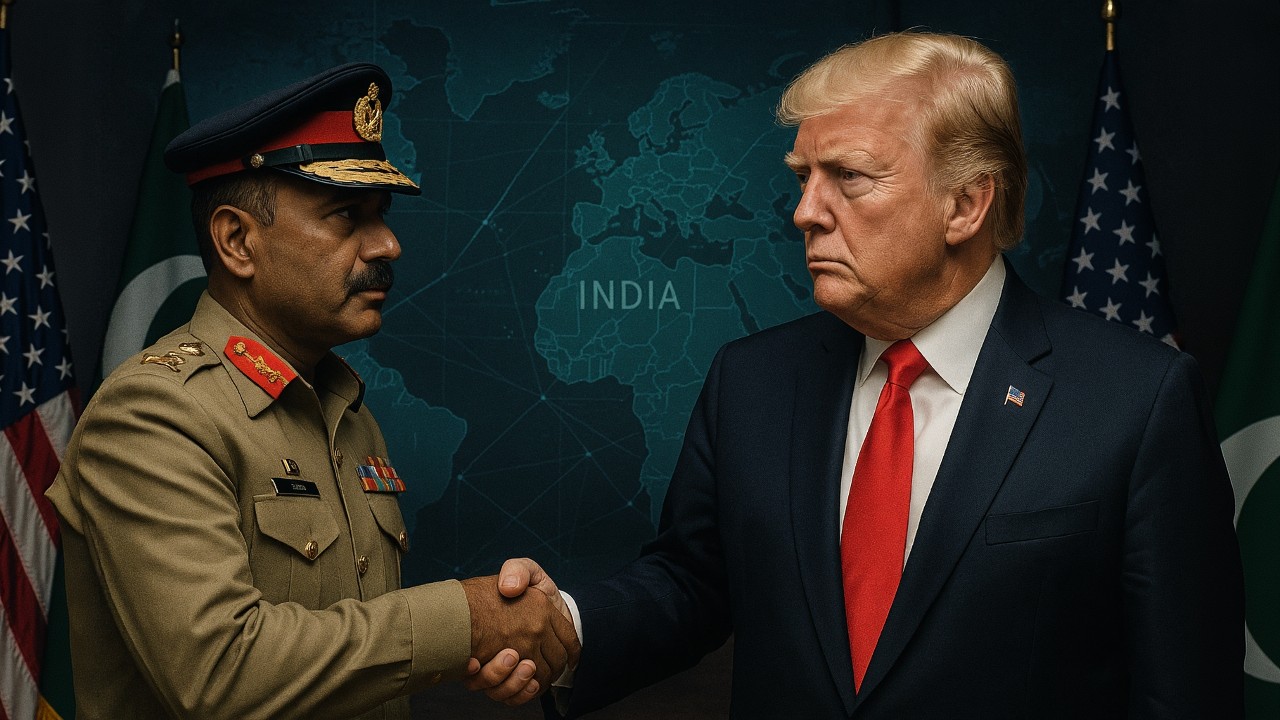
For Islamabad, this change strengthens alignment with Beijing. At the same time, it limits India’s options in Afghanistan, where access increasingly depends on routes shaped by China and Pakistan.
Thus, India loses Chabahar port access while Pakistan’s geoeconomic position quietly improves.
US Pressure and the Cost of Strategic Dependence
Washington framed its pressure around sanctions enforcement tied to Russia. However, the consequences extend far beyond oil markets.
By forcing India’s hand, the United States has reshaped regional logistics. Moreover, the episode highlights how sanction regimes often operate as geopolitical levers rather than narrow policy tools.
For South Asia, the message is clear. Strategic autonomy carries real economic risk.
China Expands Influence as India Steps Back
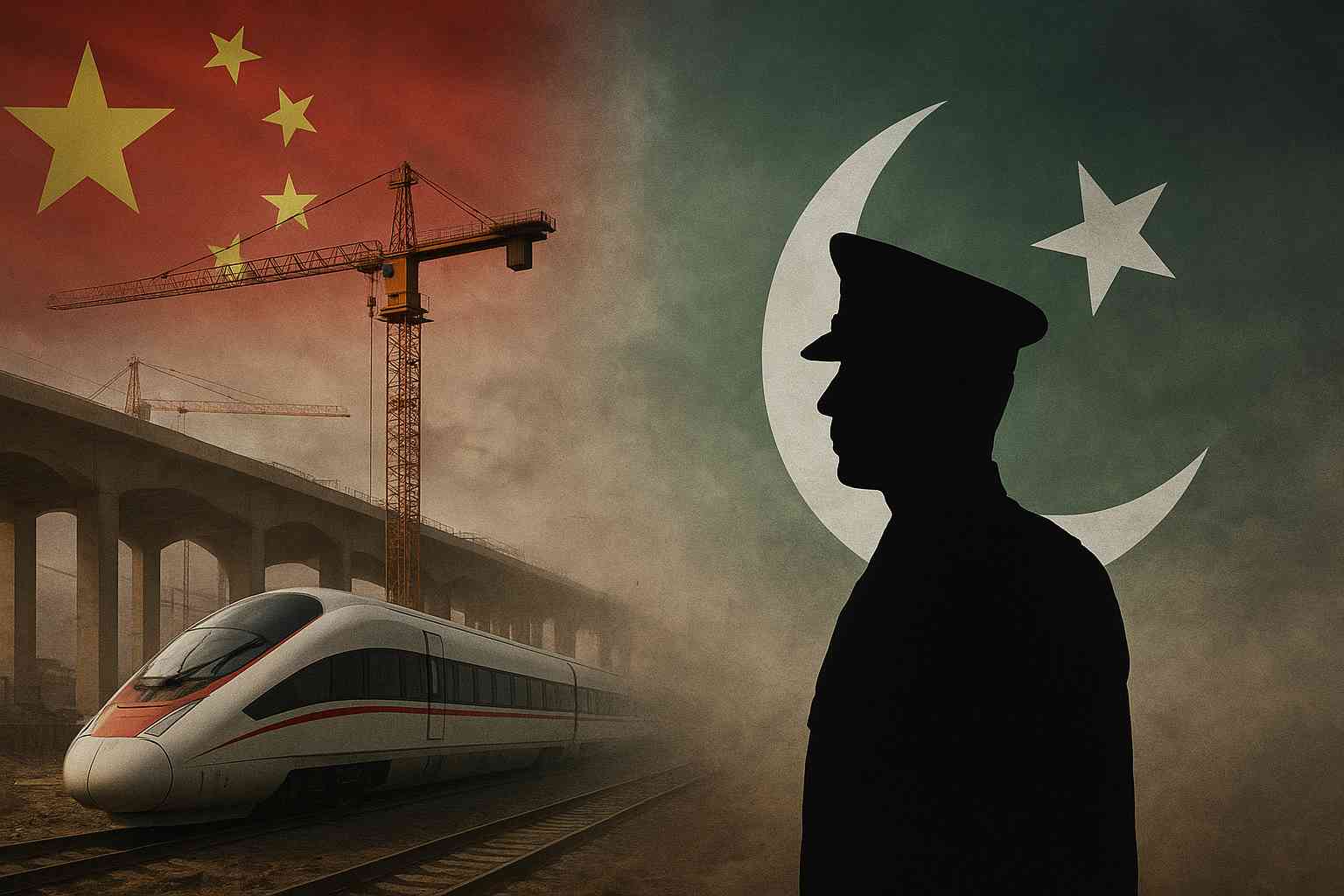
China moved quickly to fill the vacuum. Beijing’s infrastructure diplomacy already spans Pakistan, Sri Lanka, and parts of Central Asia.
With India out of Chabahar, Chinese-backed routes gain relative importance. These include port access, rail corridors, and security arrangements linked to trade protection.
In effect, India loses Chabahar port access, and China consolidates its regional footprint.
Regional Fallout for Bangladesh and Sri Lanka
The impact extends beyond India and Pakistan.
Bangladesh relies on stable regional trade flows. Therefore, any disruption raises transport costs and delays. Sri Lanka, already under debt pressure, now faces renewed scrutiny as Chinese port access expands.
Consequently, weakened Indo-Iran ties affect South Asia’s already fragile economies.
Afghanistan Turns Into a Proxy Logistics Battleground
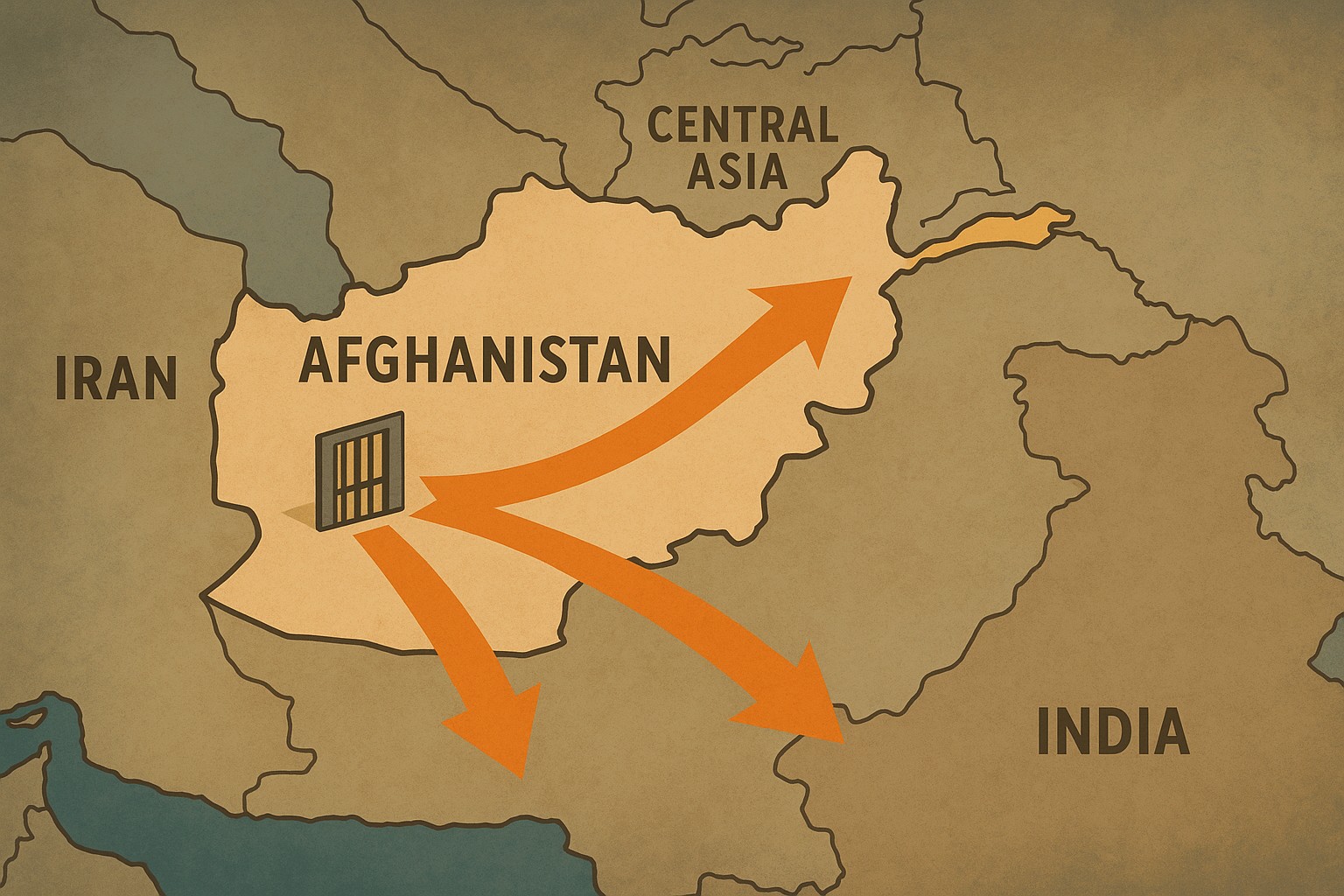
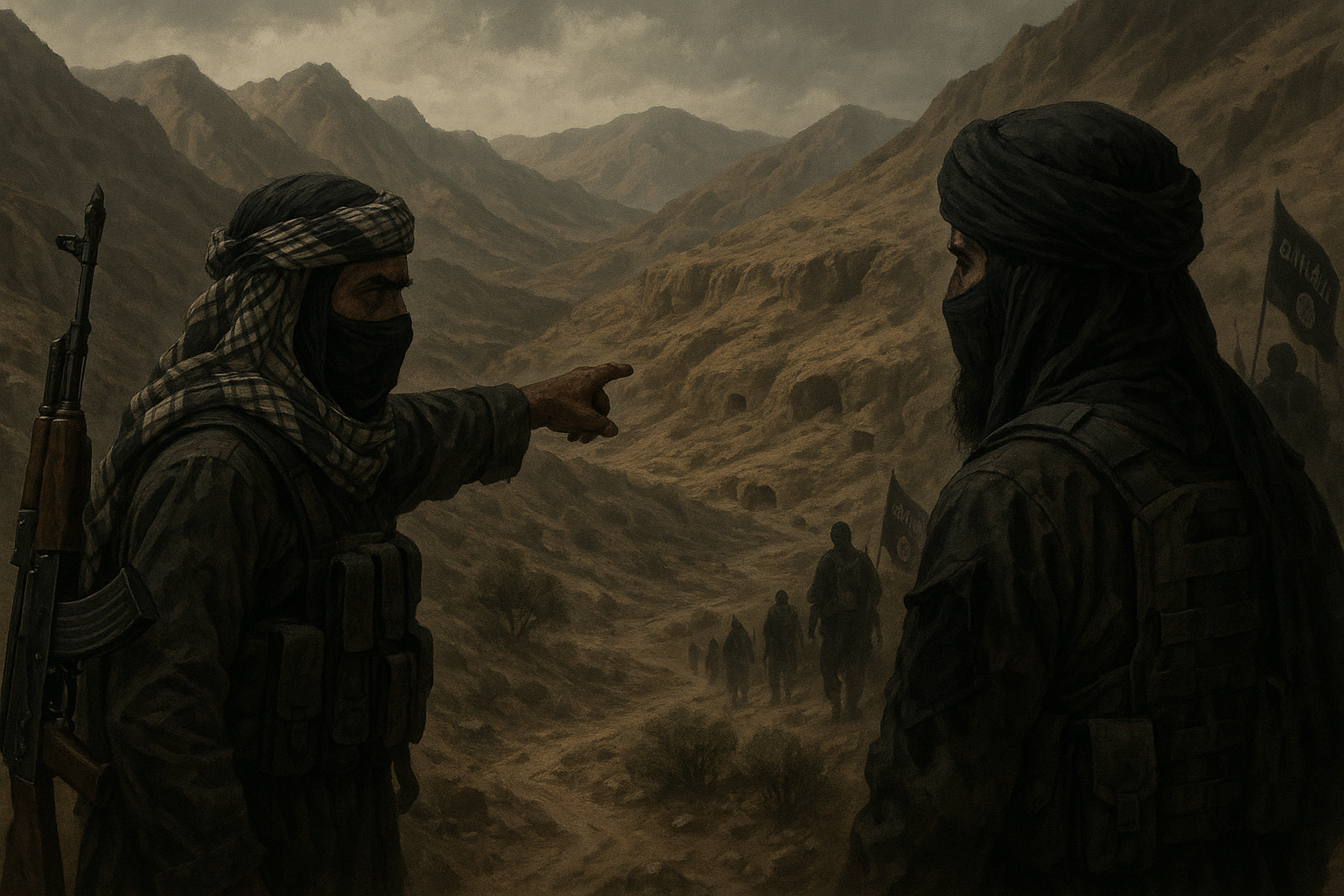
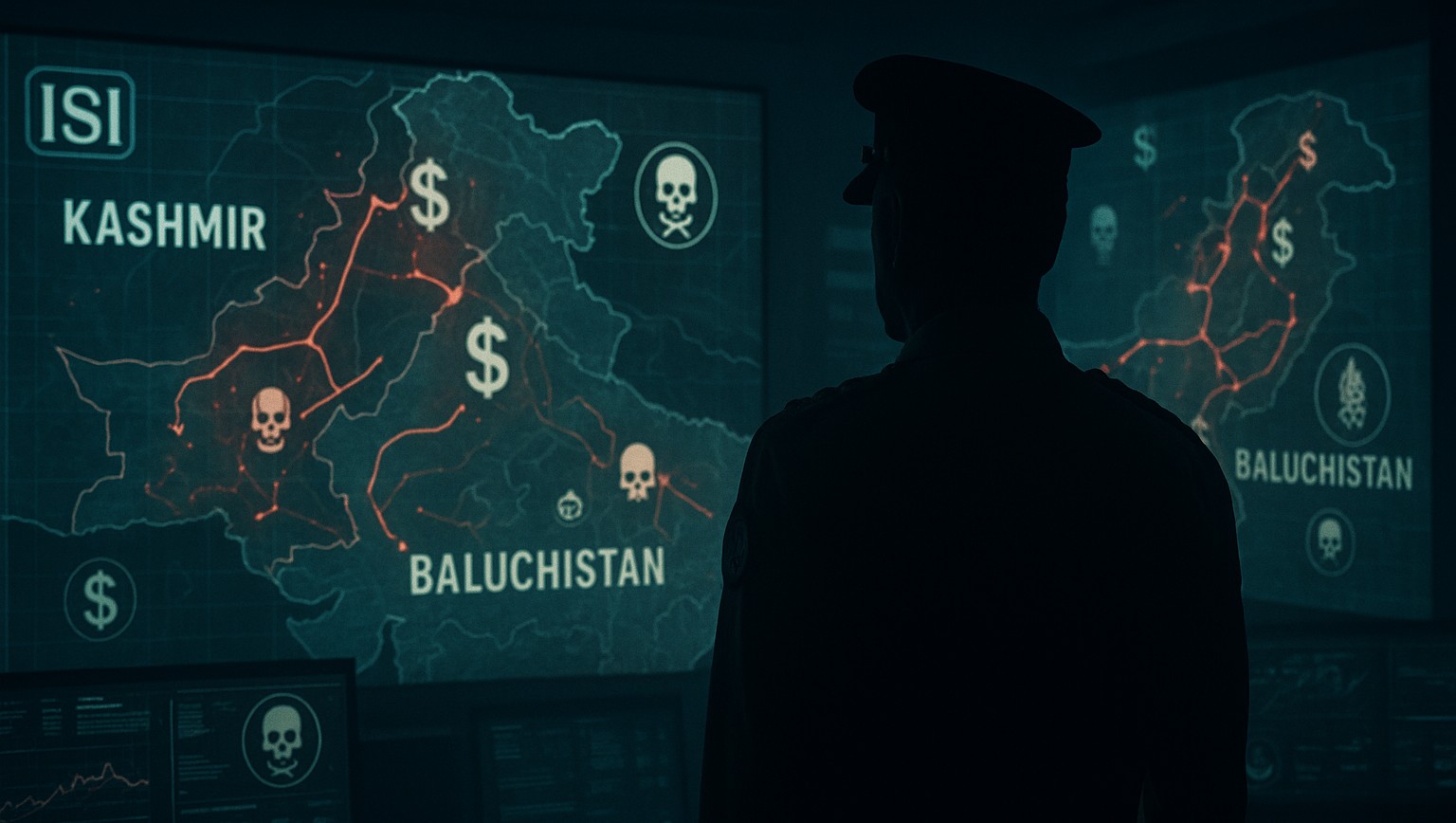
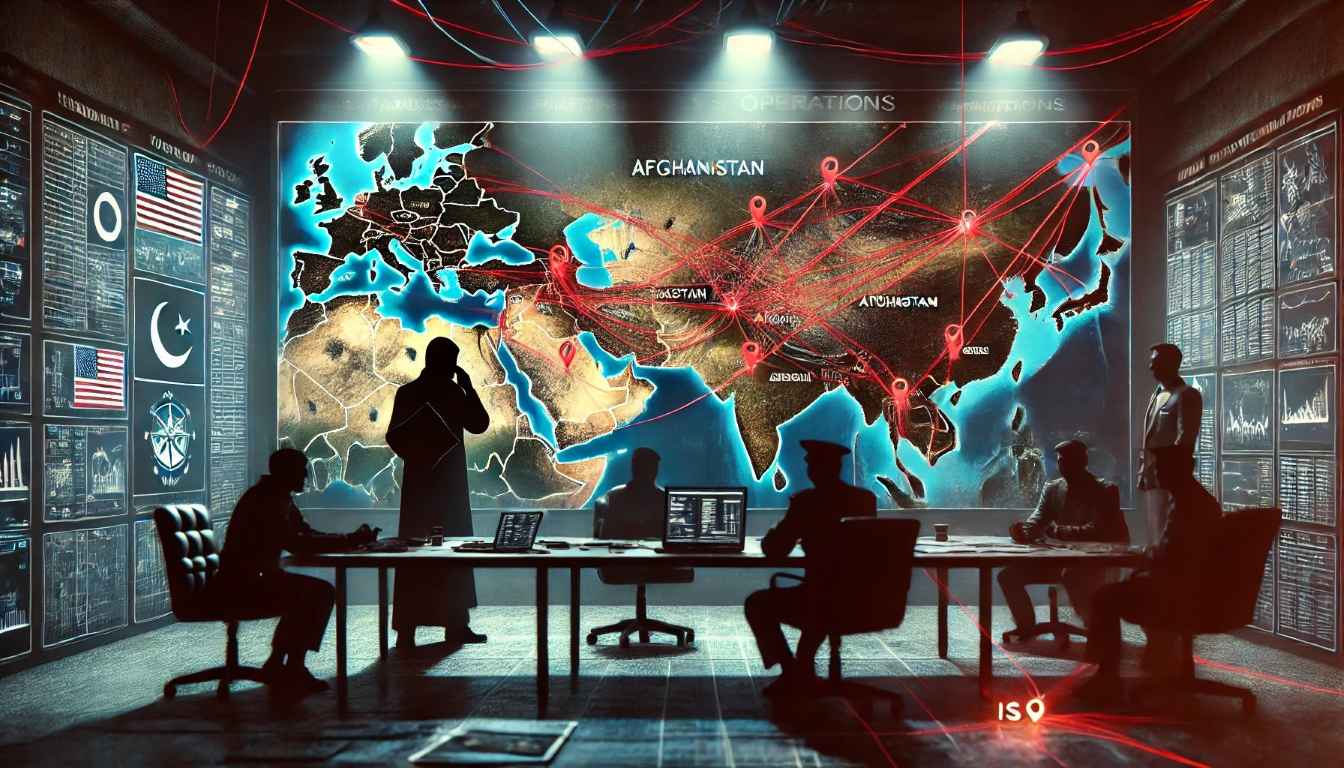
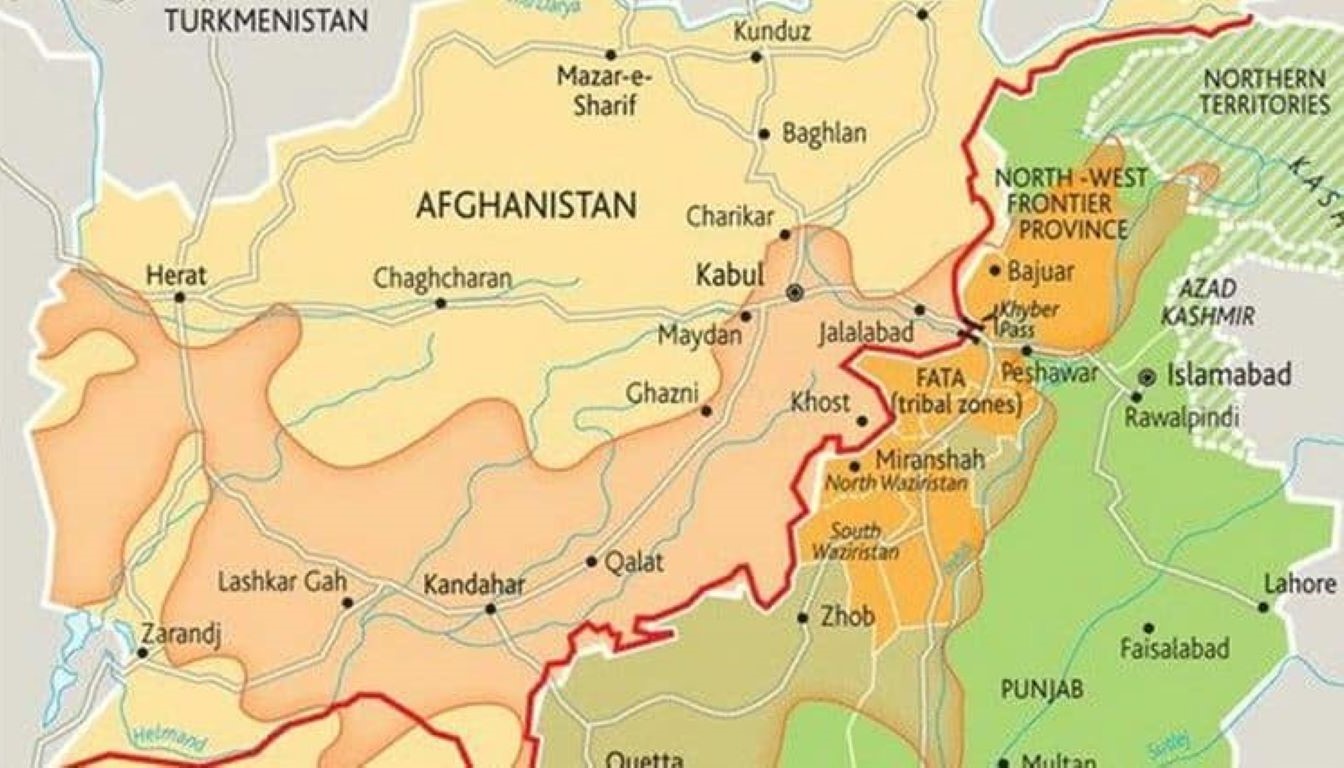
GlobalPost reporting indicates that Afghanistan now absorbs much of the fallout. Competing trade routes, intelligence interests, and transport corridors converge there.
With Chabahar sidelined, access narrows. As a result, dependence grows on routes influenced by Pakistan and China.
Once again, Afghanistan becomes a space where great-power logistics intersect with local instability.
Why This Matters Beyond Ports and Trade
At its core, this story goes beyond shipping and infrastructure.
It shows how sanctions, alliances, and economic pressure reshape political outcomes. India’s retreat underscores the limits of middle-power maneuvering in an increasingly polarized world.
More importantly, it demonstrates how India loses Chabahar port access while regional power balances shift quietly, but decisively.
What to Watch Next
First, watch activity levels at Gwadar. A surge would confirm the strategic realignment.
Second, monitor China-Iran coordination. Deeper engagement could lock India out for years.
Third, observe Afghanistan’s logistics landscape. Control over access will shape influence.
In South Asia, connectivity equals power. Losing it changes everything.