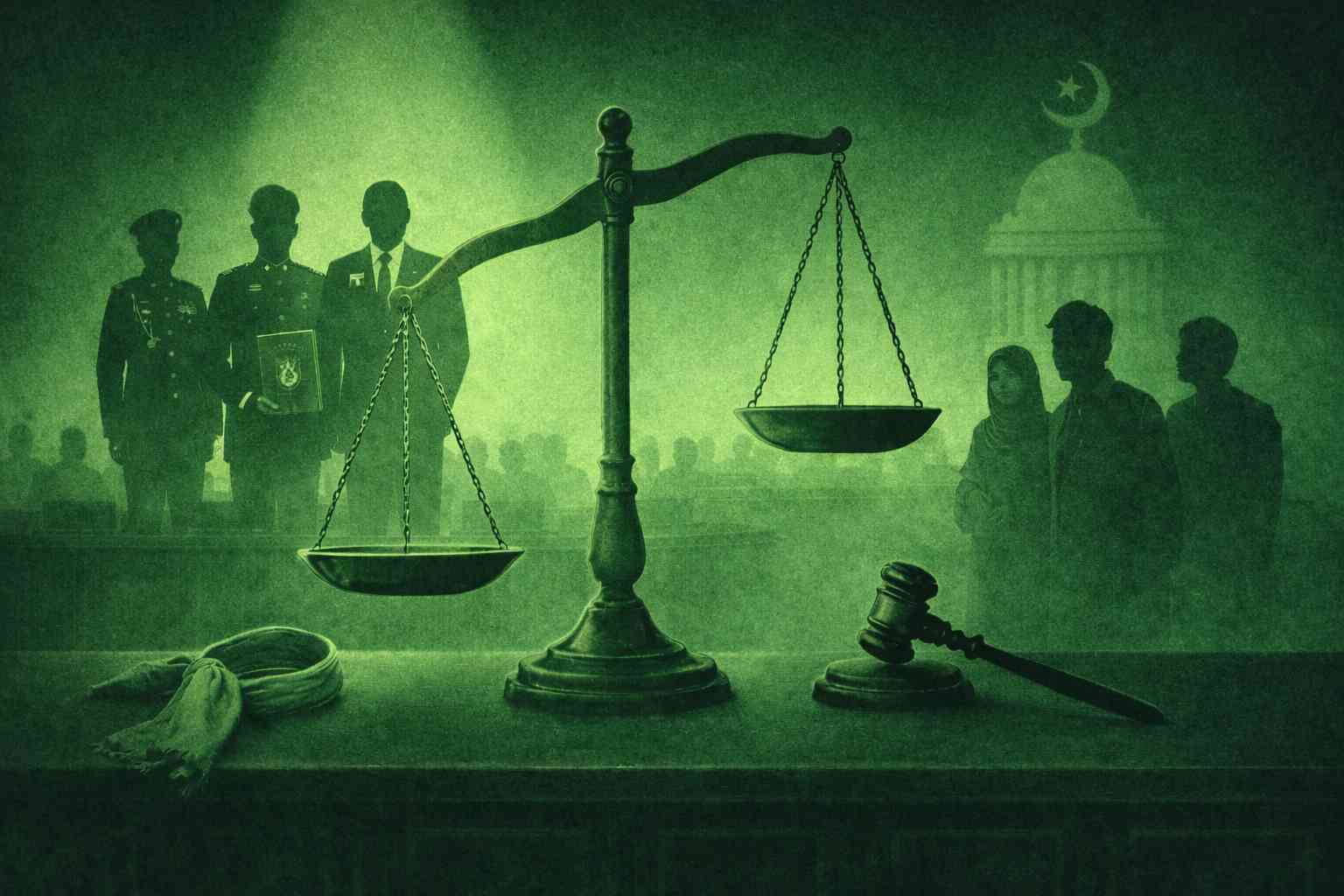
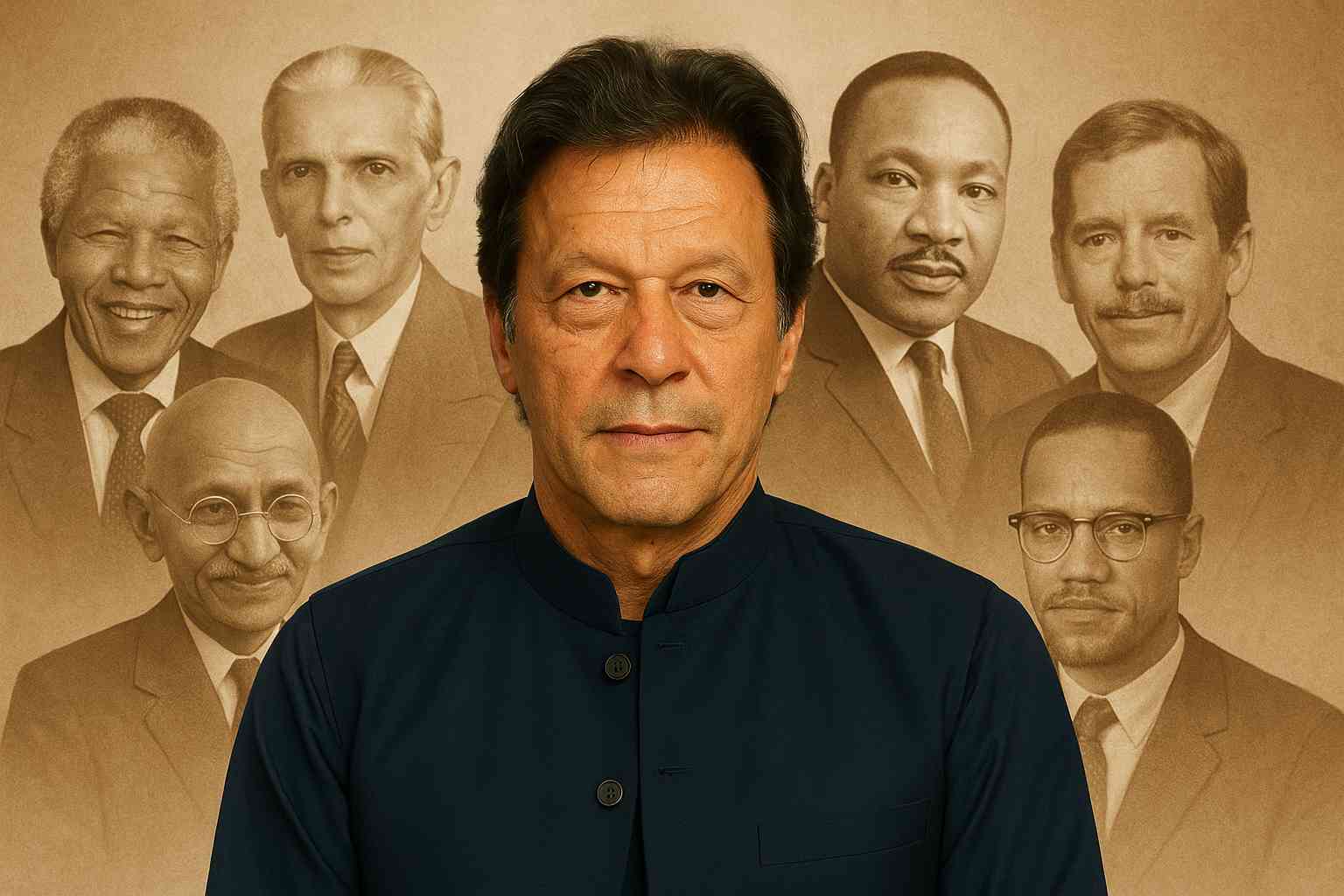
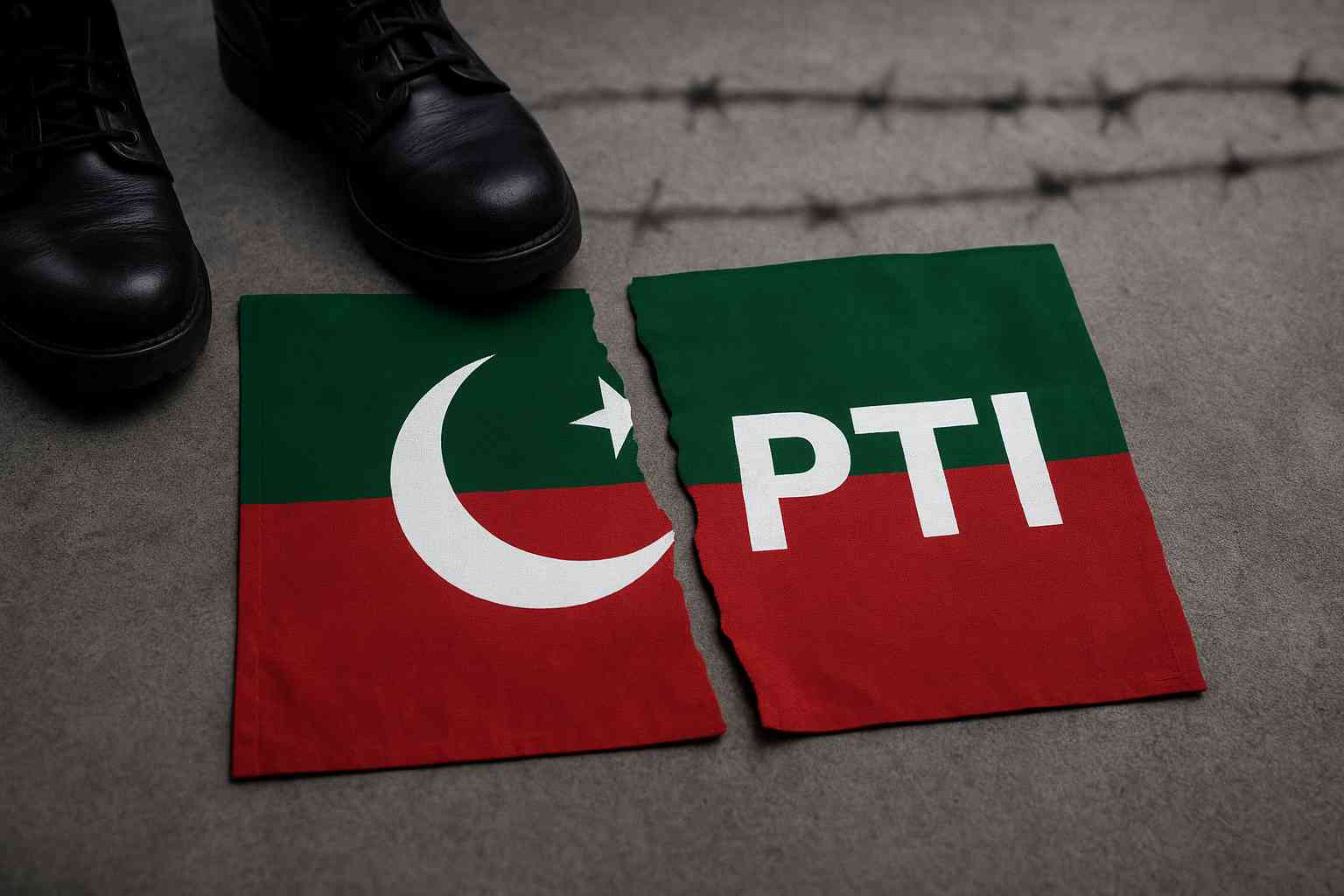
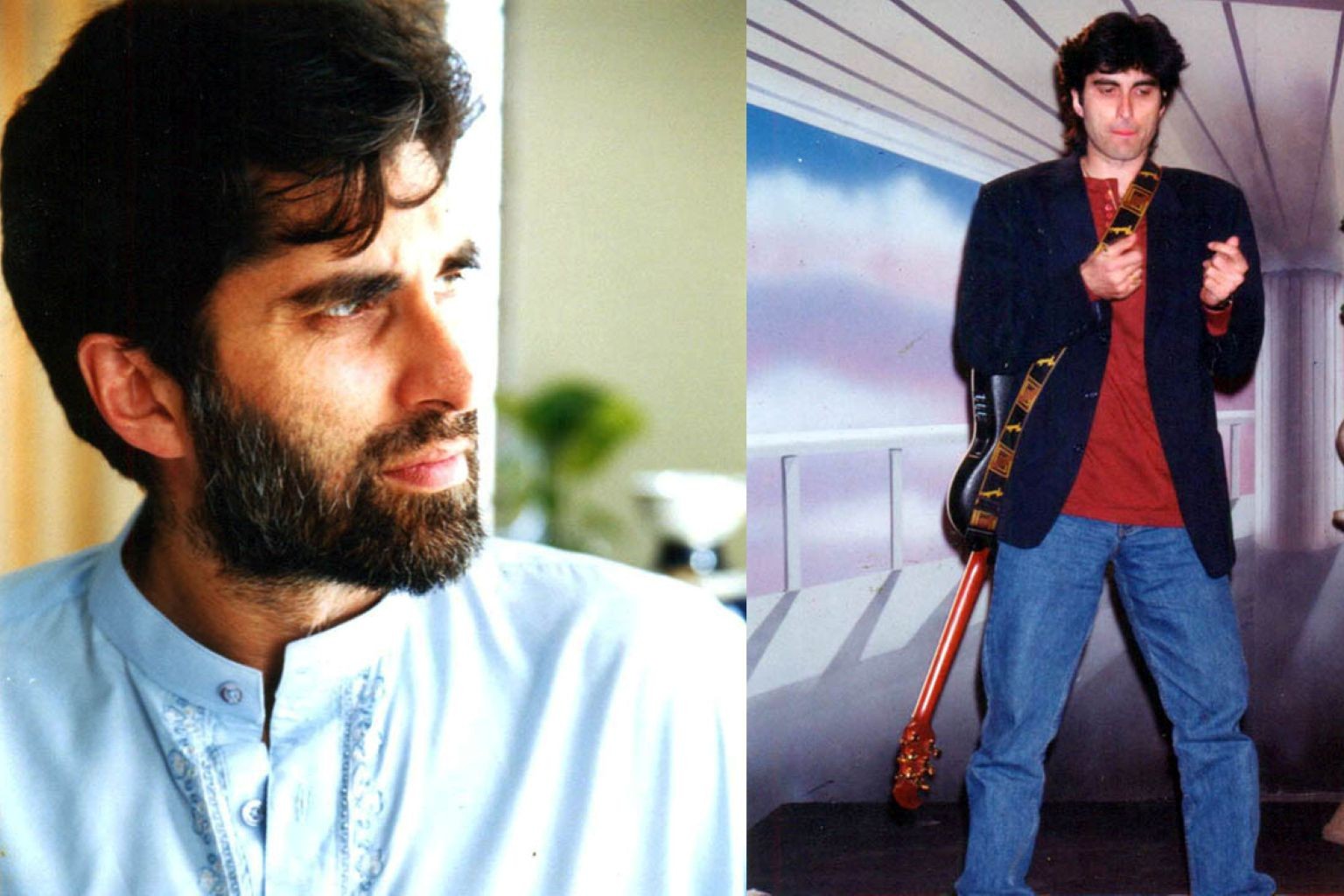
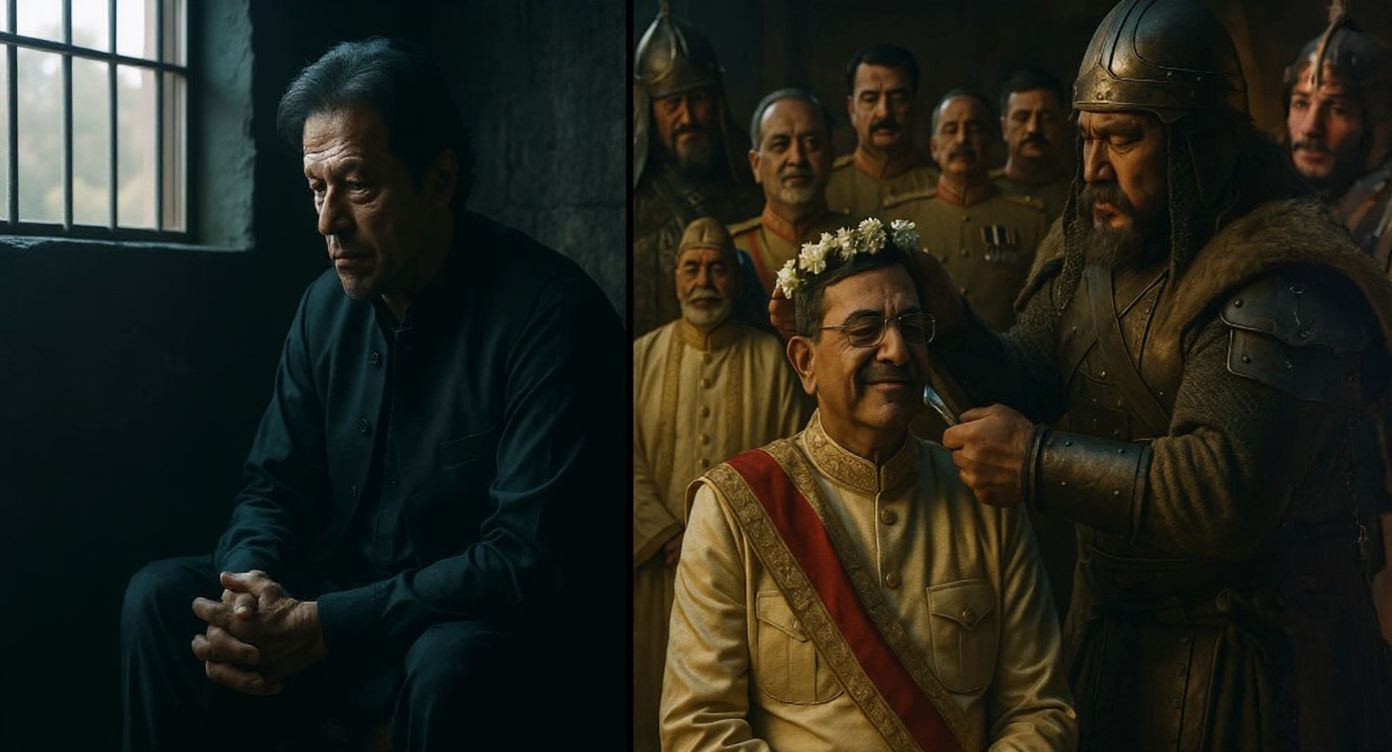
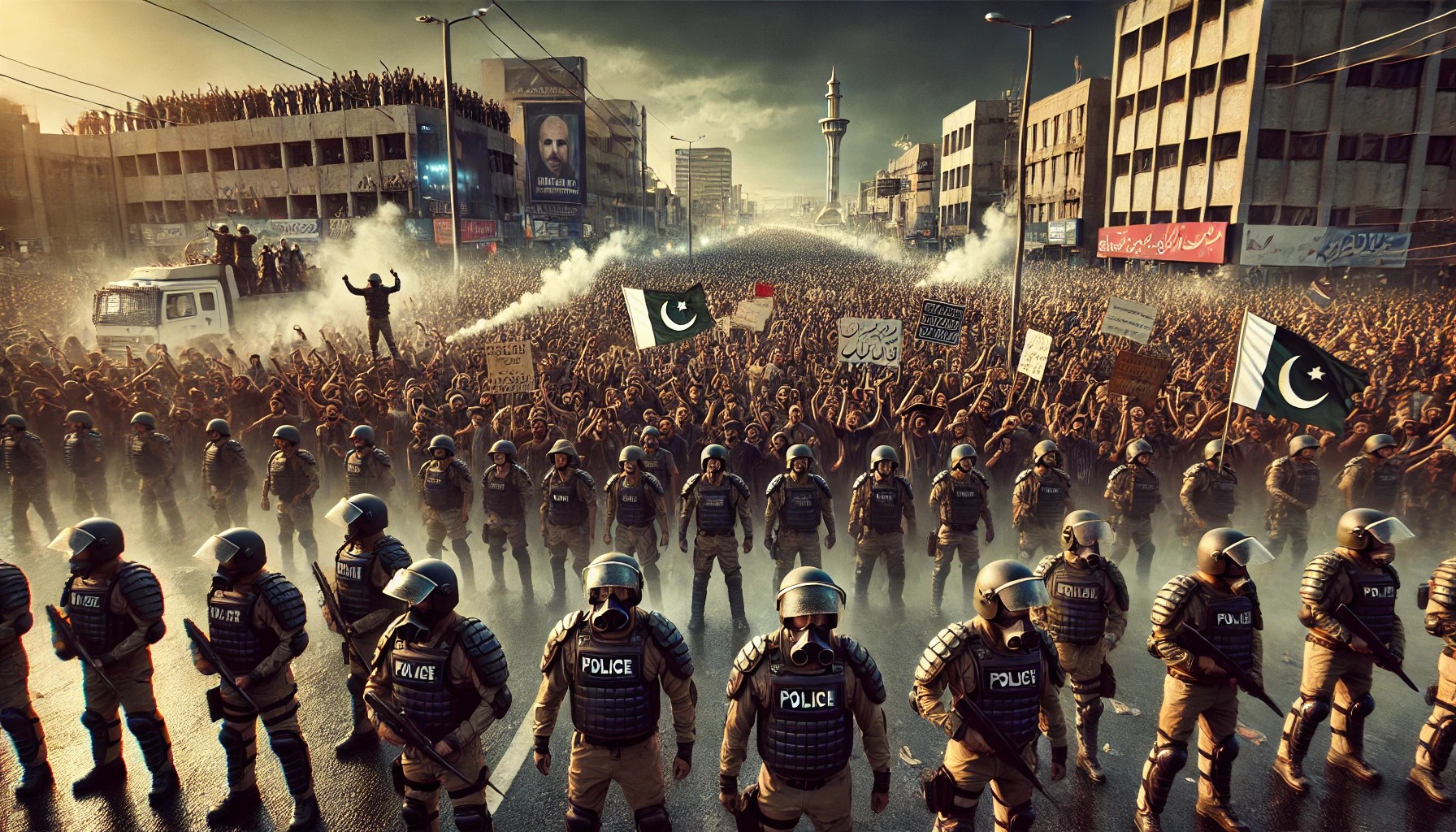
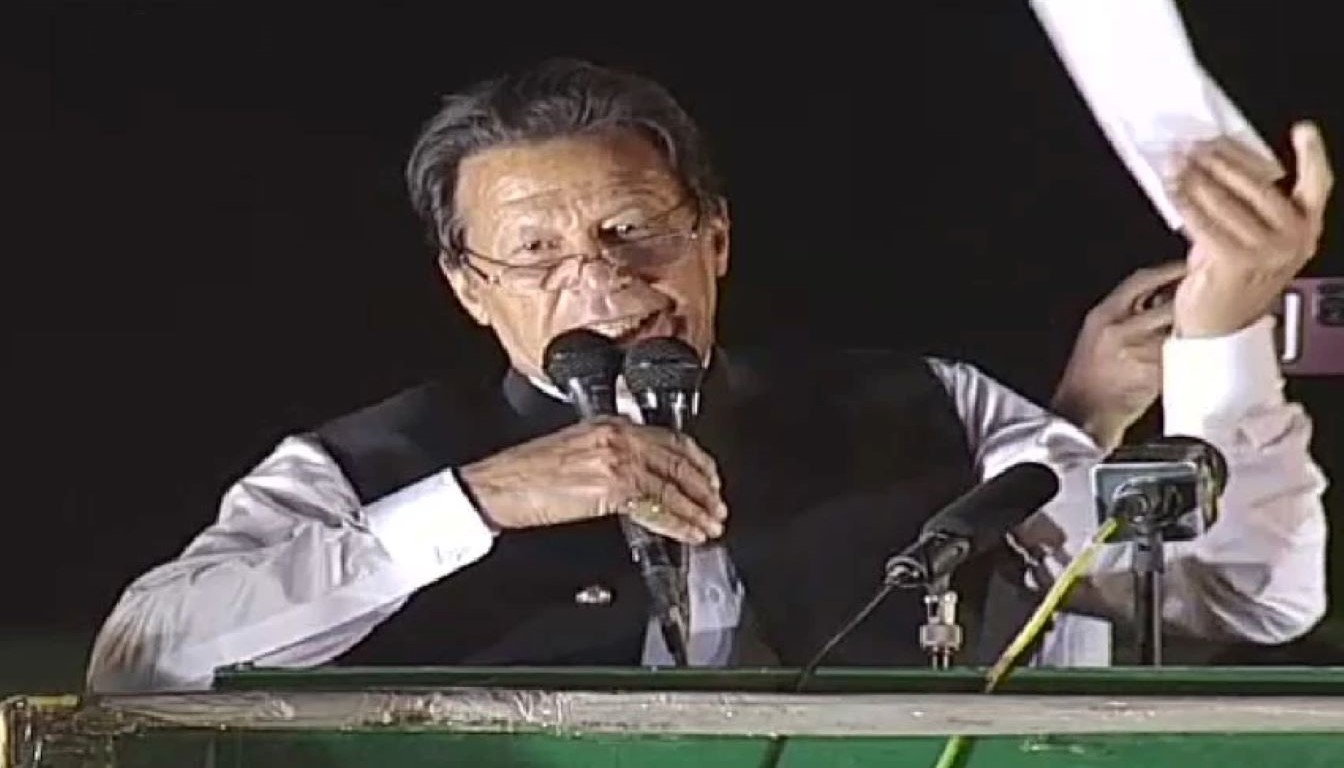
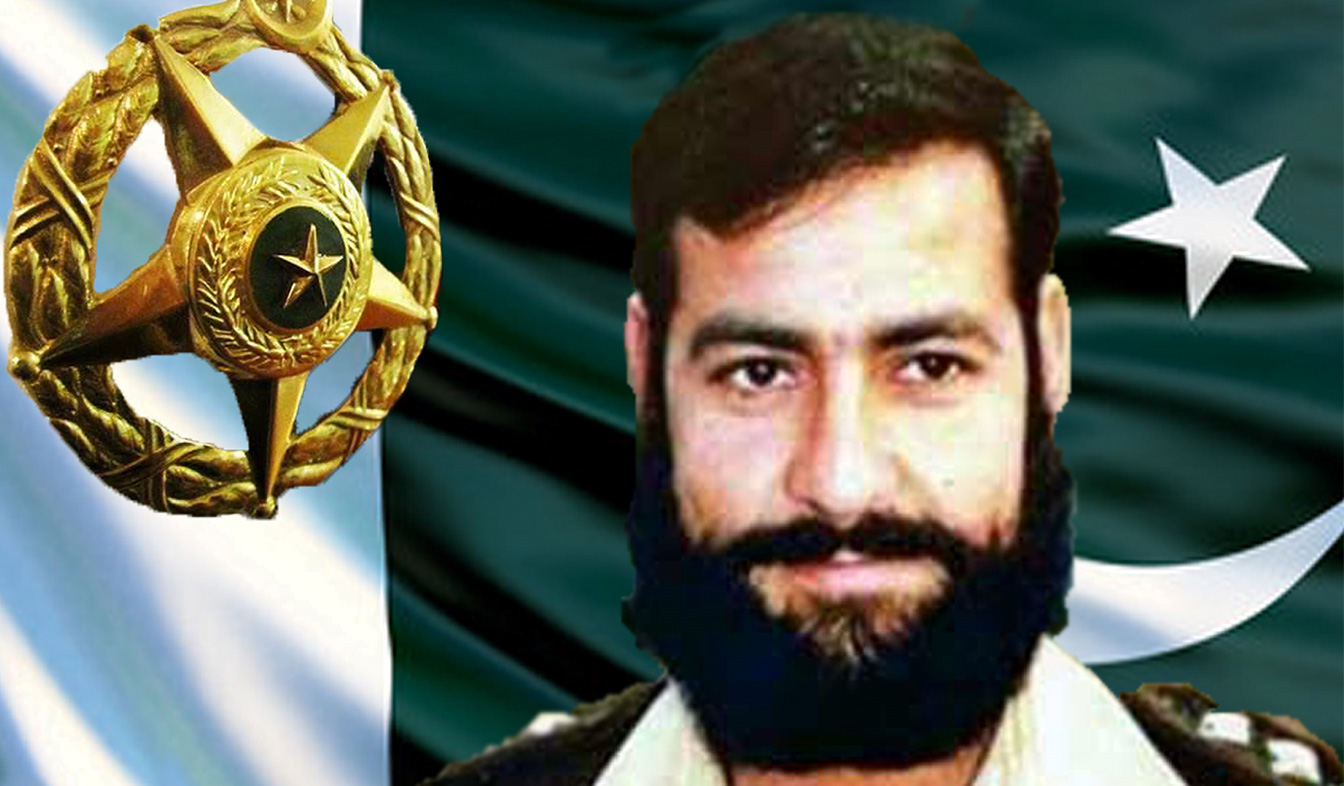
Imran Khan solitary confinement claims are back at the center of Pakistan’s political crisis. This time, the dispute is not only about jail conditions. It is also about deepfakes, state narratives, and growing pressure from the United States over alleged repression.
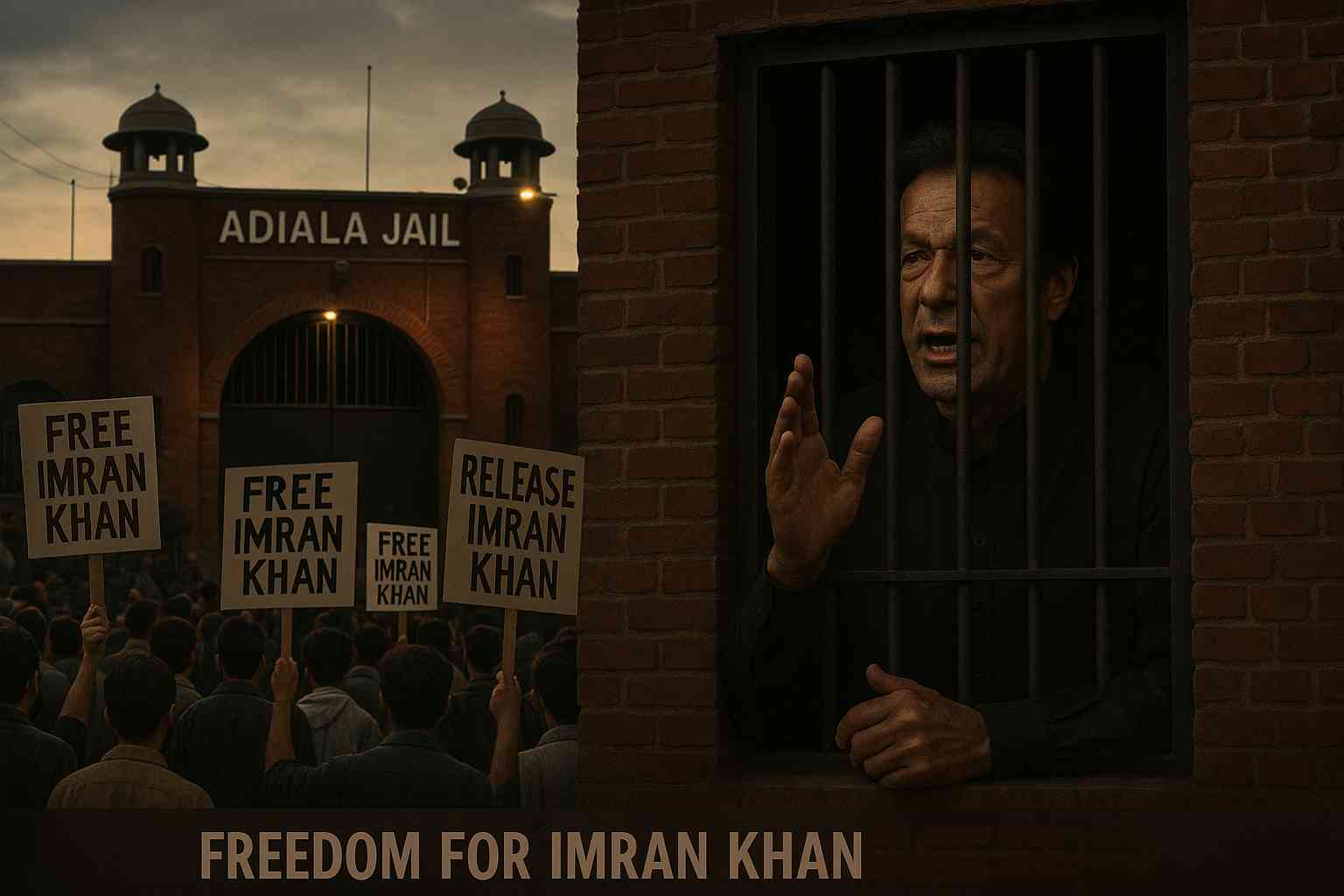
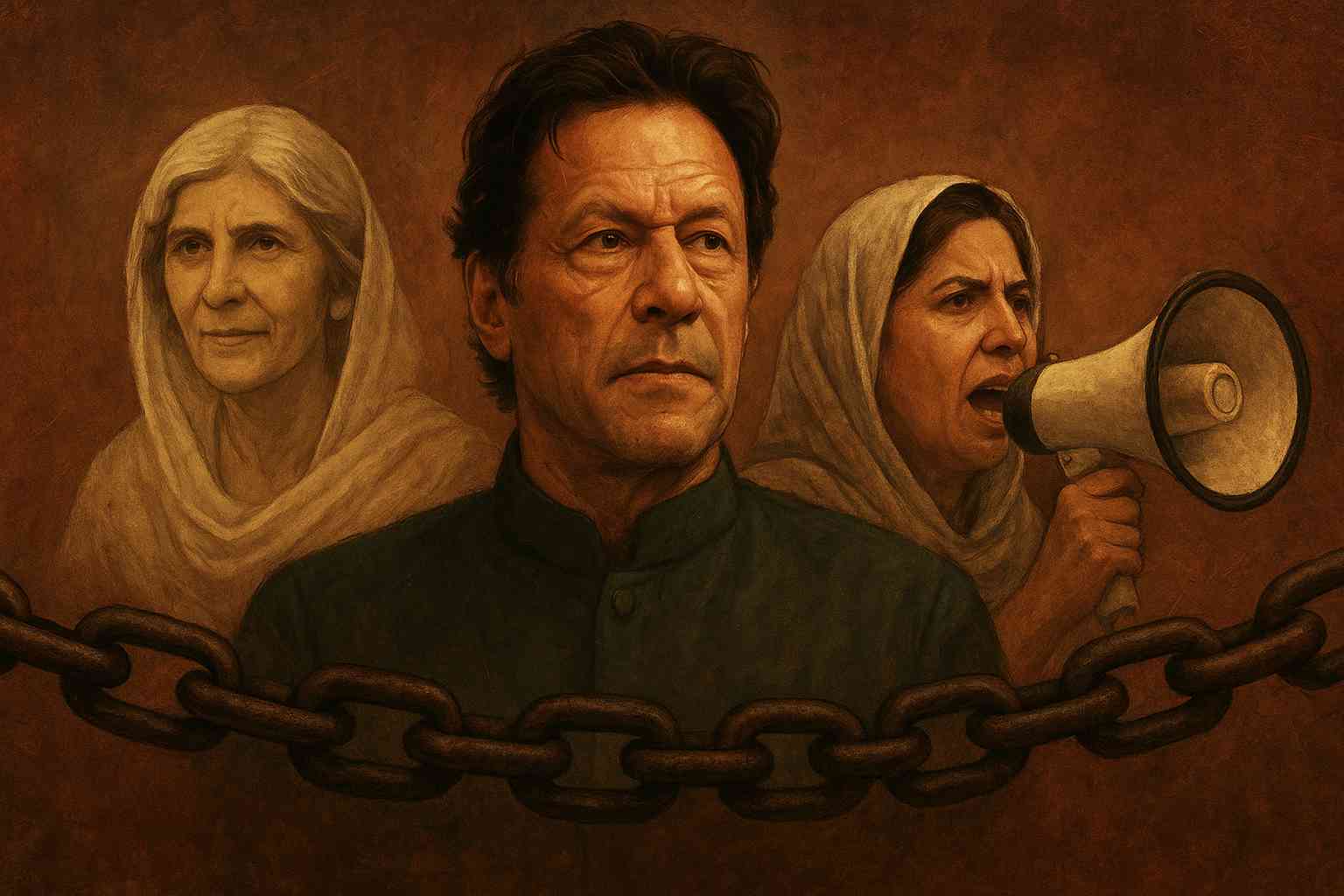
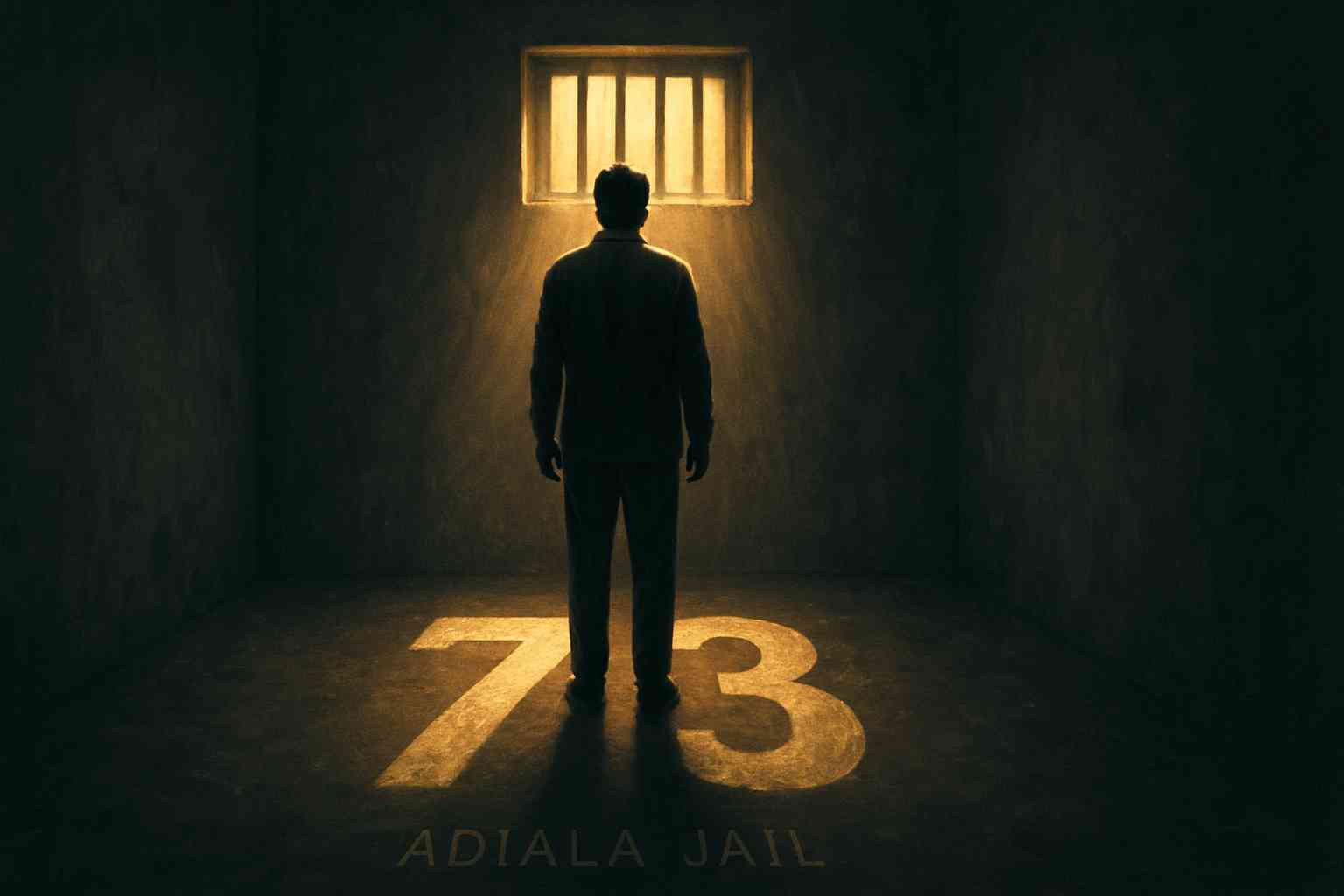
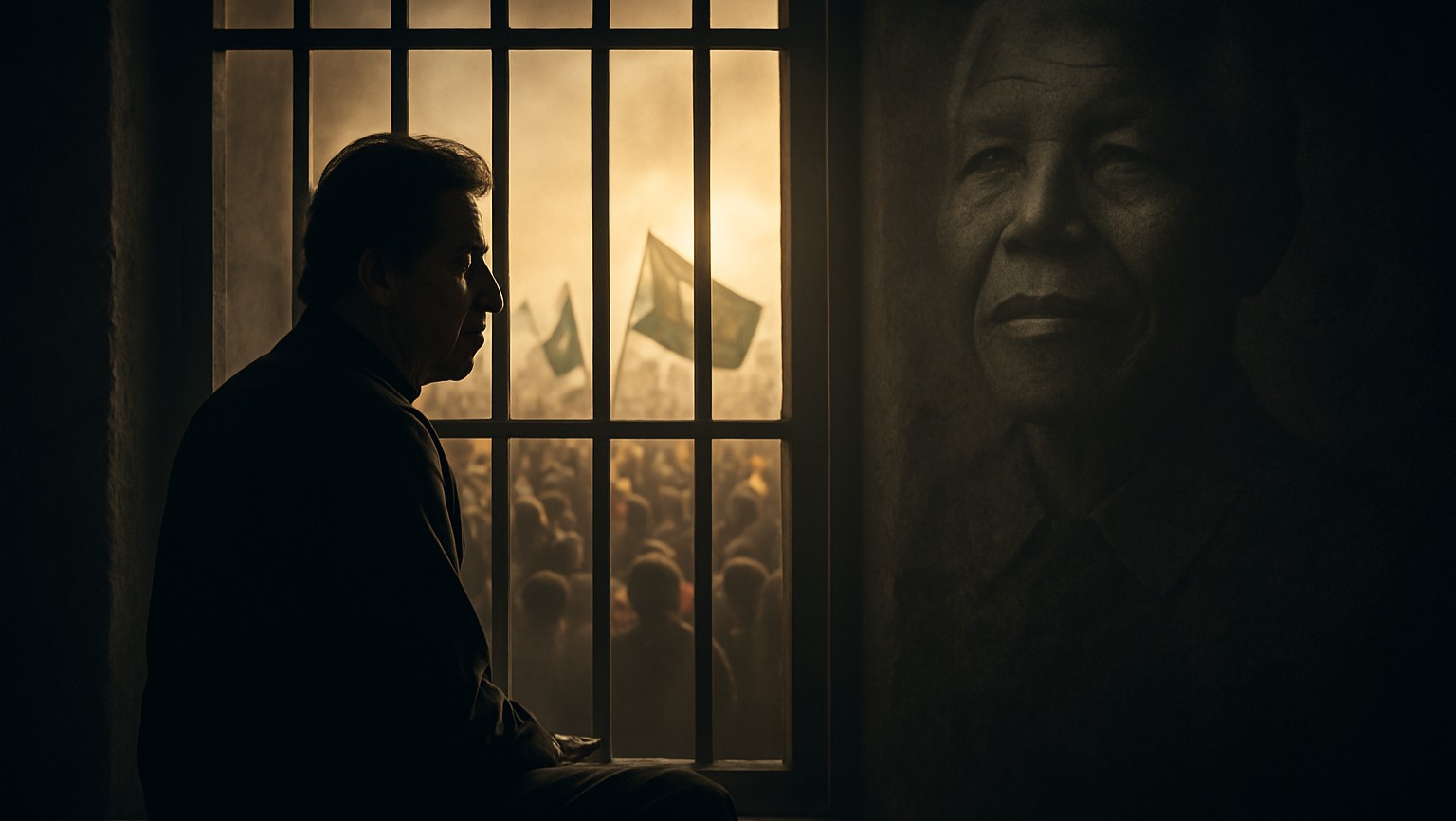
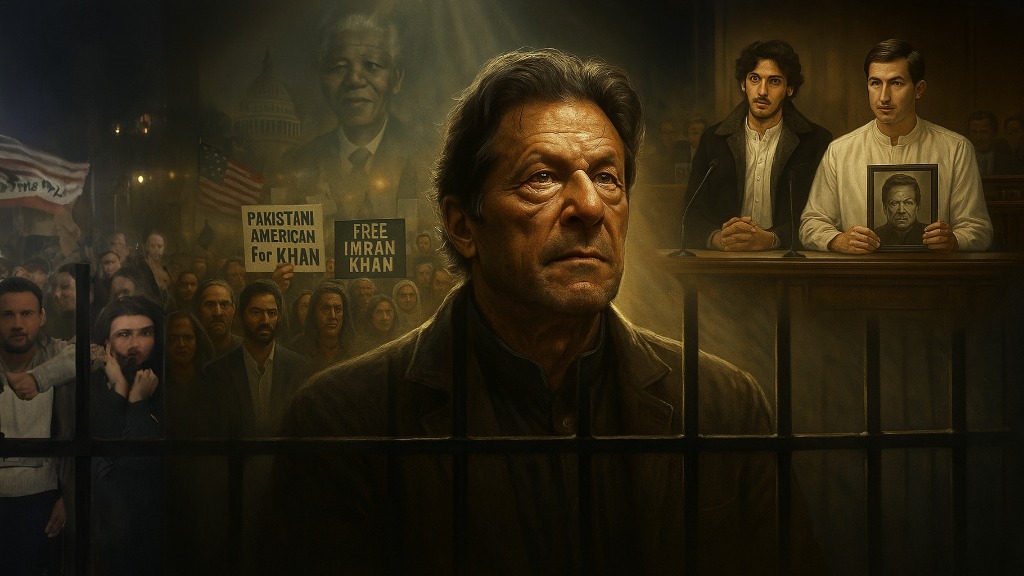
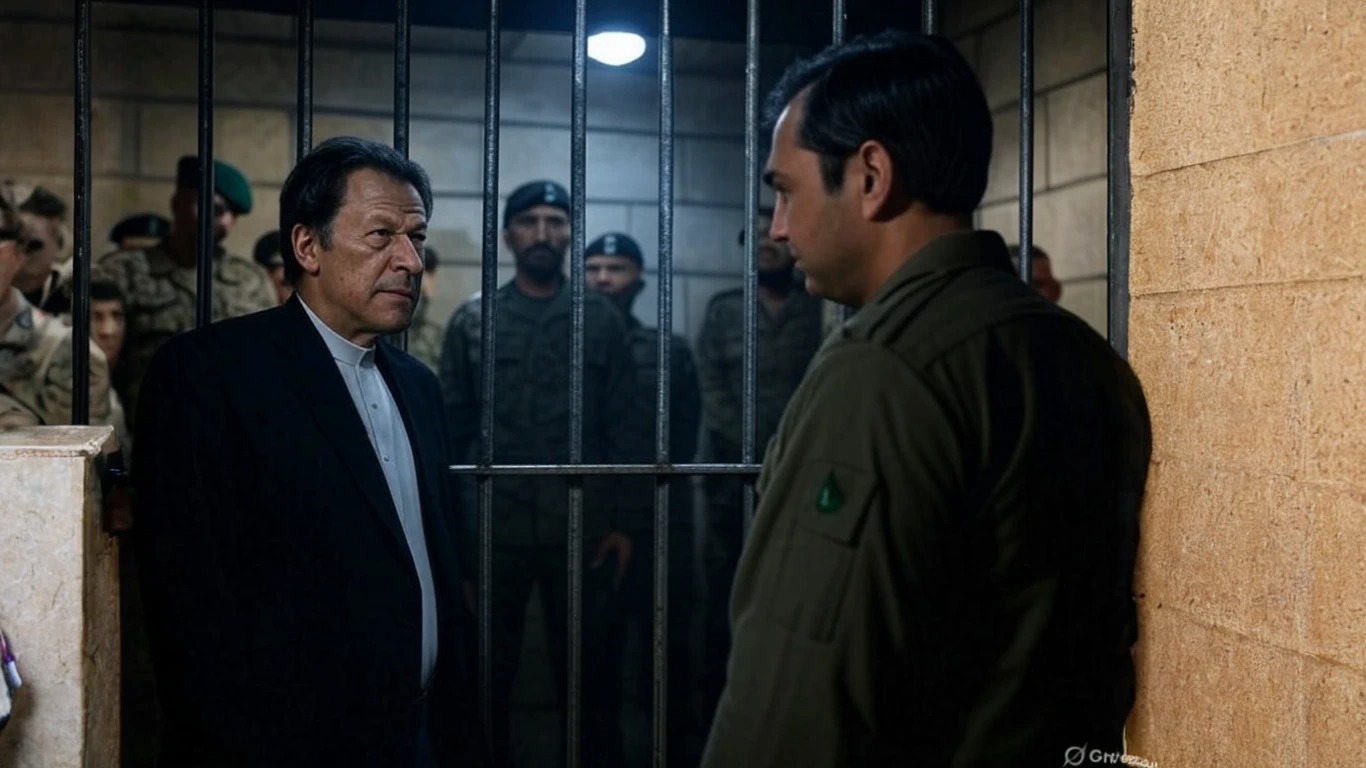
Khan’s sisters say he is being kept in extreme isolation in Adiala Jail. They allege contact is restricted and he is under constant monitoring. Pakistani authorities deny mistreatment and say he receives prison entitlements.
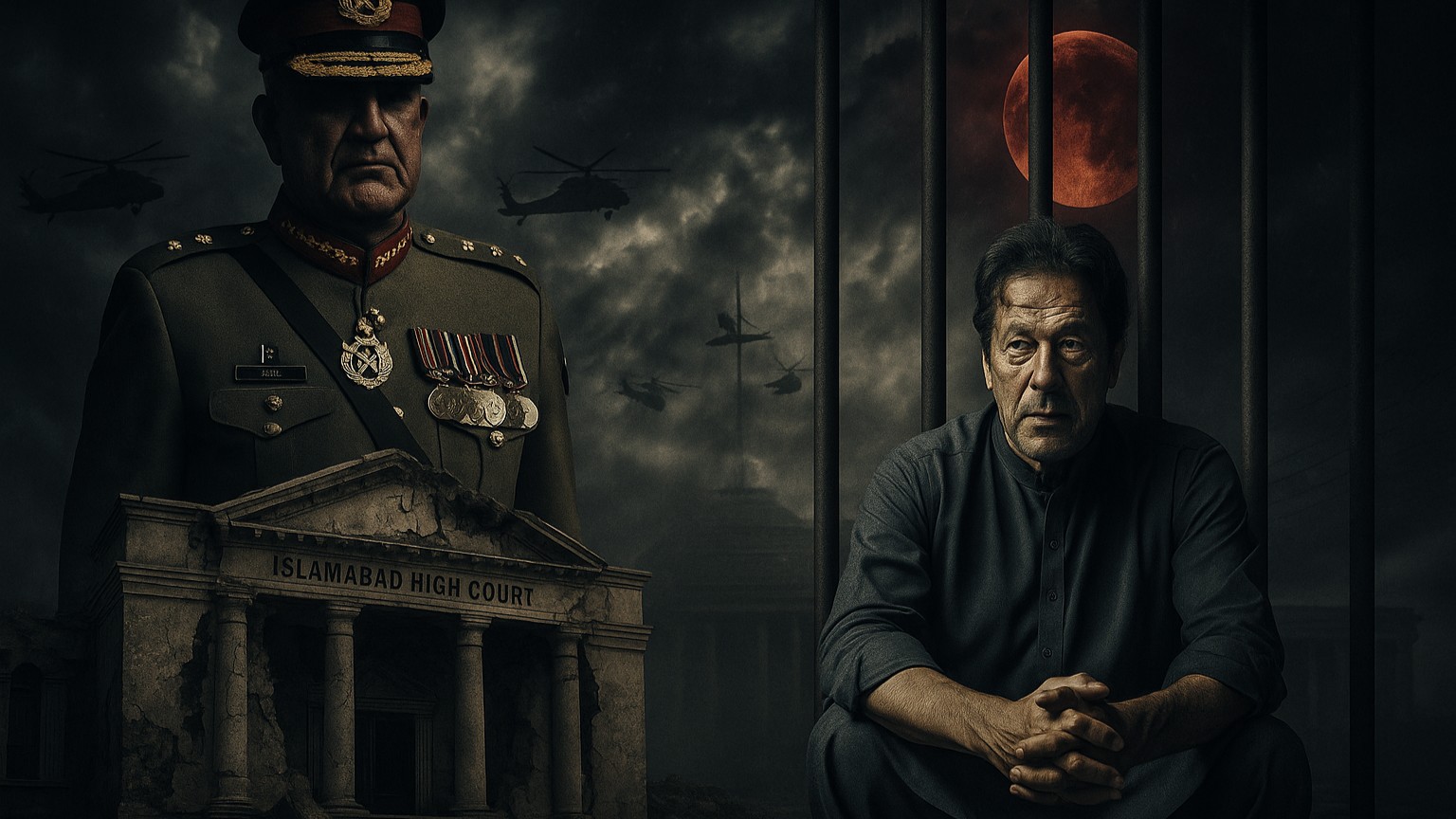
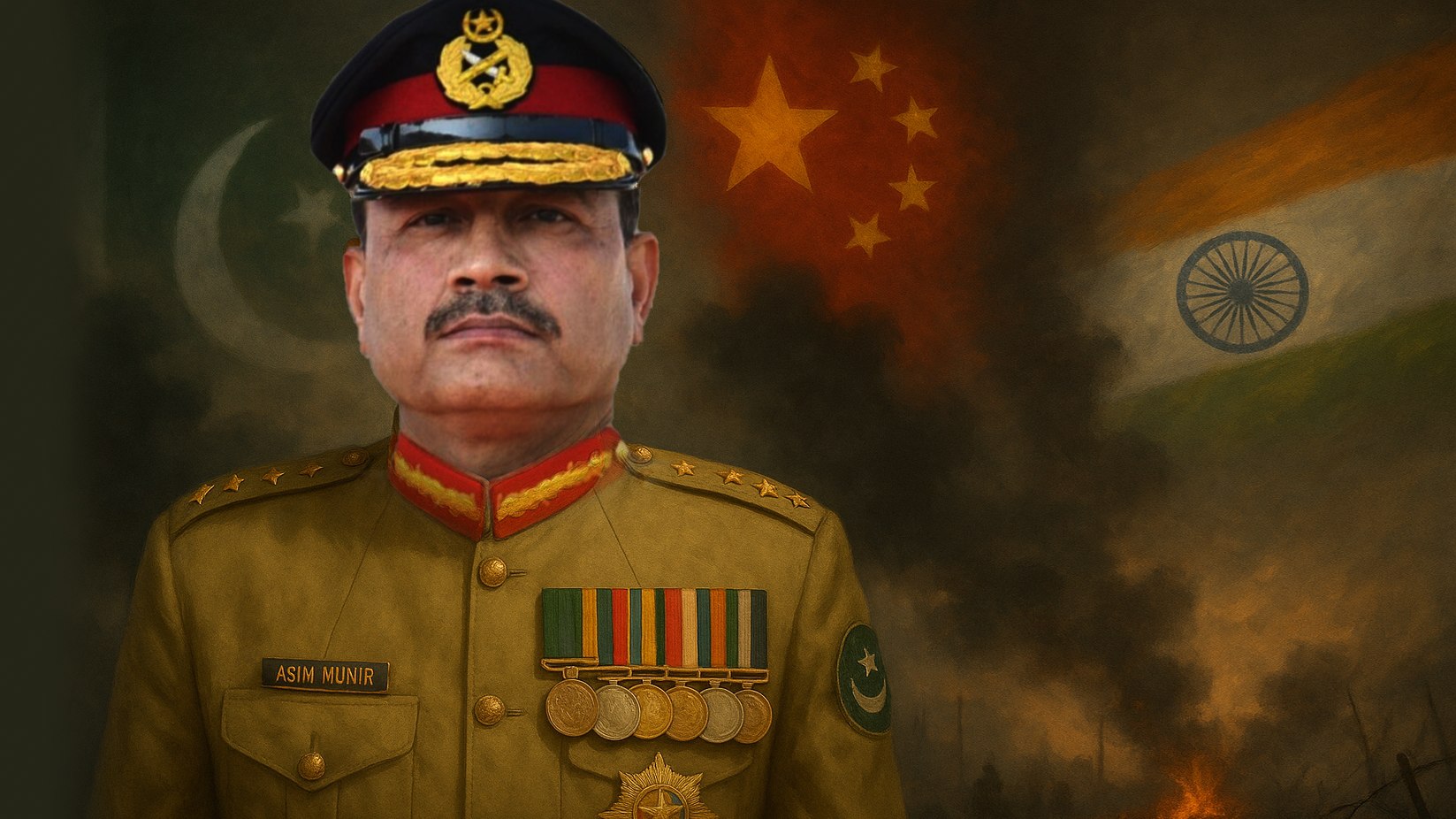
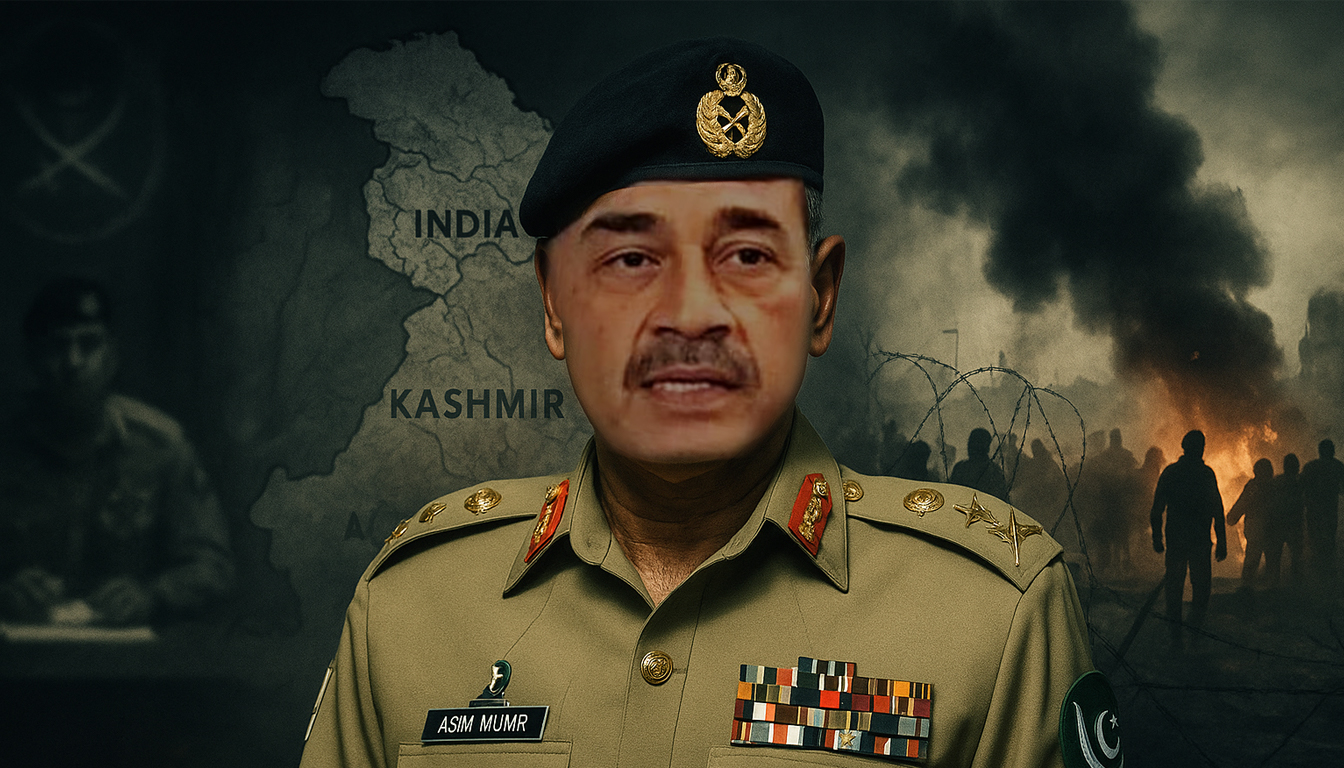
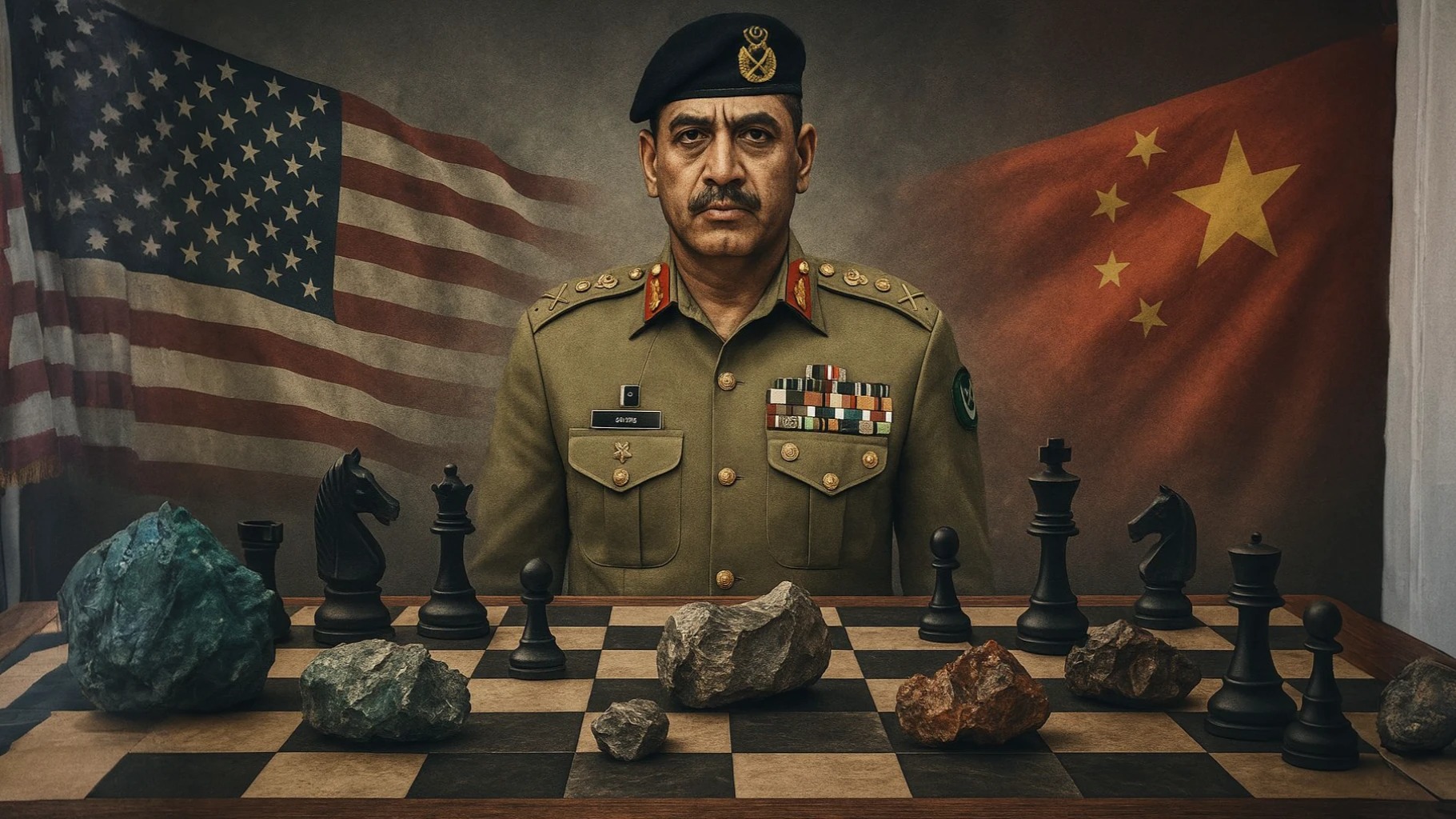
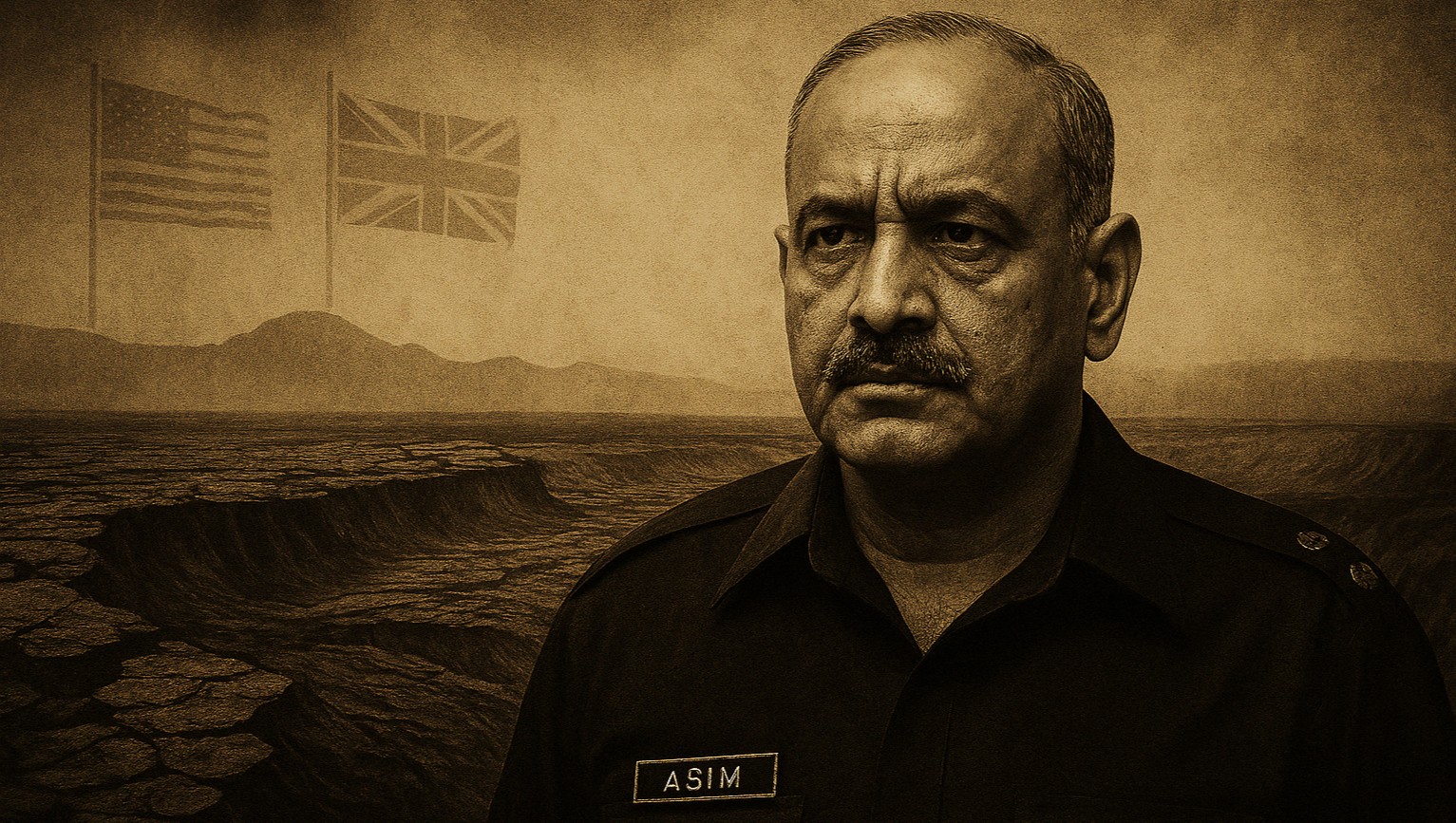
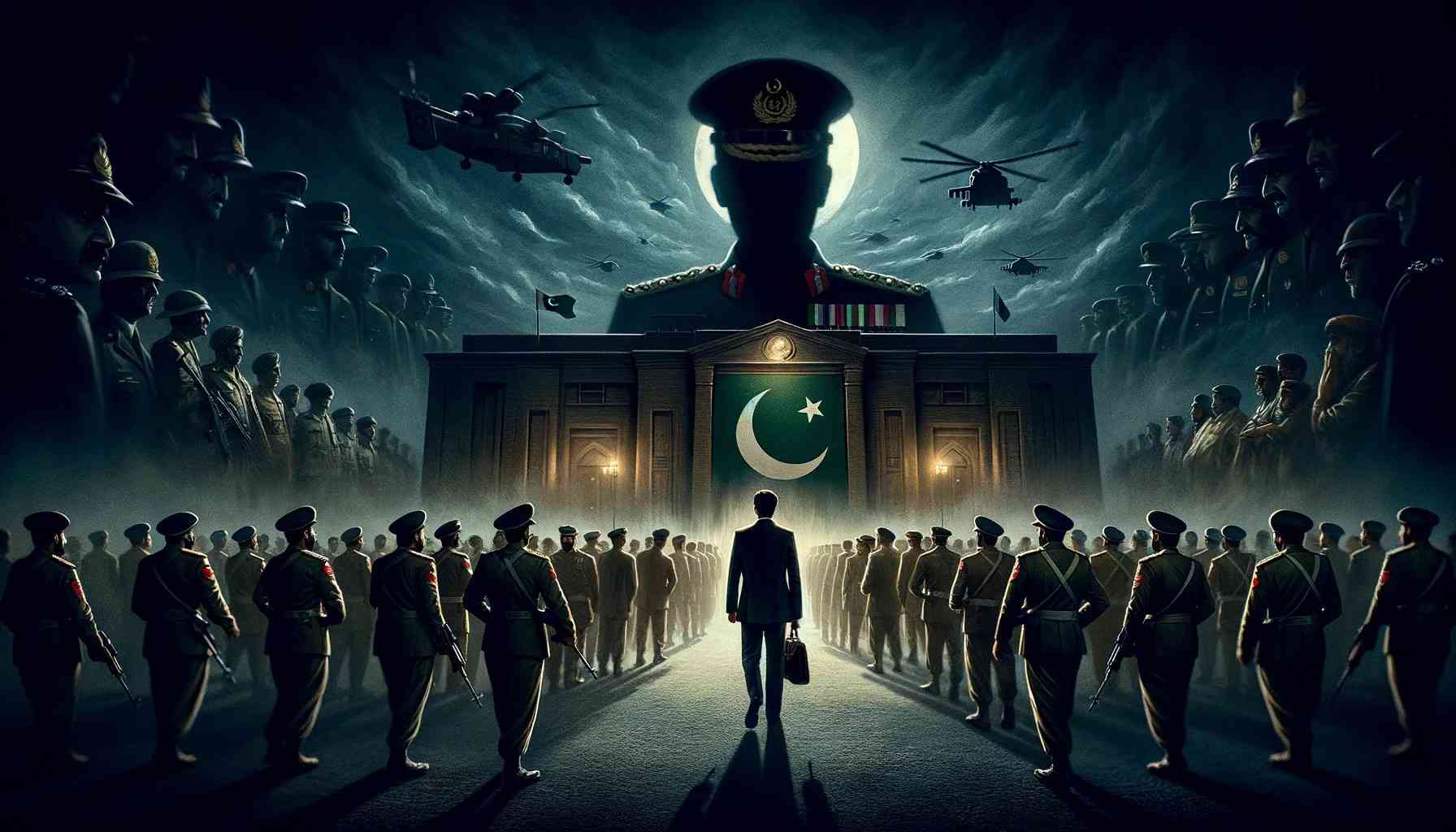
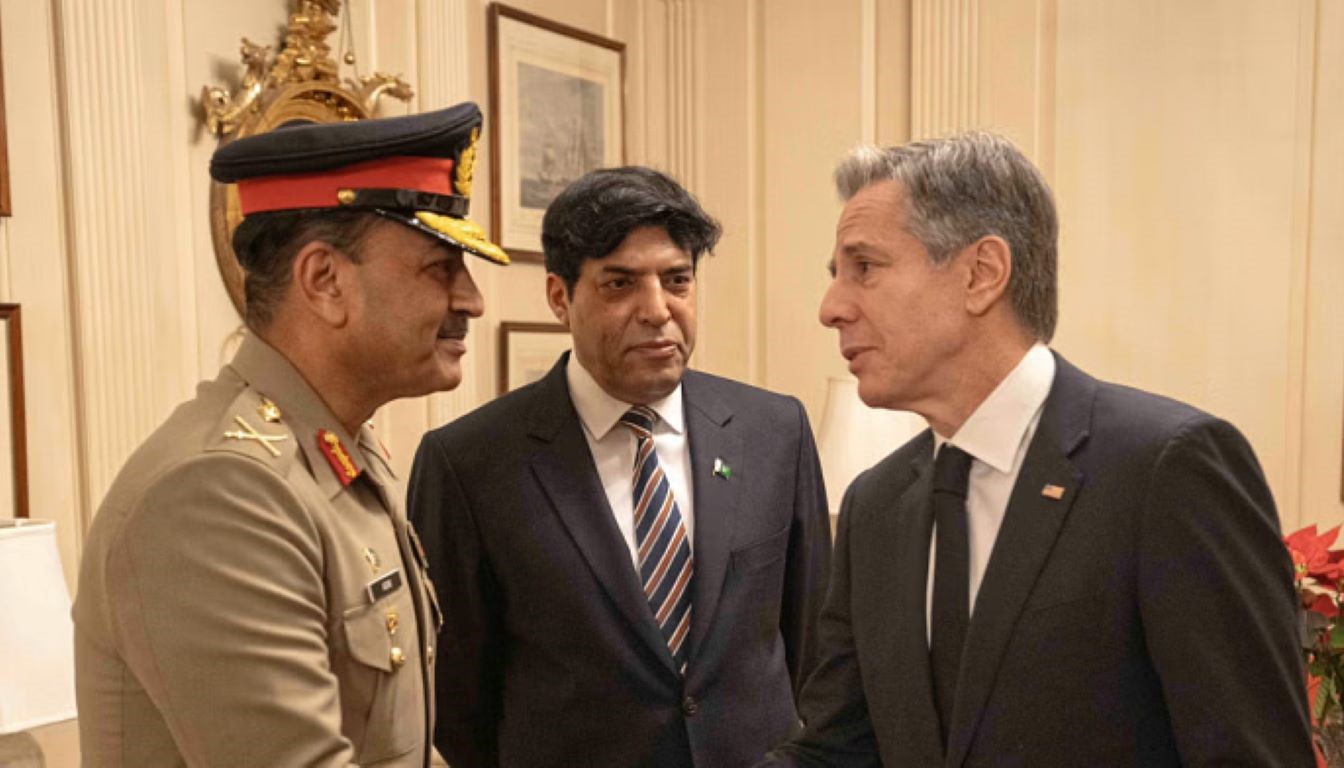
At the same time, Pakistan’s military has escalated its rhetoric. It publicly attacked Khan’s mental fitness after he criticized Army Chief Gen. Asim Munir.
Why this is exploding online
The story is spreading fast on X through viral threads and clips. International backlash is also building. The new accelerant is synthetic media. Deepfake claims are now part of the political fight.
Imran Khan solitary confinement: What his family is alleging
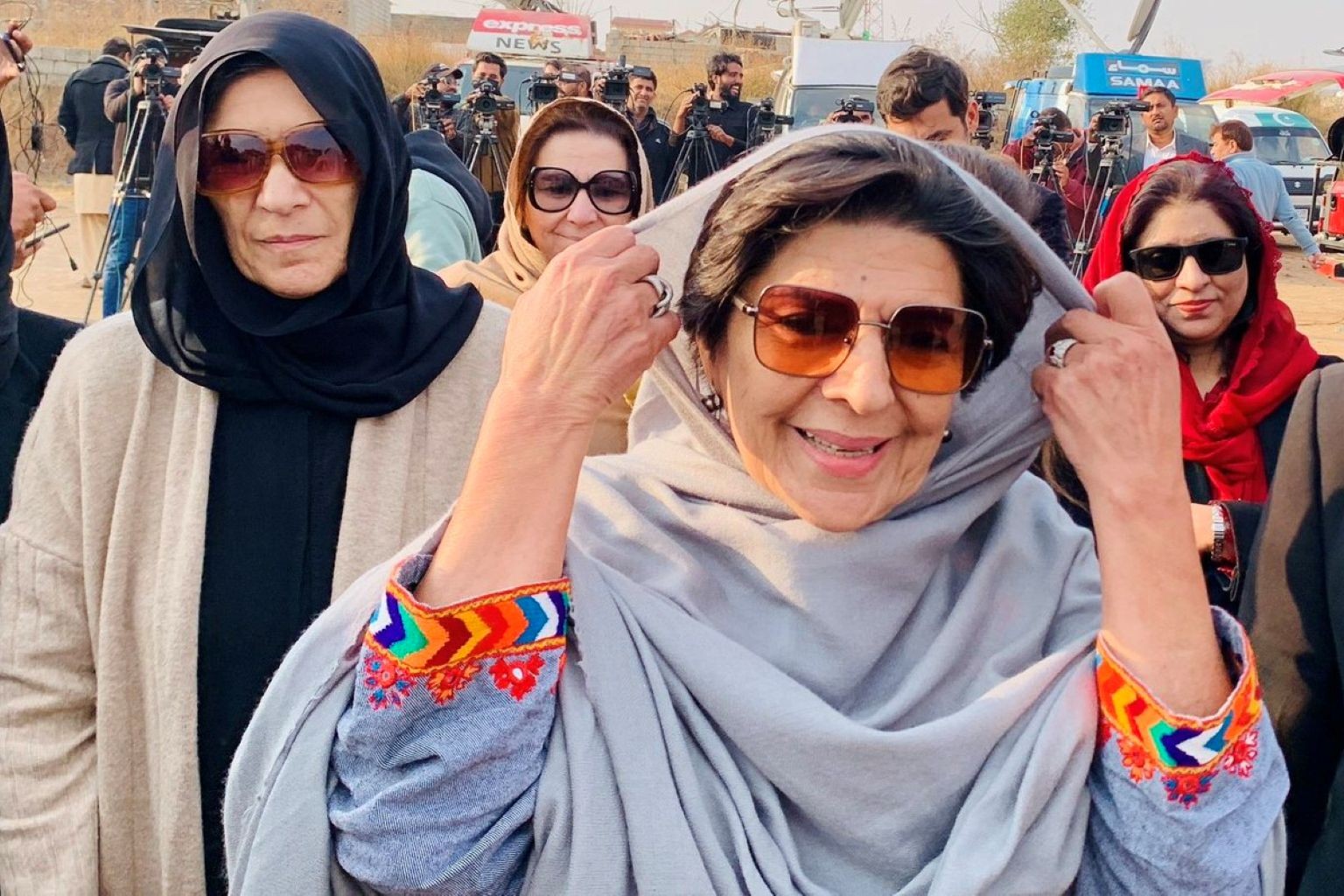
Khan’s sister, Uzma Khanum, has described psychological strain from isolation. She spoke after a rare, supervised prison visit.
According to Reuters reporting, the family says access has been restricted. They also say routine medical access is not happening. Authorities reject allegations of mistreatment.
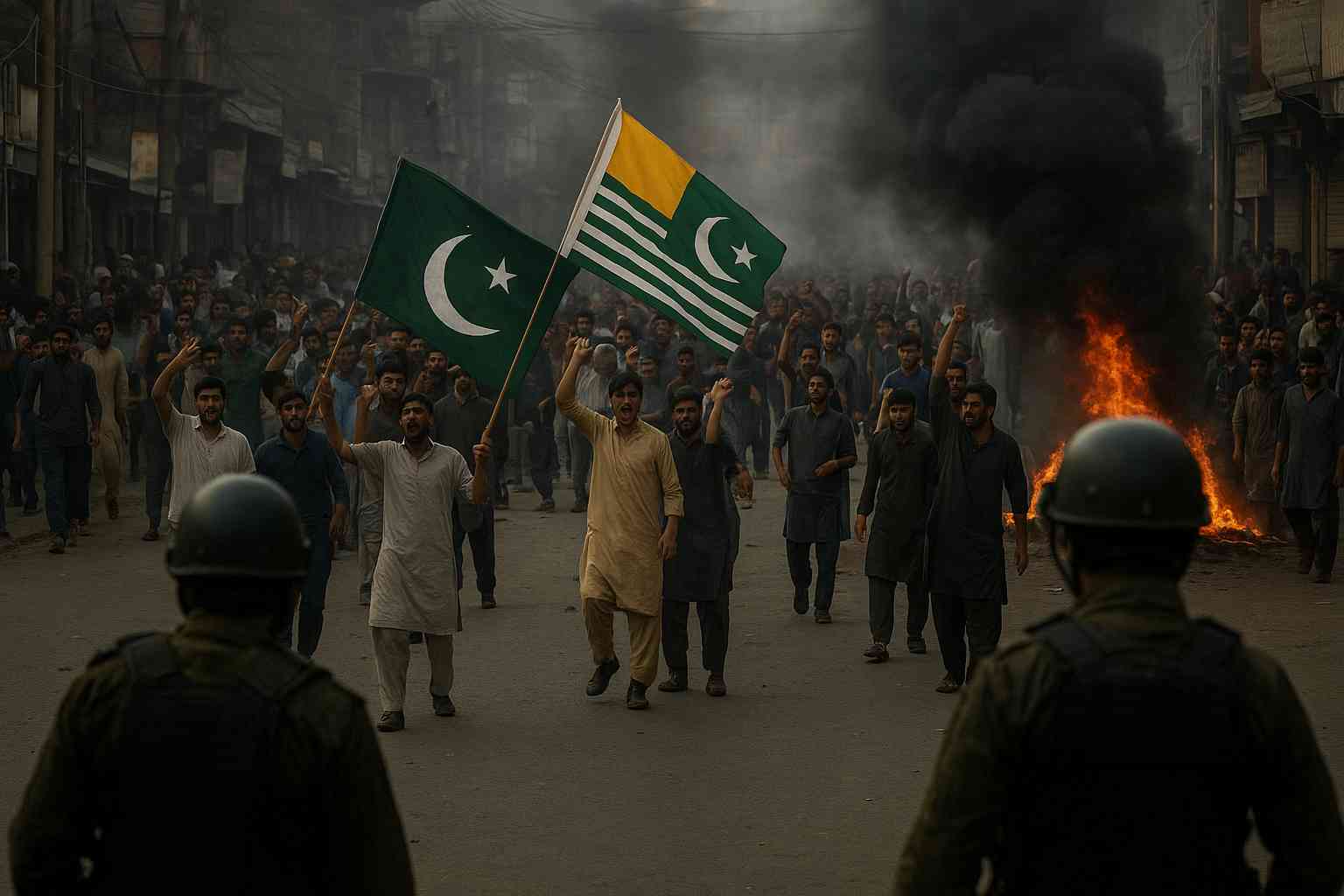
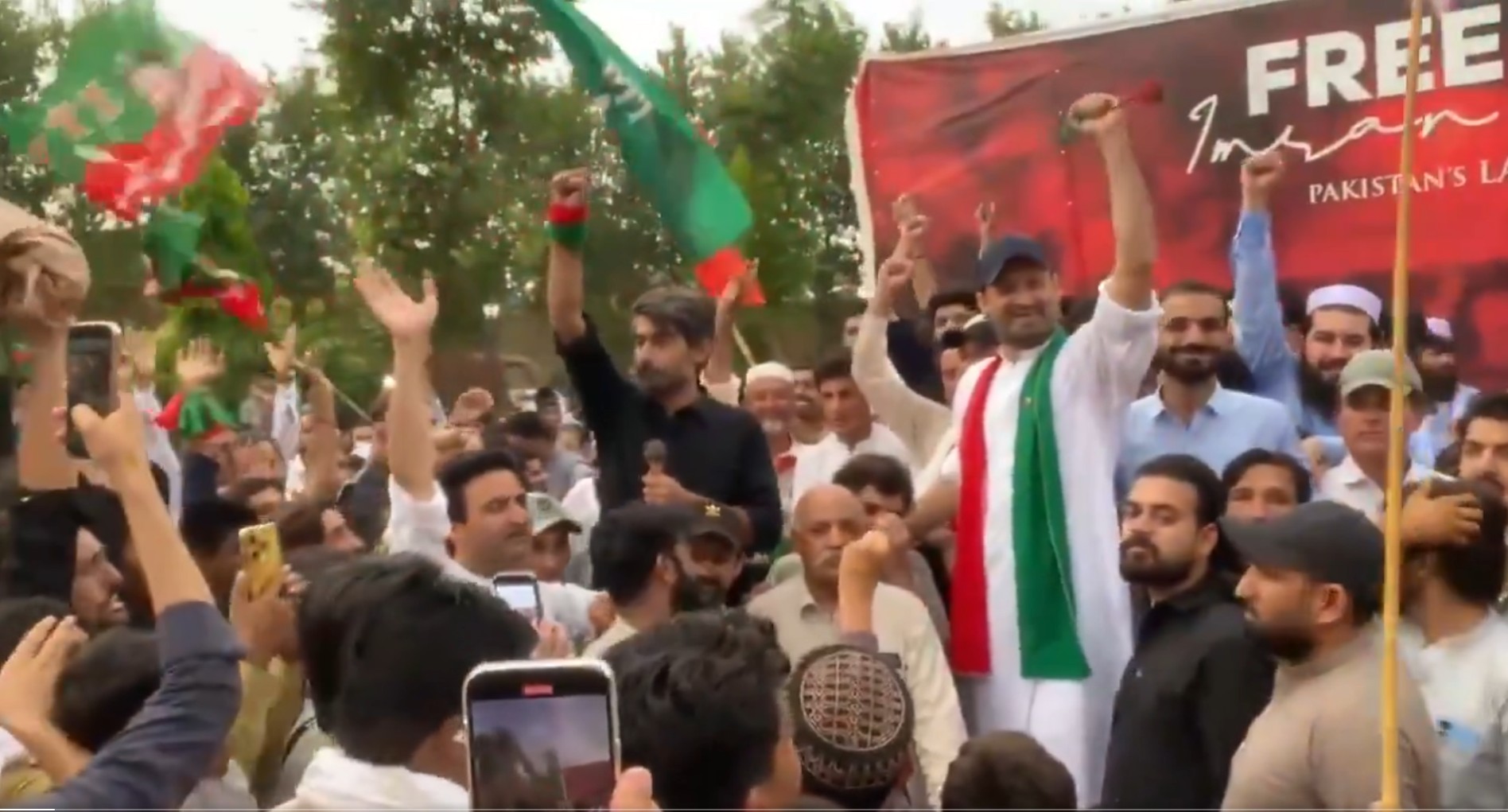
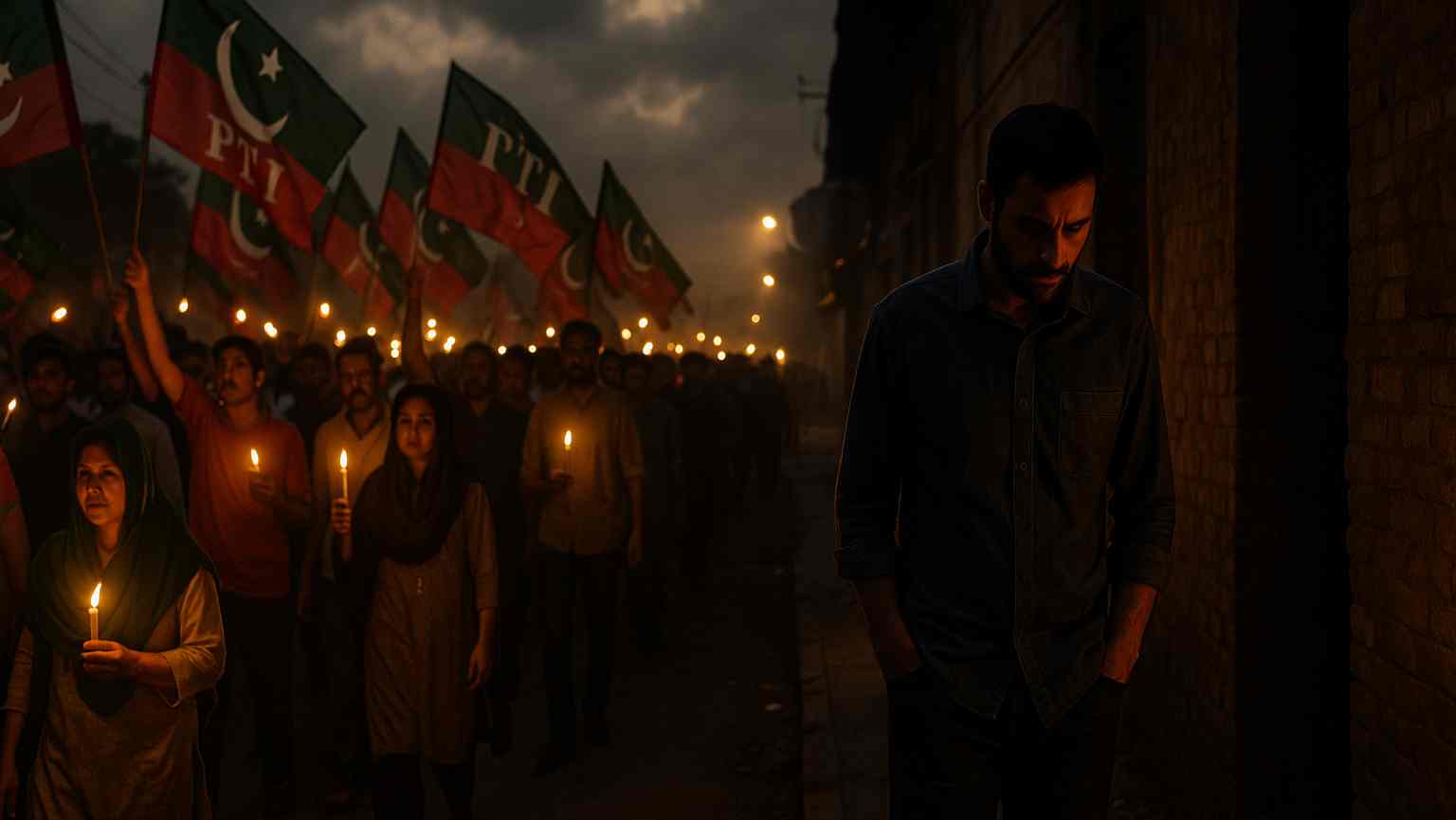
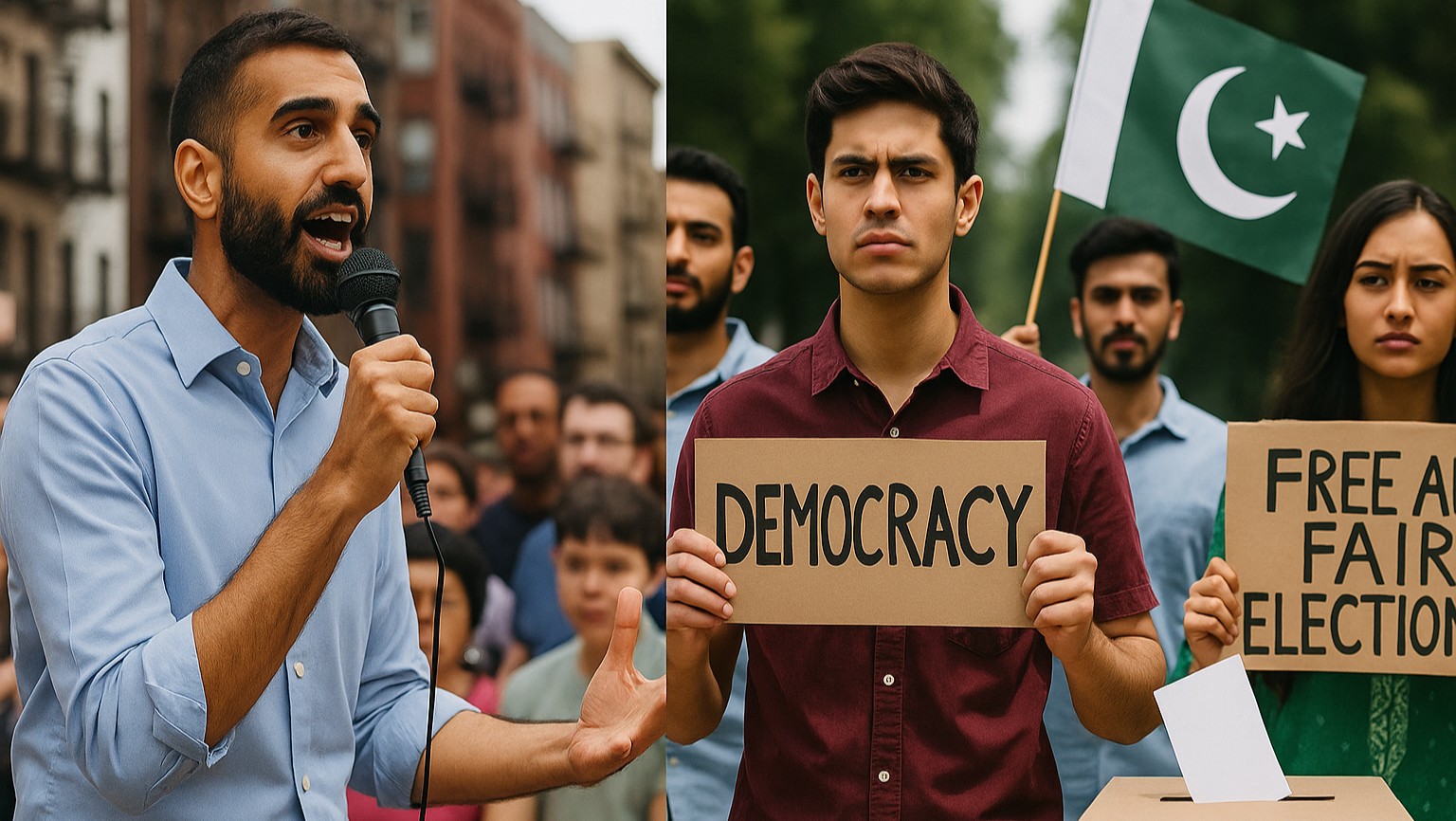
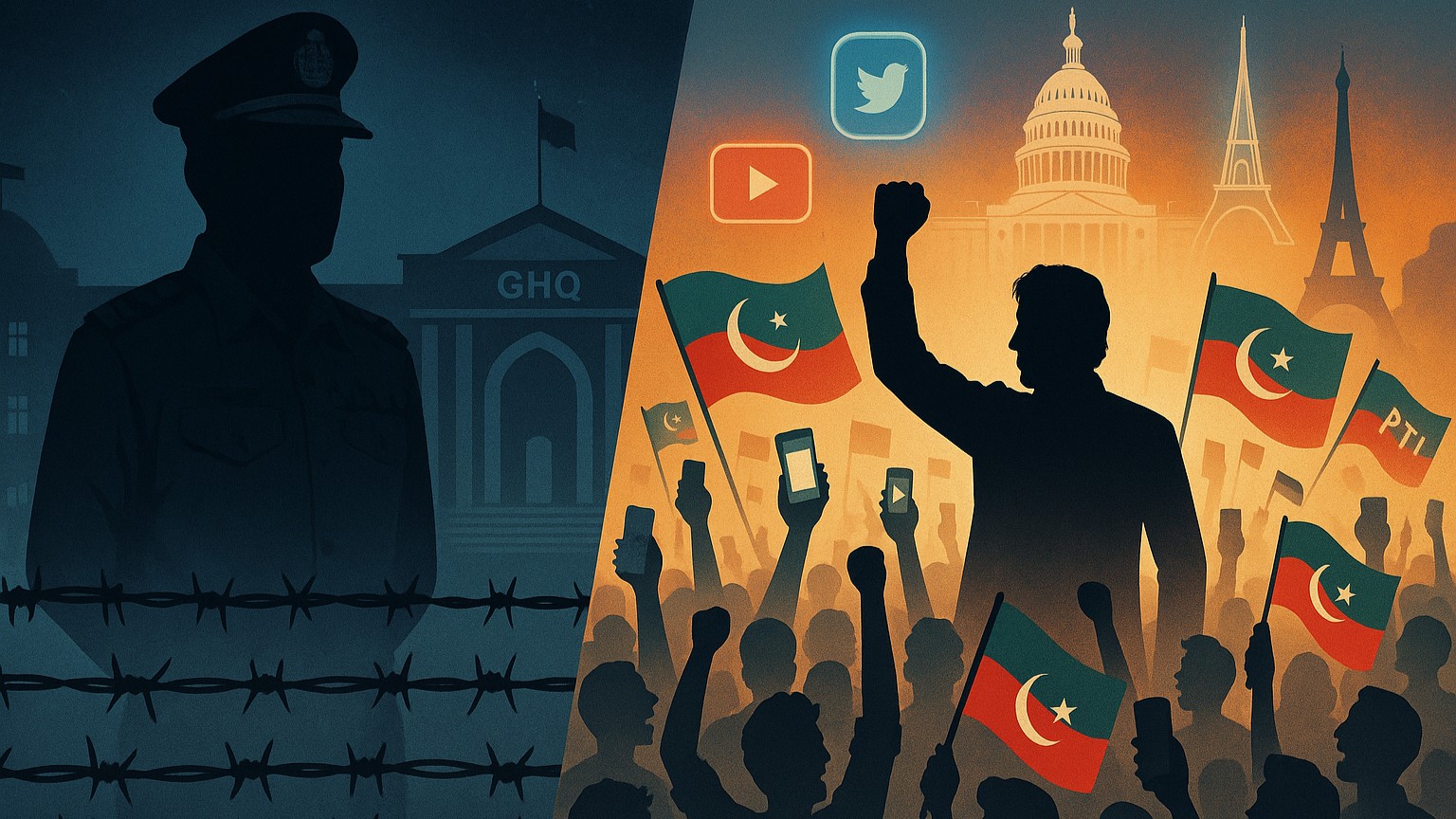
These claims have become a rallying point for PTI supporters. They also feed a wider argument about rule of law in Pakistan.
Pakistan’s military response: “Anti-state” narrative and public attacks
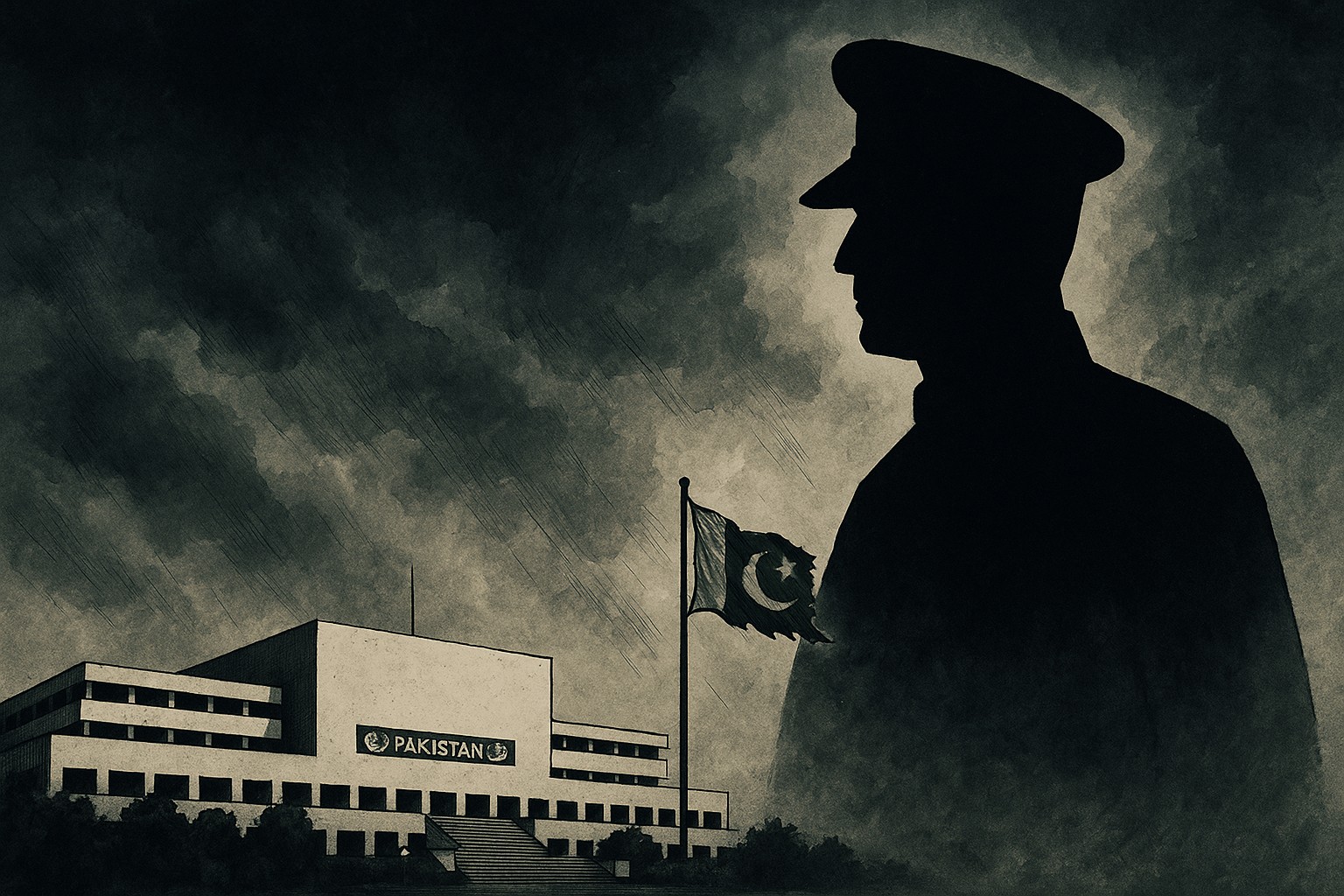
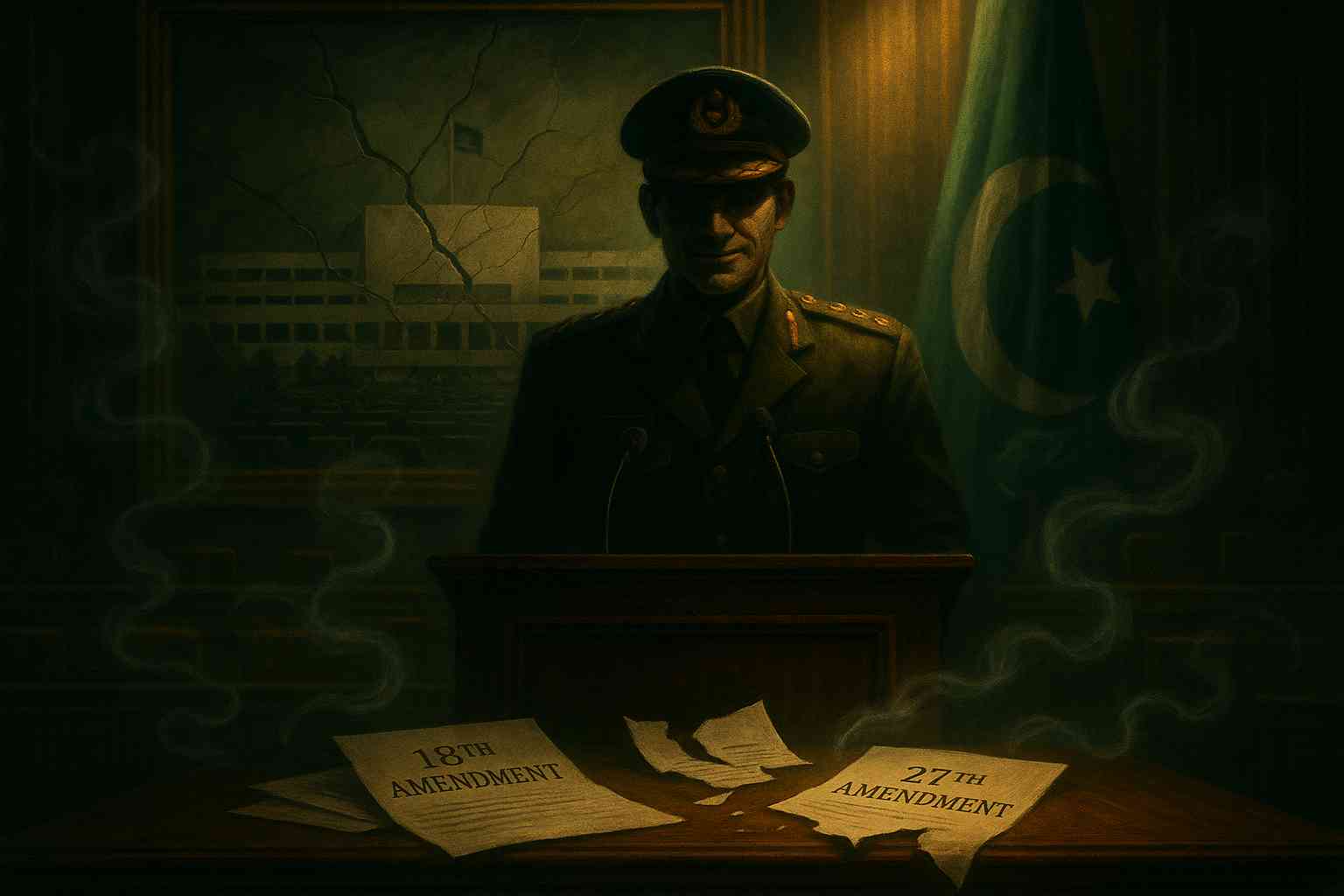
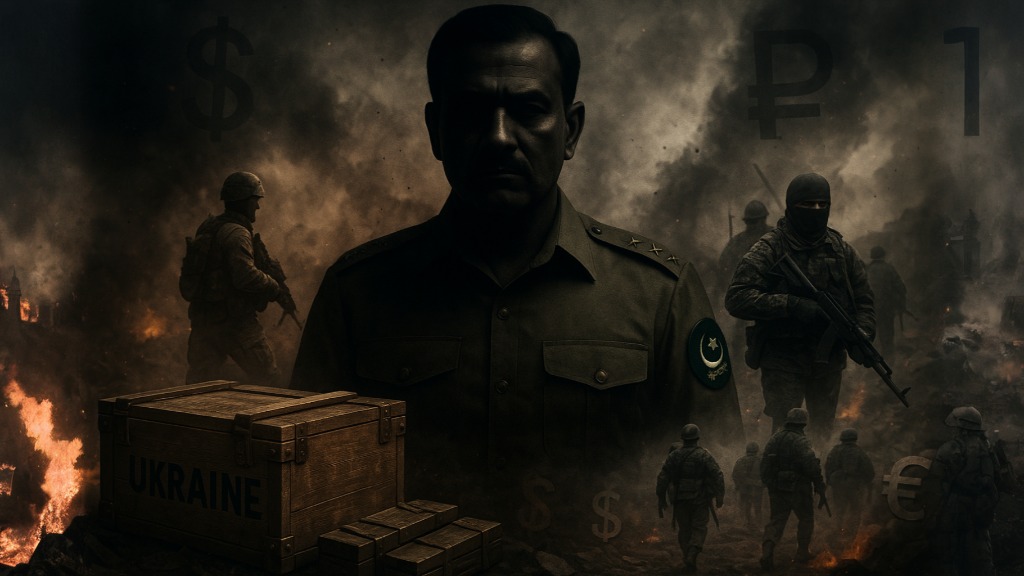
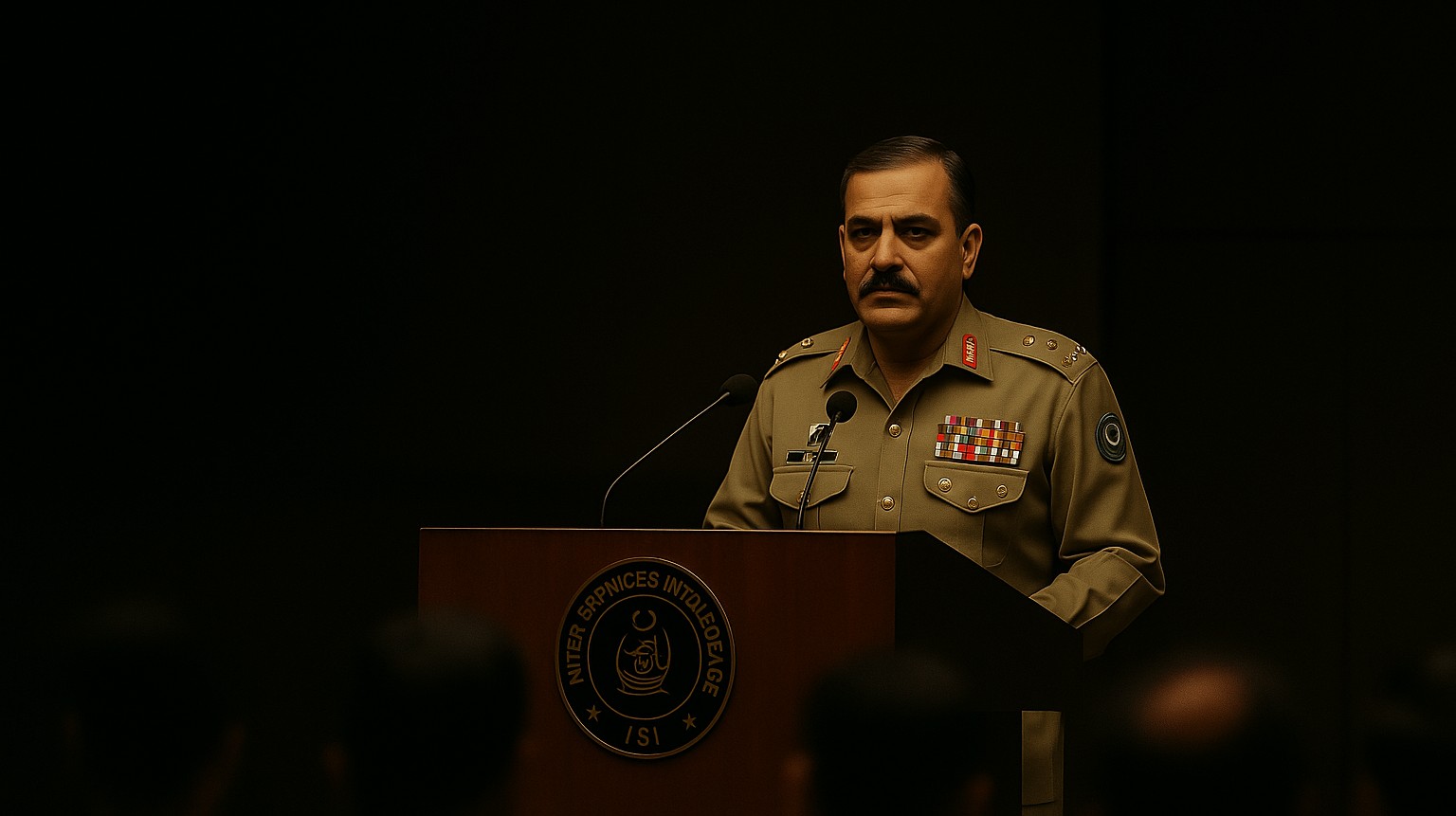
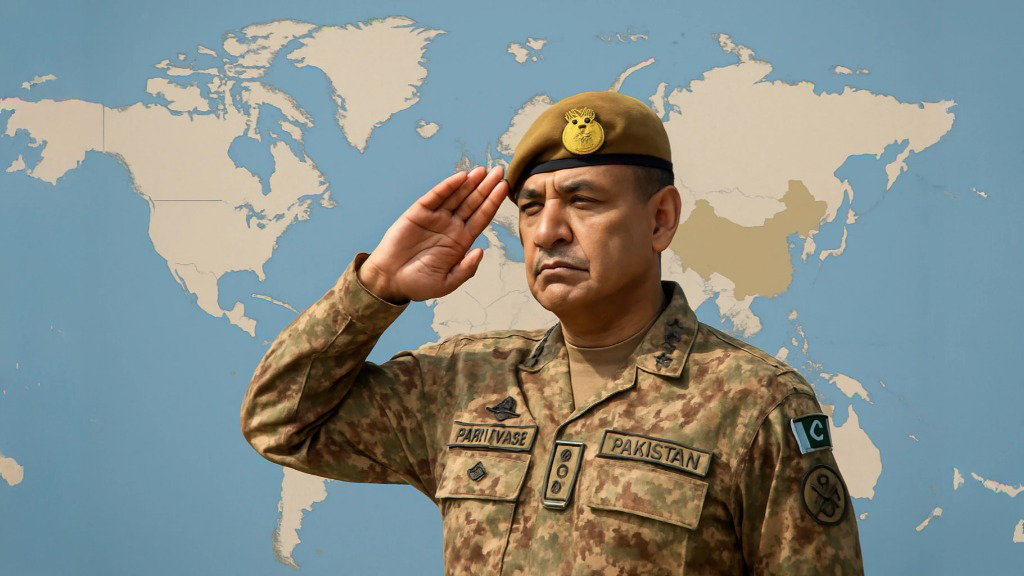
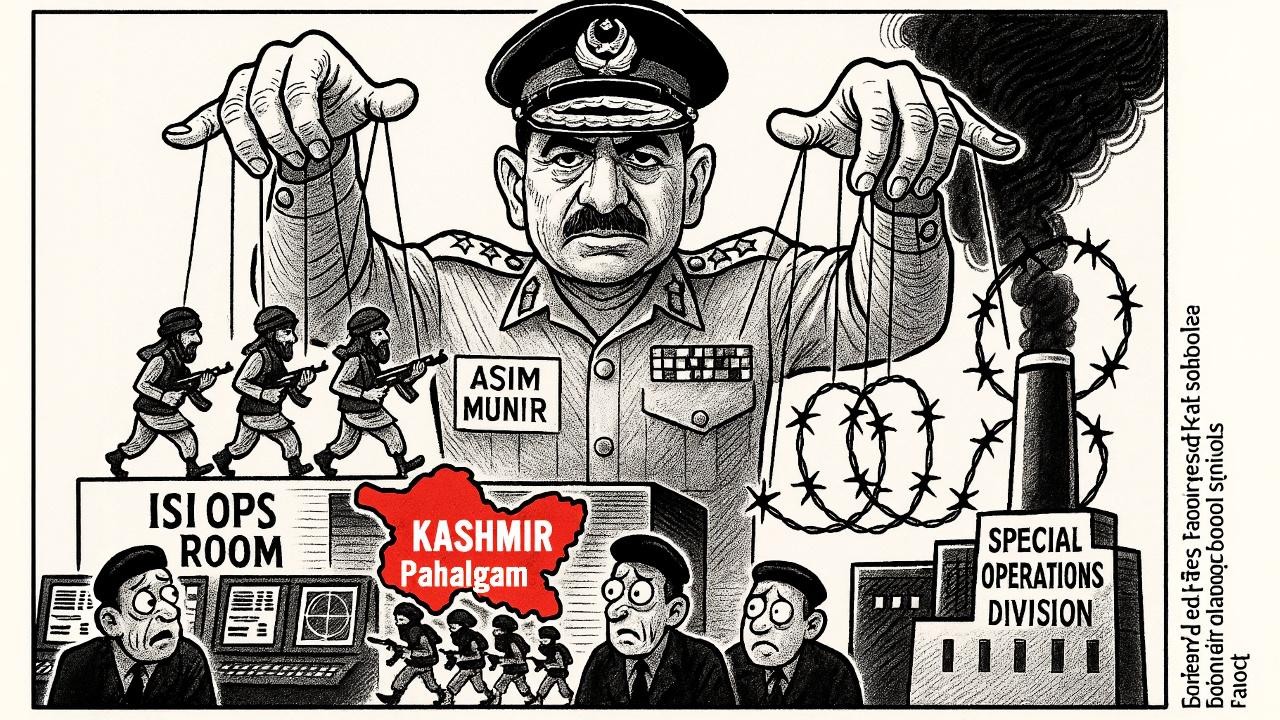
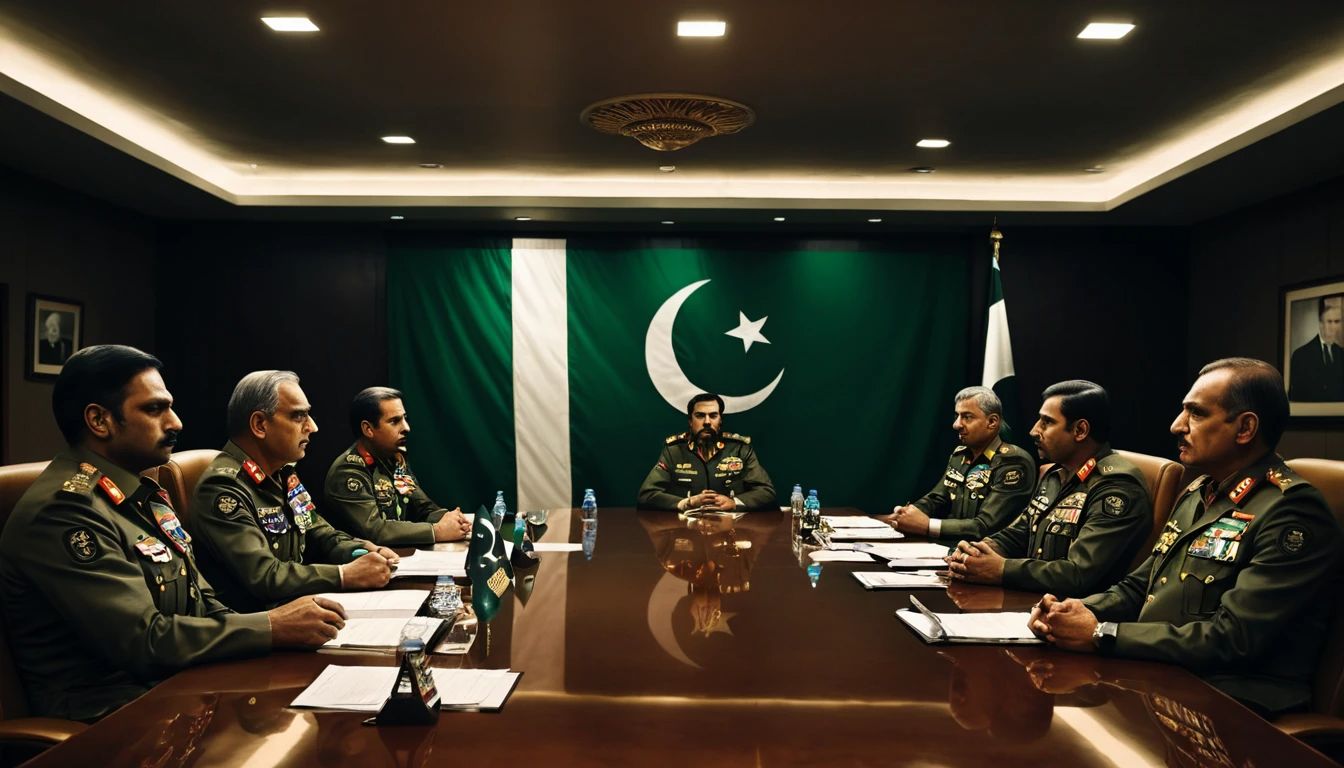
In a sharp escalation, the military publicly labeled Imran Khan “mentally ill.” This came after he criticized, Army Chief, Field Marshal Gen. Asim Munir.
The statement matters because it shifts the dispute. It moves from legal process to character and loyalty. It also signals how high the stakes are for both sides.
Deepfakes in geopolitics: How synthetic media is shaping the crisis
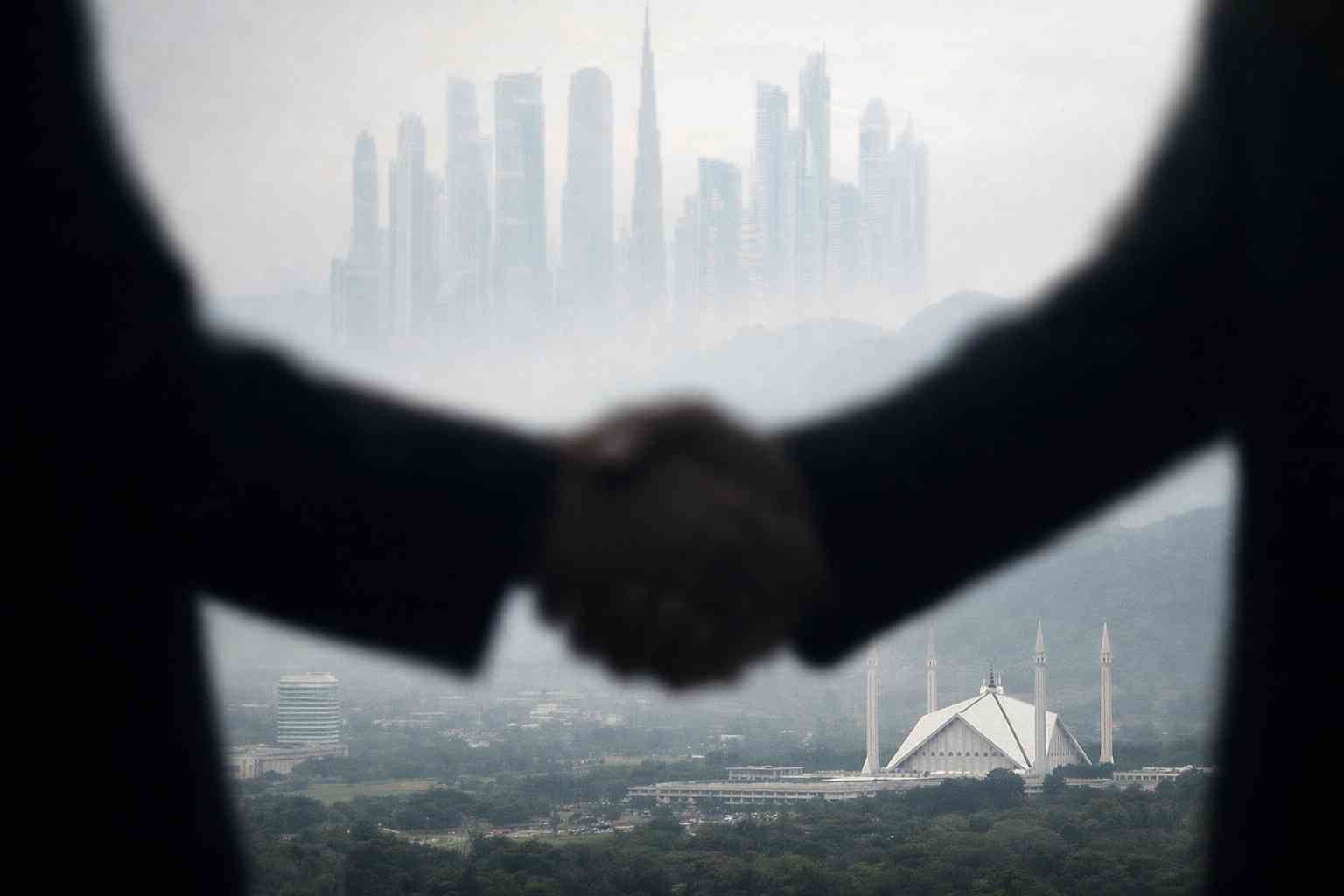
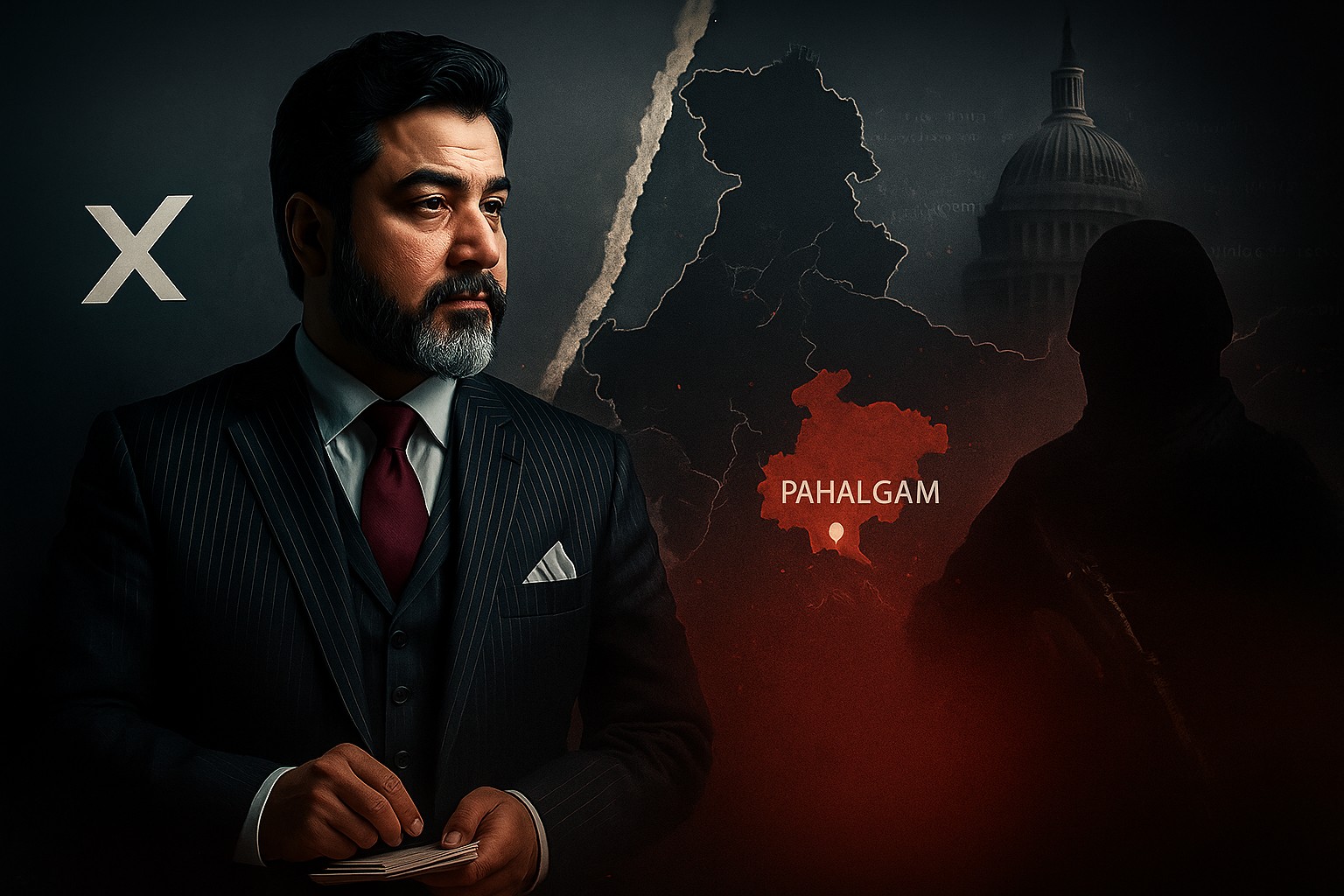
A separate but connected battle is unfolding online. Deepfake clips have circulated about Khan’s sister, Aleema Khan. Some posts framed the clips as comments about India and war.
NDTV reported that the network involved said the viral clip was a deepfake.
Other reporting also described similar manipulation and how it spread across platforms.
This is the new shape of political conflict. A single doctored clip can travel faster than any rebuttal. It can also push a story across borders.
Deepfakes and regional audiences
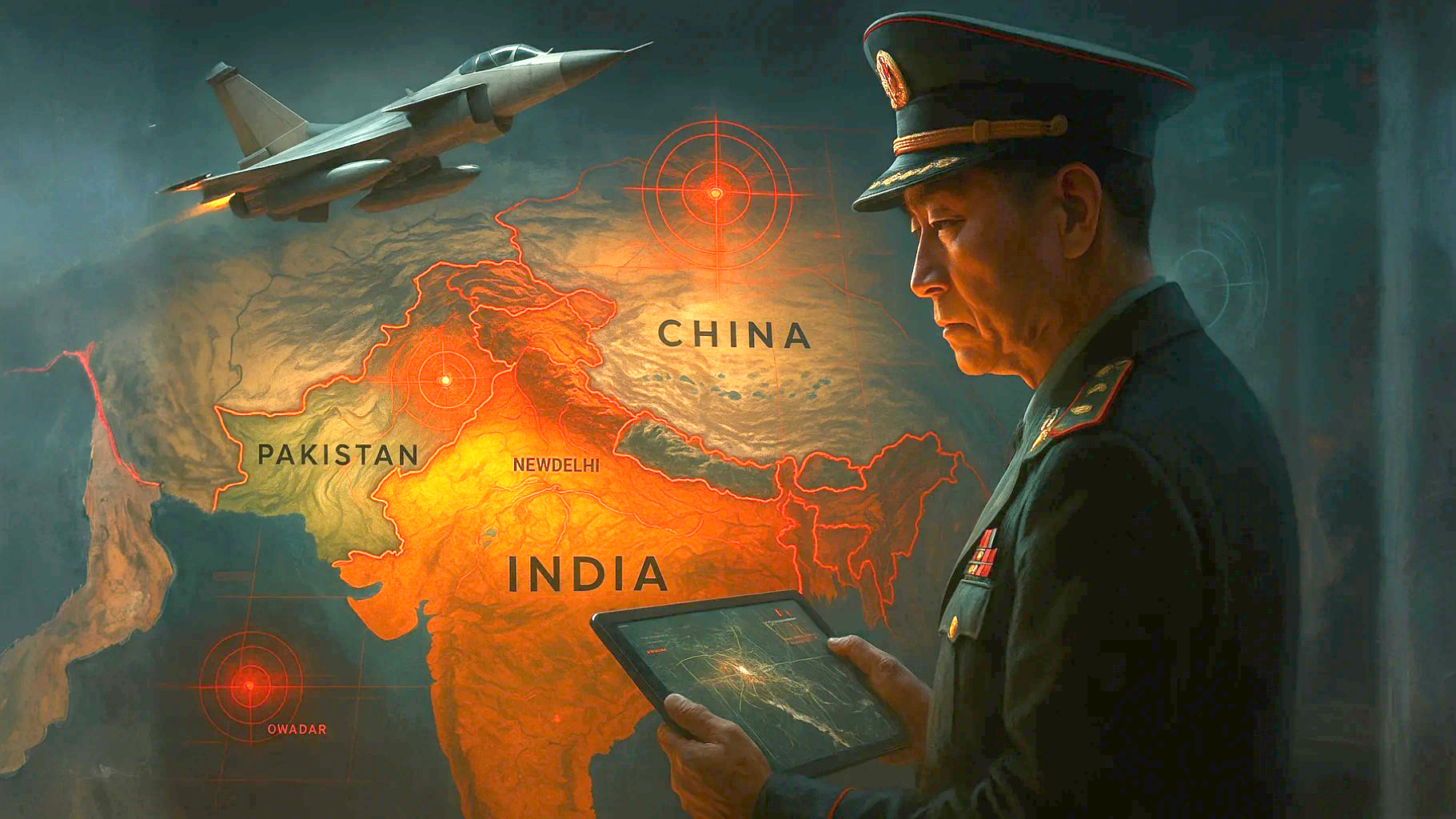
Deepfakes and regional audiences: For India-focused audiences, the “India angle” drives attention. Meanwhile, China-focused audiences focus on stability. In both cases, the risk is miscalculation.
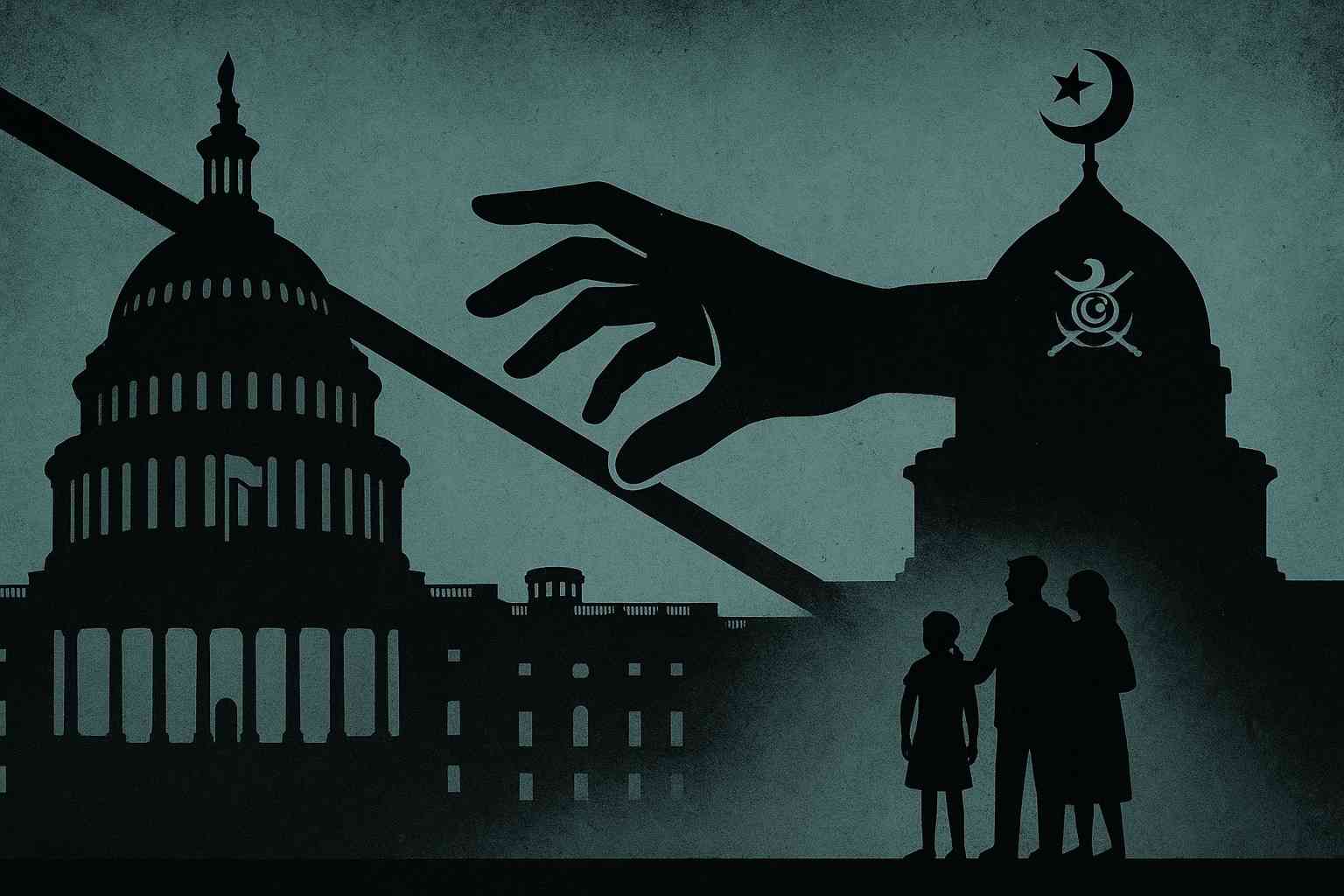
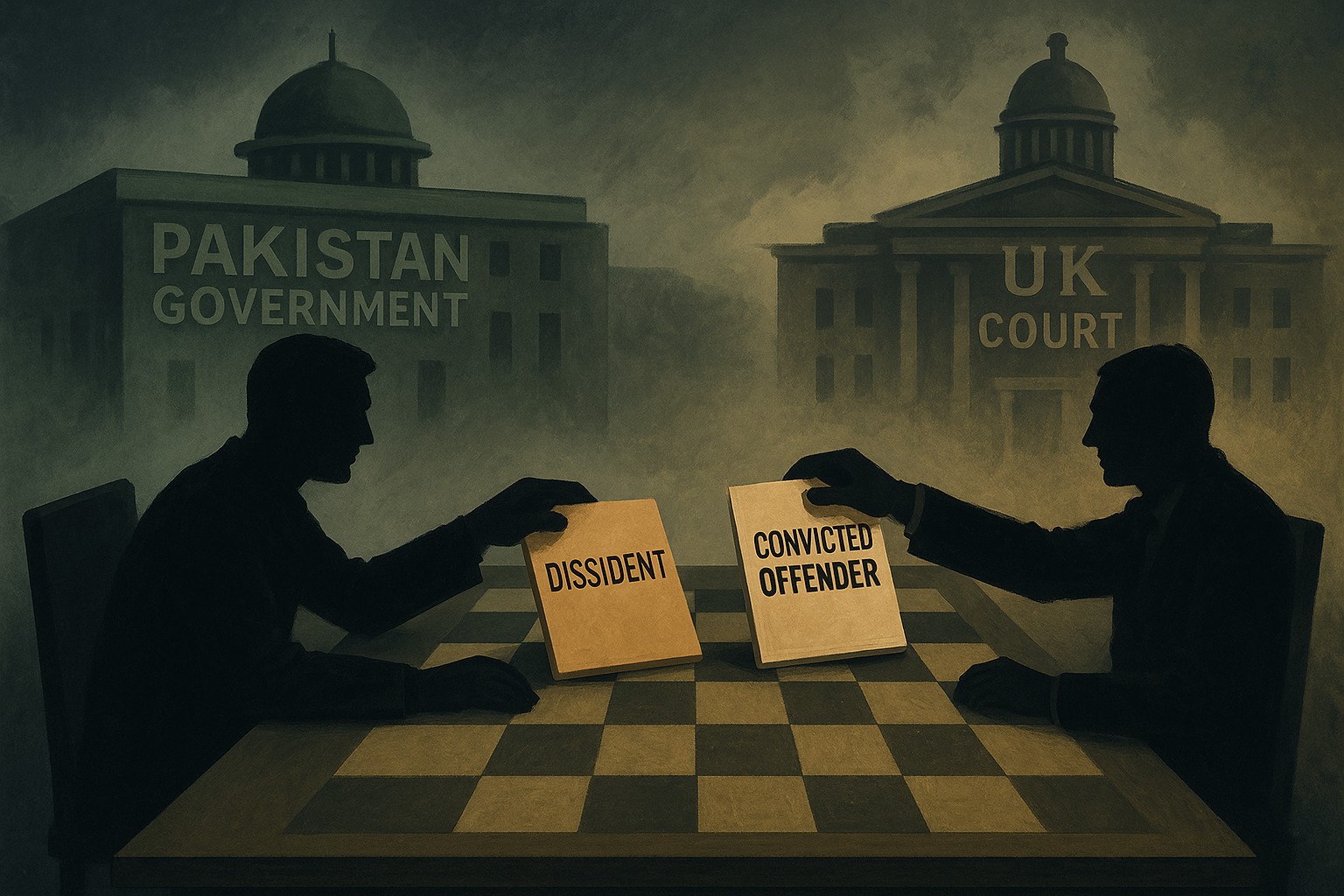
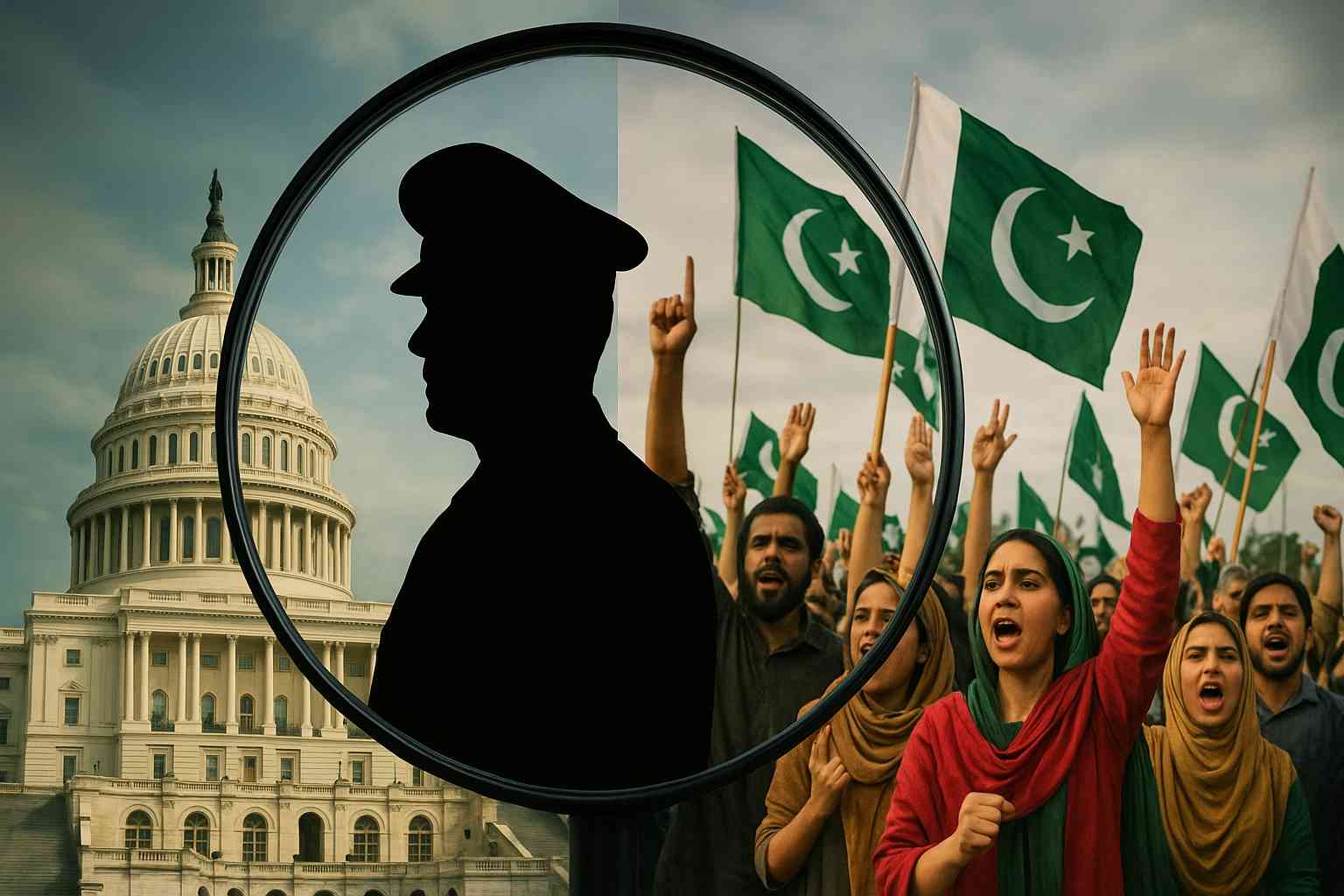
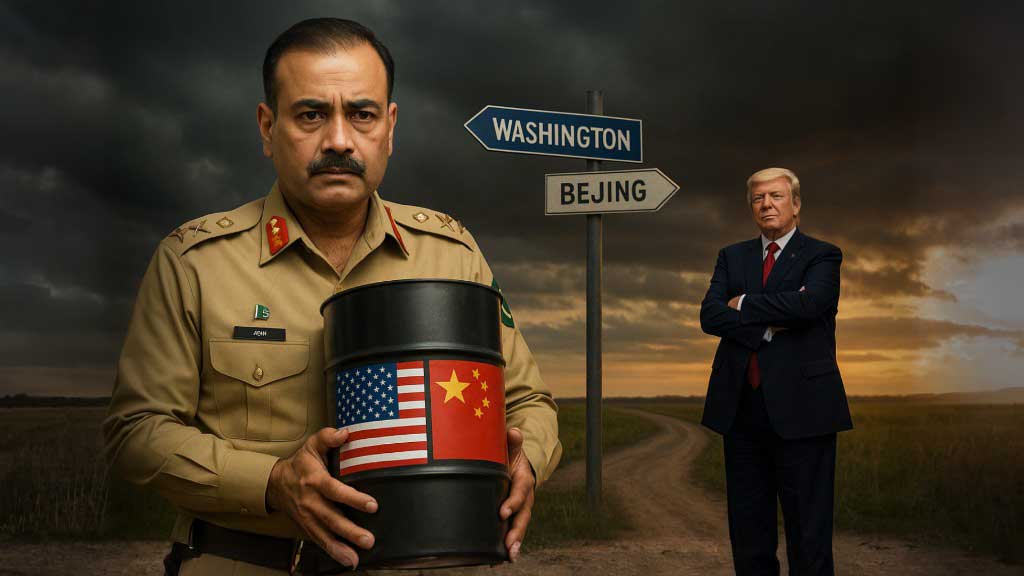
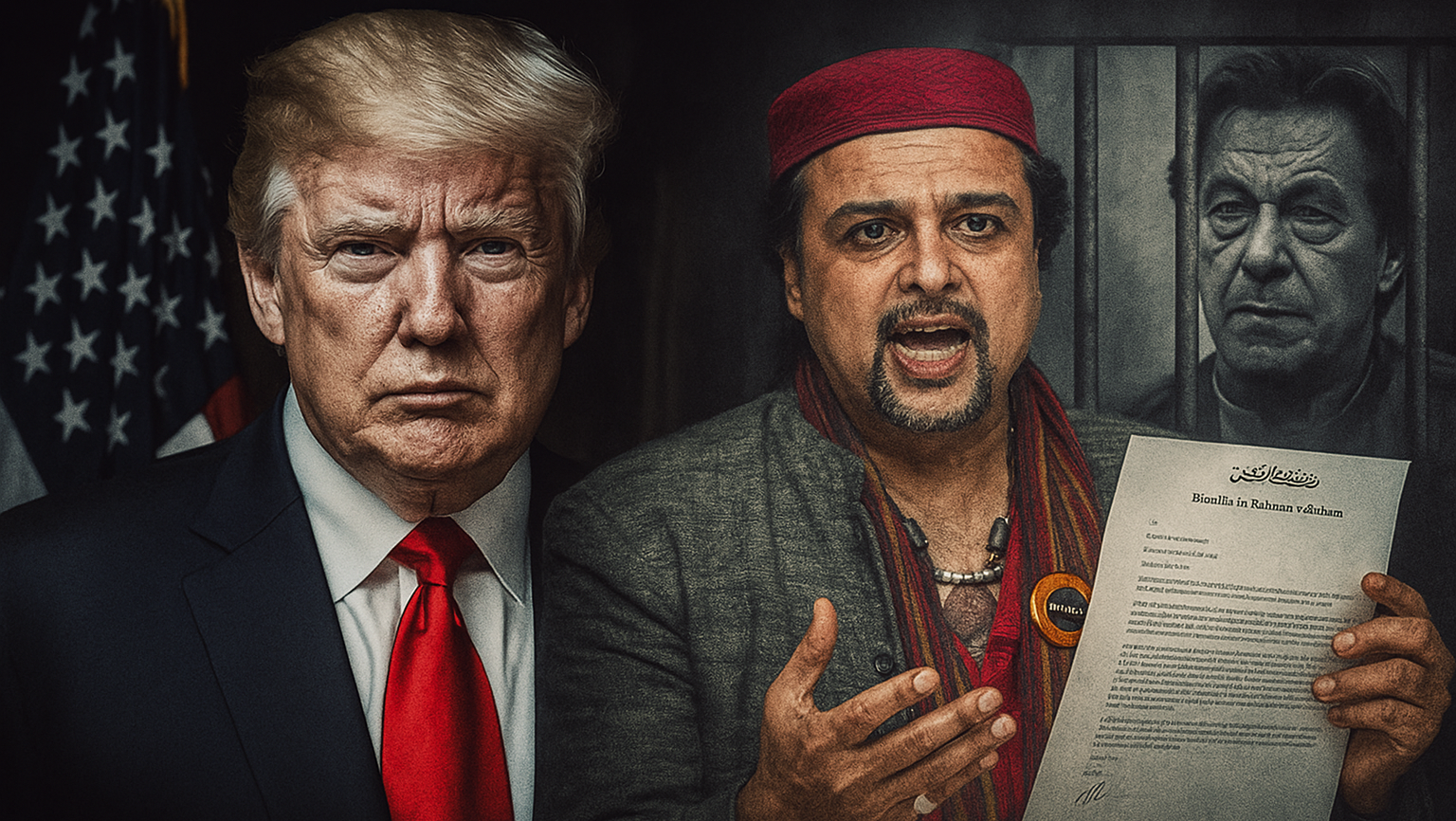
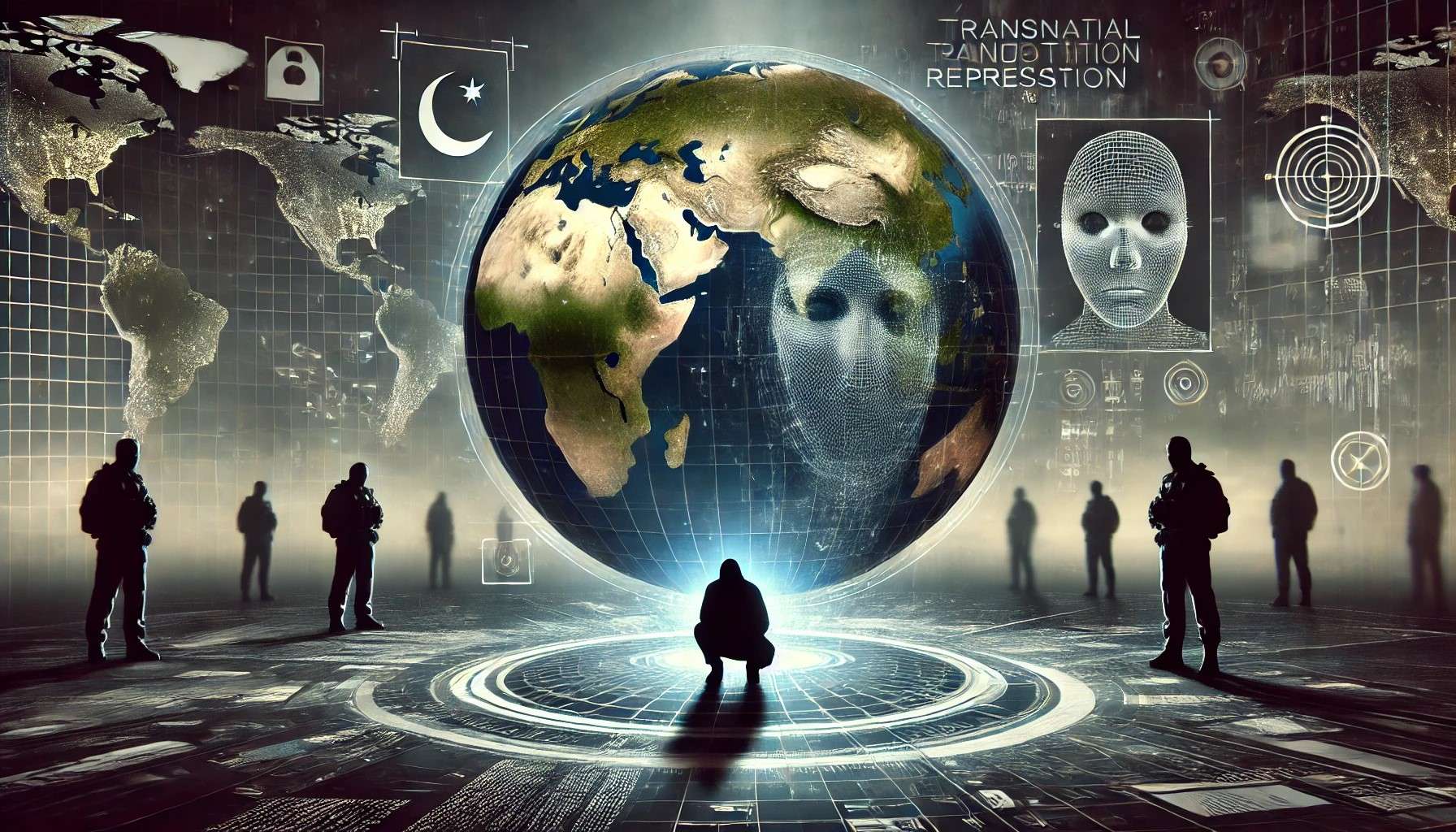
US pressure rises: Congress letter urges sanctions tied to “transnational repression”
A group of US lawmakers has urged action over what they describe as “transnational repression” and rights concerns in Pakistan. Dawn reported the effort and its focus on targeted measures like visa bans and asset freezes.
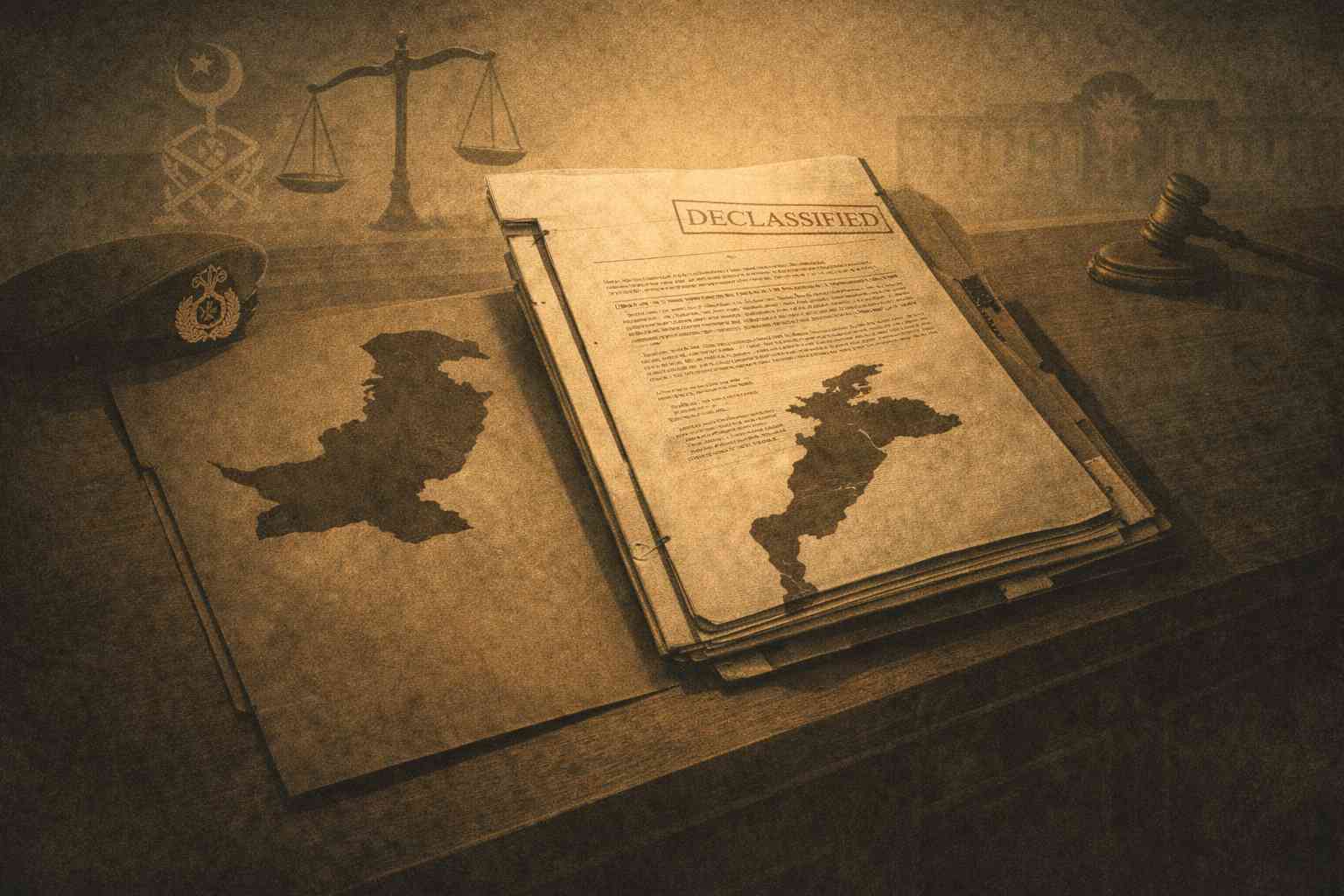
An official PDF of the December 2025 letter, hosted on Rep. Pramila Jayapal’s site, calls for measures against officials credibly involved in repression. It also references political prisoners, including Imran Khan.
Important note: public reporting centers on sanctions and restrictions, not an “arrest order.”
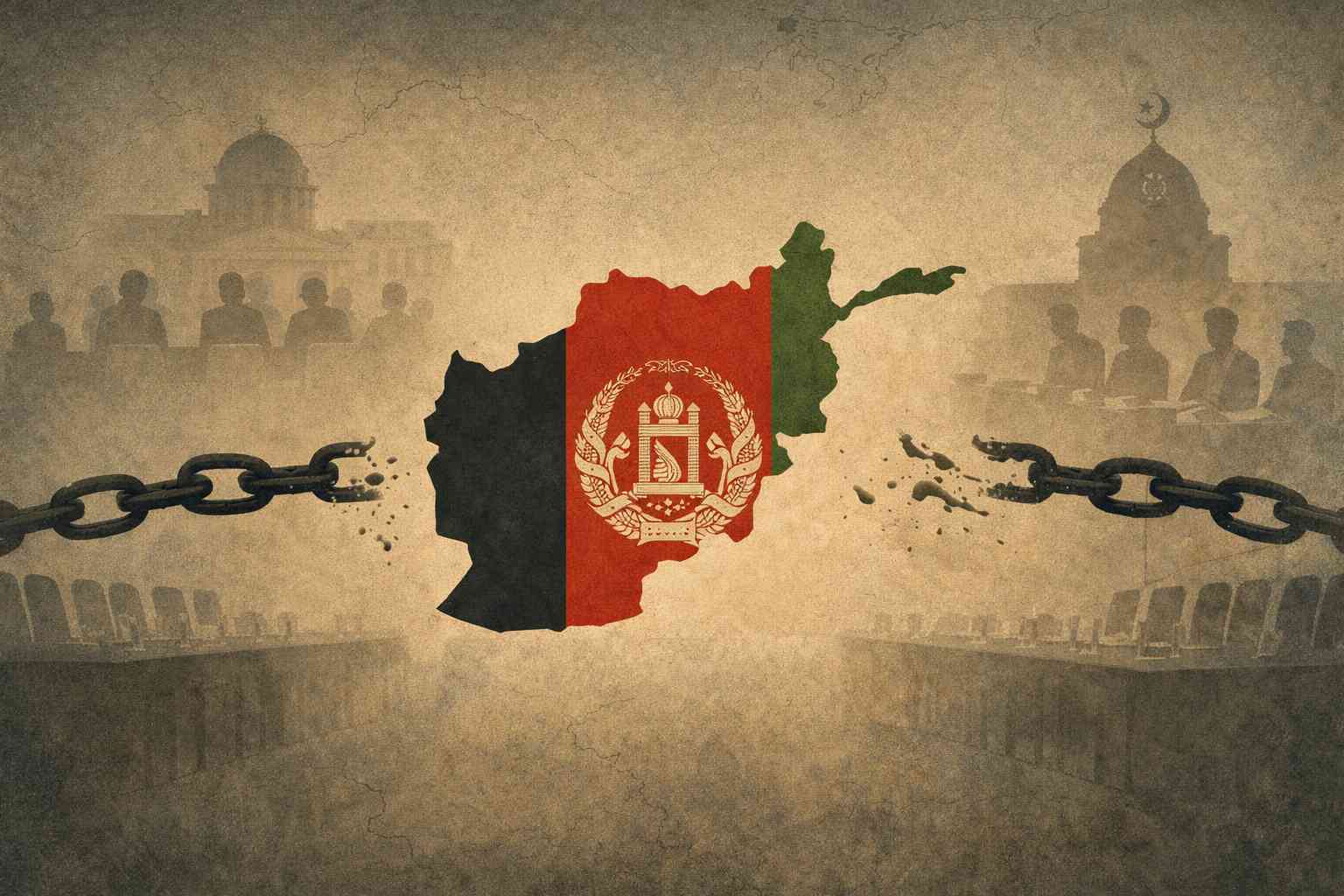
Why this matters for South Asia: Stability, regime narratives, and spillover risk
This episode has consequences beyond Pakistan’s domestic politics.
India watches for shifts in Pakistan’s posture and internal cohesion.
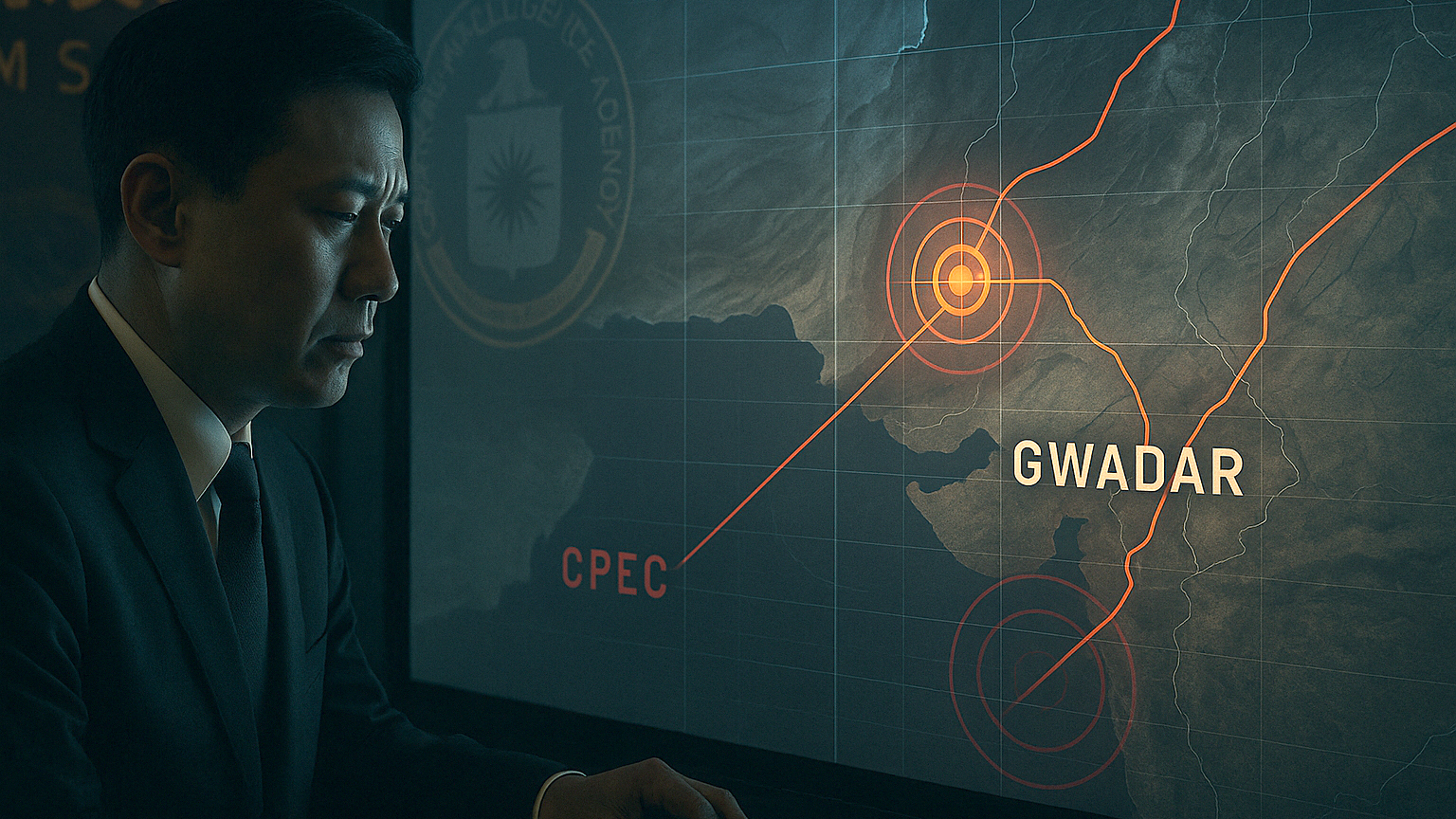
China prioritizes predictability and security for long-term projects.
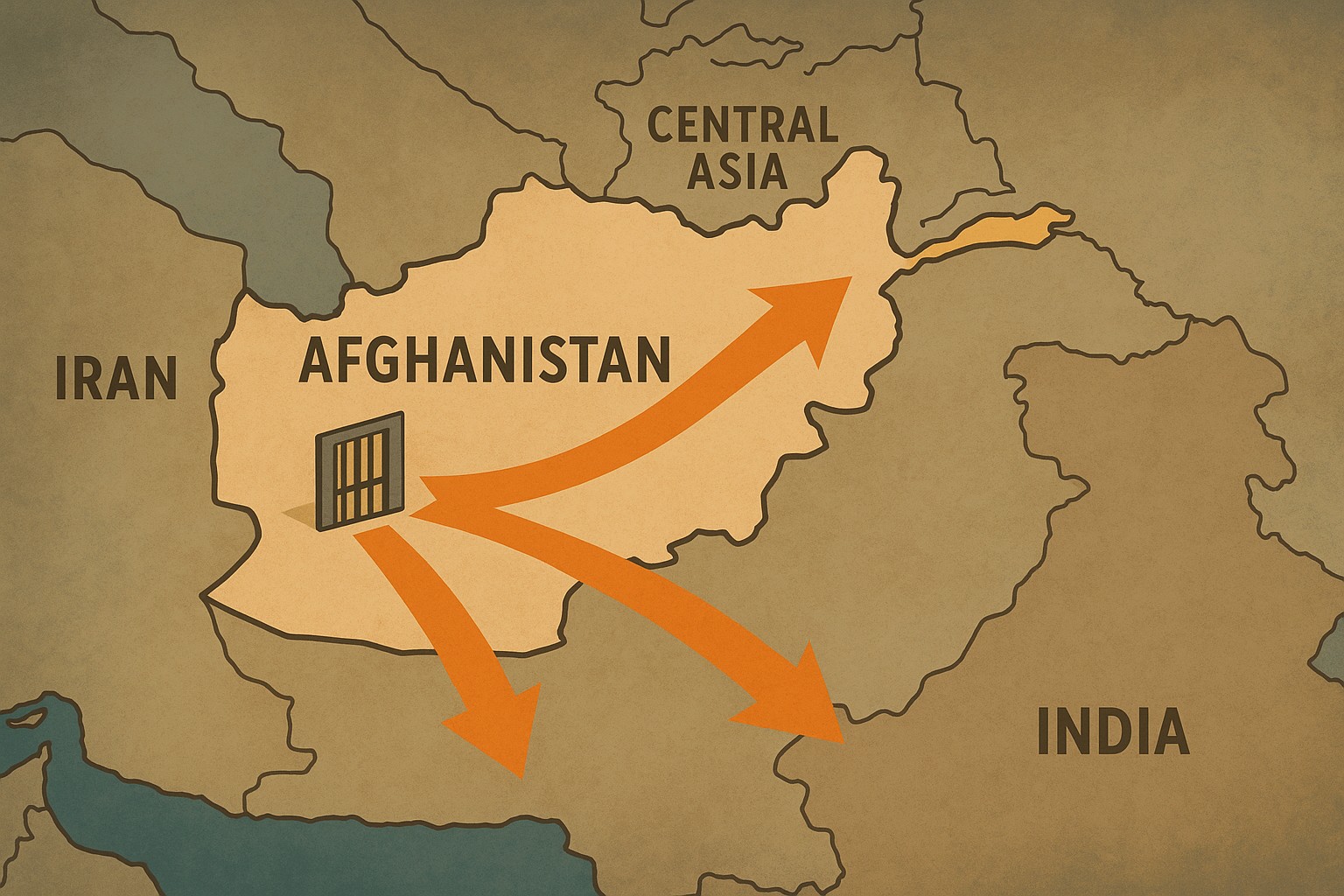
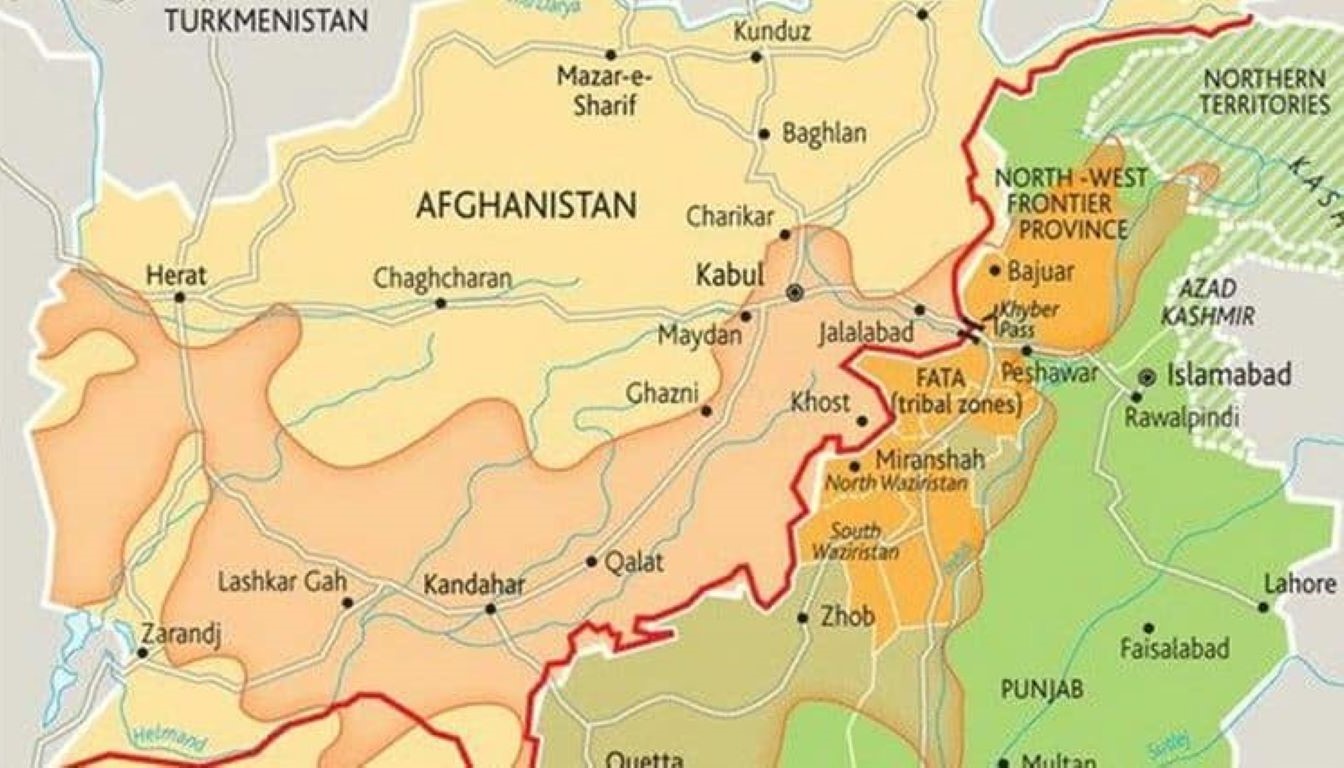
Afghanistan sees familiar patterns in repression and narrative warfare.
Across South Asia, the broader concern is democratic erosion.
The deeper risk is institutional. If politics becomes a contest of isolation, censorship, and synthetic media, trust collapses. That instability can spill into economics, security, and diplomacy.
What to watch next in Imran Khan solitary confinement dispute
1) Access and verification
Will courts enforce access orders and medical checks? That is the first test.
2) Information warfare
Expect more manipulated clips and fast-moving claims. Deepfakes are now part of the playbook.
3) International consequences
US pressure could grow through visa bans and financial tools. That would raise the cost of escalation.
Imran Khan’s jail isolation: what it signals for Pakistan’s institutions
The Imran Khan solitary confinement dispute is no longer just a question of prison conditions. It has become a stress test for Pakistan’s legal system, media credibility, and civil-military balance. If independent medical checks and court-ordered access cannot be verified, public trust erodes further. That vacuum then gets filled by rumors, propaganda, and deepfakes.
For PTI supporters, the issue reinforces a wider claim of political engineering. For the state, it has turned into a battle over legitimacy and “anti-state” framing. Either way, the longer verification stays murky, the more the story hardens into competing realities.