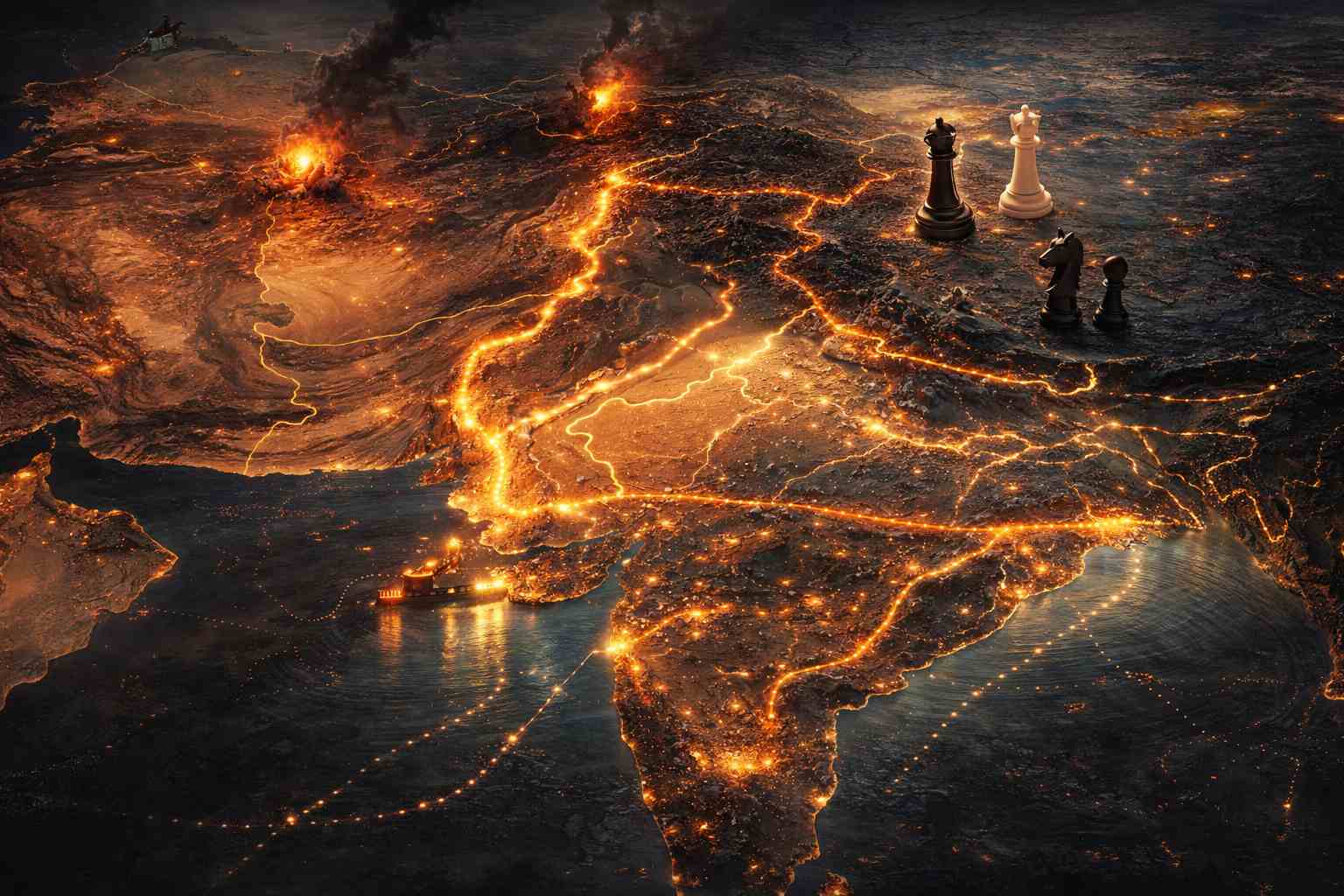
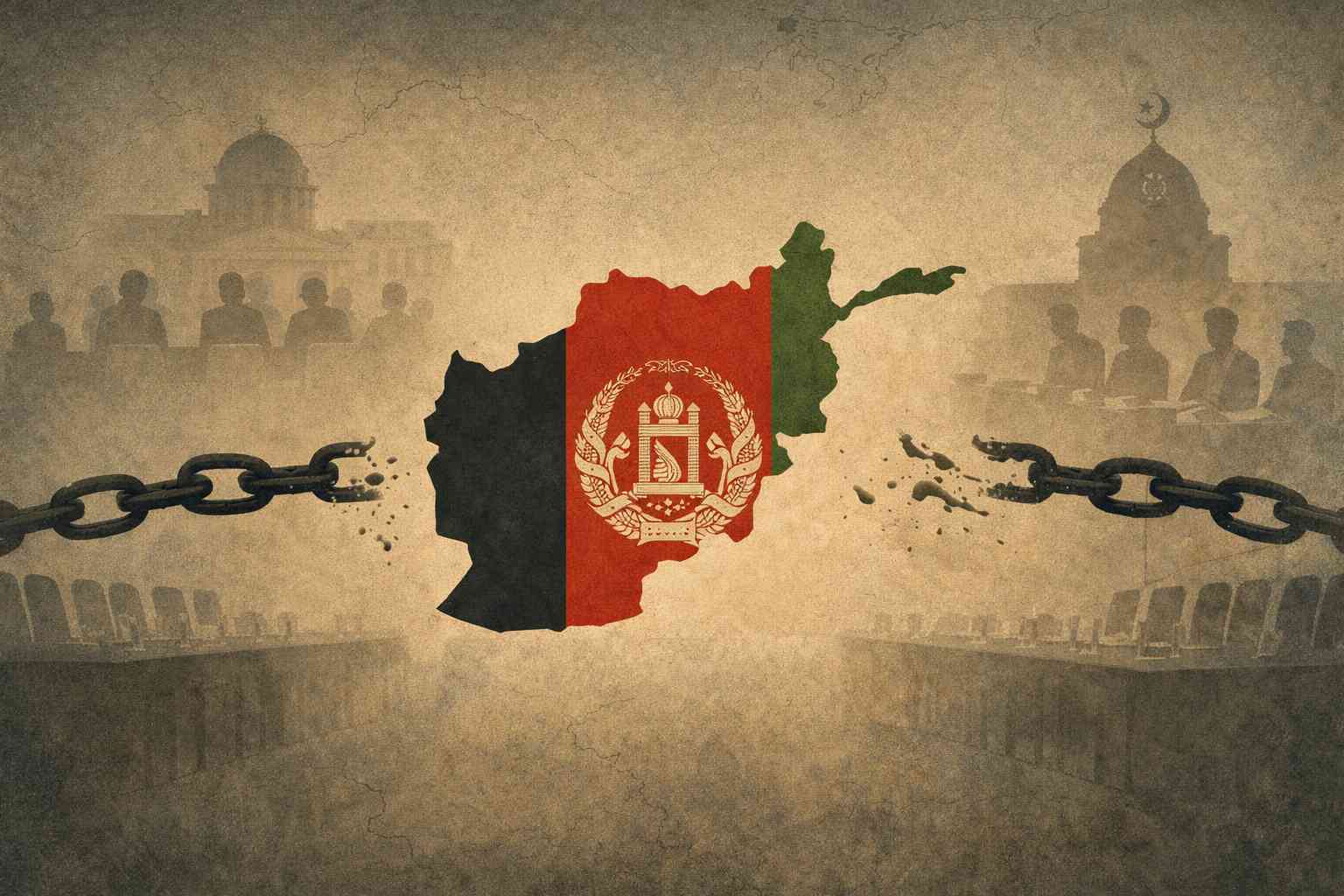
The western flank of South Asia is entering a period of sustained instability, marked by simultaneous crises that, at first glance, appear disconnected. However, when examined within a broader geopolitical framework, these developments suggest the possibility of a deeper strategic recalibration underway — one that could reshape alliances, trade routes, and regional power balances for years to come.
Two Active War Fronts in The Central Theatre
At present, instability is unfolding across two interconnected fronts in the USCENTCOM (United States Central Command).
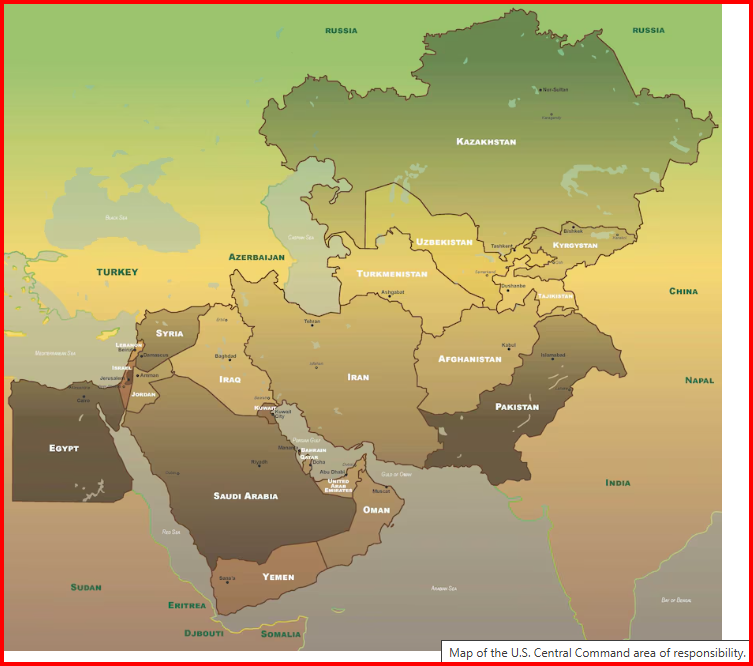
Map showing the U.S. Central Command (CENTCOM) area of responsibility across the Middle East, Central Asia, and parts of South Asia.
https://www.centcom.mil/MEDIA/igphoto/2002844889/
US/Israel–Iran Escalation
The first front involves rising confrontation between the United States, Israel, and Iran. Direct strikes on Iranian-linked strategic targets have been met with Iranian retaliation targeting US regional assets. The risk of maritime disruption in the Gulf — a critical artery for global energy flows — has increased significantly.
What is notable is that escalation from both sides appears calibrated. This does not resemble accidental escalation. Rather, it suggests controlled pressure, strategic signaling, and positioning within a broader contest for regional dominance.
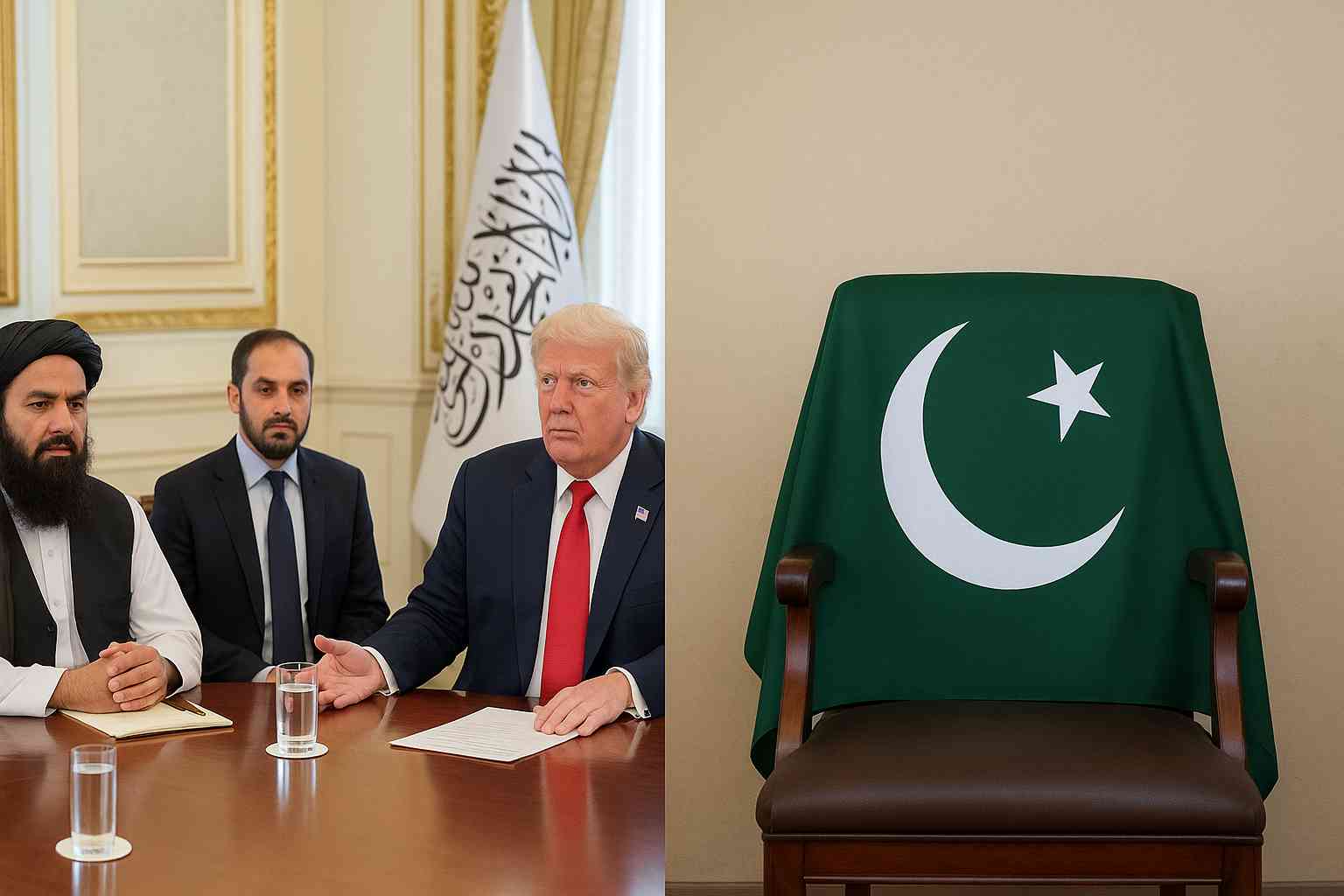
Pakistan–Afghanistan Military Escalation
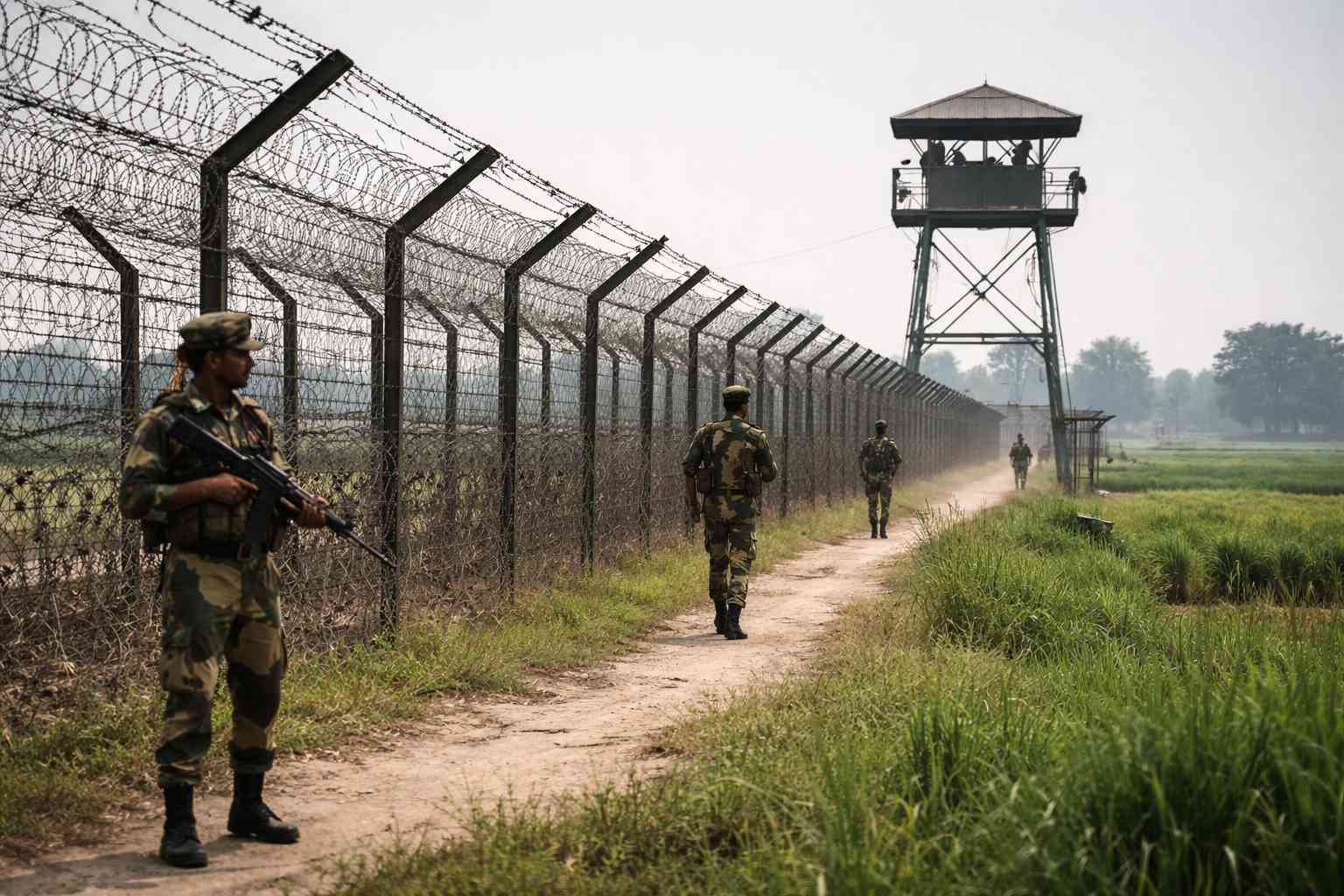
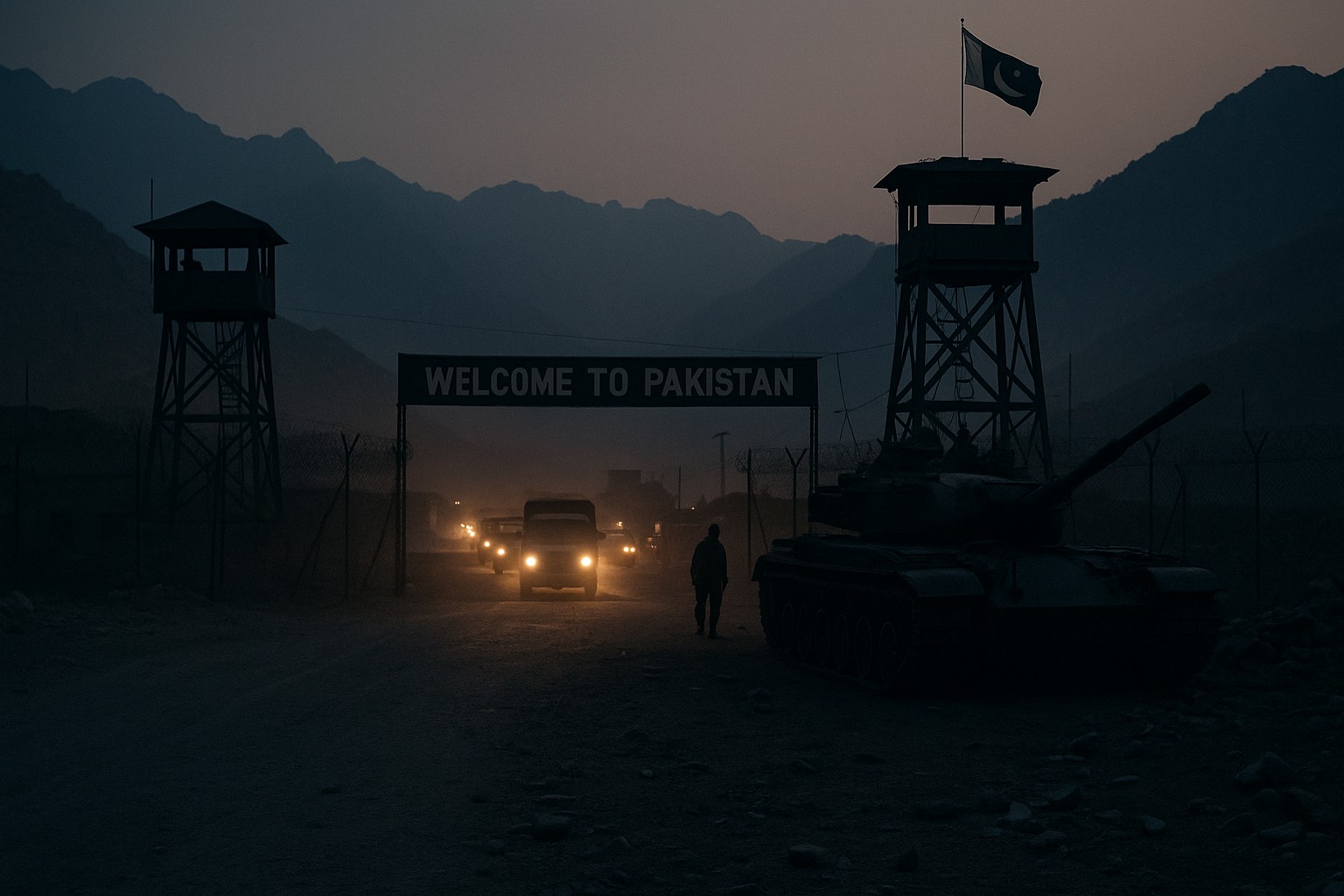
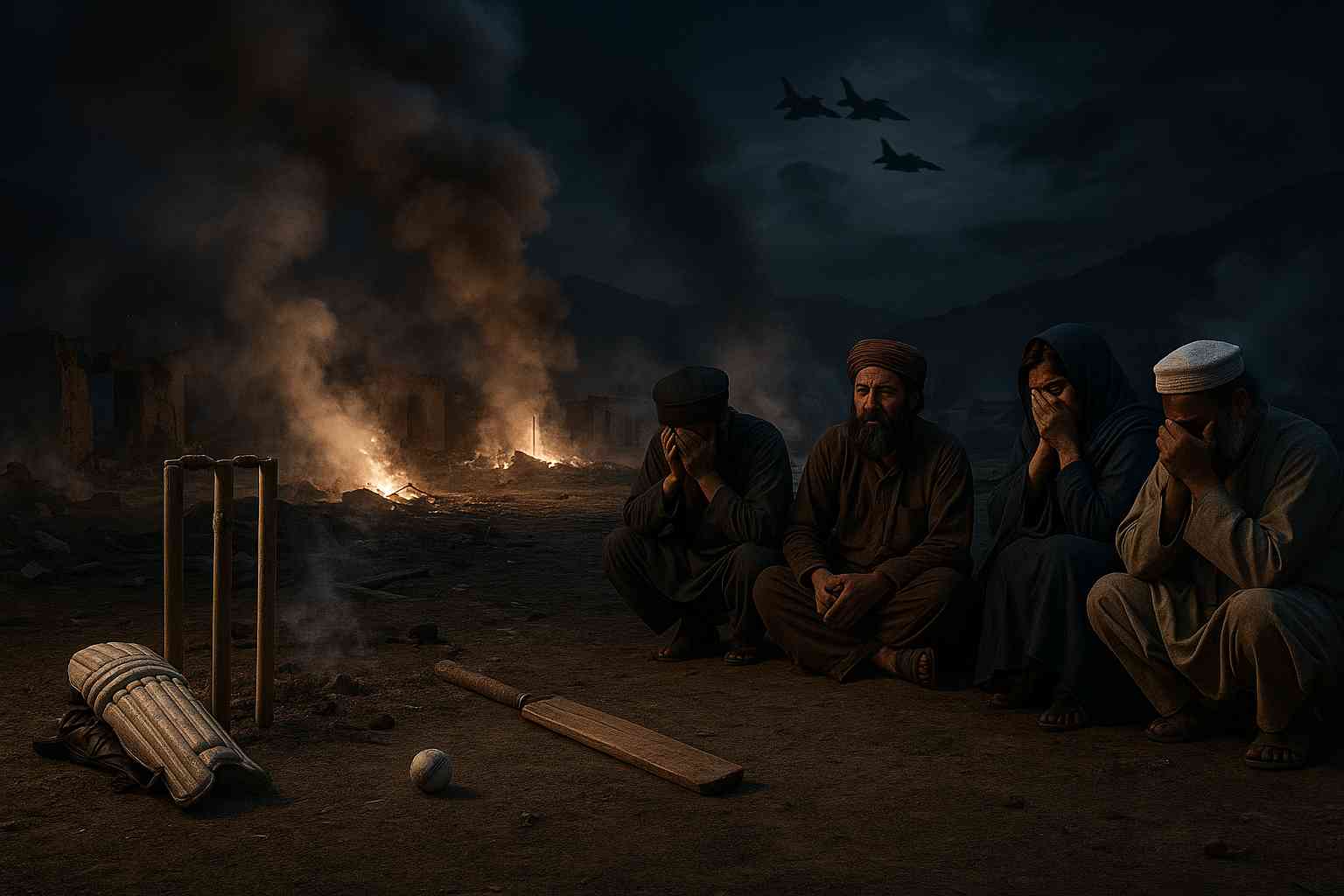
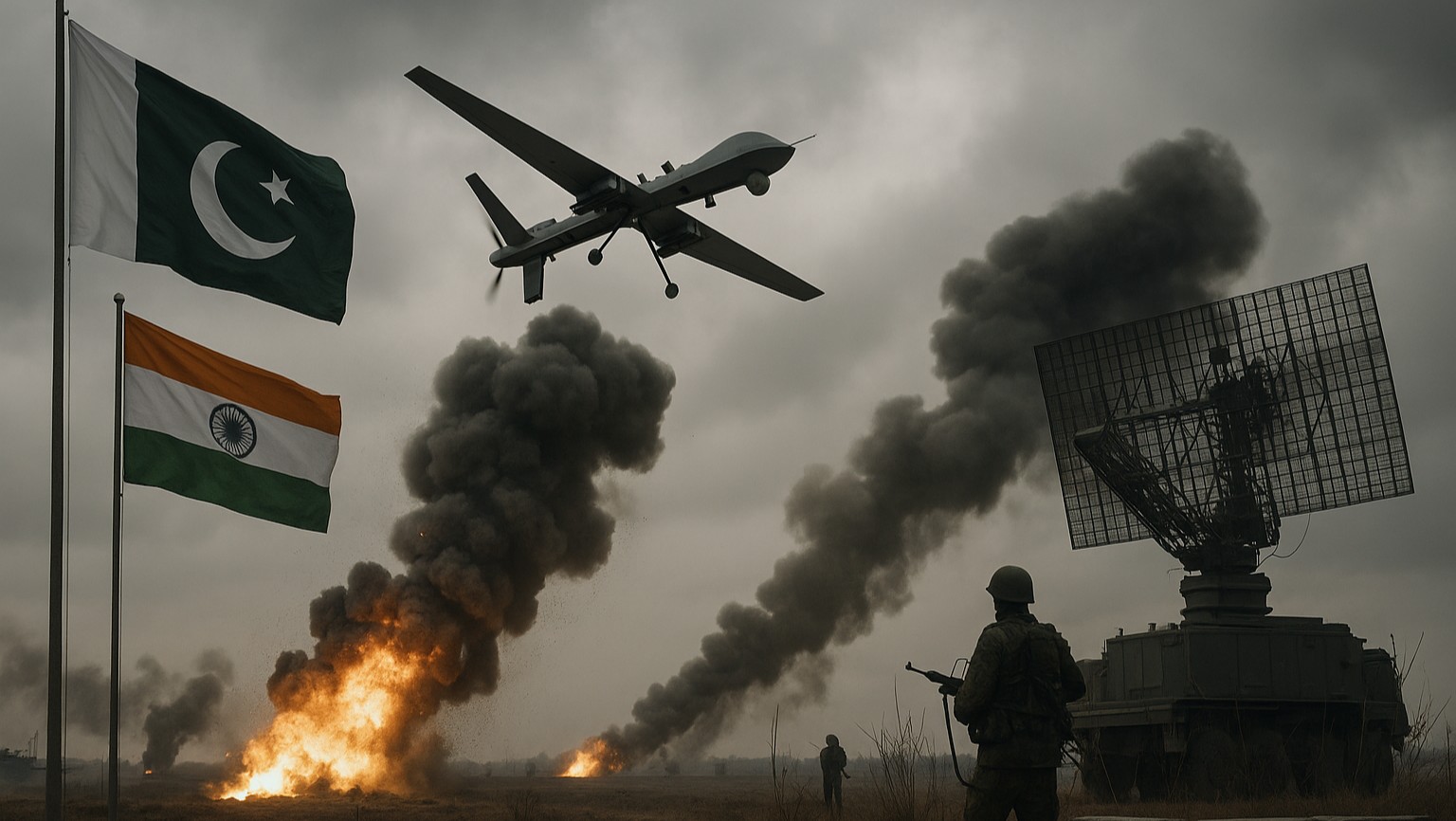
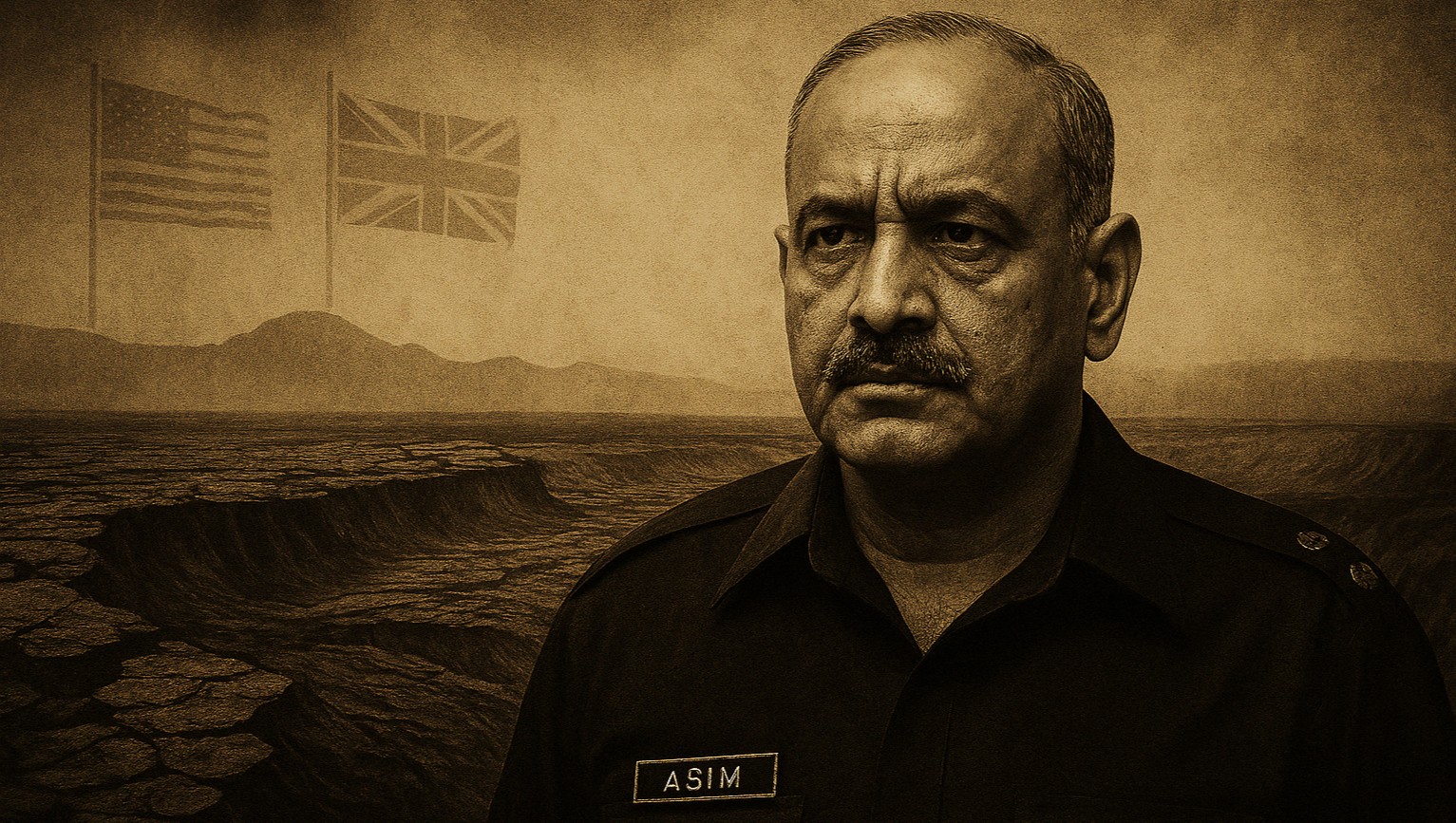
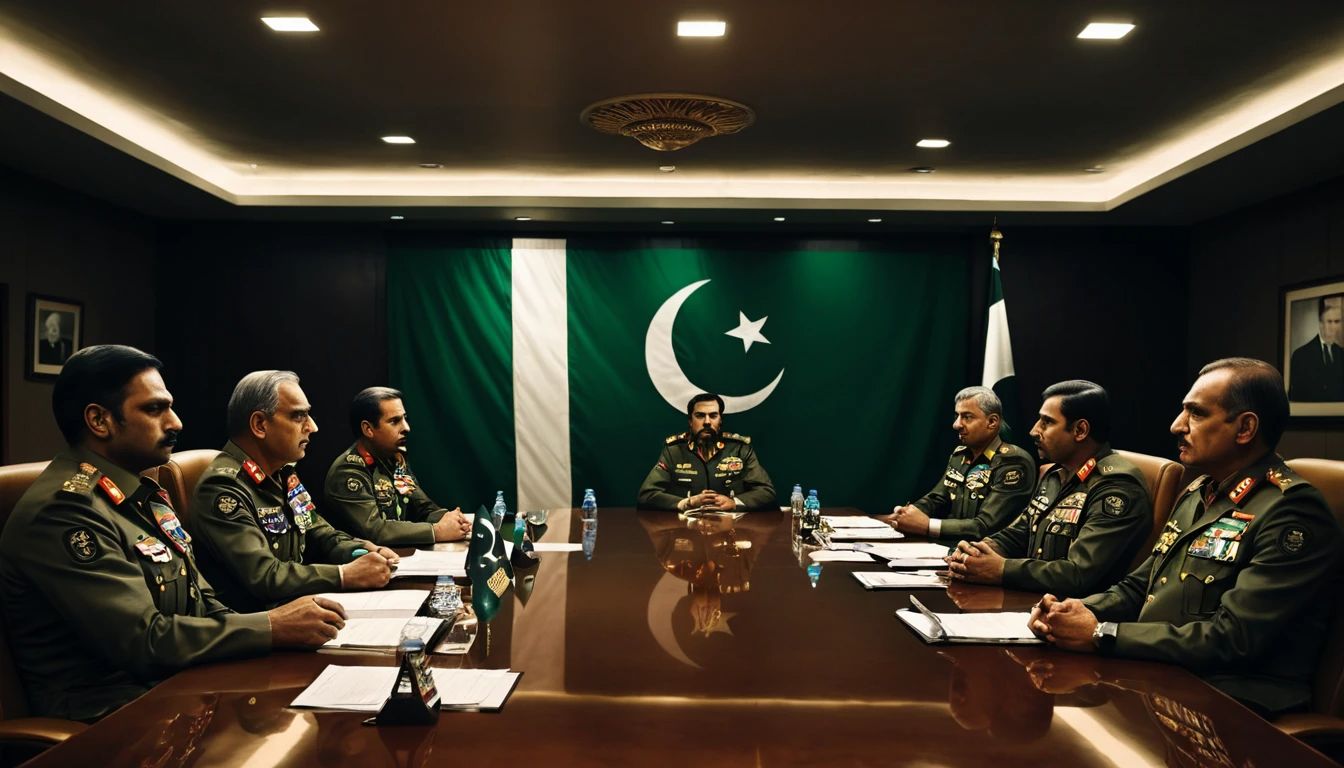
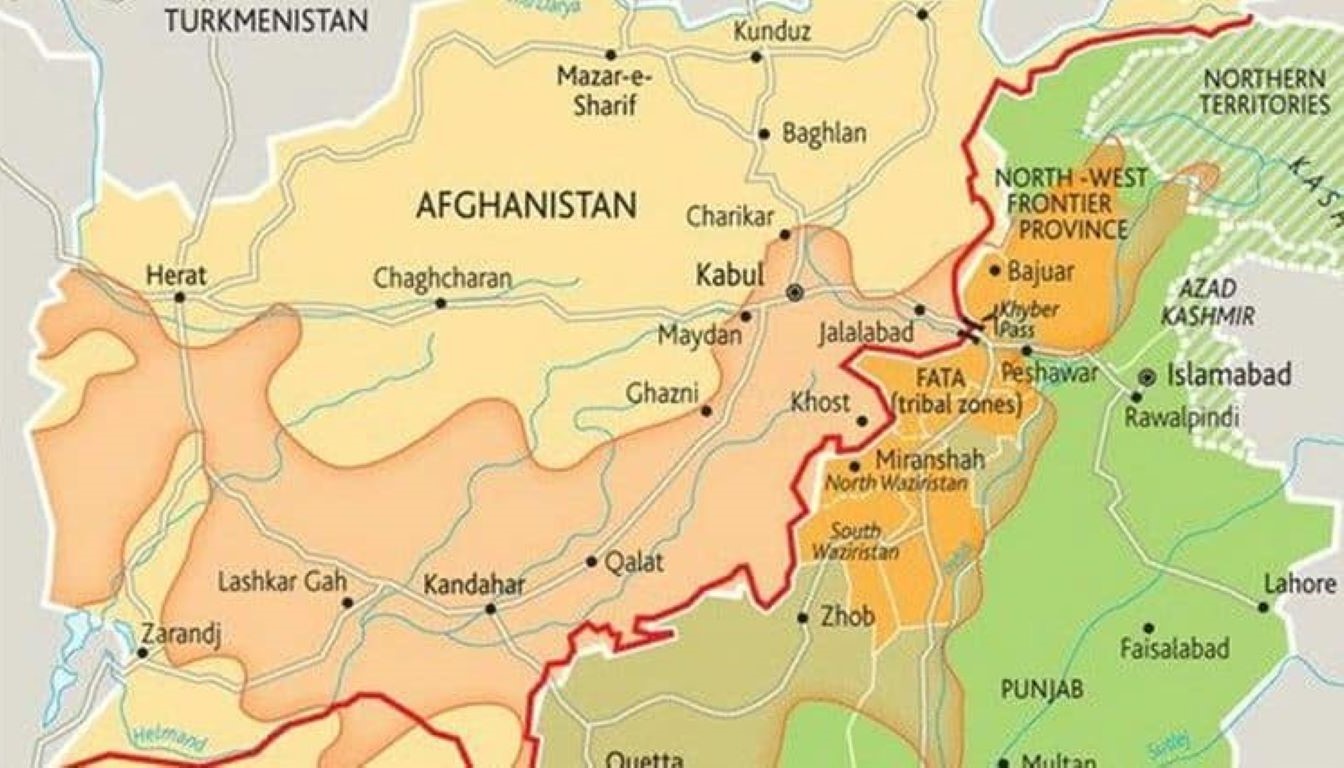
The second front lies along the Pakistan–Afghanistan frontier. Cross-border strikes, retaliatory claims, allegations of civilian casualties from Kabul, and reported Pakistani military losses have intensified tensions. Hostility between the Afghan Taliban and the Pakistani state is deepening.
While these developments may seem localized, they occur in parallel with the Gulf escalation — raising the question of whether both fronts are elements of a larger geopolitical restructuring.
The Five Strategic Pillars Behind the Instability
1. Neutralizing the Sino-Russian Maritime Corridor
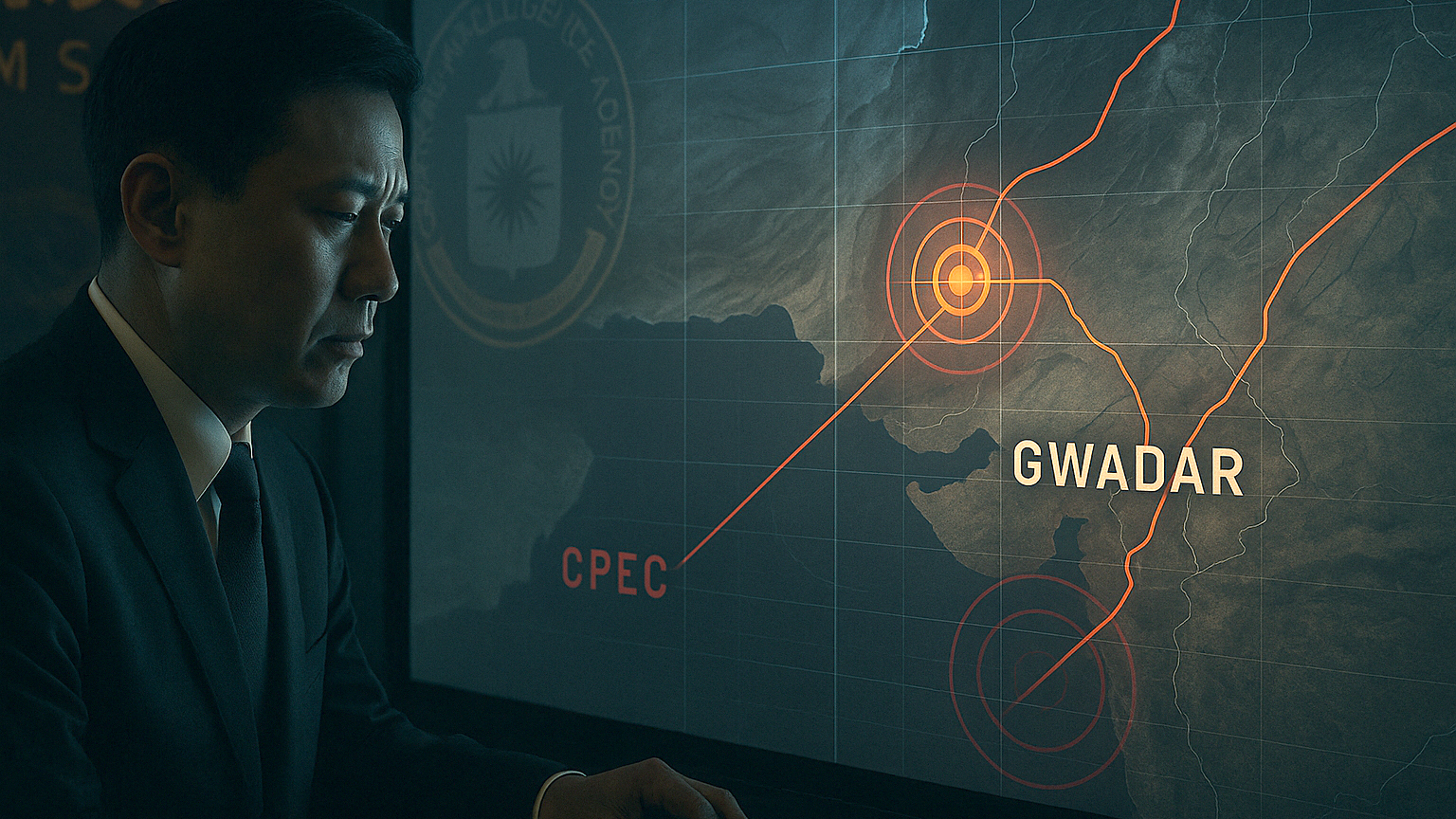
At the heart of the regional turbulence lies Gwadar and access to the Arabian Sea.
For China and Russia, reliable maritime outlets are essential. They require:
- Trade corridors that bypass Western-controlled chokepoints,
- Strategic connectivity linking Eurasia to warm waters,
- Long-term potential for military projection into the Indian Ocean.
Destabilizing Pakistan, Iran, and Afghanistan directly impacts this objective. It slows or blocks:
- The operationalization of Gwadar,
- The expansion of the China-Pakistan Economic Corridor (CPEC),
- Eurasian access to uninterrupted maritime routes.
In effect, instability constrains multipolar expansion and preserves existing maritime leverage structures.
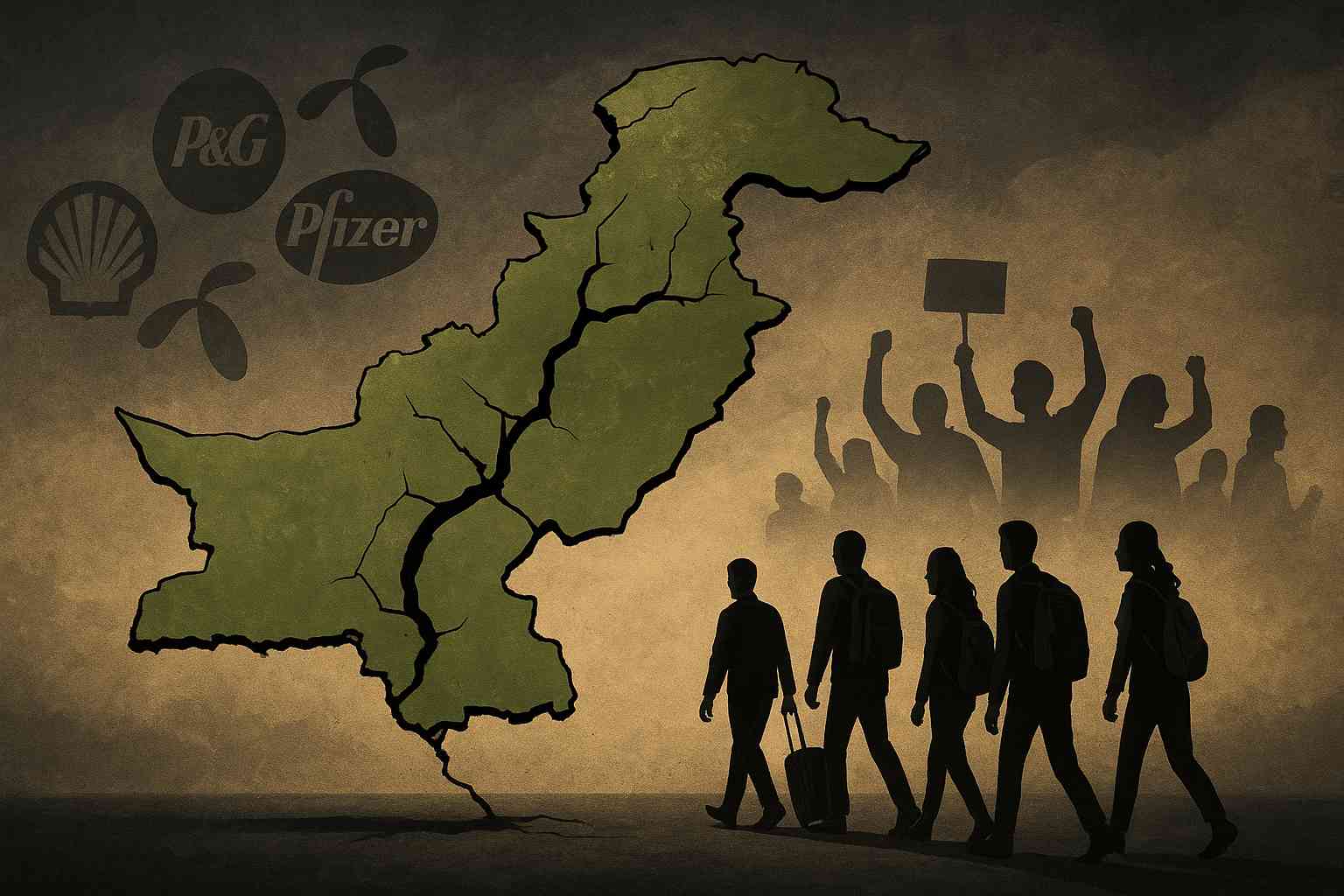
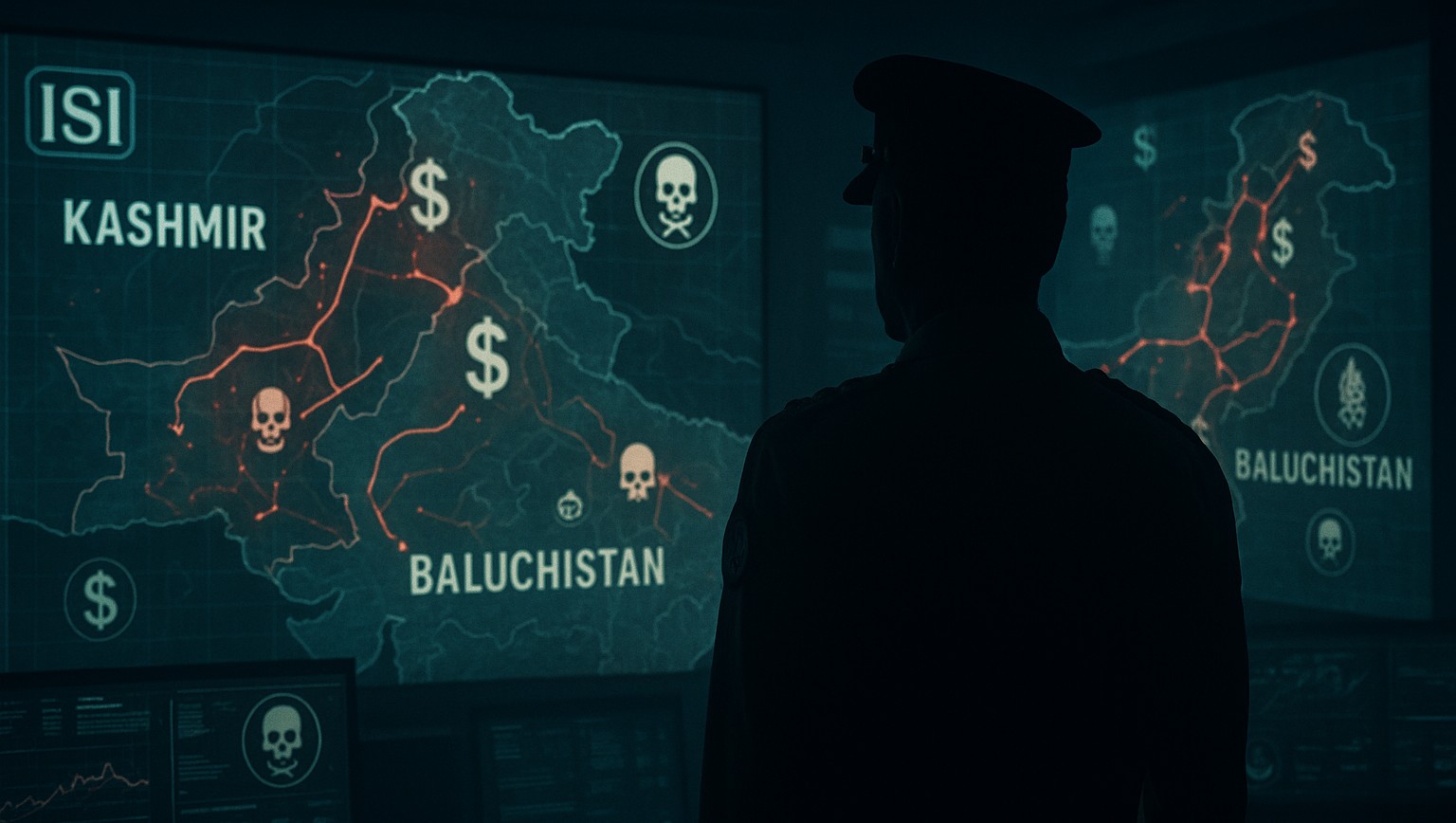
2. The Balkanization of Balochistan
Balochistan, spanning both Pakistan and Iran, occupies a critical geostrategic space. It holds:
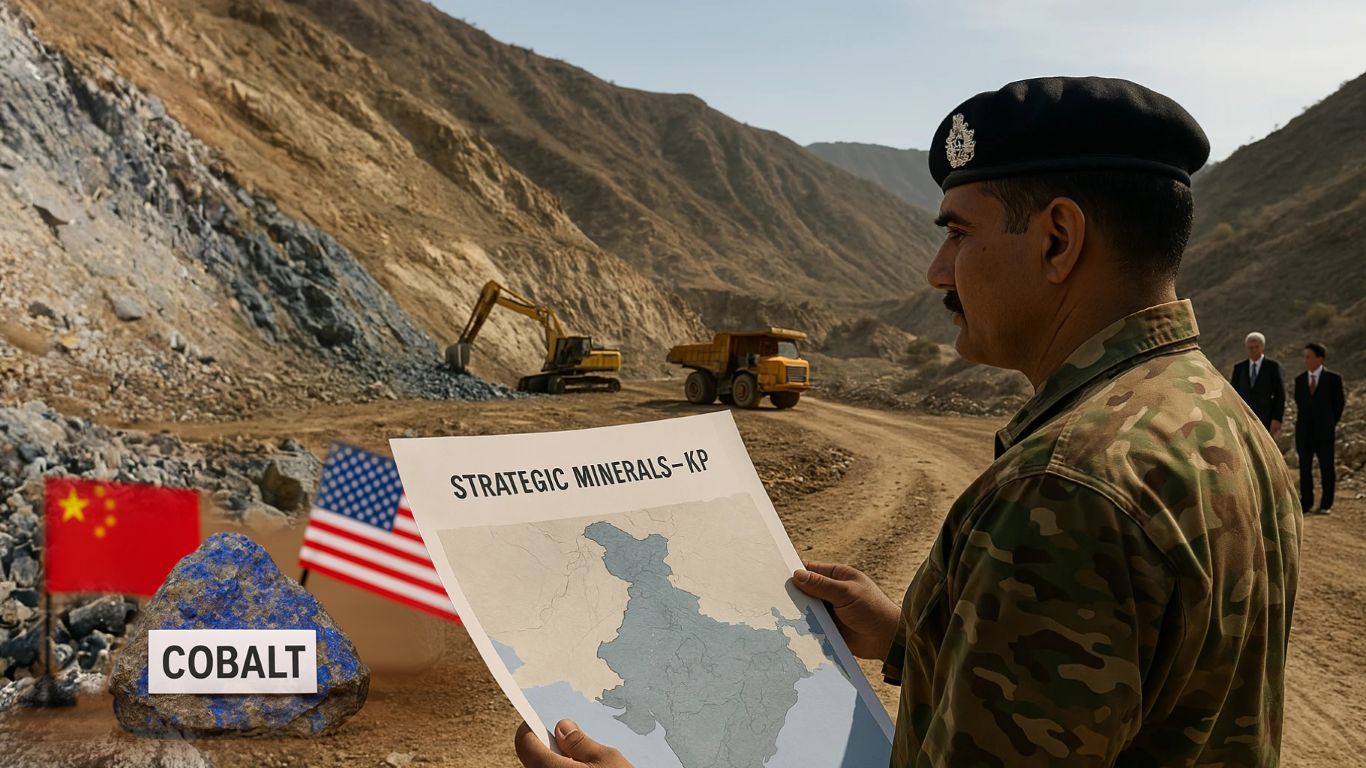
- Vast untapped mineral reserves,
- A strategic coastline,
- Energy transit potential.
A fragmented or independent Baloch region would:
- Sever Pakistan’s territorial continuity,
- Disrupt Iran’s strategic depth,
- Provide external powers with leverage over key resources,
- Create a permanent geopolitical pressure zone.
This model mirrors historical “fragmentation strategies” used to weaken emerging regional powers by dividing territory and complicating internal cohesion.
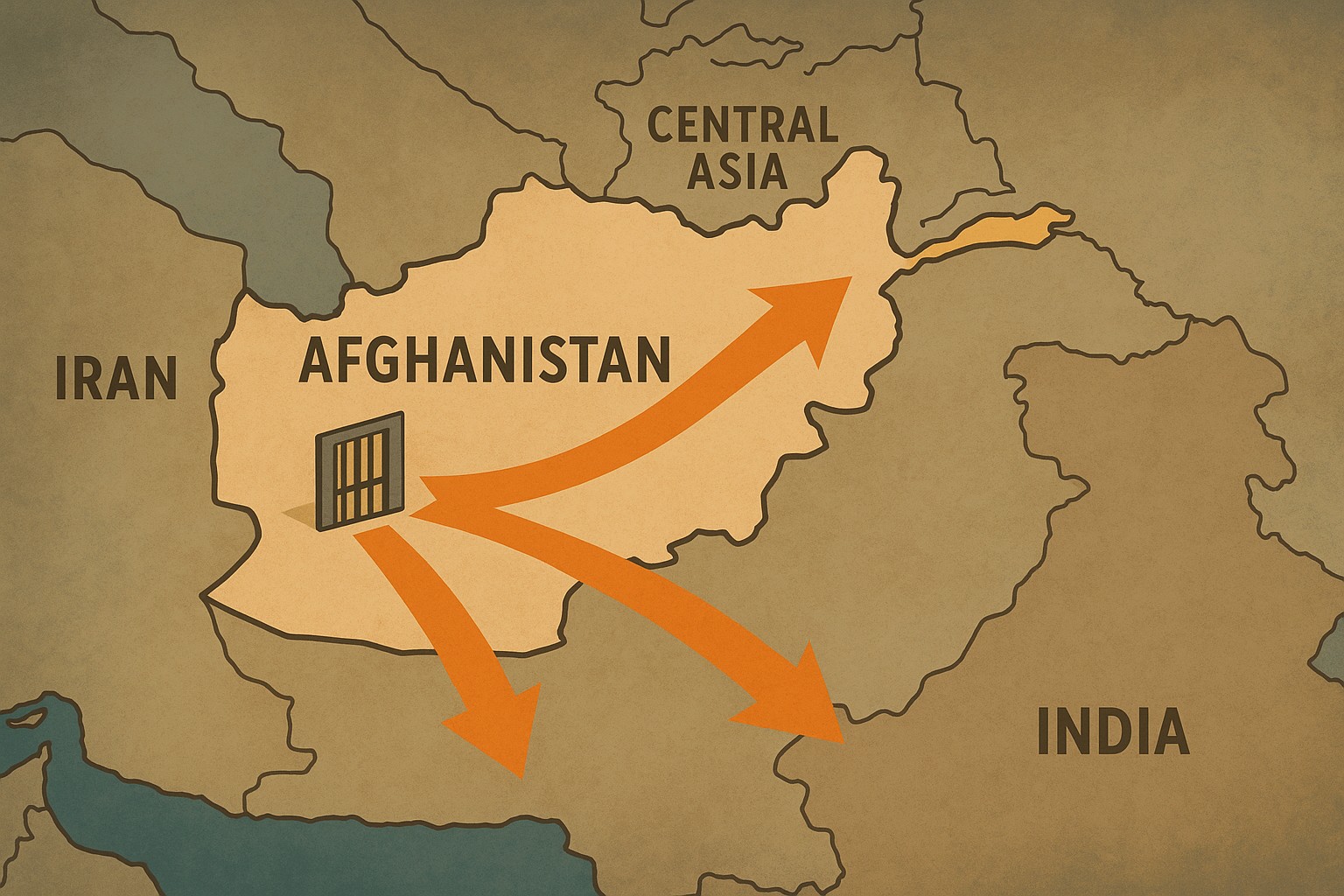
3. Afghanistan as a Proxy Containment Trap
Direct military intervention by major powers is increasingly rare. Instead, proxy dynamics dominate. It is the strategic lesson learned by the USA from the prolonged Afghanistan conflict post 9/11.
A prolonged state of friction between the Afghan Taliban and Pakistan serves several strategic purposes:
- It drains Islamabad’s military and economic resources,
- Keeps Pakistan internally focused,
- Limits its ability to project power regionally.
An extended Afghanistan–Pakistan conflict produces sustained distraction. A distracted state is less capable of independent strategic manoeuvring and more vulnerable to external influence.
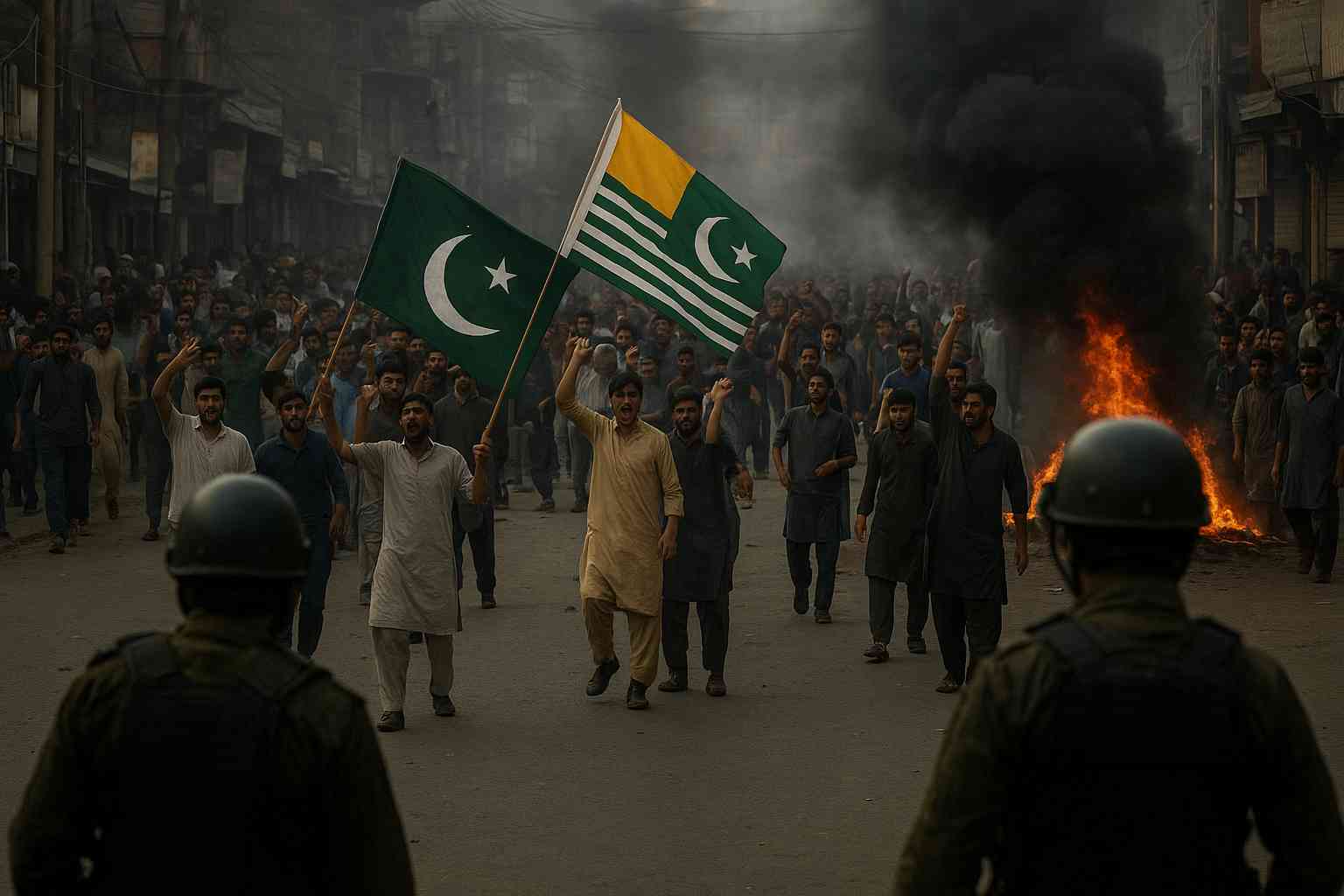
4. The CPEC Vulnerability: Kashmir and Gilgit-Baltistan
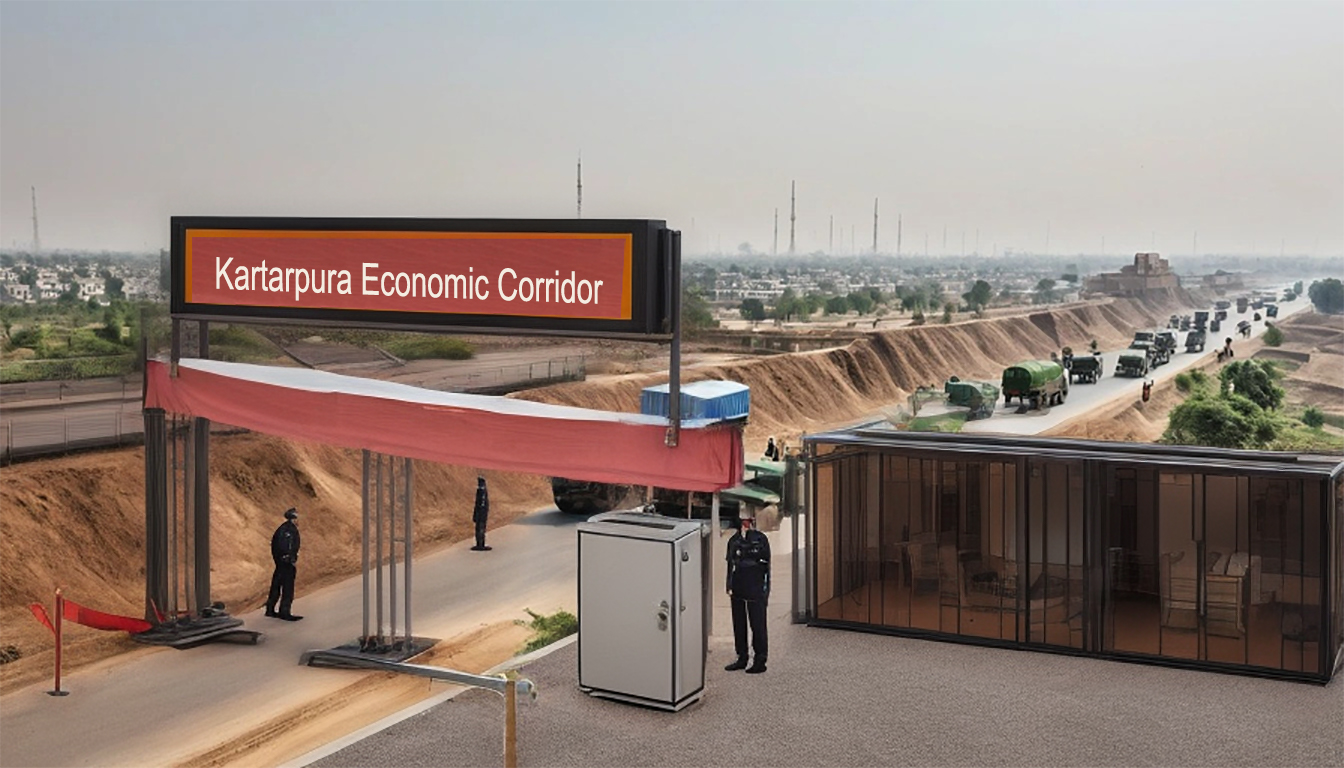
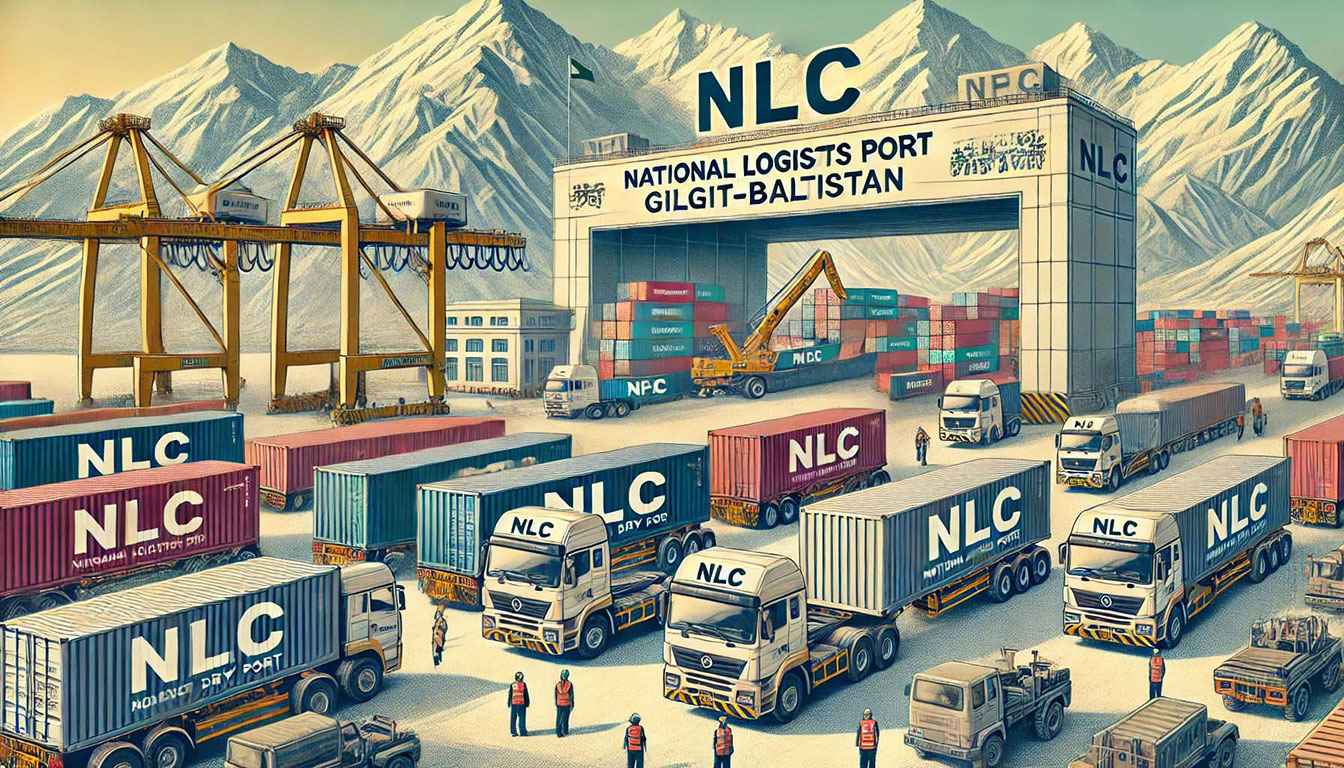
The northern artery of CPEC passes through Gilgit-Baltistan, linking China to Pakistan’s southern ports.
Escalation in:
- Kashmir,
- Gilgit-Baltistan,
- Broader cross-border tensions,
could physically sever the China-Pakistan land bridge.
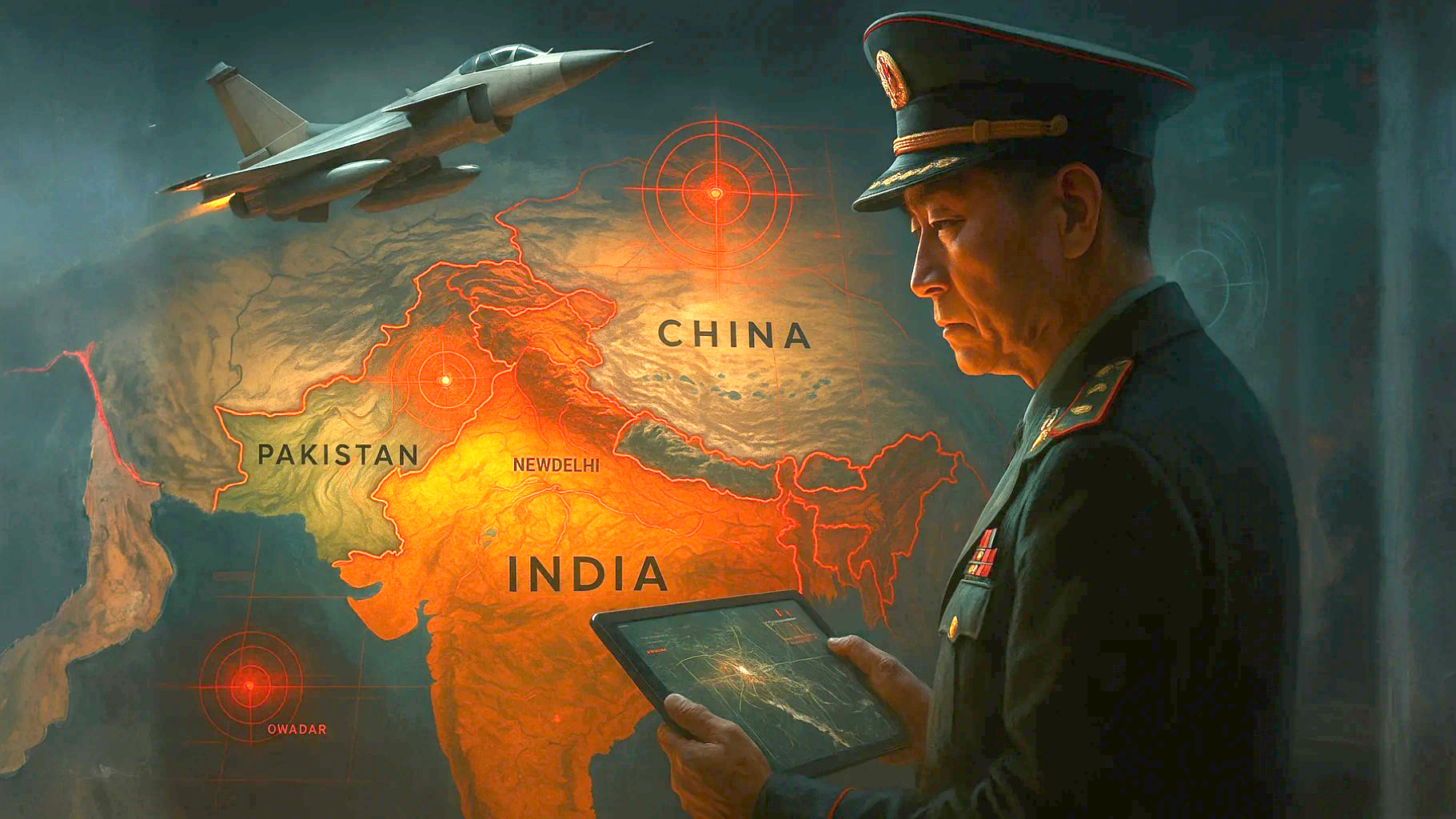
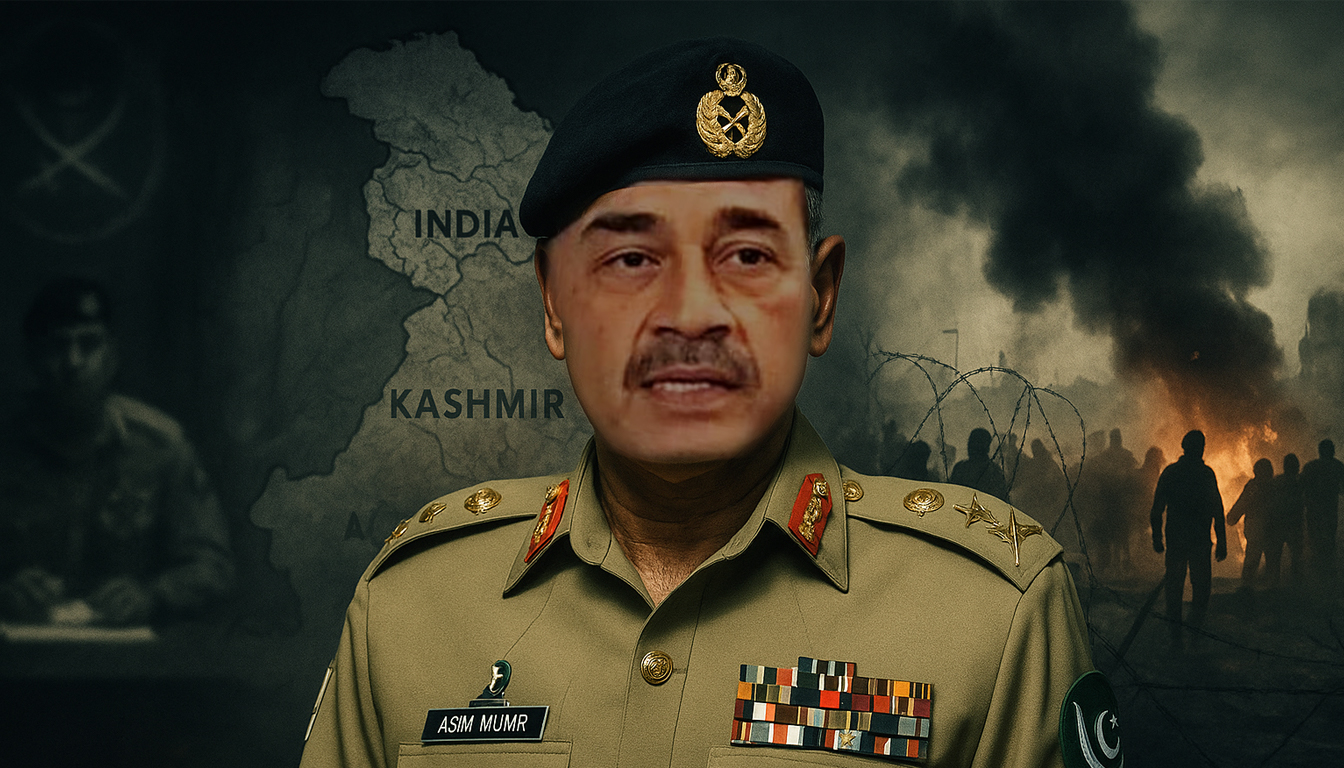
If this northern route is disrupted, the economic viability of CPEC weakens considerably. That is where India comes in through a strategic alliance with the USA, and longstanding conflict with China. India’s historical claim over Kashmir and Gilgit-Baltistan provides them with a motive to act alongside USA in disconnecting the land bridge between Pakistan and China.
Infrastructure corridors are no longer merely economic projects; they are strategic lifelines. In the current climate, they have become geopolitical fault lines.
5. Restoration of Unipolar Leverage
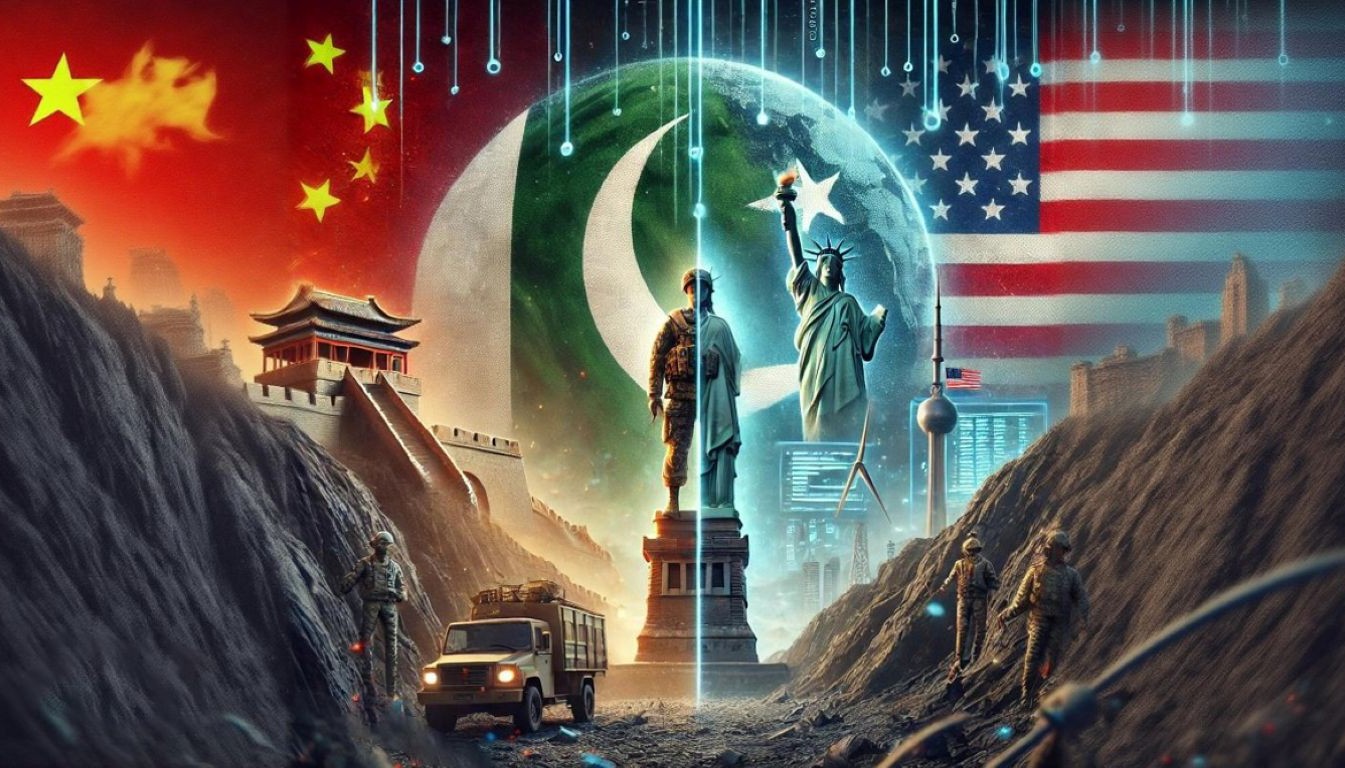
At a macro level, the broader strategic objective may be the containment of emerging multipolar blocs such as BRICS.
Destabilizing the Pakistan–Afghanistan–Iran axis:
- Prevents regional consolidation,
- Blocks alternative financial and energy alignments,
- Reinforces Western strategic primacy.
Fragmented regions are easier to influence than cohesive alliances. A divided geopolitical landscape slows the momentum of multipolar realignment and preserves legacy leverage structures.
Key Observations
Several patterns emerge from this analysis:
- These conflicts may not be isolated reactions but components of long-term strategic recalibration.
- Economic corridors are increasingly treated as strategic vulnerabilities rather than development initiatives, with a focus on China’s ‘Road and Belt’ initiative.
- Proxy conflicts are replacing conventional large-scale interventions.
- South Asia is becoming a pressure valve between multipolar ambition and entrenched hegemonic systems.
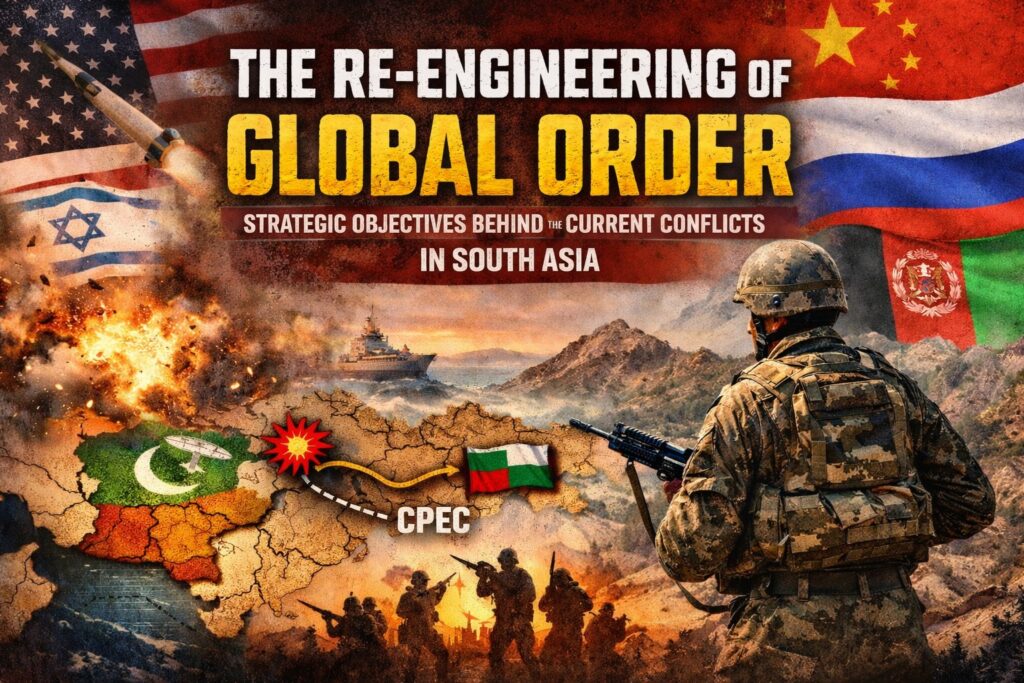
The convergence of Gulf instability with Pakistan–Afghanistan tensions suggests more than coincidence. It points toward a layered contest in which geography, infrastructure, and political fragmentation are central instruments.
Conclusion
This moment is not simply about isolated strikes or border clashes. What we may be witnessing is the gradual re-engineering of South Asia’s geopolitical architecture — where trade routes, alliances, and territorial integrity are being recalibrated in the contest between multipolar expansion and unipolar preservation as part of the global great power rivalry.
Whether this transformation unfolds gradually or accelerates through escalation will shape not only the future of South Asia, but the balance of power across Eurasia and beyond.