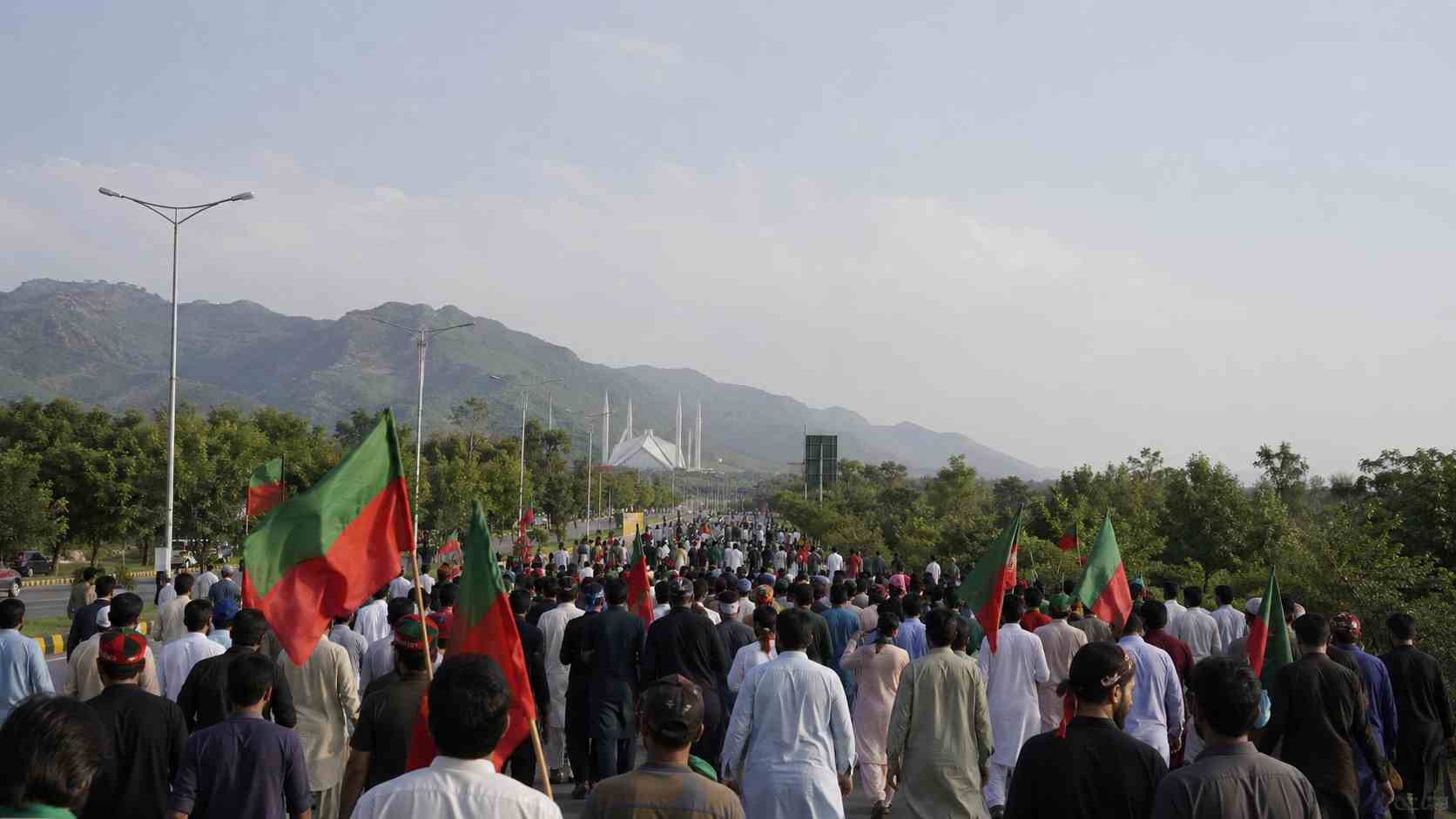
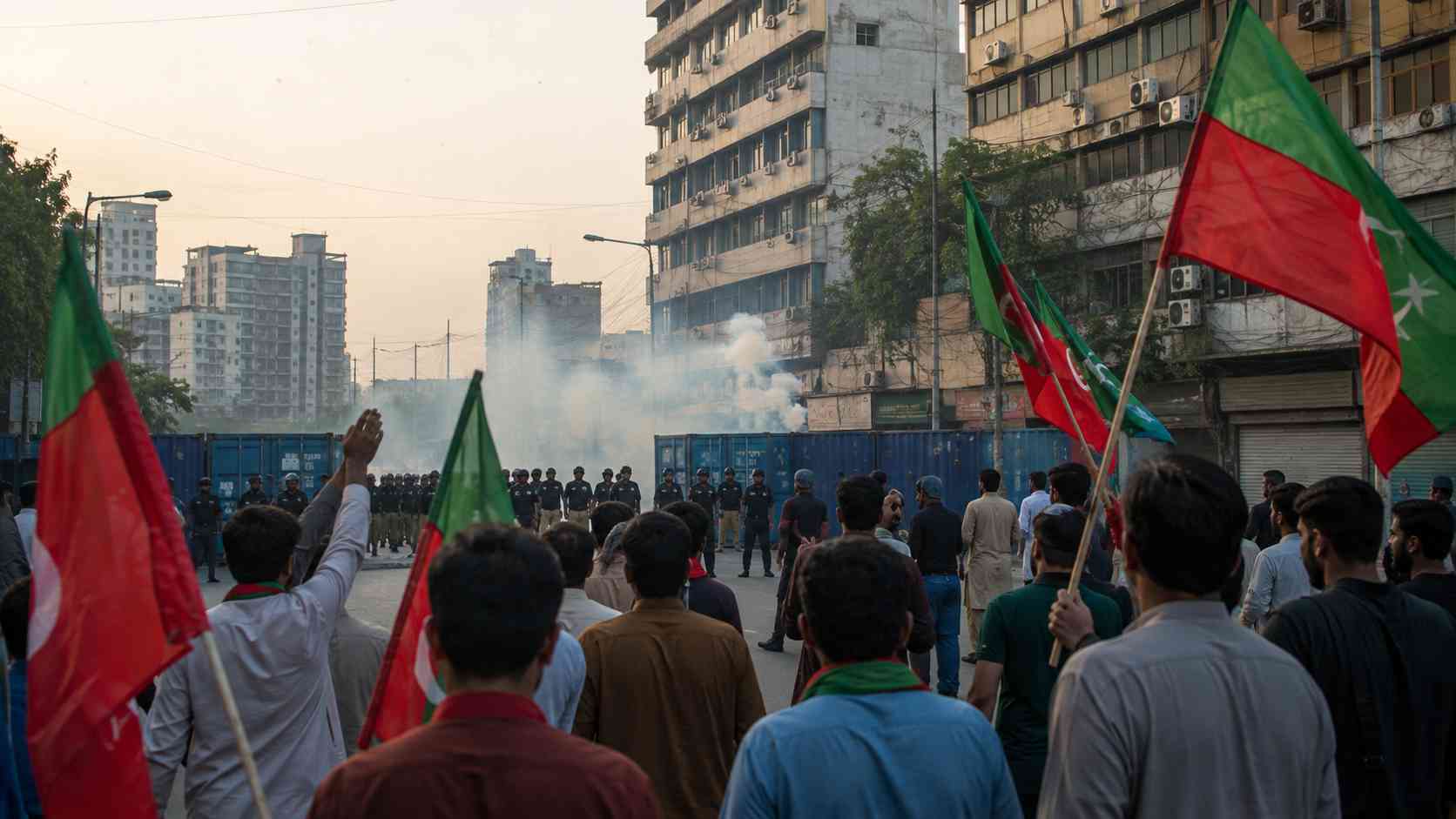
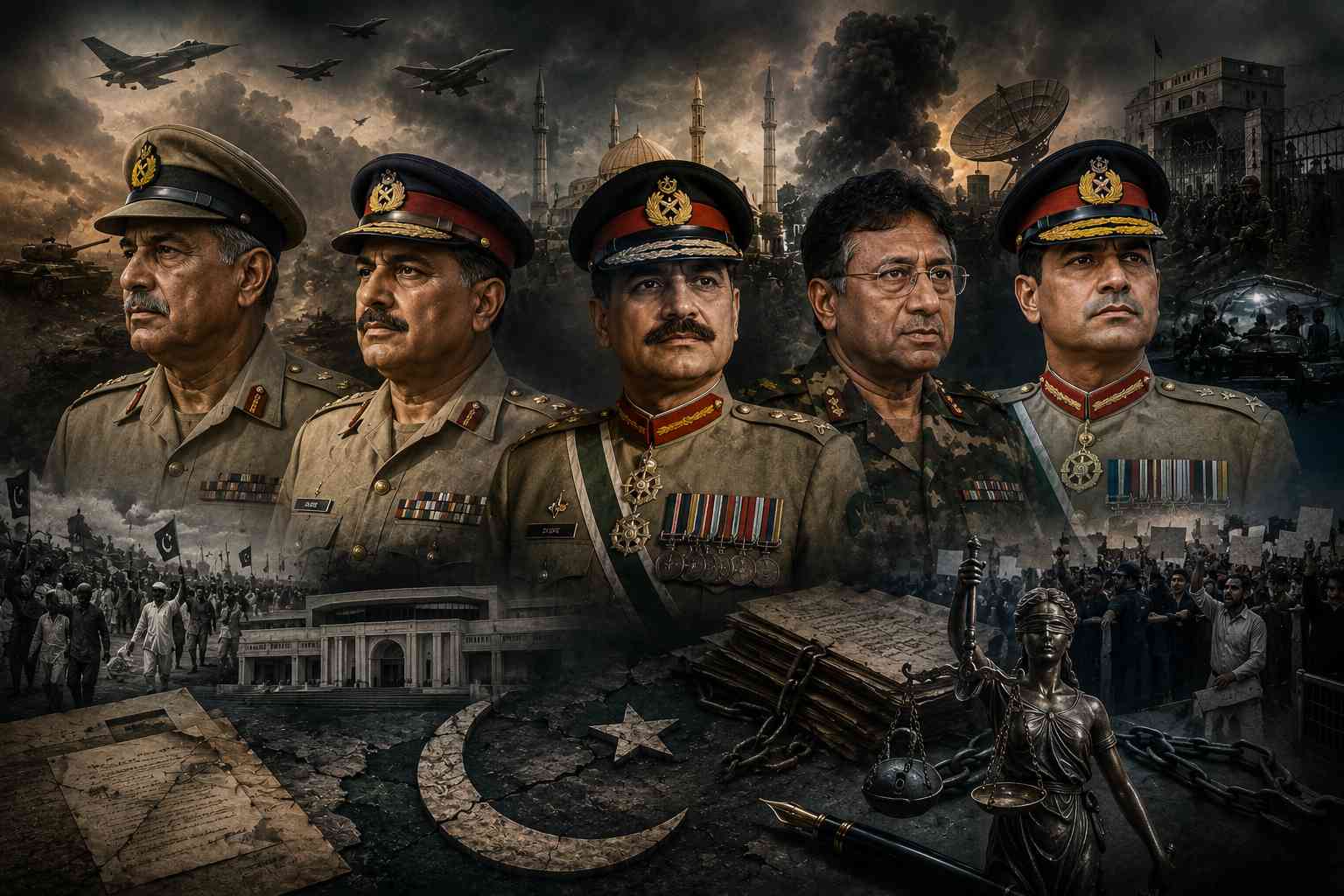
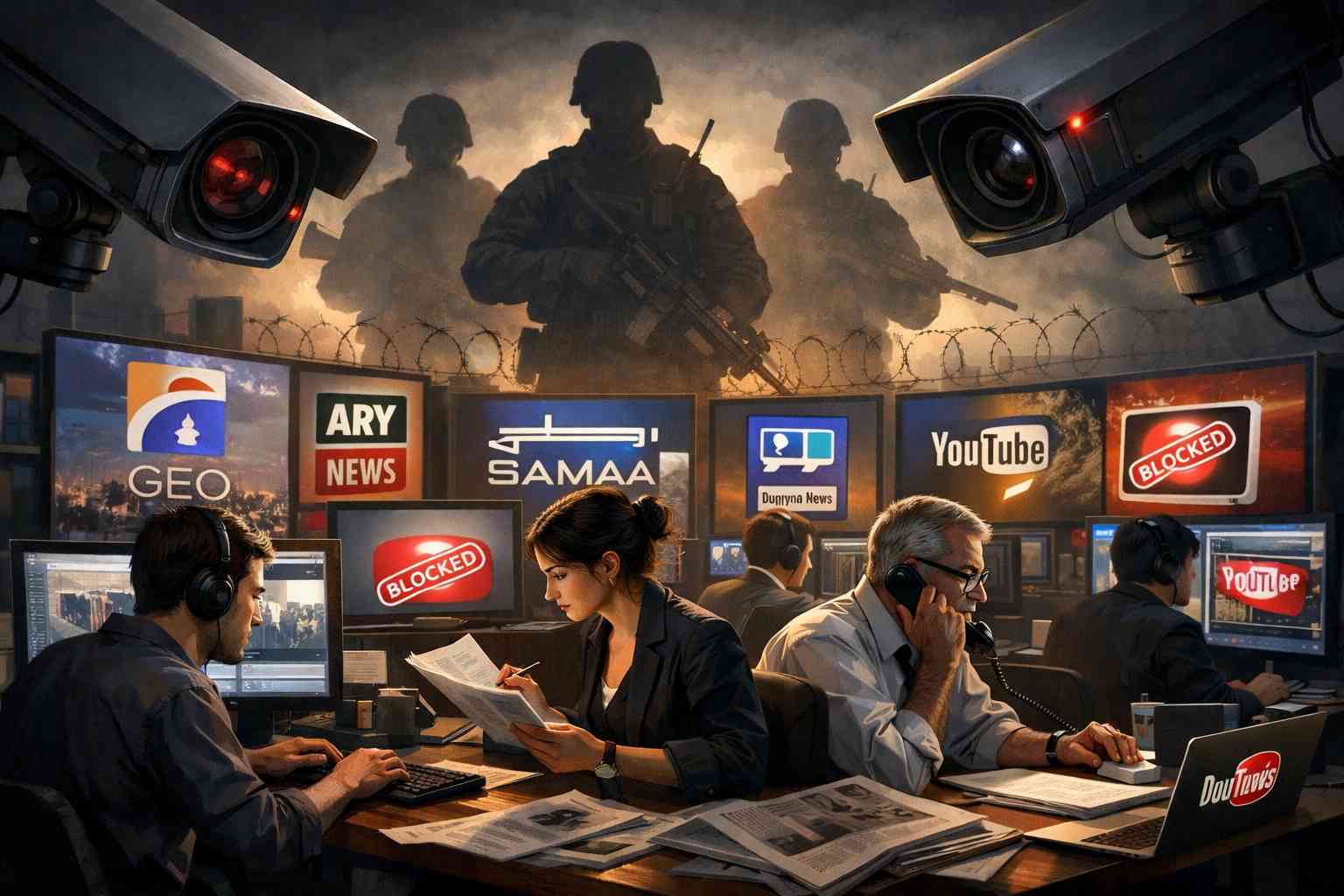
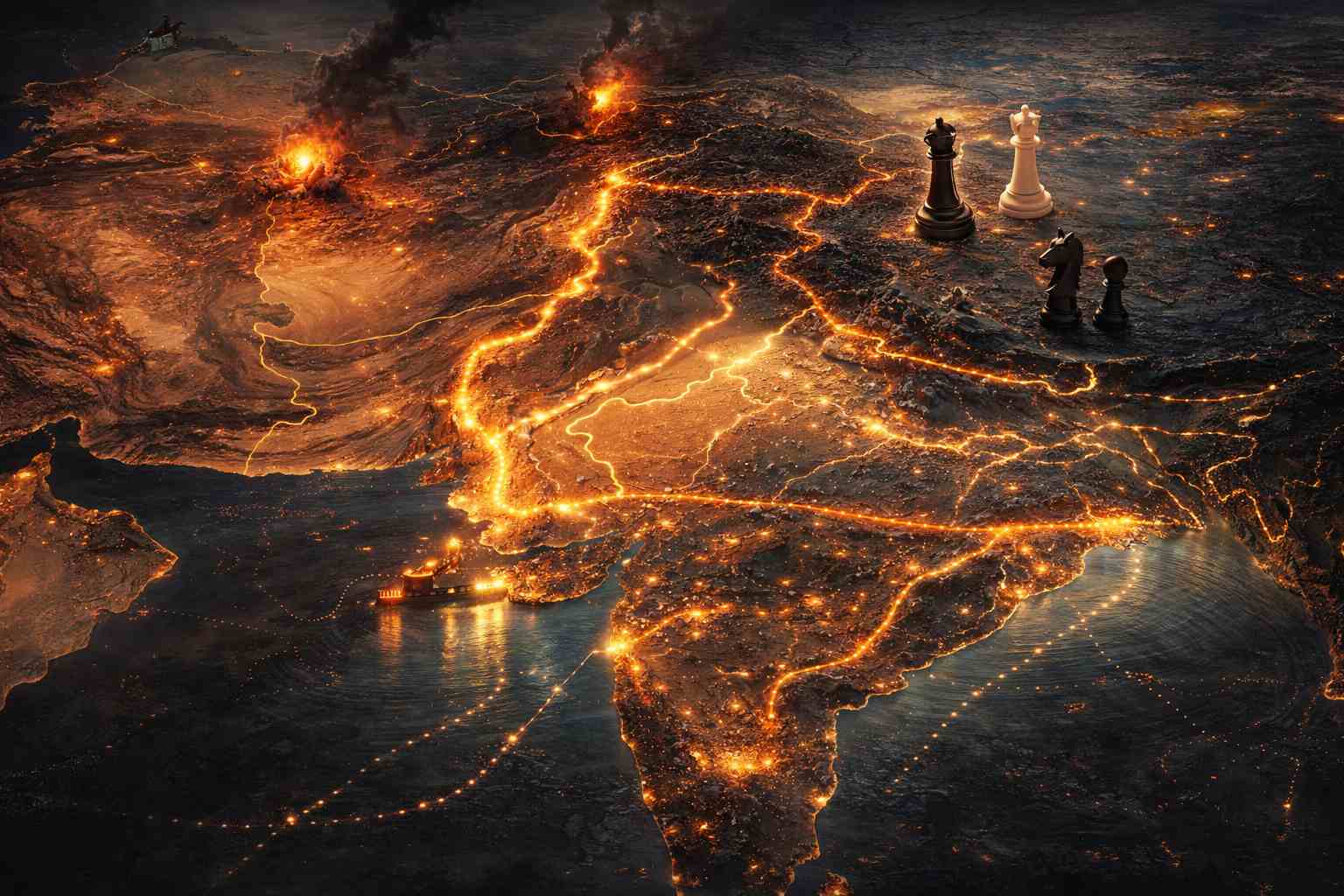
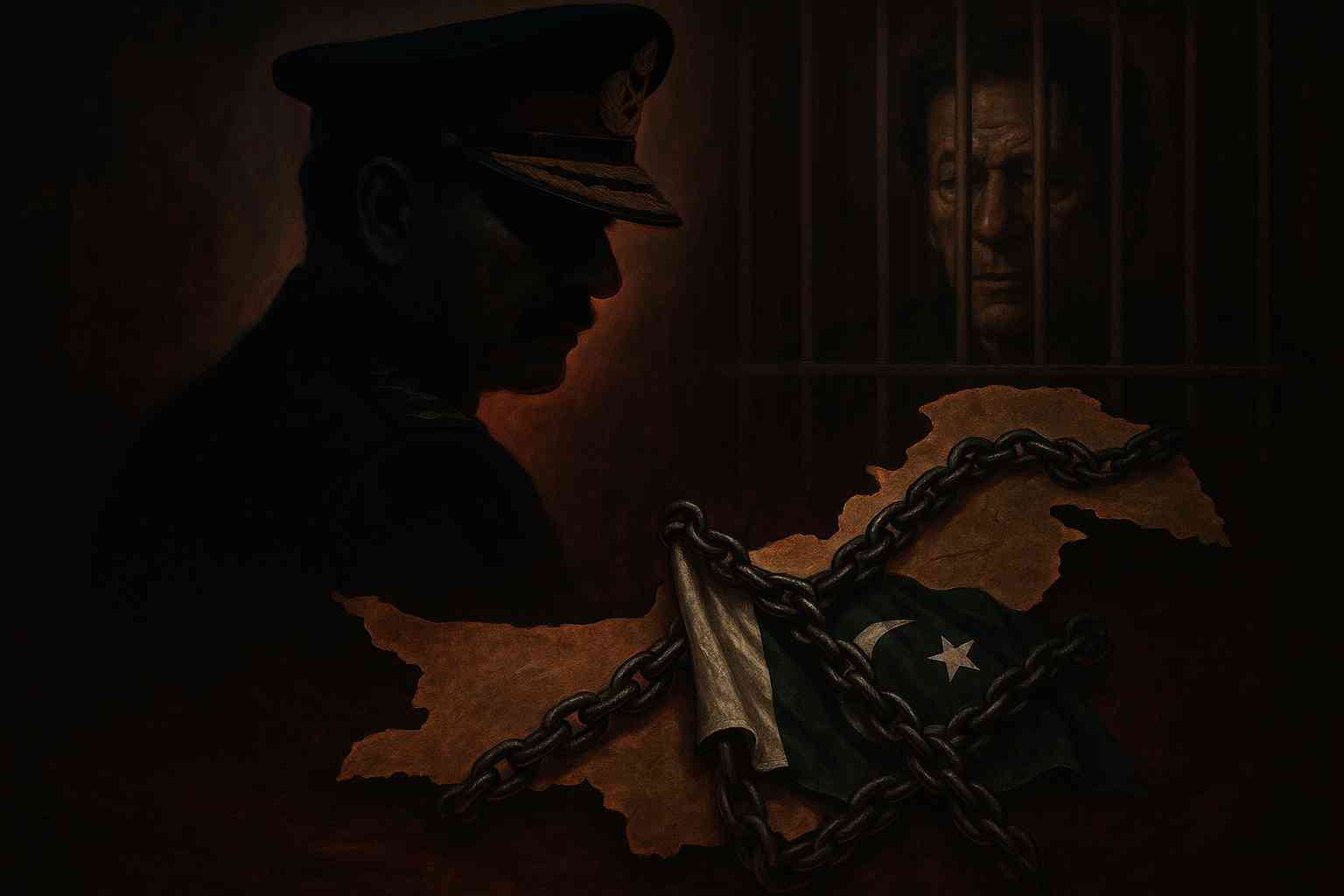
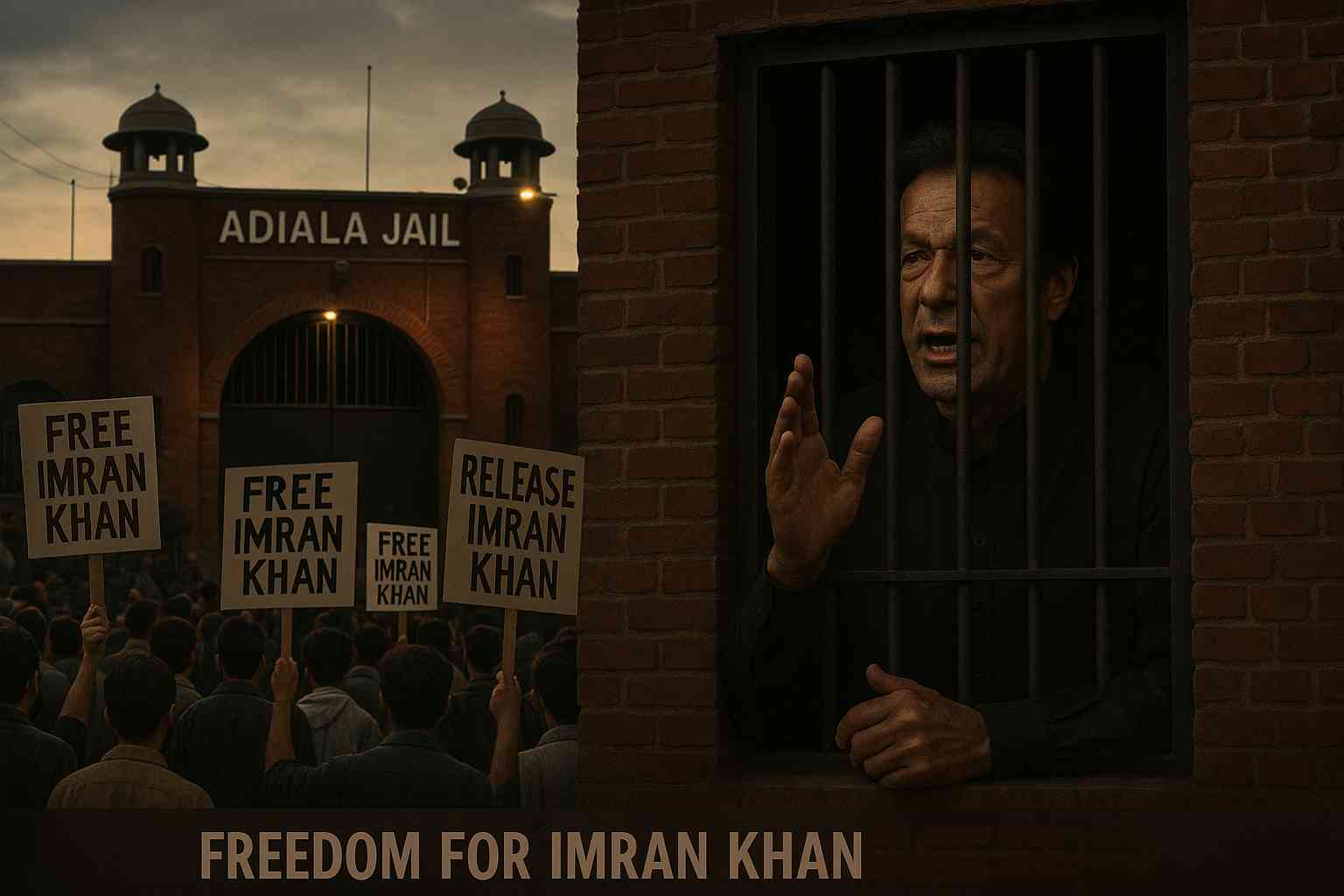
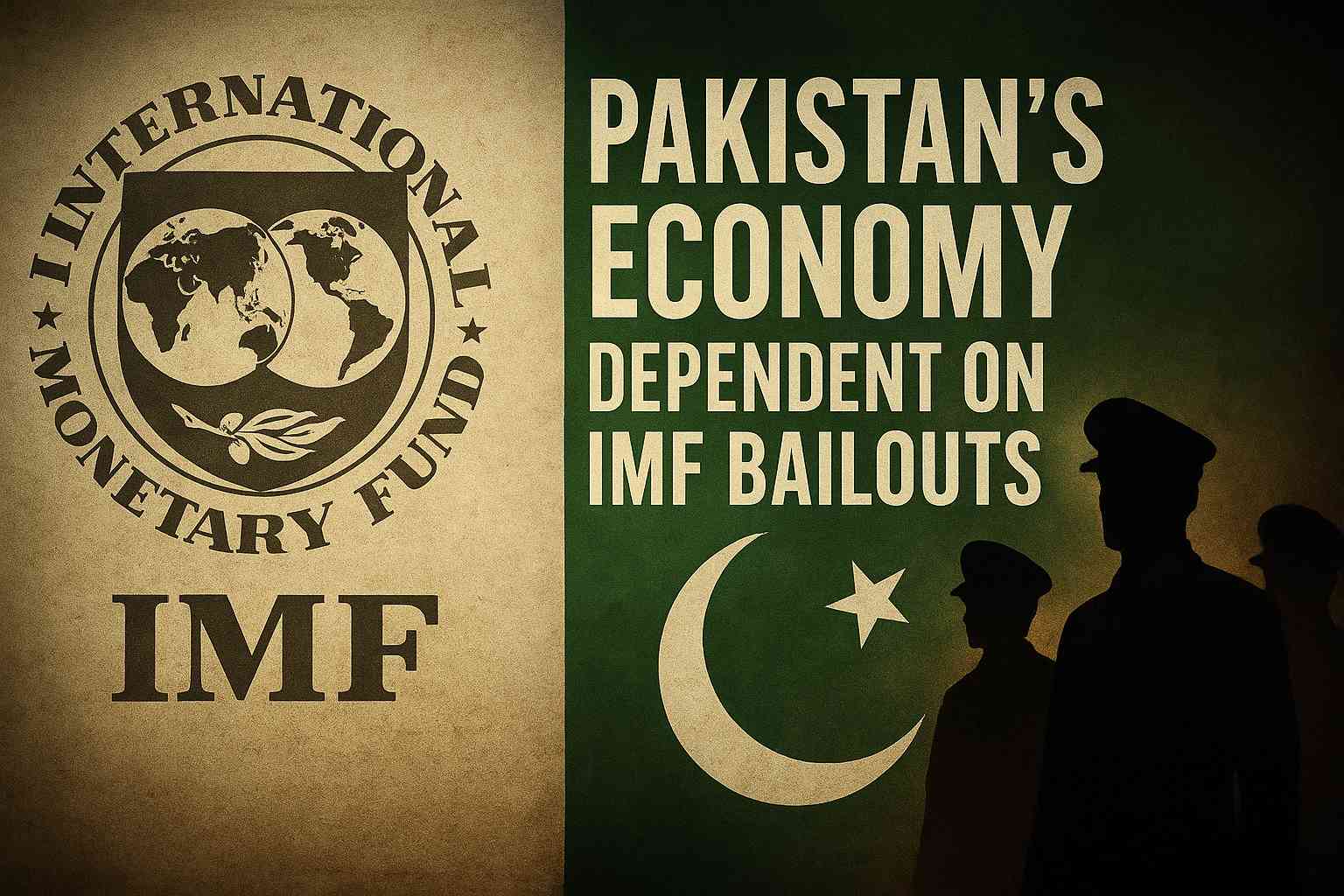
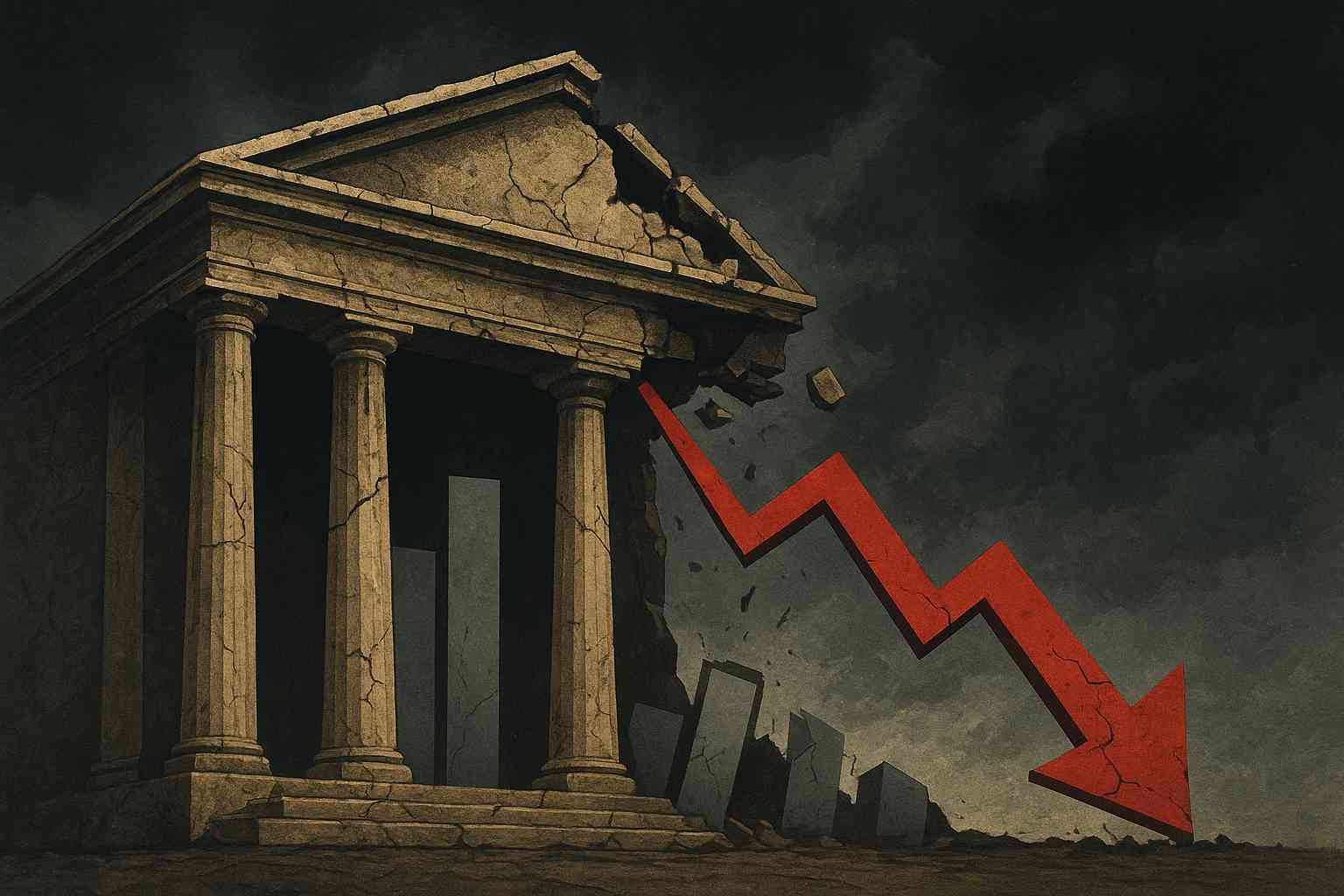
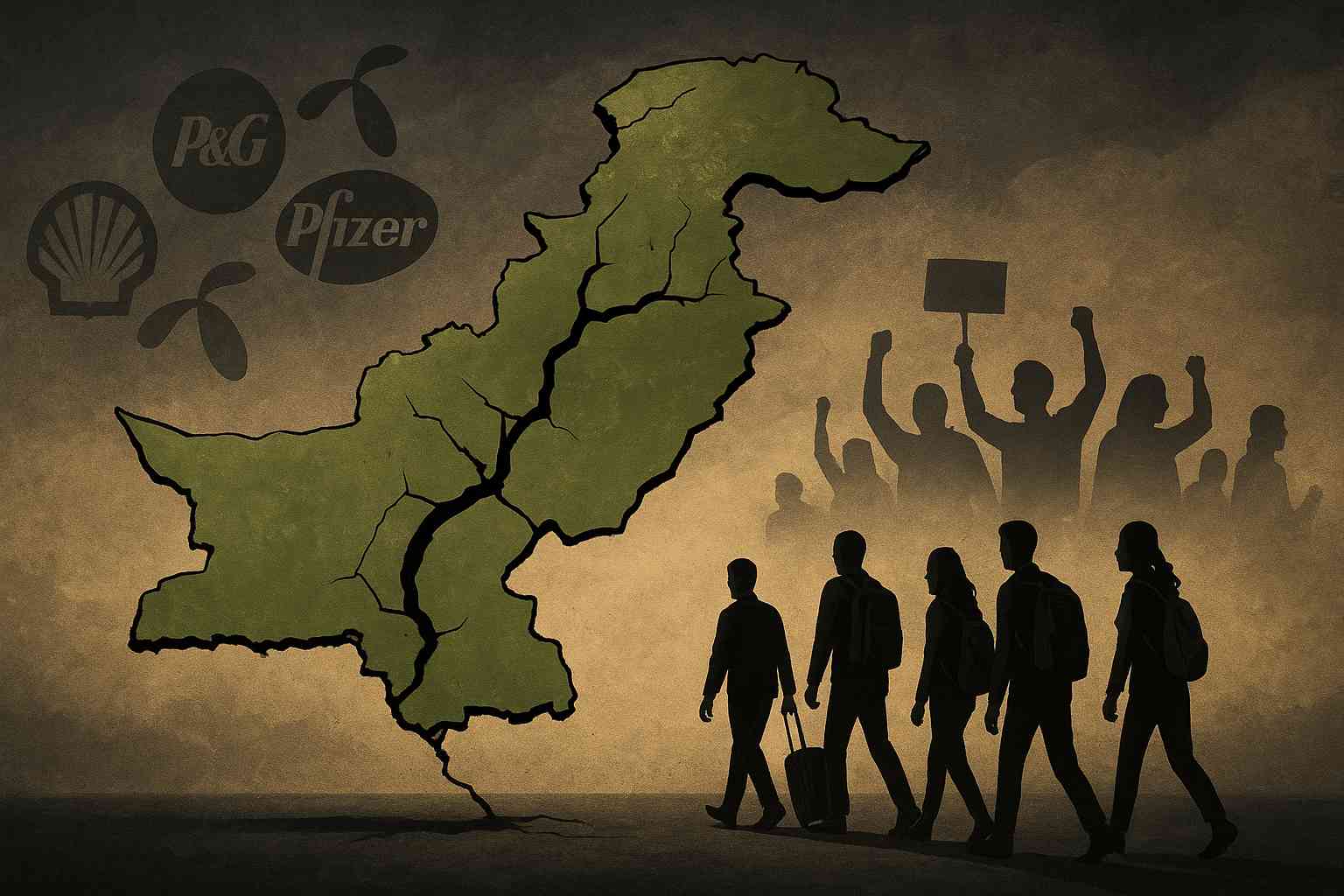
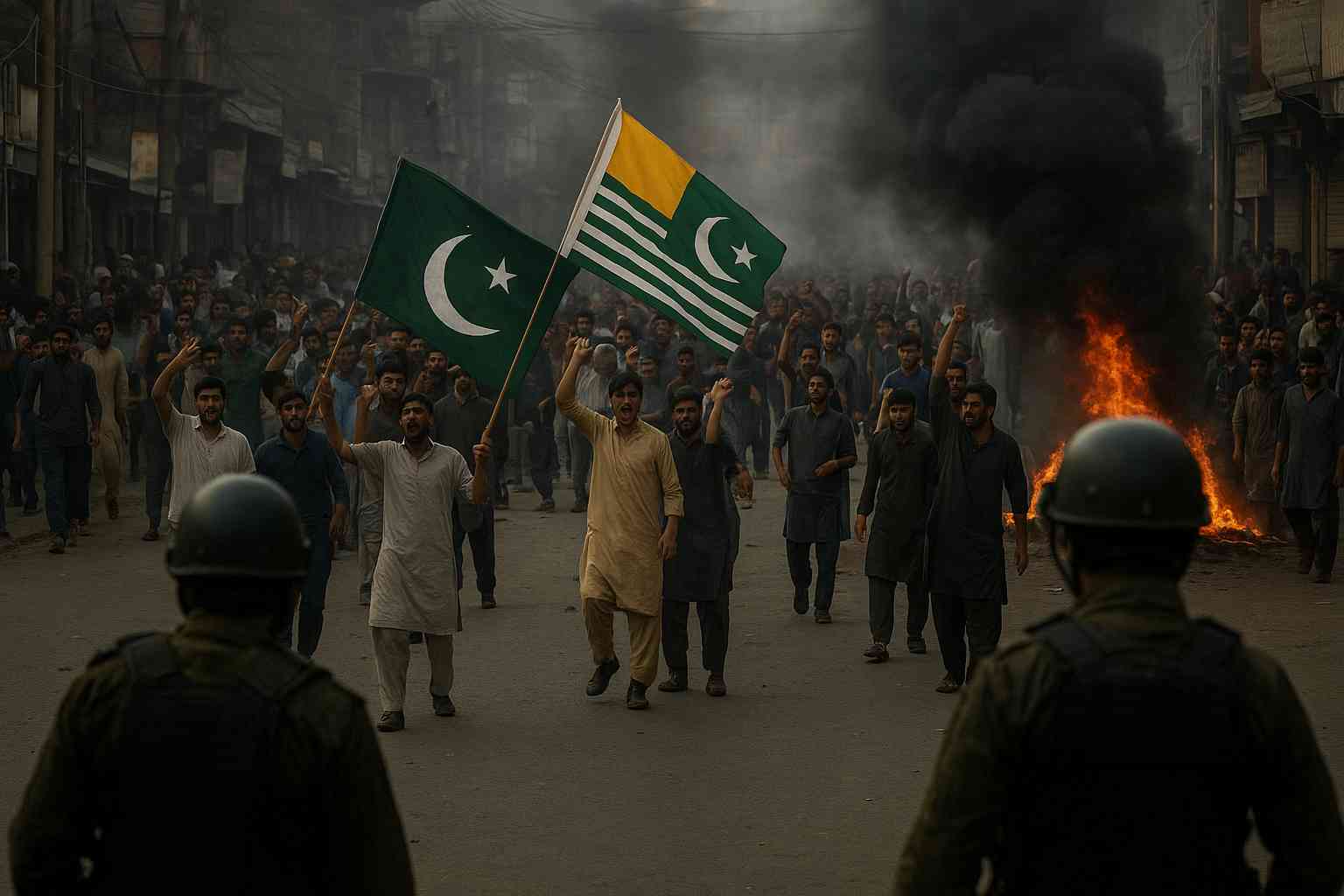
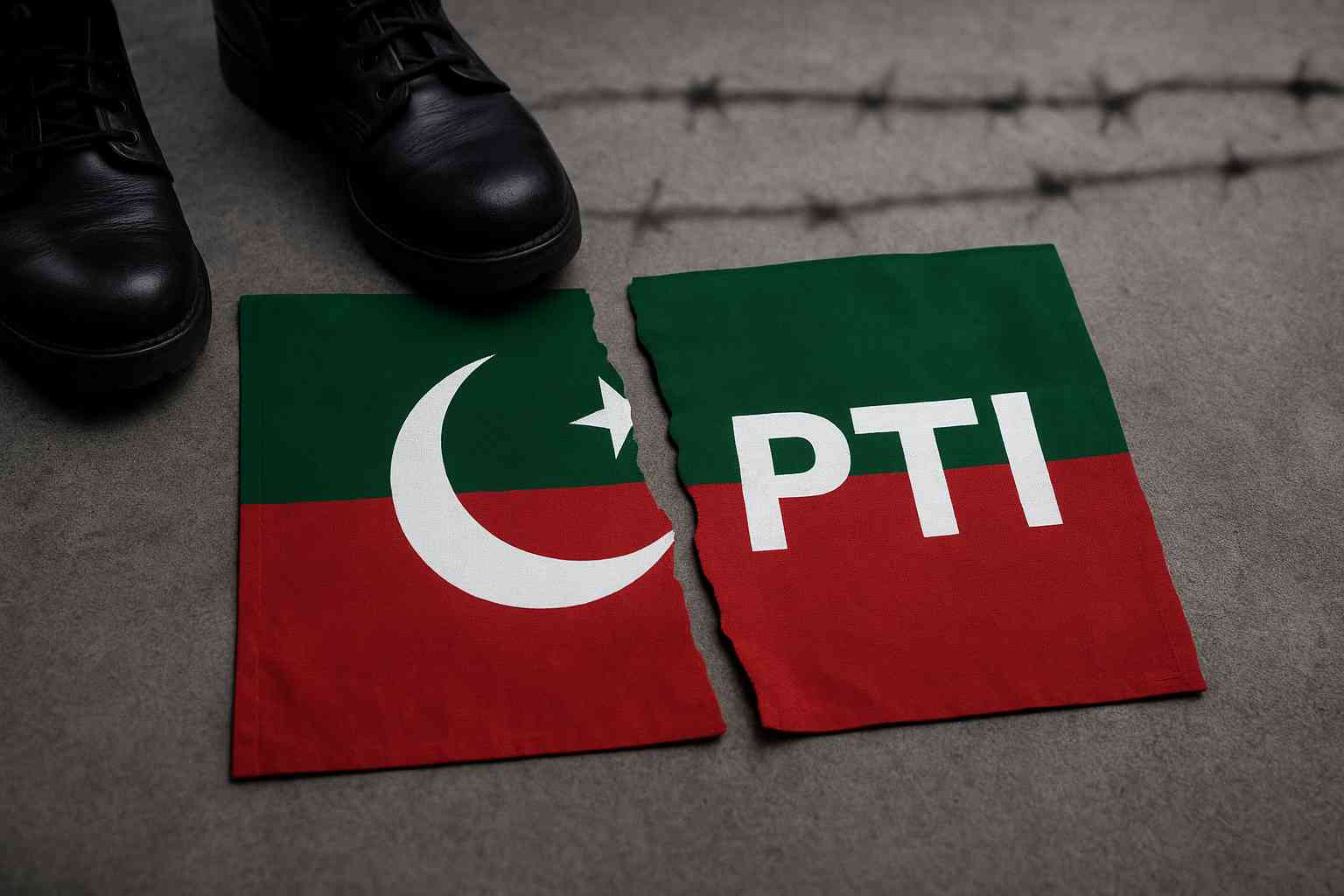
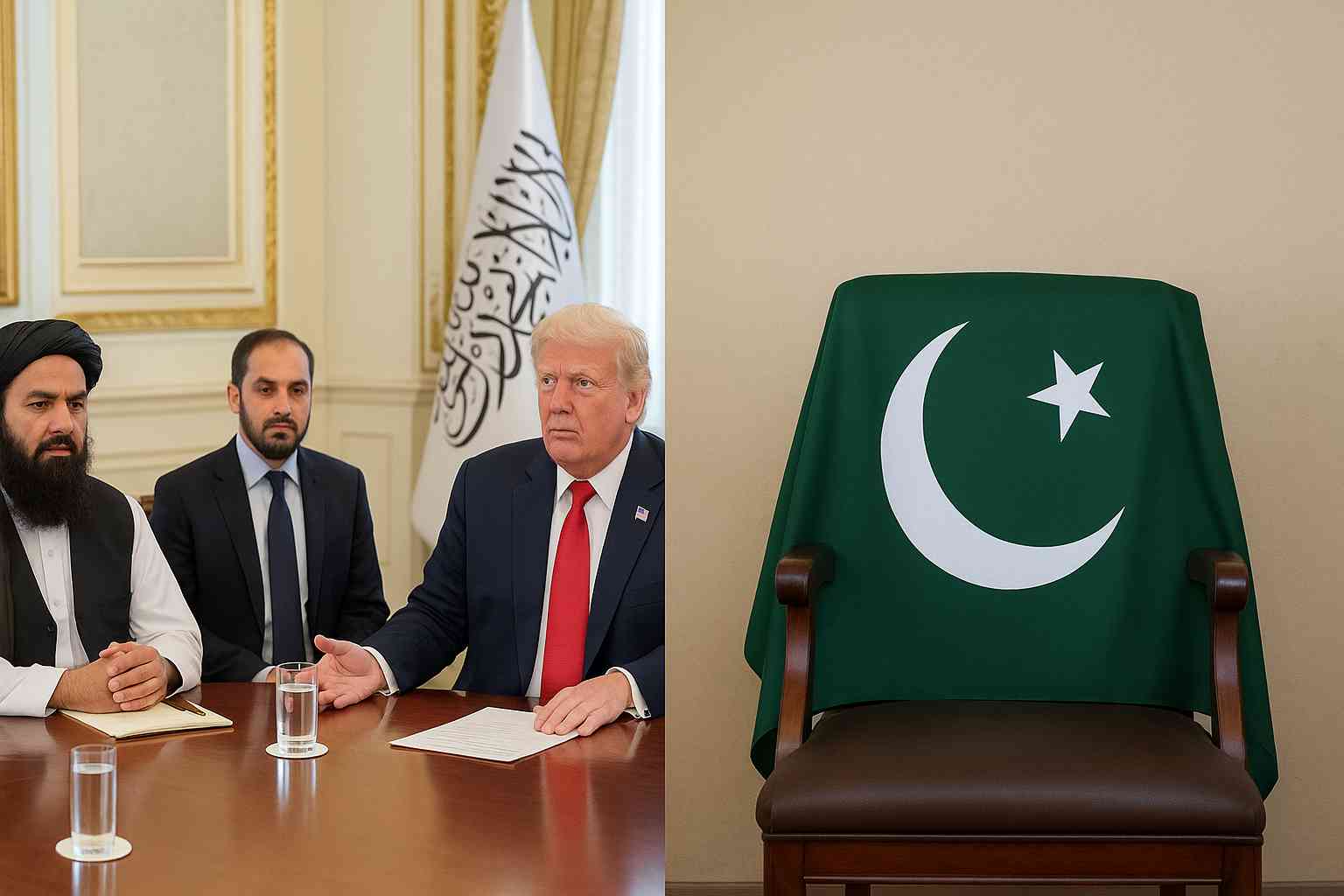
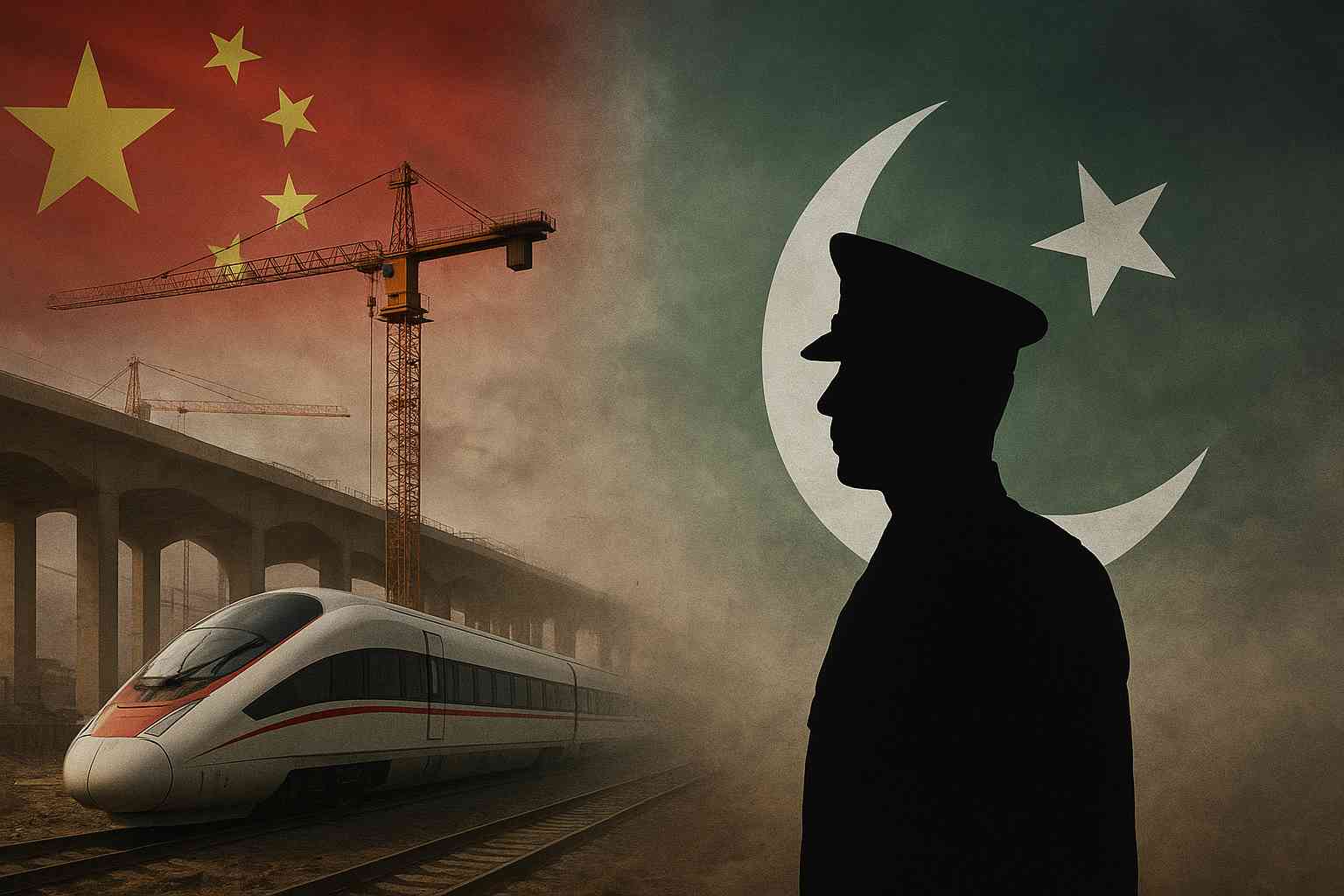
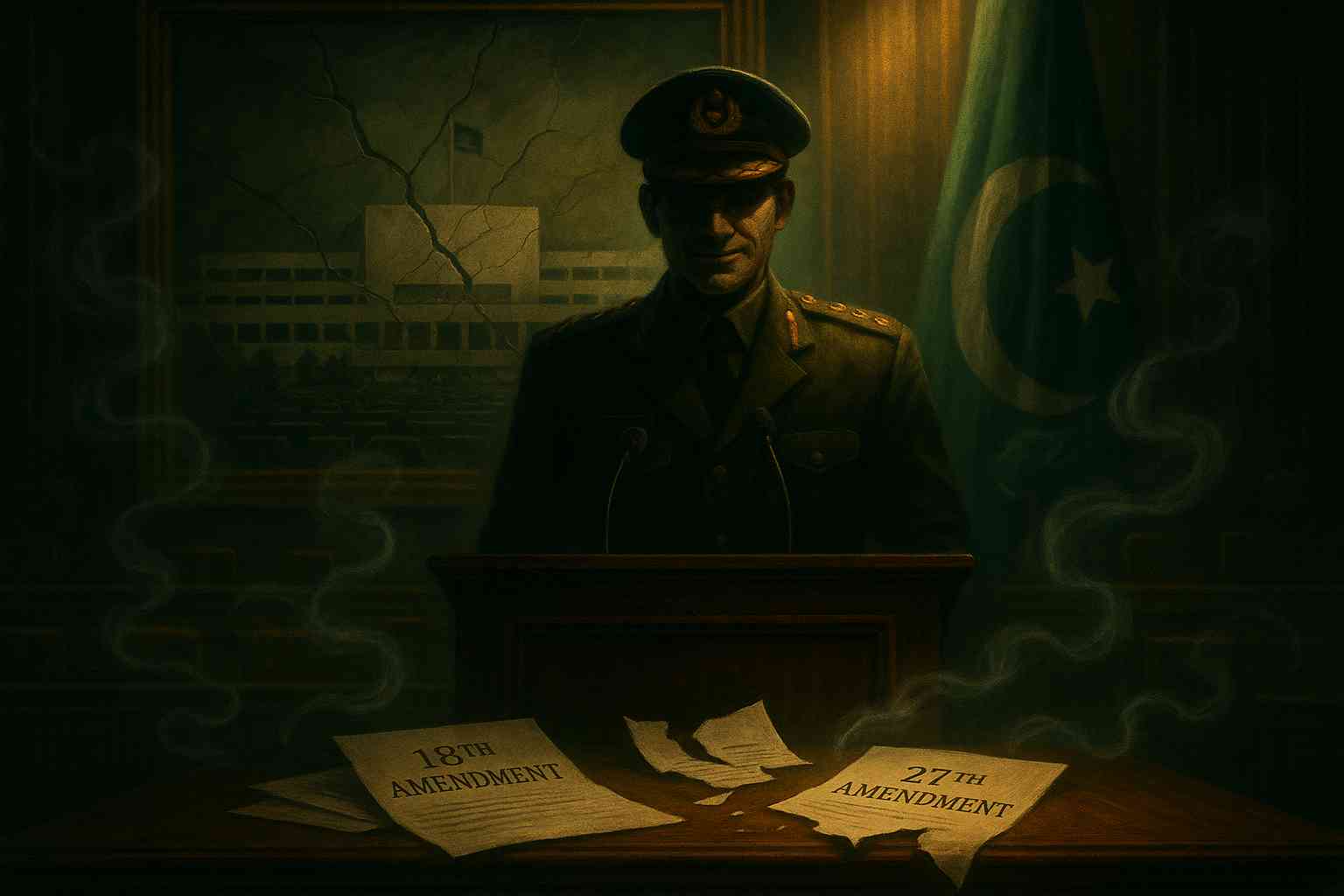
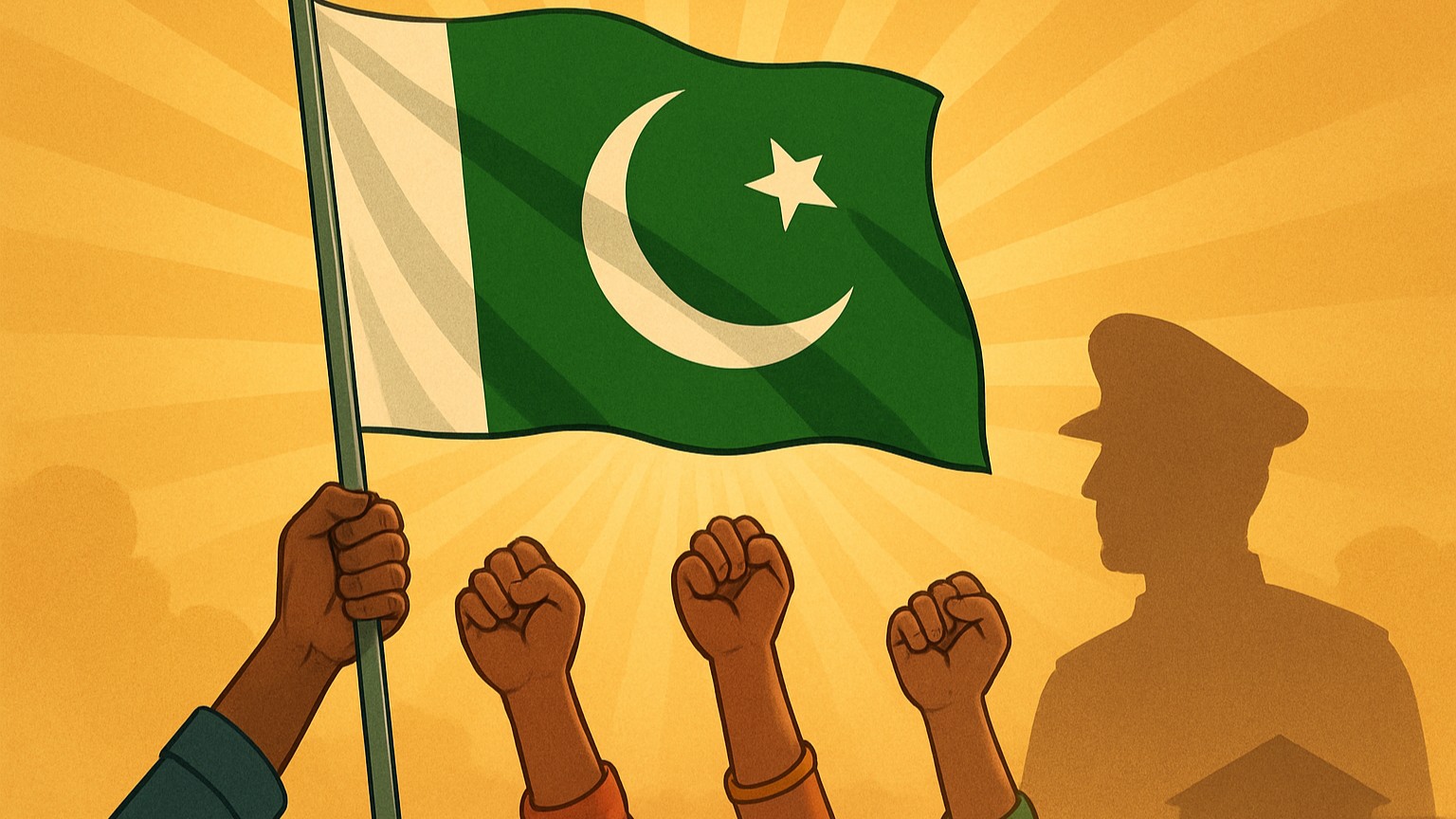
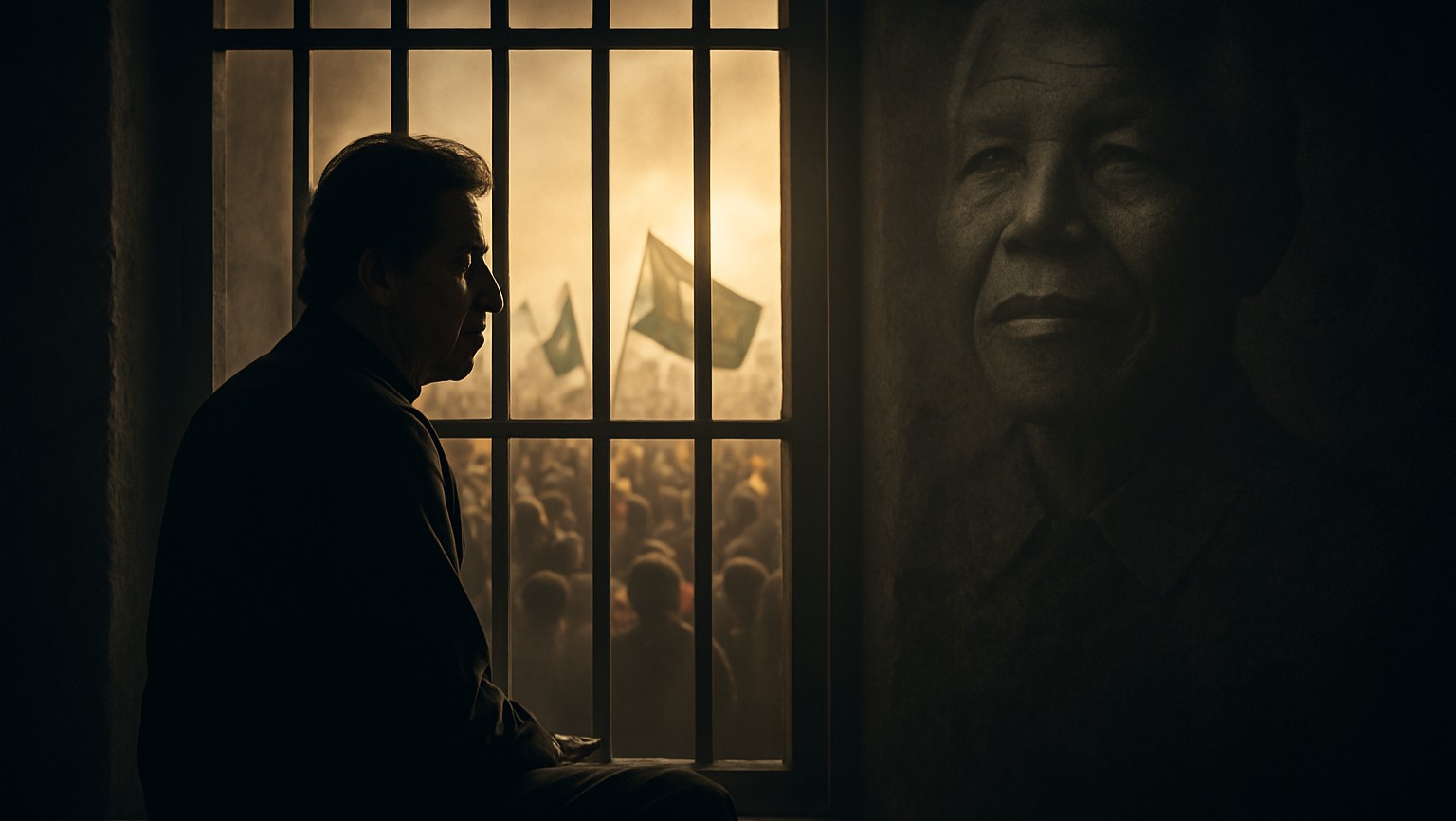
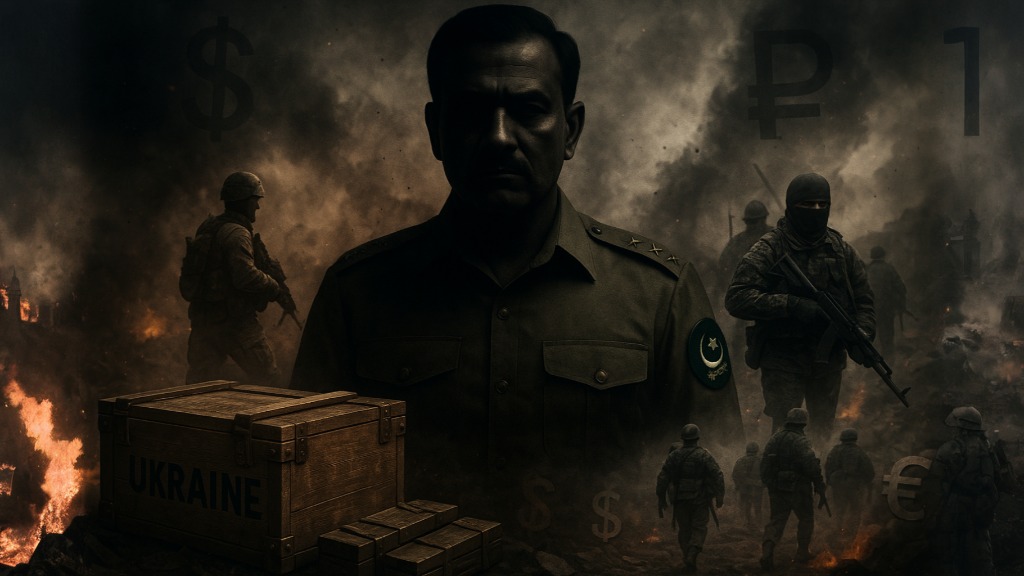
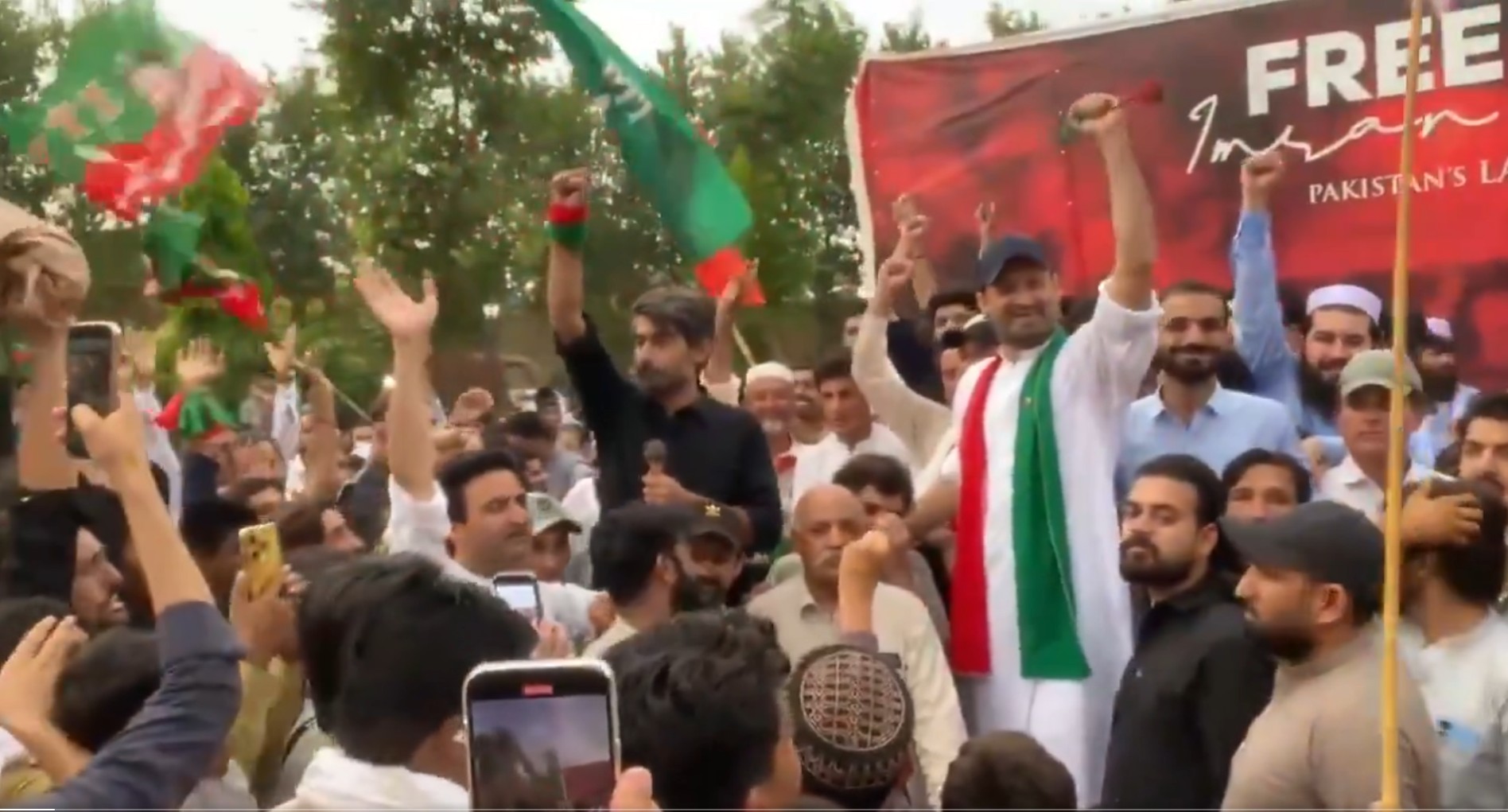
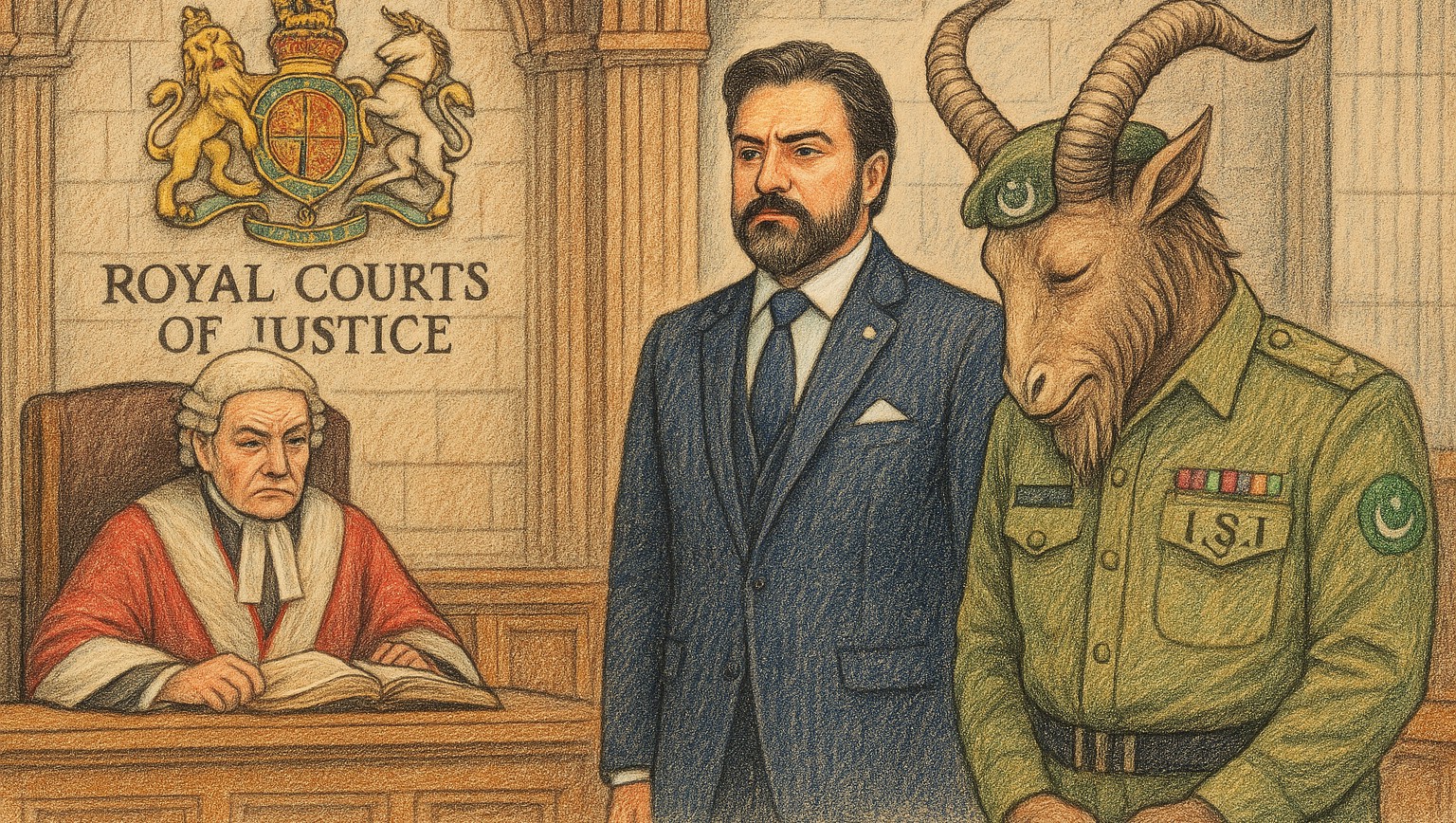
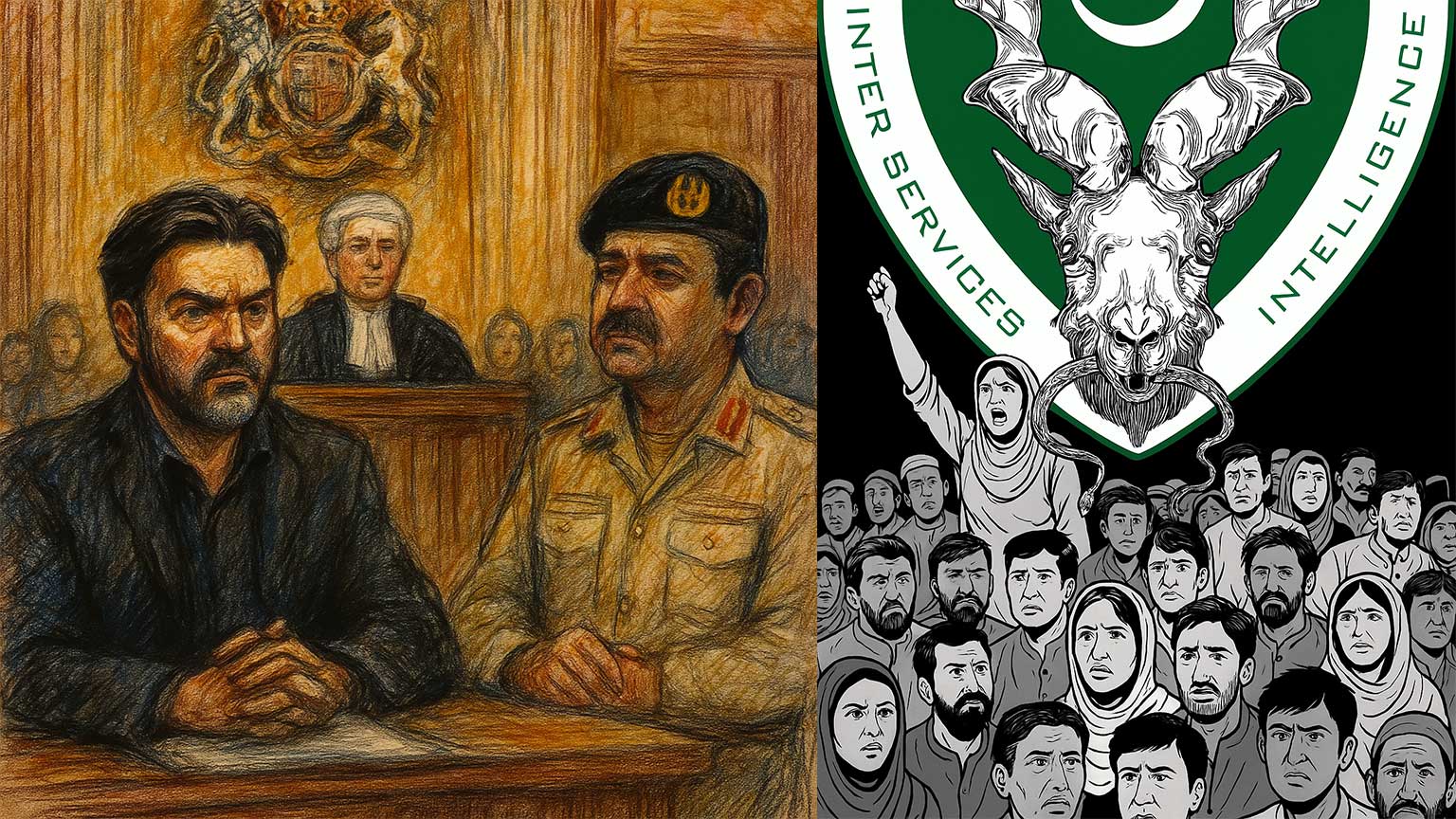
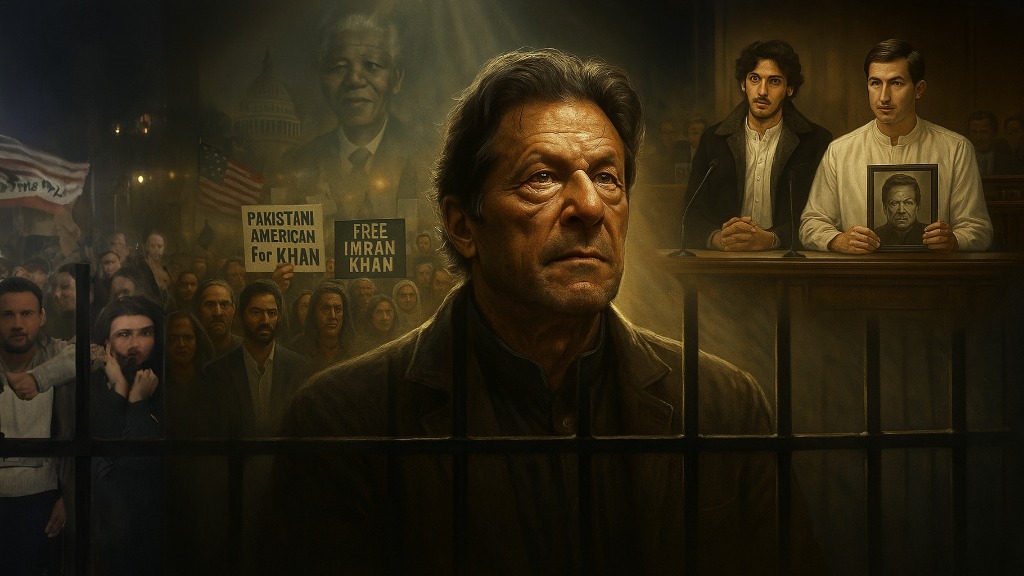
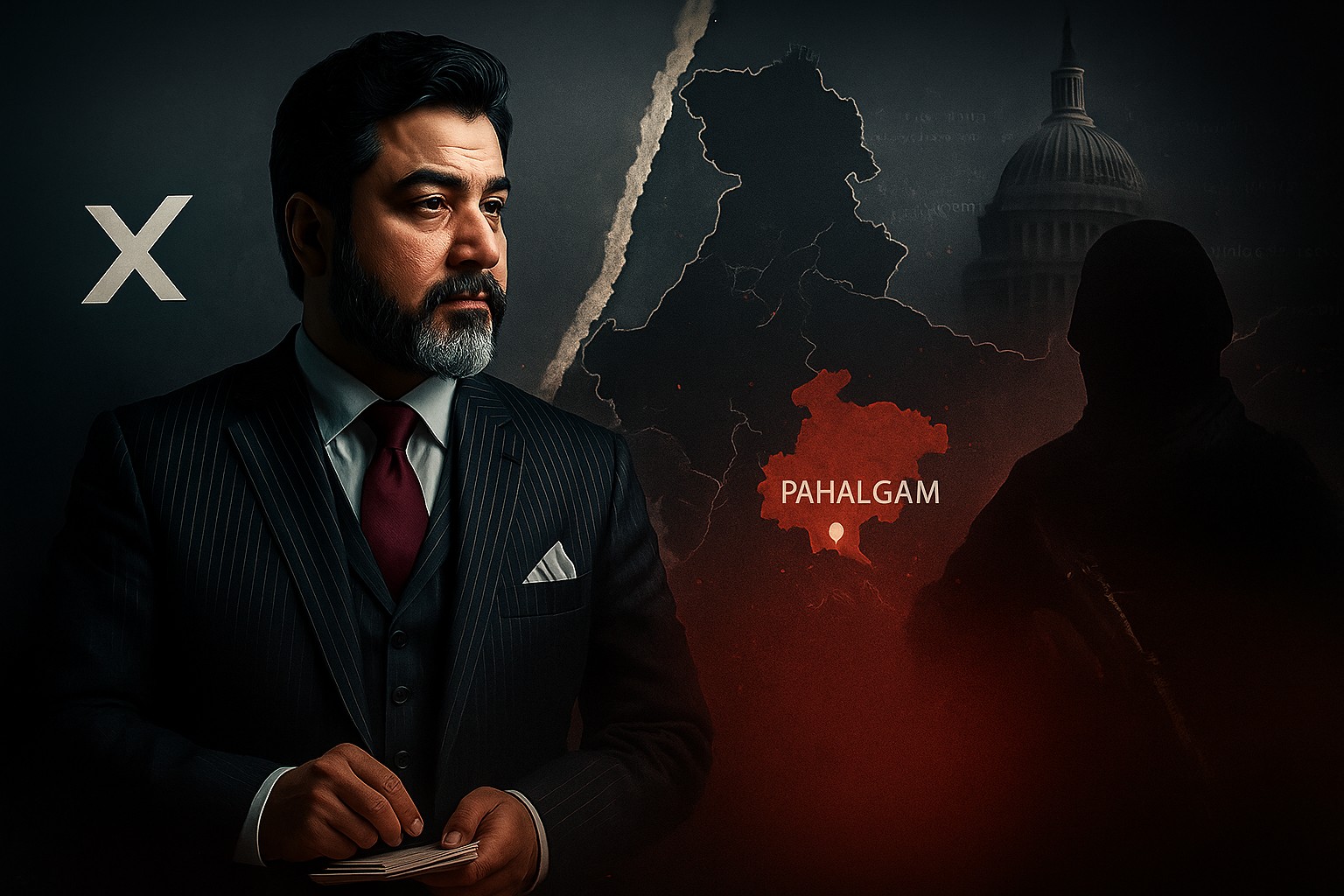
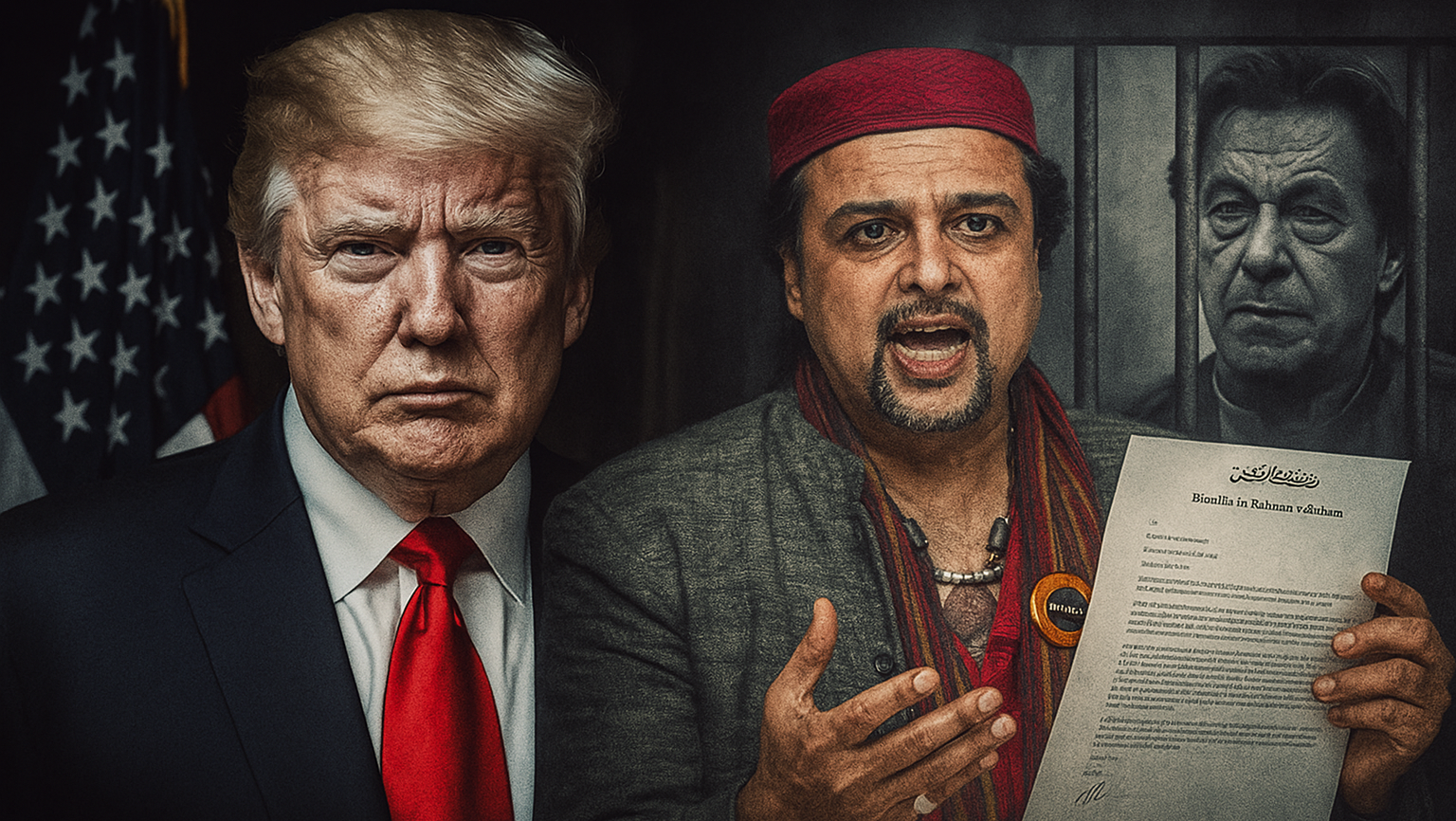
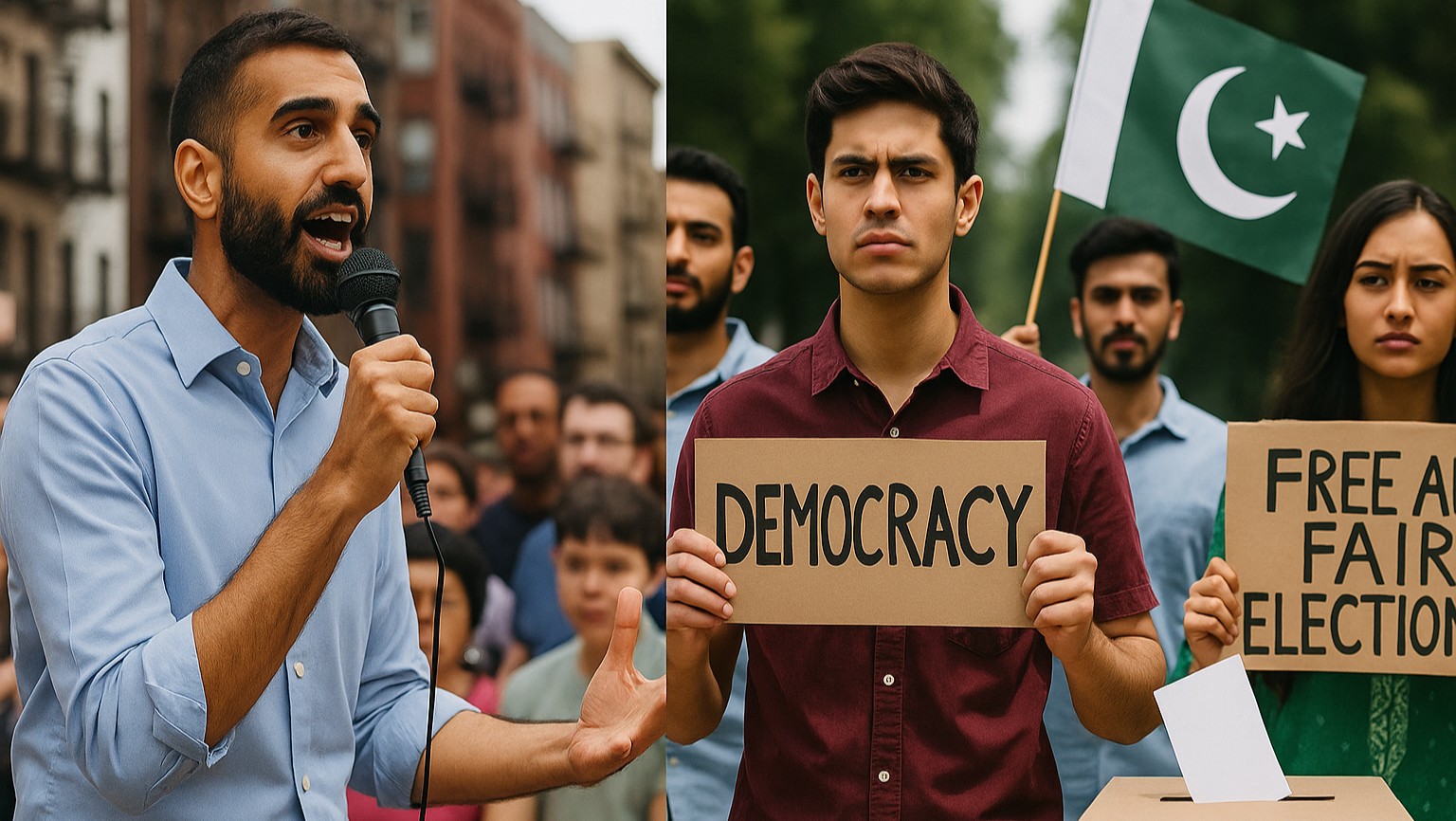
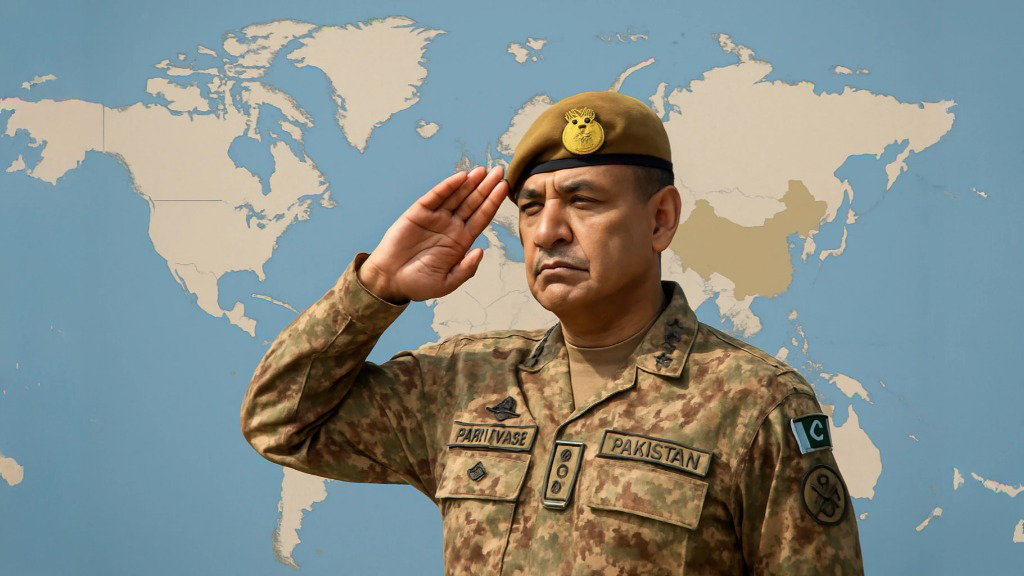
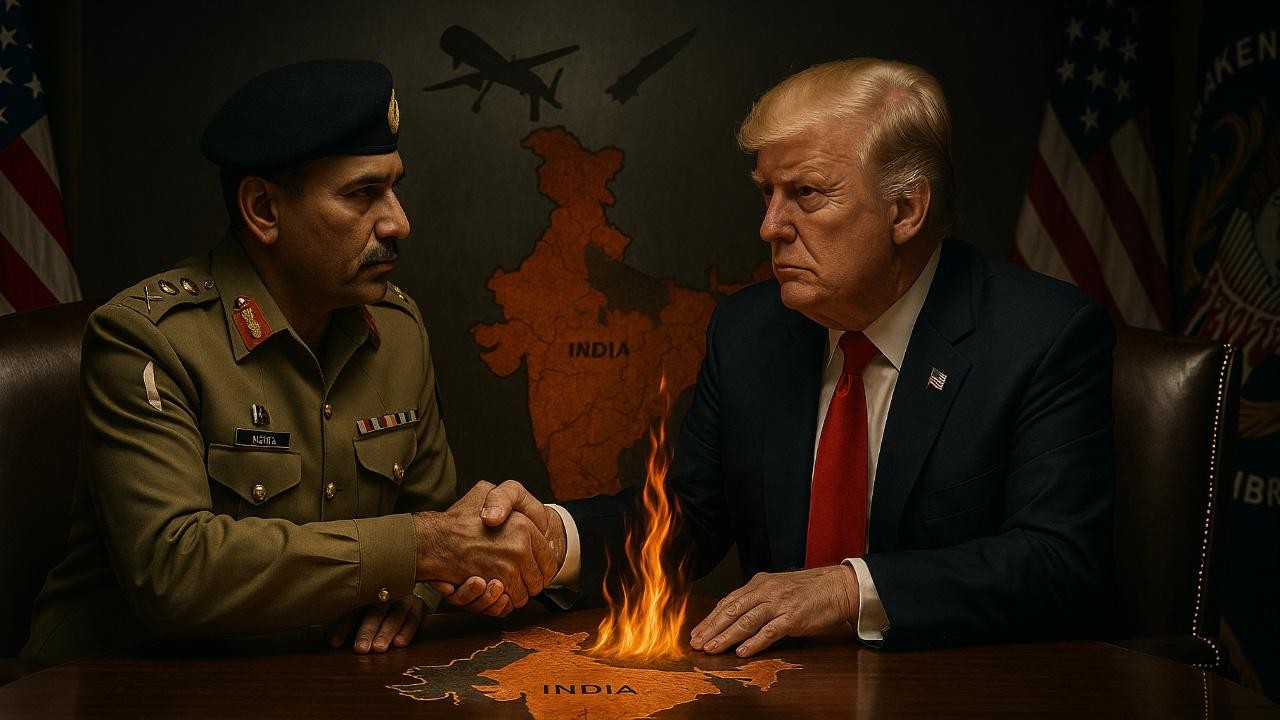
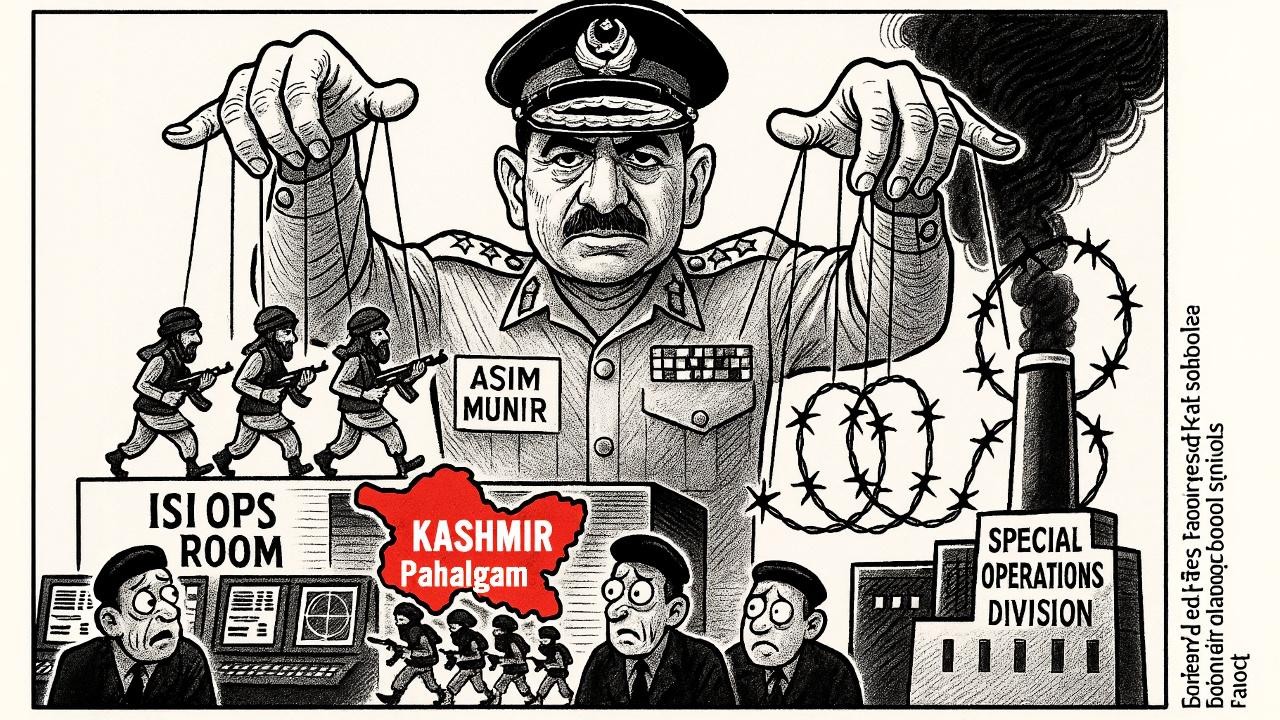
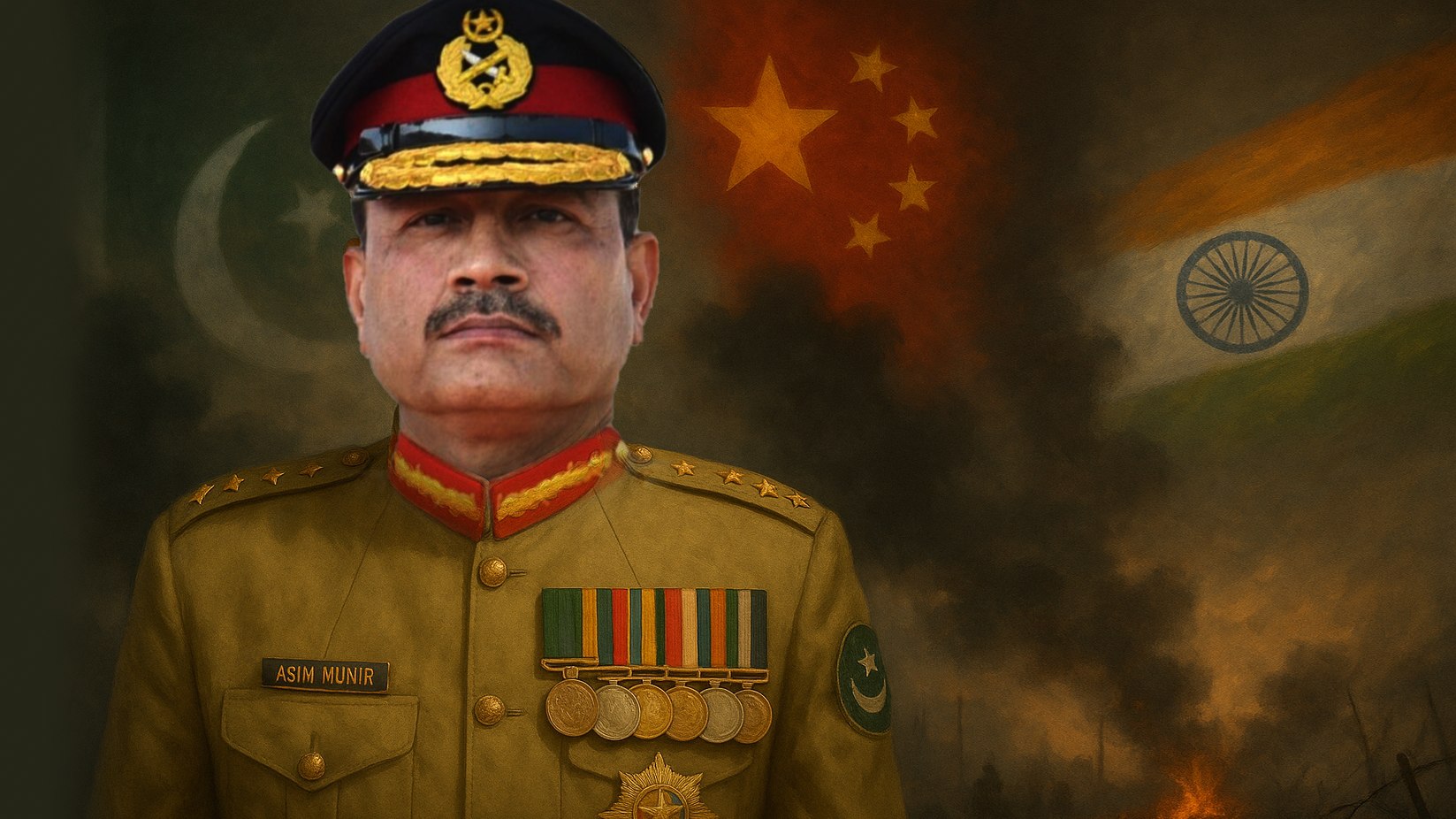
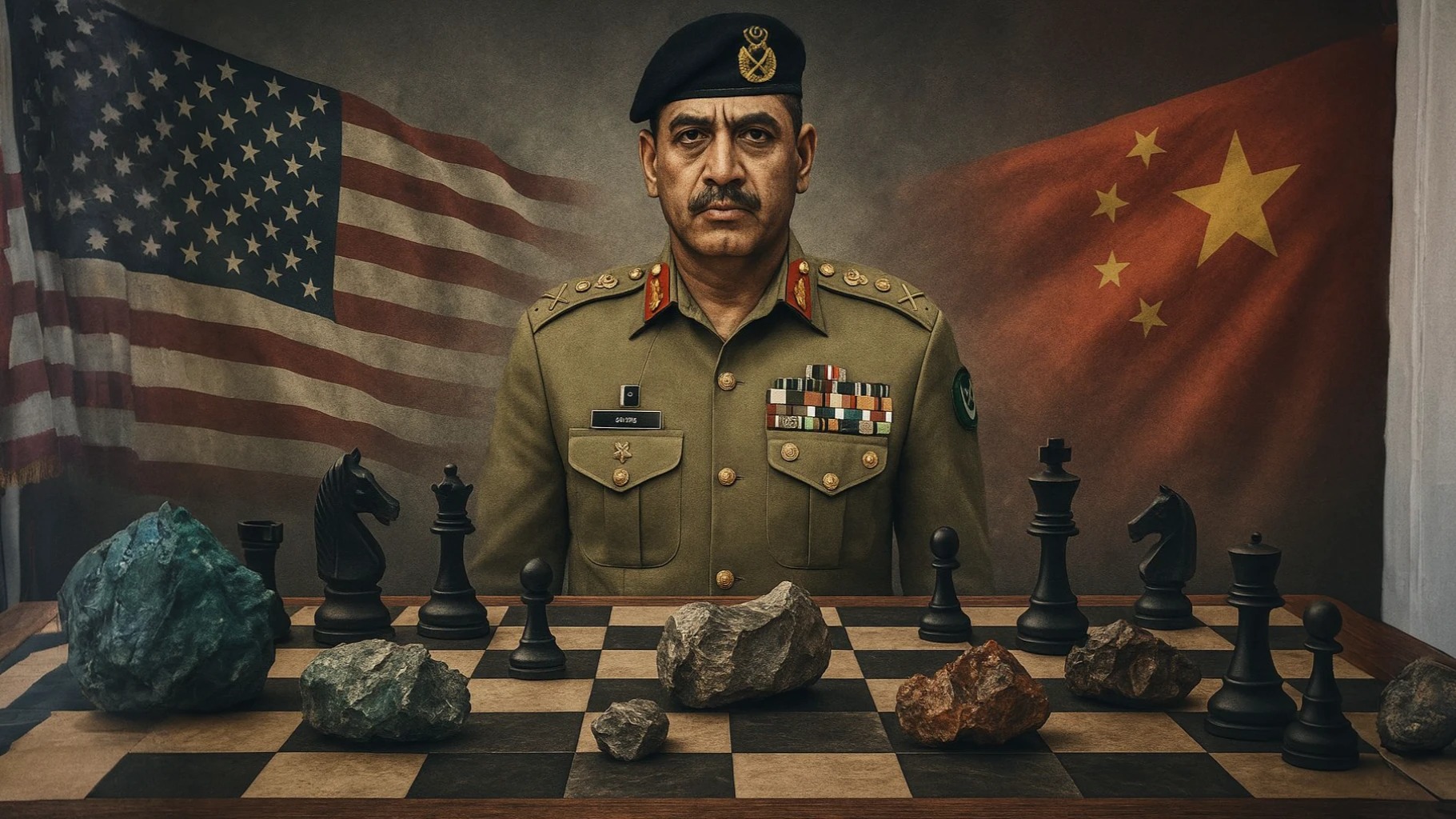
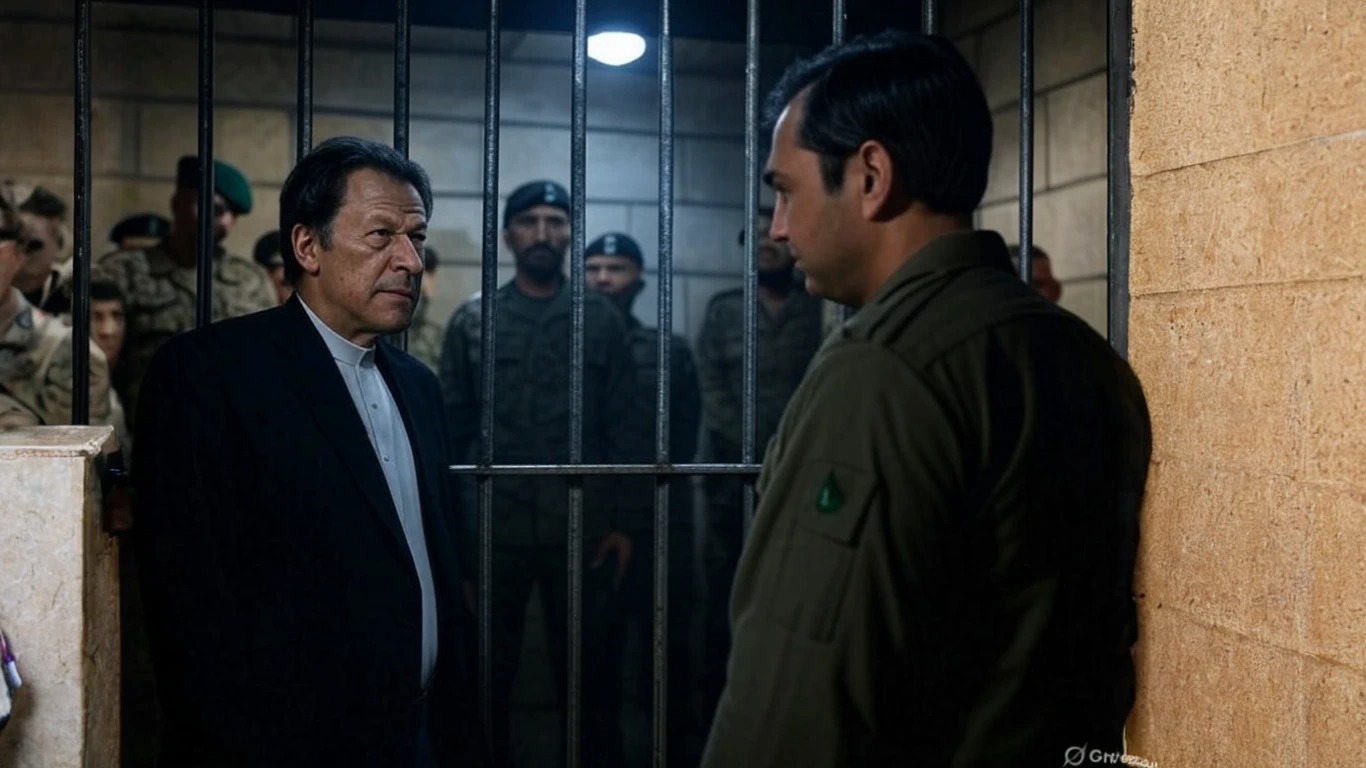
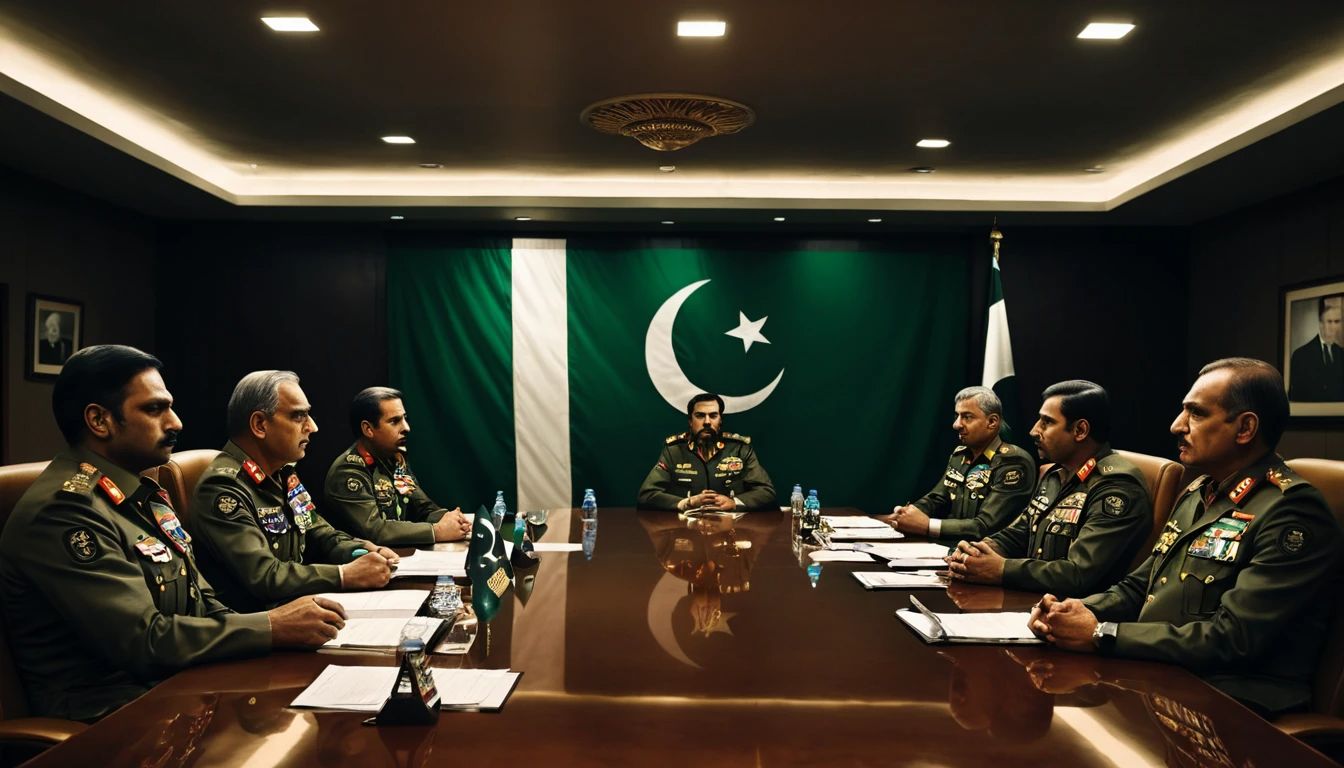
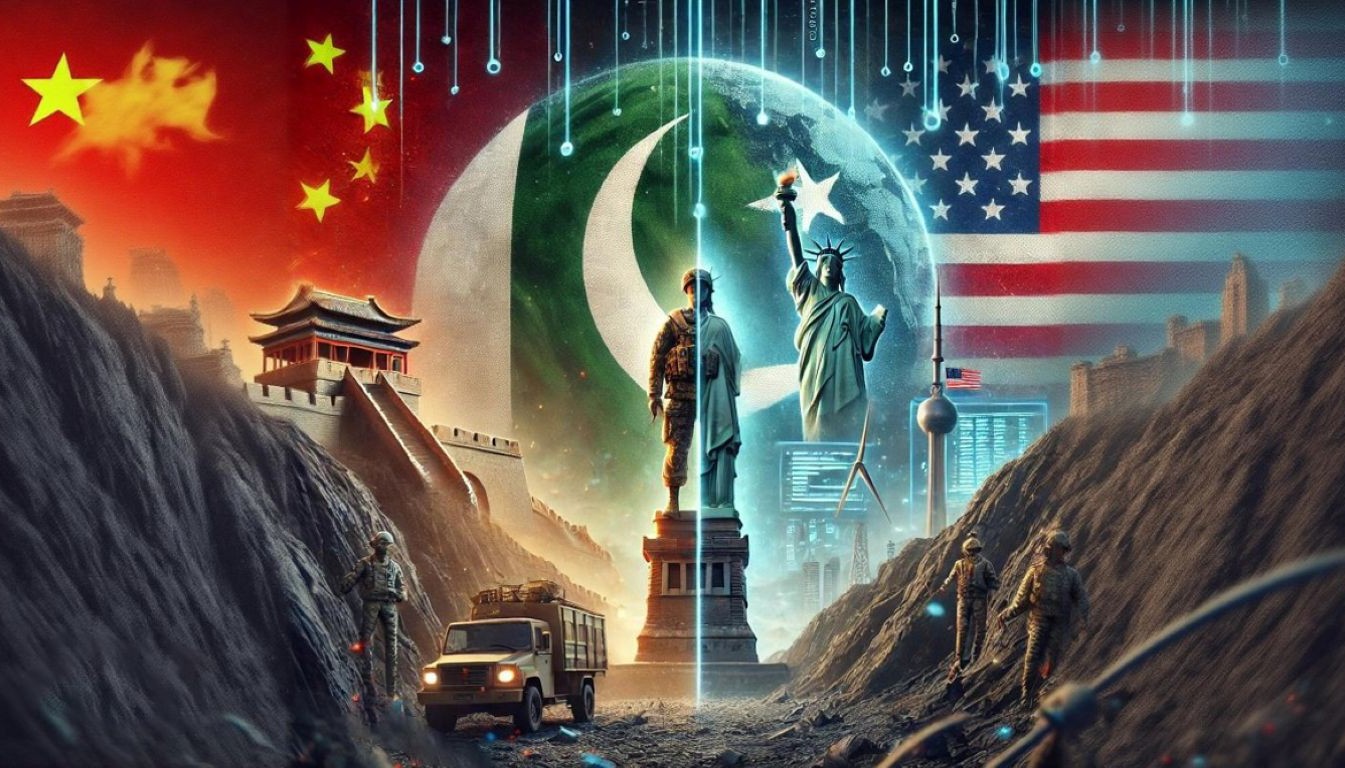
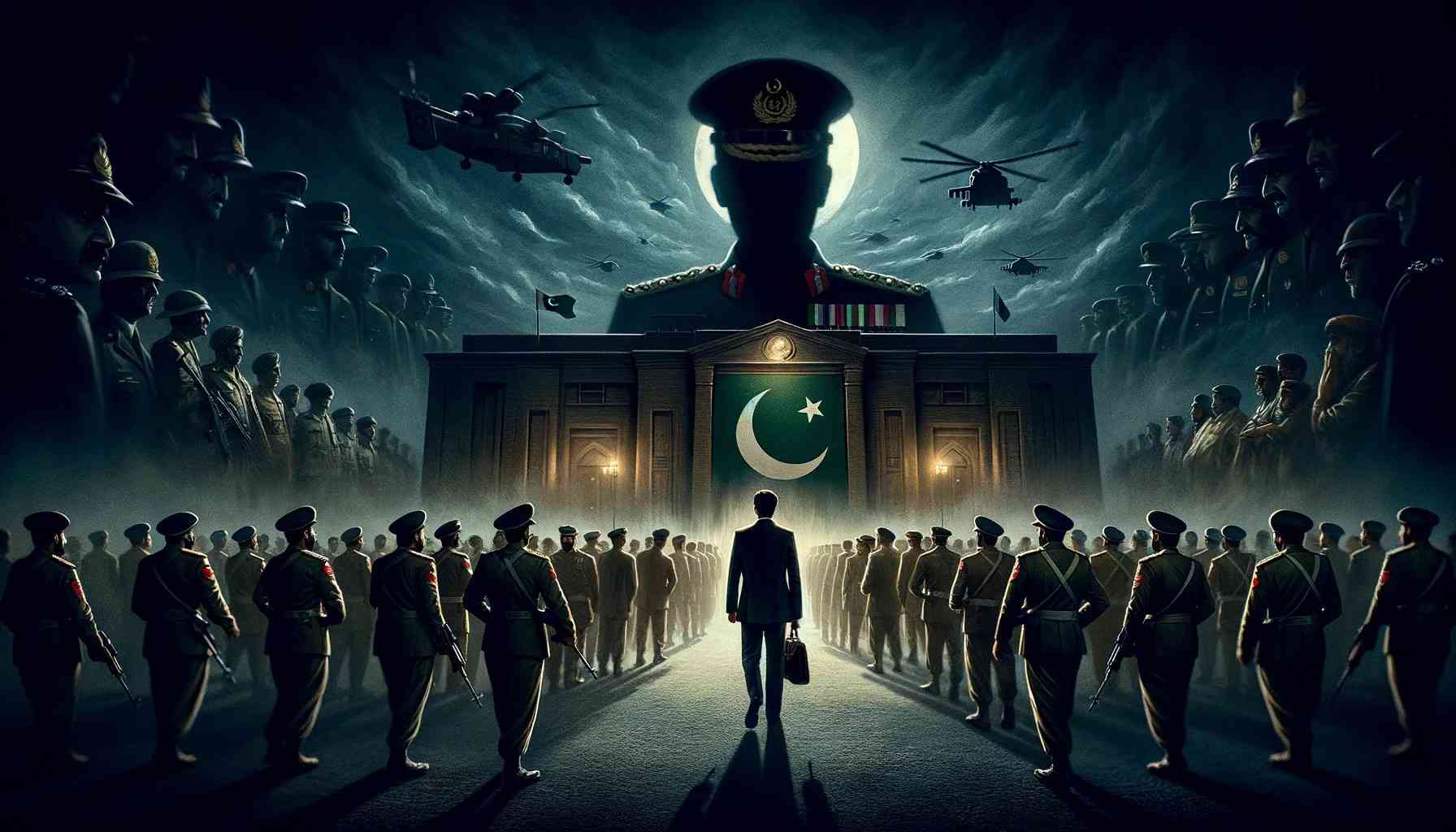
Pakistan’s military establishment appears to have reached a breaking point, and the unfolding China Bailout Trap reflects that reality. After wrecking the country’s political order, crushing democratic legitimacy, imprisoning Imran Khan, and imposing an unelected arrangement, the same generals who promised “stability” now search for external rescue.
This is not a rescue rooted in reform, public trust, or economic discipline. Instead, it represents another elite survival scheme.
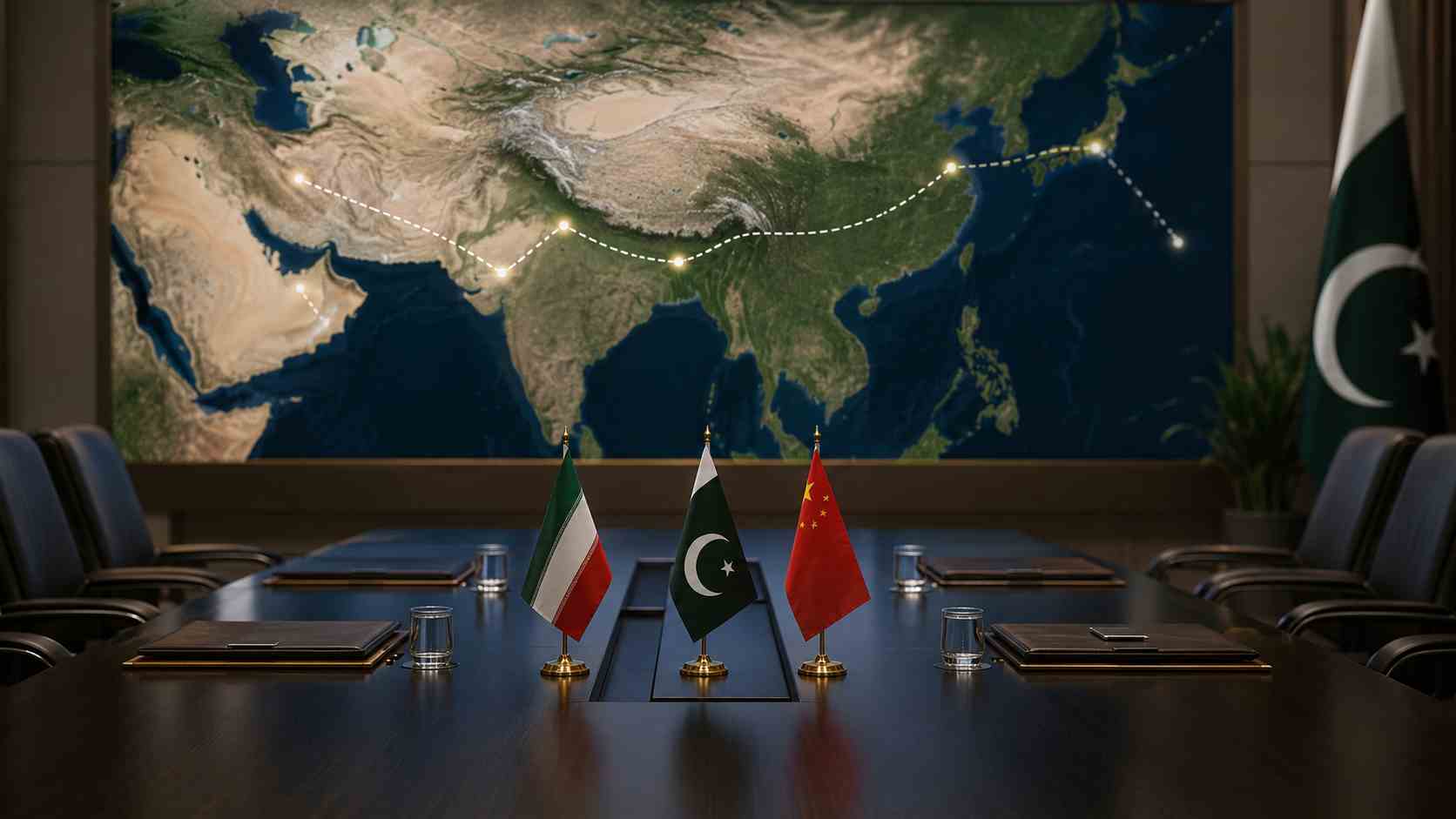
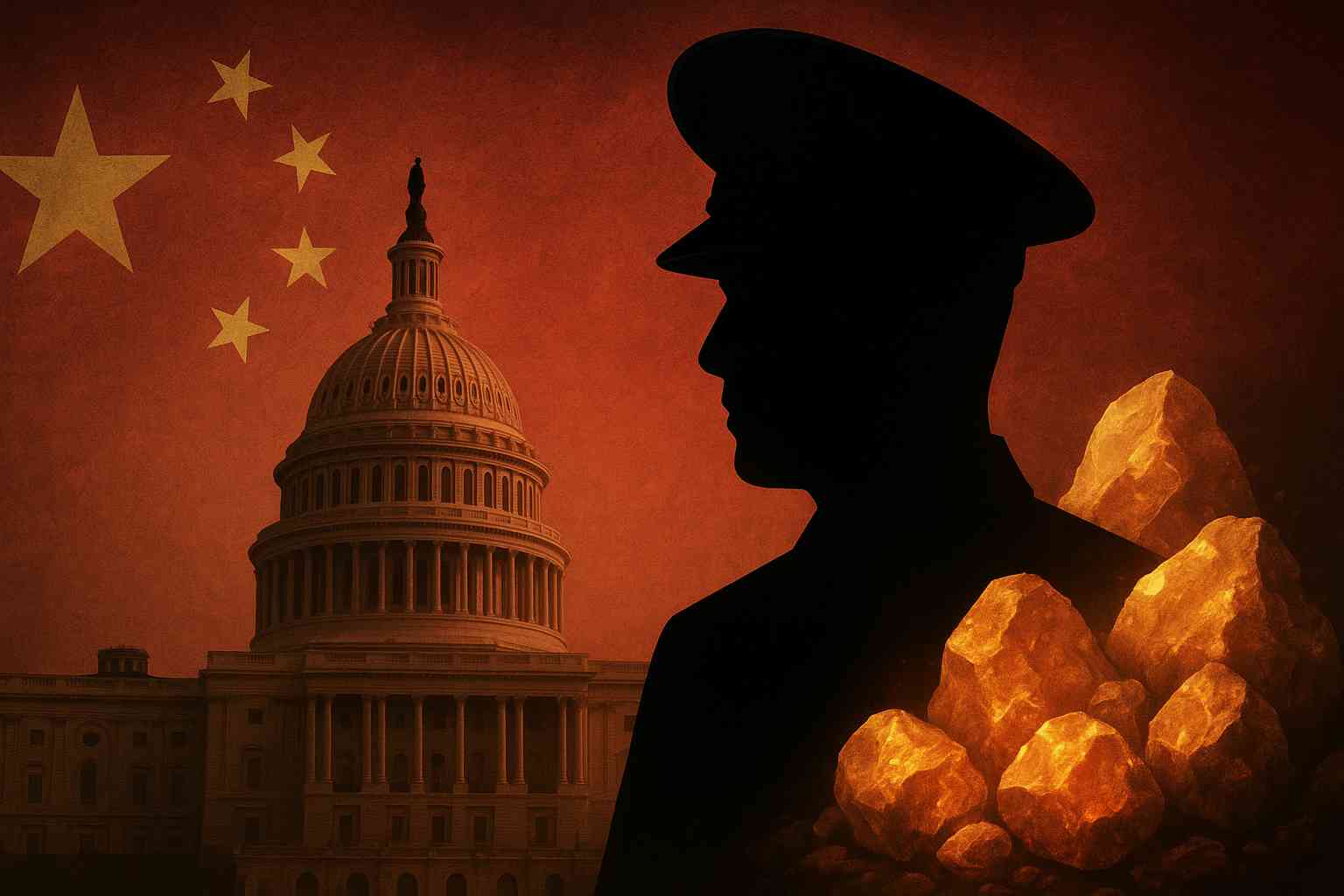
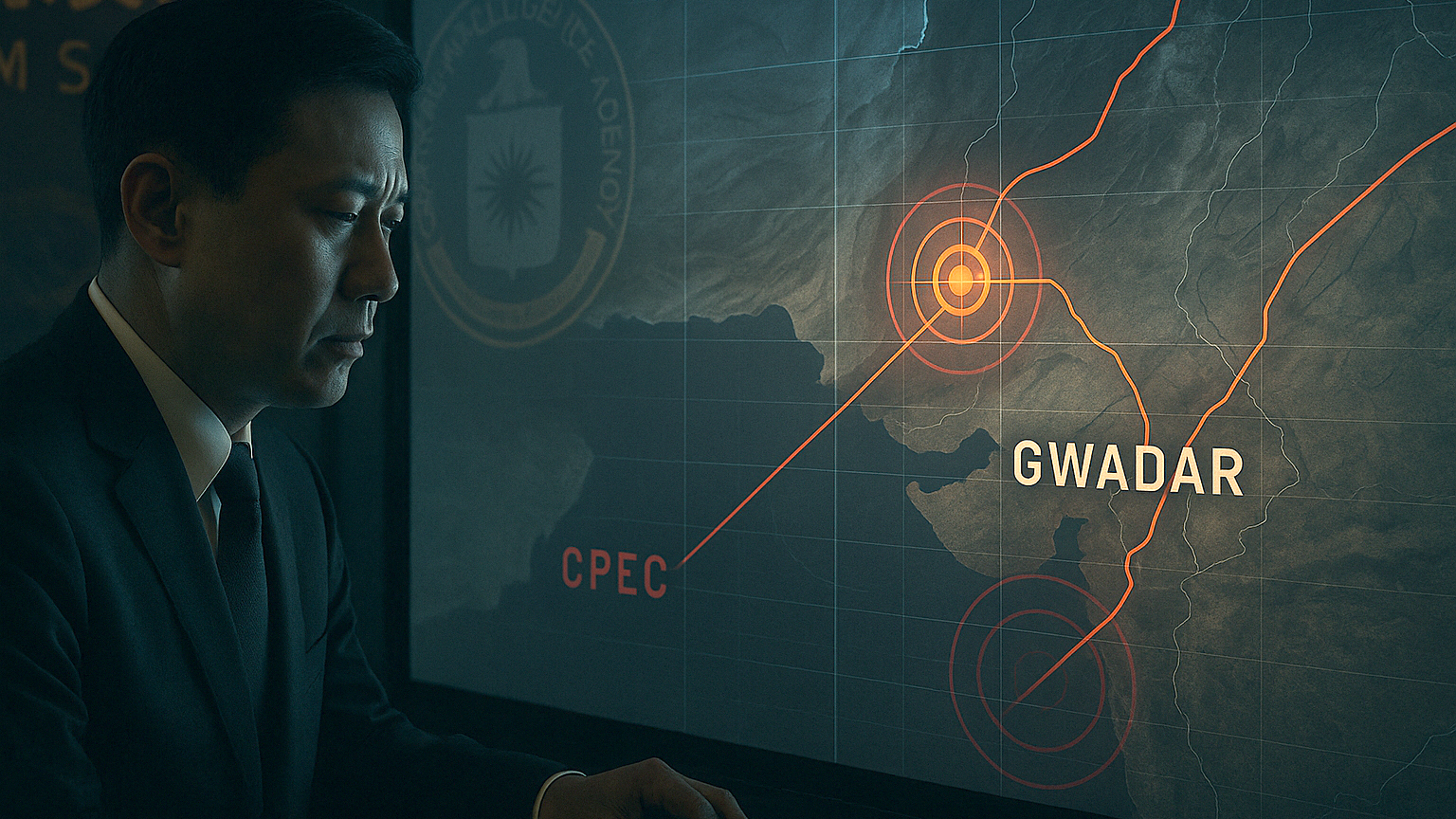
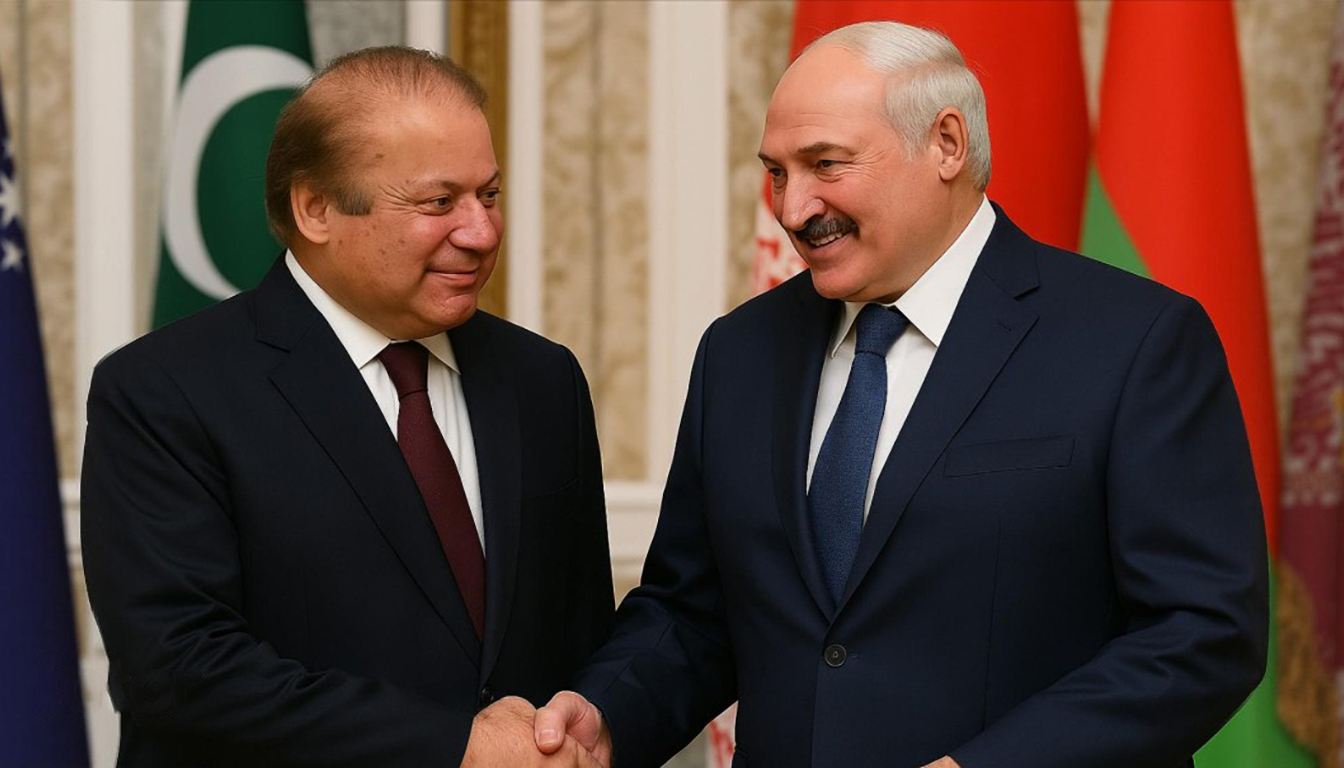
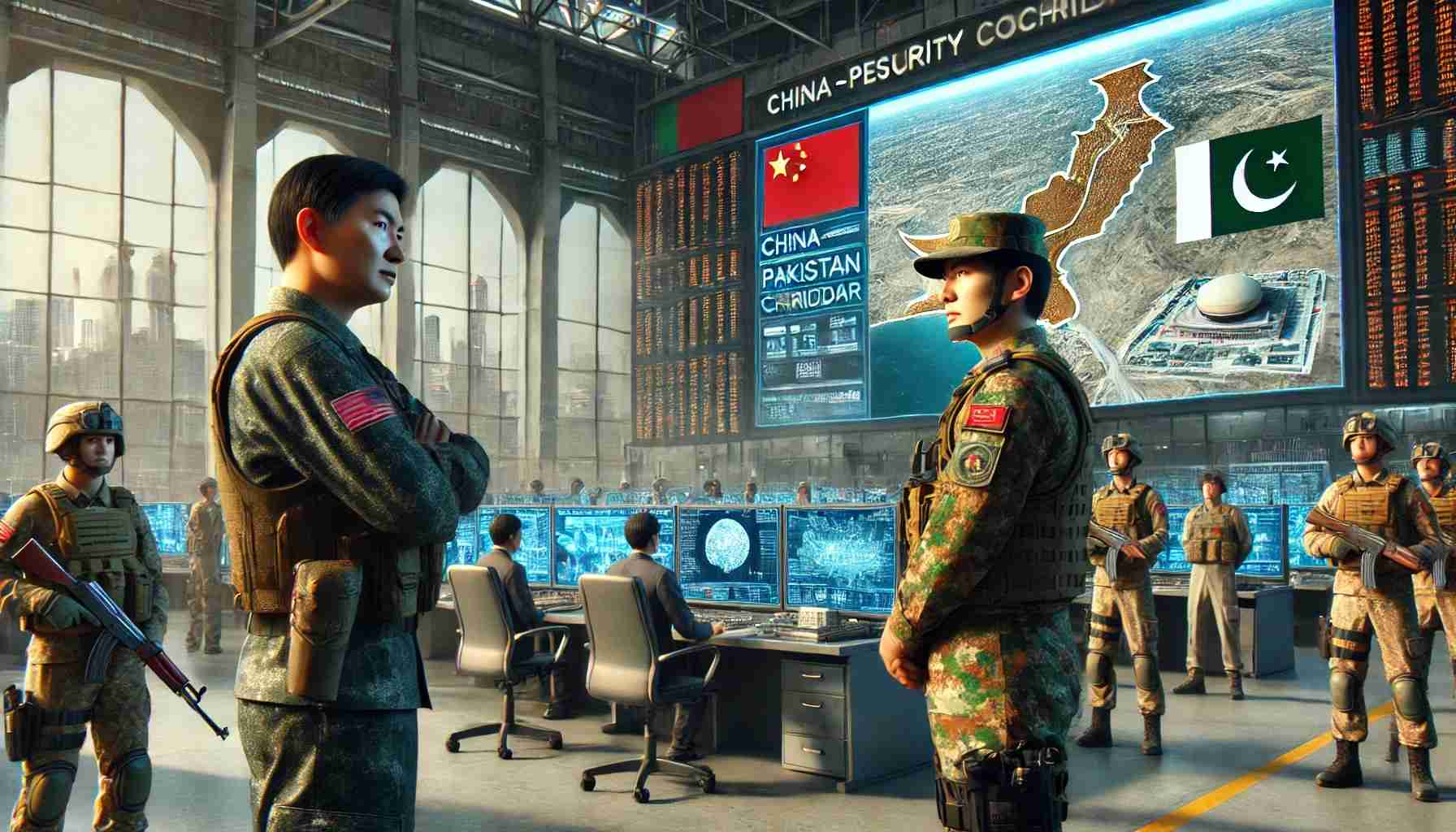
Recent information from Pakistan’s intelligence and military circles points to what insiders call a “Chinese solution” to the country’s financial crisis. In simple terms, the generals are turning toward Beijing for a bailout while offering strategic and economic concessions in return.
That is not sovereignty. Rather, it signals desperation disguised as policy.
The Economic Collapse the Generals Created
For years, propaganda brigades maintained the illusion that everything was under control. They claimed the hybrid system would bring discipline. They insisted the economy would recover. They argued that military-backed governance could save the state.
However, reality now tells a different story.
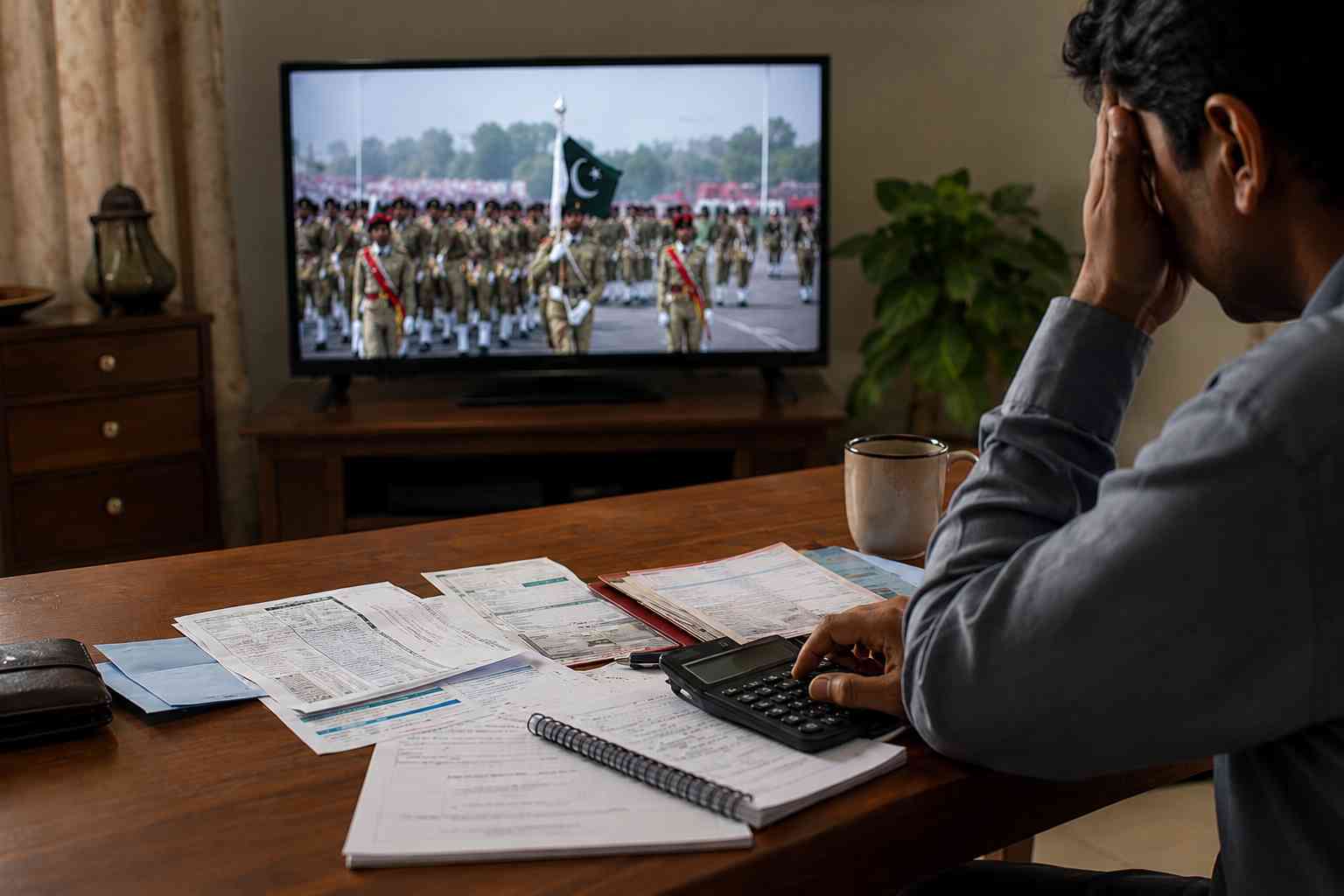
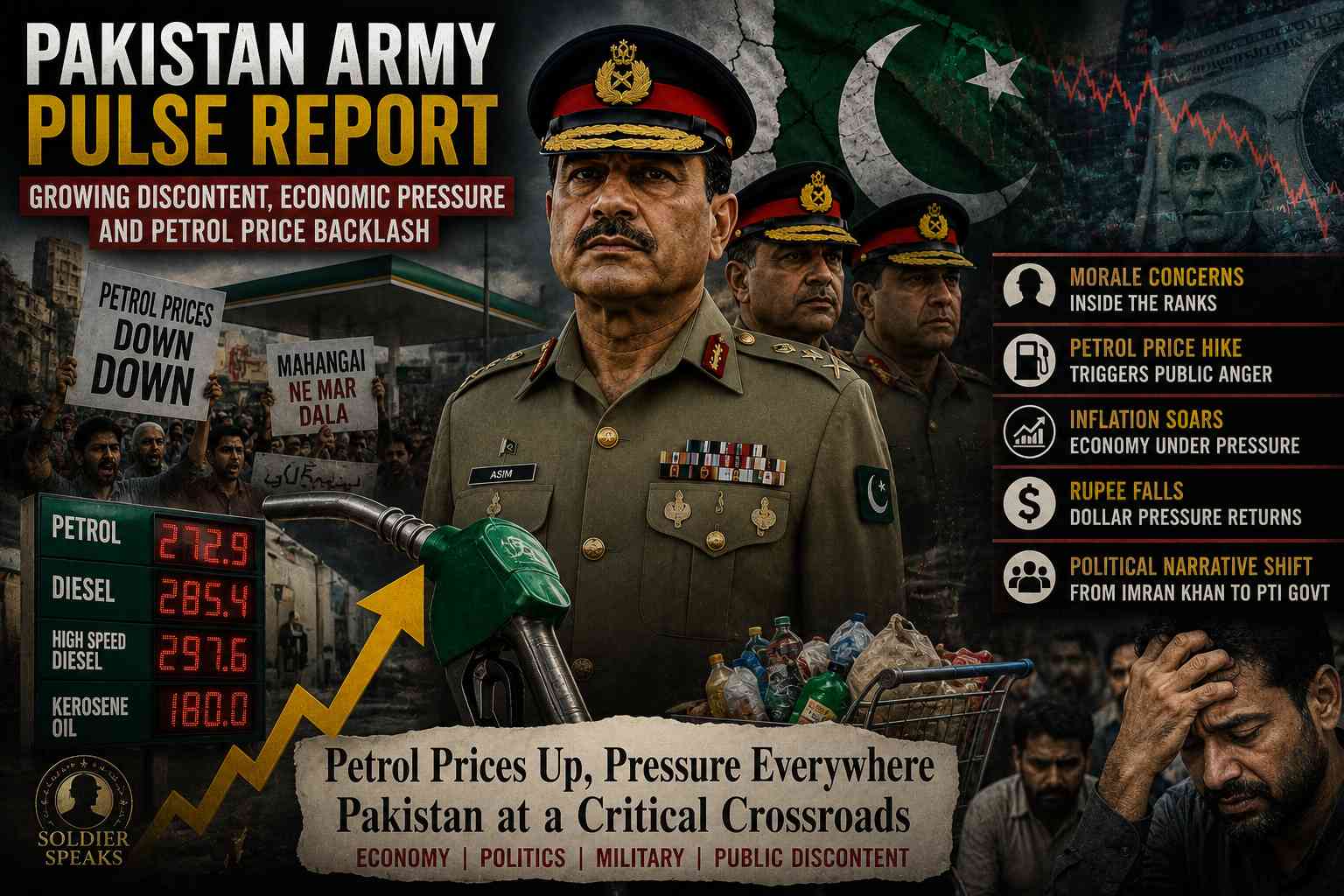
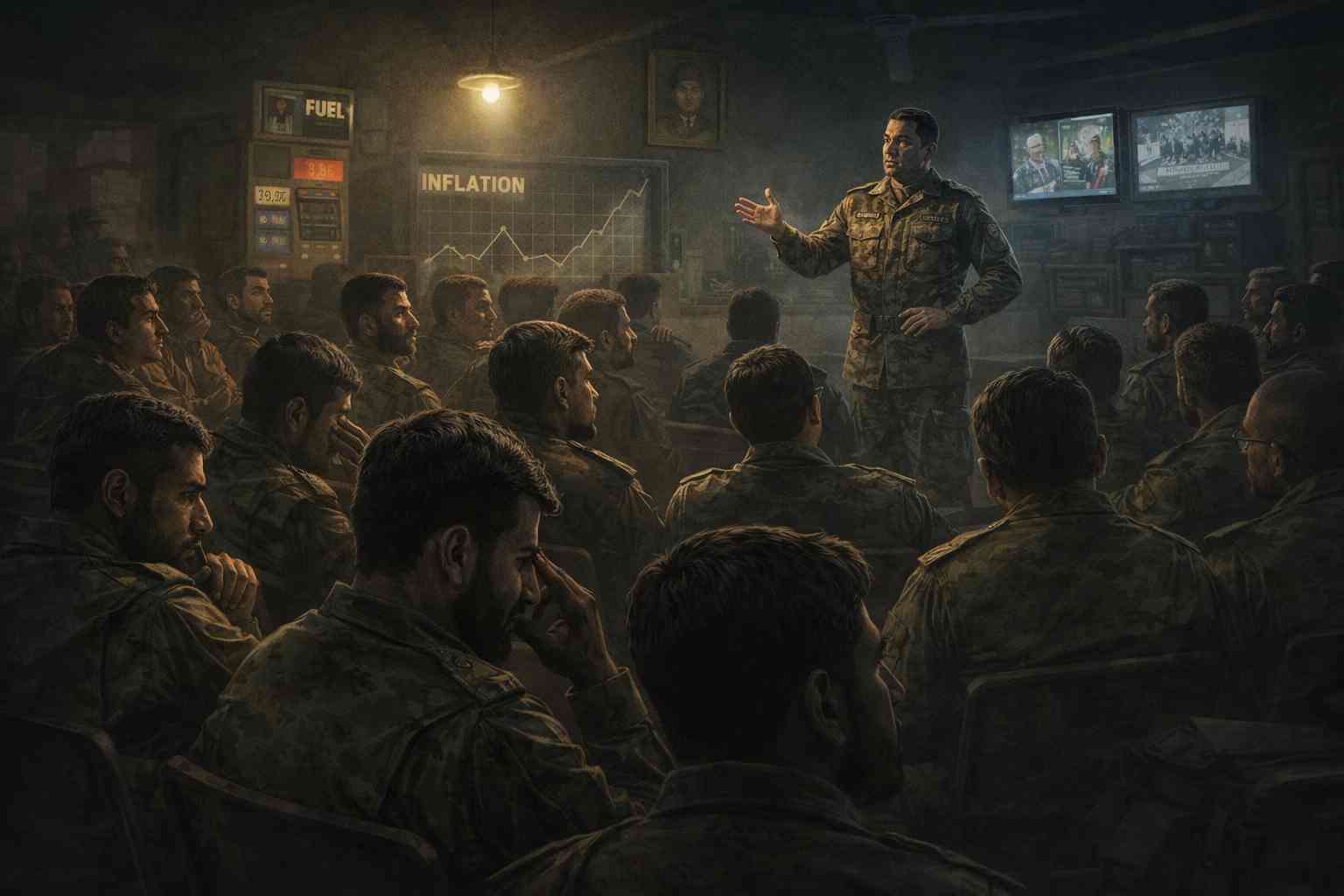
Pakistan’s economic structure is under severe stress. Inflation has battered households, and food insecurity continues to rise. At the same time, productive sectors remain weak, while investor confidence declines steadily.
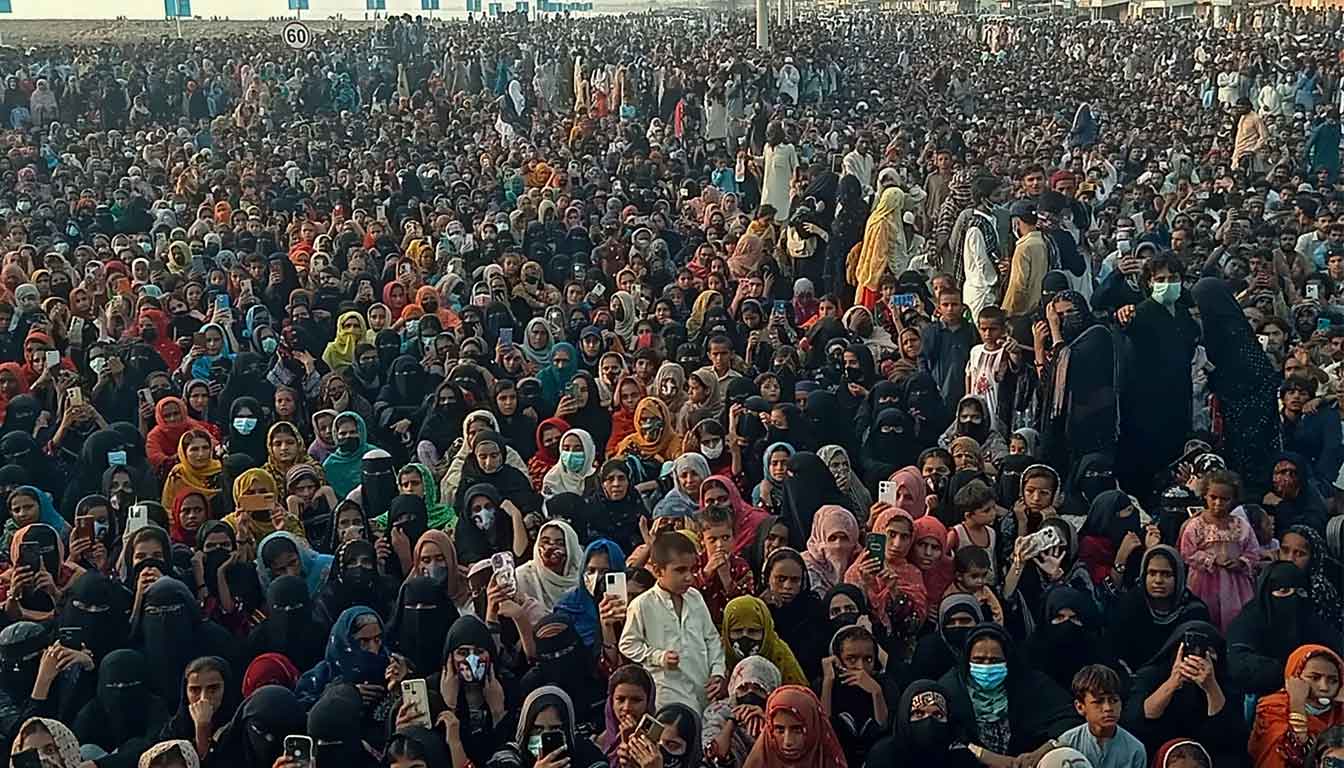
Meanwhile, the public struggles to survive, yet the ruling elite behaves as if the state exists to sustain its power.
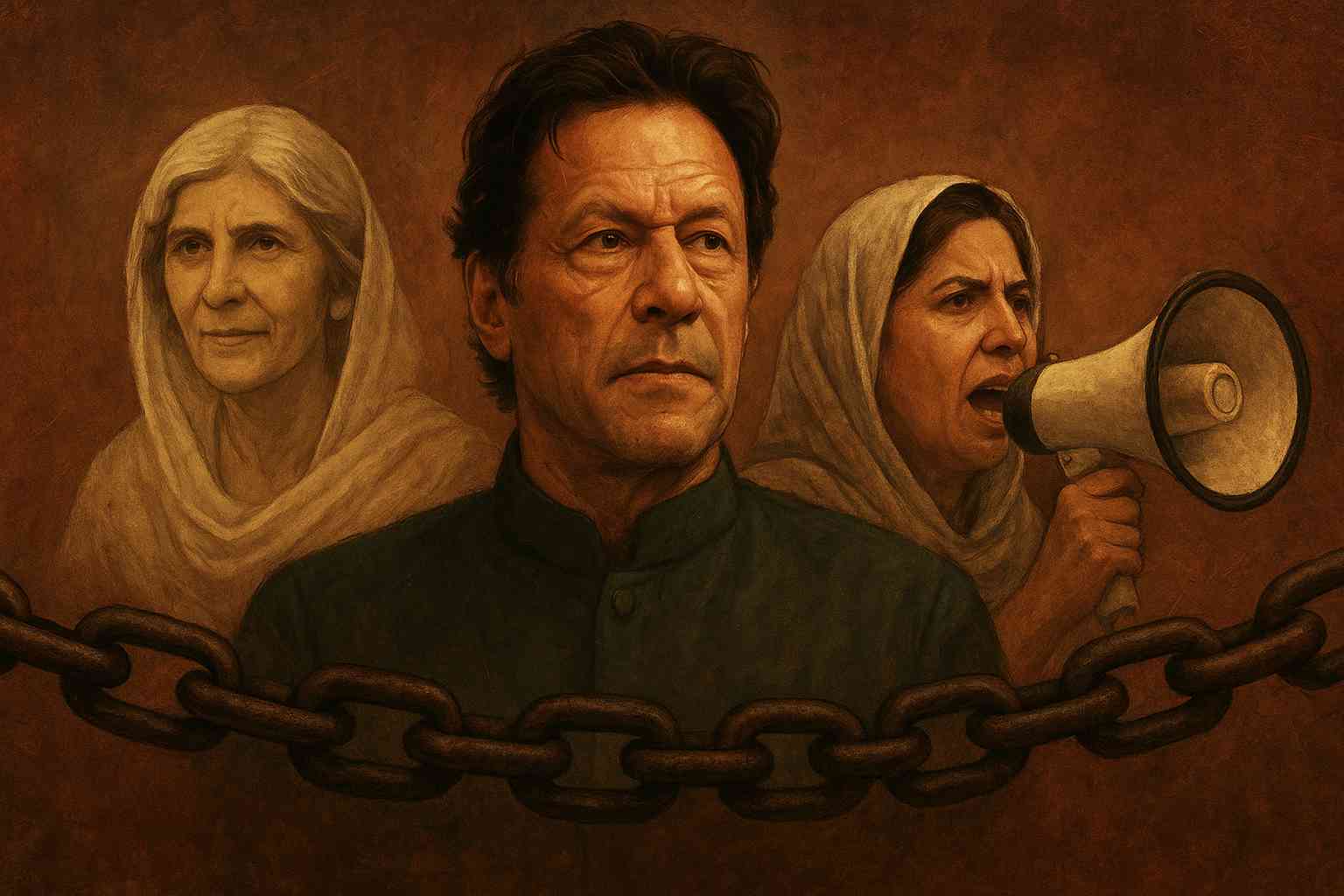
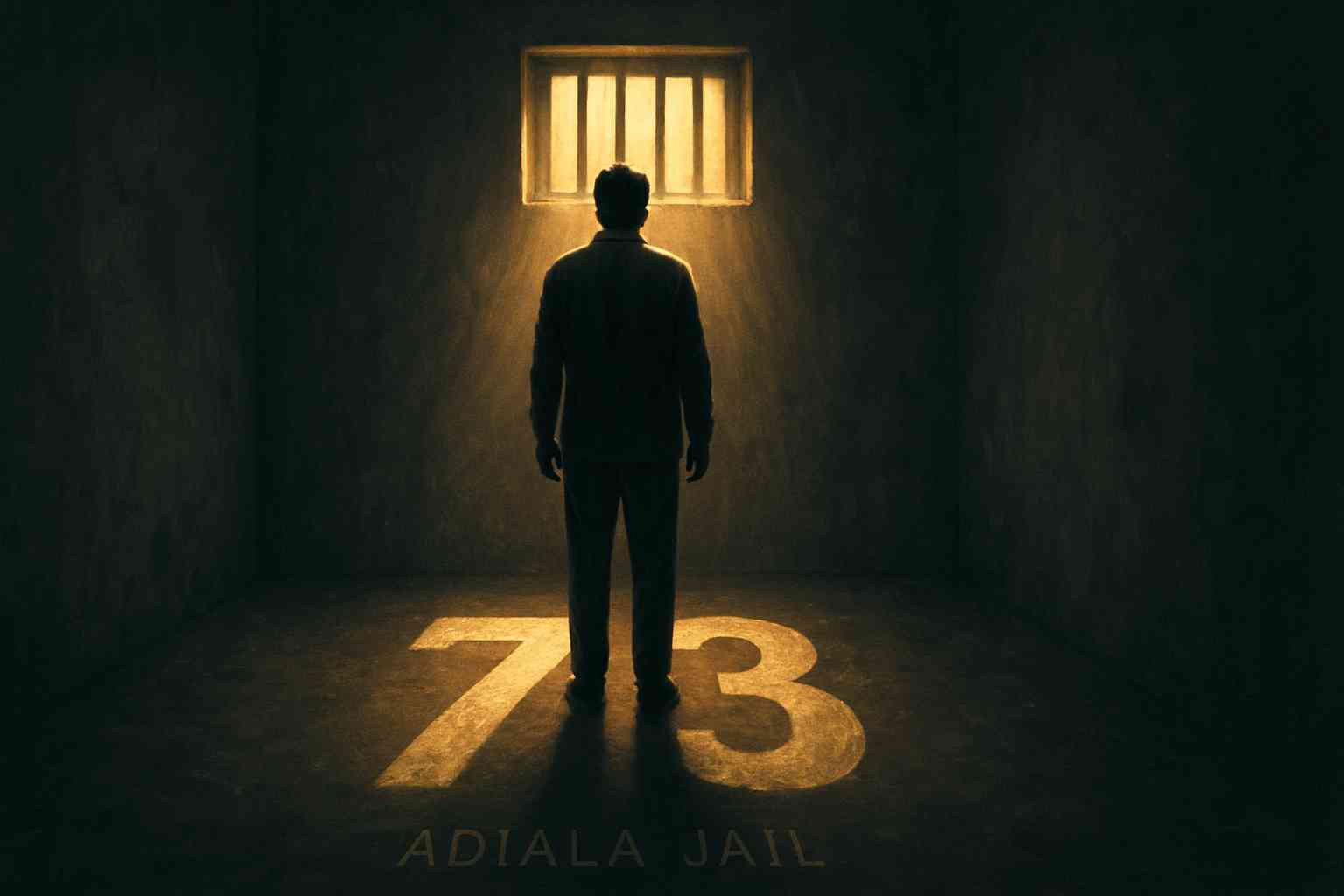
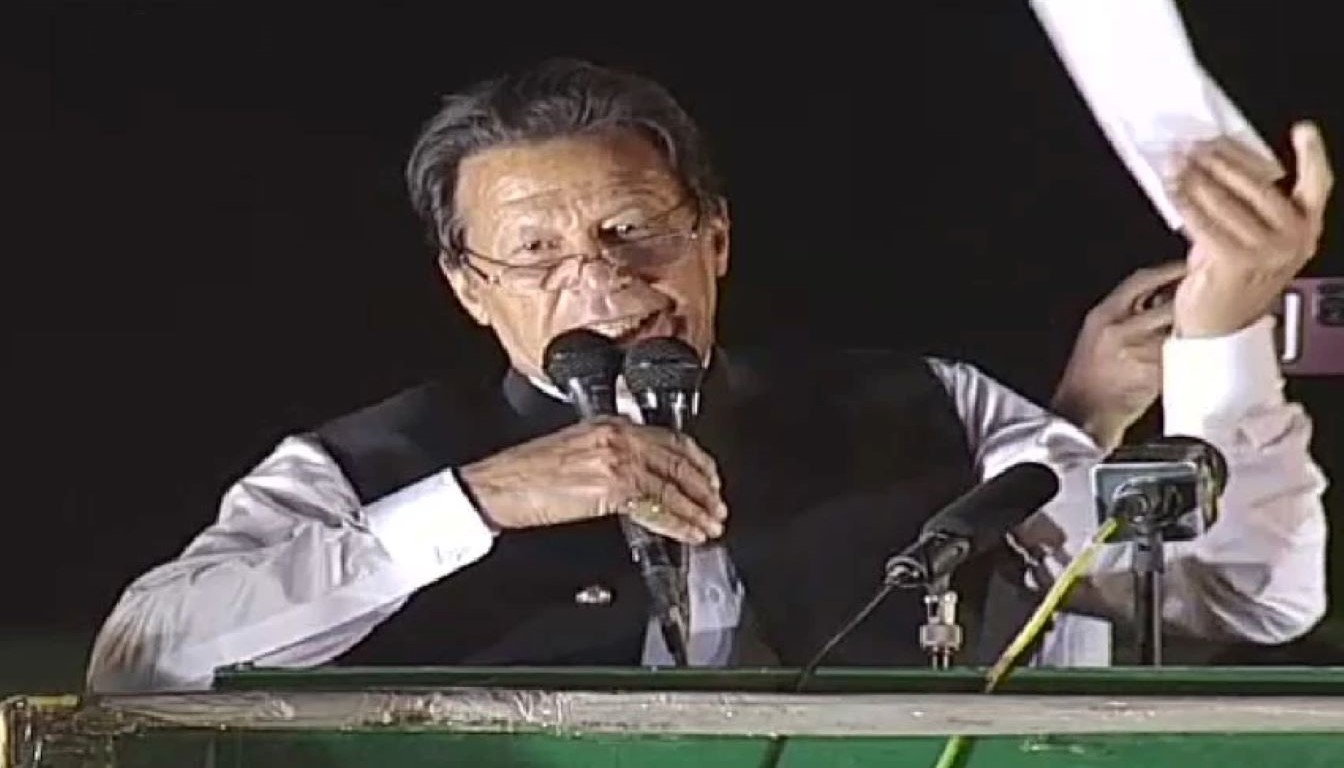
This same establishment engineered regime change, removed an elected government, and jailed the country’s most popular leader. It dismantled political stability and then presented itself as a force of order.
Now, Pakistan stands at the edge of a China Bailout Trap, with generals searching for a foreign patron to absorb their failure.
The “Chinese Solution” and the Price Pakistan May Be Asked to Pay
According to the vlog narrative, Pakistan’s leadership is exploring a Chinese-led bailout because other funding sources have dried up. However, Beijing does not operate as a charity.
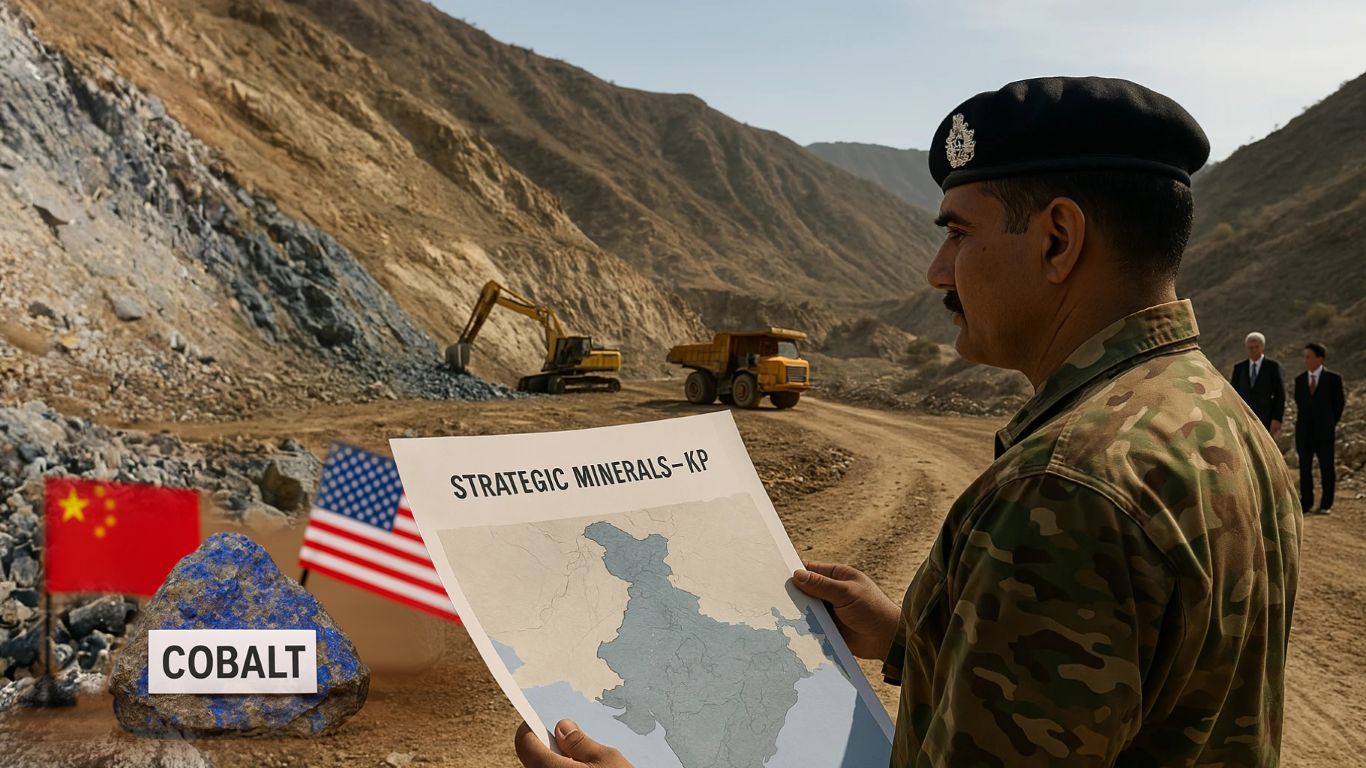
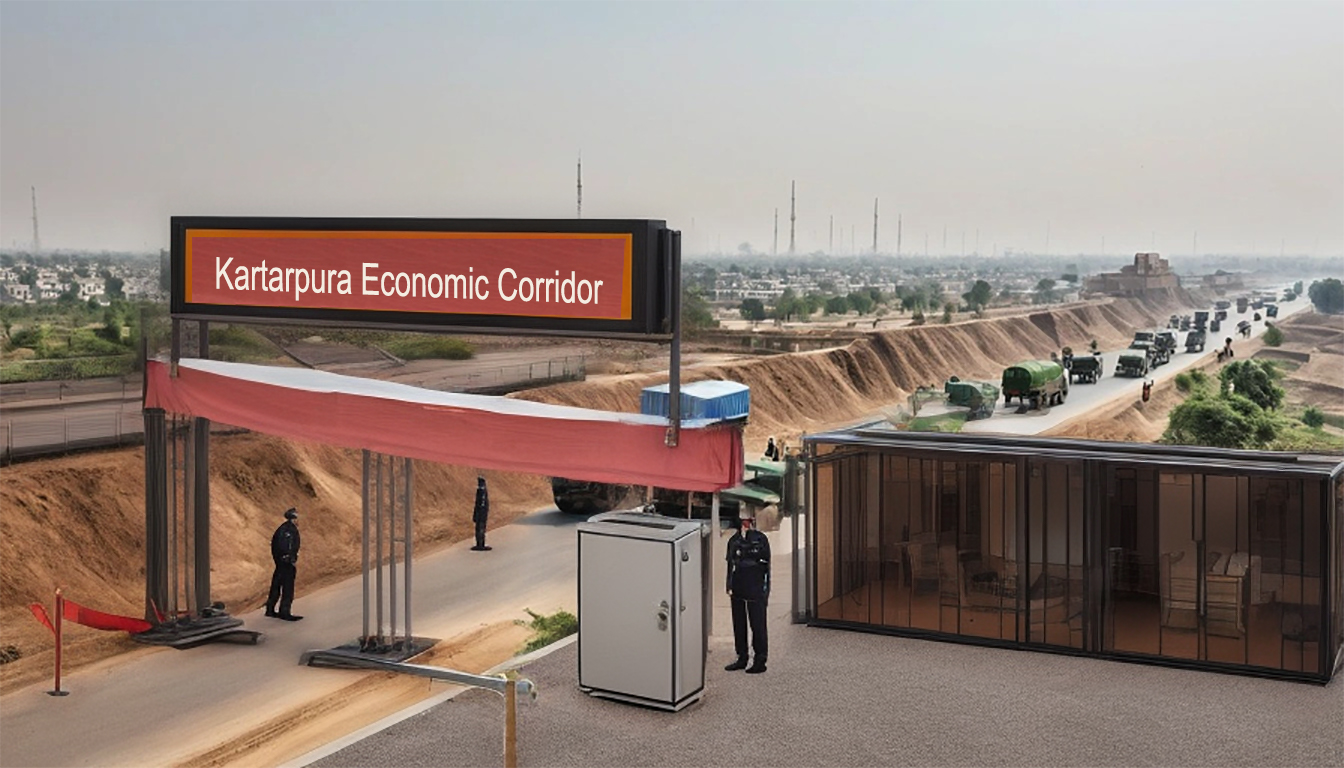
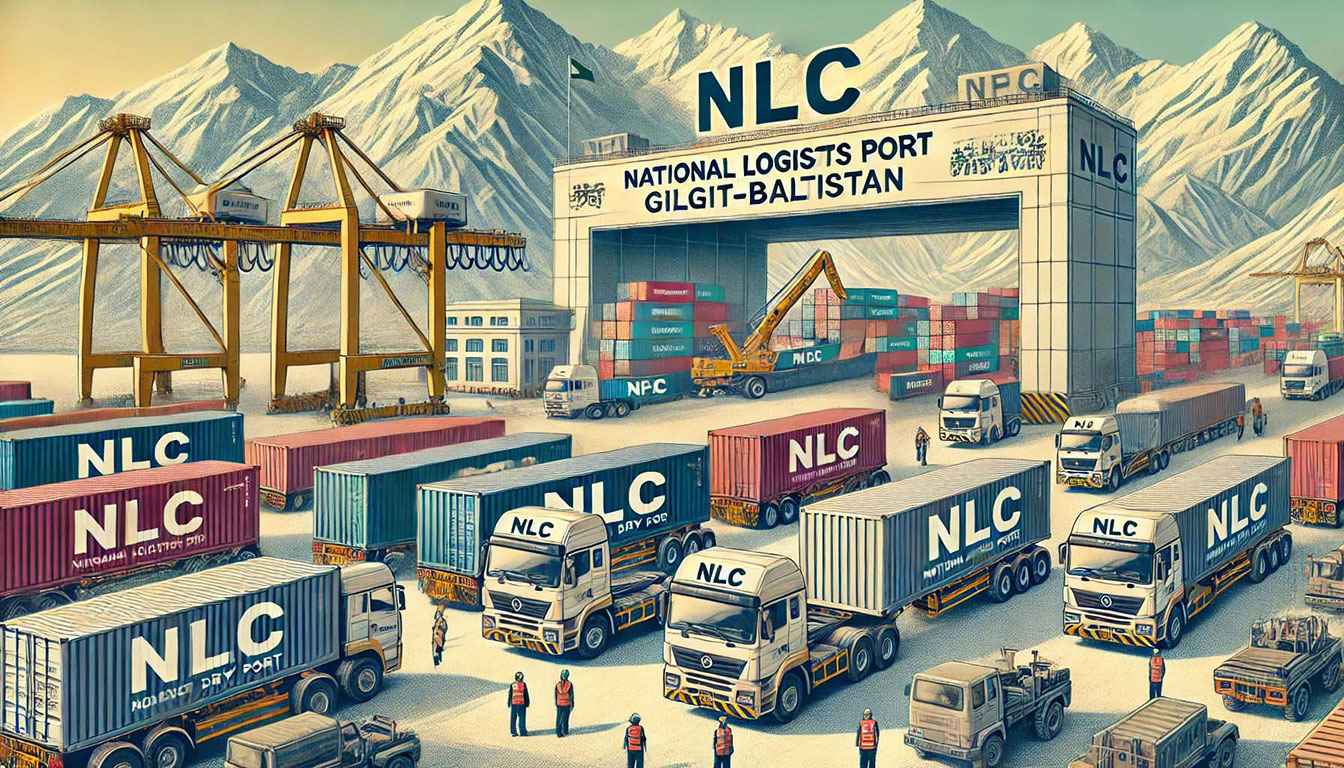
The proposal appears simple. China would provide financial relief and investment. In return, Pakistan would offer deeper access and revenue guarantees.
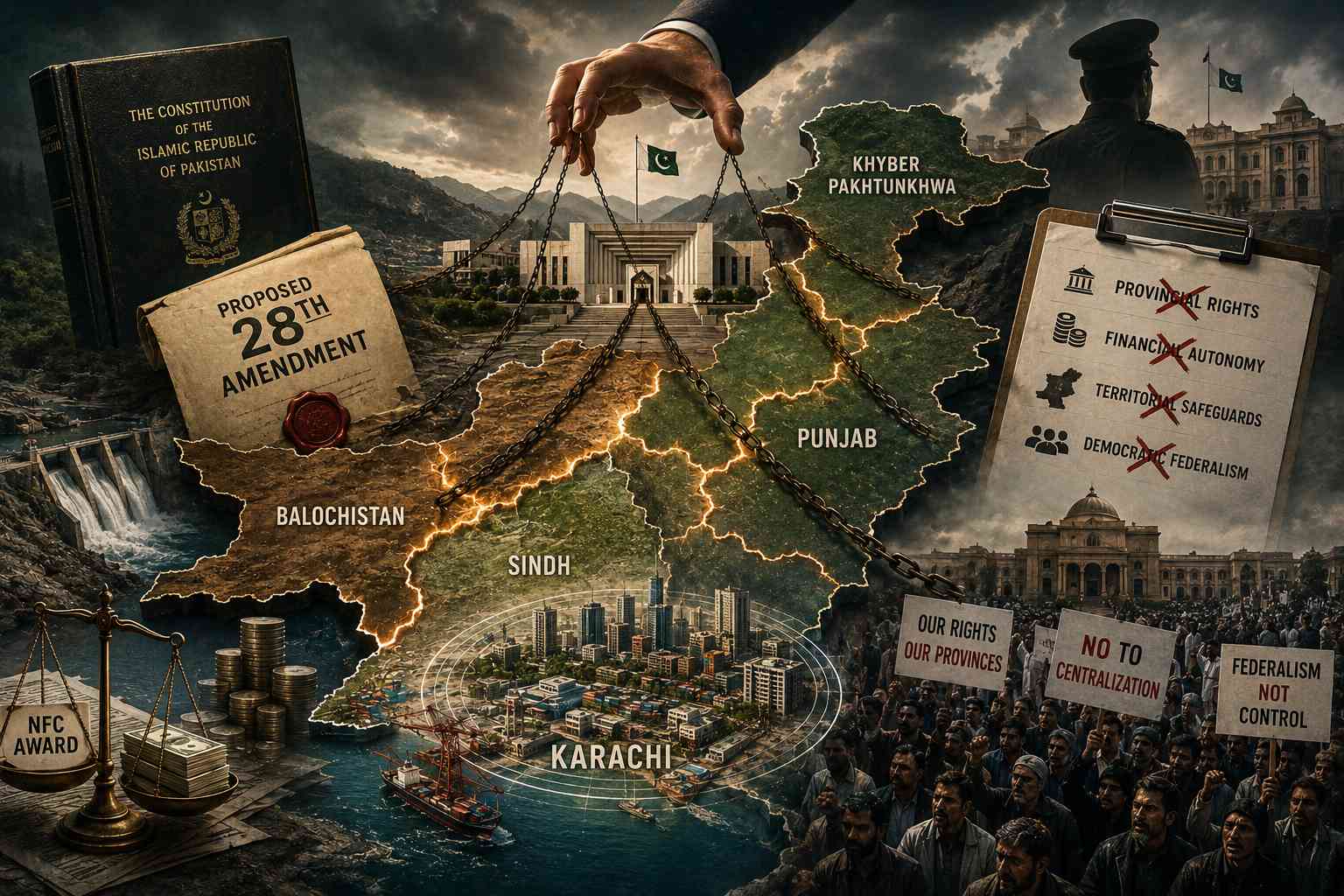
More importantly, the plan includes restructuring major cities under centralized control. This shift would allow direct management of revenue streams and bypass provincial authority.
The logic is clear but dangerous. China stabilizes the system, invests in key sectors, and recovers its money through direct revenue extraction.
This is how a China Bailout Trap begins to form—quietly and without formal declaration.
Karachi at the Center of the Power Game
Karachi sits at the center of this strategy.
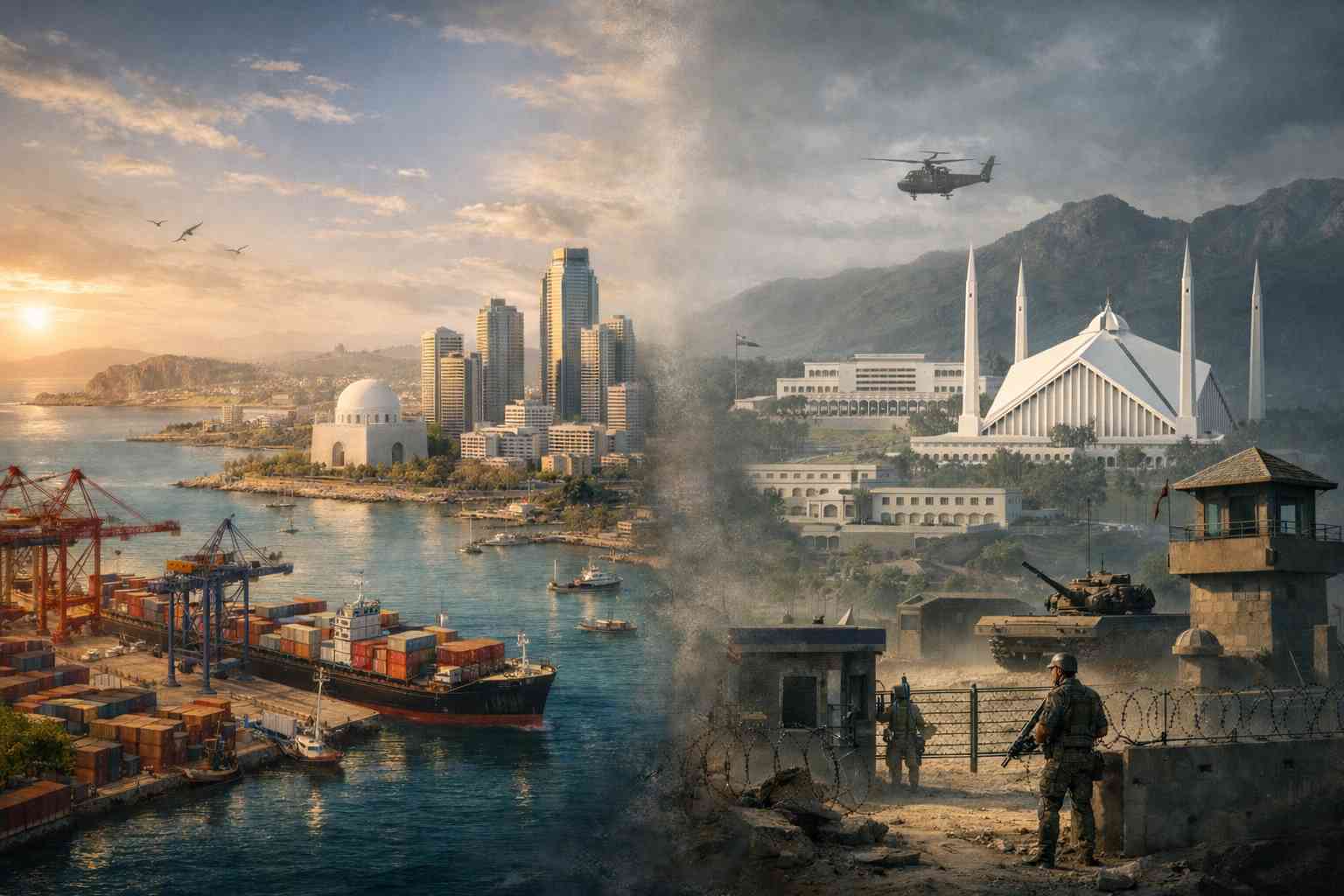
As Pakistan’s economic lifeline, the city controls trade, logistics, and revenue. Therefore, any move to place it under federal control signals a major power shift.
Officials argue that Karachi needs modernization and automation. While that sounds efficient, it challenges entrenched political and labor networks.
Importantly, that disruption is intentional.
By removing Karachi from provincial influence, the establishment can bypass resistance. It can then align economic output with external financial obligations.
Supporters call this modernization. Critics call it dispossession.
In reality, it reflects elite-driven restructuring rather than democratic consent.
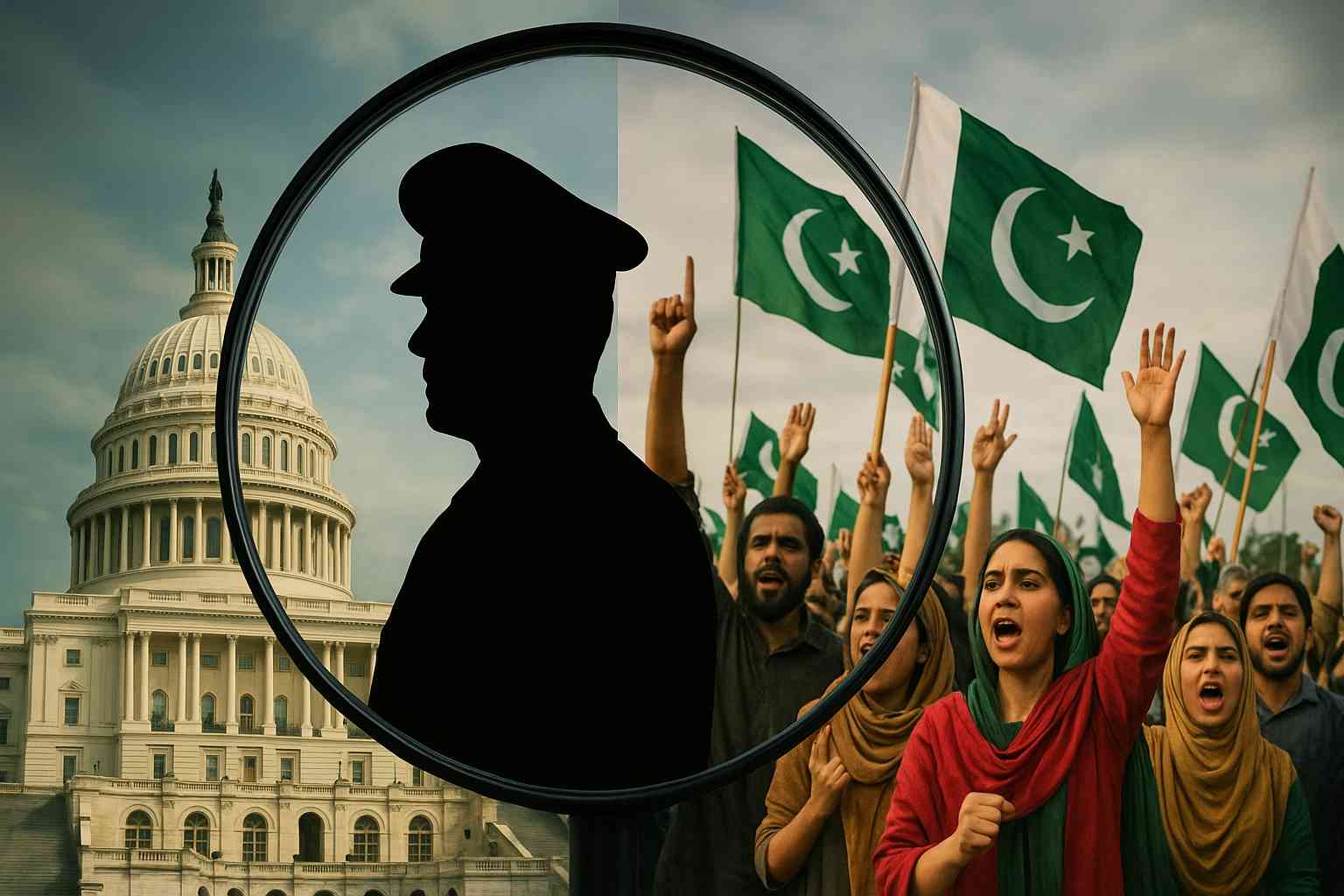
From Washington Dependency to Beijing Dependency?
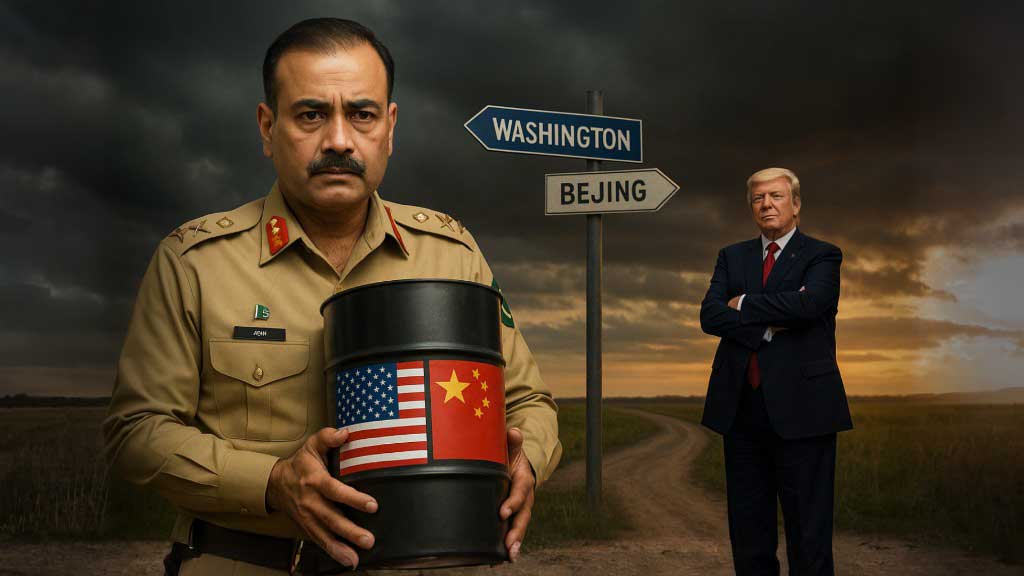
For decades, Pakistan’s establishment balanced global powers and presented that as strategic success. Initially, it leaned toward Washington. Now, it appears ready to pivot toward Beijing.
The assumption is simple. Anti-American sentiment may reduce resistance to Chinese influence.
However, that assumption is flawed.
Dependency does not become acceptable simply because the sponsor changes. If Pakistan relies on external financing and strategic concessions, sovereignty becomes symbolic.
A nation cannot claim independence while drifting deeper into a China Bailout Trap.
Bases, Access, and Strategic Entrapment
Another concern involves potential military access.
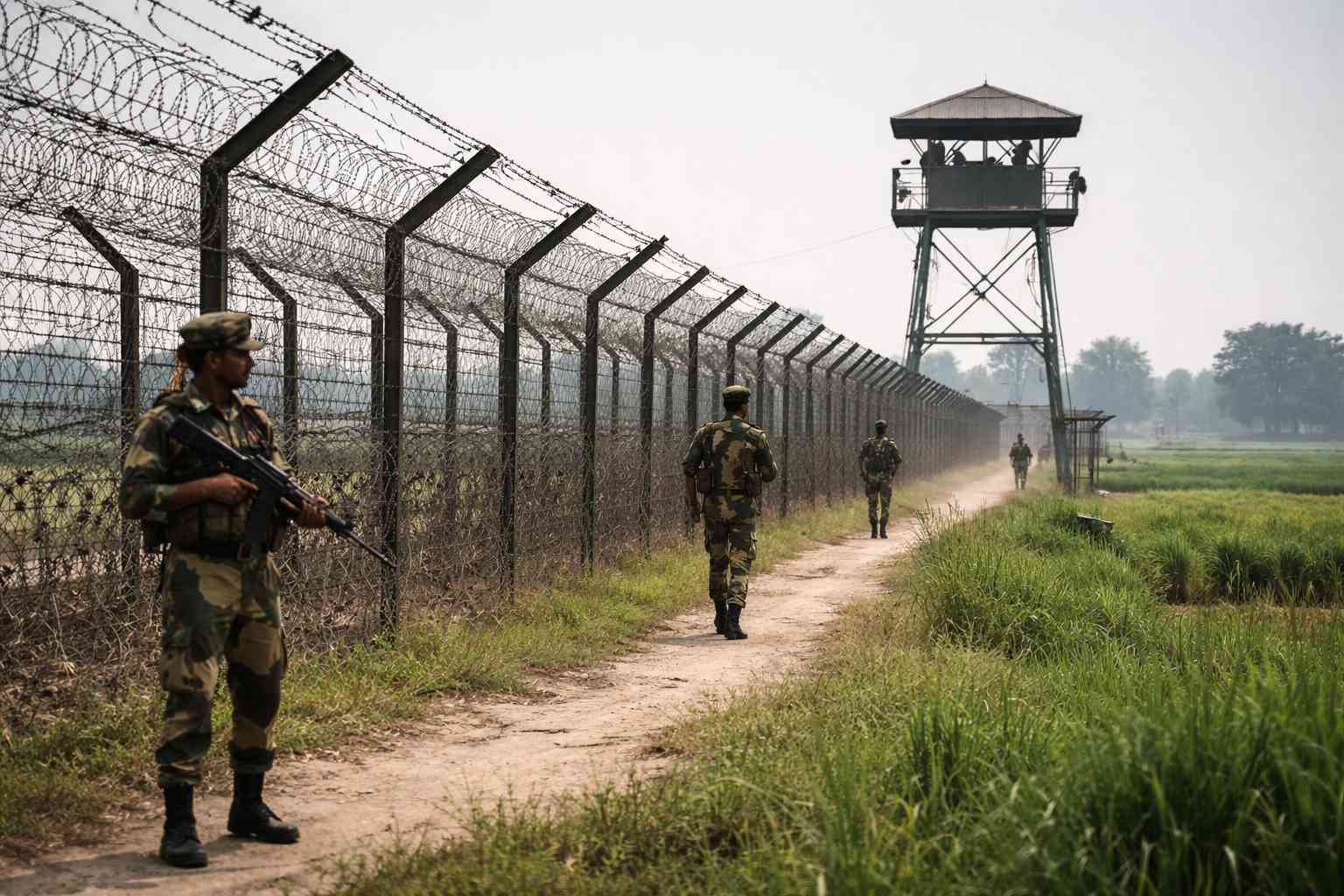
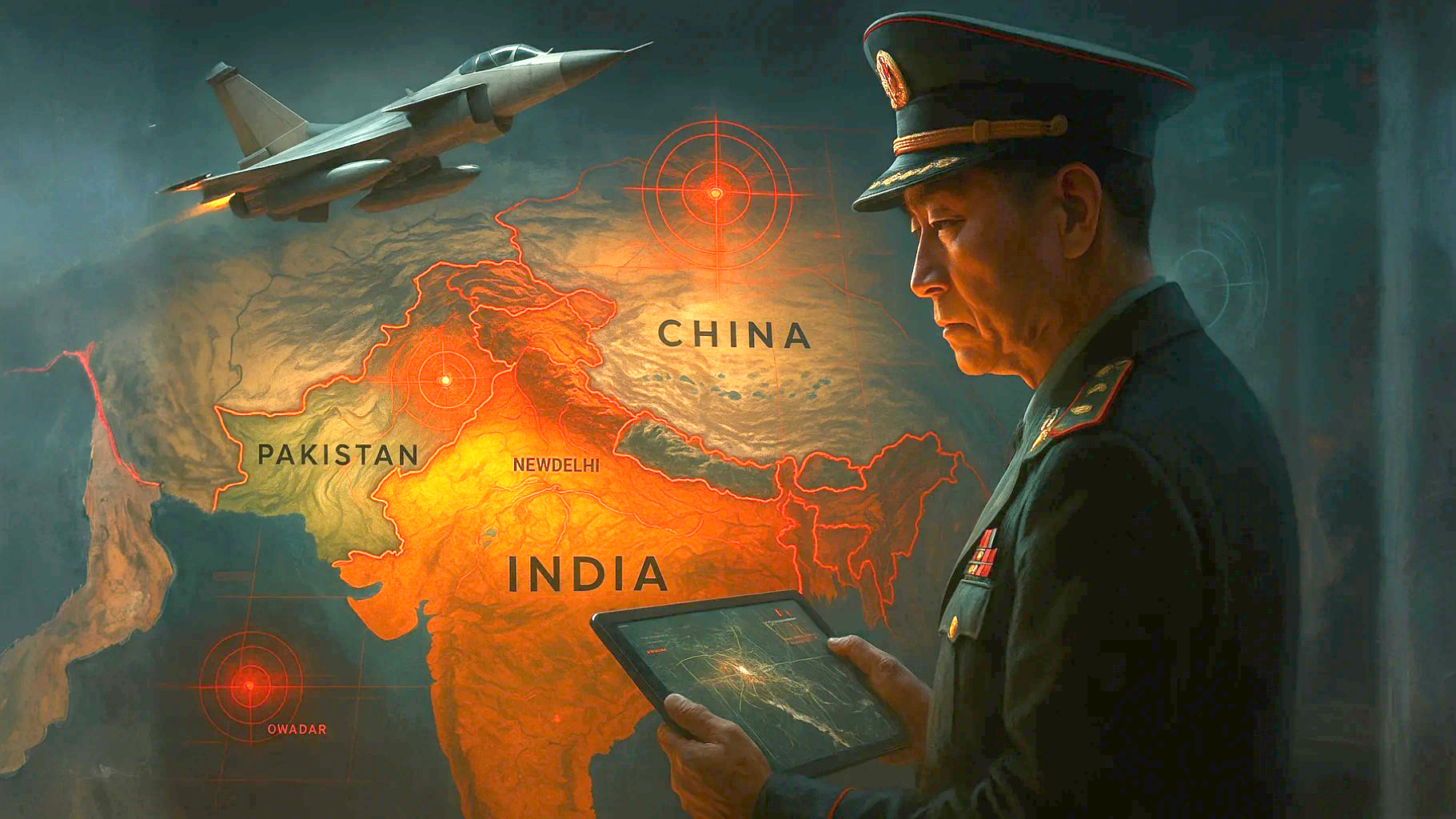
If China seeks strategic positioning along with financial leverage, Pakistan risks deeper entrapment. Once economic reliance merges with military access, separation becomes difficult.
As a result, strategic autonomy begins to erode.
Yet officials present this shift as pragmatic policy. In reality, it reflects leadership failure and reliance on external guarantees.
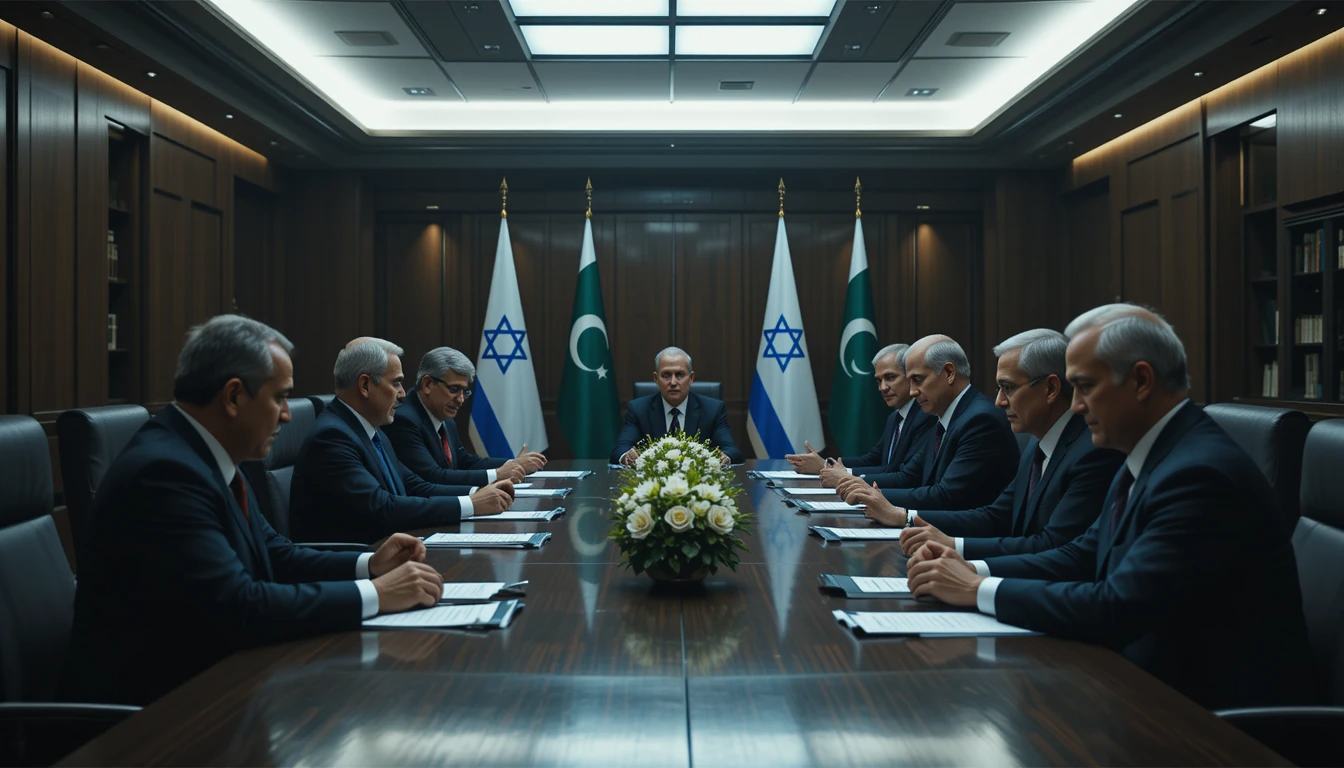
China Does Not “Interfere”? Then Why the Political Meetings?
China claims it avoids interference in domestic politics. However, recent developments raise important questions.
Why are sensitive political meetings taking place? Why do they align with internal power structures? Why do they attract attention at critical moments?
The answer is clear.
No major power invests heavily without shaping outcomes. Influence does not require public pressure. Instead, it depends on leverage and access.
Pakistan’s leadership presents this alignment as neutral. In reality, it may prove just as coercive as past dependencies.
The False Promise of Authoritarian Efficiency
A troubling idea is gaining ground. Some argue that China’s model offers discipline and speed.
However, this argument carries risks.
When societies prioritize control over accountability, they drift toward authoritarianism. Pakistan has already experienced similar cycles.
Each time, leaders claim democracy is weak and centralized power is the solution. Yet each cycle ends with repression, dependency, and decline.
If Pakistan moves deeper into a China Bailout Trap, history will repeat itself under a new label.
The Hypocrisy at the Top
Another contradiction exposes the system.
If this alignment is patriotic, why do elite families rely on Western education and lifestyles? Why do their personal interests remain tied to the systems they criticize?
This gap reveals the truth.
The ruling class expects citizens to endure hardship while protecting its own future abroad.
That is not strategy. It is insulation.
SIFC, Failure, and the Search for a New Cover Story
The same establishment that promoted SIFC now shifts its narrative again.
When one plan fails, another replaces it. When one promise collapses, a new slogan appears.
However, the core issue remains unchanged.
Pakistan faces a crisis of legitimacy, not just finance.
No bailout can fix a system without public trust. Likewise, no restructuring can replace accountability.
Treating a legitimacy crisis as a liquidity problem creates deeper instability.
Imran Khan’s Warning Looks Increasingly Relevant
The warning remains clear.
This is no longer about one leader. Instead, it concerns the direction of the state.
Pakistan cannot recover through coercion or dependency. It cannot rebuild by turning cities into extraction zones.
Recovery requires restoring public mandate and institutional accountability.
Until then, every new solution will deepen the crisis—and the China Bailout Trap will tighten further.
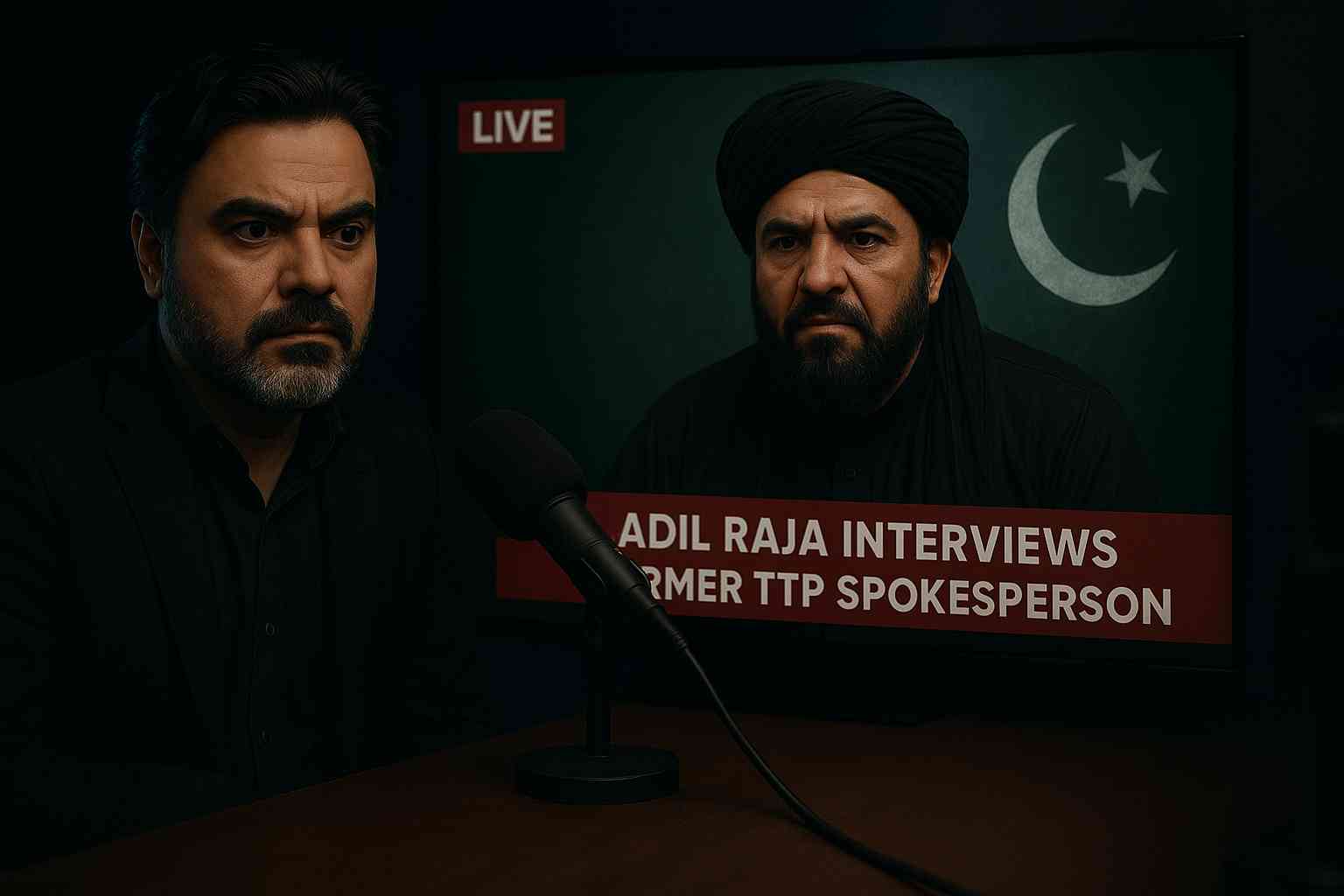
Adil Raja is a retired major of the Pakistan Army, freelance investigative journalist, and dissident based in London, United Kingdom. He is the host of “Soldier Speaks Reloaded,” an independent commentary platform focused on South Asian politics and security affairs. Adil is also a member of the National Union of Journalists (UK) and the International Human Rights Foundation. Read more about Adil Raja.. Read more about Adil Raja.