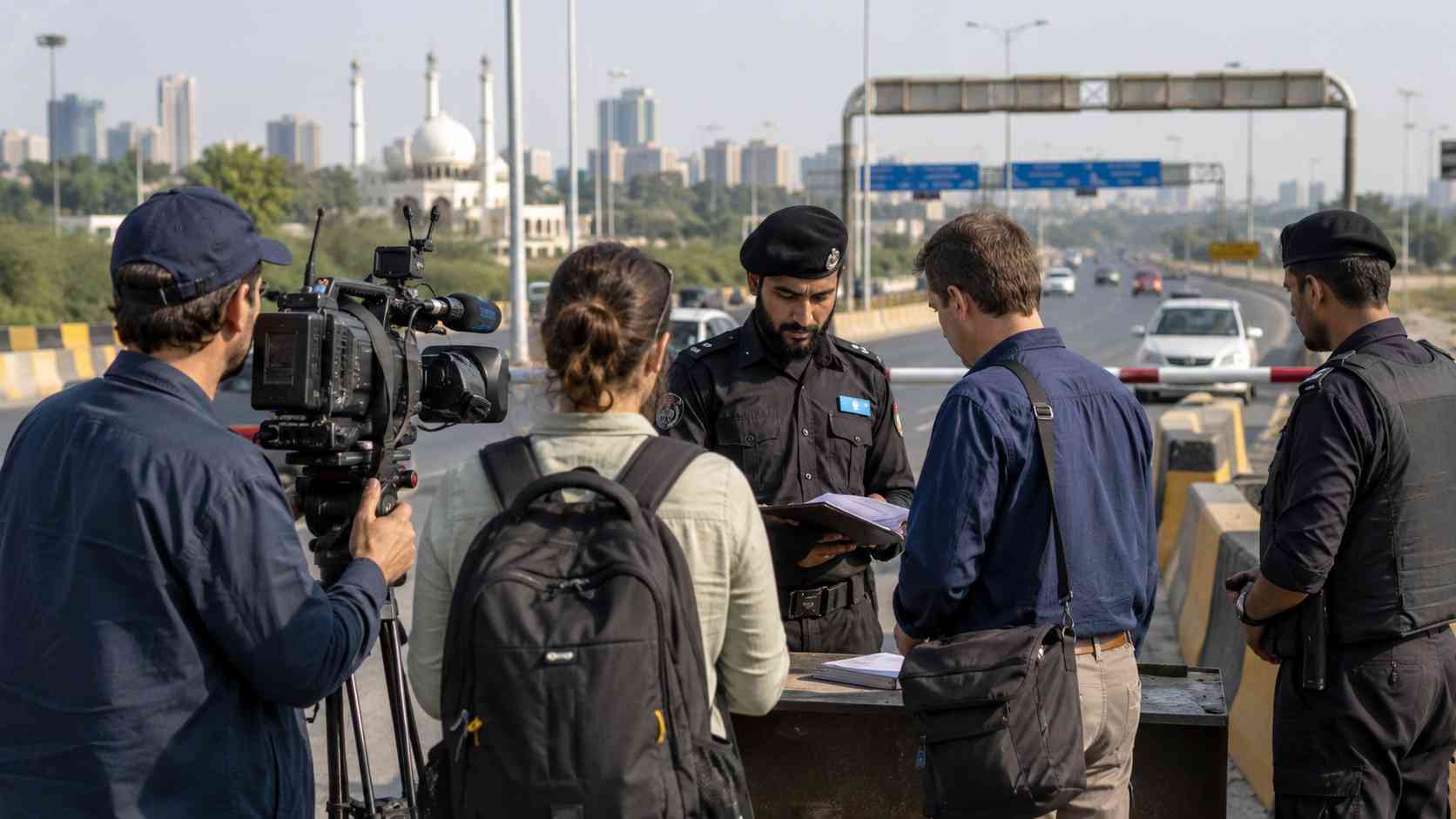
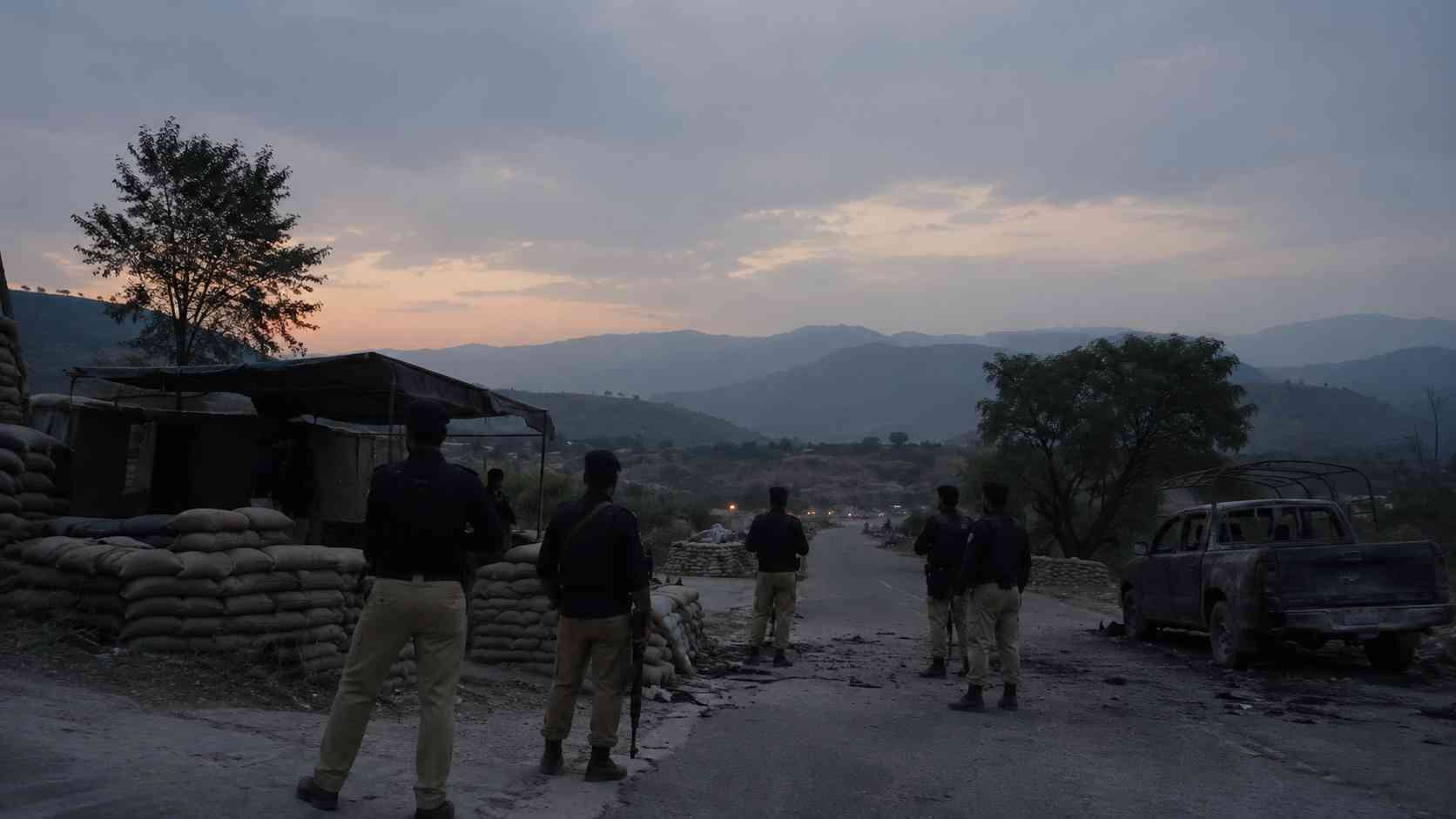
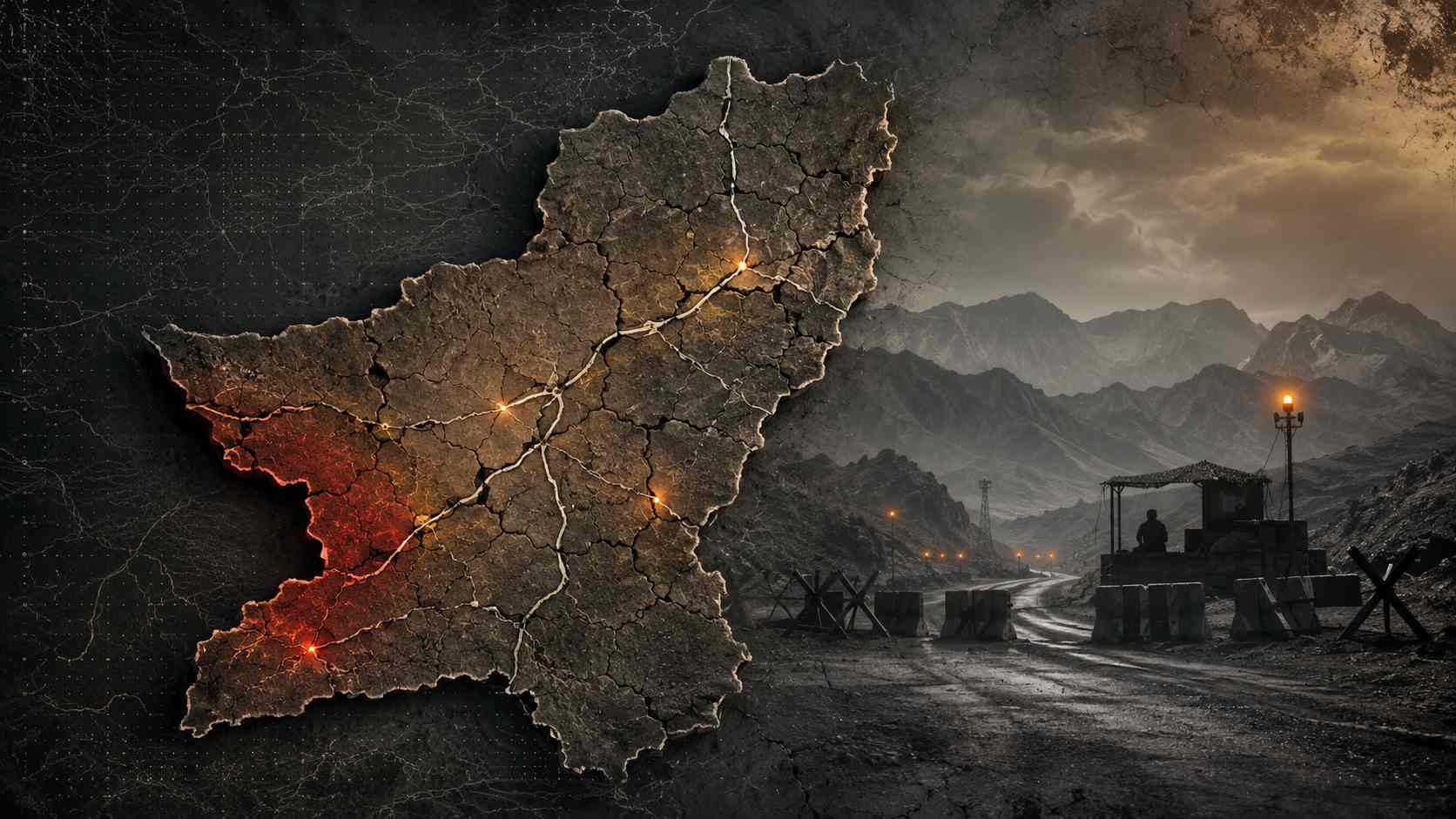
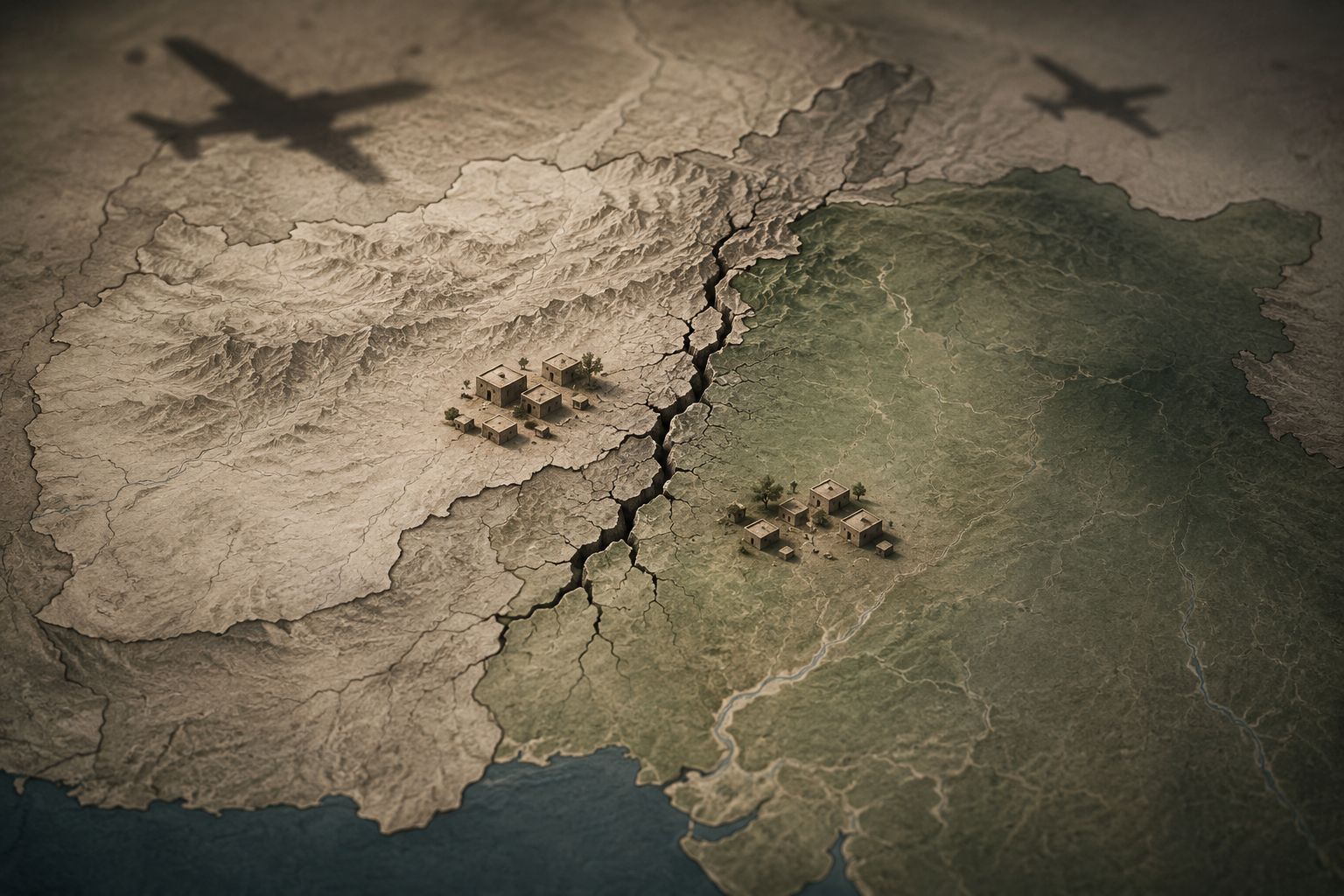
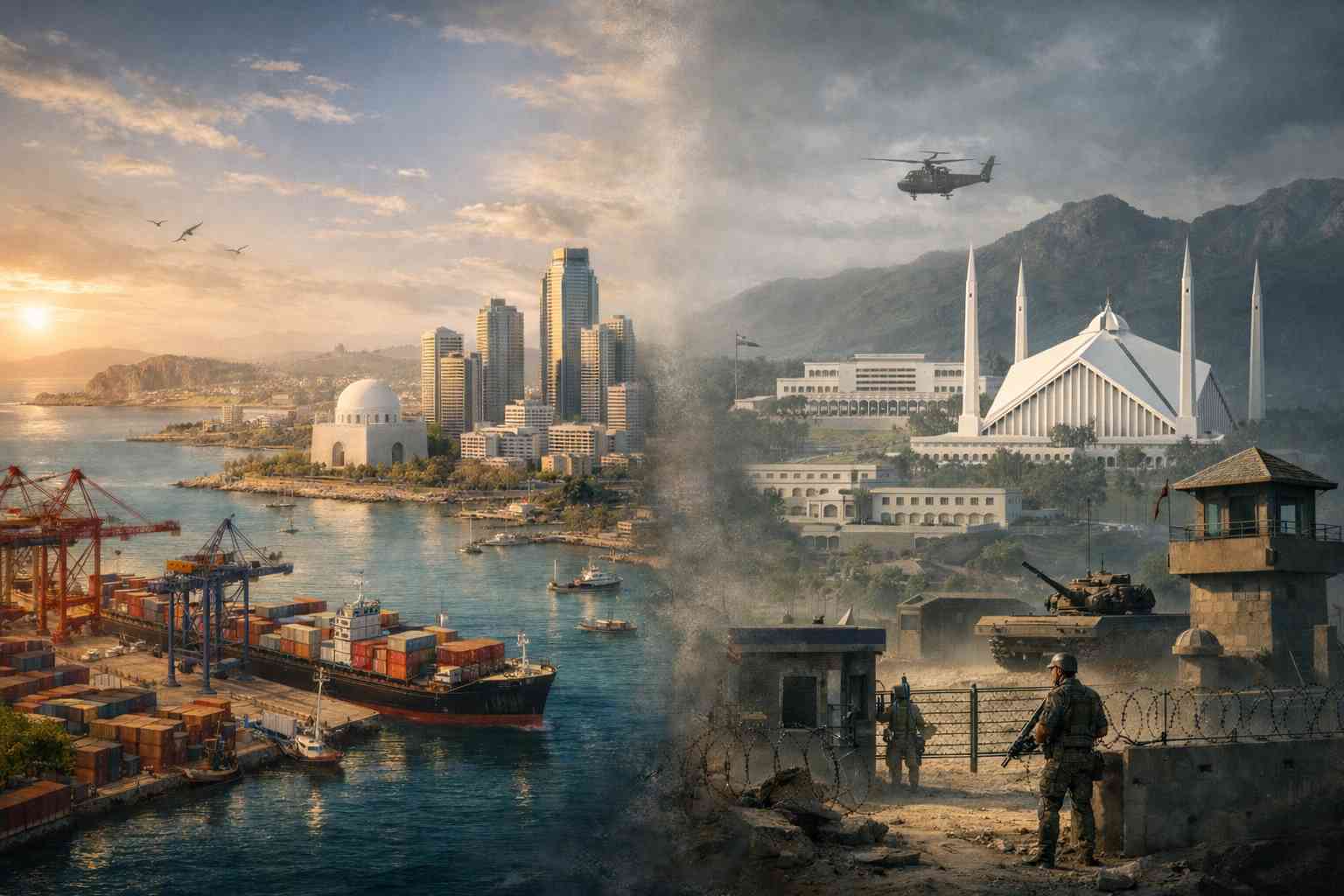
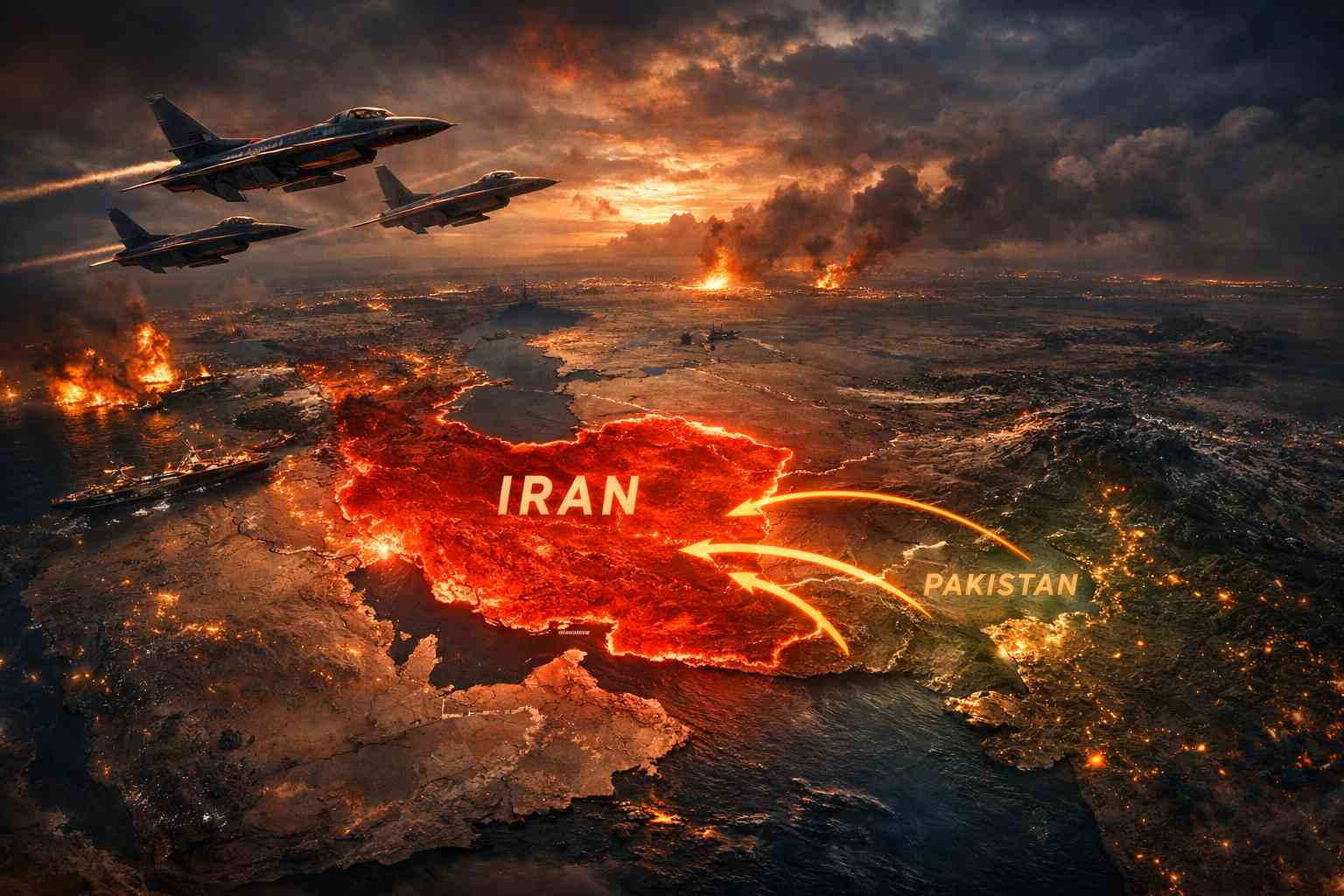
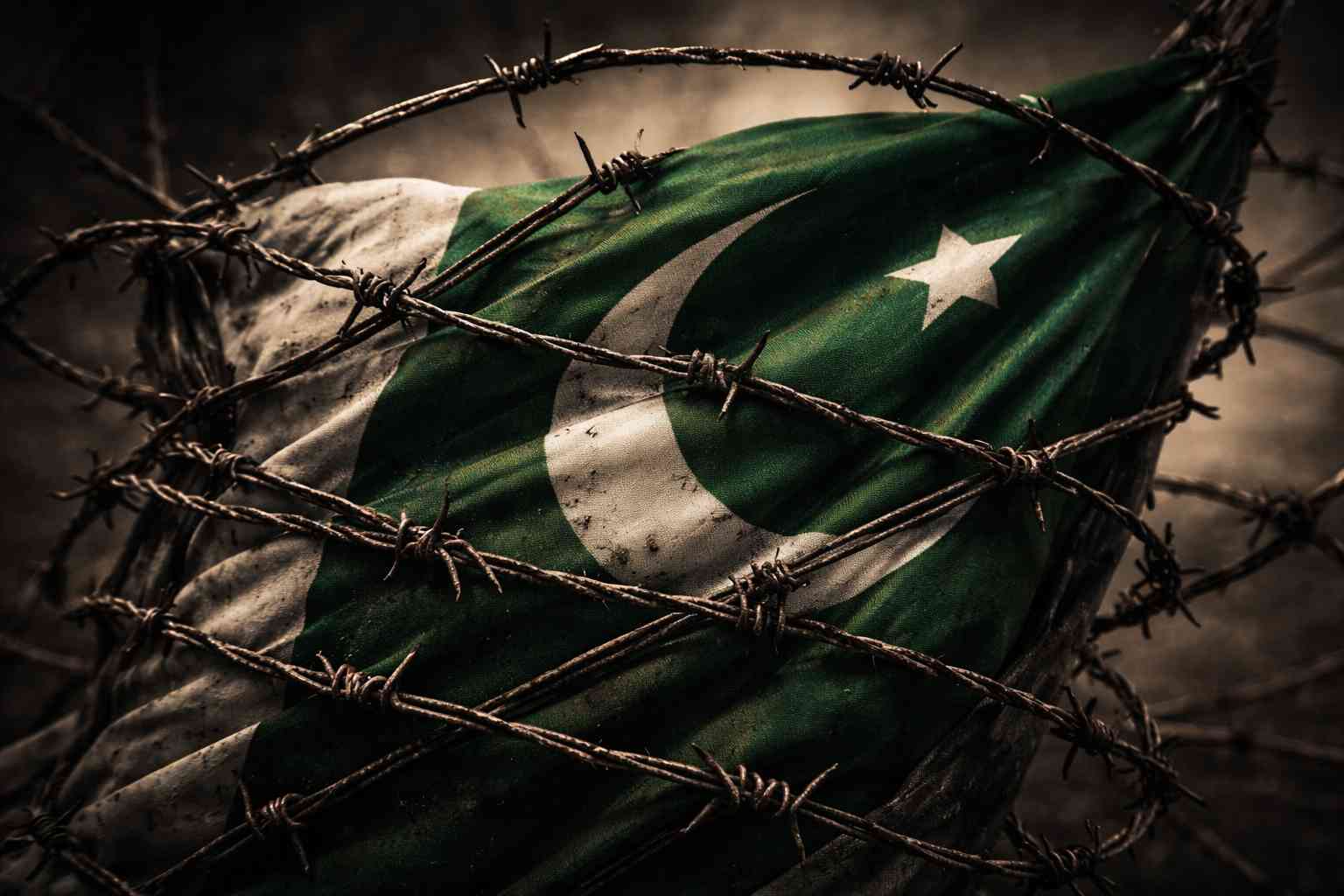
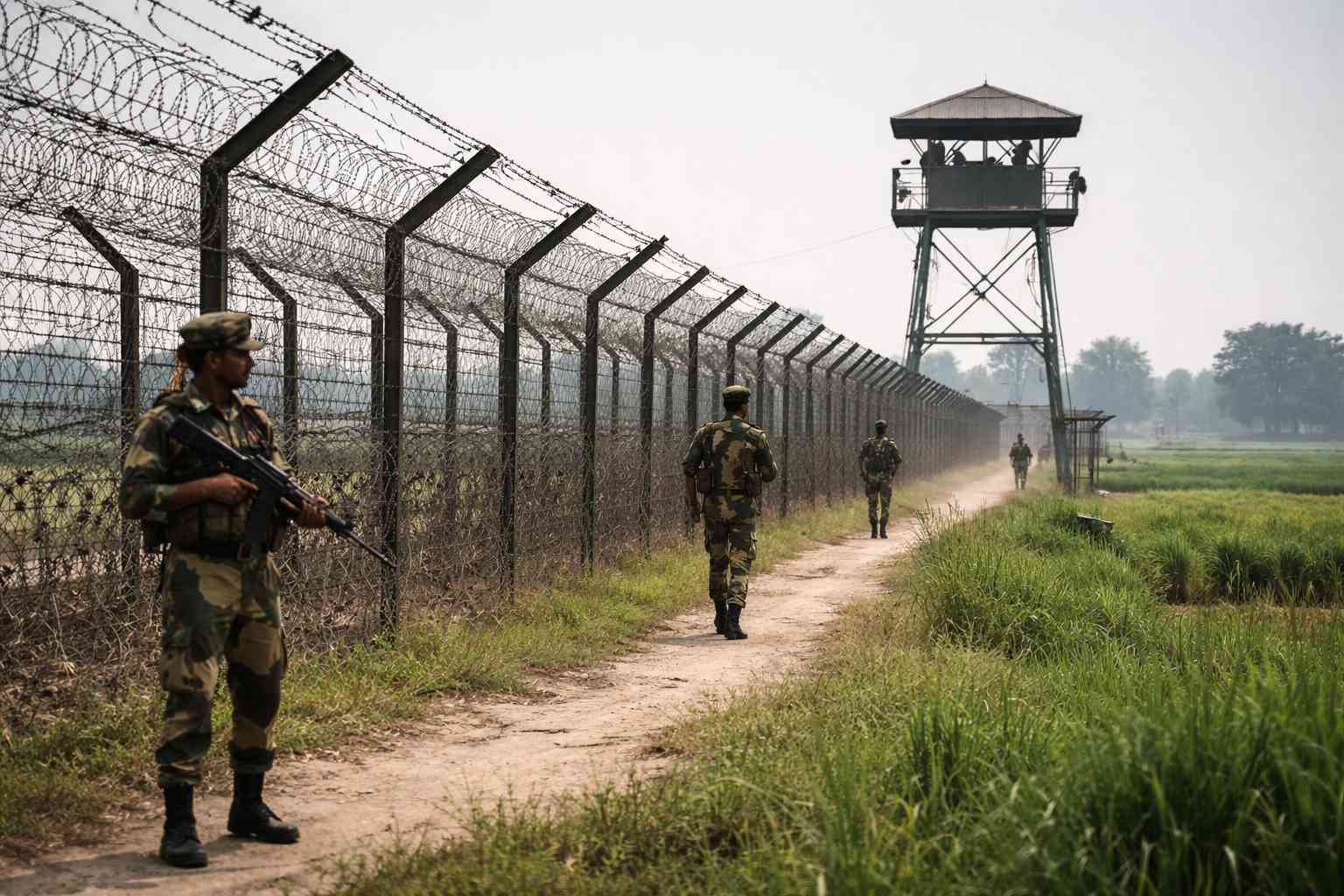
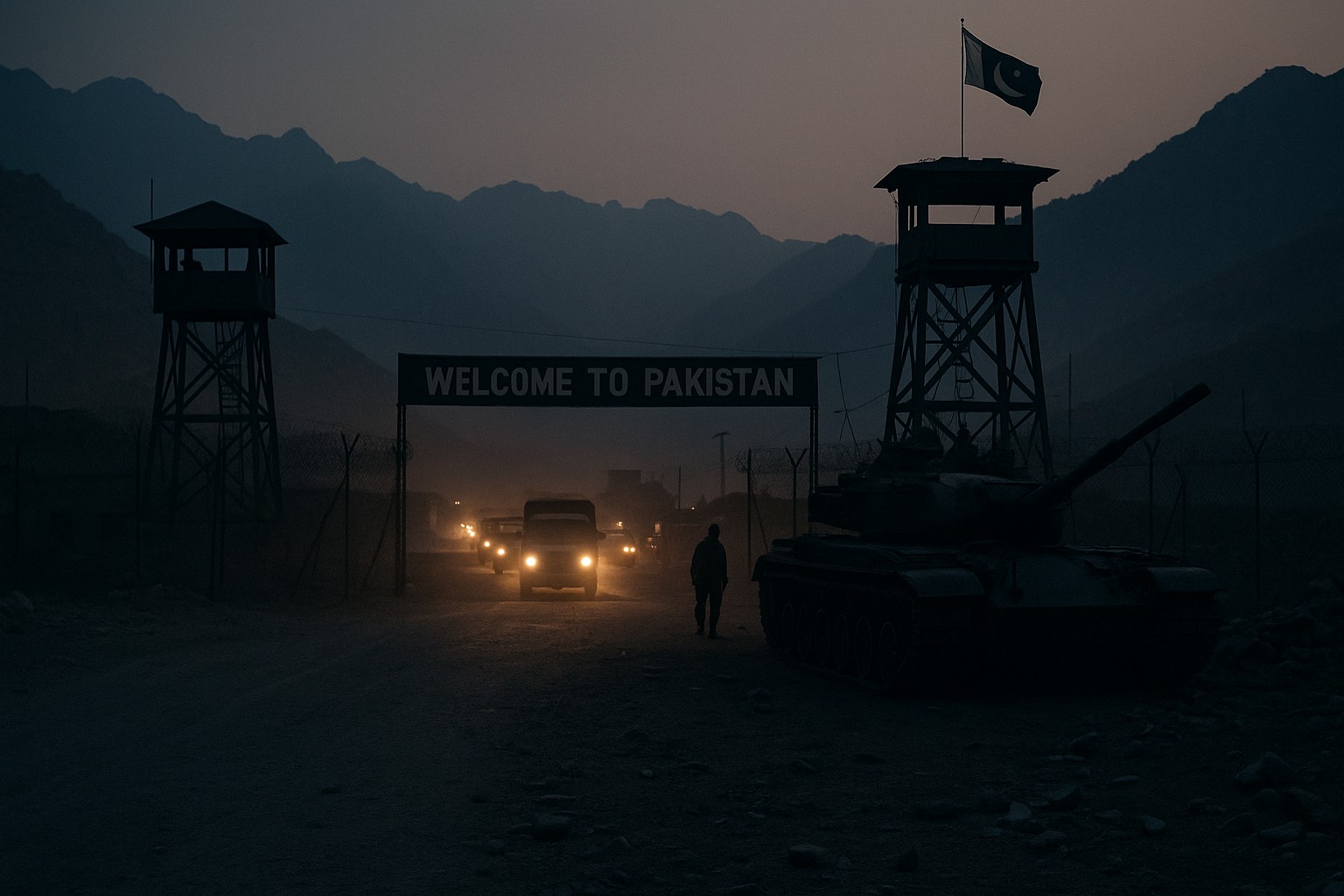
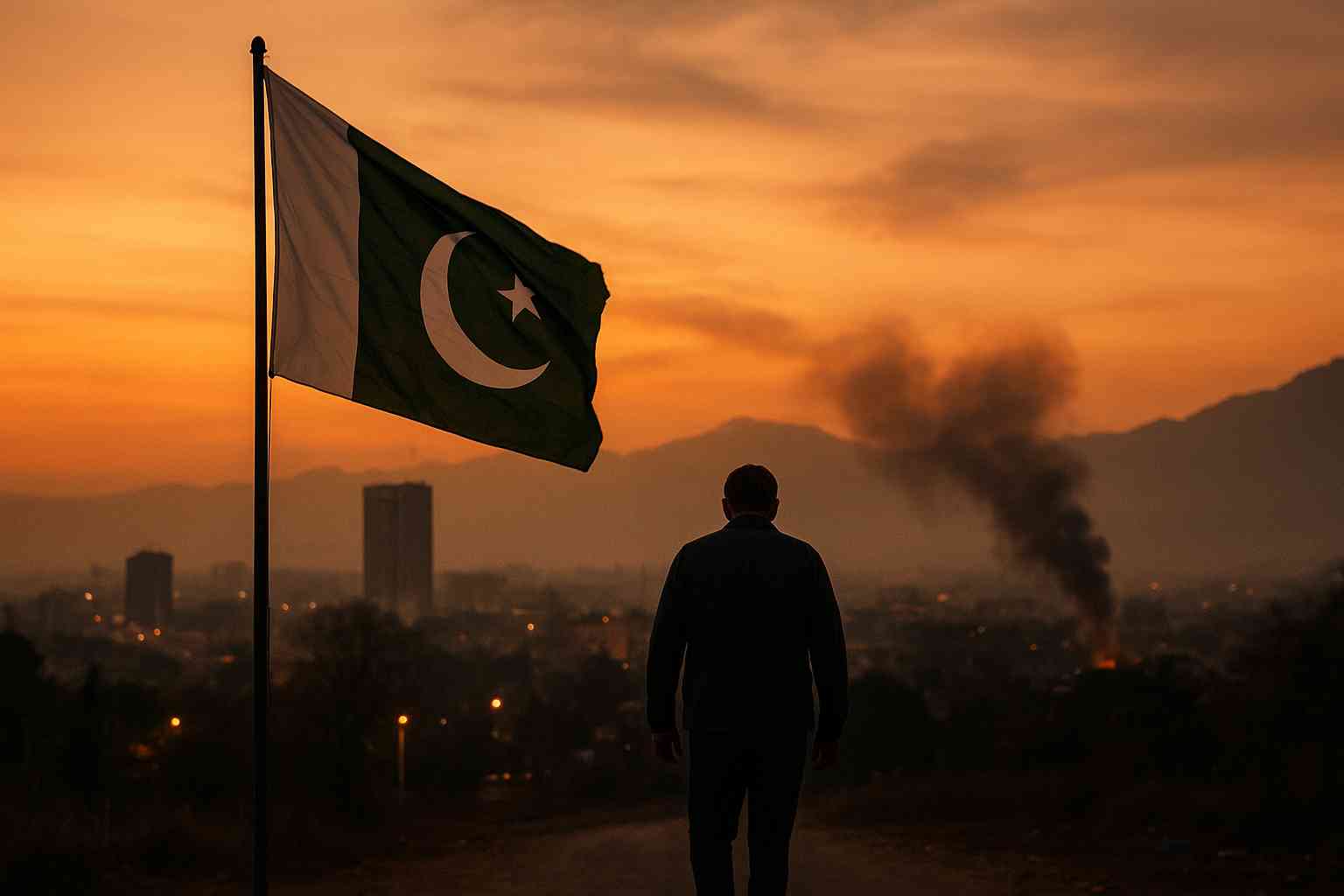
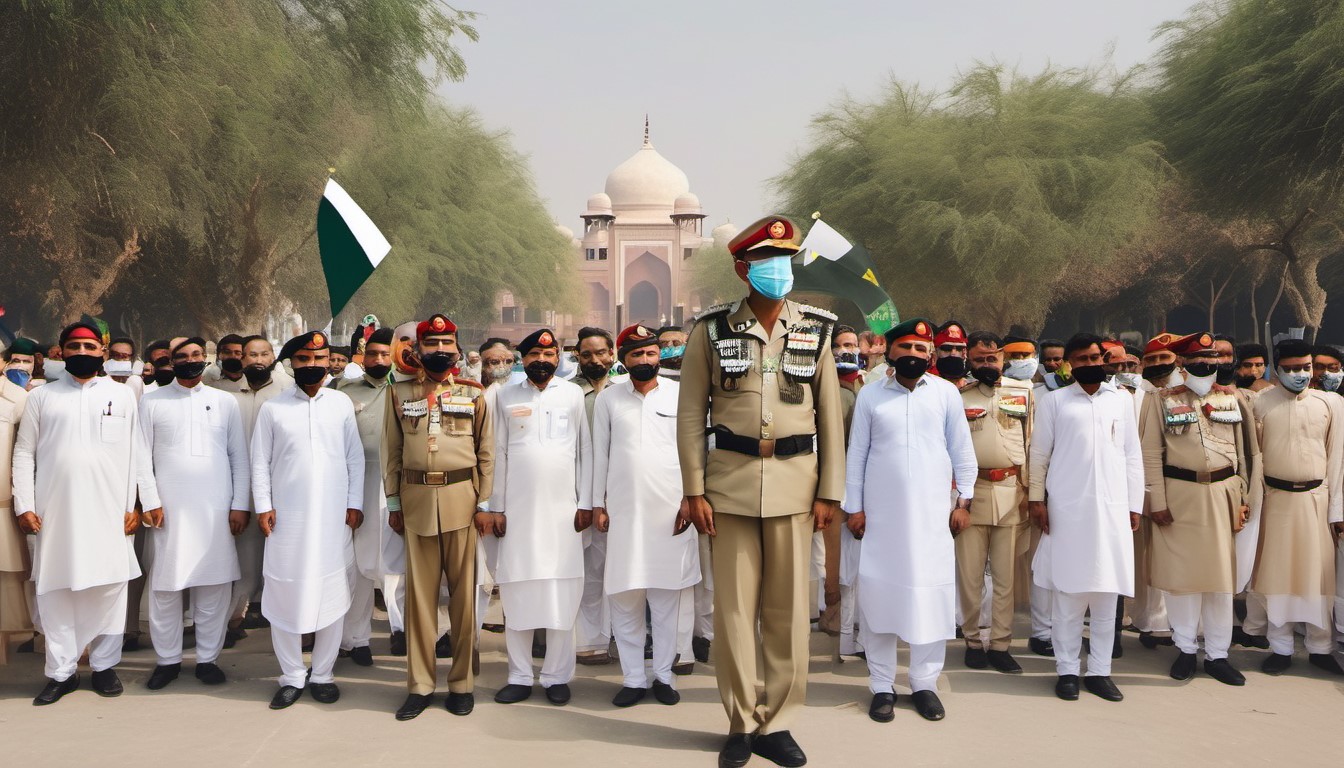
Pakistan-Afghanistan border tensions are escalating again, with Islamabad reinforcing frontier checkpoints and Kabul accusing Pakistan of deadly strikes inside Afghan territory—an already volatile mix made worse by surging militant attacks inside Pakistan and a renewed regional scramble involving India, Afghanistan, and Pakistan’s internal security challenges.
The latest flare-up is unfolding against the backdrop of closed or disrupted trade routes, tit-for-tat security claims, and fast-moving diplomacy—most recently including fresh talks hosted by Saudi Arabia and a fragile ceasefire that has struggled to translate into lasting de-escalation.
Pakistan-Afghanistan border tensions: What’s driving the escalation?
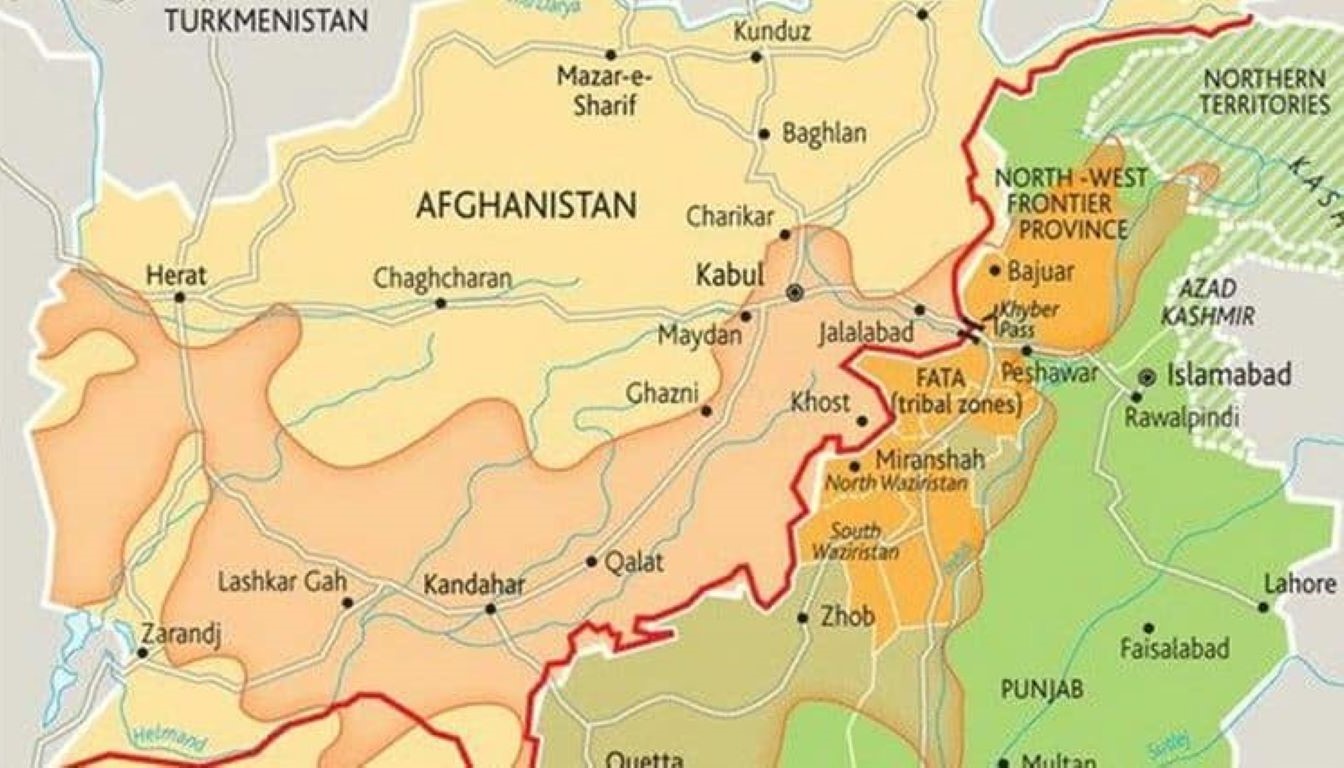
Kabul alleges deadly strikes in Khost, Kunar, and Paktika
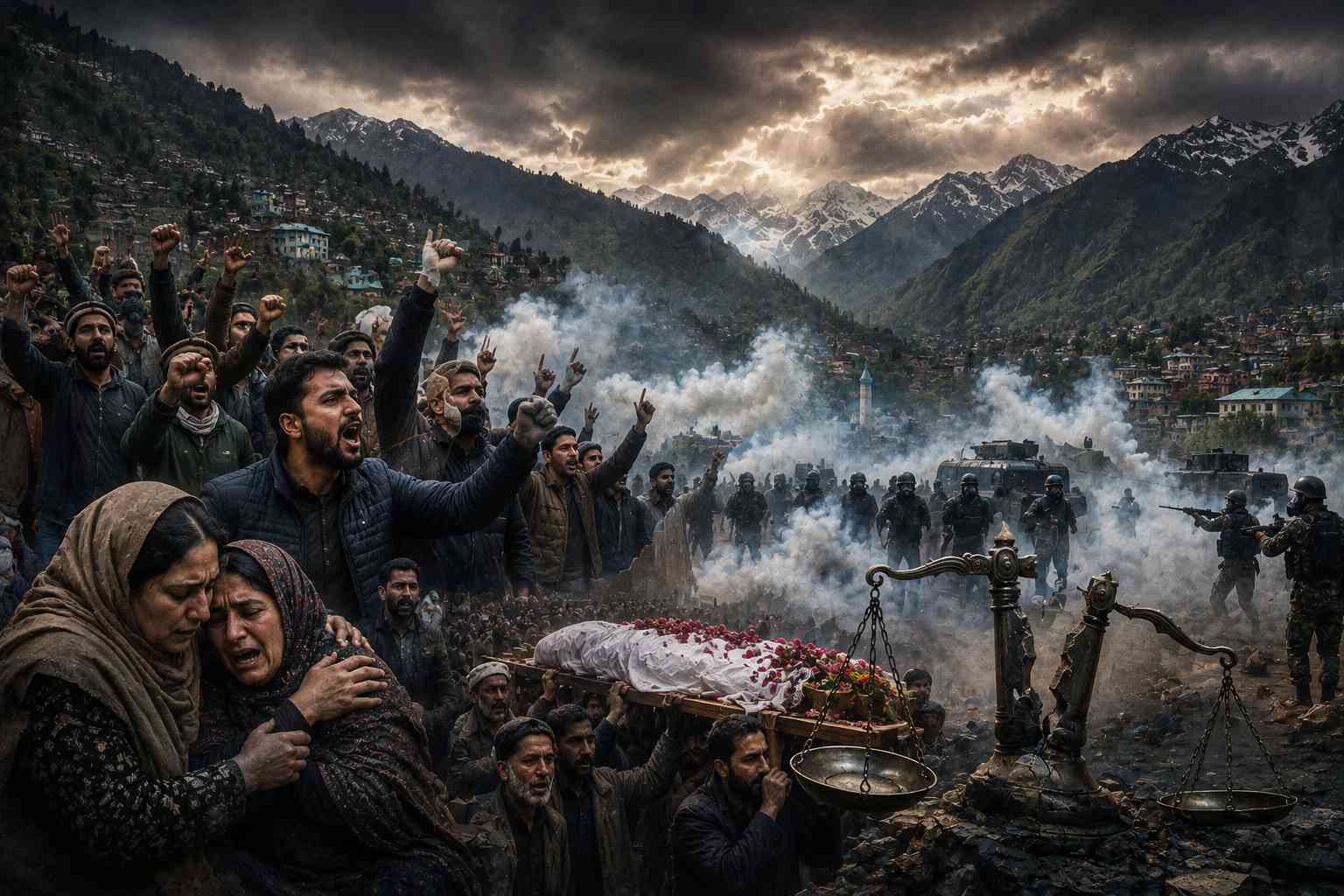
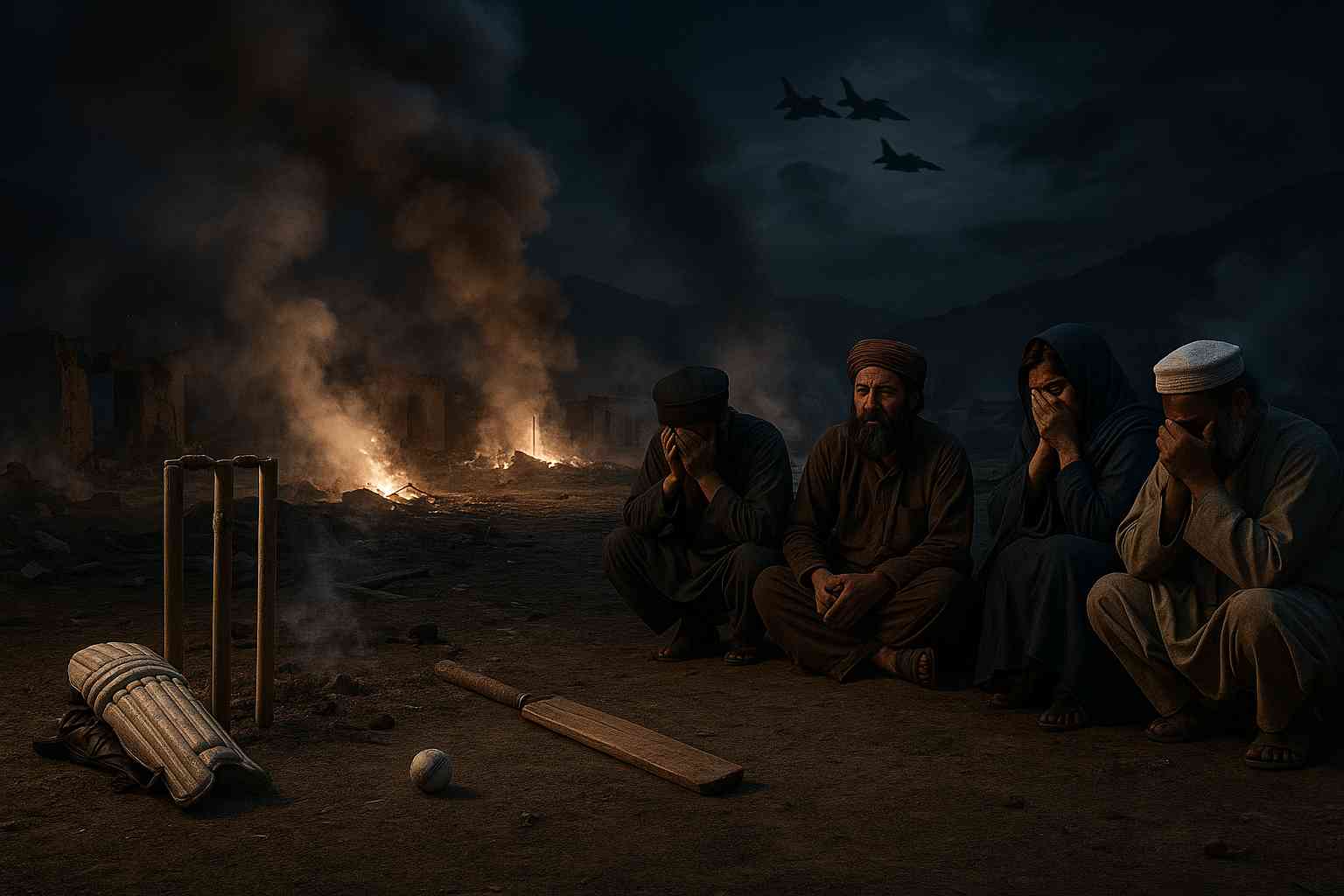
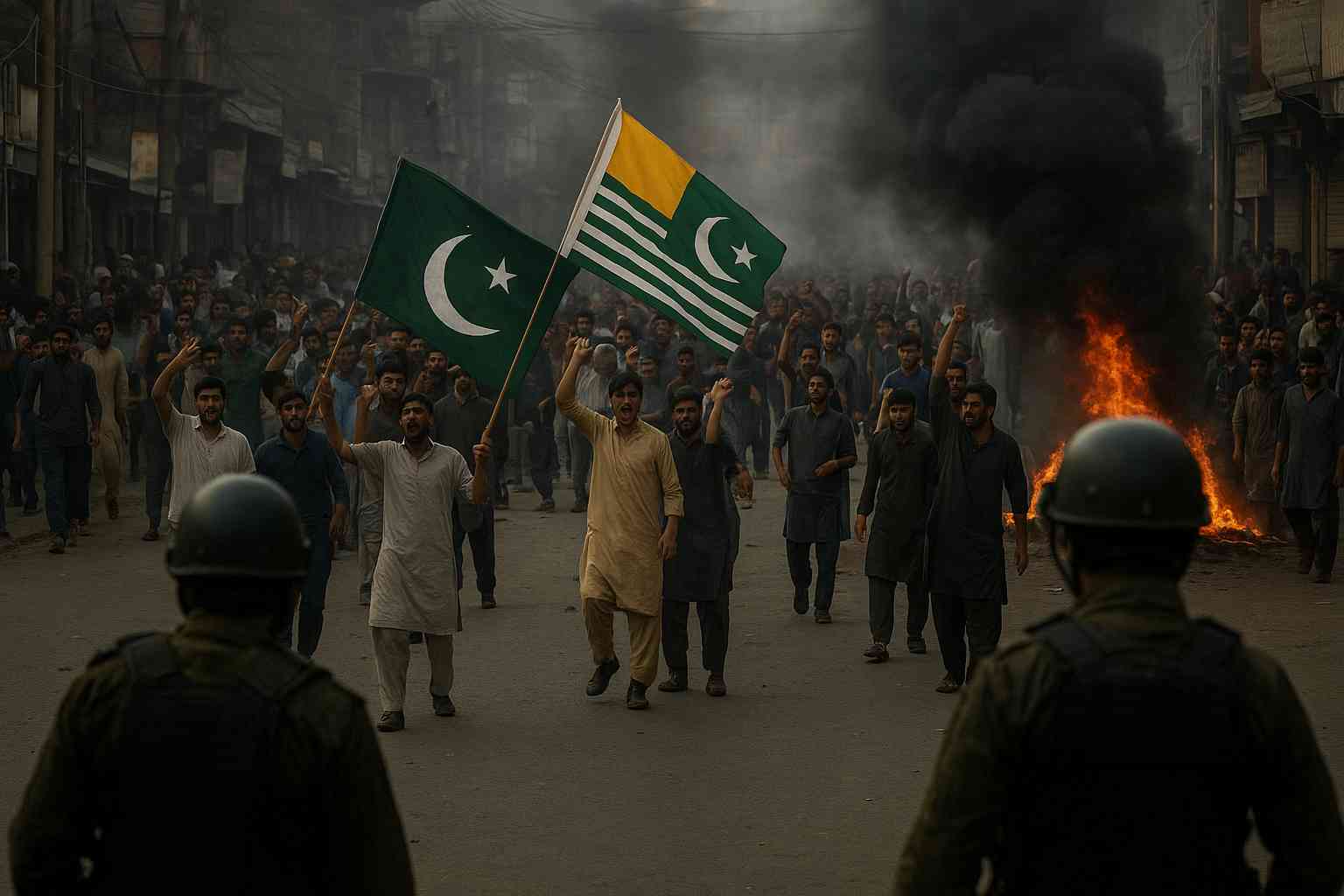
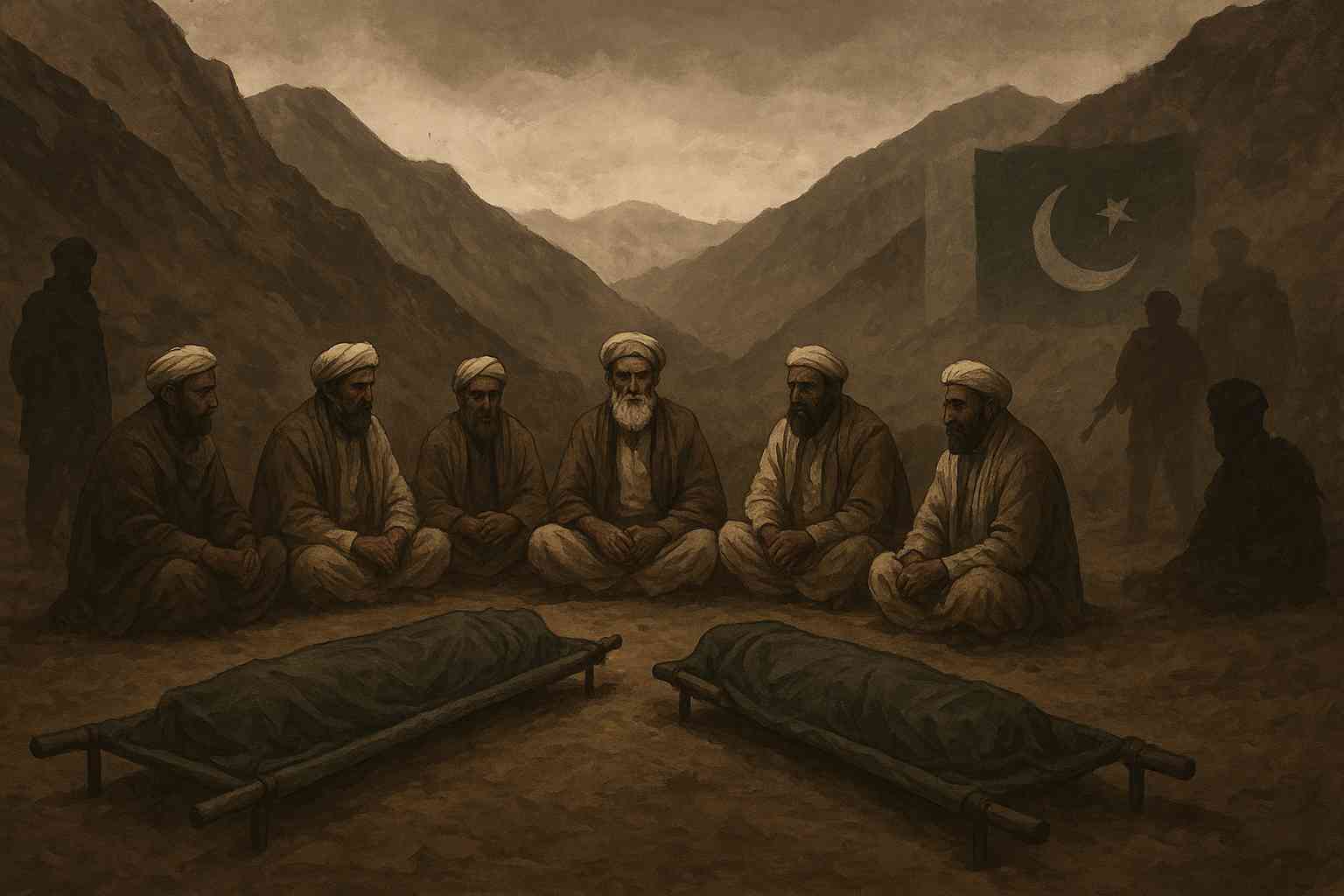
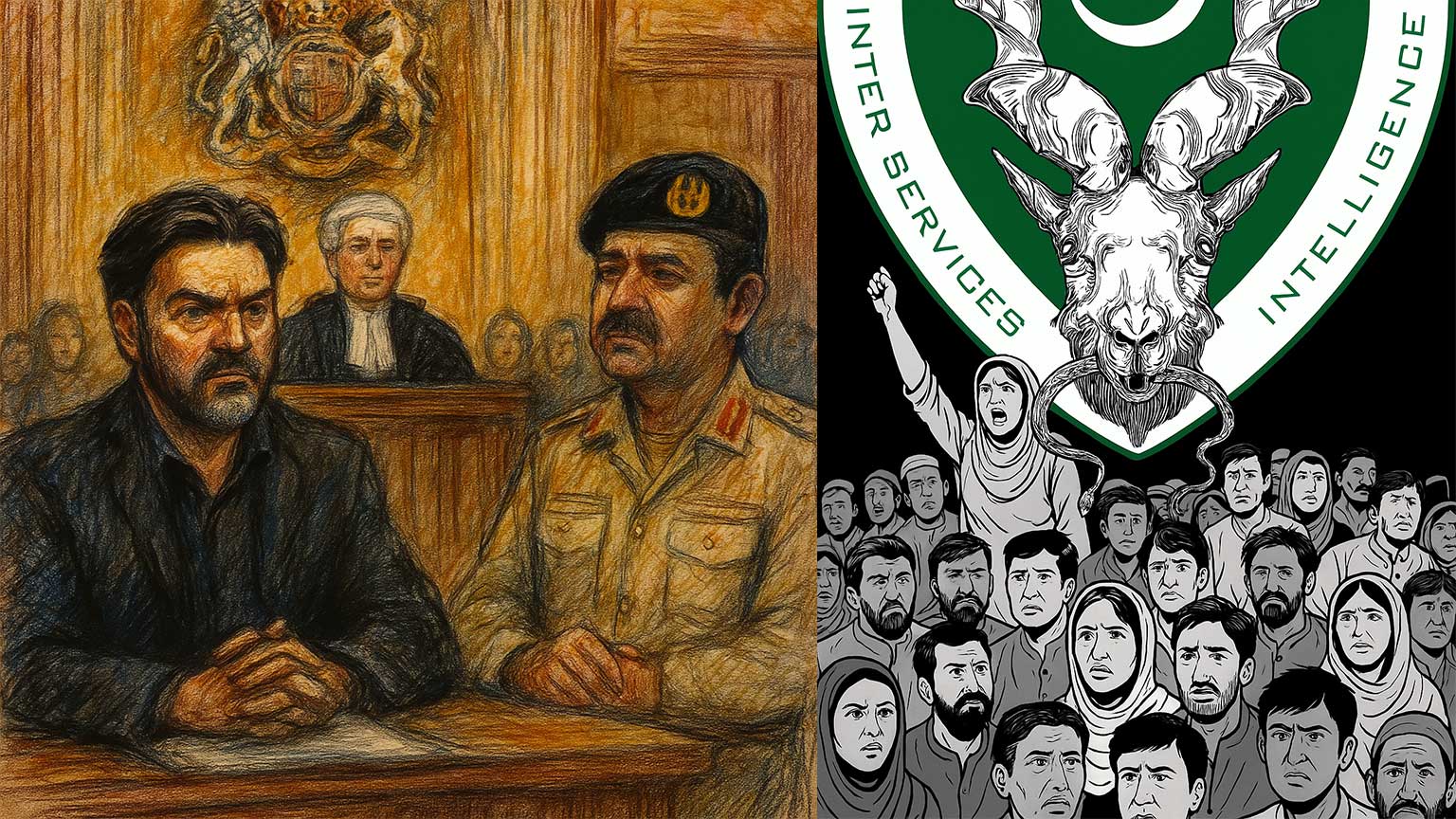
Afghanistan’s Taliban-led government says Pakistan carried out overnight strikes in eastern provinces that killed civilians—reportedly including children—intensifying public anger inside Afghanistan and hardening the Taliban administration’s posture. Pakistan’s military has publicly denied launching such strikes and rejects claims it targets civilians.
The dispute is not just about the battlefield narrative. It is also about legitimacy: Kabul frames these incidents as violations of sovereignty, while Islamabad frames cross-border actions—when acknowledged—as counterterror measures linked to militant sanctuaries.
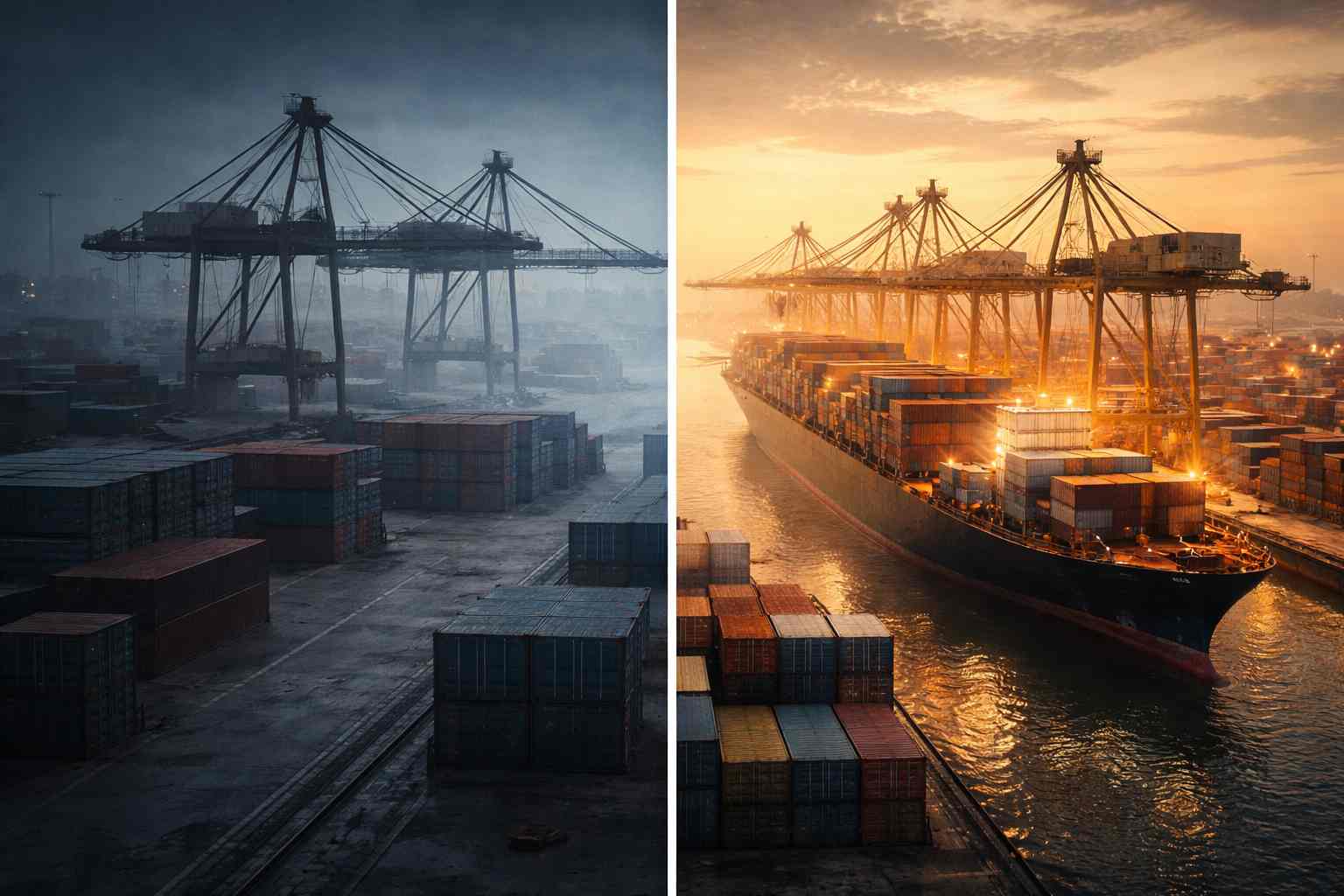
Border crossings and trade pressure deepen the standoff
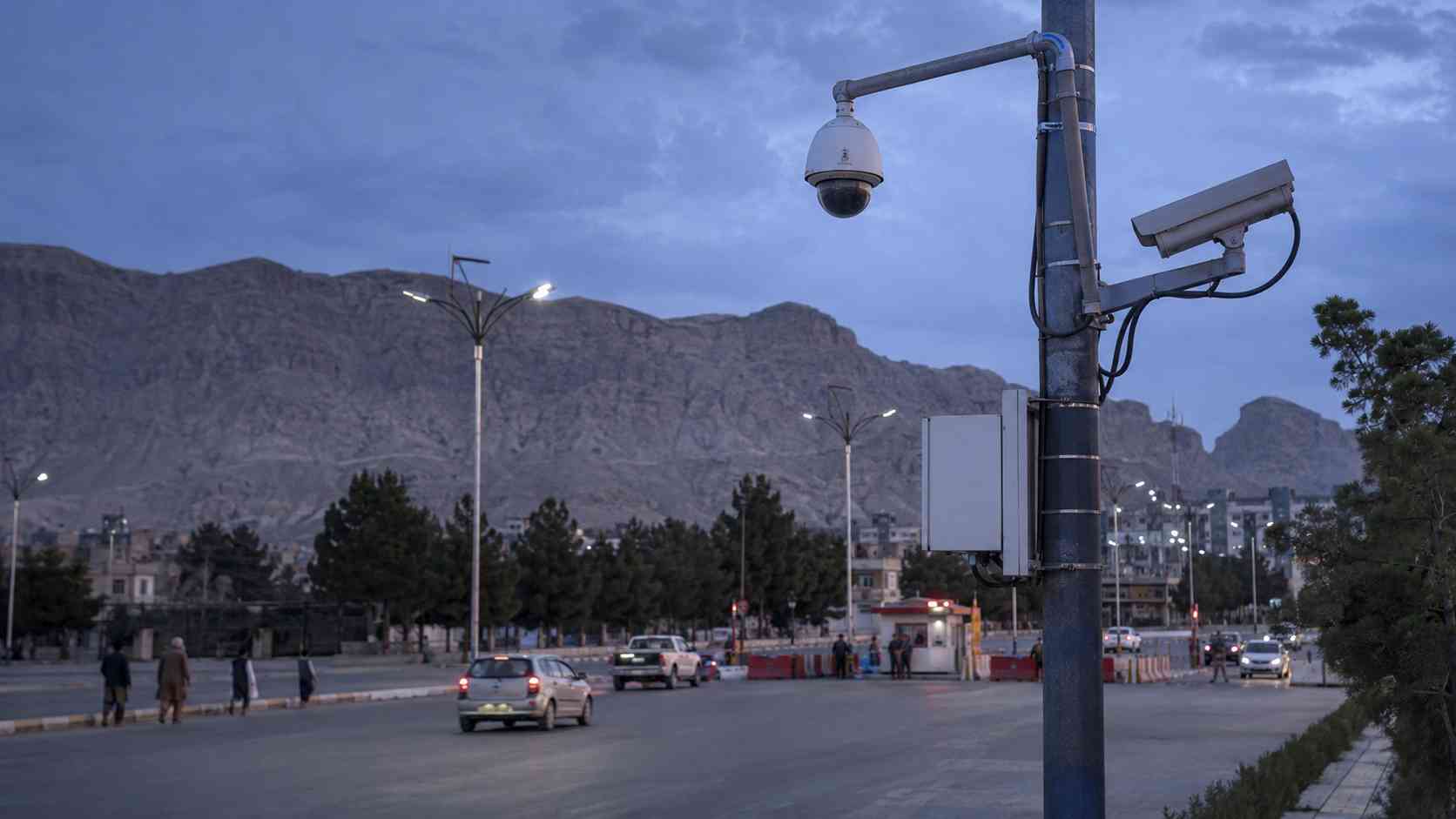
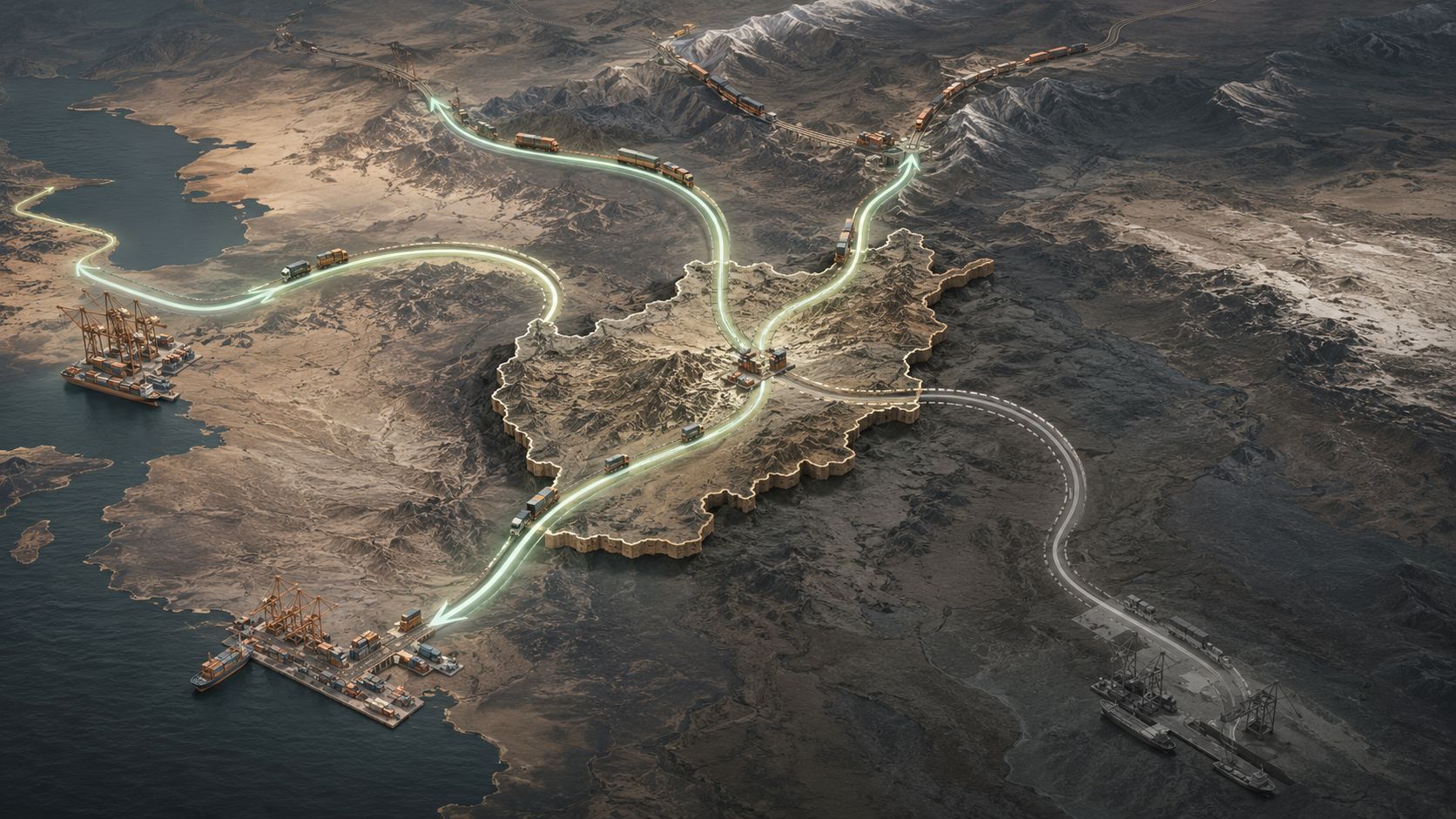
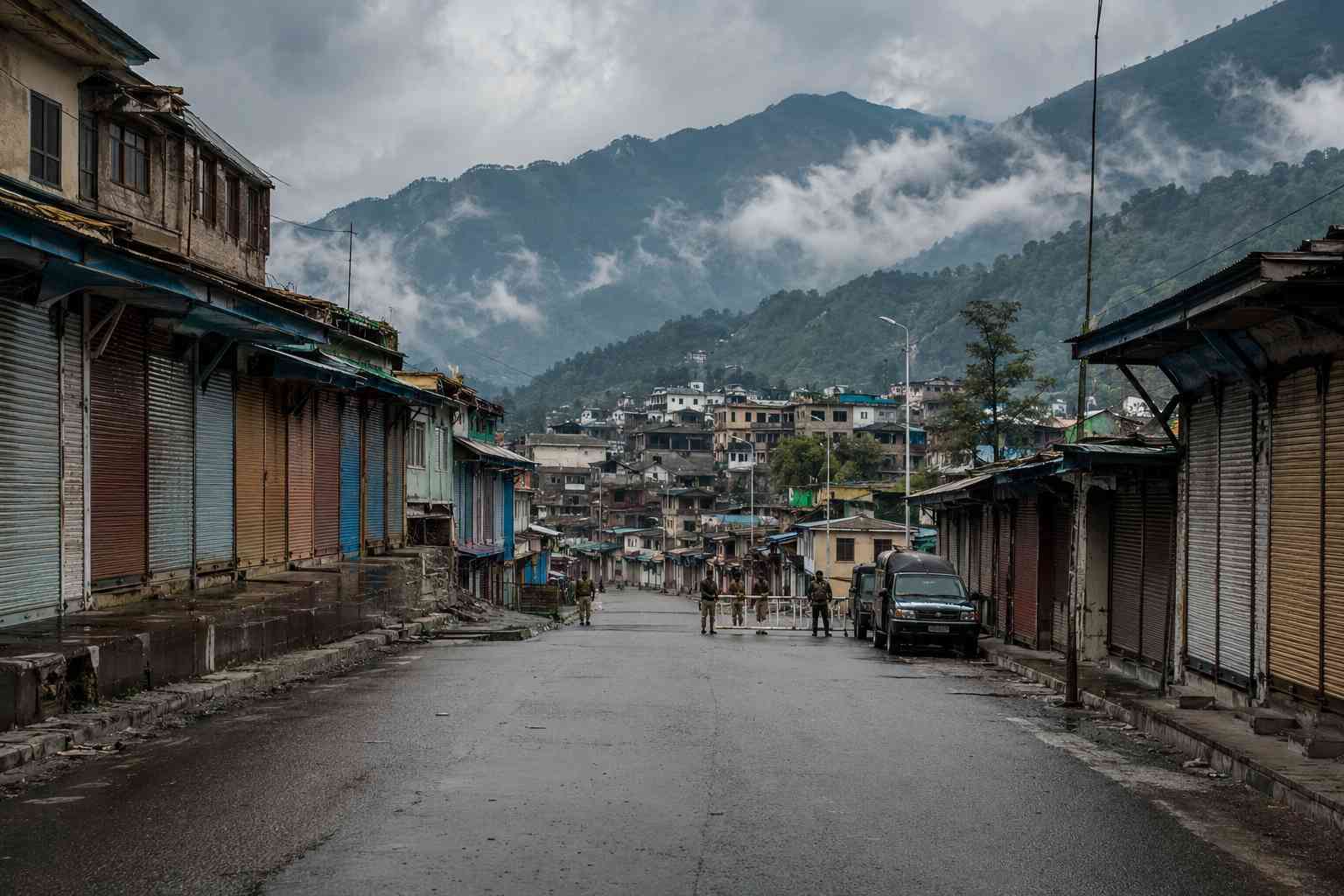
Key crossings, including Torkham and Chaman, have been at the heart of recent tension. Pakistan has now agreed to allow the United Nations to move relief supplies through these routes after weeks of closure, but broader reopening for normal trade and travel remains entangled in political and security demands on both sides.
For ordinary people and businesses on both sides, these closures function like economic punishment— creating immediate losses for traders and worsening humanitarian stress inside Afghanistan, where aid access and supply chains remain fragile.
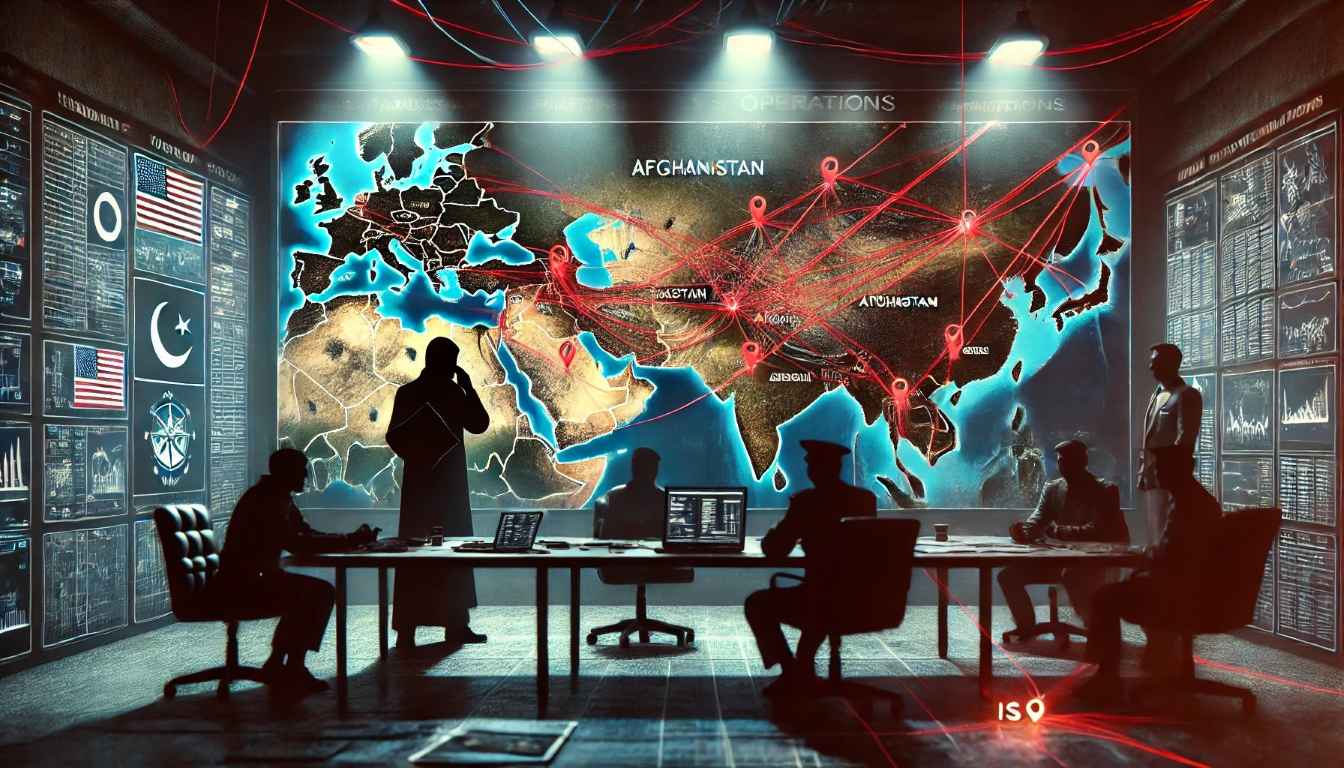
Pakistan’s core accusation: Militants operating from Afghan soil
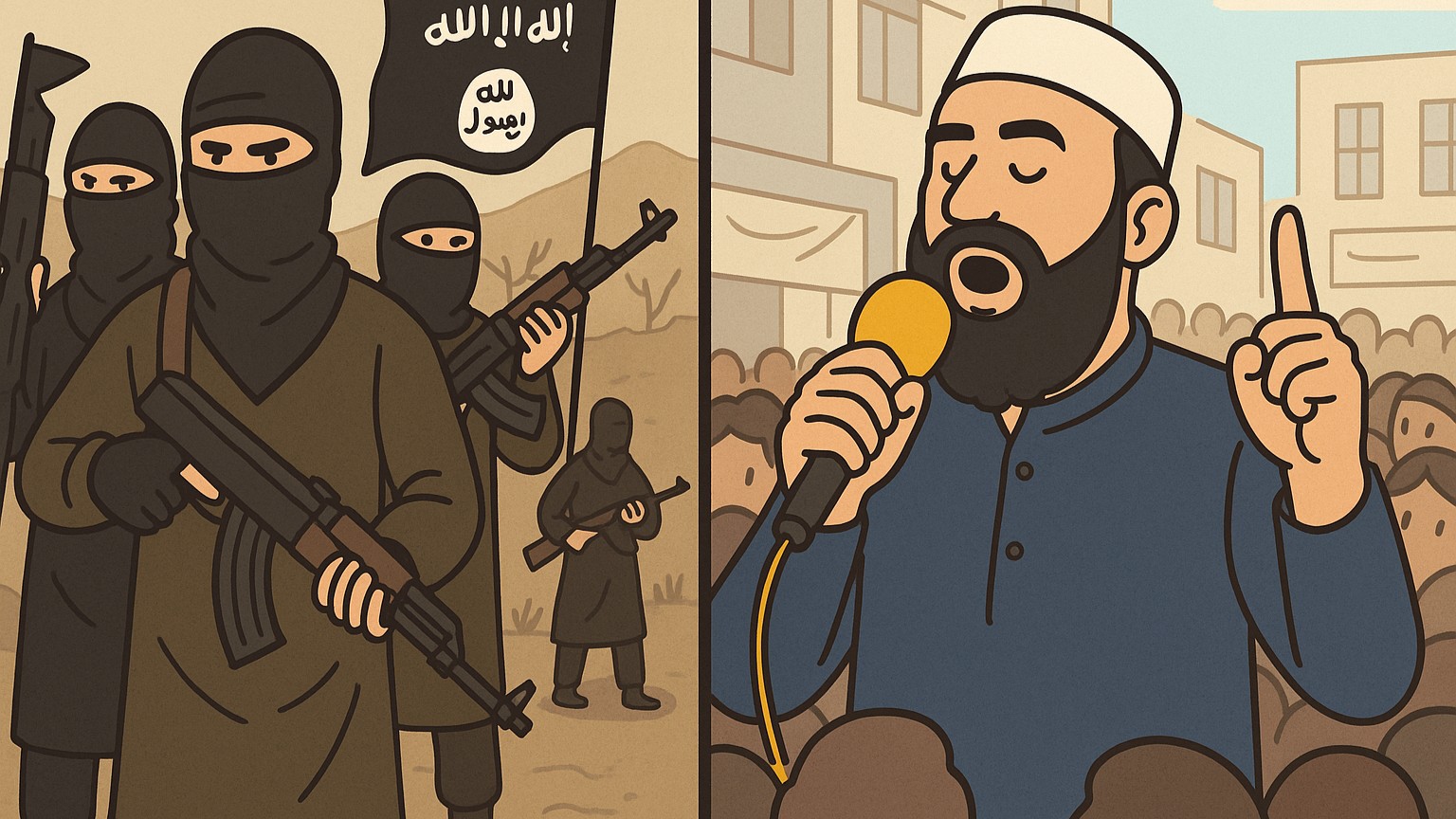
Islamabad’s central charge is that Afghan territory provides space—directly or indirectly—for anti-Pakistan militant networks, particularly the Tehrik-e-Taliban Pakistan (TTP). Pakistani officials have repeatedly pointed to a spike in attacks in Khyber Pakhtunkhwa and nearby districts as evidence that internal militancy is being fueled from across the border.
The Taliban authorities deny they allow Afghan soil to be used against other countries, but the gap between Pakistan’s demanded “guarantees” and Kabul’s position that it cannot be held responsible for Pakistan’s internal security has repeatedly stalled negotiations.
Mass Afghan returns and deportations: the humanitarian front of the crisis
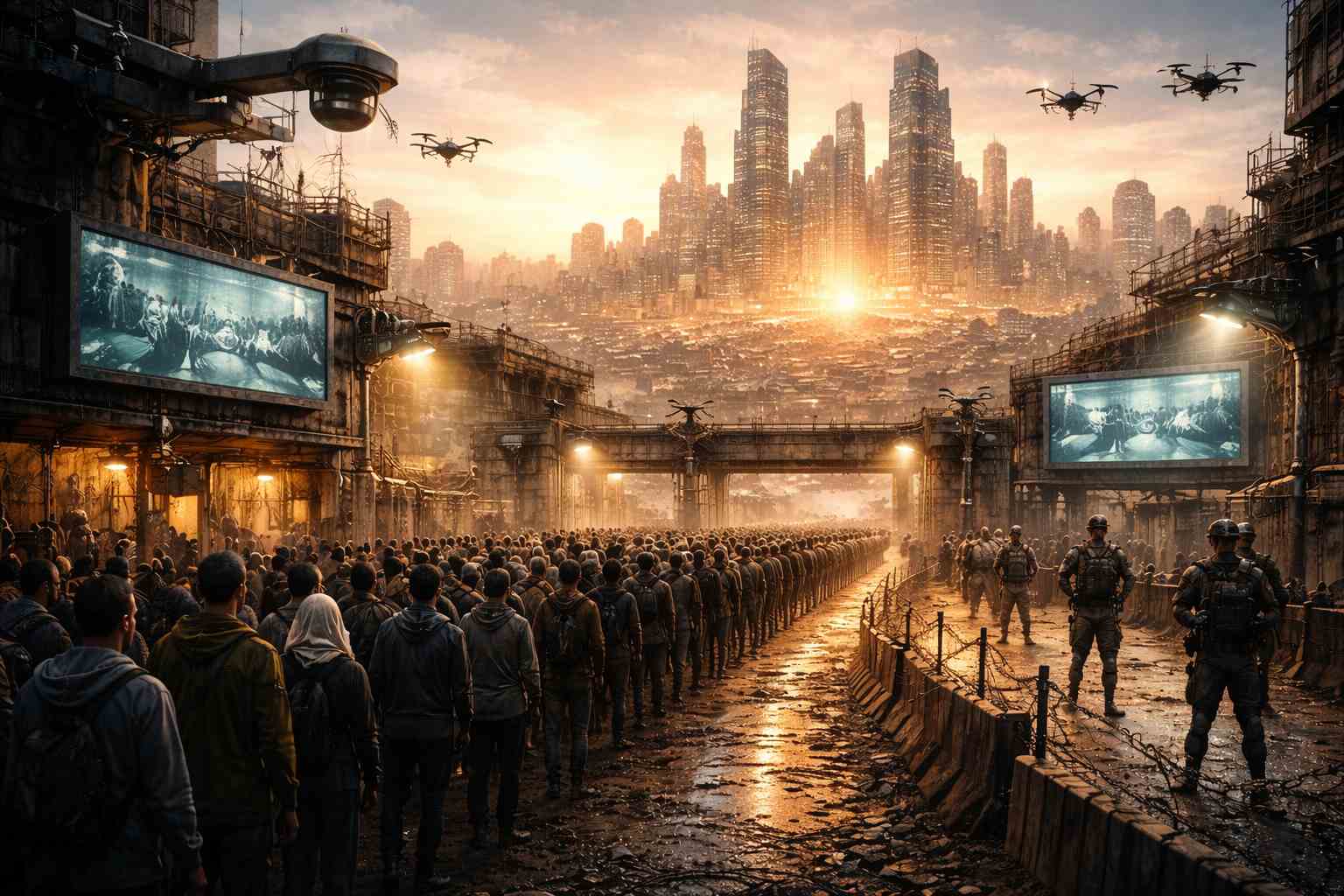
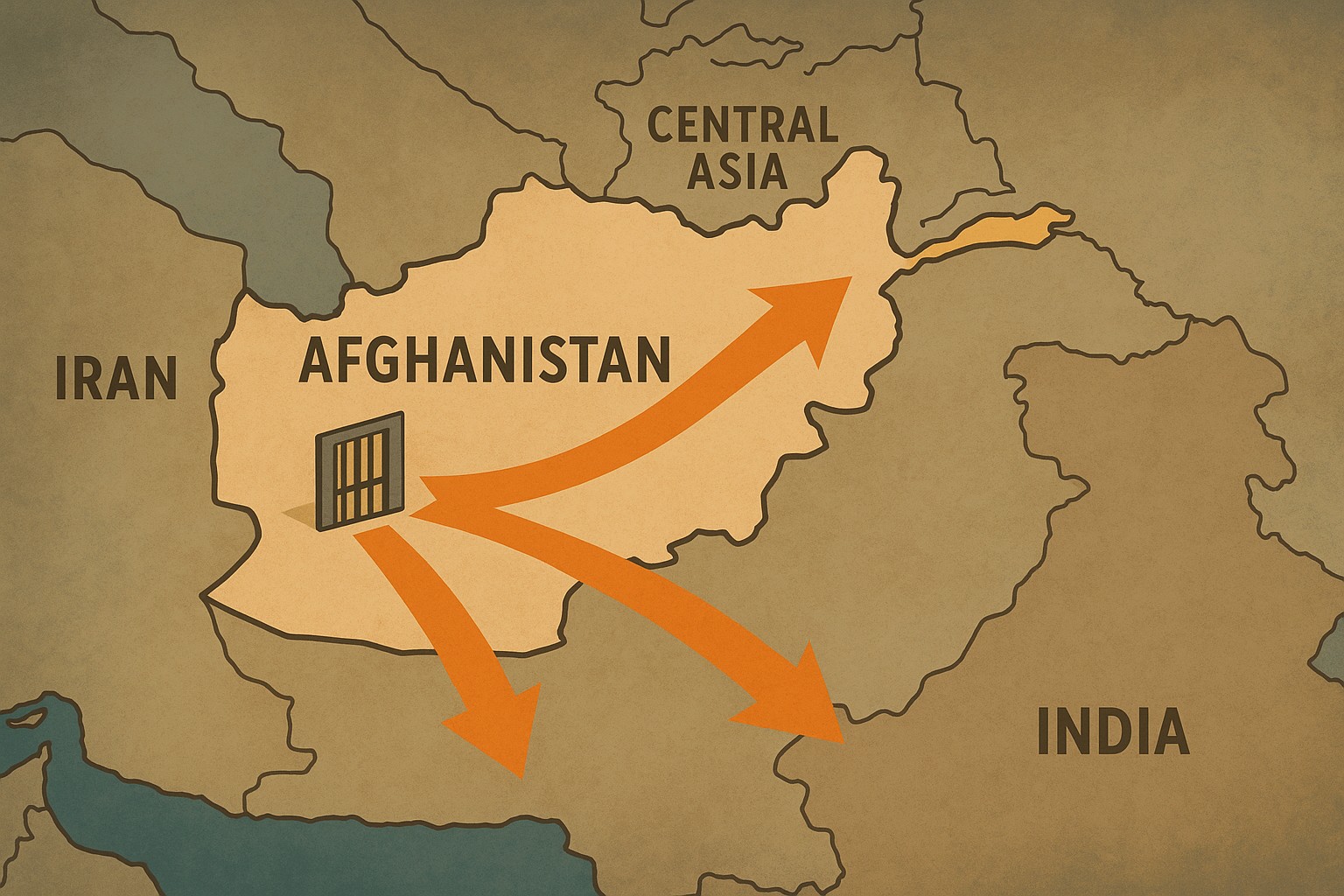
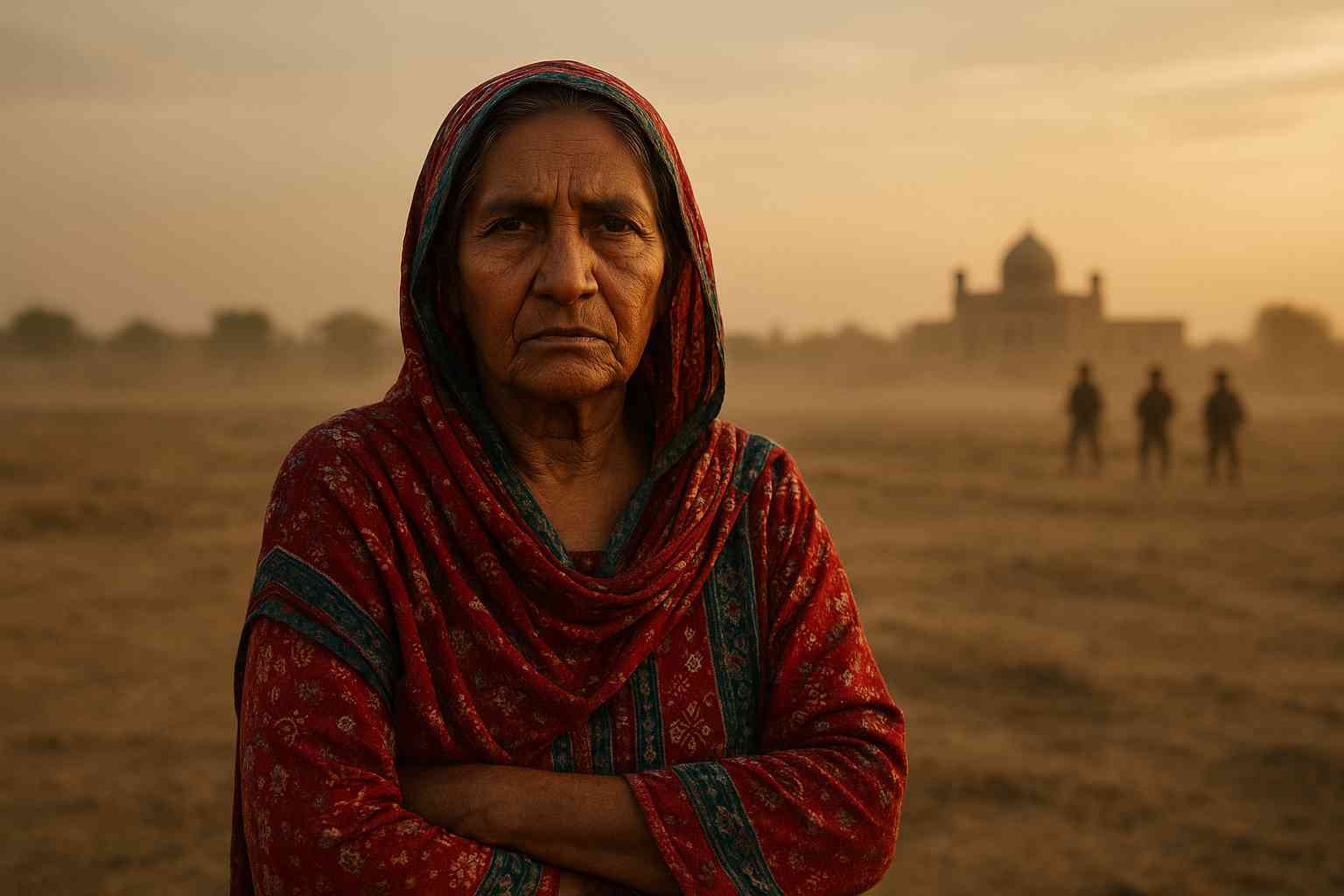
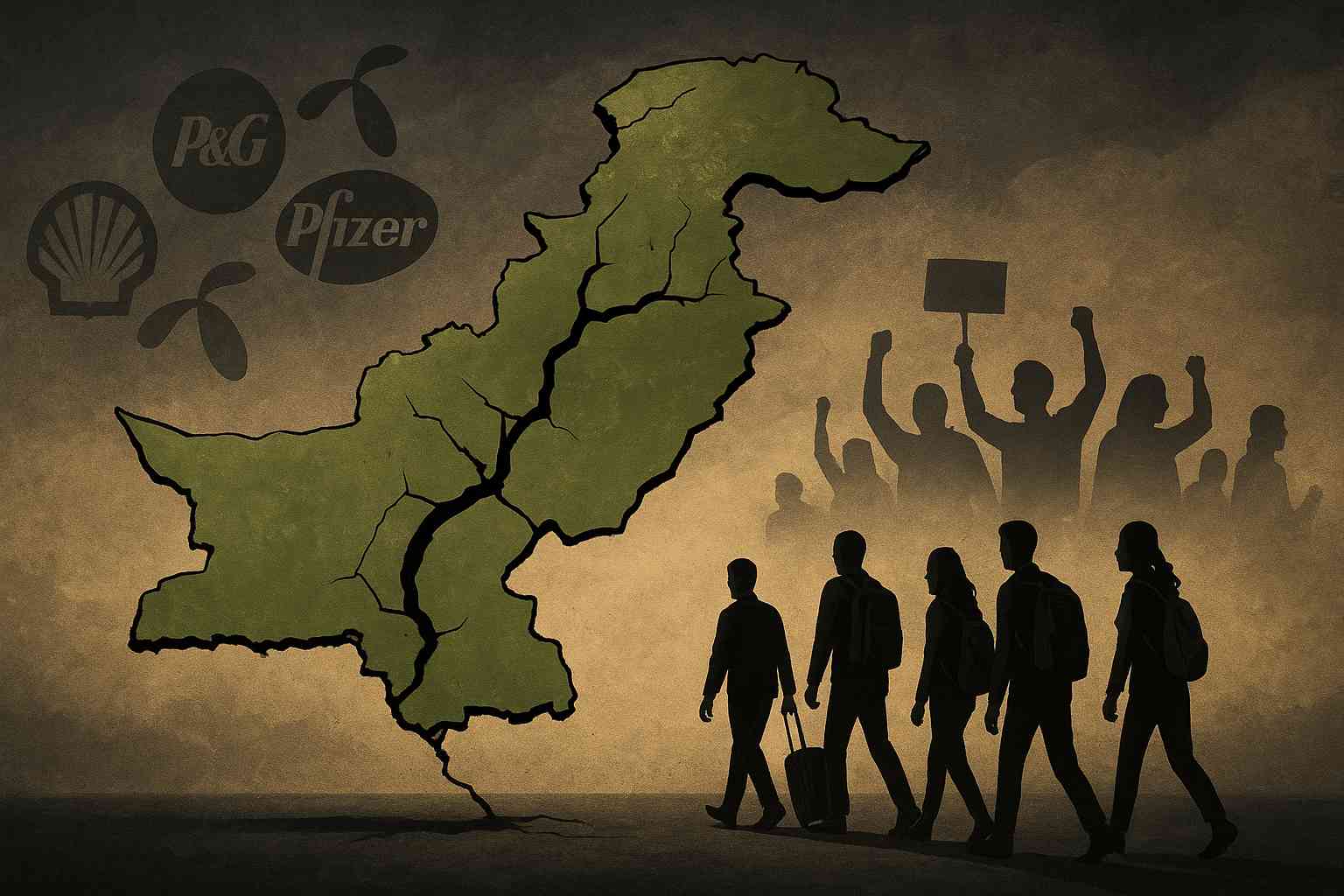
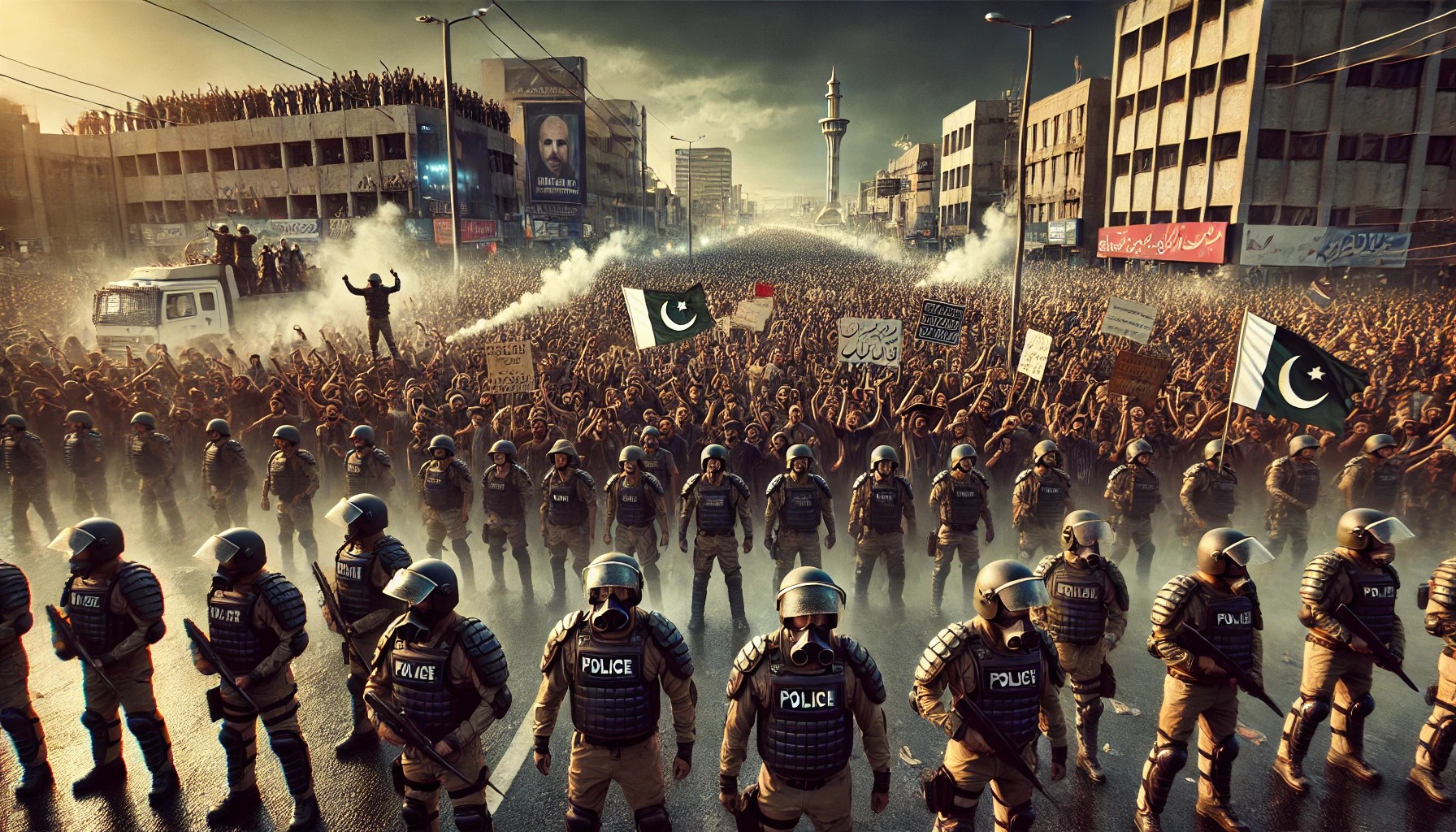
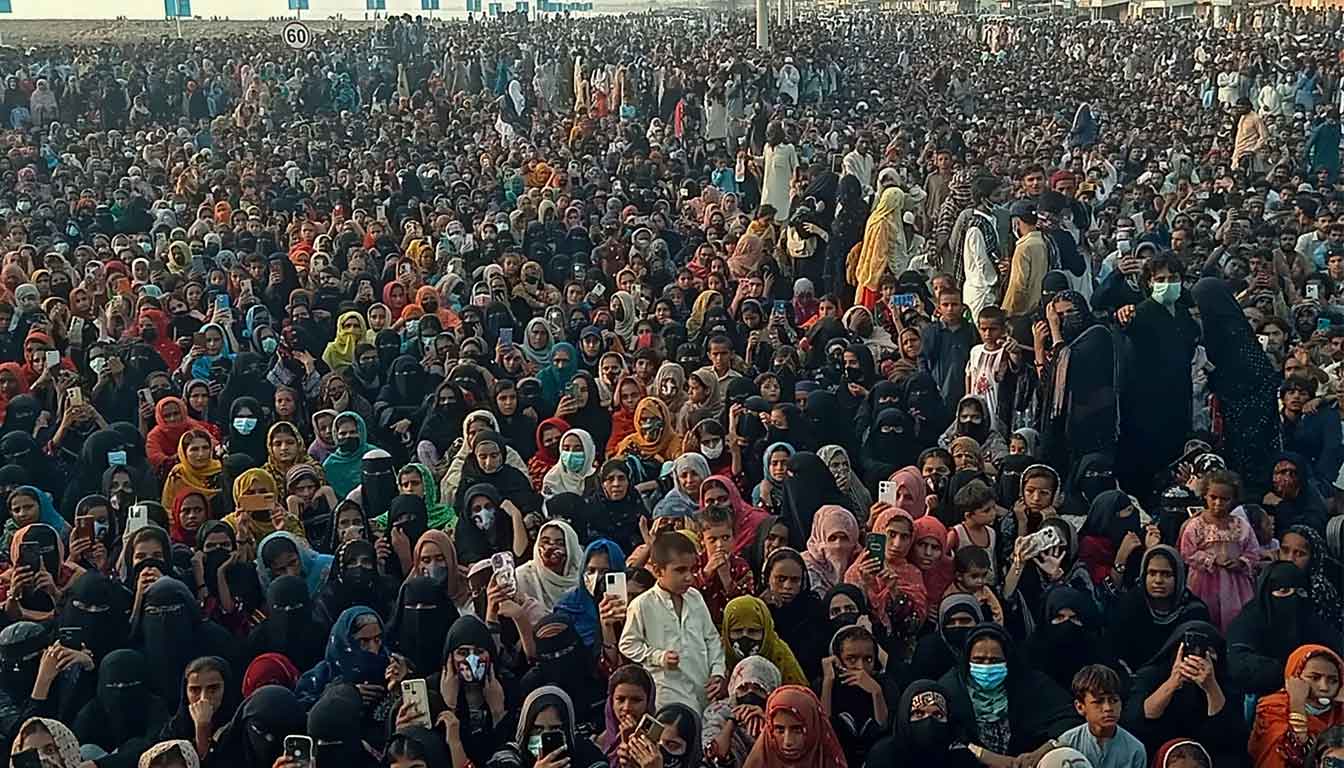
The deportation drive has become a central pressure point in Pakistan-Afghanistan border tensions, deepening mistrust and inflaming public anger on both sides. With large numbers of Afghans pushed to return—voluntarily or involuntarily—under stepped-up enforcement measures.
According to a UNHCR situation update, returns from Pakistan since April 1, 2025 had reached roughly 1.17 million as of early August 2025, with deportations since April 1, 2025 reaching about 95,300 by that point. UNHCR
Pakistan has also issued directives requiring “illegal foreigners” and Afghan Citizen Card holders to leave by set deadlines, tying the policy to law enforcement and security concerns.
Human rights groups have warned that many Afghans—especially women and girls—face serious protection risks upon return, urging safeguards and due process.
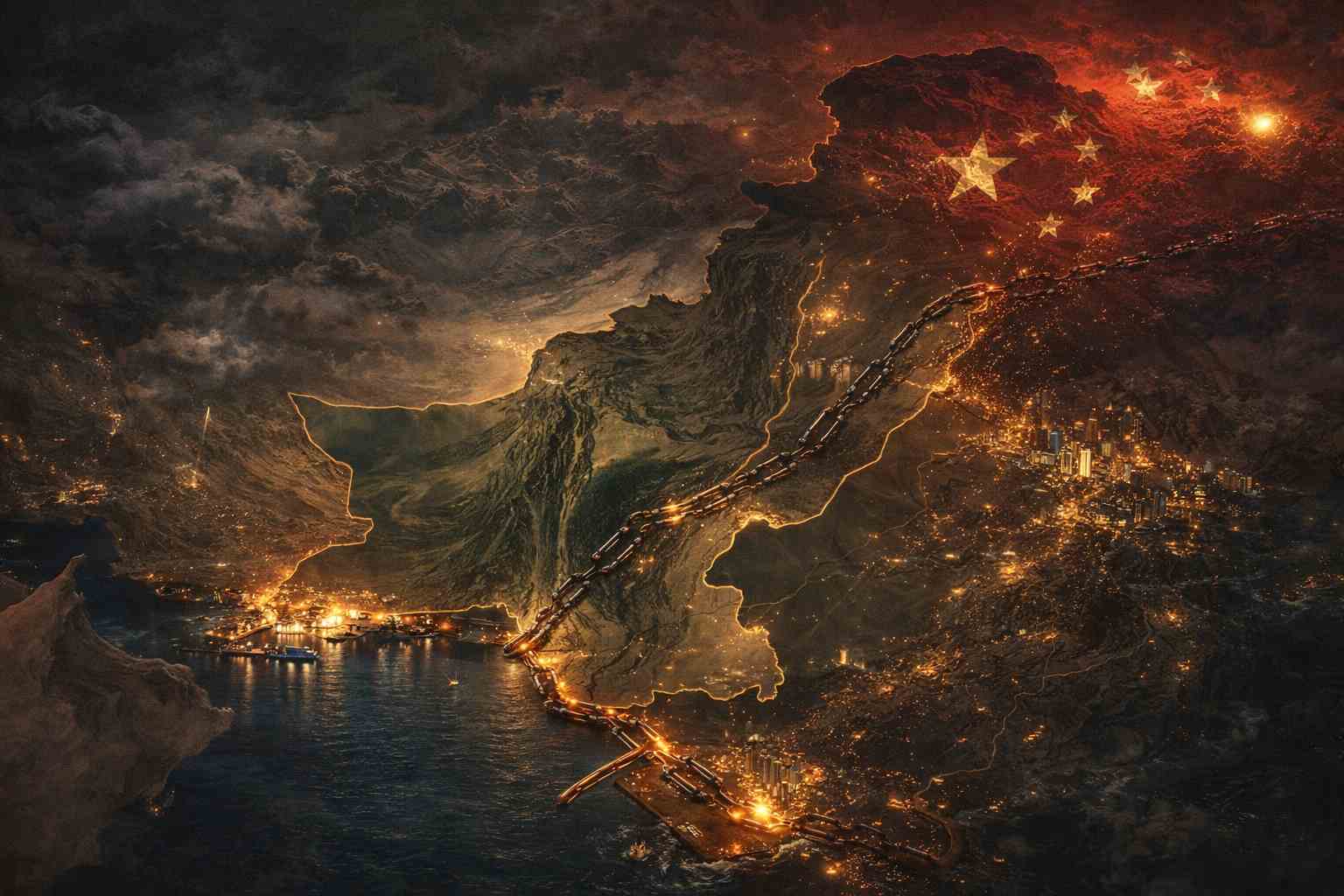
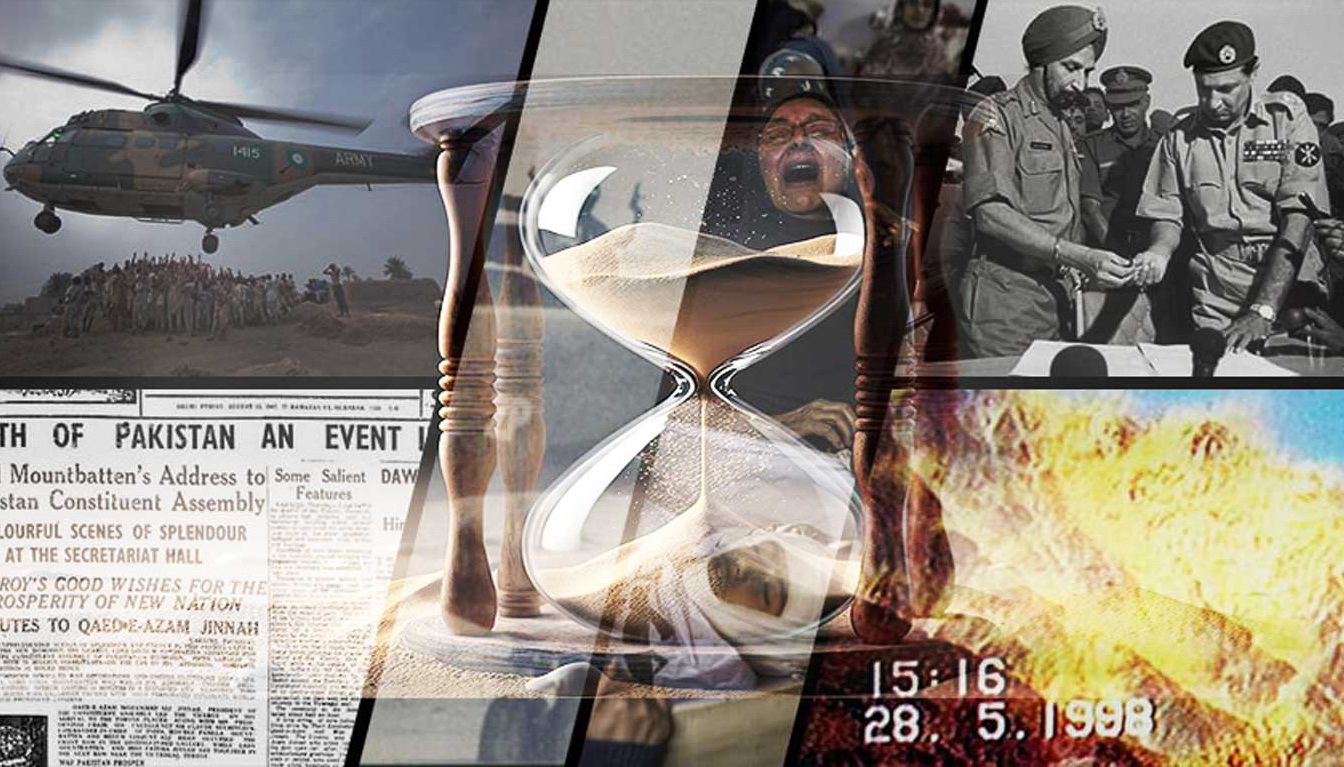
“Tyranny of geography”: a three-front strain on Pakistan
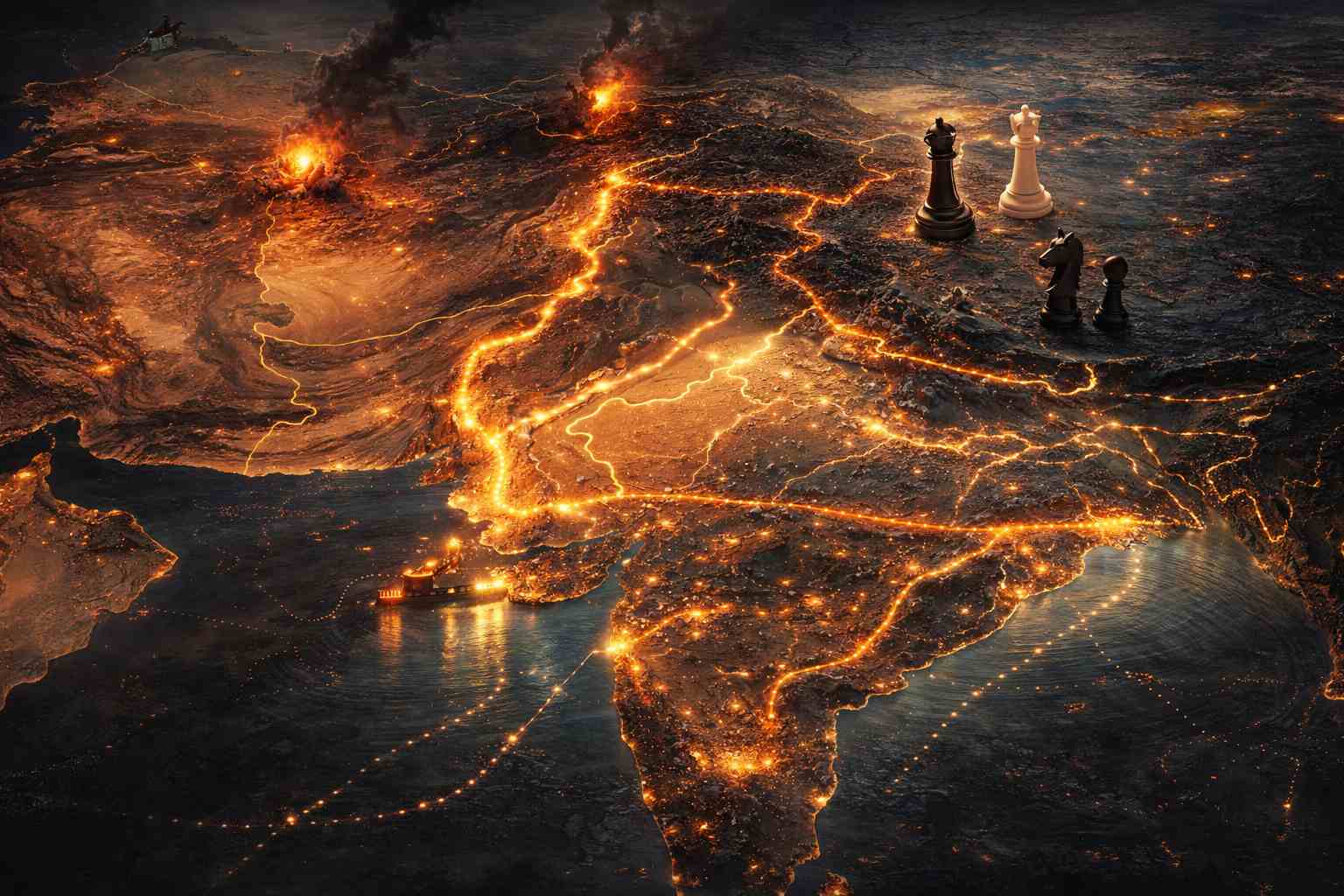
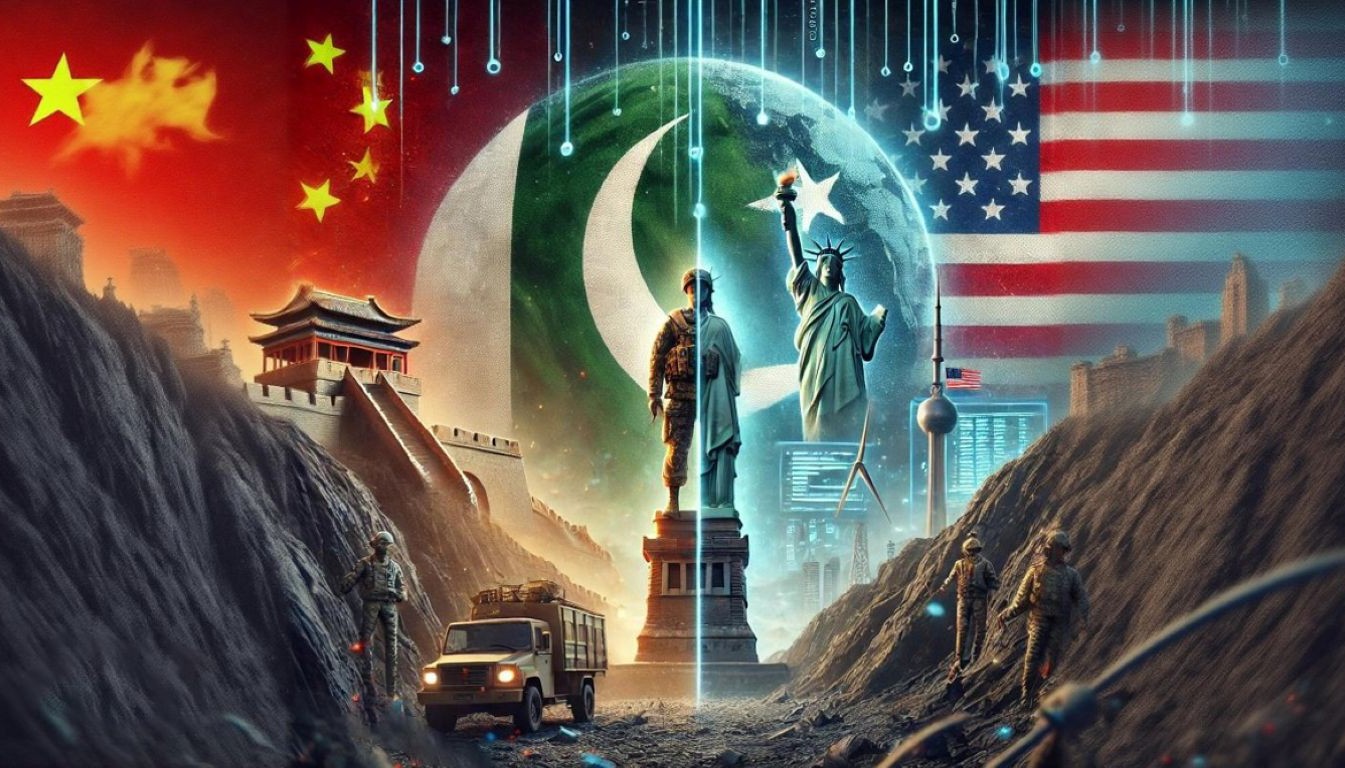
A recurring theme in commentary on X (formerly Twitter) and regional analysis is the “tyranny of geography”: Pakistan’s security posture is being pulled simultaneously toward:
The eastern front (India)
The western front (Afghanistan border instability)
The internal front (militancy and insurgent violence)
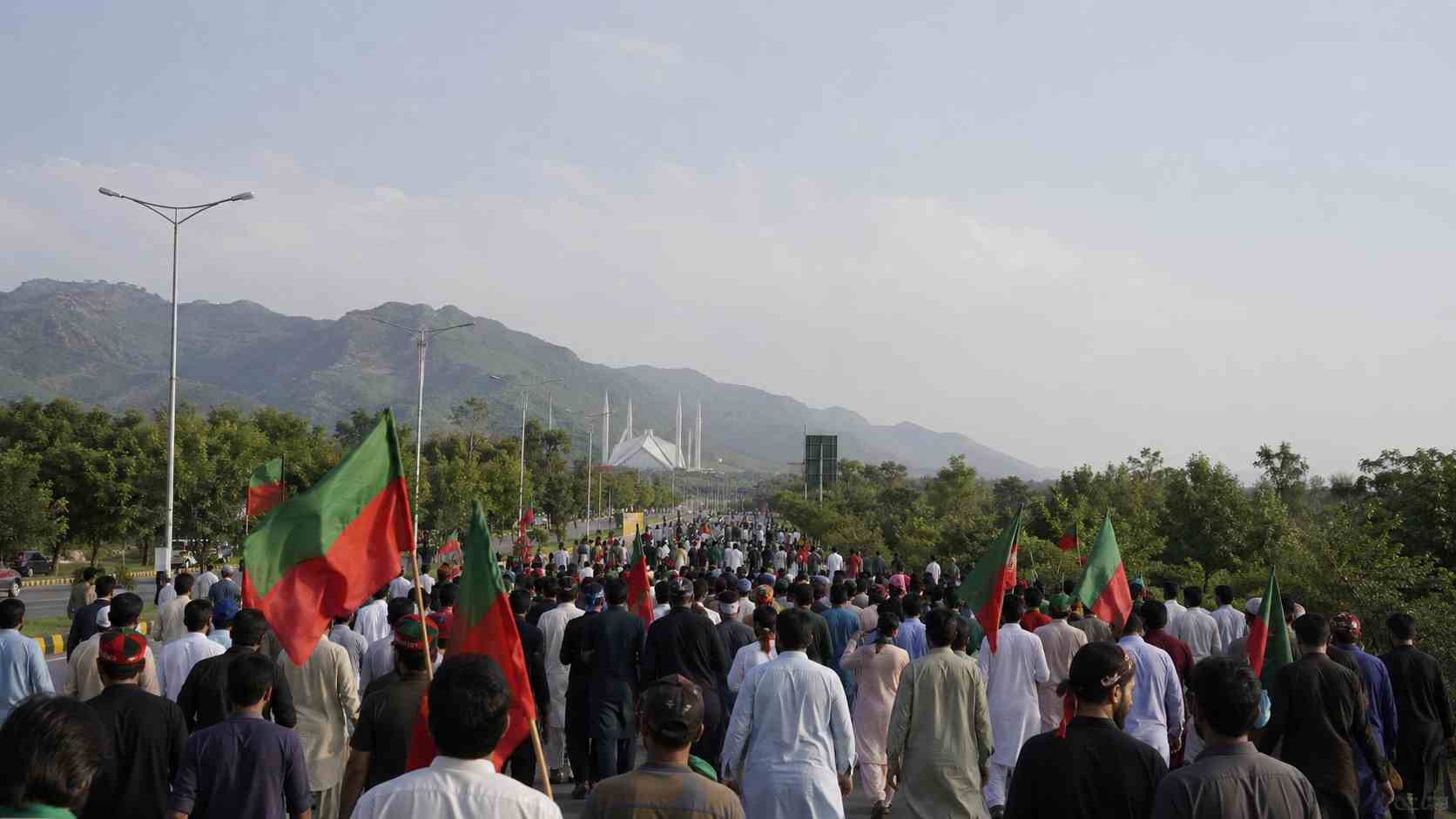
Recent reporting has underlined how militant attacks in Pakistan’s northwest continue to mount even during diplomatic initiatives, signaling that negotiations and battlefield realities are moving on separate tracks.
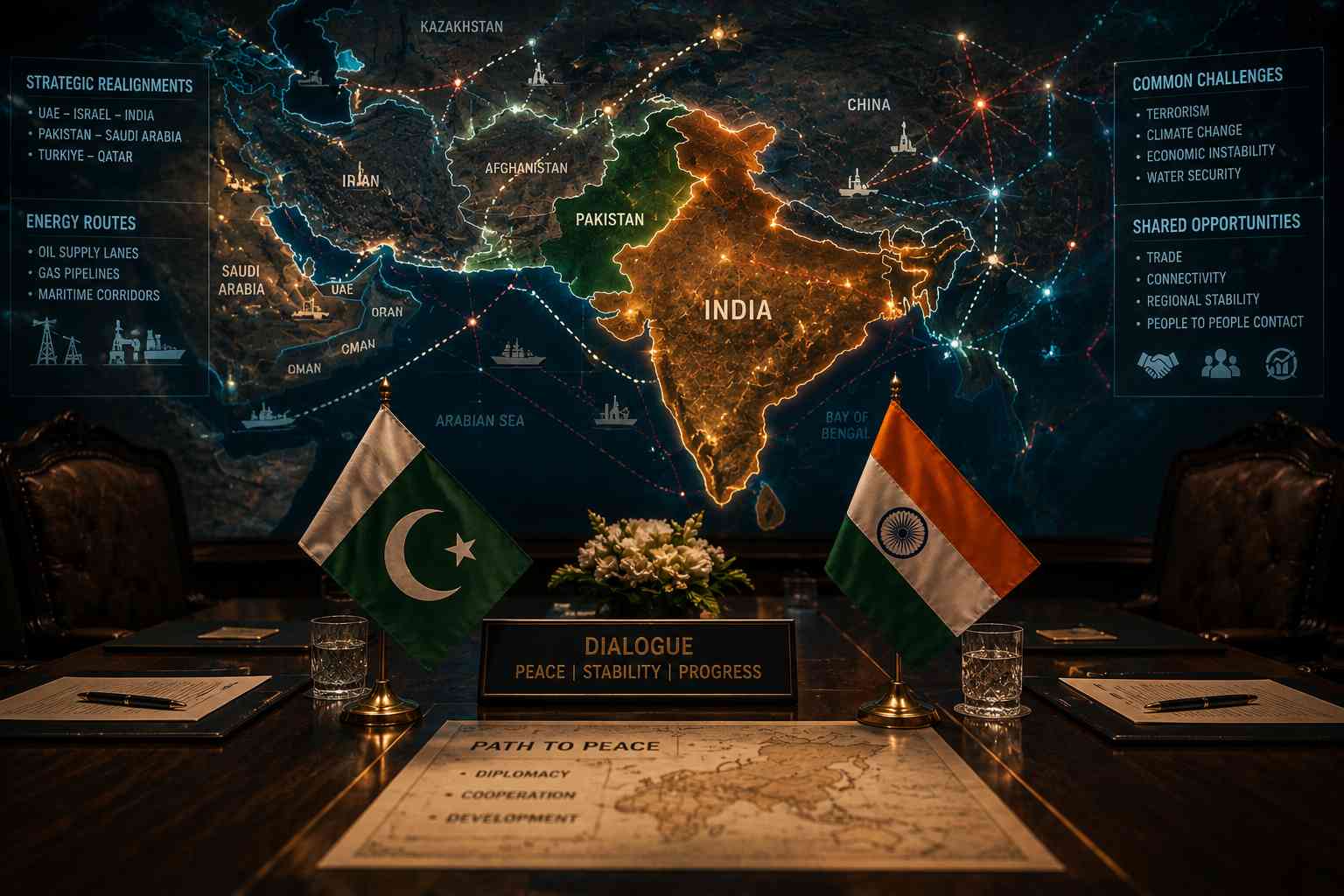
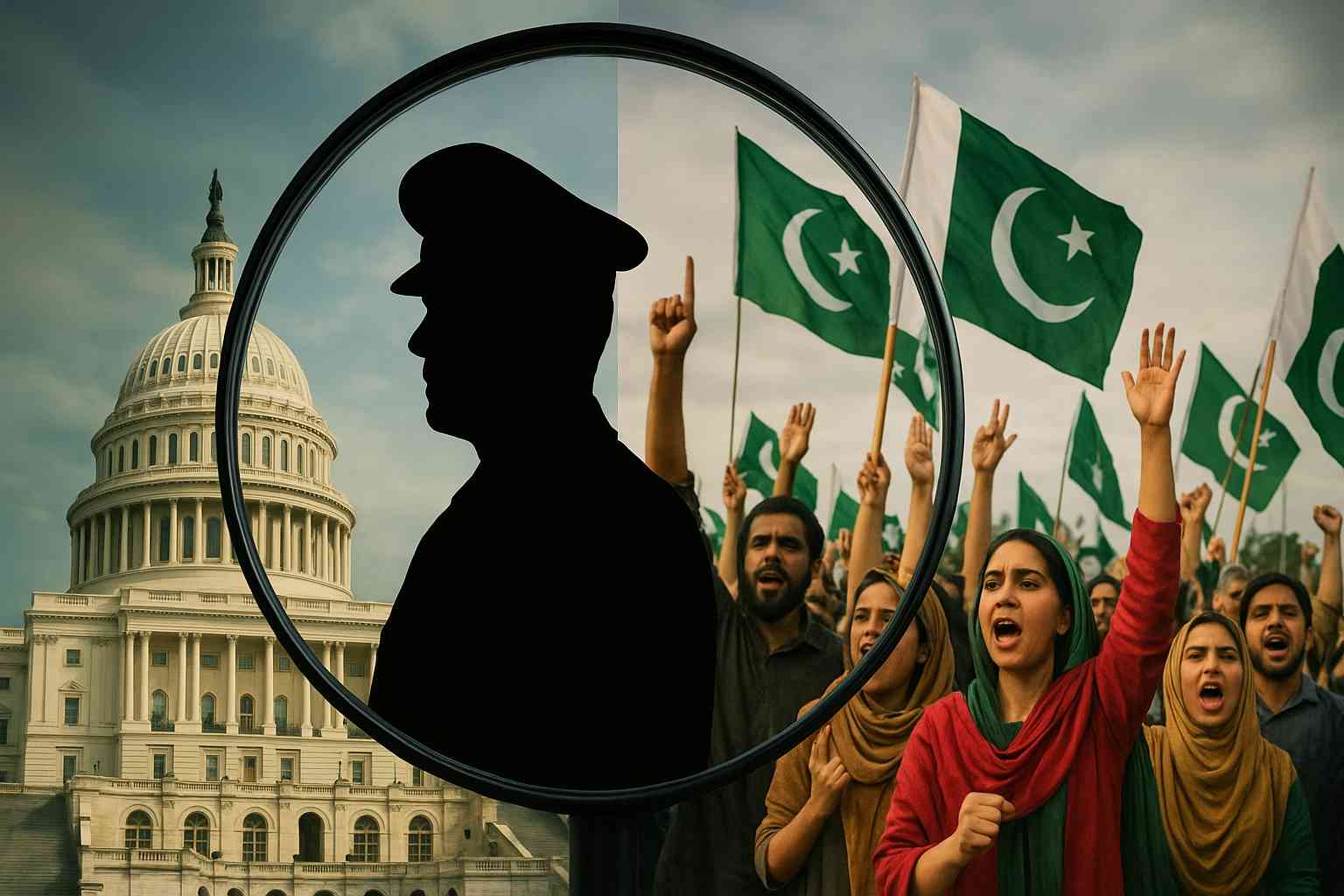
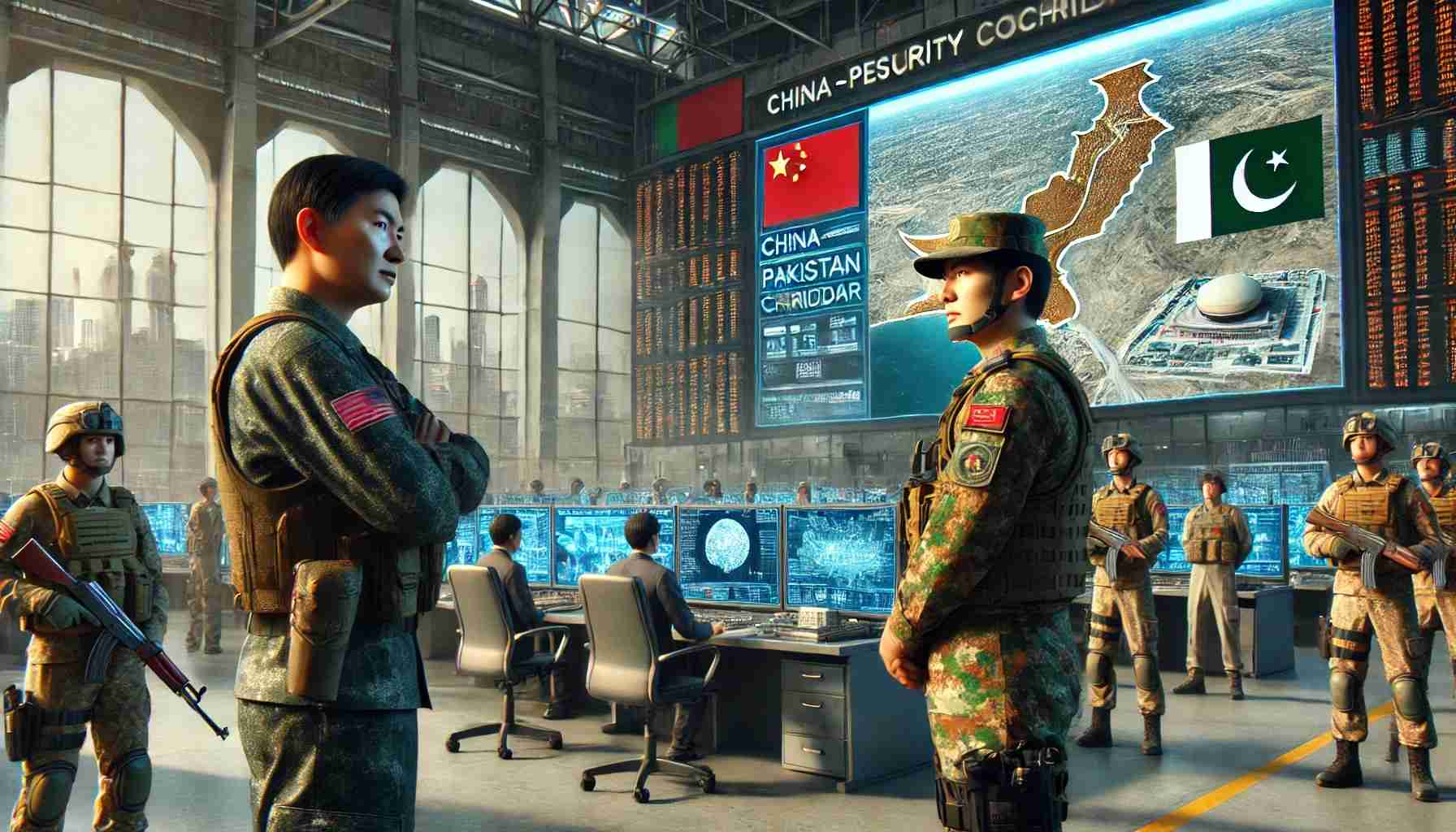
Meanwhile, regional competition adds more friction: reporting has highlighted Pakistan’s concern over India’s expanding engagement with the Taliban administration and the way that relationship is reshaping Afghan-Pakistan dynamics.
Diplomacy is active—but fragile
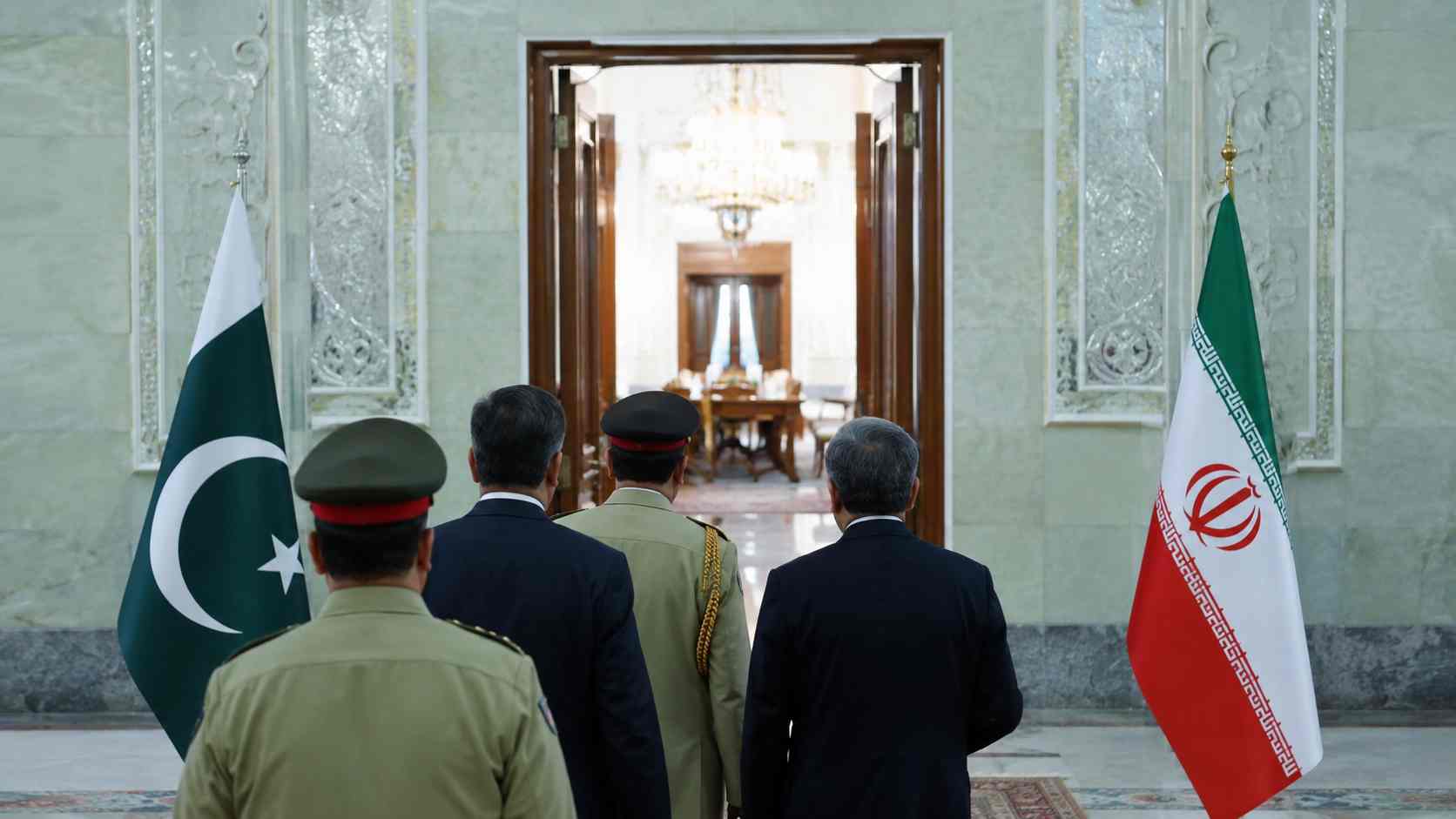
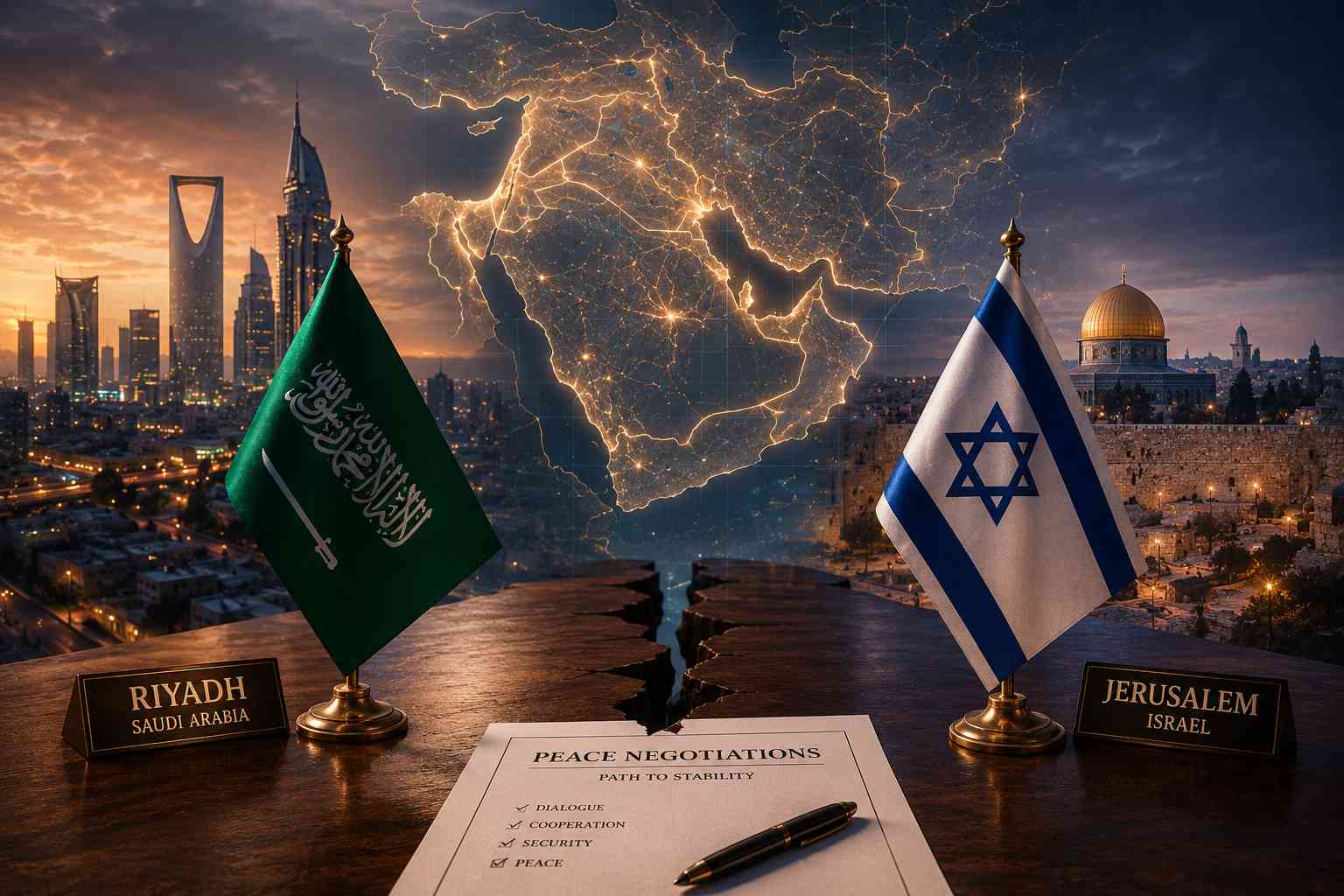
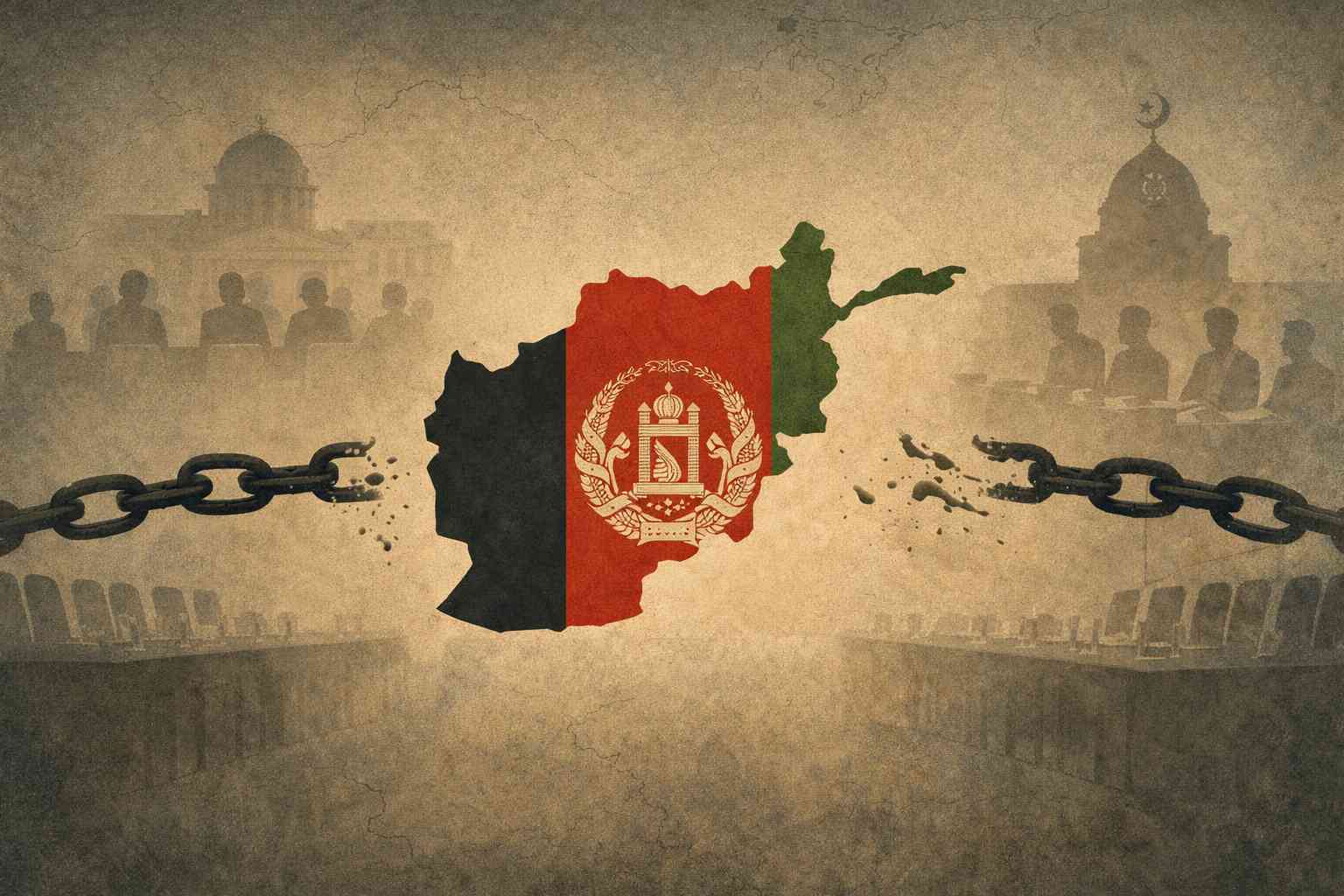
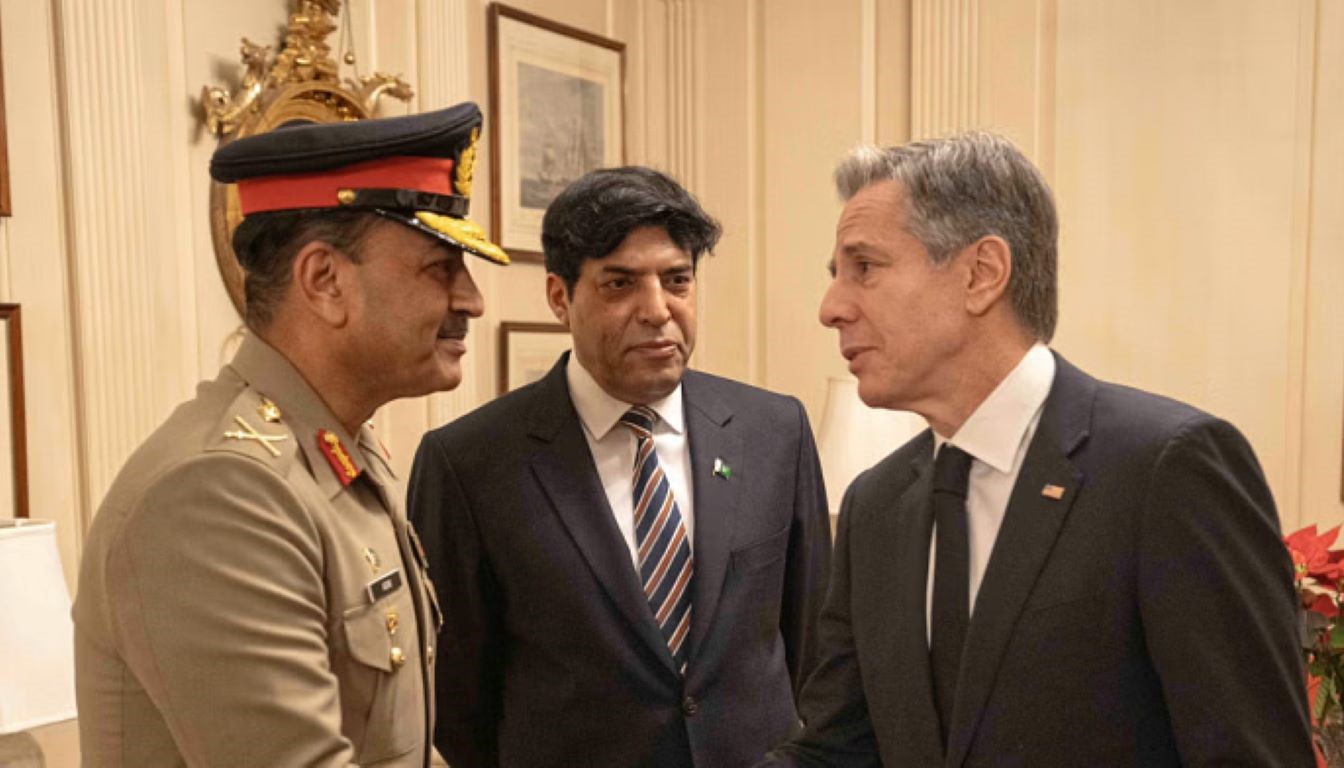
After deadly clashes earlier in the year, multiple external channels have tried to reduce escalation. The most recent effort includes Saudi-hosted talks where both sides reportedly agreed to uphold a ceasefire, though previous mediation attempts have struggled to produce durable terms accepted by both capitals.
At the same time, the humanitarian dimension is forcing limited cooperation: Pakistan’s decision to permit UN relief movement through key crossings is a tactical easing, even as broader border normalization remains unresolved.
What happens next: three scenarios to watch
- Managed tension (most likely near-term)
Cross-border fire and political accusations continue, but external mediation (Saudi/Qatar/Turkiye channels) keeps escalation below full-scale confrontation—while trade remains partially constrained.
- A sharper military spiral
Any mass-casualty incident—whether a major militant attack inside Pakistan or a disputed strike in Afghanistan—could trigger heavier retaliation and wider border closures, with civilian communities paying the price first.
- A transactional reset
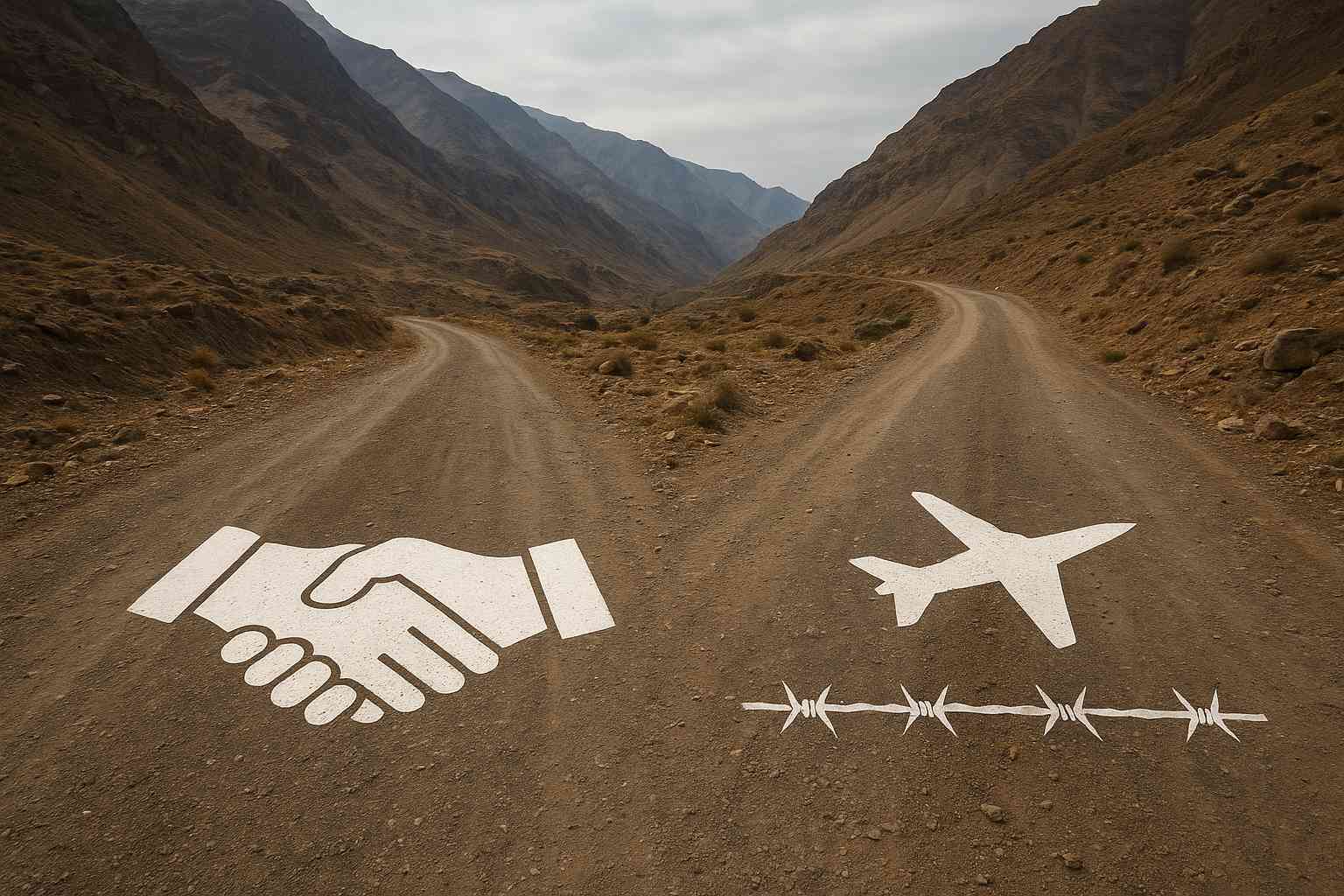
A narrow security arrangement could emerge—focused on specific militant nodes and border mechanisms—without resolving the deeper political distrust. That kind of “minimum deal” would still leave the refugee/deportation crisis and economic choke points unresolved. Without a durable border mechanism and credible deconfliction channel, Pakistan-Afghanistan border tensions are likely to remain a recurring flashpoint.