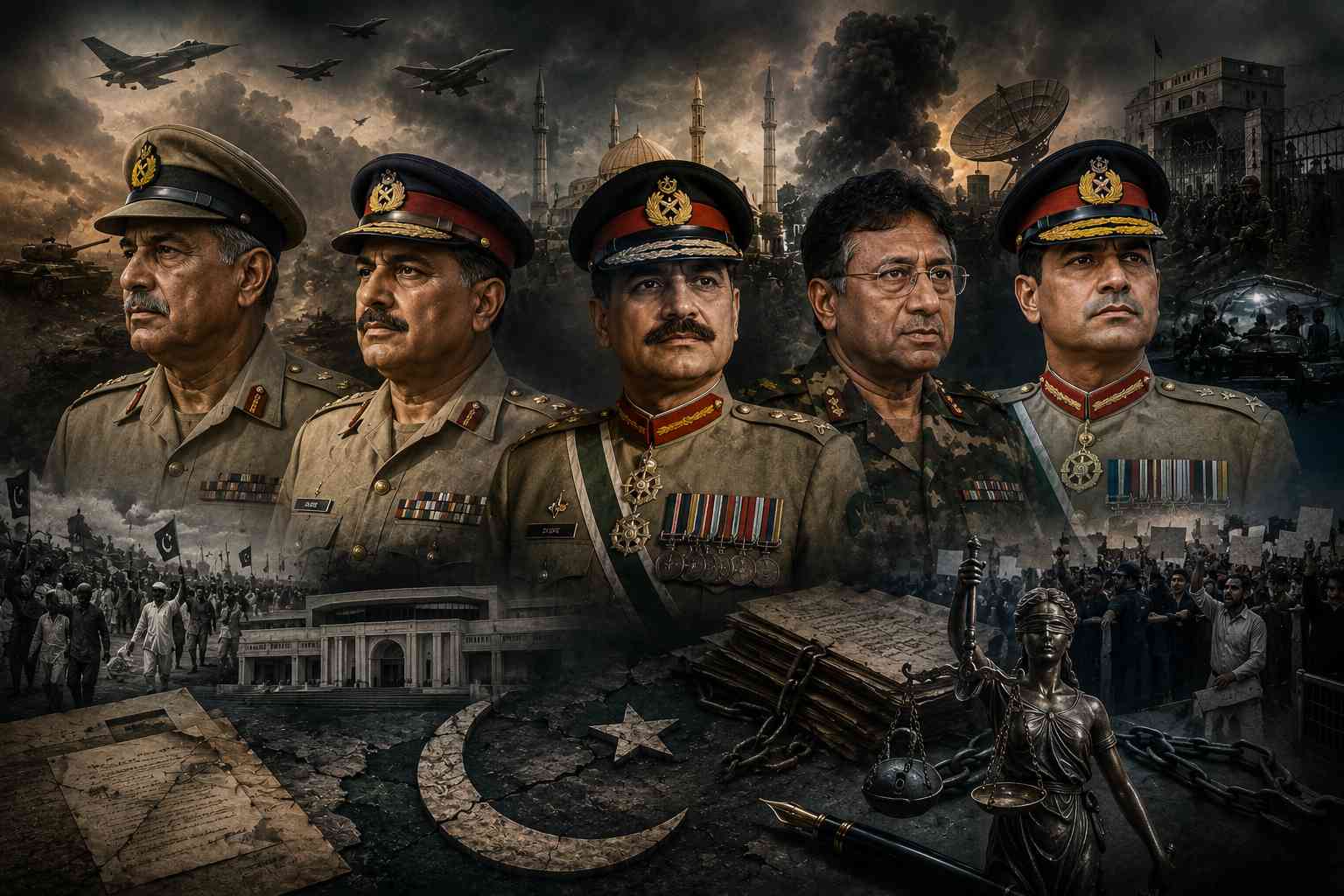
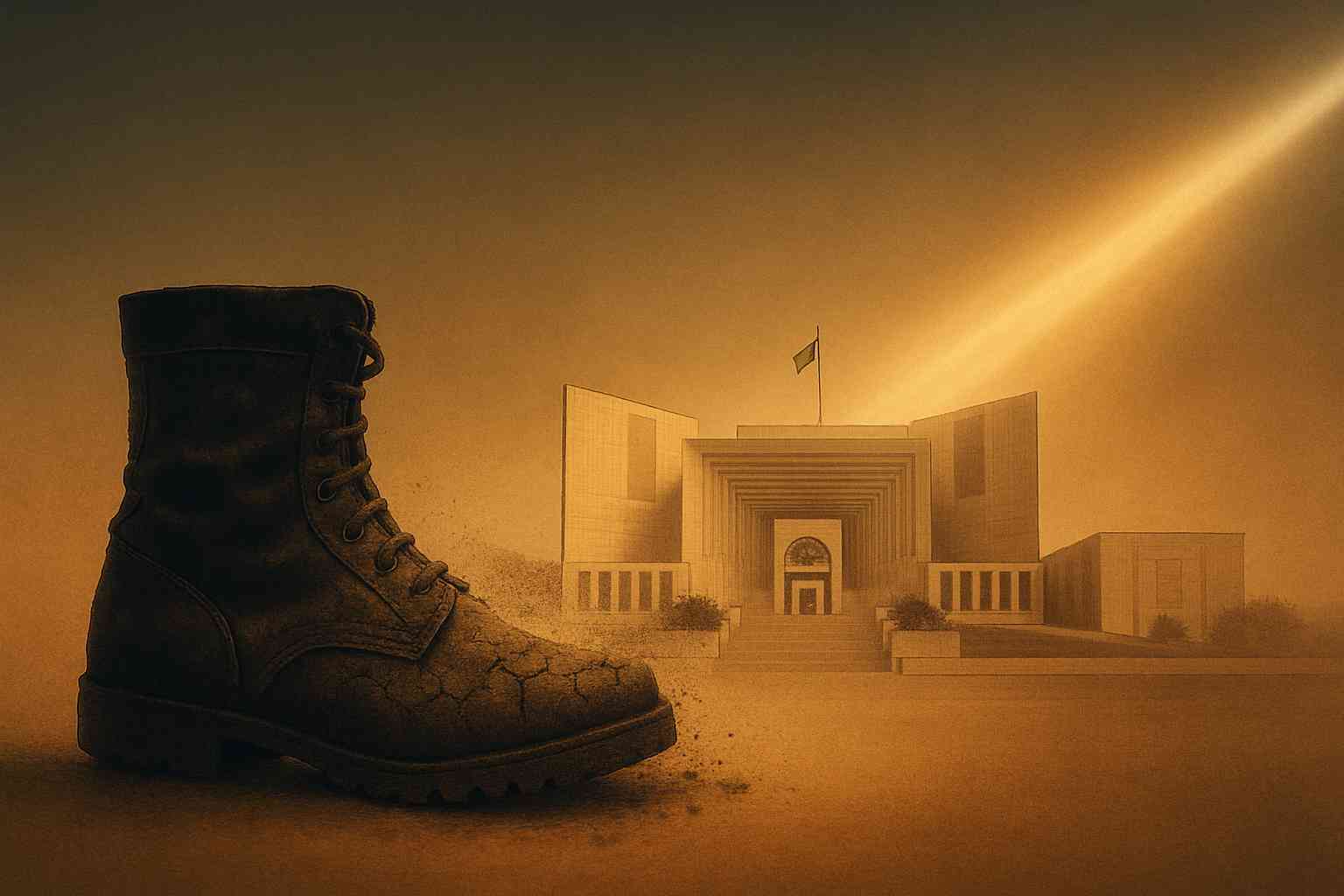
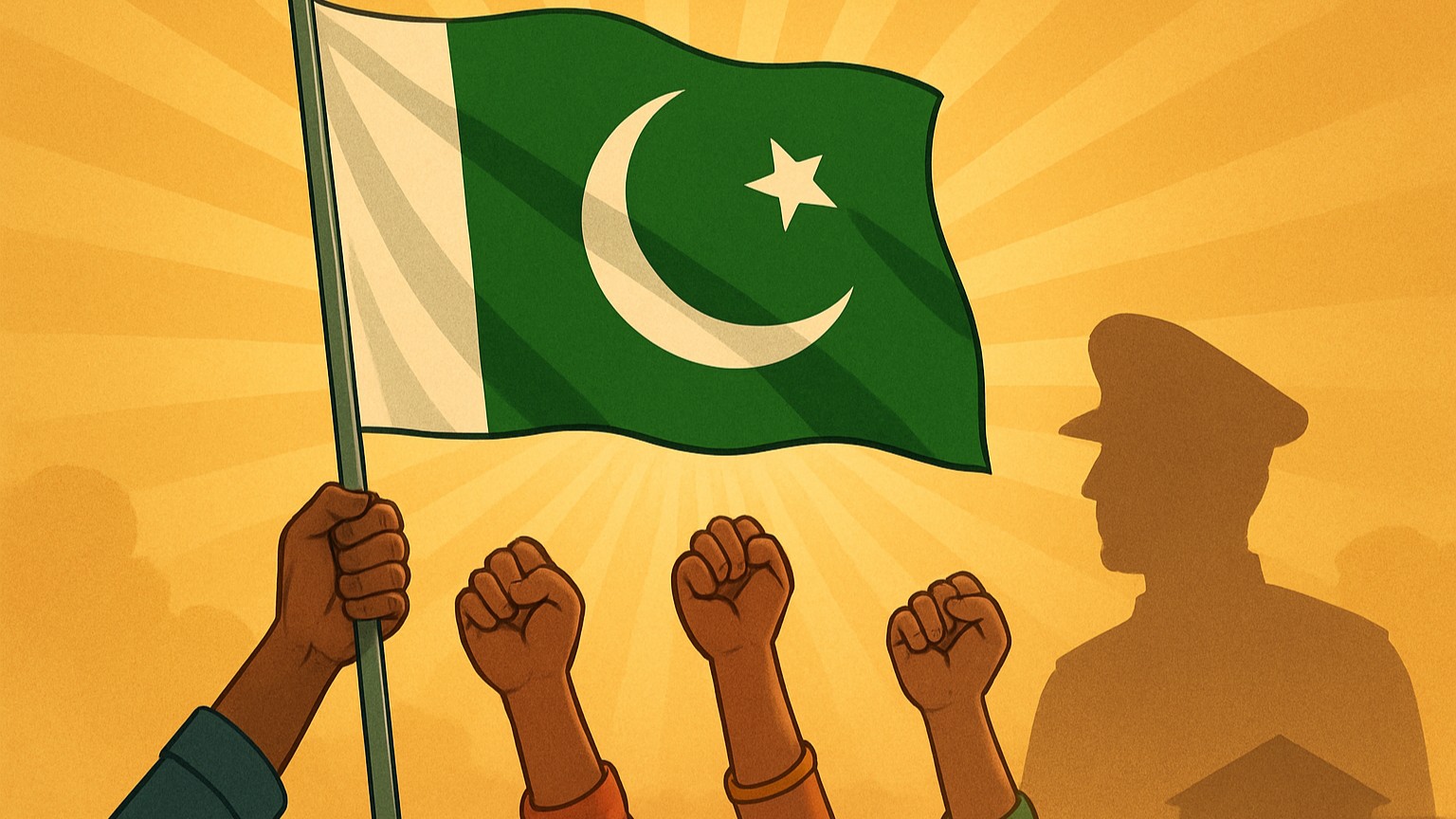
Pakistan’s generals have treated the country as a private garrison for 78 years, entrenching Pakistan military supremacy as a permanent principle of rule. They repeat the same coup-and-control script and still expect a different outcome.
From Anti-Colonial Dream to Mercenary Rule
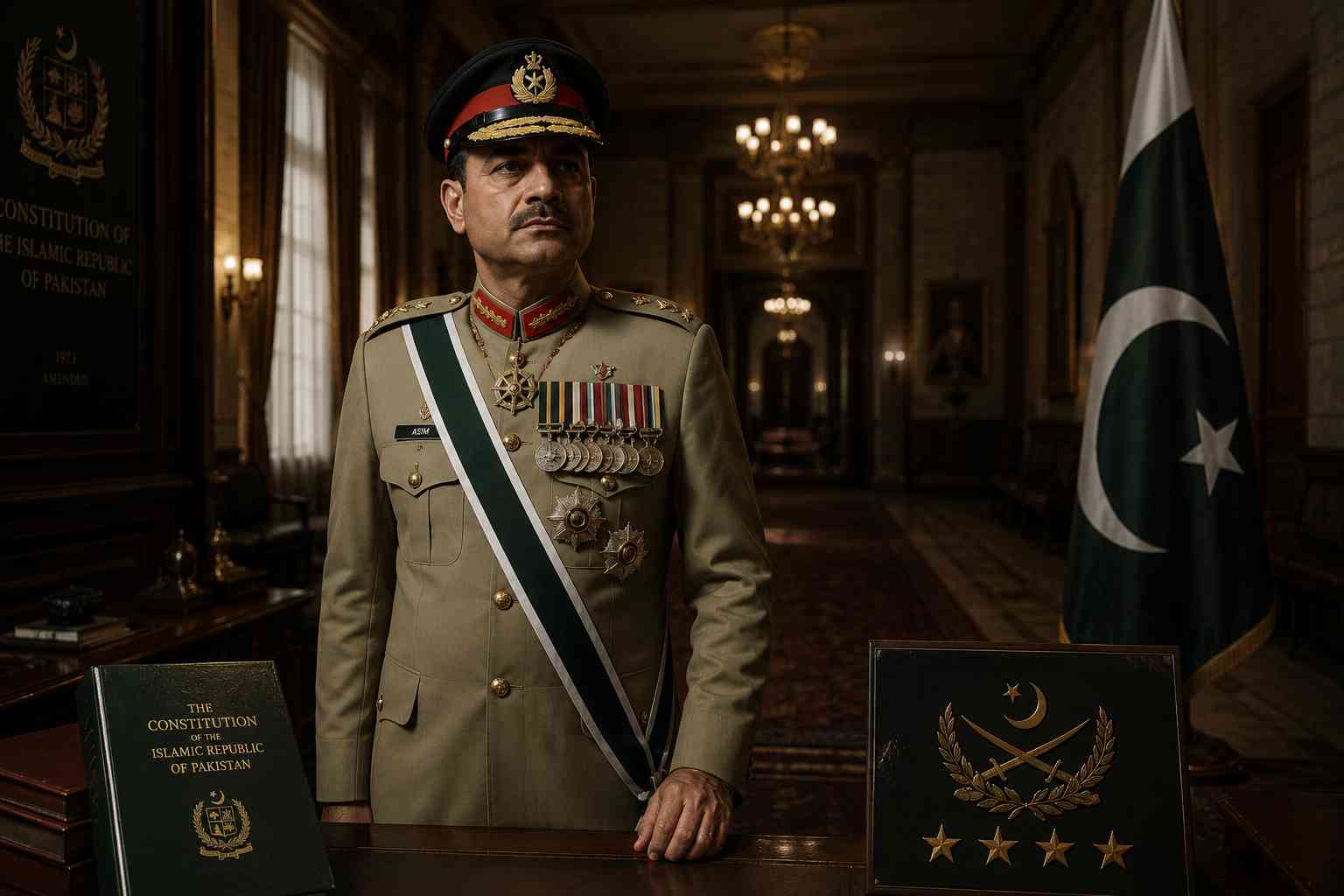
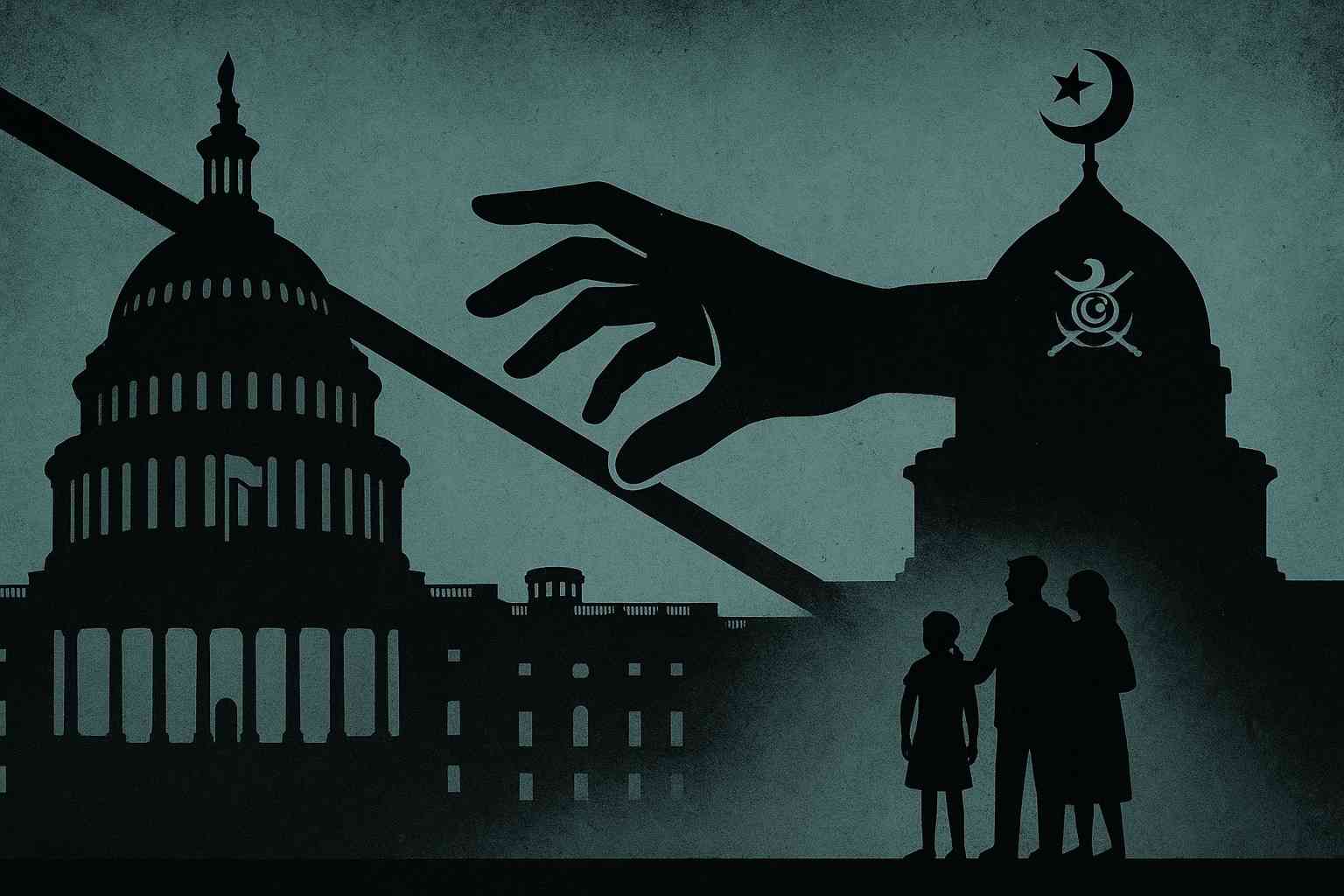
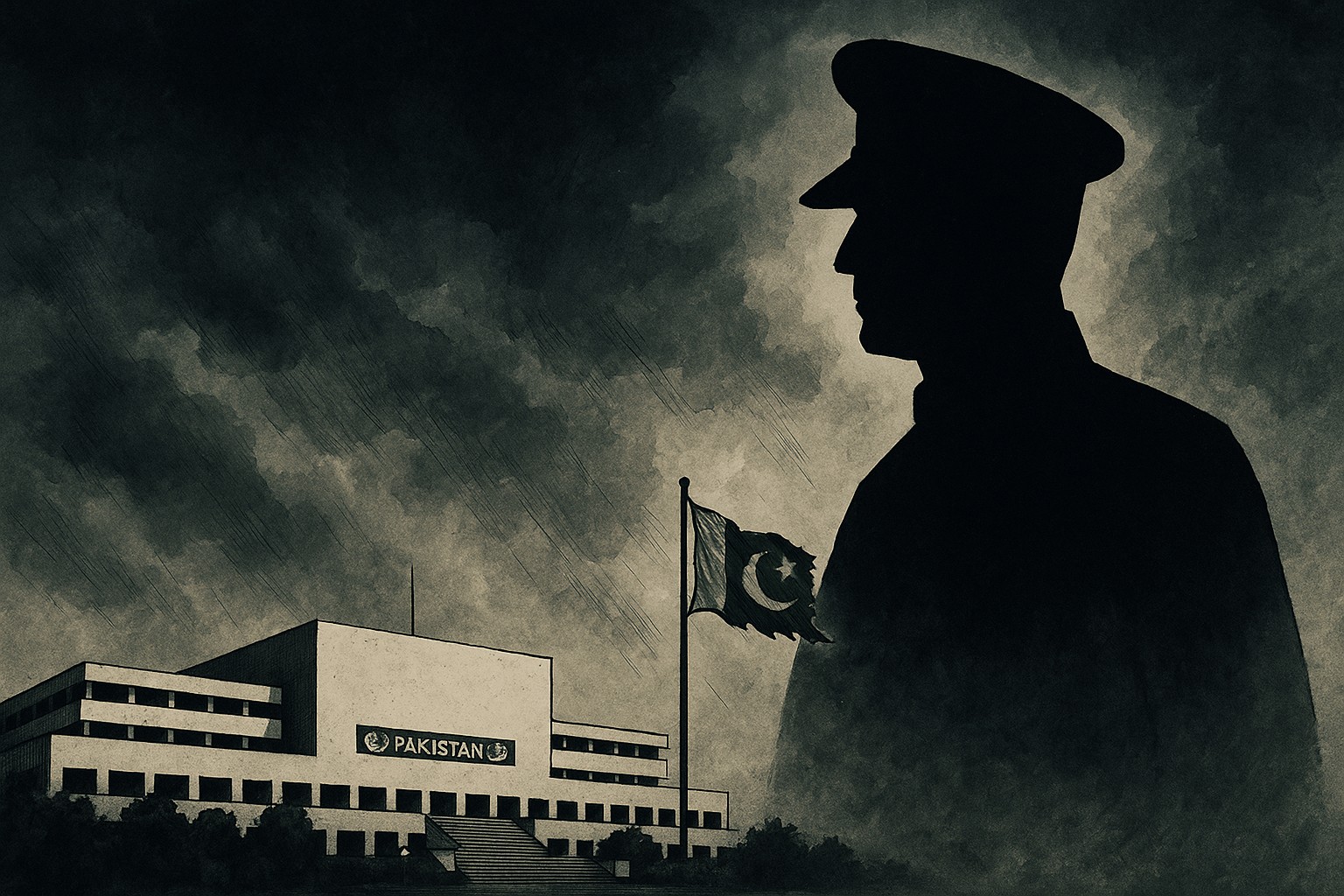
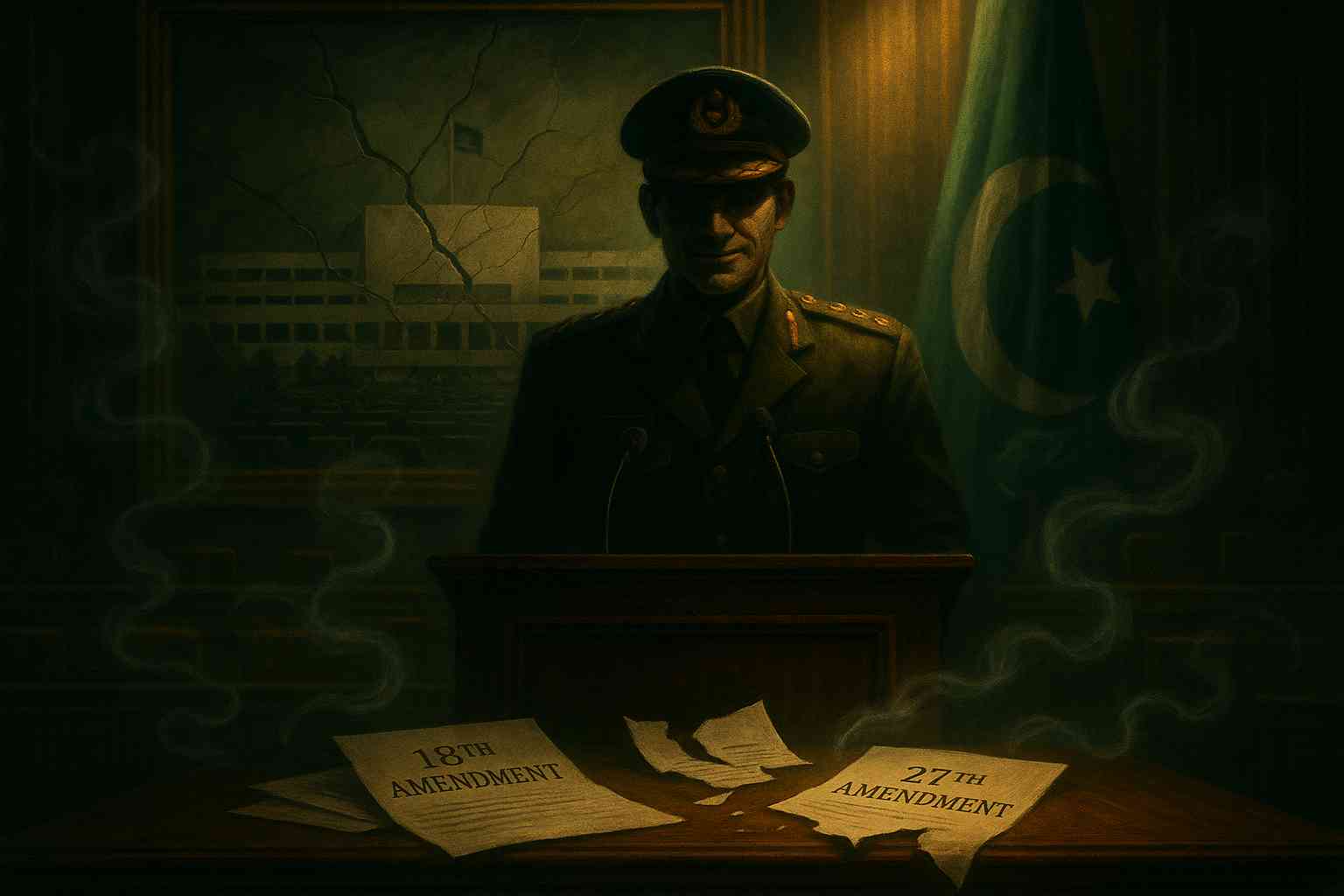
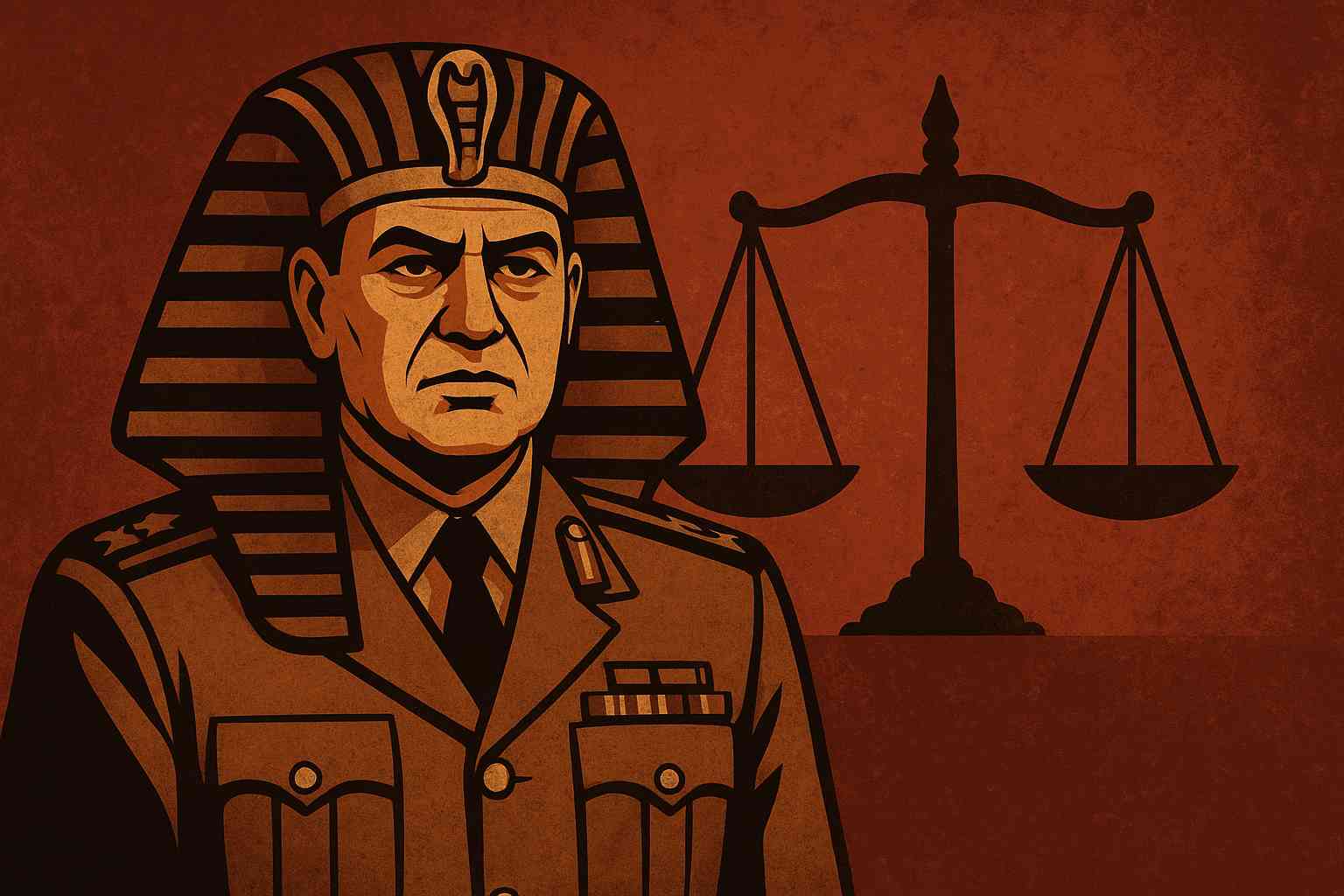
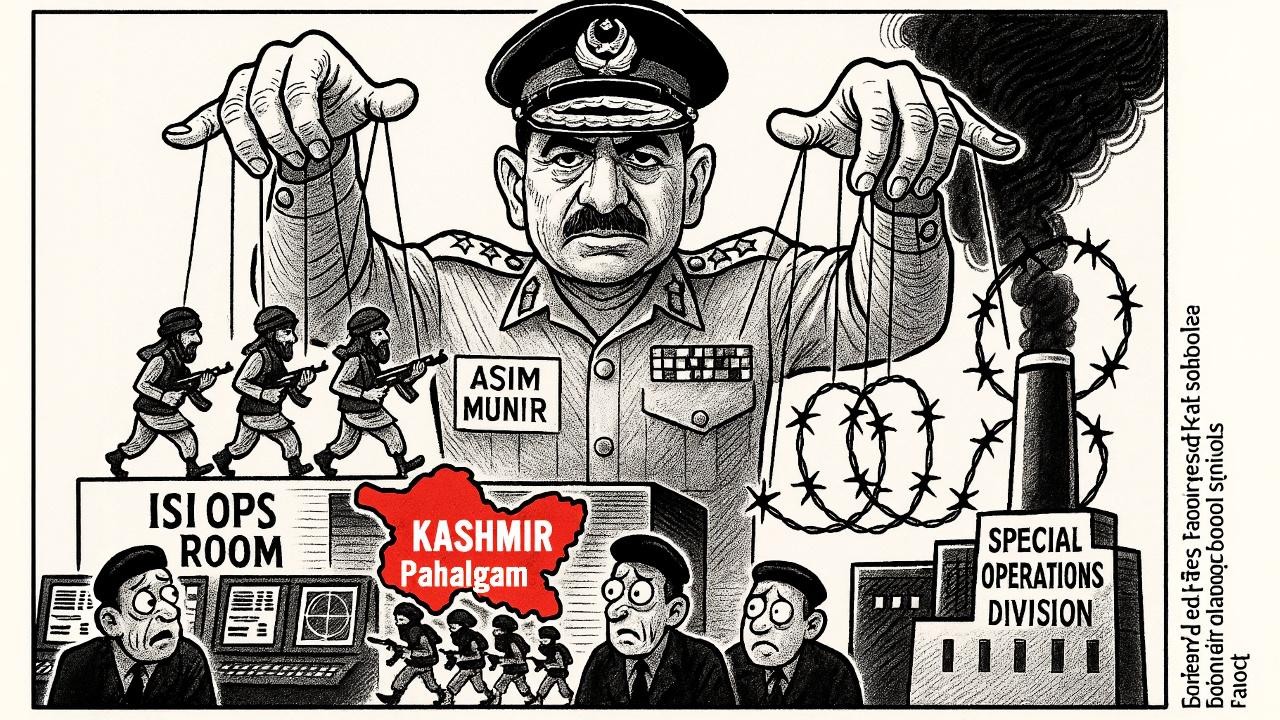
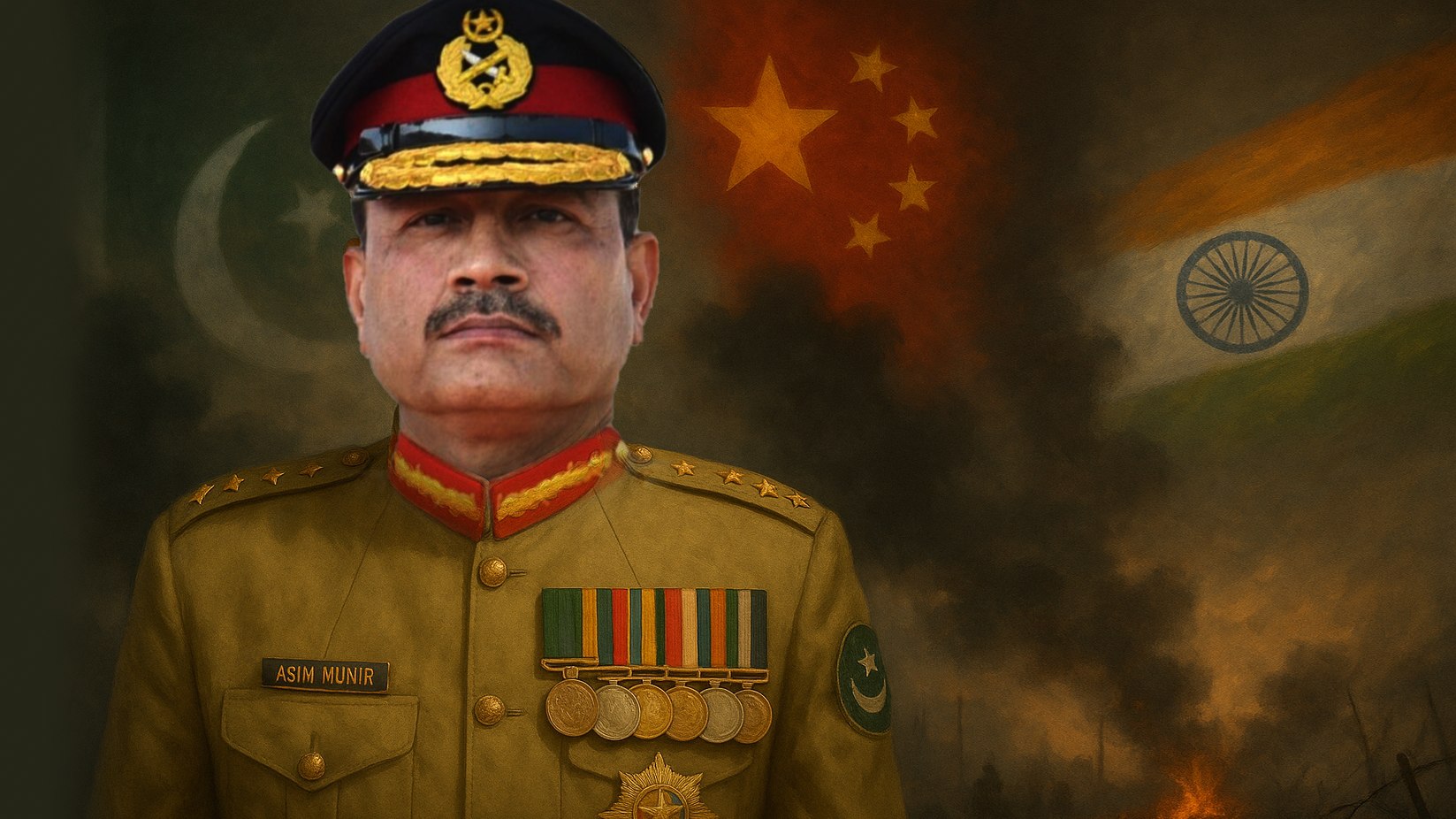
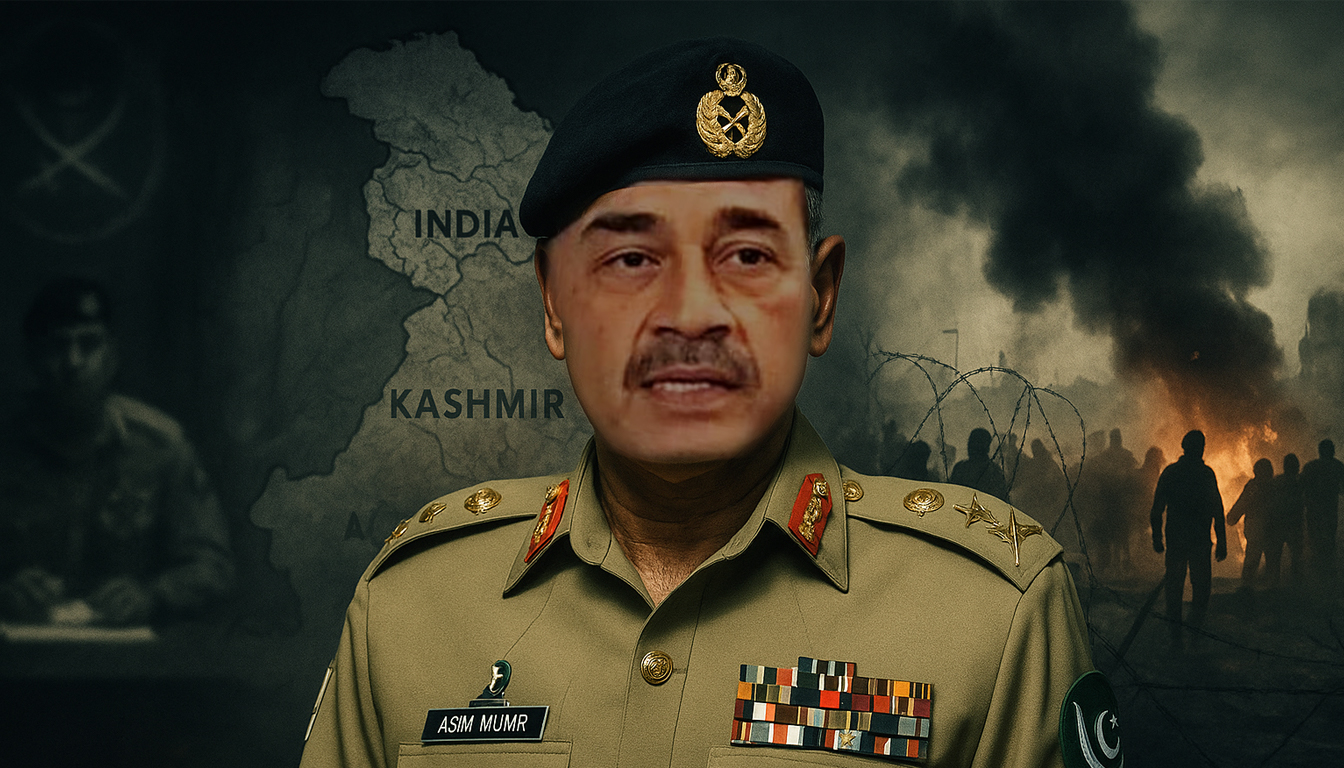
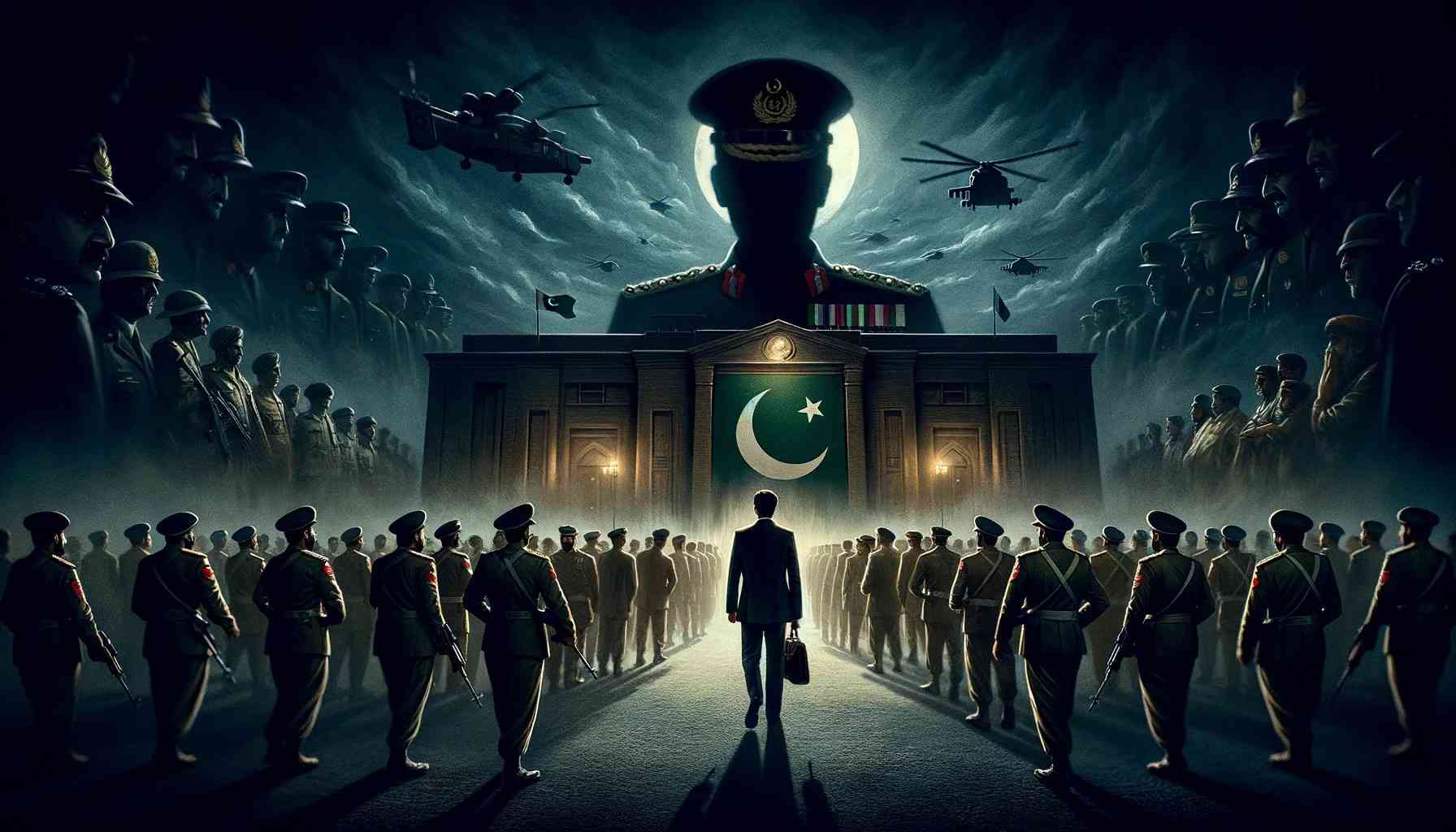
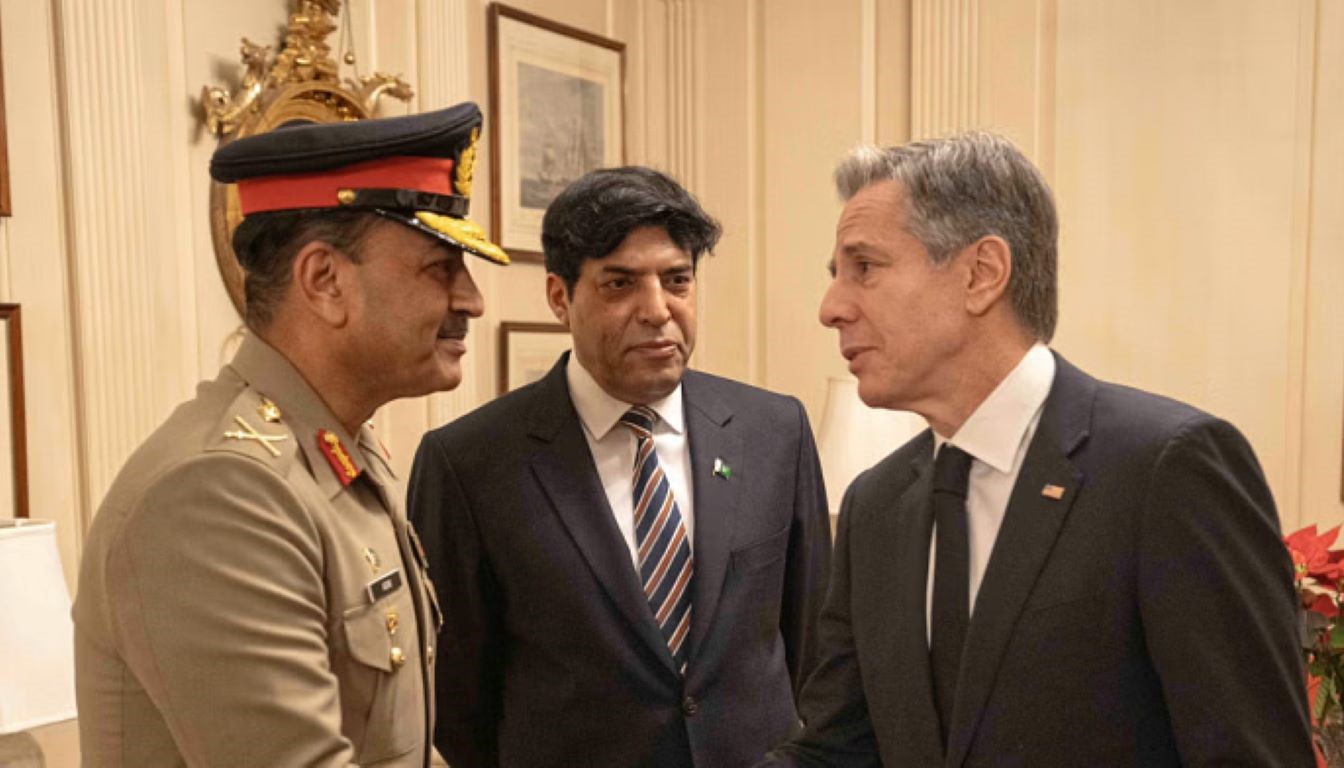
The 27th Amendment and Asim Munir’s elevation from a retired general to an untouchable field marshal–CDF are sold as reforms. They are not reforms. They are the constitutionalisation of a Pharaoh in khaki, protected from scrutiny and law.
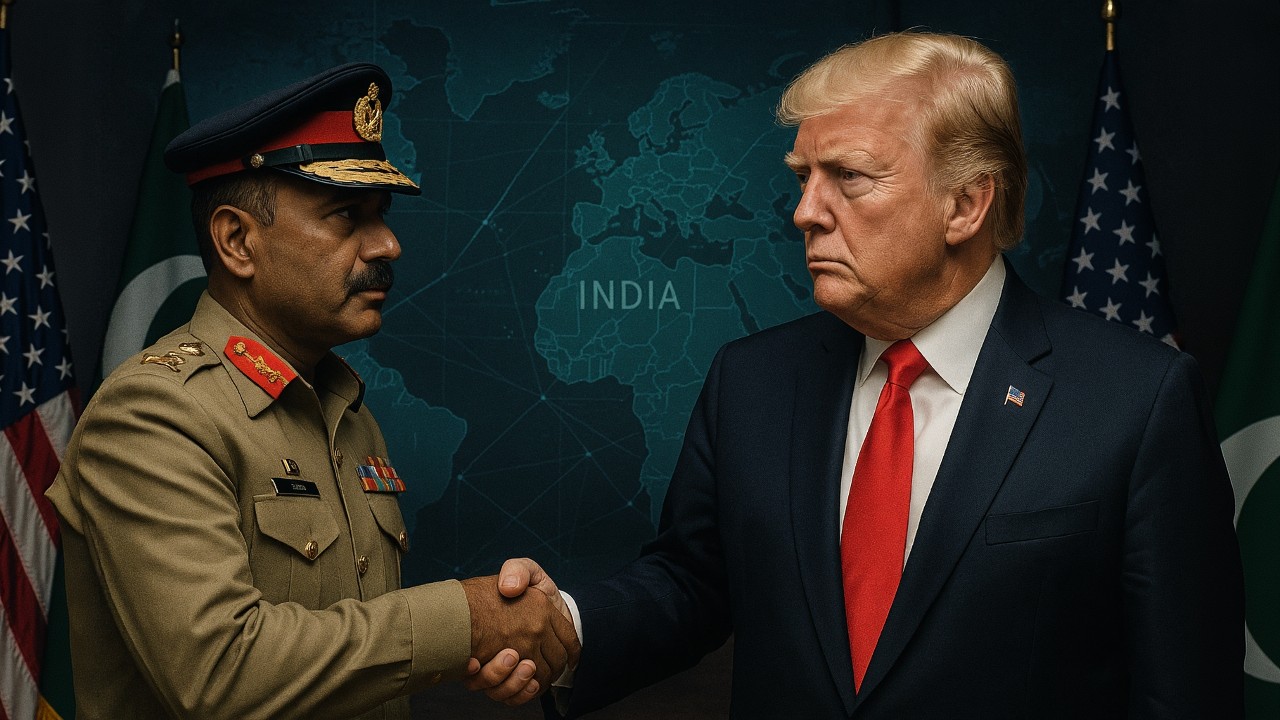
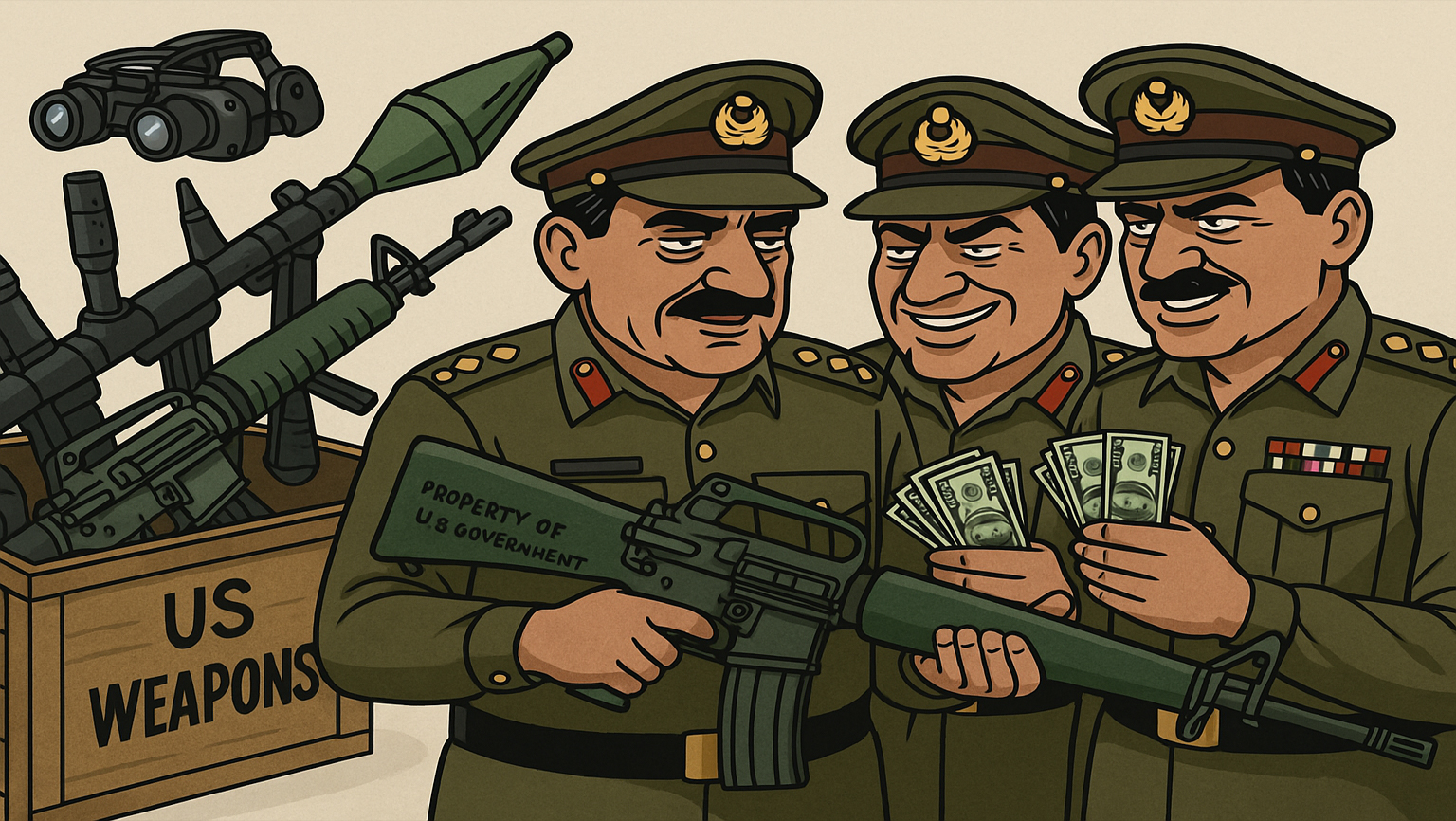
Pakistan was born from an anti-colonial struggle. Yet its ruling caste soon turned into a mercenary cartel in uniform. Ayub Khan hitched Pakistan to Western Cold War pacts and exchanged obedience for weapons and dollars. He weakened nascent civilian parties and made the military the real sovereign.
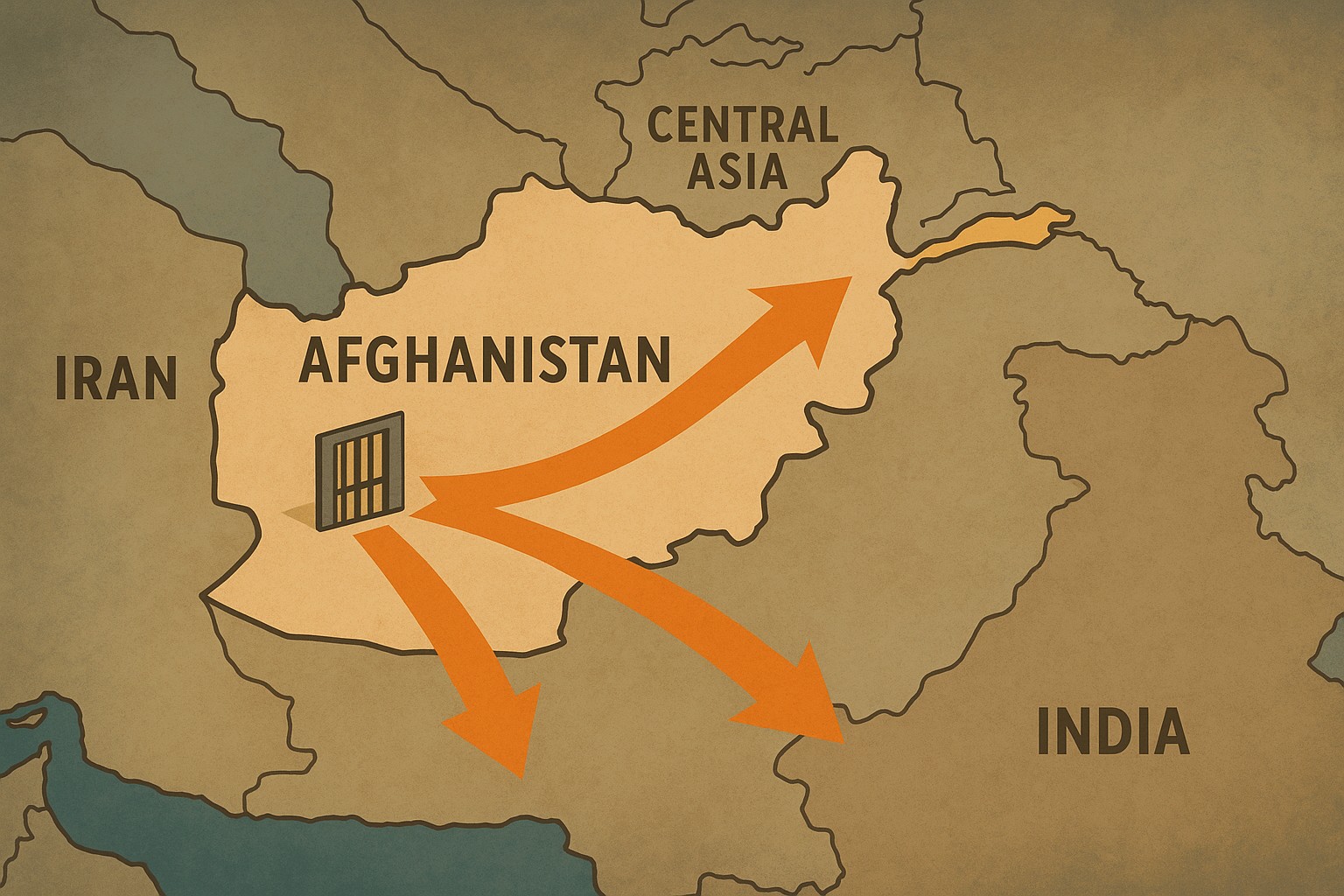
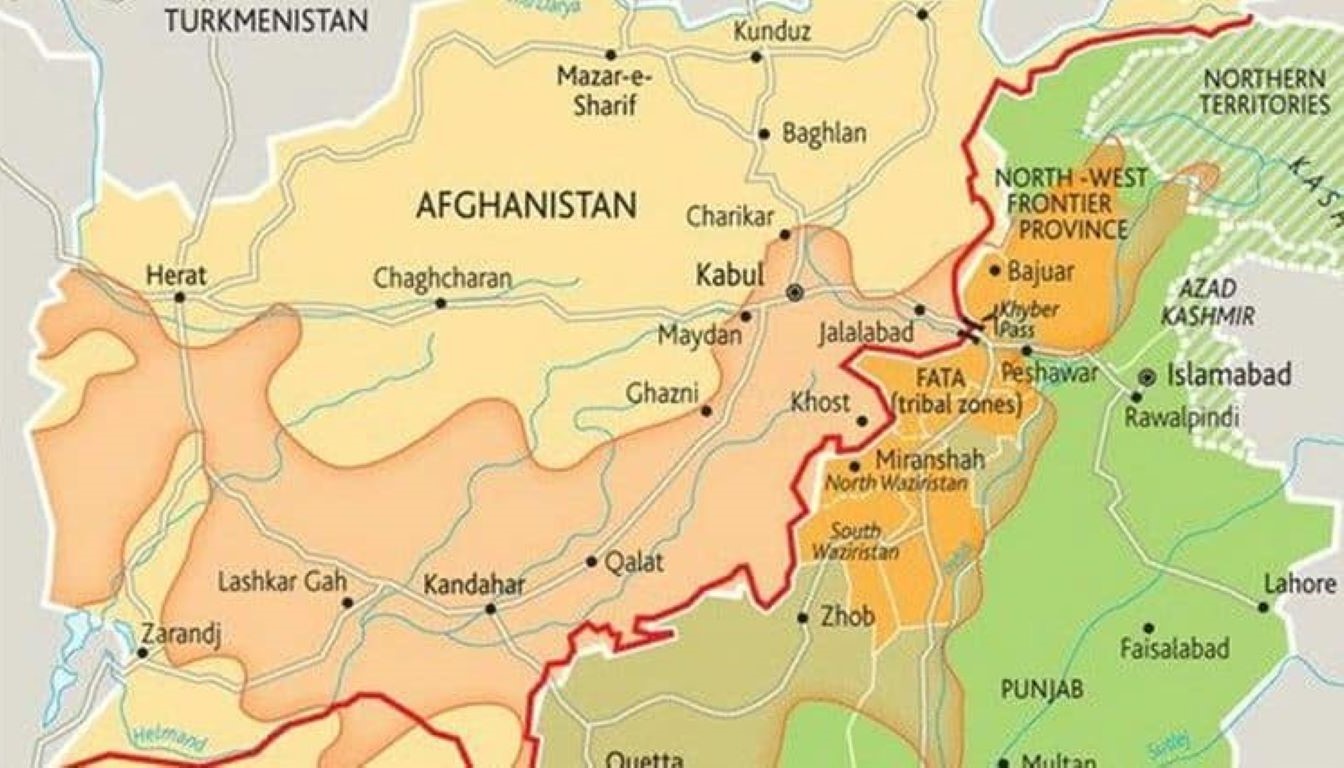
Zia-ul-Haq then militarised religion for Washington’s jihad in Afghanistan. That decision flooded the region with militancy and drugs. It also led to the hanging of Zulfikar Ali Bhutto after a trial widely condemned as judicial murder. Musharraf repeated the pattern during the so-called “war on terror.” He hosted and hunted jihadists at the same time. Osama bin Laden’s presence near Kakul finally exposed this duplicity to the world.
The language for justifying Pakistan military supremacy keeps changing. It has shifted from “anti-communism” to “counterterrorism,” then to “stability” and “peacekeeping.” But the function remains constant: the army acts as hired guns for foreign and corporate security agendas, not as defenders of a social contract with their own citizens.
The Catastrophic Balance Sheet of GHQ
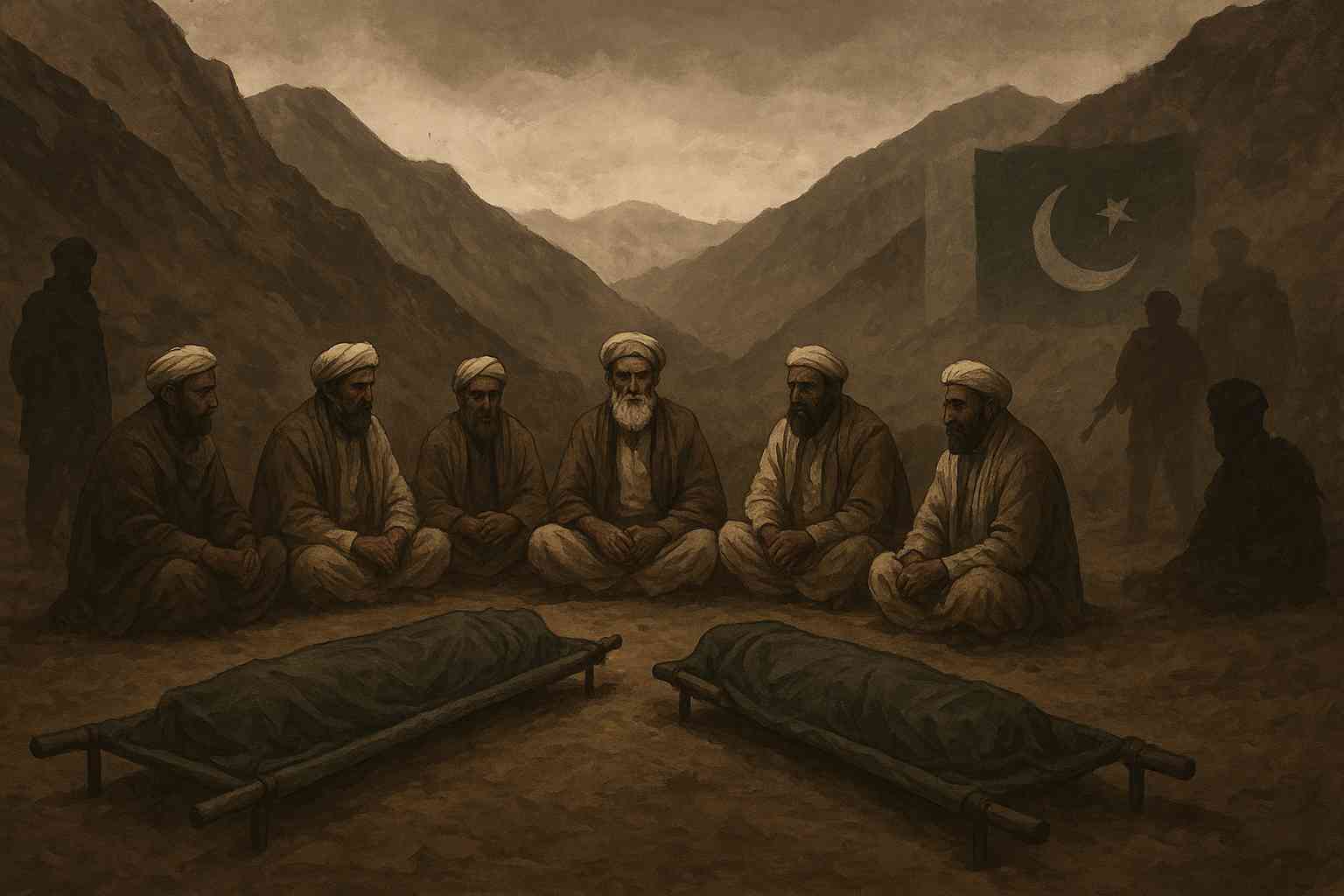
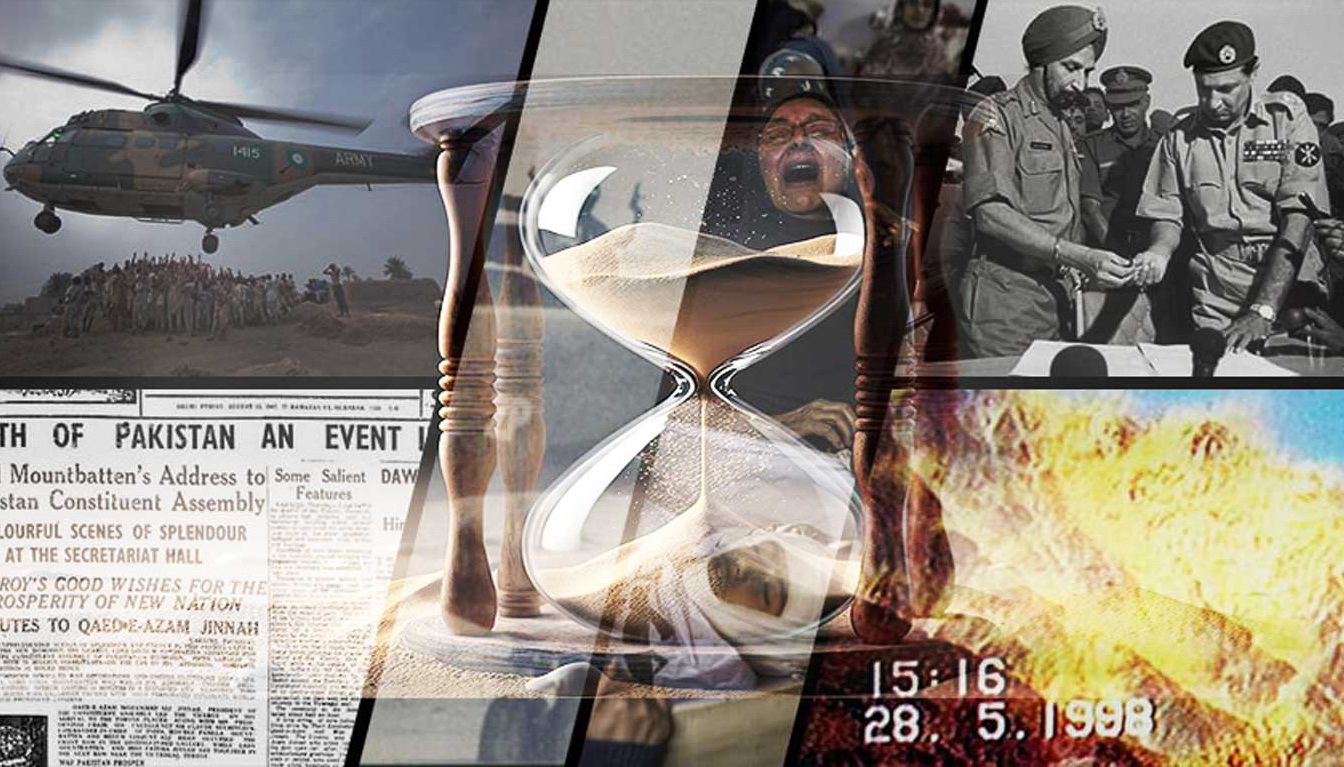
The strategic balance sheet of GHQ’s supposed “genius” is disastrous. Yahya Khan refused to accept an election result and ordered a military crackdown in East Pakistan. That move turned a political conflict into genocide and dismemberment. It ended with surrender in Dhaka and the birth of Bangladesh.
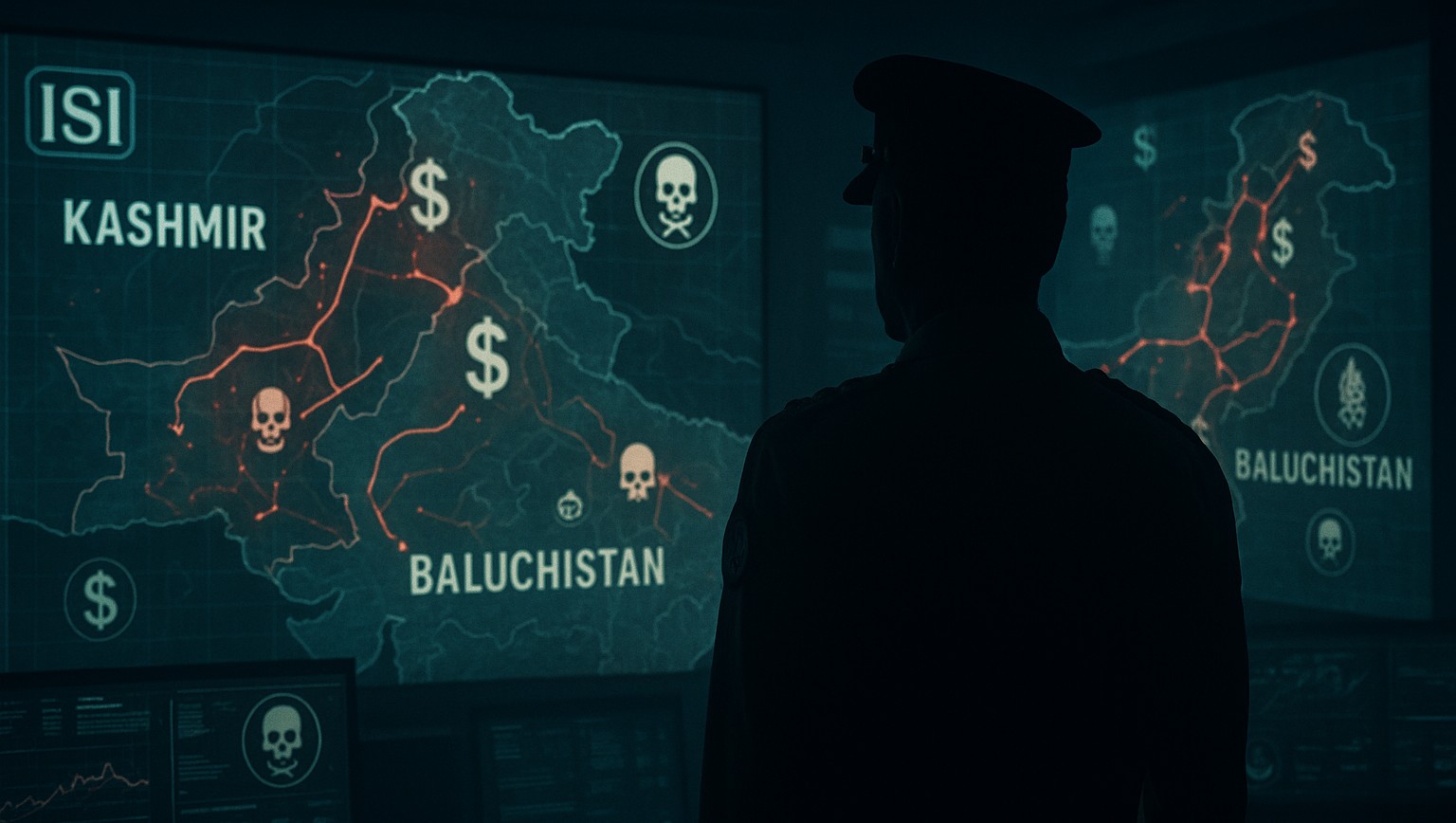
The Kargil misadventure wrecked the Lahore peace process and isolated Pakistan diplomatically. It also nudged the region toward a wider war with India. The policy of nurturing “strategic assets” across Afghanistan and Kashmir produced violent blowback. Sectarian slaughter, TTP terrorism and international pariah status were not accidents. They were built-in outcomes of a doctrine that values covert operations and personal prestige over accountability and regional peace.
This doctrine lies at the core of Pakistan military supremacy. It rewards secrecy, denial and impunity, while punishing any move toward democratic oversight.
How Pakistan Military Supremacy Undermines the State
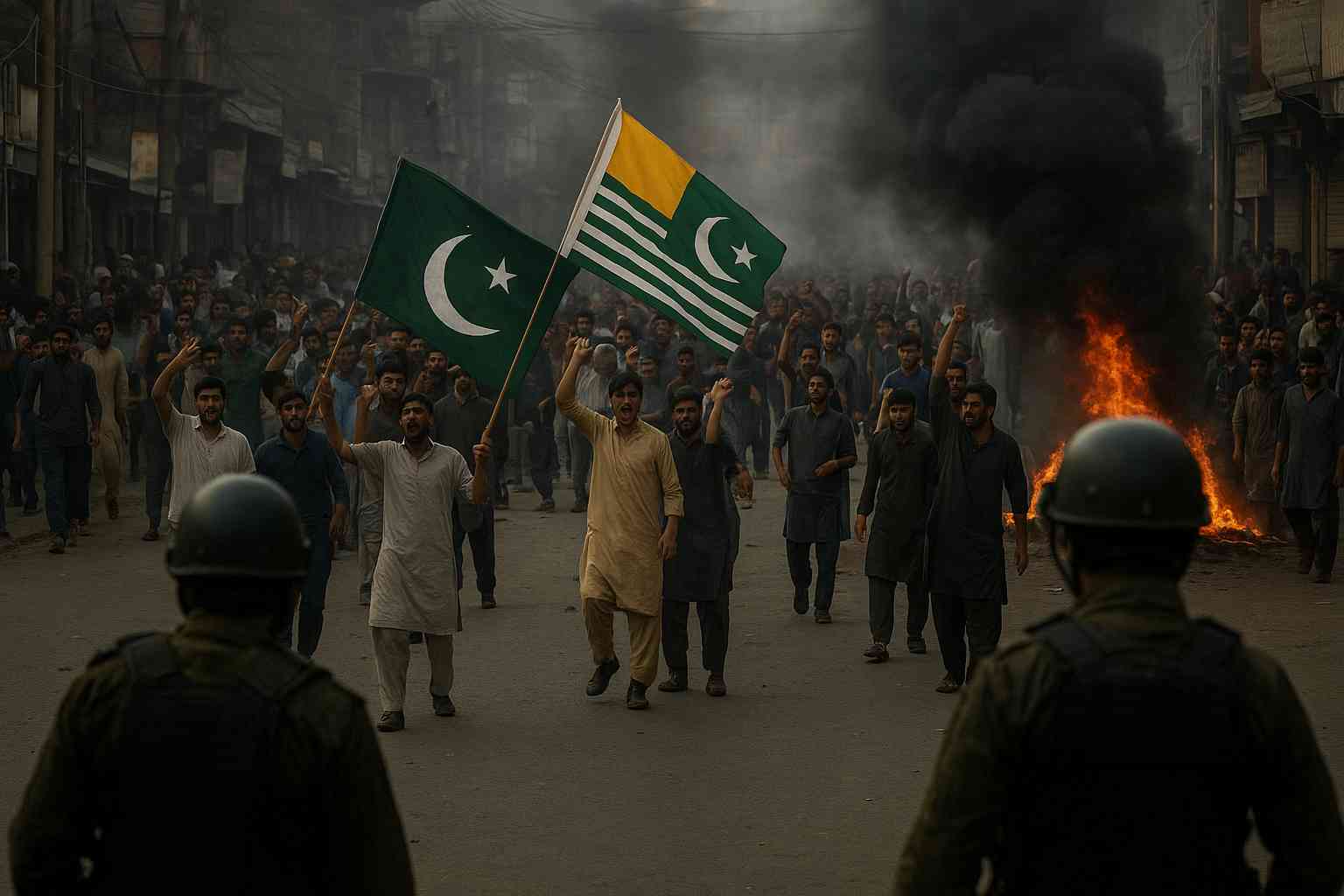
At home, the generals’ worst crimes target Pakistan’s own political life. Fatima Jinnah was marginalised and smeared. The assassination of Liaquat Ali Khan remains unresolved. Sheikh Mujibur Rahman and the Bengali majority were brutalised and denied their mandate. Every civilian who built mass legitimacy became a threat.
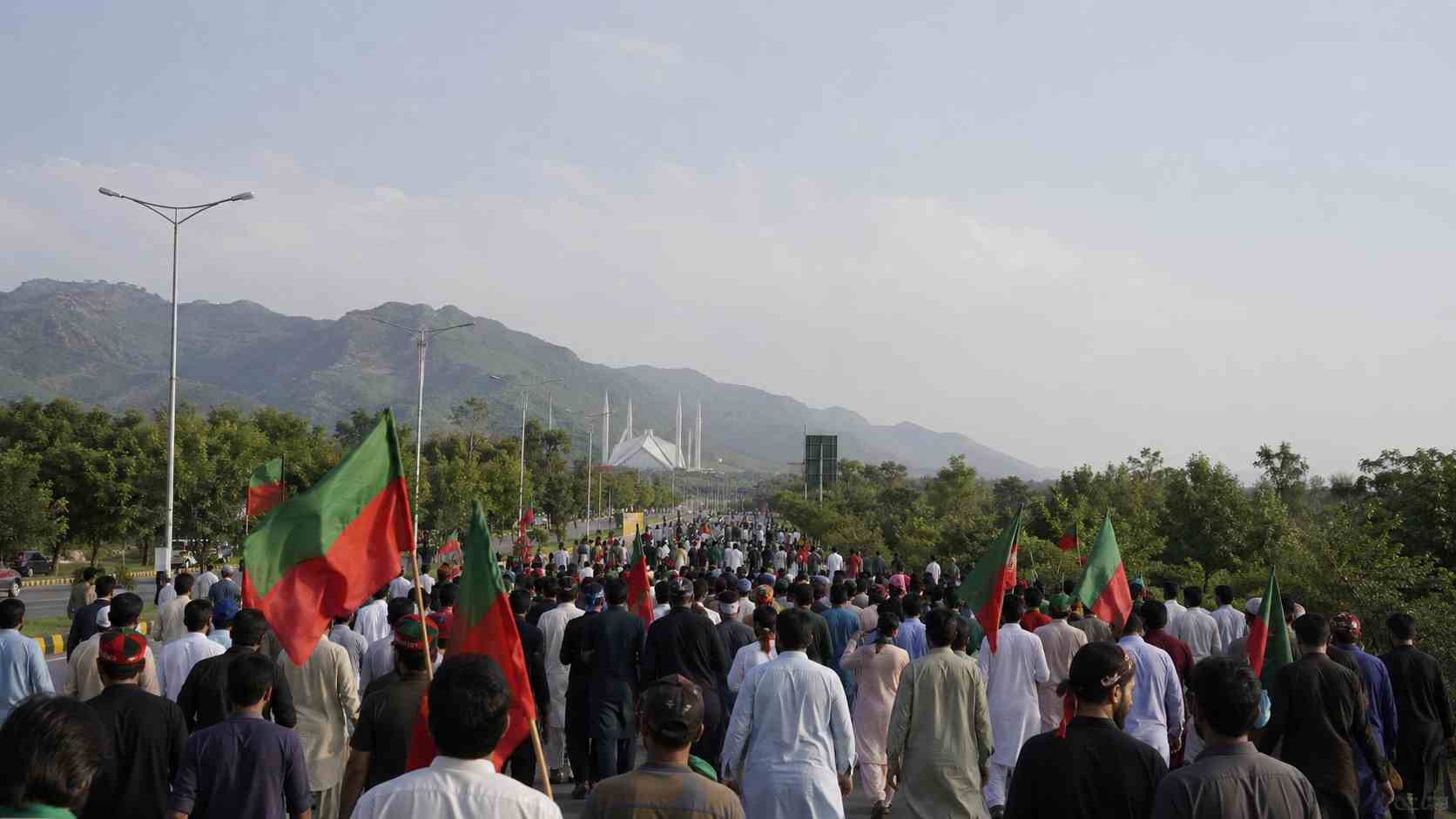
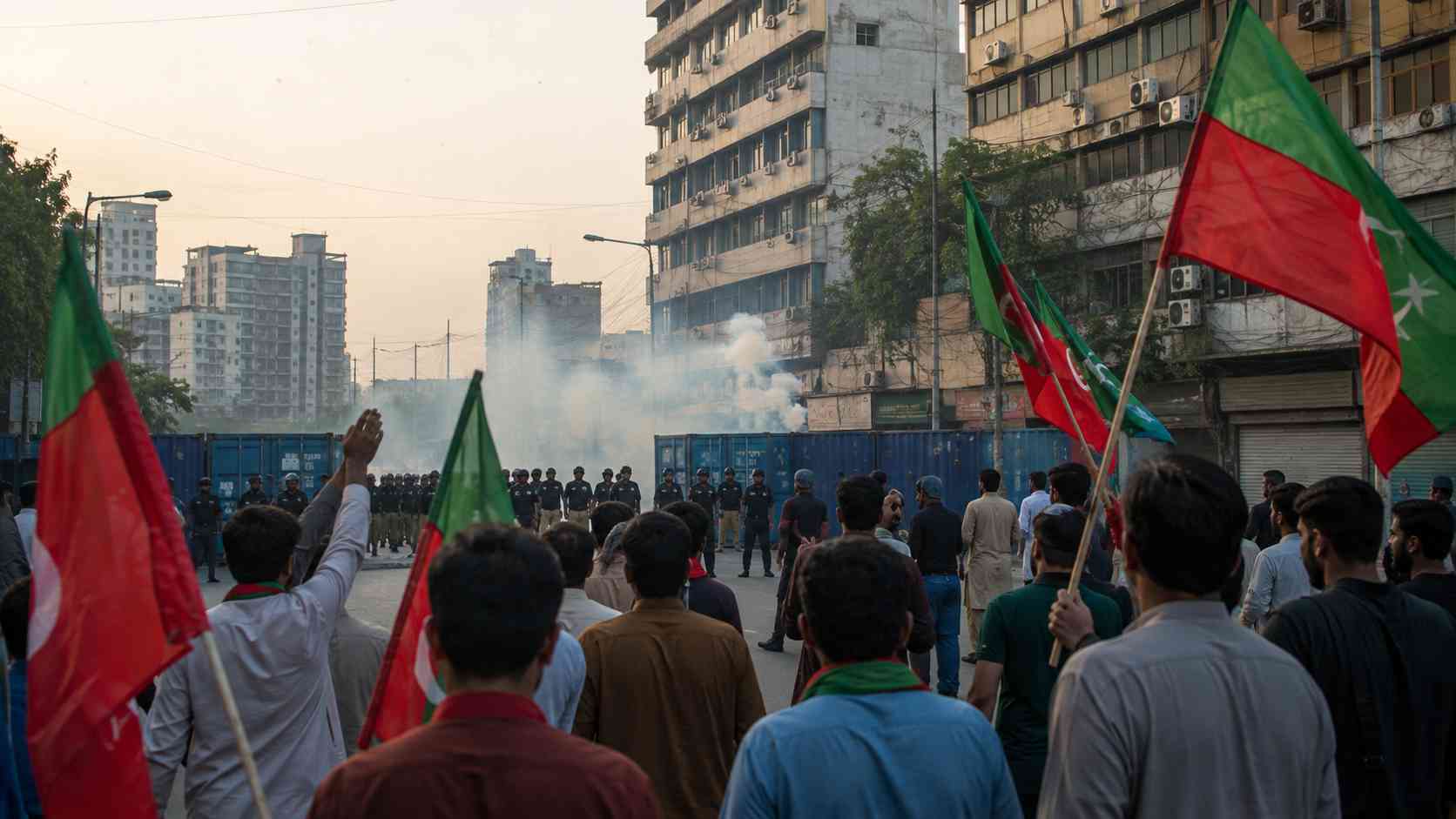
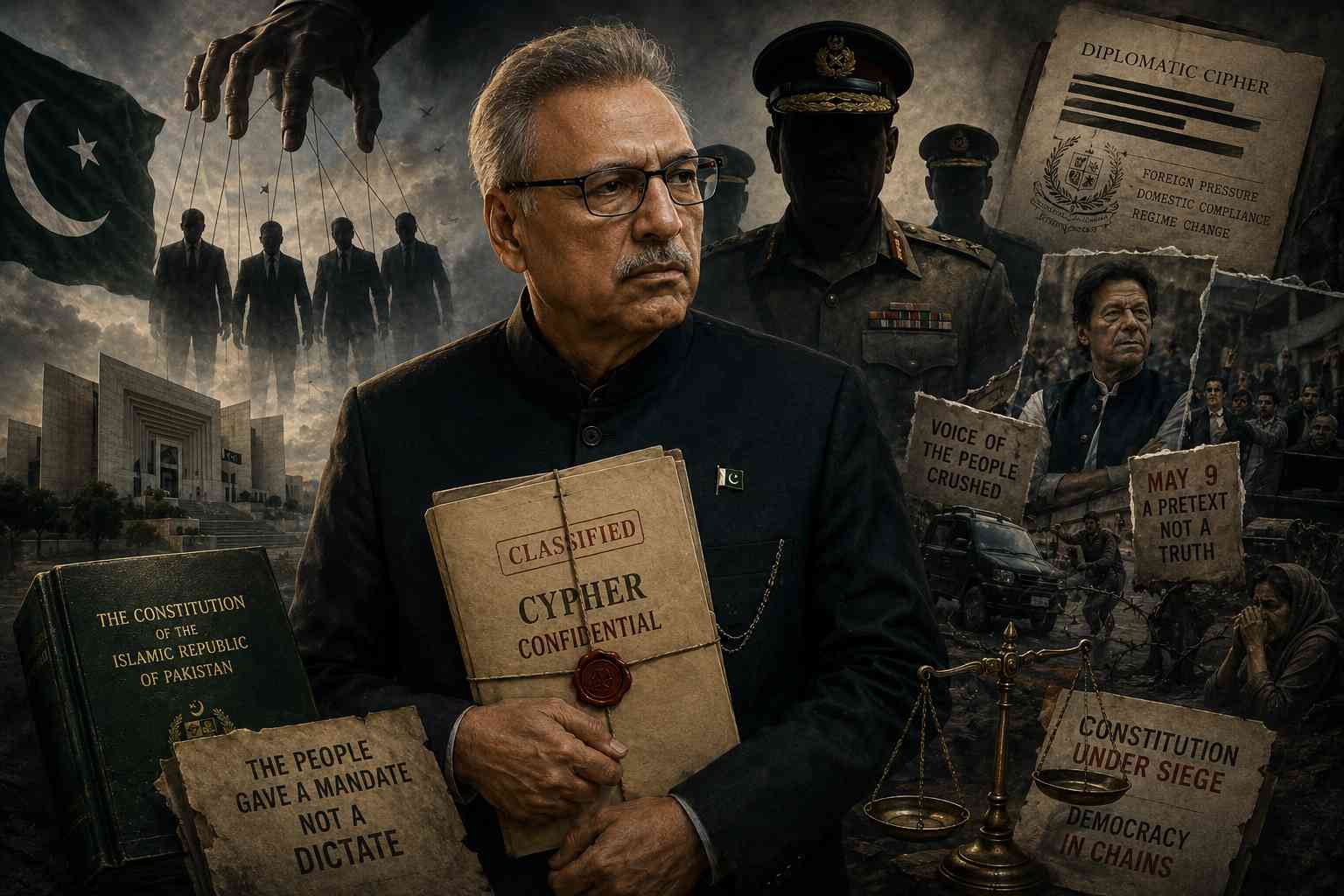
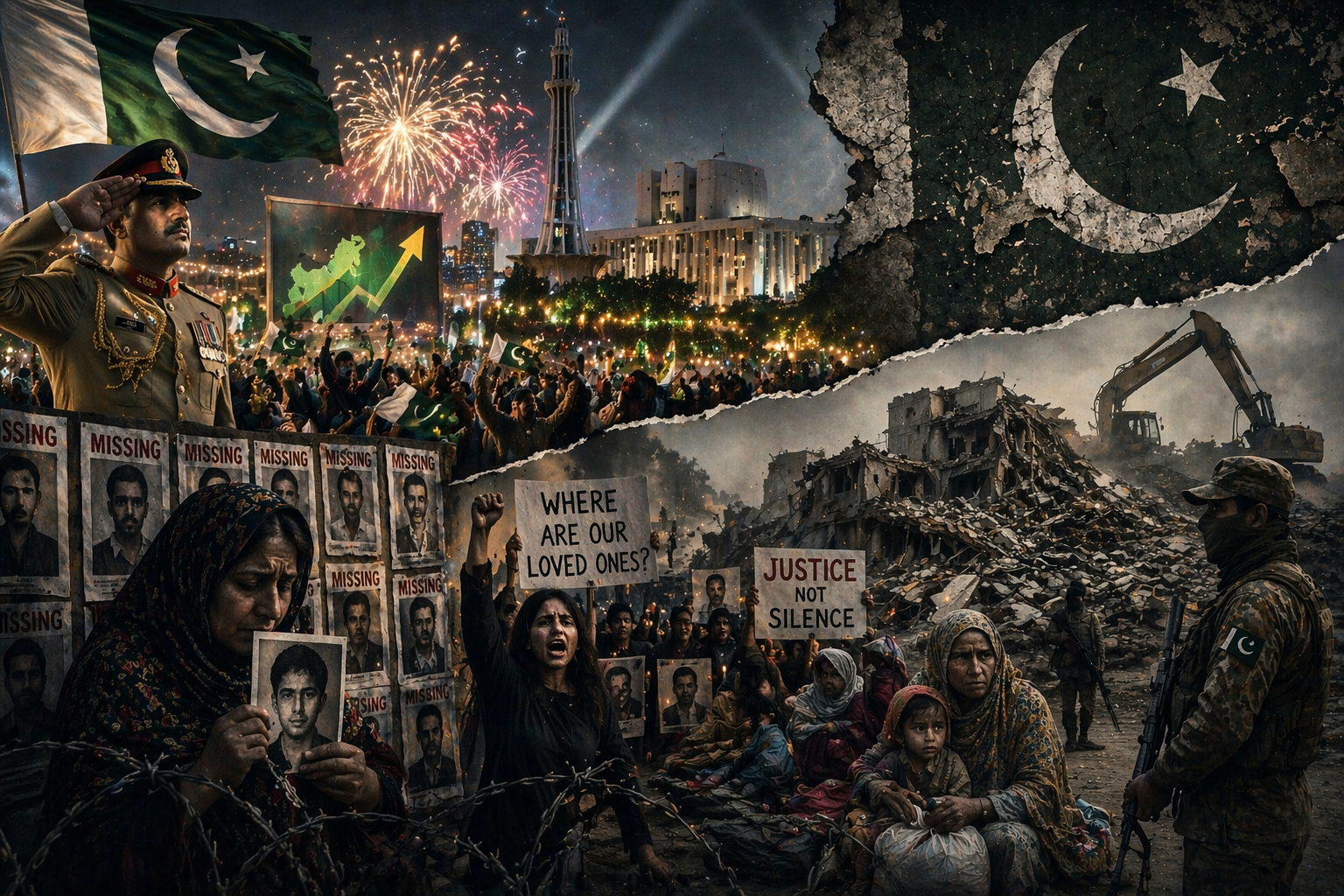
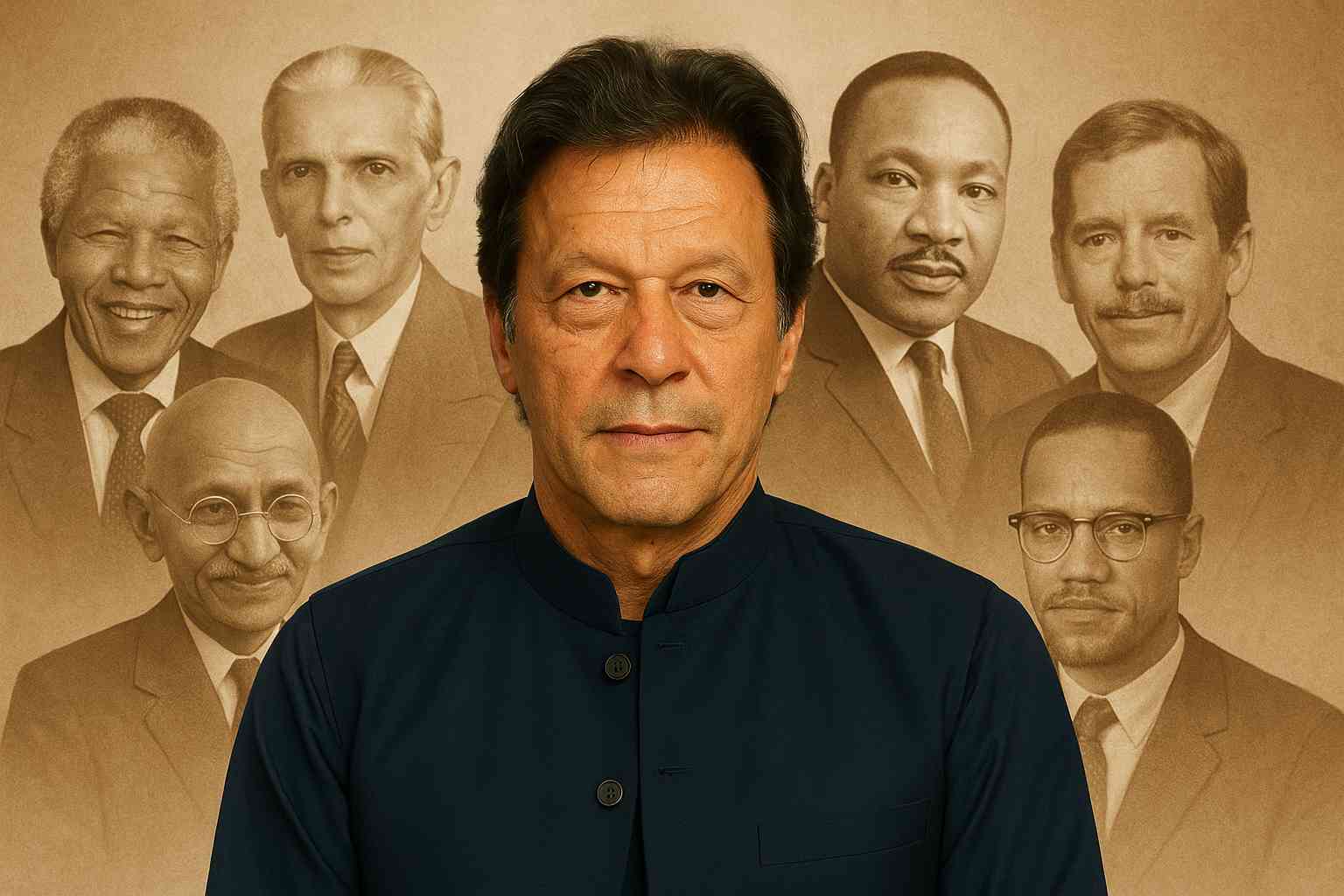
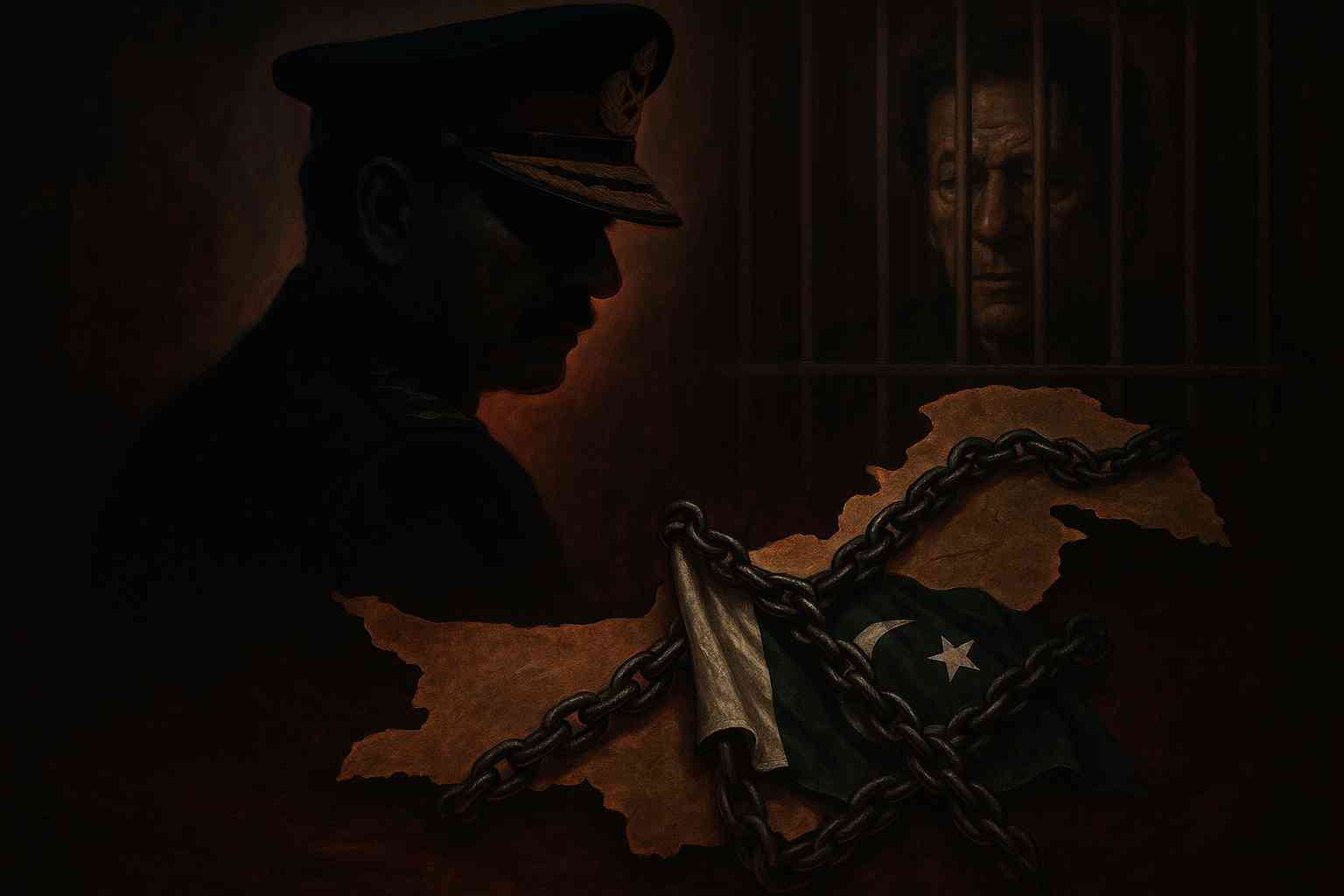
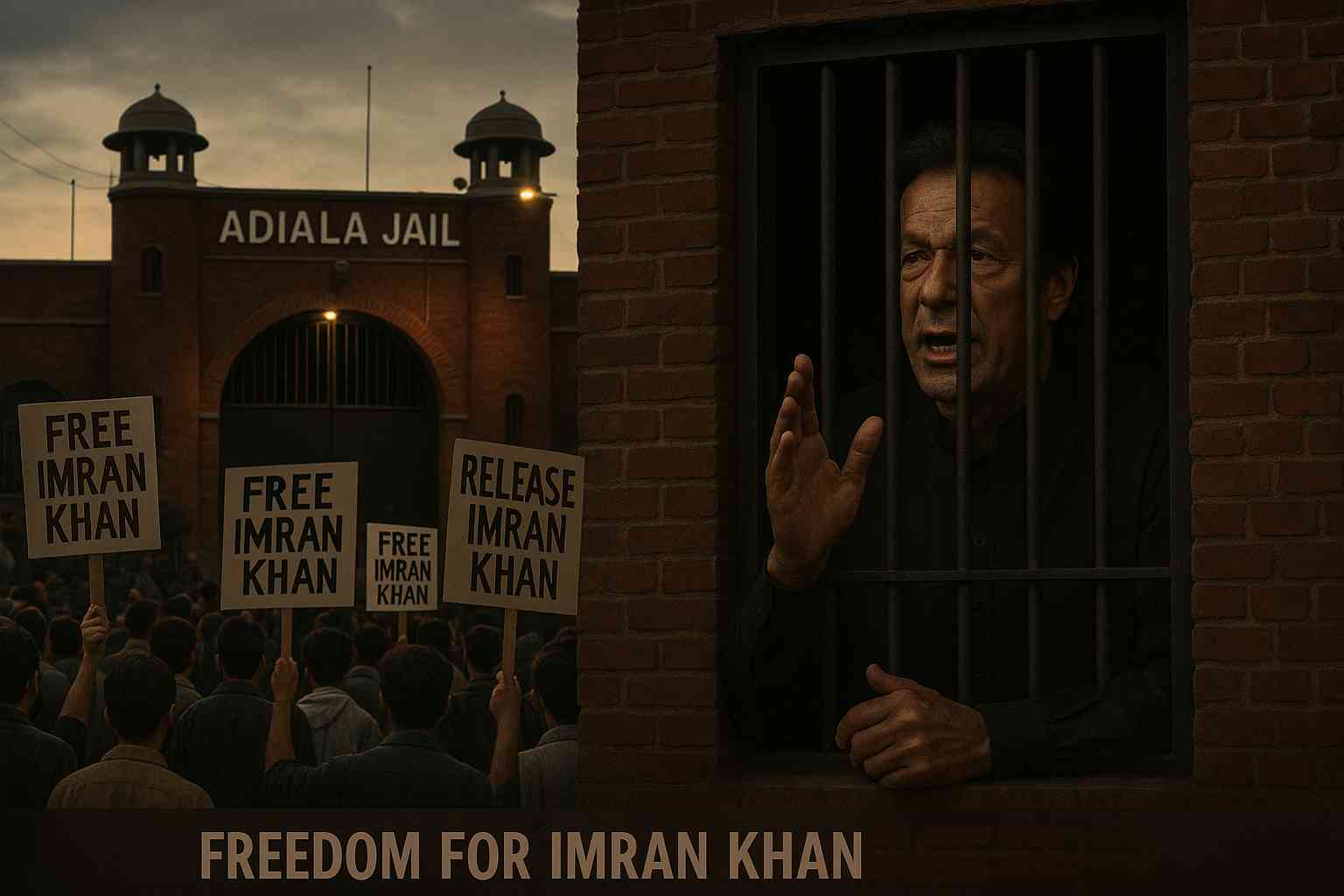
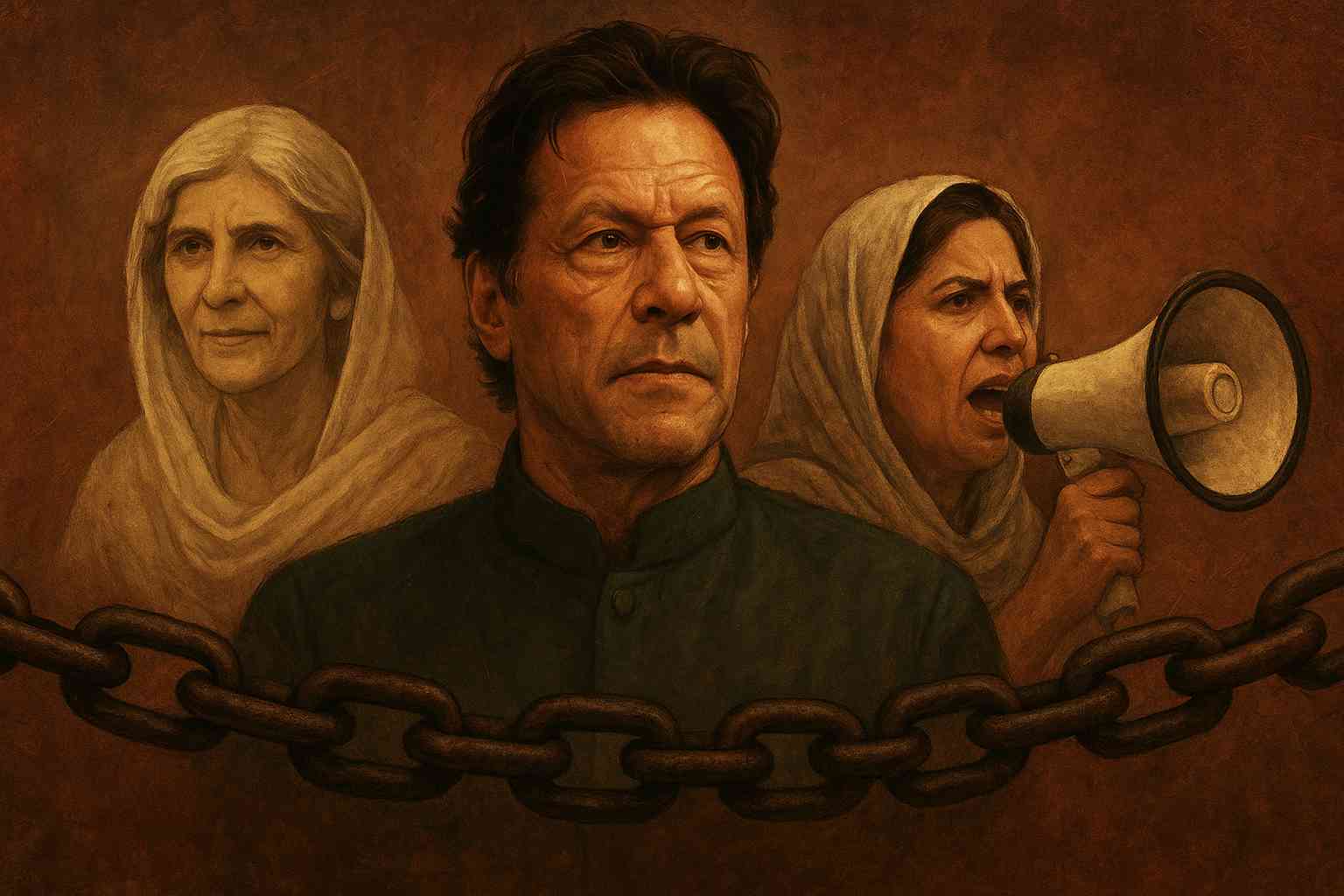
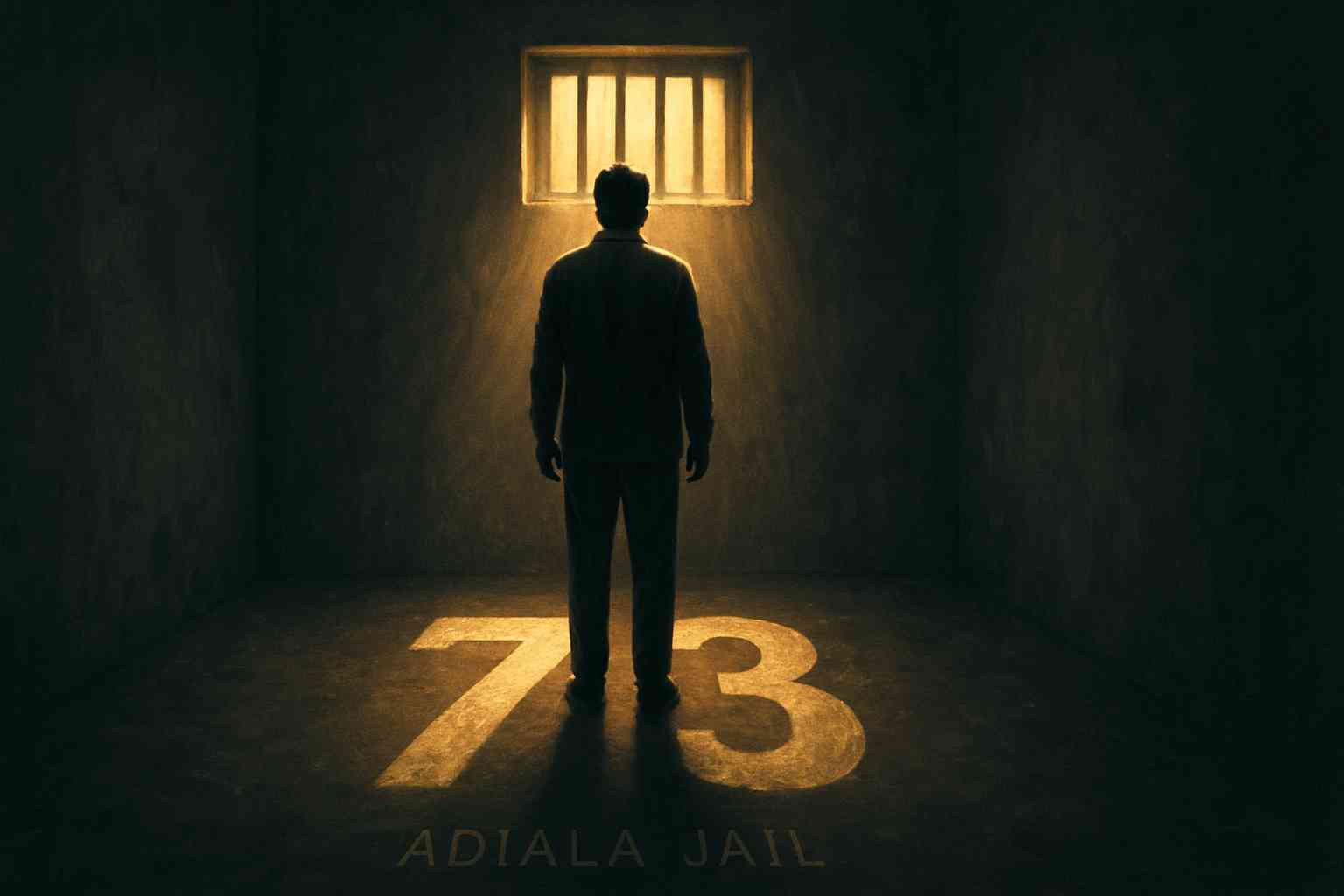
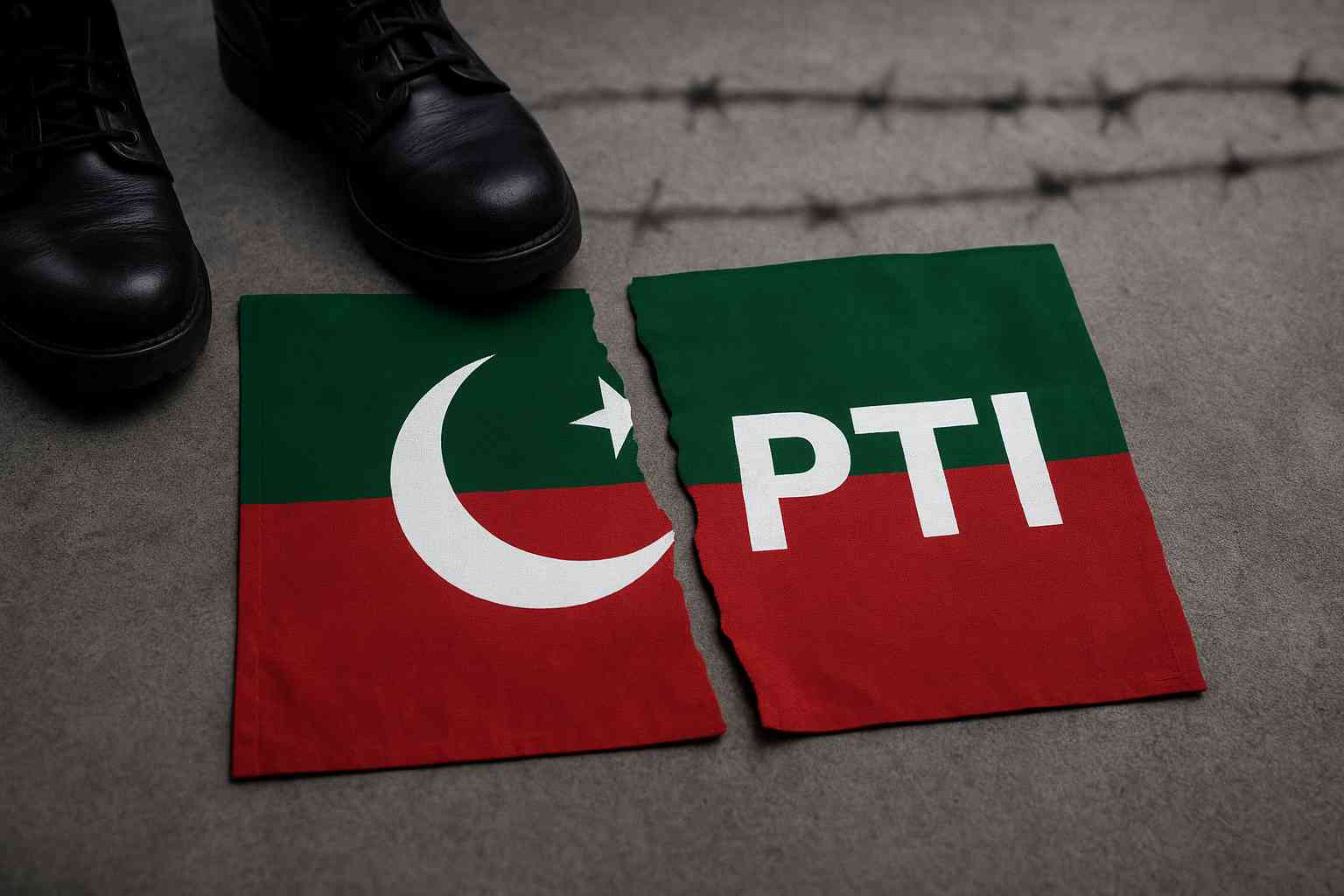
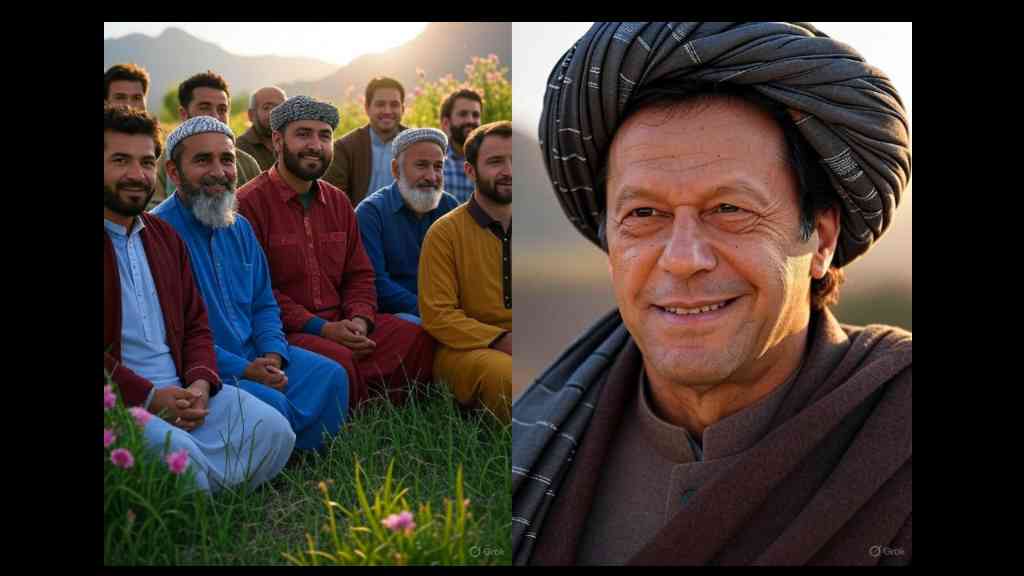
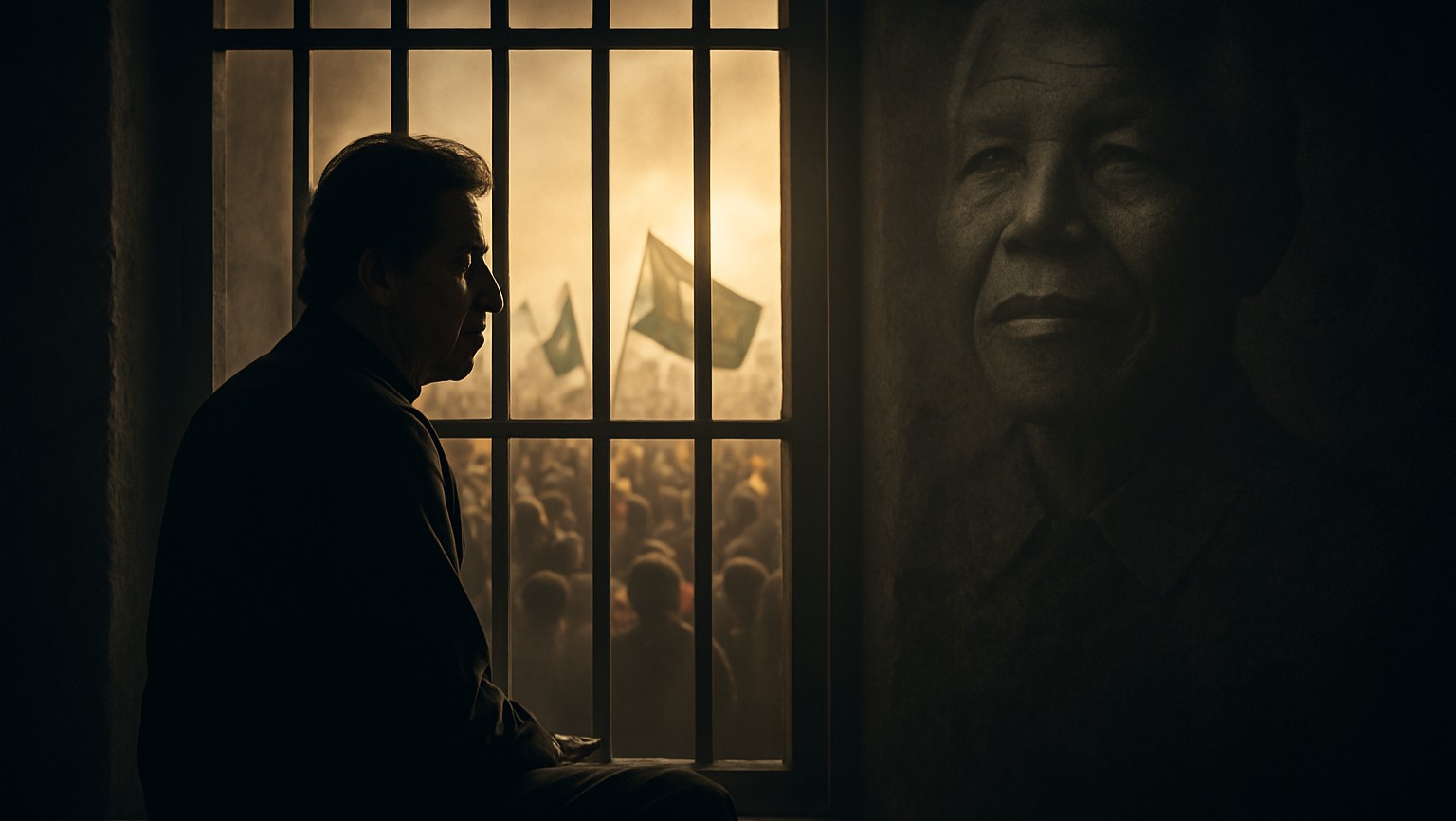
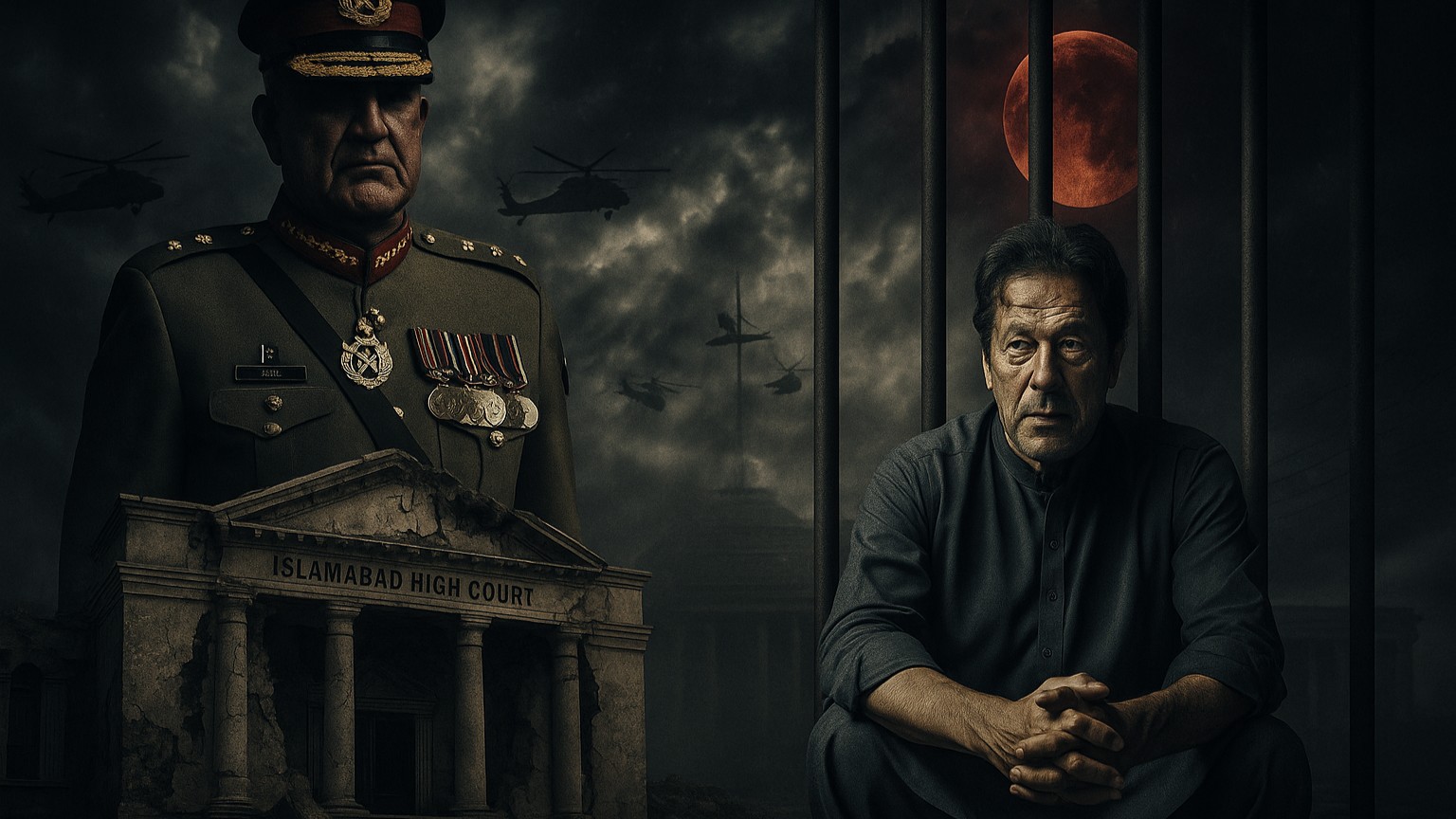
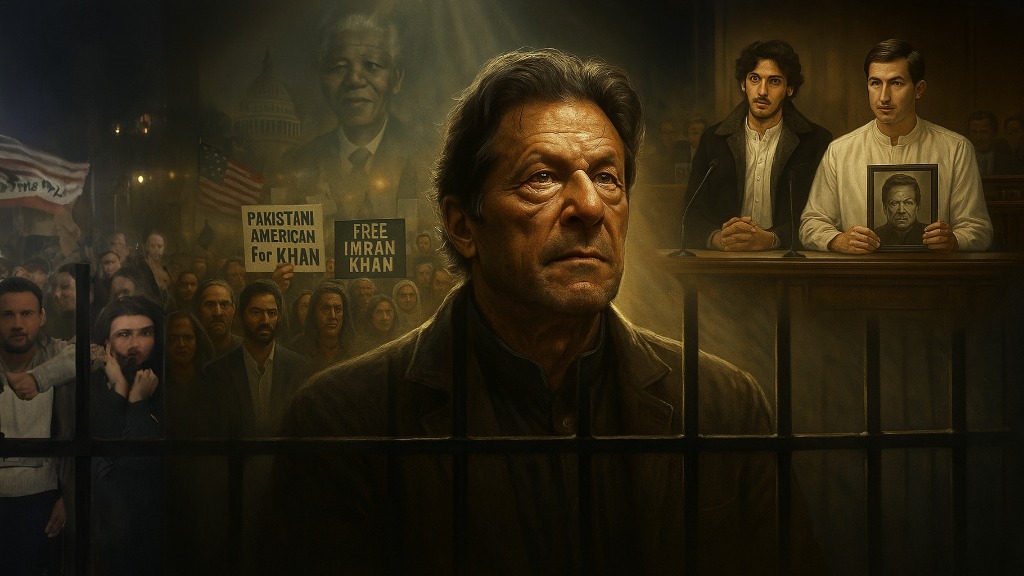
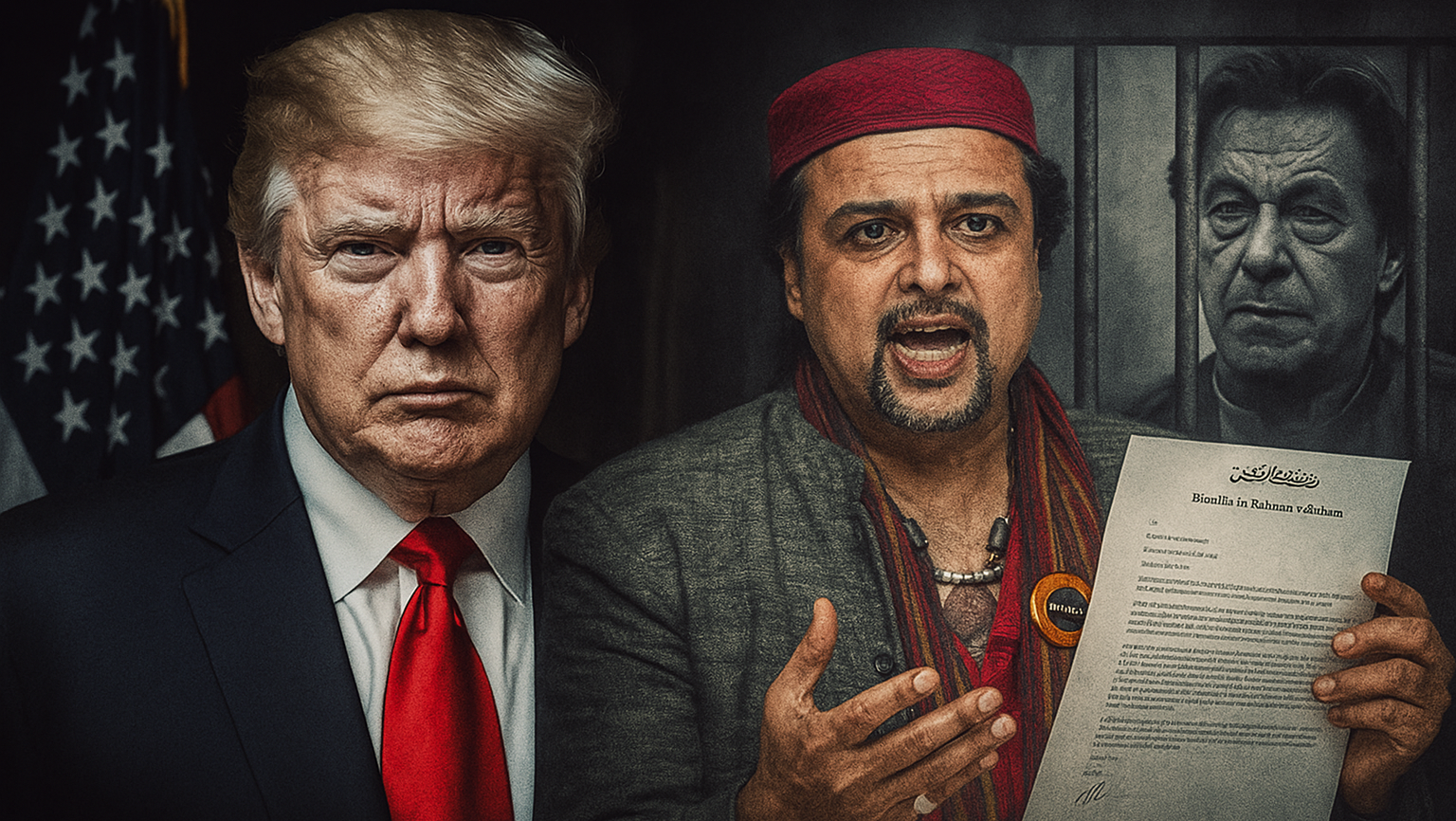
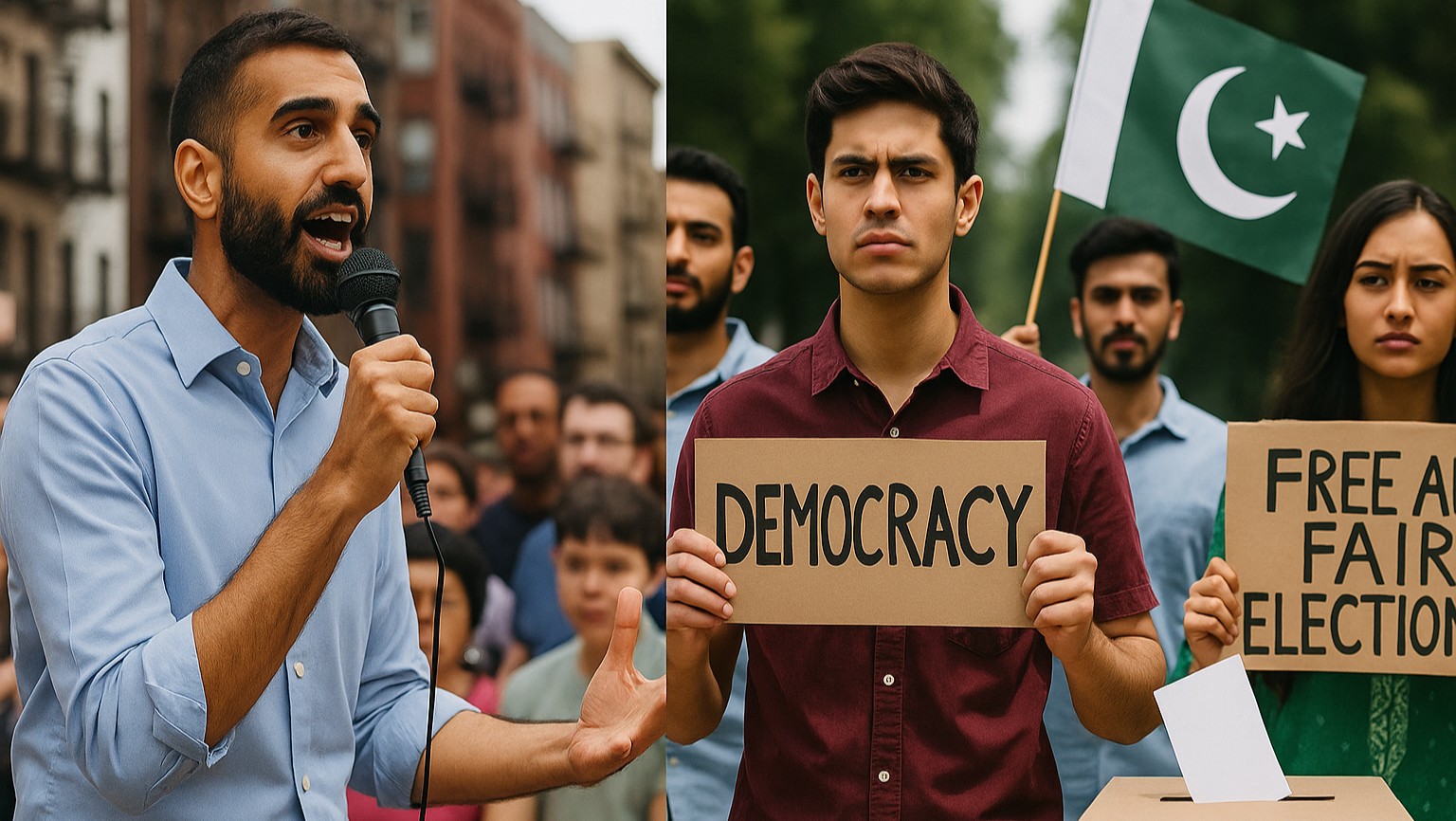
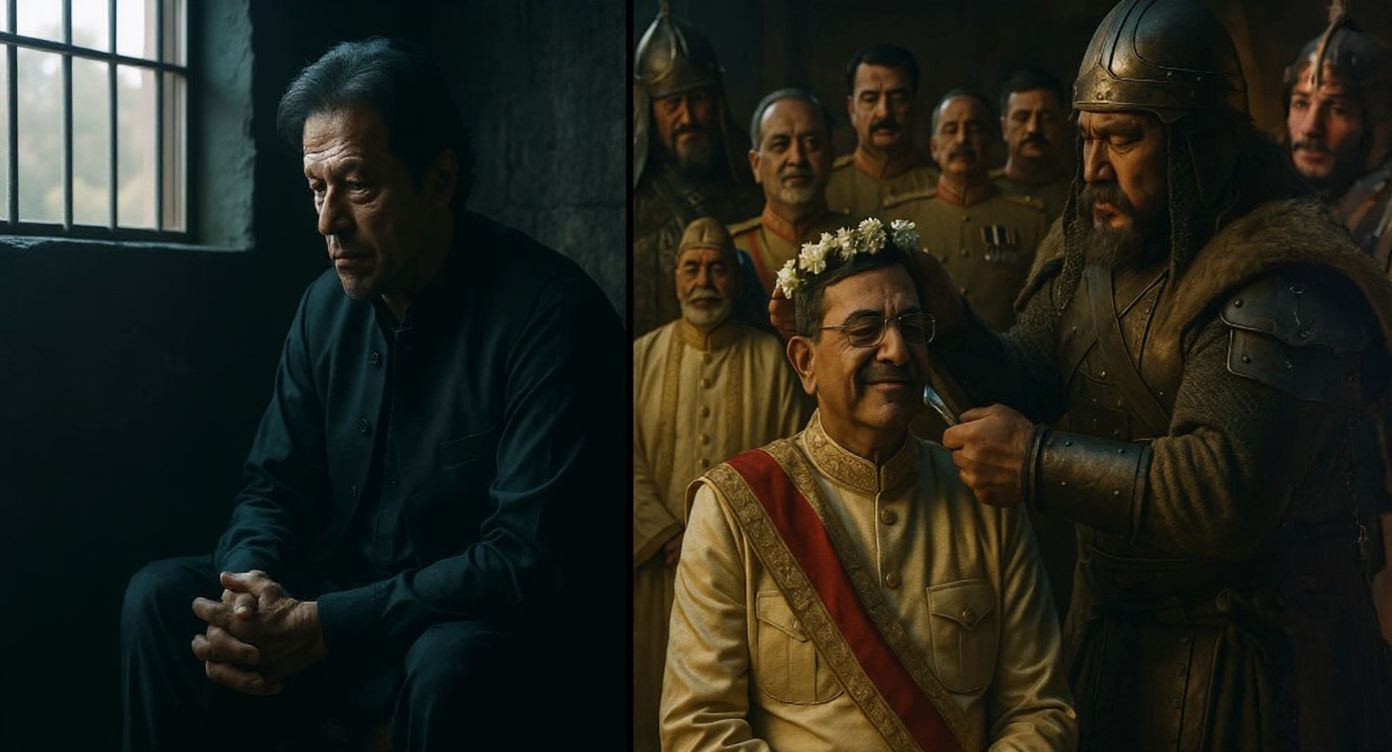
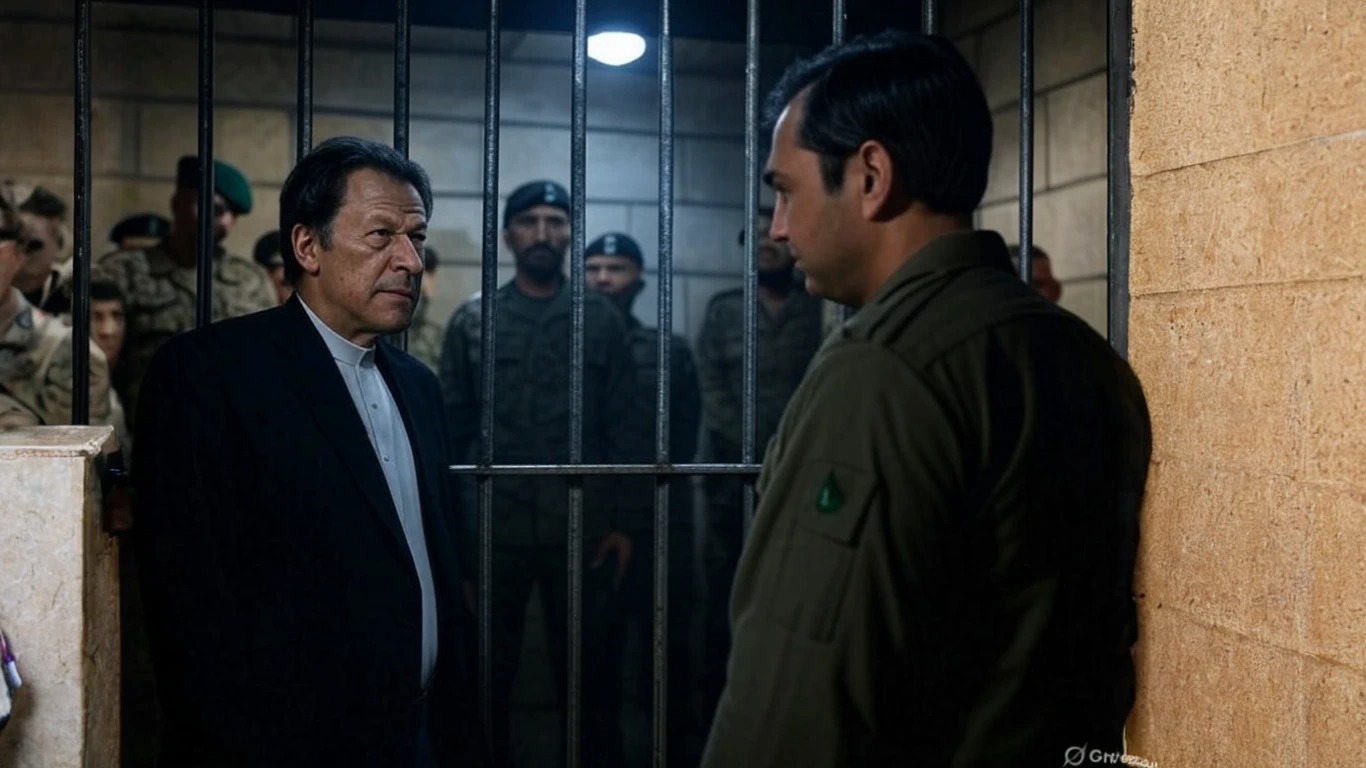
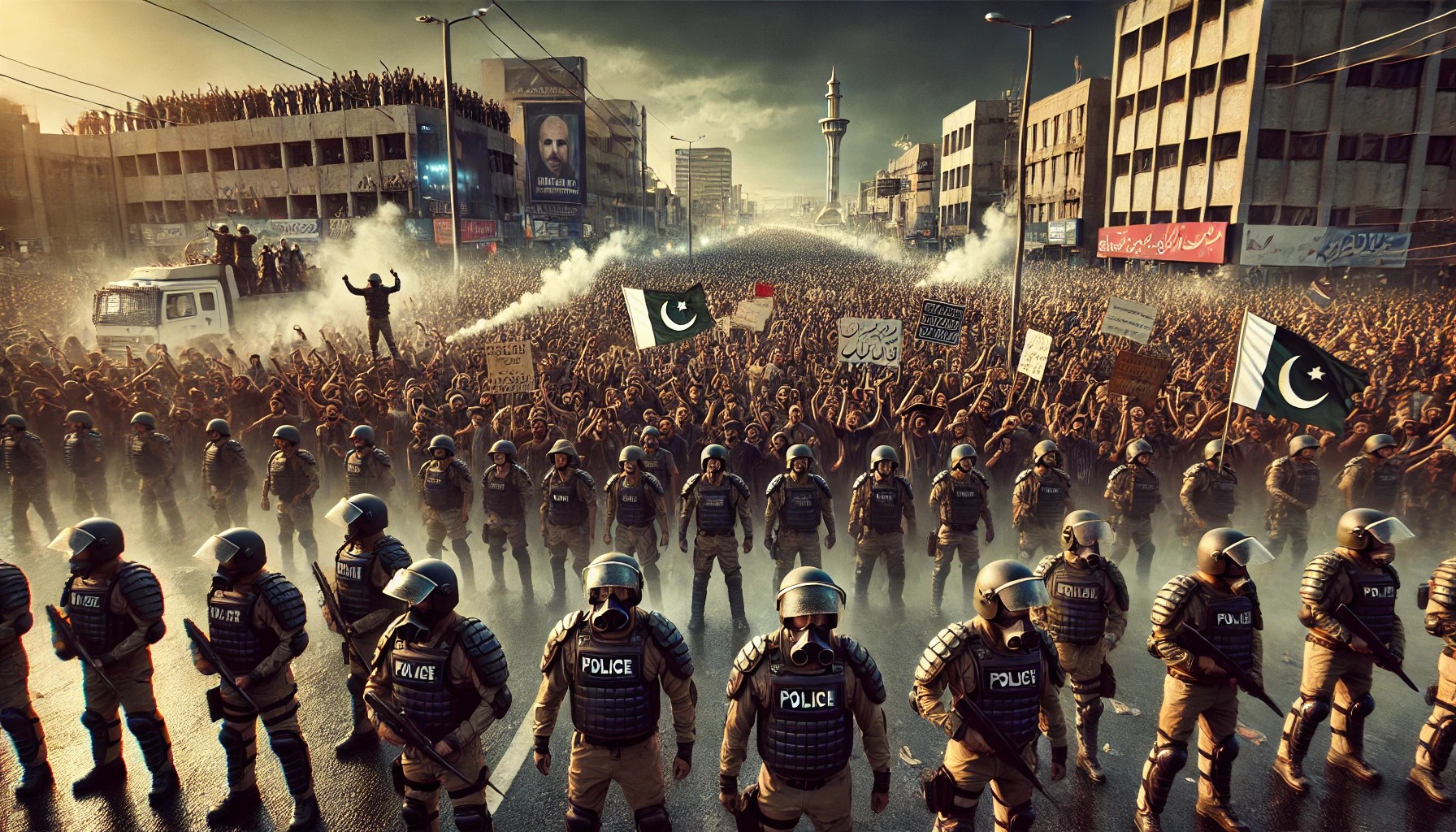
Zulfikar Ali Bhutto was hanged. Benazir Bhutto was assassinated after decades of harassment and character attacks. Baloch, Pashtun and Sindhi leaders have been disappeared, humiliated or co-opted. Today, Imran Khan sits in prison after a series of manufactured cases and choreographed trials. His party has been smashed through force, not defeated in a free and fair contest.
No prime minister has ever completed a full five-year term. The message is blunt. In Pakistan’s power structure, the vote is provisional but the will of the army chief is absolute. This is how Pakistan military supremacy operates in practice: it reduces elected authority to a temporary inconvenience.
The 27th Amendment: Constitutionalising the Pharaoh
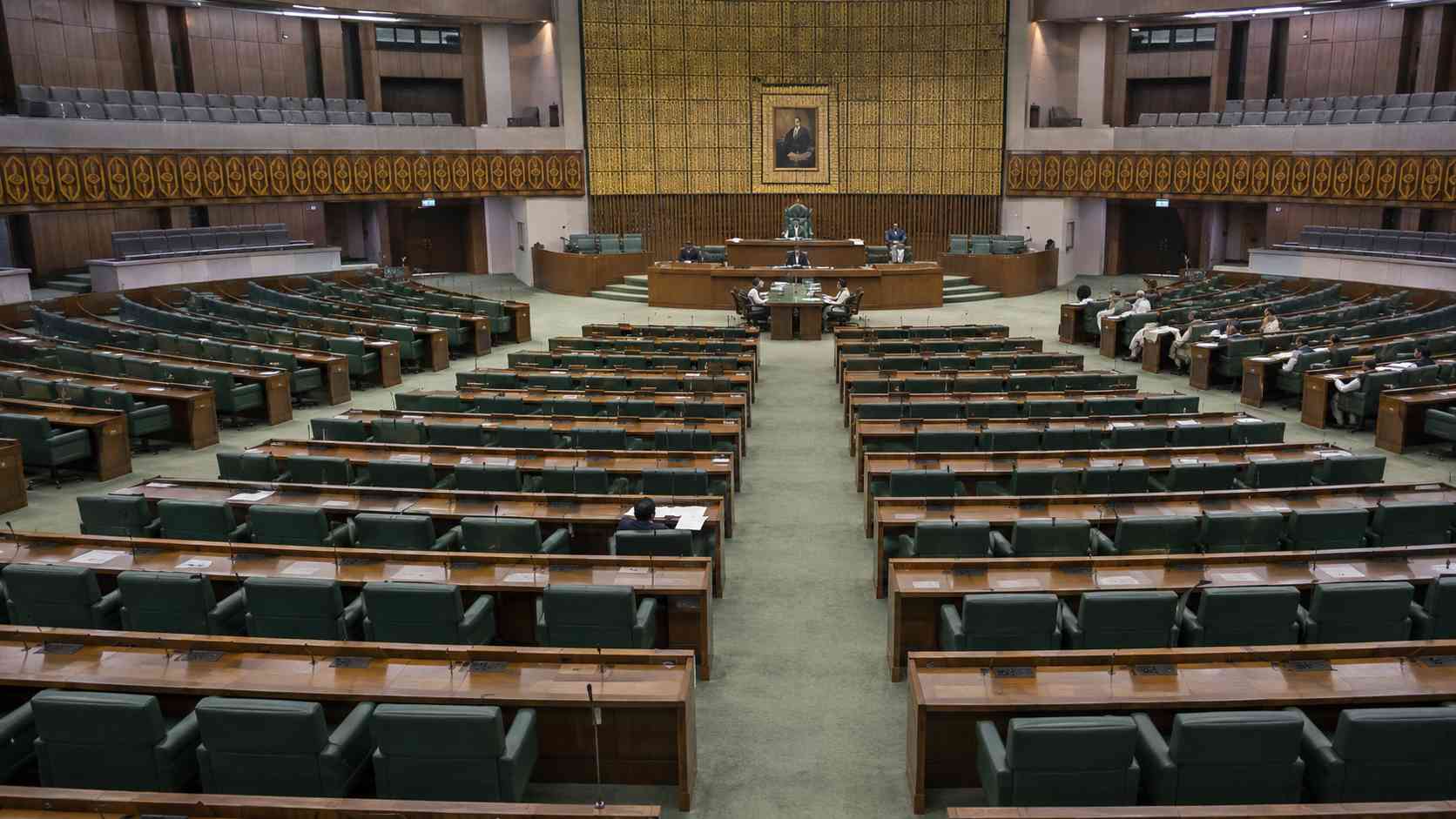
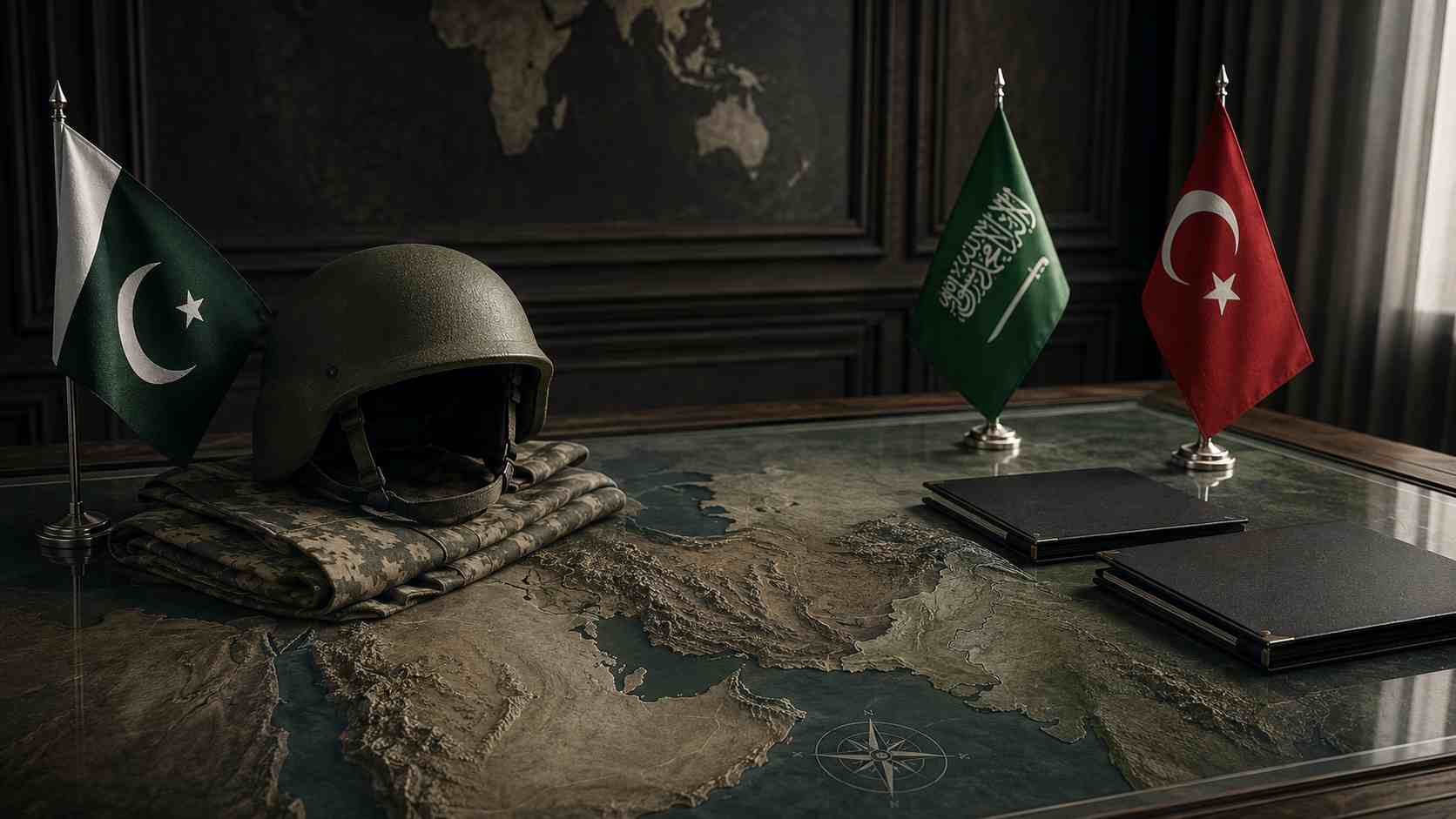
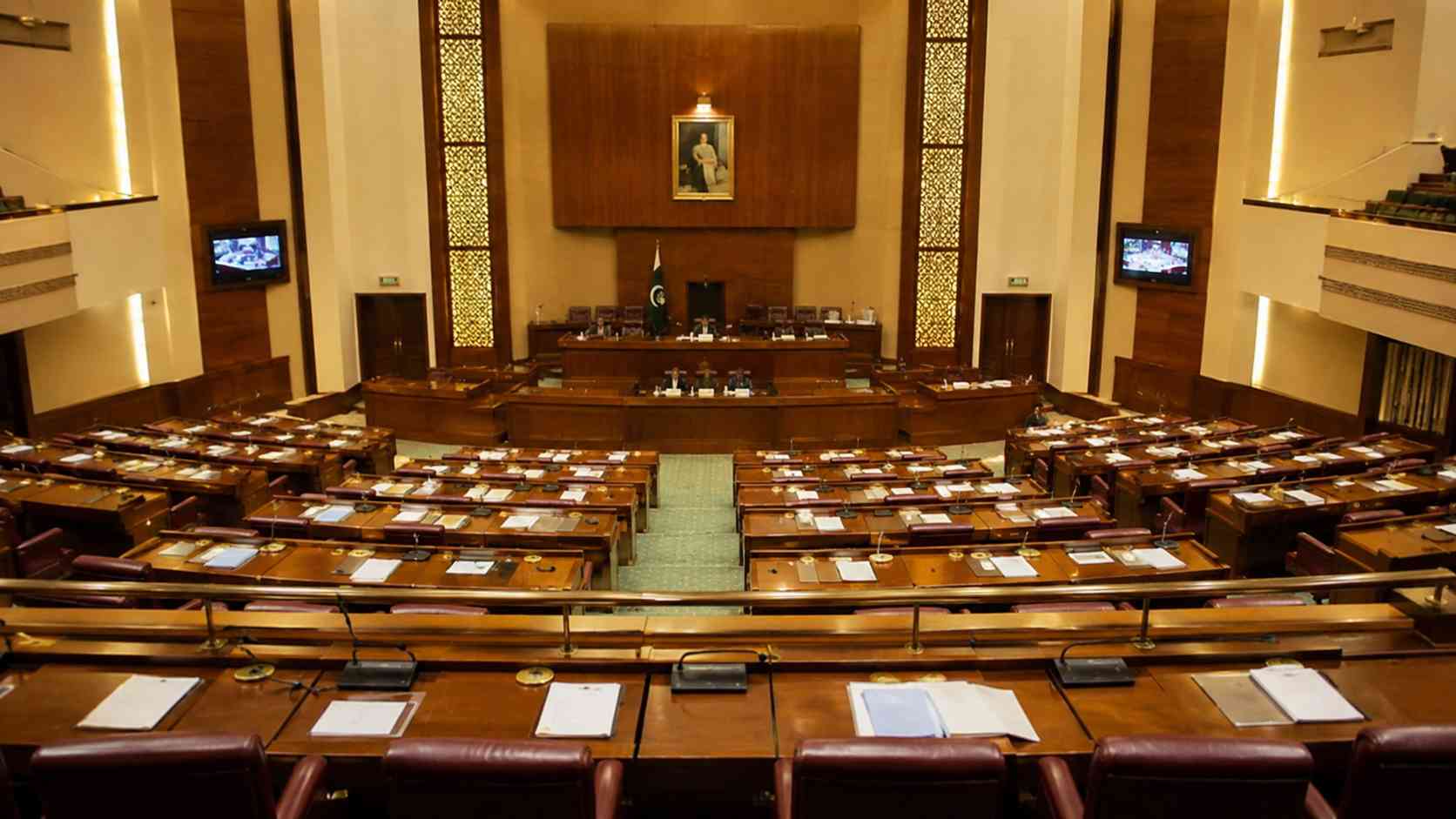
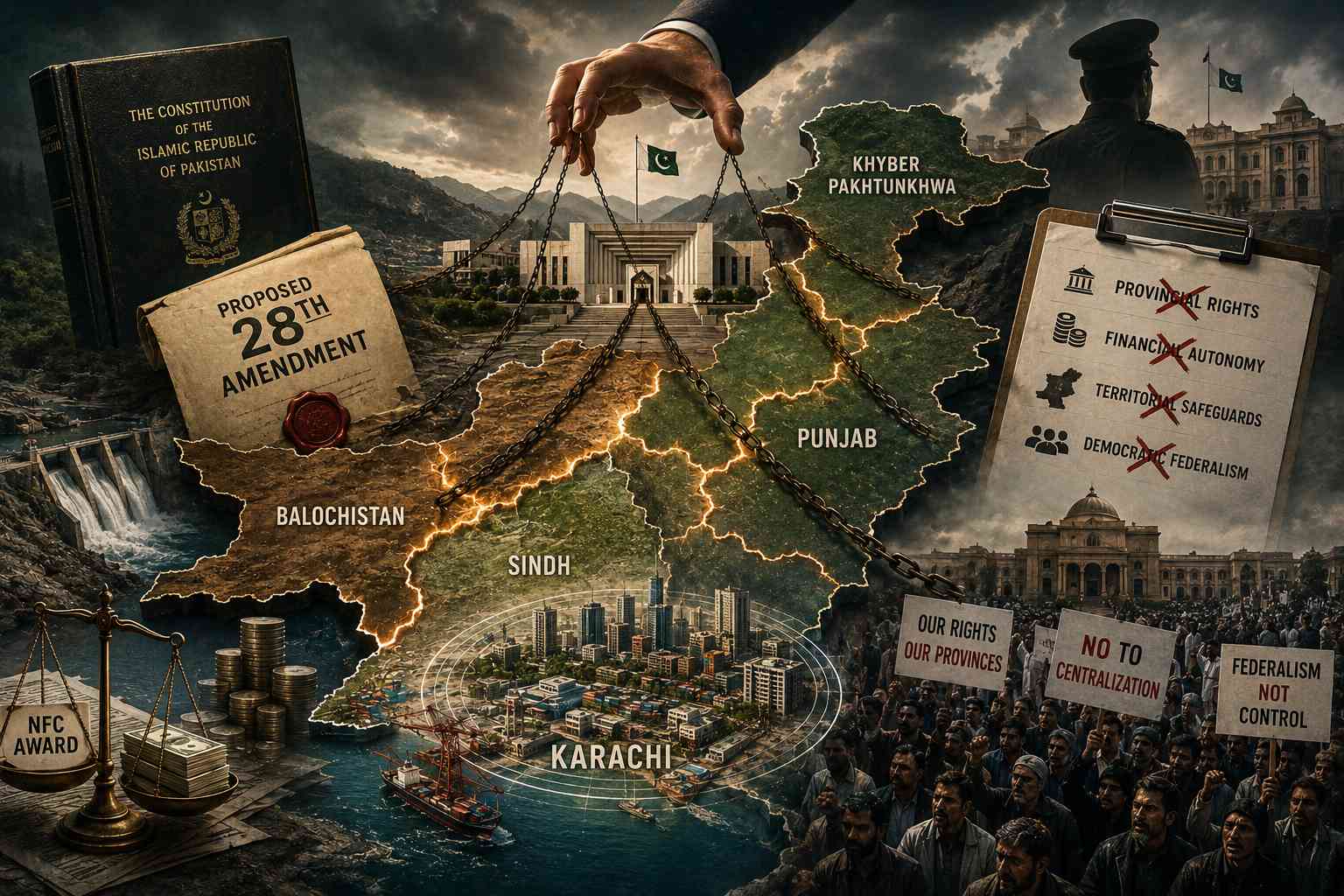
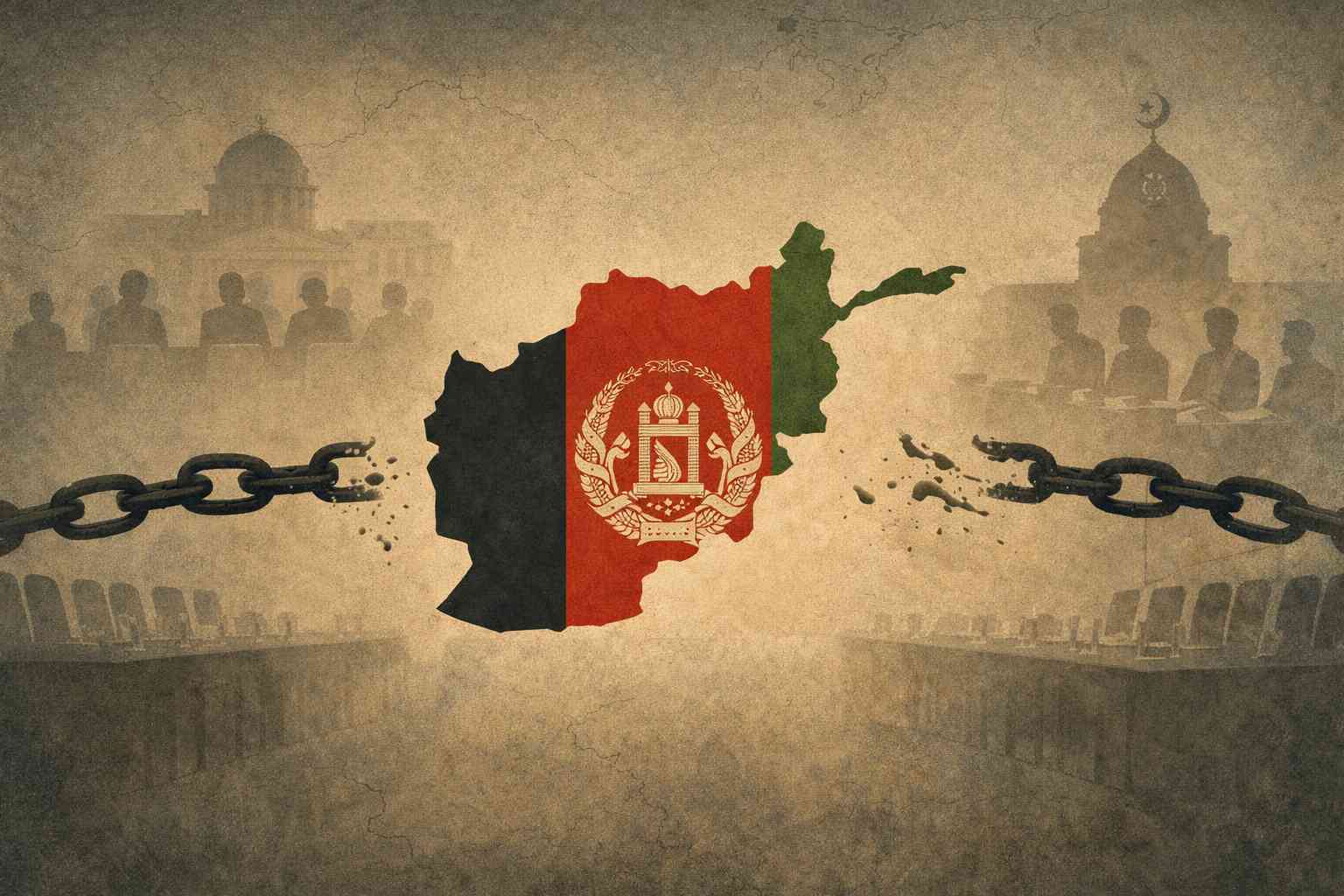
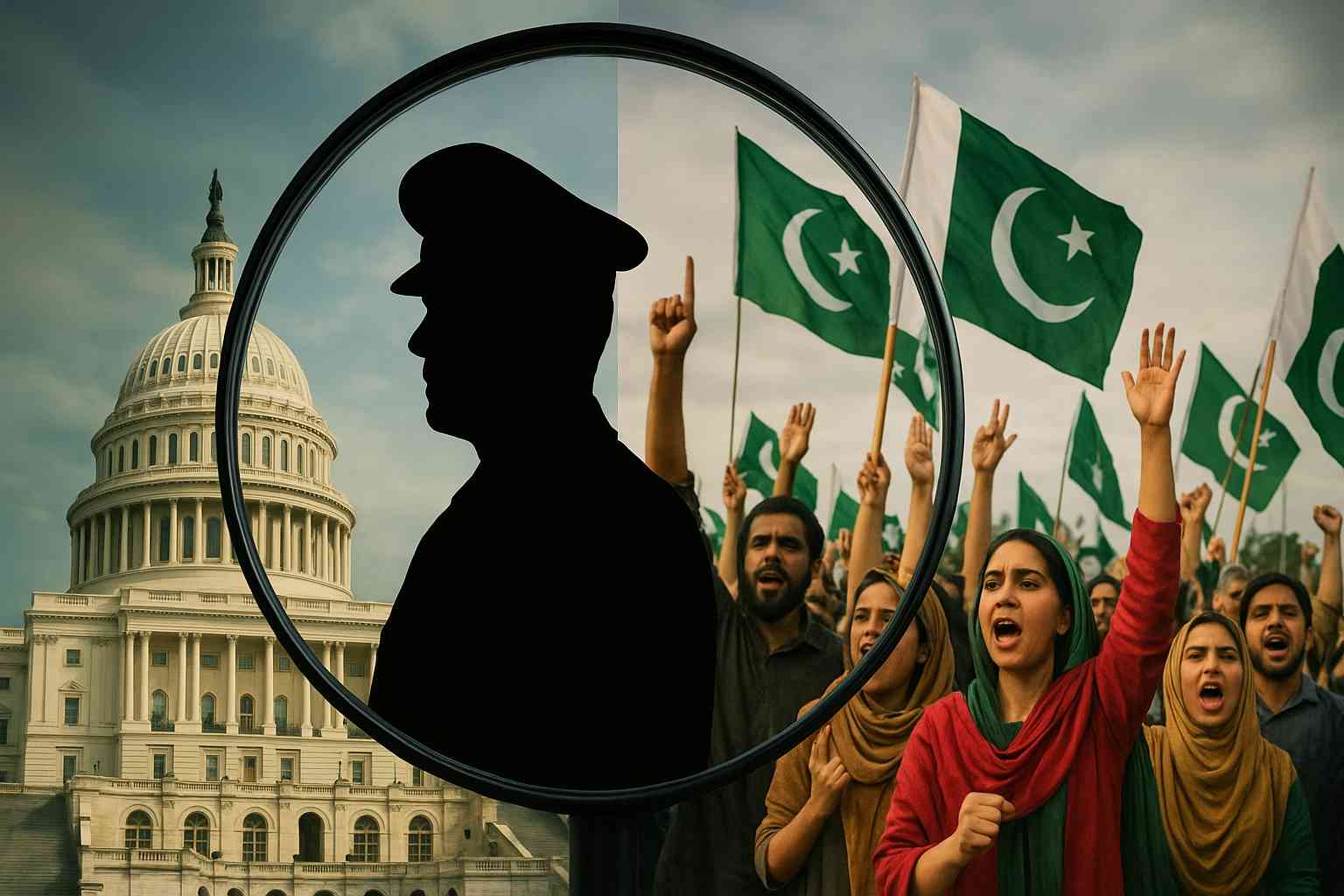
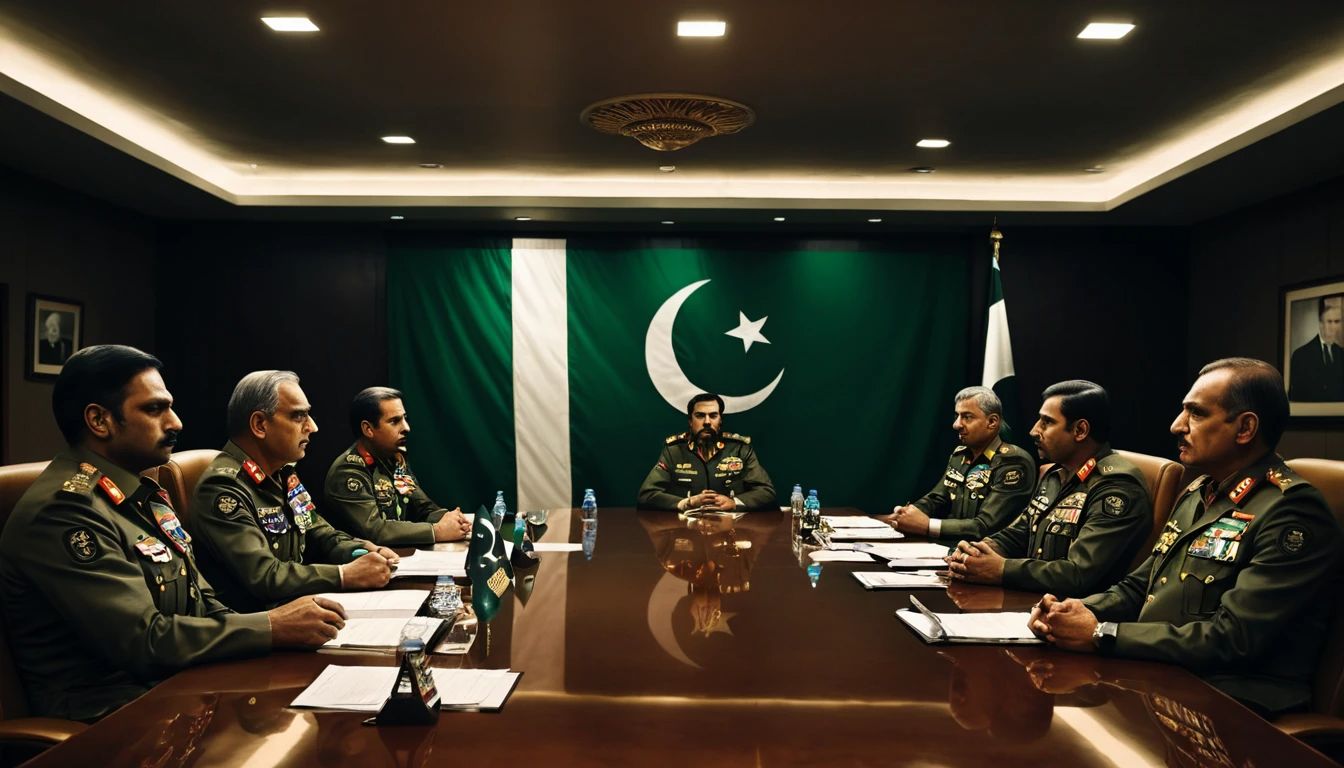
The 27th Constitutional Amendment is the peak expression of garrison thinking. It merges the offices of army chief and Chief of Defence Forces and extends tenure. It wraps the post in legal immunities and places one unelected individual above parliament, judiciary and federation.
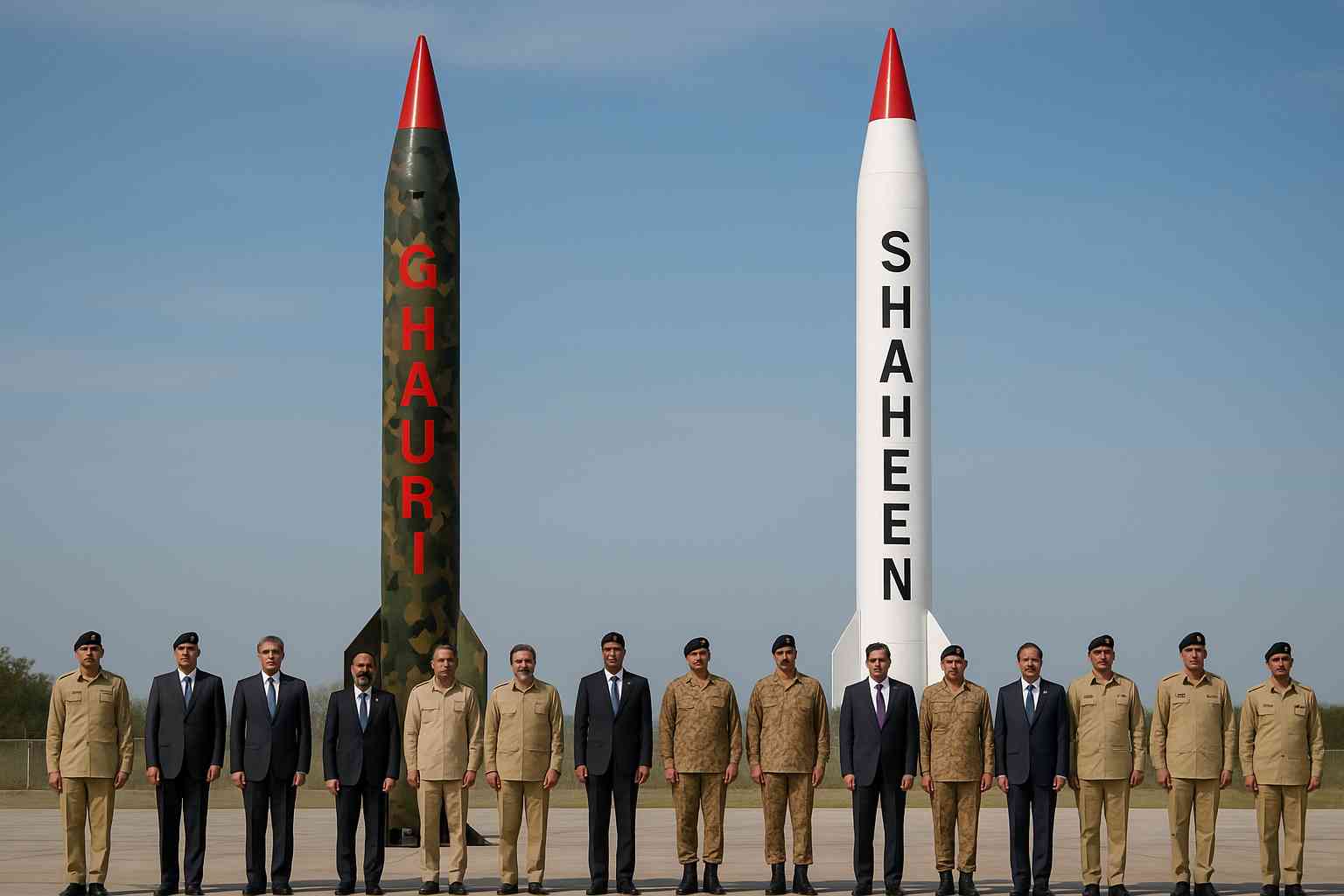
The amendment also reorganises the higher defence structure. It turns the army’s dominance over the air force and navy from a de facto reality into a de jure principle. That structure includes the nuclear command architecture, further cementing Pakistan military supremacy over every strategic lever of the state.
When the UN High Commissioner for Human Rights warns that such rushed amendments have “far-reaching consequences” for judicial independence and accountability, Islamabad dismisses the concern as biased. That reaction removes the mask. Pakistan’s rulers are asking the world to legitimise a militarised autocracy dressed in constitutional robes.
Insanity as a System of Rule
Einstein’s famous line—whether or not he truly said it—captures Pakistan’s tragedy. Insanity is doing the same thing over and over and expecting a different result. For 78 years, a small clique of generals and their civilian enablers has run the same experiment.
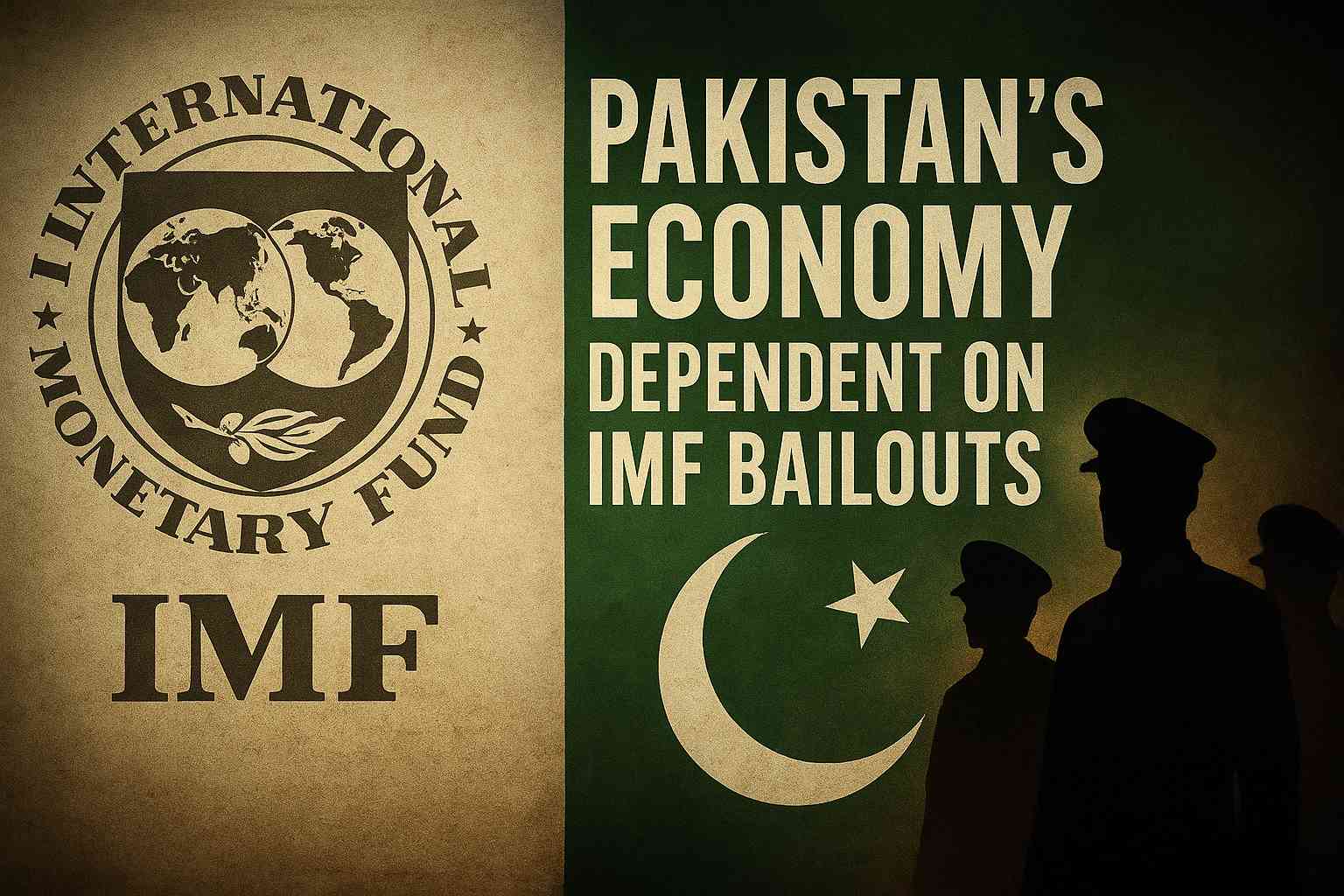
They suspend the constitution, manipulate courts and media, pick and drop politicians and manufacture “hybrid” setups. They crush dissent and still claim that this model will finally bring stability, prosperity and global respect. Instead, Pakistan lurches from default scares to insurgencies, from diplomatic humiliation to deepening alienation.
Many of the country’s best minds leave or fall silent. The cycle of Pakistan military supremacy continues, even as the state’s capacity erodes.
Break the Cycle or Be Broken by It
This editorial is a wake-up siren. Pakistanis must decide whether they accept permanent garrison rule, now embossed into the constitution, or whether they reclaim the republic promised in 1947. That republic demands civilian supremacy, federal pluralism and a military strictly subordinate to elected authority.
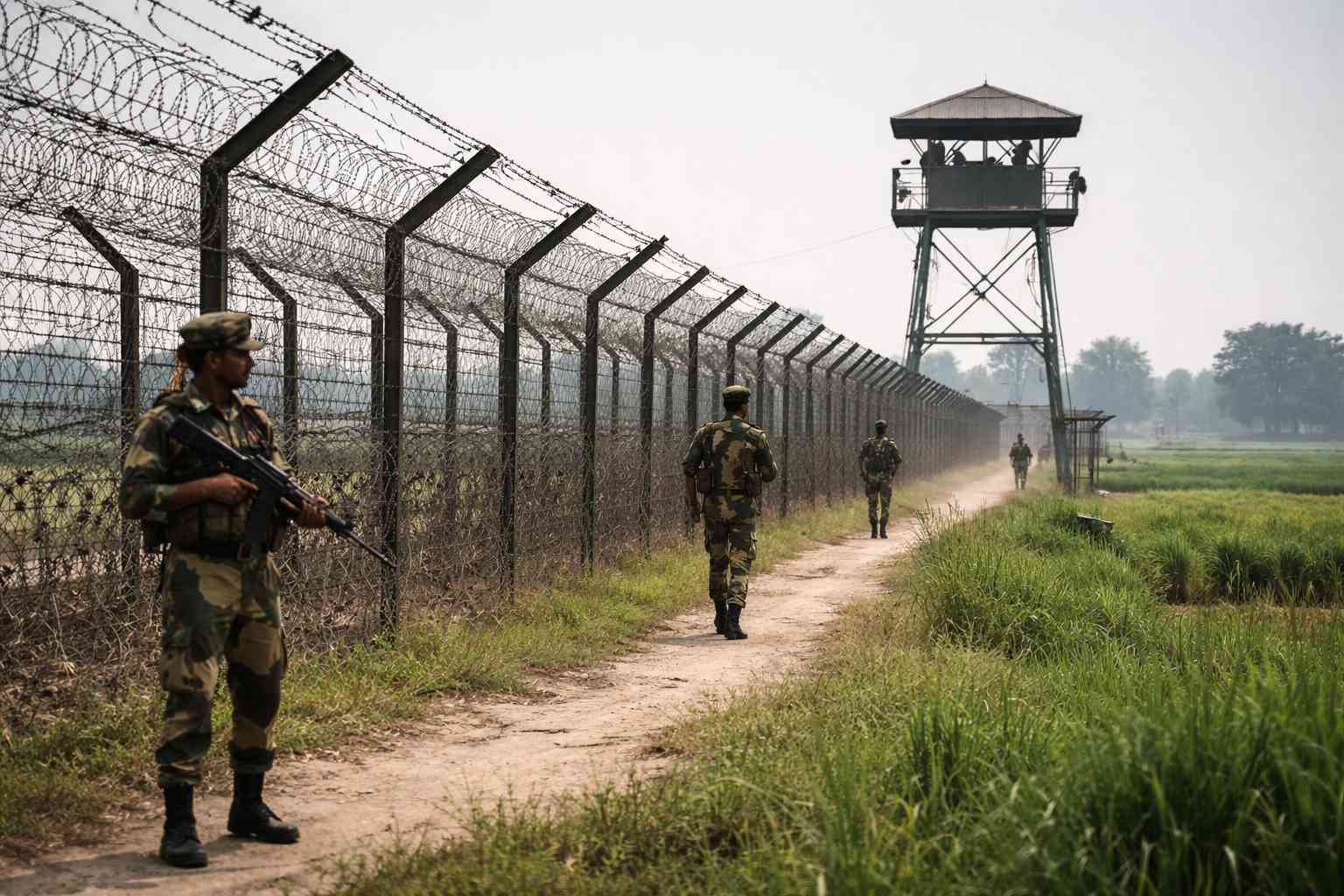
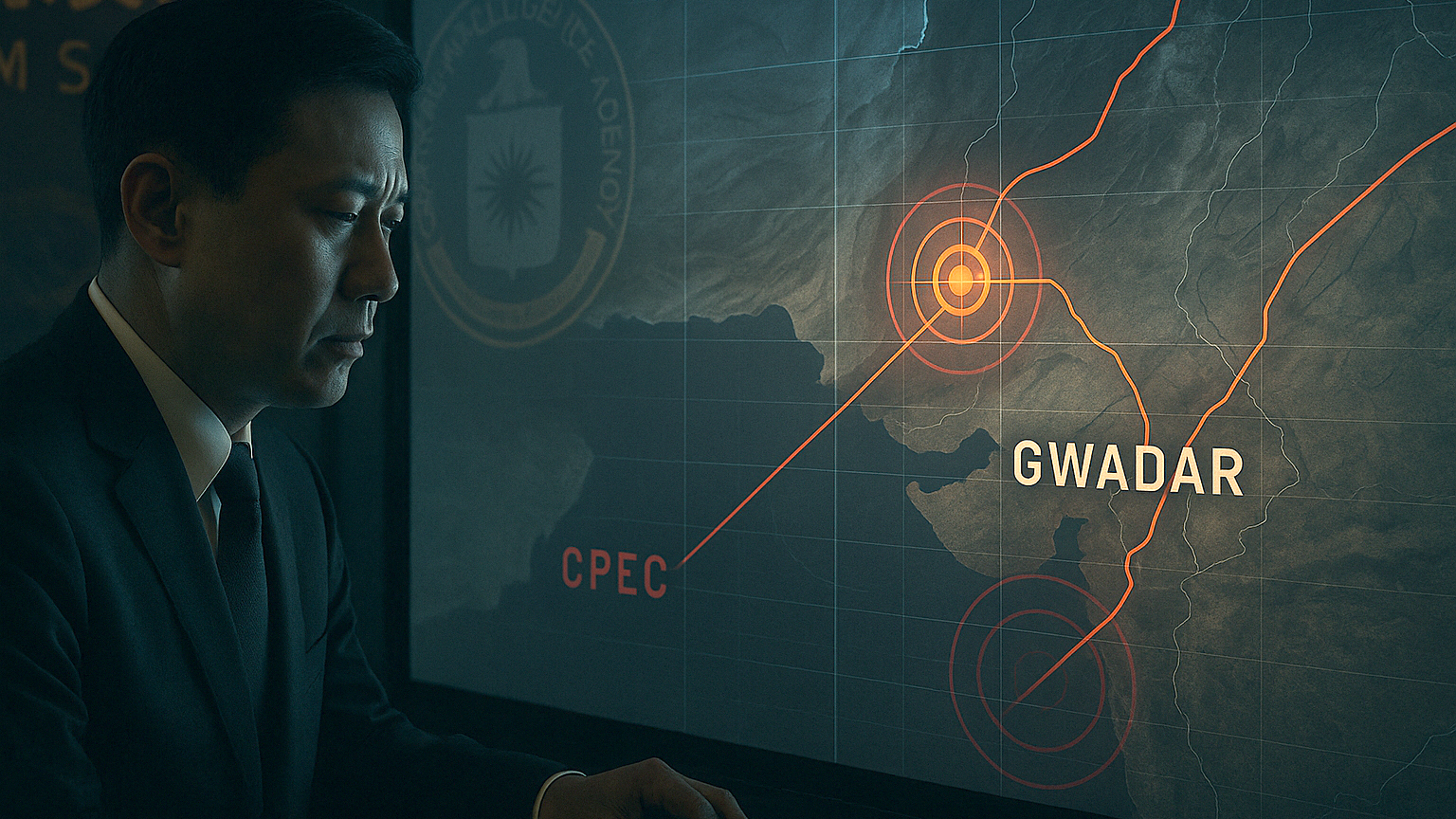
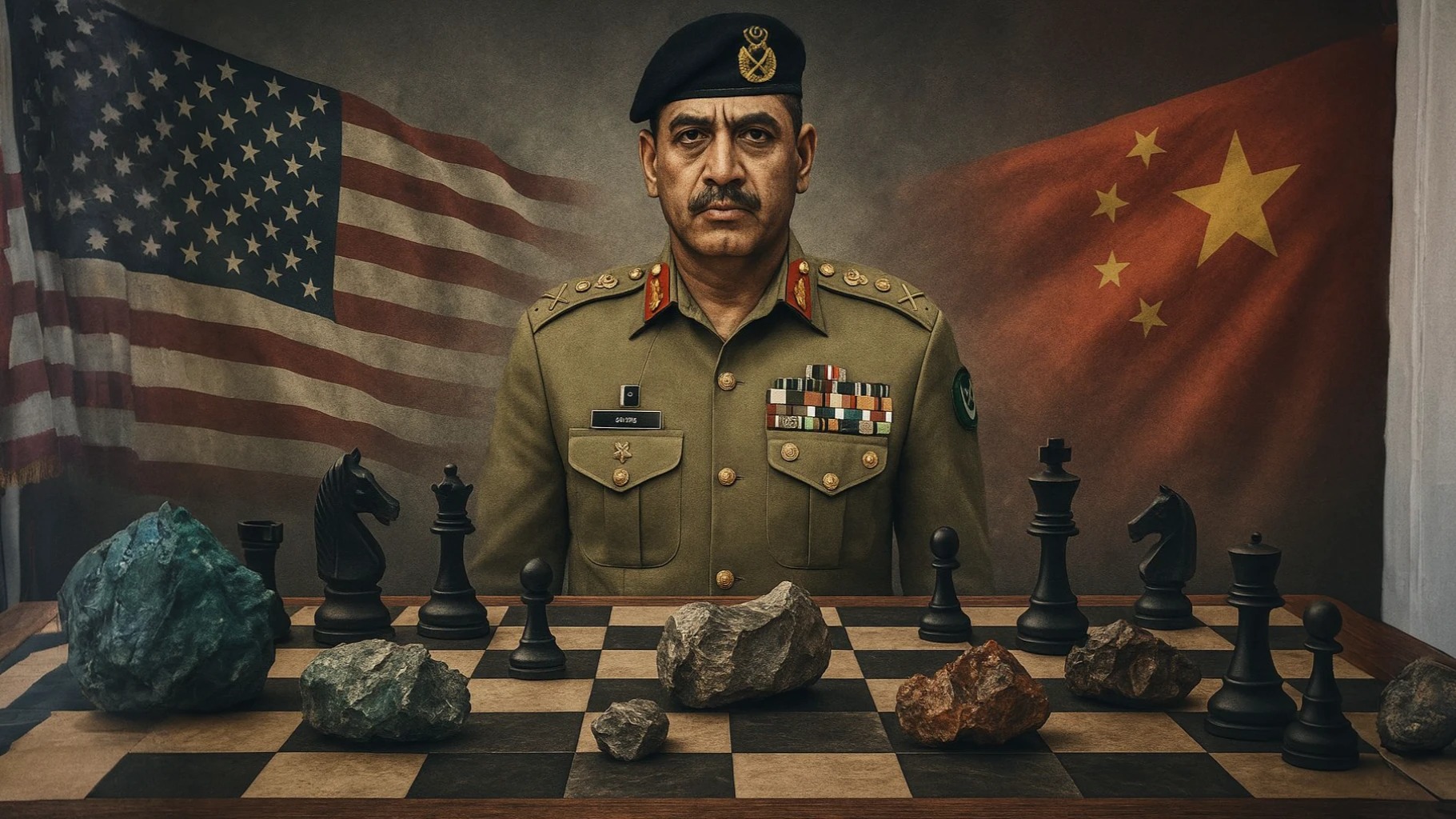
The international community, especially donors and so-called “security partners,” must also face its role. Financing this Pharaoh model in the name of short-term stability is complicity in long-term collapse. A state cannot function forever as a cantonment with a flag.
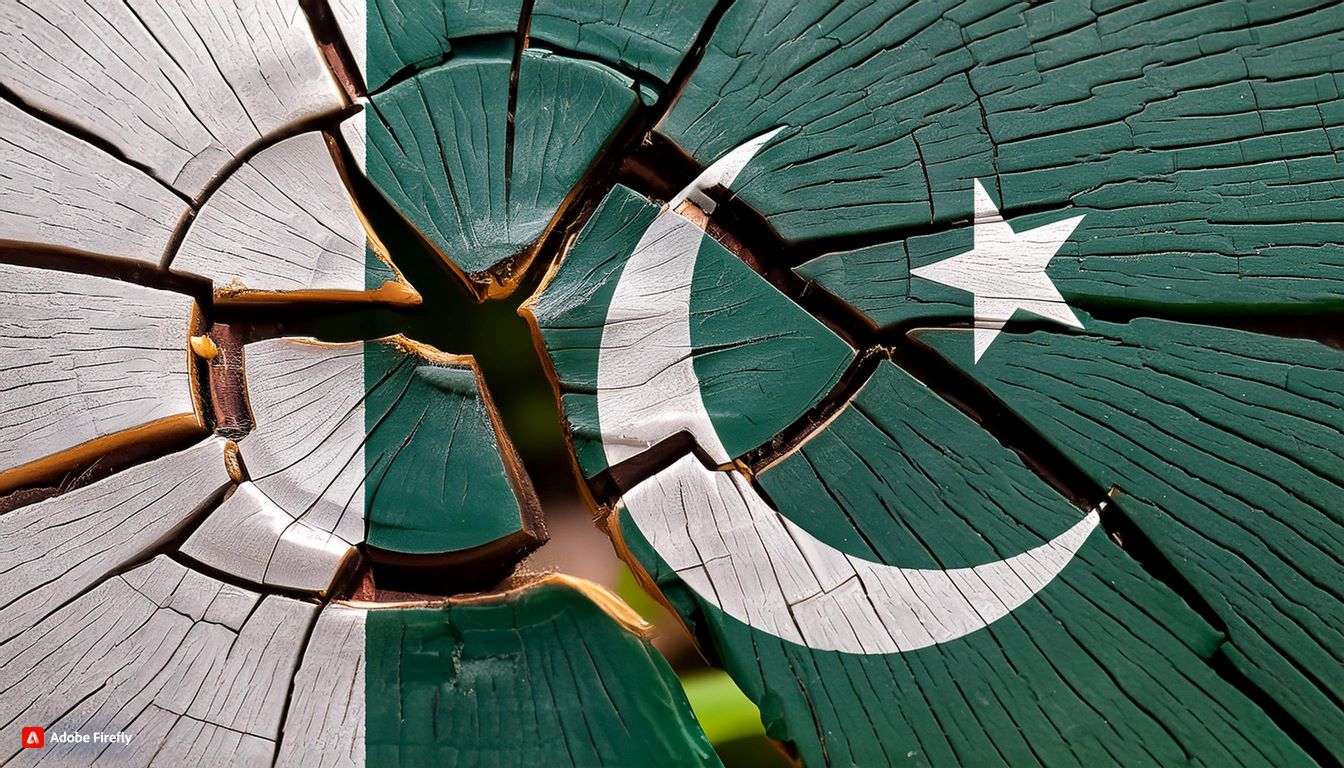
Either the citizens of Pakistan break the cycle of Pakistan military supremacy and systemic insanity, or that cycle will break Pakistan itself.
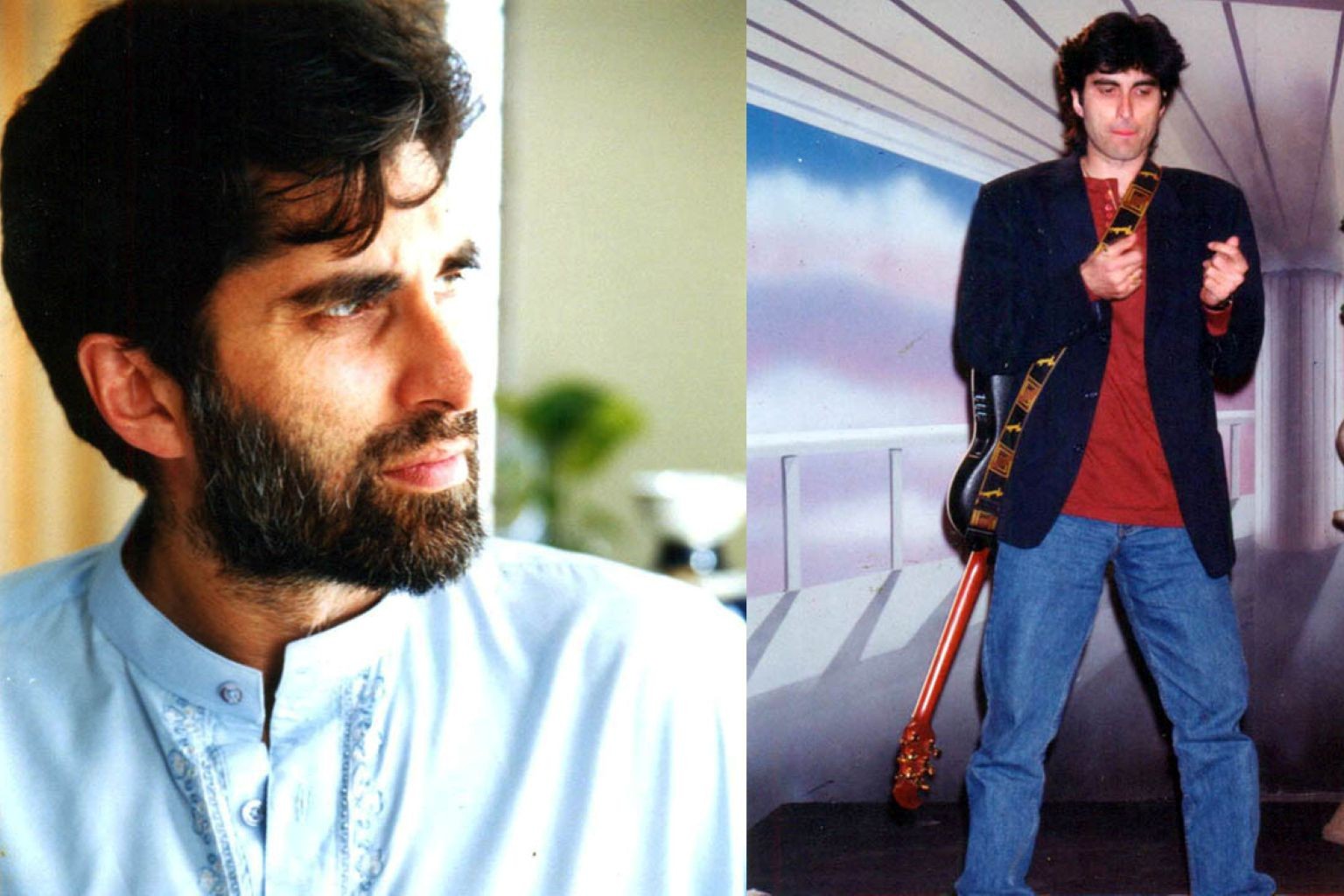
Dr. Salman Ahmad, United Nations Goodwill Ambassador, Pakistani-American, Human Rights Defender and a famous rockstar, Founder of rock band “Junoon”