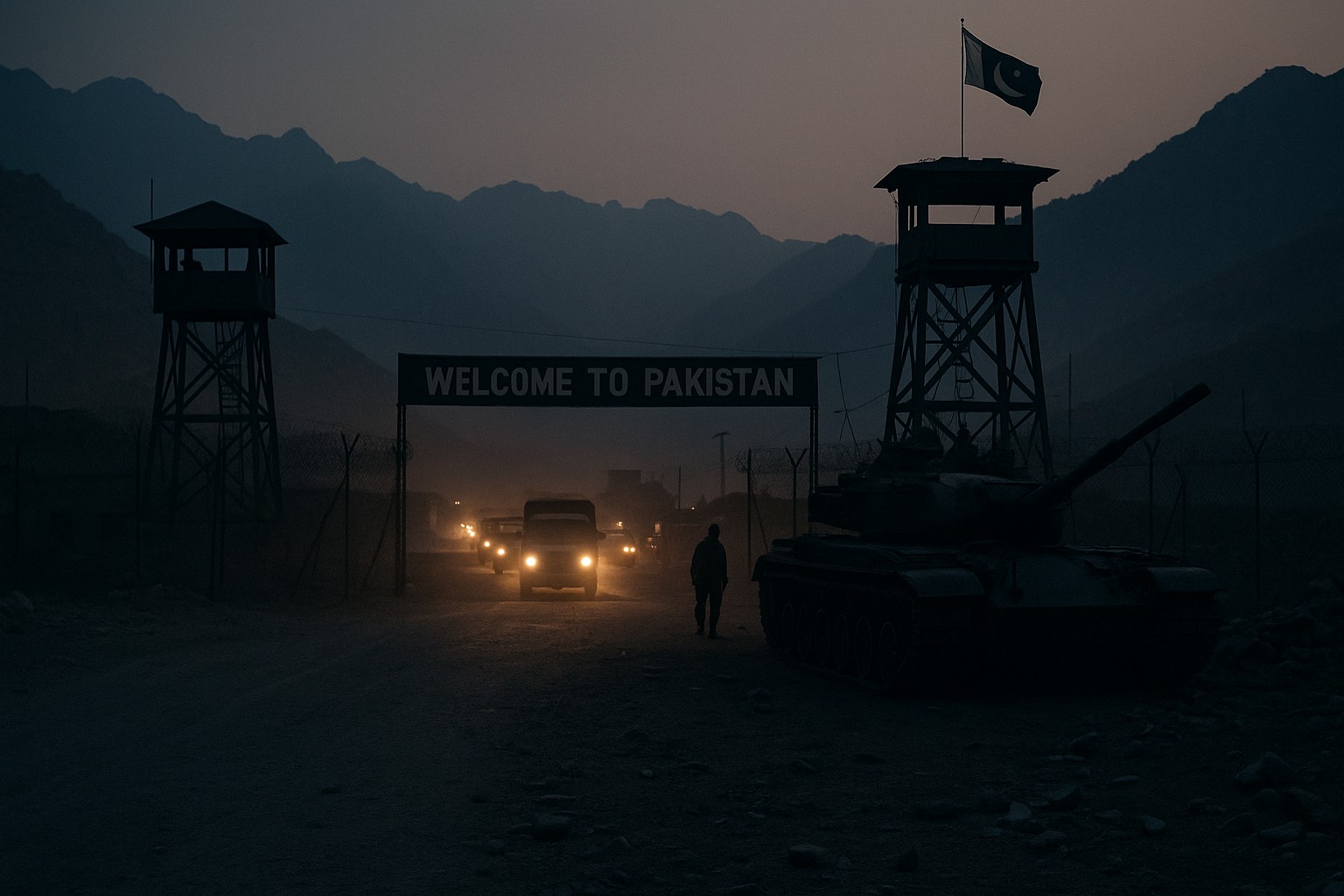
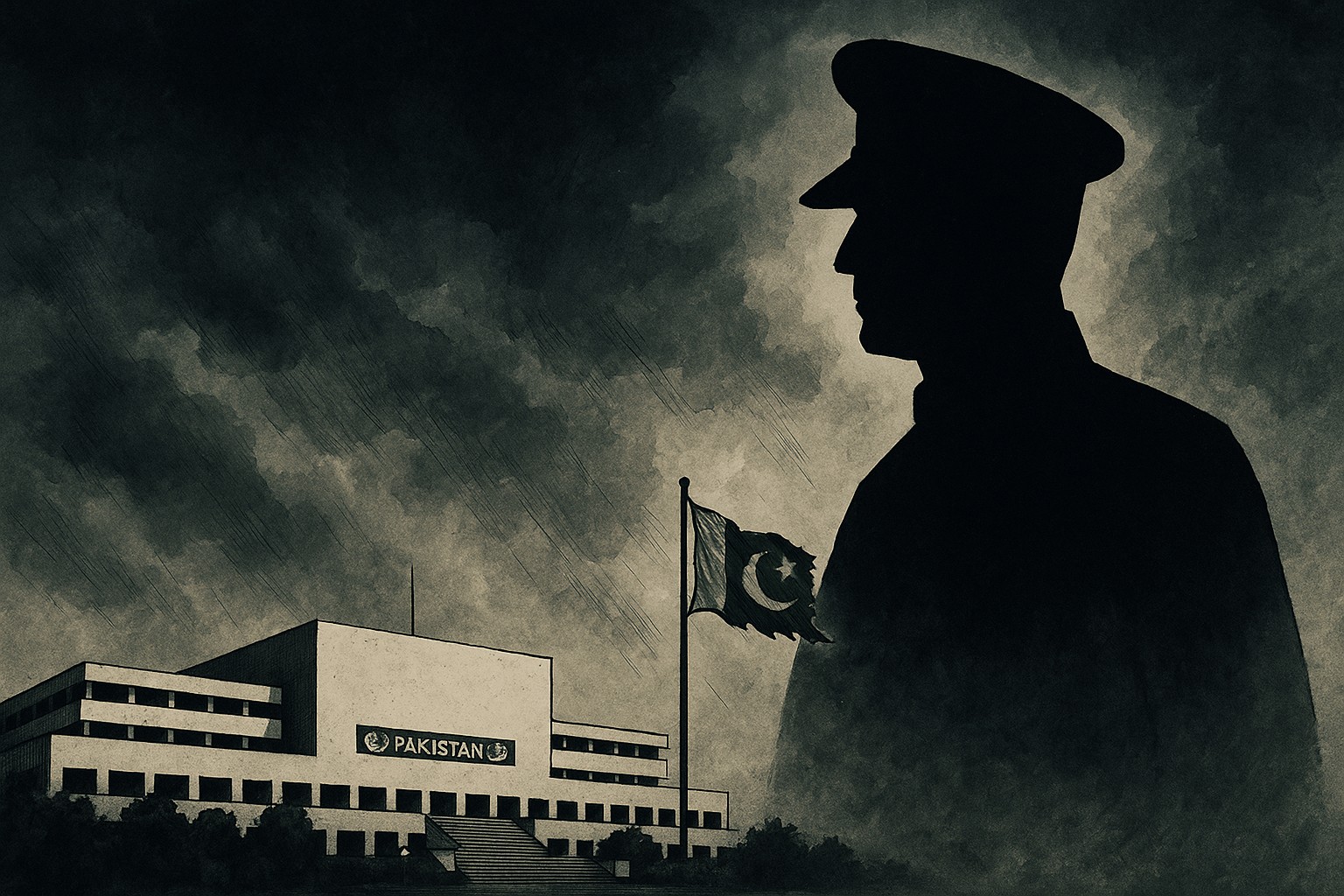
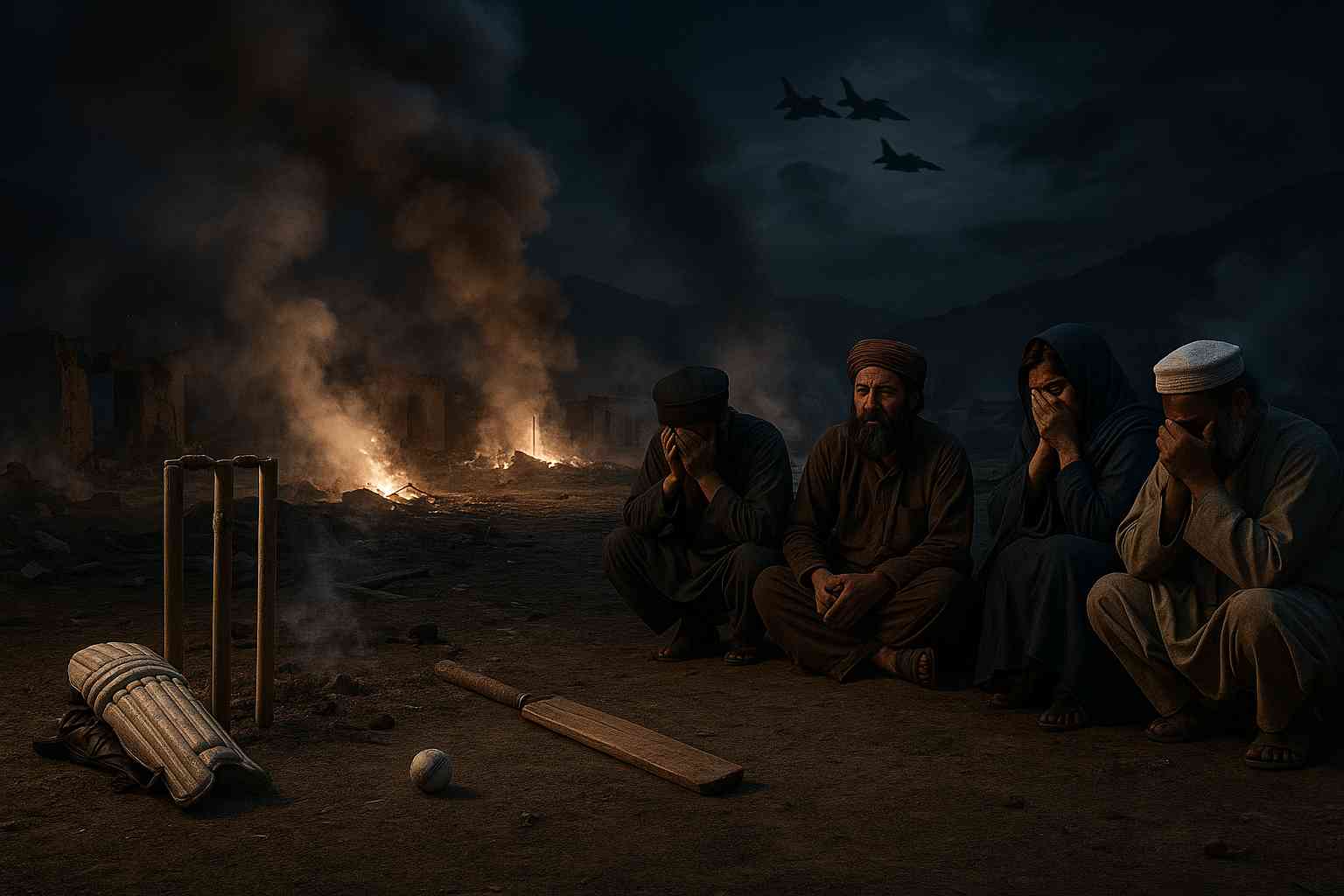
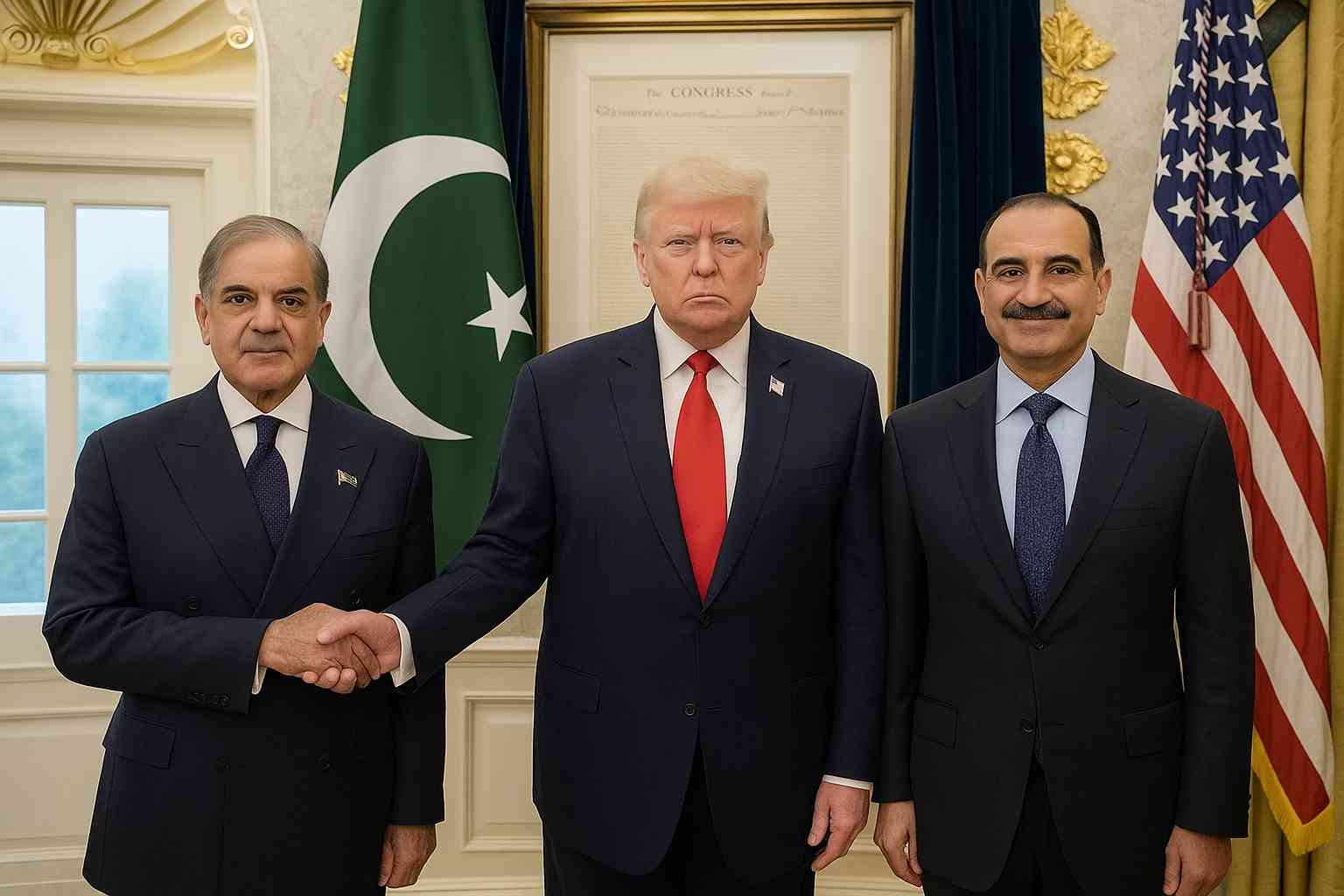
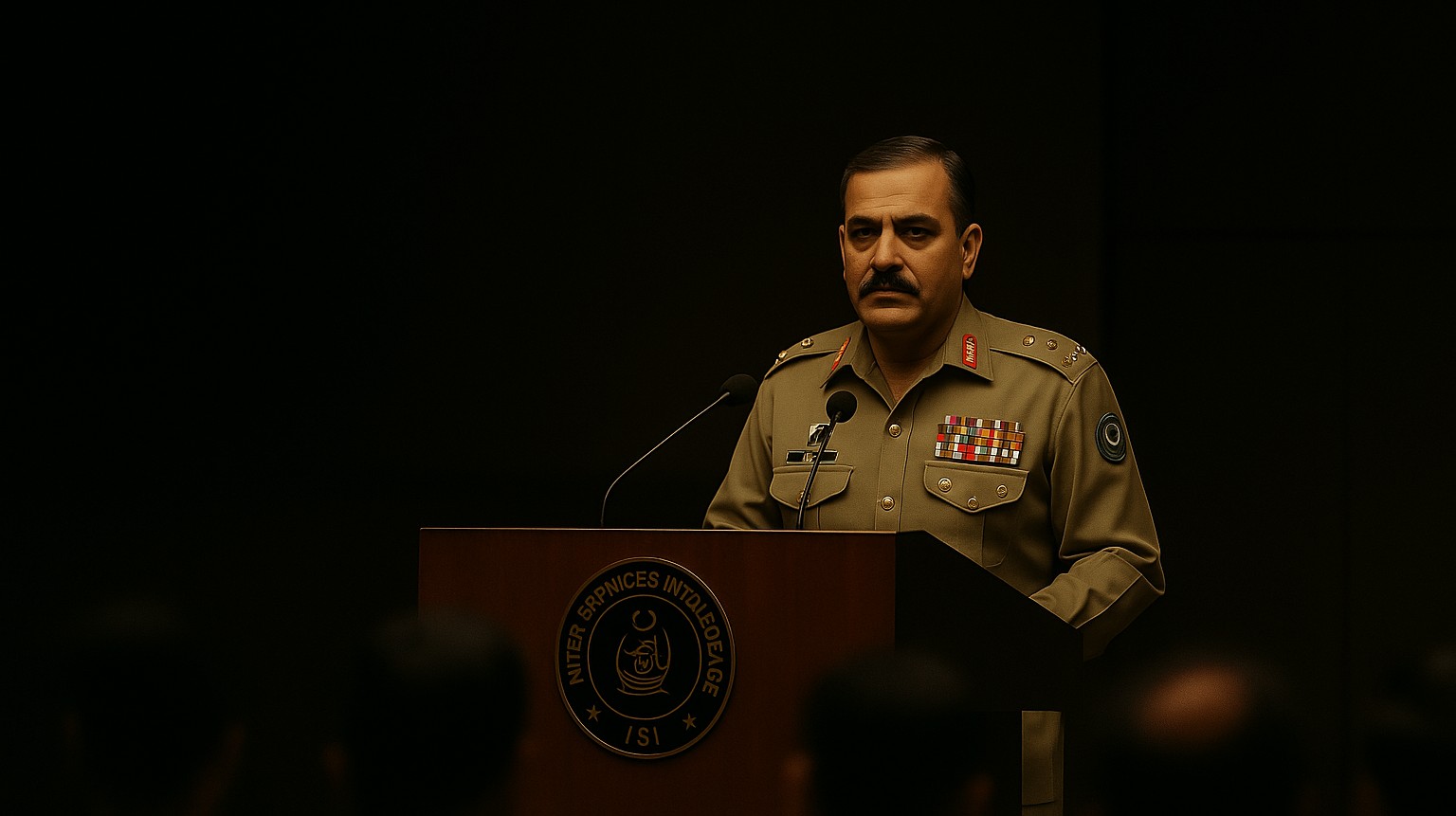
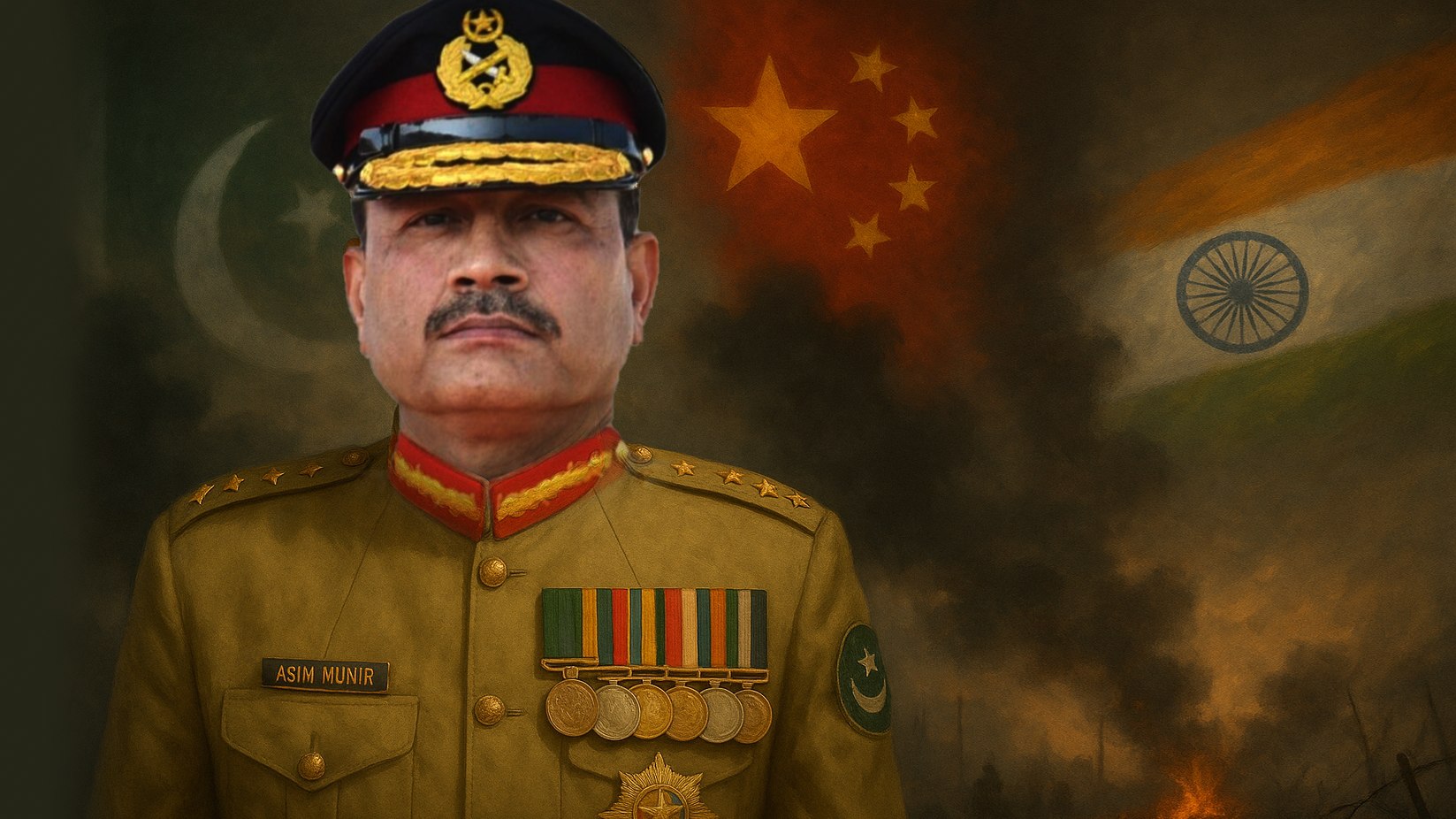
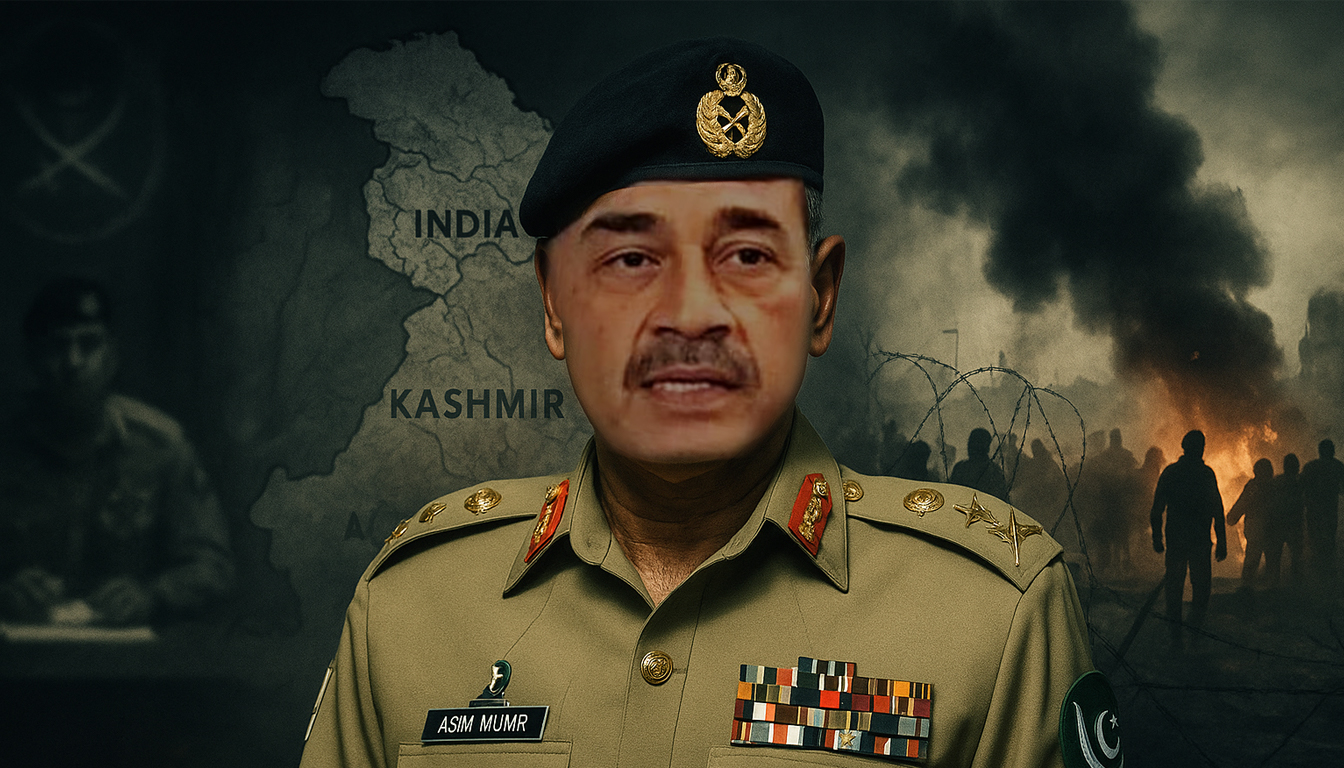
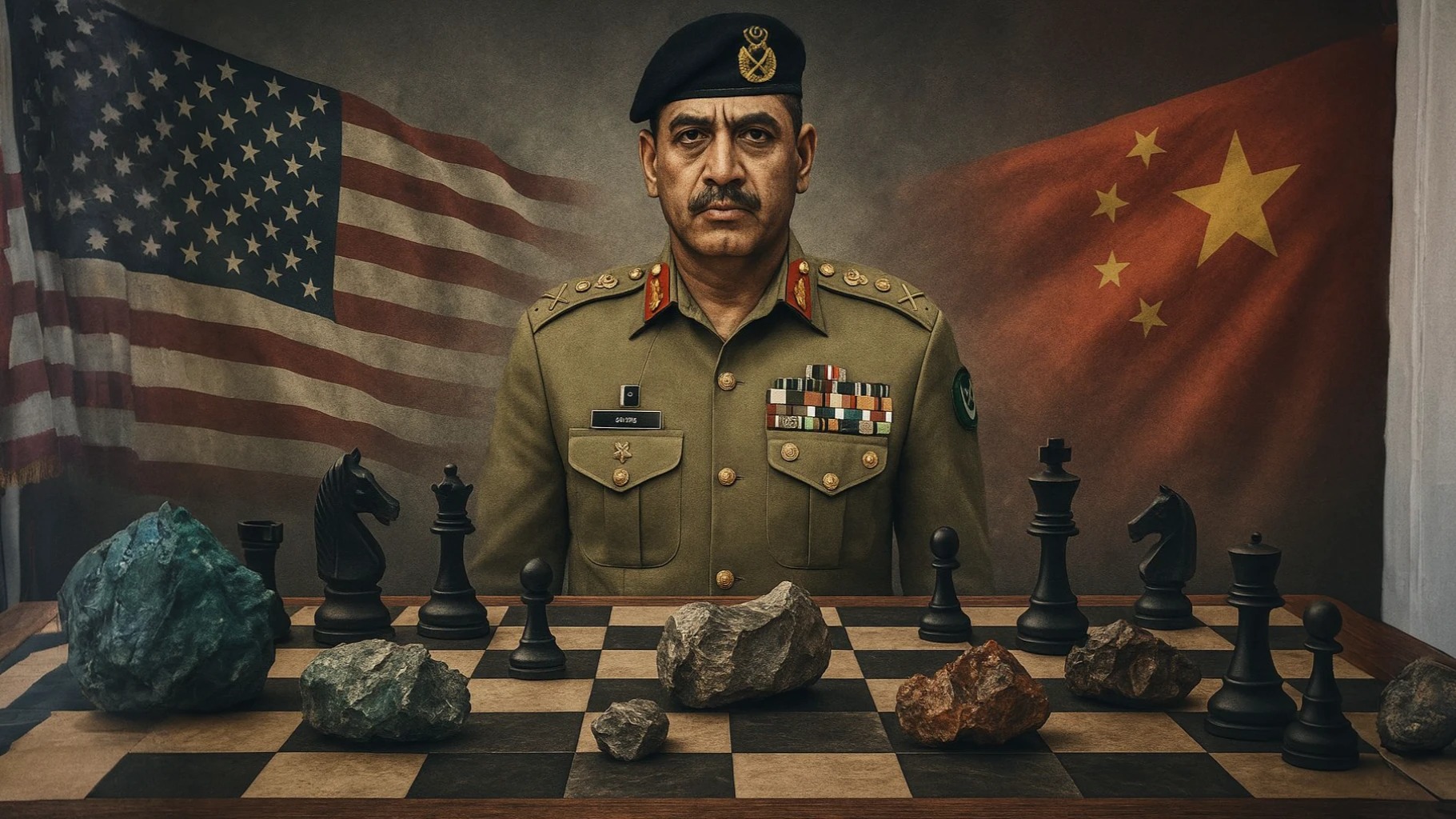
The US F-16 upgrade for Pakistan has moved forward through a $686 million sustainment package, even as Pakistan remains under firm military dominance. However, Washington continues to present the decision as technical rather than political. Critics argue the move reflects calculated leverage over Pakistan’s generals, not a reset in bilateral ties.
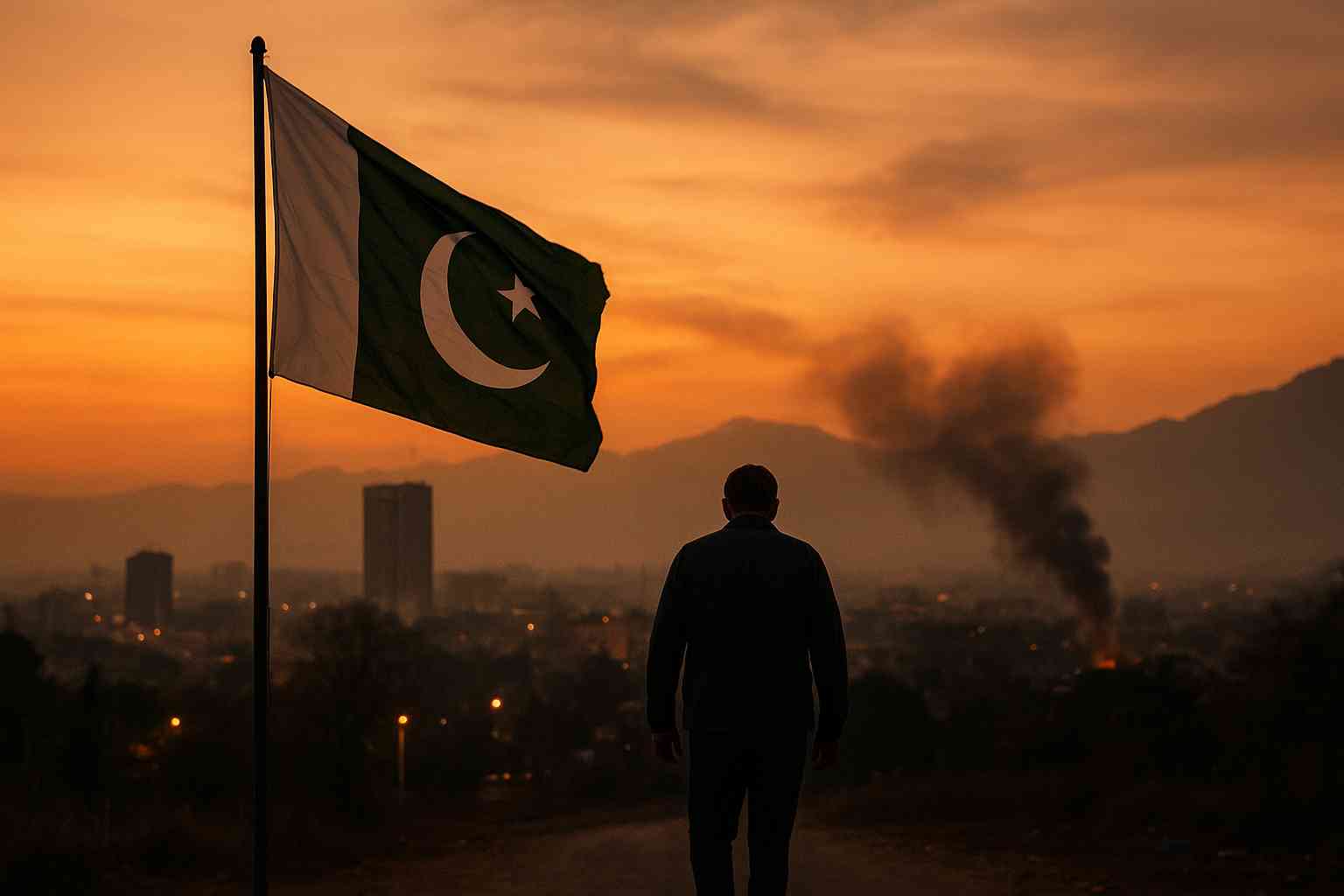
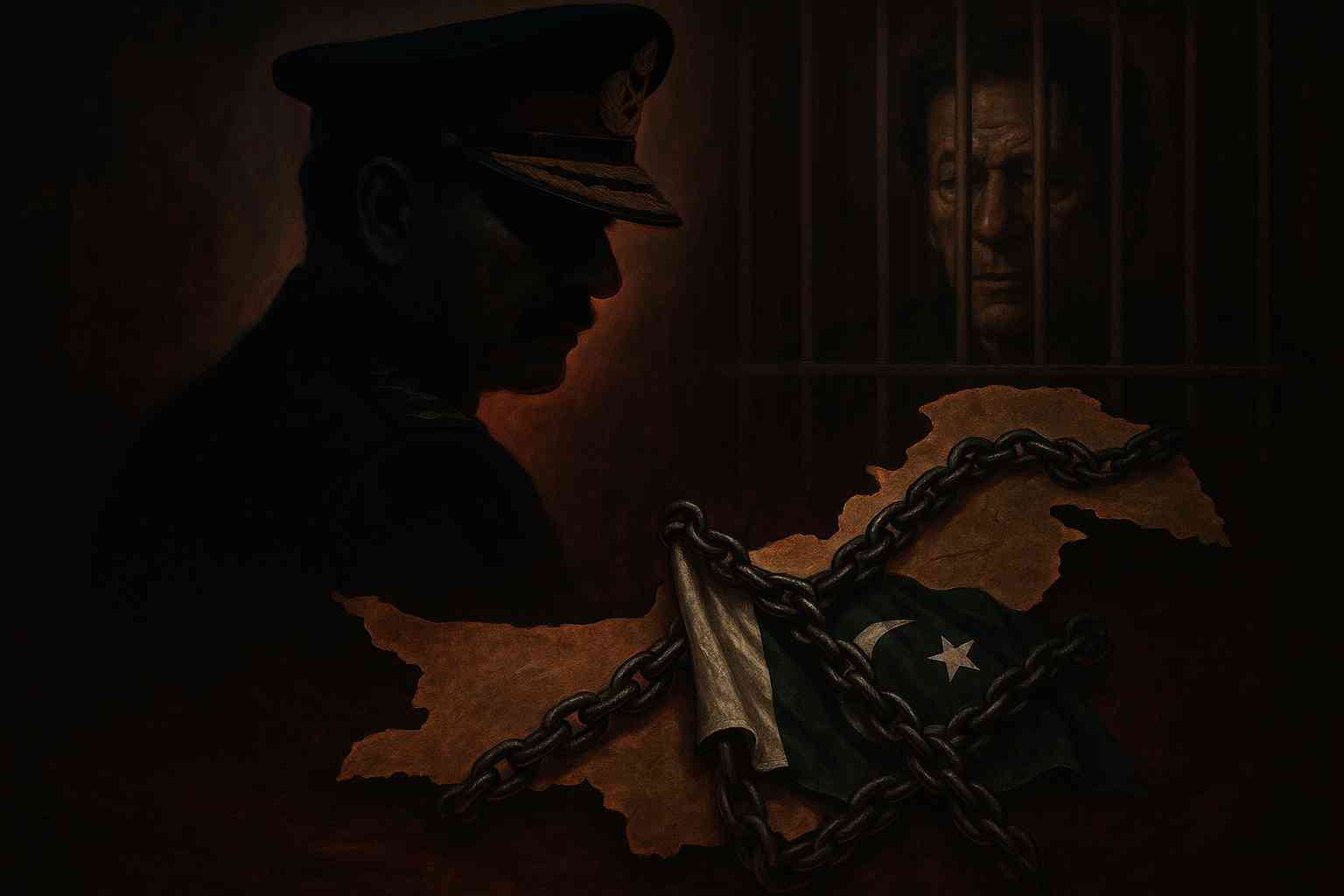
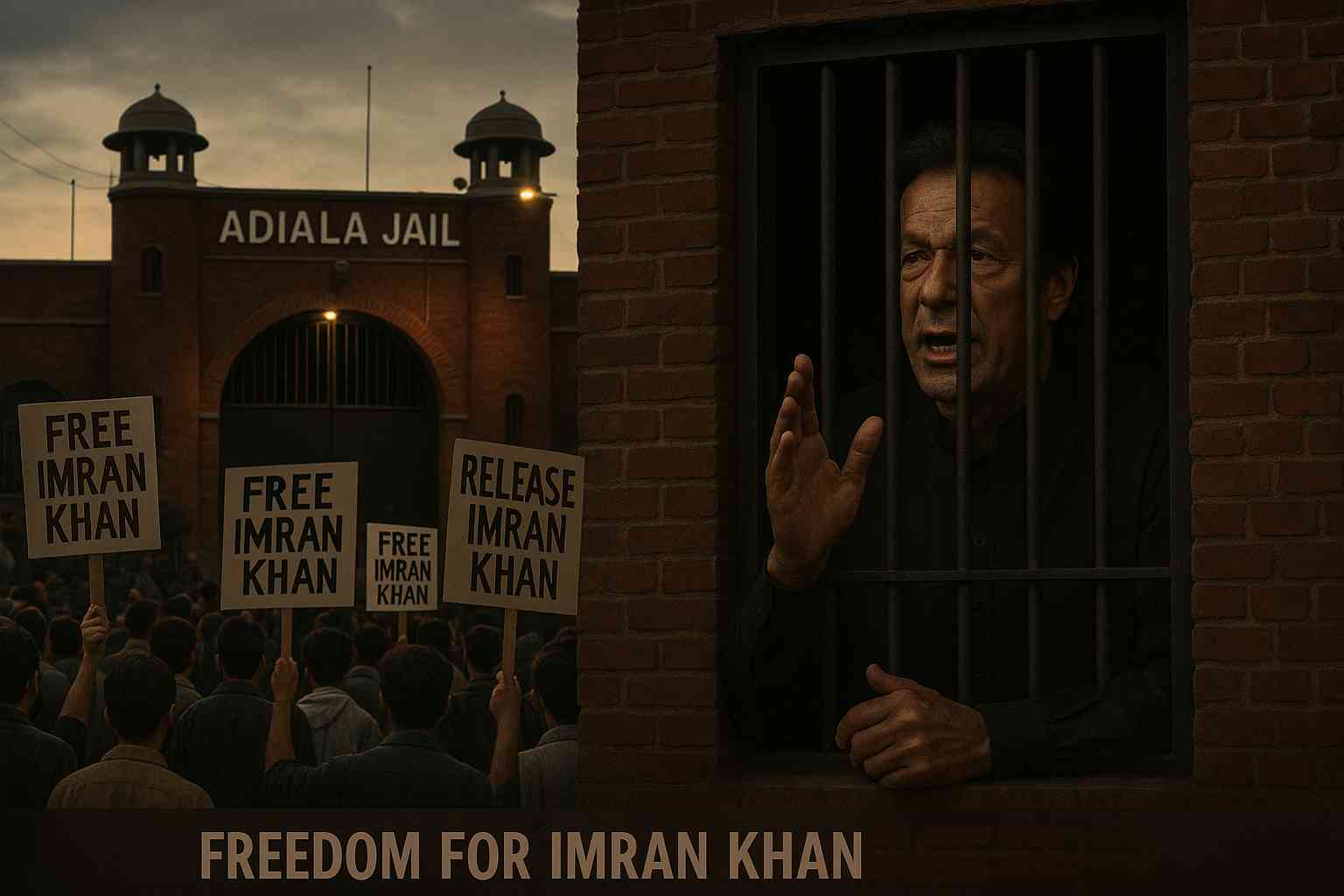
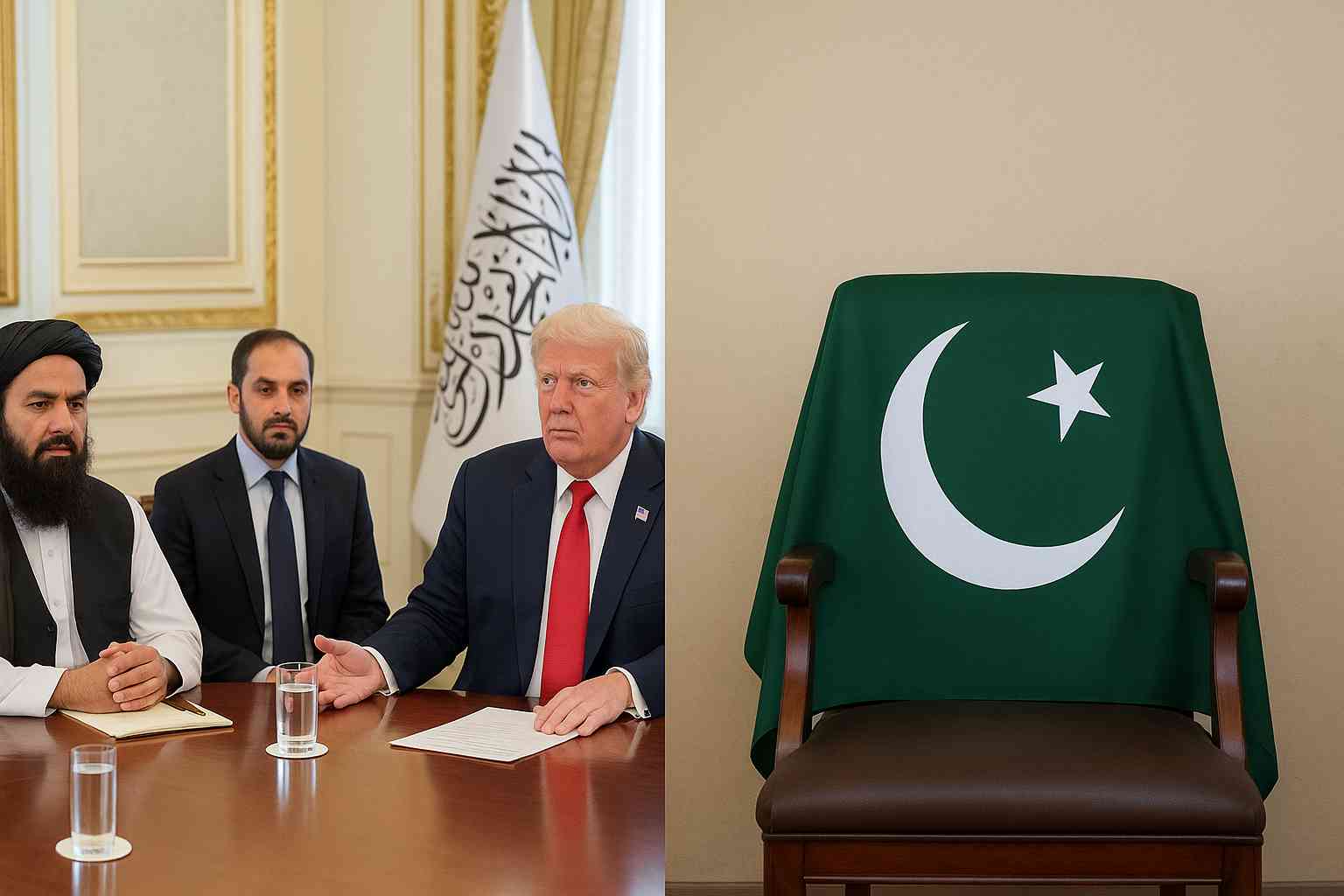
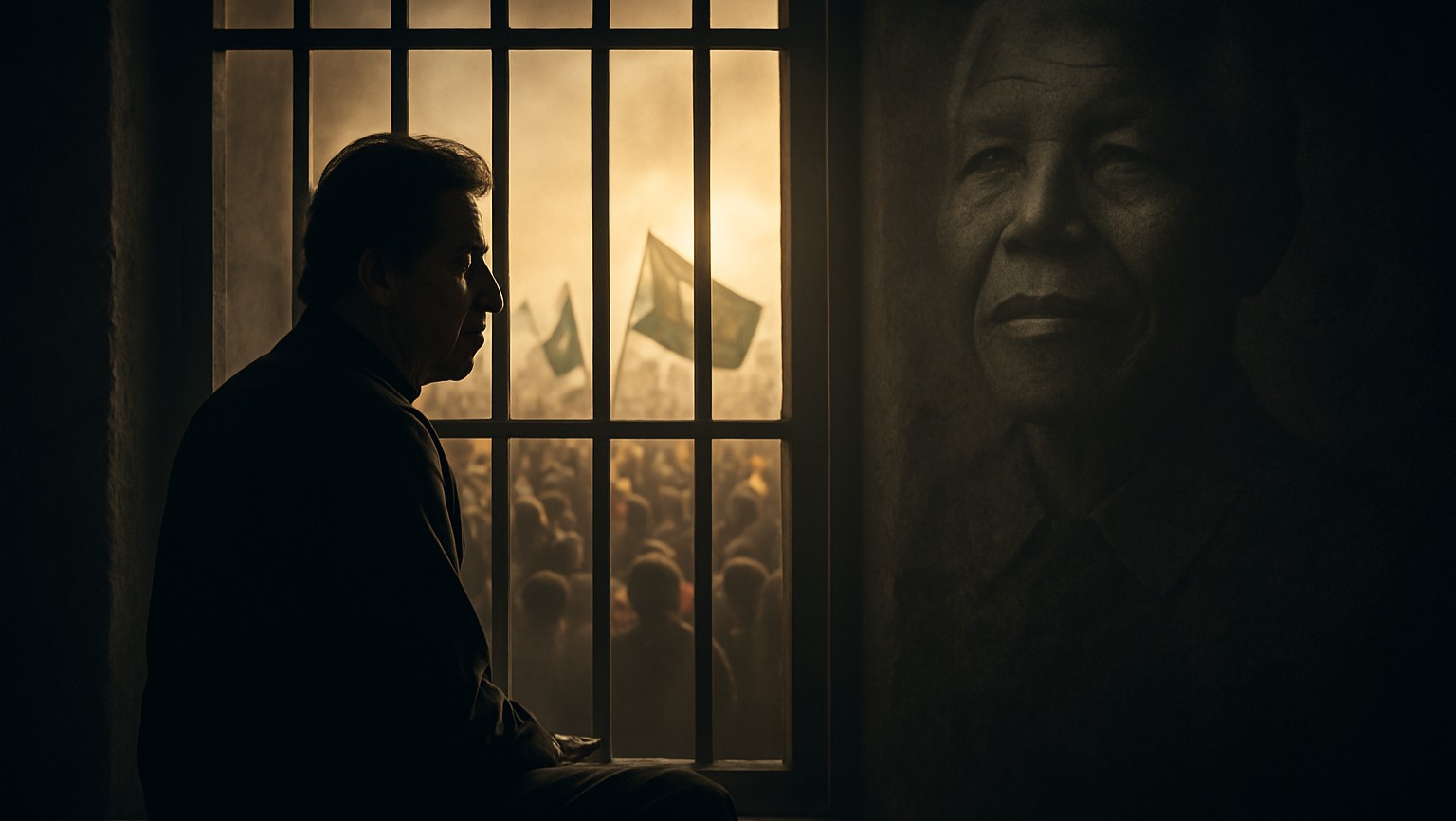
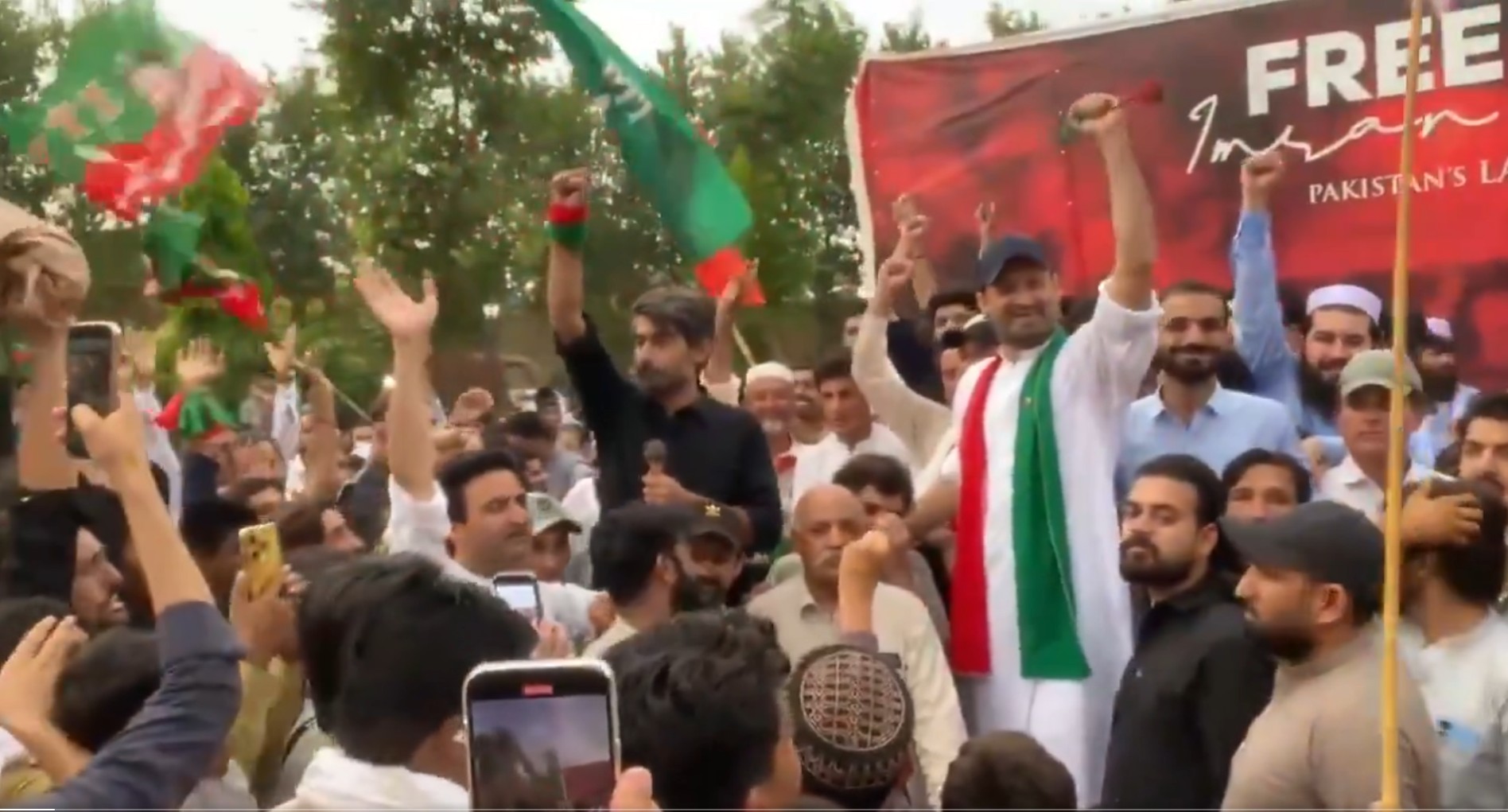
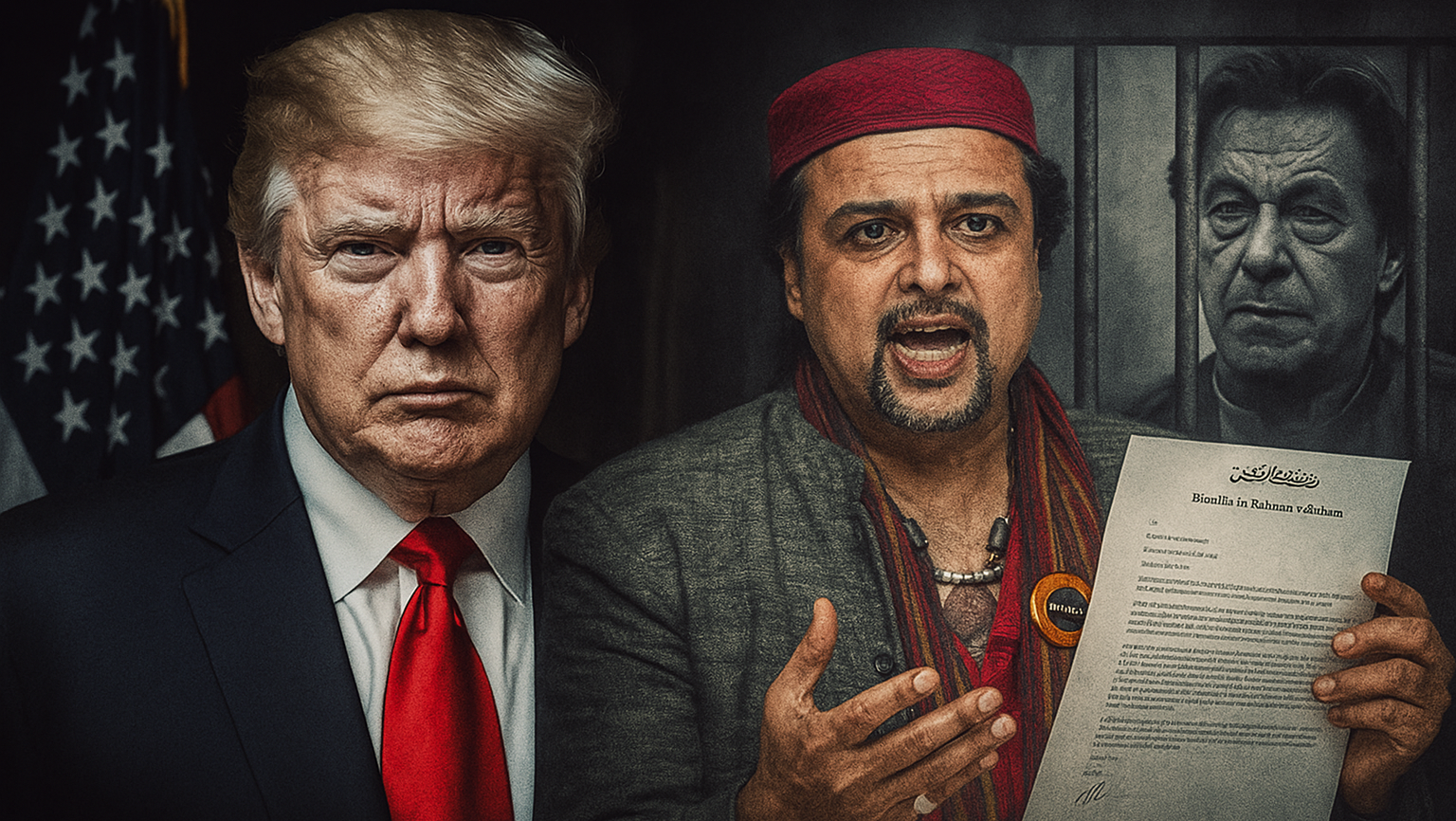
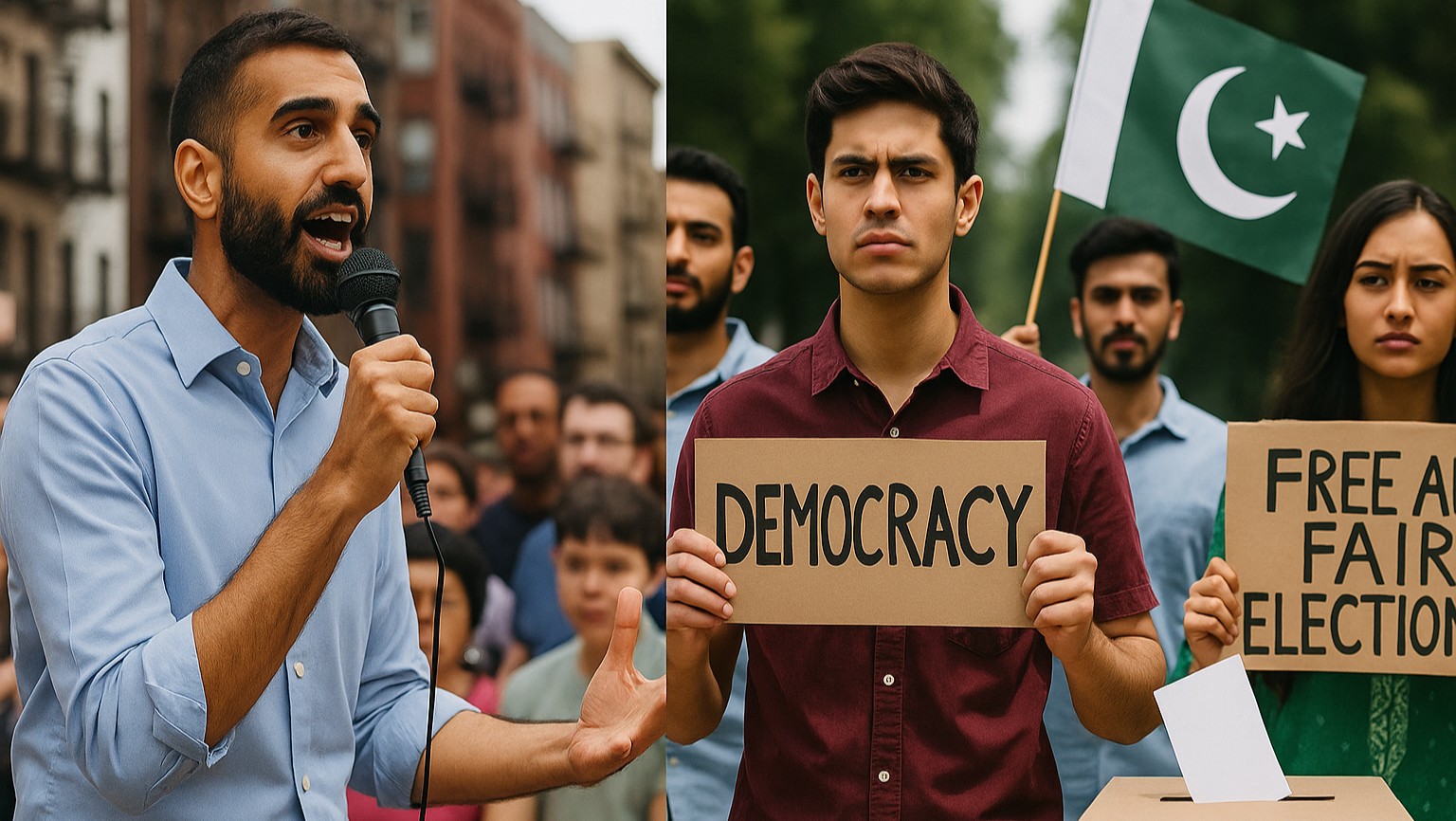
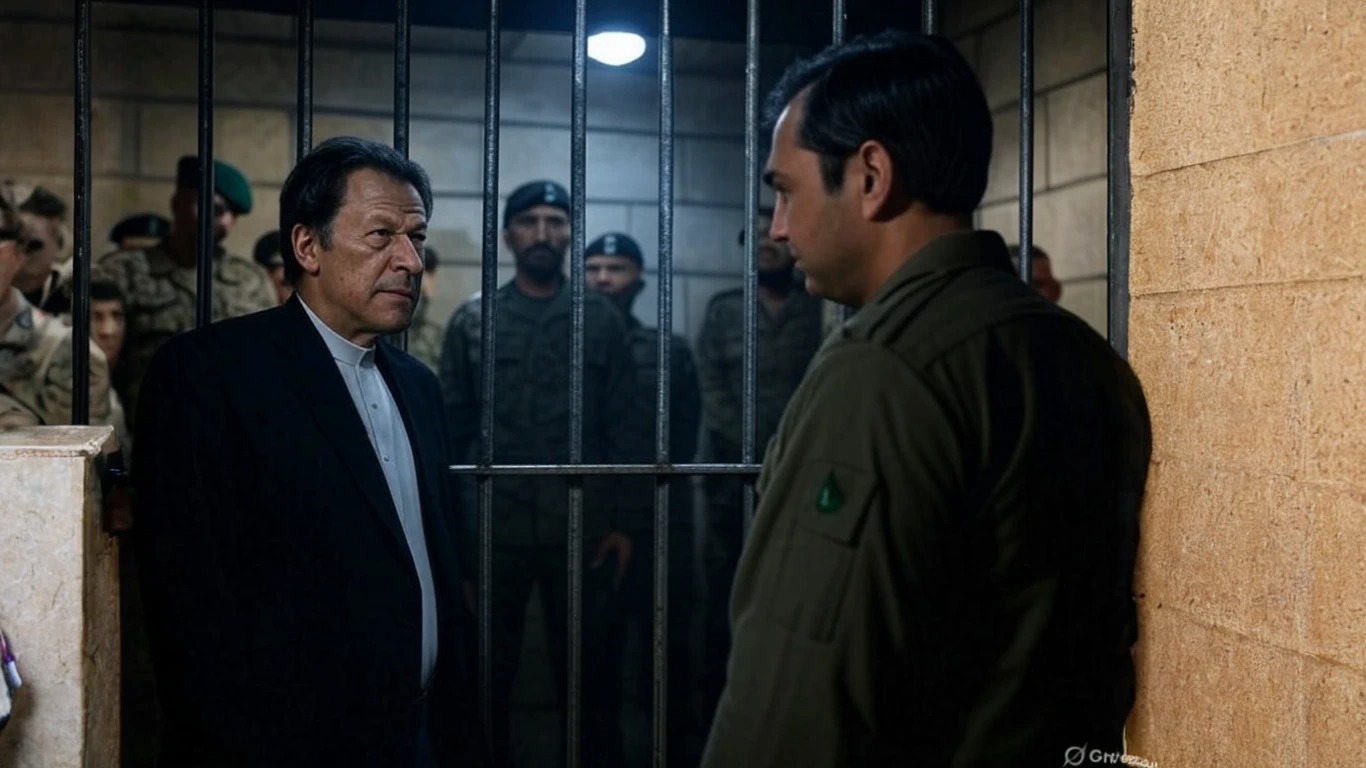
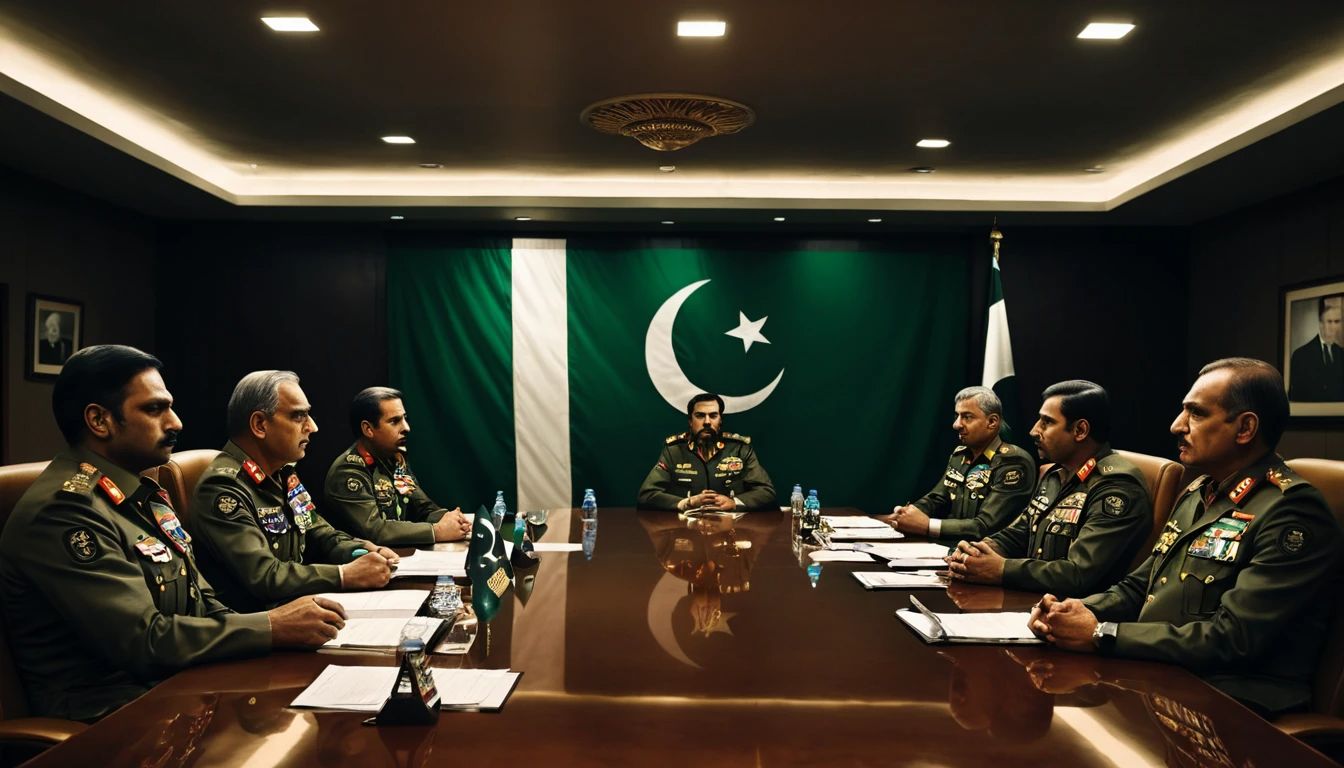
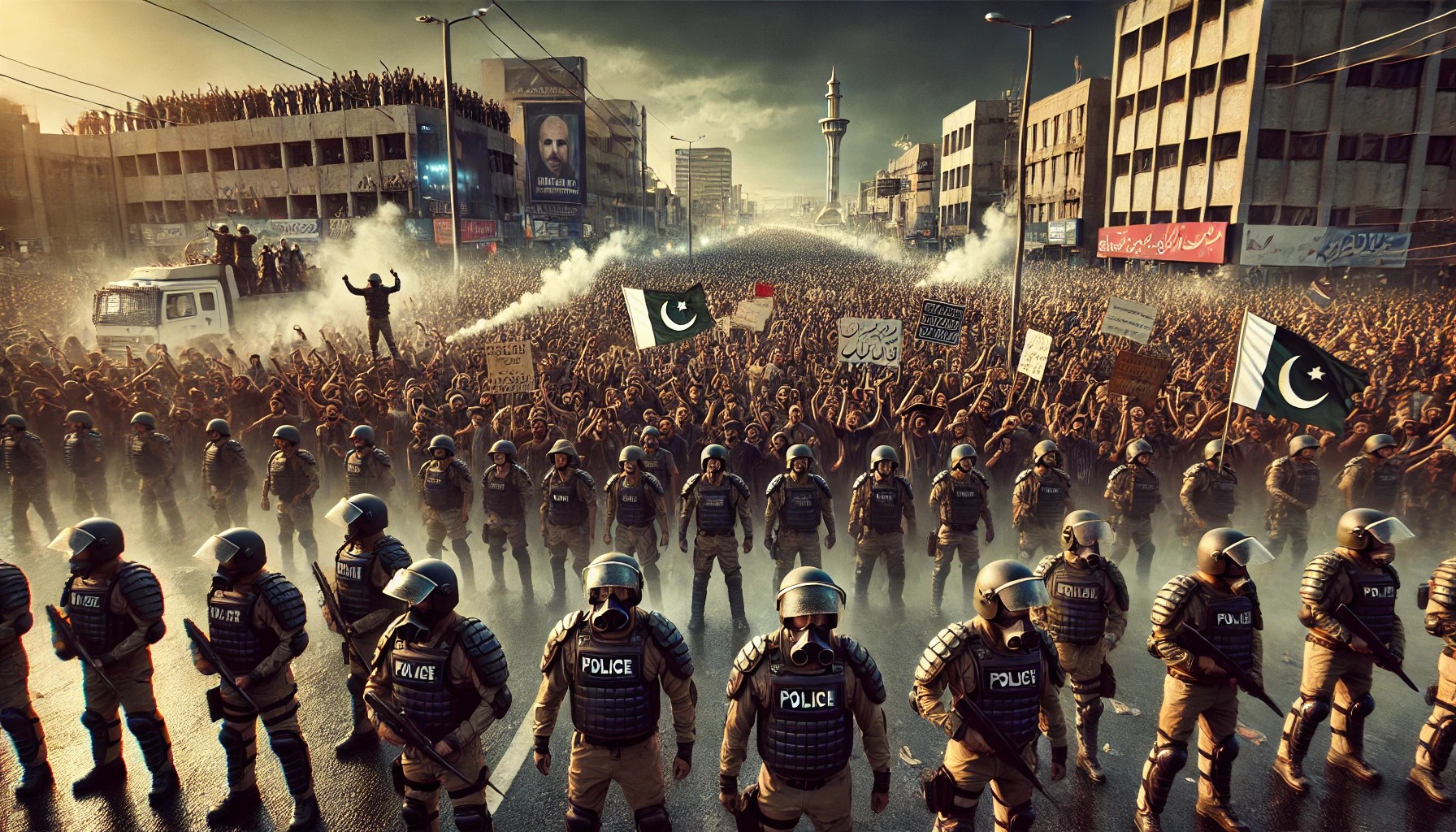
Meanwhile, Pakistan’s political crisis deepens. Civilian space continues to shrink, political prisoners remain behind bars, and the military retains control over security and foreign policy decisions.
US F-16 upgrade for Pakistan: Sustainment or strategic control?
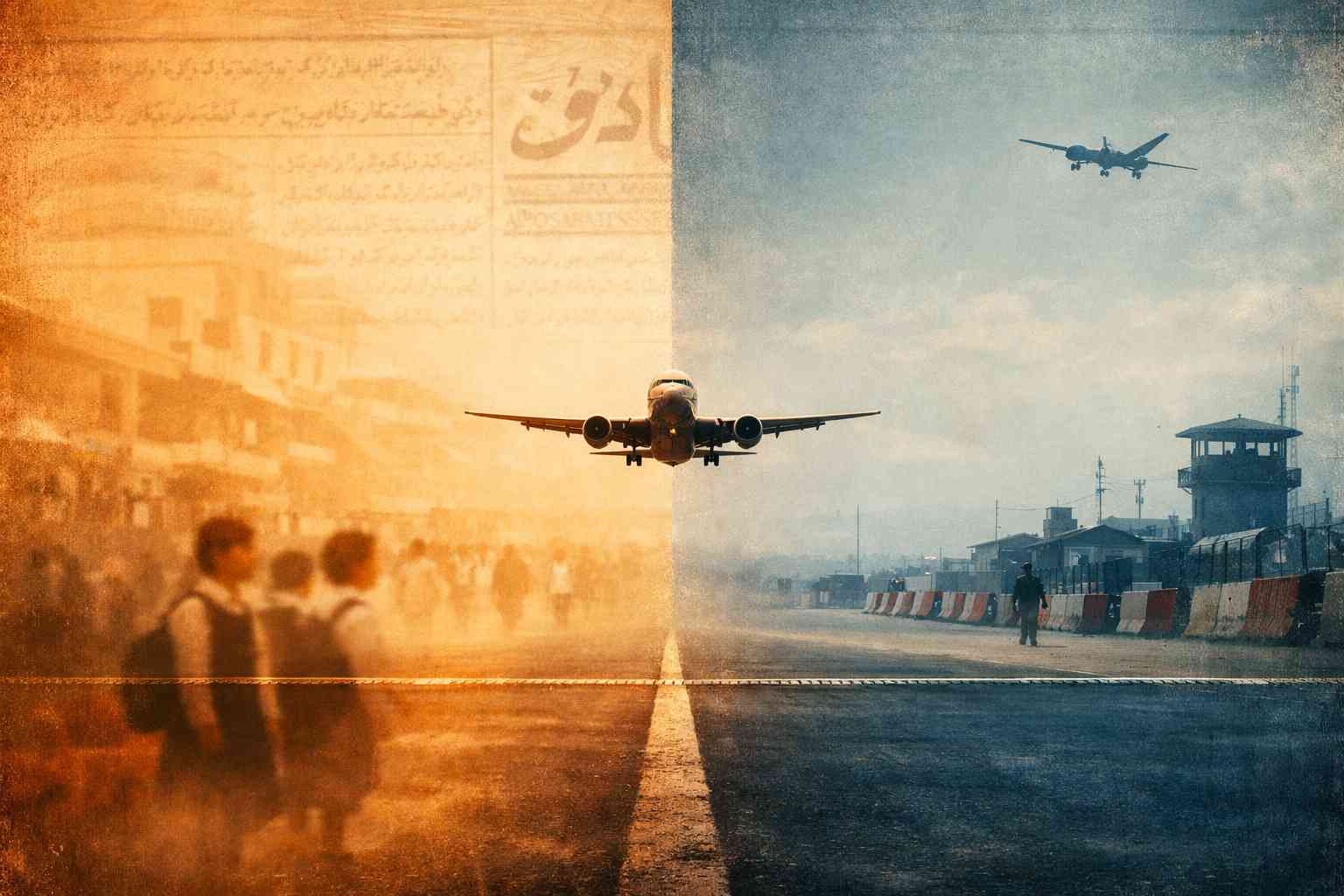
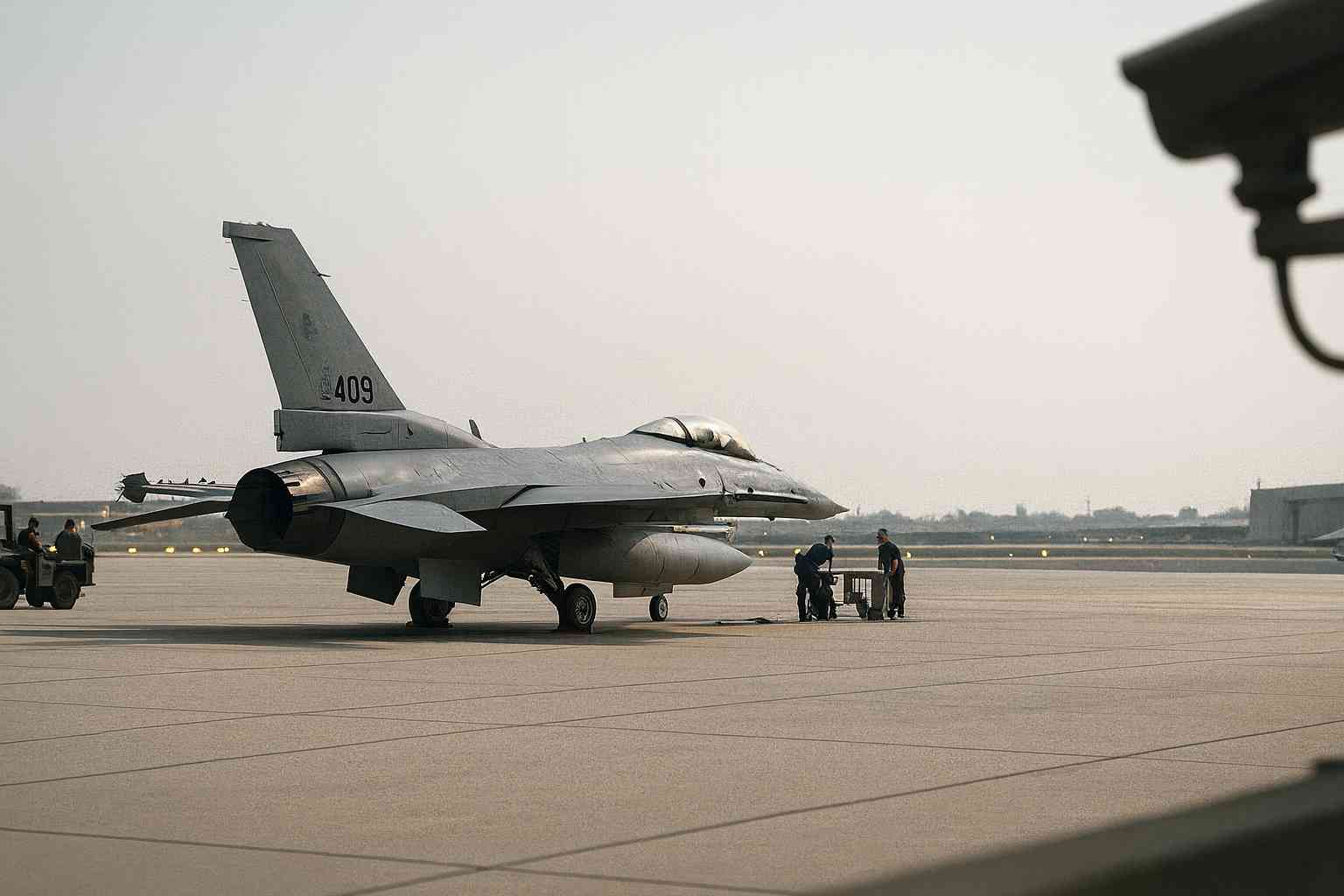
Within the past 72 hours, the US State Department formally notified Congress of the package. Importantly, the deal covers only maintenance, sustainment, and safety upgrades for Pakistan Air Force F-16s.
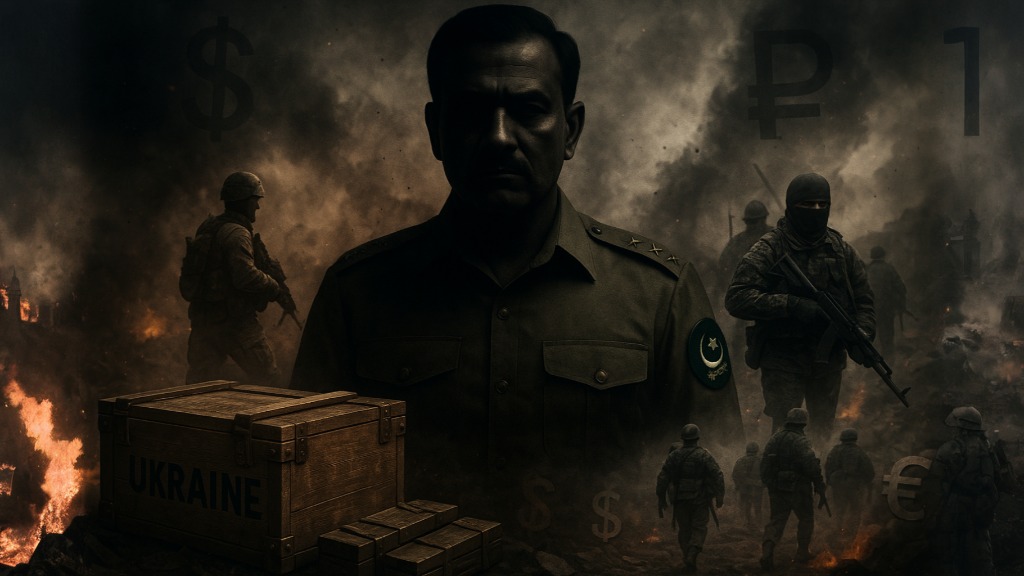
Notably, the package includes no new aircraft and no offensive weapons. That limitation appears deliberate.
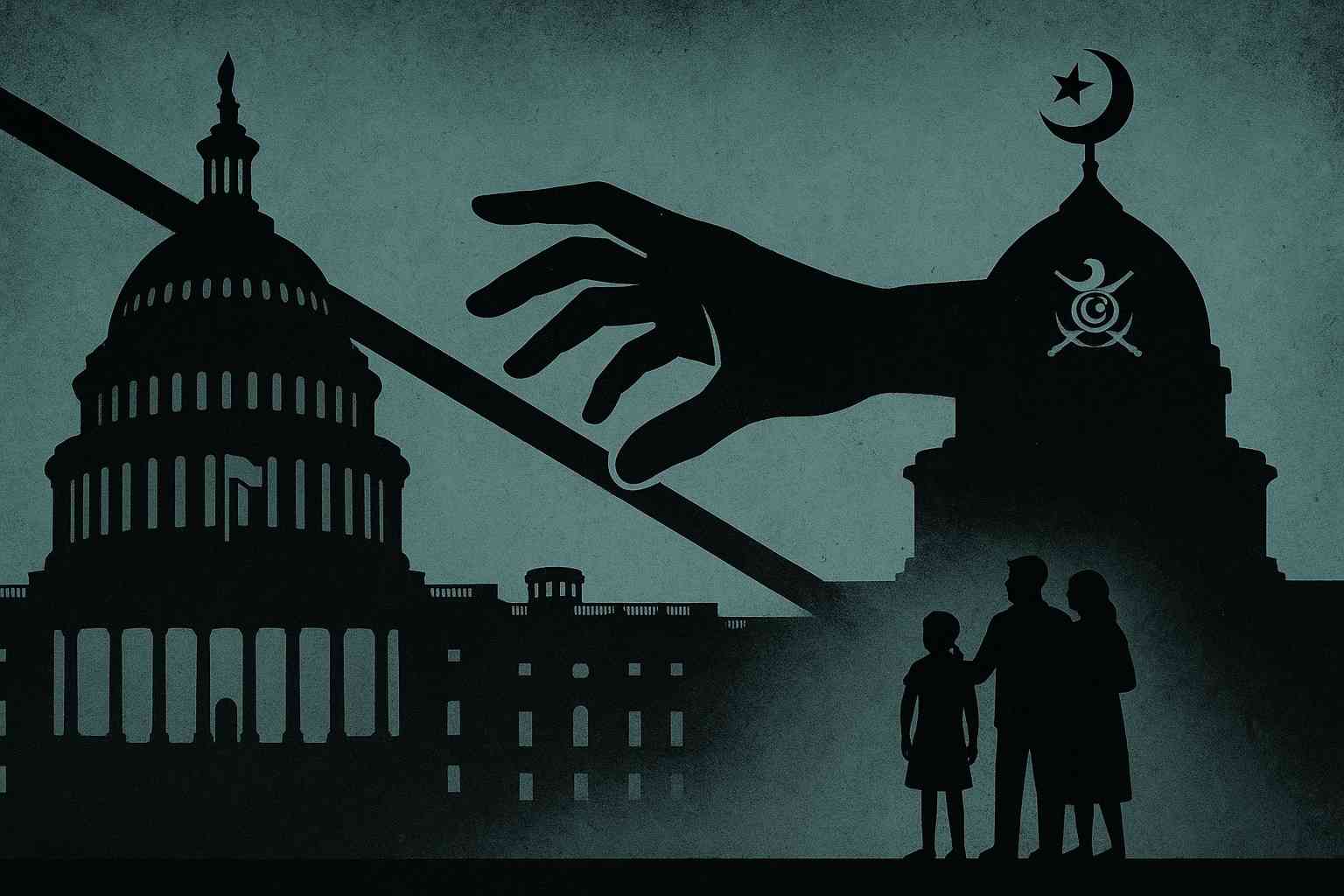
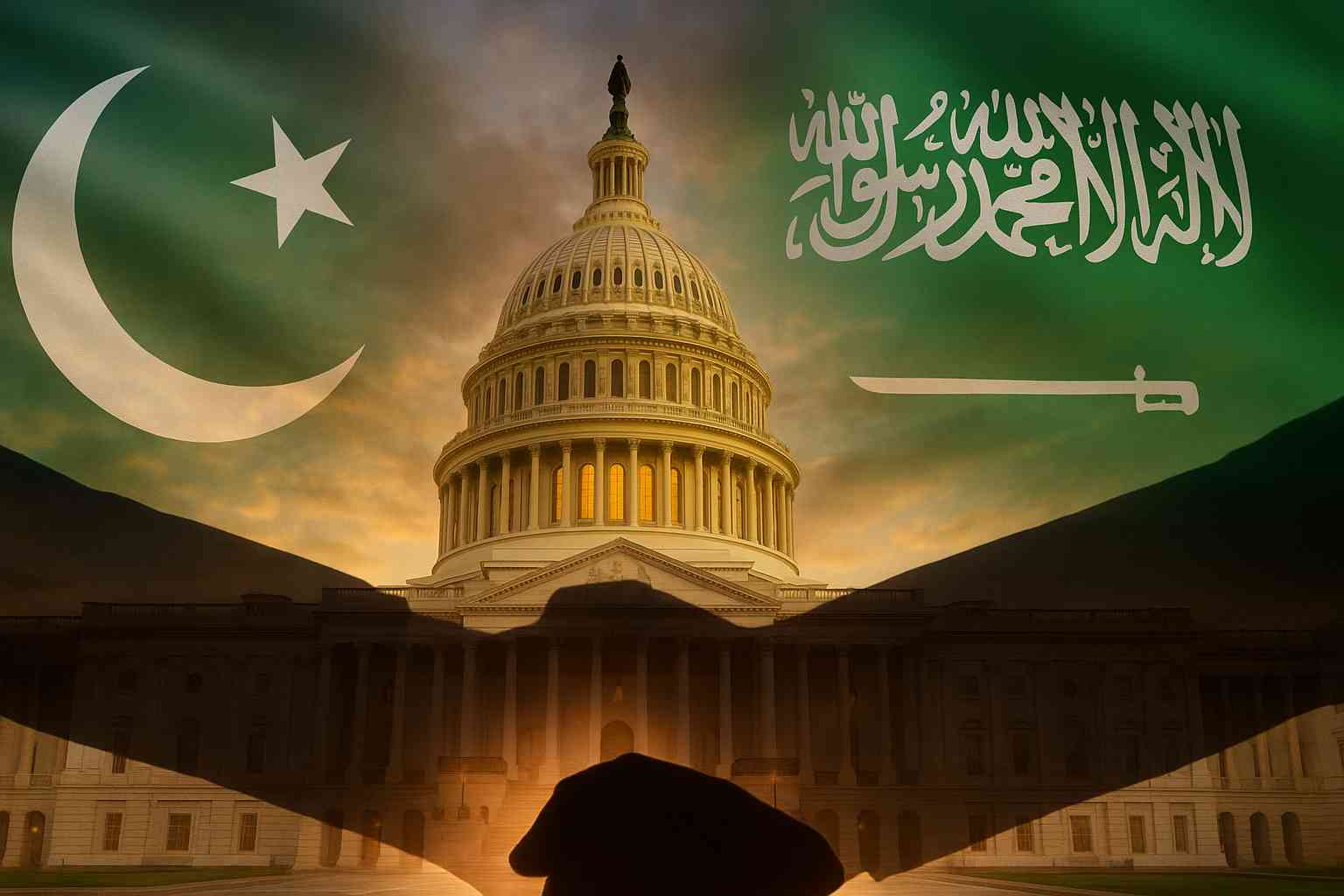
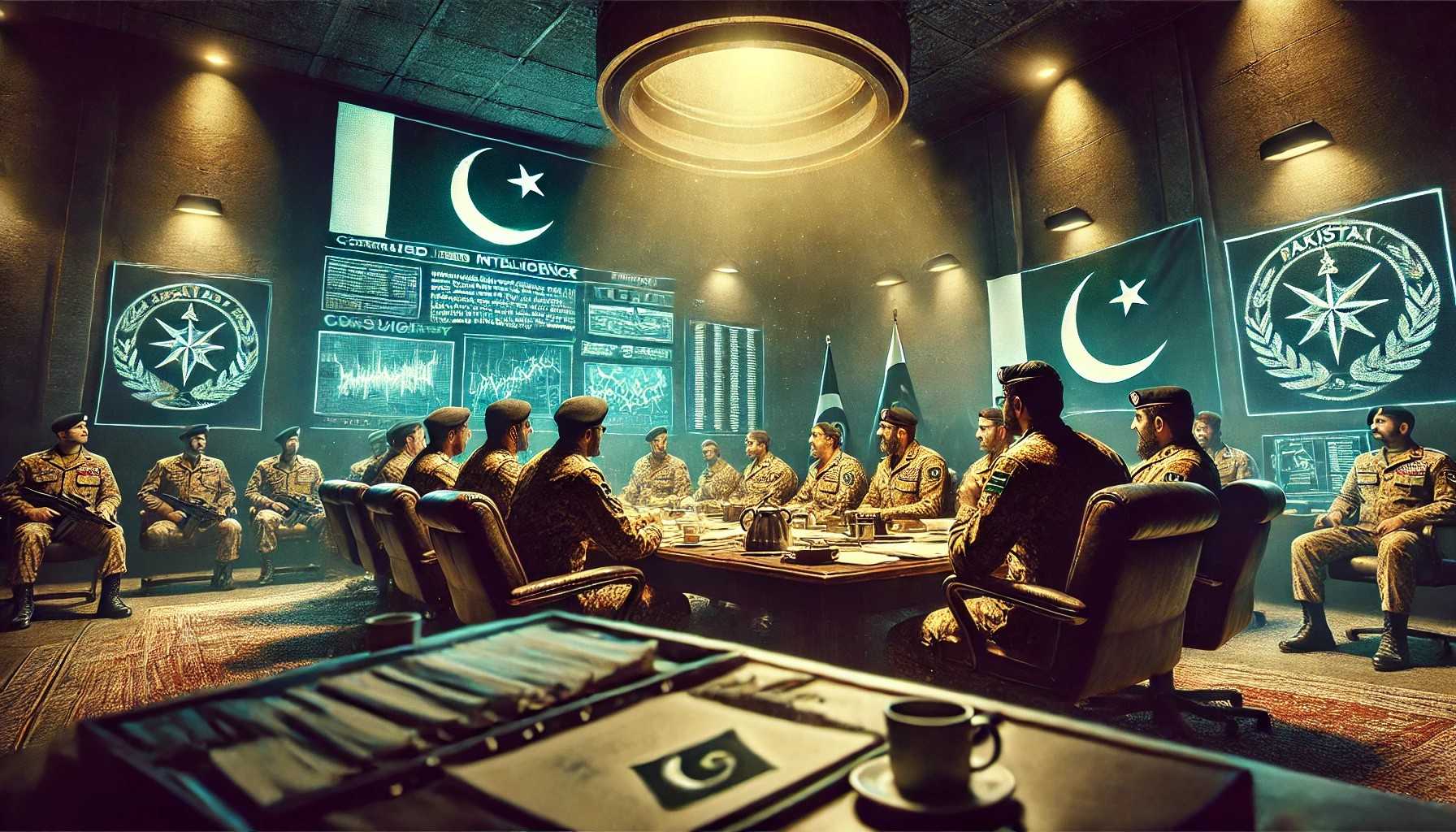
By maintaining sustainment control, Washington preserves inspection rights and operational visibility. As a result, the US F-16 upgrade for Pakistan keeps the military tied to a US-managed ecosystem rather than granting autonomy.
Why the US F-16 upgrade for Pakistan matters now
Timing, rather than hardware, explains the significance of the decision.
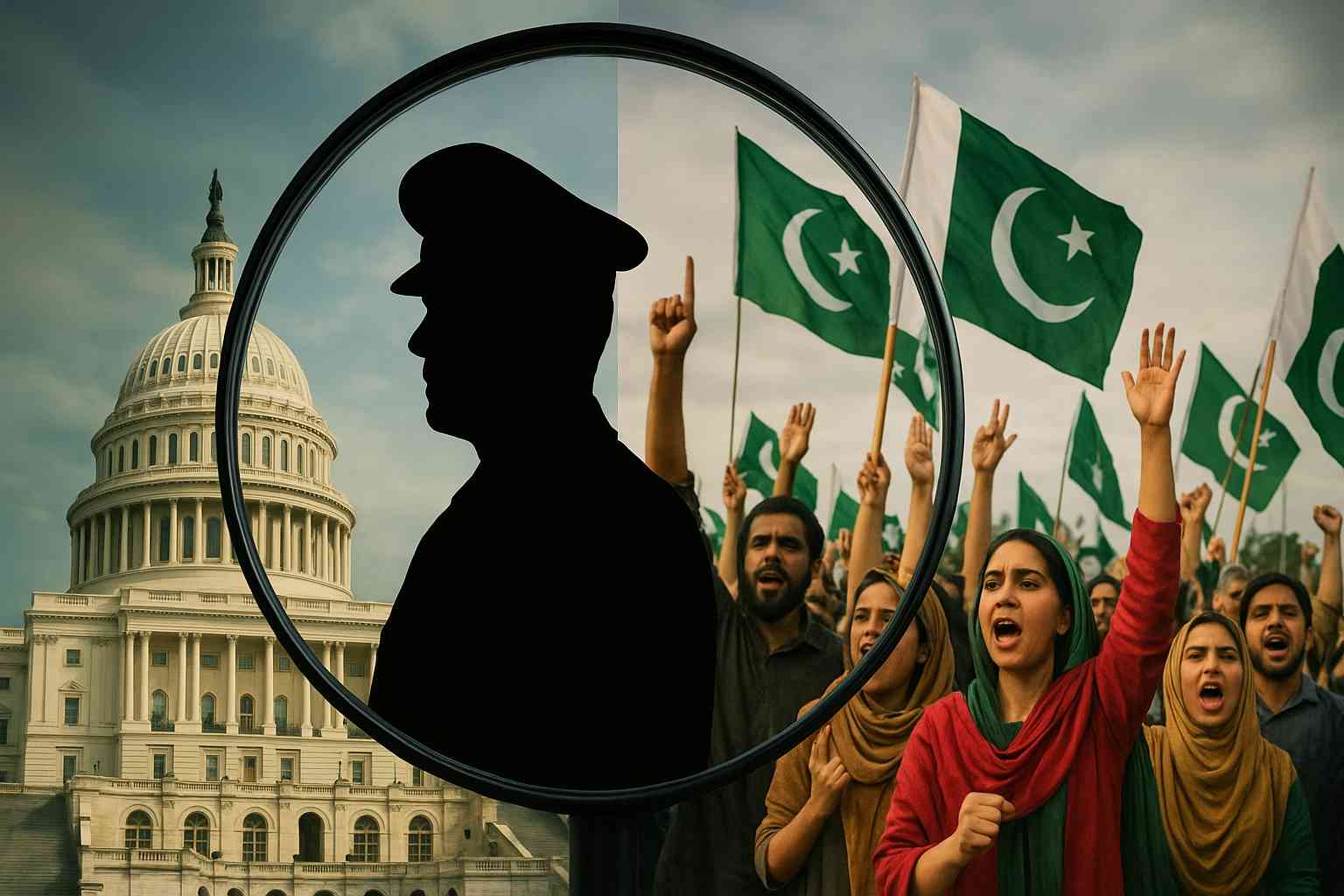
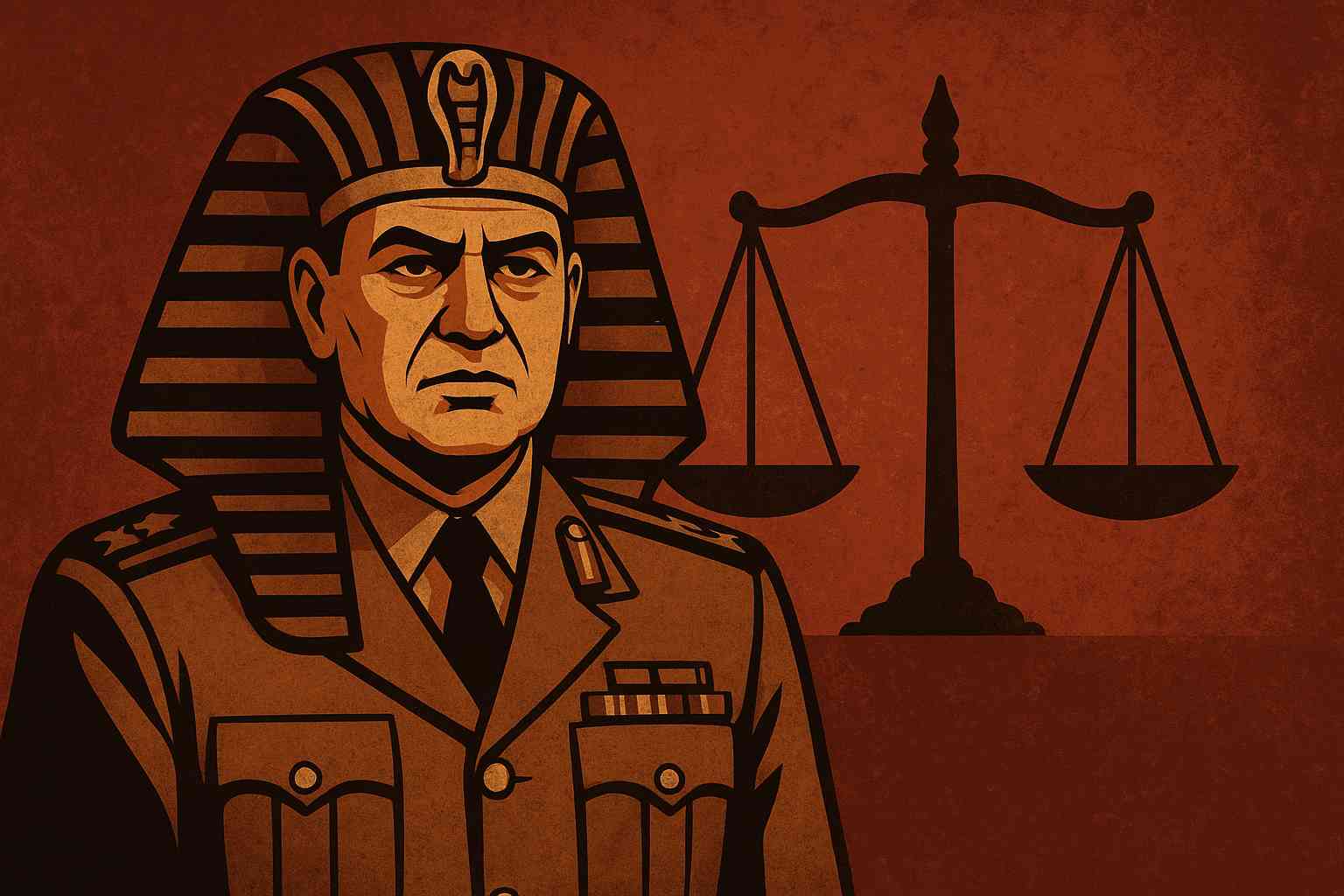
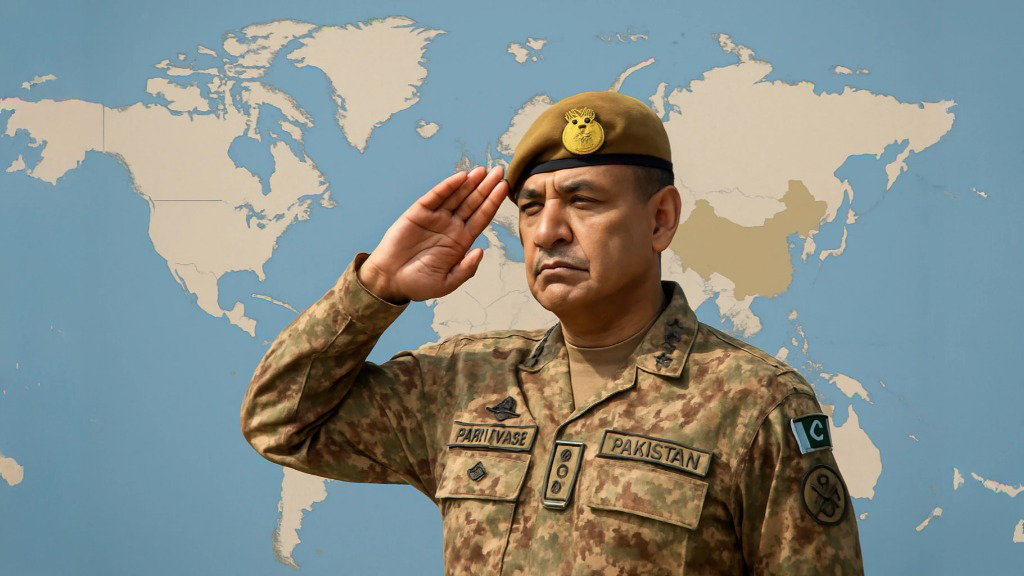
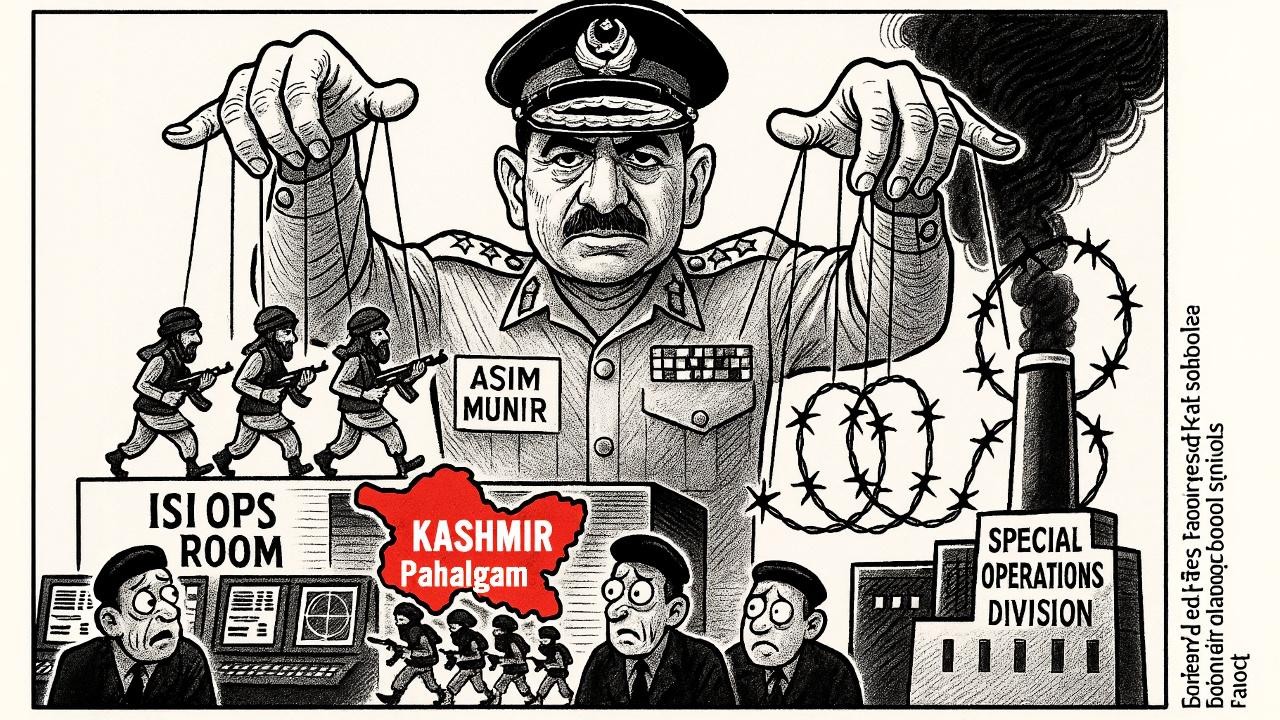
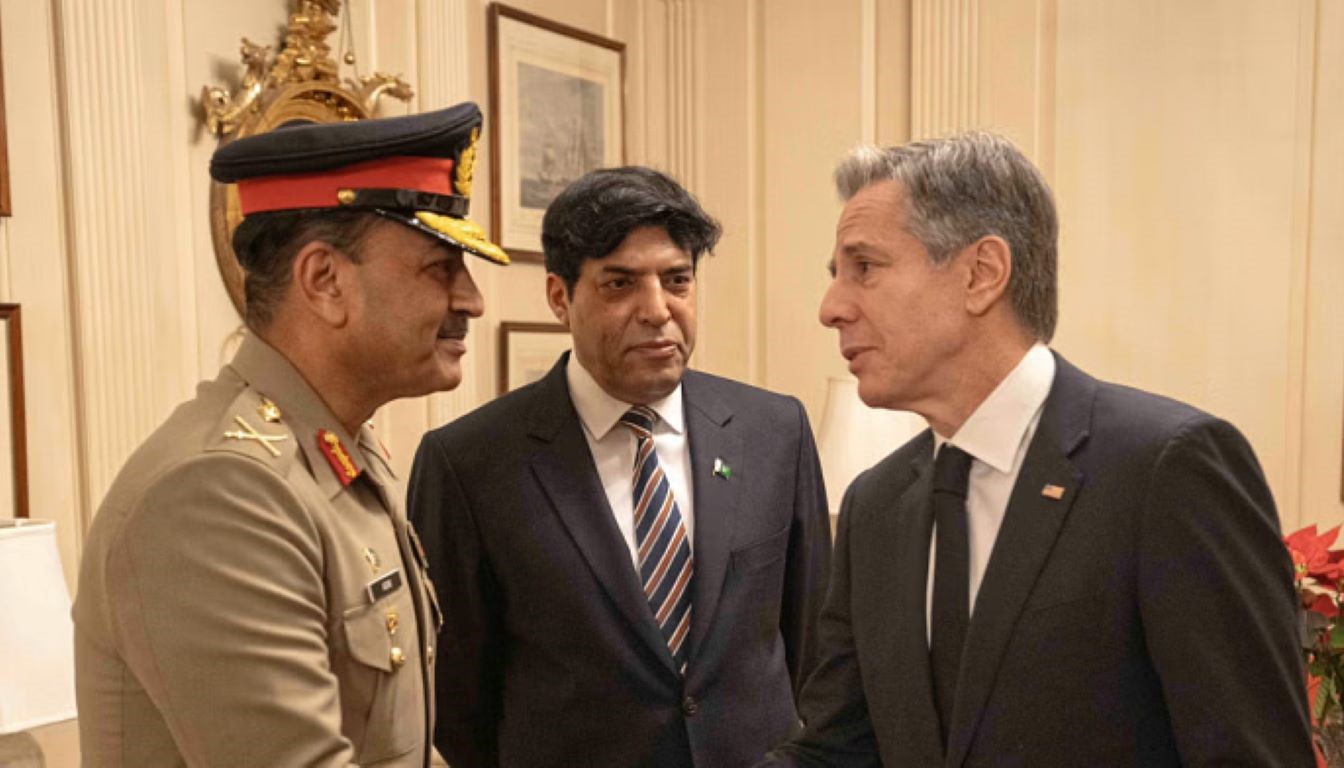
At present, Pakistan’s military leadership faces sustained criticism over political repression, enforced disappearances, and narrative control. Simultaneously, Washington seeks to manage competition with China while strengthening strategic coordination with India.
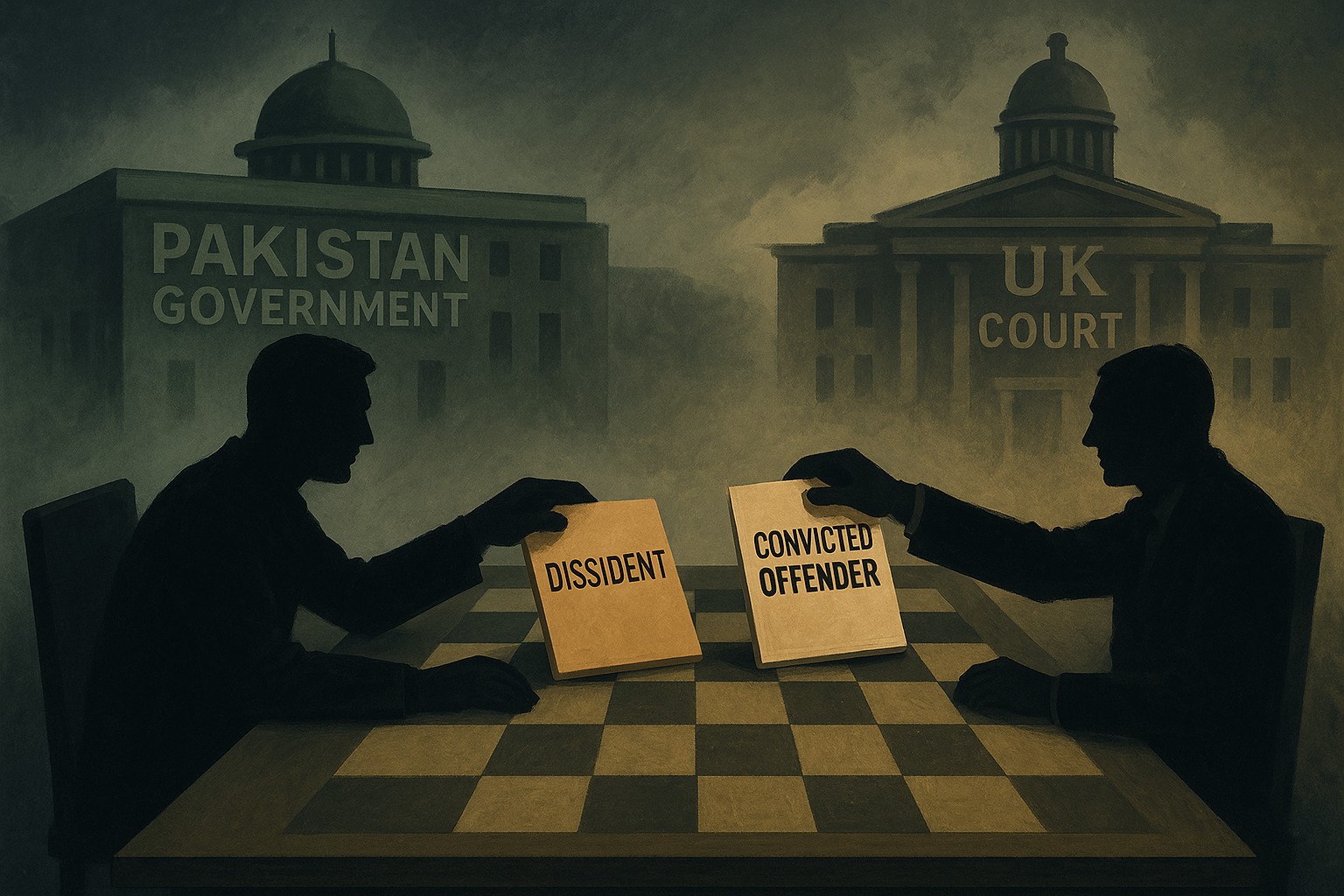
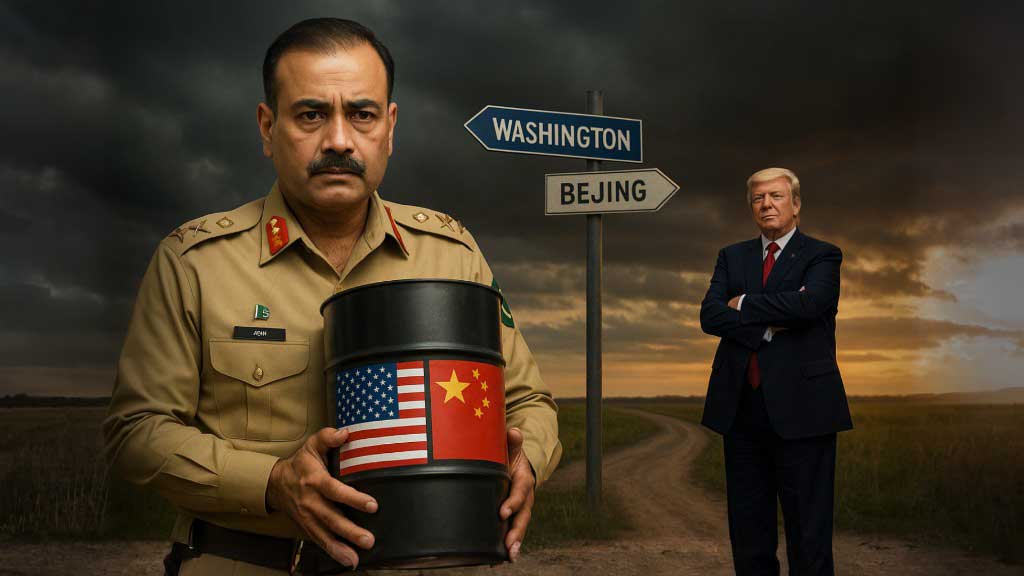
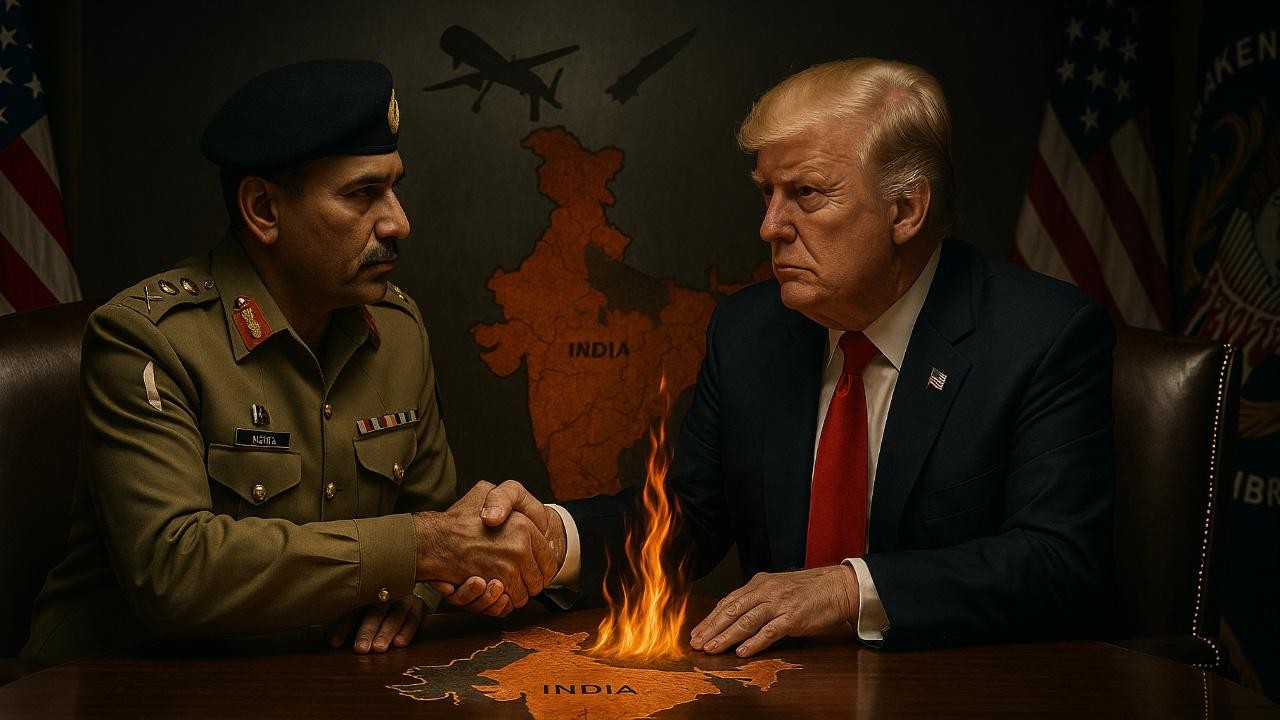
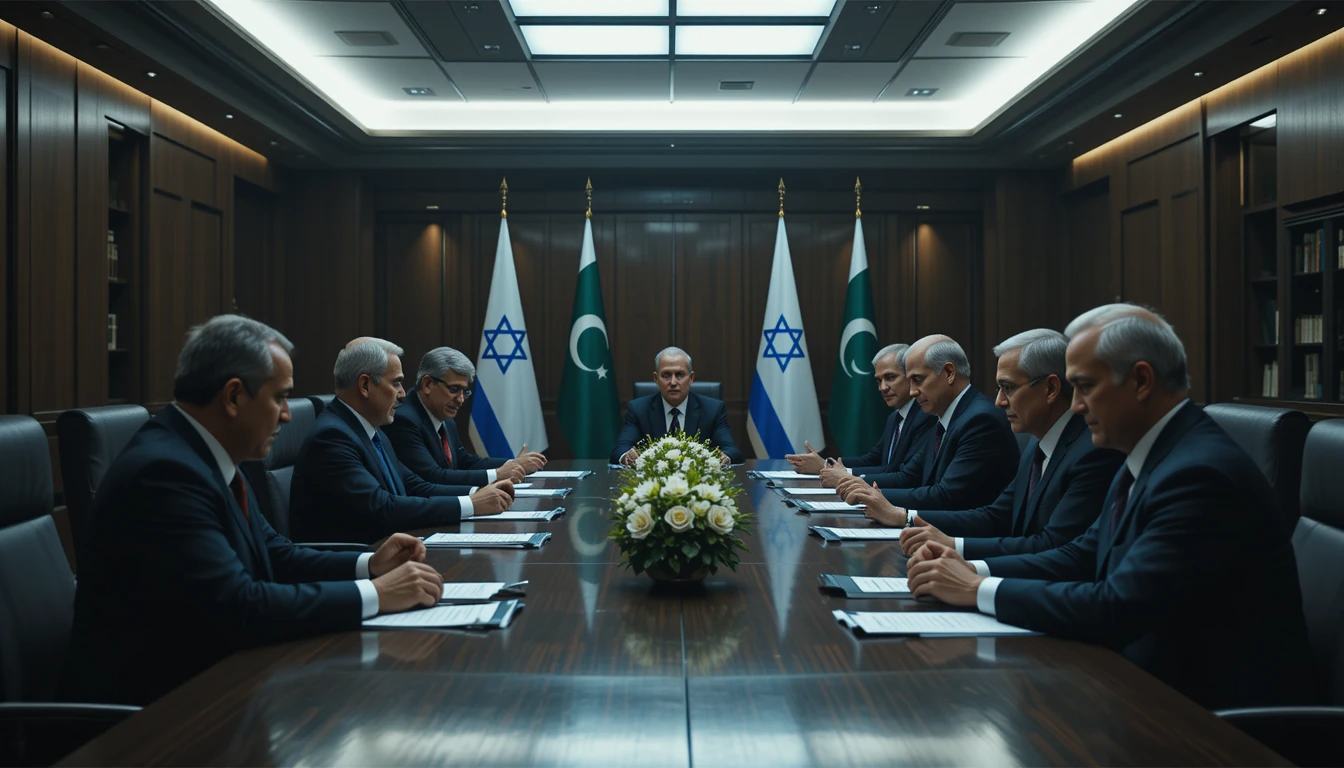
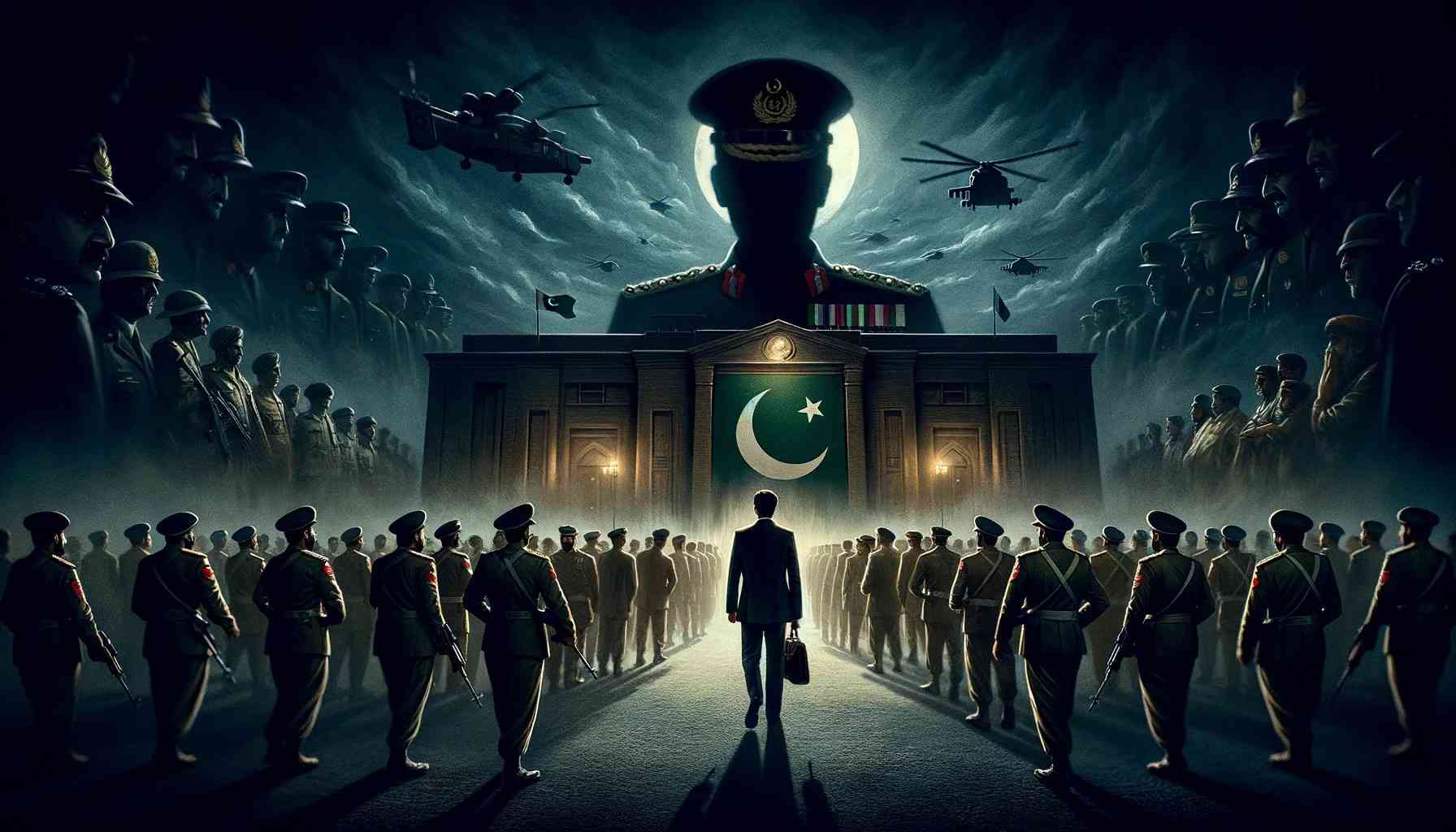
Therefore, the message is carefully balanced. The US neither endorses military rule nor disengages from it. Instead, it maintains influence through controlled engagement.
In effect, this is leverage without legitimacy.
No shift in military balance — but a signal to India and China
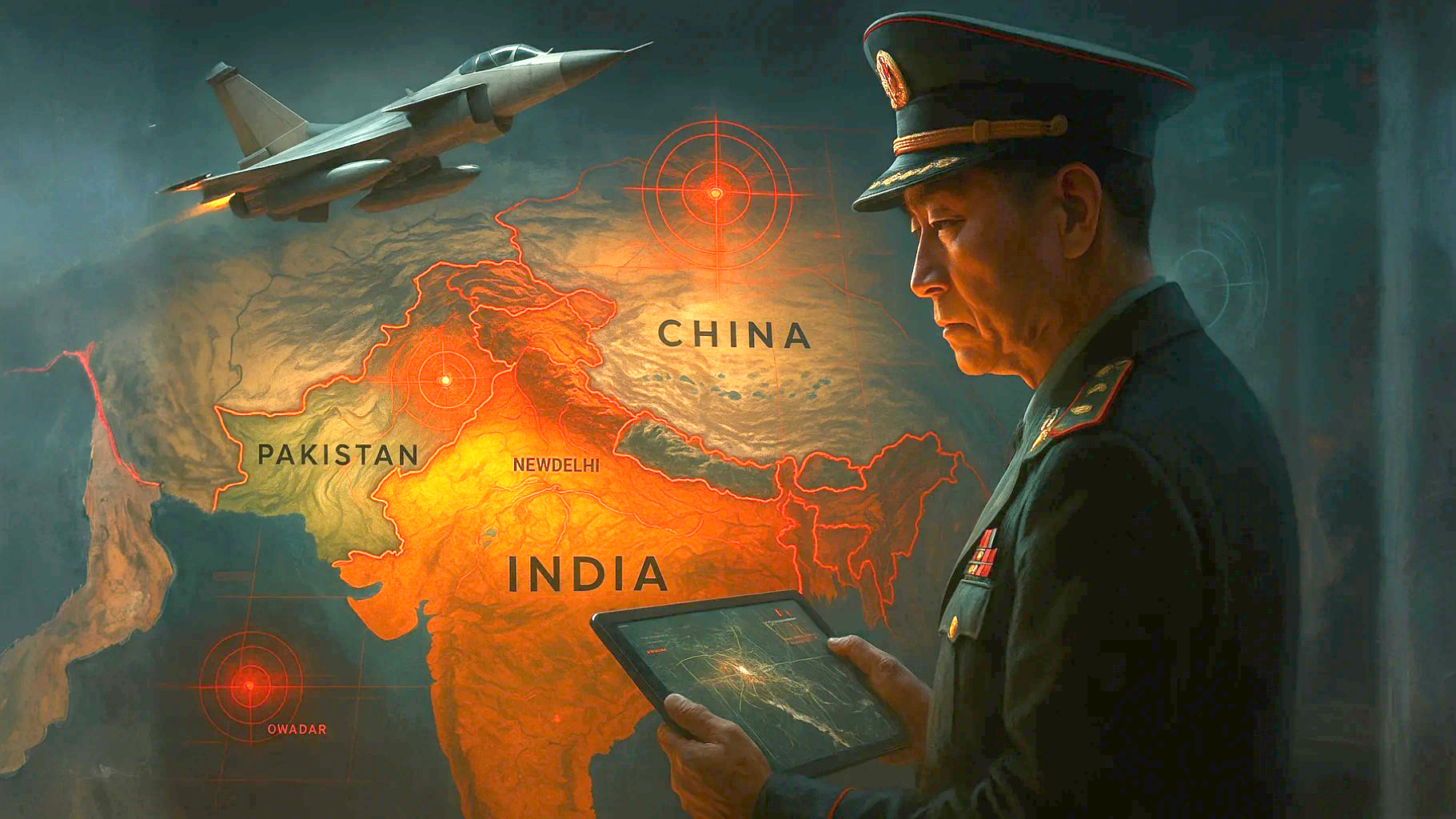
US officials have stressed that the package does not alter South Asia’s military balance. Clearly, that reassurance targets India.
For years, New Delhi has opposed US military support to Pakistan. Consequently, Washington’s emphasis on “no new capability” serves as diplomatic reassurance rather than strategic generosity.
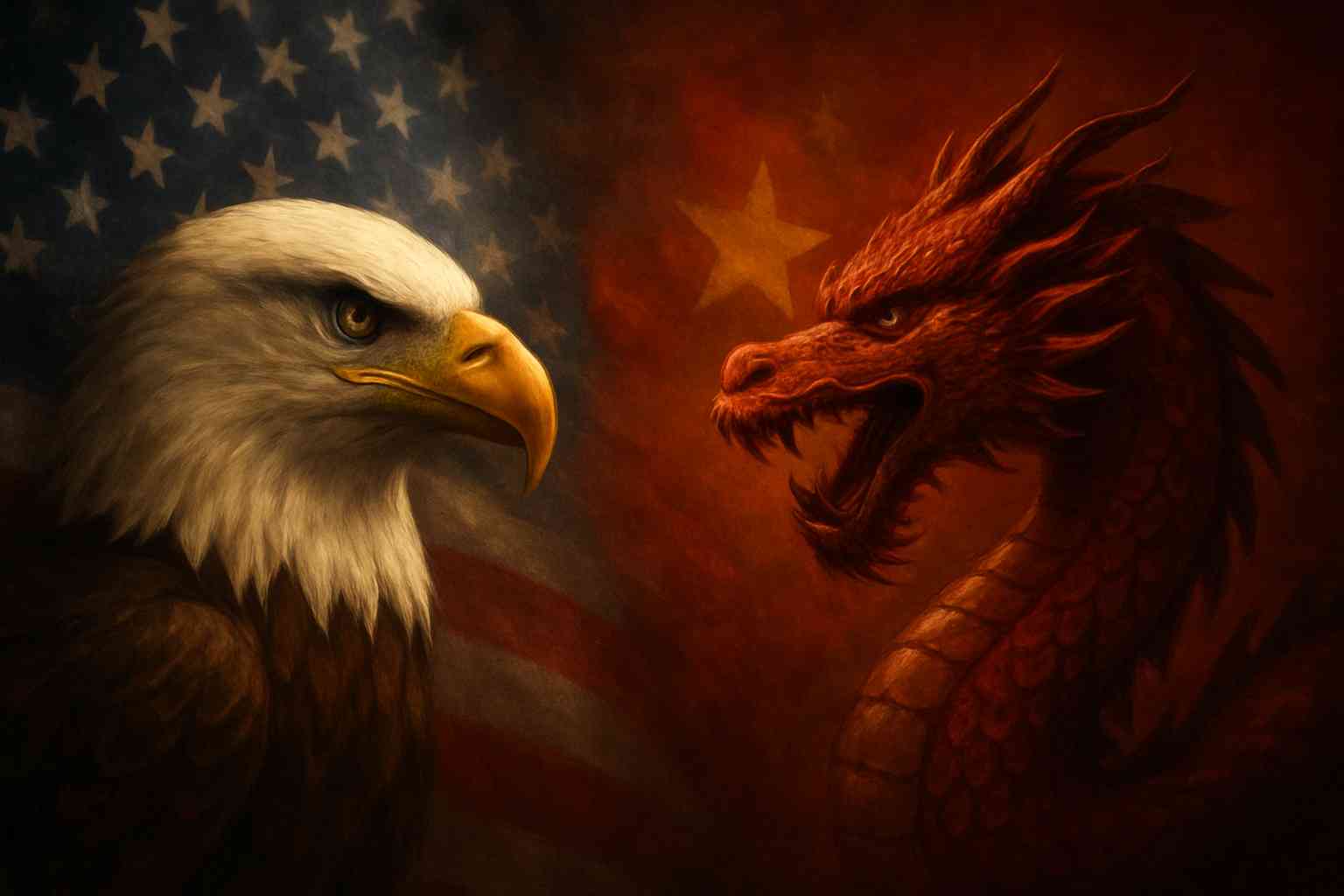
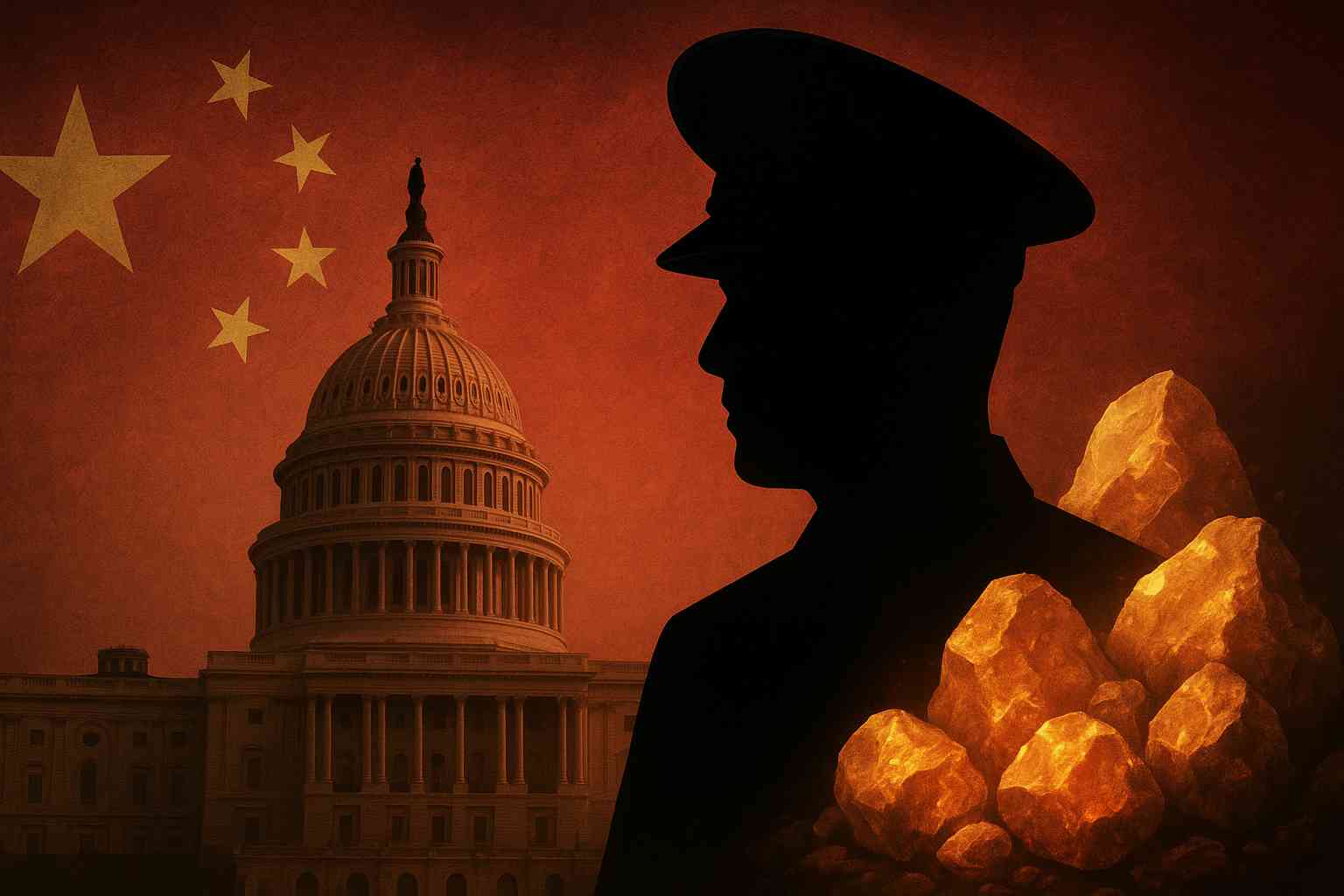
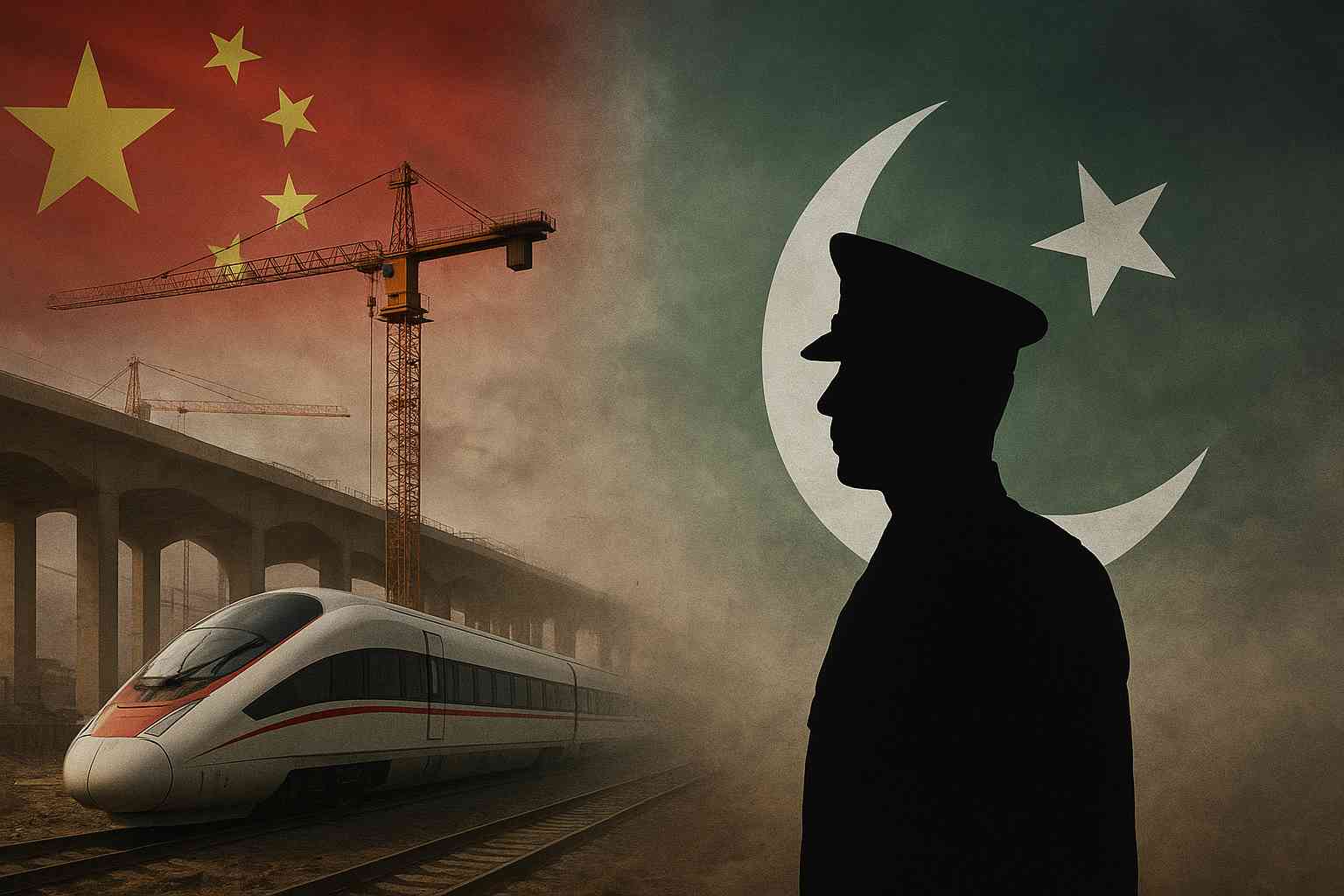
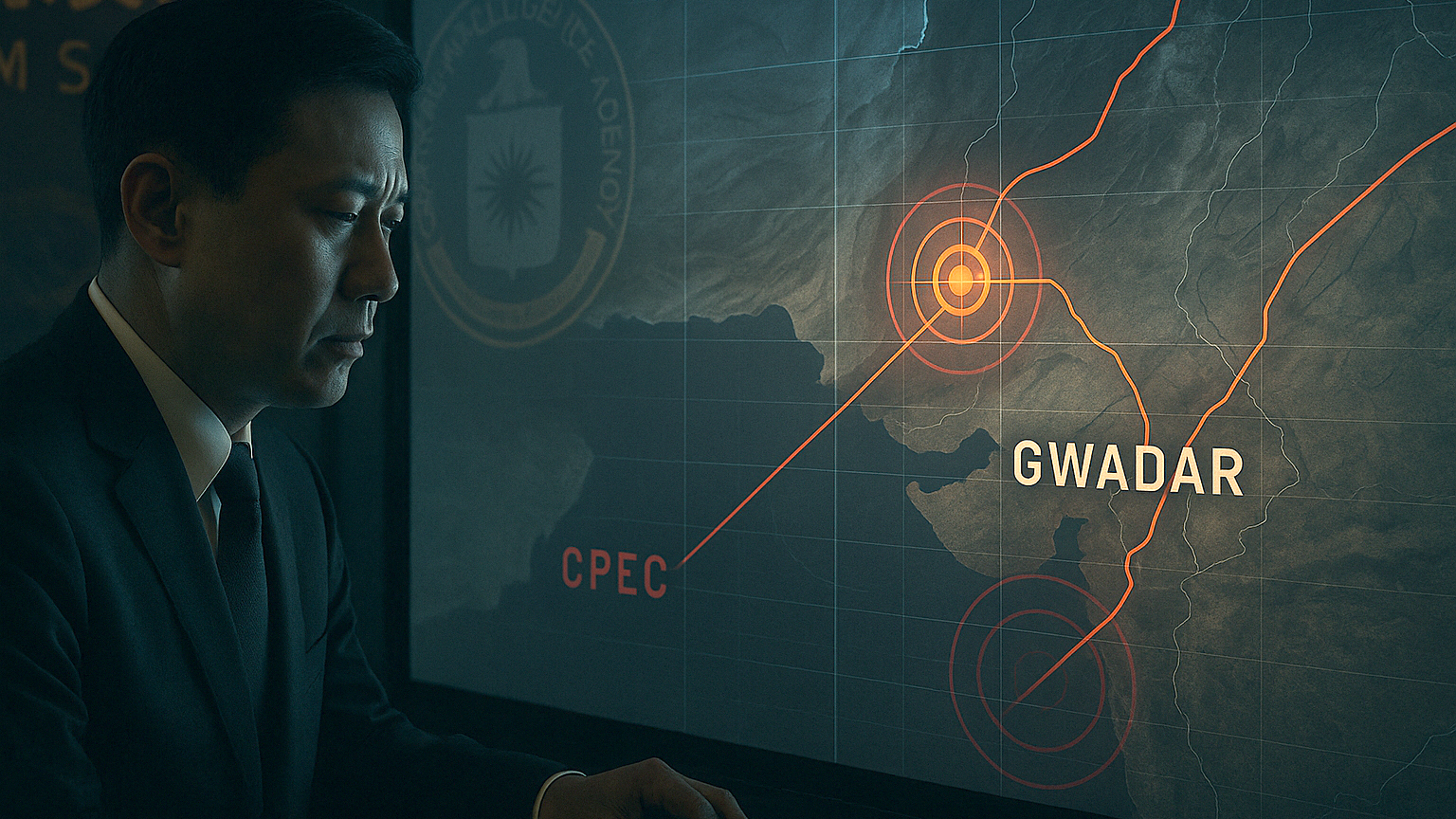
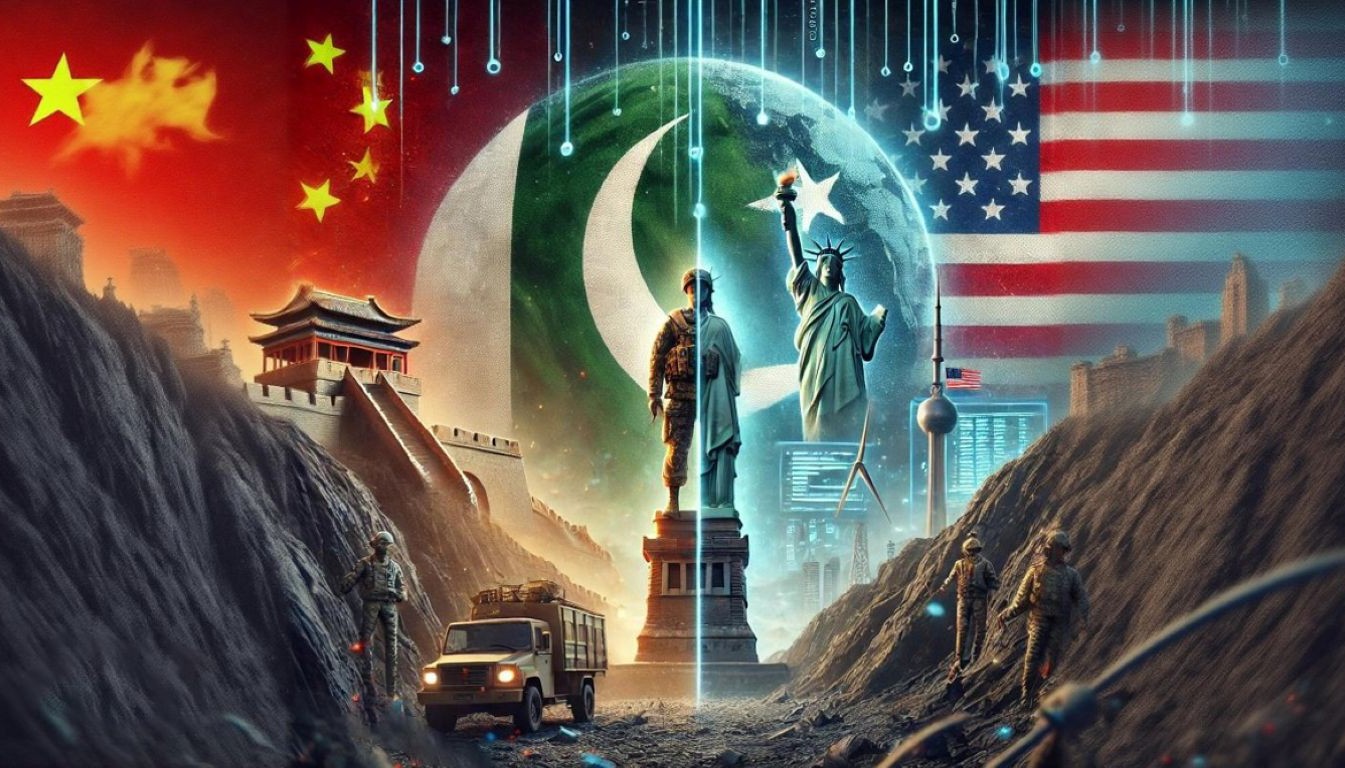
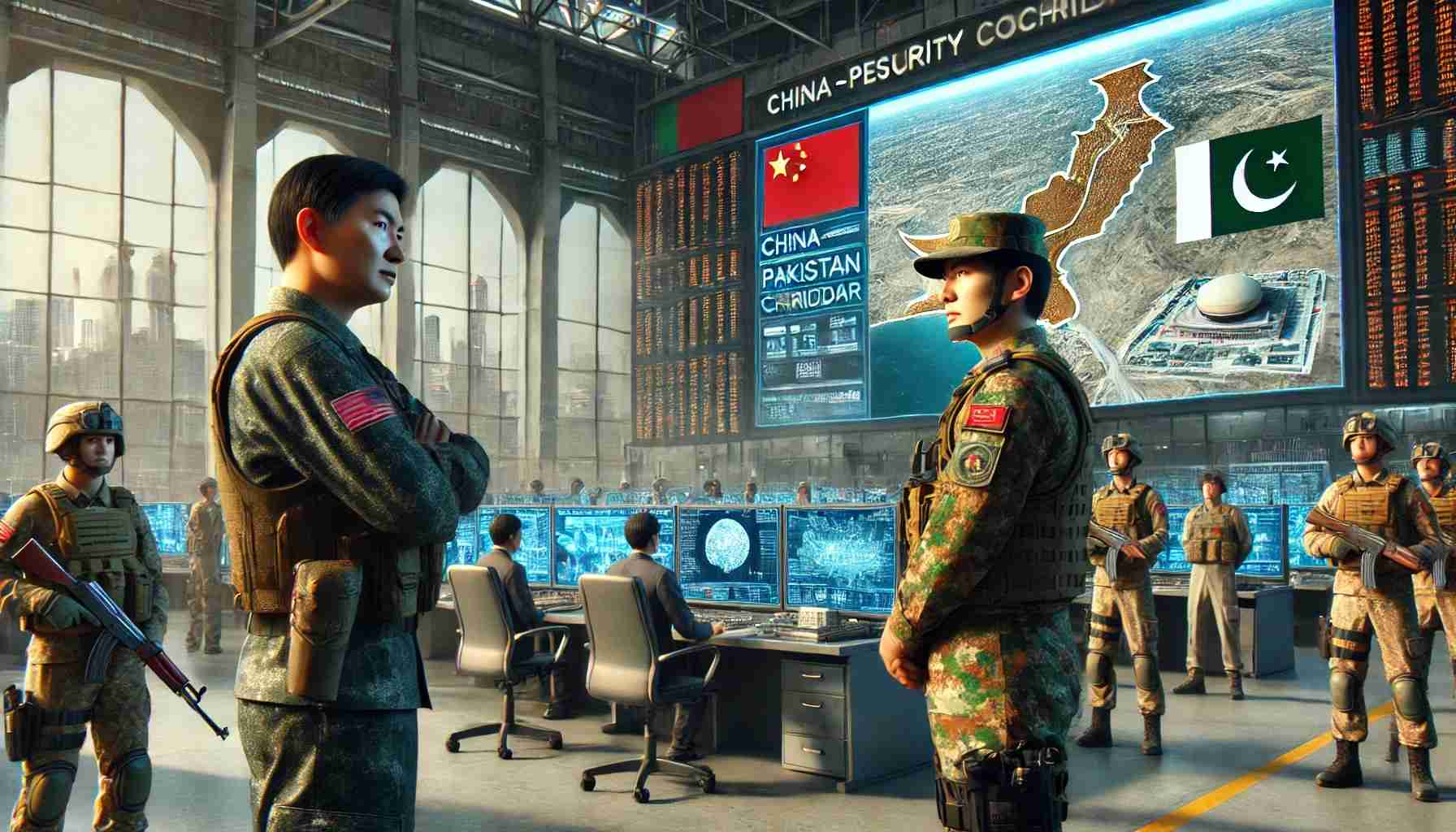
China represents the second audience. Although Beijing remains Pakistan’s primary defense partner, the US F-16 upgrade for Pakistan signals that Washington intends to retain limited access inside Pakistan’s security structure.
Thus, competition continues without open confrontation.
Pakistan’s military, not its people, remains the beneficiary
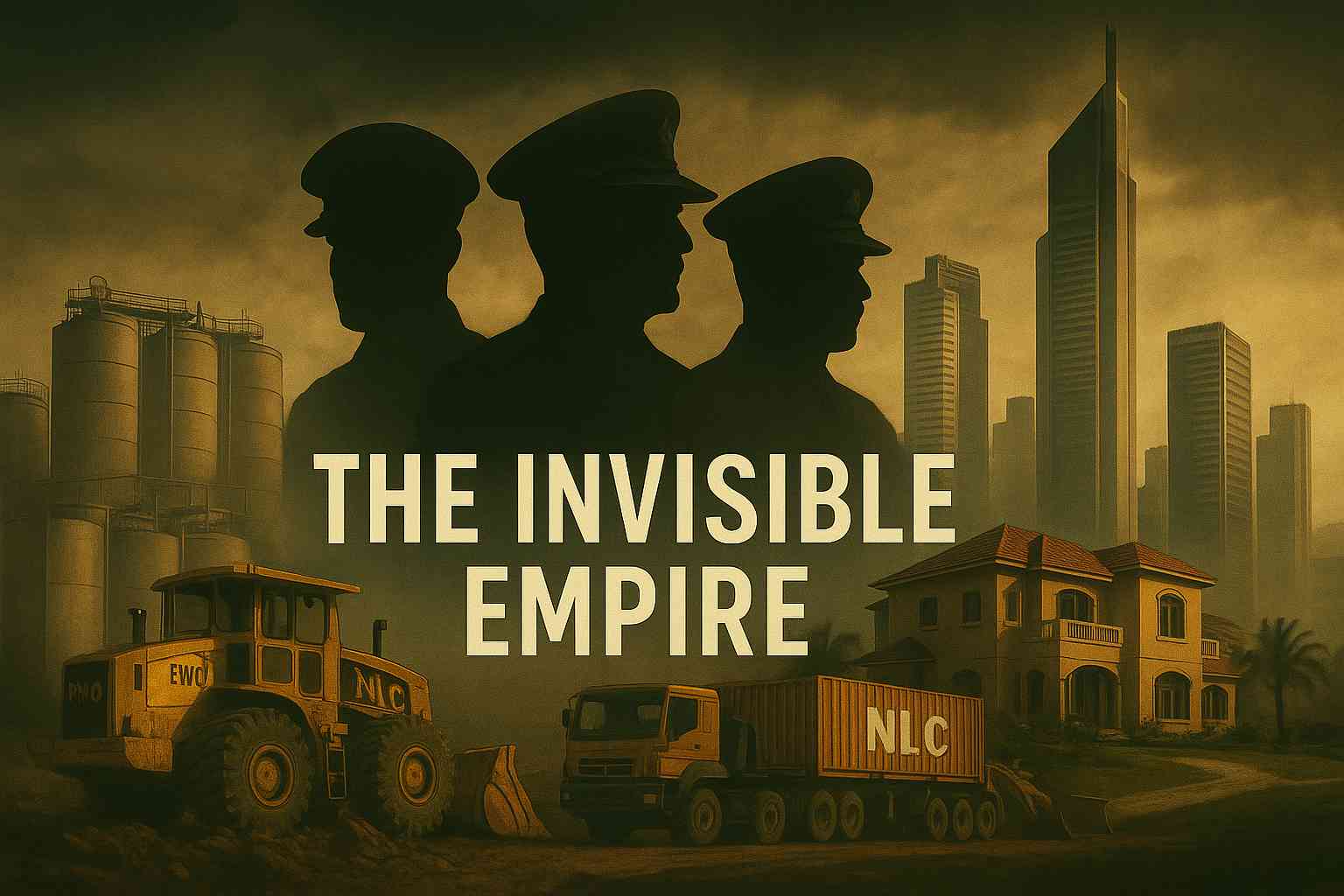
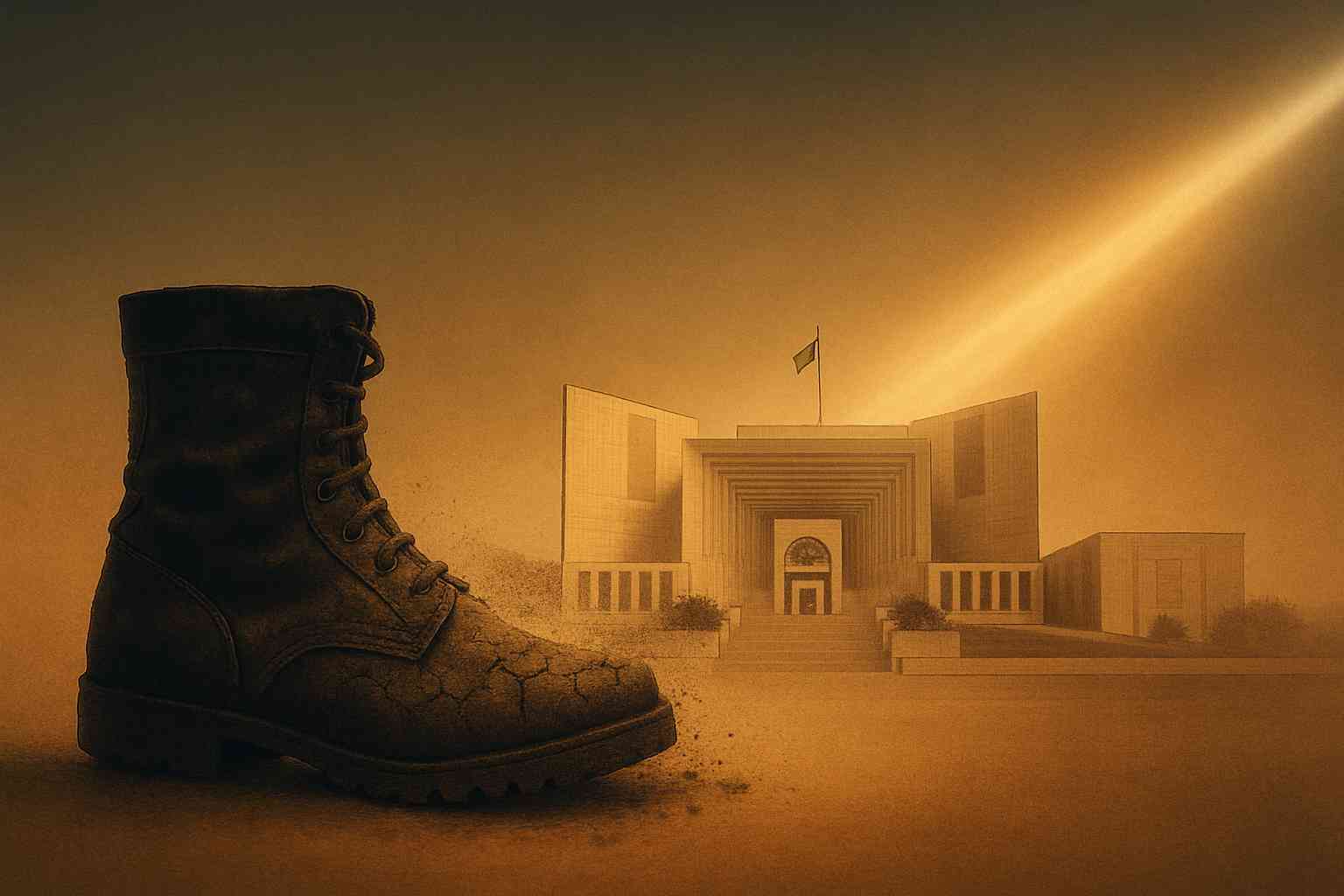
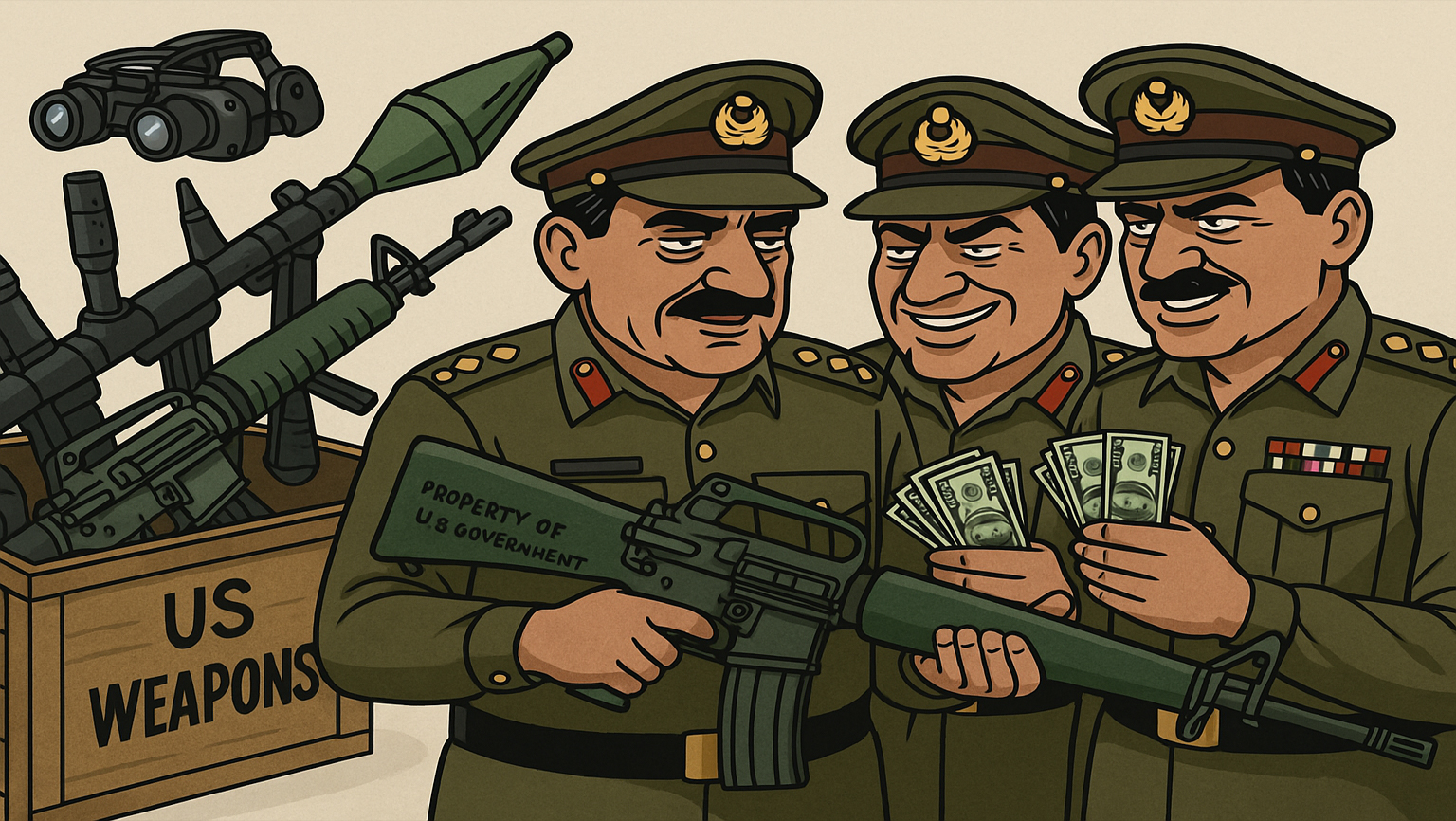
Historically, US military assistance to Pakistan has flowed through generals rather than democratic institutions. This deal follows the same pattern.
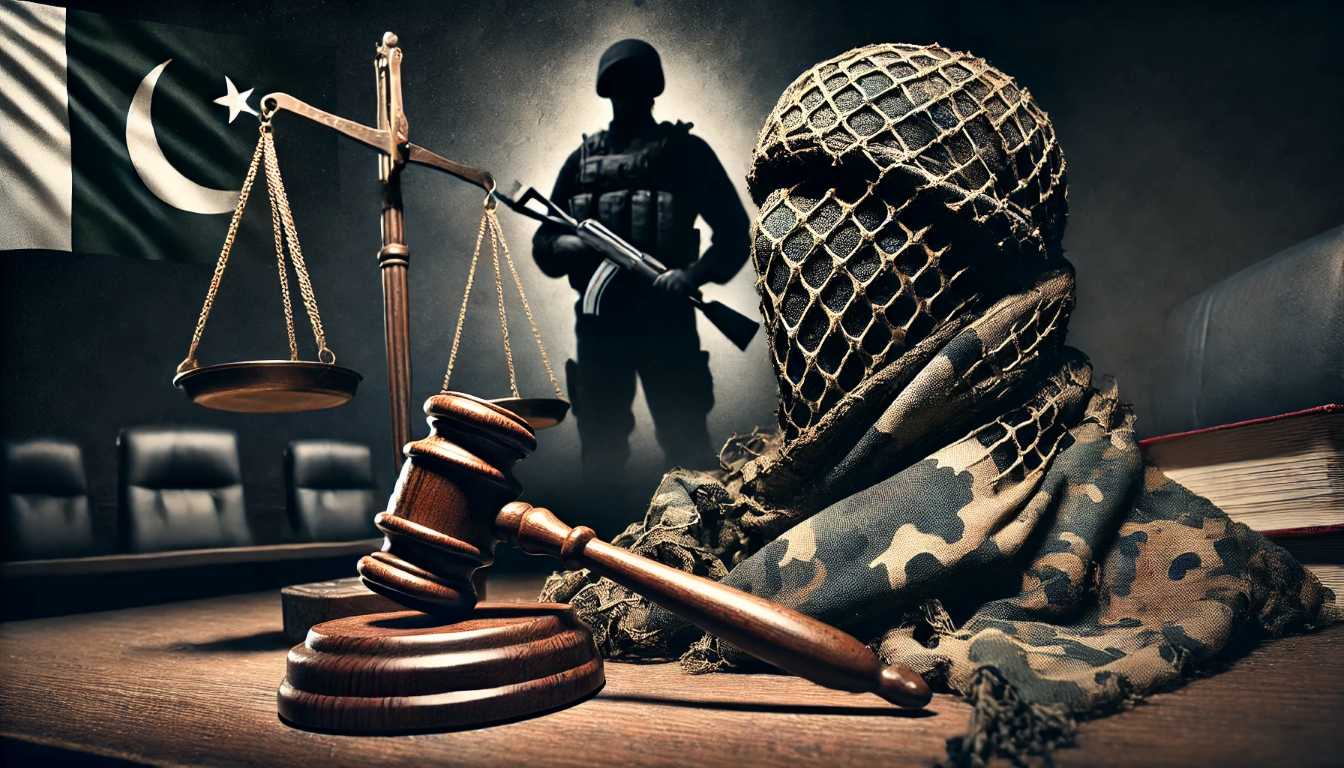
Crucially, Washington attached no governance conditions to the package. It demanded no electoral reform, no civilian oversight, and no accountability measures.
As a result, the Pakistani public sees continued external engagement with the military while democratic legitimacy remains absent.
Regional implications: Stability management, not democratic values
Across the region, reactions vary but concerns converge.
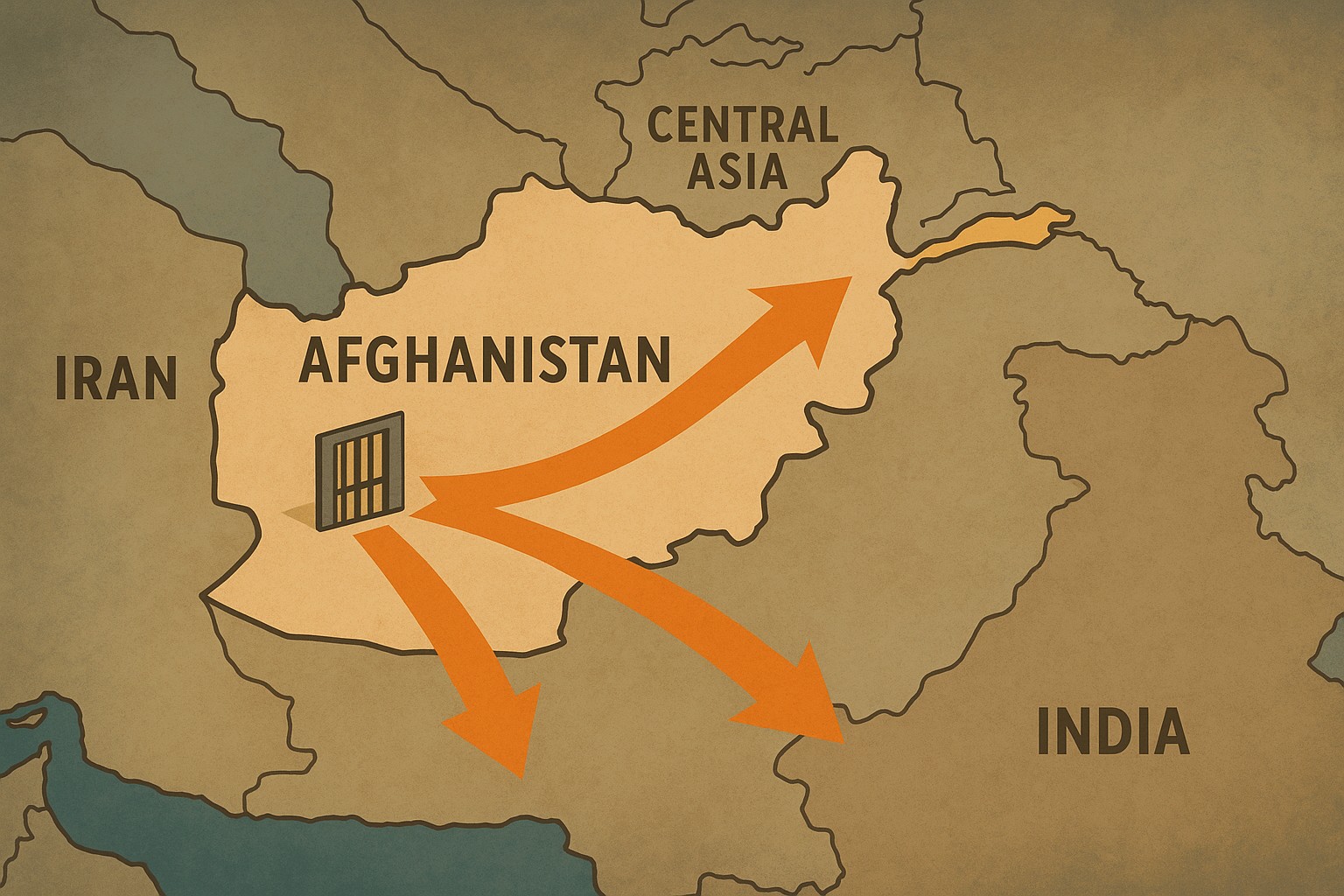
In India, policymakers view the move with caution rather than trust. In China, officials interpret it as managed rivalry. Meanwhile, Pakistan’s citizens see further confirmation that geopolitics outweighs democratic values.
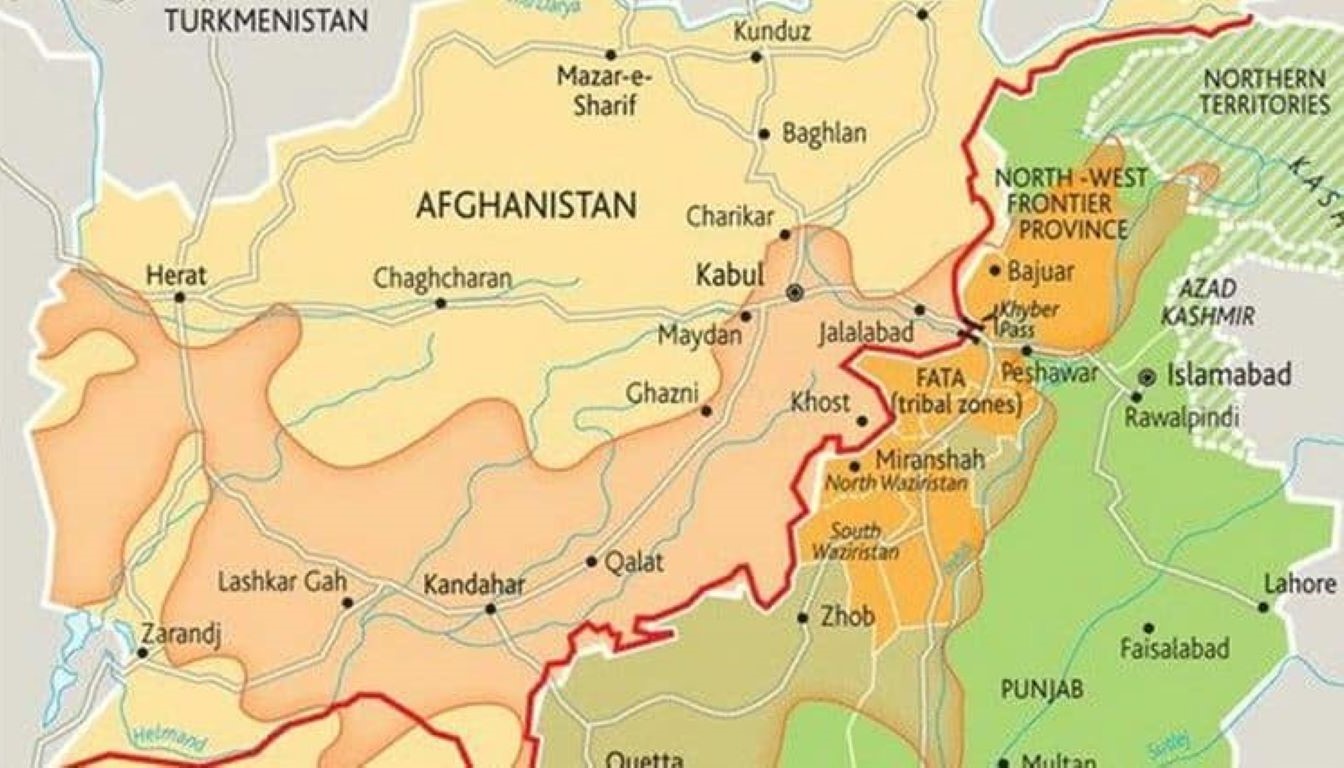
Elsewhere, Afghanistan and regional observers recognize familiar patterns. Security partnerships continue to override human rights concerns.
Ultimately, democratic erosion becomes collateral damage.
What to watch next
Congress will likely approve the package without obstruction. However, the political follow-through matters more.
If Washington pairs this deal with pressure on Pakistan’s military over repression, the package may function as leverage. Otherwise, silence will signal accommodation.
Either way, the US F-16 upgrade for Pakistan underscores a persistent reality: in South Asia, power politics still outrank democratic principles.