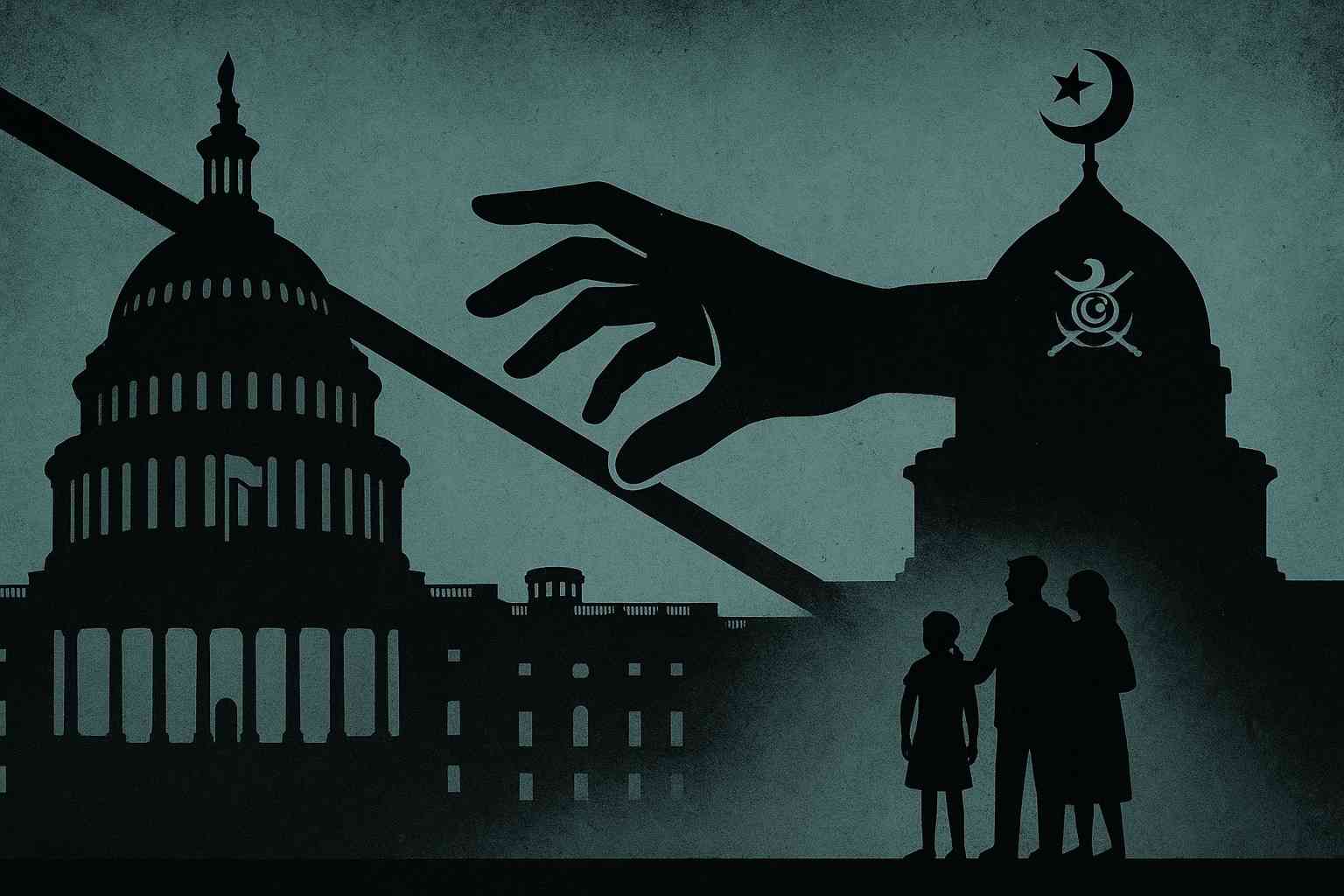
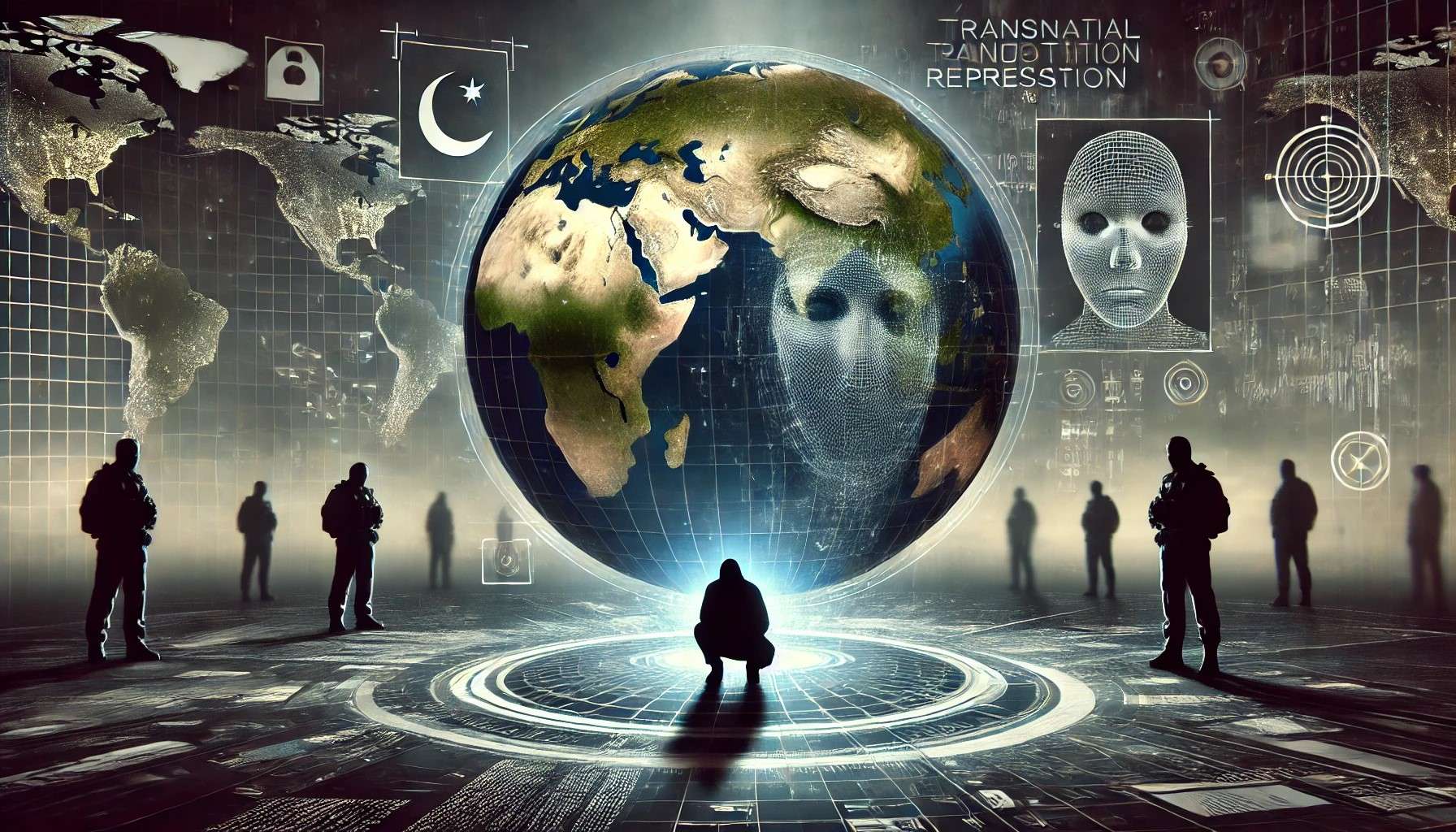
For most of my life, I have carried two passports and one conscience. Transnational repression—the practice of foreign governments targeting critics beyond their borders—is often described as a human-rights problem happening somewhere else. However, it is not distant or abstract. It is a direct threat to Americans, to U.S. sovereignty, and to the assumption that free expression inside this country remains protected.
When a Saudi hit team murders a journalist who writes for an American newspaper, when Indian agents allegedly plot to kill a U.S. citizen in New York, and when Pakistani generals intimidate or kidnap the relatives of American critics back home, something fundamental is under attack. It is not only dissidents who are targeted. Instead, it is the idea that the United States is a sanctuary where speech is free and foreign secret police cannot decide the limits of debate.
For years, authoritarian states treated the United States and other Western democracies as hunting grounds. Now, the evidence has become impossible to lgnore.
How transnational repression turned democracies into hunting grounds
In 2018, Saudi operatives murdered Jamal Khashoggi, a U.S. resident and Washington Post columnist, inside the Saudi consulate in Istanbul. Washington responded by imposing targeted sanctions on Saudi officials and units linked to the killing.
Iranian intelligence then attempted to kidnap U.S.-based journalist Masih Alinejad from her Brooklyn home. It also conspired to assassinate her and other dissidents, prompting federal indictments and new sanctions proposals.
Chinese security services escalated the pattern even further. They established covert “police stations” in New York and other cities to monitor, harass, and intimidate pro-democracy activists. Eventually, U.S. prosecutors charged dozens of Chinese officers and agents in sweeping cases that described a coordinated campaign of transnational repression.
India followed next. In 2023, U.S. prosecutors unsealed an indictment alleging that an Indian government employee directed a plot to assassinate Sikh-American activist Gurpatwant Singh Pannun in New York. The hired hitman turned out to be an undercover U.S. agent. Discussions even referenced timing the attack around the killing of Sikh leader Hardeep Singh Nijjar in Canada.
Although Washington remained constrained by strategic ties with Delhi, it still delivered a firm response. It publicly exposed the plot, filed federal charges, applied high-level diplomatic pressure, and coordinated with Canada. Delhi then announced an internal inquiry and quietly reassigned at least one senior intelligence official.
Despite these imperfections, the message was unmistakable: using America as a killing field carries a price. That message must now reach Rawalpindi.
Transnational Repression: Why Pakistan’s Reach Into America Demands Action
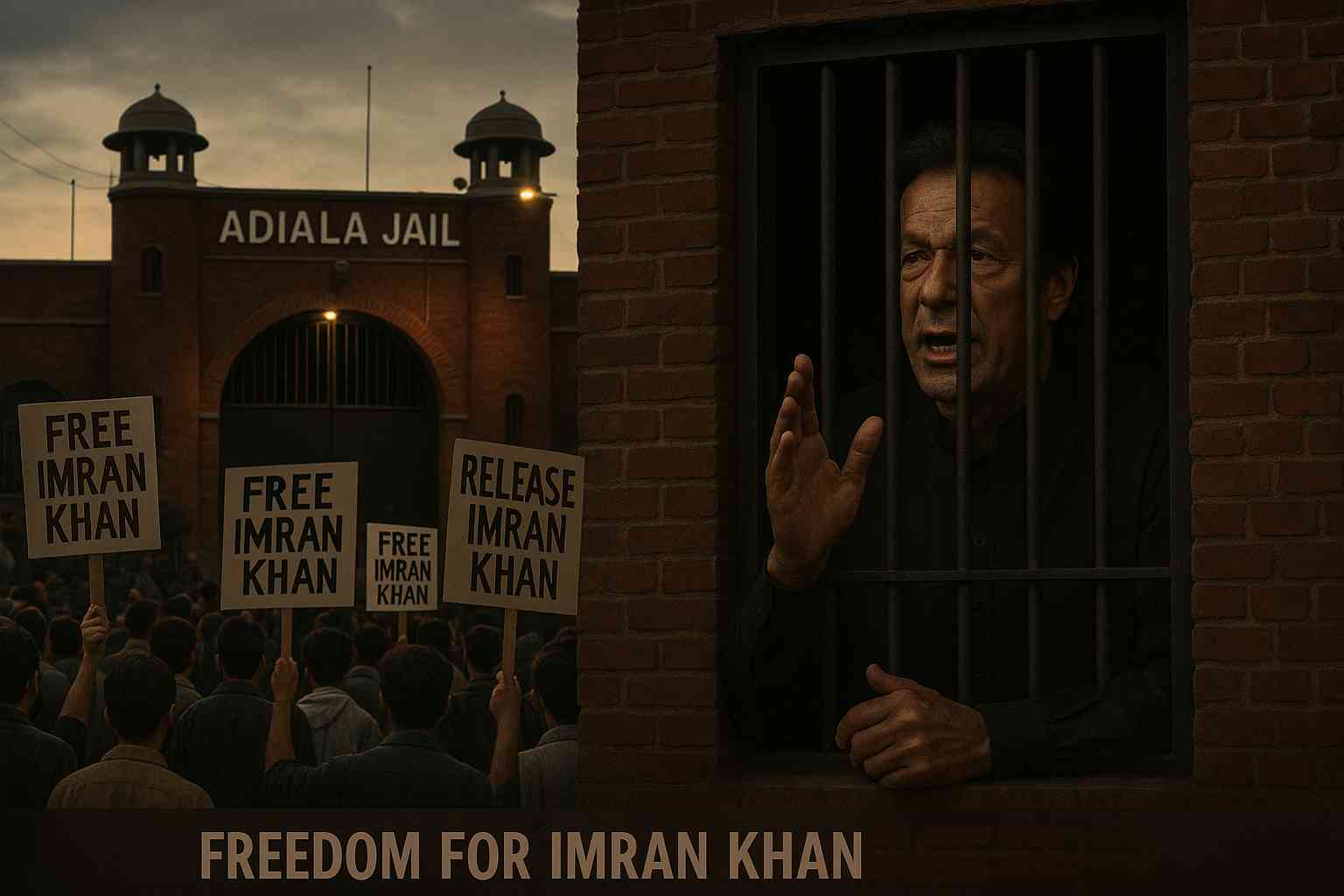
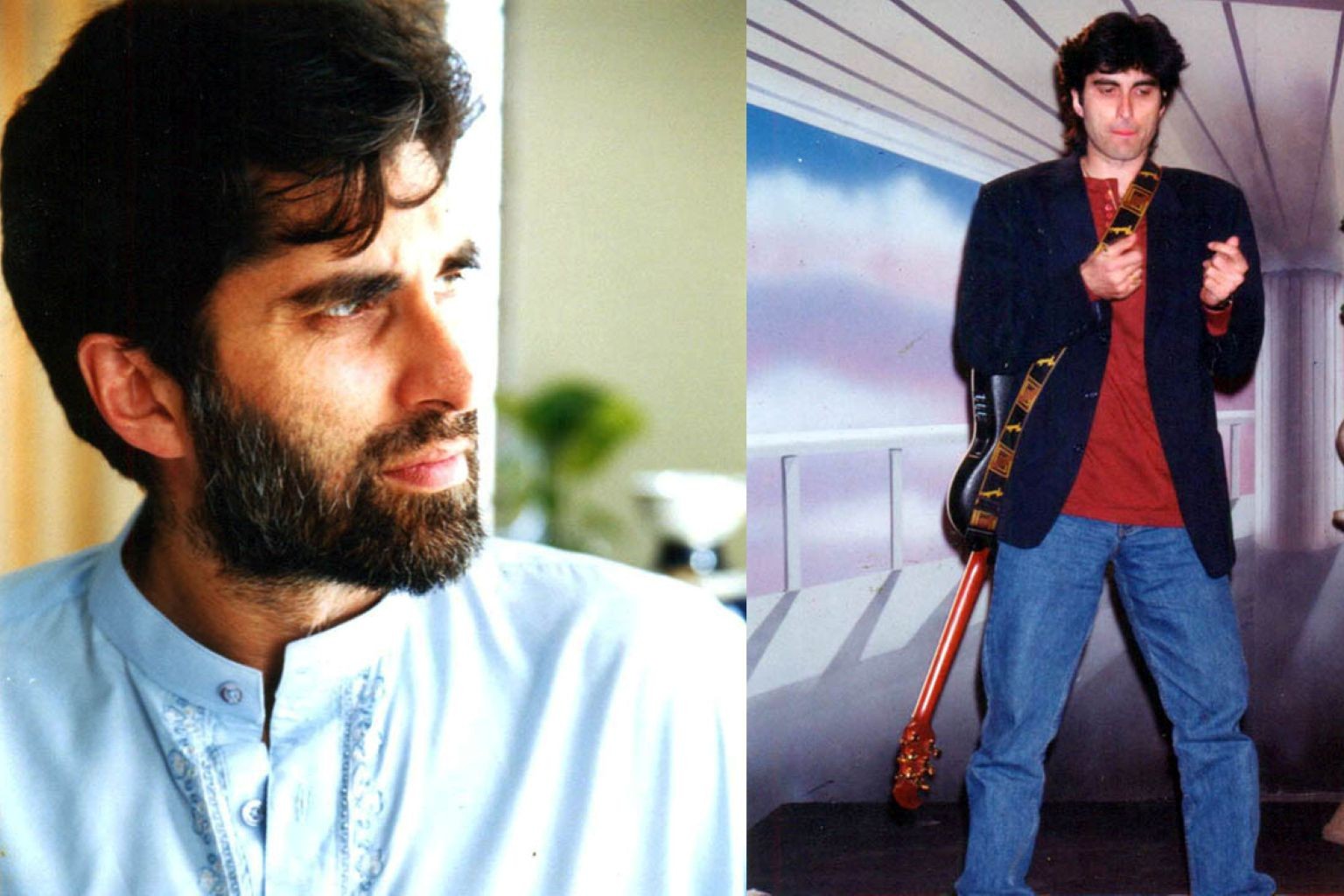
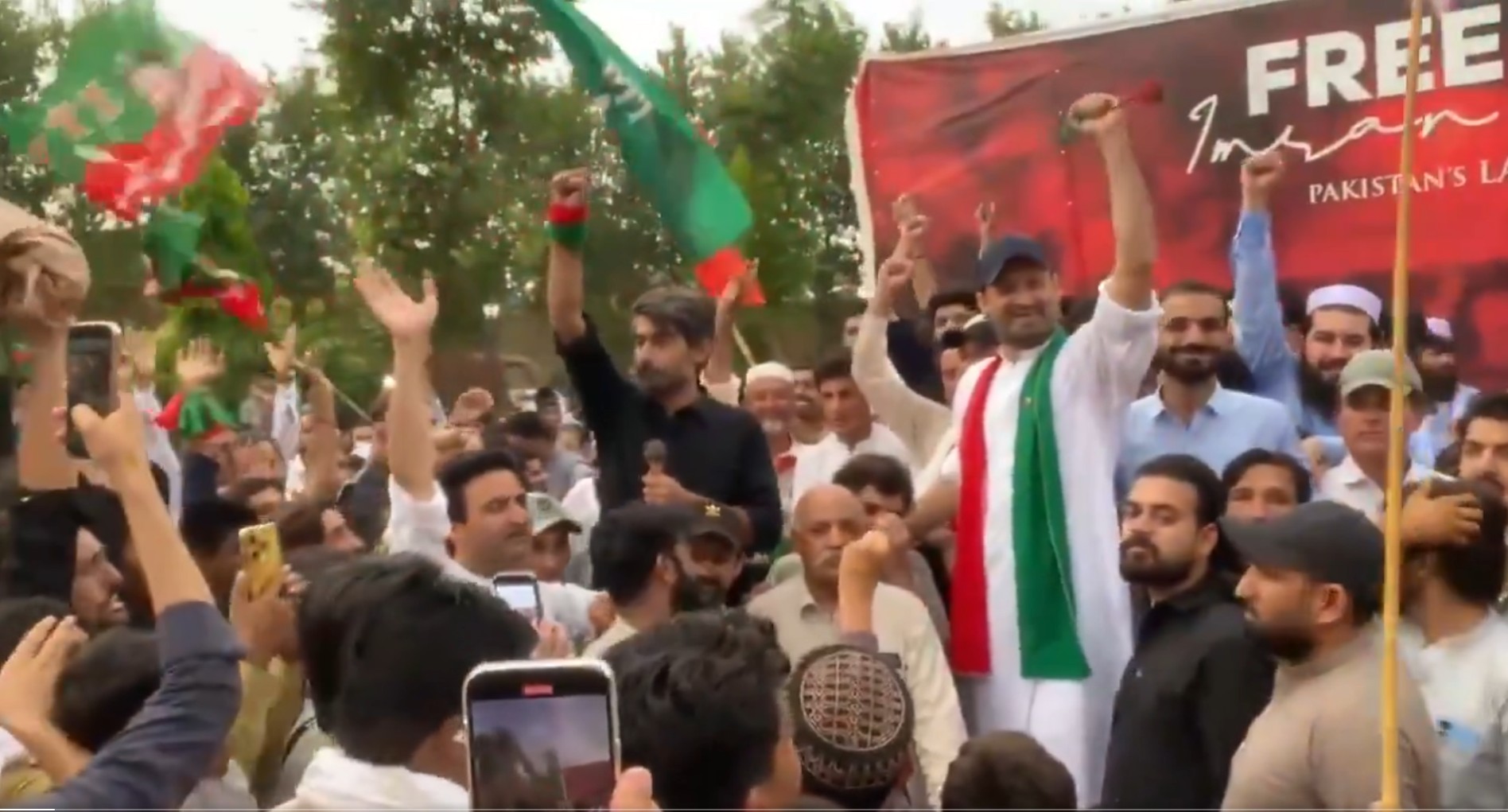
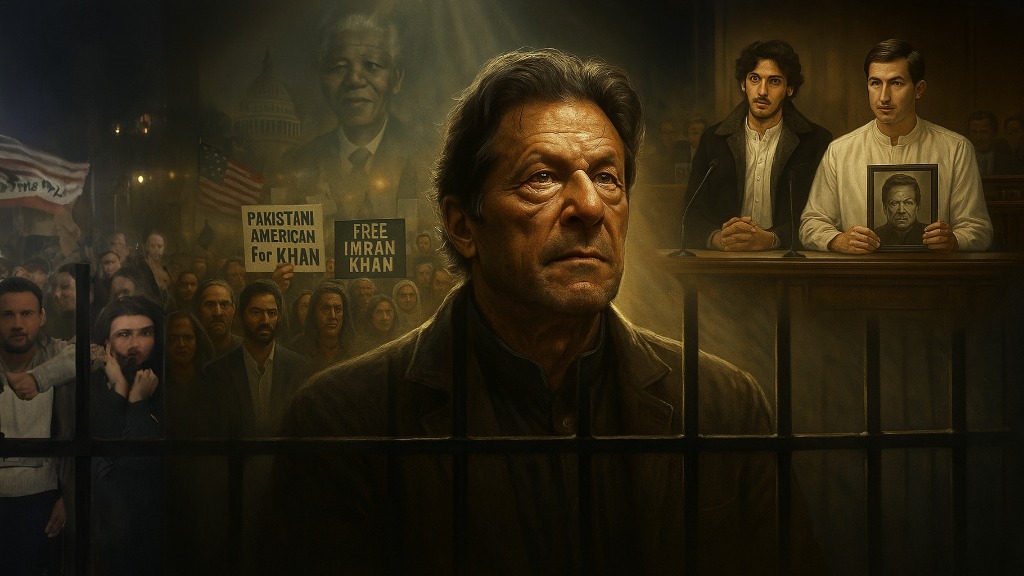
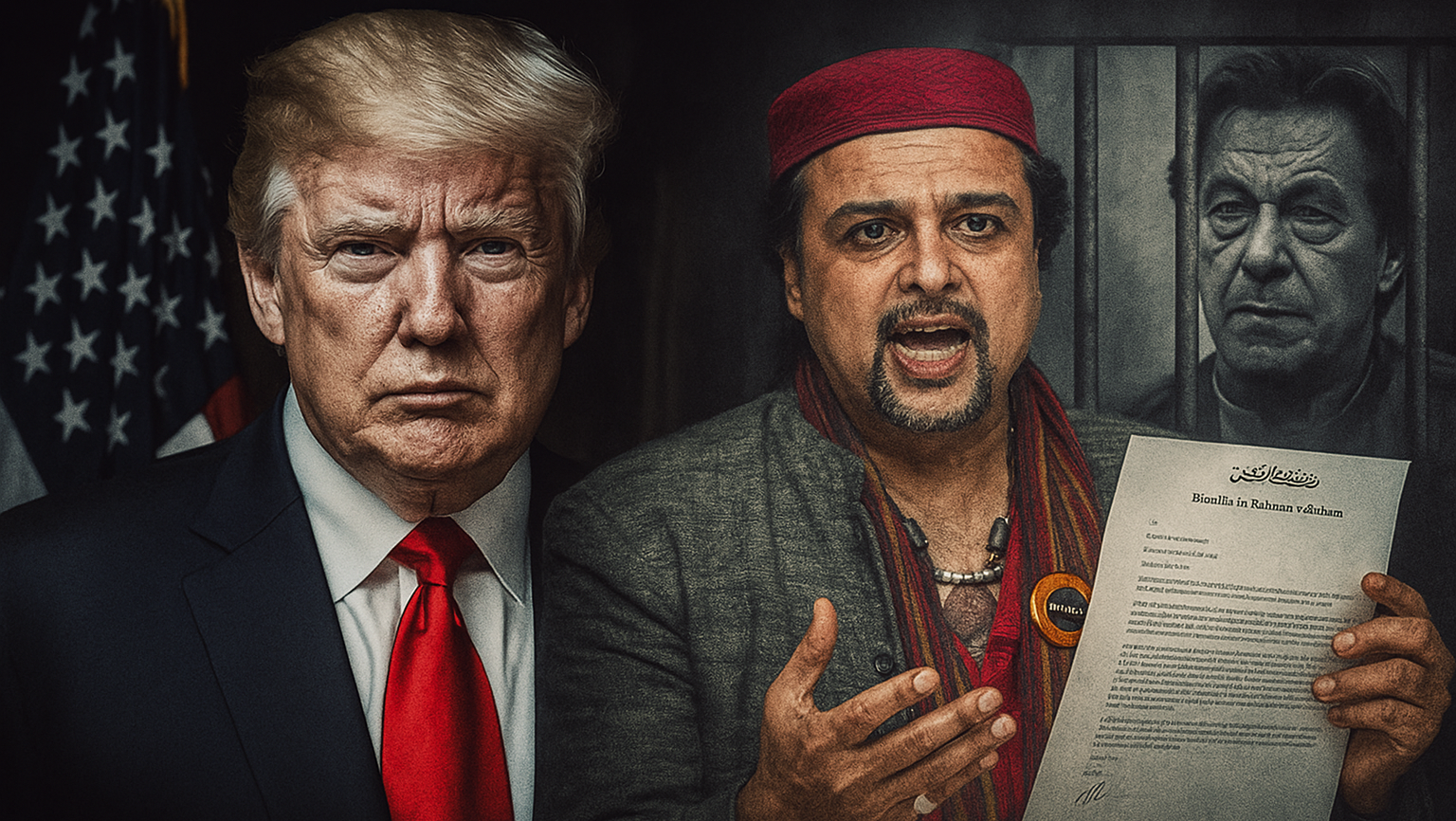
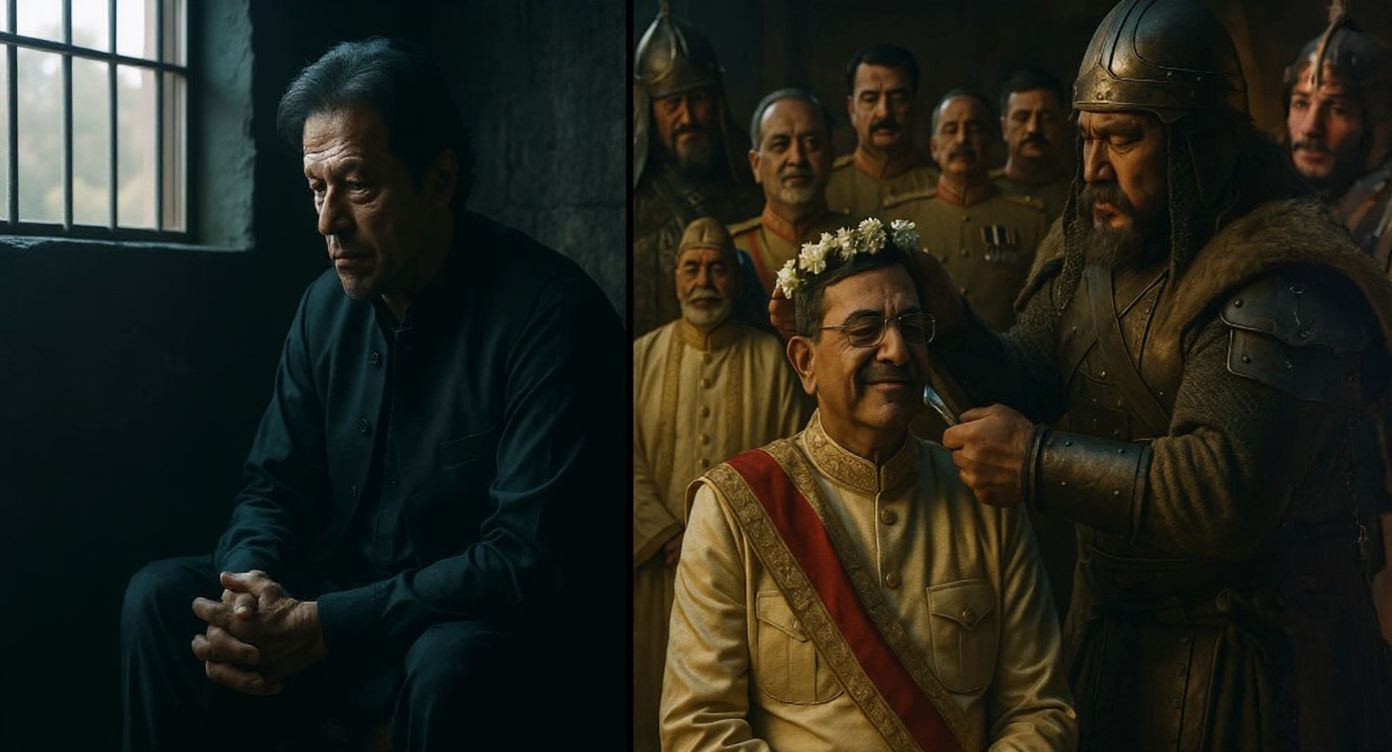
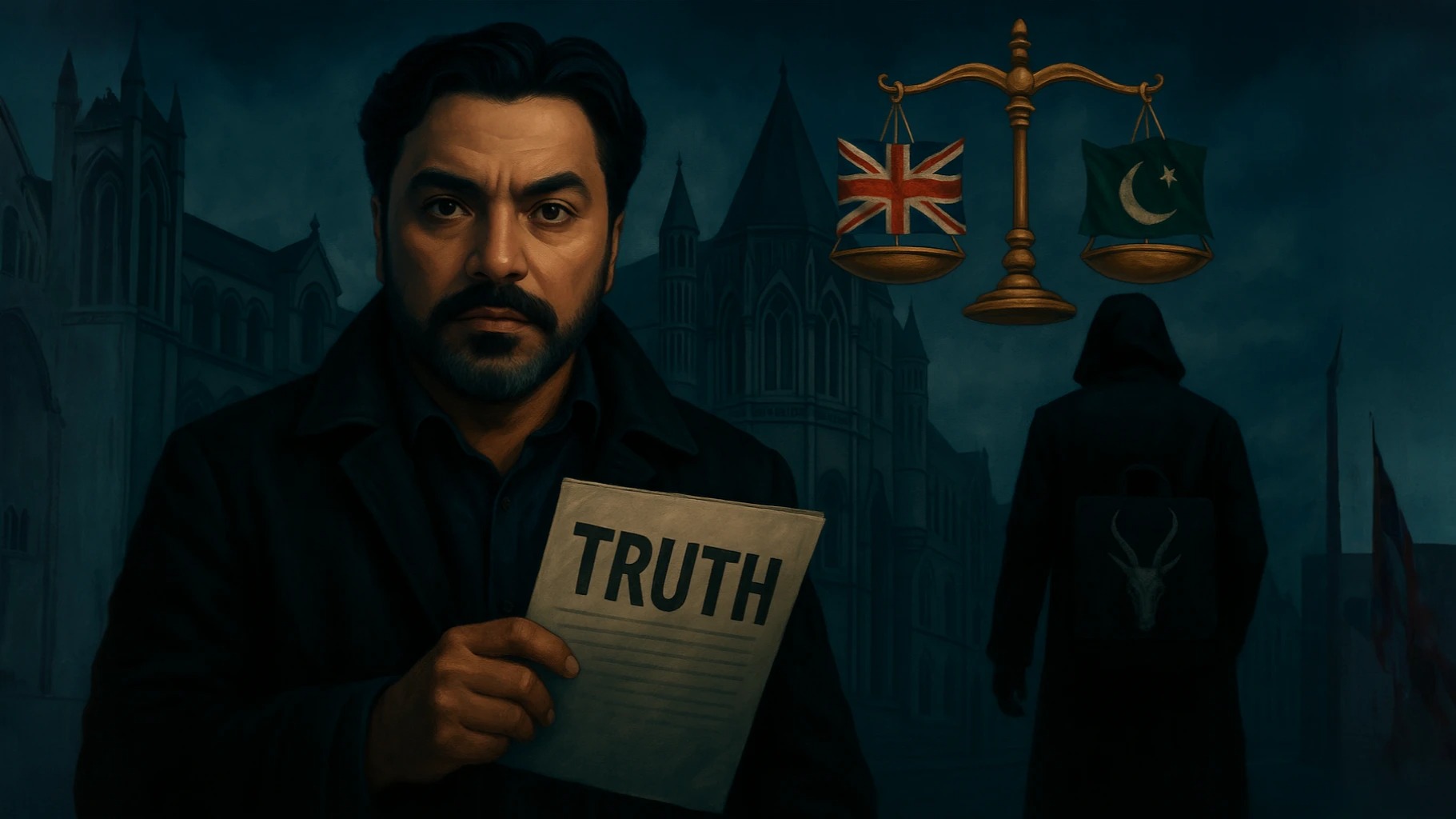
As a Pakistani-American musician, UN Goodwill Ambassador, and long-time friend of imprisoned former Prime Minister Imran Khan, I have dedicated my life to building bridges between East and West. Today, however, those bridges are shaking because of the very state whose anthem I once sang on global stages.
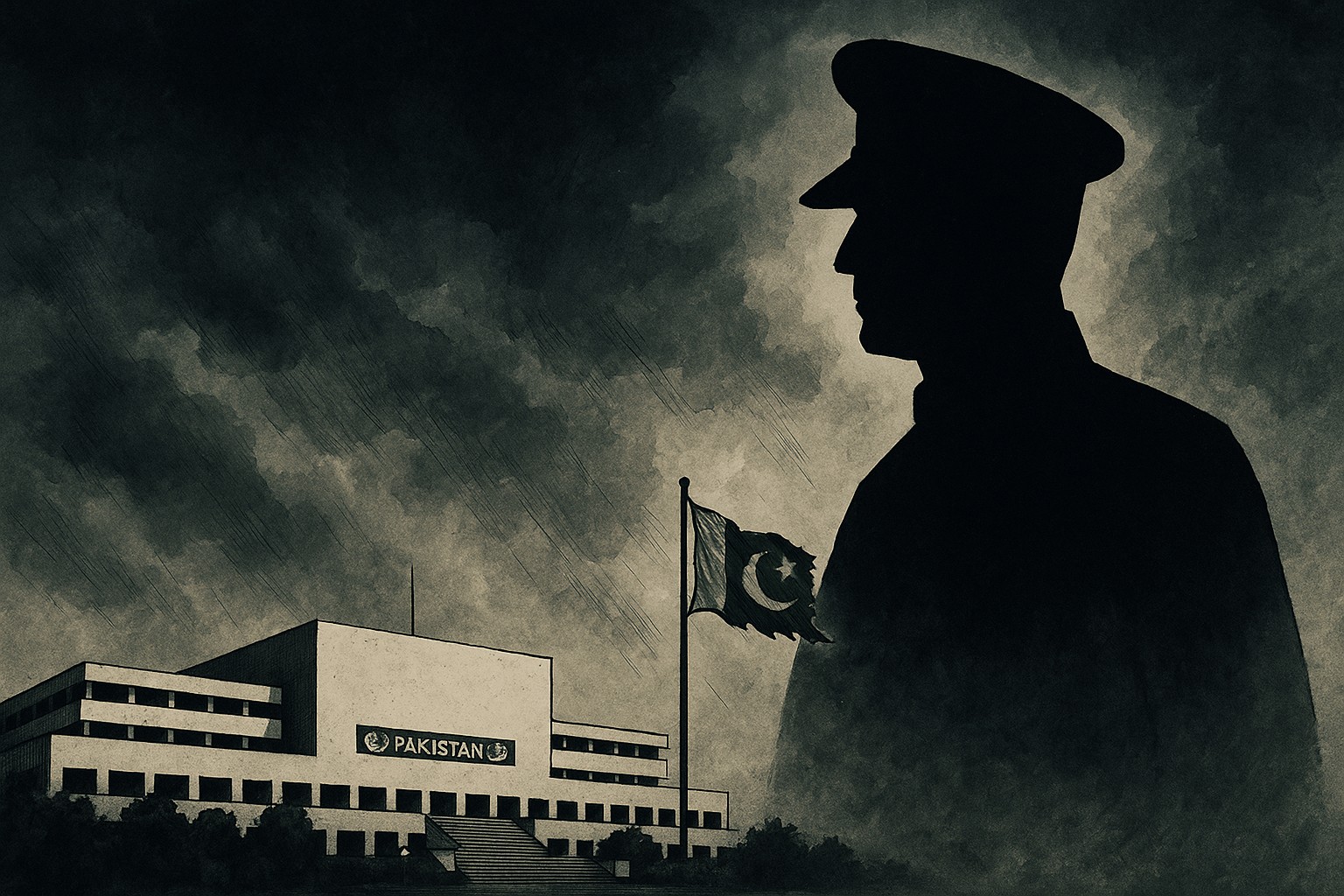
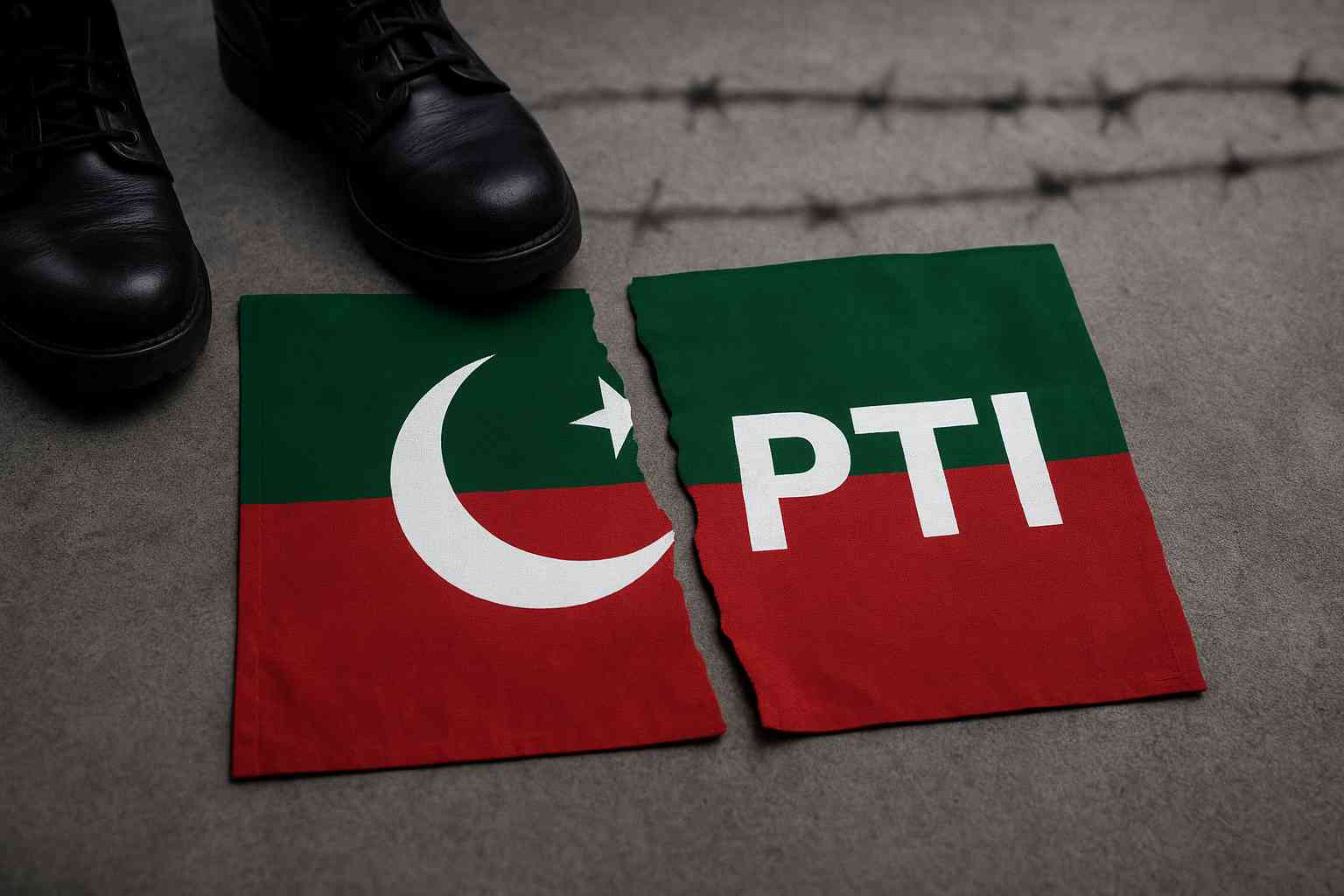
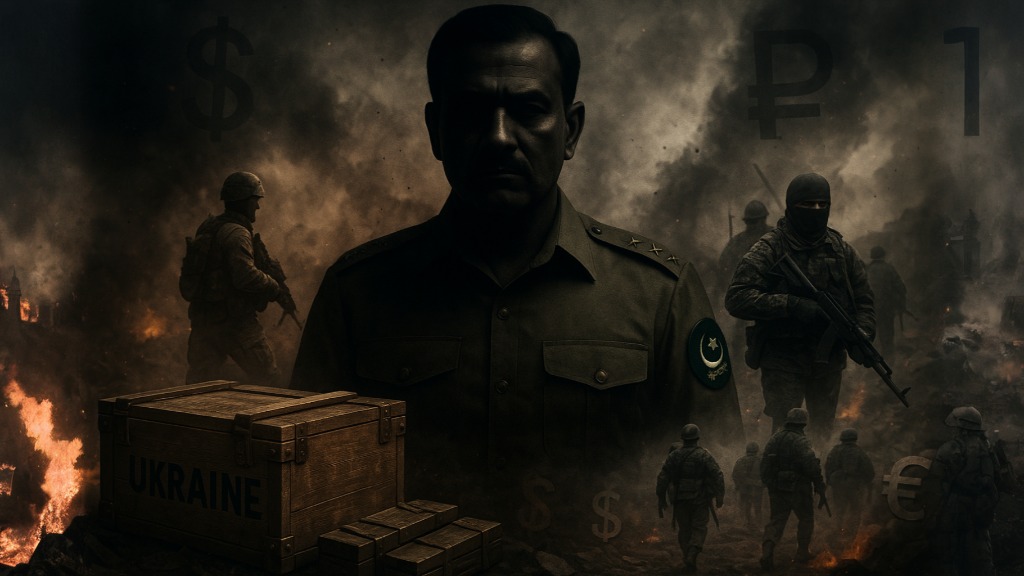
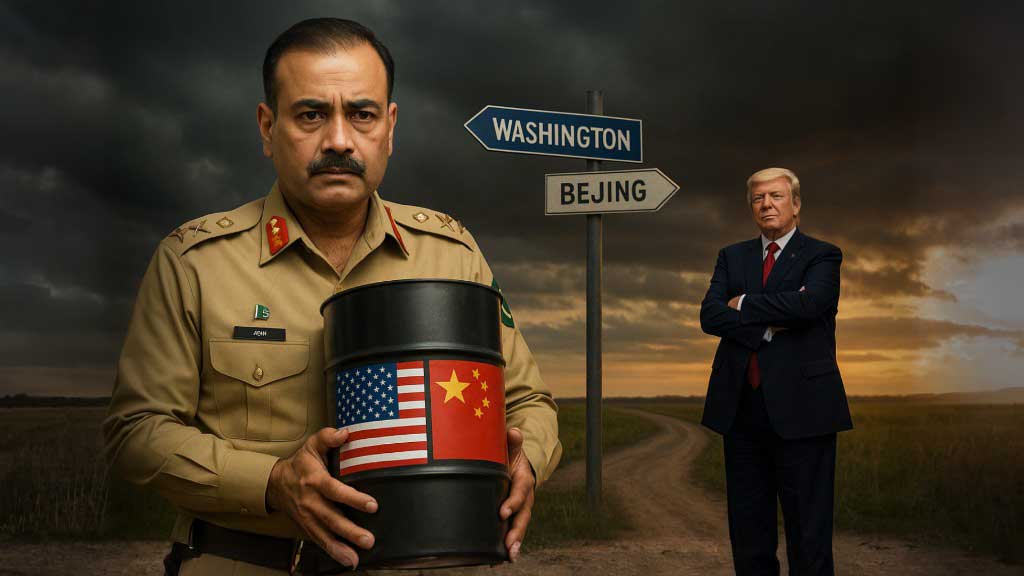
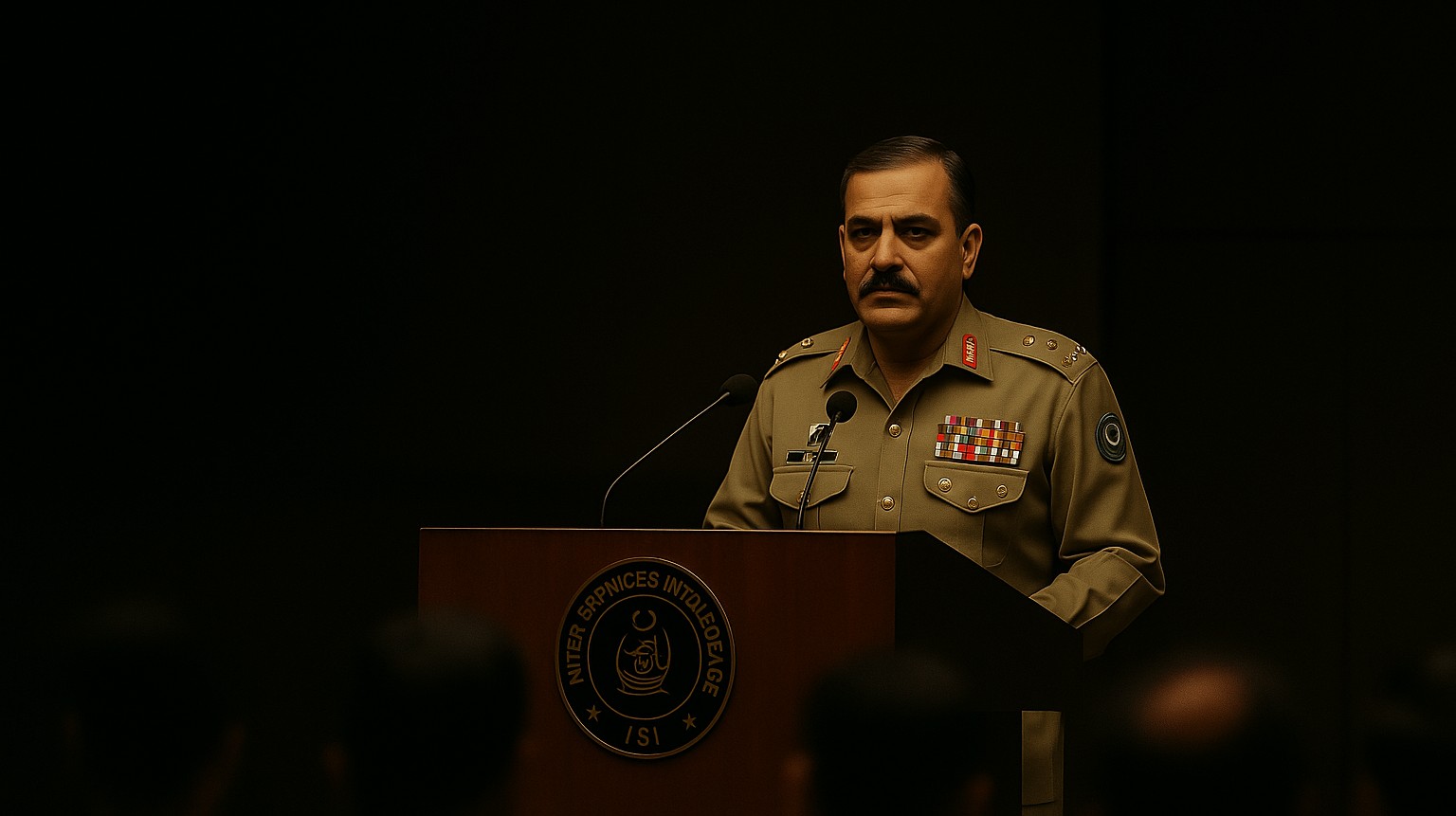
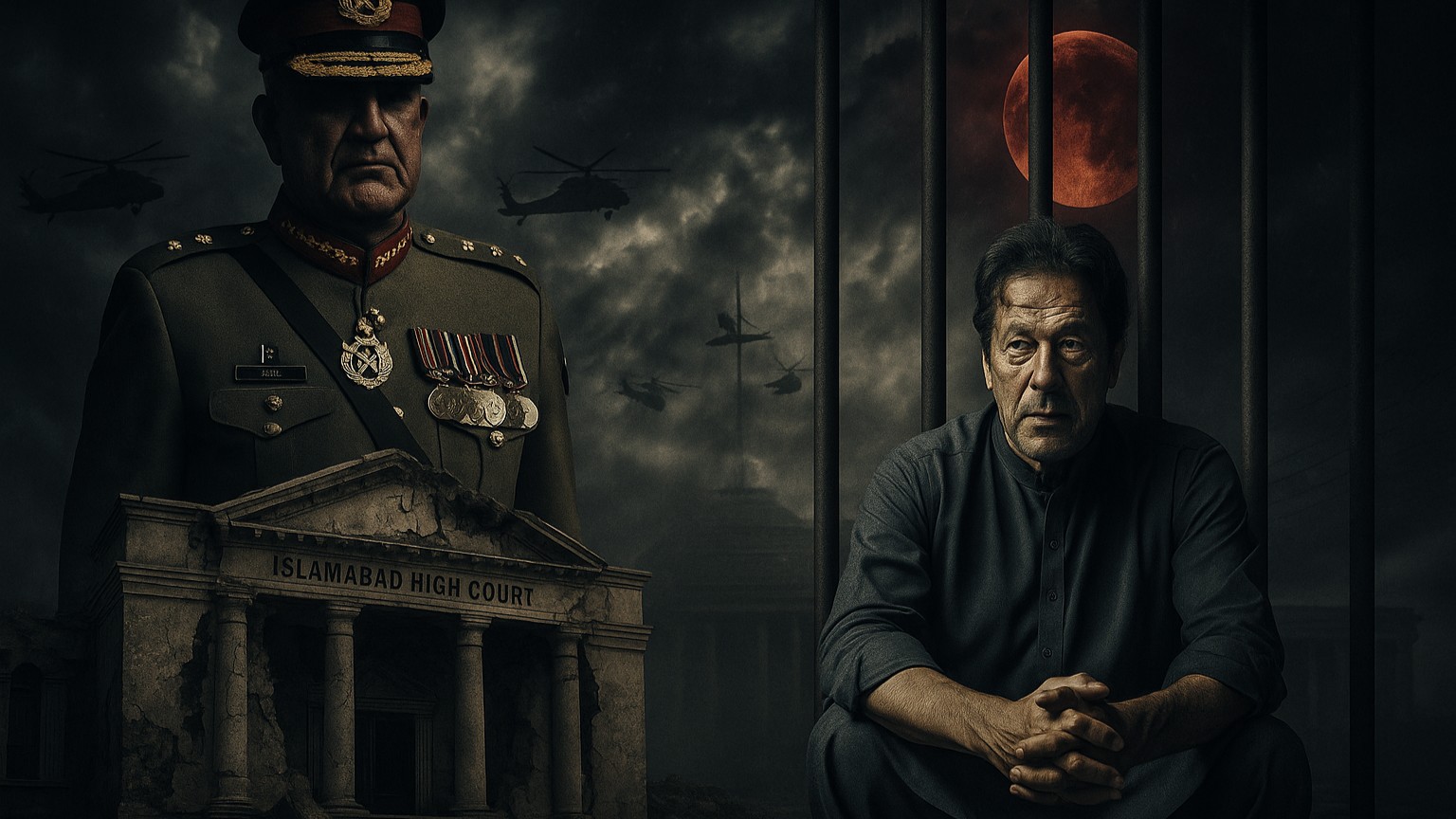
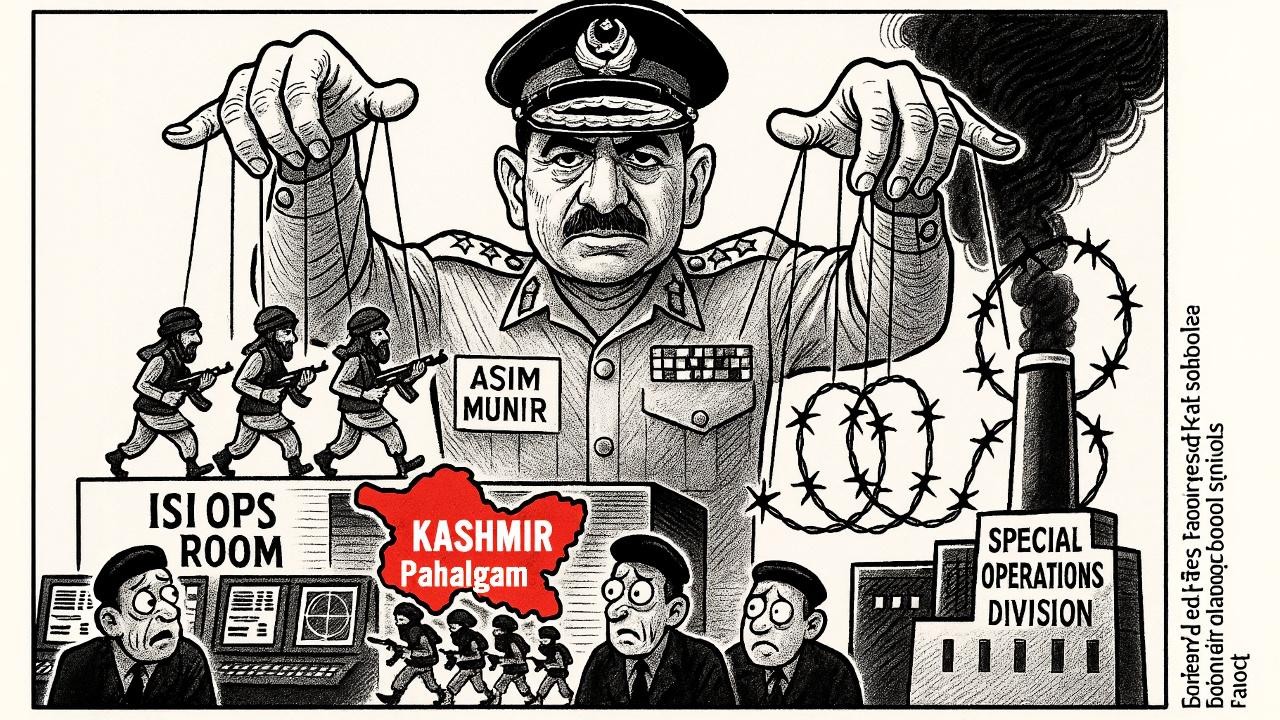
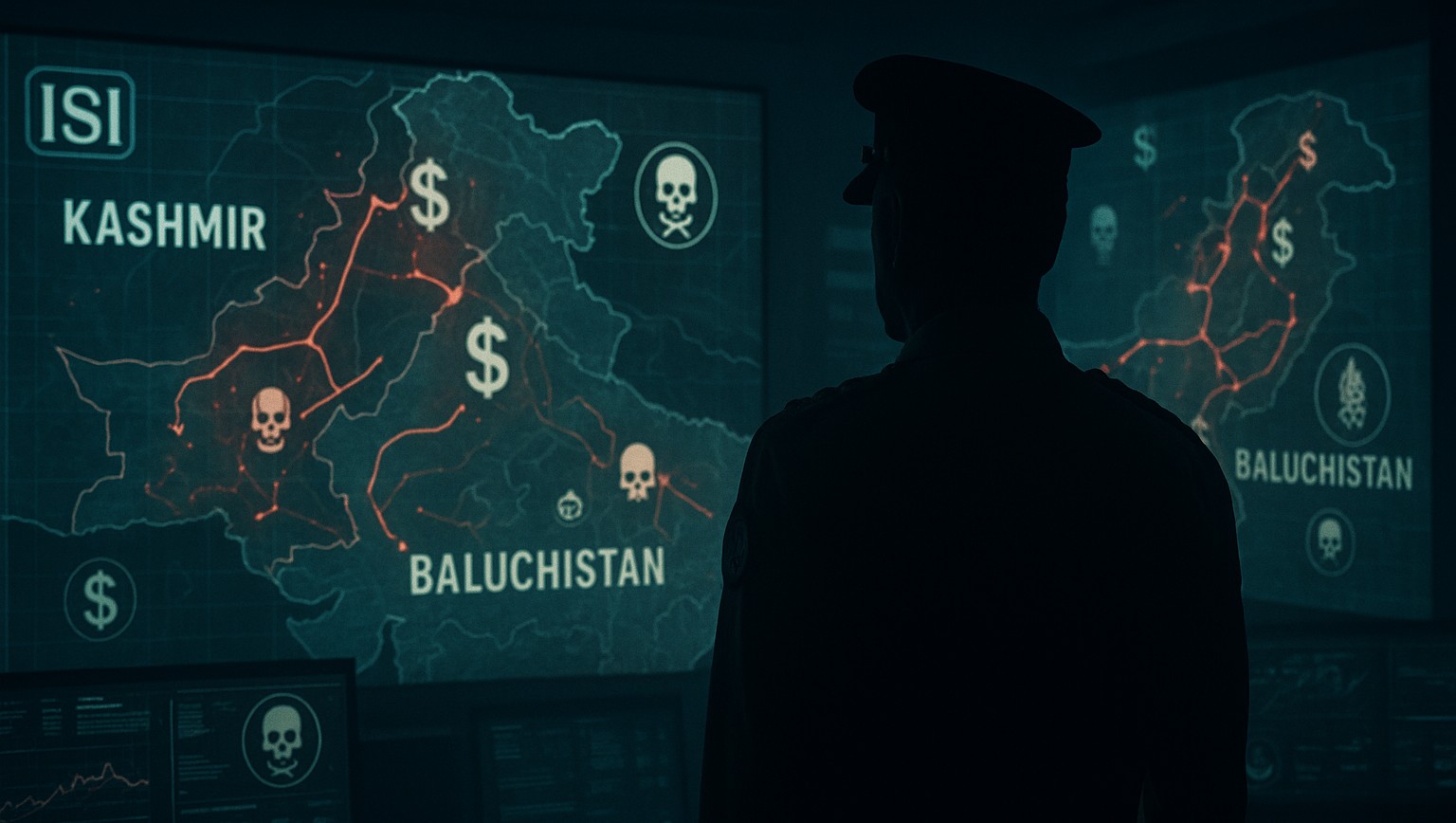
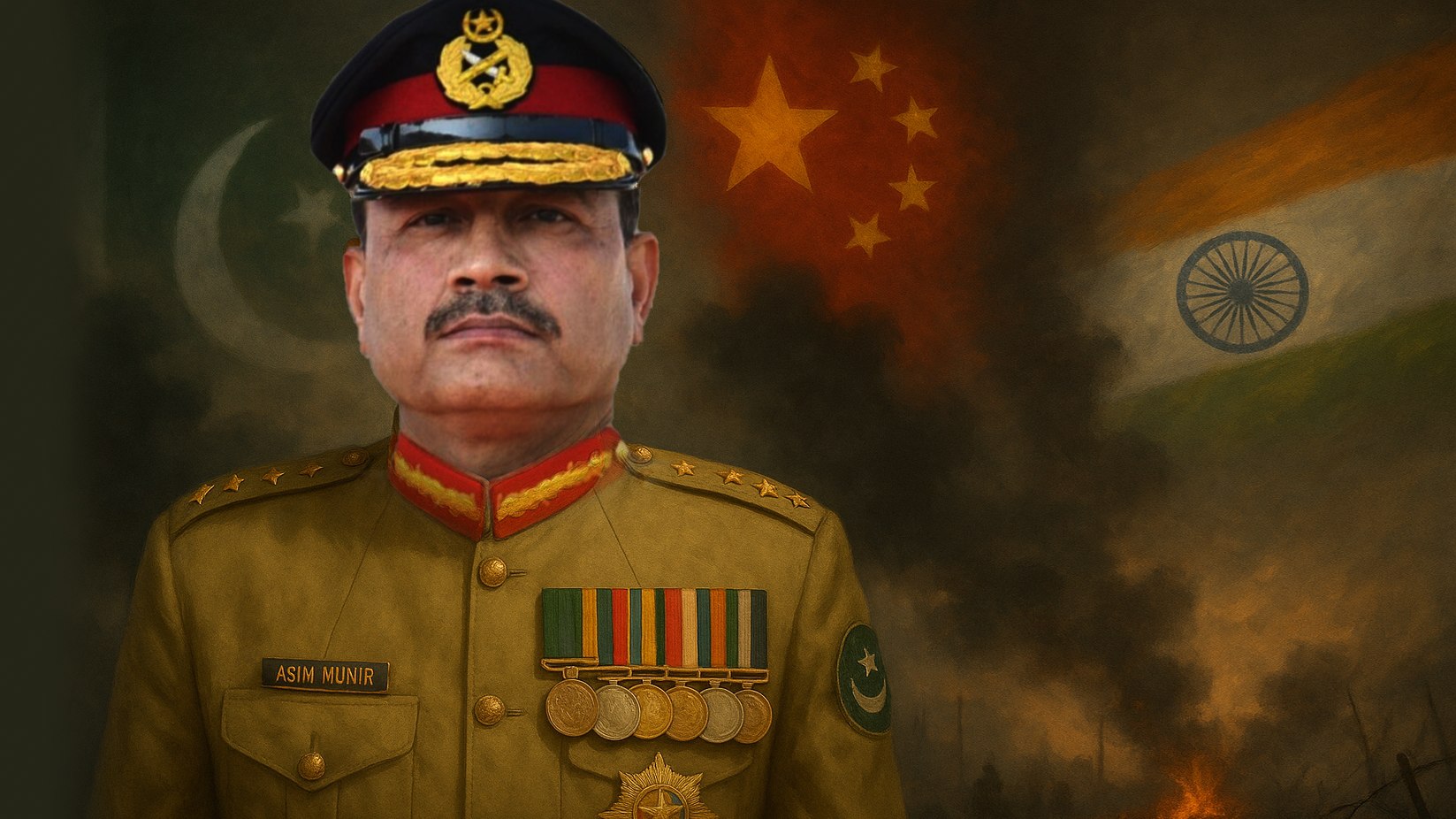
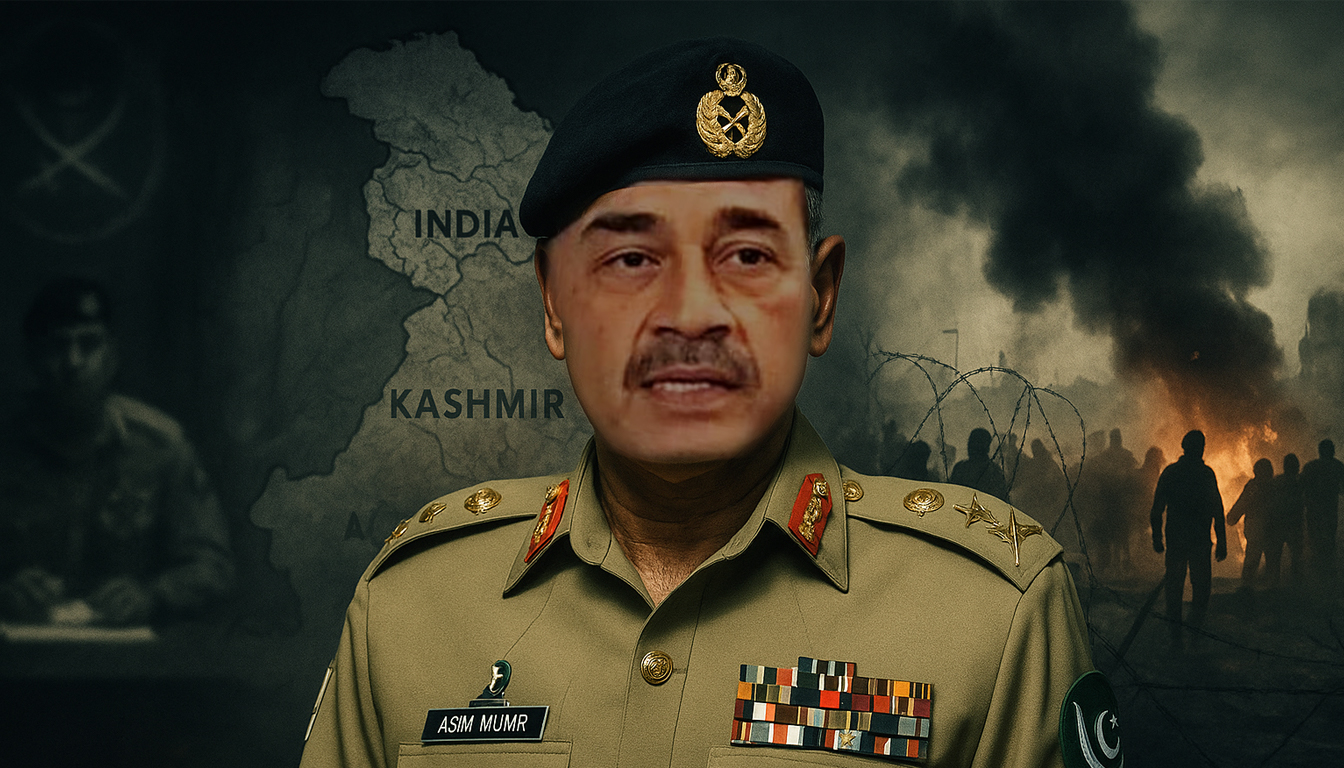
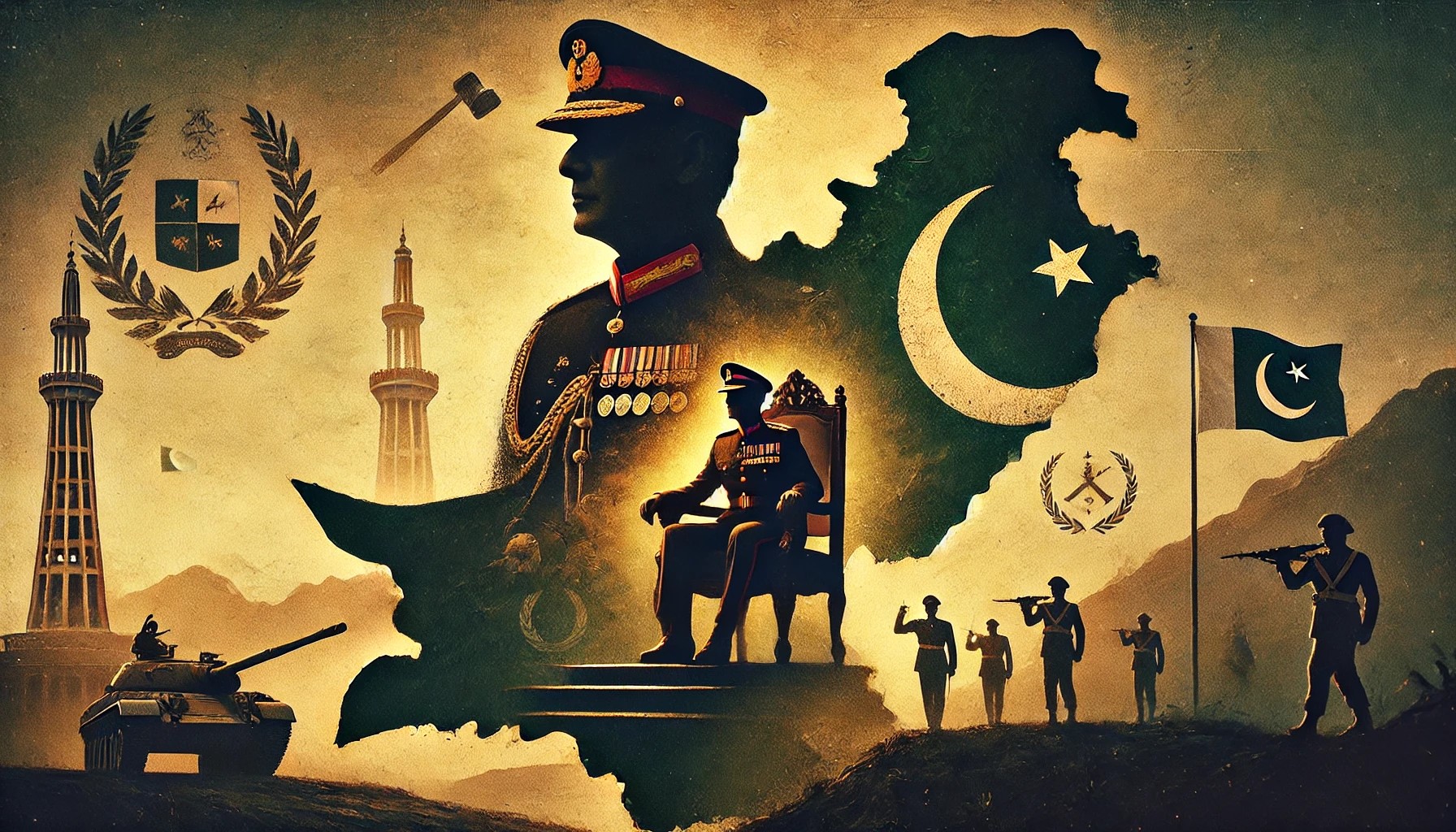
Pakistan’s military chief, Field Marshal Asim Munir, and the army-backed government of Prime Minister Shehbaz Sharif are conducting a campaign of transnational repression that extends far beyond Pakistan’s borders. This campaign has reached into my home, my family, and the lives of countless Pakistani-Americans whose only “crime” is exercising constitutionally protected speech.
On December 3, forty-four members of the United States Congress sent a letter to Secretary of State Marco Rubio. They described a worsening human-rights crisis in Pakistan and documented a growing pattern of transnational repression under the Shehbaz–Munir regime. Moreover, they did something extraordinary: they named names and told our stories.
Mine was one of them.
When Pakistan’s transnational repression hits diaspora families
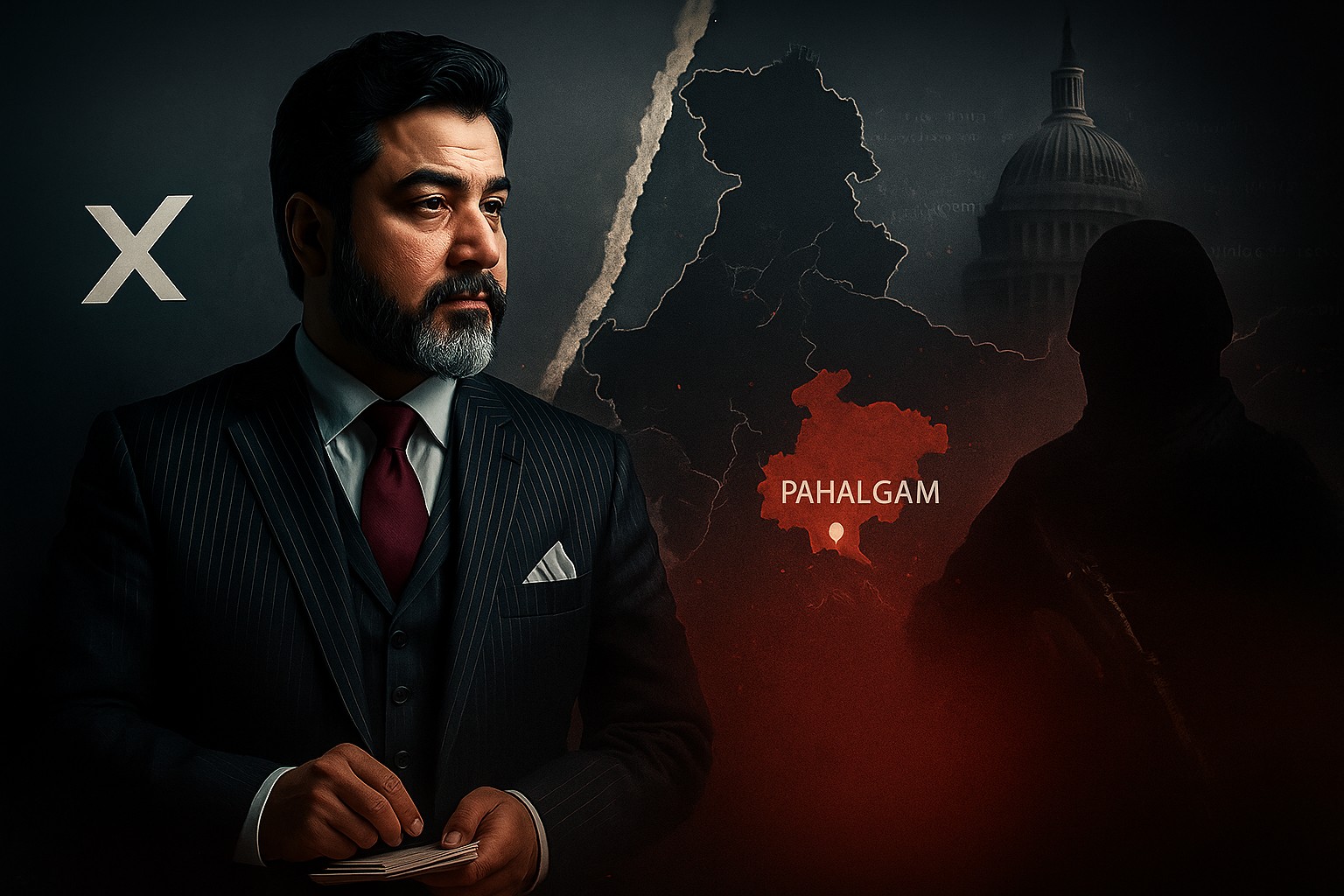
The letter recounts how my brother-in-law was abducted and held without charge in Pakistan after I criticized the military’s abuses. It explains how my family members in both Pakistan and the United States endured threats and intimidation until American authorities intervened.
This was not random violence. Instead, it was a message from Pakistan’s generals: your U.S. citizenship will not shield you if you challenge us.
Sadly, I am not the only one.
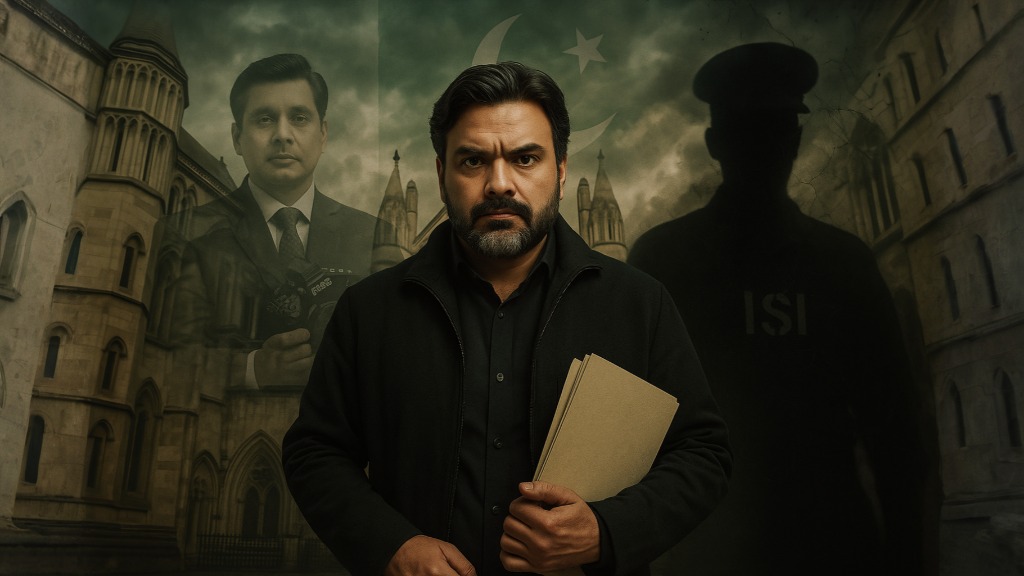
The congressional letter also details the case of investigative journalist Ahmad Noorani, whose brothers were kidnapped, beaten, and detained after he exposed alleged military corruption. In addition, it cites arbitrary arrests of social-media users, the persecution of opposition figures, the use of military courts against civilians, and the targeting of women, religious minorities, and Baloch activists.
This is not a democracy with flaws. Rather, it is a military regime wearing a civilian mask.
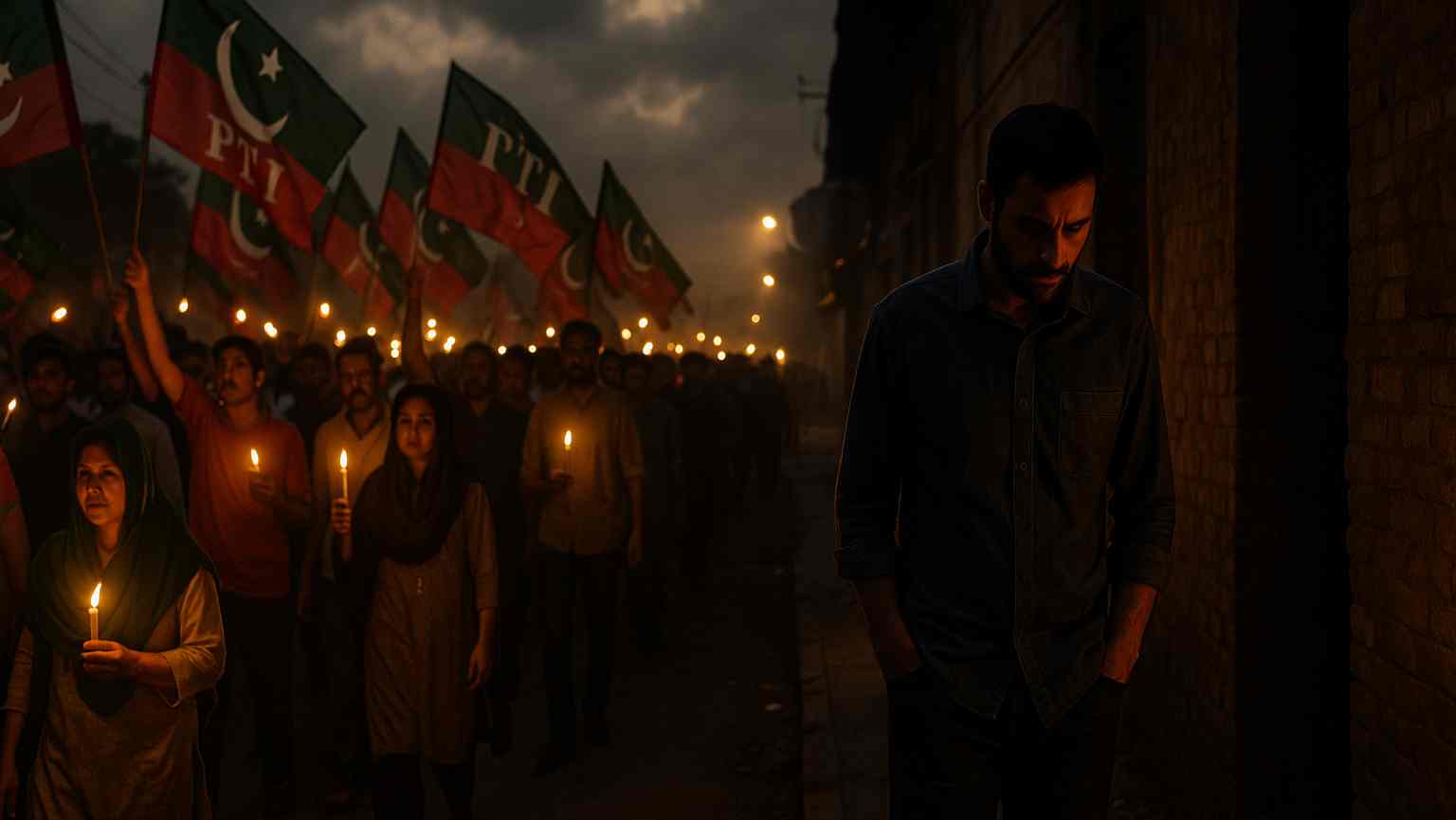
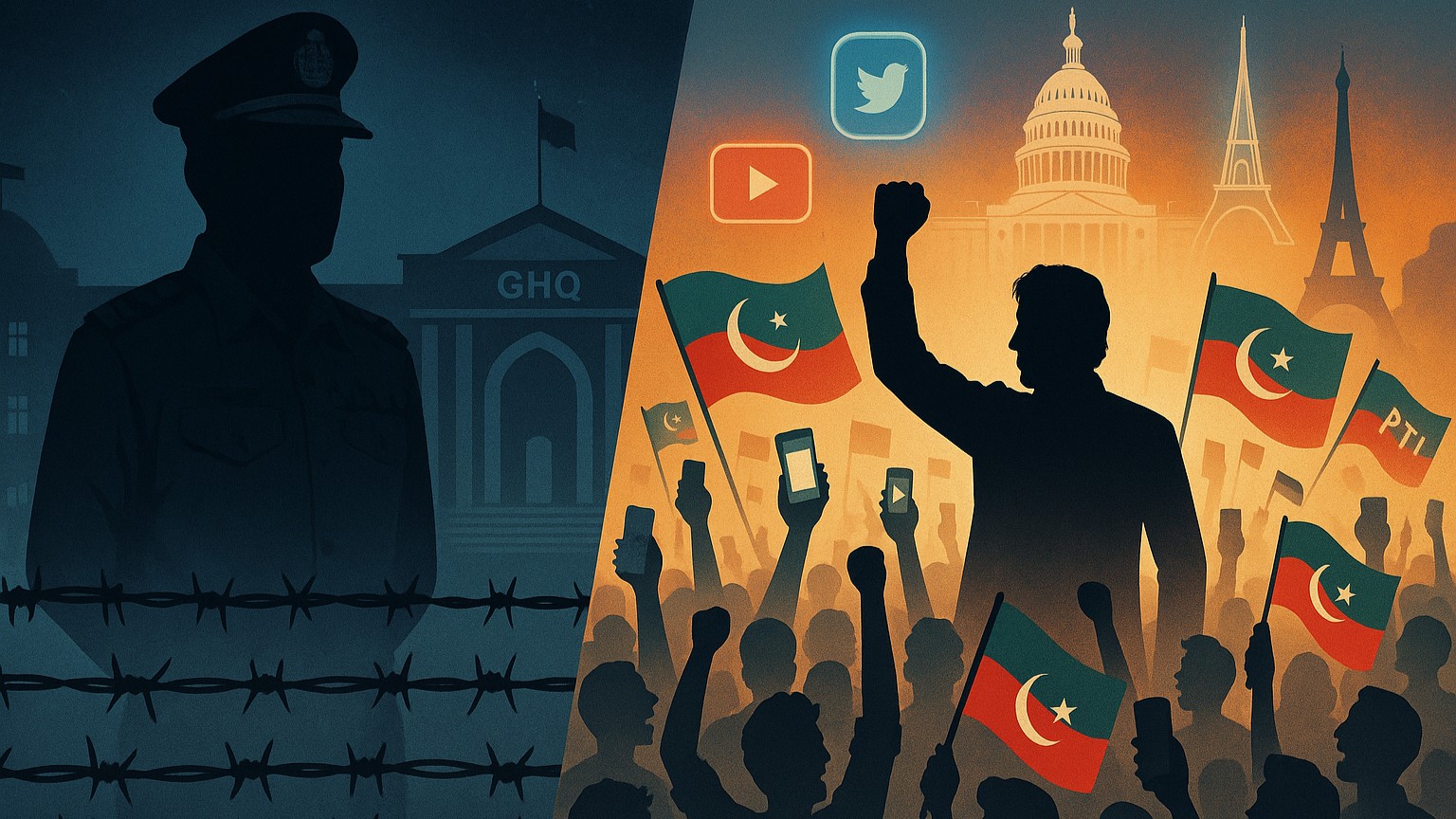
For diaspora families, the method remains brutally simple. You speak out in New York or Virginia, and your loved ones in Lahore or Islamabad disappear. You post a video, and someone back home is dragged from their house at night. Human-rights groups now have a name for this tactic: transnational repression. For us, however, it is simply terror by proxy.
The Ask: A Clear Line at America’s Borders
The December 3 congressional letter is more than a rebuke. It is a test of whether the United States will finally use the tools already available—Magnitsky-style sanctions, visa bans, asset freezes, and criminal prosecutions—to draw a clear and durable line:
Your borders stop where our laws begin.
As a Pakistani-American, my ask is simple, actionable, and necessary.
1) Targeted sanctions
The State Department should impose visa bans and freeze assets of Pakistani officials involved in transnational repression and systematic abuses.
2) Treat threats as national-security cases
The Justice Department and FBI must treat intimidation against Pakistani-American families as national-security matters. Investigations should begin when relatives abroad are abducted or attacked in retaliation for protected speech in the United States.
3) Tie security cooperation to real reforms
Security cooperation with Islamabad should depend on verifiable measures:
releasing political prisoners
ending military trials of civilians
dismantling the intimidation machinery targeting the diaspora
The Precedent That Must Be Set
Authoritarian leaders study one another. If Asim Munir succeeds in silencing Pakistani-Americans through intimidation abroad and coercion at home, others will quickly copy the playbook. However, if he fails—if the cost includes travel bans for his children, frozen accounts in Dubai or London, and criminal exposure for his agents in the West—then a powerful precedent will stand.
The stakes extend far beyond one imprisoned leader or one threatened diaspora. Instead, they involve the future of democratic norms in a hyper-connected world where transnational repression no longer respects borders.
Dr. Salman Ahmad, United Nations Goodwill Ambassador, Pakistani-American, Human Rights Defender and a famous rockstar, Founder of rock band “Junoon”