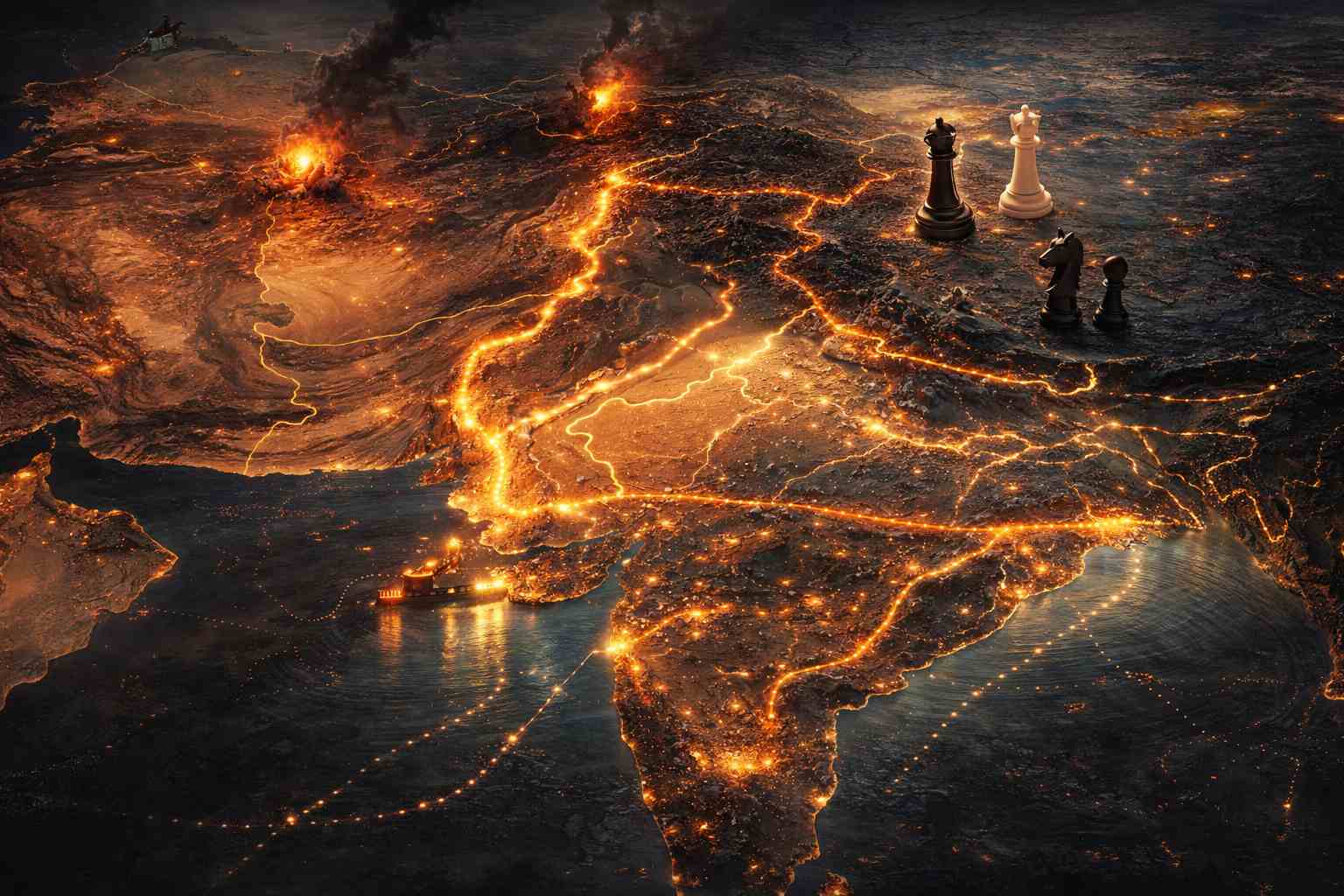
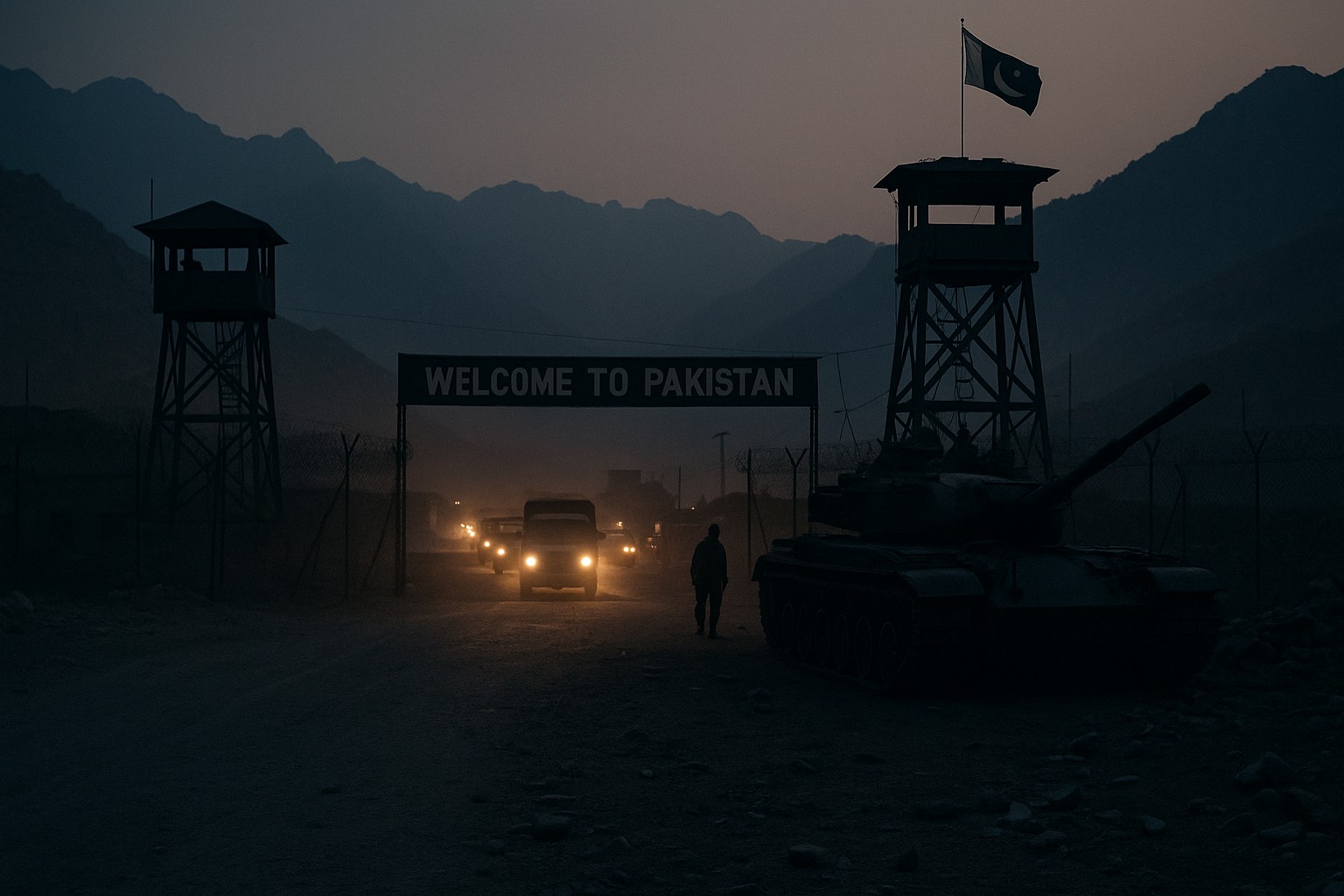
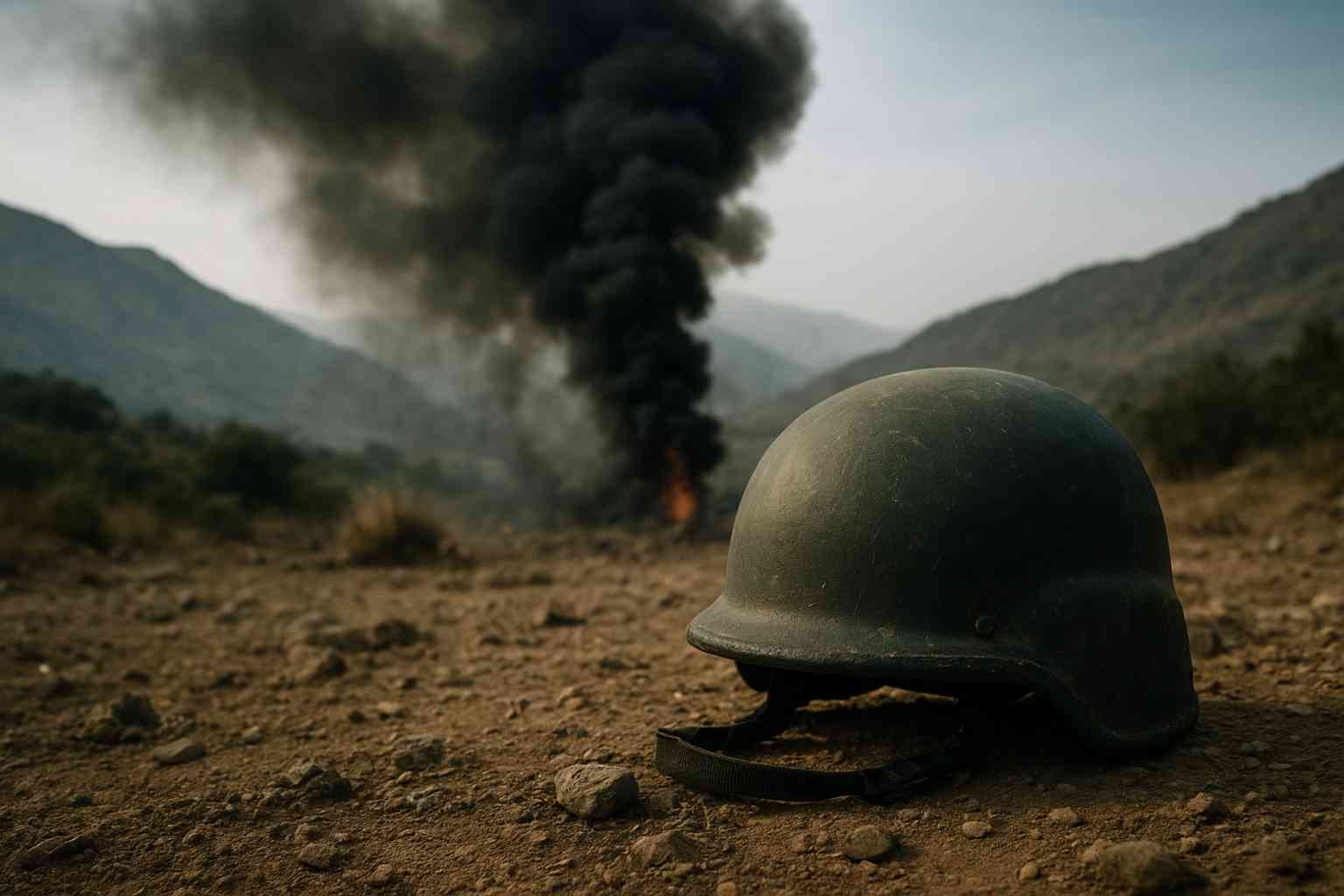
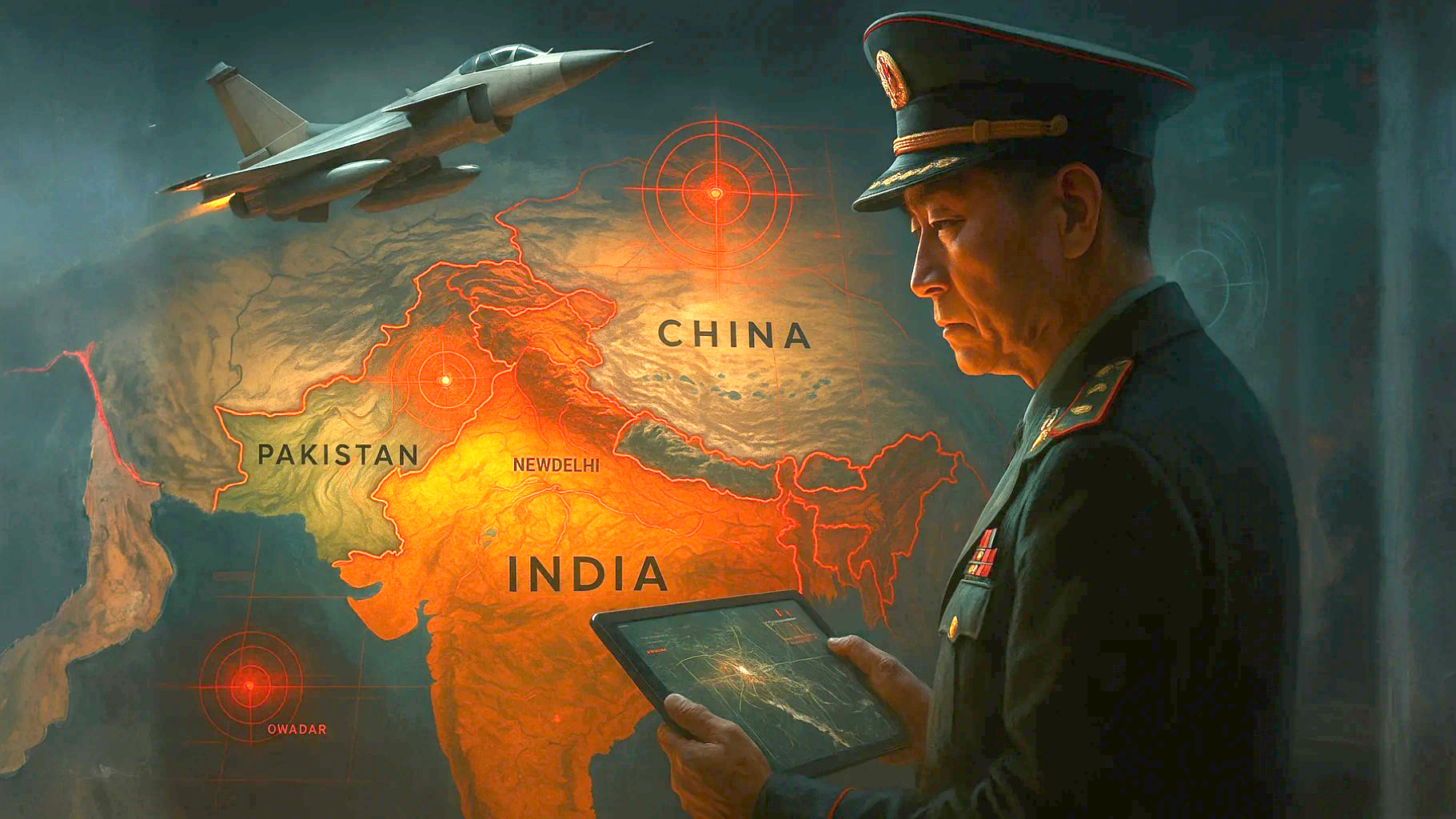
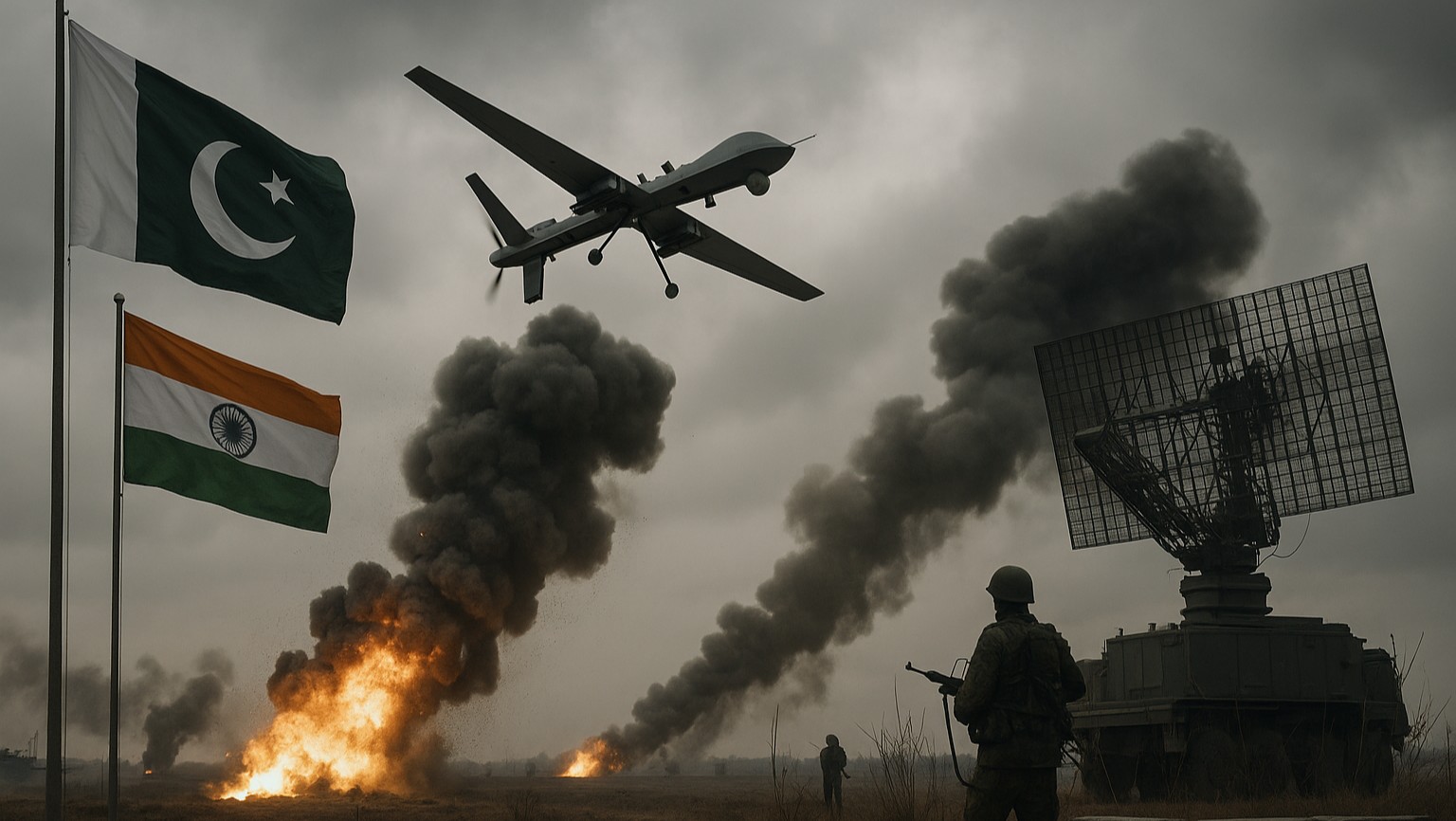
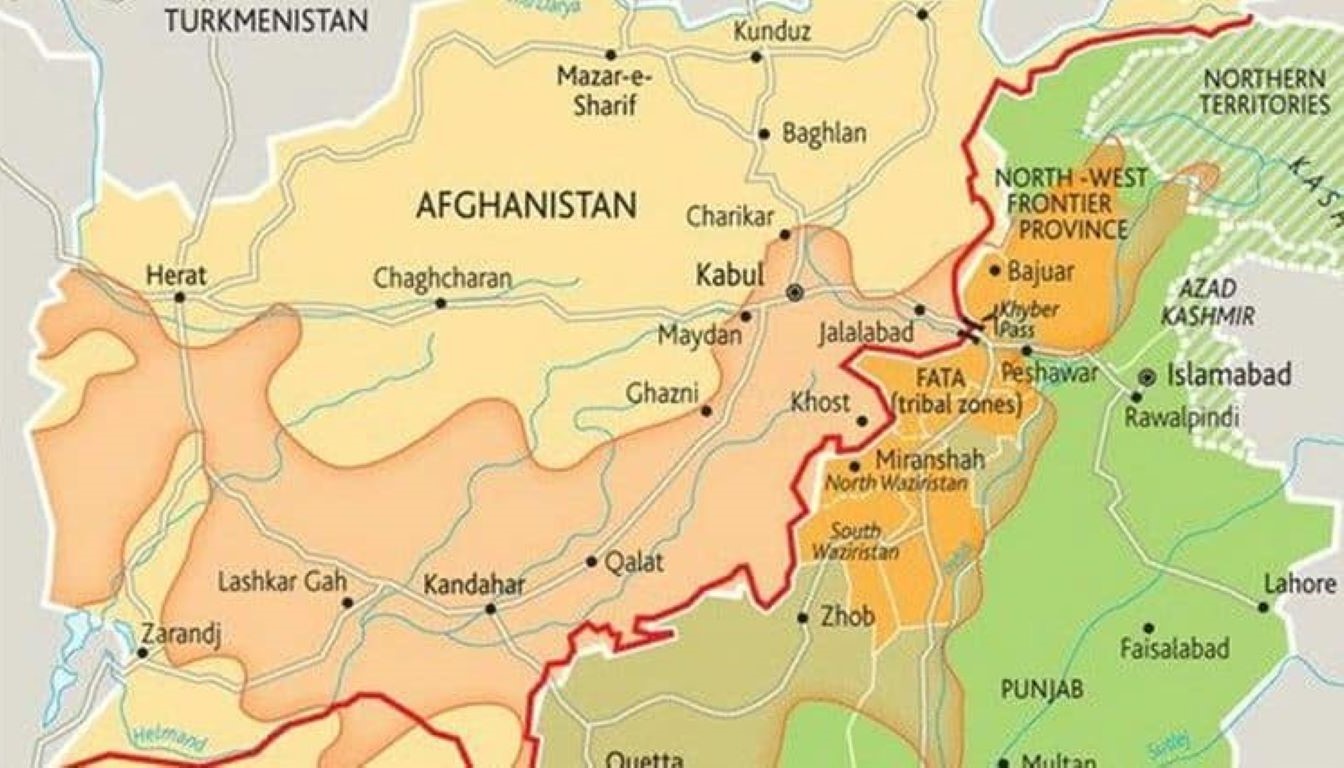
India border insecurity has intensified over the past 72 hours as fresh developments in Bangladesh and Pakistan deepen regional instability. Security analysts warn that rising militancy, weak coordination, and political distrust now threaten not only India’s frontiers but the wider South Asian security environment.
Meanwhile, the deteriorating situation has renewed concerns over cross-border movement, terror financing, and trade disruption. These pressures increasingly affect Pakistan, Bangladesh, and smaller regional economies already struggling with political and economic stress.
India border insecurity and rising regional threats
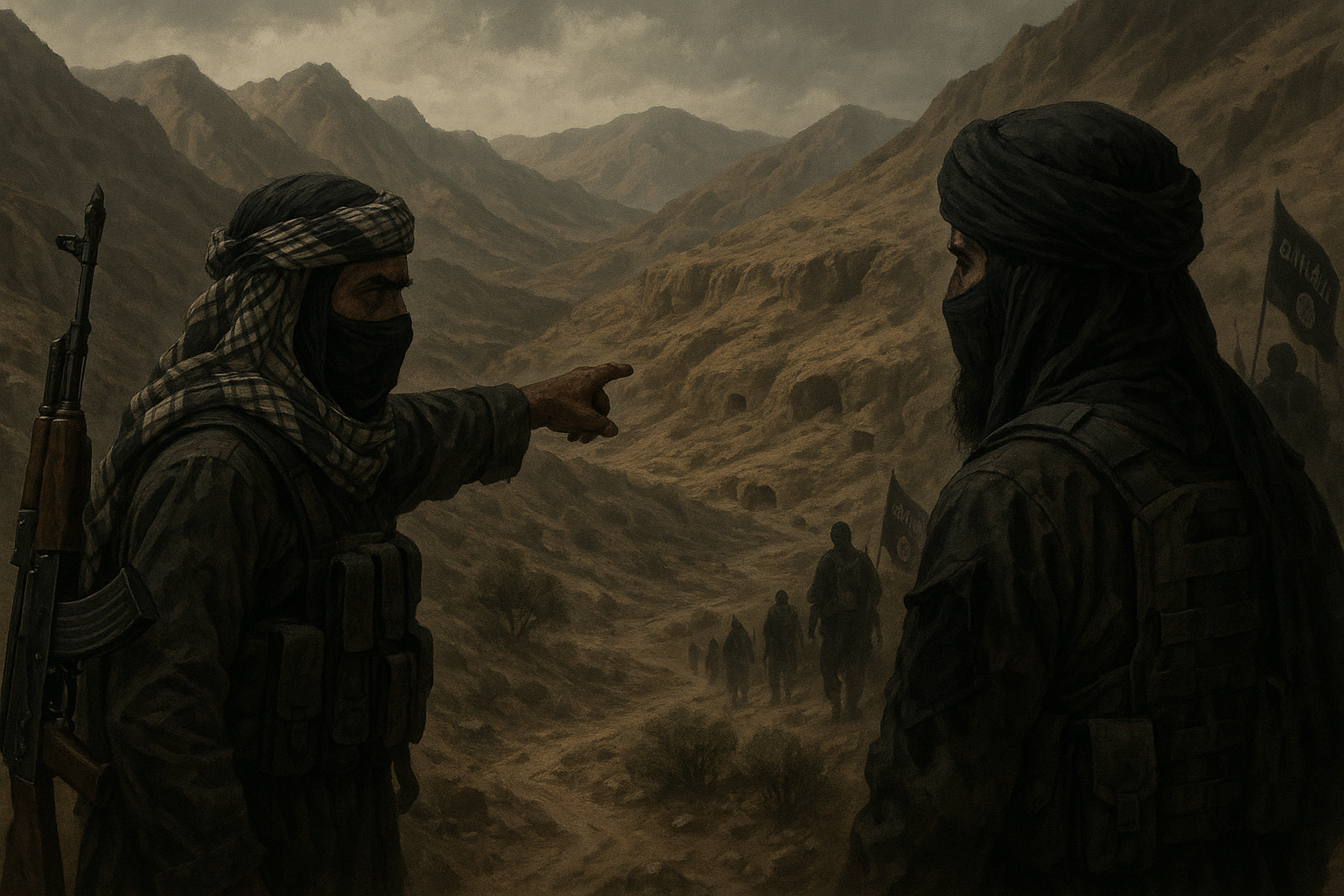
Recent reporting from regional risk monitors highlights a sharper threat environment along India’s borders. In particular, evolving dynamics in Bangladesh and Pakistan have raised alarms over infiltration routes and militant regrouping.
However, the challenge is not purely external. India’s border insecurity reflects a broader failure of regional trust and intelligence coordination. As a result, security responses now lean toward unilateral hardening rather than cooperation.
This shift increases risk on all sides.
Pakistan factor: Militancy, mistrust, and shared risk
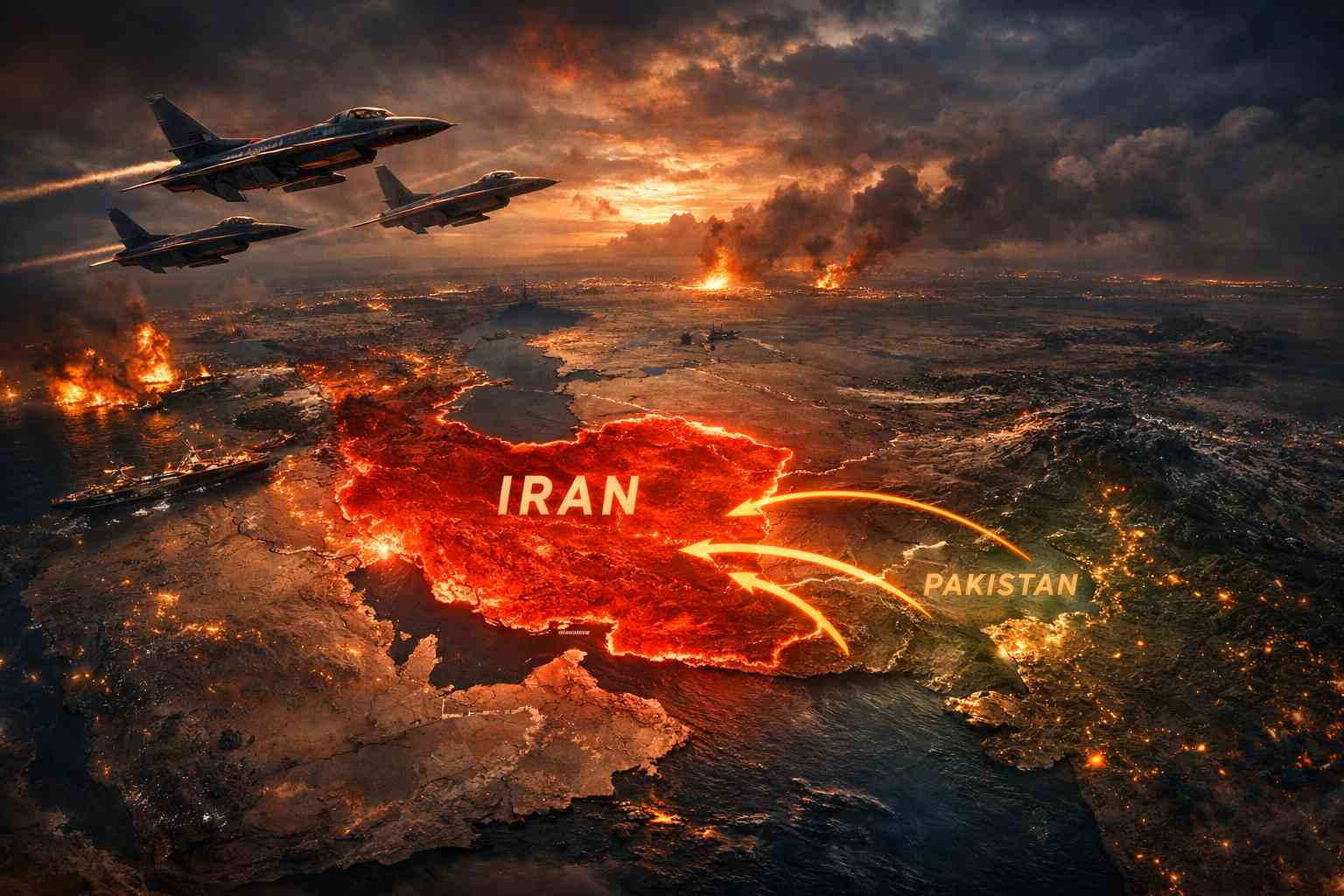
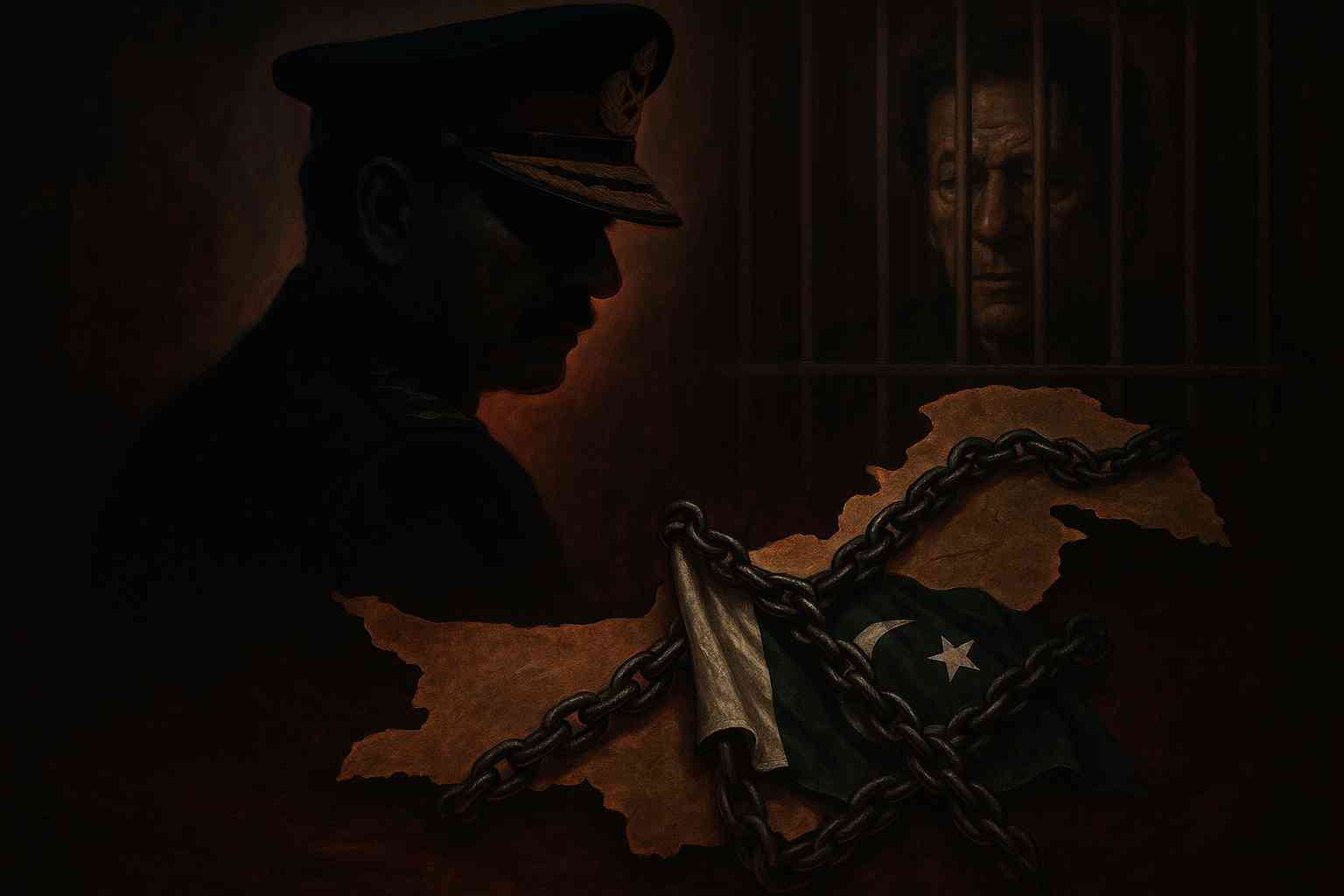
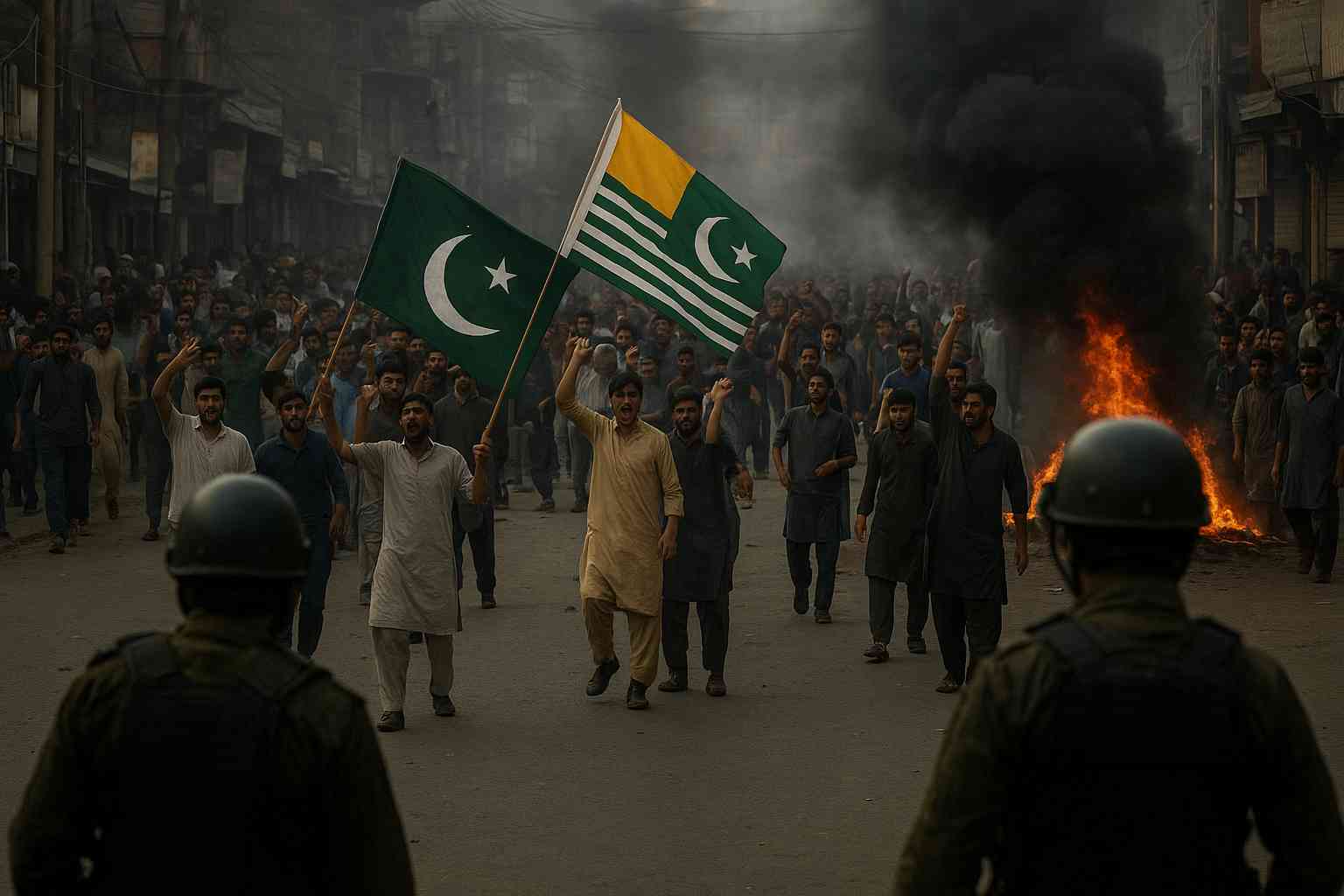
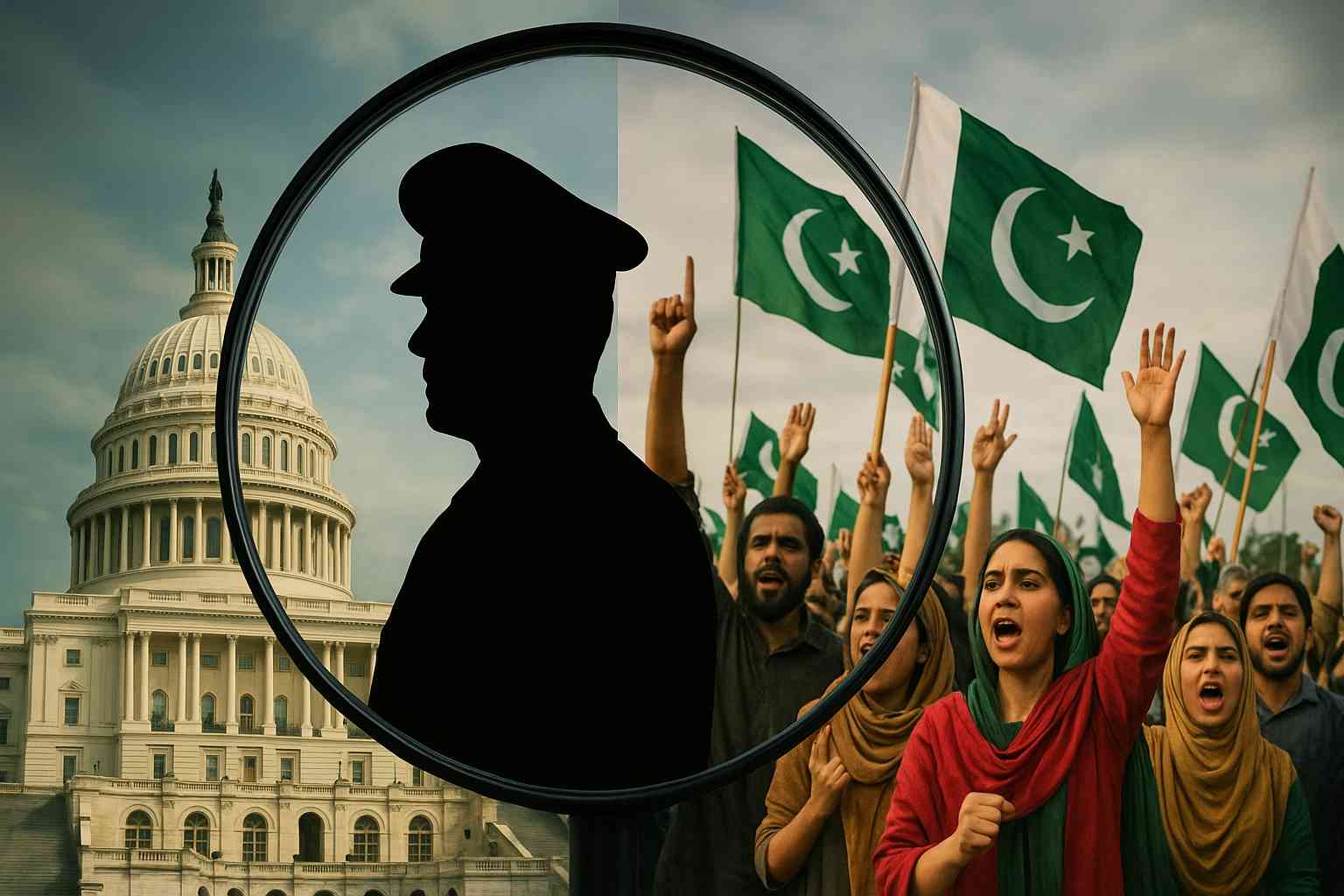
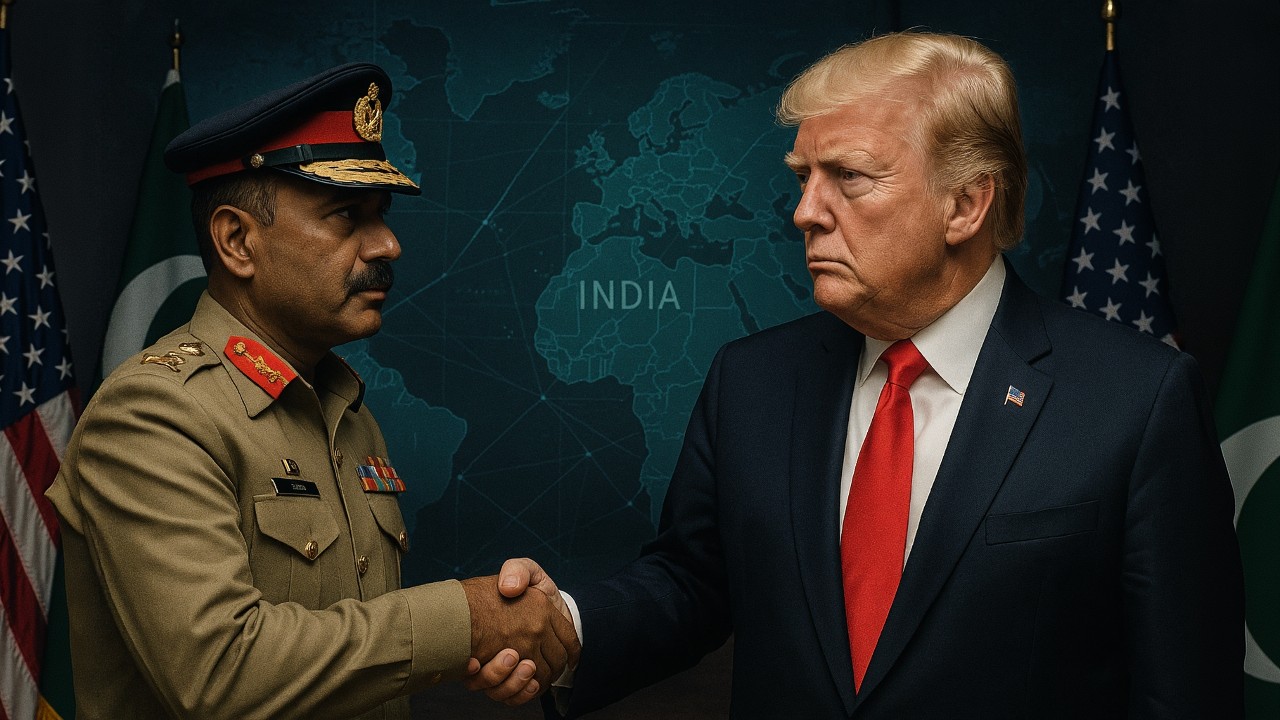
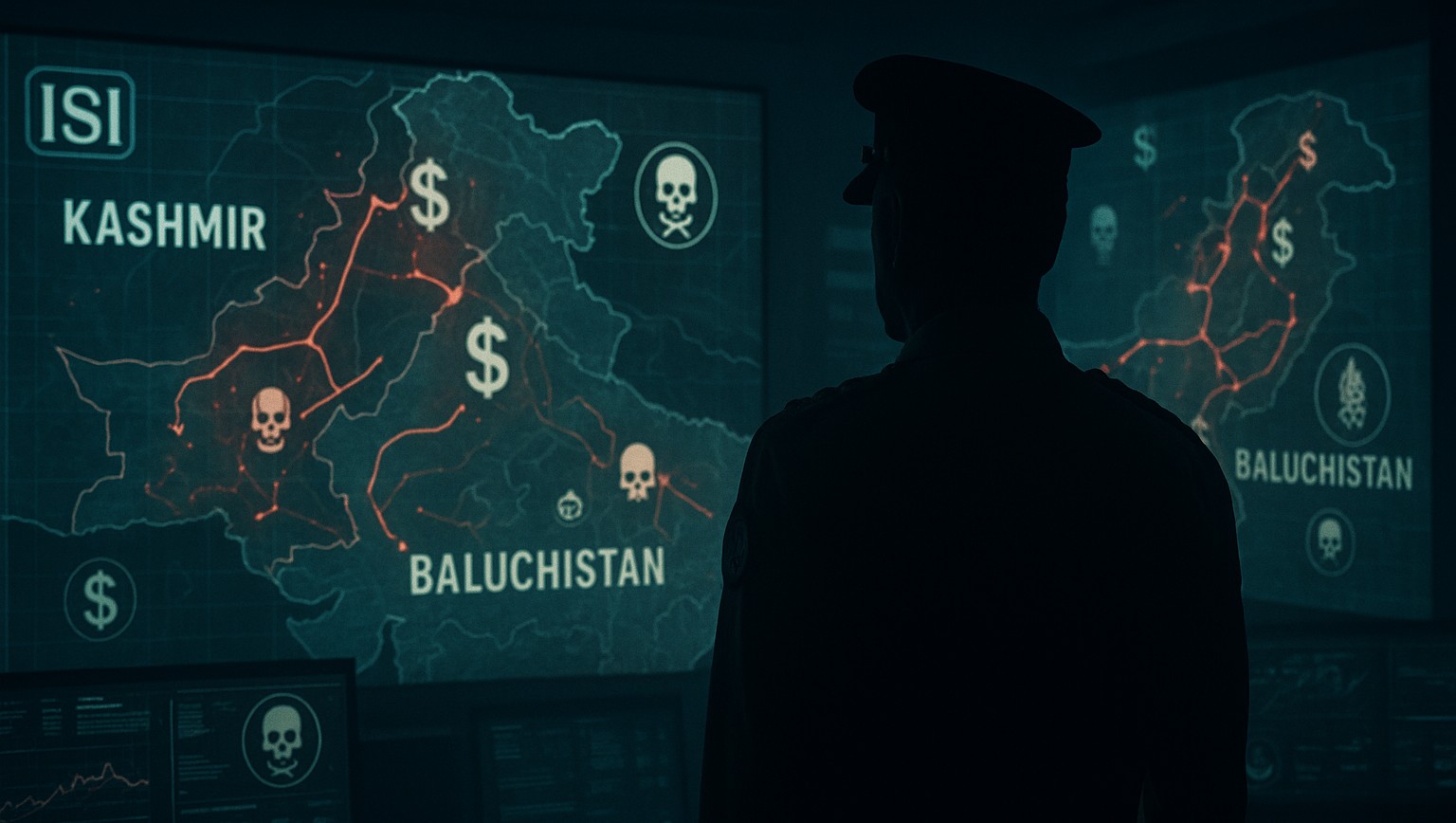
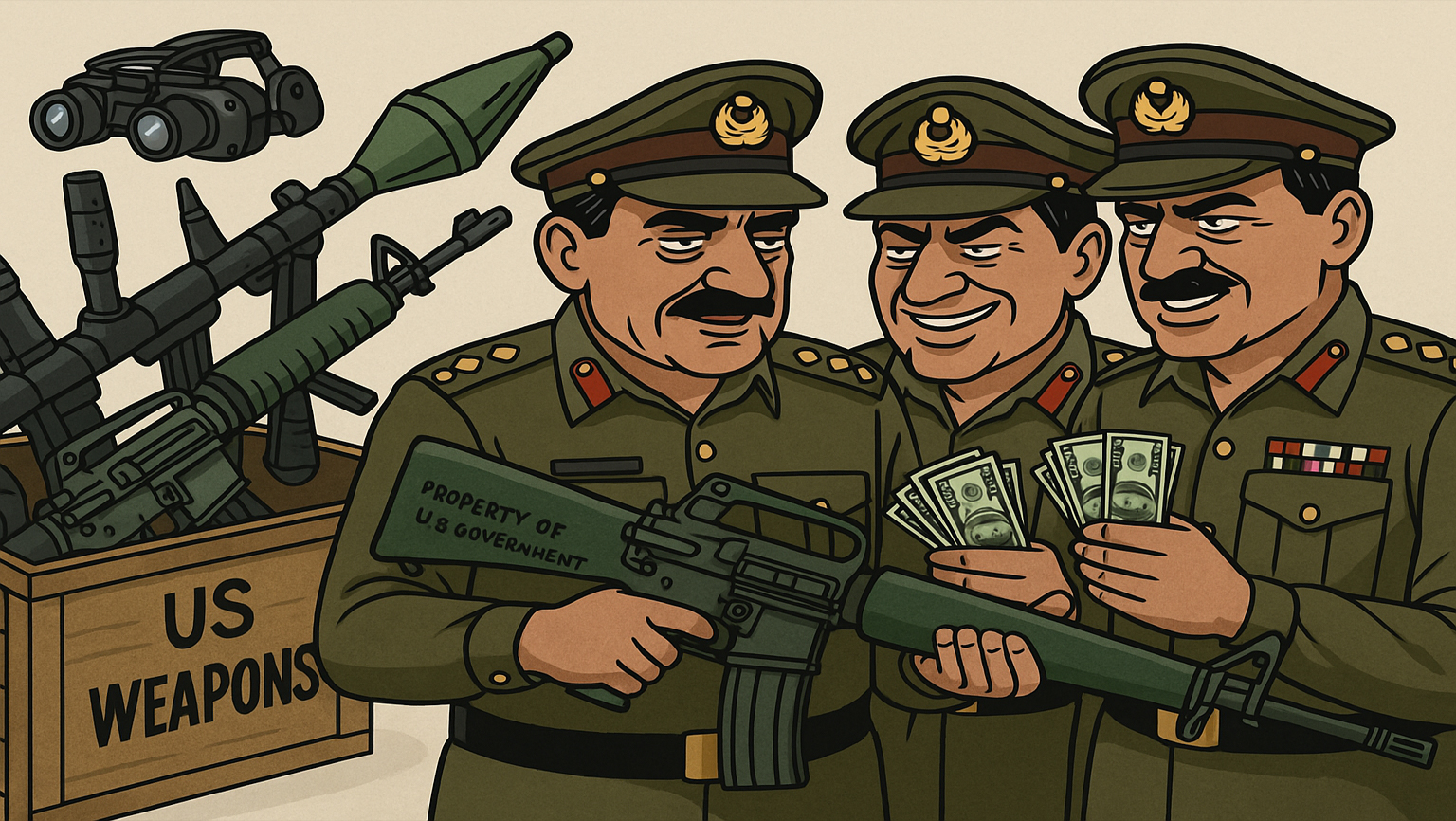
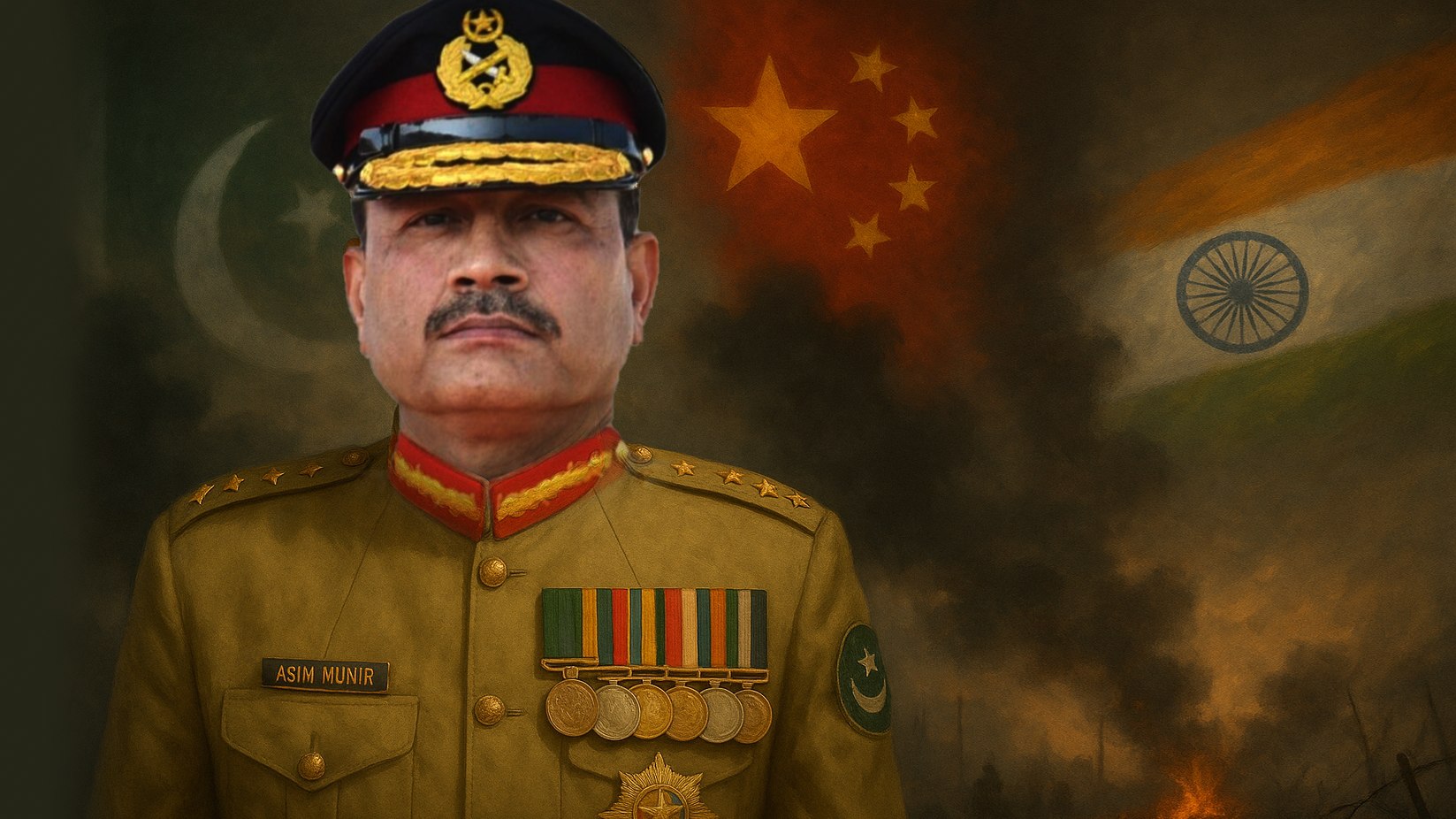
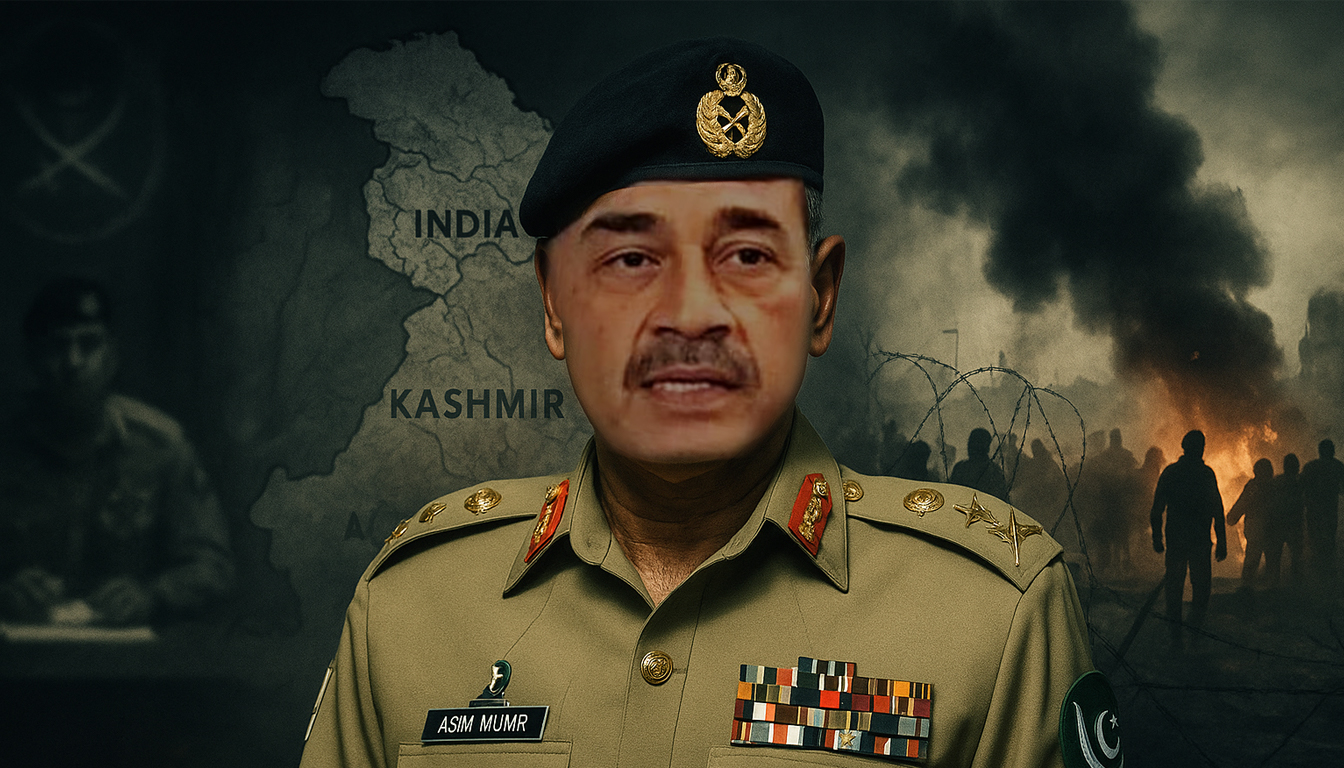
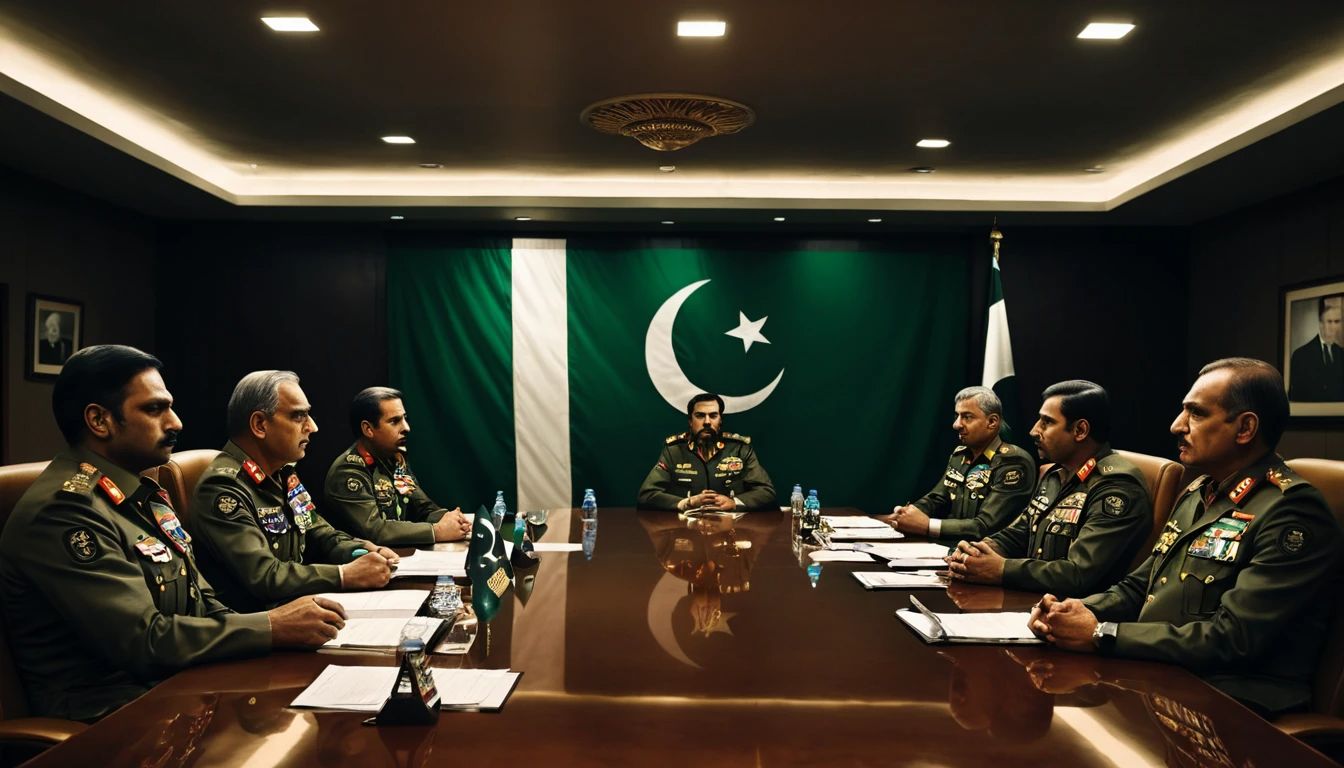
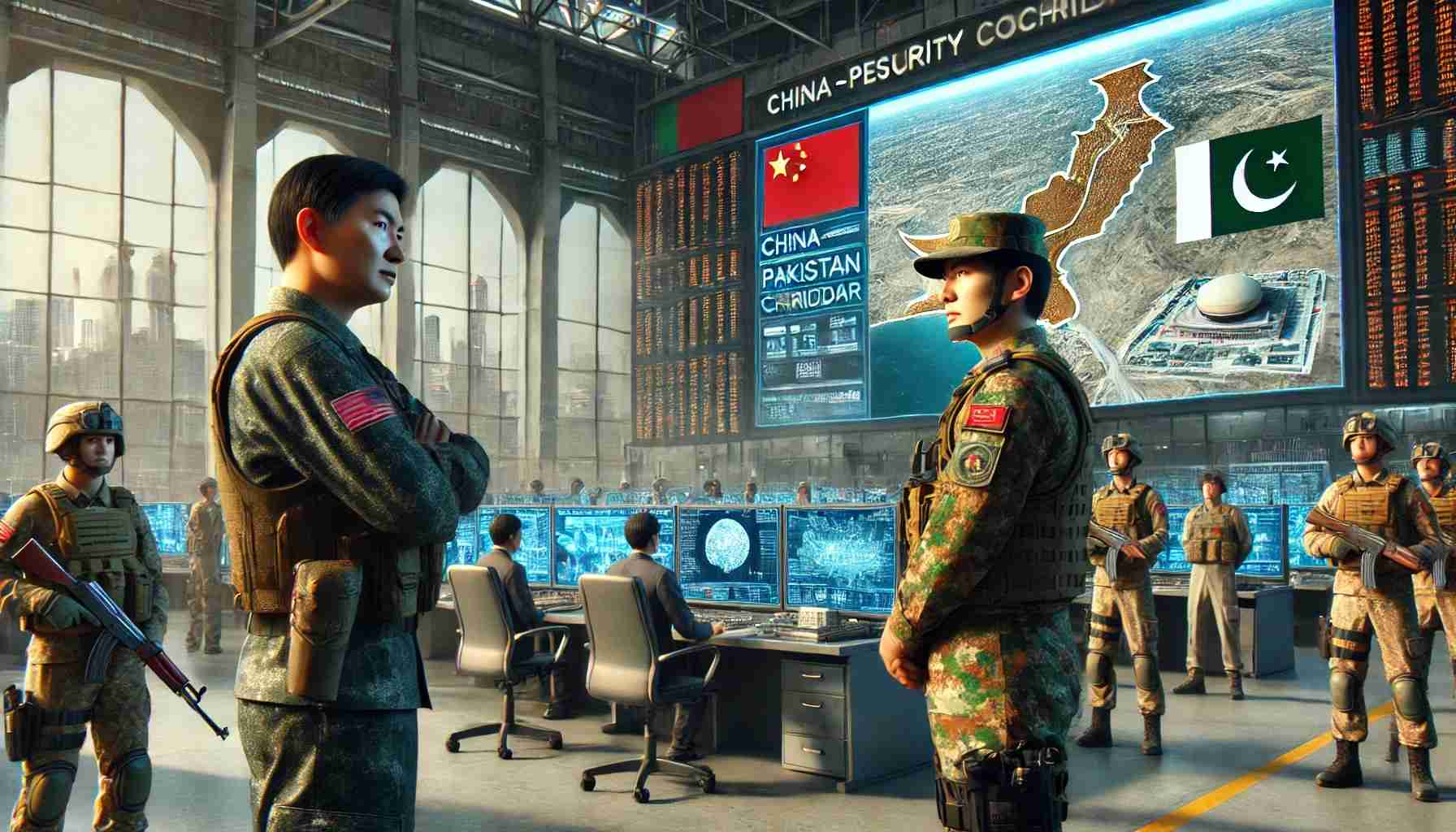
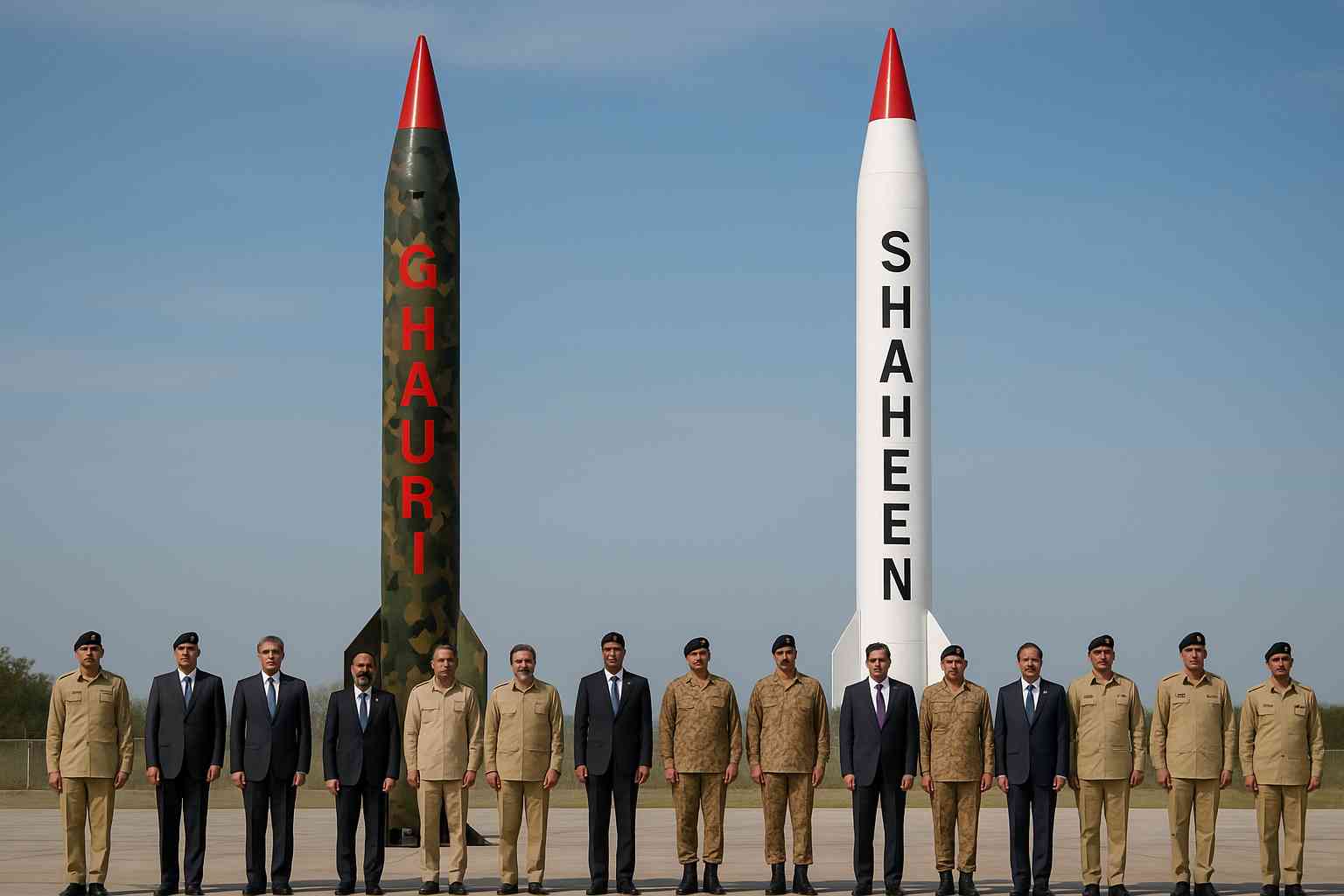
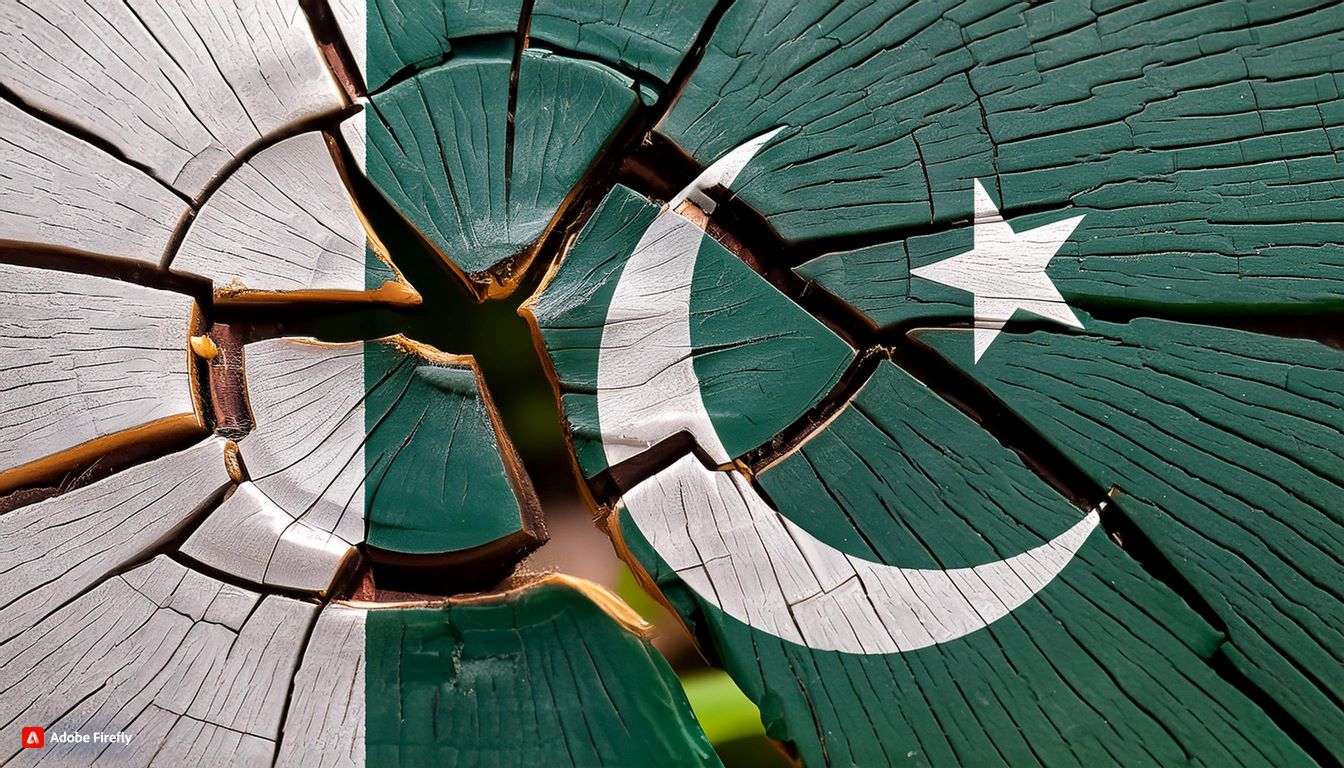
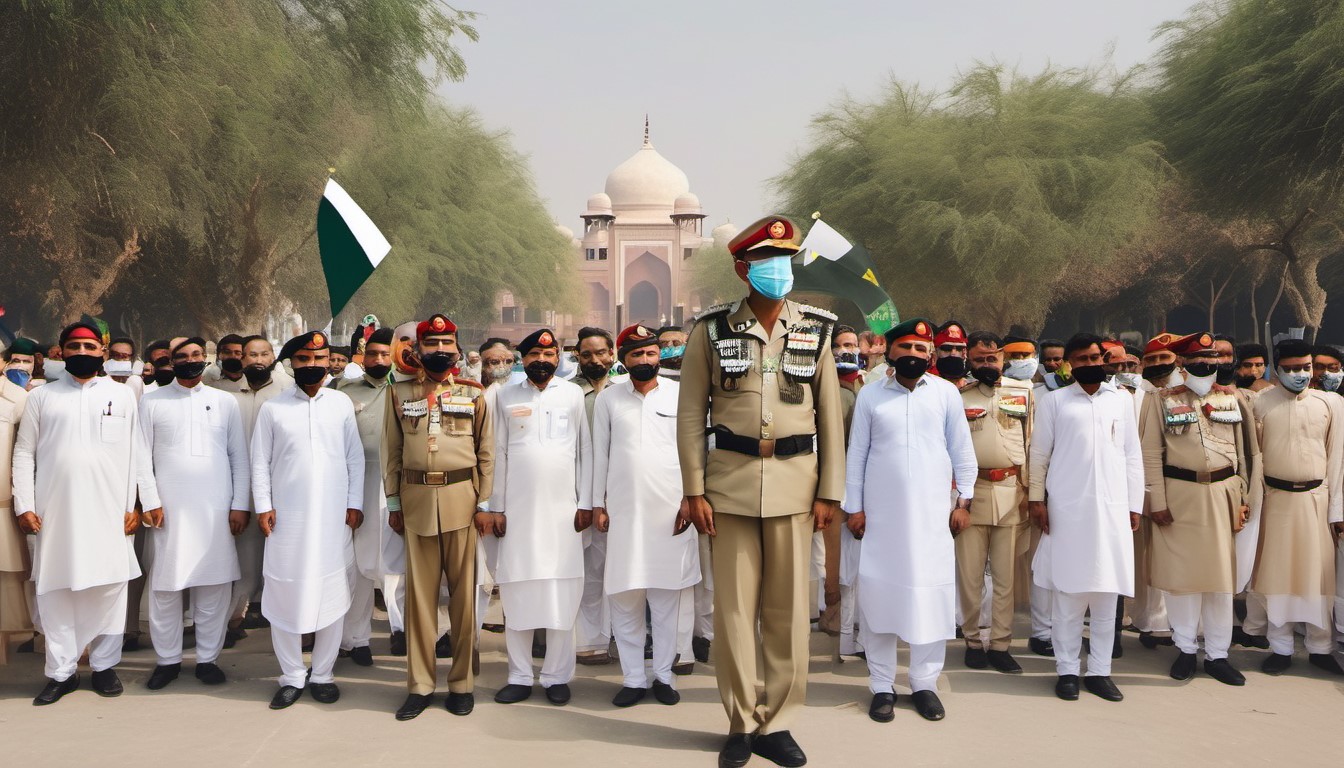
Pakistan remains a central variable in India border insecurity. Persistent militant activity, combined with political instability and military dominance, continues to complicate security dynamics.
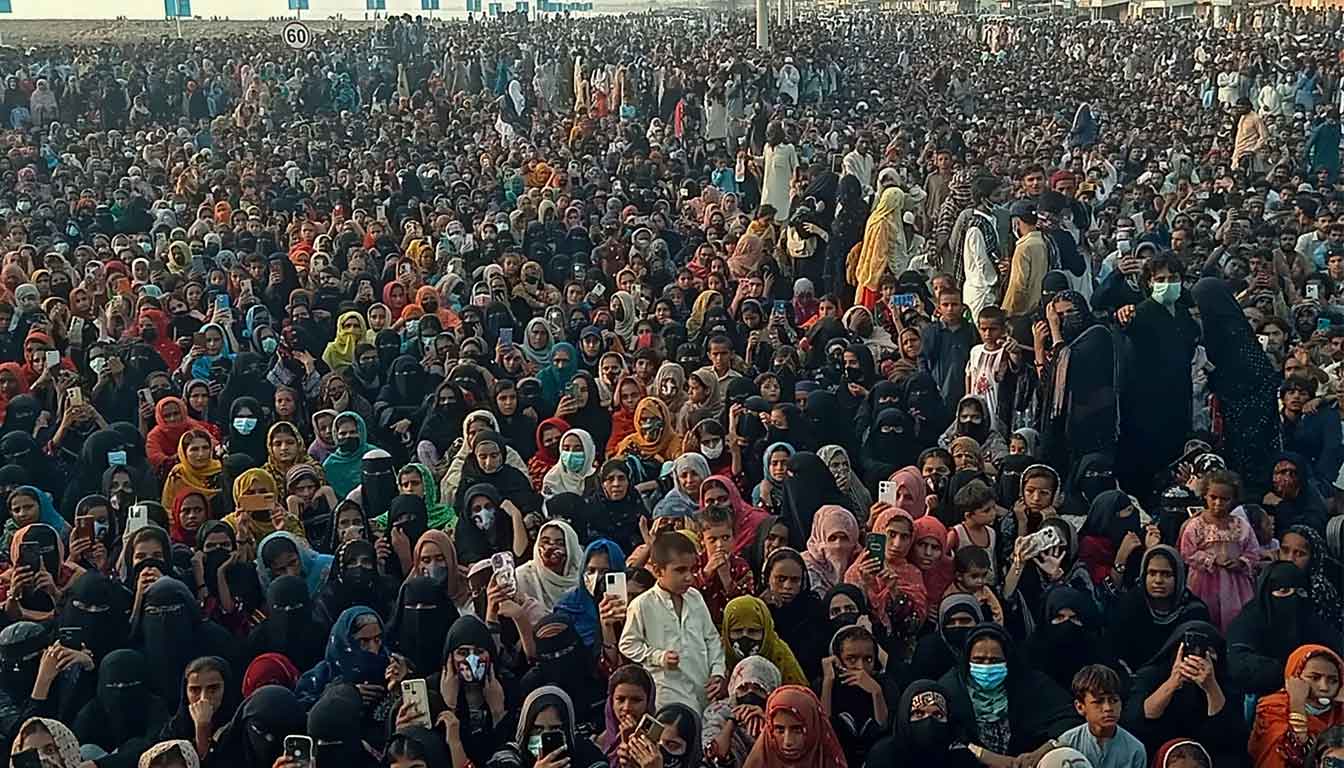
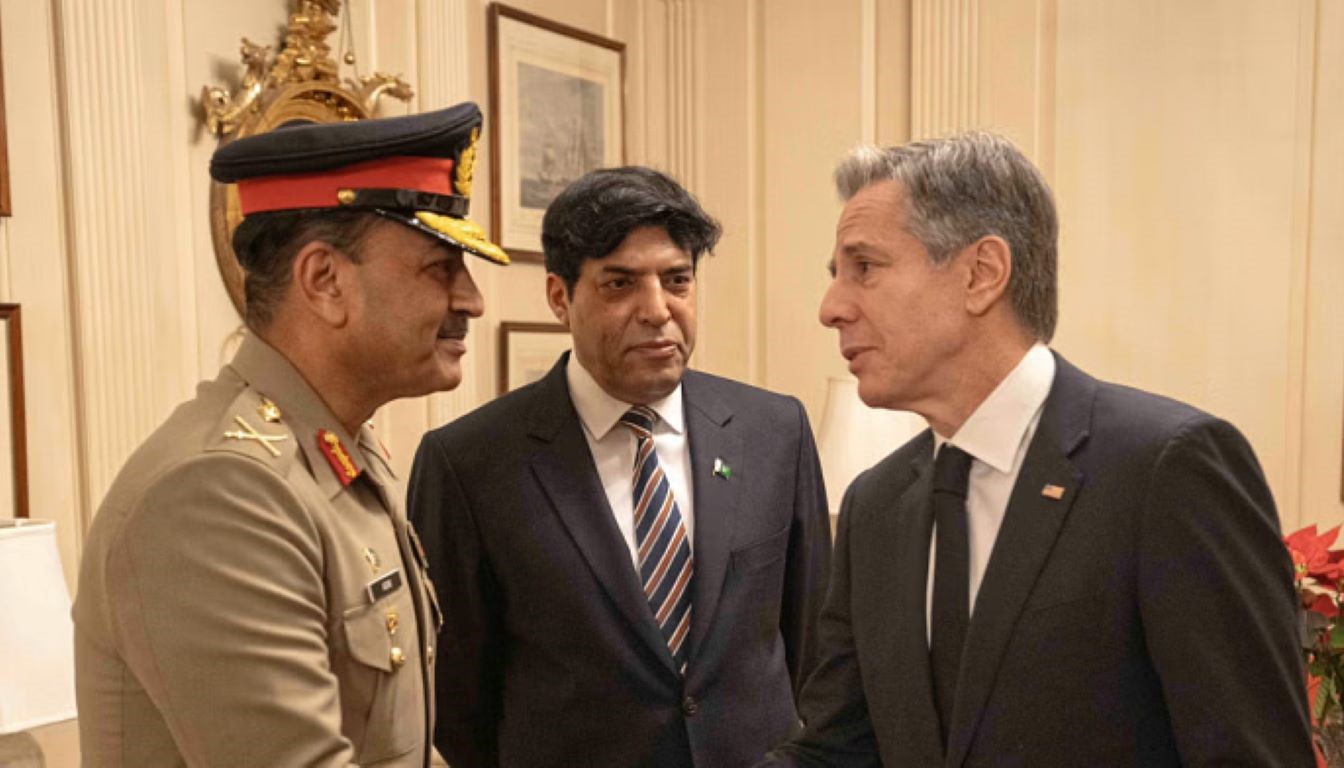
At the same time, Pakistan faces its own surge in militant violence. These pressures reduce Islamabad’s ability to coordinate meaningfully on border security. Instead, both states default to suspicion and escalation.
Consequently, terror risks now threaten both India and Pakistan, even as dialogue remains frozen.
Bangladesh developments add a new layer to India border insecurity
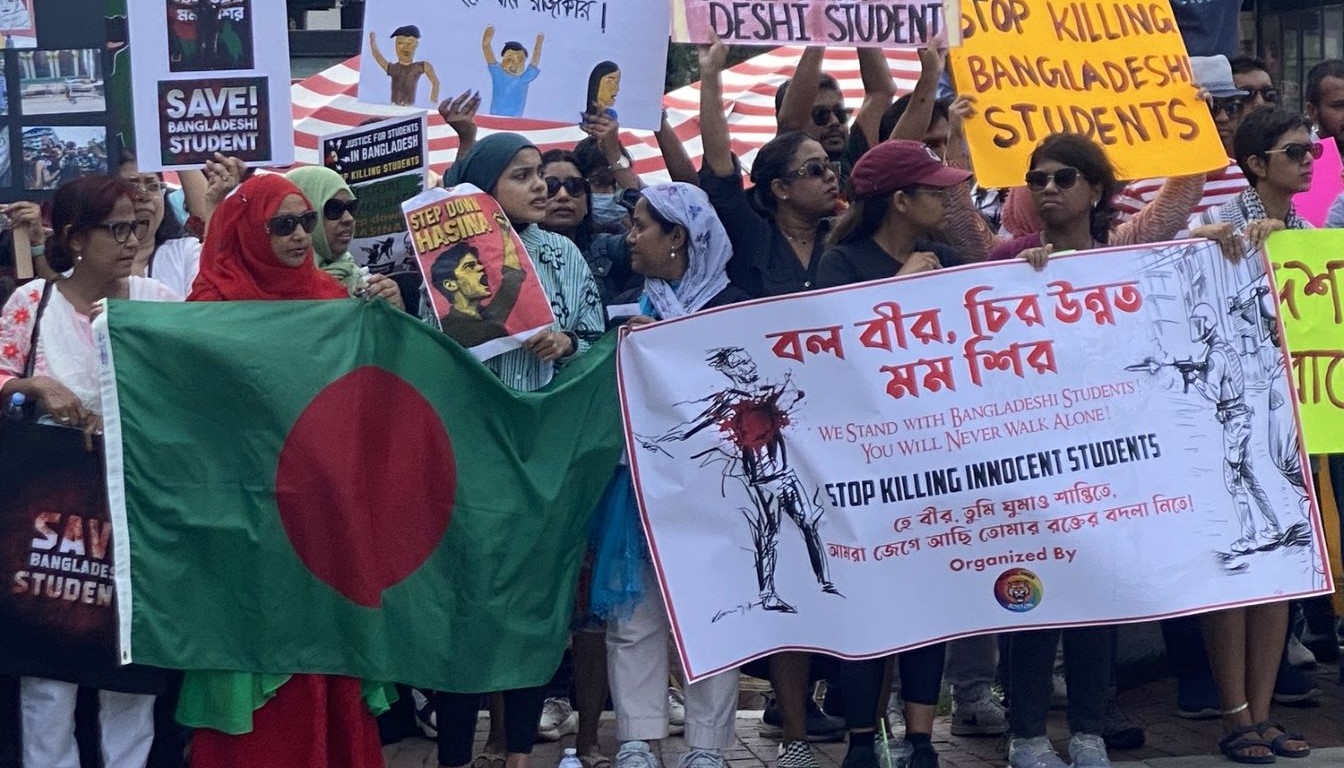
Meanwhile, events in Bangladesh have added complexity to India’s eastern frontier. Political unrest and security lapses have heightened concerns over cross-border movement and extremist exploitation.
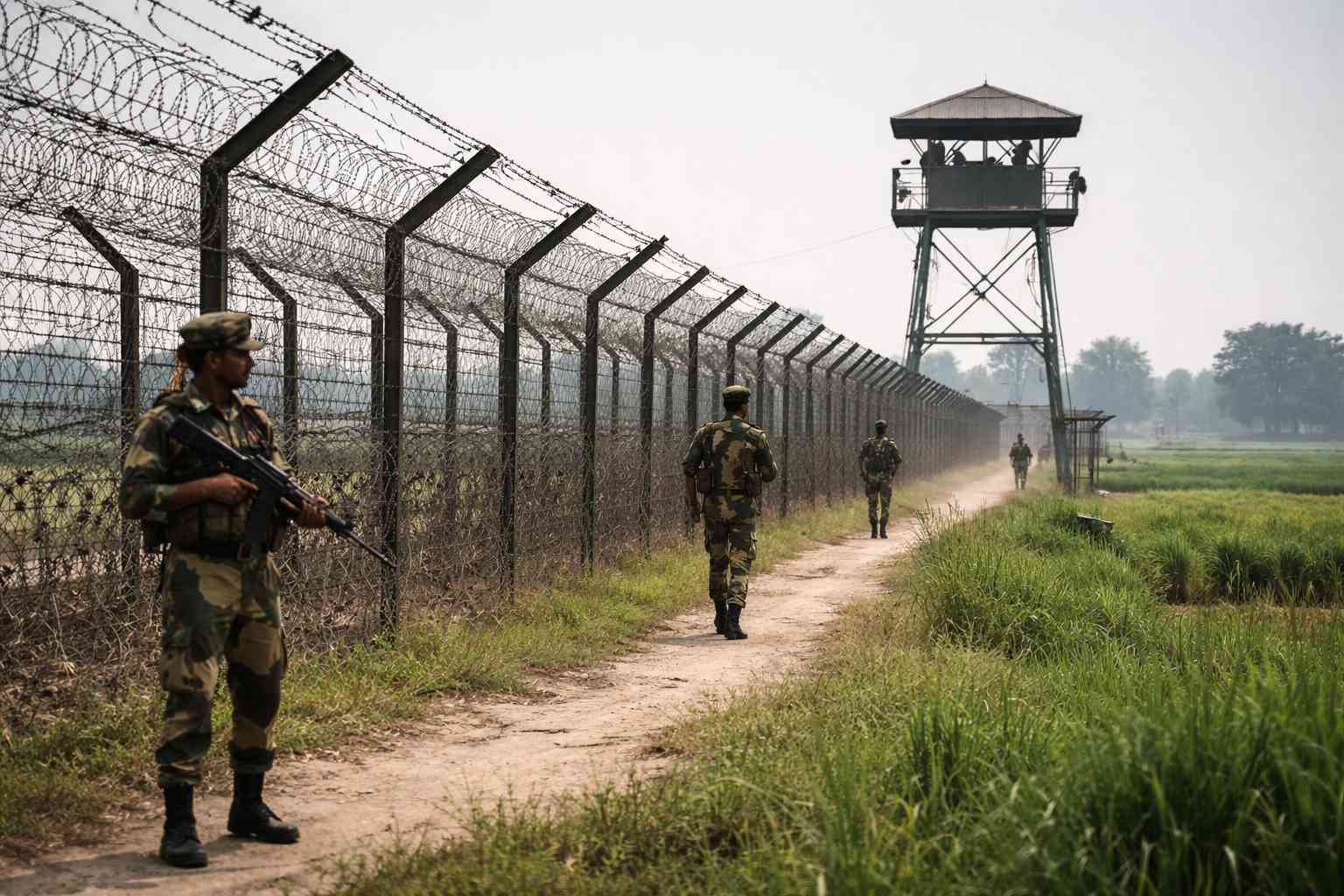
Moreover, economic stress and migration pressures amplify the challenge. India has responded by tightening border controls, but analysts caution that enforcement alone cannot resolve structural instability.
Without coordination, insecurity multiplies.
India border insecurity strains regional economic ties
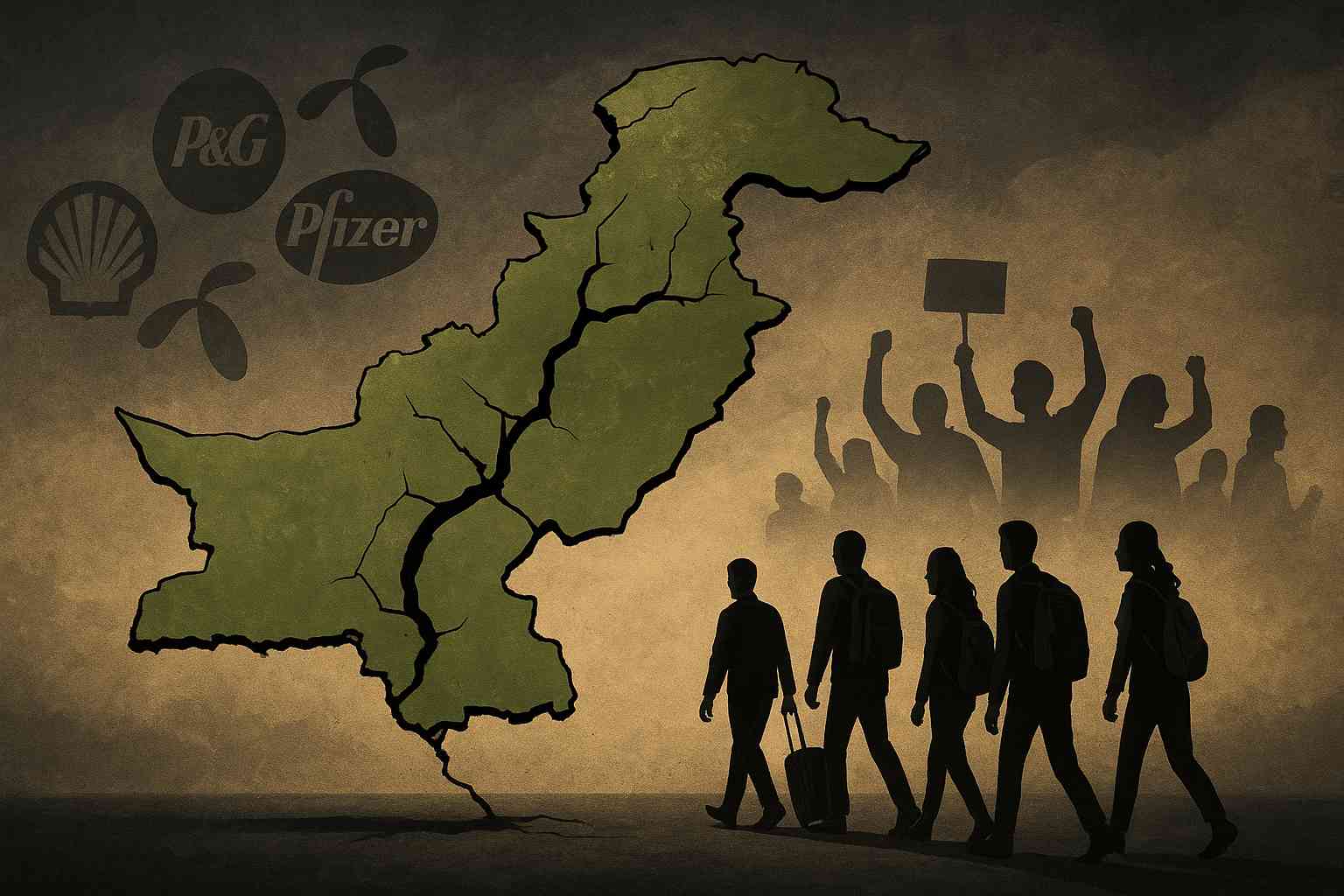
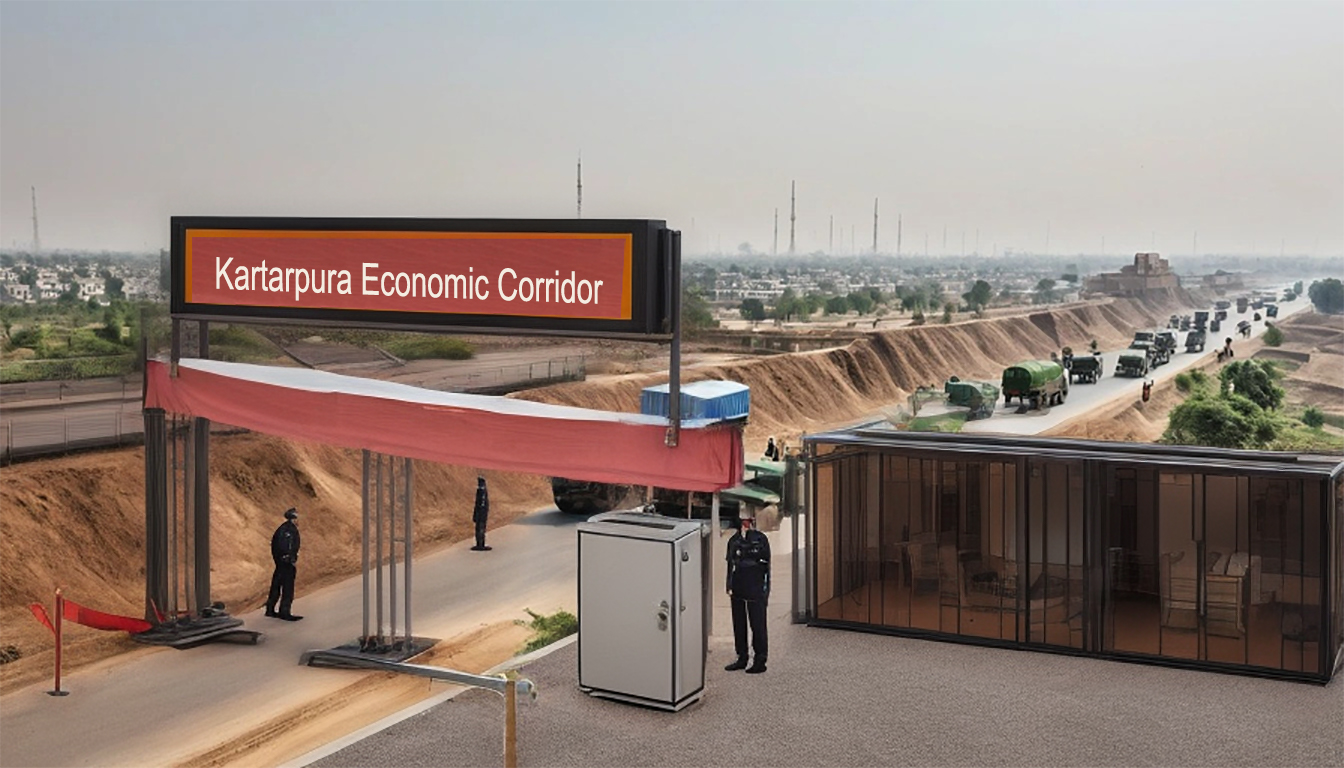
The security fallout extends beyond borders. Trade routes face disruption, while labor movement becomes more restricted.
Sri Lanka and Bangladesh feel indirect pressure as India hardens its perimeter. Pakistan also faces economic consequences as regional connectivity weakens further.
Thus, India border insecurity increasingly carries economic costs, not just security implications.
Mutual distrust drives security-first responses
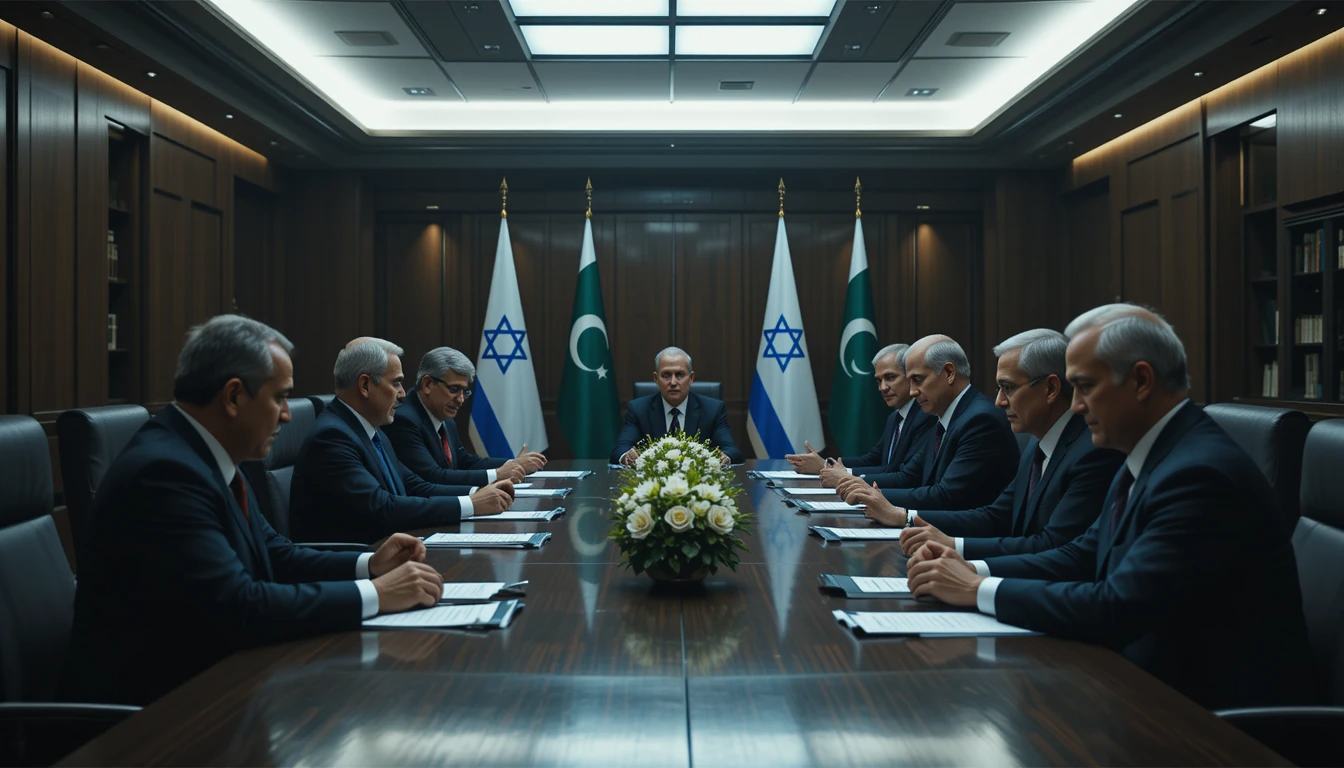
At the core of the crisis lies deep mistrust. India views its neighbors through a security lens shaped by decades of conflict. Pakistan and Bangladesh, in turn, see India’s measures as coercive.
As a result, calls for increased surveillance, fencing, and military deployment grow louder. However, these steps address symptoms rather than causes.
Without political engagement, insecurity becomes self-reinforcing.
What changed in the last 72 hours
Over the past three days, regional threat assessments have flagged elevated risks. Analysts cite militant regrouping, porous borders, and reduced intelligence sharing.
At the same time, political instability in Pakistan and Bangladesh has weakened internal security focus. This combination has accelerated concerns about cross-border spillover.
Therefore, the urgency has increased.
What comes next for India border insecurity
Short-term responses will likely prioritize enforcement and deterrence. India appears set to expand border patrols and surveillance infrastructure.
However, long-term stability requires cooperation. Without addressing militancy, governance failures, and regional distrust, India border insecurity will persist.
Ultimately, South Asia’s security crisis is shared, even if solutions remain fragmented.