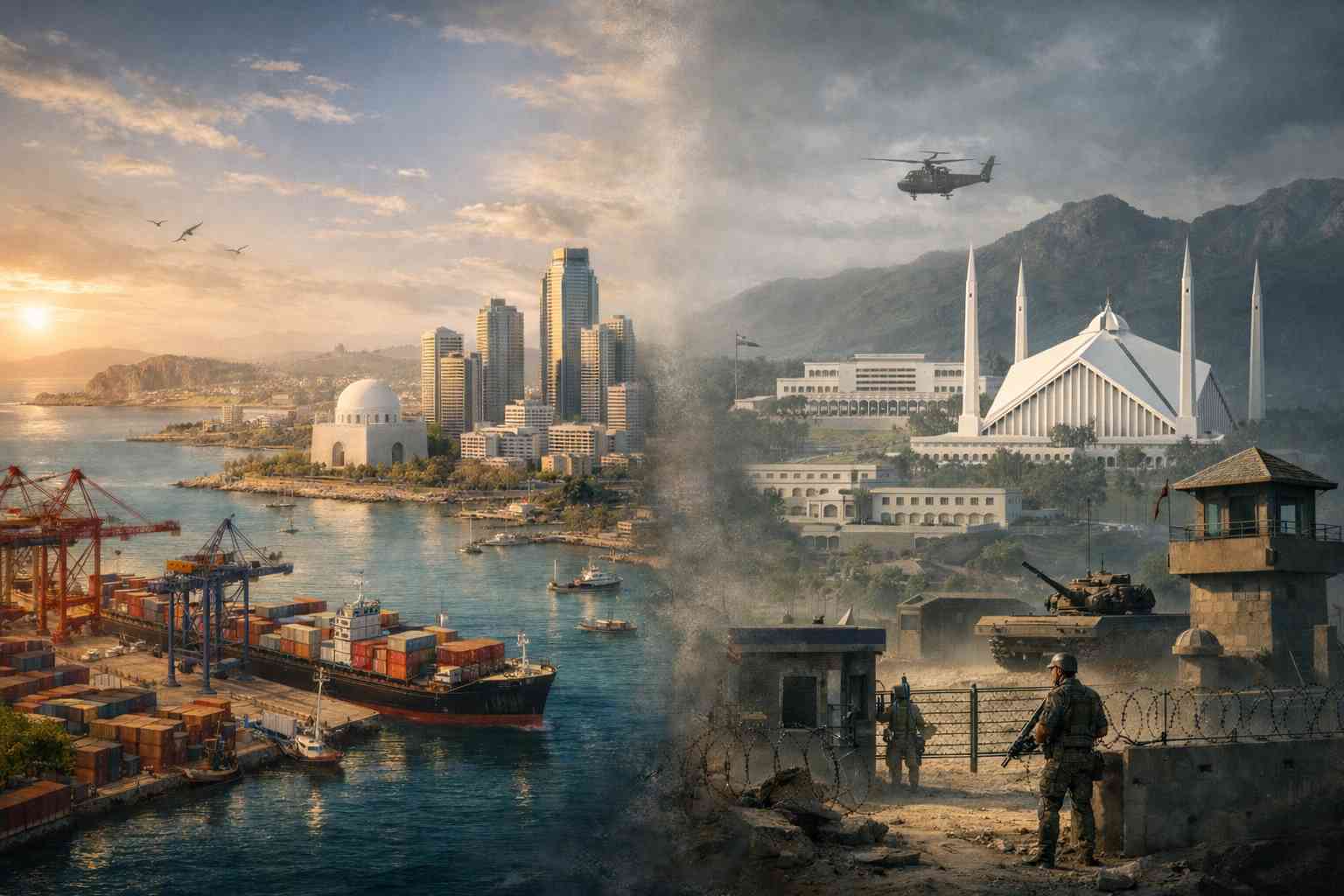
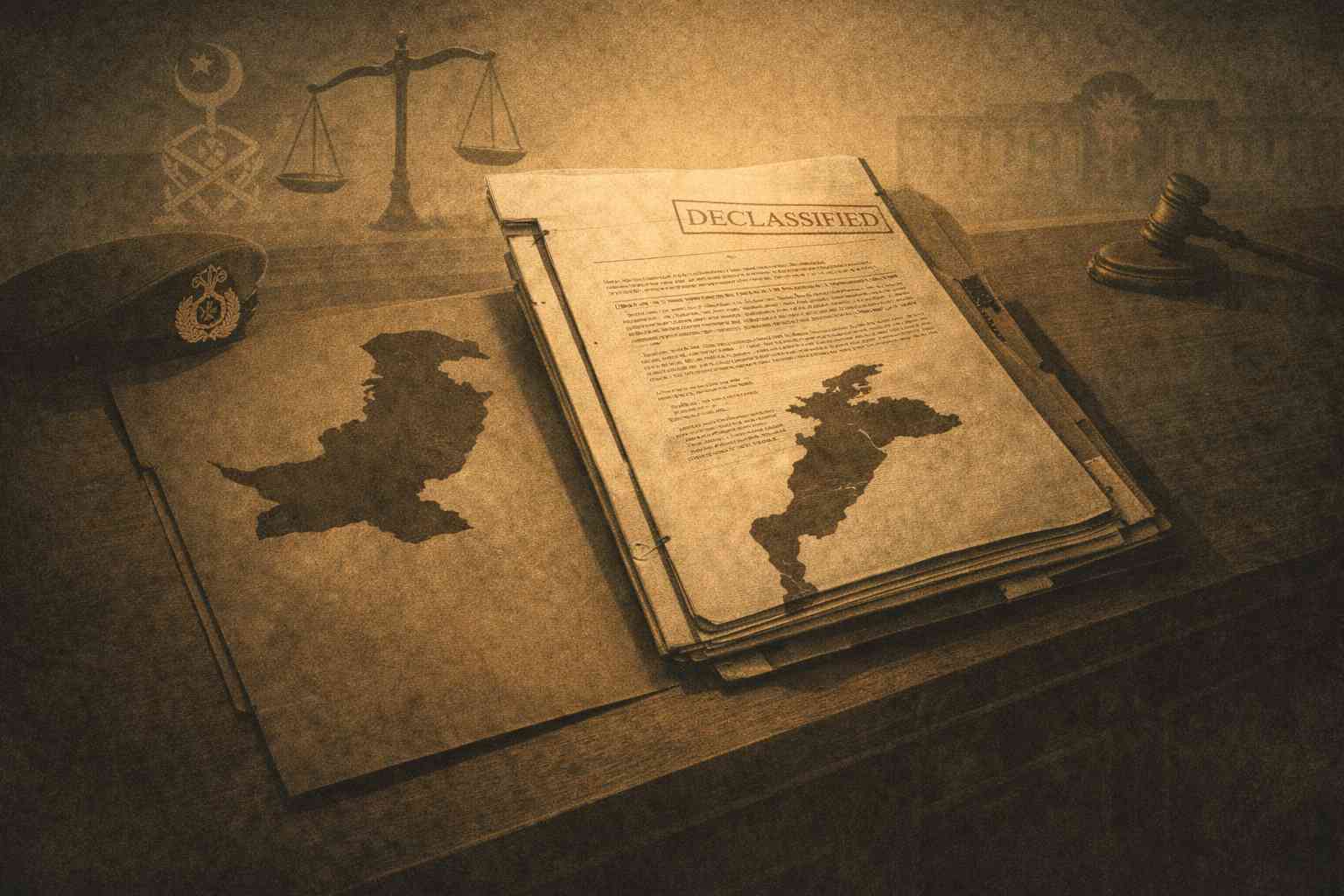
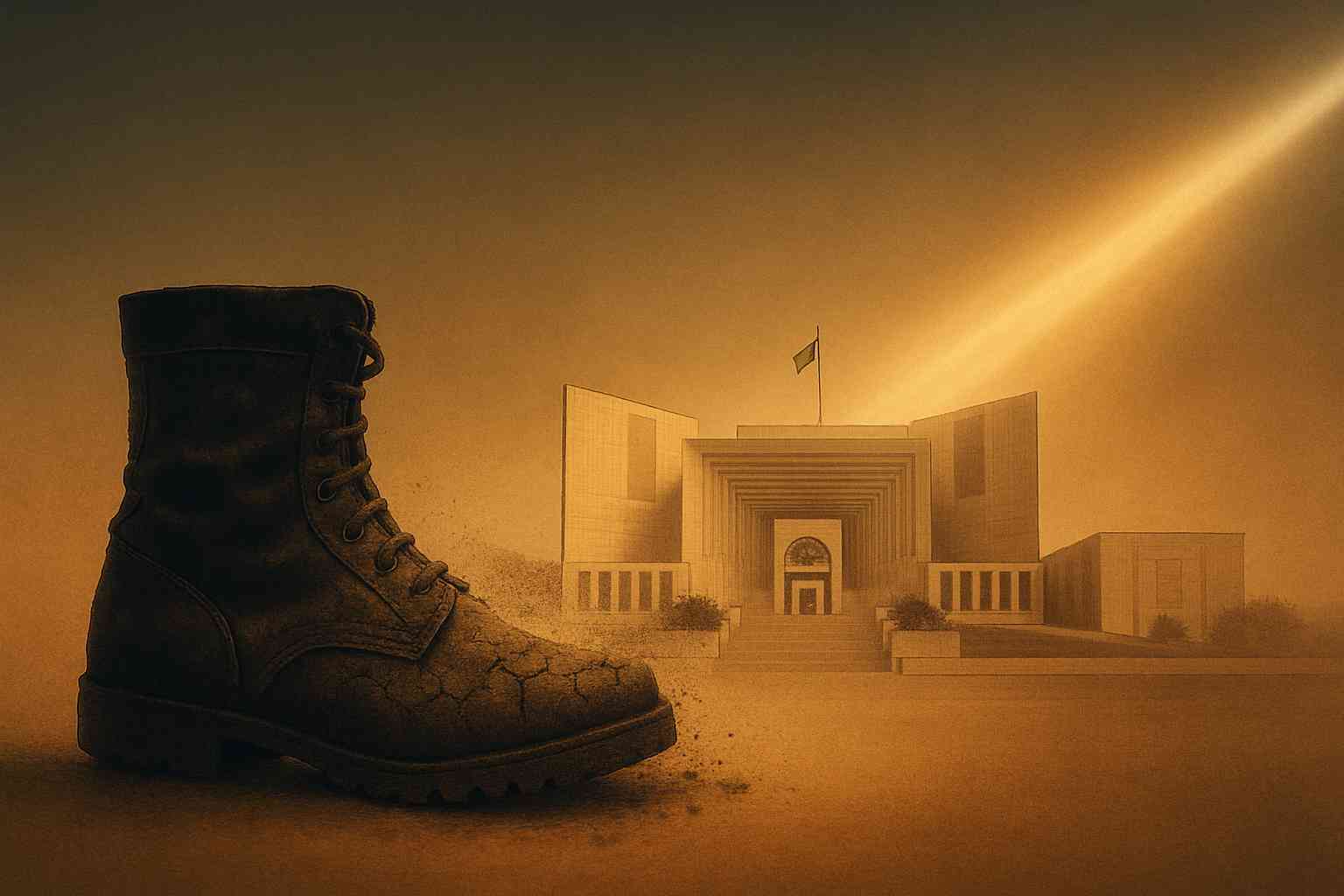
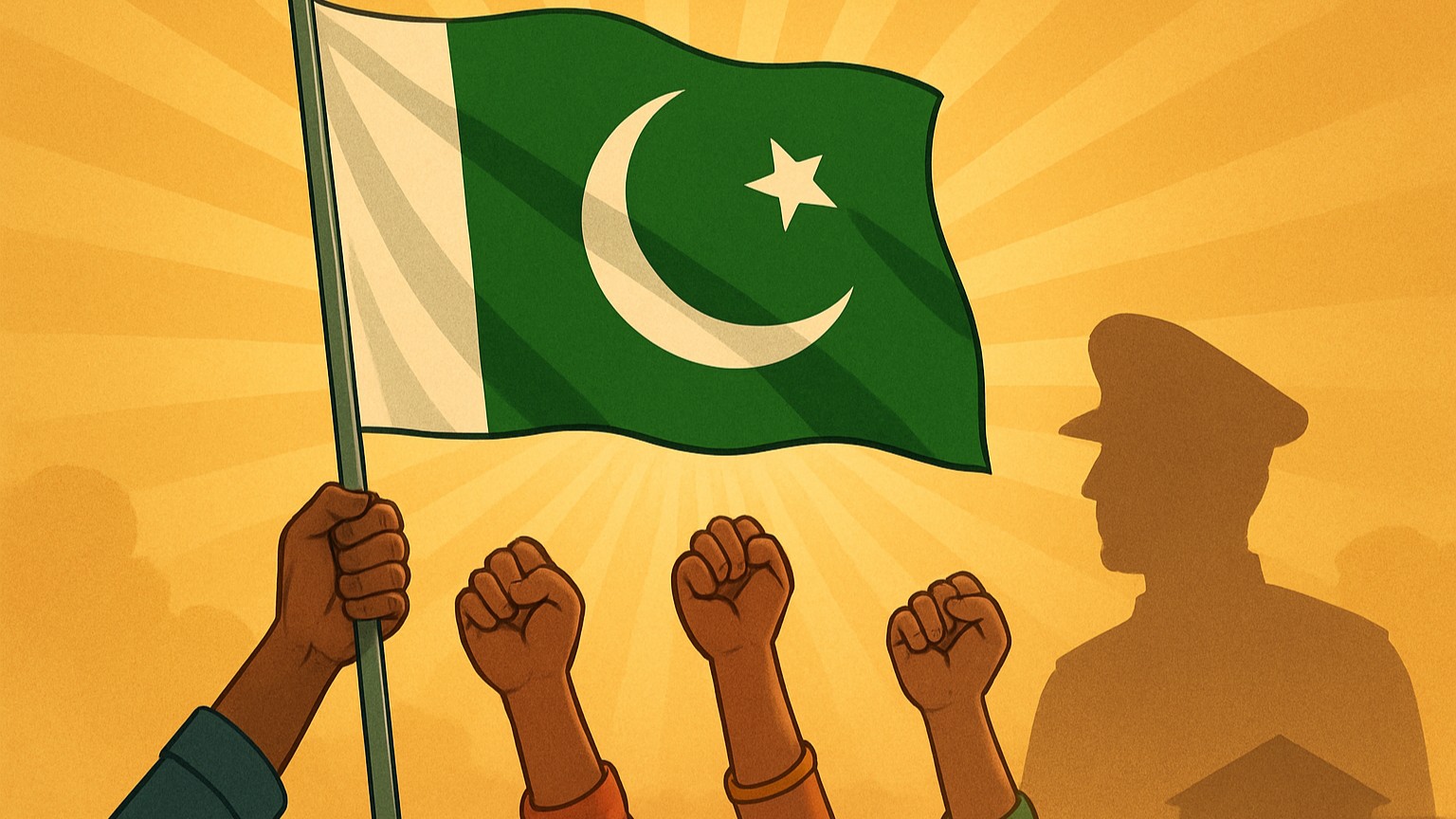
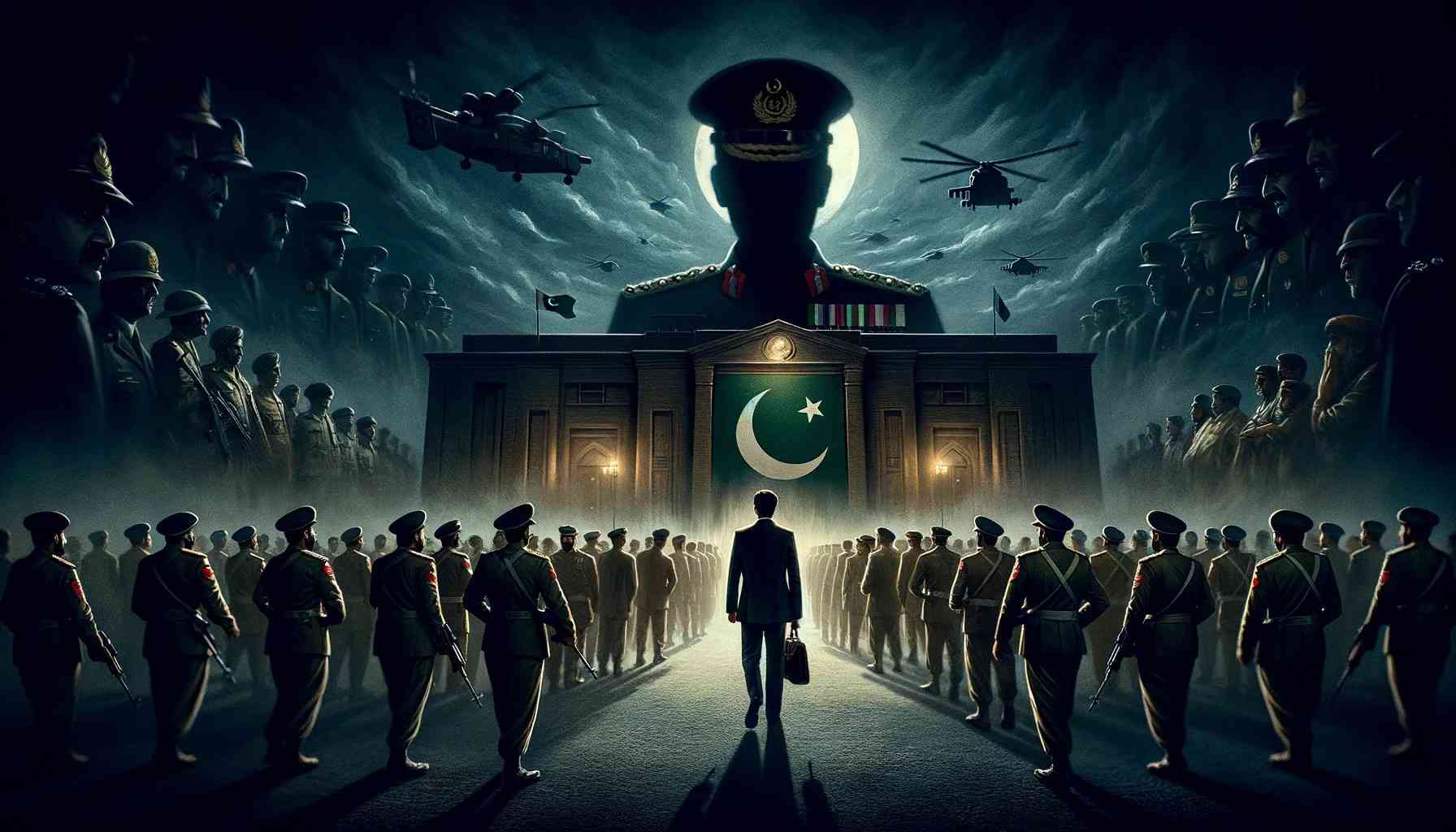
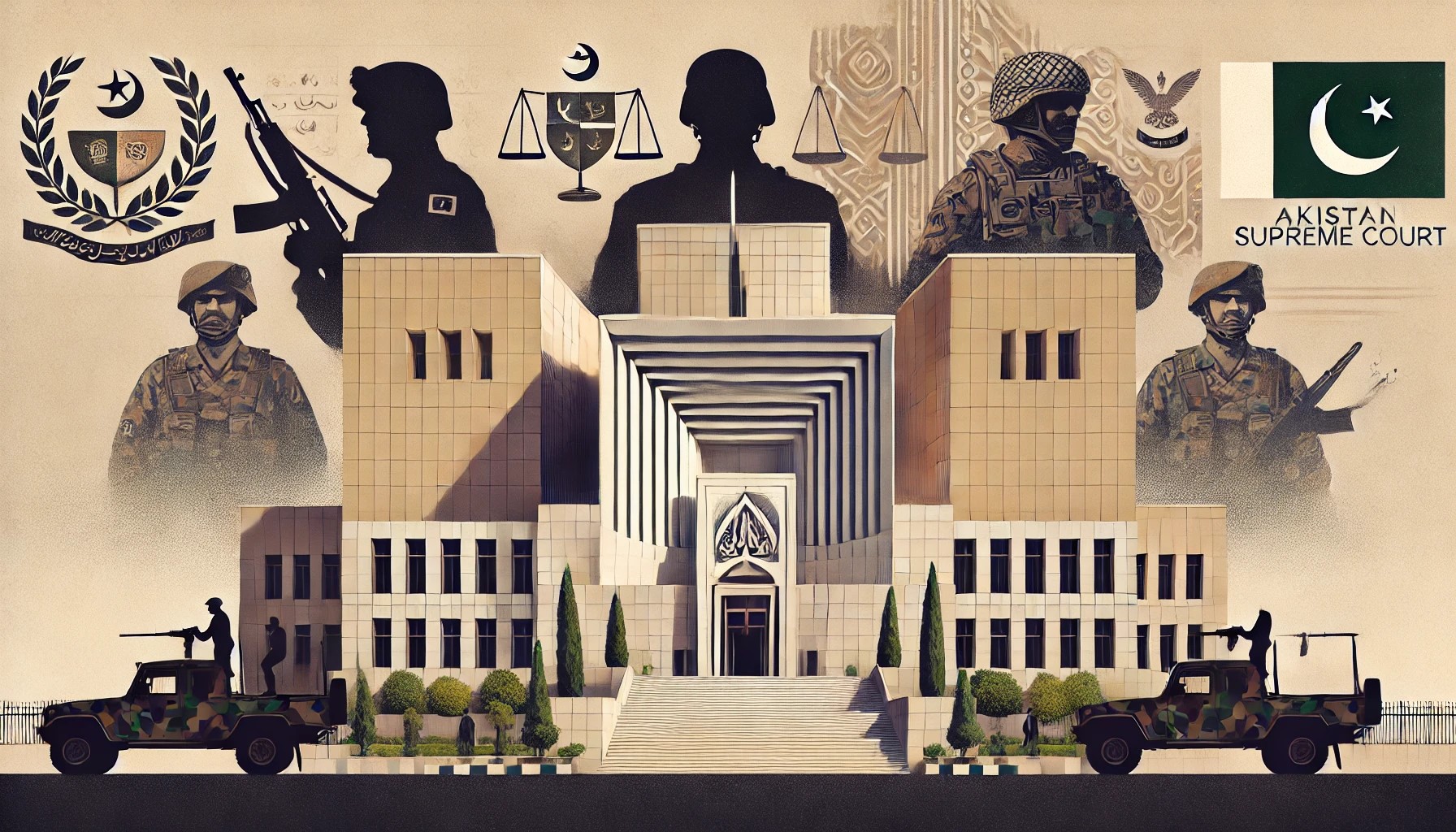
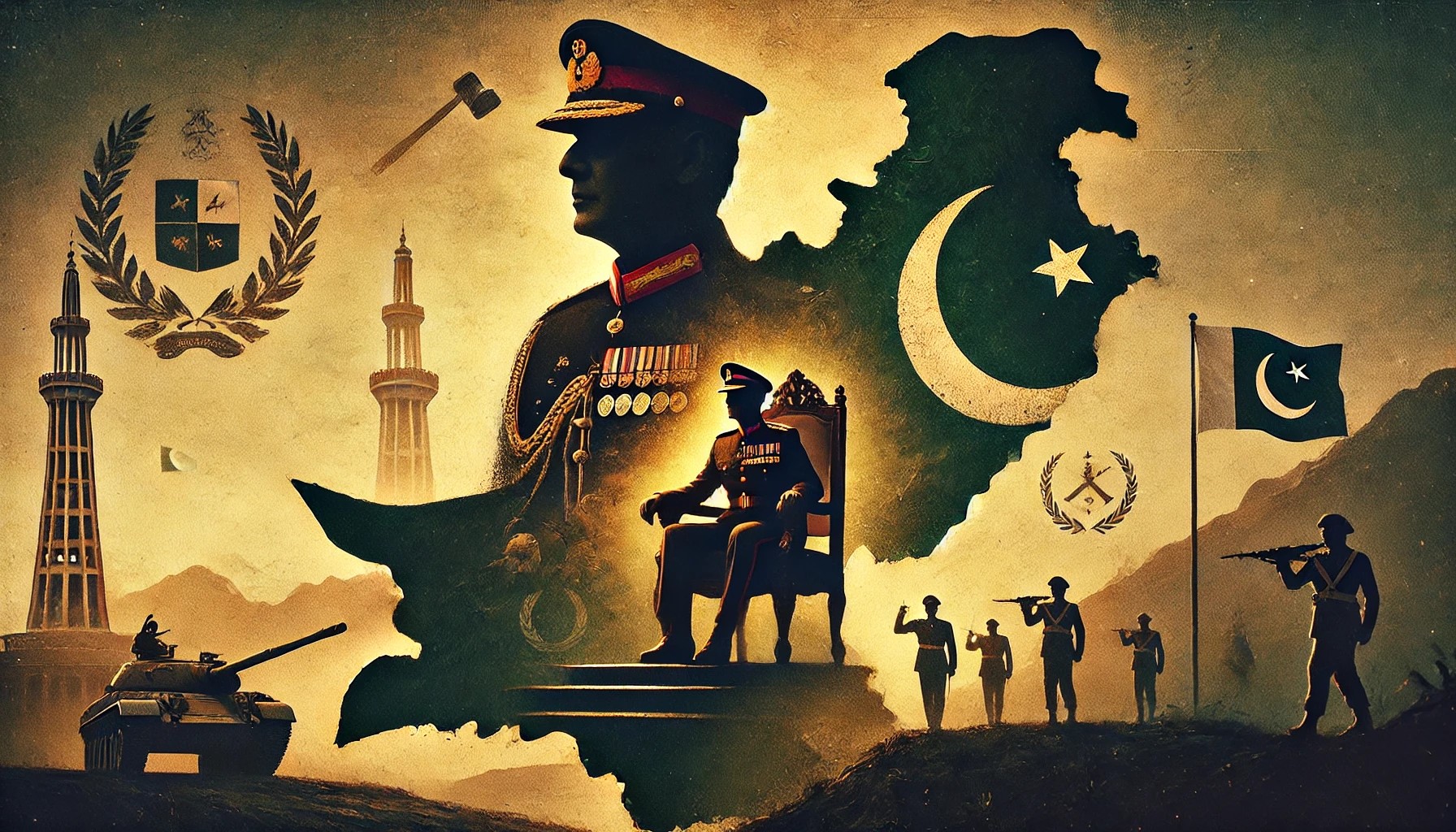
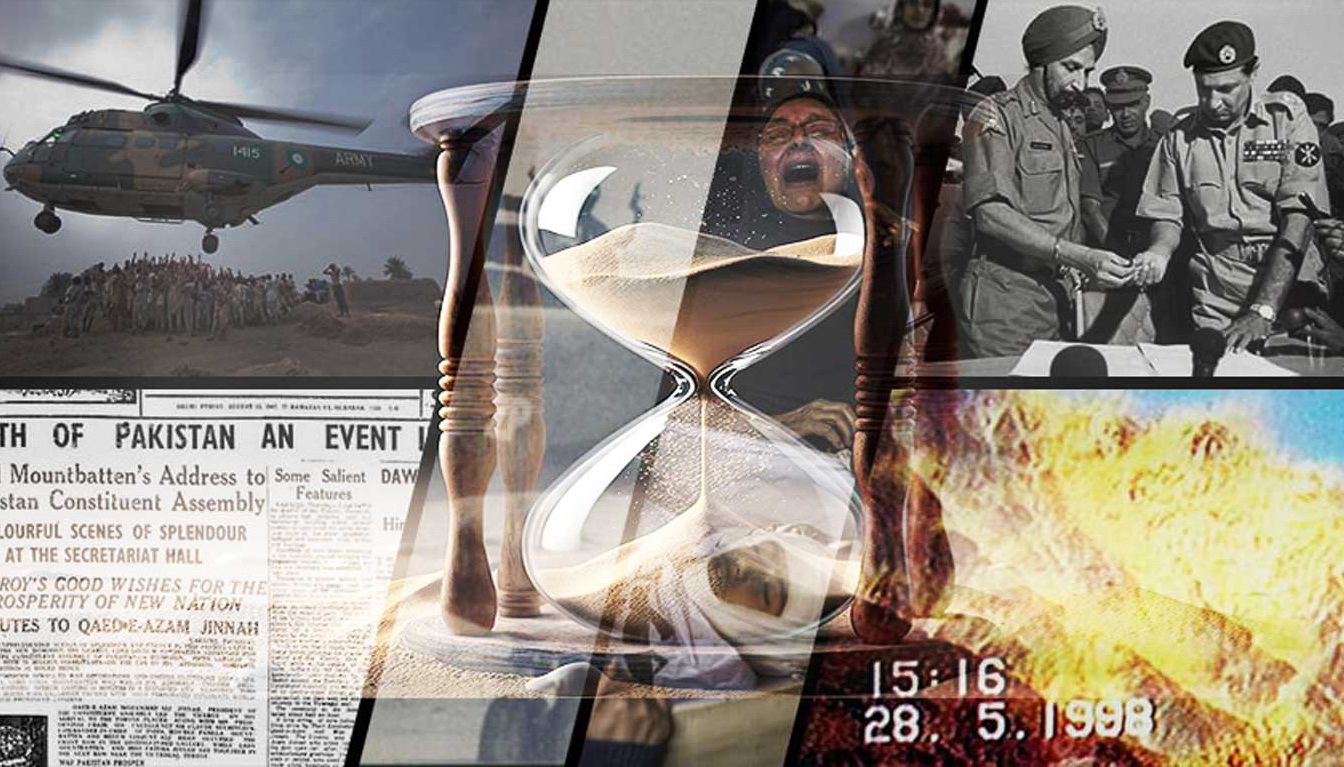
In Pakistan, 1971 is remembered selectively. Official ceremonies recall sacrifice and resilience. However, the most consequential document produced after the country’s greatest national trauma remains largely absent from public debate. That document—the Hamood-ur-Rehman Commission Report—was not simply an inquiry into military defeat. Instead, it offered a diagnosis of systemic failure rooted in unaccountable power.
More than five decades later, Pakistan continues to ignore its conclusions. As a result, it does so at its own peril.
A Commission Born of Collapse
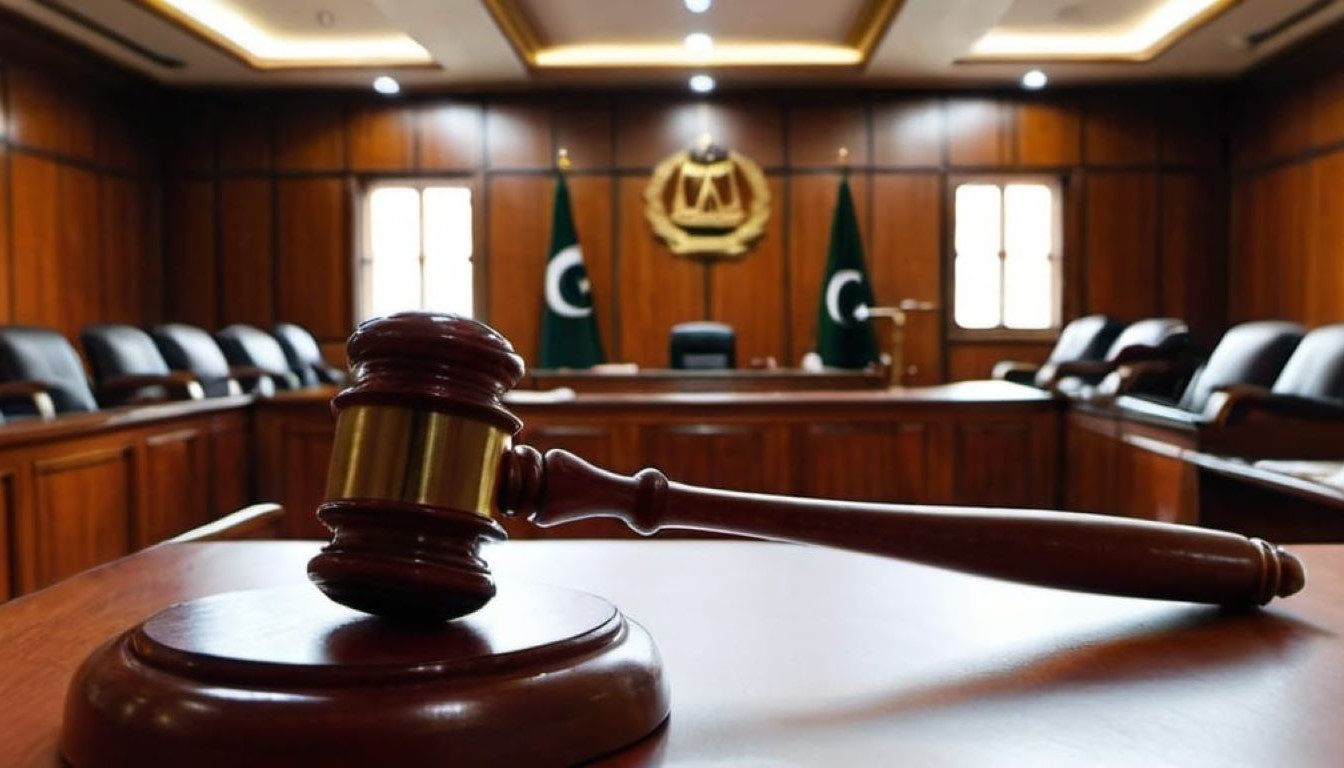
After Pakistan’s military surrender in East Pakistan and the creation of Bangladesh in December 1971, the scale of humiliation became impossible to conceal. Nearly 90,000 Pakistani soldiers entered captivity. Therefore, under intense domestic and international pressure, Prime Minister Zulfikar Ali Bhutto constituted a judicial commission. He appointed Chief Justice Hamood-ur-Rehman to investigate the causes of the catastrophe.
The commission’s mandate extended far beyond battlefield tactics. In addition, it examined political decisions, military leadership, intelligence failures, and conduct during the conflict. Its findings proved devastating for the state’s self-image.
The Myth of External Blame
One enduring falsehood in Pakistan’s official narrative claims the country lost East Pakistan solely because of Indian aggression. In fact, the Hamood-ur-Rehman Commission rejected this explanation outright.
The report concluded the crisis originated in Pakistan’s refusal to transfer power after the 1970 general elections. The Awami League had won a clear democratic mandate. Nevertheless, the military leadership chose coercion. It launched a full-scale operation against Pakistan’s own citizens. Consequently, it transformed a political dispute into an existential rupture.
The commission made its position clear. Pakistan’s break-up resulted from decisions taken in Islamabad. In contrast, it did not result from a conspiracy engineered abroad.
Leadership Failure at the Top
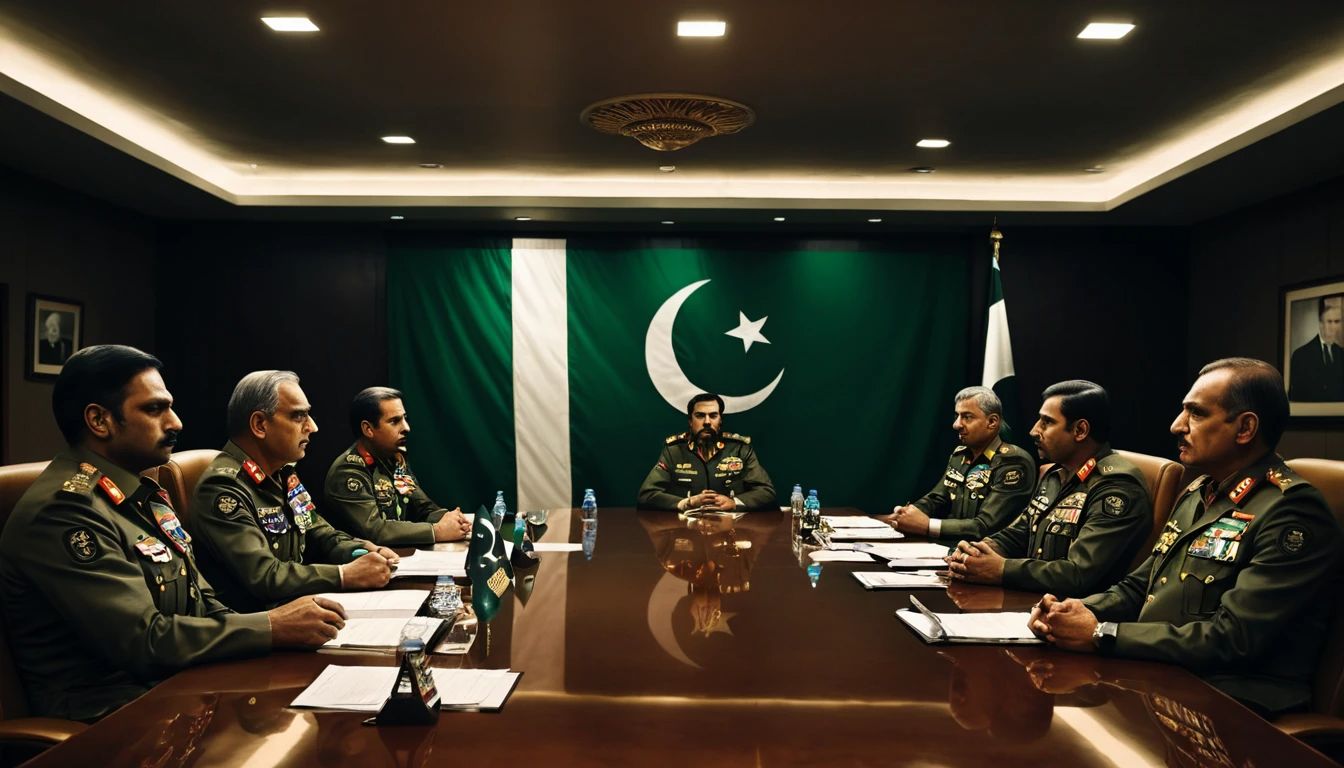
The report offered a harsh assessment of senior military leadership. It found General Yahya Khan—then President and Army Chief—guilty of gross professional negligence, moral degeneration, and failure of command. Moreover, it criticized senior commanders in East Pakistan, including Lieutenant General A.A.K. Niazi, for incompetence, indiscipline, and personal misconduct.
This was not rhetorical commentary. Rather, it was a judicial conclusion. Pakistan’s highest military leadership collapsed morally and professionally at the moment of greatest national responsibility.
Acknowledging Atrocities—Quietly
One of the most sensitive sections of the Hamood-ur-Rehman Commission addressed allegations of human-rights abuses during military operations. While cautious in tone, the report acknowledged widespread killings, sexual violence, and looting.
More importantly, it identified the strategic consequences of those actions. They irreversibly alienated the local population. They also destroyed any remaining legitimacy of the state in East Pakistan.
In doing so, the commission challenged a powerful taboo. It contradicted the claim that the military always acted with restraint and honor. Even today, that acknowledgment remains politically uncomfortable.
Intelligence Failure and the Culture of Deception
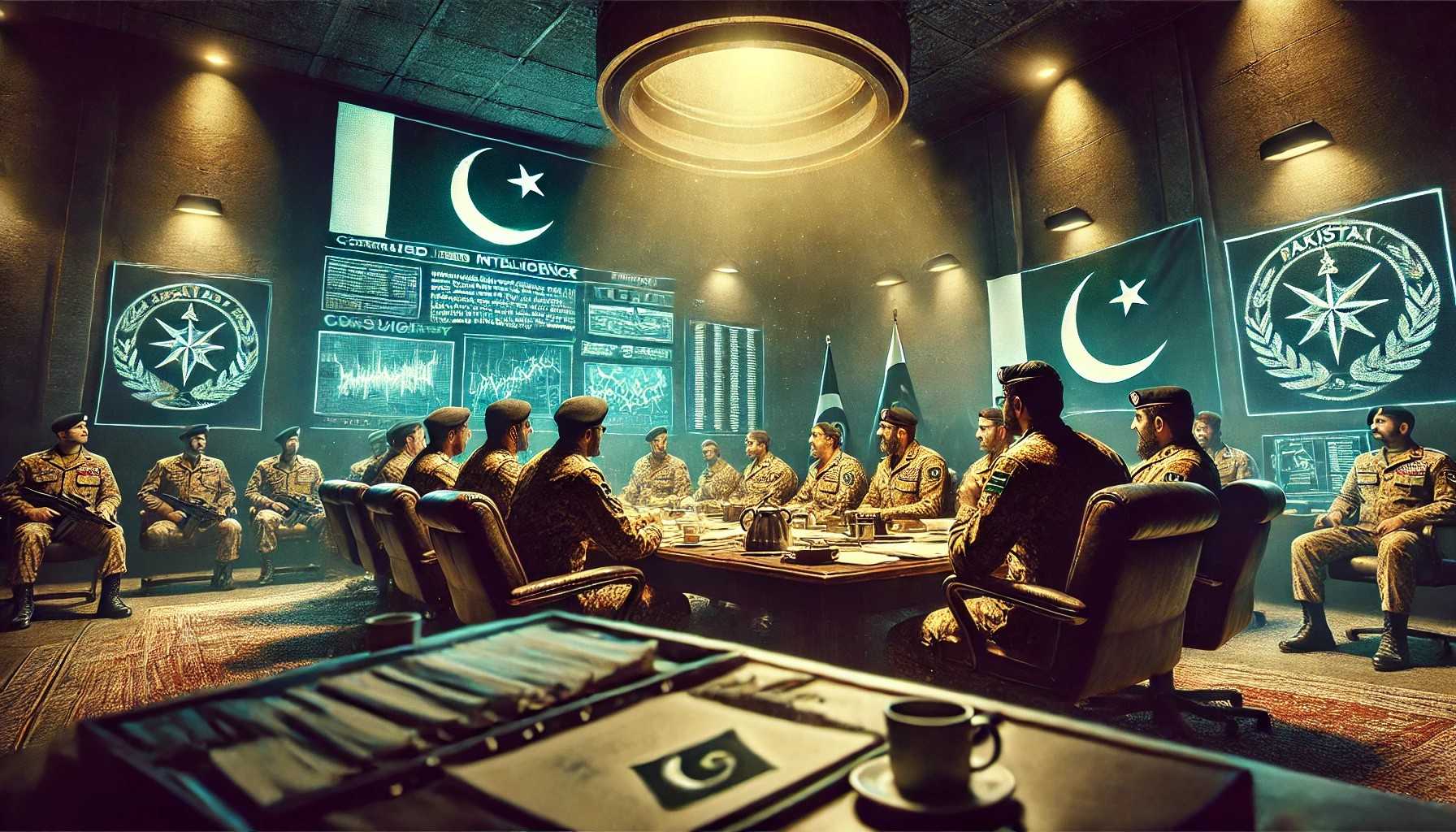
The commission also exposed deep failures within Pakistan’s intelligence apparatus. Agencies failed to convey the depth of Bengali political alienation. They consistently downplayed popular support for the Awami League. Worse still, they shaped assessments around what senior officers wanted to hear.
This culture—where intelligence serves power rather than truth—contributed directly to strategic blindness. Many observers argue that this culture continues to define Pakistan’s security state today.
Recommendations That Were Never Implemented
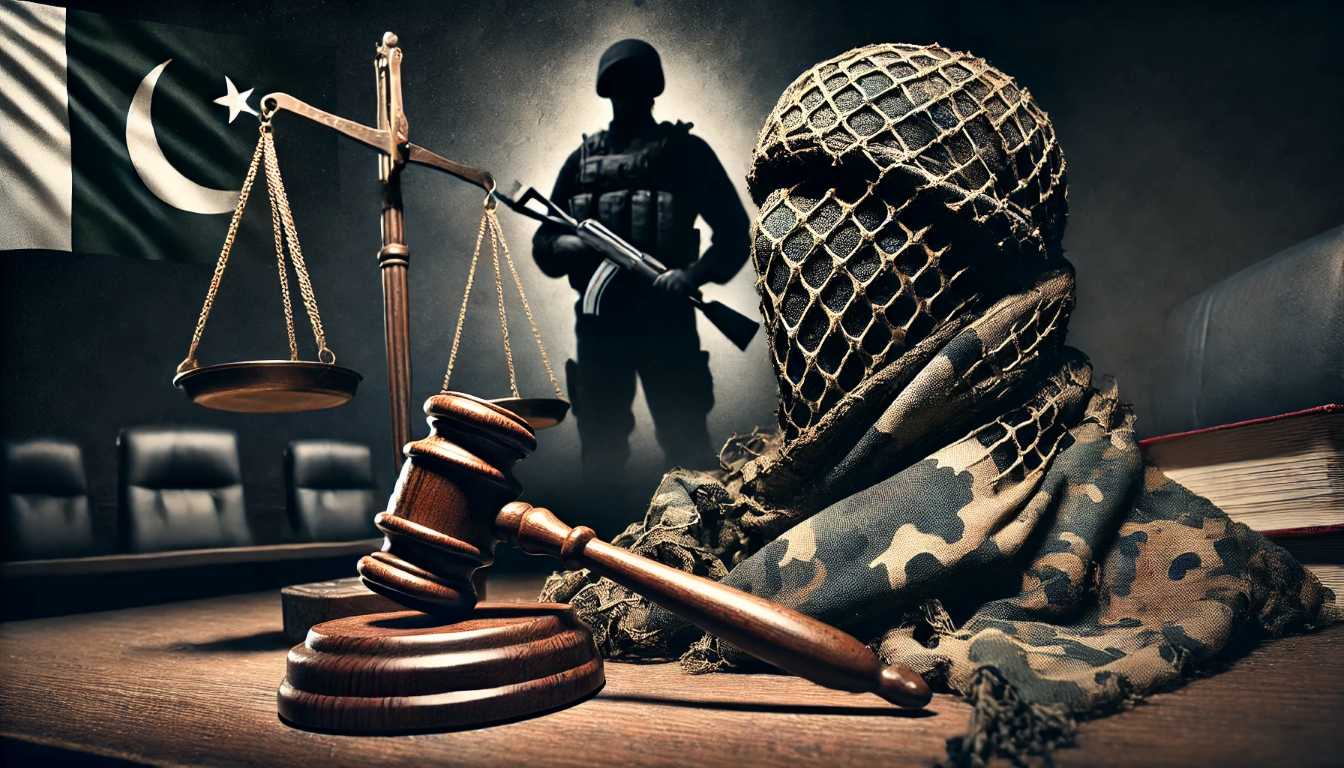
Perhaps the most consequential aspect of the Hamood-ur-Rehman Commission involved its recommendations. The report called for court-martial proceedings against senior officers responsible for the debacle. The state never implemented those recommendations.
Instead, authorities classified the report. They released only a sanitized summary. For decades, the full document remained suppressed. When it finally reached the public, it did so through leaks abroad, not through Pakistan’s own institutions.
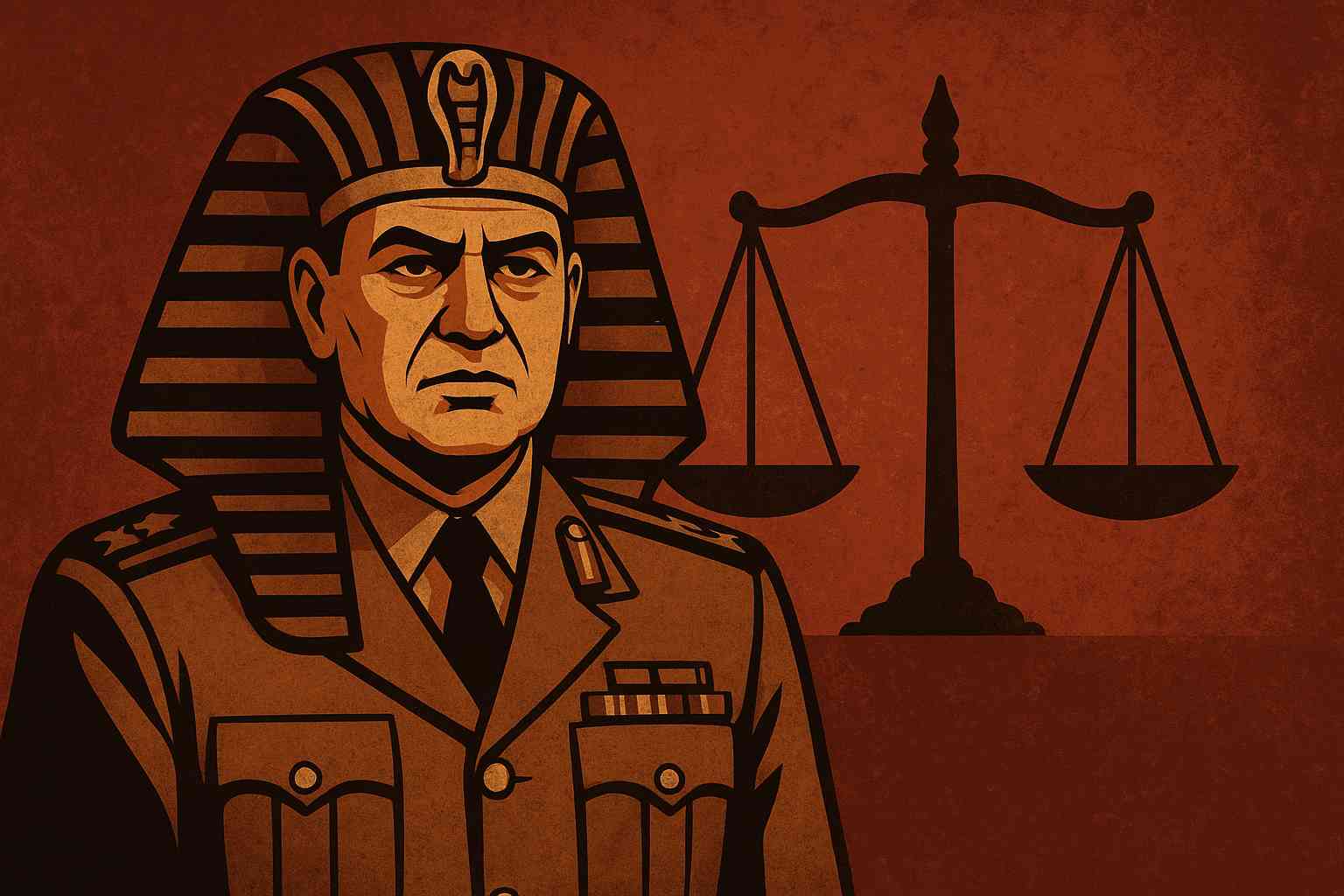
The message was unmistakable. Accountability would stop at the highest ranks.
Why the Hamood-ur-Rehman Commission Still Matters
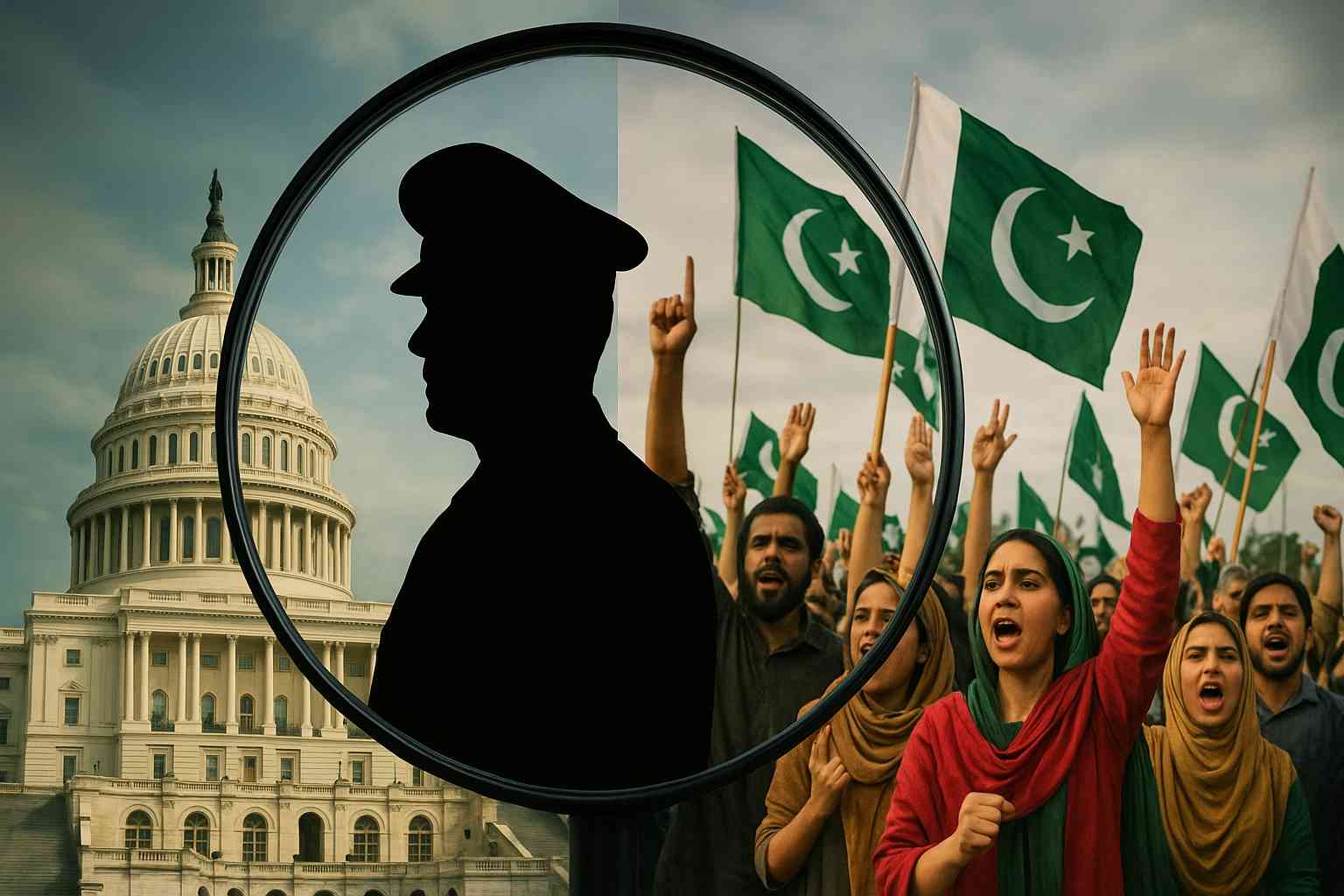
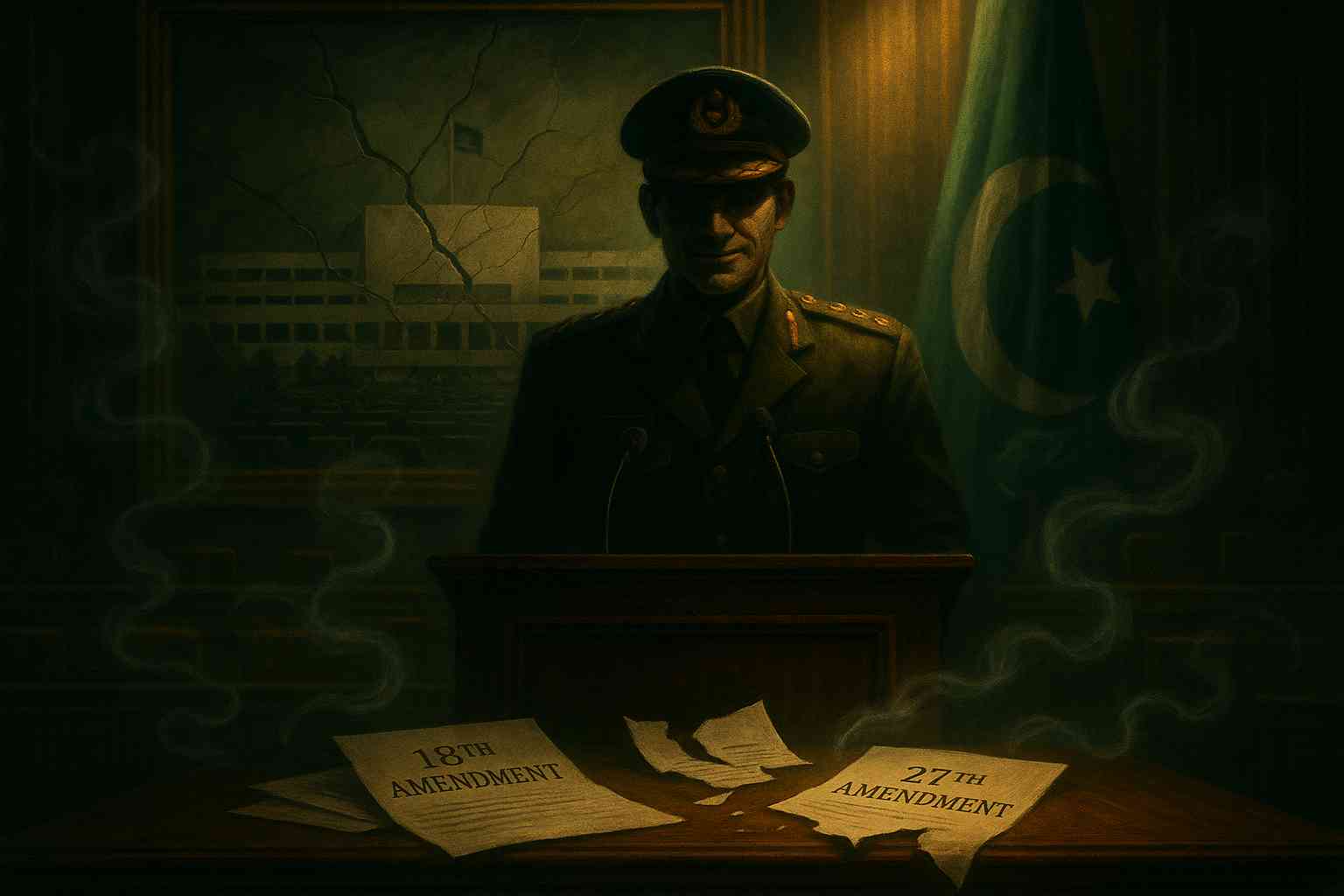
The relevance of the Hamood-ur-Rehman Commission does not rest in history alone. It lies in continuity. The patterns the report identified—military dominance over politics, suppression of dissent, manipulation of information, and immunity from accountability—continue to shape Pakistan’s governance.
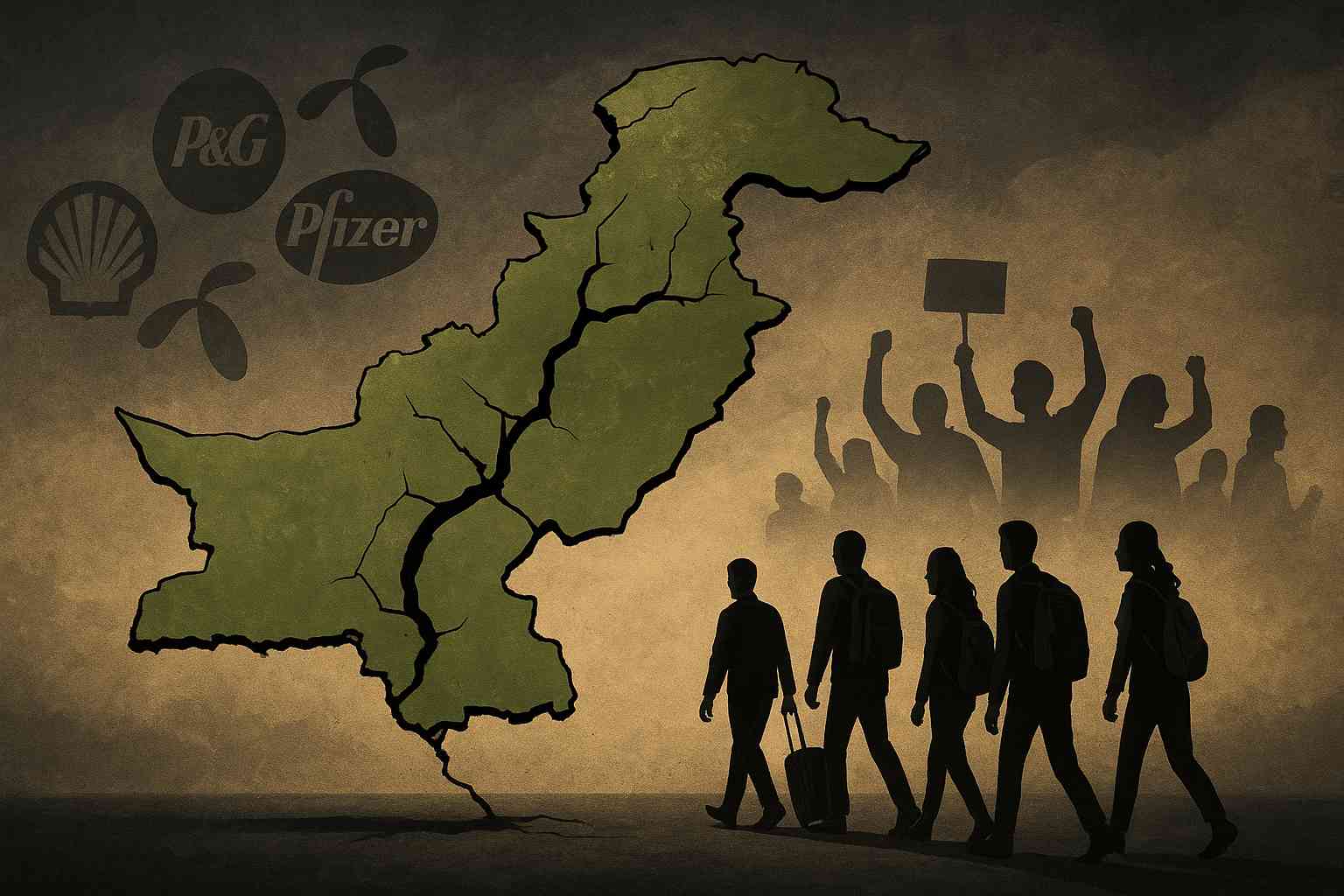
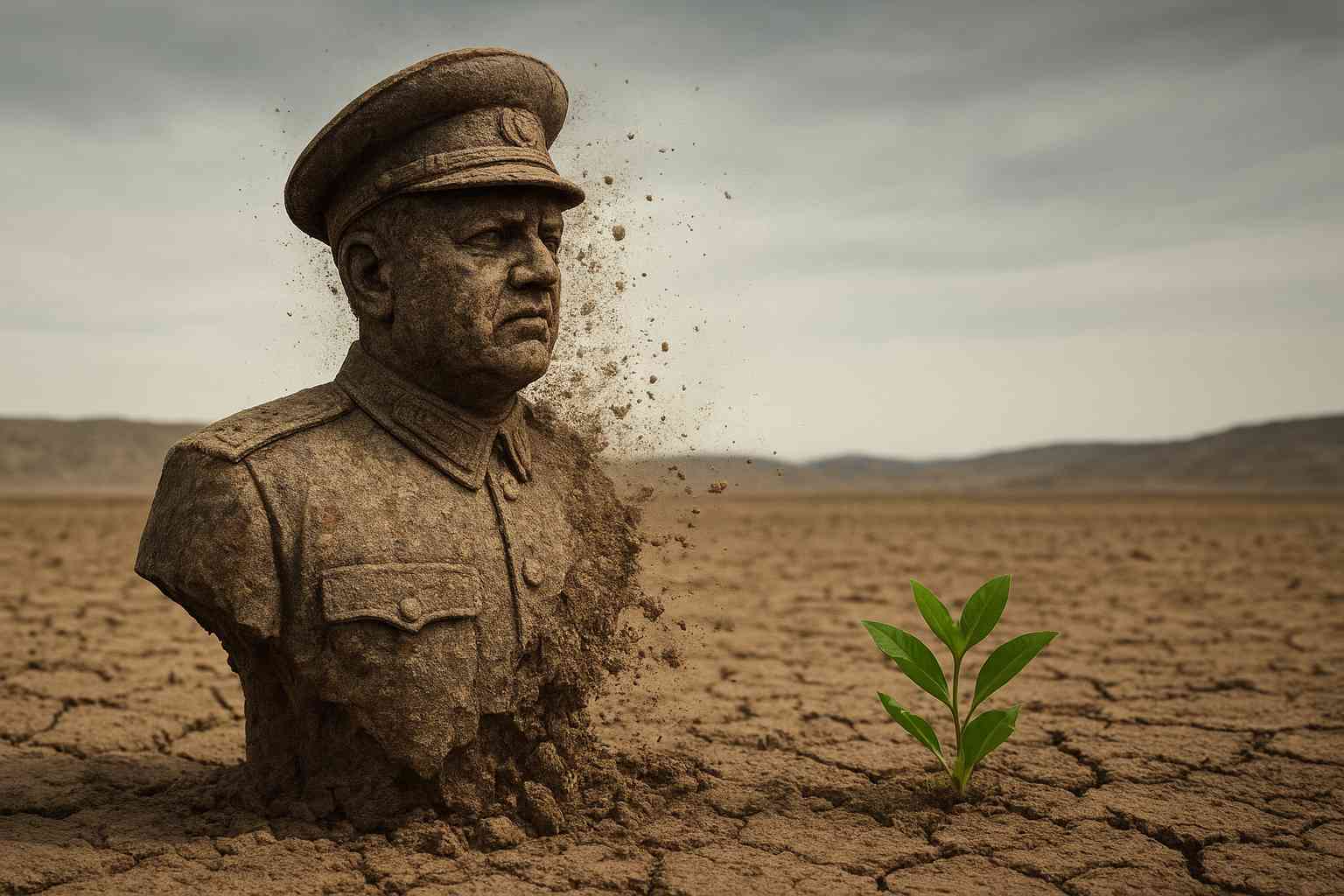
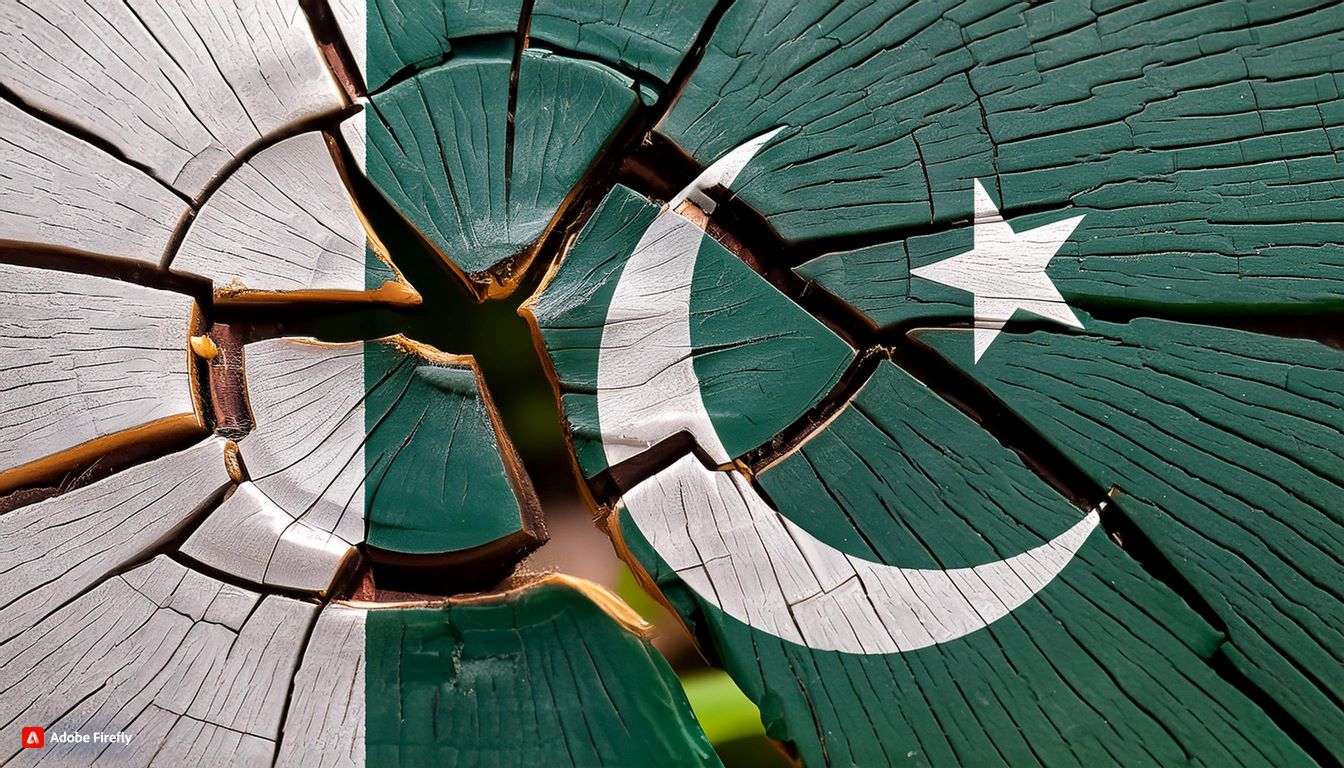
The commission warned that when institutions place themselves above the law, the state itself becomes fragile. In 1971, that fragility led to territorial disintegration. Today, it appears as economic collapse, political instability, and a deep crisis of legitimacy.
A Suppressed Warning
Pakistan’s tragedy is not that the Hamood-ur-Rehman Commission exists. The tragedy is that its conclusions were never internalized. The state did not correct its civil-military imbalance. It did not create mechanisms to hold senior commanders accountable. Instead, it buried the evidence and preserved comforting myths.
History, however, repeats itself when its lessons go unlearned.
Conclusion
The Hamood-ur-Rehman Commission was not an exercise in national self-flagellation. It was an opportunity for course correction. It offered a rare moment when the Pakistani state confronted its own failures with honesty.
That opportunity was squandered.
Until Pakistan accepts the core truth identified in that report—that unaccountable power poses a greater threat than any external enemy—the country will remain trapped in cycles of crisis and denial. The cost of ignoring 1971 has already been immense. The cost of continuing to ignore it may be even higher.
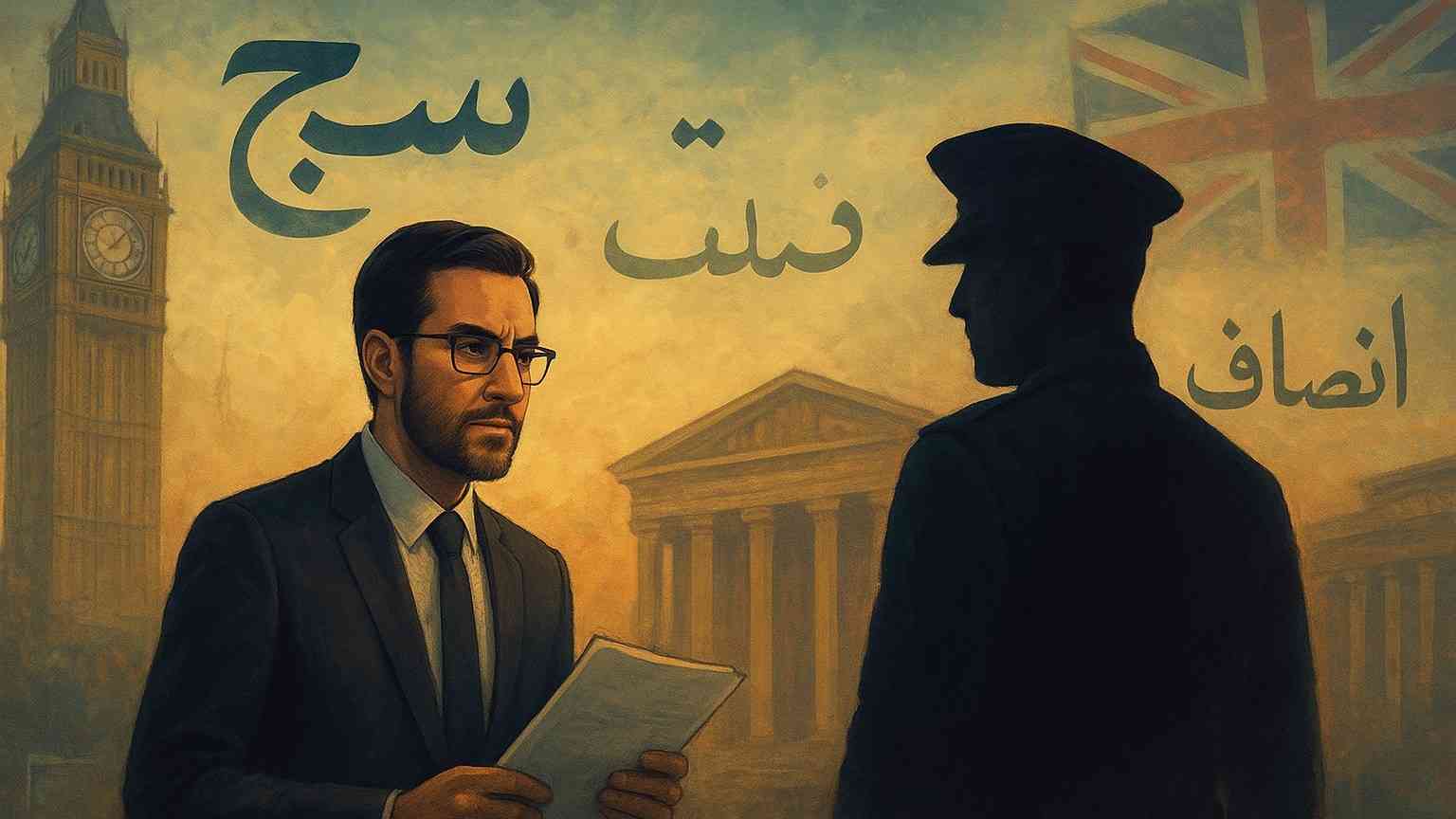
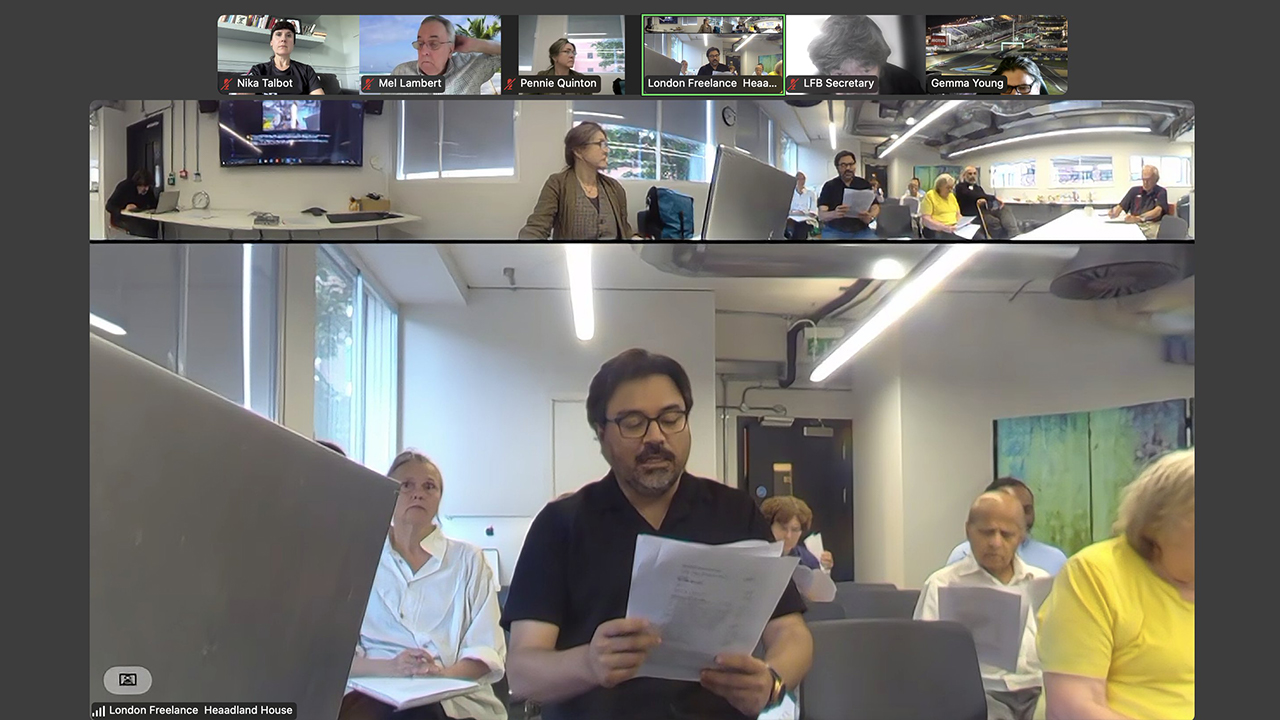
Adil Raja is a retired major of the Pakistan Army, freelance investigative journalist, and dissident based in London, United Kingdom. He is the host of “Soldier Speaks Reloaded,” an independent commentary platform focused on South Asian politics and security affairs. Adil is also a member of the National Union of Journalists (UK) and the International Human Rights Foundation. Read more about Adil Raja.. Read more about Adil Raja.