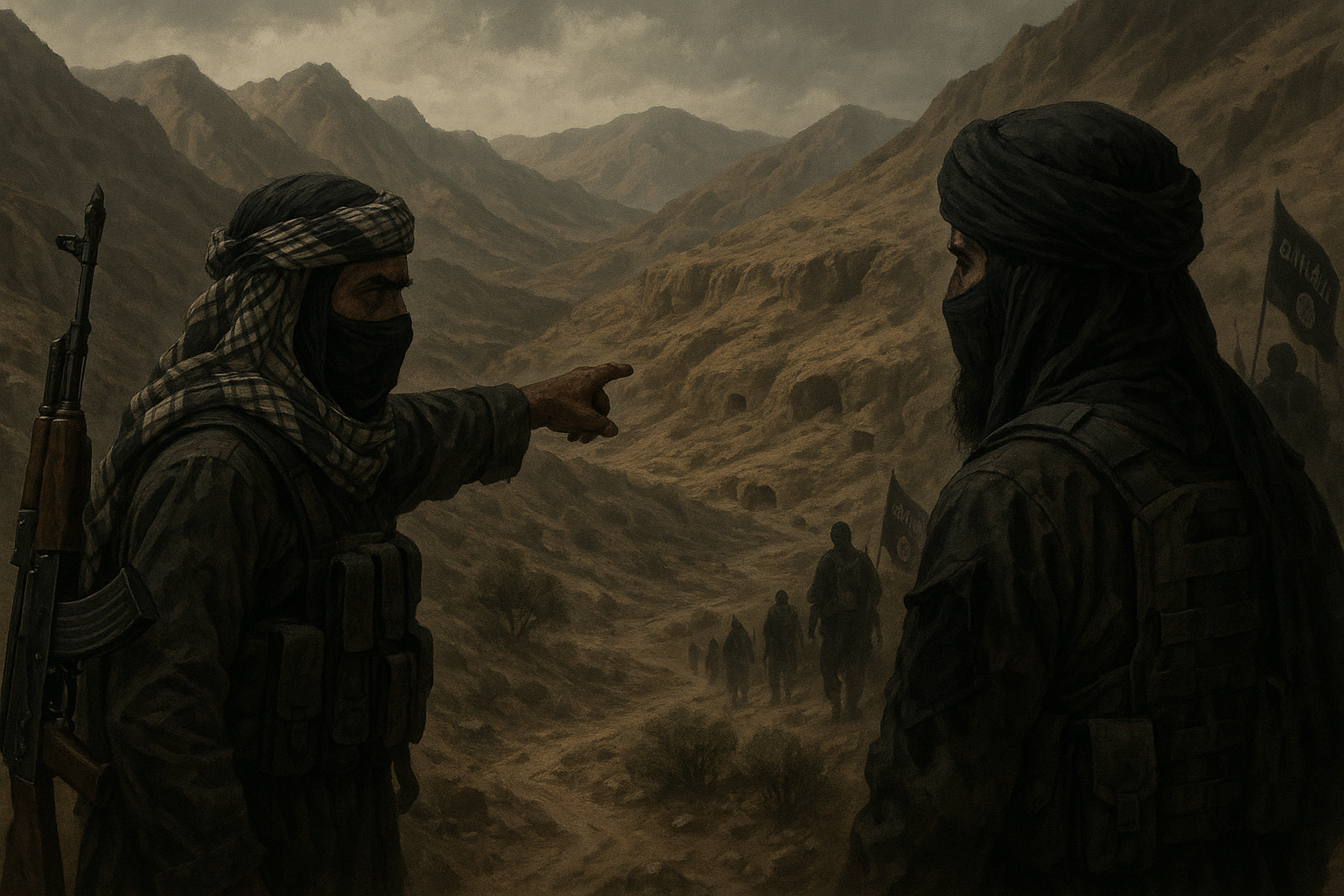
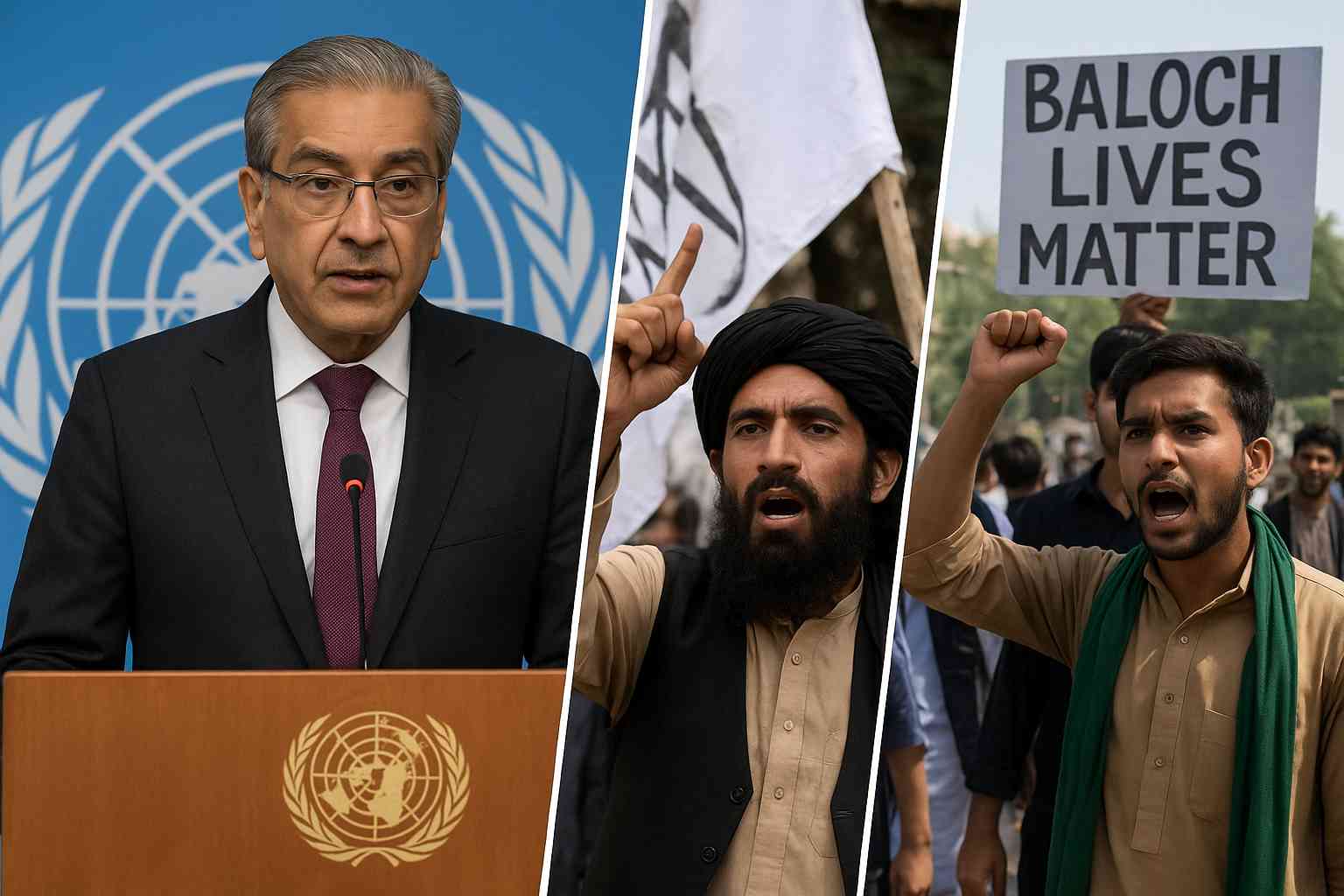
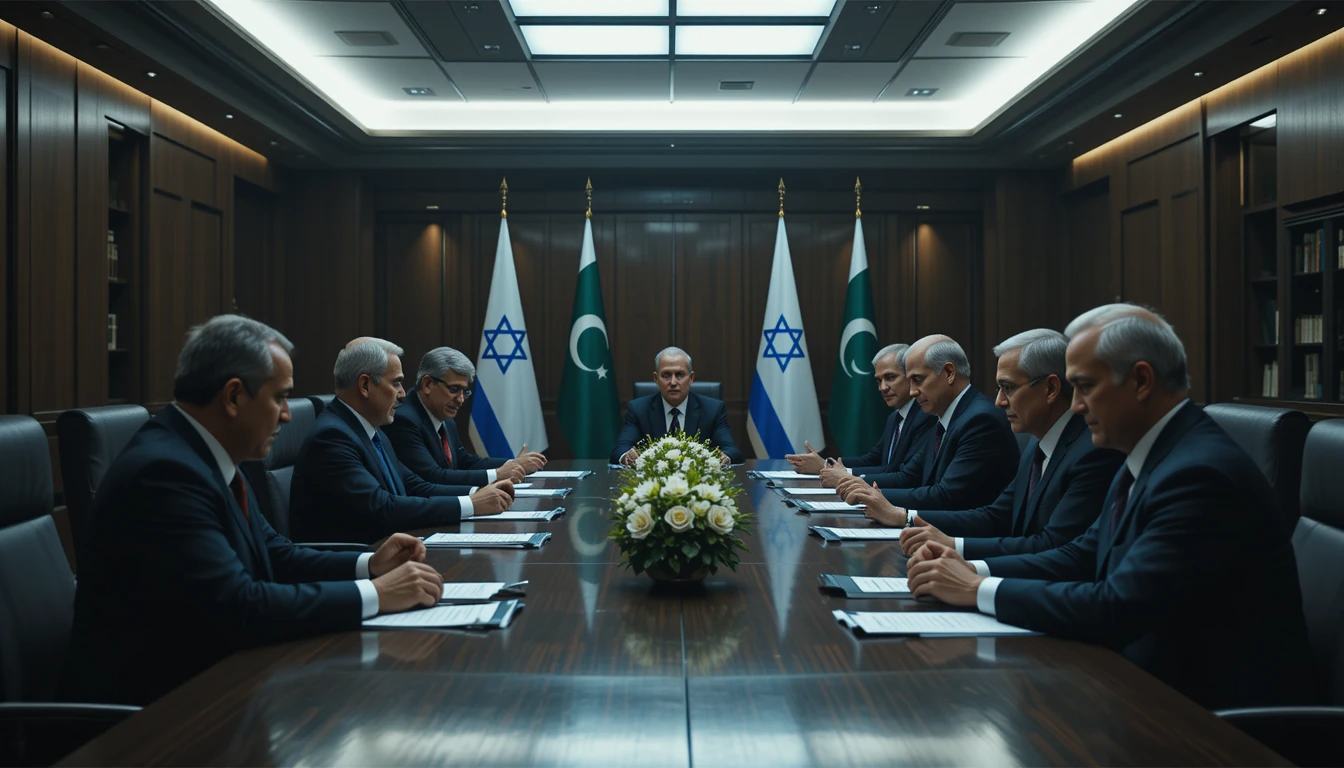
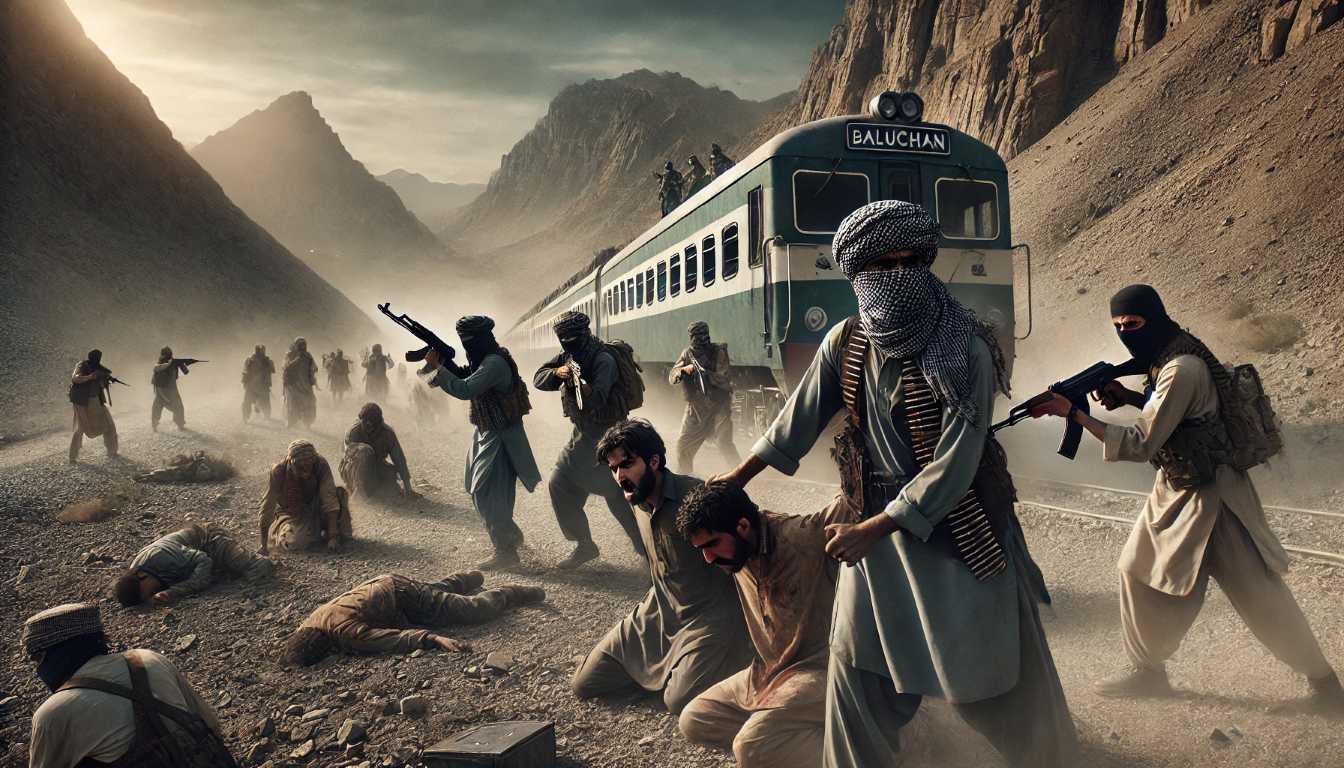
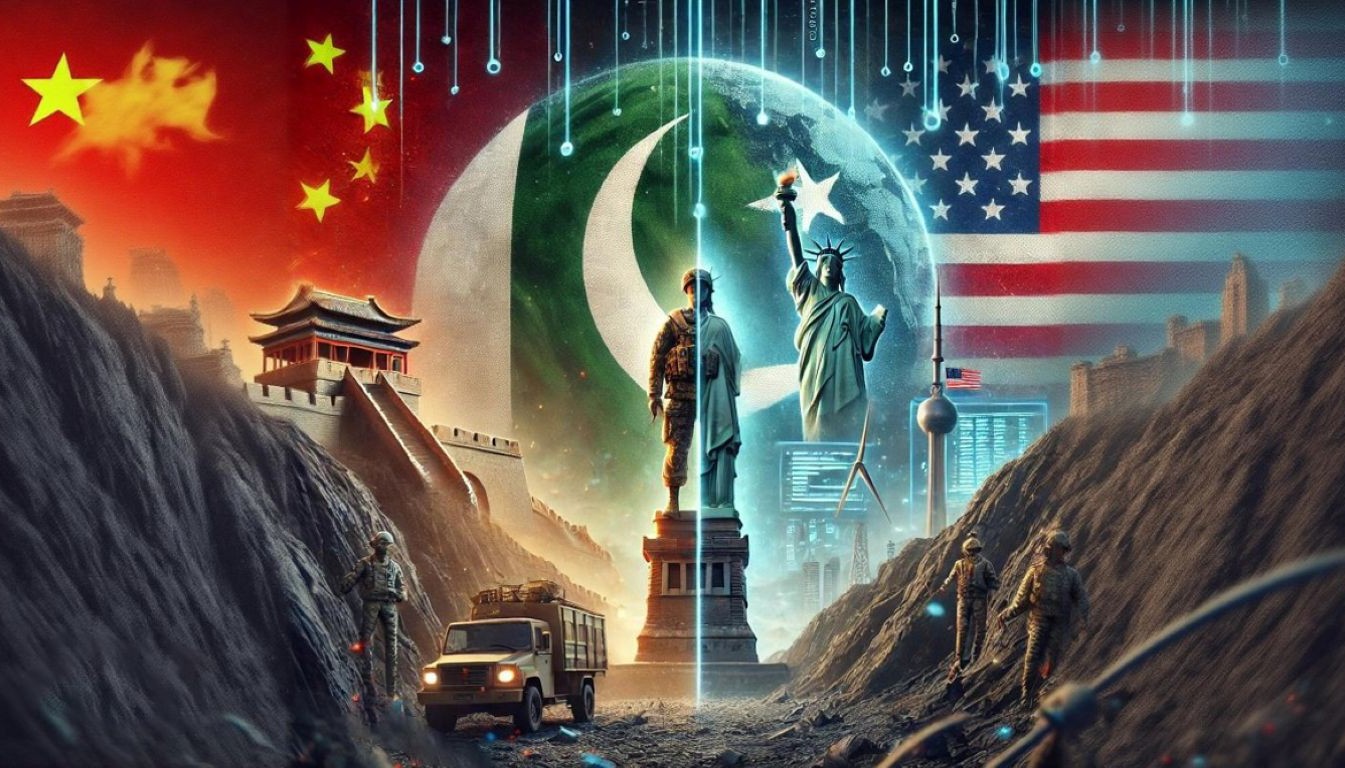
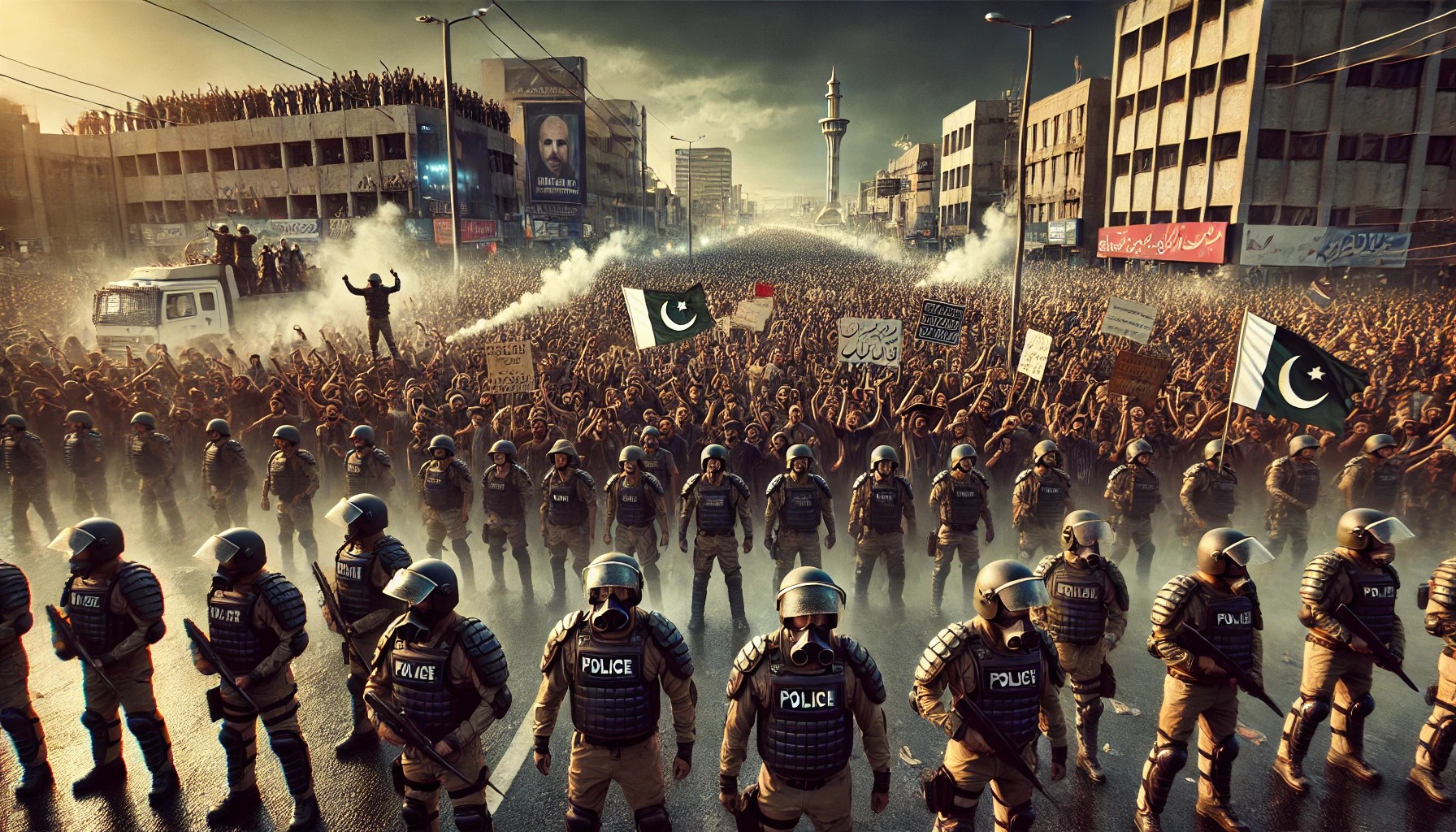
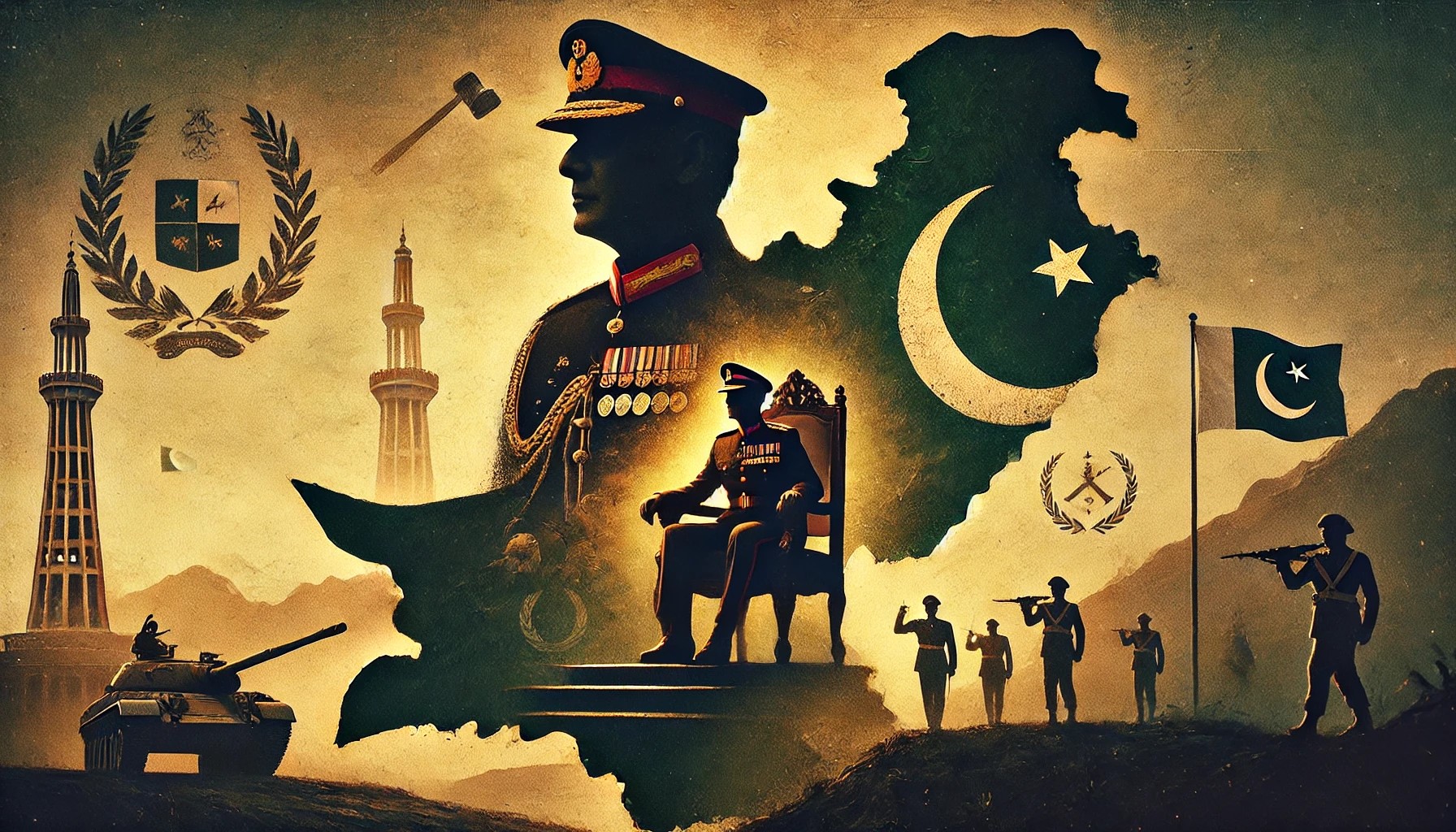
Afghanistan’s decision not to participate in the recent regional meeting in Tehran on “the Afghan issue” has triggered accusations of isolationism, defiance, and diplomatic rigidity. However, such readings miss the core political logic behind Kabul’s stance. Rather than withdrawing, Afghanistan is asserting Afghanistan Sovereignty, breaking from a long history of external exploitation, particularly by Pakistan’s military establishment. The refusal also signals a rejection of being framed as a regional “problem” instead of a sovereign political actor.
Rejecting the “Afghanistan as a Case File” Framework
Kabul’s decision rests on a fundamental objection to how regional actors frame Afghanistan. Meetings of this kind often assume that Afghanistan is a source of instability that neighboring states must manage. By joining such forums, Afghanistan would reinforce the idea that it represents a challenge to be solved, not a country capable of defining its own priorities.
From Kabul’s perspective, attending a meeting designed to “discuss Afghanistan” without Afghan agenda-setting would signal acceptance of that narrative. Afghan leaders have therefore avoided internationalizing internal affairs as a regional “case.” Instead, they favor bilateral engagement and established diplomatic channels over ad hoc groupings that dilute Afghanistan Sovereignty.
The Irony of Regional Stewardship Claims
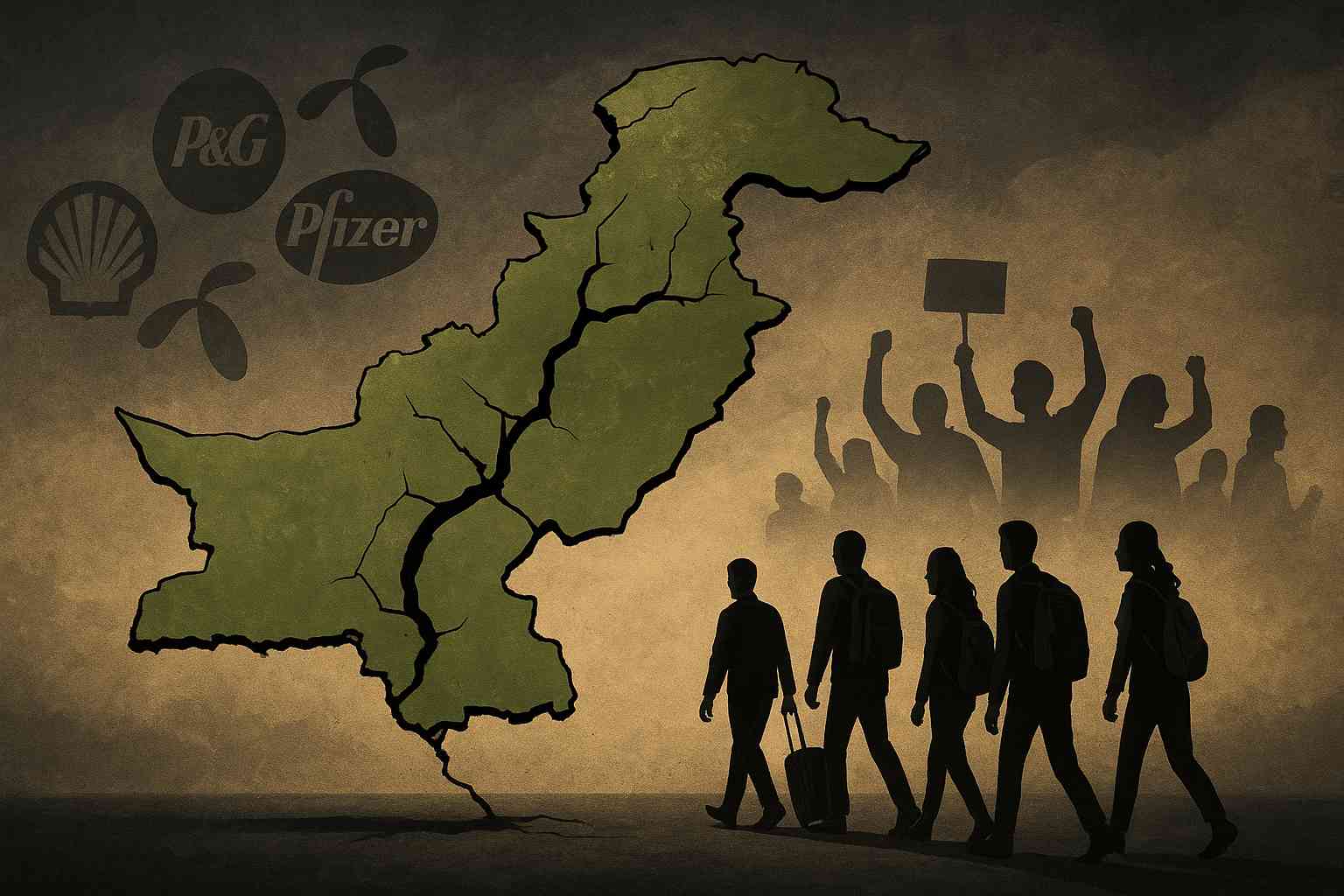
Another factor shaping Kabul’s refusal is the credibility gap among key participants. Pakistan and Iran, both central to the Tehran meeting, face deep political, economic, and governance crises. Pakistan struggles with economic distress, democratic erosion, and internal security threats. Iran remains constrained by sanctions and domestic pressure.
From Kabul’s viewpoint, states facing greater instability than Afghanistan lack legitimacy as arbiters of Afghan outcomes. This dynamic reinforces suspicions that such forums aim less at stability and more at exerting influence. In particular, they appear designed to shape Afghanistan’s political trajectory from the outside.
Ending Dependence on Pakistan’s Geographic Leverage
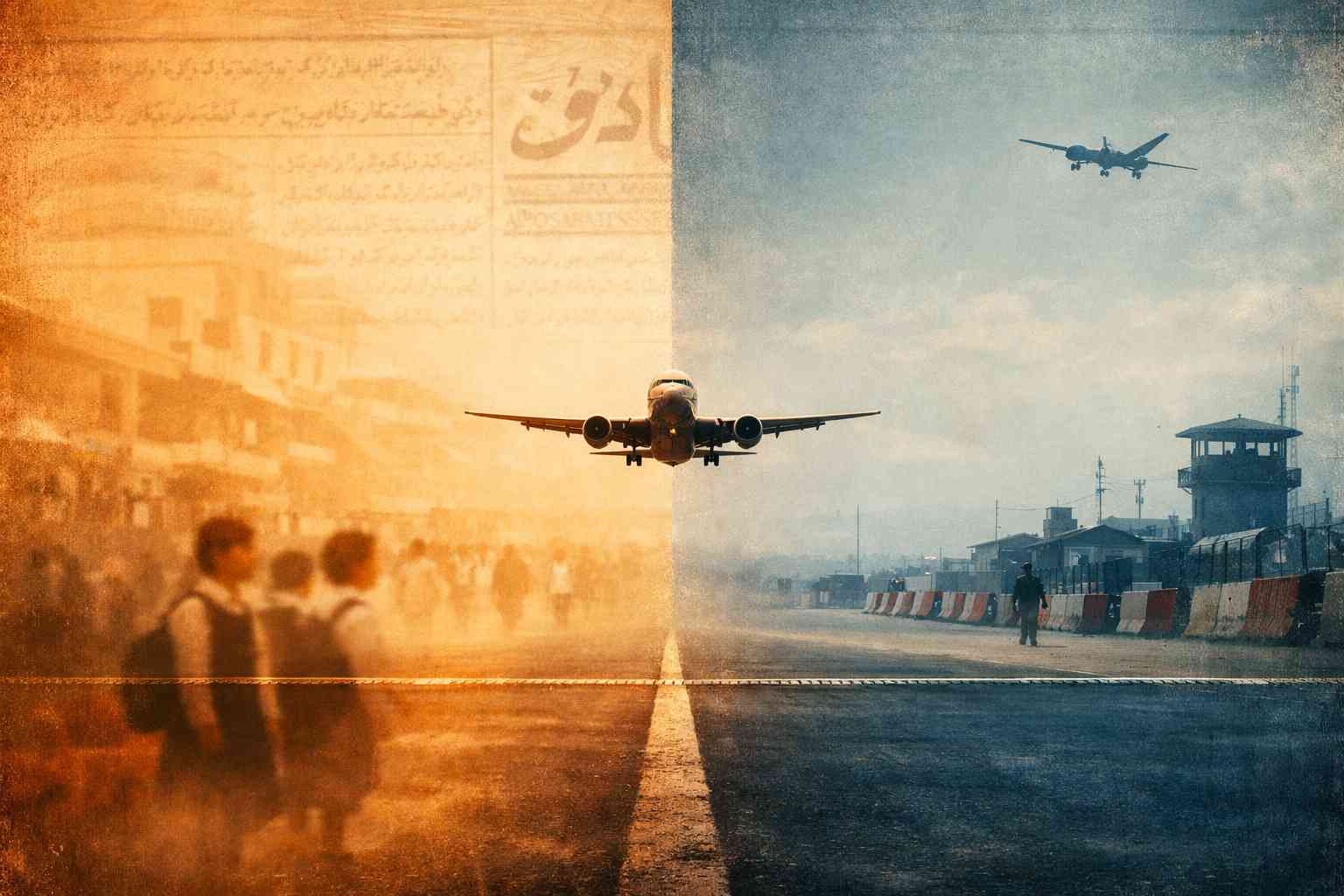
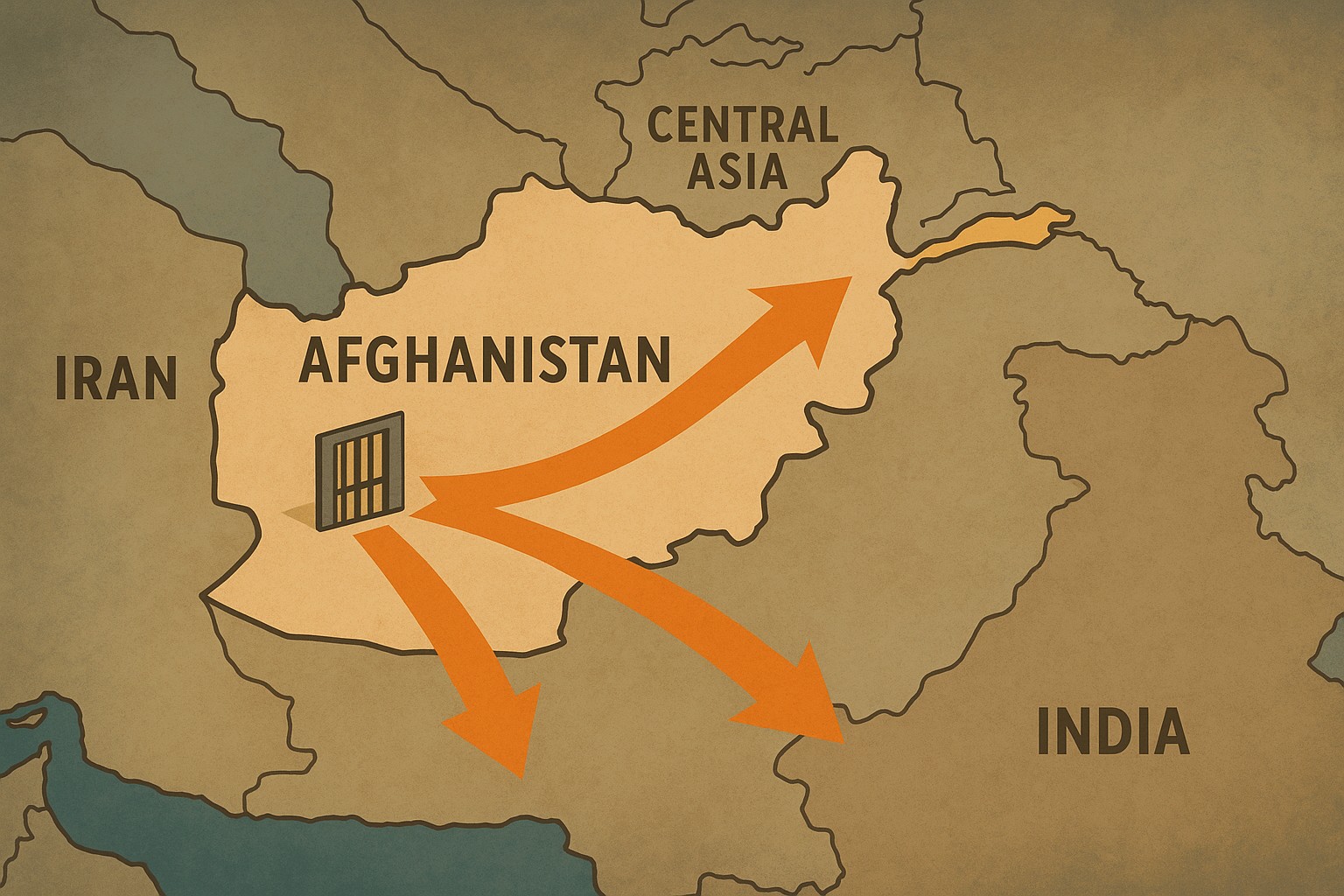
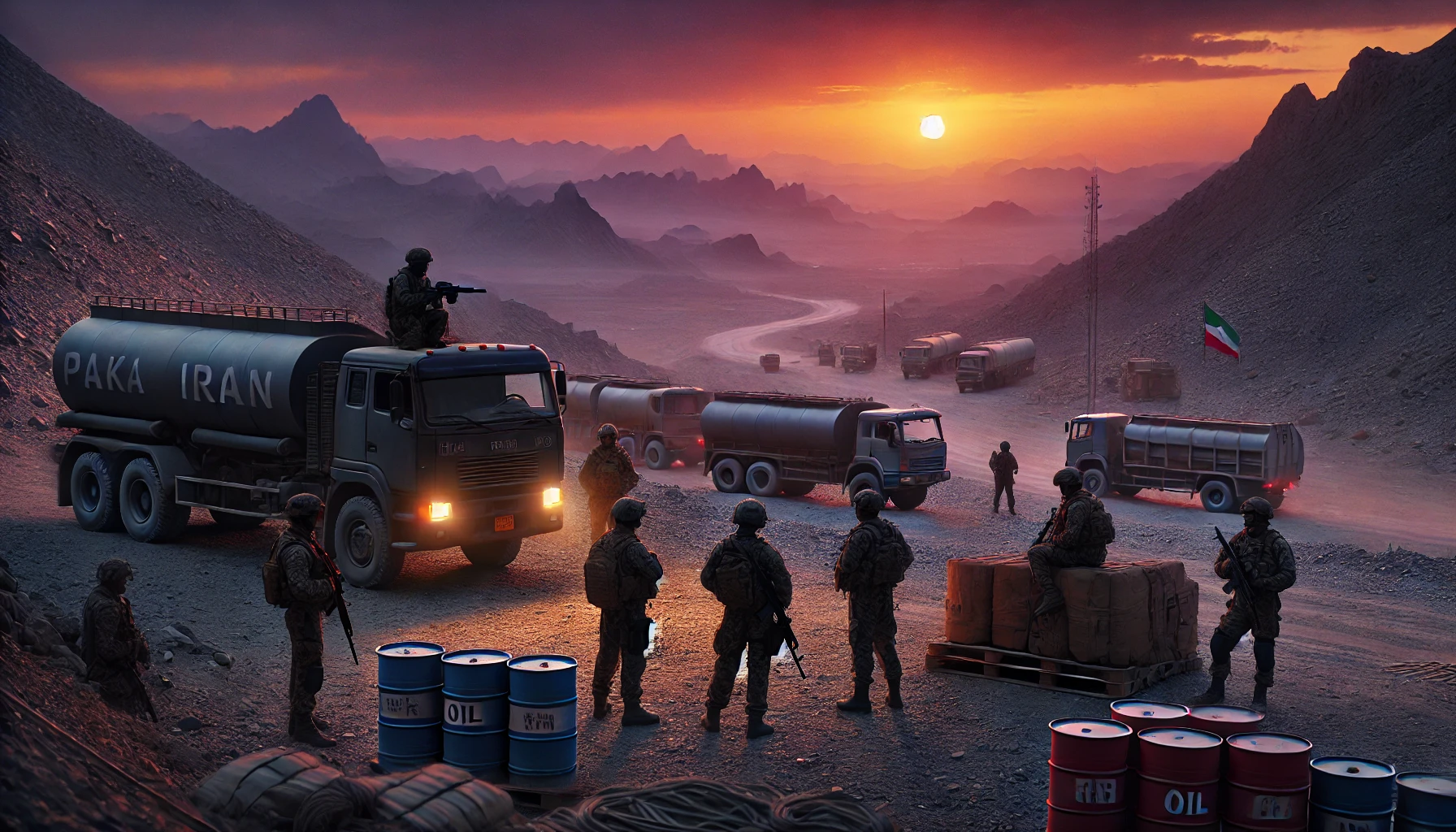
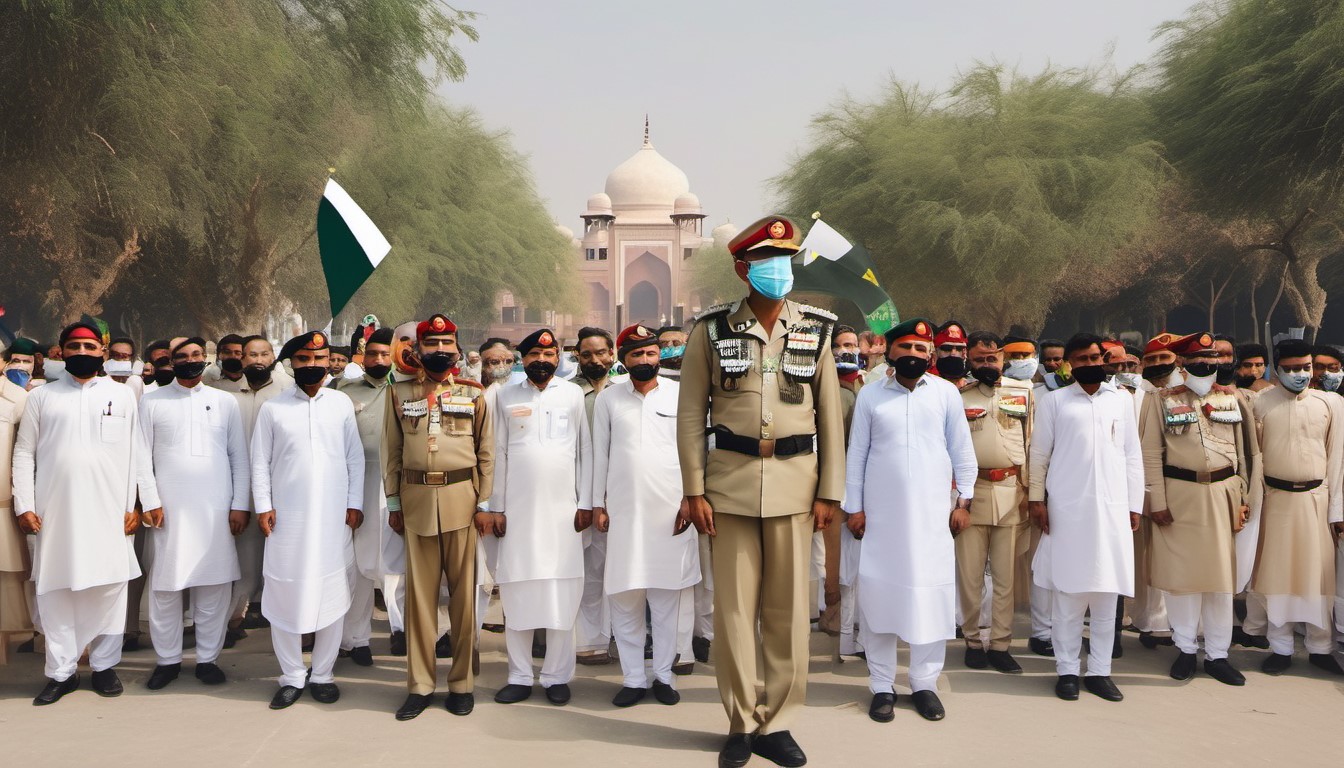
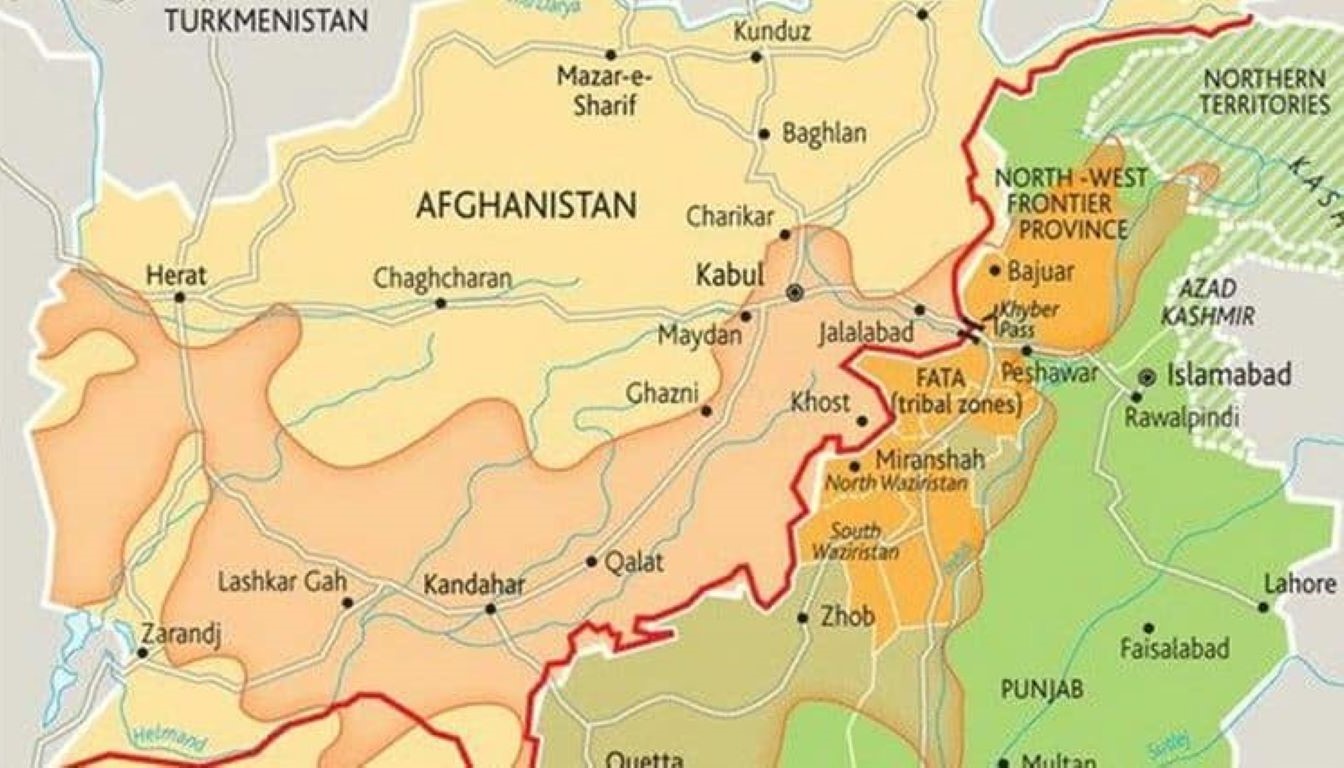
Afghanistan’s policy direction reflects a long-term effort to reduce reliance on Pakistan. As a landlocked state, Afghanistan has long remained vulnerable to transit manipulation. For decades, Pakistan controlled key trade routes and used that leverage for political pressure.
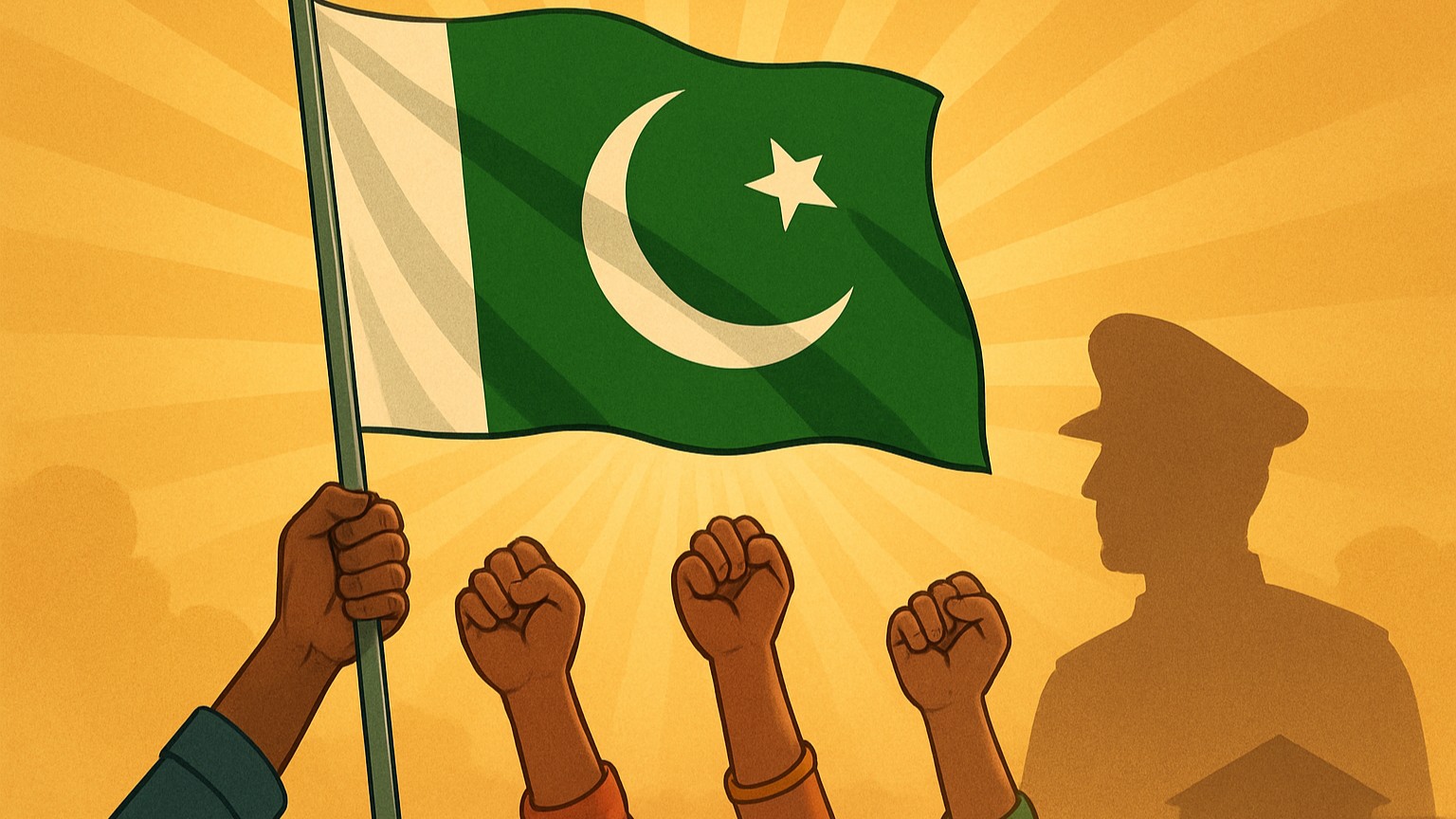
This dependency extended beyond economics. Afghan policymakers increasingly argue that Pakistan’s military establishment exploited these vulnerabilities to influence Kabul’s domestic and foreign policies. As a result, Afghanistan has prioritized diversifying trade routes, strengthening regional alternatives, and asserting independent diplomacy. These steps form a core part of defending Afghanistan Sovereignty.
Treatment of Afghans in Pakistan: A Human Rights Dimension
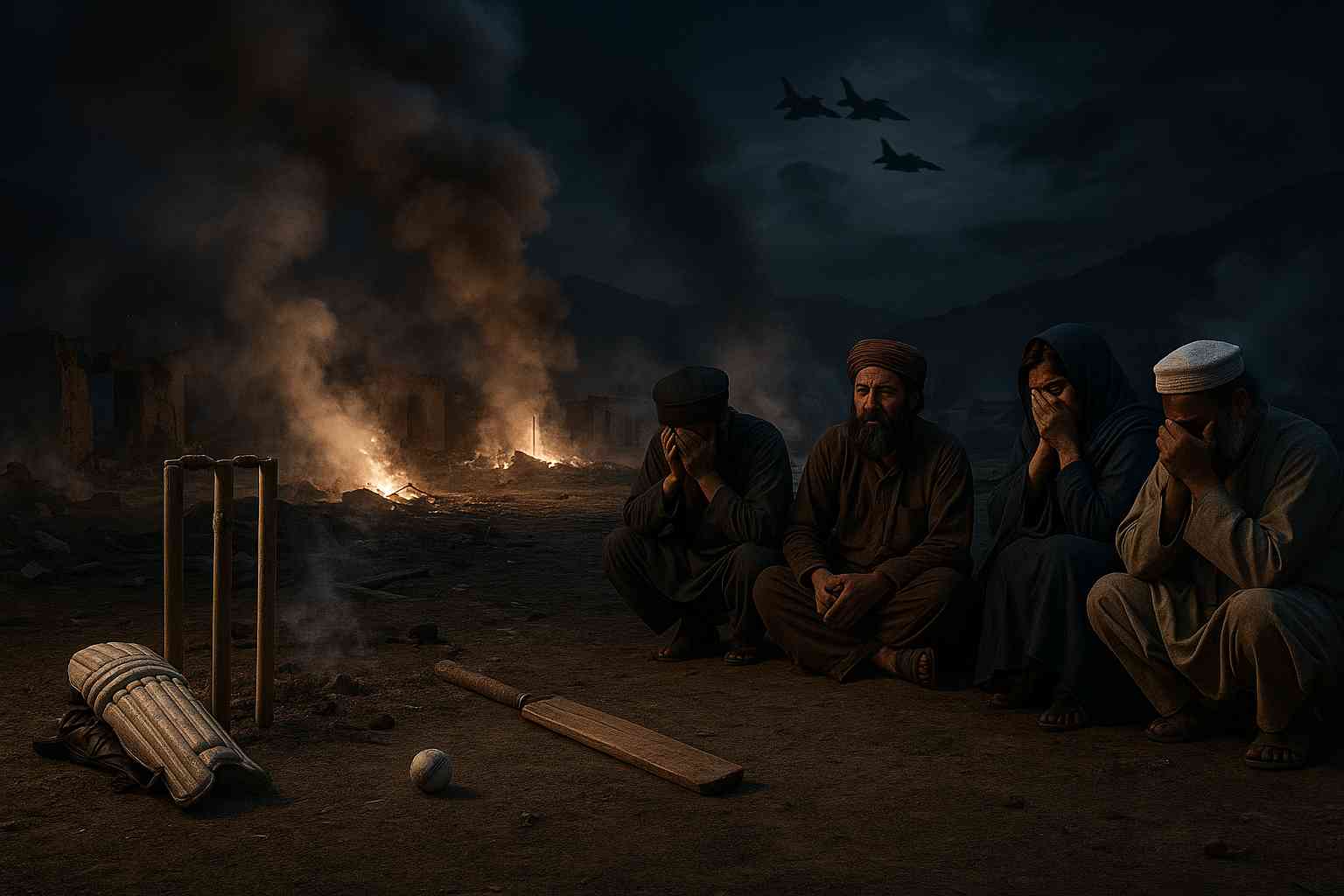
Afghanistan–Pakistan relations cannot be separated from the treatment of Afghans inside Pakistan. Over the past year, human rights organizations have documented arrests, harassment, and forced deportations of Afghan refugees. These actions include long-term residents and documented individuals.
For Kabul, such conduct undermines claims of goodwill. It also deepens skepticism toward Pakistan-led or Pakistan-influenced initiatives. In Afghan eyes, a state that subjects Afghan civilians to collective punishment lacks moral authority to define Afghanistan’s regional role.
Allegations and Strategic Distrust
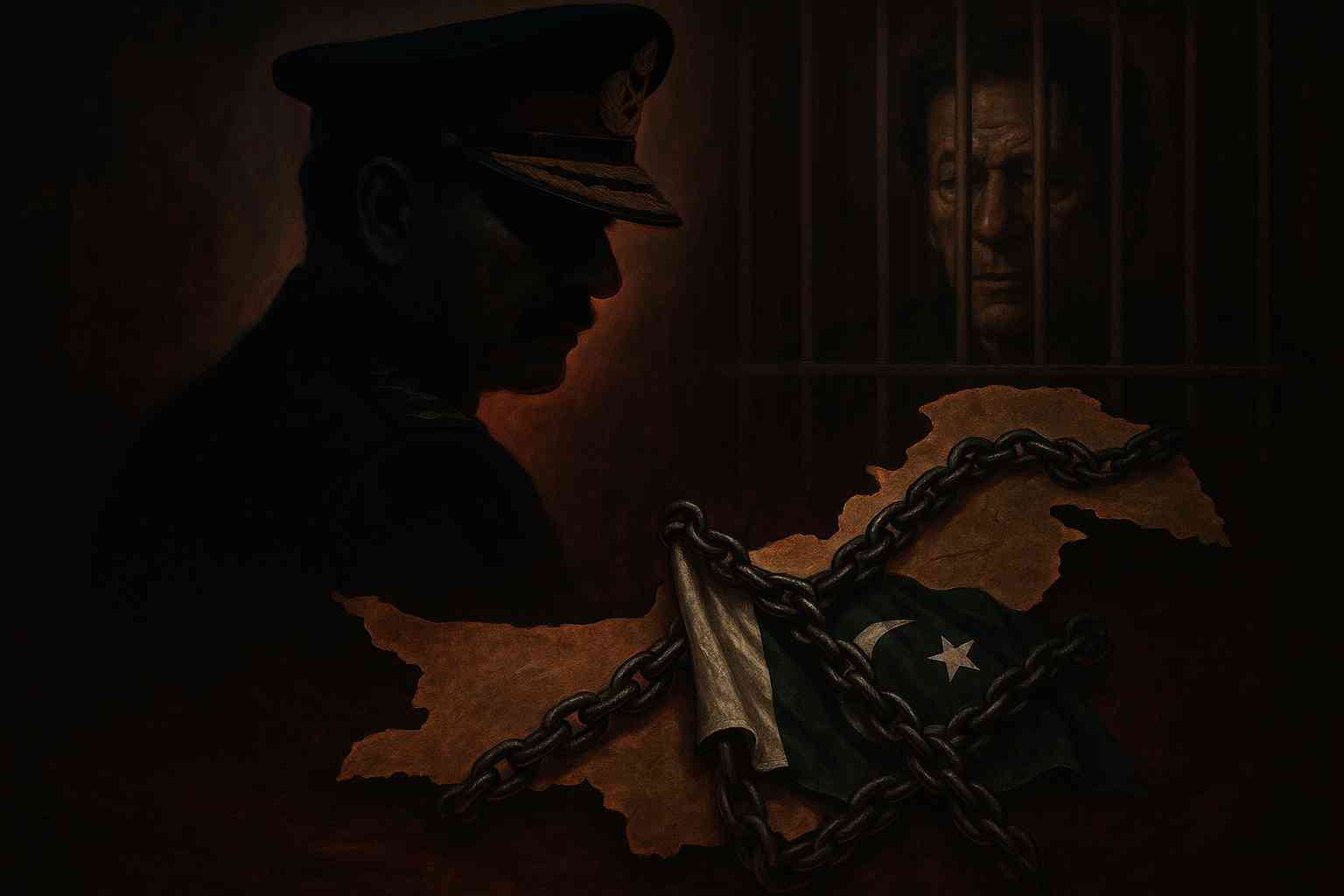
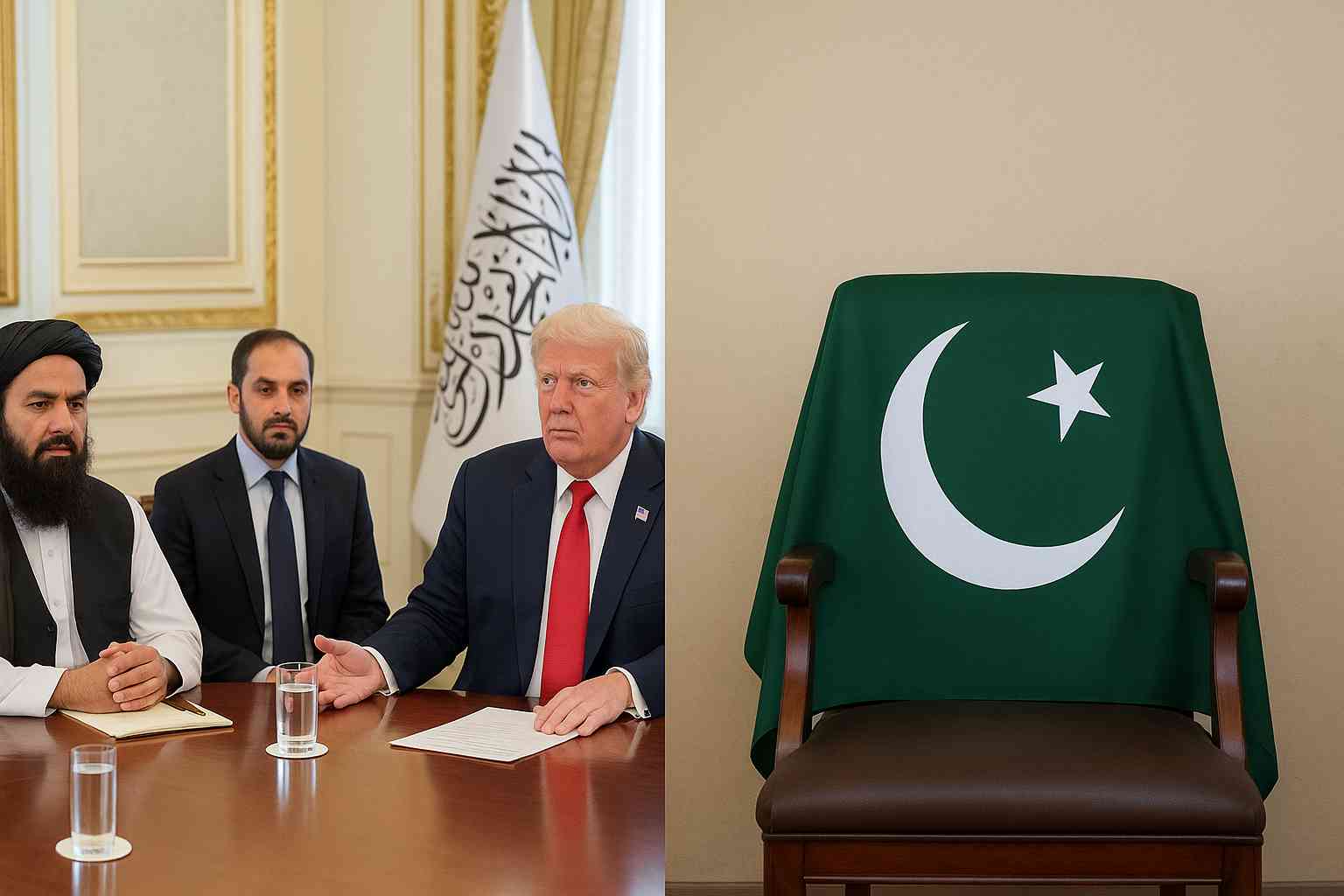
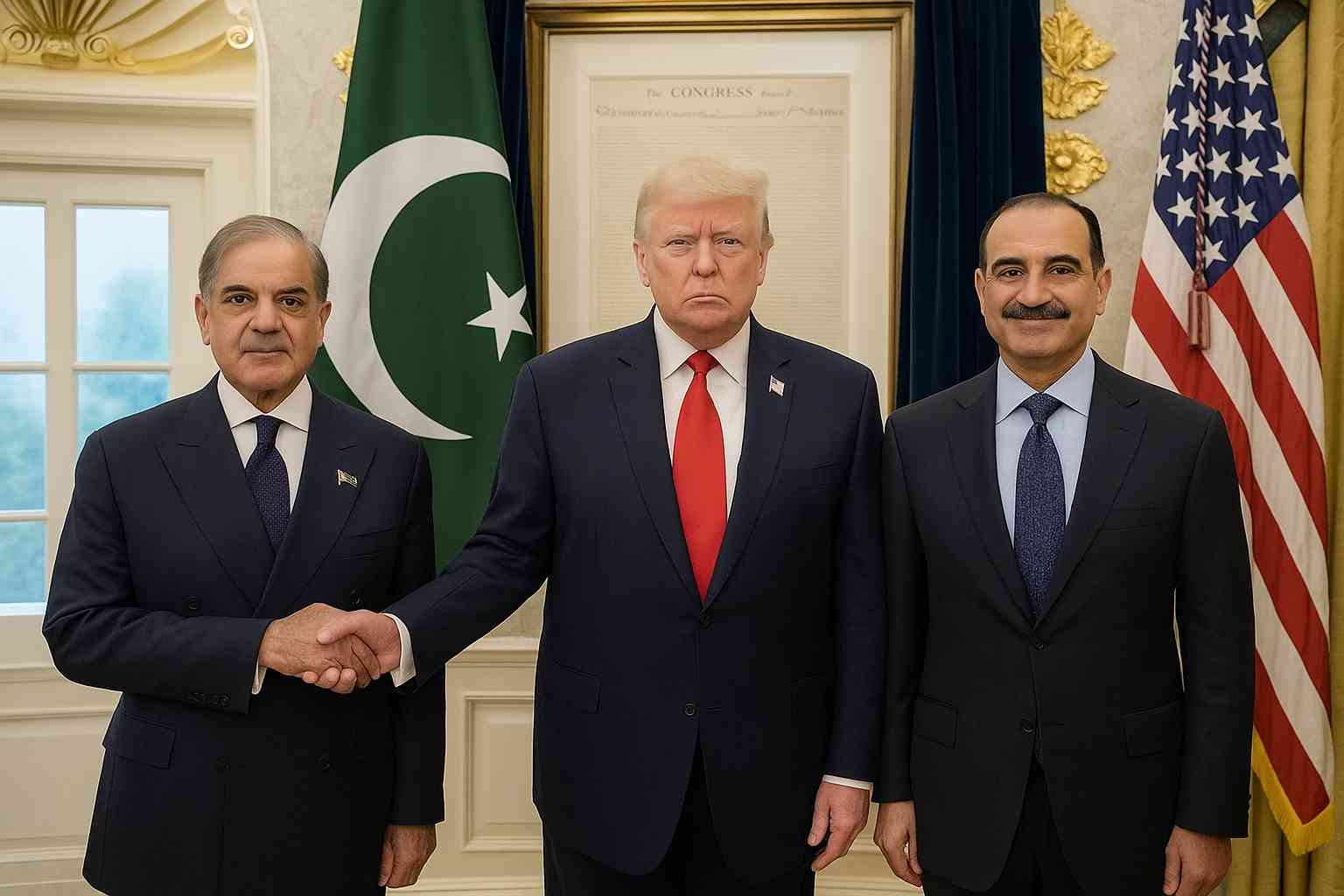
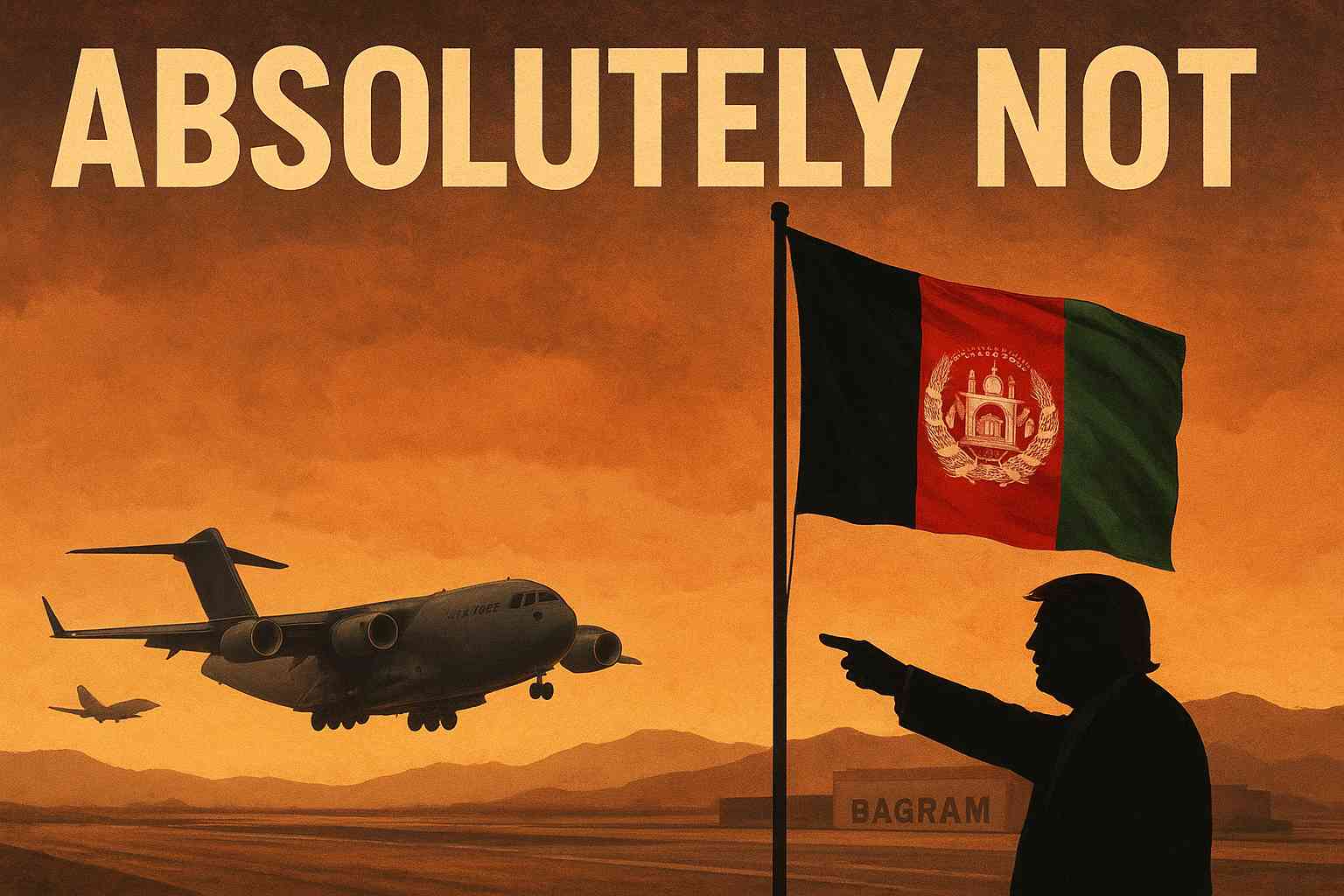
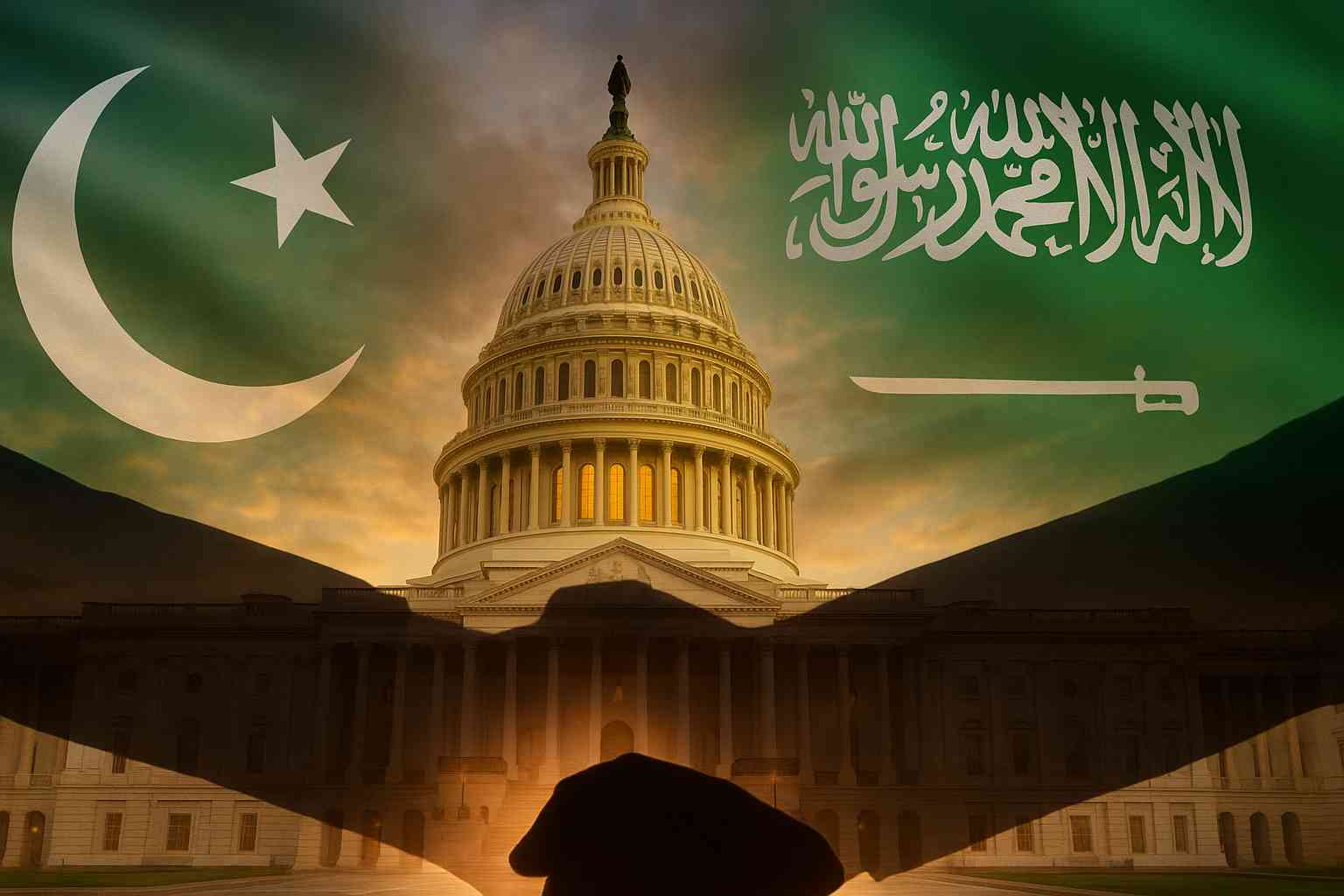
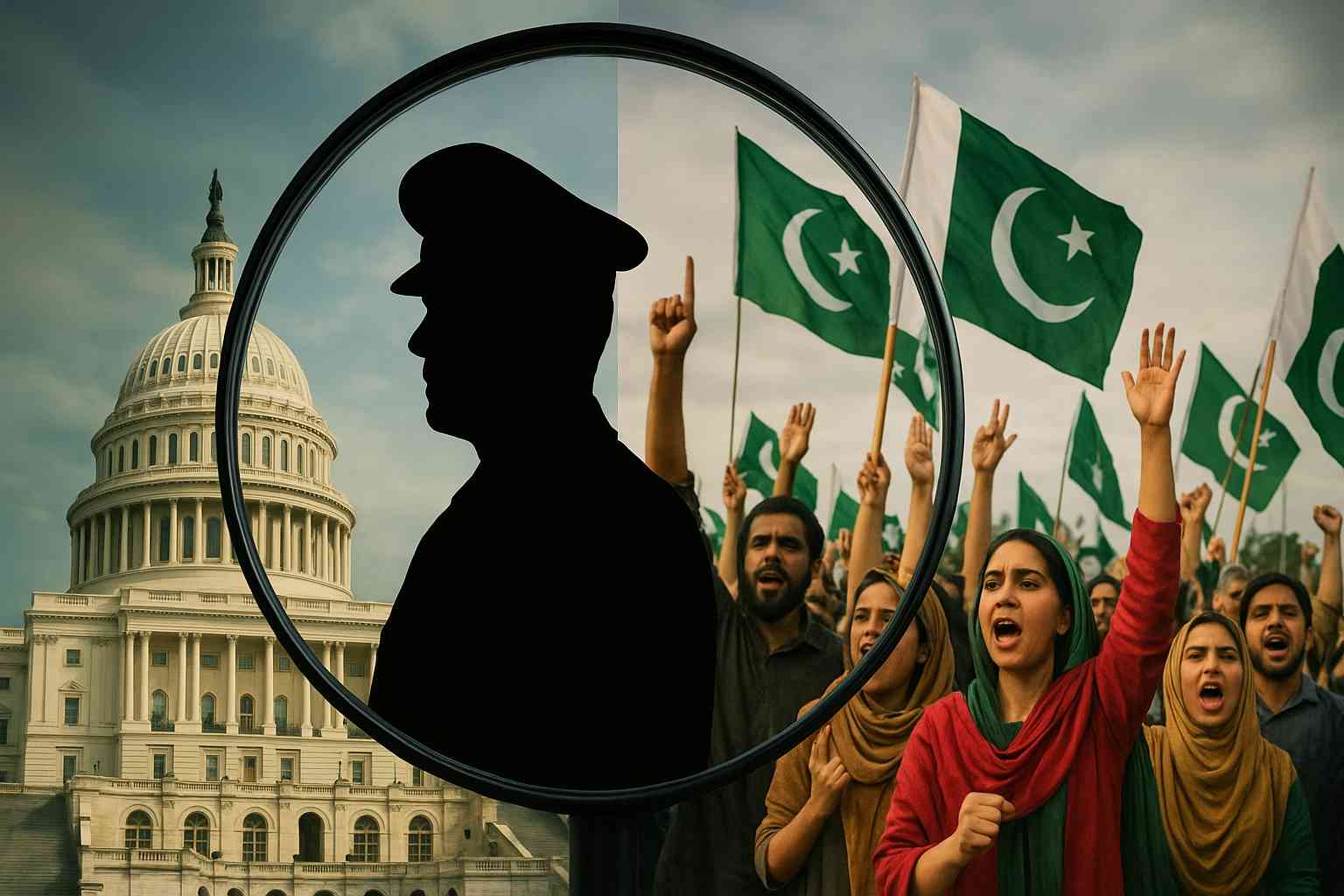
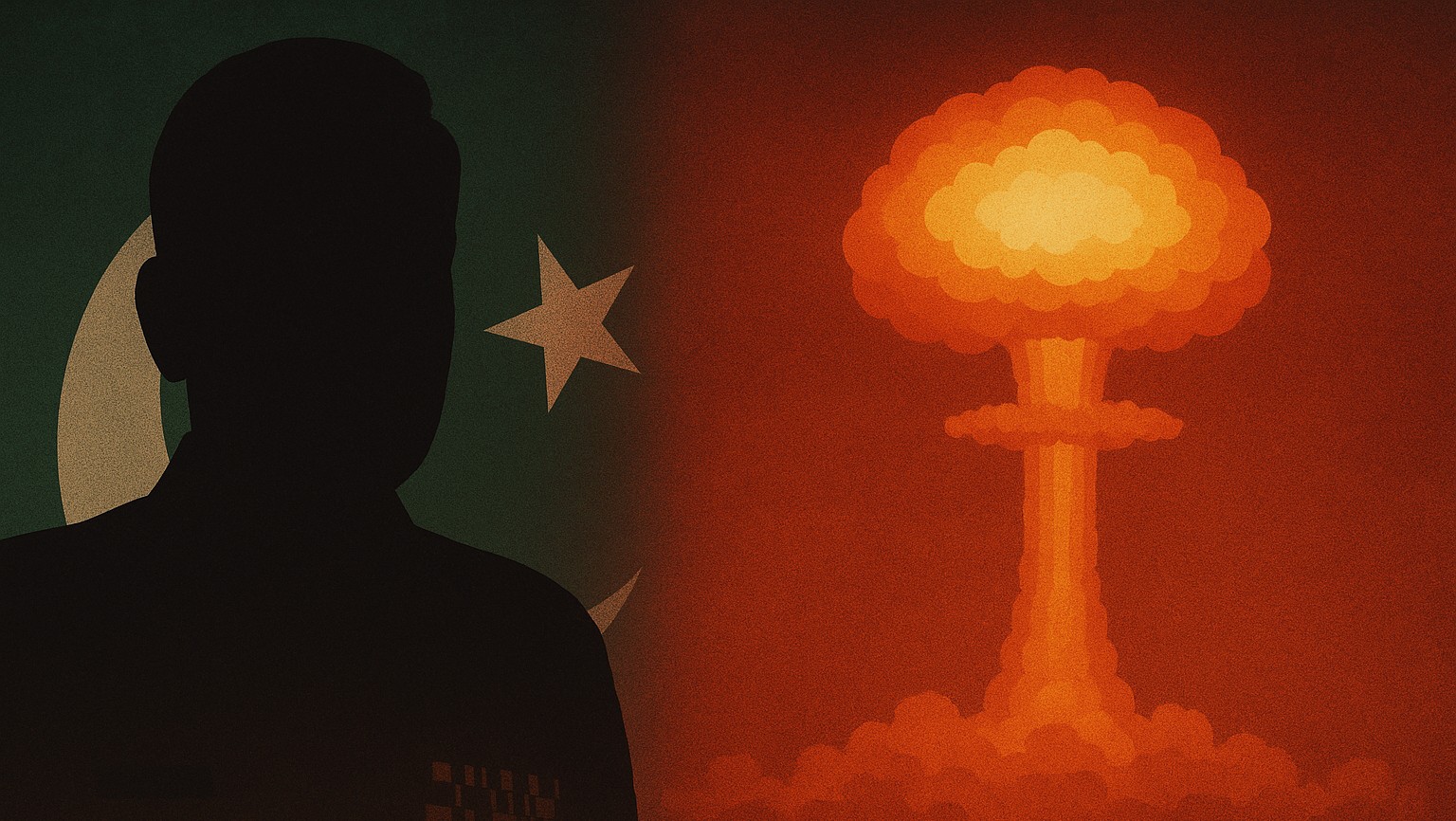
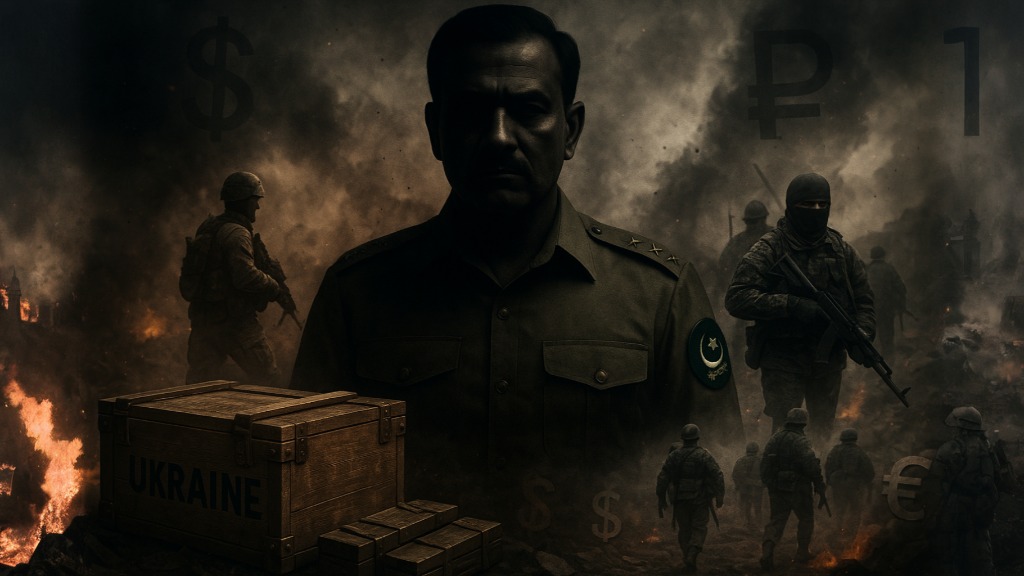
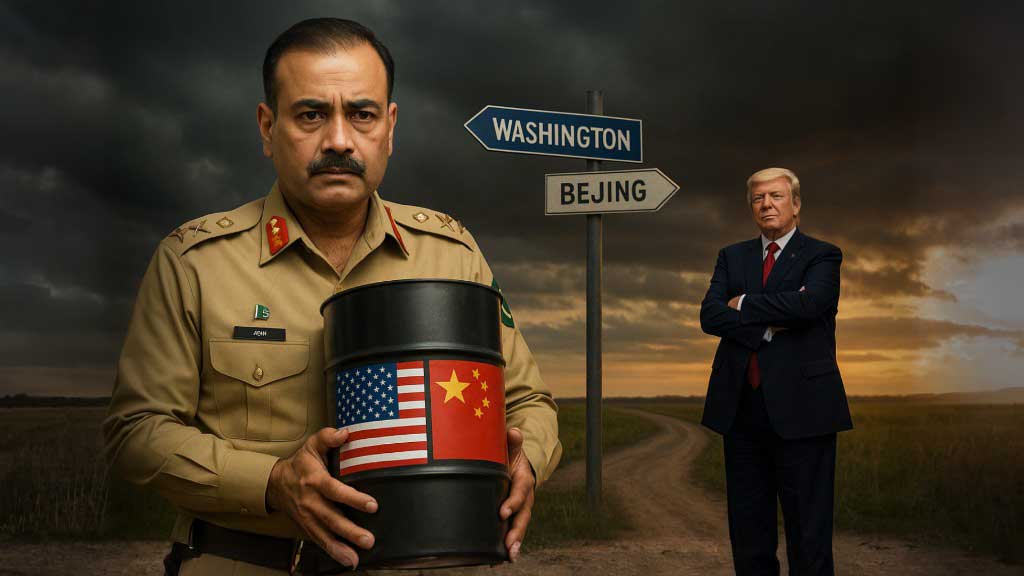
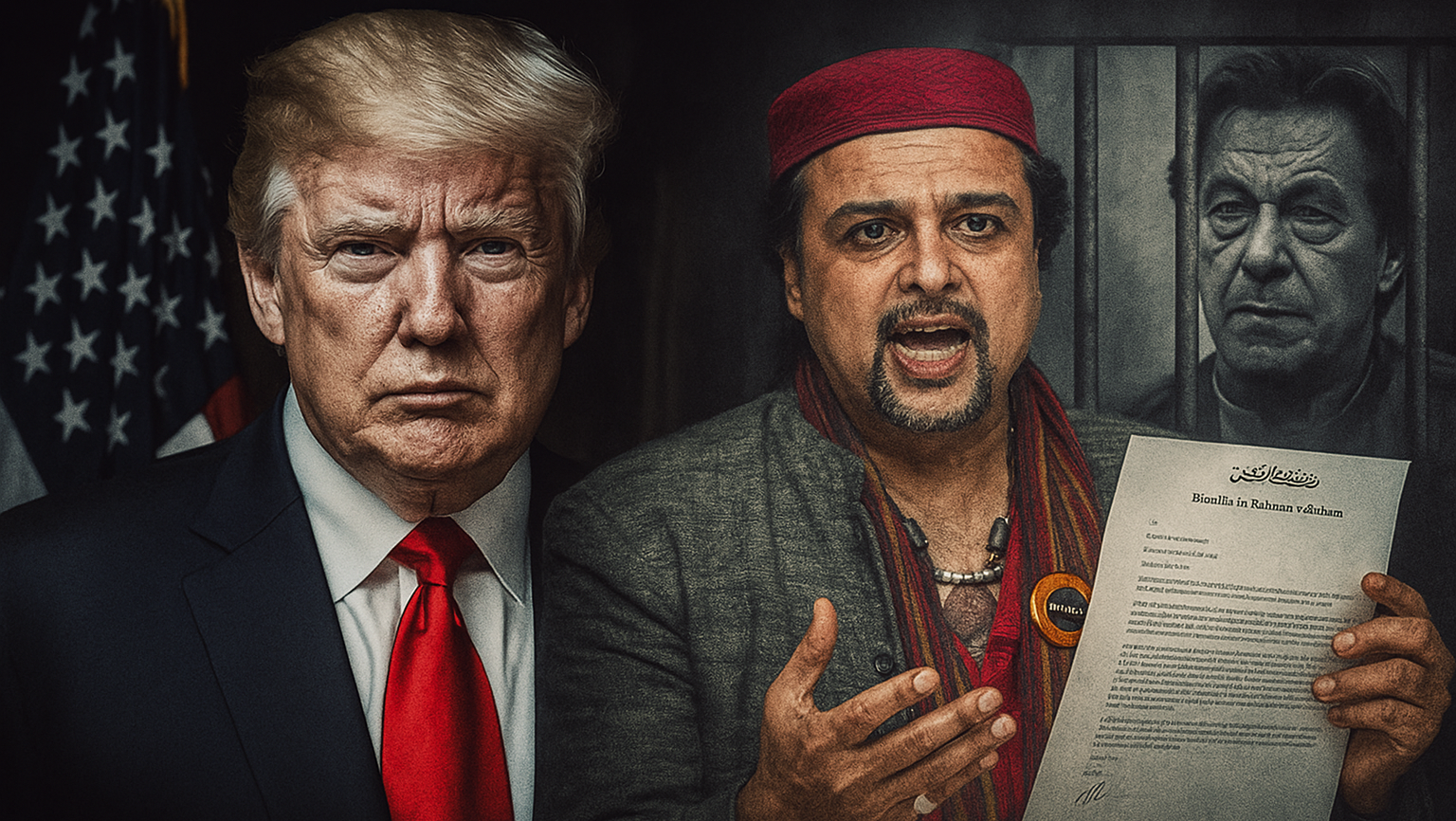
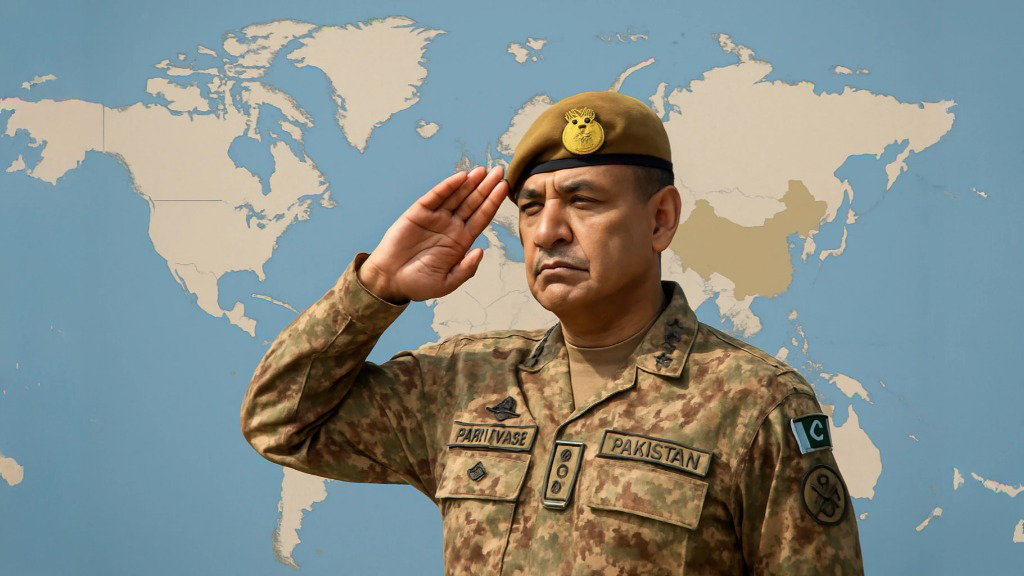
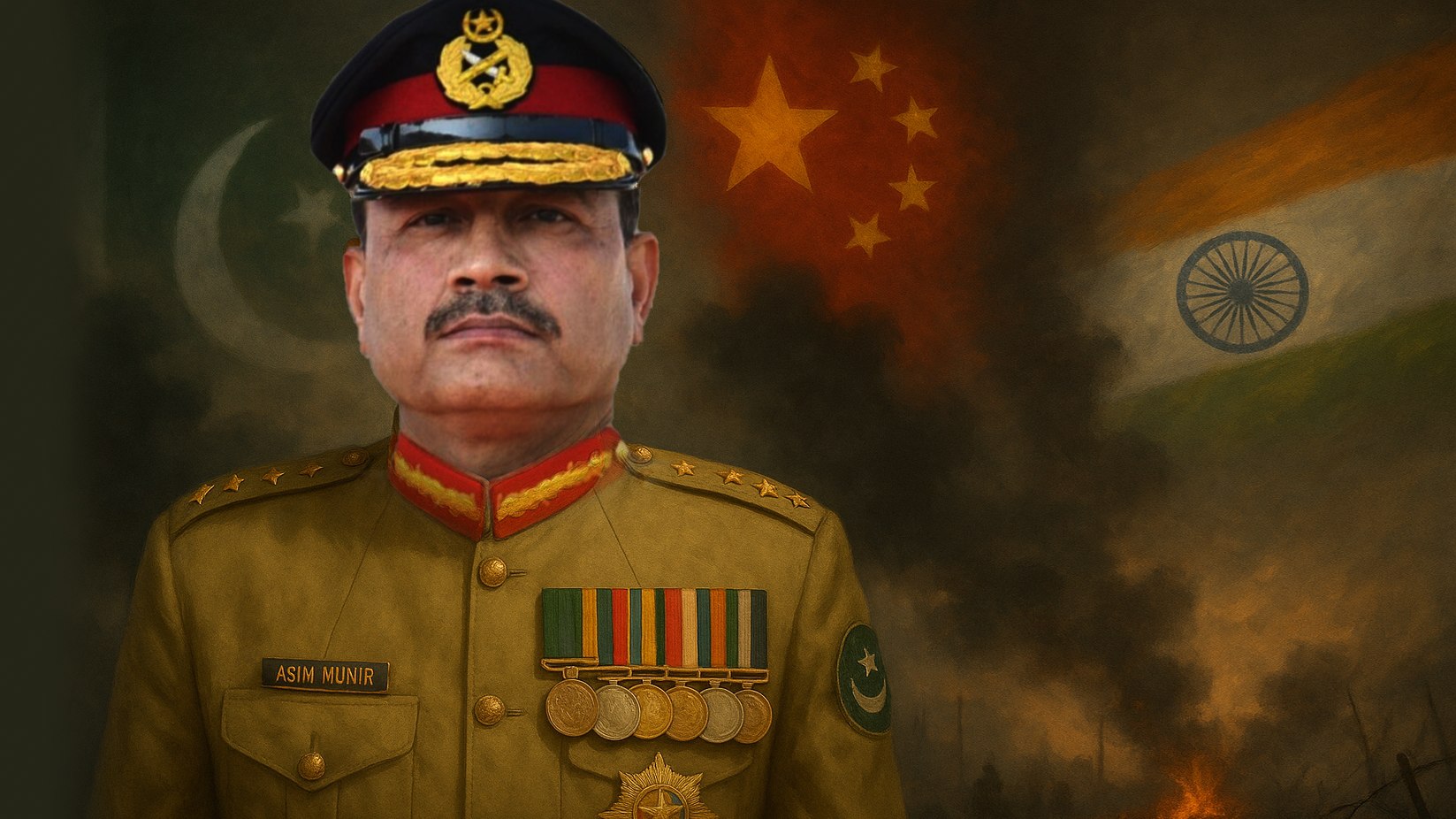
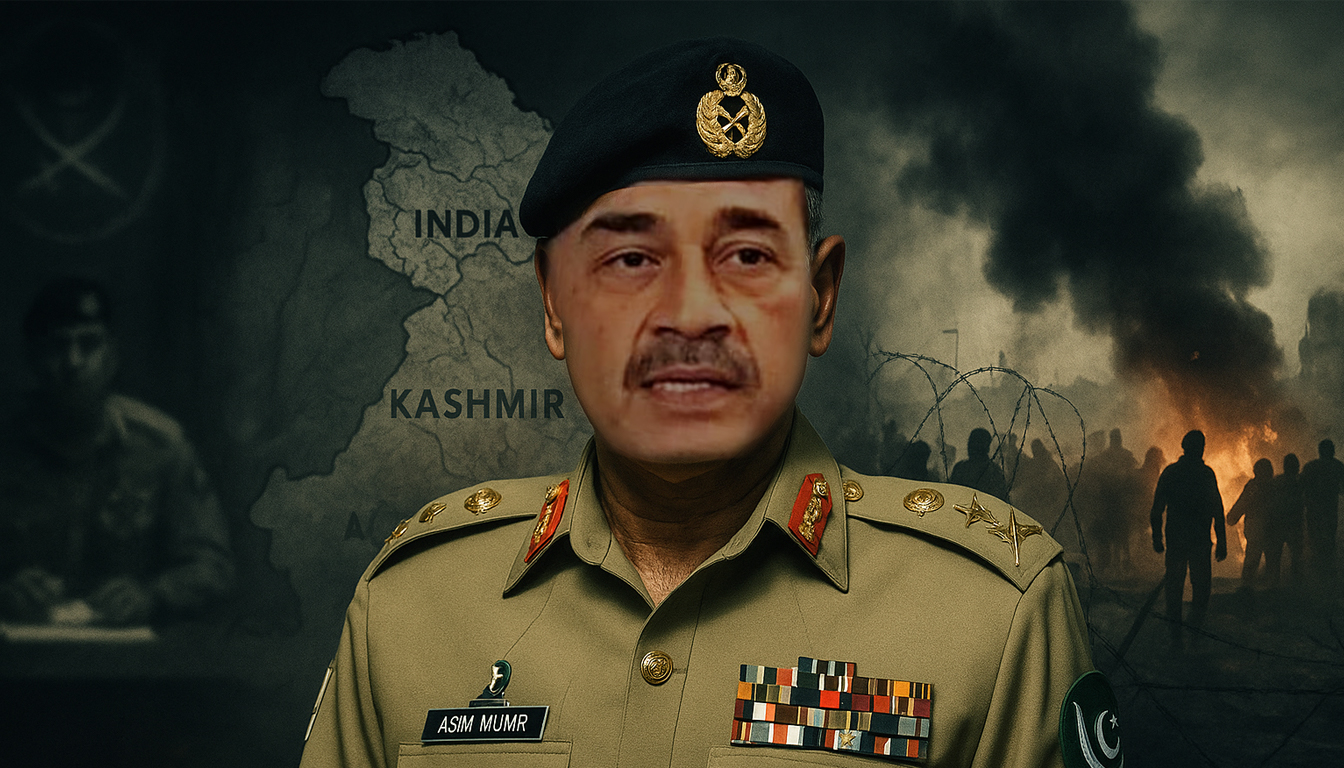
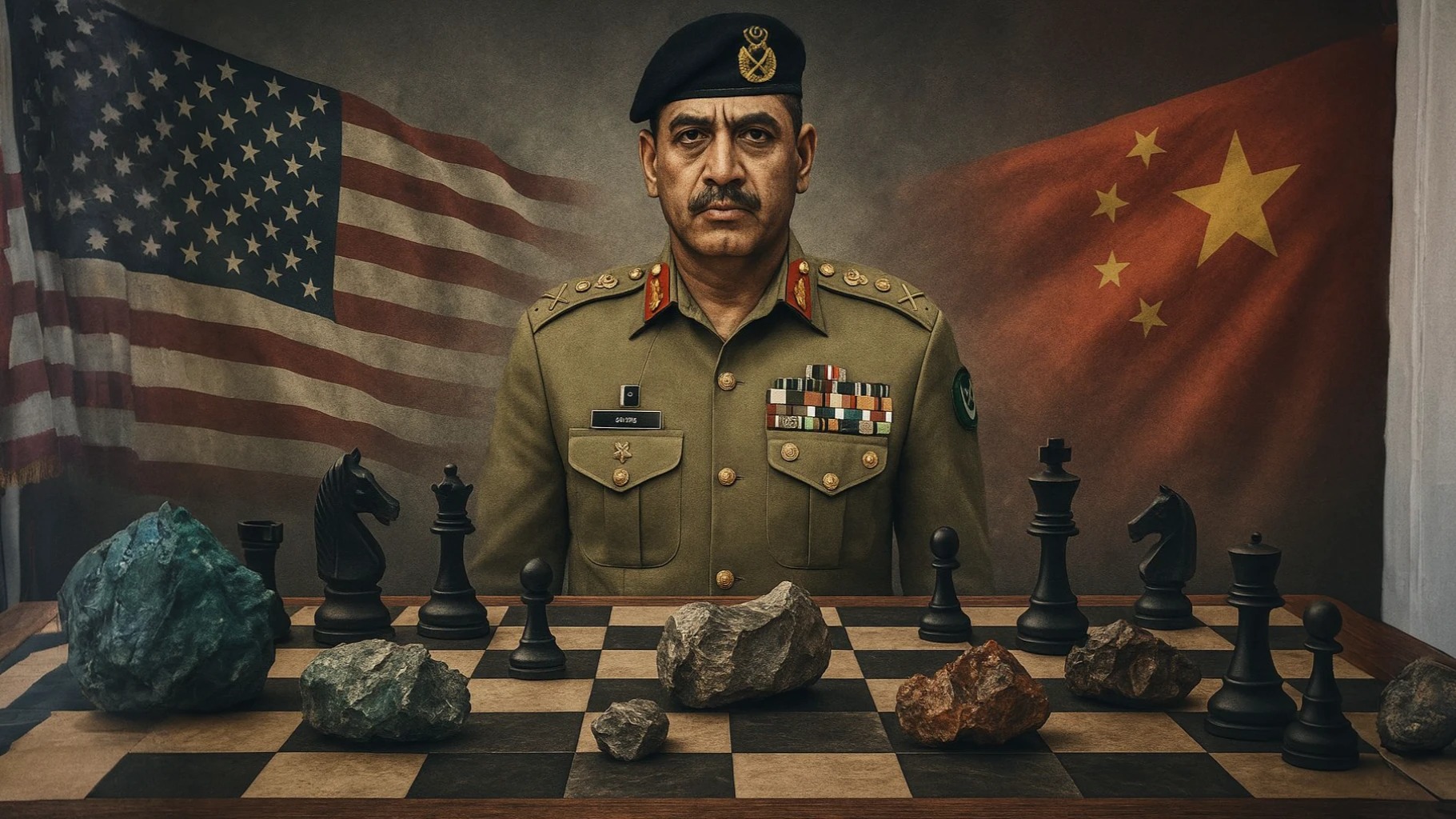
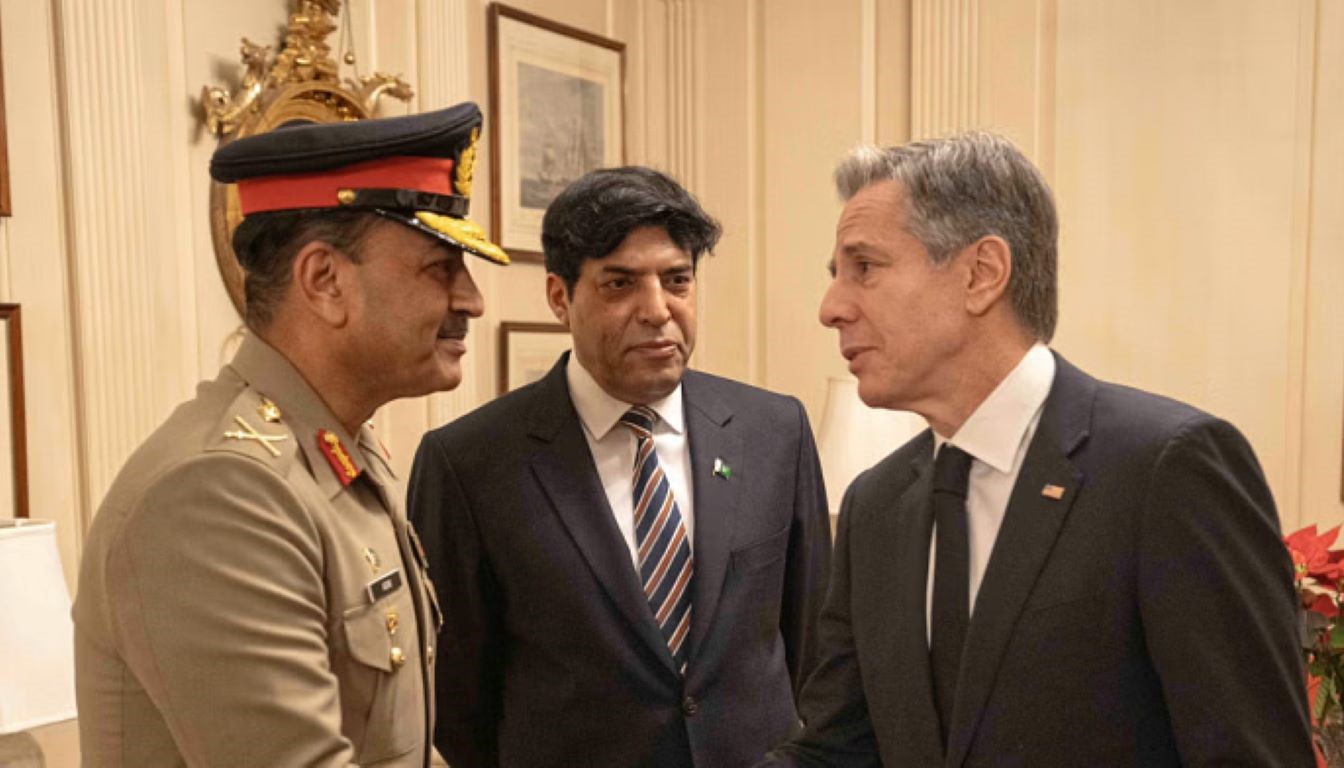
Within this climate of mistrust, allegations have circulated about Pakistan’s military leadership. Some claims suggest that Army Chief Asim Munir may have offered assurances to U.S. political figures, including former President Donald Trump, regarding regime change in Afghanistan. No independent or authoritative evidence supports these claims. Still, their persistence is revealing.
Such allegations gain traction because historical experience has shaped Afghan expectations of interference. Moreover, Pakistan’s opaque, military-dominated decision-making fuels suspicion. The lack of transparency continues to erode trust.
It remains essential to separate allegation from fact. No credible reporting confirms any promise to engineer political change in Afghanistan. Even so, perceptions matter. They shape Afghan strategic calculations and reinforce Kabul’s determination to limit exposure to forums where Pakistan can exert narrative or diplomatic pressure.
Afghan Resilience and the Politics of Dignity
Afghanistan’s refusal to attend the Tehran meeting reflects a politics of dignity, not isolationism. Kabul is signaling that it will not participate in processes that undermine Afghanistan Sovereignty, reduce it to a perpetual crisis, or allow others to speak on its behalf.
This approach highlights a broader assertion of Afghan resilience. Afghanistan insists on being treated as a sovereign state with agency, not as a problem managed by neighbors with troubled governance records of their own.
Conclusion: A Regional Reset, Not a Retreat
Afghanistan’s decision marks a subtle but meaningful shift in regional politics. It challenges the habit of discussing Afghanistan without Afghan participation. It also rejects the use of geographic and humanitarian leverage to extract political concessions.
Whether one agrees with Kabul’s policies or not, the logic behind its refusal is coherent. Afghanistan is redefining its place in the region—not as a dependent or a proxy battleground, but as a state seeking autonomy, reform, and respect.
In this sense, the refusal to attend the Tehran meeting does not reject diplomacy. Instead, it rejects dependency politics and affirms that Afghanistan will engage with the world only on terms that respect Afghanistan Sovereignty and national dignit
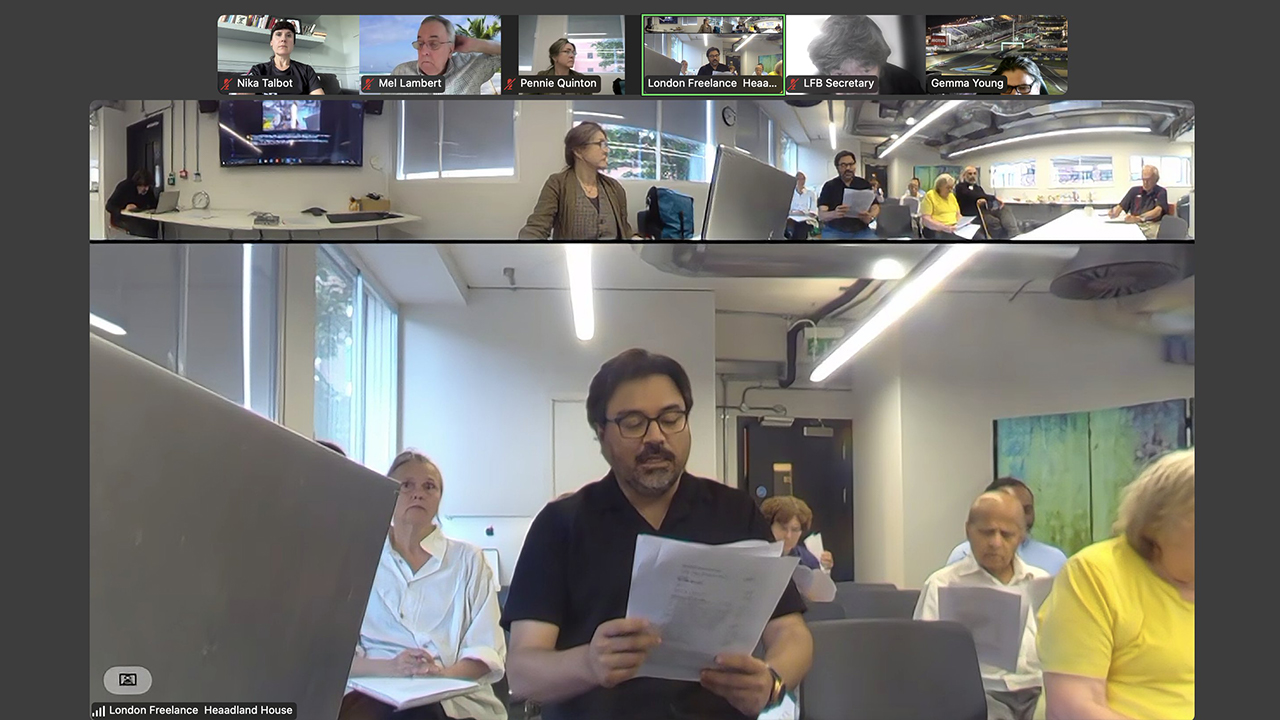
Adil Raja is a retired major of the Pakistan Army, freelance investigative journalist, and dissident based in London, United Kingdom. He is the host of “Soldier Speaks Reloaded,” an independent commentary platform focused on South Asian politics and security affairs. Adil is also a member of the National Union of Journalists (UK) and the International Human Rights Foundation. Read more about Adil Raja.. Read more about Adil Raja.