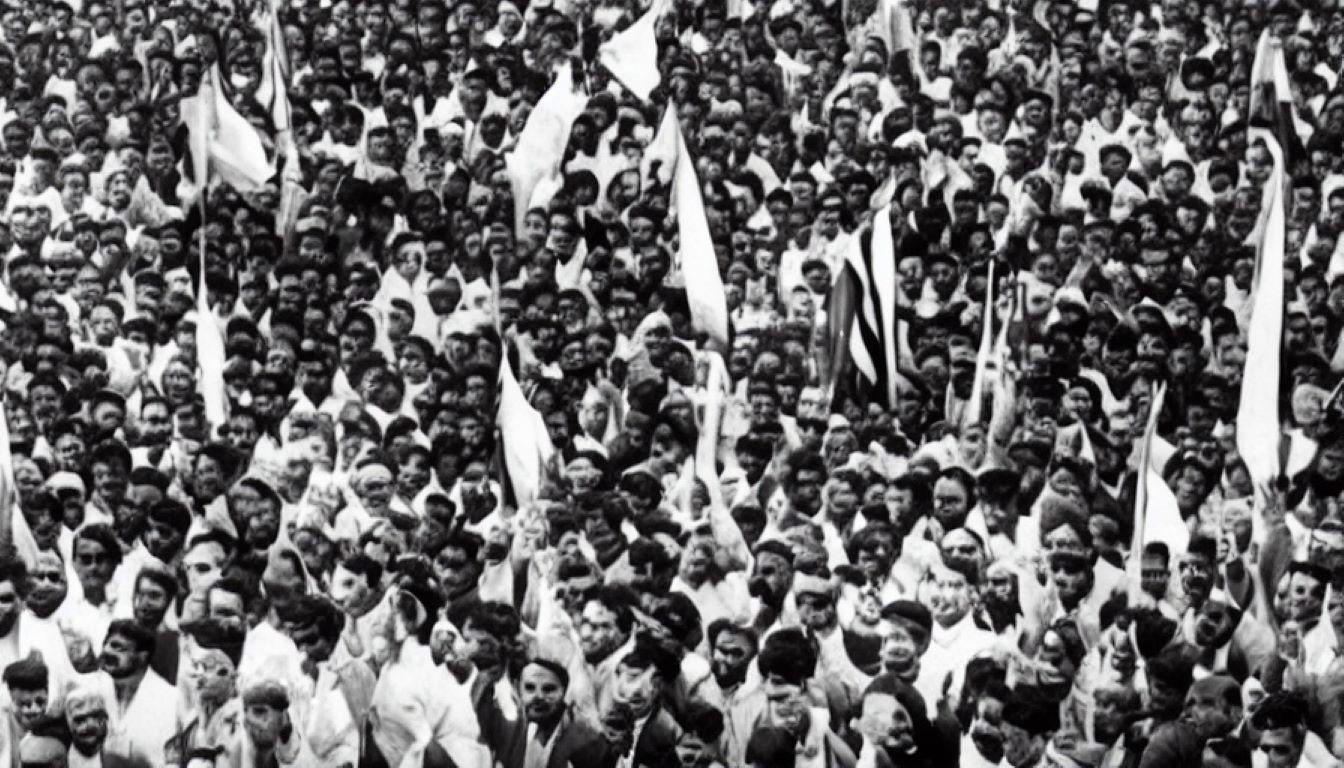
Pakistan at a Crossroads
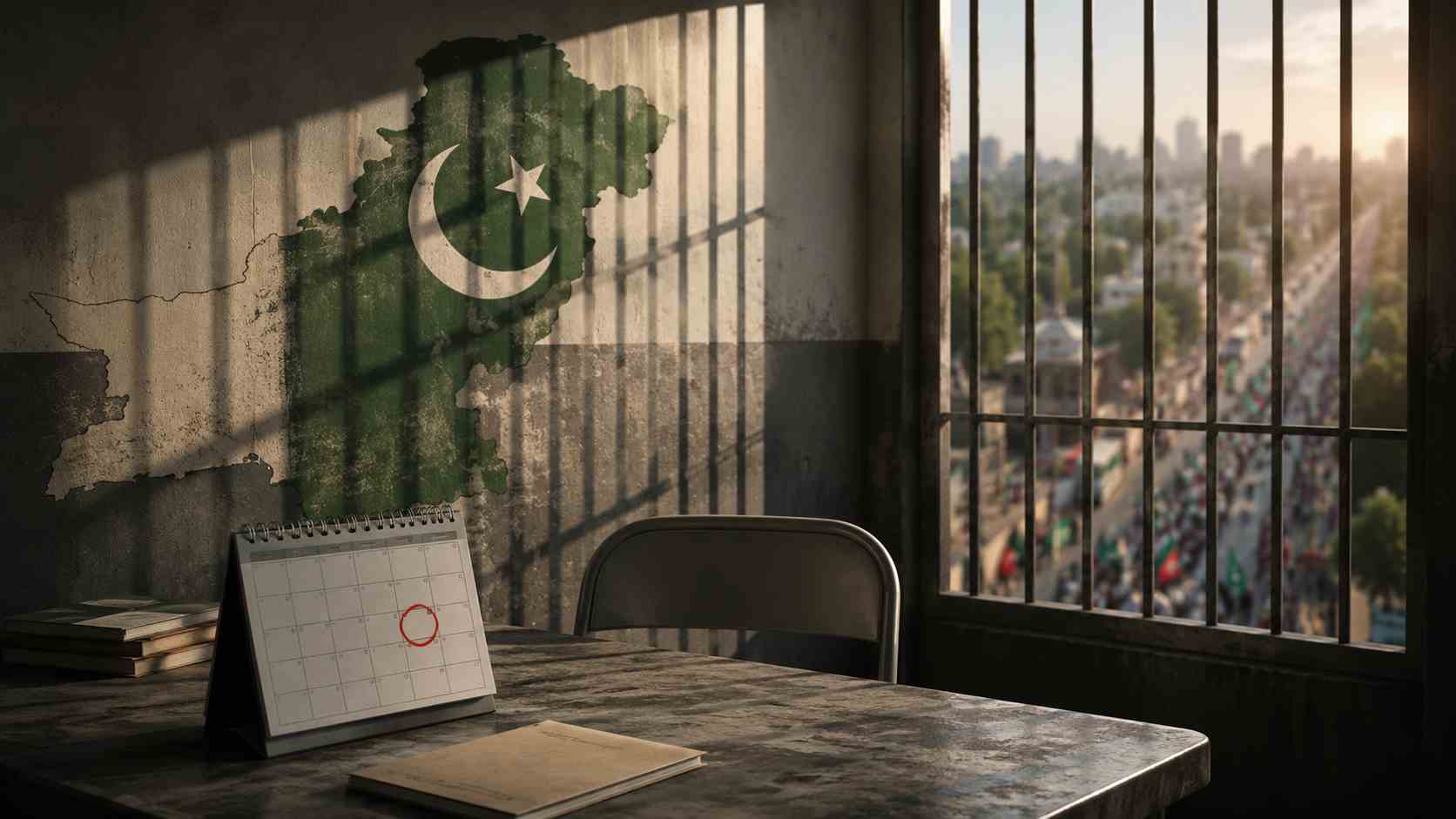
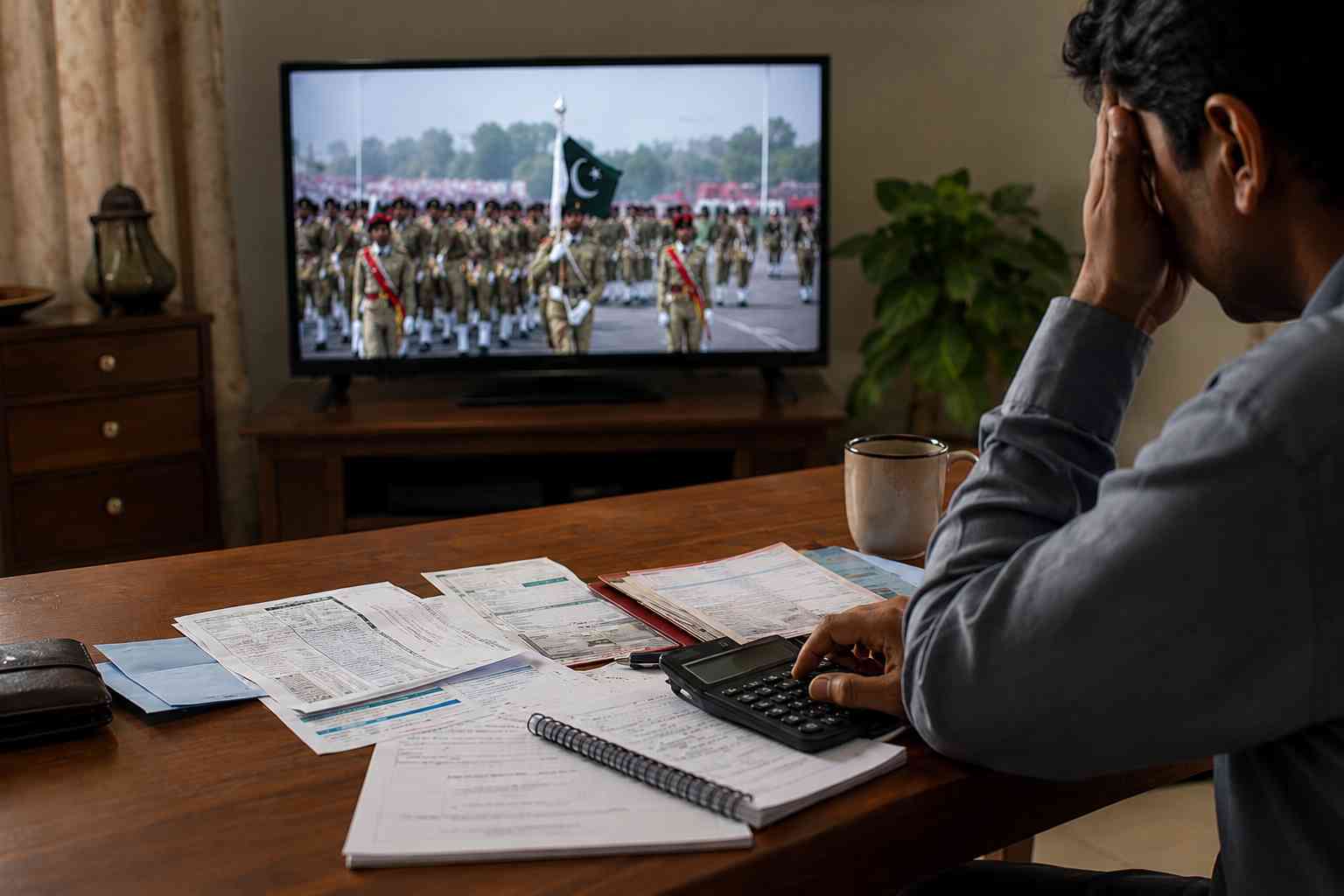
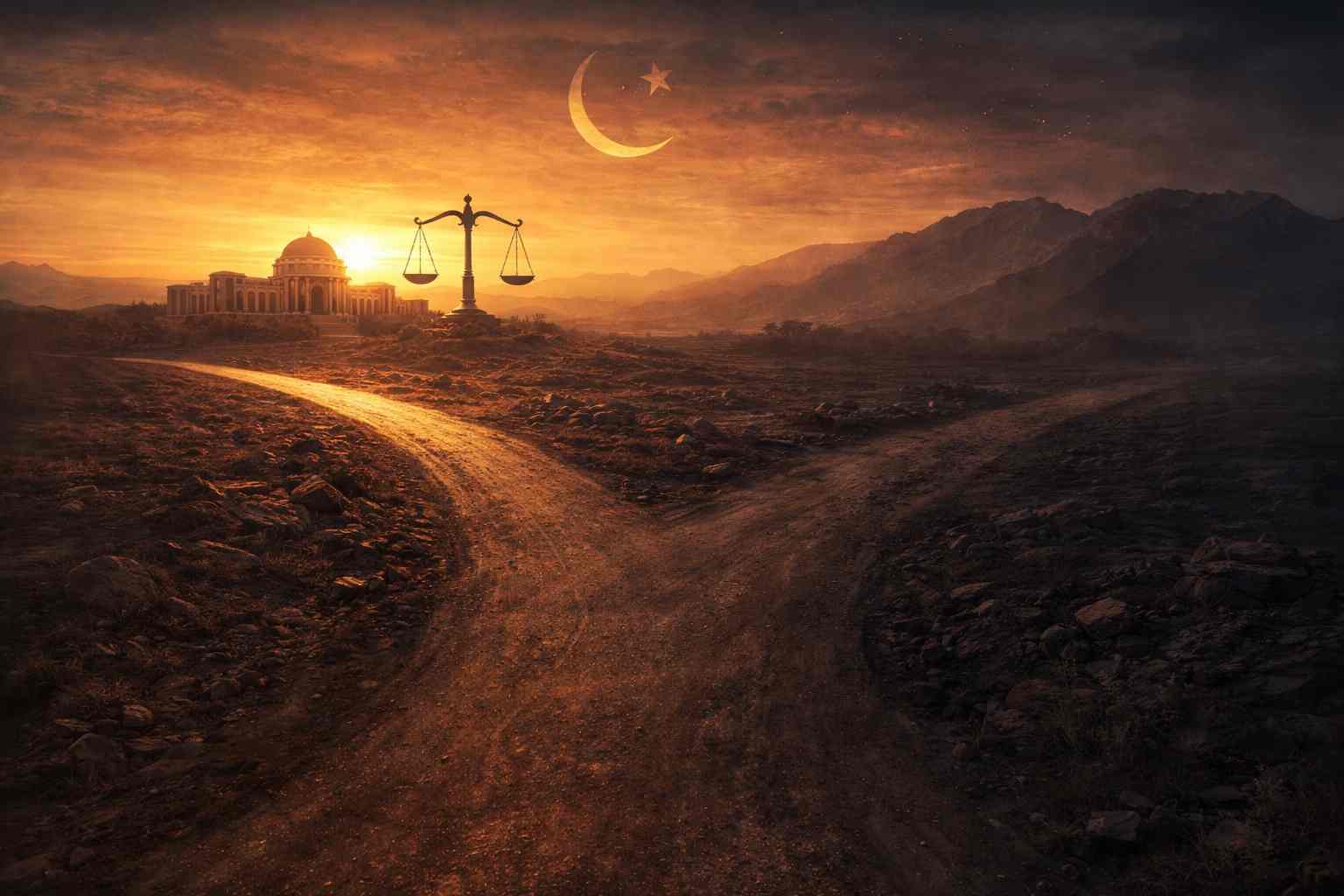
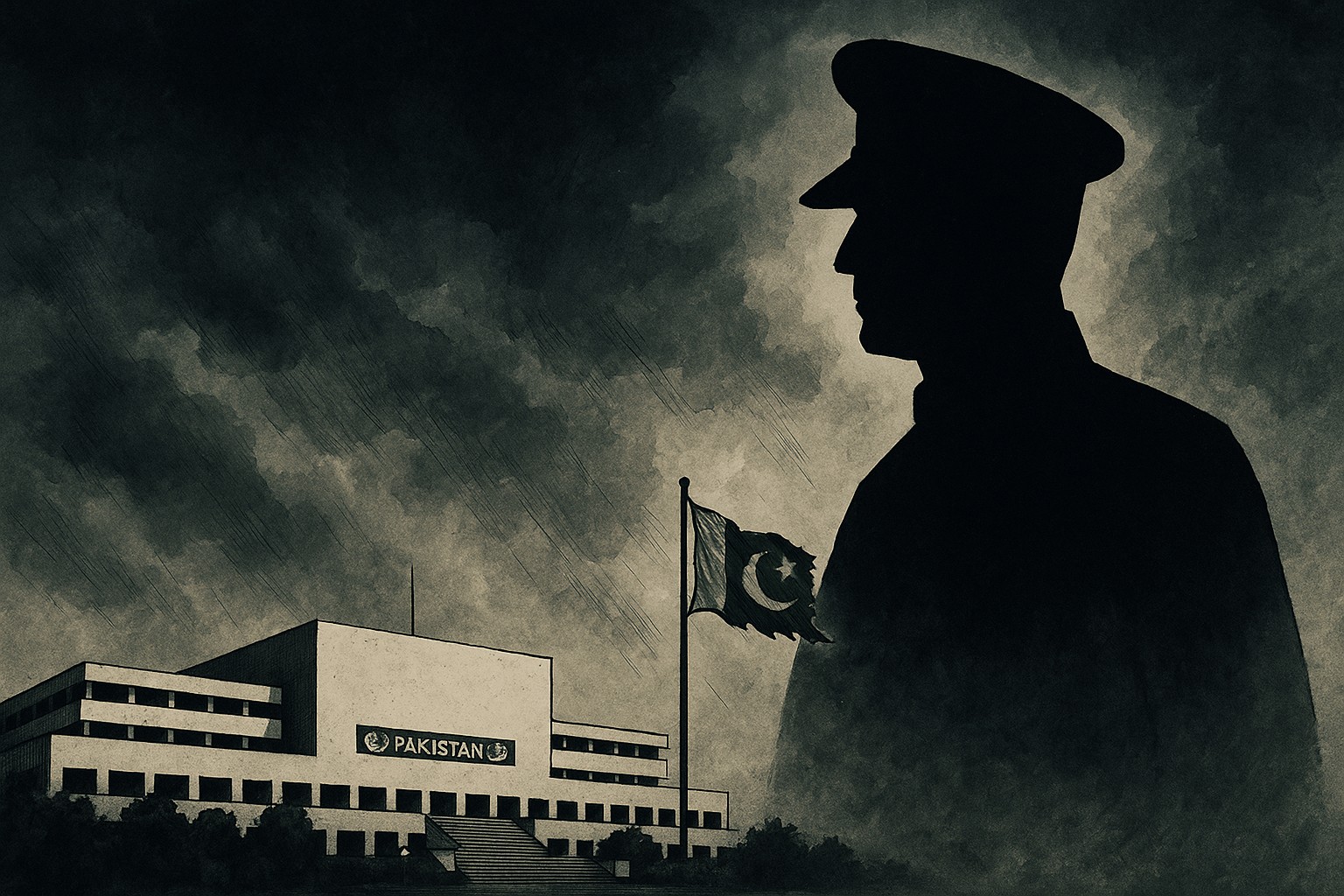
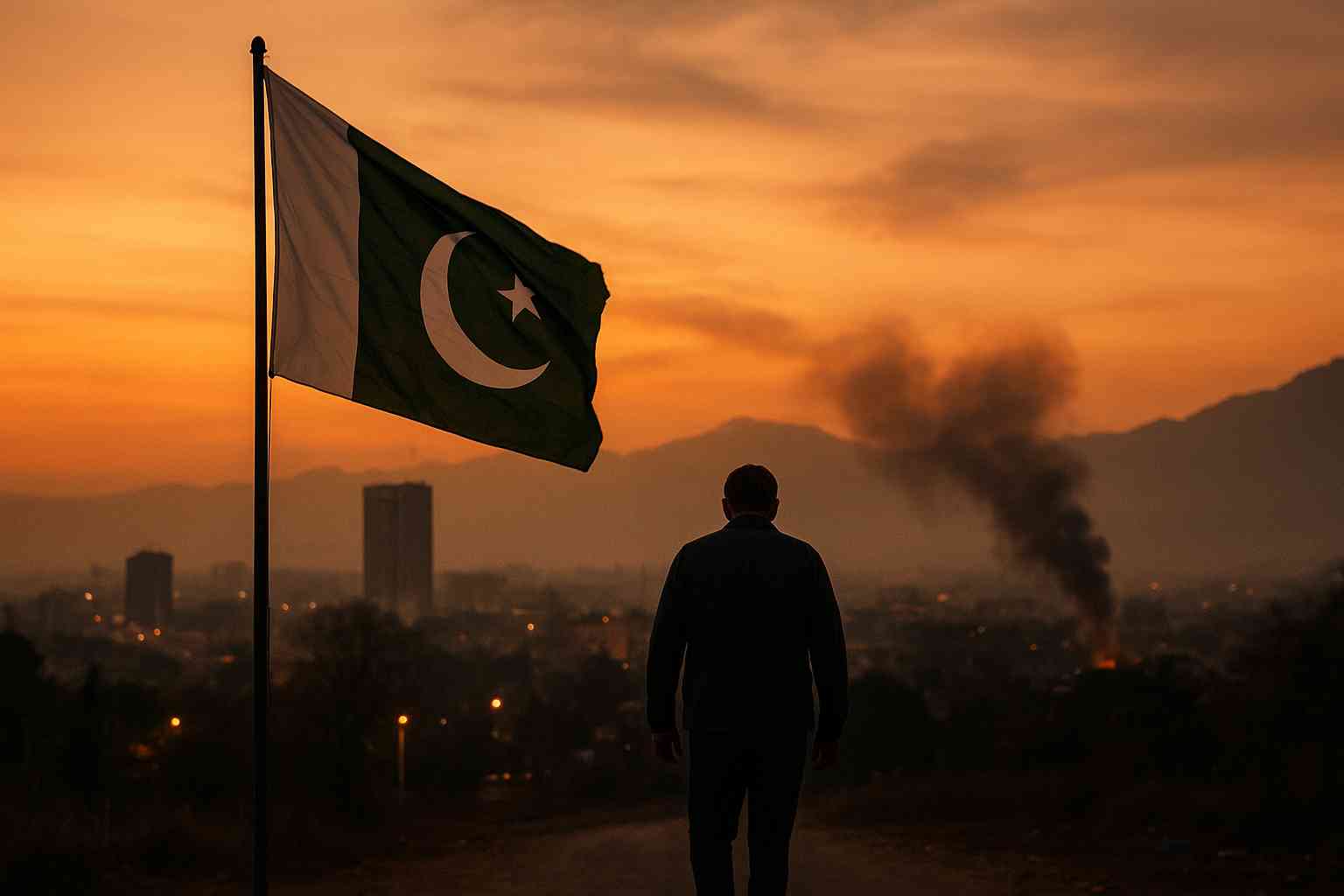
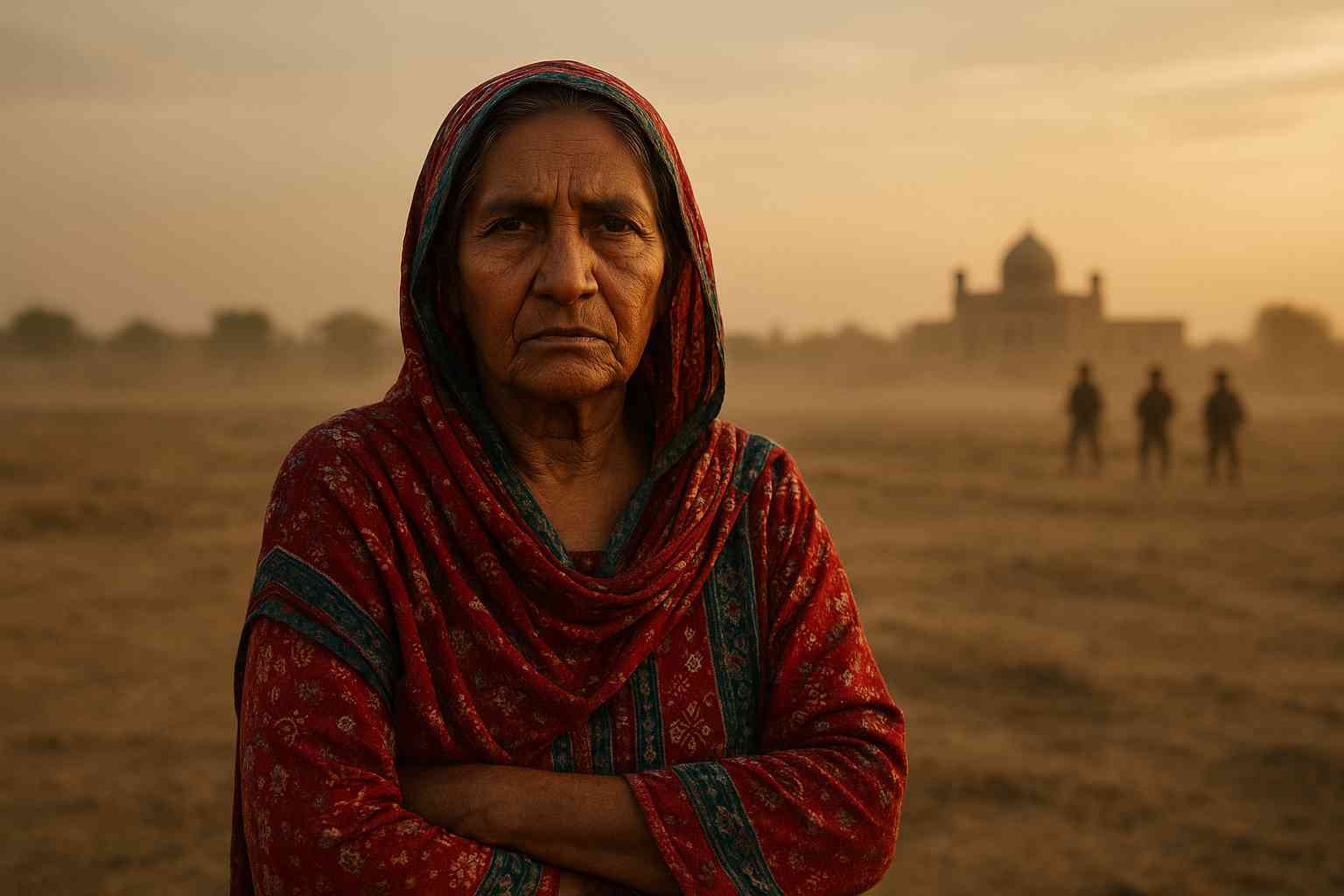
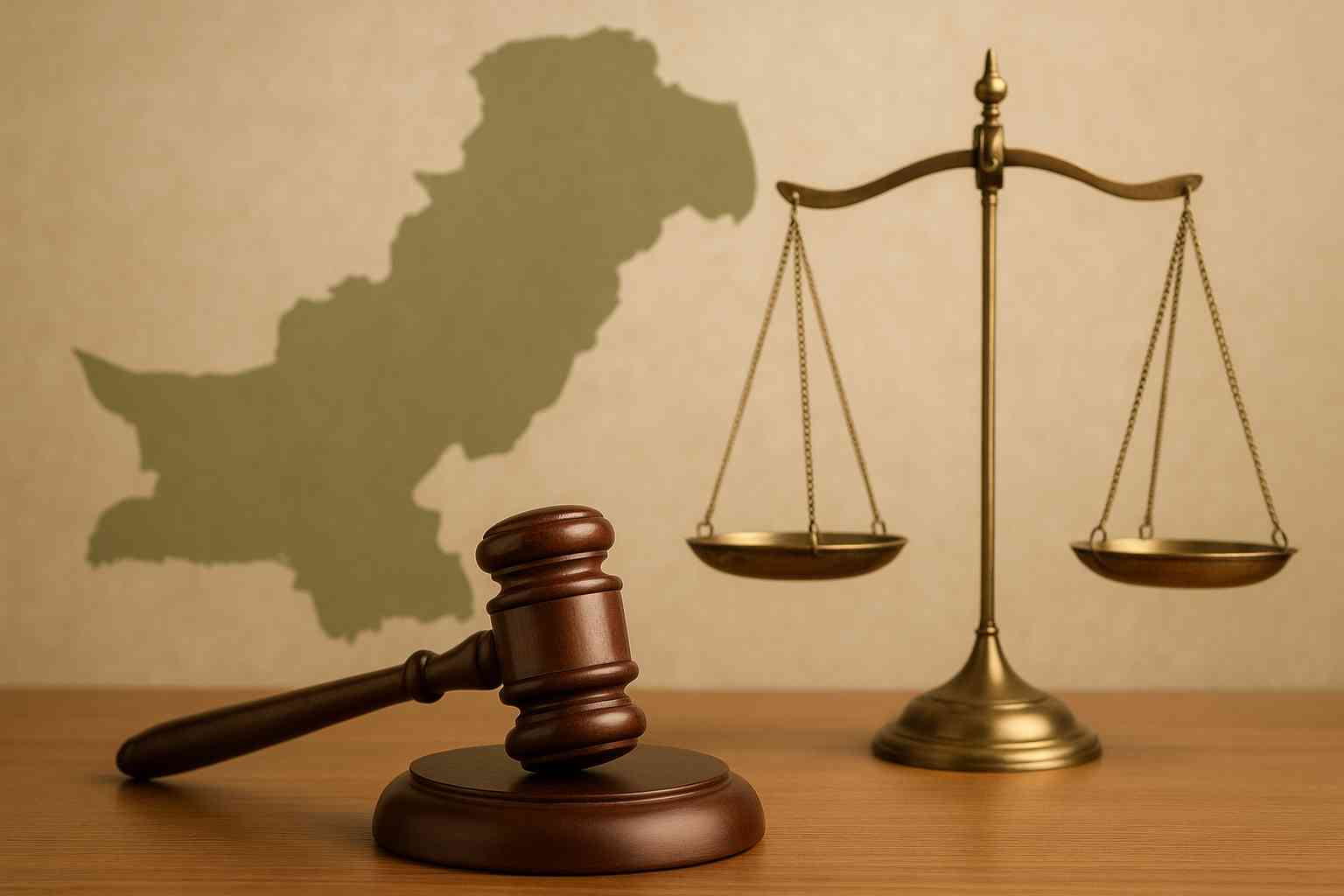
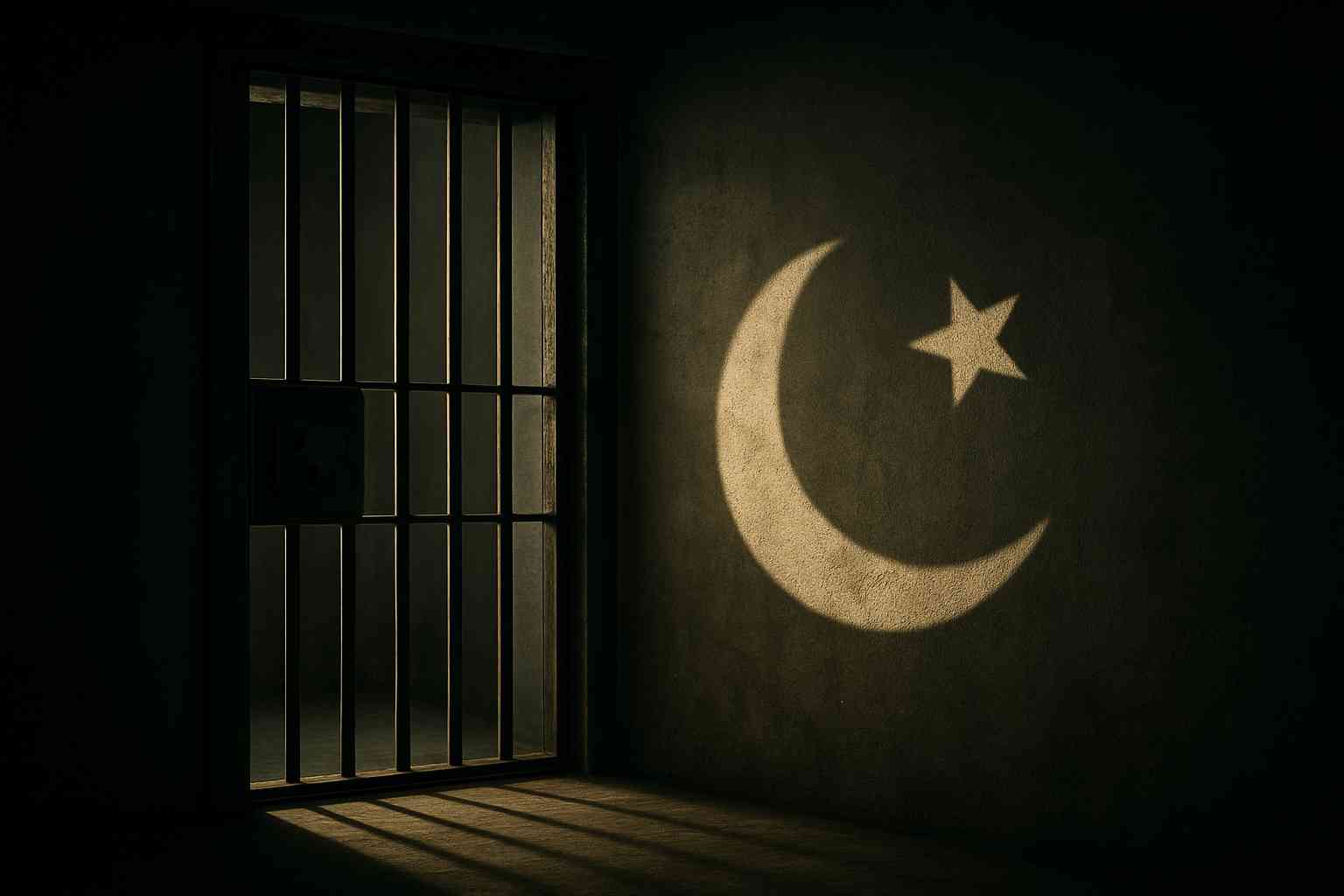
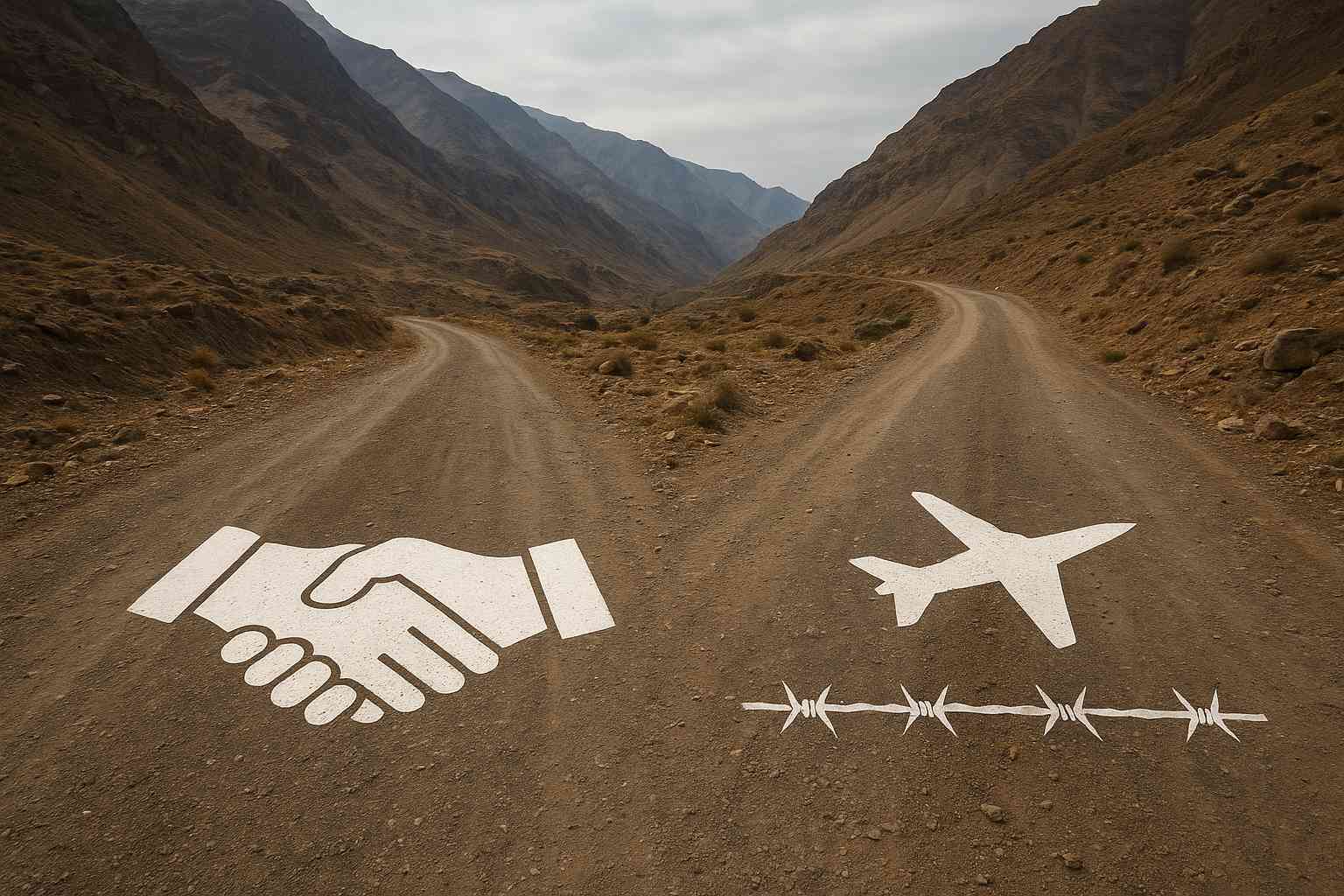
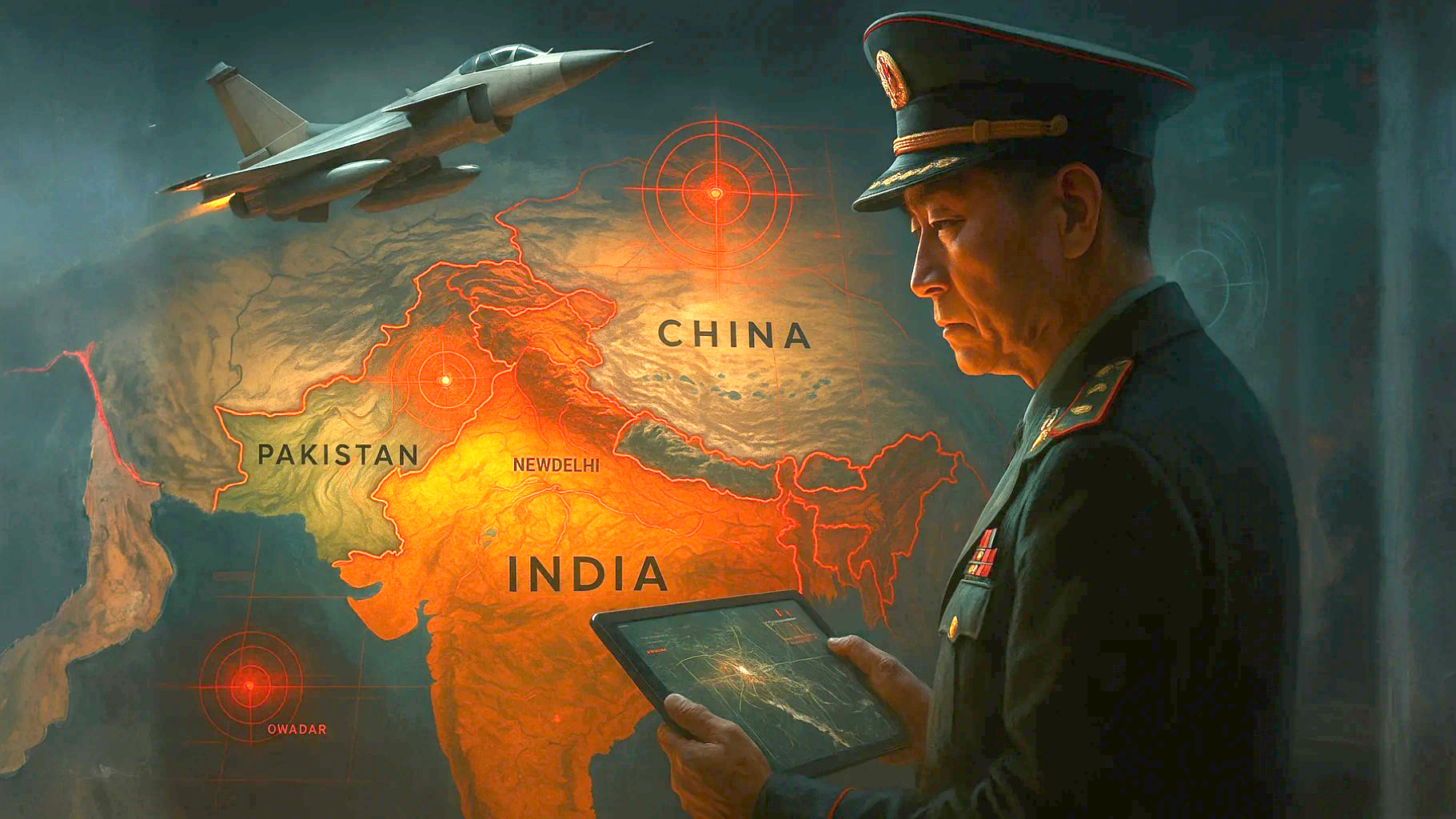
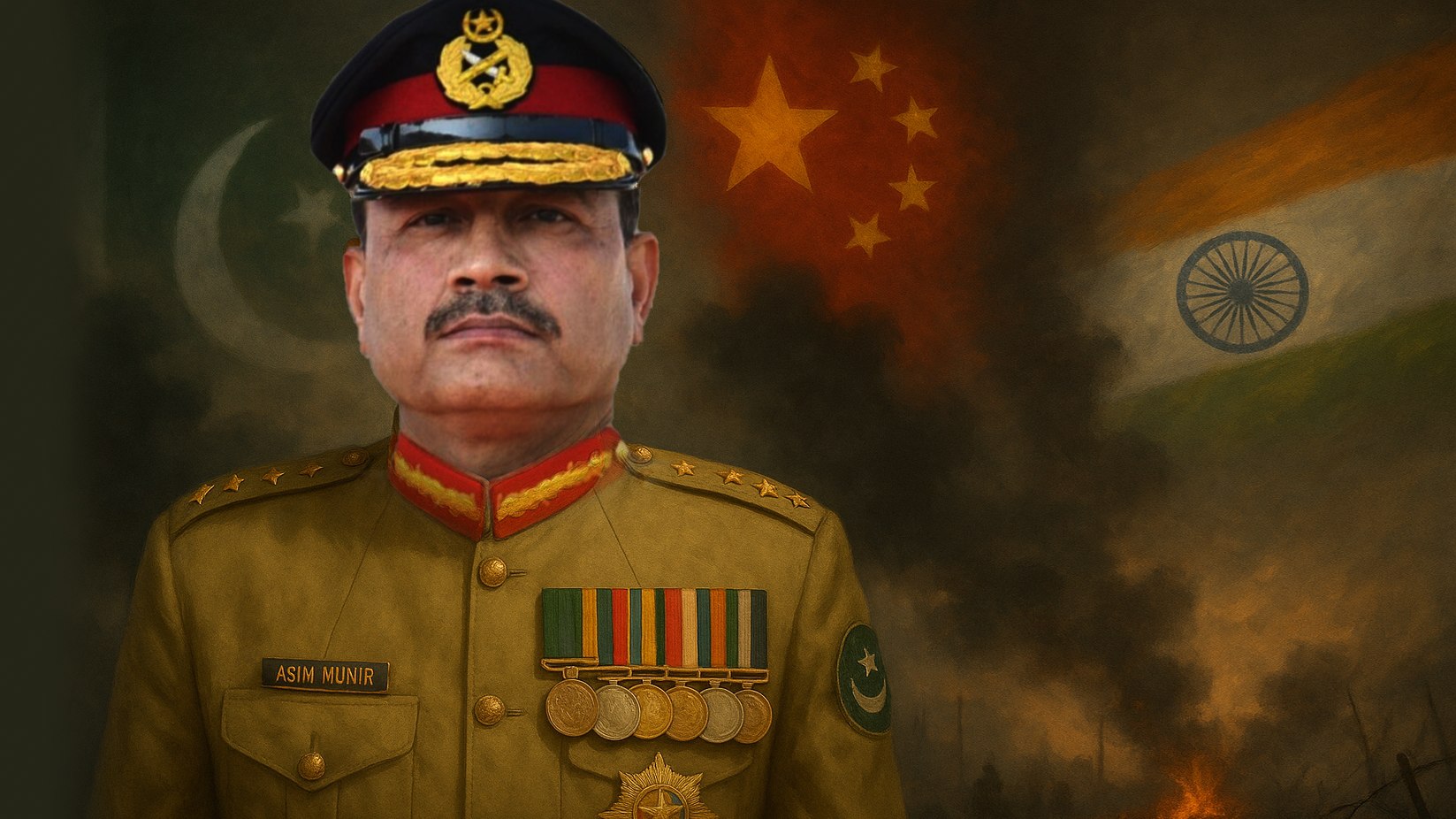
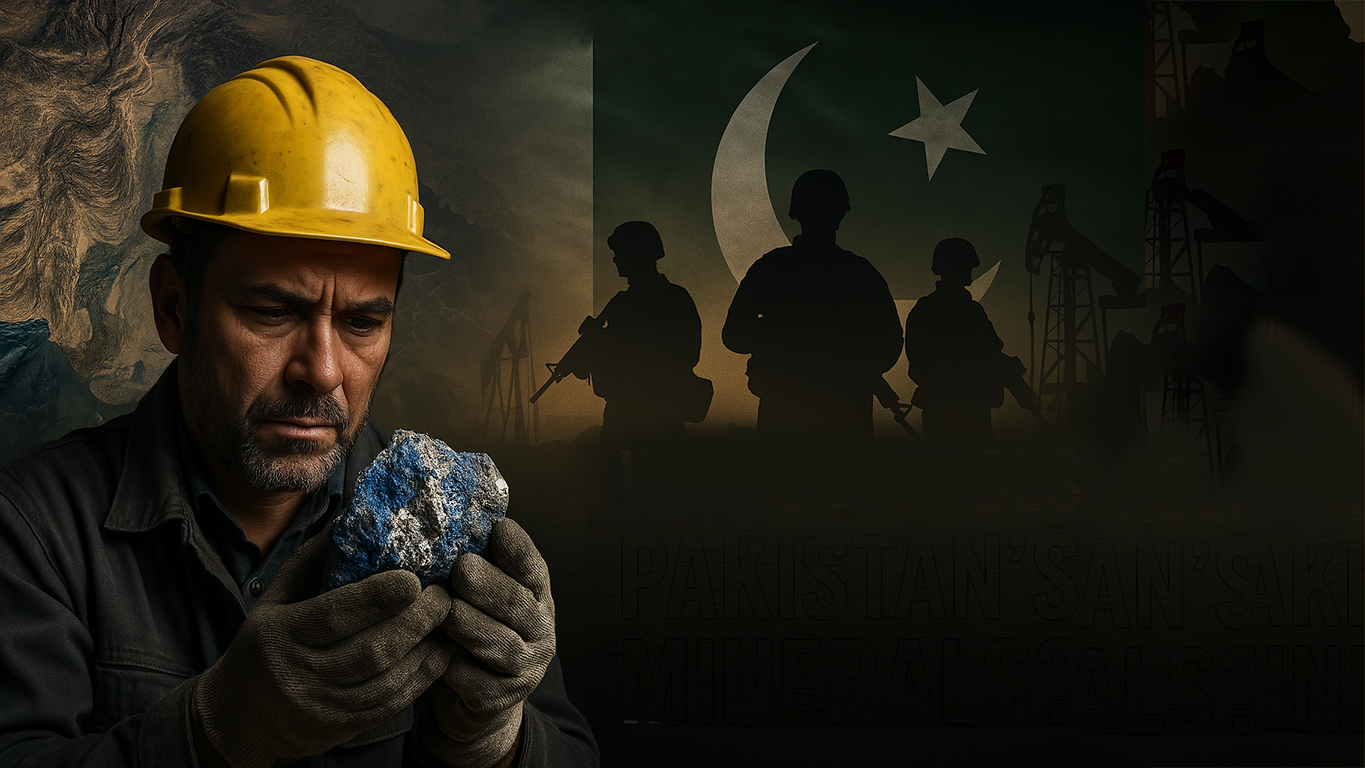
Pakistan at a Crossroads is not just a political slogan. It is a reflection of our national confusion, spiritual disconnect, and institutional crisis.
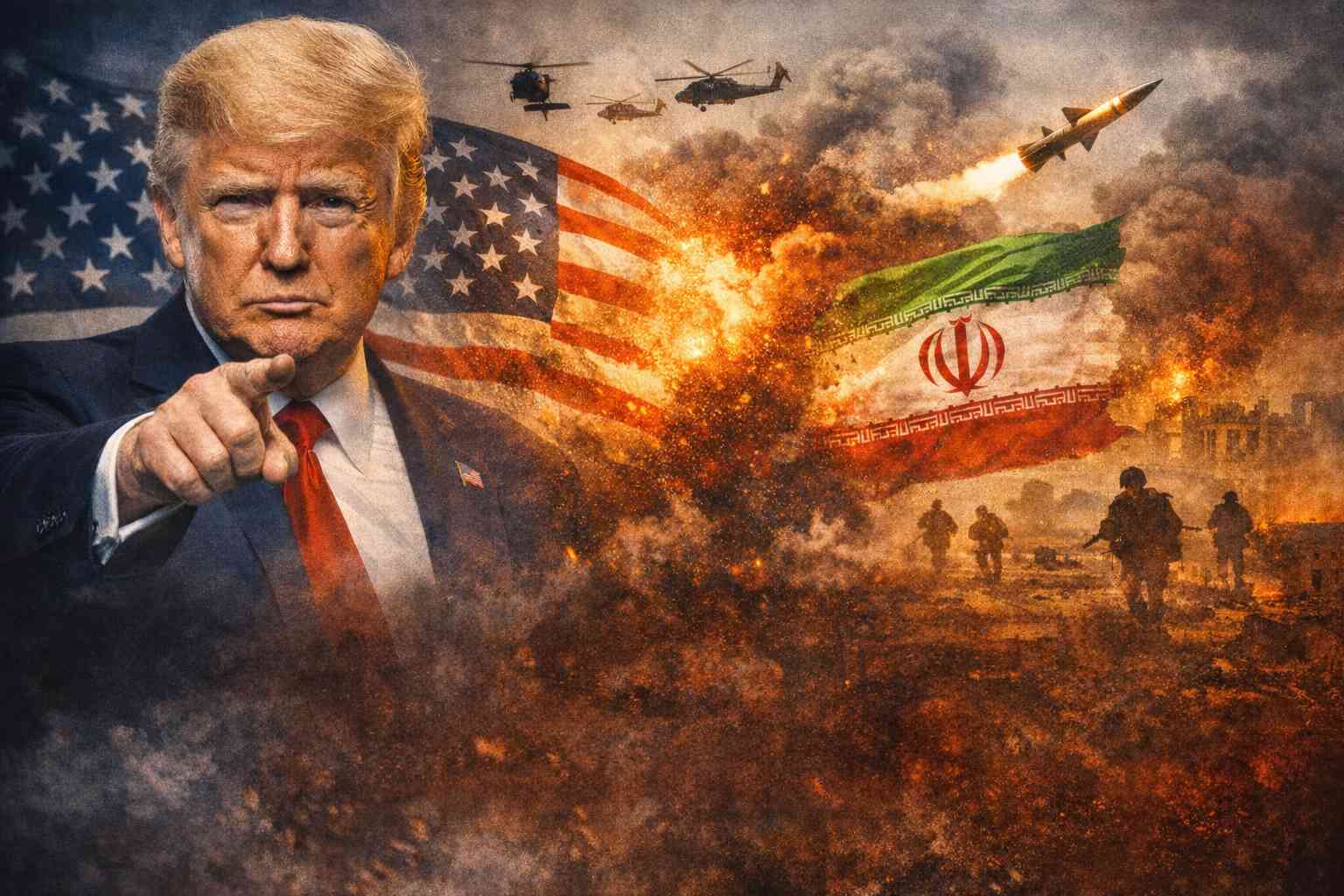
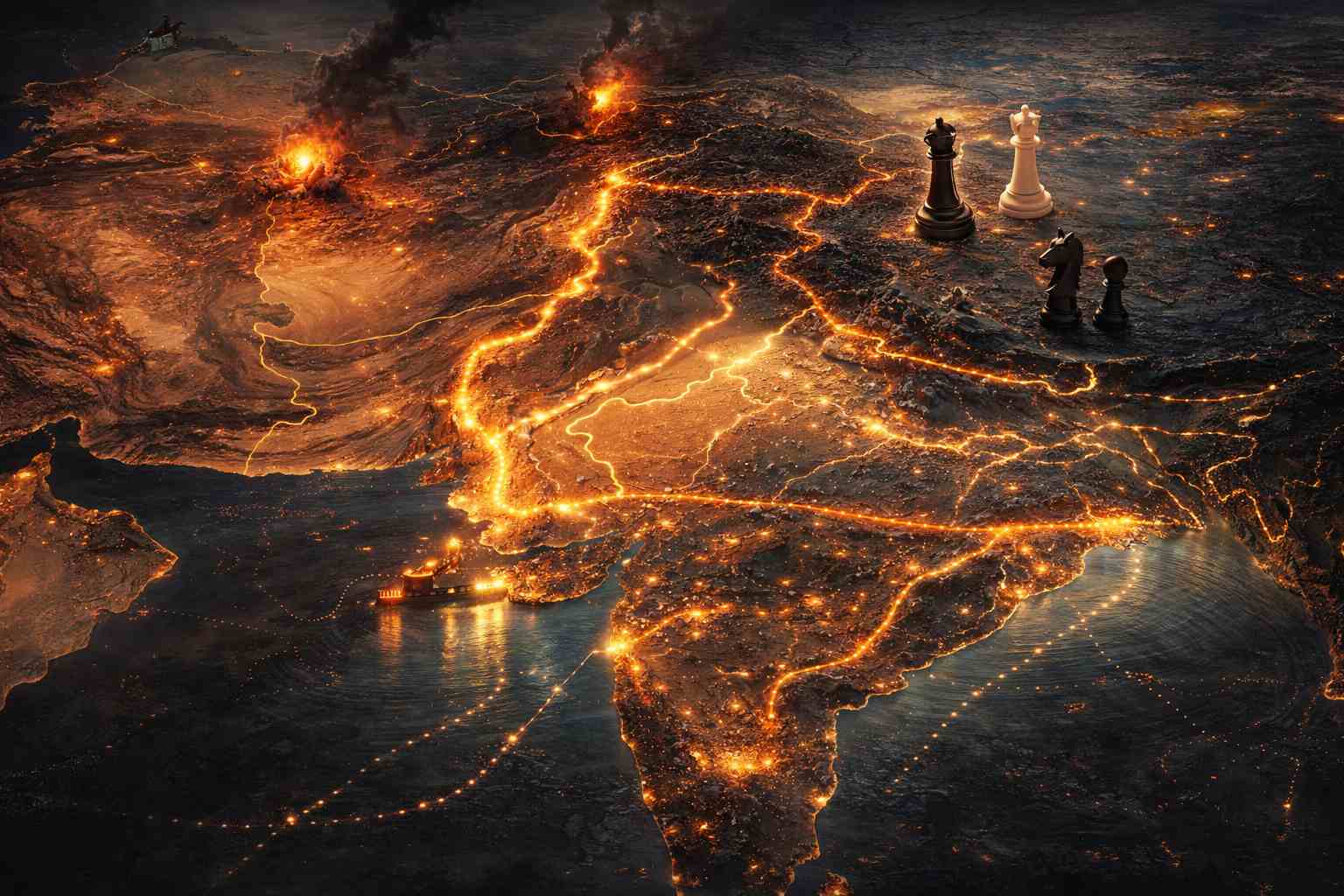
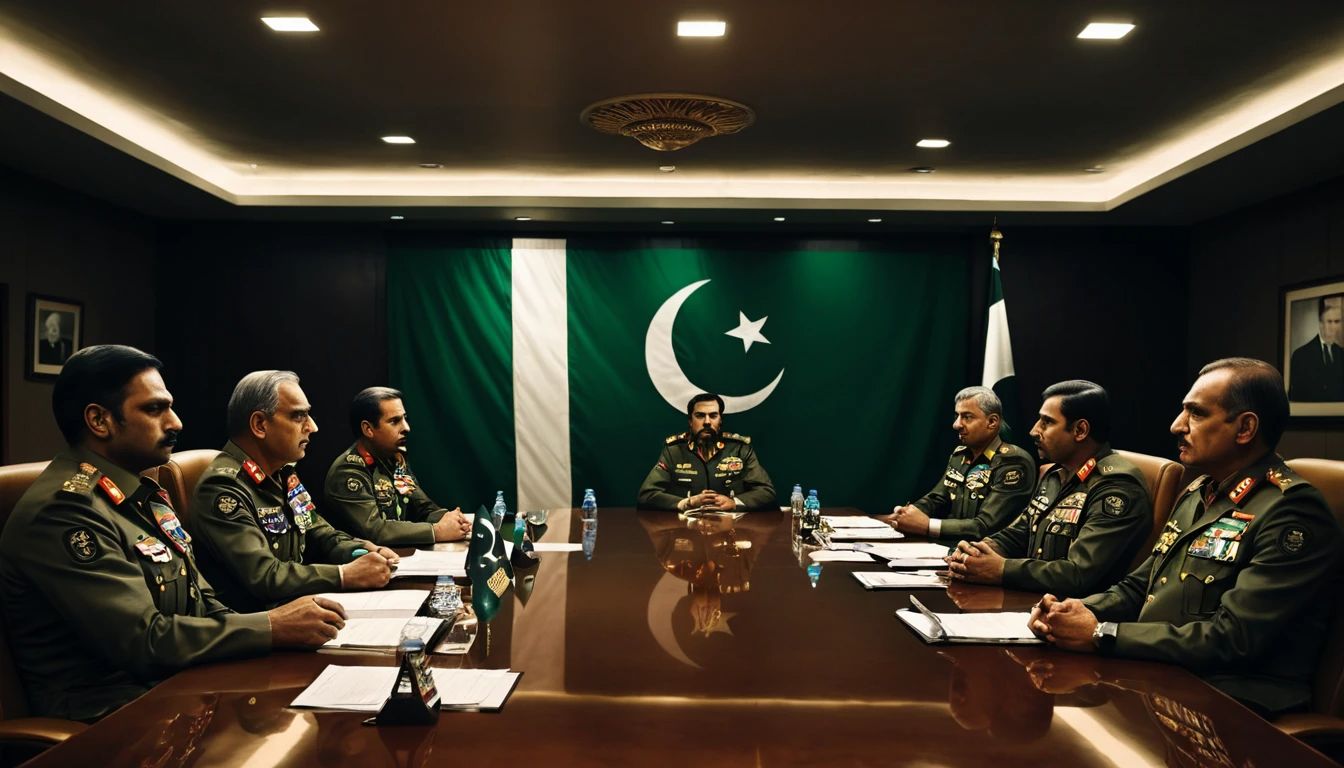
Many Pakistanis believe the country stands at a defining moment. They see history repeating itself. They feel lessons remain unlearned. And they fear that internal weakness invites external pressure.
This article presents that viewpoint as an opinion — not as an accusation, but as a reflection of a growing national anxiety.
The Khurasan Narrative and Muslim Consciousness
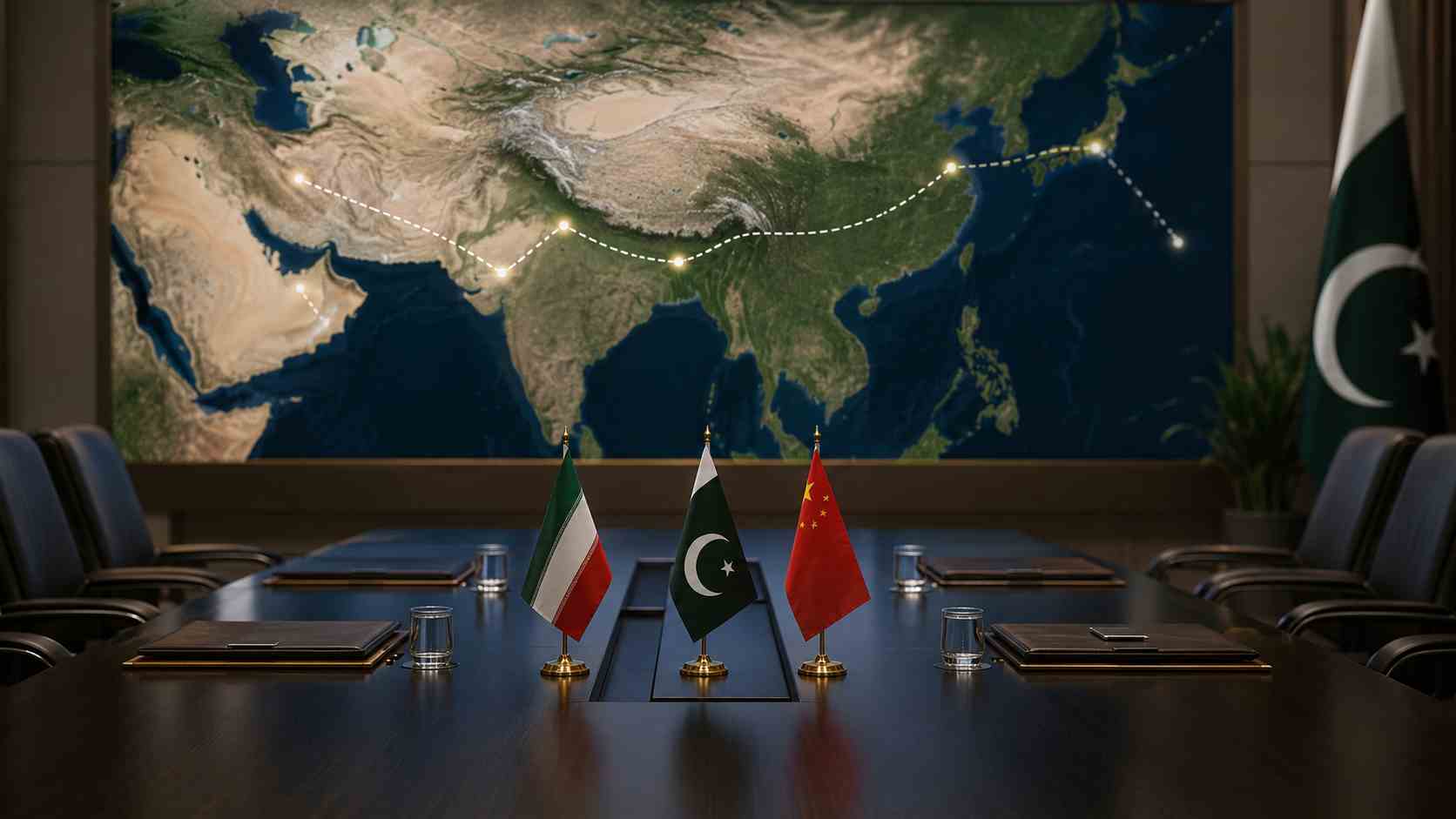
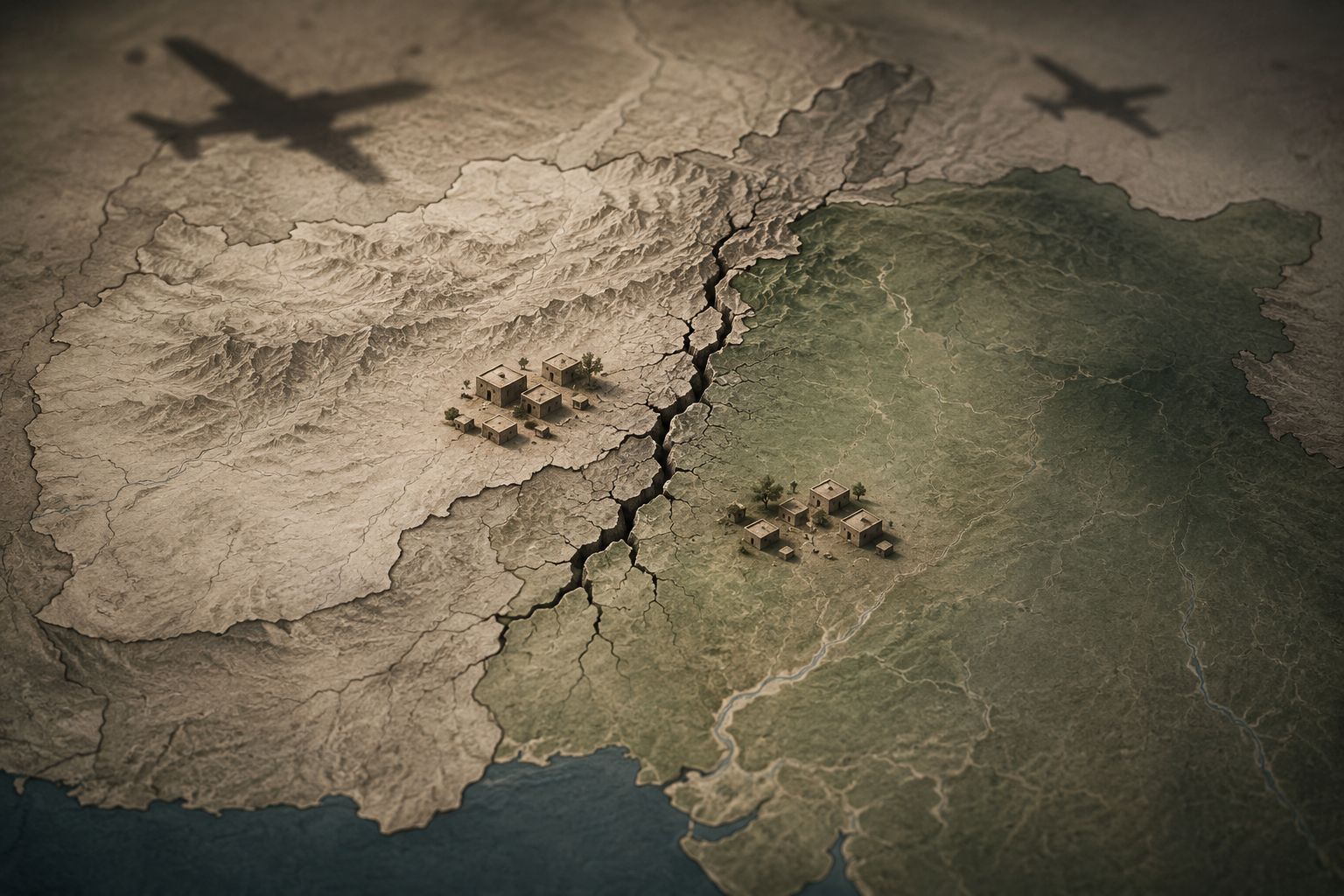
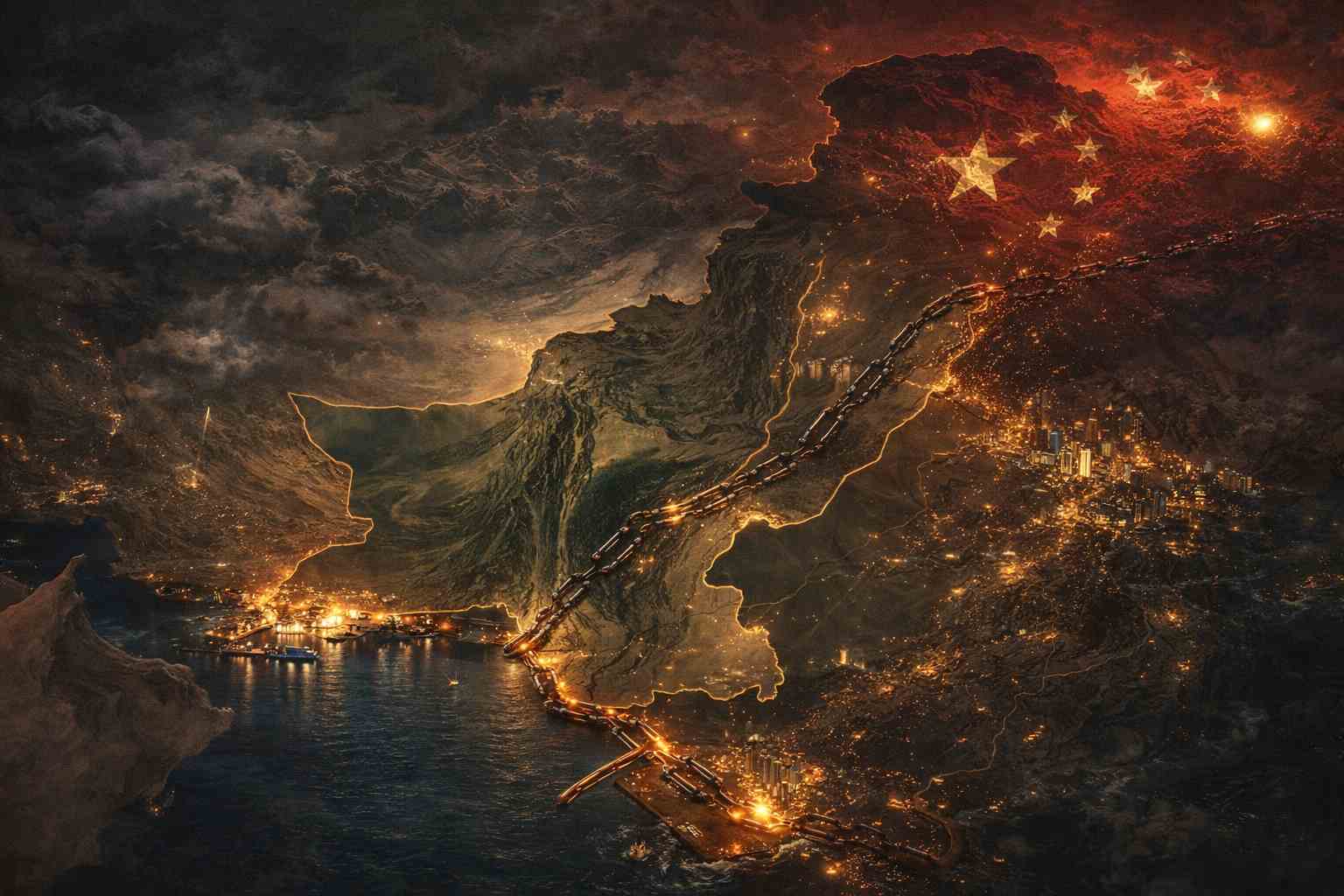
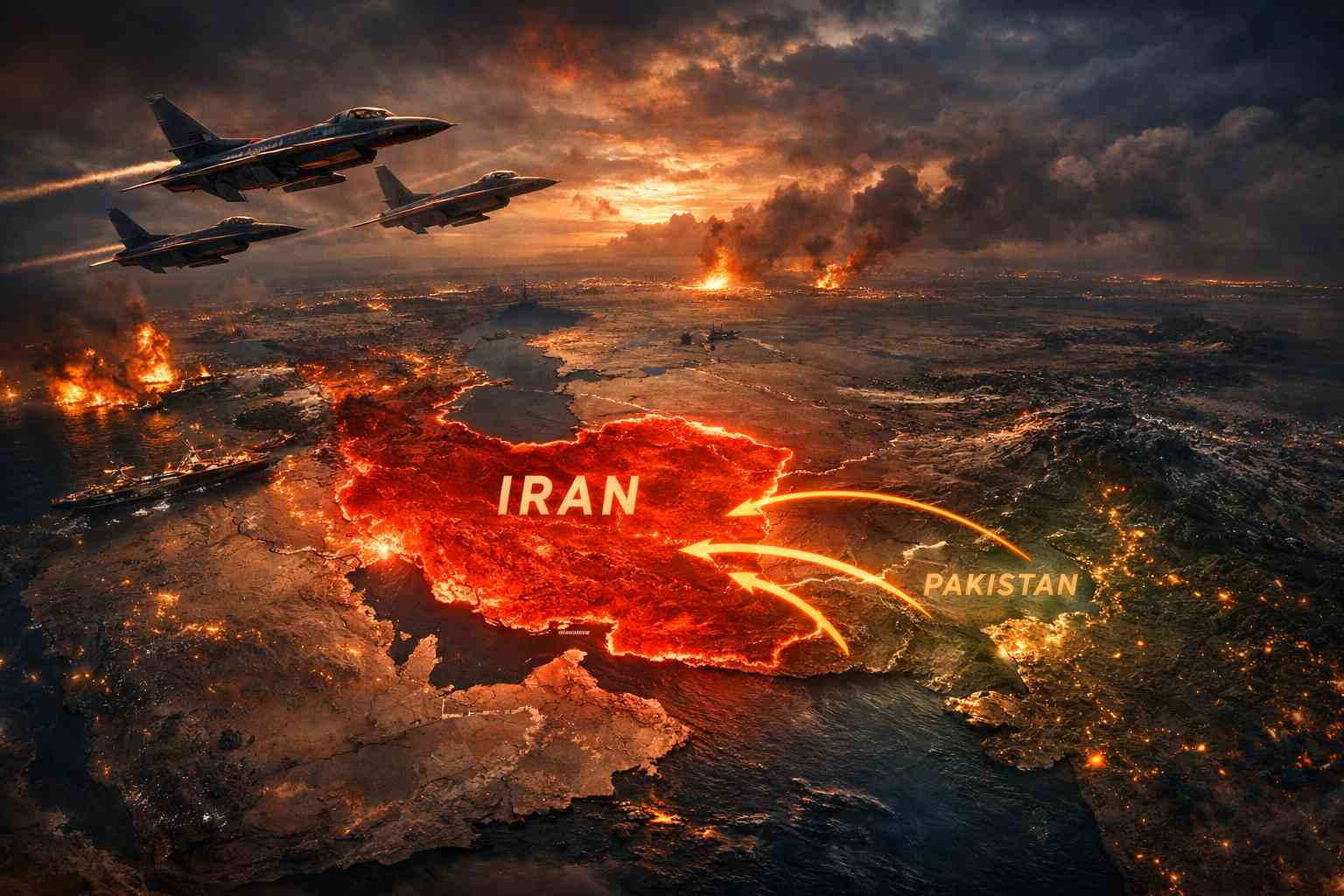
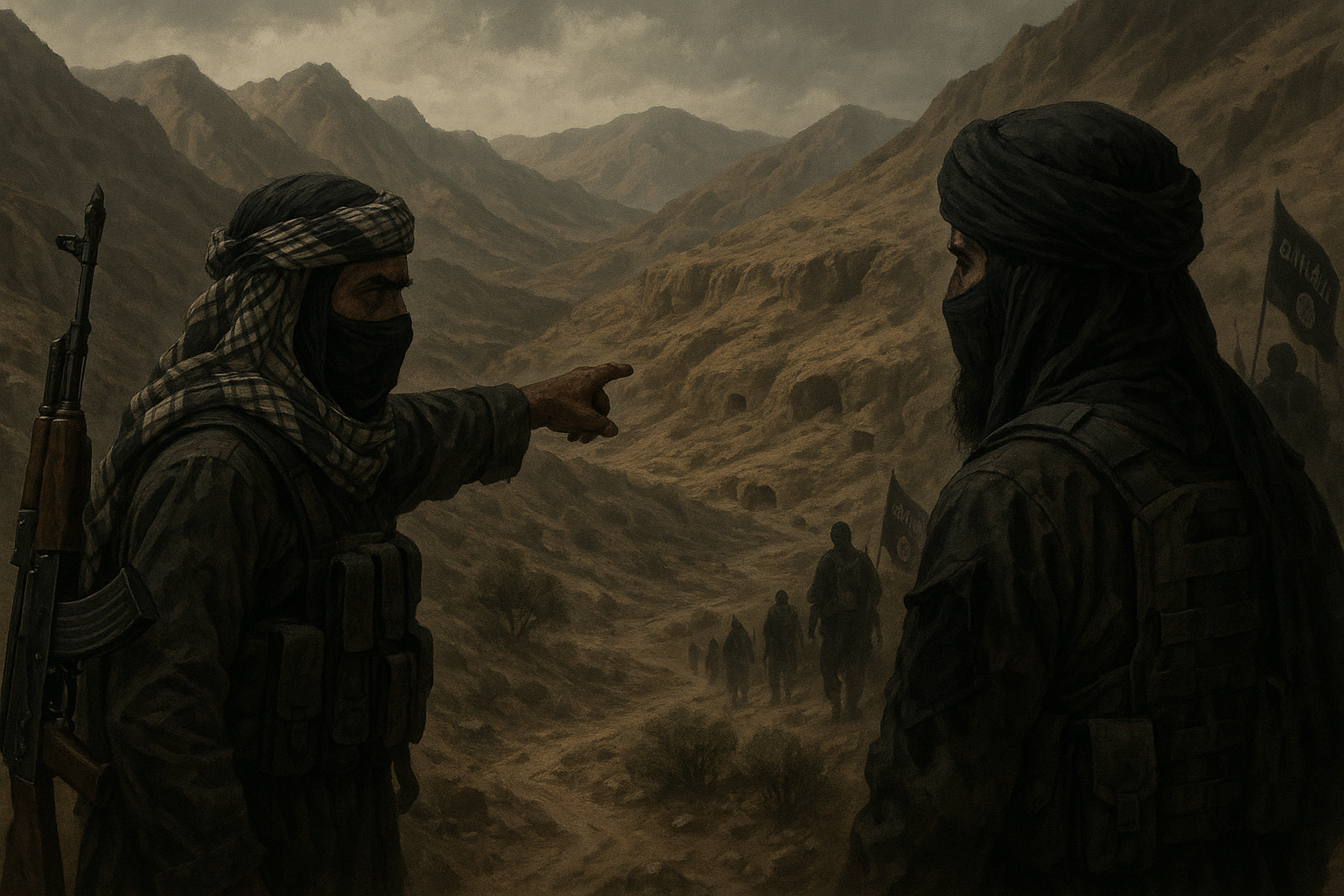
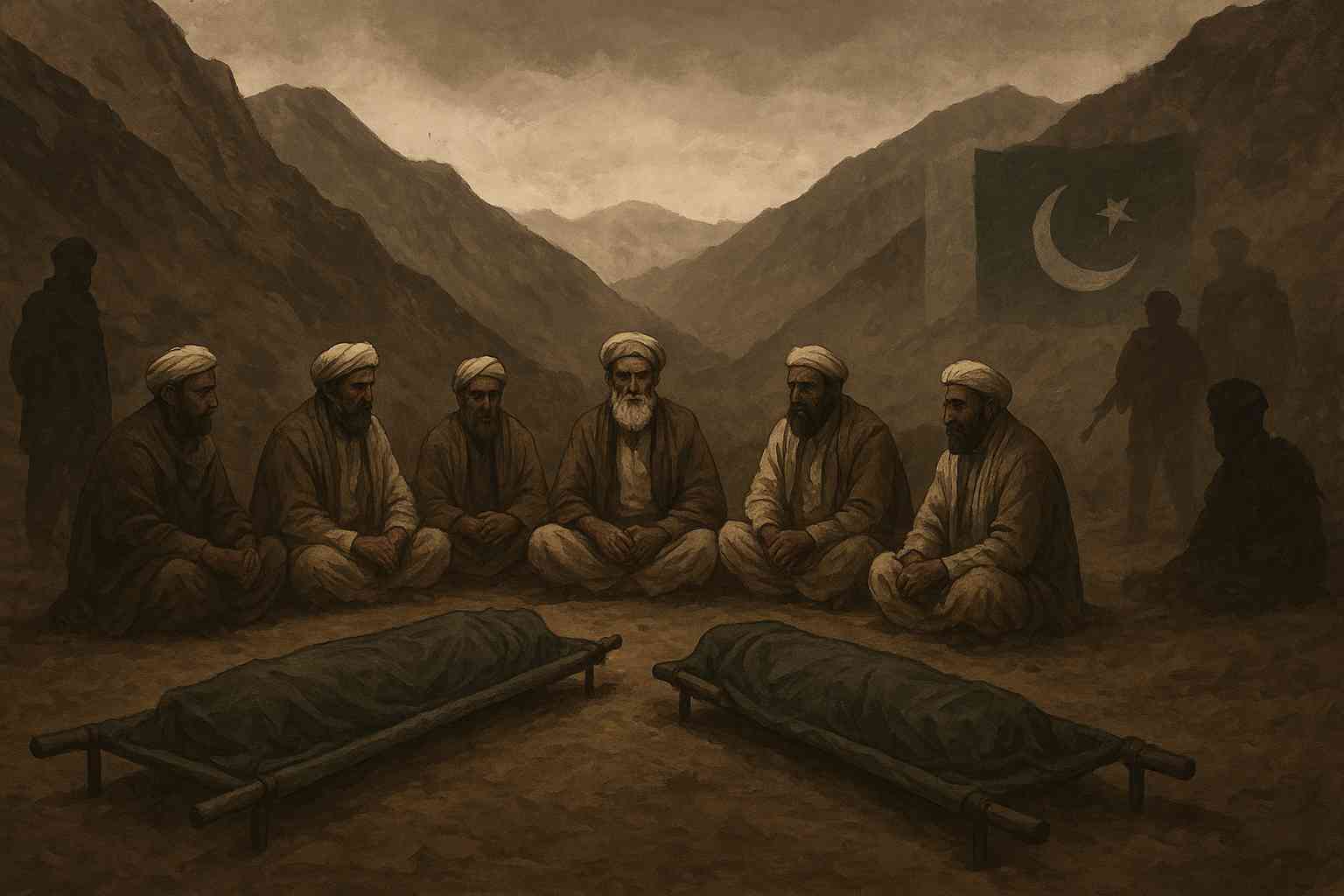
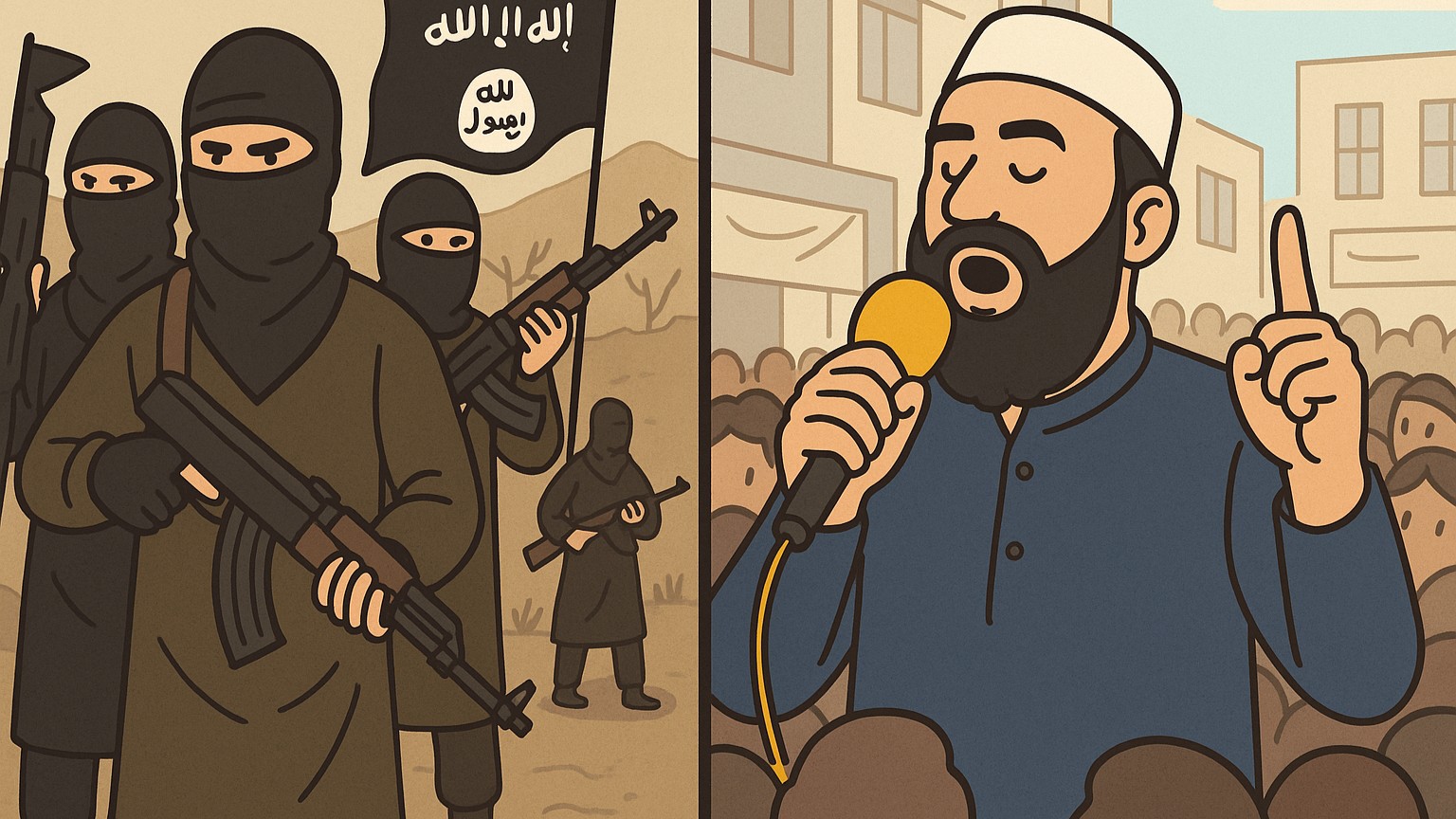
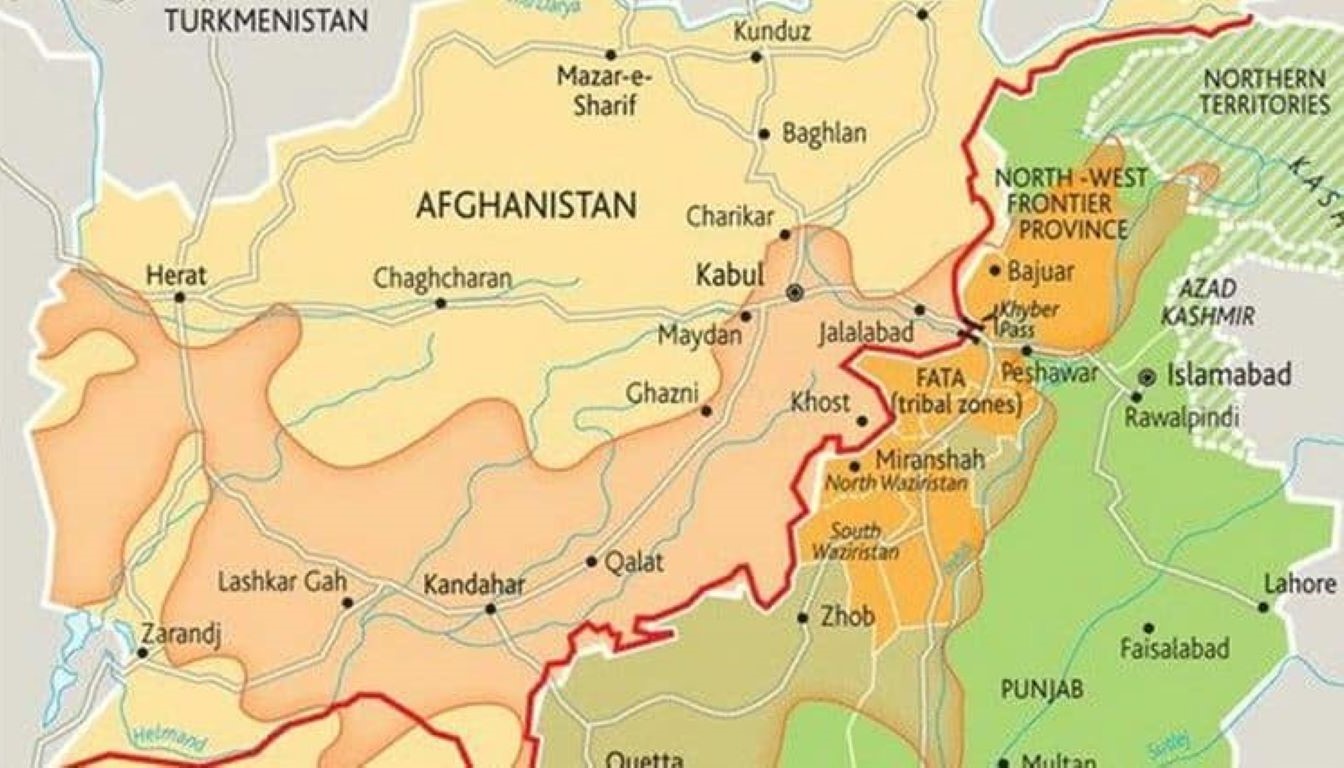
In Islamic tradition, the region historically referred to as Khurasan carries symbolic importance. For many believers, this region includes parts of present-day Pakistan, Afghanistan, and Iran.
Some interpret prophetic traditions as pointing toward a future revival emerging from this region. Whether one agrees or not, this belief shapes how many people view current events.
The concern is simple:
If Muslims believe in their own traditions, why do they not prepare morally, intellectually, and politically?
Faith without reflection leads to passivity. Reflection without action leads to decline.
Pakistan at a Crossroads demands both.
Lessons From History We Ignore
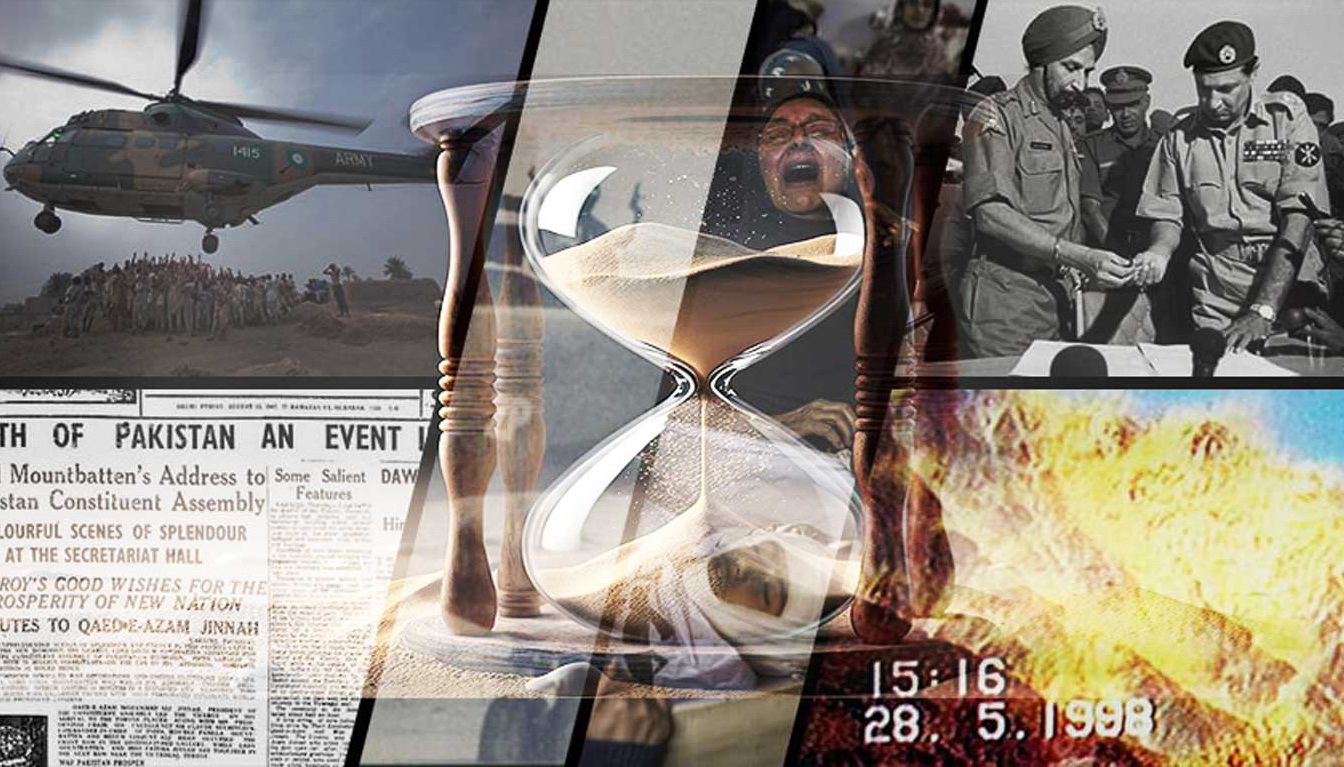
History is not just memory. It is instruction.
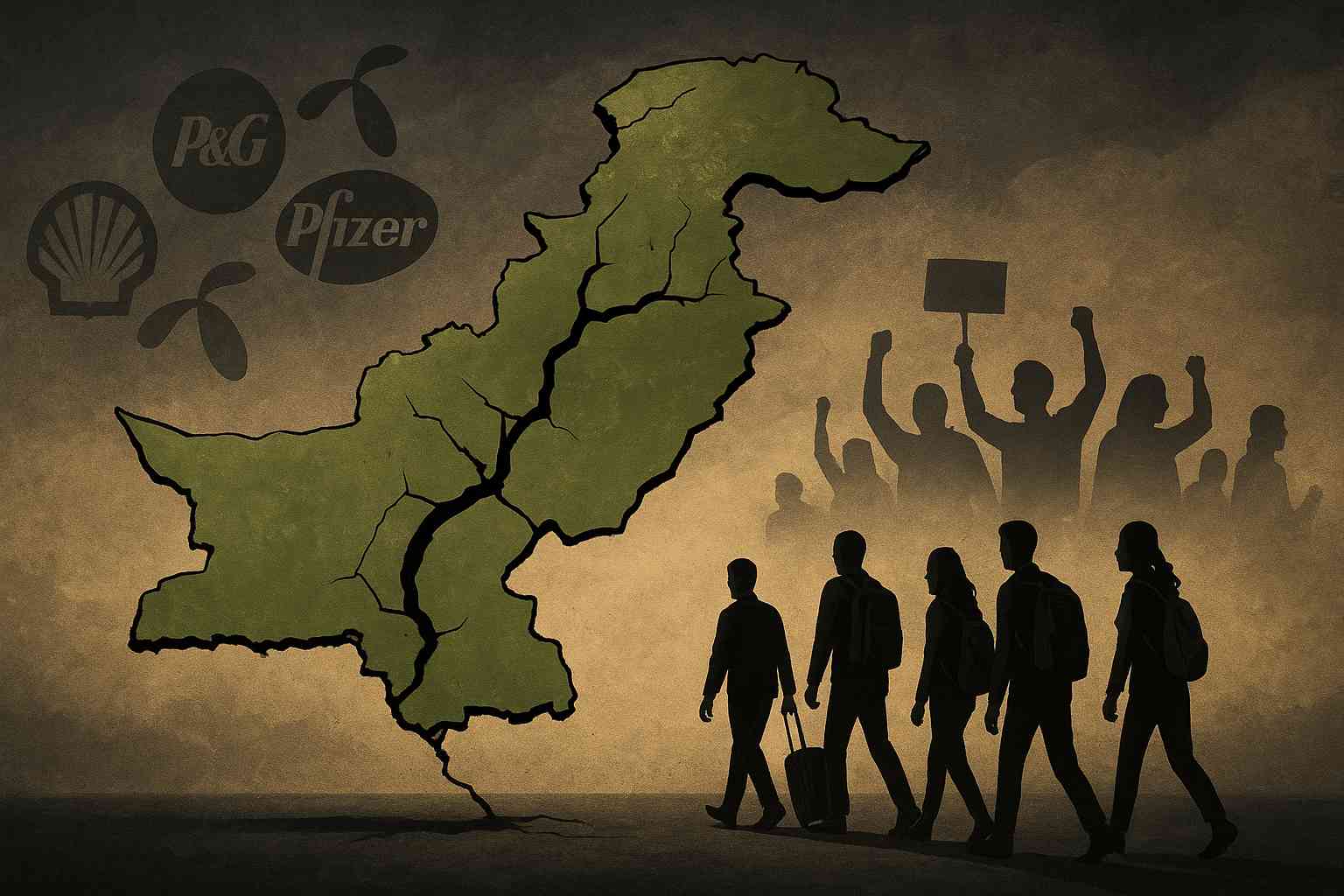
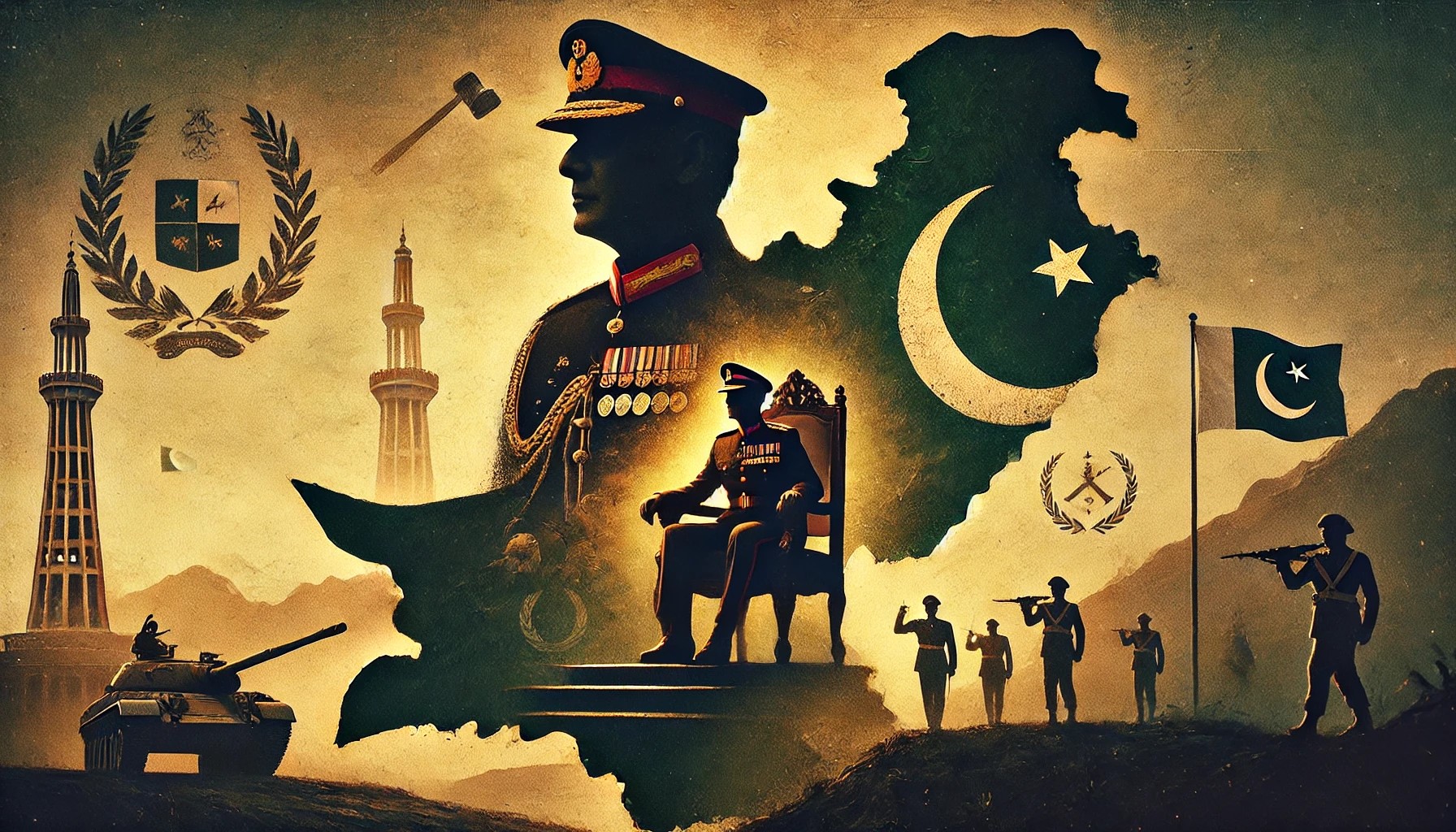
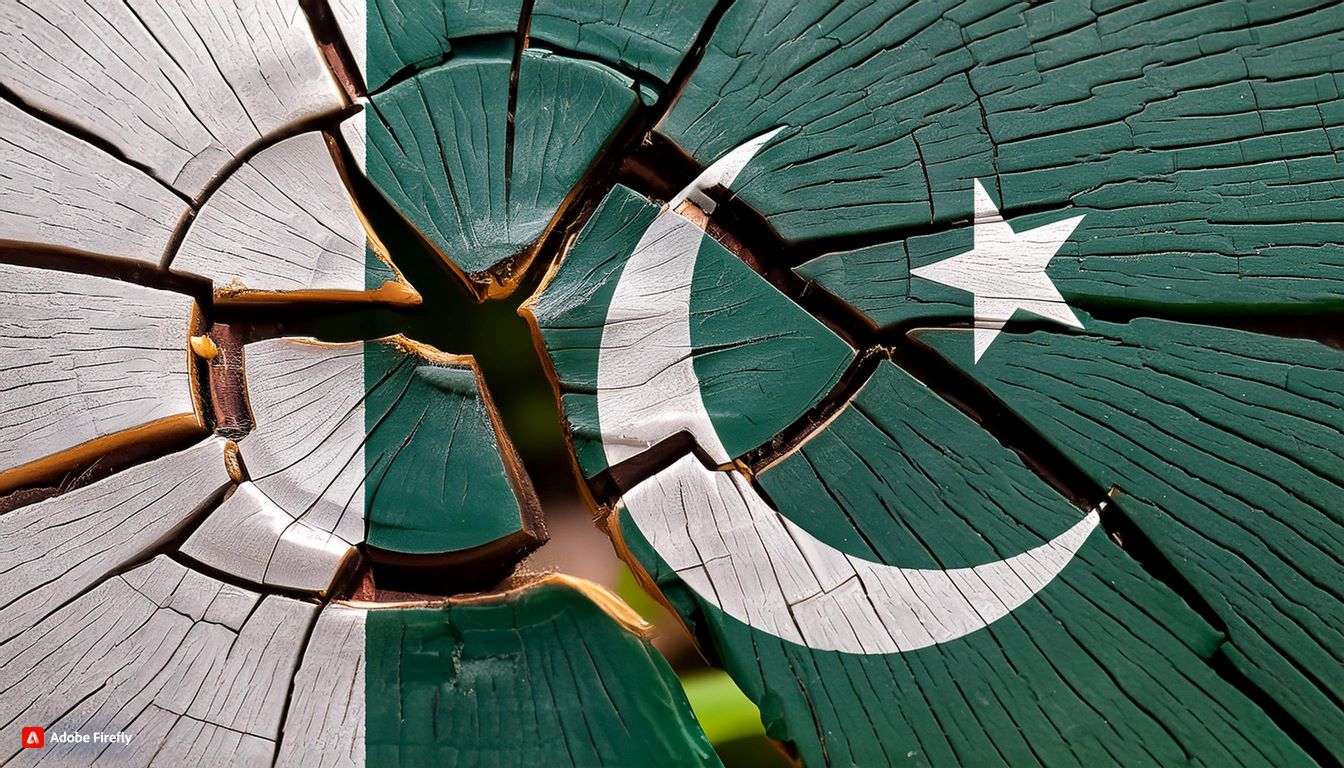
Pakistan’s eastern wing separated after years of political mismanagement, mistrust, and internal division. That tragedy did not happen overnight. It developed slowly.
When institutions ignore grievances, fragmentation follows.
When leadership prioritizes power over unity, nations weaken.
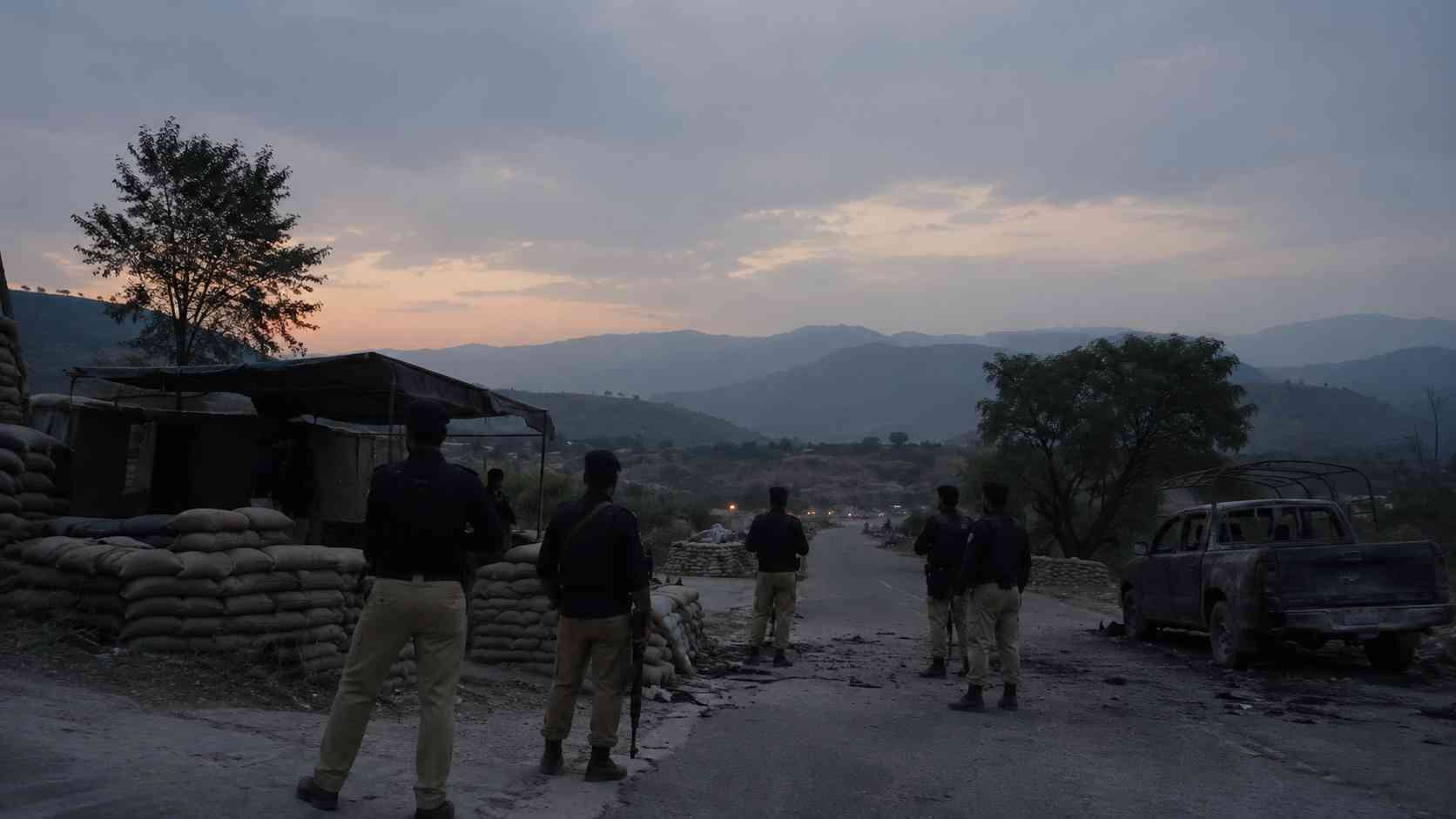
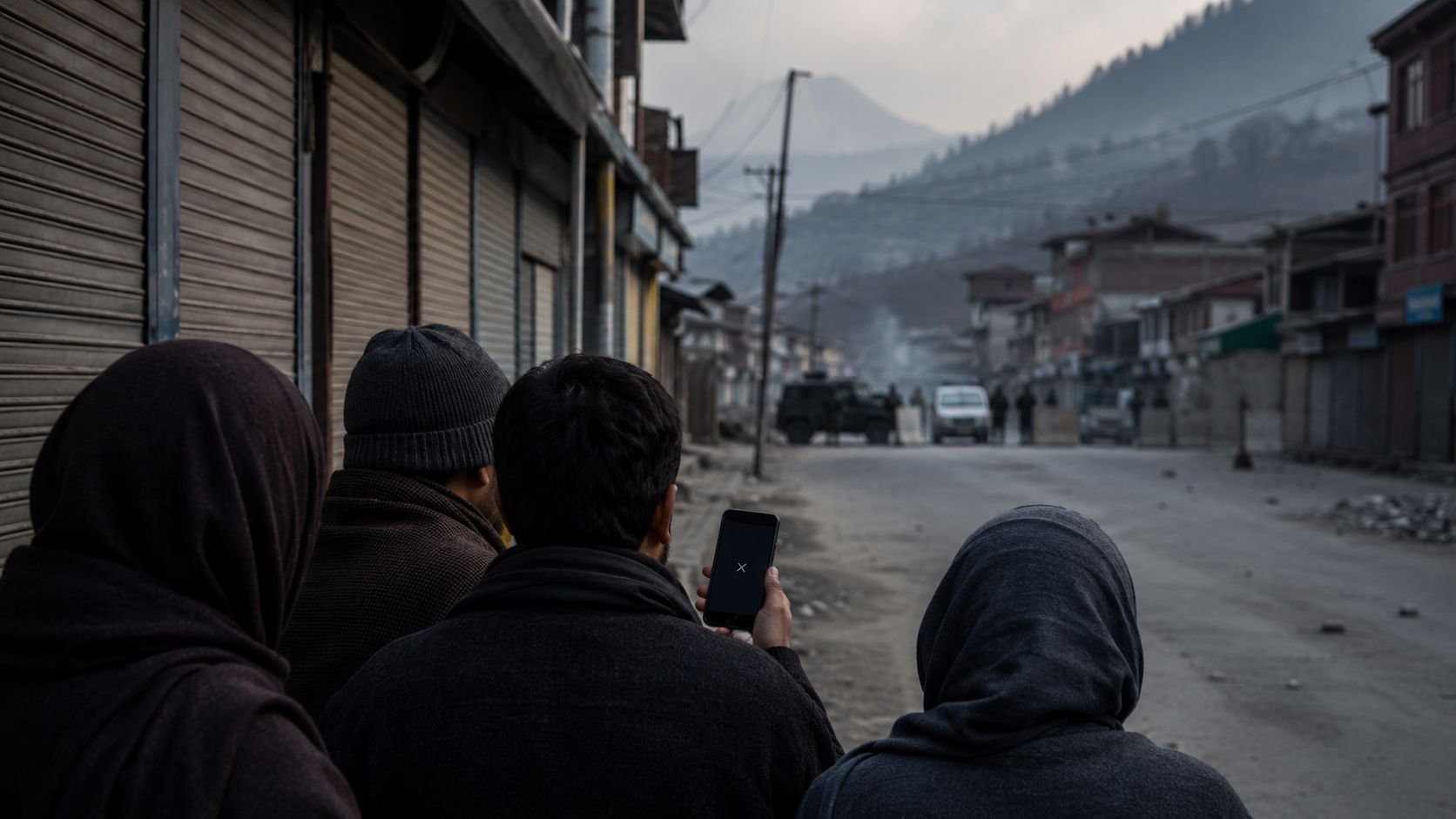
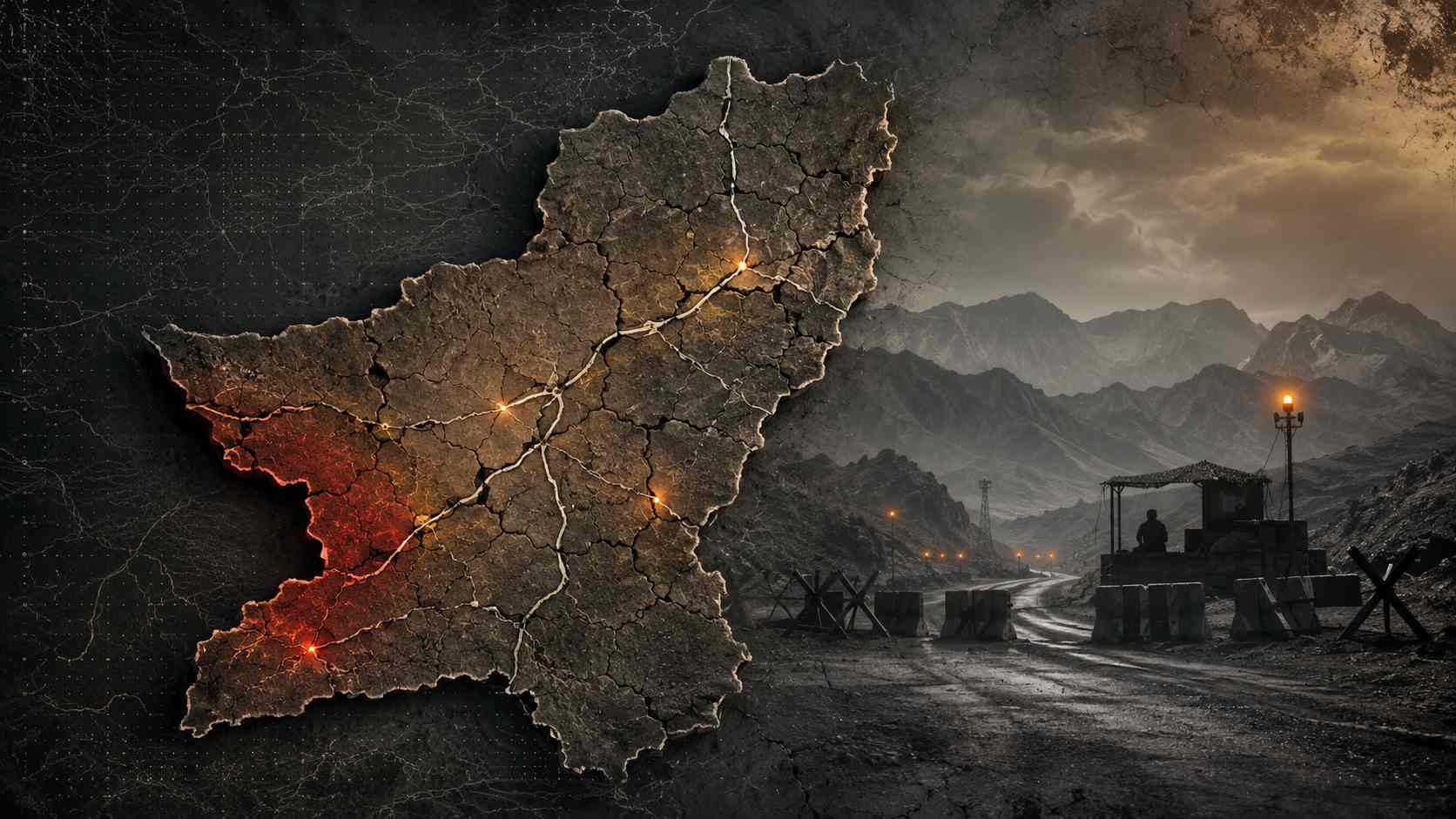
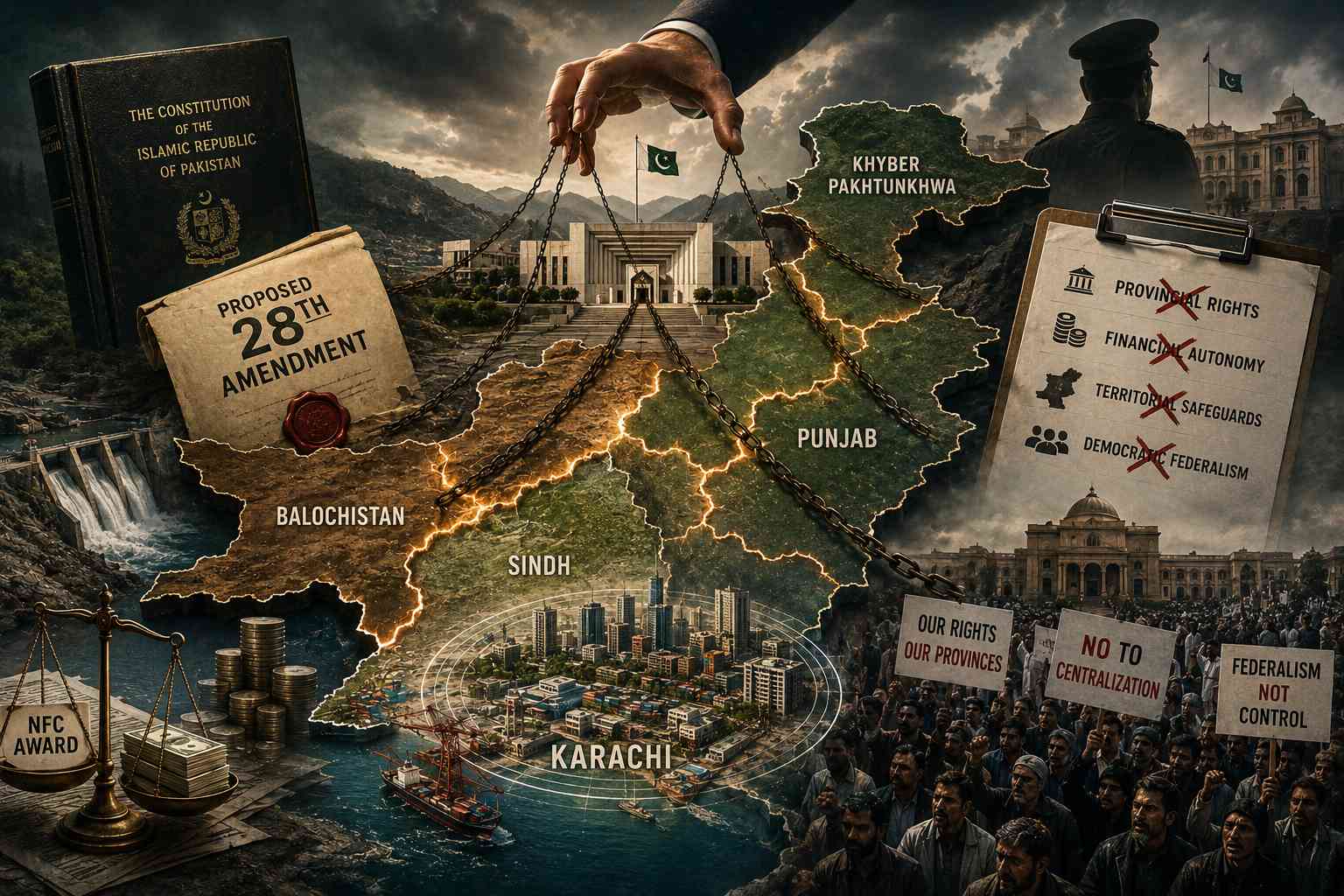
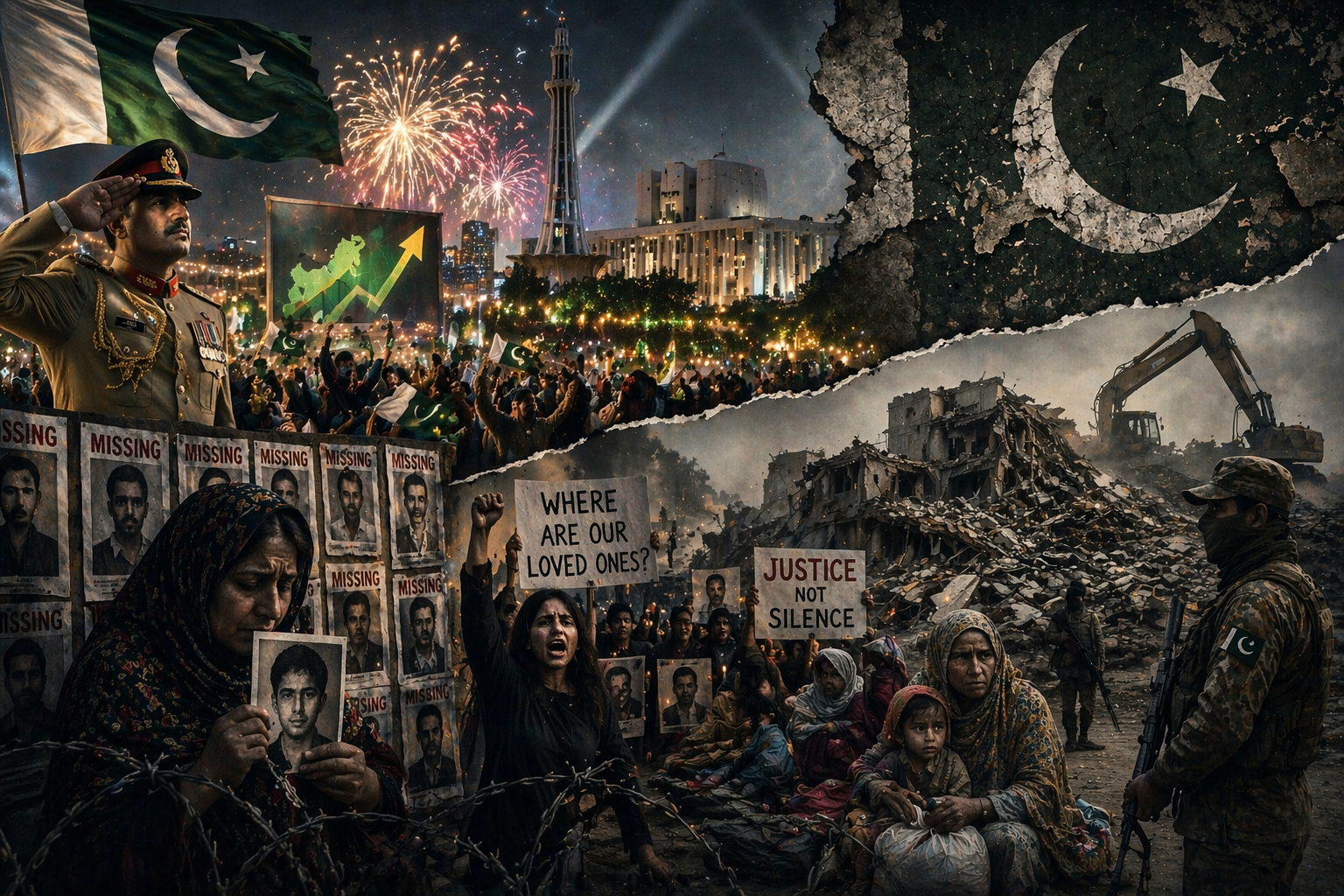
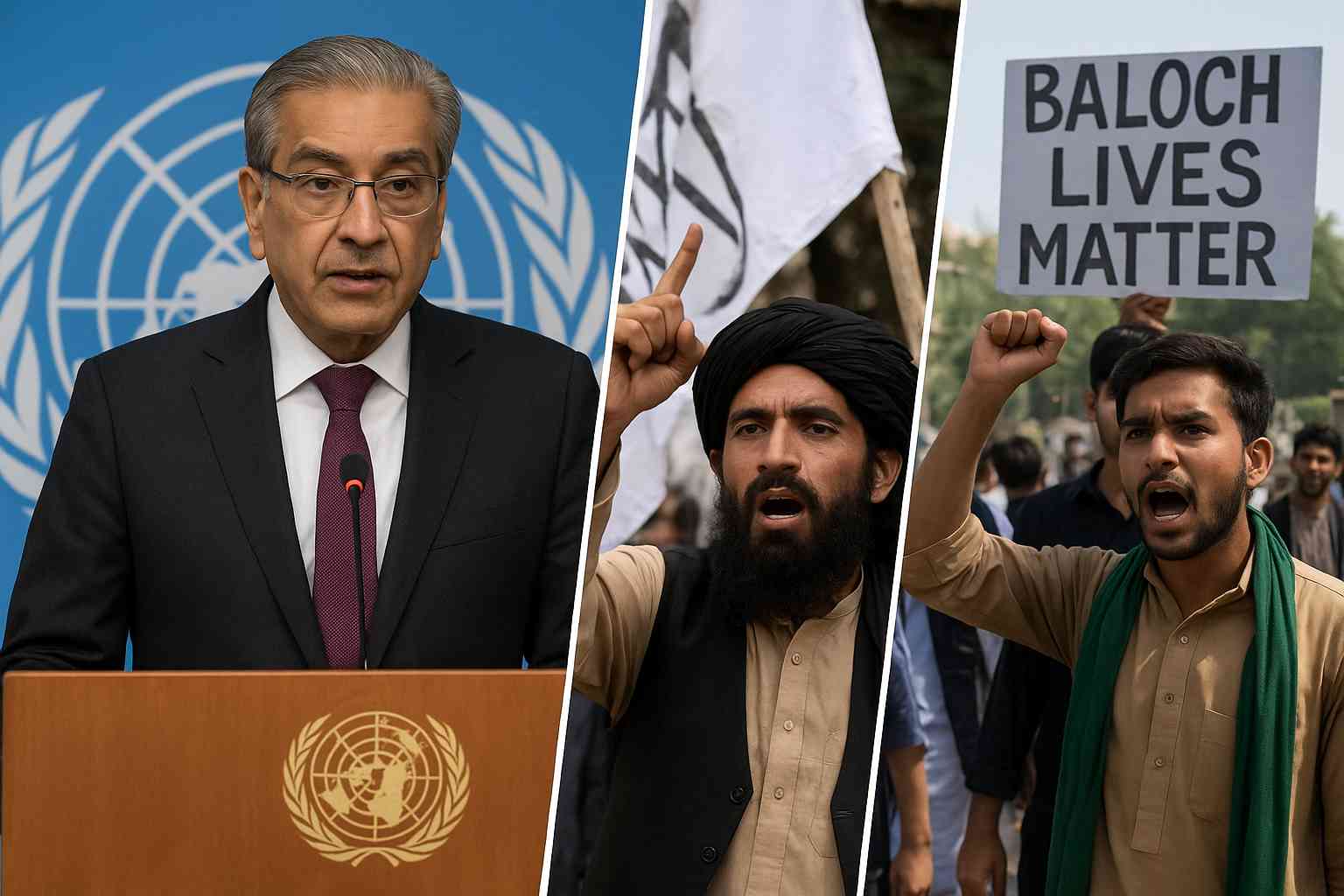
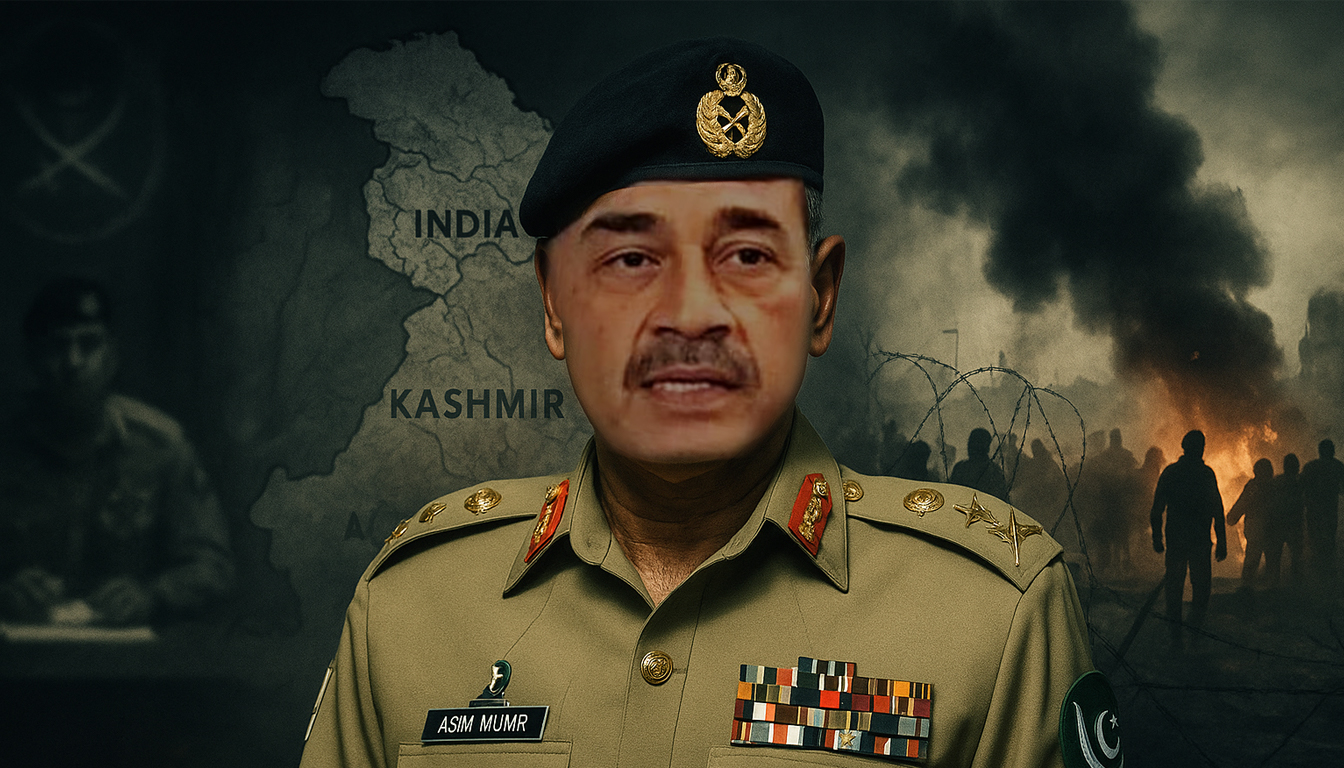
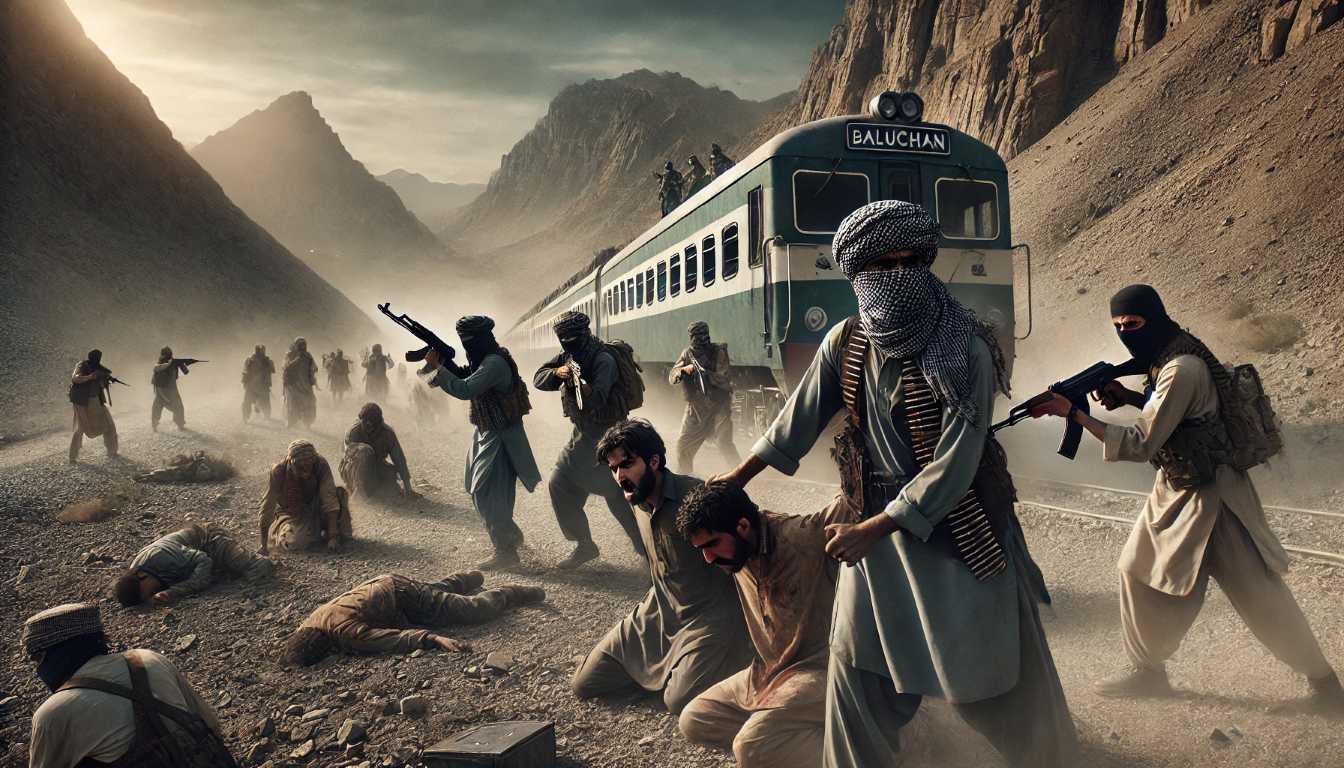
Many Pakistanis believe similar patterns are emerging again. Whether in Balochistan, the northwest, or political polarization in Punjab, the feeling of disconnection grows.
United we stand. Divided we fall.
History has already proven this once.
Sovereignty and Self-Respect
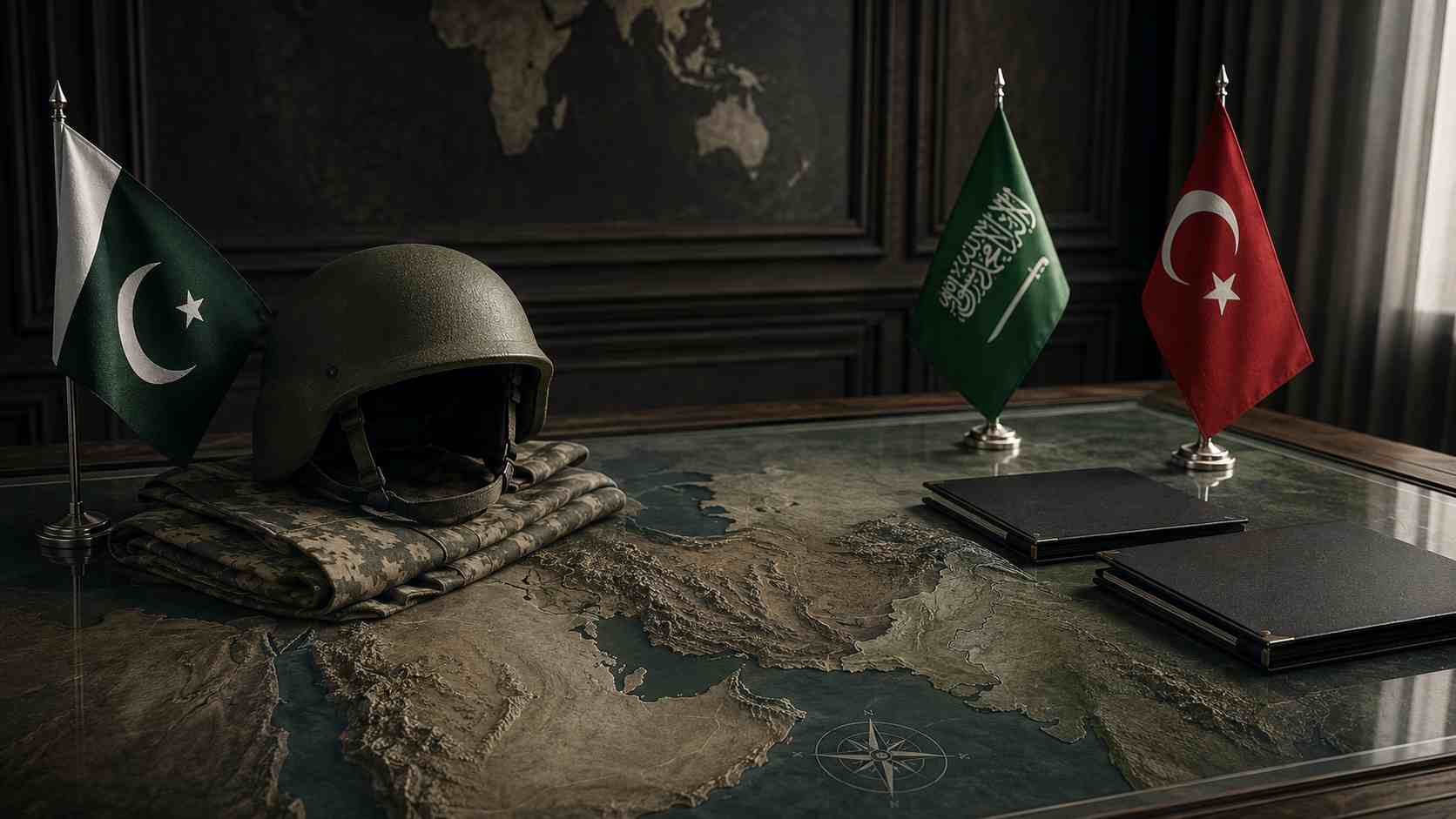
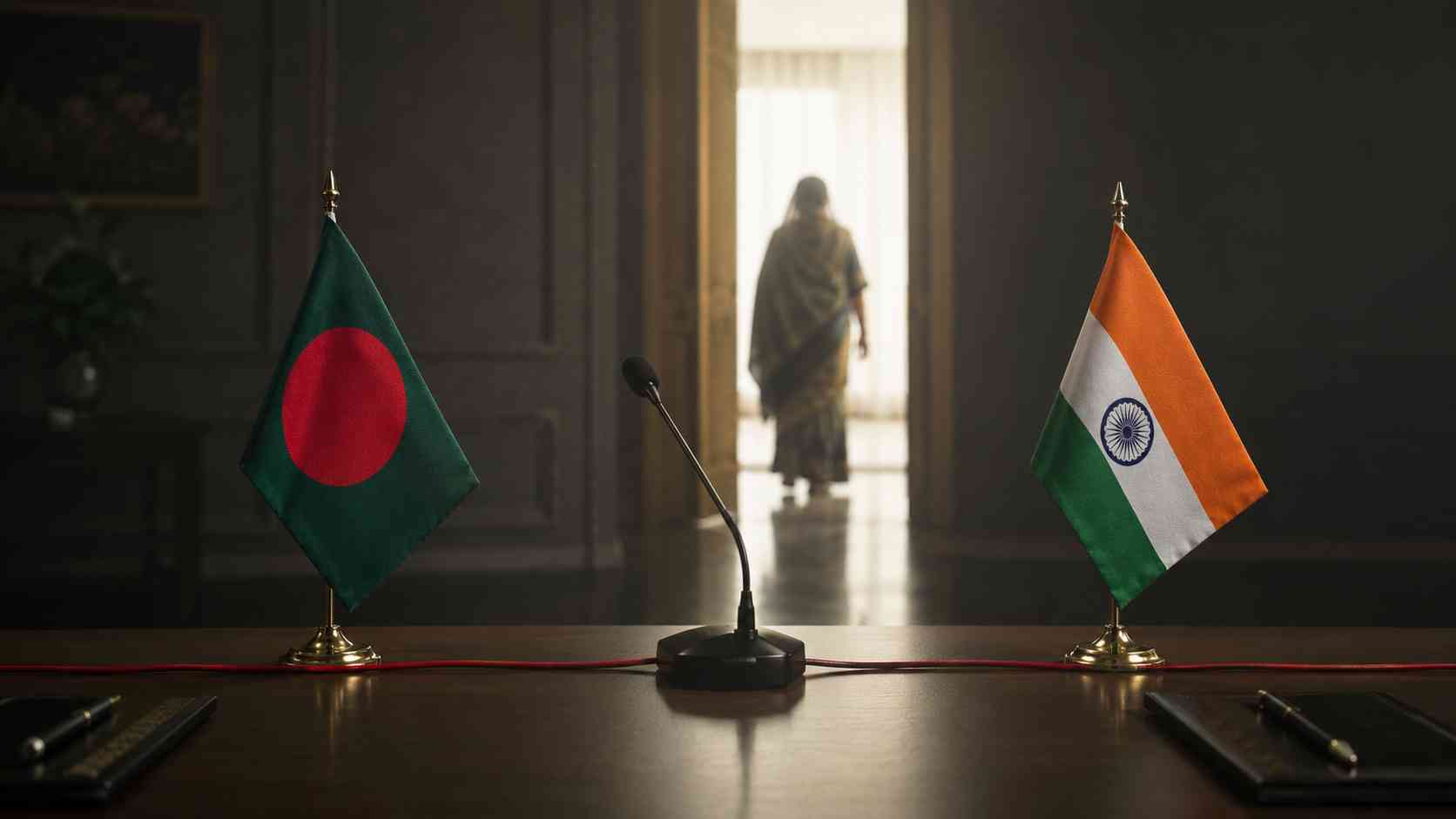
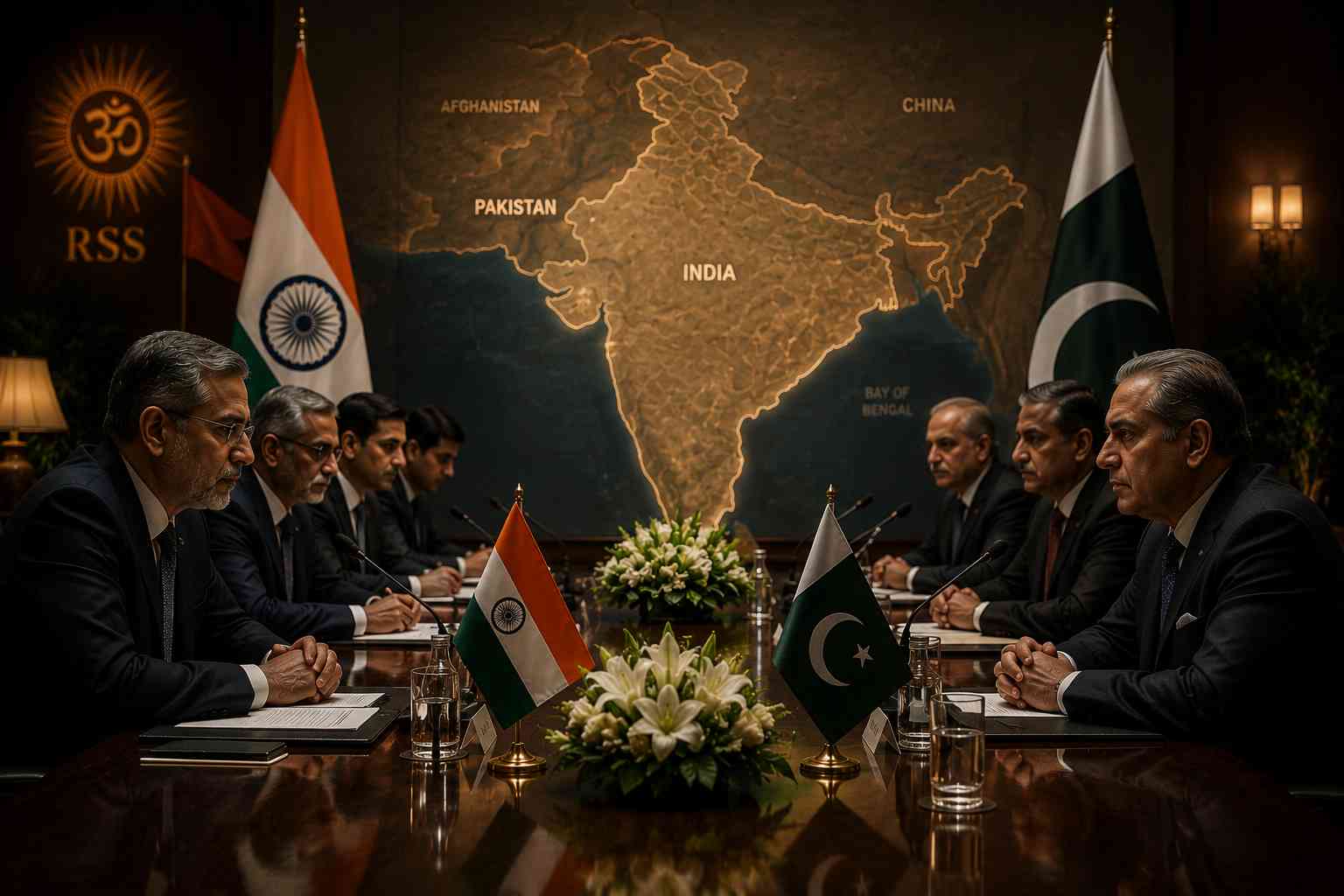
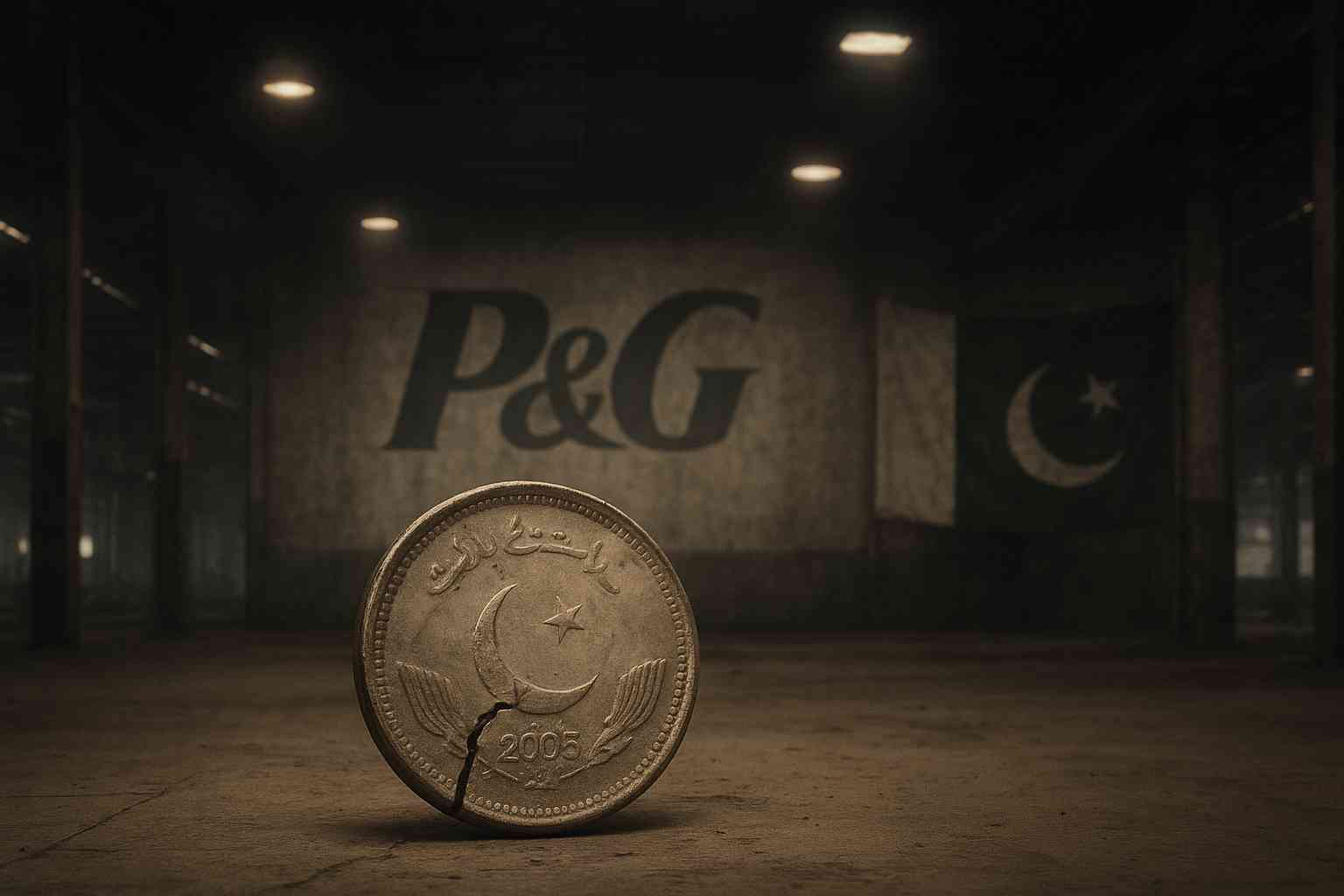
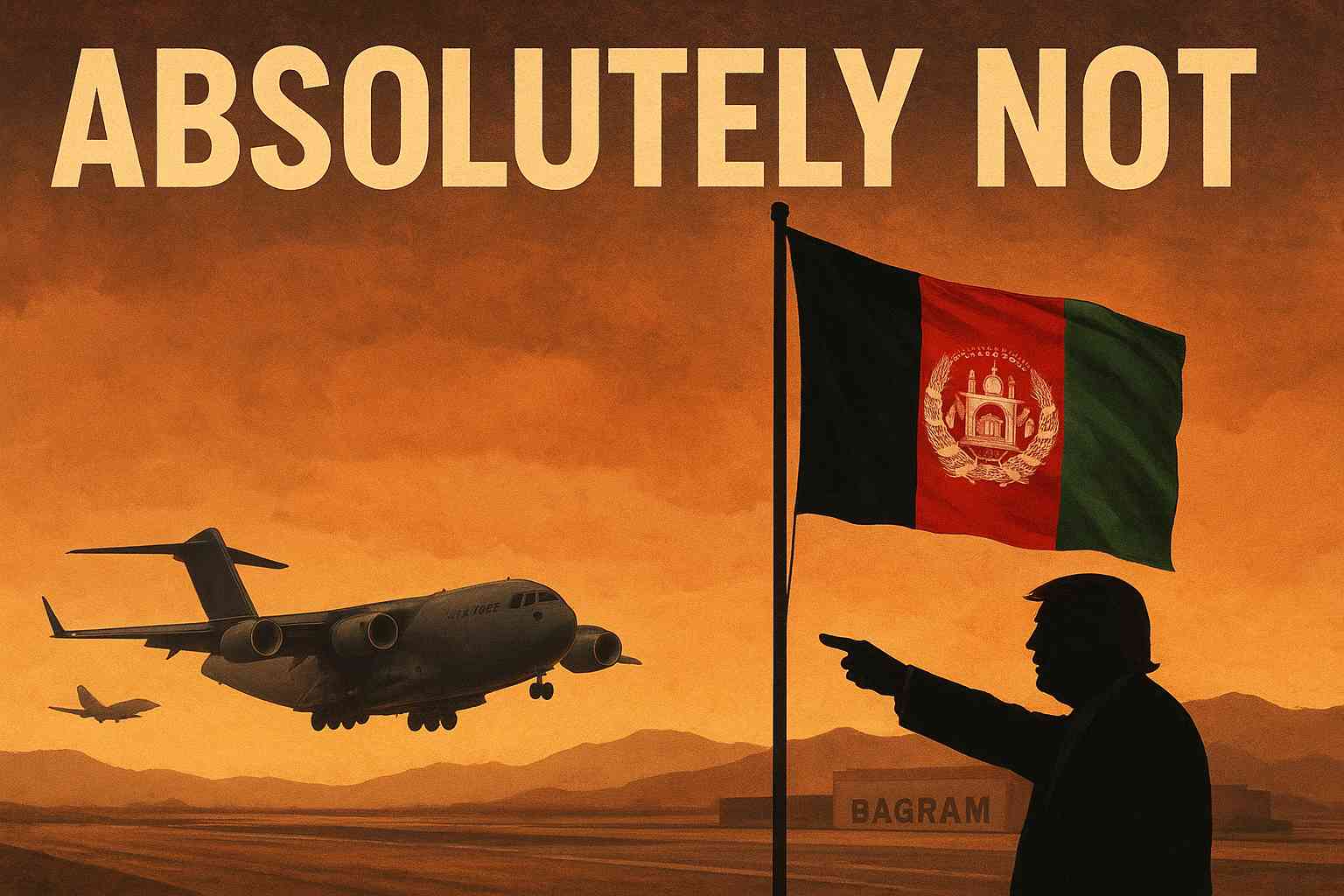
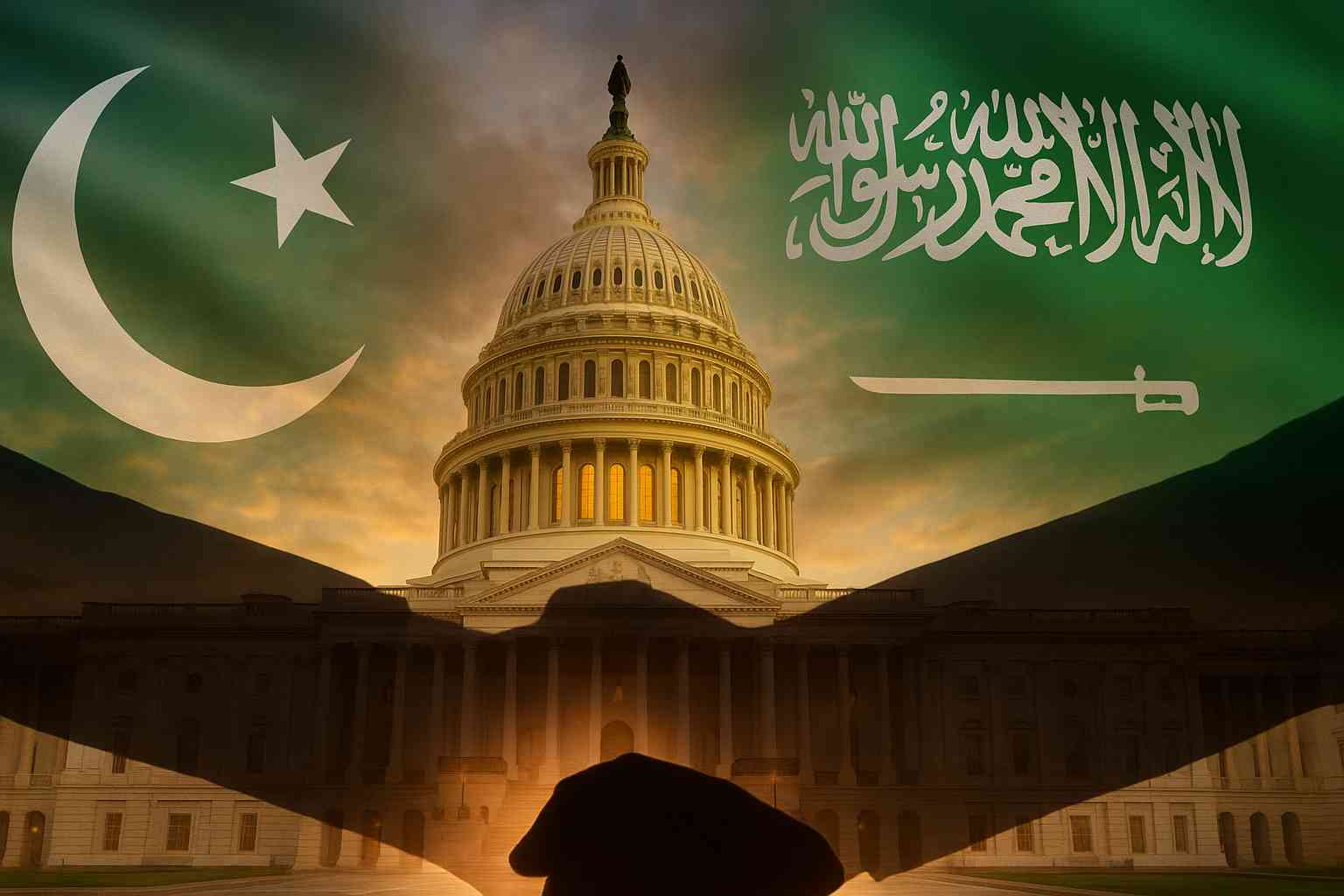
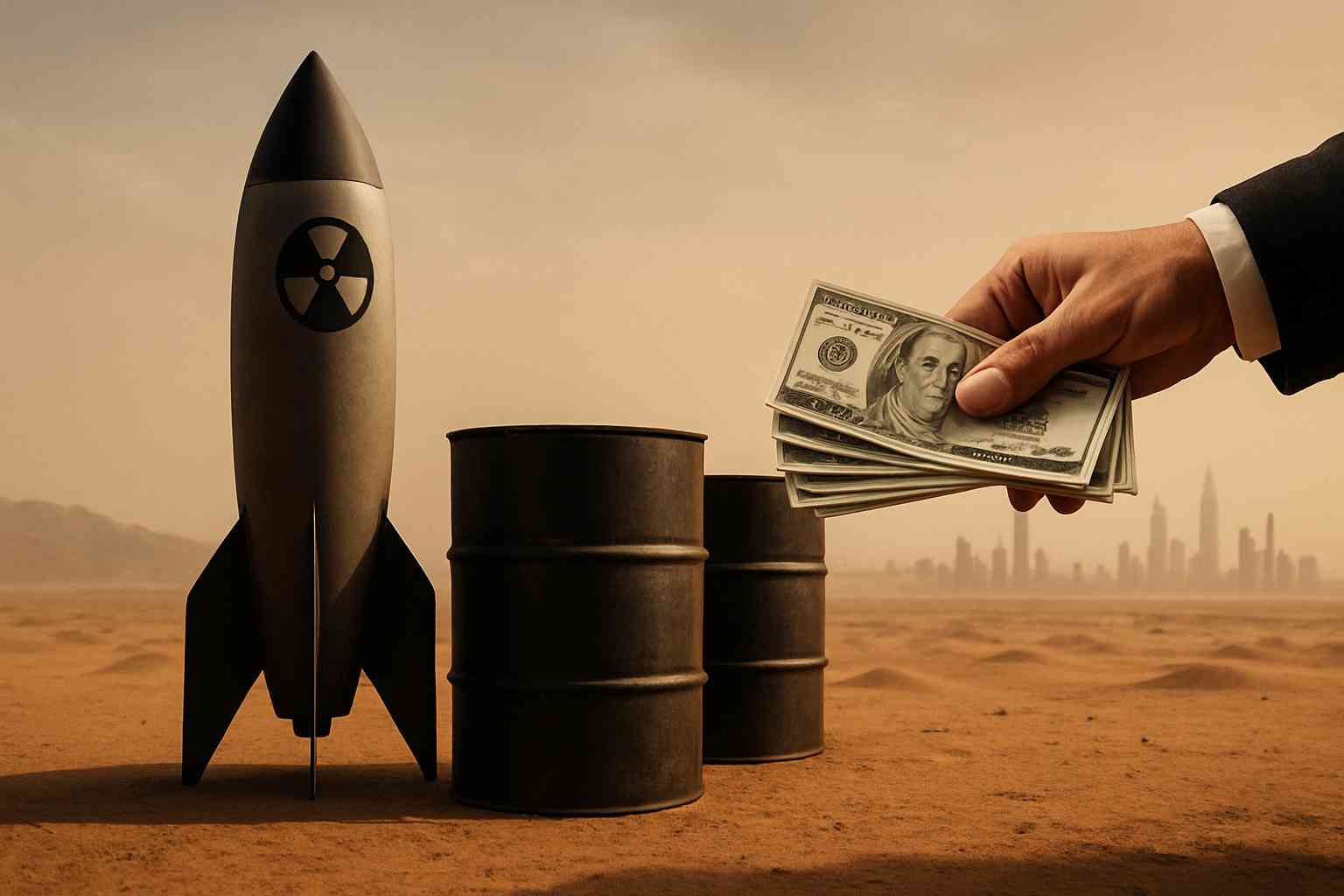
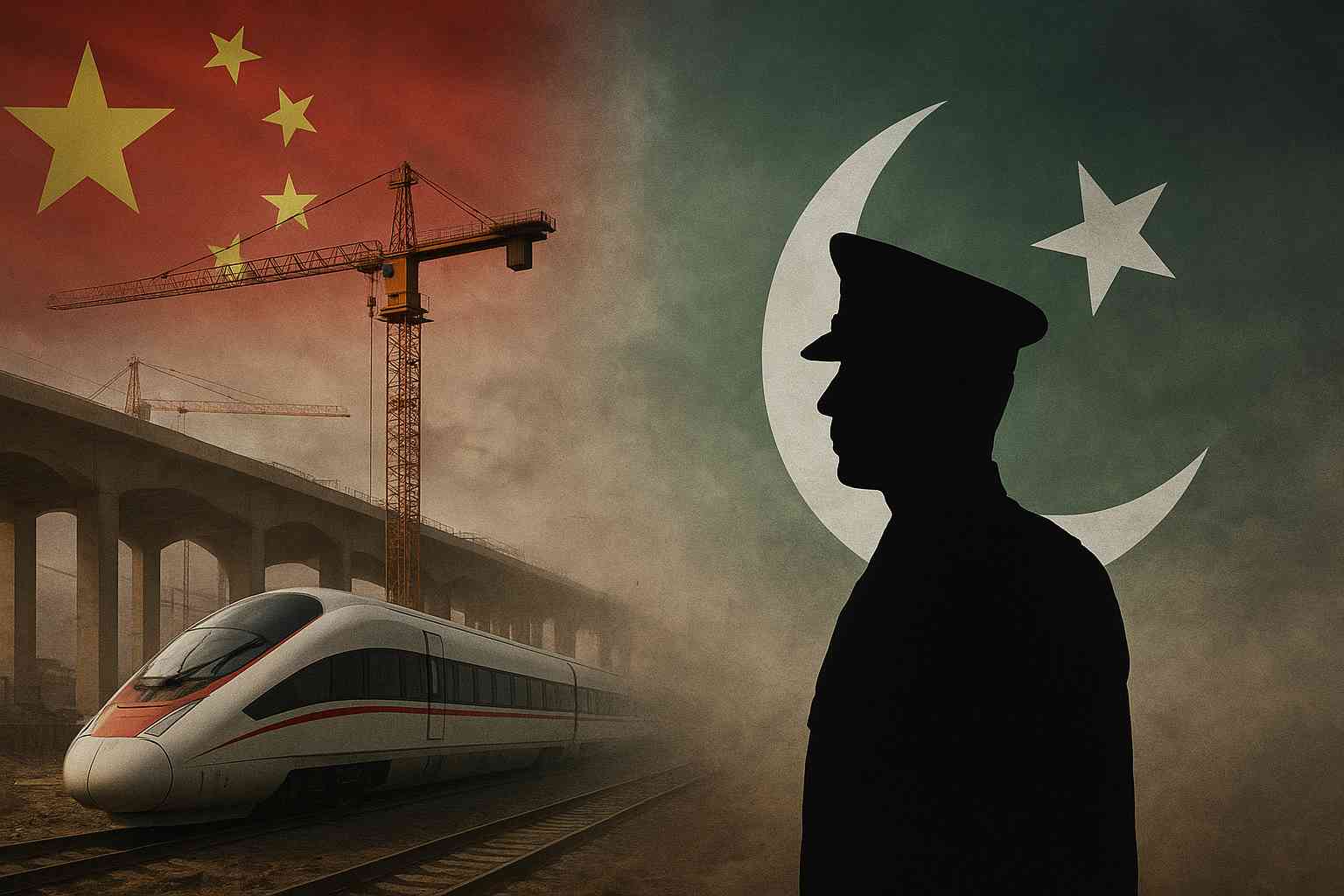
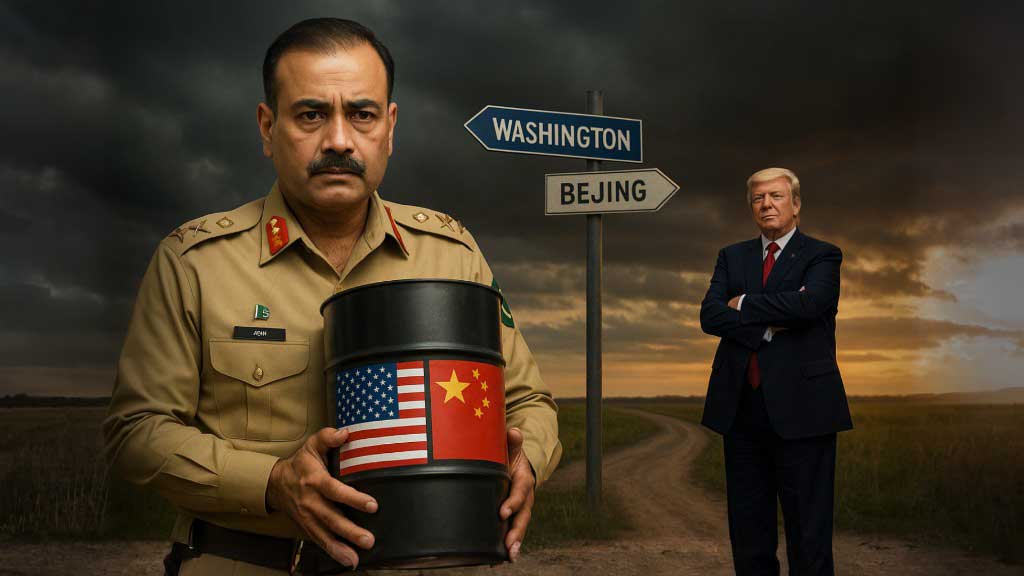
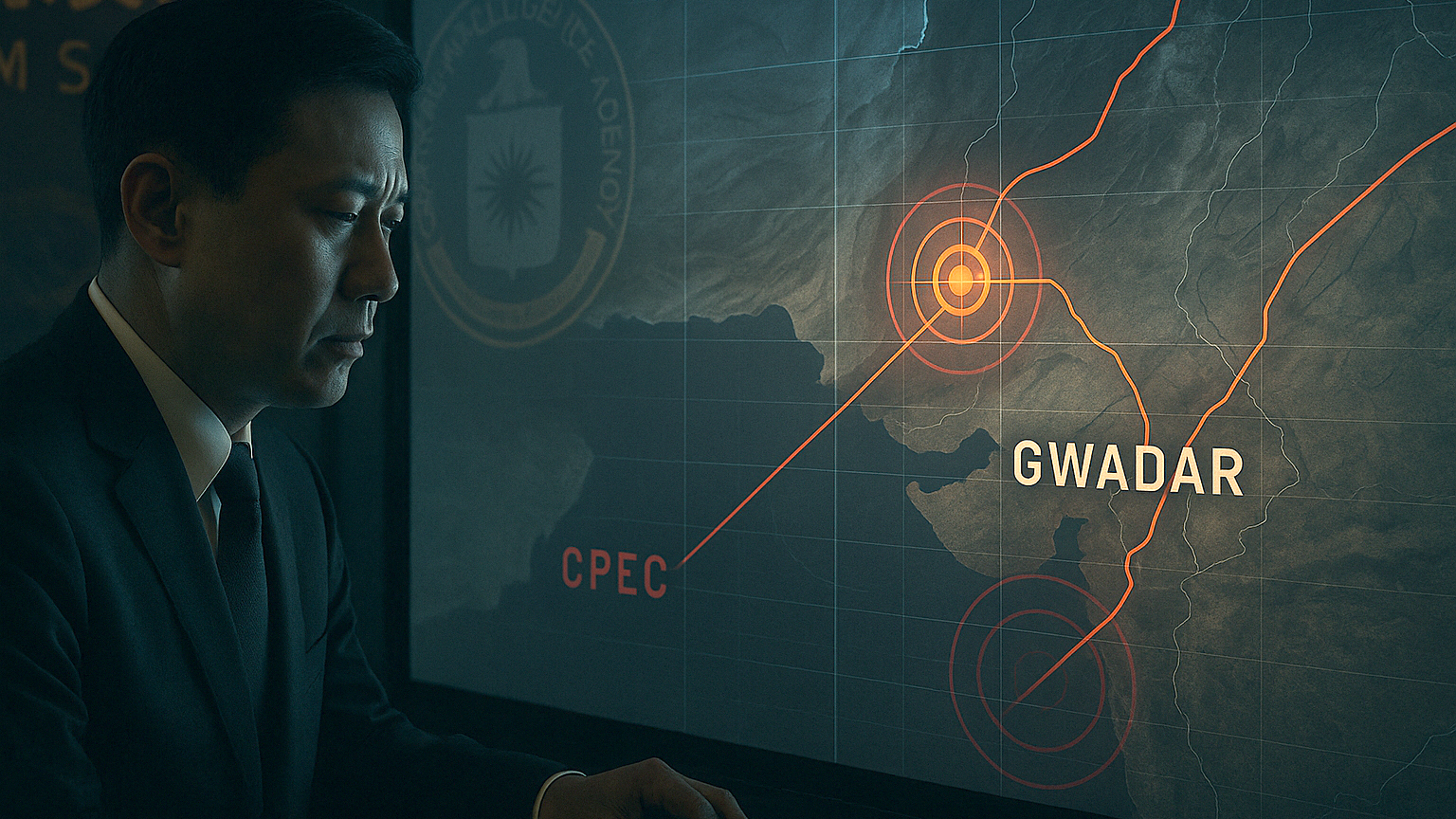
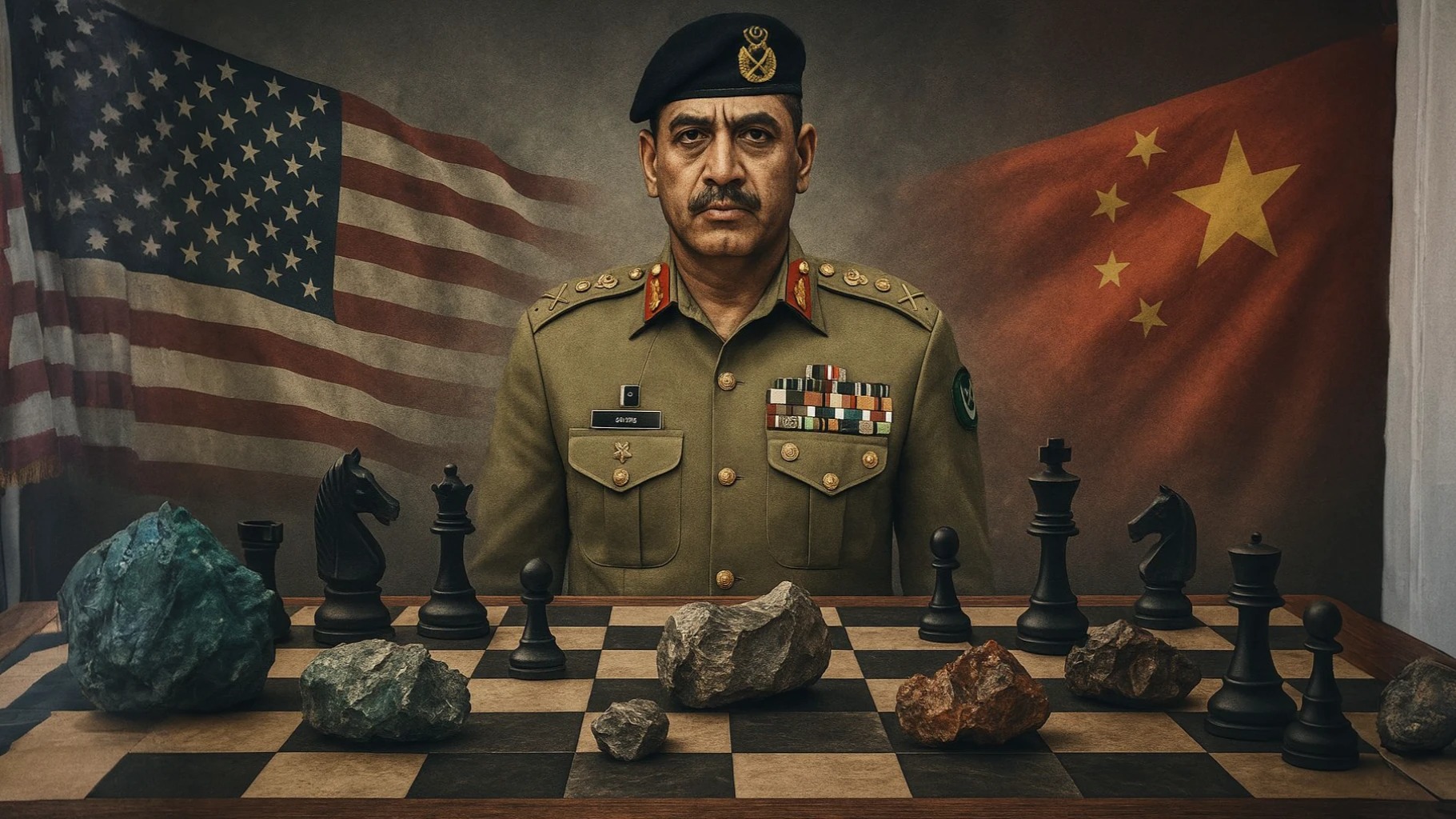
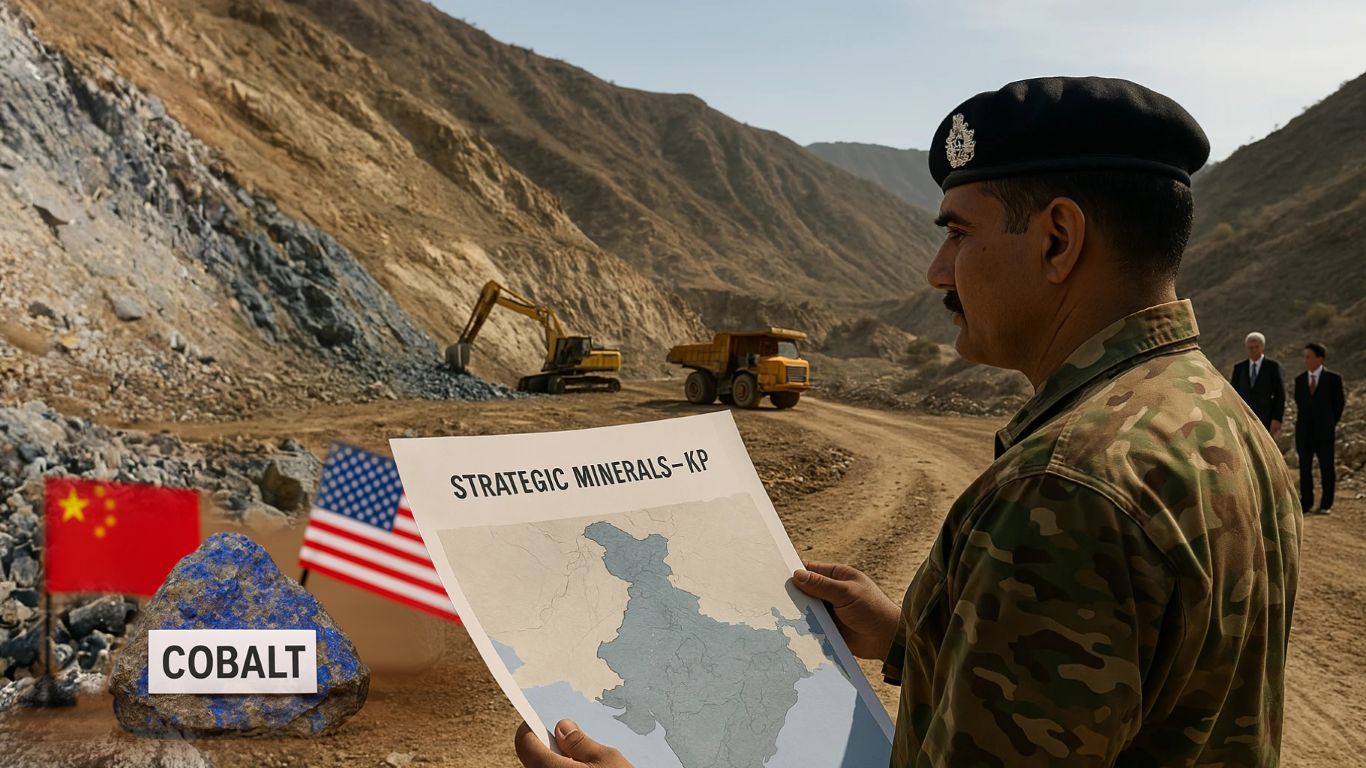
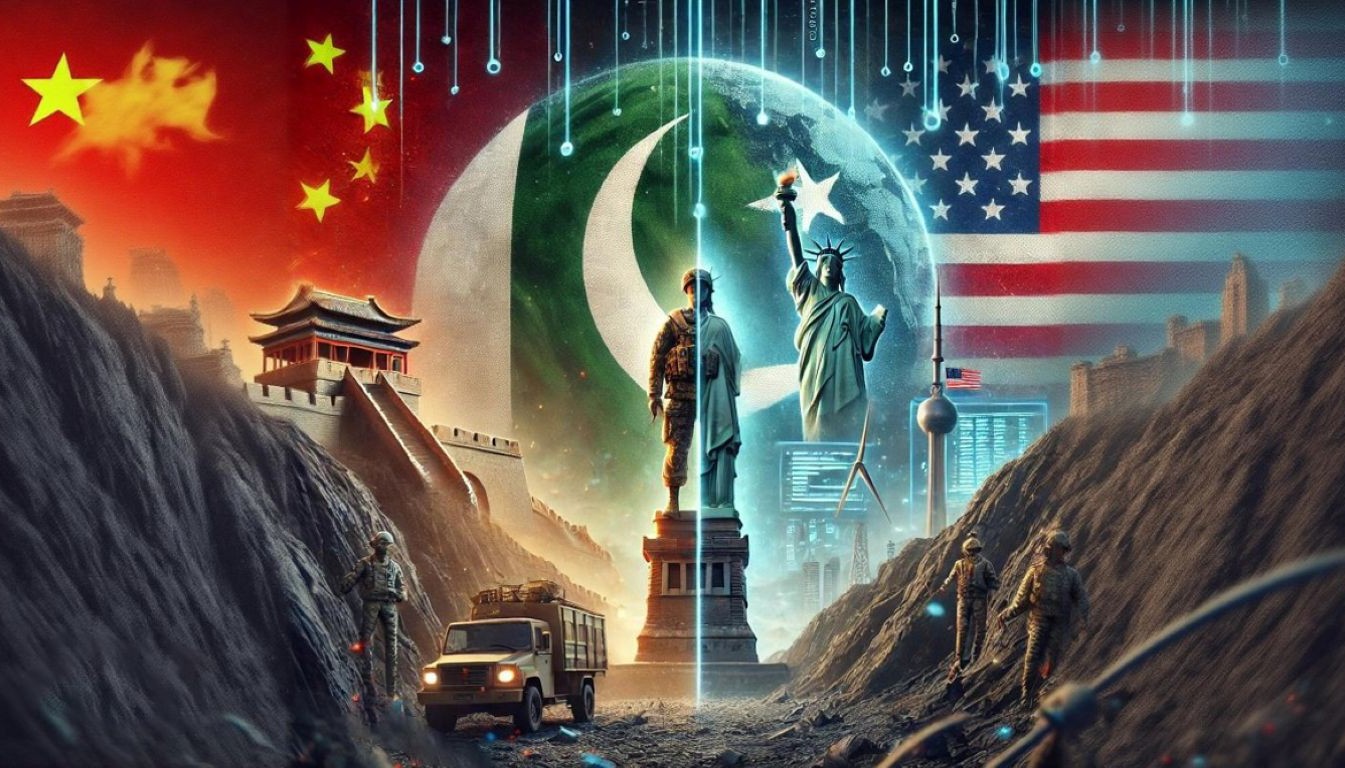
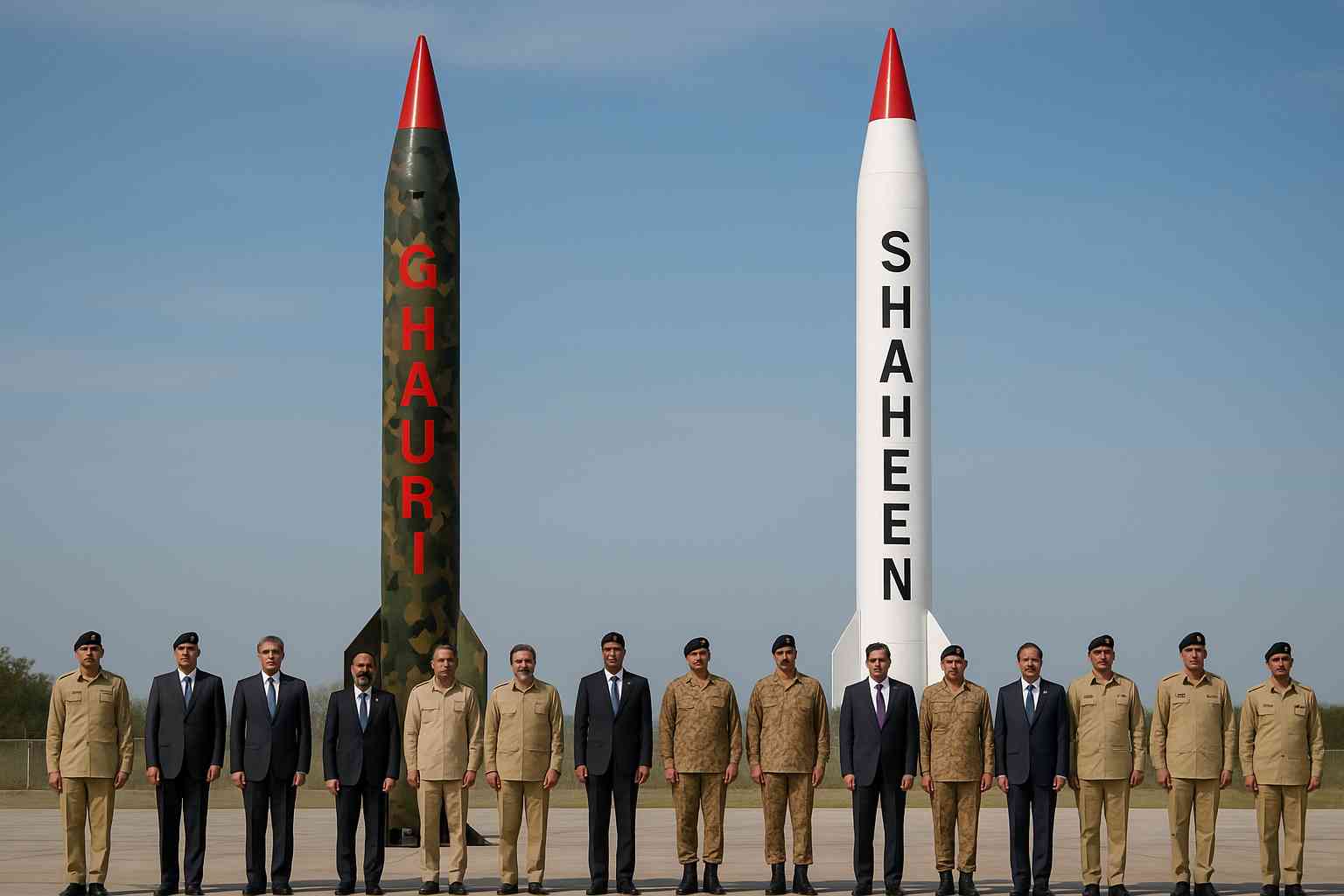
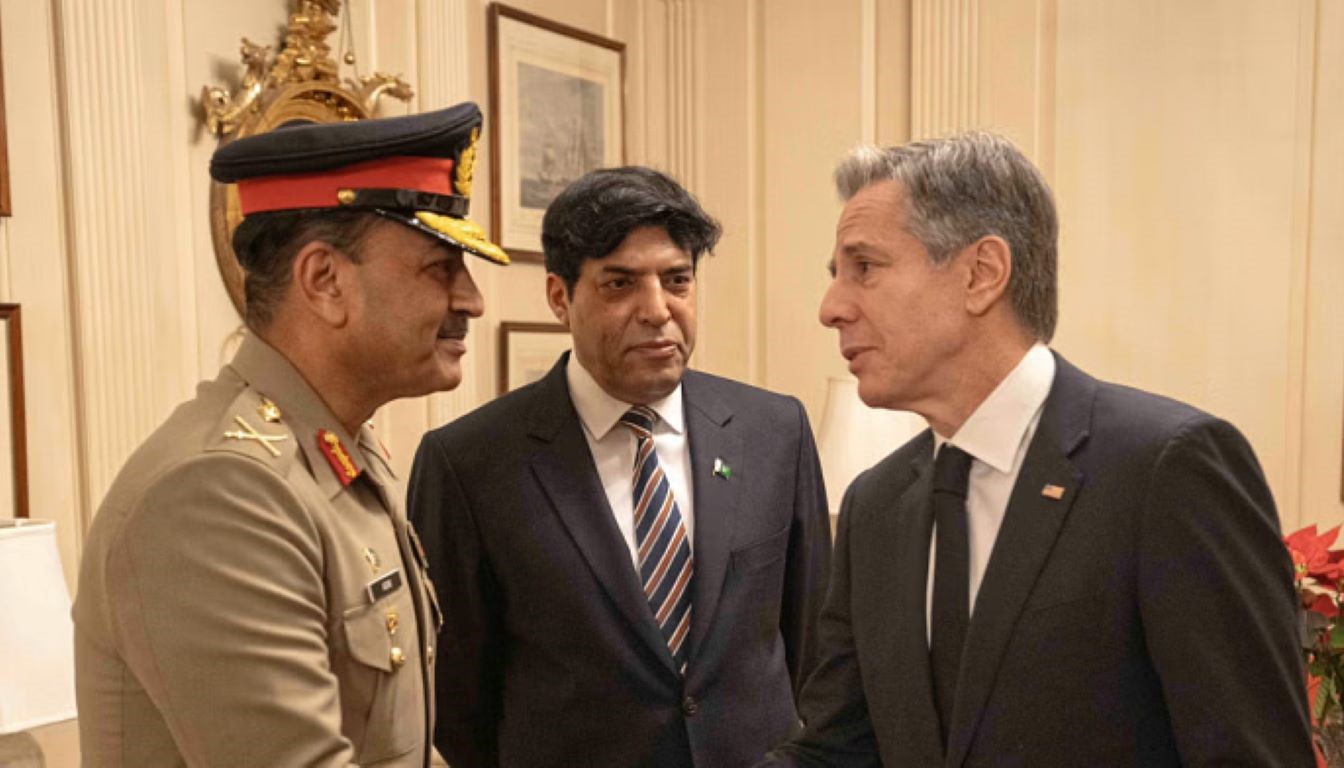
A strong nation protects its sovereignty. That includes political independence, economic dignity, and foreign policy balance.
Some citizens argue that Pakistan has drifted away from the principles of its founding vision. They question whether short-term gains justify long-term compromise. They ask:
Are we shaping our policy independently?
Or reacting to external pressures?
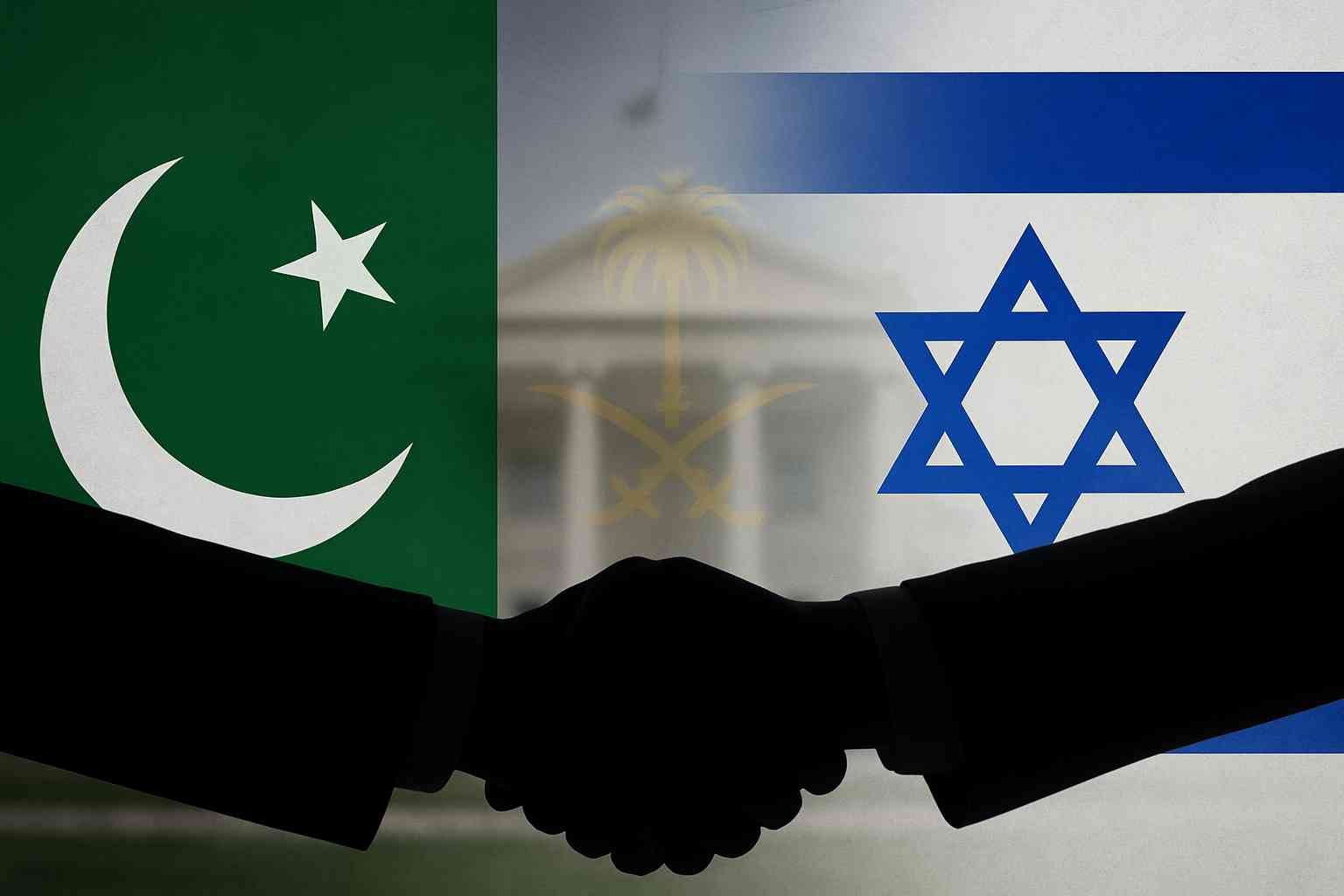
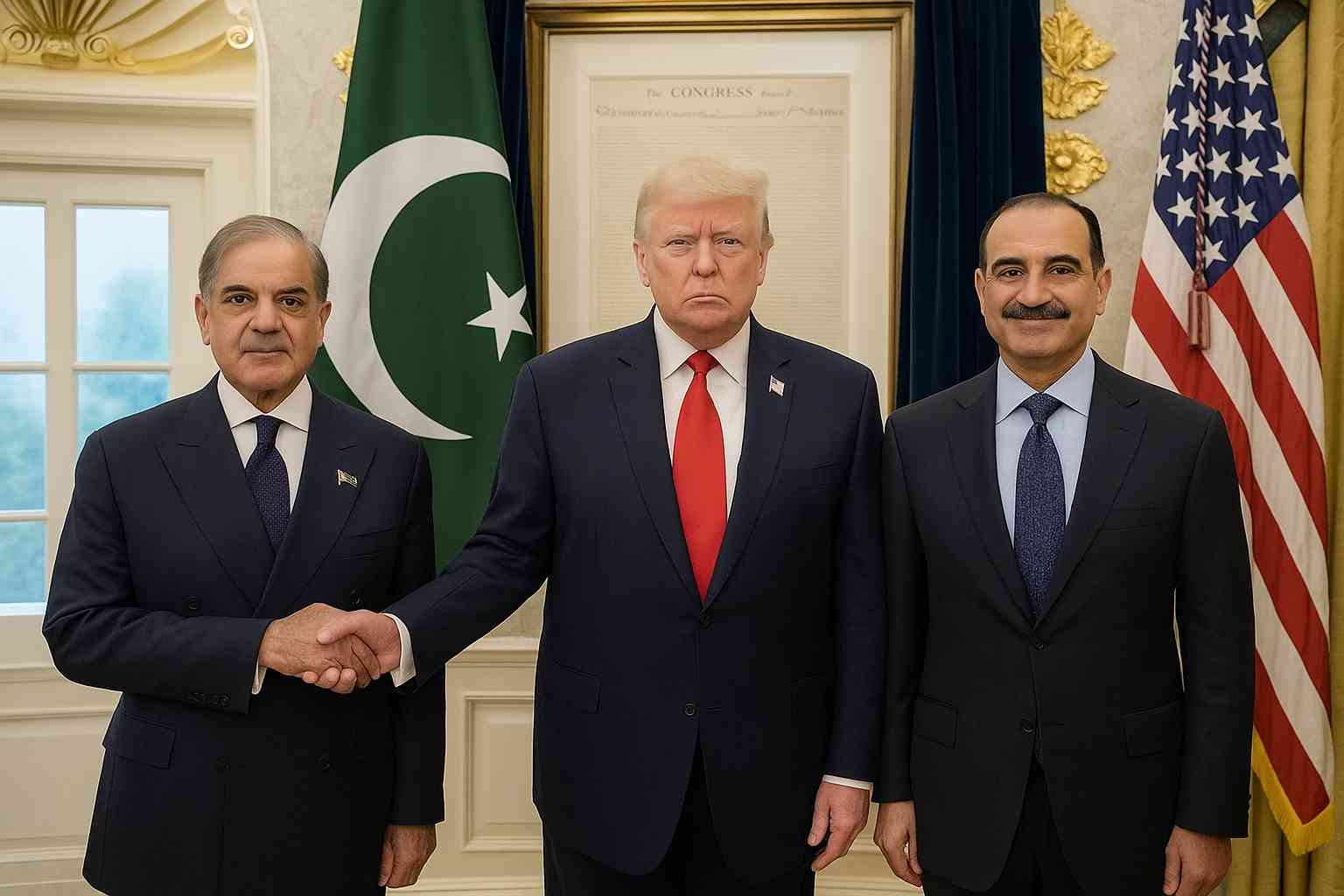
Pakistan at a Crossroads forces us to examine whether we act from strength or dependency.
Sovereignty requires discipline. It requires strategic clarity. It requires moral confidence.
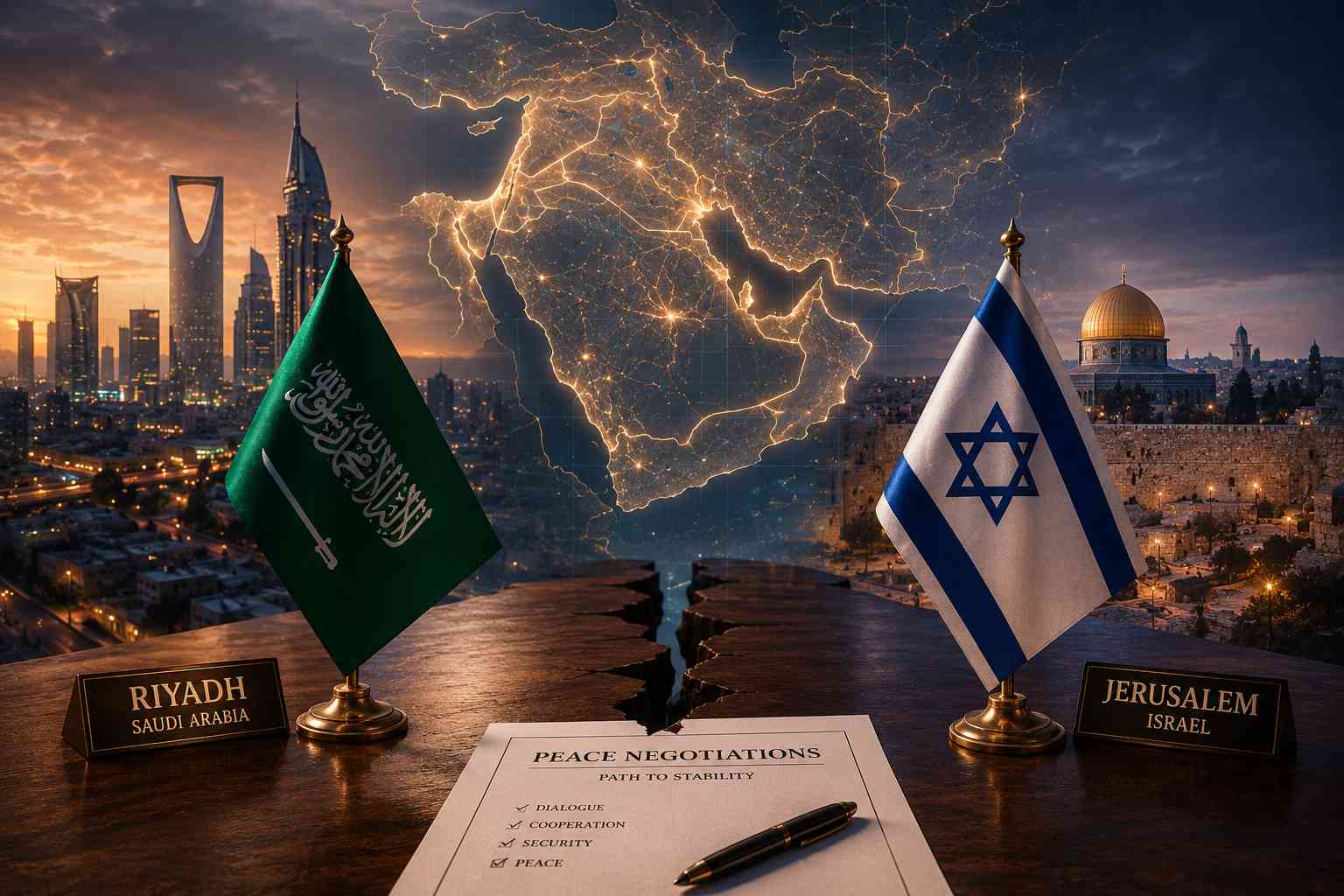
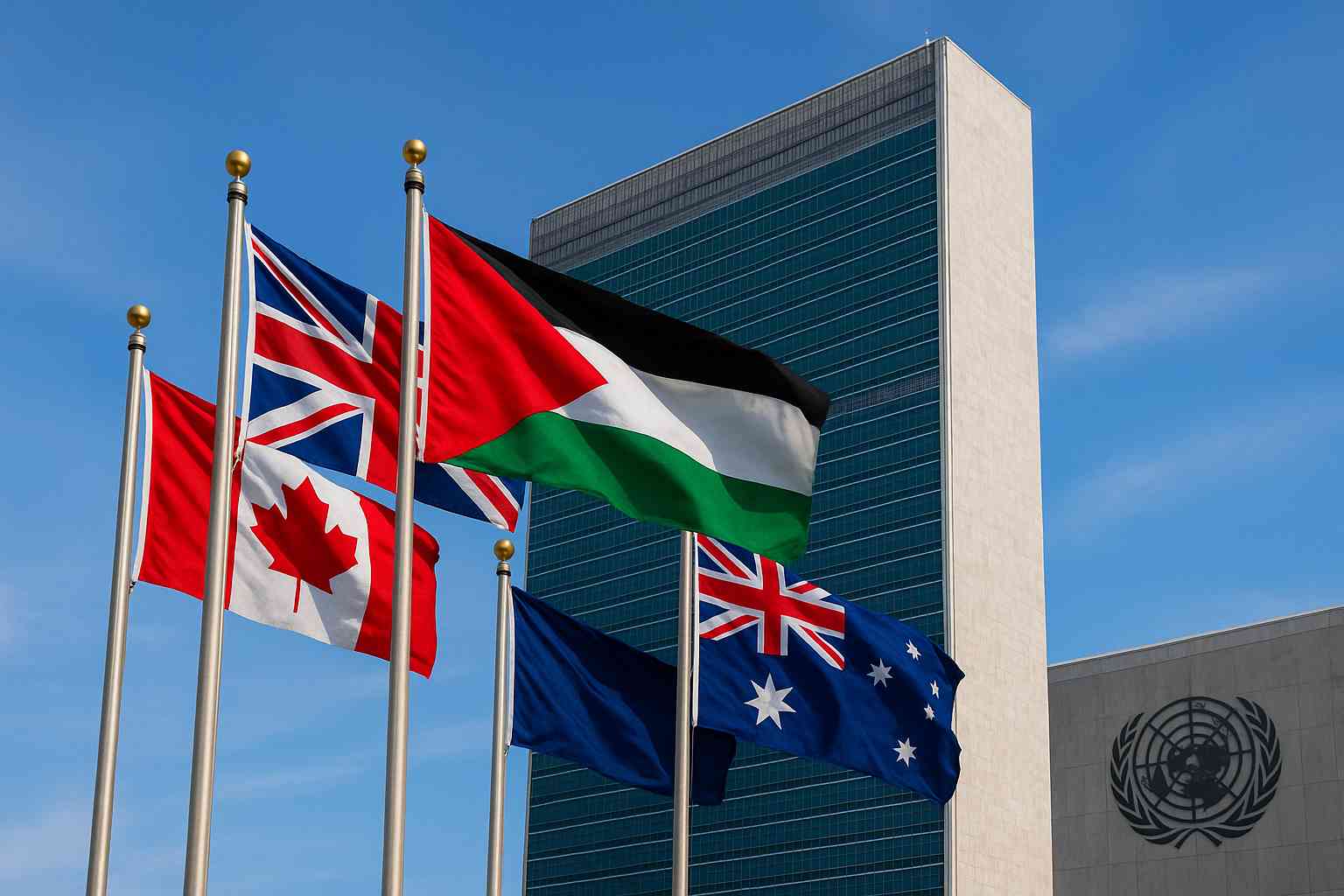
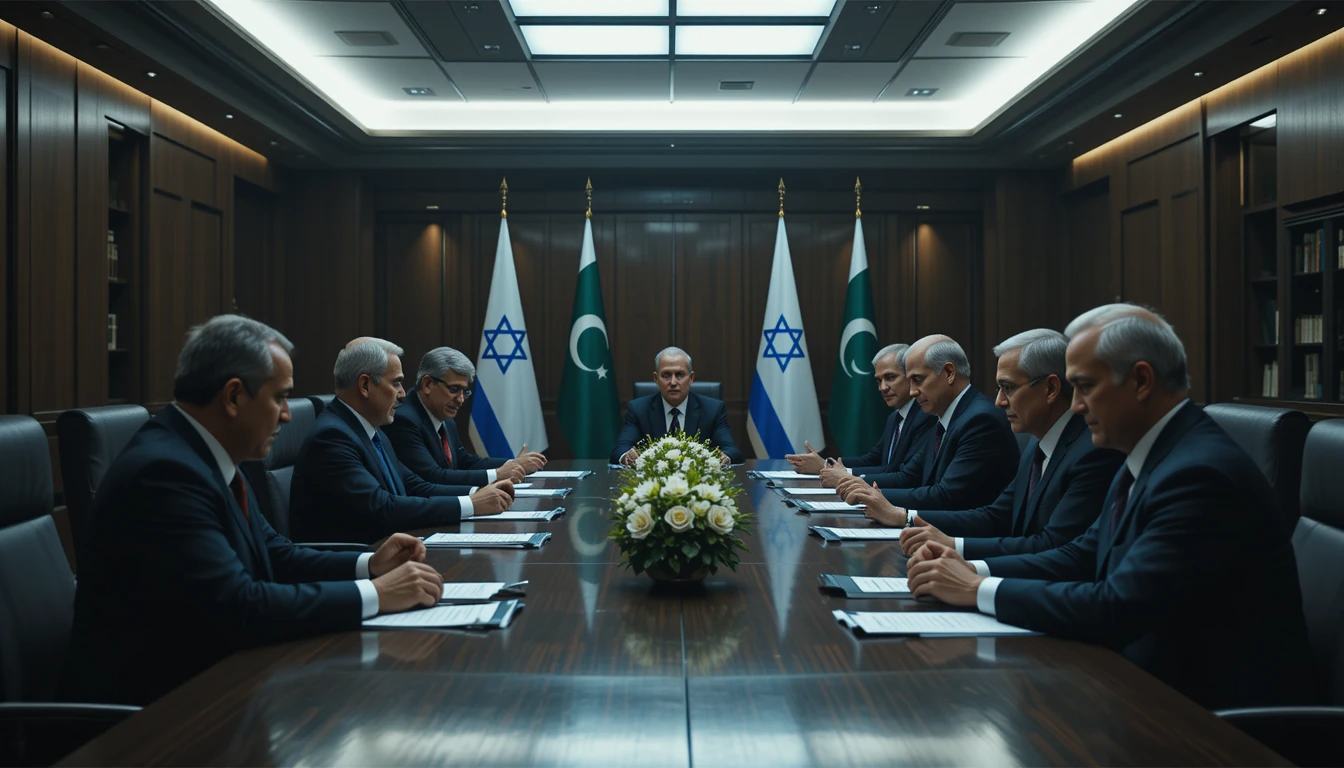
The Palestine Question and Moral Consistency
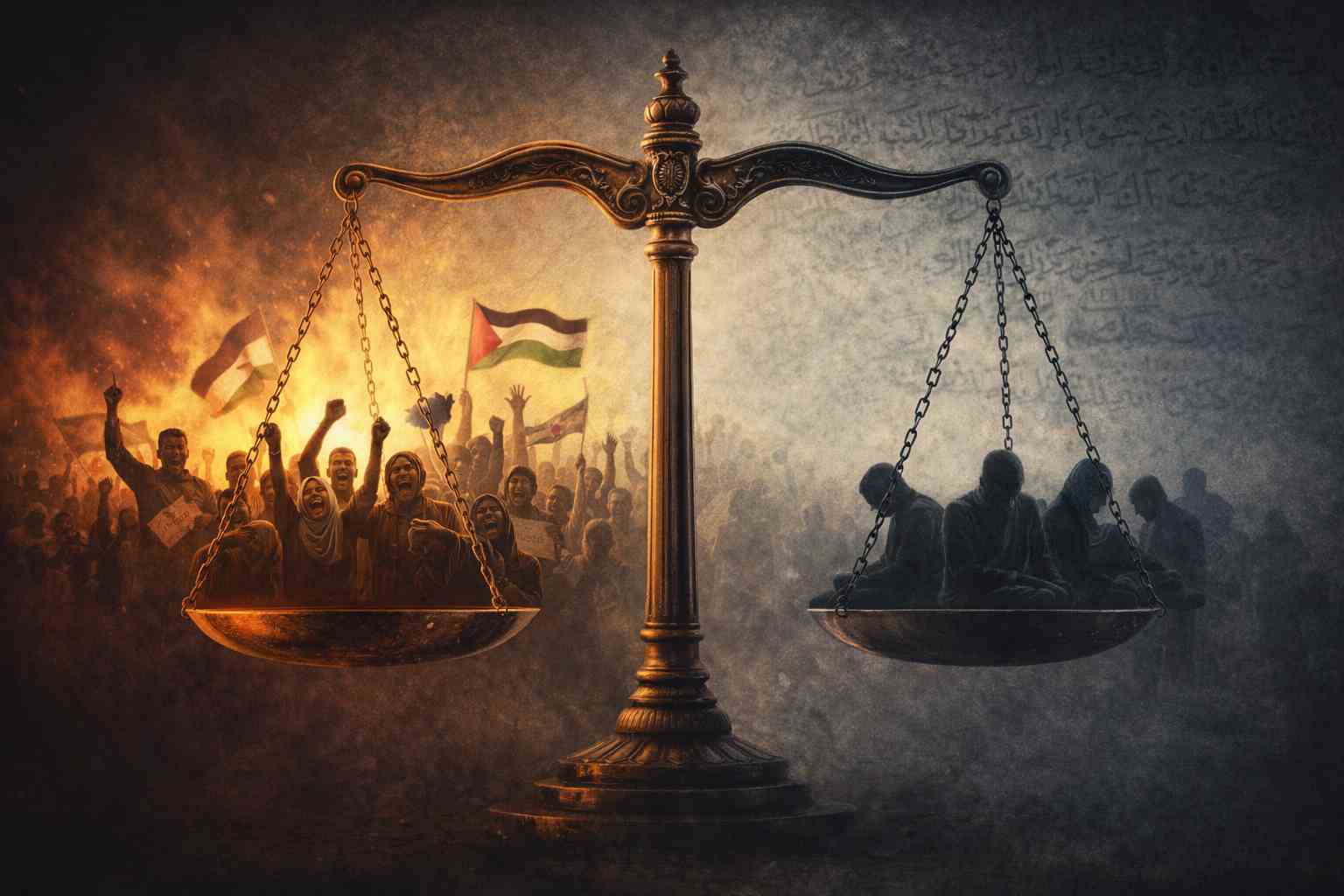
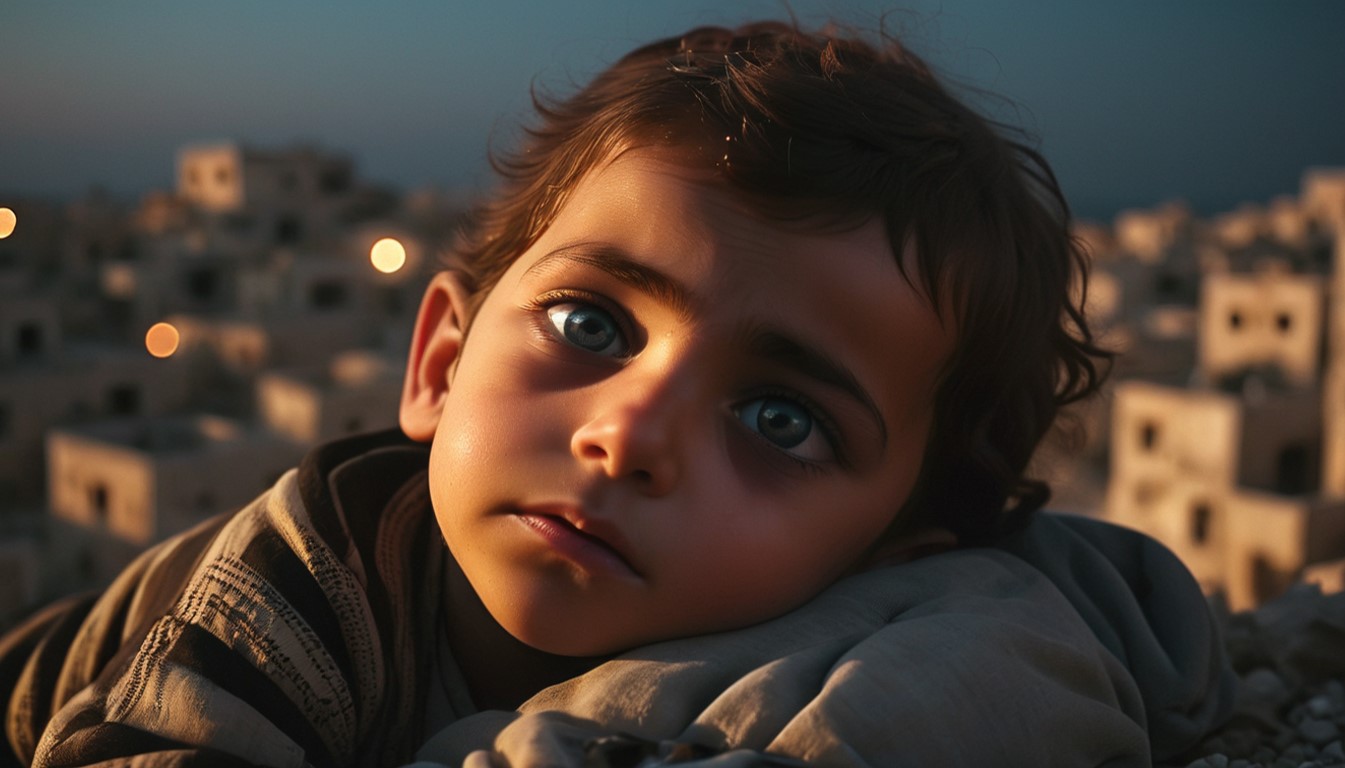
For many Pakistanis, Palestine represents more than a geopolitical issue. It is a moral test.
They view it as a litmus test of Muslim unity and global justice. They argue that silence during injustice weakens collective dignity.
At the same time, they ask a difficult question:
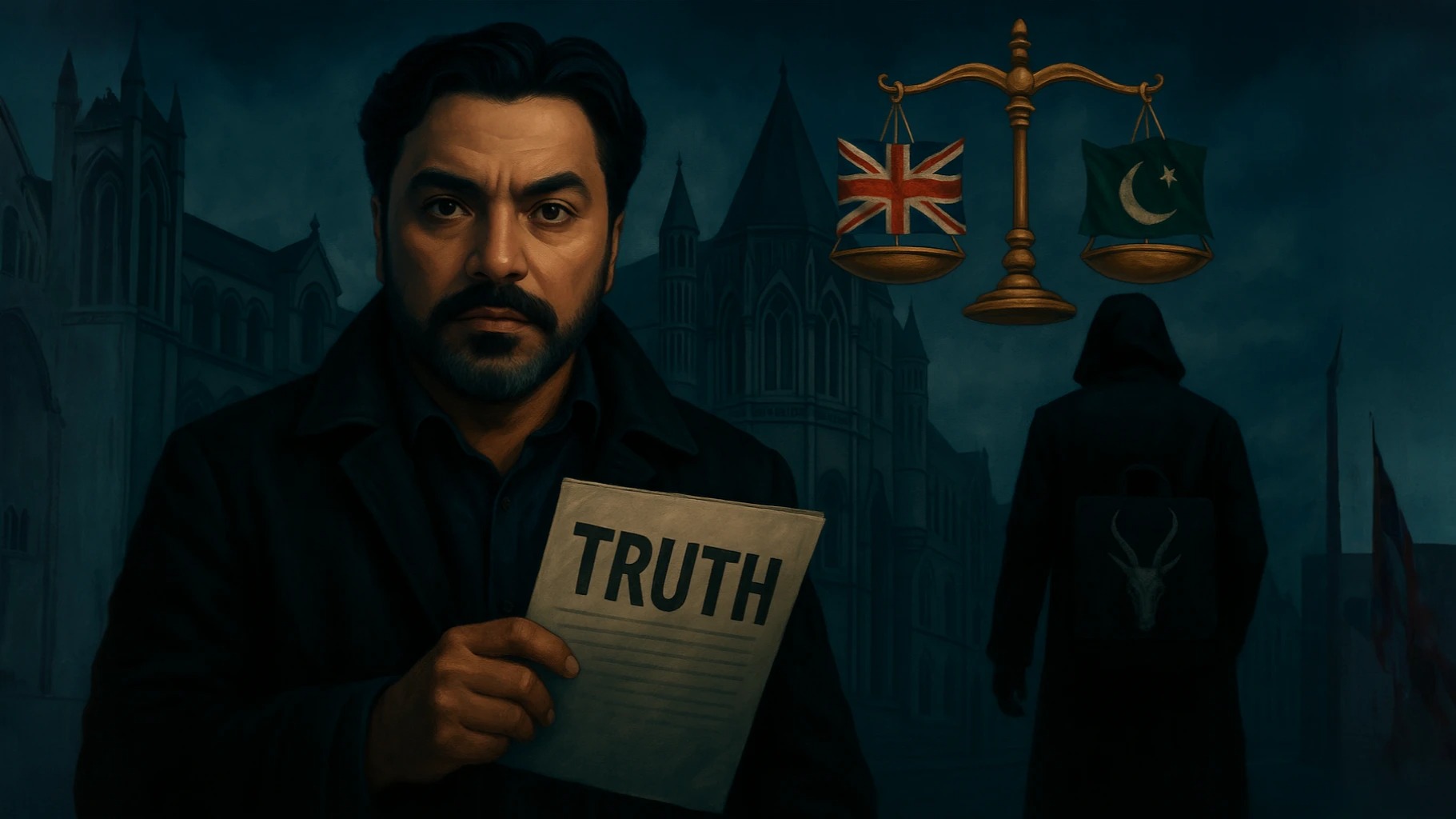
If we demand justice internationally, are we upholding justice domestically?
Moral consistency must begin at home.
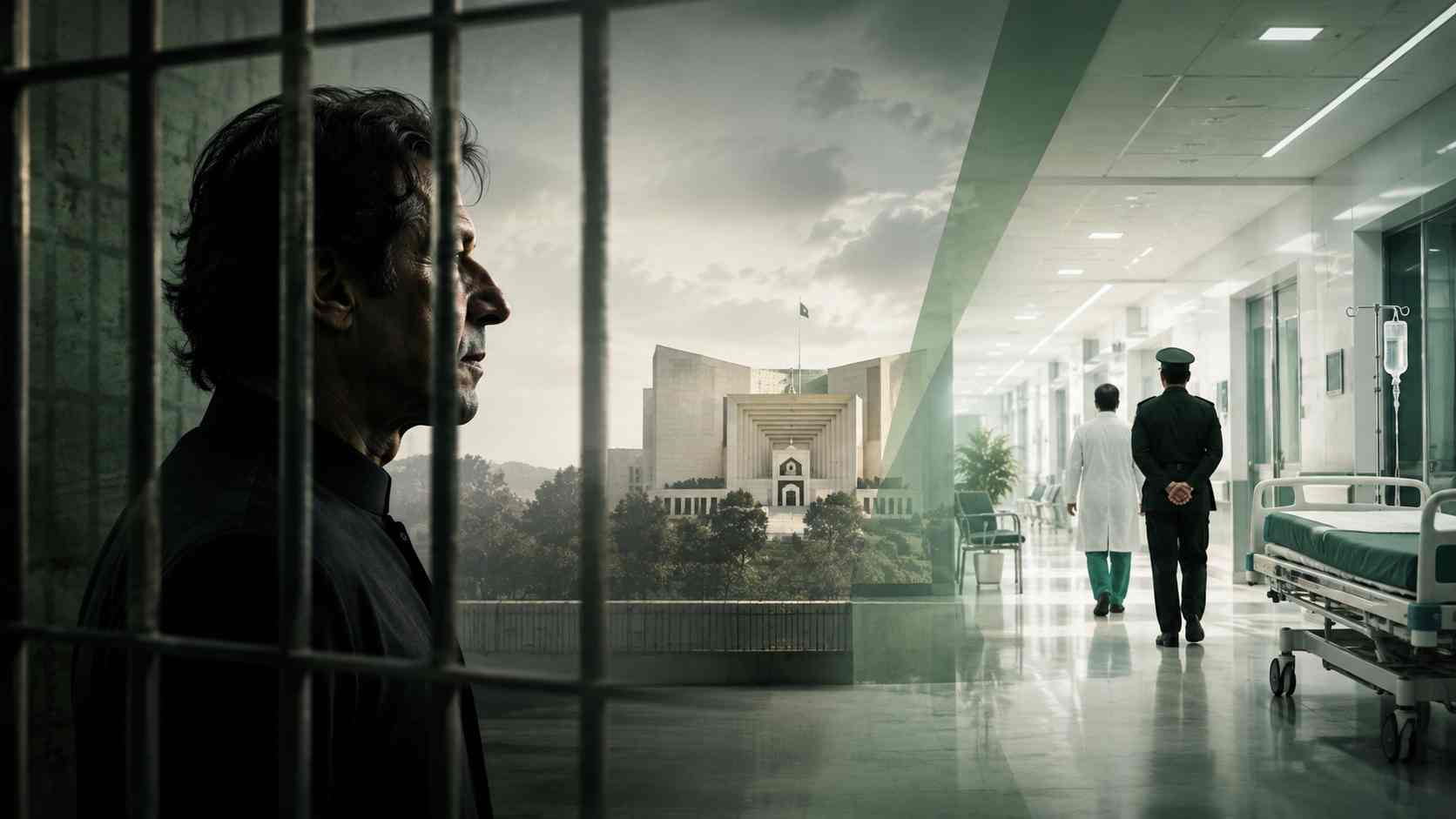
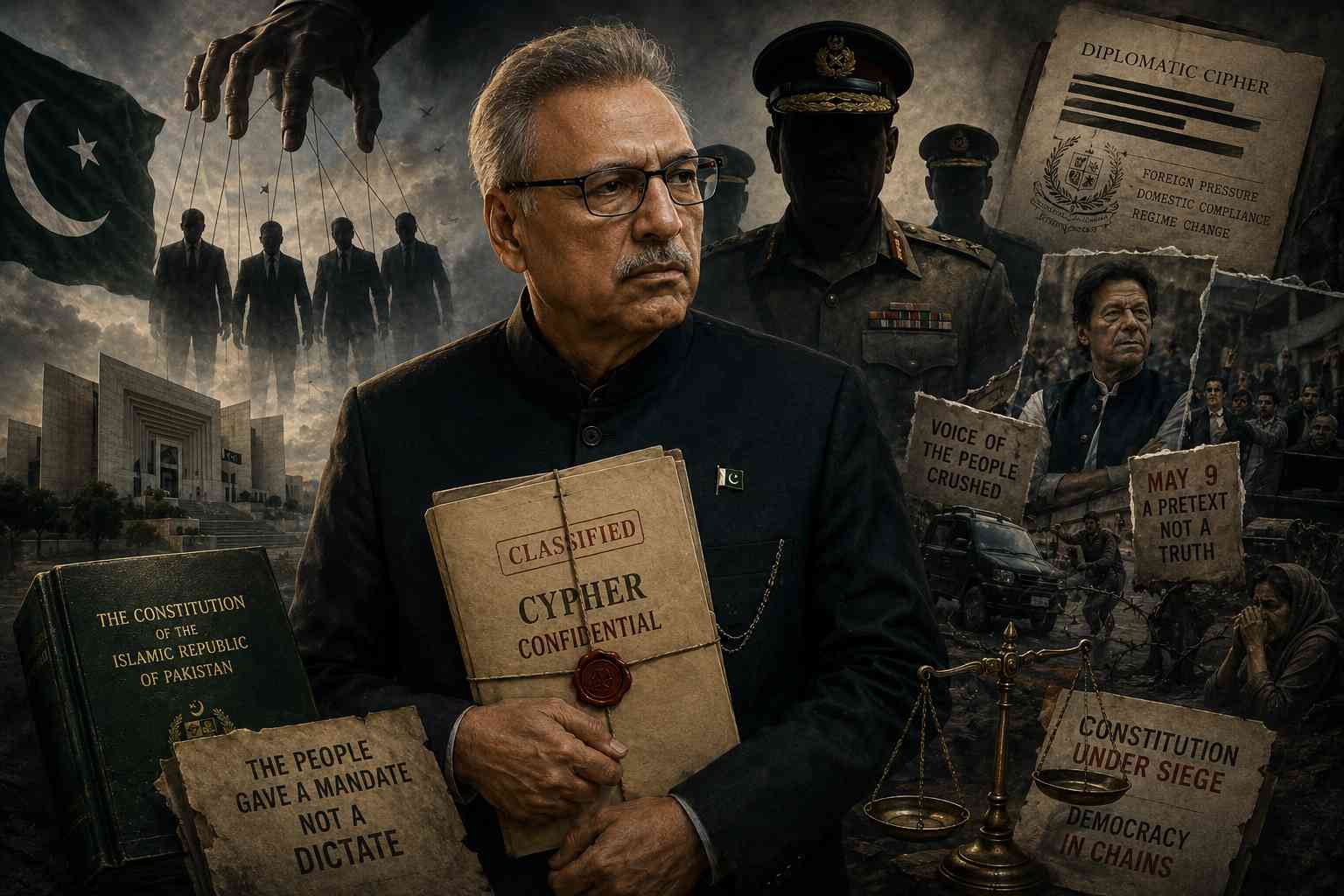
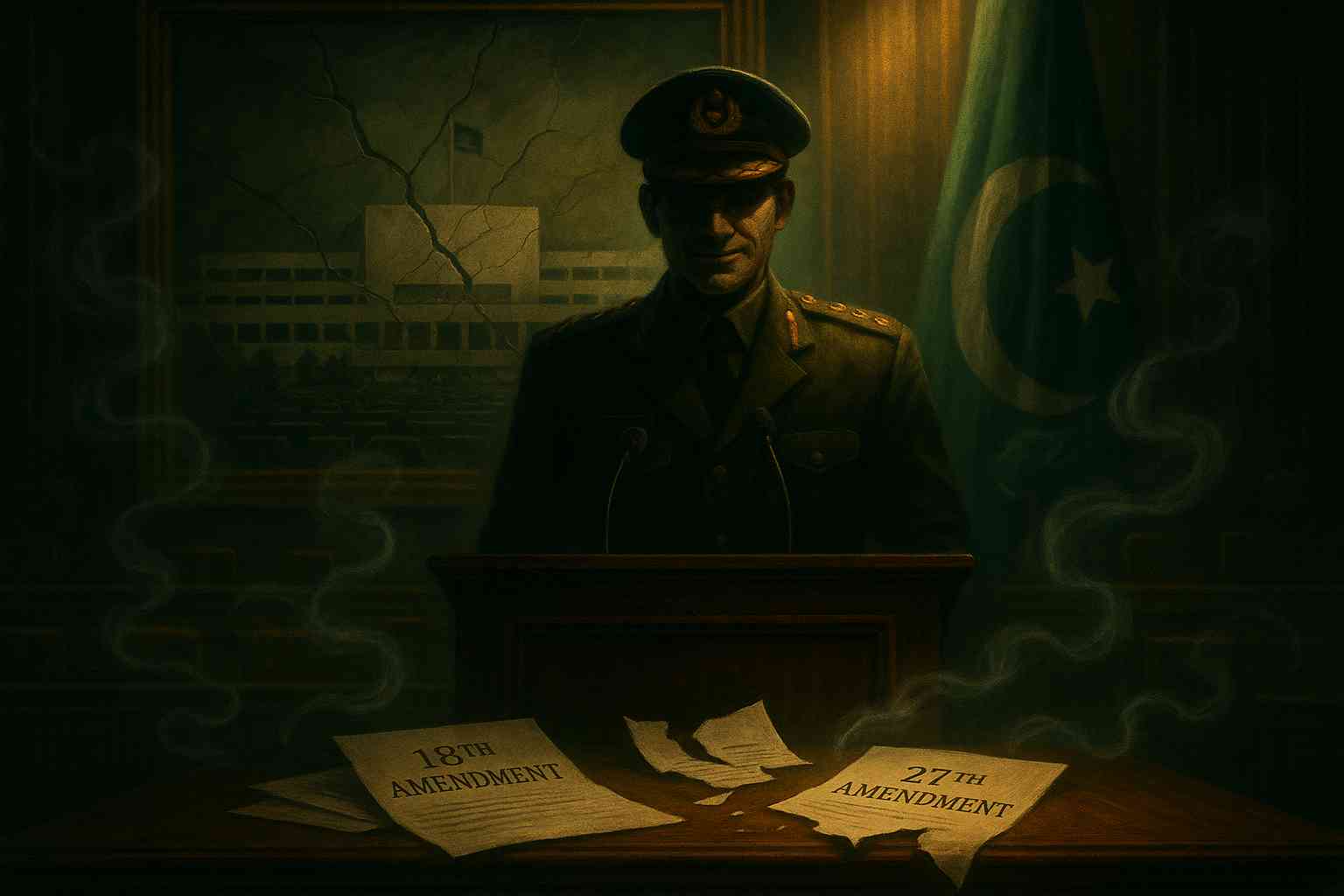
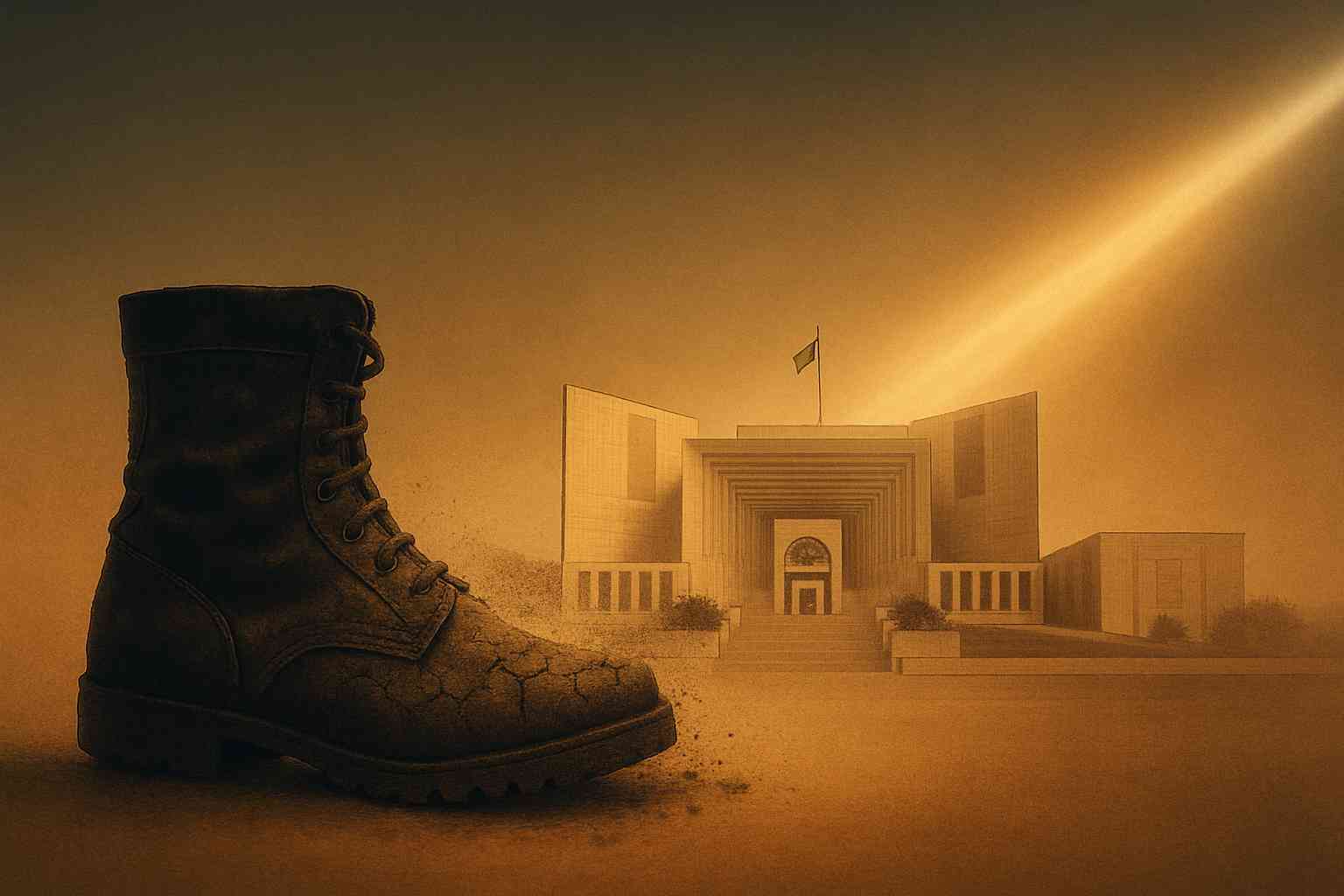
Institutional Trust and Public Confidence
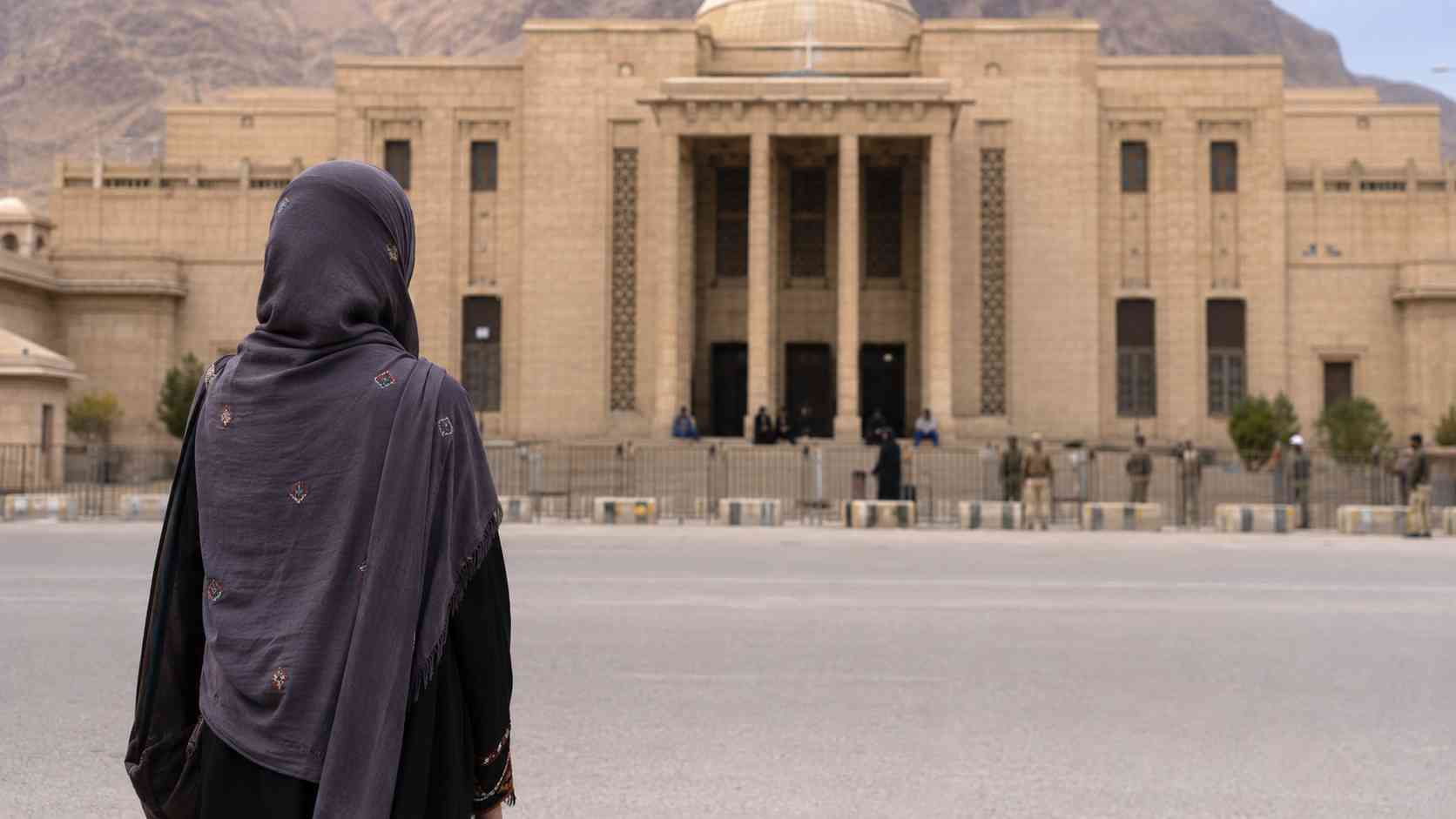
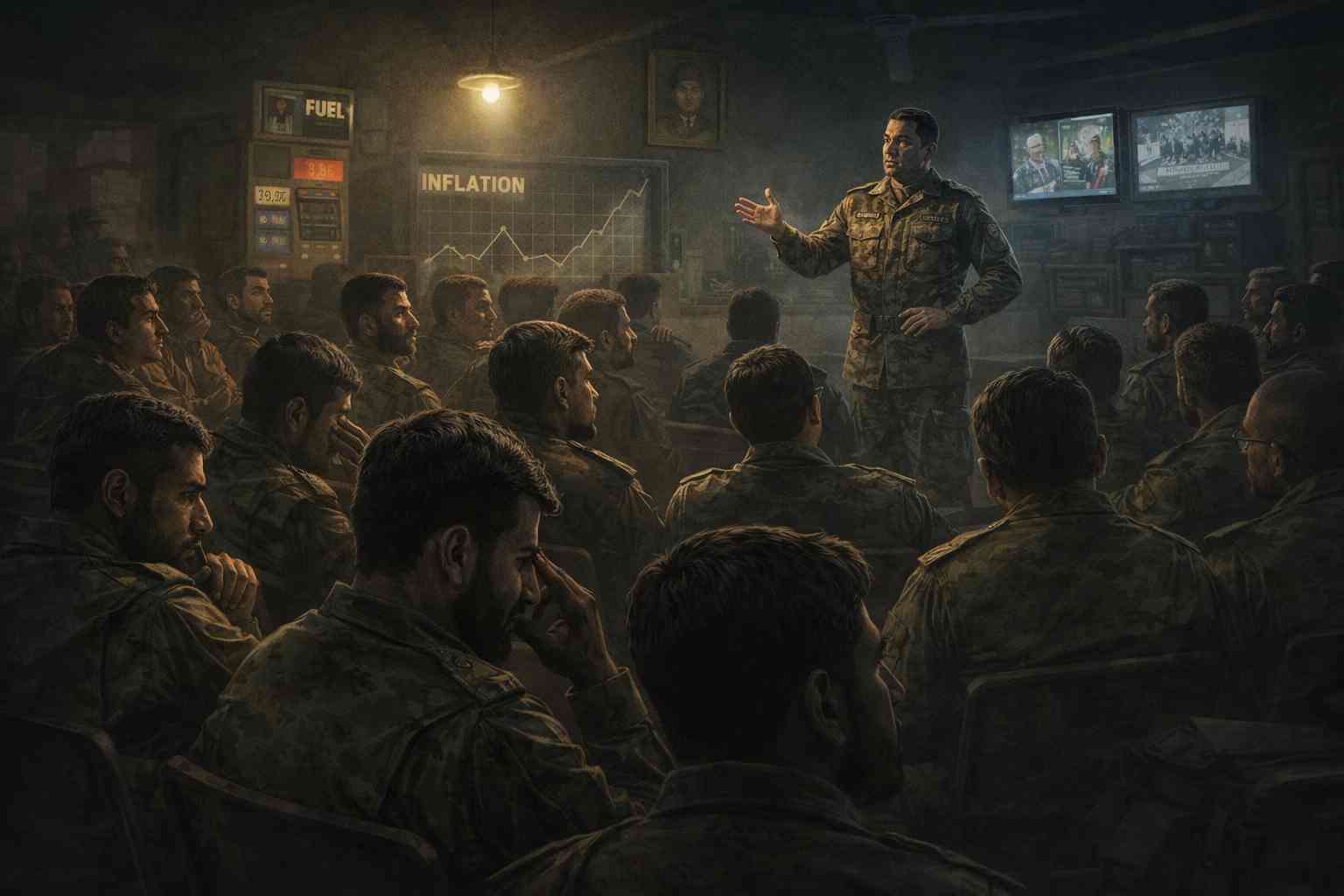
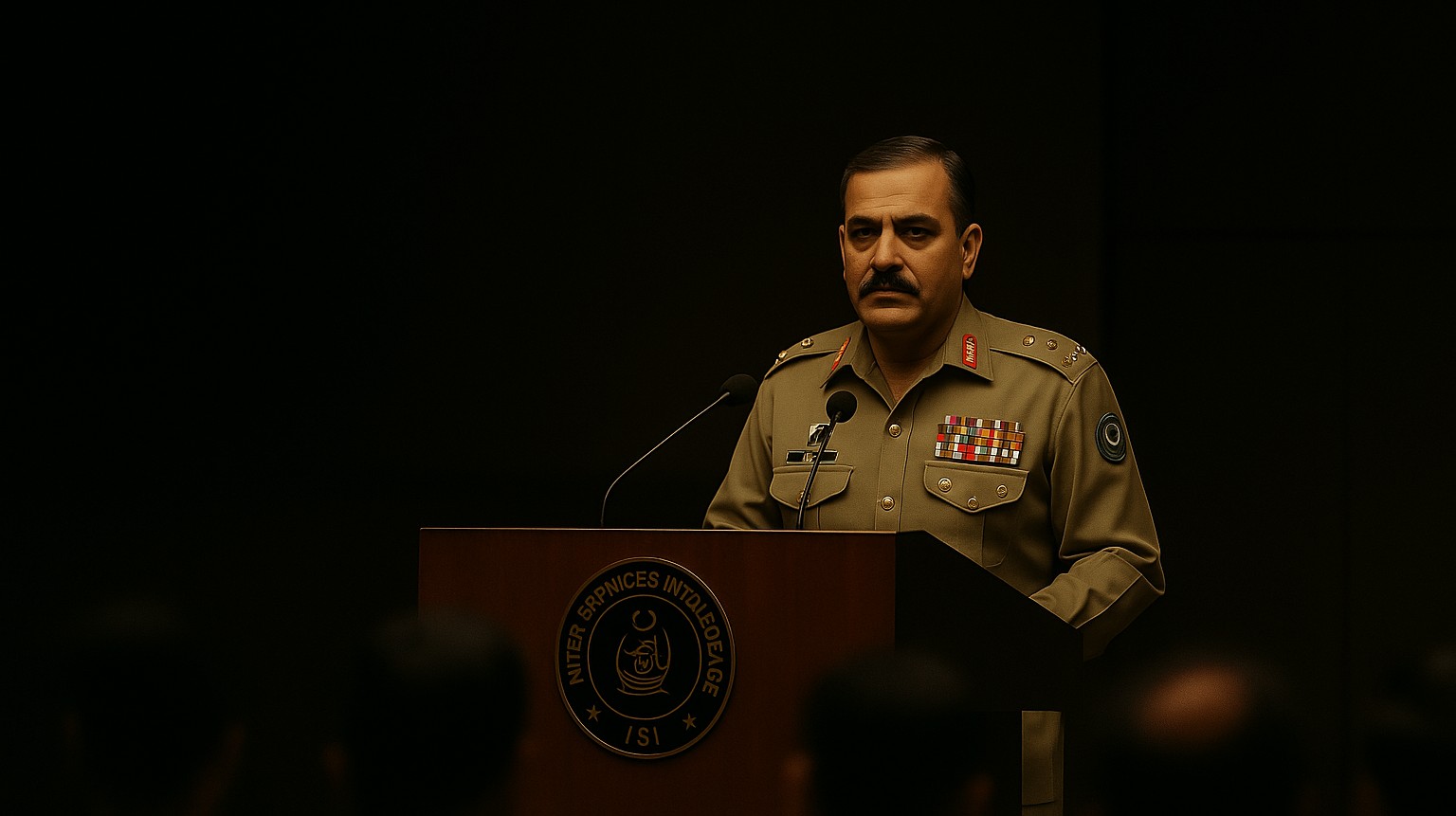
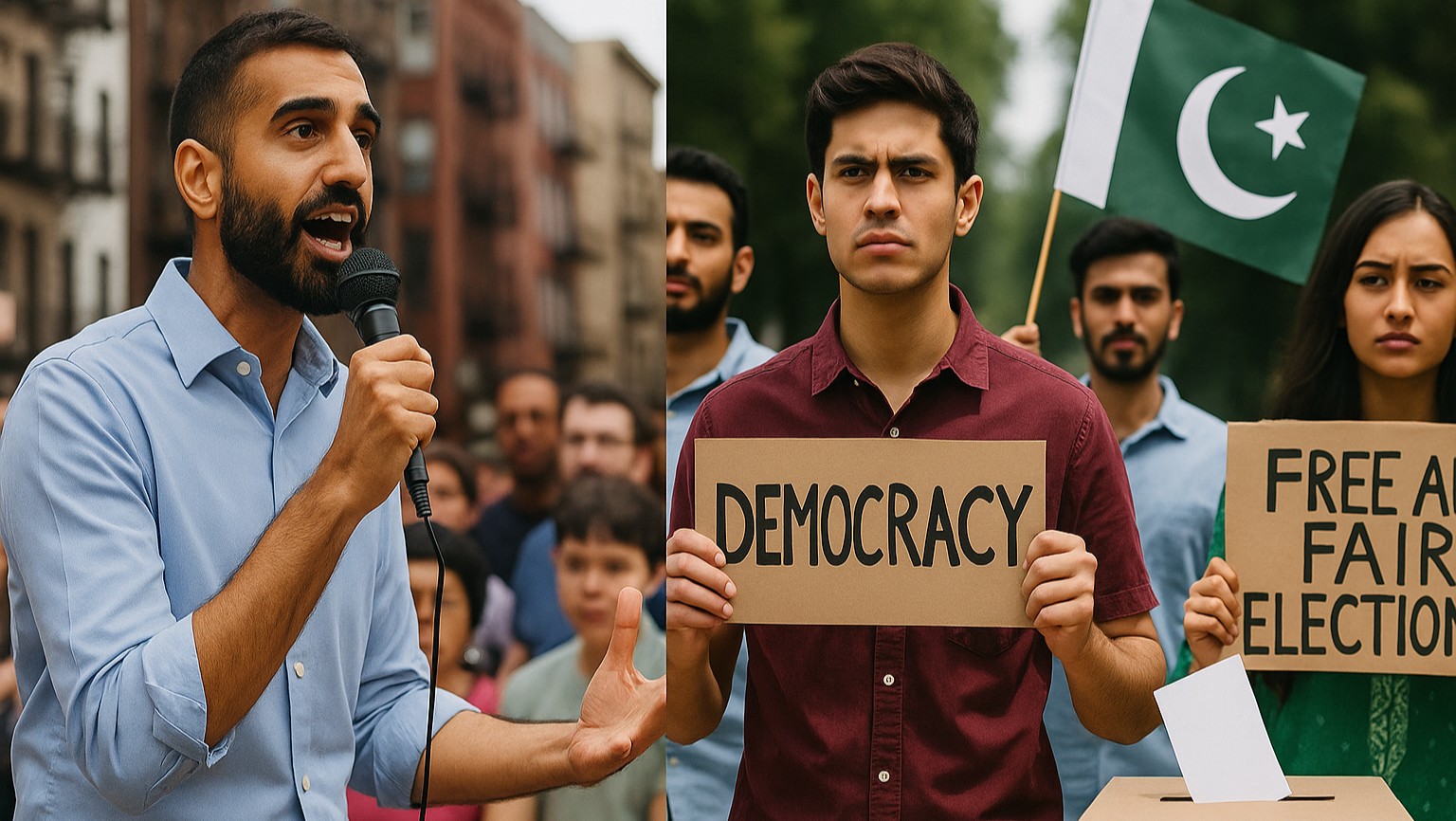
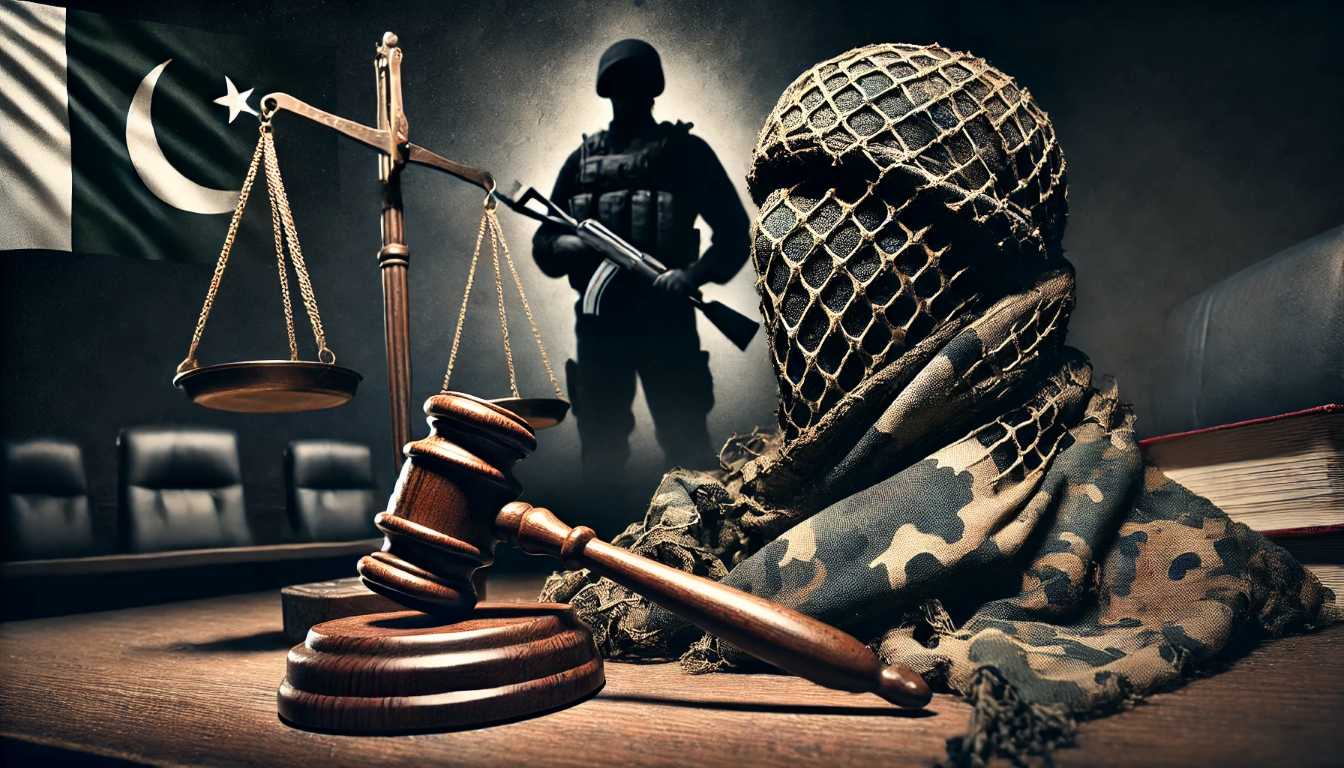
Public trust in institutions is essential. When citizens lose confidence, polarization grows.
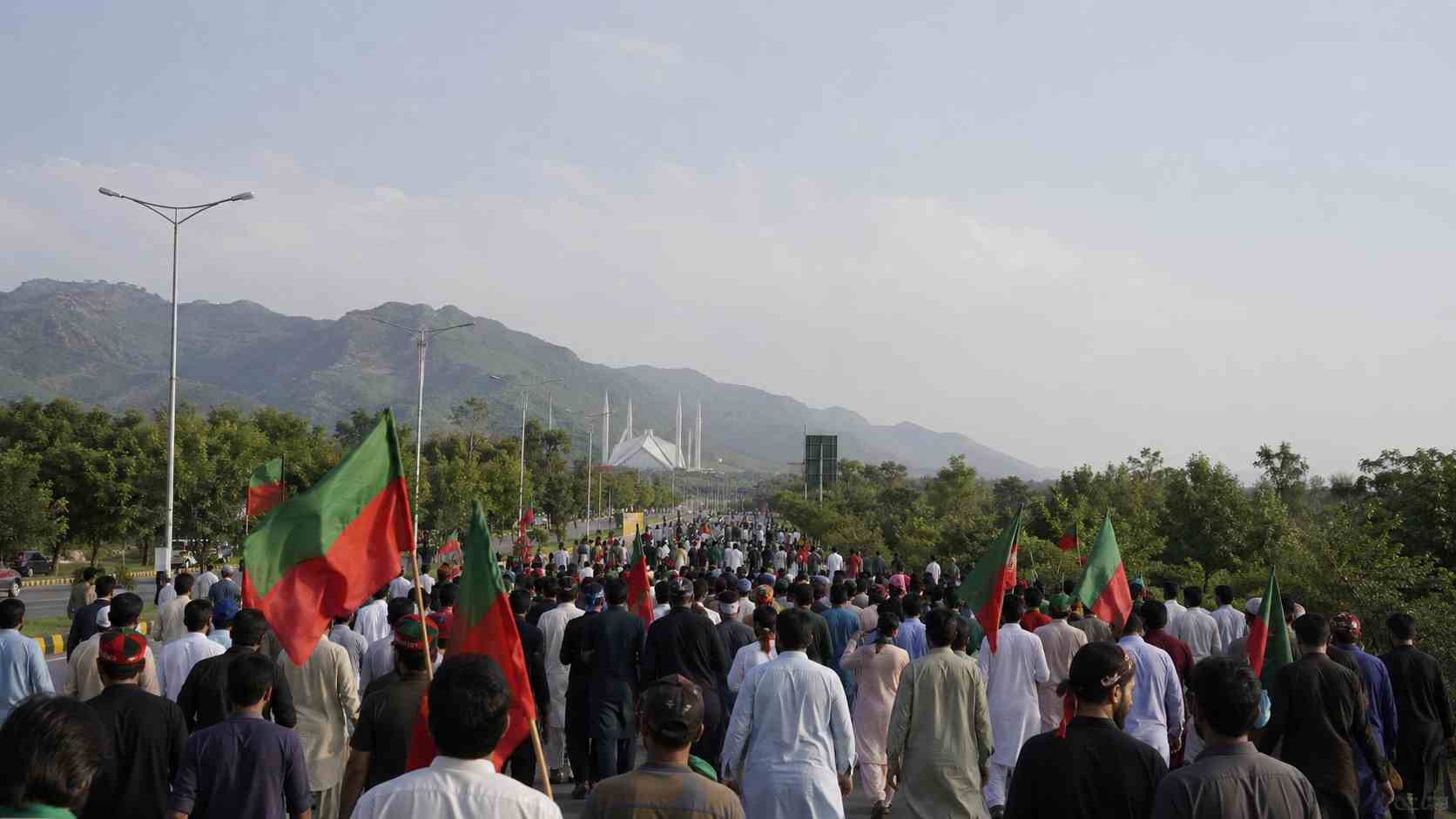
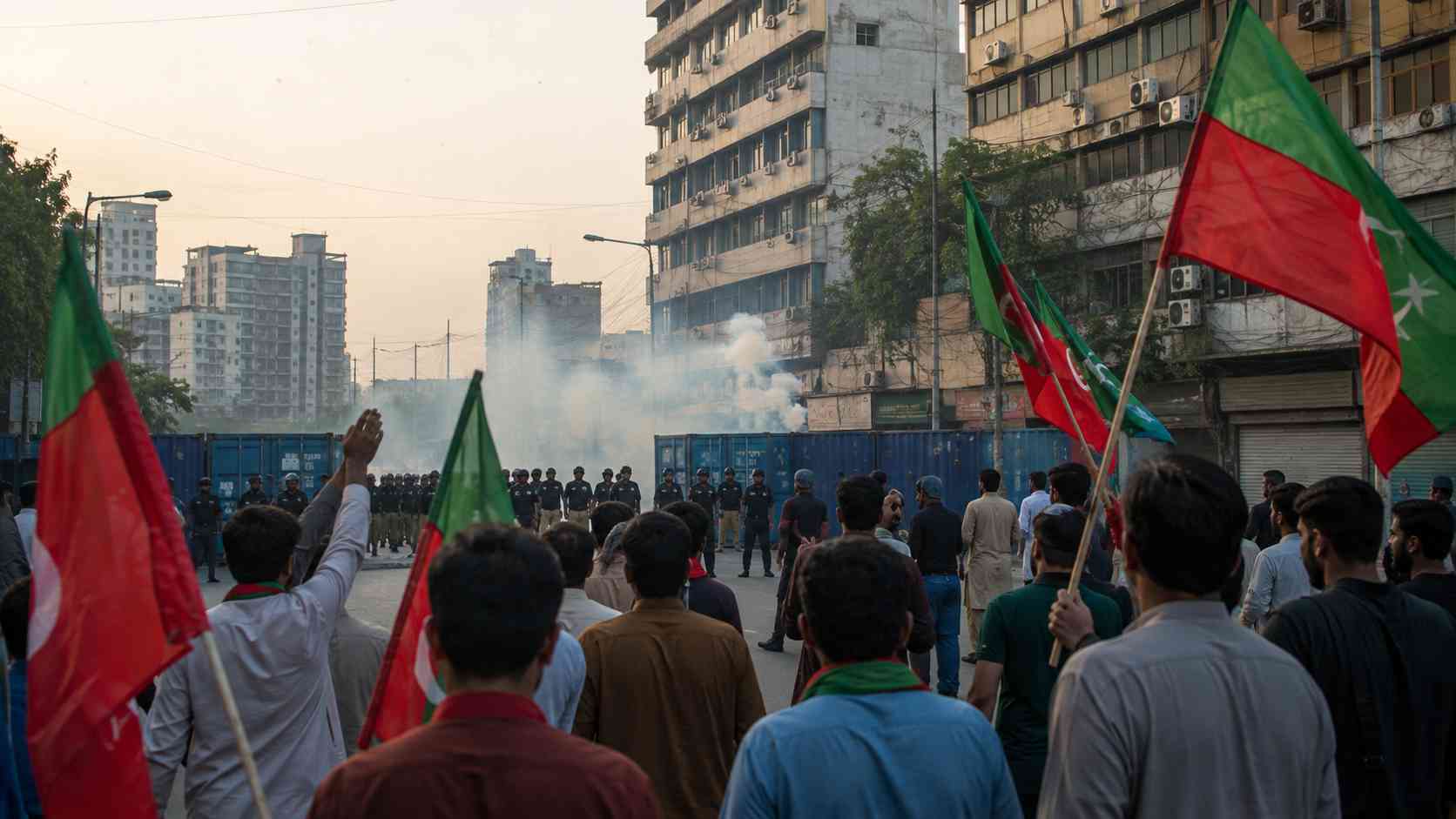
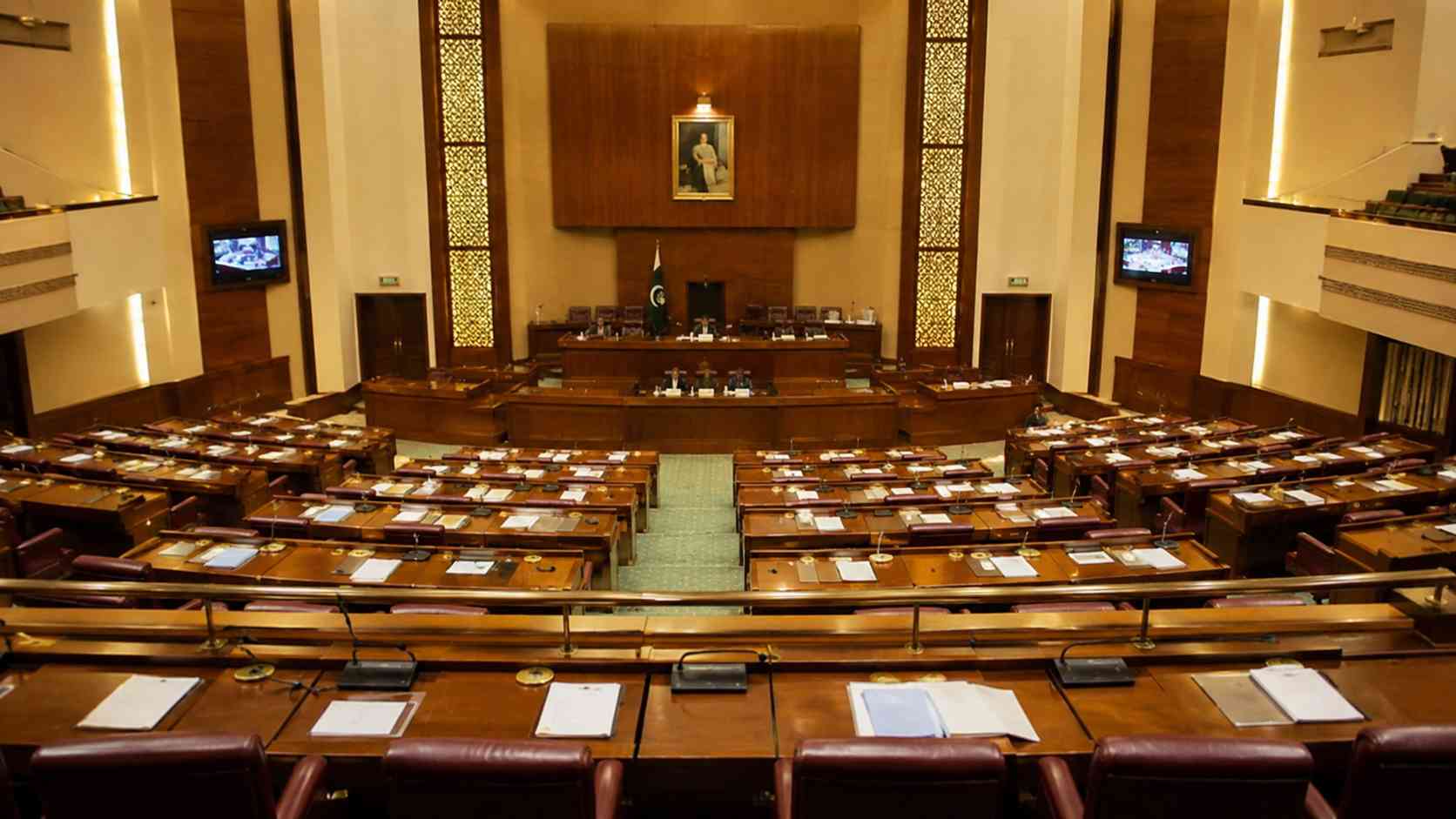
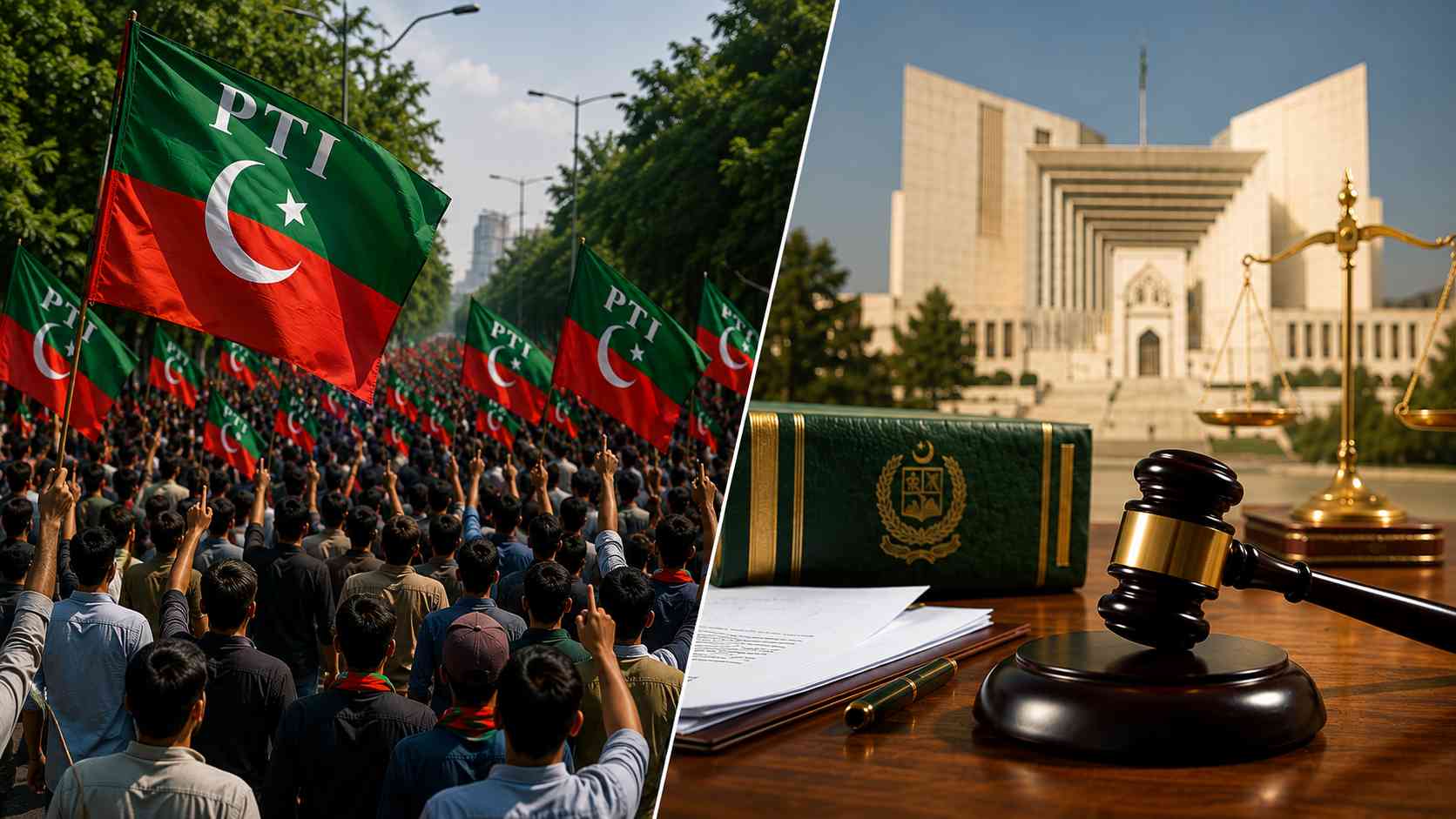
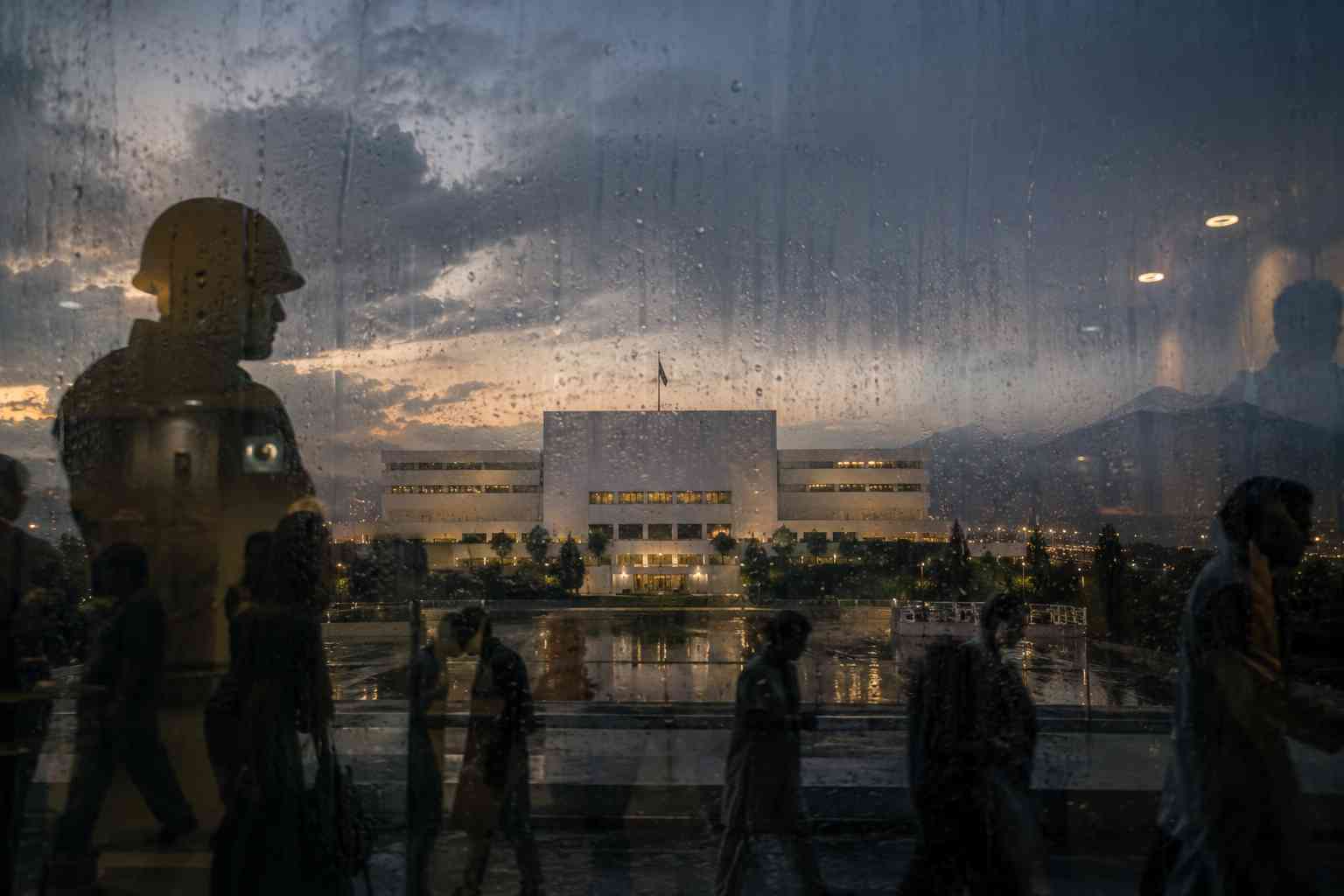
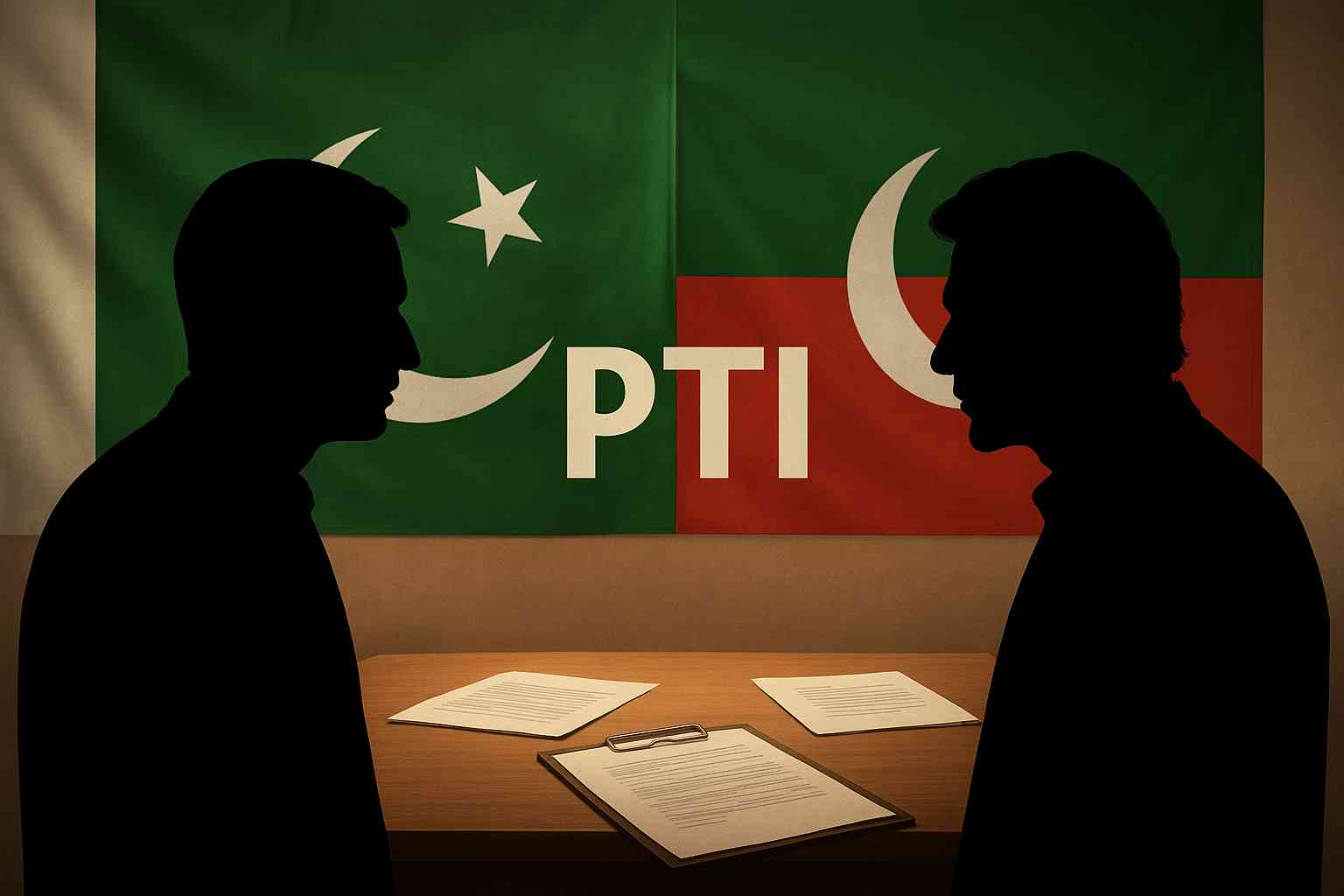
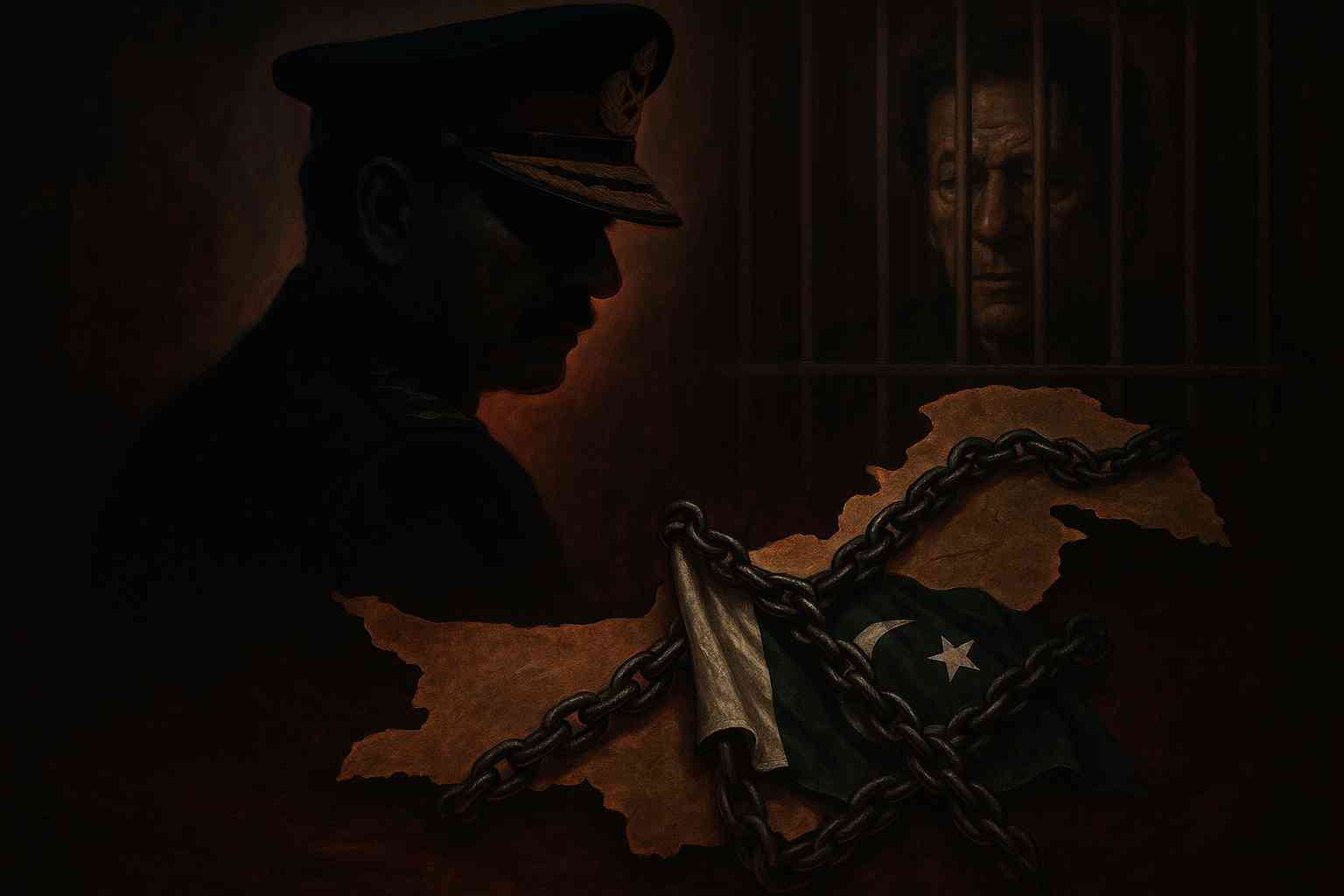
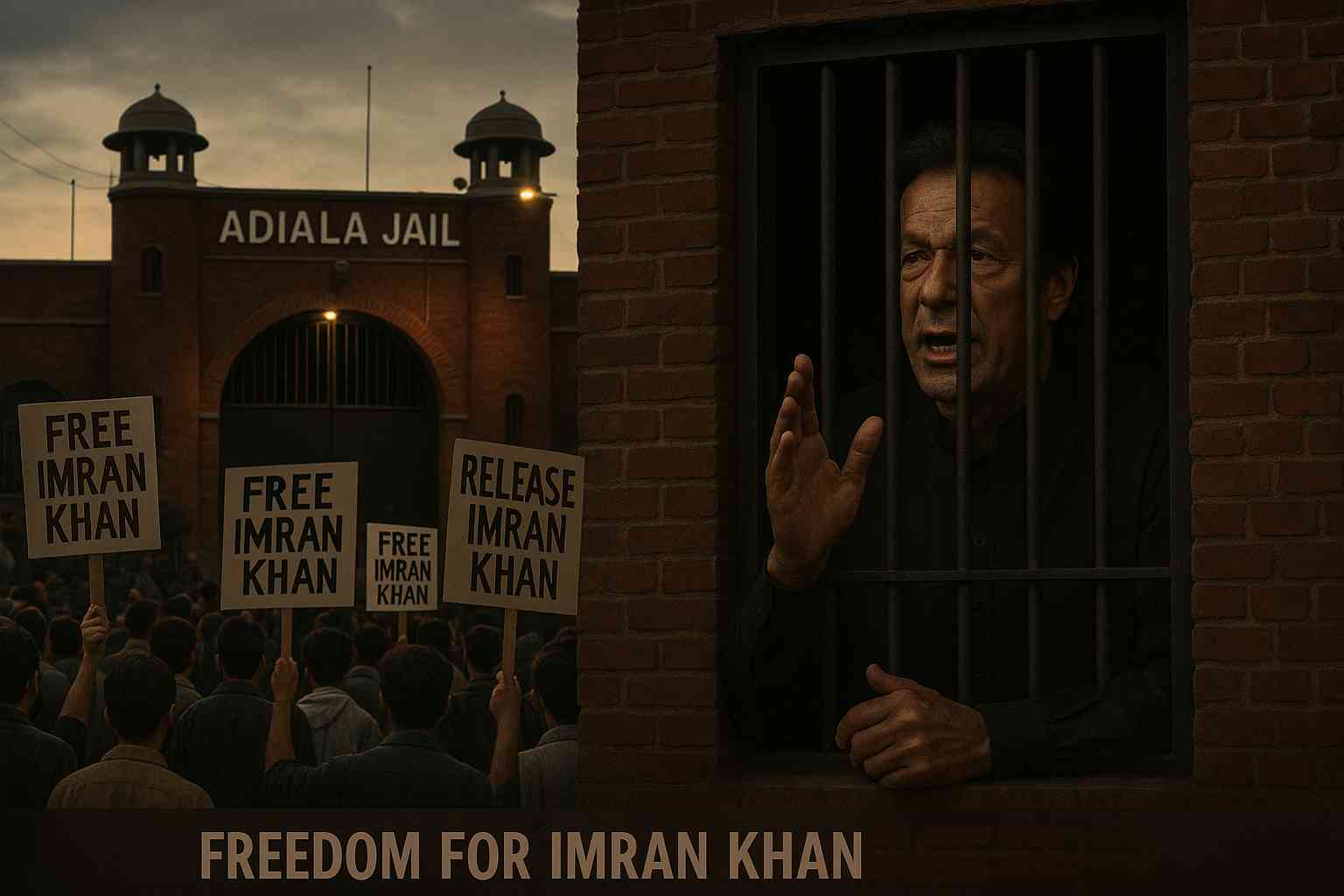
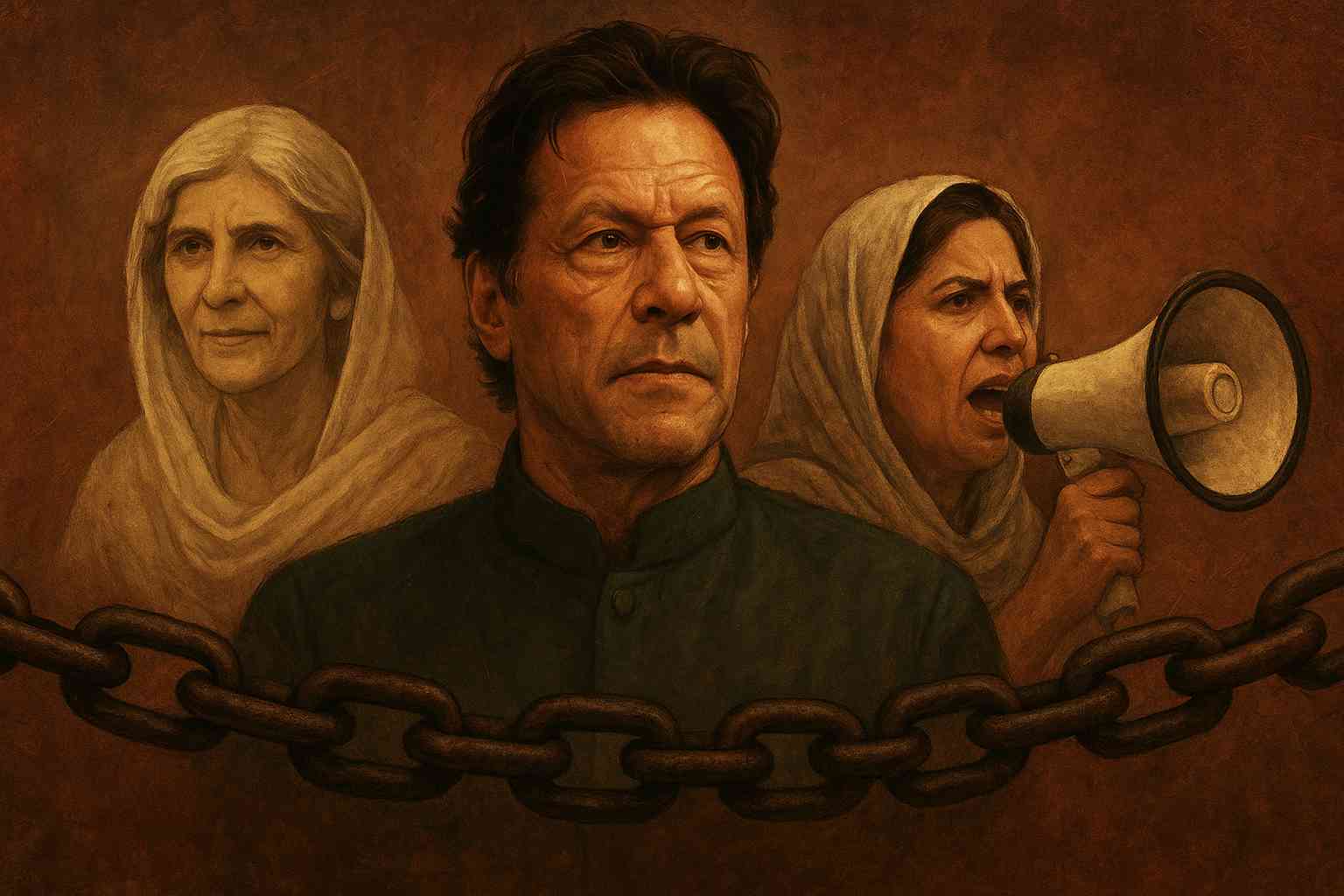
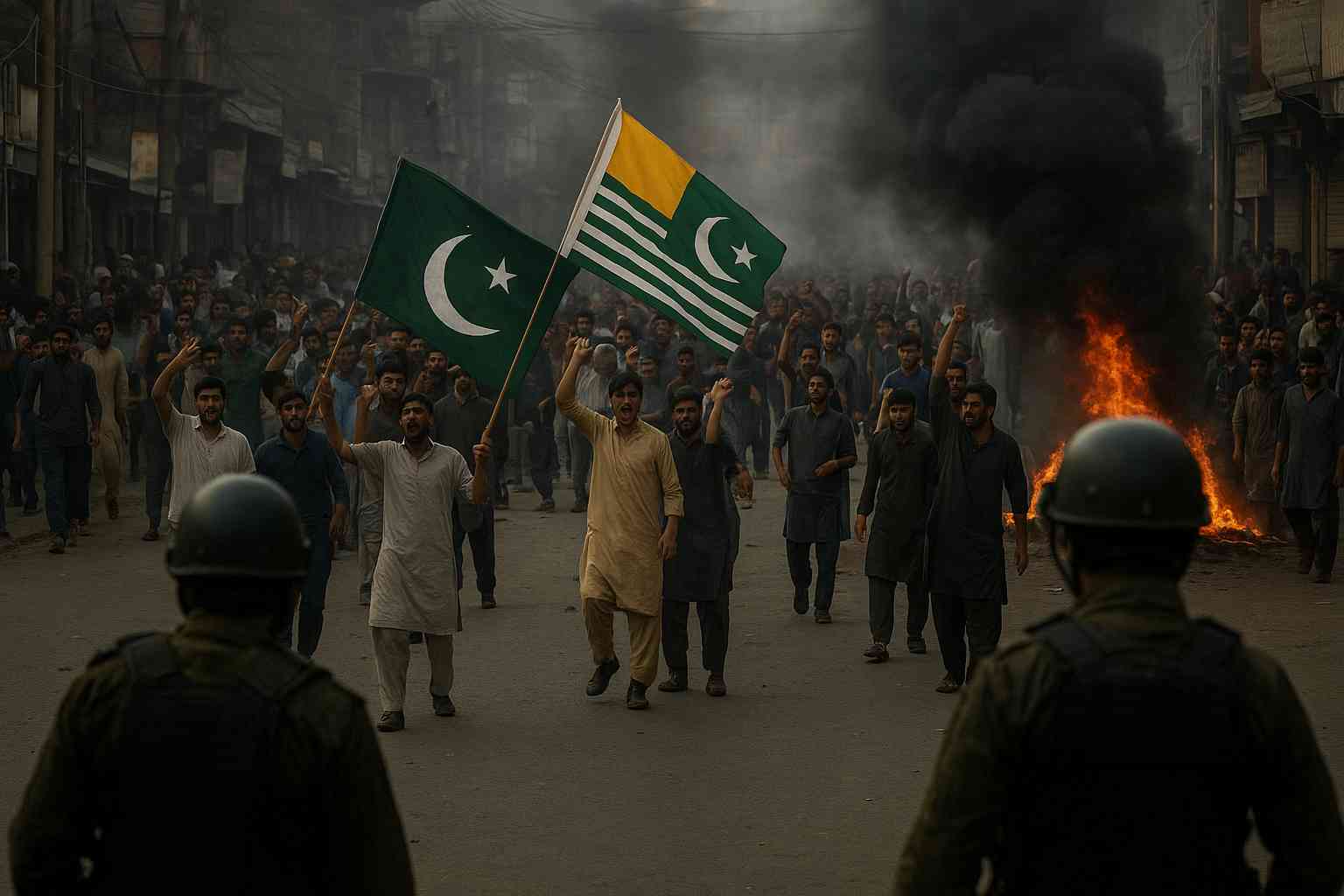
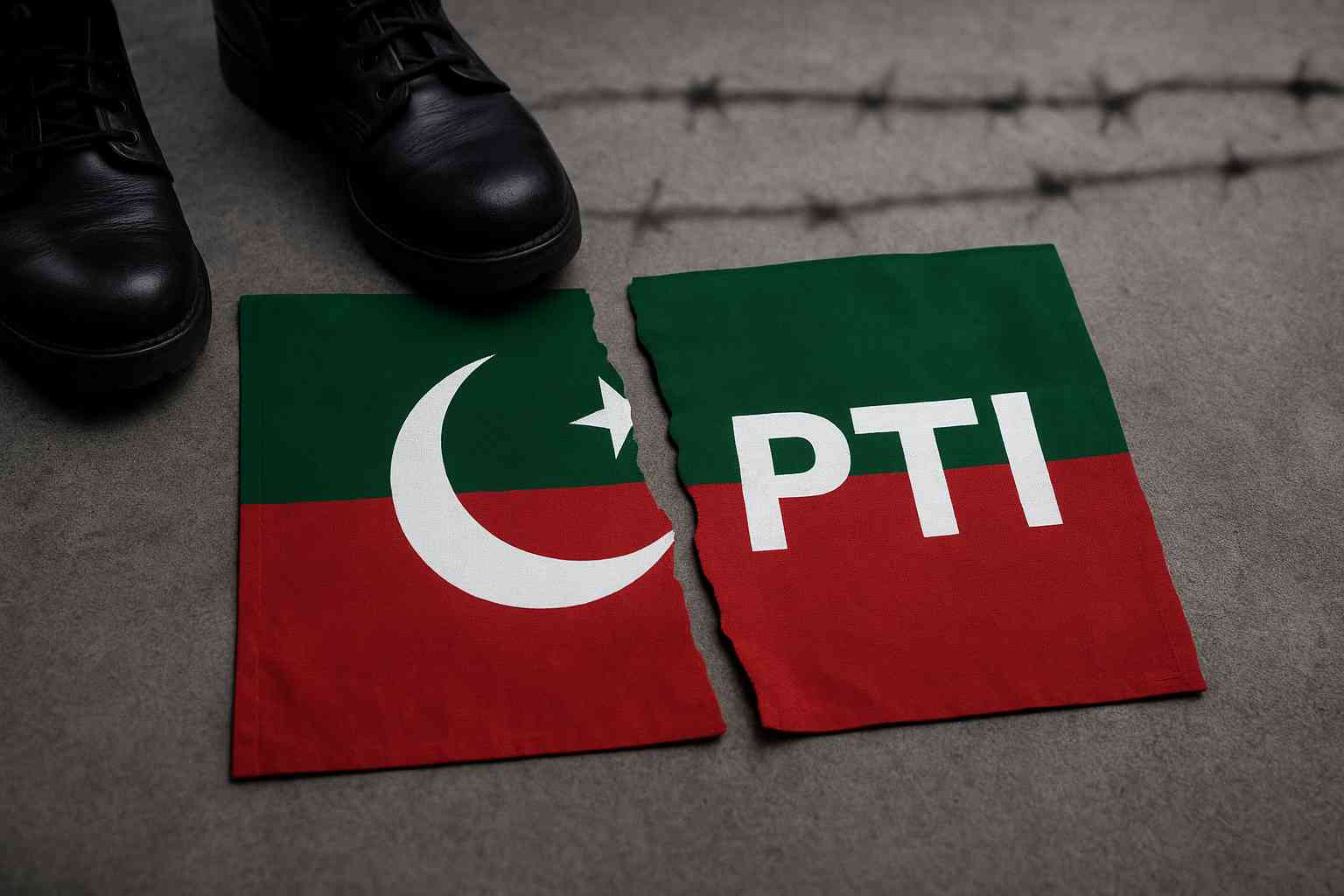
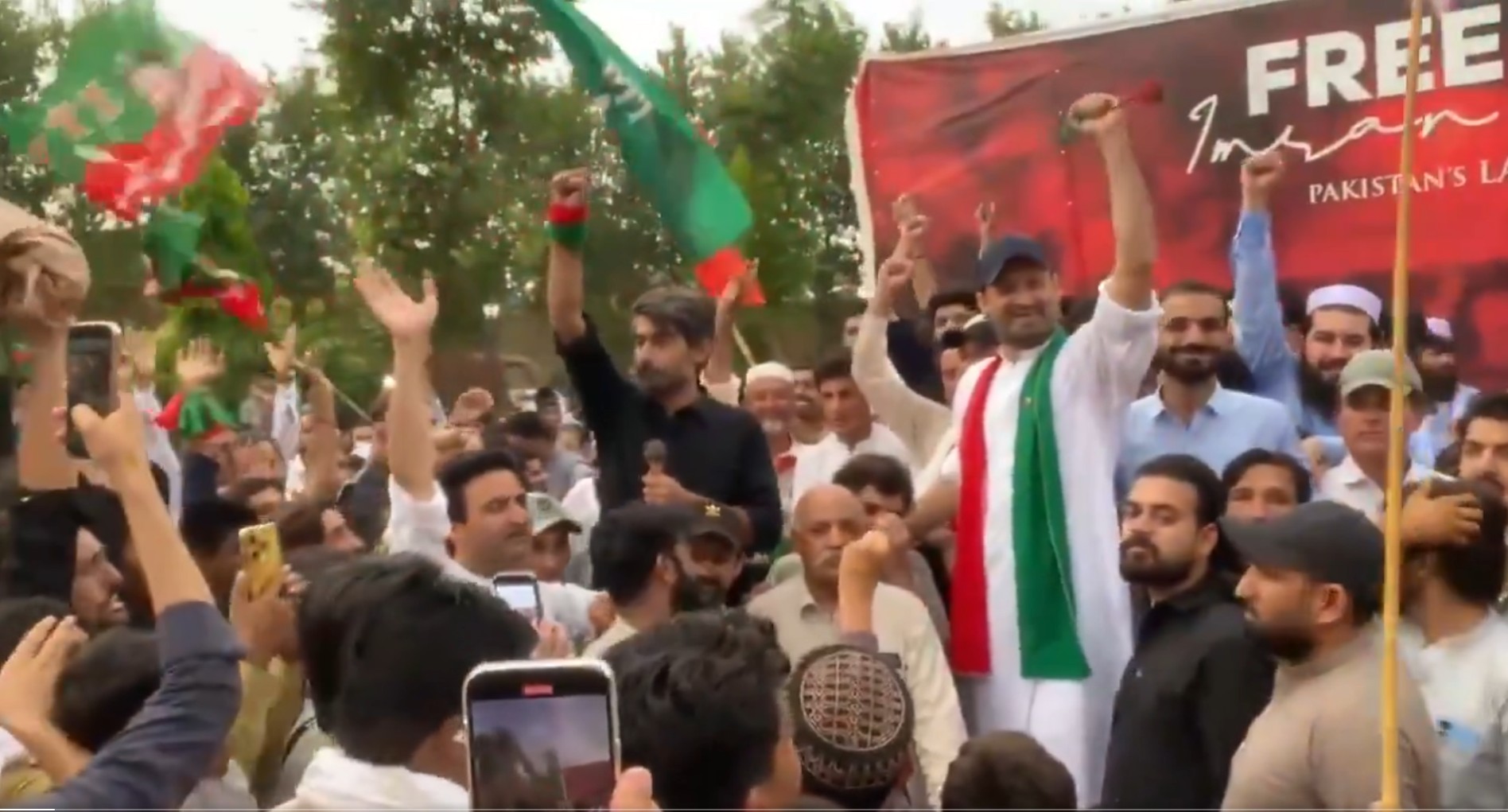
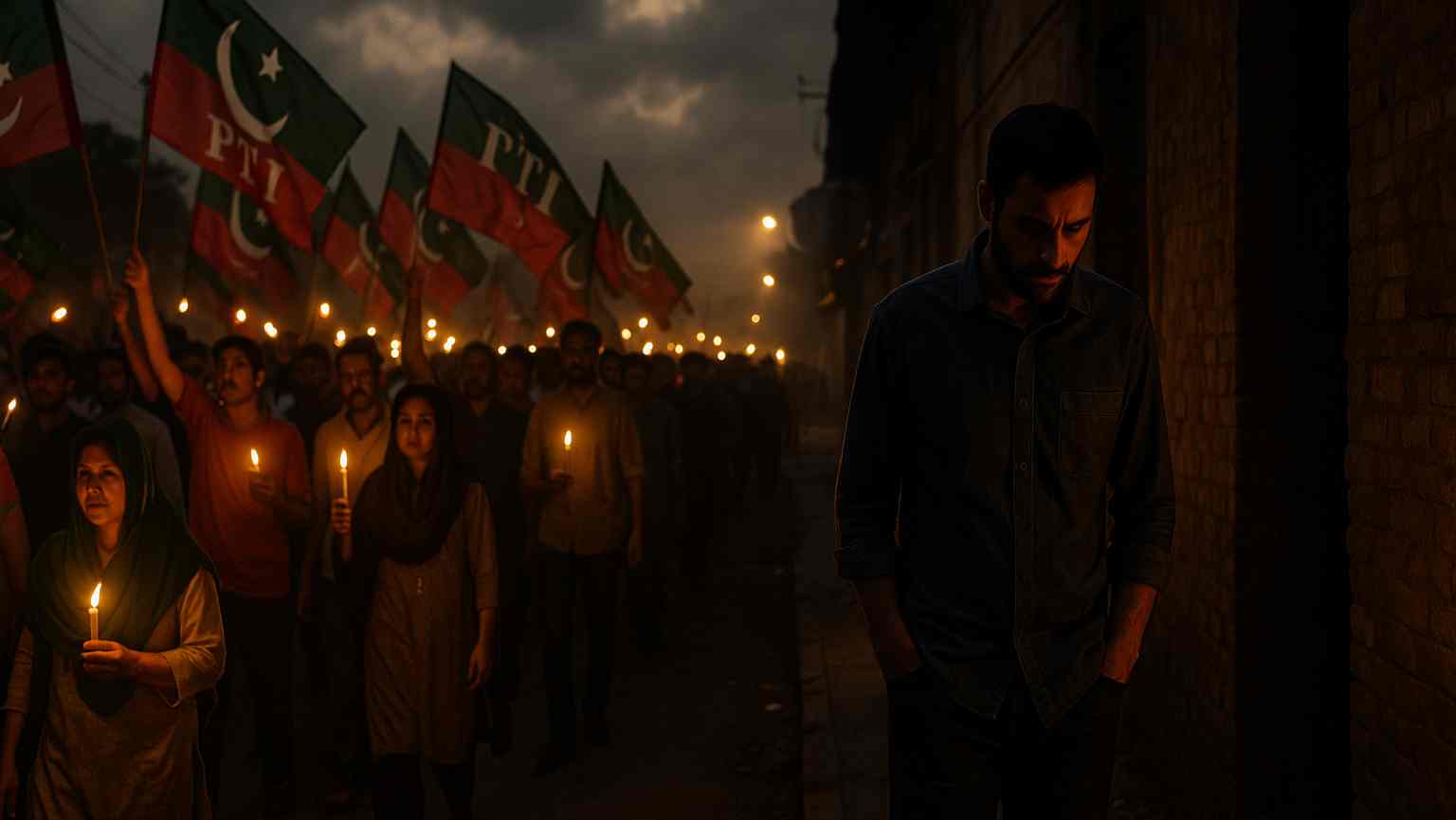
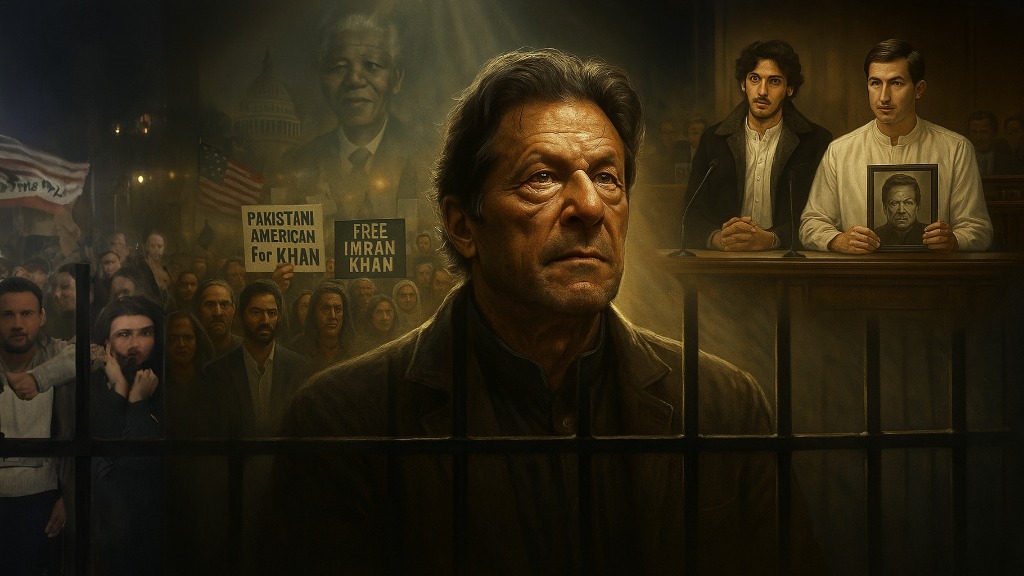
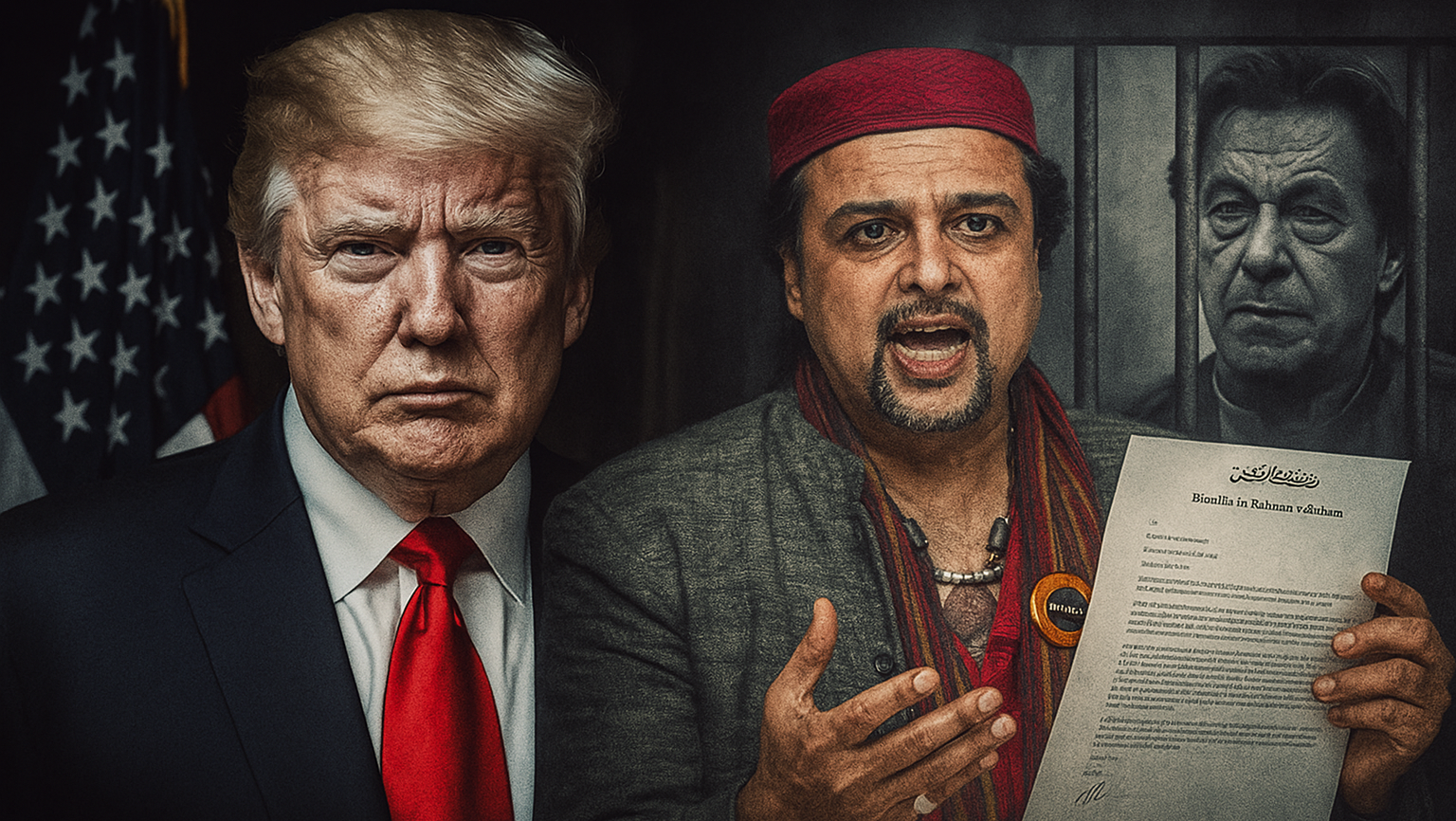
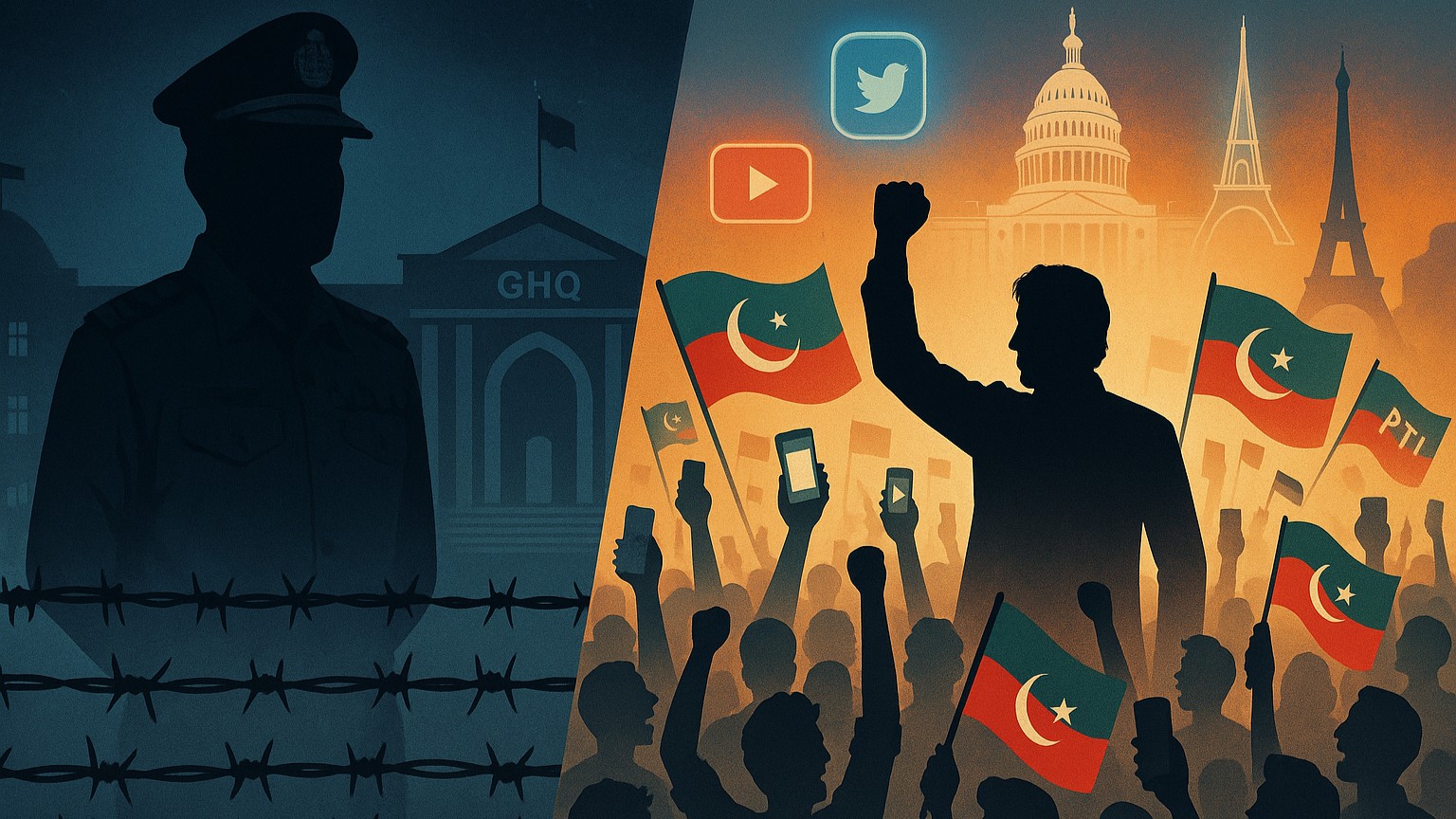
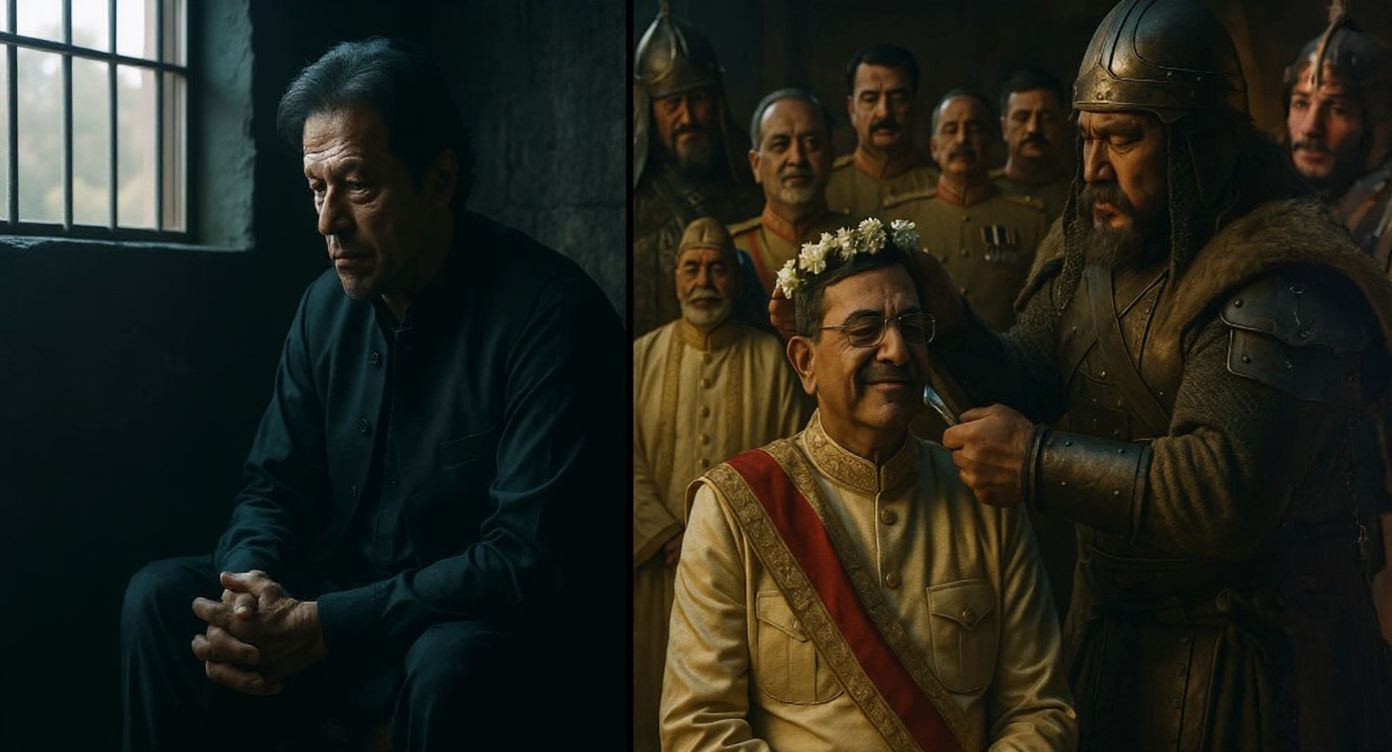
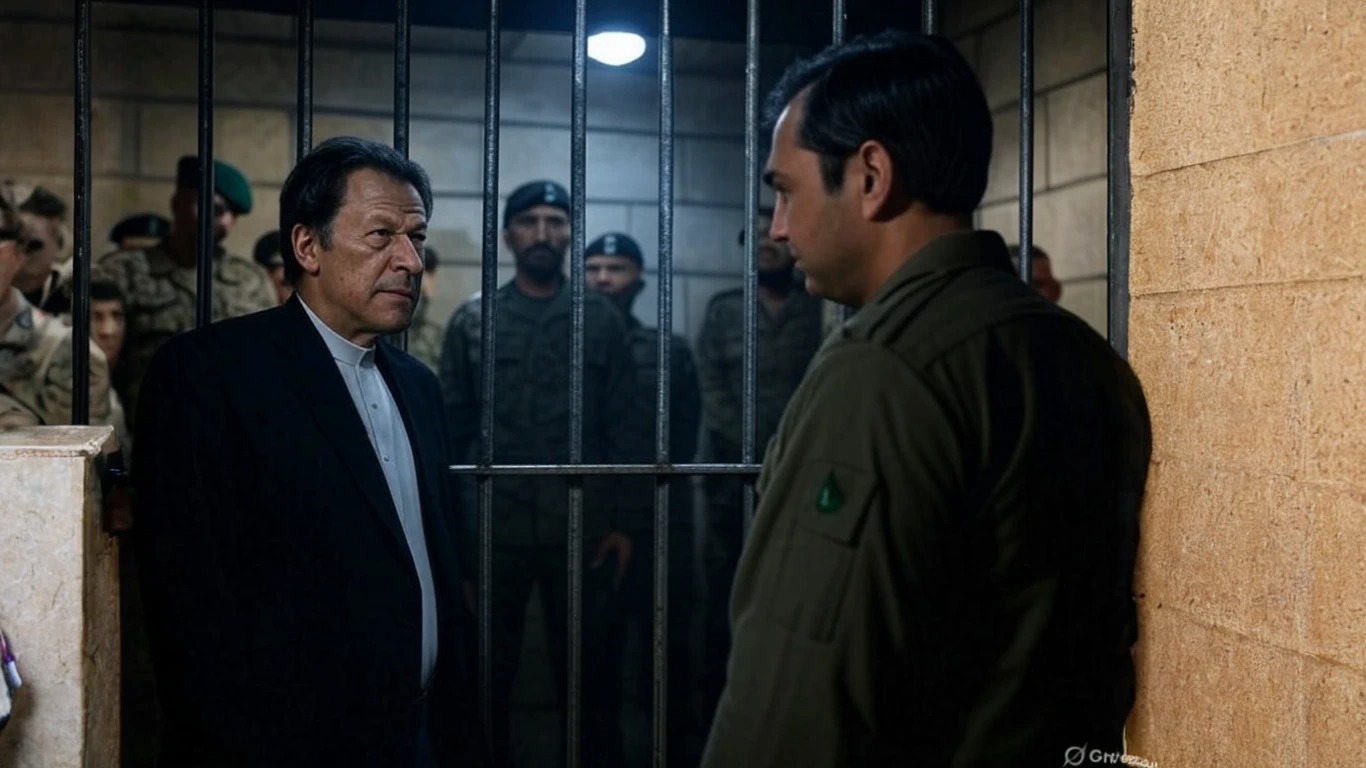
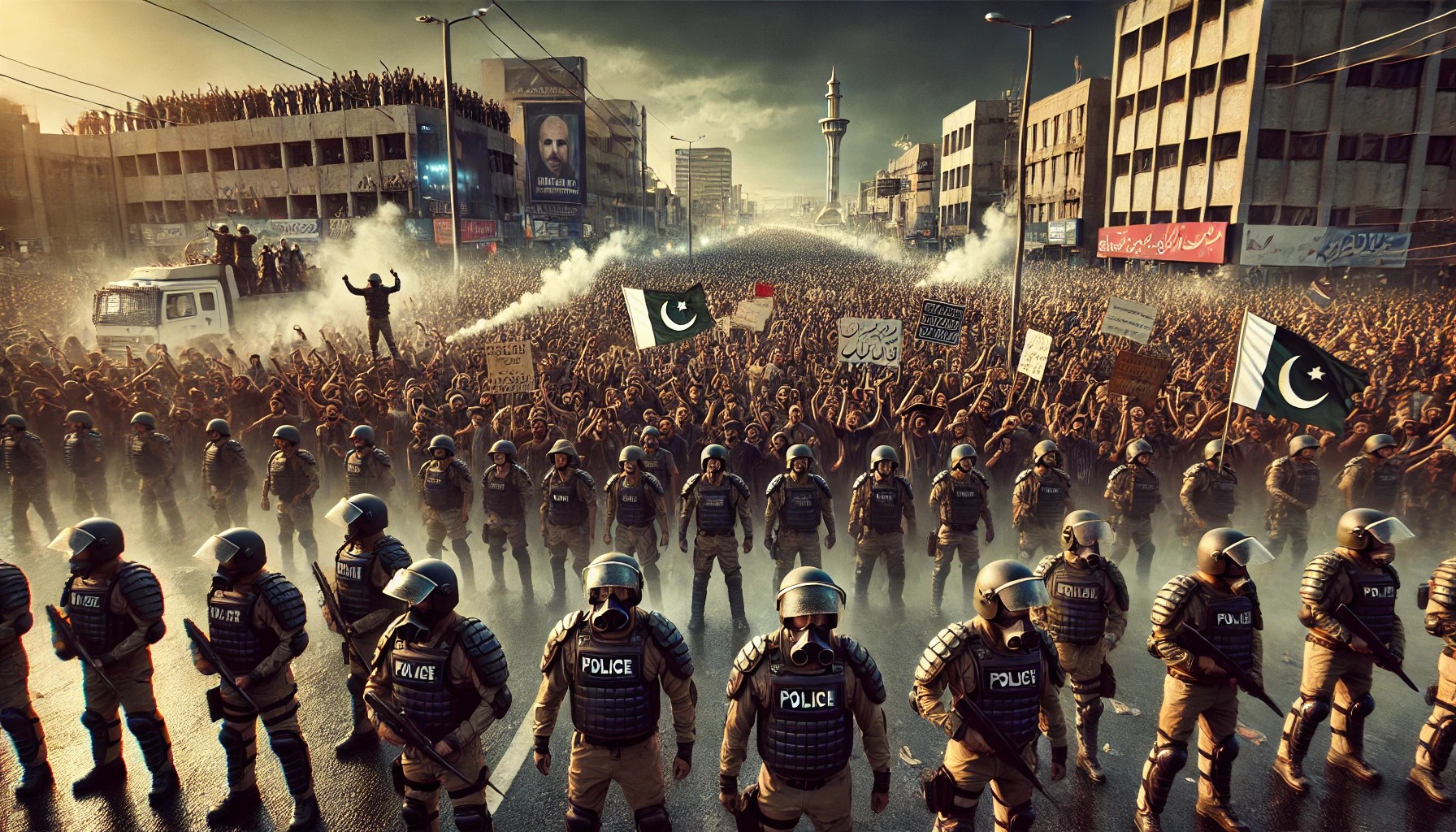
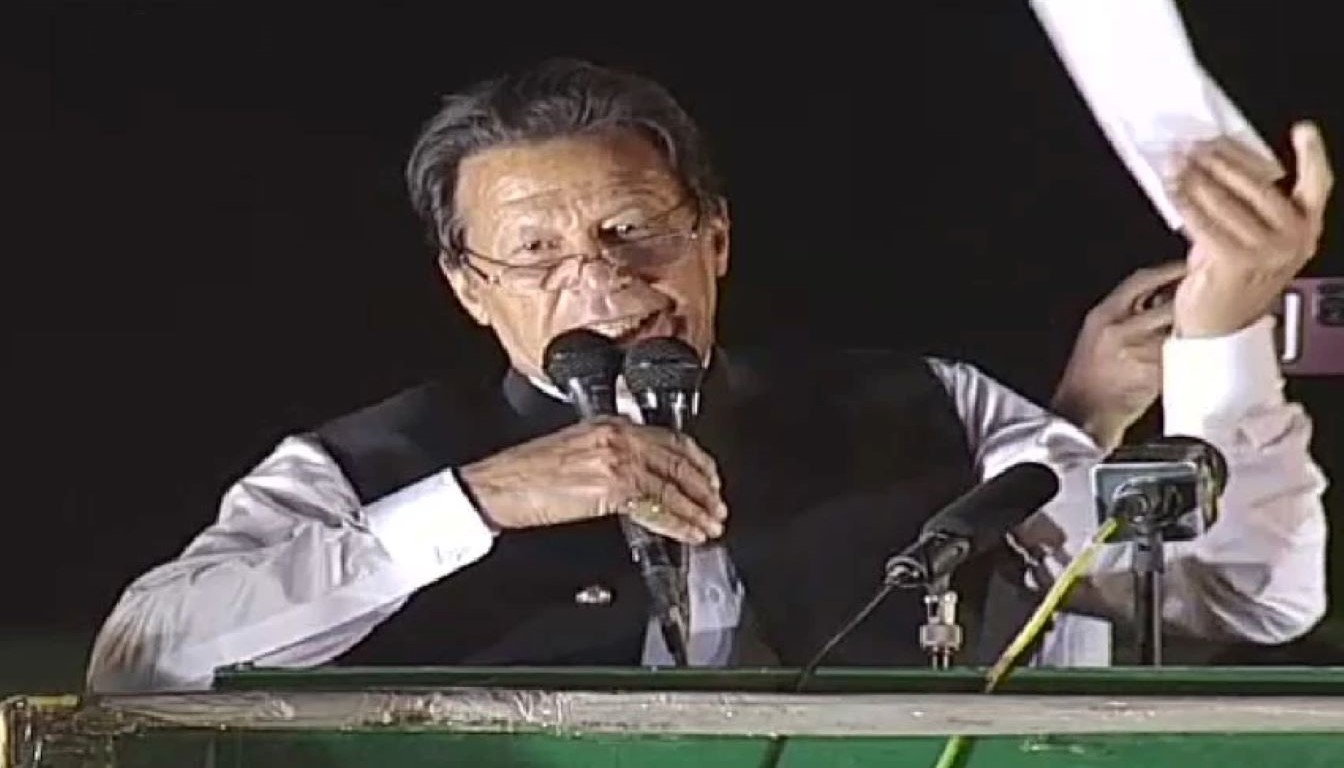
In recent years, Pakistan has witnessed political instability, economic stress, and intense public debate. Supporters of various leaders feel their voices are suppressed. Critics feel ignored.
This atmosphere creates suspicion.
Suspicion erodes unity.
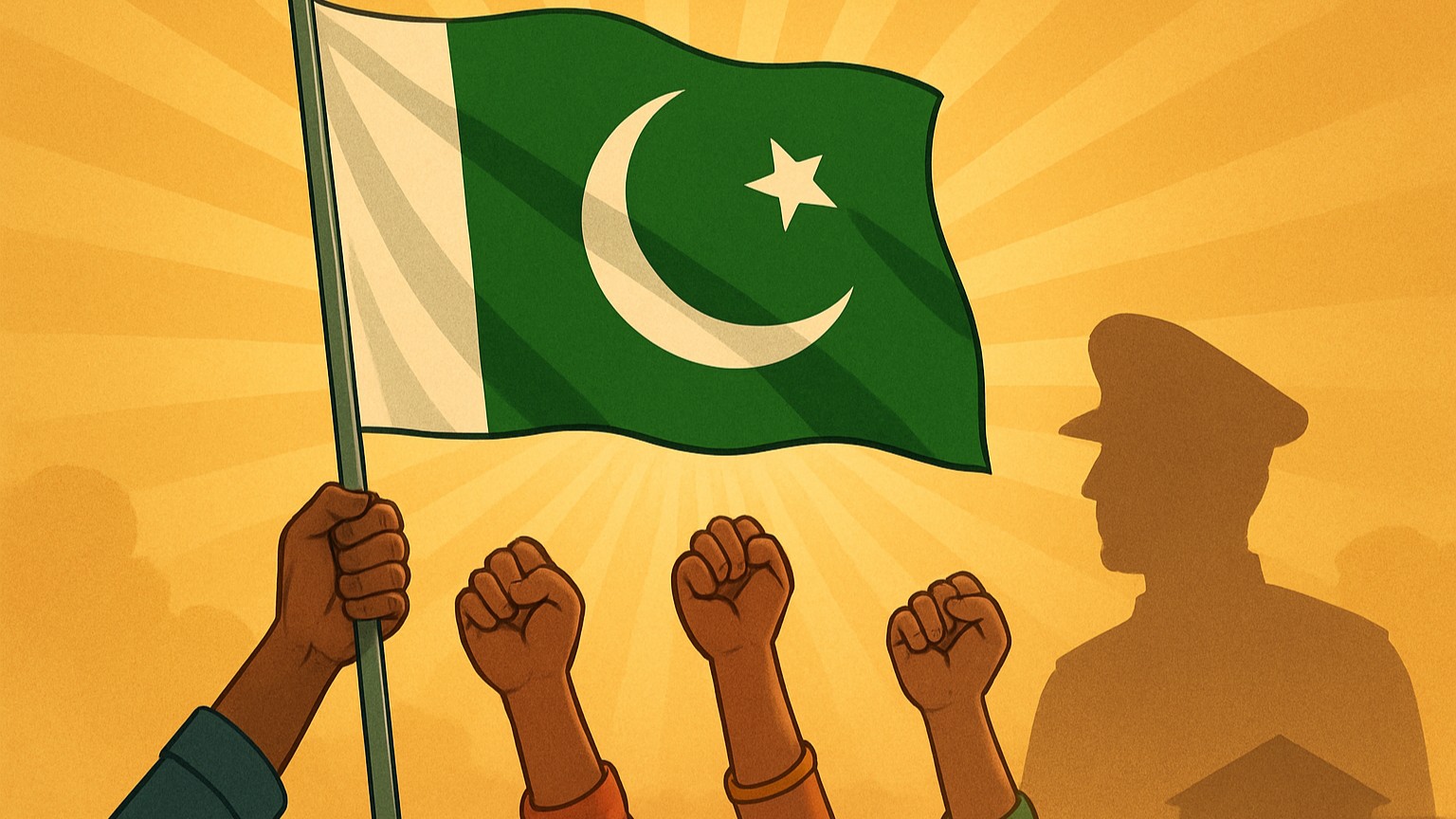
Unity is essential at a time when Pakistan at a Crossroads needs national cohesion.
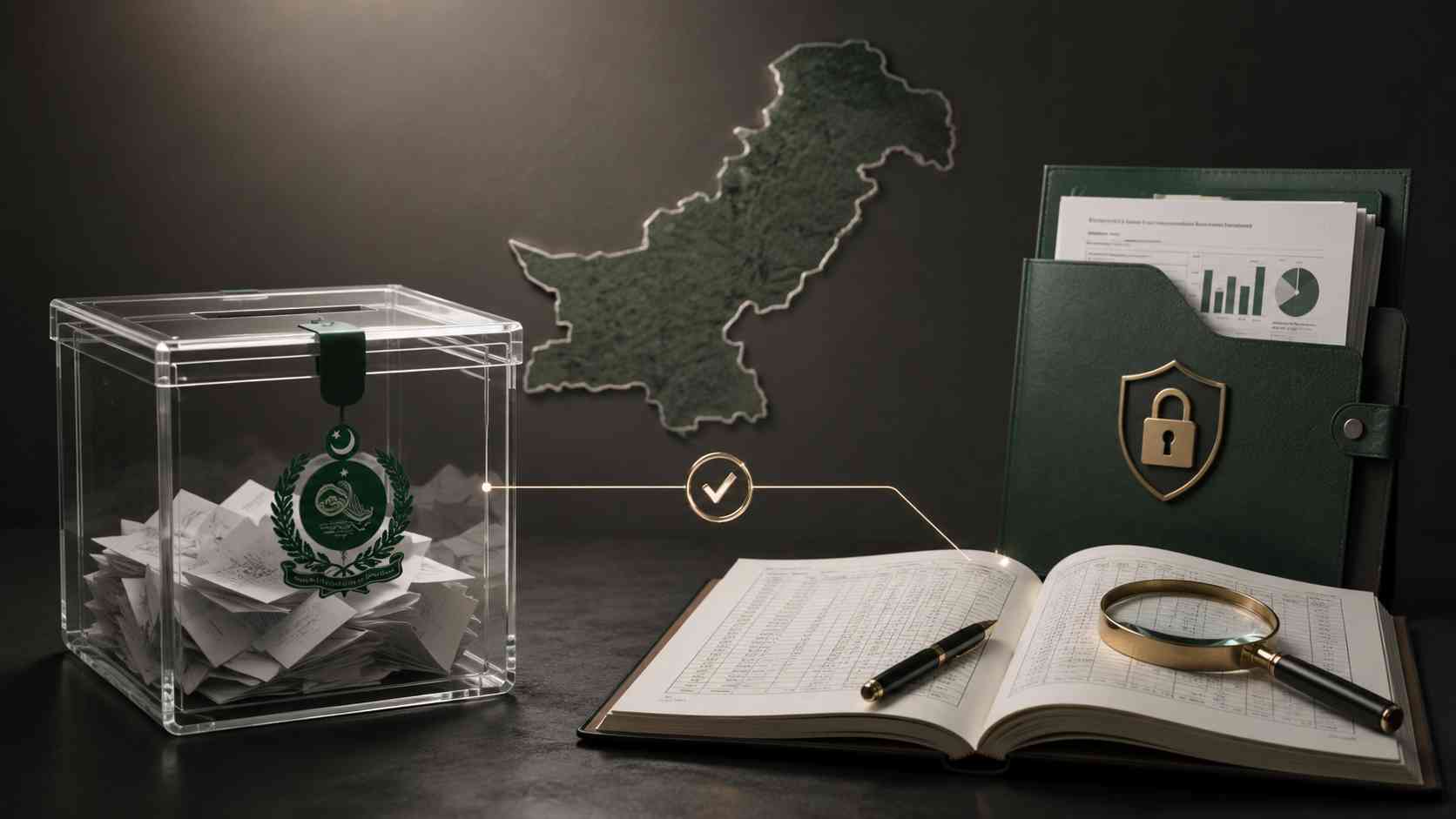
- Strong institutions require transparency.
- Strong leadership requires accountability.
- Strong nations require both.
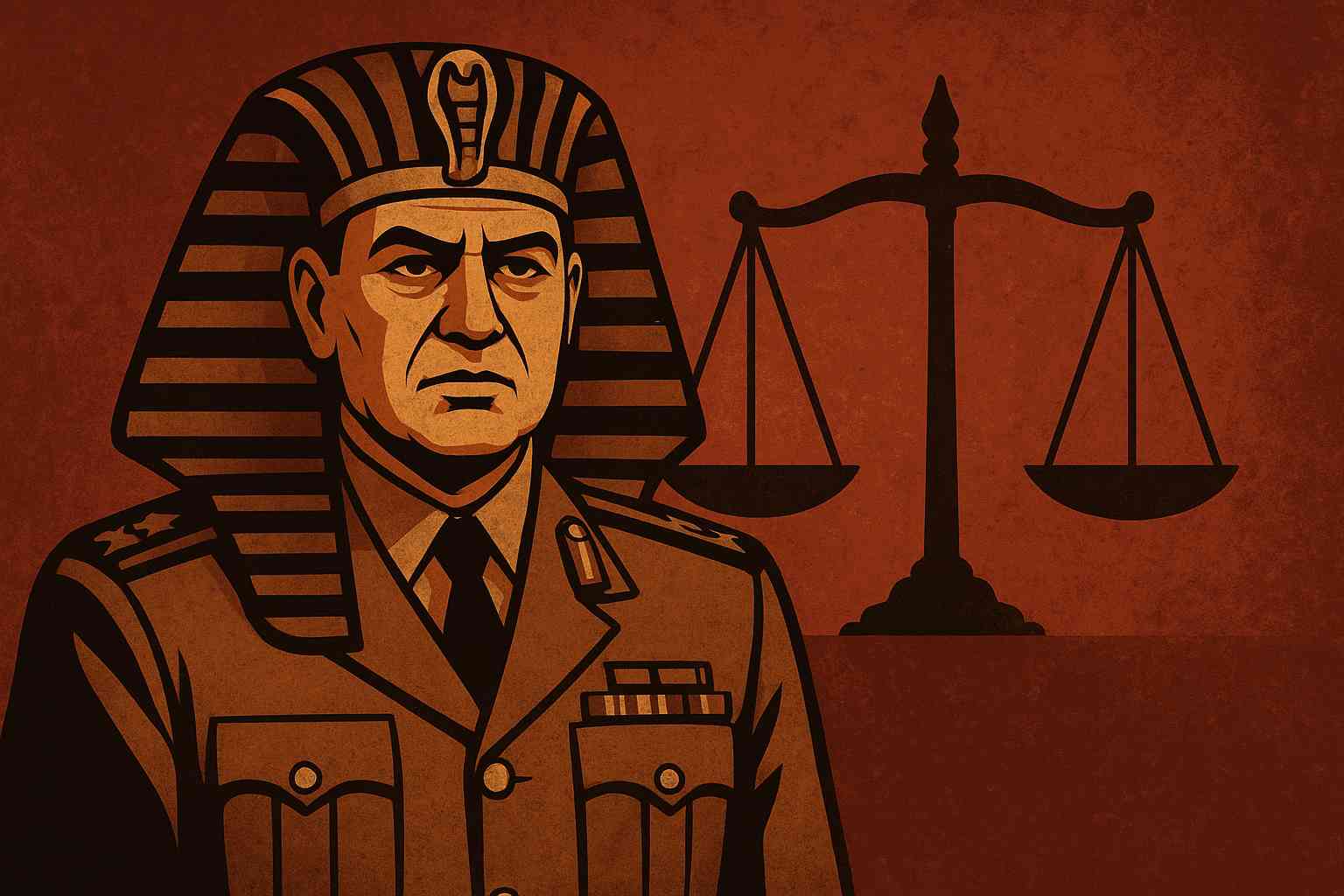
The Role of Leadership
Every nation experiences difficult periods. What determines survival is leadership quality.
Leadership must show:
- Moral clarity
- Strategic foresight
- Emotional intelligence
- Institutional respect
Leaders who connect with public sentiment inspire resilience. Leaders disconnected from it deepen division.
Pakistan’s future depends not on personalities but on principles.
The Importance of Historical Memory
A recurring theme among concerned citizens is the preservation of history.
They argue that nations decline when they forget:
- Their intellectual heritage
- Their scientific contributions
- Their moral foundations
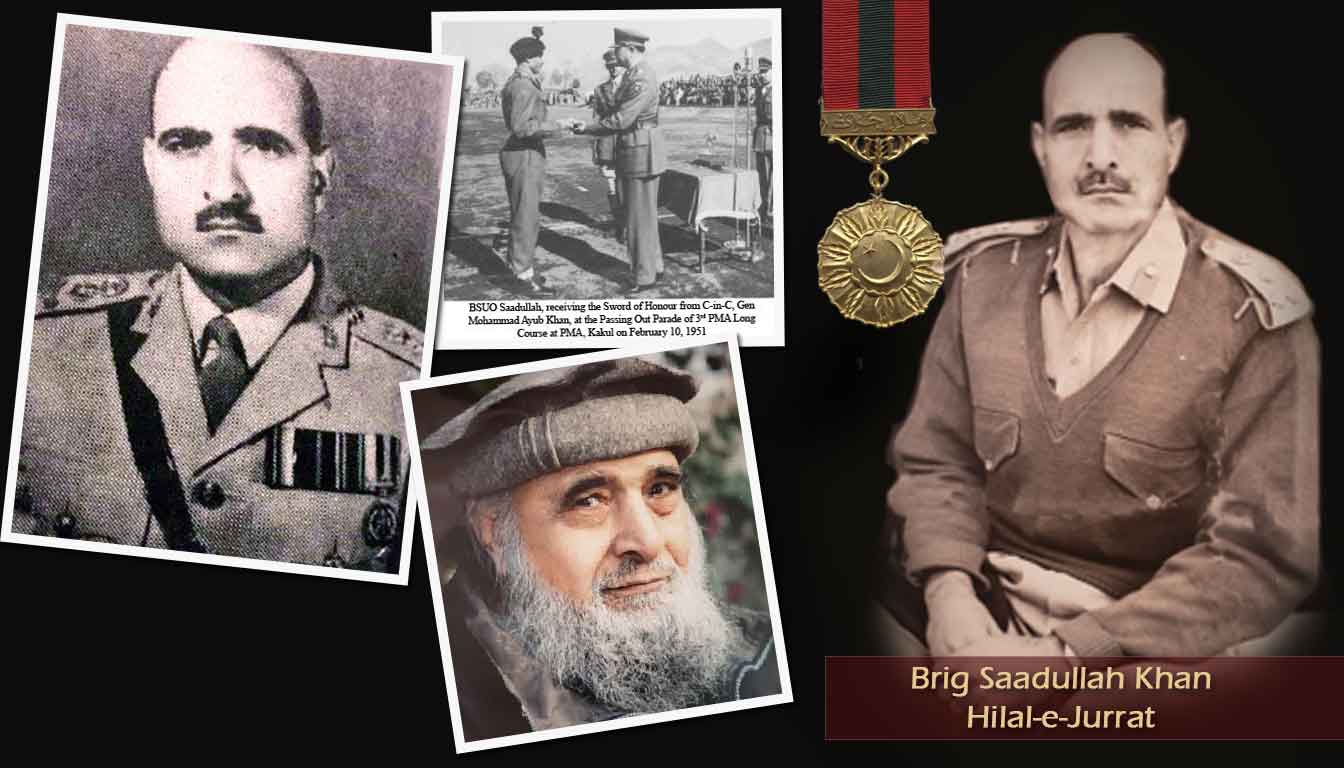
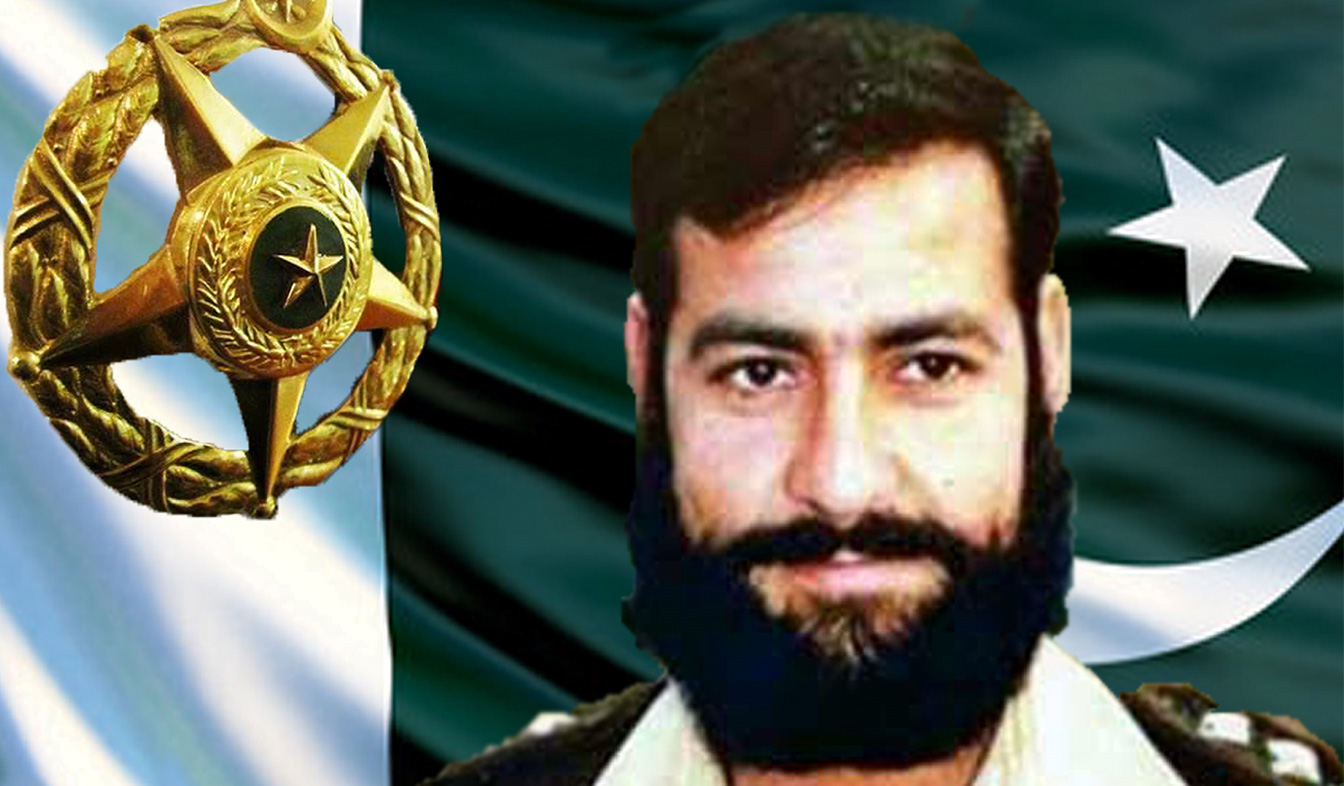
Muslim civilization once produced scholars such as Ibn Sina and Al-Khwarizmi. Pakistan itself produced military heroes and statesmen who displayed courage and integrity.
If new generations grow unaware of this legacy, they grow without confidence.
History must be preserved in books, classrooms, and serious scholarship — not just online posts vulnerable to deletion or distortion.
Collective Responsibility in Islam
Islam emphasizes collective responsibility. It teaches believers to stand against injustice, not merely avoid wrongdoing.
This principle does not justify chaos. It demands ethical engagement.
Silence in the face of injustice weakens society.
But reaction without wisdom also causes harm.
The challenge is balance.
Pakistan at a Crossroads requires thoughtful civic engagement, not emotional impulse.
Internal Reform Before External Strength
Some argue that Pakistan focuses too much on external threats and too little on internal reform.
Merit must replace favoritism.
Professionalism must replace personal loyalty.
Institutions must function independently.
Without internal reform, external strength becomes hollow.
A nation cannot demand respect abroad if it lacks discipline at home.
Faith as a Source of Stability
For many Pakistanis, the Qur’an and the Seerah of the Prophet Muhammad (peace be upon him) provide guidance during turmoil.
Faith offers:
- Patience during adversity
- Restraint during anger
- Courage during injustice
- Balance during success
Spiritual grounding prevents despair.
But faith also demands action aligned with justice and wisdom.
Pakistan at a Crossroads: The Way Forward
So what now?
- Rebuild institutional trust through transparency.
- Strengthen meritocracy across all departments.
- Preserve national history honestly.
- Maintain sovereignty without isolation.
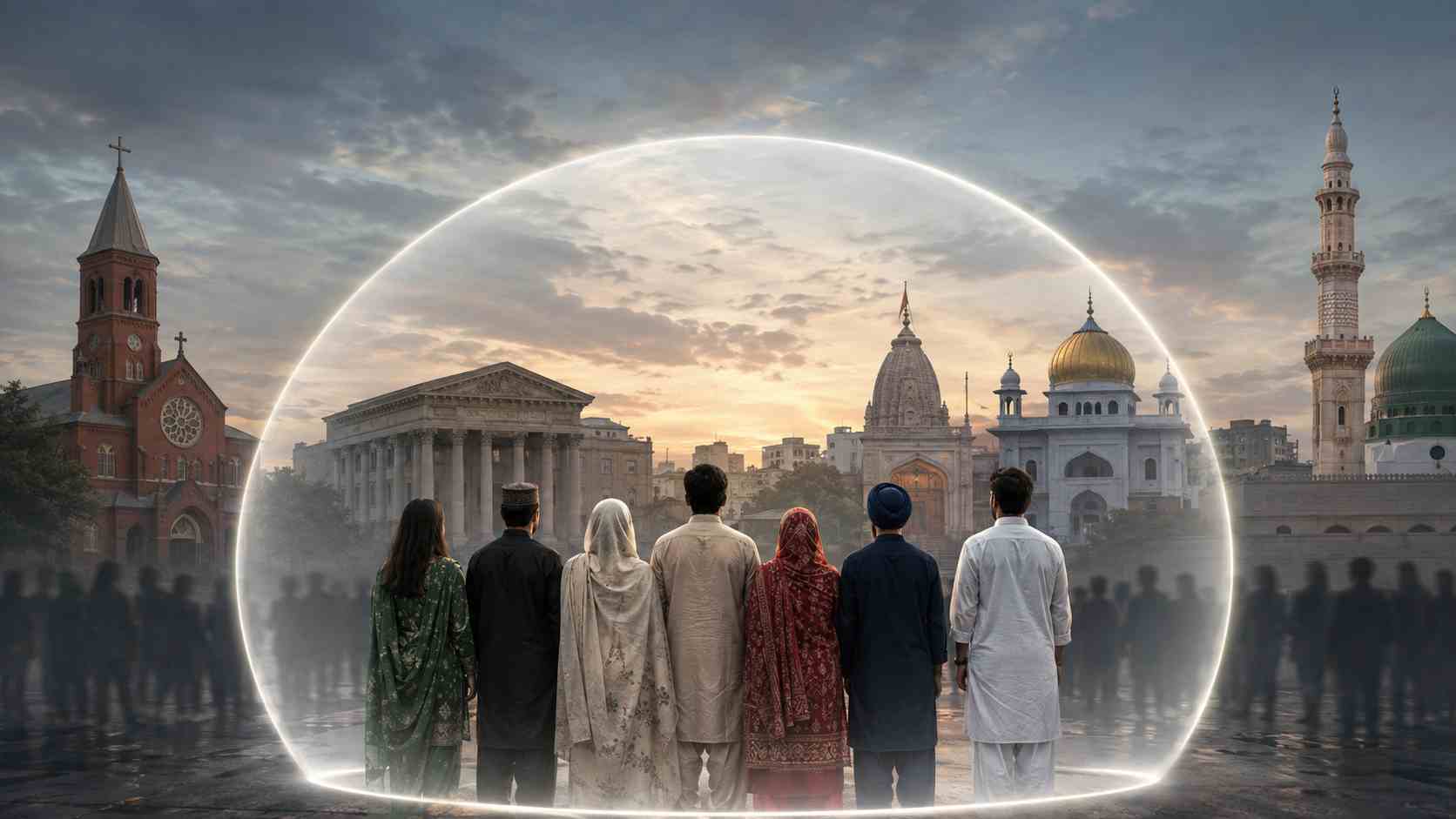
- Encourage unity across provinces.
- Promote moral consistency in foreign and domestic policy.
Above all, avoid repeating the mistakes of the past.
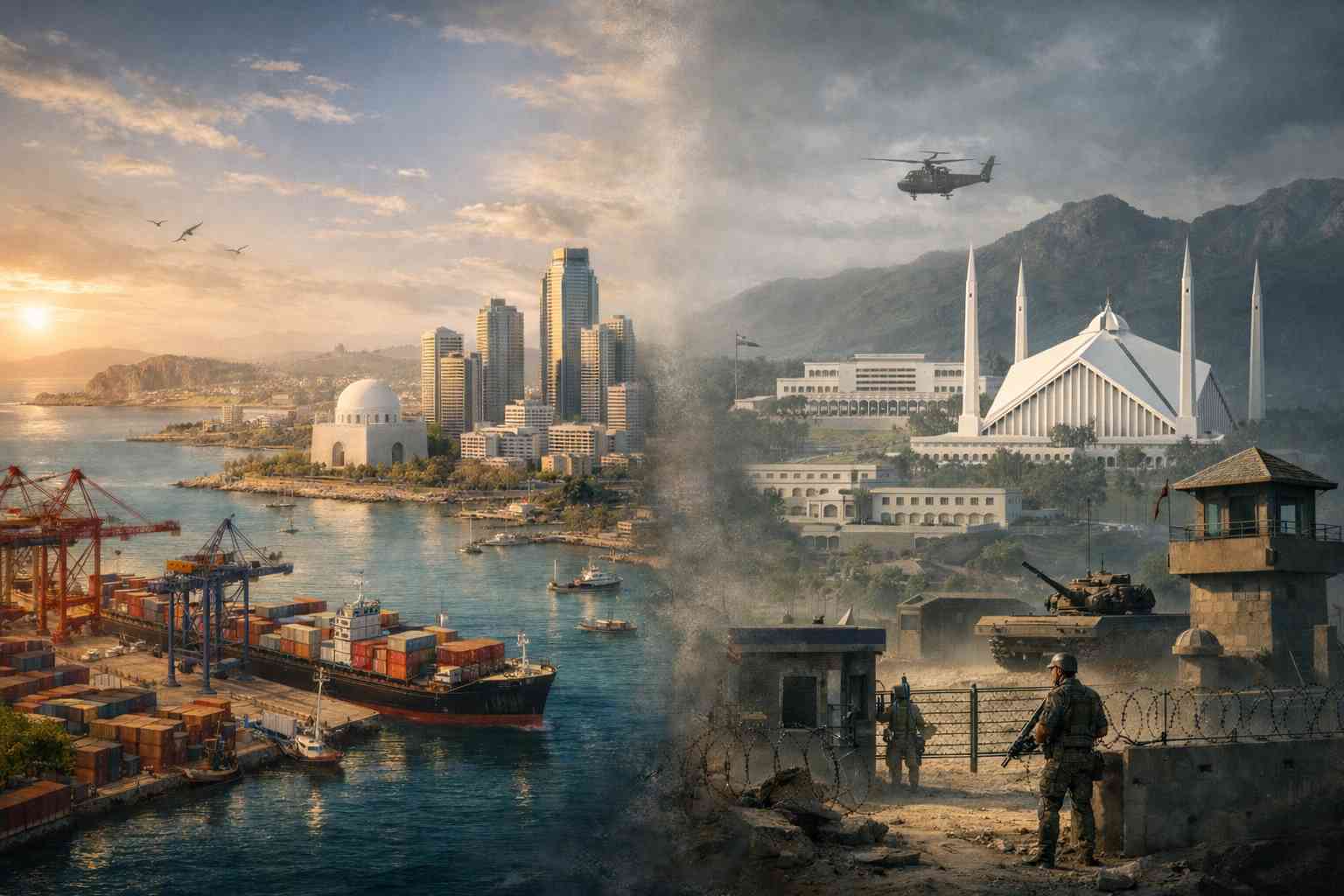
Pakistan at a Crossroads is not a prophecy of doom. It is a warning — and an opportunity.
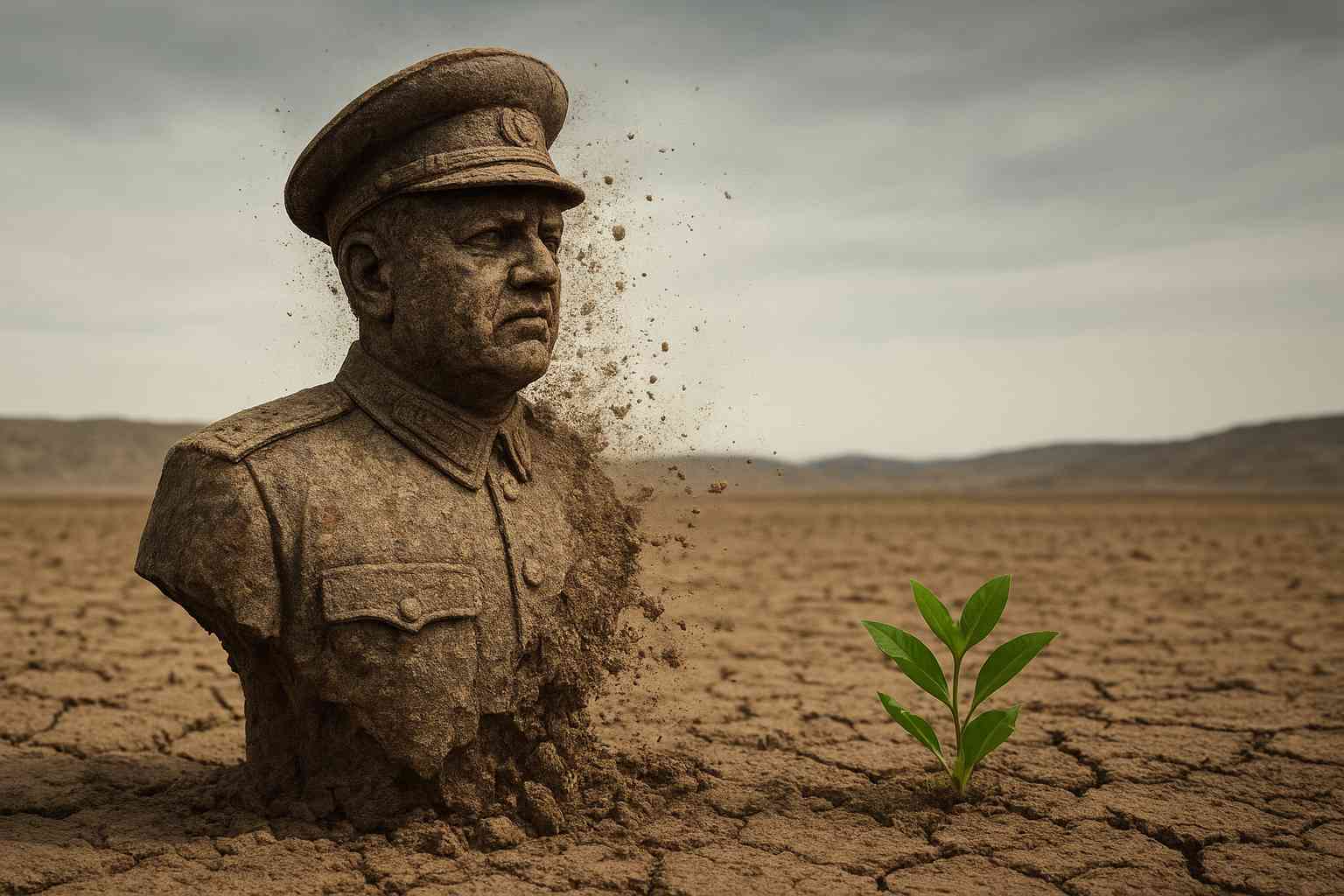
Nations fall when they refuse to self-correct.
Nations rise when they confront hard truths with discipline.
The choice is collective.
History will record which path we chose.