



To know about me simply visit: https://soldierspeaks.org/about-me/
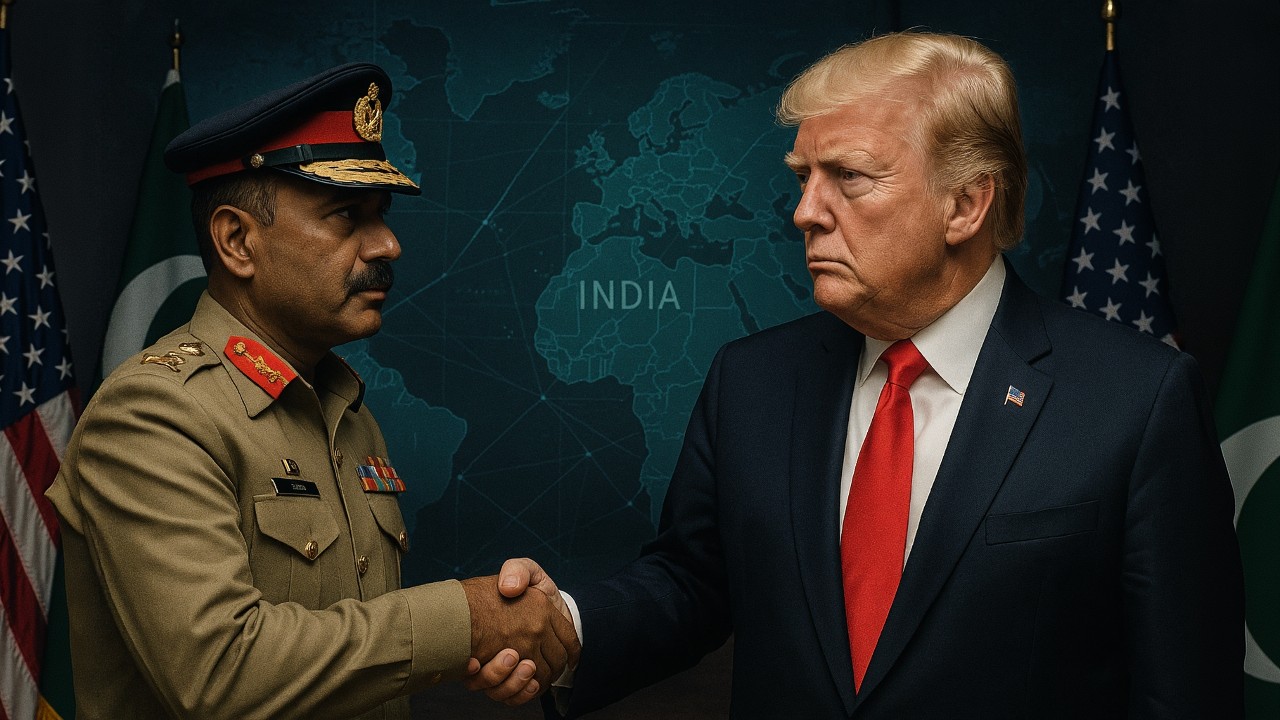
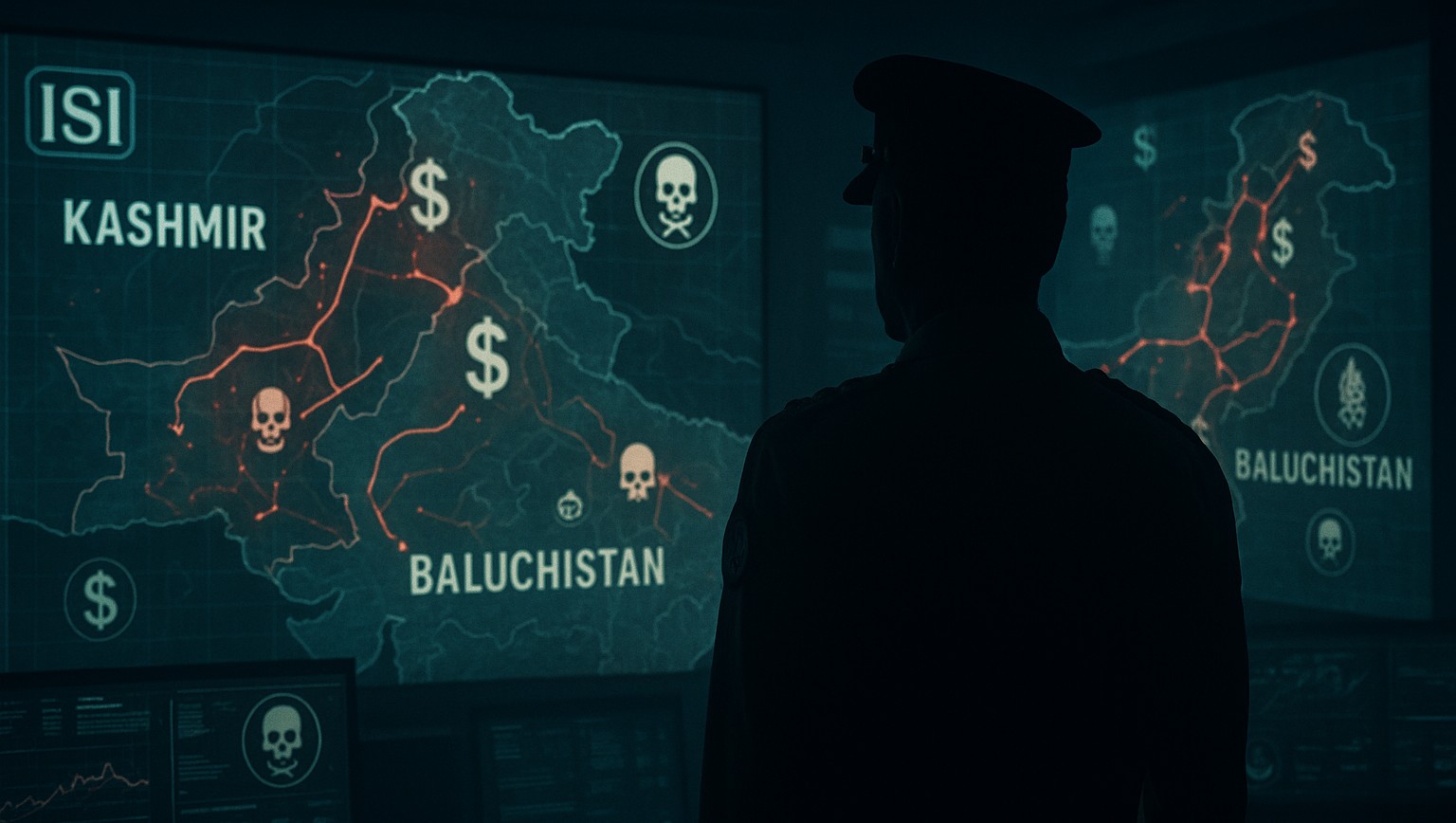
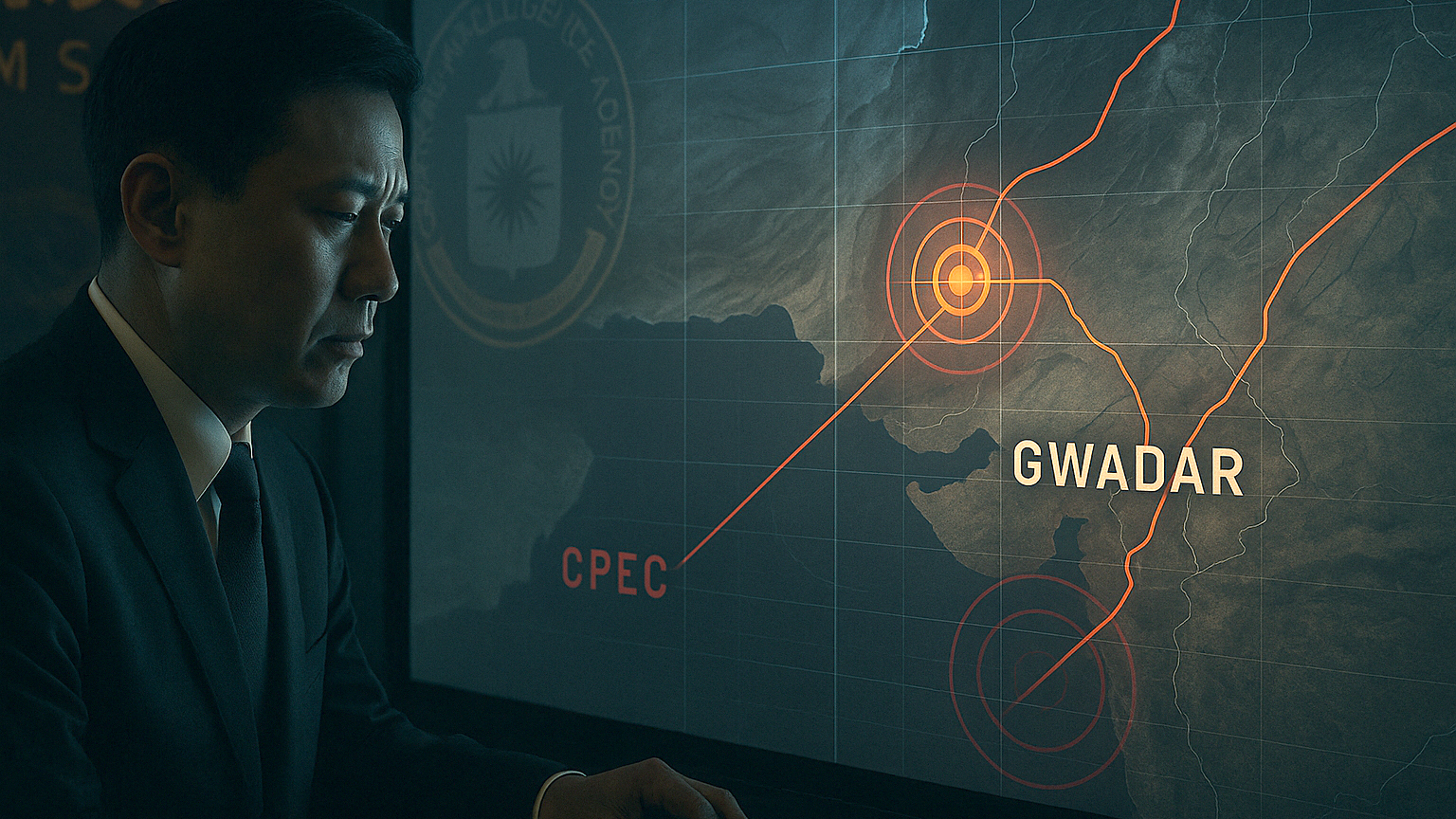
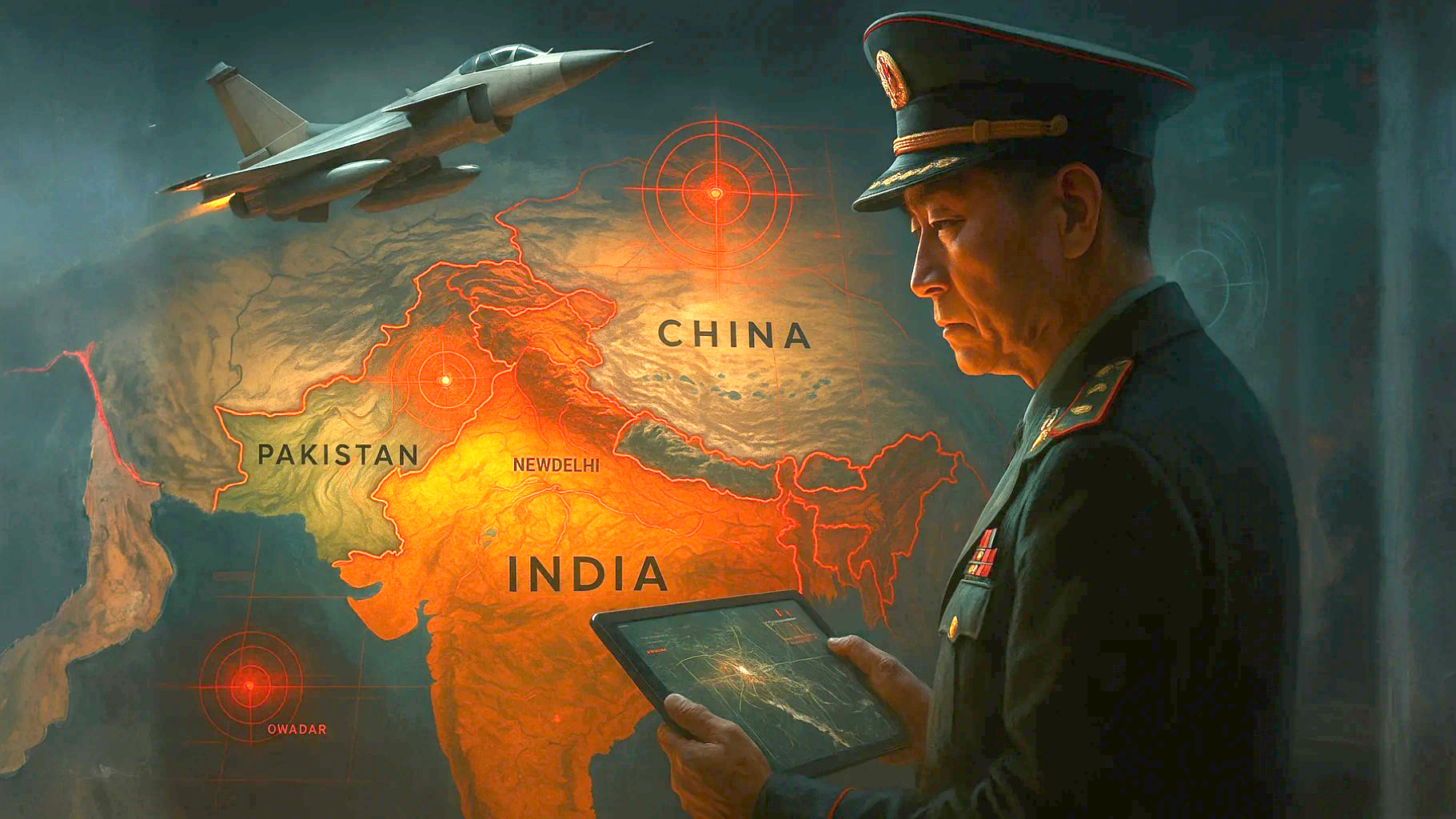
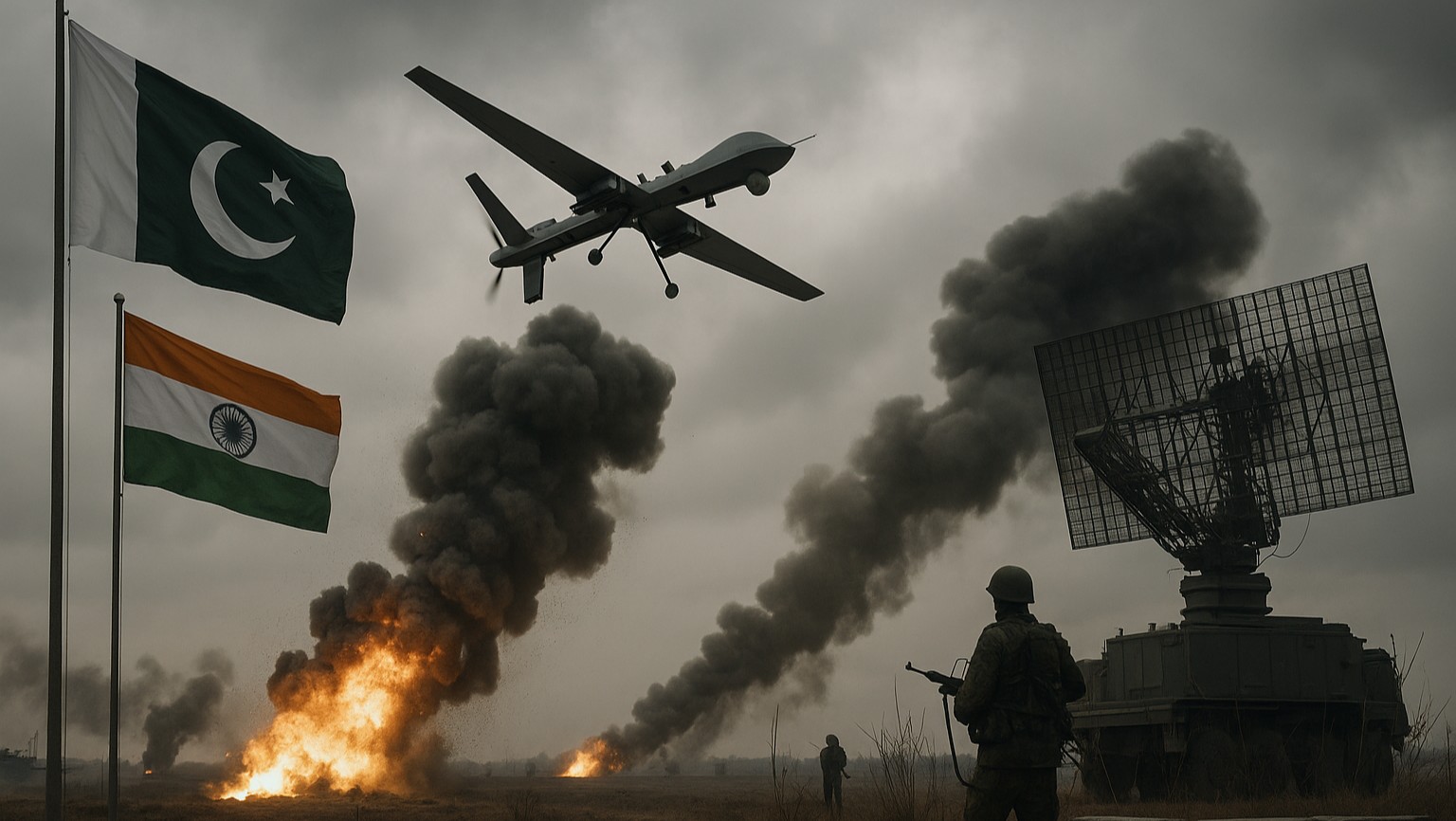
Global Order Re-Engineering examines how simultaneous conflicts across Iran, Pakistan, and Afghanistan may reflect a deeper strategic recalibration. The article explores Gwadar, CPEC vulnerabilities, Balochistan’s geopolitical role, proxy containment strategies, and the broader contest between multipolar expansion and unipolar preservation shaping South Asia’s future.
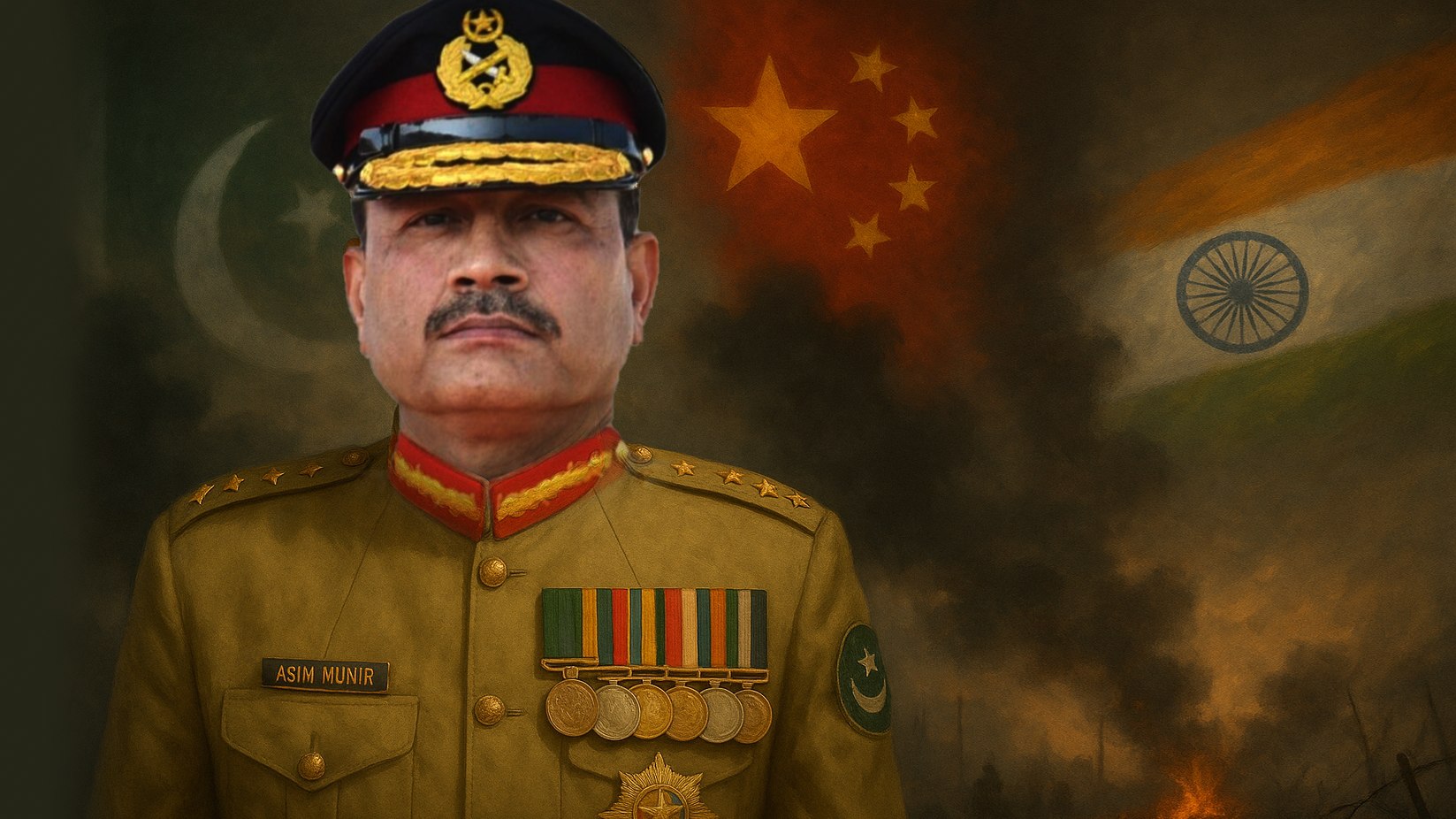
This article revisits the Hamood-ur-Rehman Commission Report—the most damning internal assessment of Pakistan’s 1971 collapse—and explains why its warnings remain tragically relevant. From unaccountable military power and intelligence failures to suppressed accountability and denial of atrocities, the report diagnosed systemic flaws Pakistan never addressed. Ignoring its lessons, the article argues, continues to push the country into recurring political, economic, and legitimacy crises.
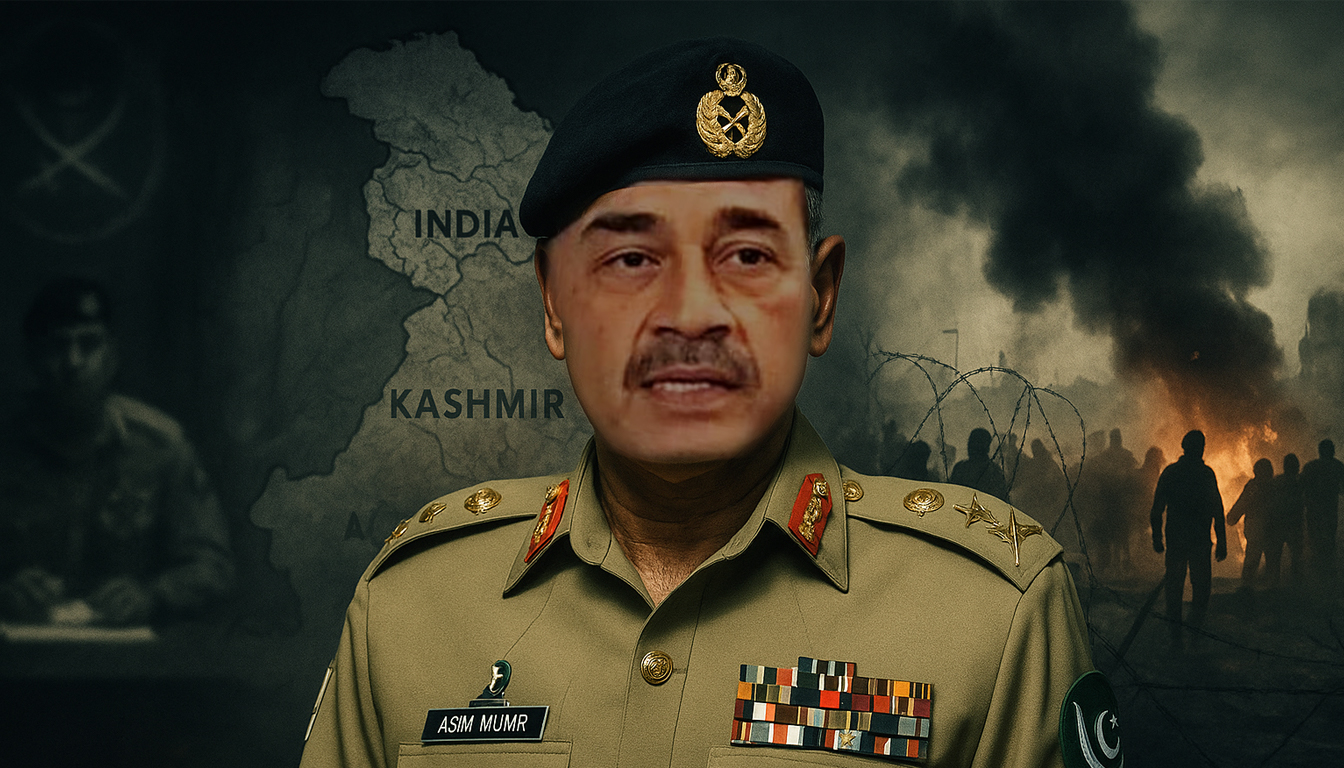
This analysis explains why Afghanistan declined to attend a regional meeting in Tehran framed around “the Afghan issue.” Rather than isolationism, Kabul’s decision reflects a deliberate assertion of sovereignty, a rejection of dependency politics, and resistance to being treated as a regional problem rather than a sovereign actor. The article explores the roles of Pakistan’s military leverage, regional credibility gaps, human-rights concerns, and Afghanistan’s broader strategy of resilience and dignity.
Adil Raja explains how Pakistan’s October 2025 closure of Afghan transit routes triggered an unexpected reversal: Kabul accelerated trade diversification through Iran, Central Asia, and India—cutting dependence on Pakistani crossings. Using trade figures, institutional reports, and regional corridor developments, the article argues Afghanistan’s new posture has weakened Islamabad’s traditional leverage, disrupted Pakistan’s export earnings, and reshaped the regional economic balance.
Adil Farooq Raja examines a reported behind-the-scenes proposal presented to UK officials: Pakistan signalling willingness to accept convicted grooming-gang offenders in return for the extradition of prominent dissidents. The article argues the episode marks an alarming escalation of transnational repression, highlighting legal safeguards in the UK against politically motivated extradition and warning of a dangerous global precedent for trading “political wins” for critics abroad.
A fact-based breakdown of what mainstream reports say about the FIA’s crypto case against Waqar Zaka — and what he says in his own defence. This piece highlights the risks Pakistan’s youth face amid hype-driven crypto culture, weak regulation, and financial desperation.
Sudan’s brutal conflict is not just a civil war — it’s a proxy battlefield where gold, greed, and foreign powers like the UAE fuel atrocities. Adil Raja uncovers how modern imperialism bleeds Africa’s wealth while its people suffer.
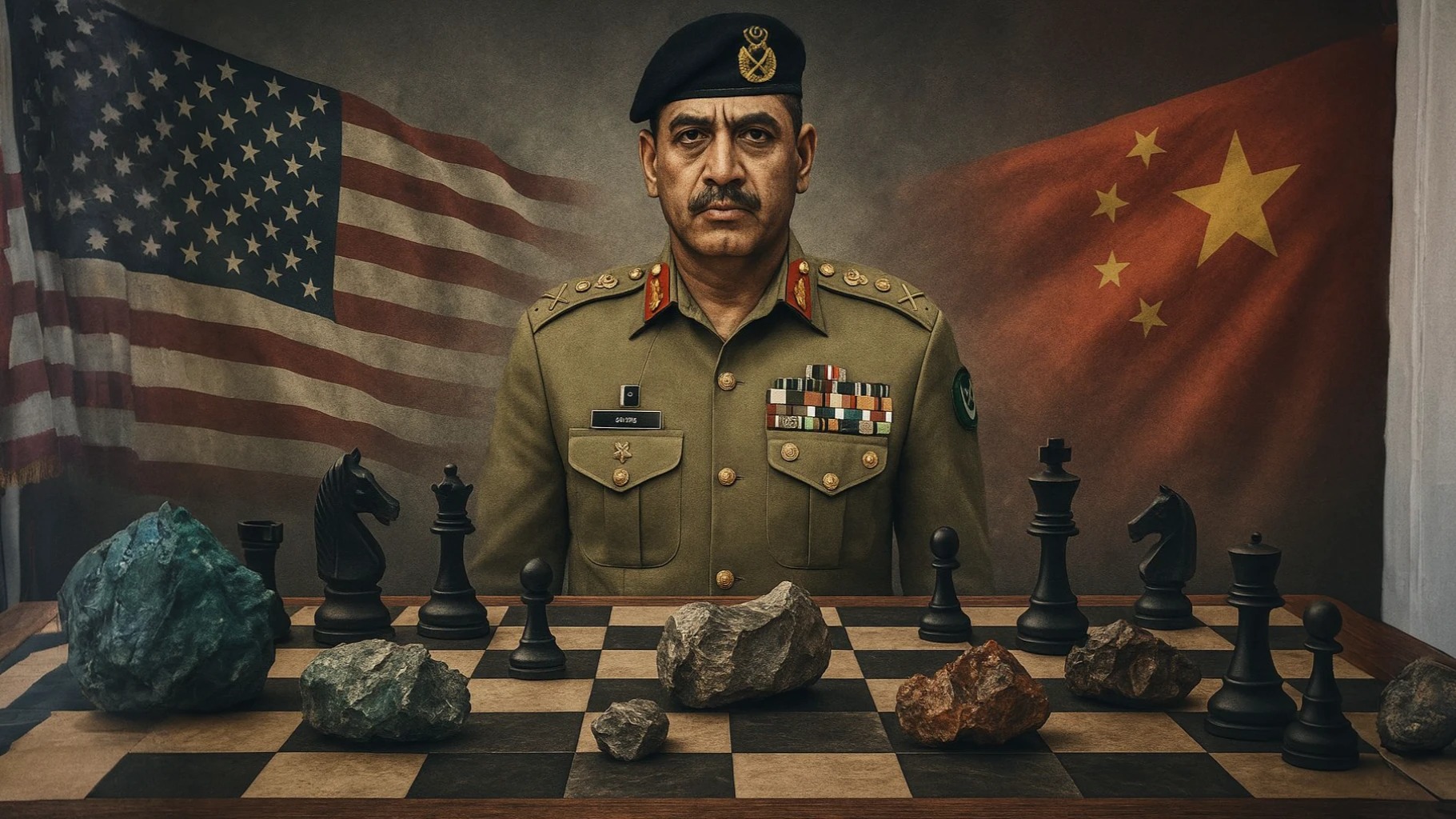
From fertilizers to real estate and banking to energy, Pakistan’s military-linked corporations have built an empire where command becomes capital and loyalty earns contracts. This system of elite capture defines the country’s economy and power structure.
کے پی کے کے وزیر اعلیٰ علی امین گنڈا پور کی جگہ سہیل آفریدی کے آنے سے پی ٹی آئی کے حامیوں میں جشن کی لہر دوڑ گئی ہے – لیکن ماہرین نے خبردار کیا ہے کہ یہ خوشی قلیل مدتی ہو سکتی ہے۔ آفریدی کو اسی فوج کے زیر کنٹرول نظام کا سامنا ہے جو پاکستان میں تمام صوبائی رہنماؤں کو محدود کرتا ہے۔
The replacement of KPK Chief Minister Ali Amin Gandapur with Sohail Afridi has sparked celebration among PTI supporters — but experts warn the joy may be short-lived. Afridi faces the same military-controlled system that limits all provincial leaders in Pakistan.